


2025/08/07 - 2025/08/07
43位(同エリア934件中)

旅熊 Kokazさん
- 旅熊 KokazさんTOP
- 旅行記1918冊
- クチコミ854件
- Q&A回答102件
- 1,701,073アクセス
- フォロワー753人
この旅行記のスケジュール
2025/08/07

この旅行記スケジュールを元に
MOMAT コレクション〔国立東京近代美術館 所蔵作品展〕(2025.7.15-10.26)
https://www.momat.go.jp/exhibitions/r7-1
11.揺れる境界
- 旅行の満足度
- 5.0
-

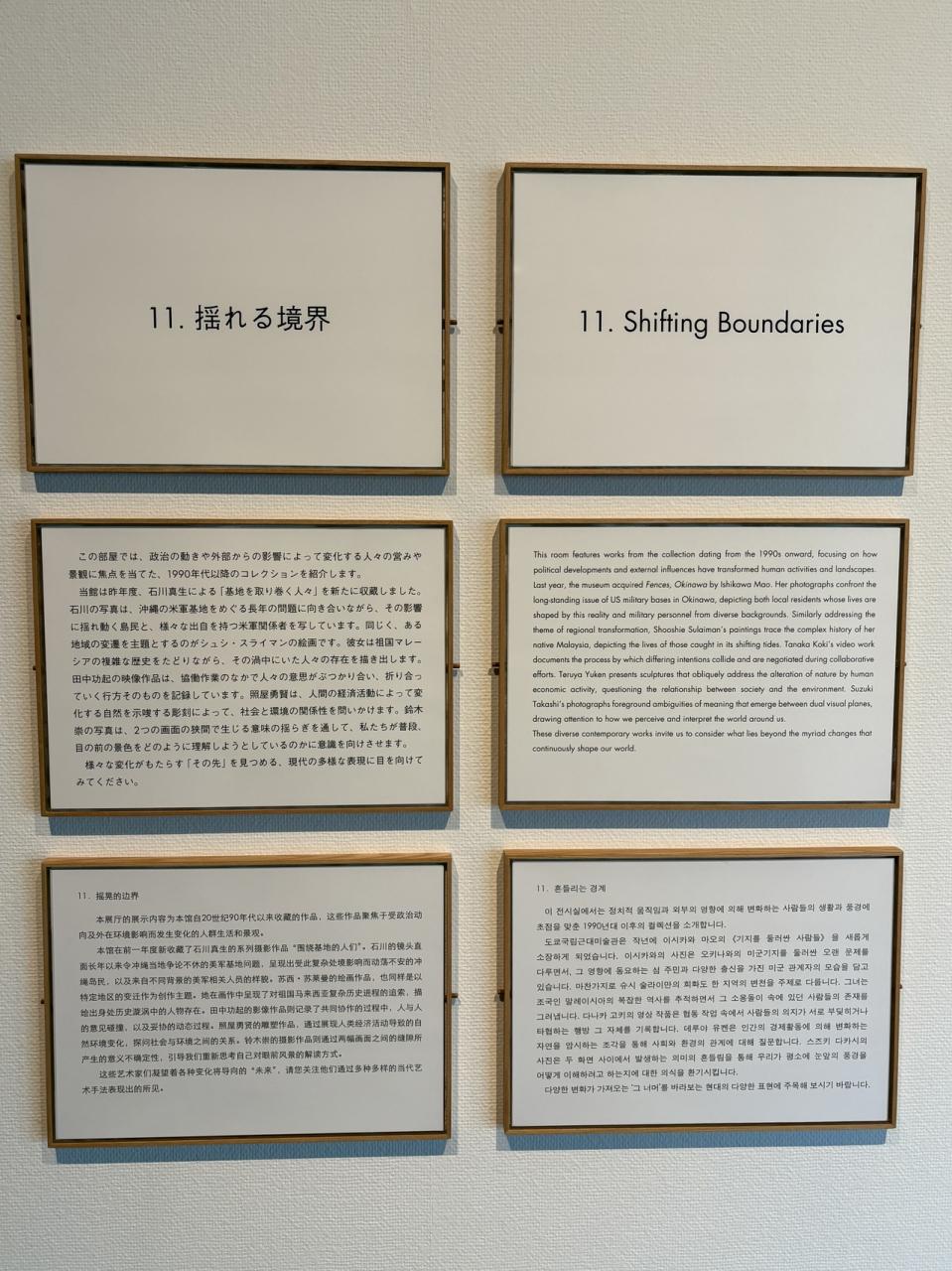
11. 揺れる境界
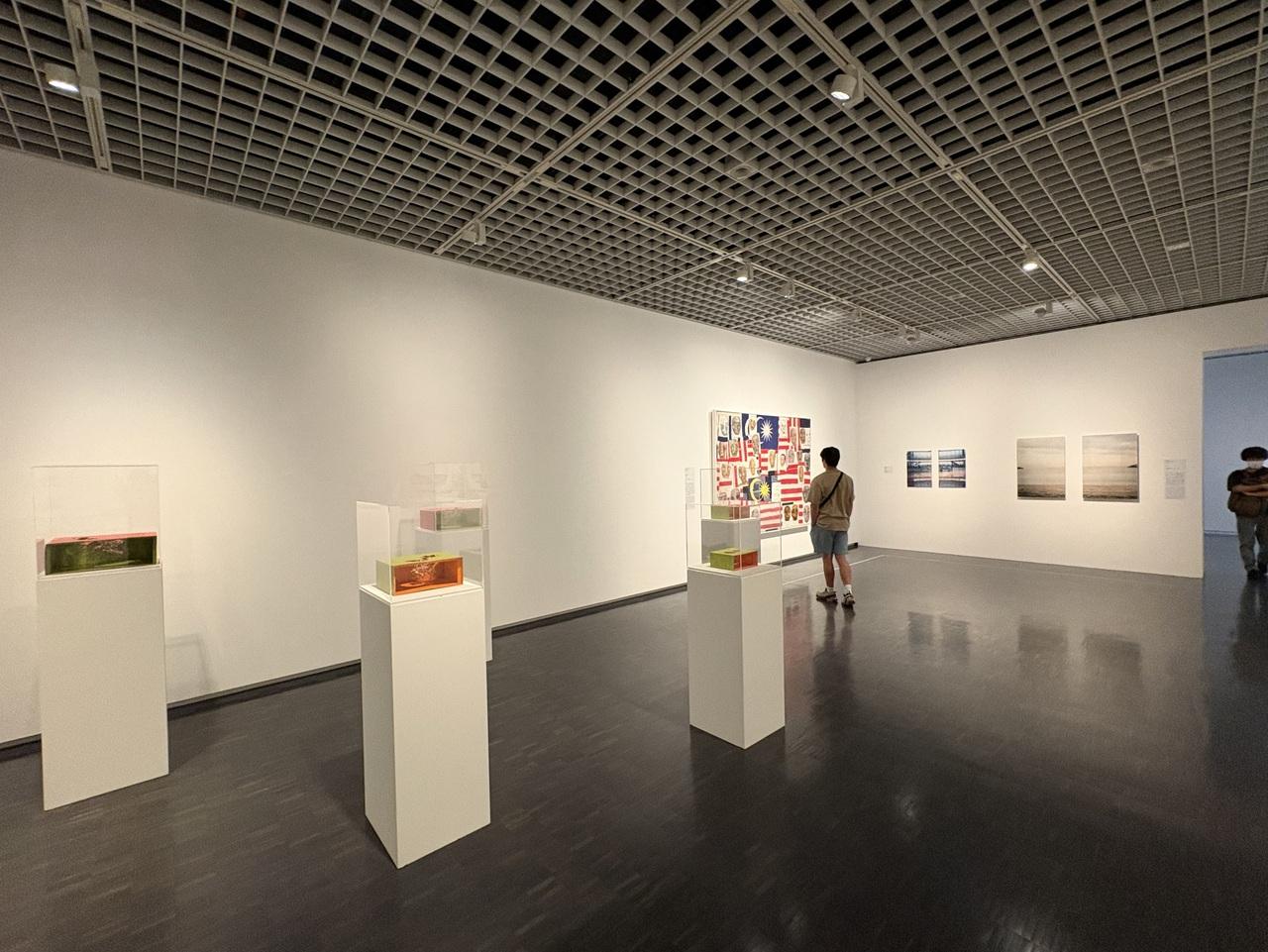
この部屋では、政治の動きや外部からの影響によって変化する人々の営みや景観に焦点を当てた、1990年代以降のコレクションを紹介します。
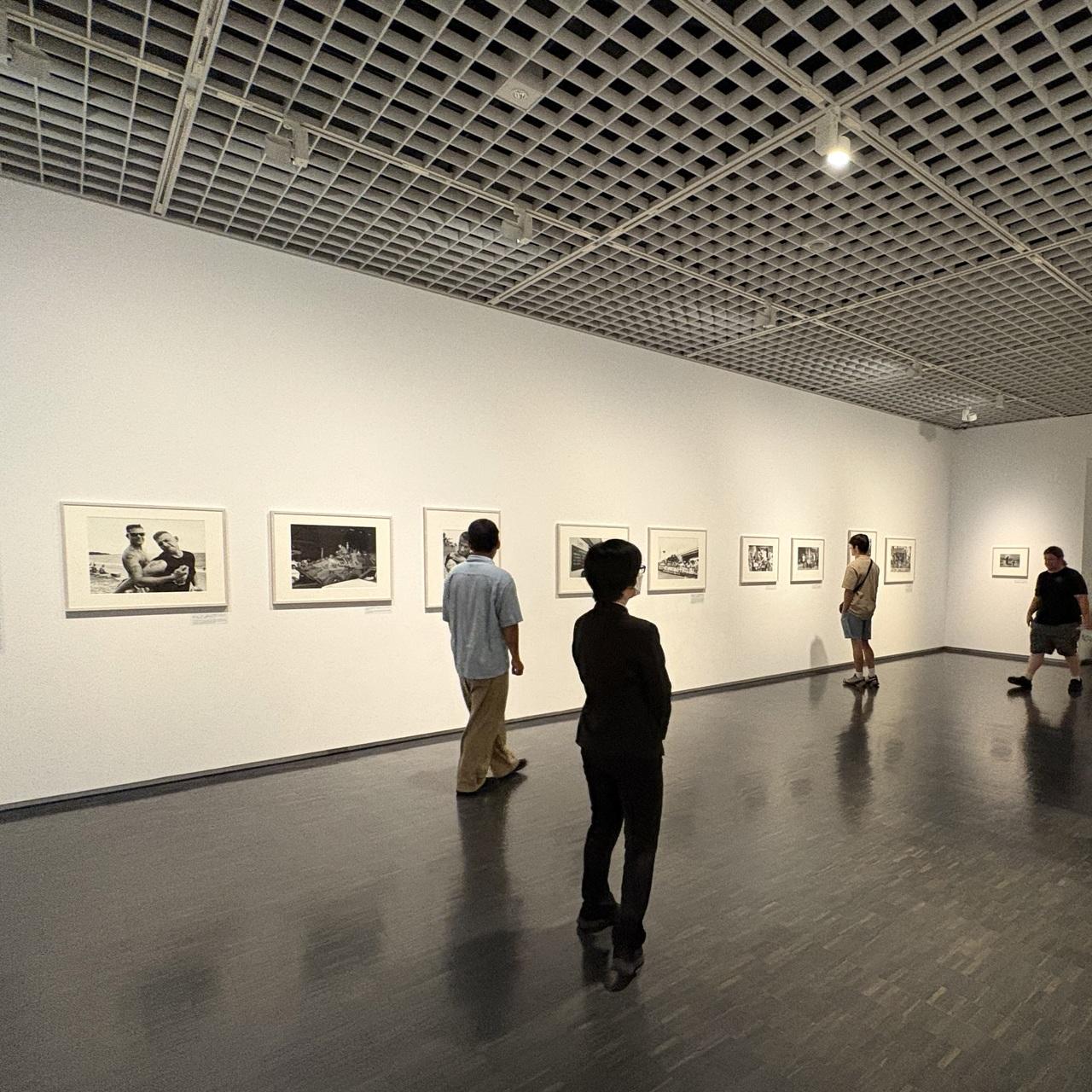
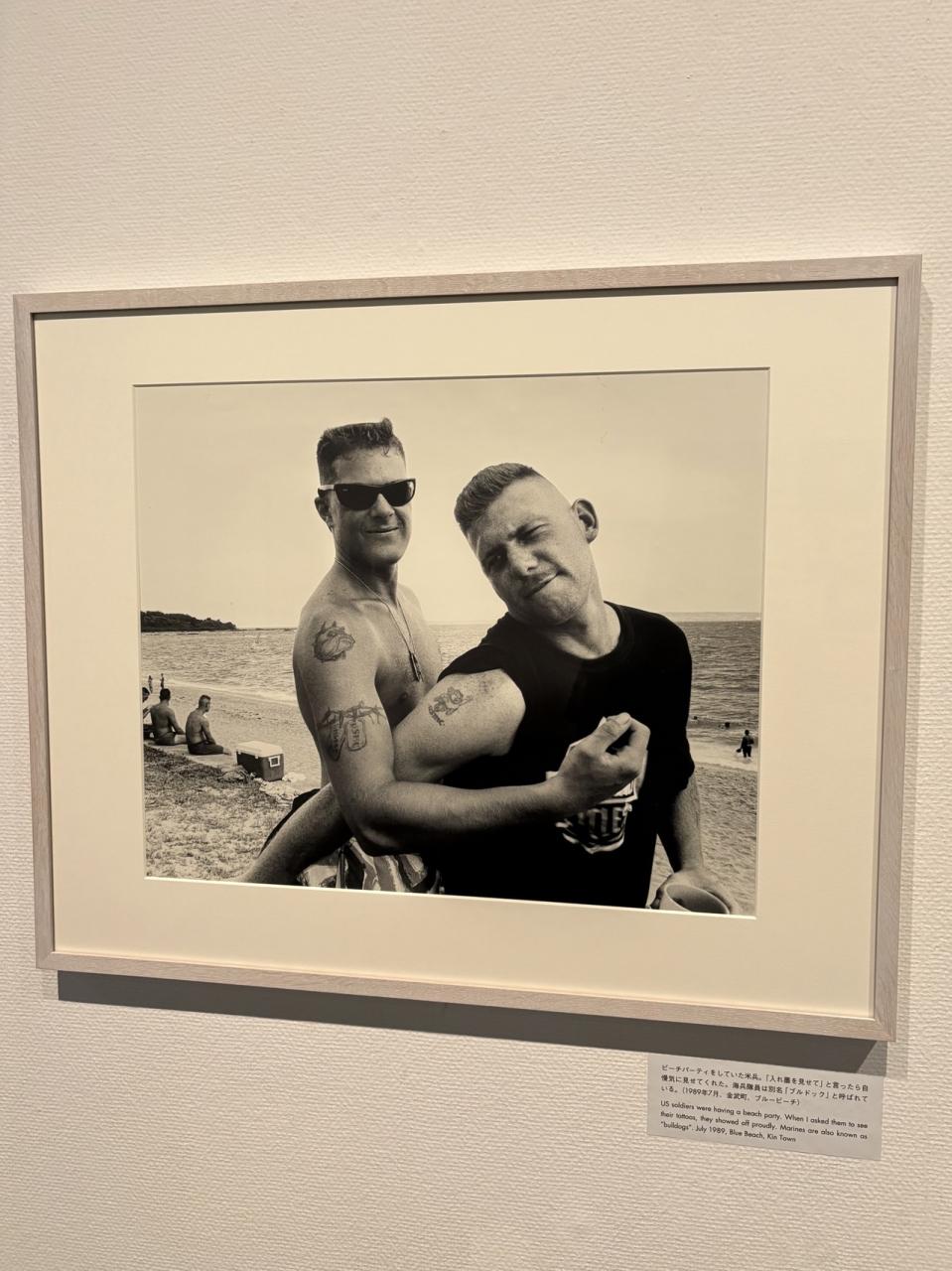
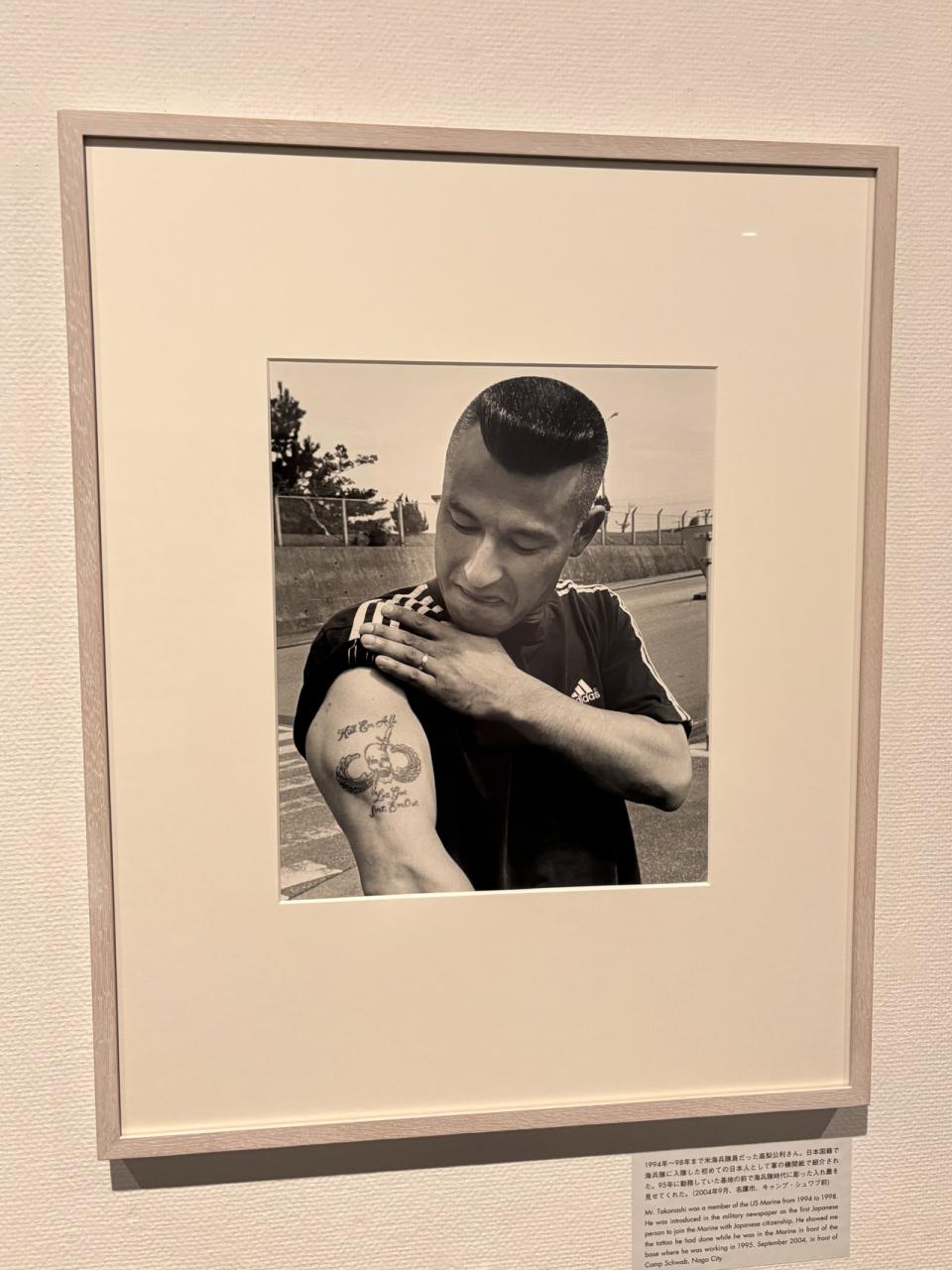
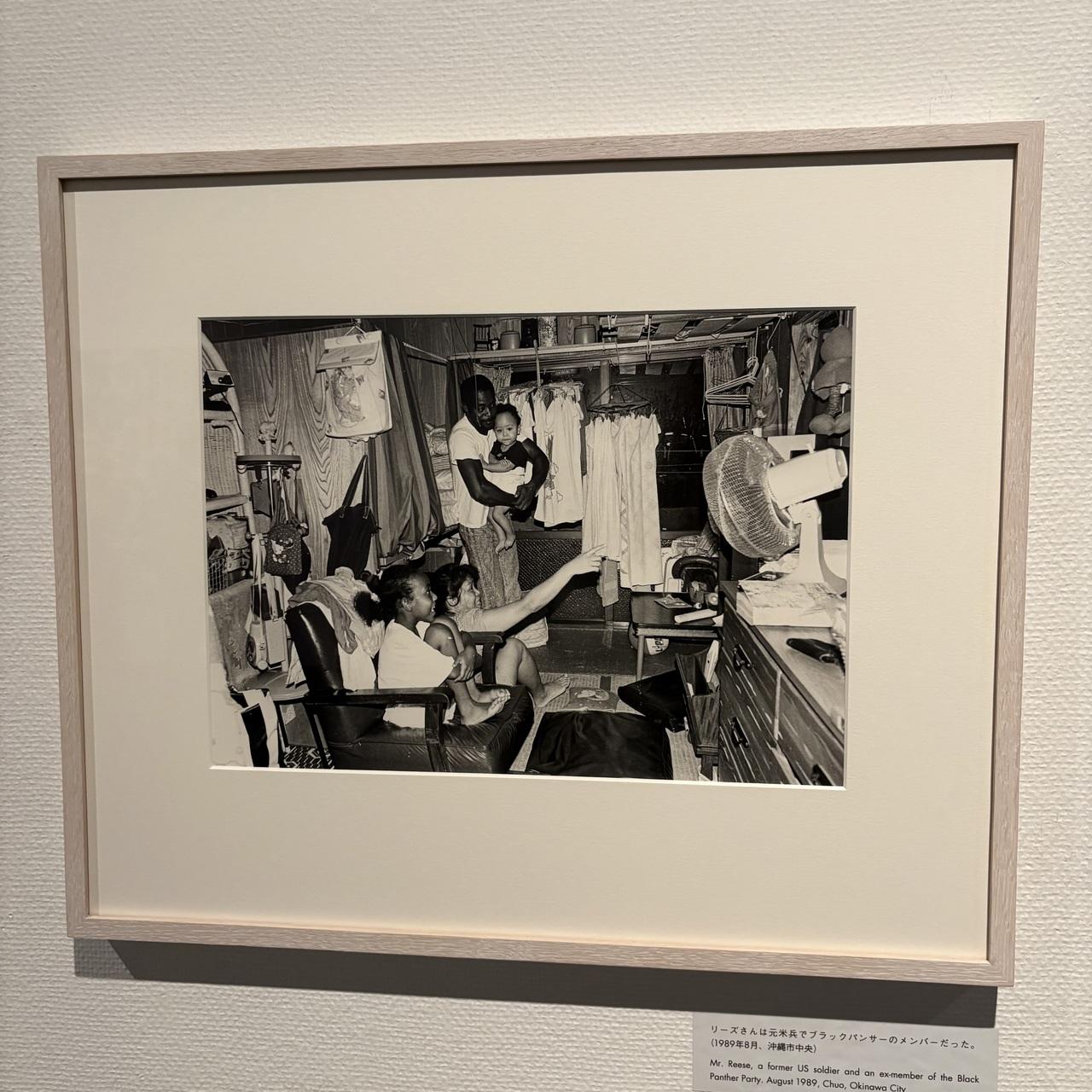
本館は昨年度、石川真生による「基地を取り巻く人々」を新たに収蔵しました。石川の写真は、沖縄の米軍基地をめぐる長年の問題に向き合いながら、その影響に揺れ動く島民と、様々な出自を持つ米軍関係者を写しています。
同じく、ある地域の変遷を主題とするのがシュシ・スライマンの絵画です。彼女は祖国マレーシアの複雑な歴史をたどりながら、その渦中にいた人々の存在を描き出します。
田中功起の映像作品は、協働作業のなかで人々の意思がぶつかり合い、折り合っていく行方そのものを記録しています。照屋勇賢は、人間の経済活動によって変化する自然を示唆する彫刻によって、社会と環境の関係性を問いかけます。
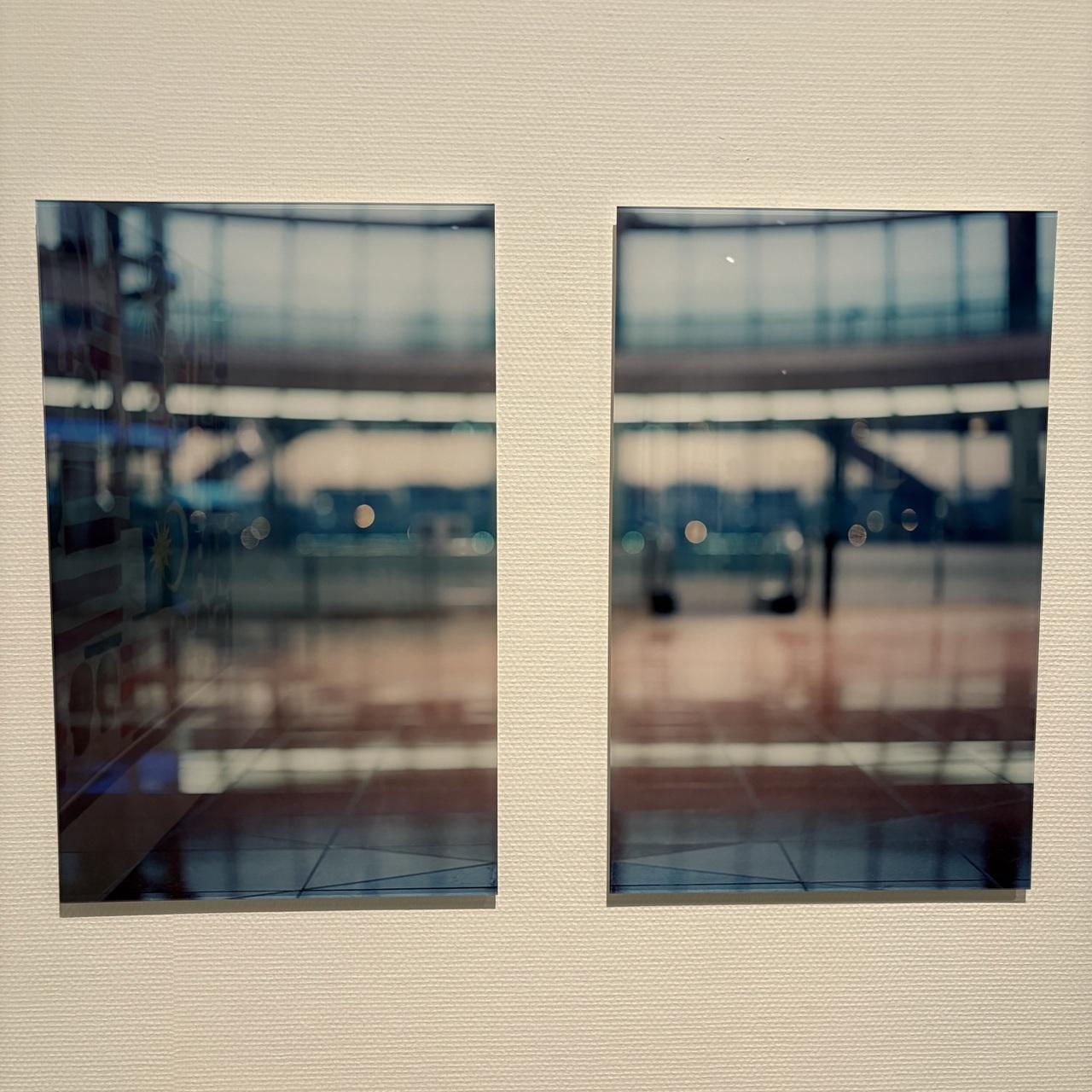
鈴木崇の写真は、2つの画面の狭間で生じる意味の揺らぎを通して、私たちが普段、目の前の景色をどのように理解しようとしているのかに意識を向けさせます。
様々な変化がもたらす「その先」を見つめる、現代の多様な表現に目を向けてみてください。
11. Shifting Boundaries
This room features works from the collection dating from the 1990s onward, focusing on how political developments and external influences have transformed human activities and landscapes.
Last year, the museum acquired Fences, Okinawa by Ishikawa Mao. Her photographs confront the long-standing issue of US military bases in Okinawa, depicting both local residents whose lives are shaped by this reality and military personnel from diverse backgrounds.
Similarly addressing the theme of regional transformation, Shooshie Sulaiman's paintings trace the complex history of her native Malaysia, depicting the lives of those caught in its shifting tides.
Tanaka Koki's video work documents the process by which differing intentions collide and are negotiated during collaborative efforts. Teruya Yuken presents sculptures that obliquely address the alteration of nature by human economic activity, questioning the relationship between society and the environment.
Suzuki Takashi's photographs foreground ambiguities of meaning that emerge between dual visual planes, drawing attention to how we perceive and interpret the world around us.
These diverse contemporary works invite us to consider what lies beyond the myriad changes that continuously shape our world.東京国立近代美術館 美術館・博物館
-
-
田中功起
TANAKA, Koki
1975-
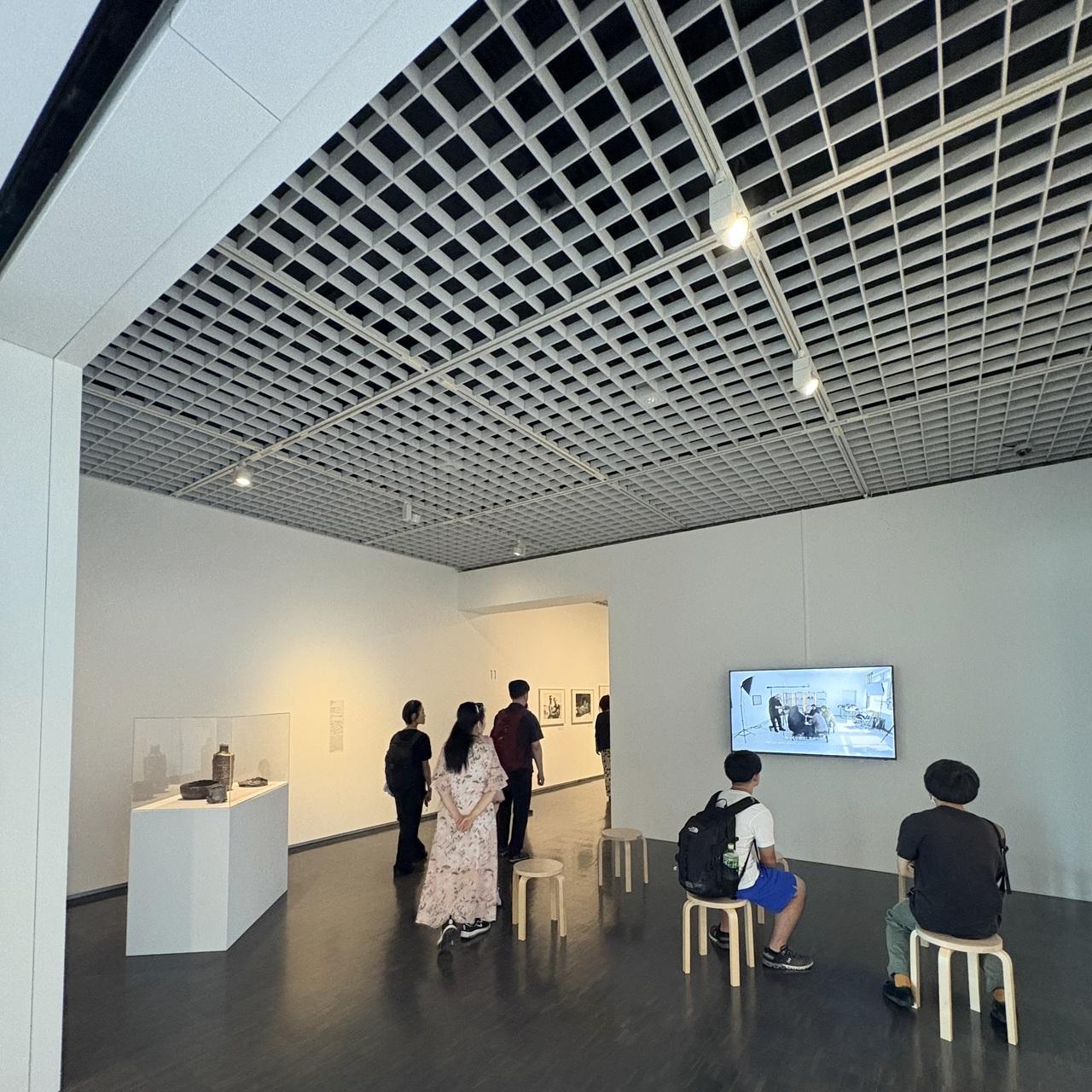
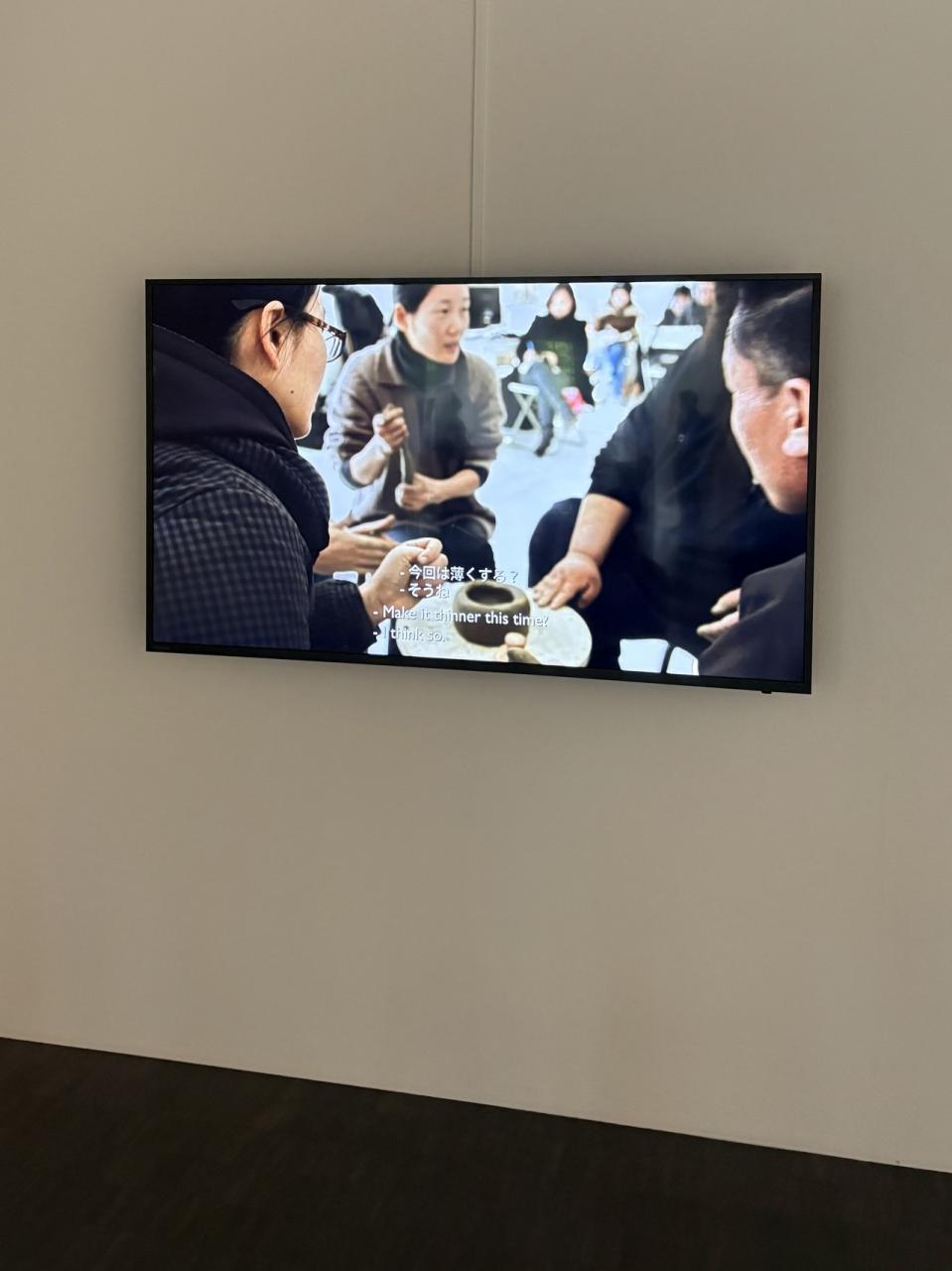
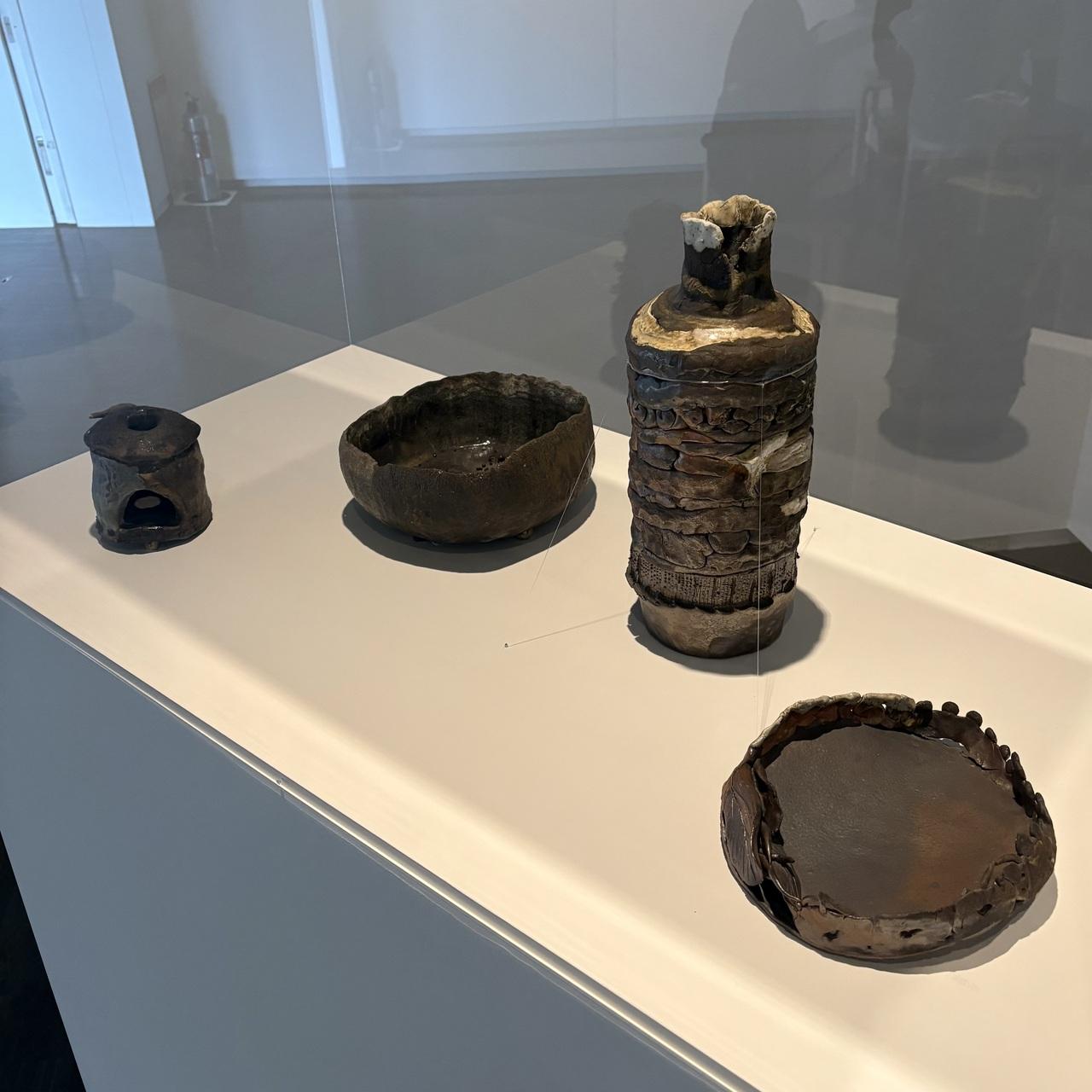
ひとつの陶器を五人の陶芸家が作る
(沈黙による試み)
A Pottery Produced by Five Potters at Once (Silent Attempt)
2013 平成25年
HDヴィデオカラー サウンド75分、陶器4点
HD video, color, sound, 75'00" and four potteries
購入
Purchased
本作は、2013(平成25)年の第55回ヴェネチア・ビエンナーレ国際美術展日本館での個展に際して制作されたもの。その個展では、東日本大震災を踏まえ、震災後の社会をどのようにして作るかというテーマの下、協働作業をテーマとする映像作品や写真作品が出品されました。本作では、工房にあるひとつの轆轤を囲んで、年齢も性別もキャリアも異なる5人の中国人の陶芸家が一緒に陶器を作っています。
当然ながら意見は食い違うわけですが、どのようにその協働作業は「終わり」を迎えるのでしょうか。なお田中はこの個展で、日本館としては初の「特別表彰」を受賞しました。
Tanaka made this work for his solo exhibition at the Japan Pavilion at the 55th International Art Exhibition of the Venice Biennale. Based on the theme of how to create a post-earthquake society in the wake of the Great East Japan Earthquake, Tanaka showed videos and photographs dealing with collaborative activities. In this work, five Chinese ceramic artists, both men and women of varying ages and career backgrounds, gather around a wheel to make a single piece of pottery together.
Naturally, differences of opinion arise, but how will this collaborative endeavor turn out? Tanaka's solo exhibition marked the first time that the Japan Pavilion had ever received a Special Mention. -
-
-
新収蔵作品
New Acquisition
石川真生
ISHIKAWA, Mao
1953-
「基地を取り巻く人々」より
Fences, Okinawa
1989-2004 (printed c. 1996-2007) 平成元年-19年
ゼラチン・シルバー・プリント gelatin silver print
作者寄贈および購入
Git of the artists / Purchased
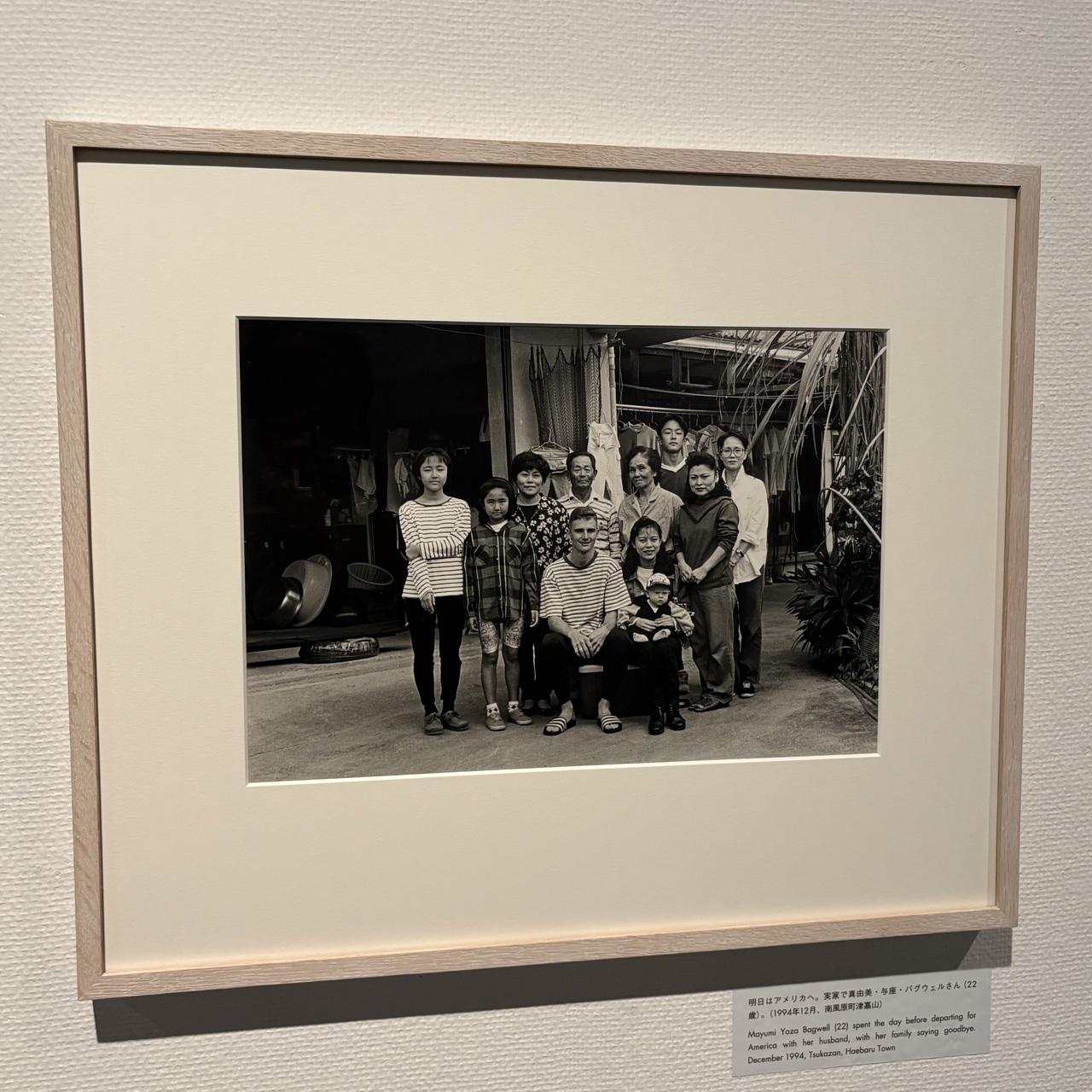
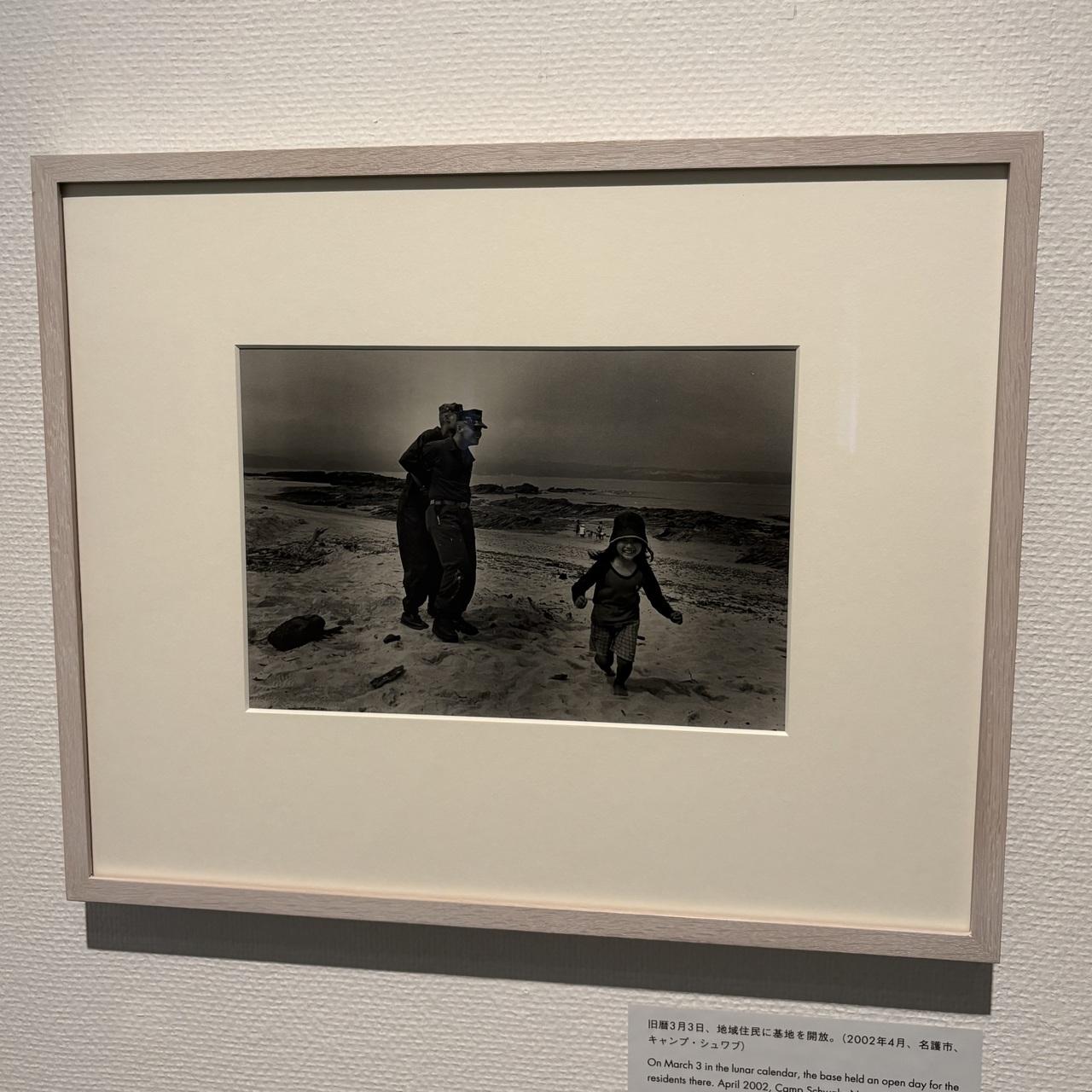
なぜ沖縄には、これほど多くの米軍基地が存在するのか。沖縄出身の石川はこの問いを出発点に、長年にわたり基地周辺を見つめてきました。
被写体は大きく3つに分けられます。
まずは基地の内外で出会う米兵たち。
ときに役職から離れた個人的な姿が記録されています。
次は沖縄の島民です。基地内で働き生計を立てる人々、基地撤退のデモに参加する人々。石川は両者を等価に写すことで、基地が地域にもたらす複雑な現実を浮かび上がらせます。
もうひとつは、米兵との結婚を選び、新たな生活を築く女性たちとその家族です。報道写真的な距離感と家族写真のような親密さを行き来しながら、本作は基地に関わる人々の営みを重層的にとらえています。
Why are there so many US military bases in Okinawa? Ishikawa, a native of the island, took this question as her starting point and has spent years observing communities surrounding the bases.
Her subjects fall into three main groups.
The first consists of US soldiers, both on and off the bases, sometimes photographed in unguarded personal moments outside their military roles.
The second is Okinawan residents, including those who make a living working on the bases and those who protest for their removal. By portraying both groups with equal attention, Ishikawa reveals the complex realities that the bases bring to the region.
The third group comprises women who have married US soldiers and built new lives with them, along with their fami-lies. Oscillating between the objectivity of documentary photography and the intimacy of family snapshots, the work offers a multilayered portrayal of lives shaped by the presence of the bases. -
-
-
-
-
-
照屋勇賢
TERUYA, Yuken
1973-
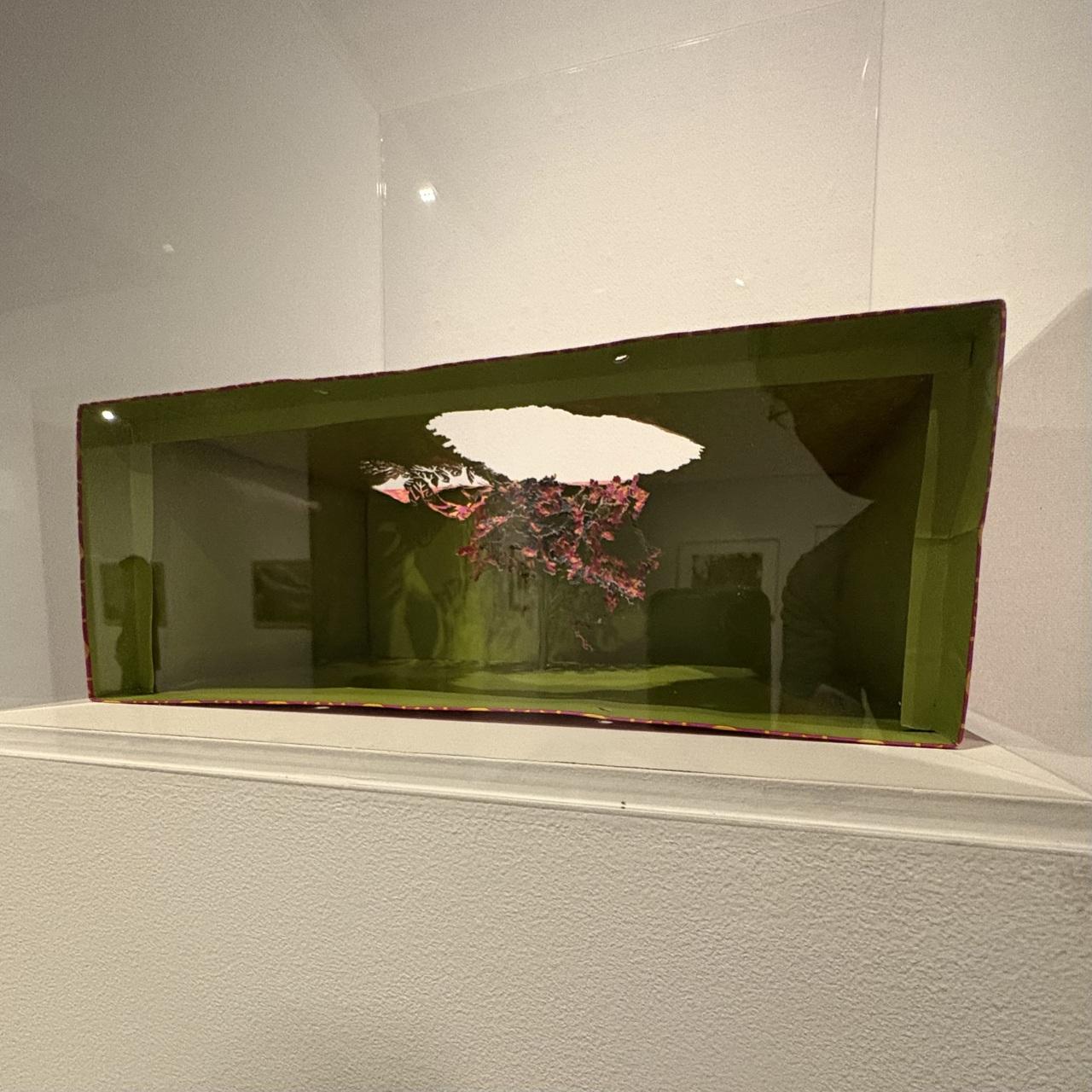
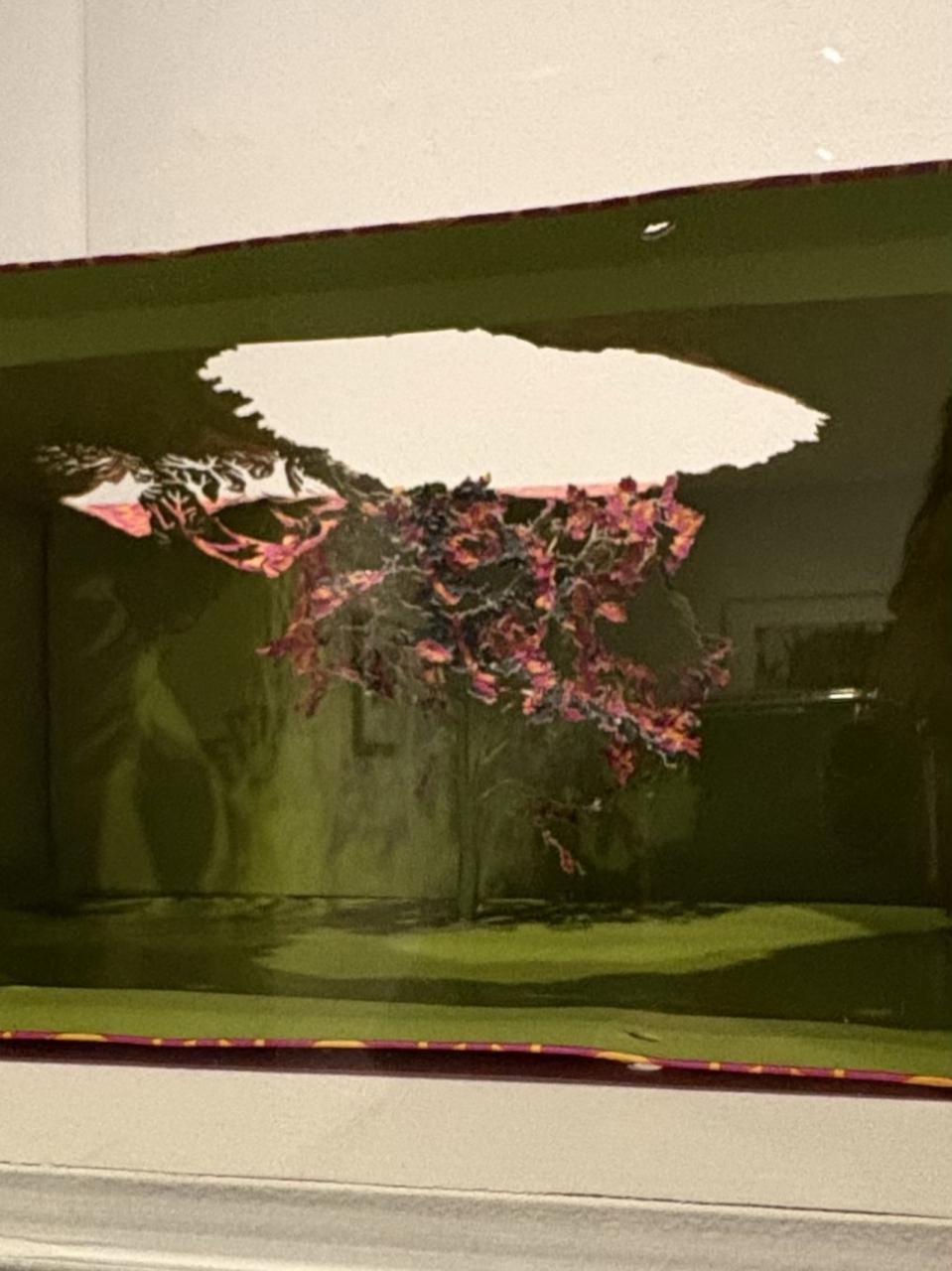
告知一森
Notice-Forest
2012 平成24年
紙袋、糊
paperbags and glue
購入
Purchased
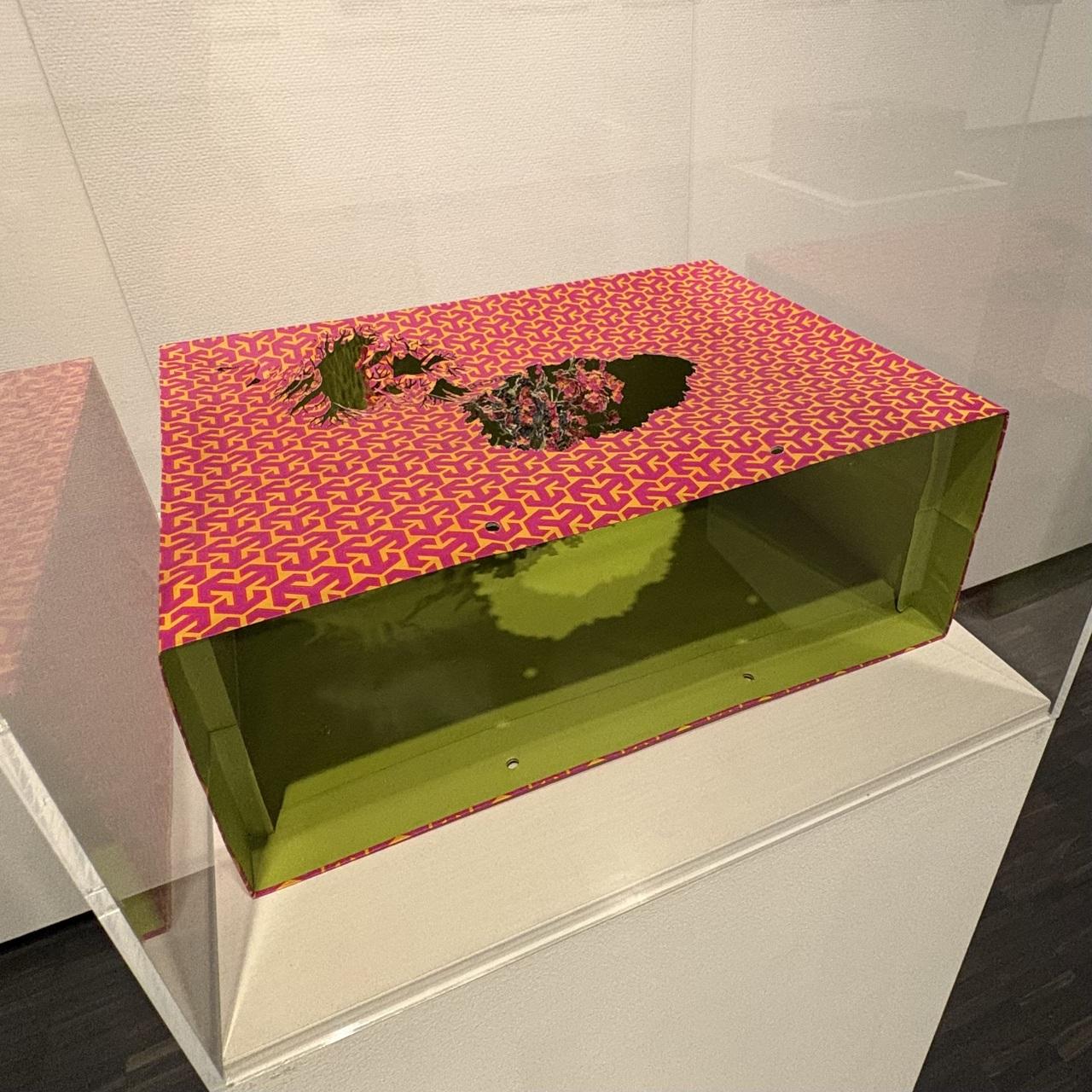
照屋はものの意味をずらすことで、社会の問題を考えようとしてきた作家です。では、ここではファッションブランドの紙袋をどうずらしているでしょうか。
まず、紙袋を箱庭へ。そして、素材の紙を、原料である樹へ。また、へたりやすい紙袋を構造的に支えているのは樹のフォルムだったりしますが、ここで経済活動の象徴である紙袋を支えているのは、パルプのために伐採されて問題となっている原生林ではなく、ニューヨークの街路をモデルとしているところにもズレがあります。
ズレごとに、視野は大きくもなり小さくもなる。単純に解を出すのではなく、こんなふうにあれこれ考えることを、この作品は促しているようです。
Teruya is an artist whose practice involves disrupting the meanings of objects so as to shed light on social issues. In this case, how does he disrupt the significance of a fashion brand's paper shopping bag?
First, he makes the paper bag into a miniature garden. Next, the paper is transformed into a tree that is its raw material. The tree form structurally supports the easily degradable paper bag, but there is a dissonance in meaning in that what supports the paper bag, a symbol of economic activity, is a model of a New York City street-side tree rather than a tree from an old-growth forest, the cutting of which for pulp is a social issue being addressed.
With each disruption, our field of view becomes larger or smaller. The work seems to encourage viewers not simply to find simple answers, but to consider issues from a variety of perspectives. -
-
-
シュシ・スライマン
Shooshie Sulaiman
1973-
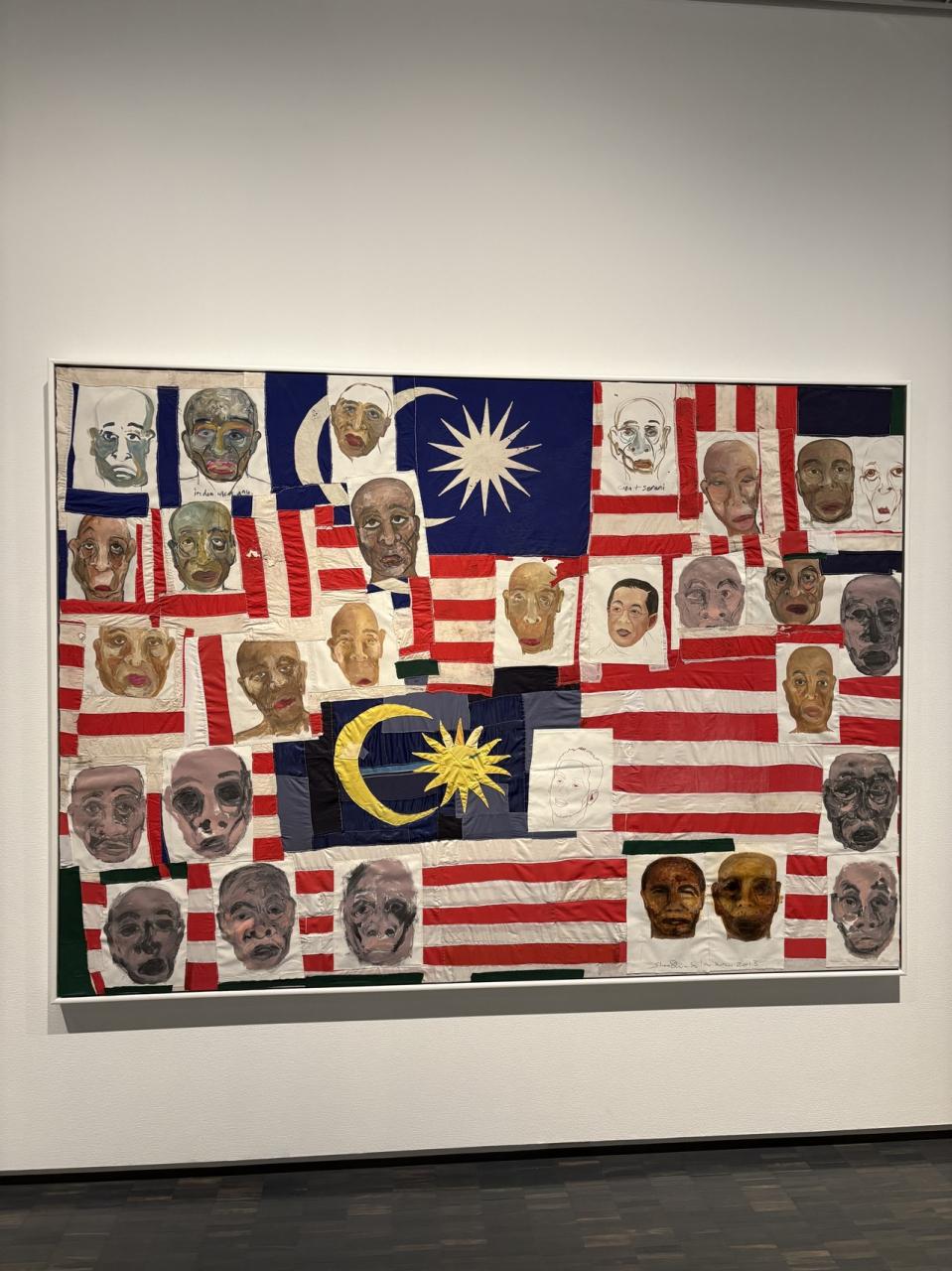
# (Negara)
Country (Negara)
2012-13 平成24-25年アクリリック、その他・綿布
acrylic, etc. on cotton
購入
Purchased
赤と白のストライプは、作家が帰属するところのマレーシアの国旗に用いられています。その上に描かれているいくつもの顔は、仮想のマレーシアの祖先の顔、マレーシアの政治家の顔、彼女自身の父親の顔だと言います。この作品では、マレーシアという国家の複雑さと彼女自身の出自の複雑さとが重ね合わせられているのです(今マレーシアと呼ばれる地域は、第二次世界大戦中は日本の占領下にあり、戦後にはイギリス領植民地の集合体であるマラヤ連邦がありました。1963年マレーシアが建国されますが、その2年後には同国から独立する形でシンガポールが誕生しています)。
The red and white stripes are used in the Malaysian flag - the country of Sulaiman's birth. The faces on top of them are apparently the faces of imaginary Malaysian ancestors, politicians, and the artist's own father. This work juxtaposes the complex nature of Malaysia with the artist's complex background. (The region that is now known as Malaysia was occupied by Japan during the Second World War. After the war, the Malayan Union was formed as an aggregate of British territories. In 1963, the nation of Malaysia was founded, and two years later, Singapore, one of the country's states, declared its own independence.) -
鈴木崇
SUZUKI, Takashi
1971-
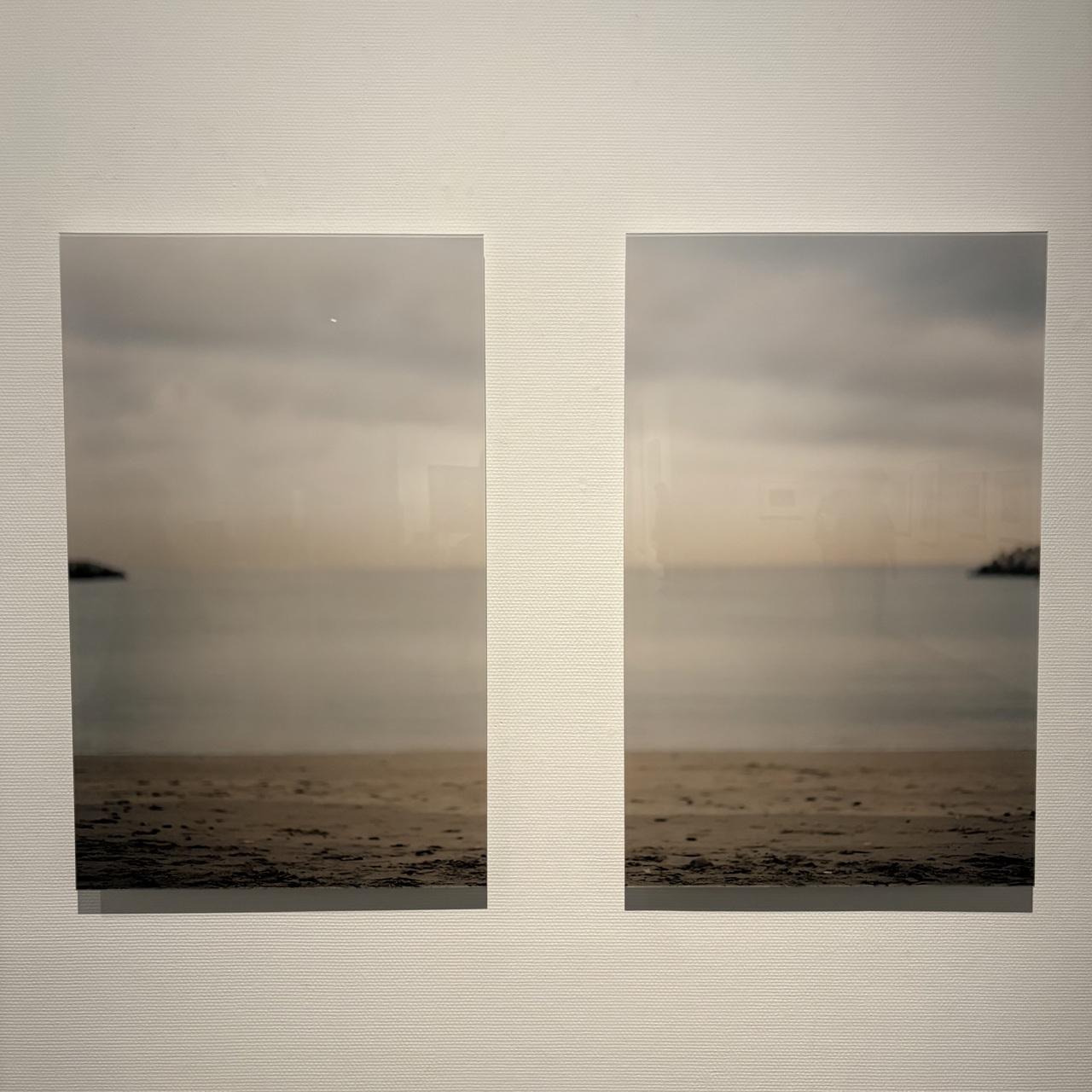
Altus 001
2004 平成16年
発色現像方式印画
2 chromogenic prints
購入
Purchased
タイトルに使われている「Altus」とは、「内奥の、計り知れない」といった意味を表すラテン語です。レンズが向けられるのは奥行きのある空間ですが、ピントが合わされているのはそのごく一部です。さらに、画面は2つに分割されていますが、その間の空白部分にはいったい何があるのか、それともひとつのイメージがただ切断されているだけなのか、すべては曖昧なままです。人間の視覚は、目の前の光景をつねに理解可能な意味を持つ世界として認識する傾向があります。しかし本作は、あえて不確かな視覚情報を示すことで、「そこに何が見えるのか」「その景色をどう捉えているのか」という問いを私たちに投げかけます。
The title Altus comes from Latin and means "deep" or "unfathomable." The lens is directed toward a deep space, but only a fraction of the image is in focus. The images are also split into two sections, and it remains unclear what lies in the gap between them, or whether a single image has simply been divided. Everything is left uncertain. Human vision makes us tend to interpret scenes before our eyes as coherent and meaningful, but by presenting ambiguous visual information, this work poses the questions: "What is it that we see?" and "How do we interpret the landscapes in front of us?" -
鈴木崇
SUZUKI, Takashi
1971-
Altus 020
2005
平成17年
発色現像方式印画
2 chromogenic prints
作者寄贈
Gift of the artist
この旅行記のタグ


利用規約に違反している投稿は、報告する事ができます。
-
前の旅行記

MOMAT コレクション(2025.7.15-10.26)10.アルプのアトリエ/絵画と目的 "山口華楊、洋...
2025/08/07~
神田・神保町
-
次の旅行記

MOMAT コレクション〔国立東京近代美術館 所蔵作品展〕(2025.7.15-10.26)12.ヨコ軸・タ...
2025/08/07~
神田・神保町
-

MOMAT コレクション〔国立東京近代美術館 所蔵作品展〕(2025.7.15-10.26)1.ハイライト ...
2025/08/07~
神田・神保町
-

MOMAT コレクション〔国立東京近代美術館 所蔵作品展〕(2025.7.15-10.26)2.大正の個性派...
2025/08/07~
神田・神保町
-

MOMAT コレクション〔国立東京近代美術館 所蔵作品展〕(2025.7.15-10.26)3. 岸田劉生「...
2025/08/07~
神田・神保町
-

MOMAT コレクション〔国立東京近代美術館 所蔵作品展〕(2025.7.15-10.26)4.山と渓谷 "...
2025/08/07~
神田・神保町
-

MOMAT コレクション(2025.7.15-10.26)5.1930年代の絵画:現実の彼方へ、幻影の手前で...
2025/08/07~
神田・神保町
-

MOMAT コレクション(2025.7.15-10.26)6.1940年 "ハリー・K・シゲタ(重田放二)フ...
2025/08/07~
神田・神保町
-

MOMAT コレクション〔国立東京近代美術館 所蔵作品展〕(2025.7.15-10.26)7.戦後の女性画...
2025/08/07~
神田・神保町
-

MOMAT コレクション(2025.7.15-10.26)8.ジャンクとポップ "日比野克彦 LABYRIN...
2025/08/07~
神田・神保町
-

MOMAT コレクション〔国立東京近代美術館 所蔵作品展〕(2025.7.15-10.26)9.山村雅昭「ワ...
2025/08/07~
神田・神保町
-

MOMAT コレクション(2025.7.15-10.26)10.アルプのアトリエ/絵画と目的 "山口華楊、洋...
2025/08/07~
神田・神保町
-

MOMAT コレクション(2025.7.15-10.26)11.揺れる境界 "石川真生、基地を取り巻く人々"
2025/08/07~
神田・神保町
-

MOMAT コレクション〔国立東京近代美術館 所蔵作品展〕(2025.7.15-10.26)12.ヨコ軸・タ...
2025/08/07~
神田・神保町
-

東京国立近代美術館 "新収蔵&特別公開 コレクションにみる日韓" (2025.7.15 - 10.26) "...
2025/08/07~
神田・神保町
旅行記グループをもっと見る
コメントを投稿する前に
十分に確認の上、ご投稿ください。 コメントの内容は攻撃的ではなく、相手の気持ちに寄り添ったものになっていますか?
サイト共通ガイドライン(利用上のお願い)報道機関・マスメディアの方へ 画像提供などに関するお問い合わせは、専用のお問い合わせフォームからお願いいたします。
この旅行で行ったスポット






フォートラベル公式LINE@

おすすめの旅行記や旬な旅行情報、お得なキャンペーン情報をお届けします!
QRコードが読み取れない場合はID「@4travel」で検索してください。
\その他の公式SNSはこちら/




旅行記グループ MOMAT コレクション〔国立東京近代美術館 所蔵作品展〕(2025.7.15-10.26)
0
17