


2025/08/07 - 2025/08/07
81位(同エリア932件中)

旅熊 Kokazさん
- 旅熊 KokazさんTOP
- 旅行記1921冊
- クチコミ854件
- Q&A回答102件
- 1,704,792アクセス
- フォロワー752人
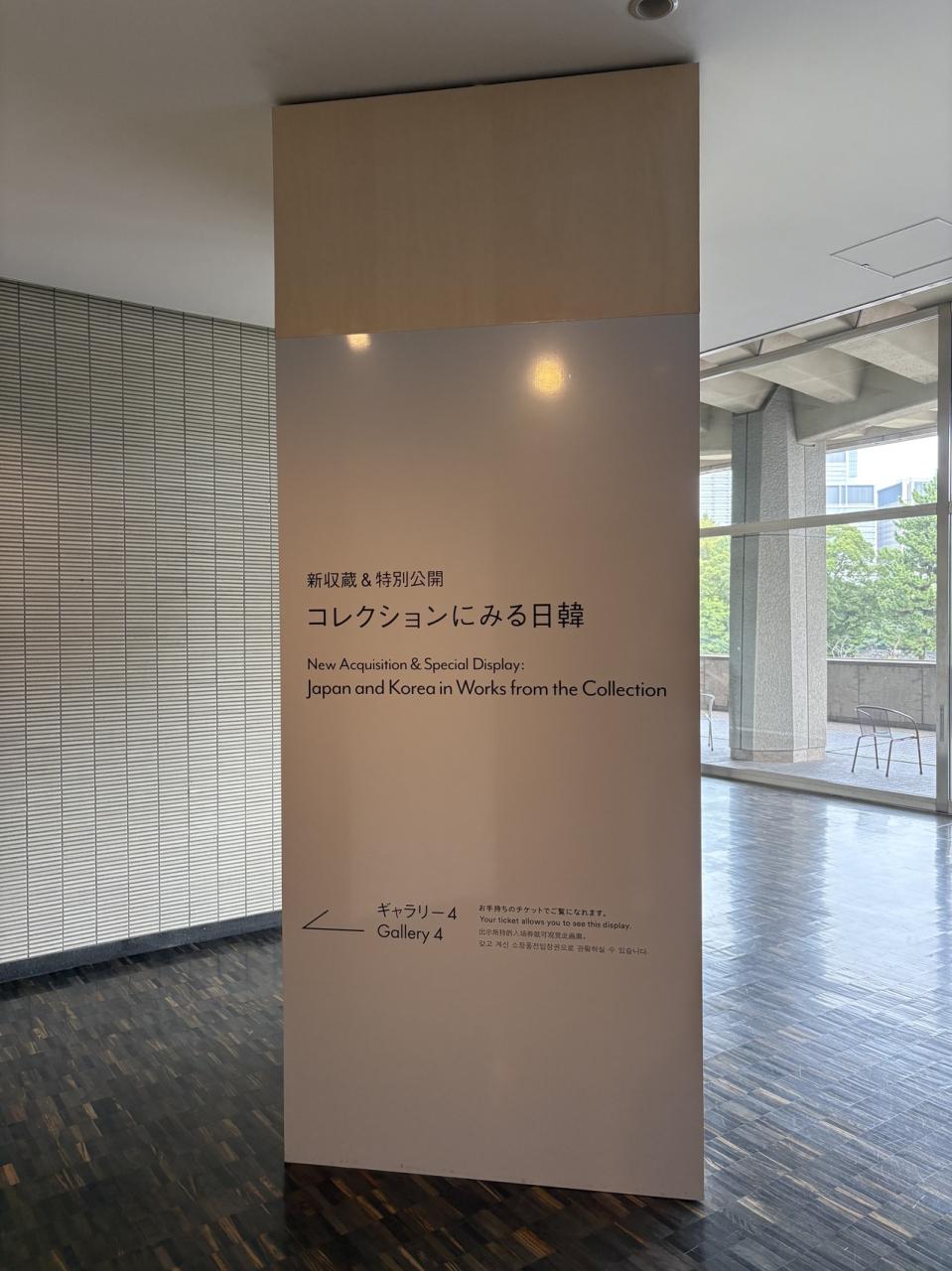
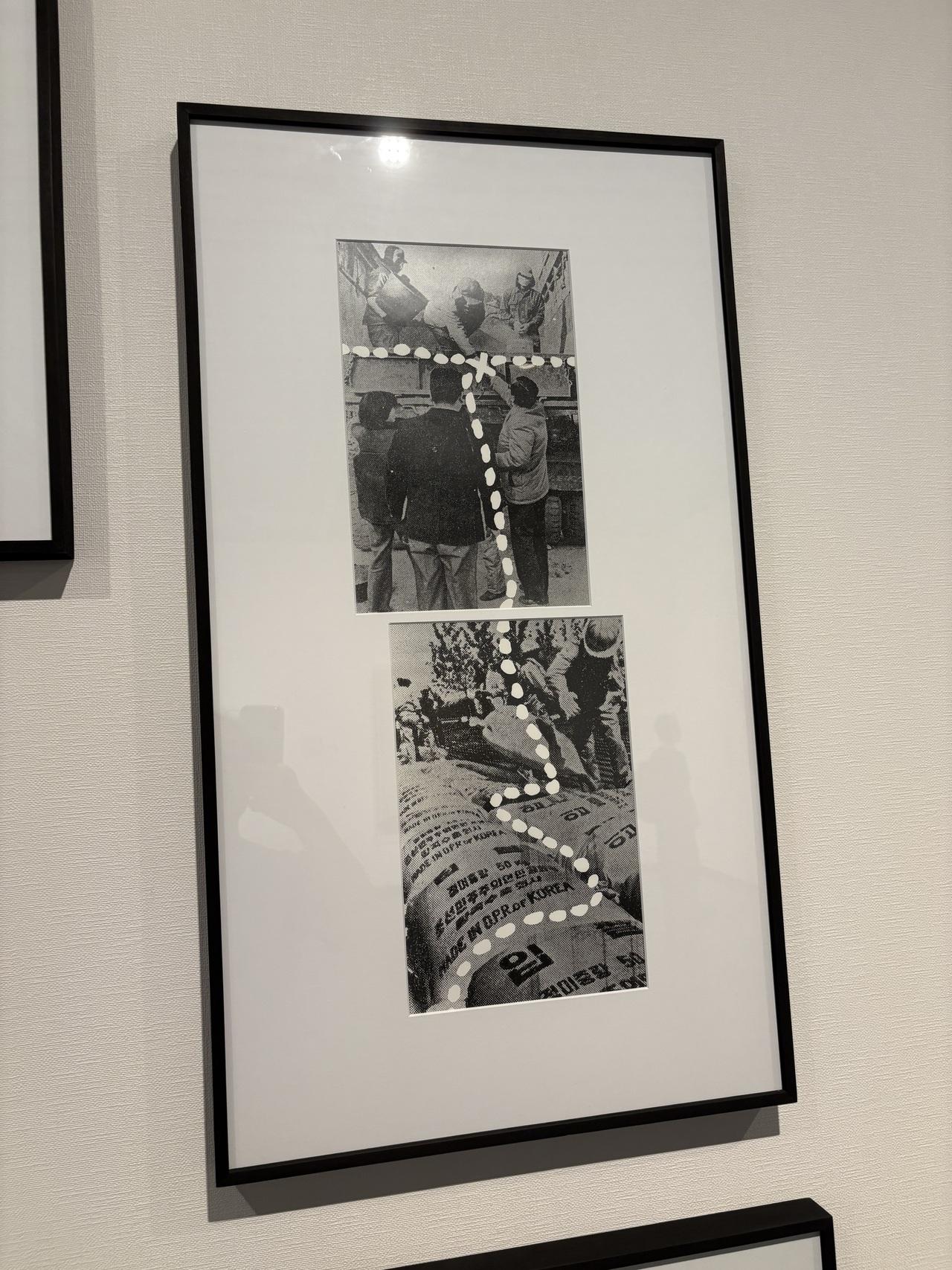
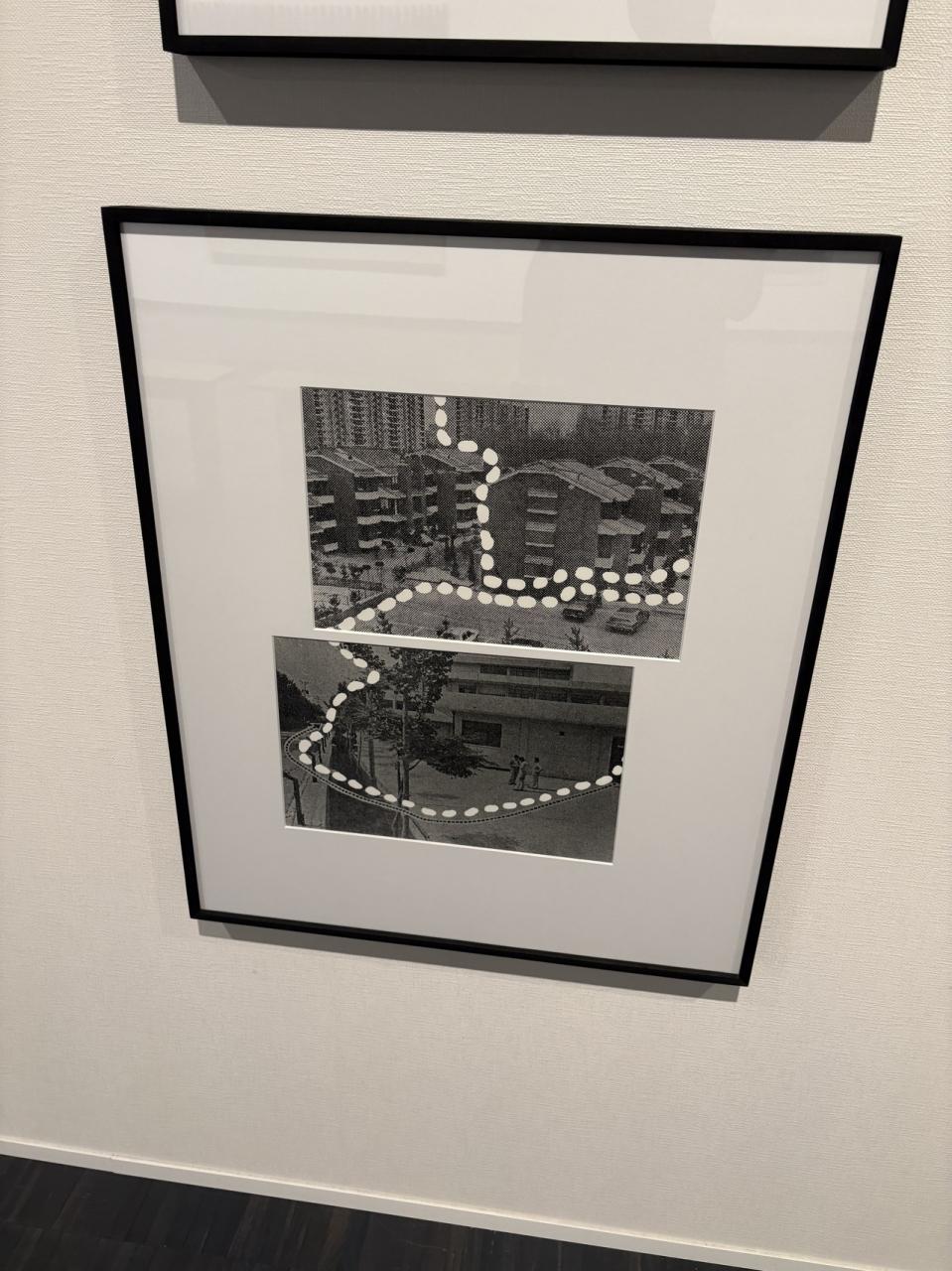
東京国立近代美術館 "新収蔵&特別公開 コレクションにみる日韓"
https://www.momat.go.jp/exhibitions/r7-1-g4
- 旅行の満足度
- 5.0
-

東京国立近代美術館 美術館・博物館
-
新収蔵&特別公開|
コレクションにみる日韓
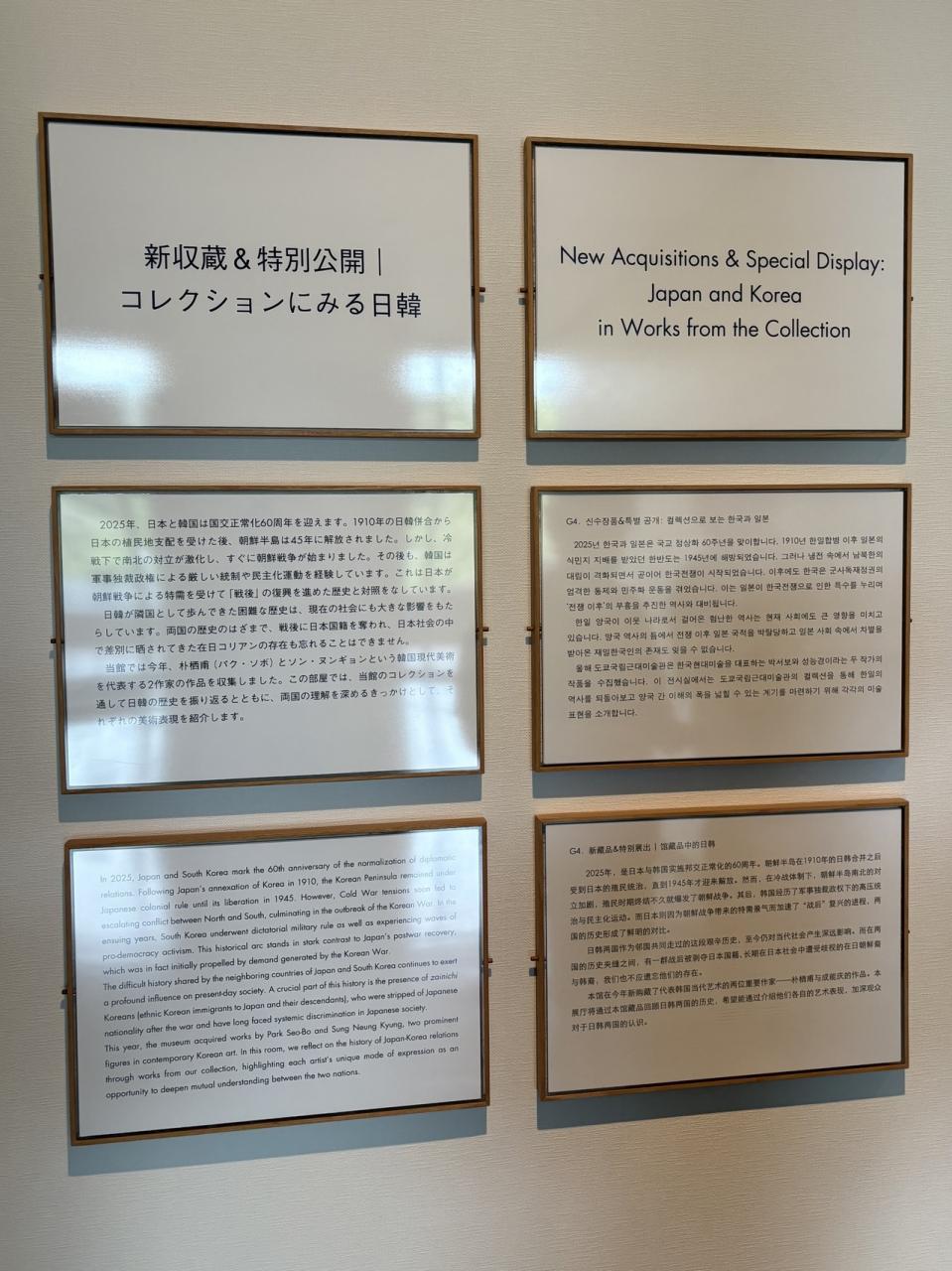
2025年、日本と韓国は国交正常化60周年を迎えます。1910年の日韓併合から日本の植民地支配を受けた後、朝鮮半島は45年に解放されました。しかし、冷戦下で南北の対立が激化し、すぐに朝鮮戦争が始まりました。その後も、韓国は軍事独裁政権による厳しい統制や民主化運動を経験しています。これは日本が朝鮮戦争による特需を受けて「戦後」の復興を進めた歴史と対照をなしています。
日韓が隣国として歩んできた困難な歴史は、現在の社会にも大きな影響をもたらしています。両国の歴史のはざまで、戦後に日本国籍を奪われ、日本社会の中で差別に晒されてきた在日コリアンの存在も忘れることはできません。
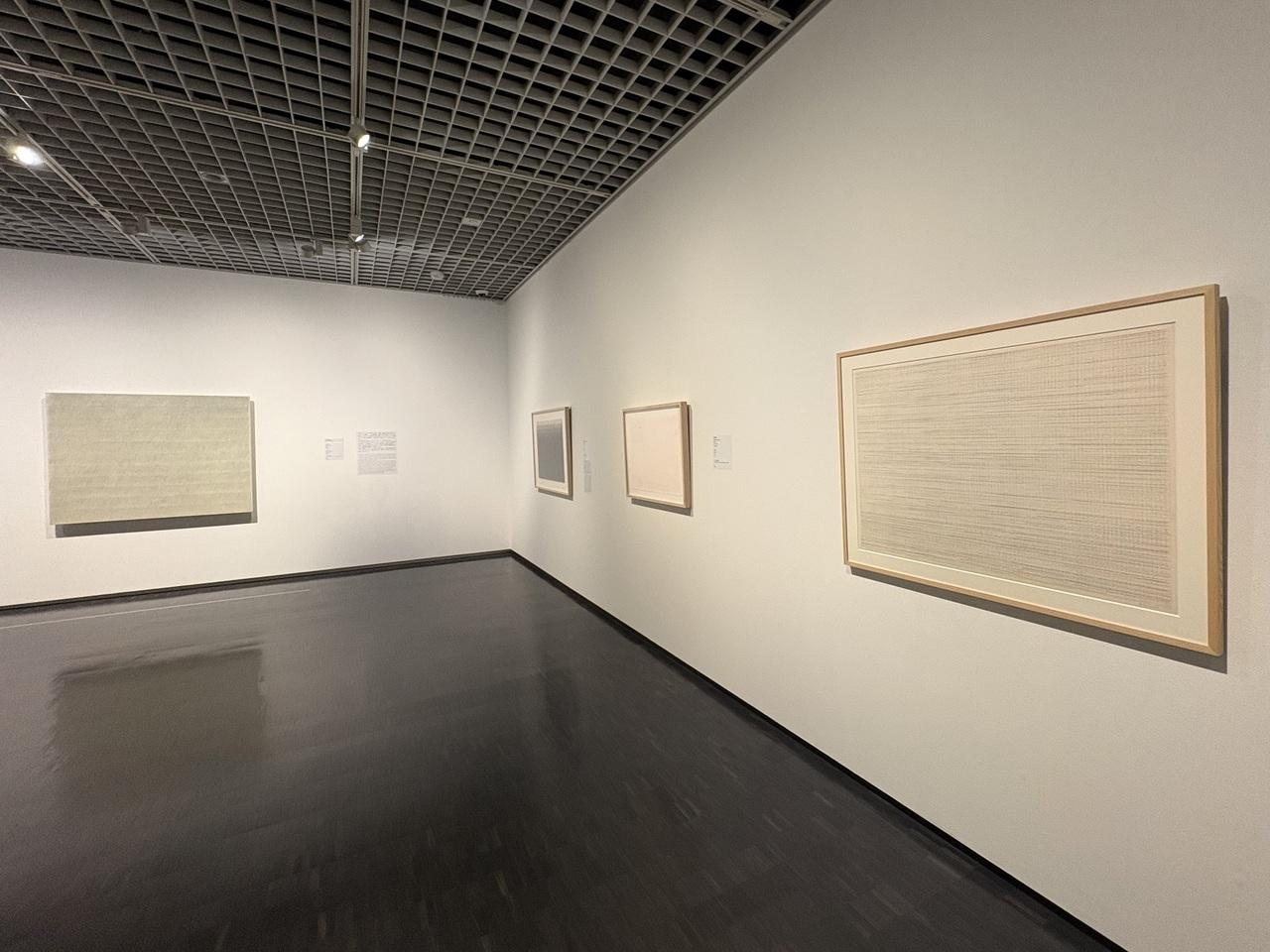
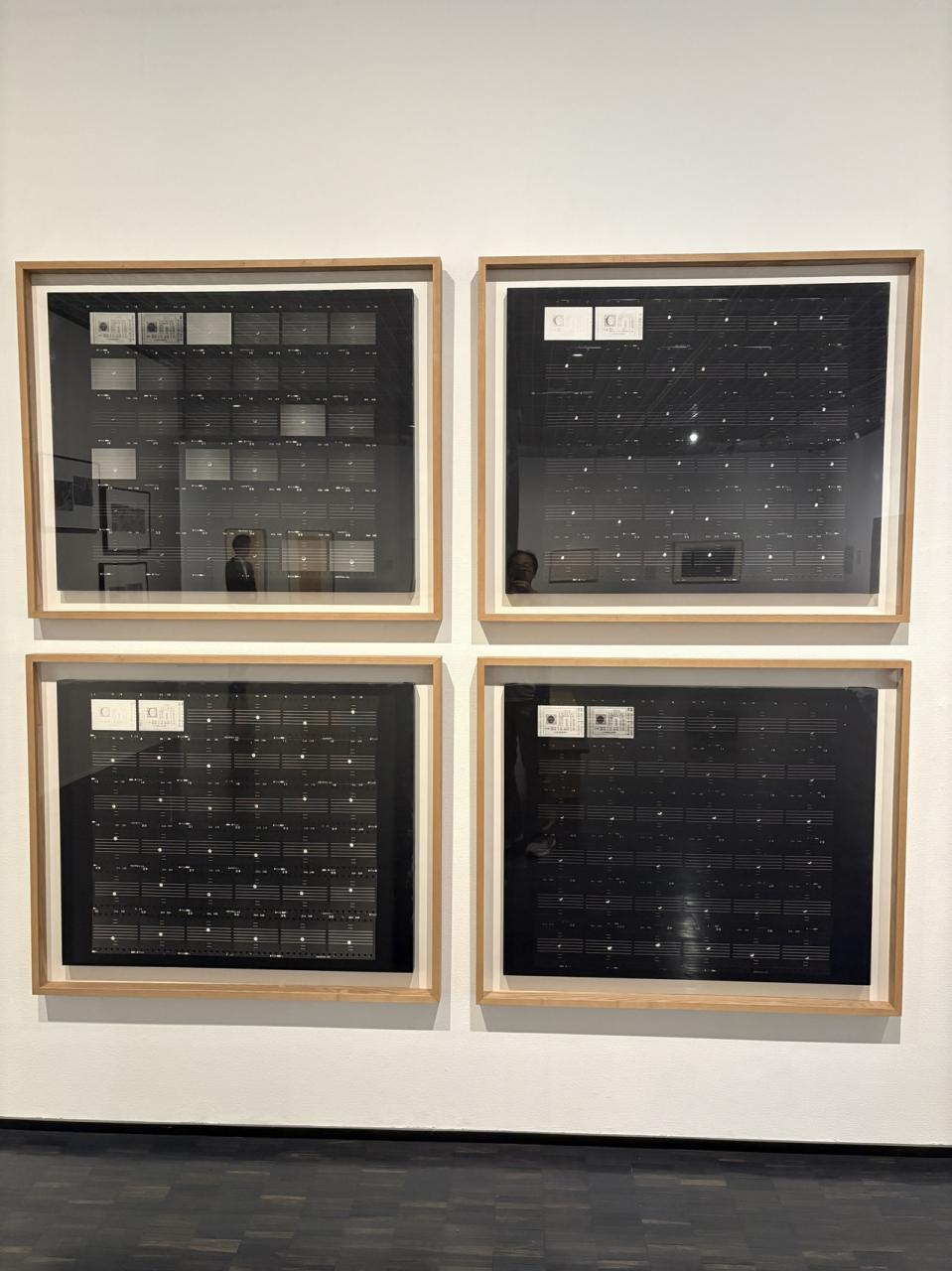
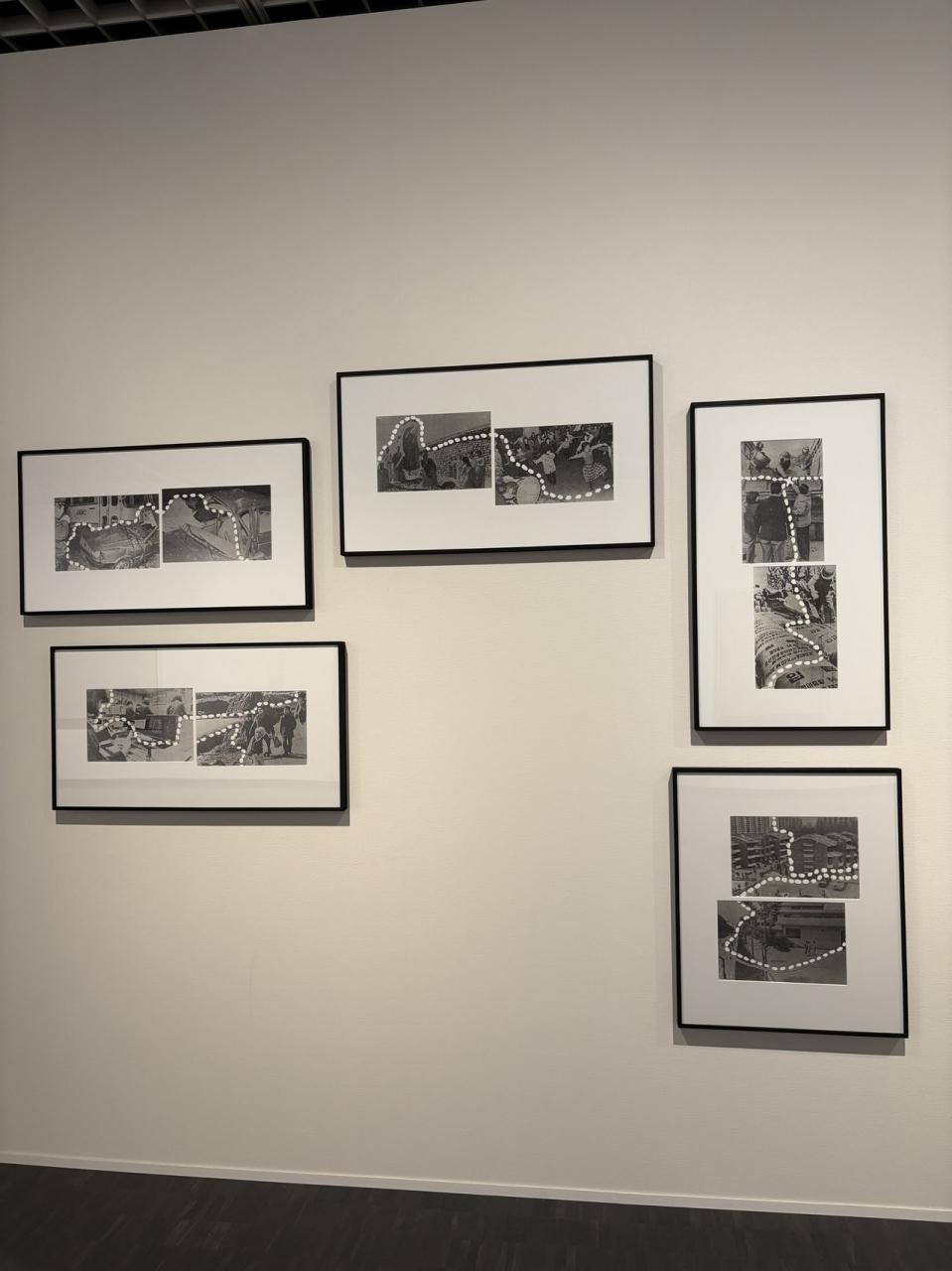
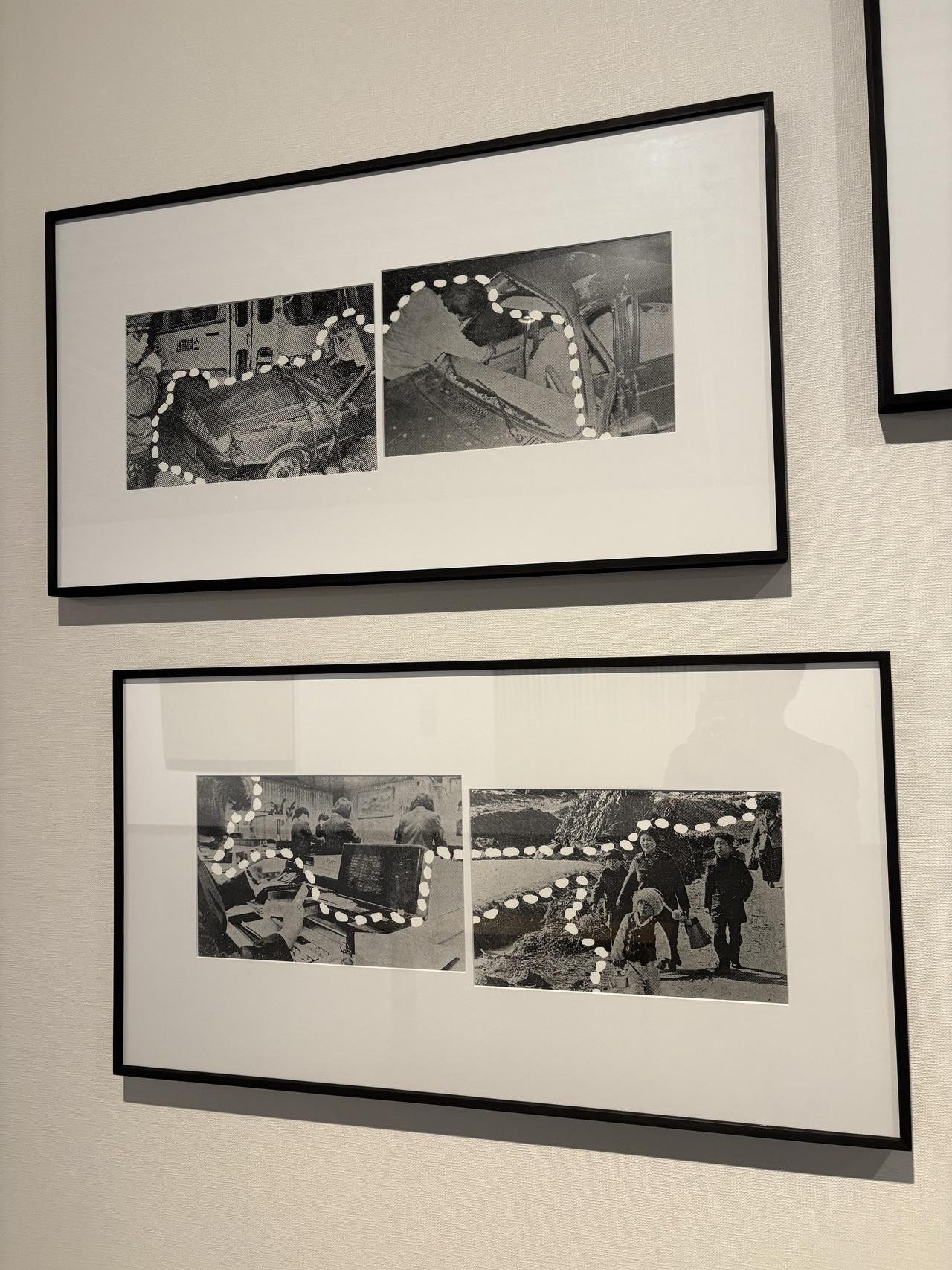
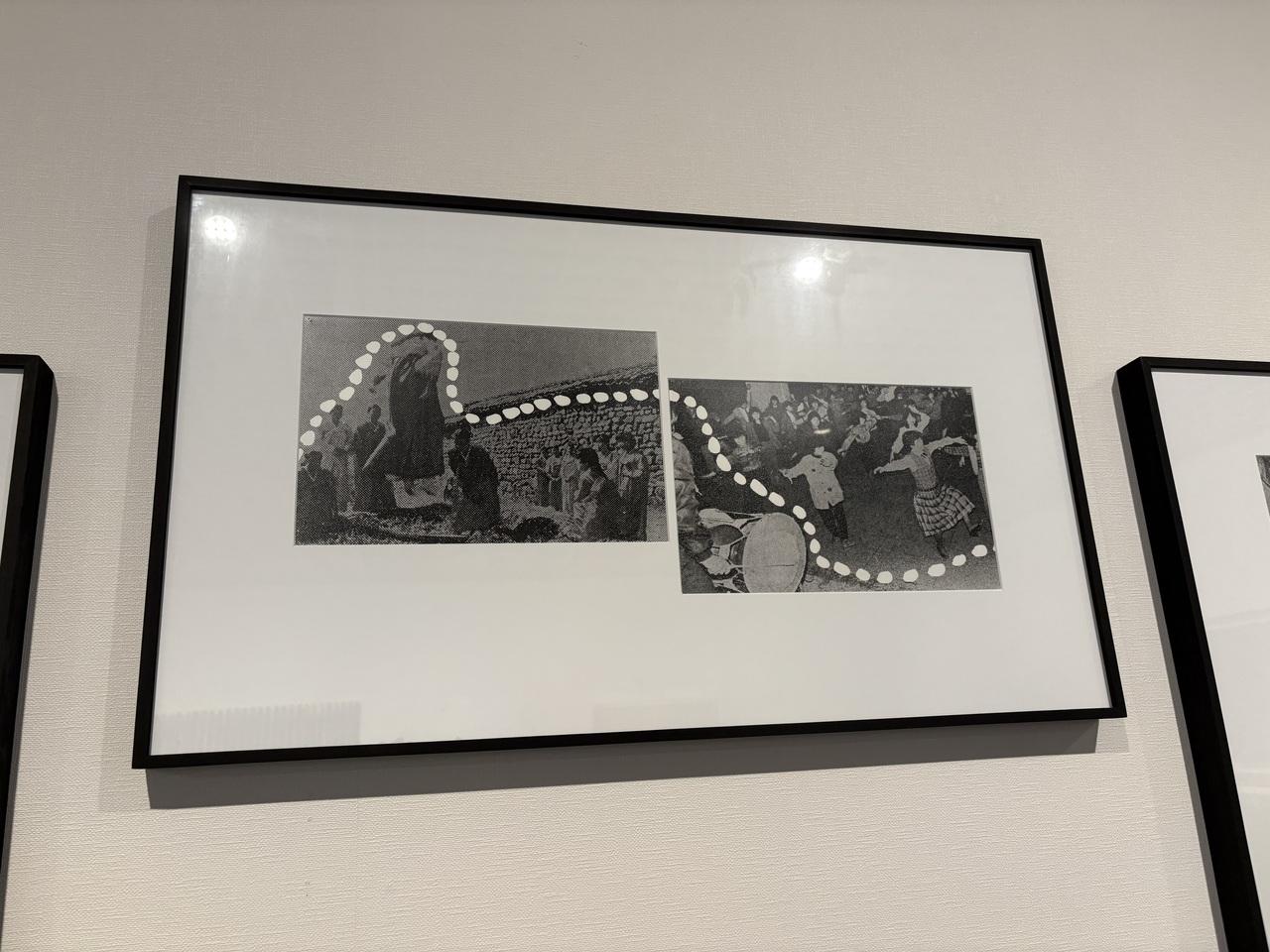
本館では今年、朴栖甫(パク・ソボ)とソン・ヌンギョンという韓国現代美術を代表する2作家の作品を収集しました。この部屋では、館のコレクションを通して日韓の歴史を振り返るとともに、両国の理解を深めるきっかけとして、それぞれの美術表現を紹介します。
New Acquisitions & Special Display:
Japan and Korea
in Works from the Collection
In 2025, Japan and South Korea mark the 60th anniversary of the normalization of diplomatic relations. Following Japan's annexation of Korea in 1910, the Korean Peninsula remained under Japanese colonial rule until its liberation in 1945. However, Cold War tensions soon led to escalating conflict between North and South, culminating in the outbreak of the Korean War.
In the ensuing years, South Korea underwent dictatorial military rule as well as experiencing waves of pro-democracy activism. This historical arc stands in stark contrast to Japan's postwar recovery, which was in fact initially propelled by demand generated by the Korean War.The difficult history shared by the neighboring countries of Japan and South Korea continues to exert a profound influence on present-day society. A crucial part of this history is the presence of zainichi Koreans (ethnic Korean immigrants to Japan and their descendants), who were stripped of Japanese nationality after the war and have long faced systemic discrimination in Japanese society.
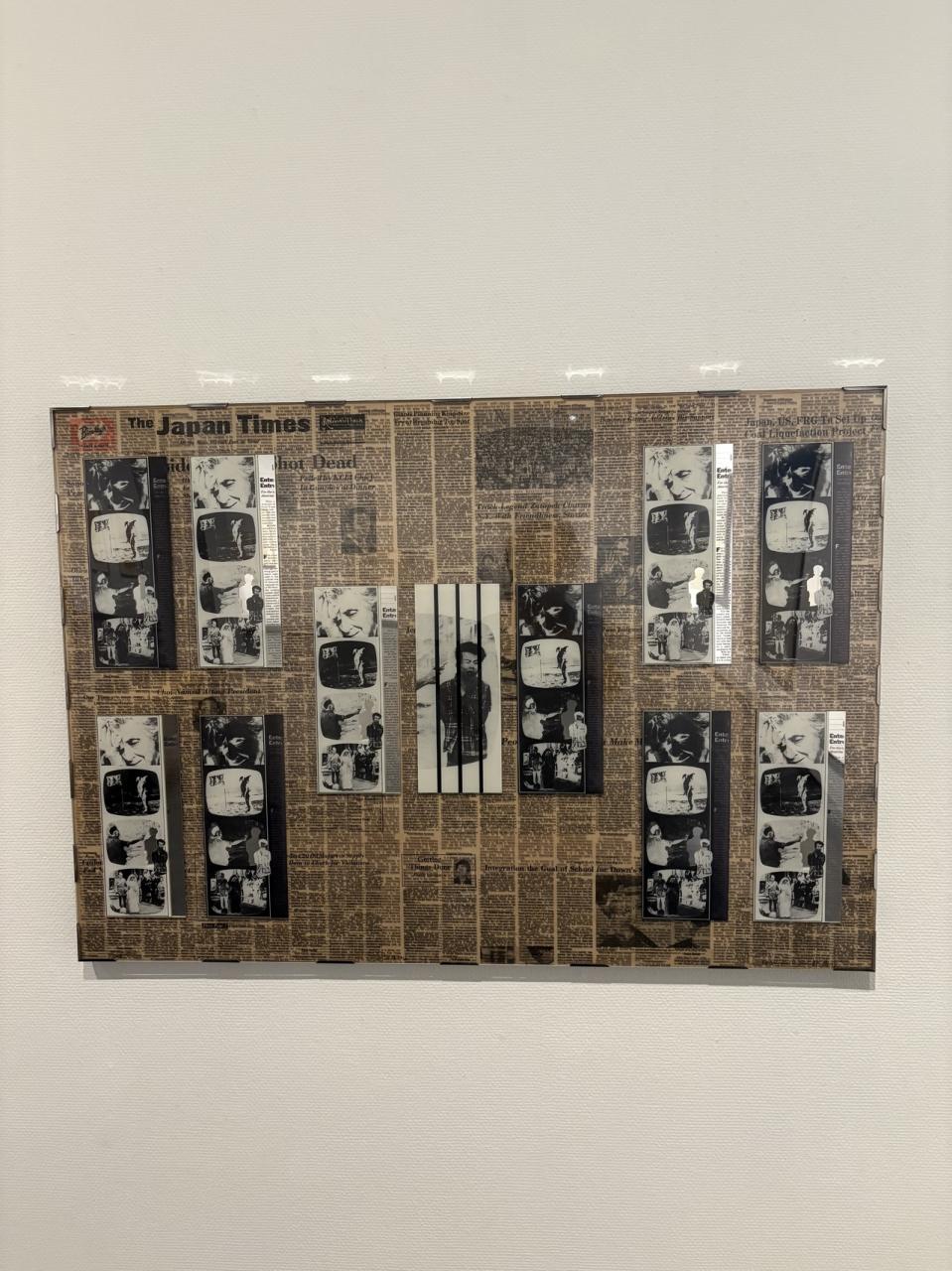
This year, the museum acquired works by Park Seo-Bo and Sung Neung Kyung, two prominent figures in contemporary Korean art. In this room, we reflect on the history of Japan-Korea relations through works from our collection, highlighting each artist's unique mode of expression as an opportunity to deepen mutual understanding between the two nations. -
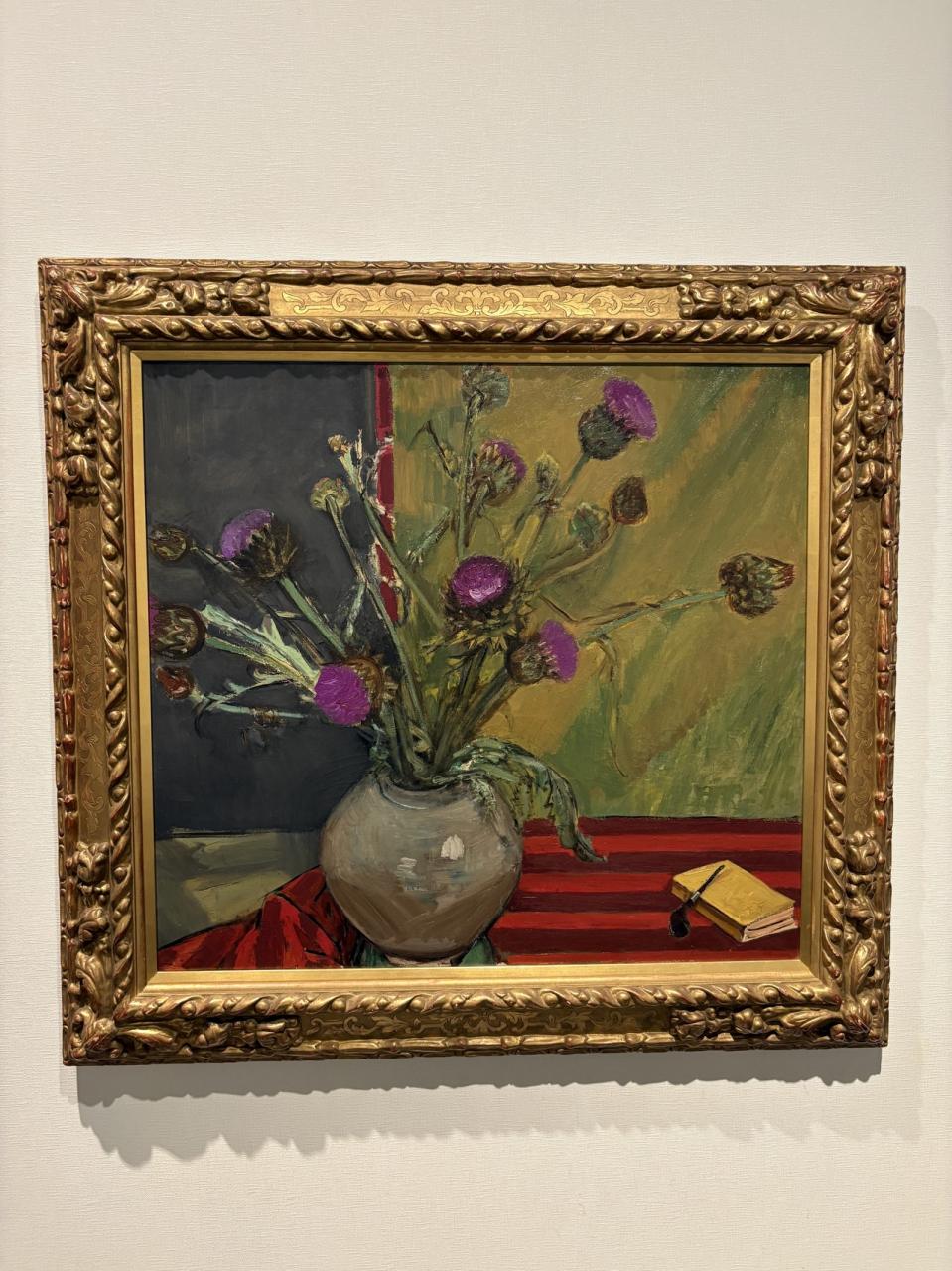
藤島武二
FUJISHIMA, Takeji
1867-1943
アルチショ
Artichoke
1917:
大正6年
油彩・キャンバス oil on canvas
購入
Purchased
描かれているのは、アーティチョークの花。別名「朝鮮あざみ」と呼ばれます。赤紫色の花やテーブルクロスの大胆な描写や配色は、装飾的でモダンな雰囲気を漂わせます。一方で、花が活けられている花瓶は李朝の白磁です。日韓併合後、日本では李朝のやきものの評価が高まっていきました。藤島は絵画における西洋と東洋の美の融合を目指し、中国や朝鮮など大陸のモチーフを好んで描きました。
This painting depicts artichoke flowers, also known as Korean thistles. The vivid rendering and bold color palette of the deep purple blossoms and the tablecloth evoke a decorative, modern sensibility. By contrast, the vase holding the flowers is a white porcelain piece from the Joseon dynasty. Following Japan's annexation of Korea, appreciation of Joseon pottery grew in Japan. Fujishima sought to fuse Western and Eastern aesthetics in his paintings and often favored continental motifs from China, Korea and elsewhere. -
-
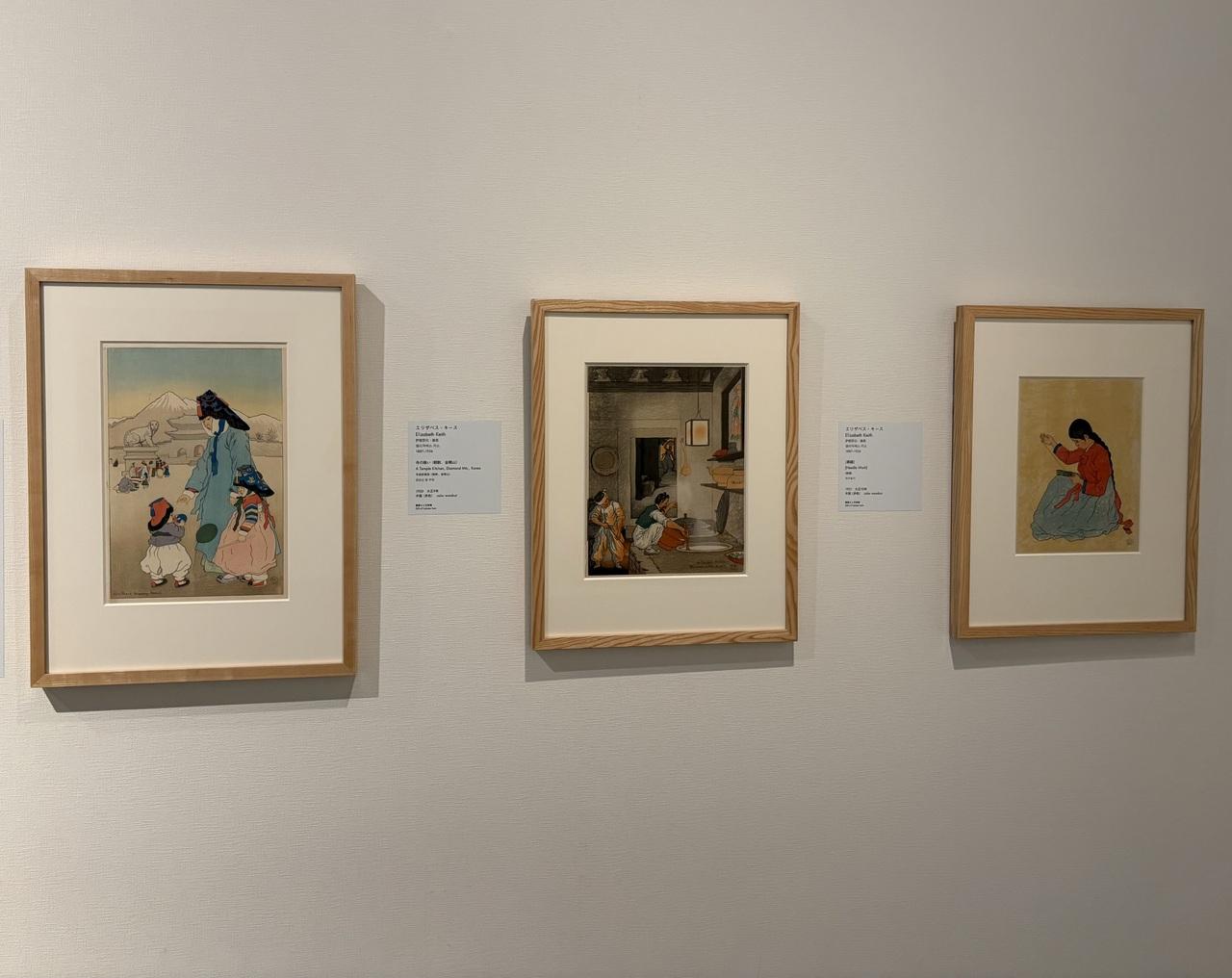
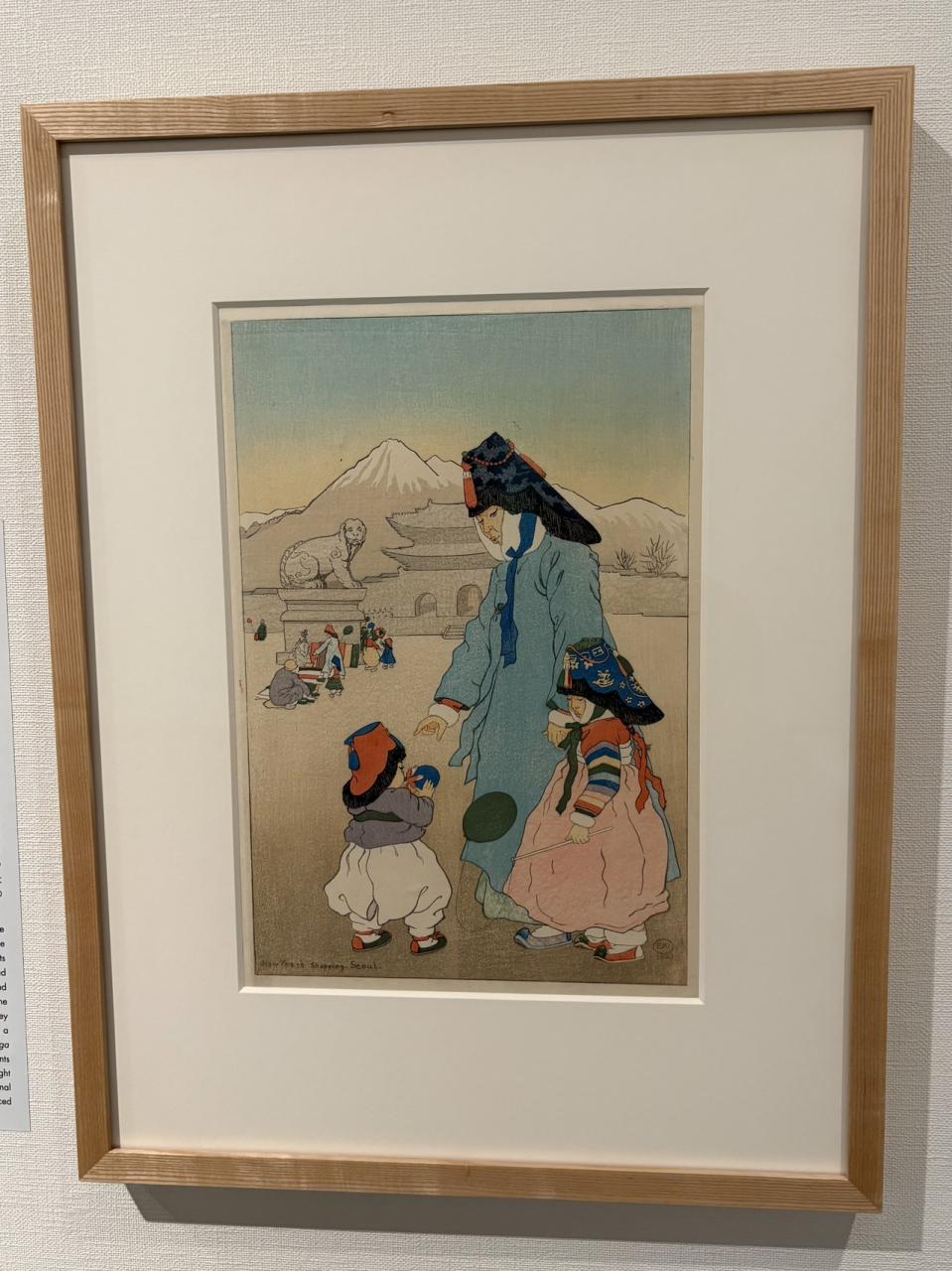
エリザベス・キース
Elizabeth Keith
1887-1956
正月の買物、ソウル
New Year's Shopping, Seoul
1921 大正10年
木版(多色)
color woodcut
藤懸さと氏寄贈
Gif of Fulikake Sato
エリザベス・キースはスコットランドに生まれ、1915(大正4)年に来日しました。19年には三・一独立運動直後の朝鮮を訪れ、近代朝鮮の人々の生活や風習に魅了されます。現地で制作した水彩画を東京で発表すると、それが「新版画」の立役者である版元・渡邊庄三郎の目にとまりました。新版画とは、伝統的な浮世絵の技法によって芸術性の高い版表現を目指した大正時代の木版画のことで、本作も彼女が渡邊のもとで制作した作品です。
Elizabeth Keith was born in Scotland and came to Japan in 1915. In 1919, shortly after the March First Movement - a series of protests against Japanese colonial rule - she visited Korea and became captivated by the lives and customs of its people. When she exhibited the watercolors she had painted there in Tokyo, they caught the attention of Watanabe Shozaburo, a publisher and key figure in the shin-hanga movement. Shin-hanga refers to woodcut prints from the Taisho era (1912-1926) that sought refined artistic expression through traditional ukiyo-e techniques. These works were produced under Watanabe's supervision. -
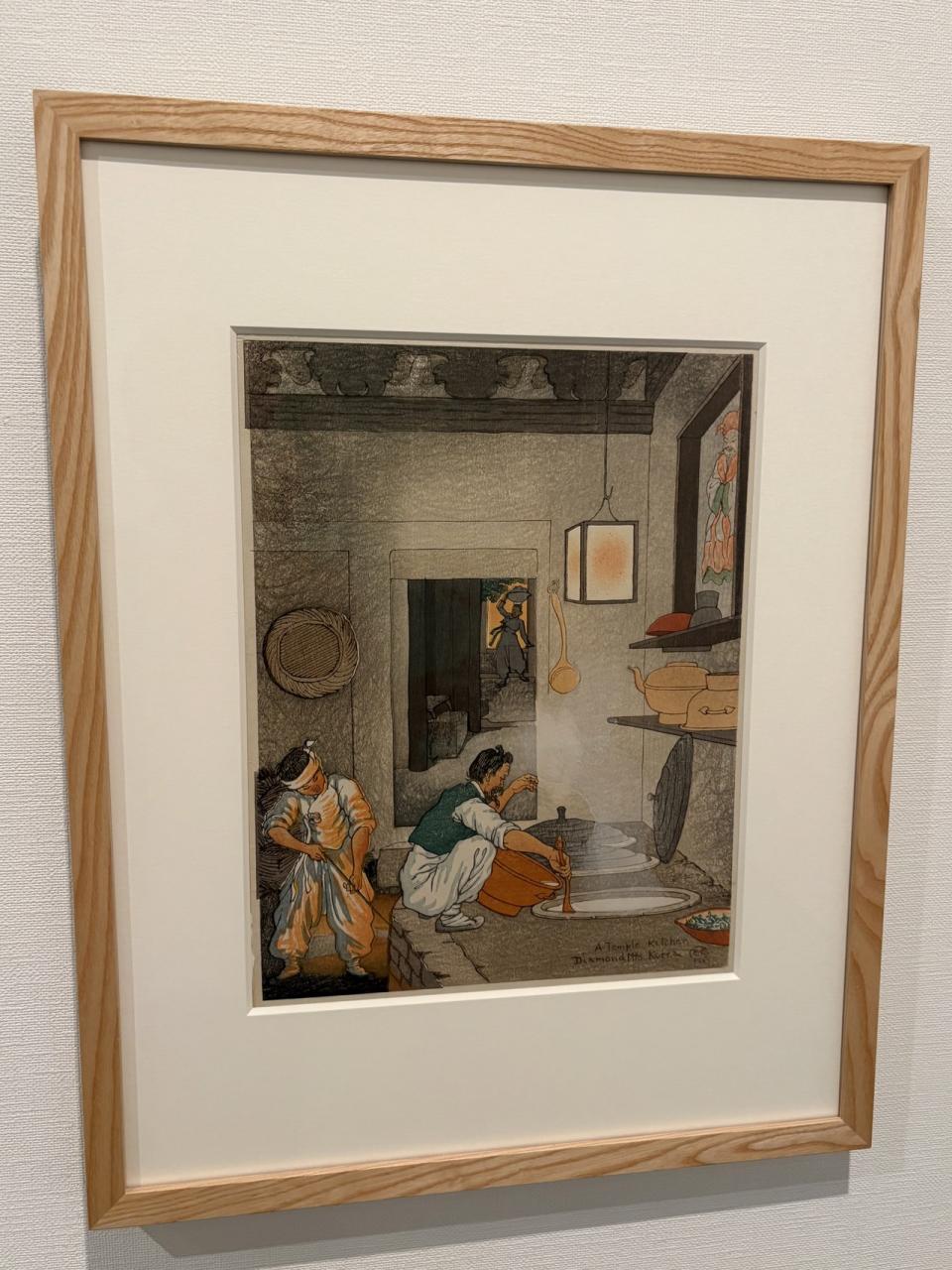
エリザベス・キース
Elizabeth Keith
1887-1956
寺の賄い(朝鮮、金剛山)
A Temple Kitchen, Diamond Mts., Korea
1920 大正9年
木版(多色)color woodcut
藤懸さと氏寄贈
Gift of Fujikake Sato -
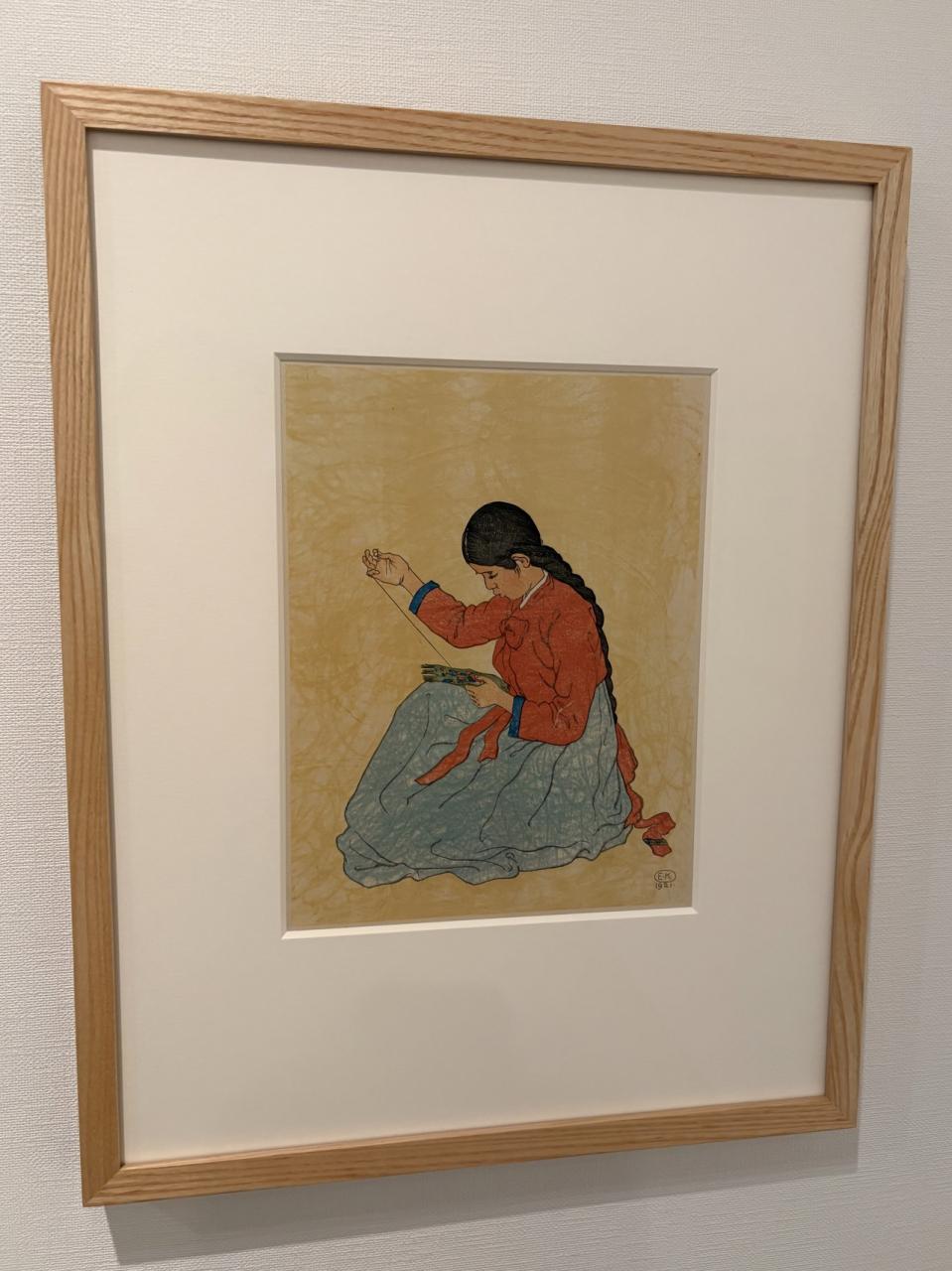
エリザベス・キース
Elizabeth Keith
1887-1956
裁縫
Needle Work
1921 大正10年
木版(多色)color woodcut
藤懸さと氏寄贈
Gift of Fujikake Sato -
-
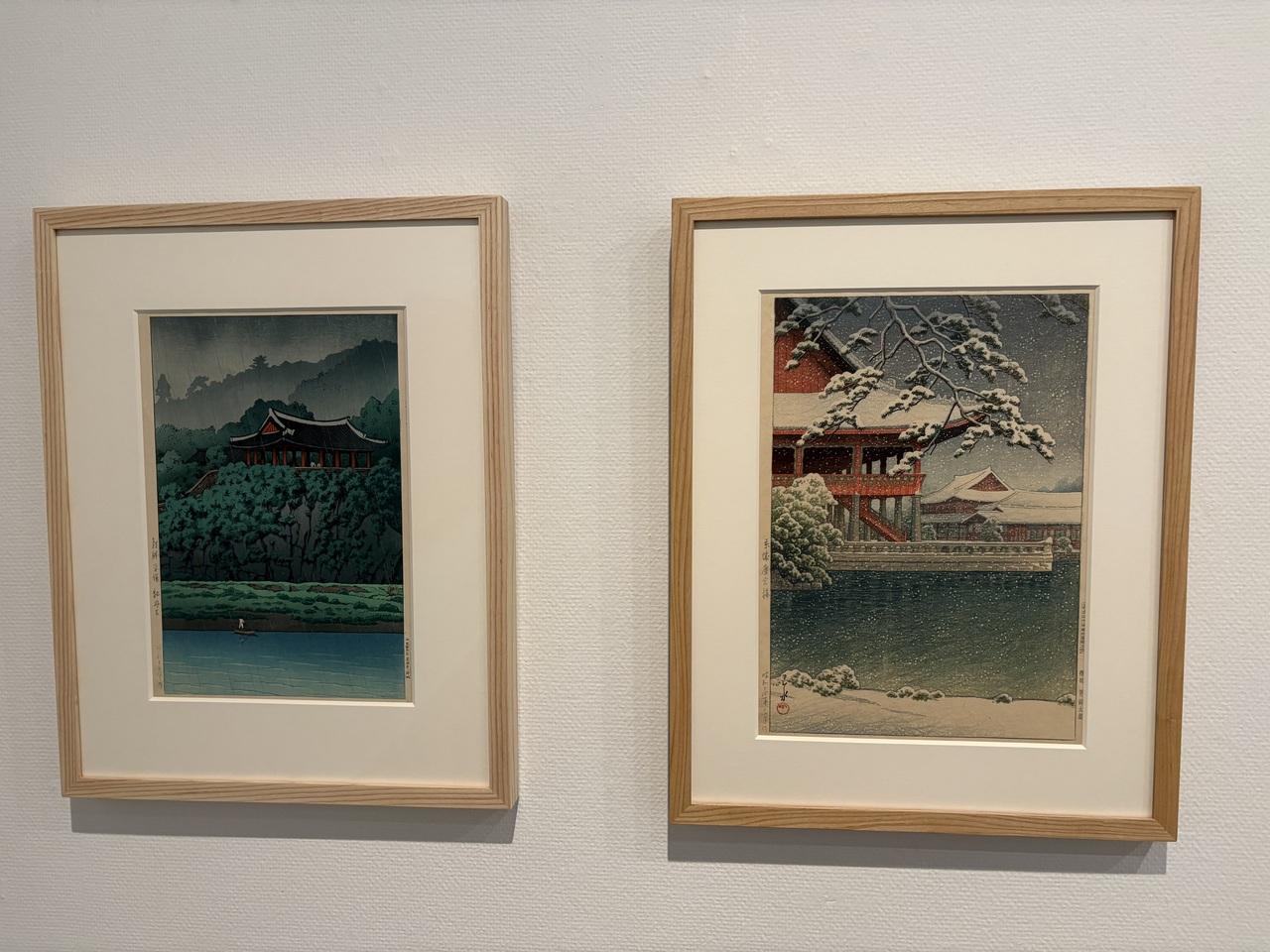
川瀬巴水
KAWASE, Hasui
1883-1957
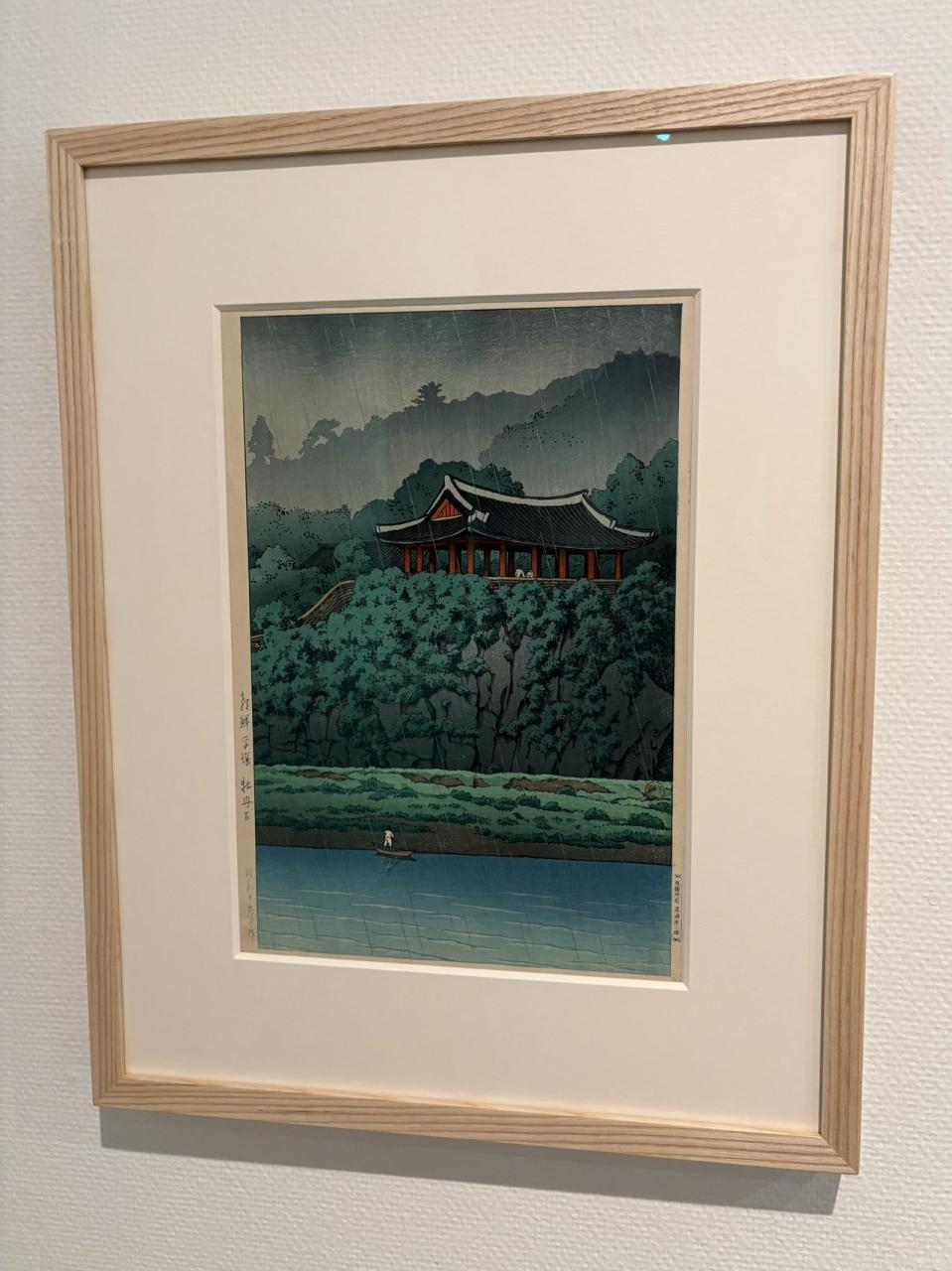
「続朝鮮風景」より朝鮮平壌牡丹台(雨)
Morande, Pyongyang, Korea from The Sequel of Scenes from Korea
c.1940
昭和15年頃
木版(多色) color woodcut
購入
Purchased -
川瀬巴水
KAWASE, Hasui
1883-1957
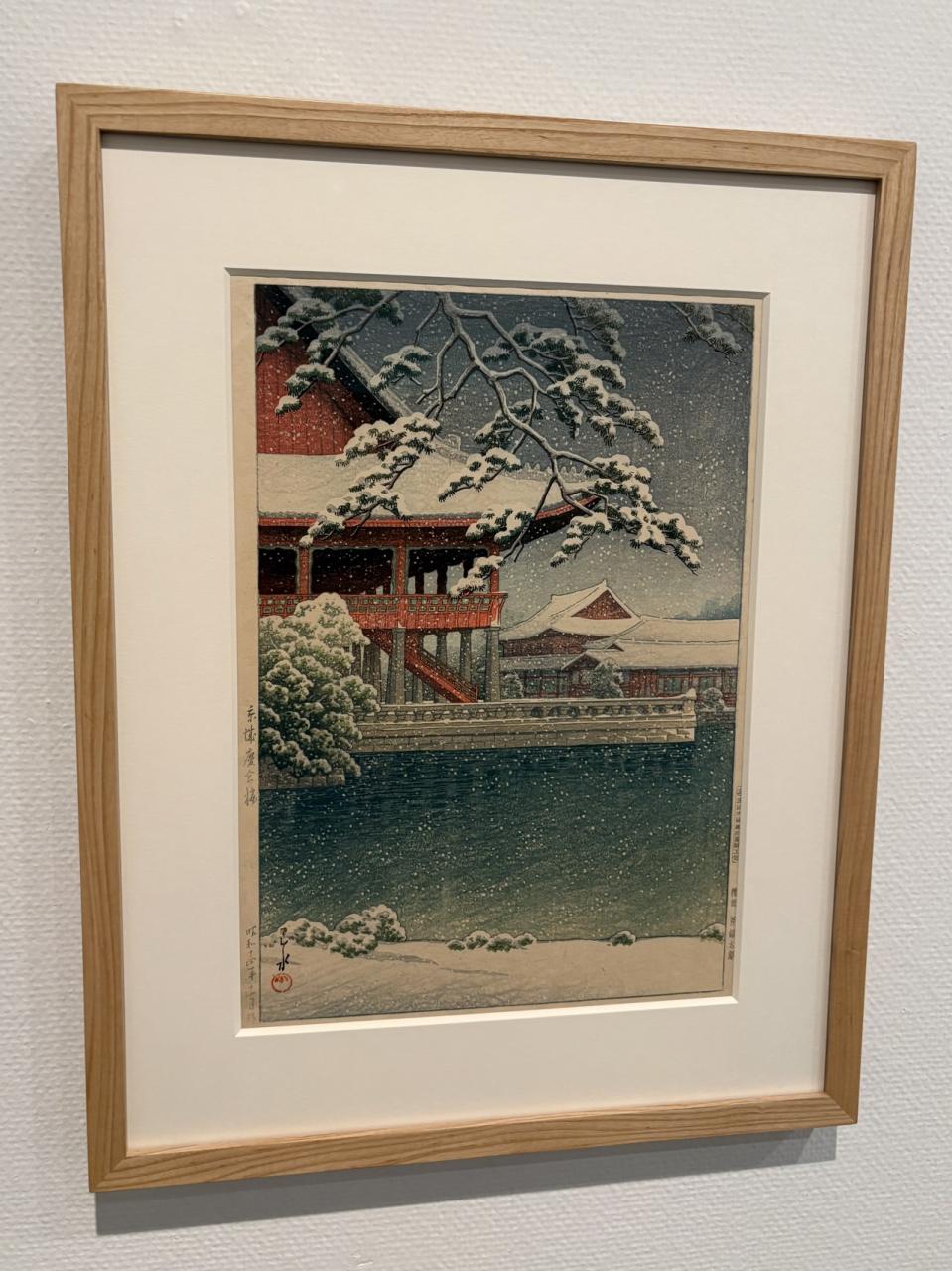
「朝鮮八景」より京城 慶会楼
The Kyonghoiru Pavilion, Seoul from Eight Scenes from Korea
1939 昭和14年
木版(多色) color woodcut
購入
Purchased -
山川秀峰
YAMAKAWA, Shuho
1898-1944
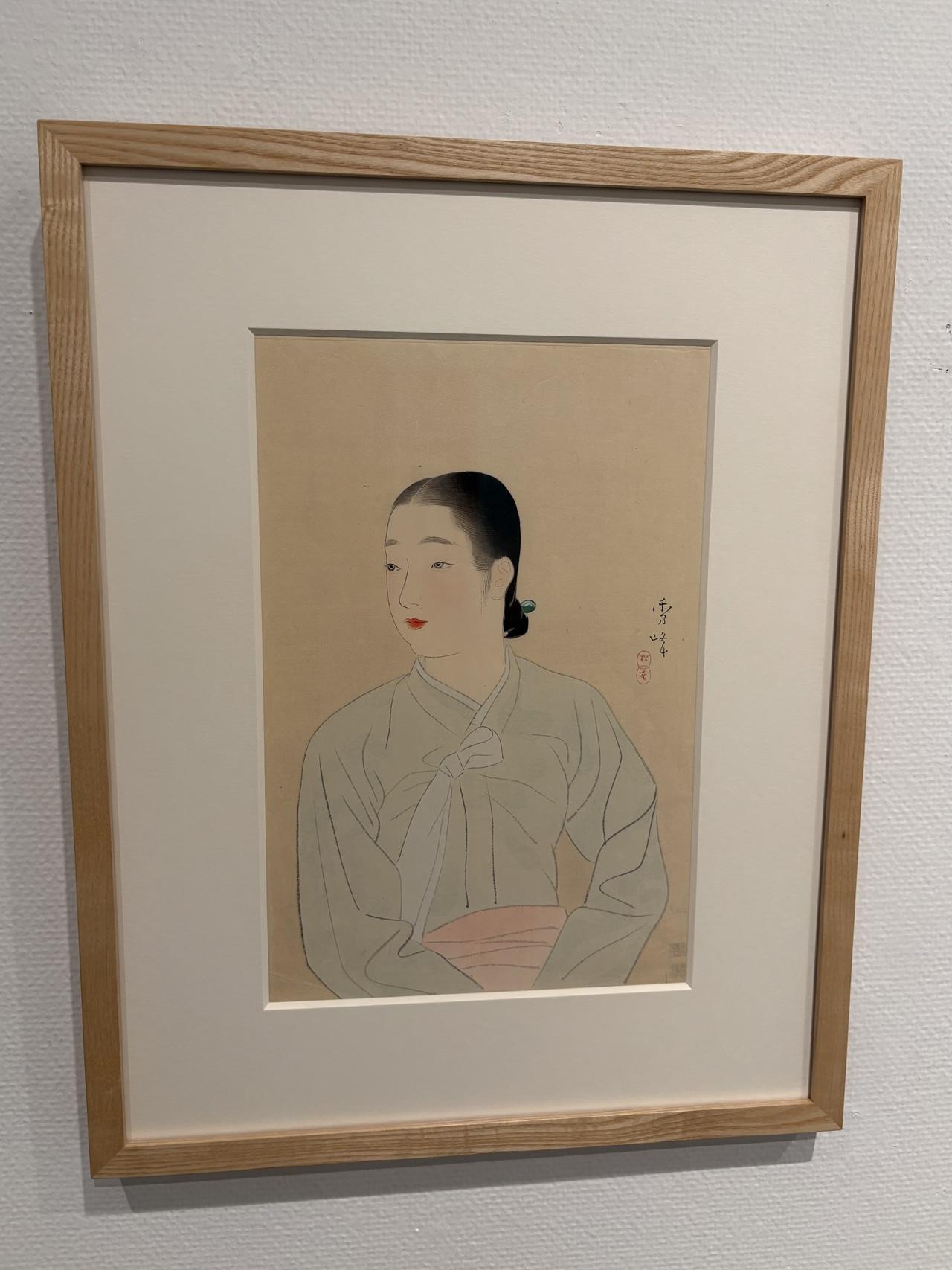
朝鮮婦人
Korean Woman
制作年不詳 Date unknown
木版(多色)color woodcut
購入
Purchased -
-
-
曹良奎
CHO, Yang Gyu
1928-
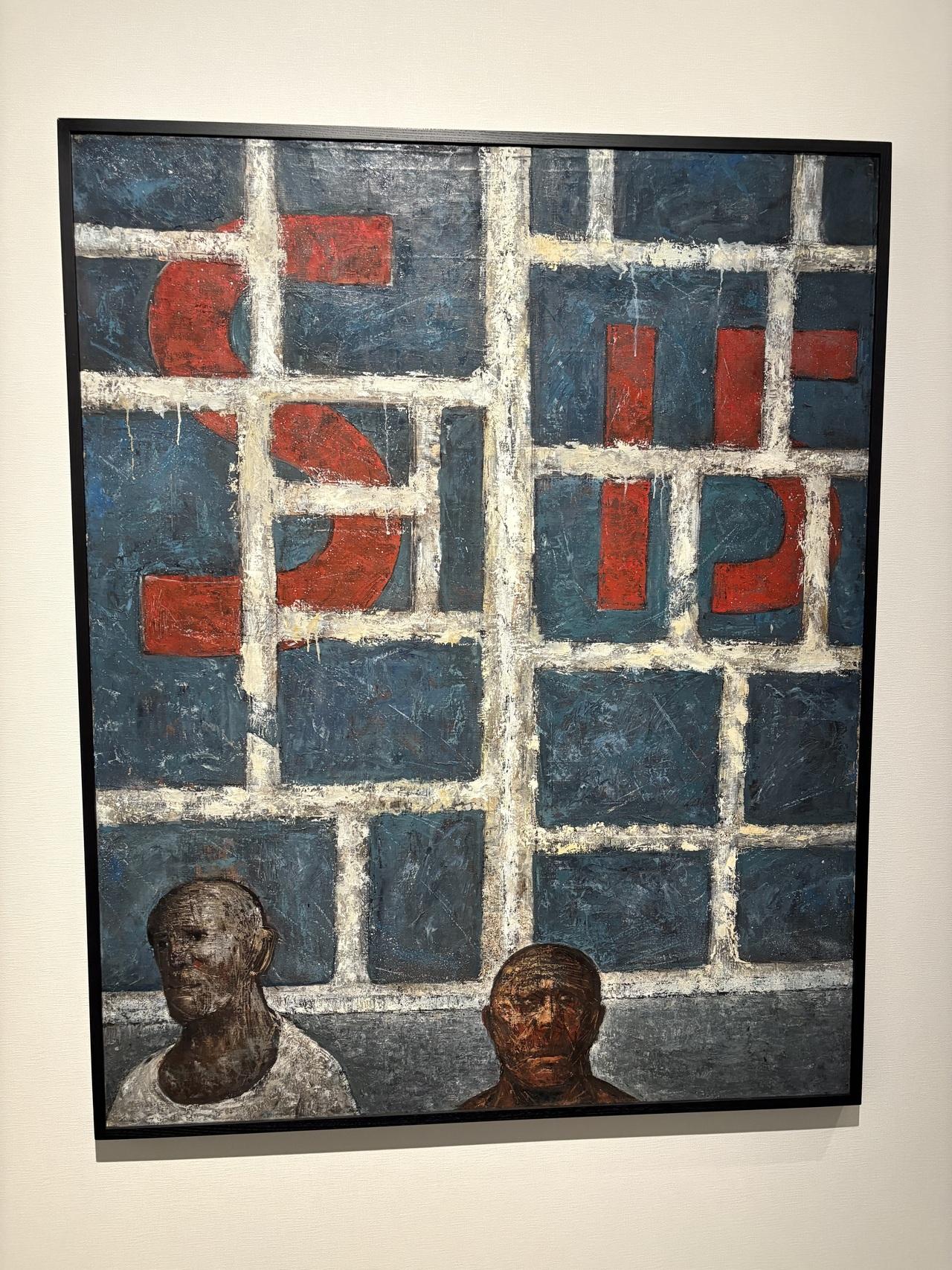
密閉せる倉庫
Sealed Warehouse
1957
昭和32年
油彩・キャンバス
oil on canvas
作者寄贈
Gift of the artist
赤色の記号が記された青い扉の前に、二人の男がたたずんでいます。扉と人物の間にある白い格子は、記号と同じく壁に描かれた模様なのか、あるいは扉の向こうの倉庫を密閉する檻のような構築物なのか?白い格子に注目していると、青の色面は物理的な扉でなく、文字が浮遊する抽象的な空間にも見えてきます。扉の向こうに密閉された倉庫があるのか、はたまた二人の男が倉庫の中で密閉されているのか?見るほどに豊かな絵画空間です。
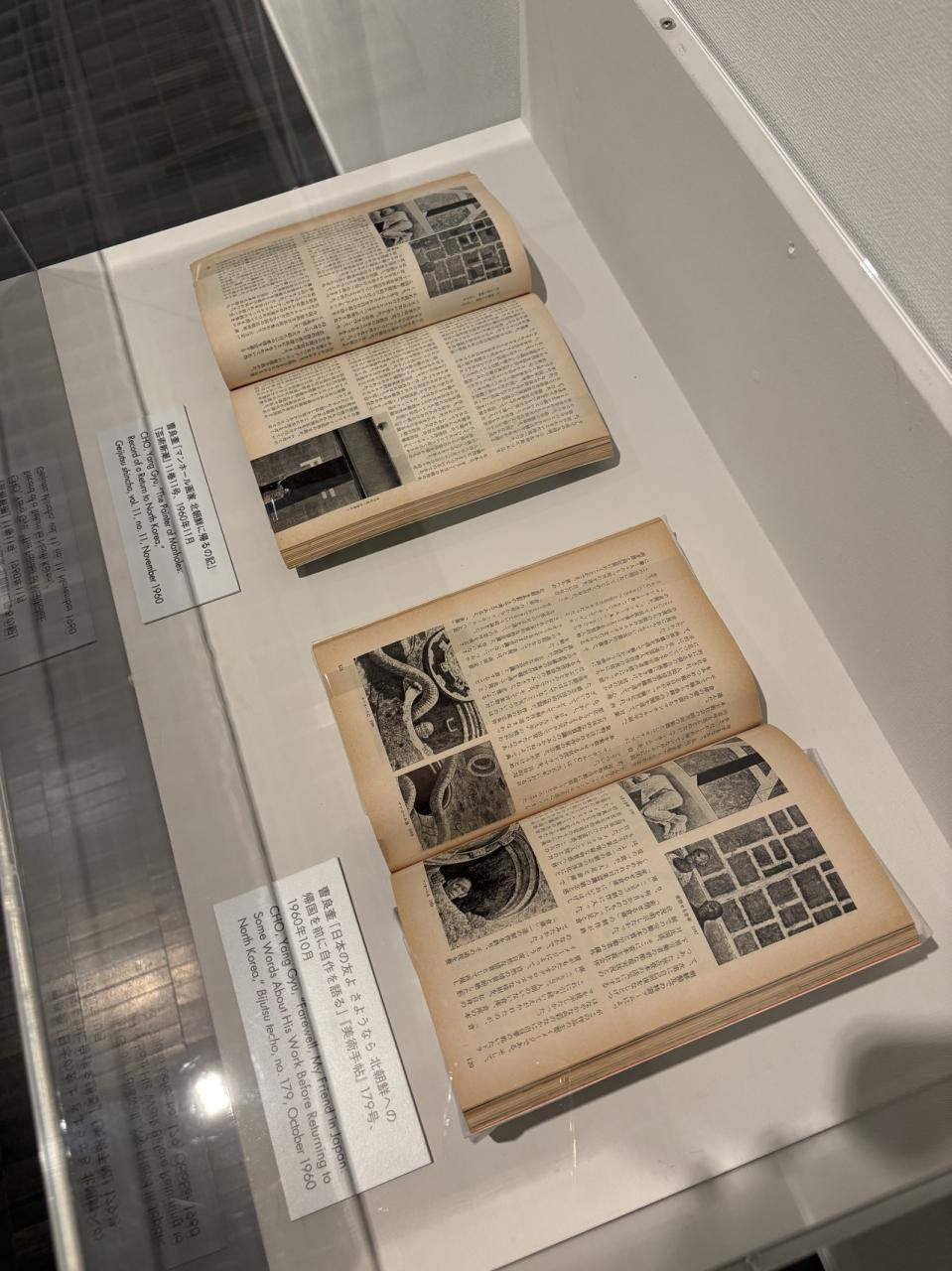
朝鮮の慶尚南道出身の曹良(チョ・ヤンギュ)は、北朝鮮を支持する運動に加わり、弾圧を逃れるため1948(昭和23)年、日本に密航します。江東区枝川の朝鮮人居住区に住まい、倉庫番をしながら絵を学びました。
50年代半ばより多くの展覧会で注目を浴びますが、1960年、北朝鮮に移住した後、消息を絶ちました。
Two figures stand in front of blue doors marked with the red characters "S15." Is the white grid between the door and the figures a pattern painted on the wall like the characters, or a cage-like structure sealing off the warehouse behind the doors? When you focus on this white grid, it seems the blue area reminiscent of a door may be not a physical door but an abstract space in which written characters float. The longer one looks, the richer the pictorial space becomes.
Cho Yang Gyu was born in South Gyeongsang Province, Korea and joined a movement in support of North Korea before stowing away and fleeing to Japan in 1948 to escape a crackdown. He lived in a Korean neighborhood in Edagawa, Koto-ku, Tokyo, and studied painting while working as a warehouse guard.
He began exhibiting work actively in the mid-1950s and drew acclaim, but in 1960 he moved to North Korea and his subsequent whereabouts are unknown. -
-
-
-
新収蔵作品
New Acquisition
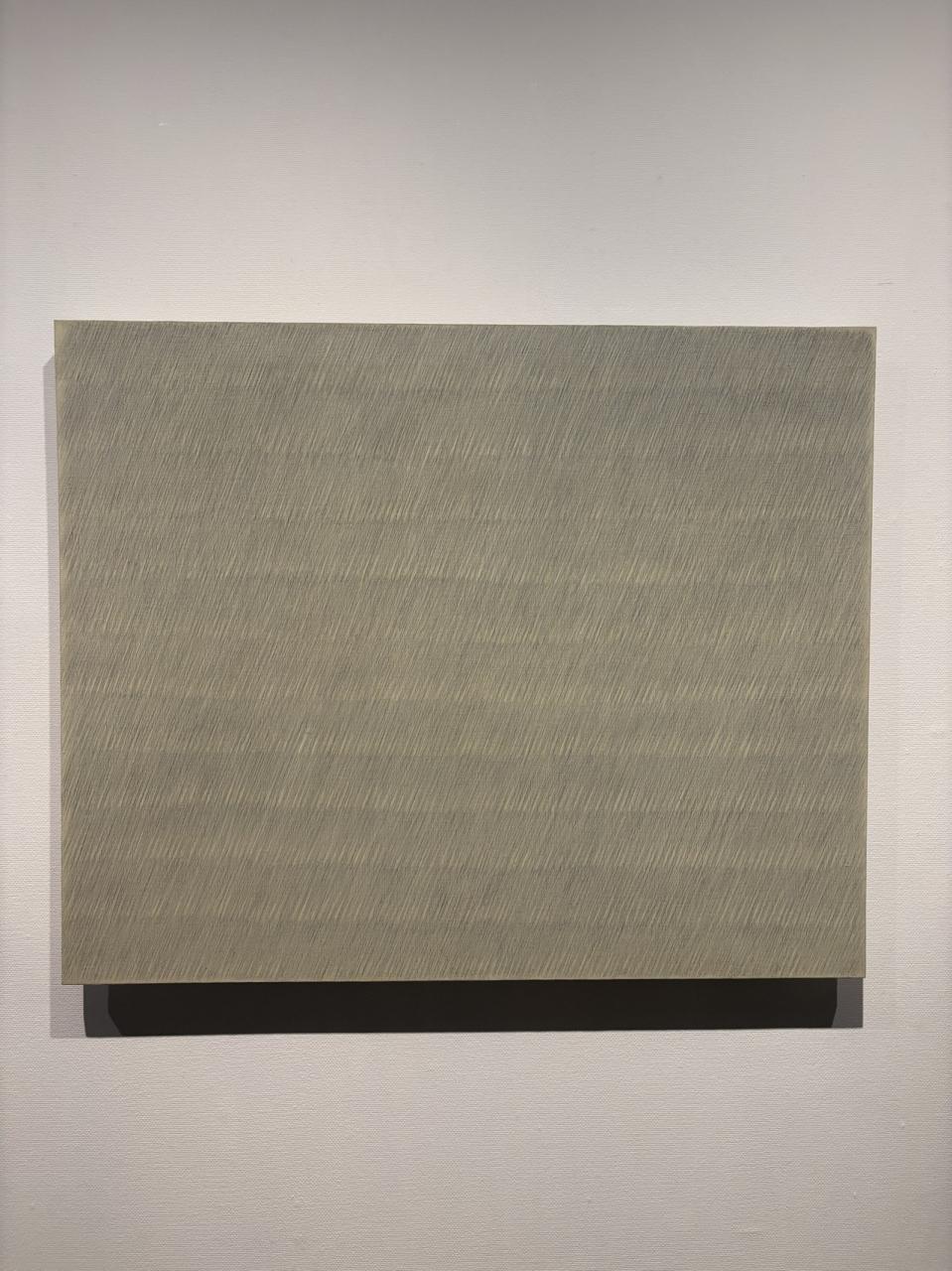
朴栖甫
Park Seo-Bo
1931-2023
描法 No.2-74
Écriture No.2-74
1974
昭和49年
油彩、鉛筆・キャンバス oil and pencil on canvas
購入
Purchased -
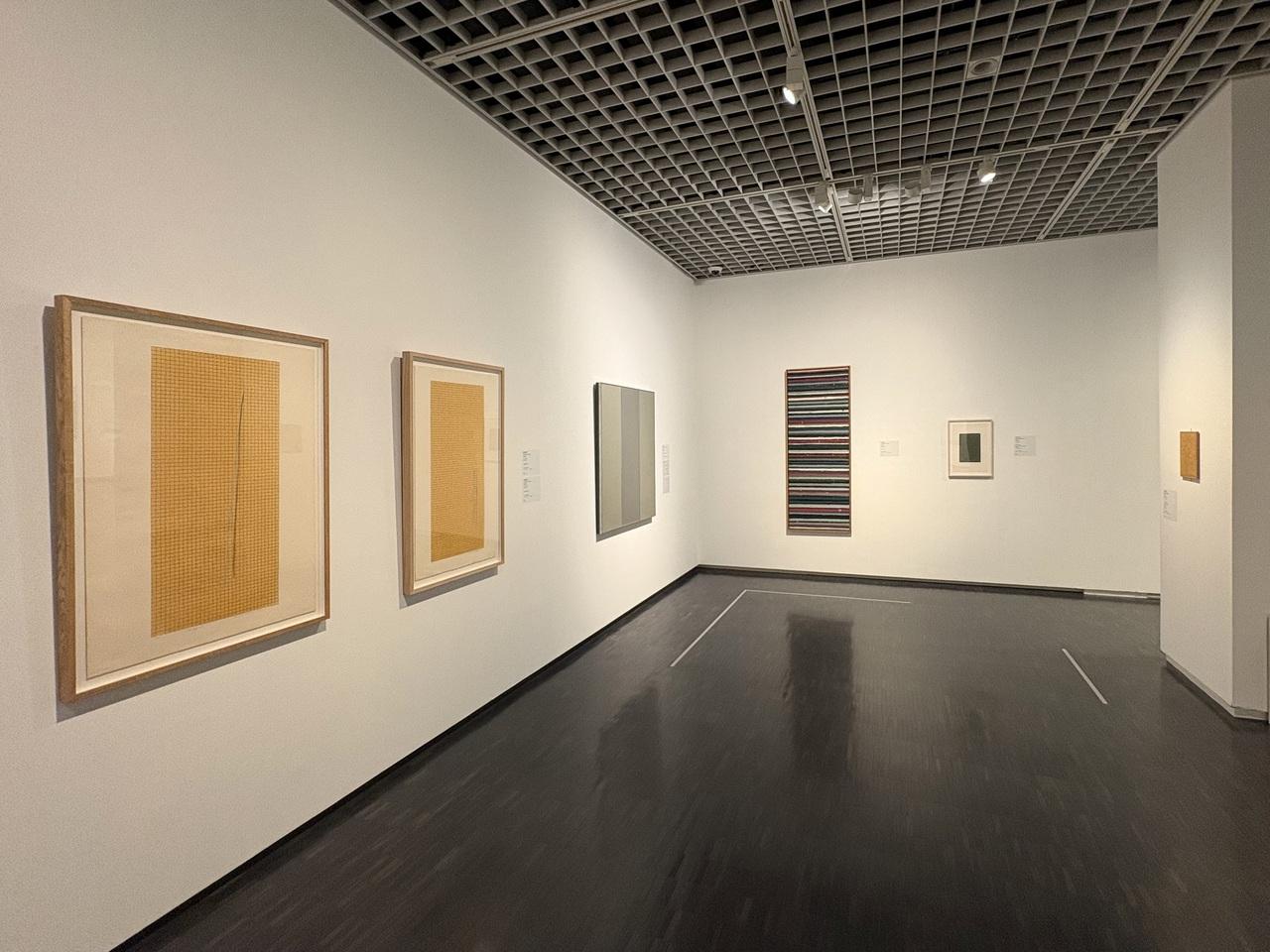
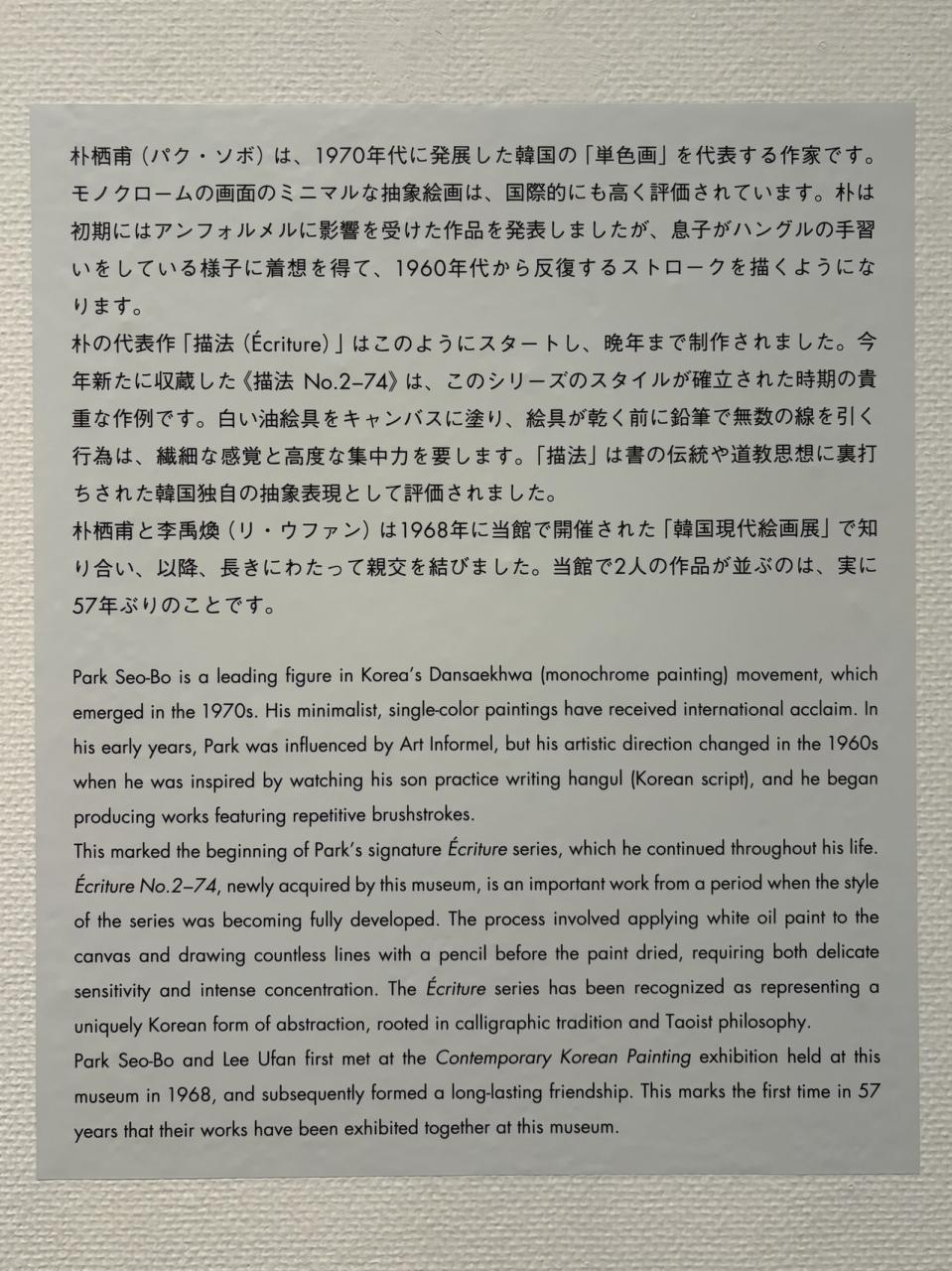
朴栖南(パク・ソボ)は、1970年代に発展した韓国の「単色画」を代表する作家です。
モノクロームの画面のミニマルな抽象絵画は、国際的にも高く評価されています。朴は初期にはアンフォルメルに影響を受けた作品を発表しましたが、息子がハングルの手習いをしている様子に着想を得て、1960年代から反復するストロークを描くようになります。
朴の代表作「描法(Ecriture)」はこのようにスタートし、晩年まで制作されました。今年新たに収蔵したく描法 No.2-74>は、このシリーズのスタイルが確立された時期の貴重な作例です。白い油絵具をキャンバスに塗り、絵具が乾く前に鉛筆で無数の線を引く行為は、繊細な感覚と高度な集中力を要します。「描法」は書の伝統や道教思想に裏打ちされた韓国独自の抽象表現として評価されました。
朴栖甫と李馬煥(リ・ウファン)は1968年に当館で開催された「韓国現代絵画展」で知り合い、以降、長きにわたって親交を結びました。当館で2人の作品が並ぶのは、実に57年ぶりのことです。
Park Seo-Bo is a leading figure in Korea's Dansaekhwa (monochrome painting) movement, which emerged in the 1970s.
His minimalist, single-color paintings have received international acclaim. In his early years, Park was influenced by Art Informel, but his artistic direction changed in the 1960s when he was inspired by watching his son practice writing hangul (Korean script), and he began producing works featuring repetitive brushstrokes.
This marked the beginning of Park's signature criture series, which he continued throughout his life. Écriture No.2-74, newly acquired by this museum, is an important work from a period when the style of the series was becoming fully developed. The process involved applying white oil paint to the canvas and drawing countless lines with a pencil before the paint dried, requiring both delicate sensitivity and intense concentration. The Ecriture series has been recognized as representing a uniquely Korean form of abstraction, rooted in calligraphic tradition and Taoist philosophy.
Park Seo-Bo and Lee Ufan first met at the Contemporary Korean Painting exhibition held at this museum in 1968, and subsequently formed a long-lasting friendship. This marks the first time in 57 years that their works have been exhibited together at this museum. -
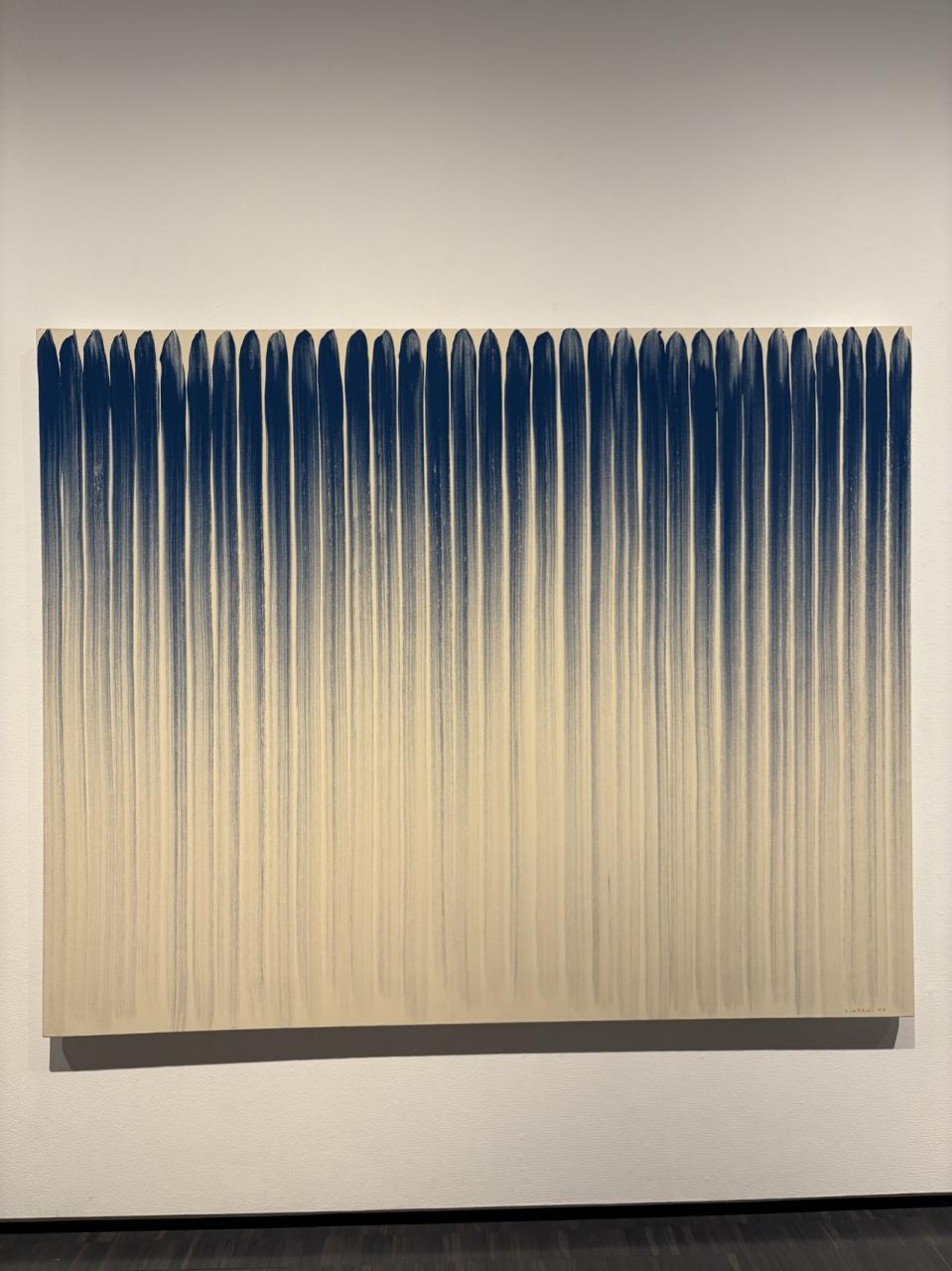
李禹煥
LEE, Ufan
1936-
線より
From Line
1977 昭和52年
岩絵具、膠・キャンバス
Japanese pigment and glue on canvas
購入
Purchased
群青色の筆触が、画面全体に規則正しく並んでいます。始筆から終筆に向かうにつれて岩絵具が少しずつかすれていく様子は、筆を運ぶアーティストの身振りを鮮やかに浮かび上がらせ、その息遣いすら伝わってくるかのようです。李は朝鮮の慶尚南道に生まれ、1956(昭和31)年に来日しました。韓国と日本、両国の現代美術において主導的な役割を果たし、日本では「もの派」を代表する作家として知られています。
Ultramarine brushstrokes form an orderly array
brushwork and even suggesting the rhythm of his breathing. Lee was born in South Gyeongsang Province, Korea, and came to Japan in 1956. He played a leading role in the development of contemporary art in both Korea and Japan, and is known in Japan as a key figure in Mono-ha (the "School of Things"). -
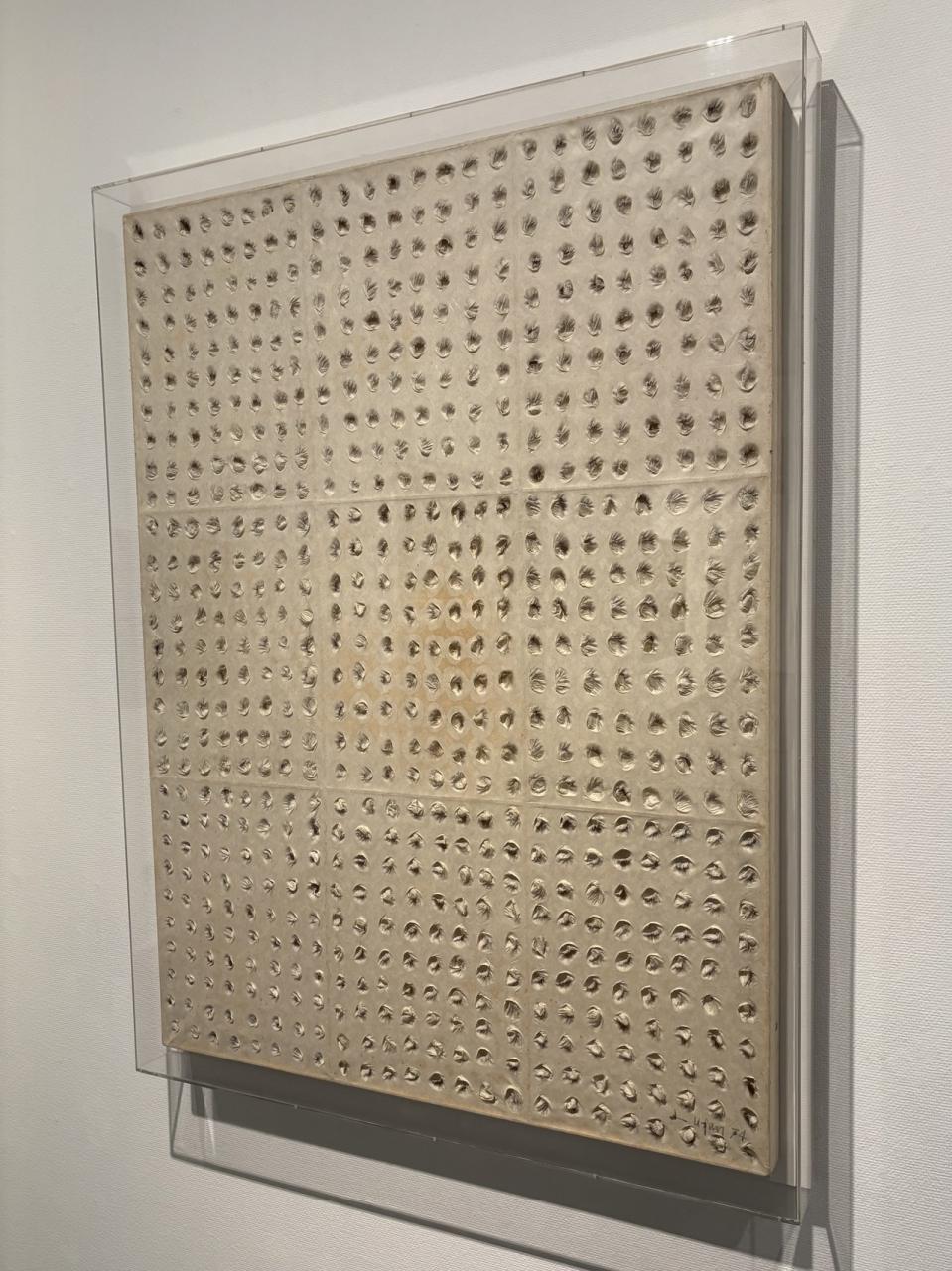
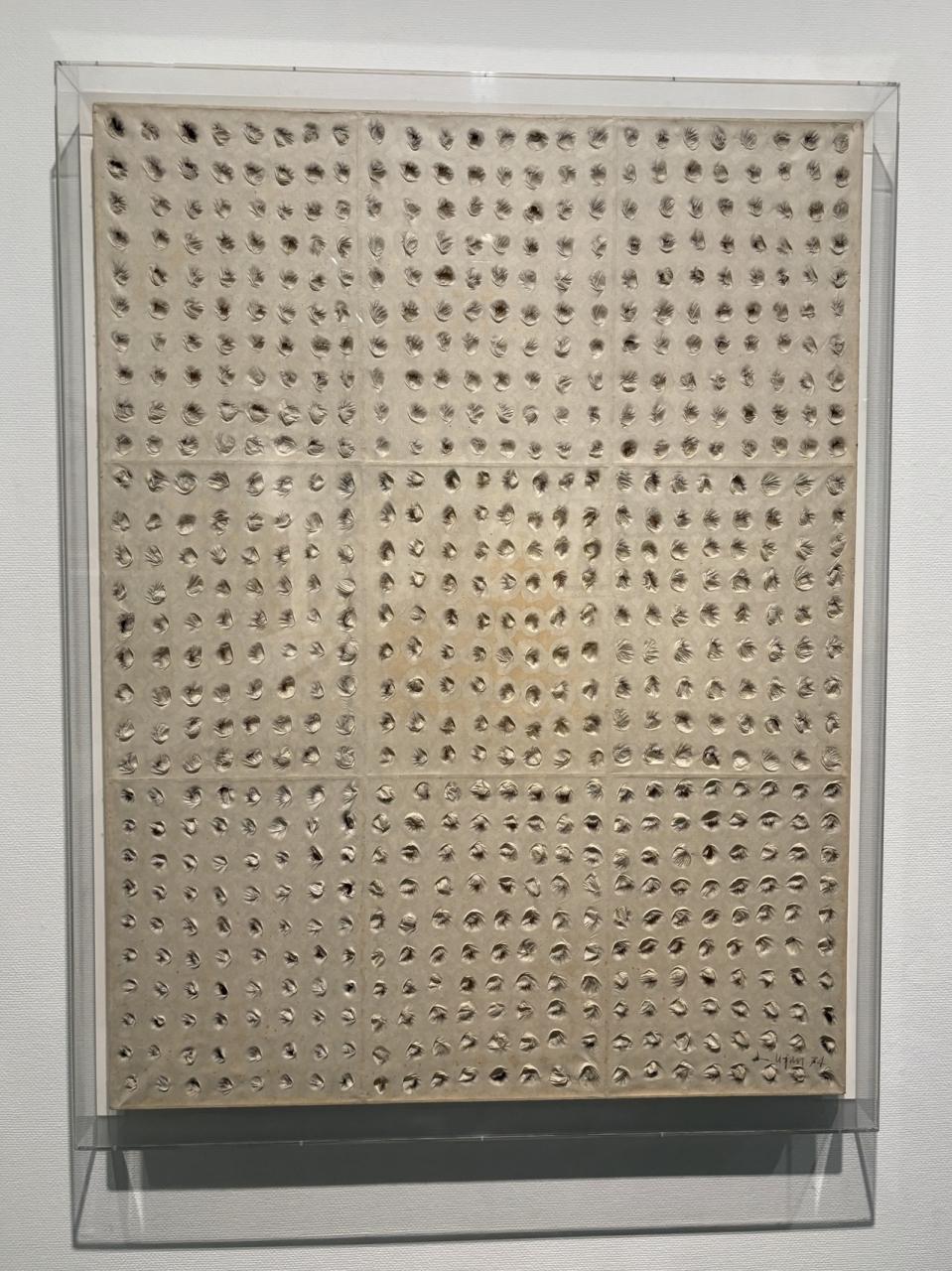
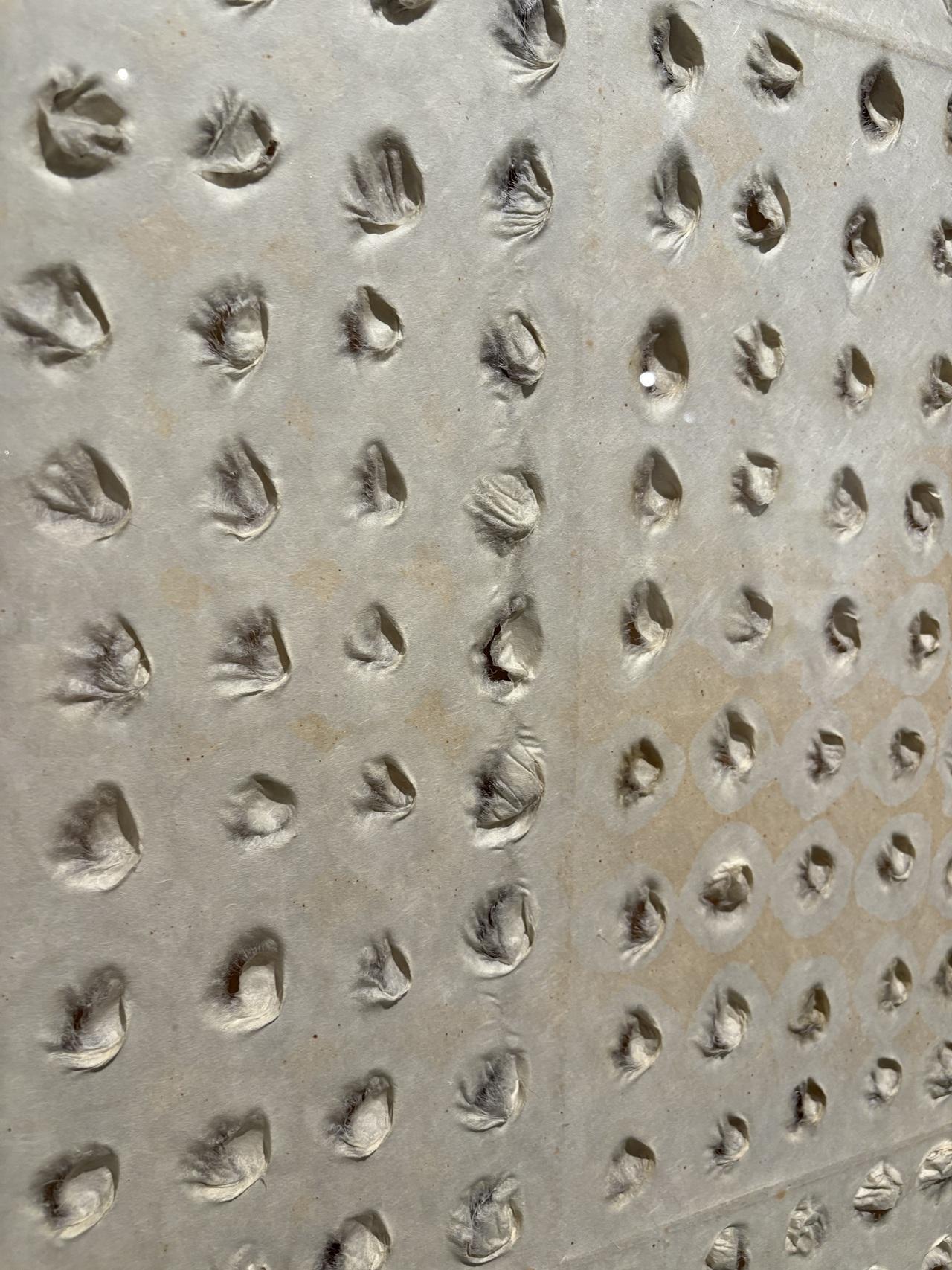
李禹煥
LEE, Ufan
1936-
突きより
Push Up
1974 昭和49年
墨・和紙
sumi on paper
太田正樹氏寄贈
Gift of Ota Masaki -
-
-
-
-
-
-
-
-
-
-
-
-
-
-
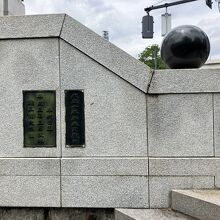
竹橋 名所・史跡
-
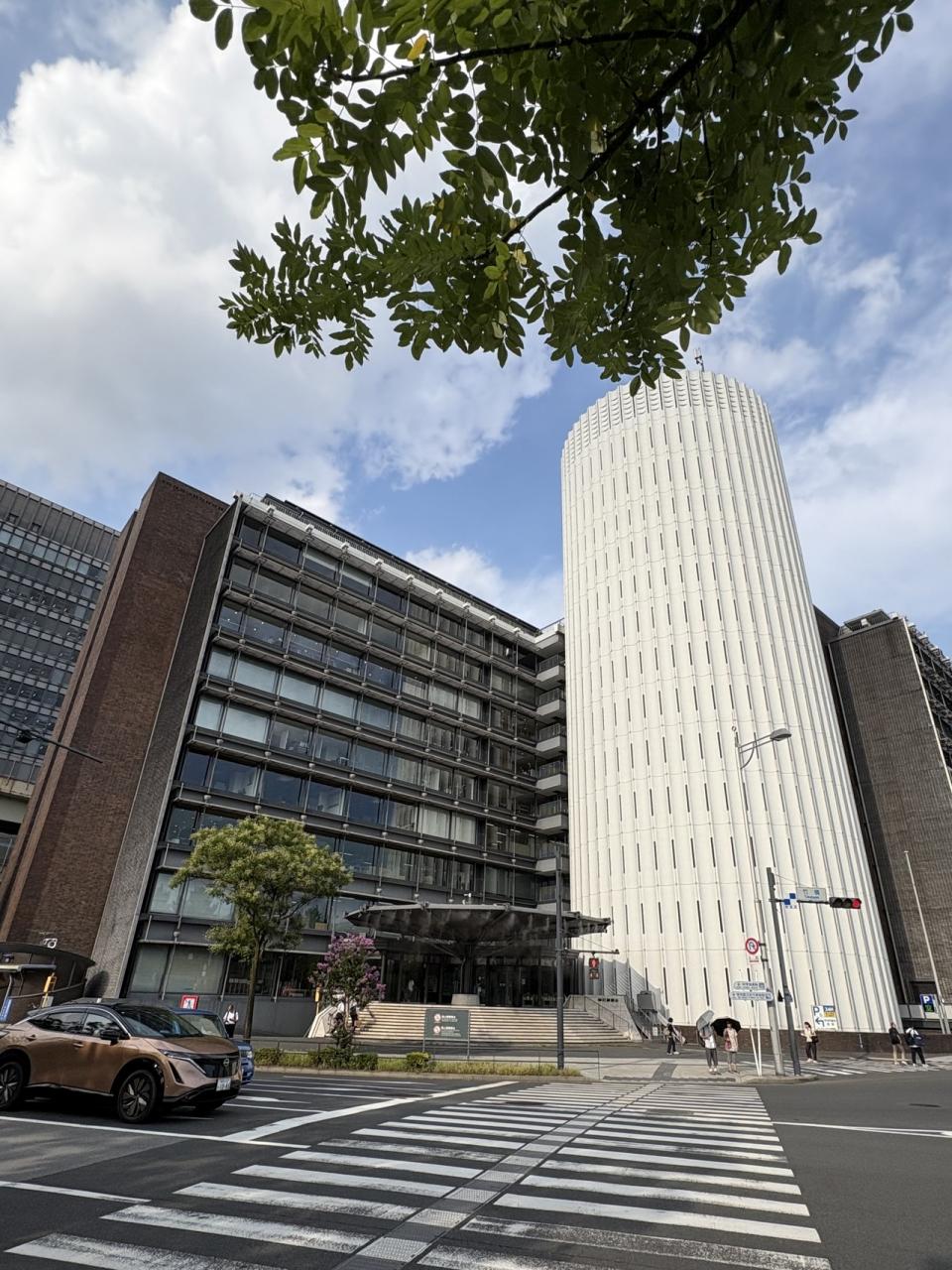
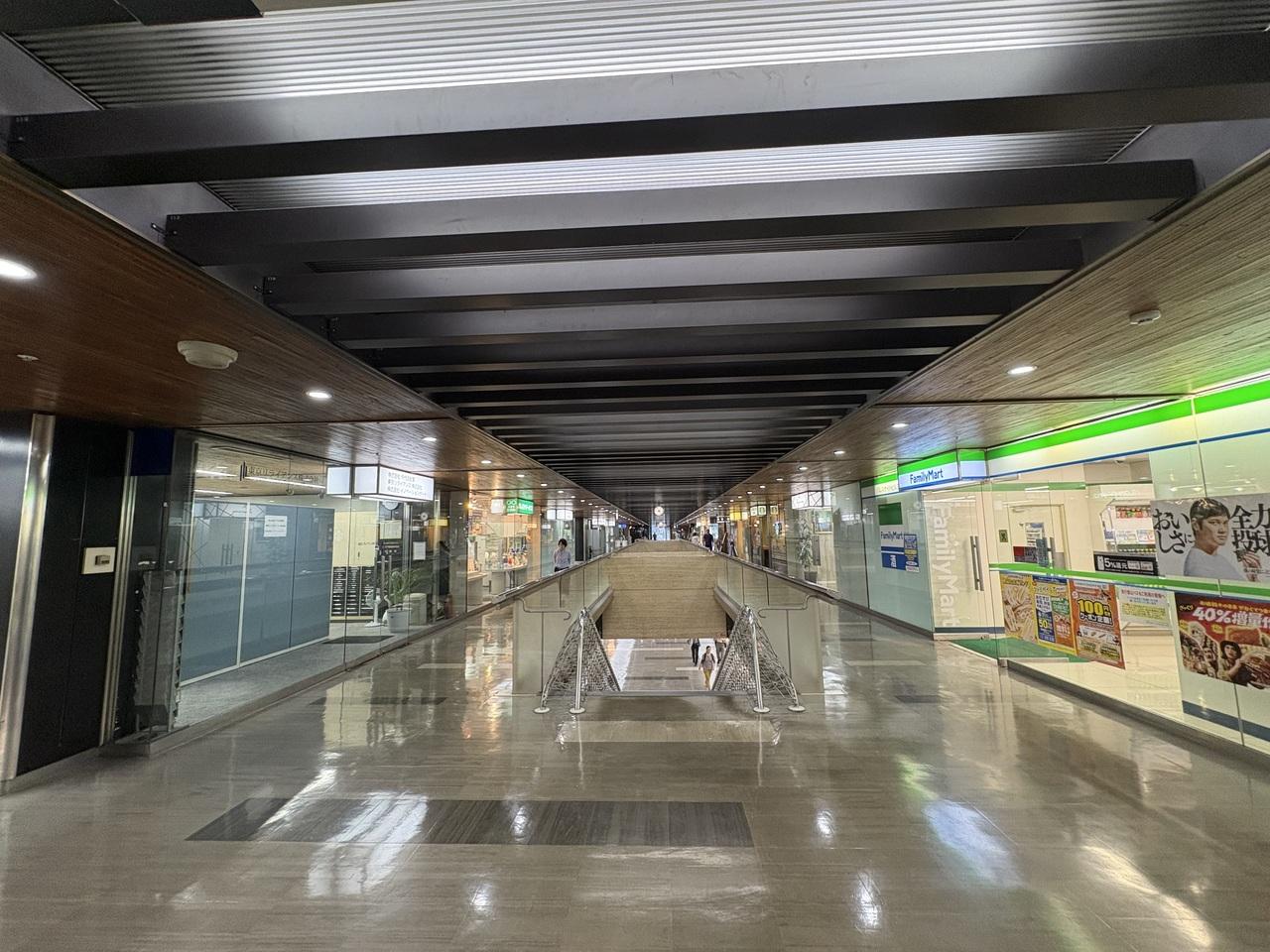
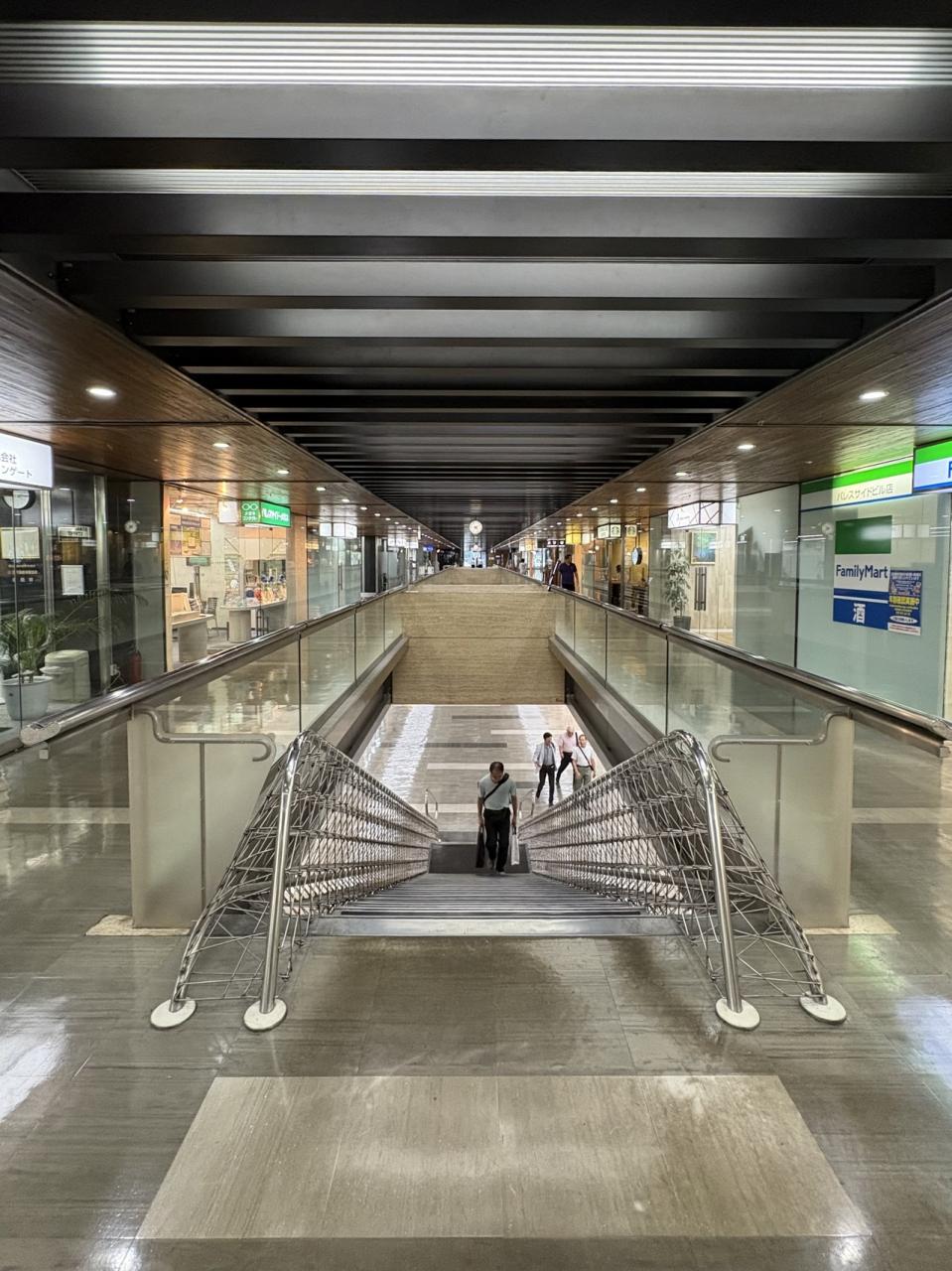
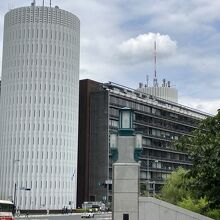
パレスサイドビル 名所・史跡
-
-
この旅行記のタグ


利用規約に違反している投稿は、報告する事ができます。
-

MOMAT コレクション〔国立東京近代美術館 所蔵作品展〕(2025.7.15-10.26)1.ハイライト ...
2025/08/07~
神田・神保町
-

MOMAT コレクション〔国立東京近代美術館 所蔵作品展〕(2025.7.15-10.26)2.大正の個性派...
2025/08/07~
神田・神保町
-

MOMAT コレクション〔国立東京近代美術館 所蔵作品展〕(2025.7.15-10.26)3. 岸田劉生「...
2025/08/07~
神田・神保町
-

MOMAT コレクション〔国立東京近代美術館 所蔵作品展〕(2025.7.15-10.26)4.山と渓谷 "...
2025/08/07~
神田・神保町
-

MOMAT コレクション(2025.7.15-10.26)5.1930年代の絵画:現実の彼方へ、幻影の手前で...
2025/08/07~
神田・神保町
-

MOMAT コレクション(2025.7.15-10.26)6.1940年 "ハリー・K・シゲタ(重田放二)フ...
2025/08/07~
神田・神保町
-

MOMAT コレクション〔国立東京近代美術館 所蔵作品展〕(2025.7.15-10.26)7.戦後の女性画...
2025/08/07~
神田・神保町
-

MOMAT コレクション(2025.7.15-10.26)8.ジャンクとポップ "日比野克彦 LABYRIN...
2025/08/07~
神田・神保町
-

MOMAT コレクション〔国立東京近代美術館 所蔵作品展〕(2025.7.15-10.26)9.山村雅昭「ワ...
2025/08/07~
神田・神保町
-

MOMAT コレクション(2025.7.15-10.26)10.アルプのアトリエ/絵画と目的 "山口華楊、洋...
2025/08/07~
神田・神保町
-

MOMAT コレクション(2025.7.15-10.26)11.揺れる境界 "石川真生、基地を取り巻く人々"
2025/08/07~
神田・神保町
-

MOMAT コレクション〔国立東京近代美術館 所蔵作品展〕(2025.7.15-10.26)12.ヨコ軸・タ...
2025/08/07~
神田・神保町
-

東京国立近代美術館 "新収蔵&特別公開 コレクションにみる日韓" (2025.7.15 - 10.26) "...
2025/08/07~
神田・神保町
旅行記グループをもっと見る
コメントを投稿する前に
十分に確認の上、ご投稿ください。 コメントの内容は攻撃的ではなく、相手の気持ちに寄り添ったものになっていますか?
サイト共通ガイドライン(利用上のお願い)報道機関・マスメディアの方へ 画像提供などに関するお問い合わせは、専用のお問い合わせフォームからお願いいたします。





フォートラベル公式LINE@
おすすめの旅行記や旬な旅行情報、お得なキャンペーン情報をお届けします!
QRコードが読み取れない場合はID「@4travel」で検索してください。
\その他の公式SNSはこちら/



旅行記グループ MOMAT コレクション〔国立東京近代美術館 所蔵作品展〕(2025.7.15-10.26)
0
39