


2026/01/12 - 2026/01/12
62位(同エリア1624件中)

旅熊 Kokazさん
- 旅熊 KokazさんTOP
- 旅行記1914冊
- クチコミ854件
- Q&A回答102件
- 1,697,509アクセス
- フォロワー753人
マチュピチュ展 @ 森アーツセンターギャラリー(2025.11.22~2026.3.1)
https://macg.roppongihills.com/jp/exhibitions/machupicchu/index.html
『本展は、2021年のアメリカ・ボカラトン美術館を皮切りに、世界各地で開催され、高い評価を得ています。各国における開催での累計来場者数は54万人を突破しました。
ペルー政府公認の本展は、アジアでは初開催となります。日本初上陸となる本展では、ペルーの首都・リマにあり、世界的にも有名な考古学博物館「ラルコ博物館」より貸与された、貴重な文化財約130点を展示します。
2012年の「インカ帝国展」以来、国内では13年ぶりとなるマチュピチュ関連の巡回展としても注目
今回の巡回展に際して日本にやってくる約130点のペルーの至宝の中でも特に、王族の墓から出土した黄金の装飾品や神殿儀式で用いられた祭具などは、初めてペルー国外に貸し出される展示品です。日本で初公開の貴重な資料を通じて、古代アンデス文明の叡智や芸術を間近に体感できます。また、世界遺産マチュピチュを独自の技術で再現した没入型空間や、アンデス神話の英雄「アイ・アパエック」の冒険を軸に展開される壮大な物語とともに、来場者をかつてない知的冒険へといざないます。』とのこと・・・
"Museo Larco"
https://www.museolarco.org/en/video-intro/
About the Museum
The Museo Larco was established in 1926 by Rafael Larco Hoyle, a pioneer of Peruvian archaeology, and it houses a fascinating collection of pre-Columbian art composed of around 45,000 objects. Situated in an 18th century viceroyalty mansion and surrounded by beautiful gardens, the Museo Larco is a space that stimulates and inspires, where it is possible to enjoy and learn more about the fascinating history of ancient Peru.
Mission and Vision
The Museo Larco’s mission is to inspire our visitors and encourage them to discover, understand and appreciate pre-Columbian Peru. In order to achieve this objective, we have worked to transform the museum into a complete experience.
In essence, our vision is to serve as a gateway to ancient Peru.
- 旅行の満足度
- 5.0
-

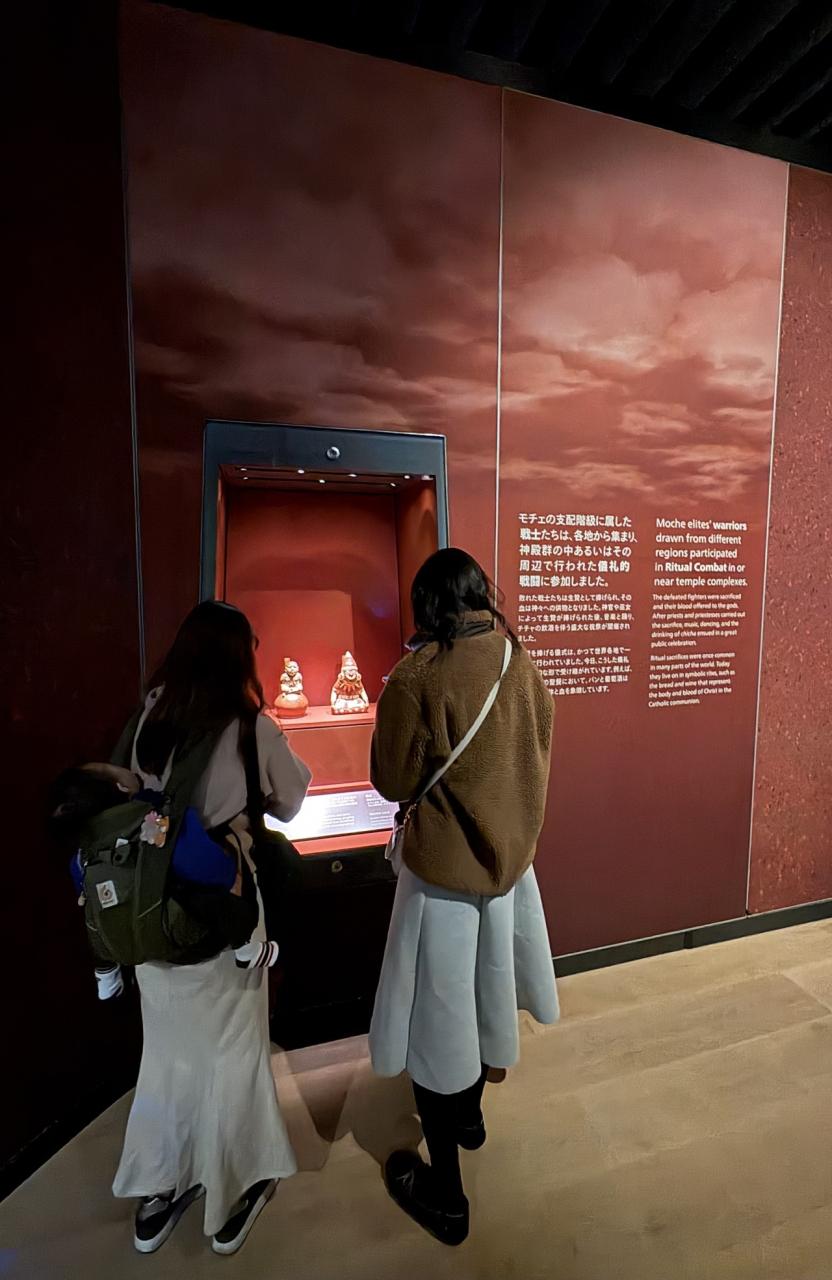
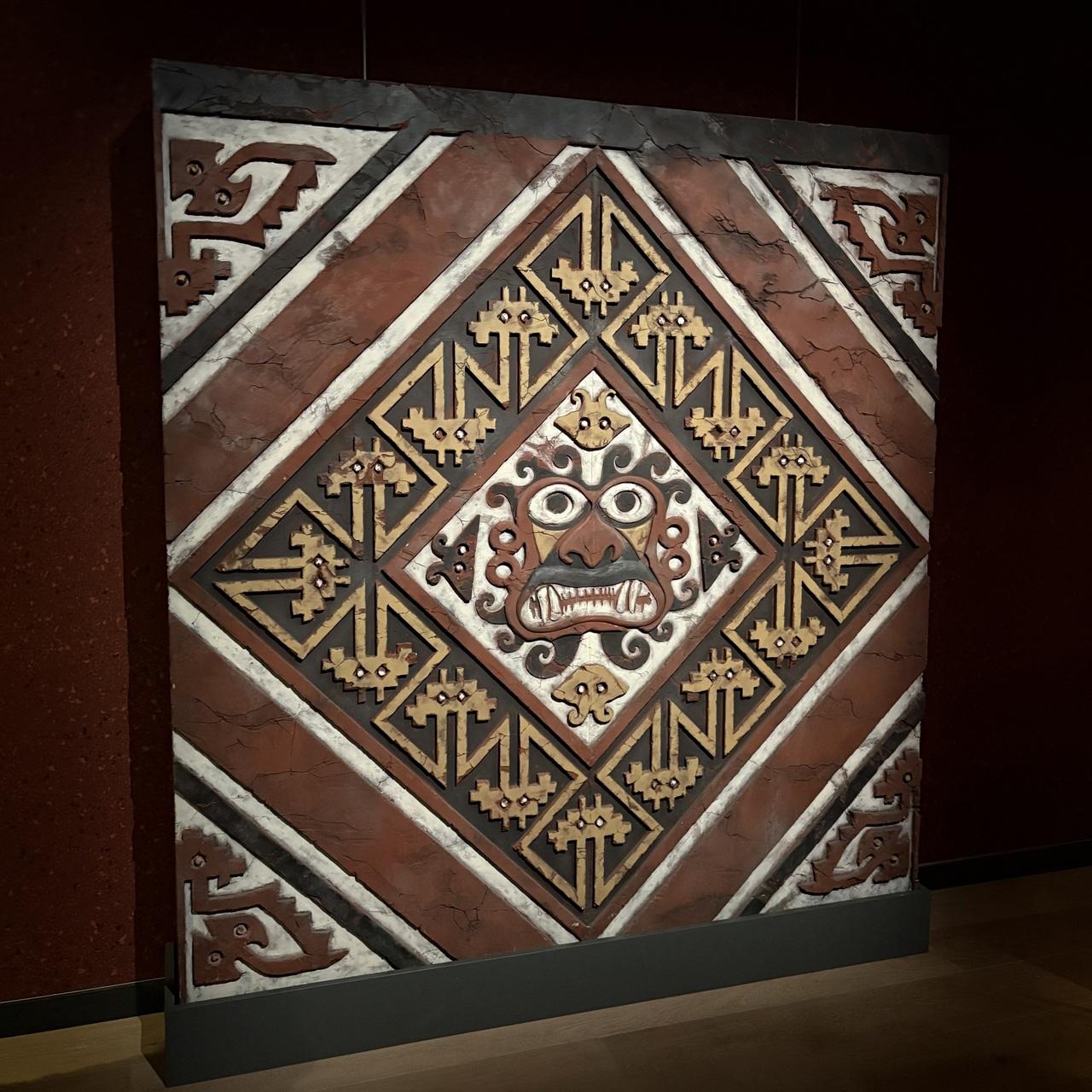
モチェの支配階級に属した戦士たちは、各地から集まり、神殿群の中あるいはその周辺で行われた機礼的戦闘に参加しました。
飲れたたちは生費として揚げられ、その血は神々への供物となりました。神官や女によって生費が捧げられた後、音と通り、チチャの飲酒を伴う大な祝祭が開催されました。
生贄を捧げる儀式は、かつて世界各地で一般に行われていました。今日、こうした儀礼的な形で受けがれています。例えば、カトリックの聖餐において、パンとワインはキリストの肉体と血を象徴しています。
Moche elites' warriors drawn from different regions participated in Ritual Combat in or near temple complexes.
The defeated fighters were sacrificed and their blood offered to the gods. After priests and priestesses carried out the sacrifice, music, dancing, and the drinking of chikha emued in a great public celebration.
Ritual sacrifices were once common in many parts of the world. Today they live on in symbolic rites, such as the bread and wine that represent the body and blood of Christ in the Catholic communion.森アーツセンターギャラリー 美術館・博物館
-
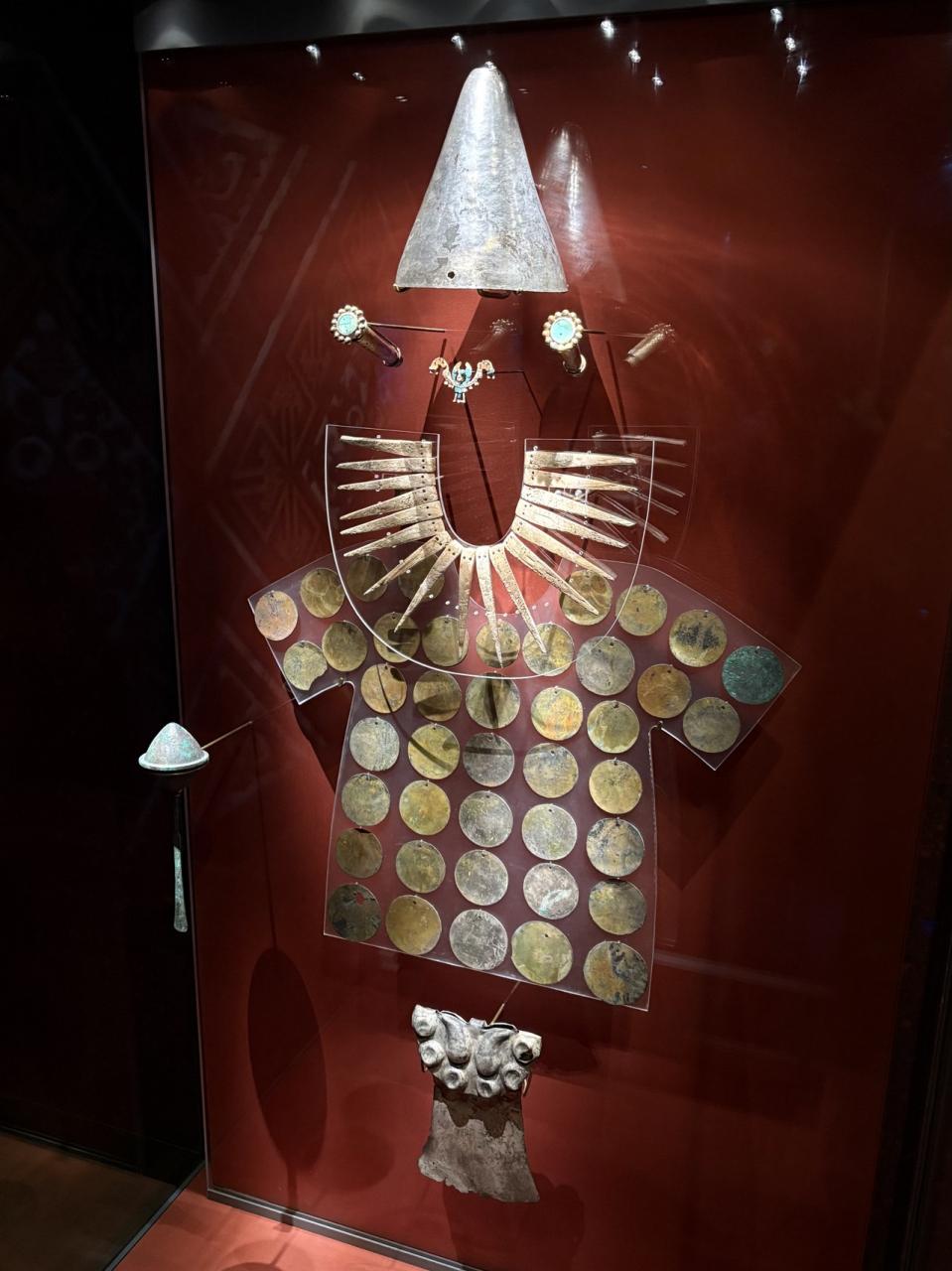
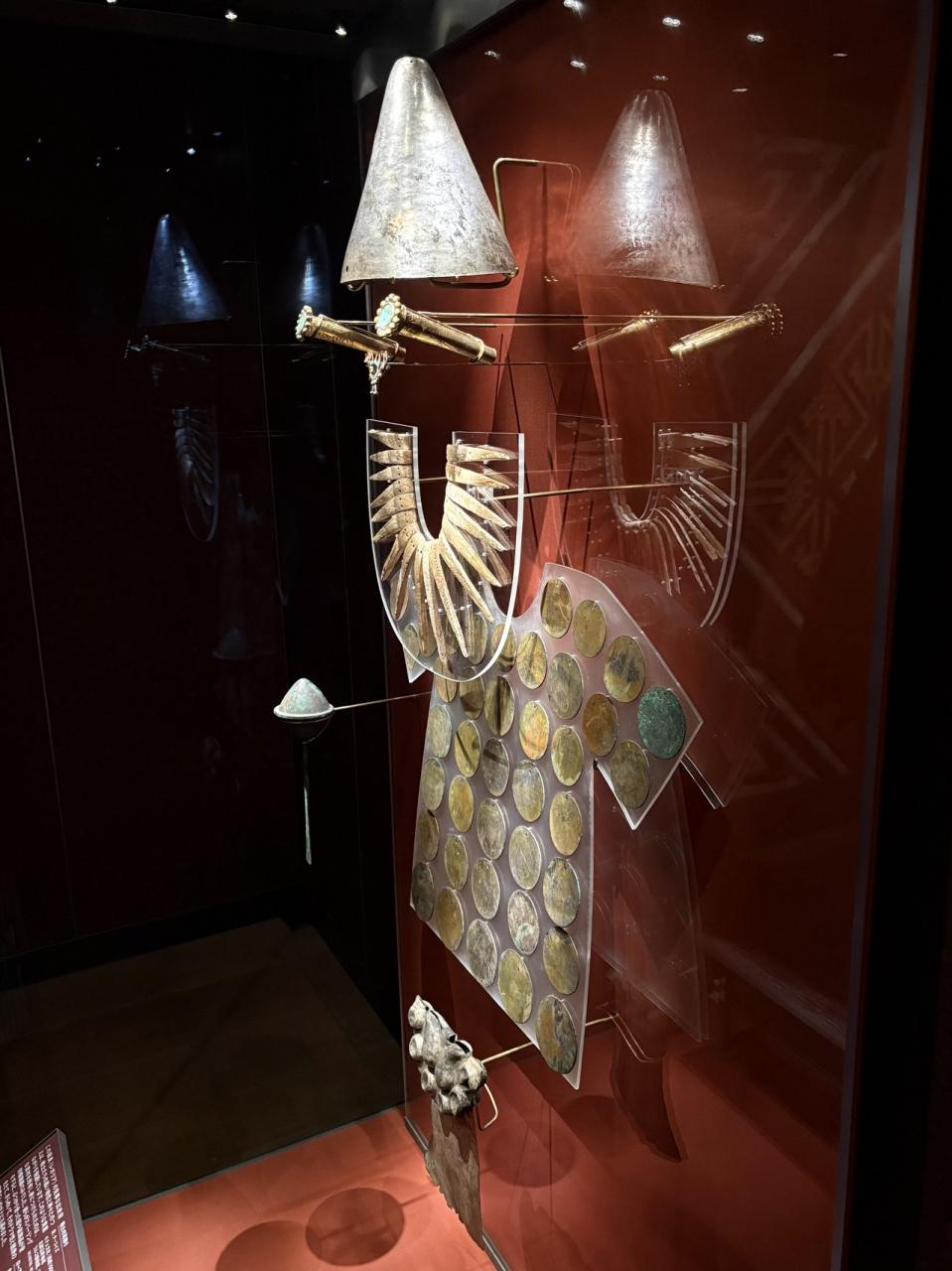
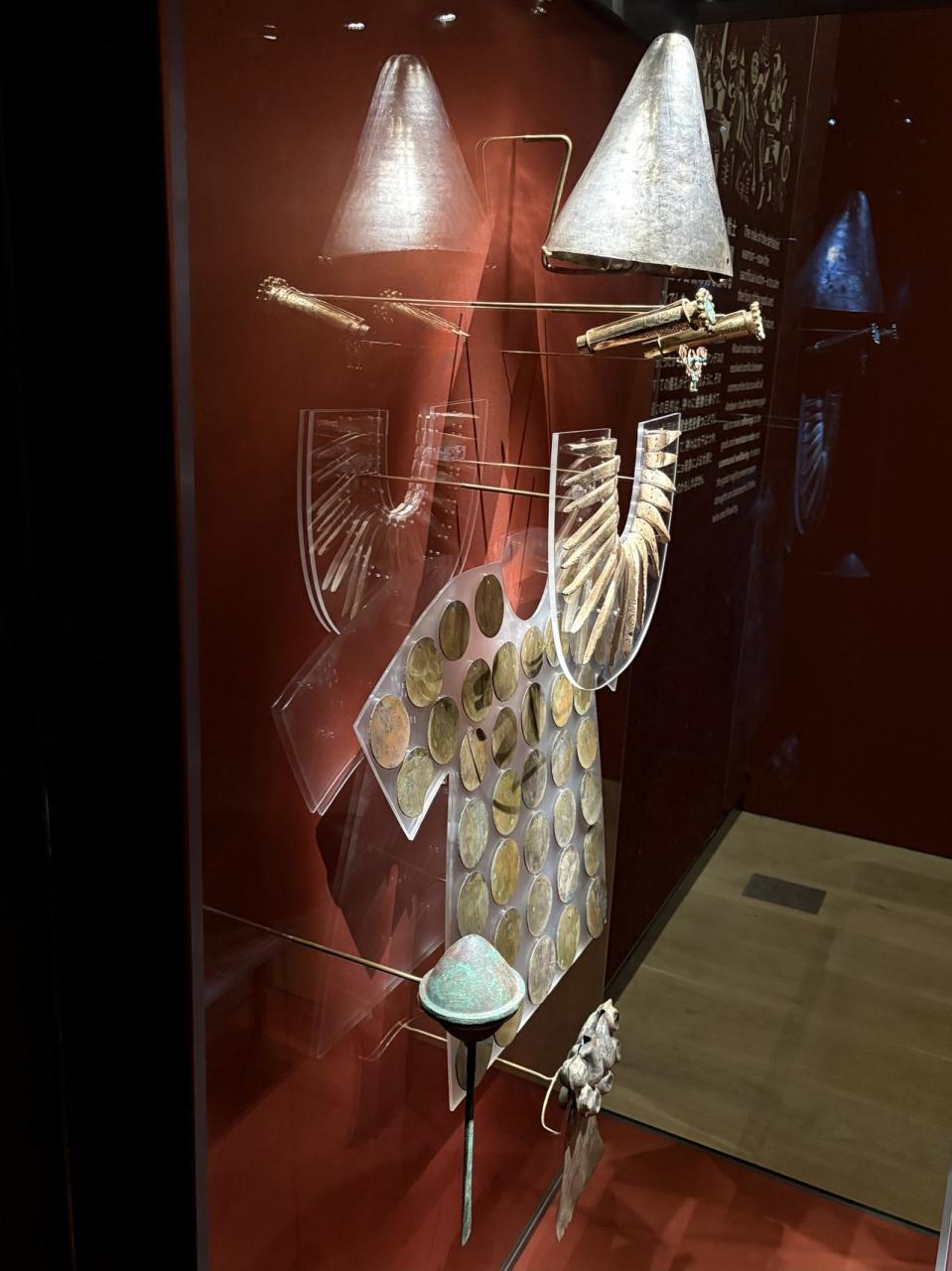
戦士たちは、きらめき、音を立てる金属の円盤で飾られたシャツとスカートを身につけ、戦闘力と舞台的な演出を組み合わせた儀式に参加しました。
The warriors wore shirts and skirts decorated with shimmering, jangling metal disks in a ritual that combined battle prowess with choreographed theatrics. -
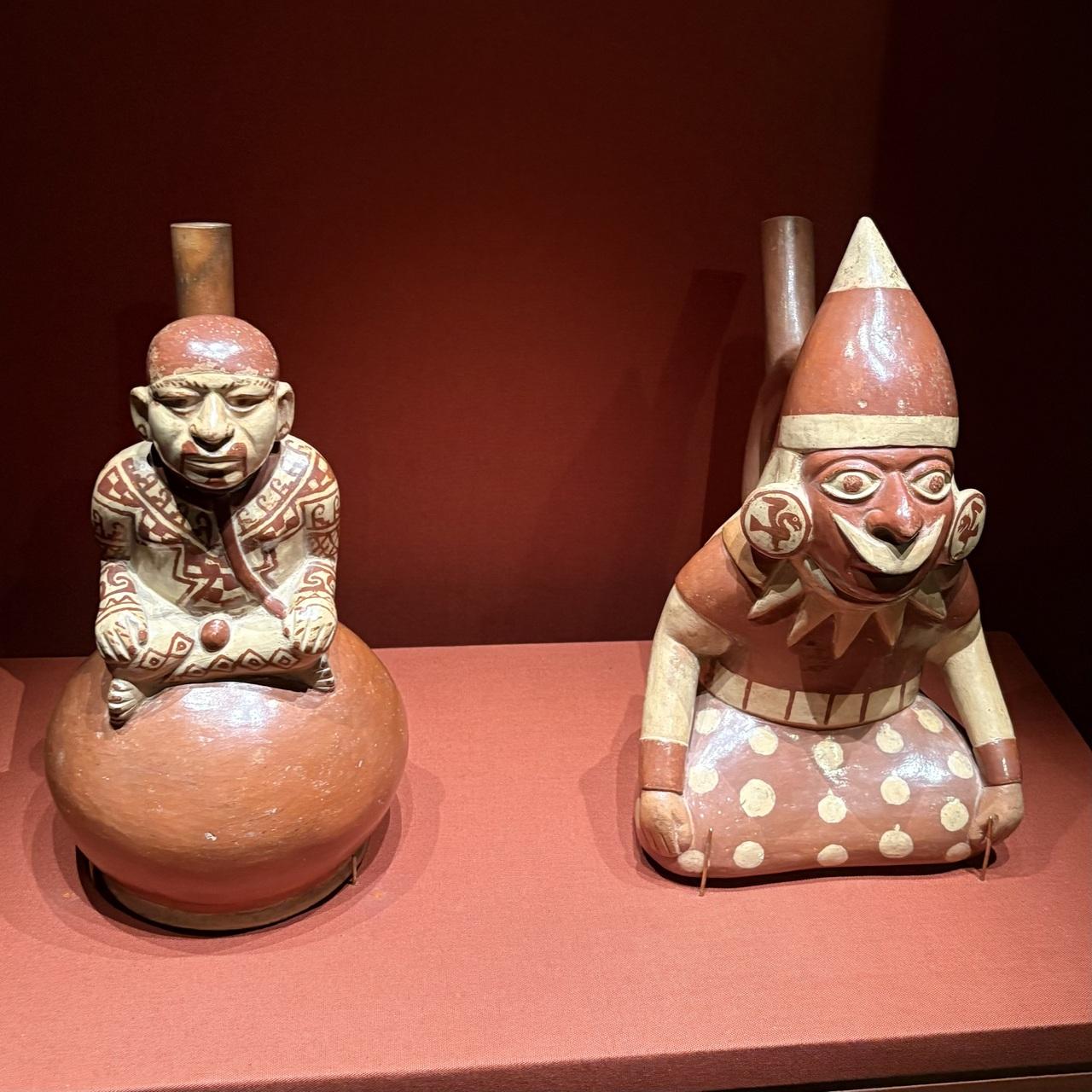
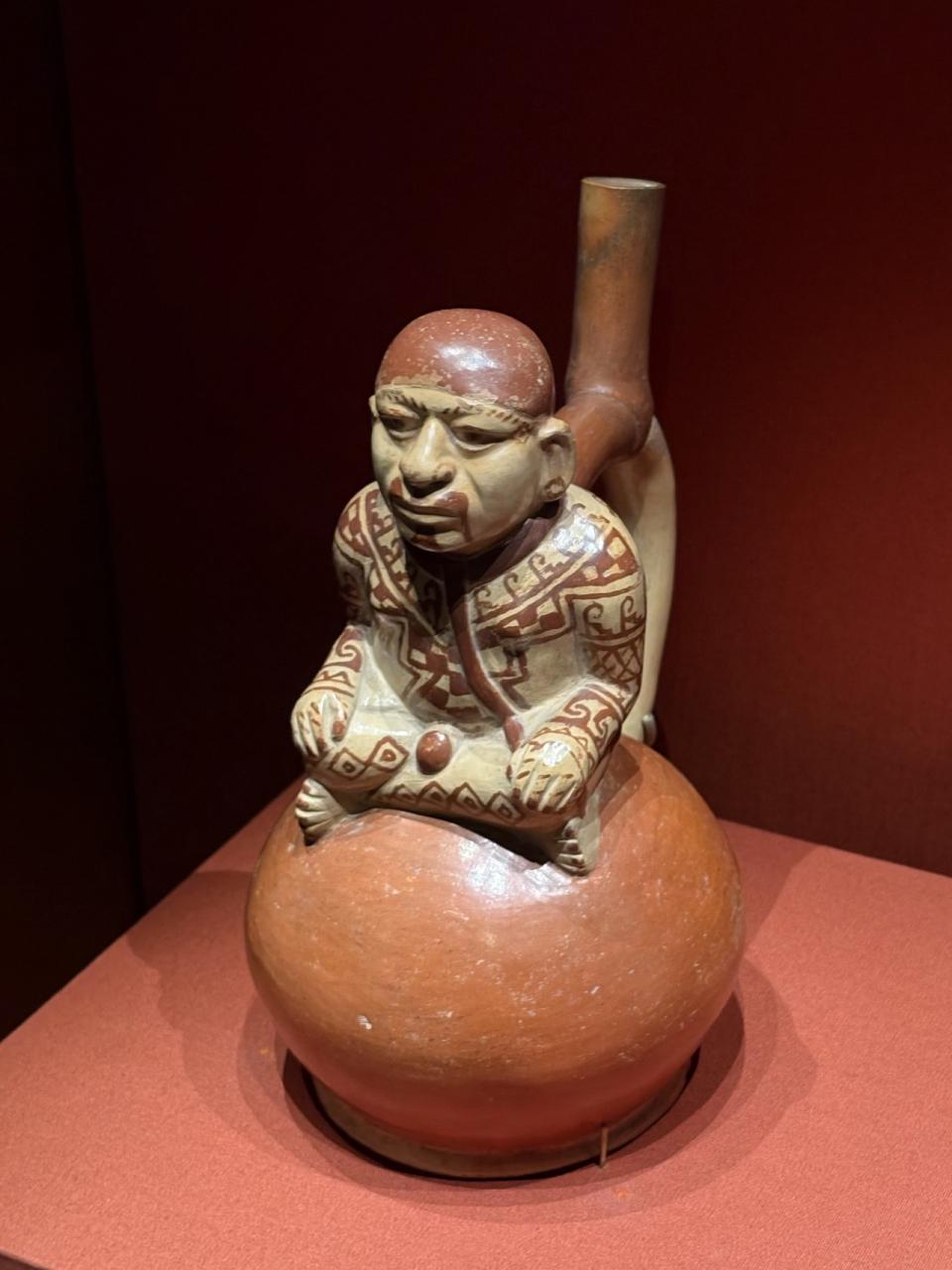
捕らえられた支配者階級の戦士
鐙型注口土器
モチェ文化(西暦100年~800年)、北部沿岸地域ラルコ博物館、リマ(ペルー)。MLO02041
Captured Elite Lord
Ceramic Stirrup-spout Bottle
Moche Culture (100 C.E. - 800 C.E.), Northern Coast
Larco Museum, Lima, Peru. ML002041 -
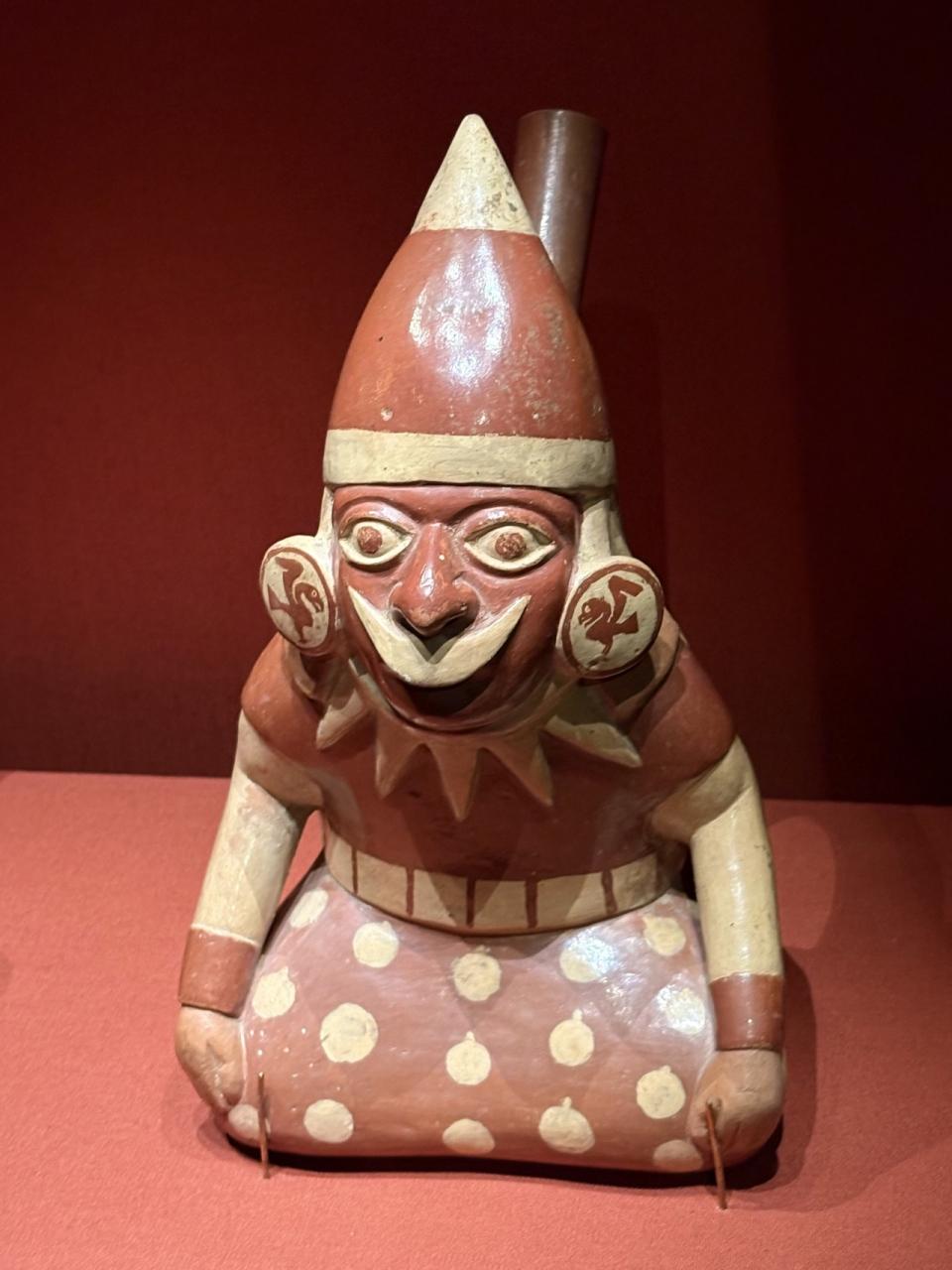
戰士
鐙型注口土器
モチェ文化(西暦100年~800年)、北部沿岸地域ラルコ博物館、リマ(ペルー)。ML040401
Warrior Lord
Ceramic Stirrup-spout Bottle
Moche Culture (100 C.E. - 800 C.E.), Northern Coast
Larco Museum, Lima, Peru. ML040401 -
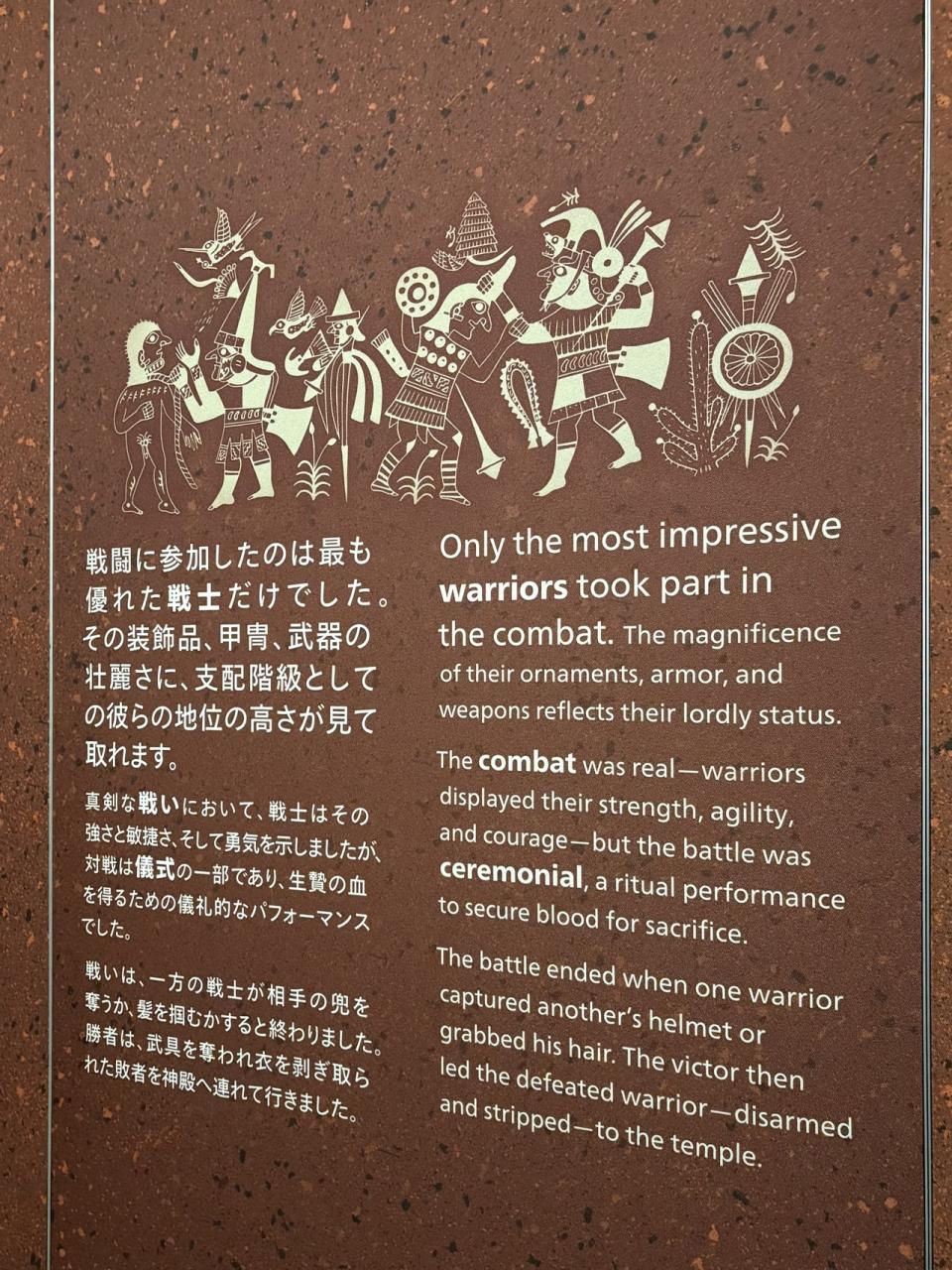
戦闘に参加したのは最も優れた戦士だけでした。
その装飾品、甲冑、武器の壮麗さに、支配階級としての彼らの地位の高さが見て取れます。
真剣な戦いにおいて、戦士はその強さと敏捷さ、そして勇気を示しましたが、対戦は儀式の一部であり、生贄の血を得るための儀礼的なパフォーマンスでした。
戦いは、一方の戦士が相手の兜を奪うか、髪を掴むかすると終わりました。勝者は、武具を奪われ衣を剥ぎ取られた敗者を神殿へ連れて行きました。
Only the most impressive warriors took part in the combat. The magnificence of their ornaments, armor, and weapons reflects their lordly status.
The combat was real - warriors displayed their strength, agility, and courage-but the battle was ceremonial, a ritual performance to secure blood for sacrifice.
The battle ended when one warrior captured another's helmet or grabbed his hair. The victor then led the defeated warrior-disarmed and stripped to the temple. -
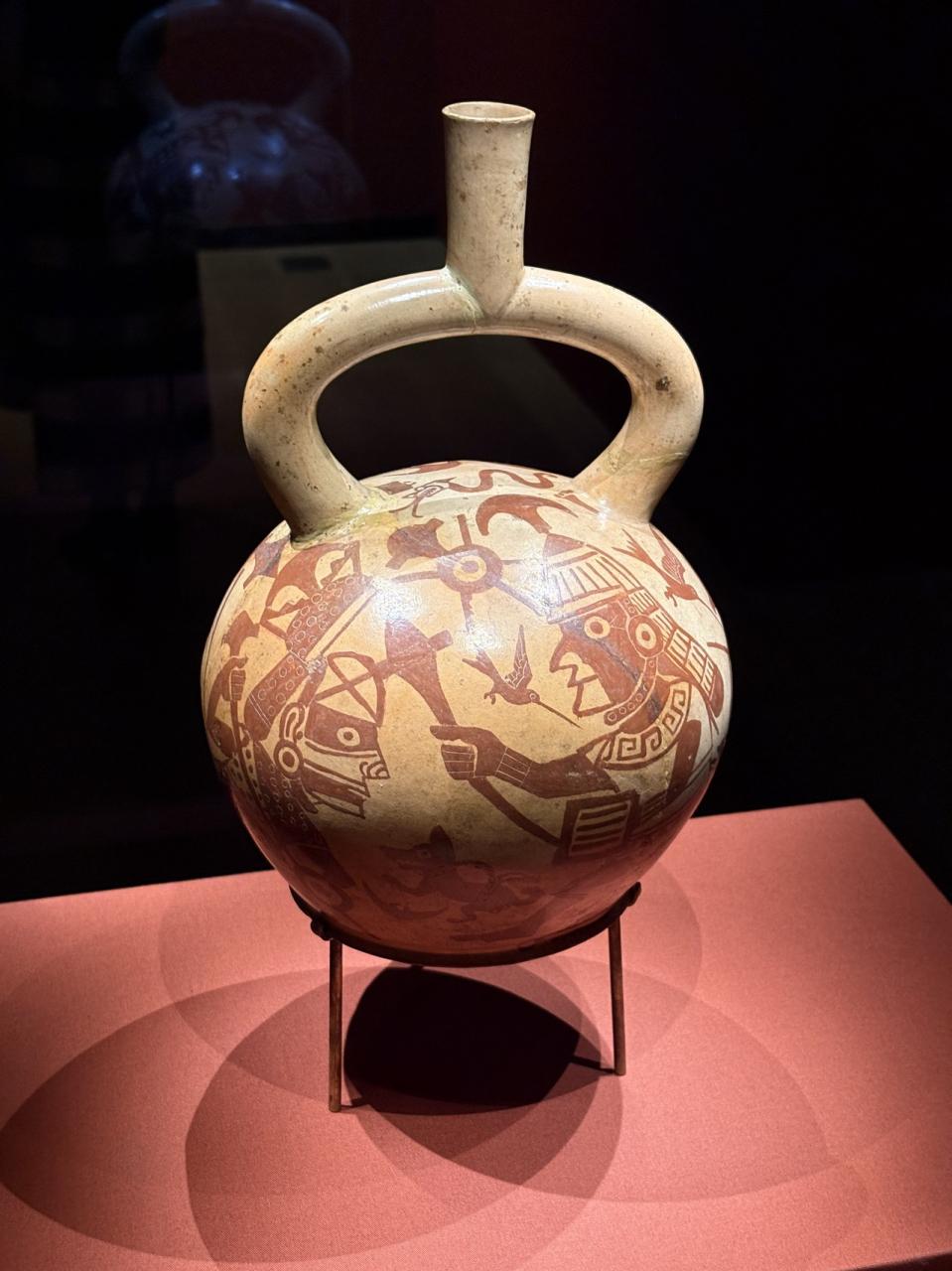
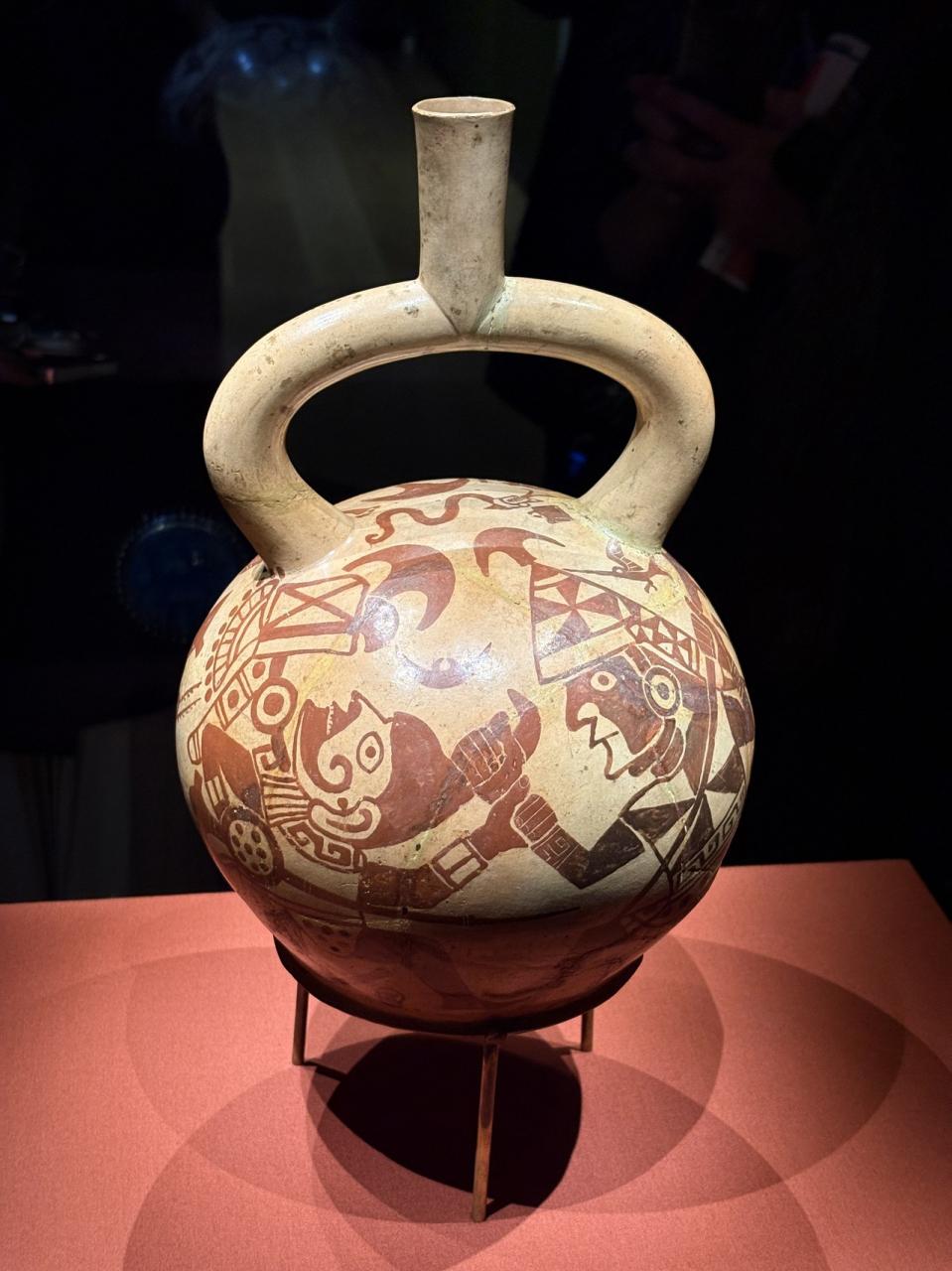
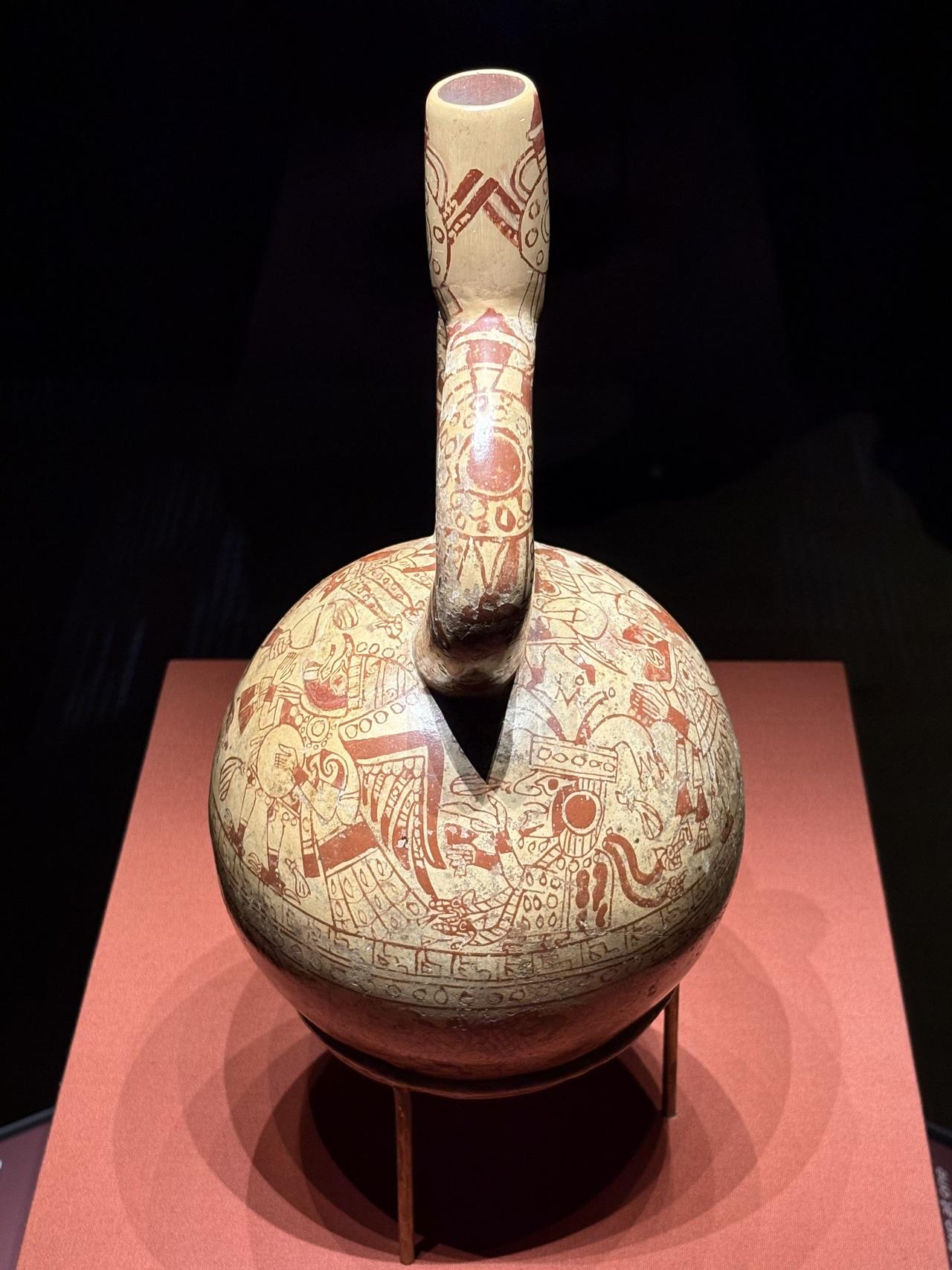
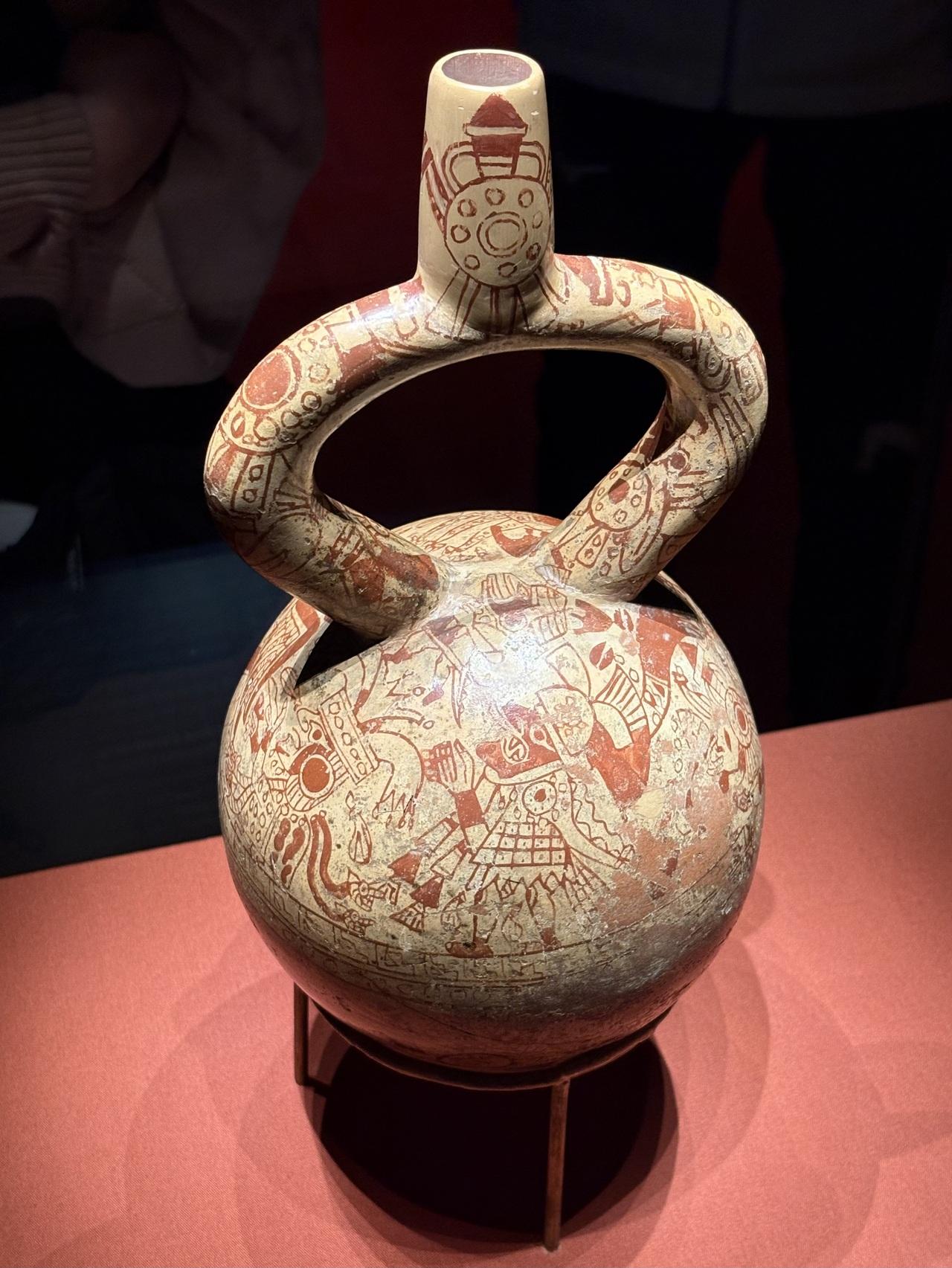
戦士たちは白兵戦で対決しました。この器は、敗者を捕らえた瞬間を描いています。顔と身体に色が塗られた勝者はまだ兜をつけていますが、痛みに身体を折り曲げた敗者の頭には見えません。
戦闘と捕虜の捕獲
鐙型注口土器
モチェ文化(西暦100年~800年)、北部沿岸地域
ラルコ博物館、リマ(ペルー)。
ML010851
Warriors face off in hand-to-hand combat. The vessel shows the moment of capture; the victor, face and body painted, still wears his helmet while his defeated opponent, contorted with pain, is bareheaded.
Combat and Capture of Prisoners
Ceramic Stirrup-spout Bottle
Moche Culture (100 C.E. - 800 C.E.)
Northern Coast
Larco Museum, Lima, Peru. ML010851 -
-
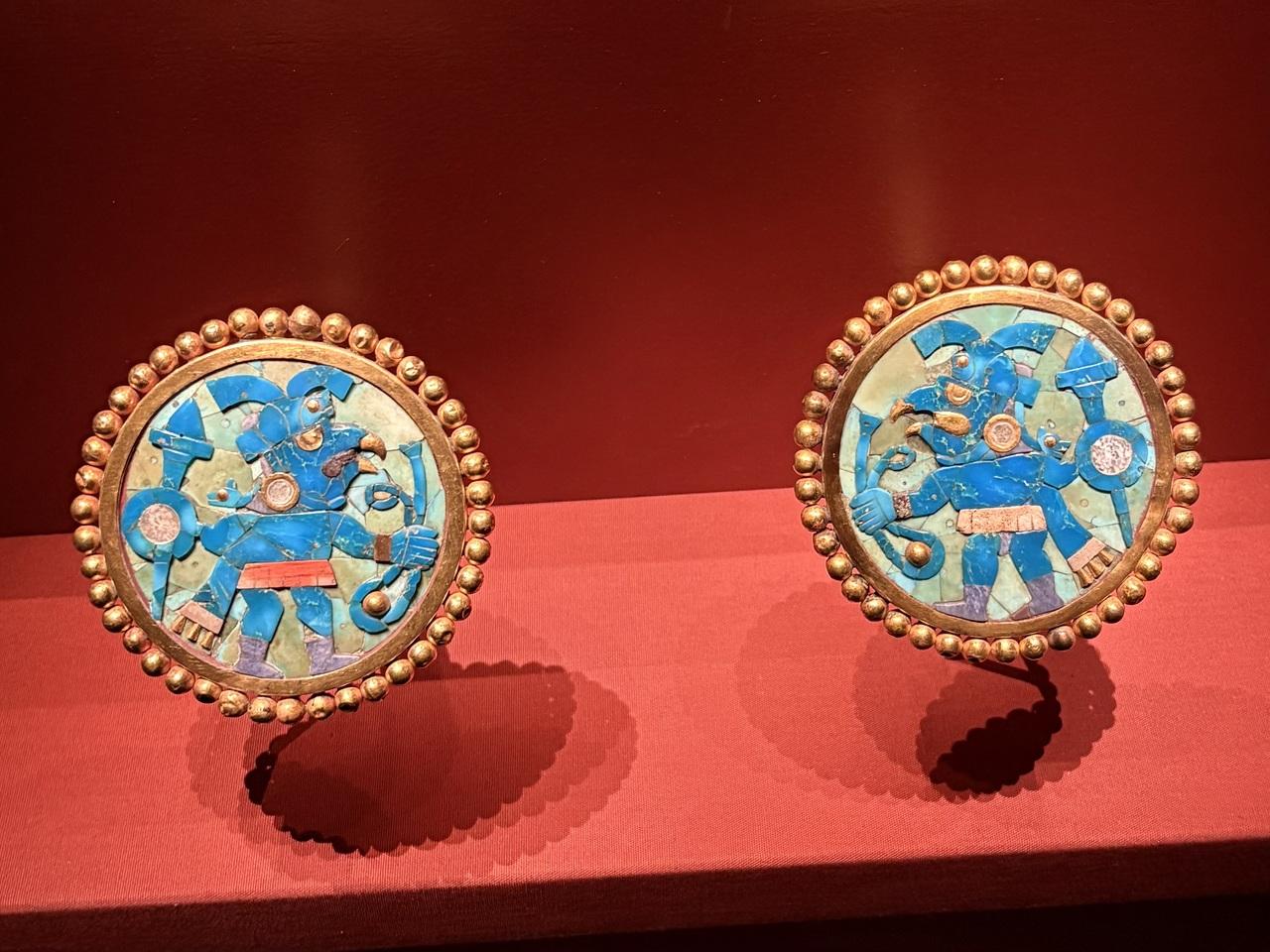
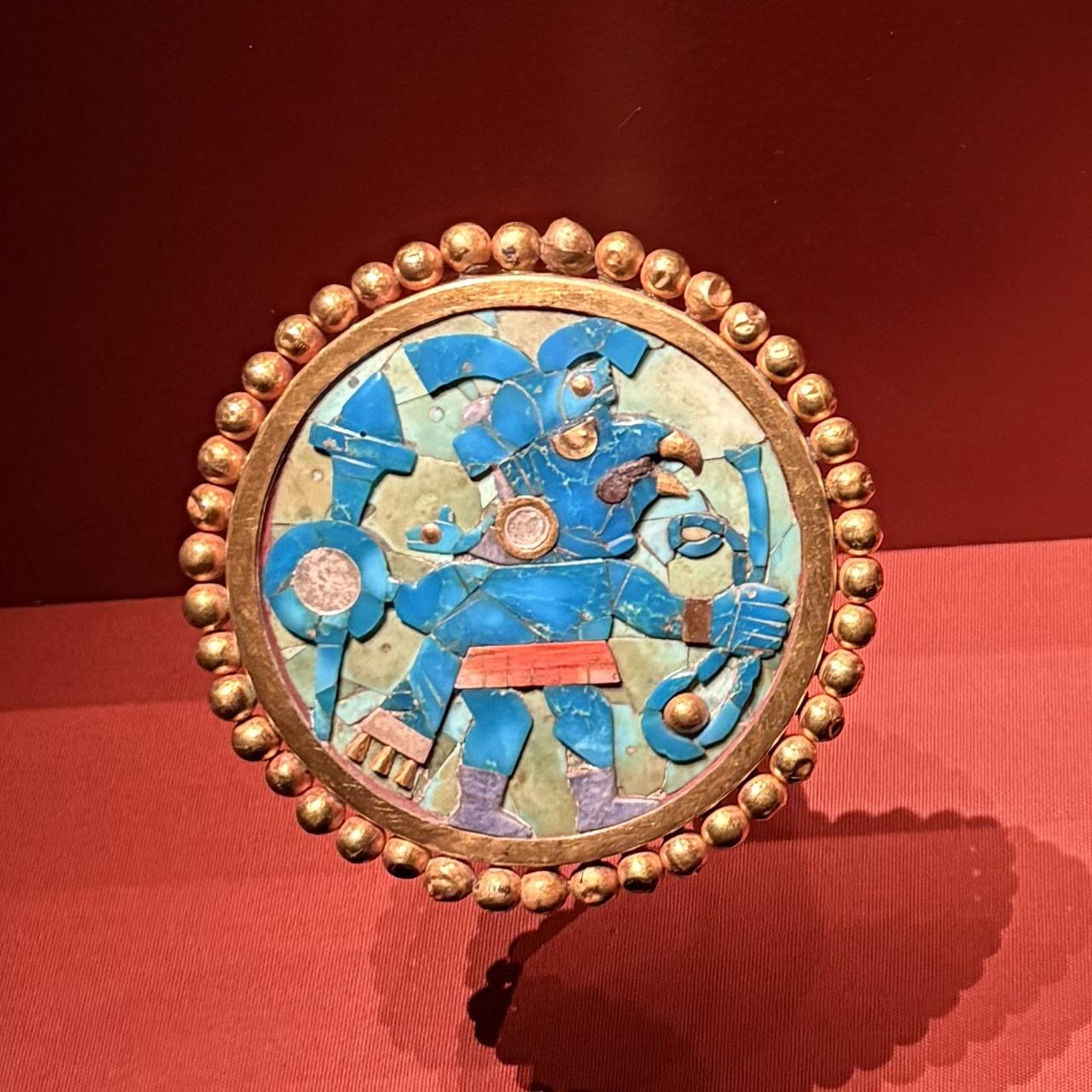
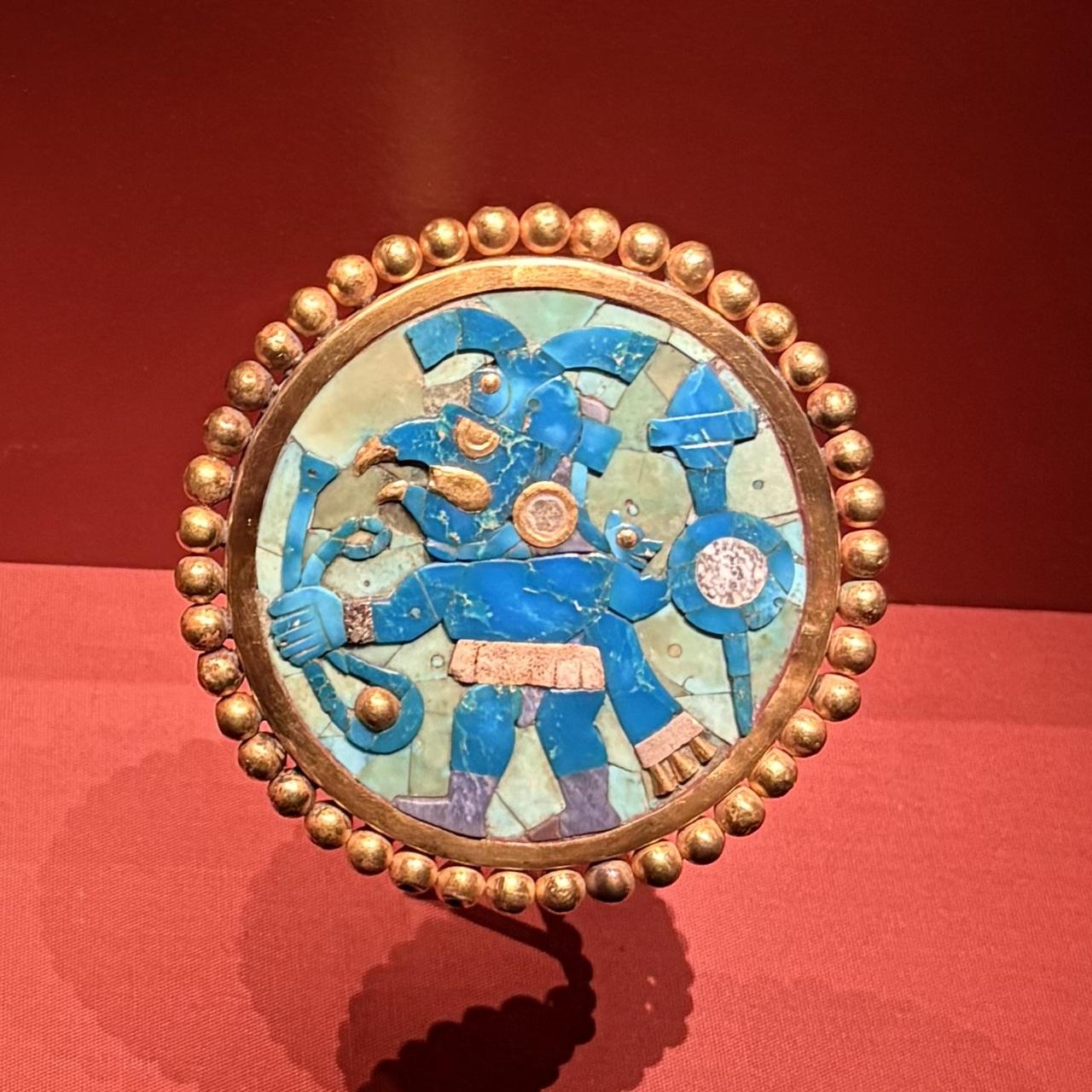
モザイク状の鳥の戦士の耳飾り
金、ターコイズの塊、ターコイズ、ソーダライト、マザーオブパール、スポンディルス貝の貝殻
モチェ文化(西暦100年~800年)、
北部沿岸地域
ラルコ博物館、リマ(ペルー)。
ML100849, ML100850
Earflares with Mosaic Bird-Warrior
Gold, Massive Turquoise,
Turquoise, Sodalite, Mother of Pearl,
Spondylus Shell
Moche Culture (100 C.E.- 800 C.E.),
Northern Coast
Larco Museum, Lima, Peru.
ML100849, ML100850 -
-
-
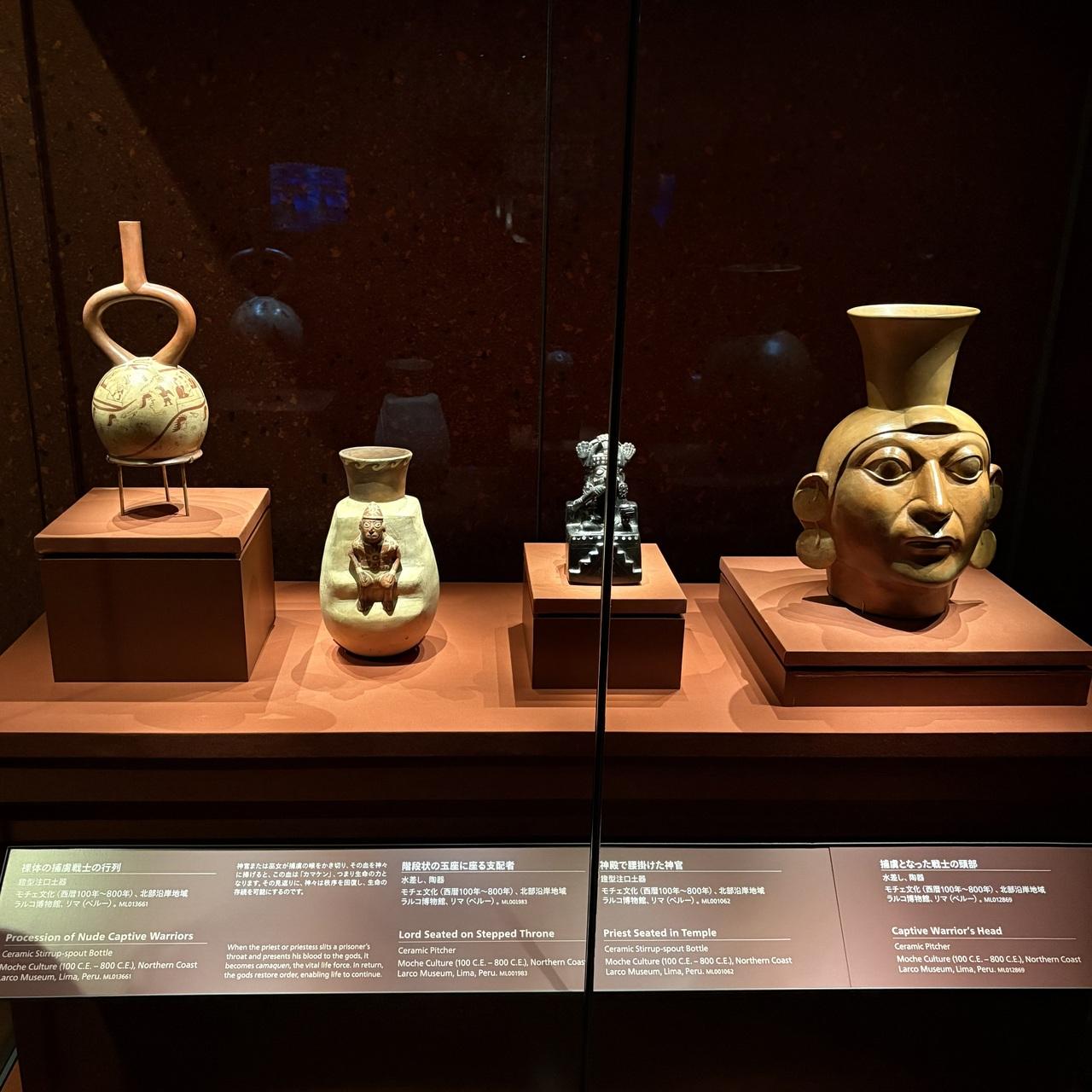
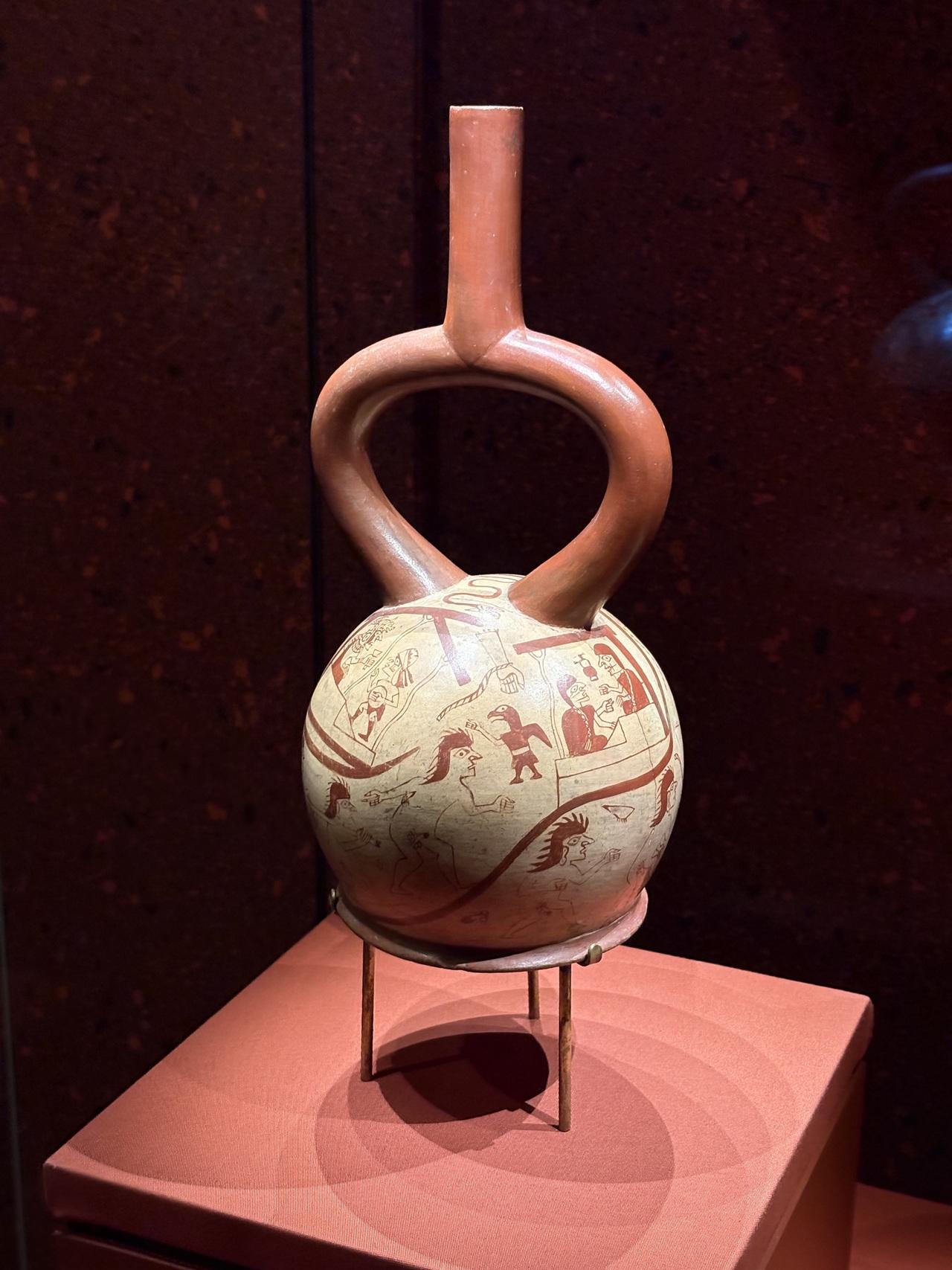
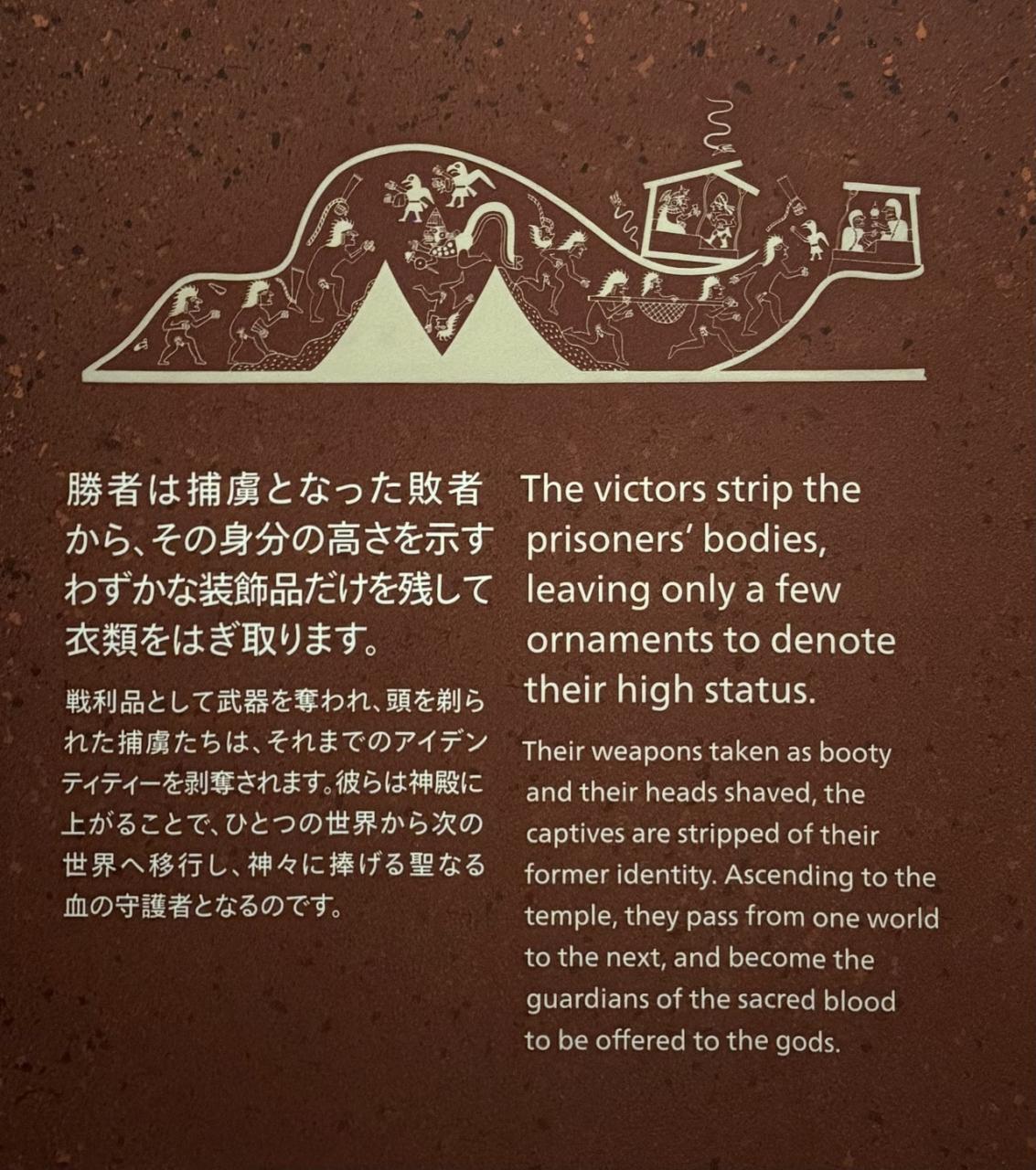
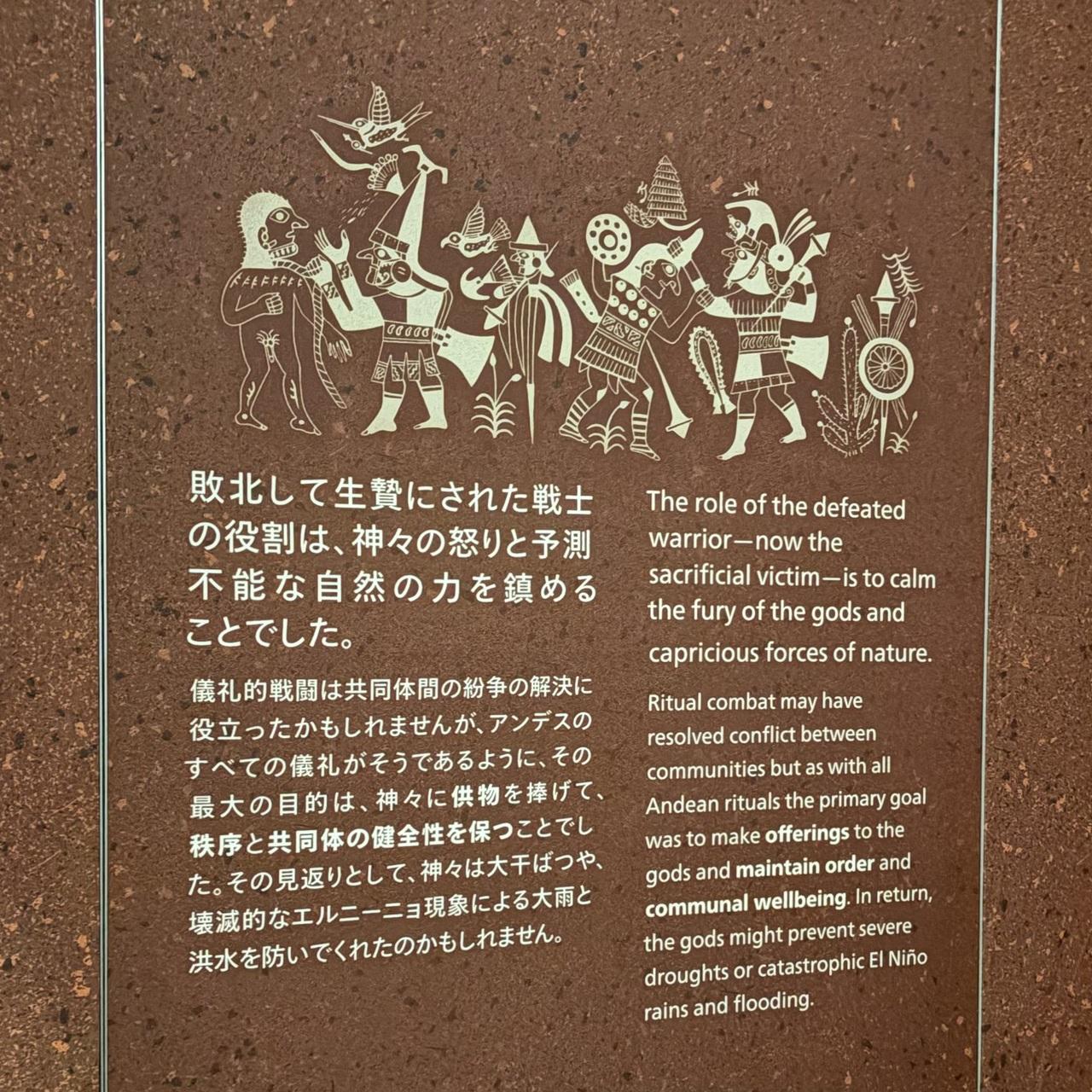
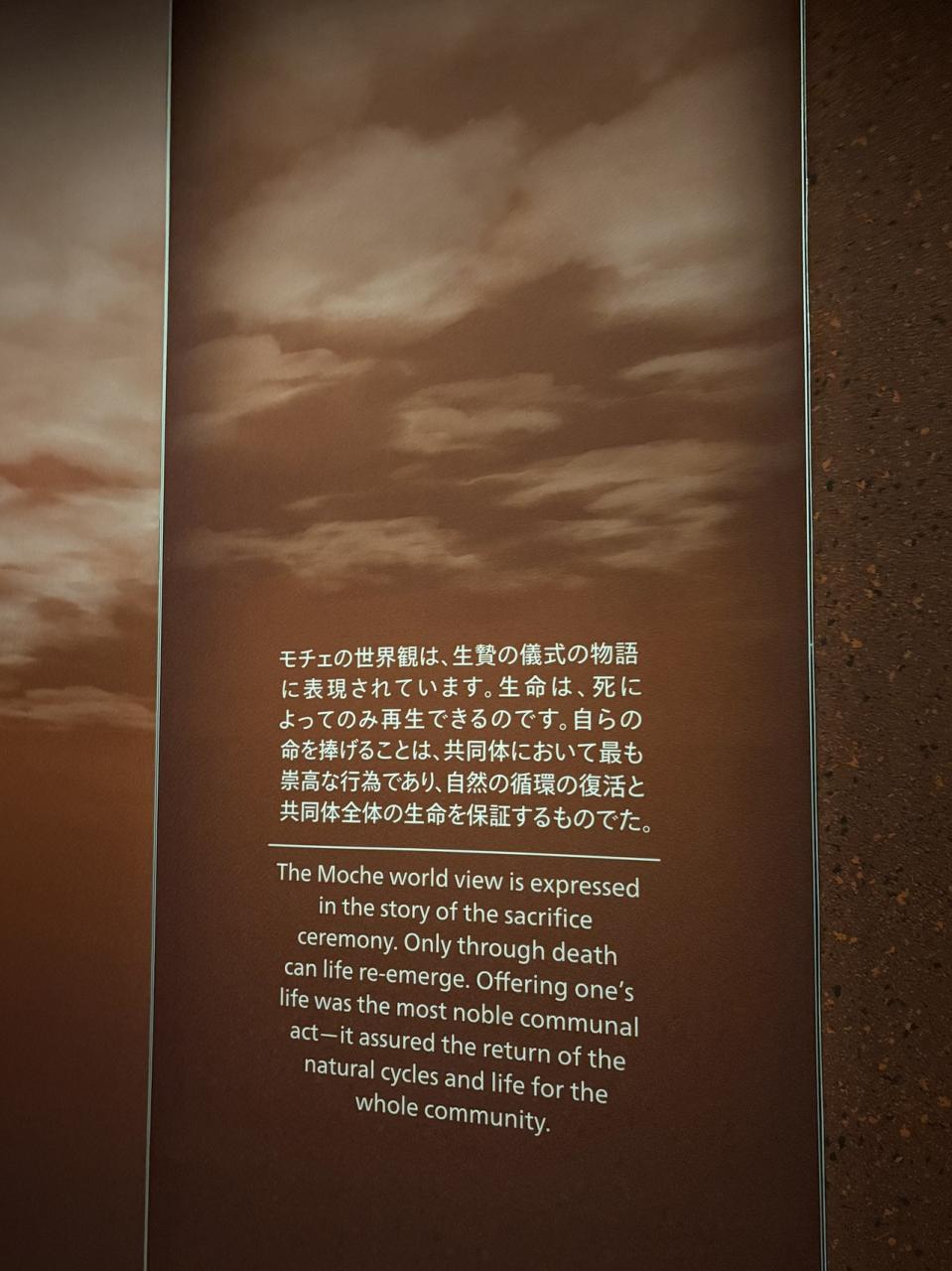
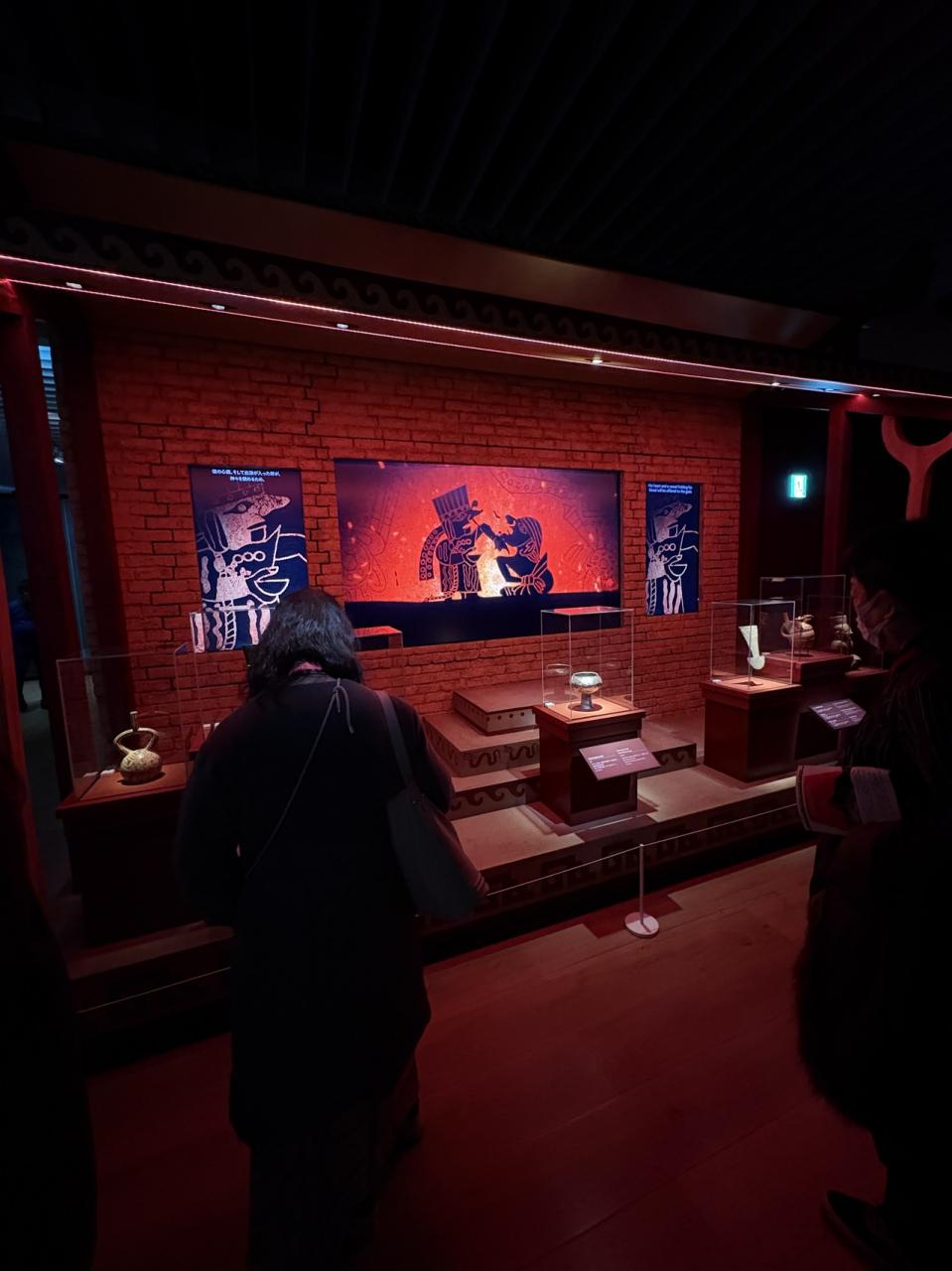
神官または巫女が捕虜の喉をかき切り、その血を神々に捧げると、この血は「カマケン」、つまり生命の力となります。その見返りに、神々は秩序を回復し、生命の存続を可能にするのです。
When the priest or priestess slits a prisoner's throat and presents his blood to the gods, it becomes camaquen, the vital life force. In return, the gods restore order, enabling life to continue. -
裸体の捕虜戦士の行列
鐙型注口土器
モチェ文化(西暦100年~800年)、北部沿岸地域ラルコ博物館、リマ(ペルー)。ML013661
Procession of Nude Captive Warriors
Ceramic Stirrup-spout Bottle
Moche Culture (100 C.E. - 800 C.E.), Northern Coast
Larco Museum, Lima, Peru. ML013661 -
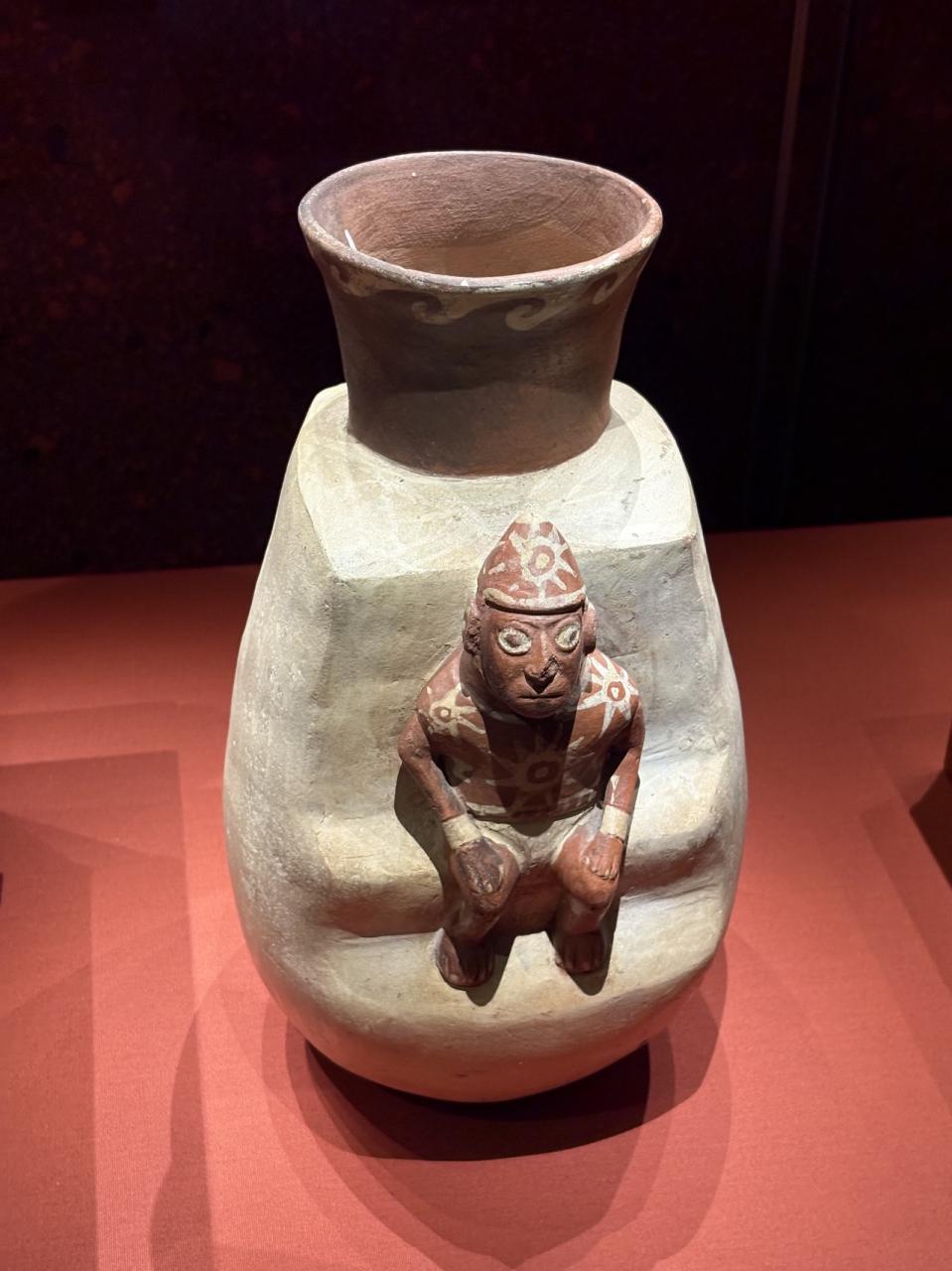
階段状の玉座に座る支配者
水差し、陶器
モチェ文化(西暦100年~800年)、北部沿岸地域ラルコ博物館、リマ(ペルー)。MLO01983
Lord Seated on Stepped Throne
Ceramic Pitcher
Moche Culture (100 C.E. - 800 C.E.), Northern Coast
Larco Museum, Lima, Peru. ML001983 -
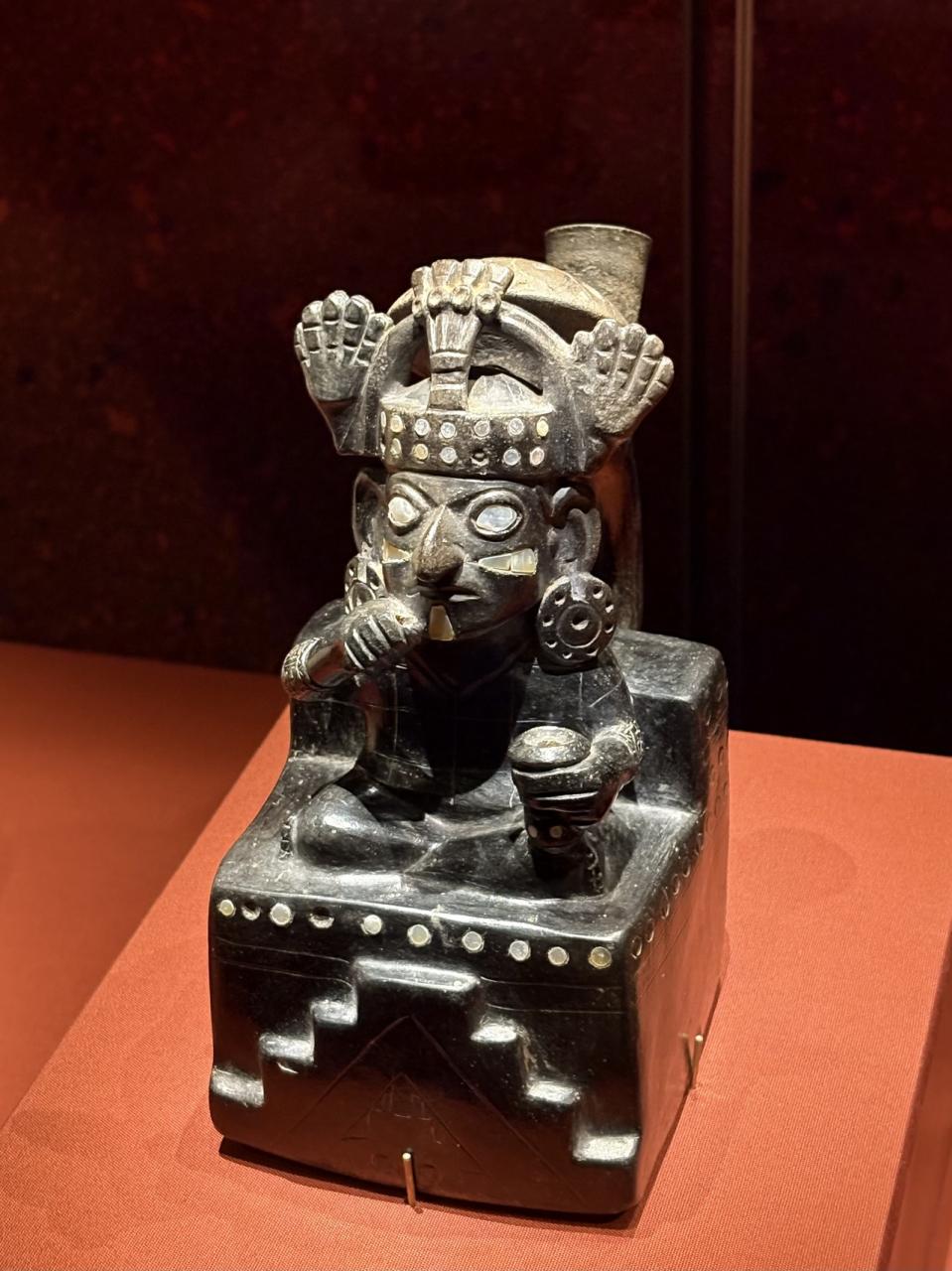
神殿で腰掛けた神官
鐙型注口土器
モチェ文化(西暦100年~800年)、北部沿岸地域ラルコ博物館、リマ(ペルー)。ML001062
Priest Seated in Temple
Ceramic Stirrup-spout Bottle
Moche Culture (100 C.E. - 800 C.E.), Northern Coast
Larco Museum, Lima, Peru. ML001062 -
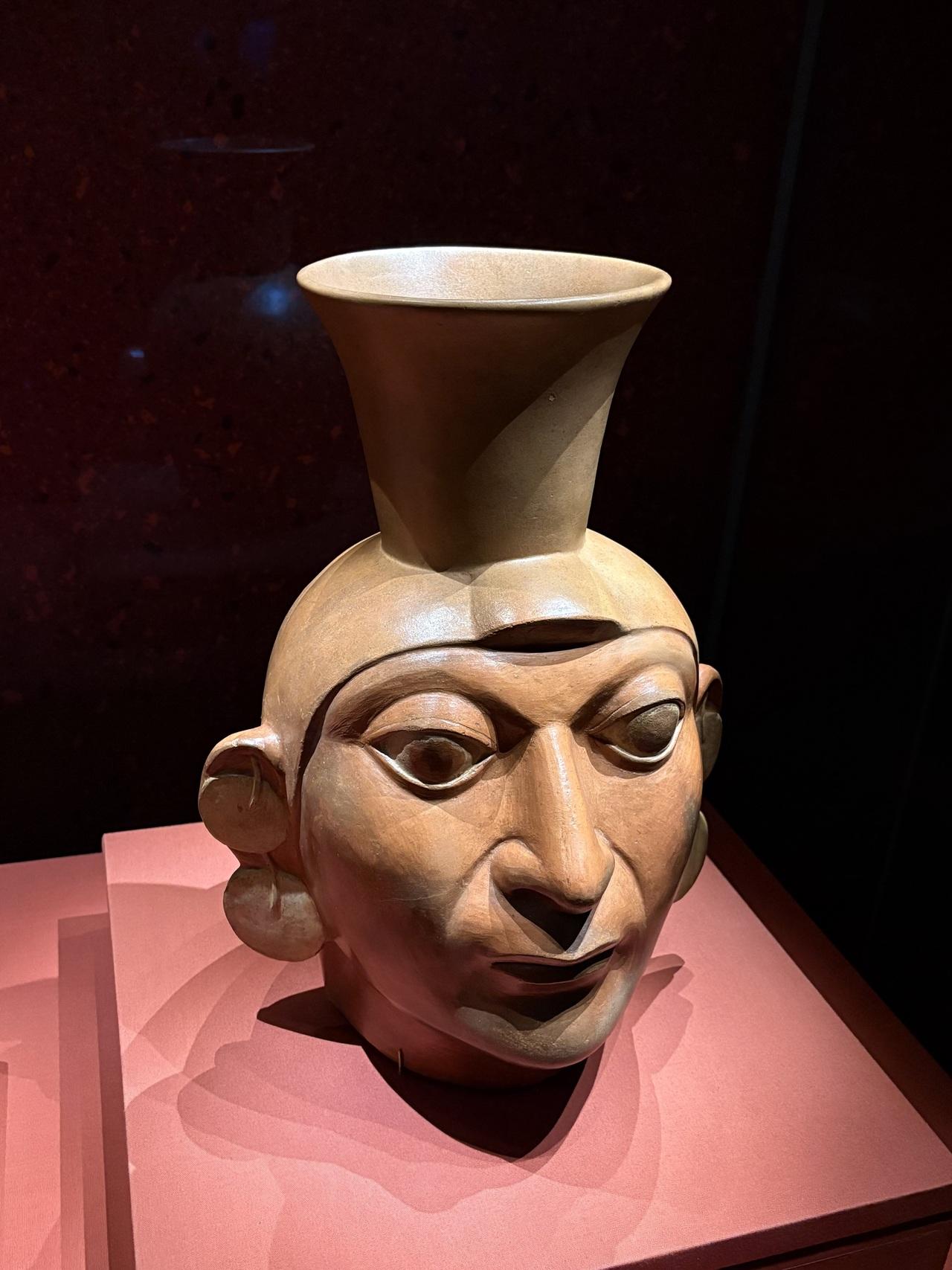
捕虜となった戦士の頭部
水差し、陶器
モチェ文化(西暦100年~800年)、北部沿岸地域ラルコ博物館、リマ(ペルー)。ML012869
Captive Warrior's Head
Ceramic Pitcher
Moche Culture (100 C.E. - 800 C.E.), Northern Coast
Larco Museum, Lima, Peru. ML012869 -
-
-
この装具(レガリア)の見事な出来栄えは、戦士たちの高い地位と神々とのつながりを強調しています。このような貴重な素材を所有し身につけられたのは、特権階級のみでした。彼らがスパーリングをすると、ぶつかり合った鎧や装飾品が音をたて、きらめいて、そのドラマ性と観衆の興奮をいやが上にも高めました。
The exceptional artistry of this regalia underscores the warriors' high status and connection to the gods. Only the social elites possessed and wore such precious materials. As they sparred, their armor and ornaments rang, clanged, and sparkled, increasing the drama and excitement of the spectacle. -
-
-
-
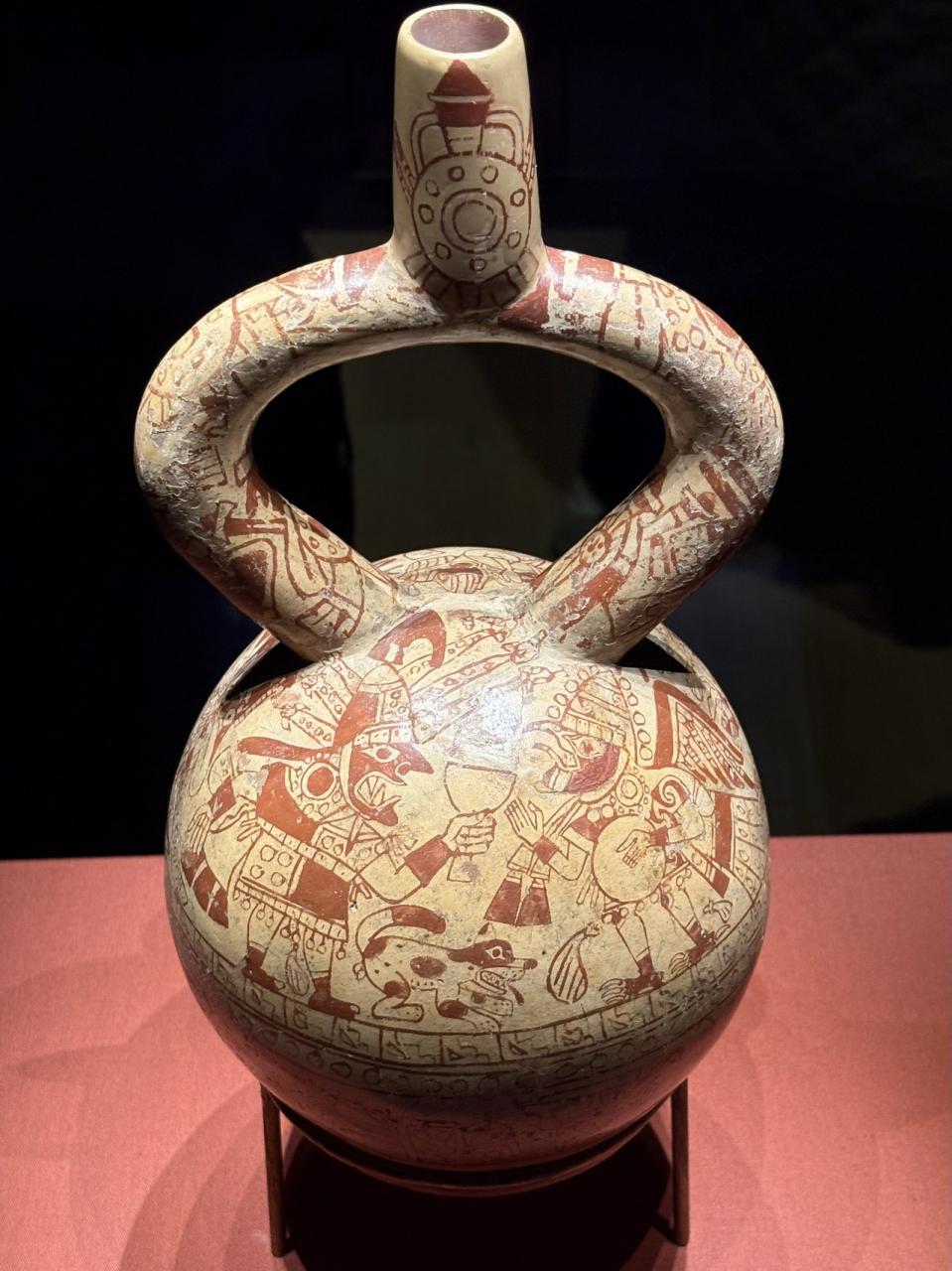
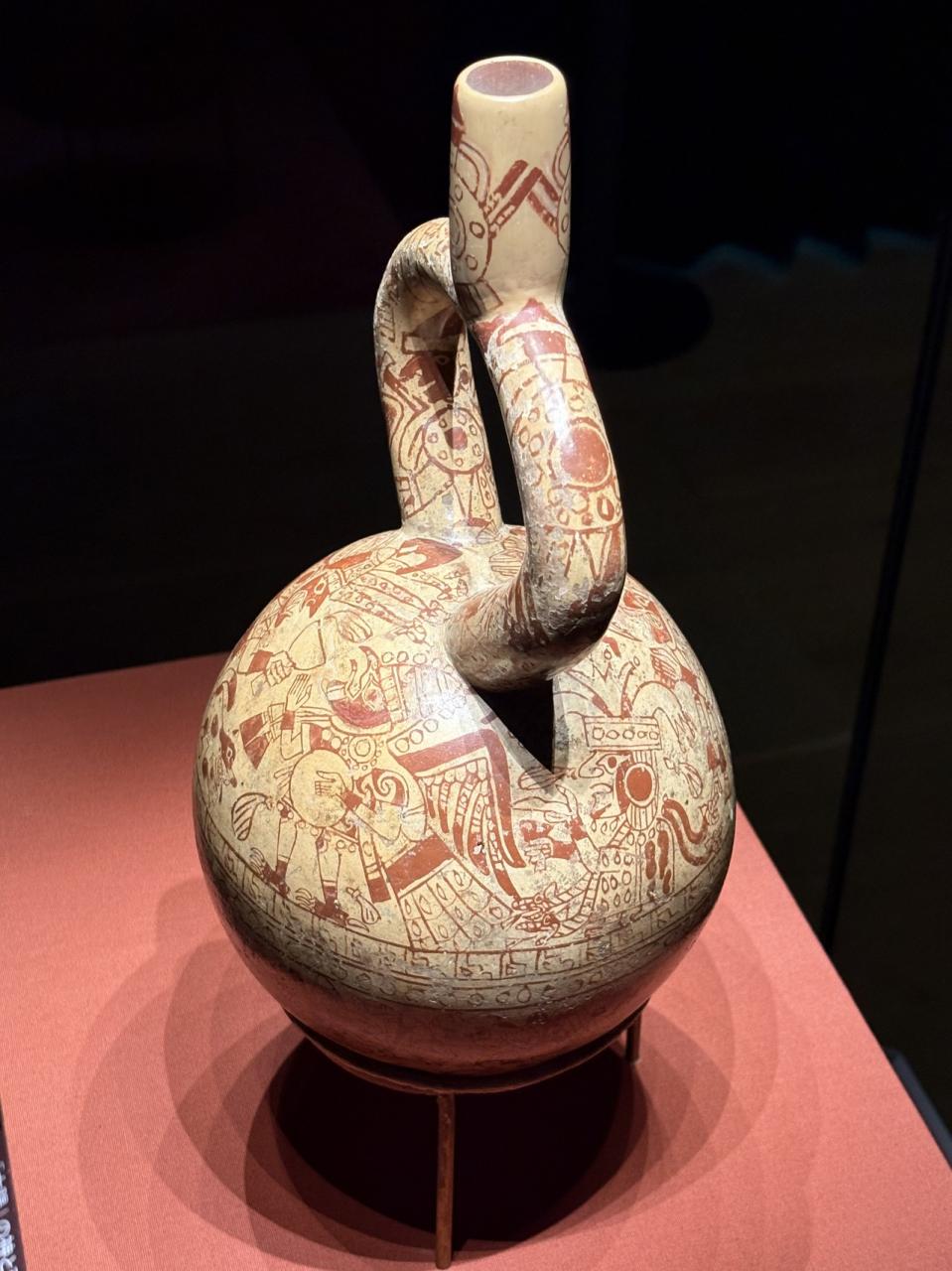
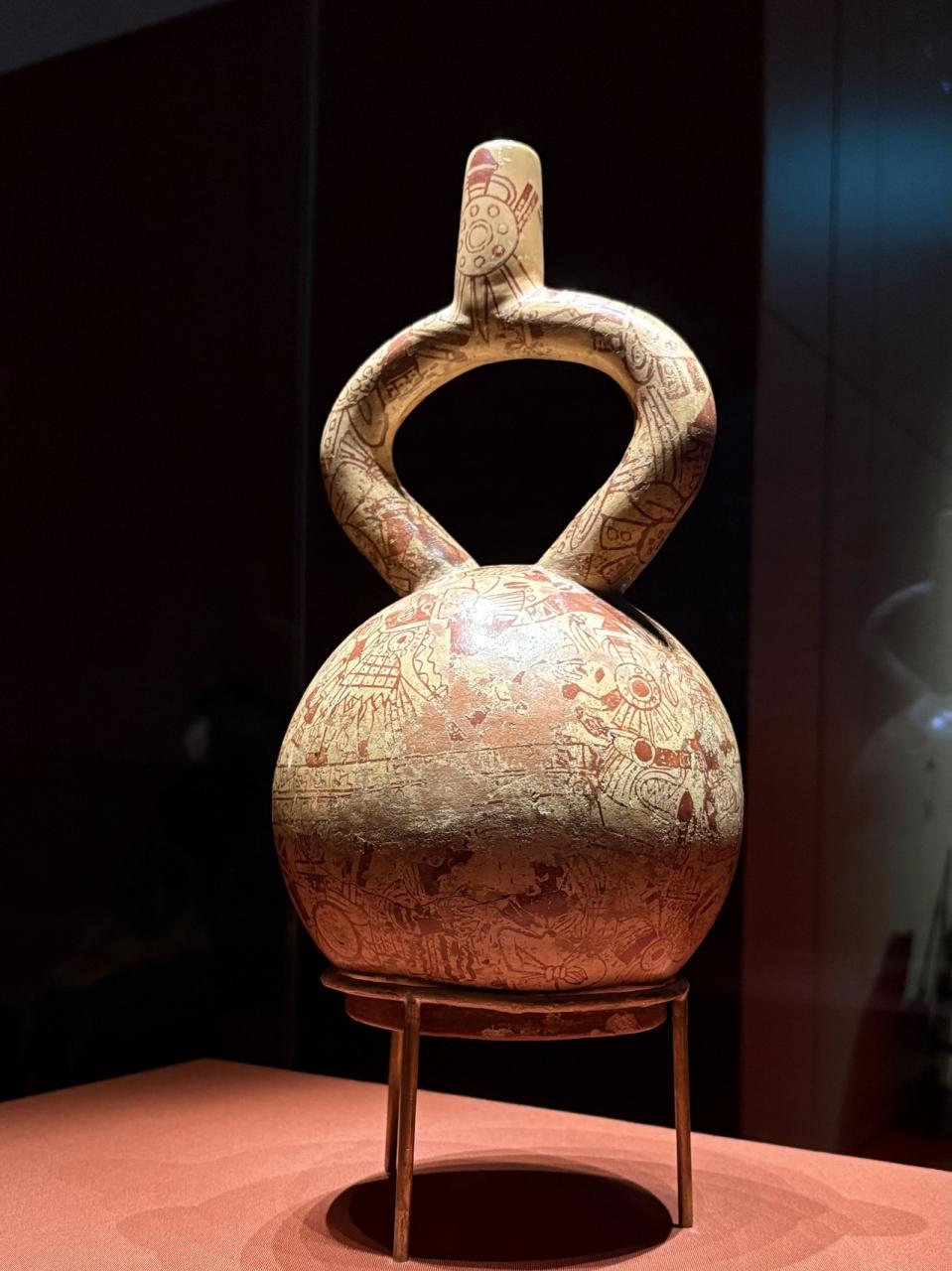
この容器には2人の神、乾季を徴する「太陽」の神と雨季を象徴する「天の川」の神が描かれています。この儀礼は、もしかしたら、季節が切り替わる、春分または秋分における二人の神の出会いを表しているのかもしれません。
生費の儀式と杯の奉納
鐙型注口土器
モチェ文化(西暦100年~800年)、北部沿岸地域
ラルコ博物館、リマ(ペルー)。ML010847
Two gods appear on the vessel: the Sun God, symbolizing the dry season, and the God of the Milky Way, representing the wet season. Perhaps this rite was the encounter between the two at one of the equinoxes, when one season changes to another.
Sacrifice Ceremony and Presentation of Cup
Ceramic Stirrup-spout Bottle
Moche Culture (100 C.E. - 800 C.E.)
Northern Coast
Larco Museum, Lima, Peru. ML010847 -
-
-
-
-
-
(続く・・・)
この旅行記のタグ


利用規約に違反している投稿は、報告する事ができます。
旅行記グループ
国内の美術館・博物館巡り その4
-
前の旅行記

マチュピチュ展【その5】"神話の豊穣の場面が描かれた儀礼用の杯"@ 森アーツセンターギャラリー(2025.1...
2026/01/12~
六本木
-
次の旅行記

マチュピチュ展【その7】"チムー帝国の装身具一式" @ 森アーツセンターギャラリー(2025.11.22~2...
2026/01/12~
六本木
-

2025.9.20~12.14 "モーリス・ユトリロ展@SOMPO美術館"。"風景画の中の人物の後ろ姿" が...
2025/12/11~
新宿
-

マチュピチュ展【その1】"フクロウの神" @ 森アーツセンターギャラリー(2025.11.22~2026.3...
2026/01/12~
六本木
-

マチュピチュ展【その2】"シャーマンの変容" @ 森アーツセンターギャラリー(2025.11.22~2026...
2026/01/12~
六本木
-

マチュピチュ展【その3】"アイ・アパエックの顔を表した埋葬用仮面" @ 森アーツセンターギャラリー(2025...
2026/01/12~
六本木
-

マチュピチュ展【その4】"トカゲのモザイクの耳飾り" @ 森アーツセンターギャラリー(2025.11.22~...
2026/01/12~
六本木
-

マチュピチュ展【その5】"神話の豊穣の場面が描かれた儀礼用の杯"@ 森アーツセンターギャラリー(2025.1...
2026/01/12~
六本木
-

マチュピチュ展【その6】"戦闘と捕虜の捕獲" @ 森アーツセンターギャラリー(2025.11.22~2026...
2026/01/12~
六本木
-

マチュピチュ展【その7】"チムー帝国の装身具一式" @ 森アーツセンターギャラリー(2025.11.22~2...
2026/01/12~
六本木
-

マチュピチュ展【その8】"神格化された祖先とネコ科動物をモチーフにした冠" @ 森アーツセンターギャラリー(...
2026/01/12~
六本木
-

マチュピチュ展【その9】"カエルがモチーフの首飾り"@ 森アーツセンターギャラリー(2025.11.22~2...
2026/01/12~
六本木
-

マチュピチュ展【その10/完】"インカのキープ"@ 森アーツセンターギャラリー(2025.11.22~3.1...
2026/01/12~
六本木
-

"塩谷亮 刻を描くリアリズム" (@佐藤美術館 2026.1.8 ~2.15) で、初めて "写実絵画" を...
2026/01/28~
信濃町・千駄ヶ谷
-

2026.2.9 国立西洋美術館① "オルセー美術館所蔵 印象派 室内をめぐる物語"。"エドガー・ドガ《家族...
2026/02/09~
上野・御徒町
-

2026.2.9 国立西洋美術館② 常設展(その1)"ラビニィア・フォンターナ 《アントニエッタ・ゴンザレス...
2026/02/09~
上野・御徒町
-

2026.2.9 国立西洋美術館③ 常設展(その2)"ダフィット・テニールス(子)《聖アントニウスの誘惑》"
2026/02/09~
上野・御徒町
-

2026.2.9 国立西洋美術館④ 小企画展 "Black Lines Speak 物語る黒線たち ~デュー...
2026/02/09~
上野・御徒町
-

2026.2.9 国立西洋美術館⑤/完 常設展(その3)"ヴィルヘルム・ハンマースホイ《ピアノを弾く妻イーダ...
2026/02/09~
上野・御徒町
-

"スウェーデン絵画展" の後、"藝大アートプラザ"・"上野動物園" へ。京都市動物園の長男ゴリラ "ゲンタロ...
2026/04/12~
上野・御徒町
-

お嬢と行く "スウェーデン絵画 北欧の光、日常のかがやき" 2026.1.27~4.12 @ 東京都美術館
2026/04/12~
上野・御徒町
-

2026年2月7日~5月24日 お嬢と行く "クロード・モネ ~風景への問いかけ" @アーティゾン美術館
2026/04/29~
丸の内・大手町・八重洲
-

"アンドリュー・ワイエス展" の後、"藝大アートプラザ" へ。"佐治真理子《佇む -玉しめ-》" が、いい感...
2026/05/16~
上野・御徒町
-

お嬢と行く"アンドリュー・ワイエス展 ~境界に立つとき、心が動き出す。~" 2026.4/28~7/5 @ ...
2026/05/16~
上野・御徒町
-

2026.7.12① 上野の森美術館 "大ゴッホ展"。撮影可能だったのは、"夜のカフェテラス" 1点のみ・・...
2026/07/12~
上野・御徒町
-

2026.7.12② "大ゴッホ展"の後、東京国立博物館 "アイルランド チェスター・ビューティ・コレクショ...
2026/07/12~
上野・御徒町
-

2026.7.12④ "大ゴッホ展" の後、SOMPO美術館 "山口華揚展"。《青柿》は、諏訪湖のほとり"北...
2026/07/12~
新宿
-

2026.7.12 ⑤・完 "大ゴッホ展" の後、"東京オペラシティ" でクラシック鑑賞 。恵比寿の "ル・...
2026/07/12~
東京
旅行記グループをもっと見る
コメントを投稿する前に
十分に確認の上、ご投稿ください。 コメントの内容は攻撃的ではなく、相手の気持ちに寄り添ったものになっていますか?
サイト共通ガイドライン(利用上のお願い)報道機関・マスメディアの方へ 画像提供などに関するお問い合わせは、専用のお問い合わせフォームからお願いいたします。
この旅行で行ったスポット

六本木(東京) の旅行記




フォートラベル公式LINE@

おすすめの旅行記や旬な旅行情報、お得なキャンペーン情報をお届けします!
QRコードが読み取れない場合はID「@4travel」で検索してください。
\その他の公式SNSはこちら/


旅行記グループ 国内の美術館・博物館巡り その4
0
28