


2026/01/12 - 2026/01/12
52位(同エリア1624件中)

旅熊 Kokazさん
- 旅熊 KokazさんTOP
- 旅行記1914冊
- クチコミ854件
- Q&A回答102件
- 1,697,509アクセス
- フォロワー753人
マチュピチュ展 @ 森アーツセンターギャラリー(2025.11.22~2026.3.1)
https://macg.roppongihills.com/jp/exhibitions/machupicchu/index.html
『本展は、2021年のアメリカ・ボカラトン美術館を皮切りに、世界各地で開催され、高い評価を得ています。各国における開催での累計来場者数は54万人を突破しました。
ペルー政府公認の本展は、アジアでは初開催となります。日本初上陸となる本展では、ペルーの首都・リマにあり、世界的にも有名な考古学博物館「ラルコ博物館」より貸与された、貴重な文化財約130点を展示します。
2012年の「インカ帝国展」以来、国内では13年ぶりとなるマチュピチュ関連の巡回展としても注目
今回の巡回展に際して日本にやってくる約130点のペルーの至宝の中でも特に、王族の墓から出土した黄金の装飾品や神殿儀式で用いられた祭具などは、初めてペルー国外に貸し出される展示品です。日本で初公開の貴重な資料を通じて、古代アンデス文明の叡智や芸術を間近に体感できます。また、世界遺産マチュピチュを独自の技術で再現した没入型空間や、アンデス神話の英雄「アイ・アパエック」の冒険を軸に展開される壮大な物語とともに、来場者をかつてない知的冒険へといざないます。』とのこと・・・
"Museo Larco"
https://www.museolarco.org/en/video-intro/
About the Museum
The Museo Larco was established in 1926 by Rafael Larco Hoyle, a pioneer of Peruvian archaeology, and it houses a fascinating collection of pre-Columbian art composed of around 45,000 objects. Situated in an 18th century viceroyalty mansion and surrounded by beautiful gardens, the Museo Larco is a space that stimulates and inspires, where it is possible to enjoy and learn more about the fascinating history of ancient Peru.
Mission and Vision
The Museo Larco’s mission is to inspire our visitors and encourage them to discover, understand and appreciate pre-Columbian Peru. In order to achieve this objective, we have worked to transform the museum into a complete experience. In essence, our vision is to serve as a gateway to ancient Peru.
- 旅行の満足度
- 5.0
-

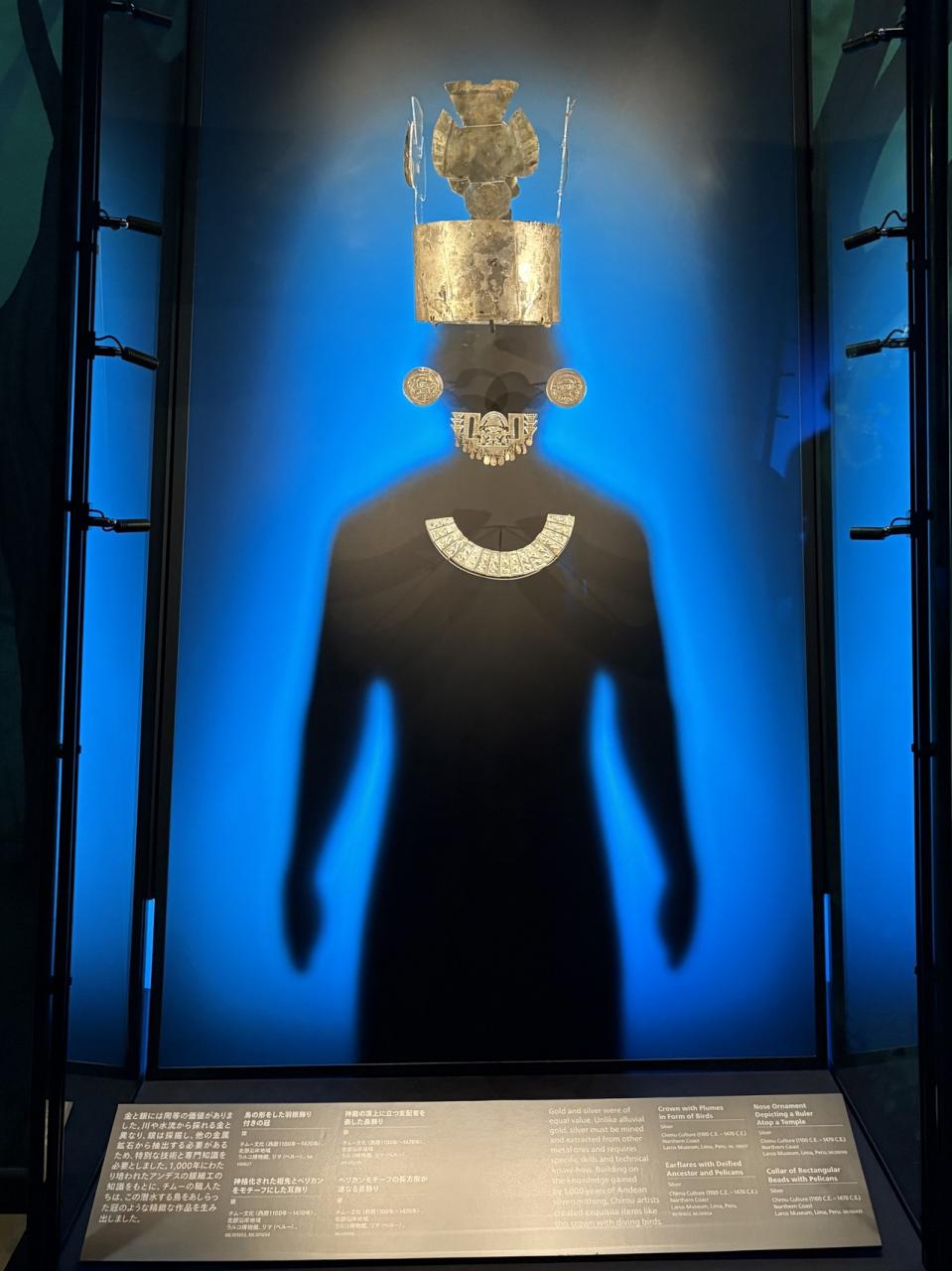
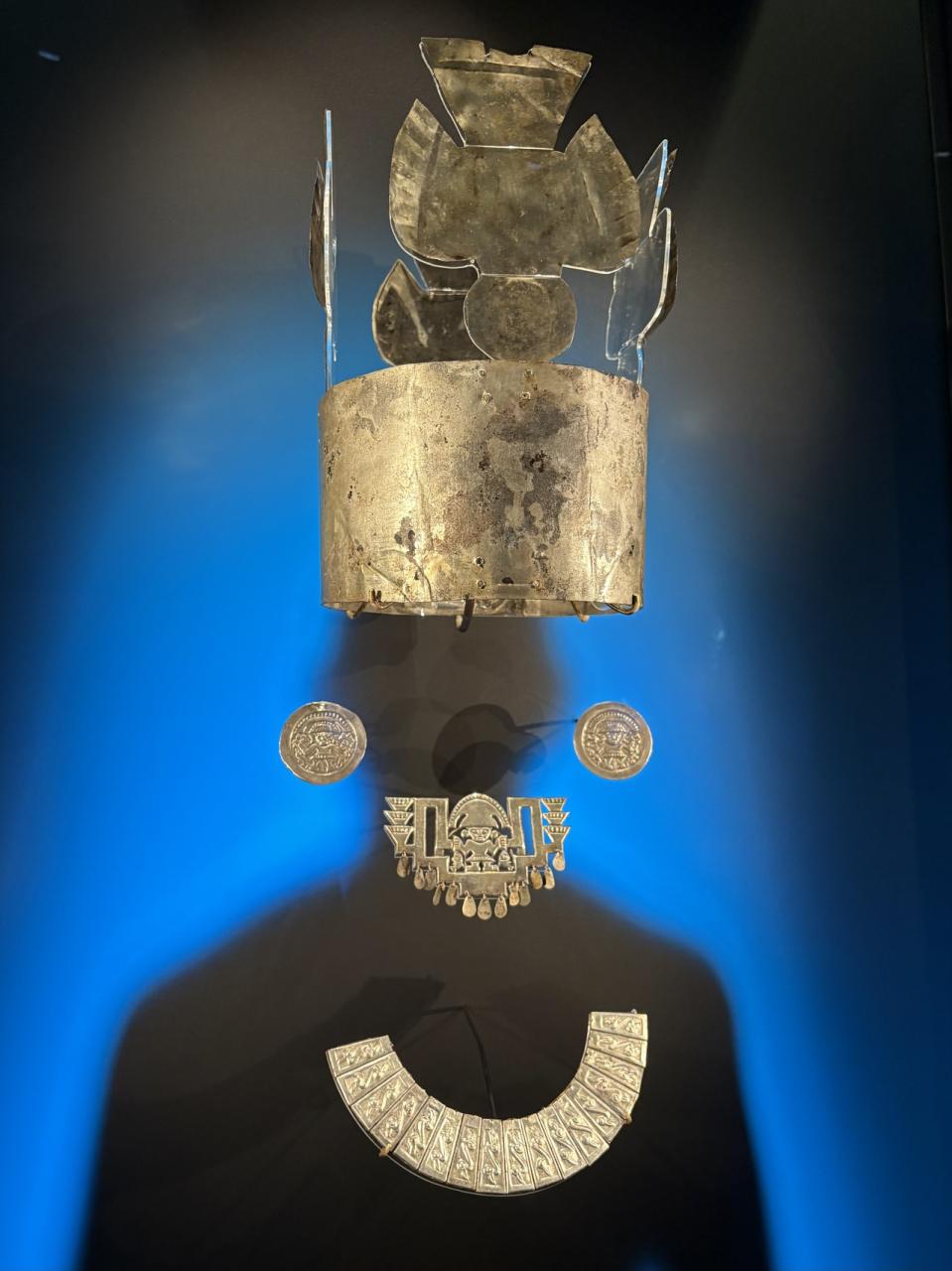
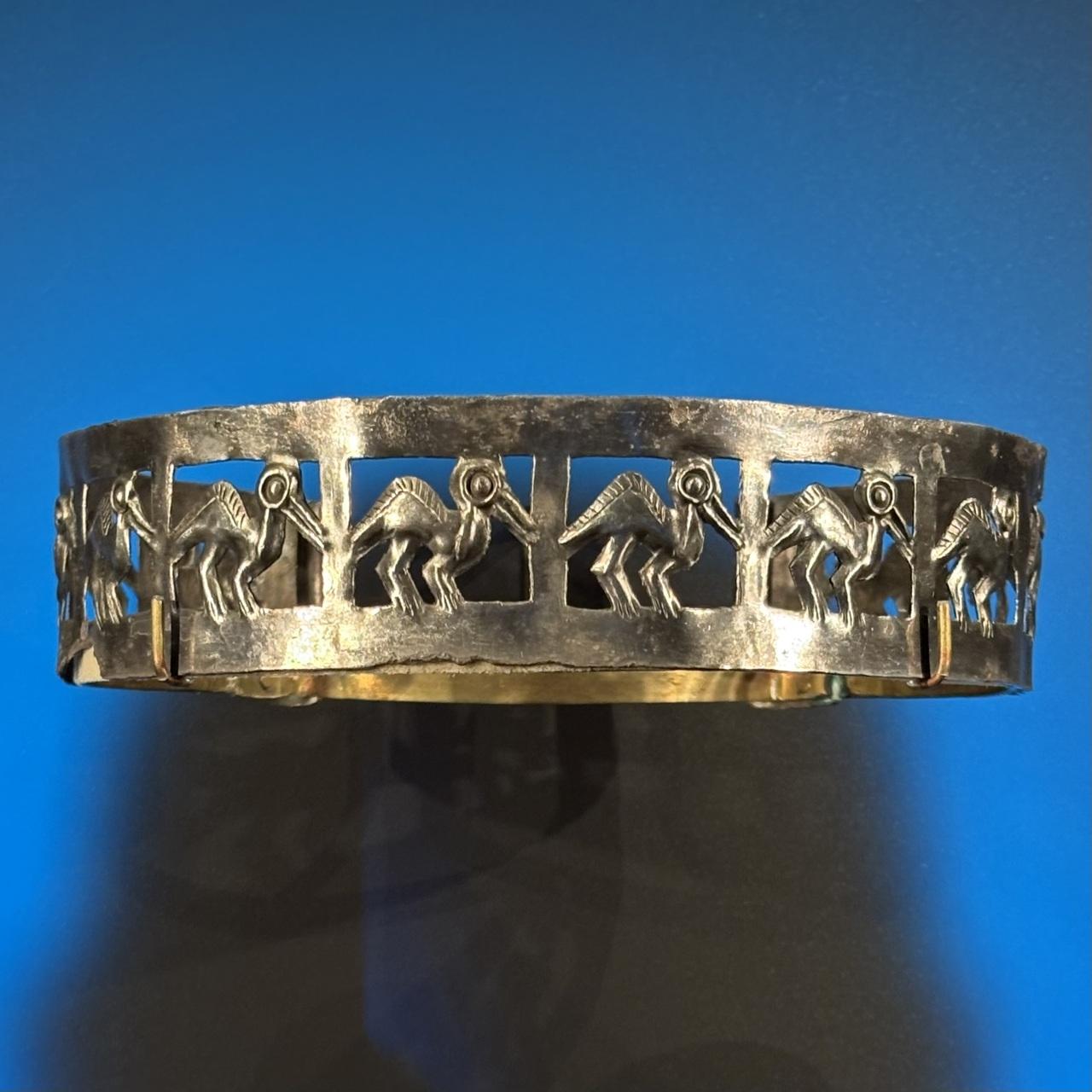
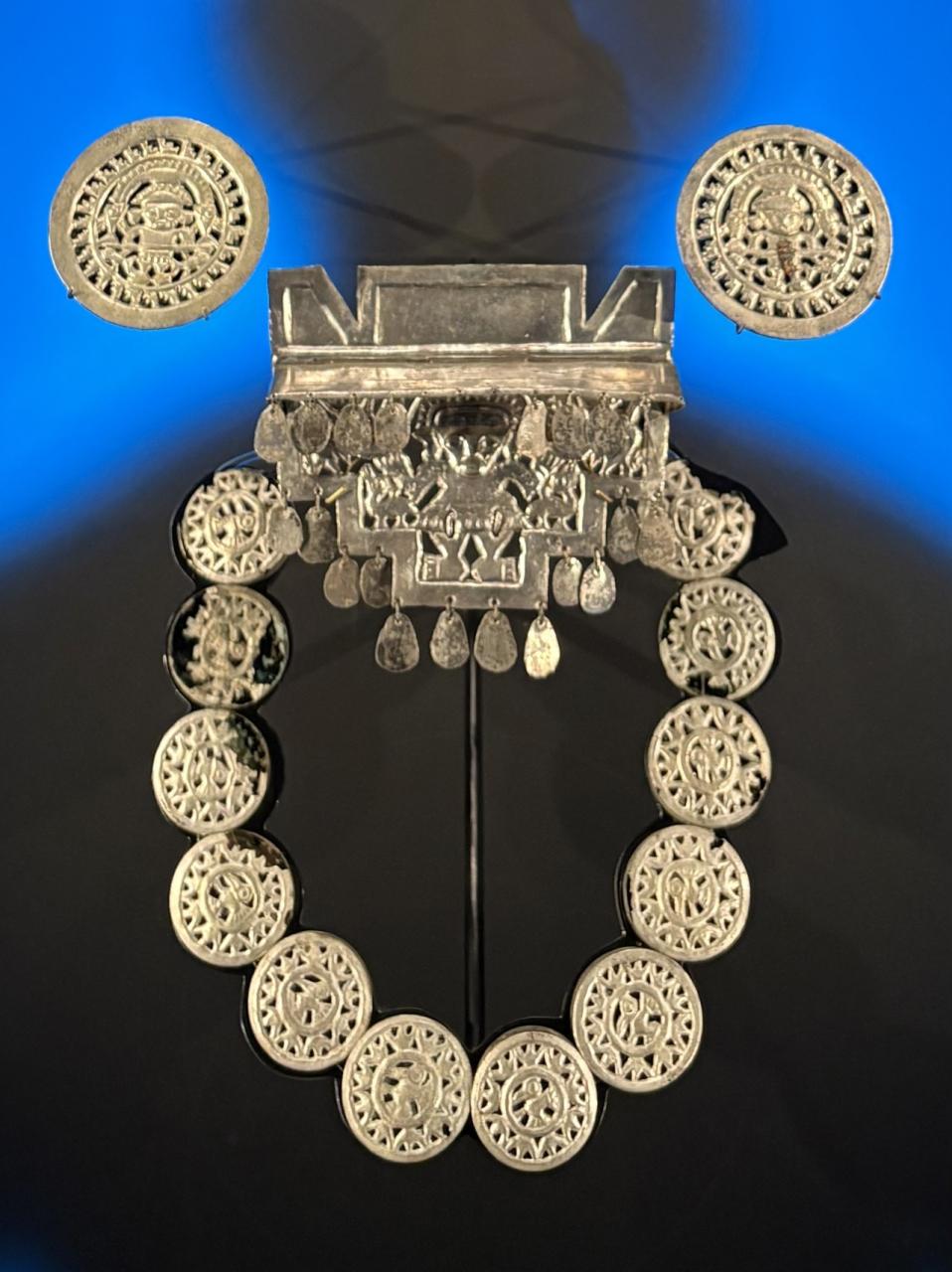
金と銀には同等の価値がありました。川や水流から採れる金と異なり、銀は採掘し、他の金属鉱石から抽出する必要があるため、特別な技術と専門知識を必要としました。1,000年にわたり培われたアンデスの銀細工の知識をもとに、チムーの職人たちは、この潜水する鳥をあしらった冠のような精緻な作品を生み出しました。
Gold and silver were of equal value. Unlike alluvial gold, silver must be mined and extracted from other metal ores and requires specific skills and technical know-how. Building on the knowledge gained by 1,000 years of Andean silversmithing, Chimu artists created exquisite items like this crown with diving birds.森アーツセンターギャラリー 美術館・博物館
-
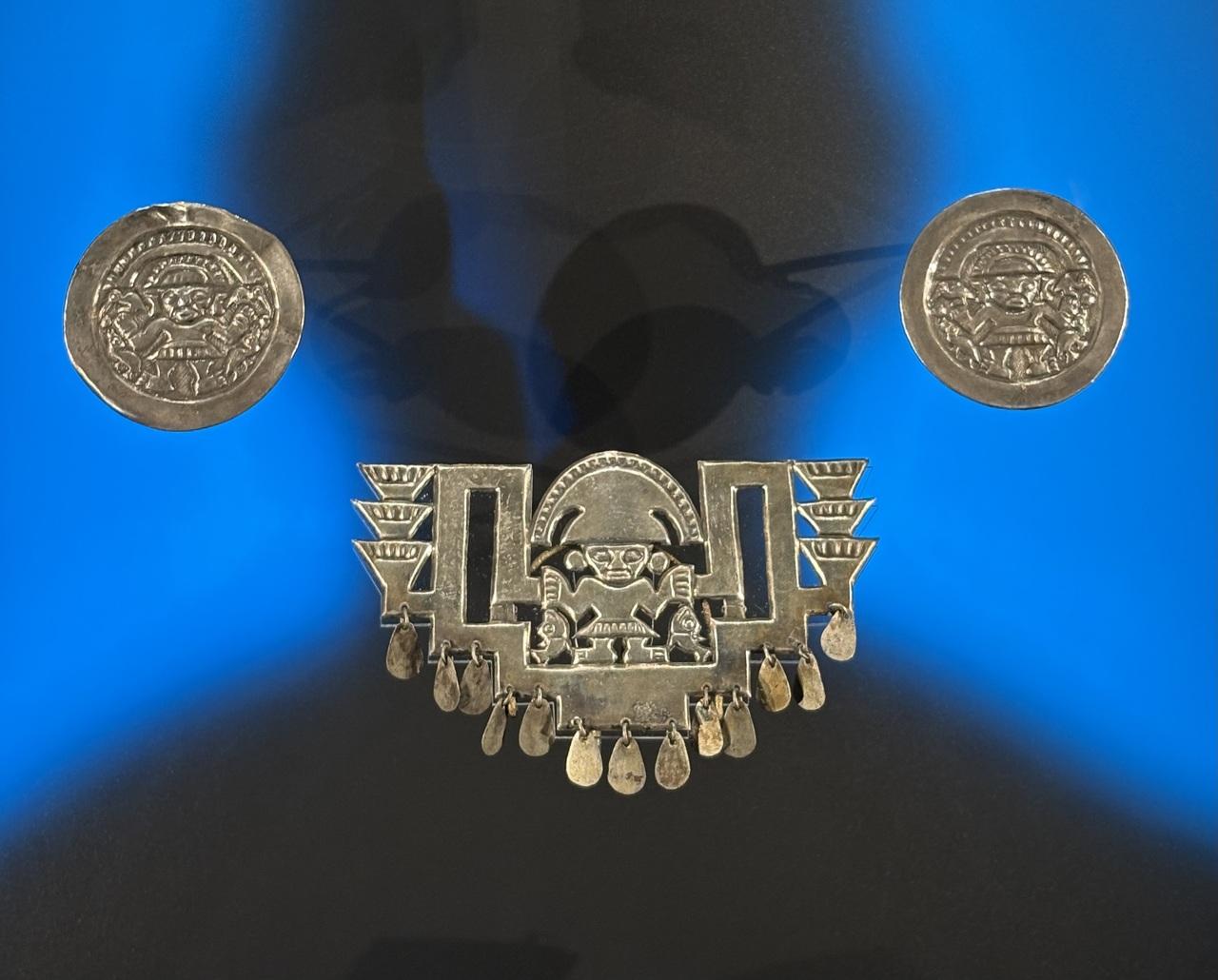
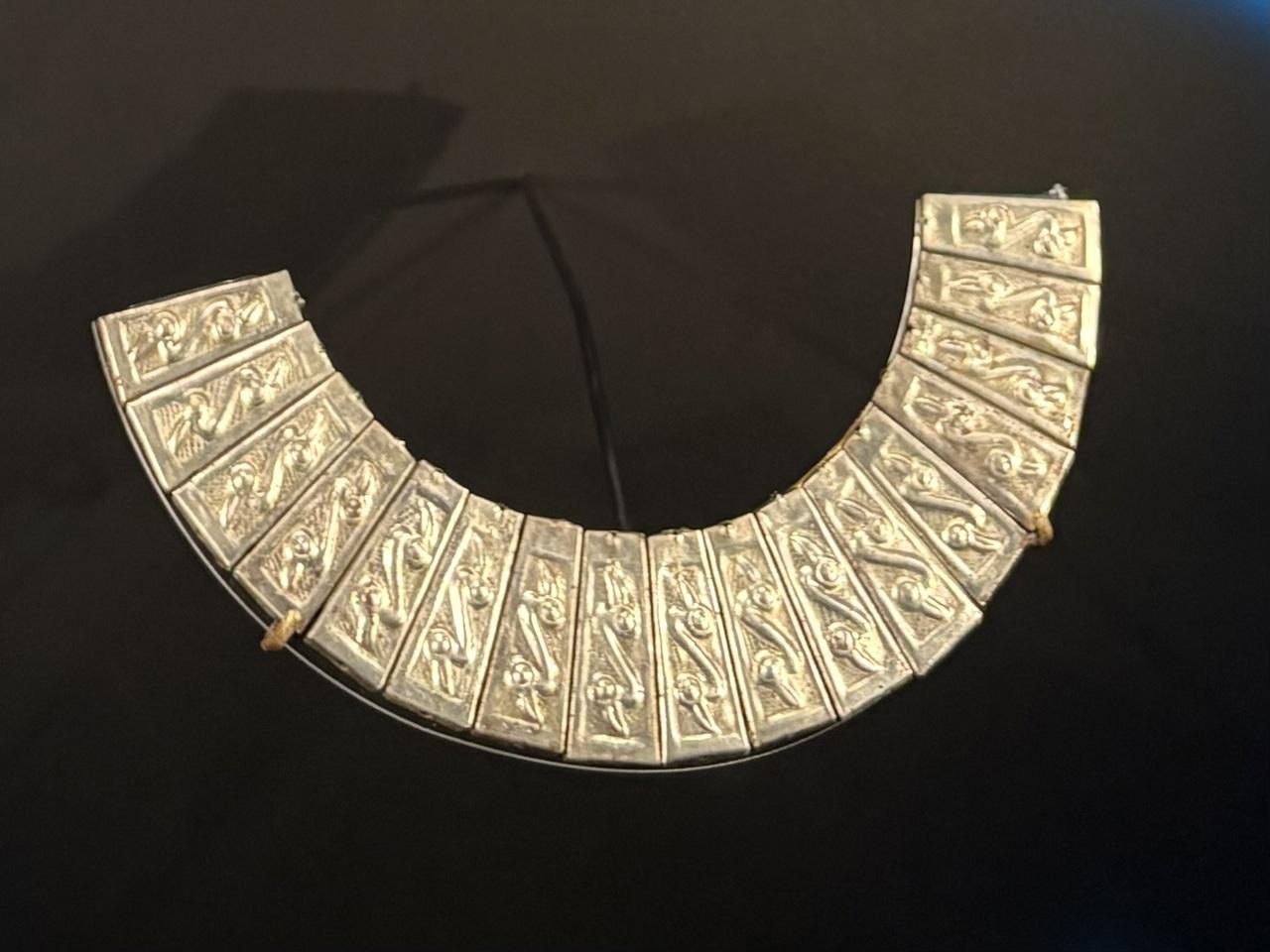
銀
チムー文化(西暦1100年~1470年)、北部沿岸地域
ラルコ博物館、リマ(ペルー)
鳥の形をした羽根飾り付きの冠 ML100827
神格化された祖先とペリカンをモチーフにした耳飾り ML101653, ML101654
神殿の頂上に立つ支配者を表した鼻飾り ML100749
ペリカンモチーフの長方形が連なる首飾り ML100435 -
-
-
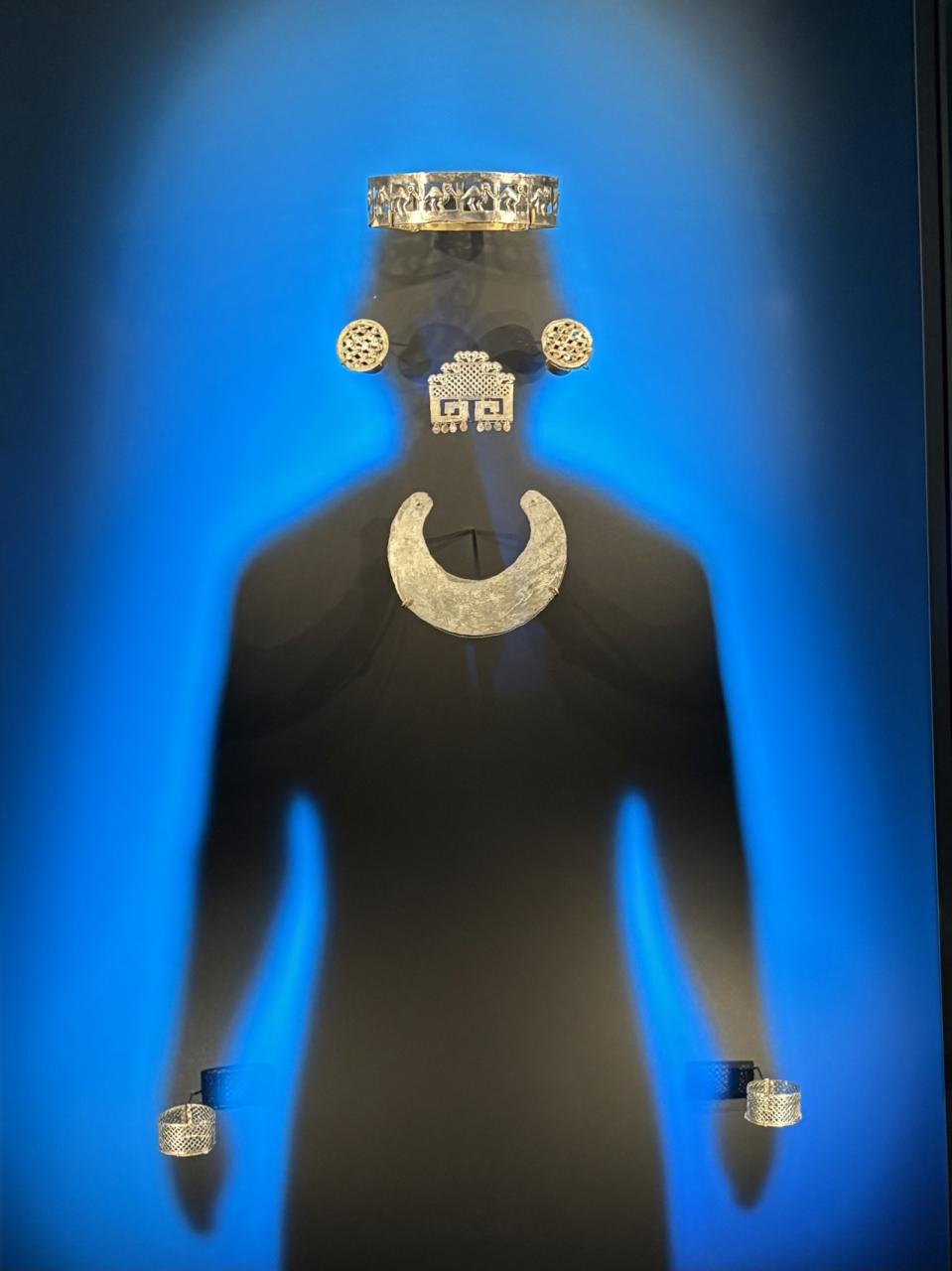
「月の涙」とされた銀は、暗黒の世界、死者の世界、そして海の奥深くに広がる内なる世界と関連付けられていました。チムー文化における銀の副葬品は、魚や海鳥、スポンディルス貝など、海の象徴でしばしば装飾されています。
Silver, the tears of the Moon, was associated with the nocturnal world, the World of the Dead, and the Inner World of the ocean. Silver Chimu funerary objects are often decorated with symbols of the sea, including fish, seabirds, and Spondylus shells. -
銀
チムー文化(西暦1100年~1470年)、北部沿岸地域
ラルコ博物館、リマ(ペルー)
ペリカンモチーフの冠 ML100779
網を象った耳飾り ML100762, ML100763
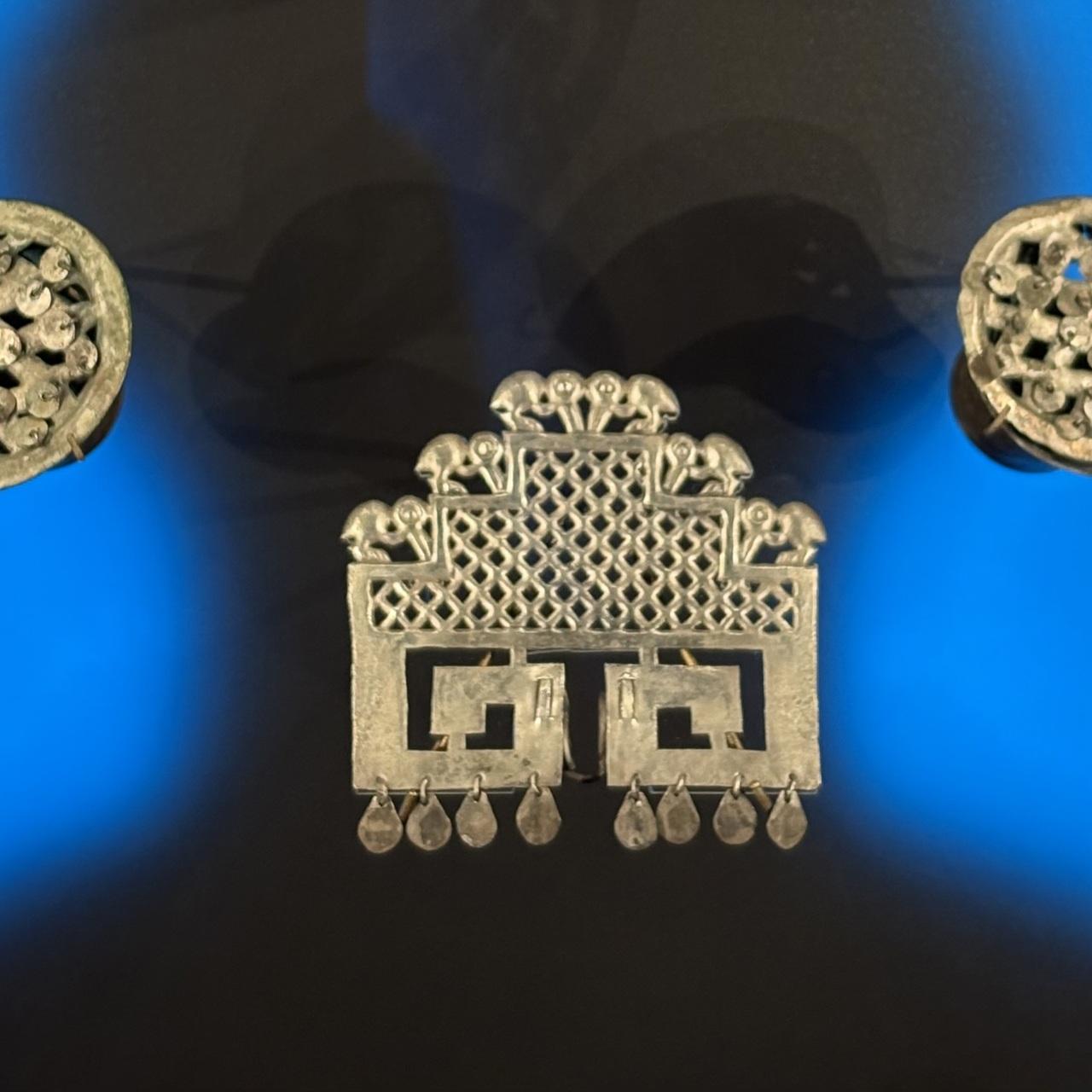
神殿の上のペリカンの装飾のついた鼻飾り ML100604
半月形の胸飾り ML100950
網を象った腕飾り ML100780, ML100781 -
-
-
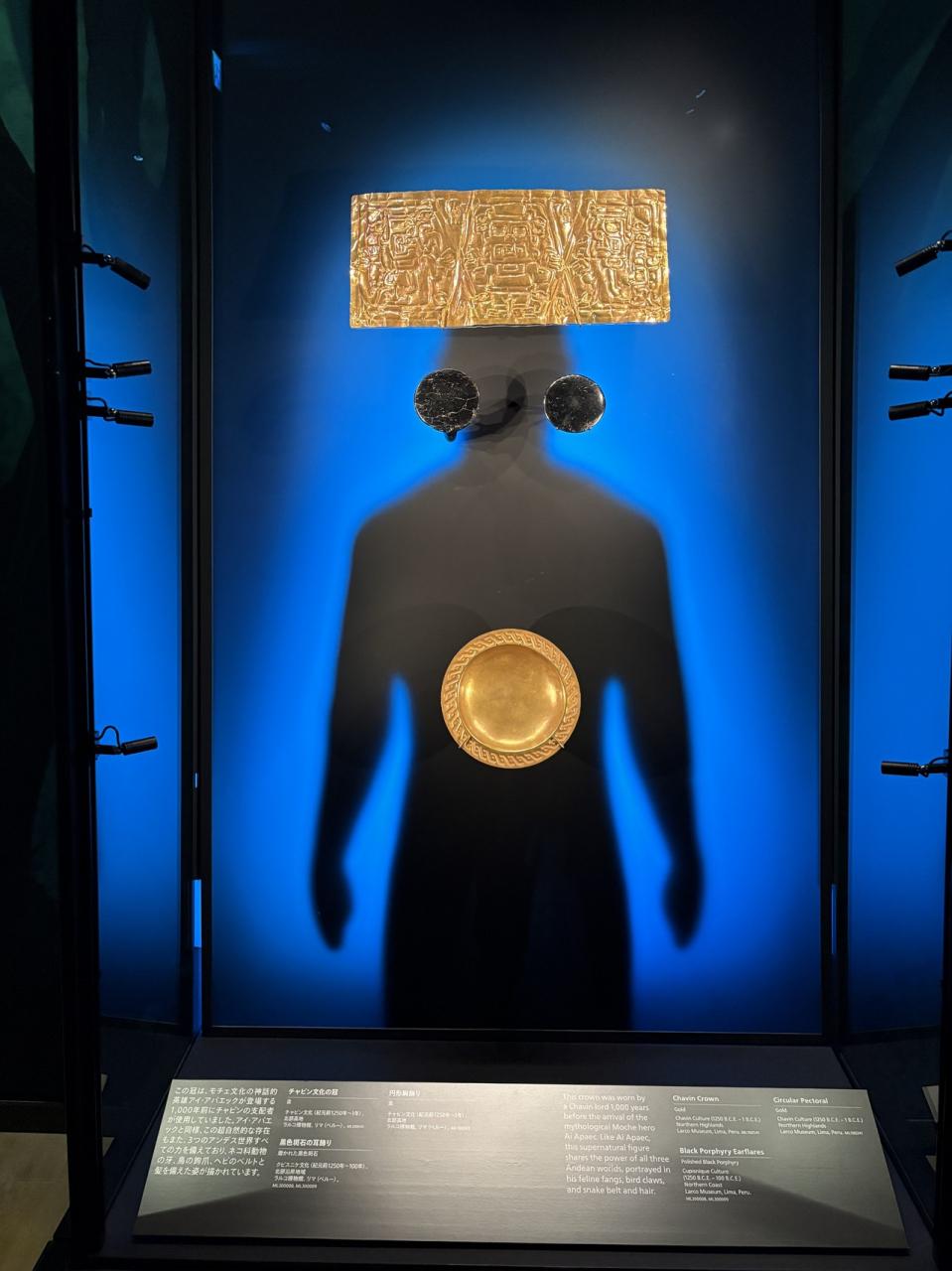
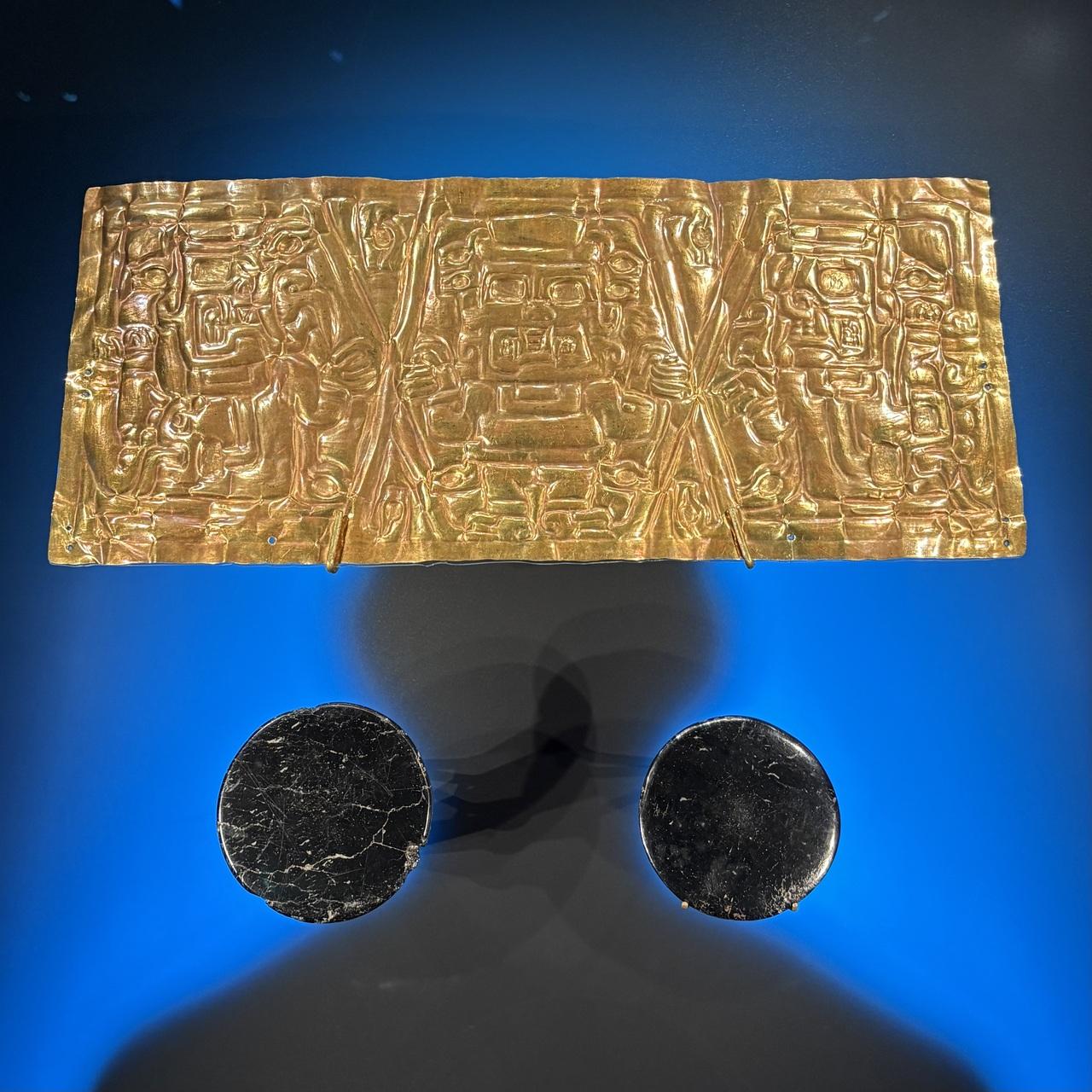
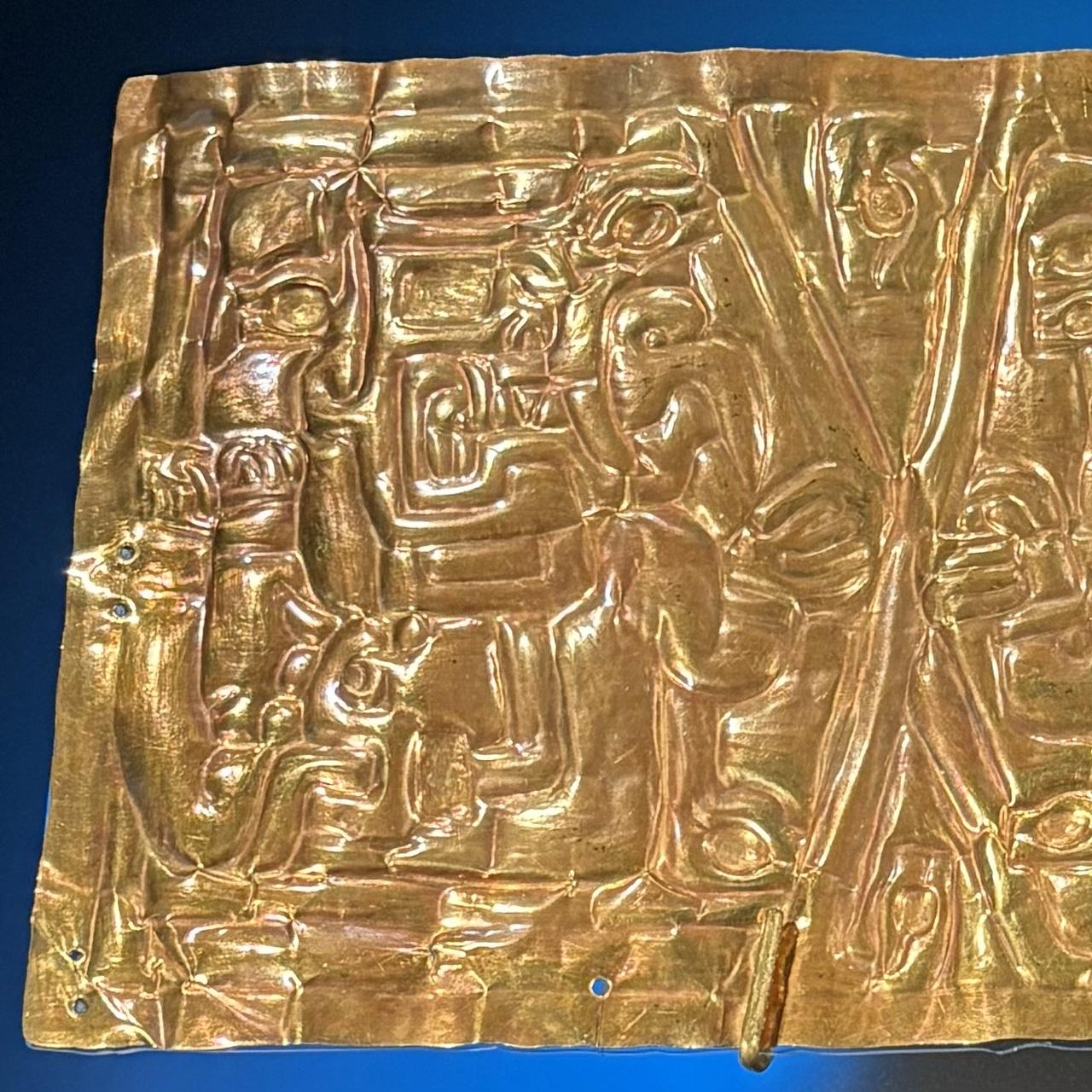
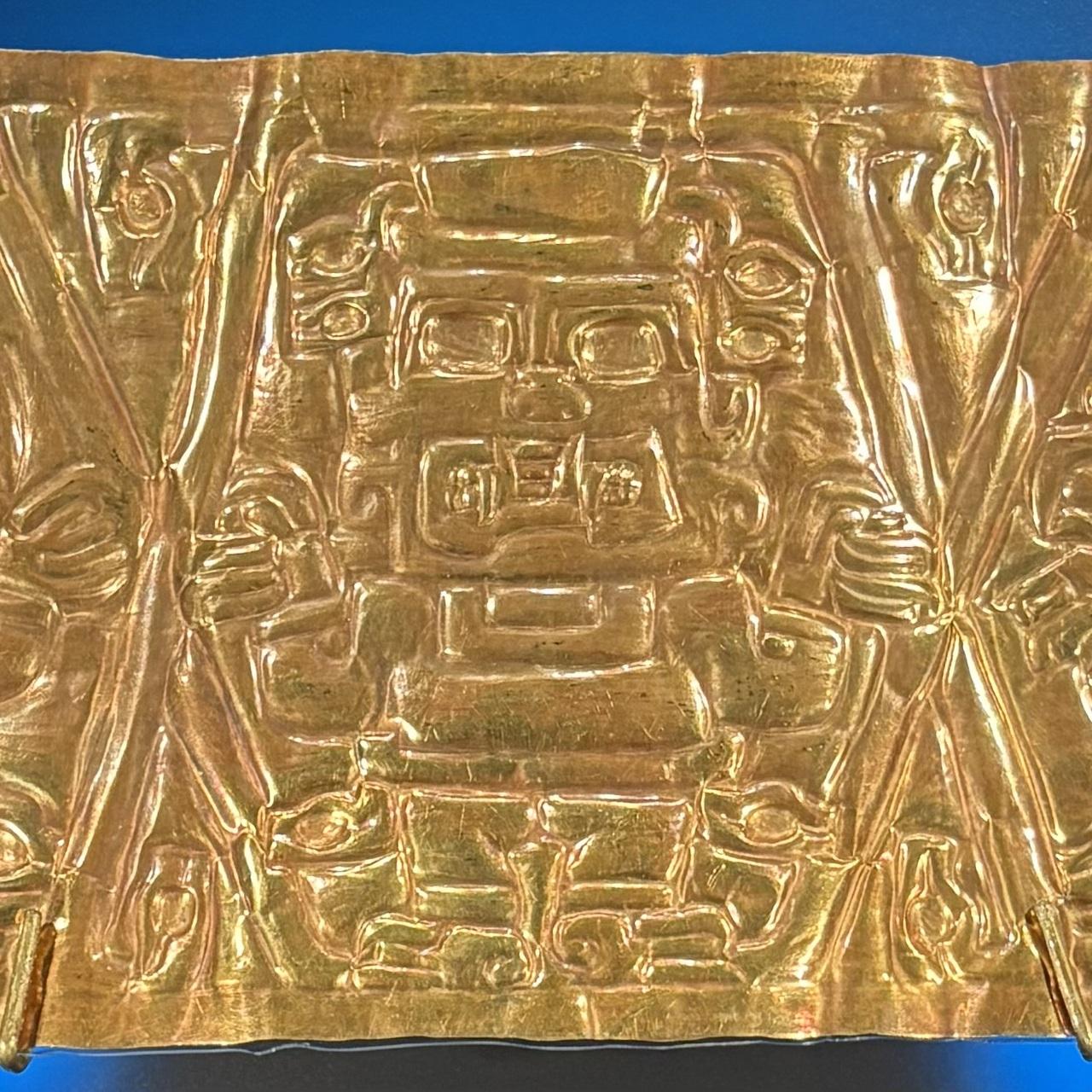
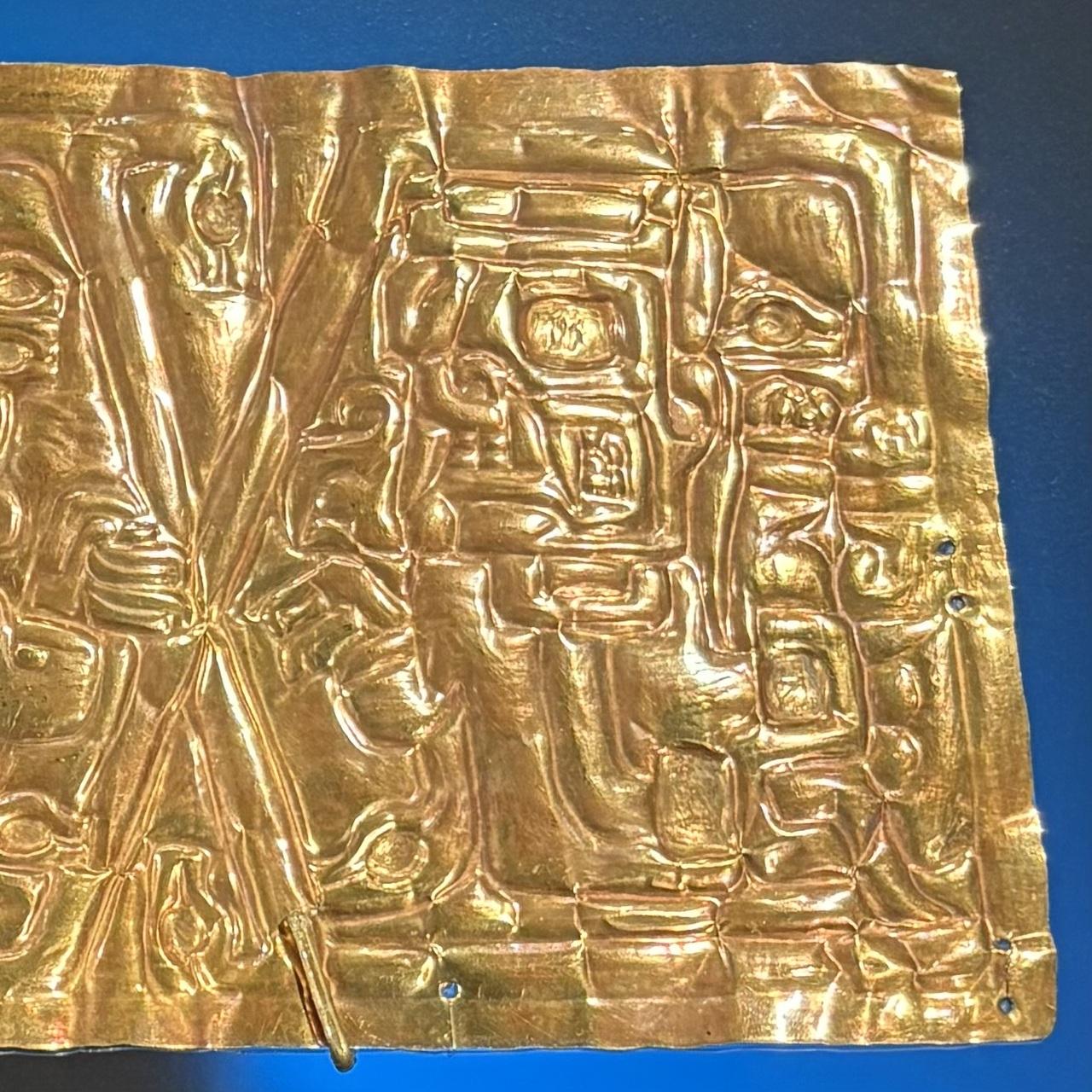
この冠は、モチェ文化の神話的英雄アイ・アパエックが登場する1,000年前にチャビンの支配者が使用していました。アイ・アパエックと同様、この超自然的な存在もまた、3つのアンデス世界すべての力を備えており、ネコ科動物の牙、鳥の鉤爪、ヘビのベルトと髪を備えた姿が描かれています。
This crown was worn by a Chavin lord 1,000 years before the arrival of the mythological Moche hero Ai Apaec. Like Ai Apaec, this supernatural figure shares the power of all three Andean worlds, portrayed in his feline fangs, bird claws, and snake belt and hair. -
チャビン文化の冠
金
チャビン文化 (紀元前1250年~1年)、
北部高地
ラルコ博物館、リマ(ペルー)。ML200541
黒色斑石の耳飾り
磨かれた黒色斑石
クピスニケ文化(紀元前1250年~100年)、北部沿岸地域
ラルコ博物館、リマ(ペルー)。
ML300008, ML300009
円形胸飾り
金
チャビン文化(紀元前1250年~1年)、
北部高地
ラルコ博物館、リマ(ペルー)。ML100241 -
-
-
-
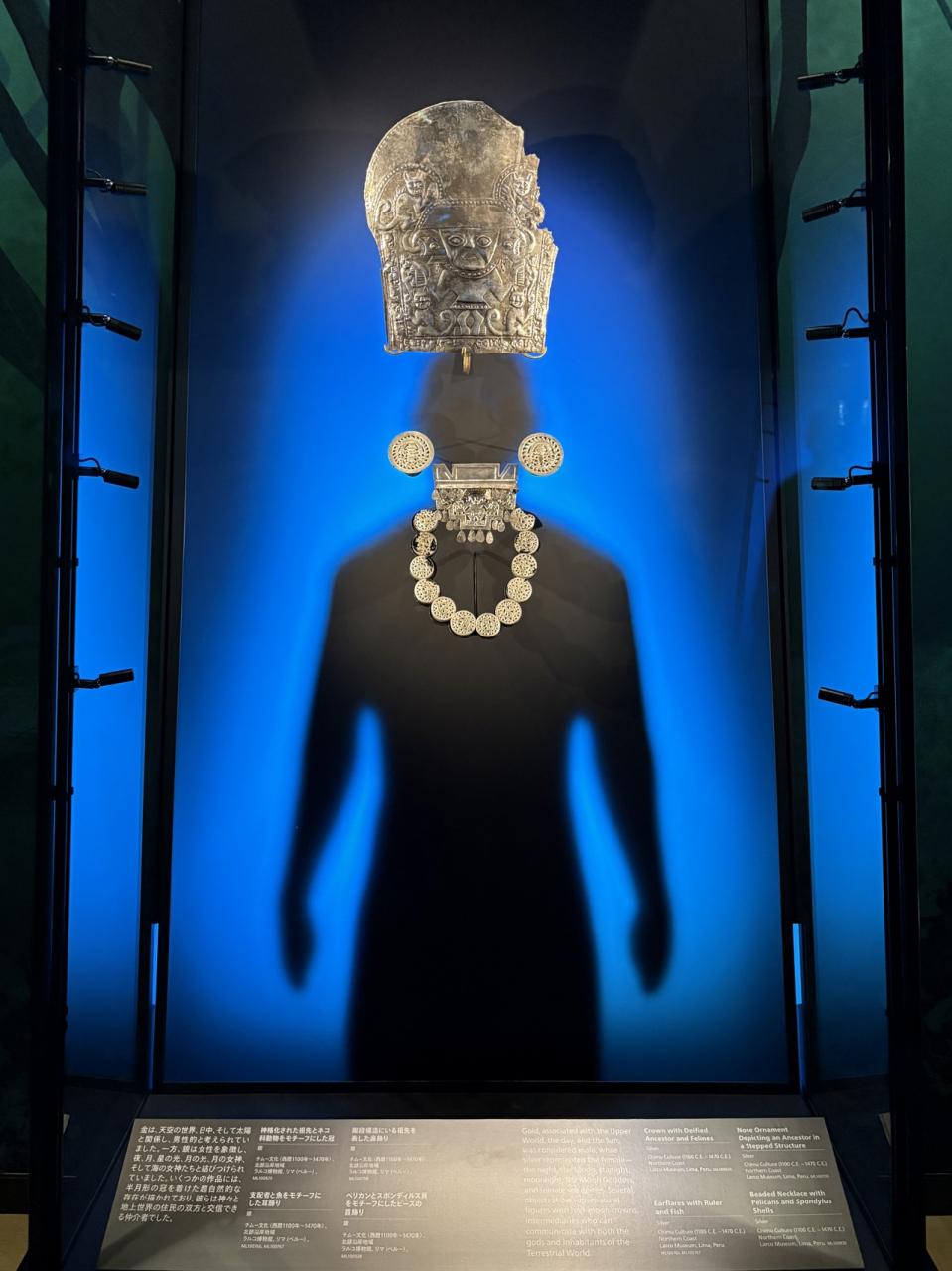
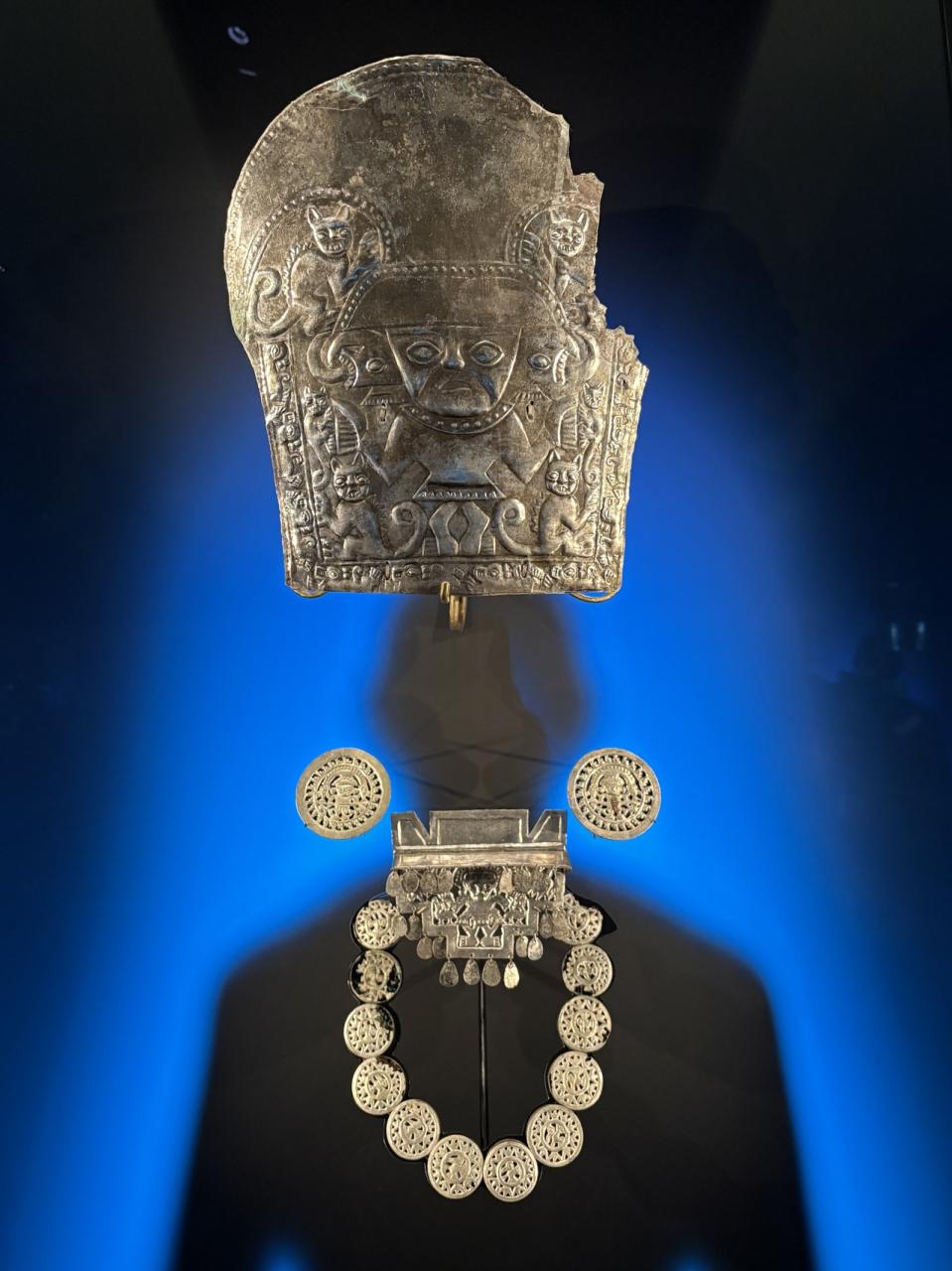
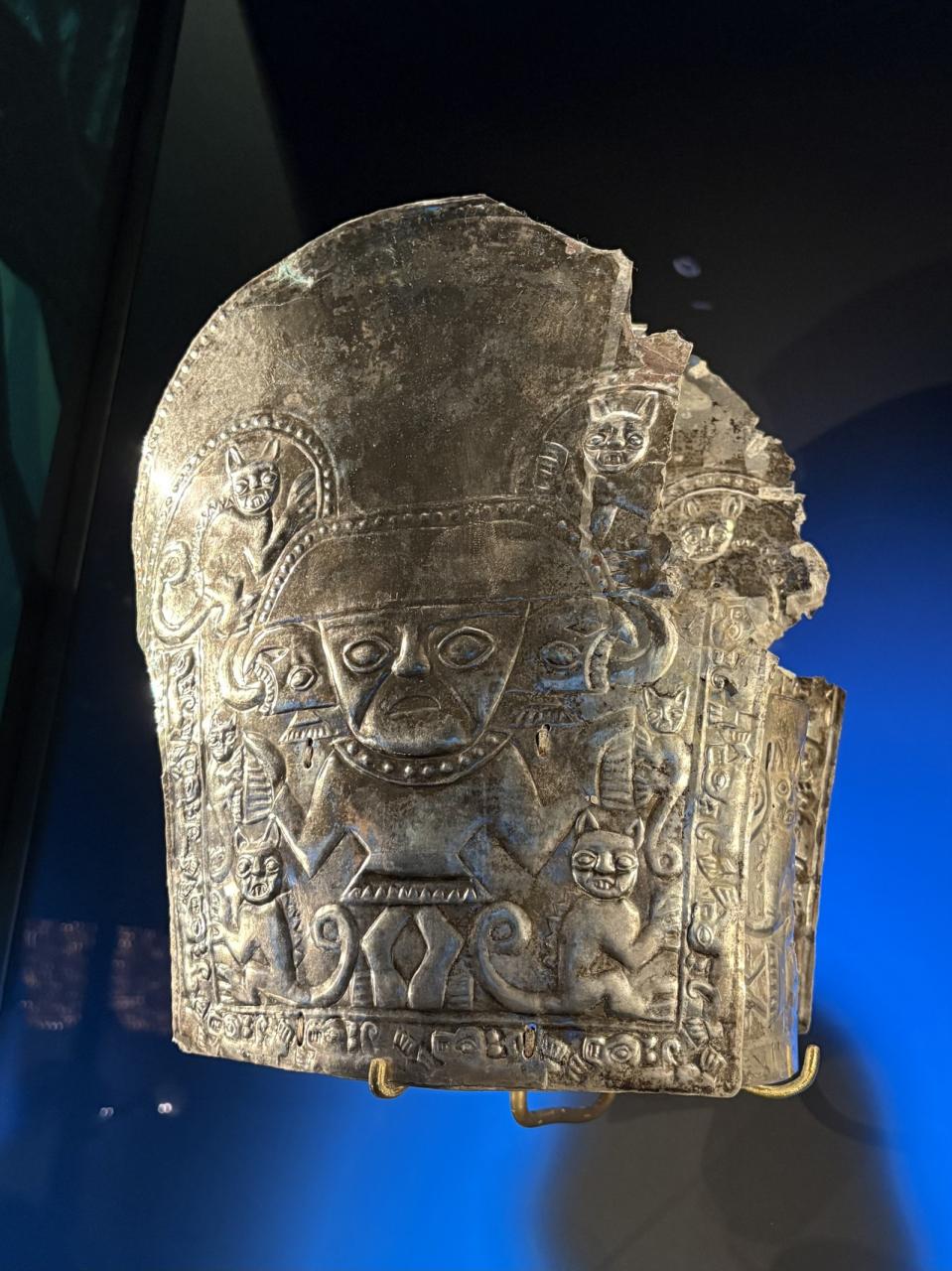
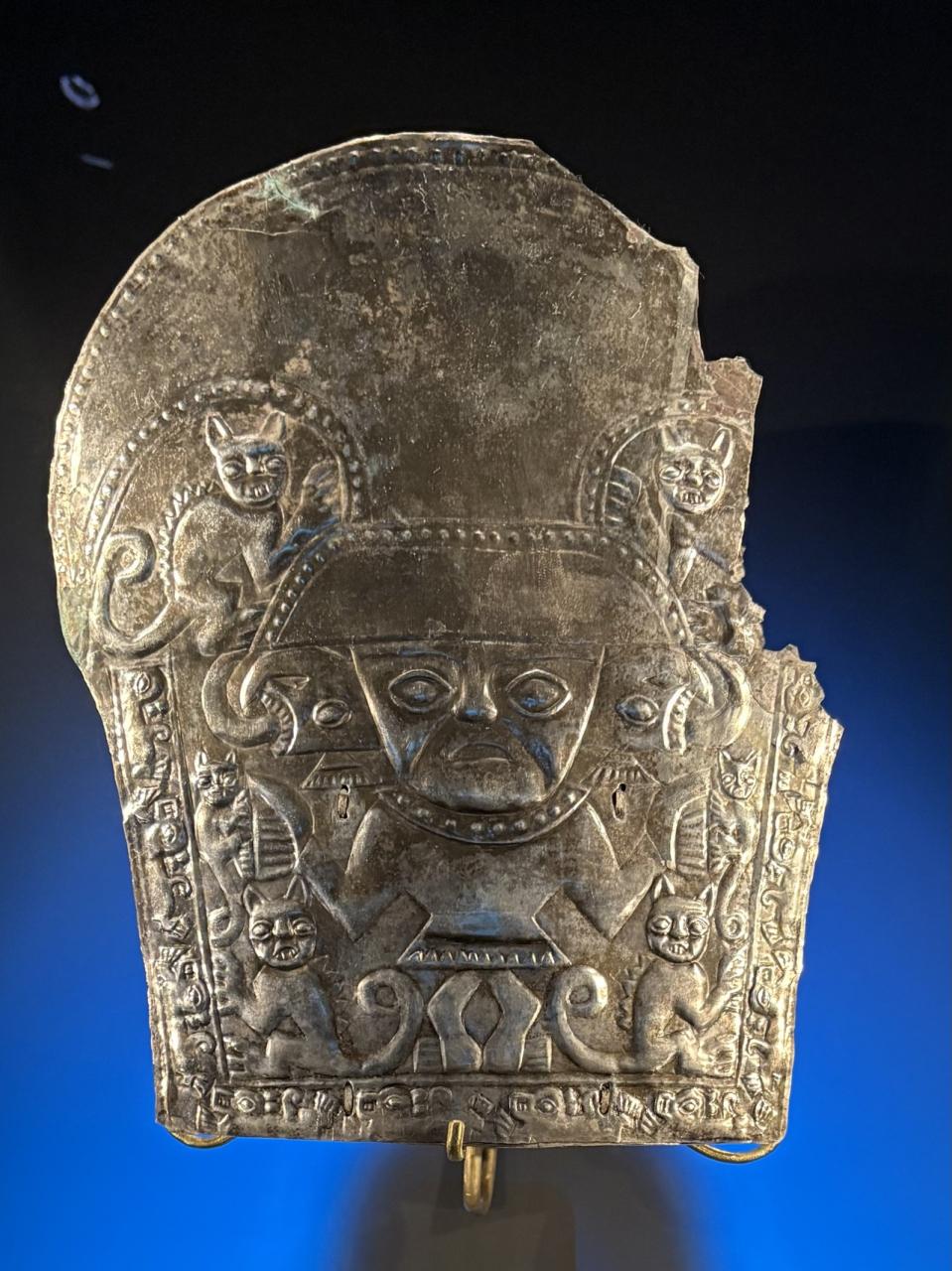
金は、天空の世界、日中、そして太陽と関係し、男性的と考えられていました。一方、銀は女性を象徴し、夜、月、星の光、月の光、月の女神、そして海の女神たちと結びつけられていました。いくつかの作品には、半月形の冠を着けた超自然的な存在が描かれており、彼らは神々と地上世界の住民の双方と交信できる仲介者でした。
Gold, associated with the Upper World, the day, and the Sun, was considered male, while silver represented the female-the night, the Moon, starlight, moonlight, the Moon Goddess, and female sea deities. Several objects show supernatural figures with half-moon crowns, intermediaries who can communicate with both the gods and inhabitants of the Terrestrial World. -
銀
チムー文化(西暦1100年~1470年)、北部沿岸地域
ラルコ博物館、リマ(ペルー)
神格化された祖先とネコ科動物をモチーフにした冠 ML100829
支配者と魚をモチーフにした耳飾り ML100766, ML100767
階段構造にいる祖先を表した鼻飾り ML100750
ペリカンとスポンディルス貝をモチーフにしたビーズの首飾り ML100928 -
-
-
-
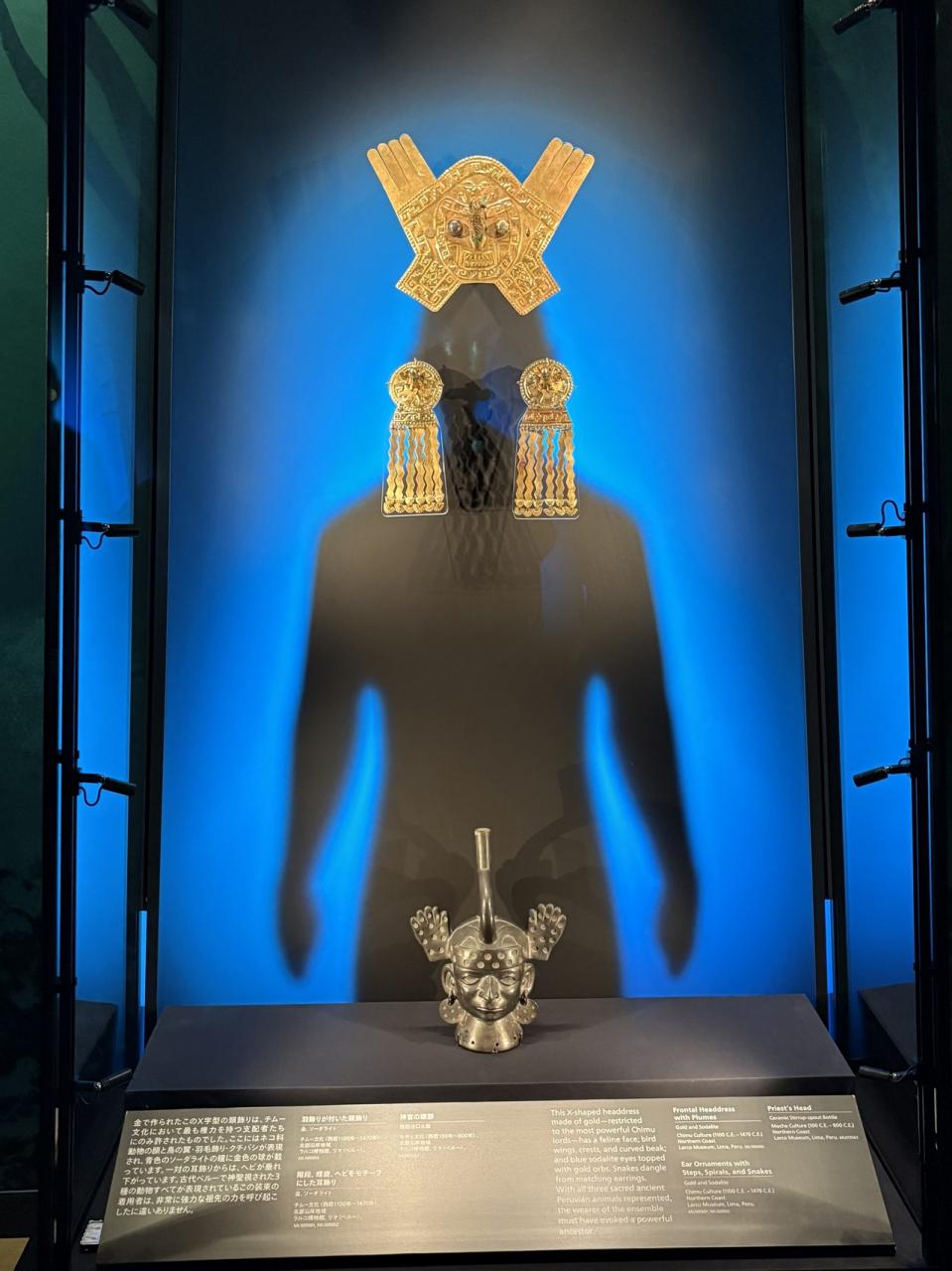
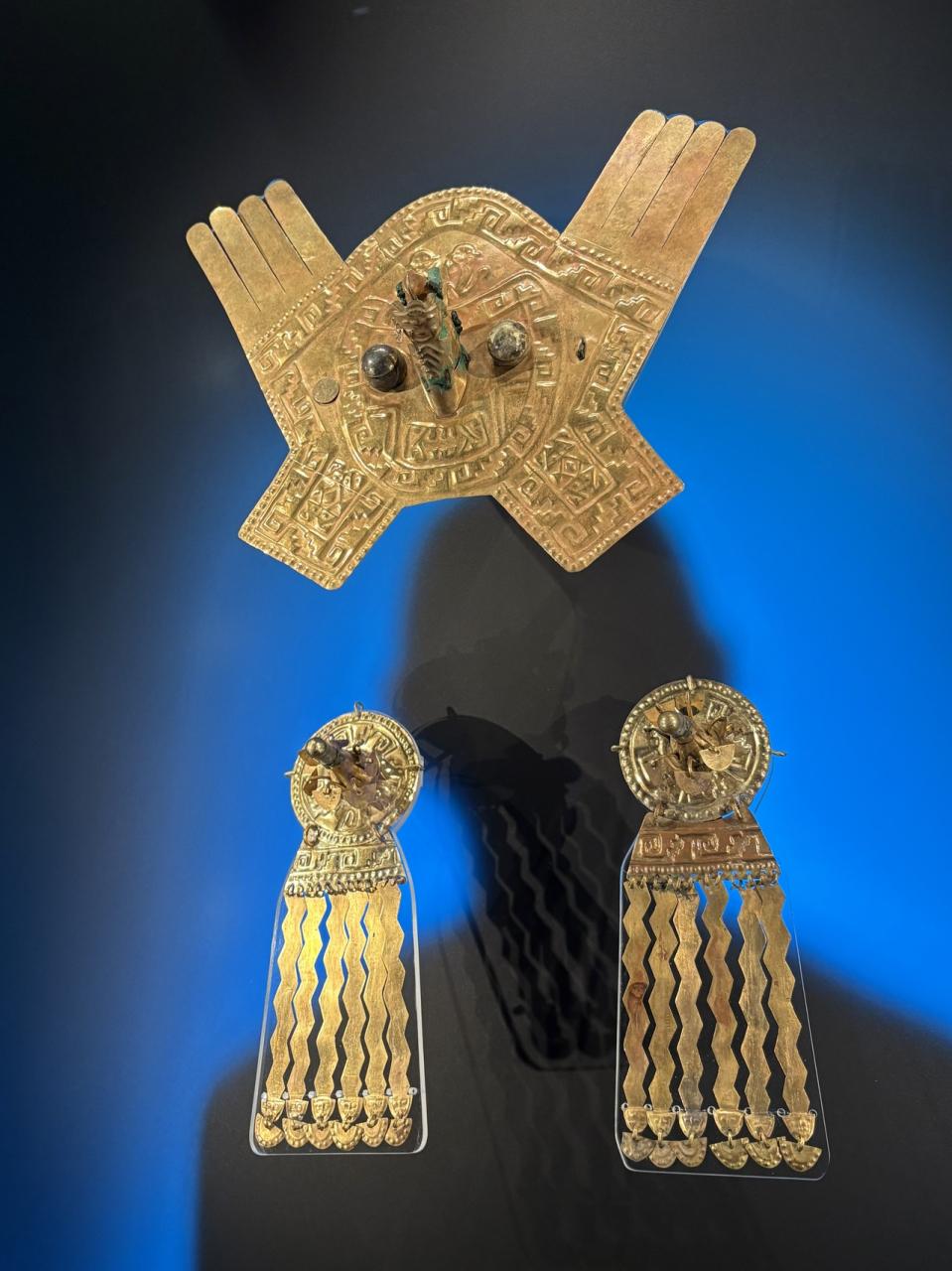
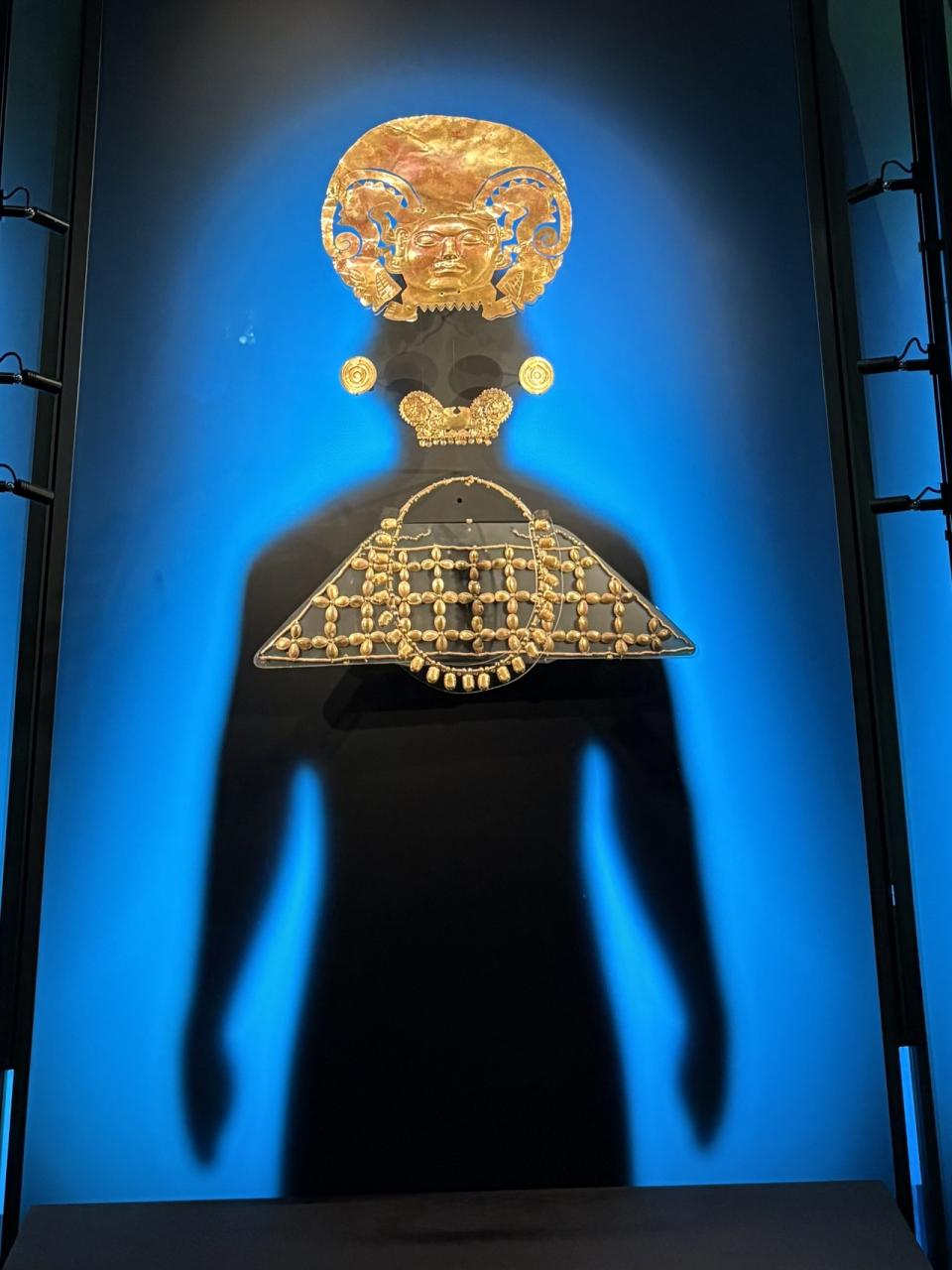
金で作られたこのX字型の頭飾りは、チムー文化において最も権力を持つ支配者たちにのみ許されたものでした。ここにはネコ科動物の顔と鳥の翼・羽毛飾り・クチバシが表現され、青色のソーダライトの瞳に金色の球が載っています。一対の耳飾りからは、ヘビが垂れ下がっています。古代ペルーで神聖視された3種の動物すべてが表現されているこの装束の着用者は、非常に強力な祖先の力を呼び起こしたに違いありません。
This X-shaped headdress made of gold-restricted to the most powerful Chimu lords-has a feline face; bird wings, crests, and curved beak; and blue sodalite eyes topped with gold orbs. Snakes dangle from matching earrings.
With all three sacred ancient Peruvian animals represented, the wearer of the ensemble must have evoked a powerful ancestor. -
羽飾りが付いた頭飾り金、ソーダライト
チムー文化(西暦1100年~1470年)、北部沿岸地域
ラルコ博物館、リマ(ペルー)。
ML100006
階段、螺旋、ヘビをモチーフにした耳飾り
金、ソーダライト
チムー文化(西暦1100年~1470年)、北部沿岸地域
ラルコ博物館、リマ(ペルー)。
ML100001, ML100002 -
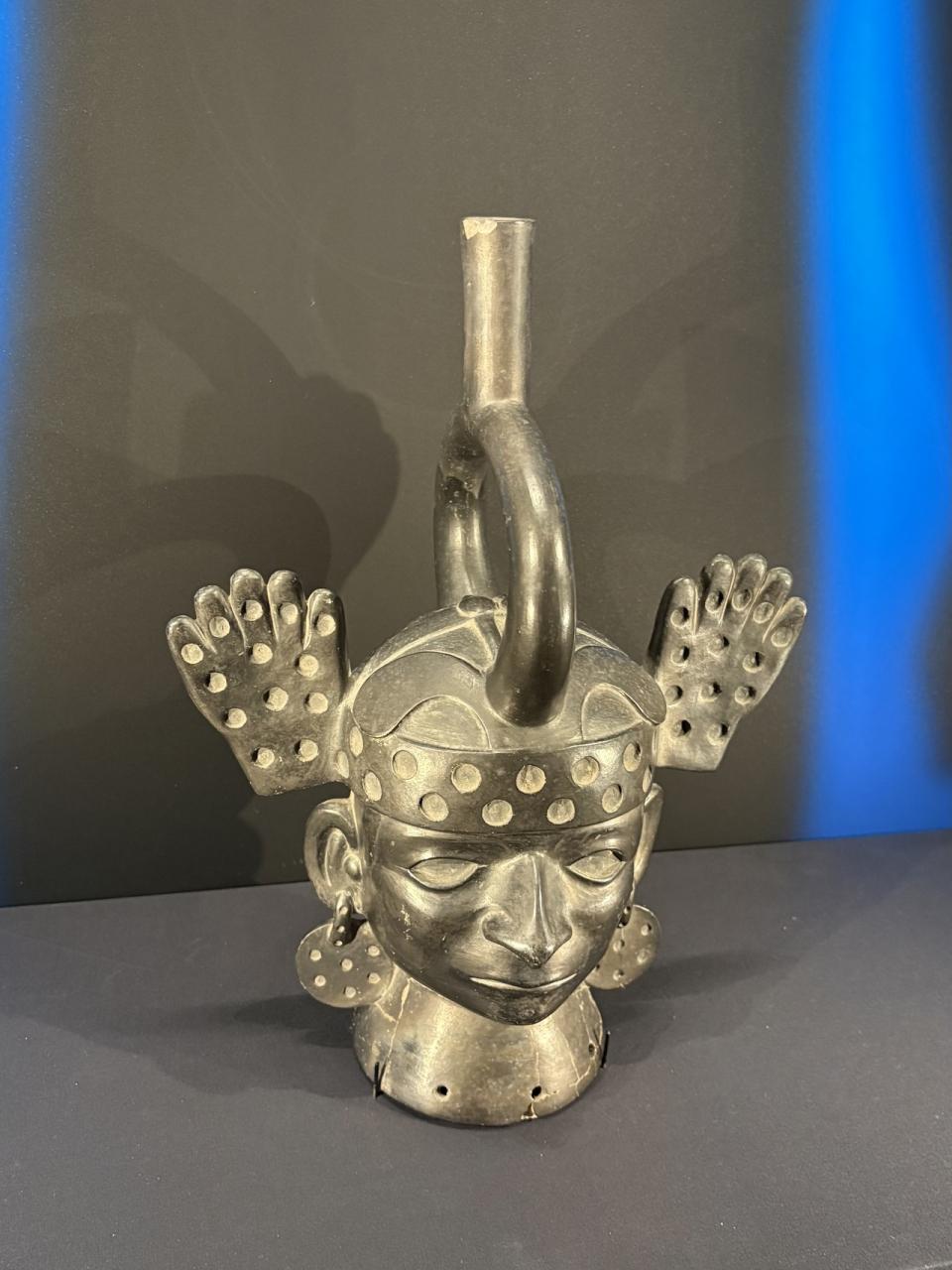
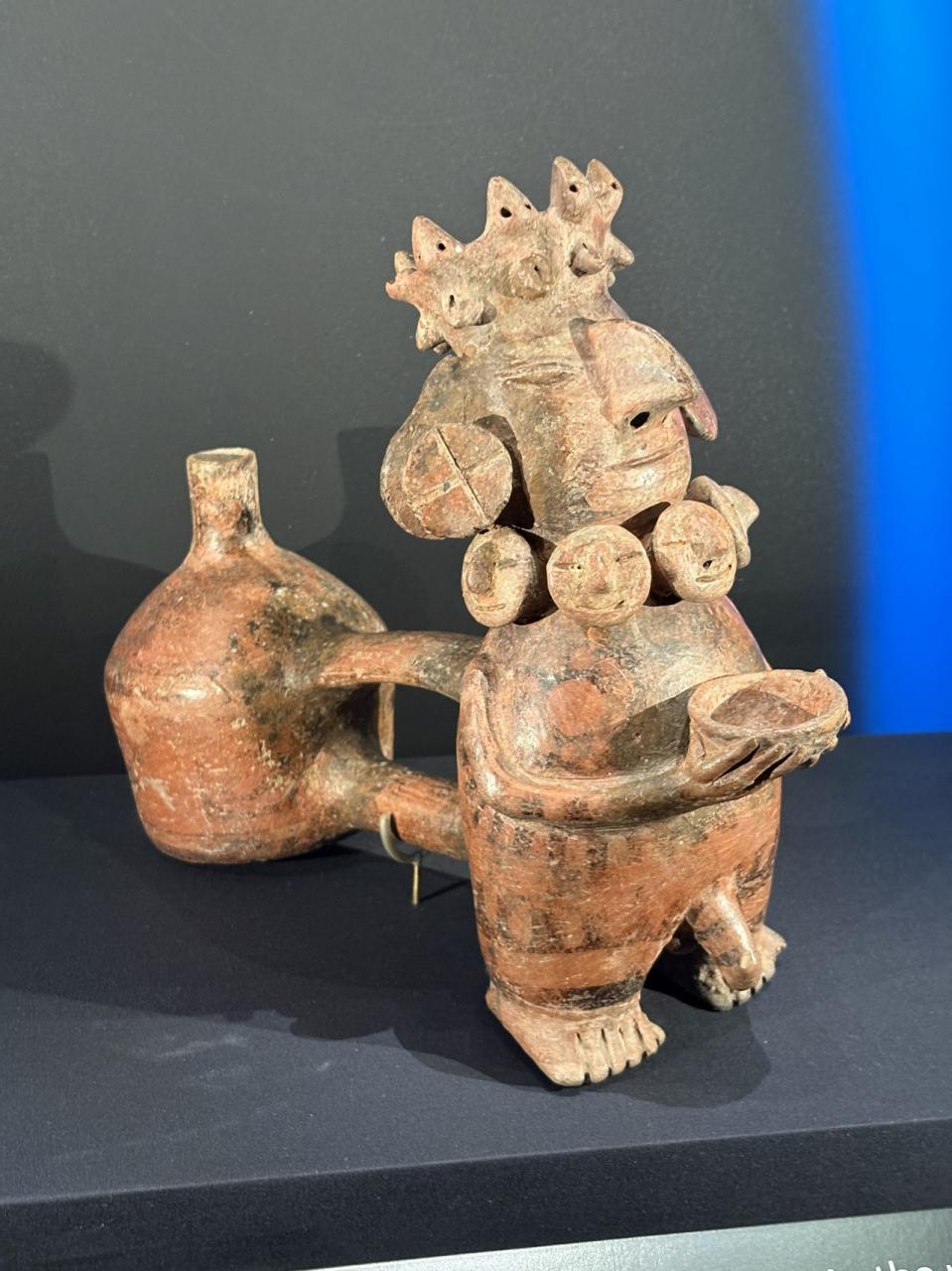
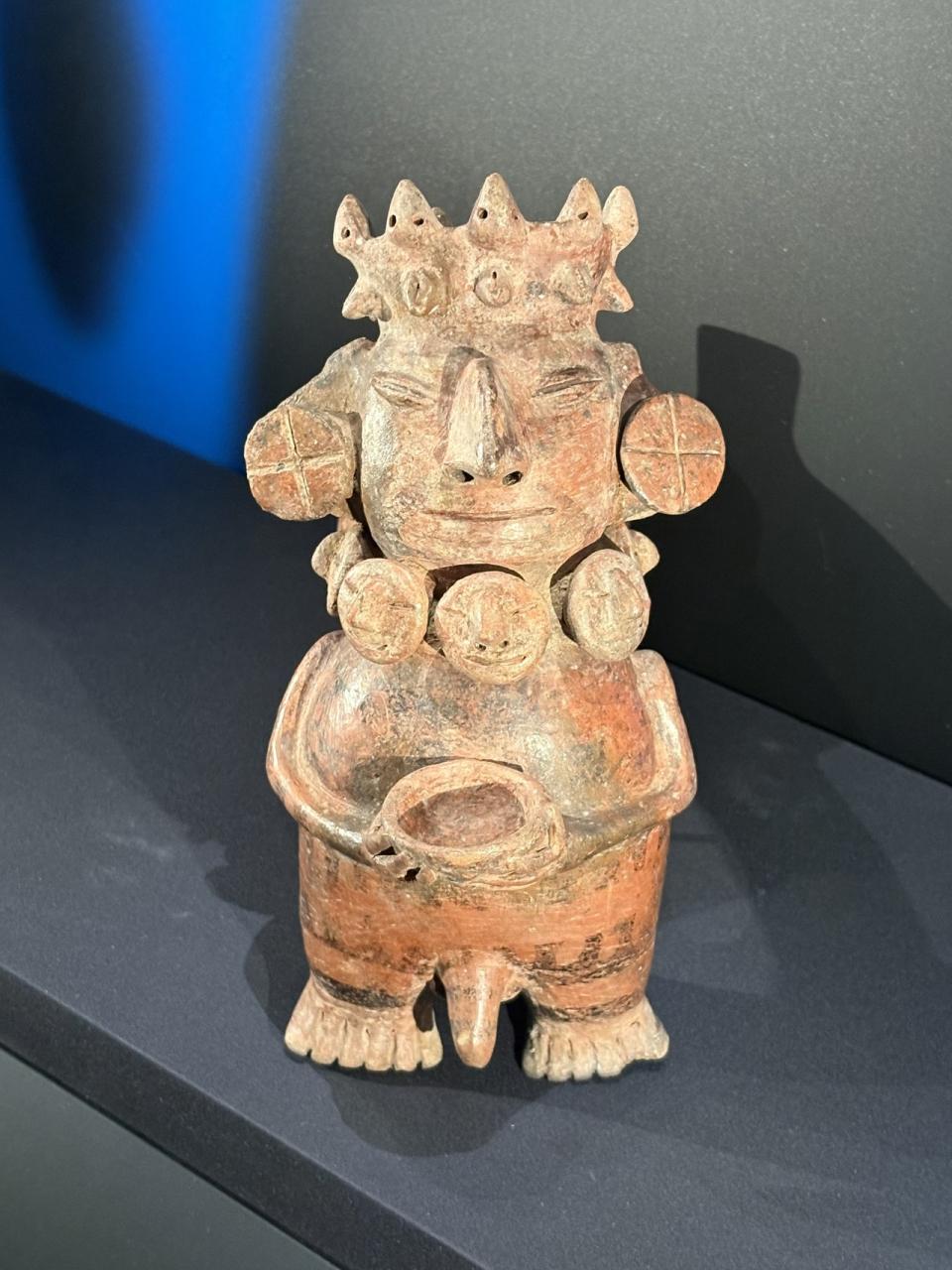
神官の頭部
鐙型注口土器
モチェ文化(西暦100年~800年)、
北部沿岸地域
ラルコ博物館、リマ(ペルー)。
ML013563 -
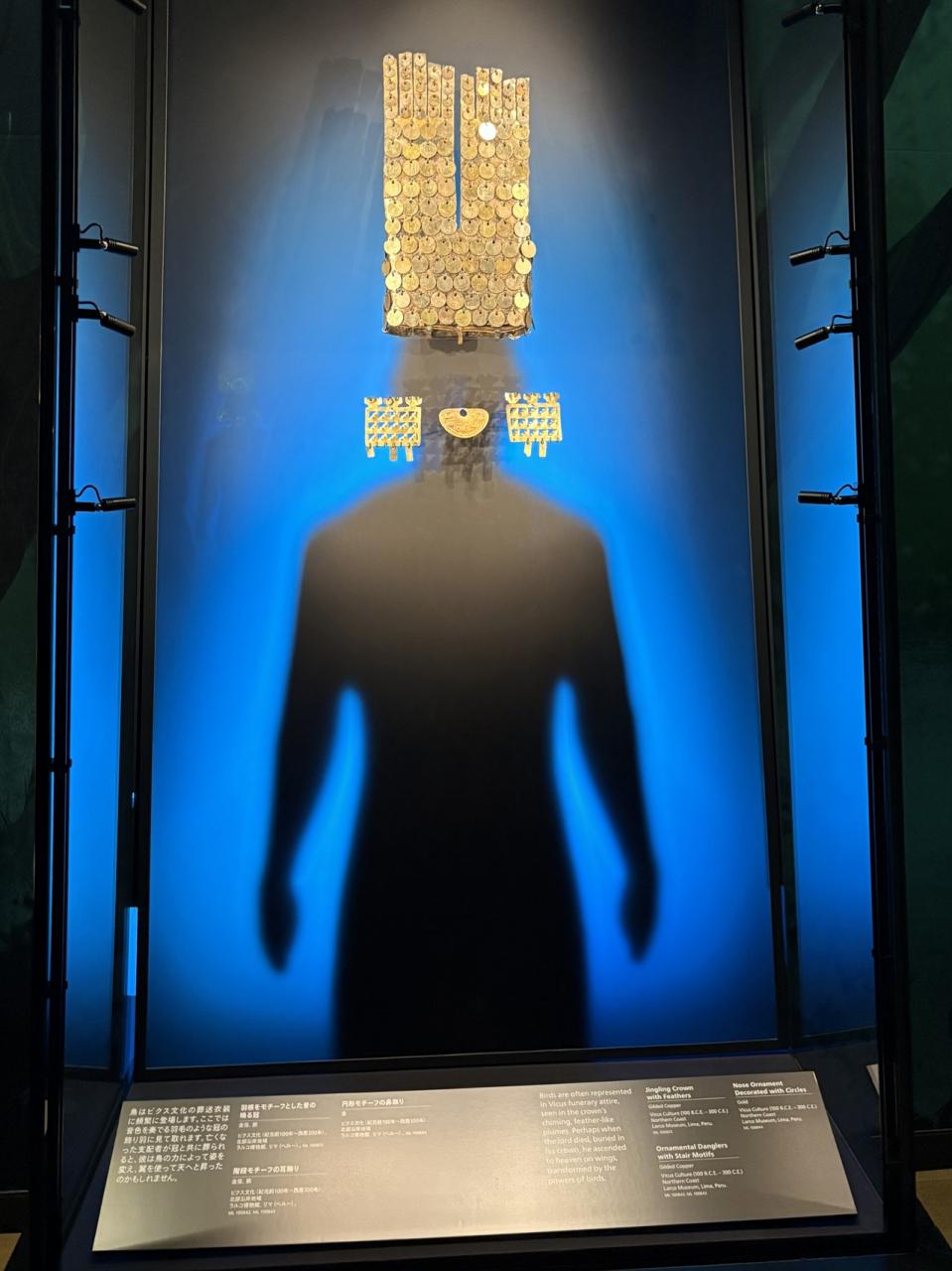
鳥はビクス文化の葬送衣装に頻繁に登場します。ここでは音色を奏でる羽毛のような冠の飾り羽に見て取れます。亡くなった支配者が冠と共に葬られると、彼は鳥の力によって姿を変え、翼を使って天へと昇ったのかもしれません。
Birds are often represented in Vicus funerary attire, seen in the crown's chiming, feather-like plumes. Perhaps when the lord died, buried in his crown, he ascended to heaven on wings, transformed by the powers of birds. -
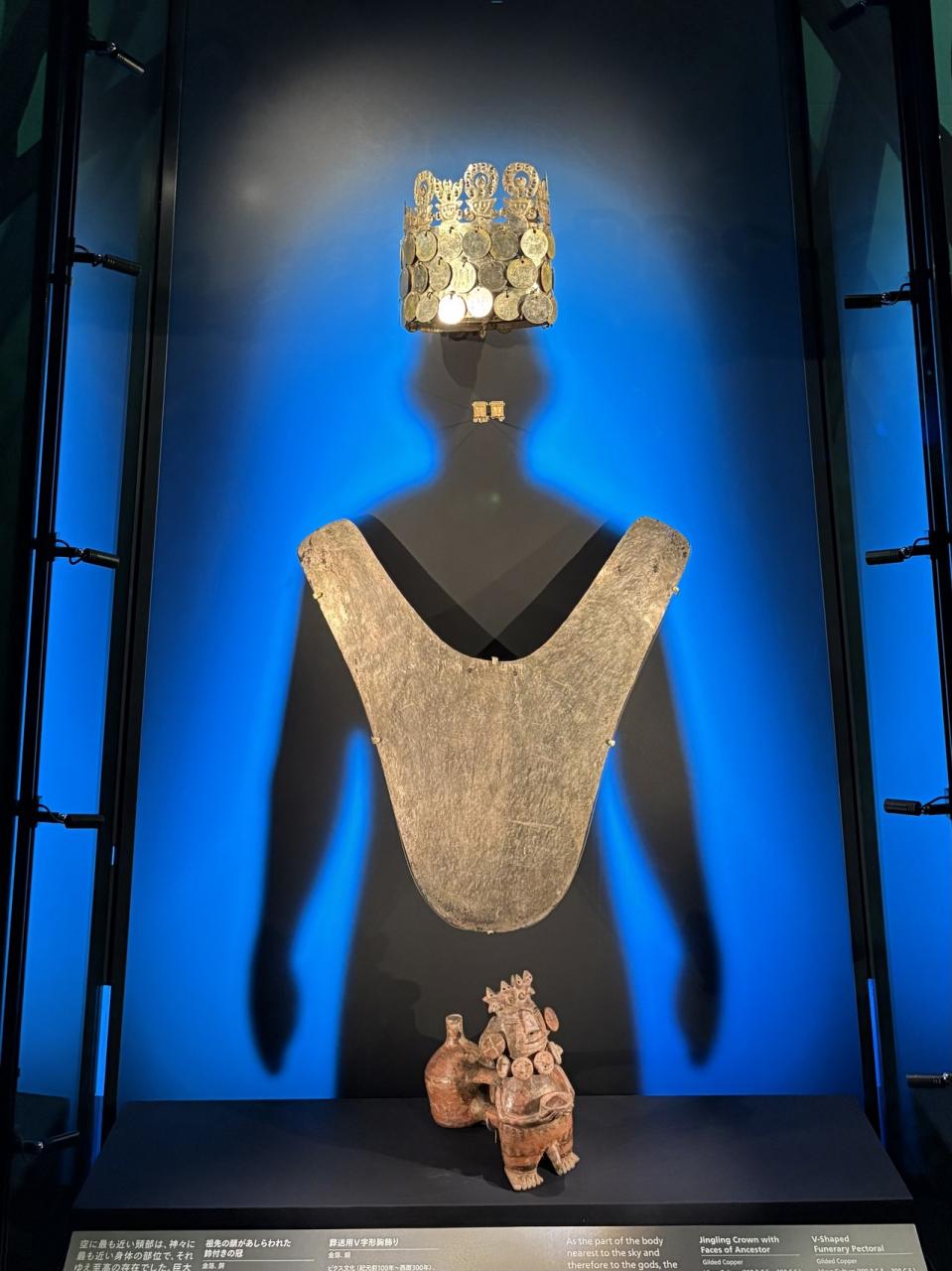
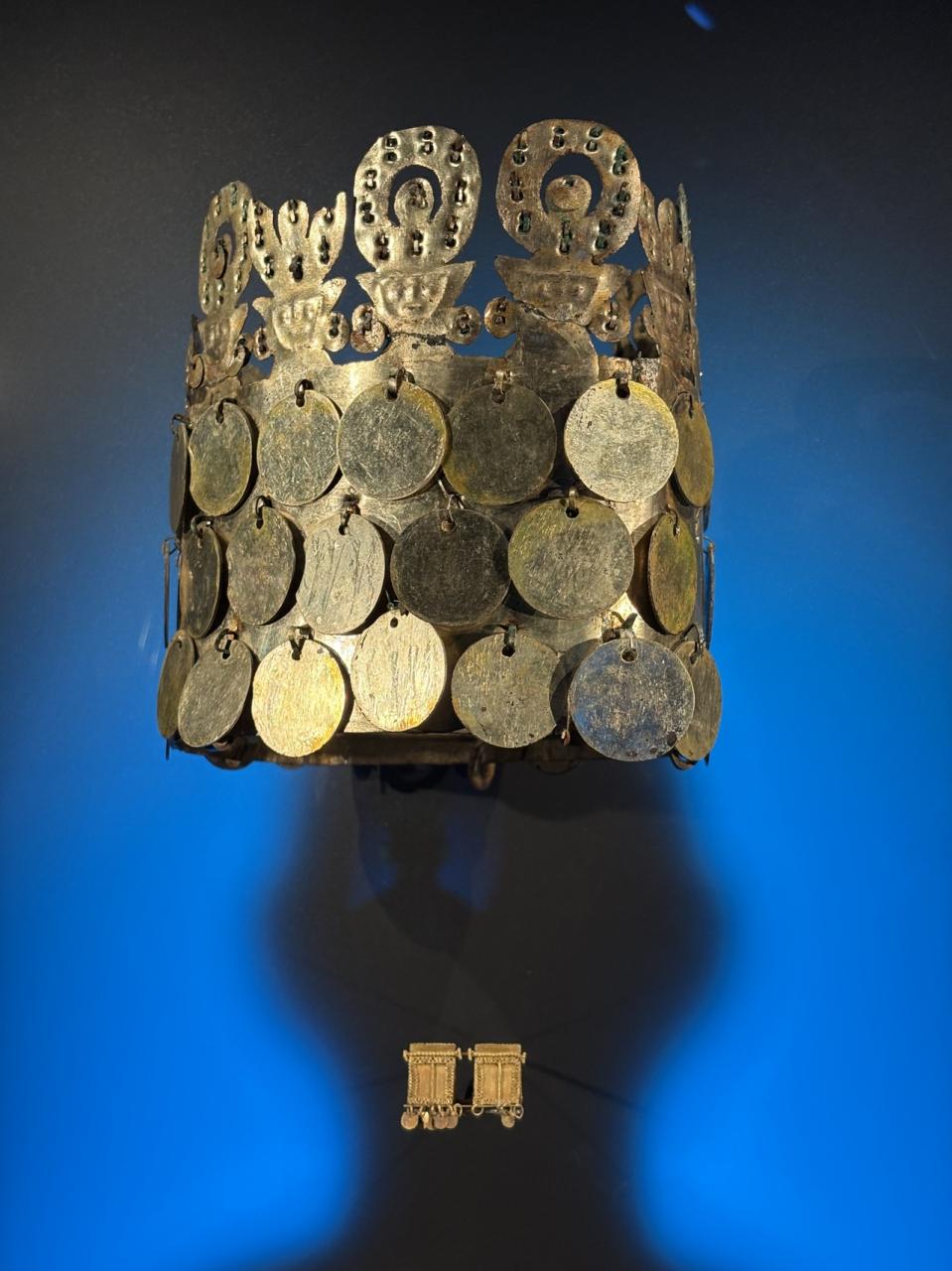
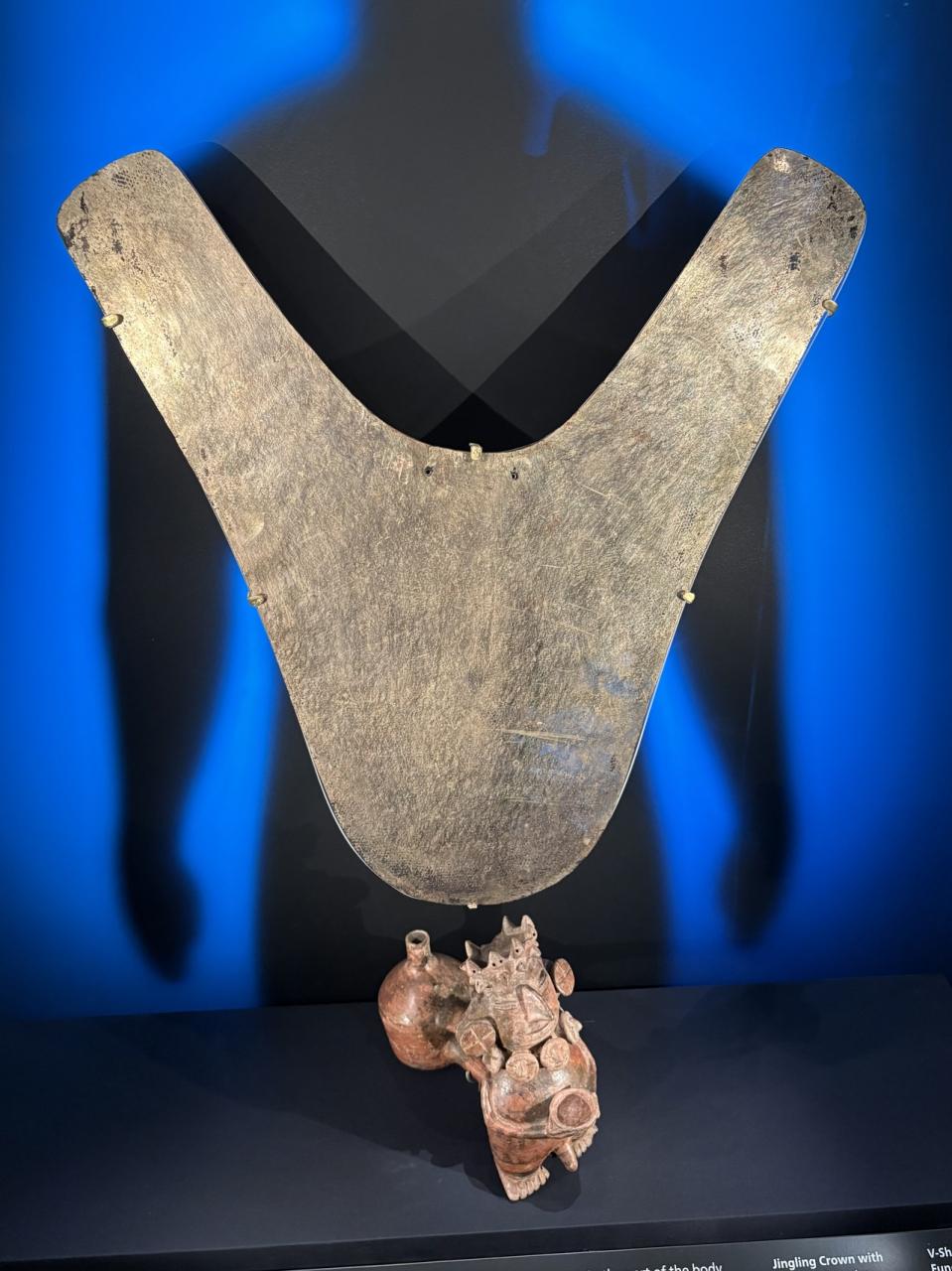
空に最も近い頭部は、神々に最も近い身体の部位で、それゆえ至高の存在でした。巨大で輝かしい冠は、王族としての支配者の身分を示すと同時に、頭を飾り保護しました。君主の威信の象徴である装具(レガリア)は、彼の死によってその力を失い、祖先の世界への旅に随伴しました。
As the part of the body nearest to the sky and therefore to the gods, the head was supreme. Huge, glorious crowns expressed rulers' royal status while decorating and protecting their heads. A lord's regalia expired with him on his death and acompanied him on his transition to the World of the Ancestors. -
-
-
-
-
(続く・・・)

この旅行記のタグ


利用規約に違反している投稿は、報告する事ができます。
旅行記グループ
国内の美術館・博物館巡り その4
-
前の旅行記

マチュピチュ展【その7】"チムー帝国の装身具一式" @ 森アーツセンターギャラリー(2025.11.22~2...
2026/01/12~
六本木
-
次の旅行記

マチュピチュ展【その9】"カエルがモチーフの首飾り"@ 森アーツセンターギャラリー(2025.11.22~2...
2026/01/12~
六本木
-

2025.9.20~12.14 "モーリス・ユトリロ展@SOMPO美術館"。"風景画の中の人物の後ろ姿" が...
2025/12/11~
新宿
-

マチュピチュ展【その1】"フクロウの神" @ 森アーツセンターギャラリー(2025.11.22~2026.3...
2026/01/12~
六本木
-

マチュピチュ展【その2】"シャーマンの変容" @ 森アーツセンターギャラリー(2025.11.22~2026...
2026/01/12~
六本木
-

マチュピチュ展【その3】"アイ・アパエックの顔を表した埋葬用仮面" @ 森アーツセンターギャラリー(2025...
2026/01/12~
六本木
-

マチュピチュ展【その4】"トカゲのモザイクの耳飾り" @ 森アーツセンターギャラリー(2025.11.22~...
2026/01/12~
六本木
-

マチュピチュ展【その5】"神話の豊穣の場面が描かれた儀礼用の杯"@ 森アーツセンターギャラリー(2025.1...
2026/01/12~
六本木
-

マチュピチュ展【その6】"戦闘と捕虜の捕獲" @ 森アーツセンターギャラリー(2025.11.22~2026...
2026/01/12~
六本木
-

マチュピチュ展【その7】"チムー帝国の装身具一式" @ 森アーツセンターギャラリー(2025.11.22~2...
2026/01/12~
六本木
-

マチュピチュ展【その8】"神格化された祖先とネコ科動物をモチーフにした冠" @ 森アーツセンターギャラリー(...
2026/01/12~
六本木
-

マチュピチュ展【その9】"カエルがモチーフの首飾り"@ 森アーツセンターギャラリー(2025.11.22~2...
2026/01/12~
六本木
-

マチュピチュ展【その10/完】"インカのキープ"@ 森アーツセンターギャラリー(2025.11.22~3.1...
2026/01/12~
六本木
-

"塩谷亮 刻を描くリアリズム" (@佐藤美術館 2026.1.8 ~2.15) で、初めて "写実絵画" を...
2026/01/28~
信濃町・千駄ヶ谷
-

2026.2.9 国立西洋美術館① "オルセー美術館所蔵 印象派 室内をめぐる物語"。"エドガー・ドガ《家族...
2026/02/09~
上野・御徒町
-

2026.2.9 国立西洋美術館② 常設展(その1)"ラビニィア・フォンターナ 《アントニエッタ・ゴンザレス...
2026/02/09~
上野・御徒町
-

2026.2.9 国立西洋美術館③ 常設展(その2)"ダフィット・テニールス(子)《聖アントニウスの誘惑》"
2026/02/09~
上野・御徒町
-

2026.2.9 国立西洋美術館④ 小企画展 "Black Lines Speak 物語る黒線たち ~デュー...
2026/02/09~
上野・御徒町
-

2026.2.9 国立西洋美術館⑤/完 常設展(その3)"ヴィルヘルム・ハンマースホイ《ピアノを弾く妻イーダ...
2026/02/09~
上野・御徒町
-

"スウェーデン絵画展" の後、"藝大アートプラザ"・"上野動物園" へ。京都市動物園の長男ゴリラ "ゲンタロ...
2026/04/12~
上野・御徒町
-

お嬢と行く "スウェーデン絵画 北欧の光、日常のかがやき" 2026.1.27~4.12 @ 東京都美術館
2026/04/12~
上野・御徒町
-

2026年2月7日~5月24日 お嬢と行く "クロード・モネ ~風景への問いかけ" @アーティゾン美術館
2026/04/29~
丸の内・大手町・八重洲
-

"アンドリュー・ワイエス展" の後、"藝大アートプラザ" へ。"佐治真理子《佇む -玉しめ-》" が、いい感...
2026/05/16~
上野・御徒町
-

お嬢と行く"アンドリュー・ワイエス展 ~境界に立つとき、心が動き出す。~" 2026.4/28~7/5 @ ...
2026/05/16~
上野・御徒町
-

2026.7.12① 上野の森美術館 "大ゴッホ展"。撮影可能だったのは、"夜のカフェテラス" 1点のみ・・...
2026/07/12~
上野・御徒町
-

2026.7.12② "大ゴッホ展"の後、東京国立博物館 "アイルランド チェスター・ビューティ・コレクショ...
2026/07/12~
上野・御徒町
-

2026.7.12④ "大ゴッホ展" の後、SOMPO美術館 "山口華揚展"。《青柿》は、諏訪湖のほとり"北...
2026/07/12~
新宿
-

2026.7.12 ⑤・完 "大ゴッホ展" の後、"東京オペラシティ" でクラシック鑑賞 。恵比寿の "ル・...
2026/07/12~
東京
旅行記グループをもっと見る
コメントを投稿する前に
十分に確認の上、ご投稿ください。 コメントの内容は攻撃的ではなく、相手の気持ちに寄り添ったものになっていますか?
サイト共通ガイドライン(利用上のお願い)報道機関・マスメディアの方へ 画像提供などに関するお問い合わせは、専用のお問い合わせフォームからお願いいたします。
この旅行で行ったスポット

六本木(東京) の旅行記






フォートラベル公式LINE@
おすすめの旅行記や旬な旅行情報、お得なキャンペーン情報をお届けします!
QRコードが読み取れない場合はID「@4travel」で検索してください。
\その他の公式SNSはこちら/


旅行記グループ 国内の美術館・博物館巡り その4
0
28