


2026/01/12 - 2026/01/12
45位(同エリア1625件中)

旅熊 Kokazさん
- 旅熊 KokazさんTOP
- 旅行記1919冊
- クチコミ854件
- Q&A回答102件
- 1,702,194アクセス
- フォロワー753人
マチュピチュ展 @ 森アーツセンターギャラリー(2025.11.22~2026.3.1)
https://macg.roppongihills.com/jp/exhibitions/machupicchu/index.html
『本展は、2021年のアメリカ・ボカラトン美術館を皮切りに、世界各地で開催され、高い評価を得ています。各国における開催での累計来場者数は54万人を突破しました。
ペルー政府公認の本展は、アジアでは初開催となります。日本初上陸となる本展では、ペルーの首都・リマにあり、世界的にも有名な考古学博物館「ラルコ博物館」より貸与された、貴重な文化財約130点を展示します。
2012年の「インカ帝国展」以来、国内では13年ぶりとなるマチュピチュ関連の巡回展としても注目
今回の巡回展に際して日本にやってくる約130点のペルーの至宝の中でも特に、王族の墓から出土した黄金の装飾品や神殿儀式で用いられた祭具などは、初めてペルー国外に貸し出される展示品です。日本で初公開の貴重な資料を通じて、古代アンデス文明の叡智や芸術を間近に体感できます。また、世界遺産マチュピチュを独自の技術で再現した没入型空間や、アンデス神話の英雄「アイ・アパエック」の冒険を軸に展開される壮大な物語とともに、来場者をかつてない知的冒険へといざないます。』とのこと・・・
- 旅行の満足度
- 5.0
-

政治的および宗教的指導者たちは、共同体、神々、祖先の間を取り持つ存在と見なされていました。
儀礼や祭礼では、彼らは精神の変容を引き起こす向精神性植物の助けを借りて、これらの世界を行き来したのです。
人為的に引き起こされたトランス状態の中で、自分の体内に宿る動物的な力を認識した指導者は、その力を利用して、獰括なネコ科の捕食者や猛禽類の視点から世界を捉えることができます。
Political and religious leaders-considered deities-mediate between the community, gods, and ancestors.
During rituals and ceremonies, they travel between these worlds with the aid of mind-altering psychotropic plants.
During an induced trance, the leader, aware of animal powers inhabiting his body, can channel these powers to perceive the world from the perspective of a fierce feline predator or a bird of prey. -
-
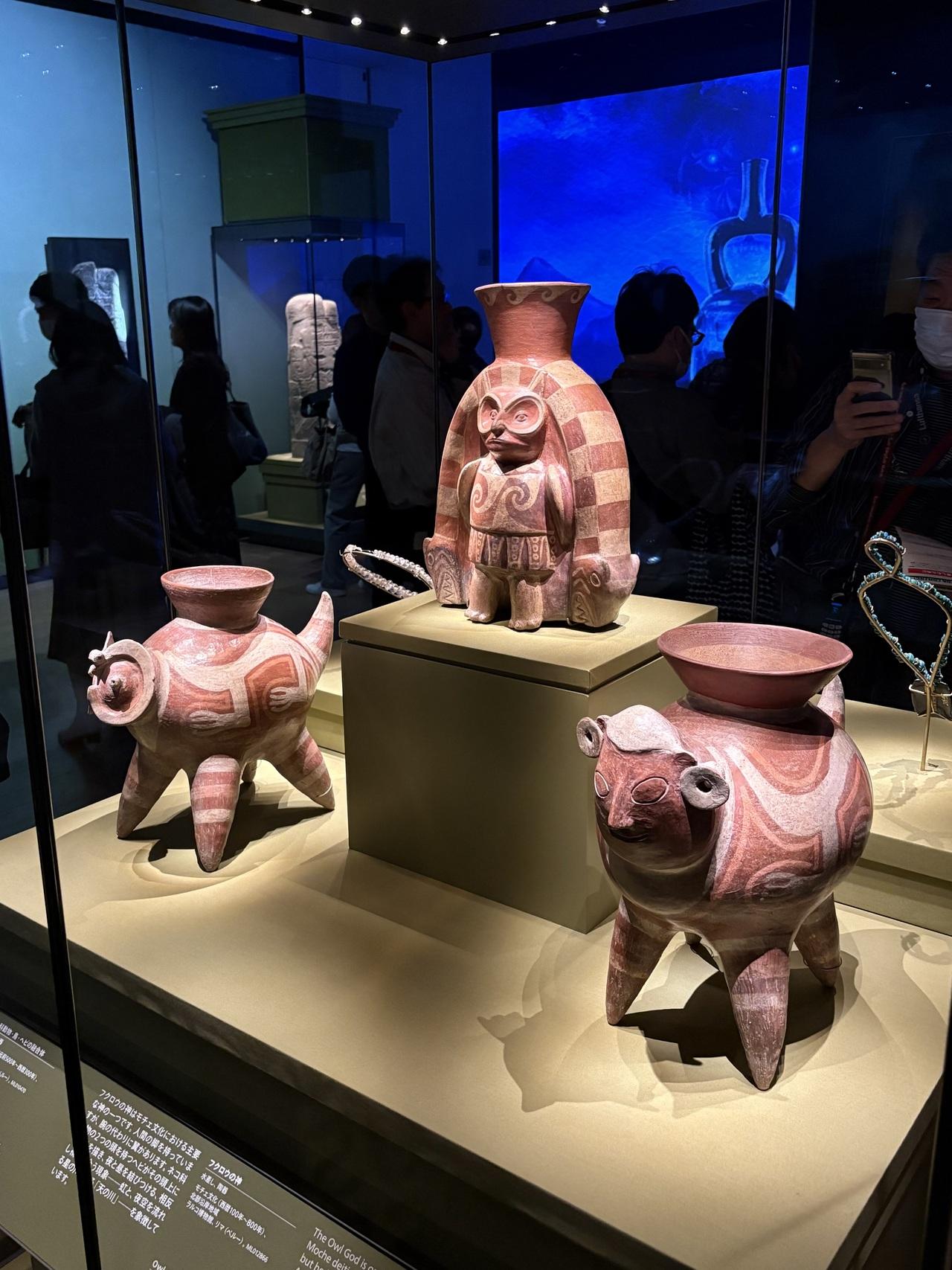
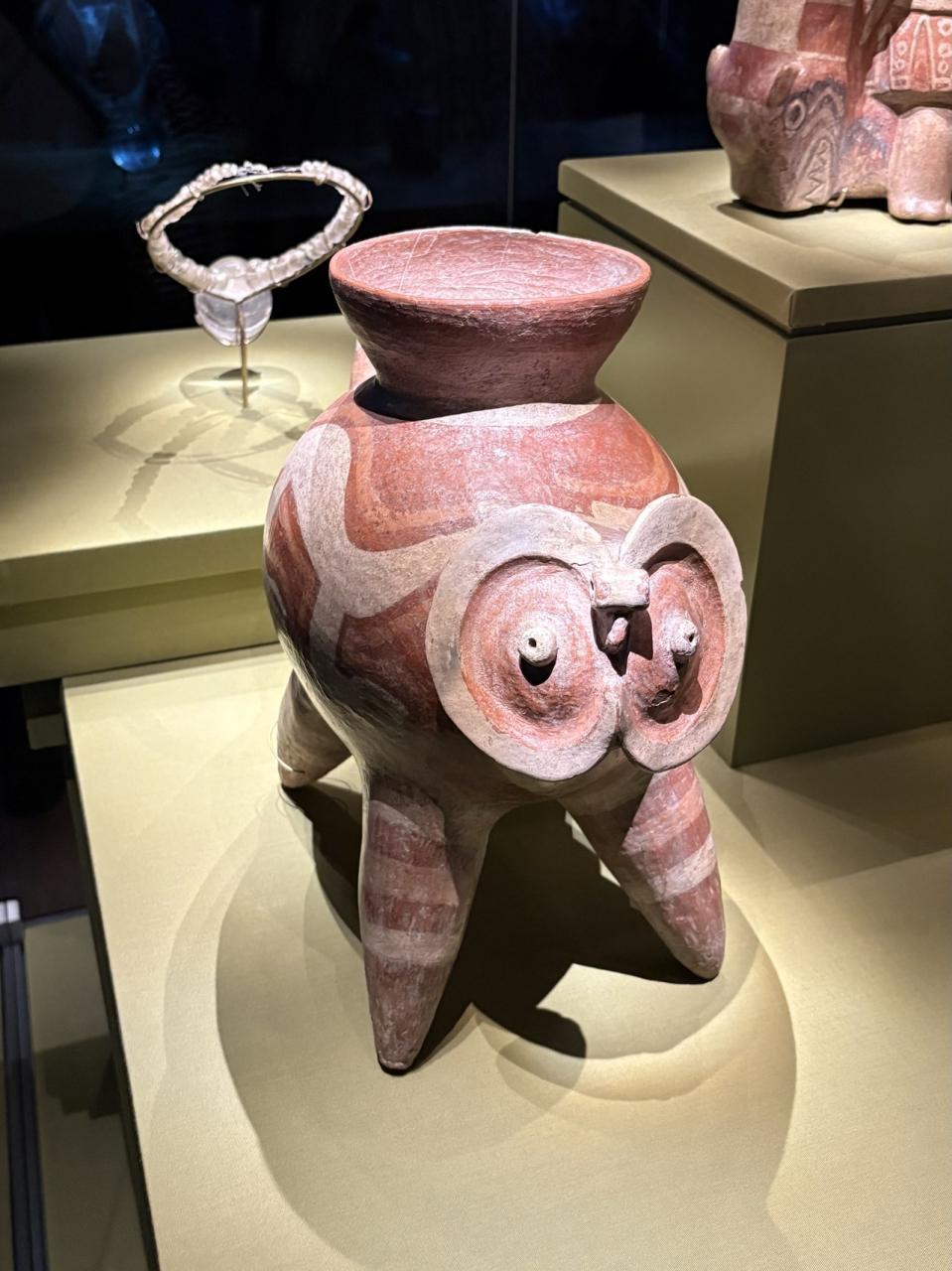
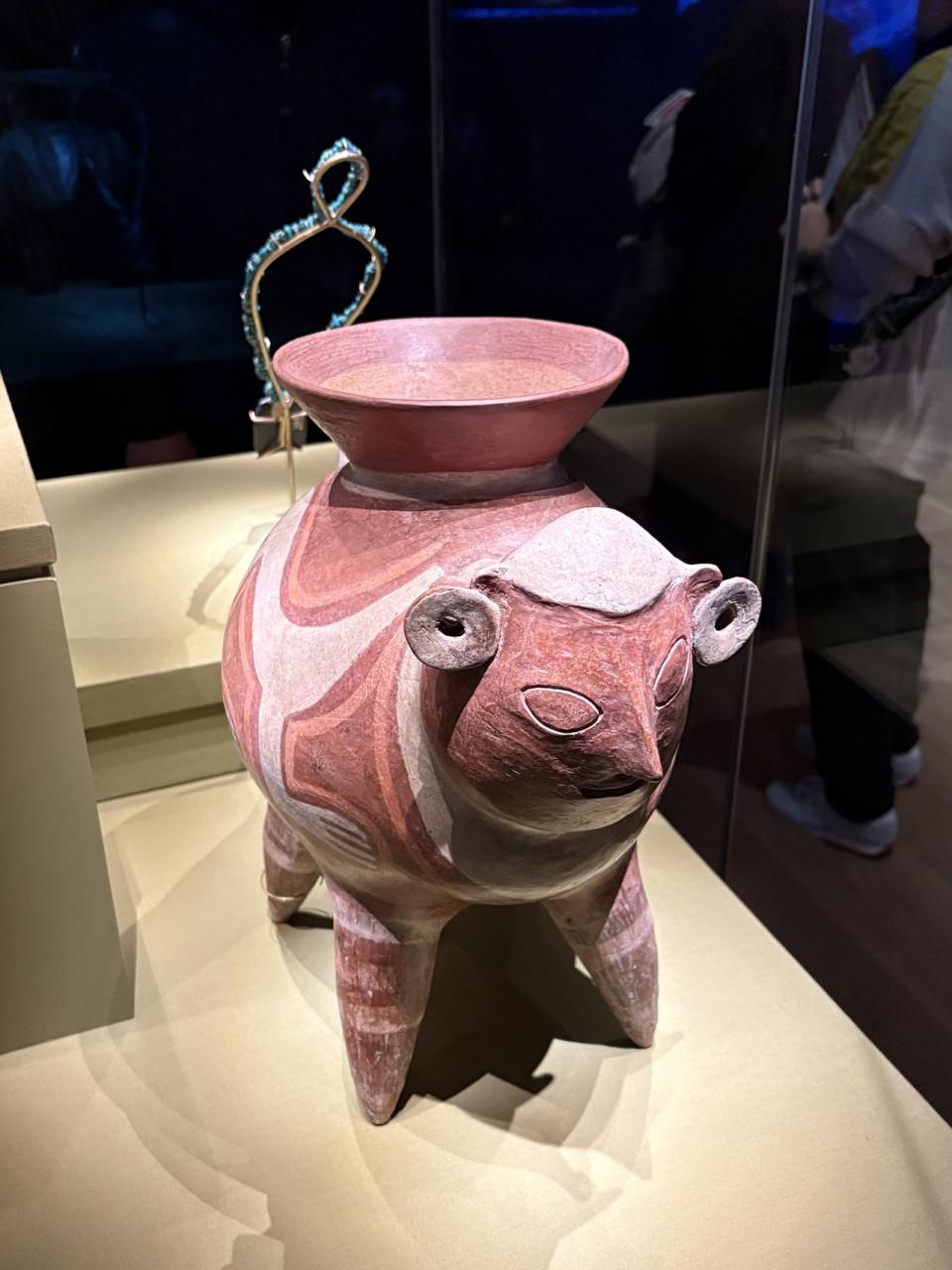
ネコ科動物・鳥・ヘビの融合体
水差し、陶器
ビルー文化(紀元前500年~西暦300年)、北部沿岸地域
ラルコ博物館、リマ(ペルー)。MLO10470
Feline-bird-snake Hybrid Being
Ceramic pitcher
Viru Culture (500 B.C.E, - 300 C.E.)
Northern Coast
Larco Museum, Lima, Peru, ML010470 -
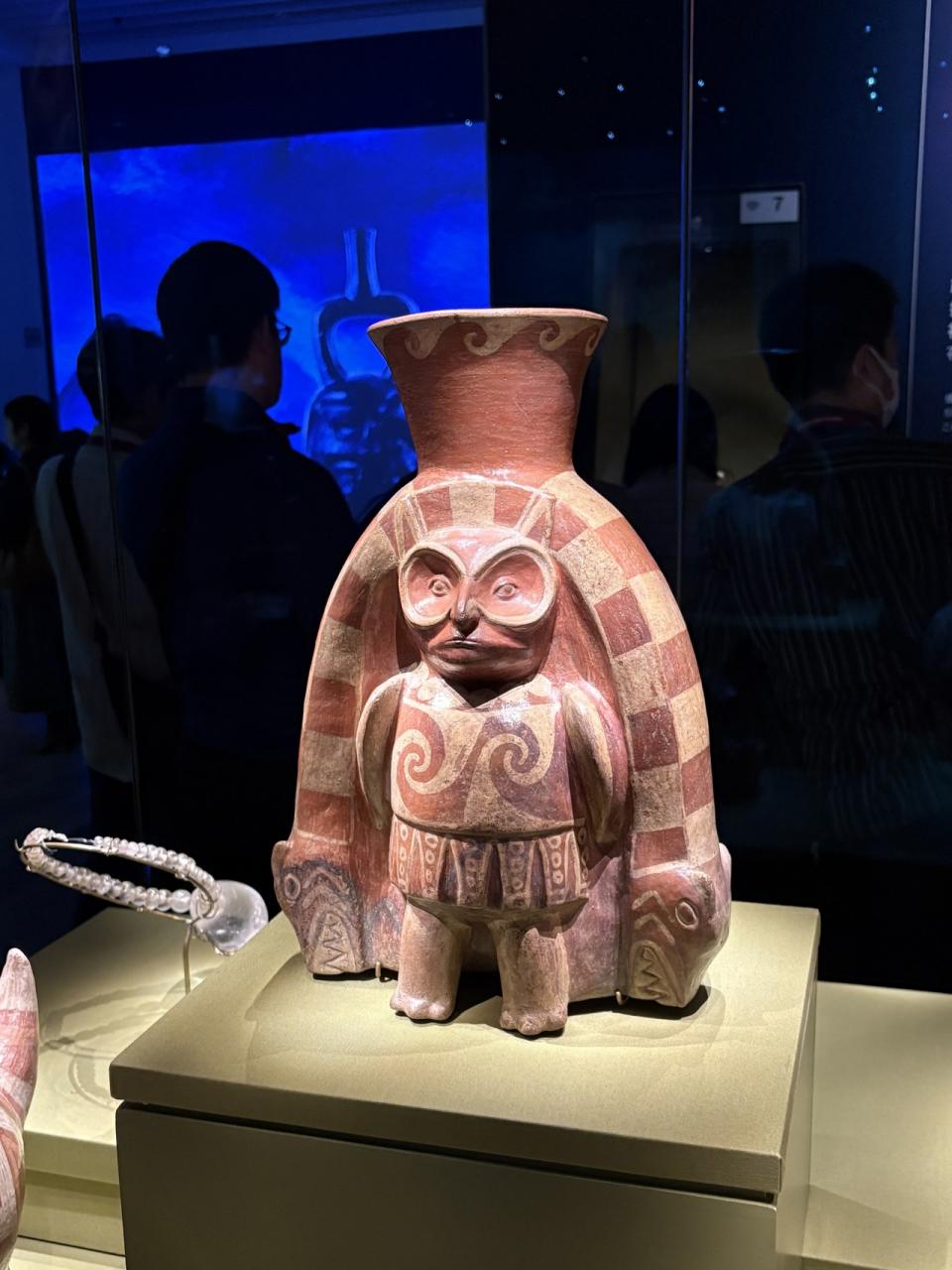
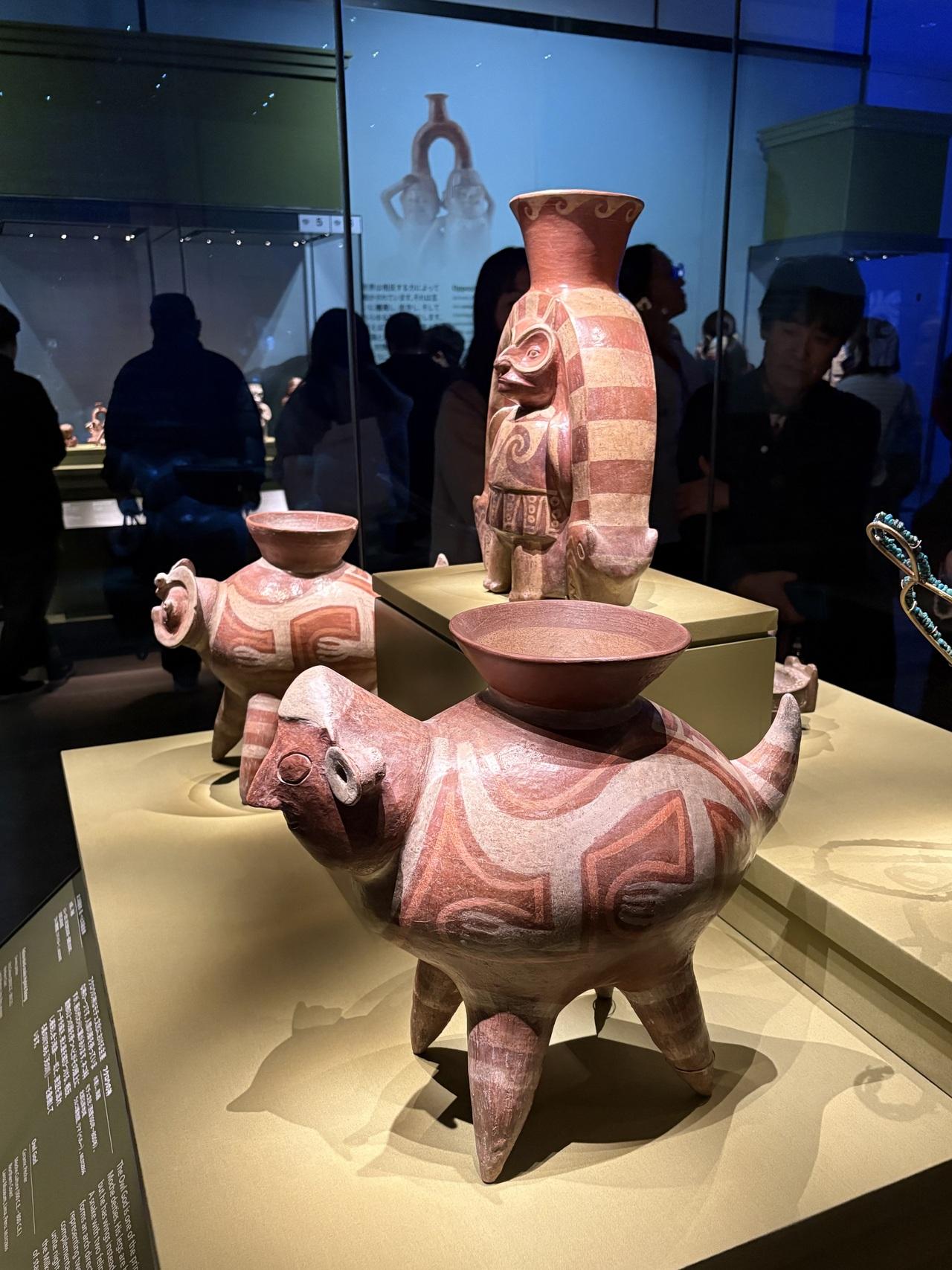
フクロウの神
水差し、陶器
モチェ文化(西暦100年~800年)、北部沿岸地域
ラルコ博物館、リマ(ペルー)。MLO12866
フクロウの神はモチェ文化における主要な神の一つです。人間の脚を持っていますが、腕の代わりに翼があります。ネコ科動物の2つの頭を持つヘビがその頭上にアーチを描き、夜と昼を結びつける、相反し補完し合う現象一一虹と、夜空を流れる星の川である「天の川」ーーを象徴しています。
Owl God
Ceramic Pitcher
Moche Culture (100 C.E. - 800 C.E.)
Northern Coast
Larco Museum, Lima, Pera. MLCN2BG6
The Owl God is one of the primary Moche deities. His legs are human, but he has wings instead of arms. A snake with two feline heads forms an arch directly above him representing two opposite but complementary phenomena that unite night and day: a rainbow and the Milky Way, the nocturnal river of stars that flows overhead. -
ネコ科動物・鳥・ヘビの融合体
水差し、陶器
ビルー文化(紀元前500年~西暦300年)、北部沿岸地域
ラルコ博物館、リマ(ペルー)。MLO10470
Feline-bird-snake Hybrid Being
Ceramic pitcher
Viru Culture (500 B.C.E, - 300 C.E.)
Northern Coast
Larco Museum, Lima, Peru, ML010470 -
-
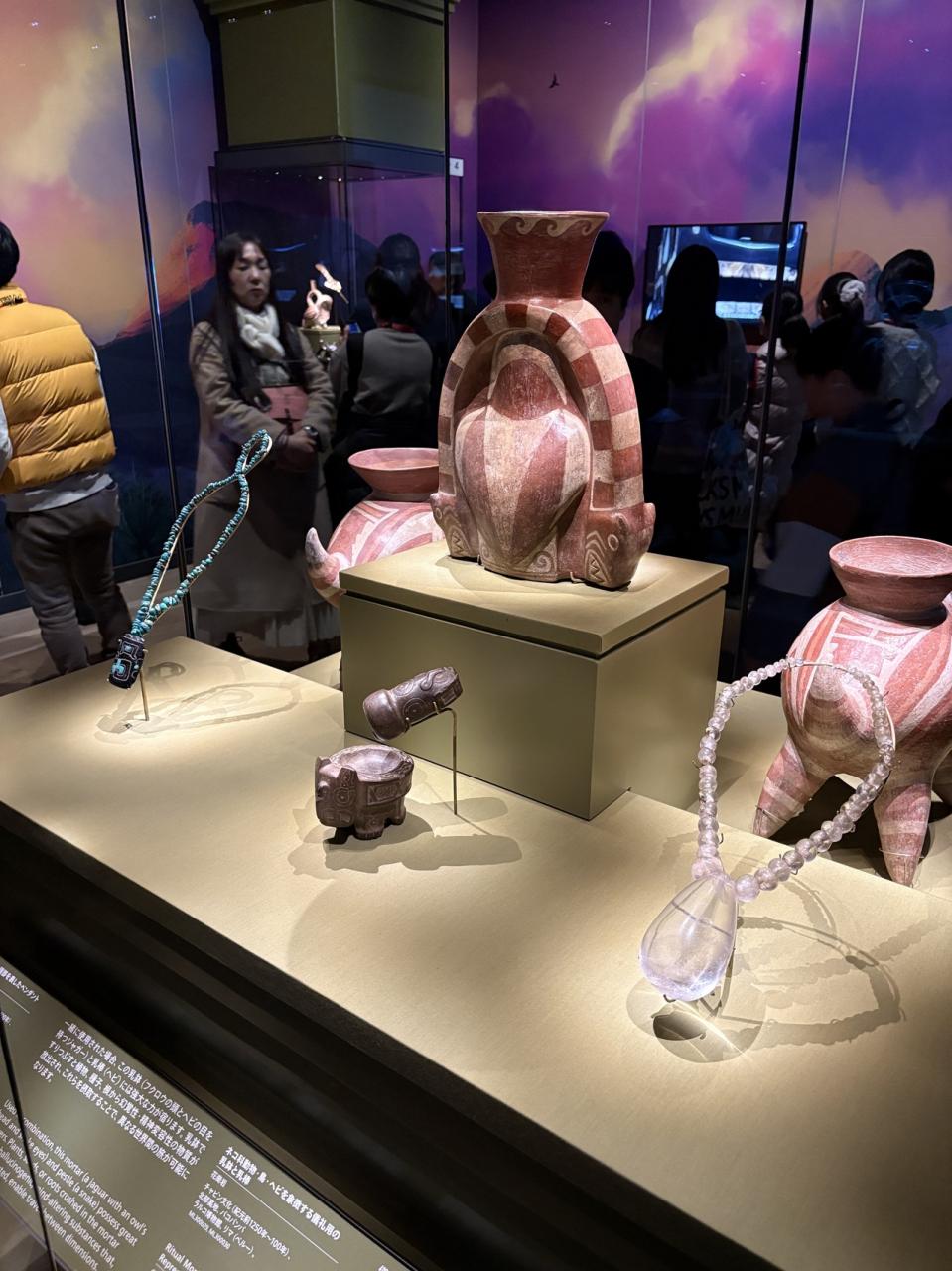
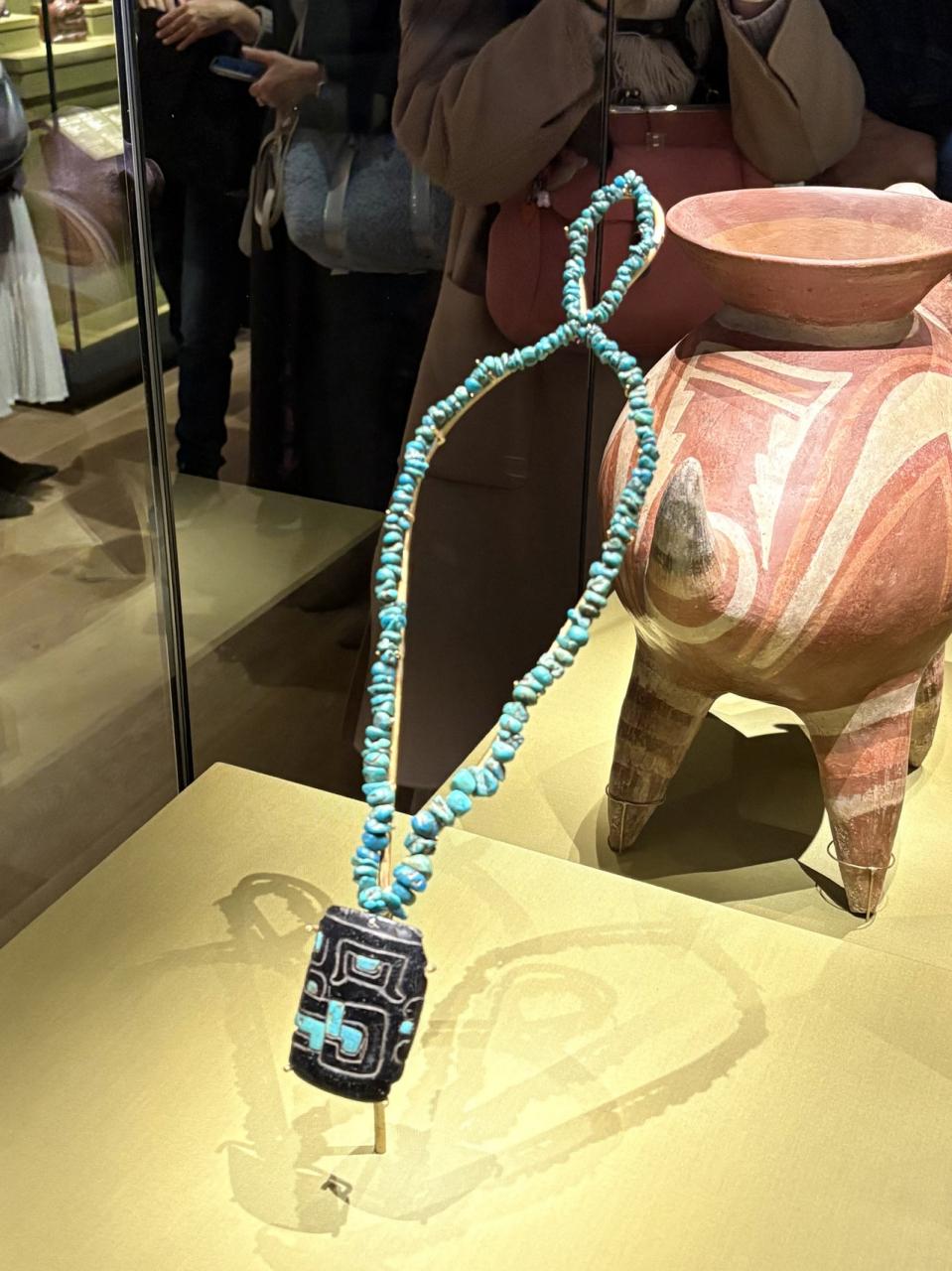
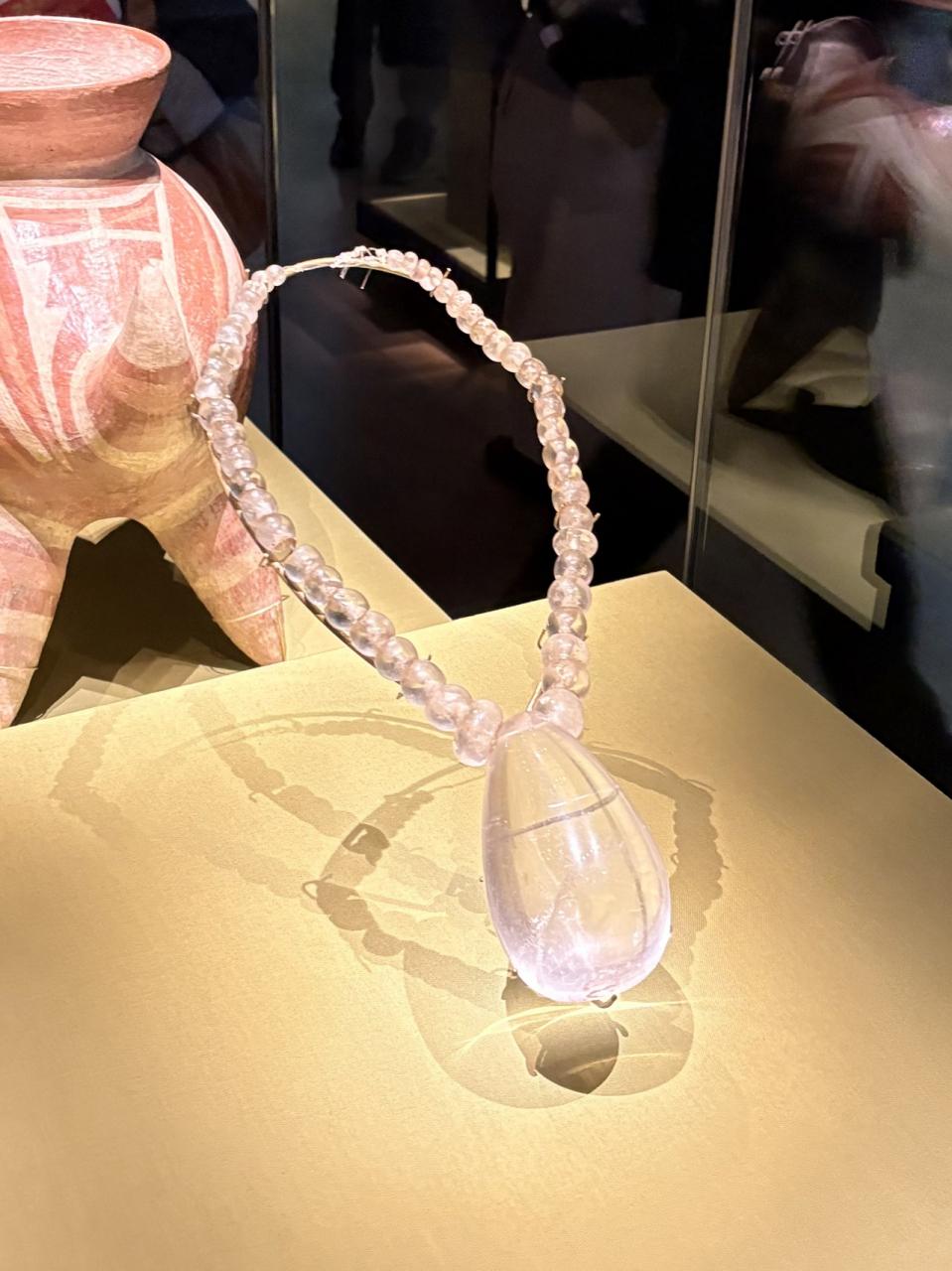
儀礼の際に神官やシャーマンが着用した石の首飾りは、トランス状態を引き起こす魔術的な力を持ち、身に着けた者が祖先の世界へ旅することを可能にします。
Stone necklaces, worn during rituals by priests and shamans, possess magical properties that induce trances and allow the wearers to travel to the World of the Ancestors.
ネコ科動物の頭部を表したペンダント
付首飾り
黒色斑石、ターコイズ
クピスニケ文化(紀元前1250年~100年)、北部沿岸地域
ラルコ博物館、リマ(ペルー)。
ML300028
Necklace with a Pendant
Depicting Feline Head
Black Porphyry and Turquoise
Cupisnique Culture (1250 B.C.E. - 100 B.C.E.)
Northern Coast
Larco Museum, Lima, Peru. ML300028 -
水晶のしずく型首飾り
透明な石英
モチェ文化(西暦100年~800年)、北部沿岸地域
ラルコ博物館、リマ(ベルー)。
ML300024
Crystal Drop Necklace
Hyaline Quartz
Moche Culture (100 C.E. - 800 C.E.)
Northern Coast
Larco Museum, Lima, Peru. ML300024 -
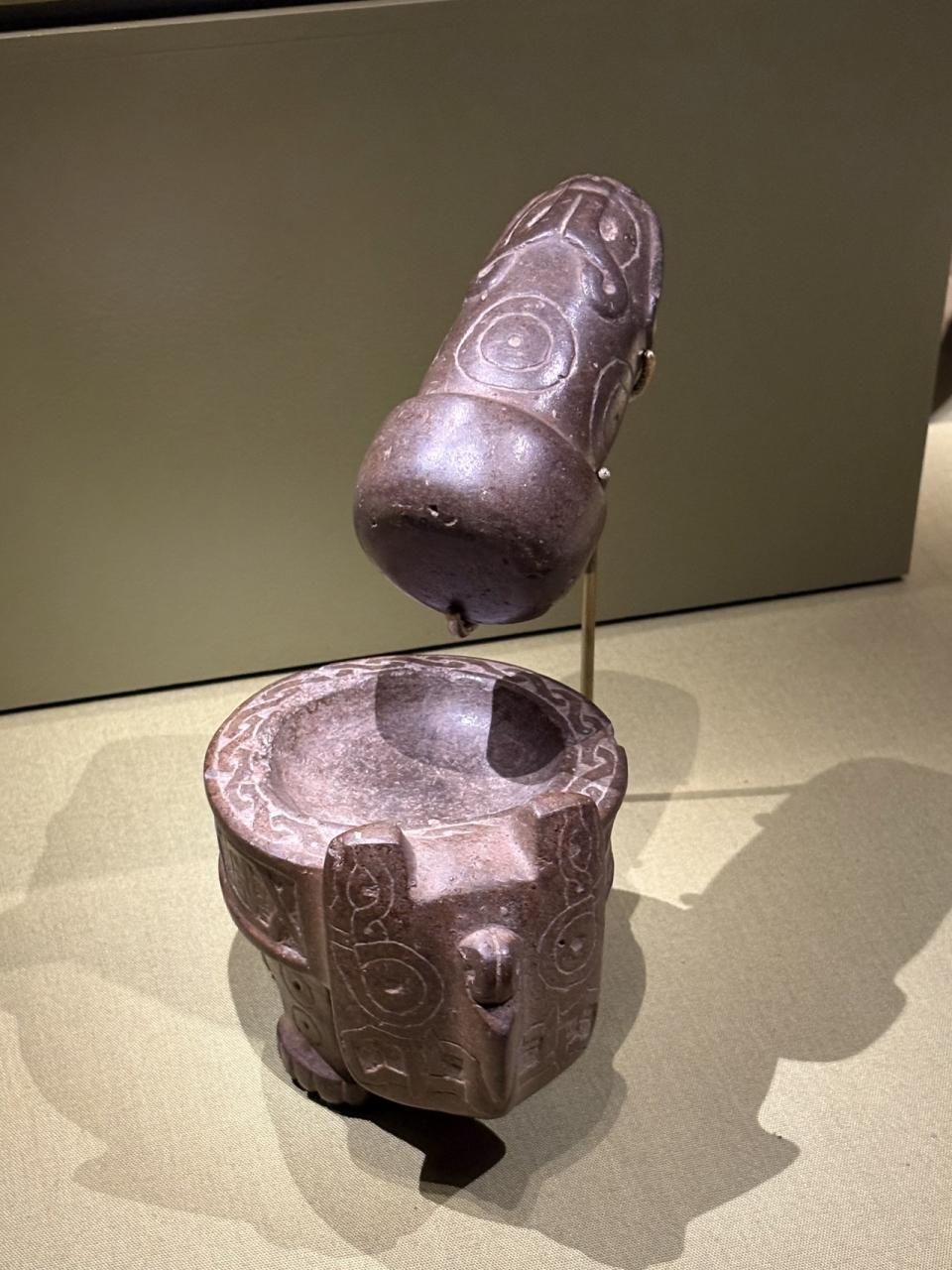
一緒に使用された場合、この乳鉢(フクロウの頭とヘビの目を持つジャガー)と乳棒(ヘビ)には強大な力が宿ります。乳鉢ですりつぶすと植物、種子、根から幻覚性・精神変容性の物質が放出され、これらを摂取することで、異なる世界間の旅が可能になります。
Used in combination, this mortar (a jaguar with an owl's head and snake eyes and pestle (a snake) possess great powers. Plants, seeds, or roots crushed in the mortar release hallucinogenic, mind-altering substances that, when ingested, enable travel between dimensions.
ネコ科動物・鳥・ヘビを象徴する儀礼用の乳鉢と乳棒
花崗岩
チャピン文化(紀元前1250年~100年)、
北部高地、パコパンパラルコ博物館、リマ(ベルー)、
ML300029, ML300030
Ritual Mortar and Pestle
Representing Feline-bird-snake
Granite
Chavin Culture (1250 B.C.E. - 100 B.C.E.)
Northern Highlands, Pacopampa
Larco Museum, Lima, Peru. ML300029, ML300030 -
-
政治的および宗教的指導者たちは、地上世界で最も恐れられた猛獣である大型ネコ科動物と深いかかわりを持っていました。支配階級の人物は、ネコ科動物の特徴を取り入れて描かれることが多く、生と死を司るその力を共有したのです。
優れた視力と飛翔能力を備えた鳥、特に猛禽類は、神々の住む天空の世界に近い存在と考えられました。
・夜に活動するフクロウは、天空の世界と内なる世界との間を結ぶことができます。
・ 寒い夜には仮死状態となり、太陽の熱によって再び活動を始めるハチドリは、死者からの神聖な使いと見なされました。
地中を這って進むヘビは、まるで芽吹く種のように死者が蘇る「内なる世界」に入ることができます。ヘビは流れる水のように動き、古い皮を脱ぎ捨てた後には、まるで生まれ変わったかのように新たな姿で現れます。
Political and religious leaders share a close association with big cats-the Terrestrial World's most fearsome predators. Elites are often depicted with feline features and share the predators' powers of life and death.
With their acute vision and power of flight, birds, particularly birds of prey, are considered close to the Upper World of the gods.
・Owls, active at night, can communicate between the Upper and Inner Worlds.
・ Appearing dead on cold nights and brought back to life by the heat of the Sun, hummingbirds are considered divine messengers from the dead.
Snakes slither underground, entering the Inner World where the dead, like germinating seeds, grow back to life. They move like flowing water and after they slough off their old skin, they emerge anew, as if reborn. -
-
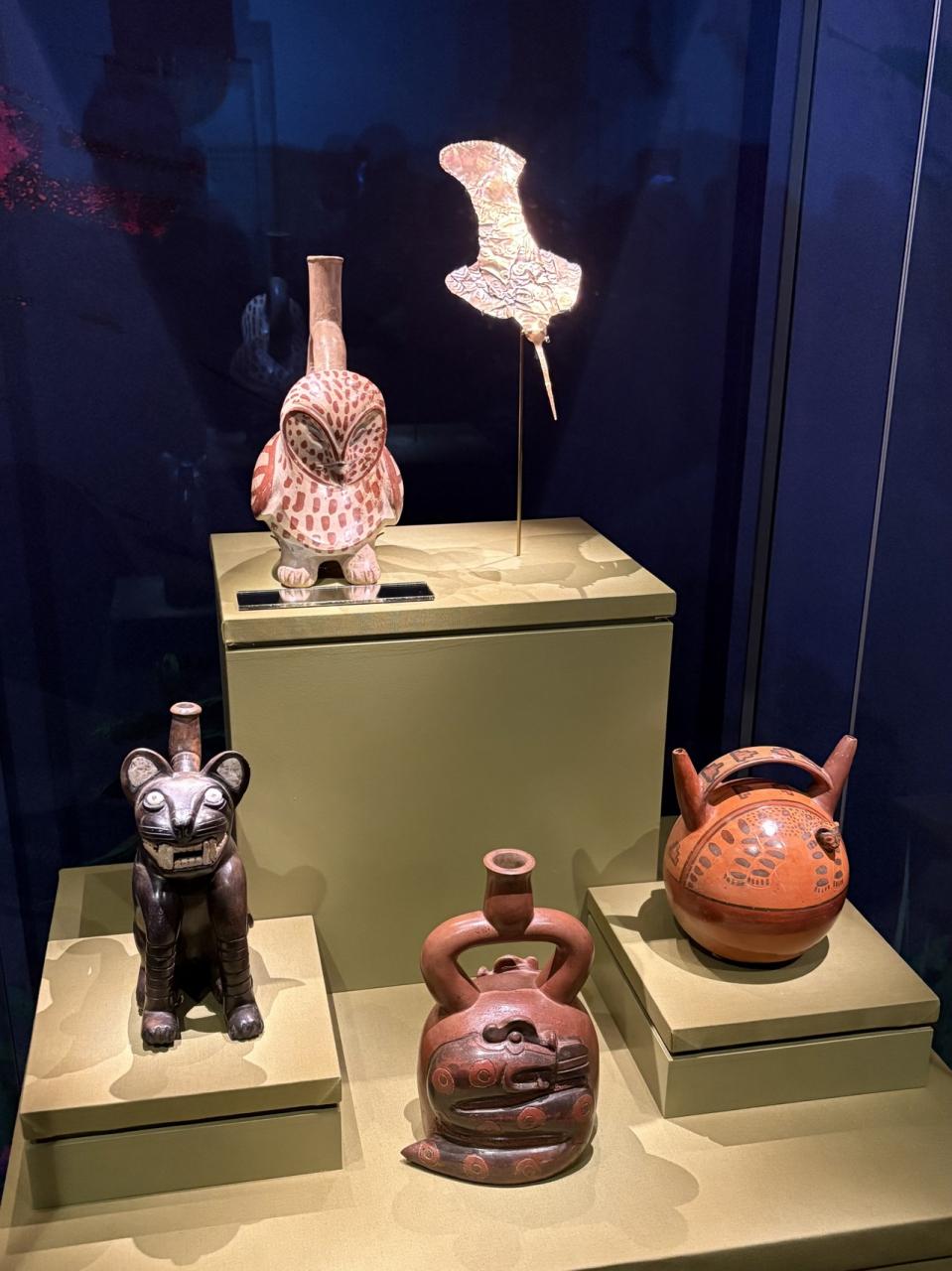
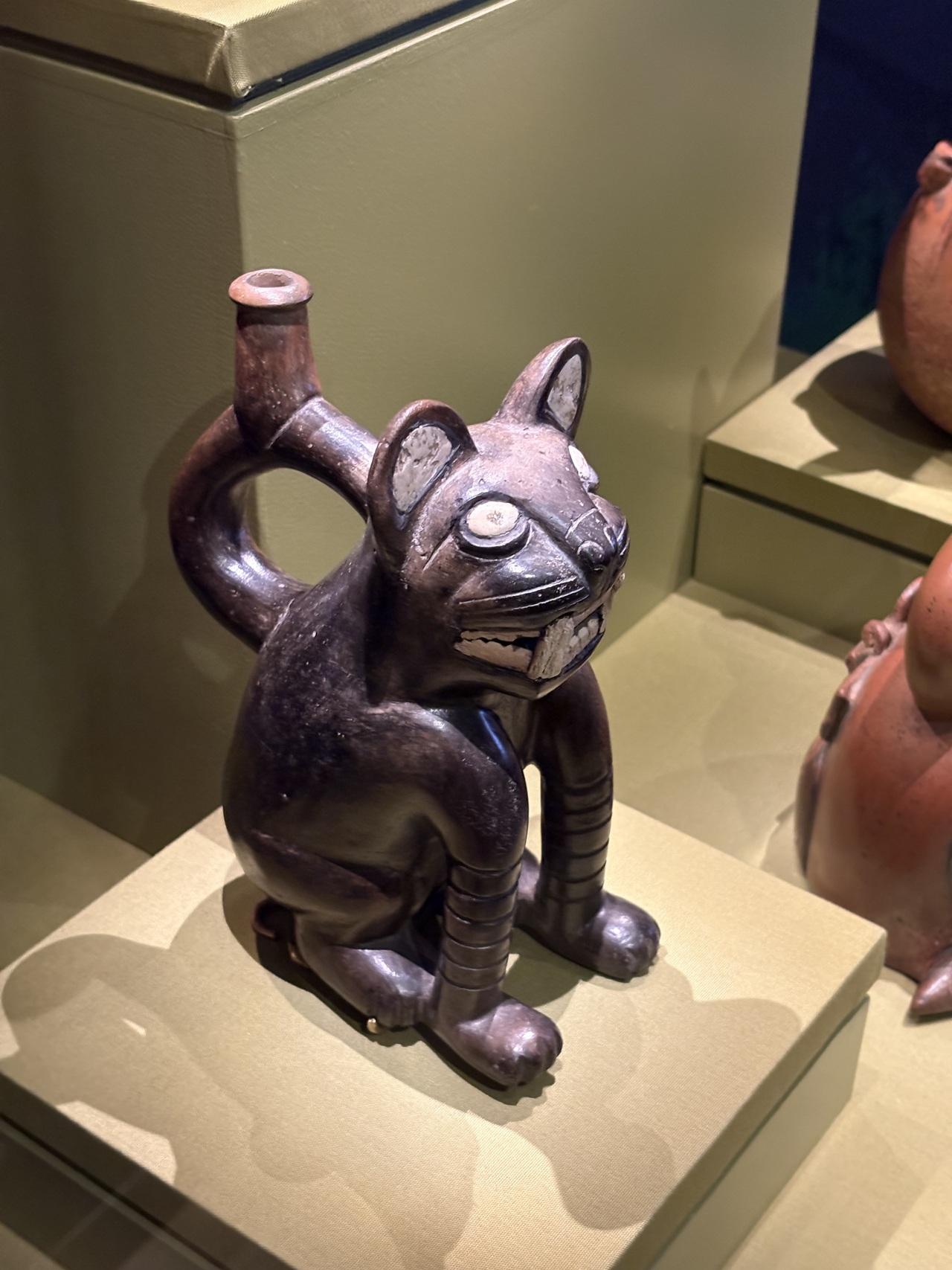
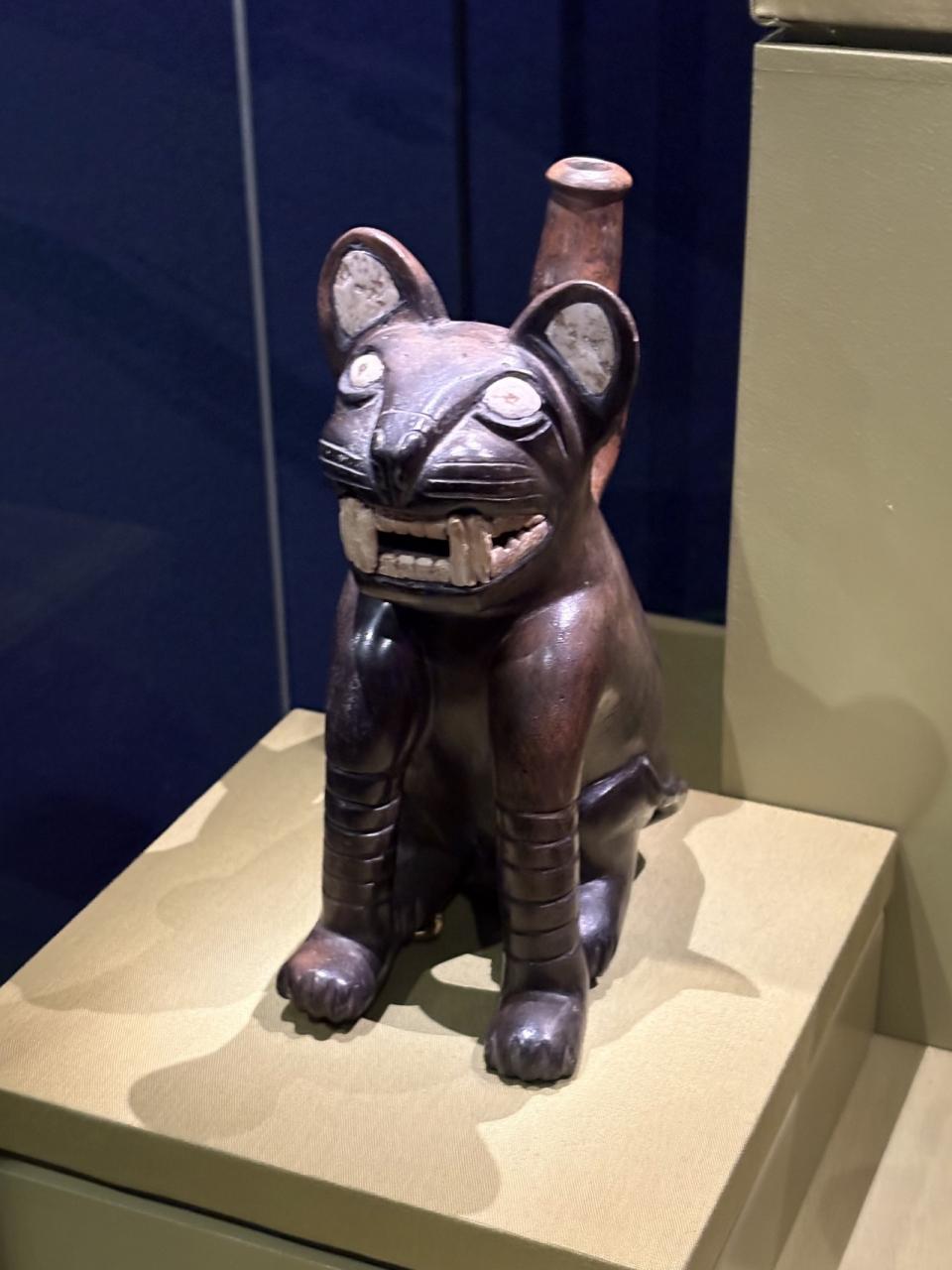
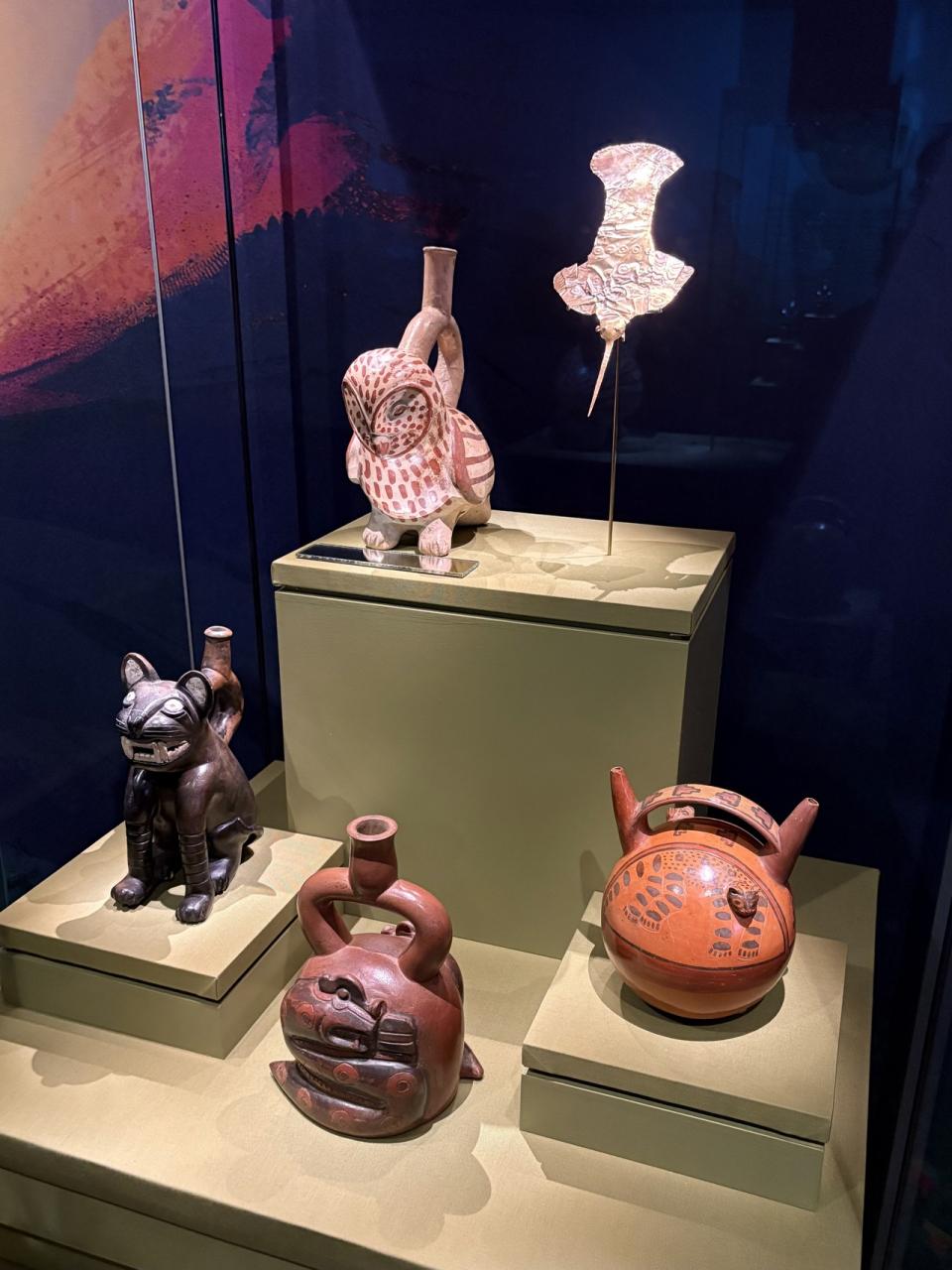
ネコ科動物
鐙型注口土器、イモガイの貝殻
モチェ文化
(西暦100年~800年)、北部沿岸地域
ラルコ博物館、リマ(ペルー)。
ML017900
Feline
Ceramic Stirrup-spout Bottle
and Conus fergusoni Shell
Moche Culture
(100 C.E.- 800 C.E.)
Northern Coast
Larco Museum, Lima, Peru.
ML017900 -
-
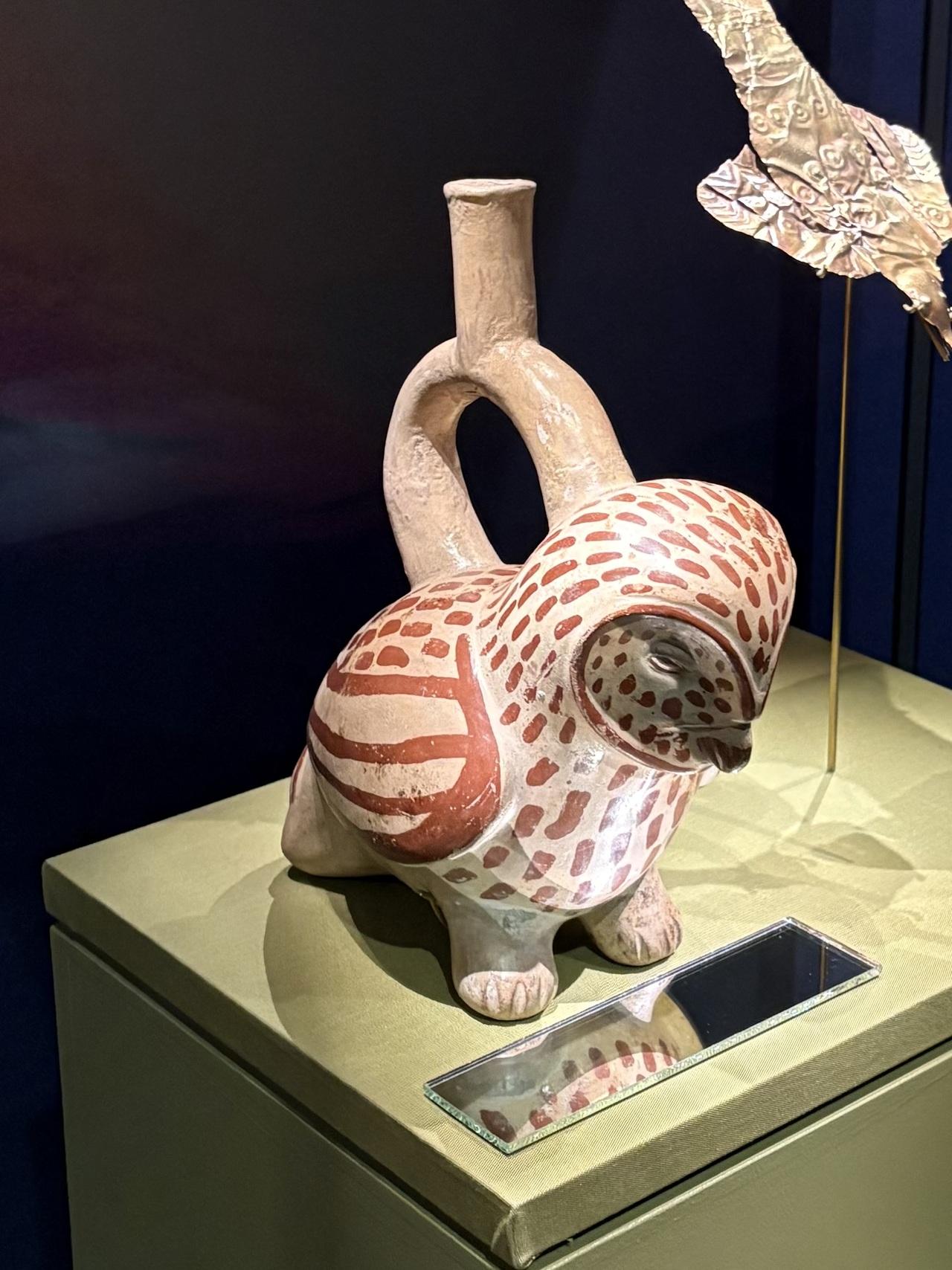
フクロウ
鐙型注口土器
モチェ文化
(西暦100年~800年)、北部沿岸地域
ラルコ博物館、リマ(ペルー)。
ML008570
Owl
Ceramic Stirrup-spout Bottle
Moche Culture
(100 C.E.- 800 C.E.)
Northern Coast
Larco Museum, Lima, Peru.
ML008570 -
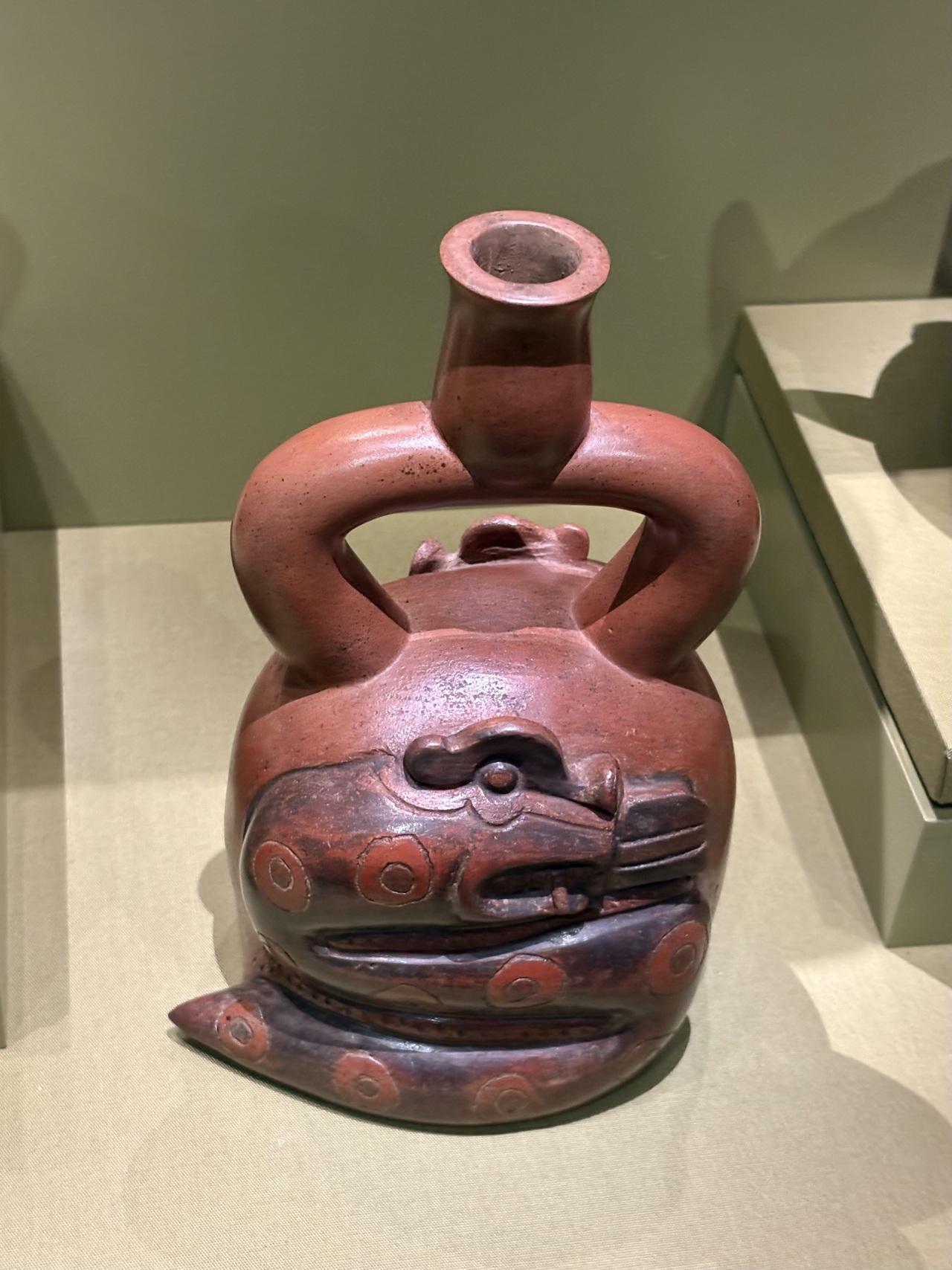
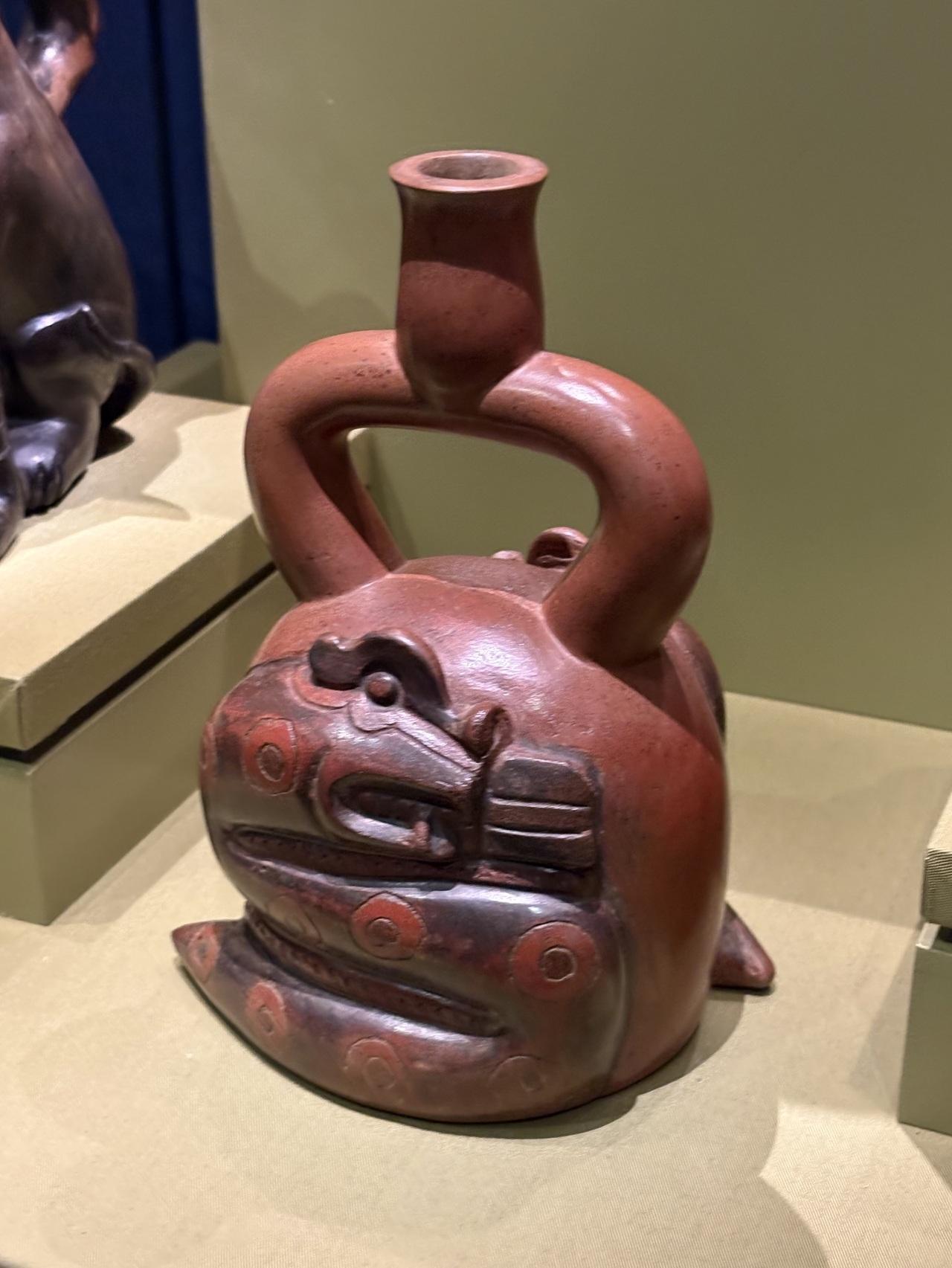
ヘビ
鐙型注口土器
クビスニケ文化
(紀元前1250年~100年)、
北部沿岸地域
ラルコ博物館、リマ(ベルー)。
ML010481
Snakes
Ceramic Stirrup-spout Bottle
Cupisnique Culture
(1250 В.C.E. - 100 B.C.E.)
Northern Coast
Larco Museum, Lima, Peru.
ML010481 -
-
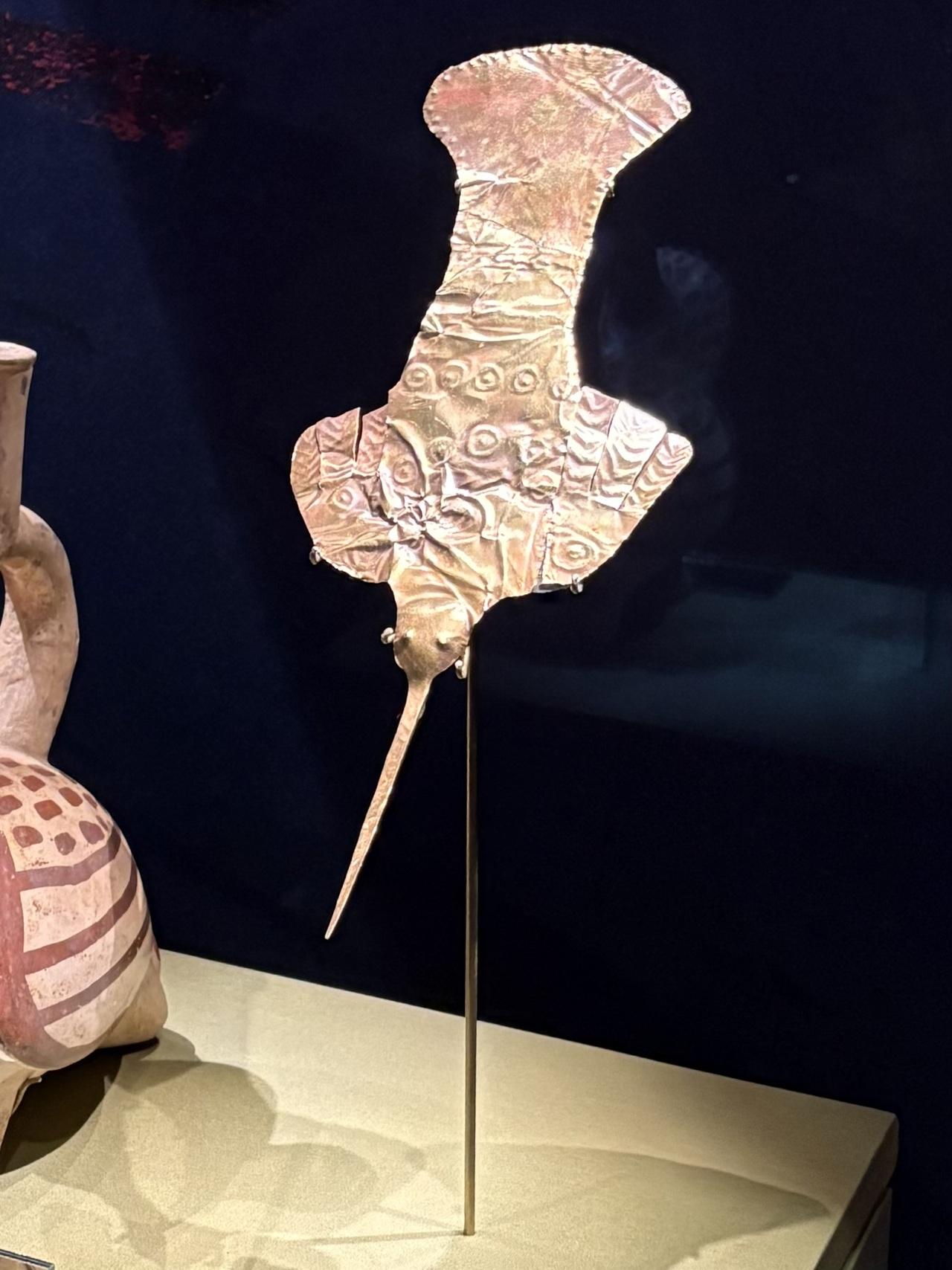
ハチドリのピン(トゥプ)
金
ナスカ文化
(西暦100年~600年)、南部沿岸地域
ラルコ博物館、リマ(ペルー)。
ML100238
Pin (tupu) Representing Hummingbird
Gold
Nazca Culture
(100 C.E. - 600 C.E.)
Southern Coast
Larco Museum, Lima, Peru.
ML100238 -
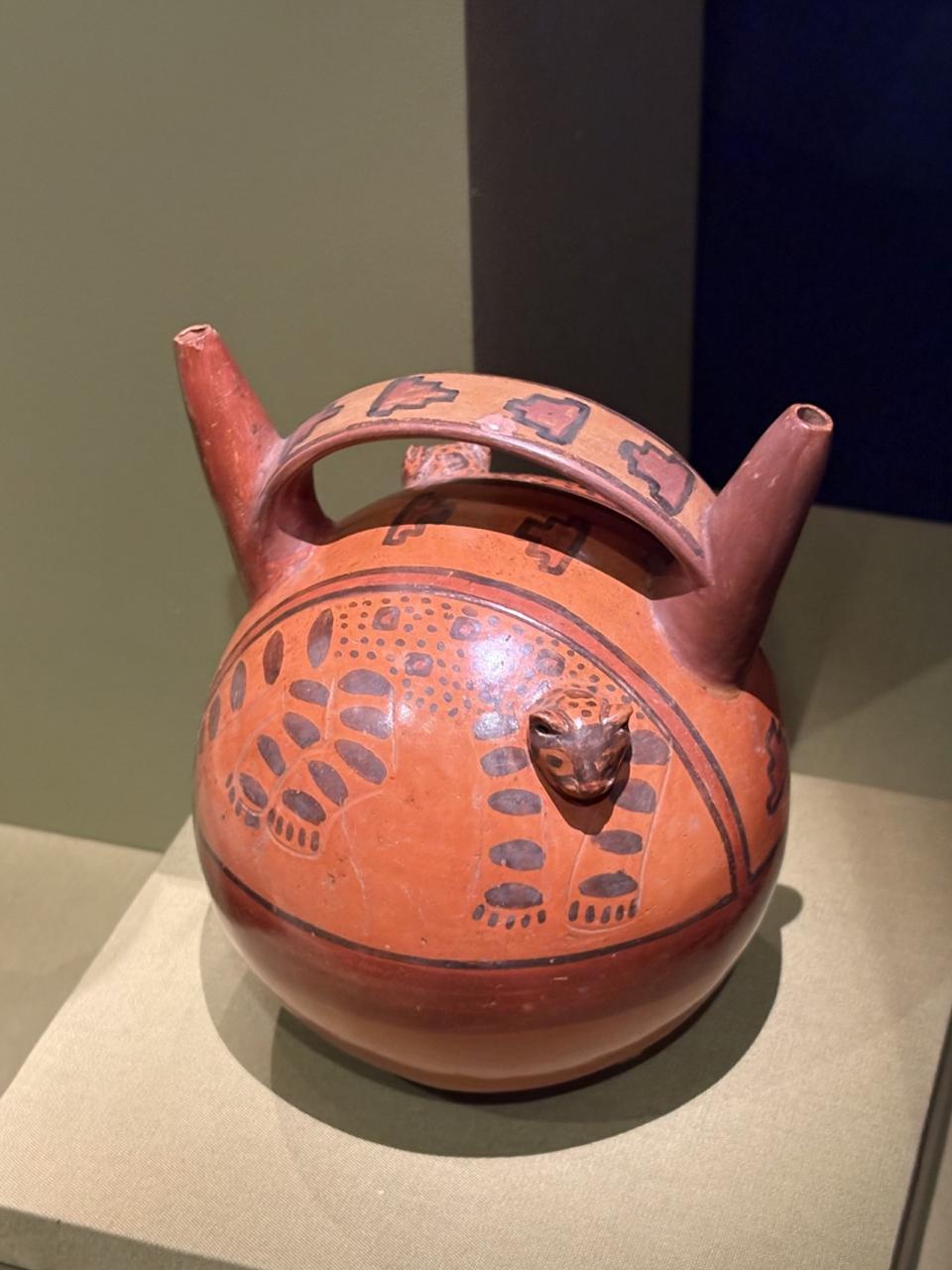
ネコ科動物
橋付き双注口土器
リマ文化
(西曆200年~700年)、
中部沿岸地域
ラルコ博物館、リマ(ペルー)。
ML010880
Feline
Ceramic Double Spout and
Bridge Bottle
Lima Culture
(200 C.E. - 700 C.E.)
Central Coast
Larco Museum, Lima, Peru.
ML010880 -
-
-
-
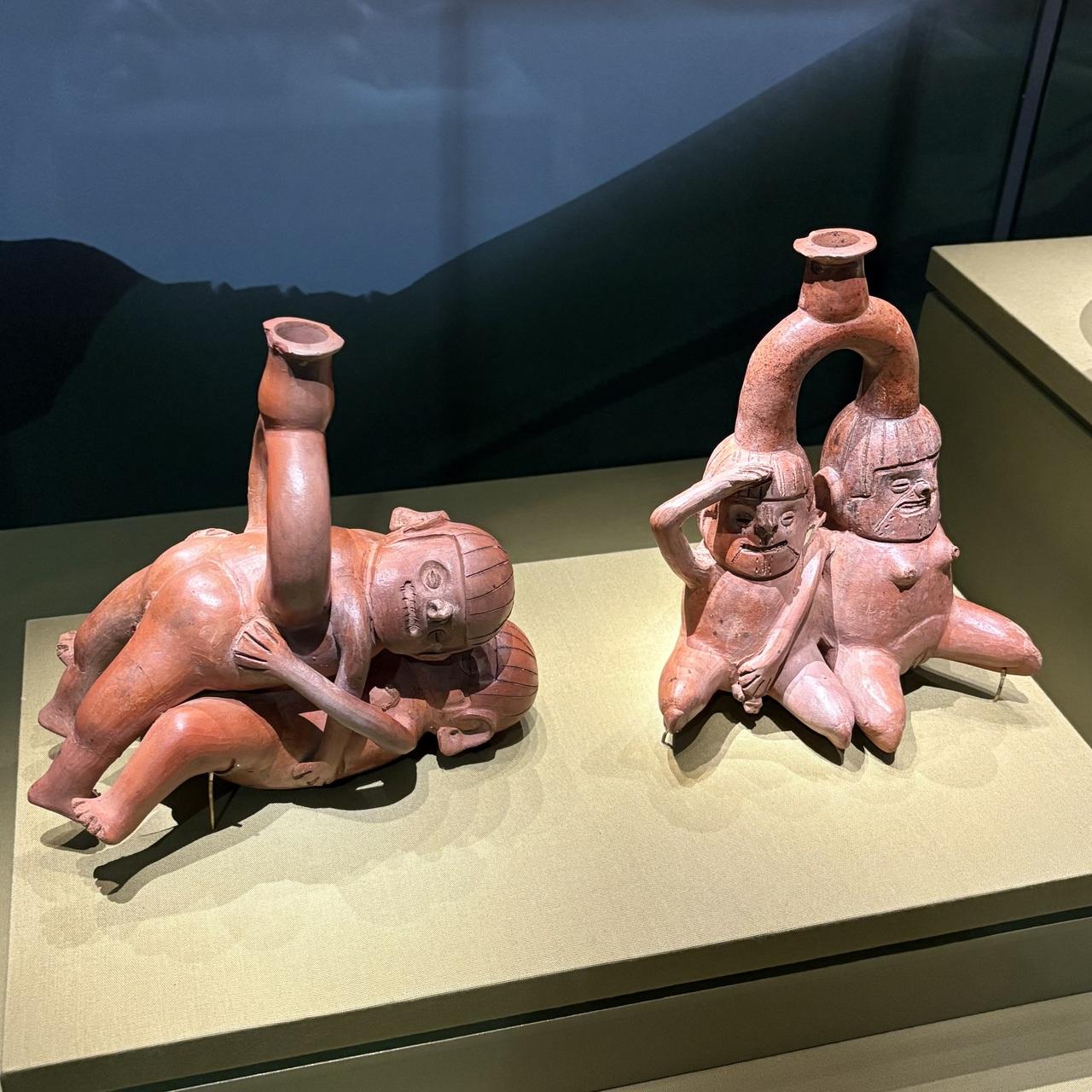
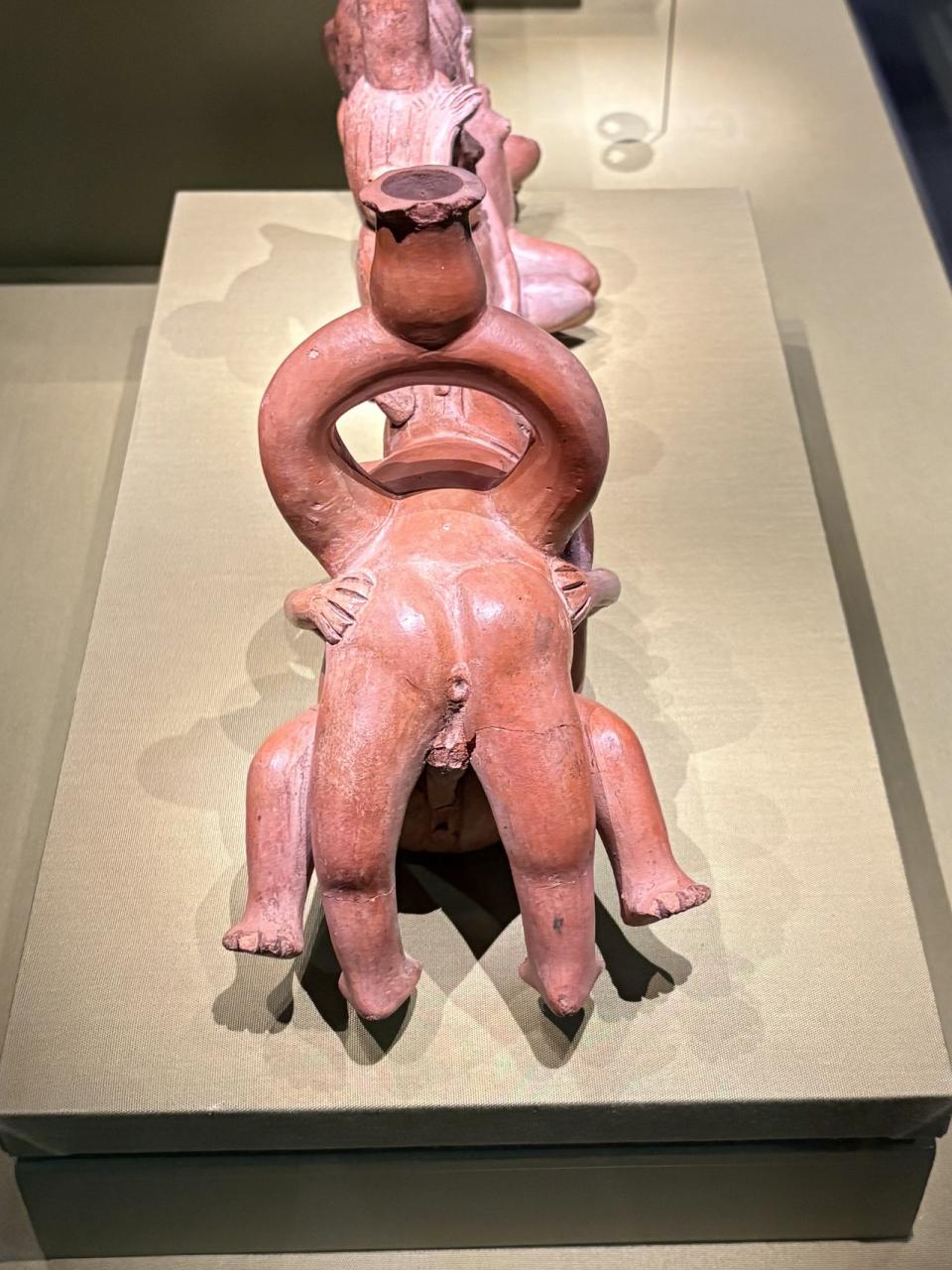
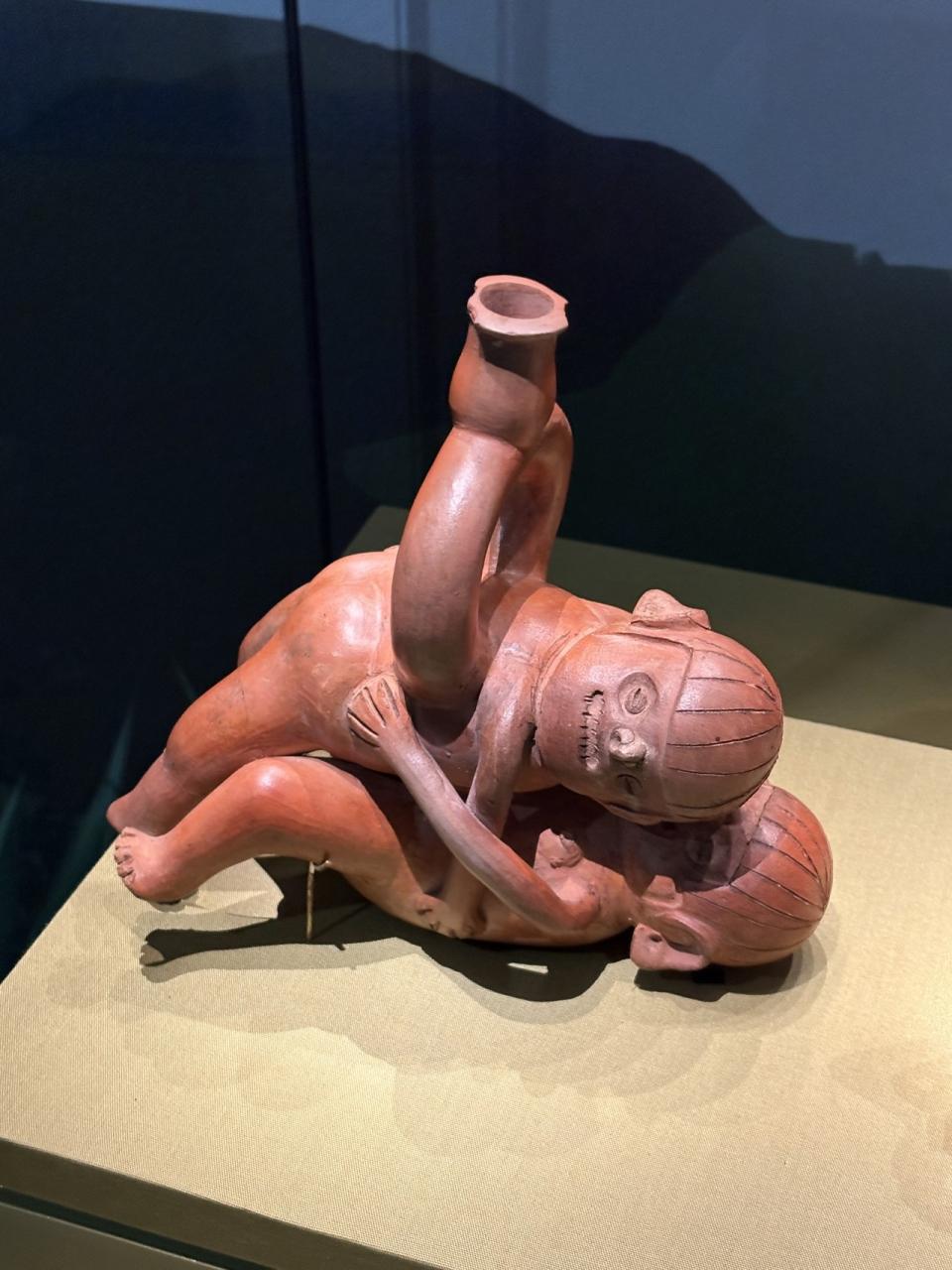
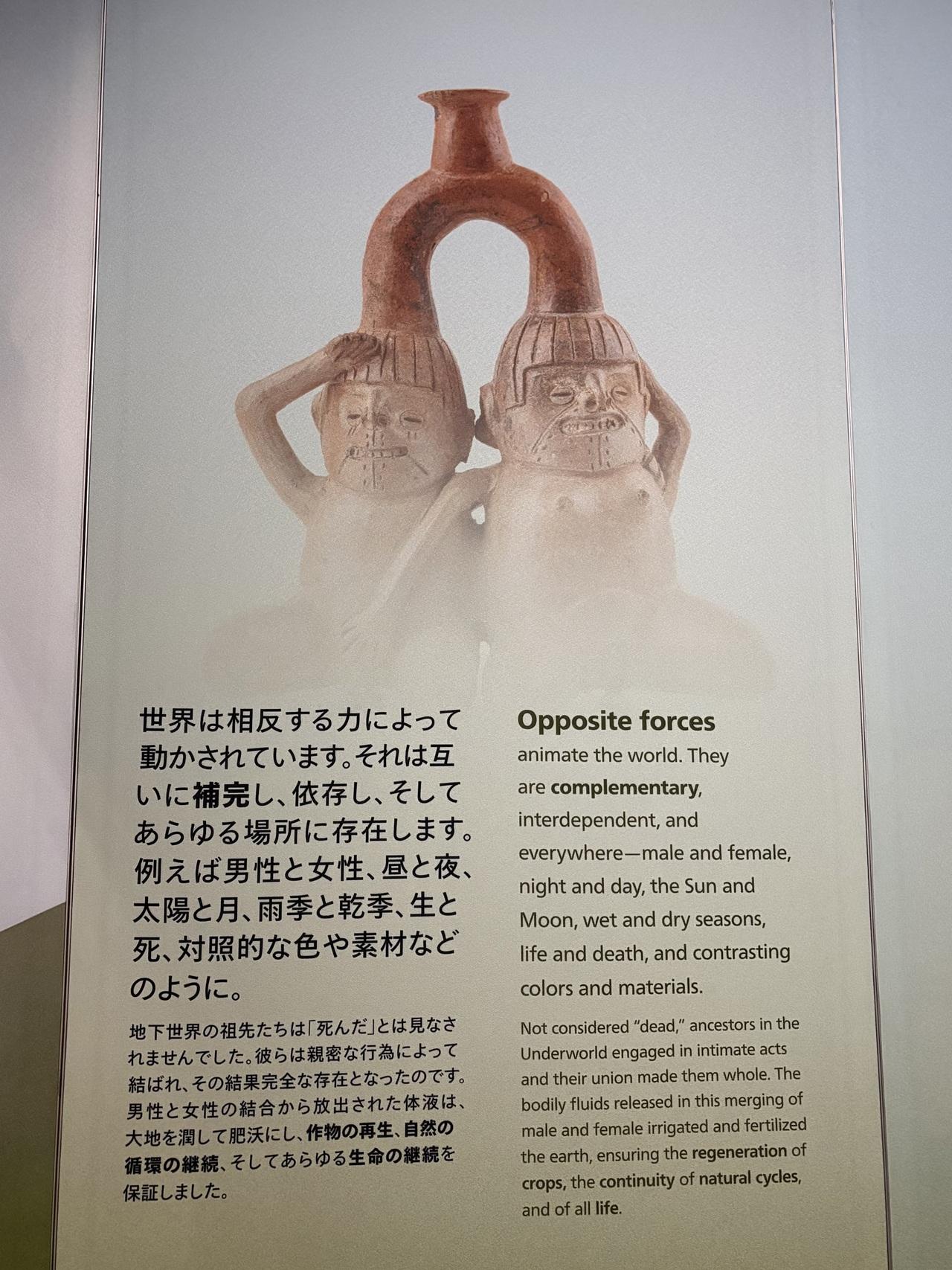
祖先的存在間の性交
鐙型注口土器
サリナール文化 (紀元前500年~西暦300年)、北部沿岸地域
ラルコ博物館、リマ(ペルー)。ML004441
Reproductive Union Between Ancestral Beings
Ceramic Stirrup-spout Bottle
Salinar Culture (500 B.C.E. - 300 C.E.)
Northern Coast
Larco Museum, Lima, Peru. ML004441 -
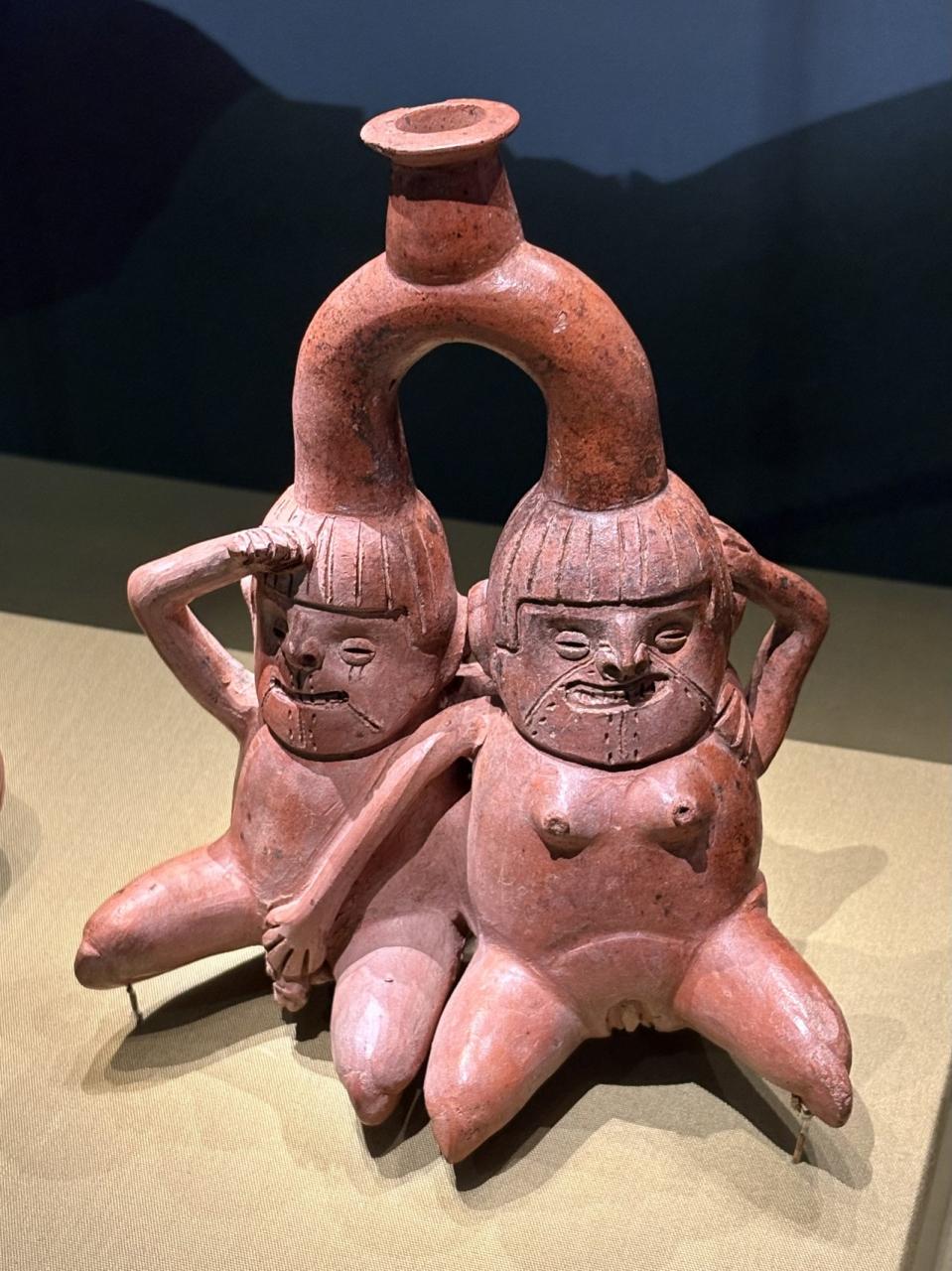
-
祖先的存在間の自慰
鐙型注口土器
サリナール文化 (紀元前500年~西暦300年)、北部沿岸地域
ラルコ博物館、リマ(ペルー)。MLO04443
Masturbation Between Ancestral Beings
Ceramic Stirrup-spout Bottle
Salinar Culture (500 B.C.E. - 300 C.E.)
Northern Coast
Larco Museum, Lima, Peru. ML004443 -
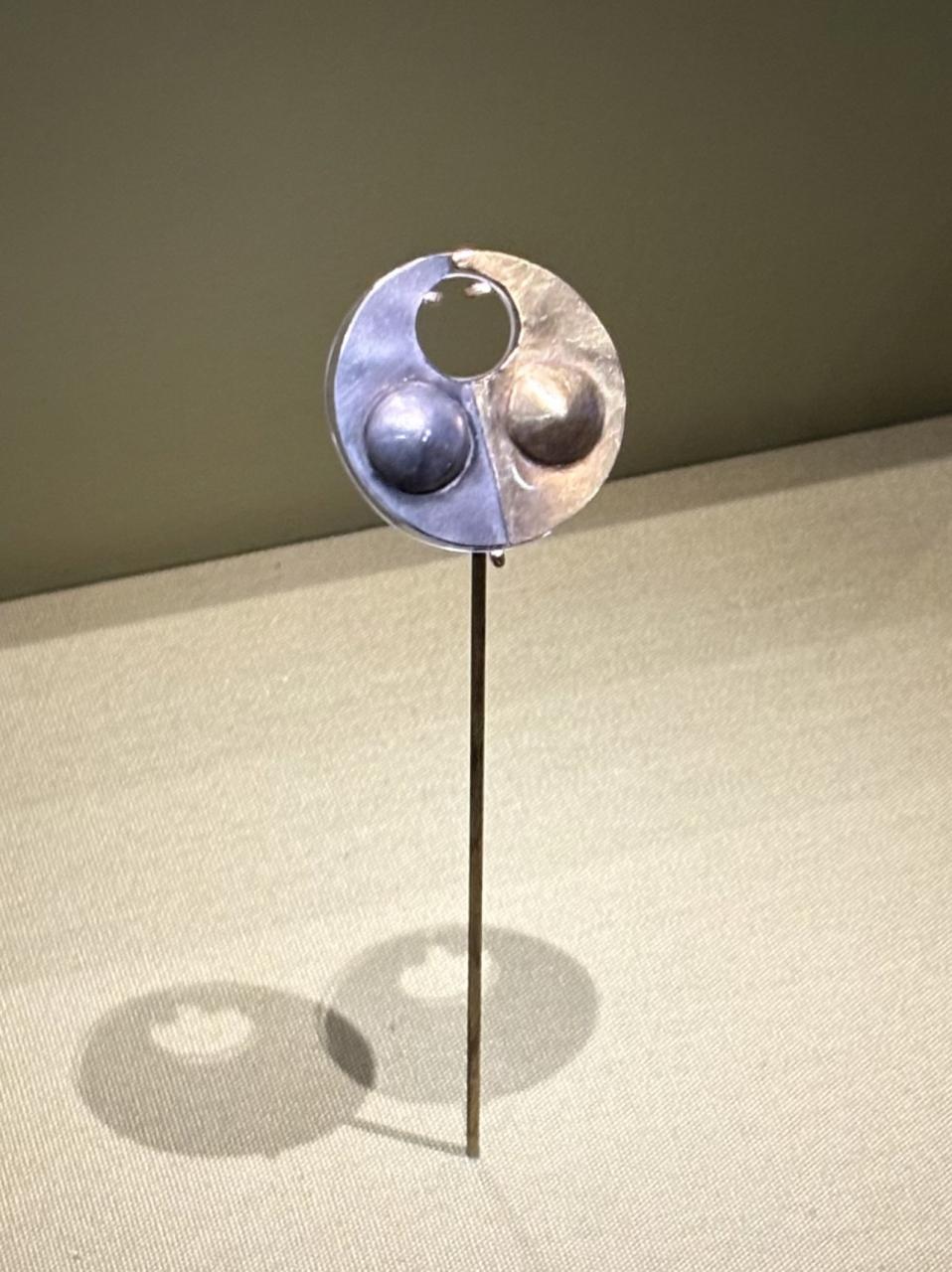
二種類の金属の鼻飾り
金、銀
モチェ文化(西暦100年~800年)、北部沿岸地域
ラルコ博物館、リマ(ベルー)。ML100866
Bimetallic Nose Ornament
Gold and Silver
Moche Culture (100 C.E. - 800 C.E.)
Northern Coast
Larco Museum, Lima, Peru. ML100866 -
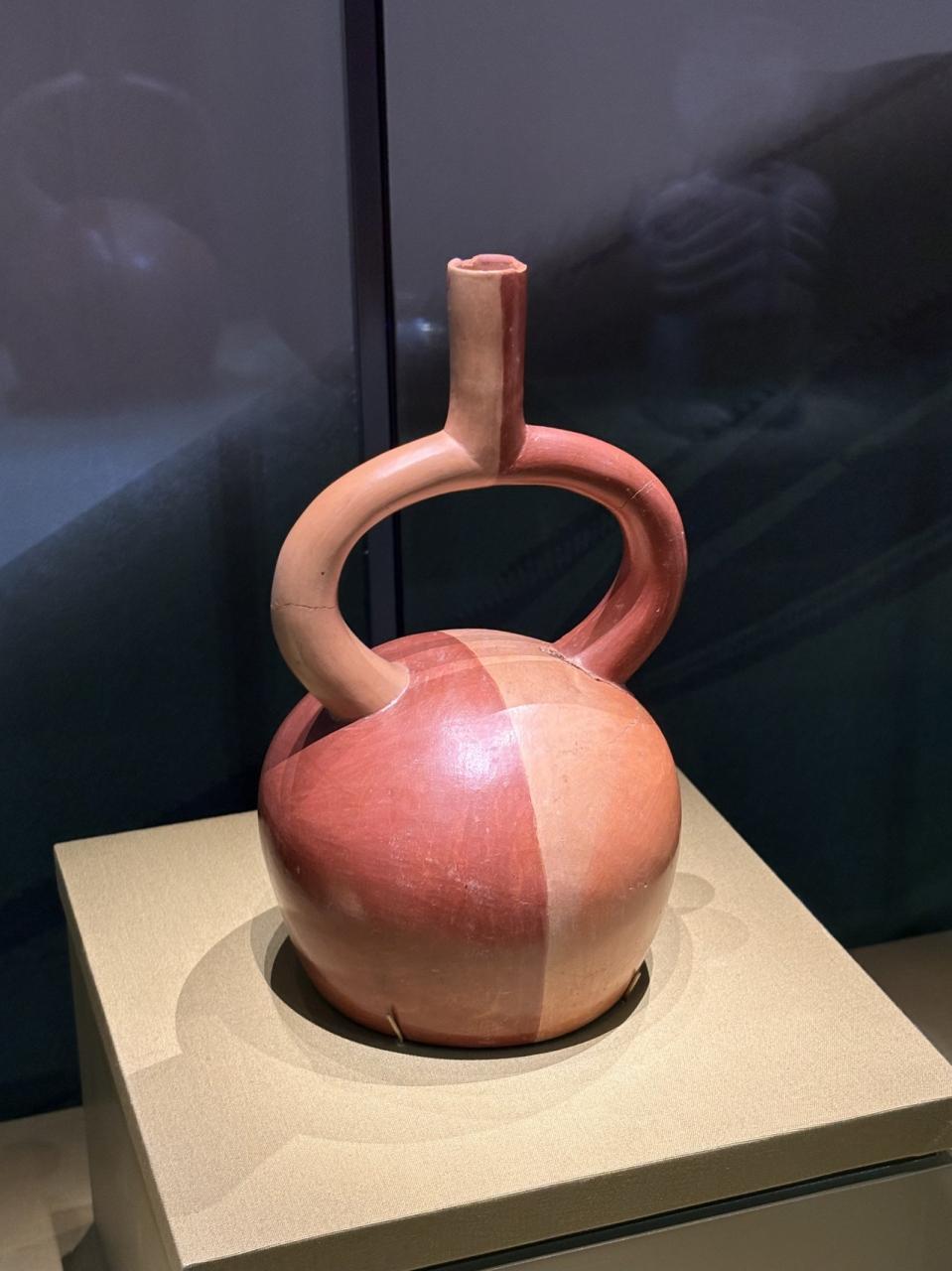
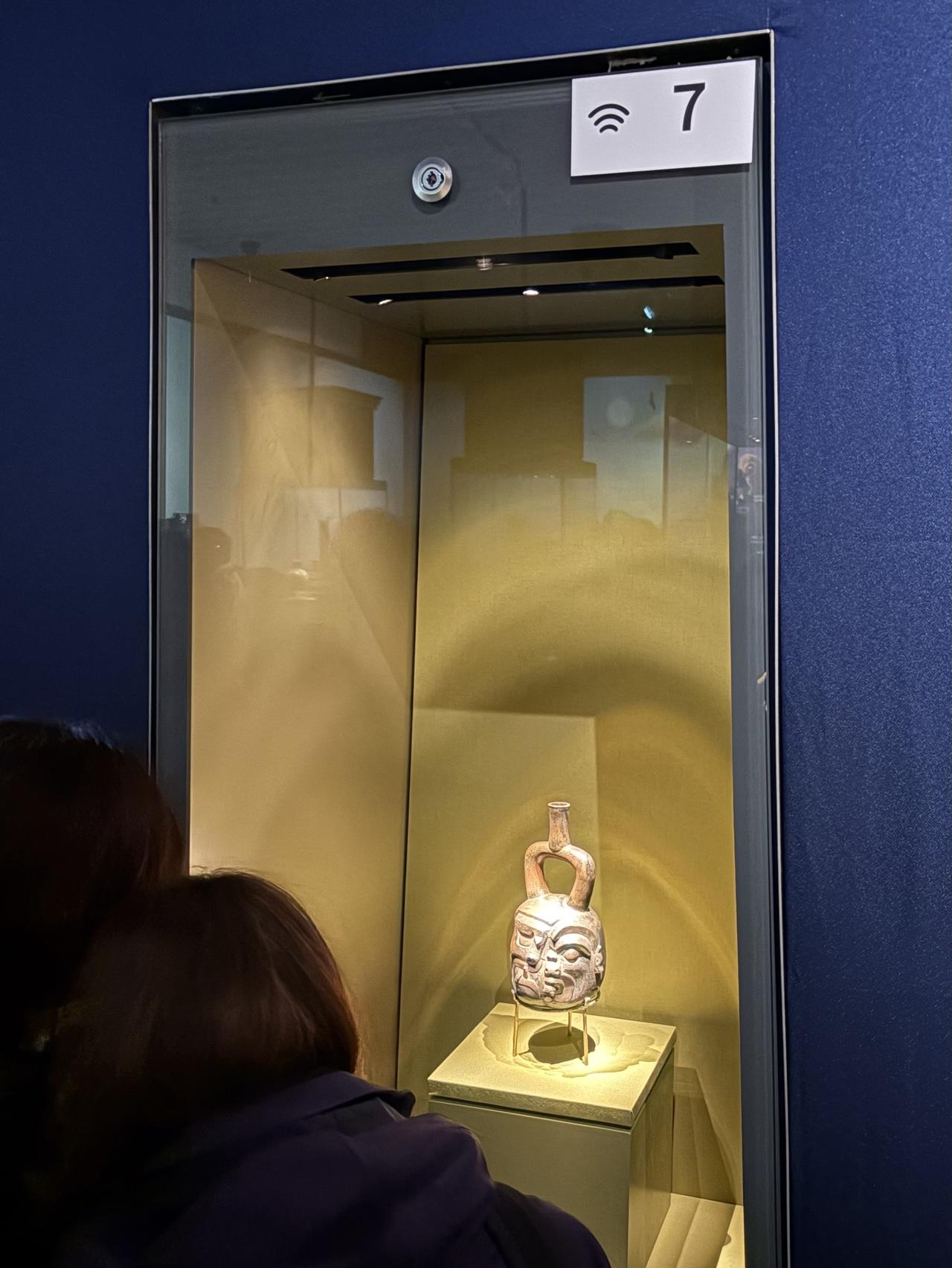
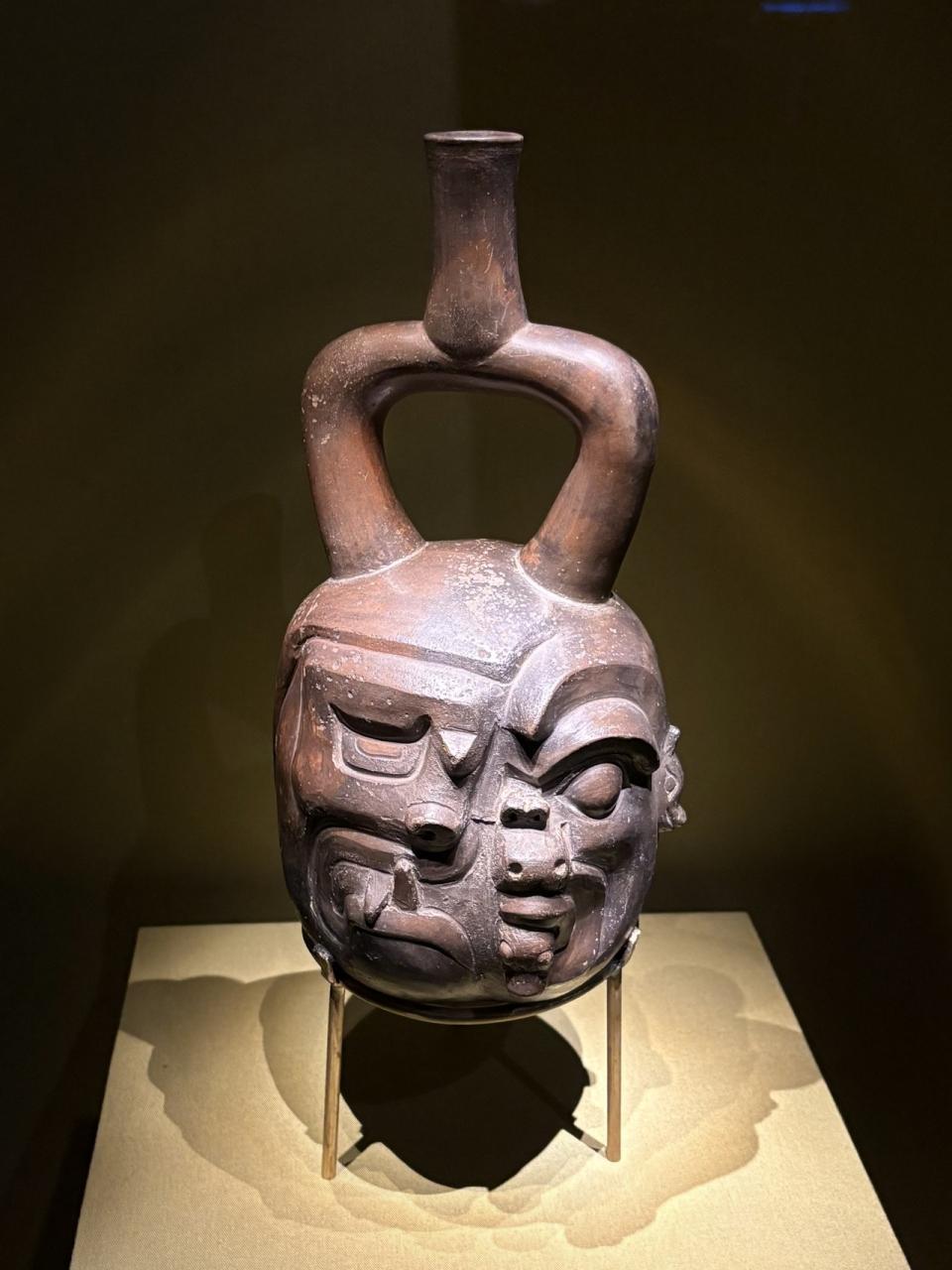
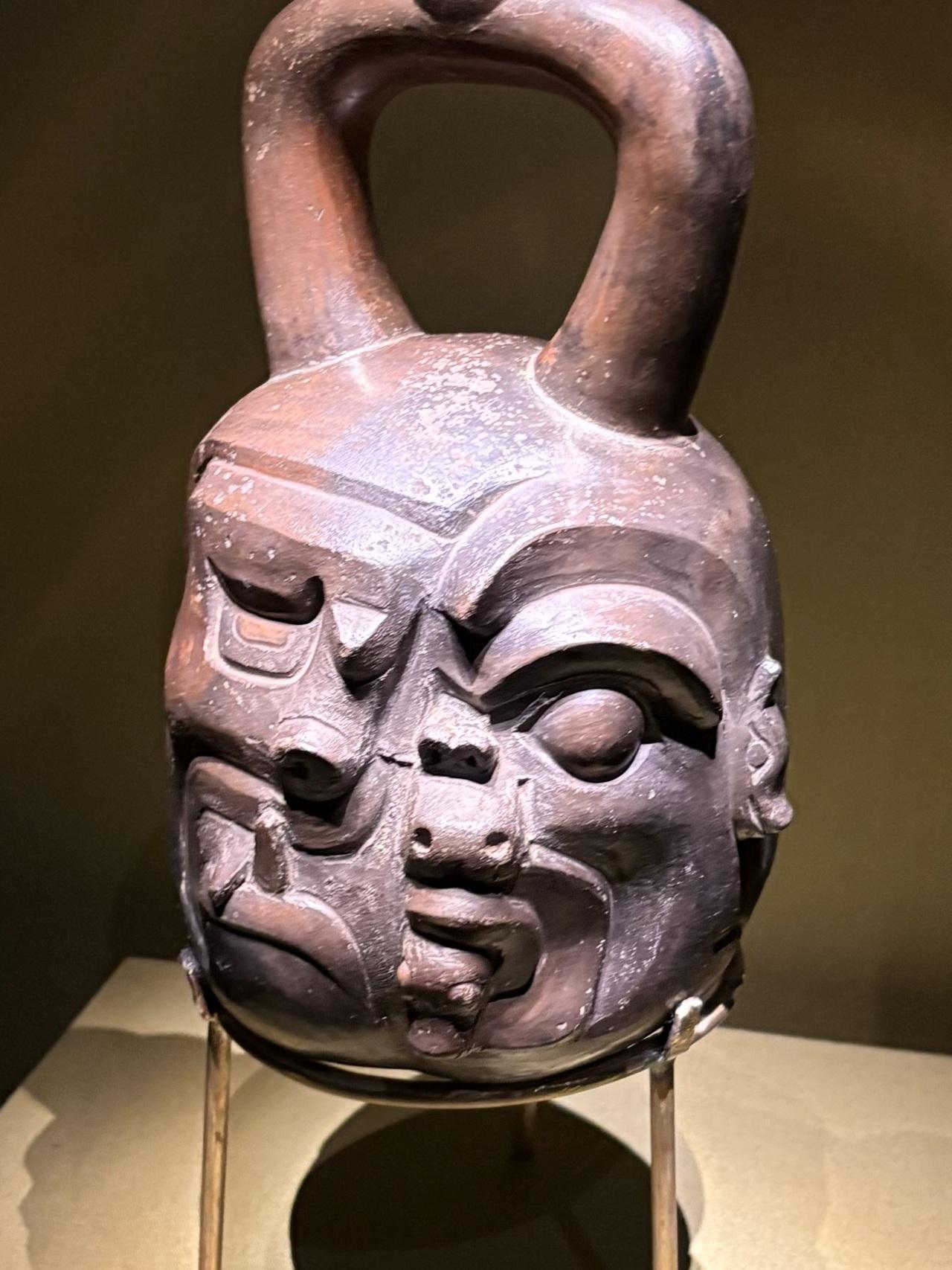
二元性
鐙型注口土器
モチェ文化(西暦100年~800年)、北部沿岸地域
ラルコ博物館、リマ(ベルー)。ML010816
Duality
Ceramic Stirrup-spout Bottle
Moche Culture (100 C.E. - 800 C.E.)
Northern Coast
Larco Museum, Lima, Peru. ML010816 -
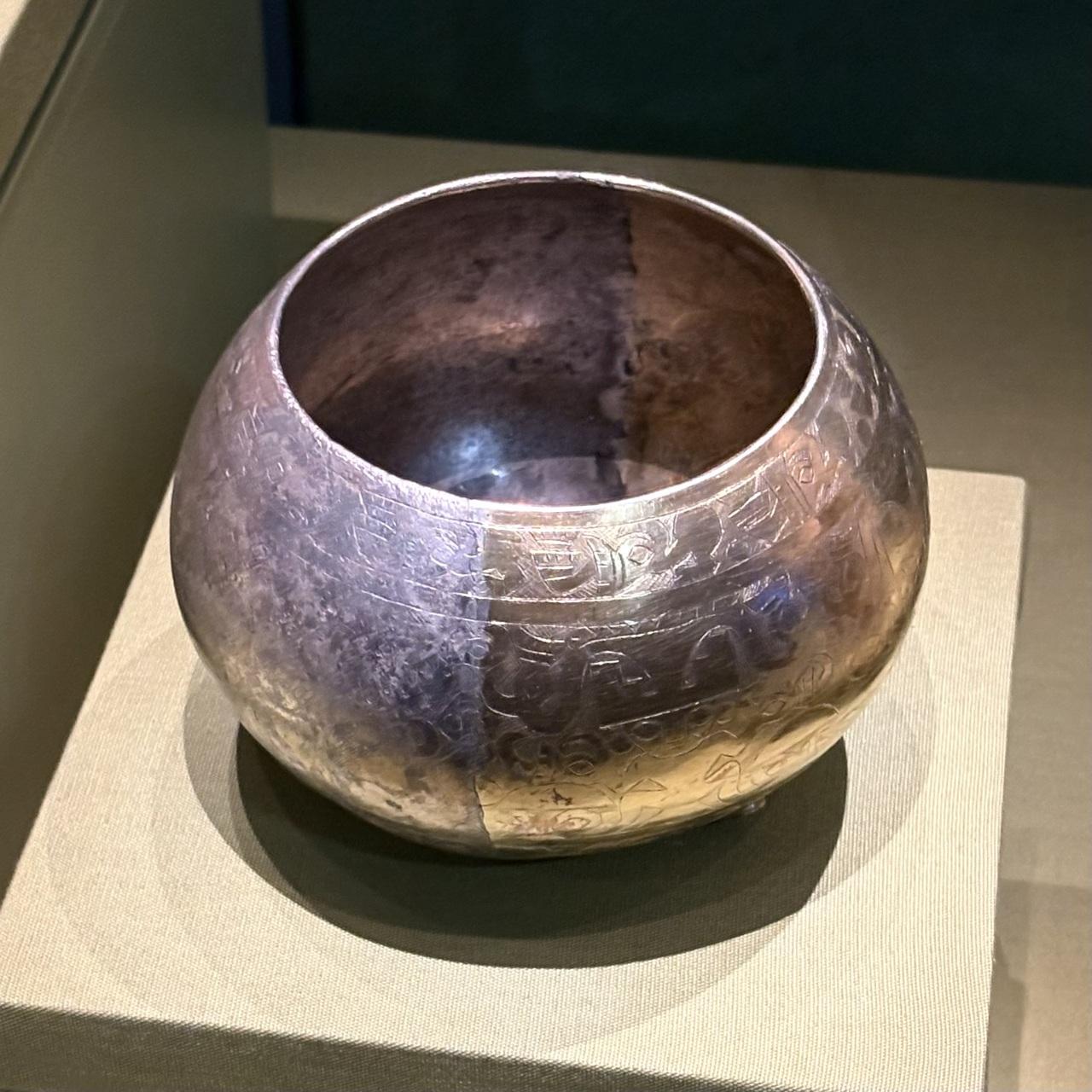
神話の場面を描いた二種類の金属の儀礼用鉢
金、銀
チムー文化(西暦1100年~1470年)、北部沿岸地域
ラルコ博物館、リマ(ペルー)。ML100865
Bimetallic Ceremonial Bowl with Mythological Scene
Gold and Silver
Chimu Culture (1100 C.E. - 1470 C.E.)
Northern Coast
Larco Museum, Lima, Peru. ML100865 -
-
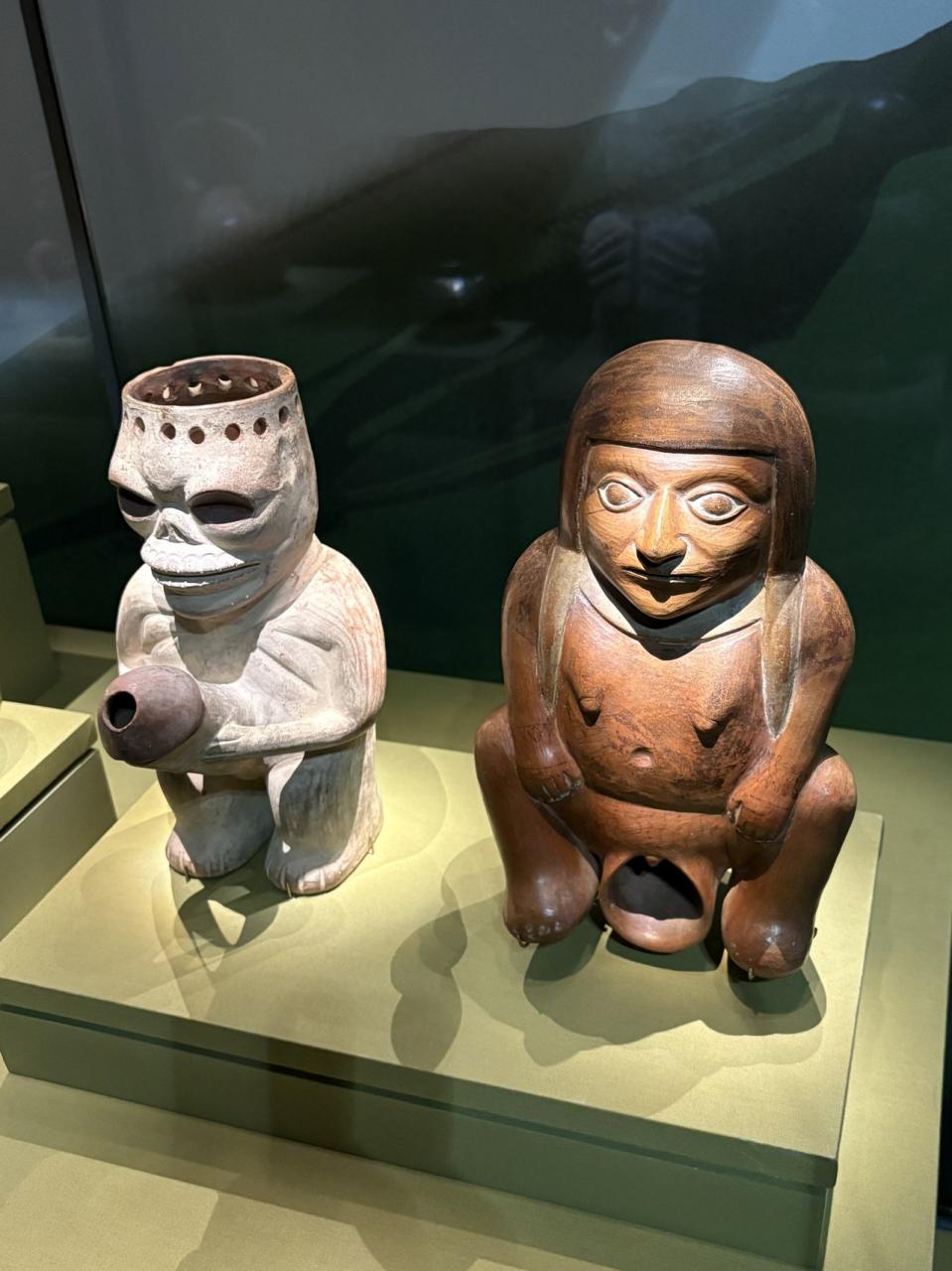
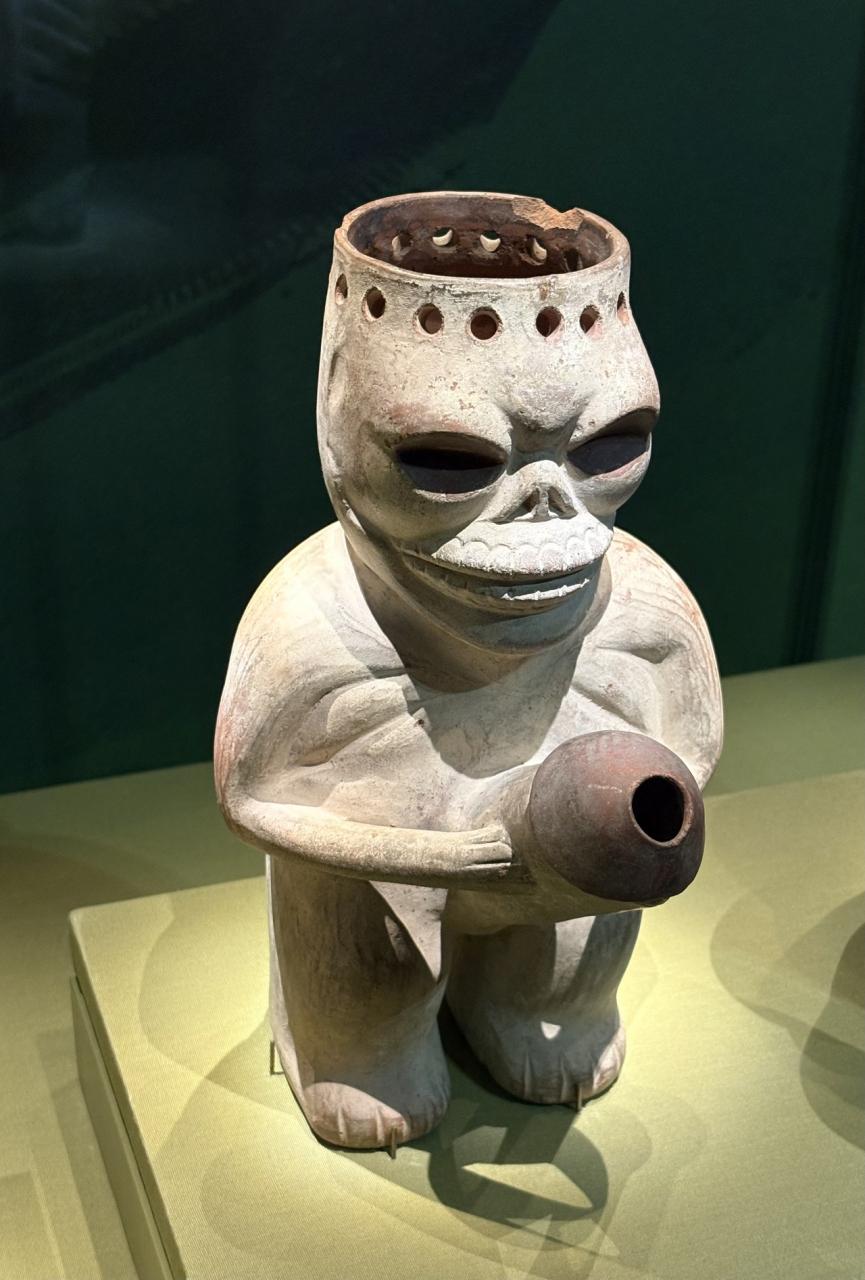
勃起した陰茎を持つ地下世界の住人
儀礼用の器、陶器
モチェ文化(西暦100年~800年)、北部沿岸地域ラルコ博物館、リマ(ペルー)。ML004199
Inhabitant of the Underworld with Erect Penis
Ceramic Ceremonial Vessel
Moche Culture (100 C.E. - 800 C.E.)
Northern Coast
Larco Museum, Lima, Peru. ML004199 -
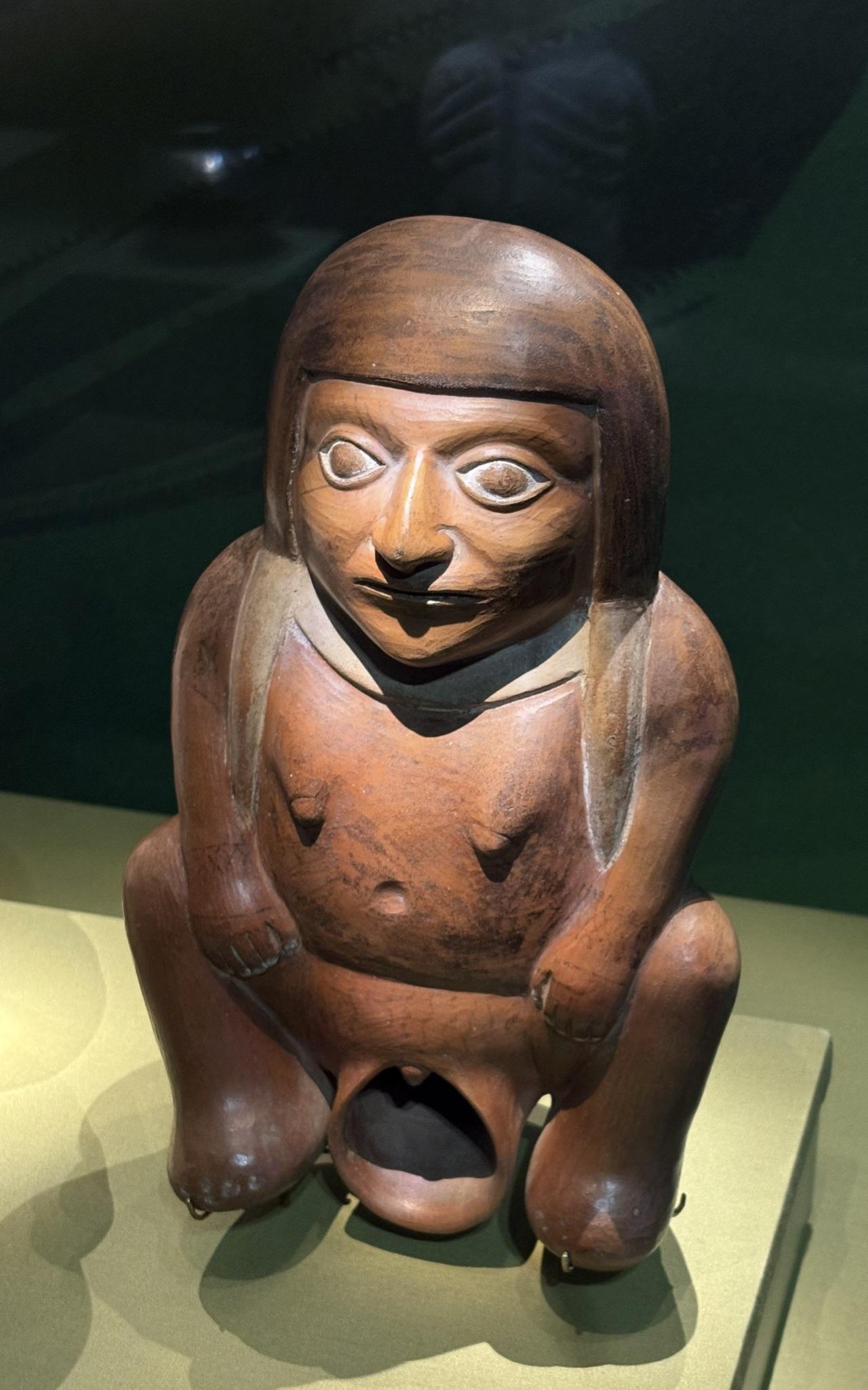
出産または性交体位の女性
儀礼用の器、陶器
モチェ文化(西暦100年~800年)、北部沿岸地域ラルコ博物館、リマ(ペルー)。MLO04426
Woman in Labor or Coitus Position
Ceramic Ceremonial Vessel
Moche Culture (100 C.E. - 800 C.E.)
Northern Coast
Larco Museum, Lima, Peru. ML004426 -
-
-
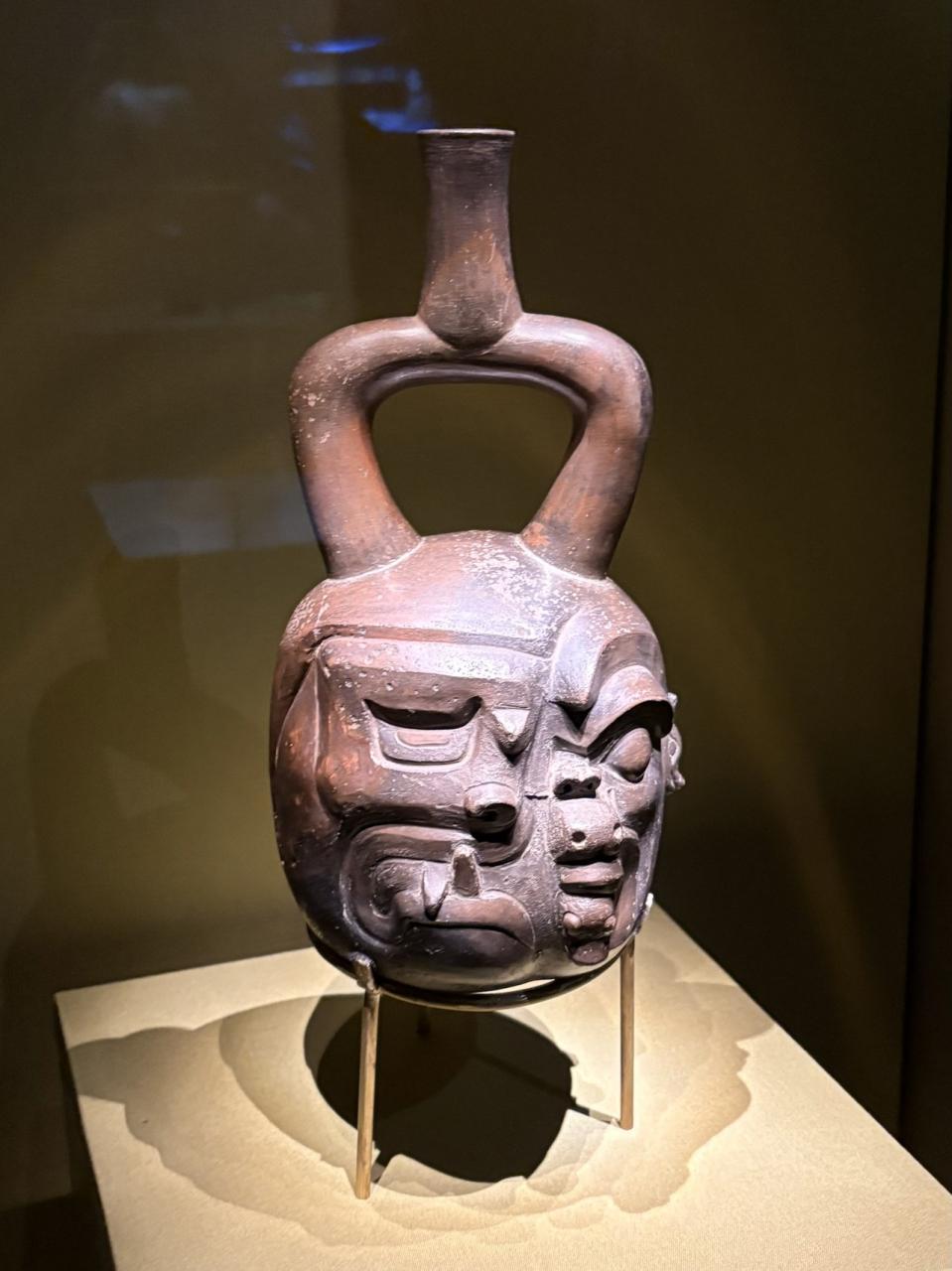
このシャーマンは動物の超自然的な力を取り入れることによって、異なる世界を行き来します。シカの耳と鼻から伸びるヘビを備えた人間の顔は、私たちの目の前でジャガーの顔へと変貌し、超自然的な融合体となります。
シャーマンの変容
鐙型注口土器
クビスニケ文化(紀元前1250年~100年)、北部沿岸地域ラルコ博物館、リマ(ペルー)。MLO40218
This shaman passes between worlds by taking on animal superpowers. His human face-with its deer ears and snake protruding from his nose-morphs before our eyes into the features of a jaguar, producing a hybrid, a supernatural being.
Shamanic Transformation
Ceramic Stirrup-spout Bottle
Cupisnique Culture (1250 B.C.E. - 100 B.C.E.), Northern Coast
Larco Museum, Lima, Peru. ML040218 -
-
-
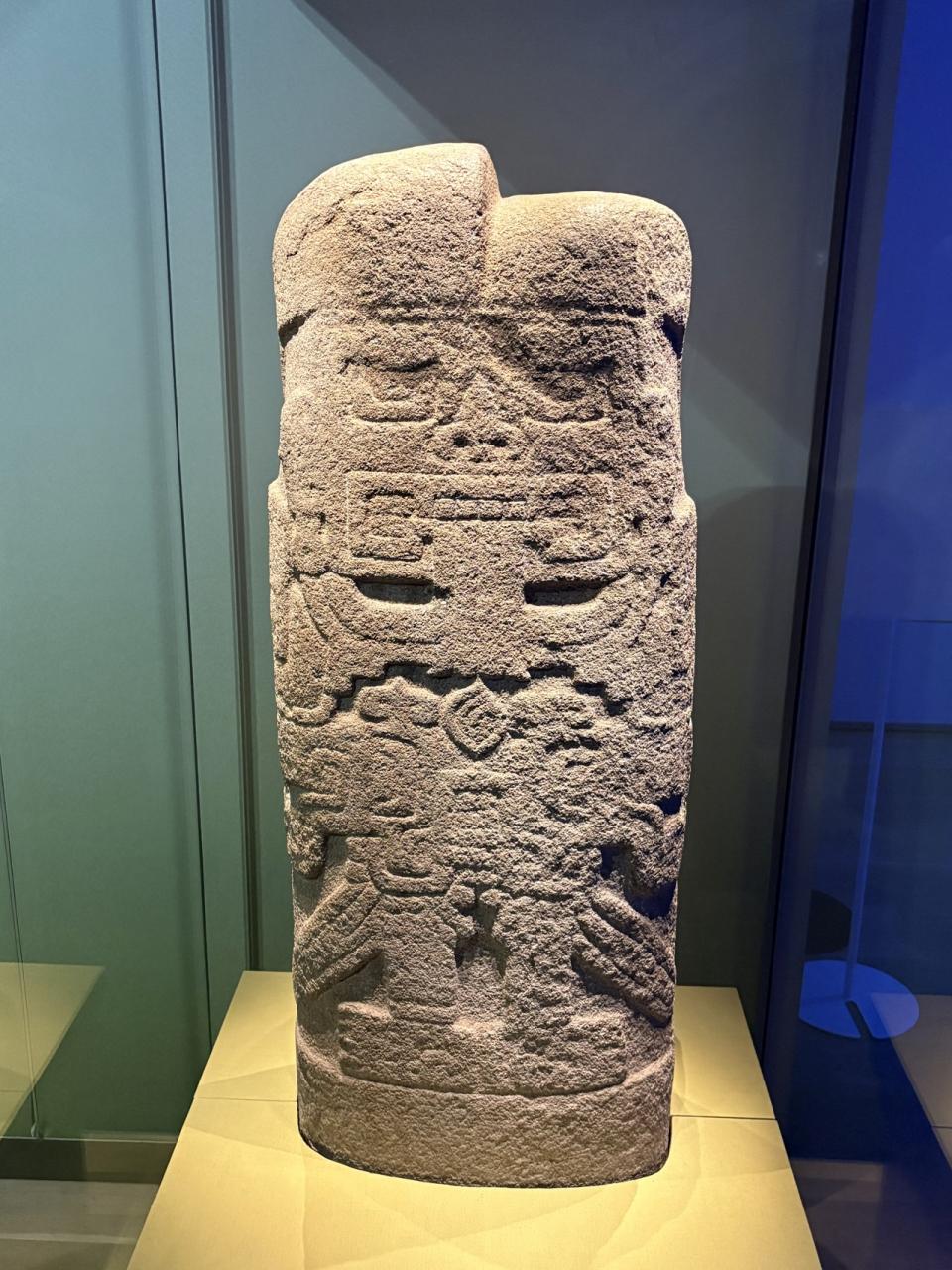
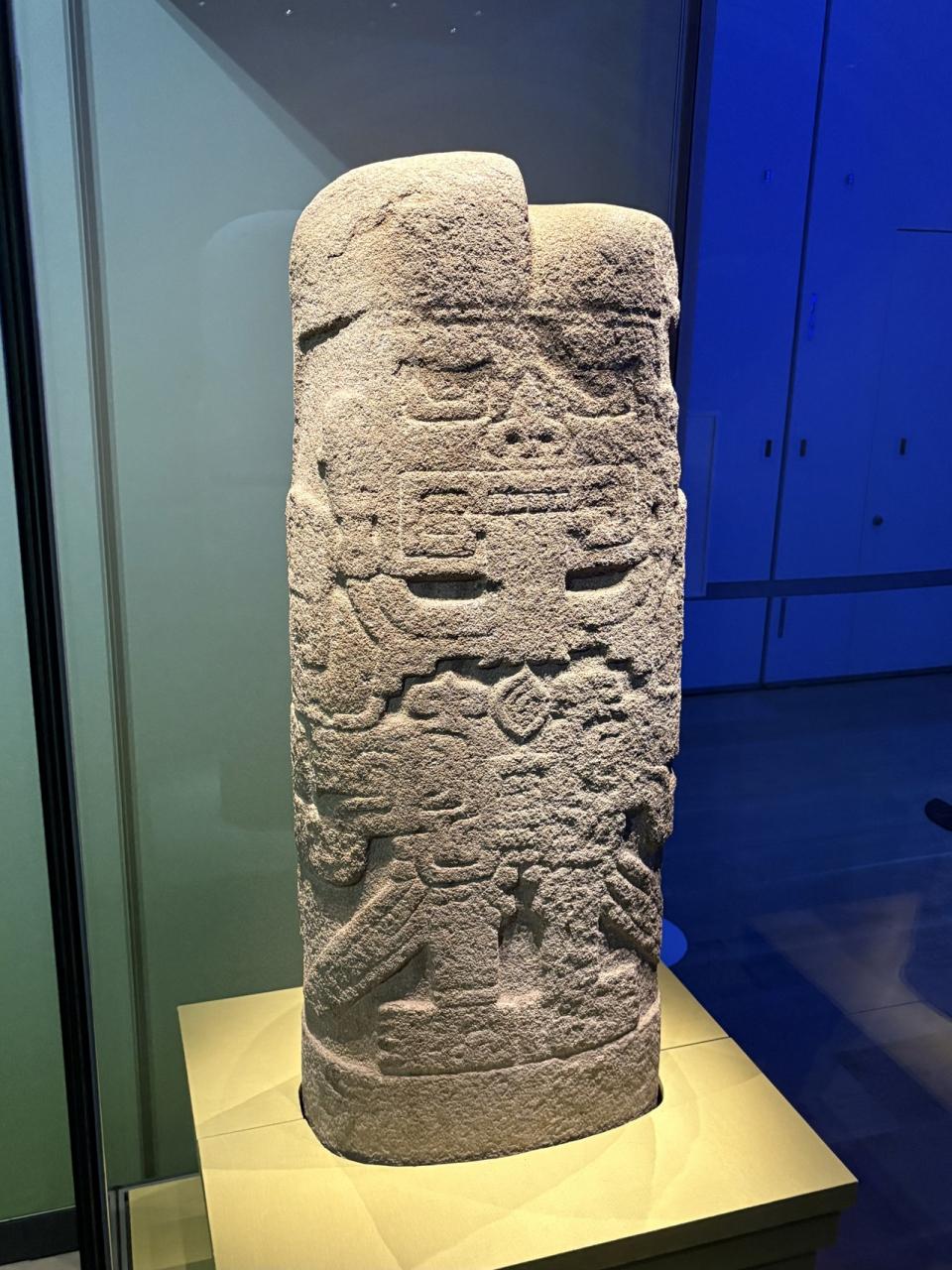
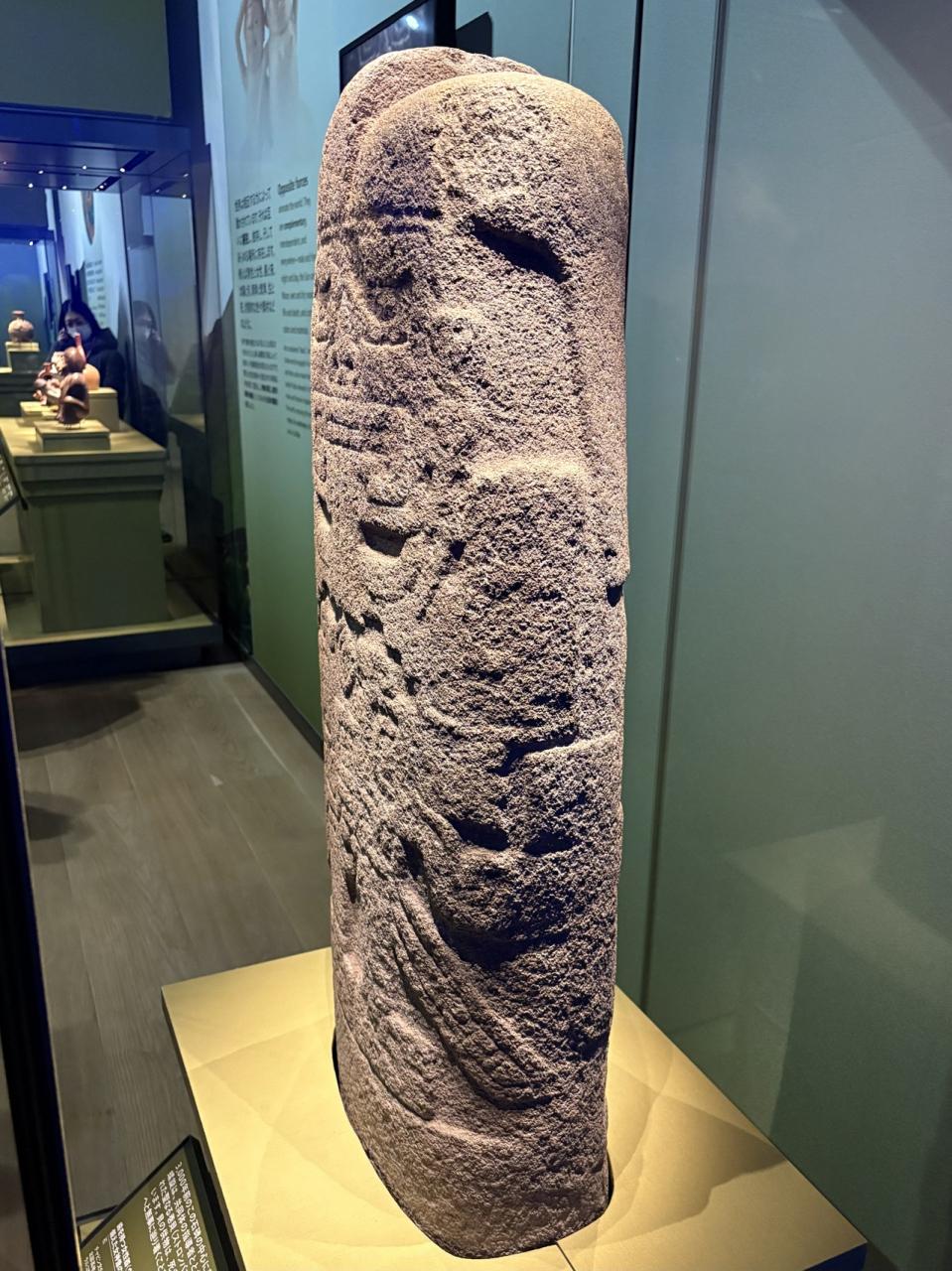
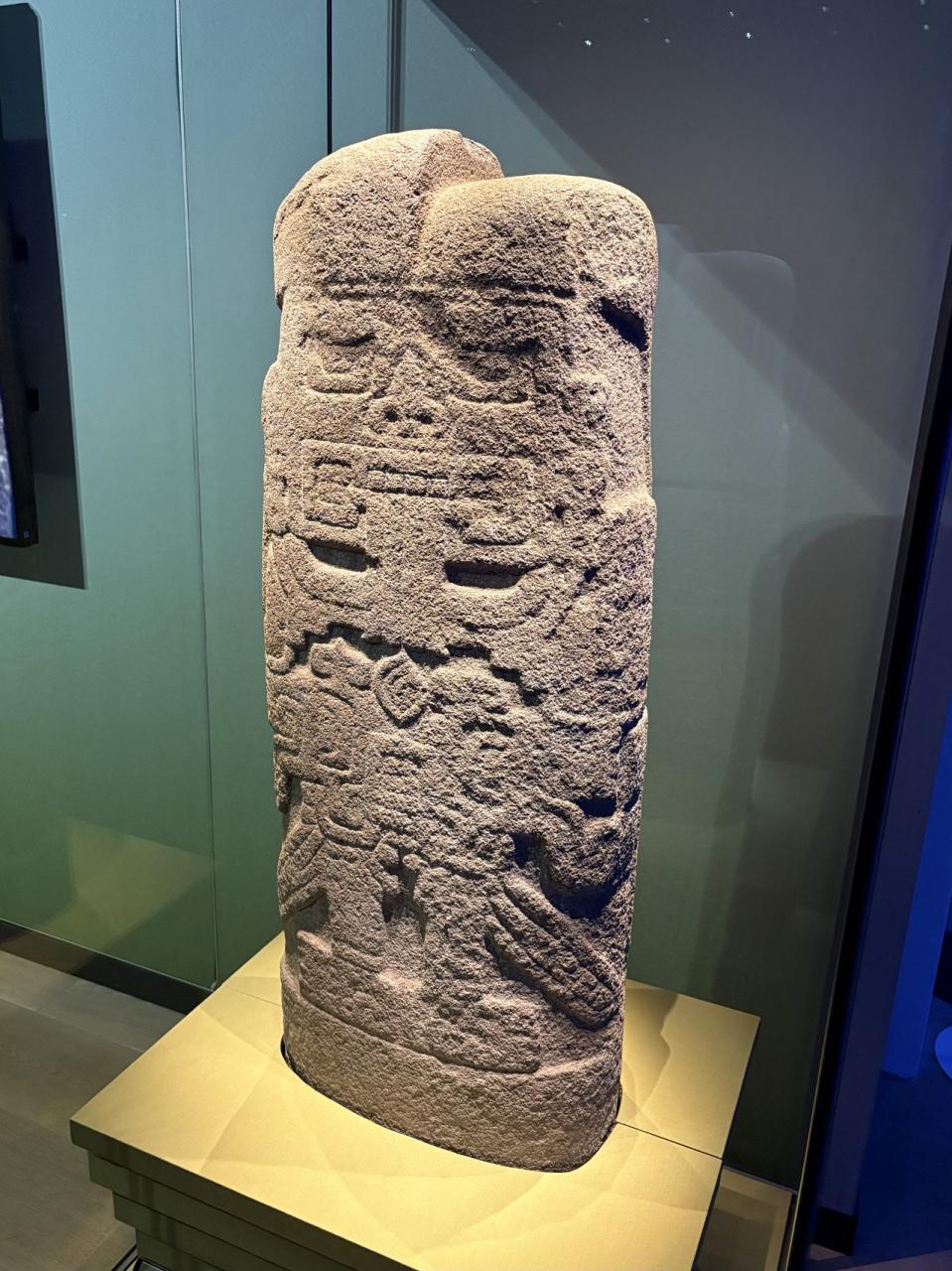
3,000年前のこの石碑の中心に刻まれた螺旋は、共同体の指導者とともに埋葬された聖なる巻貝(ストロンバス)を象徴しています。貝の供物は、死者が祖先の世界へと無事に辿り着くことを保証したのです。
歯を持つ女性器(ヴァギナ・デンタタ)を備えた女神像の石碑
石
チャビン文化(紀元前1250年~1年)、
北部高地、パコパンパ
ラルコ博物館、リマ(ペルー)。ML.300025
The spiral in the center of this 3,000-year-old stele symbolizes the sacred snail (Strombus) buried with community leaders. The shell offerings assure the deceased of a successful journey to the World of the Ancestors.
Stele Representing Goddess with Vagina Dentata
Stone
Chavin Culture (1250 B.C.E. - 1 B.C.E.)
Northern Highlands, Pacopampa Larco Museum, Lima, Peru. ML300025 -
-
-
-
続く・・・



この旅行記のタグ


利用規約に違反している投稿は、報告する事ができます。
旅行記グループ
国内の美術館・博物館巡り その4
-
前の旅行記

マチュピチュ展【その1】"フクロウの神" @ 森アーツセンターギャラリー(2025.11.22~2026.3...
2026/01/12~
六本木
-
次の旅行記

マチュピチュ展【その3】"アイ・アパエックの顔を表した埋葬用仮面" @ 森アーツセンターギャラリー(2025...
2026/01/12~
六本木
-

2025.9.20~12.14 "モーリス・ユトリロ展@SOMPO美術館"。"風景画の中の人物の後ろ姿" が...
2025/12/11~
新宿
-

マチュピチュ展【その1】"フクロウの神" @ 森アーツセンターギャラリー(2025.11.22~2026.3...
2026/01/12~
六本木
-

マチュピチュ展【その2】"シャーマンの変容" @ 森アーツセンターギャラリー(2025.11.22~2026...
2026/01/12~
六本木
-

マチュピチュ展【その3】"アイ・アパエックの顔を表した埋葬用仮面" @ 森アーツセンターギャラリー(2025...
2026/01/12~
六本木
-

マチュピチュ展【その4】"トカゲのモザイクの耳飾り" @ 森アーツセンターギャラリー(2025.11.22~...
2026/01/12~
六本木
-

マチュピチュ展【その5】"神話の豊穣の場面が描かれた儀礼用の杯"@ 森アーツセンターギャラリー(2025.1...
2026/01/12~
六本木
-

マチュピチュ展【その6】"戦闘と捕虜の捕獲" @ 森アーツセンターギャラリー(2025.11.22~2026...
2026/01/12~
六本木
-

マチュピチュ展【その7】"チムー帝国の装身具一式" @ 森アーツセンターギャラリー(2025.11.22~2...
2026/01/12~
六本木
-

マチュピチュ展【その8】"神格化された祖先とネコ科動物をモチーフにした冠" @ 森アーツセンターギャラリー(...
2026/01/12~
六本木
-

マチュピチュ展【その9】"カエルがモチーフの首飾り"@ 森アーツセンターギャラリー(2025.11.22~2...
2026/01/12~
六本木
-

マチュピチュ展【その10/完】"インカのキープ"@ 森アーツセンターギャラリー(2025.11.22~3.1...
2026/01/12~
六本木
-

"塩谷亮 刻を描くリアリズム" (@佐藤美術館 2026.1.8 ~2.15) で、初めて "写実絵画" を...
2026/01/28~
信濃町・千駄ヶ谷
-

2026.2.9 国立西洋美術館① "オルセー美術館所蔵 印象派 室内をめぐる物語"。"エドガー・ドガ《家族...
2026/02/09~
上野・御徒町
-

2026.2.9 国立西洋美術館② 常設展(その1)"ラビニィア・フォンターナ 《アントニエッタ・ゴンザレス...
2026/02/09~
上野・御徒町
-

2026.2.9 国立西洋美術館③ 常設展(その2)"ダフィット・テニールス(子)《聖アントニウスの誘惑》"
2026/02/09~
上野・御徒町
-

2026.2.9 国立西洋美術館④ 小企画展 "Black Lines Speak 物語る黒線たち ~デュー...
2026/02/09~
上野・御徒町
-

2026.2.9 国立西洋美術館⑤/完 常設展(その3)"ヴィルヘルム・ハンマースホイ《ピアノを弾く妻イーダ...
2026/02/09~
上野・御徒町
-

"スウェーデン絵画展" の後、"藝大アートプラザ"・"上野動物園" へ。京都市動物園の長男ゴリラ "ゲンタロ...
2026/04/12~
上野・御徒町
-

お嬢と行く "スウェーデン絵画 北欧の光、日常のかがやき" 2026.1.27~4.12 @ 東京都美術館
2026/04/12~
上野・御徒町
-

2026年2月7日~5月24日 お嬢と行く "クロード・モネ ~風景への問いかけ" @アーティゾン美術館
2026/04/29~
丸の内・大手町・八重洲
-

"アンドリュー・ワイエス展" の後、"藝大アートプラザ" へ。"佐治真理子《佇む -玉しめ-》" が、いい感...
2026/05/16~
上野・御徒町
-

お嬢と行く"アンドリュー・ワイエス展 ~境界に立つとき、心が動き出す。~" 2026.4/28~7/5 @ ...
2026/05/16~
上野・御徒町
-

2026.7.12① 上野の森美術館 "大ゴッホ展"。撮影可能だったのは、"夜のカフェテラス" 1点のみ・・...
2026/07/12~
上野・御徒町
-

2026.7.12② "大ゴッホ展"の後、東京国立博物館 "アイルランド チェスター・ビューティ・コレクショ...
2026/07/12~
上野・御徒町
-

2026.7.12④ "大ゴッホ展" の後、SOMPO美術館 "山口華揚展"。《青柿》は、諏訪湖のほとり"北...
2026/07/12~
新宿
-

2026.7.12 ⑤・完 "大ゴッホ展" の後、"東京オペラシティ" でクラシック鑑賞 。恵比寿の "ル・...
2026/07/12~
東京
旅行記グループをもっと見る
コメントを投稿する前に
十分に確認の上、ご投稿ください。 コメントの内容は攻撃的ではなく、相手の気持ちに寄り添ったものになっていますか?
サイト共通ガイドライン(利用上のお願い)報道機関・マスメディアの方へ 画像提供などに関するお問い合わせは、専用のお問い合わせフォームからお願いいたします。
六本木(東京) の旅行記






フォートラベル公式LINE@

おすすめの旅行記や旬な旅行情報、お得なキャンペーン情報をお届けします!
QRコードが読み取れない場合はID「@4travel」で検索してください。
\その他の公式SNSはこちら/



旅行記グループ 国内の美術館・博物館巡り その4
0
41