


2025/08/07 - 2025/08/07
62位(同エリア932件中)

旅熊 Kokazさん
- 旅熊 KokazさんTOP
- 旅行記1923冊
- クチコミ854件
- Q&A回答102件
- 1,705,050アクセス
- フォロワー752人
MOMAT コレクション〔国立東京近代美術館 所蔵作品展〕(2025.7.15-10.26)
https://www.momat.go.jp/exhibitions/r7-1
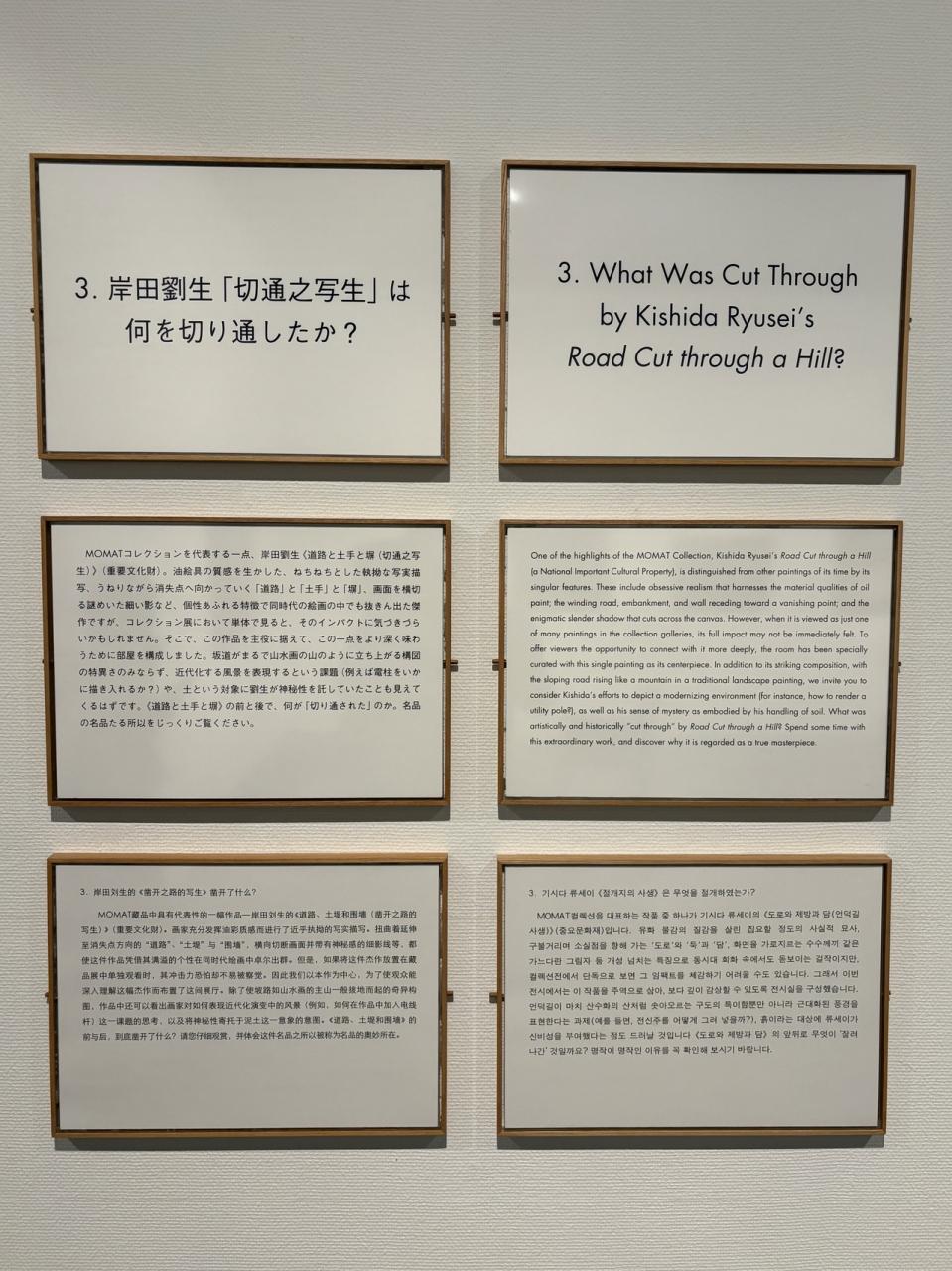
3. 岸田劉生「切通之写生」は何を切り通したか?
- 旅行の満足度
- 5.0
-

3. 岸田劉生「切通之写生」は何を切り通したか?
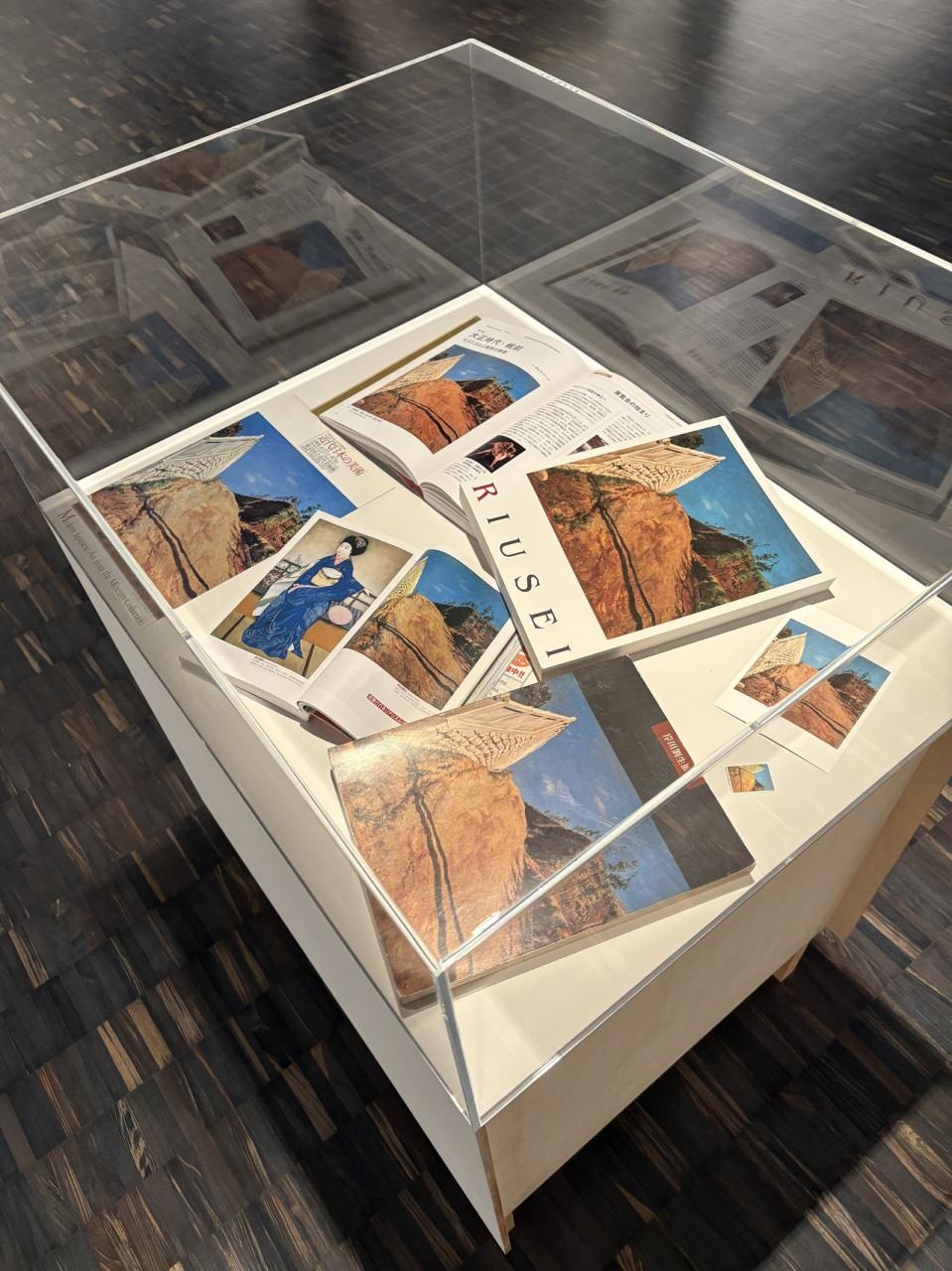
MOMATコレクションを代表する一点、岸田劉生<道路と土手と塀(切通之写生)〉(重要文化財)。
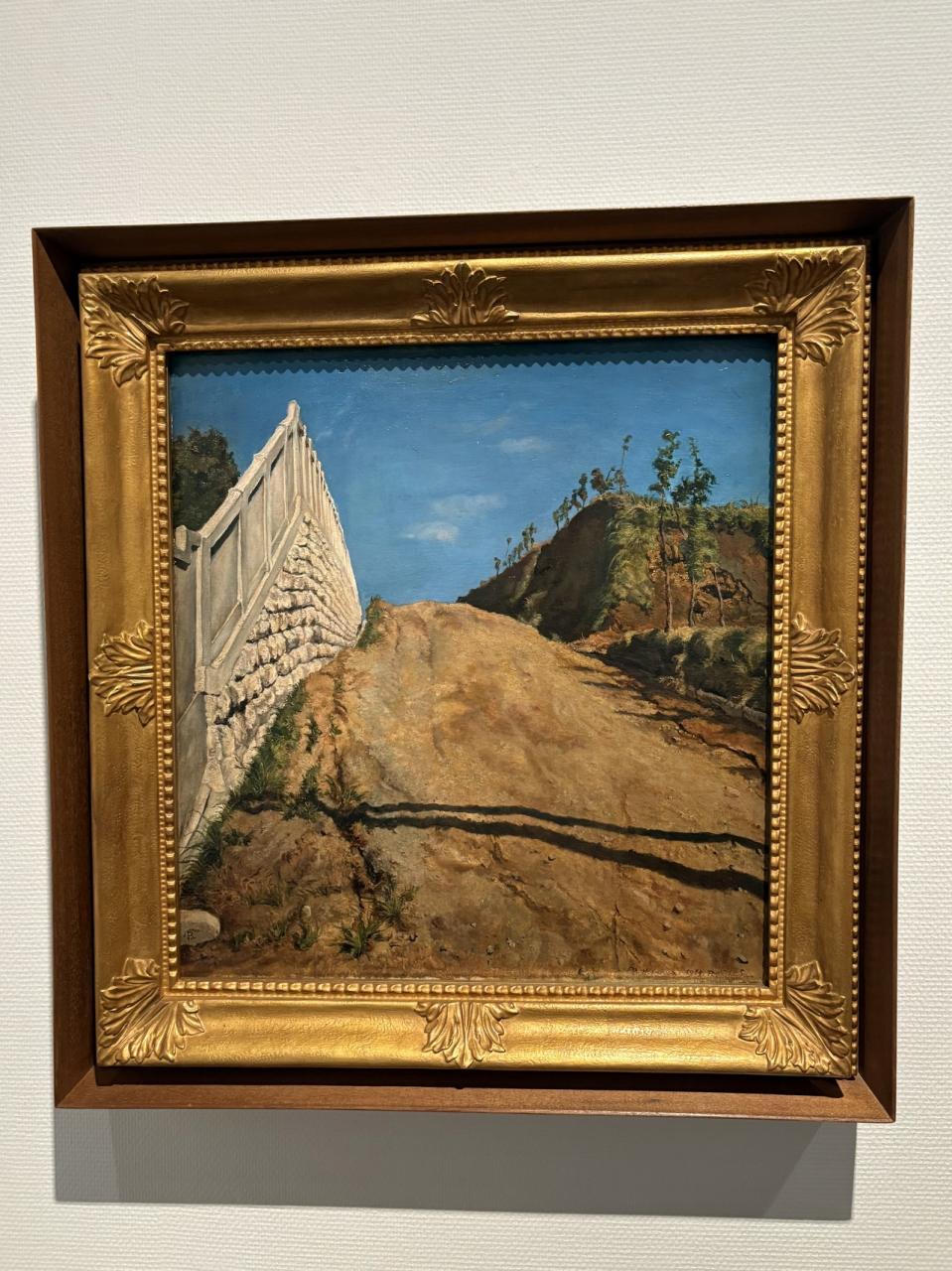
油絵具の質感を生かした、ねちねちとした執拗な写実描写、うねりながら消失点へ向かっていく「道路」と「土手」と「堀」、画面を横切る謎めいた細い影など、個性あふれる特徴で同時代の絵画の中でも抜きん出た傑作ですが、コレクション展において単体で見ると、そのインパクトに気づきづらいかもしれません。
そこで、この作品を主役に据えて、この一点をより深く味わうために部屋を構成しました。坂道がまるで山水画の山のように立ち上がる構図の特異さのみならず、近代化する風景を表現するという課題(例えば電柱をいかに描き入れるか?)や、土という対象に劉生が神秘性を託していたことも見えてくるはずです。<道路と土手と>の前と後で、何が「切り通された」のか。名品の名品たる所以をじっくりご覧ください。
3. What Was Cut Through by Kishida Ryusei's
Road Cut through a Hill?
One of the highlights of the MOMAT Collection, Kishida Ryusei's Road Cut through a Hill (a National Important Cultural Property), is distinguished from other paintings of its time by its singular features.
These include obsessive realism that harnesses the material qualities of oil paint; the winding road, embankment, and wall receding toward a vanishing point; and the enigmatic slender shadow that cuts across the canvas. However, when it is viewed as just one of many paintings in the collection galleries, its full impact may not be immediately felt.
To offer viewers the opportunity to connect with it more deeply, the room has been specially curated with this single painting as its centerpiece. In addition to its striking composition, with the sloping road rising like a mountain in a traditional landscape painting, we invite you to consider Kishida's efforts to depict a modernizing environment (for instance, how to render a utility pole?), as well as his sense of mystery as embodied by his handling of soil. What was artistically and historically "cut through" by Road Cut through a Hille Spend some time with this extraordinary work, and discover why it is regarded as a true masterpiece. -
-
重要文化財
IMPORTANT CULTUAL PROPERTY
岸田劉生
KISHIDA, Ryusei
1891-1929
道路と土手と塀(切通之写生)
Road Cut through a Hill
1915 大正4年
油彩・キャンバス oil on canvas
文化庁管理換
Transferred from Agency for Cultural Affairs
赤土の向こうに11月の空。約100年前の東京代々木の風景です。
左の新しい石塀(山内爵家のものです)、真ん中の道、右の造成地でそれぞれ遠近法が食い違い、石塀と道が接するあたりでは、道が手前にまくれあがって来るように見えます。劉生は、むき出しの土が持つエネルギーを捉えたかった、と述べています。この言葉通り、急な坂道は、奥へと遠ざかる遠近法の力に逆らって、見る者に向かい立ち上がるようです。ちなみに、この坂道をさらに上から押さえつけるように横切る二本の黒い棒の正体は?答えは、画面右外にある電柱の影です。
The November sky stretches beyond the red-clay earth in this landscape painting depicting the Yoyogi district of Tokyo some 100 years ago.
There is a newly-built stone wall on the left (part of Marquis Yamauchi's property), a road in the center, and a land development on the right. The perspective of each of these elements is different, and at the point where the wall abuts the road, it seems to rise up in the foreground. Kishida once said he was trying to capture the energy of the bare land. As this comment suggests, the steep slope rises up in front of the viewer, resisting the perspective that leads into the rear. And what exactly are the two black poles in the center that seem to be pressing down on the road? Answer:The shadows of two electrical poles that lie outside the right side of the picture plane. -
-
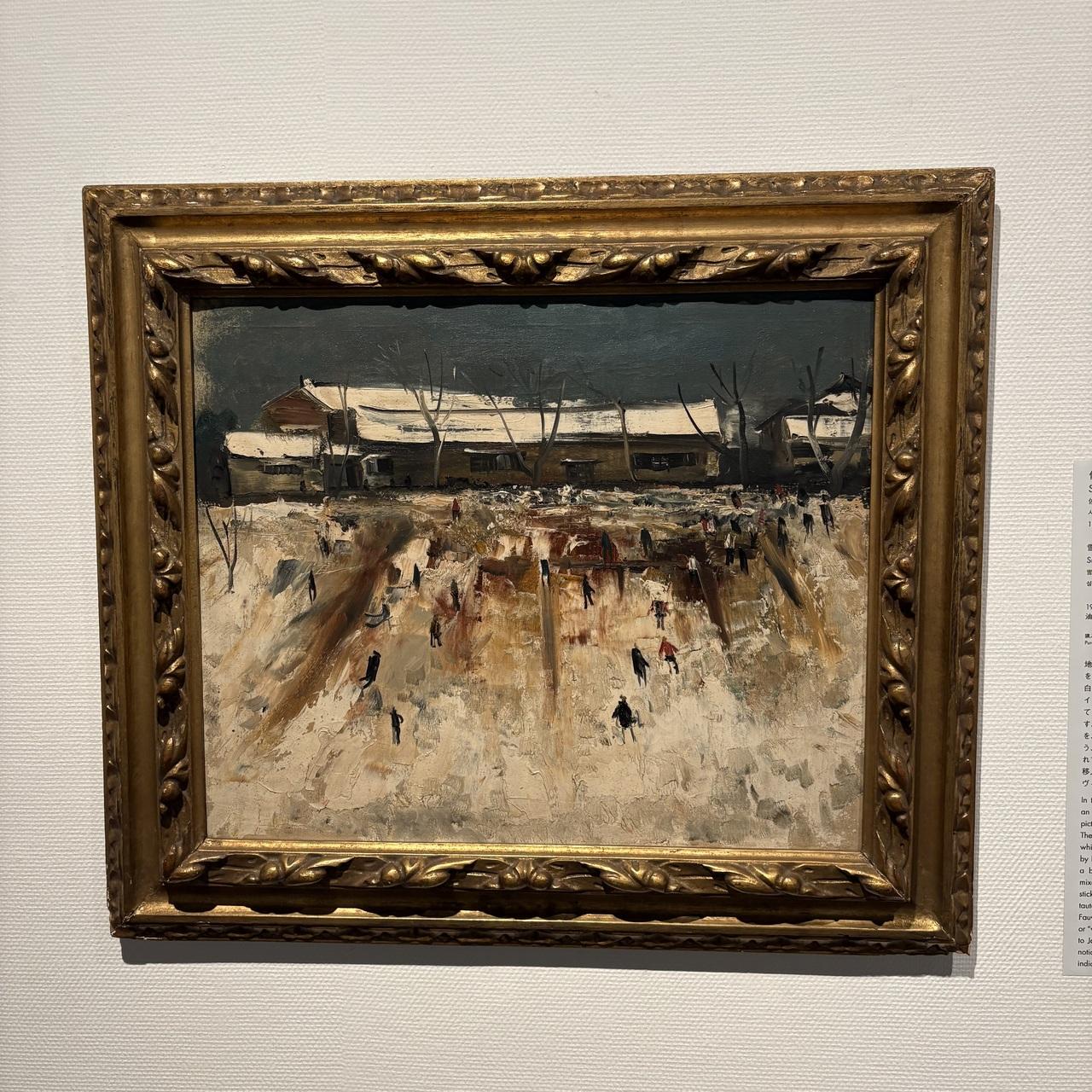
佐伯祐三
SAEKI, Yuzo
1898-1928
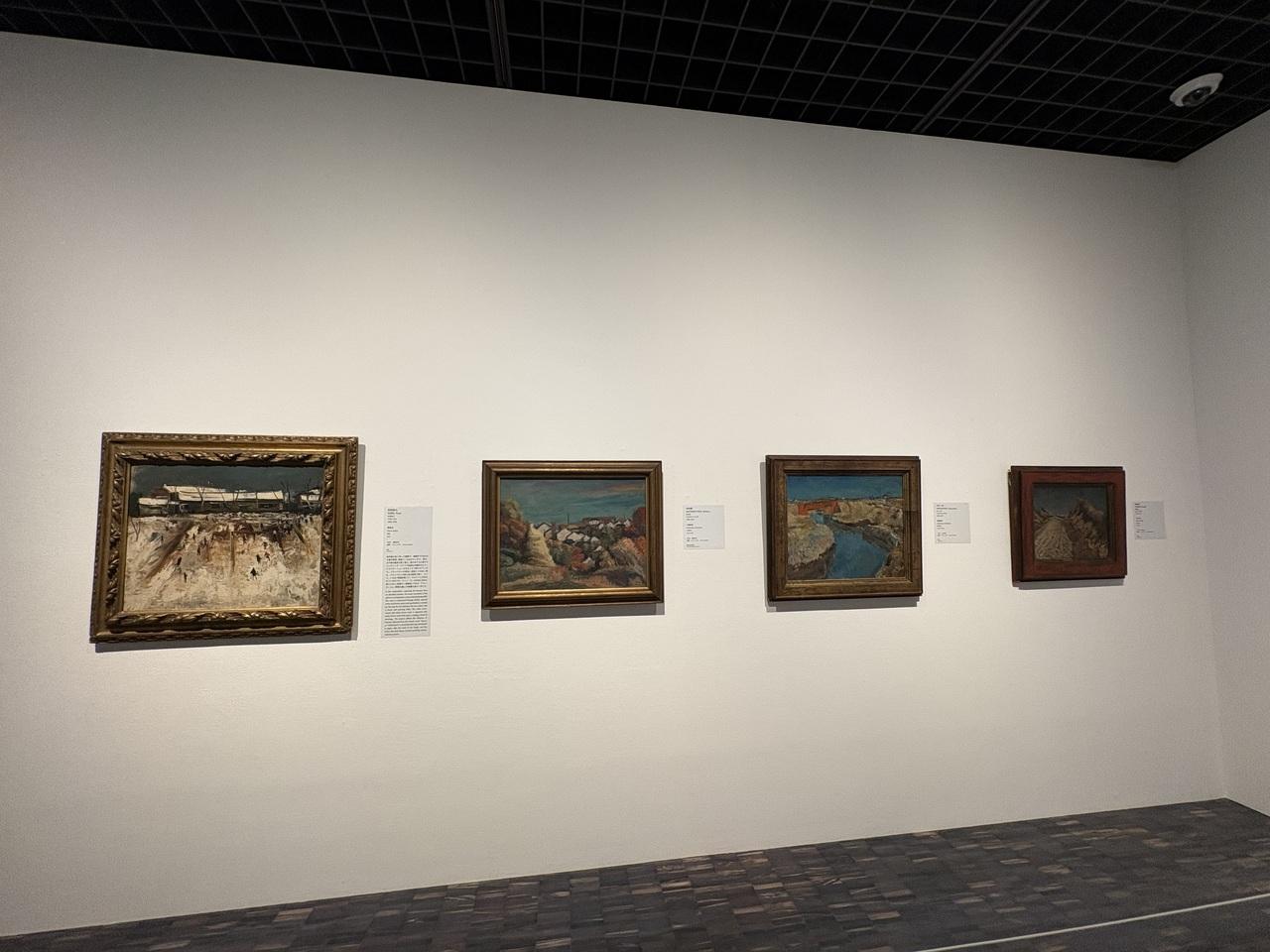
雪景色
Snow Scene
1927 昭和2年
油彩・キャンバス oil on canvas
購入
Purchased
地平線を高く取った構図で、画面の下3分の2を雪の野原(校庭?)が占めています。雪は、白や茶の絵具を厚く塗り、乾かぬうちに筆やペインティング・ナイフで色同士の境界をなすってグラデーションを作ることで表されています。べちゃべちゃの茶色い泥混じりの白い雪を、べちゃべちゃの茶と白の絵具で描く、という、いわば「同語反復(トートロジー)」が行われているのです。ファン・ゴッホの次に日本に移入された「厚塗り=激情系」である、「フォーヴィスム(野獣主義)」の影響を表す一作です。
In this composition, capturing the horizon from an elevated position, the lower two-thirds of the picture is occupied by a snowy field (schoolyard?).
The snow is expressed through thickly applied white and brown paint and graduations created by blurring the line between the two colors with a brush and painting knife. The white snow, mixed with sticky brown mud, is depicted with sticky brown and white paint, creating a kind of tautology. The picture reflects the influence of Fauvism (derived from the French word "fauve" or "wild beast"), a movement that was introduced to Japan after the work of van Gogh, and the notion that thick layers of paint could be used to indicate passion. -
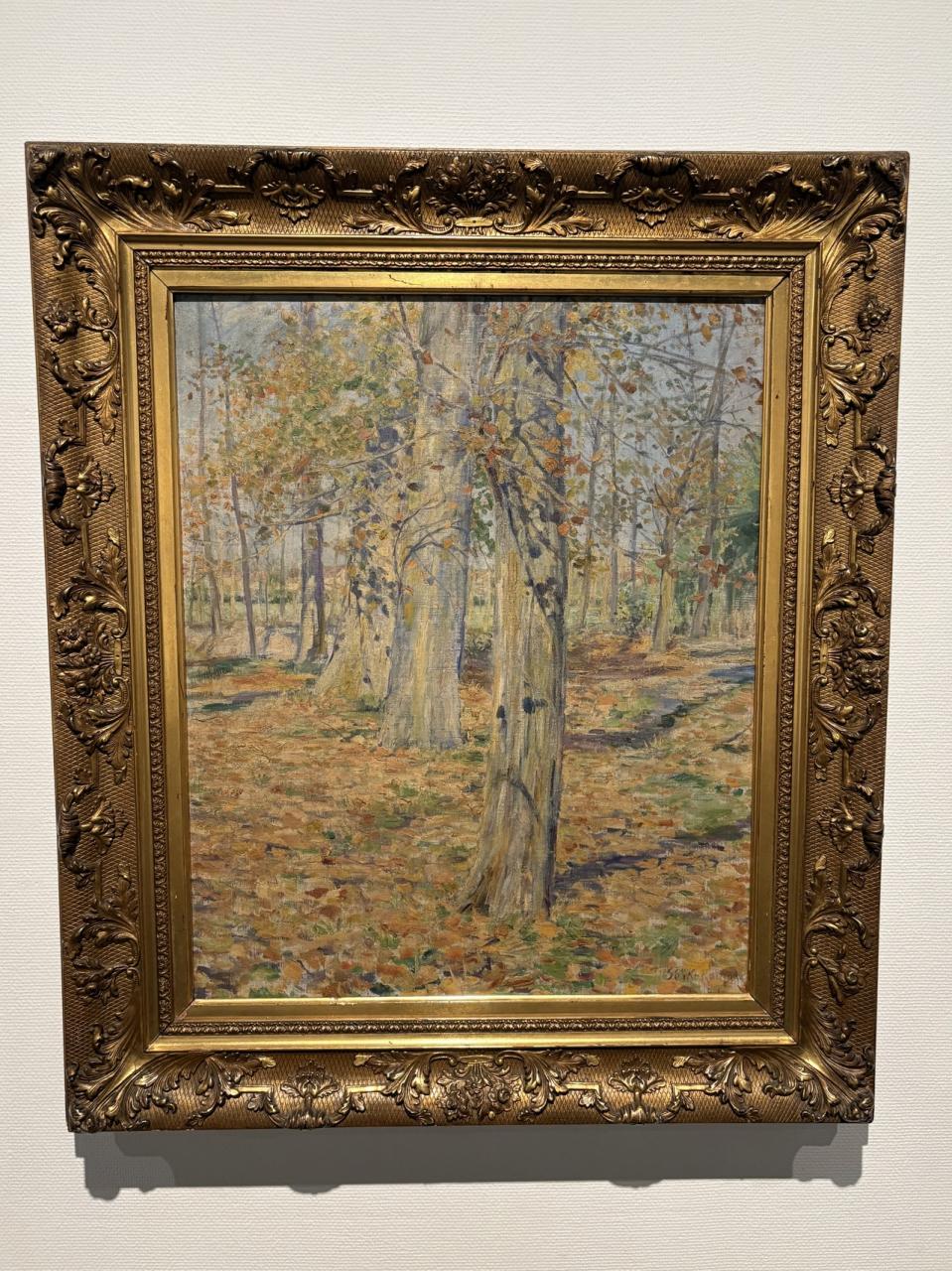
黒田清輝
KURODA, Seiki
1866-1924
落葉
Dead Leaves
1891 明治24年
油彩・キャンバス oil on canvas
田中千代氏寄贈
Gift of Tanaka Chiyo
パリ近郊の村、グレー=シュル=ロワンに滞在中に描かれた作品。フランスで、ラファエル・コラン(1850-1916)から、温和でアカデミックな要素を残す外光派的な表現を学んだ黒田。
しかしここでは、その表現から一歩抜け出て、黒田は短いタッチを用いたり、紫がかった灰色で陰影を描いたり、印象派に通じる表現にも積極的に取り組んでいます。陽光を浴びて、黄褐色に輝きを増す落葉風景が、生き生きと描かれています。
This painting was completed in the autumn of 1891 when Kuroda was staying in Grez-sur-Loing, a village near Paris. In France, Kuroda's teacher Raphael Collin (1850-1916) taught him a style close to pleinairism (outdoor painting), which retained a mild, academic sensibility.
In the work shown here, though, Kuroda is distancing himself somewhat from this style and actively incorporating elements reminiscent of Impressionism, such as short brushstrokes and violet-tinged gray shadows. The scene of fallen leaves is vividly depicted, awash in sunlight and glowing with a yellowish-brown hue. -
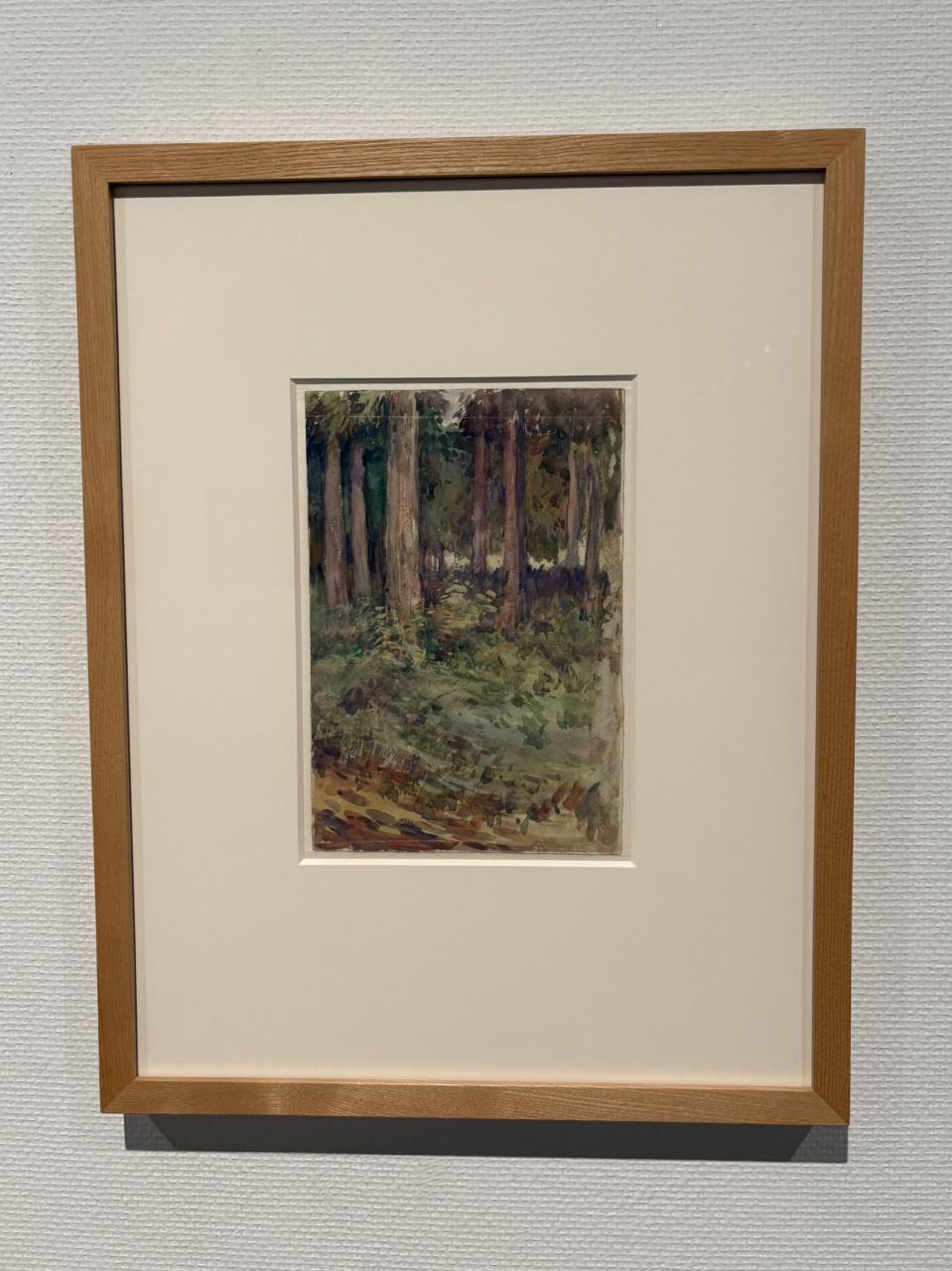
岸田劉生
KISHIDA, Ryusei
1891-1929
森
A Forest
c.1910 明治43年頃
水彩、鉛筆・紙 watercolor and pencil on paper
岸田鶴之助氏遺贈
Bequest of Kishida Tsurunosuke -
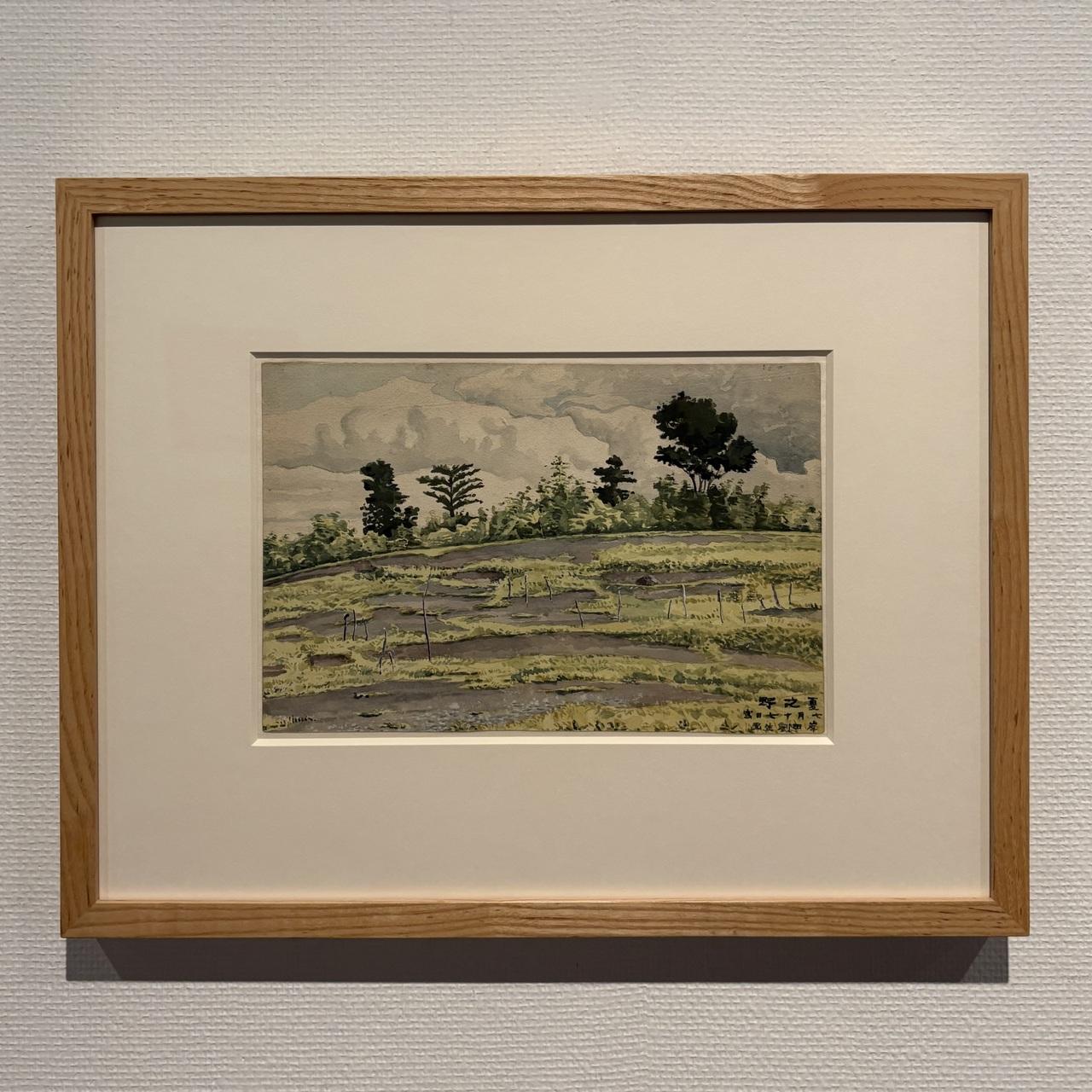
岸田劉生
KISHIDA, Ryusei
1891-1929
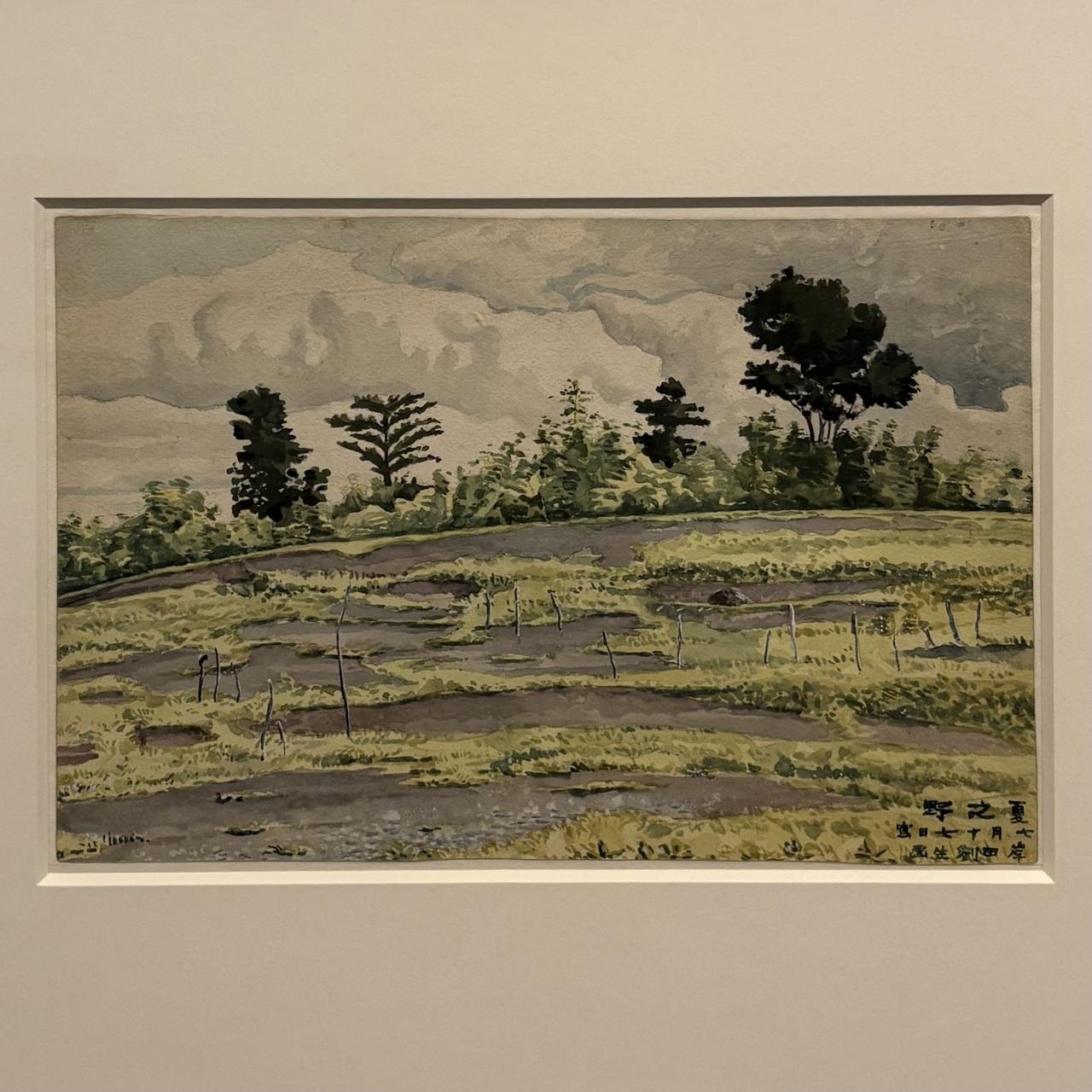
夏之野
Summer Field
1907 明治40年
水彩、鉛筆・紙
岸田鶴之助氏遺贈
Bequest of Kishida Tsurunosuke
watercolor and pencil on paper -
-
岸田劉生
KISHIDA, Ryusei
1891-1929
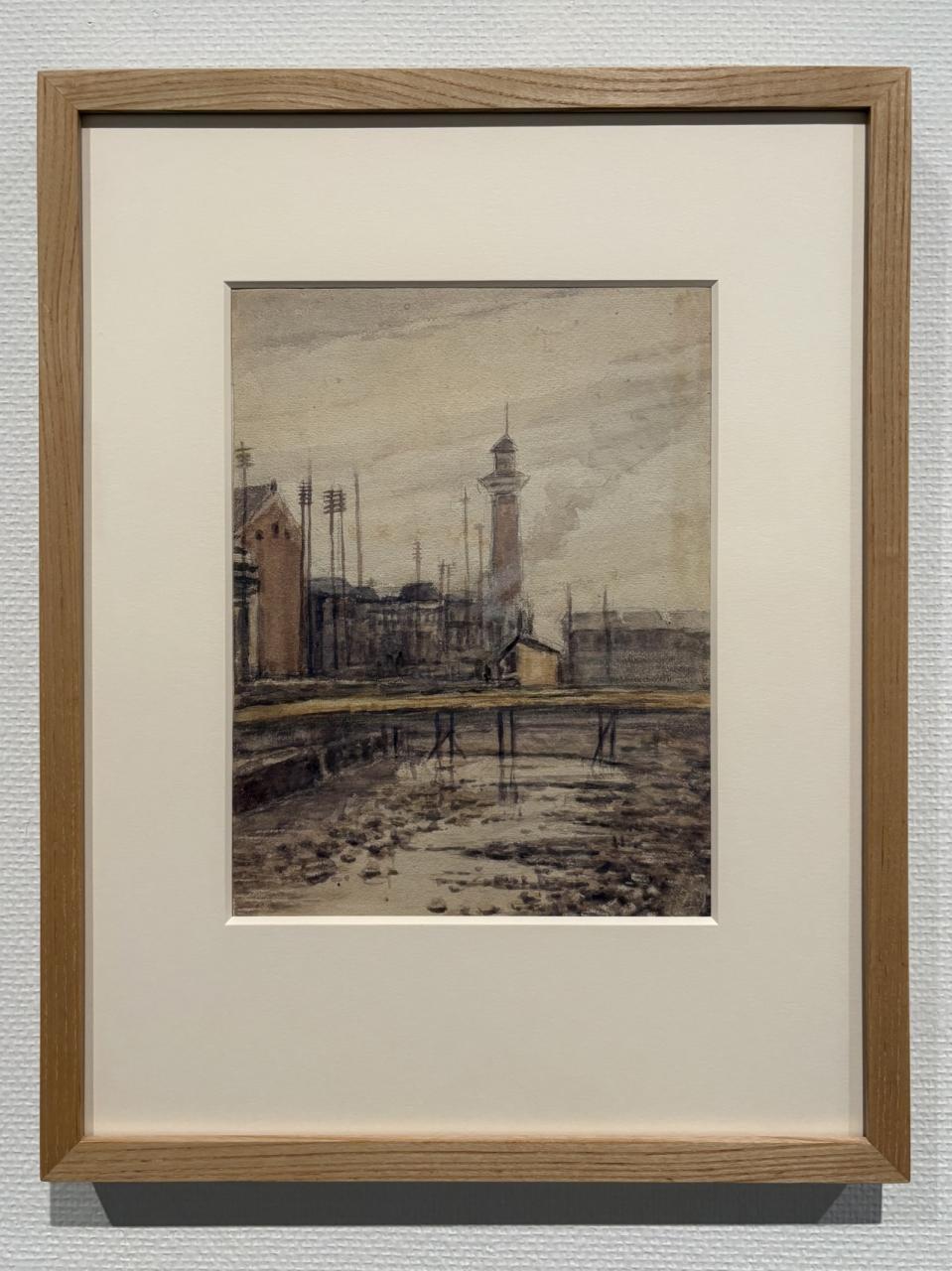
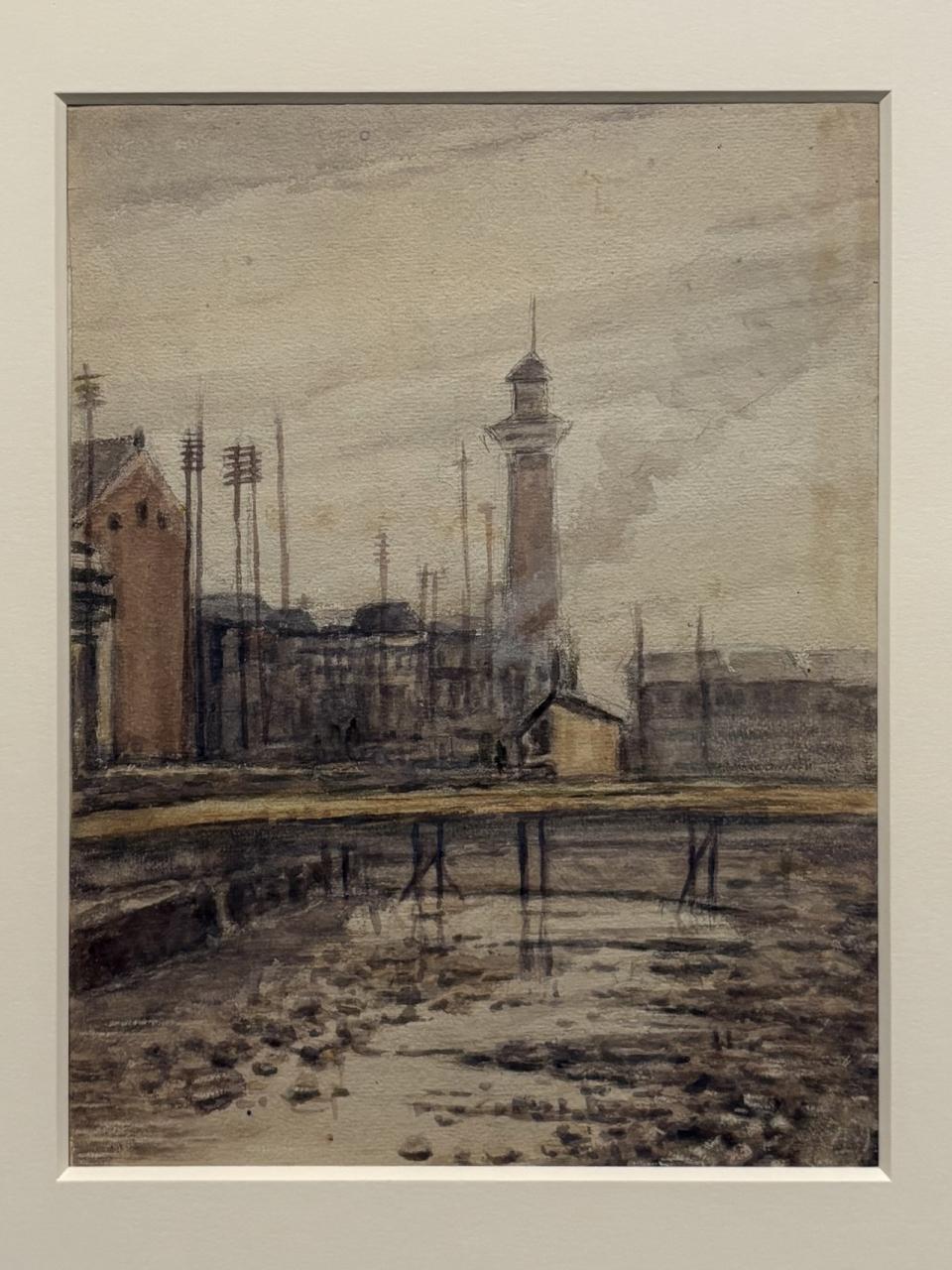
川べり、塔の見える
Riverside View with a Tower
c.1910 明治43年頃
水彩、鉛筆・紙
岸田鶴之助氏遺贈
Bequest of Kishida Tsurunosuke
watercolor and pencil on paper -
-
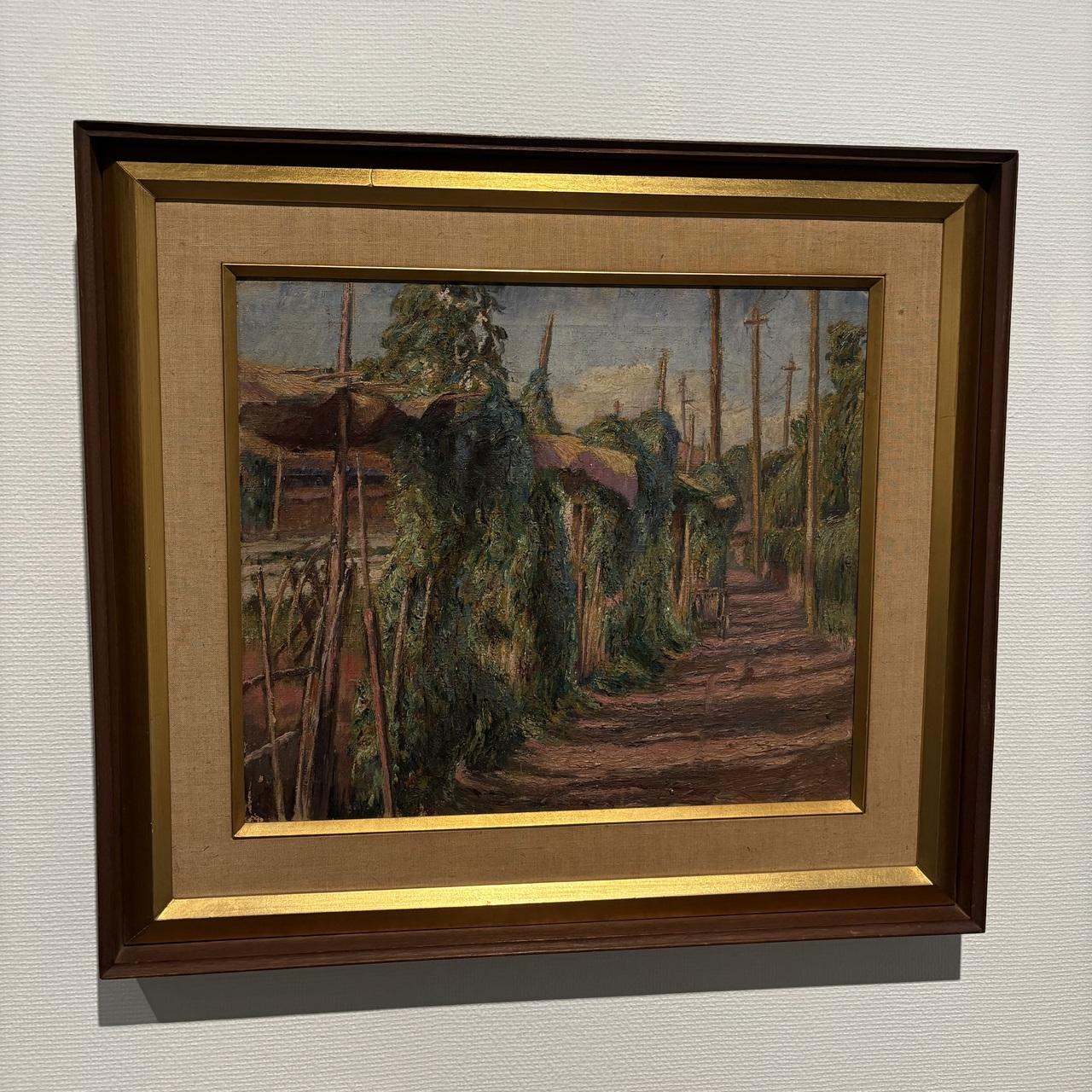
鈴木金平
SUZUKI, Kimpei
1896-1978
道
Road
Date unknown 制作年不詳
油彩・キャンバス oil on canvas
鈴木男浪氏寄贈
Gift of Suzuki Onami -
岸田劉生
KISHIDA, Ryusei
1891-1929
<エターナル・アイドル>のための下絵
Study for Eternal Idol
C.1914 大正3年頃
インク、鉛筆・紙 ink and pencil on paper
岸田鶴之助氏遺贈
Bequest of Kishida Tsurunosuke -
-
新収蔵作品
New Acquisition
岸田劉生
KISHIDA, Ryusei
1891-1929
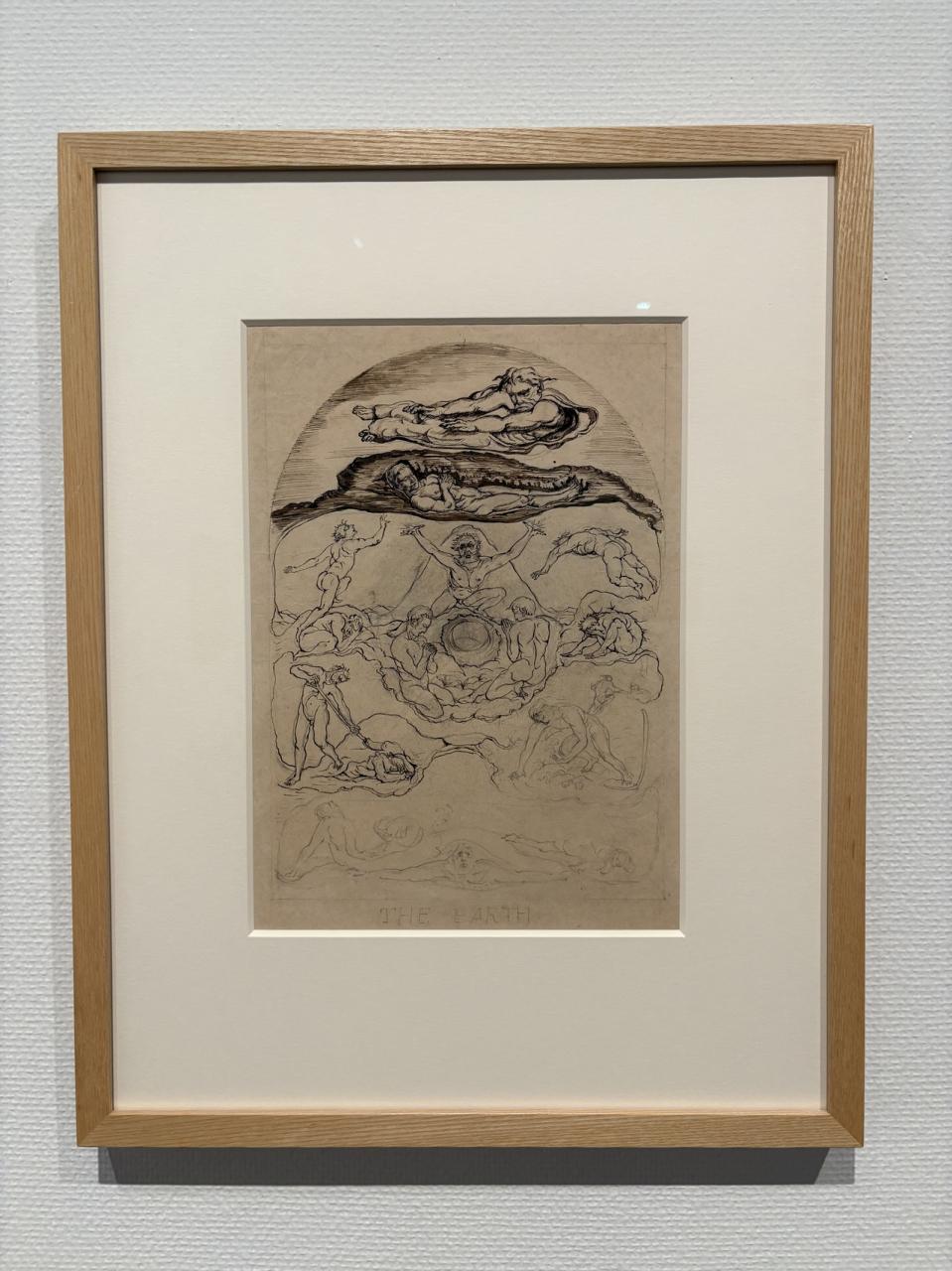
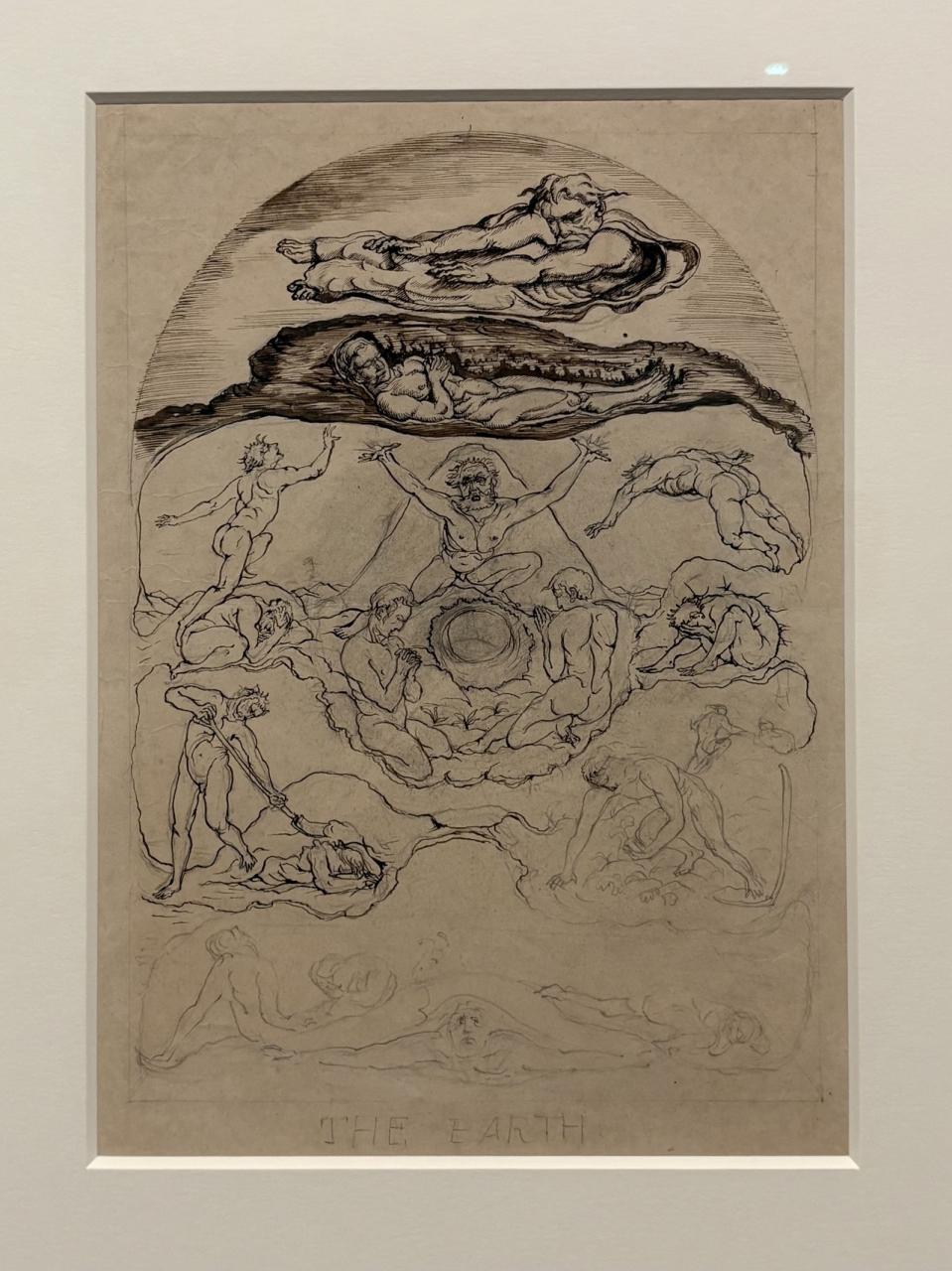
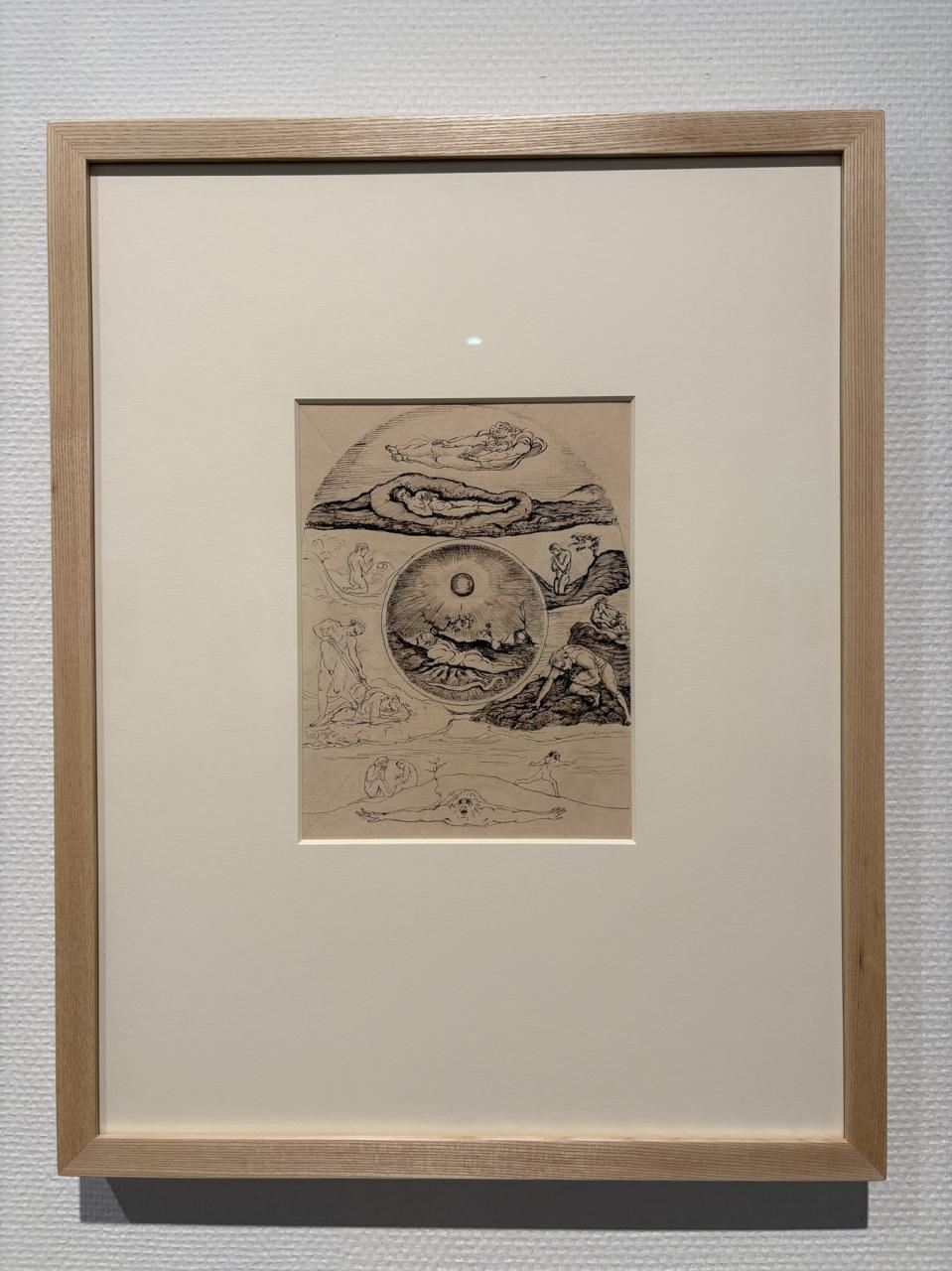
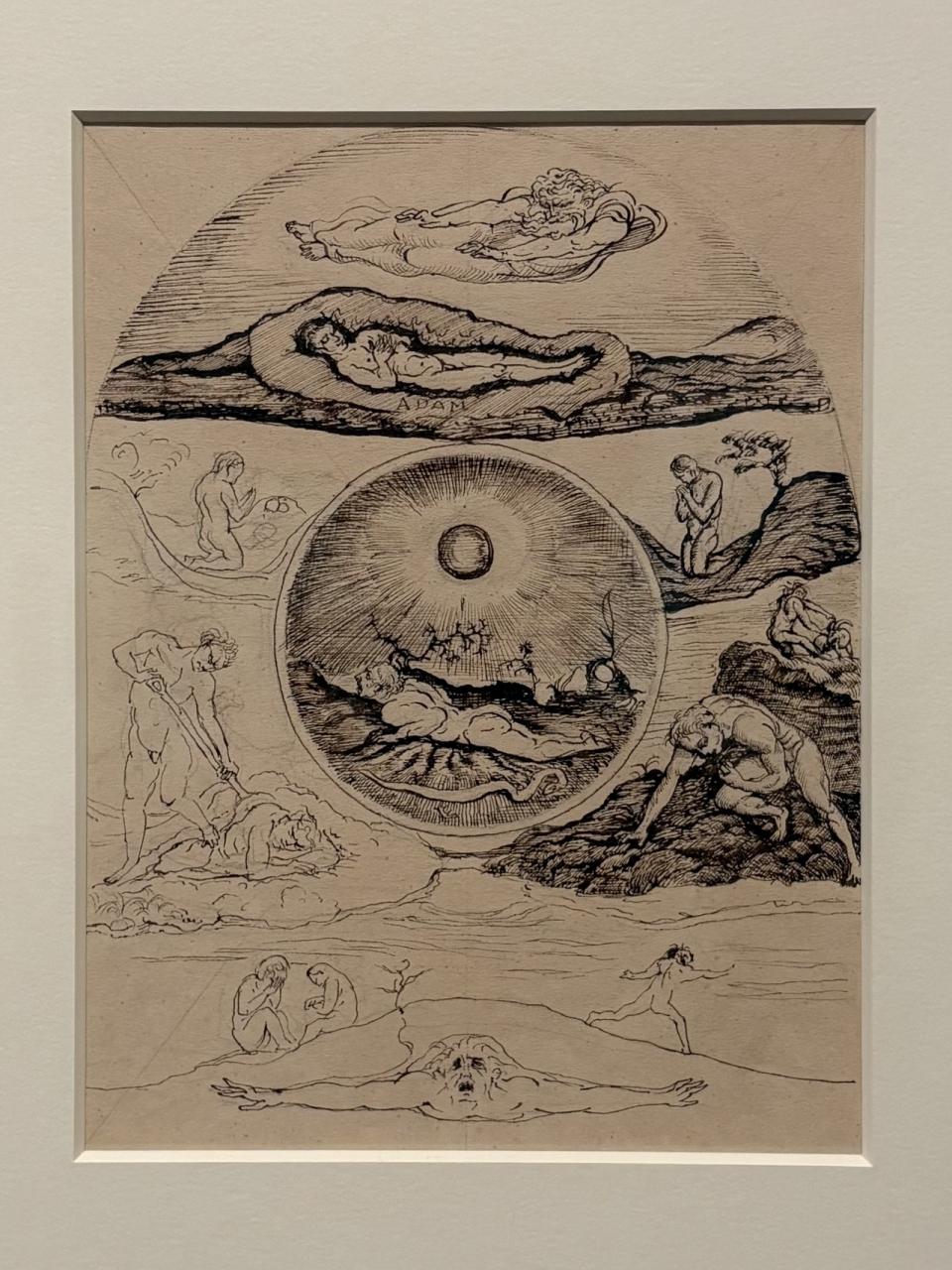
人間創造
Creation of Human Beings
C.1914 大正3年頃
インク、鉛筆・紙 ink and pencil on paper
吉沢仁章氏、吉沢千賀子氏、鈴木裕子氏寄贈
Gift of Yoshizawa Hiroaki, Yoshizawa Chikako and Suzuki Yuko -
-
岸田劉生
KISHIDA, Ryusei
1891-1929
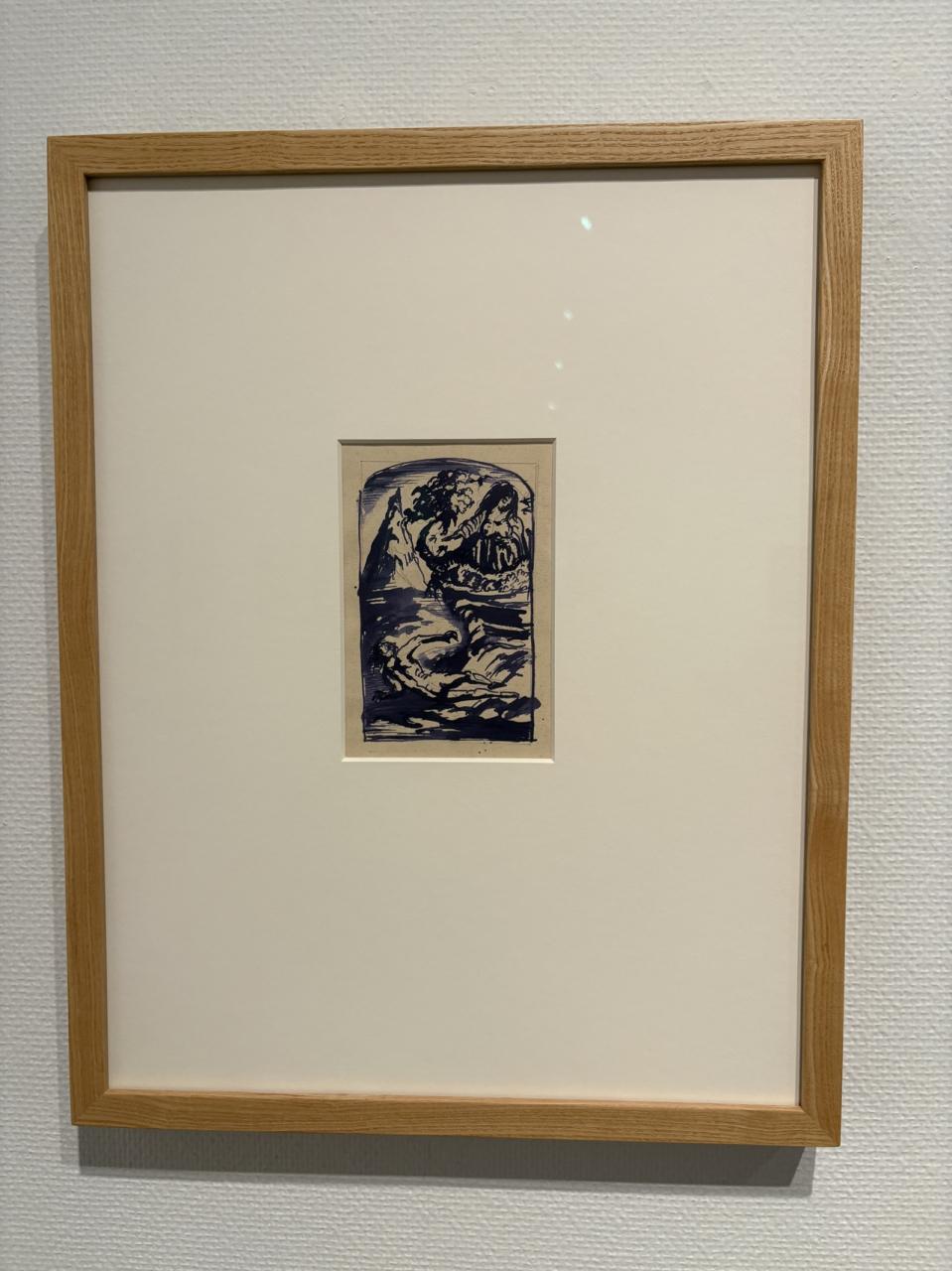
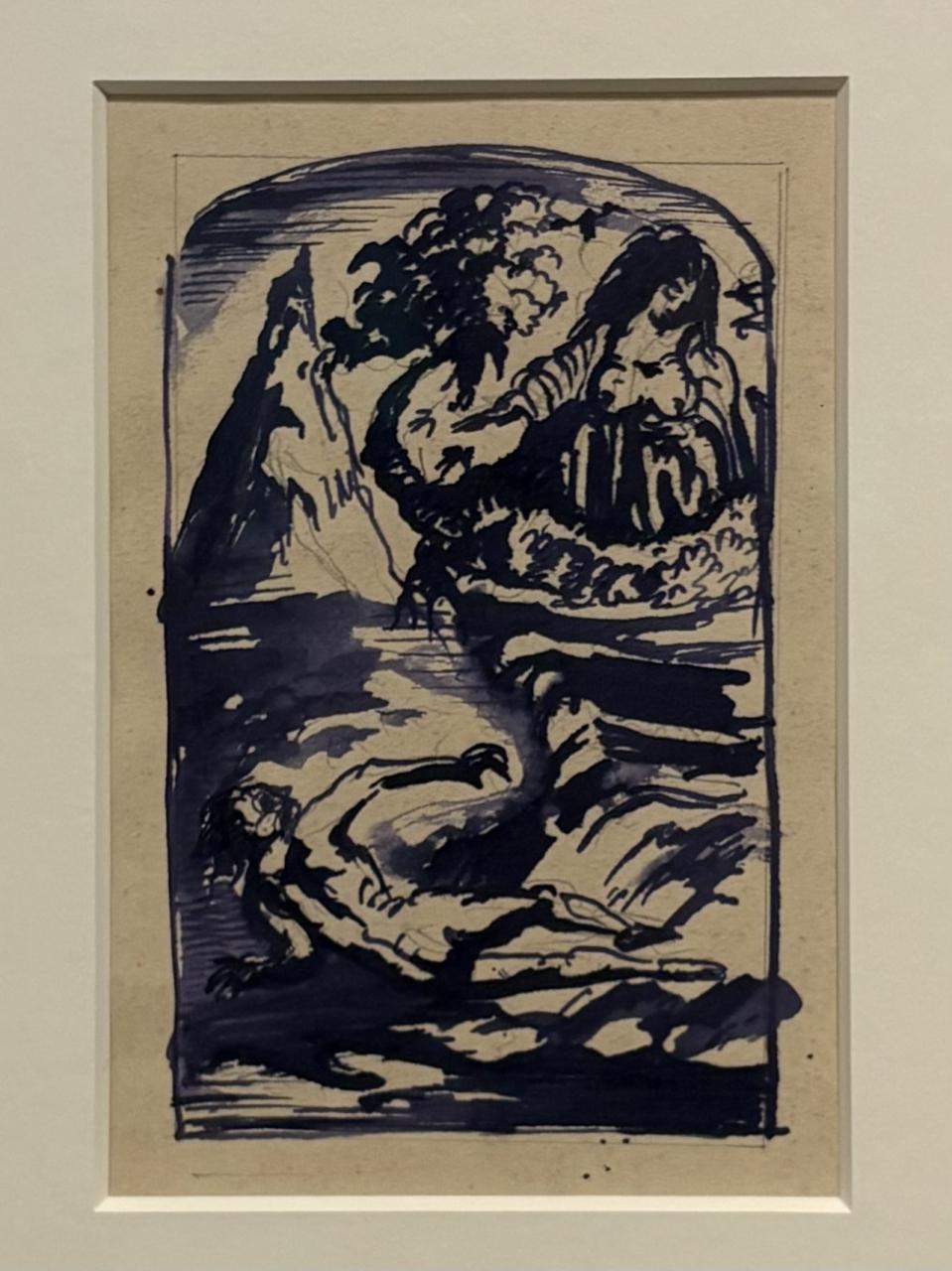
<人類の意志>のための下絵
Study for Human Will
c.1914 大正3年頃
インク、鉛筆・紙 ink and pencil on paper
購入
Purchased -
-
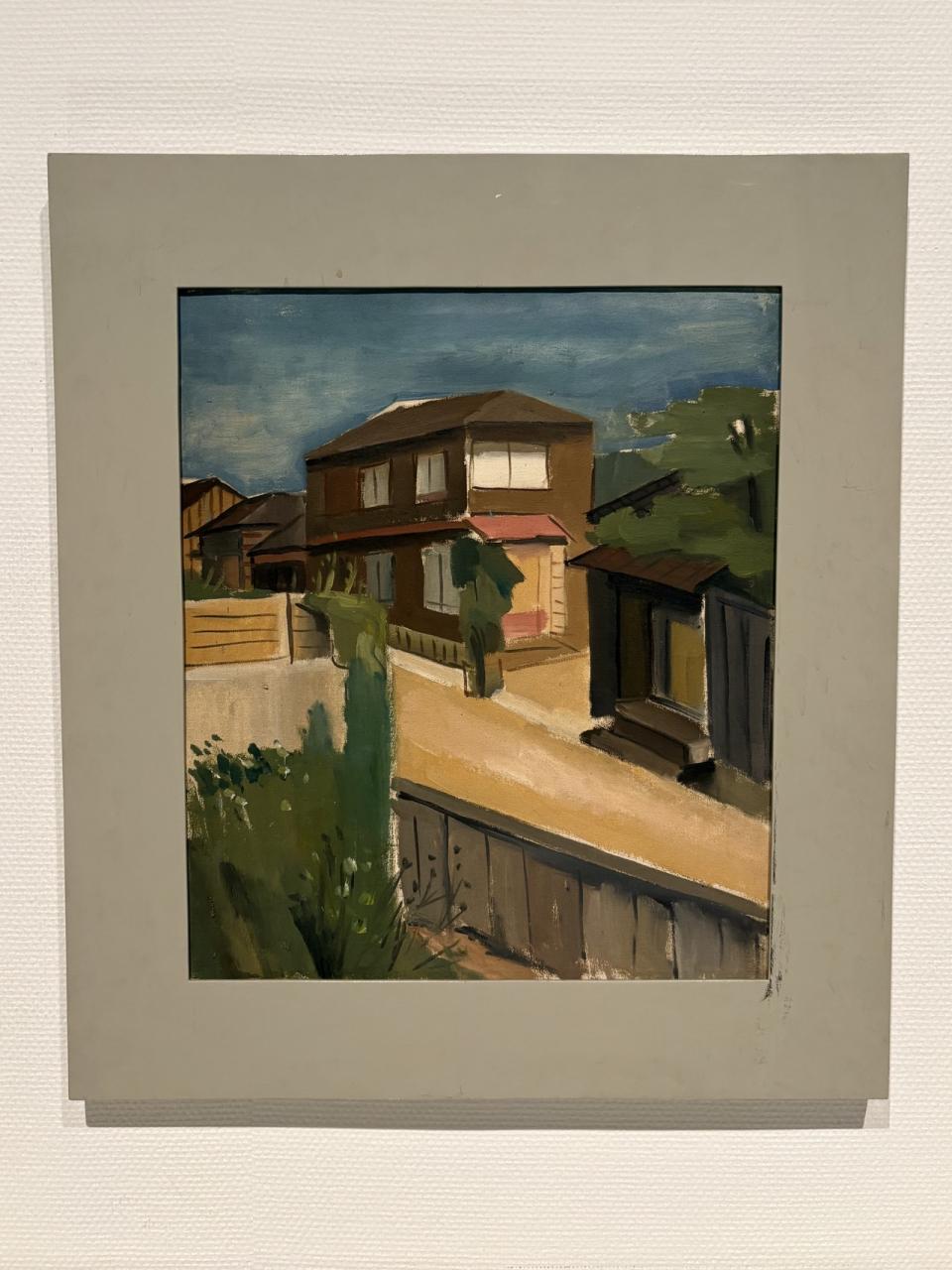
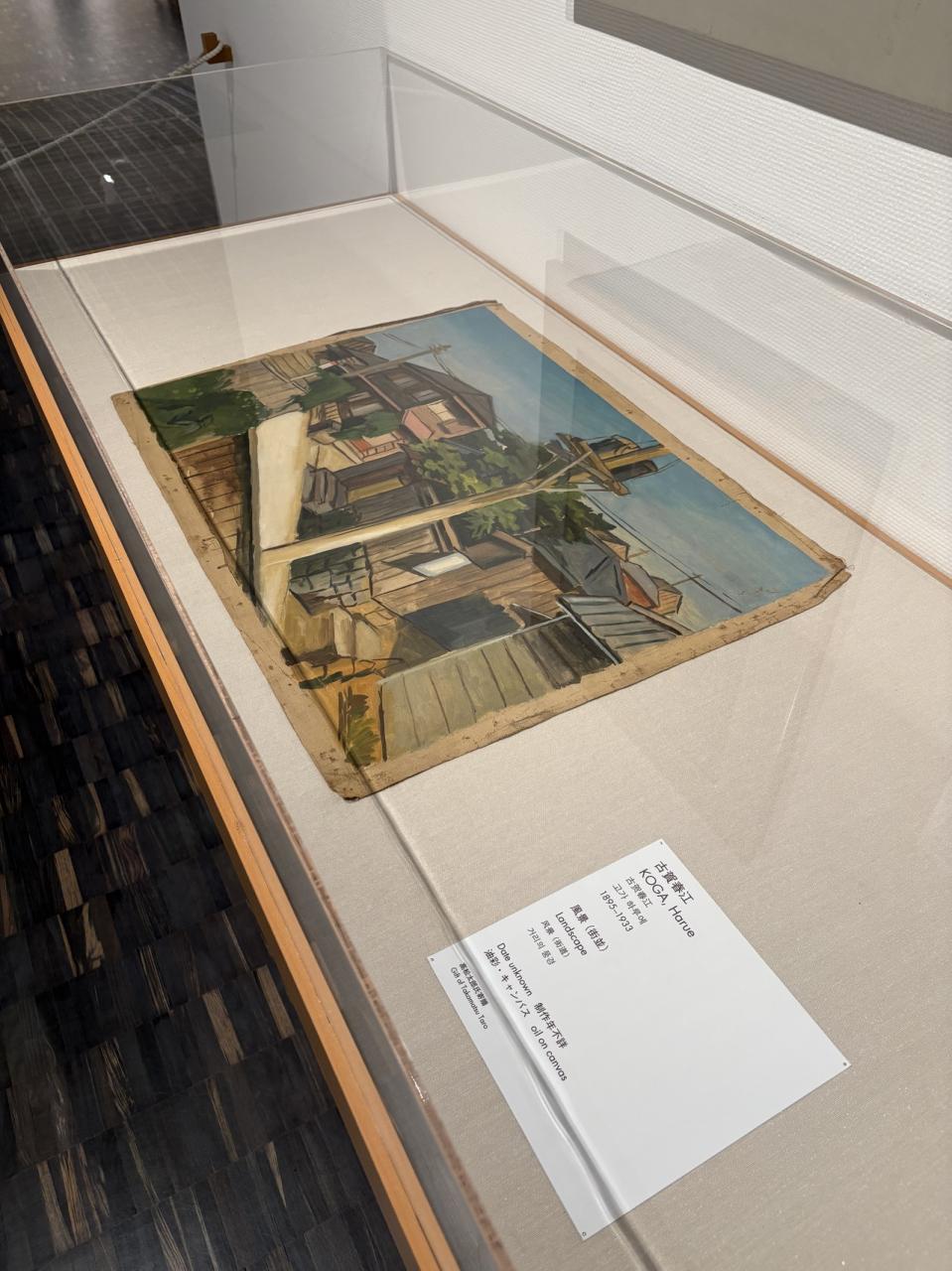
古賀春江
KOGA, Harue
1895-1933
風景
Landscape
Date unknown
制作年不詳
油彩・キャンバス oil on canvas
高松太郎氏寄贈
Gift of Takamatsu Taro -
この旅行記のタグ


利用規約に違反している投稿は、報告する事ができます。
-
前の旅行記

MOMAT コレクション〔国立東京近代美術館 所蔵作品展〕(2025.7.15-10.26)2.大正の個性派...
2025/08/07~
神田・神保町
-
次の旅行記

MOMAT コレクション〔国立東京近代美術館 所蔵作品展〕(2025.7.15-10.26)4.山と渓谷 "...
2025/08/07~
神田・神保町
-

MOMAT コレクション〔国立東京近代美術館 所蔵作品展〕(2025.7.15-10.26)1.ハイライト ...
2025/08/07~
神田・神保町
-

MOMAT コレクション〔国立東京近代美術館 所蔵作品展〕(2025.7.15-10.26)2.大正の個性派...
2025/08/07~
神田・神保町
-

MOMAT コレクション〔国立東京近代美術館 所蔵作品展〕(2025.7.15-10.26)3. 岸田劉生「...
2025/08/07~
神田・神保町
-

MOMAT コレクション〔国立東京近代美術館 所蔵作品展〕(2025.7.15-10.26)4.山と渓谷 "...
2025/08/07~
神田・神保町
-

MOMAT コレクション(2025.7.15-10.26)5.1930年代の絵画:現実の彼方へ、幻影の手前で...
2025/08/07~
神田・神保町
-

MOMAT コレクション(2025.7.15-10.26)6.1940年 "ハリー・K・シゲタ(重田放二)フ...
2025/08/07~
神田・神保町
-

MOMAT コレクション〔国立東京近代美術館 所蔵作品展〕(2025.7.15-10.26)7.戦後の女性画...
2025/08/07~
神田・神保町
-

MOMAT コレクション(2025.7.15-10.26)8.ジャンクとポップ "日比野克彦 LABYRIN...
2025/08/07~
神田・神保町
-

MOMAT コレクション〔国立東京近代美術館 所蔵作品展〕(2025.7.15-10.26)9.山村雅昭「ワ...
2025/08/07~
神田・神保町
-

MOMAT コレクション(2025.7.15-10.26)10.アルプのアトリエ/絵画と目的 "山口華楊、洋...
2025/08/07~
神田・神保町
-

MOMAT コレクション(2025.7.15-10.26)11.揺れる境界 "石川真生、基地を取り巻く人々"
2025/08/07~
神田・神保町
-

MOMAT コレクション〔国立東京近代美術館 所蔵作品展〕(2025.7.15-10.26)12.ヨコ軸・タ...
2025/08/07~
神田・神保町
-

東京国立近代美術館 "新収蔵&特別公開 コレクションにみる日韓" (2025.7.15 - 10.26) "...
2025/08/07~
神田・神保町
旅行記グループをもっと見る
コメントを投稿する前に
十分に確認の上、ご投稿ください。 コメントの内容は攻撃的ではなく、相手の気持ちに寄り添ったものになっていますか?
サイト共通ガイドライン(利用上のお願い)報道機関・マスメディアの方へ 画像提供などに関するお問い合わせは、専用のお問い合わせフォームからお願いいたします。






フォートラベル公式LINE@

おすすめの旅行記や旬な旅行情報、お得なキャンペーン情報をお届けします!
QRコードが読み取れない場合はID「@4travel」で検索してください。
\その他の公式SNSはこちら/






旅行記グループ MOMAT コレクション〔国立東京近代美術館 所蔵作品展〕(2025.7.15-10.26)
0
20