


2025/08/07 - 2025/08/07
21位(同エリア932件中)

旅熊 Kokazさん
- 旅熊 KokazさんTOP
- 旅行記1923冊
- クチコミ854件
- Q&A回答102件
- 1,704,987アクセス
- フォロワー752人
この旅行記のスケジュール
2025/08/07

この旅行記スケジュールを元に
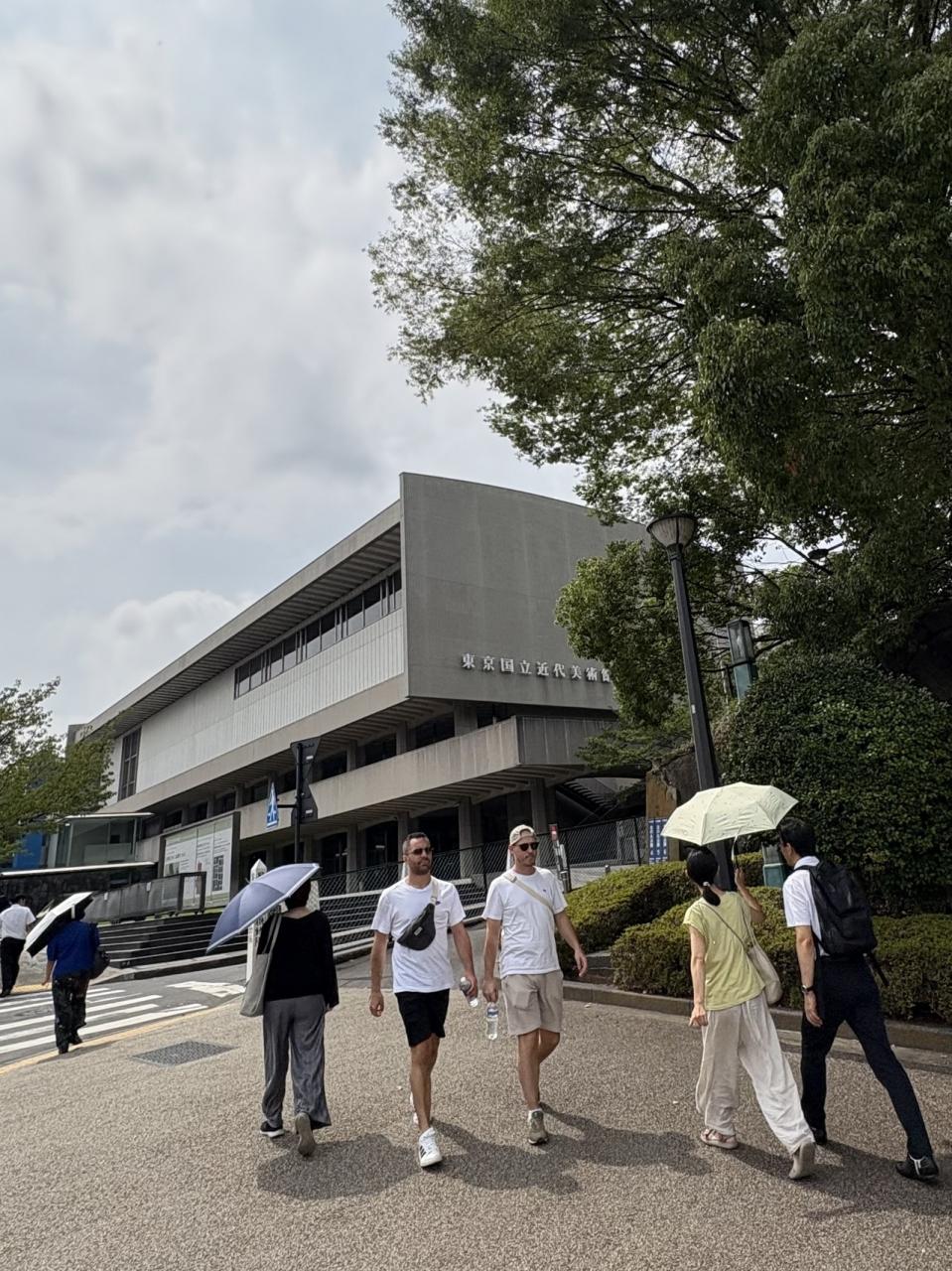
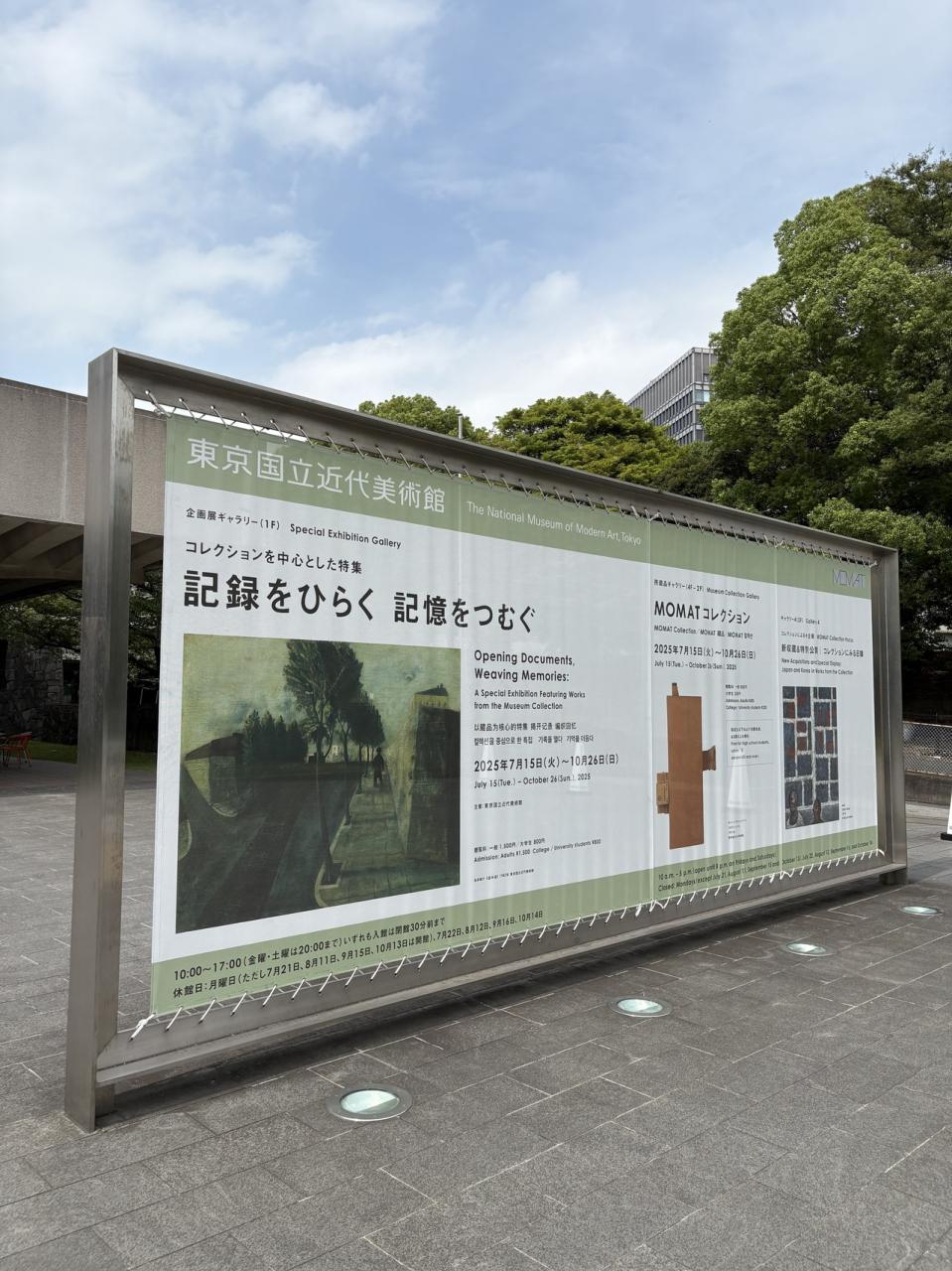
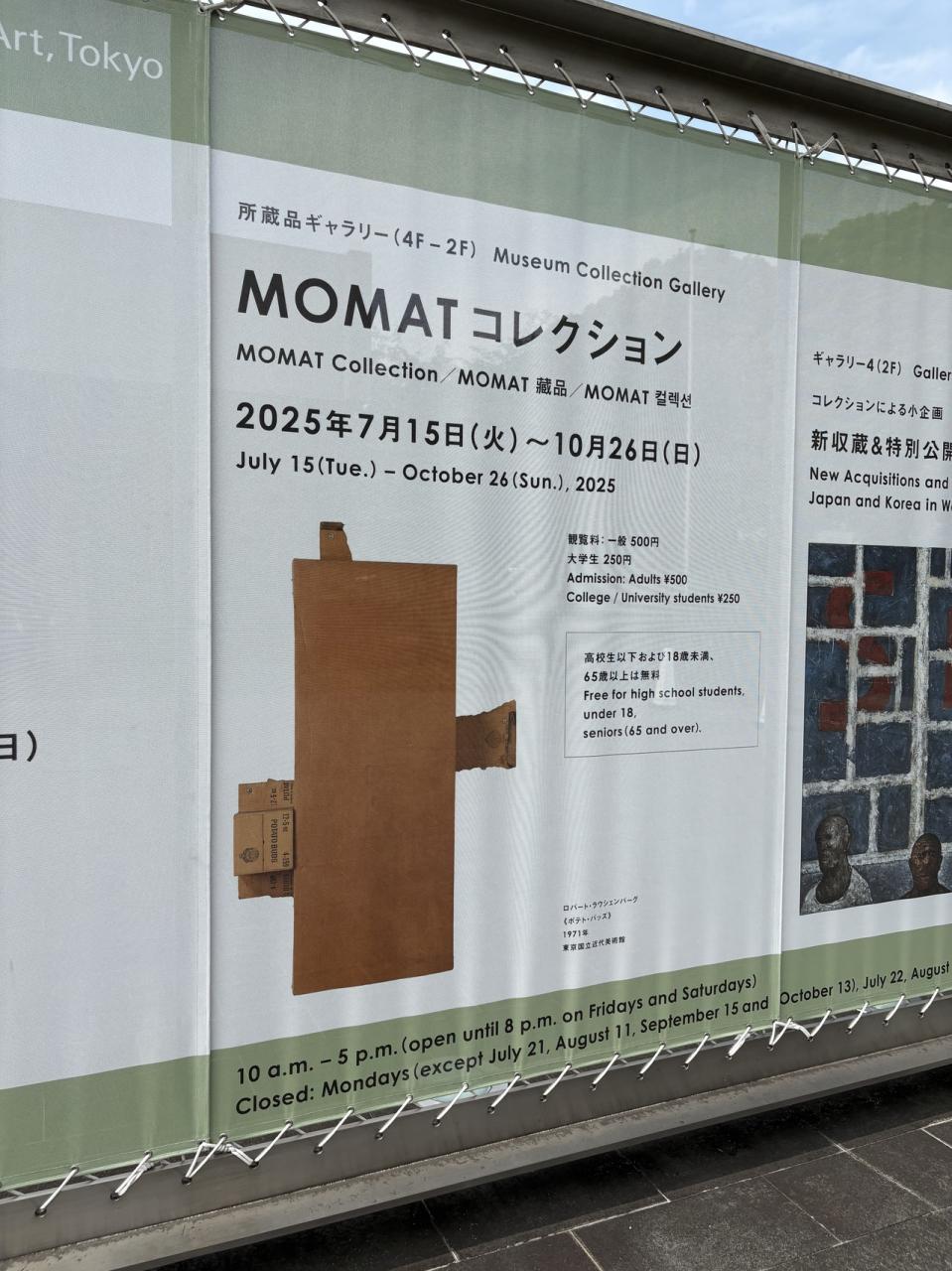
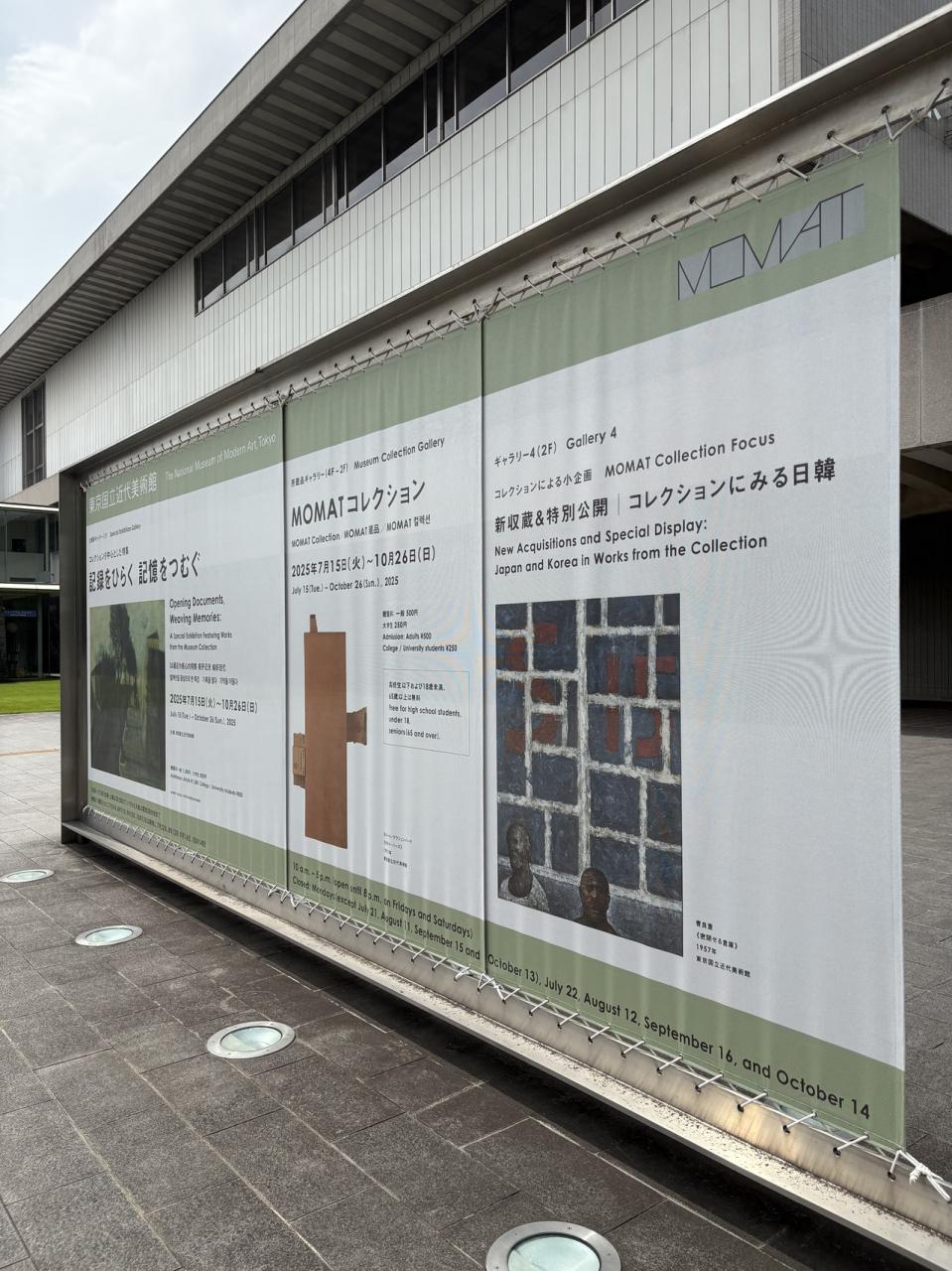
MOMAT コレクション〔国立東京近代美術館 所蔵作品展〕(2025.7.15-10.26)
https://www.momat.go.jp/exhibitions/r7-1
1.ハイライト
- 旅行の満足度
- 5.0
-

所蔵作品展 MOMATコレクション(2025.7.15-10.26)
https://www.momat.go.jp/exhibitions/r7-1東京国立近代美術館 美術館・博物館
-
-
-
-
-
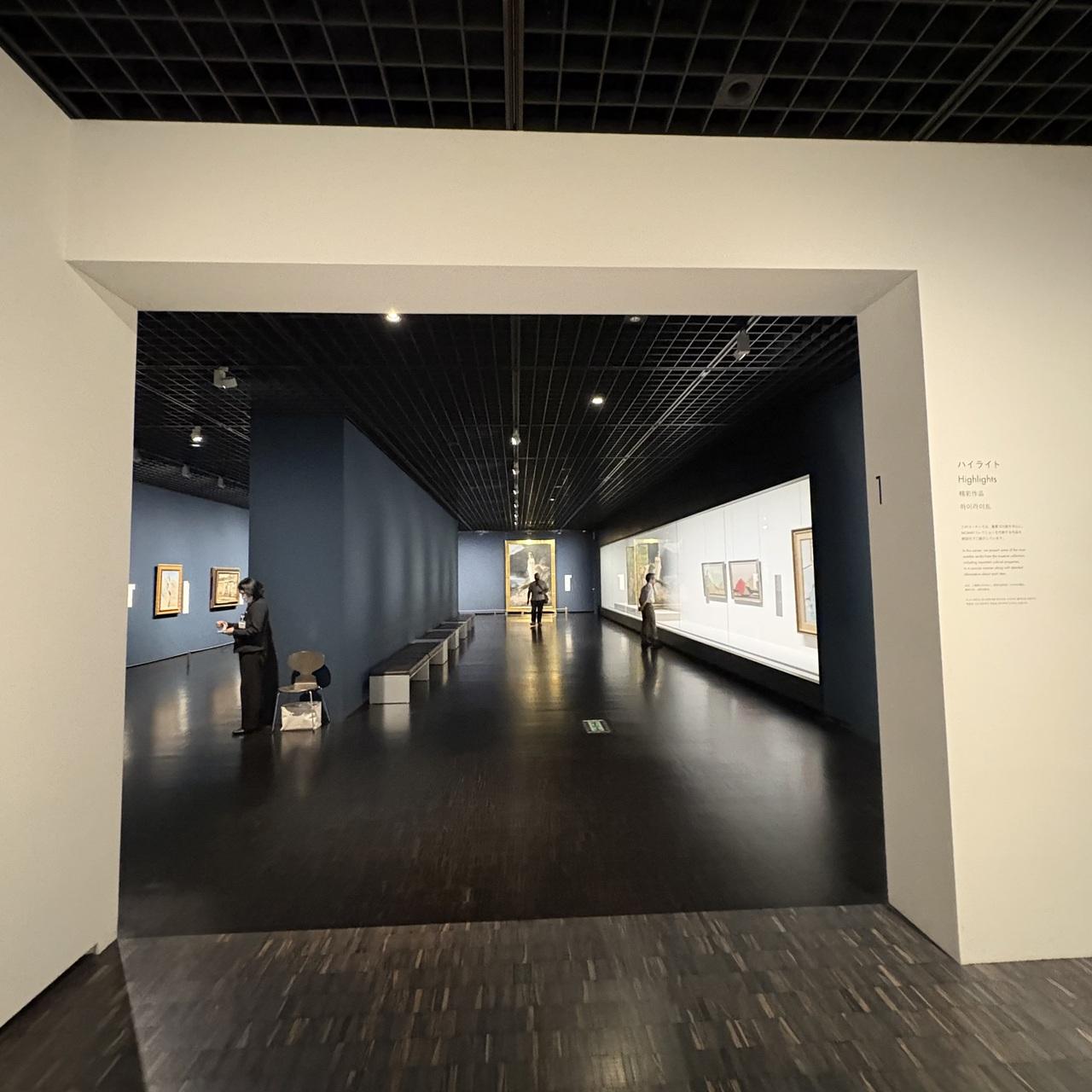
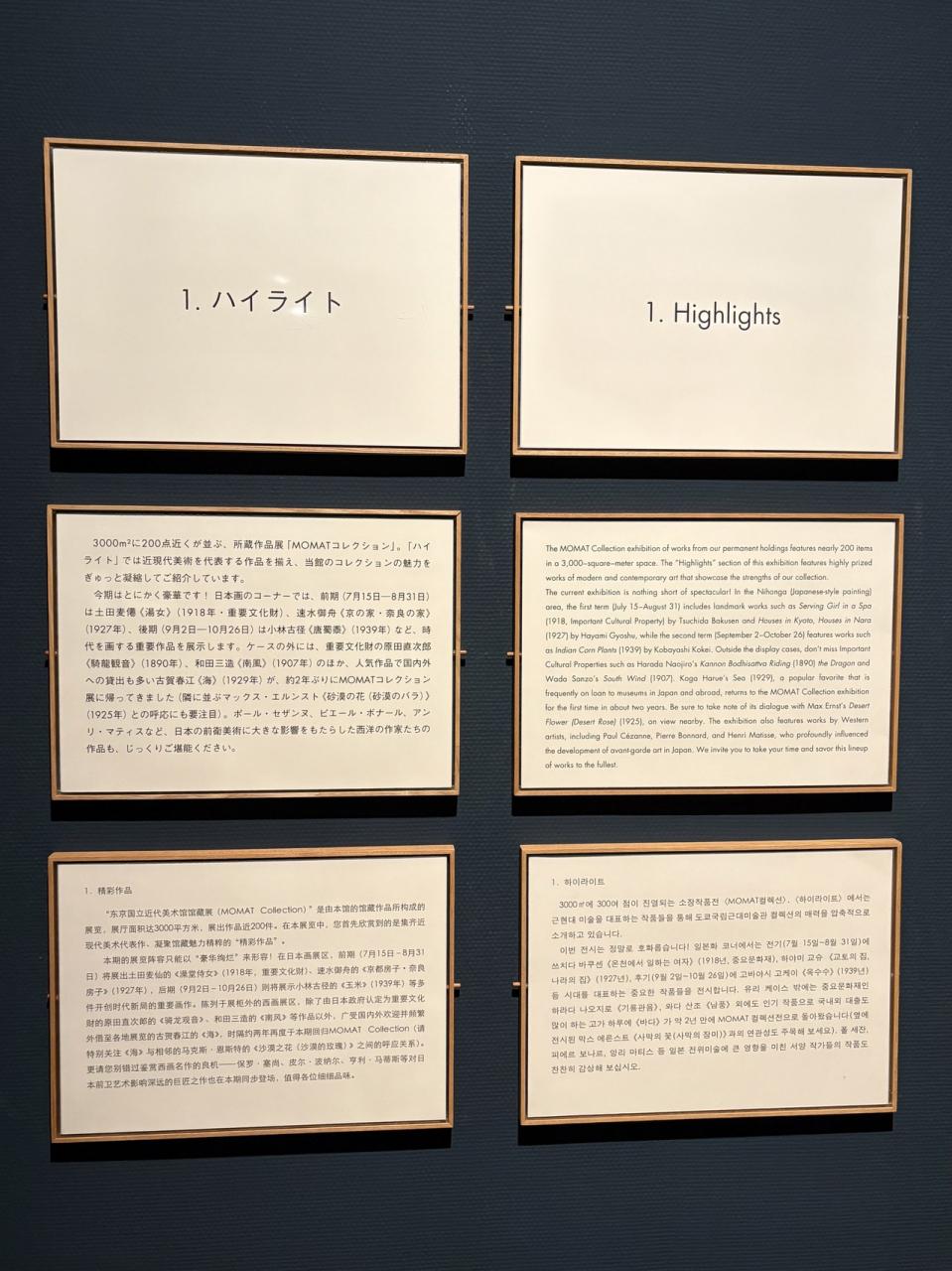
1. ハイライト
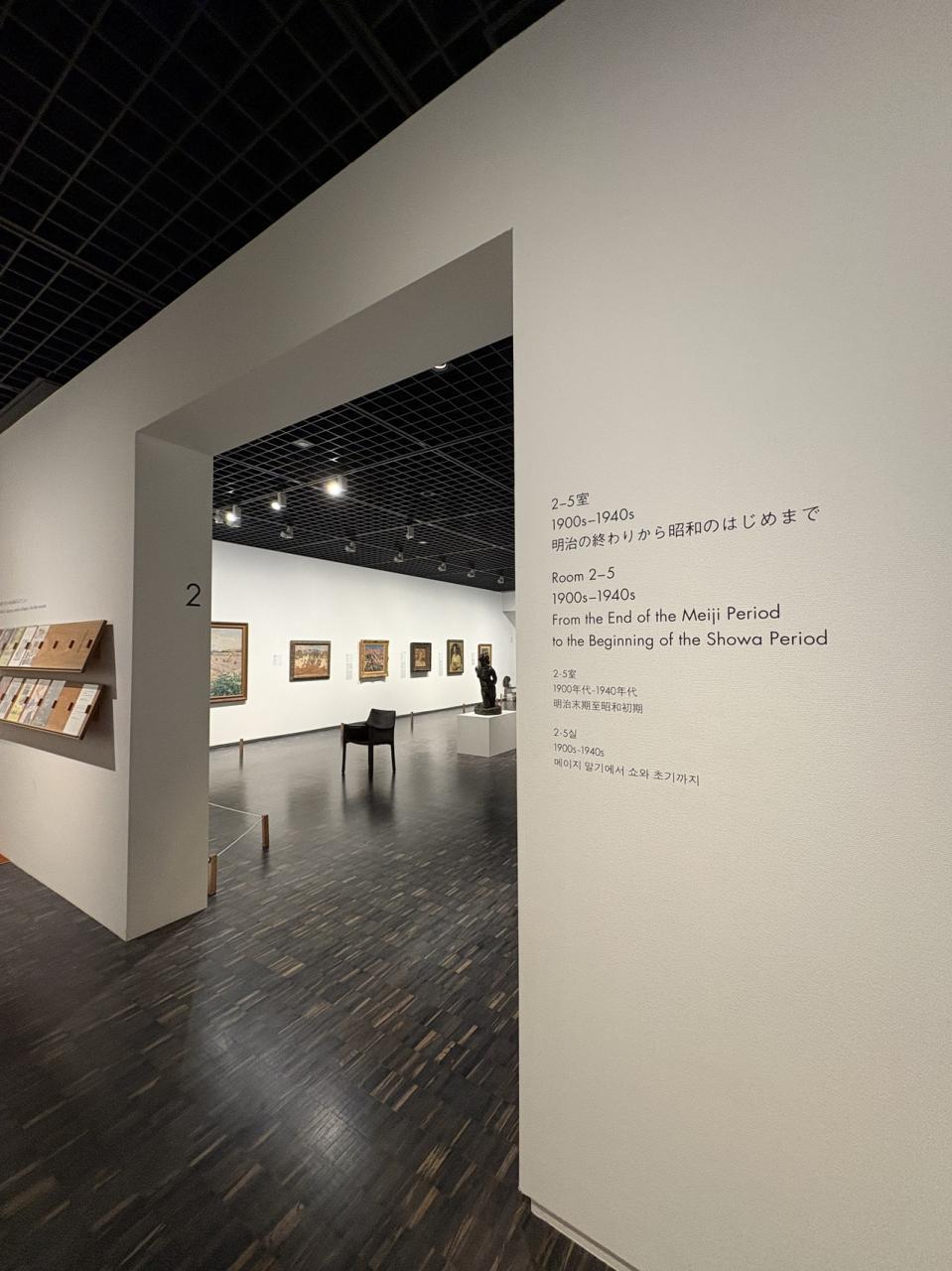
3000㎡に200点近くが並ぶ、所蔵作品展「MOMATコレクション」。「ハイライト」では近現代美術を代表する作品を揃え、当館のコレクションの魅力をぎゅっと凝縮してご紹介しています。
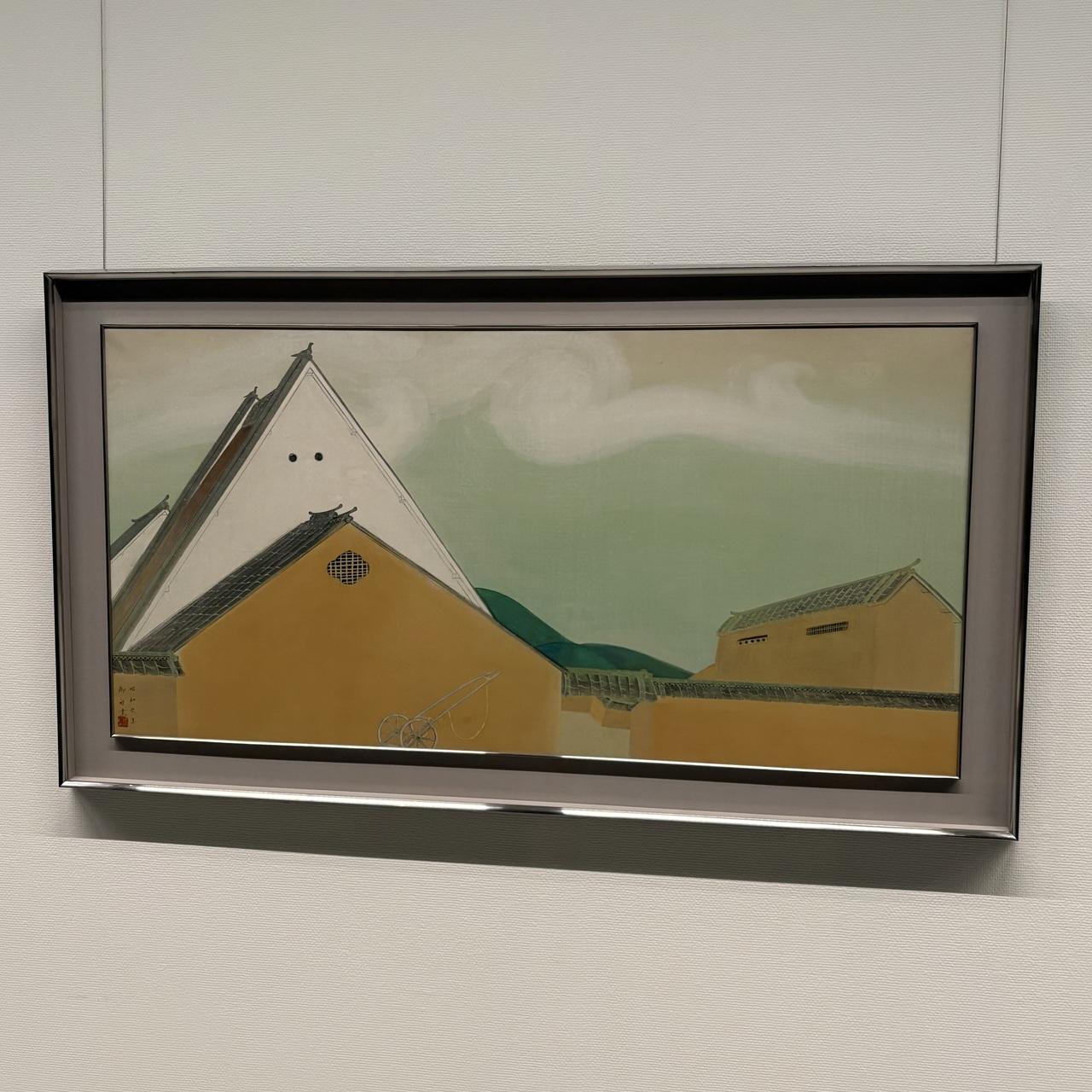
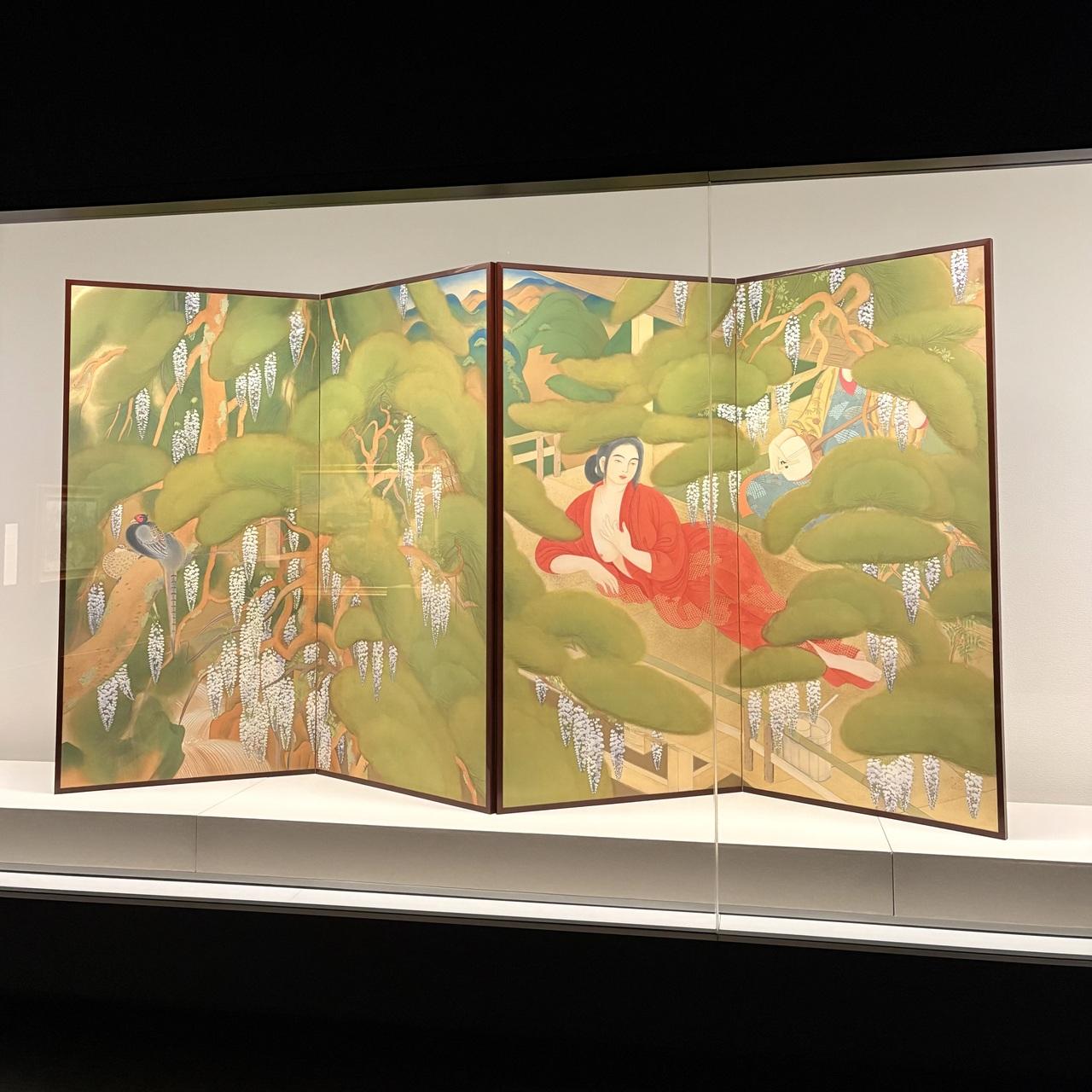
今期はとにかく豪華です!日本画のコーナーでは、前期(7月15日ー8月31日)は土田麦倦<湯女>(1918年・重要文化財)、速水舟<京の家・奈良の家>(1927年)、後期(9月2日ー10月26日)は小林古<唐蜀黍>(1939年)など、時代を画する重要作品を展示します。
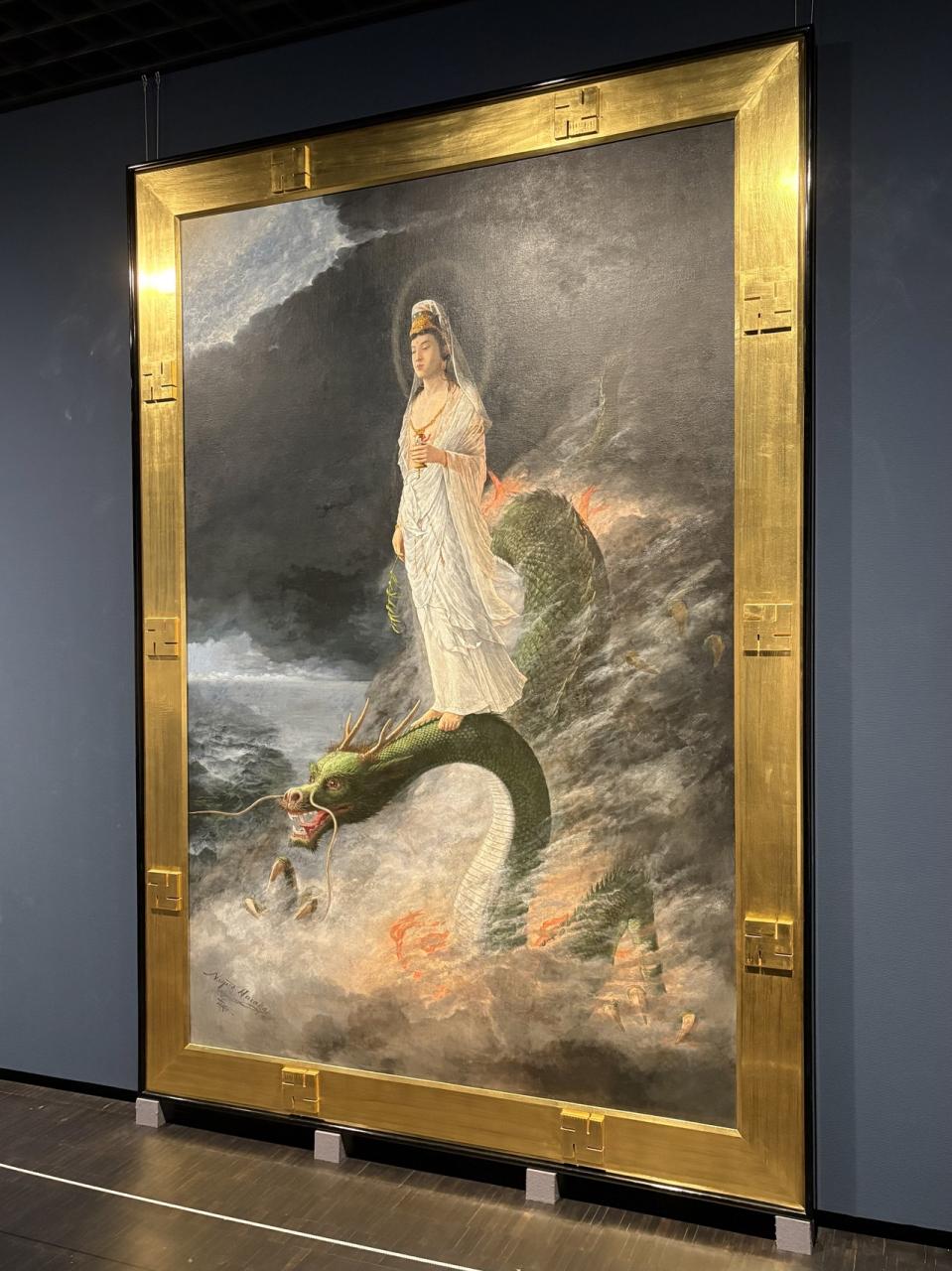
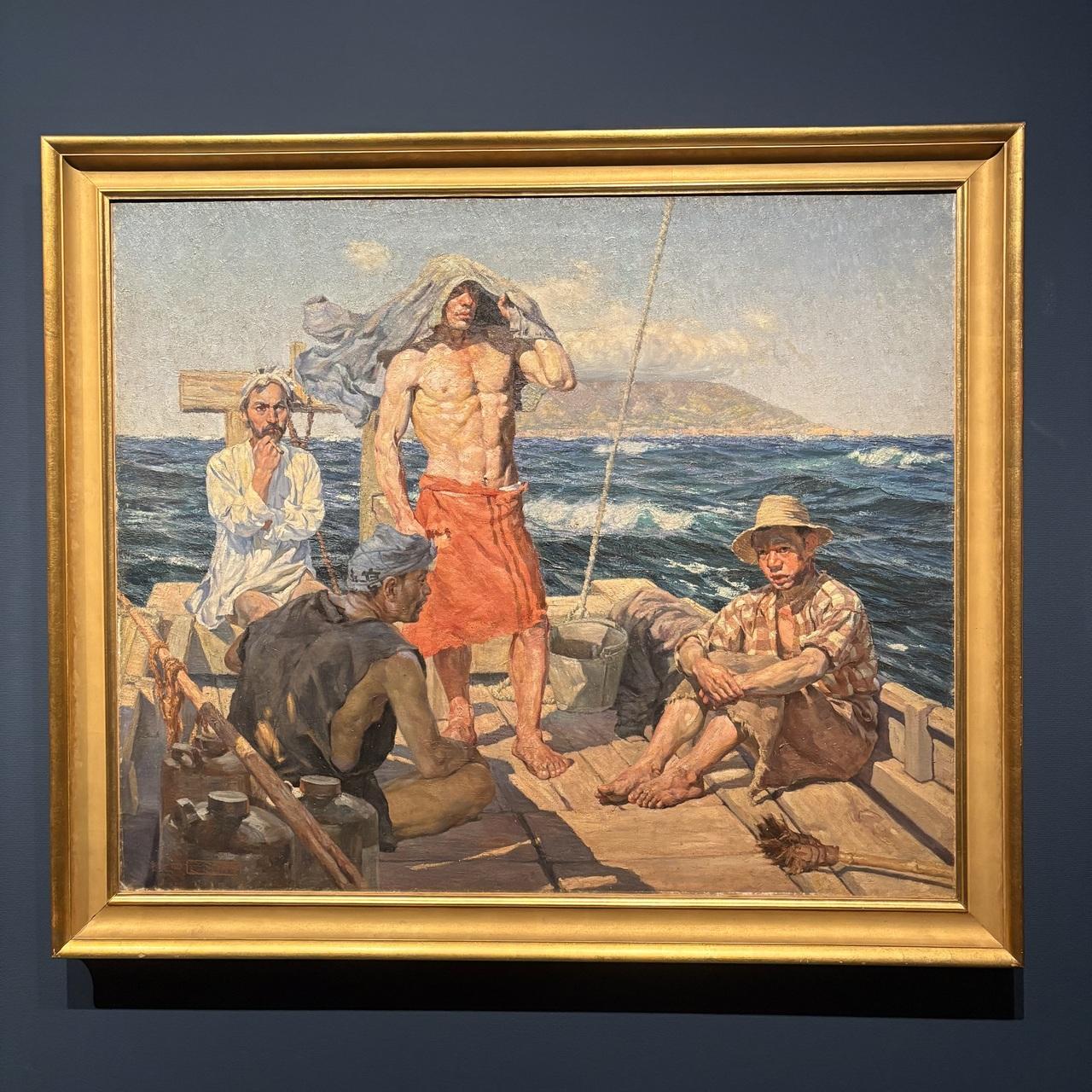
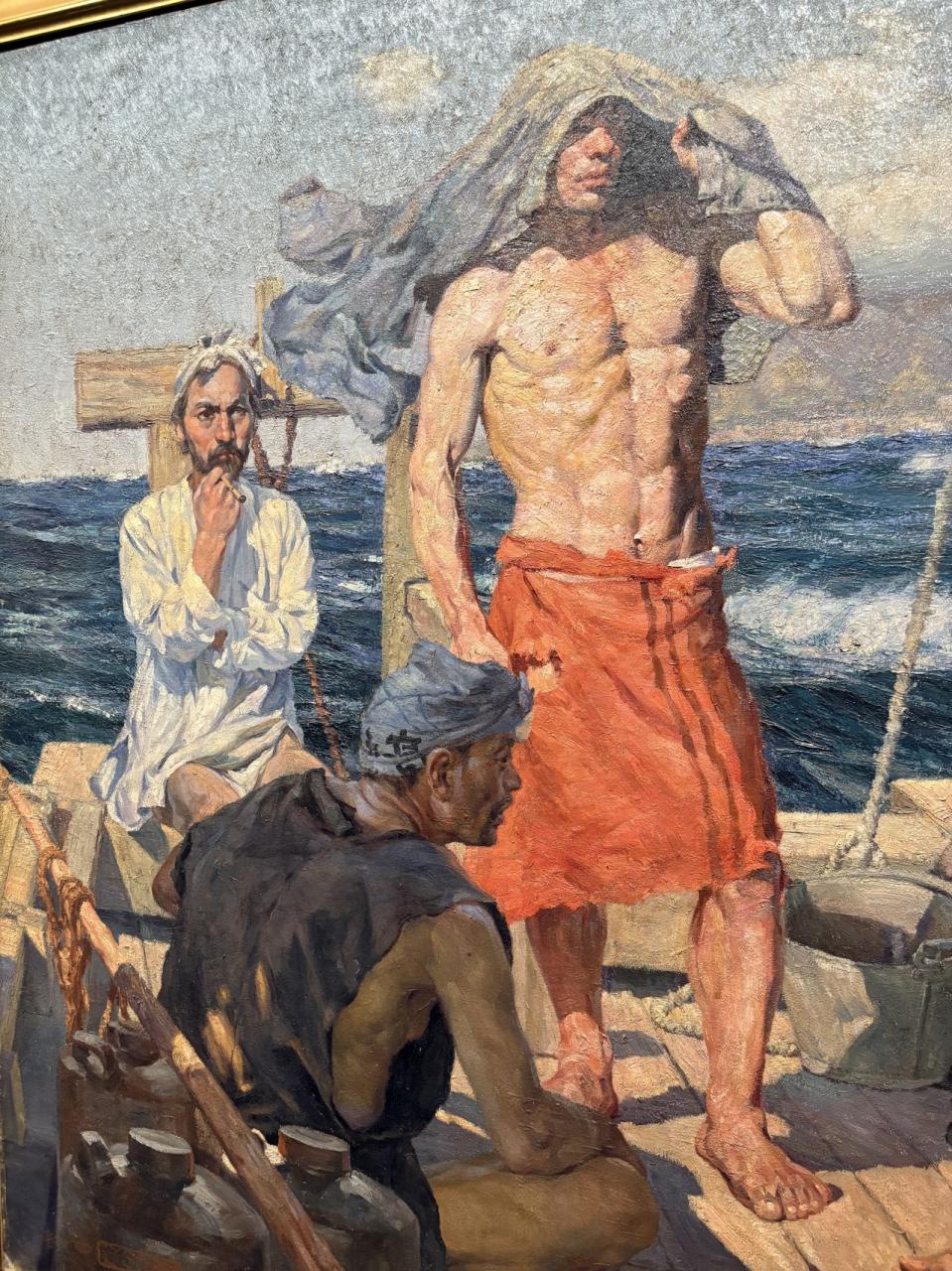
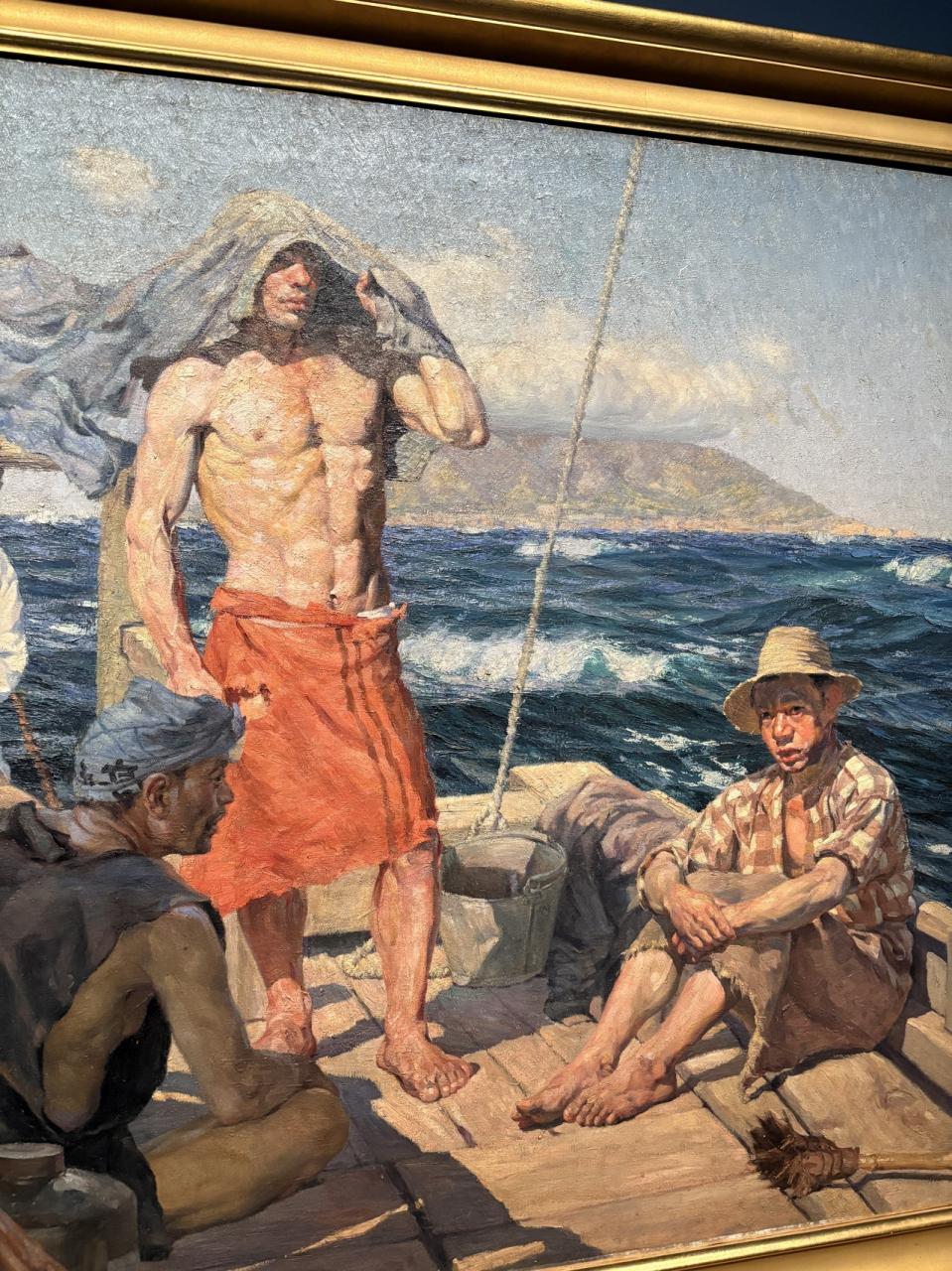
ケースの外には、重要文化財の原田直次郎<騎龍観音>(1890年)、和田三造<南風>(1907年)のほか、人気作品で国内外への貸出も多い古賀春江<海>(1929年)が、約2年ぶりにMOMATコレクション展に帰ってきました(隣に並ぶマックス・エルンスト<砂漠の花(砂漠のバラ)>(1925年)との呼応にも要注目)。ポール・セザンヌ、ピエール・ボナール、アンリ・マティスなど、日本の前衛美術に大きな影響をもたらした西洋の作家たちの作品も、じっくりご堪能ください。
1. Highlights
The MOMAT Collection exhibition of works from our permanent holdings features nearly 200 items in a 3,000-square-meter space. The "Highlights" section of this exhibition features highly prized works of modern and contemporary art that showcase the strengths of our collection.
The current exhibition is nothing short of spectacular! In the Nihonga (Japanese-style painting) area, the first term (July 15-August 31) includes landmark works such as Serving Girl in a Spa (1918, Important Cultural Property) by Tsuchida Bakusen and Houses in Kyoto, Houses in Nara (1927) by Hayami Gyoshu, while the second term (September 2-October 26) features works such as Indian Corn Plants (1939) by Kobayashi Kokei.
Outside the display cases, don't miss Important Cultural Properties such as Harada Naojiro's Kannon Bodhisattva Riding (1890) the Dragon and Wada Sanzo's South Wind (1907). Koga Harue's Sea 1929), a popular favorite that is frequently on loan to museums in Japan and abroad, returns to the MOMAT Collection exhibition for the first time in about two years. Be sure to take note of its dialogue with Max Ernst's Desert Flower (Desert Rose) (1925), on view nearby. The exhibition also features works by Western artists, including Paul Cézanne, Pierre Bonnard, and Henri Matisse, who profoundly influenced the development of avant-garde art in Japan. We invite you to take your time and savor this lineup of works to the fullest. -
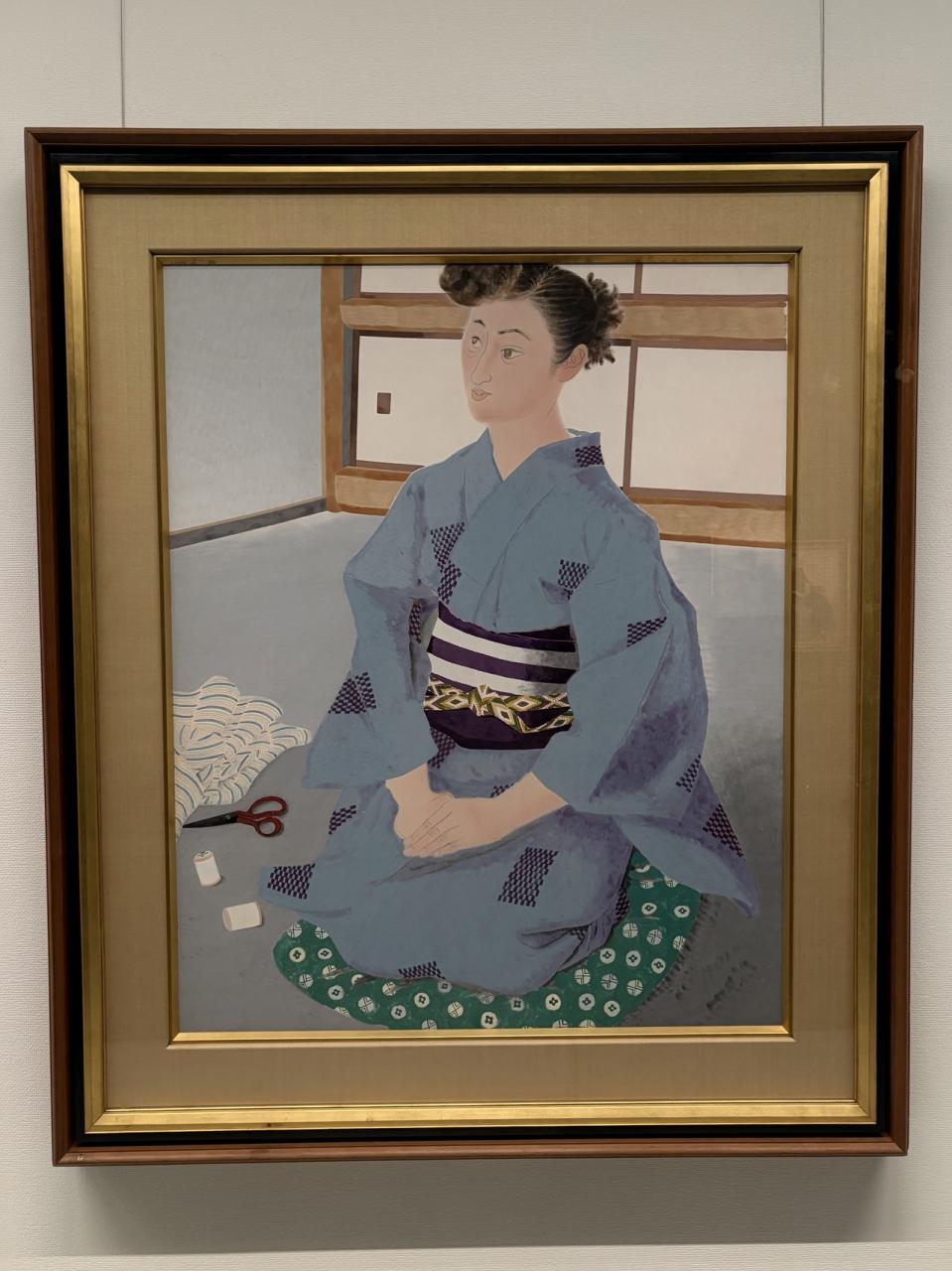
小倉遊亀
OGURA, Yuki
1895-2000
O夫人坐像
Portrait of Mrs.O
1953 昭和28年
紙本彩色 color on paper
購入
Purchased
描かれている女性は、骨盤を立てて上半身の重さを無理なく骨盤で支える、そんな正しい正座の姿勢に慣れた人という印象です。頭の端を枠外に出したことで、はみだすような活力が感じられます。室内空間はゆがんでいて、落ち着きよりも動きを感じさせます。こうした写実、構図の工夫、デフォルメがこの作品を生き生きとさせている要素です。作者は、人物画がとかくひとつのパターンに陥りやすいところを、何とか生きたイメージの楽しい人物画にしたかったと述べています。
The woman in this painting gives the impression of someone accustomed to kneeling in this traditional posture, which requires the lower back to be erect so as to support the weight of the upper body without strain. The top of her head spills outside the frame, giving the impression of overflowing vitality, and the warping of the interior space creates an atmosphere that is more dynamic than tranquil. A combination of realism, compositional ingenuity, and deformation bring the work to life. The artist, Ogura Yuki, said that while portraiture is a genre that tends to adhere to conventional patterns, what she wanted to create were delightful images of people as living beings. -
-
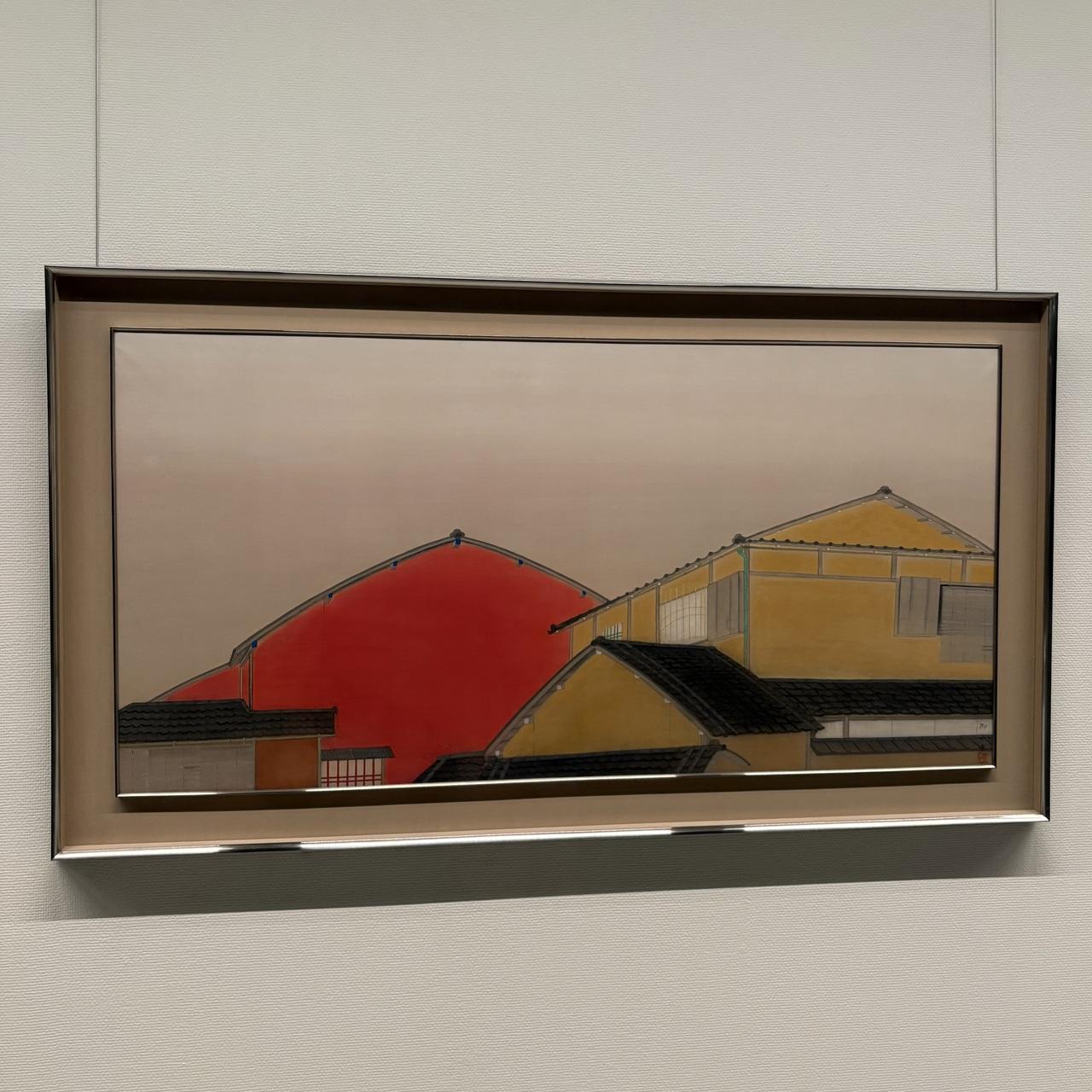
速水御舟
HAYAMI, Gyoshu
1894-1935
京の家・奈良の家
Houses in Kyoto, Houses in Nara
1927 昭和2年
紙本彩色 color on paper
購入
Purchased
右に京都の町屋、左に奈良でよく見られた大和棟の家屋を描きます。<京の家>を見ると、黄色の家は斜めから見ているはずなのに、下の方では横方向の線がことごとく水平で、建物がねじれているようです。正確な建物の描写や奥行き表現よりも、平面上の造形要素を整理することが優先されているのです。<奈良の家>も同じ。いろいろと整理した結果、とりわけ中庭に空間のゆがみが頭わとなっています。
On the right is a depiction of a Kyoto machiya townhouse, and on the left, a Yamato-mune farmhouse commonly found in Nara. Although we should be viewing the yellow house in the first picture from an angle, the lateral lines are all spread out horizontally. So, the house seems to be twisted. Rather than accurately depicting the buildings and the sense of depth, the artist decided to readjust the structural elements on the plane. This is also true in Houses in Nara. As a result of various modifications, the spatial distortion seems to be particularly evident in the court-yard. -
重要文化財
IMPORTANT CULTURAL PROPERTY
土田麦倦
TSUCHIDA, Bakusen
1887-1936
湯女(ゆな)
Serving Girl at a Spa
1918 大正7年
絹本彩色
color on silk
文化庁管理換
Transferred from Agency for Cultural Affairs
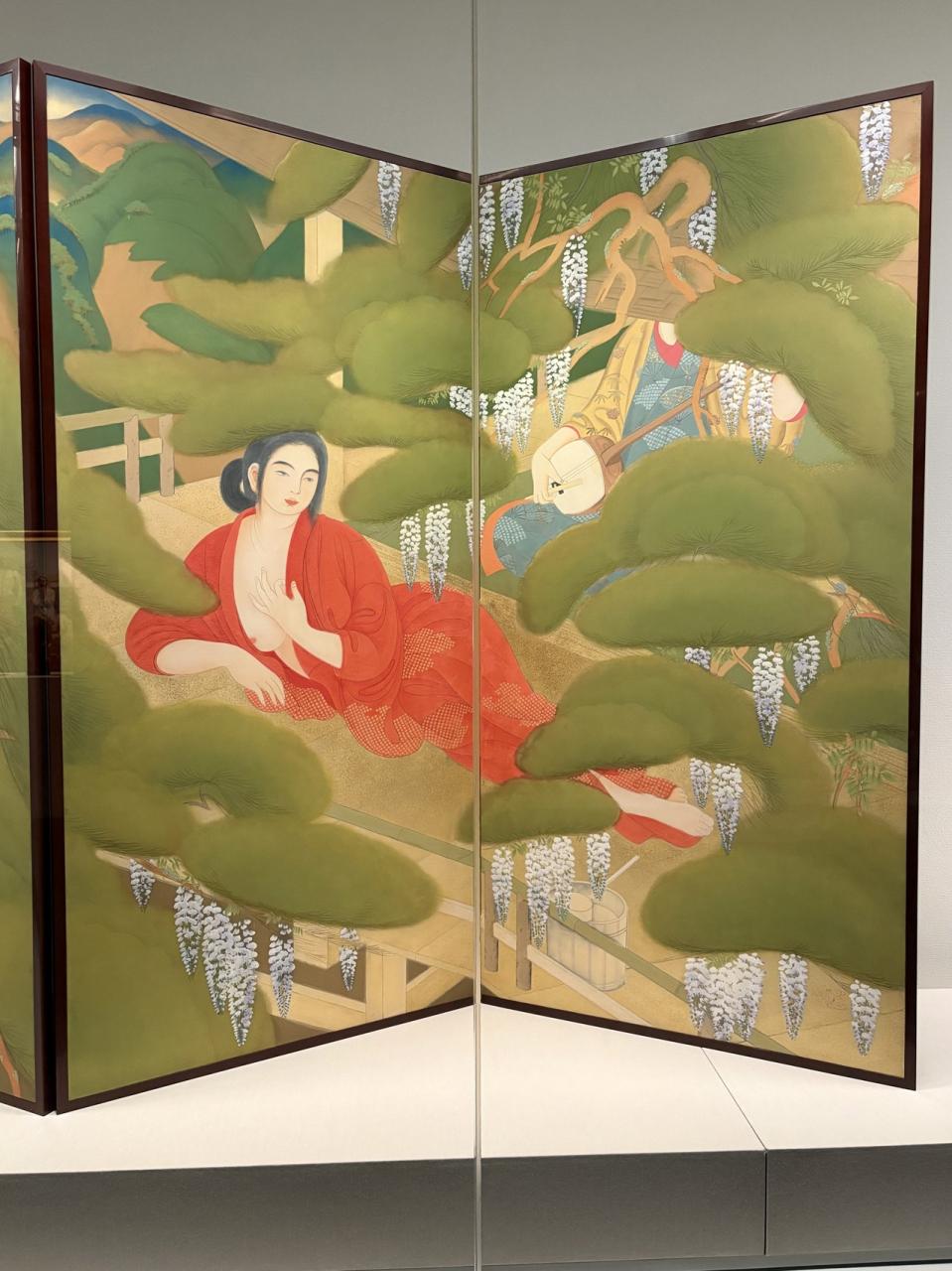
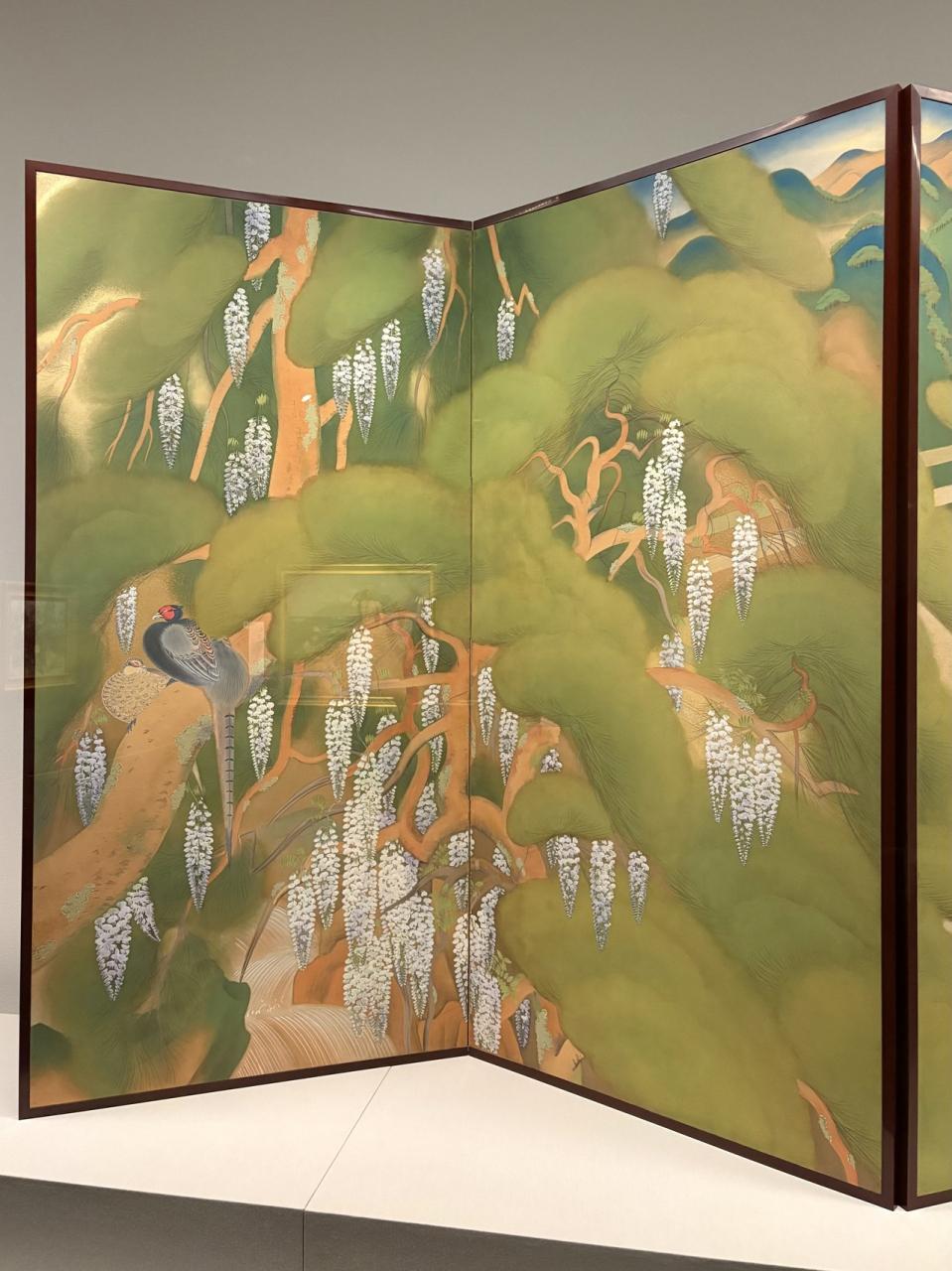
主題は、生命の輝き満ちる初夏そのもの。生い茂る木や花、雌雄の雉が自然の生命を、豊満な湯女が人間の生命を象徴しています。松の掛と藤の花が形づくる平面の向こうに空間性を強調する構図です。よく見ると、湯女の大きさに比べて雉がだいぶ小さいなど、色と形のバランスが理知的に操作されています。本作品は、個性と反文展をかかげて結成された国画創作協会の第1回展に出品され、最も注目を集めました。
The subject of this work is early summer, teeming as it is with the brilliance of life. Just as the luxuriant trees and flowers, and male and female pheasants symbolize natural life, the bathhouse waitress symbolizes human life. While the canopy of the pine trees and the wisteria flowers form a uniform plane, the composition accentuates the sense of space beyond them. But on closer examination, one discovers that Tsuchida deftly manipulates the colors and shapes by, for example, making the pheasant considerably smaller than the girl. The work, marked by an intellectual composition and rich ornamentation, was originally shown at the first exhibition staged by Kokuga Sosaku Kyokai (Kokuga Art Association), a group that was formed to champion individuality and oppose the Bunten Exhibition (organized by the Ministry of Education). It became the center of attention at the event. -
-
-
重要文化財
IMPORTANT CULTURAL PROPERTY
原田直次郎
HARADA, Naojiro
1863-1899
騎龍観音
Kannon Bodhisattva Riding the Dragon
1890
明治23年
油彩・キャンバス
oil on canvas
寄託 (護国寺蔵)
Long term loan (Collection of Gokokuji Temple)
明治になり、日本の絵画は、西洋の絵画に放って遠近法や陰影描写を本格的に取り入れました。
原田はドイツで油彩画を学んだ画家で、この作品は、西洋絵画受容の初期の優れた作例として、重要文化財に指定されました。観音と龍という架空の存在をリアルに描くため、光と影を詳細に表し、また龍のスケッチには犬や鶏を用いています。
しかし明治の人々には生々しく見えたのか、「サーカスの綱渡りのようだ」と不評で、失望した原田はこの作品を東京、護国寺に奉納しました。当館に寄託されるまで、この作品は長く本堂に掛けられていました。
In the Meiji era, Japanese painters began to imitate Western painting and earnestly adopted techniques like perspective and shading.
Harada studied oil painting in Germany and this work was designated as an Important Cultural Property as it is an excellent early example of the acceptance of Western painting in Japan. To depict the fictitious entities of Kannon and the dragon in a realistic manner, Harada expressed the light and shadows in great detail and used dogs and chickens for his sketches of the dragon.
But contemporary viewers derided the vivid appearance of the work as "a circus high-wire act." Dejected, Harada made an offering of the painting to Gokoku-ji Temple in Tokyo. Until it was deposited in the museum, the work remained for many years in the temple's main hall. -
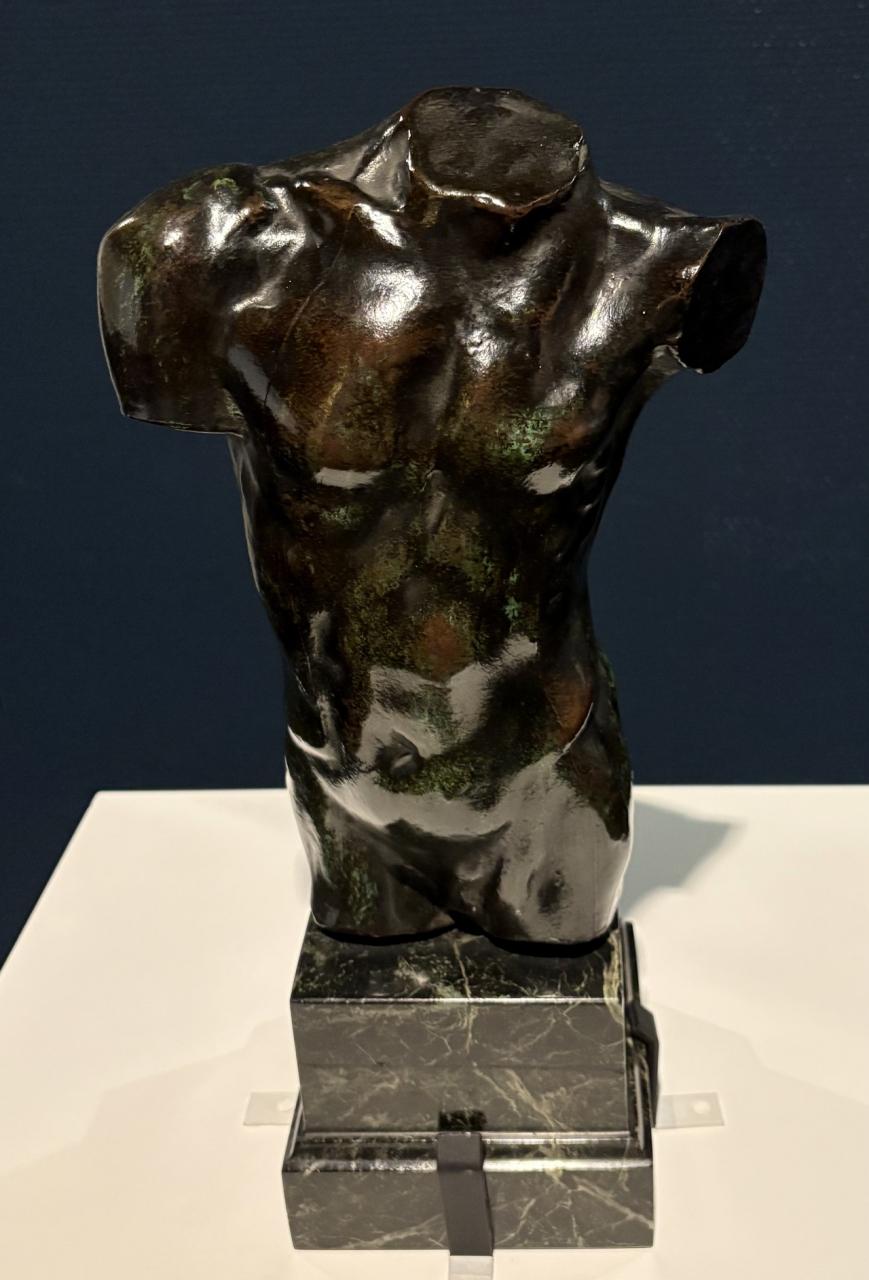
オーギュスト・ロダン
Auguste Rodin
1840-1917
トルソー
Torso
date unknown
制作年不詳
ブロンズ bronze
岩波茂雄氏旧葳、岩波雄二郎氏遺贈
Bequest of Iwanami Yujiro, former collection of wanami Shigeo
ロダンはしばしば20世紀以降の彫刻の在り方を規定したアーティストとして位置づけられます。
「トルソー」とは、人間の胴部を指すイタリア語です。ロダンはこの頭や手足のないトルソーを大変好みました。「よく作られた一つの体は、一切の生命をも含みます。腕や足を付け足すことでそれに何ものをも加えられはせぬでしょう」、「この断片にあるより以上の完全な調和がどこにあろう」といった言葉を残しています。そして、よく知られる<地獄の門>に典型的なのですが、このトルソー(断片)をさまざまに寄せ集め(アサンブラージュ)、組み換え、反復することで作品を構成していったことも、ロダンの独創的な手法とされます。トルソー的な断片化、および断片の組み合わせによる構成は、以後の彫刻の展開に大きな影響を与えます。
Auguste Rodin is often positioned within art history as a seminal artist who significantly shaped the development of sculpture from the 20th century onwards.
The headless and limbless torso was one of Rodin's favorite subjects. He said "a well-modeled torso contains all of life. Nothing can be added to it by attaching arms and legs," and "Where is more complete harmony found than in this fragment?" His famous The Gates of Hell is a classic example of the composition of sculptural works through assemblage, recombination, and repetition of the torso (fragment) in various ways, which is considered to be Rodin's original approach. His fragmentation of torso-like forms and assemblage of sculptures from disparate parts were an enormous influence on the subsequent evolution of sculpture. -
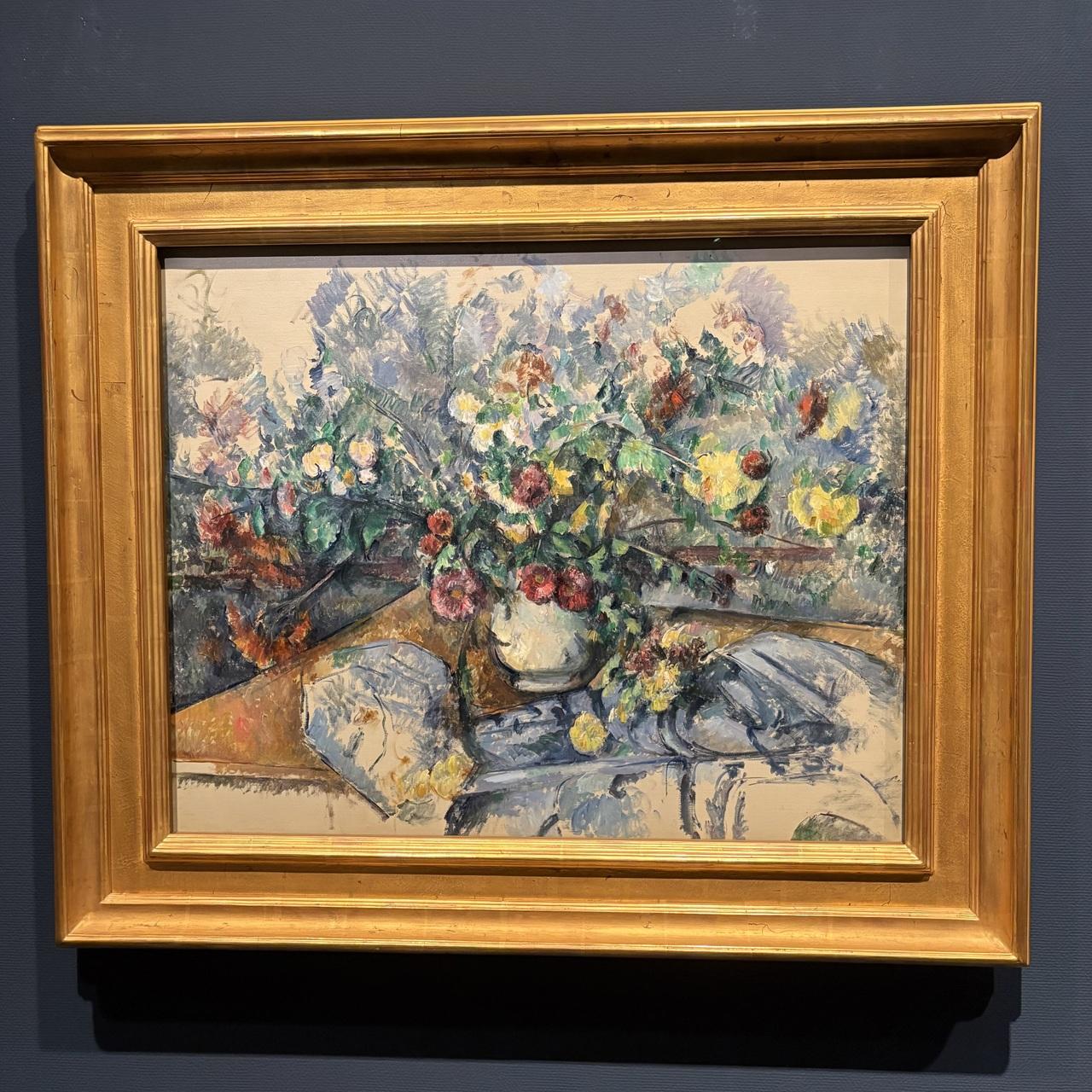
ポール・セザンヌ
Paul Cézanne
1839-1906
大きな花束
Grand Bouquet of Flowers
c.1892-95明治25-28年頃
油彩・キャンバス oillon canvas
購入
Purchased
西洋の近現代美術のみならず、洋画、日本画を超えて日本の作家にも幅広い影響を与え続けているセザンヌ。その花をモチーフにした静物画の大作です。
画面の中心に、花瓶に挿した大きな花束を置き、その華やかな印象を描きながらも、画家の意識は、花束の放射状の広がりとテーブルおよび奥の壁がつくりだす空間を、いかに二次元の絵画として作り上げるかに向かっています。せり上がる歪んだテーブル面や、その形と矛盾するテーブルクロスの折れ目、さらに茎・枝につながっていない葉や花など。これらの意図的な操作や変形を通して、セザンヌは様々な絵画空間の実験を試みています。
Cézanne has continued to exert a wide-ranging influence not only on modern and contemporary Western art, but also on Japanese painters, regardless of whether they work in a European or Japanese style. This painting is one of Cézanne's epic still lifes, featuring a flower motif.
A large bouquet fills a vase in the center of the picture, creating a gorgeous image. At the same time, the artist intentionally structures the space, made up of the radiating expanse of the bouquet, table and rear wall, as a thoroughly two-dimensional picture. He accomplishes this with elements such as the gradually rising, distorted surface of the table, the folds in the tablecloth that counteract this shape, and the leaves and flowers separated from the stalks and branches. By intentionally manipulating and distorting various aspects in this work, Cézanne devised a variety of pictorial spaces. -
重要文化財
IMPORTANT CULTURAL PROPERTY
和田三造
WADA, Sanzo
1883-1967
南風
South Wind
1907 明治40年
油彩・キャンバス
oil on canvas
文部省管理換
Transferred from Ministry of Education
上着を頭に掛け遠くを見据える中央の男性は、日本人離れをした筋肉隆々の体つきです。理想的人体を描こうとする西洋絵画のアカデミズムの思想が、時24歳の青年であった和田三造にもしっかりと浸透していたことがわかります。描かれるのは遭難した船乗りたち。そんな事態に遭遇しながらも男壮な男たちの姿は、日露戦争後の高揚した気分に合い、観衆の評判を呼んだと伝えられます。ドラマチックな主題を強いコントラストで表現した作風は、従来のおだやかな外光表現を塗りかえるもので、以降の文部省美術展覧会の定番となりました。
Gazing off into the distance with his shirt over his head, the man in the center of this painting has a muscular physique that is markedly un-Japanese. It is clear that Wada Sanzo, who was a young man of only 24 at the time, was quite taken with the Western academic notion of depicting an idealized human form. The figures are sailors who have suffered an accident. Despite the situation, the form of the heroic men fits the exalted mood that followed the Russo-Japanese War, and the painting was apparently greeted with a positive response from contemporary viewers. Wada's style, which expresses the dramatic theme through strong contrasts,
replaced the gentle natural light expressions that had been common until that point, and the work became a staple of the Bunten exhibition(sponsored by the Ministry of Education). -
-
-
関根正二
SEKINE, Shoji
1899-1919
三星(さんせい)
Three Stars
1919 大正8年
油彩・キャンバス oil on canvas
購入
Purchased
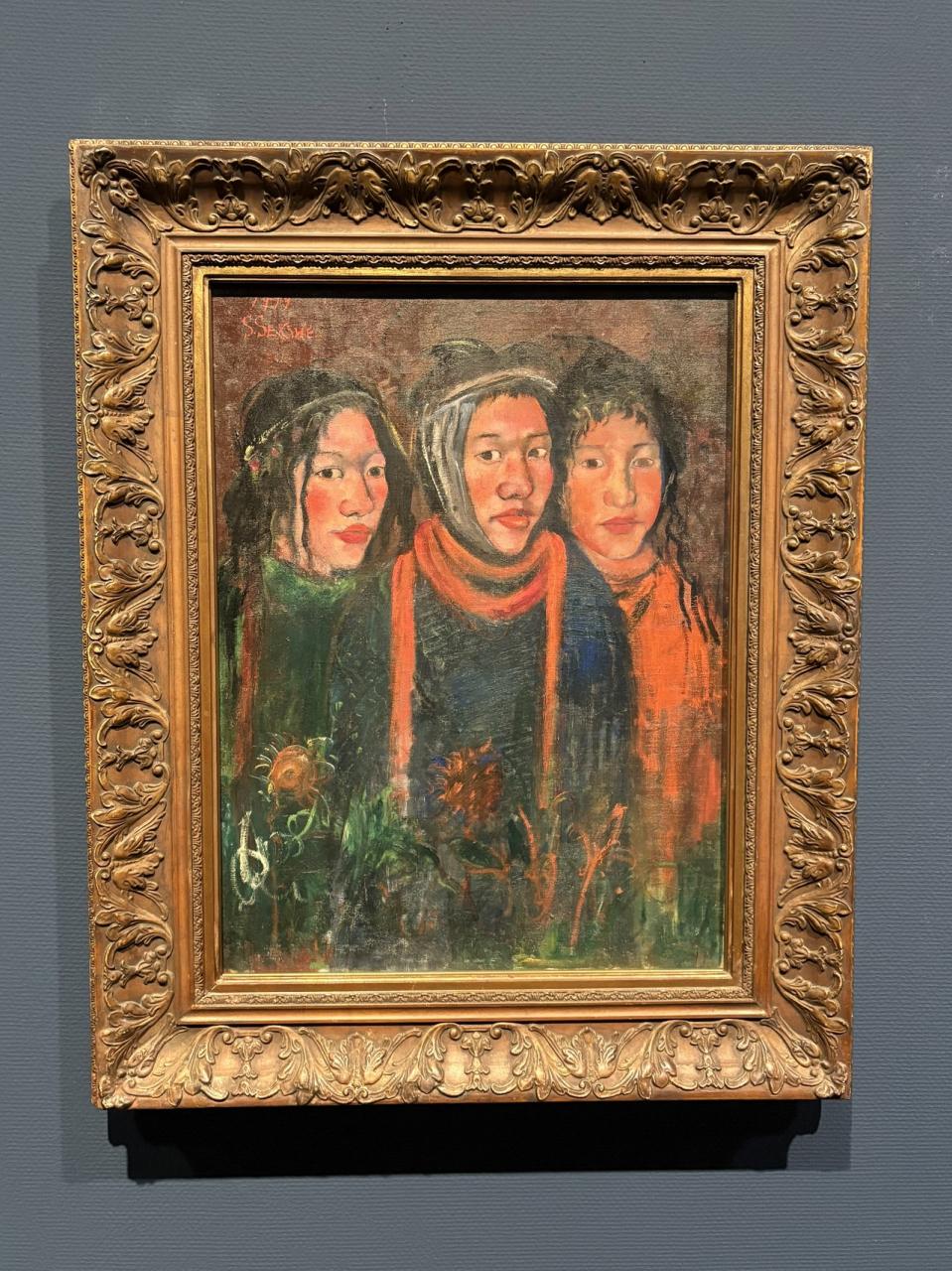
「三星」とは冬の星座、オリオン座の中央に並ぶ三つの星のこと。三人は左が姉、右が恋人、中央は関根自身とも言われます。関根が巻く白い布については、直前の手術跡を示す、耳を切ったファン・ゴッホへのあこがれを表すなど、諸説あります。ほぼ独学だった関根の絵は不器用で、決して巧みではありません。しかし大正期には、うまいことより切実な心情が表されていることを重視する風潮が生じていました。懸命にヨーロッパ絵画を学んだ明治とはだいぶ異なる美術の考え方が、社会に広まっていたのです。
The title of this work refers to the belt of three stars in the center of Orion, a winter constellation in the Northern Hemisphere. It is said that the woman on the left is Sekine's older sister, the one on the right his lover, and the man in the middle the artist himself. There are many other theories about the picture. Some say, for example, that the white cloth wrapped around Sekine's head refers to an operation he had had not long before making this work, while others argue that it represents the artist's fondness for van Gogh, who famously cut off his own ear. Largely self-taught, Sekine's paintings are awkward and decidedly lacking in dexterity. But in the Taisho Period, the prevailing trend favored the earnest expression of emotion over skill. This notion of art differed considerably from the Meiji Period, an era in which many Japanese artists diligently studied European painting. -
村山知義
MURAYAMA, Tomoyoshi
1901-1977
コンストルクチオン
Construction
1925 大正14年
油彩、紙、木、布、金属、皮
oil, paper, wood, cloth, metal and leather
浜徳太郎氏寄贈
Gift of Hama Tokutaro
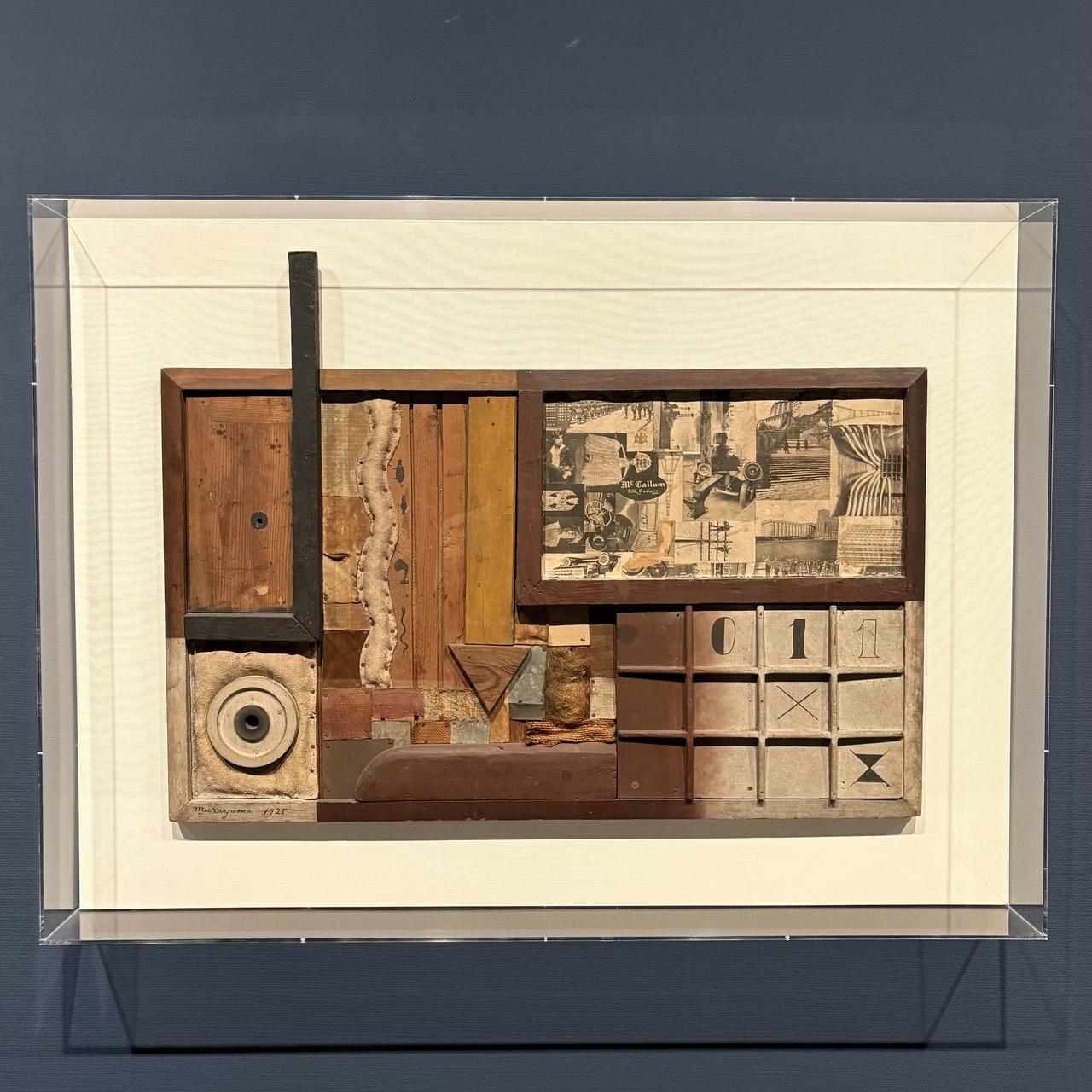
題名は日本語で「構成」または「構造」です。木片、布、ブリキ、毛髪、そしてグラフ雑誌のグラビアなど、それまで美術の素材としてはほとんど使われてこなかった身の回りの事物によって画面が構成されています。硬軟織り交ぜたさまざまな素材が貼り付けられているため、一見、混沌としていますが、グリッド状に構成されていたり、左上に突き出た角材と中央の下向きの矢印とが対比されていたりするところから、構築的に組み立てようとする意志を感じさせます。急速に近代化していった都市のダイナミズムを体現していると捉えることもできるでしょう。
This work is constructed out of things that had hardly been used as art materials before such as wood scraps, fabric, tin, hair, and photogravure prints from magazines. As Murayama affixed a variety of both hard and soft materials to the surface, the result initially seems quite chaotic, but due to the grid structure and the contrast between the square timber that protrudes from the upper left and the arrow pointing downward, we can sense the artist's architectural intentions. The work can also be seen as the embodiment of urban dynamism as the city underwent a process of rapid modernization. -
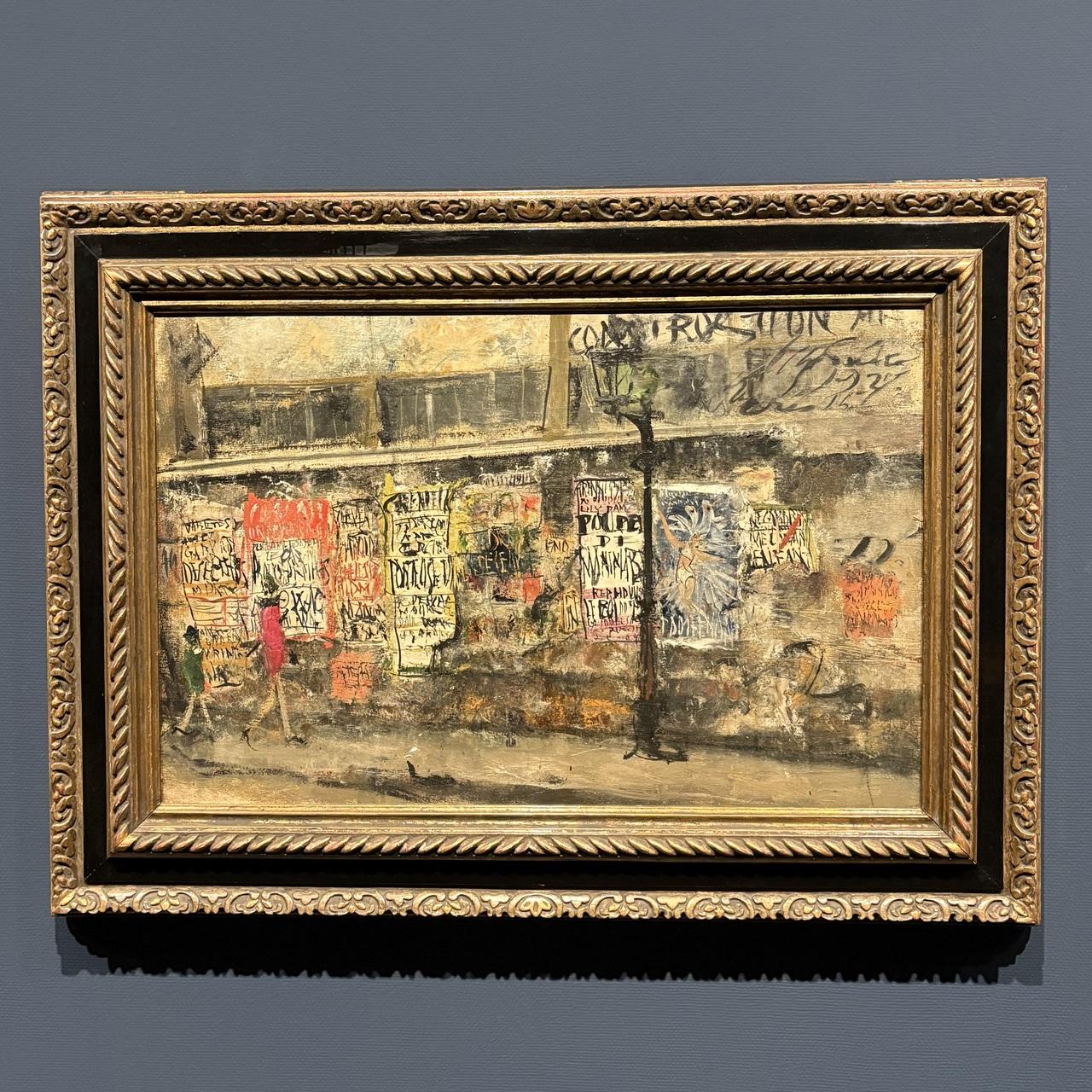
佐伯祐三
SAEKI, Yuzo
1898-1928
ガス灯と広告
Gas Lamp and Advertisements
1927 昭和2年
油彩・キャンバス oil on canvas
文化庁管理換
Transferred from Agency for Cultural Affairs
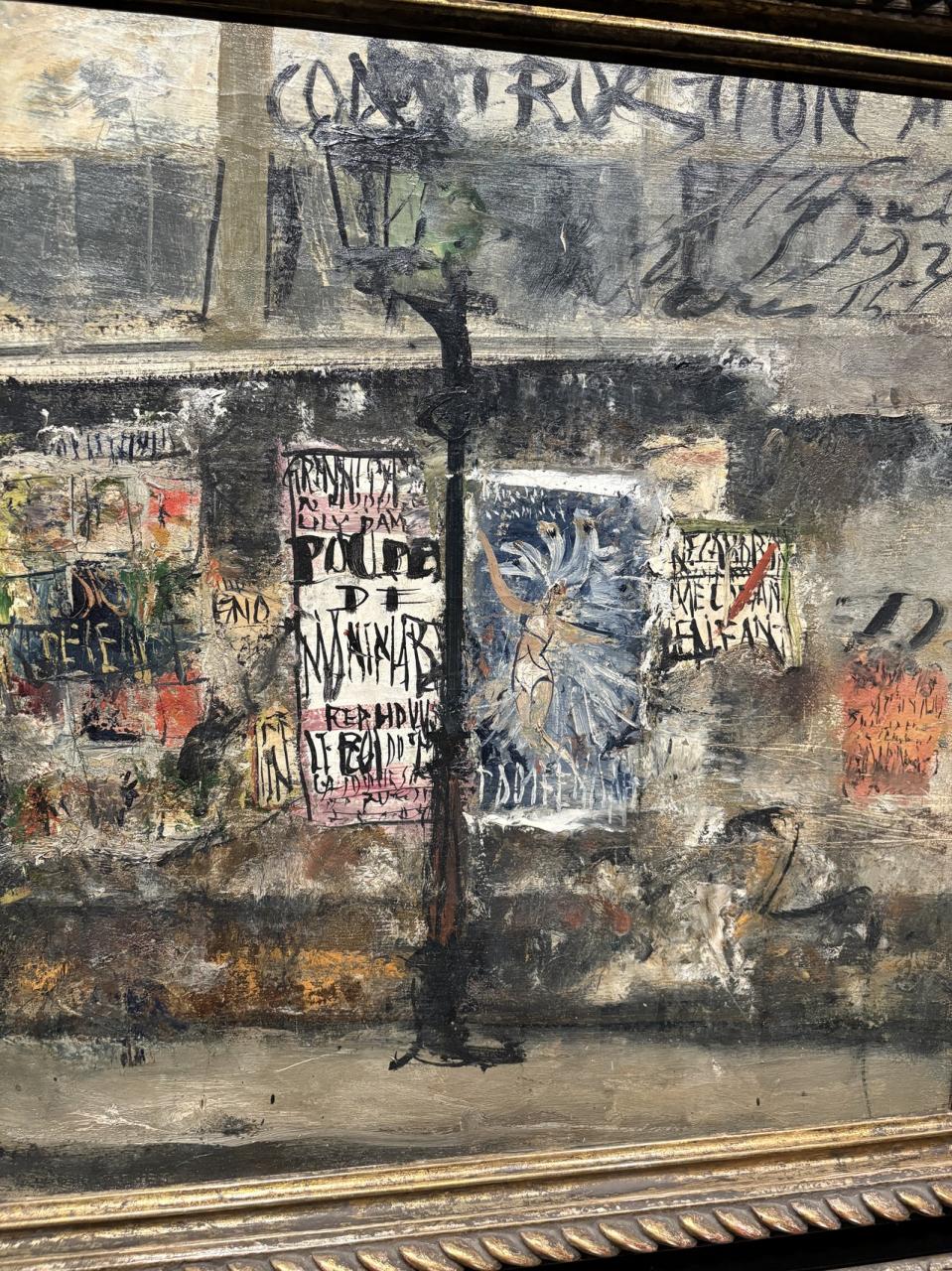
佐伯は二回フランスに渡っています。本作は二度目の滞在の際に描かれた代表作。壁に貼られたポスター、しかもそこに書かれた文字が、絵の重要な要素になっています。はねるような文字の書き方=描き方と、画面左下に見える女性と子供の靴の描き方はほとんど同じ、ガス灯の根も同じです。全体にみなぎるリズムは、そうしたところから生まれているといってよいでしょう。画面右上には広告ではない文字が見えます。「CONSTRUCTION(構築)」という、絵画よりはむしろ建築に馴染み深い言葉に、佐伯独自の意志を見出すことができそうです。
Saeki moved to France twice. This is one of the most notable works from his second residency in the country. In addition to the posters plastered on the wall, the writing in them functions as an important element in the painting. The splattered style of writing, or painting, is the same style Saeki used to depict the shoes of the woman and child visible in the lower left and the base of the gas lamp. The swelling rhythm of the work as a whole also seems to derive from these things. In the upper right, there is also some writing that is not part of an advertisement. The word "construction," which is more suitable for architecture than painting, seems to suggest the artist's intentions. -
-
-
新収蔵作品
New Acquisition
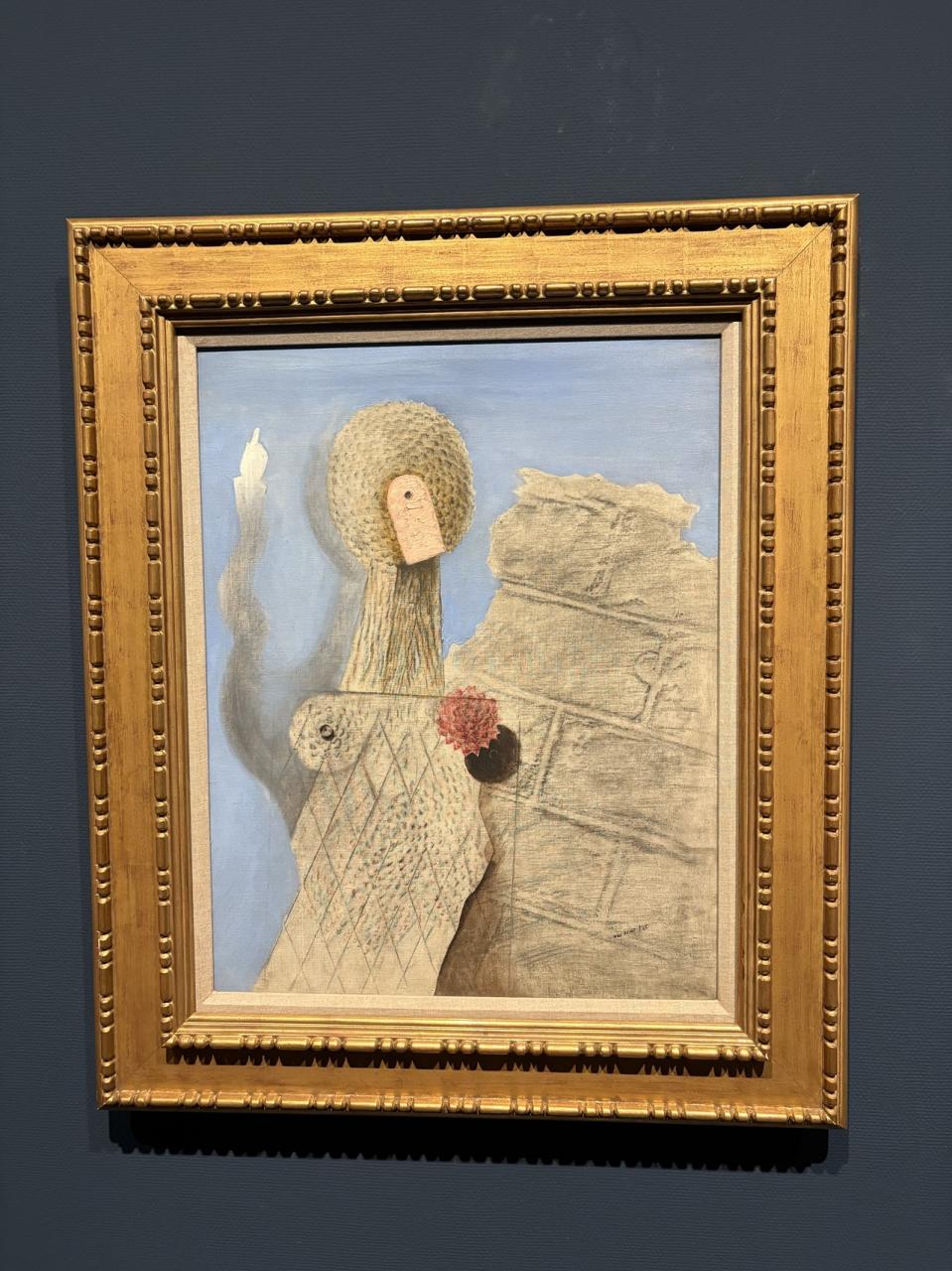
マックス・エルンスト
Max Ernst
1891-1976
砂漠の花(砂漠のバラ)
Desert Flower (Desert Rose)
1925 大正14年
油彩、鉛筆・キャンバス oil and pencil on canvas
購入
Purchased
エルンストは、凹凸のある物質に紙を押し当てて擦り出し、無然に現れた形を通して無意識を表出させるフロッタージュという技法を用いたことで知られています。この技法は、フランスの詩人アンドレ・ブルトンが『シュルレアリスム宣言』において提唱した「理性によって行使されるどんな統制もなく、美学上ないし道徳上のどんな気づかいからもはなれた思考の書き取り」、いわゆるオートマティスムに応える絵画技法でもありました。画面向かって左側の人物のような姿やその背後の壁面らしきところに、フロッタージュが用いられています。また、本作はブルトンが著した「シュルレアリスムと絵画』(1928)をはじめ、様々な媒体に取り上げられた作品で、シュルレアリスムの絵画を代表する作例の一つと言えるでしょう。
Max Ernst is known for extensive use of frottage, a technique where paper is pressed against a textured material and rubbed to reveal shapes emerging by chance, thereby tapping into the unconscious. This aligns with the concept of automatism advocated by French poet André Breton in the Surrealist Manifesto, which calls for art to be "dictated by thought, in the absence of any control exercised by reason, exempt from any aesthetic or moral concern." In this work, frottage has been applied to the figure on the left side and the wall-like background behind it. This image has been reproduced in diverse media, including Breton's book Surrealism and Painting
(1928), and can be called a quintessential
example of Surrealist painting -
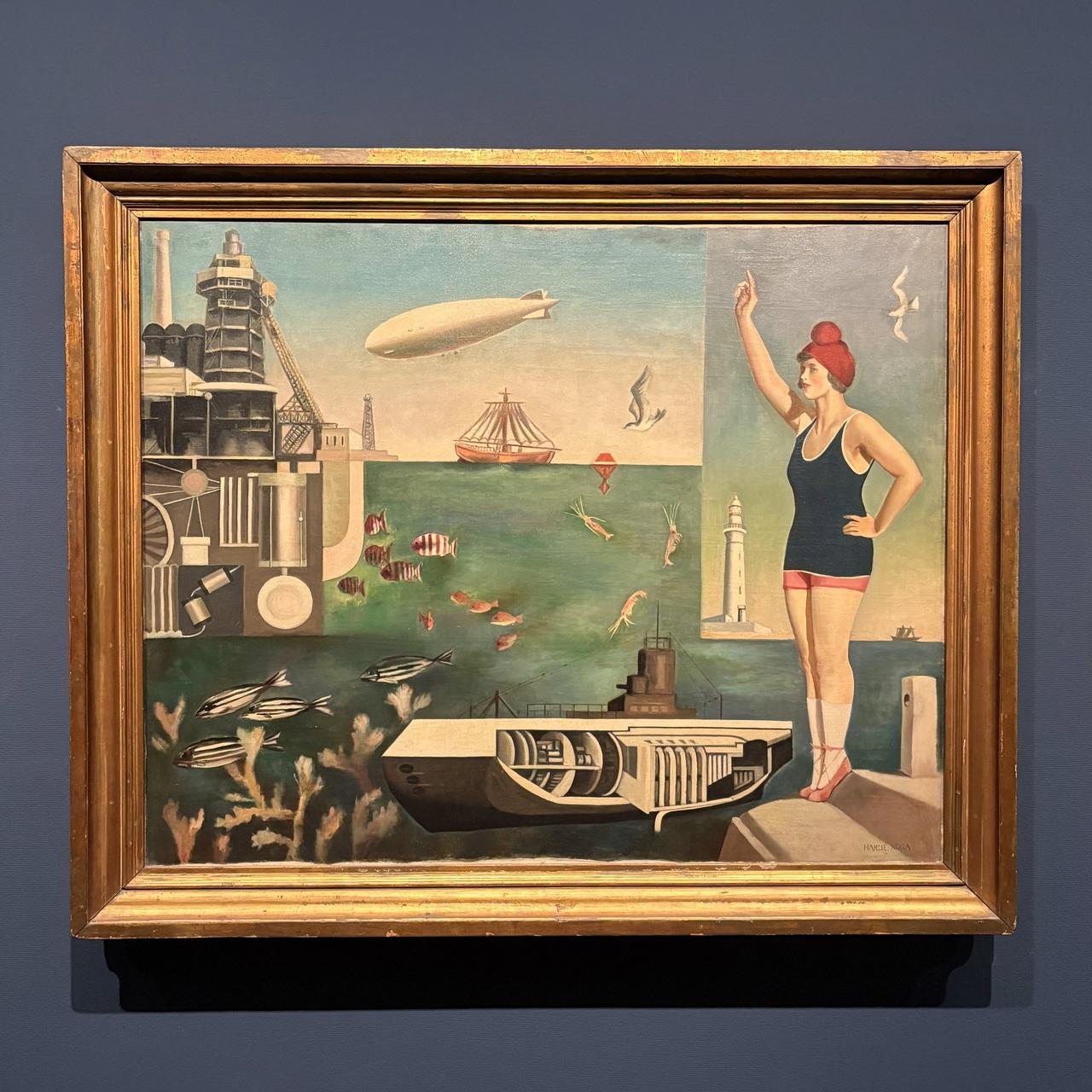
古賀春江
KOGA, Harue
1895-1933
海
Sea
1929 昭和4年
油彩・キャンバス oil on canvas
購入
Purchased
鳥と飛行船(空飛ぶもの)。魚と潜水艦(泳ぐもの)。右端の女性と左端の工場(すっくと立つもの)。この作品には、いくつもの「自然のもの」と「人工のもの」のそっくりペアが見つかります。ちなみに女性は名女優、グロリア・スワンソン(1899-1983)の絵葉書をもとに描かれています。
In this work, you can see pairs of lookalikes made up of one natural and one artificial thing such as a bird and a blimp (things that fly), a fish and a submarine (things that swim in the water), and a woman on the right side and a factory on the left (things that are standing erect). Incidentally, the woman is based on a postcard of the actress Gloria Swanson (1899-1983). -
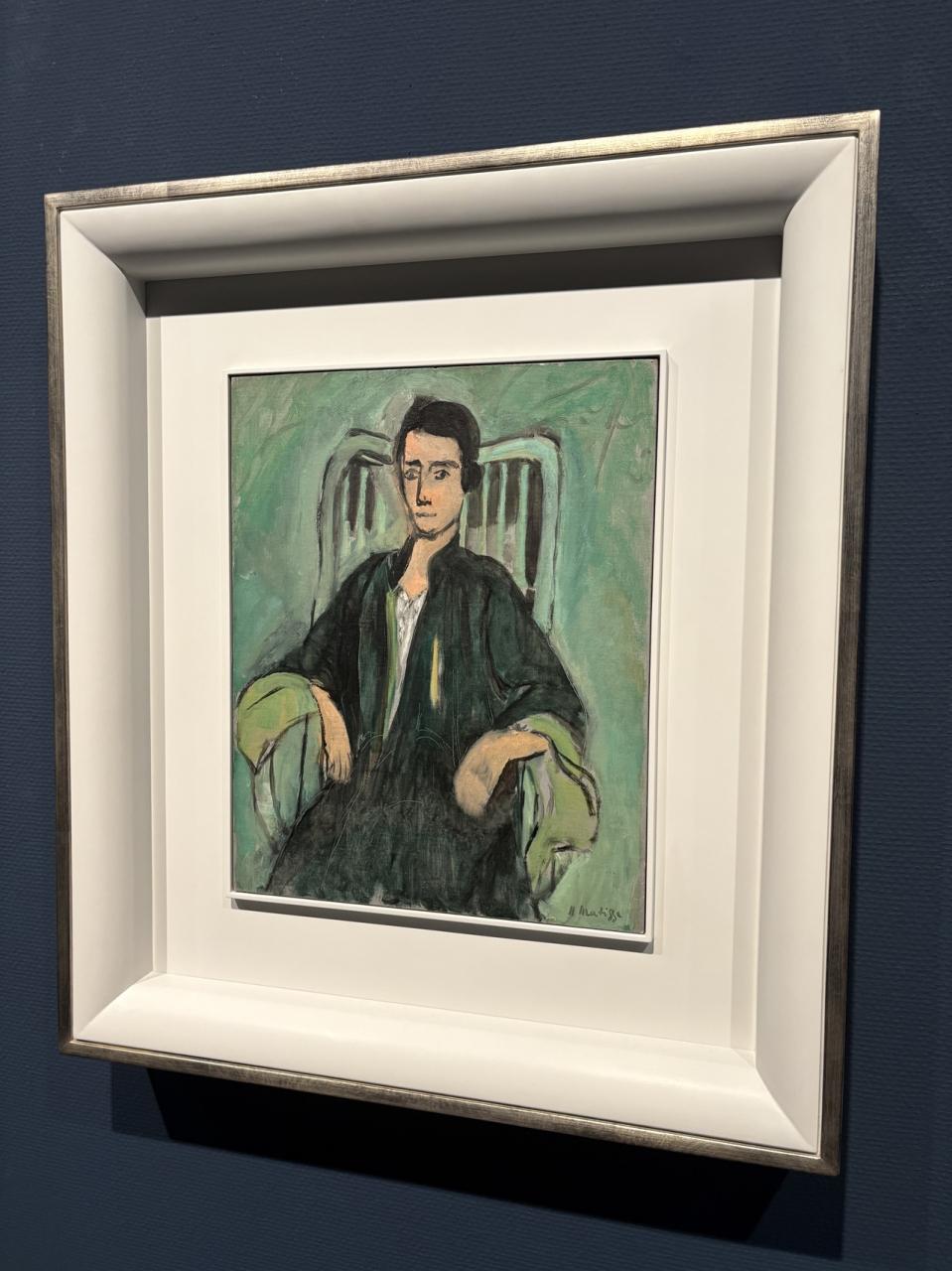
アンリ・マティス
Henri Matisse
1869-1954
ルネ、緑のハーモニー
Renée, Green Harmony
1923 大正12年
油彩・キャンバス oil on canvas
購入
prurchased
注目していただきたいのは、顔、椅子の背、左手、右肩などにみられる描き直しの跡です。不明瞭なままに放置されたように見える左手、線描と色彩が不一致を残す左袖、衣服の形態に呼応する搔き落としの線、などなど。マティスはこれらを、自身の「制作プロセス」を示すものとして意図的に残し、その重要性を次のように説明しています。「ある発展段階の反応は主題と同じように重要です。なぜなら、この反応は私から発するのであって、主題からではないからです。自分の解釈から出発して、作品が自分自身と調和するようになるまでたえず私は反応するわけです。文章を作る人のように私は描き直しをやり、新たに発見し直します。」(アンリ・マティス「画家のノート」より)
In this painting, please note the traces of redrawing visible in the face, the back of the chair, the left hand, and the right shoulder. The left hand appears to have been left intentionally vague, the outline and color of the left sleeve are left inconsistent, and the outlines of clothes are etched in scratched lines. Matisse deliberately left these as evidence of the creative process, and explained their importance as follows: "The artist's reactions during each stage of the painting's development are as important as the subject matter, because these reactions originate from me, not from the subject, When working, l begin with my own interpretations and there is a constant back-and-forth until the work and I are in harmony. Like a writer, I am always revising, going back and making new discoveries." (Henri Matisse, Notes of a Painter) -
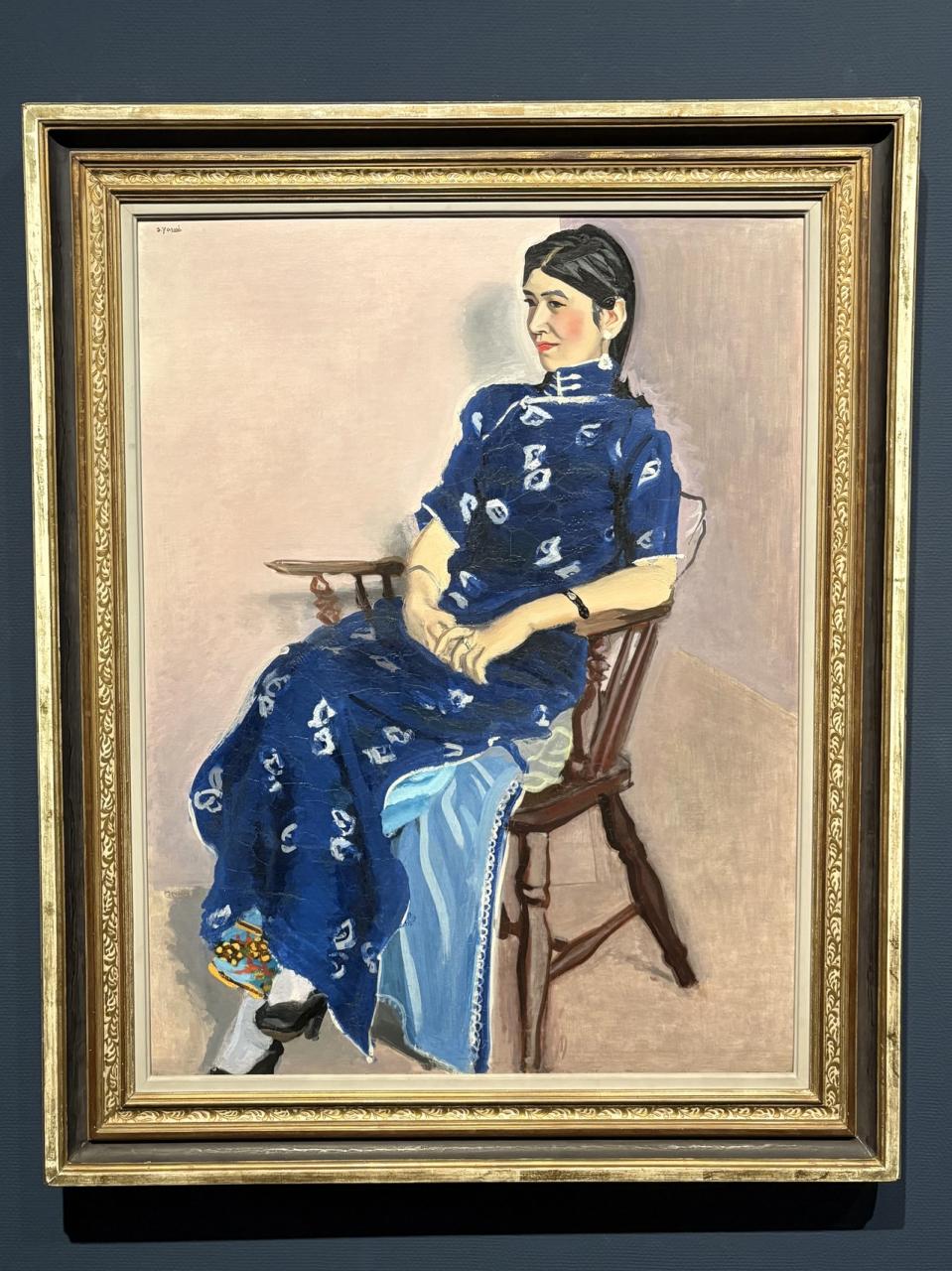
安井曽太郎
YASUI, Sotaro
1888-1955
金蓉
Portrait of Chin-Jung
1934 昭和9年
油彩・キャンバス oil on canvas
購入
Purchased
モデルは小田切峯子という女性。5カ国語をあやつる才能を活かし、当時満洲(現中国東北部)のホテルで働いていました。「金」はその中国風の愛称です。さてこの作品、よく見ると左肩が不自然に小さく修正されています。実はこの部分は、もっと正面寄りからモデルを見た別の素描から取られているのです。さまざまな角度からモデルをスケッチし、それらを後で合成することで、今にも人物が動き出すような印象を生み出そうとしたのでしょう。
The model for this painting was a woman named Odagiri Mineko. Extremely talented and fluent in five languages, Odagiri was also known by the Chinese nickname Chin-Jung. If you look closely, you will notice an unnatural revision Yasui made to the figure's left shoulder. This section looks similar to one of the artist's sketches in which the model was captured in a more frontal position.
When Yasui painted a portrait, he would spend a long time sketching his model from a variety of angles. Then by intentionally combining different body parts from sketches with various viewpoints in an unbalanced way, he would create the impression that the figure might begin moving at any moment. -
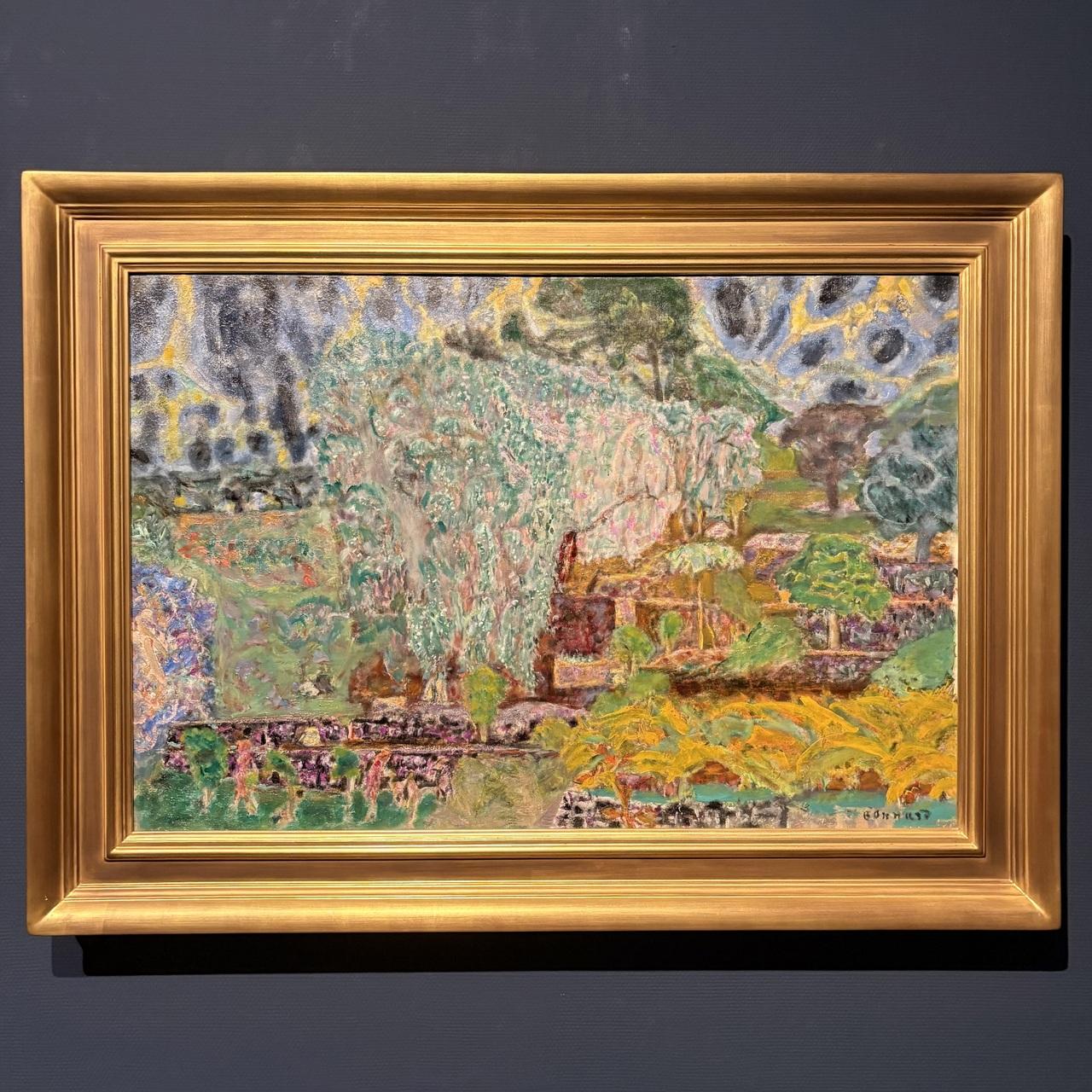
ピエール・ボナール
Pierre Bonnard
1867-1947
プロヴァンス風景
Landscape in Provence
1932 昭和7年
油彩・キャンバス
oil on canvas
購入
Purchased
描かれているのは南仏プロヴァンスの風景。光にあふれたこの地の環境が、ボナールの表現、とりわけ色彩に与えた影響ははかりしれません。ボナールが好んで用いた紫、黄色に加え、さまざまな階調の緑、ピンク、青、そして白など、震えるようにきらめく色彩が画面に散りばめられ、まるで宝石箱の中をのぞくかのようです。これだけの色数(実に多様な筆触にも注目)をひとつの画面に取り込み、なおかつ絵画が破綻せずに緊張感をもって成立しているのは驚嘆すべきことでしょう。ボナールが、20世紀絵画史において圧倒的な色彩の使い手であることを体現するような作品です。
The painting depicts scenery in Provence, in the south of France. The influence of the region's luminous environment on Bonnard's style, especially his use of color, is immeasur-able. In addition to purple and yellow, favorites of Bonnard's, the canvas is awash in various shimmering tones of green, pink, blue, and white, so it seems as if one were peering inside a jewel box. For this number of colors (also note the great diversity of brushstrokes) to be incorporated into a single painting, which maintains a sense of tension while maintaining its integrity as a whole, is an amazing feat. It is a work embodying Bonnard's status as one of the most outstanding users of color in the history of 20th-century painting. -
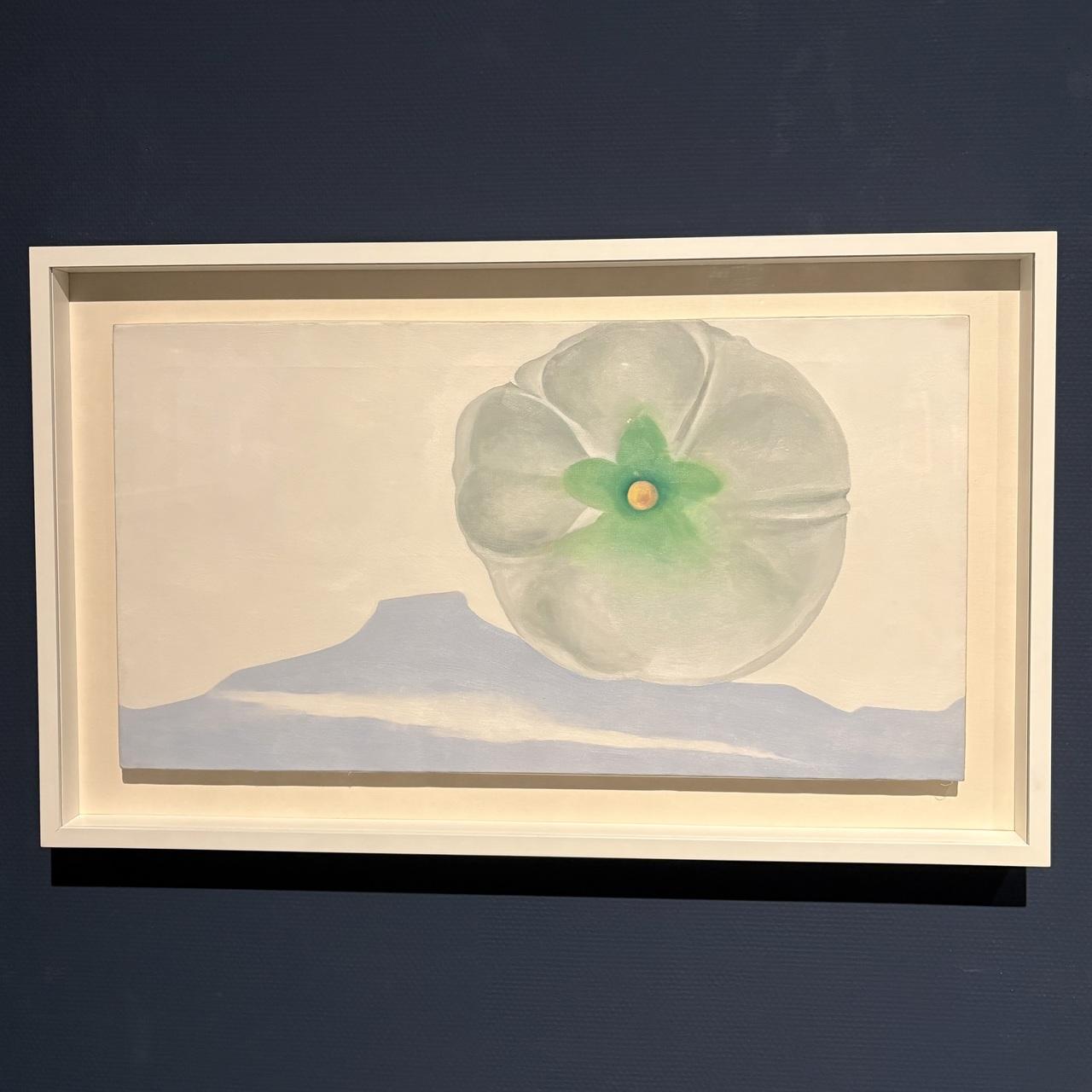
ジョージア・オキーフ
Georgia O'keeffe
1887-1986
タチアオイの白と緑ーペダーナル山の見える
Hollyhock White and Green with Pedernal
1937 昭和12年
油彩・キャンバス oil on canvas
ジョージア・オキーフ財団寄贈
Gift of The Georgia O'Keeffe Foundation
ペダーナルとはアメリカ合衆国のニュー・メキシコ州にある、高さ3006メートルの卓状台地(mesa)のこと。作者にとってニュー・メキシコの自然と文化はインスピレーションの源泉で、1940年にはペダーナルの見える土地を購入し、アトリエを構えてもいます(ちなみに彼女の遺灰はこの山の上に撒かれました)。当館は1956年に、オキーフ本人から、彼女の夫であった写真家アルフレッド・スティーグリッツの作品を受贈してもいます。
Pedernal is a 3,006-meter-high mesa in the US state of New Mexico. The nature and culture of New Mexico were sources of inspiration for the artist, and in 1940 she purchased land with a view of Pedernal and established a studio there (incidentally, her ashes were also scattered on the mesa). In 1956, this museum also received a gift from O'Keeffe herself of work by her husband, the photographer Alfred Stieglitz. -
(続く・・・)

この旅行記のタグ


利用規約に違反している投稿は、報告する事ができます。
-

MOMAT コレクション〔国立東京近代美術館 所蔵作品展〕(2025.7.15-10.26)1.ハイライト ...
2025/08/07~
神田・神保町
-

MOMAT コレクション〔国立東京近代美術館 所蔵作品展〕(2025.7.15-10.26)2.大正の個性派...
2025/08/07~
神田・神保町
-

MOMAT コレクション〔国立東京近代美術館 所蔵作品展〕(2025.7.15-10.26)3. 岸田劉生「...
2025/08/07~
神田・神保町
-

MOMAT コレクション〔国立東京近代美術館 所蔵作品展〕(2025.7.15-10.26)4.山と渓谷 "...
2025/08/07~
神田・神保町
-

MOMAT コレクション(2025.7.15-10.26)5.1930年代の絵画:現実の彼方へ、幻影の手前で...
2025/08/07~
神田・神保町
-

MOMAT コレクション(2025.7.15-10.26)6.1940年 "ハリー・K・シゲタ(重田放二)フ...
2025/08/07~
神田・神保町
-

MOMAT コレクション〔国立東京近代美術館 所蔵作品展〕(2025.7.15-10.26)7.戦後の女性画...
2025/08/07~
神田・神保町
-

MOMAT コレクション(2025.7.15-10.26)8.ジャンクとポップ "日比野克彦 LABYRIN...
2025/08/07~
神田・神保町
-

MOMAT コレクション〔国立東京近代美術館 所蔵作品展〕(2025.7.15-10.26)9.山村雅昭「ワ...
2025/08/07~
神田・神保町
-

MOMAT コレクション(2025.7.15-10.26)10.アルプのアトリエ/絵画と目的 "山口華楊、洋...
2025/08/07~
神田・神保町
-

MOMAT コレクション(2025.7.15-10.26)11.揺れる境界 "石川真生、基地を取り巻く人々"
2025/08/07~
神田・神保町
-

MOMAT コレクション〔国立東京近代美術館 所蔵作品展〕(2025.7.15-10.26)12.ヨコ軸・タ...
2025/08/07~
神田・神保町
-

東京国立近代美術館 "新収蔵&特別公開 コレクションにみる日韓" (2025.7.15 - 10.26) "...
2025/08/07~
神田・神保町
旅行記グループをもっと見る
コメントを投稿する前に
十分に確認の上、ご投稿ください。 コメントの内容は攻撃的ではなく、相手の気持ちに寄り添ったものになっていますか?
サイト共通ガイドライン(利用上のお願い)報道機関・マスメディアの方へ 画像提供などに関するお問い合わせは、専用のお問い合わせフォームからお願いいたします。
この旅行で行ったスポット






フォートラベル公式LINE@

おすすめの旅行記や旬な旅行情報、お得なキャンペーン情報をお届けします!
QRコードが読み取れない場合はID「@4travel」で検索してください。
\その他の公式SNSはこちら/




旅行記グループ MOMAT コレクション〔国立東京近代美術館 所蔵作品展〕(2025.7.15-10.26)
0
30