


2025/06/04 - 2025/06/04
85位(同エリア932件中)

旅熊 Kokazさん
- 旅熊 KokazさんTOP
- 旅行記1913冊
- クチコミ854件
- Q&A回答102件
- 1,697,114アクセス
- フォロワー752人
MOMAT コレクション〔国立東京近代美術館 所蔵作品展〕(2025.2.11-6.15)
https://www.momat.go.jp/exhibitions/r6-3
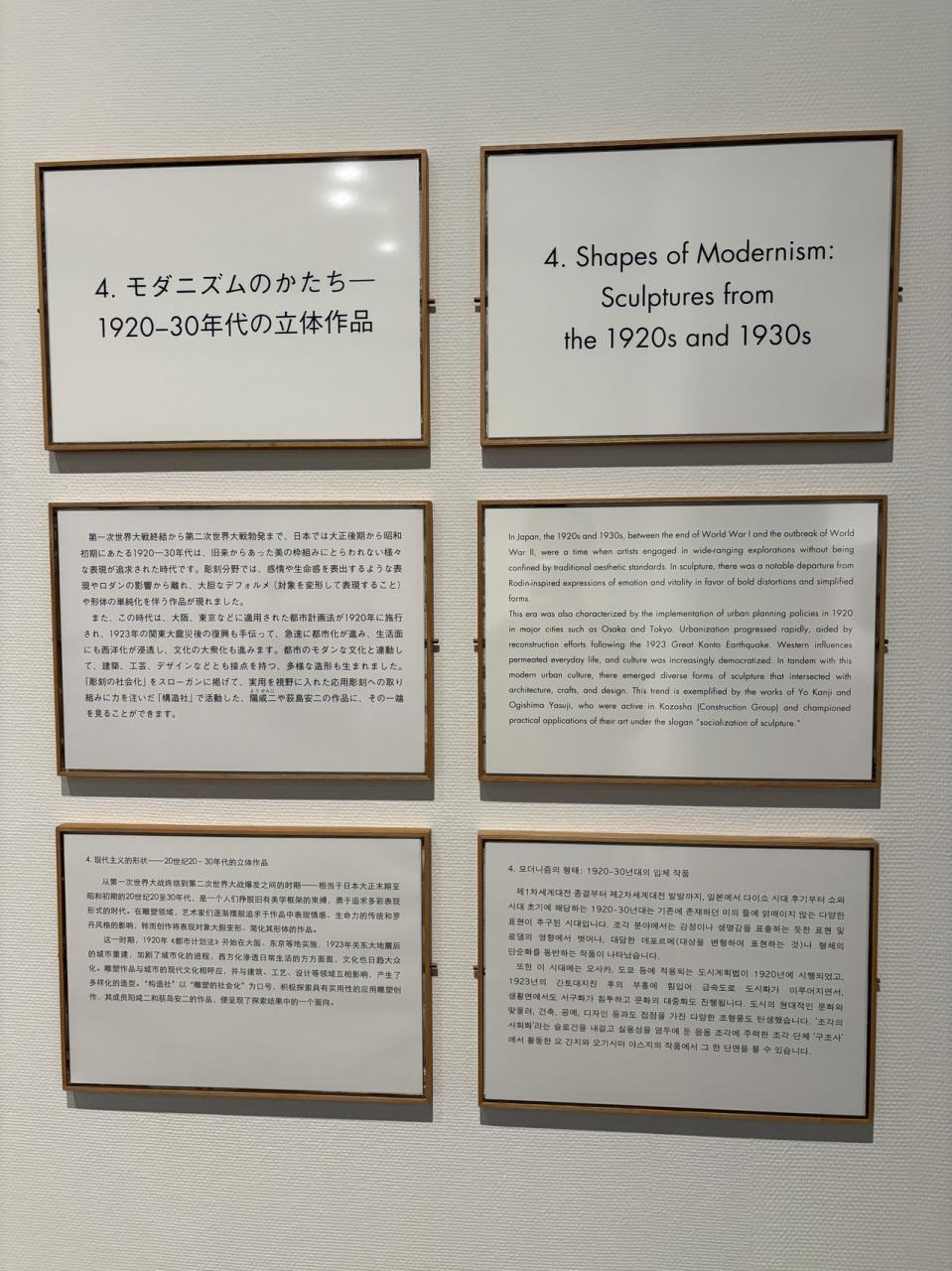
4.モダニズムの形ー1920ー30年代の立体作品
-

4. モダニズムのかたちー
1920-30年代の立体作品
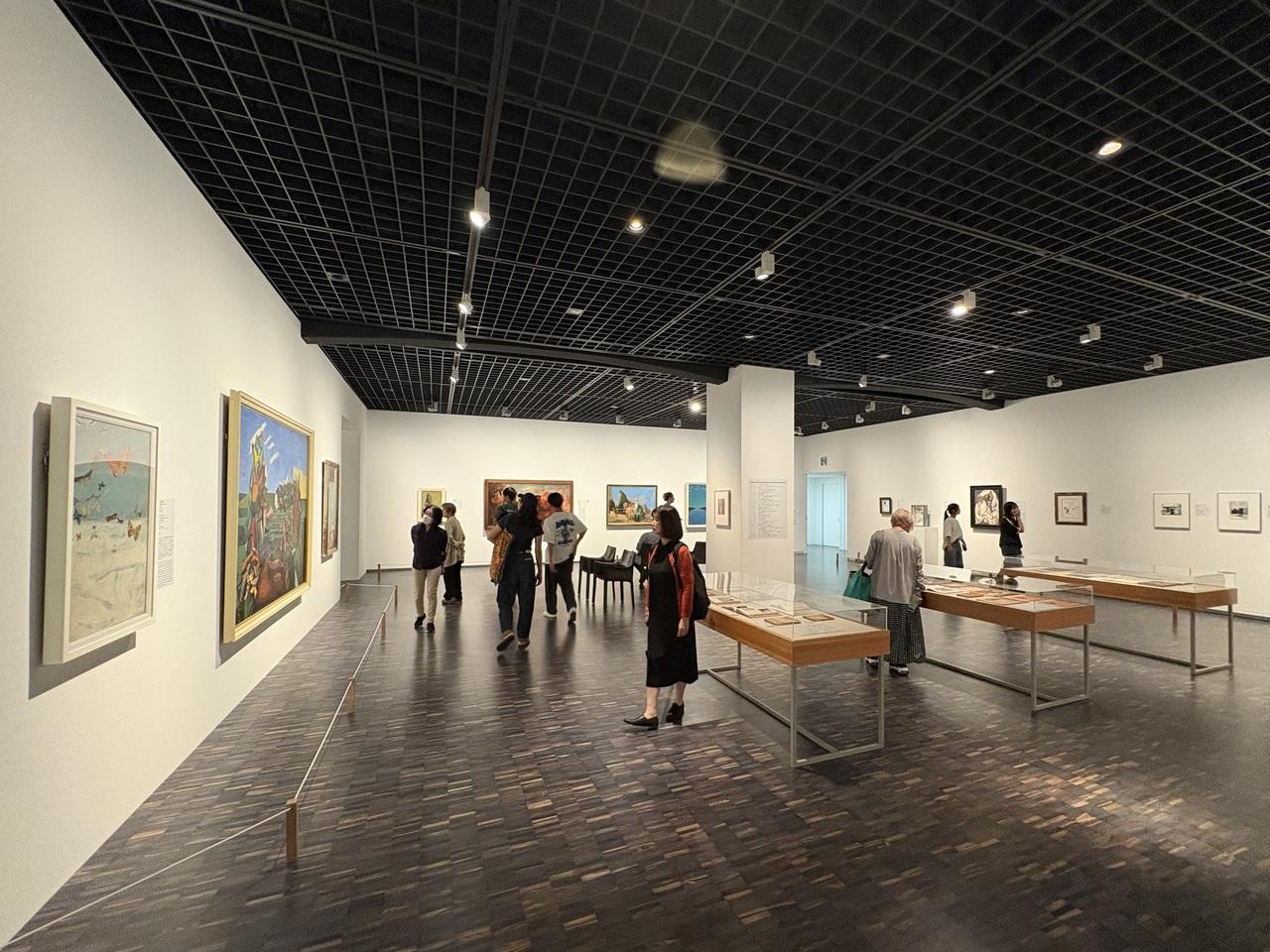
第一次世界大戦終結から第二次世界大戦勃発まで、日本では大正後期から昭和初期にあたる1920-30年代は、旧来からあった美の枠組みにとらわれない様々な表現が追求された時代です。彫刻分野では、感情や生命感を表出するような表現やロダンの影響から離れ、大胆なデフォルメ(対象を変形して表現すること)や形体の単純化を伴う作品が現れました。
また、この時代は、大阪、東京などに適用された都市計画法が1920年に施行され、1923年の関東大震災後の復興も手伝って、急速に都市化が進み、生活面にも西洋化が浸透し、文化の大衆化も進みます。都市のモダンな文化と連動して、建築、工芸、デザインなどとも接点を持つ、多様な造形も生まれました。
「彫刻の社会化」をスローガンに掲げて、実用を視野に入れた応用彫刻への取り組みに力を注いだ「構造社」で活動した、陽成ニや荻島安二の作品に、その一端を見ることができます。
4. Shapes of Modernism:
Sculptures from the 1920s and 1930s
In Japan, the 1920s and 1930s, between the end of World War I and the outbreak of World War Il, were a time when artists engaged in wide-ranging explorations without being confined by traditional aesthetic standards. In sculpture, there was a notable departure from Rodin-inspired expressions of emotion and vitality in favor of bold distortions and simplified forms.
This era was also characterized by the implementation of urban planning policies in 1920 in major cities such as Osaka and Tokyo. Urbanization progressed rapidly, aided by reconstruction efforts following the 1923 Great Kanto Earthquake. Western influences permeated everyday life, and culture was increasingly democratized. In tandem with this modern urban culture, there emerged diverse forms of sculpture that intersected with architecture, crafts, and design.
This trend is exemplified by the works of Yo Kanji and Ogishima Yasuji, who were active in Kozosha (Construction Group) and championed practical applications of their art under the slogan "socialization of sculpture."東京国立近代美術館 美術館・博物館
-
-
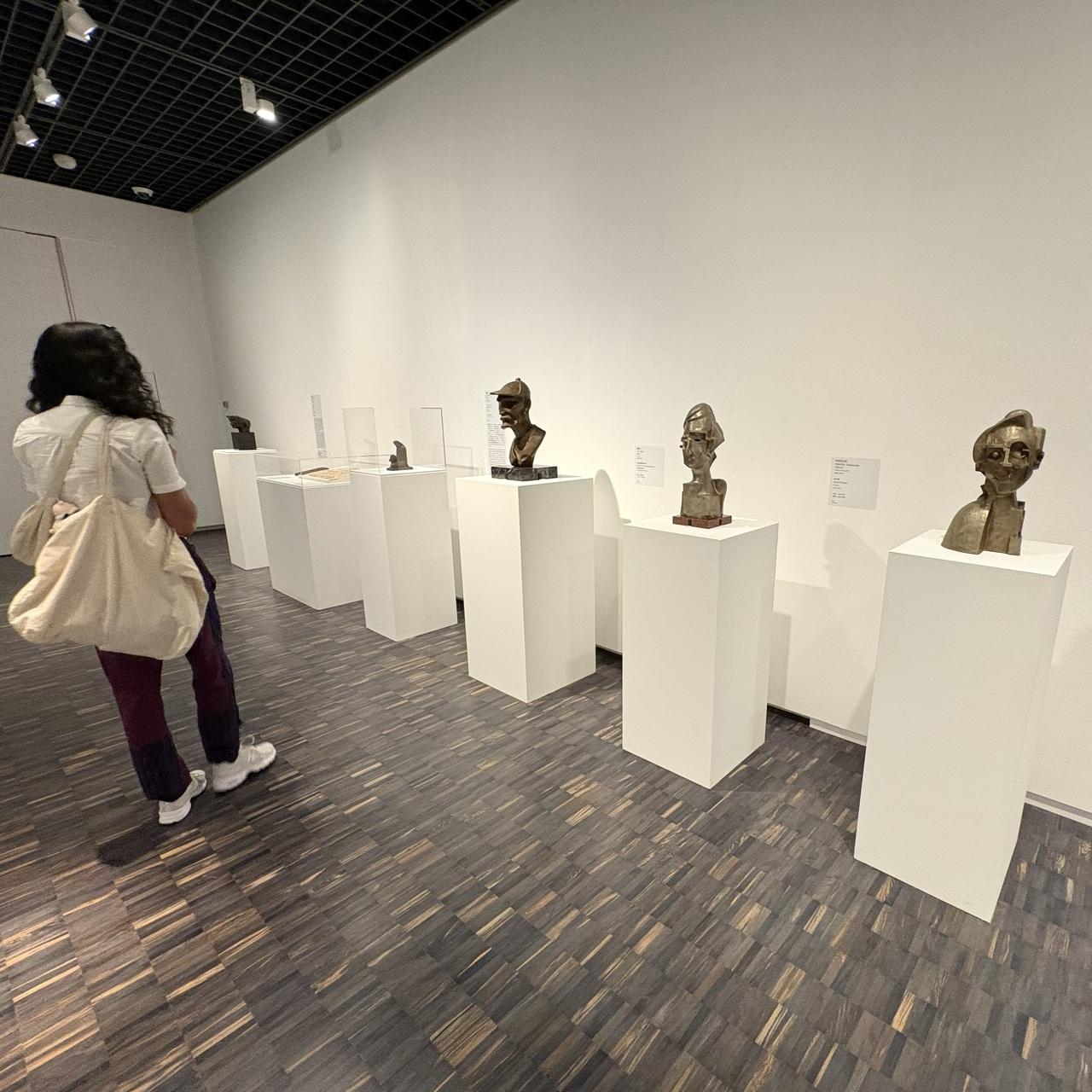
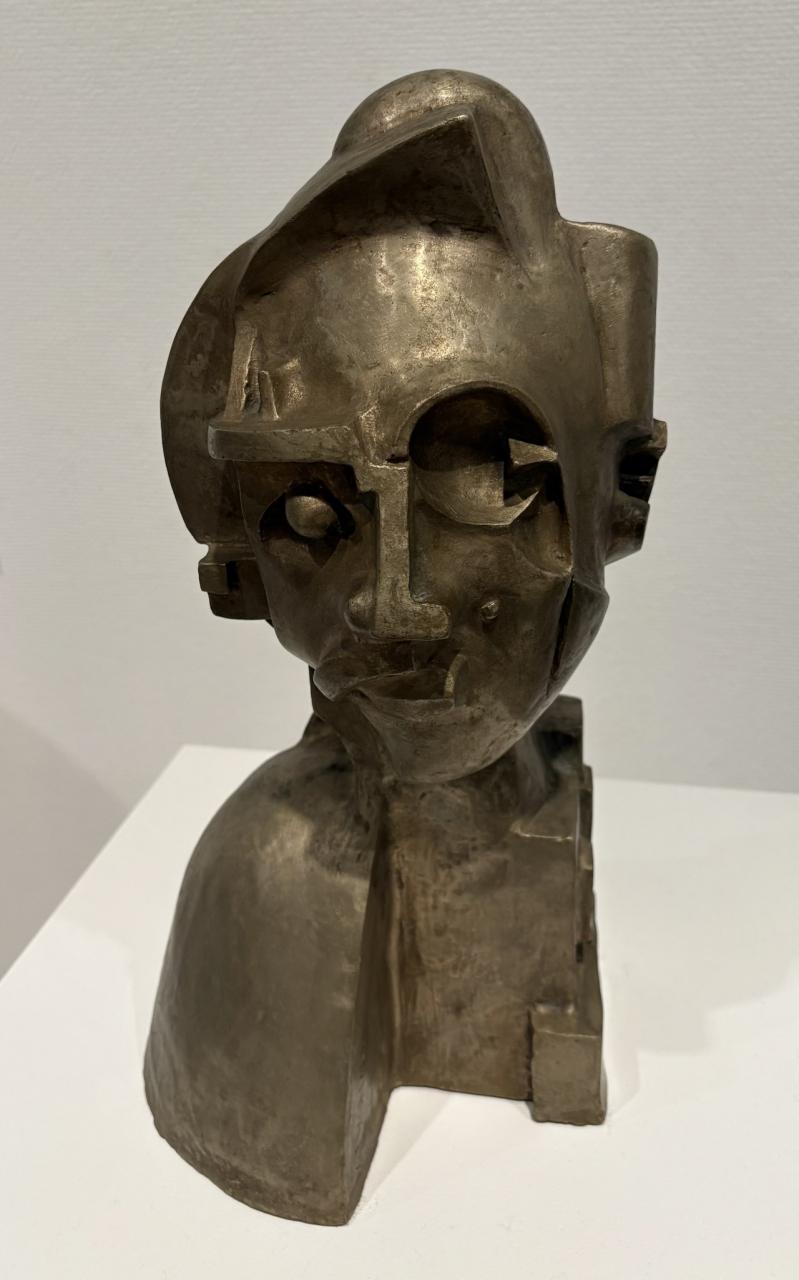
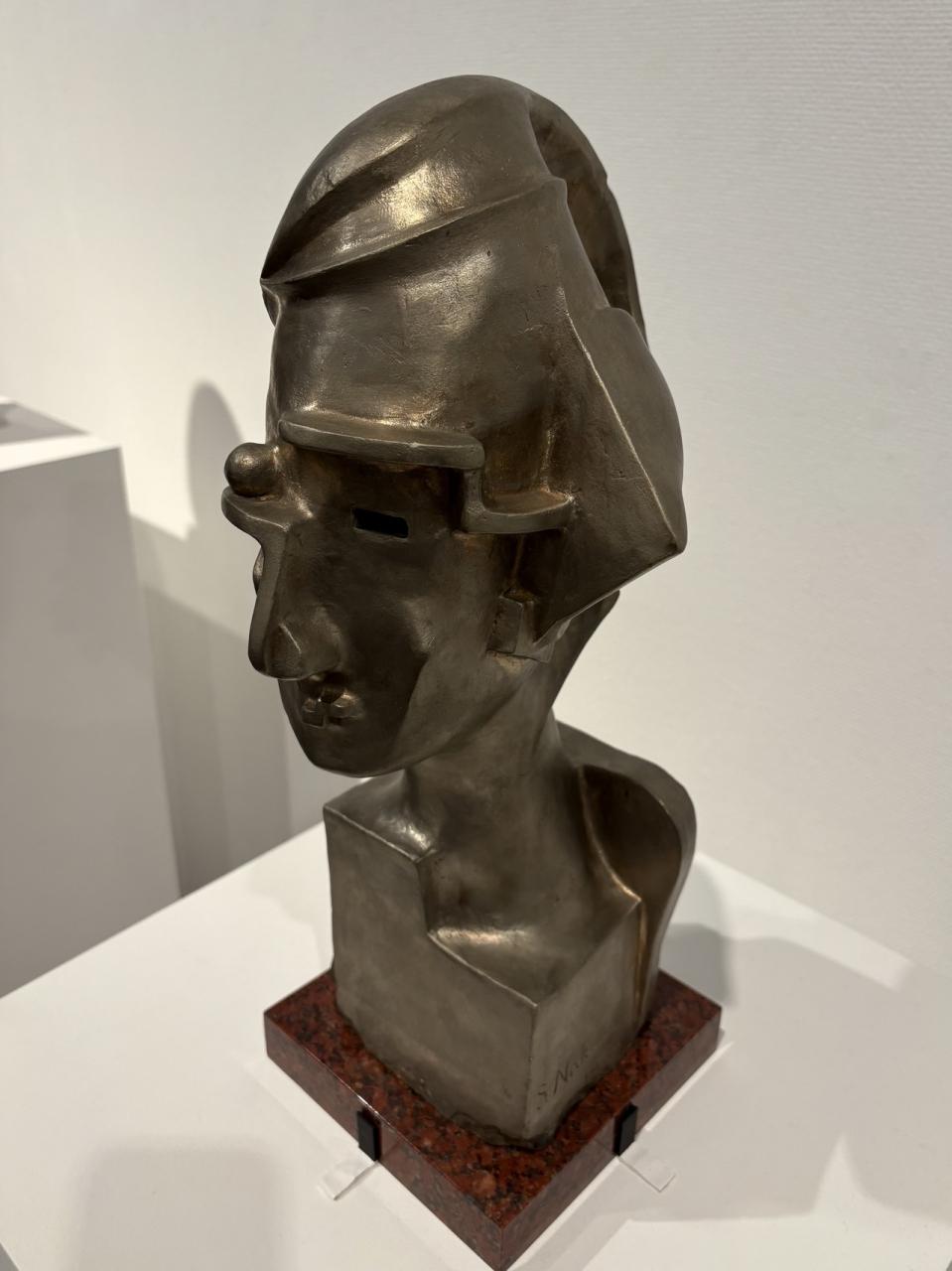
仲田定之助
NAKADA, Sadanosuke
1888-1970
首
Head
1924 大正13年
白銅
cupronickel
1922-24年にドイツに留学した仲田。時のヨーロッパの最先端の美術動向に触れ、日本に紹介するなど執筆面で活躍するとともに、自らも作品を制作しました。
この作品は、日本において最も早い時期に制作された抽象的な彫刻のひとつとされています。人の頭部という具体的な形を解体・変形しつつ、数字や記号的な形などを組み合わせて構成しています。たとえば向かって右の耳に見えるのは、数字の3です。
Nakada Sadanosuke studied in Germany from 1922 to 1924, and was exposed to cutting-edge art movements in Europe at the time. He introduced these trends to Japan through his writings, as well as in his own works.
This is considered one of the earliest semi-abstract sculptures produced in Japan. His sculptures often involve the deconstruction and transformation of specific forms such as the human head, incorporating numbers and symbolic shapes. For example, in this work, what appears to be the ear on the right is actually the numeral 3. -
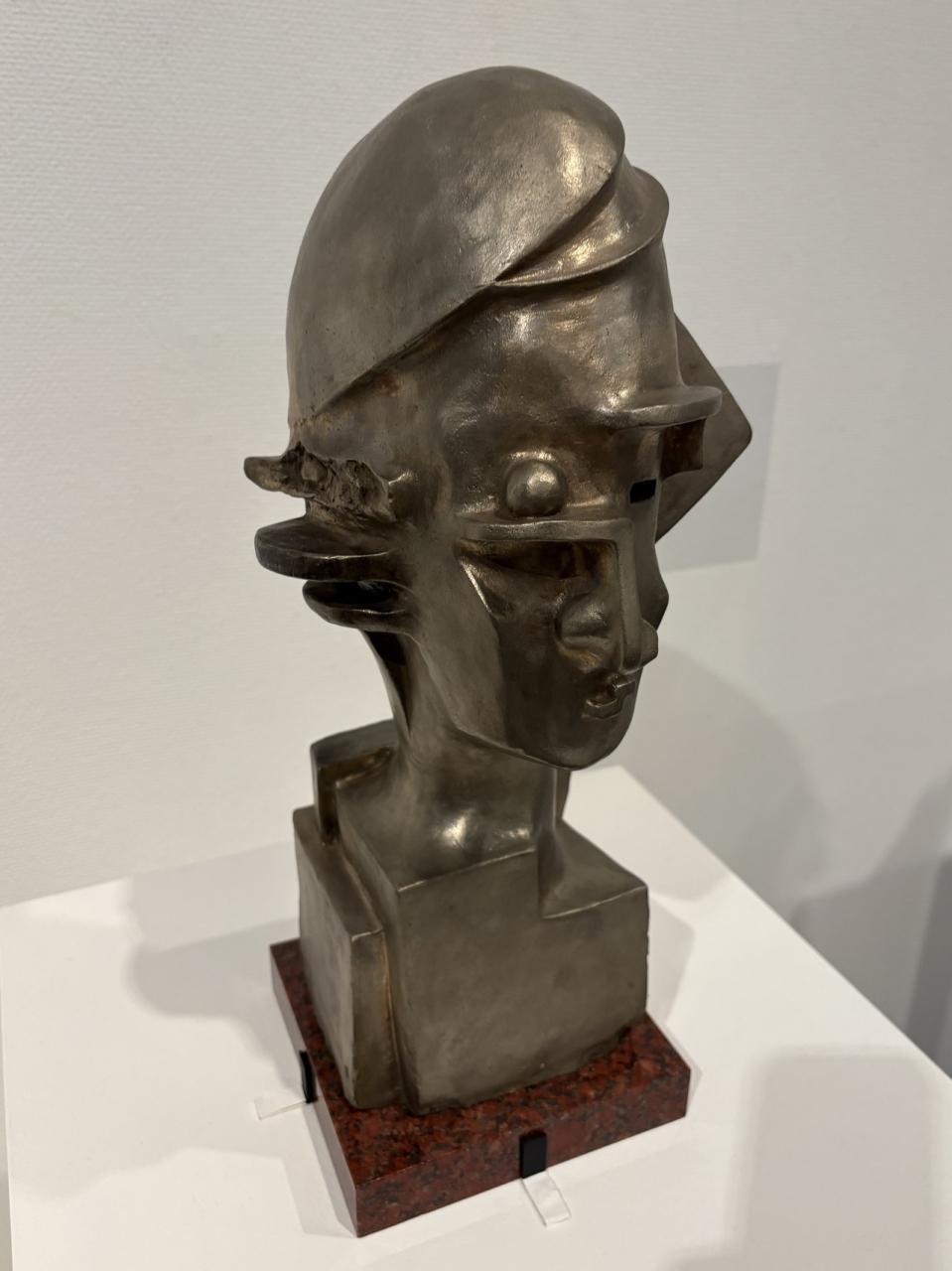
仲田定之助
NAKADA, Sadanosuke
1888-1970
女の首
Head of Woman
1924 大正13年
白銅
cupronickel -
-
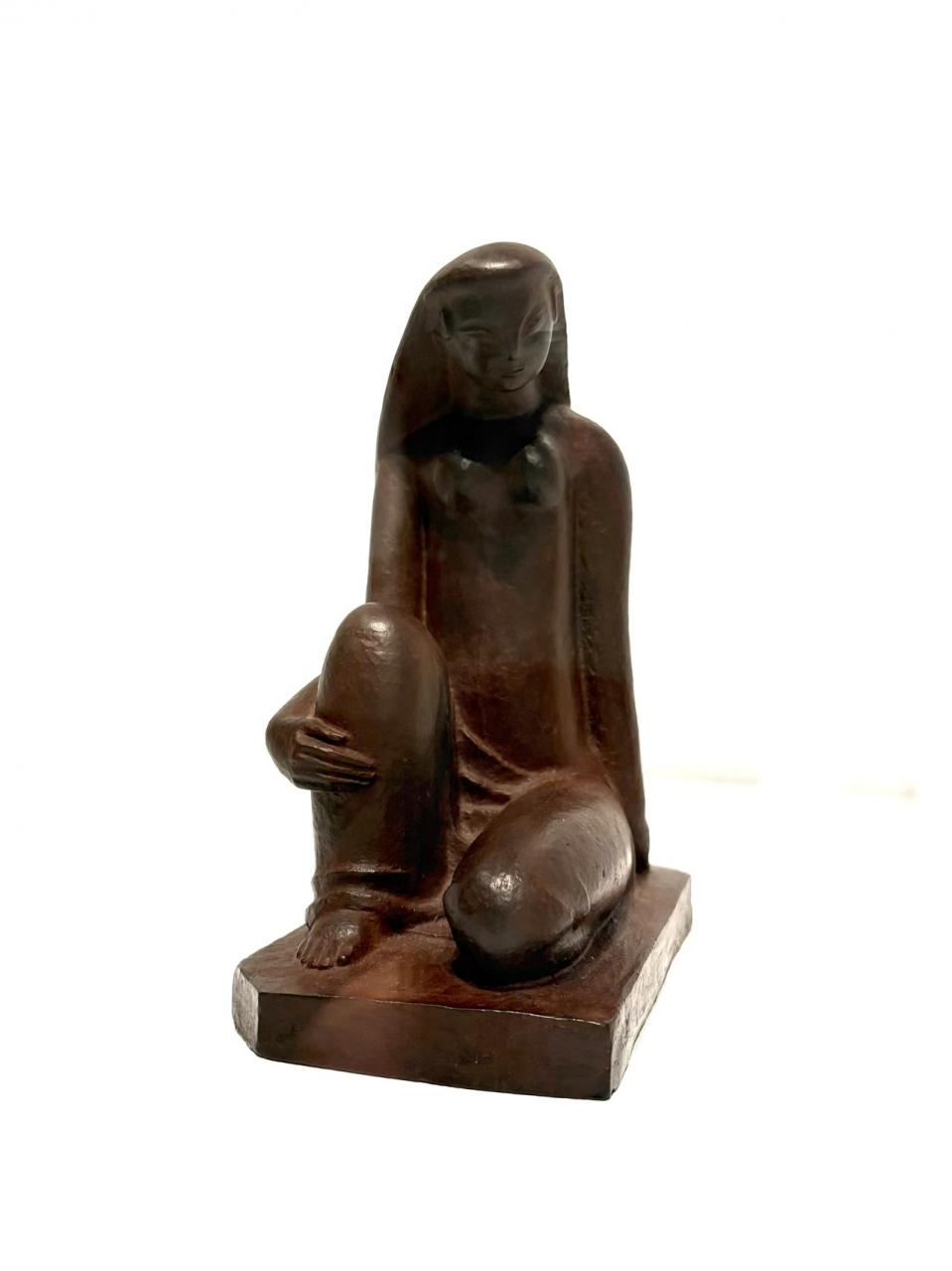
陽咸二
YO, Kanji
1898-1935
コムポジション
Composition
1928 昭和3年
ブロンズ bronze
彫刻だけでなく、絵画、工芸、表紙絵など多彩な分野に携わり、多様な作風を示した陽威ニ。型にはまらずに、自由な造形を追い求めることこそ、陽が目指したところなのでしょう。右ひさを立てて、うつむく女性像をかたどったくコムポジション)では、形体の細部は省略されて、体は長く引き伸ばされ、仏像のような静けさが特徴的です。「彫刻」としての新たな仏像の表現が模索されるようになったこの時代、陽も複数の観音像を制作しており、本作にも古い仏像からの学びが生かされているようです。
Yo Kanji was not only a sculptor, but was also active in a variety of fields including painting, crafts, and cover illustration, showing great stylistic versatility. He was dedicated to the pursuit of formal freedom unrestrained by conventional standards. In his work Composition, which portrays a woman with her right knee raised and head bowed, the details of the form are simplified, the torso is elongated, and there is sense of serenity reminiscent of Buddhist statues. This was a time when new forms of Buddhist statuary were being explored in the context of "sculpture," and Yo also produced several statues of the bodhisativa Kannon, suggesting that insights from classical Buddhist statues were incorporated into this work as well. -
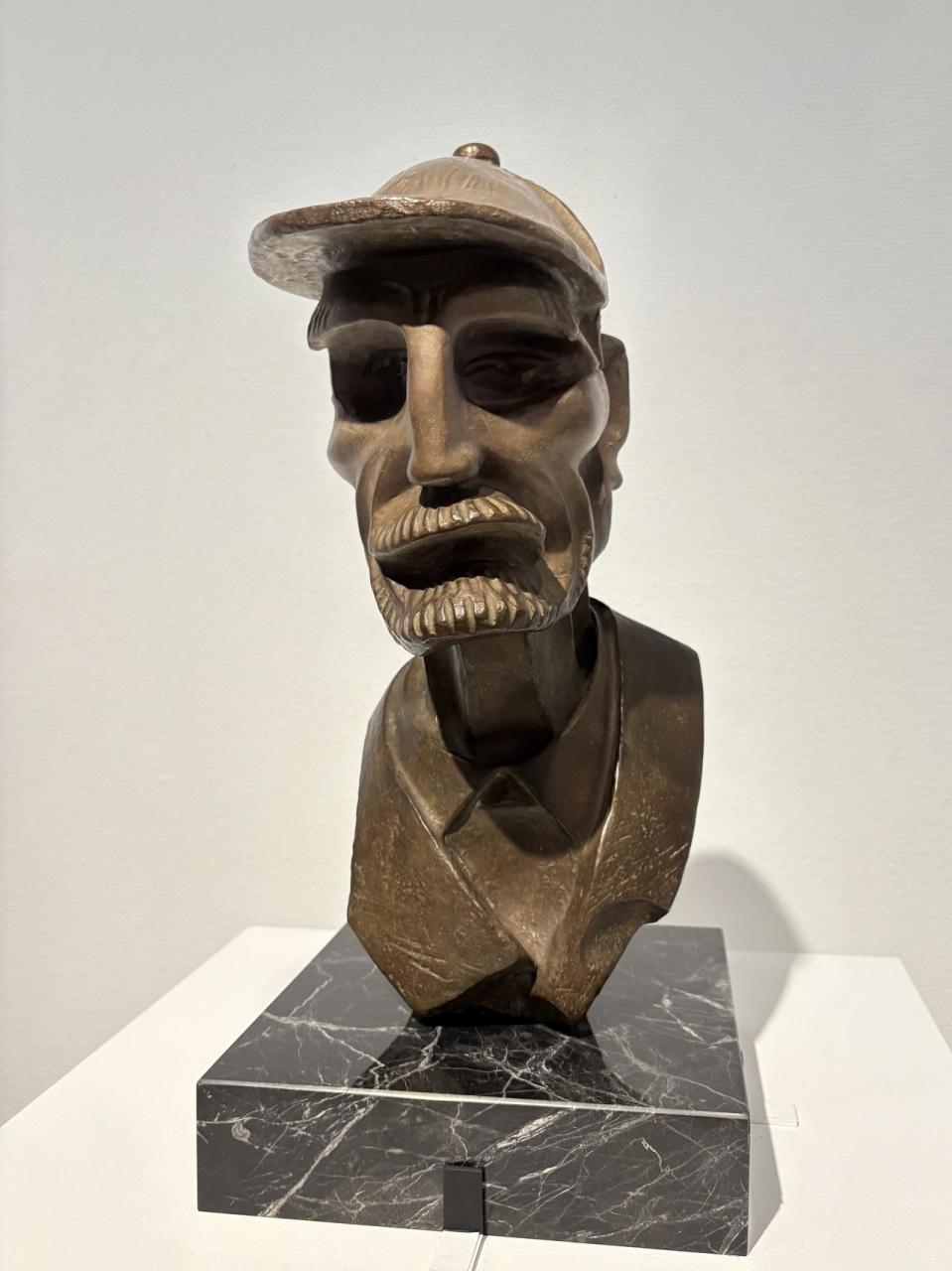
陽咸二
YO, Kanji
1898-1935
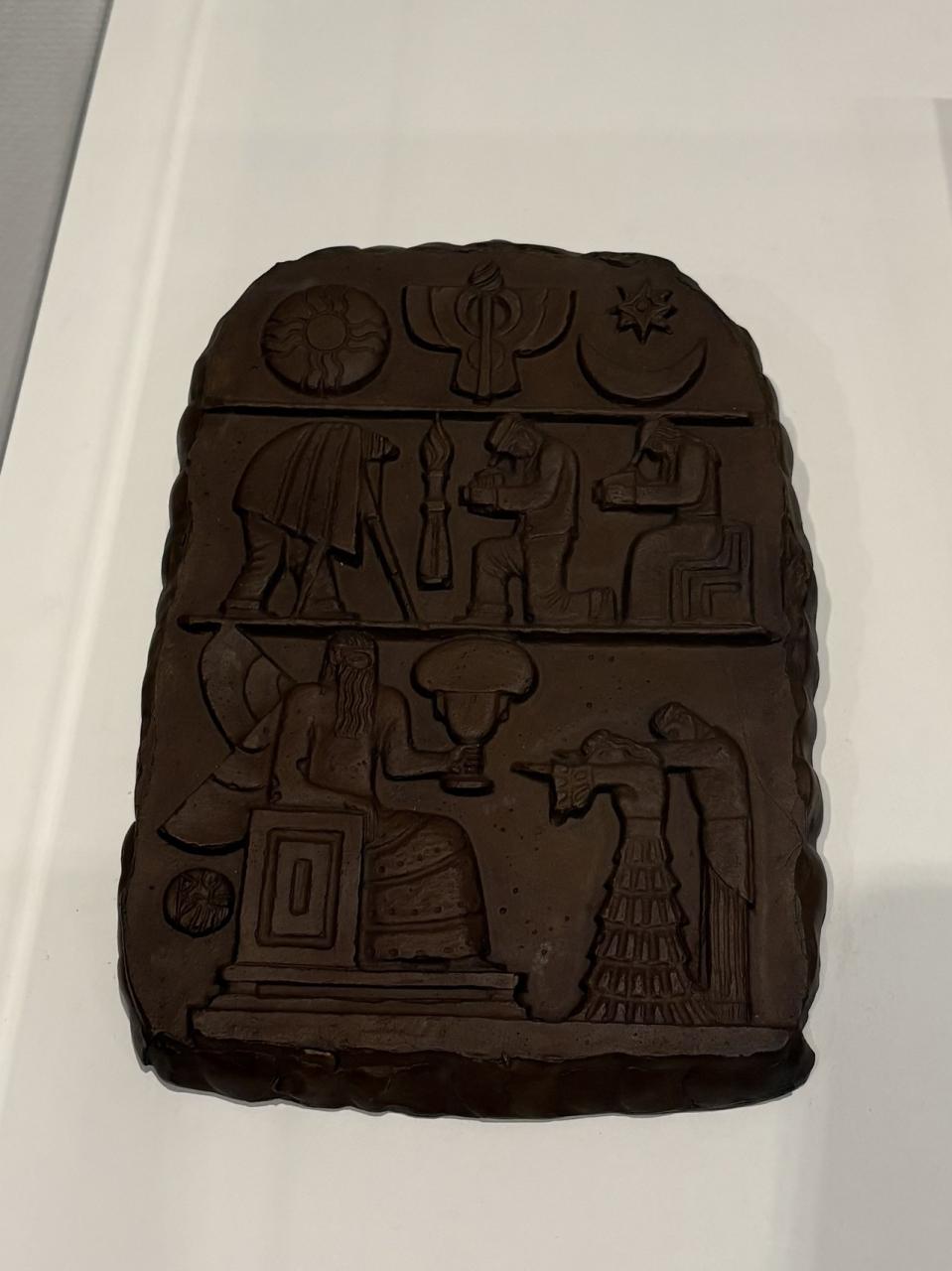
或る休職将軍の顔
Head of a Certain Retired General
1929
昭和4年
ブロンズ bronze -
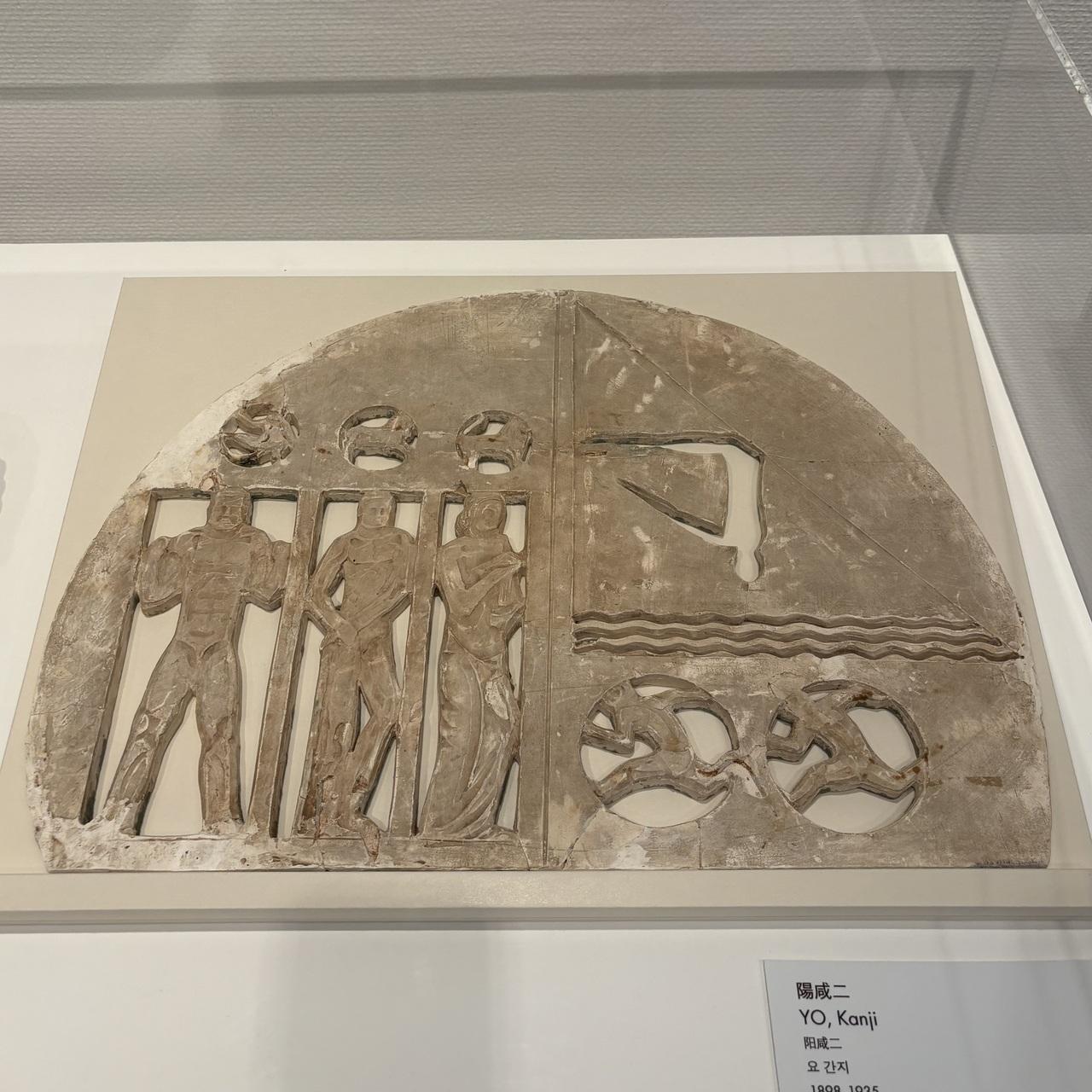
陽咸二
YO, Kanji
1898-1935
扉(透かし彫り)
Door (Openwork)
1930 昭和5年、石膏 plaster -
陽咸二
YO, Kanji
1898-1935
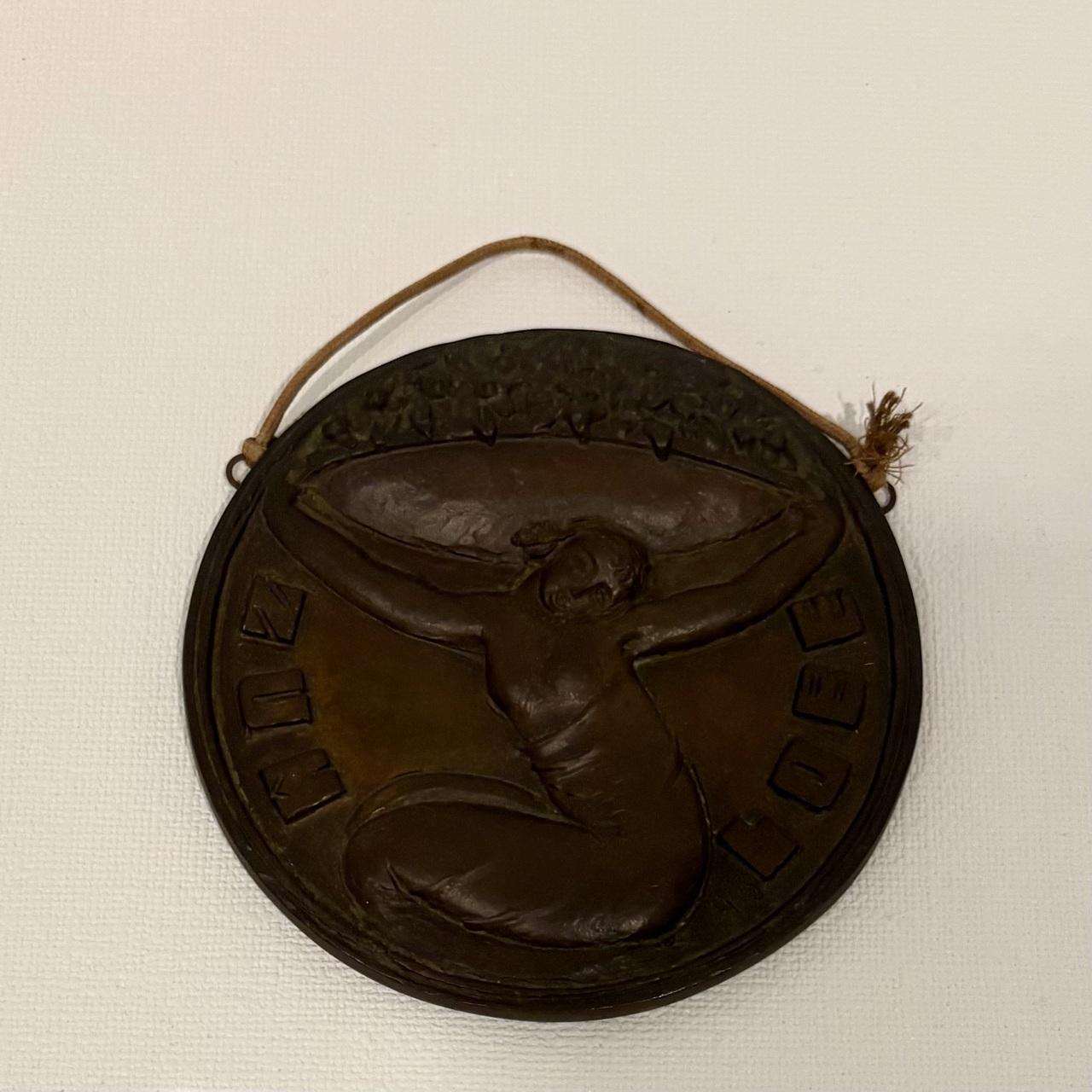
朝日カメラメダル
Asahi Camera Medal
1929 昭和4年
ブロンズ bronze -
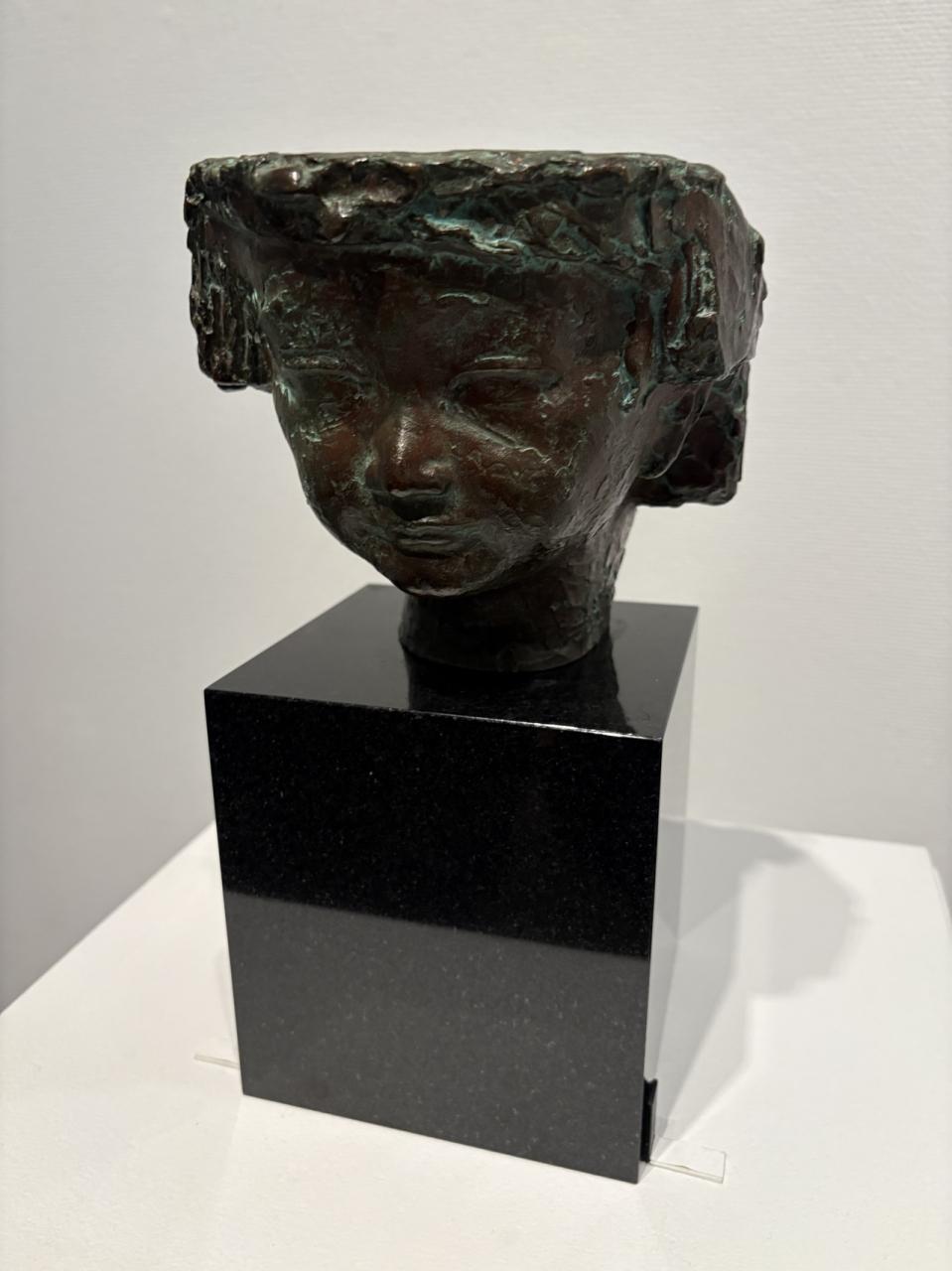
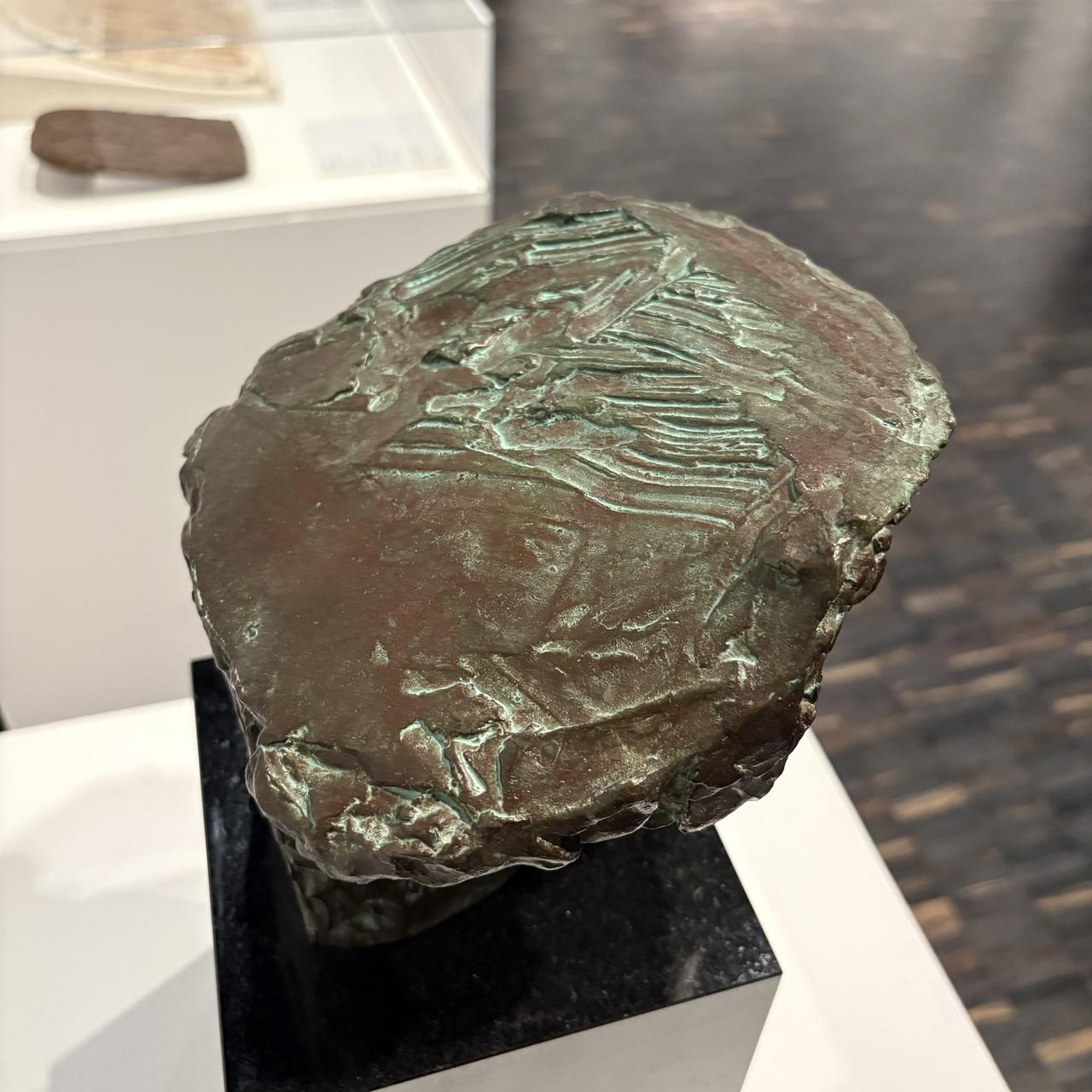
後藤清一
GOTO, Seichi
1893-1984
少女の顔
Girl's Face
1929 昭和4年
ブロンズ bronze
後藤清一<少女の顔>は、1929年の第3回構造社展に出品され、劇作家で評論家の倉田百三(1891-1943)が250円という高値で買い求めたことにより、当時話題となった作品です。親類の少女の顔を二日ほど見た後、モデルを用いずに制作され、この年の構造賞を受賞しました。立方体から切り出したかのように頭部を直線でまとめ、その下に逆三角形の少女の顔を配したかたちが特徴的です。
Goto Seiichi's Girl's Face was shown at the 3rd Kozoshaten Exhibition in 1929, and was the subject of much discussion after the playwright and critic Kurata Hyakuzo (1891-1943) bought it for the then-sizable sum of 250 yen. After studying the face of a young female relative for about two days, Goto fashioned the sculpture without a model, and won the exhibition's Kozo Prize that year. The construction of the head with straight lines, as if sculpted from a cube, and the girl's face forming an inverted triangle below are distinctive features of the sculpture. -
-
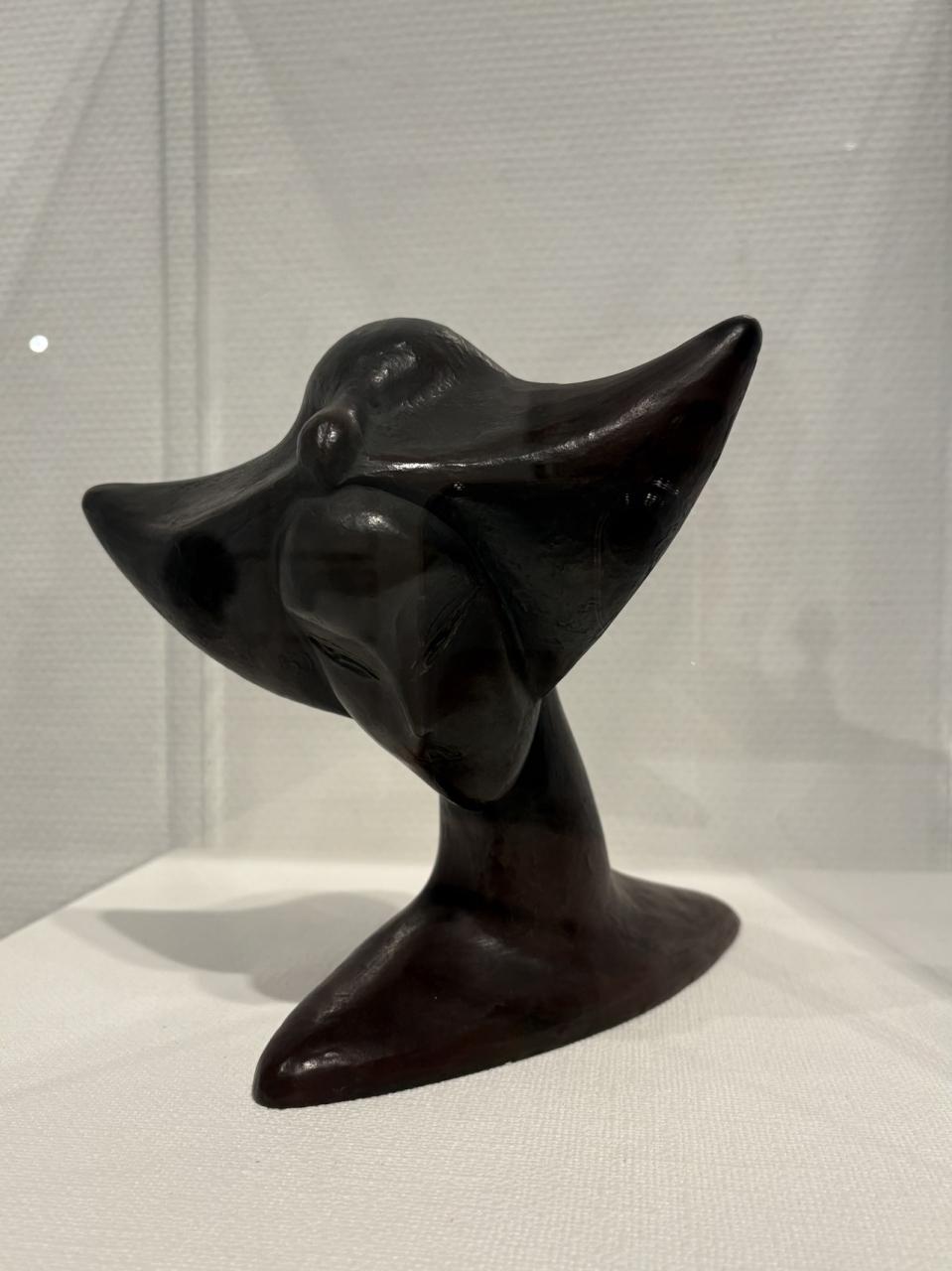
荻島安二
OGISHIMA, Yasuji
1895-1939
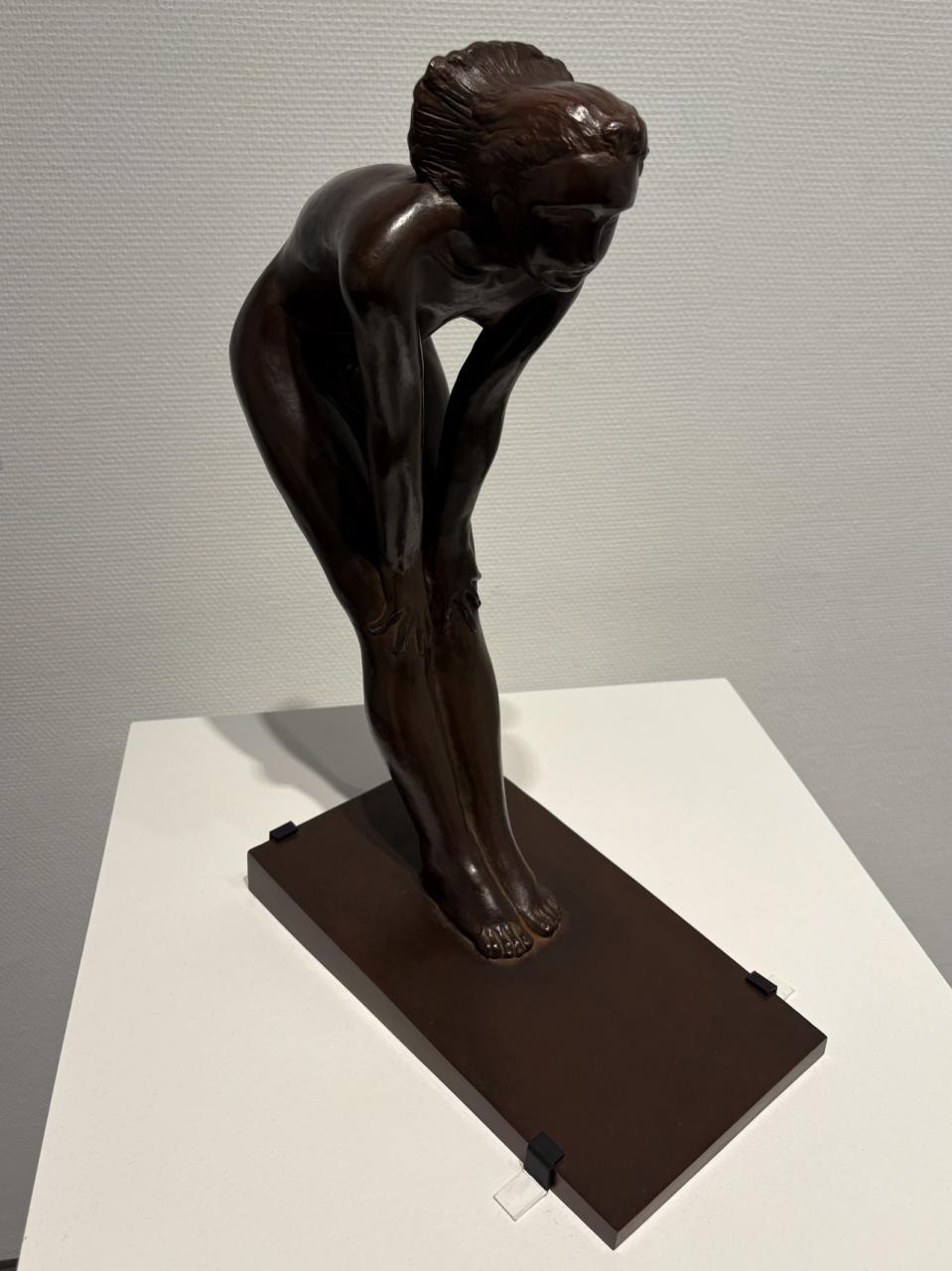
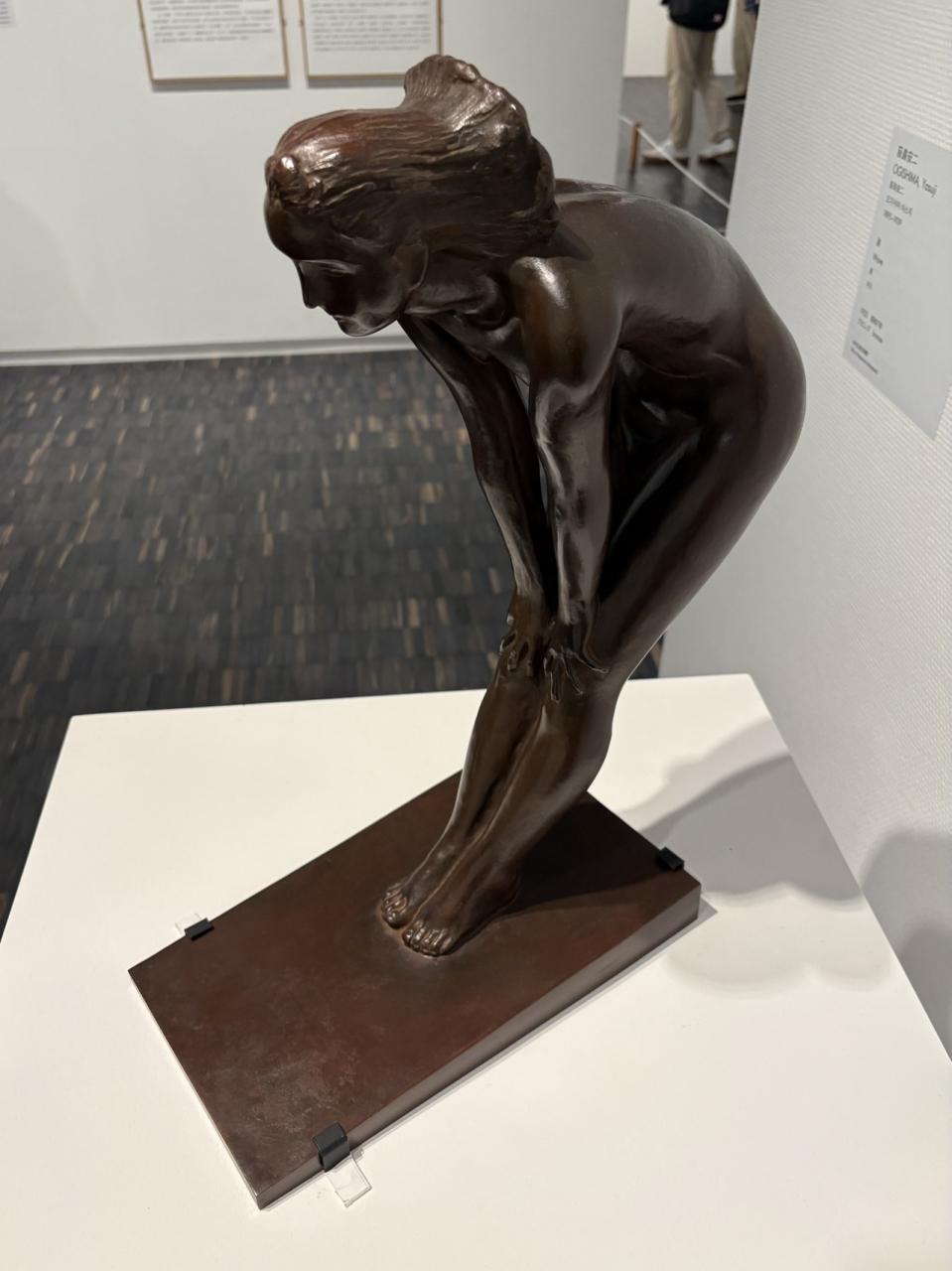
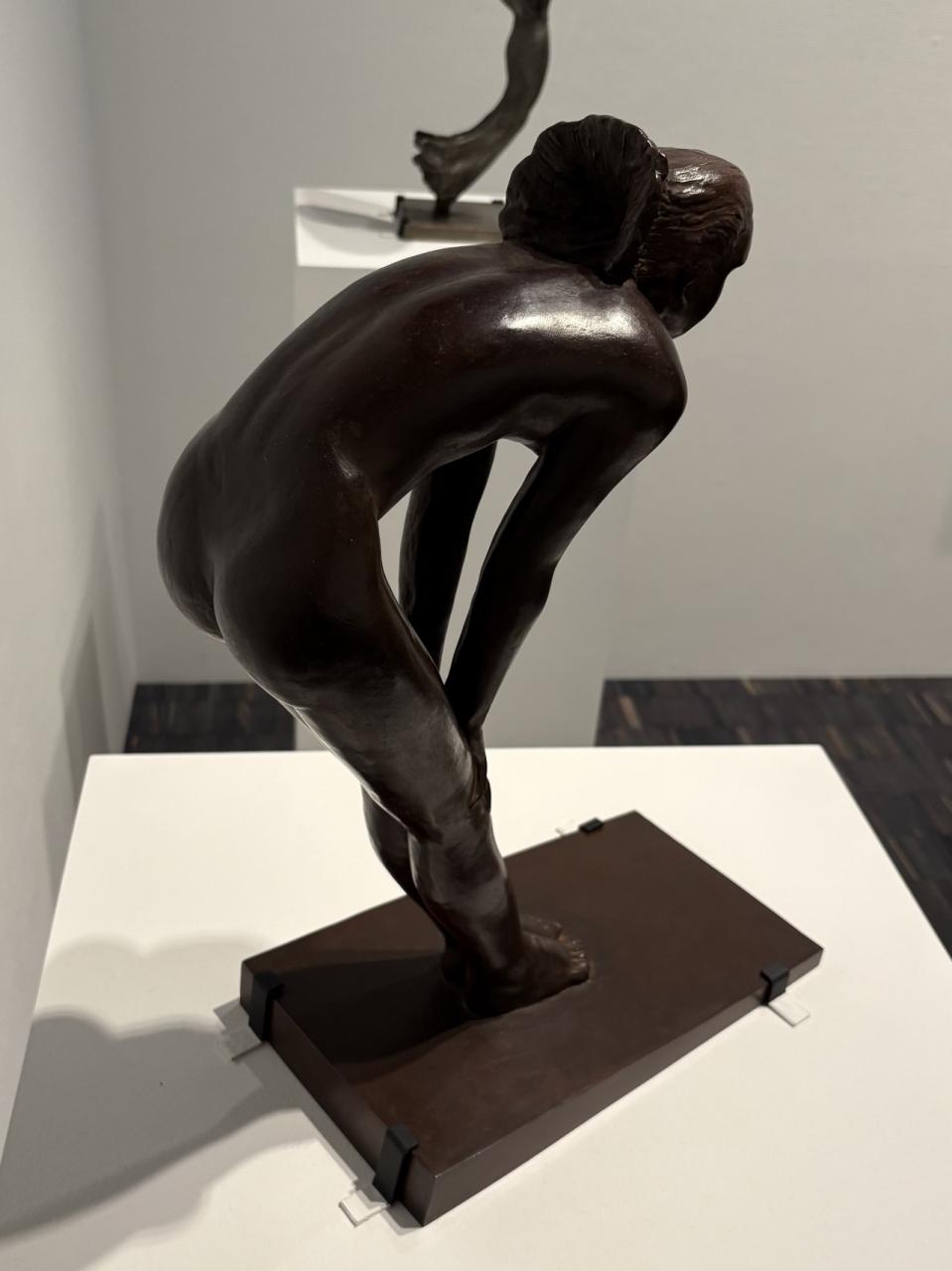
日本髪
Japanese Coiffure
1938 昭和13年
ブロンズ bronze
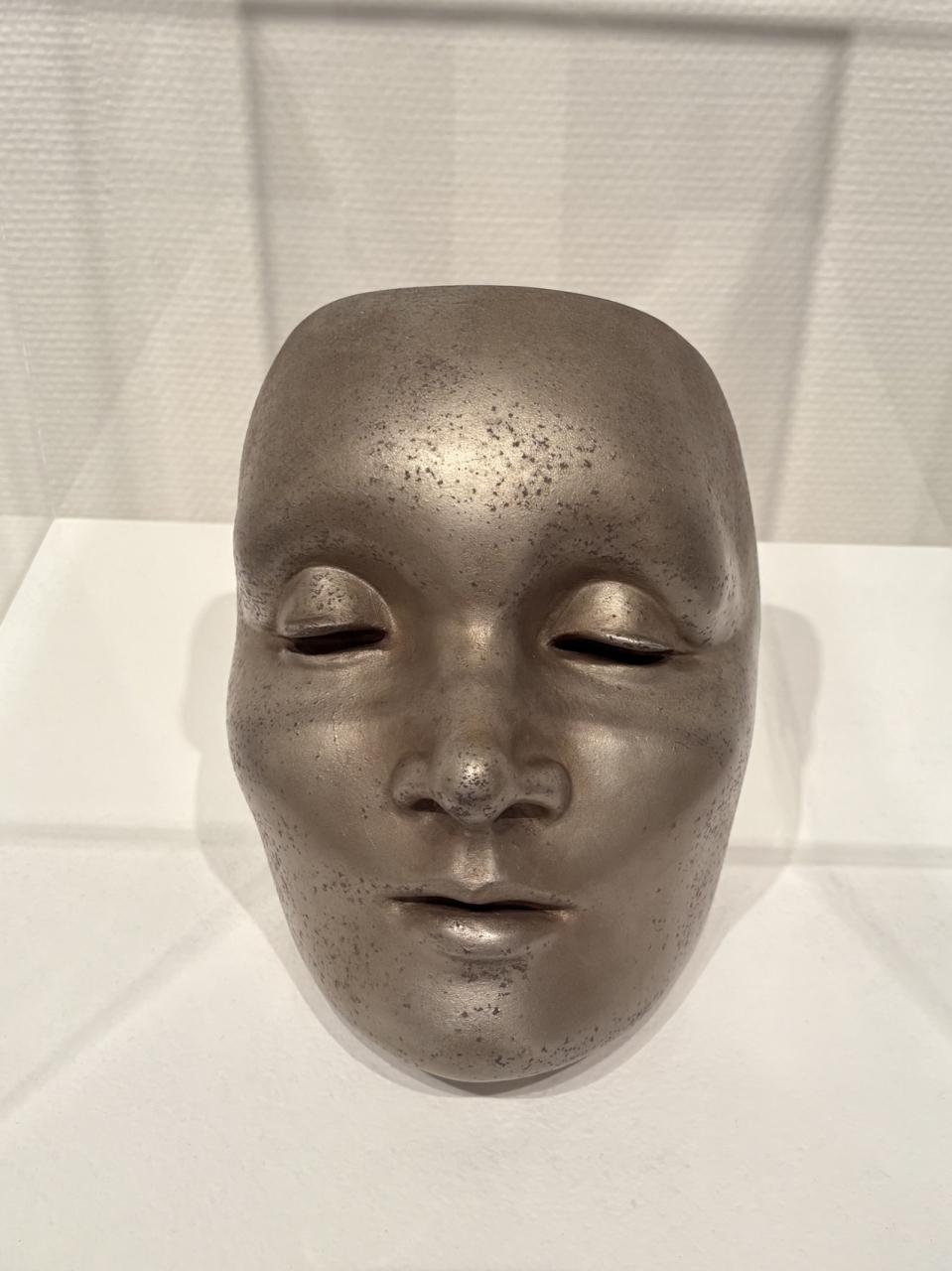
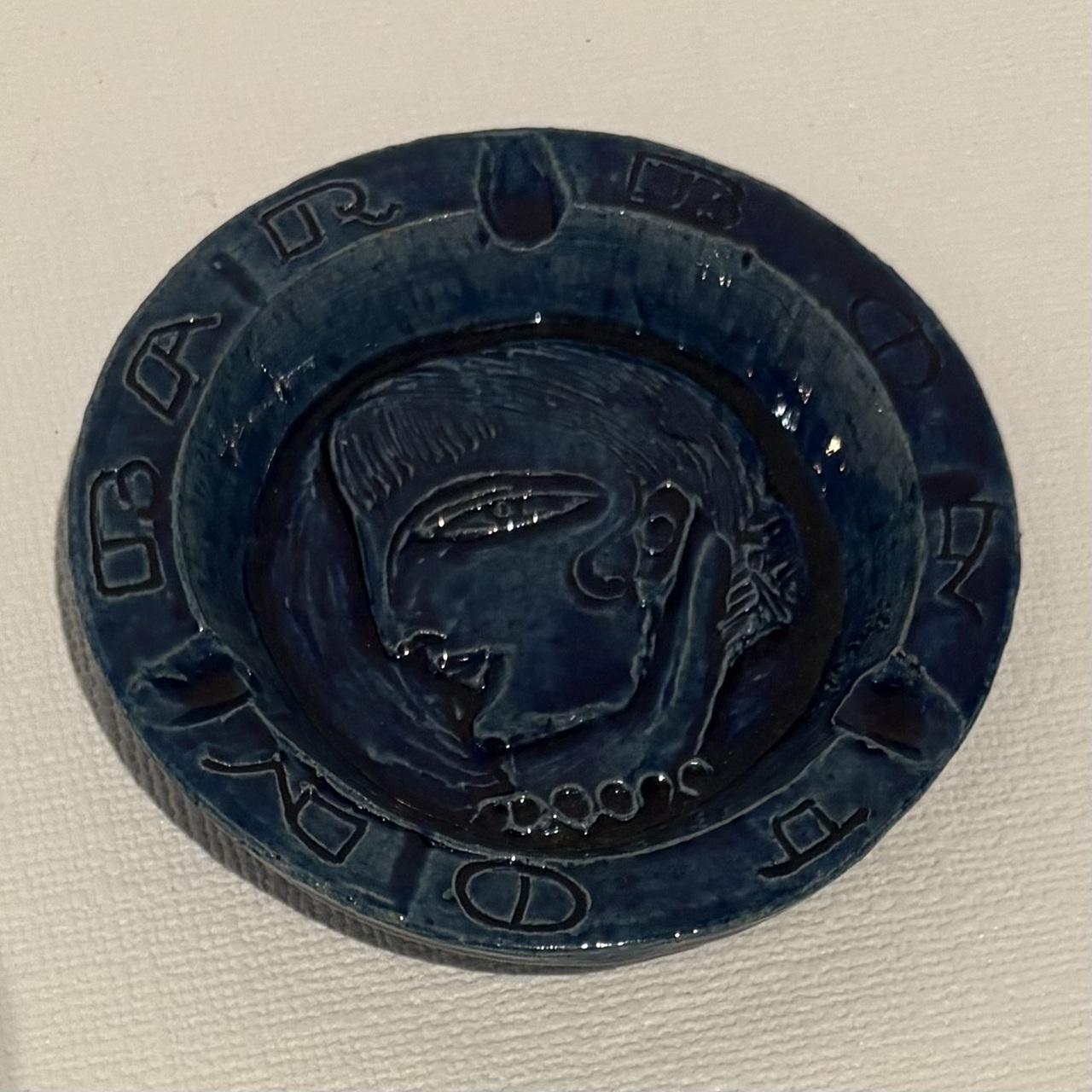
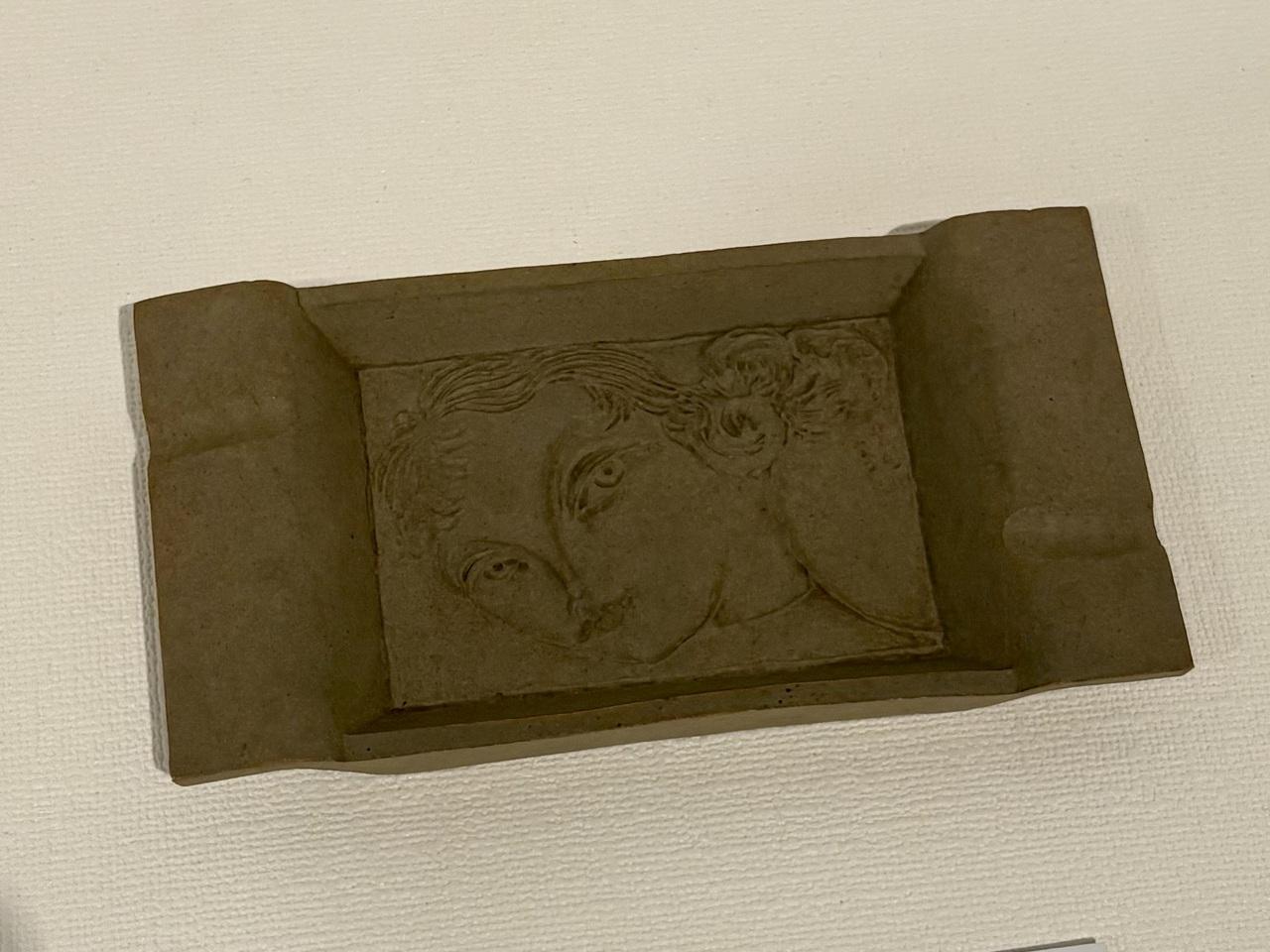
朝倉文夫の門下生として彫刻を学んだ島は、やがて島津マネキンの創始者・島津良蔵(1901-70)と出会い、マネキン制作の道に入りました。1925(大正14)年に制作された石膏製の姉妹像が、国産第一号の洋マネキンといわれています。このように商業美術にも関心を持っていた島は、バーやカフェの灰皿やマッチ・ラベルなどもデザインし、多方面に才能を発揮しました。1933(昭和8)年に「構造社」に参加してからの作風は、アールデコ様式をふまえた優美な女性像に特徴があります。
After studying sculpture with Asakura Fumio, Ogishima Yasuji met Shimazu Ryozo ? the creator of a type of mannequin known as the Shimazu mannequin ? and began devoting himself to making mannequins. The plaster mannequins of two sisters that Ogishima produced in 1925 are said to be the first Western-style mannequins ever made in Japan. His interest in commercial art led him to design ashtrays and matchbox labels for bars and cafes among many other talents. After becoming involved with the Kozosha (Construction Group) in 1933, Ogishima's style became associated with graceful female images informed by Art Deco. -
荻島安二
OGISHIMA, Yasuji
1895-1939
波
Wave
1932
昭和7年
ブロンズ bronze -
-
-
荻島安二
OGISHIMA, Yasuji
1895-1939
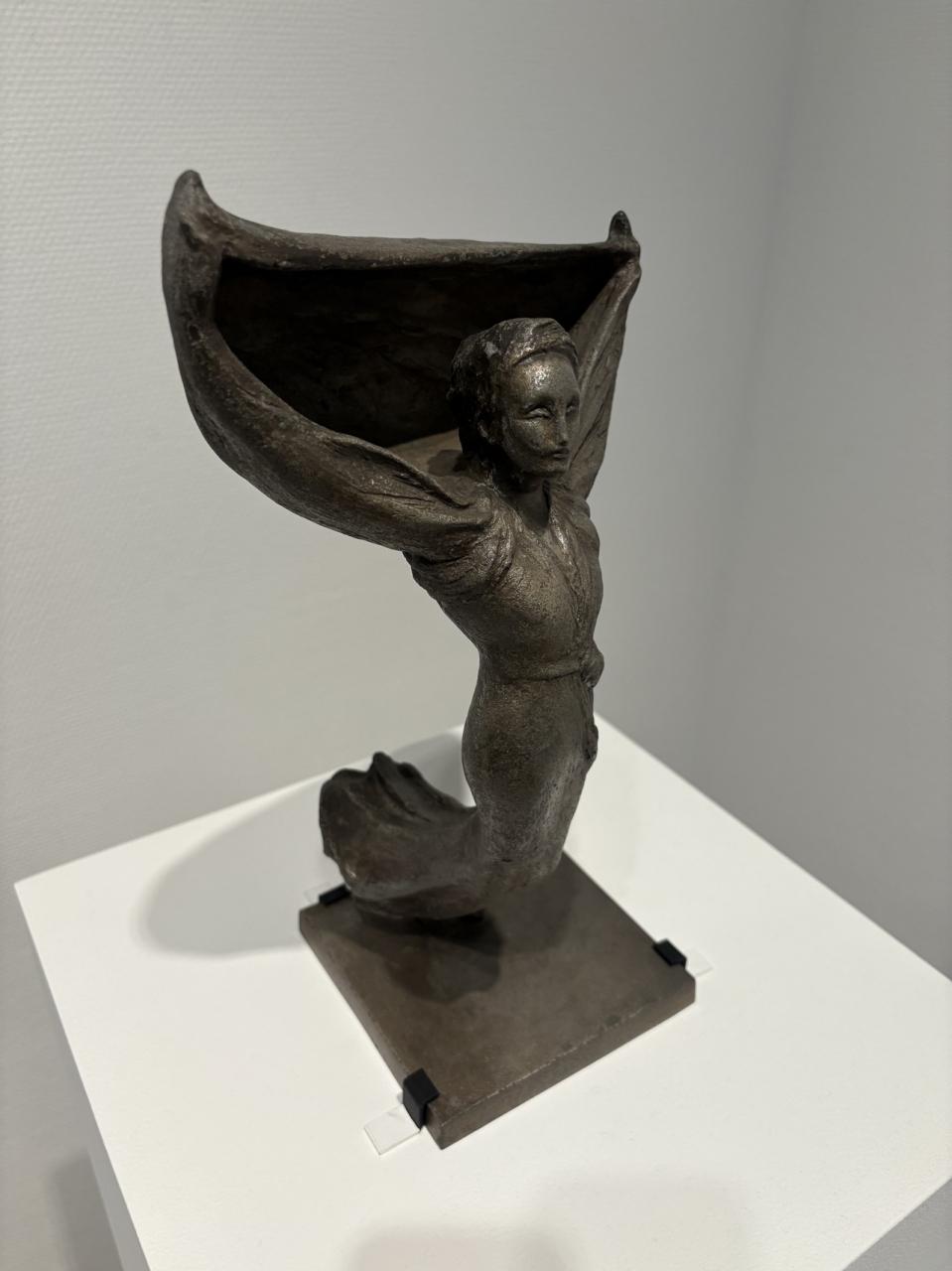
風
Wind
1937 昭和12年
アンチモン antimony -
荻島安二
OGISHIMA, Yasuji
1895-1939
マスク(マレーネ・ディートリッヒ)
Mask of Marlene Dietrich
1938 昭和13年
軽合金 alloy -
-
荻島安二
OGISHIMA, Yasuji
1895-1939
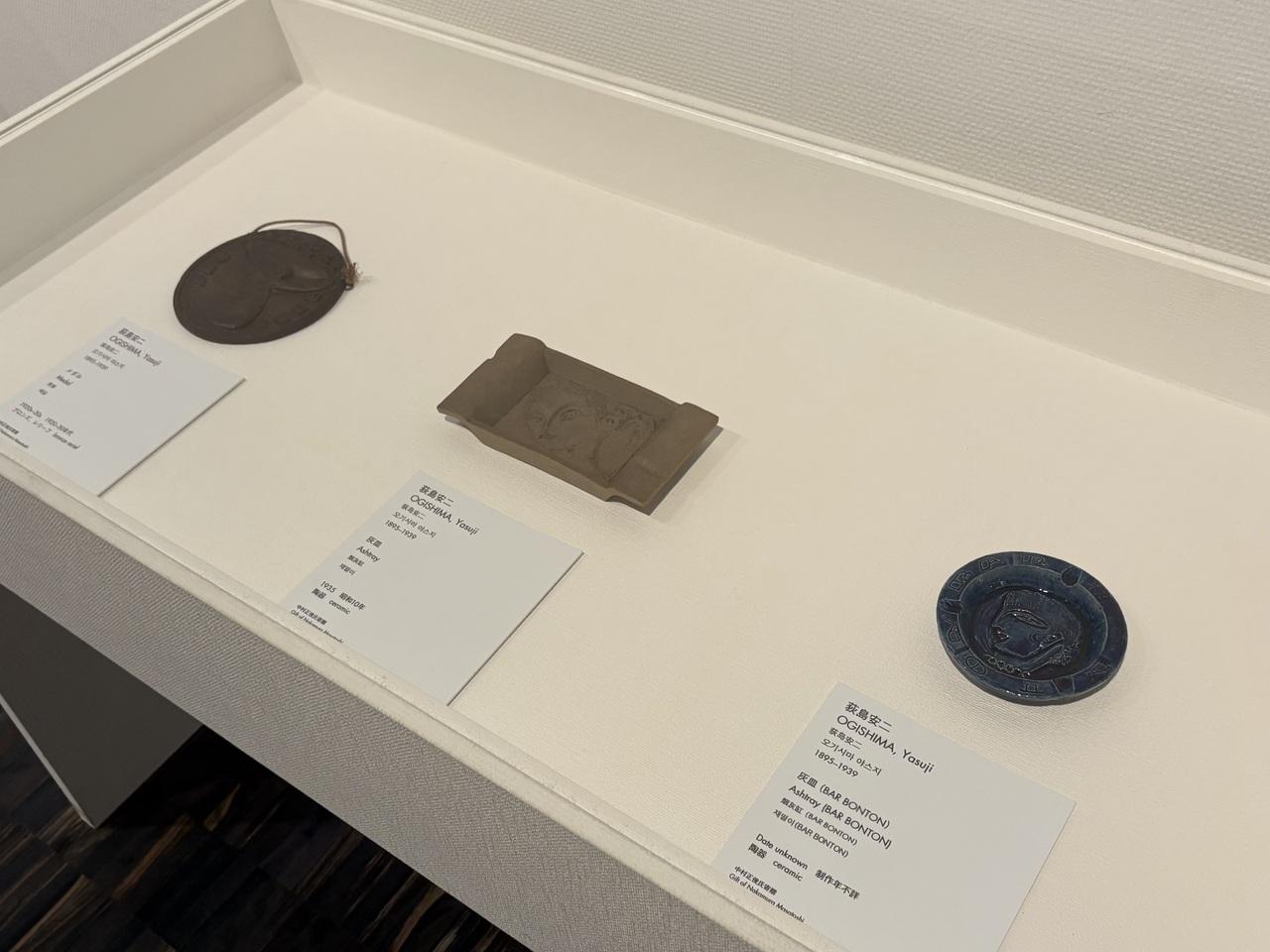
灰皿(BAR BONTON)
Ashtray (BAR BONTON)
Date unknown
制作年不詳
陶器
ceramic -
荻島安二
OGISHIMA, Yasuji
1895-1939
灰皿
Ashtray
1935
陶器
昭和10年
ceramic -
荻島安二
OGISHIMA, Yasuji
1895-1939
メダル
Medal
1920s-30s
1920-30年代
ブロンズ、レリーフ
bronze rerief -
("5.シュルレアリスム100年" に続く・・・)


利用規約に違反している投稿は、報告する事ができます。
-
前の旅行記

MOMAT コレクション〔国立東京近代美術館 所蔵作品展〕(2025.2.11-6.15)3.抒情と頽廃。"...
2025/06/04~
神田・神保町
-
次の旅行記

MOMAT コレクション〔国立東京近代美術館 所蔵作品展〕(2025.2.11-6.15) 5.シュルレアリ...
2025/06/04~
神田・神保町
-

MOMAT コレクション〔国立東京近代美術館 所蔵作品展〕(2025.2.11-6.15)1.ハイライト "...
2025/06/04~
神田・神保町
-

MOMAT コレクション〔国立東京近代美術館 所蔵作品展〕(2025.2.11-6.15) 2.風景の発見。...
2025/06/04~
神田・神保町
-

MOMAT コレクション〔国立東京近代美術館 所蔵作品展〕(2025.2.11-6.15)3.抒情と頽廃。"...
2025/06/04~
神田・神保町
-

MOMAT コレクション〔国立東京近代美術館 所蔵作品展〕(2025.2.11-6.15) 4.モダニズムの...
2025/06/04~
神田・神保町
-

MOMAT コレクション〔国立東京近代美術館 所蔵作品展〕(2025.2.11-6.15) 5.シュルレアリ...
2025/06/04~
神田・神保町
-

MOMAT コレクション〔国立東京近代美術館 所蔵作品展〕(2025.2.11-6.15) 6.「相手」がい...
2025/06/04~
神田・神保町
-
![MOMAT コレクション〔国立東京近代美術館 所蔵作品展〕(25.2.11-6.15)8.反復がもたらすもの & 9.渡辺兼人[既視の街]](https://cdn.4travel.jp/img/thumbnails/imk/travelogue_album/11/98/67/240x180_11986732.jpg?updated_at=1752831110)
MOMAT コレクション〔国立東京近代美術館 所蔵作品展〕(25.2.11-6.15)8.反復がもたらすもの...
2025/06/04~
神田・神保町
-

MOMAT コレクション〔国立東京近代美術館 所蔵作品展〕(2025.2.11-6.15) 10.アルプのア...
2025/06/04~
神田・神保町
-

MOMAT コレクション〔国立東京近代美術館 所蔵作品展〕(2025.2.11-6.15) 11.(アン)バ...
2025/06/04~
神田・神保町
-

MOMAT コレクション〔国立東京近代美術館 所蔵作品展〕(2025.2.11-6.15) 12.美術家たち...
2025/06/04~
神田・神保町
旅行記グループをもっと見る
コメントを投稿する前に
十分に確認の上、ご投稿ください。 コメントの内容は攻撃的ではなく、相手の気持ちに寄り添ったものになっていますか?
サイト共通ガイドライン(利用上のお願い)報道機関・マスメディアの方へ 画像提供などに関するお問い合わせは、専用のお問い合わせフォームからお願いいたします。
この旅行で行ったスポット





フォートラベル公式LINE@

おすすめの旅行記や旬な旅行情報、お得なキャンペーン情報をお届けします!
QRコードが読み取れない場合はID「@4travel」で検索してください。
\その他の公式SNSはこちら/



旅行記グループ MOMAT コレクション〔国立東京近代美術館 所蔵作品展〕(2025.2.11-6.15)
0
22