


2025/04/28 - 2025/04/28
117位(同エリア4691件中)

旅熊 Kokazさん
- 旅熊 KokazさんTOP
- 旅行記1927冊
- クチコミ854件
- Q&A回答102件
- 1,707,822アクセス
- フォロワー752人
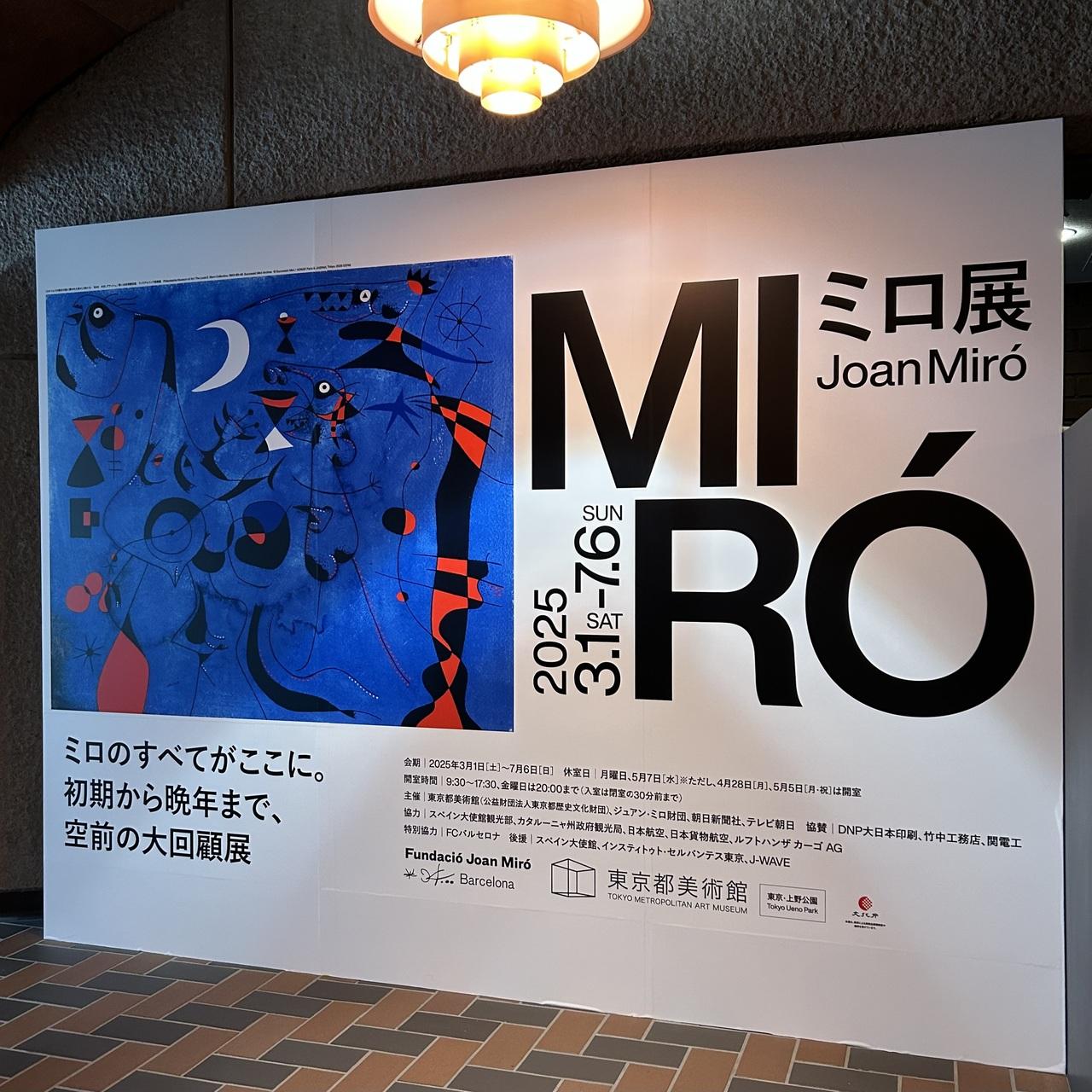
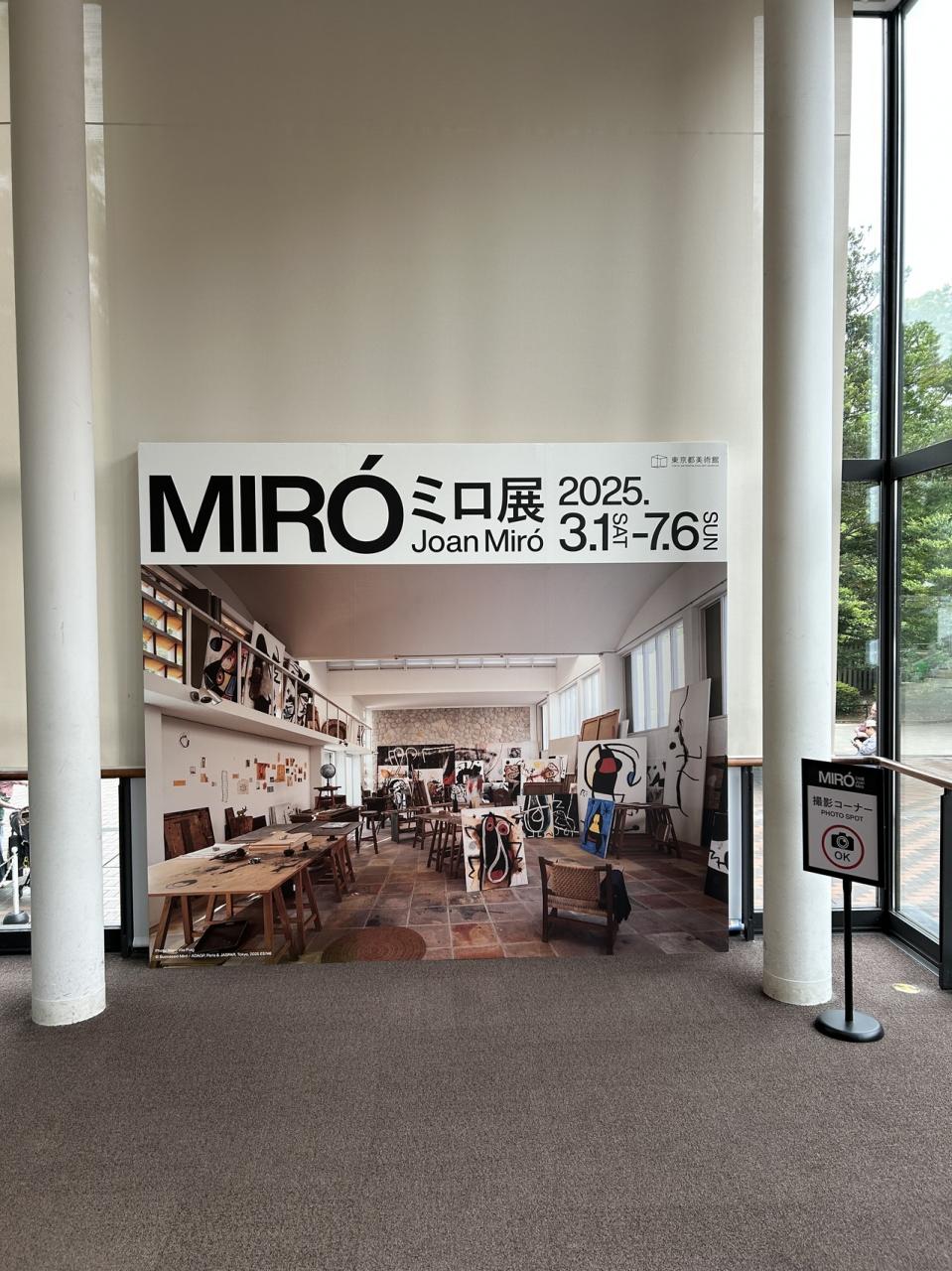
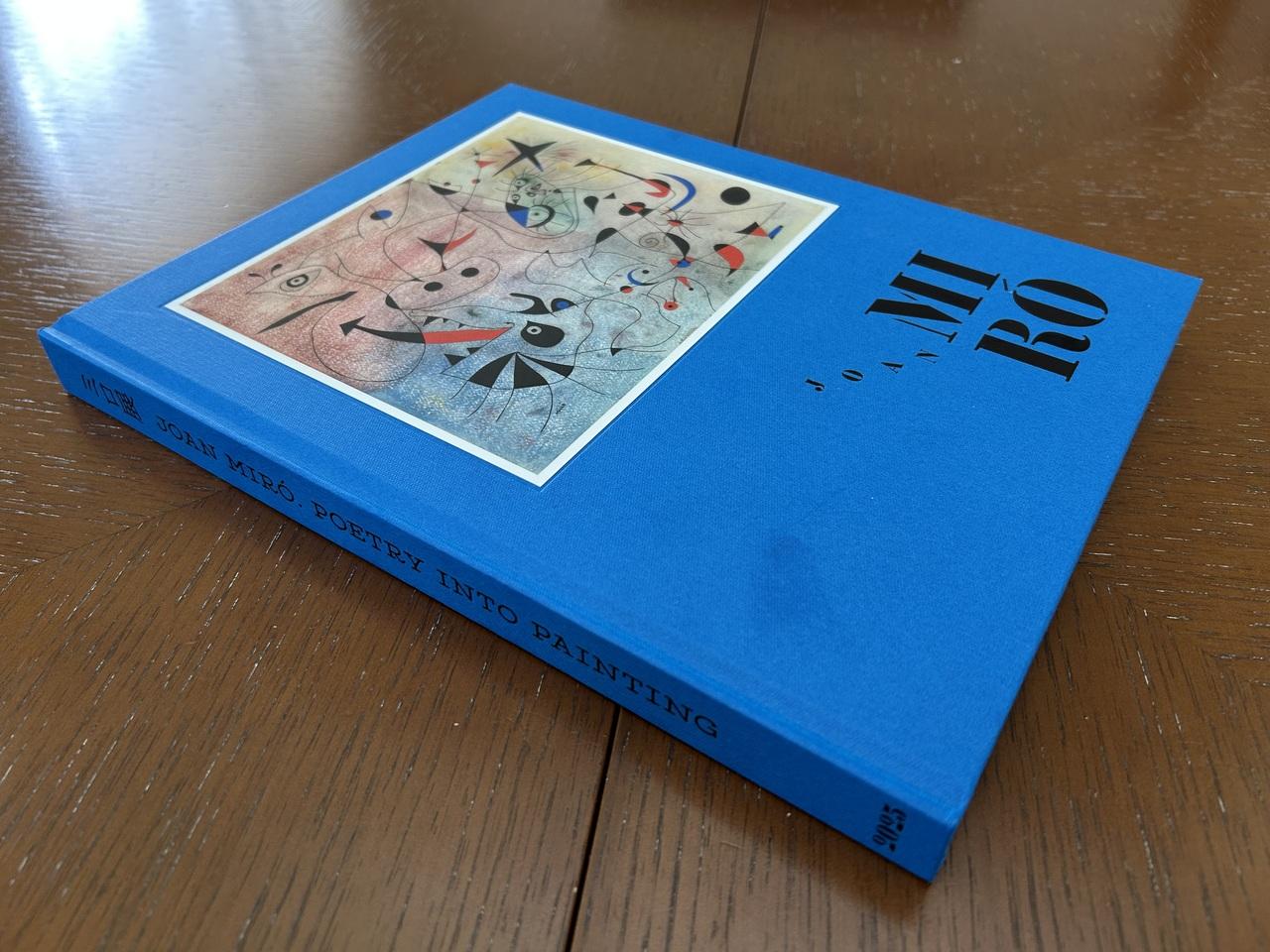
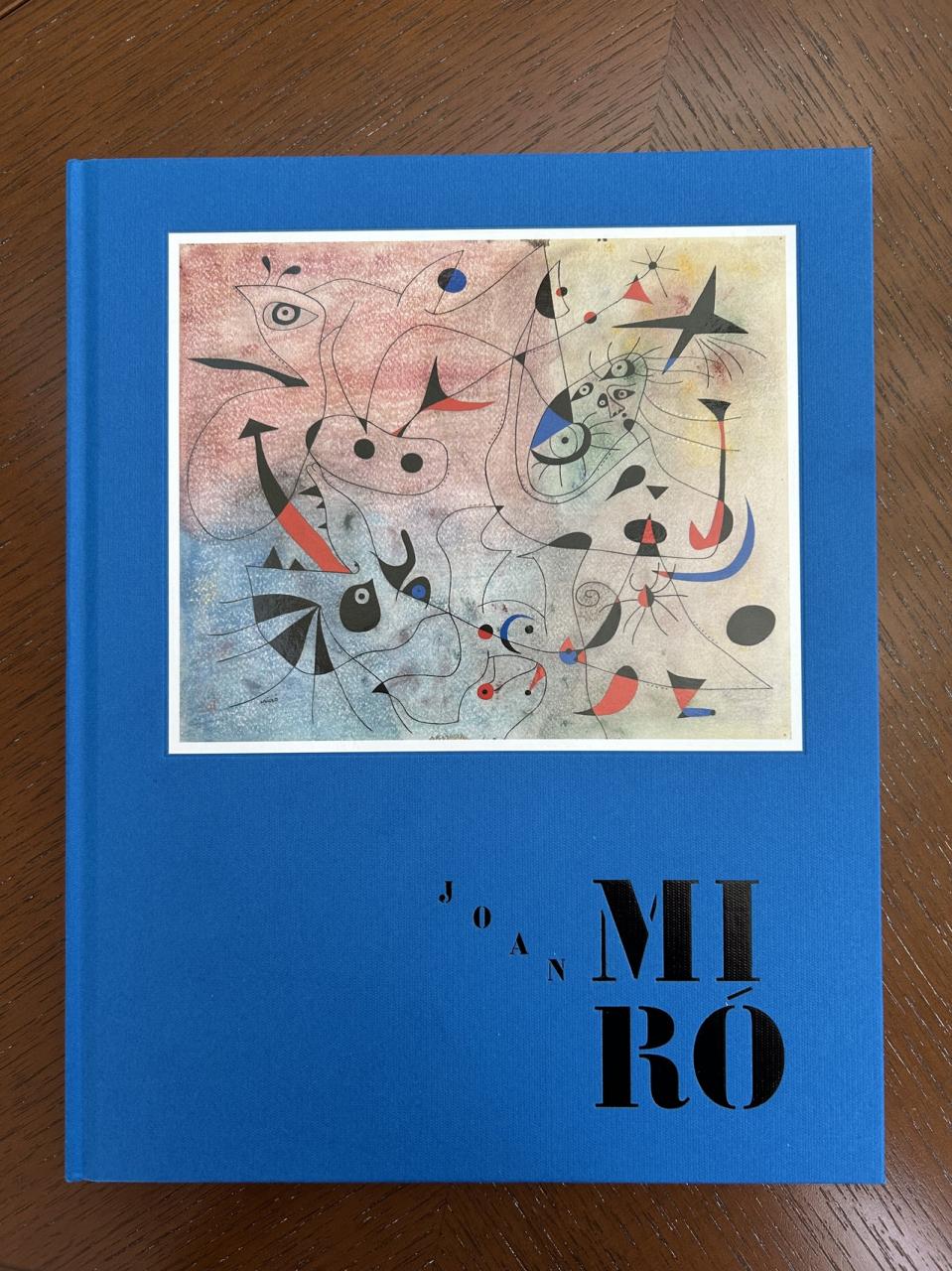
"ミロ展@東京都美術館 2025.3.1~7.16" 鑑賞
建仁寺 方丈庭園 ○△□乃庭
↓ ↓ ↓
https://www.kenninji.jp/around/
- 旅行の満足度
- 5.0
-

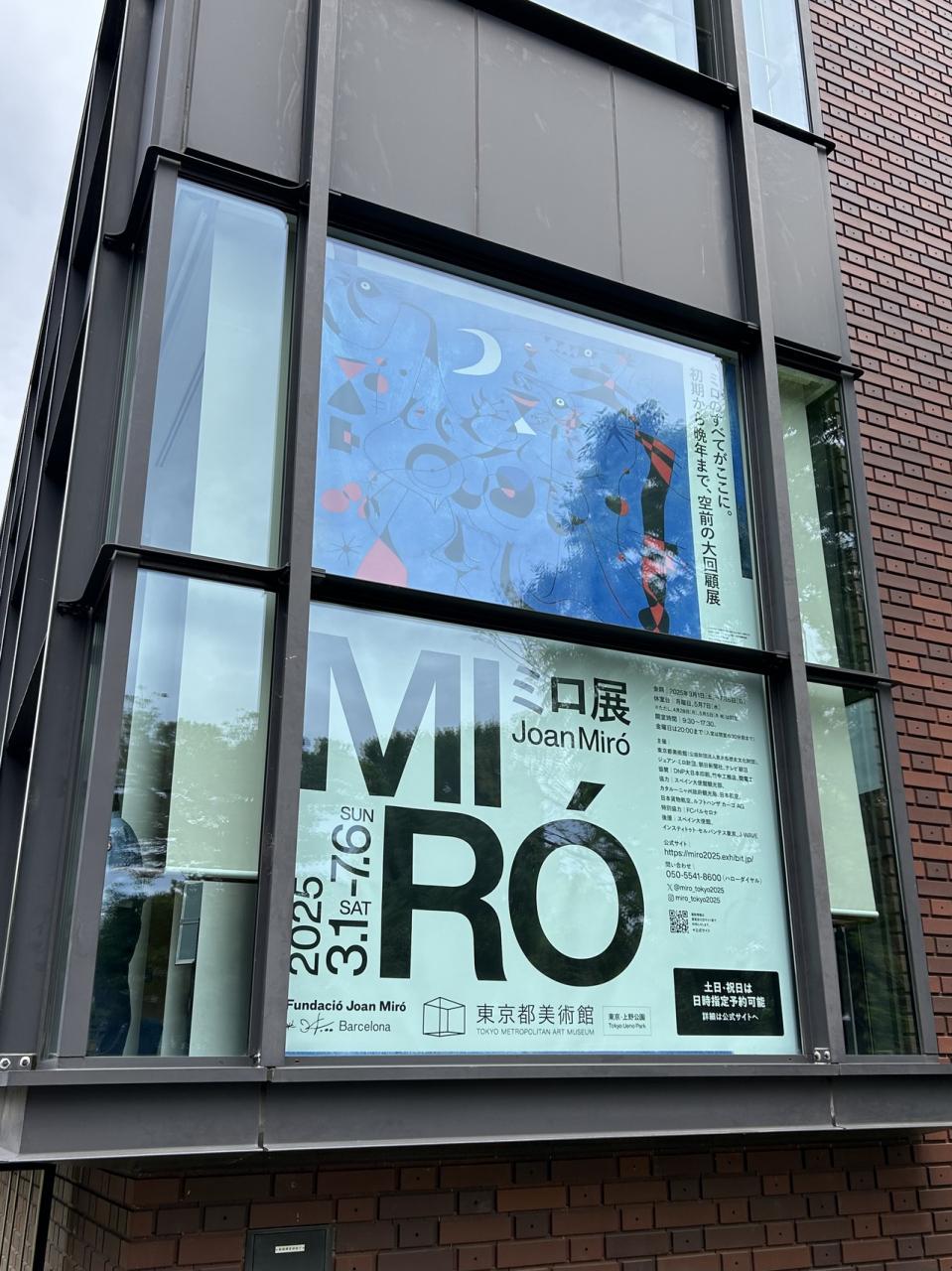
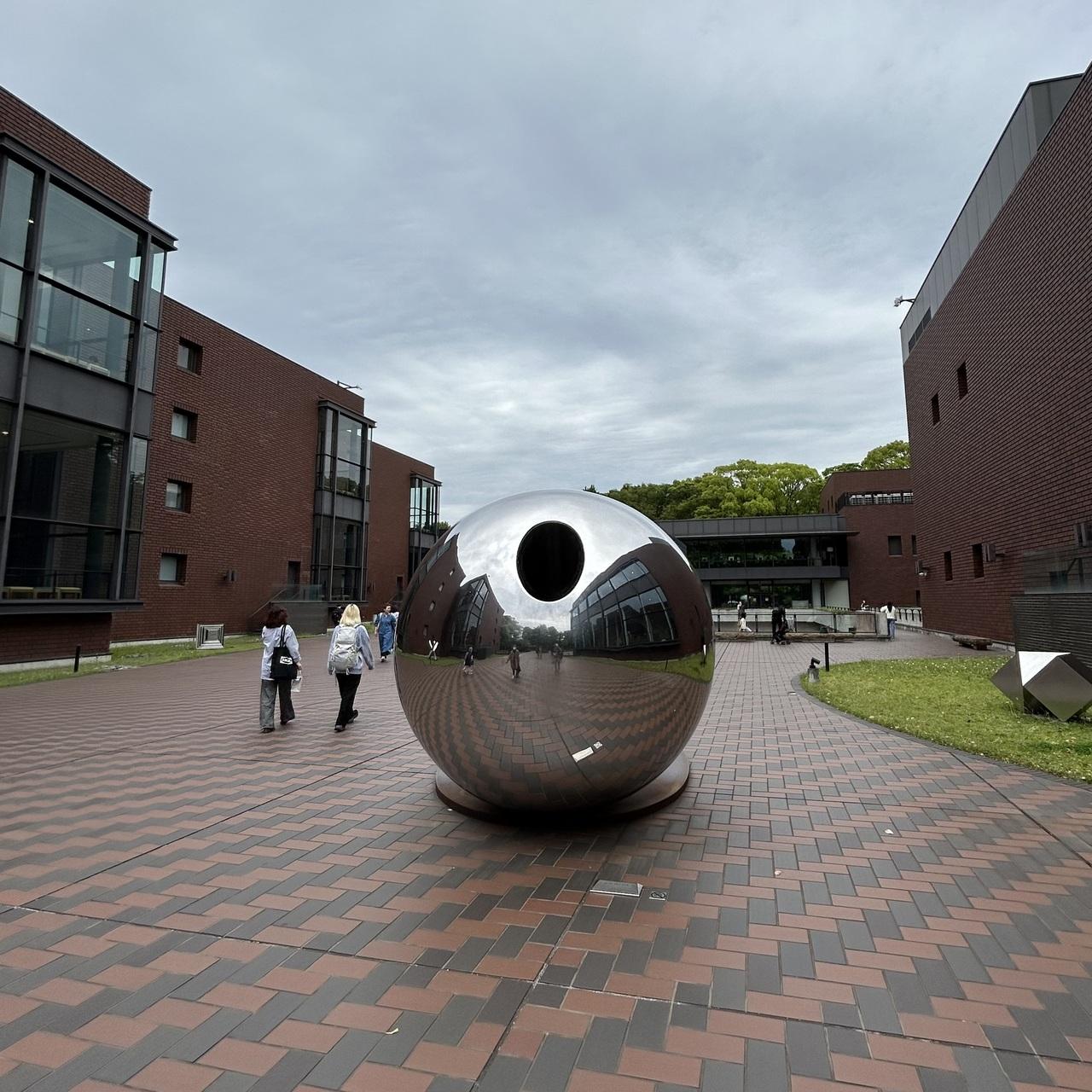
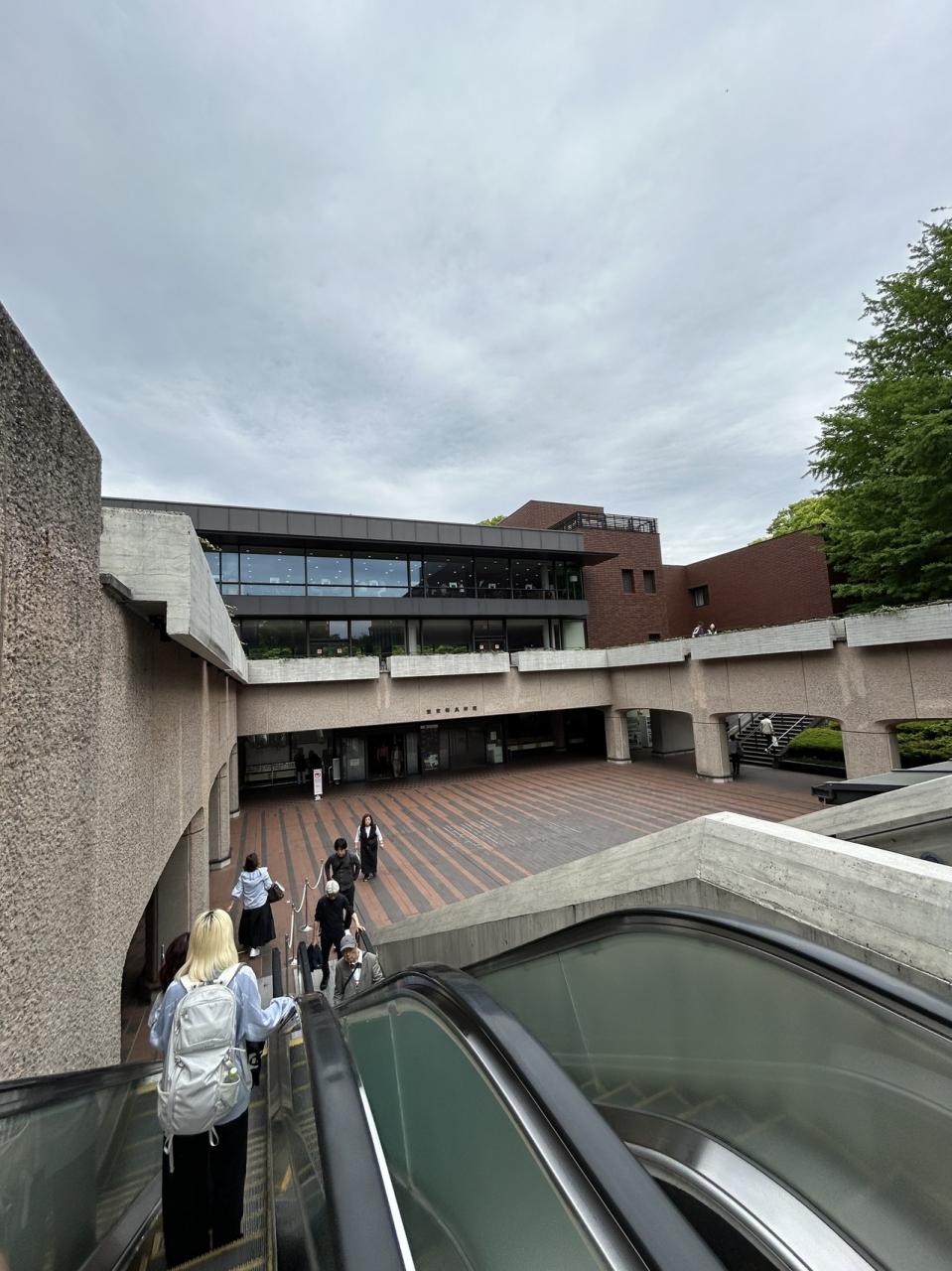
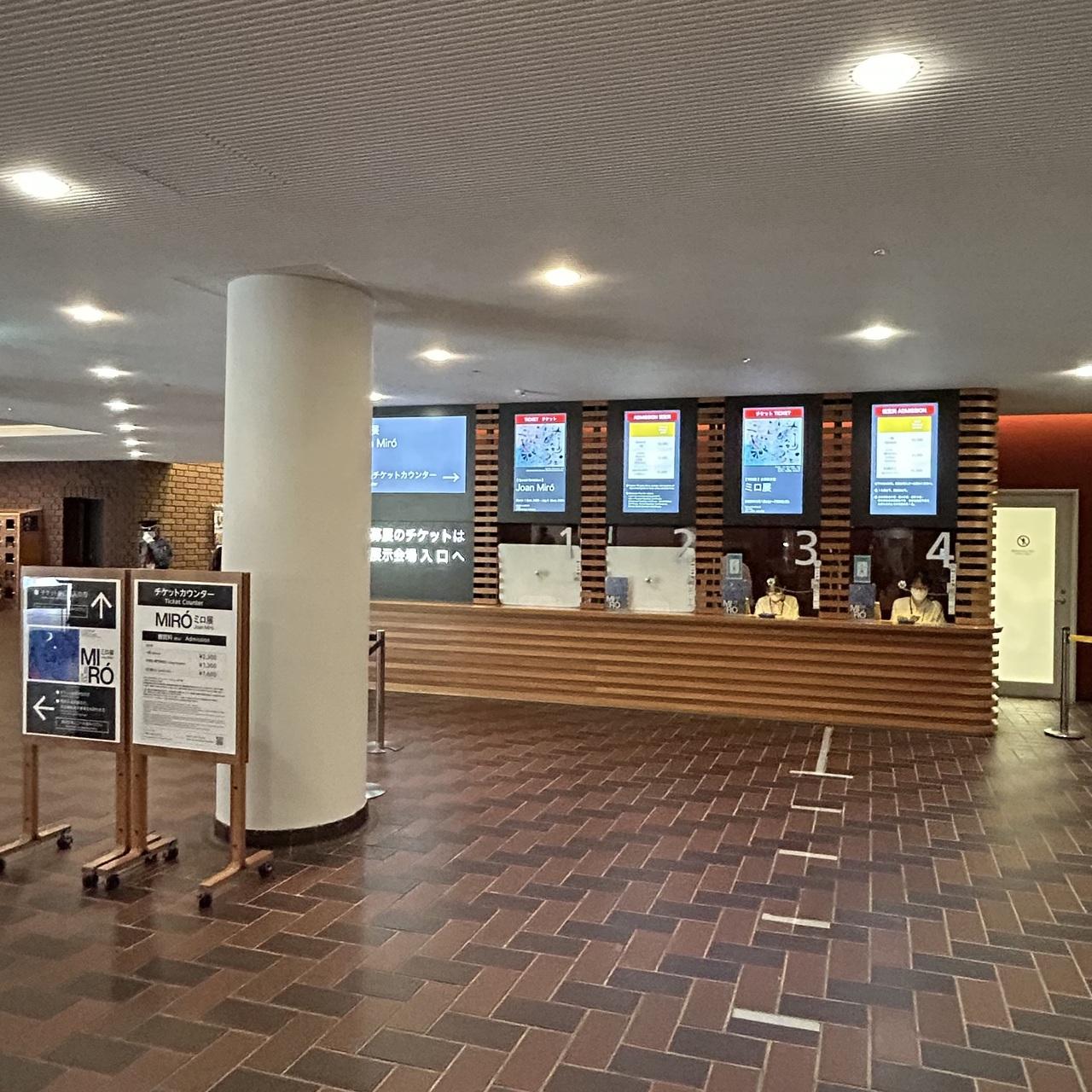
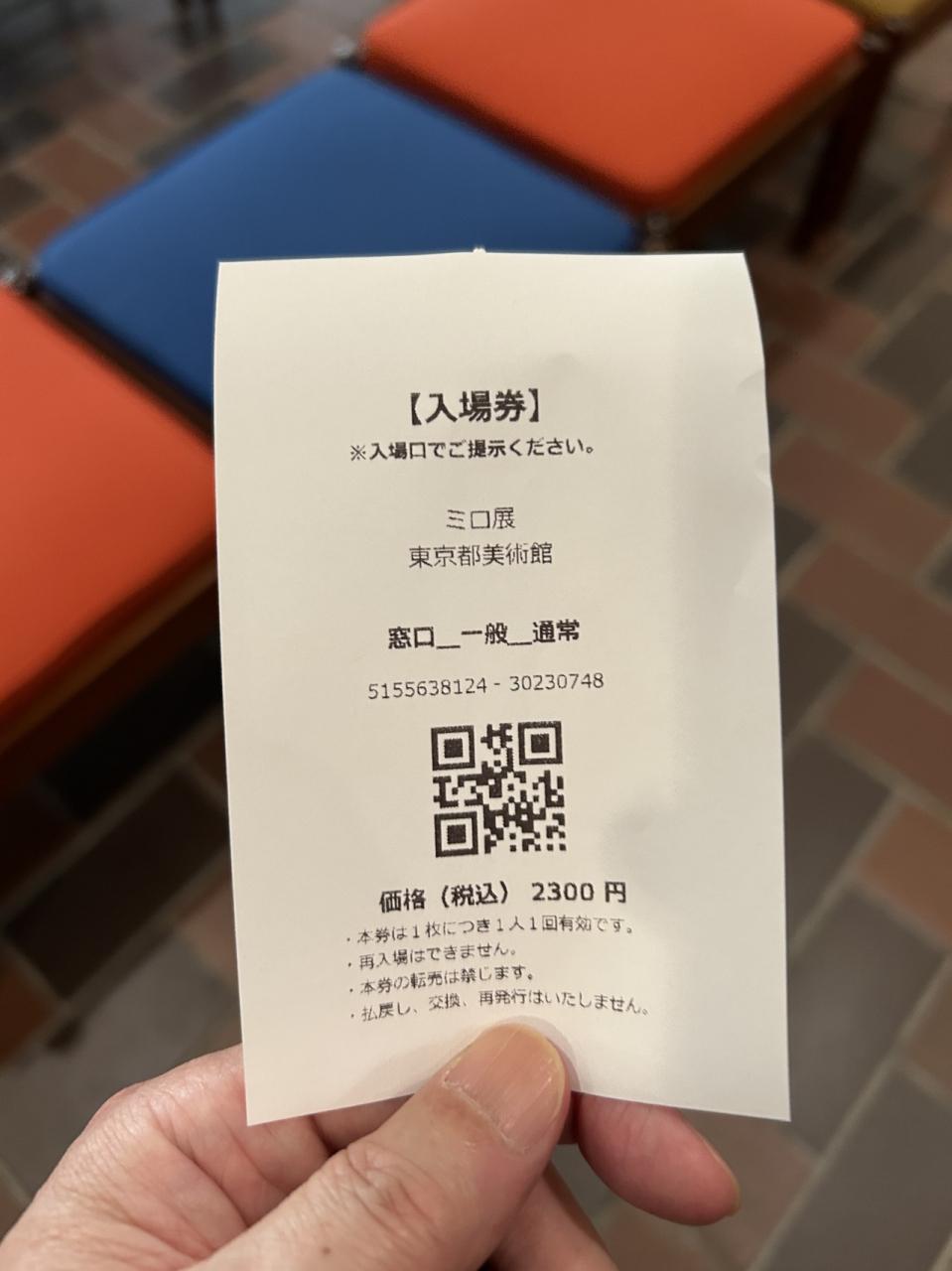
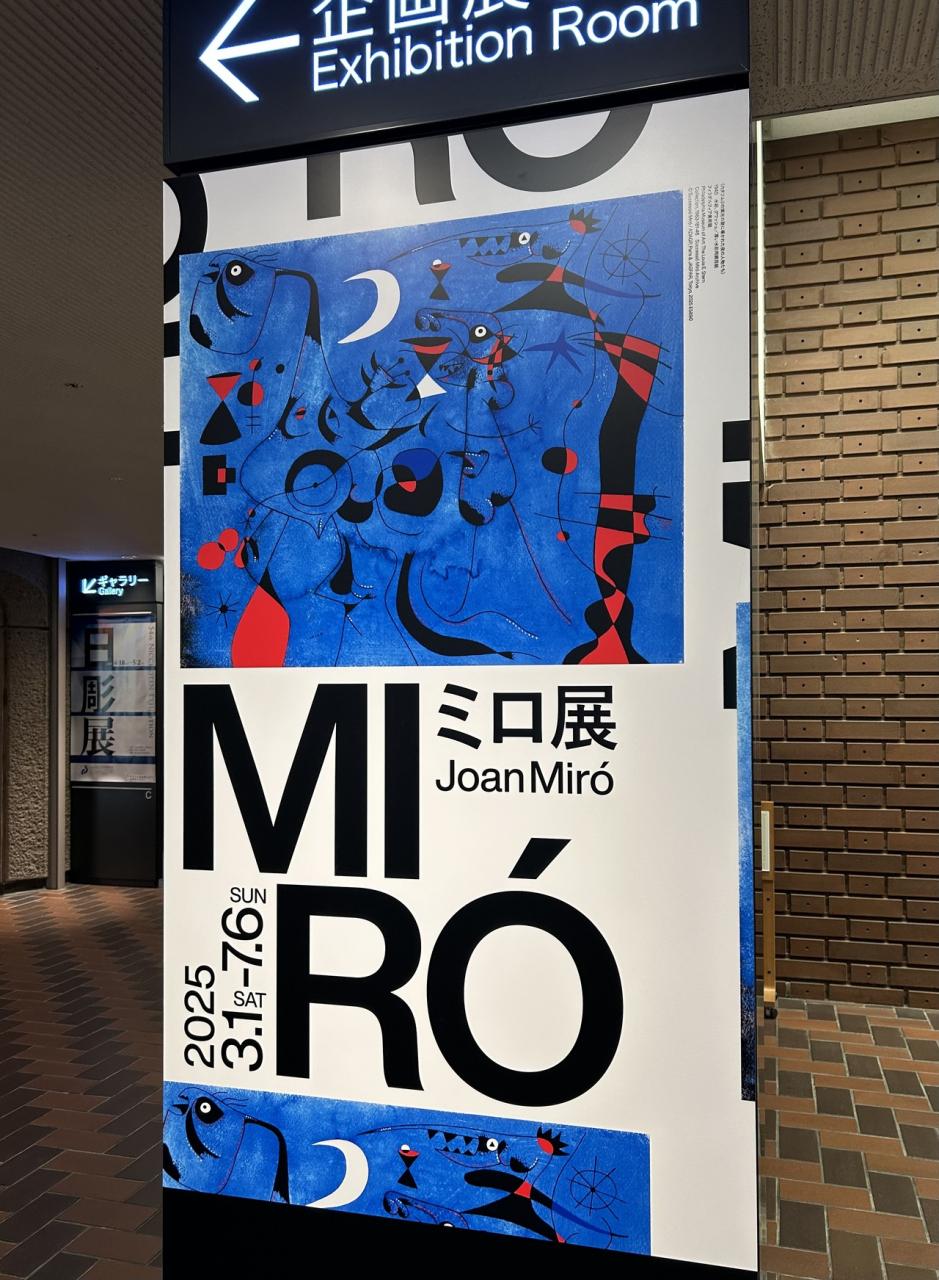
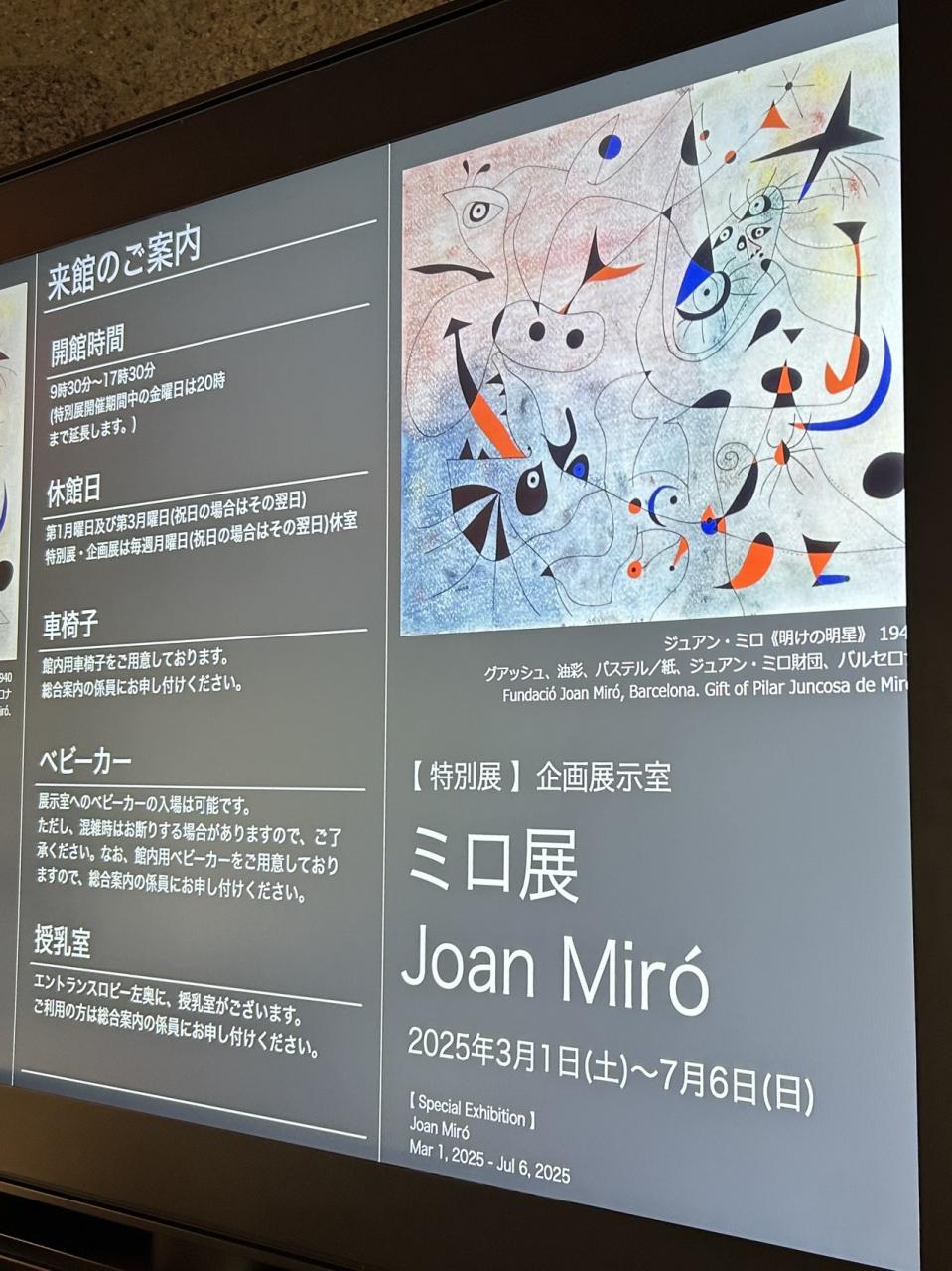
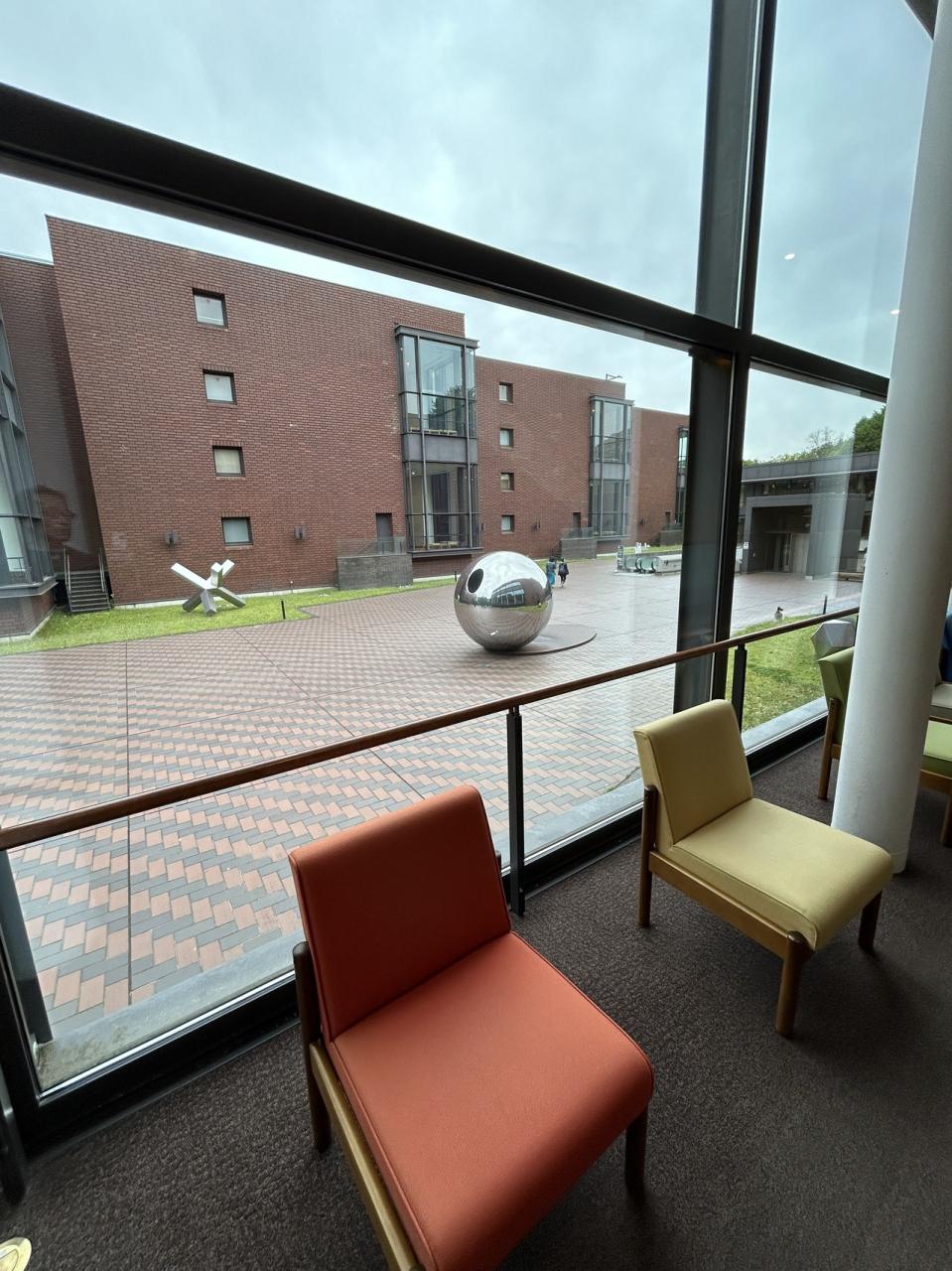
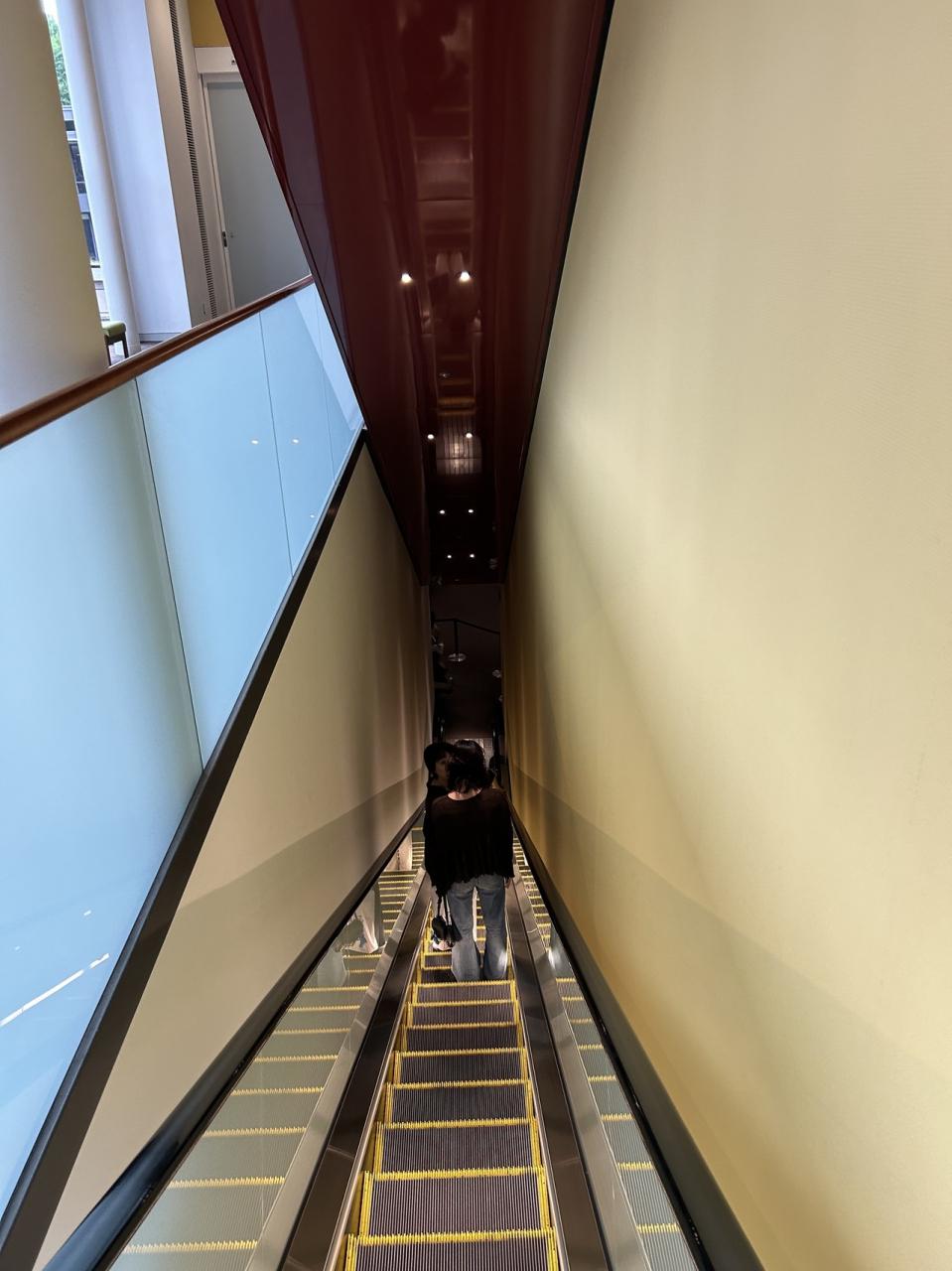
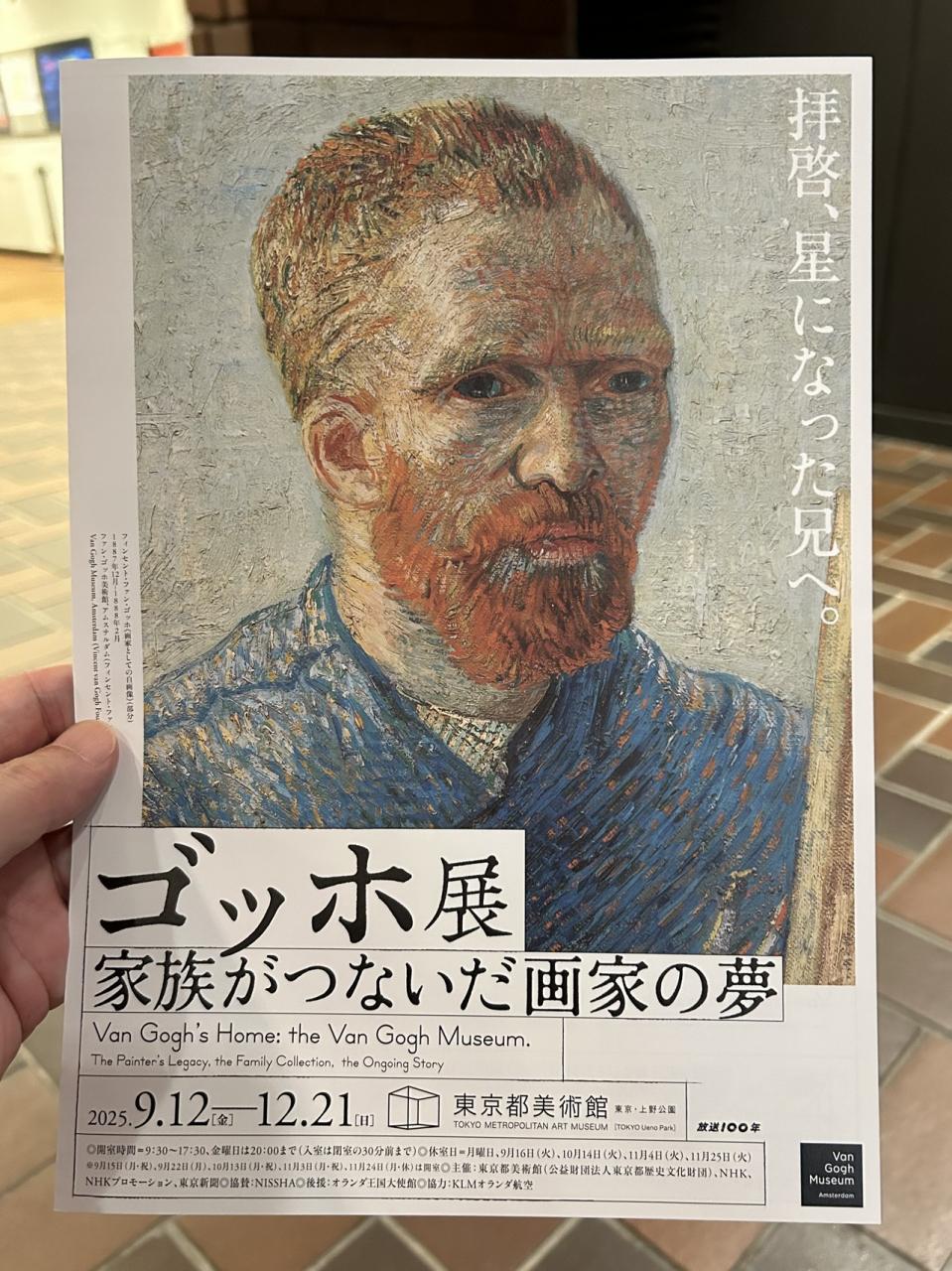
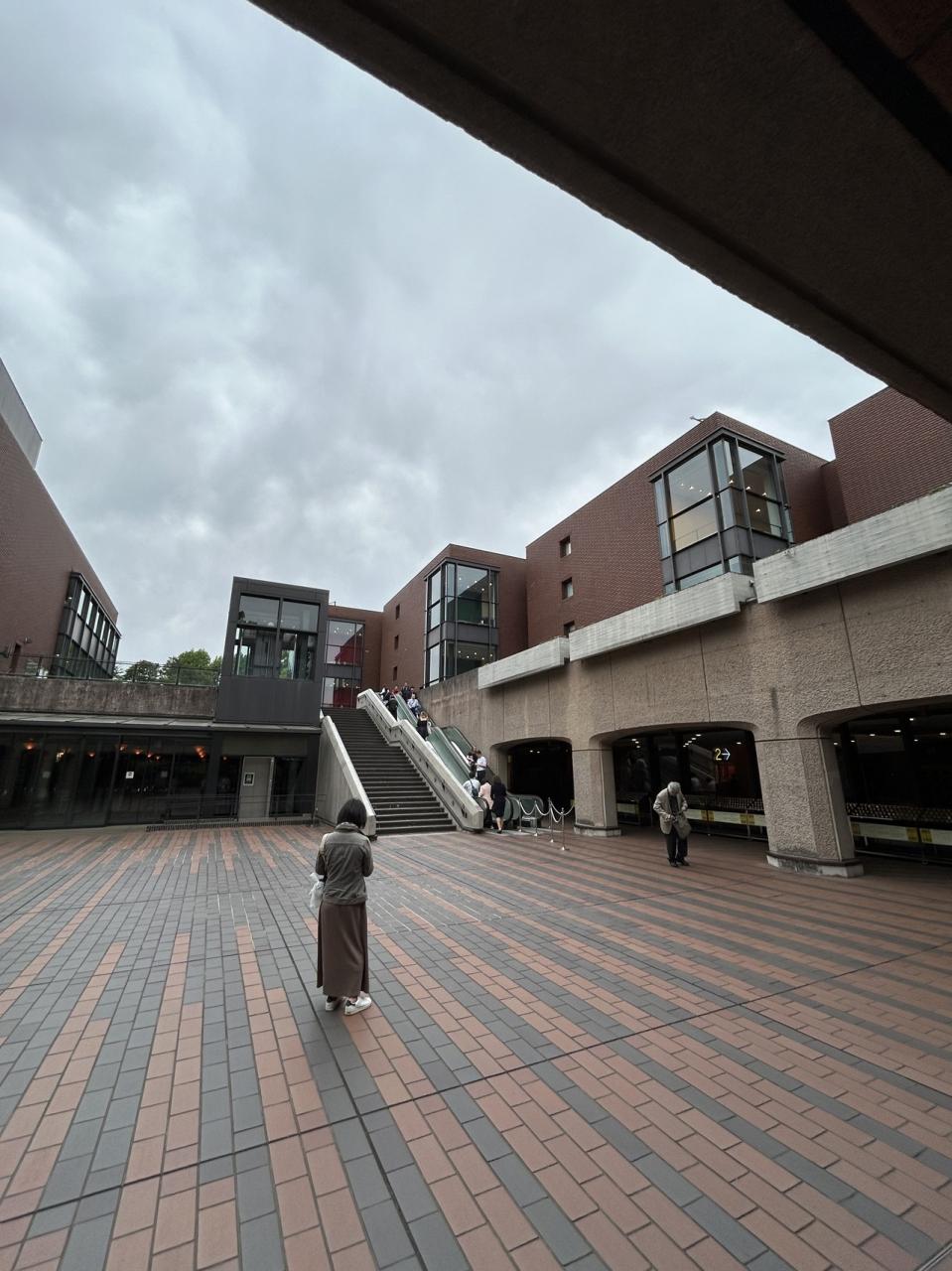
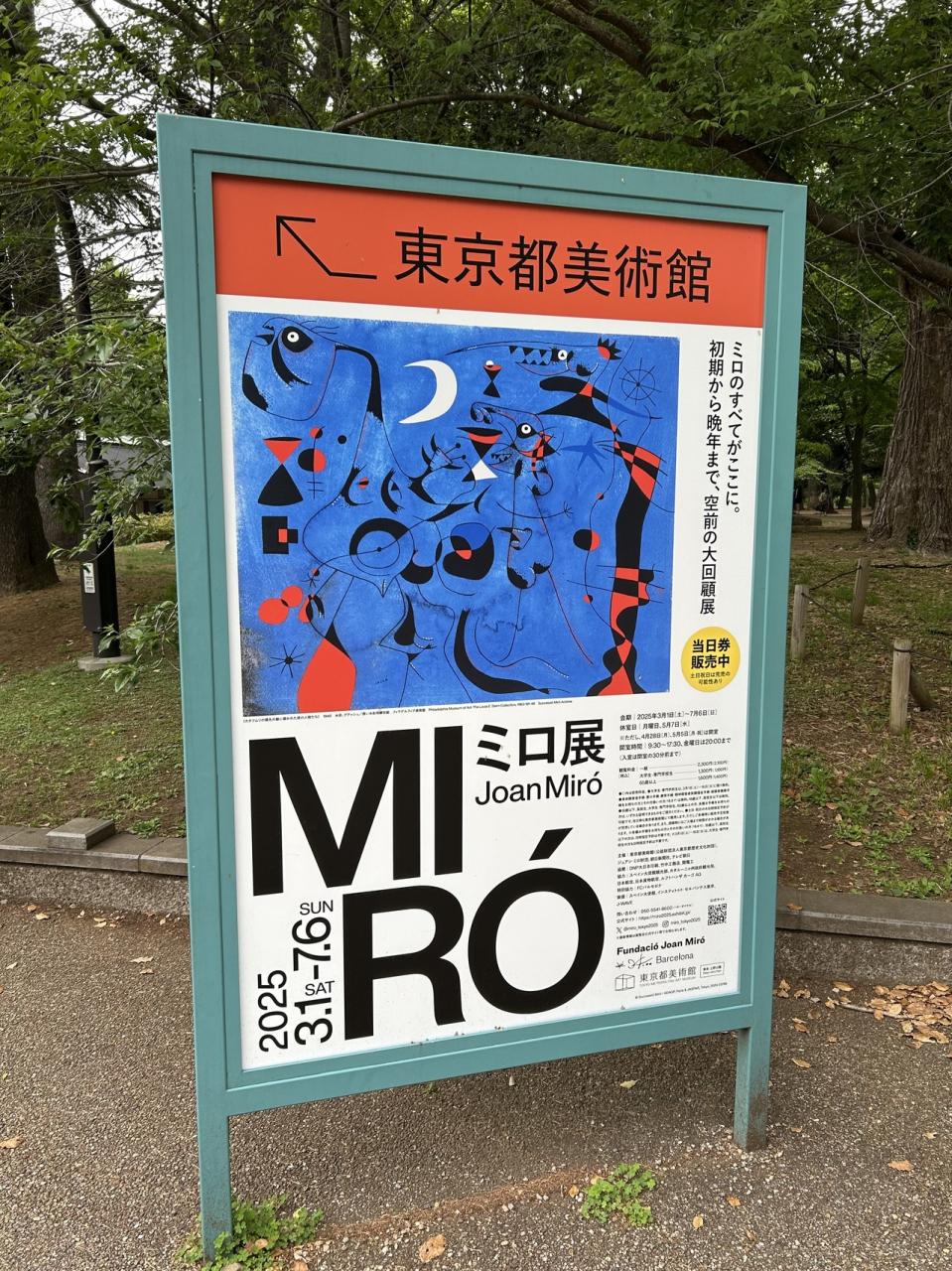
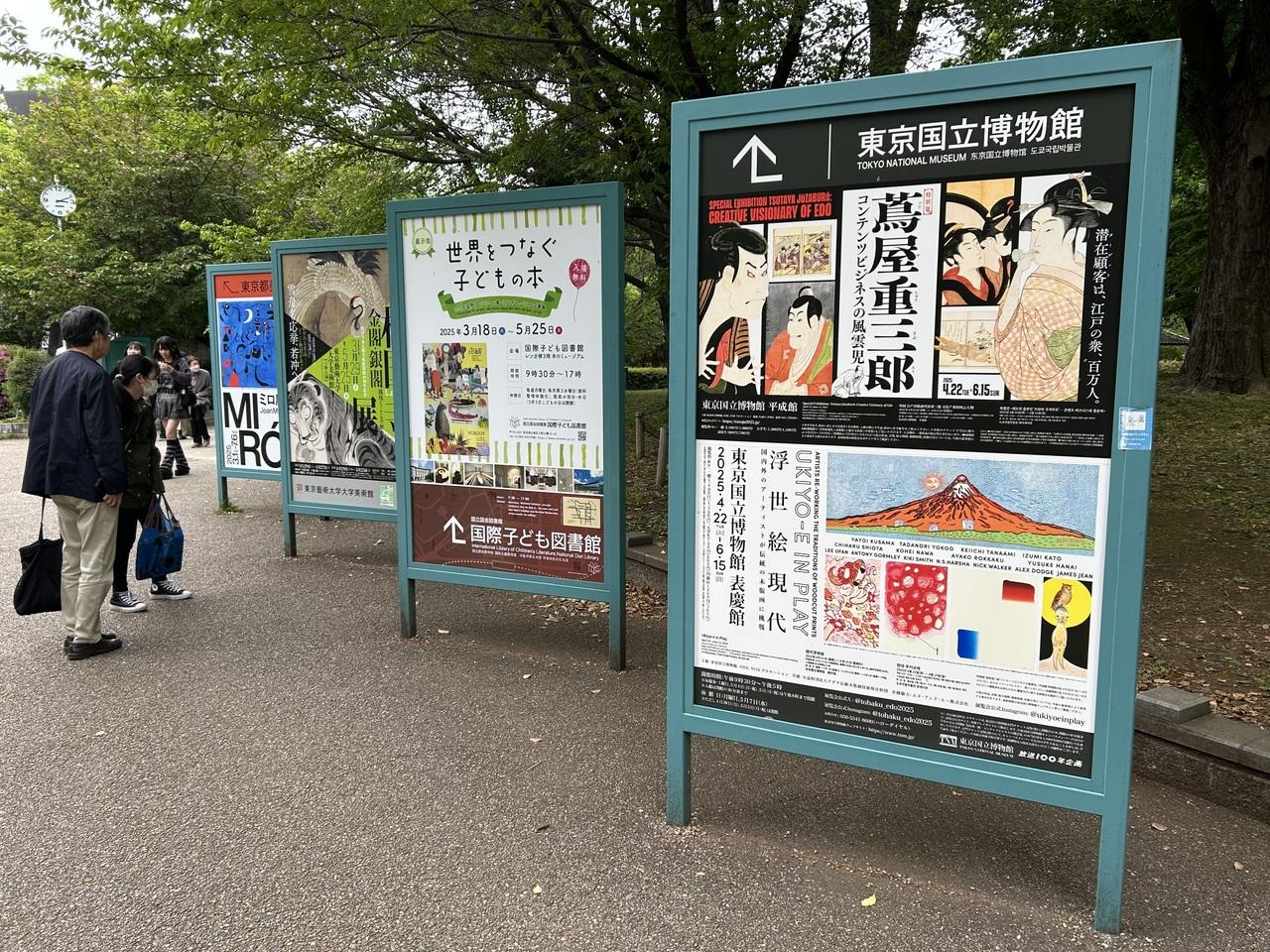
ミロ展開催中の "東京都美術館"
東京都美術館 美術館・博物館
-
-
-
-
-
-
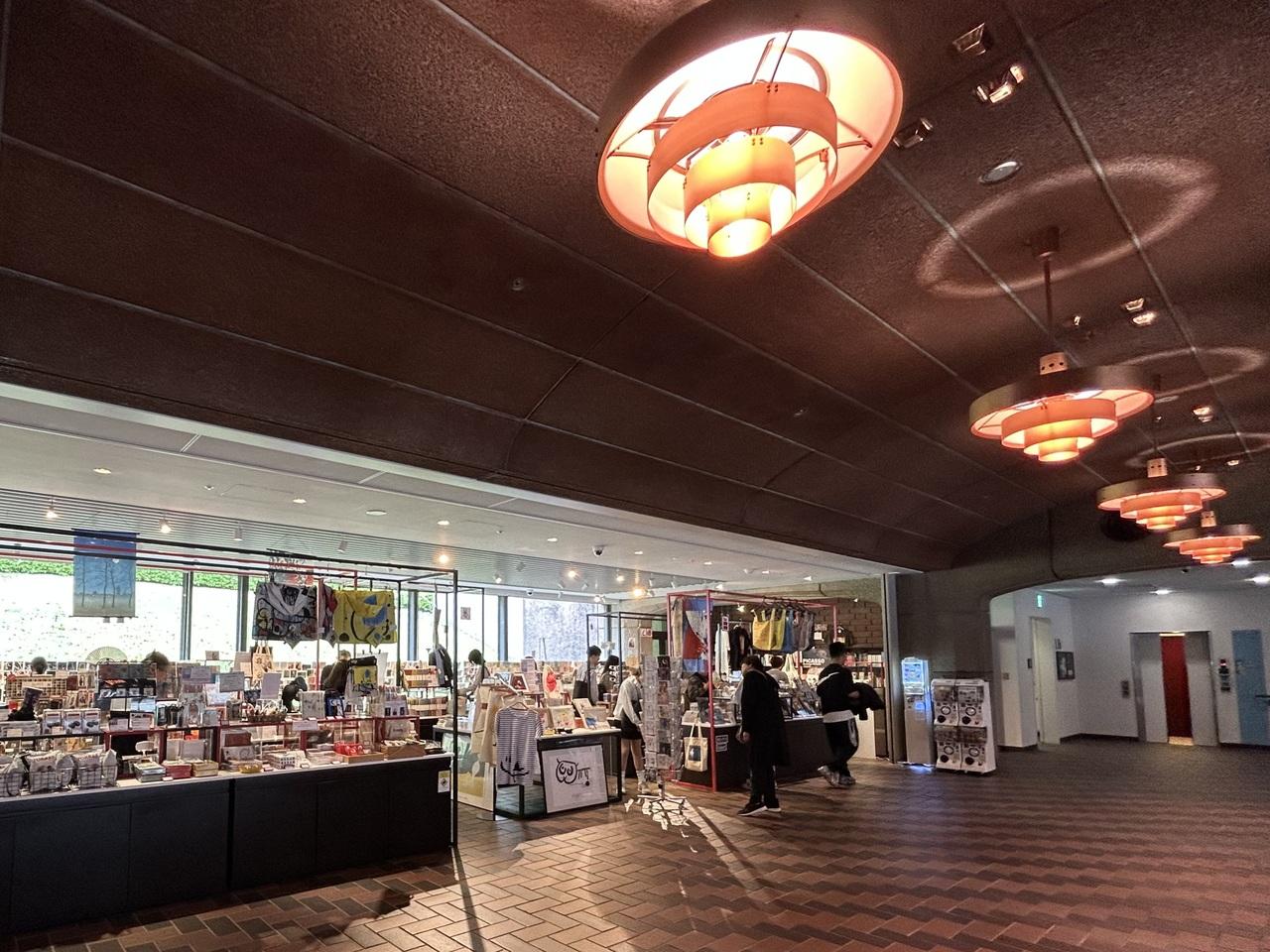
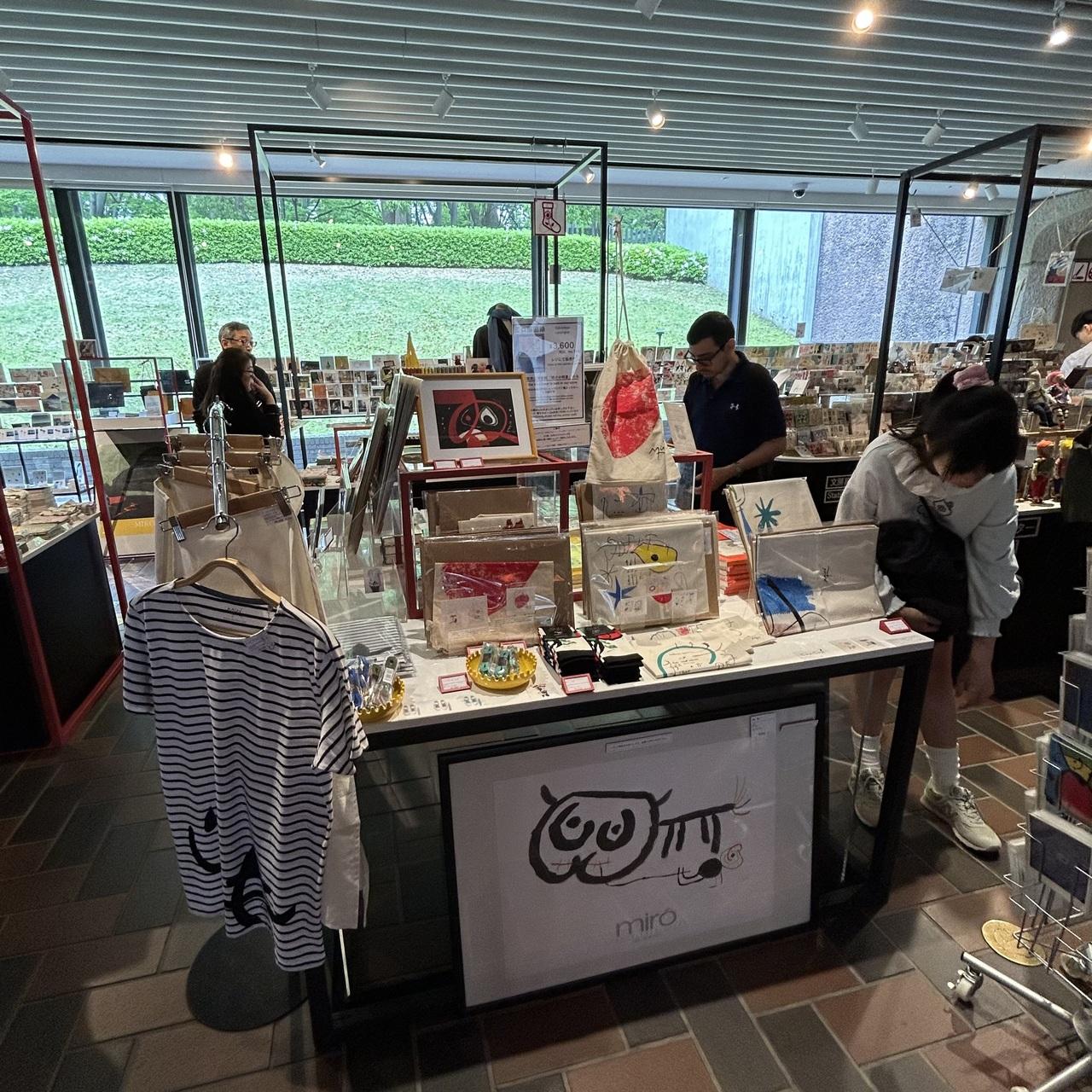
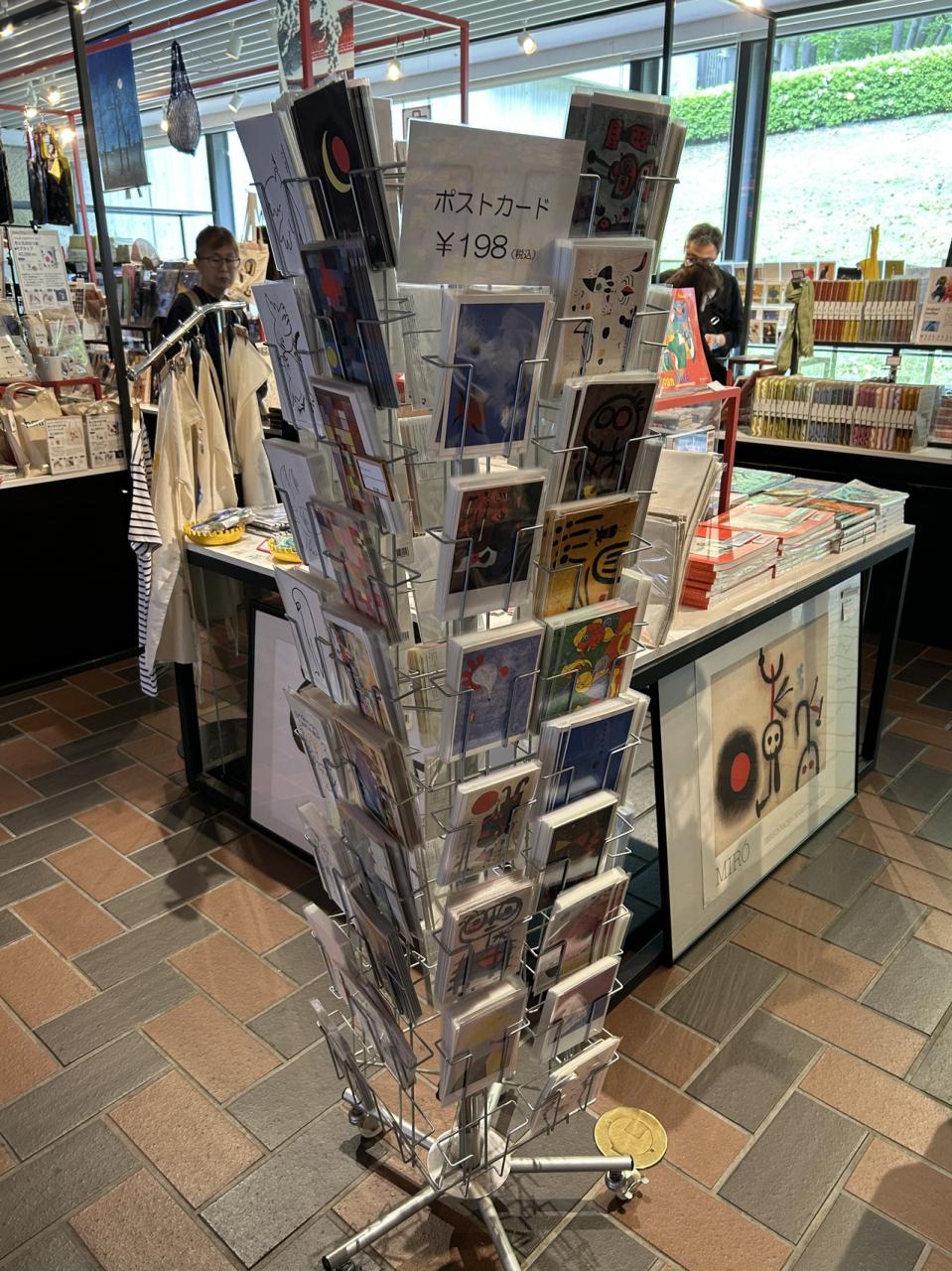
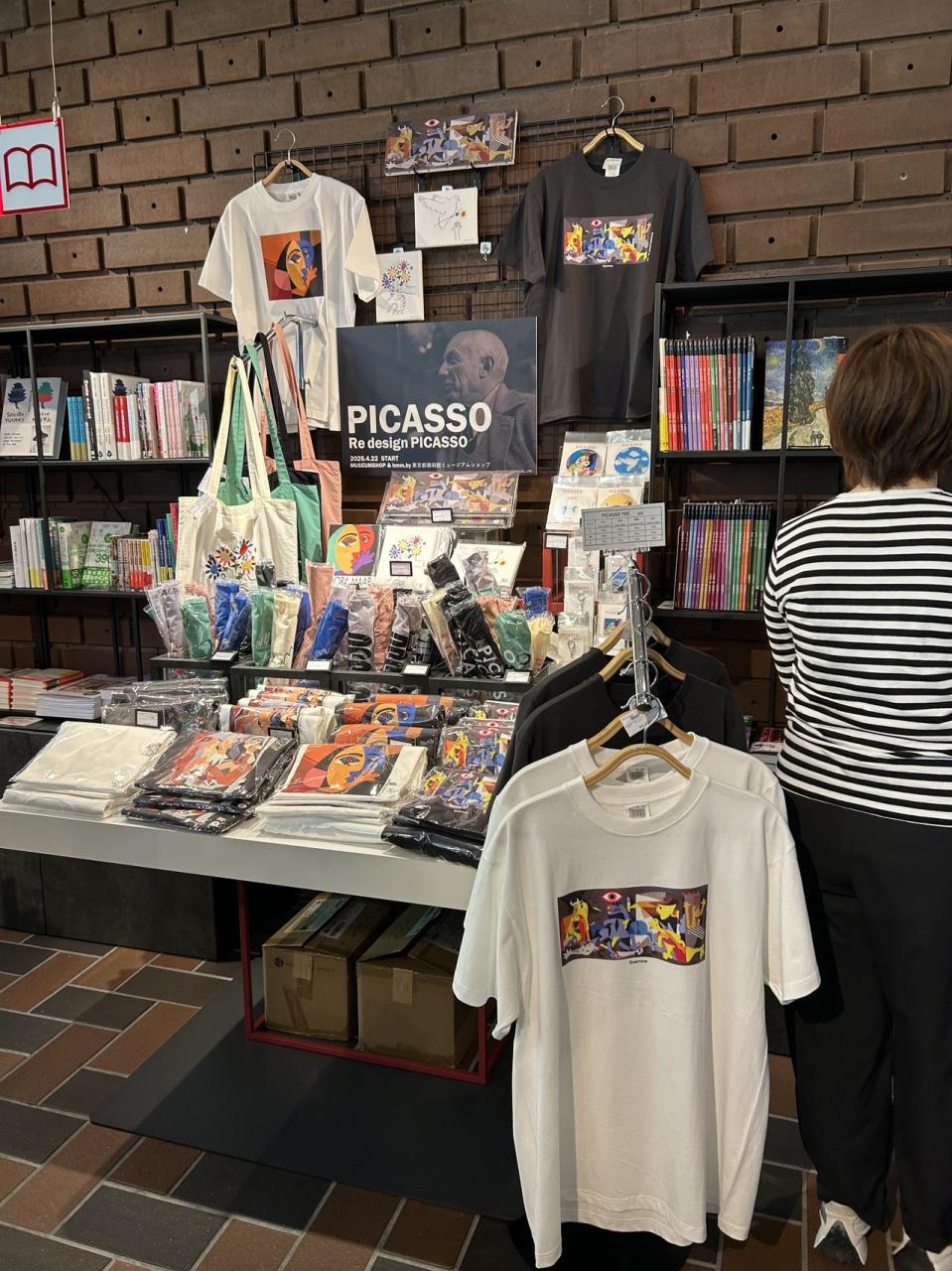
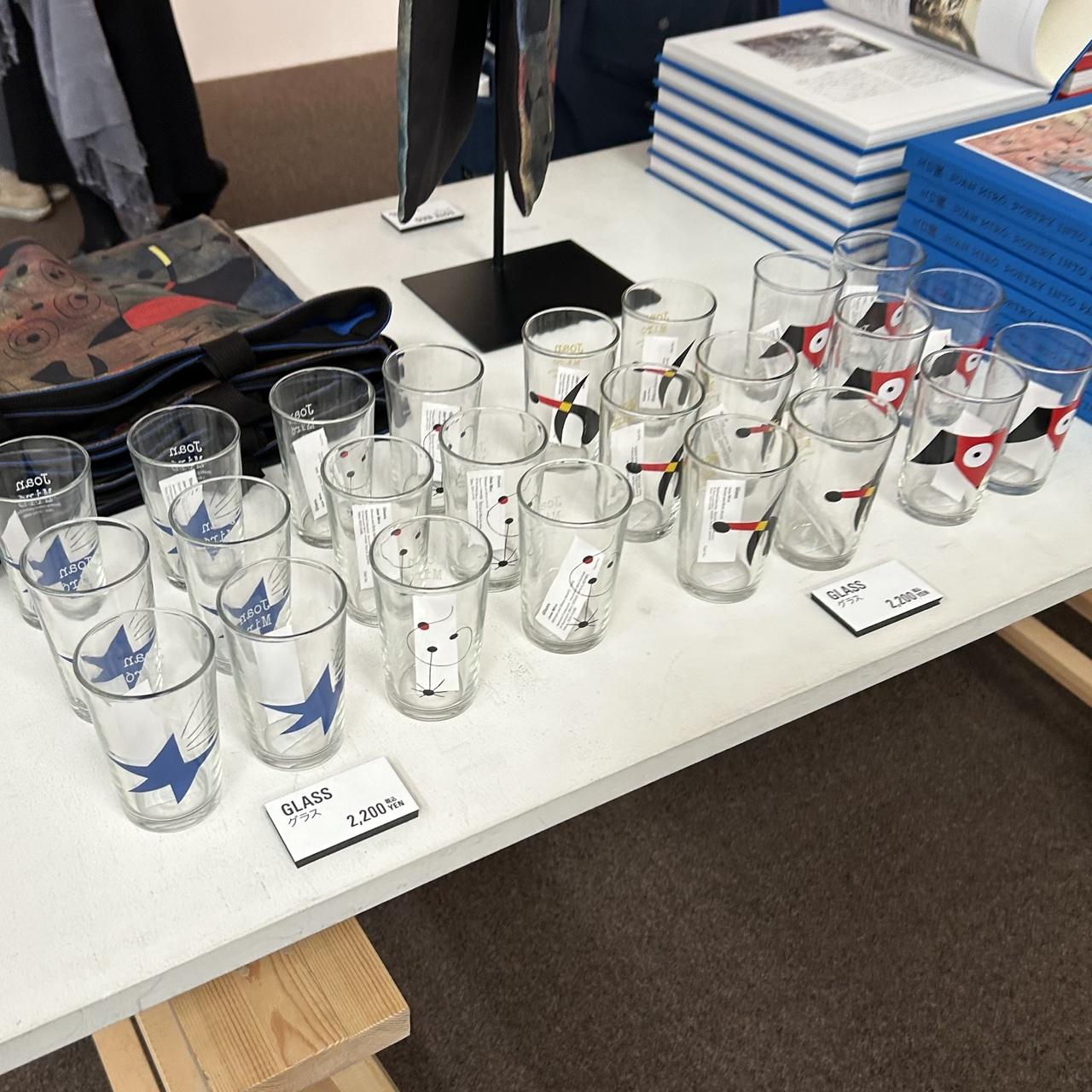
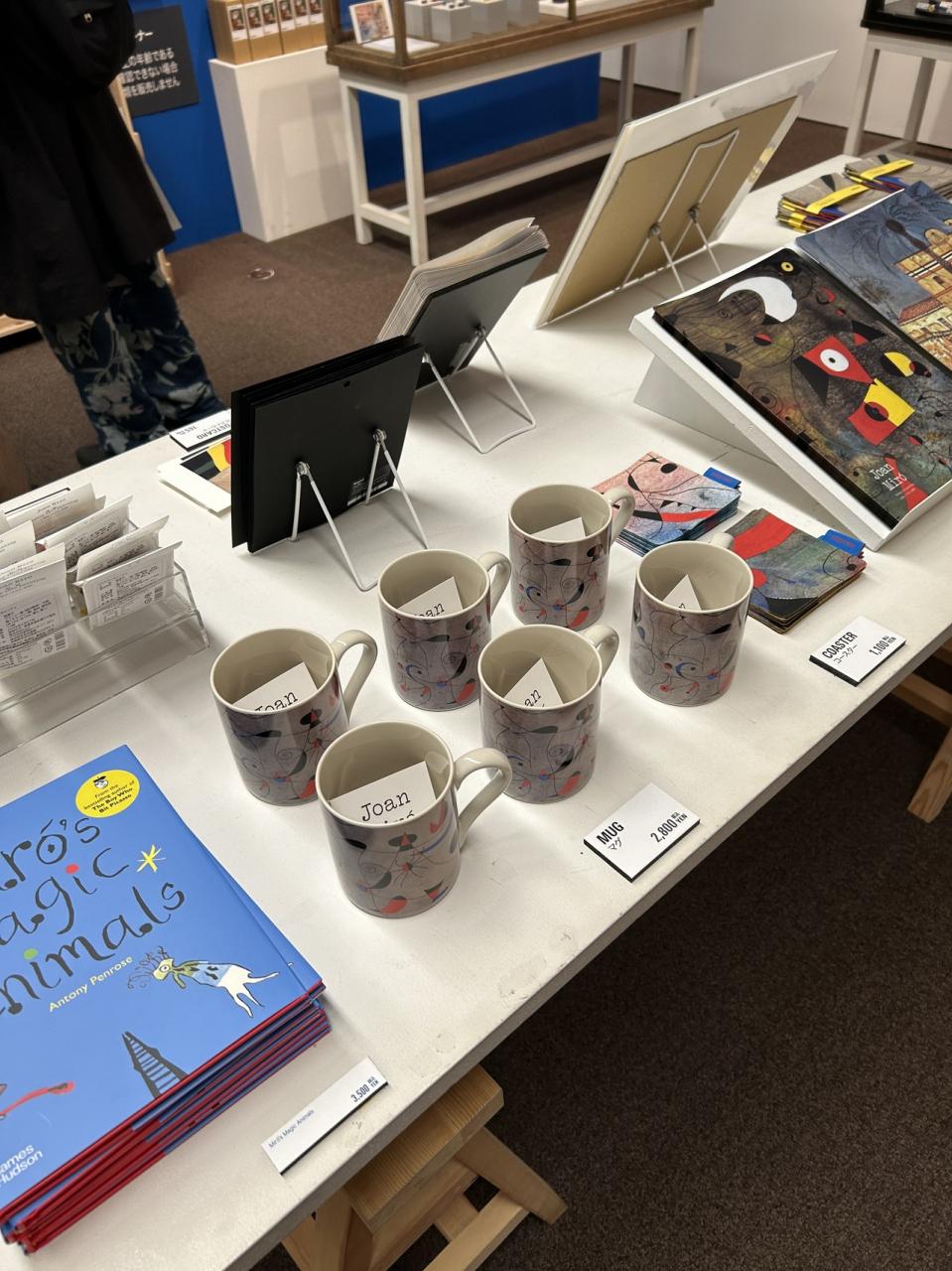
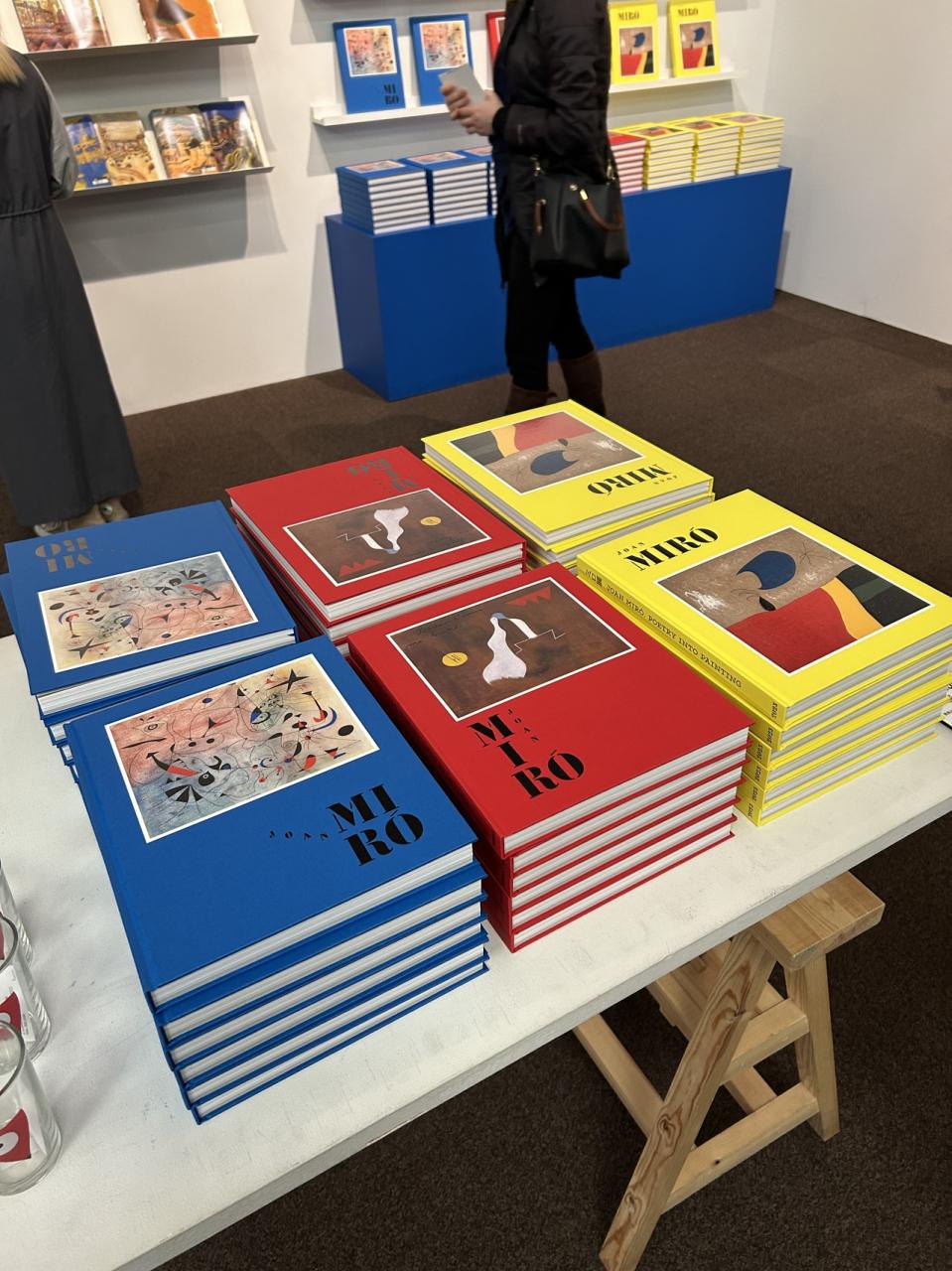
東京都美術館ミュージアムショップ お土産屋・直売所・特産品
-
-
-
-
-
-
-
ここから先、
第1章 若きミロ 芸術への決意
第2章 モンロッチーパリ 田園地帯から前衛の都へ
第3章 逃避と詩情 戦争の時代を背景に
第4章 夢のアトリエ 内省を重ねて新たな創造へ
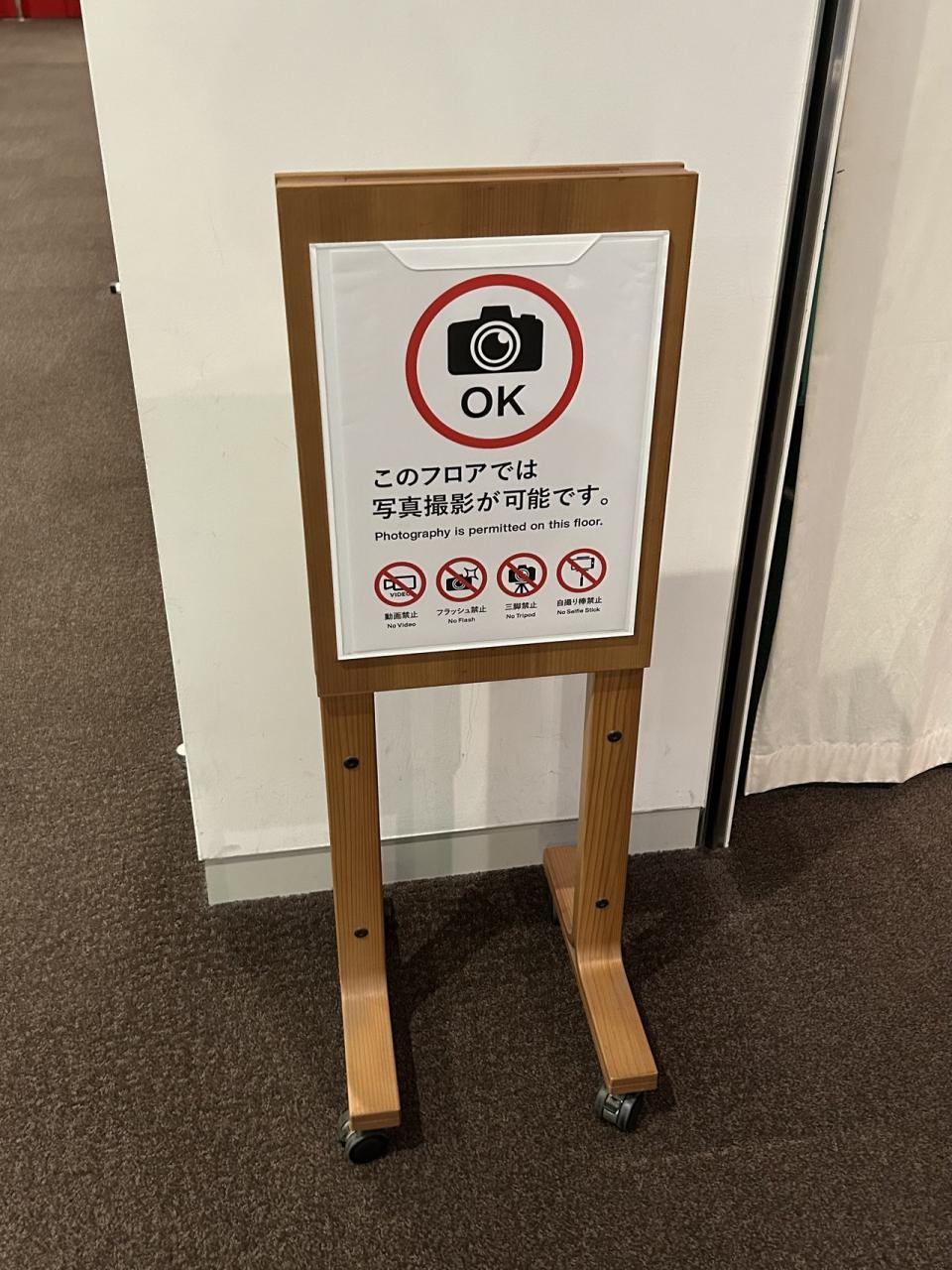
は、撮影禁止・・・ -
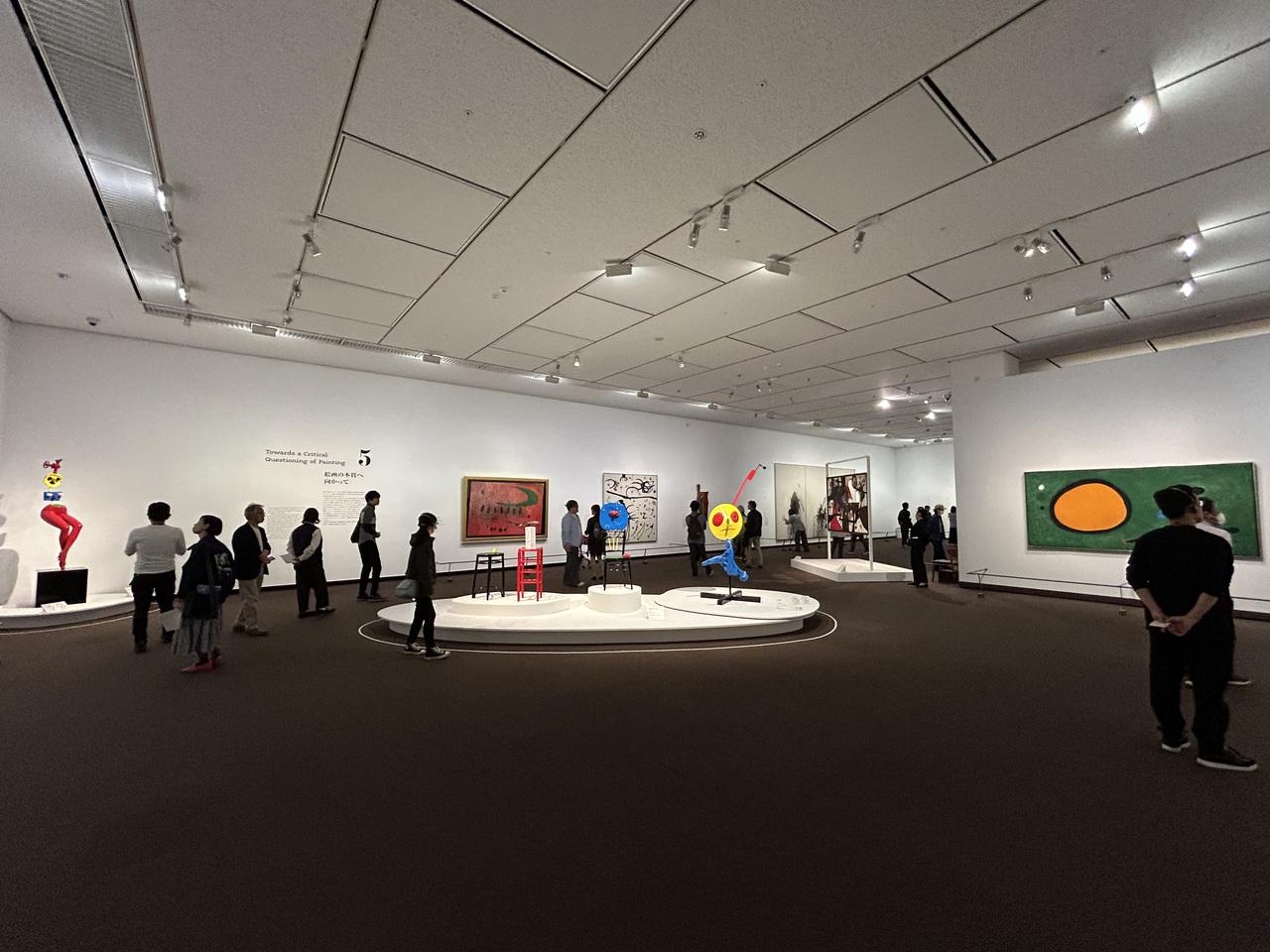
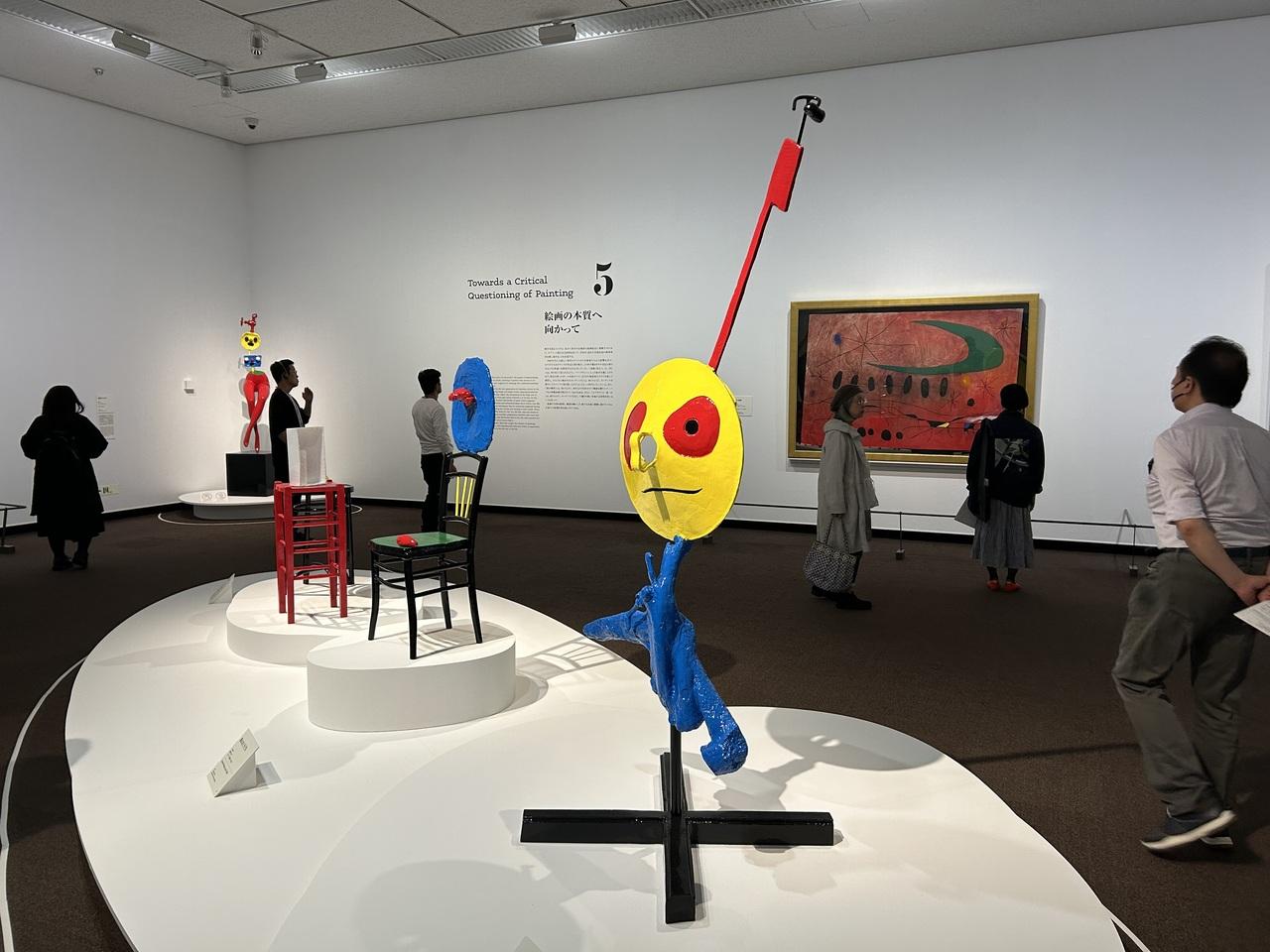
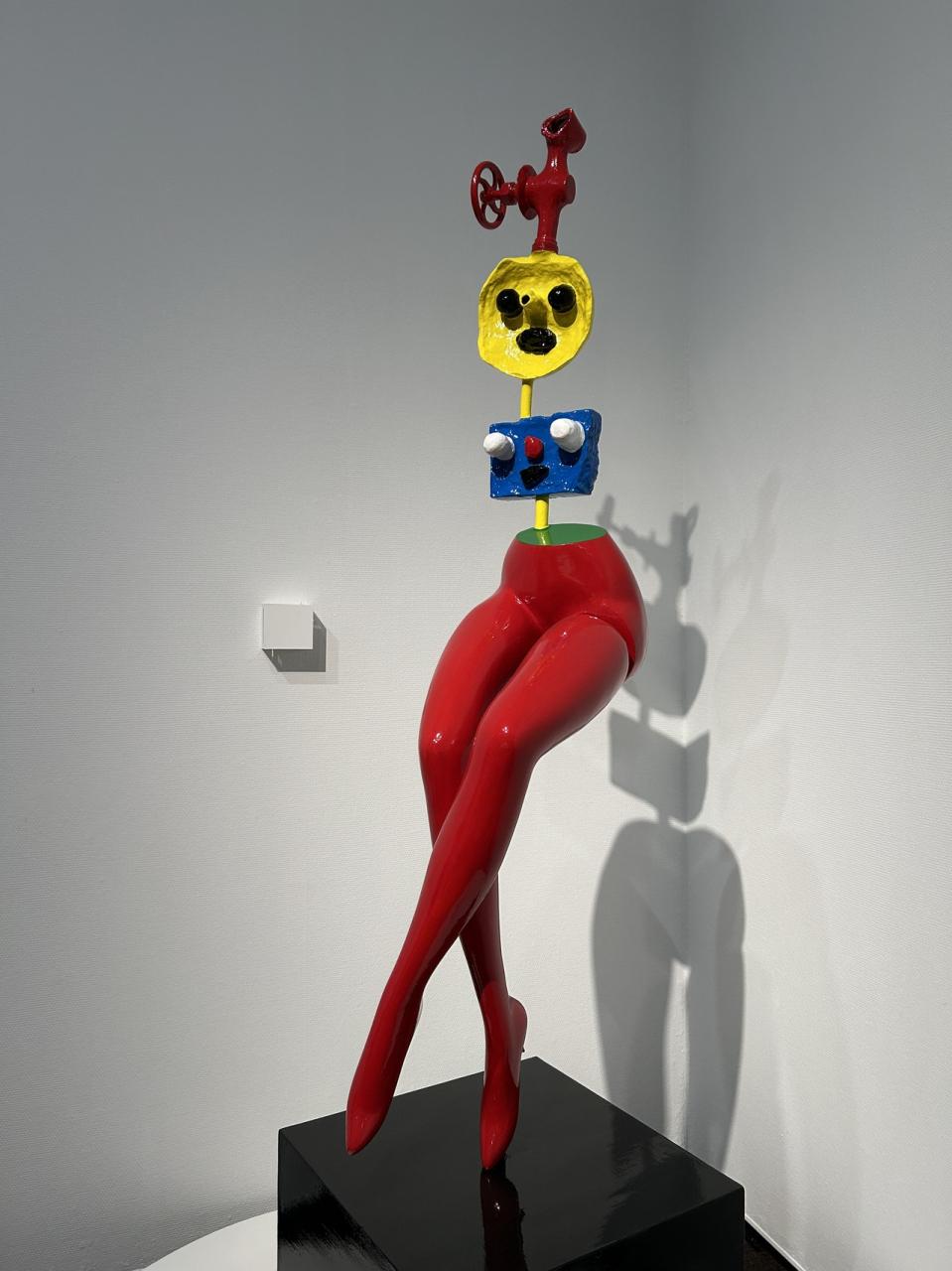
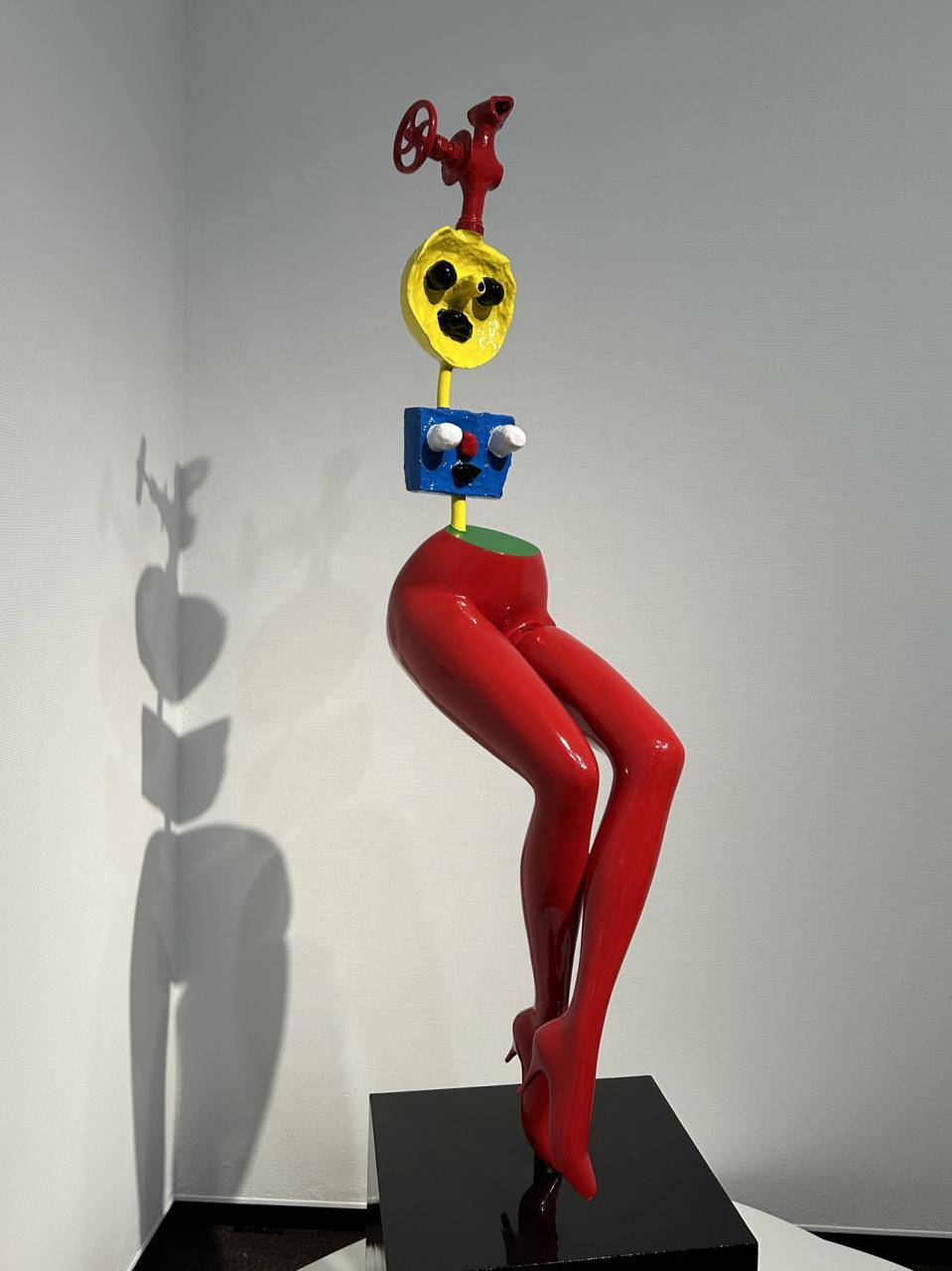
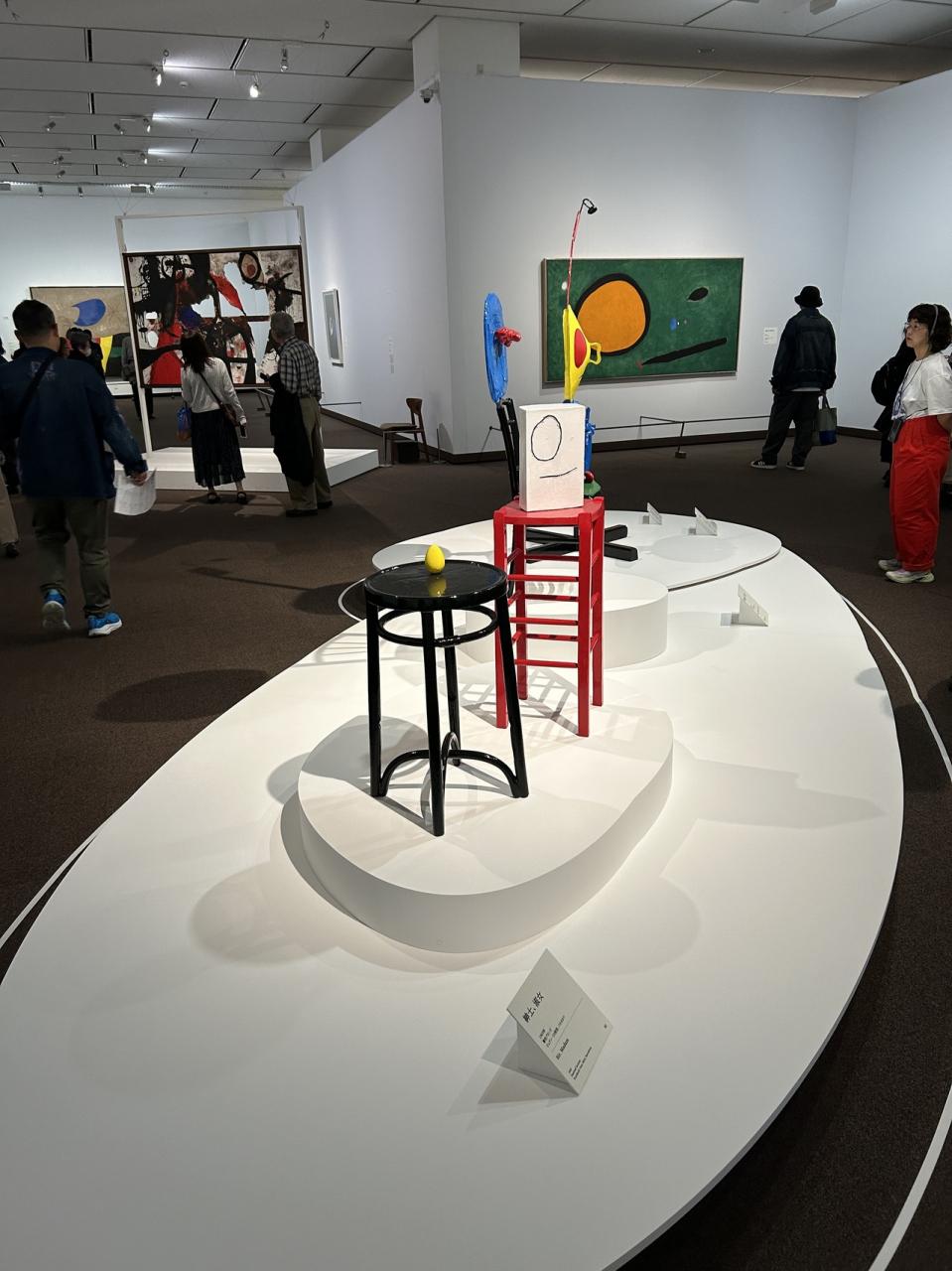
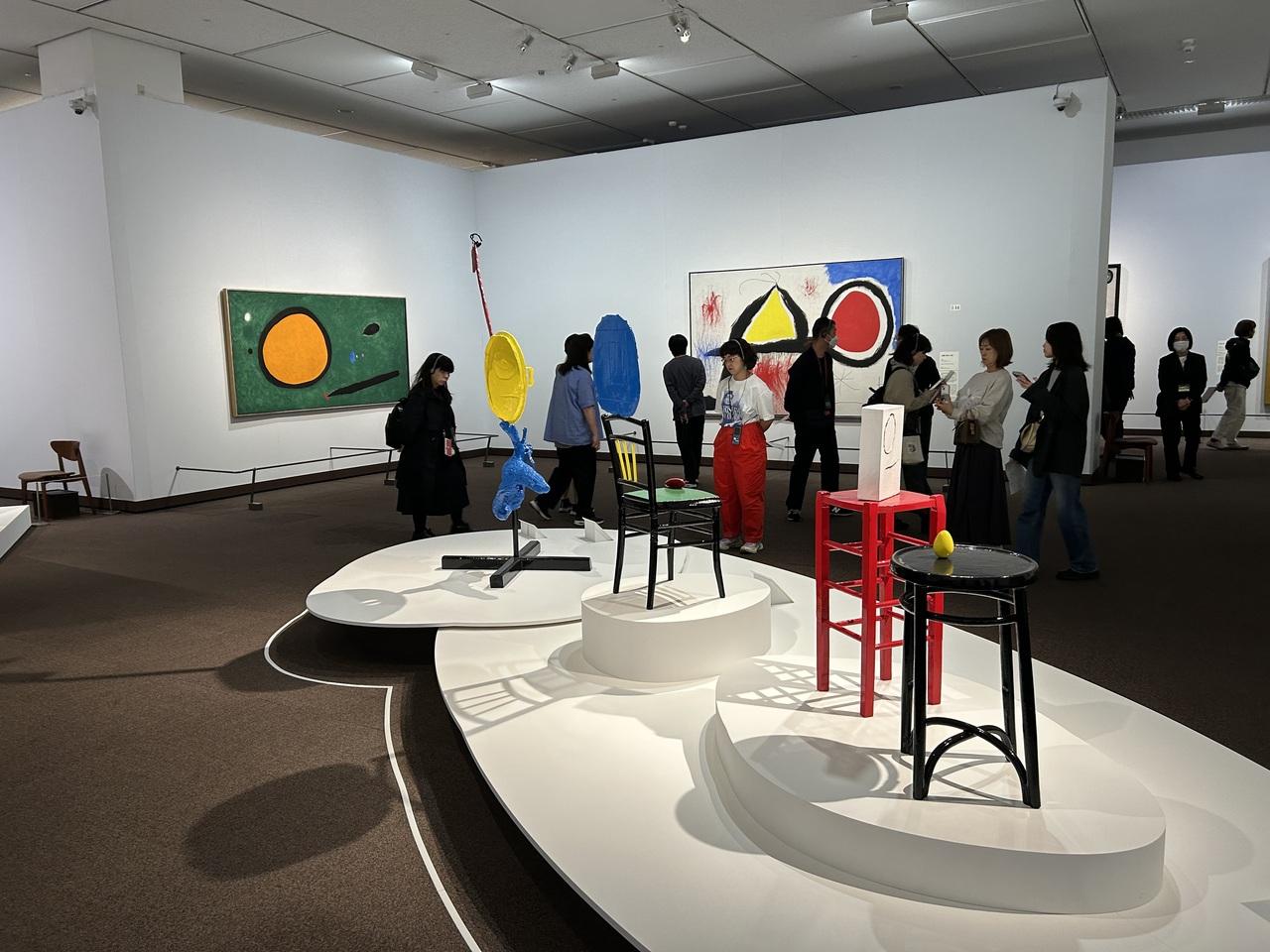
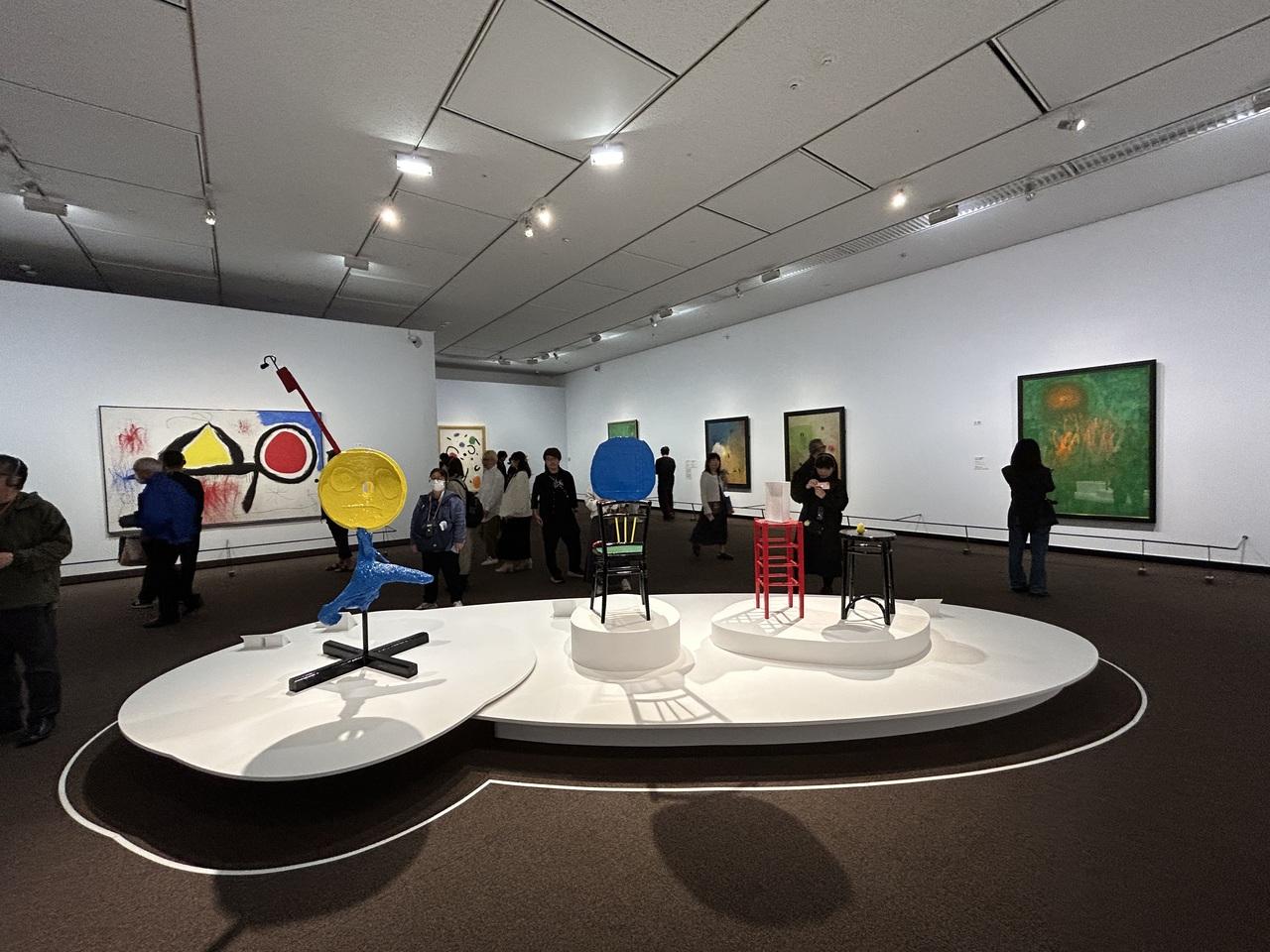
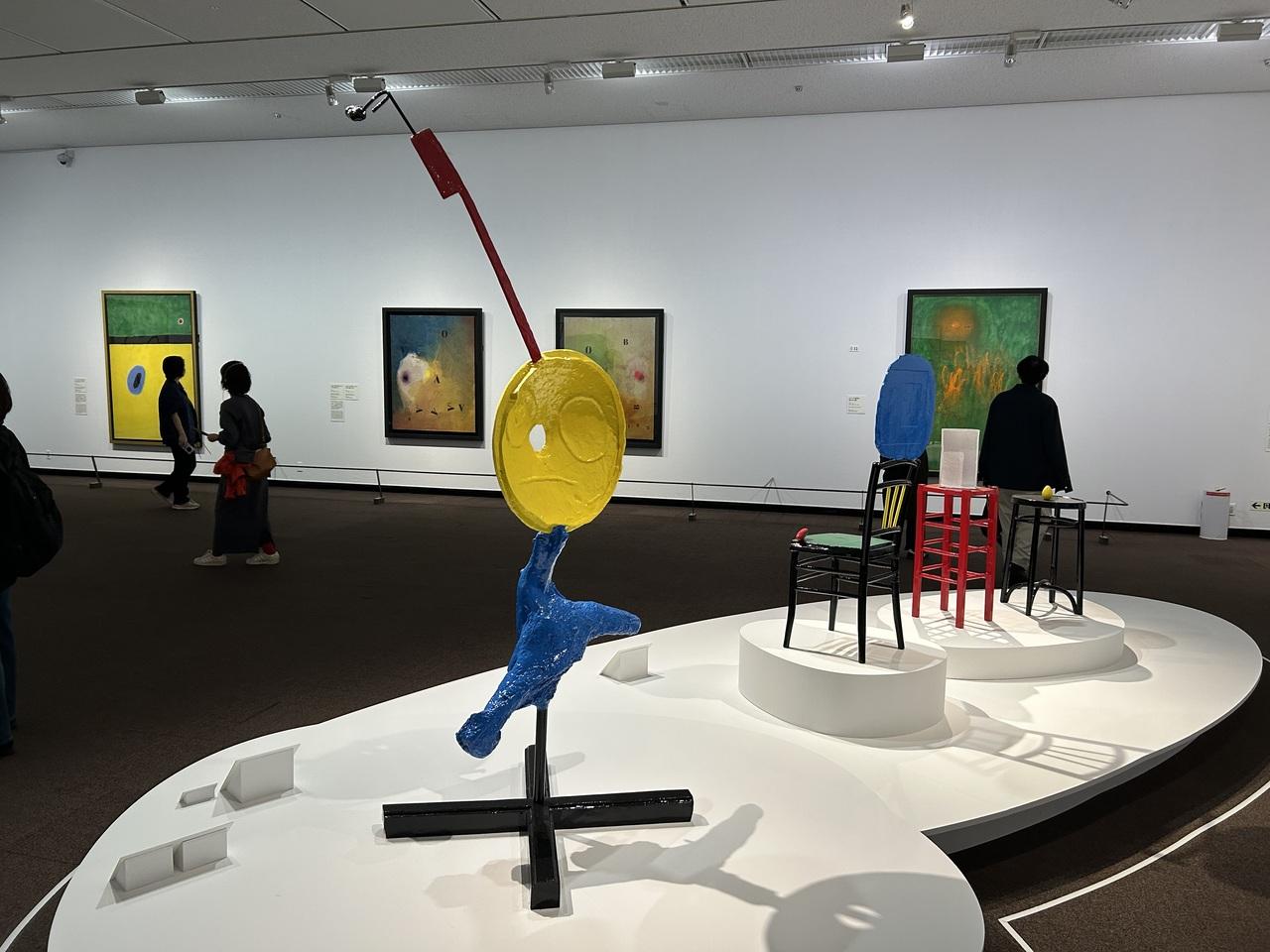
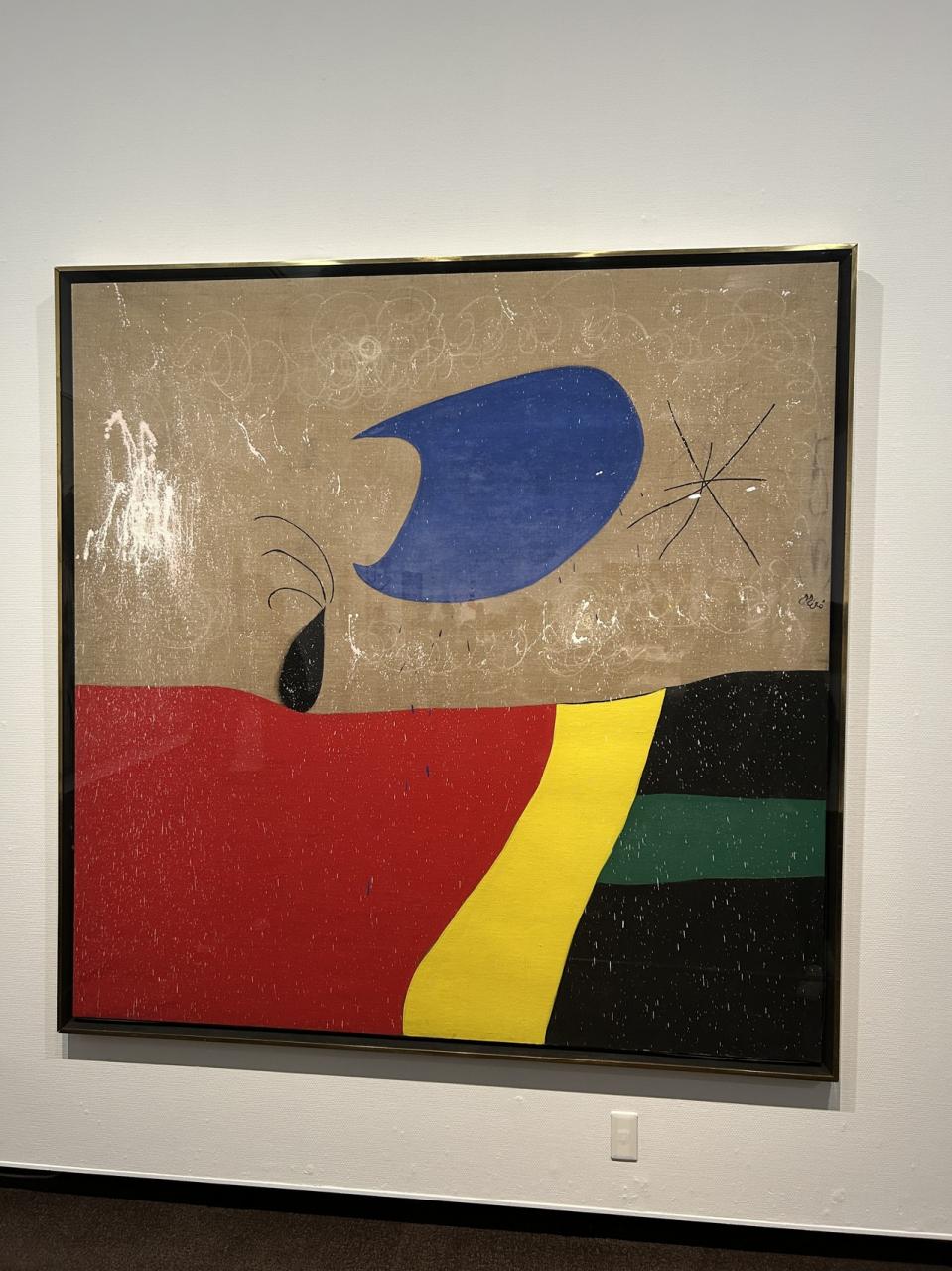
『第5章 絵画の本質へ向かって』のみ撮影OK!
-
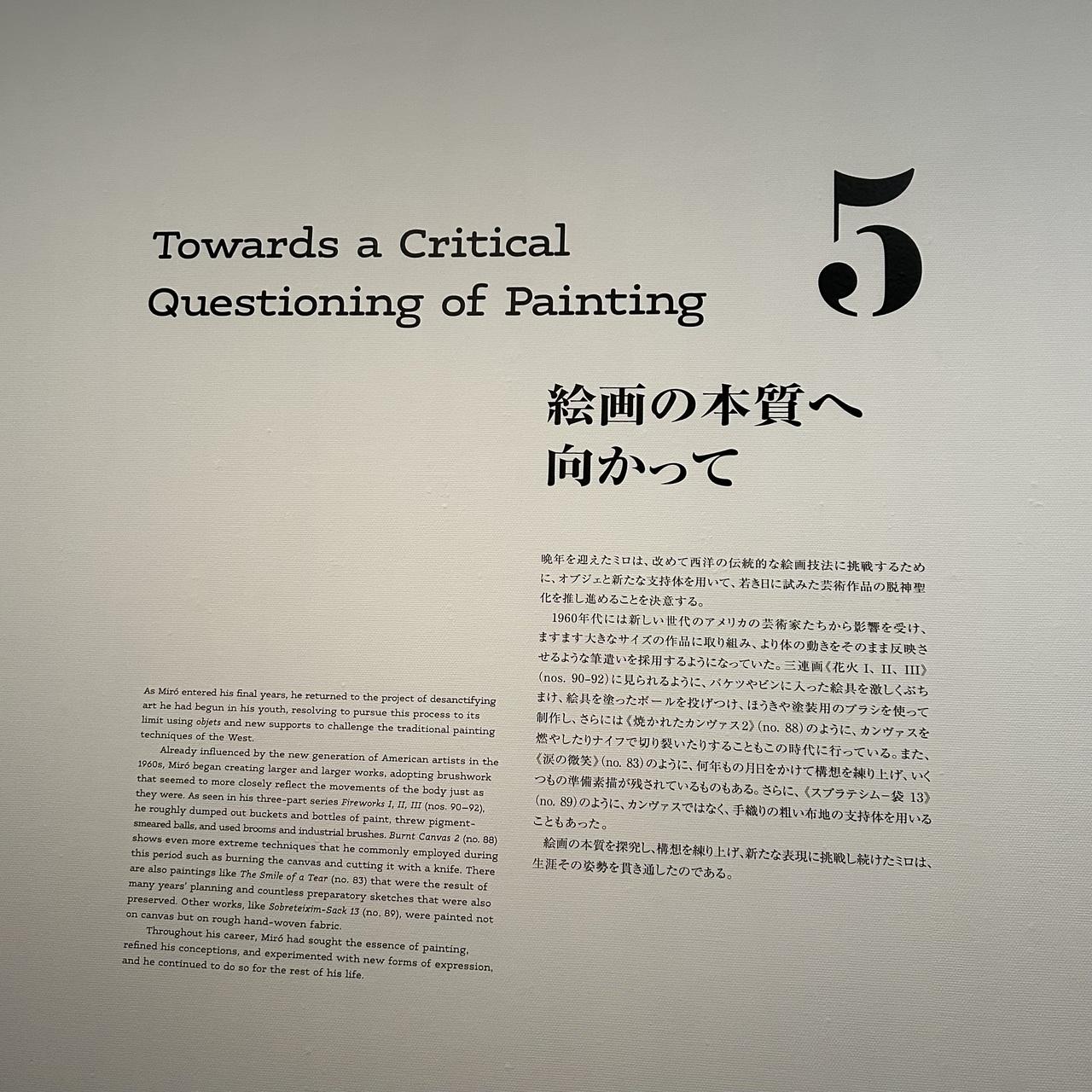
Towards a Critical
Questioning of Painting
絵画の本質へ
向かって
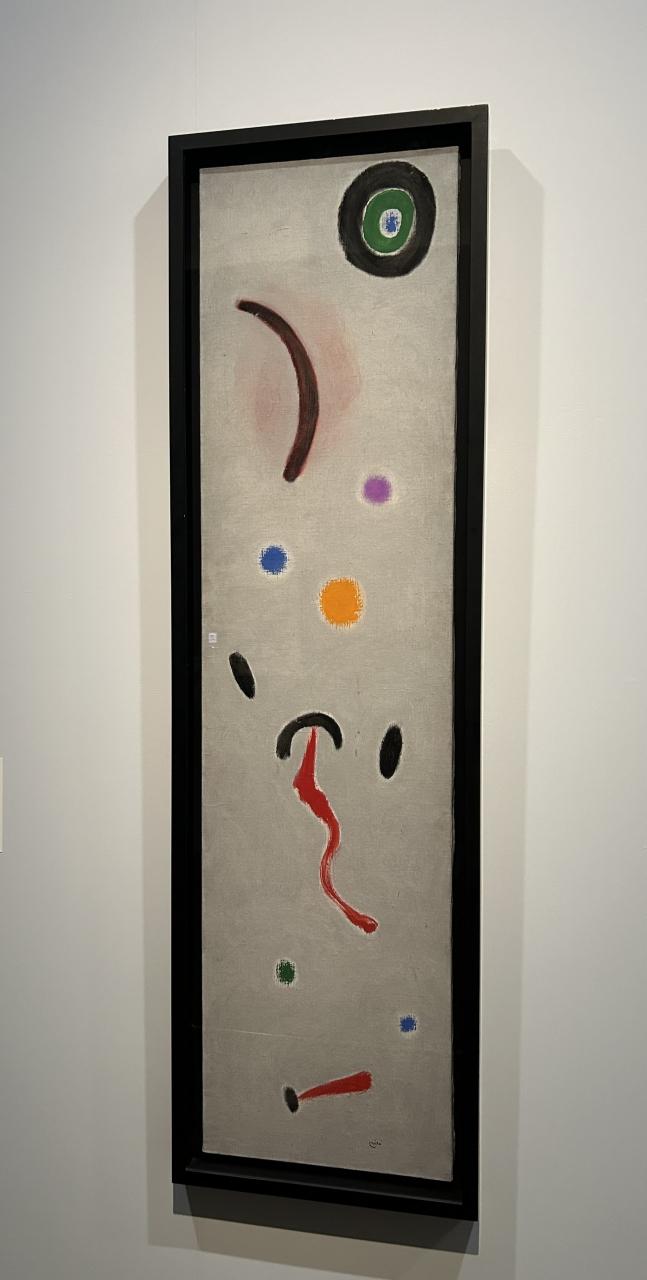
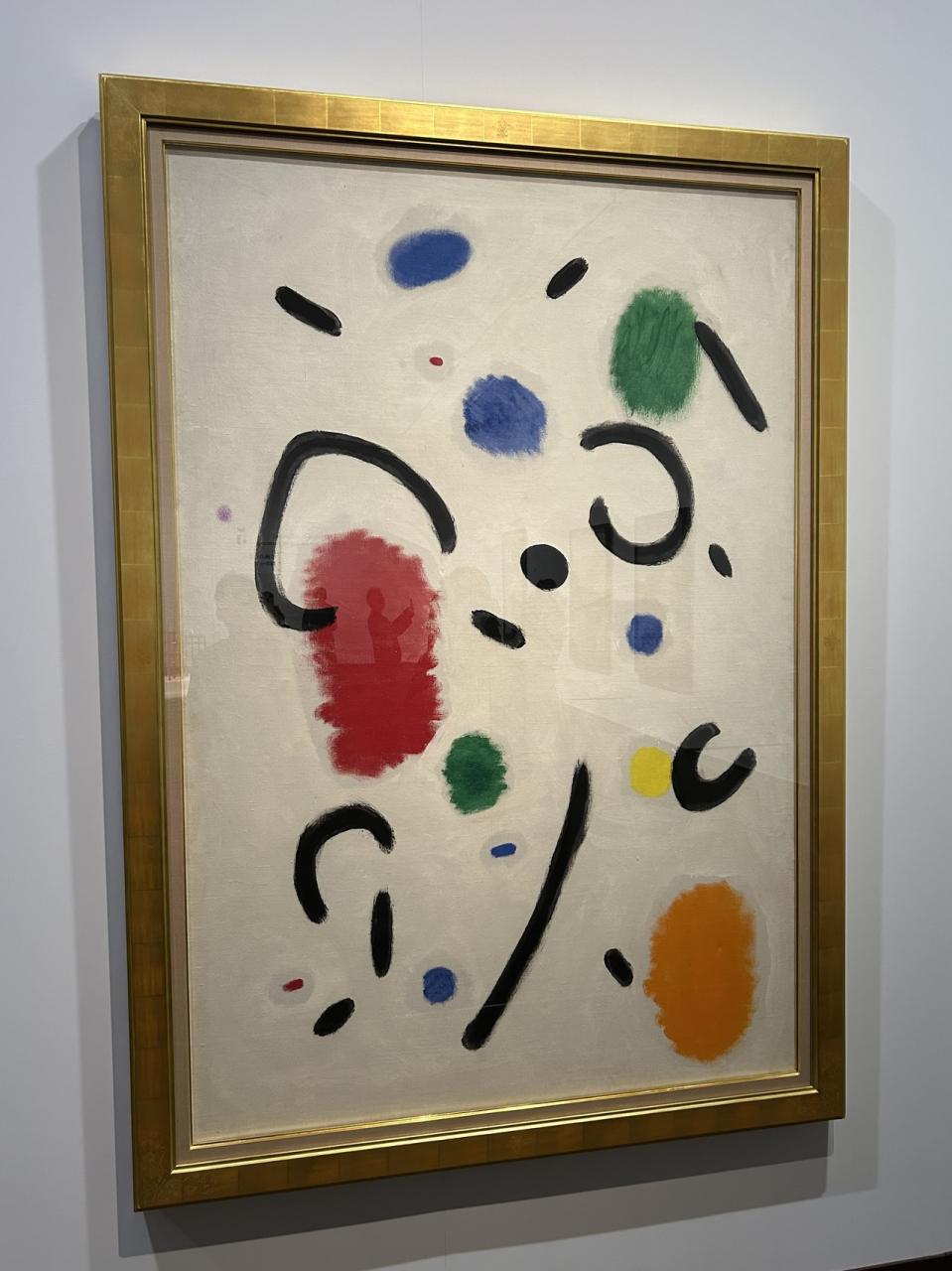
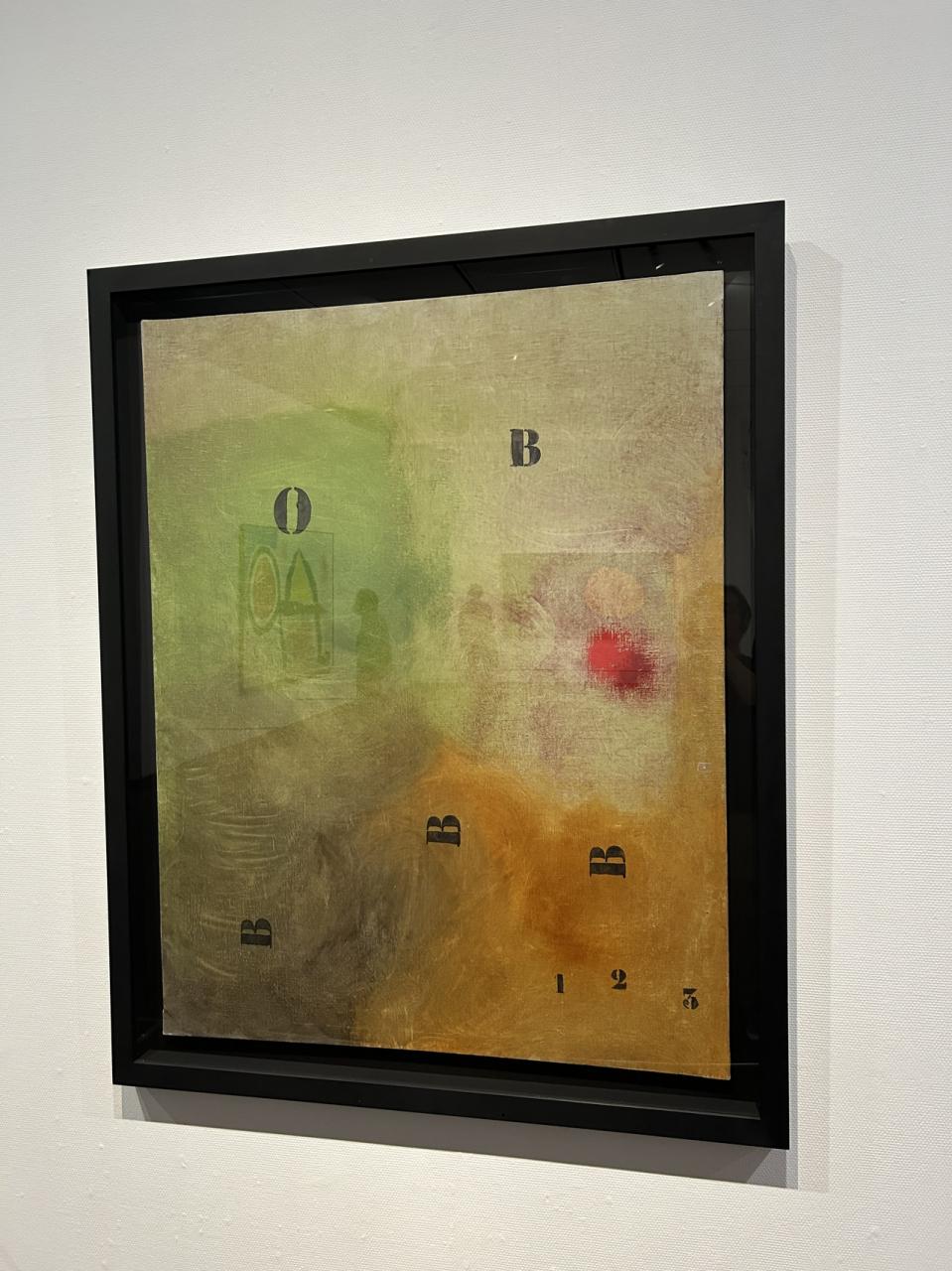
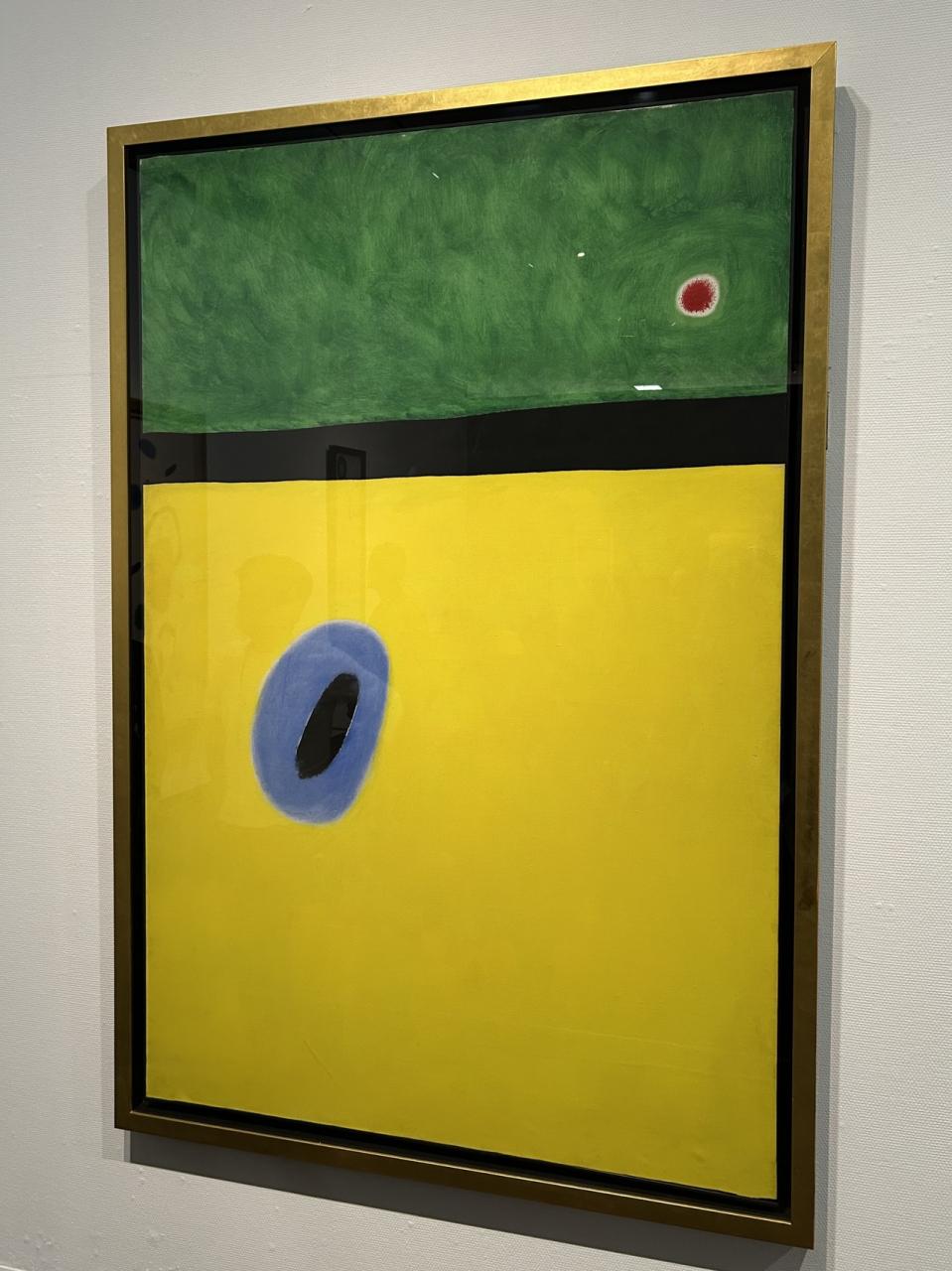
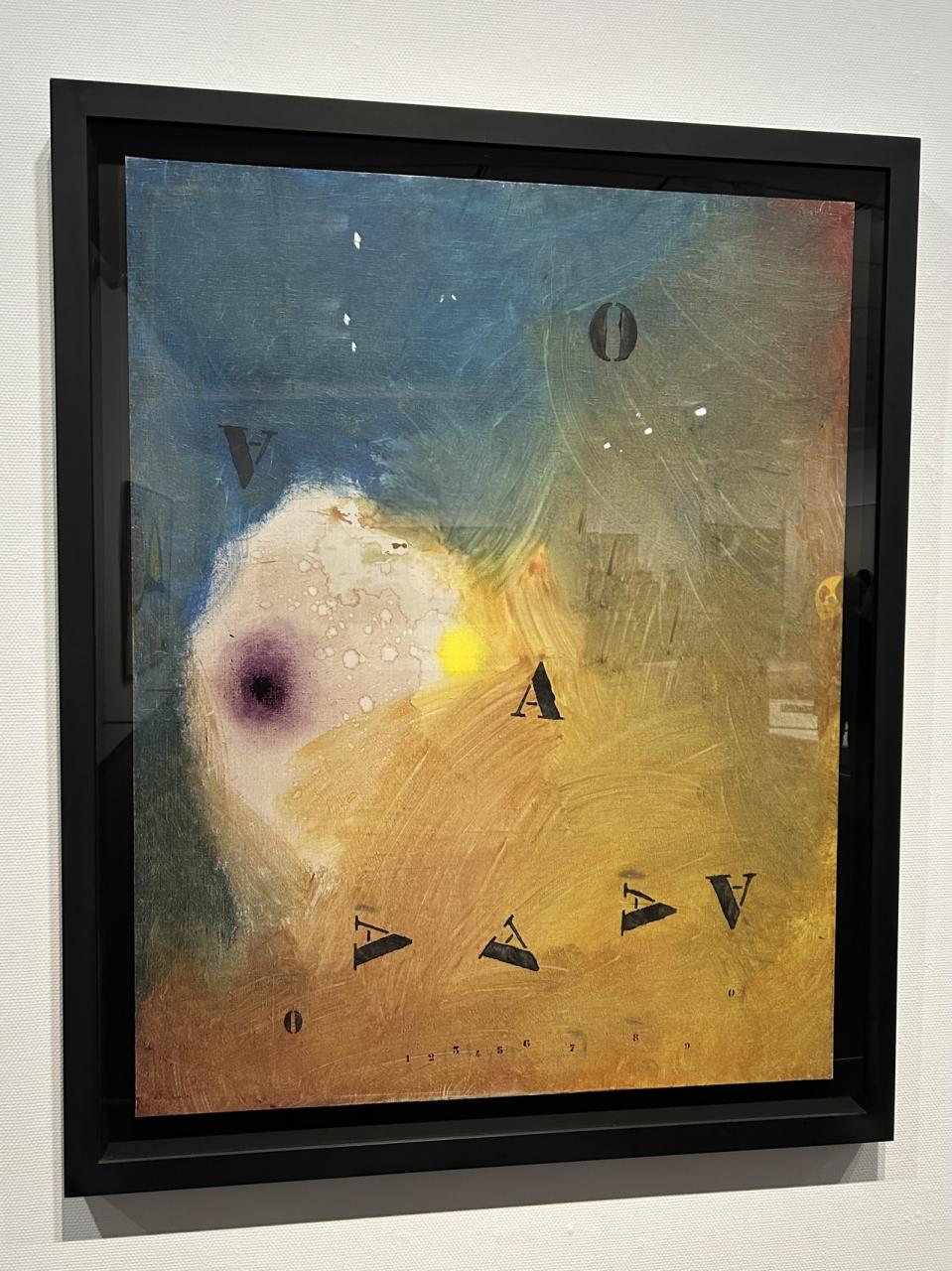
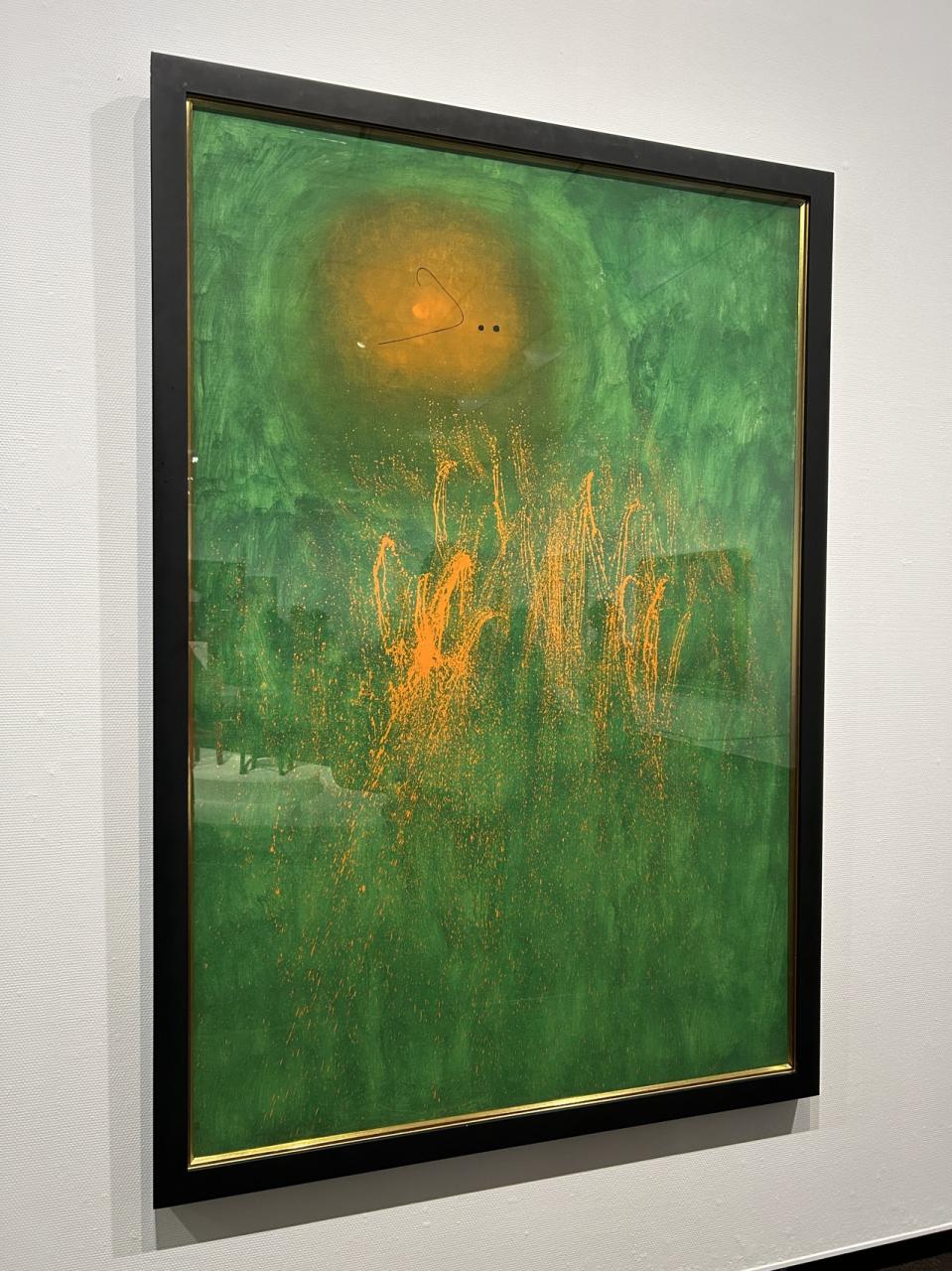
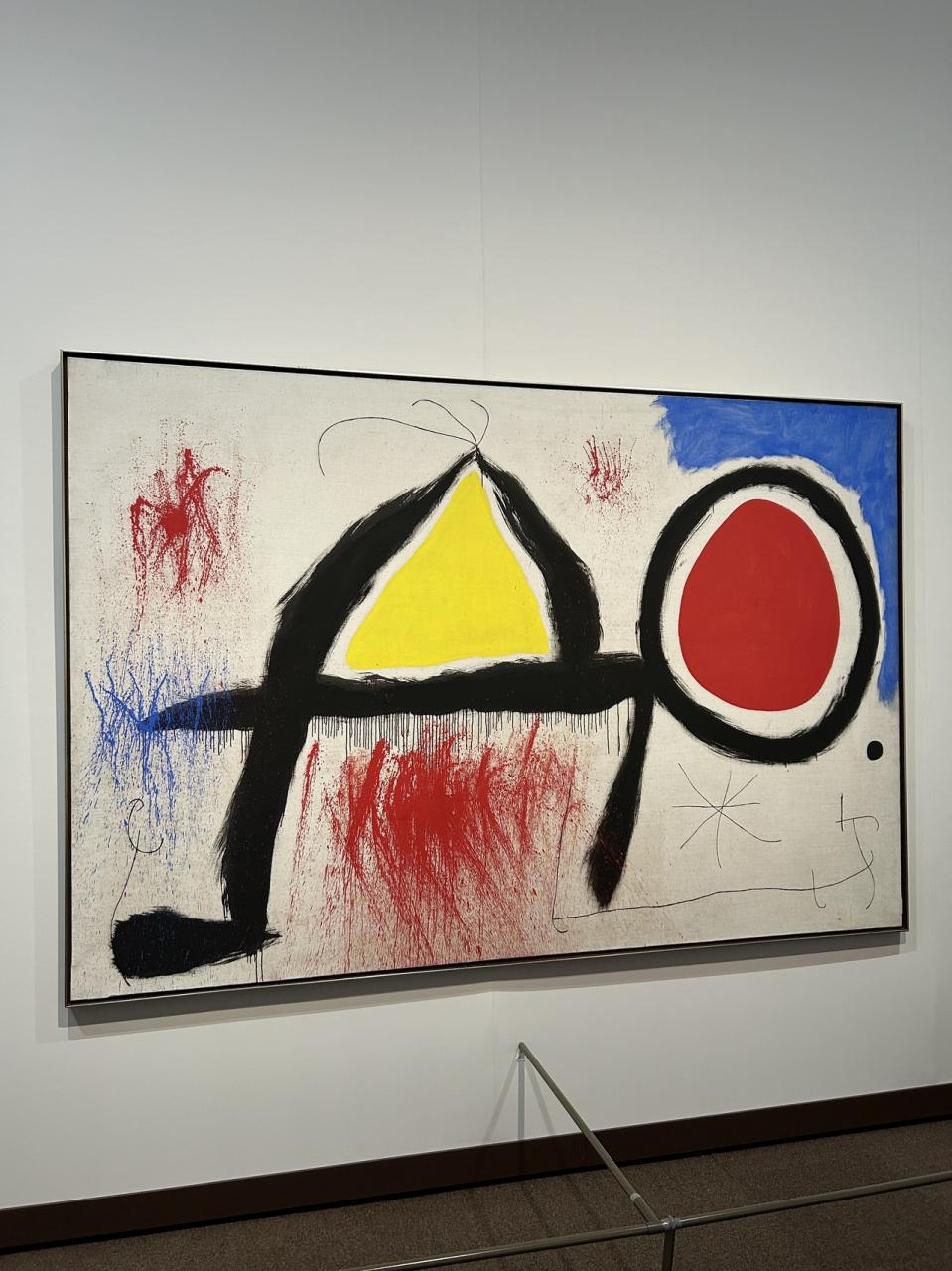
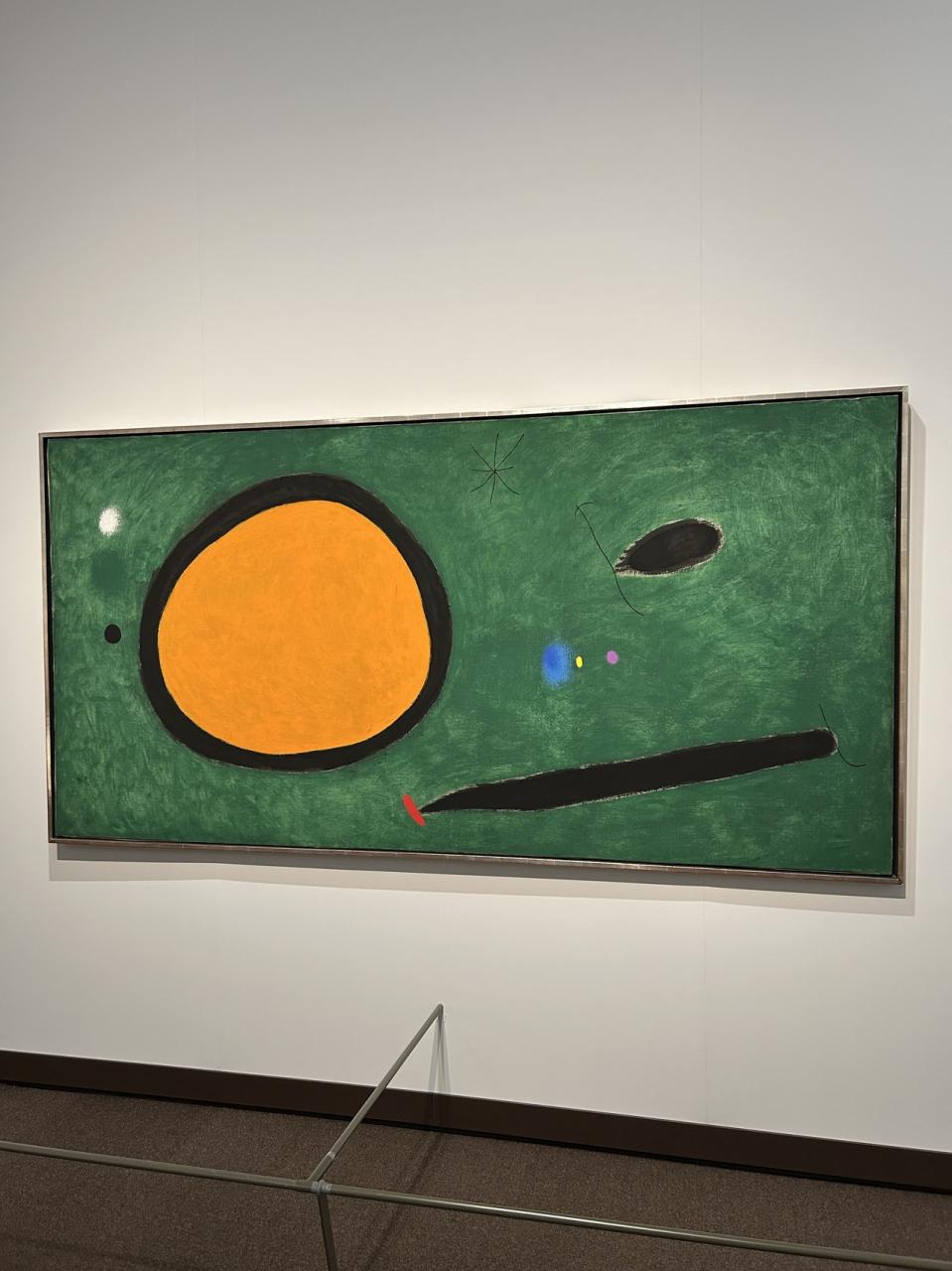
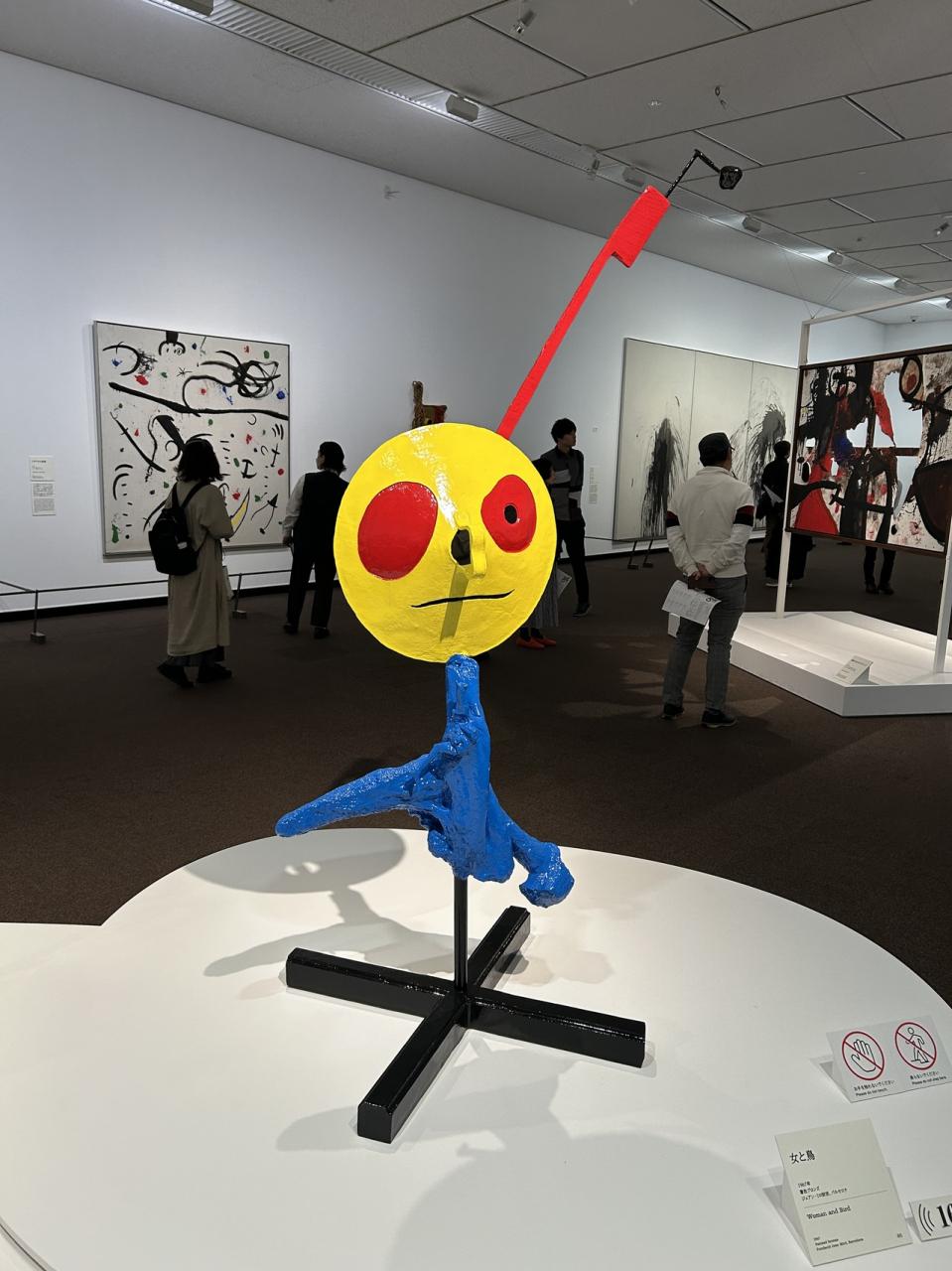
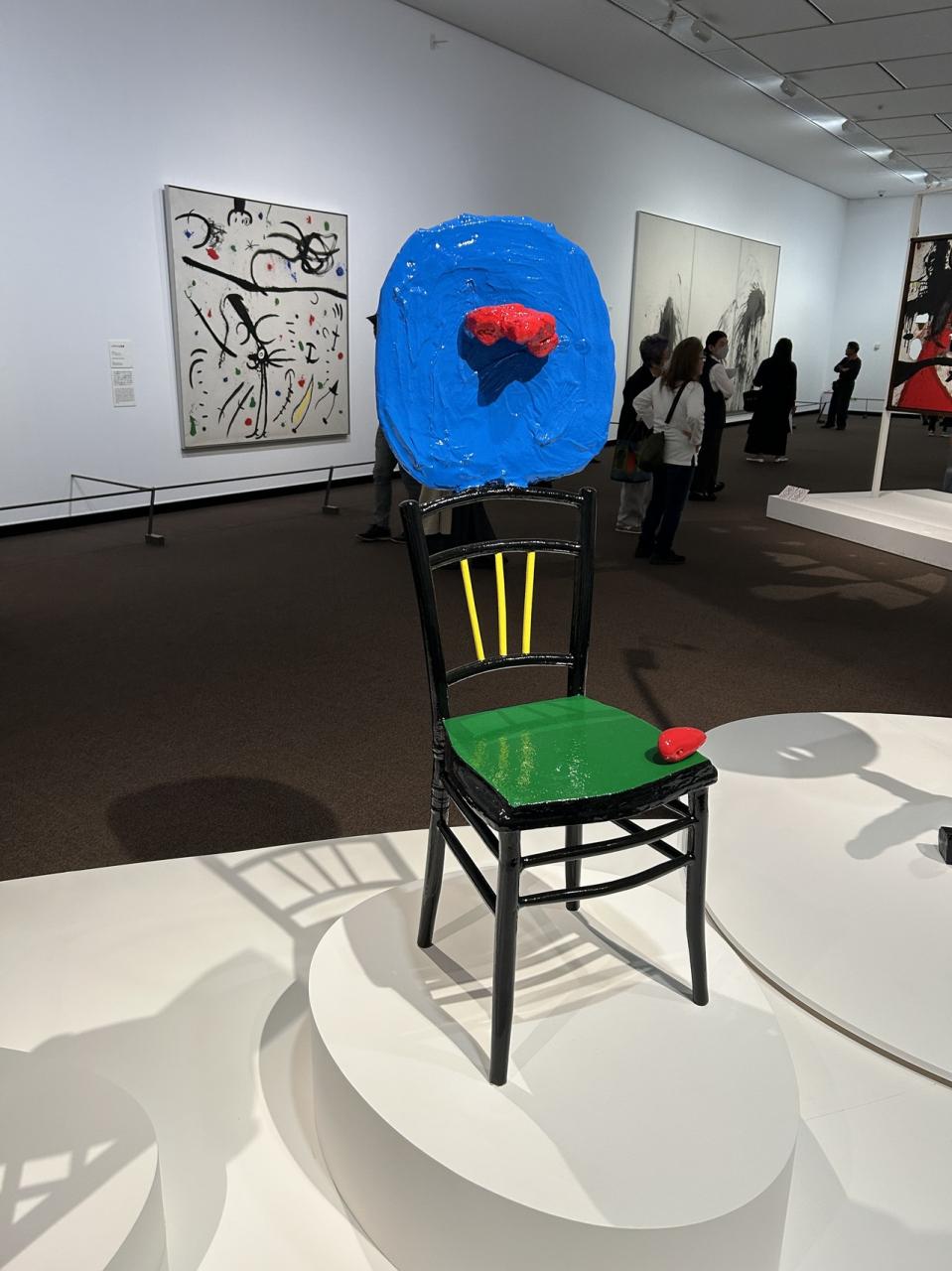
晩年を迎えたミロは、改めて西洋の伝統的な絵画技法に挑戦するために、オブジェと新たな支持体を用いて、若き日に試みた芸術作品の脱神聖化を推し進めることを決意する。
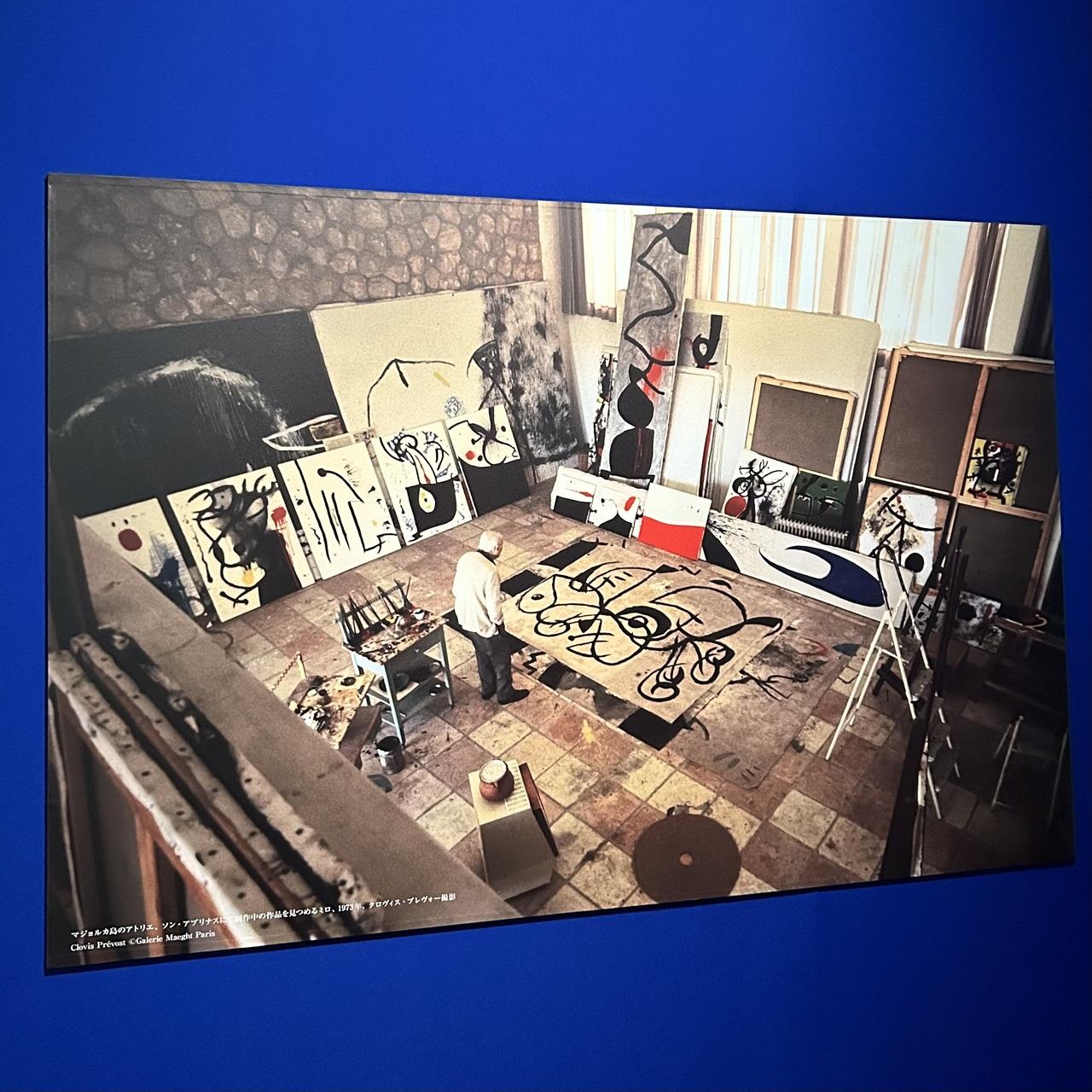
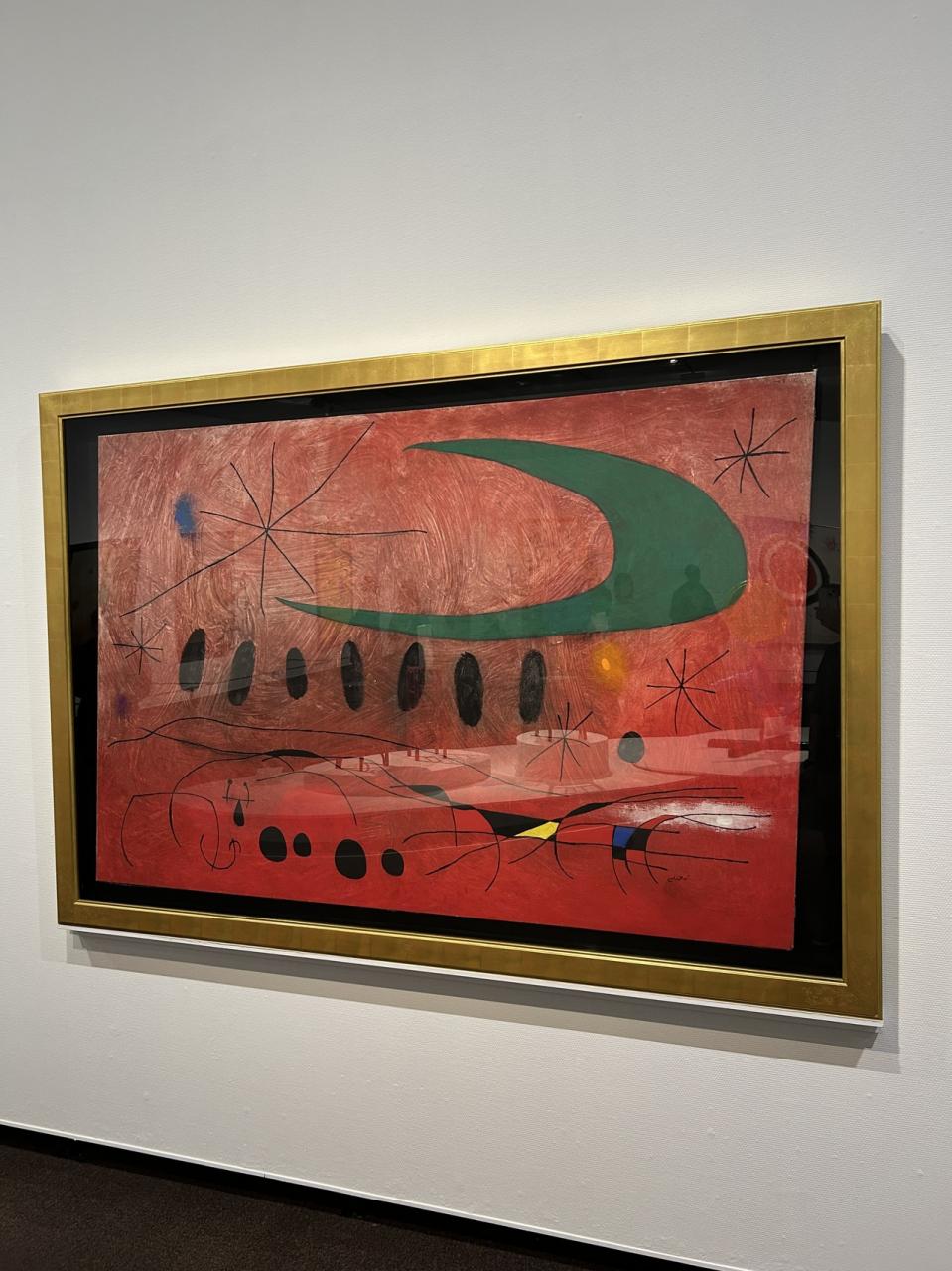
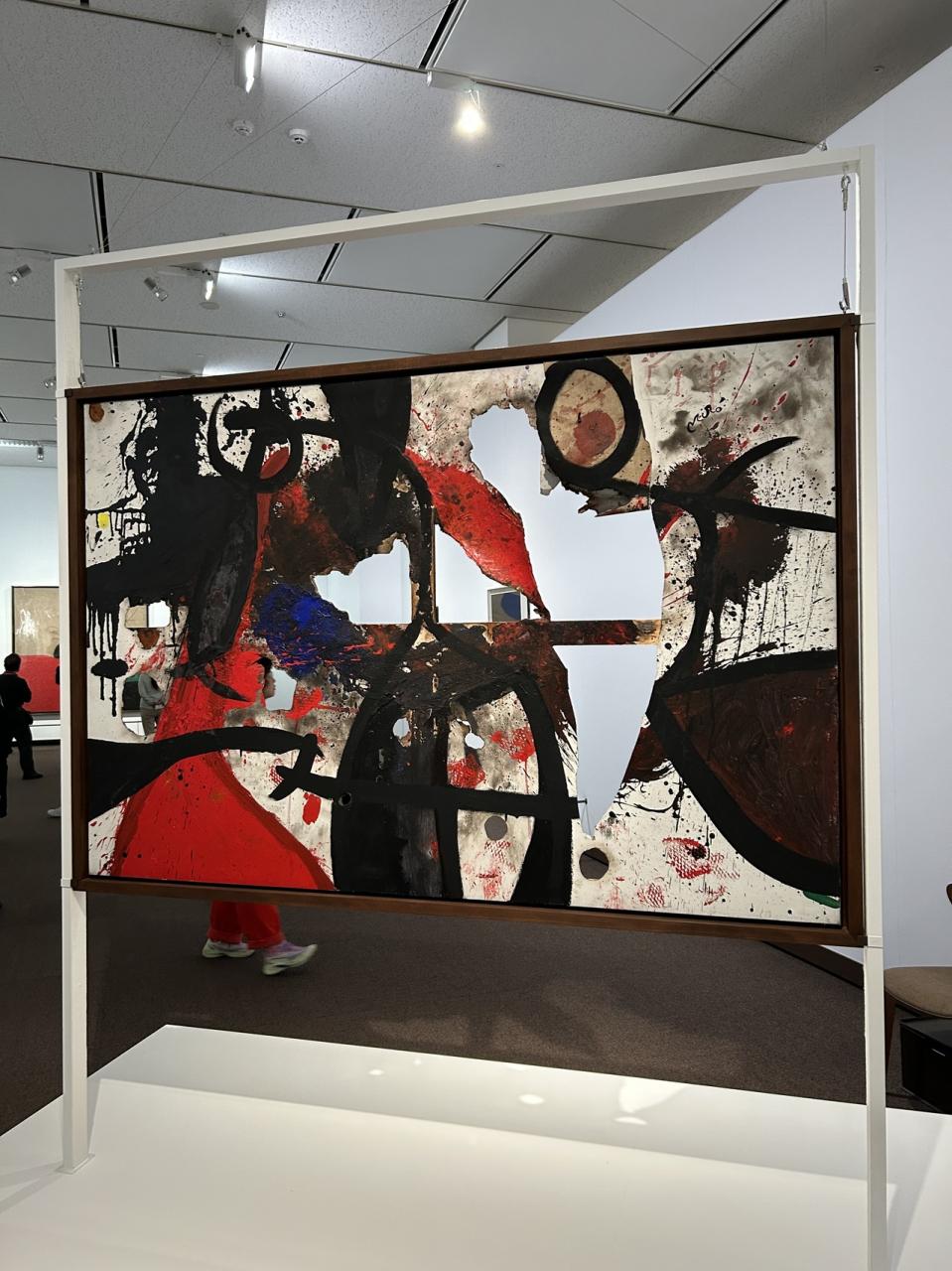
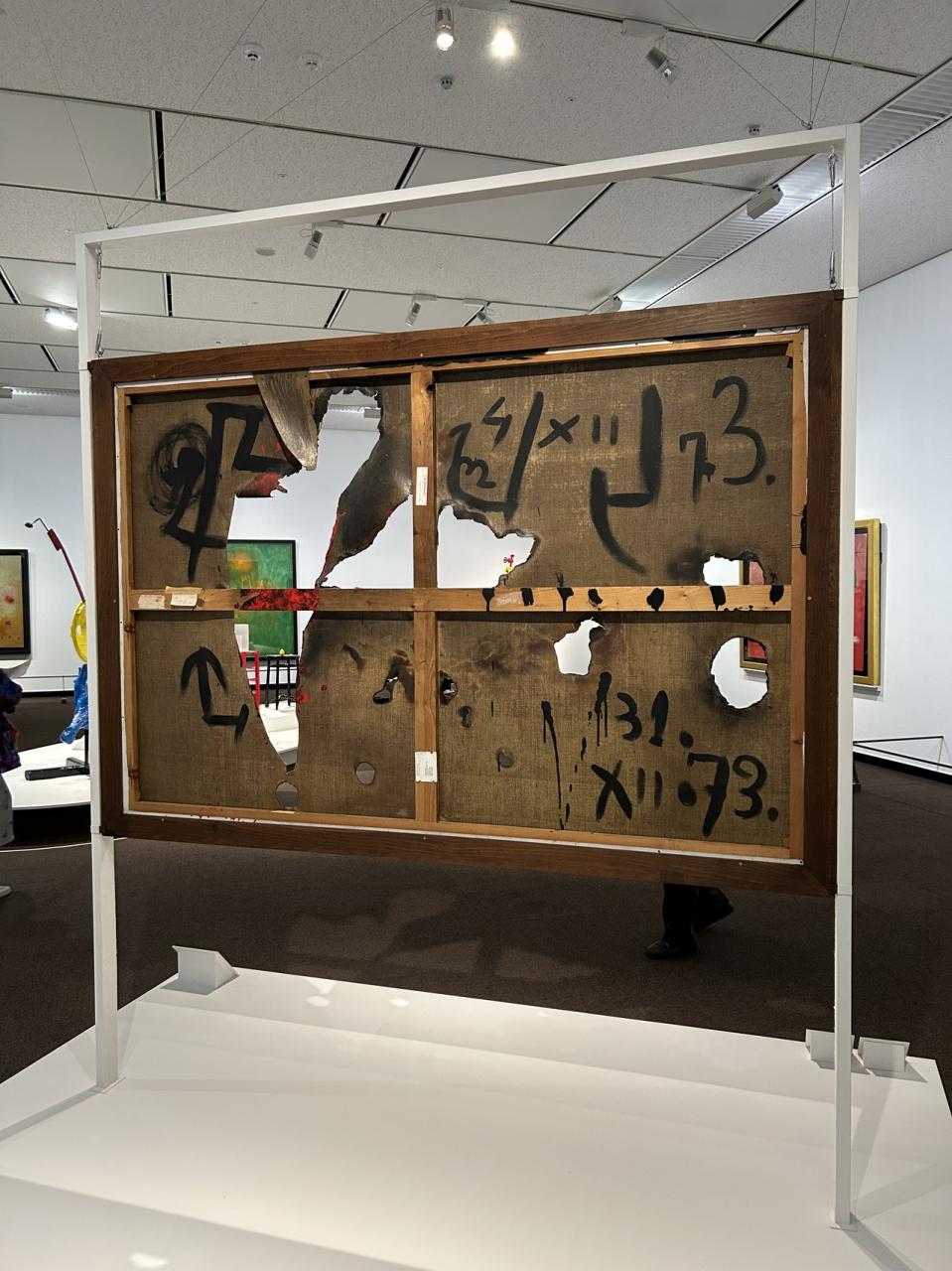
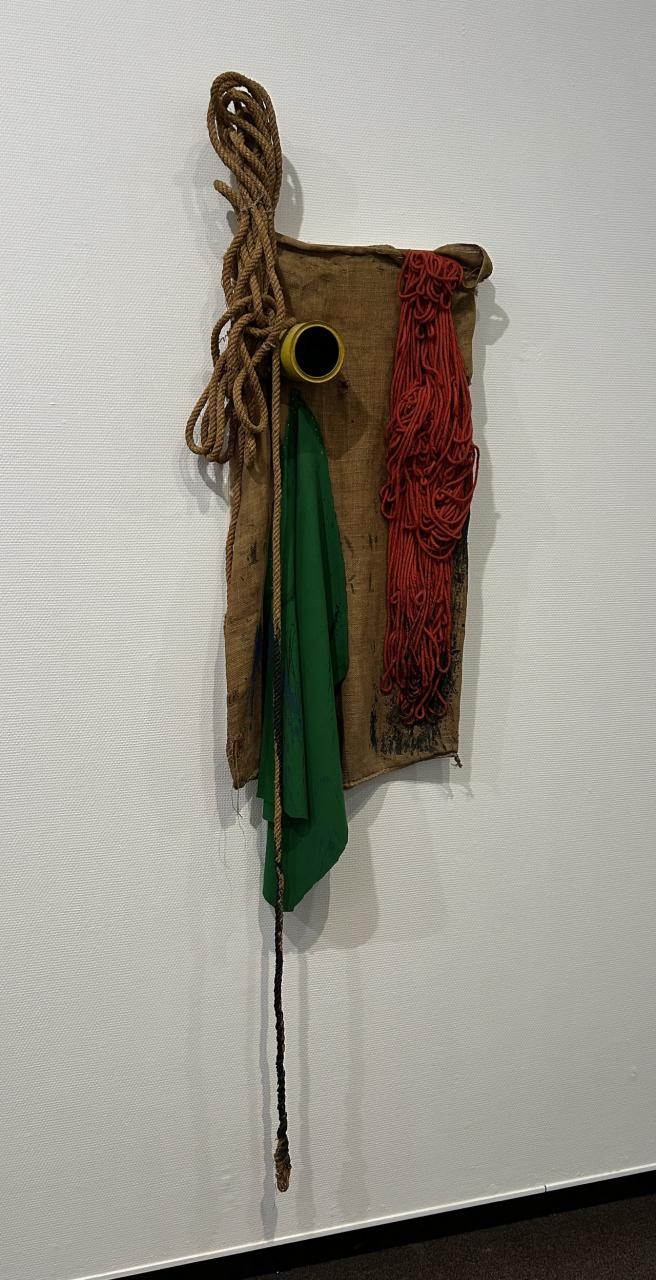
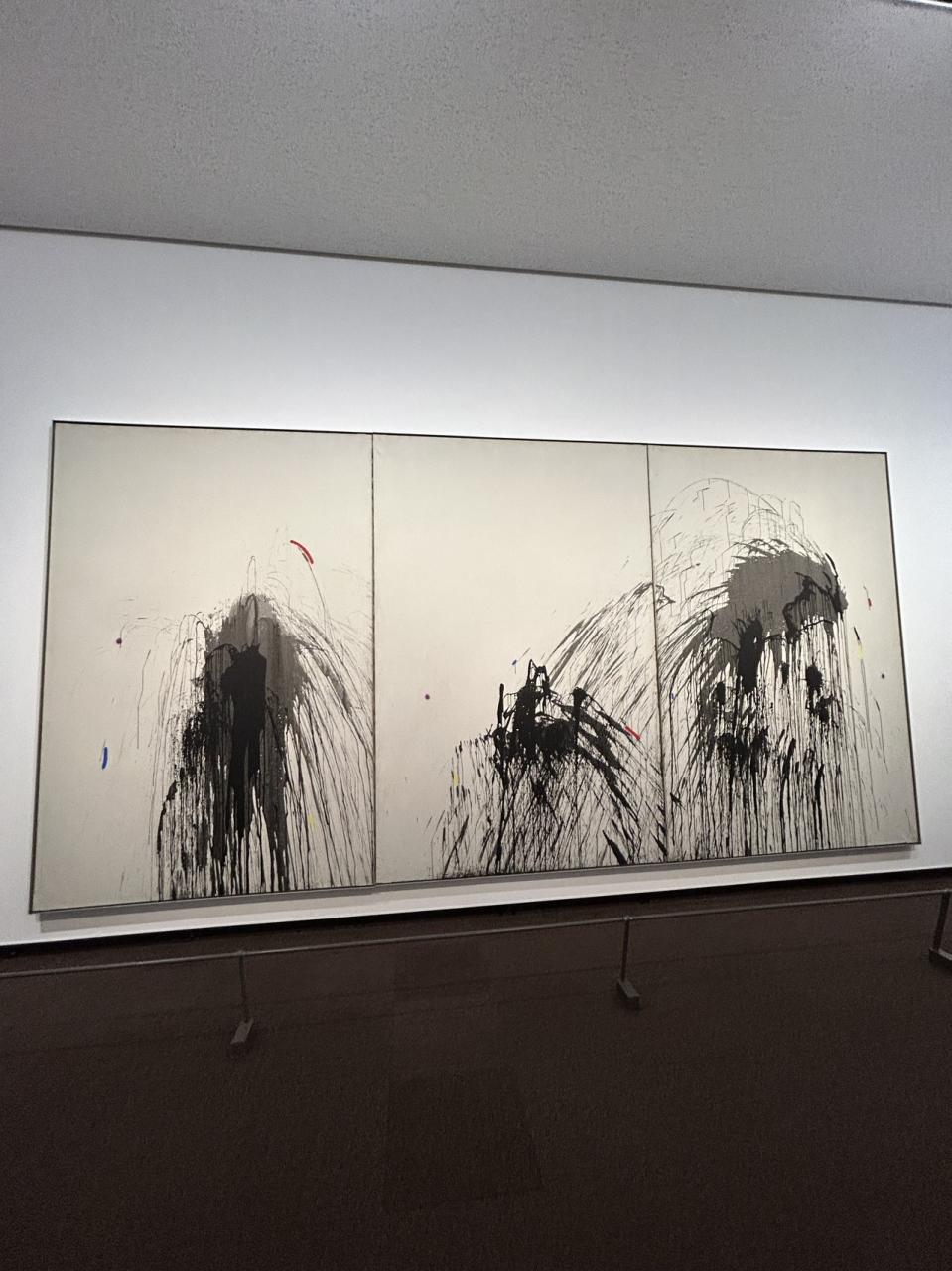
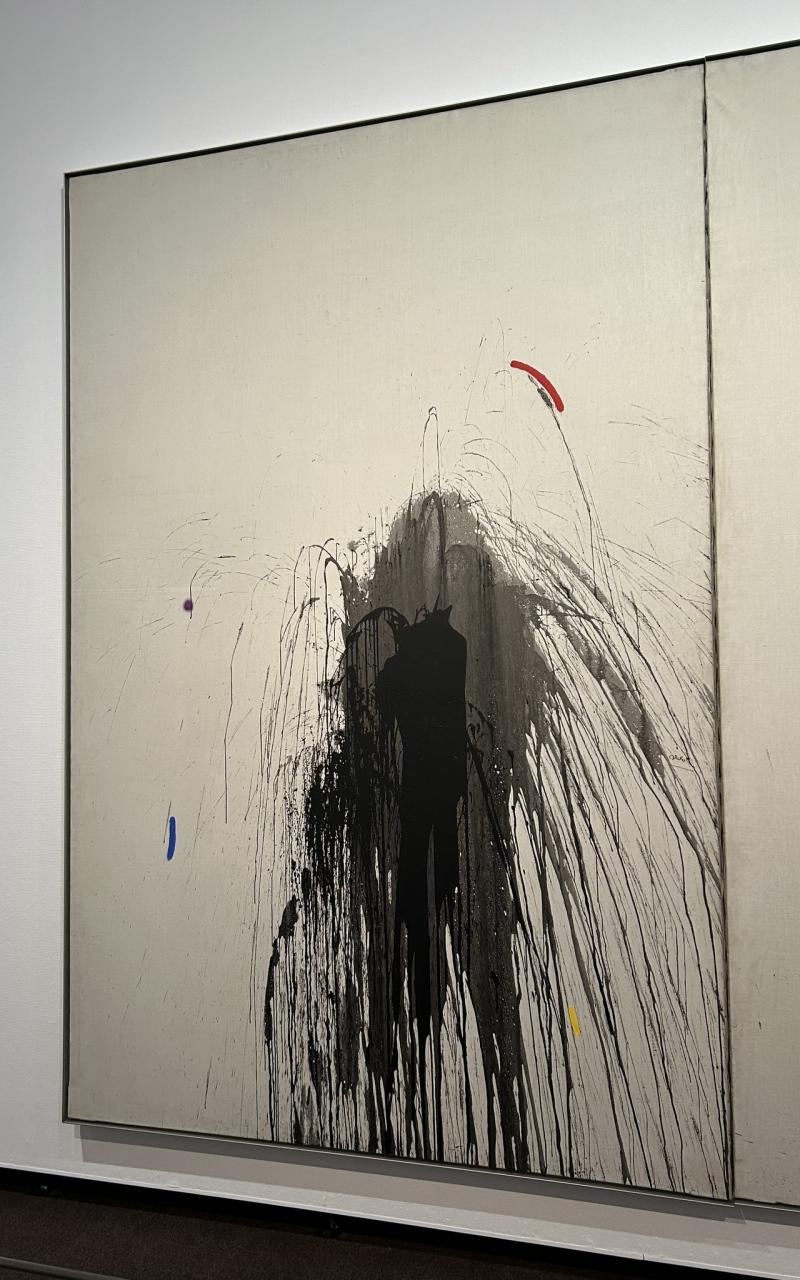
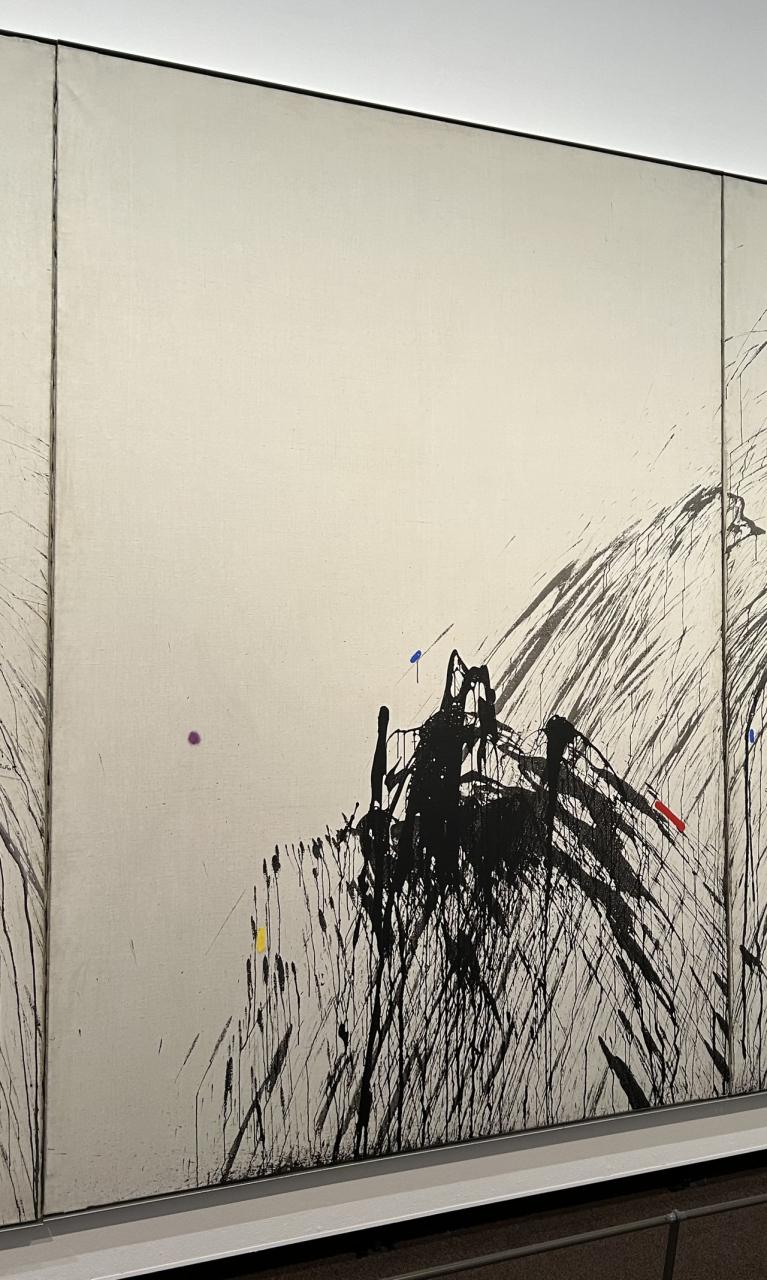
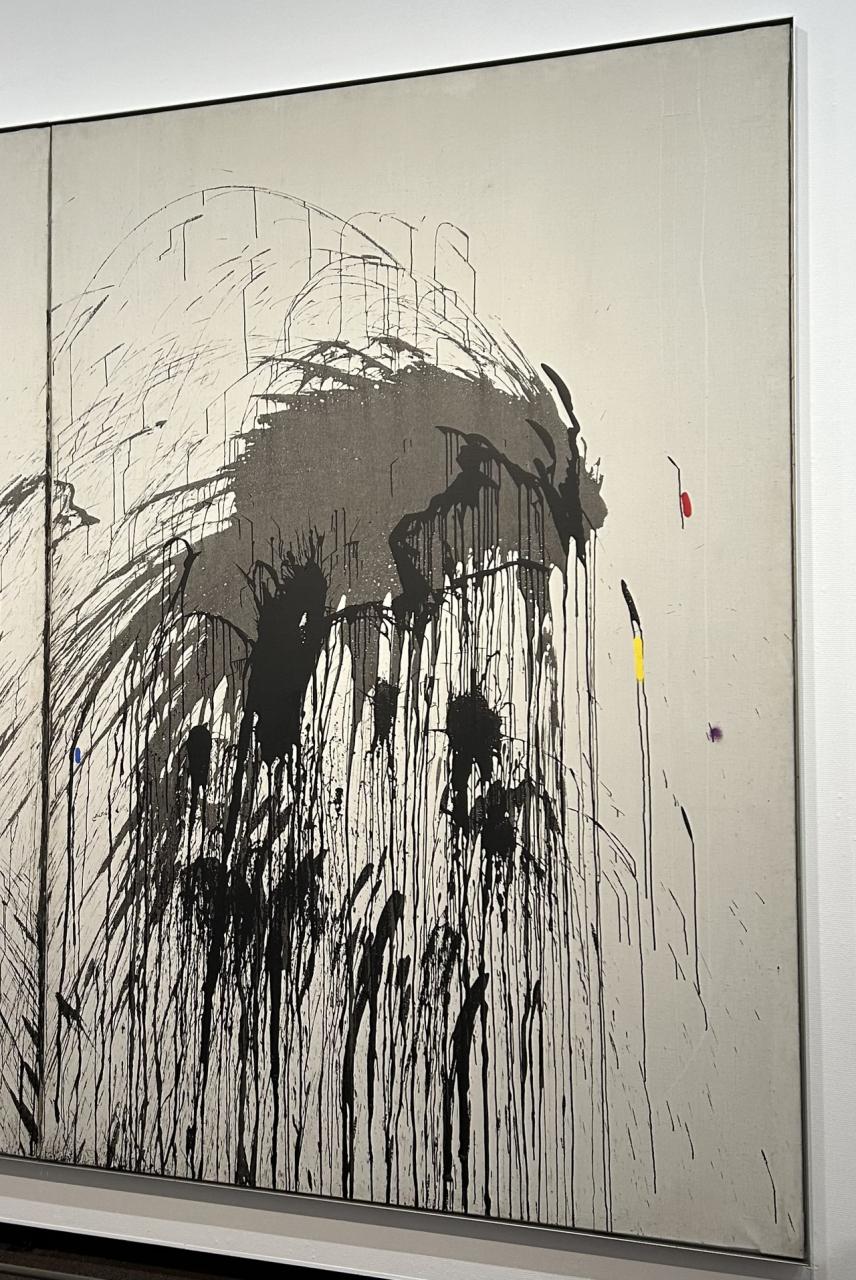
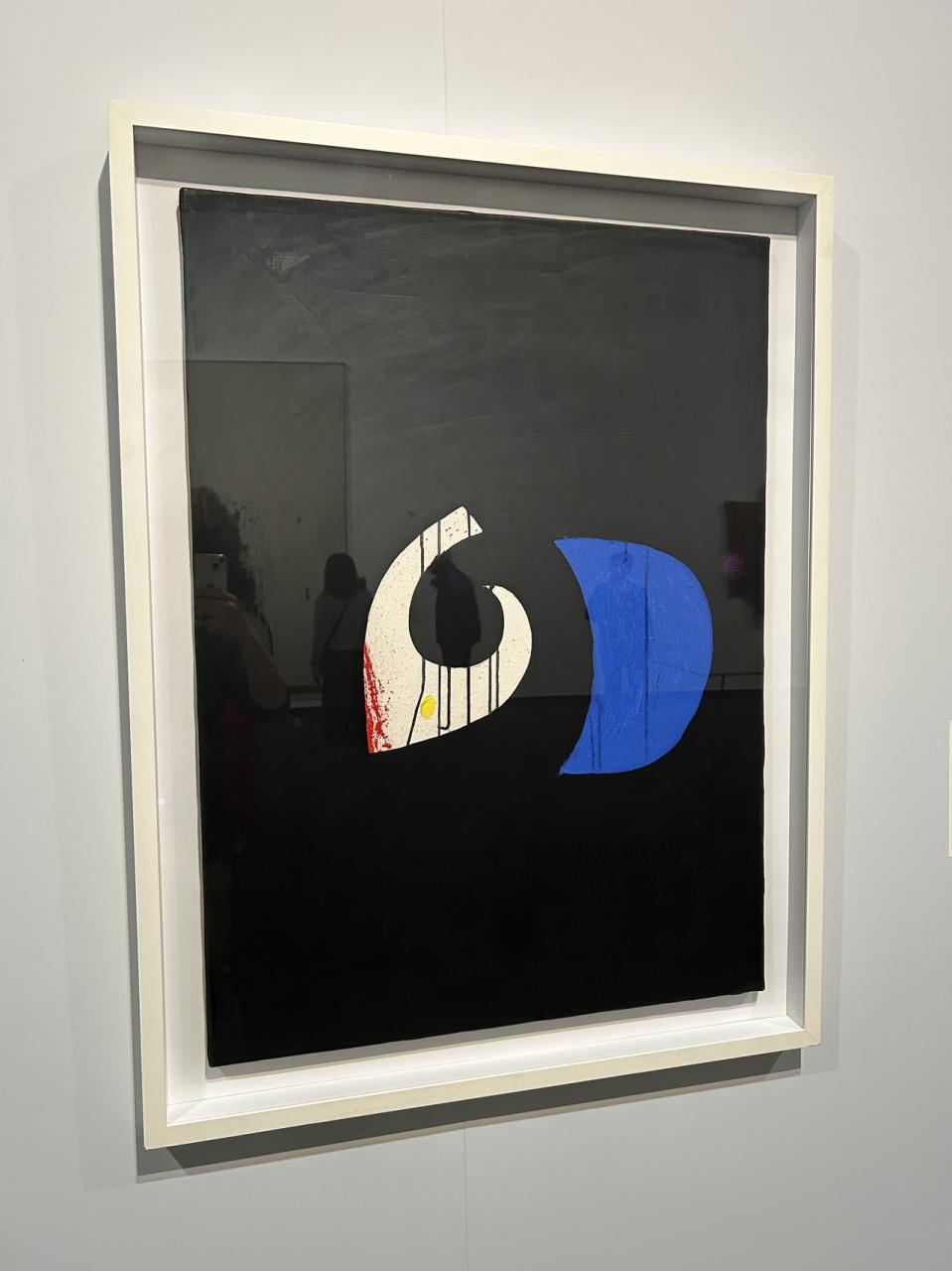
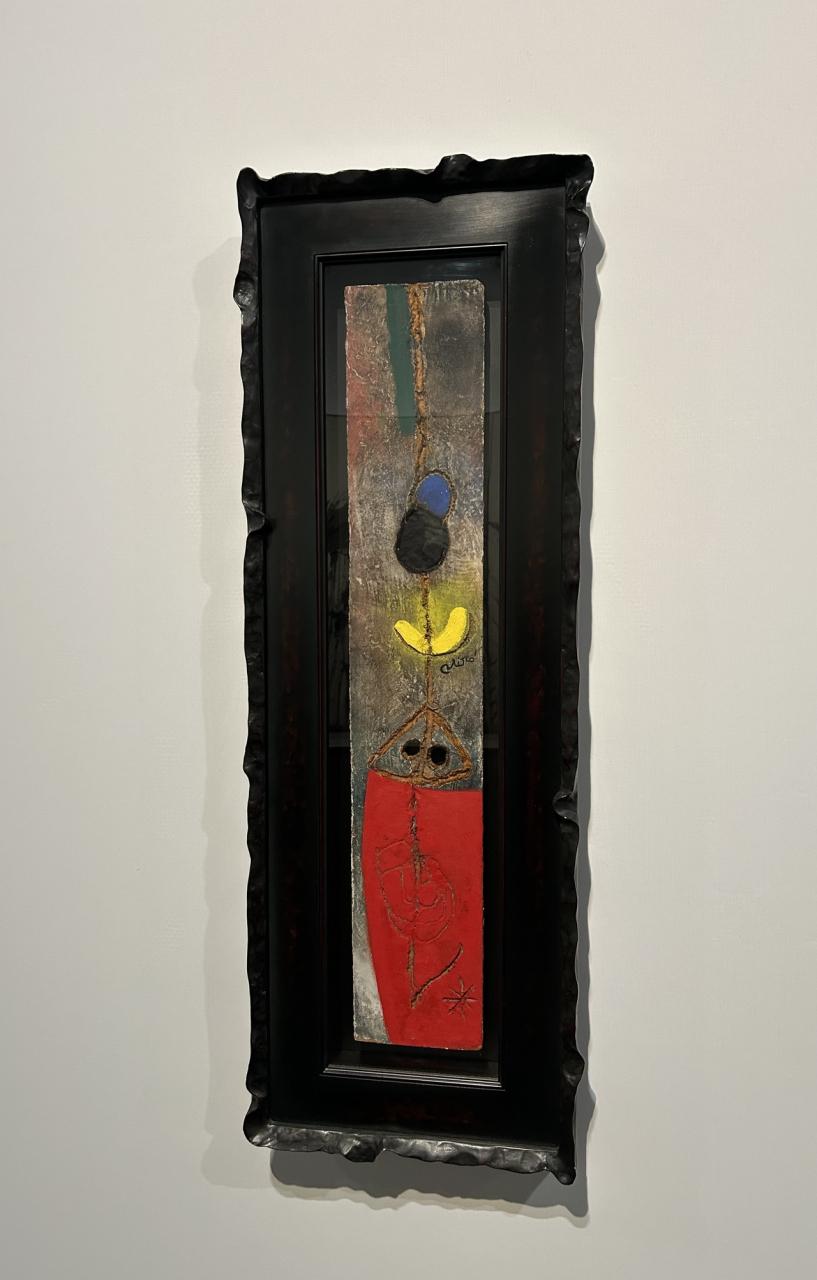
1960年代には新しい世代のアメリカの芸術家たちから影響を受け、ますます大きなサイズの作品に取り組み、より体の動きをそのまま反映させるような筆造いを採用するようになっていた。三連画《花火1、II、III》(nos. 90-92)に見られるように、バケツやビンに人った絵具を激しくぶちまけ、絵具を洗ったボールを投げつけ、ほうきや塗装用のブラシを使って制作し、さらには《焼かれたカンヴァス2》(no.88)のように、カンヴァスを燃やしたりナイフで切り裂いたりすることもこの時代に行っている。また、《涙の微笑》(no.83)のように、何年もの月日をかけて構想を練り上げ、いくつもの準備素が残されているものもある。さらに、《スブラテシムー袋 13》(no. 89)のように、カンヴァスではなく、手織りの粗い布地の支持体を用いることもあった。
絵画の本質を探究し、想を繰り上げ、新たな表現に挑職し続けたミロは、生涯その姿勢を貫き通したのである。
As Miro entered his final years, he returned to the project of desanctifying art he had begun in his youth, resolving to pursue this process to its limit using objets and new supports to challenge the traditional painting techniques of the West.
Already influenced by the new generation of American artists in the 1960s, Miró began creating larger and larger works, adopting brushwork that seemed to more closely reflect the movements of the body just as they were. As seen in his three-part series Fireworks I, II, III (nos. 90-92), he roughly dumped out buckets and bottles of paint, threw pigment-smeared balls, and used brooms and industrial brushes. Burnt Canvas 2 (no. 88) shows even more extreme techniques that he commonly employed during this period such as burning the canvas and cutting it with a knife. There are also paintings like The Smile of a Tear (no. 83) that were the result of many years' planning and countless preparatory sketches that were also preserved. Other works, like Sobreteixim-Sack 13 (no. 89), were painted not on canvas but on rough hand-woven fabric.
Throughout his career, Mir had sought the essence of painting, refined his conceptions, and experimented with new forms of expression, and he continued to do so for the rest of his life. -
-
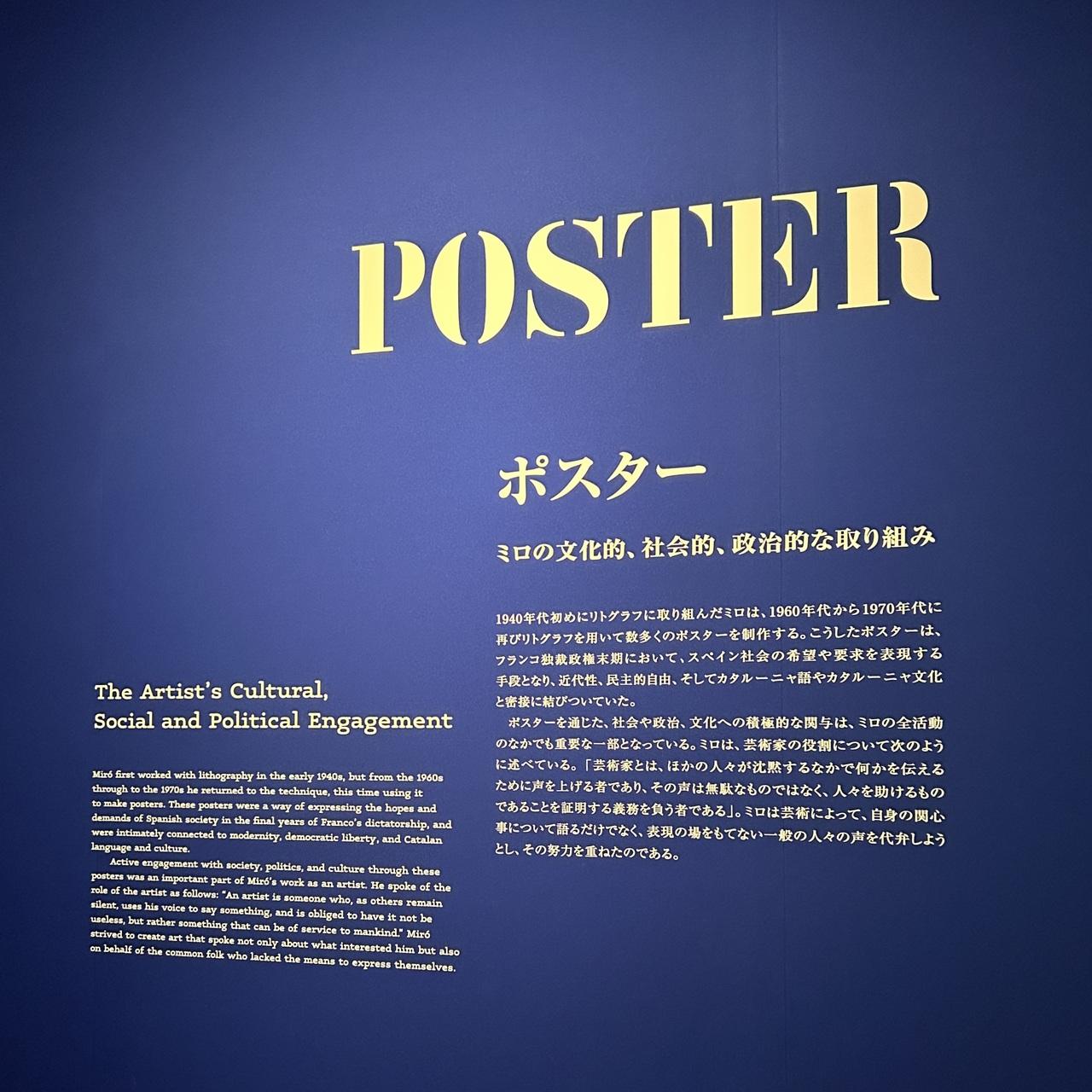
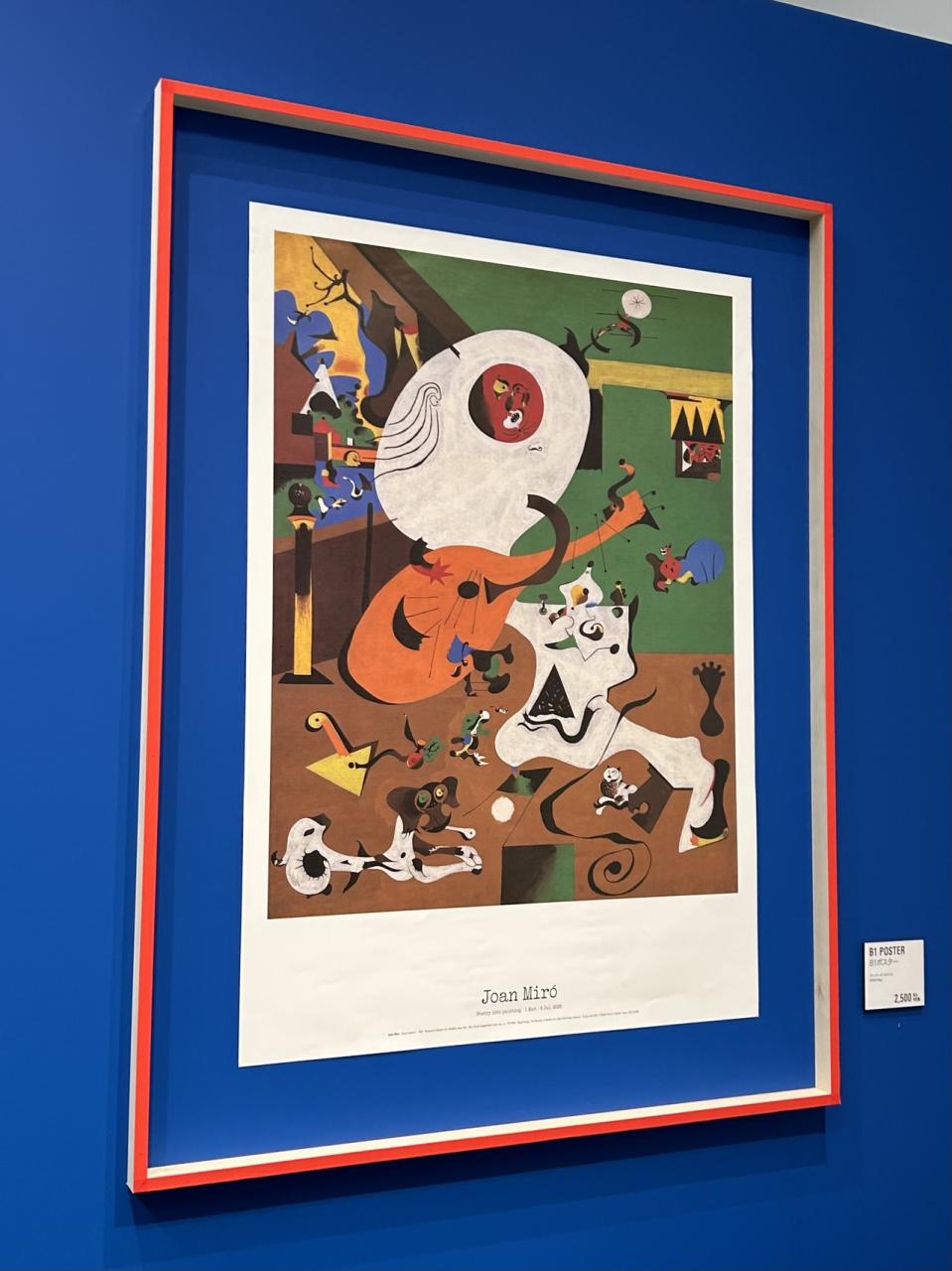
POSTER
ポスター
ミロの文化的、社会的、政治的な取り組み
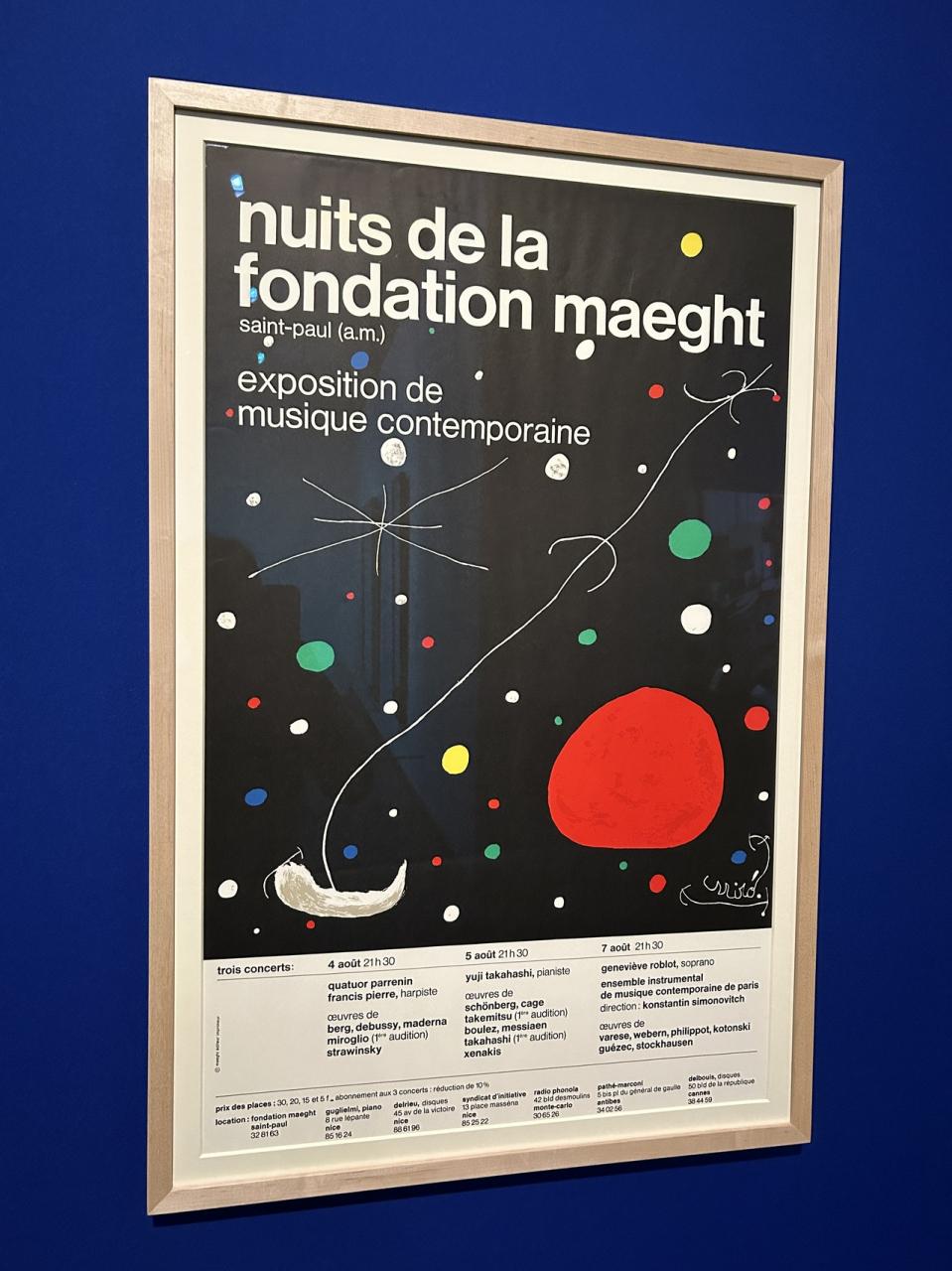
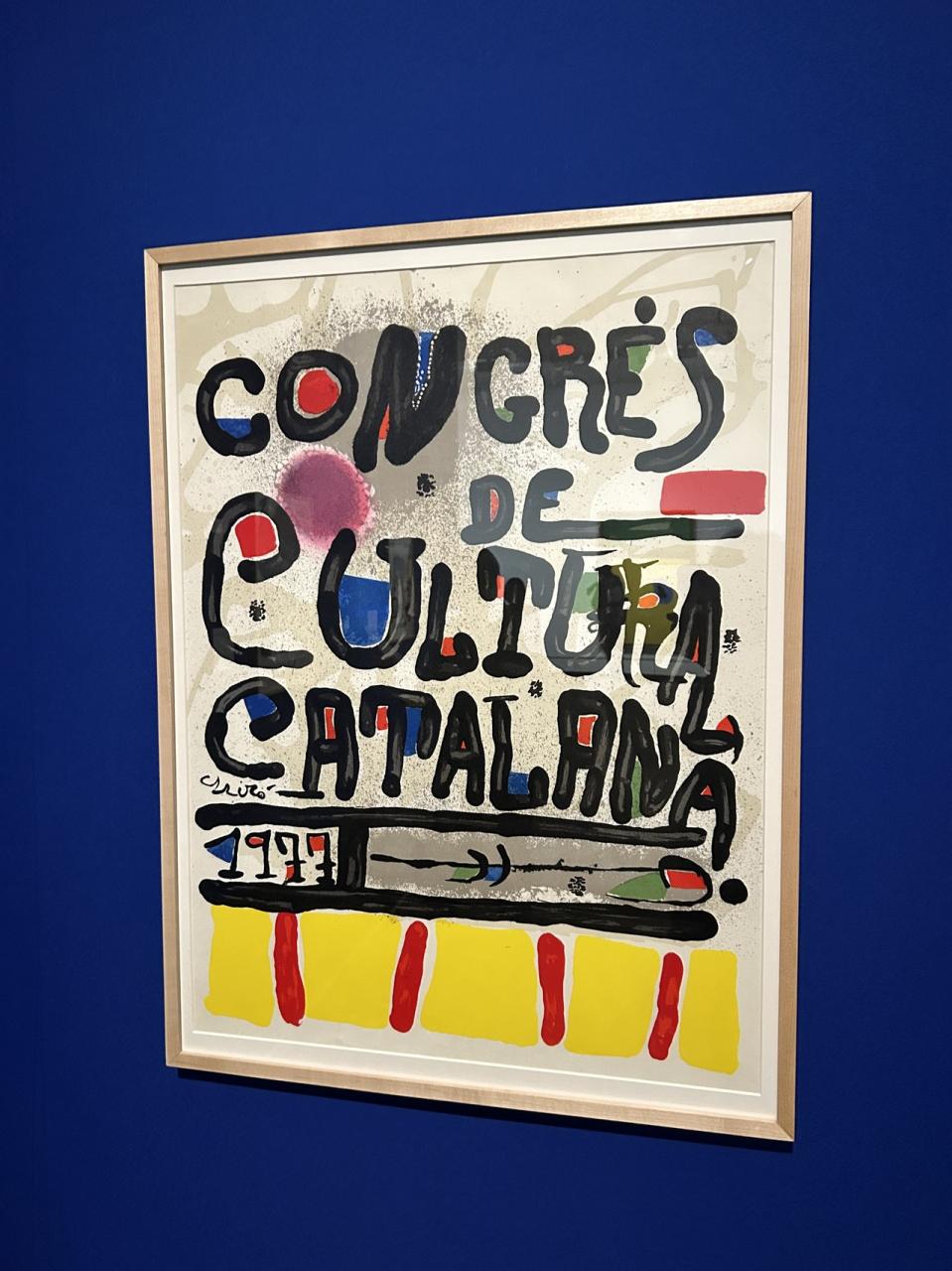
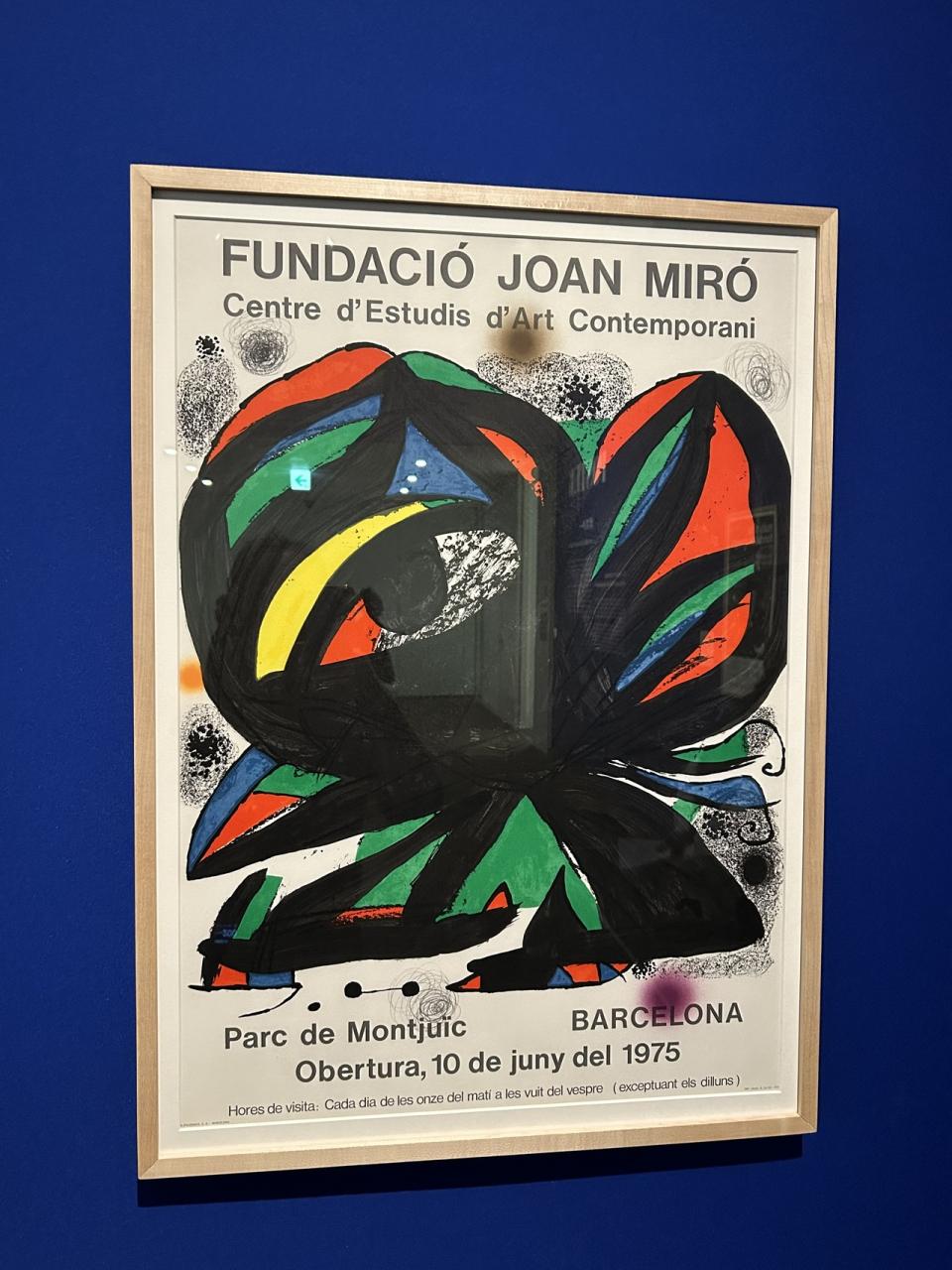
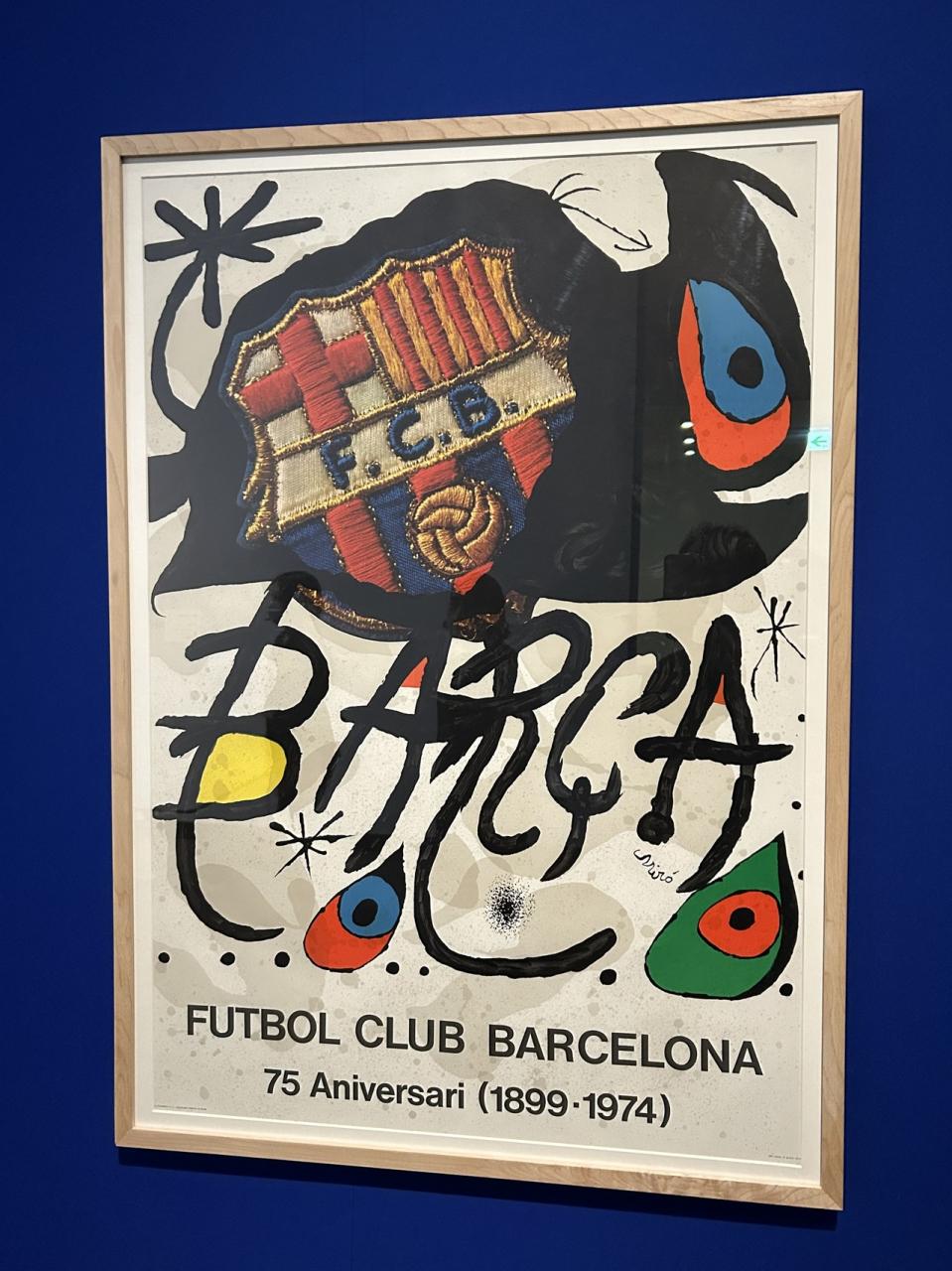
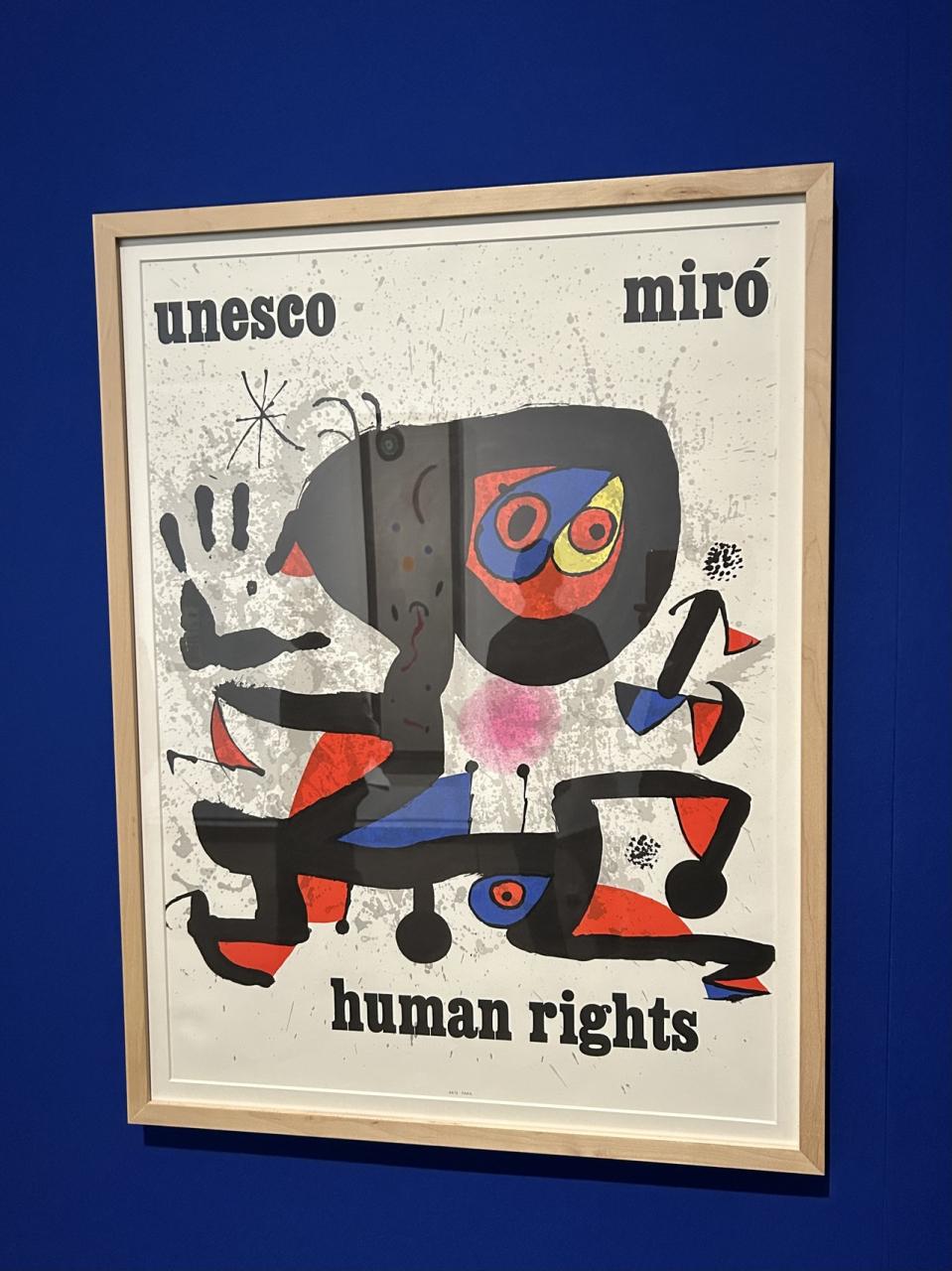
1940年代初めにリトグラフに取り組んだミロは、1960年代から1970年代に手びリトグラフを用いて数多くのポスターを制作する。こうしたポスターは、フランコ独裁政権末期において、スペイン社会の希望や要求を表現する手段となり、近代性、民主的自由、そしてカタルーニャ語やカタルーニャ文化と密接に結びついていた。
ポスターを通じた、社会や政治、文化への積極的な関与は、ミロの全活動のなかでも重要な一部となっている。ミロは、芸術家の役割について水のように述べている。「芸術家とは、ほかの人々が沈黙するなかで何かを伝えるために声を上げる者であり、その声は無駄なものではなく、人々を助けるものであることを証明する義務を負う者である」。ミロは芸術によって、自身の関心事について語るだけでなく、表現の場をもてない一般の人々の声を代弁しようとし、その努力を重ねたのである。
The Artist's Cultural, Social and Political Engagement
Miro first worked with lithography in the early 1940s, but from the 1960s through to the 1970s he returned to the technique, this time using it to make posters. These posters were a way of expressing the hopes and demands of Spanish society in the final years of Franco's dictatorship, and were intimately connected to modernity, democratic liberty, and Catalan language and culture.
Active engagement with society, politics, and culture through these posters was an important part of Miro's work as an artist. He spoke of the role of the artist as follows: "An artist is someone who, as others remain silent, uses his voice to say something, and is obliged to have it not be useless, but rather something that can be of service to mankind." Miró strived to create art that spoke not only about what interested him but also on behalf of the common folk who lacked the means to express themselves. -
-
-
-
-
-
-
-
-
-
-
-
-
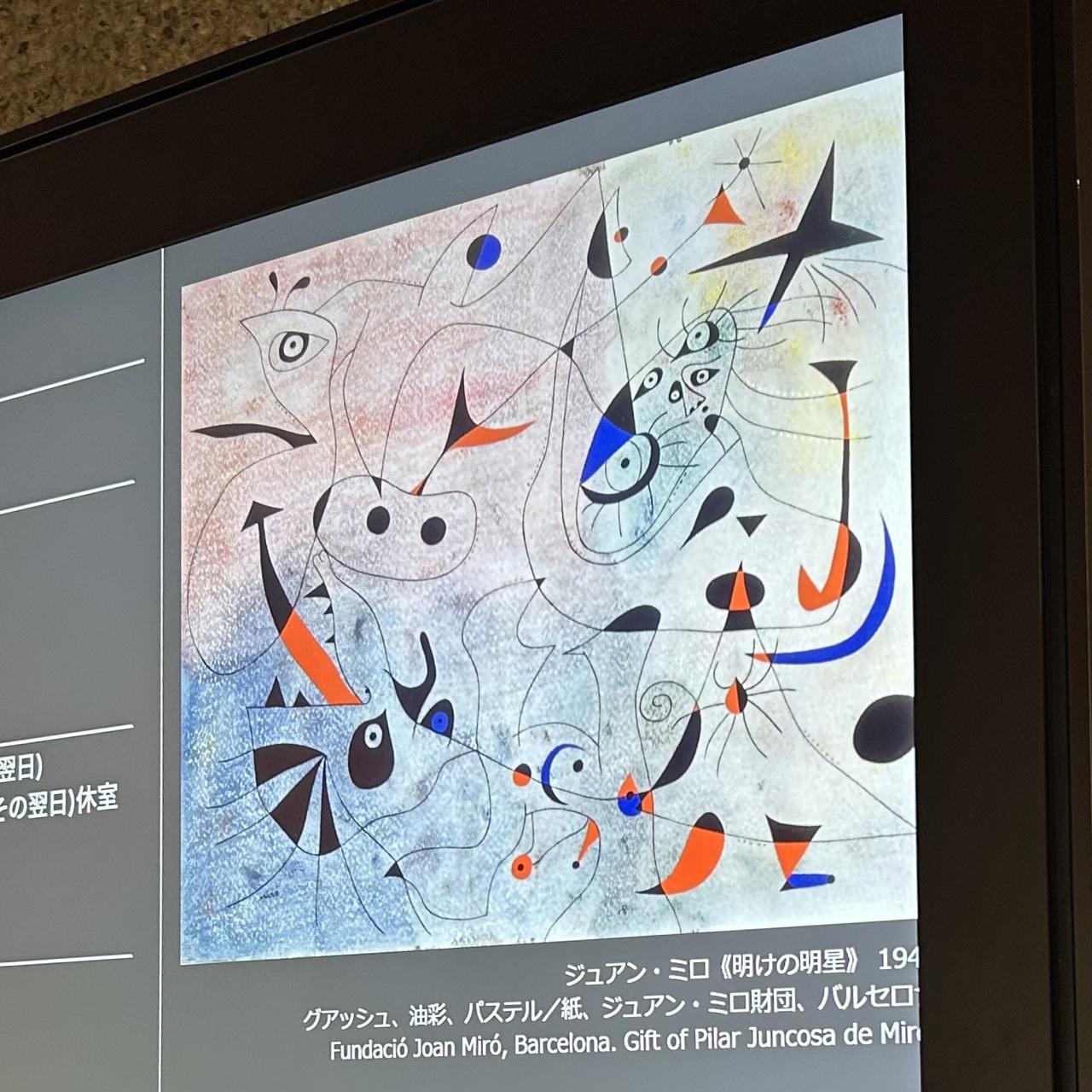
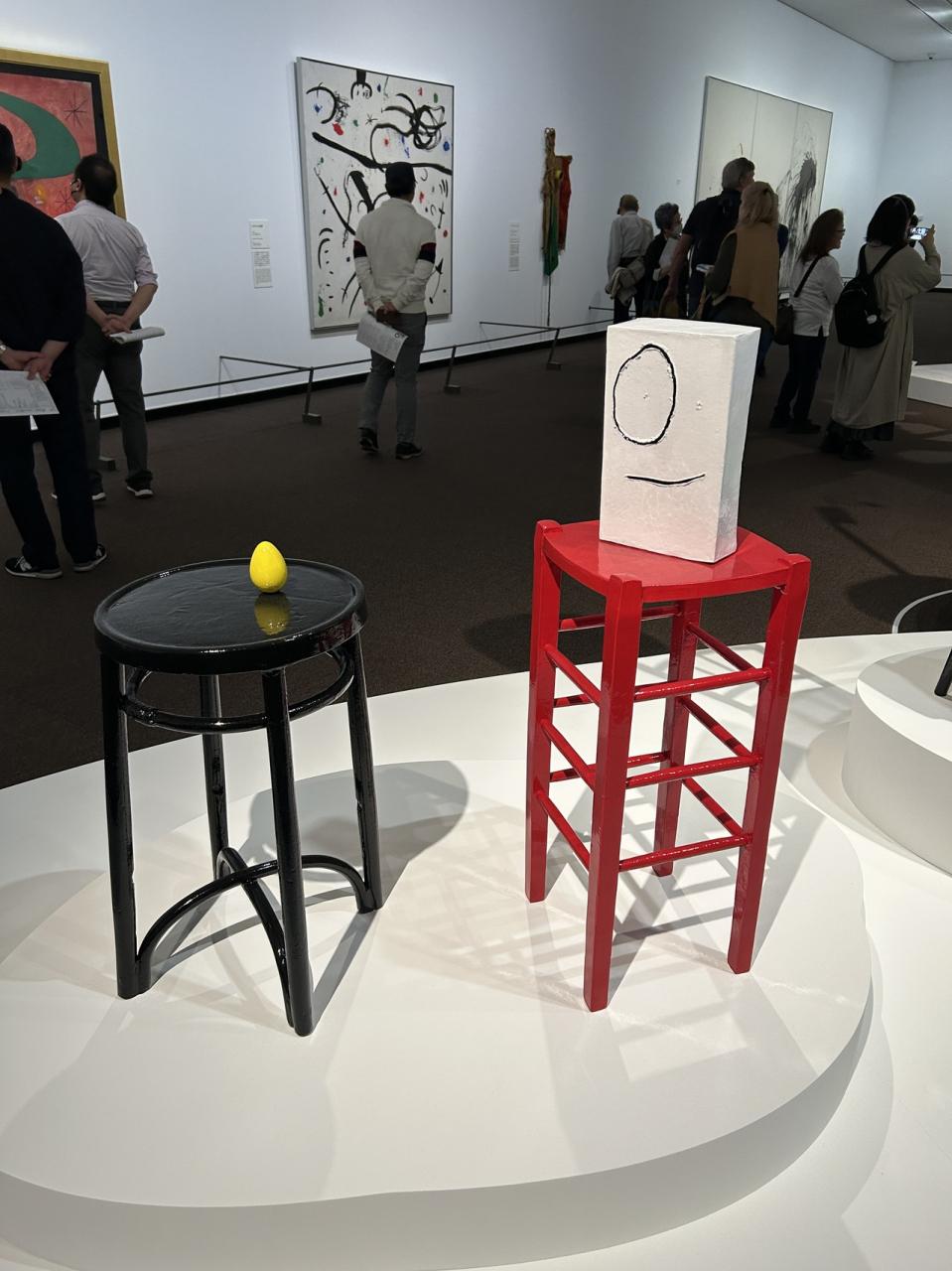
この作品、解説によると日本の画僧、仙厓義梵(せんがいぎぼん)が〇(丸)、△(三角)、□(四角)で宇宙を表した作品とも関連があるそうな・・・・
仙厓義梵の 『○△□(まるさんかくしかく)』は出光美術館所蔵
https://idemitsu-museum.or.jp/collection/sengai/sengai/03.php
京都の "建仁寺"にも、"○△□乃庭" っていうのがありました。
https://www.kenninji.jp/around/ -
-
-
-
-
-
-
-
-
-
-
-
-
-
-
-
-
-
-
-
-
-
-
-
-
-
-
-
-
-
-
-
-
-
-
-
-
-
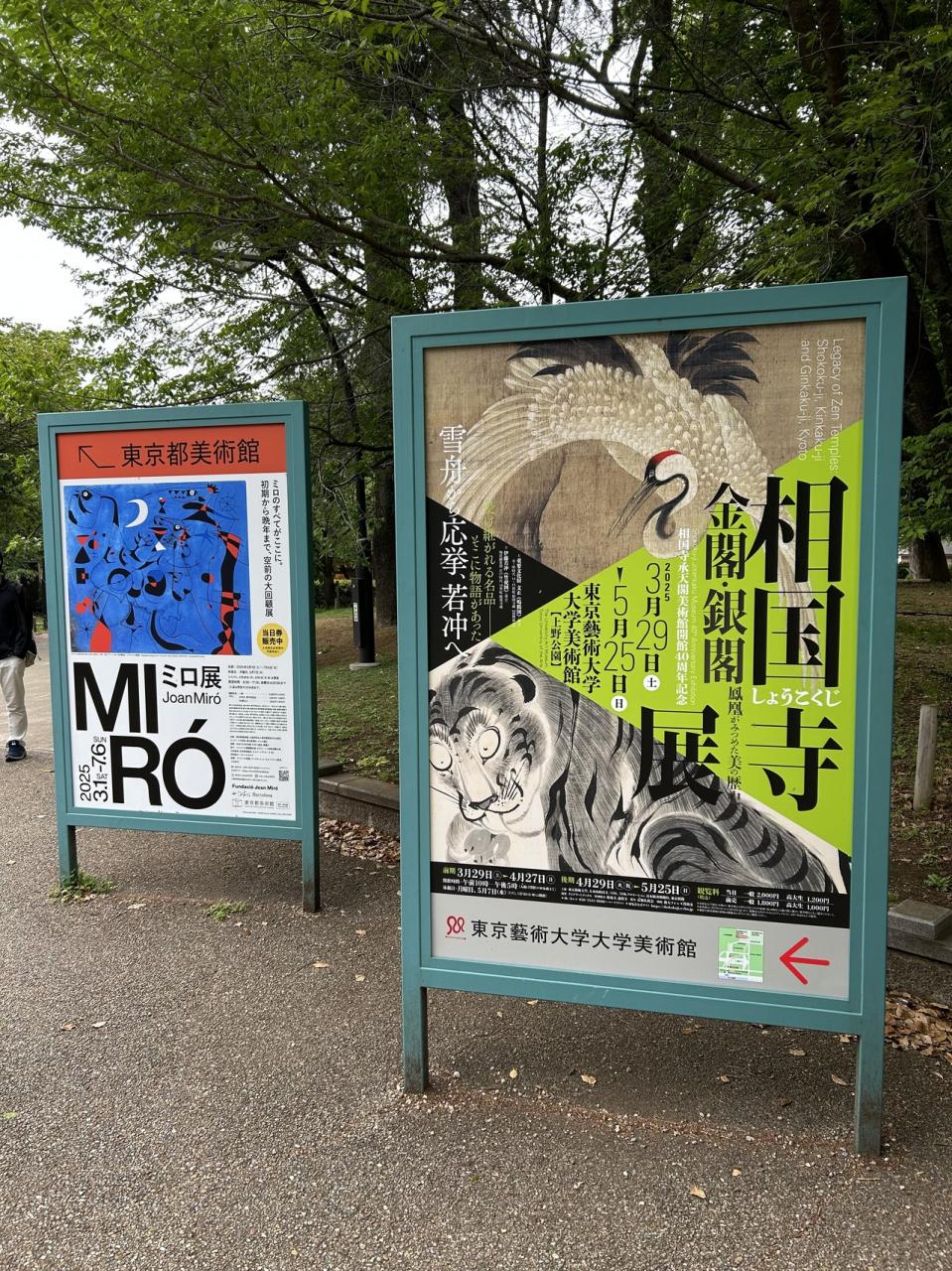
"相国寺展" 5月25日(日)まで開催中
https://shokokuji.exhn.jp/ -
-
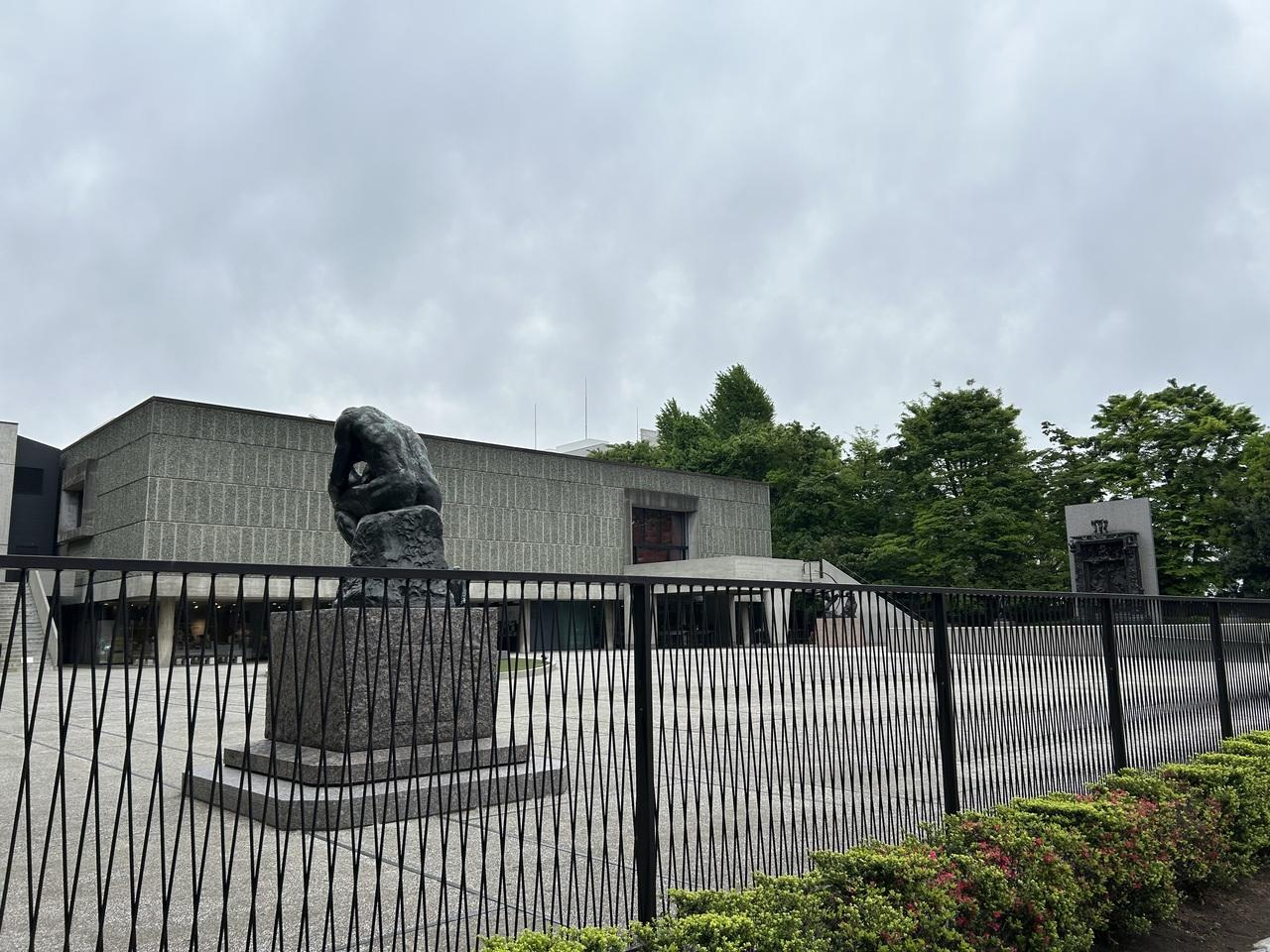
国立西洋美術館 美術館・博物館
-
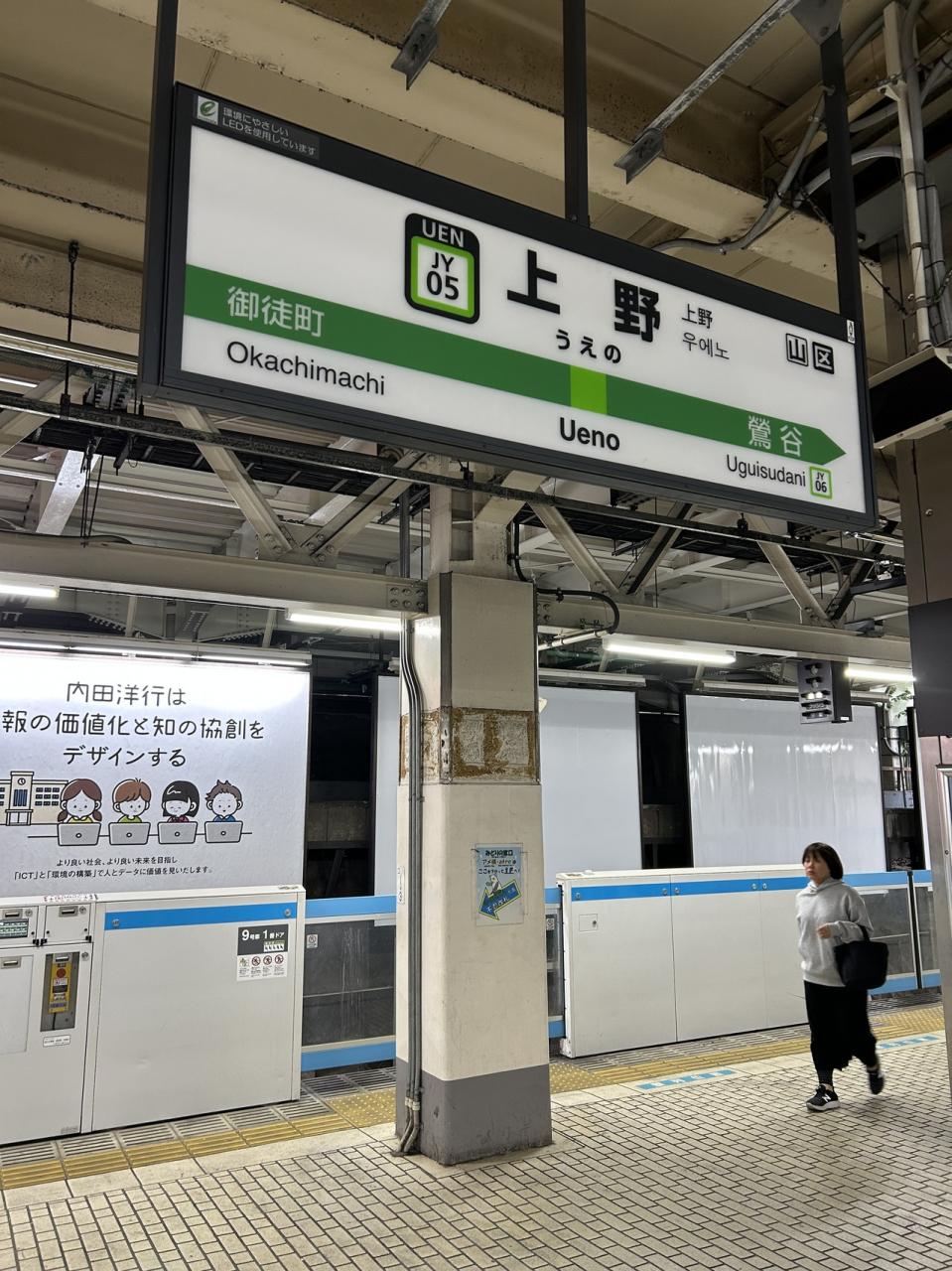
上野駅 駅
-
-
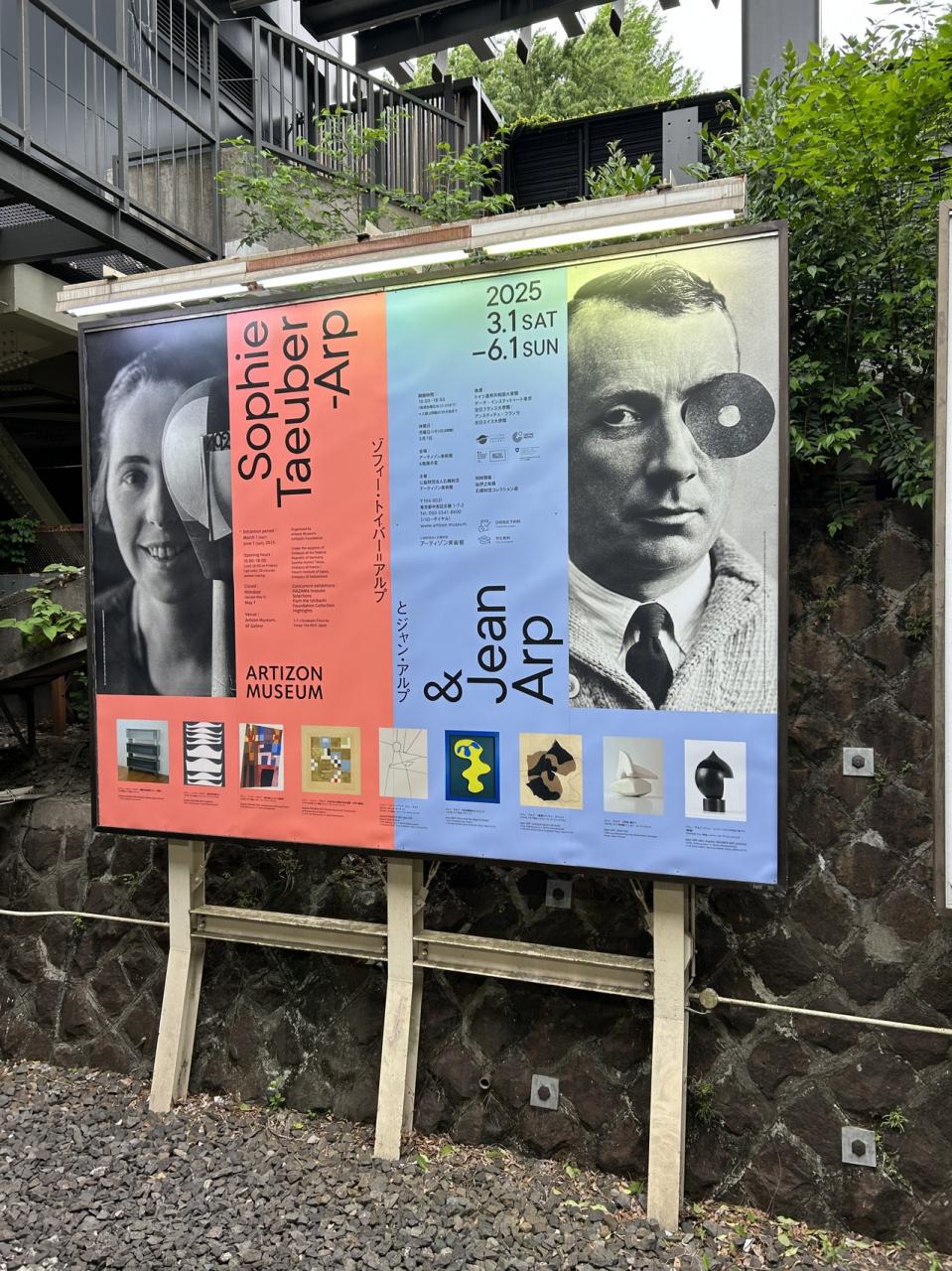
"ゾフィー・トイバー=アルプとジャン・アルプ"
6月1日(日)まで、アーティゾン美術館にて開催中
https://www.artizon.museum/exhibition_sp/sophieandjean/
同時開催の "硲伊之助展" もおもしろそう!
https://www.artizon.museum/exhibition/download/178 -
新宿駅 駅
-
-
-
-
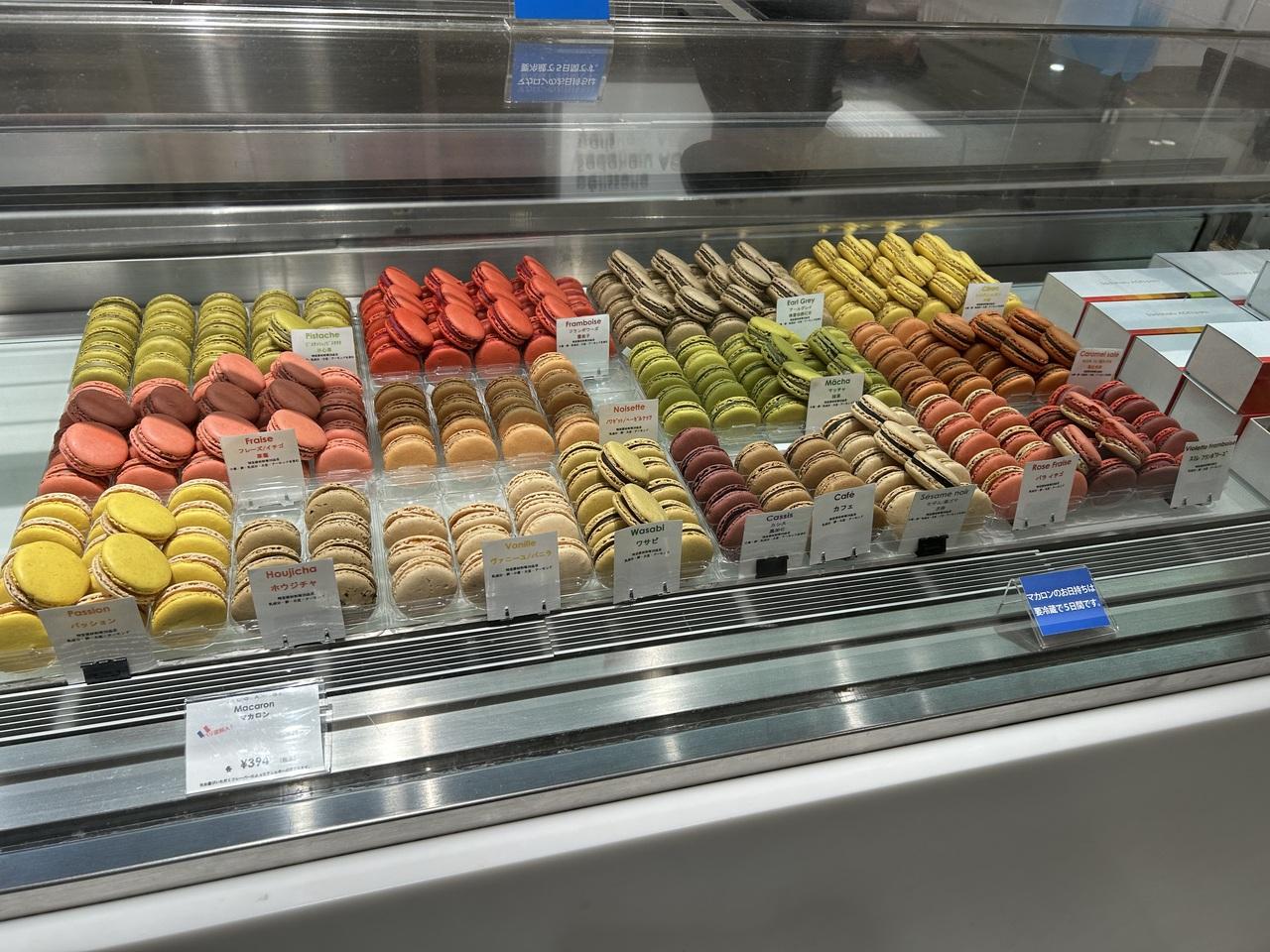
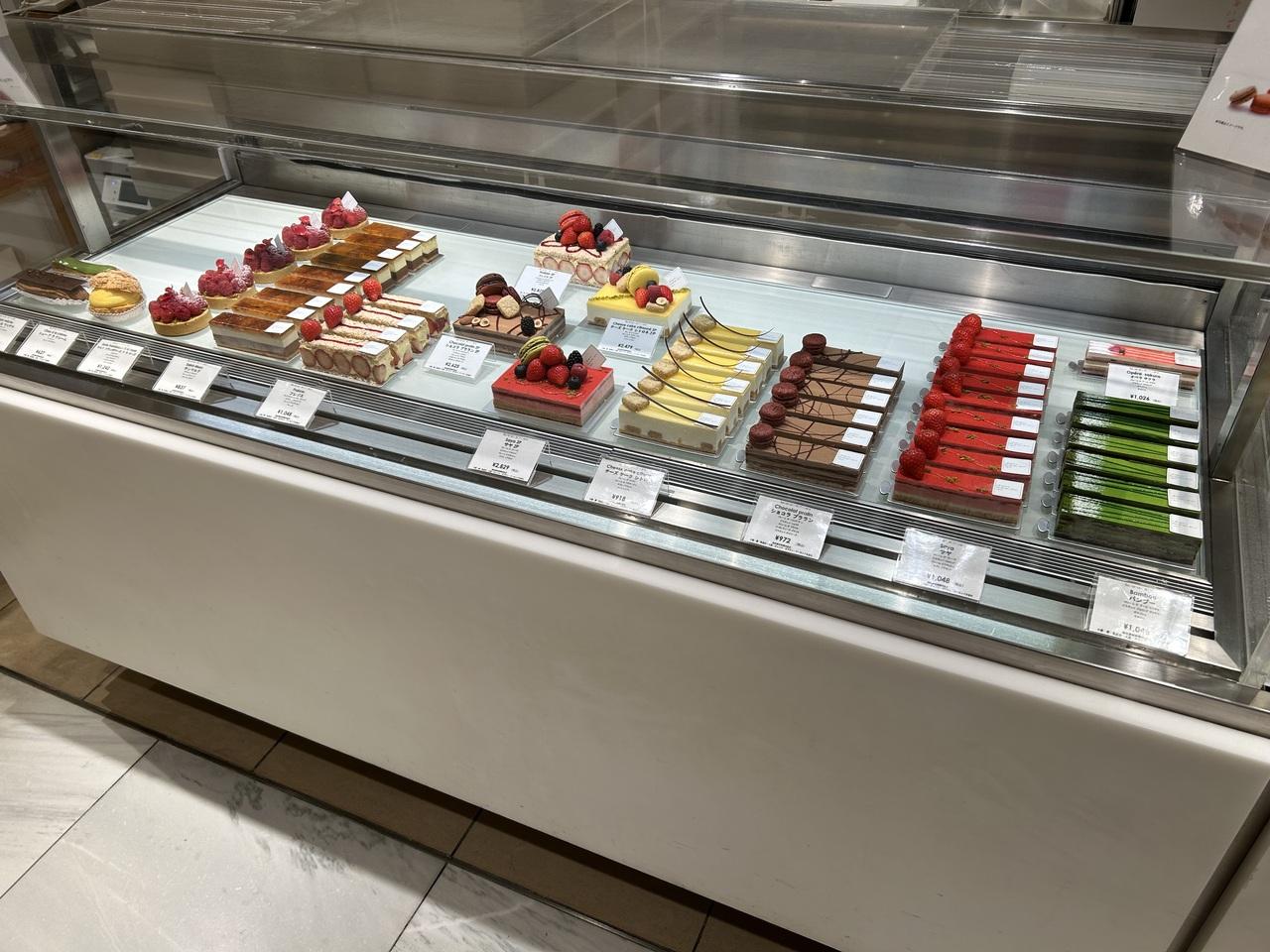
パティスリー・サダハルアオキ・パリ 新宿伊勢丹店 グルメ・レストラン
-
-
-

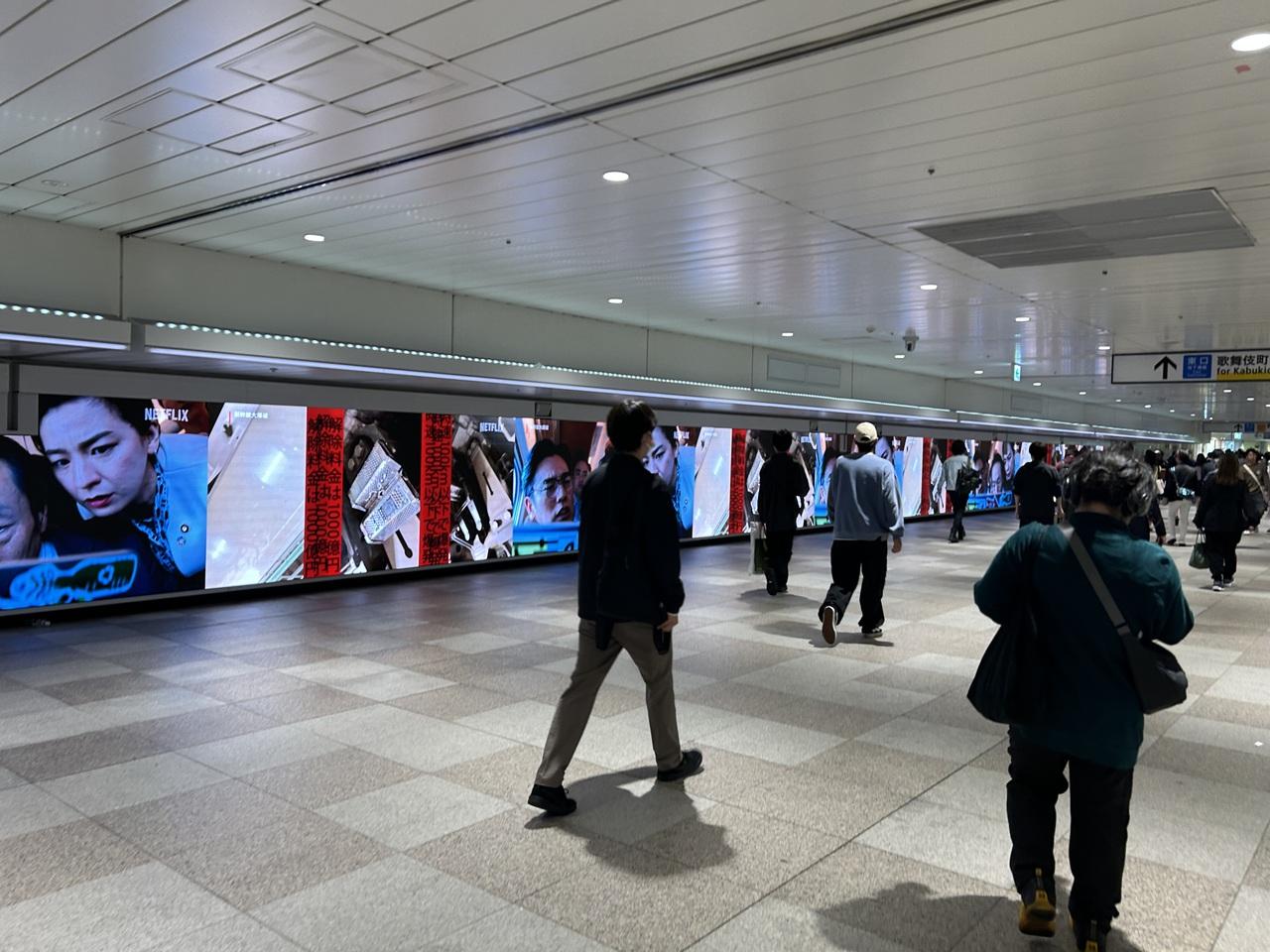
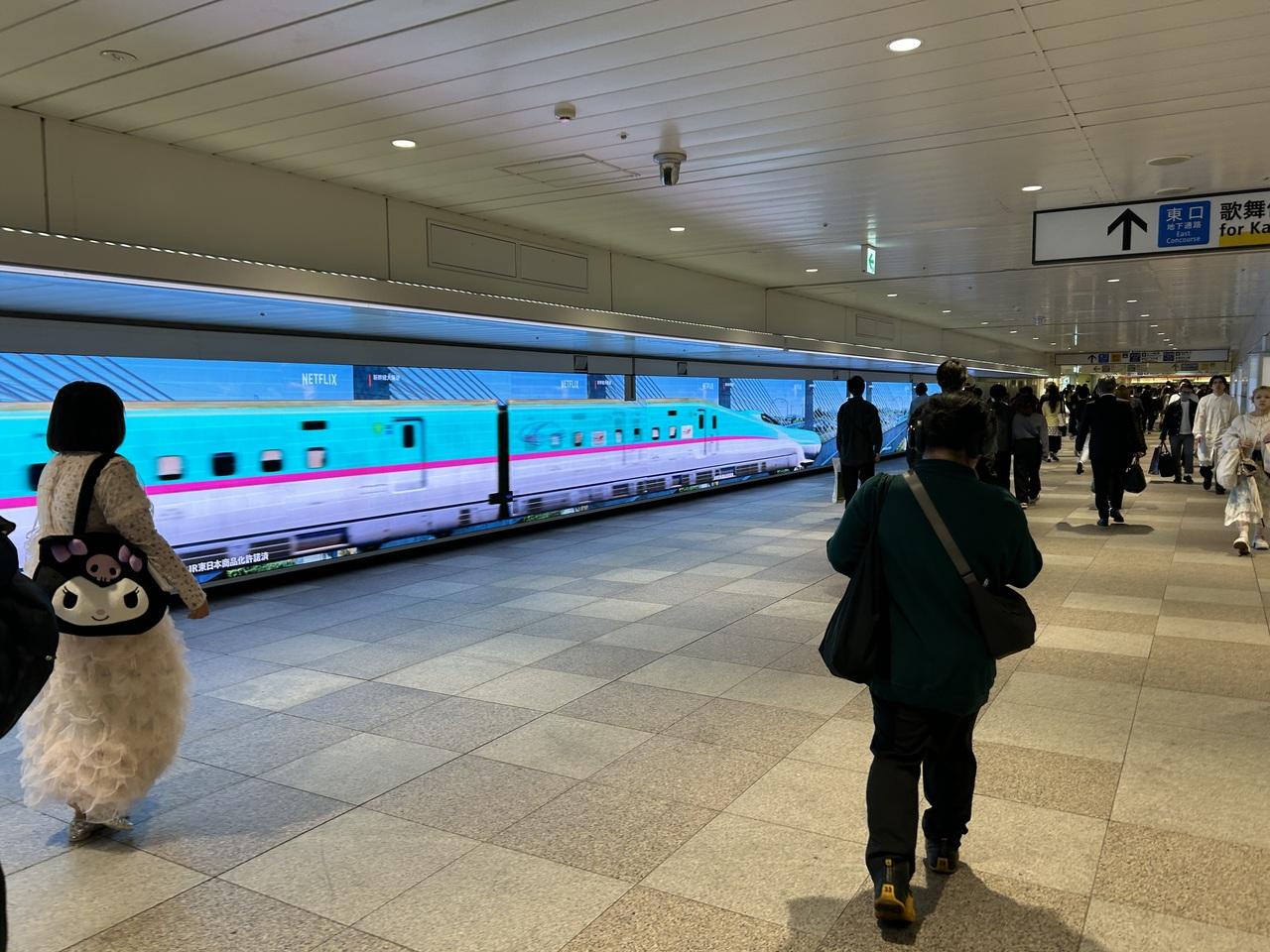
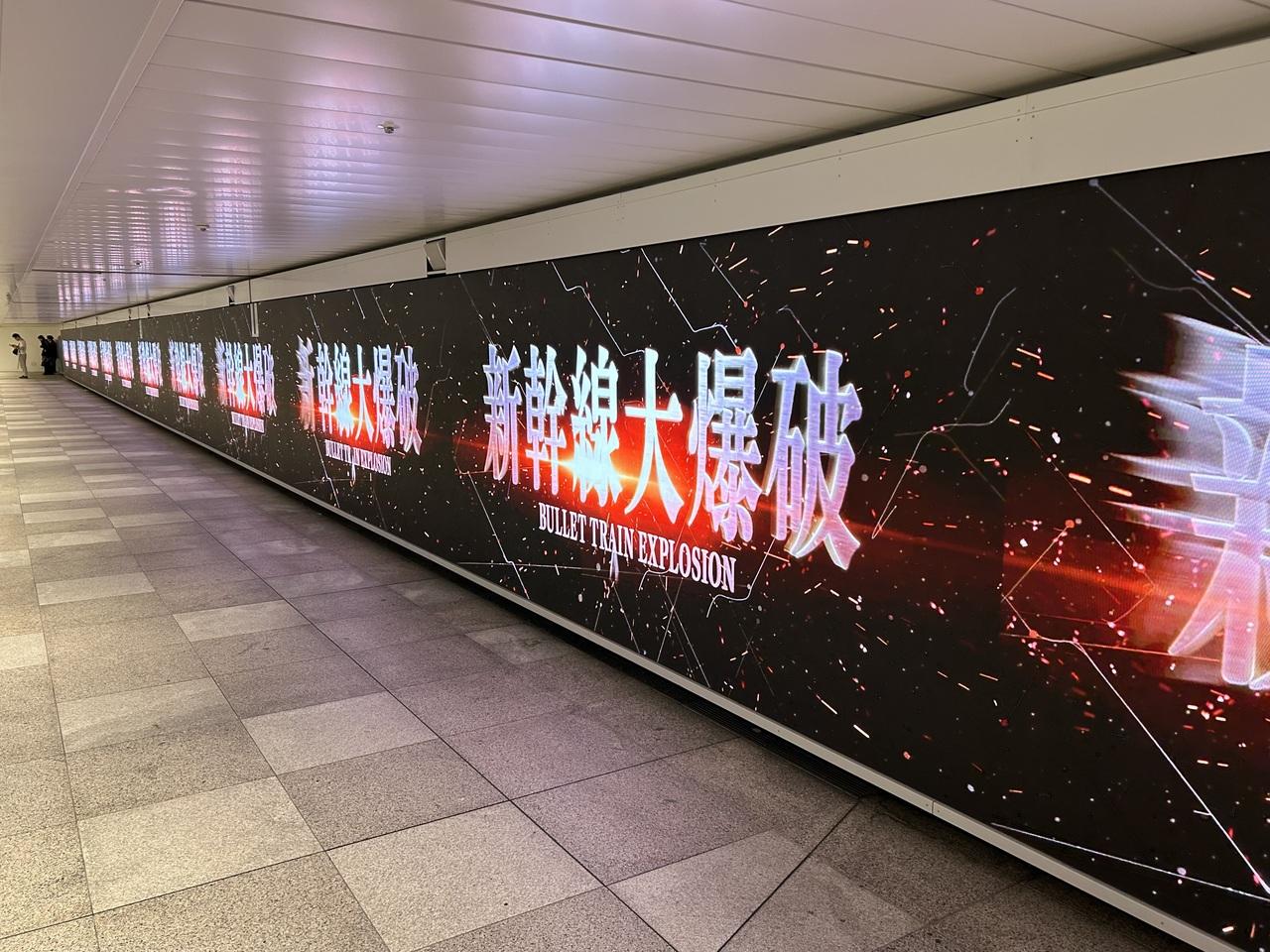


利用規約に違反している投稿は、報告する事ができます。
旅行記グループ
国内の美術館・博物館巡り その3
-
前の旅行記

"恵比寿" で "飲茶"、"裏通りを街歩き" して、"ロバート・キャパ 戦争@東京都写真美術館" 鑑賞+おま...
2025/04/25~
恵比寿・代官山
-
次の旅行記

"相国寺展@東京藝大美術館" で、若冲の《葡萄小禽図》《竹虎図》《亀図》 鑑賞!狩野三兄弟の《観音猿猴図》は...
2025/05/23~
上野・御徒町
-

"SHOEBILL PHOTO EXHIBITION 2025" @オアゾ 丸善丸の内本店。"ハシビロコウ"...
2025/04/08~
丸の内・大手町・八重洲
-

"恵比寿" で "飲茶"、"裏通りを街歩き" して、"ロバート・キャパ 戦争@東京都写真美術館" 鑑賞+おま...
2025/04/25~
恵比寿・代官山
-

"ミロ展@東京都美術館 2025.3.1~7.16" 鑑賞。"京都の建仁寺で見かけた「○△□」" には、そう...
2025/04/28~
上野・御徒町
-

"相国寺展@東京藝大美術館" で、若冲の《葡萄小禽図》《竹虎図》《亀図》 鑑賞!狩野三兄弟の《観音猿猴図》は...
2025/05/23~
上野・御徒町
-
"相国寺展@東京藝大美術館" 鑑賞の後に藝大内を探索。"藝大アートプラザ" の "藝大美術グッズ" がおもし...
2025/05/23~
上野・御徒町
-

NAKAKI PANTZ 2025 Exhibition with utu @ 丸善・丸の内本店 4Fギャラ...
2025/06/26~
丸の内・大手町・八重洲
-

2025.7.31 "野町和嘉 写真展『人間の大地』@世田谷美術館" 。"メッカのカーバ神殿" を、反時計回...
2025/07/31~
二子玉川
旅行記グループをもっと見る
コメントを投稿する前に
十分に確認の上、ご投稿ください。 コメントの内容は攻撃的ではなく、相手の気持ちに寄り添ったものになっていますか?
サイト共通ガイドライン(利用上のお願い)報道機関・マスメディアの方へ 画像提供などに関するお問い合わせは、専用のお問い合わせフォームからお願いいたします。
この旅行で行ったスポット


もっと見る
この旅行で行ったグルメ・レストラン

上野・御徒町(東京) の旅行記





フォートラベル公式LINE@
おすすめの旅行記や旬な旅行情報、お得なキャンペーン情報をお届けします!
QRコードが読み取れない場合はID「@4travel」で検索してください。
\その他の公式SNSはこちら/



旅行記グループ 国内の美術館・博物館巡り その3
0
82