


2025/06/04 - 2025/06/04
48位(同エリア933件中)

旅熊 Kokazさん
- 旅熊 KokazさんTOP
- 旅行記1927冊
- クチコミ854件
- Q&A回答101件
- 1,710,212アクセス
- フォロワー752人
MOMAT コレクション〔国立東京近代美術館 所蔵作品展〕(2025.2.11-6.15)
https://www.momat.go.jp/exhibitions/r6-3
3.抒情と頽廃
- 旅行の満足度
- 5.0
-

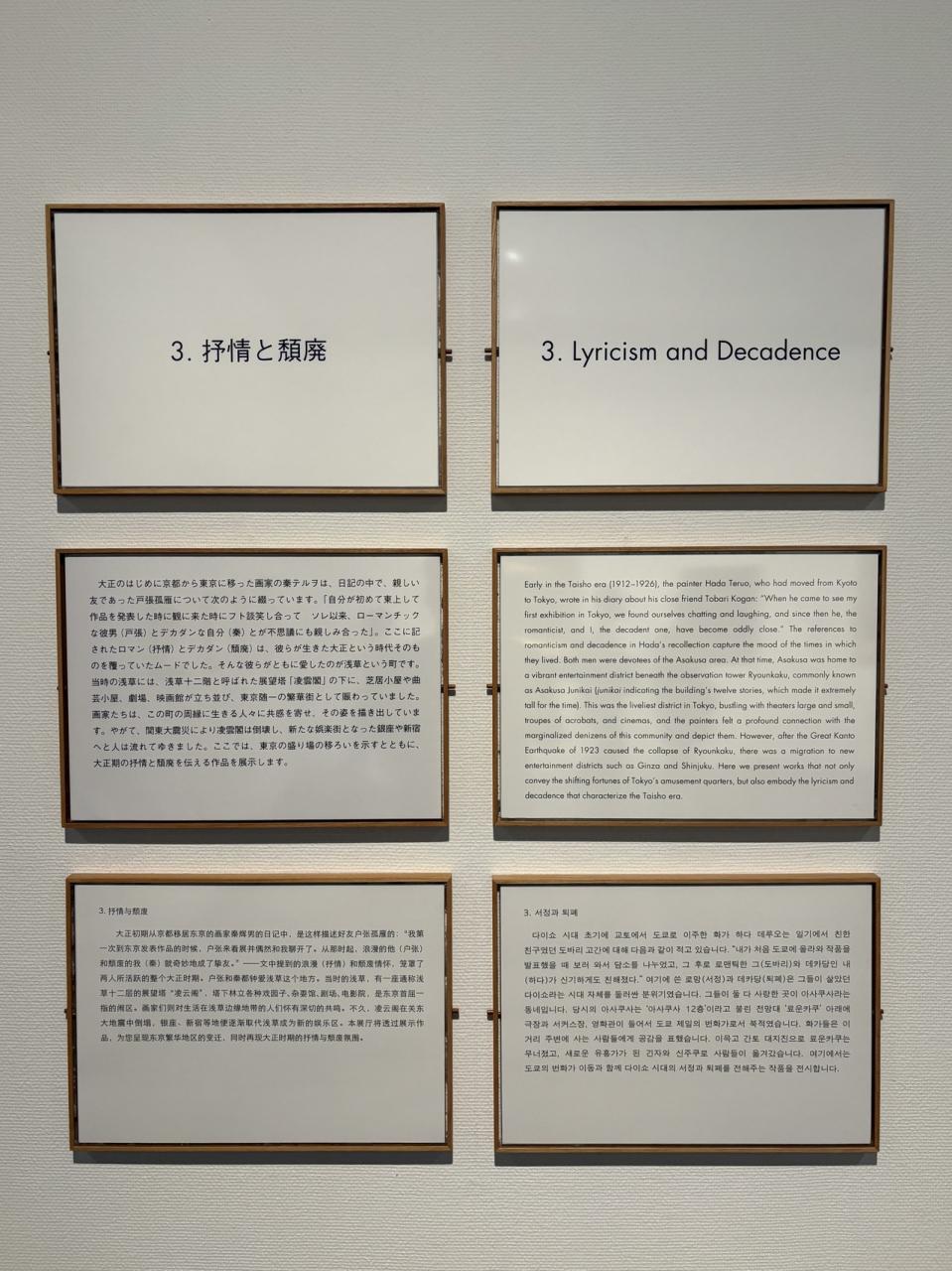
3. 予情と頽廃
大正のはじめに京都から東京に移った画家の秦テルヲは、日記の中で、親しい友であった戸張孤雁について次のように綴っています。「自分が初めて東上して作品を発表した時に観に来た時にフト談笑し合ってソレ以来、ローマンチックな彼男(戸張)とデカダンな自分(秦)とが不思議にも親しみ合った」。ここに記されたロマン(抒情)とデカダン(頽廃)は、彼らが生きた大正という時代そのものを覆っていたムードでした。そんな彼らがともに愛したのが浅草という町です。
当時の浅草には、浅草十二階と呼ばれた展望塔「凌雲閣」の下に、芝居小屋や曲芸小屋、劇場、映画館が立ち並び、東京随一の繁華街として賑わっていました。画家たちは、この町の周縁に生きる人々に共感を寄せ、その姿を描き出しています。
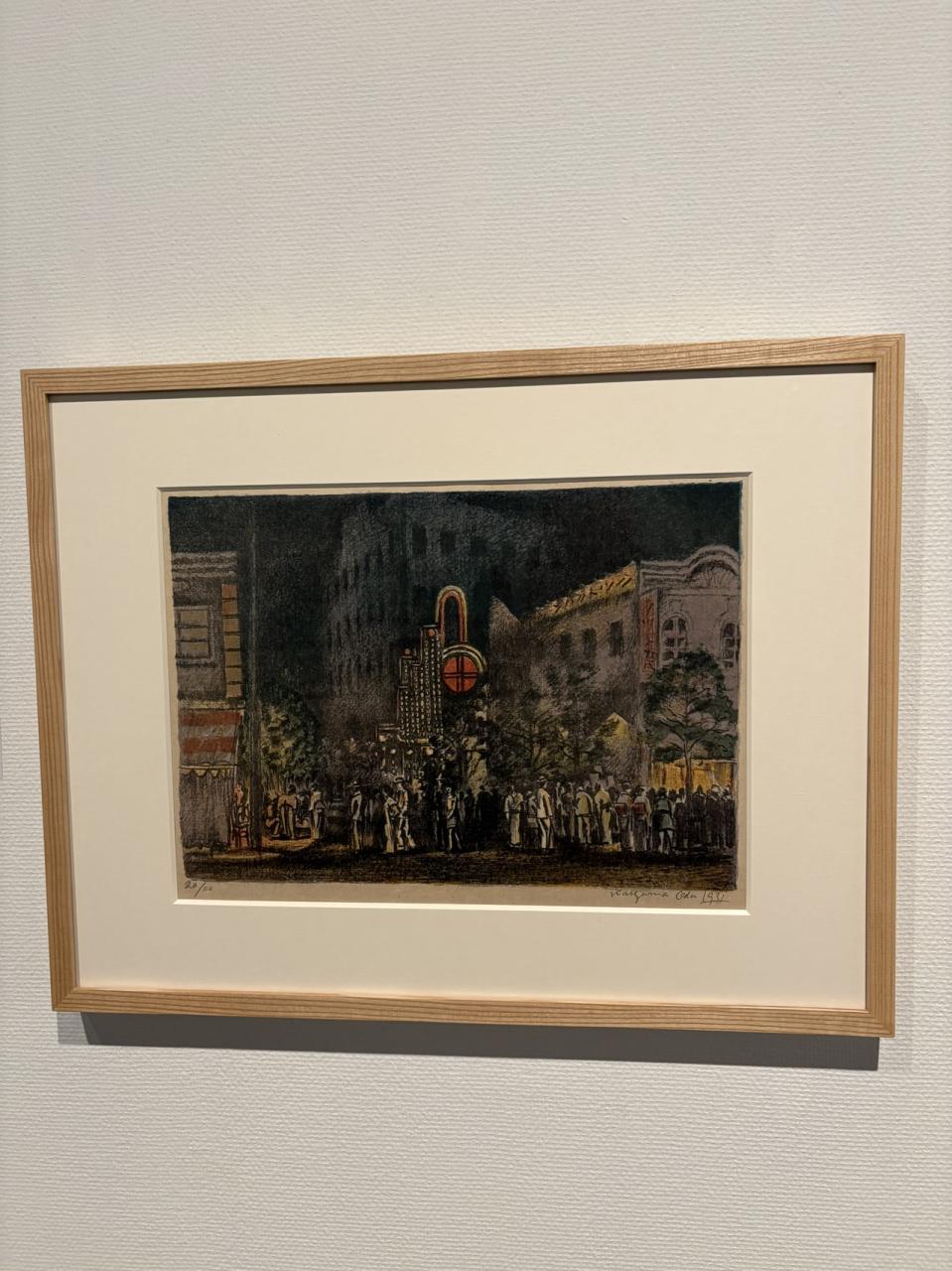
やがて、関東大震災により凌雲閣は倒壊し、新たな娯楽街となった銀座や新宿へと人は流れてゆきました。ここでは、東京の盛り場の移ろいを示すとともに、大正期の情と頽廃を伝える作品を展示します。
3. Lyricism and Decadence
Early in the Taisho era (1912-1926), the painter Hada Teruo, who had moved from Kyoto to Tokyo, wrote in his diary about his close friend Tobari Kogan: "When he came to see my first exhibition in Tokyo, we found ourselves chatting and laughing, and since then he, the romanticist, and I, the decadent one, have become oddly close." The references to romanticism and decadence in Hada's recollection capture the mood of the times in which they lived. Both men were devotees of the Asakusa area.
At that time, Asakusa was home to a vibrant entertainment district beneath the observation tower Ryounkaku, commonly known as Asakusa Junikai (junikai indicating the building's twelve stories, which made it extremely tall for the time). This was the liveliest district in Tokyo, bustling with theaters large and small, troupes of acrobats, and cinemas, and the painters felt a profound connection with the marginalized denizens of this community and depict them.
However, after the Great Kanto Earthquake of 1923 caused the collapse of Ryounkaku, there was a migration to new entertainment districts such as Ginza and Shinjuku. Here we present works that not only convey the shifting fortunes of Tokyo's amusement quarters, but also embody the lyricism and decadence that characterize the Taisho era.東京国立近代美術館 美術館・博物館
-
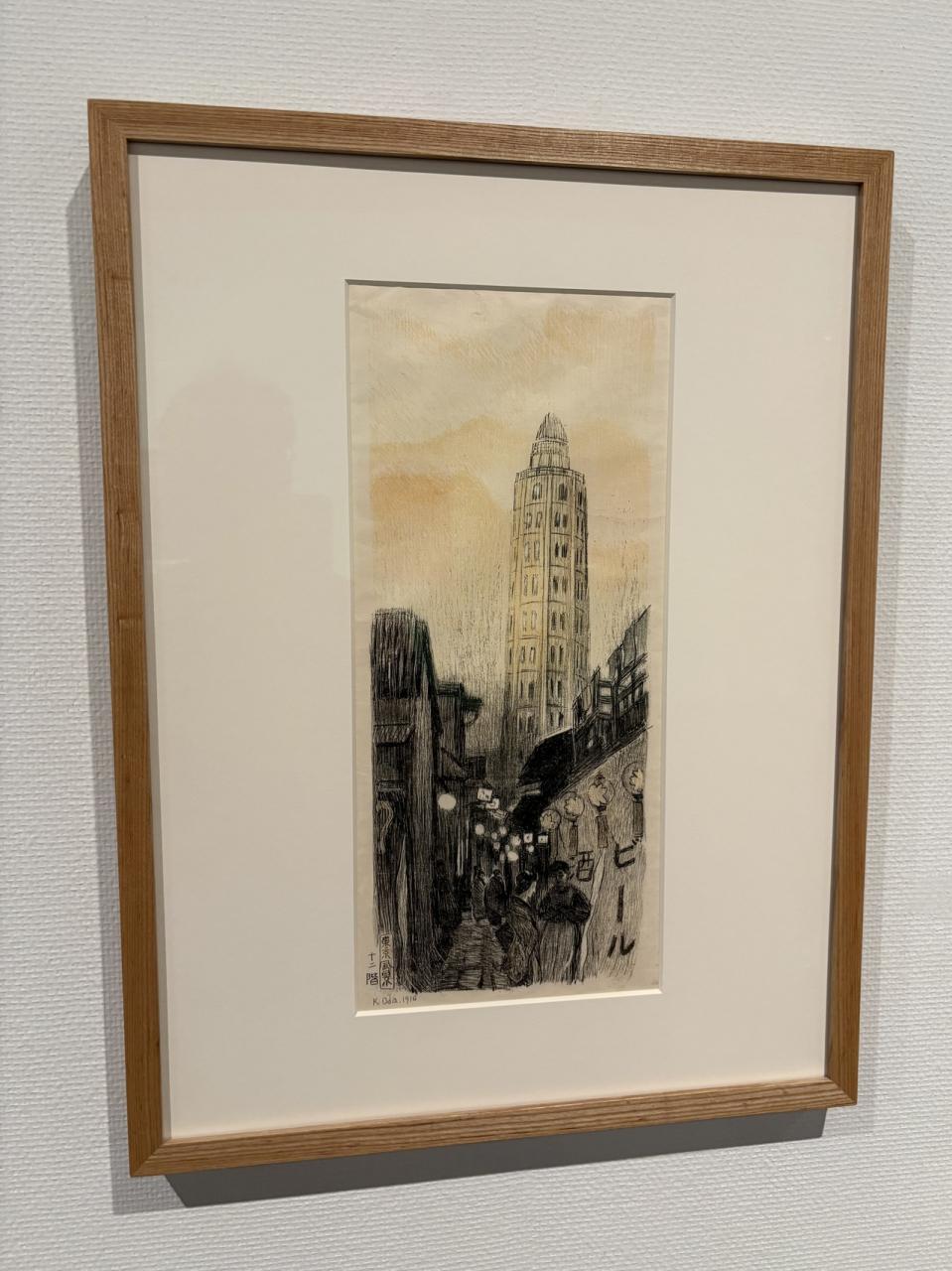
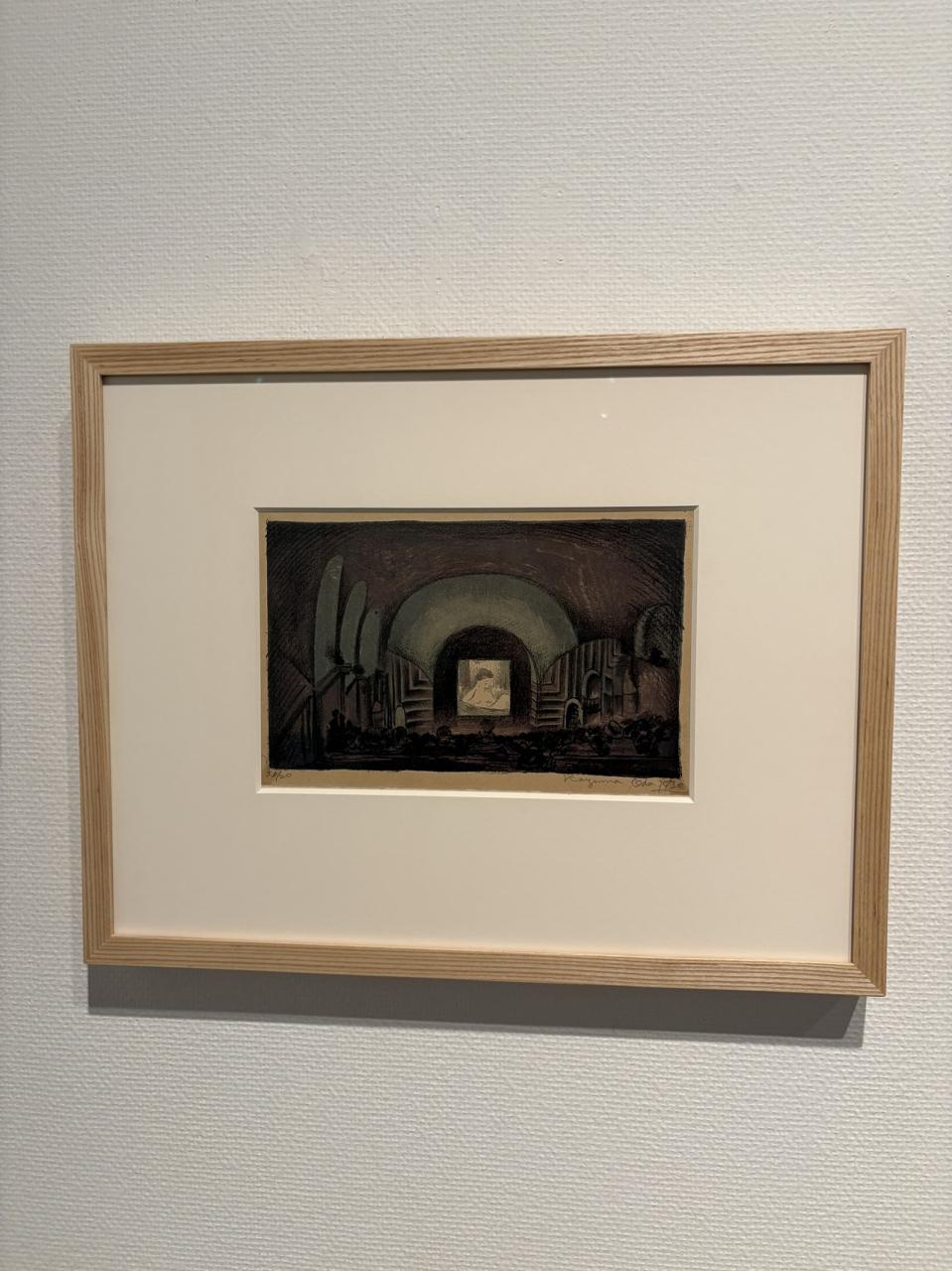
織田一磨
ODA, Kazuma
1882-1956
「東京風景」より 十二階
Junikai, a Twelve Story Building in Asakusa from Views of Tokyo
1916 大正5年
リトグラフ lithograph
大正から昭和戦前期の日本において、石版の表現を追求した織田一磨は、劇的な変貌を遂げていくこの時代の都市、とりわけ建造物に関心を寄せ、克明な記録を残しました。
ここに描かれたのは浅草の風景で、奥にそびえる塔は、1890年に完成した日本初の電動式エレベーターを備えた高さ52mの「凌雲閣」の姿です。
この塔は、本作が描かれてからわずか7年後、関東大震災で8階部分から半壊し、解体されてしまいました。震災直後、織田は以下のような言葉を記しています。「今私が一枚の片々たる浮世絵版画を指して、鉄筋コンクリートの建築よりも確実な永遠性を備えたものであると断言すれば、或は一笑にふし去られるかもしれない、然し今回の大震大火災の実跡に照してみると、此の断言は決して盲目の言ではないことがますます明瞭にされるのである。」(「版画に遺されたる江戸名所」「浮世絵之研究」9/10号、日本浮世絵協会、1924年5月)
Oda Kazuma, who worked in lithography from the 1910s to the 1930s, took a keen interest in the cities, especially the buildings, that were undergoing a dramatic transformation during this period, leaving behind a vivid visual record.
This work depicts Asakusa, and the building towering in the background is the 52-meter-high Ryounkaku, completed in 1890 and equipped with Japan's first electric elevator.
Only seven years after this work was completed, this tower was partially destroyed from the eighth floor by the Great Kanto Earthquake, and ended up being demolished. Immediately after the earthquake, Oda wrote: "Now, when I point to a tattered ukiyoe print as a more durable thing than buildings constructed with reinforced concrete, you might laugh it off. But when we look at what the great earthquake has done, it becomes even more clear that I was not speaking thoughtlessly." ("Hanga ni nokosaretaru Edo meisho,"
Ukiyoe no kenkyu vol. 9/10, Nihon Ukiyoe Kyokai, May 1924.) -
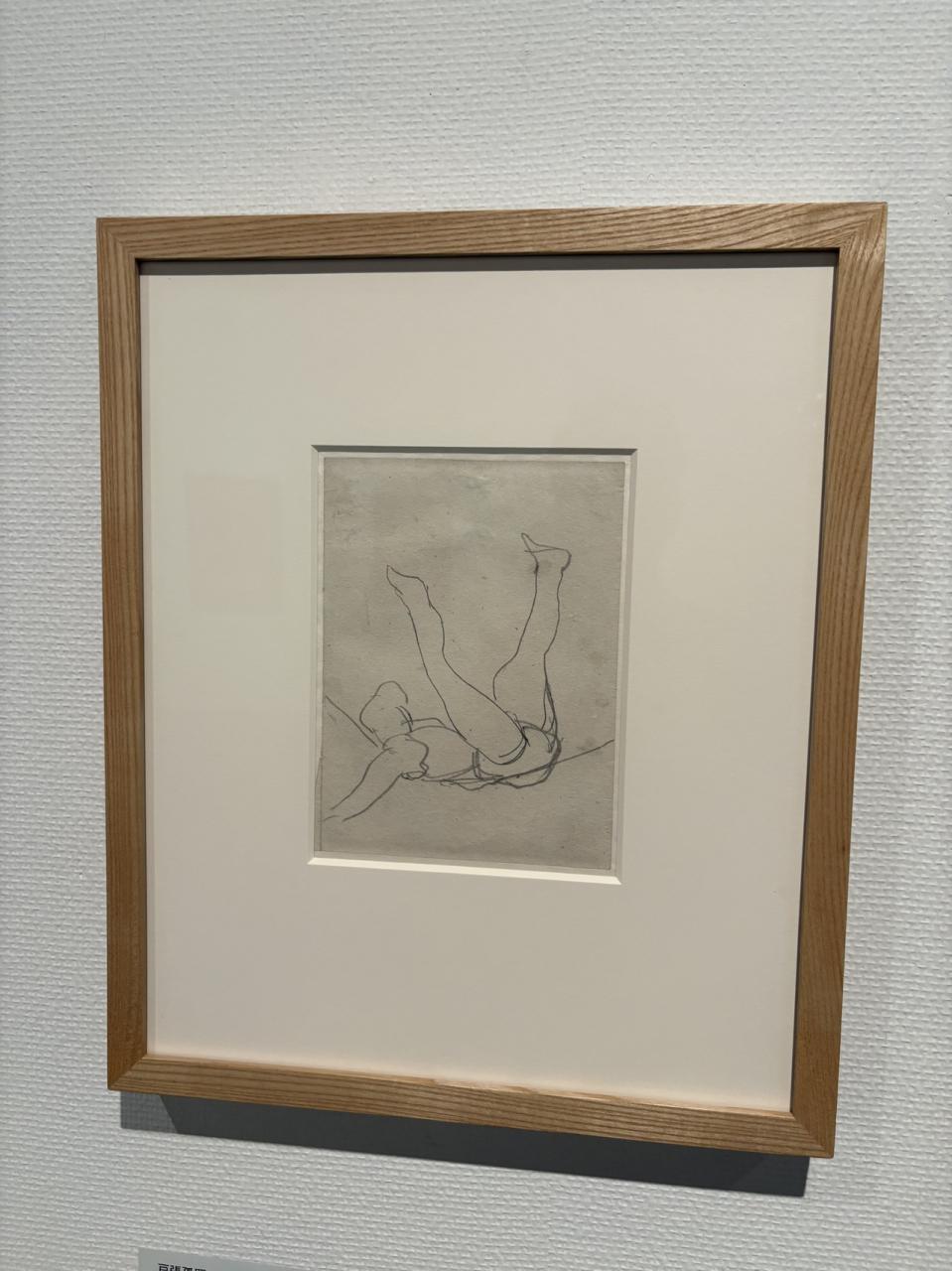
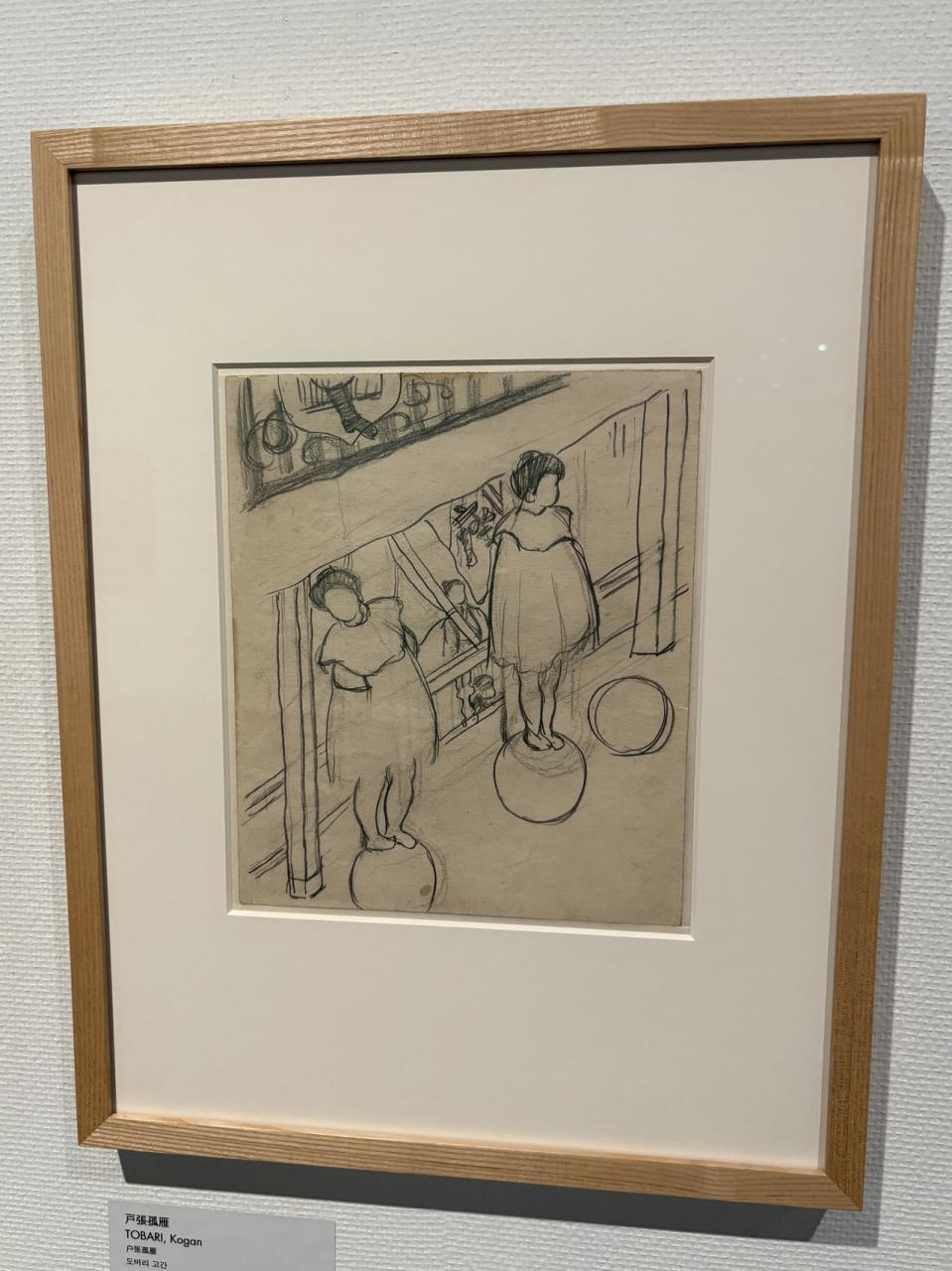
戸張孤雁
TOBARI, Kogan
1882-1927
素描(綱渡り)
Drawing (Ropedancer)
c. 1913
鉛筆・紙
大正2年頃
pencil on paper -
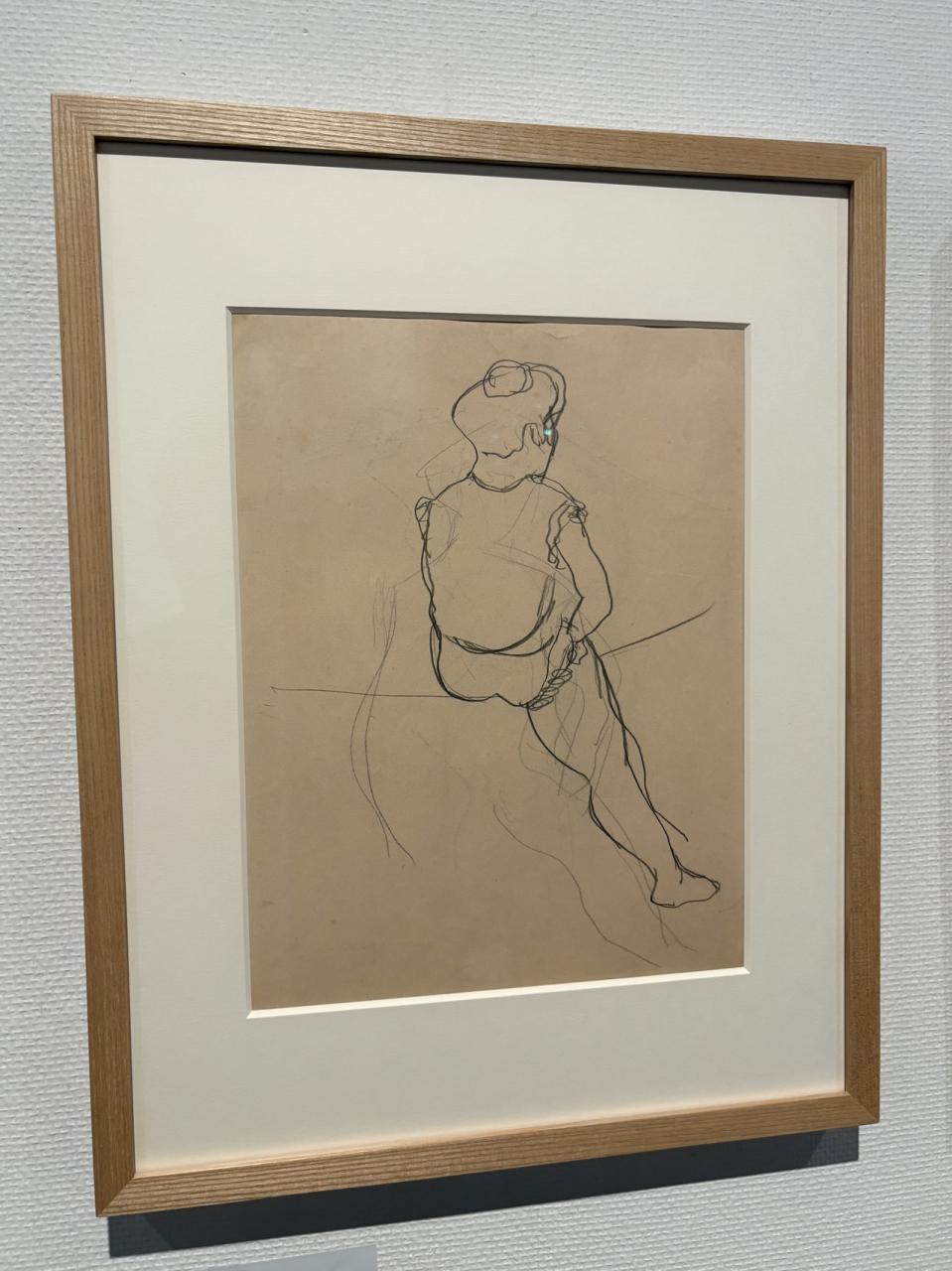
戸張孤雁
TOBARI, Kogan
1882-1927
素描(綱渡り)
Drawing (Ropedancer)
c.1913
大正2年頃
鉛筆、親
penell on paper -
戸張孤雁
TOBARI, Kogan
1882-1927
素描(玉乗り)
Drawing (Bowl-Riding)
c.1914 大正3年頃
鉛筆,紙
pencil on paper -
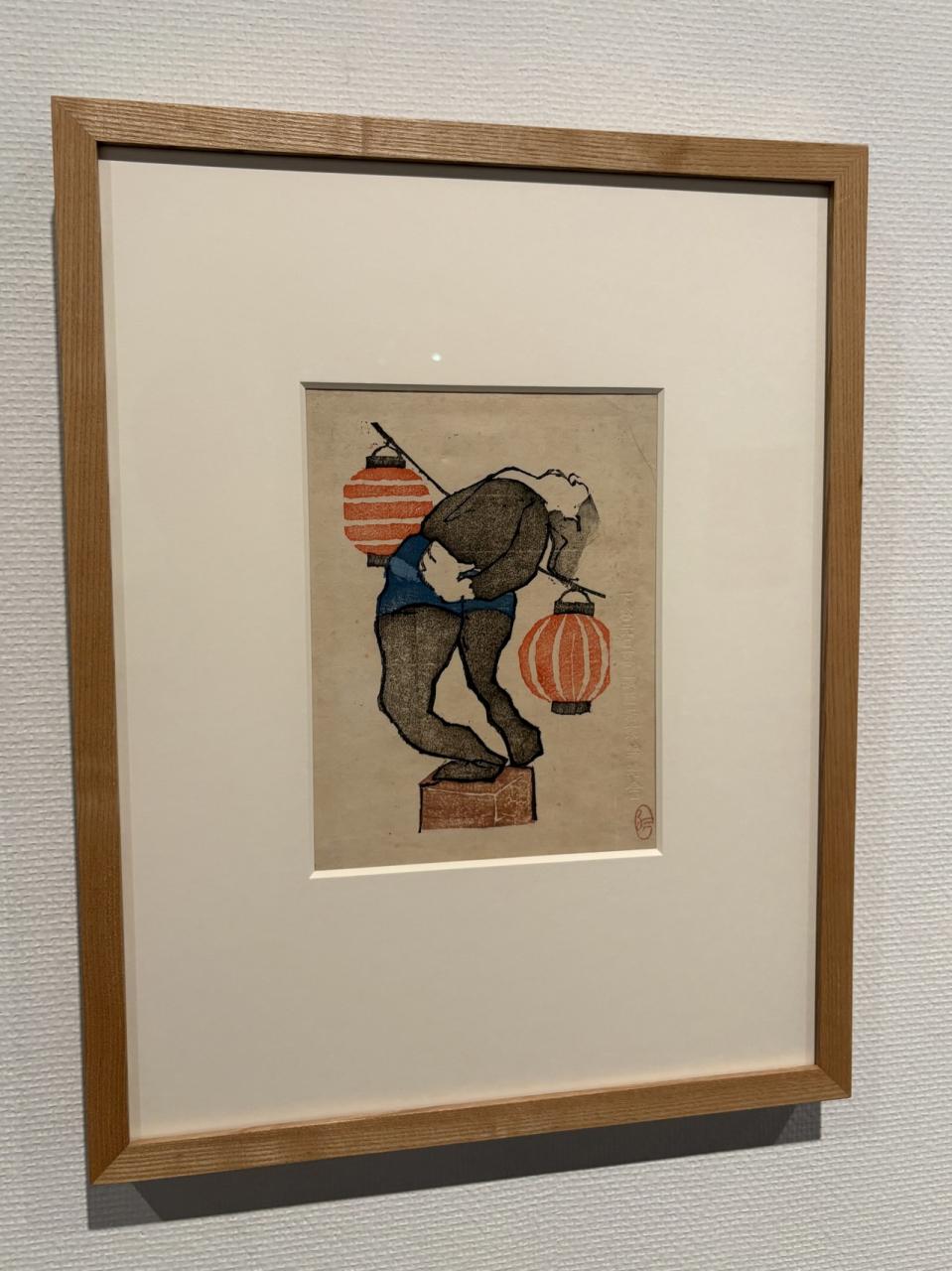
戸張孤雁
TOBARI, Kogan
1882-1927
洞返り
Circus
c.1915
大正4年頃
木版(多色)
color woodcut -
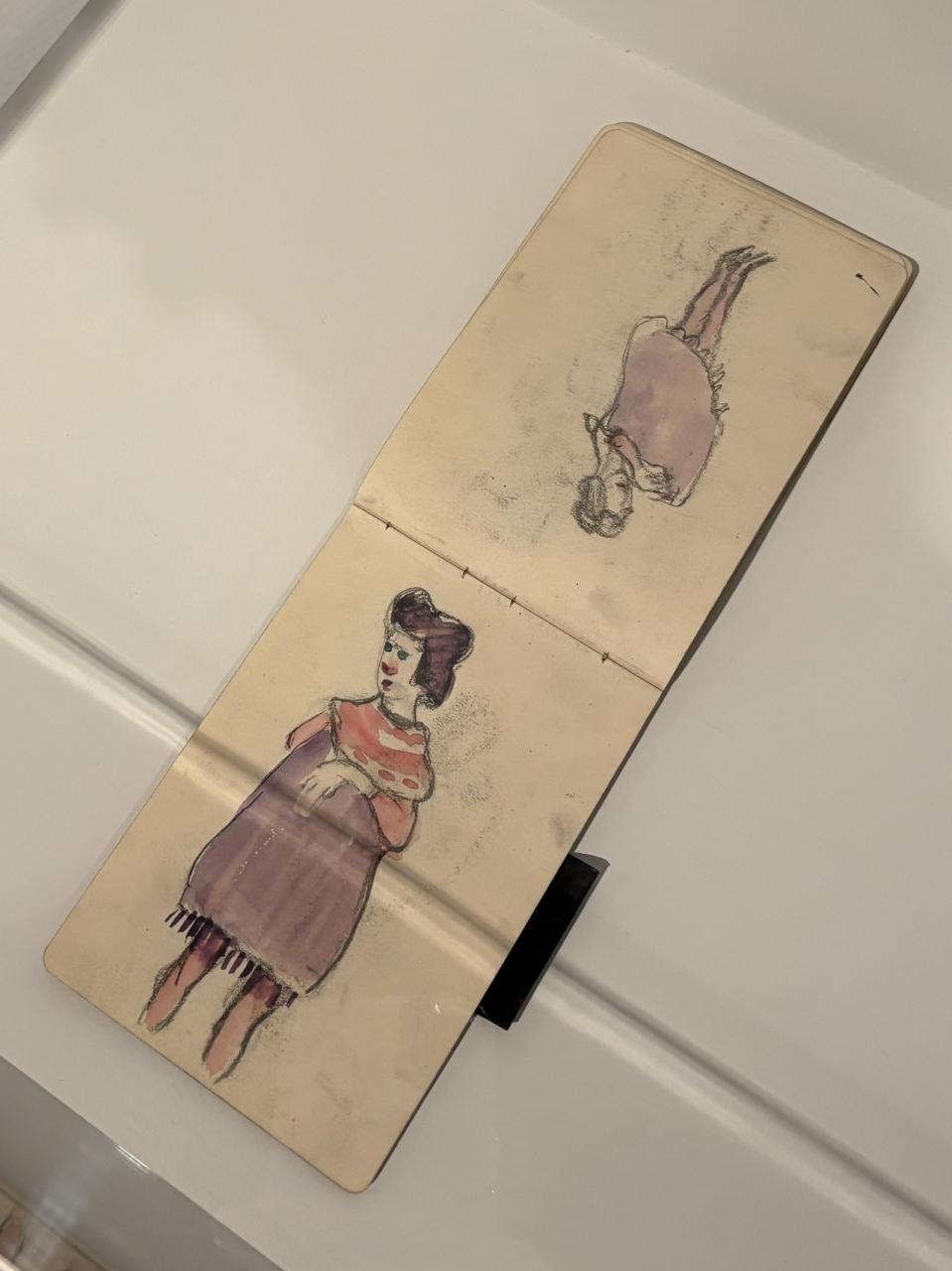
鈴木金平
SUZUKI, Kimpei
1896-1978
スケッチブック
Sketchbook
制作年不詳
Date unknown
水彩、鉛筆・紙
pencil, watercolor and ink on paper -
-
-
-
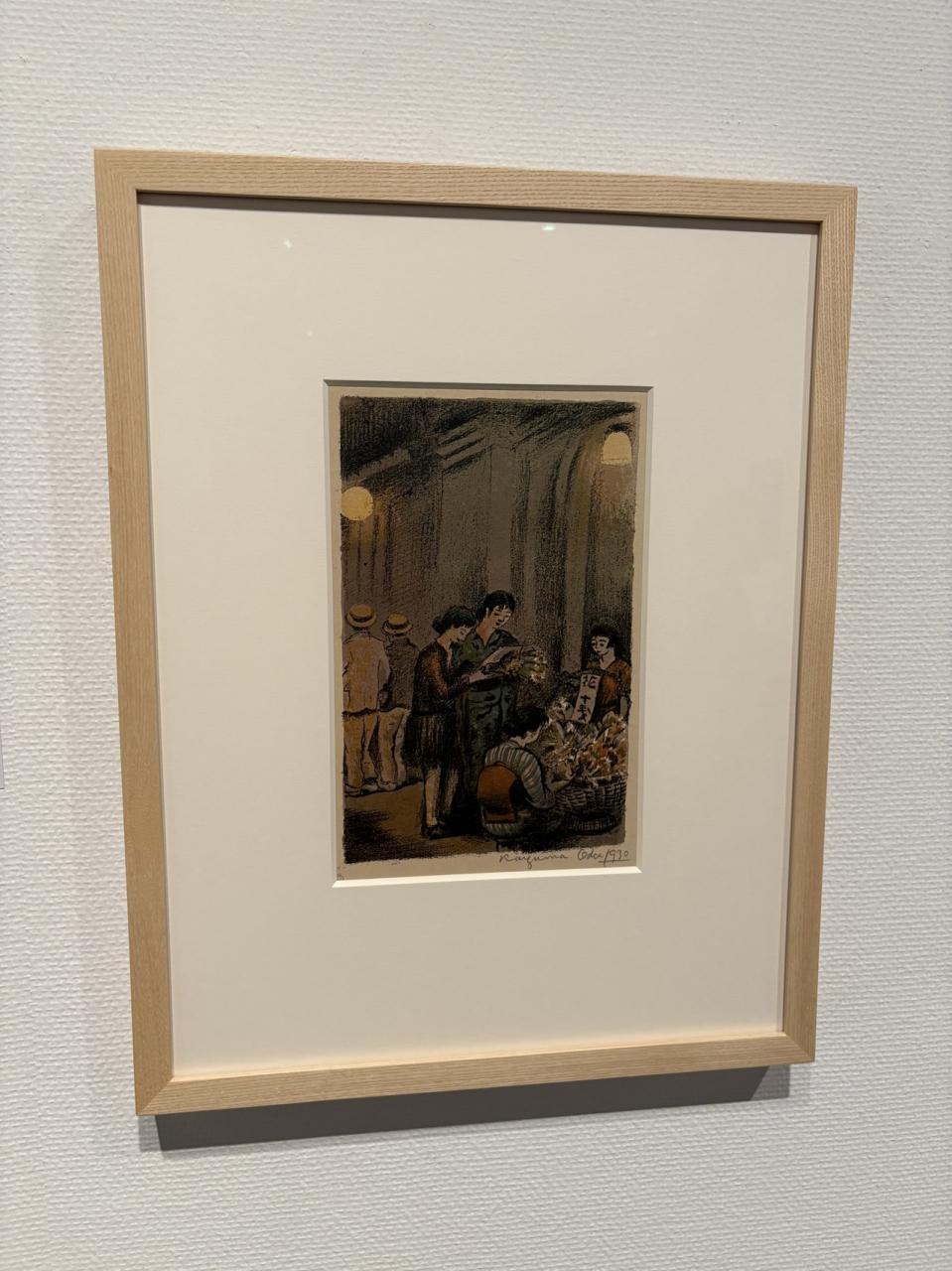
織田一磨
ODA, Kazuma
1882-1956
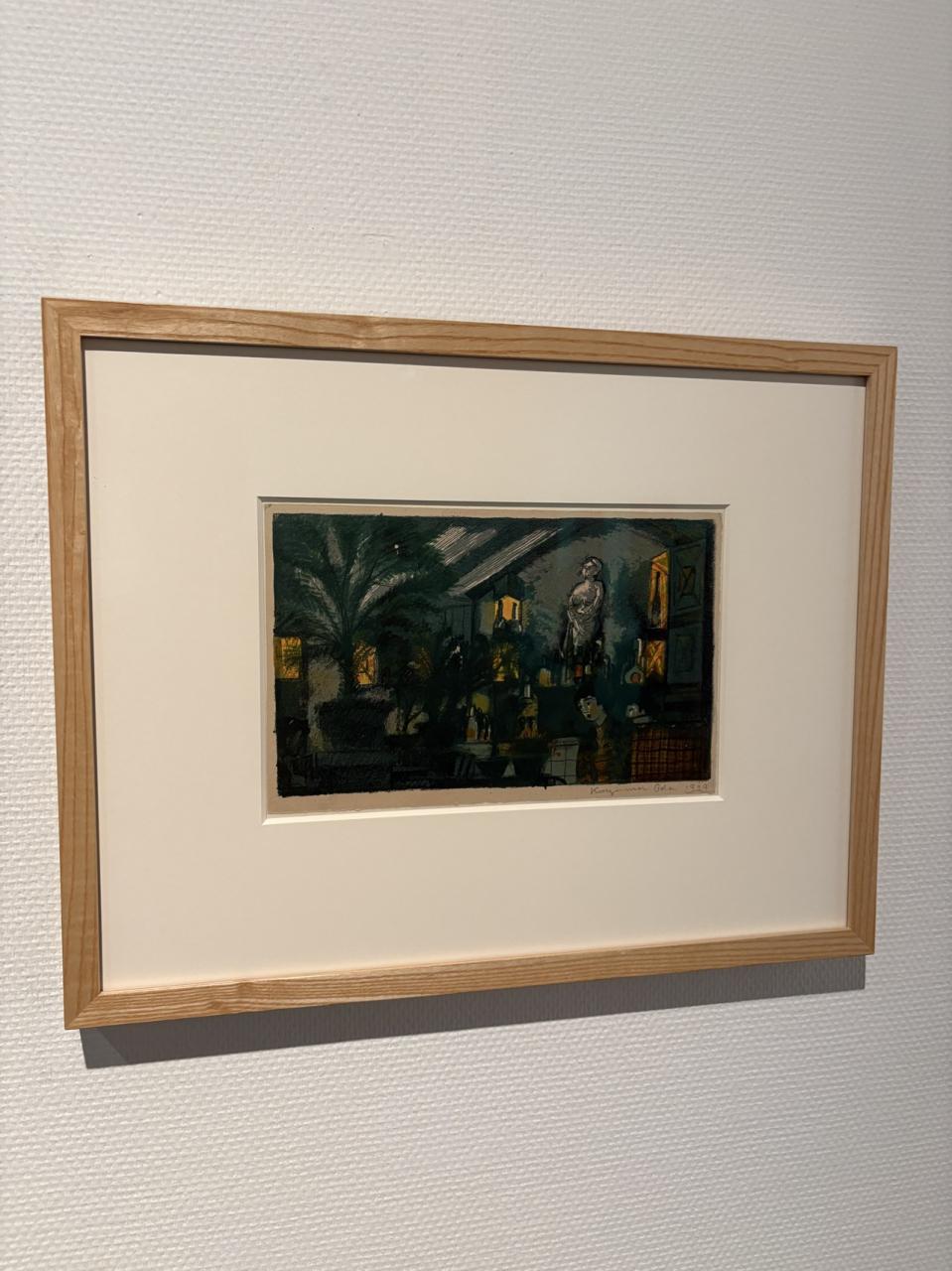
「画集新宿』より 花うり娘
Flower Girl from Shinjuku
1930
昭和5年
リトグラフ lithograph -
-
-
三岸好太郎
MIGISHI, Kotaro
1903-1934
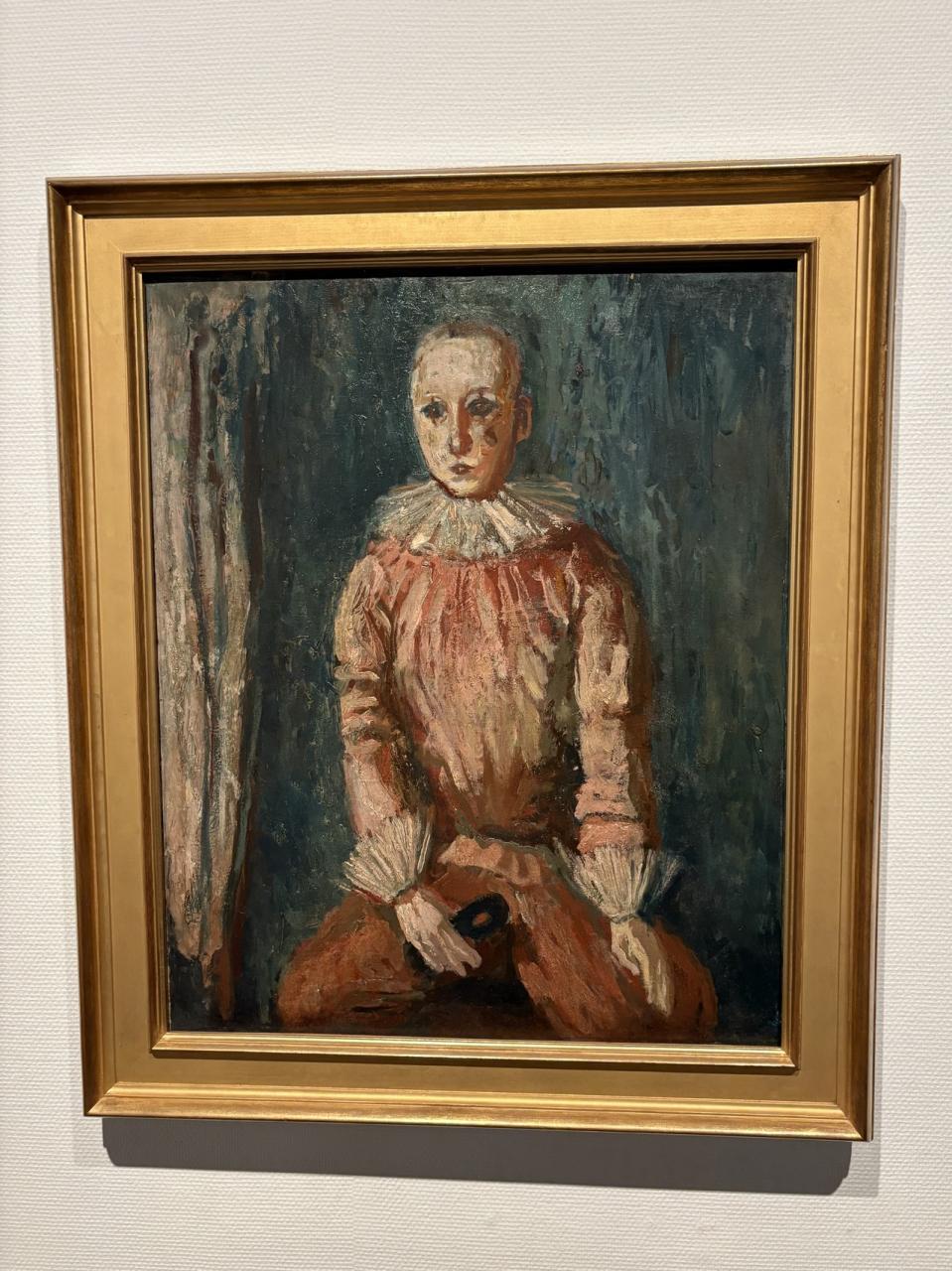
少年道化
Boy Clown
1929
昭和4年
油彩・キャンバス
oil on canvas -
有馬さとえ(三斗枝)
ARIMA, Satoe
1893-1978
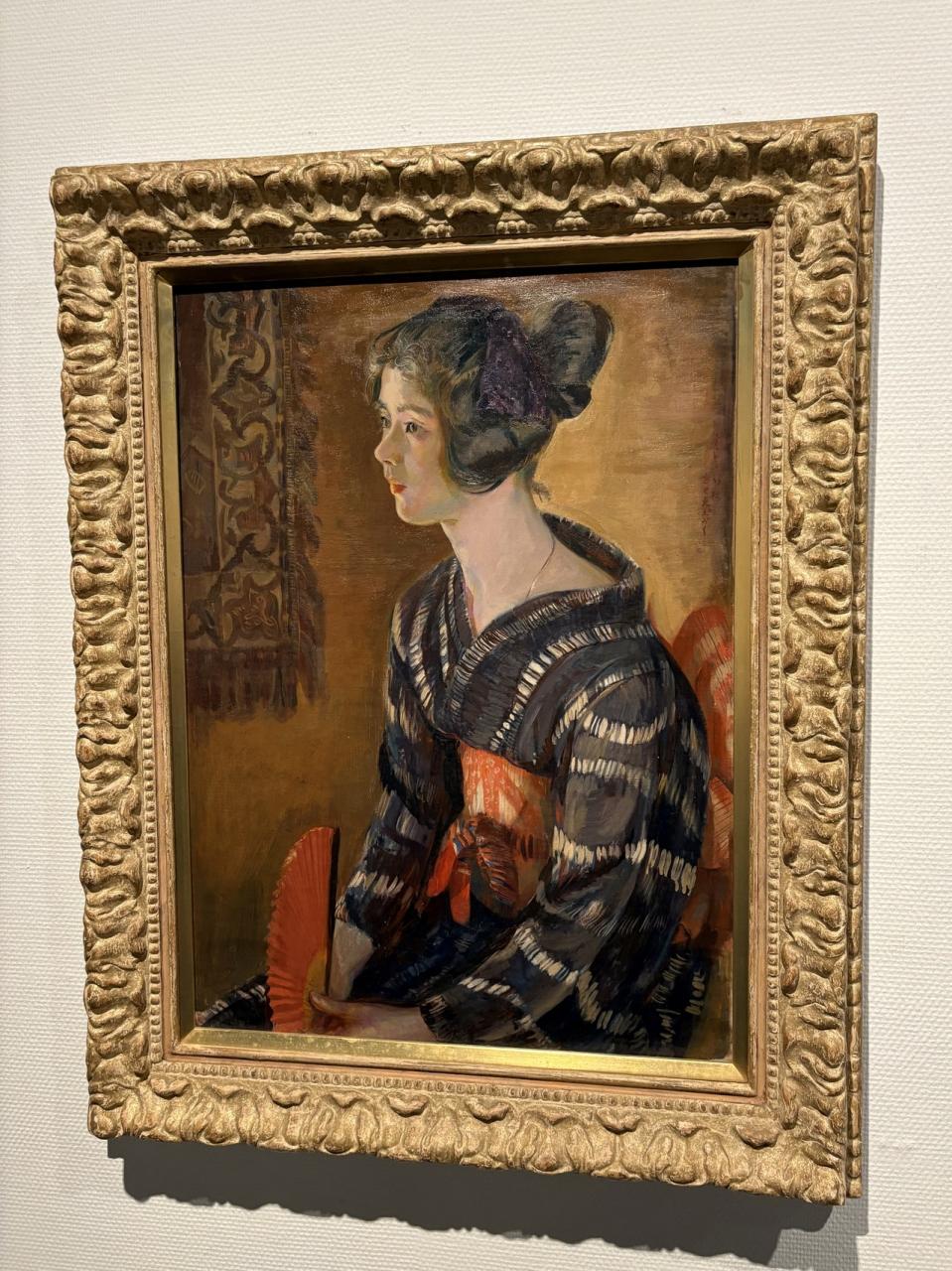
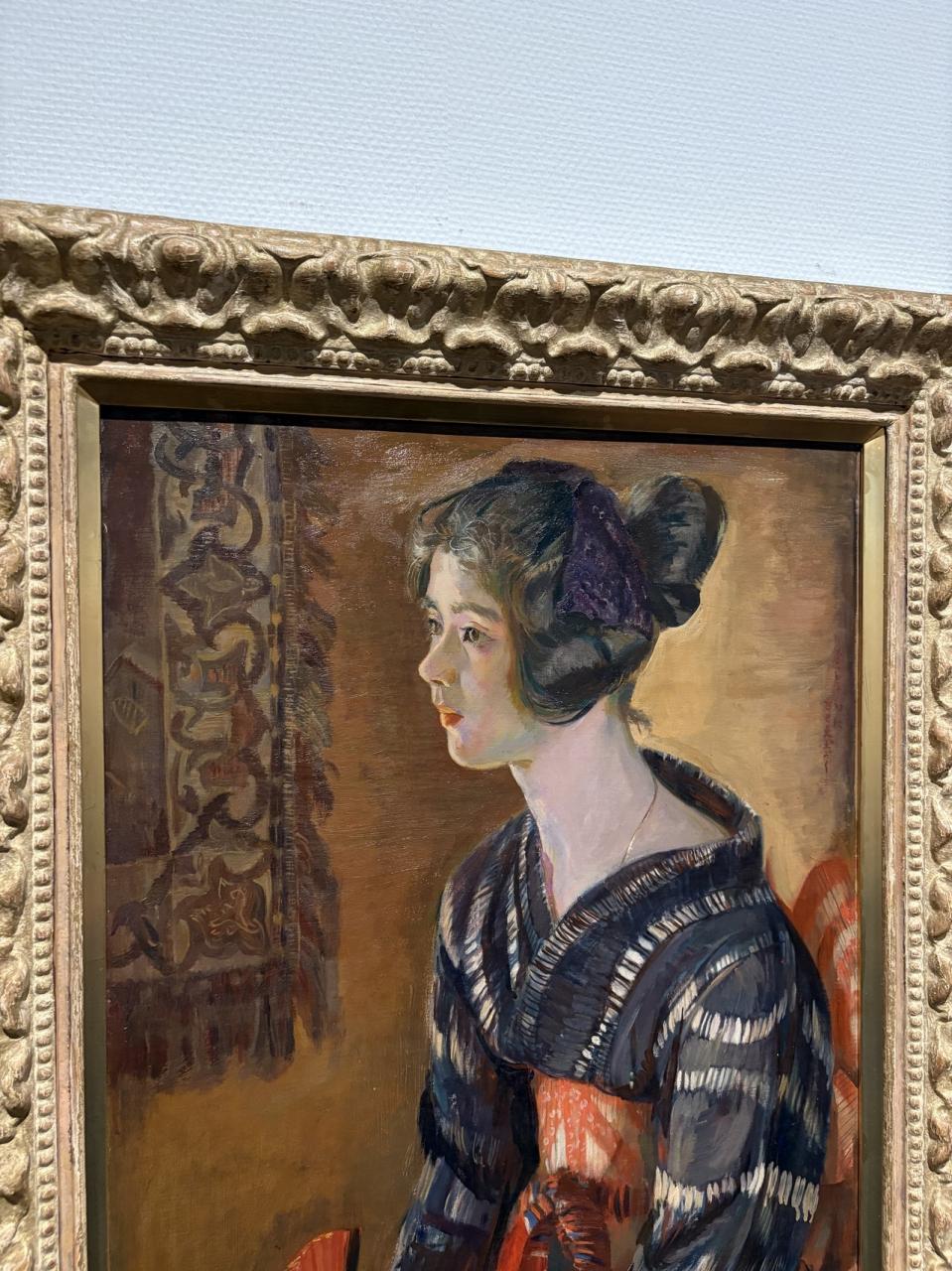
赤い扇
Red Fan
1925
大正14年
油彩・キャンバス
oil on canvas
鹿児島に生まれ、1911年頃に画家を志して上京。女子への洋画指導をしていた岡田三郎助の門を叩きます。「望みを捨てる」と一度は諭されるも、画家になることを諦めず努力した有馬は、やがて文展や帝展に入選を重ねるようになります。赤い扇子を持ち、くつろいだ姿で座る女性を描いた本作は、第6回帝展の出品作。
この頃の有馬は、室内に座る少女の姿を、光と影のコントラストの中で描くようになり、師である岡田の影響からの離脱が感じられます。翌年の帝展では女性画家として初の特選となり、戦前から戦後にかけて、たゆまず制作に打ち込みました。
Born in Kagoshima, Arima Satoe moved to Tokyo around 1911 with the ambition to become a painter. She sought instruction from Okada Saburosuke, known for teaching Western-style painting to women, and though he initially advised her to "give up her hopes," Arima persevered in her aspiration. Eventually her works were repeatedly selected for official exhibitions such as the Bunten (Ministry of Education Fine Arts Exhibition) and Teiten (Imperial Fine Arts Exhibition).
This painting of a woman holding a red fan and sitting in a relaxed pose appeared in the 6th Teiten. Around this time Arima began to paint seated indoor portraits of girls in strongly contrasting light and shadow, marking a departure from the influence of her teacher Okada. The following year, she became the first female painter to earn a special selection in the Teiten. Arima steadily continued her work from the prewar to the postwar era. -
-
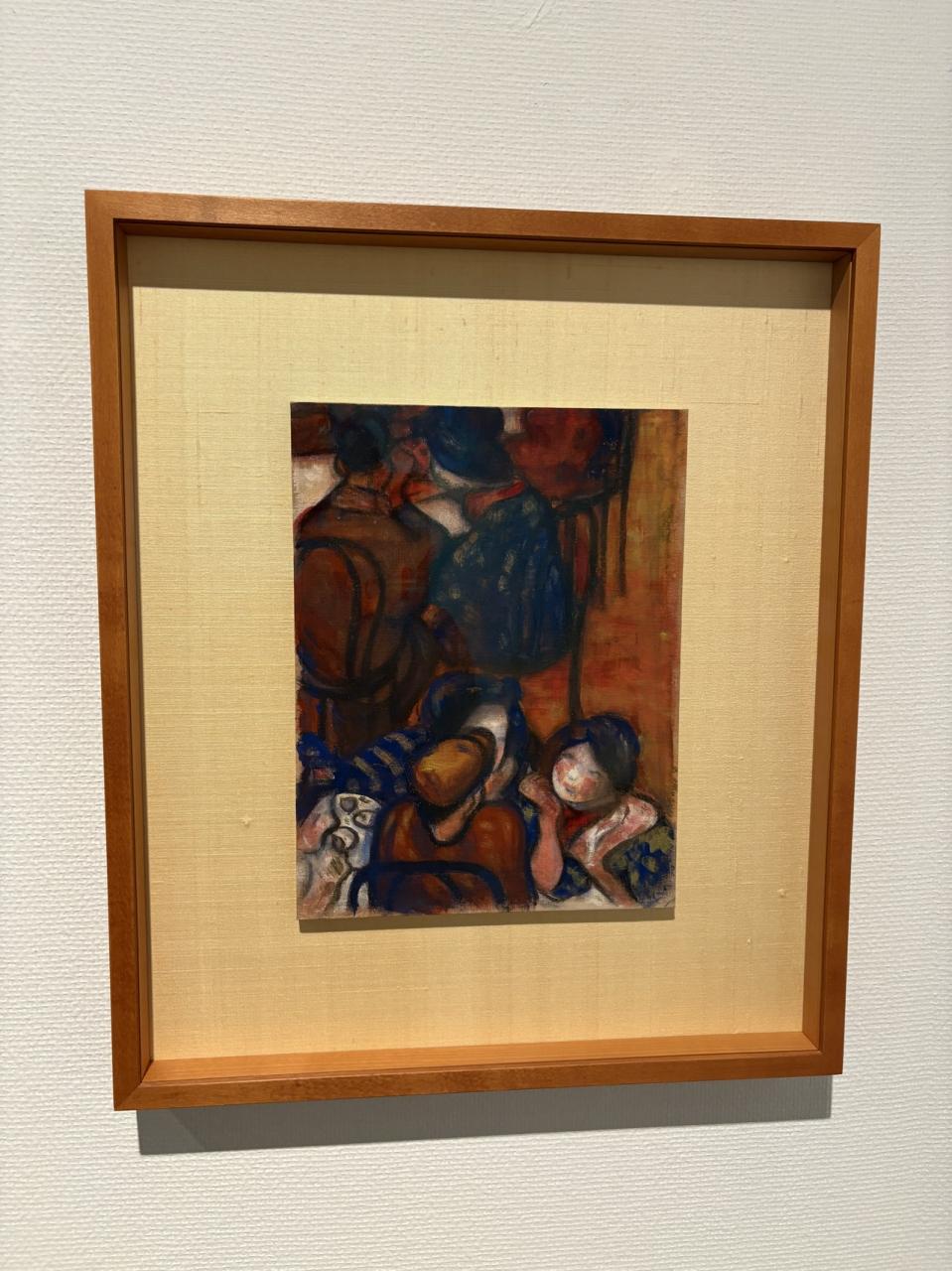
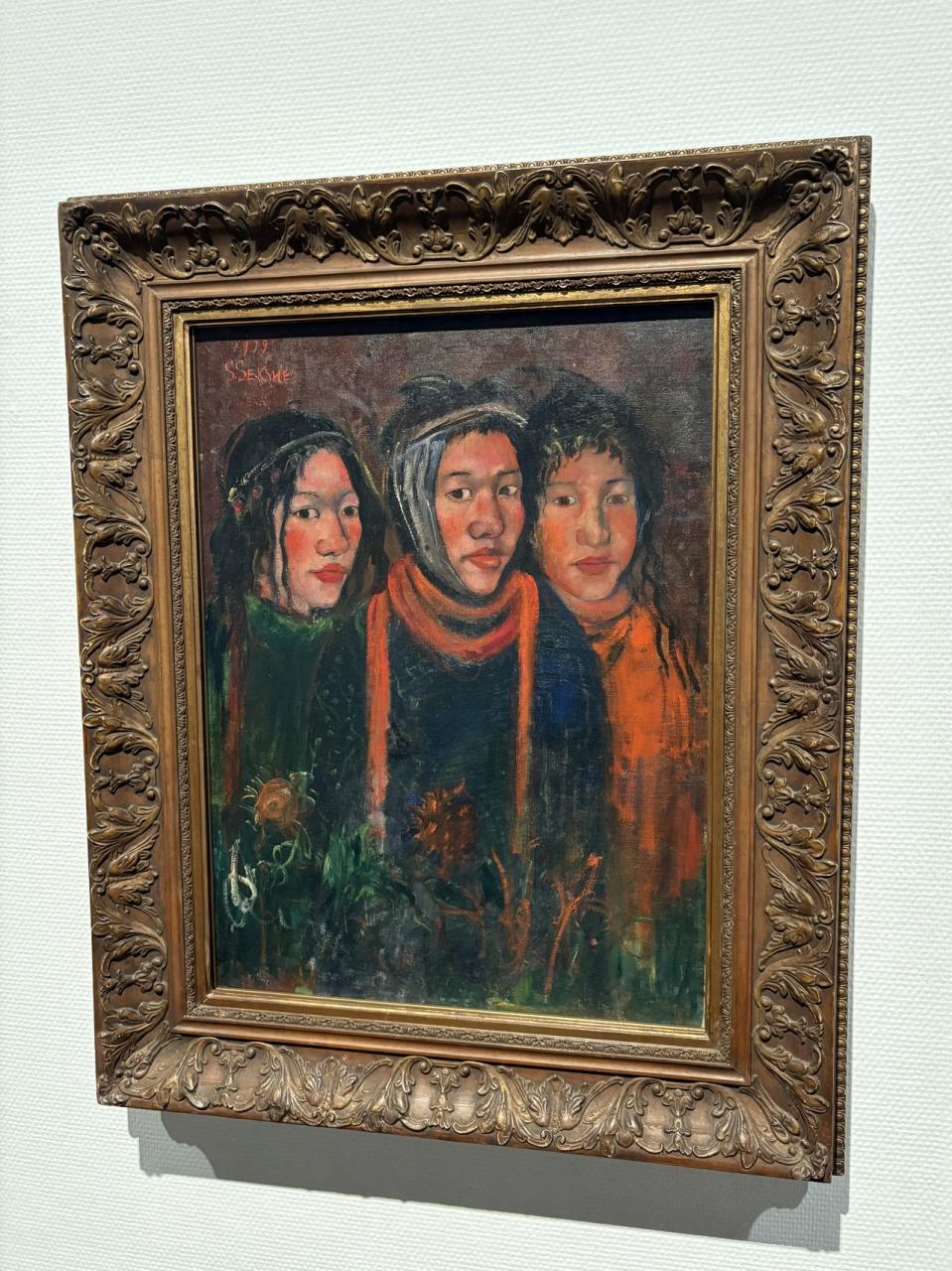
関根正二
SEKINE, Shoji
1899-1919
三星(さんせい)
Three Stars
1919 大正8年
油彩・キャンバス oil on canvas
「三星」とは冬の星座、オリオン座の中央に並ぶ三つの星のこと。三人は左が姉、右が恋人、中央は関根自身とも言われます。関根が巻く自い布については、直前の手術跡を示す、耳を切ったファン・ゴッホへのあこがれを表すなど、諸説あります。ほぼ独学だった関根の絵は不器用で、決して巧みではありません。しかし大正期には、うまいことより切実な心情が表されていることを重視する風潮が生じていました。懸命にヨーロッパ絵画を学んだ明治とはだいぶ異なる美術の考え方が、社会に広まっていたのです。
The title of this work refers to the belt of three stars in the center of Orion, a winter constellation in the Northern Hemisphere. It is said that the woman on the left is Sekine's older sister, the one on the right his lover, and the man in the middle the artist himself. There are many other theories about the picture. Some say, for example, that the white cloth wrapped around Sekine's head refers to an operation he had had not long before making this work, while others argue that it represents the artist's fondness for van Gogh, who famously cut off his own ear. Largely self-taught, Sekine's paintings are awkward and decidedly lacking in dexterity. But in the Taisho Period, the prevailing trend favored the earnest expression of emotion over skill. This notion of art differed considerably from the Meiji Period, an era in which many Japanese artists diligently studied European painting. -
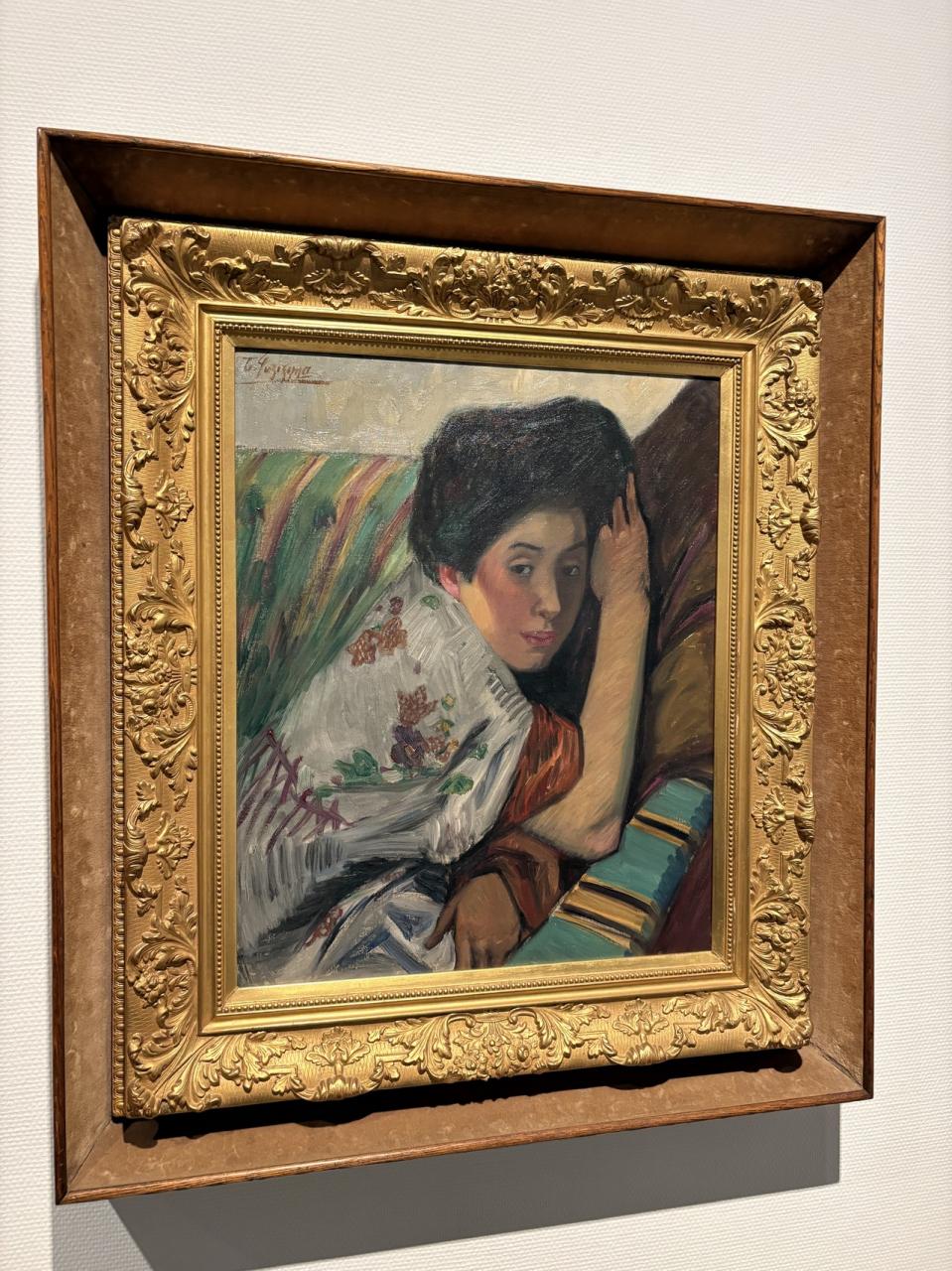
藤島武ニ
FUJISHIMA, Takeji
1867-1943
うつつ
Half Dreaming
1913 大正2年
油彩・キャンバス
oil on canvas -
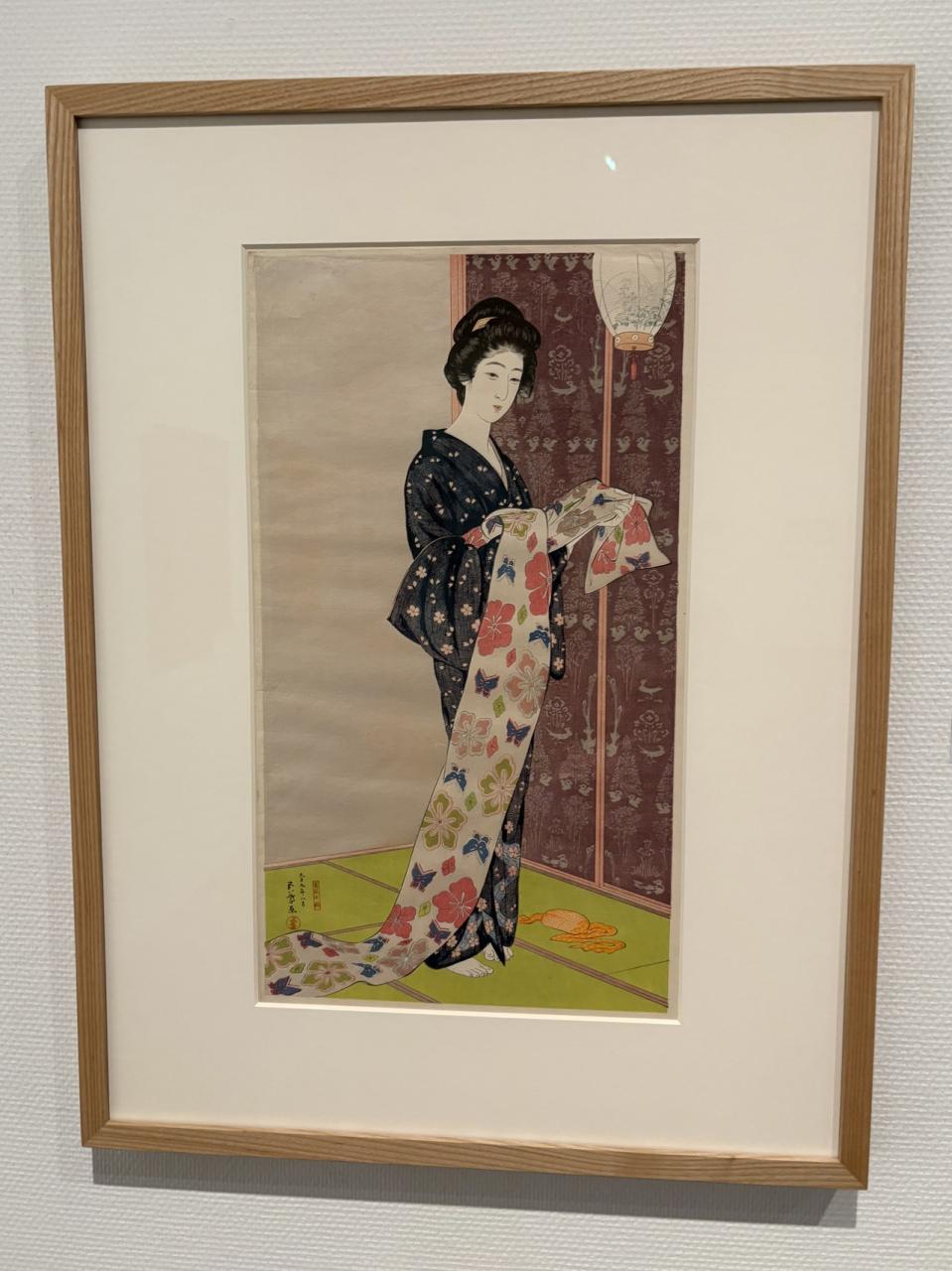
橋口五葉
HASHIGUCHI, Goyo
1880-1921
夏装之娘
Girl in a Summer Dress
1920 大正9年
木版(多色) color woodcut -
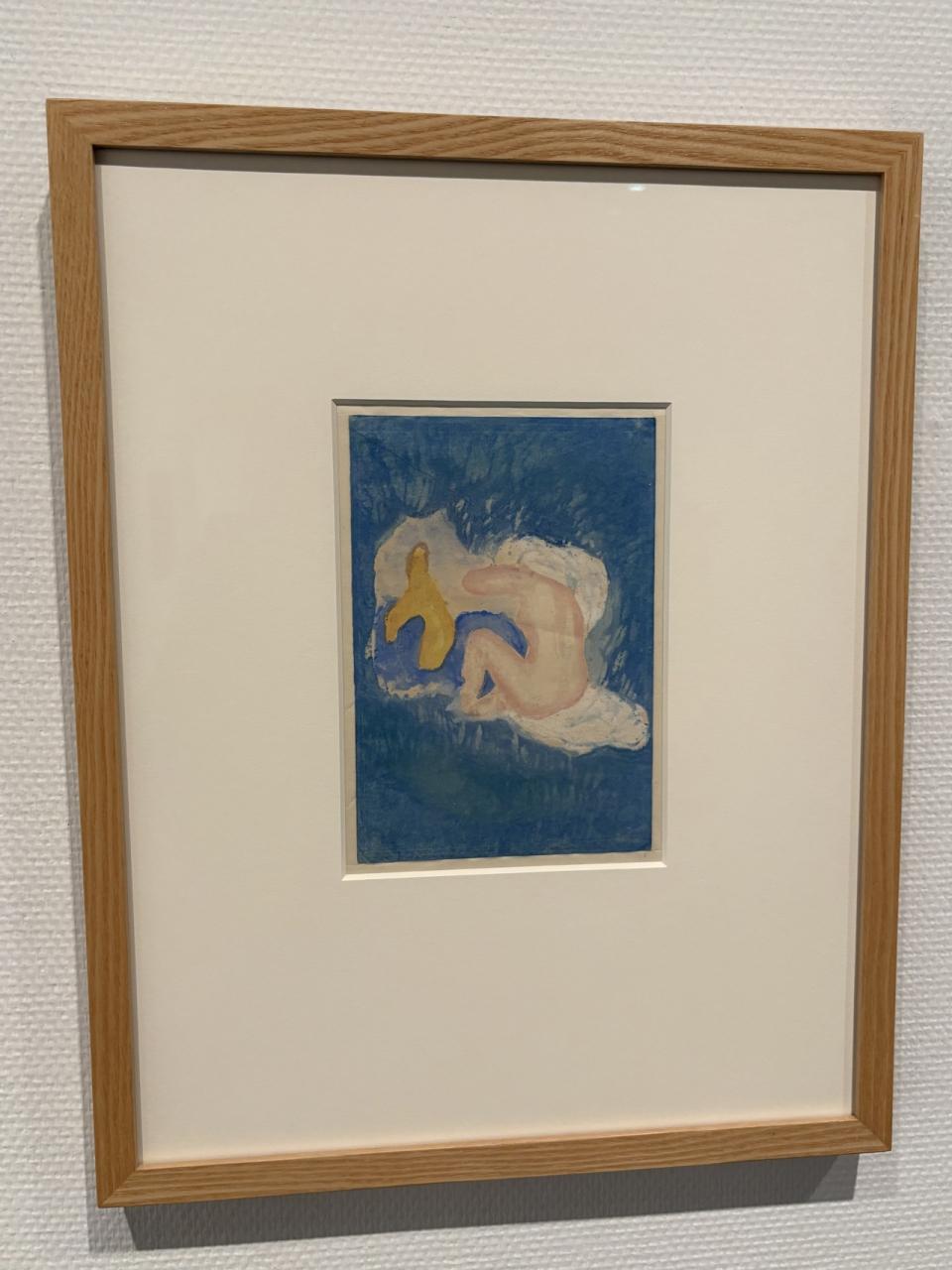
恩地孝四郎
ONCHI, Koshiro
1891-1955
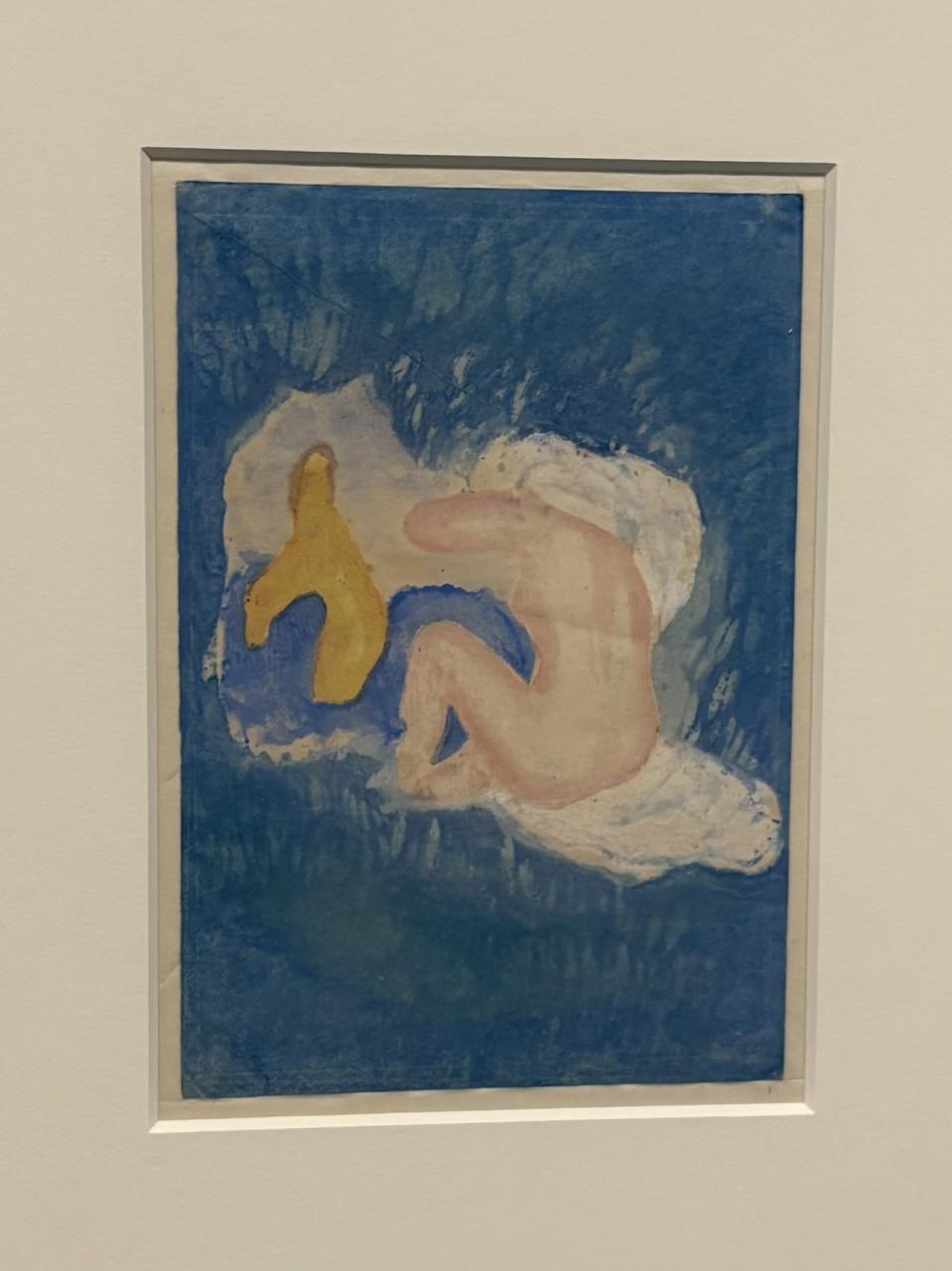
Bathing
水浴
c.1920 大正9年頃
木版(多色) color woodcut -
-
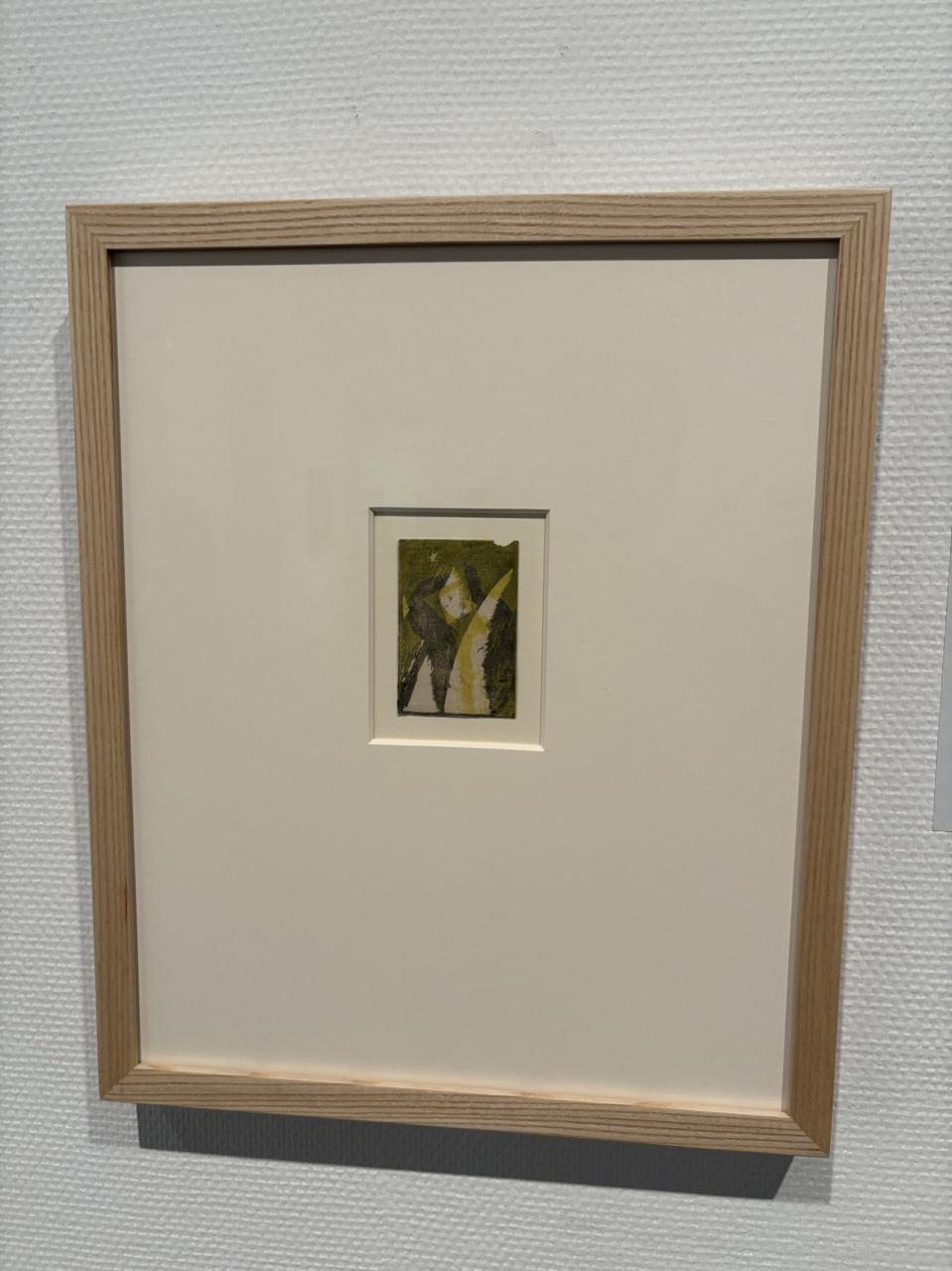
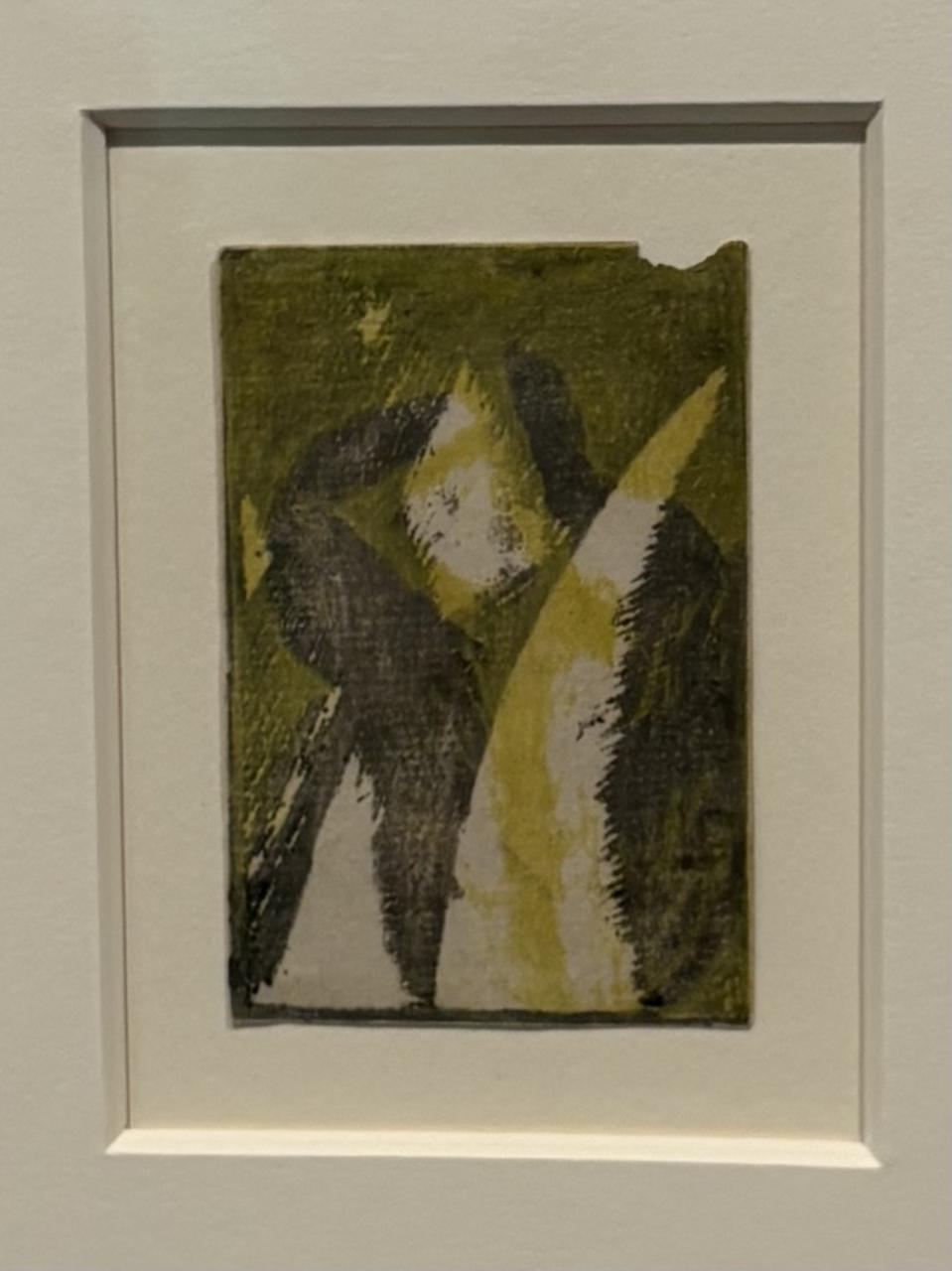
恩地孝四郎
ONCHI, Koshiro
1891-1955
愚
An Idiot's Wish
1914 大正3年
木版(多色)
color woodcut -
-
-
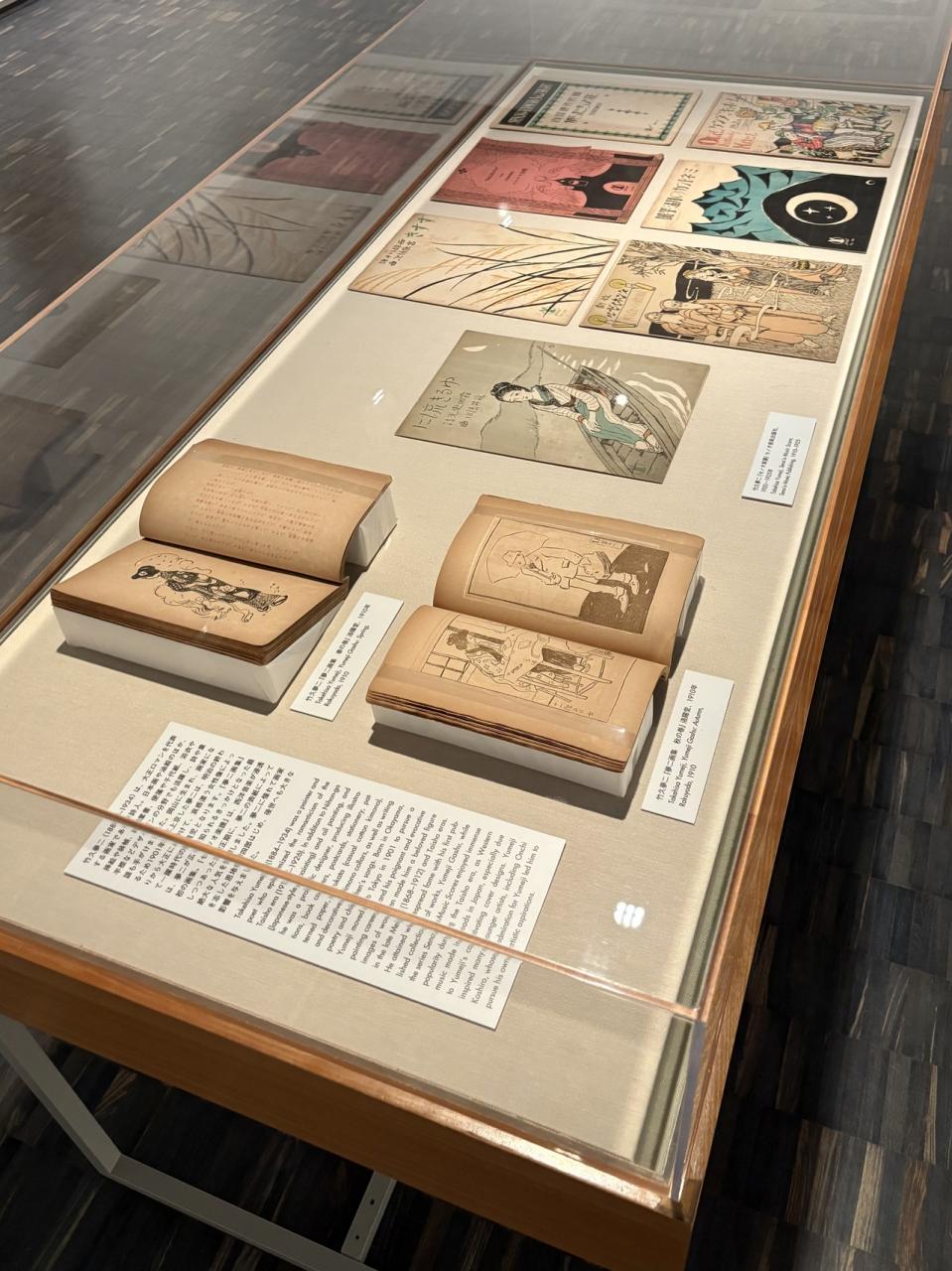
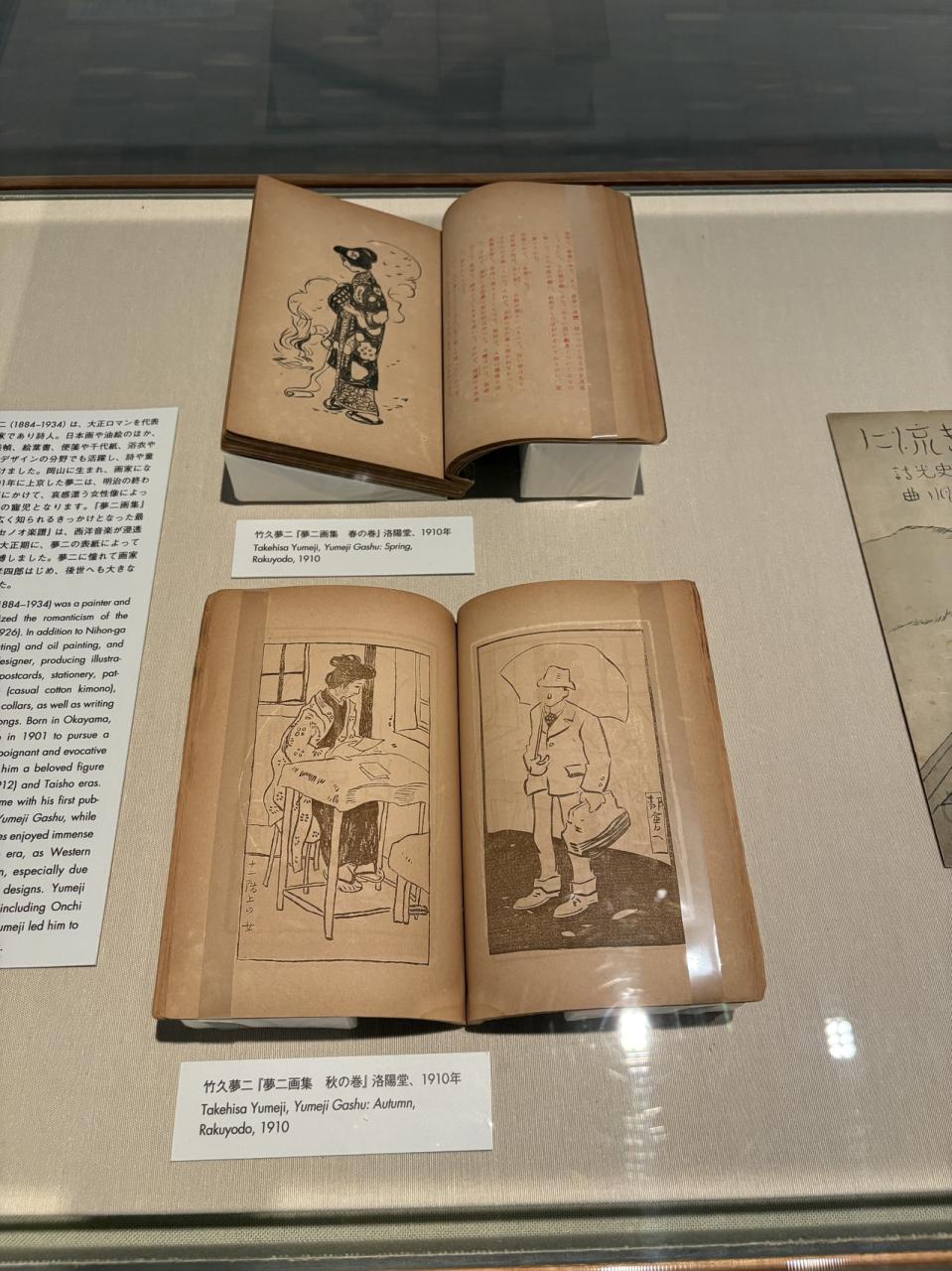
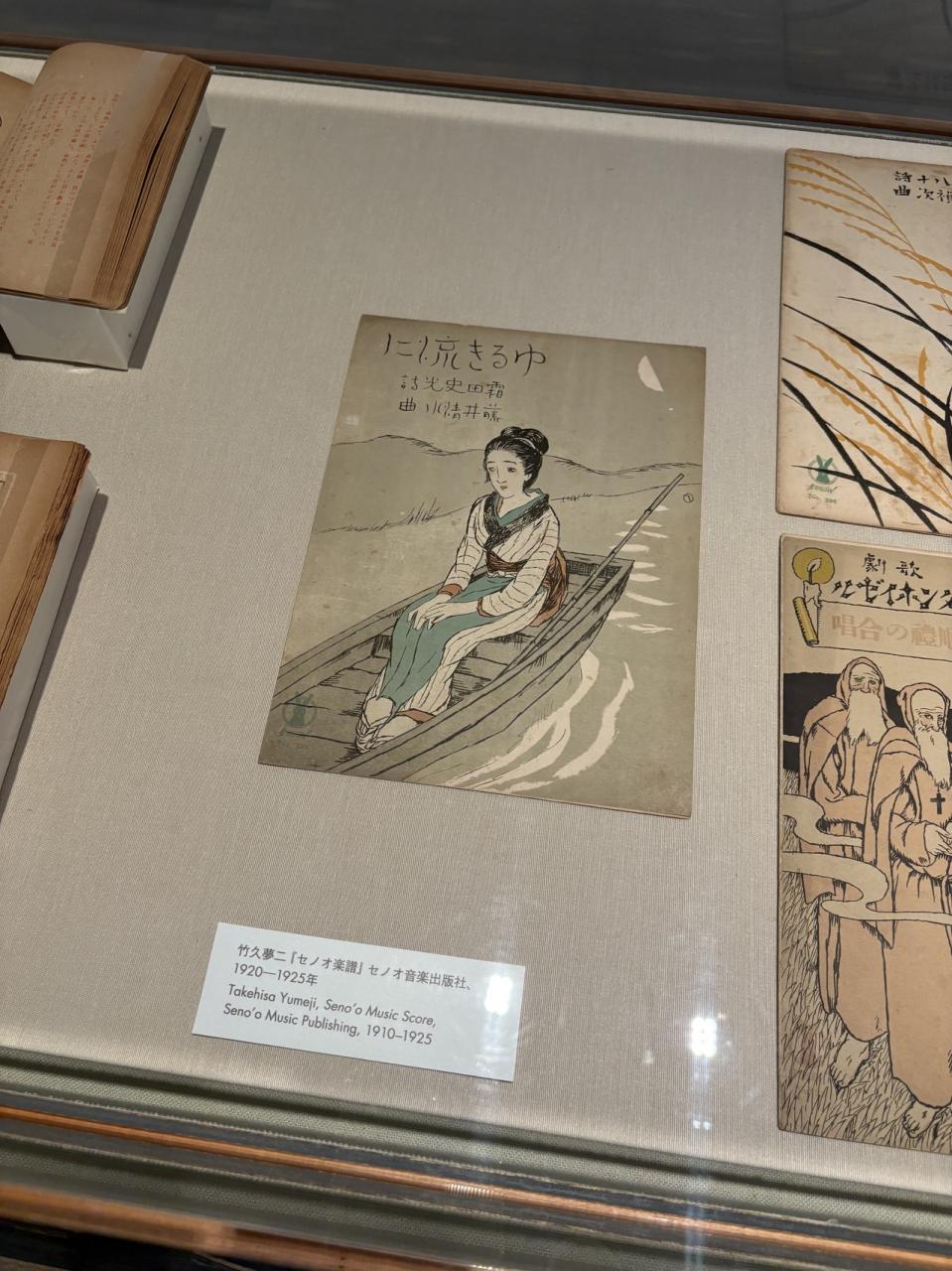
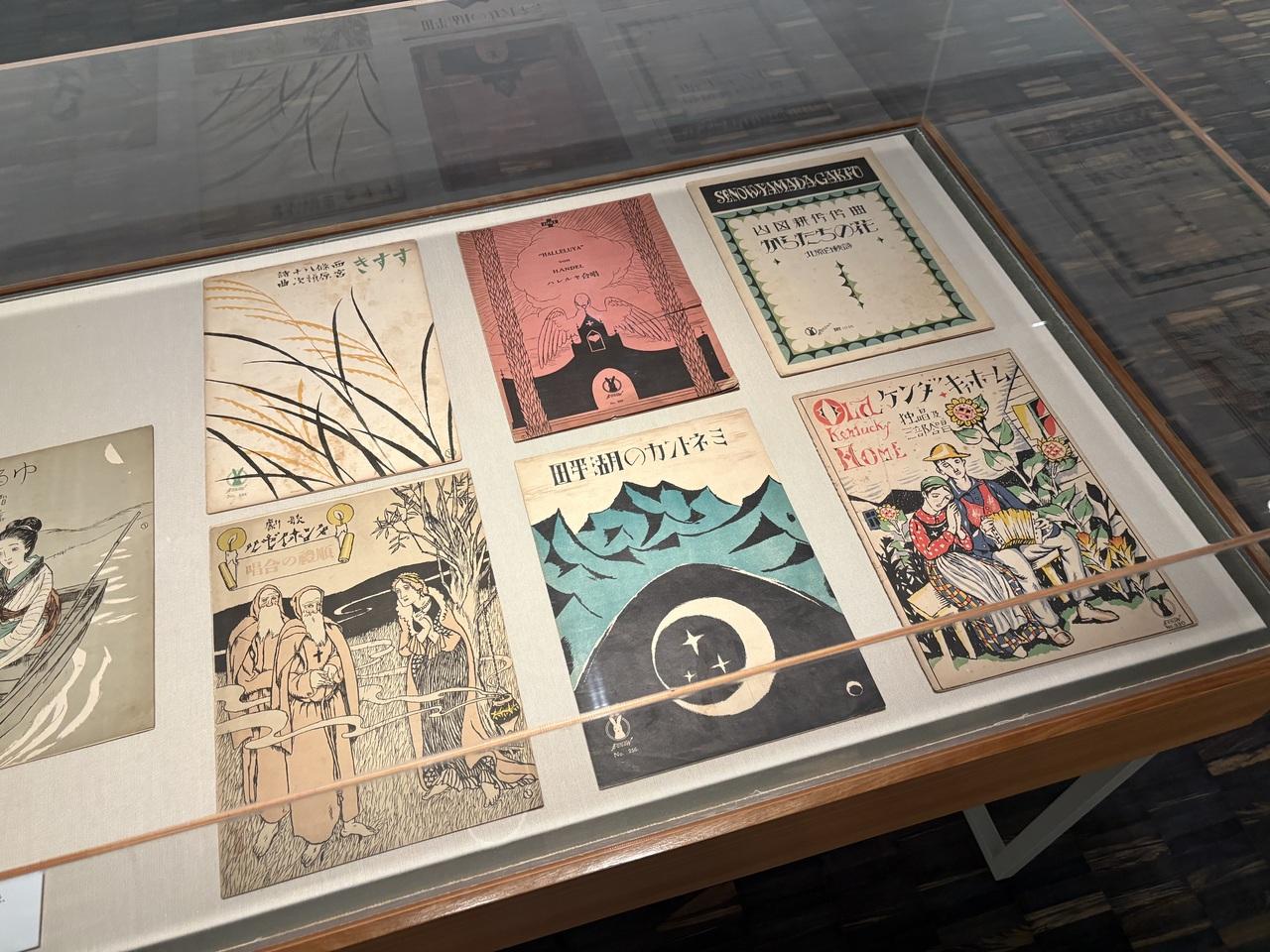
竹久夢二(1884-1934)は、大正ロマンを代表する画家であり詩人。日本画や油絵のほか、挿絵や装幀、絵葉書、便箋や千代紙、浴衣や半などデザインの分野でも活躍し、詩や童謡も手がけました。岡山に生まれ、画家になるため1901年に上京した夢二は、明治の終わりから大正にかけて、哀感漂う女性像によって一躍時代の寵児となります。「夢二画集」は、夢二が広く知られるきっかけとなった最初の画集。「セノオ楽譜」は、西洋音楽が浸透しつつあった大正期に、夢二の表紙によって絶大な人気を博しました。夢二に憧れて画家を志した恩地孝四郎はじめ、後世へも大きな影響を与えました。
Takehisa Yumeji (1884-1934) was a painter and poet who epitomized the romanticism of the Taisho era (1912-1926). In addition to Nihon-ga (Japanese-style painting) and oil painting, and he was a prolific designer, producing illustra-tions, book covers, postcards, stationery, patterned paper, yukata (casual cotton kimono), and decorative kimono collars, as well as writing poetry and children's songs. Born in Okayama, Yumeji moved to Tokyo in 1901 to pursue a painting career, and his poignant and evocative images of women made him a beloved figure in the late Meiji (1868-1912) and Taisho eras.
He attained widespread fame with his first published collection of works, Yumeji Gashu, while the series Seno'o Music Scores enjoyed immense popularity during the Taisho era, as Western music made inroads in Japan, especially due to Yumeji's captivating cover designs. Yumeji inspired many younger artists, including Onchi Koshiro, whose admiration for Yumeji led him to pursue his own artistic aspirations. -
-
-
-
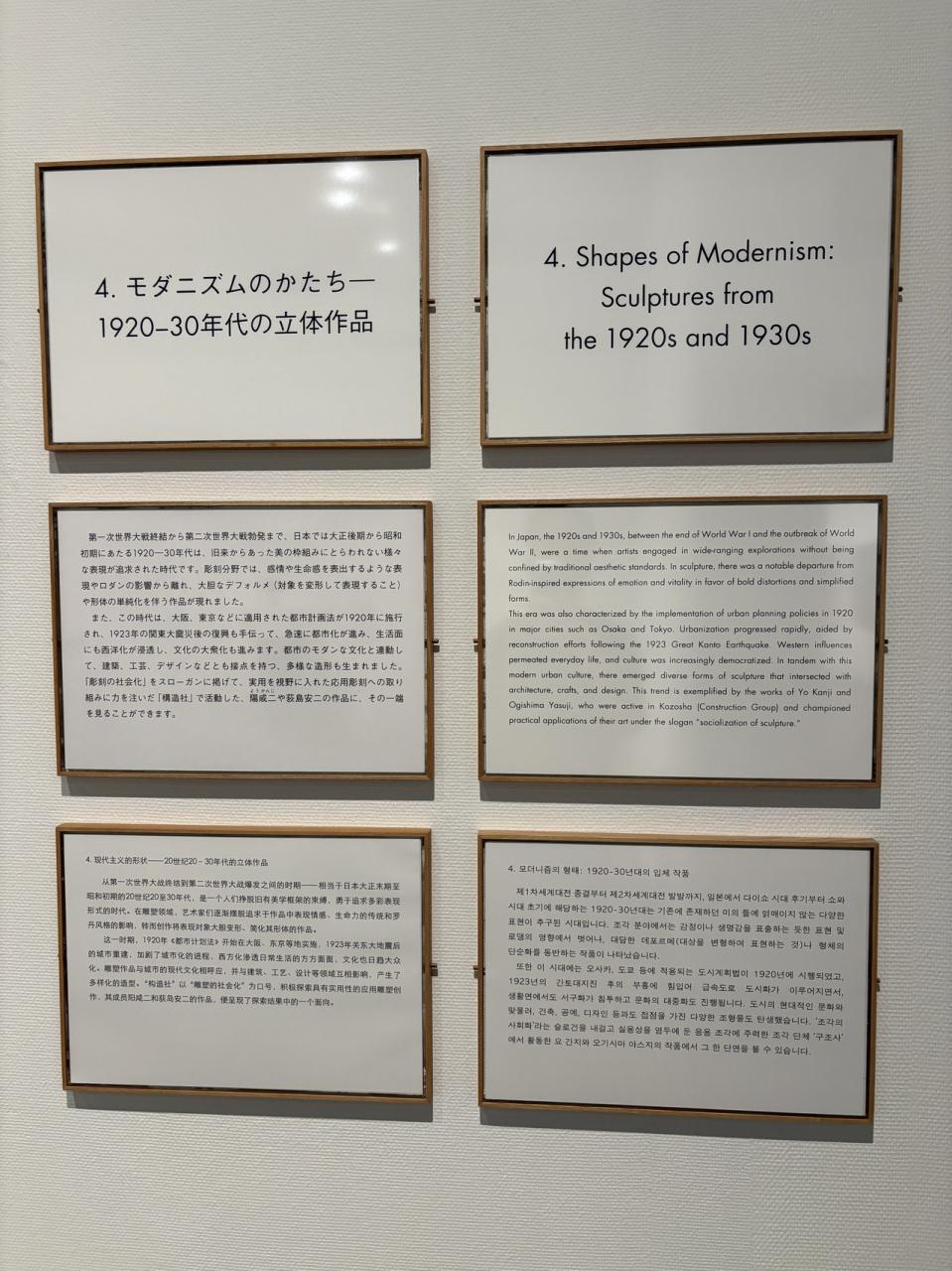
("4.モダニズムの形ー1920ー30年代の立体作品" に続く・・・)


利用規約に違反している投稿は、報告する事ができます。
-
前の旅行記

MOMAT コレクション〔国立東京近代美術館 所蔵作品展〕(2025.2.11-6.15) 2.風景の発見。...
2025/06/04~
神田・神保町
-
次の旅行記

MOMAT コレクション〔国立東京近代美術館 所蔵作品展〕(2025.2.11-6.15) 4.モダニズムの...
2025/06/04~
神田・神保町
-

MOMAT コレクション〔国立東京近代美術館 所蔵作品展〕(2025.2.11-6.15)1.ハイライト "...
2025/06/04~
神田・神保町
-

MOMAT コレクション〔国立東京近代美術館 所蔵作品展〕(2025.2.11-6.15) 2.風景の発見。...
2025/06/04~
神田・神保町
-

MOMAT コレクション〔国立東京近代美術館 所蔵作品展〕(2025.2.11-6.15)3.抒情と頽廃。"...
2025/06/04~
神田・神保町
-

MOMAT コレクション〔国立東京近代美術館 所蔵作品展〕(2025.2.11-6.15) 4.モダニズムの...
2025/06/04~
神田・神保町
-

MOMAT コレクション〔国立東京近代美術館 所蔵作品展〕(2025.2.11-6.15) 5.シュルレアリ...
2025/06/04~
神田・神保町
-

MOMAT コレクション〔国立東京近代美術館 所蔵作品展〕(2025.2.11-6.15) 6.「相手」がい...
2025/06/04~
神田・神保町
-
![MOMAT コレクション〔国立東京近代美術館 所蔵作品展〕(25.2.11-6.15)8.反復がもたらすもの & 9.渡辺兼人[既視の街]](https://cdn.4travel.jp/img/thumbnails/imk/travelogue_album/11/98/67/240x180_11986732.jpg?updated_at=1752831110)
MOMAT コレクション〔国立東京近代美術館 所蔵作品展〕(25.2.11-6.15)8.反復がもたらすもの...
2025/06/04~
神田・神保町
-

MOMAT コレクション〔国立東京近代美術館 所蔵作品展〕(2025.2.11-6.15) 10.アルプのア...
2025/06/04~
神田・神保町
-

MOMAT コレクション〔国立東京近代美術館 所蔵作品展〕(2025.2.11-6.15) 11.(アン)バ...
2025/06/04~
神田・神保町
-

MOMAT コレクション〔国立東京近代美術館 所蔵作品展〕(2025.2.11-6.15) 12.美術家たち...
2025/06/04~
神田・神保町
旅行記グループをもっと見る
コメントを投稿する前に
十分に確認の上、ご投稿ください。 コメントの内容は攻撃的ではなく、相手の気持ちに寄り添ったものになっていますか?
サイト共通ガイドライン(利用上のお願い)報道機関・マスメディアの方へ 画像提供などに関するお問い合わせは、専用のお問い合わせフォームからお願いいたします。
この旅行で行ったスポット






フォートラベル公式LINE@

おすすめの旅行記や旬な旅行情報、お得なキャンペーン情報をお届けします!
QRコードが読み取れない場合はID「@4travel」で検索してください。
\その他の公式SNSはこちら/




旅行記グループ MOMAT コレクション〔国立東京近代美術館 所蔵作品展〕(2025.2.11-6.15)
0
29