

![MOMAT コレクション〔国立東京近代美術館 所蔵作品展〕(2025.2.11-6.15) <br />https://www.momat.go.jp/exhibitions/r6-3<br /><br />8.反復がもたらすもの<br />9.渡辺兼人[既視の街]](https://cdn.4travel.jp/img/tcs/t/album/src/11/98/67/src_11986732.jpg?updated_at=1752831110)
2025/06/04 - 2025/06/04
69位(同エリア933件中)

旅熊 Kokazさん
- 旅熊 KokazさんTOP
- 旅行記1927冊
- クチコミ854件
- Q&A回答101件
- 1,710,113アクセス
- フォロワー752人
この旅行記のスケジュール
2025/06/04

この旅行記スケジュールを元に
MOMAT コレクション〔国立東京近代美術館 所蔵作品展〕(2025.2.11-6.15)
https://www.momat.go.jp/exhibitions/r6-3
8.反復がもたらすもの
9.渡辺兼人[既視の街]
- 旅行の満足度
- 5.0
-

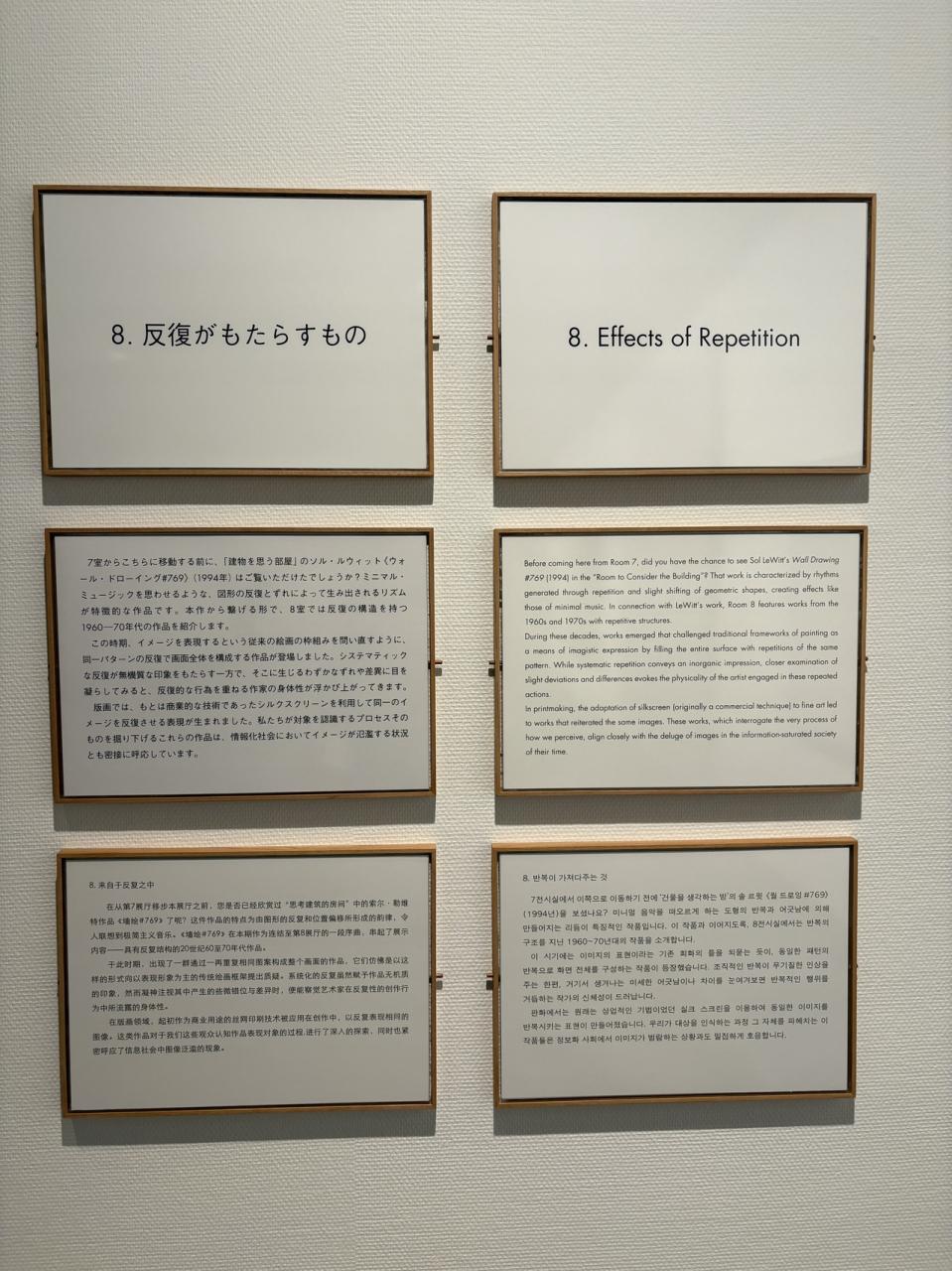
8.反復がもたらすもの
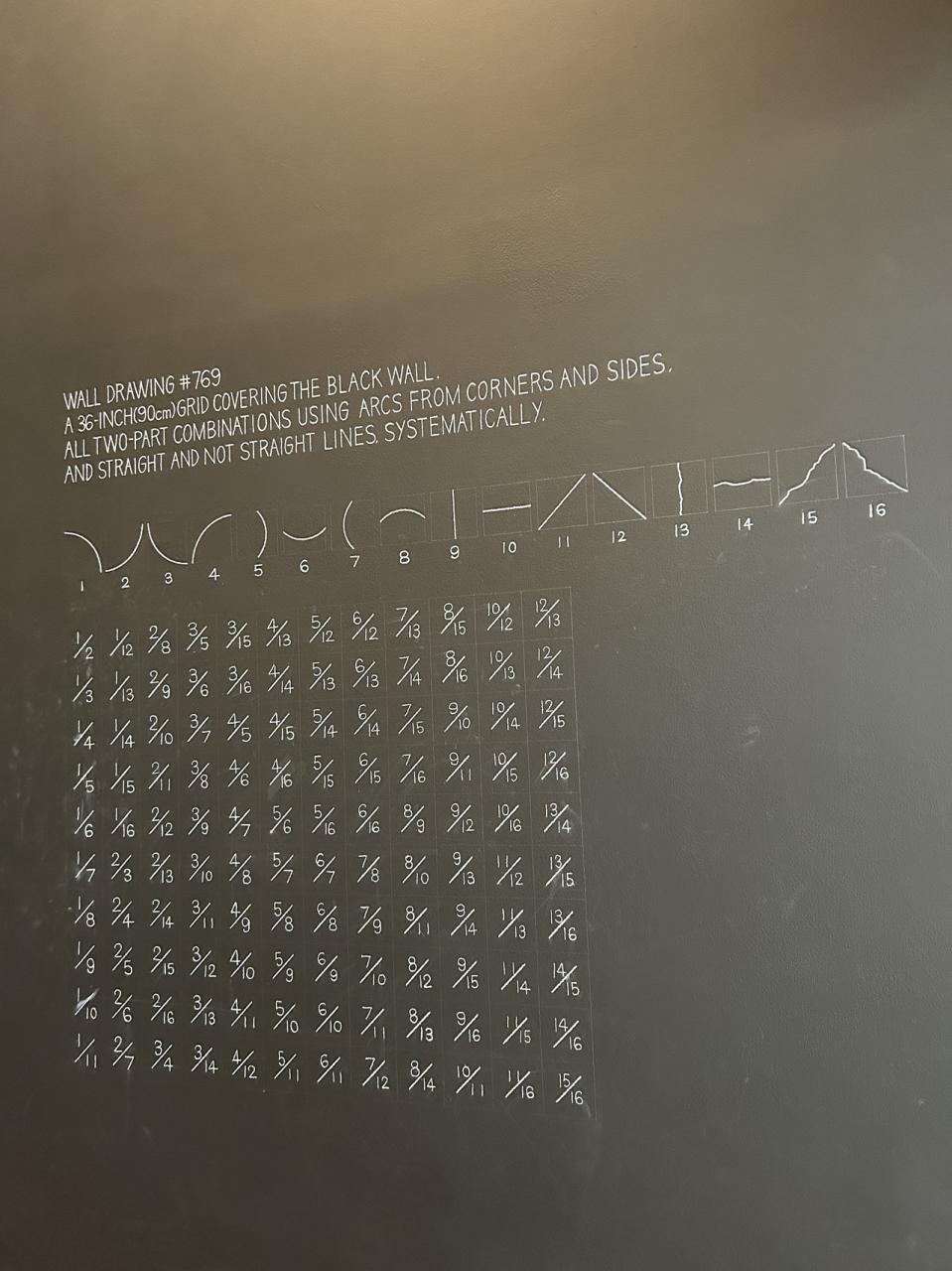
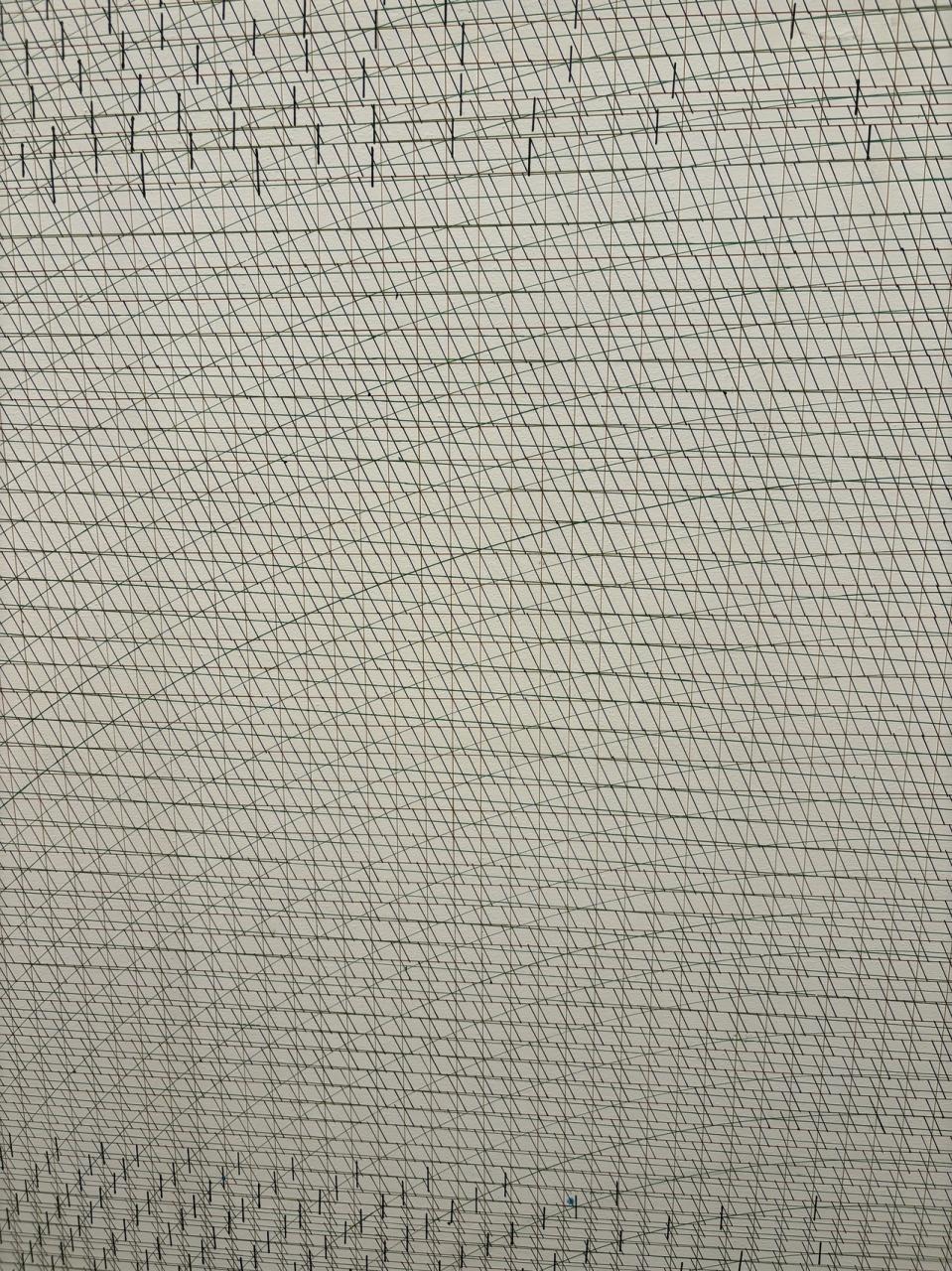
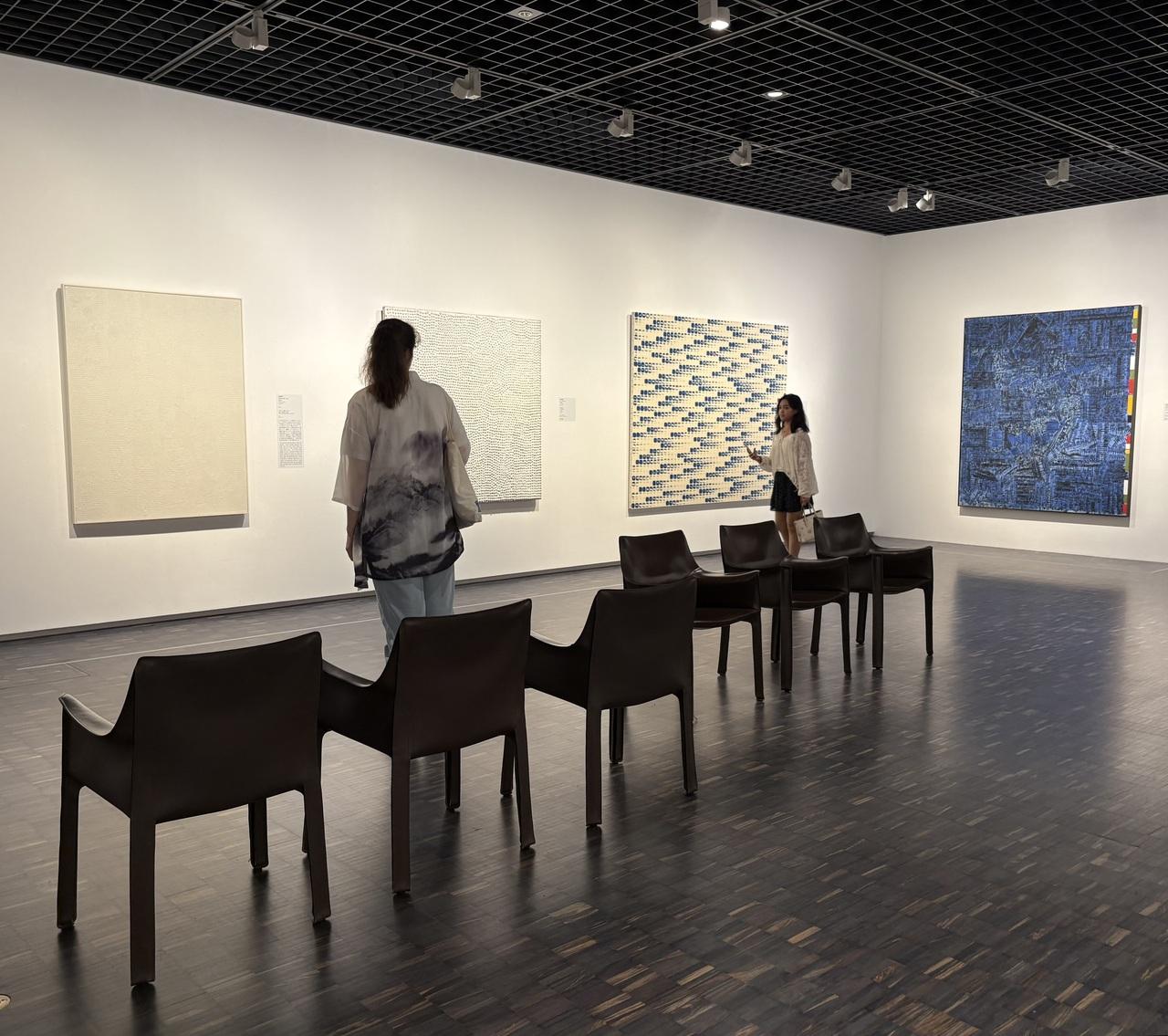
7室からこちらに移動する前に、「建物を思う部屋」のソル・ルウィット(ウォール・ドローイング#769)(1994年)はご覧いただけたでしょうか?ミニマル・ミュージックを思わせるような、図形の反復とずれによって生み出されるリズムが特徴的な作品です。本作から繋げる形で、8室では反復の構造を持つ1960ー70年代の作品を紹介します。
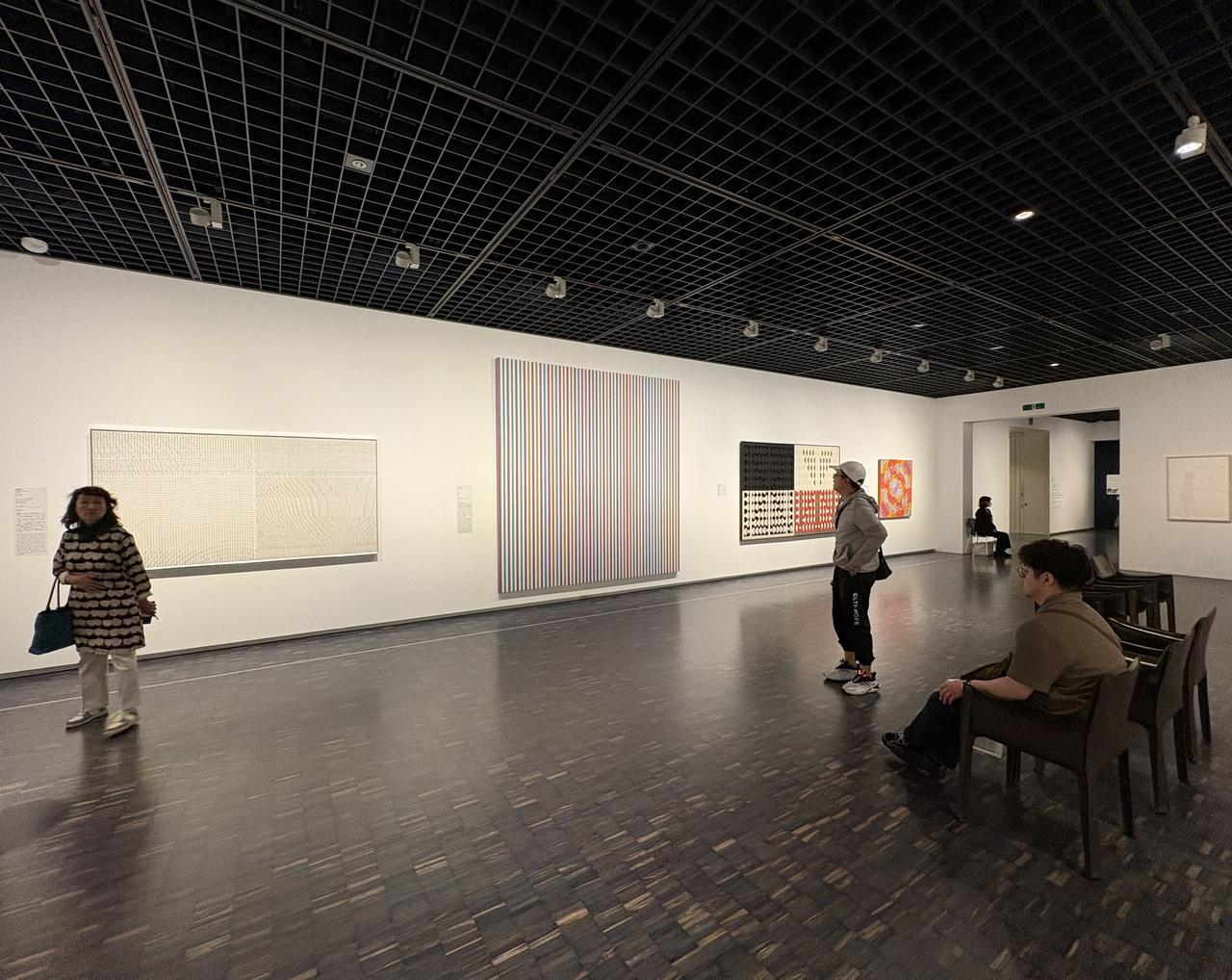
この時期、イメージを表現するという従来の絵画の枠組みを問い直すように、同一パターンの反復で画面全体を構成する作品が登場しました。システマティックな反復が無機質な印象をもたらす一方で、そこに生じるわずかなずれや差異に目を凝らしてみると、反復的な行為を重ねる作家の身体性が浮かび上がってきます。
版画では、もとは商業的な技術であったシルクスクリーンを利用して同一のイメージを反復させる表現が生まれました。私たちが対象を認識するプロセスそのものを掘り下げるこれらの作品は、情報化社会においてイメージが氾濫する状況とも密接に呼応しています。
8. Effects of Repetition
Before coming here from Room 7, did you have the chance to see Sol LeWitt's Wall Drawing #769 (1994) in the "Room to Consider the Building"? That work is characterized by rhythms generated through repetition and slight shifting of geometric shapes, creating effects like those of minimal music. In connection with LeWitt's work, Room 8 features works from the 1960s and 1970s with repetitive structures.
During these decades, works emerged that challenged traditional frameworks of painting as a means of imagistic expression by filling the entire surface with repetitions of the same pattern. While systematic repetition conveys an inorganic impression, closer examination of slight deviations and differences evokes the physicality of the artist engaged in these repeated actions.
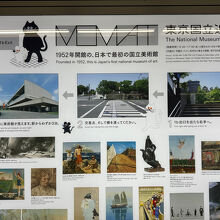
In printmaking, the adaptation of silkscreen (originally a commercial technique) to fine art led to works that reiterated the same images. These works, which interrogate the very process of how we perceive, align closely with the deluge of images in the information-saturated society of their time.東京国立近代美術館 美術館・博物館
-
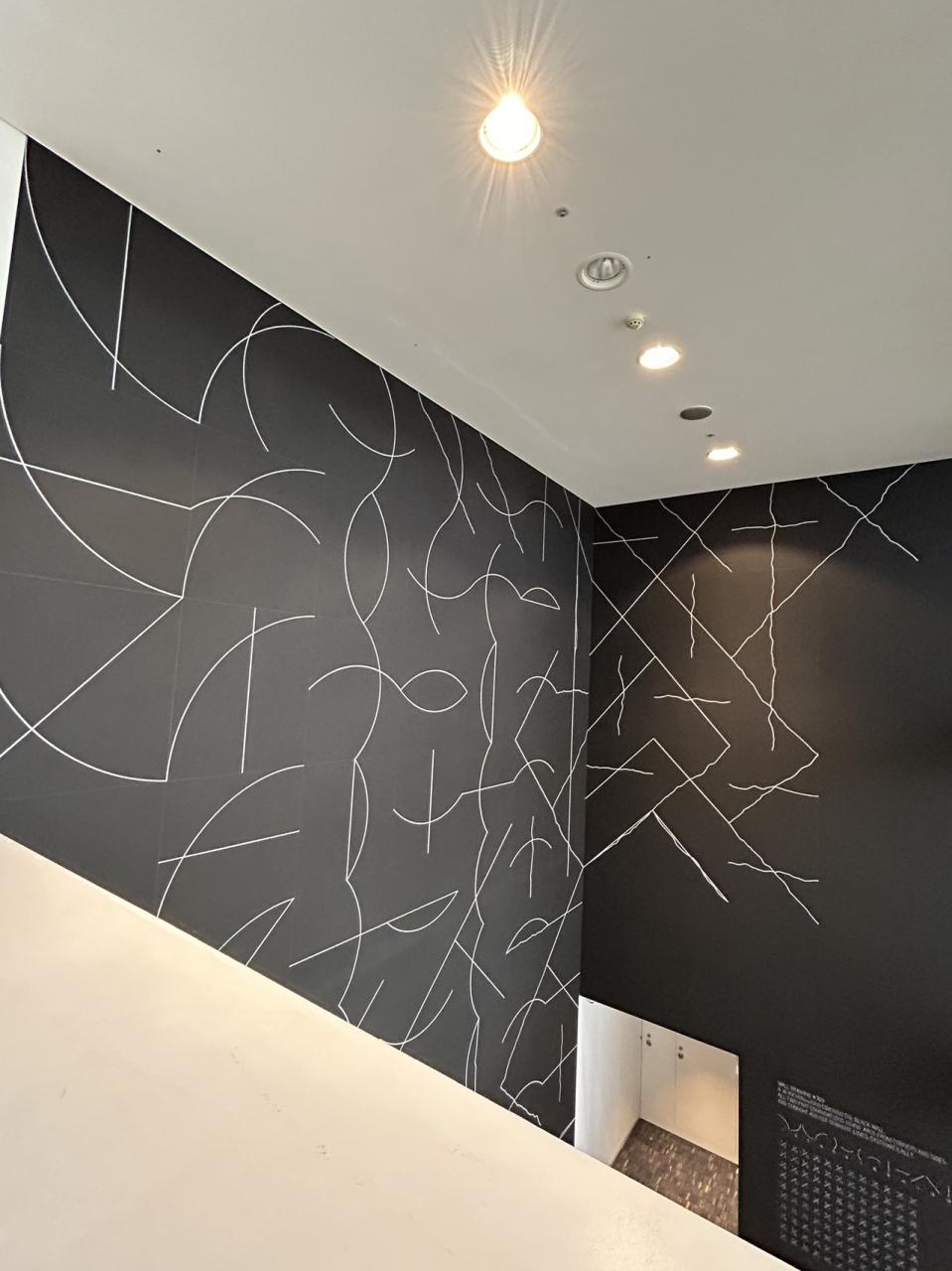
ソル・ルウィット| ウォール・ドローイング#769 2020年12月22日~公開(所蔵品ギャラリー3F|建物を思う部屋)
https://www.momat.go.jp/magazine/033 -
ソル・ルウィット
Sol Lewitt
1928-2007
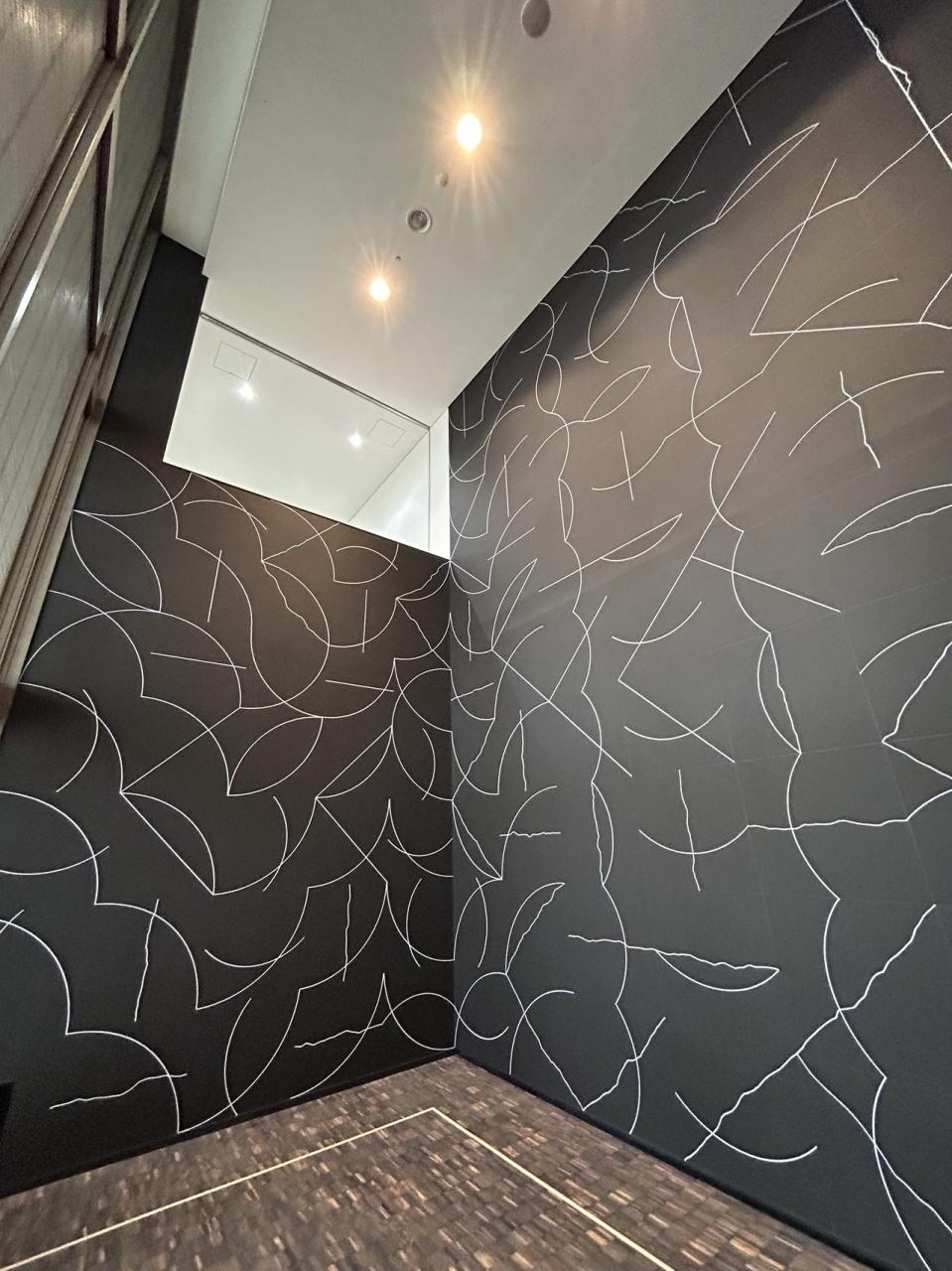
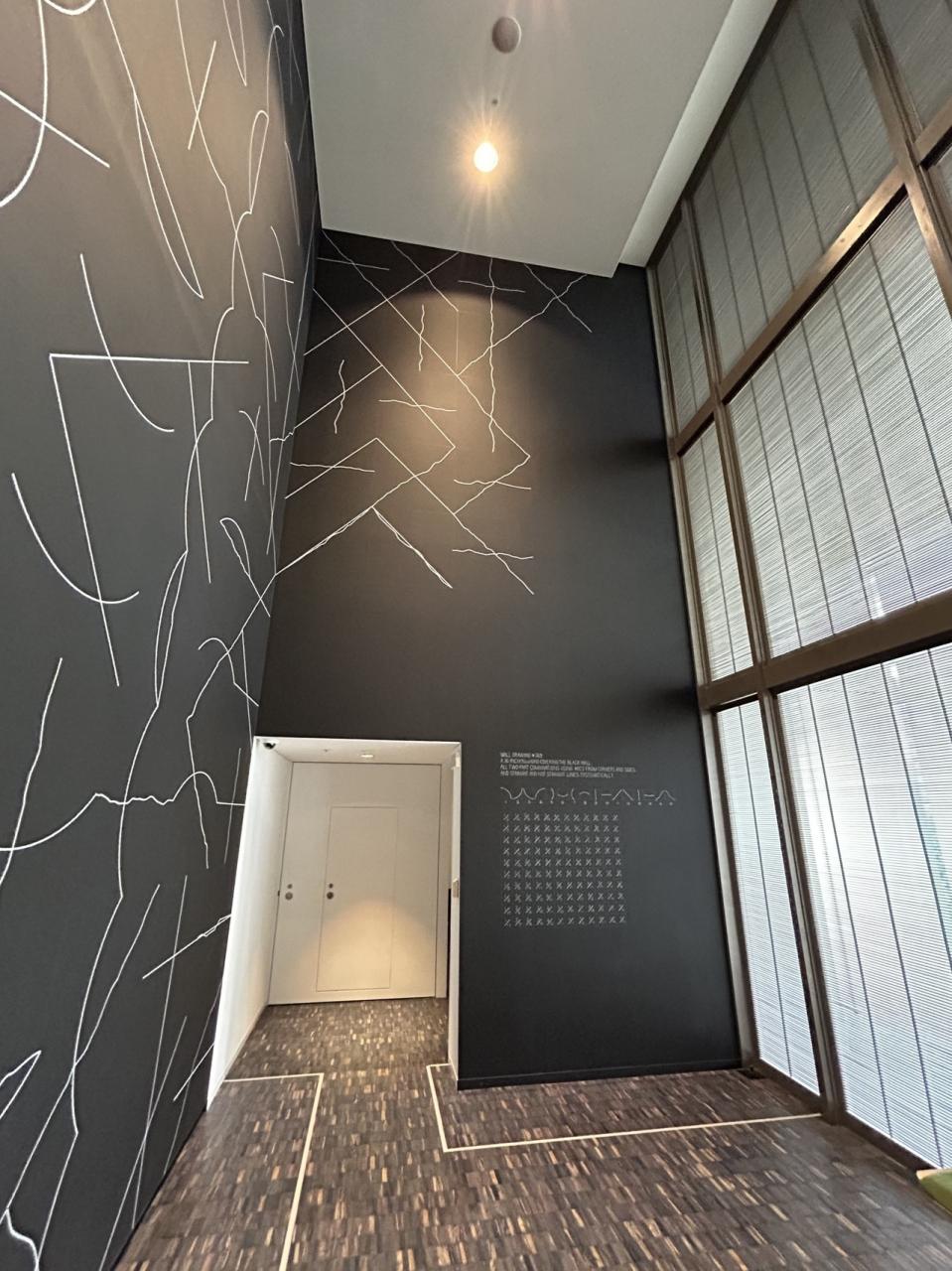
ウォール・ドローイング#769
黒い壁を覆う幅36インチ(90cm)のグリッド。
角や辺から発する円弧、直線、非直線から二種類を体系的に使った組み合わせ全部。
Wall Drawing#769: A 36-inch (90cm) grid covering the black wall. All two-part combinations using arcs from corners and sides, and straight and not straight lines, systematically.
1994
平成6年
水溶性パステル、水性塗料、
鉛筆・壁
water soluble wax pastel, water based paint and pencil on wall -
当館では2018年度にソル・ルウィット(1928-2007)のウォール・ドローイングを購入し、この作品がこのたび(2020年12月)所蔵品ギャラリー3階の「建物を想う部屋」に完成しました。
1960年代からニューヨークを拠点に、ミニマル・アート、コンセプチュアル・アートの代表的作家として活躍したルウィットは、生活に1200点以上のウォール・ドローイングを制作しました。しかしこれらは、必ずしも彼自身が描いてはいません。彼は次のようにべています。「アーティストはウォール・ドローイングの構想を立て、その設計をする。それを具現するのはドラフトマンである(アーティスト自身がドラフトマンを兼ねるも可)。プランはドラフトマンによって解釈される。プランの範囲内で、プランの一部としてドラフトマンによってなされる決定がある。ひとりひとりがそれぞれにユニークなので、同じ指示をあたえられても解釈が異なり、違ったふうにおこなわれるだろう」(「アート・ナウ」1971年6月号)。
この言葉通り、彼のウォール・ドローイングは、彼(あるいは彼のエステート)が定するドラフトマンによって実現されます。いわば作曲者と液者のような関係が、そこに生じることになります。そしてまた、このようなシステムをとることによって、彼の作品は制作の主体の在り処や、観念と実体との関係なと、アートの根幹について見る者に問いを投げかけるのです。
さて、このたび館の面を飾るウォール・ドローイングは、その題名が示す通り約90x90cmの短形をひとつの単位として、その短形の中に16種類の円強、直線、非直線が2つずつ組み合わされ、全部で120通りのバターンによって構成されます。図形が反復とずれによって生み出すリズムは、まるでミニマル・ミュージックを視覚化したような心地よい刺を私たちの眼に届けるでしょう。
この作品はこれまで1994年パリ、1996年マドリッドで開かれたソル・ルウィット展で割作されたことがありますが(各展覧会終了後に消去)、今回は下記の方々により制作されました。
ドラフトマン:麺辛子
アシスタント:石村正美、平川淑子 -
In fiscal 2018, the museum acquired one of Sol LeWitt's (1928-2007) wall drawings. The work has now (December 2020) been completed in the "Room to Consider the Building," located on the third floor next to the Collection Gallery.
LeWitt, a key figure in Minimalist and Conceptual art who began working in New York in the 1960s, created over 1,200 wall drawings over the course of his career. But that does not necessarily mean that LeWitt drew all of the works himself. As the artist explained, "The artist conceives and plans the wall drawing. It is realized by draftsmen (the artist can act as his own draftsman); the plan is interpreted by the draftsman. There are decisions that the draftsman makes, within the plan, as part of the plan. Each individual, being unique, if given the same instructions would understand them differently and would carry them out differently." (Art Now, June 1971)
As the text suggests, LeWitt's wall drawings are executed by a draftsman as specified by the artist (or his estate). In other words, the works are the product of a relationship, recalling that of a composer and a performer. Moreover, the use of this type of system presents the viewer with questions regarding the foundations of art, such as the role of the creator, and the relationship between the concept and the physical entity.
As the title of the wall drawing, which adorns the museum wall, explains, the work is a grid measuring approximately 90 by 90 centimeters. Each square is made up of a two-part combination, containing 16 types of arcs, and straight and non-straight lines, with a total of 120 patterns. The rhythm, arising from the repeated and divergent figures, presents the eye with a comfortable stimulating experience akin to a visualization of minimal music.
In the past, the work was made for exhibitions of LeWitt's work that were held in Paris in 1994 and Madrid in 1996 (both were erased after the exhibitions). This version was created by the following:
Drawn by Cho Sachiko
With assistance from Ishimura Masami and Hirakawa Toshiko -
-
菅野聖子
KANNO, Seiko
1933-1988
レヴィ・ストロースの世界I
The World of Lévi-Strauss I
1971 昭和46年
アクリリック・キャンバス acrylic on canvas
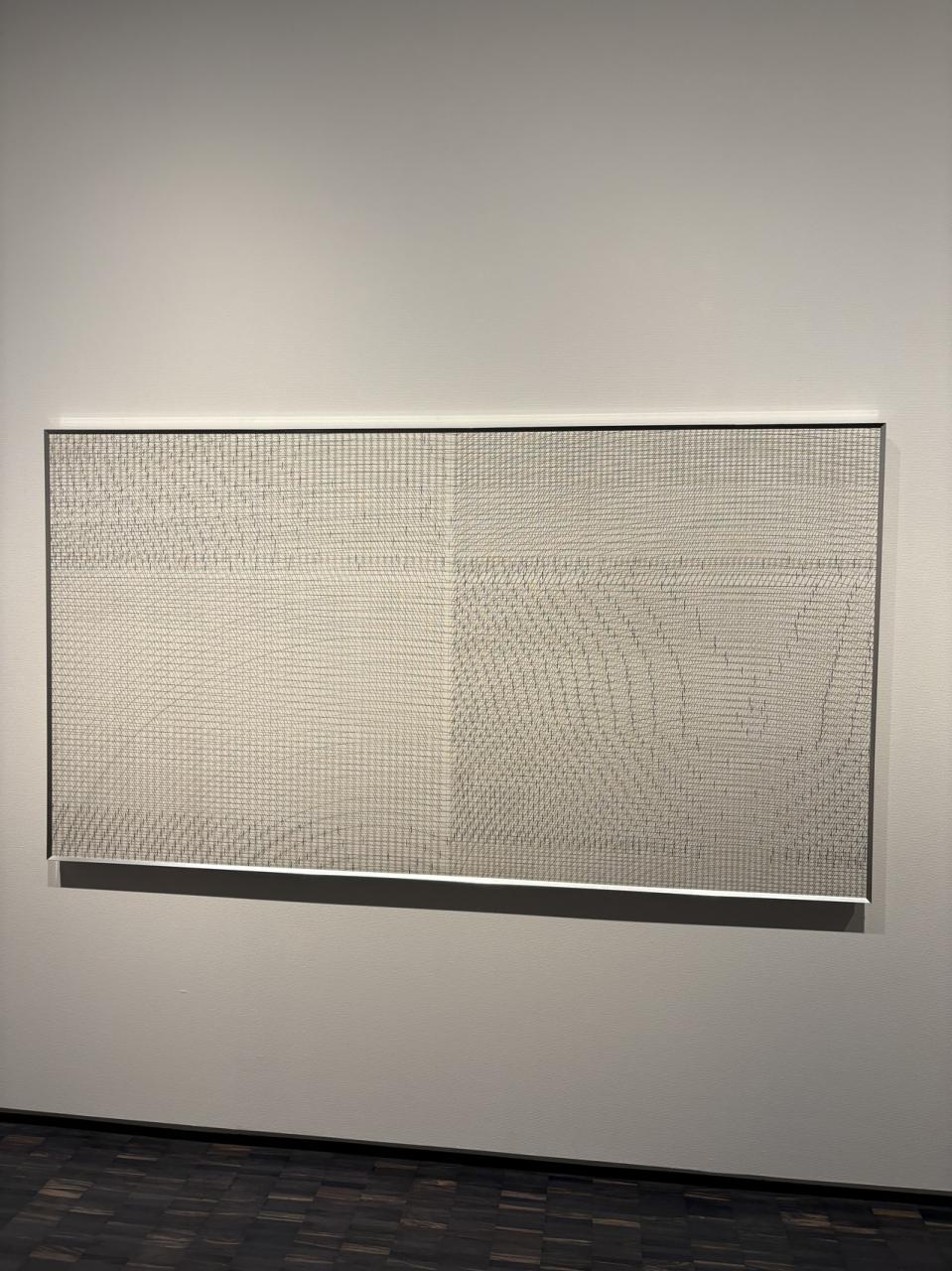
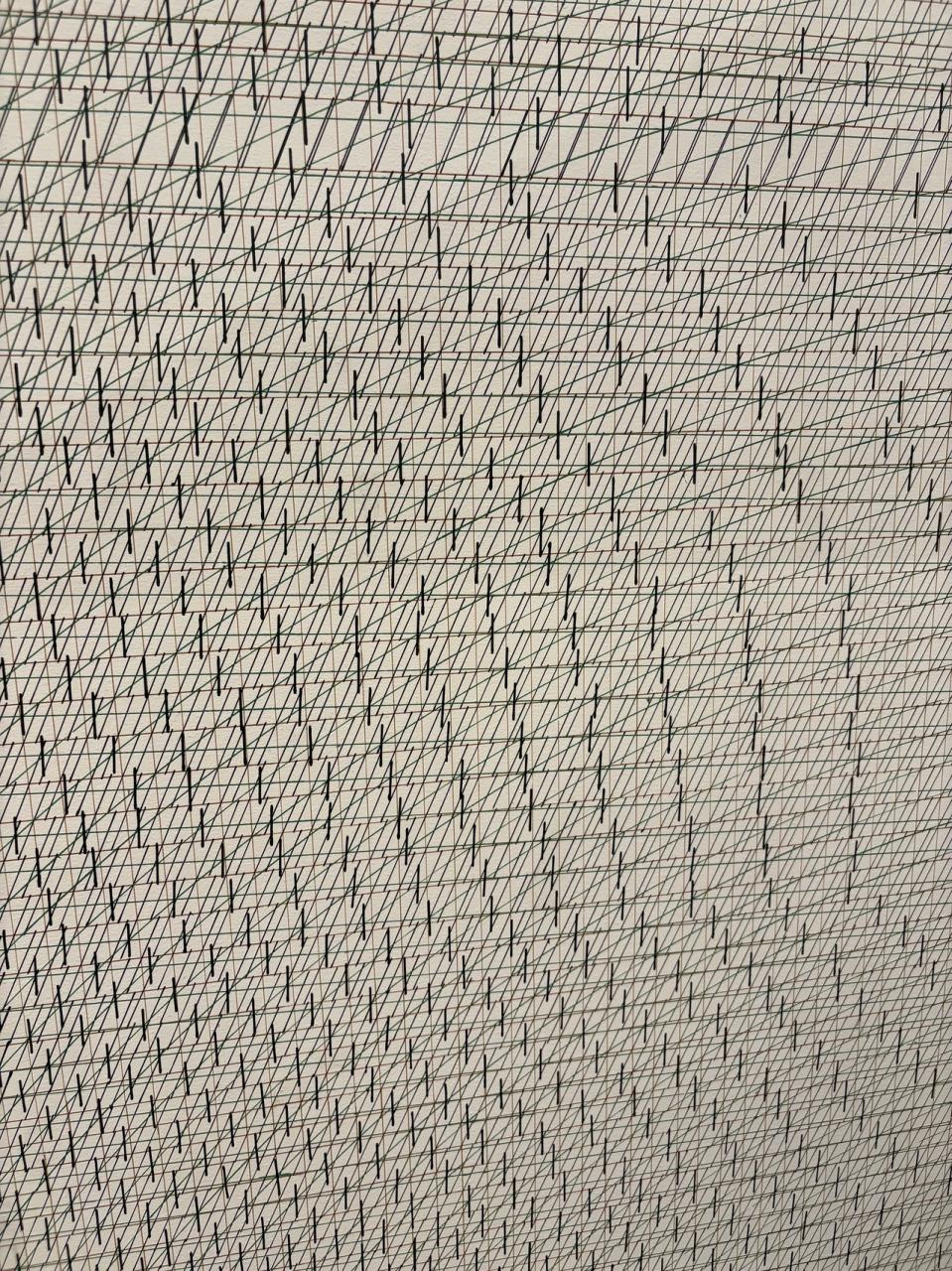
菅野聖子は、戦後日本を代表する前衛グループ「具体」の一員です。また文字そのものの形や、文字の空間的な配置などから詩を作りあげるコンクリート・ポエトリー(具体詩)へも関心を寄せ、絵画と詩とを関連づけながら制作した作家です。タイトルにあるレヴィニストロースはフランスの人類学者の名。彼の提唱した構造主義一要素間の関係からなる全体が、一連の変形過程を経て不変の特性を保持するーに菅野は影響を受けています。一定の法則に従い、反復的に引かれた線に少しずつズレが起きることで、揺らぐような視覚効果が生じています。
Kanno Seiko was a member of the avant-garde group Gutai, which was of central importance to postwar Japanese art. She also took an interest in Concrete Poetry, poetry based on the intrinsic shape and the spatial arrangement of the characters themselves. The title of this work refers to the French anthropologist Claude Lévi-Strauss.
Kanno was influenced by his philosophy of structuralism, in which the overall relationships among elements retain invariable properties through a series of deformative processes. Here slight shifts in the repetitively drawn lines, according to certain rules, create a vibrating visual effect. -
-
-
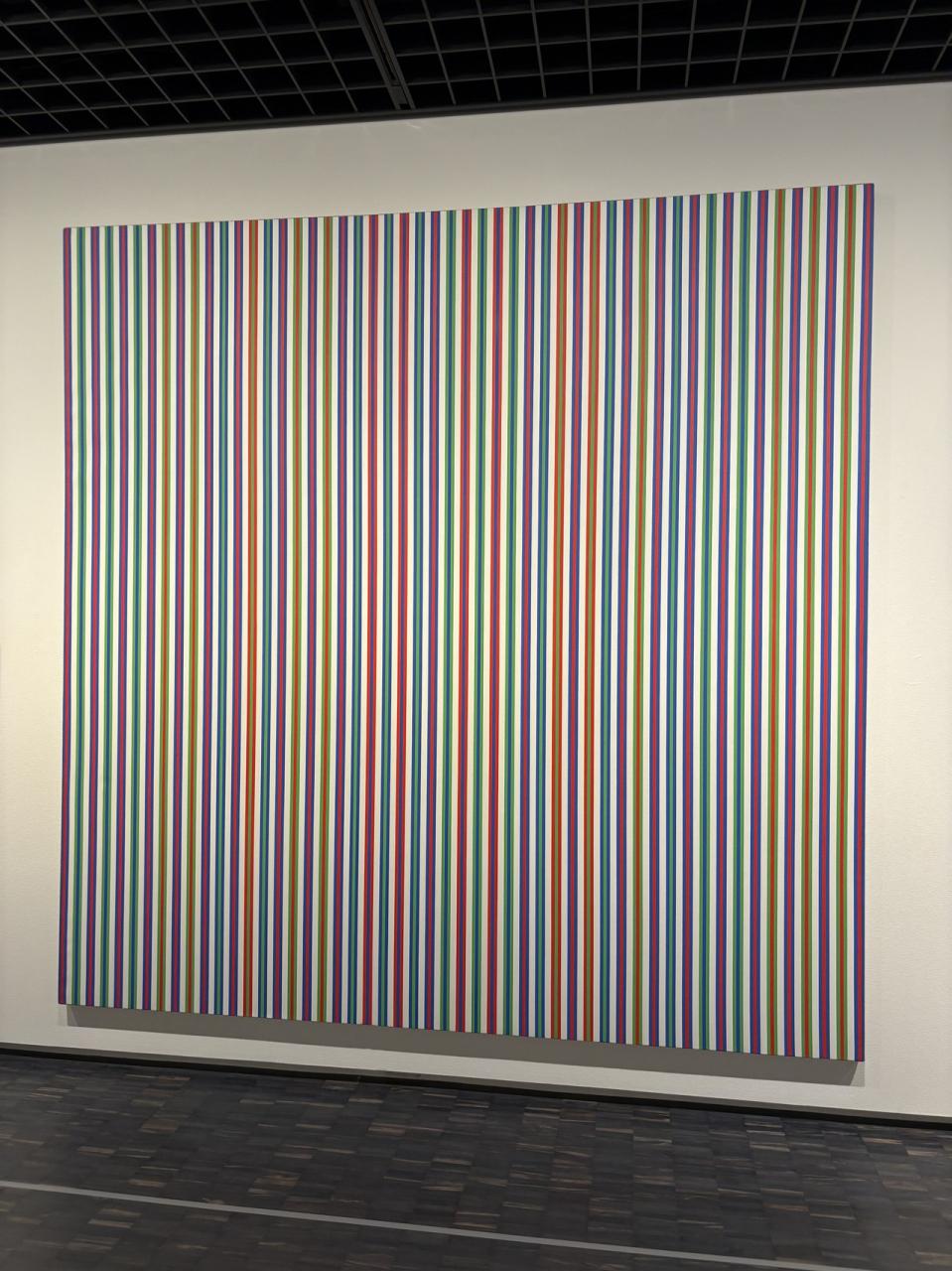
ブリジット・ライリー
Bridget Riley
1931-
讃歌
Paean
1973 昭和48年
アクリリック・キャンバス acrylic on canvas
1970(昭和45)年前後の7年間、ライリーは色彩の探求に適した形式として、ストライプのシリーズを制作します。制作プロセスは独特で、色の選択や組み合わせなどを緻密に検証する習作を本人が繰り返した後、できあがった構図をもとにアシスタントがキャンバスに描くというものです。機械のように、とでも形容したくなる規則正しさで描かれたまっすぐなストライプにもかかわらず、赤、青、緑の三色の組み合わせや並びを変化させることで、色の帯は波打ち、脈打つように動きだします。さらにオレンジ、黄緑、灰色といった、物理的には存在しないはずの色が、ヴァーチャルな奥行のなかに出現してきます。
For seven years, beginning around 1970, Riley produced a series of paintings employing stripes as a means of exploring color. Her unique working process involved carrying out repeated studies to carefully determine colors and combinations, then creating a final composition that assistants painted on canvas. Despite a regularity and accuracy one might describe as machine-like, her alterations of the combinations and arrangements of the three colors red, blue, and green, produced seas of bands that undulate and pulsate. They also create the illusion of orange, yellow-green, gray, and other colors not actually present that appear in virtual space. -
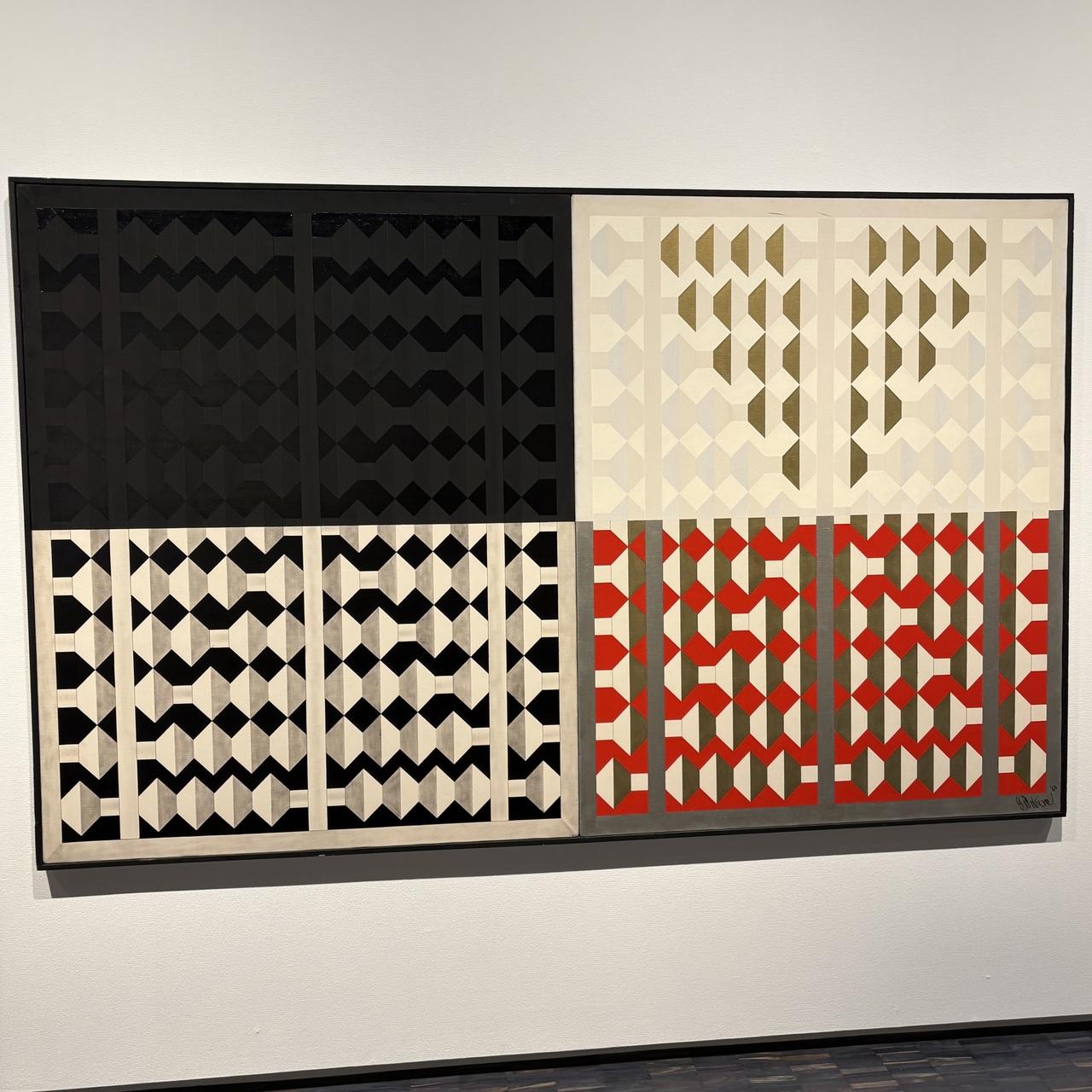
関根美夫
SEKINE, Yoshio
1922-1989
算盤
Abacuses
1965 昭和40年
油彩・キャンバス
oil on canvas -
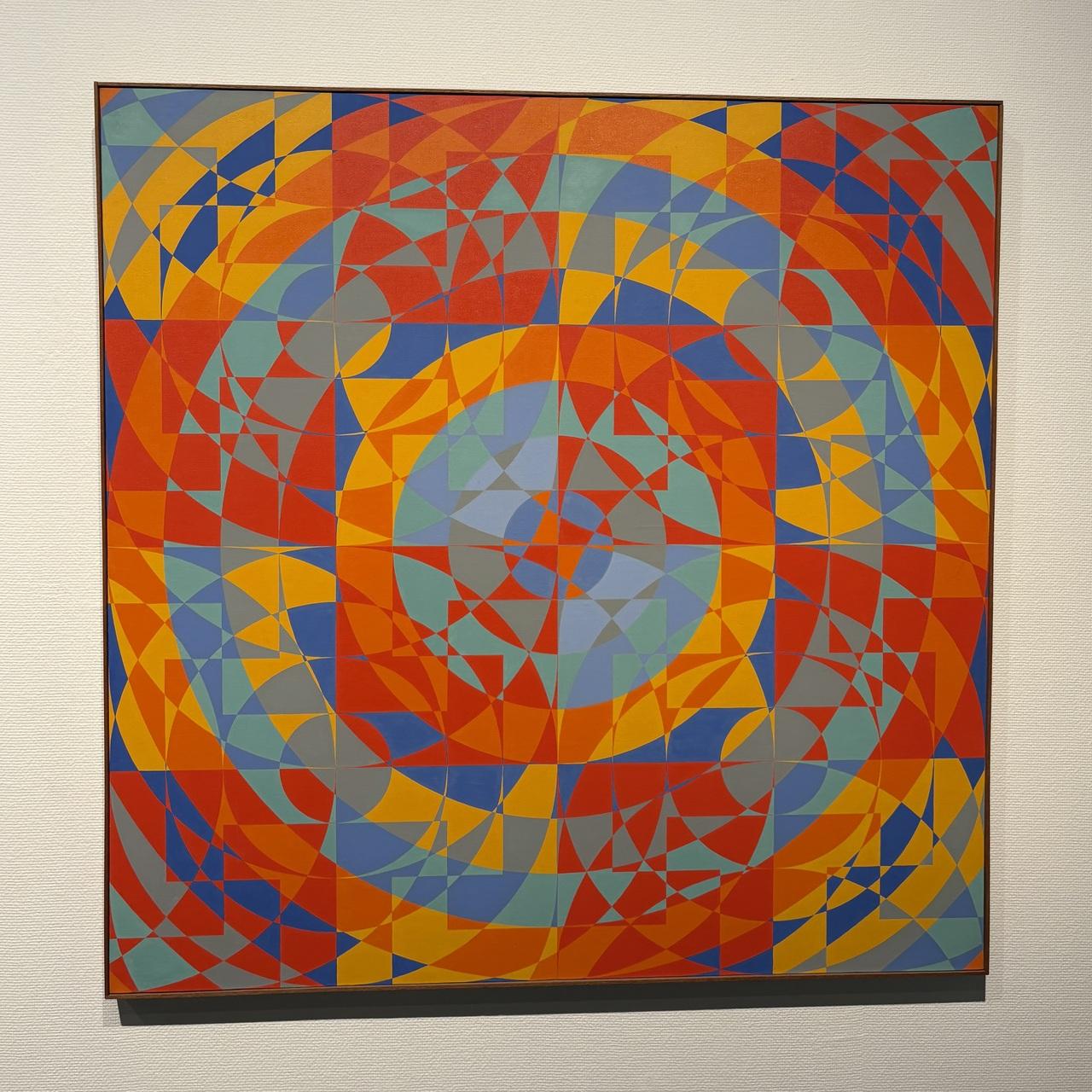
オノサト・トシノブ(小野里利)
ONOSATO, Toshinobu
1912-1986
CIRCLE-70
1970
昭和45年
油彩・キャンバス
oil on canvas
藤岡時彦氏寄贈一妻英子を偲んで
Gift of Fujioka Tokihiko in memory of his wife Fujioka Eiko -
-
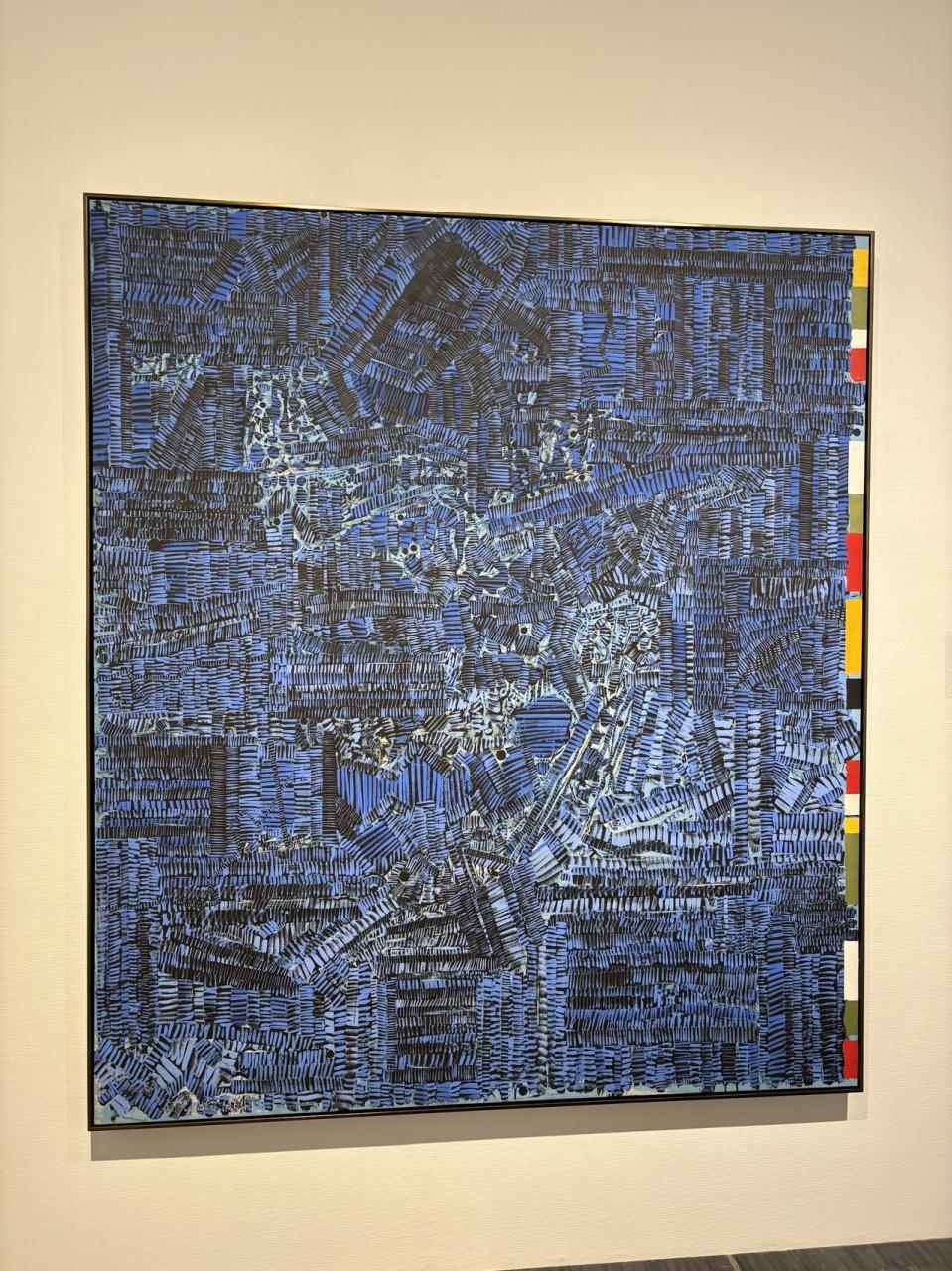
猪熊弦一郎
INOKUMA, Gen'ichiro
1902-1993
Confusion and Order
1964昭和39年
アクリリック・キャンバス
acrylic on canvas -
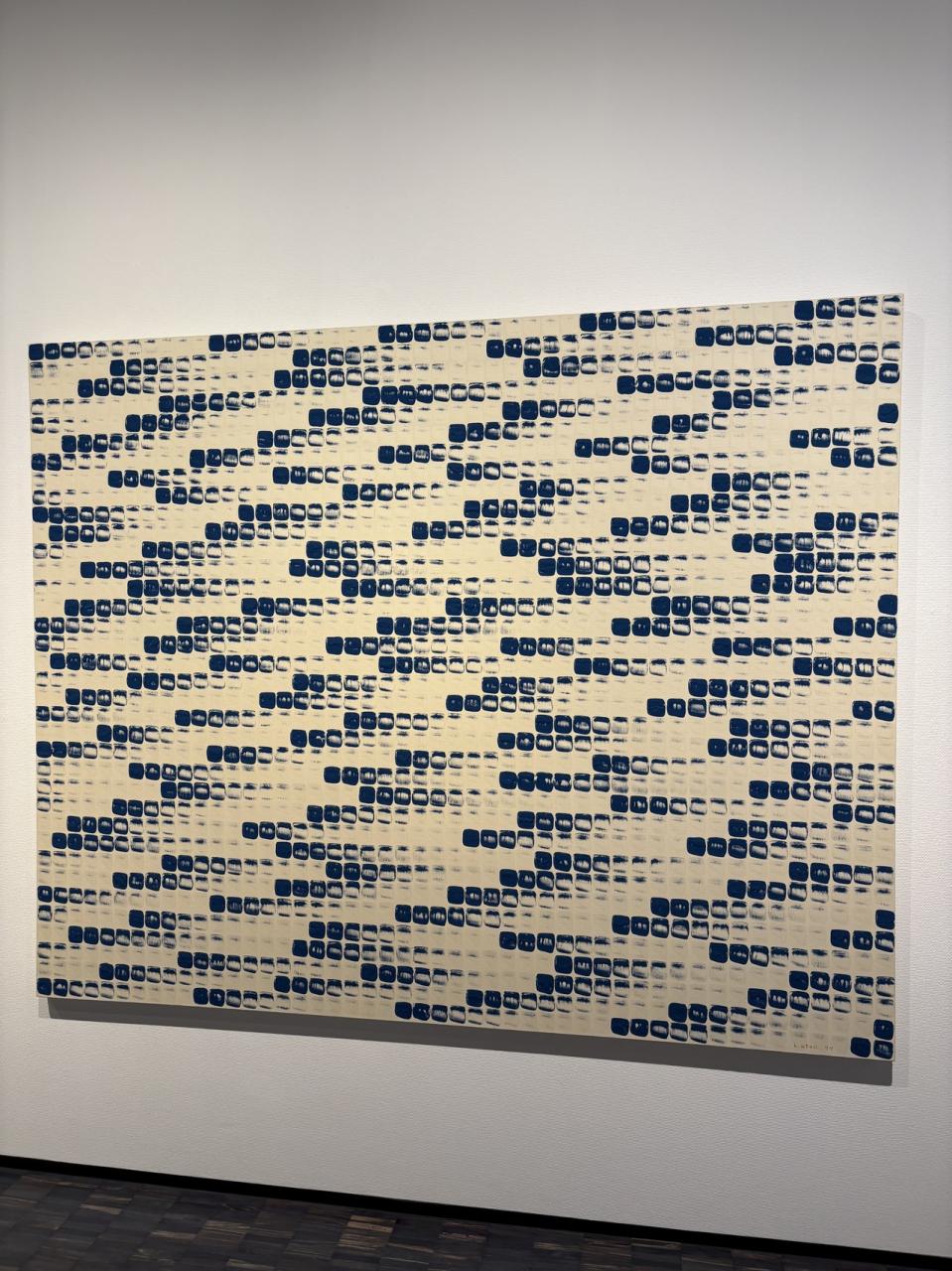
李禹煥
LEE, Ufan
1936-
点より
From Point
1977 昭和52年
岩絵具、膠・キャンバス
Japanese pigment and glue on canvas
画面全体を規則正しい筆触が覆っています。
これらは「たんぽ」という拓本用の道具に群青の岩絵具をつけ、画面上に押し当てることによるものです。押すたびに筆触はかすれ、余自が広がっていく。その行為が画面の上から下まで繰り返されています。「もの派」の代表的な作家である李が1973年から制作した「点より」シリーズは、このように点を打つという最小限の造形要素の反復で構成されており、制作行為に内在する身体性・時間性を前景化しています。
The entire canvas is uniformly covered with brushstrokes. These are produced by applying ultramarine iwa enogu (mineral pigment) to a tool known as tanpo, which is used for takuhon (ink rubbing), and pressing it against the canvas over and over. With each pressing, the brushstrokes gradually fade and are replaced by white space until the artist reloads the tool with pigment, and the process is repeated from the top to the bottom of the canvas. The From Point series was initiated in 1973 by Lee, a key figure in Mono-ha (the "School of Things"), and the works in the series all employ this repetitive, minimal action of dot-making, emphasizing the inherent physicality and temporality of the art-making process. -
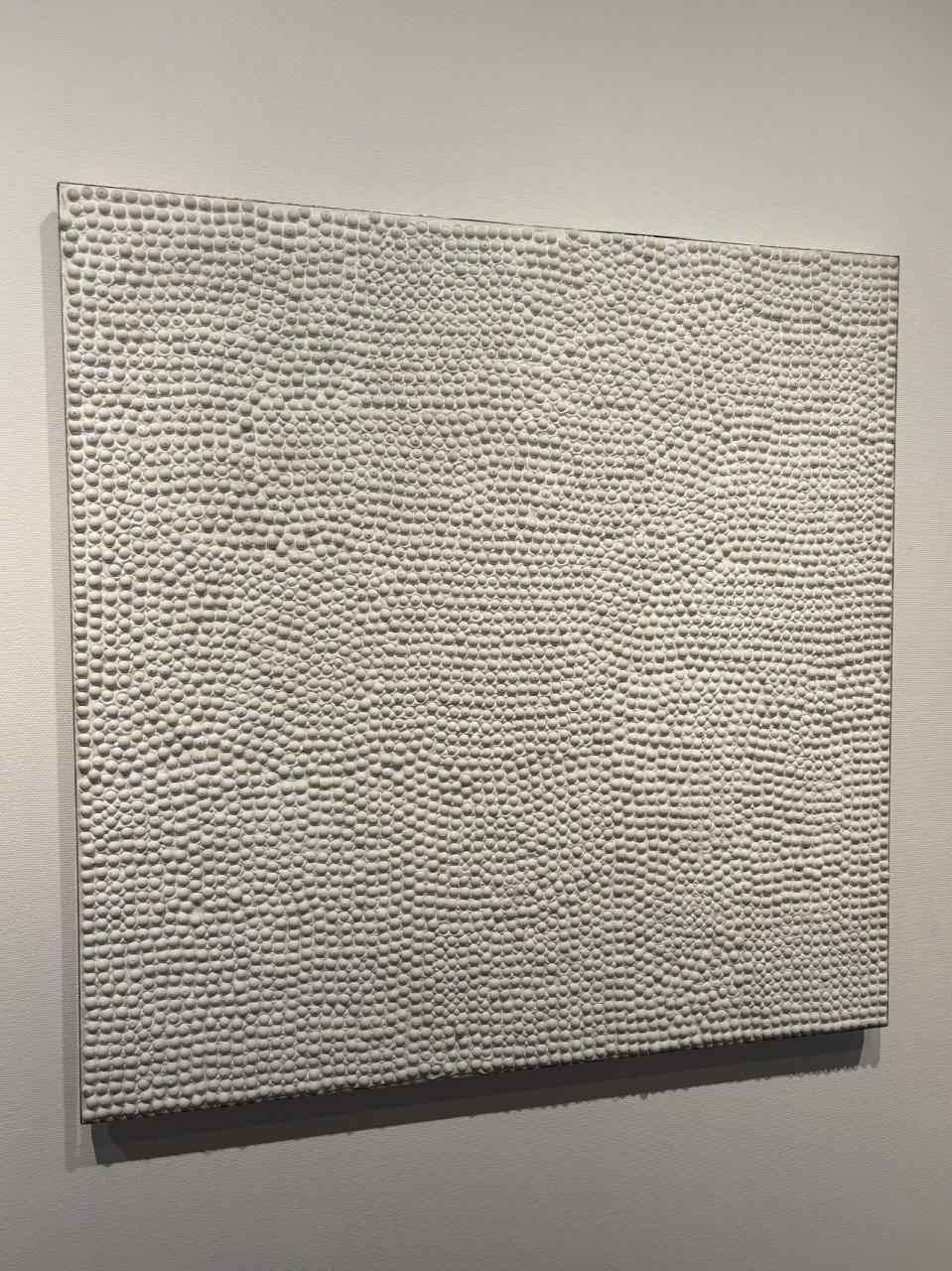
伊藤隆康
ITO, Takayasu
1934-1985
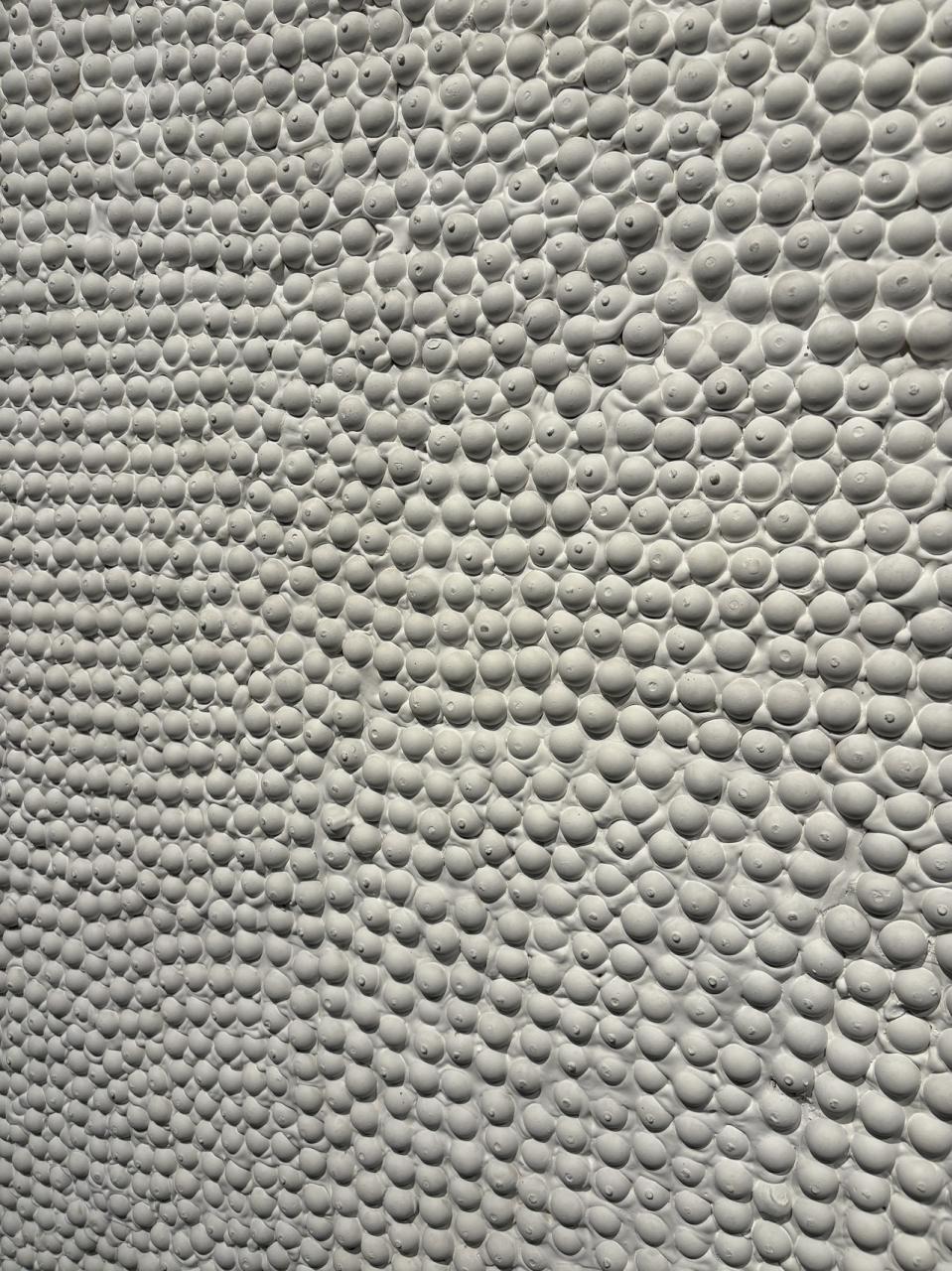
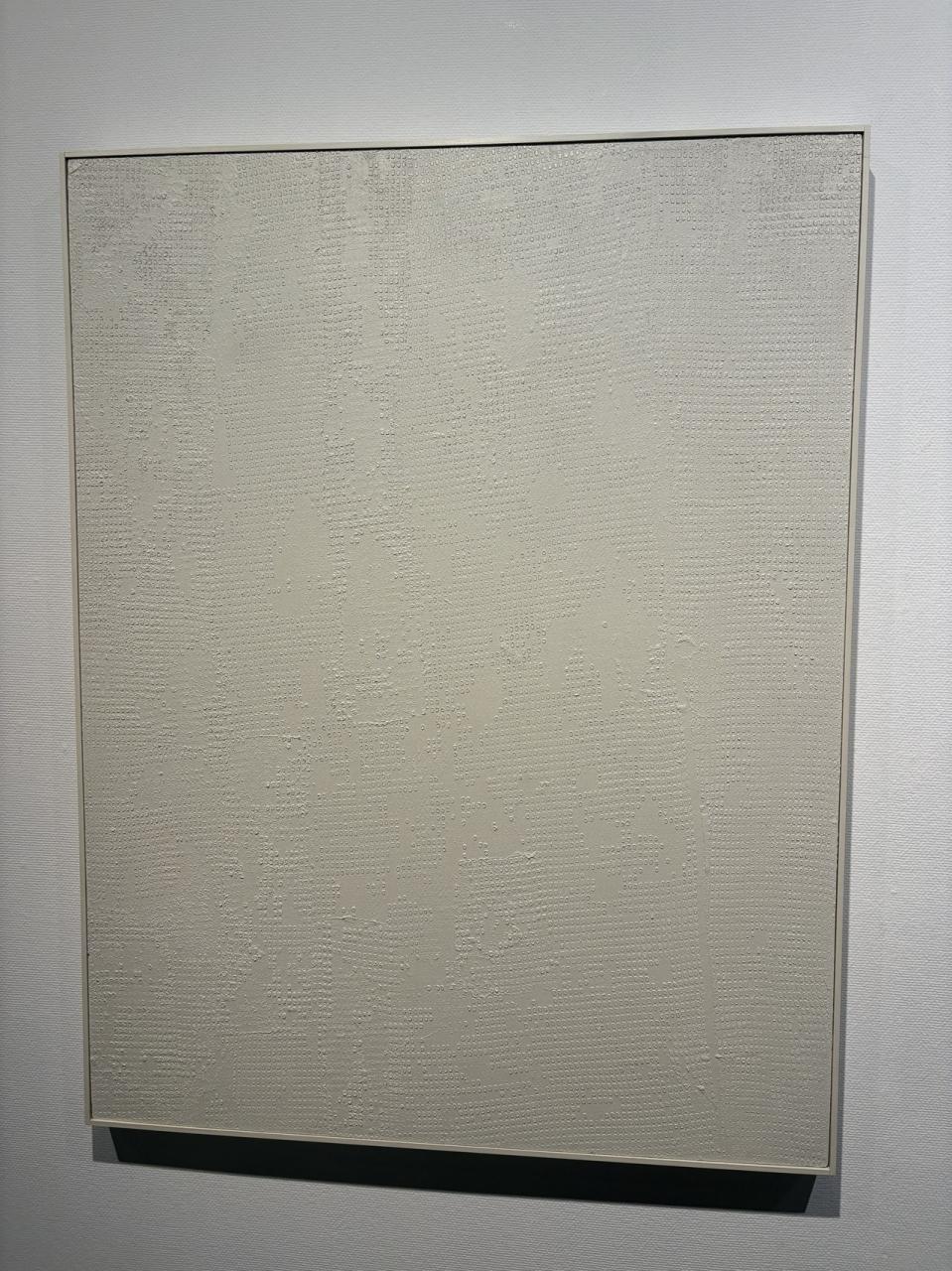
無限空間6
The Infinite 6
1962
昭和37年
石膏・板
plaster on board -
-
宮脇愛子
MIYAWAKI, Aiko
1929-2014
Work
1960-61 昭和35-36年
油彩、大理石粉・合板
oil and powdered marble on plywood
「いつからはじまって、いつ終るのか、わからない。/わずかにもとの形をとどめるにすぎないこの溶けかかったものたち。かれらの行列は、いつのまにか、少しずつ動きはじめる・・・・・・」。
作家の言葉が示す通り、大理石の粉を混ぜた絵具によって、繊細なレリーフ状のパターンが画面に反復されています。作品を見る私たちの視点が動くことで、その表面は異なる表情を見せます。彫刻家として知られる宮脇が初期に手がけた一連の絵画は、制作から35年を経た1996年の秋に然発見され、その後の仕事を予見する作品として高く評価されました。
"I do not know when they began or when they will end. / These half-melted things that only barely retain their former shapes. Without my being aware of it, their procession begins moving, little by little..." As the artist's words suggest, the work is composed of delicate relief patterns created with marble dust mixed with
paint. As the viewer's perspective shifts, the work's surface takes on a different appearance. A series of paintings by Miyawaki, better known as a sculptor, was discovered by chance in autumn 1996, thirty-five years after they were created, and were highly lauded as foreshadowing her later work. -
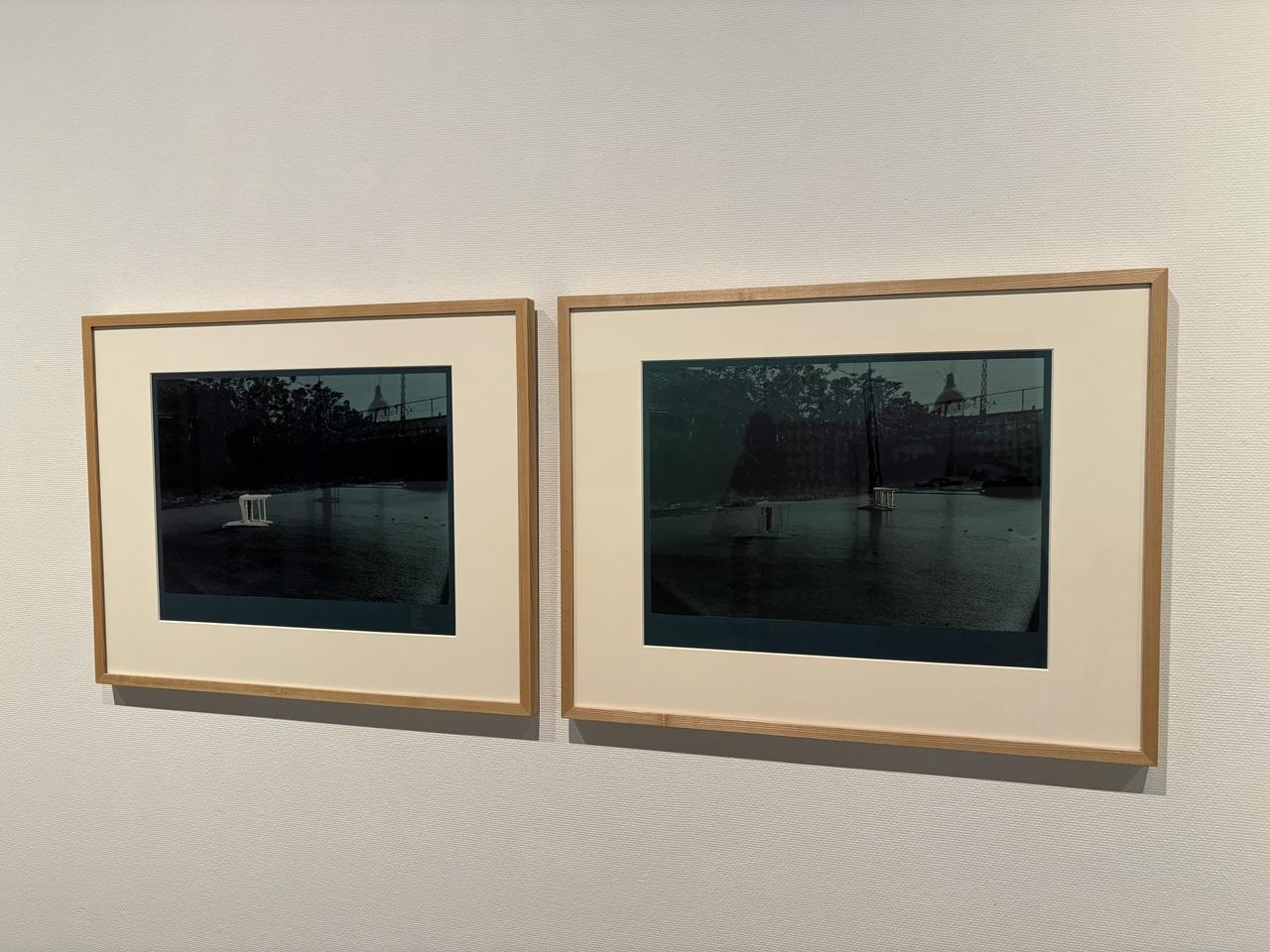
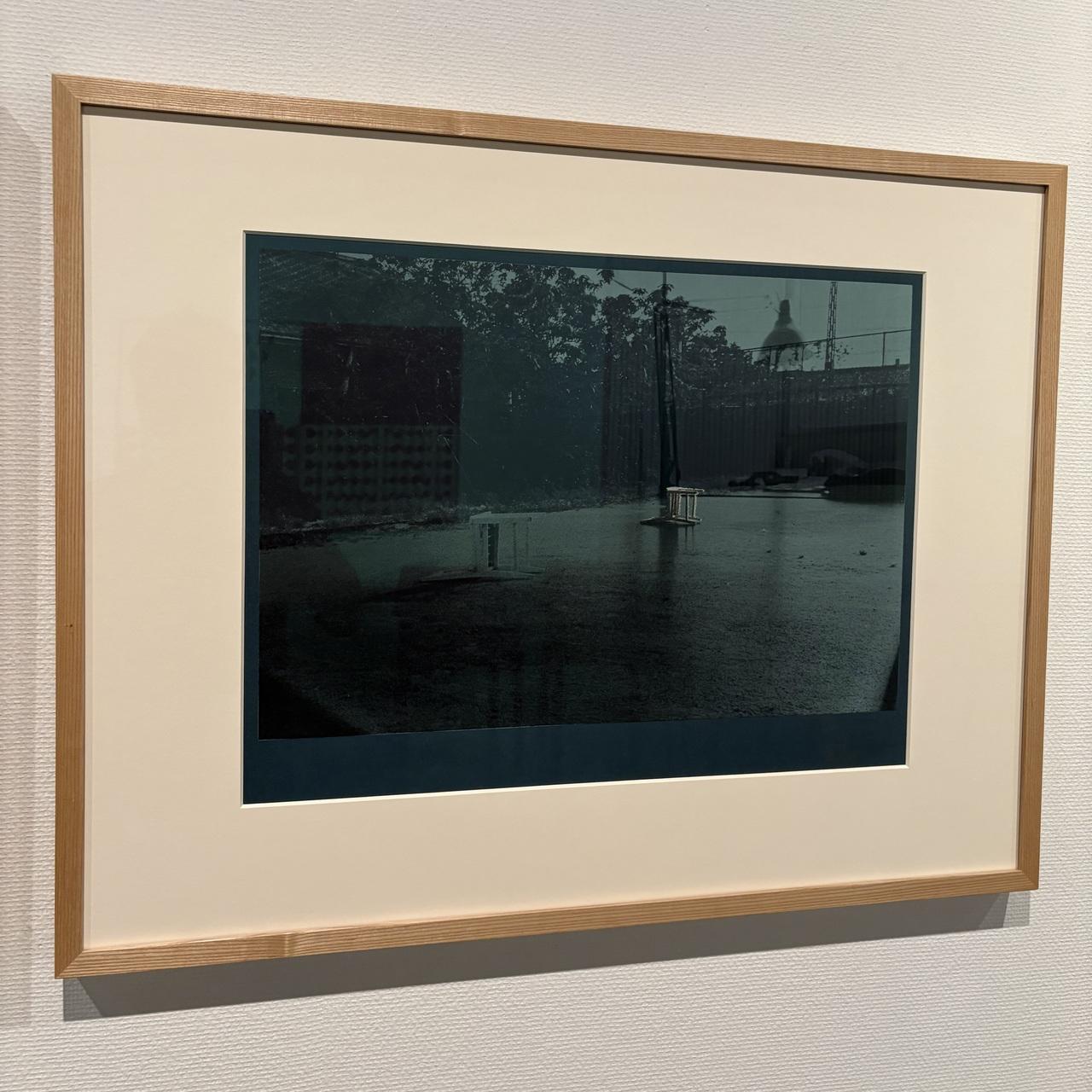
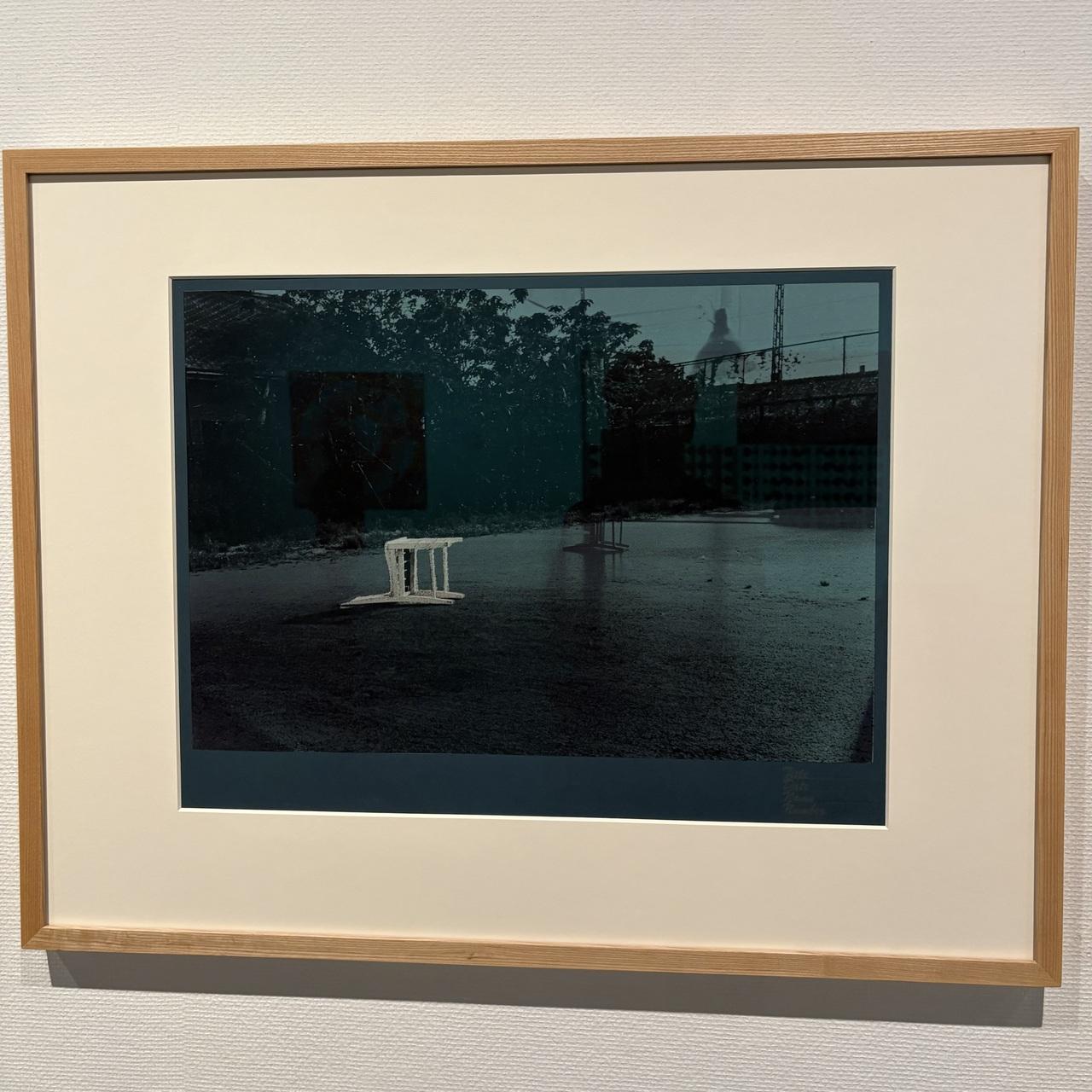
木村秀樹
KIMURA, Hideki
1948-
Two Chairs 5
1975 昭和50年
シルクスクリーン
silkscreen
Two Chairs 6
1975昭和50年
シルクスクリーン
silkscreen -
-
-
吉田克朗
YOSHIDA, Katsuro
1943-1999
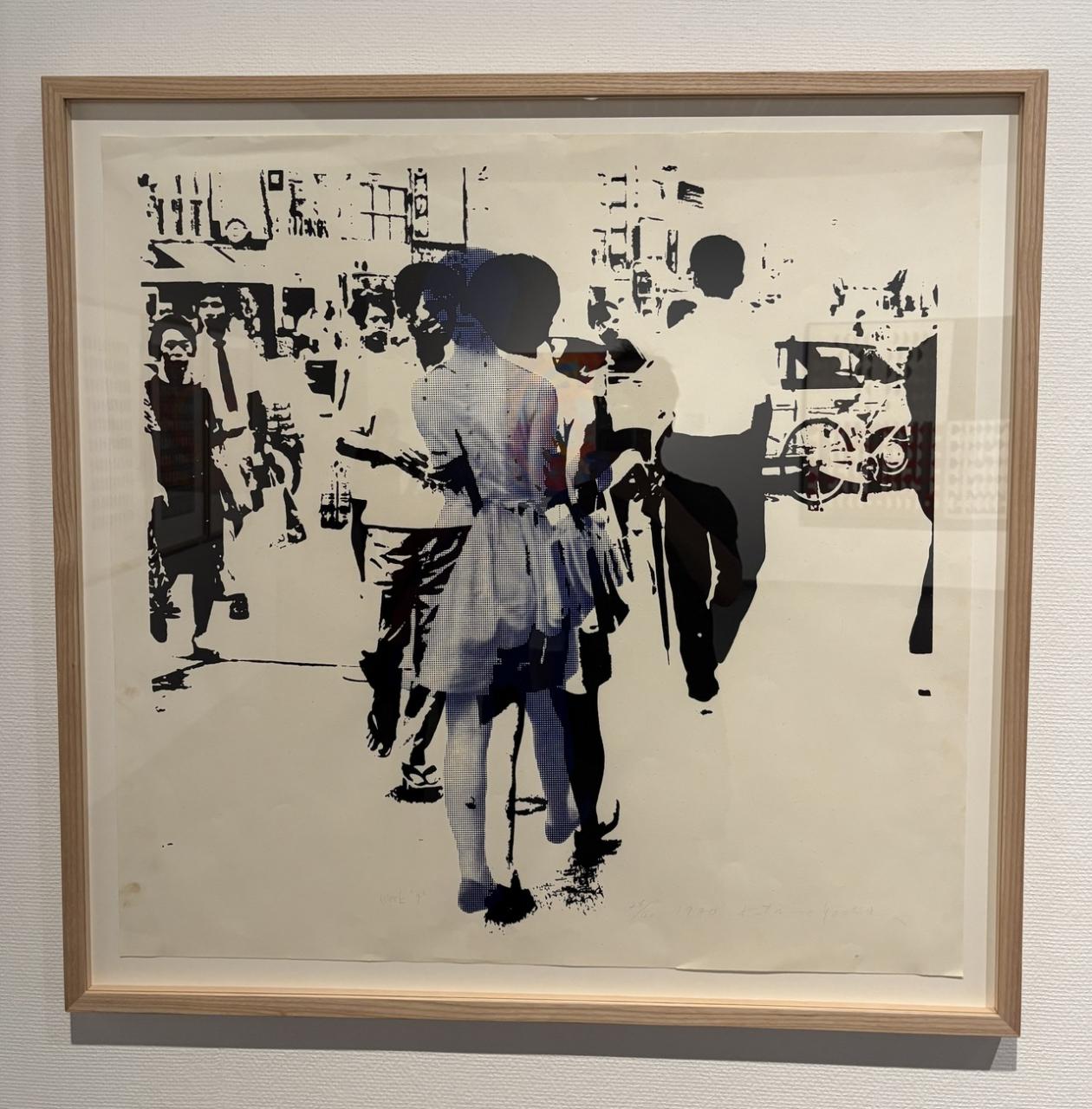
作品9
Work 9
1970 昭和45年
シルクスクリーン silkscreen
街中を写したスナップショットです。しかし中央を歩く女性のシルエットだけが二重になっています。吉田は1960年代末、写真製版シルクスクリーンという技法で、写真を転写したうえで、さらに元の写真のなかの一人だけを位置をずらして重ね、濃度の変化をつけて際立たせる作品を制作し始めました。何度でも正確に反復できる技法を使って重ねられたイメージは、社会で生きる現代人の孤独感や不安感の象徴として、もう一人の「わたし」の姿を示唆しているのです。
In this snapshot of a city street, only the figure of a woman walking in the center is doubled. In the late 1960s, Yoshida began using the technique of photographic silkscreen printing to transfer photographs to paper and then shift the position of only one person in the original photo and reprint them, creating variations in intensity that make this person stand out. His images, layered using this technique that enables any number of precise repetitions of images, hint at "another self" as a symbol of isolation and anxiety people experience in contemporary society. -
木村光佑
KIMURA, Kosuke
1936-
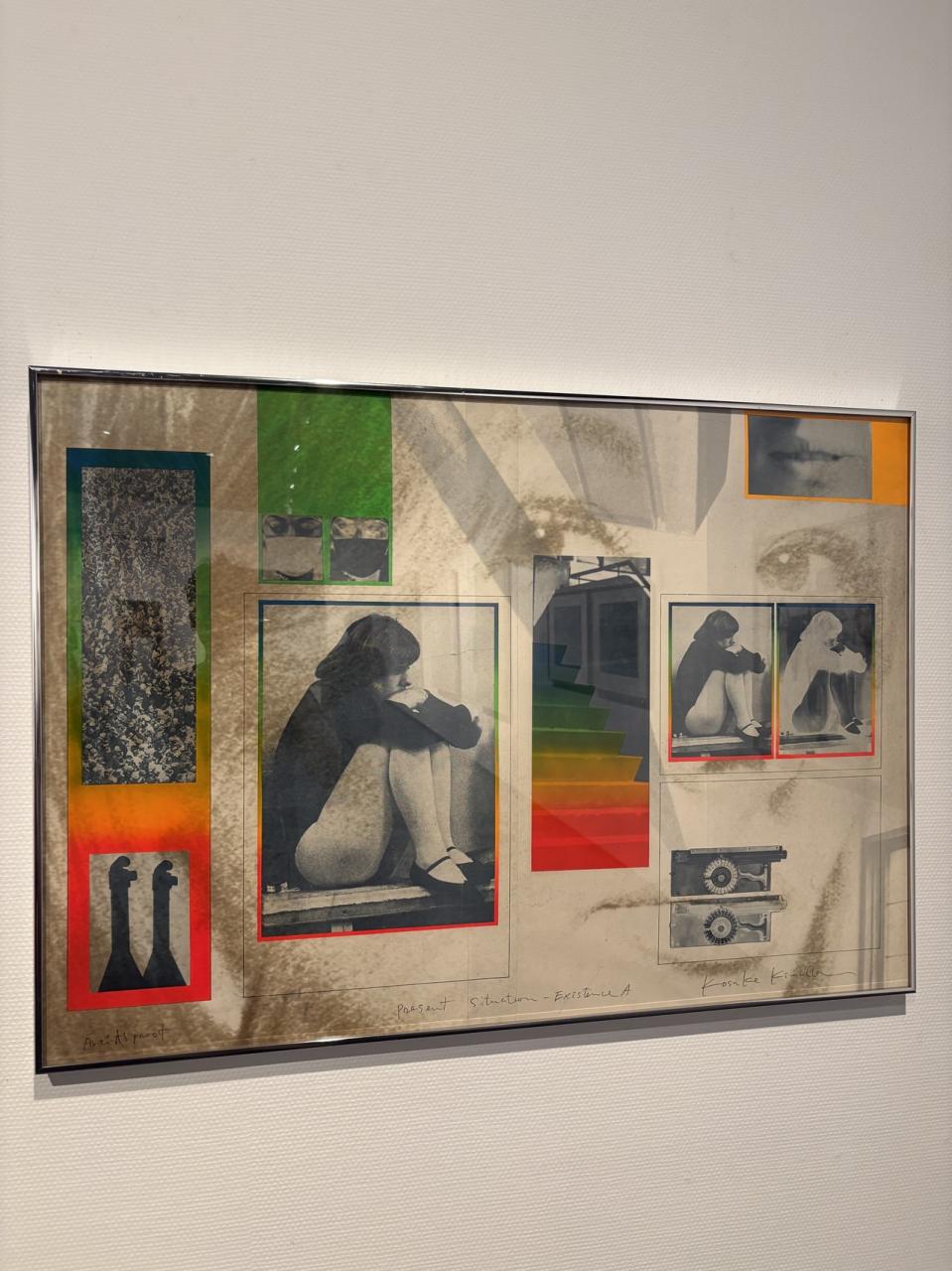
現在位置一存在 A
Present Situation-Existence A
1971 昭和46年
リトグラフ、シルクスクリーン
lithograph and silkscreen
この版画は、リトグラフ6版を6度刷り、シルクスクリーン4版を18度部分刷りすることからできあがっています。別々の場所、時間からやってきた複数のイメージが並置され、重ね合わされ、圧縮されています。作者は「人物、階段、カメラ、群集、煙突などを、バックに使った建物や画面一杯の女の顔にダブらせた。シルクスクリーンのフレームは縦軸と横軸で現在位置の座標を意図し、ネガとポジの並置による時間性、陰と陽、虚と実の面白さを表現した」と述べています。そしてこの「現在位置」シリーズの制作は、現代社会において作者自身が立っている場所を確認する作業でもあったといいます。
This print consists of six lithographs, printed six times, and 18 partial printings of four silkscreens.
Multiple images derived from different places and times are juxtaposed, superimposed and compressed. The artist says he "superimposed objects, stairs, cameras, crowds, smokestacks and so forth on the building and woman's face occupying the background. The horizontal and vertical axes of the silkscreen frame determine the present situation, and the juxtaposition of
negative and positive expresses the fascination of time, yin and yang, imaginary and real." And he says the creation of this "present situation" series was also a process of verifying his own position within contemporary society. -
-
松本旻
MATSUMOTO, Akira
1936-2020
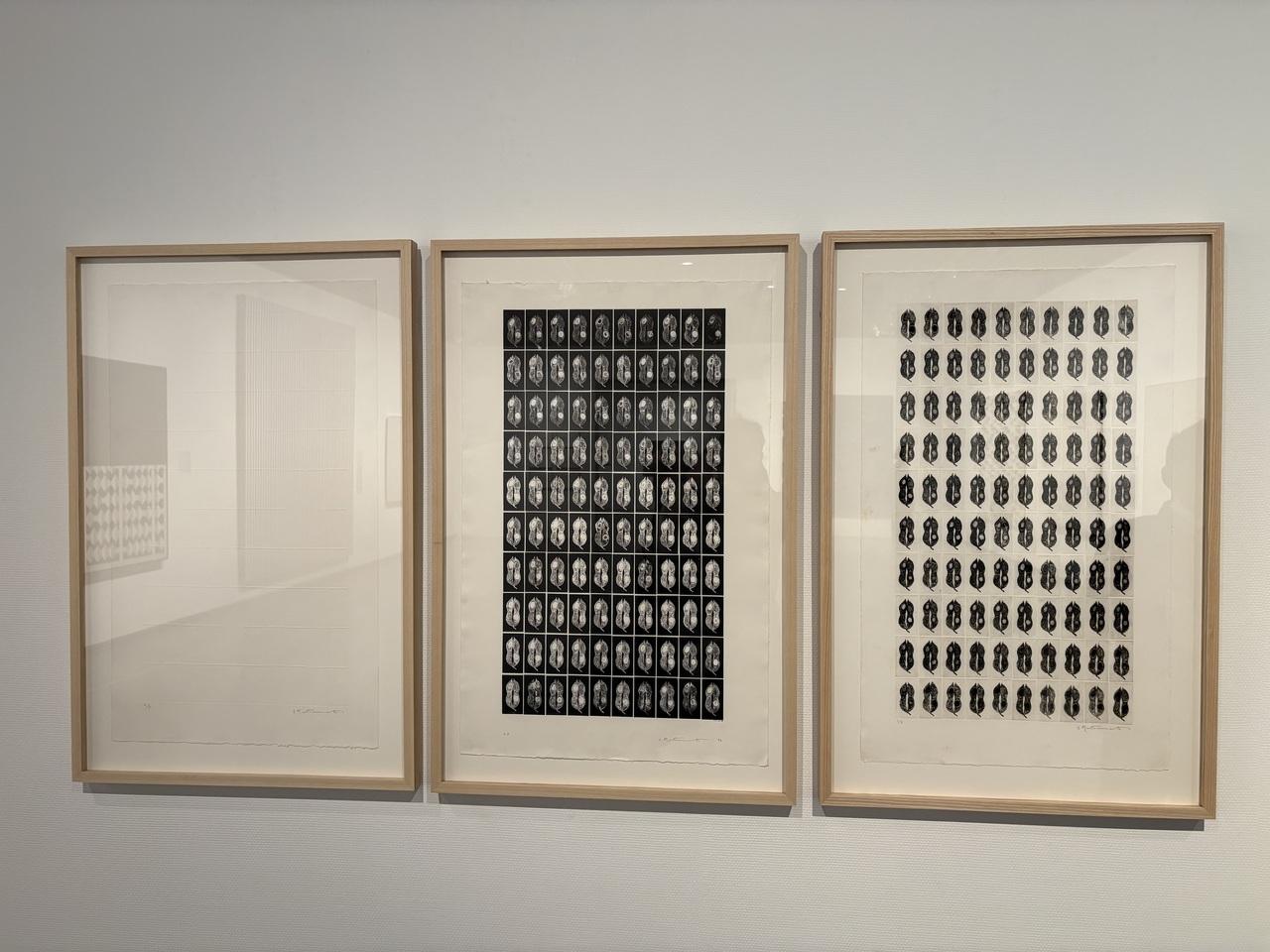
100個の「くるまめ」-I
One Hundred Black Beans-I
1972 昭和47年
銅版(エッチング、凹版)
etching and intaglio
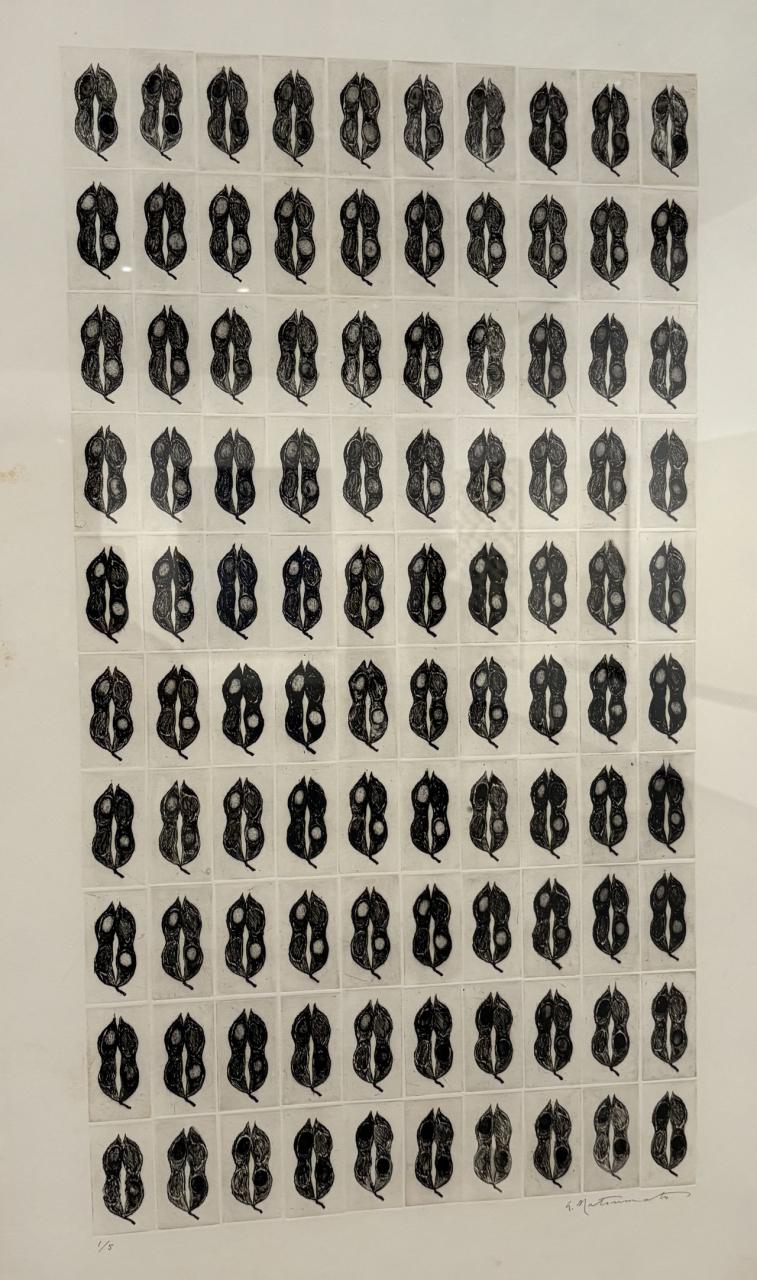
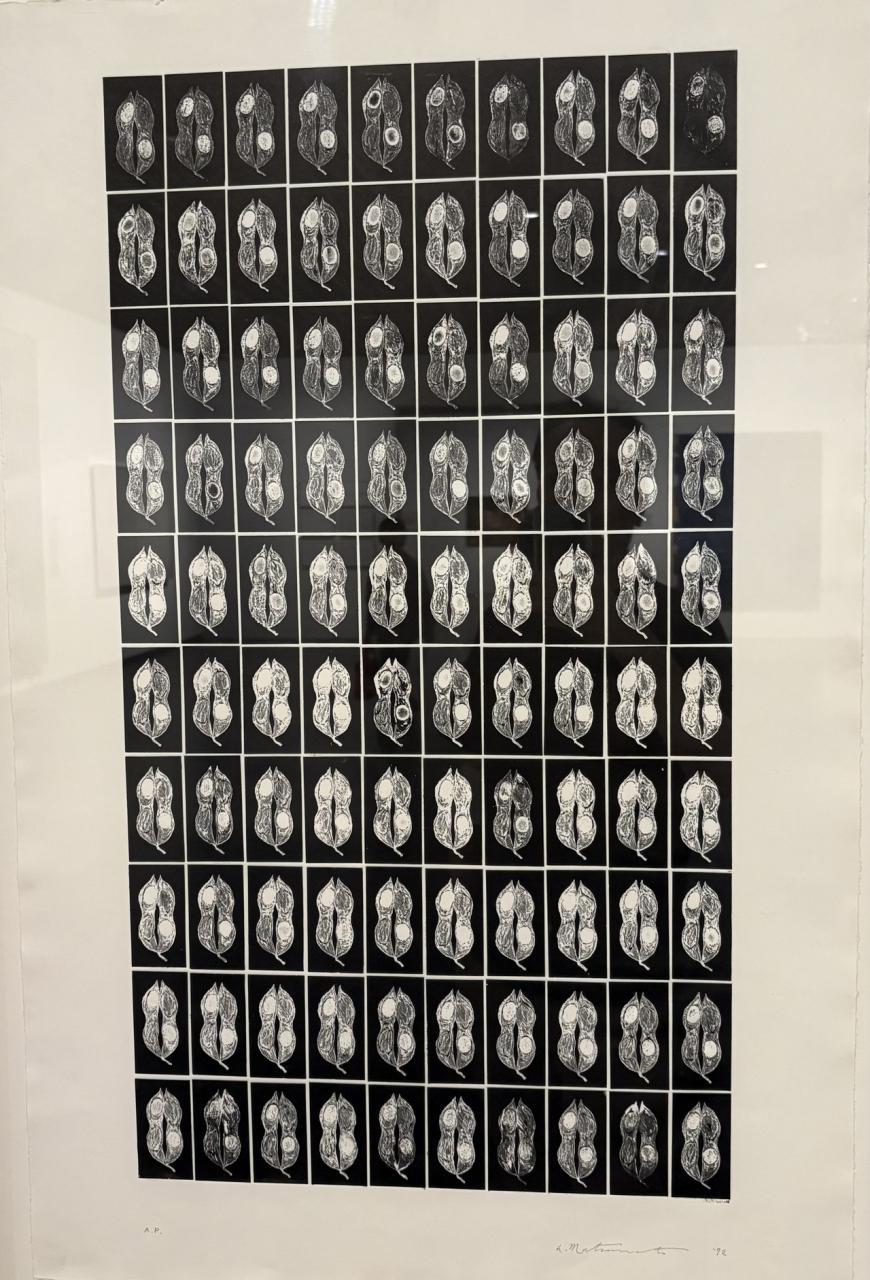
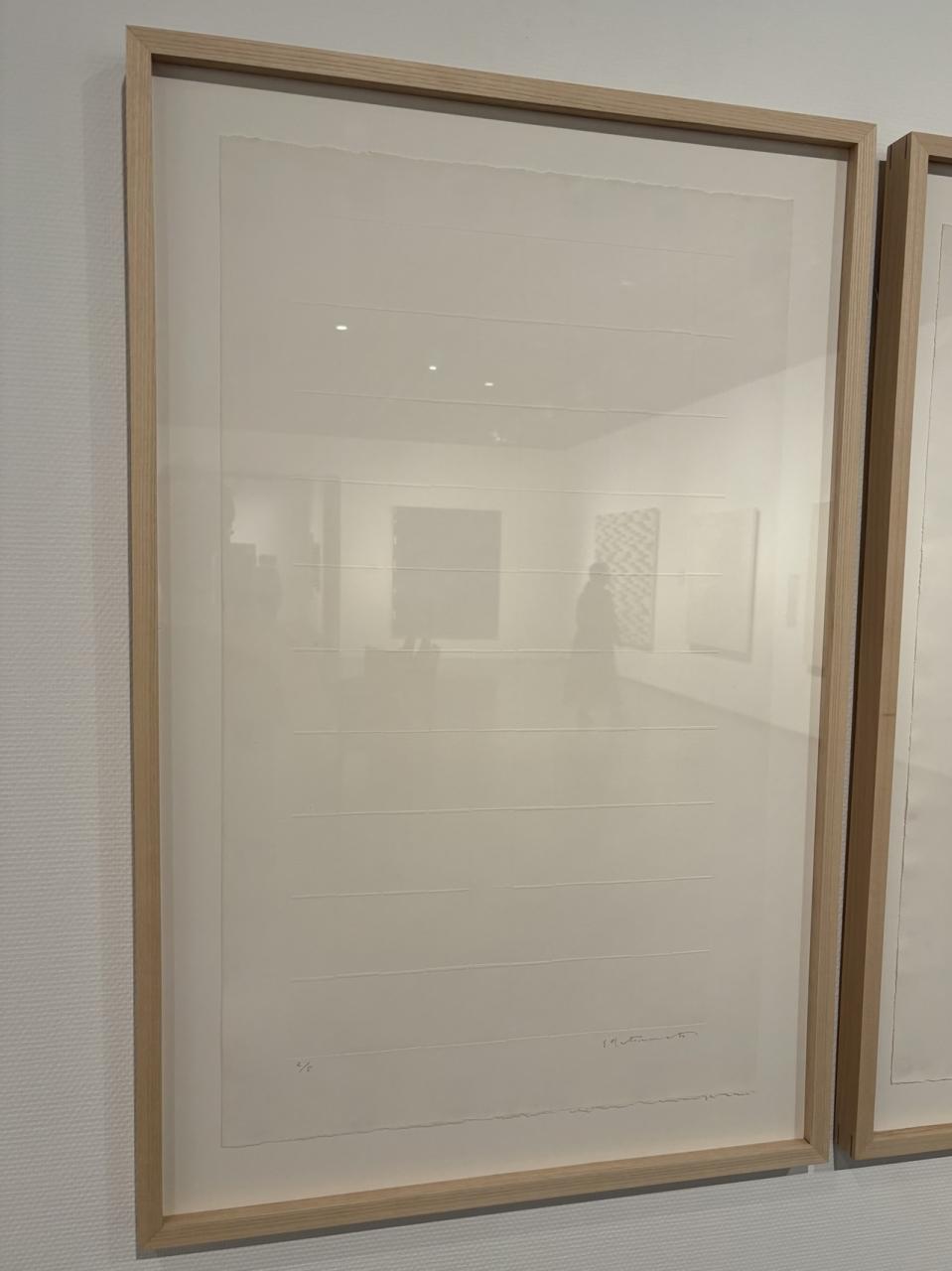
画面上に100個のくろまめが刷られています。写真製版と見間違えそうになりますが実はひとつずつ手作業で版が制作されており、それぞれ微かに異なる表情を見せています。「百回ぐらい繰り返せば、ものの本質を体得でき、なおかつシンボル化できるのではないか」(「松本旻 概念の実体」「版画芸術」96号、1997年6月)と語る松本は、システマティックな行為の反復によって対象の意味性を剥奪し、記号化させました。その背景には、情報化社会のなかで氾濫する広告やイメージへの猜疑心がありました。
Images of one hundred black beans are printed on paper. At first glance, they may be mistaken for identical photomechanical prints, but each plate was actually handmade, and each bean is subtly different from the others. Matsumoto, who believed that "by repeating something about a hundred times, one can grasp its essence and further elevate it to a symbolic realm" (from
"Matsumoto Akira: Substance of Concepts," Hanga Geijutsu no. 96, June 1997), stripped objects of their meaning through systematically repeated actions and transformed them into signifiers. This reflects his skepticism towards the inundation of advertising and images in the information-saturated society of the time. -
100個の「くろまめ」ーII
One Hundred Black Beans-Il
1972
昭和47年
銅凸版 copper reliefprint and etching -
100個の「くろまめ」一Ⅲ
One Hundred Black Beans-Ⅲ
1972 昭和47年
銅版(エッチング、空摺り)
etching and embossing -
-
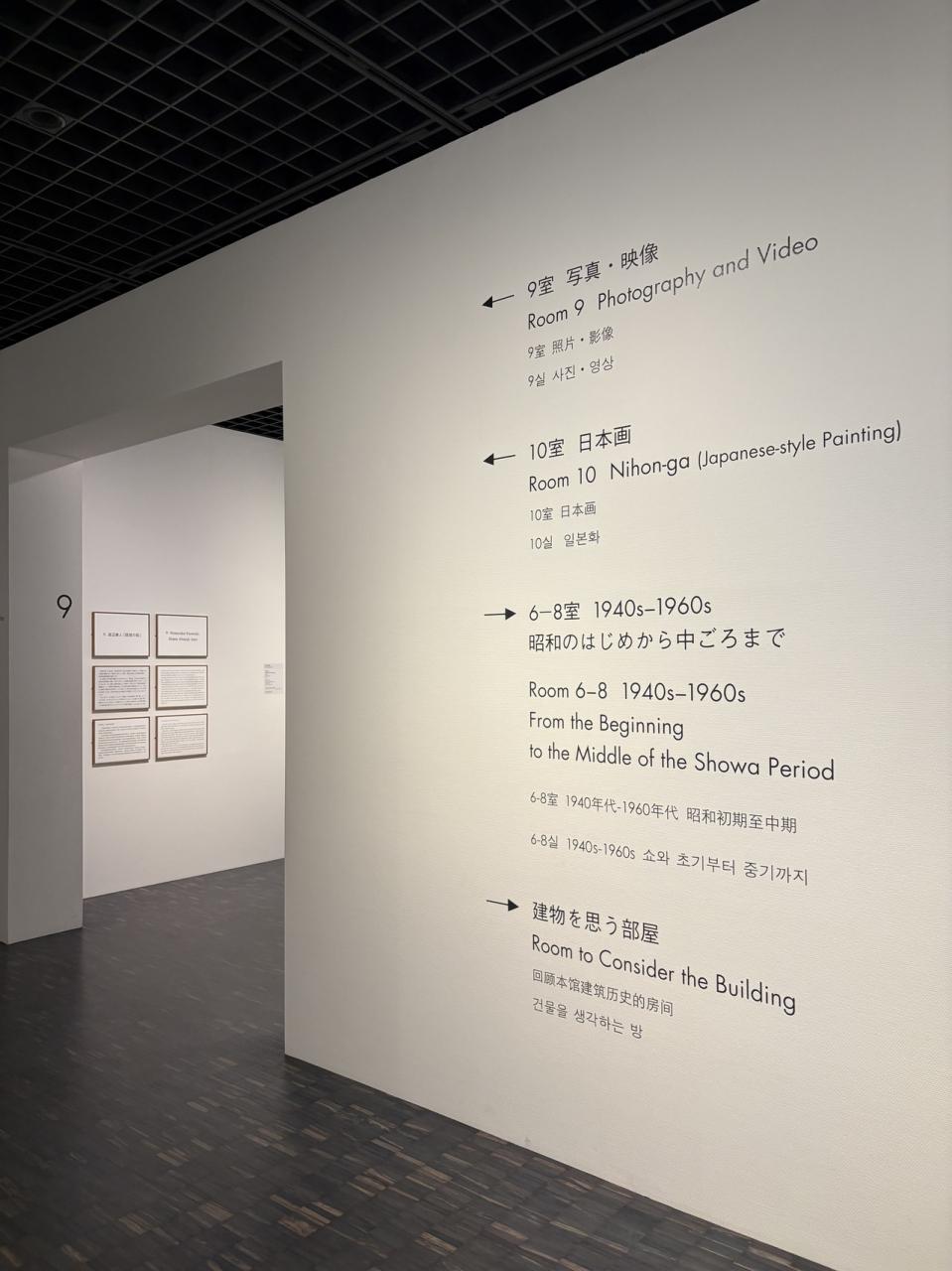
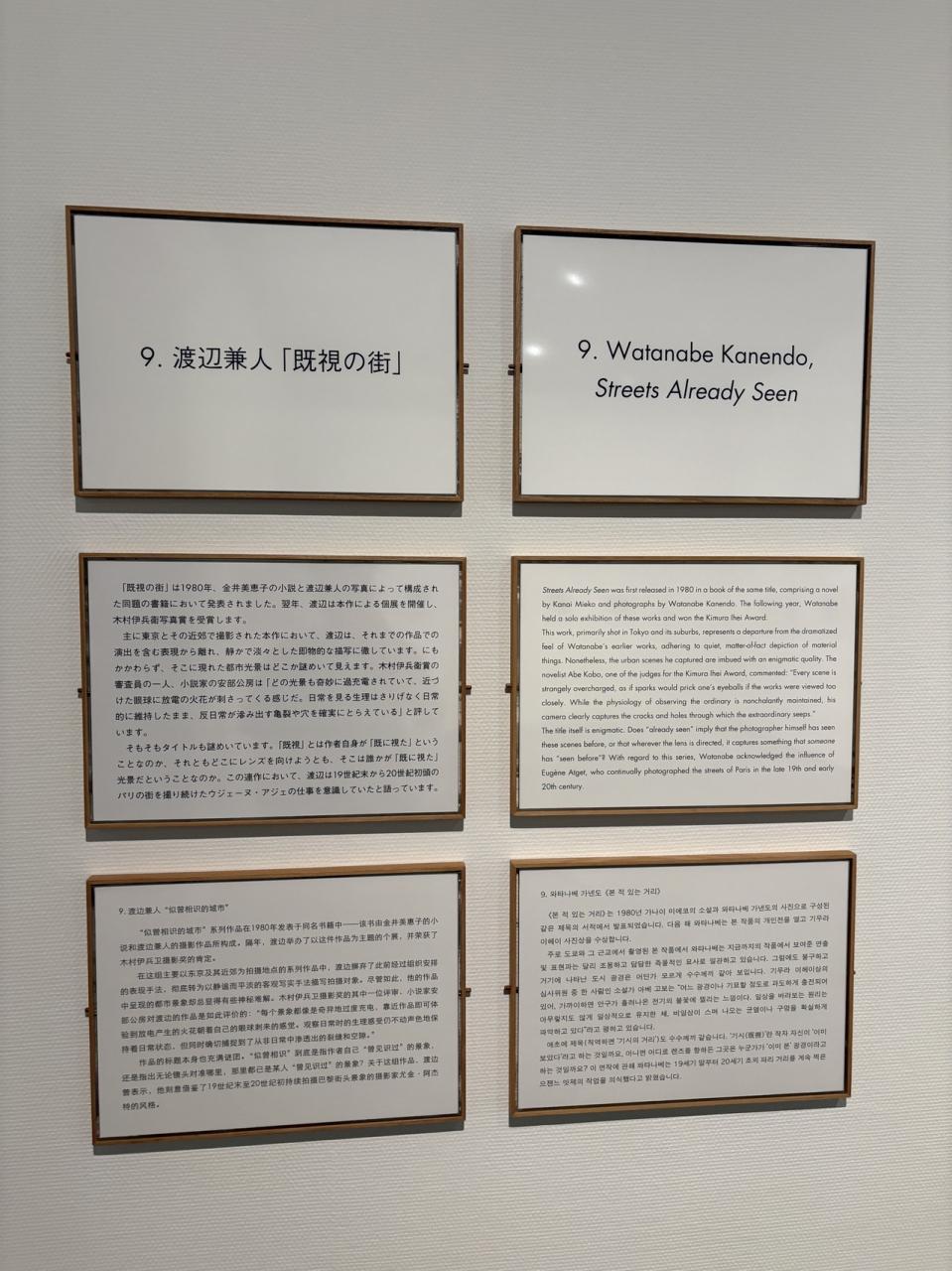
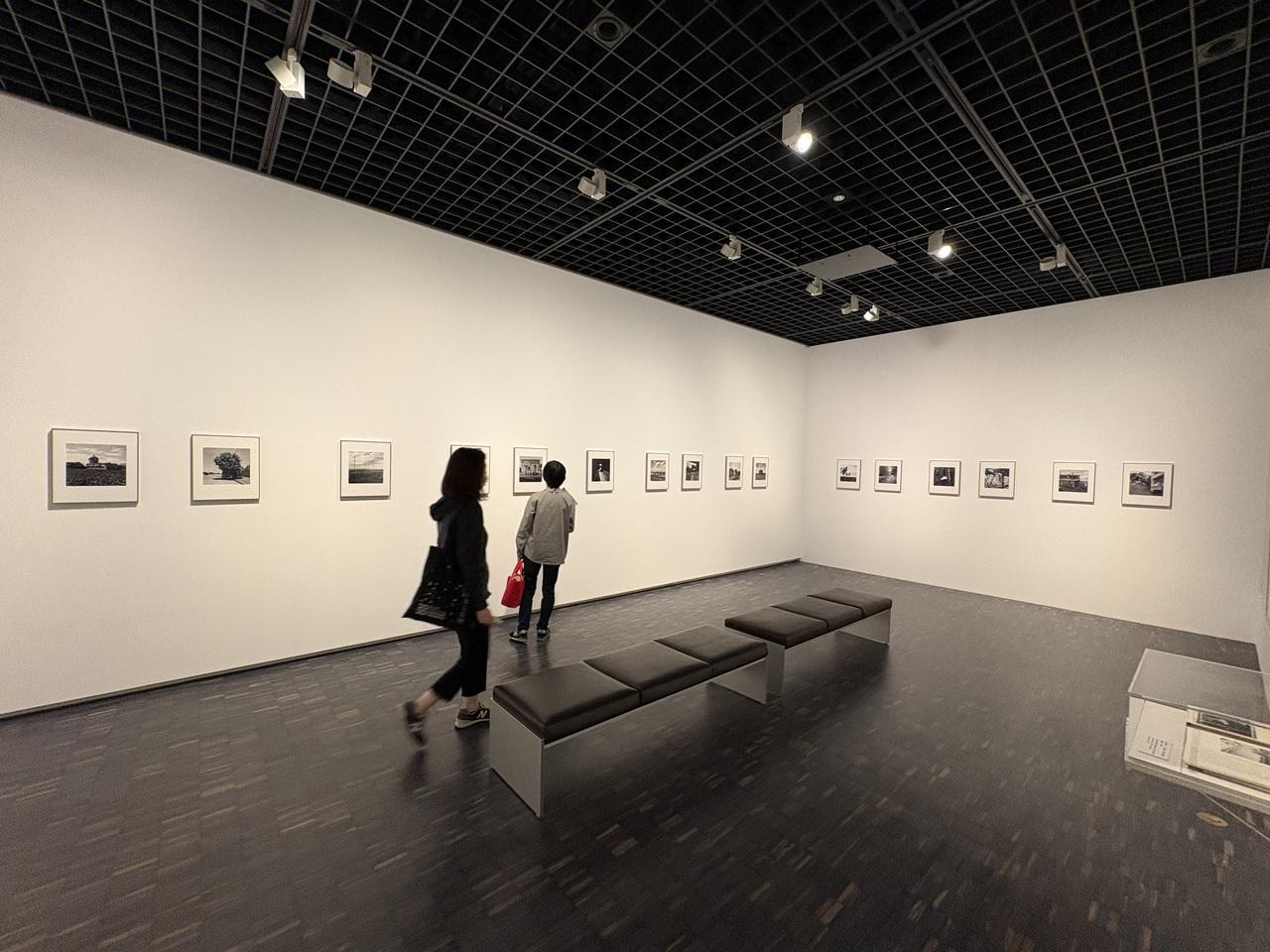
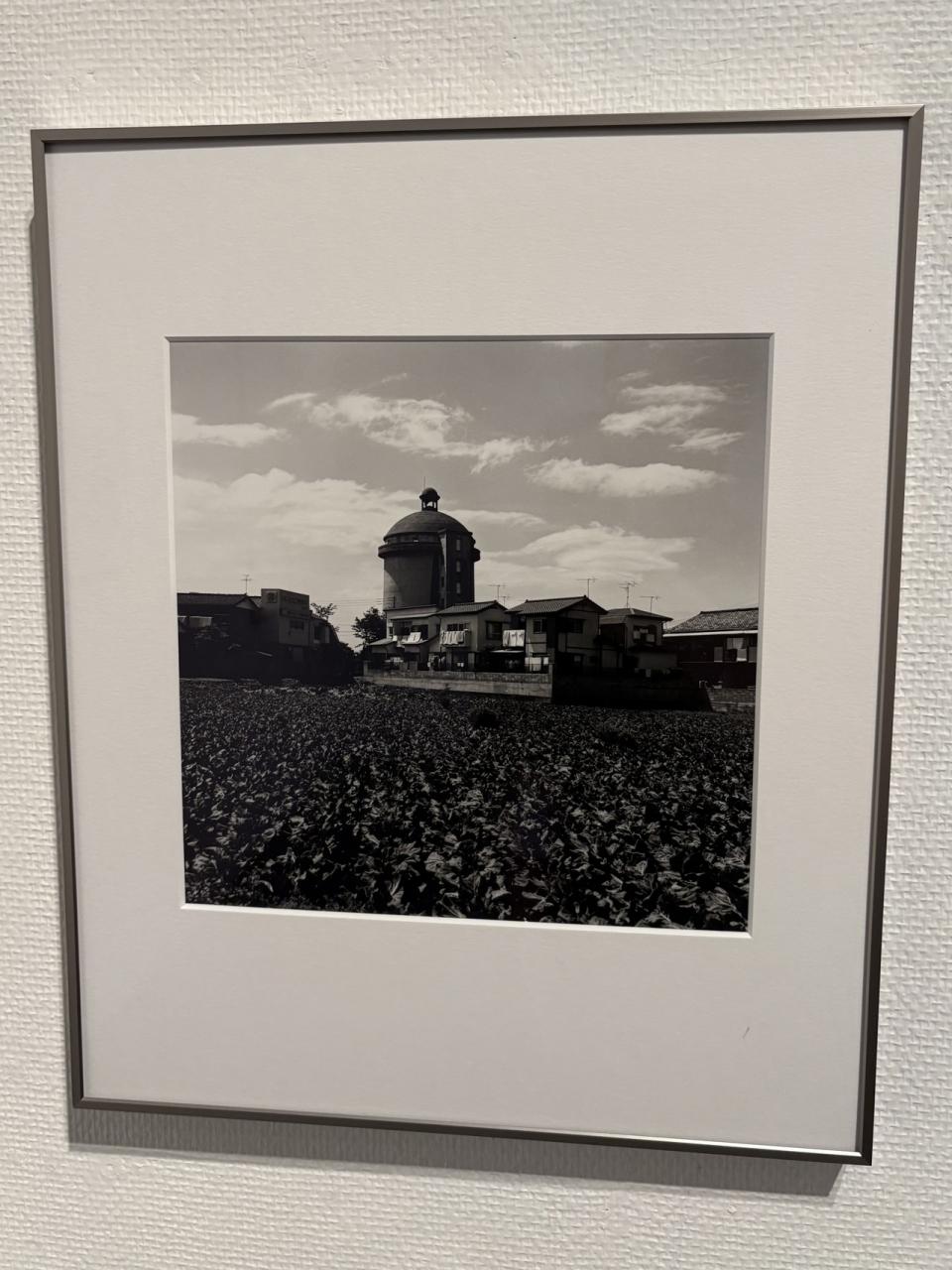
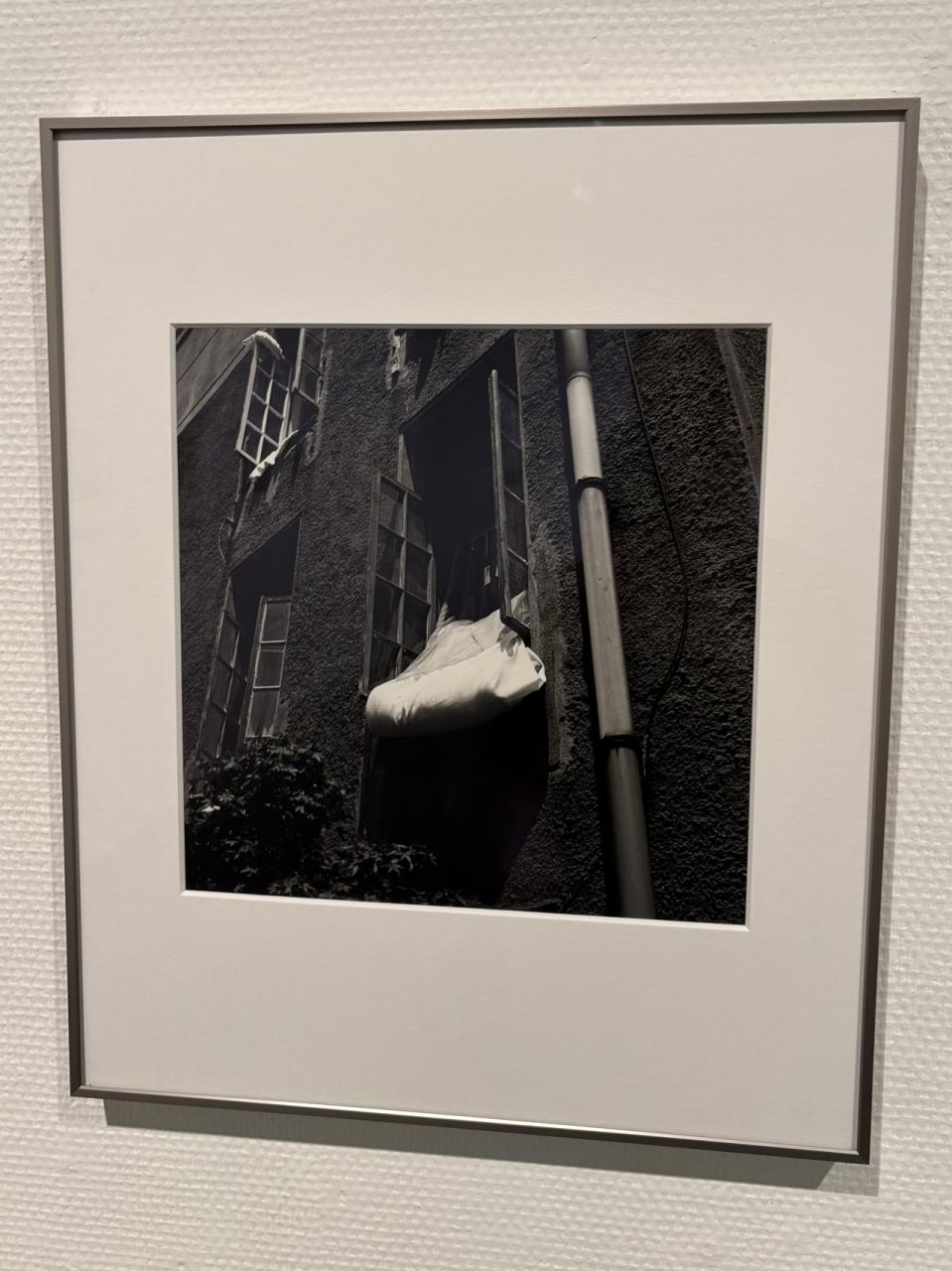
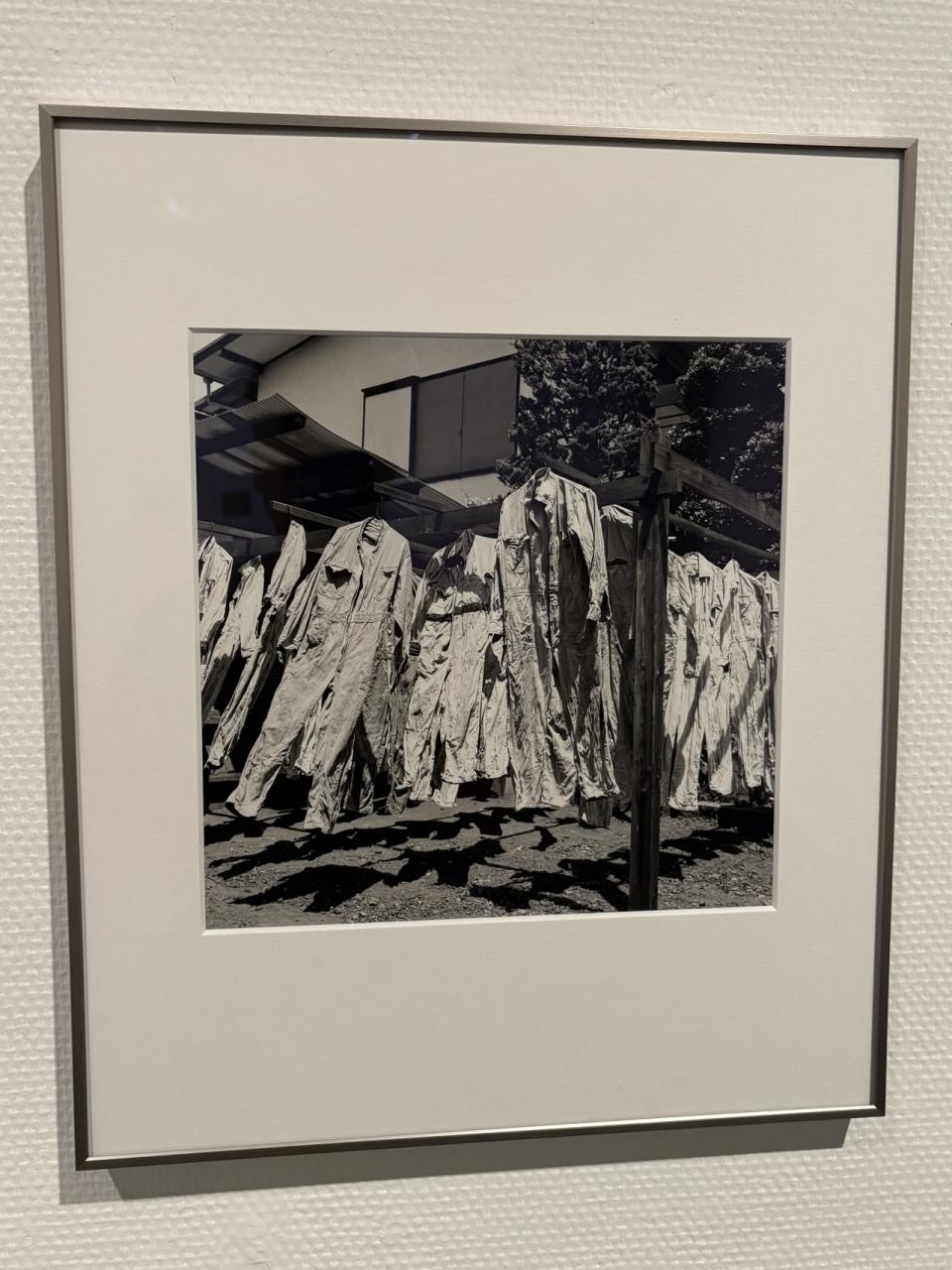
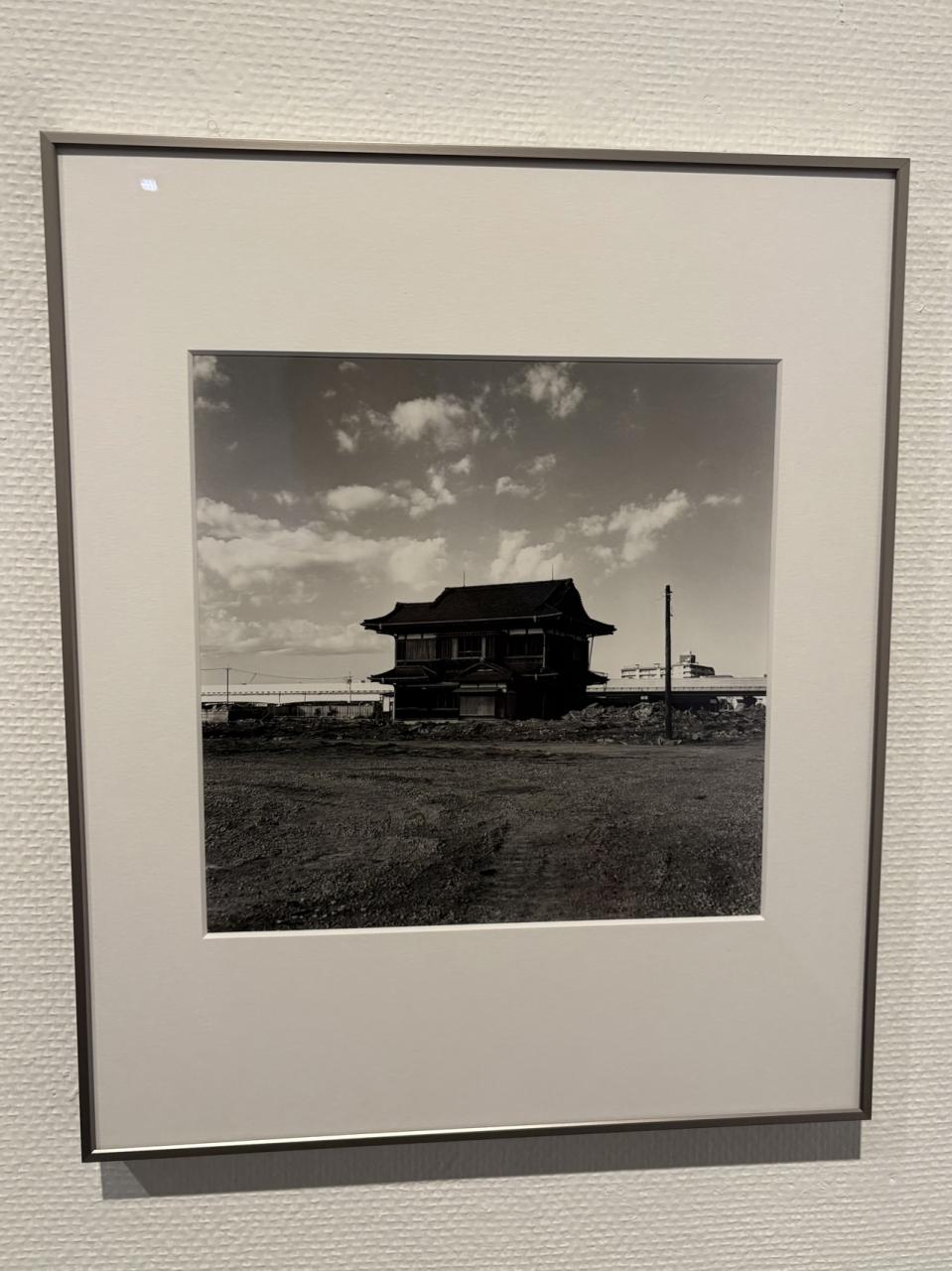
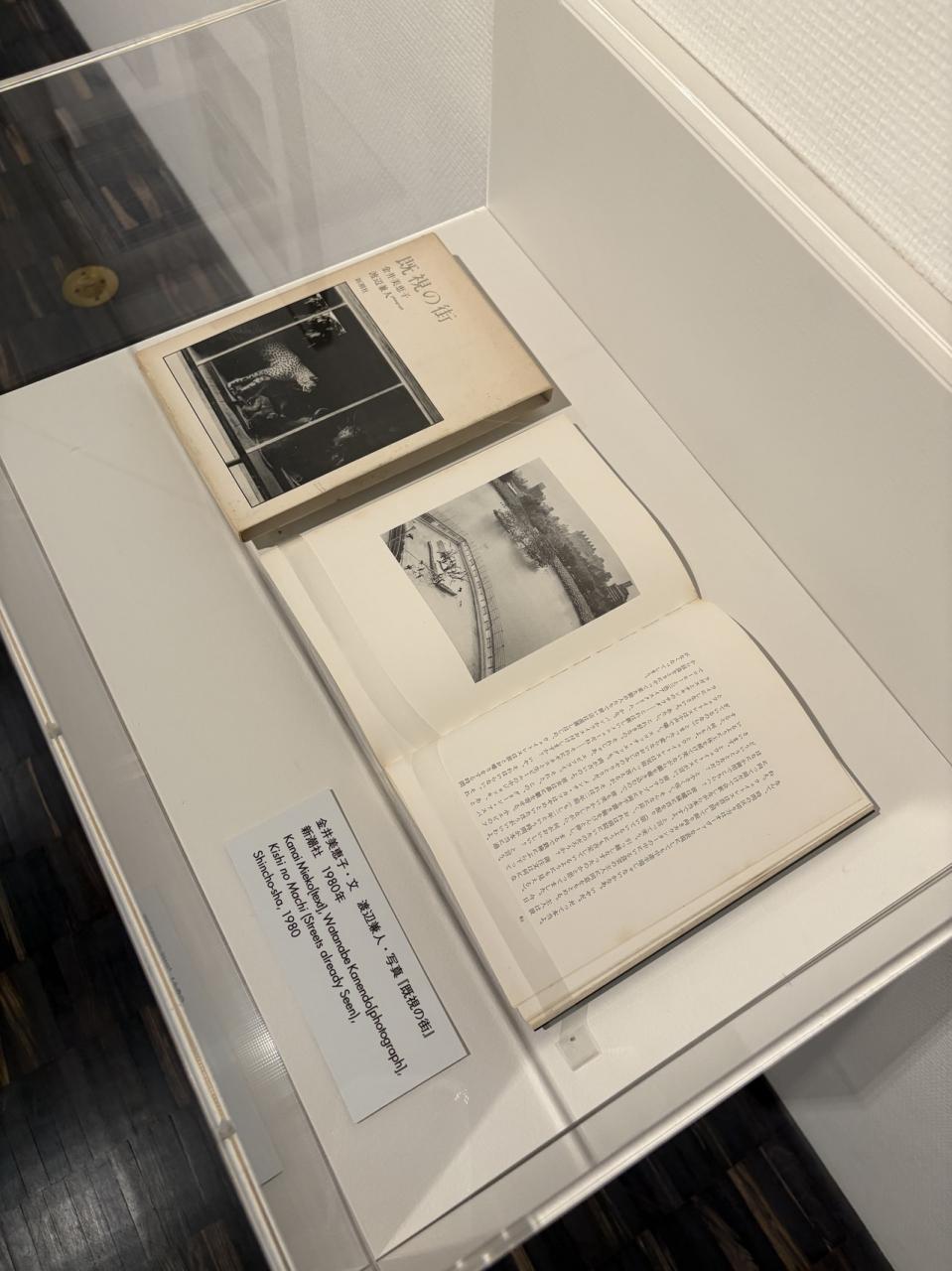
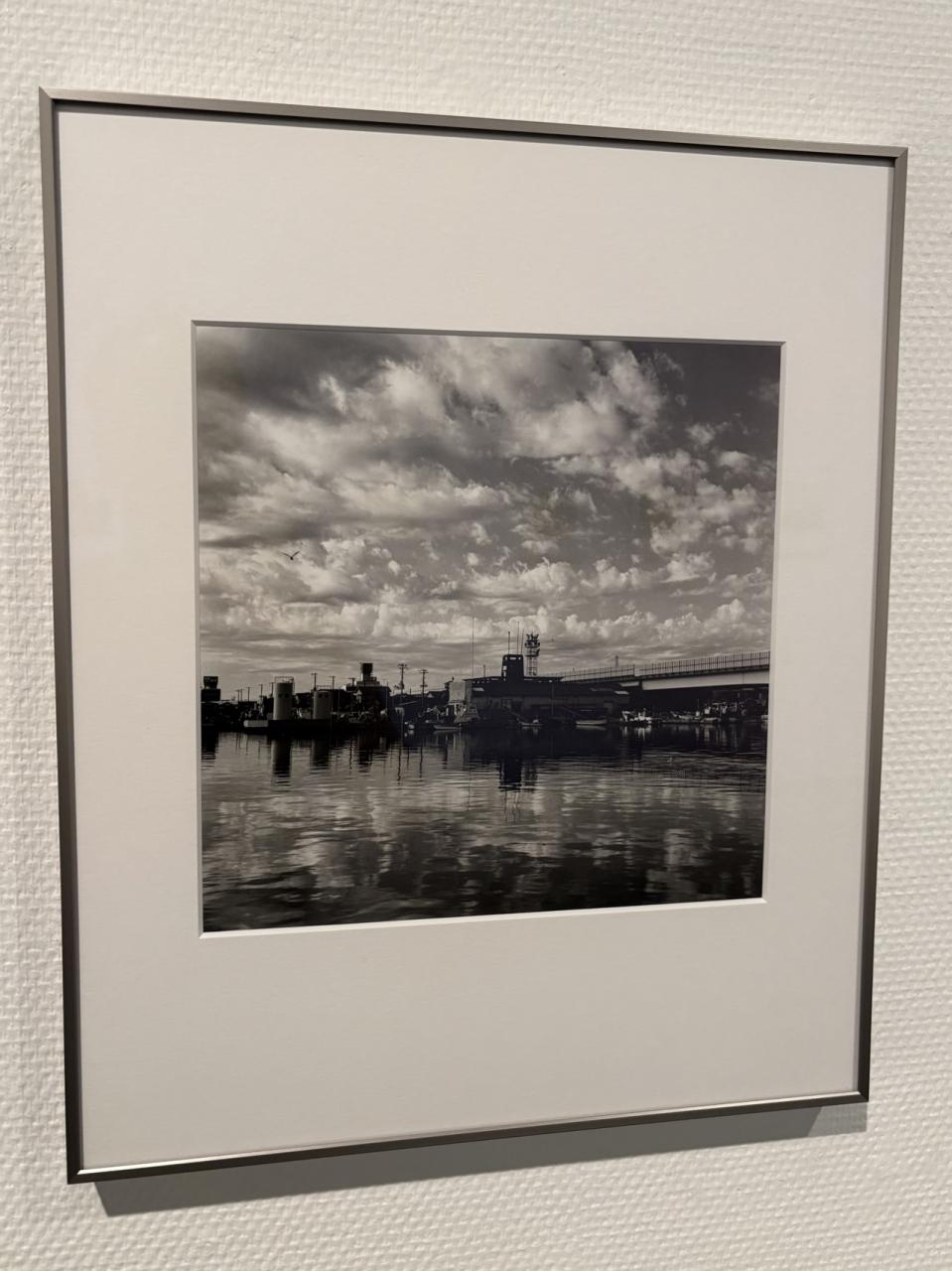
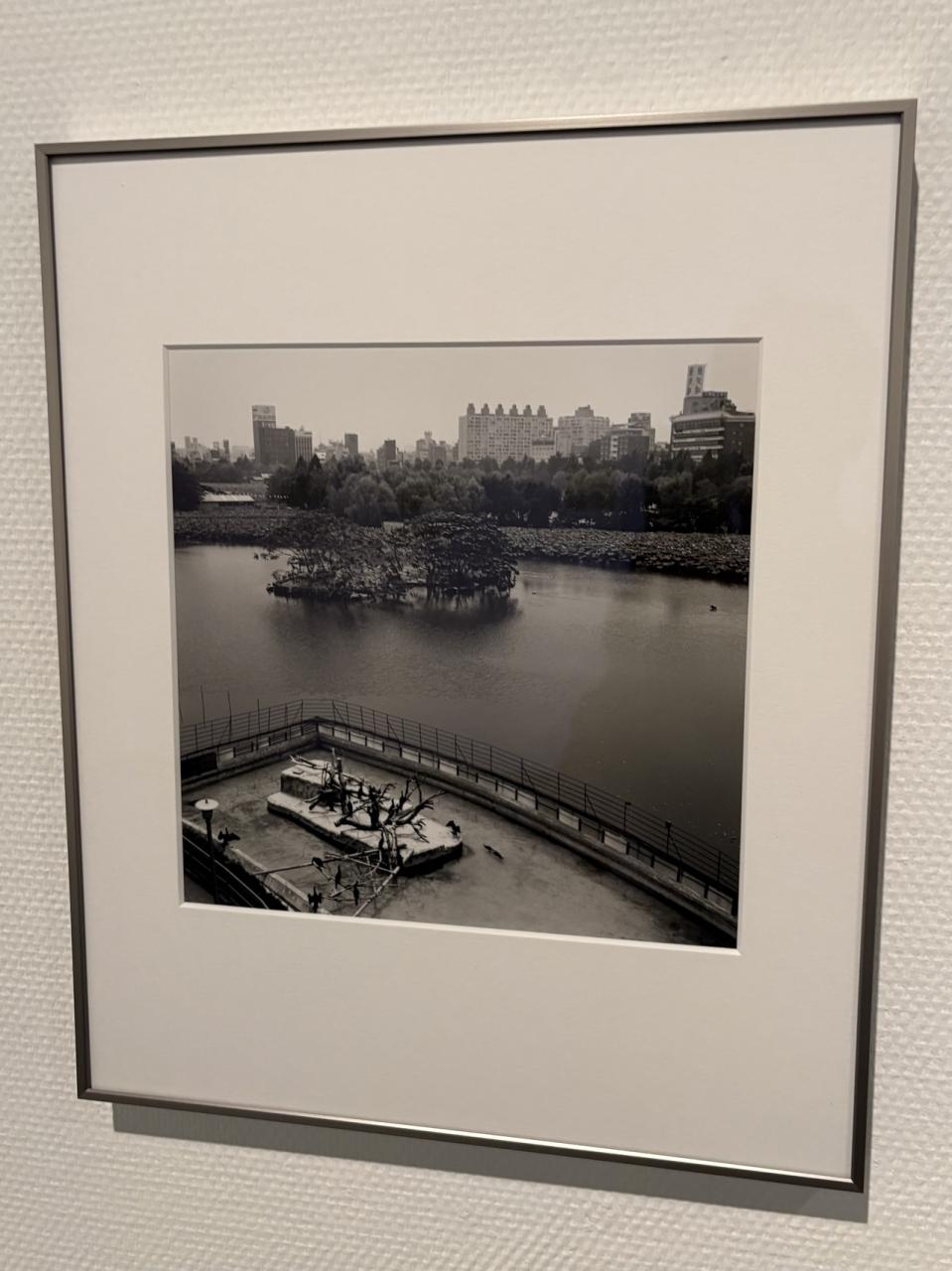
9.渡辺兼人「既視の街」
「既視の街」は1980年、金井美恵子の小説と渡辺兼人の写真によって構成された同題の書籍において発表されました。翌年、渡辺は本作による個展を開催し、木村伊兵衛写真賞を受賞します。
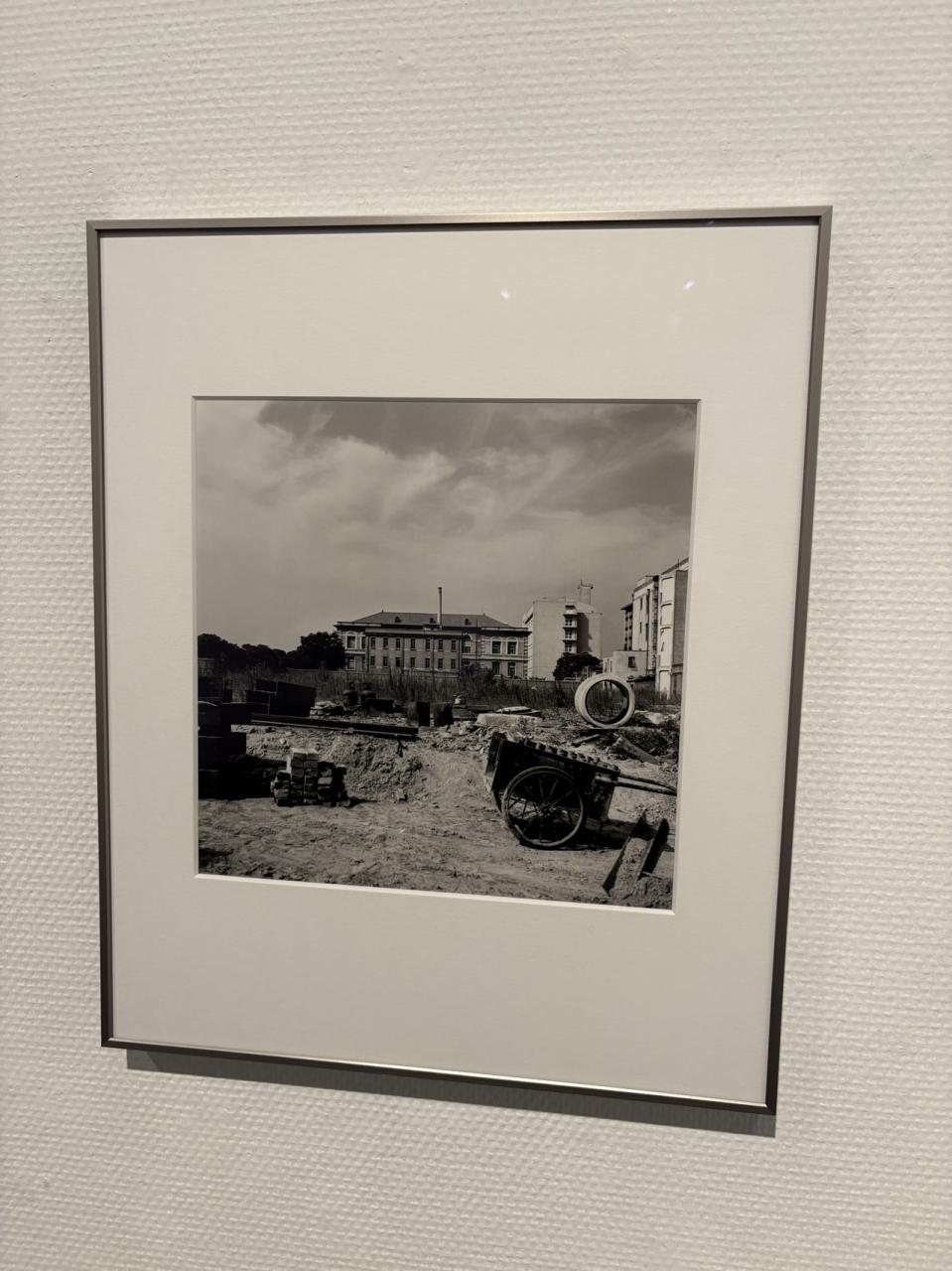
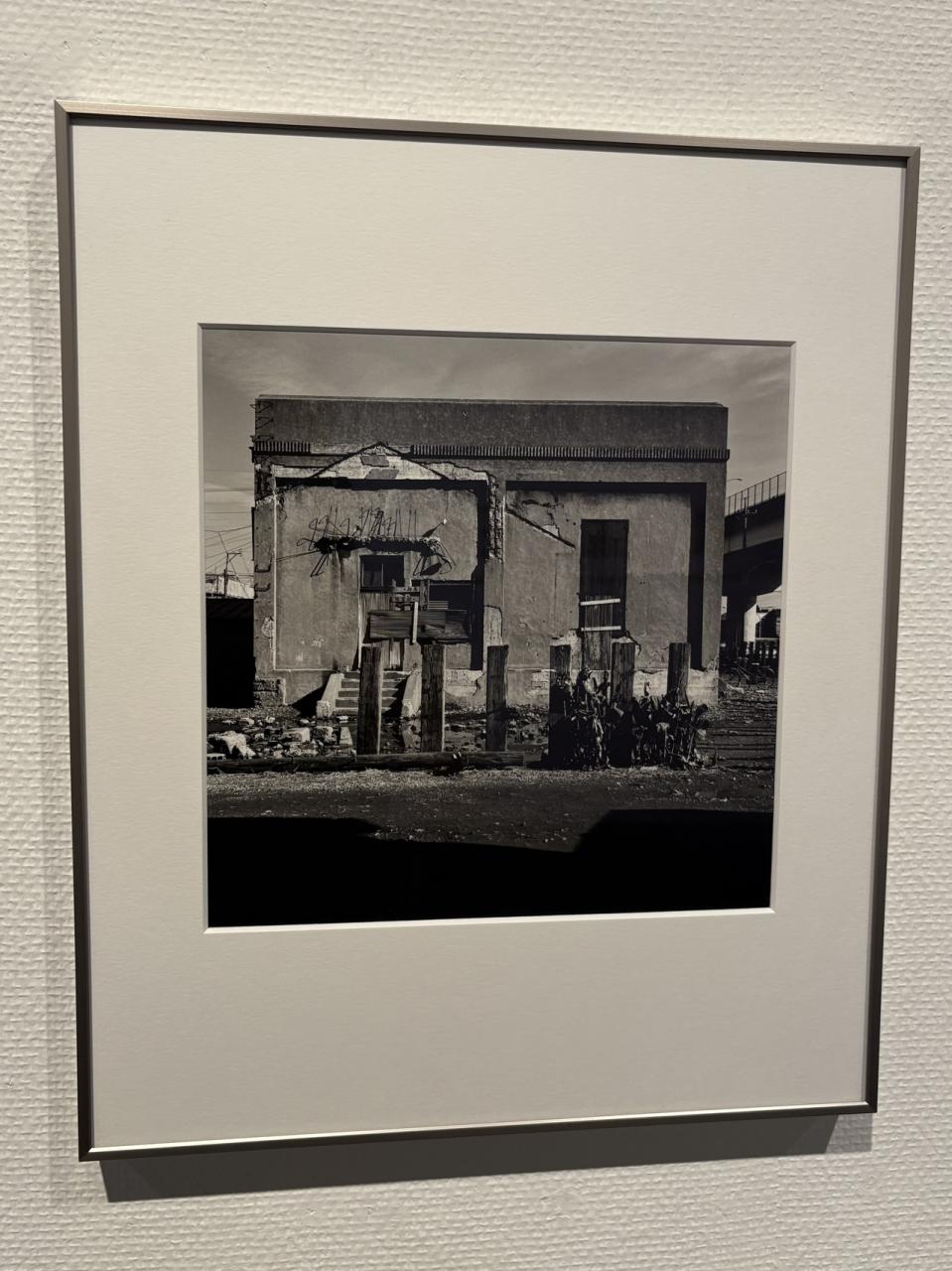
主に東京とその近郊で撮影された本作において、渡辺は、それまでの作品での演出を含む表現から離れ、静かで淡々とした即物的な描写に徹しています。にもかかわらず、そこに現れた都市光景はどこか謎めいて見えます。木村伊兵衛賞の審査員の一人、小説家の安部公房は「どの光景も奇妙に過充電されていて、近づけた眼球に放電の火花が刺さってくる感じだ。日常を見る生理はさりげなく日常的に維持したまま、反日常が滲み出す裂や穴を確実にとらえている」と評しています。
そもそもタイトルも謎めいています。「既視」とは作者自身が「既に視た」ということなのか、それともどこにレンズを向けようとも、そこは誰かが「既に視た」
光景だということなのか。この連作において、渡辺は19世紀末から20世紀初頭のパリの街を撮り続けたウジェーヌ・アジェの仕事を意識していたと語っています。
9. Watanabe Kanendo, Streets Already Seen
Streets Already Seen was first released in 1980 in a book of the same title, comprising a novel by Kanai Mieko and photographs by Watanabe Kanendo. The following year, Watanabe held a solo exhibition of these works and won the Kimura hei Award.
This work, primarily shot in Tokyo and its suburbs, represents a departure from the dramatized feel of Watanabe's earlier works, adhering to quiet, matter-of-fact depiction of material things. Nonetheless, the urban scenes he captured are imbued with an enigmatic quality. The novelist Abe Kobo, one of the judges for the Kimura lhei Award, commented: "Every scene is strangely overcharged, as if sparks would prick one's eyeballs if the works were viewed too closely. While the physiology of observing the ordinary is nonchalantly maintained, his camera clearly captures the cracks and holes through which the extraordinary seeps."
The title itself is enigmatic. Does "already seen" imply that the photographer himself has seen these scenes before, or that wherever the lens is directed, it captures something that someone has "seen before"? With regard to this series, Watanabe acknowledged the influence of Eugène Atget, who continually photographed the streets of Paris in the late 19th and early 20th century. -
-
-
-
-
-
-
-
-
-
-
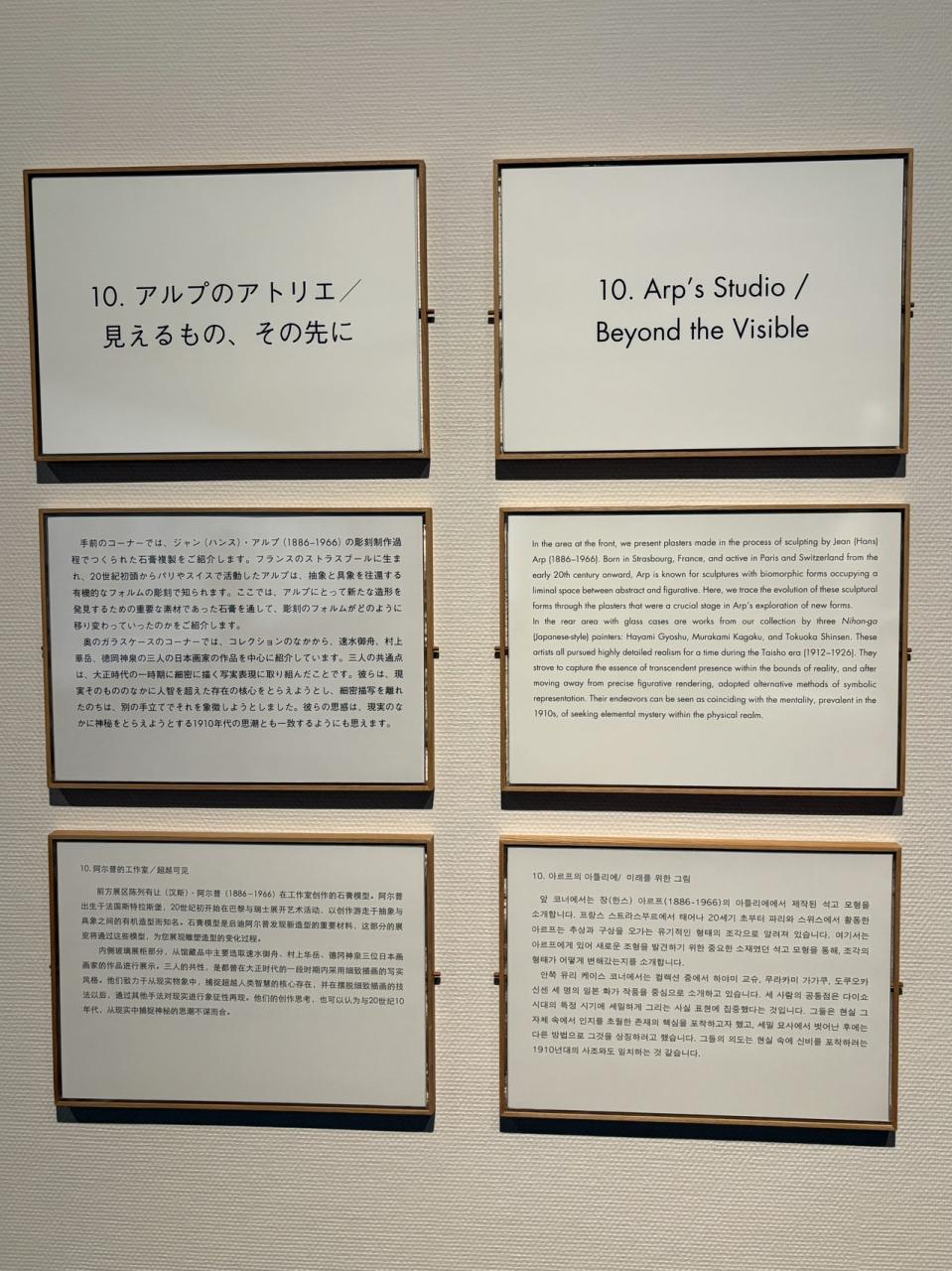
("10.アルプのアトリエ/見えるもの、その先に" に続く・・・)


利用規約に違反している投稿は、報告する事ができます。
-
前の旅行記

MOMAT コレクション〔国立東京近代美術館 所蔵作品展〕(2025.2.11-6.15) 6.「相手」がい...
2025/06/04~
神田・神保町
-
次の旅行記

MOMAT コレクション〔国立東京近代美術館 所蔵作品展〕(2025.2.11-6.15) 10.アルプのア...
2025/06/04~
神田・神保町
-

MOMAT コレクション〔国立東京近代美術館 所蔵作品展〕(2025.2.11-6.15)1.ハイライト "...
2025/06/04~
神田・神保町
-

MOMAT コレクション〔国立東京近代美術館 所蔵作品展〕(2025.2.11-6.15) 2.風景の発見。...
2025/06/04~
神田・神保町
-

MOMAT コレクション〔国立東京近代美術館 所蔵作品展〕(2025.2.11-6.15)3.抒情と頽廃。"...
2025/06/04~
神田・神保町
-

MOMAT コレクション〔国立東京近代美術館 所蔵作品展〕(2025.2.11-6.15) 4.モダニズムの...
2025/06/04~
神田・神保町
-

MOMAT コレクション〔国立東京近代美術館 所蔵作品展〕(2025.2.11-6.15) 5.シュルレアリ...
2025/06/04~
神田・神保町
-

MOMAT コレクション〔国立東京近代美術館 所蔵作品展〕(2025.2.11-6.15) 6.「相手」がい...
2025/06/04~
神田・神保町
-
![MOMAT コレクション〔国立東京近代美術館 所蔵作品展〕(25.2.11-6.15)8.反復がもたらすもの & 9.渡辺兼人[既視の街]](https://cdn.4travel.jp/img/thumbnails/imk/travelogue_album/11/98/67/240x180_11986732.jpg?updated_at=1752831110)
MOMAT コレクション〔国立東京近代美術館 所蔵作品展〕(25.2.11-6.15)8.反復がもたらすもの...
2025/06/04~
神田・神保町
-

MOMAT コレクション〔国立東京近代美術館 所蔵作品展〕(2025.2.11-6.15) 10.アルプのア...
2025/06/04~
神田・神保町
-

MOMAT コレクション〔国立東京近代美術館 所蔵作品展〕(2025.2.11-6.15) 11.(アン)バ...
2025/06/04~
神田・神保町
-

MOMAT コレクション〔国立東京近代美術館 所蔵作品展〕(2025.2.11-6.15) 12.美術家たち...
2025/06/04~
神田・神保町
旅行記グループをもっと見る
コメントを投稿する前に
十分に確認の上、ご投稿ください。 コメントの内容は攻撃的ではなく、相手の気持ちに寄り添ったものになっていますか?
サイト共通ガイドライン(利用上のお願い)報道機関・マスメディアの方へ 画像提供などに関するお問い合わせは、専用のお問い合わせフォームからお願いいたします。
この旅行で行ったスポット






フォートラベル公式LINE@

おすすめの旅行記や旬な旅行情報、お得なキャンペーン情報をお届けします!
QRコードが読み取れない場合はID「@4travel」で検索してください。
\その他の公式SNSはこちら/




旅行記グループ MOMAT コレクション〔国立東京近代美術館 所蔵作品展〕(2025.2.11-6.15)
0
40