


2025/06/04 - 2025/06/04
56位(同エリア933件中)

旅熊 Kokazさん
- 旅熊 KokazさんTOP
- 旅行記1927冊
- クチコミ854件
- Q&A回答101件
- 1,710,113アクセス
- フォロワー752人
この旅行記のスケジュール
2025/06/04

この旅行記スケジュールを元に
MOMAT コレクション〔国立東京近代美術館 所蔵作品展〕(2025.2.11-6.15)
https://www.momat.go.jp/exhibitions/r6-3
10.アルプのアトリエ/見えるもの、その先に
- 旅行の満足度
- 5.0
-

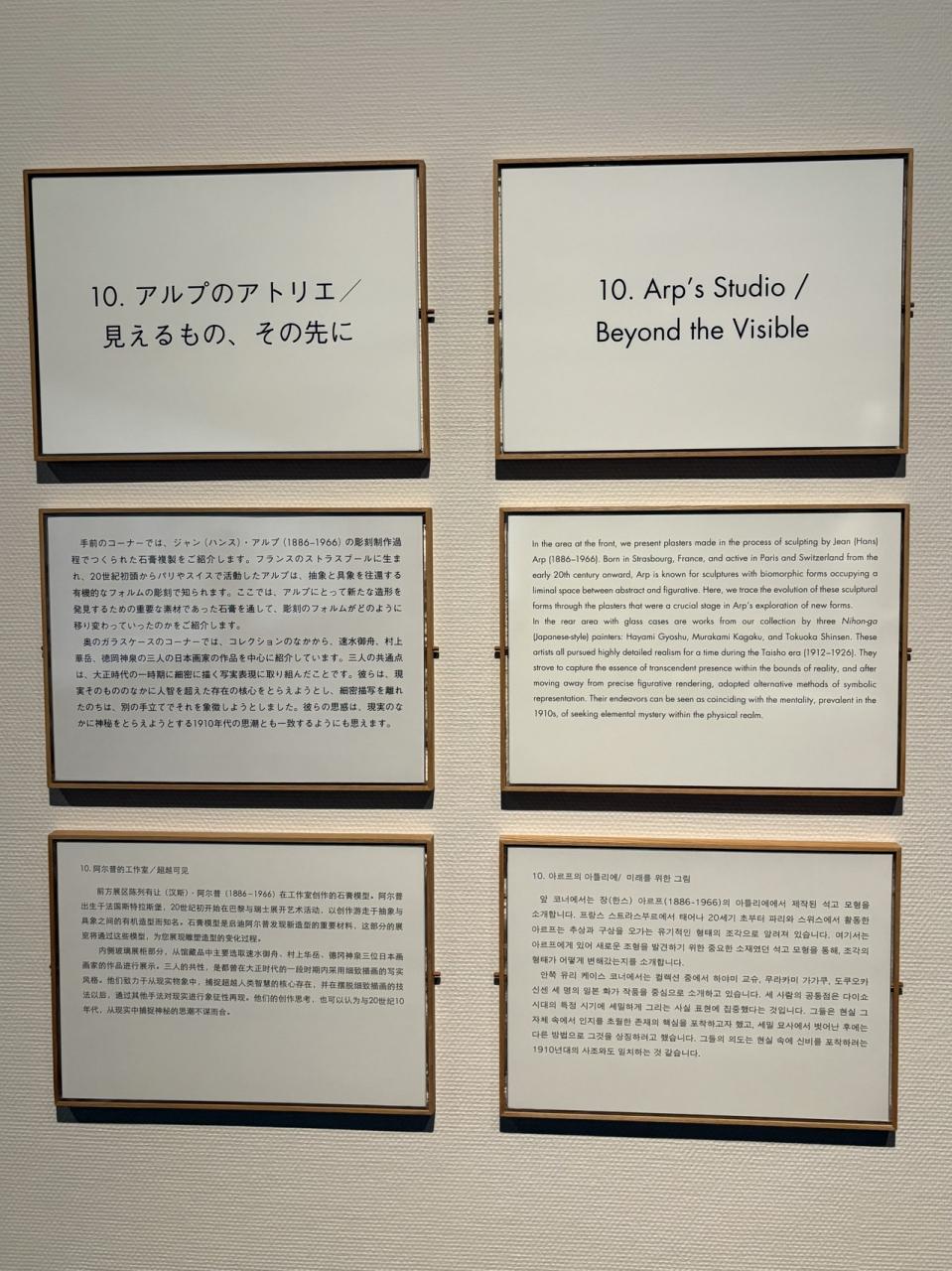
10. アルプのアトリエ/見えるもの、その先に
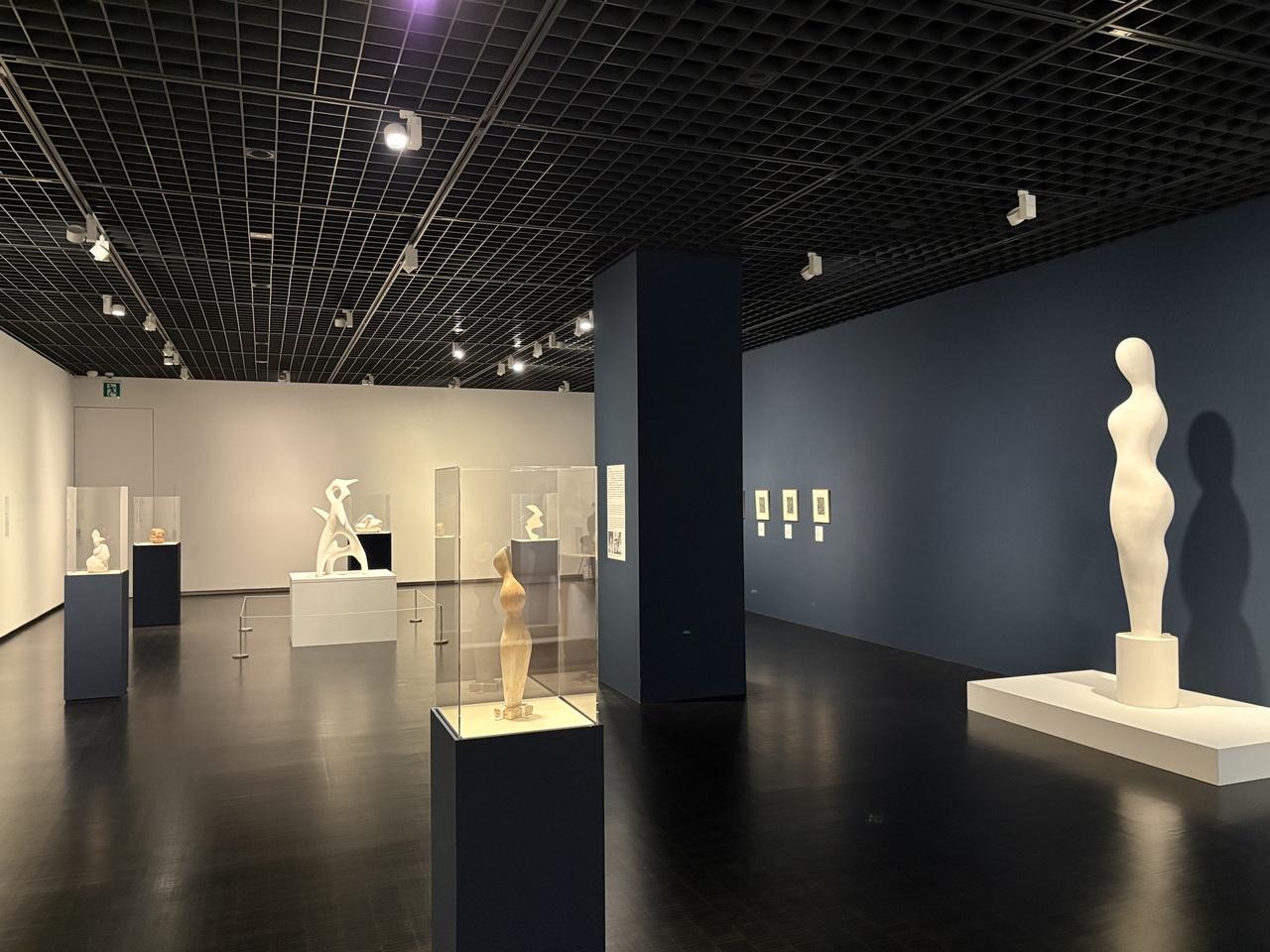
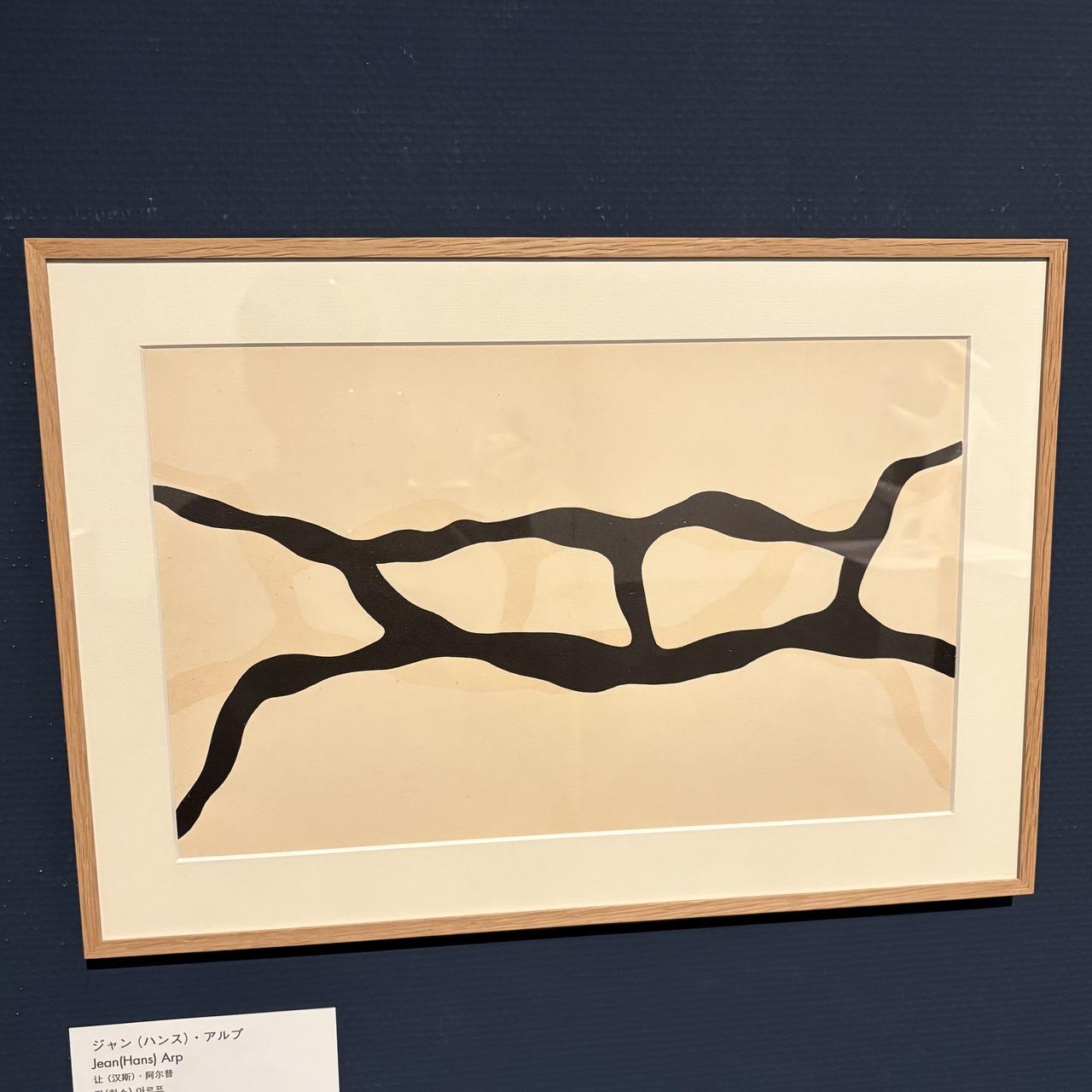
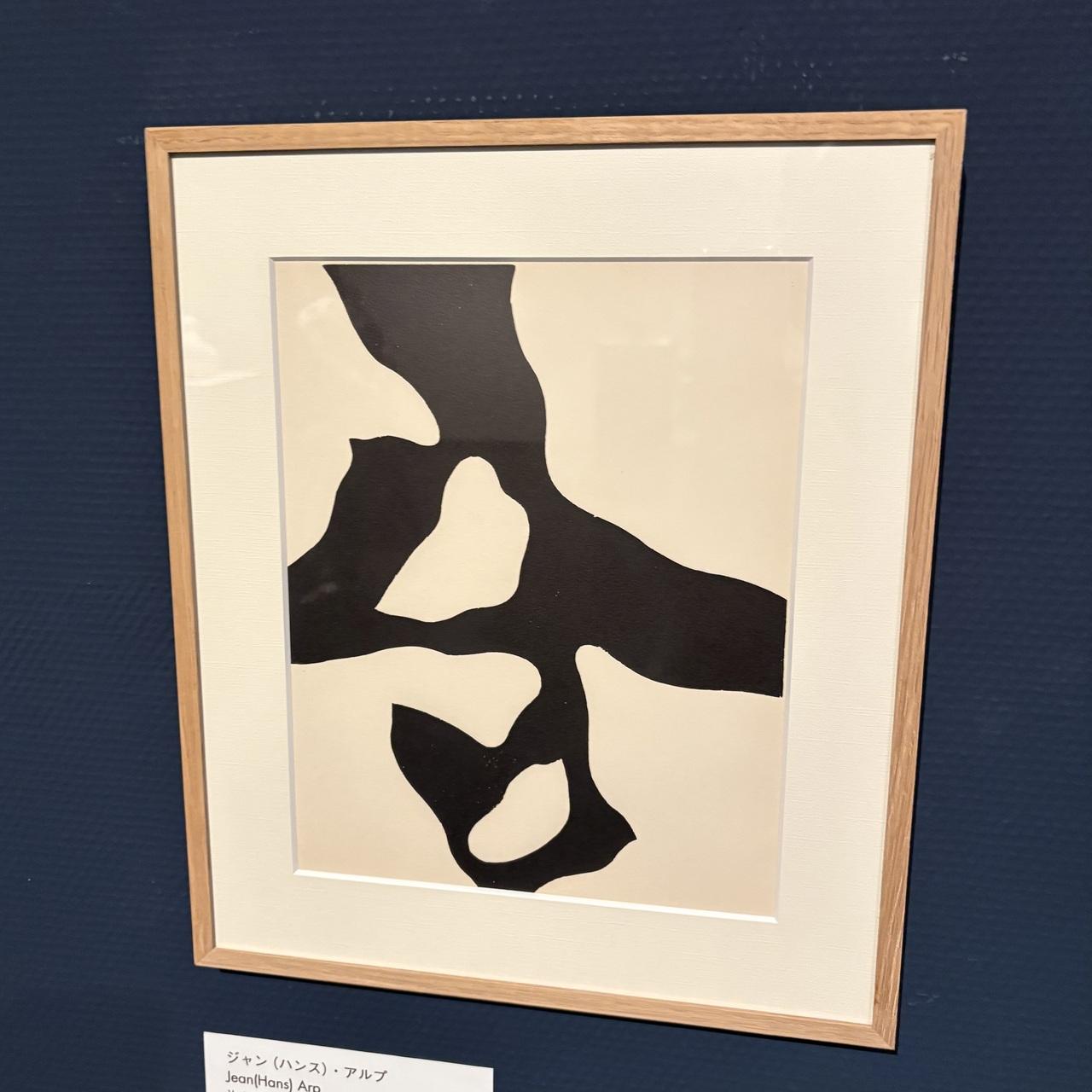
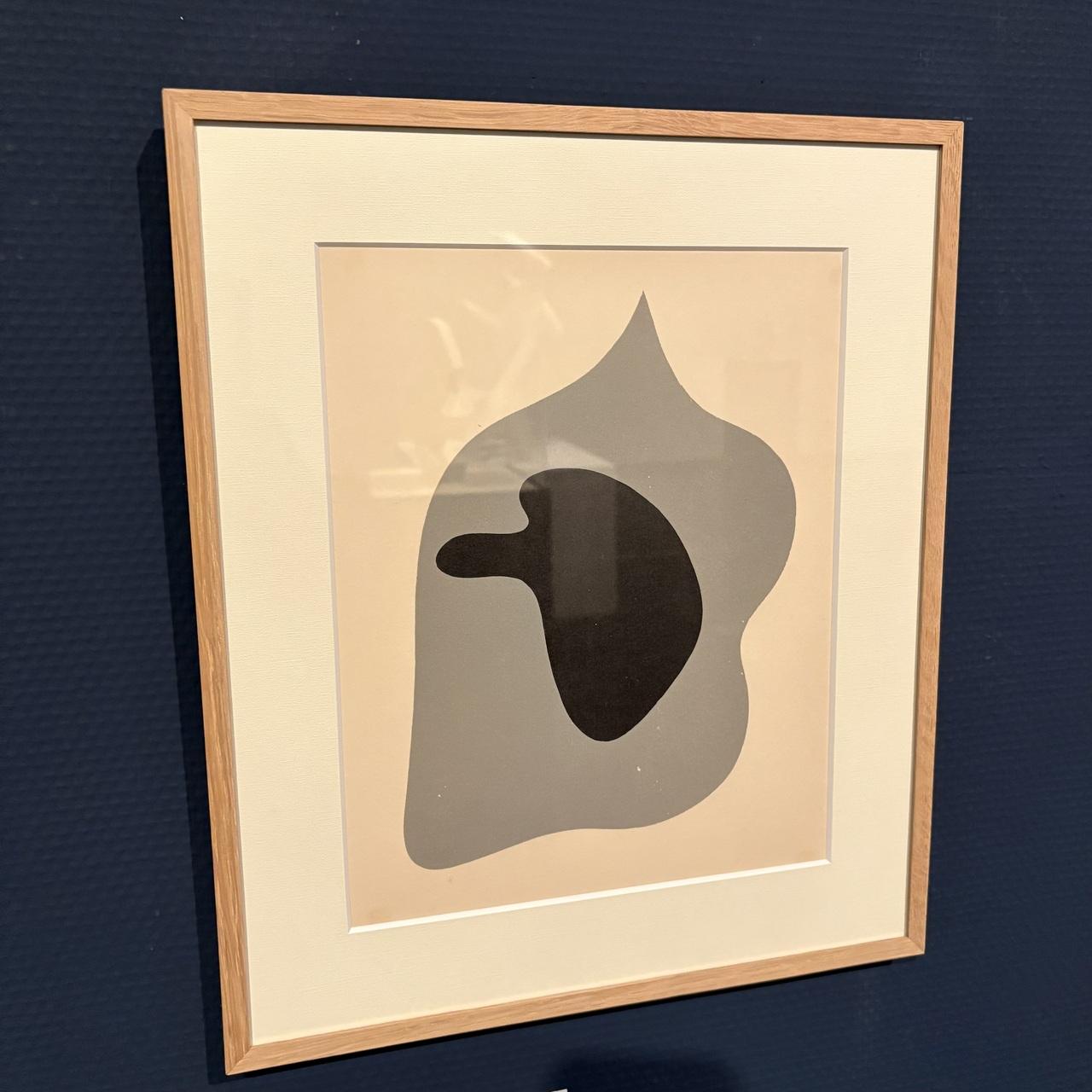
手前のコーナーでは、ジャン(ハンス)・アルプ(1886-1966)の彫刻制作過程でつくられた石音複製をご紹介します。フランスのストラスブールに生まれ、20世紀初頭からパリやスイスで活動したアルプは、抽象と具象を往還する有機的なフォルムの彫刻で知られます。ここでは、アルプにとって新たな造形を発見するための重要な素材であった石膏を通して、彫刻のフォルムがどのように移り変わっていったのかをご紹介します。
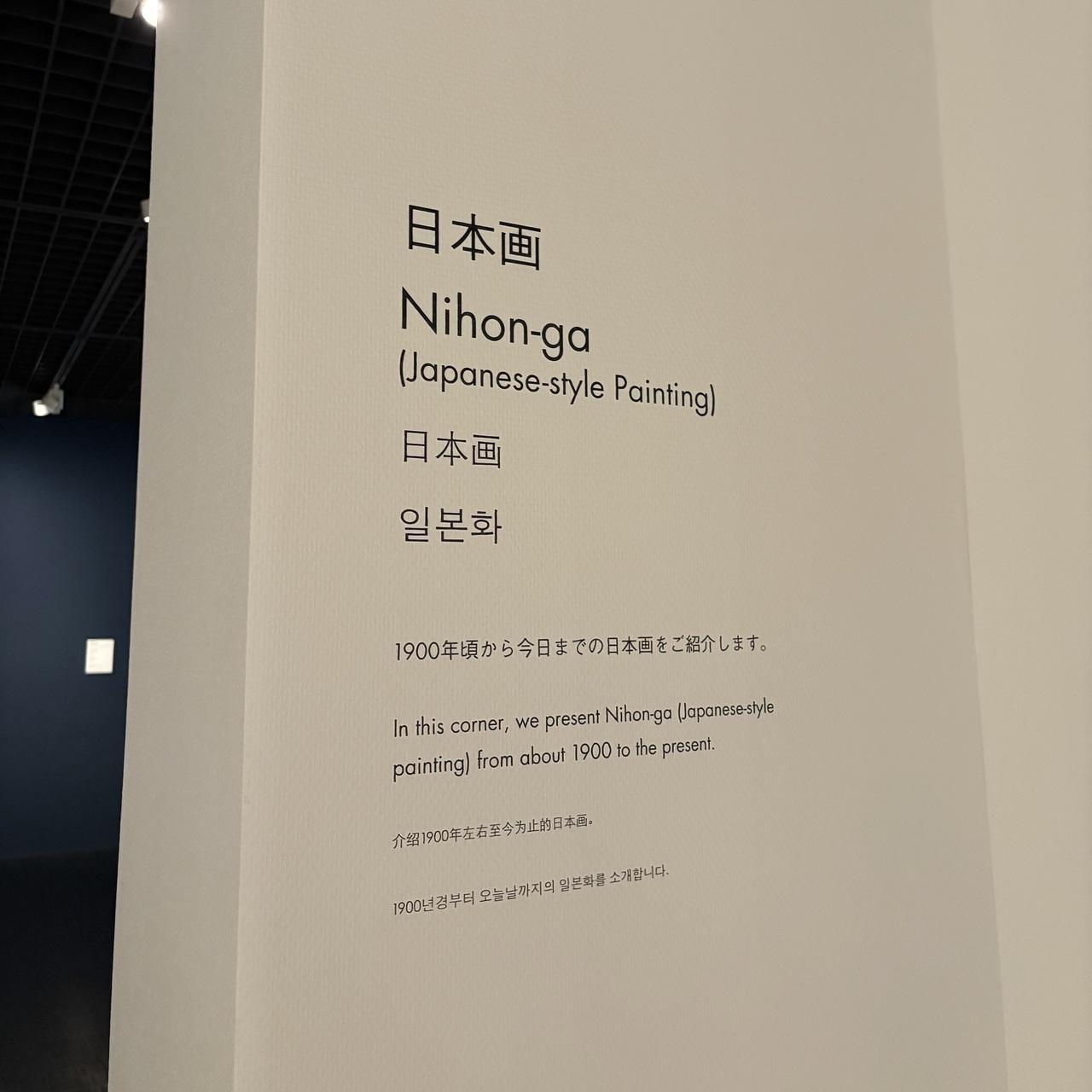
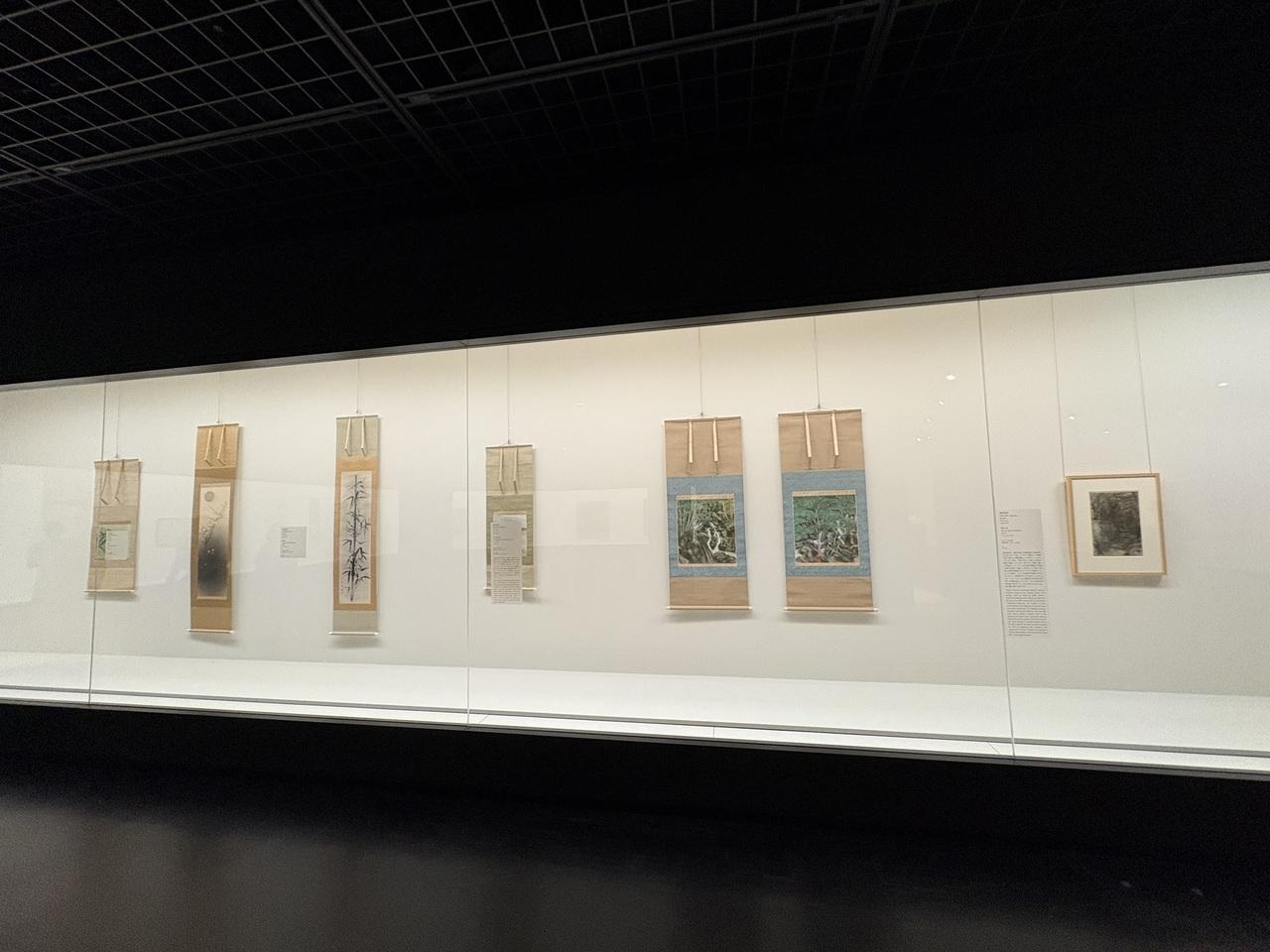
奥のガラスケースのコーナーでは、コレクションのなかから、速水御舟、村上華岳、徳岡神泉の三人の日本画家の作品を中心に紹介しています。三人の共通点は、大正時代の一時期に細密に描く写実表現に取り組んだことです。彼らは、現実そのもののなかに人智を超えた存在の核心をとらえようとし、細密描写を離れたのちは、別の手立てでそれを象徴しようとしました。彼らの思惑は、現実のなかに神秘をとらえようとする1910年代の思潮とも一致するようにも思えます。
10. Arp's Studio / Beyond the Visible
In the area at the front, we present plasters made in the process of sculpting by Jean (Hans) Arp (1886-1966). Born in Strasbourg, France, and active in Paris and Switzerland from the early 20th century onward, Arp is known for sculptures with biomorphic forms occupying a liminal space between abstract and figurative. Here, we trace the evolution of these sculptural forms through the plasters that were a crucial stage in Arp's exploration of new forms.
In the rear area with glass cases are works from our collection by three Nihon-ga (Japanese-style) painters: Hayami Gyoshu, Murakami Kagaku, and Tokuoka Shinsen. These artists all pursued highly detailed realism for a time during the Taisho era (1912-1926). They strove to capture the essence of transcendent presence within the bounds of reality, and after moving away from precise figurative rendering, adopted alternative methods of symbolic representation. Their endeavors can be seen as coinciding with the mentality, prevalent in the 1910s, of seeking elemental mystery within the physical realm. -
-
新収蔵作品
New Acquisition
ジャン(ハンス)・アルプ
Jean(Hans) Arp
1886-1966
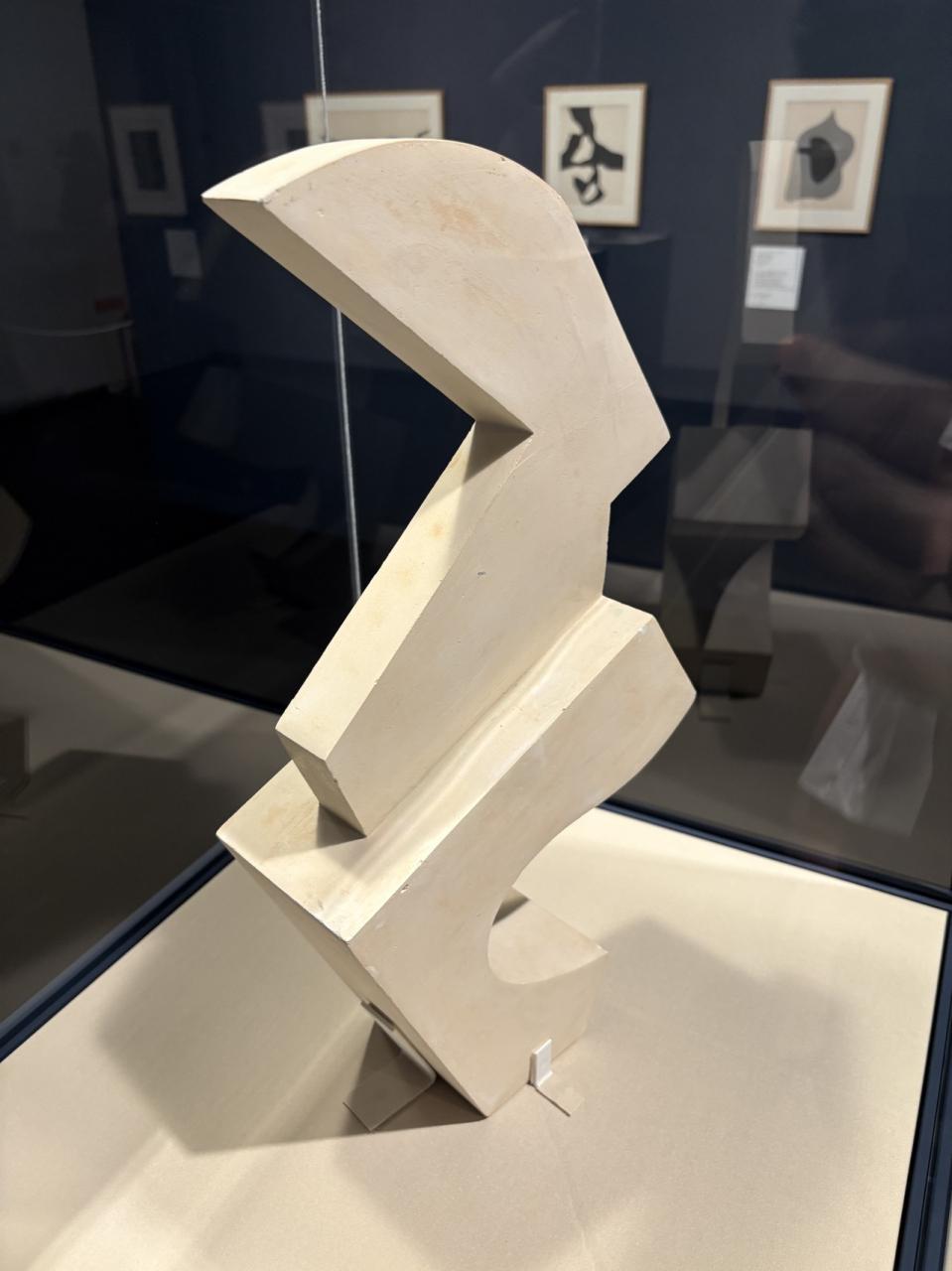
古典的彫刻
Classical Sculpture
1960 (casted 1970s)
昭和35年(昭和45-54年頃型取り)
石膏 plaster -
新収蔵作品
New Acquisition
ジャン(ハンス)・アルプ
Jean(Hans) Arp
1886-1966
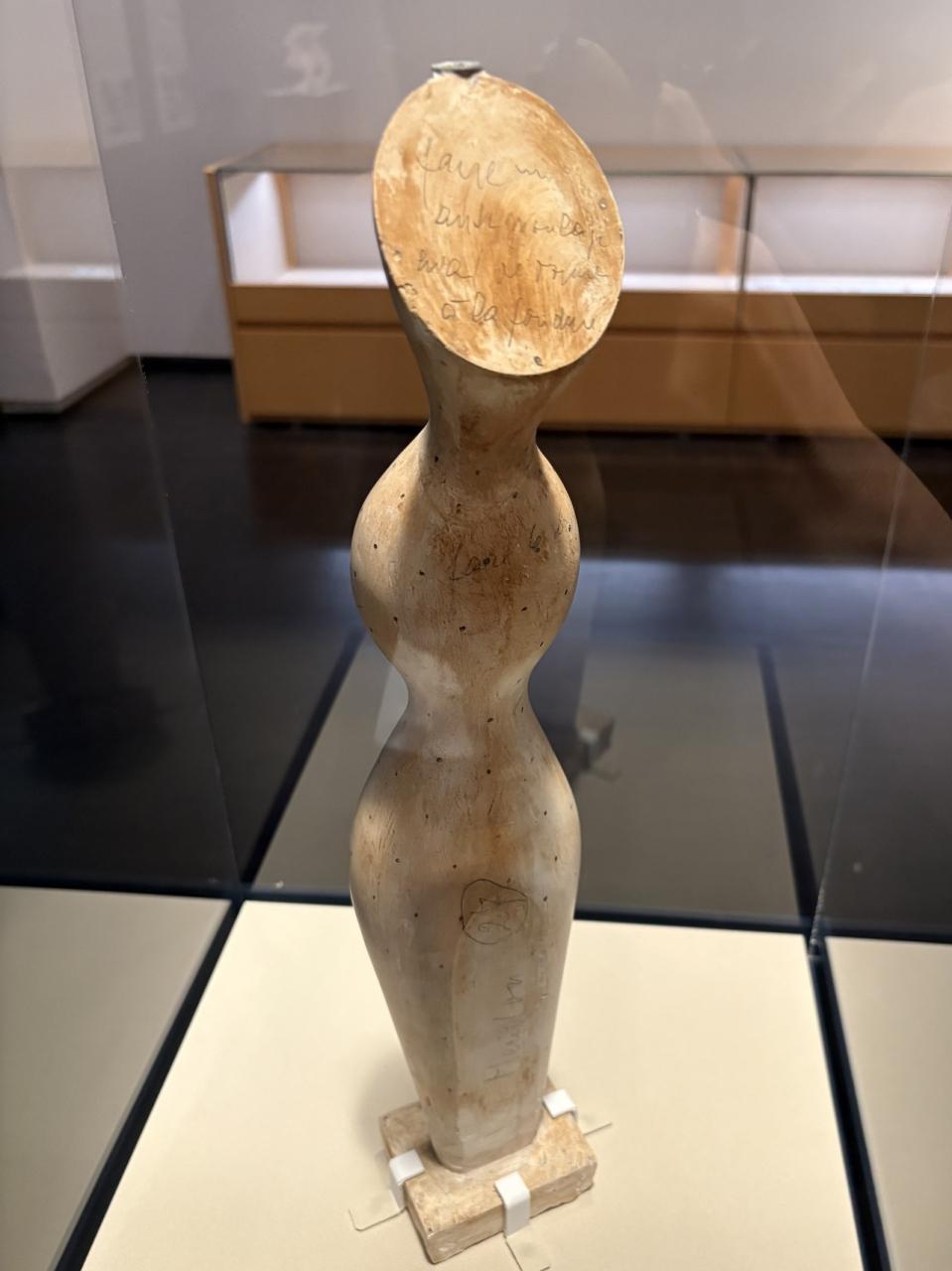
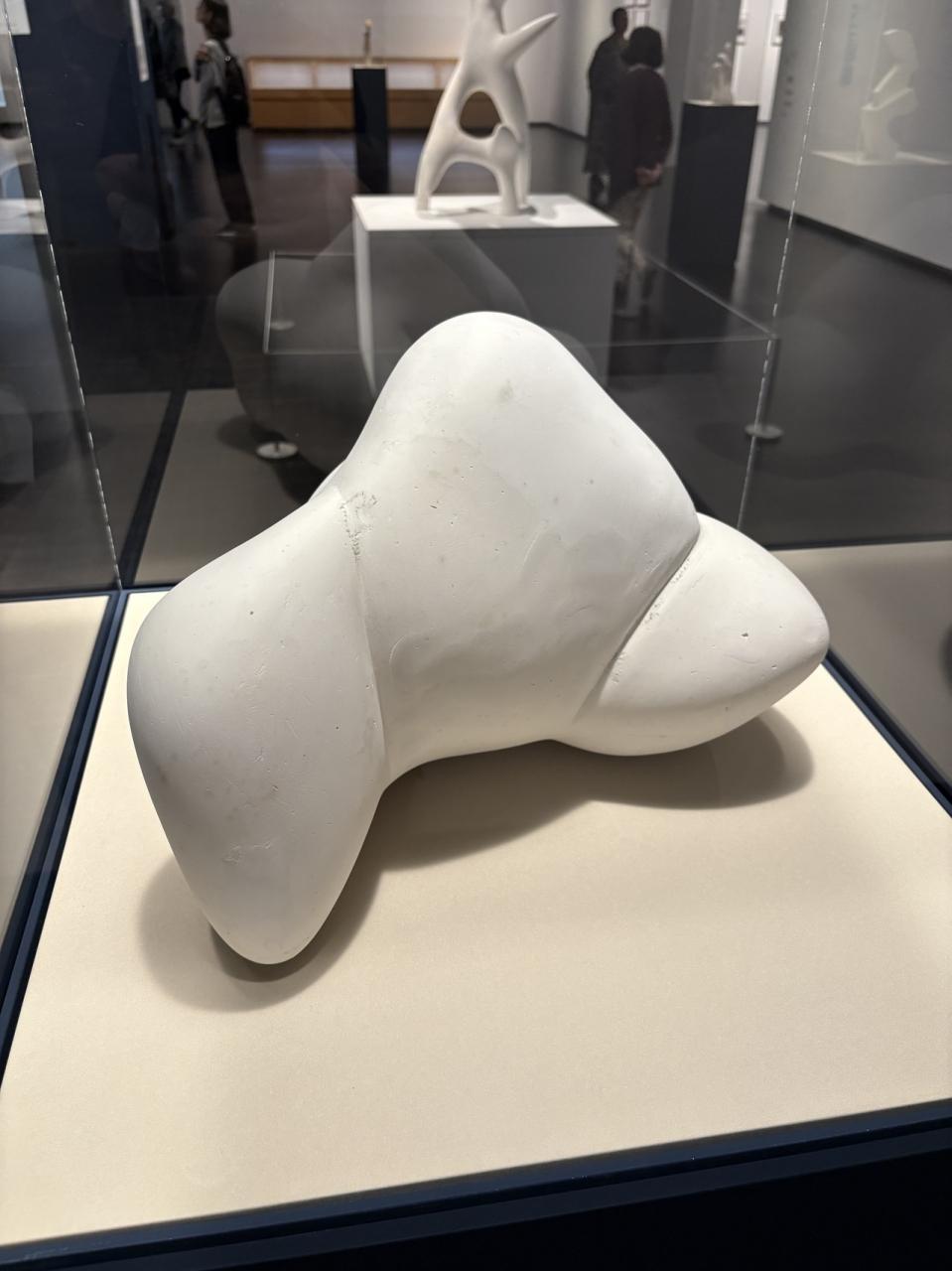
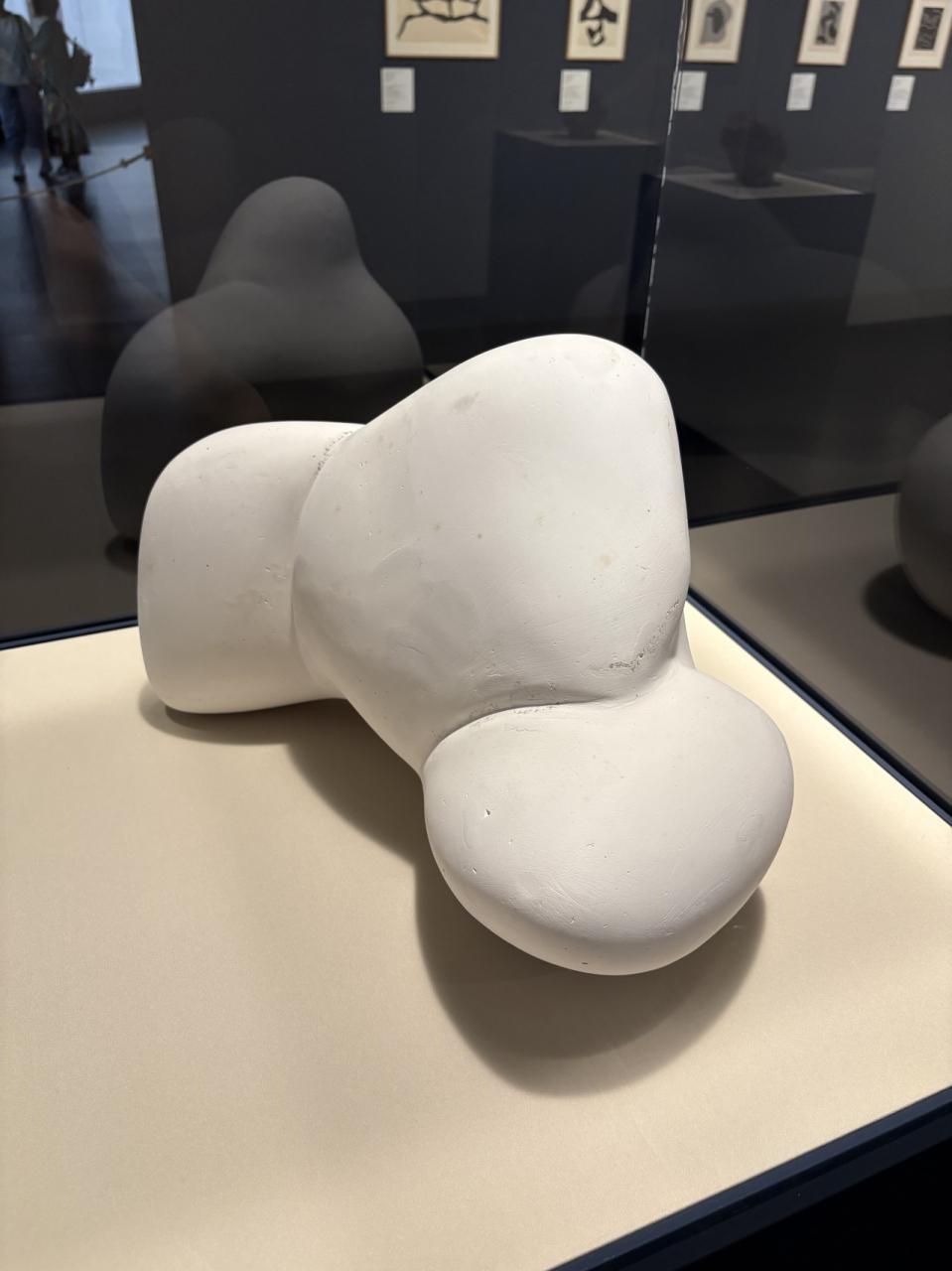
アンフォラ壺一女性
Amphora Woman
1962 (casted 1962)
昭和37年(昭和37年 型取り)
石膏 plaster
アルプの彫刻においてトルソの形状は1930年代から見られ、様々なバリエーションがつくられてきましたが、これもそのひとつです。壺を意味する“アンフォラは、アルプの作品にしばしば登場する題材です。アンフォラからトルソへ、あるいはトルンからアンフォラへと変化するようなフォルムには、アルプの制作の根底にある「メタモルフォーゼ」(変容)の思想がよく表れています。石彫の制作時に使用されたため、星取り技法の跡である黒点が多数記されています。
Torso forms appeared in Arp's sculpture in the 1930s, and this work is one of many variations on the theme. Also, the amphora (ancient Greek container with a characteristic elongated form) is a recurring subject in Arp's work. Forms that appear to be in transition from amphora to torso or vice versa embody the metamorphosis that was a core element of Arp's process. The technique known as "pointing," used in the stone sculpting process, left numerous black marks on the work. -
新収蔵作品
New Acquisition
ジャン(ハンス)・アルプ
Jean(Hans) Arp
1886-1966
自動彫刻「囚人」
Automatic Sculpture, called The Prisoner
1937-38 (casted 1970s-80s)
昭和12-13年(昭和45-平成元年頃 型取り)
石膏 plaster
この石膏複製の原型は、1937~38年に制作されました。アルプとジョルジュ・ユニエ(1906-1974)の共作で、シュルレアリスム国際展(パリ、1938年)のカタログに出品記録が残されています。アルプの彫刻とシュルレアリスムとの関連を示す点でも興味深い作品です。1950年代以後に彫刻が売れるようになると、アルプは主にブロンズか石彫の彫刻を発表するようになっていきました。本作は、それ以前の展覧会ではアルプが石膏像も発表していたことを示す事例のひとつです。
The original for this plaster was made in 1937-38. It was a collaboration between Arp and Georges Hugnet (1906-1974), and appears in the catalogue for the Exposition Internationale du Surréalism (Paris, 1938). An intriguing aspect of this work is the exemplification of Arp's connection to Surrealism. As Arp's sculpture grew more commercially successful in the 1950s, he increasingly showed bronzes or stone carved works at galleries and exhibitions, but as in the case of this work, earlier in his career Arp also exhibited plasters. -
新収蔵作品
New Acquisition
ジャン(ハンス)・アルプ
Jean(Hans) Arp
1886-1966
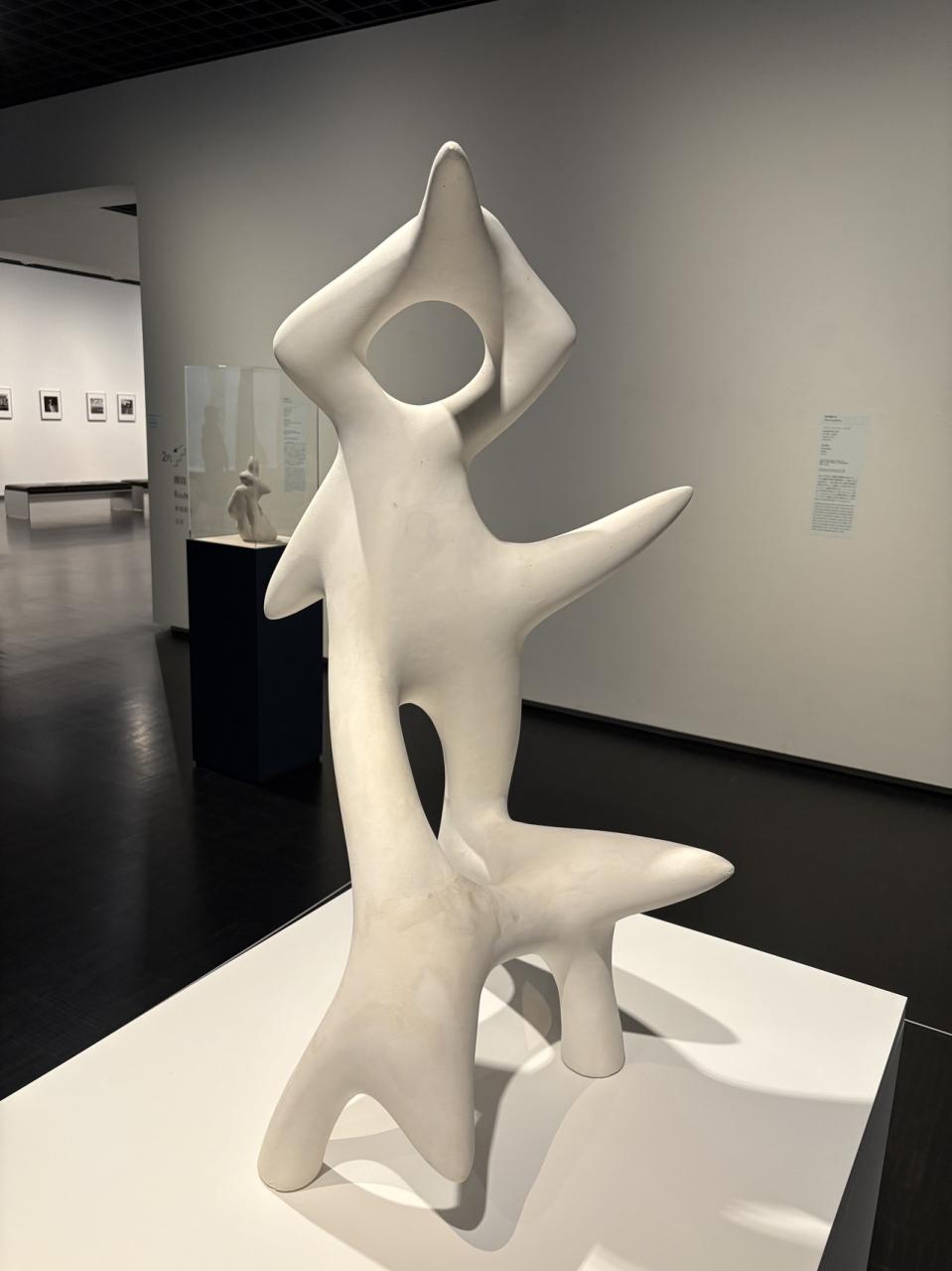
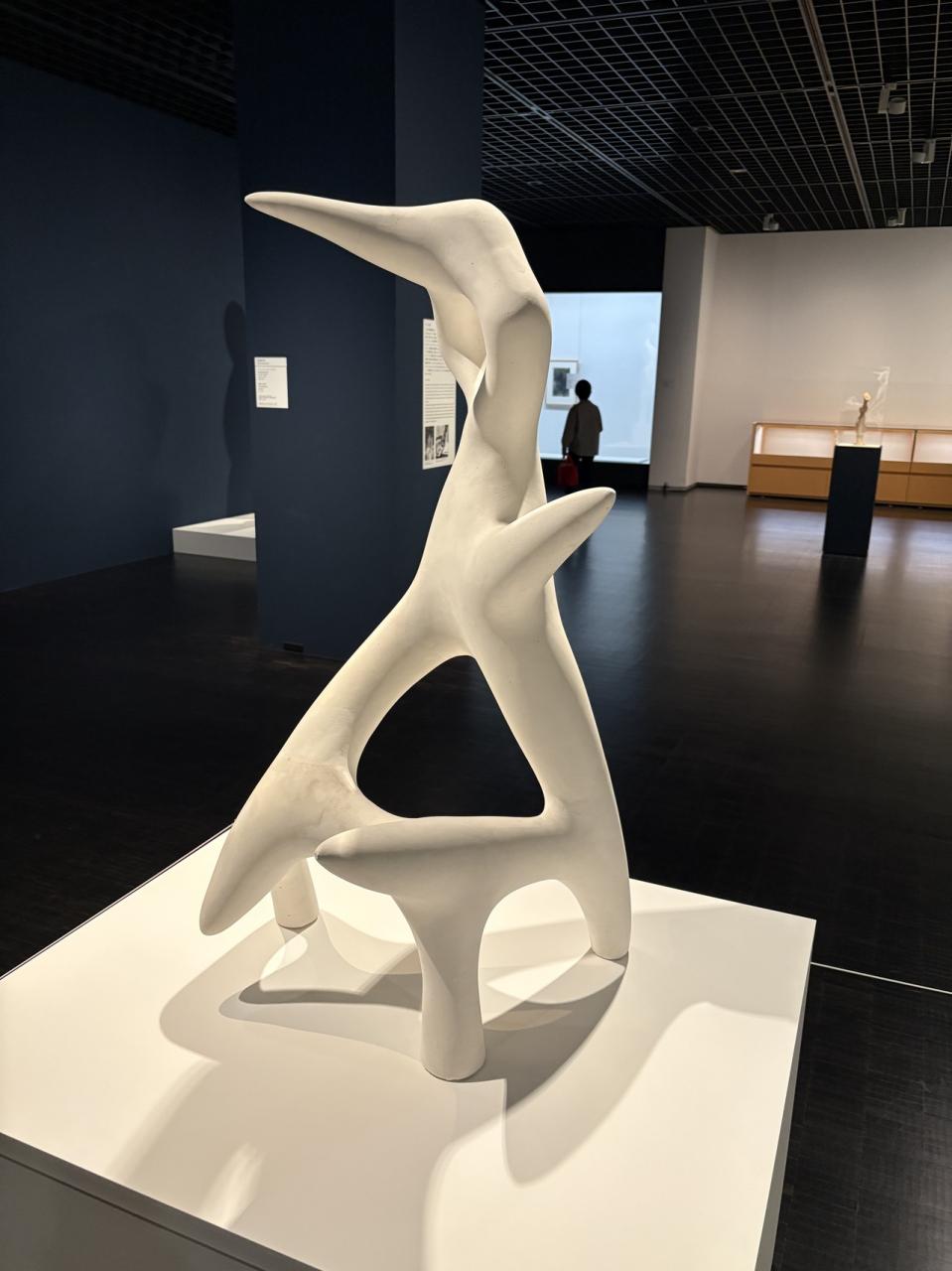
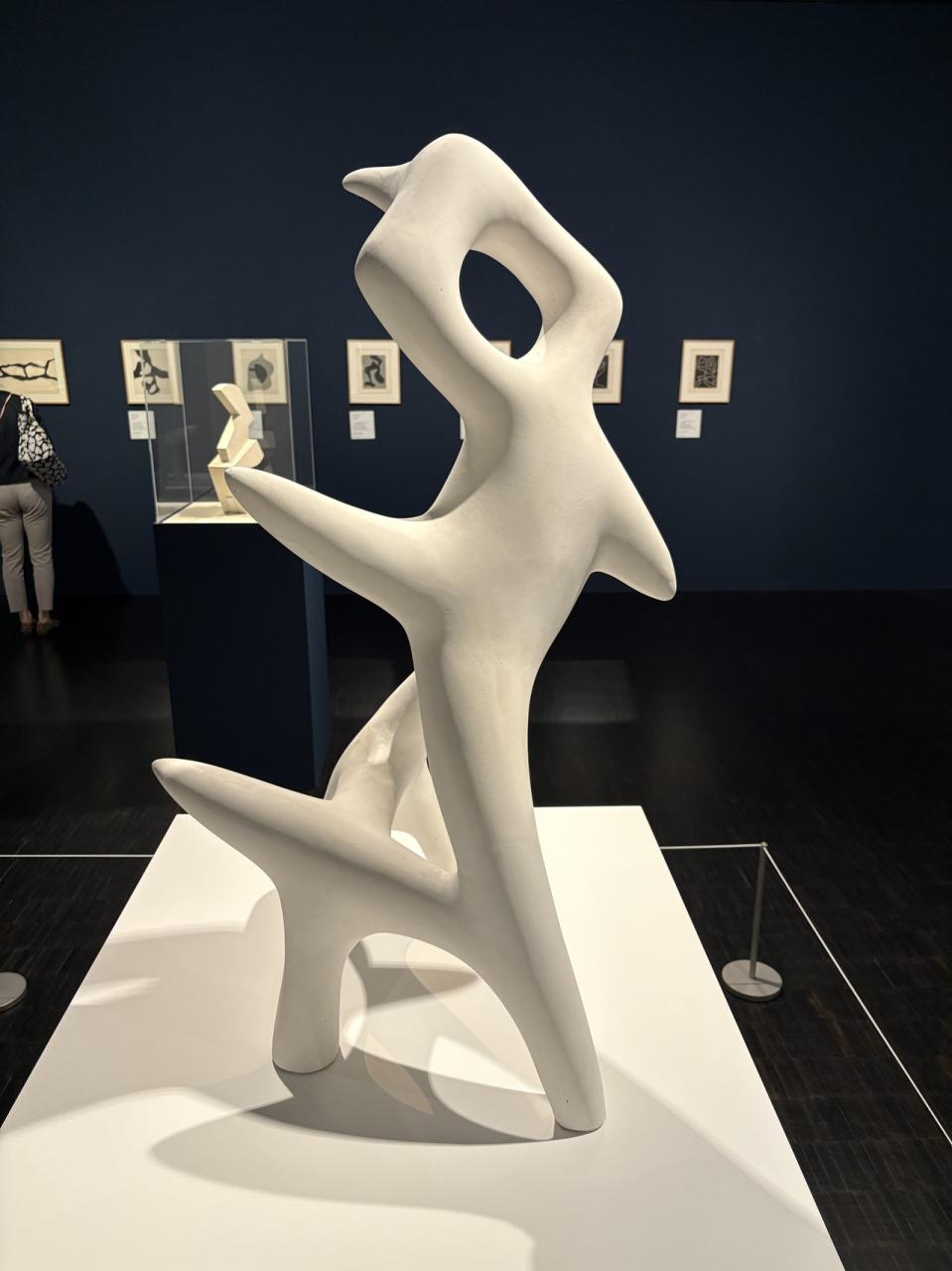
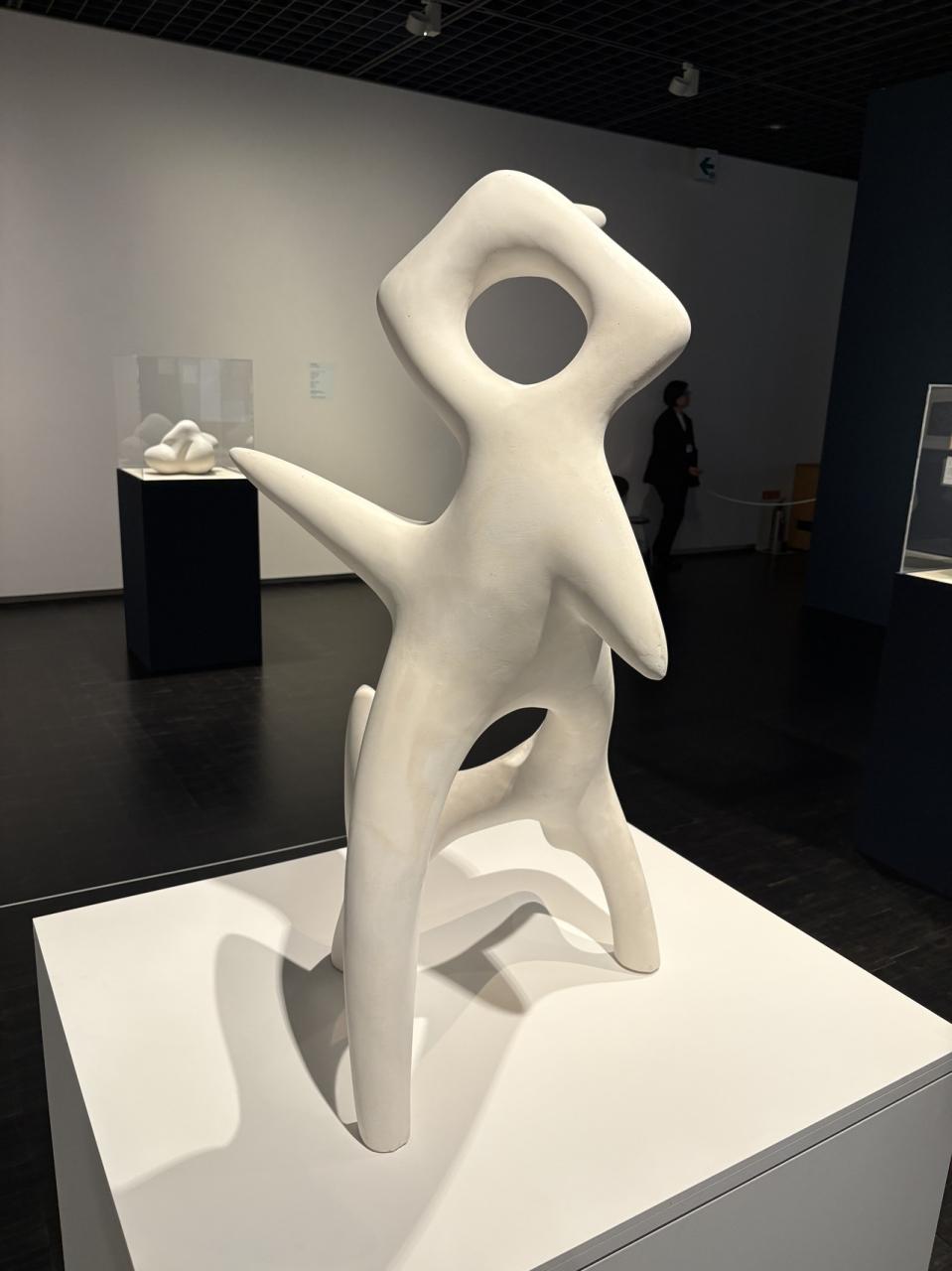
鳥の骨格
Bird Skeleton
1947 / 1965 (casted c.1968-74)
昭和22/40年(昭和43-49年頃型取り)
石膏 plaster
中心に穴の空いた頭部が特徴的な作品です。こうした環状の形態が造形要素として現れたのは1930年代で、5室に展示中の《新芽の花環II》(原型1936年)にも類似した形状が見られます。また、先端が外側へ広がっていくフォルムは1940年代の作品によく見られました。本作は、これらのフォルムの特徴が融合した事例の一つです。原型は1947年に制作され、それを拡大したものが1965年につくられました。
A distinctive feature of this work is the form of the head, with a hole in the center. Ring forms such as this first emerged as elements of Arp's sculpture in the 1930s, as exemplified by Garland of Buds Il in Room 5 (originally created in 1936), while the pointed forms extending outward are also seen in many of his works from the 1940s. This work is an example of fusion of several of Arp's characteristic forms. The original was made in 1947, and an enlarged version in 1965. -
-
-
-
新収蔵作品
New Acquisition
ジャン(ハンス)・アルプ
Jean(Hans) Arp
1886-1966
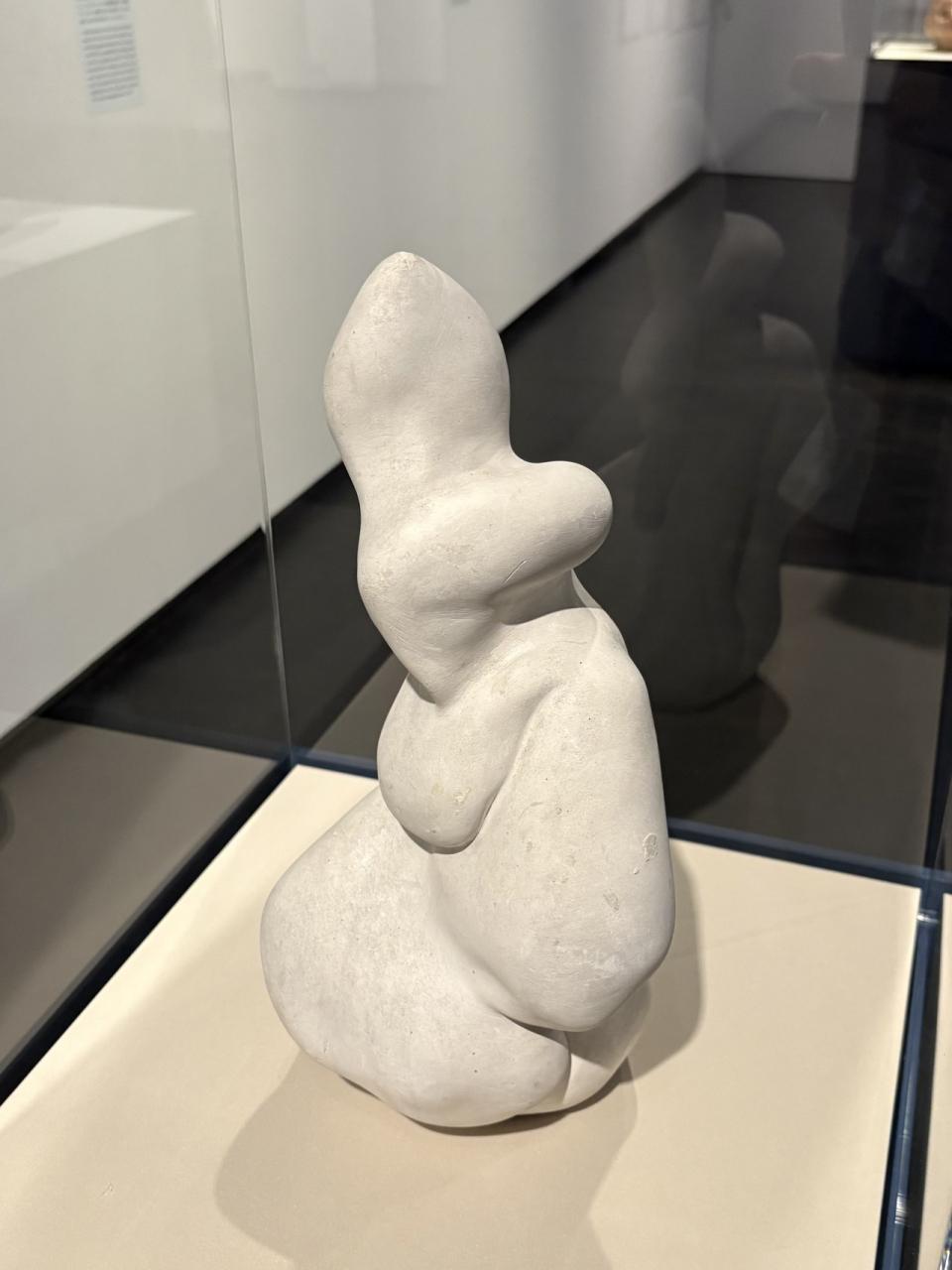
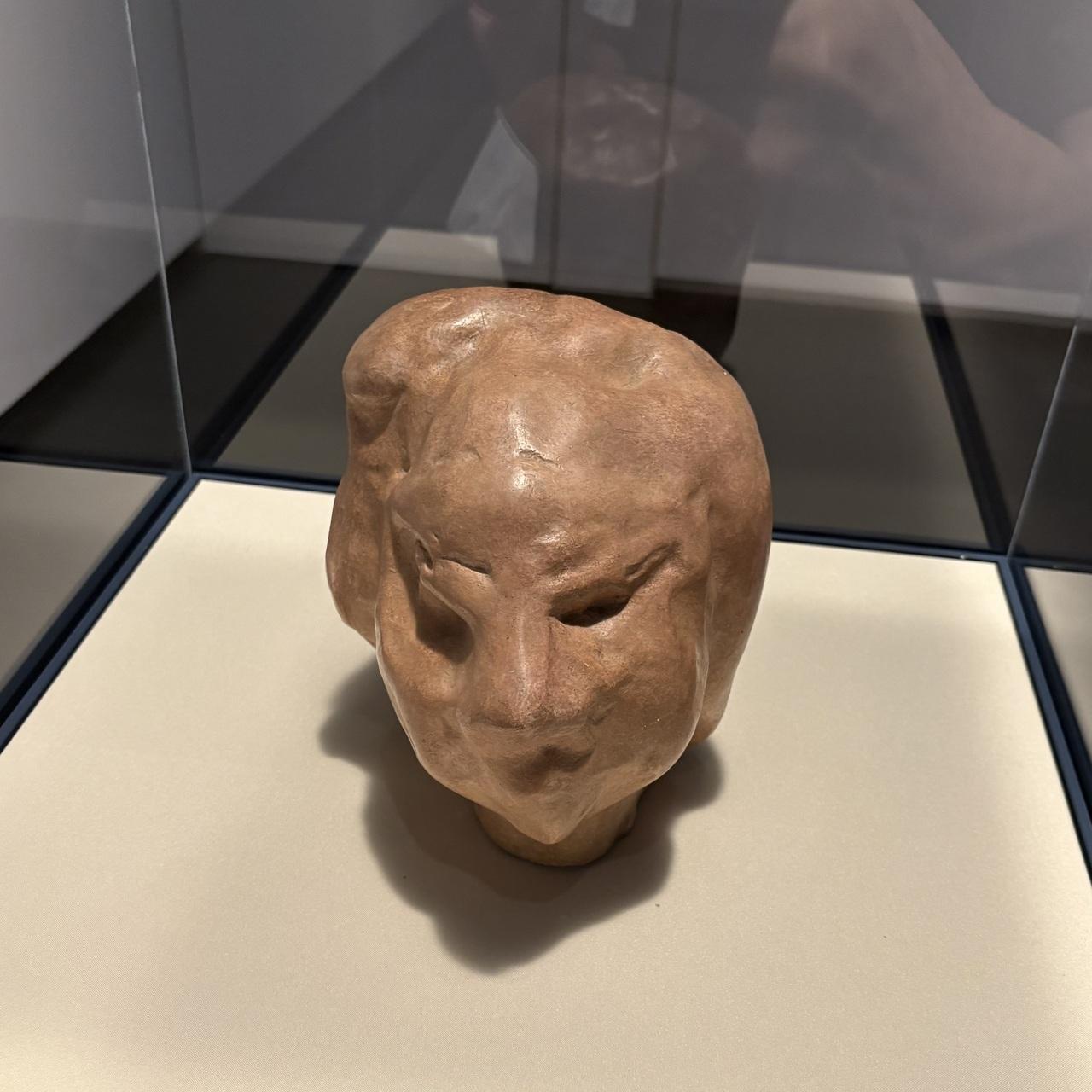
頭部
Head
1904/1945 (casted 1961)
明治37/昭和20年(昭和36年型取り)
石膏、塗料 painted plaster
本作の形状は、1904年にアルプが制作した人
体彫刻の粘土原型に由来すると考えられています。1945年頃に頭部のみが石膏で複製され、本作はそれをブロンズ鋳造のために拡大したものです。この石膏複製は、具象的な人体表現から、実際の人体とはかけ離れた抽象的な形態への移行を垣間見せる一例といえます。
The form of this work is believed to originate from a clay prototype of a human figure sculpted by Arp in 1904. Around 1945, he replicated only the head in plaster, and this work was subsequently enlarged for bronze casting. This plaster serves as a valuable example of his transition from realistic representation of the human figure to abstract forms that clearly diverge from actual anatomy. -
-
-
-
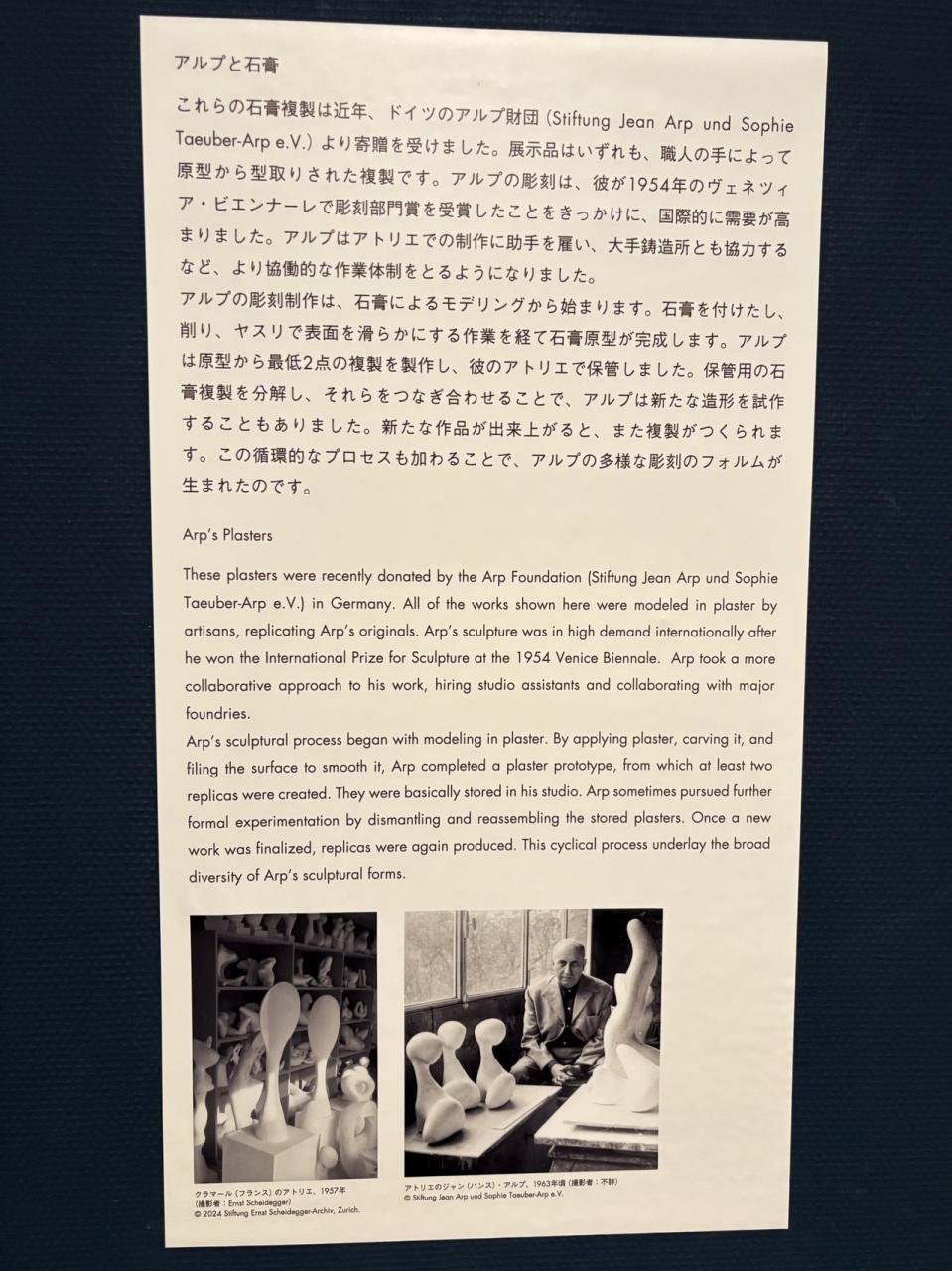
アルプと石膏
これらの石膏複製は近年、ドイツのアルプ財団(Stiftung Jean Arp und SophieTaeuber-Arp e.V.)より寄贈を受けました。展示品はいずれも、職人の手によって原型から型取りされた複製です。アルプの彫刻は、彼が1954年のヴェネツィア・ビエンナーレで彫刻部門賞を受賞したことをきっかけに、国際的に需要が高まりました。アルプはアトリエでの制作に助手を雇い、大手鋳造所とも協力するなど、より協働的な作業体制をとるようになりました。
アルプの彫刻制作は、石膏によるモデリングから始まります。石膏を付けたし、削り、ヤスリで表面を滑らかにする作業を経て石音原型が完成します。アルプは原型から最低2点の複製を製作し、彼のアトリエで保管しました。保管用の石青複製を分解し、それらをつなぎ合わせることで、アルプは新たな造形を試作することもありました。新たな作品が出来上がると、また複製がつくられます。この循環的なプロセスも加わることで、アルプの多様な彫刻のフォルムが生まれたのです。
Arp's Plasters
These plasters were recently donated by the Arp Foundation (Stiftung Jean Arp und Sophie Taeuber-Arp e.V.) in Germany. All of the works shown here were modeled in plaster by artisans, replicating Arp's originals. Arp's sculpture was in high demand internationally after he won the International Prize for Sculpture at the 1954 Venice Biennale. Arp took a more collaborative approach to his work, hiring studio assistants and collaborating with major foundries.
Arp's sculptural process began with modeling in plaster. By applying plaster, carving it, and filing the surface to smooth it, Arp completed a plaster prototype, from which at least two replicas were created. They were basically stored in his studio. Arp sometimes pursued further formal experimentation by dismantling and reassembling the stored plasters. Once a new work was finalized, replicas were again produced. This cyclical process underlay the broad diversity of Arp's sculptural forms. -
-
-
-
-
-
-
-
-
-
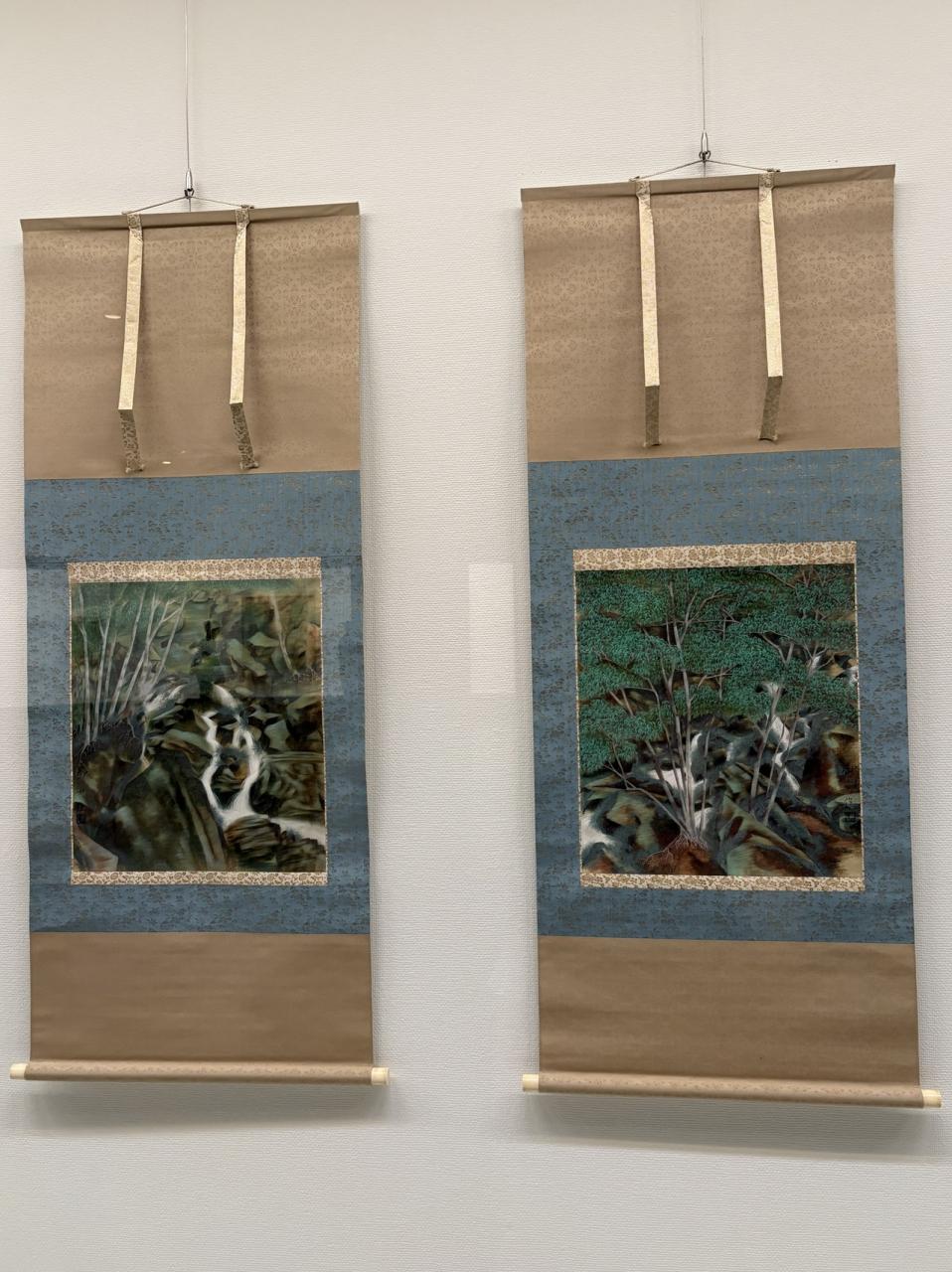
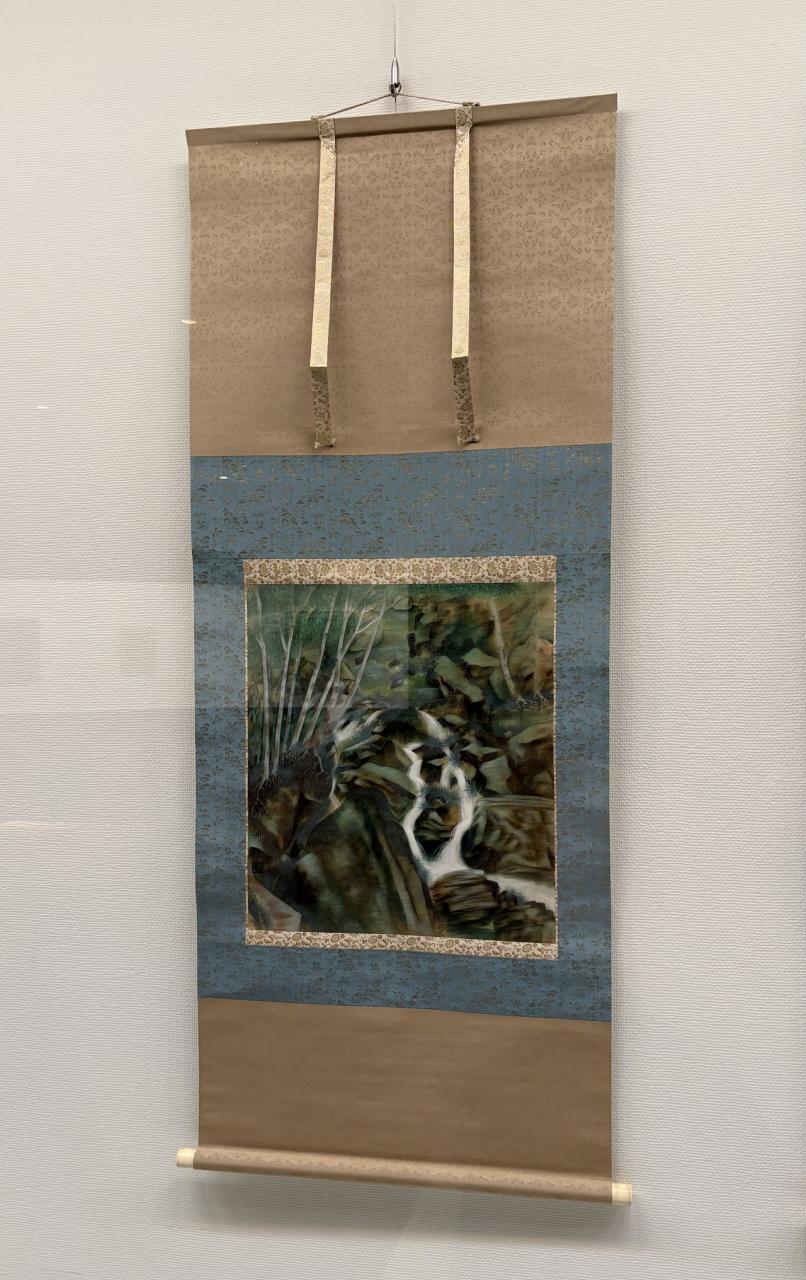
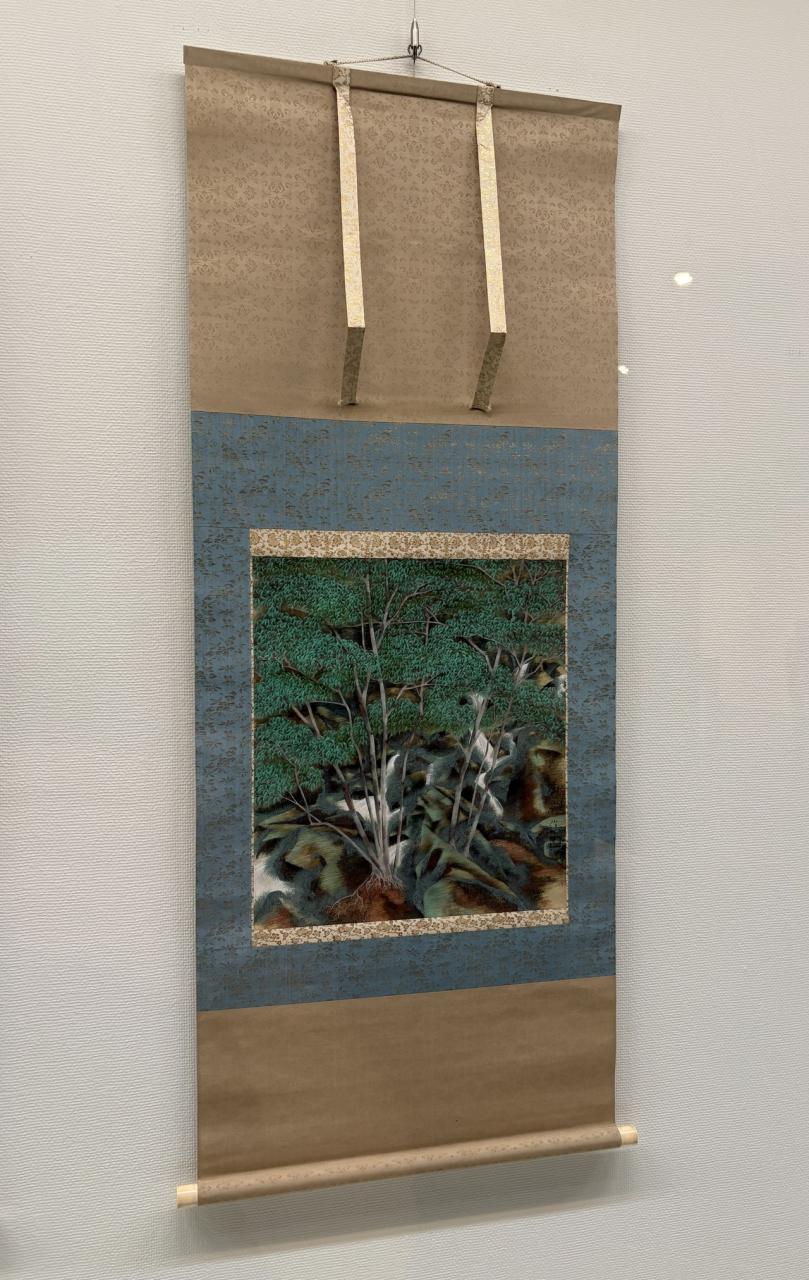
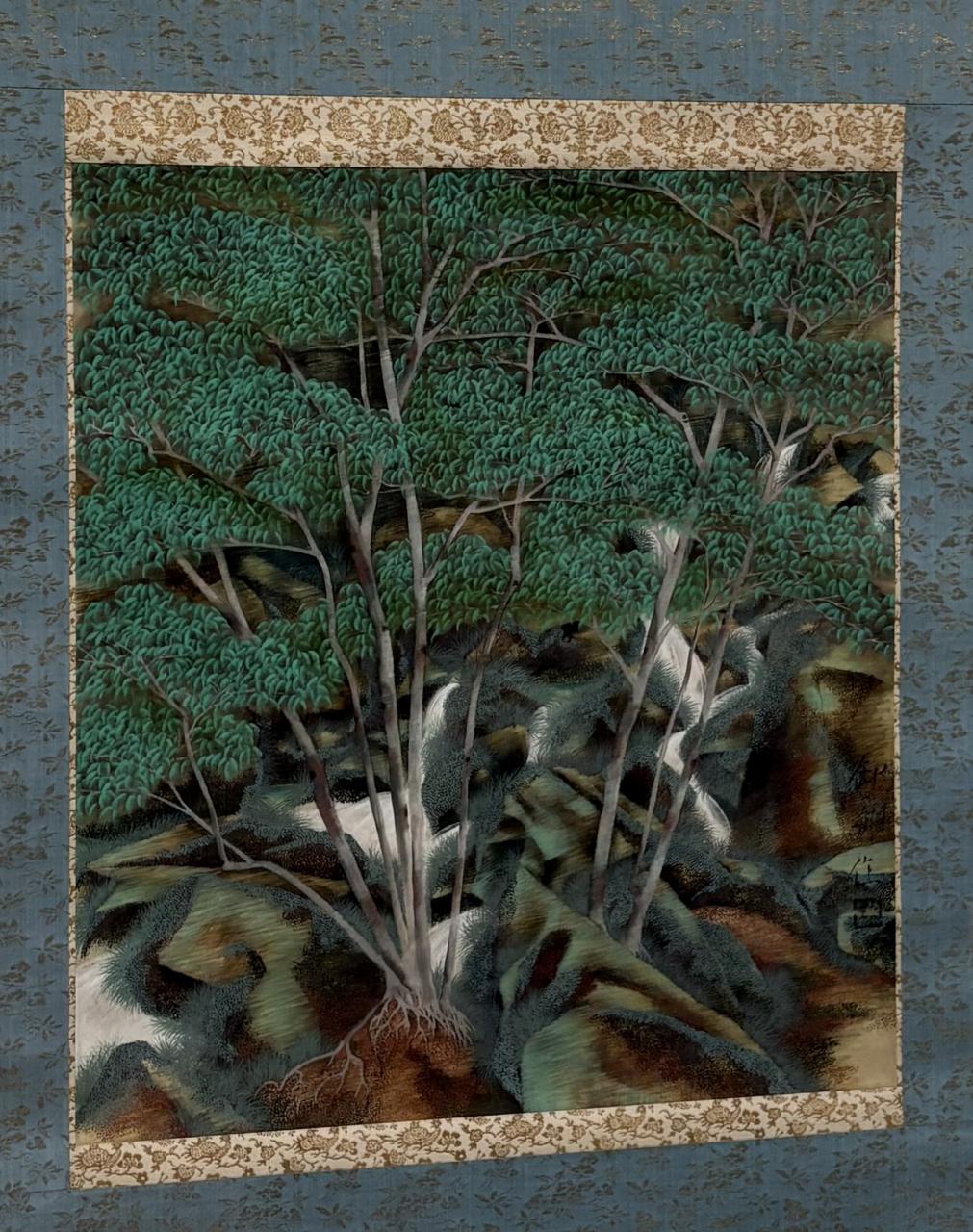
速水御舟
HAYAMI, Gyoshu
1894-1935
渓泉二図
Diptych: Rapid Waterfalls
1921 大正10年
紙本彩色 color on paper
速水舟が、療養で訪れた塩原温泉の渓流風景を二図に分けて描いています。御舟のこの時期の取り組みは「細密描写」と一言でくくられがちですが、実は、作品一点ごとに新たな技法や表現に挑戦しています。本作では、無数に重ねた多色のハッチング(一定の面を複数の平行線で埋める技術)の線と、針孔のように細かい多色の点描が特徴的です。それまで御舟はハッチングの線を、たとえば衣装の絹目などのテクスチャーを再現するために使っていたのですが、ここでは、それが面の向きや凹凸を示唆する役割を担っています。さらに彩色がほぼ色線と色点によってなされていることも、他に類を見ない試みです。
Hayami Gyoshu's landscape depicts torrential mountain streams at the Shiobara Onsen hot springs, which he visited for health reasons, across two hanging scrolls. Hayami's works from this period are often summed up with the phrase "meticulous rendering," but actually, in each work he took on the challenge of new techniques and modes of expression. This diptych comprises countless multicolored hatching lines (parallel lines used to shade in certain areas of the picture), and many colors of pointillist dots as fine as the eye of a needle. Prior to this, Hayami had used hatching to recreate textures such as the silk of apparel, but here the technique plays the role of suggesting the orientation and unevenness of various surfaces. The application of color almost entirely with lines and dots makes this a truly unique endeavor. -
-
-
-
-
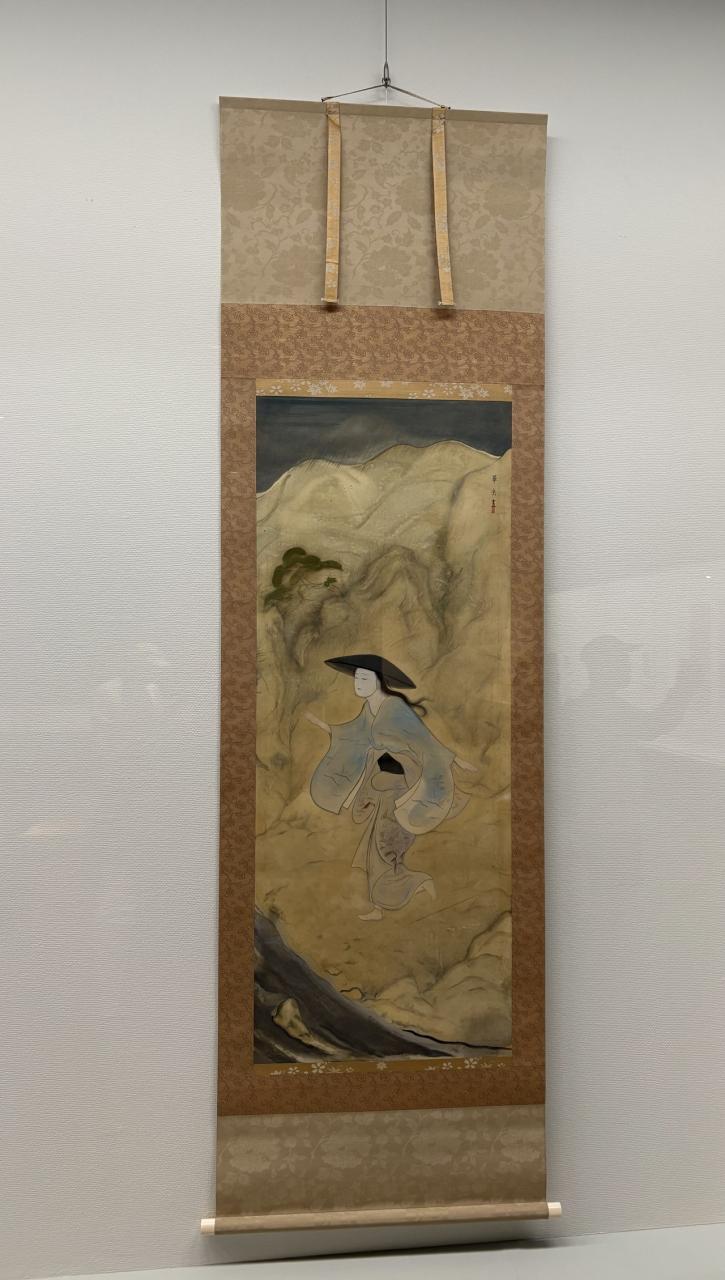
重要文化財
IMPORTANT CULTURAL PROPERTY
村上華岳
MURAKAMI, Kagaku
1888-1939
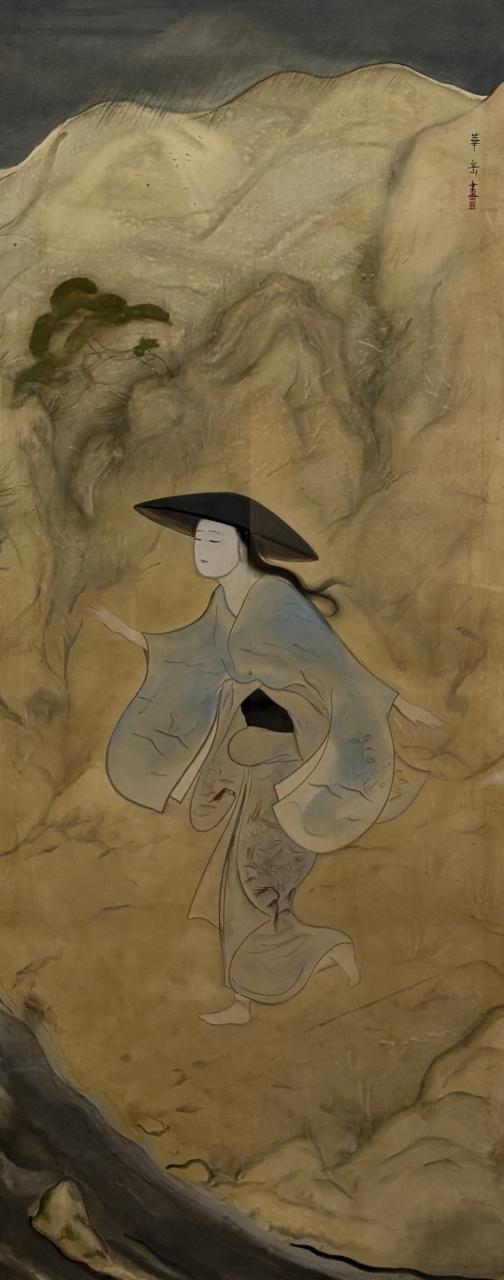
日高河清姫図
Kiyohime at the Hidaka River
1919 大正8年
絹本彩色 color on silk
道成寺伝説に取材しています。僧の安珍に恋をした清姫が、逃げる安珍を追って日高川のほとりにたどりついた場面です。ただし、華岳が言うには、物語は単なる題材に過ぎません。彼はこの時期、題材、色、かたちなどによって、描くべき「何か」を表現したいと考えていました。何かとは、「不可思議なる人間の戯曲」であるとも、「人間の色々の内の相」であるとも言っています(「製作につきて及び雑感」「画論」中央公論美術出版、1962年)。鈍い色、目を閉じた清姫の弱々しい姿、圧迫感のある背景によってここに表現されているのは、人間のどのような内なる「ありさま」でしょうか。
This is a scene from the legend of Dojo-ji Temple. The painting depicts Kiyohime, who has fallen in love with the monk Anchin, reaching the bank of the Hidaka River in pursuit of the fleeing Anchin. However, according to Murakami, the story merely served as a backdrop for visual experimentation. During this period, he was focused on conveying something to the viewer through his choice of subjects, colors, and forms. He described this "something" as "wondrous human theater," encompassing "various aspects of inner states and unseen conditions, such as ideals, desires, suffering, divinity, and mysticism" (from "On Production and Miscellaneous Thoughts," Thoughts on Painting, Chuokoron Bijutsu Shuppan, 1962). What inner aspects of the human condition are suggested here by the subdued colors, Kiyohime's feeble appearance and closed eyes, and the oppressive feel of the background? -
-
-
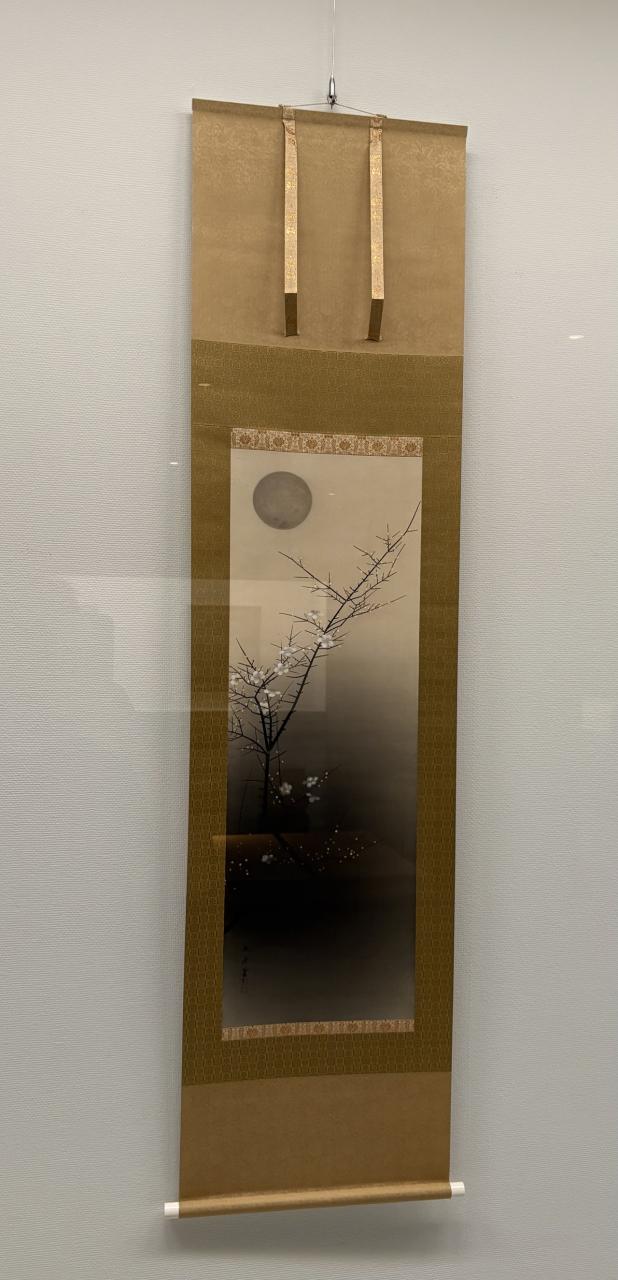
村上華岳
MURAKAMI, Kagaku
1888-1939
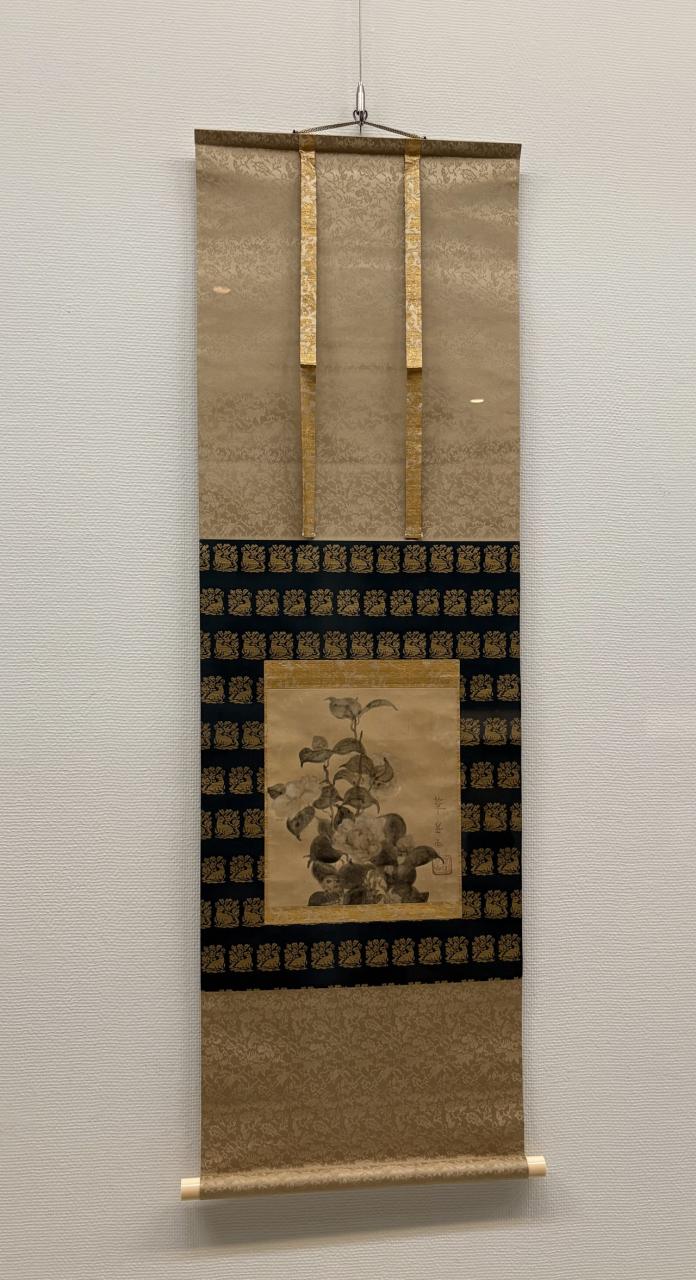
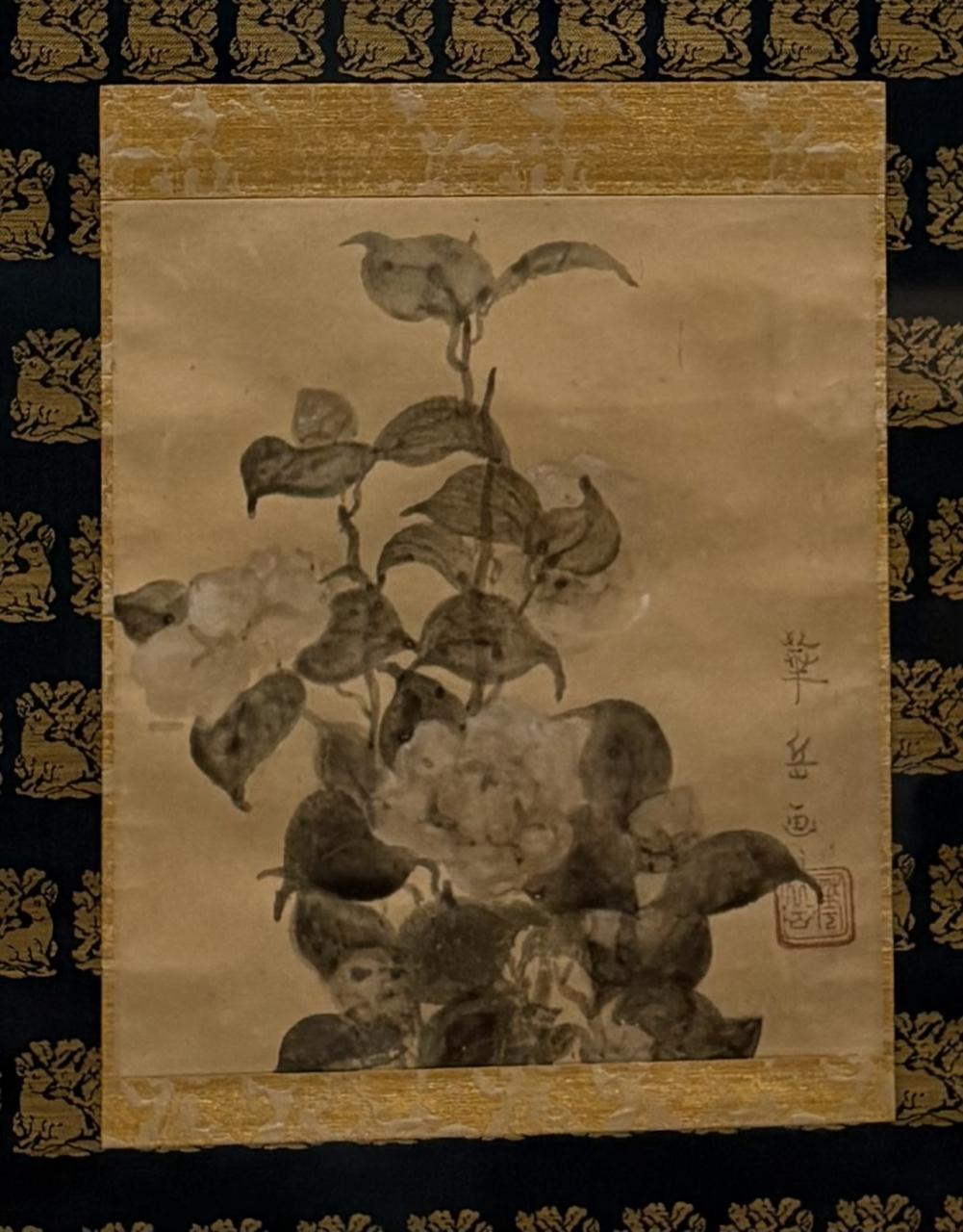
椿
Camellias
1938
紙本墨画
昭和13年
sumi on paper -
-
村上華岳
MURAKAMI, Kagaku
1888-1939
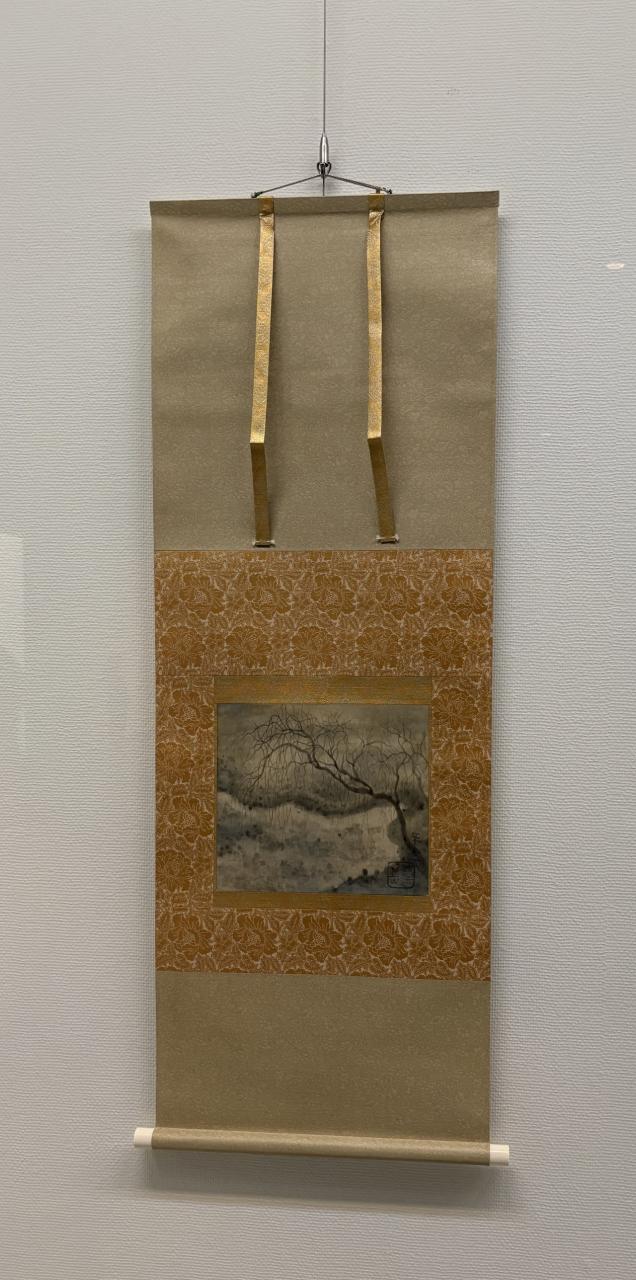
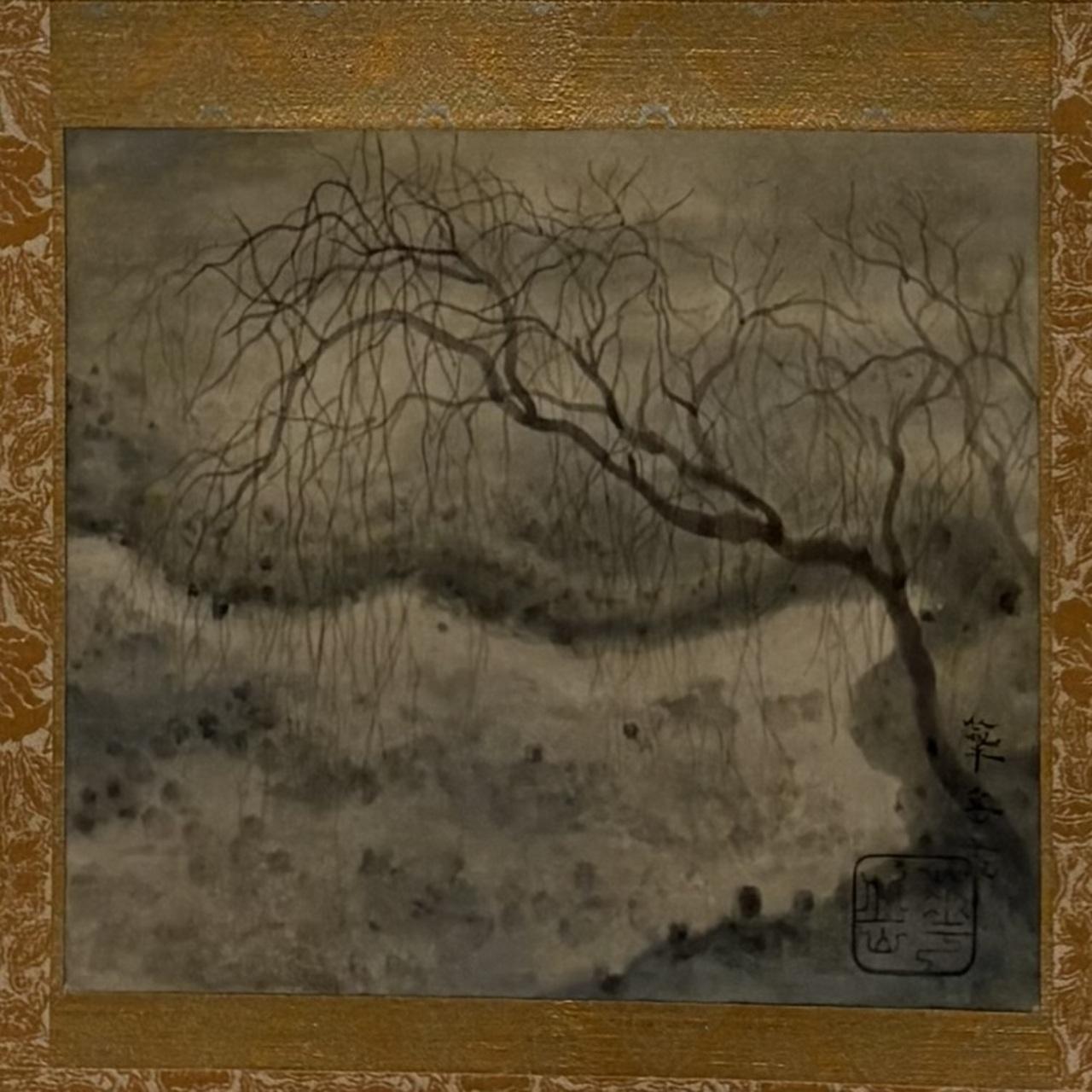
春泥
Spring Thaw
春泥
1936 昭和11年
紙本彩色 color on paper
「春泥」とは雪や霜が解けてできたぬかるみを指す言葉です。手前の柳にはえんじ色、ぬかるみには淡く藍色を重ね、アルミ泥のにぶい輝きも添えられています。向こうに見える黄色の帯は、ぬかるみの端に咲き始めた春の花でしょうか。こうしたデリケートな色彩表現が、春を思わせるあたたかさや、湿った空気の印象を画面に生み出しています。間合いを探るように、紙に筆をすべらせた柳の線も見どころです。
The original Japanese title of this work is Shundei, literally "spring mud," describing the quagmires created when snow and frost melt. A deep red shade is overlaid on the willow tree in the foreground. The mud is given a pale layer of indigo, to which is added the dull glow of aluminum paint. Could the band of yellow visible beyond the quagmire be spring flowers just coming into bloom? Murakami's delicate use of color gives the painting an impression of the warmth and moist air of spring. Another highlight is the lines of the willow branches, rendered with light, trailing brushstrokes that seem to grope in space. -
-
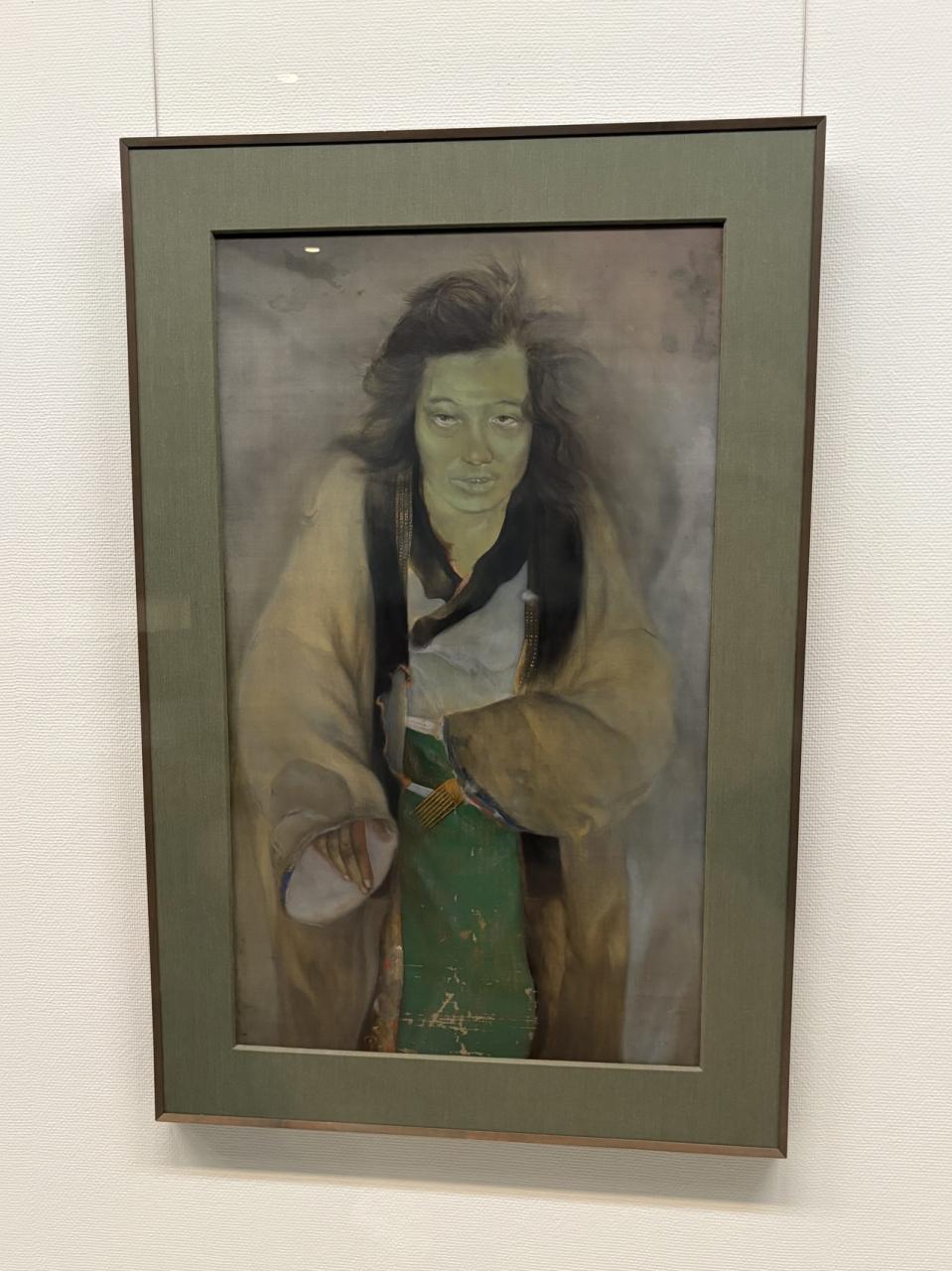
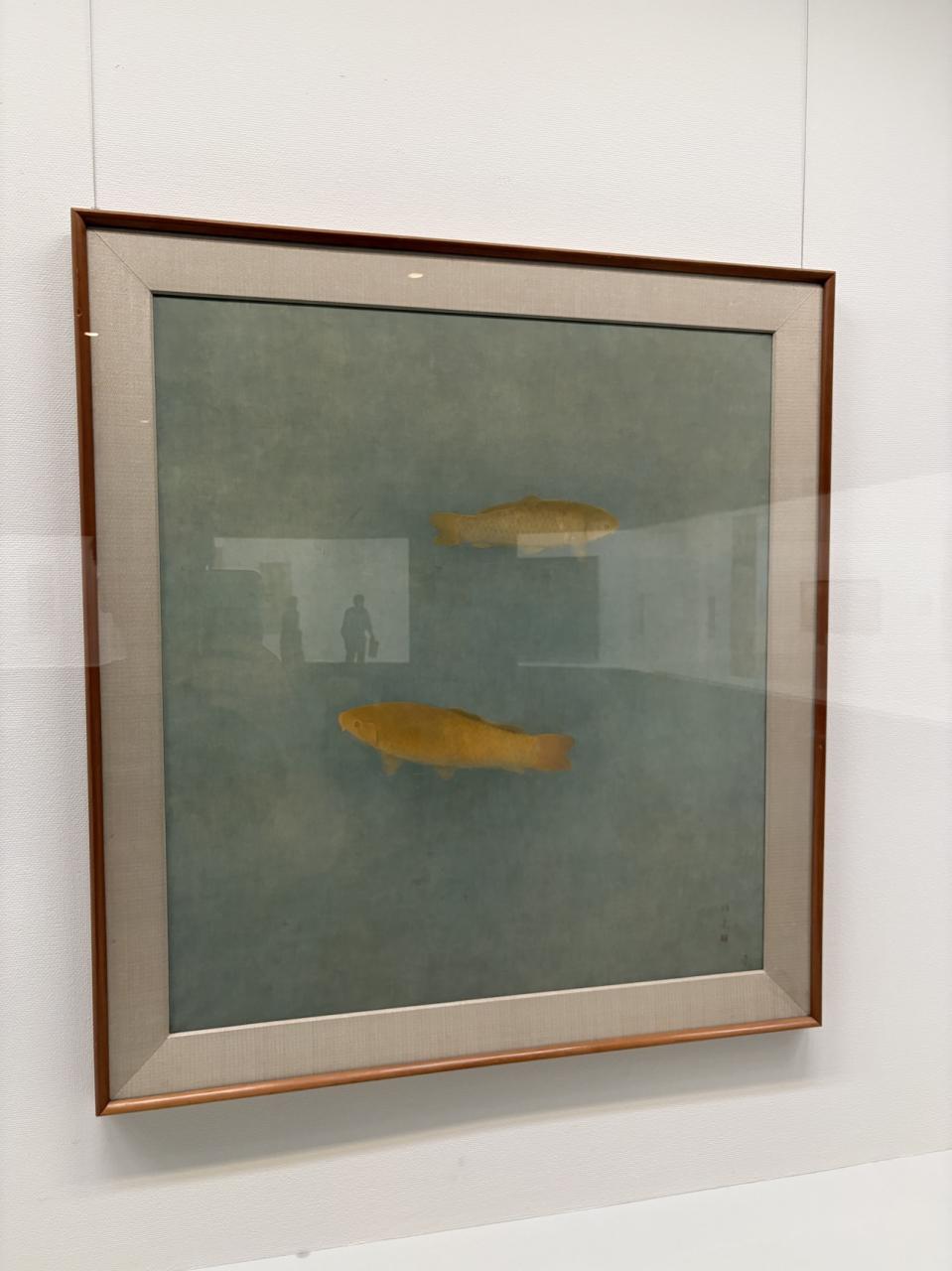
徳岡神泉
TOKUOKA, Shinsen
1896-1972
狂女
Mad Woman
c.1919 大正8年頃
絹本彩色 color on silk
神泉は若い頃、文展での落選が続いて苦しみ、神秘と遭遇することに活路を見出そうとしました。あるときは木の霊を見ようと、夜半にひとり古木を見つめたといいます。「この世のものを超絶するすごいものに戦慄しよう」と思ったそうです。
また、退廃的なものや醜いものに惹かれたといいます。「「いやな世界」のもっているすご味をだしたかった」といいます(「遍歴の底に」「芸術新潮」1960年8月)。本作はその時期に描かれました。精神を病んだ女性の顔は、この世ならぬ存在であるかのように、緑色に塗られています。
In his youth, Tokuoka faced repeated rejection at the Bunten exhibition (sponsored by the Ministry of Education), which drove him to seek solace in the mystical. He once attempted to perceive the spirit of a tree by gazing at an ancient tree alone at midnight,
and recalled, "I shuddered at something terrifying that transcended this world."
He was also drawn to decadent and unsightly things, and expressed a desire to "represent the horror that dwells in the 'unpleasant world'" (from "Beneath the Journey," Geijutsu Shincho, August 1960). This painting, dating from that period, portrays a mentally ill woman with a green face, seemingly presenting evidence of an otherworldly presence. -
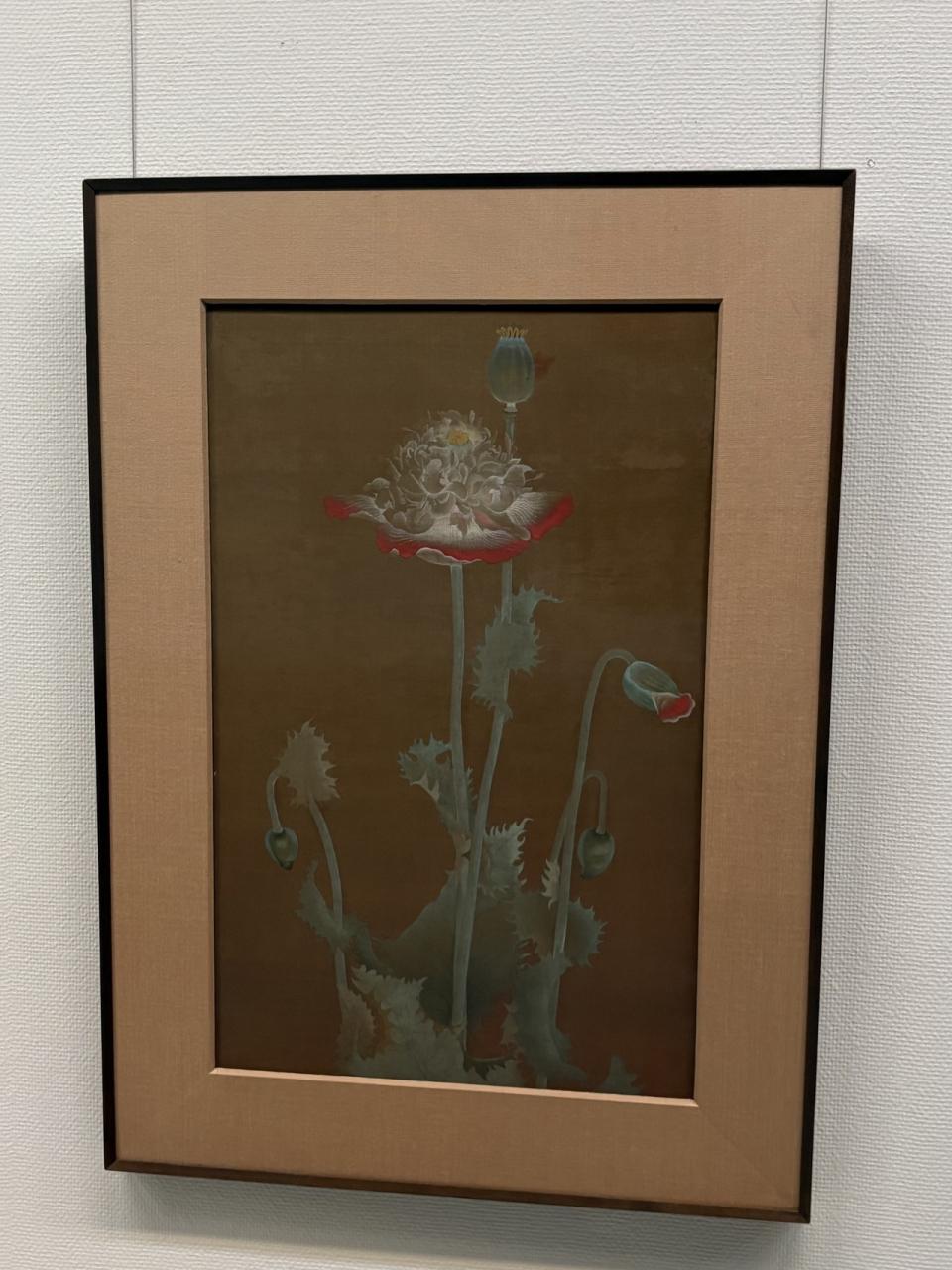
徳岡神泉
TOKUOKA, Shinsen
1896-1972
芥子
Poppy
1924 大正13年
絹本彩色 color on silk -
-
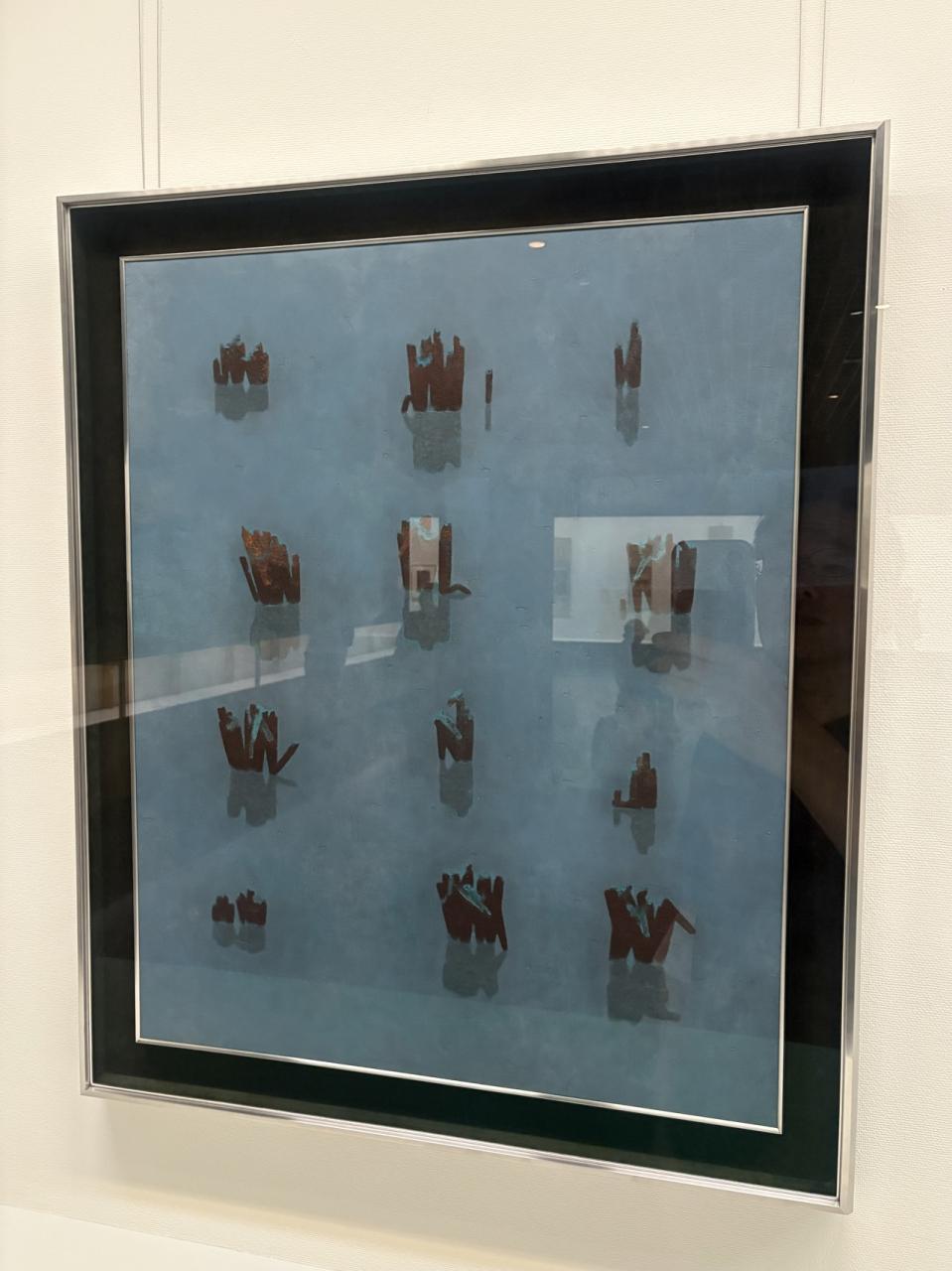
徳岡神泉
TOKUOKA, Shinsen
1896-1972
刈田
Harvested Rice Field
1960 昭和35年
紙本彩色
color on paper
描かれているのは稲刈りの終わった稲株です。
この作品を描いていたちょうどその頃、神泉は次のようなことを述べています。一自分が描きたいのは、滝を描いて滝の音が聞こえるような写実ではない。例えば、桜の花びらがひらひらと散る。散ってゆく花びらが地面に触れようとするとき、現実には聞こえなくても、その音をたしかに知覚する。その神的な瞬間の「花びらでもなければ音でもない、宇宙の核と相通じるような心境を描きたいのだ」。(「遍歴の底に」「芸術新潮』 1960年8月)
This painting depicts rice stubble after the harvest.
Around the time he produced it, Tokuoka expressed the following sentiment: "What I am pursuing is not the kind of realism where you paint a waterfall and seem to hear its sound. For instance, consider cherry blossom petals fluttering as they scatter. One surely perceives a sound as they touch the ground, even if it is inaudible in reality. I aim to capture such mystical moments, representing neither the petals nor the sound, but a state of mind that resonates with the core of the universe." (from "Beneath the Journey," Geijutsu Shincho, August 1960). -
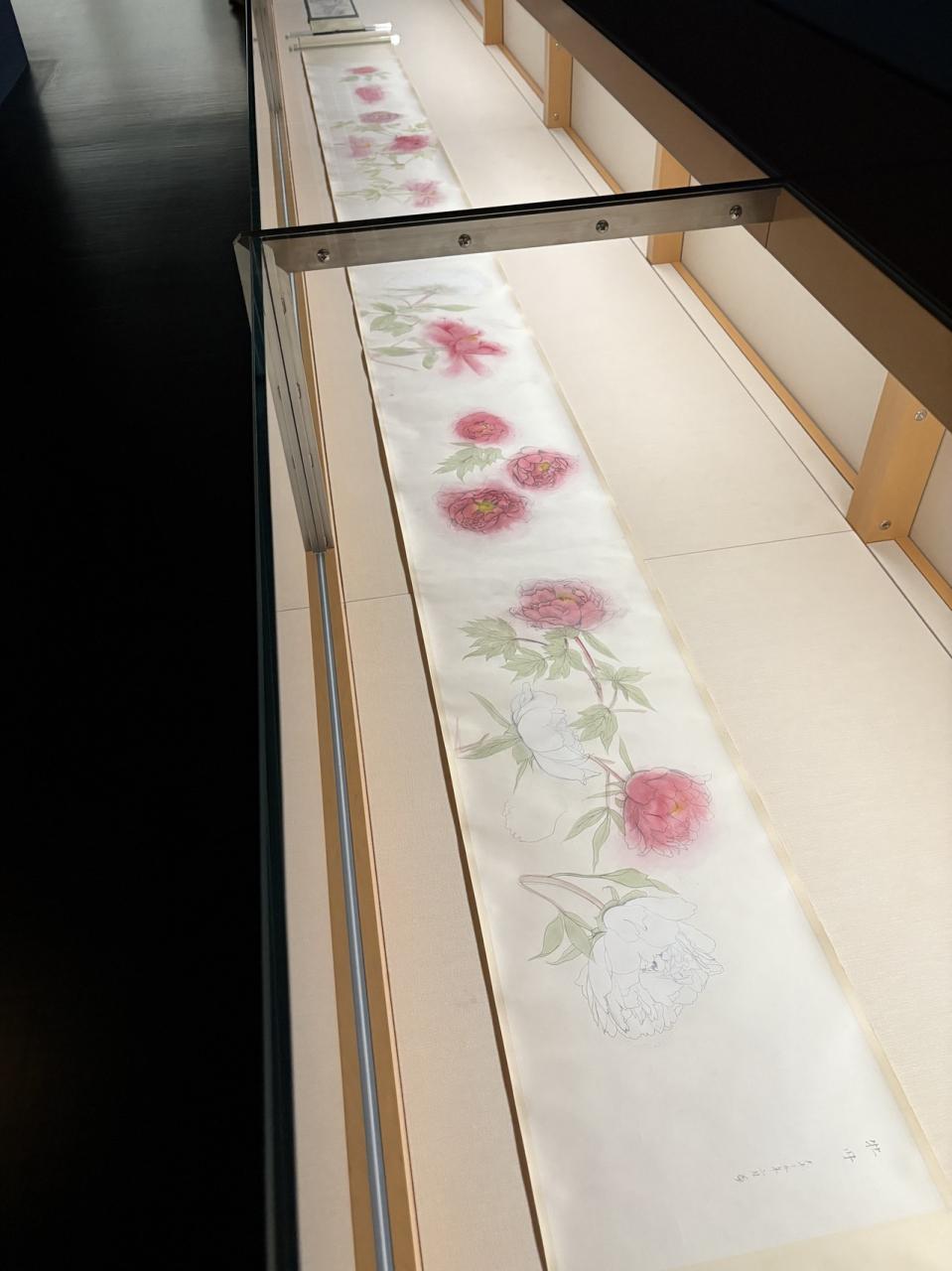
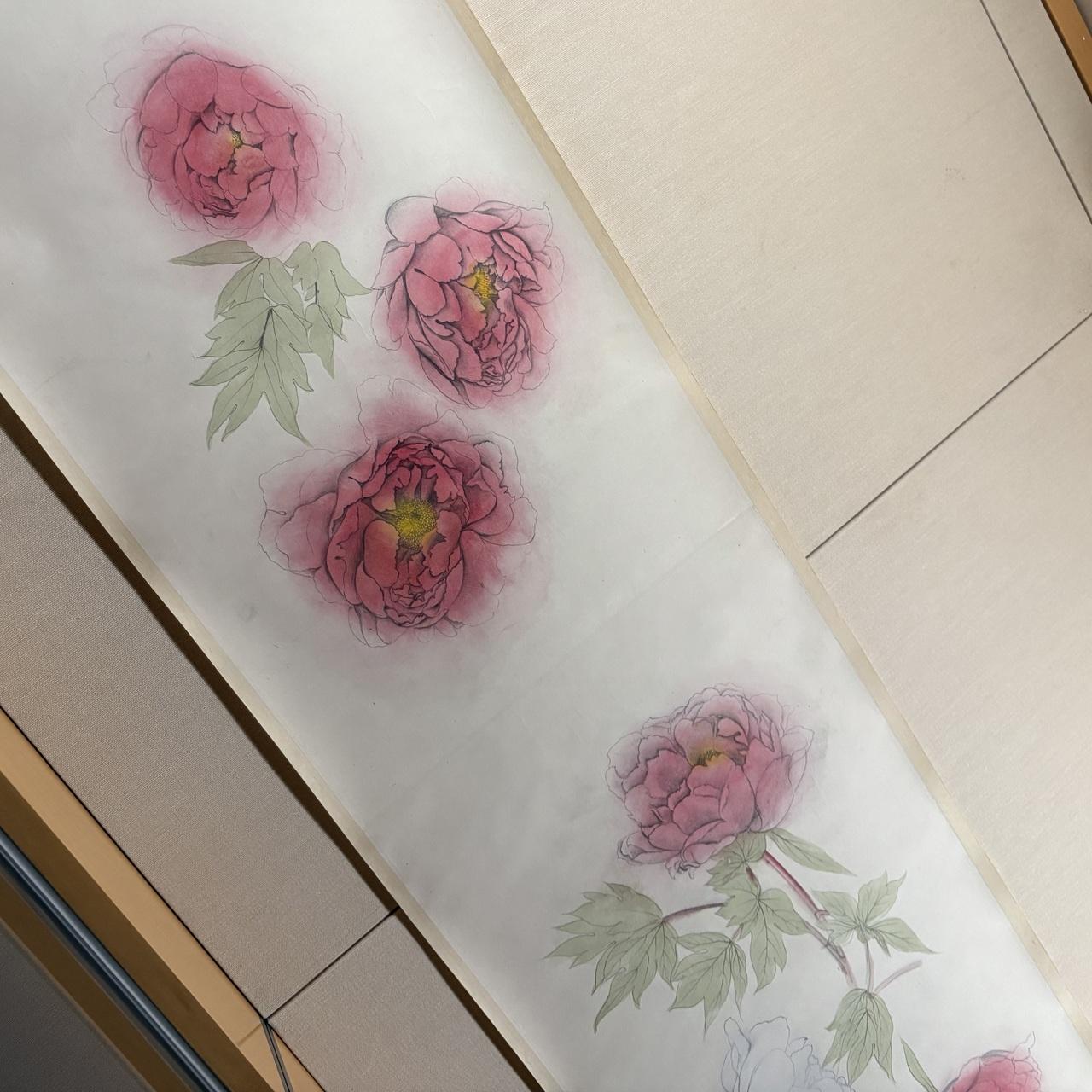
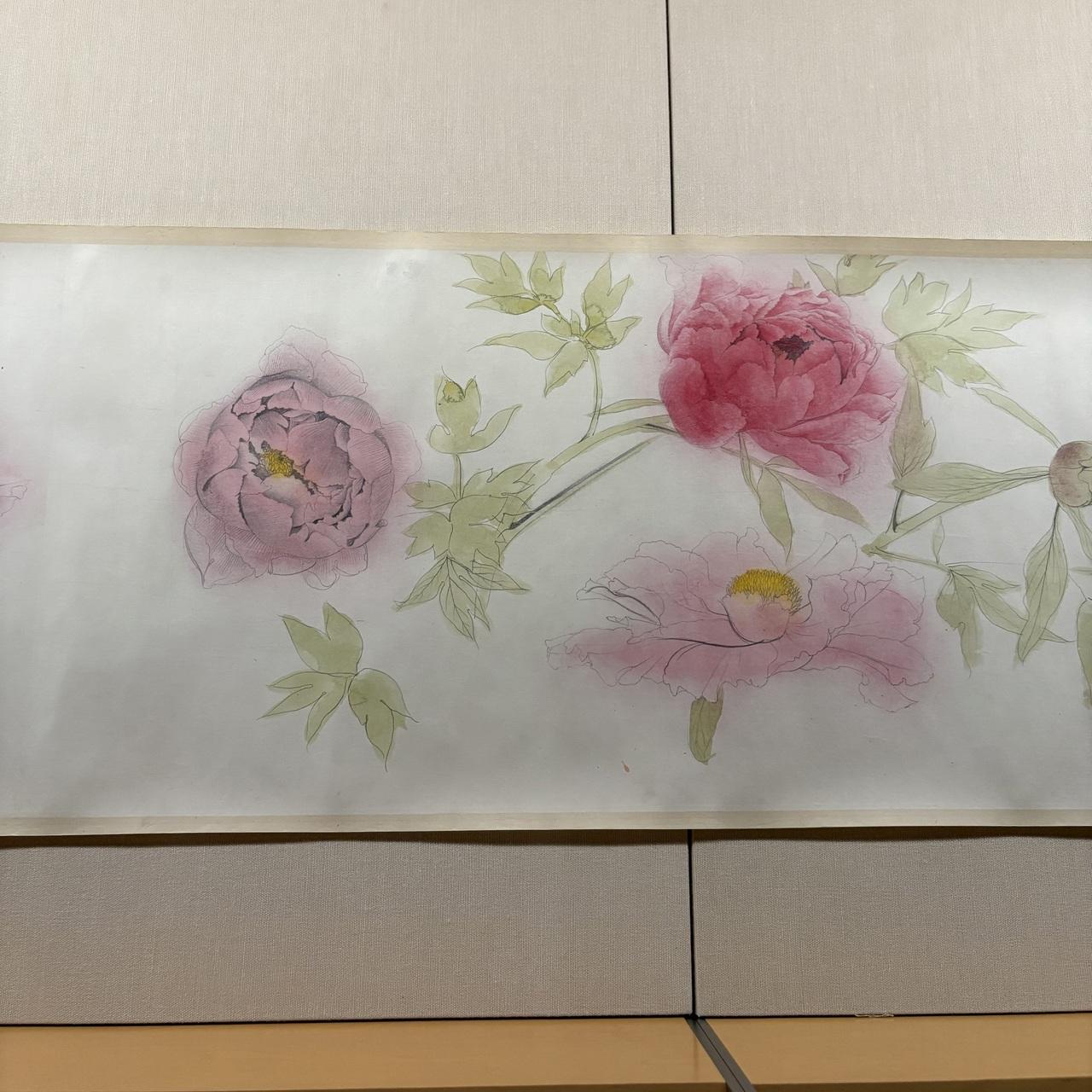
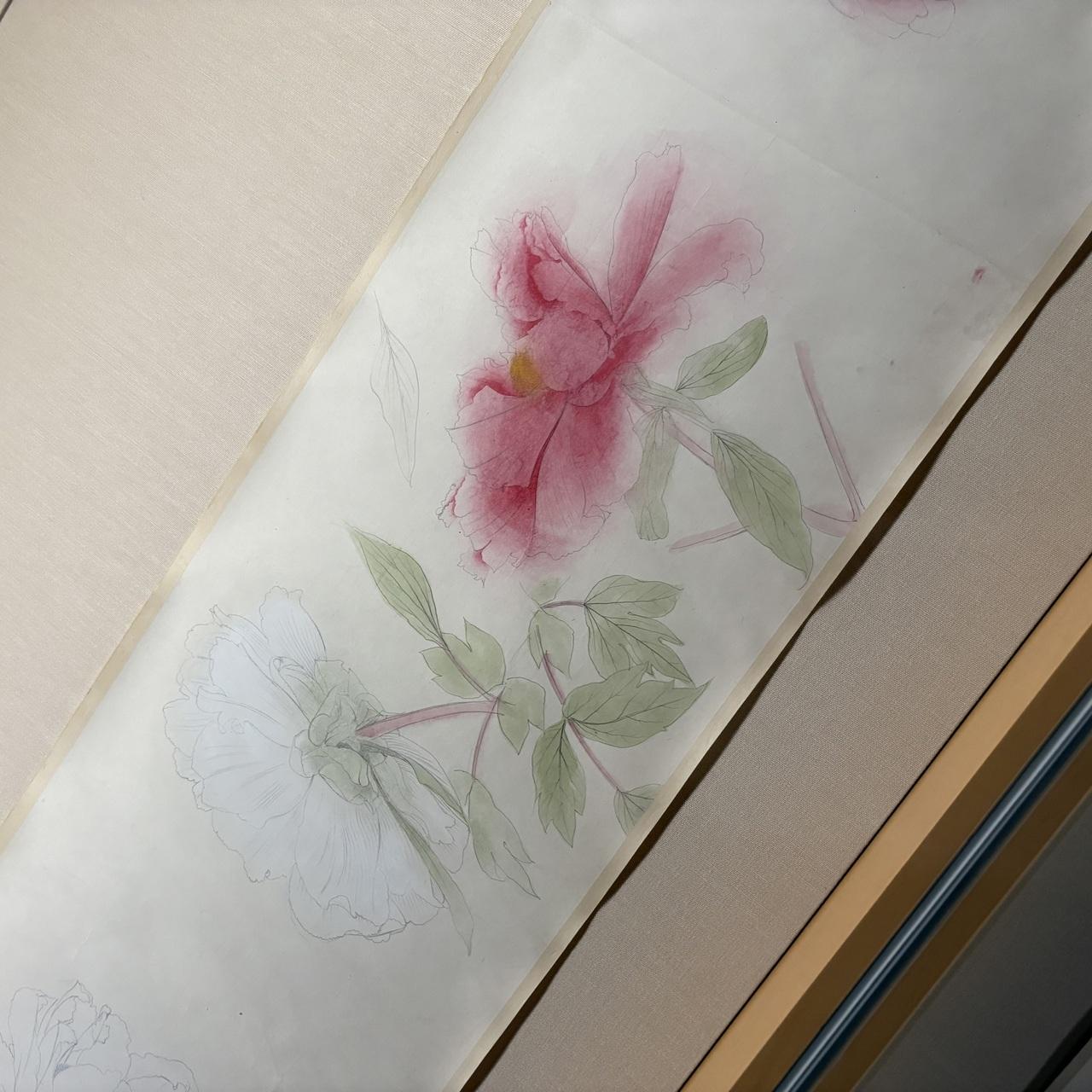
速水御舟
HAYAMI, Gyoshu
1894-1935
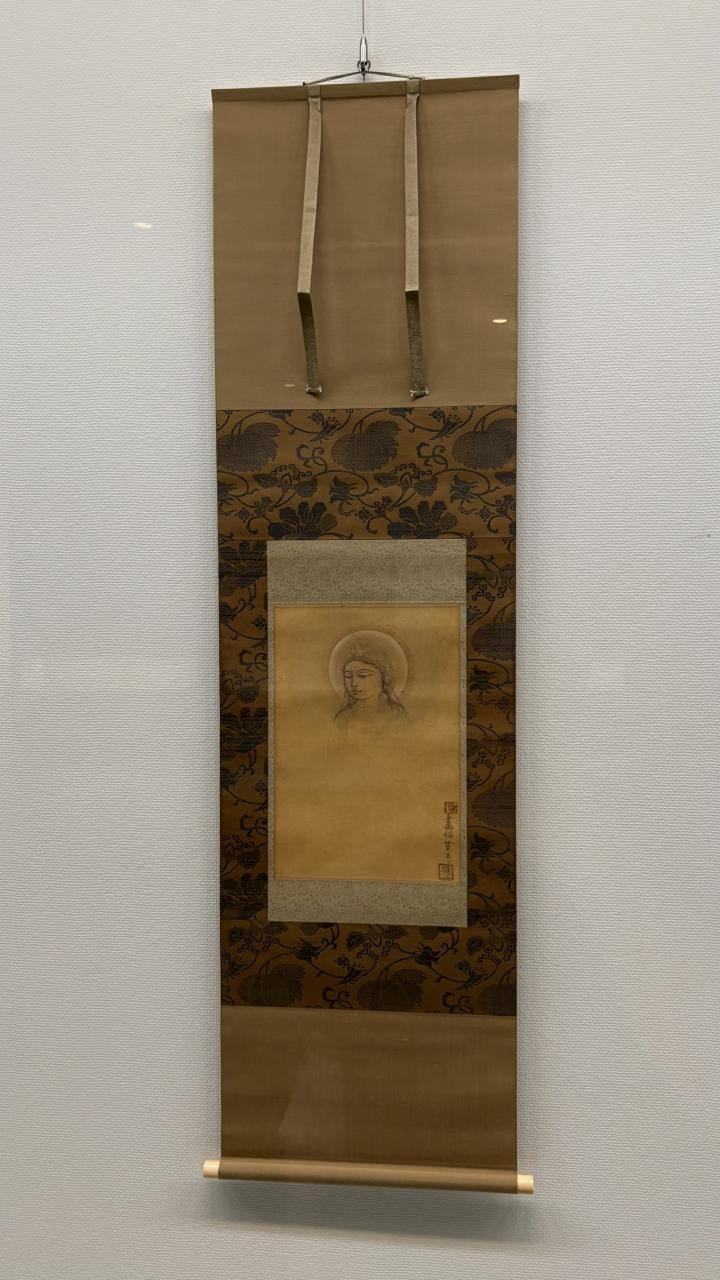
寒牡丹写生図巻
Scroll of Sketches (Winter Peonies)
1926 大正15年
鉛筆、淡彩・紙
pencil and color on paper -
-
-
-



利用規約に違反している投稿は、報告する事ができます。
-
前の旅行記
![MOMAT コレクション〔国立東京近代美術館 所蔵作品展〕(25.2.11-6.15)8.反復がもたらすもの & 9.渡辺兼人[既視の街]](https://cdn.4travel.jp/img/thumbnails/imk/travelogue_album/11/98/67/650x_11986732.jpg?updated_at=1752831110)
MOMAT コレクション〔国立東京近代美術館 所蔵作品展〕(25.2.11-6.15)8.反復がもたらすもの...
2025/06/04~
神田・神保町
-
次の旅行記

MOMAT コレクション〔国立東京近代美術館 所蔵作品展〕(2025.2.11-6.15) 11.(アン)バ...
2025/06/04~
神田・神保町
-

MOMAT コレクション〔国立東京近代美術館 所蔵作品展〕(2025.2.11-6.15)1.ハイライト "...
2025/06/04~
神田・神保町
-

MOMAT コレクション〔国立東京近代美術館 所蔵作品展〕(2025.2.11-6.15) 2.風景の発見。...
2025/06/04~
神田・神保町
-

MOMAT コレクション〔国立東京近代美術館 所蔵作品展〕(2025.2.11-6.15)3.抒情と頽廃。"...
2025/06/04~
神田・神保町
-

MOMAT コレクション〔国立東京近代美術館 所蔵作品展〕(2025.2.11-6.15) 4.モダニズムの...
2025/06/04~
神田・神保町
-

MOMAT コレクション〔国立東京近代美術館 所蔵作品展〕(2025.2.11-6.15) 5.シュルレアリ...
2025/06/04~
神田・神保町
-

MOMAT コレクション〔国立東京近代美術館 所蔵作品展〕(2025.2.11-6.15) 6.「相手」がい...
2025/06/04~
神田・神保町
-
![MOMAT コレクション〔国立東京近代美術館 所蔵作品展〕(25.2.11-6.15)8.反復がもたらすもの & 9.渡辺兼人[既視の街]](https://cdn.4travel.jp/img/thumbnails/imk/travelogue_album/11/98/67/240x180_11986732.jpg?updated_at=1752831110)
MOMAT コレクション〔国立東京近代美術館 所蔵作品展〕(25.2.11-6.15)8.反復がもたらすもの...
2025/06/04~
神田・神保町
-

MOMAT コレクション〔国立東京近代美術館 所蔵作品展〕(2025.2.11-6.15) 10.アルプのア...
2025/06/04~
神田・神保町
-

MOMAT コレクション〔国立東京近代美術館 所蔵作品展〕(2025.2.11-6.15) 11.(アン)バ...
2025/06/04~
神田・神保町
-

MOMAT コレクション〔国立東京近代美術館 所蔵作品展〕(2025.2.11-6.15) 12.美術家たち...
2025/06/04~
神田・神保町
旅行記グループをもっと見る
コメントを投稿する前に
十分に確認の上、ご投稿ください。 コメントの内容は攻撃的ではなく、相手の気持ちに寄り添ったものになっていますか?
サイト共通ガイドライン(利用上のお願い)報道機関・マスメディアの方へ 画像提供などに関するお問い合わせは、専用のお問い合わせフォームからお願いいたします。






フォートラベル公式LINE@

おすすめの旅行記や旬な旅行情報、お得なキャンペーン情報をお届けします!
QRコードが読み取れない場合はID「@4travel」で検索してください。
\その他の公式SNSはこちら/




旅行記グループ MOMAT コレクション〔国立東京近代美術館 所蔵作品展〕(2025.2.11-6.15)
0
44