


2024/12/18 - 2024/12/18
83位(同エリア935件中)

旅熊 Kokazさん
- 旅熊 KokazさんTOP
- 旅行記1931冊
- クチコミ854件
- Q&A回答101件
- 1,713,659アクセス
- フォロワー755人
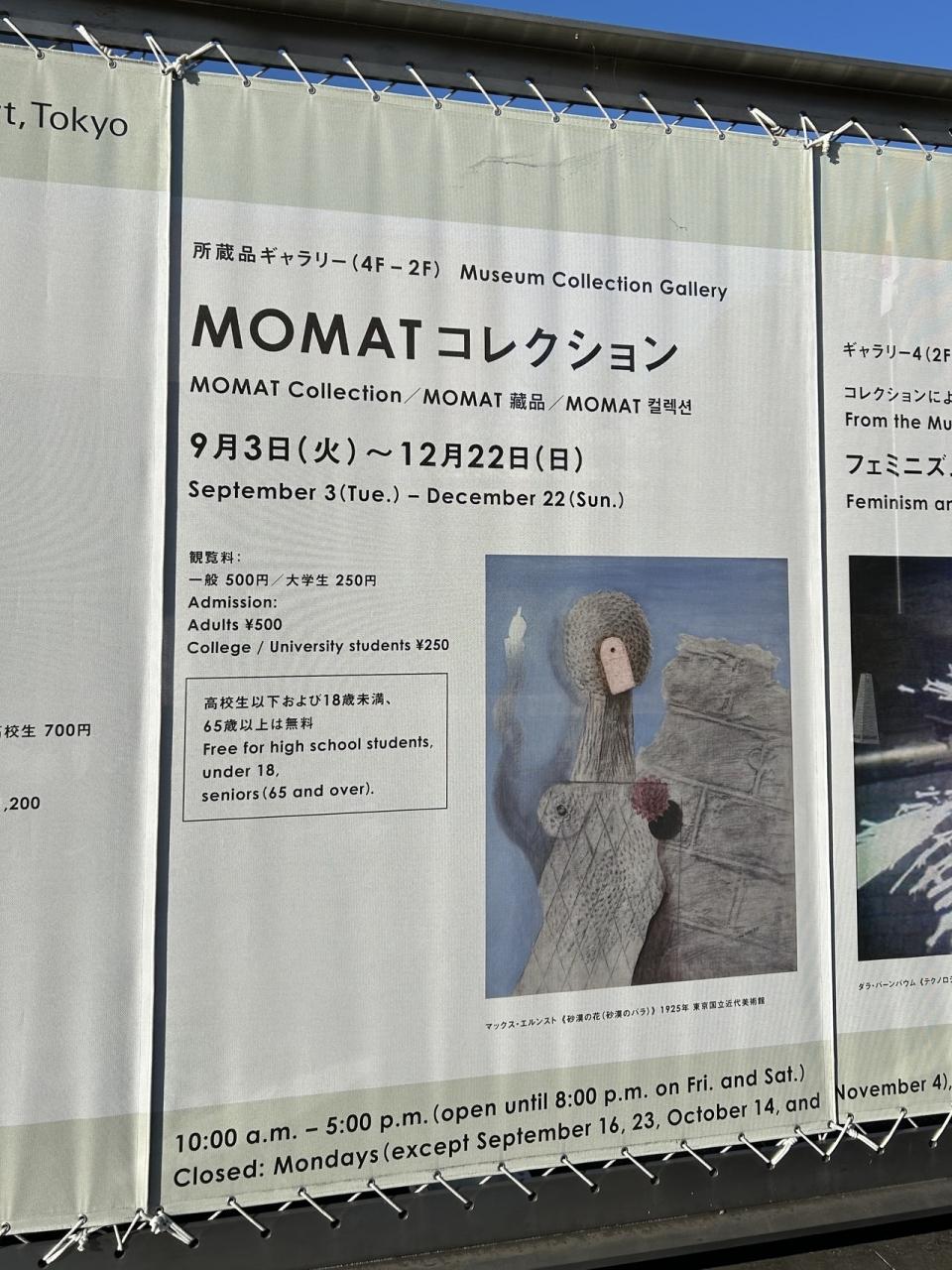
国立東京近代美術館 所蔵作品展 MOMATコレクション(2024.9.3-12.22)
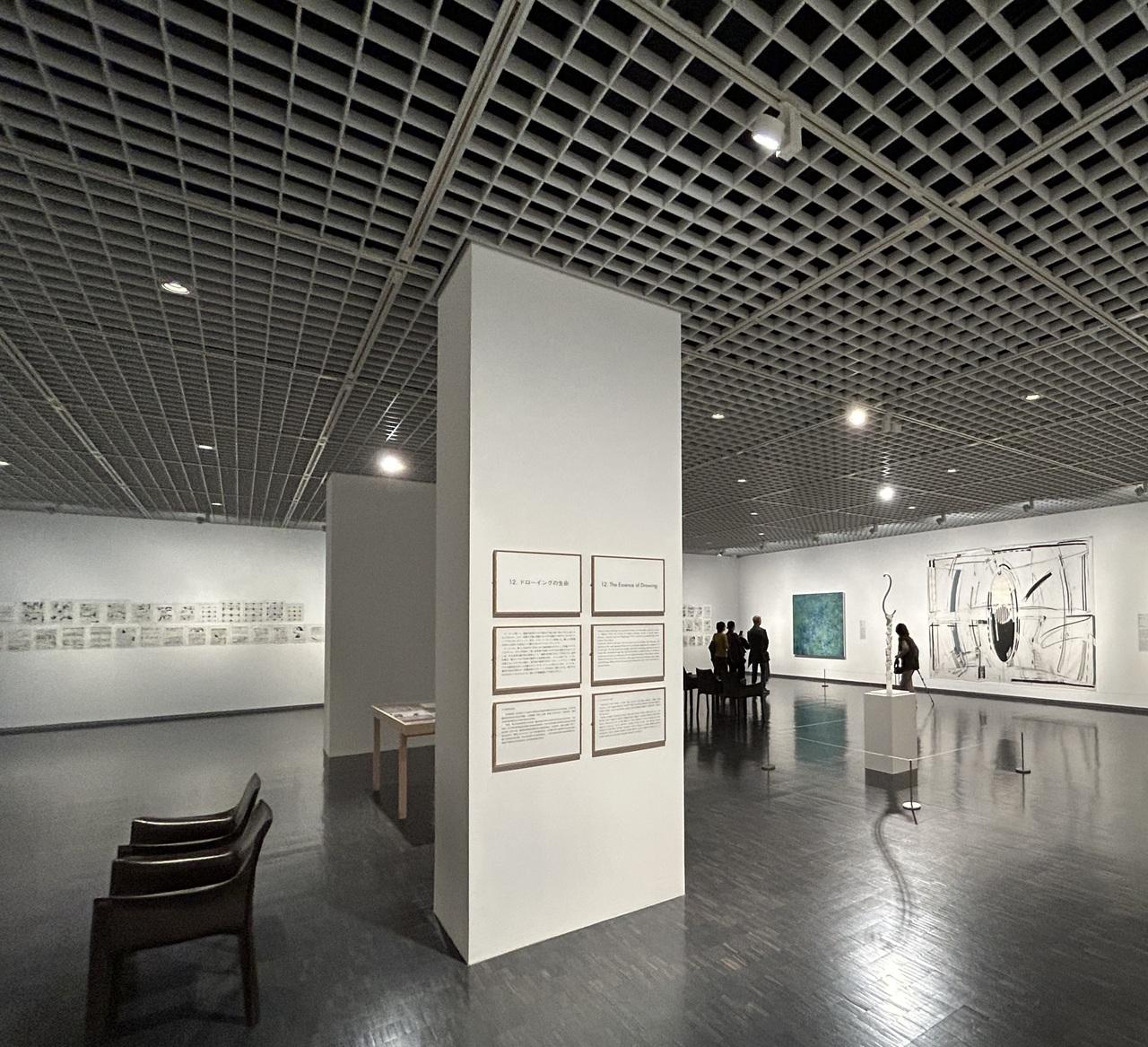
12室:ドローイングの生命
フェミニズムと映像表現
- 旅行の満足度
- 5.0
-

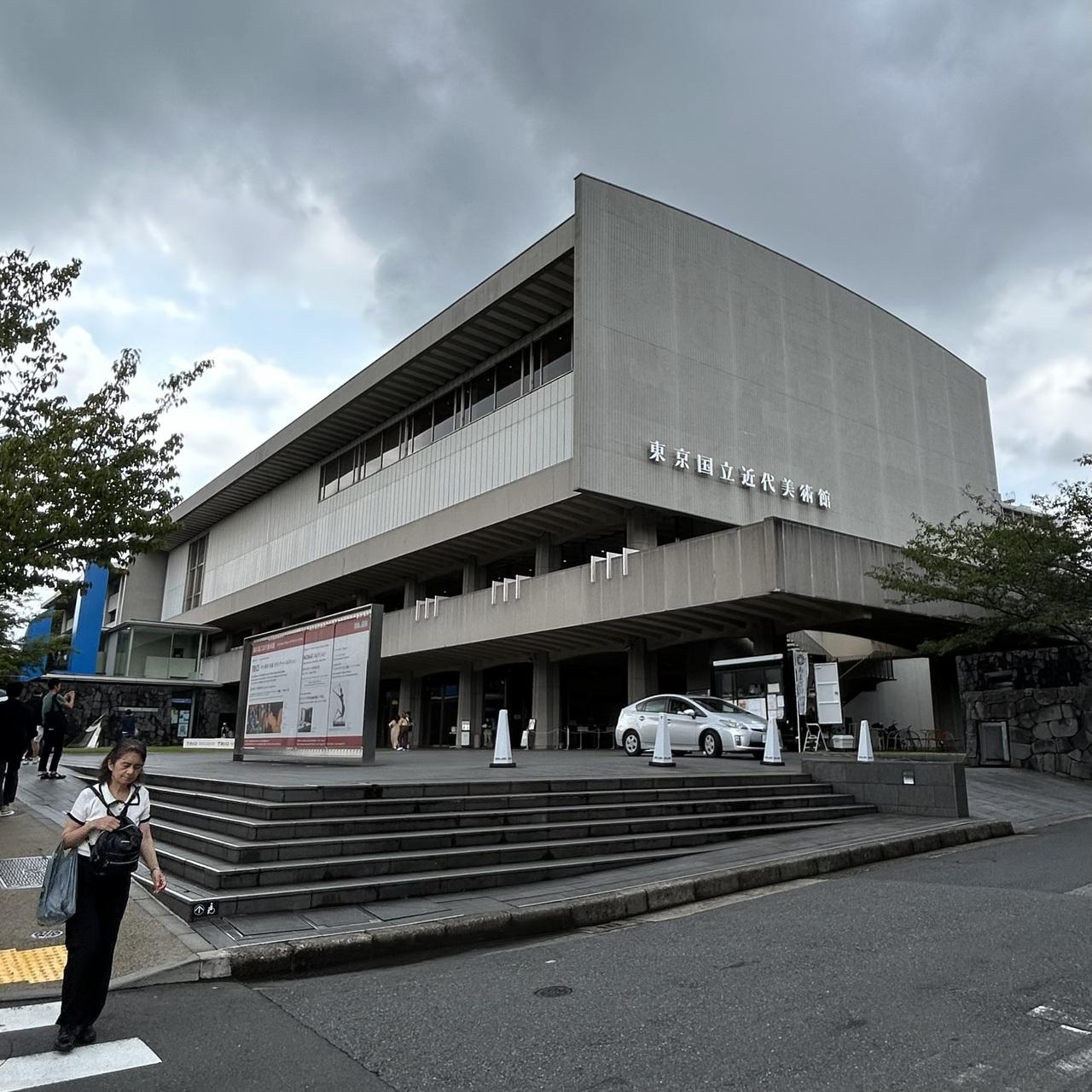
水曜日の午後、"東京国立近代美術館" へ
東京国立近代美術館 美術館・博物館
-
国立東京近代美術館 所蔵作品展 MOMATコレクション(2024.9.3-12.22)
https://www.momat.go.jp/exhibitions/r6-2 -
-
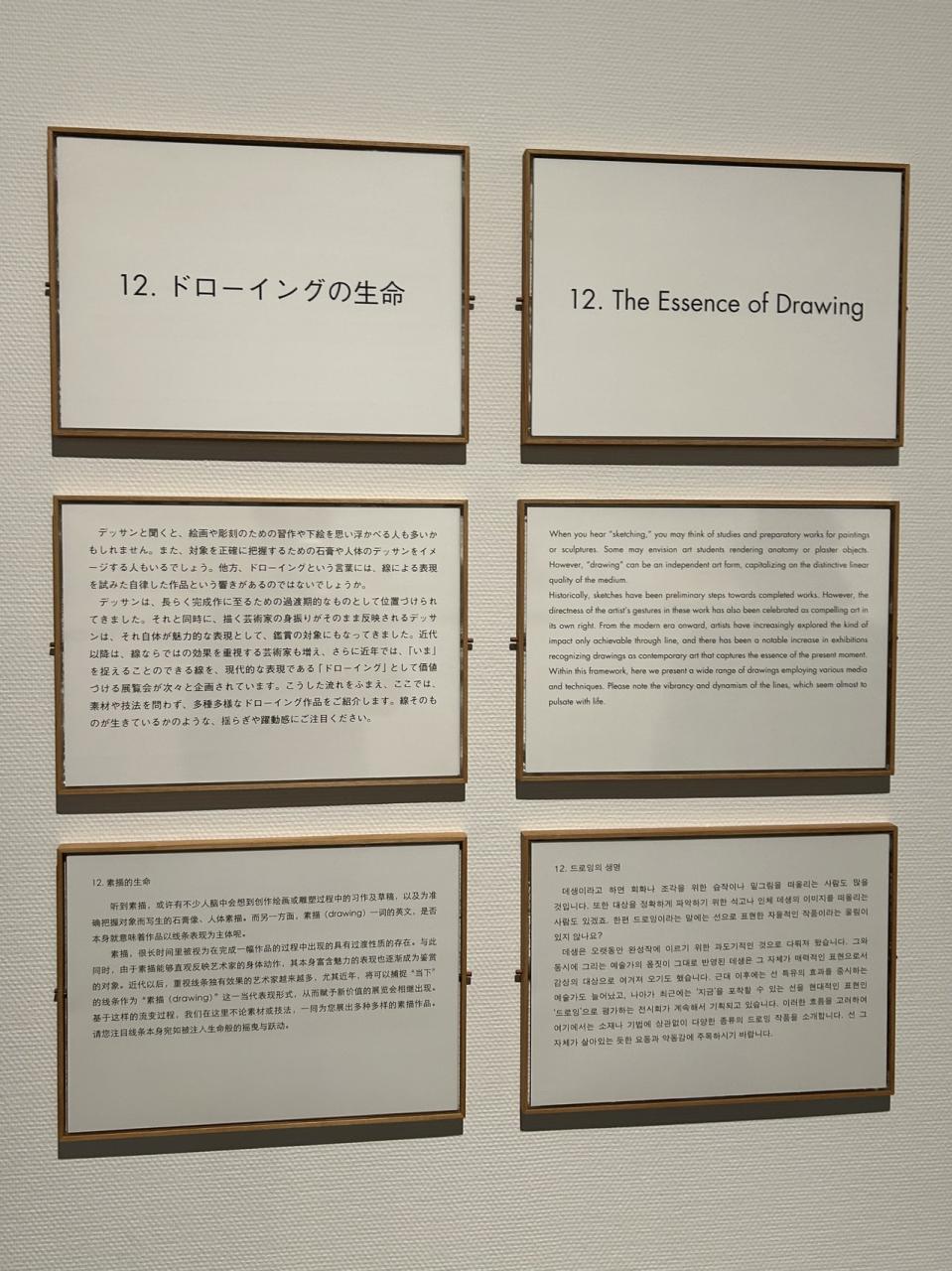
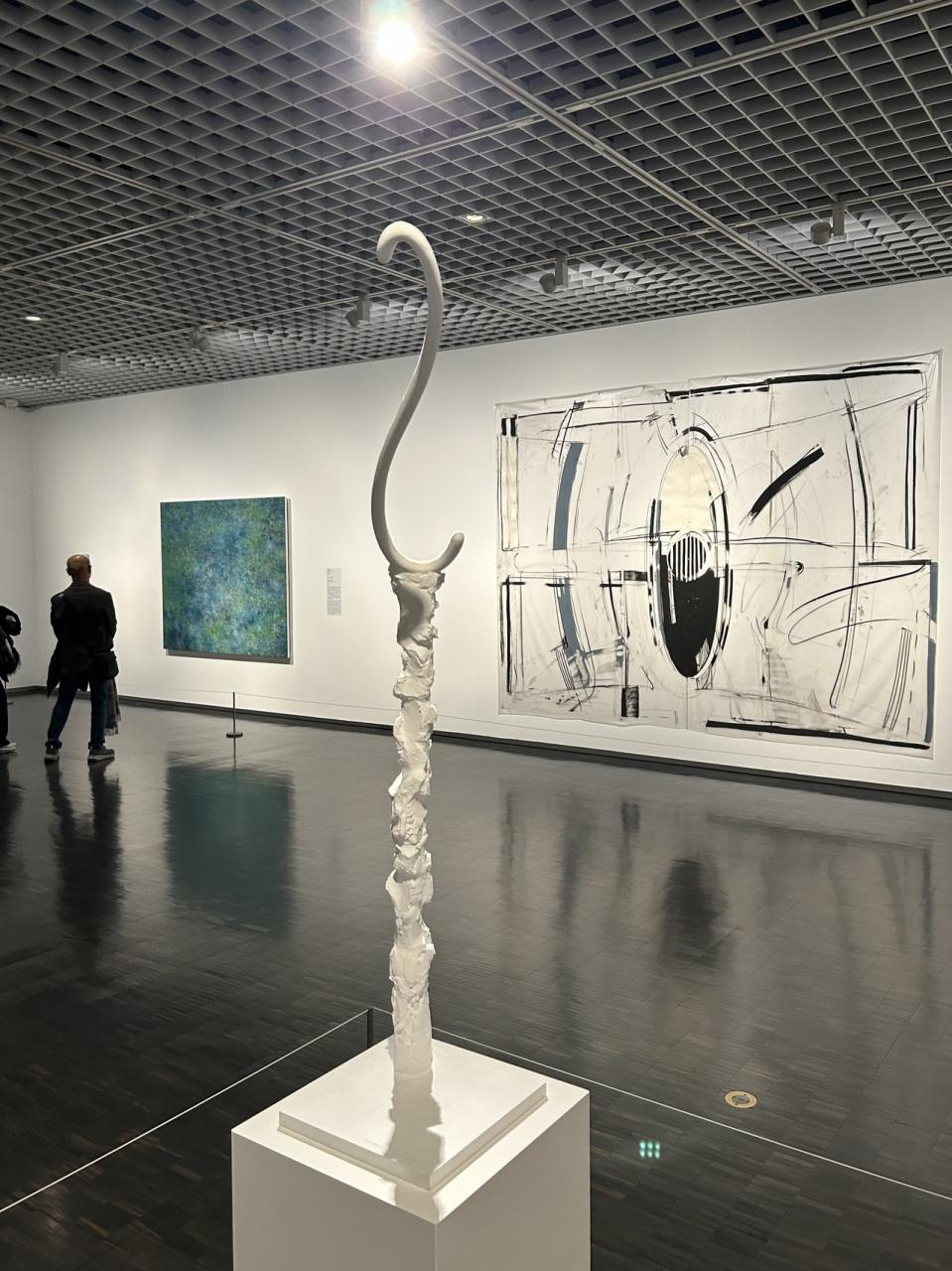
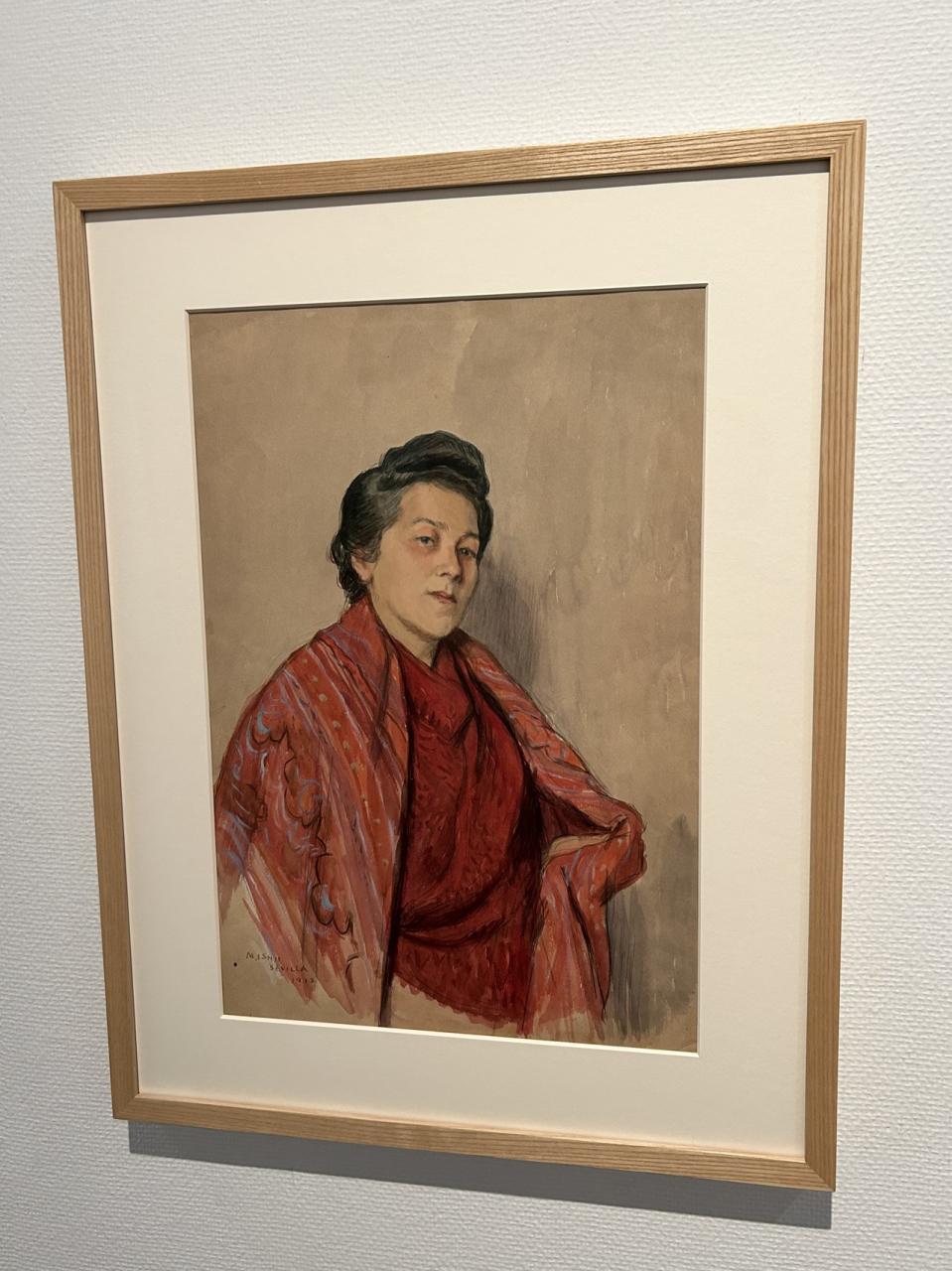
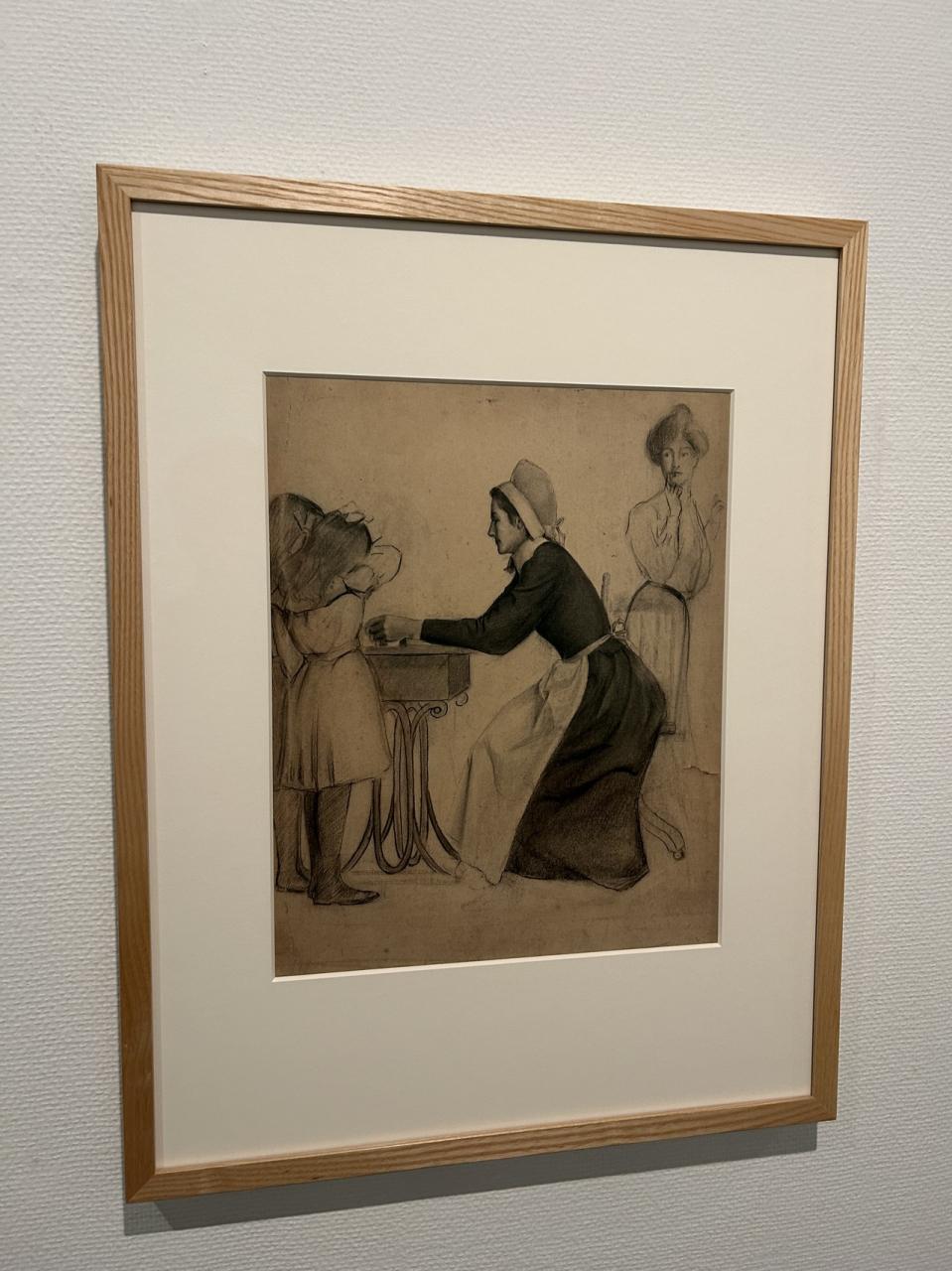
12. ドローイングの生命
The Essence of Drawing
デッサンと聞くと、絵画や彫刻のための習作や下絵を思い浮かべる人も多いかもしれません。また、対象を正確に把握するための石音や人体のデッサンをイメージする人もいるでしょう。他方、ドローイングという言葉には、線による表現を試みた自律した作品というきがあるのではないでしょうか。
When you hear "sketching," you may think of studies and preparatory works for paintings or sculptures. Some may envision art students rendering anatomy or plaster objects. However, "drawing" can be an independent art form, capitalizing on the distinctive linear quality of the medium.
デッサンは、長らく完成作に至るための過渡期的なものとして位置づけられてきました。それと同時に、描く芸術家の身振りがそのまま反映されるデッサンは、それ自体が魅力的な表現として、鑑賞の対象にもなってきました。近代以降は、線ならではの効果を重視する芸術家も増え、さらに近年では、「いま」を捉えることのできる線を、現代的な表現である「ドローイング」として価値づける展覧会が次々と企画されています。こうした流れをふまえ、ここでは、素材や技法を問わず、多種多様なドローイング作品をご紹介します。線そのものが生きているかのような、揺らぎや躍動感にご注目ください。
Historically, sketches have been preliminary steps towards completed works. However, the directness of the artist's gestures in these work has also been celebrated as compelling ort in its own right. From the modern era onward, artists have increasingly explored the kind of impact only achievable through line, and there has been a notable increase in exhibitions recognizing drawings as contemporary art that captures the essence of the present moment Within this framework, here we present a wide range of drawings employing various media and techniques. Please note the vibrancy and dynamism of the lines, which seem almost to pulsate with life. -
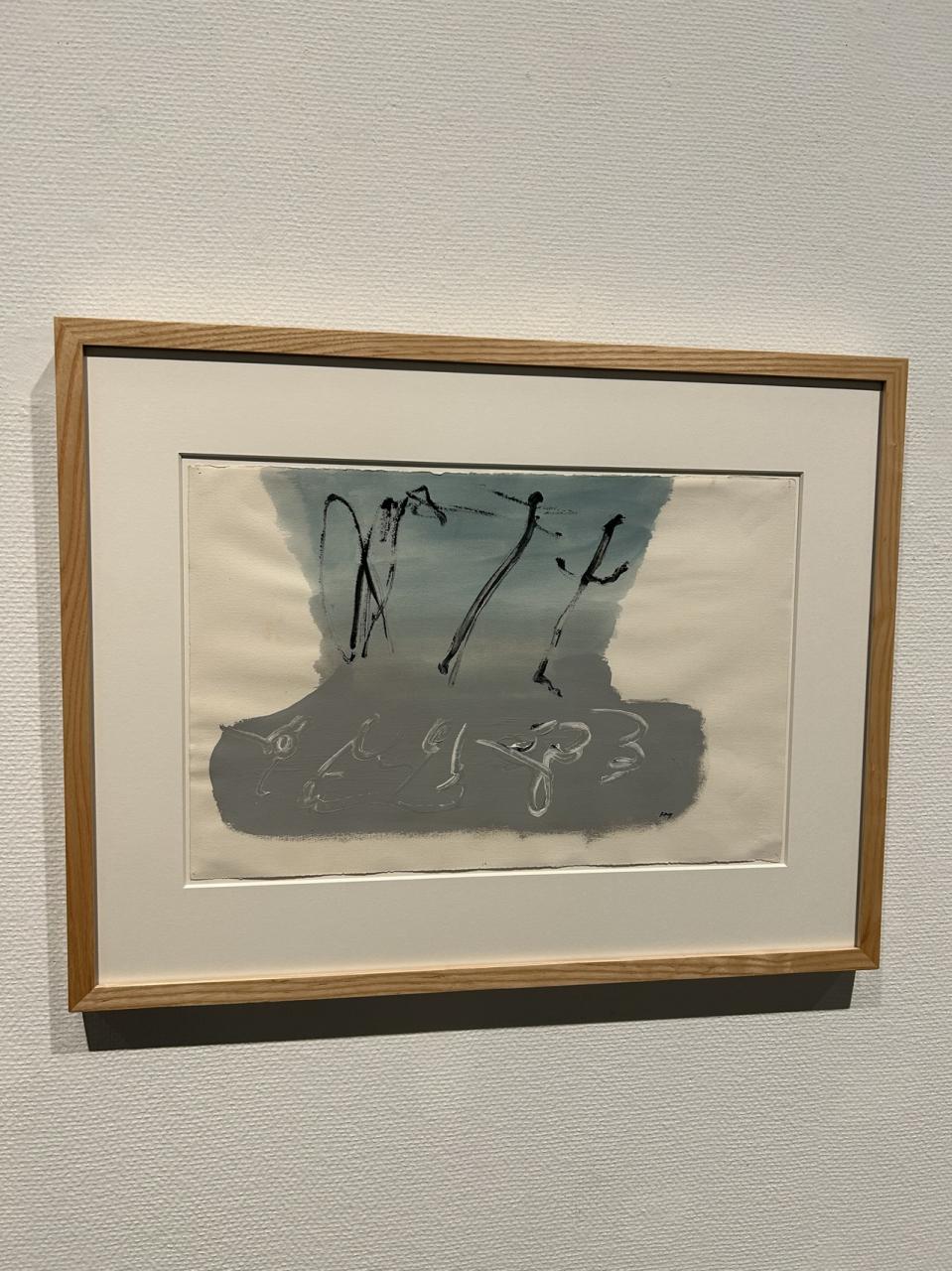
アンリ・ミショー
Henri Michaux
1899-1984
無題
Untitled
1967 昭和42年
グアッシュ・紙 gouache on paper
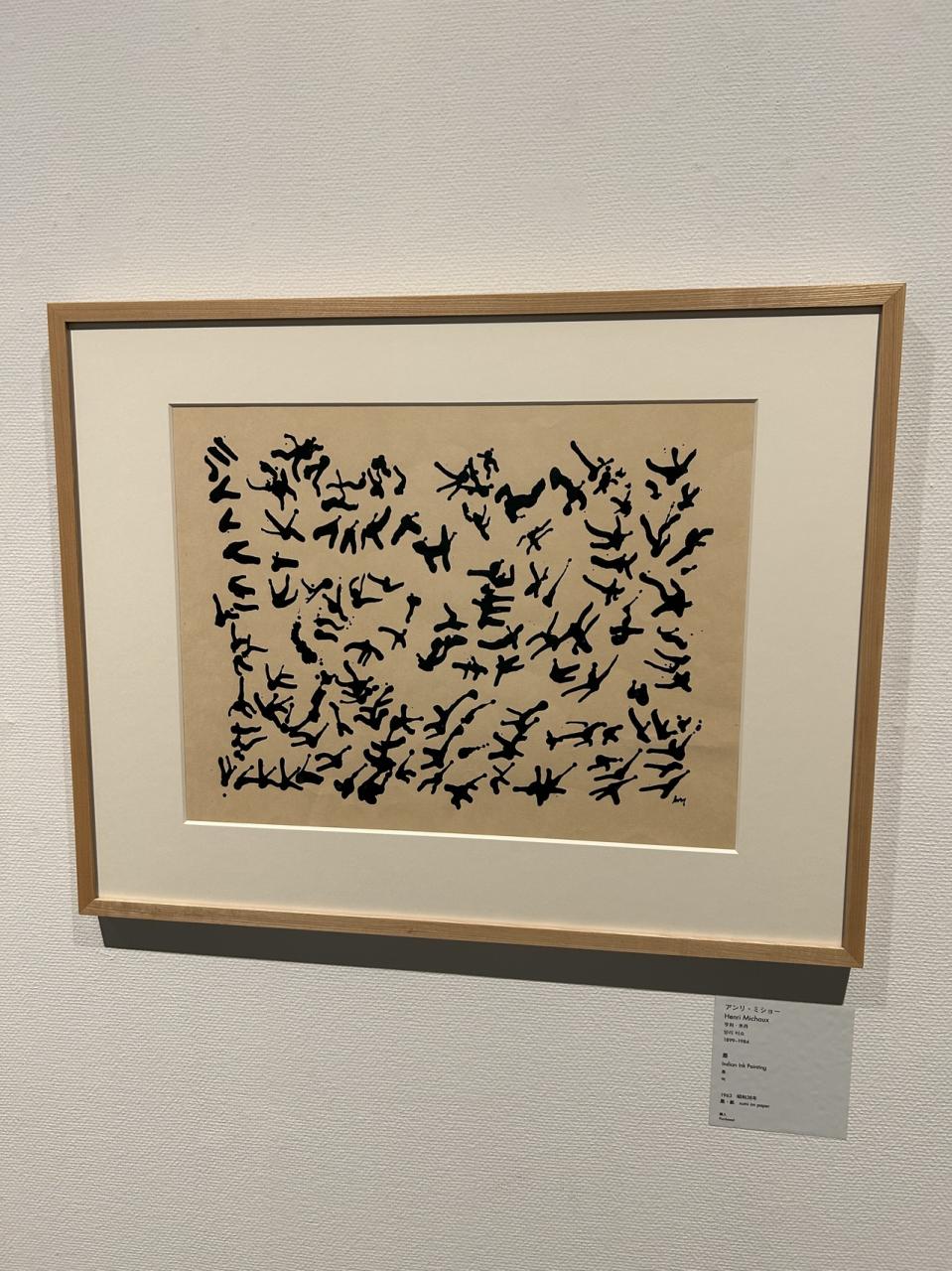
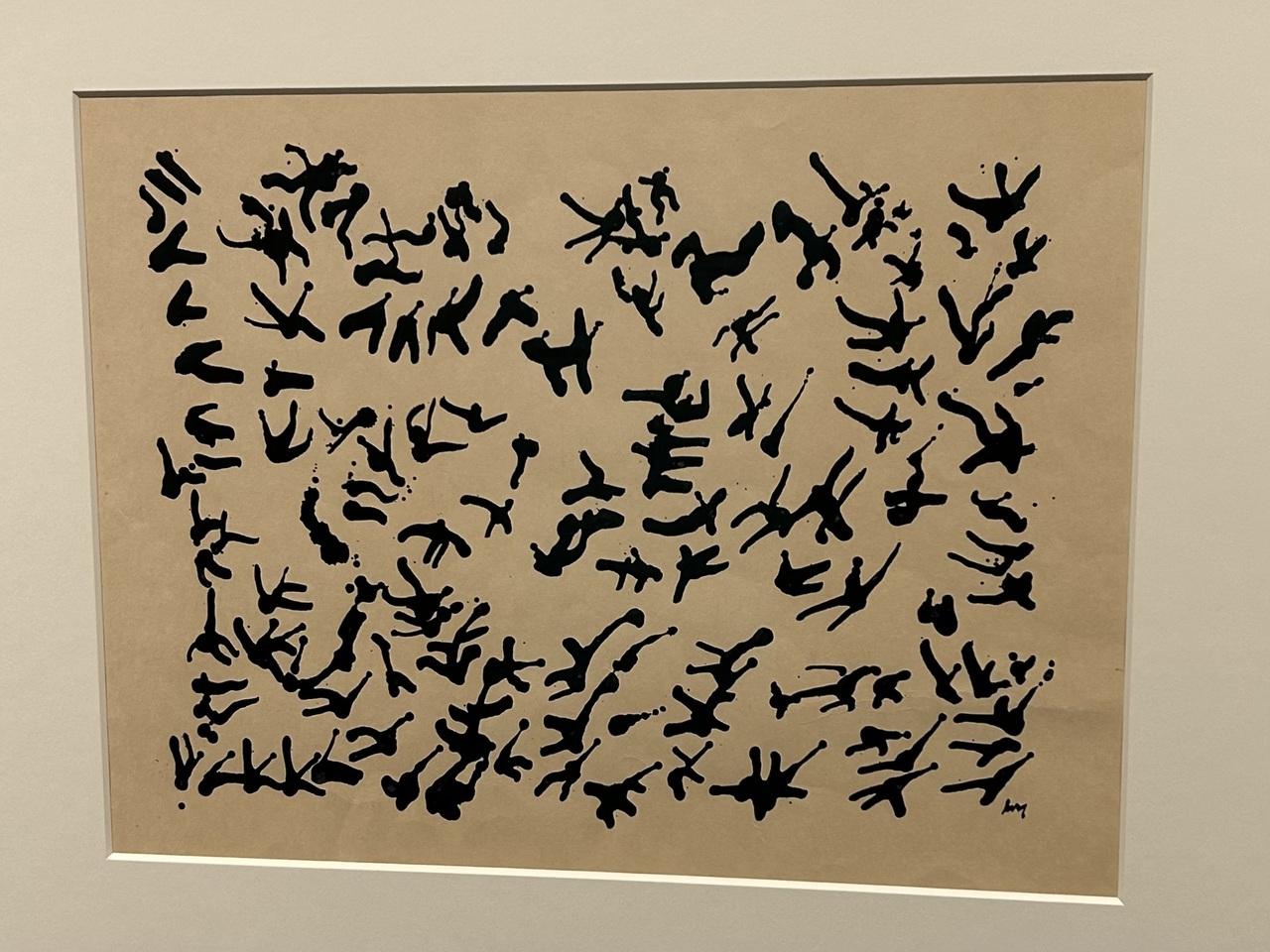
詩人としても知られるアンリ・ミショーはまた画家でもあり、世界のすべてを動きとしてとらえ、ひたすら遠く、流れるように、駆け抜けるように描こうと試みました。油彩画は好まず、作品の多くは水彩や墨によるドローイングです。画面に浮上する人物像は、西欧の正統であった堅牢な構造物としての身体の真逆にあって、ねじ曲がり、膨張し、伸びあがり、浮遊する、まさに動きとしてのひとのかたちです。フランシス・ベーコンはミショーの作品について「彼の絵はどれも、遠回りして人間のイメージを作りかえる手段なのです」と語っています。
Henri Michaux, well known as a poet, was also a painter, and sought to capture the entire world as movement and render it in a rapid, flowing, rushing manner. He was not fond of oil paint, and many of his works are drawings in watercolor or ink. The human images that emerge are diametrically opposed to the Western European tradition of the body as a robust structure, and are also representations of movement, twisting, expanding, stretching, or floating. Francis Bacon described Michaux's paintings as "always a means of reformulating, through a roundabout process, the image of the human being." -
アンリ・ミショー
Henri Michaux
1899-1984
墨
Indian Ink Painting
1963
墨・紙
sumi on paper -
-
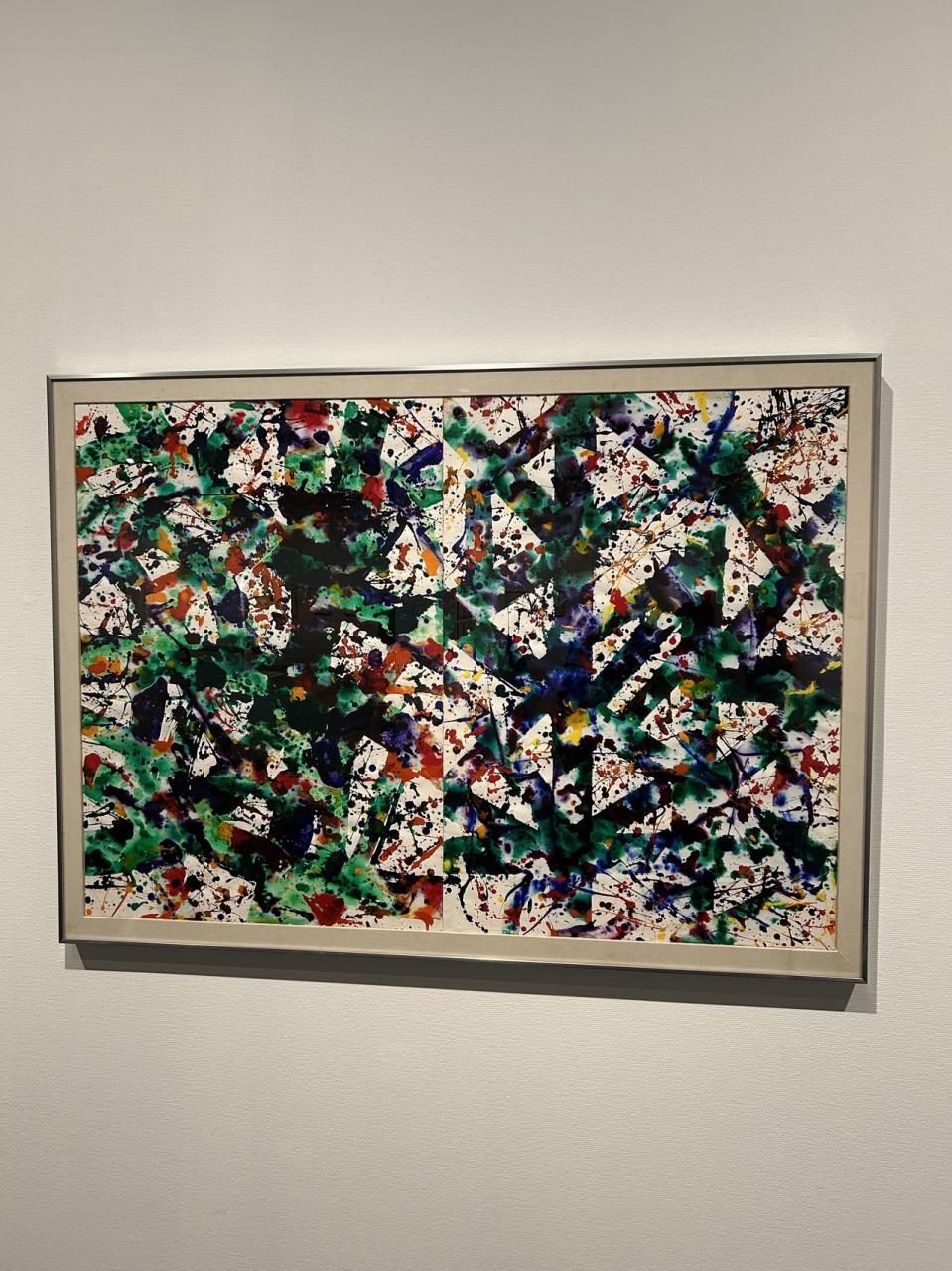
サム・フランシス
Sam Francis
1923-1994
無題の両翼画
Untitled Diptych
1978 昭和53年
アクリリック・紙 acrylic on paper -
-
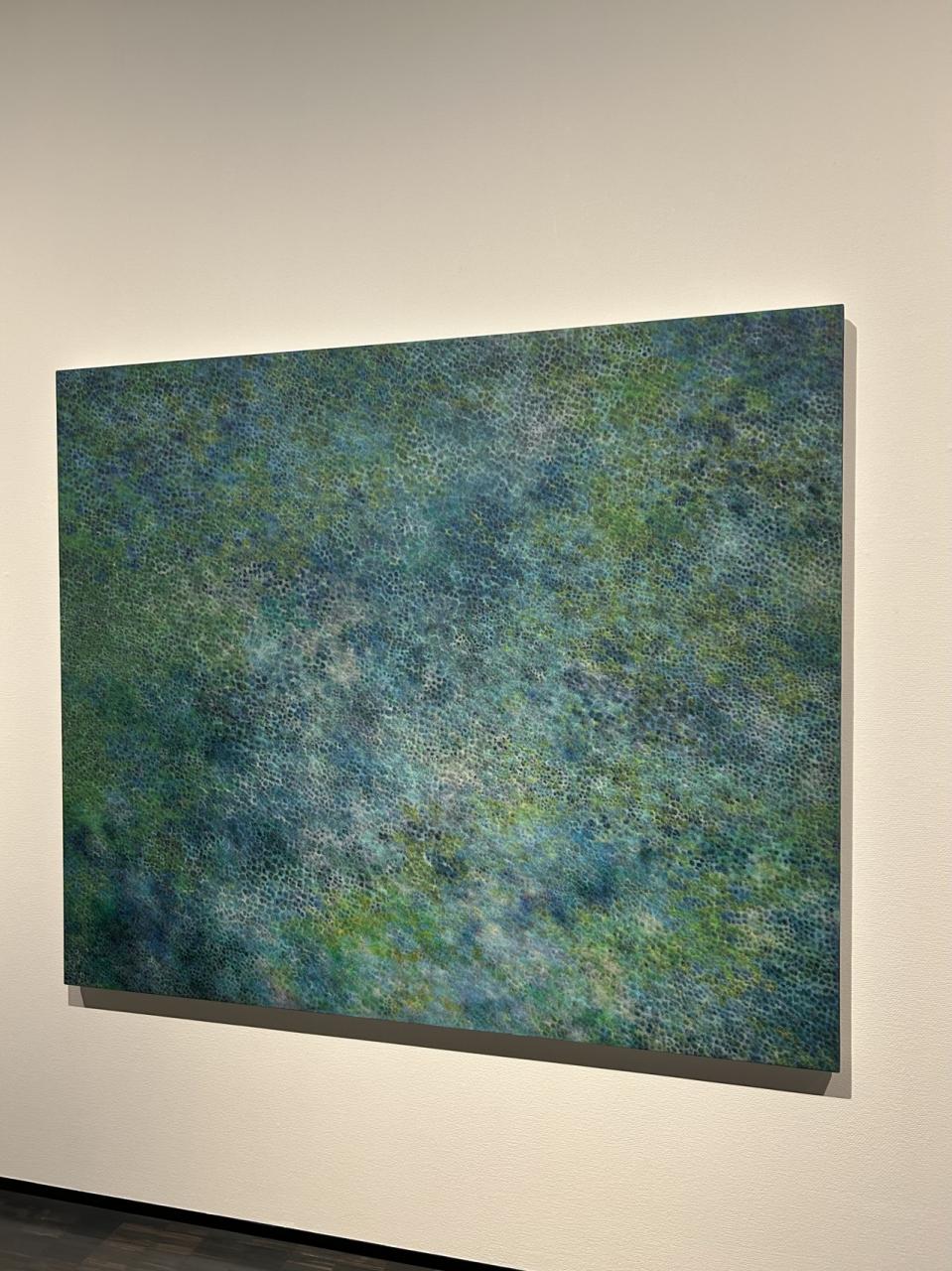
川田祐子
KAWADA, Yuko
1962-
A THOUSAND WINDS
2006-07 平成18-19年
アクリルグアッシュ・キャンバス
acrylic gouache on canvas
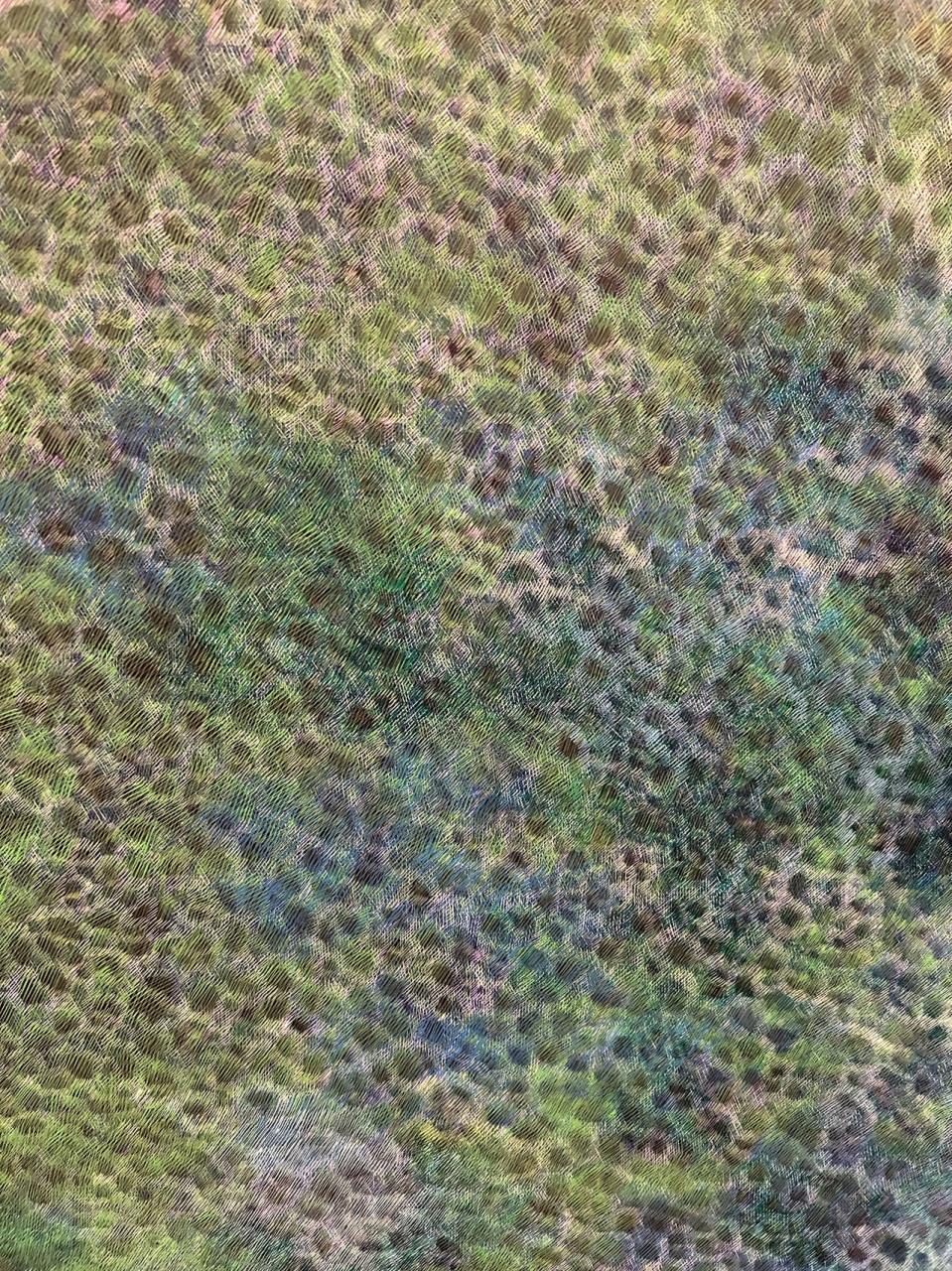
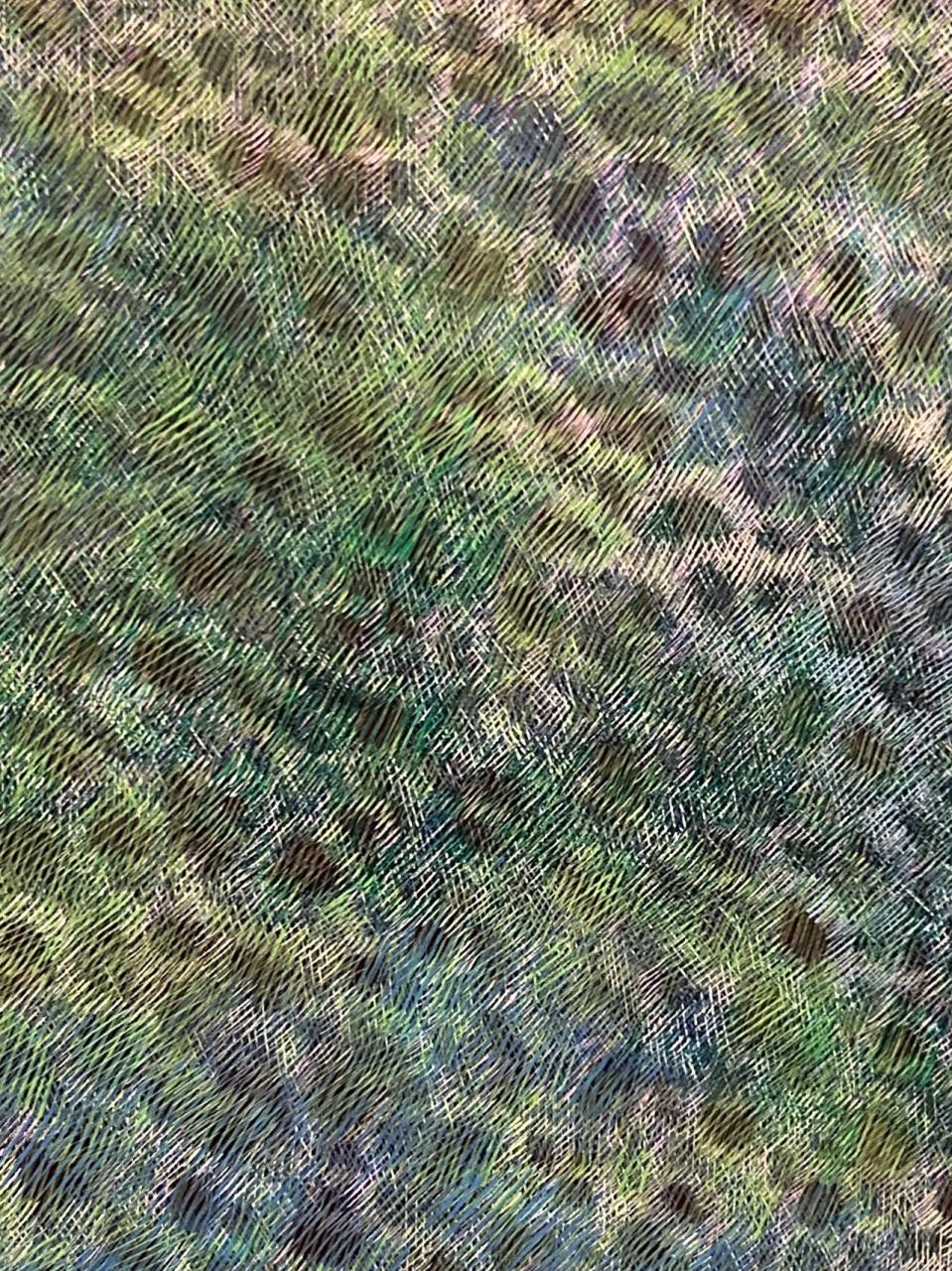
一見すると青と緑の色斑が茫漠と広がる画面のようですが、よく見ると無数のハッチング(一定の面を平行な線で埋める技法)で埋め尽くされています。そしてそのハッチングの線は、絵筆で引かれたものではなく、幾層にも重ねられた下地と絵の具をカッターナイフで引っ掻いたスクラッチ技法によるものです。それによって、タイトルにある通り、縦横無尽に吹<風を視覚化したような、繊細で軽やかな表現が生まれています。
At first glance, the picture seems to be simply filled with patches of blue and green. However, on closer inspection, it is densely packed with countless hatchings (parallel lines filling areas to create a shading effect). These lines are not applied with a brush but with a scratch technique, in which many layers of underpainting and paint are meticulously scored with a utility knife. This produces an intricate yet delicate and airy texture, visually capturing the unbounded winds suggested by the title.
で、拡大すると
↓ ↓ ↓ -
更に拡大すると
↓ ↓ ↓ -
-
石井柏亭
ISHII, Hakutei
1882-1958
ジプシーの娘
Gipsy Girl
1912
明治45年
水彩、コンテ、鉛筆・紙
watercolor, conté and pencil on paper -
-
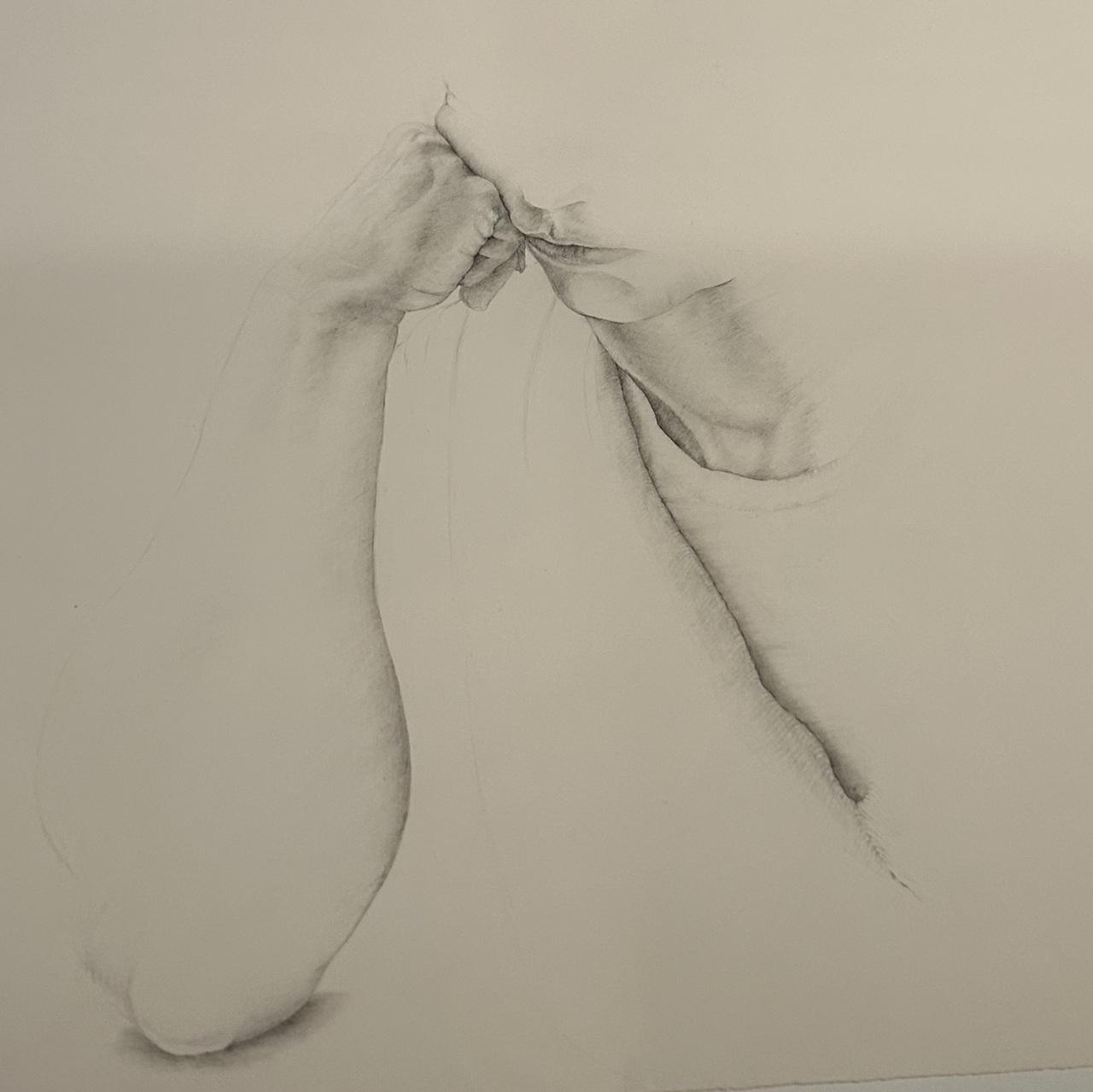
ジャネット・ルロワ
Jeanette Leroy
1928-2020
5-4-81
1981
昭和56年
鉛筆・紙 pencil on paper -
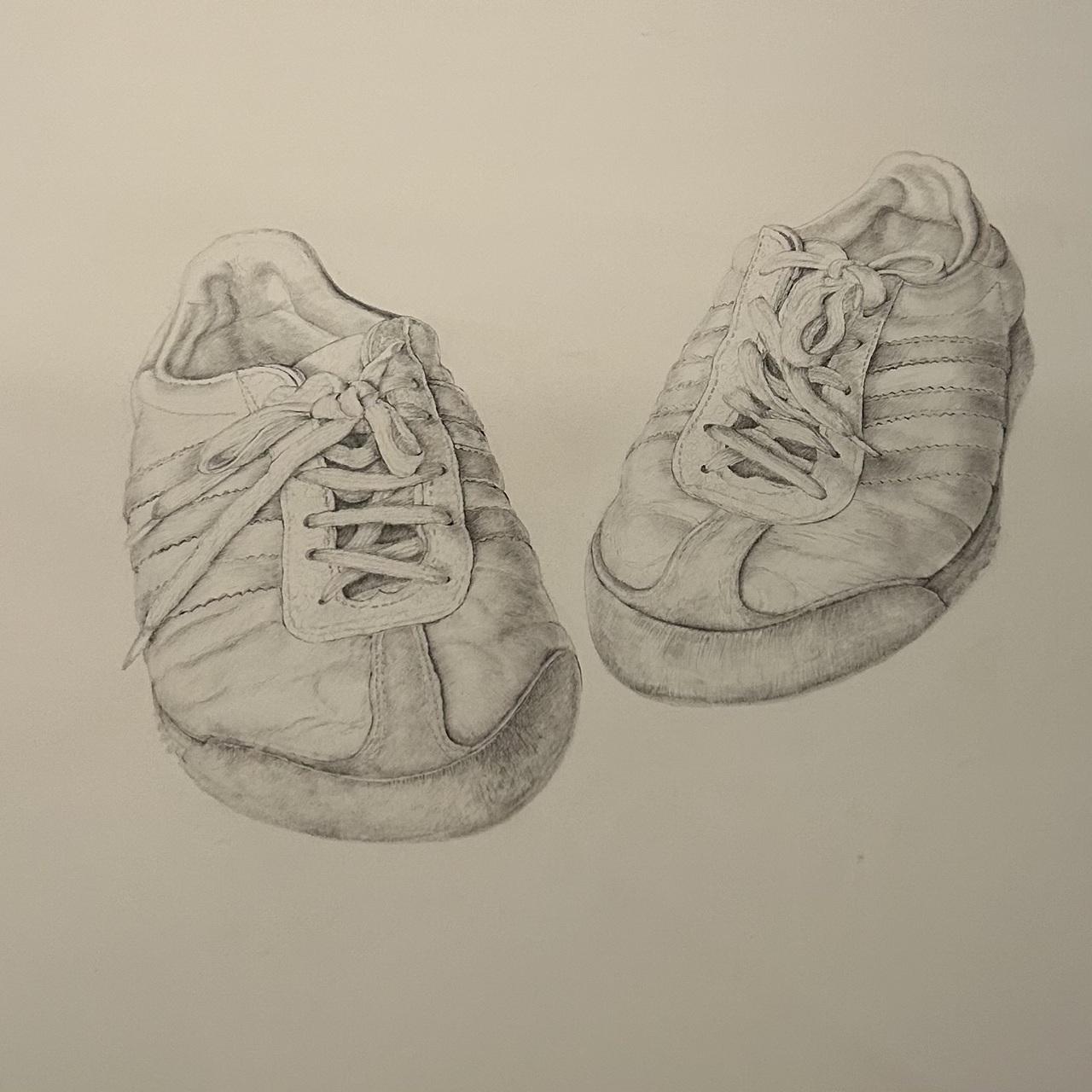
ジャネット・ルロワ
Jeanette Leroy
1928-2020
17-6-79
1979
昭和54年
鉛筆・紙 pencil on paper -
-
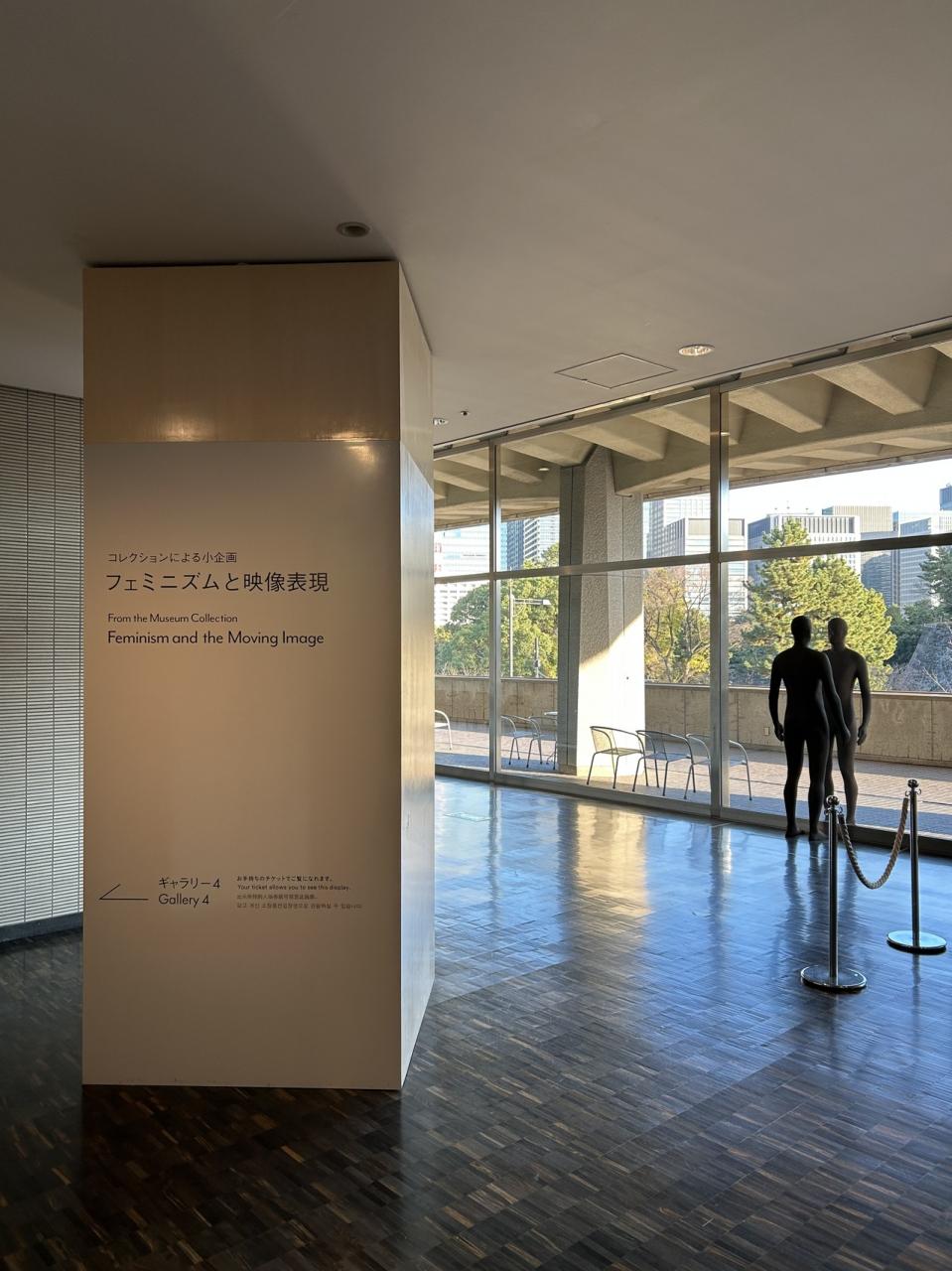
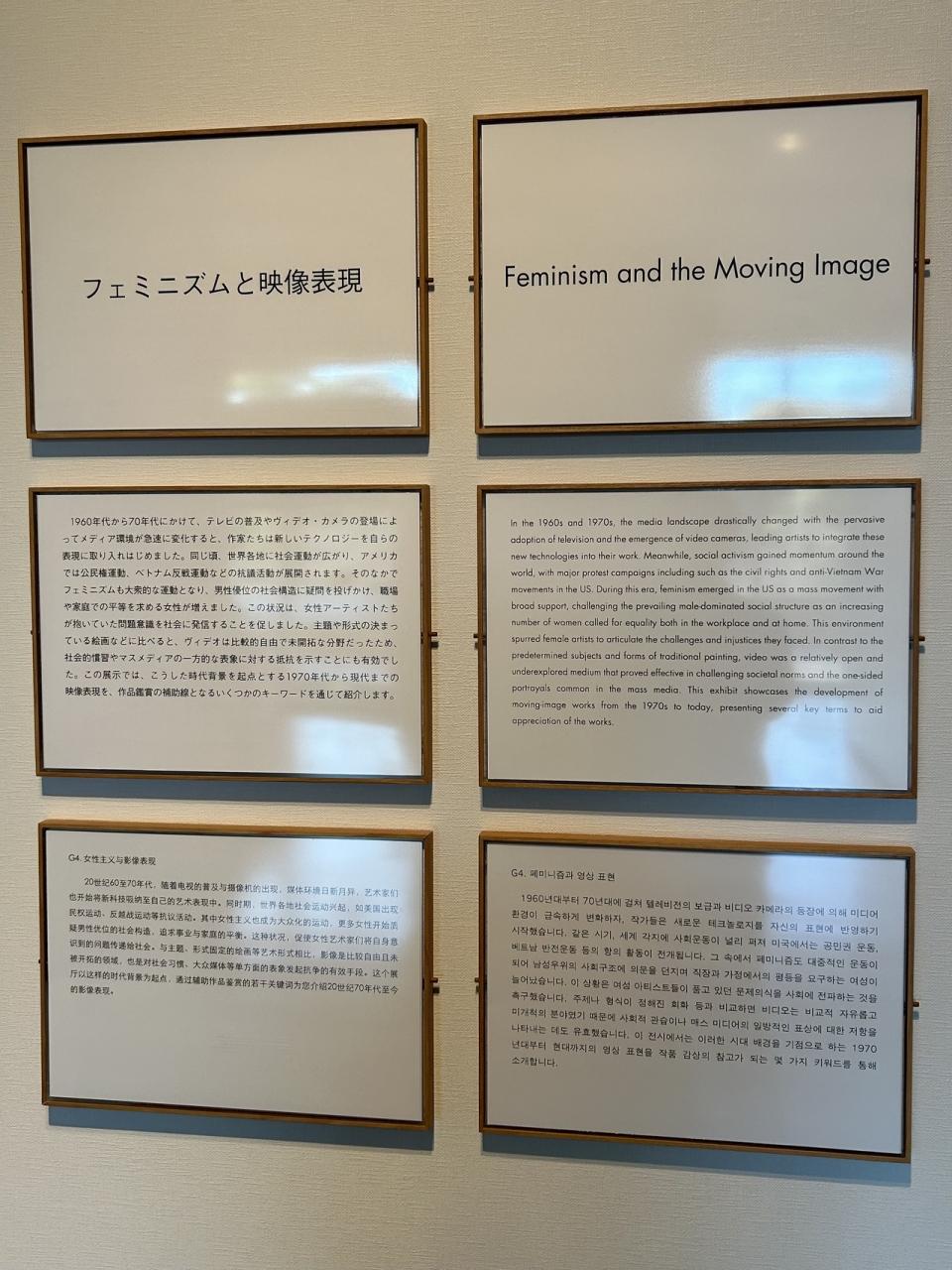
フェミニズムと映像表現
Feminism and the Moving Image
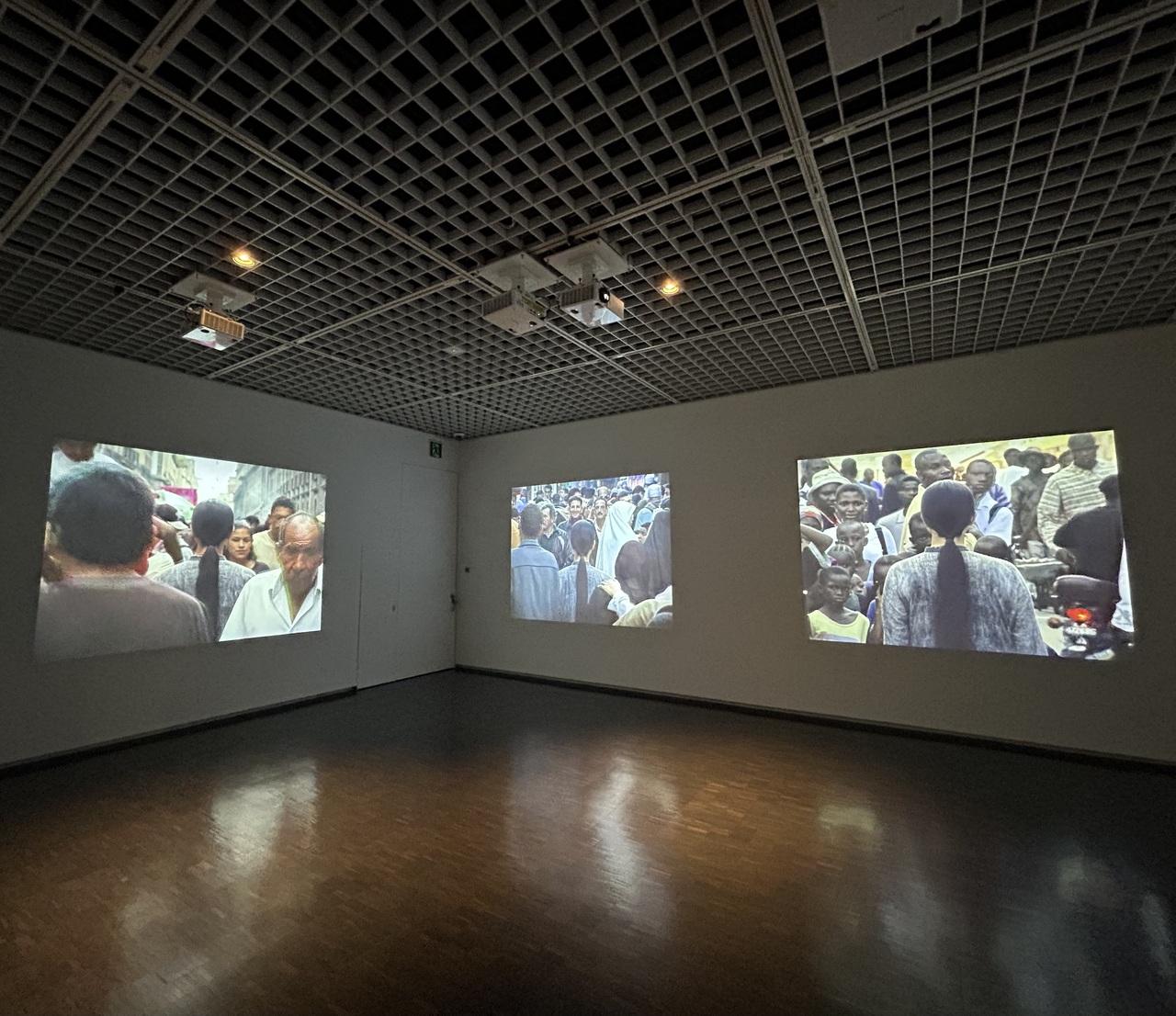
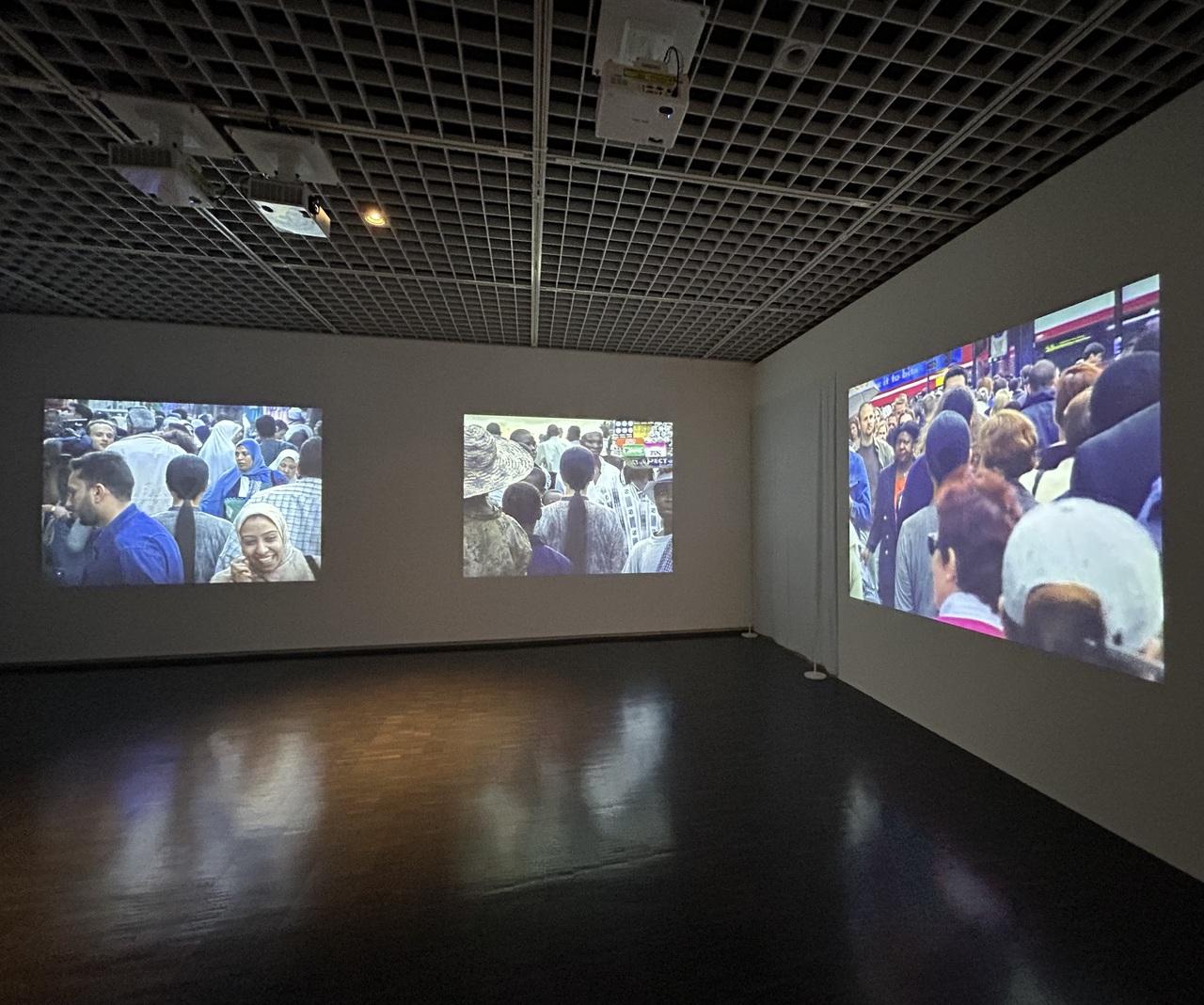
1960年代から70年代にかけて、テレビの普及やヴィデオ・カメラの登場によってメディア環境が急速に変化すると、作家たちは新しいテクノロジーを自らの表現に取り入れはじめました。同じ頃、世界各地に社会運動が広がり、アメリカでは公民権運動、ベトナム反戦運動などの抗議活動が展開されます。そのなかでフェミニズムも大衆的な運動となり、男性優位の社会構造に疑問を投げかけ、職場や家庭での平等を求める女性が増えました。この状況は、女性アーティストたちが抱いていた問題意識を社会に発信することを促しました。主題や形式の決まっている絵画などに比べると、ヴィデオは比較的自由で未開拓な分野だったため、社会的慣習やマスメディアの一方的な表象に対する抵抗を示すことにも有効でした。この展示では、こうした時代背景を起点とする1970年代から現代までの映像表現を、作品鑑賞の補助線となるいくつかのキーワードを通じて紹介します。
In the 1960s and 1970s, the media landscape drastically changed with the pervasive adoption of television and the emergence of video cameras, leading artists to integrate these new technologies into their work. Meanwhile, social activism gained momentum around the world, with major protest campaigns including such as the civil rights and anti-Vietnam War movements in the US. During this era, feminism emerged in the US as a mass movement with broad support, challenging the prevailing male dominated social structure as an increasing number of women called for equality both in the workplace and at home. This environment spurred female artists to articulate the challenges and injustices they faced. In contrast to the predetermined subjects and forms of traditional painting, video was a relatively open and underexplored medium that proved effective in challenging societal norms and the one-sided portrayals common in the mass media. This exhibit showcases the development of moving-image works from the 1970s to today, presenting several key terms to aid appreciation of the works. -
-
-
フェミニズム
Feminism
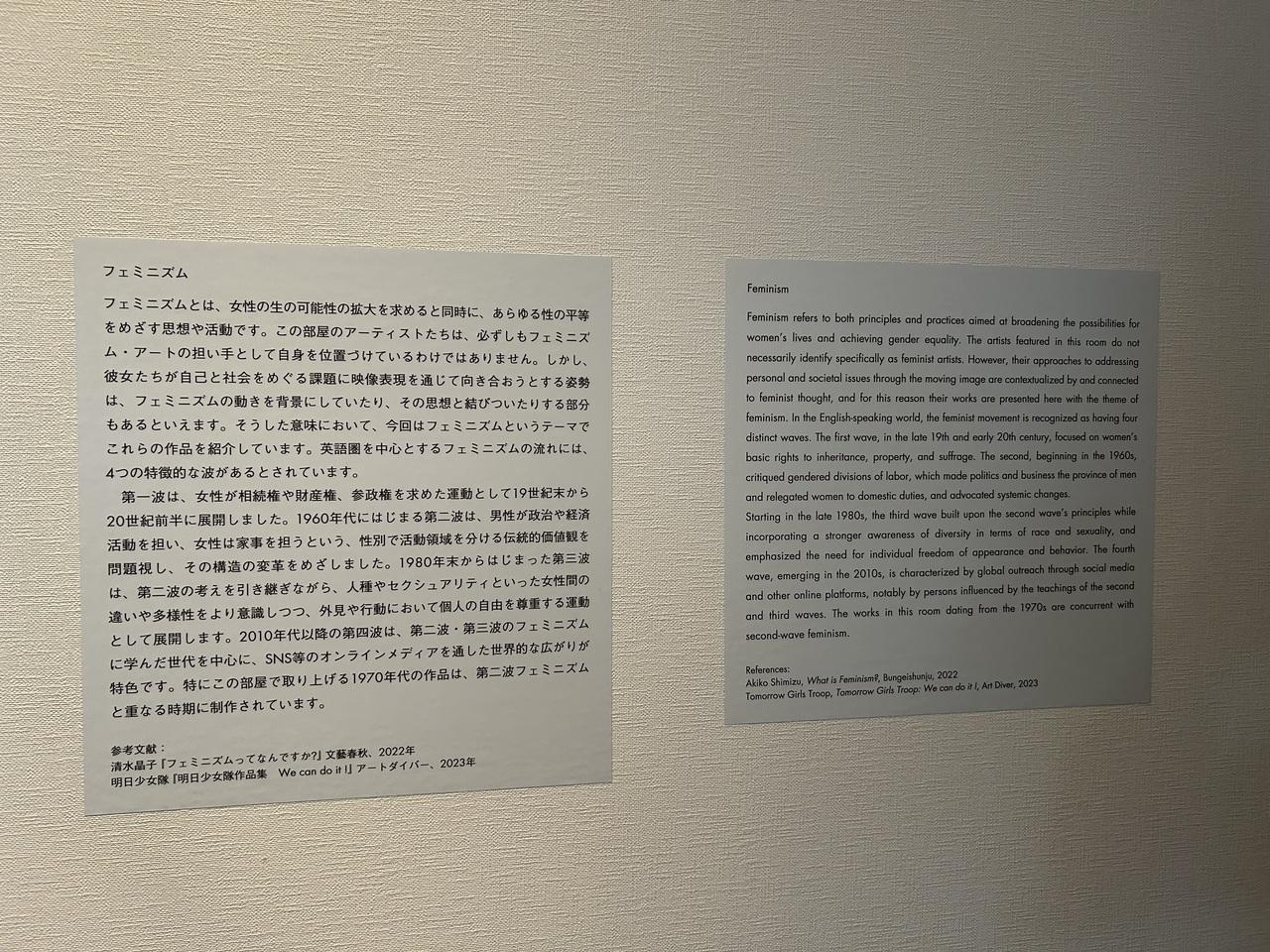
フェミニズムとは、女性の生の可能性の拡大を求めると同時に、あらゆる性の平等をめざす思想や活動です。この部屋のアーティストたちは、必ずしもフェミニズム・アートの担い手として自身を位置づけているわけではありません。しかし、彼女たちが自己と社会をめぐる課題に映像表現を通じて向き合おうとする姿勢は、フェミニズムの動きを背景にしていたり、その思想と結びついたりする部分もあるといえます。そうした意味において、今回はフェミニズムというテーマでこれらの作品を紹介しています。英語圏を中心とするフェミニズムの流れには、4つの特徴的な波があるとされています。
Feminism refers to both principles and practices aimed at broadening the possibilities for women's lives and achieving gender equality. The artists featured in this room do not necessarily identify specifically as feminist artists. However, their approaches to addressing personal and societal issues through the moving image are contextualized by and connected to feminist thought, and for this reason their works are presented here with the theme of feminism. In the English-speaking world, the feminist movement is recognized as having four distinct waves. The first wave, in the late 19th and early 20th century, focused on women's basic rights to inheritance, property, and suffrage. The second, beginning in the 1960s, critiqued gendered divisions of labor, which made politics and business the province of men and relegated women to domestic duties, and advocated systemic changes.
第一波は、女性が相続権や財産権、参政権を求めた運動として19世紀末から
20世紀前半に展開しました。1960年代にはじまる第二波は、男性が政治や経済活動を担い、女性は家事を担うという、性別で活動領域を分ける伝統的価値観を問題視し、その構造の変革をめざしました。1980年末からはじまった第三波は、第二波の考えを引き継ぎながら、人種やセクシュアリティといった女性間の違いや多様性をより意識しつつ、外見や行動において個人の自由を尊重する運動として展開します。2010年代以降の第四波は、第二波・第三波のフェミニズムに学んだ世代を中心に、SNS等のオンラインメディアを通した世界的な広がりが特色です。特にこの部屋で取り上げる1970年代の作品は、第二波フェミニズムと重なる時期に制作されています。
Starting in the late 1980s, the third wave built upon the second wave's principles while incorporating a stronger awareness of diversity in terms of race and sexuality, and emphasized the need for individual freedom of appearance and behavior. The fourth wave, emerging in the 2010s, is characterized by global outreach through social media and other online platforms, notably by persons influenced by the teachings of the second and third waves. The works in this room dating from the 1970s are concurrent with second-wave feminism.
参考文献:
清水晶子「フェミニズムってなんですか?」文藝春秋、2022年明日少女隊「明日少女隊作品集 We can do it!」アートダイバー、2023年
References:
Akiko Shimizu, What is Feminism?, Bungeishunju, 2022
Tomorrow Girls Troop, Tomorrow Girls Troop: We can do it !, Art Diver, 2023 -
-
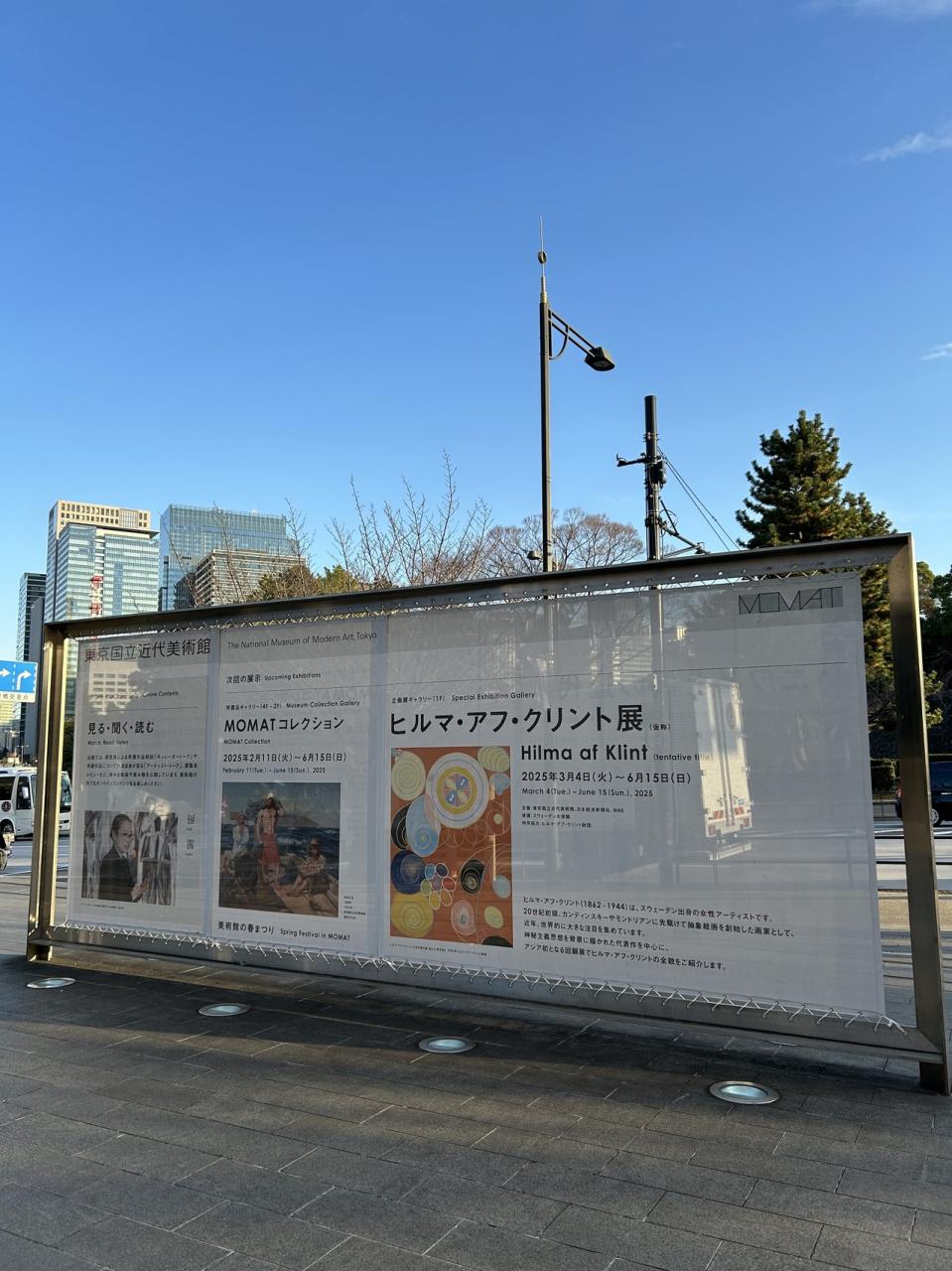
次回 『所蔵作品展 MOMATコレクション』は、2025.2.11~6.15
https://www.momat.go.jp/exhibitions/r6-3


利用規約に違反している投稿は、報告する事ができます。
-

MOMAT コレクション〔国立東京近代美術館 所蔵作品展〕(2024.9.3-12.22)① 1室:モデルた...
2024/12/18~
神田・神保町
-

MOMAT コレクション〔国立東京近代美術館 所蔵作品展〕(2024.9.3-12.22)② 2室:明治時代...
2024/12/18~
神田・神保町
-

MOMAT コレクション〔国立東京近代美術館 所蔵作品展〕(2024.9.3-12.22)③ 4室:夢想と自...
2024/12/18~
神田・神保町
-

MOMAT コレクション展 ~2024.12.22:5.シュルレアリスム100年。"岡上淑子《長い一日》"
2024/12/18~
神田・神保町
-

MOMAT コレクション(2024.9.3-12.22)⑤ 6室:「相手がいる」& 7室:プレイバック「日米...
2024/12/18~
神田・神保町
-

MOMAT コレクション〔国立東京近代美術館 所蔵作品展〕(2024.9.3-12.22)⑥ 8室:生誕10...
2024/12/18~
神田・神保町
-

MOMAT コレクション ⑦ 9室:清野賀子 & 10室:アール・デコの精華/線にもいろいろある & 11室...
2024/12/18~
神田・神保町
-

MOMAT コレクション〔国立東京近代美術館 所蔵作品展〕(2024.9.3-12.22)⑧/完 12室:ド...
2024/12/18~
神田・神保町
旅行記グループをもっと見る
コメントを投稿する前に
十分に確認の上、ご投稿ください。 コメントの内容は攻撃的ではなく、相手の気持ちに寄り添ったものになっていますか?
サイト共通ガイドライン(利用上のお願い)報道機関・マスメディアの方へ 画像提供などに関するお問い合わせは、専用のお問い合わせフォームからお願いいたします。
この旅行で行ったスポット






フォートラベル公式LINE@

おすすめの旅行記や旬な旅行情報、お得なキャンペーン情報をお届けします!
QRコードが読み取れない場合はID「@4travel」で検索してください。
\その他の公式SNSはこちら/





旅行記グループ MOMAT コレクション〔国立東京近代美術館 所蔵作品展〕(2024.9.3-12.22)
0
23