


2025/06/04 - 2025/06/04
56位(同エリア933件中)

旅熊 Kokazさん
- 旅熊 KokazさんTOP
- 旅行記1927冊
- クチコミ854件
- Q&A回答101件
- 1,710,254アクセス
- フォロワー752人
この旅行記のスケジュール
2025/06/04

この旅行記スケジュールを元に
MOMAT コレクション〔国立東京近代美術館 所蔵作品展〕(2025.2.11-6.15)
https://www.momat.go.jp/exhibitions/r6-3
6.「相手」がいる
7.清宮質文
- 旅行の満足度
- 5.0
-

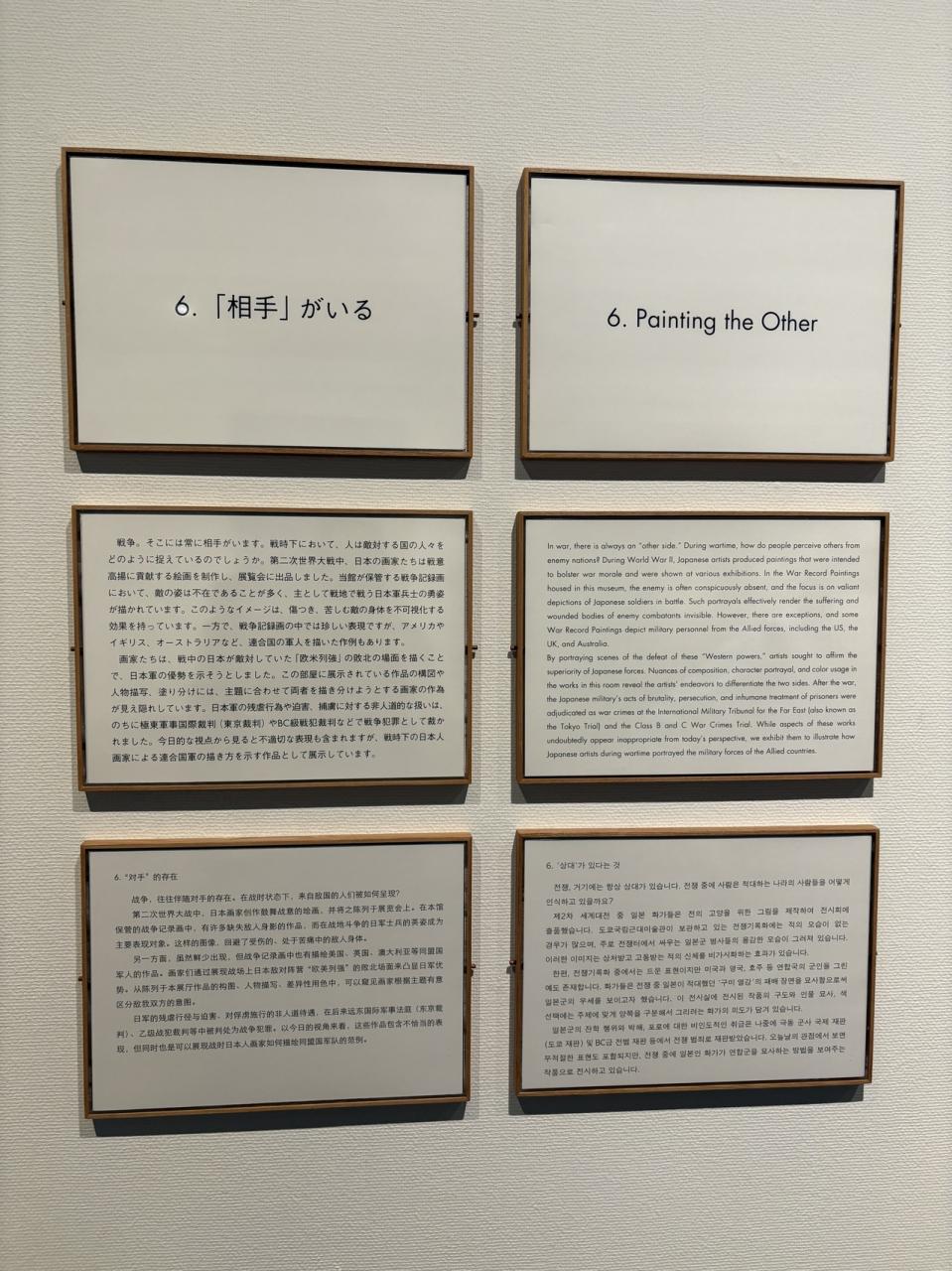
6.「相手」がいる
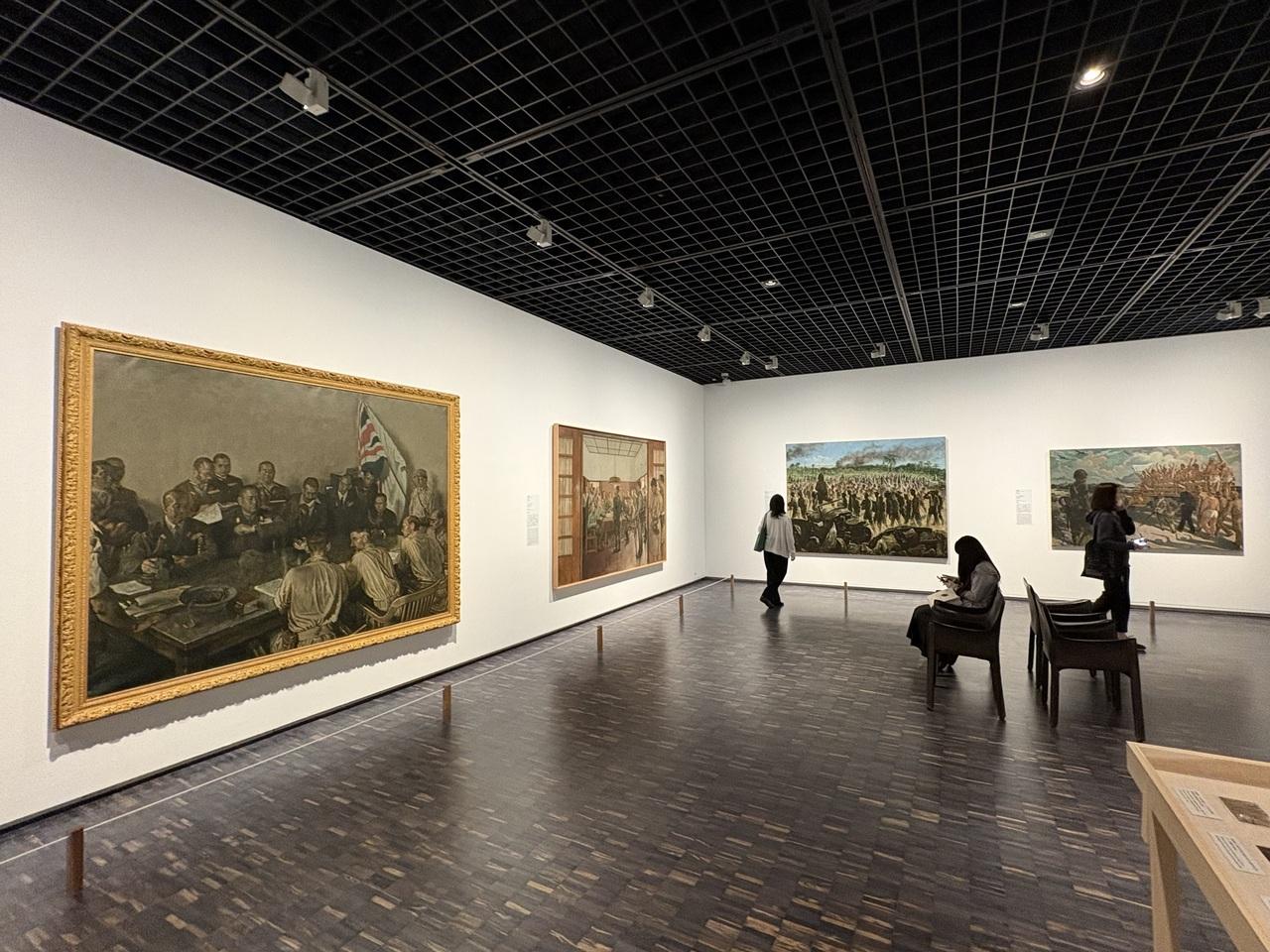
戦争。そこには常に相手がいます。戦時下において、人は敵対する国の人々をどのように捉えているのでしょうか。第二次世界大戦中、日本の画家たちは戦意高揚に貢献する絵画を制作し、展覧会に出品しました。当館が保管する戦争記録画において、敵の姿は不在であることが多く、主として戦地で戦う日本軍兵士の勇姿が描かれています。このようなイメージは、傷つき、苦しむ敵の身体を不可視化する効果を持っています。一方で、戦争記録画の中では珍しい表現ですが、アメリカやイギリス、オーストラリアなど、連合国の軍人を描いた作例もあります。
画家たちは、戦中の日本が敵対していた「欧米列強」の敗北の場面を描くことで、日本軍の優勢を示そうとしました。この部屋に展示されている作品の構図や人物描写、塗り分けには、主題に合わせて両者を描き分けようとする画家の作為が見え隠れしています。日本軍の残虐行為や迫害、捕虜に対する非人道的な扱いは、のちに極東軍事国際裁判(東京裁判)やBC級戦犯裁判などで戦争犯罪として裁かれました。今日的な視点から見ると不適切な表現も含まれますが、戦時下の日本人画家による連合国軍の描き方を示す作品として展示しています。
6. Painting the Other
In war, there is always an "other side." During wartime, how do people perceive others from enemy nations? During World War II, Japanese artists produced paintings that were intended to bolster war morale and were shown at various exhibitions. In the War Record Paintings housed in this museum, the enemy is often conspicuously absent, and the focus is on valiant depictions of Japanese soldiers in battle. Such portrayals effectively render the suffering and wounded bodies of enemy combatants invisible. However, there are exceptions, and some War Record Paintings depict military personnel from the Allied forces, including the US, the UK, and Australia.
By portraying scenes of the defeat of these "Western powers," artists sought to affirm the superiority of Japanese forces. Nuances of composition, character portrayal, and color usage in the works in this room reveal the artists' endeavors to differentiate the two sides. After the war, the Japanese military's acts of brutality, persecution, and inhumane treatment of prisoners were adjudicated as war crimes at the International Military Tribunal for the Far East (also known as the Tokyo Trial) and the Class B and C War Crimes Trial. While aspects of these works undoubtedly appear inappropriate from today's perspective, we exhibit them to illustrate how Japanese artists during wartime portrayed the military forces of the Allied countries.東京国立近代美術館 美術館・博物館
-
-
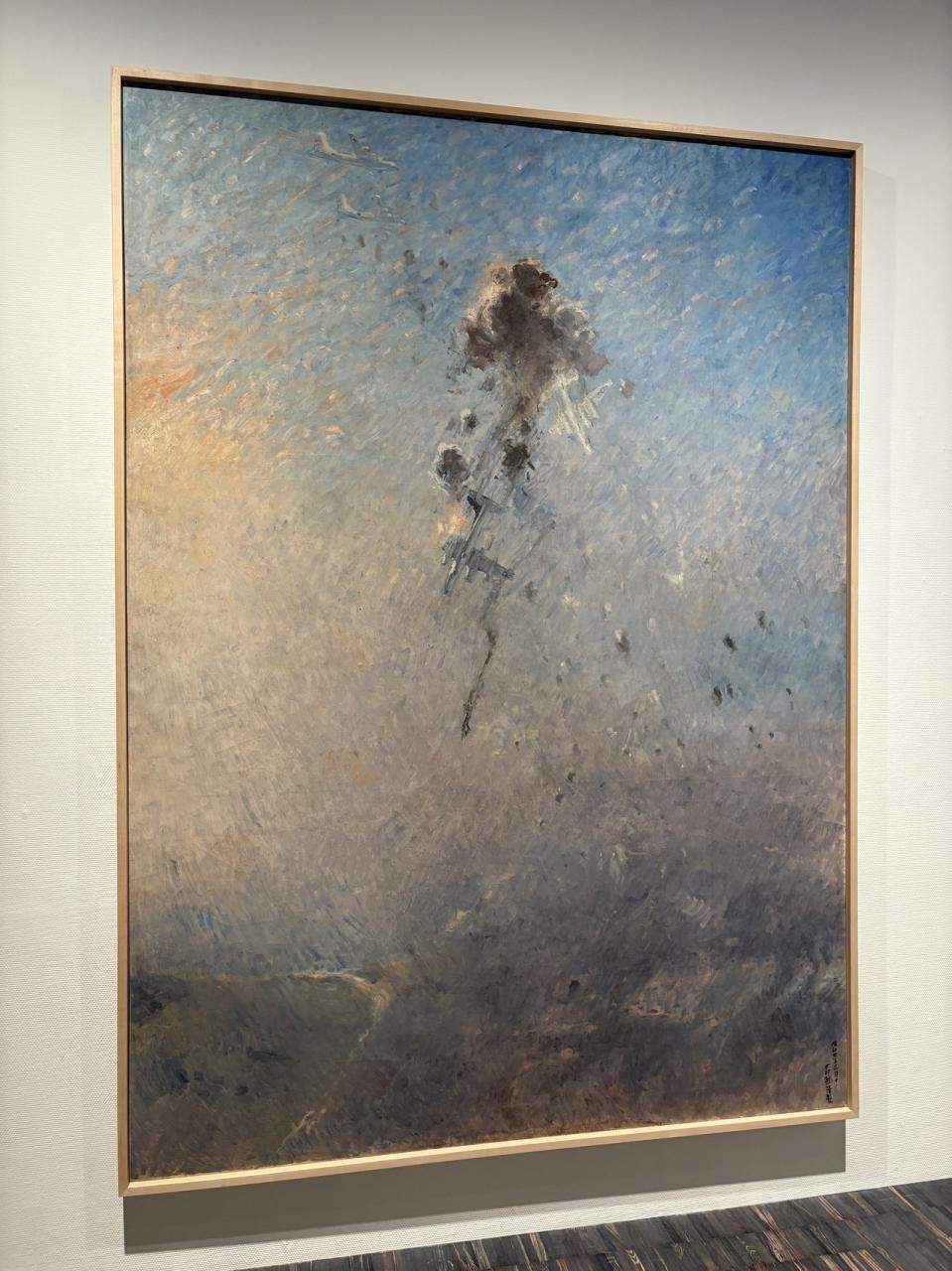
中村研一
NAKAMURA, Ken'ichi
1895-1967
北九州上空野辺軍曹機の体当りB29二機を撃墜す
Sergeant Nobe's Suicide Attack on Two B-29's
Over Kitakyushu
1945 昭和20年
油彩・キャンバス oil on canvas
1944(昭和19)年8月20日、米軍は北九州のハ幡製鉄所を標的とした空襲を行いました。戦闘のさなか、野辺軍曹が操縦する日本陸軍の戦闘機・屠龍がB-29に突撃し、2機同時に撃ち落としました。夕暮れ時の空に、日米両軍の戦闘機の破片が舞い散っています。中村は「飛行機を描く」という文章において「画家に取っては地上の爆煙も戦闘員の姿もこの大きな自然の全体の中では白雲の去来」(『美術』1944年9月)のようだと語っています。
On August 20, 1944, the US military conducted an air raid targeting the Yahata Steel Works in Kitakyushu. In the midst of this attack, the Toryu, a fighter plane piloted by Sergeant Nobe, blew up two B-29s by slamming into them. As dusk fell, fragments of fighter planes from both Japanese and American forces scattered across the evening sky. In a text titled "On Painting Airplanes," the artist Nakamura reflected that "to a painter, the smoke rising from the ground and the figures of combatants resemble the coming and going of white clouds in the vast expanse of nature" (Bijutsu, September 1944). -
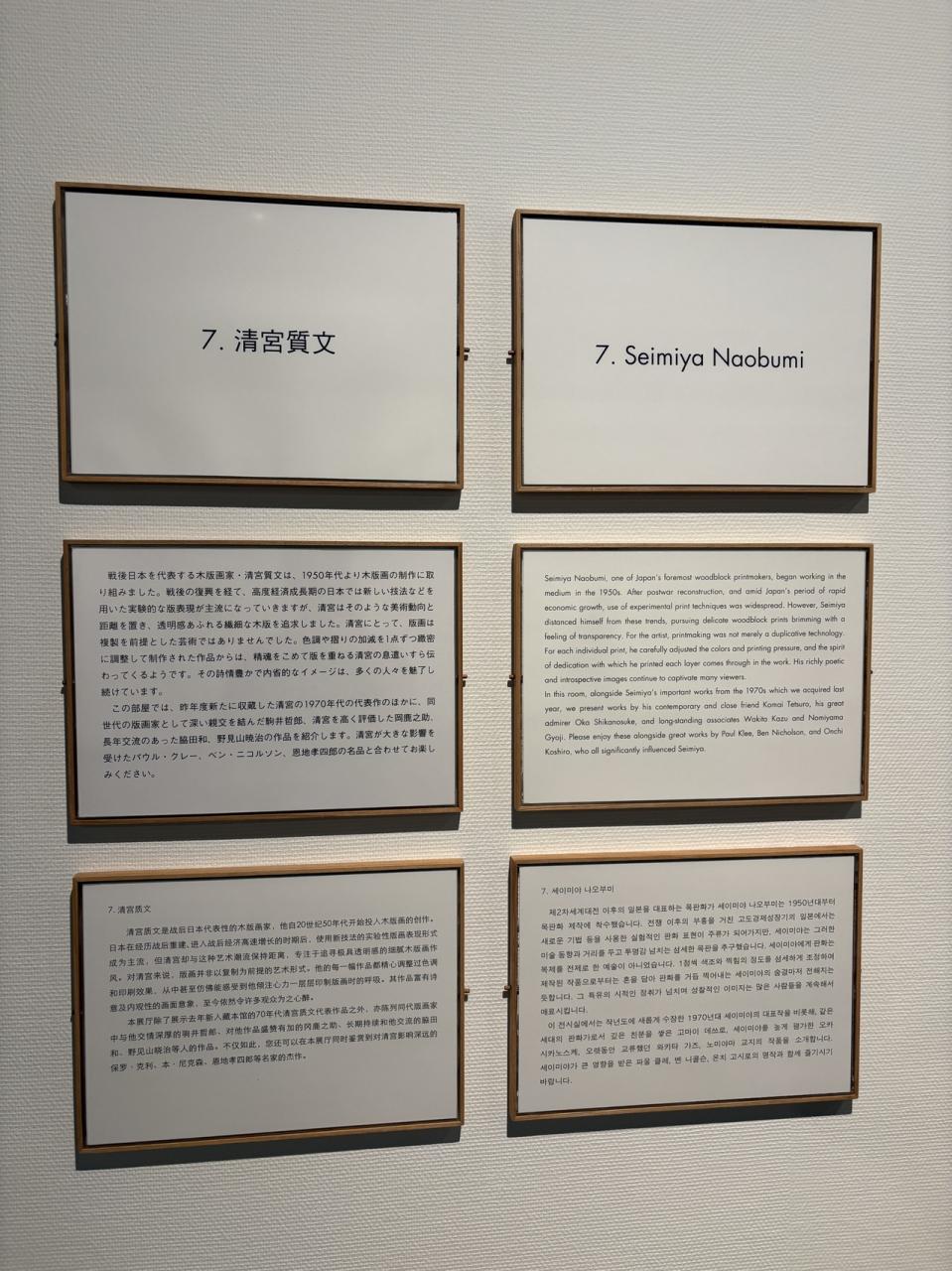
7.清宮質文
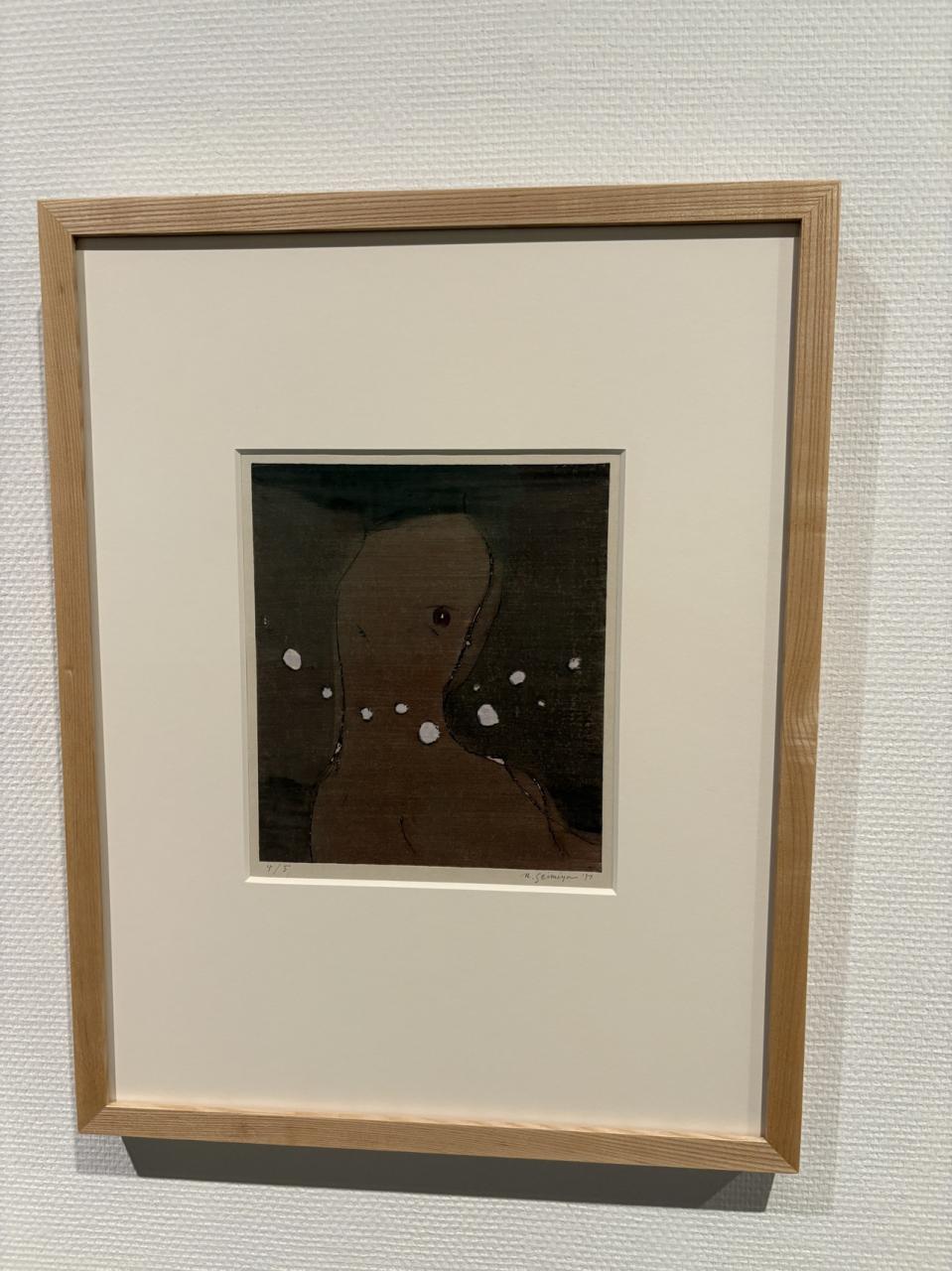
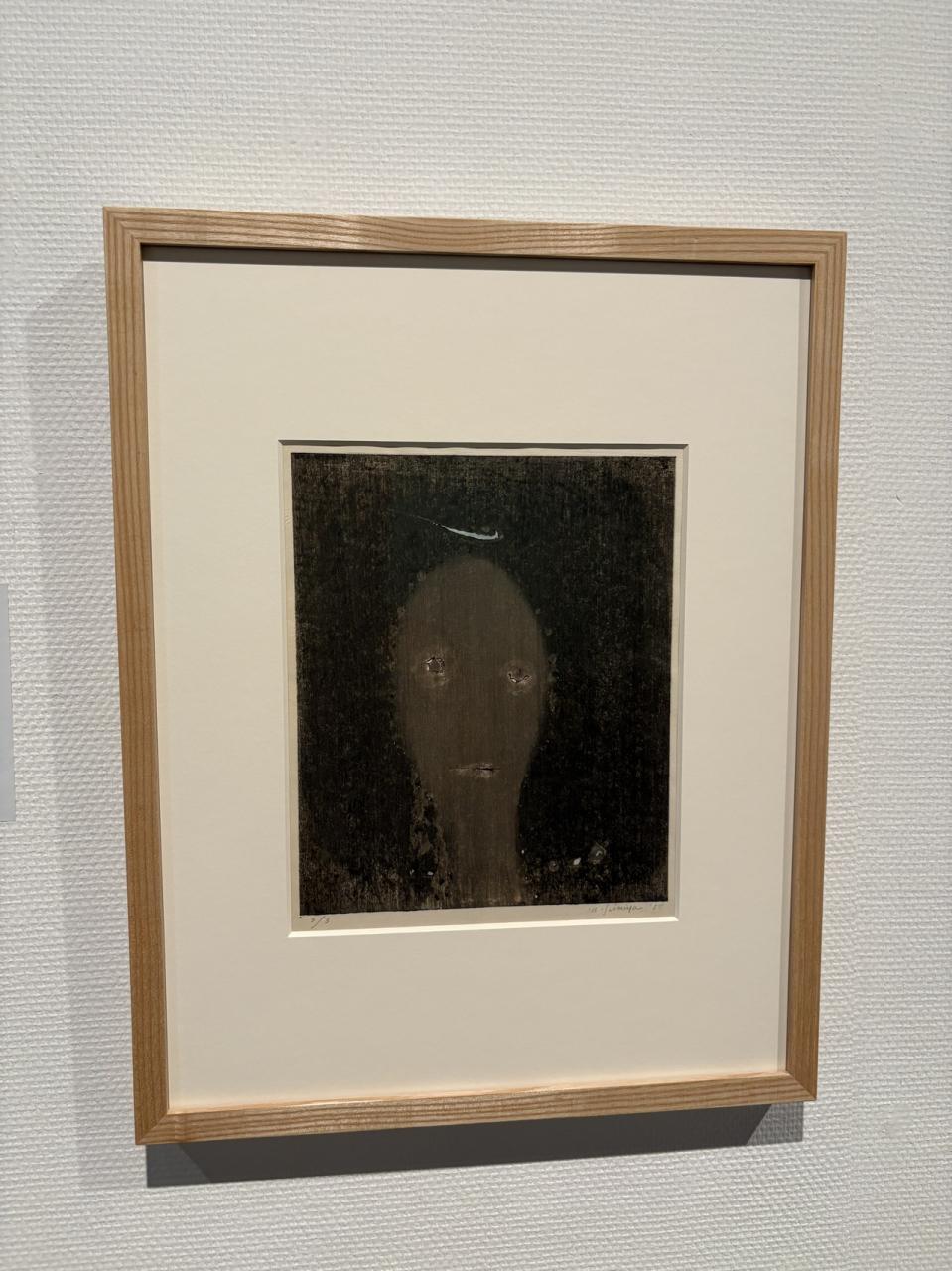
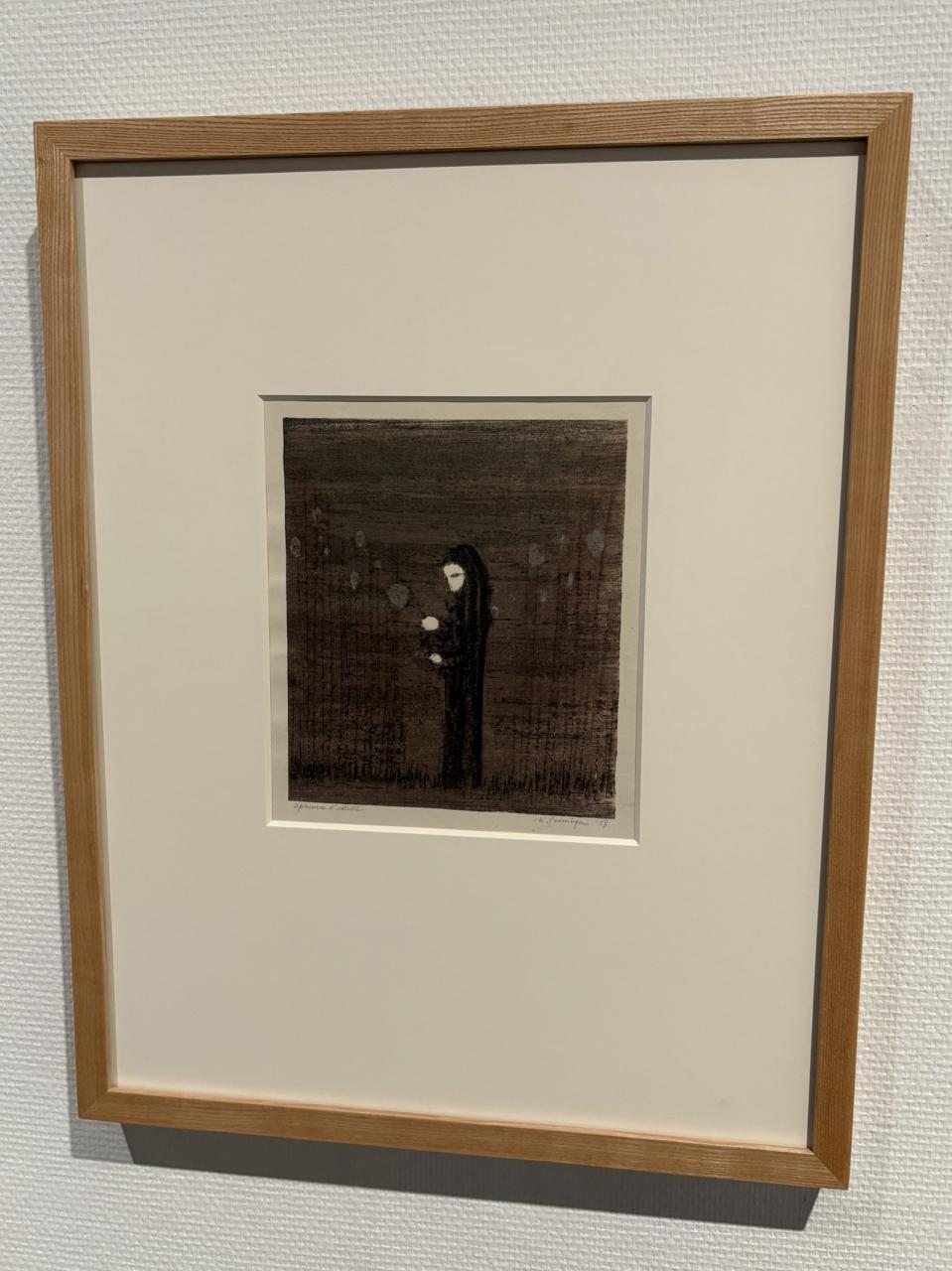
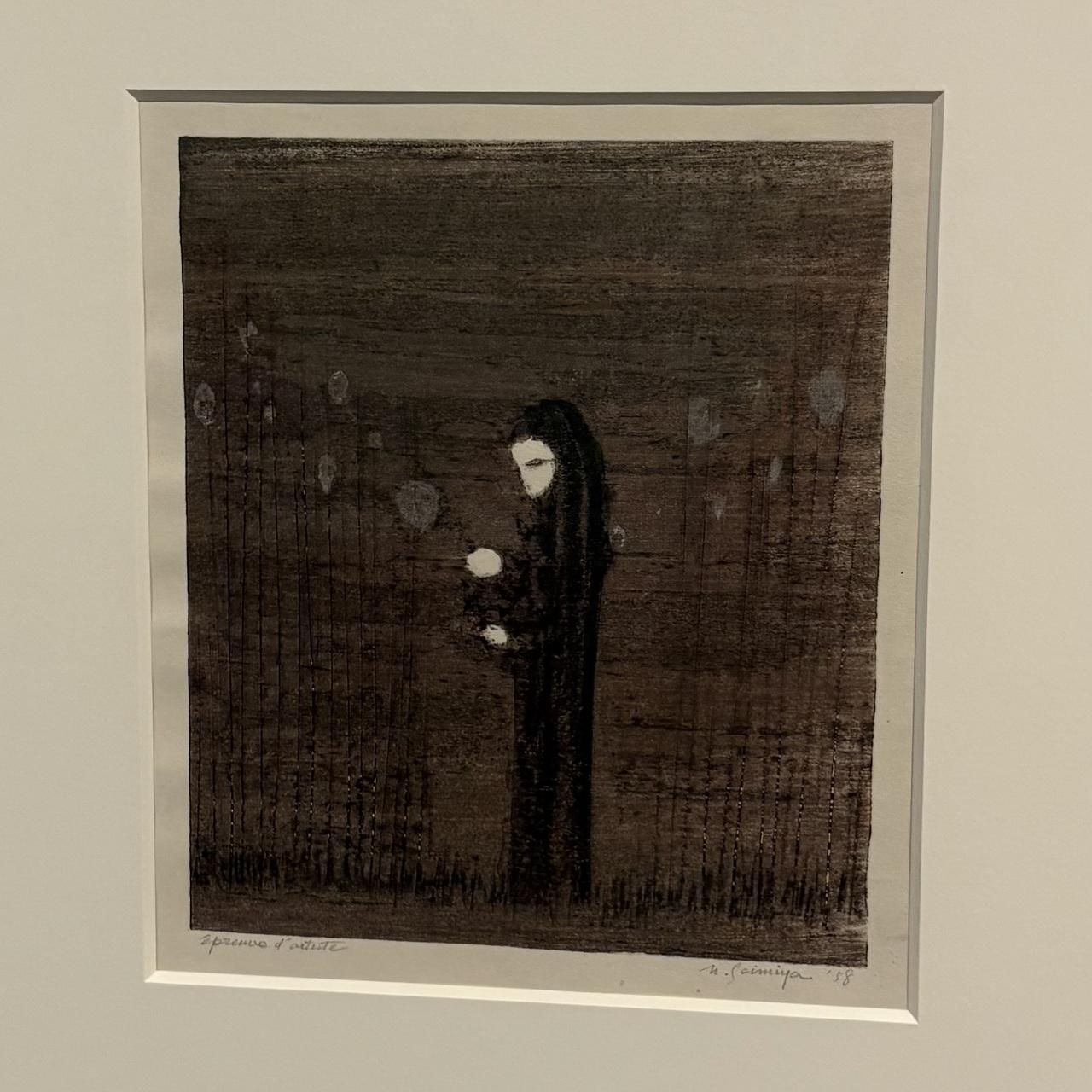
戦後日本を代表する木版画家・清宮質文は、1950年代より木版画の制作に取り組みました。戦後の復興を経て、高度経済成長期の日本では新しい技法などを用いた実験的な版表現が主流になっていきますが、清宮はそのような美術動向と距離を置き、透明感あふれる繊細な木版を追求しました。清宮にとって、版画は複製を前提とした芸術ではありませんでした。色調や摺りの加減を1点ずつ緻密に調整して制作された作品からは、精魂をこめて版を重ねる清宮の息遣いすら伝わってくるようです。その詩情豊かで内省的なイメージは、多くの人々を魅了し続けています。
この部屋では、昨年度新たに収蔵した清宮の1970年代の代表作のほかに、同世代の版画家として深い親交を結んだ駒井哲郎、清宮を高く評価した岡鹿之助、長年交流のあった脇田和、野見山暁治の作品を紹介します。清宮が大きな影響を受けたパウル・クレー、ベン・ニコルソン、恩地孝四郎の名品と合わせてお楽しみください。
7. Seimiya Naobumi
Seimiya Naobumi, one of Japan's foremost woodblock printmakers, began working in the medium in the 1950s. After postwar reconstruction, and amid Japan's period of rapid economic growth, use of experimental print techniques was widespread. However, Seimiya distanced himself from these trends, pursuing delicate woodblock prints brimming with a feeling of transparency. For the artist, printmaking was not merely a duplicative technology.
For each individual print, he carefully adjusted the colors and printing pressure, and the spirit of dedication with which he printed each layer comes through in the work. His richly poetic and introspective images continue to captivate many viewers.
In this room, alongside Seimiya's important works from the 1970s which we acquired last year, we present works by his contemporary and close friend Komai Tetsuro, his great admirer Oka Shikanosuke, and long-standing associates Wakita Kazu and Nomiyama Gyoji. Please enjoy these alongside great works by Paul Klee, Ben Nicholson, and Onchi Koshiro, who all significantly influenced Seimiya. -
清宮質文
SEIMIYA, Naobumi
1917-1991
ふるさとの歌
Song of Home Town
1957
昭和32年
木版(多色)
color woodcut -
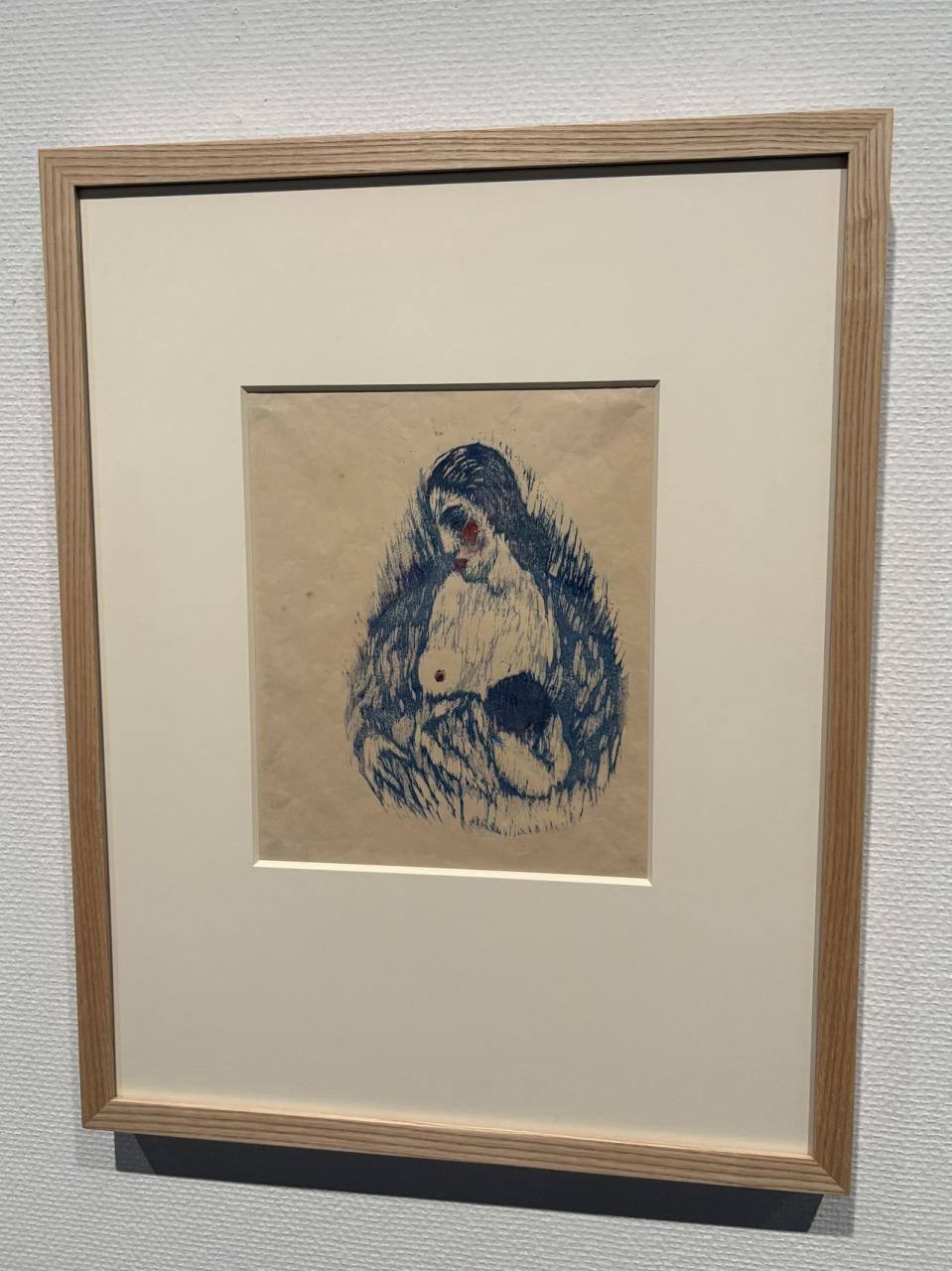
清宮質文
SEIMIYA, Naobumi
1917-1991
悲しみの顔
Countenance of Sorrow
1959 昭和34年
木版(多色)
color woodcut -
清宮質文
SEIMIYA, Naobumi
1917-1991
葦
Reeds
1958
昭和33年
木版(多色)
color woodcut -
-
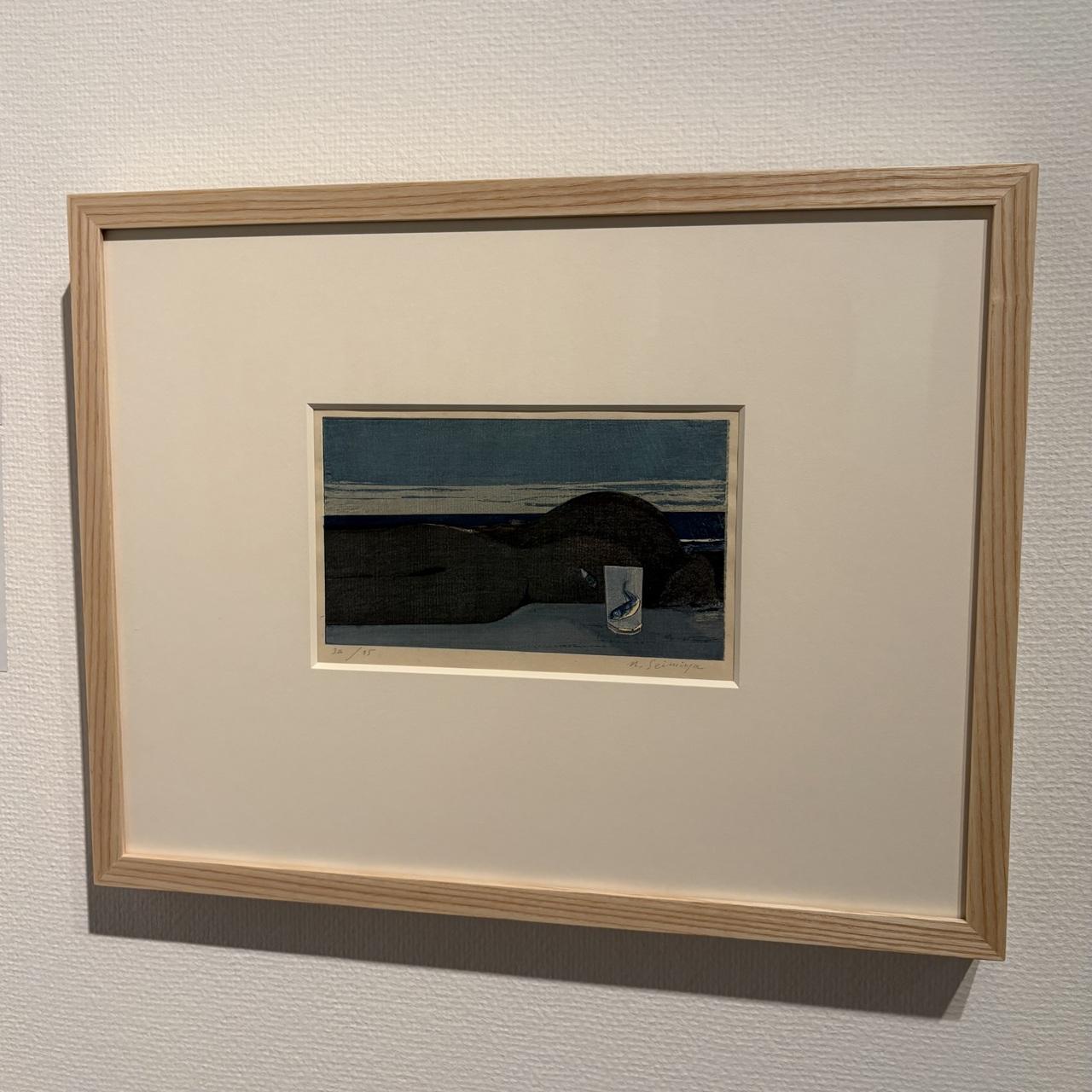
清宮質文
SEIMIYA, Naobumi
1917-1991
蝶
Butterfly
1963-64 昭和38-39年
木版(多色)
color woodcut -
-
新収蔵作品
New Acquisition
清宮質文
SEIMIYA, Naobumi
1917-1991
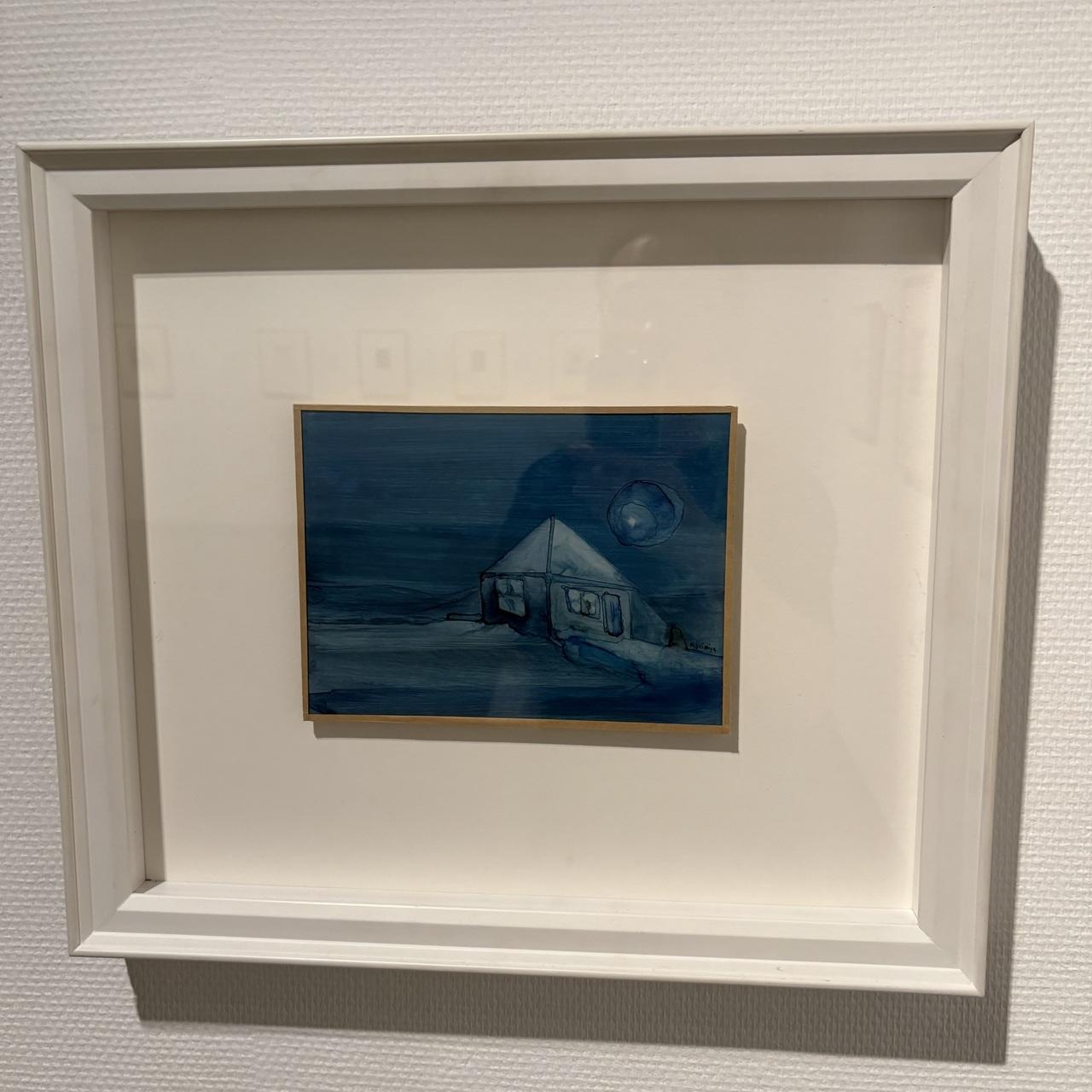
北辺の小屋
Cottage near the North Border
1971 昭和46年
水彩、墨、油彩・ガラス
watercolor, sumi and oil on glass
清宮はガラス絵を描く際に透明水彩を用いており、墨を併用しながら絵具を定着させました。ガラスの裏面にイメージを描くため、通常の絵画とは逆の順序で絵具が重ねられています。清宮はしばしば制作活動を音楽に例えて、「私にとっての水彩とは、なにかヴァイオリンという感じがします。ヴァイオリンにあった作曲をし、それを充分に鳴らし切ることができたら満足ですが、それはなかなかむずかしいことです」(「別冊美術手帖」1982年6月)と語っています。
When painting on glass, Seimiya used transparent watercolor accompanied by sumi ink. As the images were painted on the reverse side of the glass, he applied paint in the opposite order than in traditional painting. Seimiya often compared his creative process to playing music, saying:
"For me, watercolors are somewhat akin to playing the violin. I compose music suited to the violin and am satisfied if I can fully bring out its sound, but that is a difficult task" (Bessatsu Bijutsu Techo, June 1982). -
新収蔵作品
New Acquisition
清宮質文
SEIMIYA, Naobumi
1917-1991
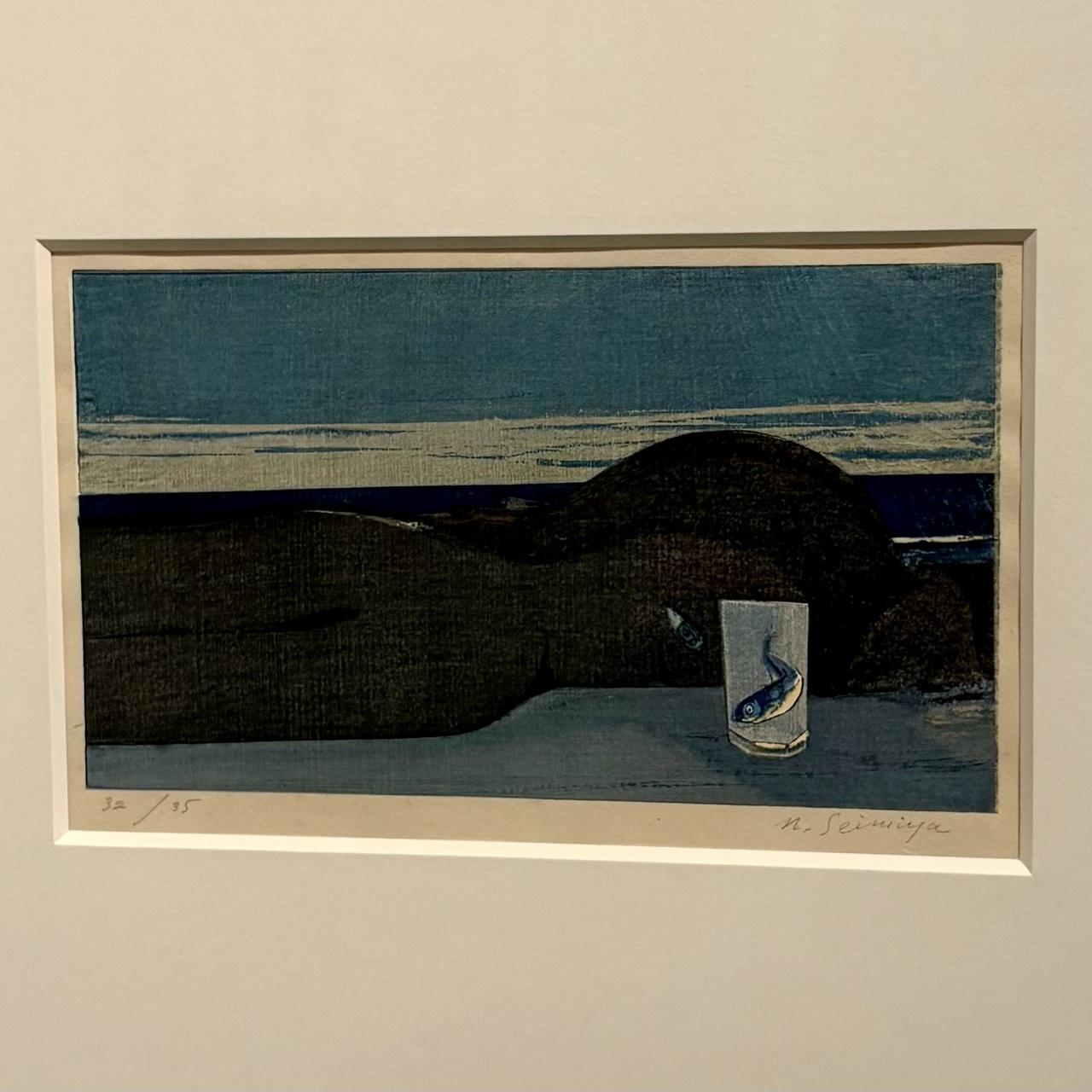
九月の海辺
Seashore in September
1970 昭和45年
木版(多色)
color woodcut -
-
新収蔵作品
New Acquisition
清宮質文
SEIMIYA, Naobumi
1917-1991
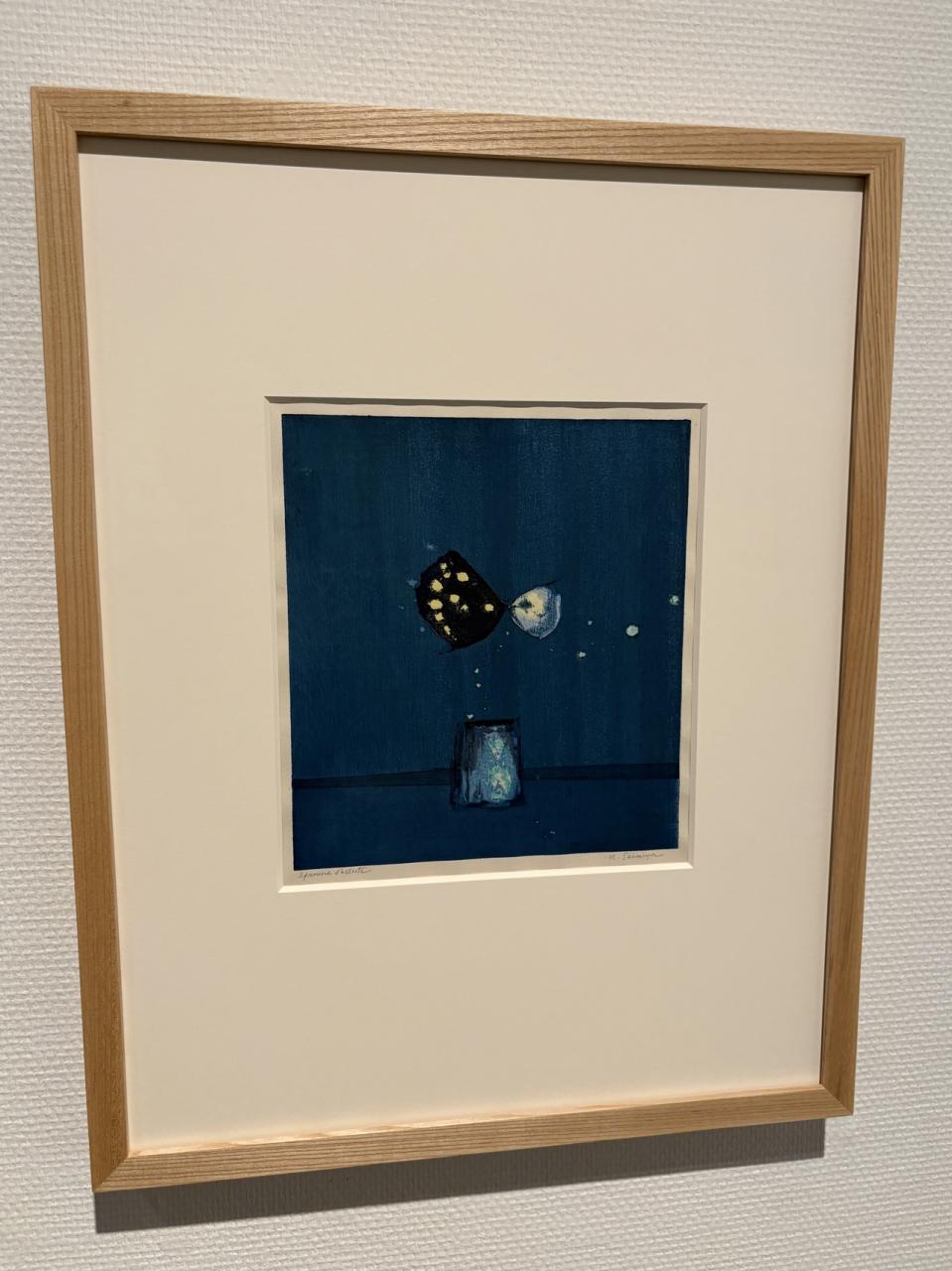
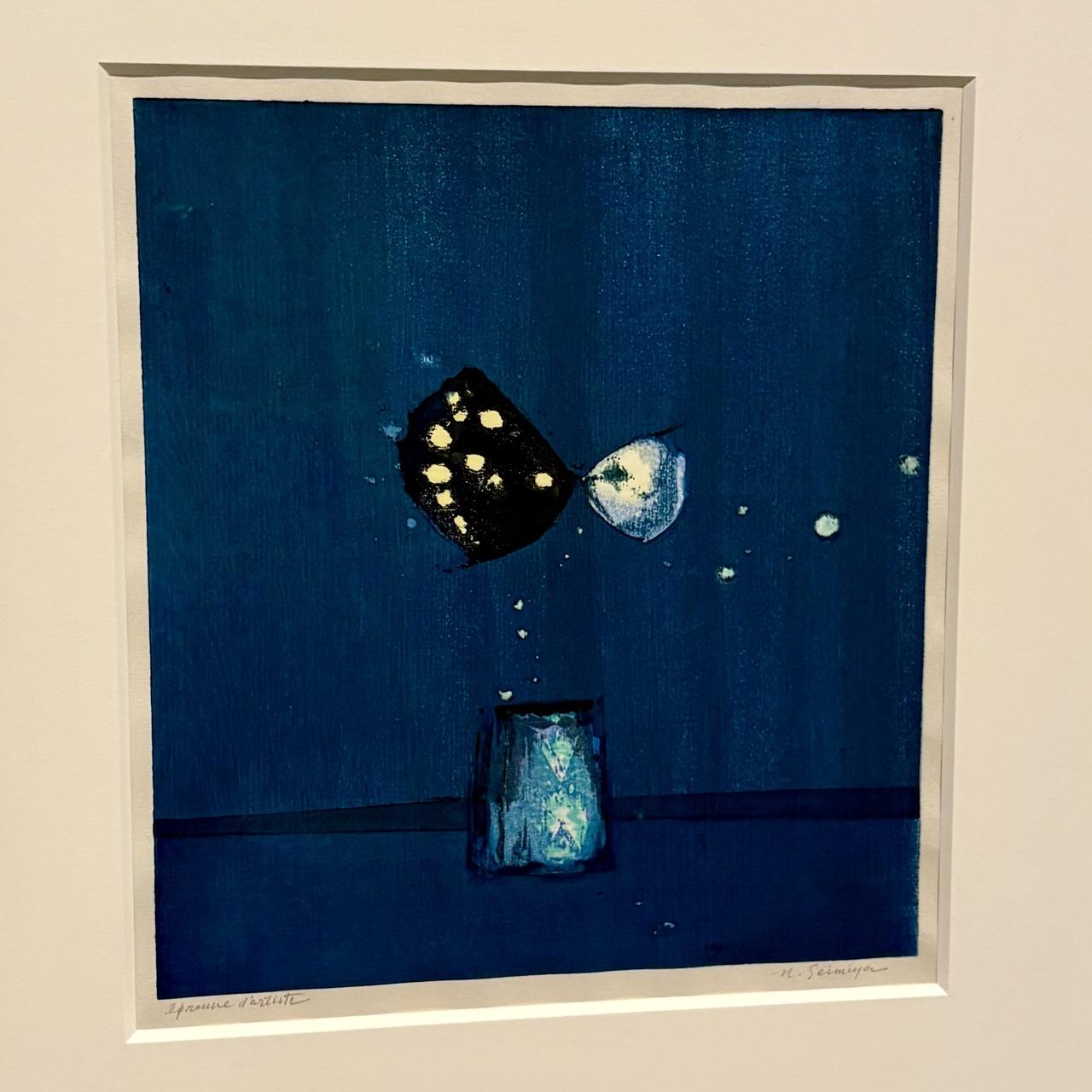
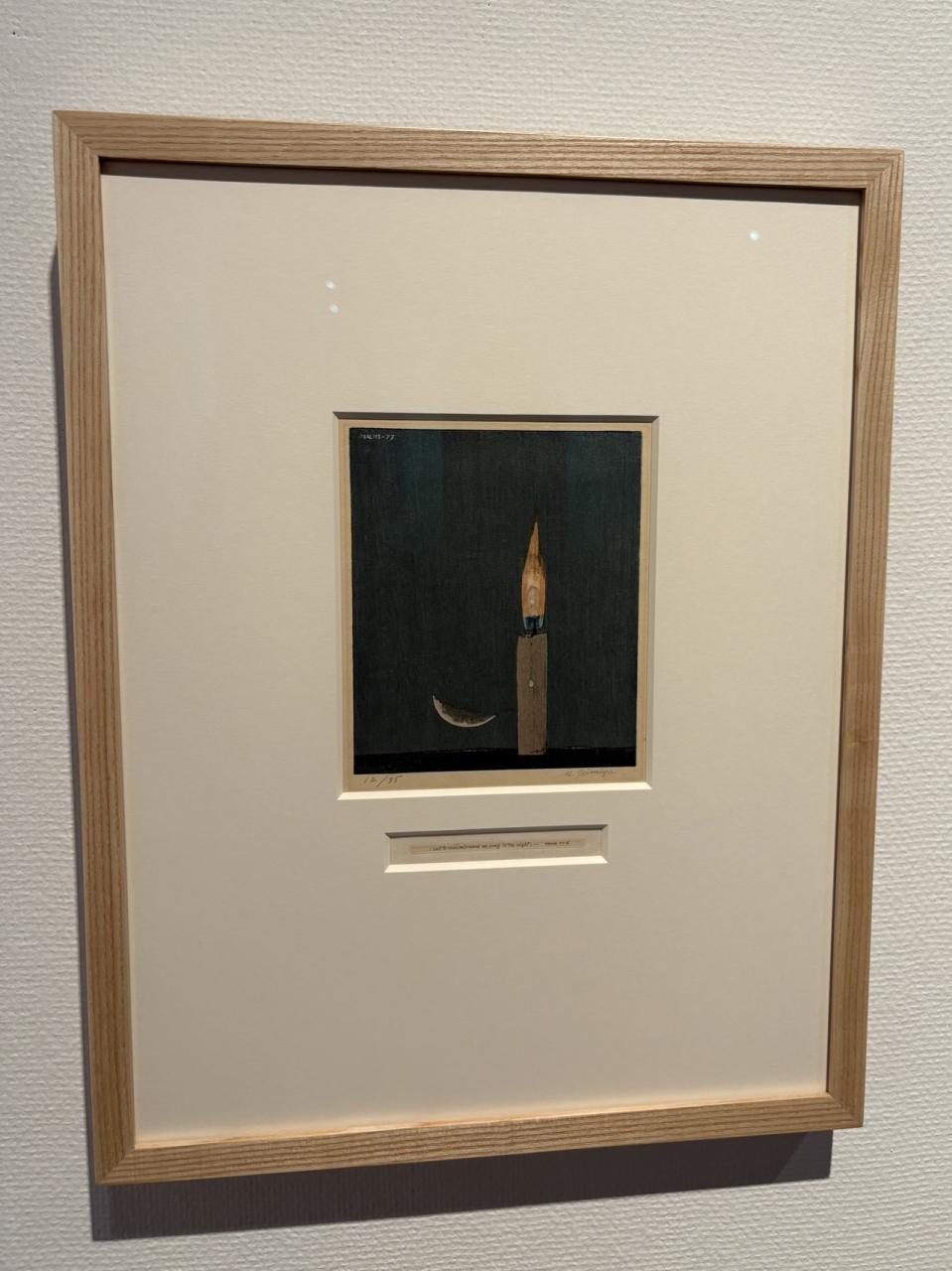
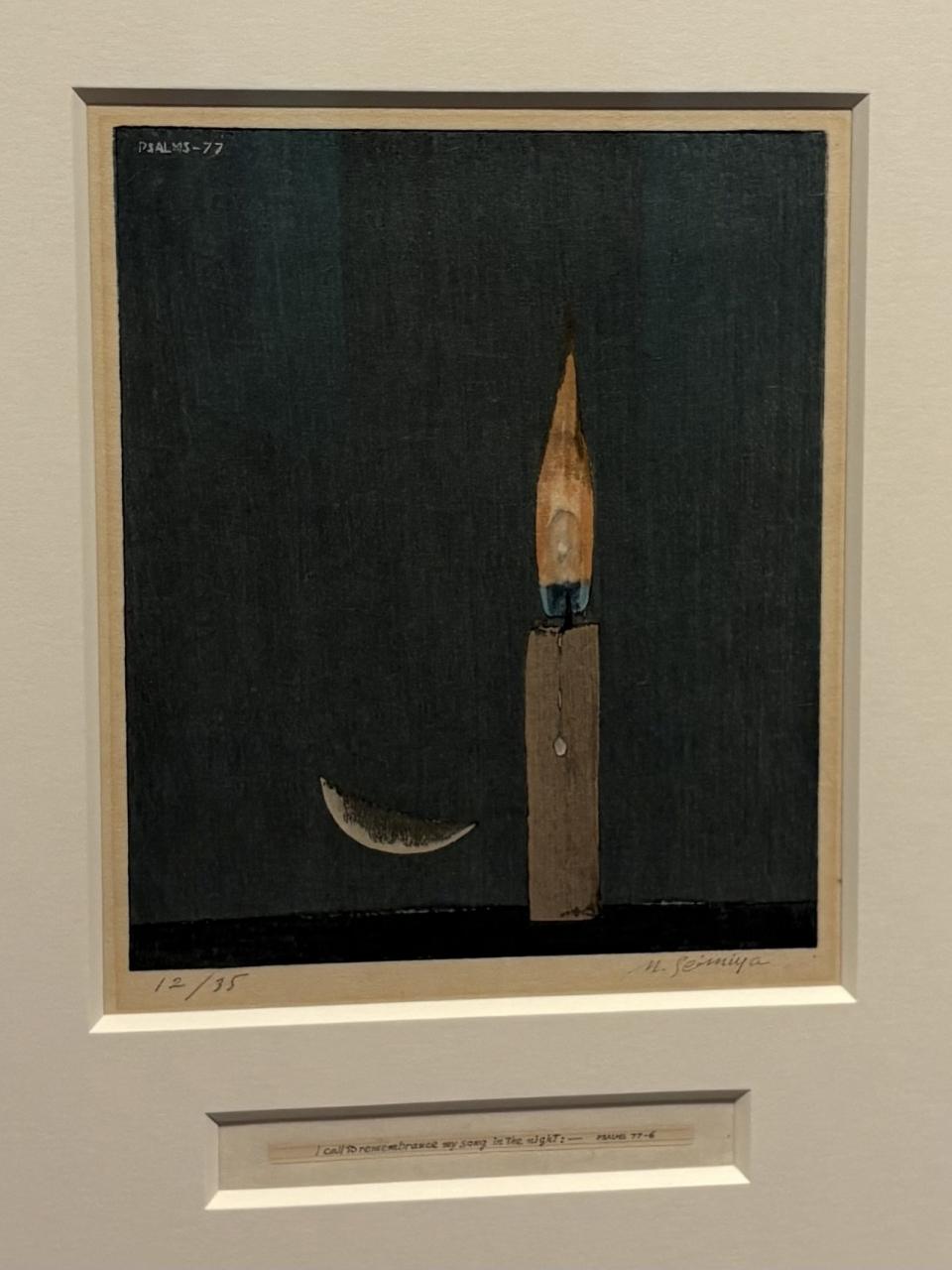
深夜の蝋燭
Midnight Candle
1974 昭和49年
木版(多色) color woodcut
深い闇にろうそくの火が灯り、東の空から下弦の月が昇りはじめています。画面左上に書かれた「PSALMS」とは旧約聖書の詩篇のこと。
清宮は洗礼こそ受けていませんでしたが、戦時中、陸軍に入隊する際にも聖書を帯行するほど大切にしていました。本作の裏面のラベルには「われ夜わが歌をおもひいづ/我わが心までふかくおもひ/わが霊魂はねもころ(懇ろ)に尋ねもとむ」という詩織の一節が、清宮自身によって書き込まれています。
A candle flickers in deep darkness, and a waning moon has begun to rise in the eastern sky. The word "PSALMS" written in the upper left corner of the paper refers to the book of that name in the Old Testament. While Seimiya was not baptized, he revered the Bible to the extent that he carried it with him even when he was serving in the army during the war. On the back of the painting, a label is inscribed with a passage from the Psalms in Seimiya's own hand:
"I call to remembrance my song in the night: I commune with mine own heart: and my spirit made diligent search." -
-
新収蔵作品
New Acquisition
清宮質文
SEIMIYA, Naobumi
1917-1991
秋の夕日
Autumn Sunset
1976 昭和51年
木版(多色) color woodcut -
-
新収蔵作品
New Acquisition
清宮質文
SEIMIYA, Naobumi
1917-1991
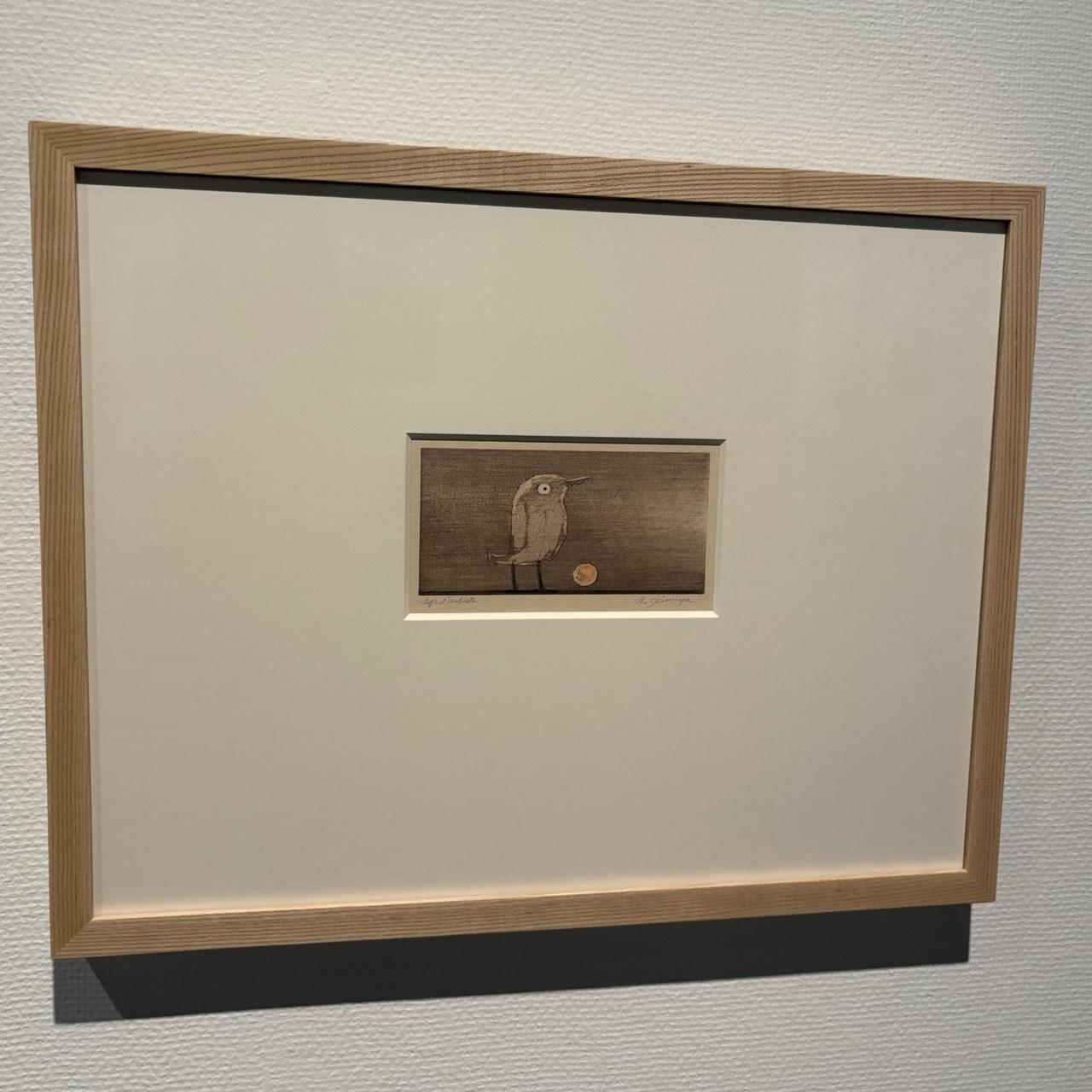
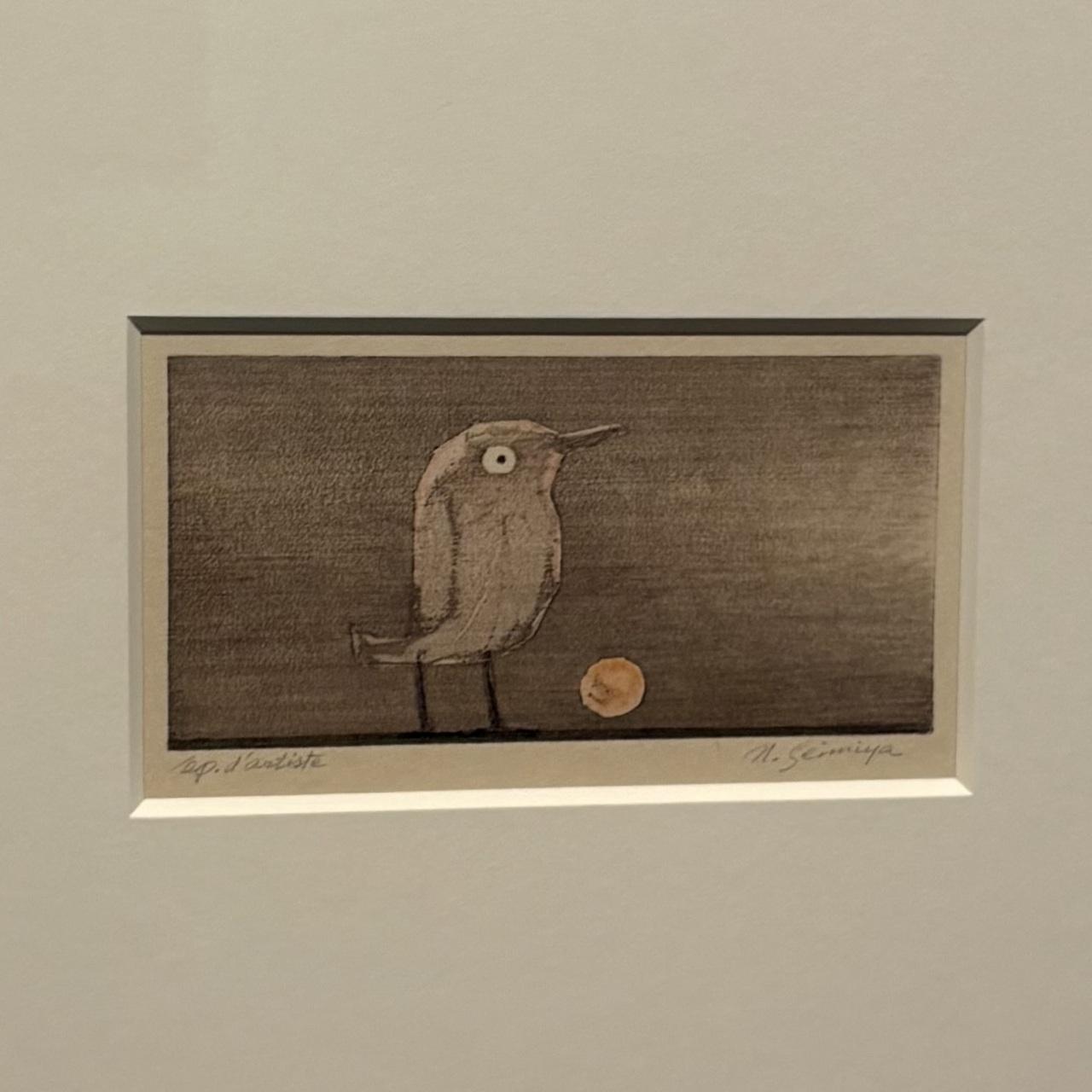
夕日のとり
Bird in the Evening Sun
1985 昭和60年
木版(多色)
color woodcut -
-
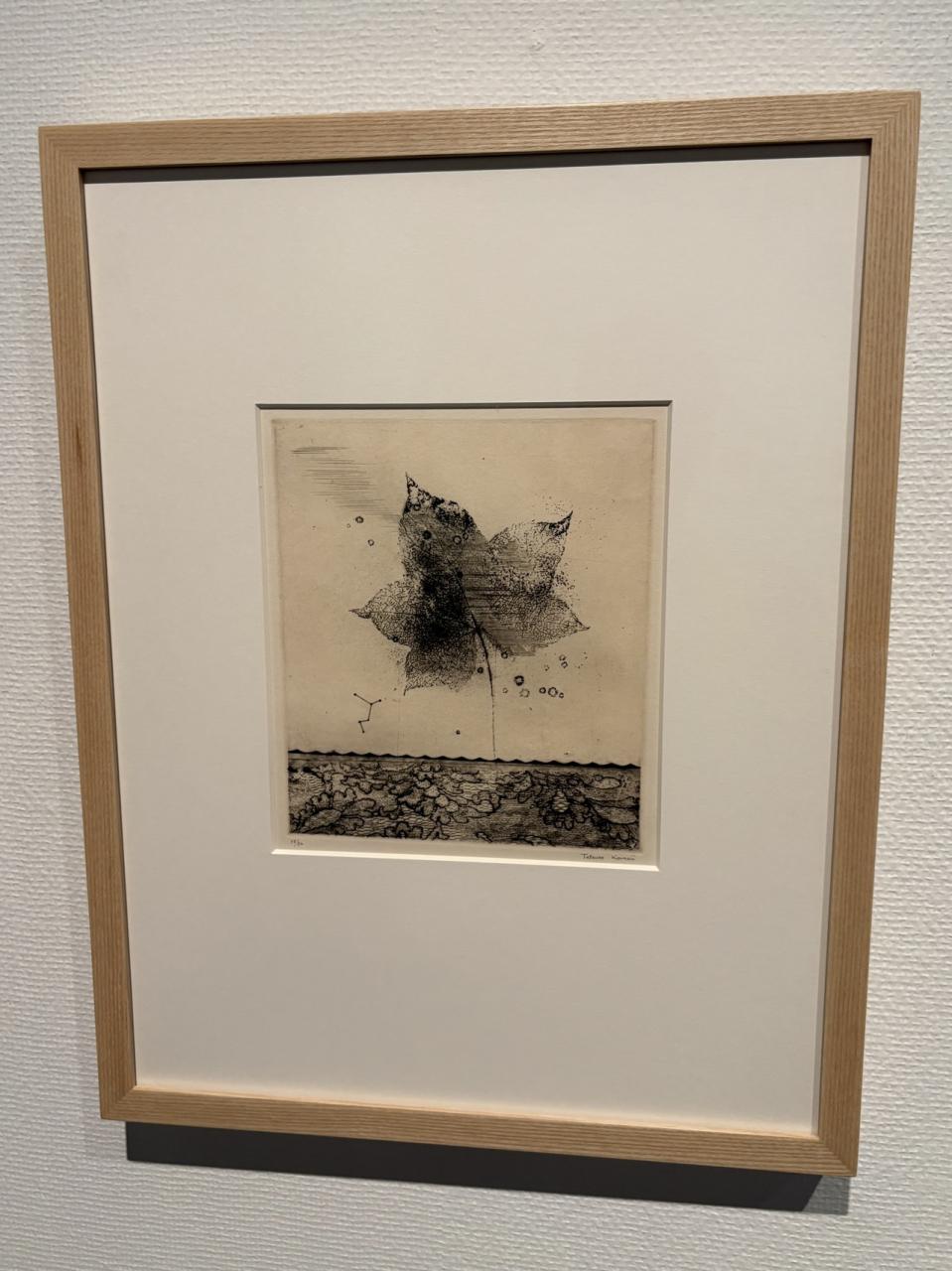
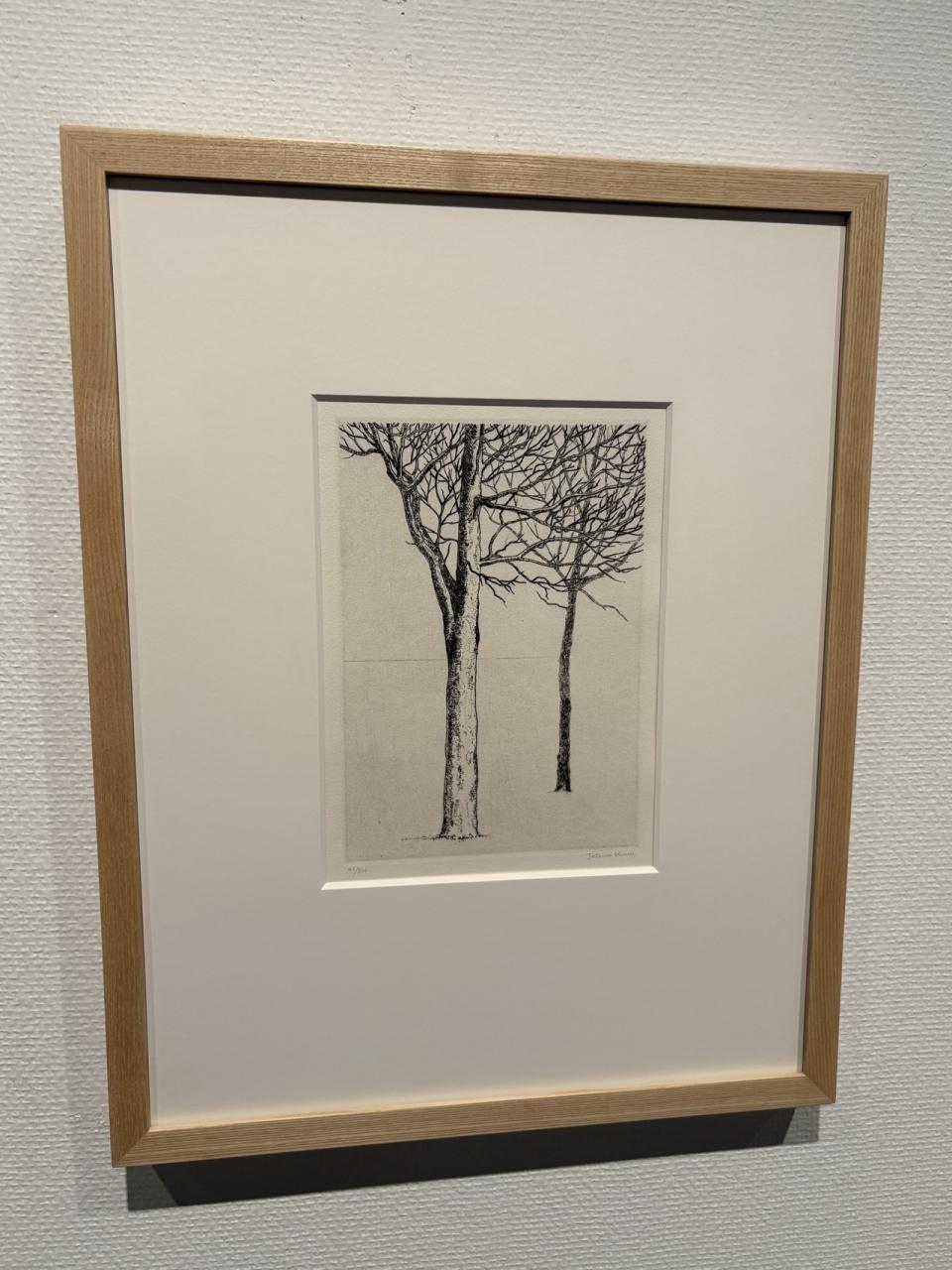
駒井哲郎
KOMAI, Tetsuro
1920-1976
思い出
Memory
1948年
昭和23年
銅版
drypoint and soft ground etching -
駒井哲郎
KOMAI, Tetsuro
1920-1976
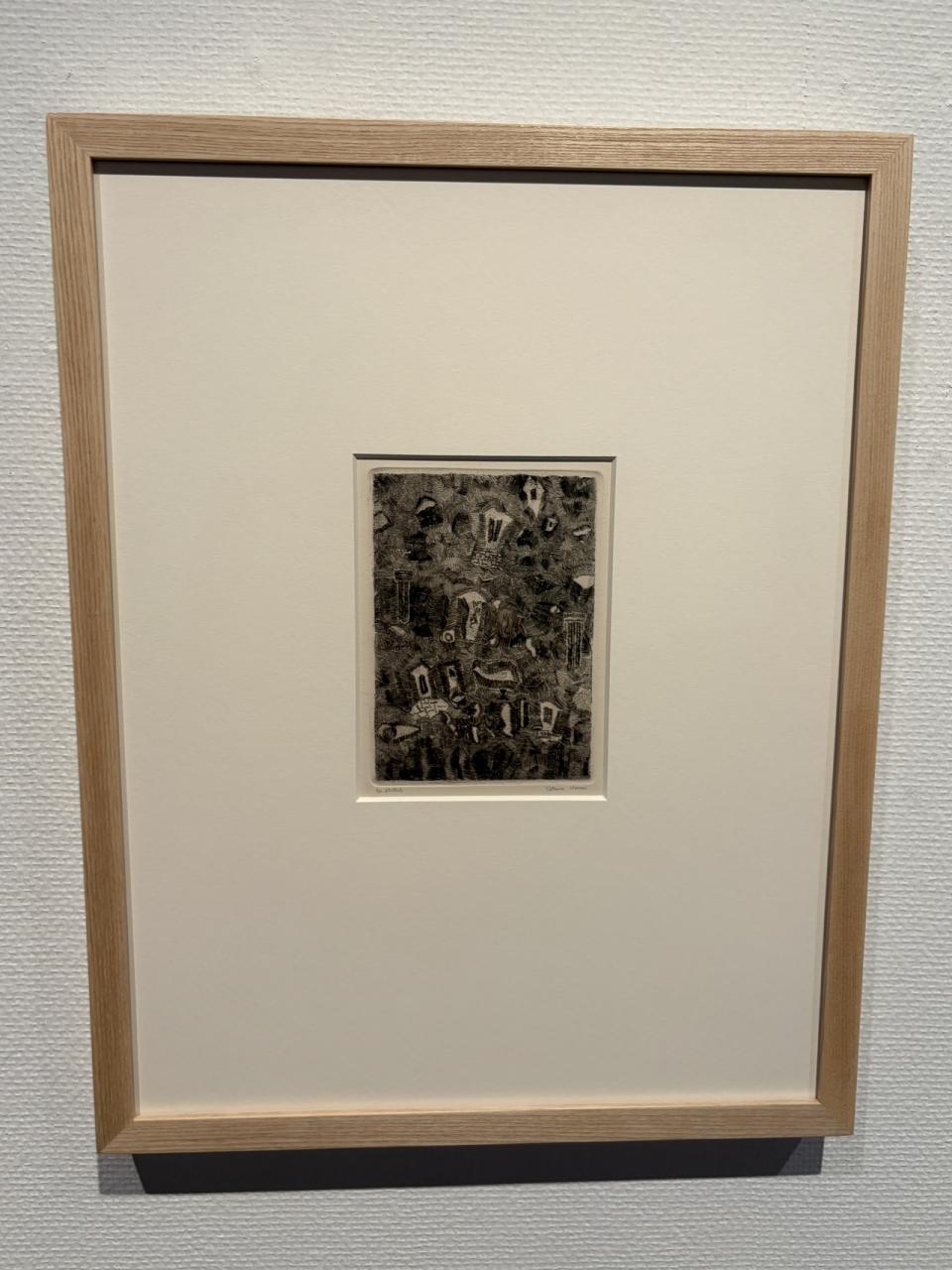
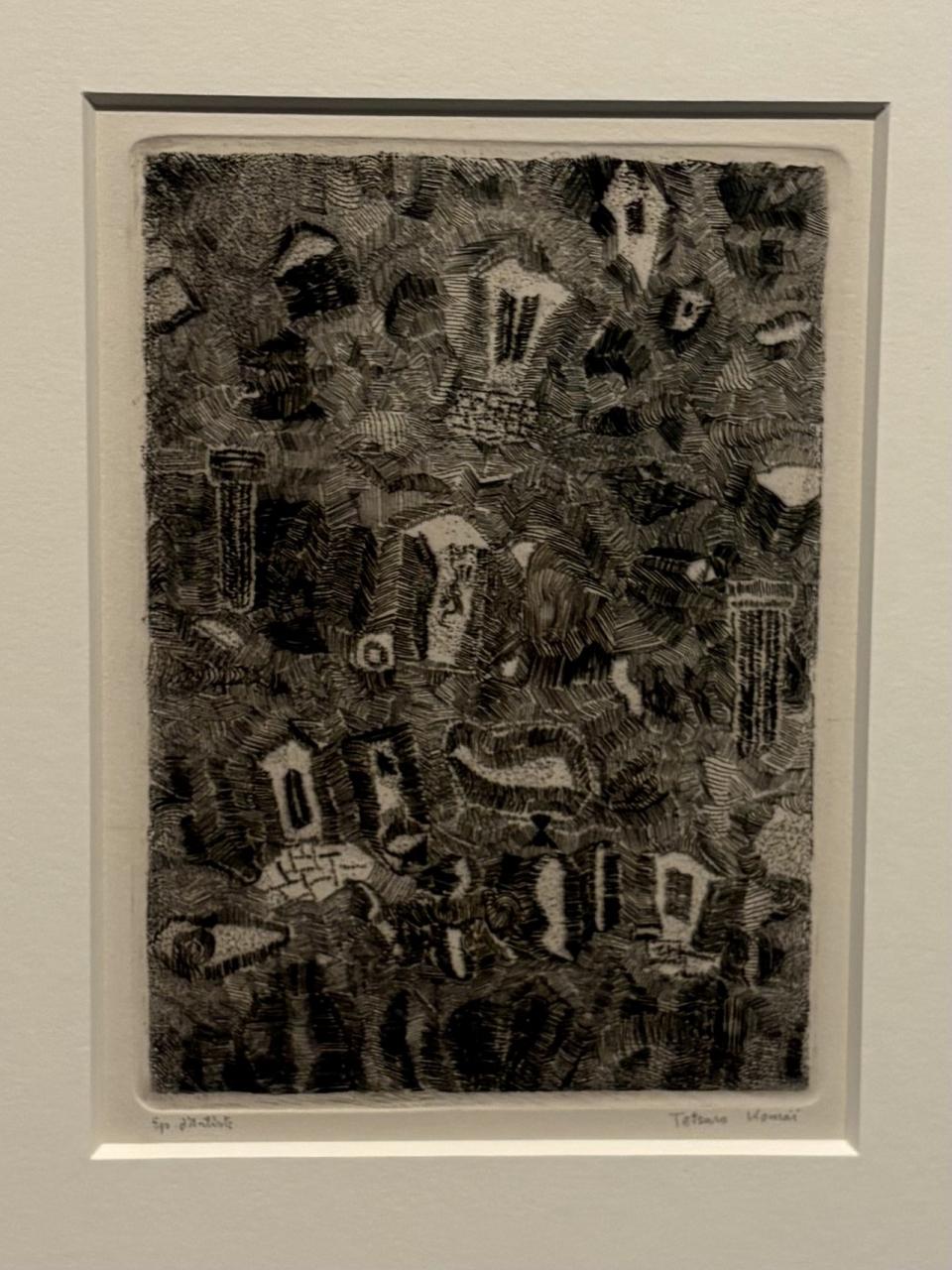
廃墟
Ruins
1954
銅版
昭和29年
etching -
-
駒井哲郎
KOMAl, Tetsuro
1920-1976
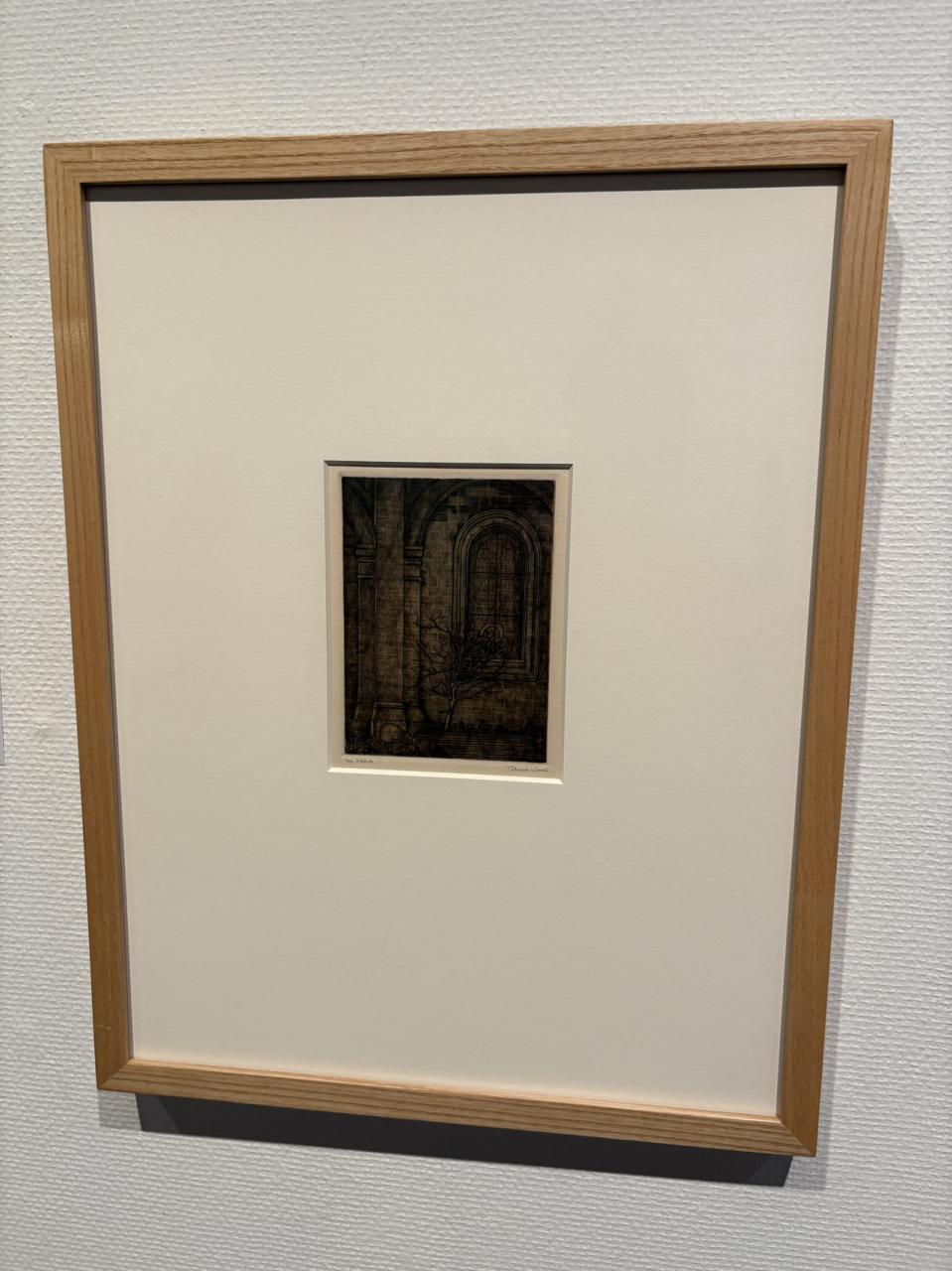
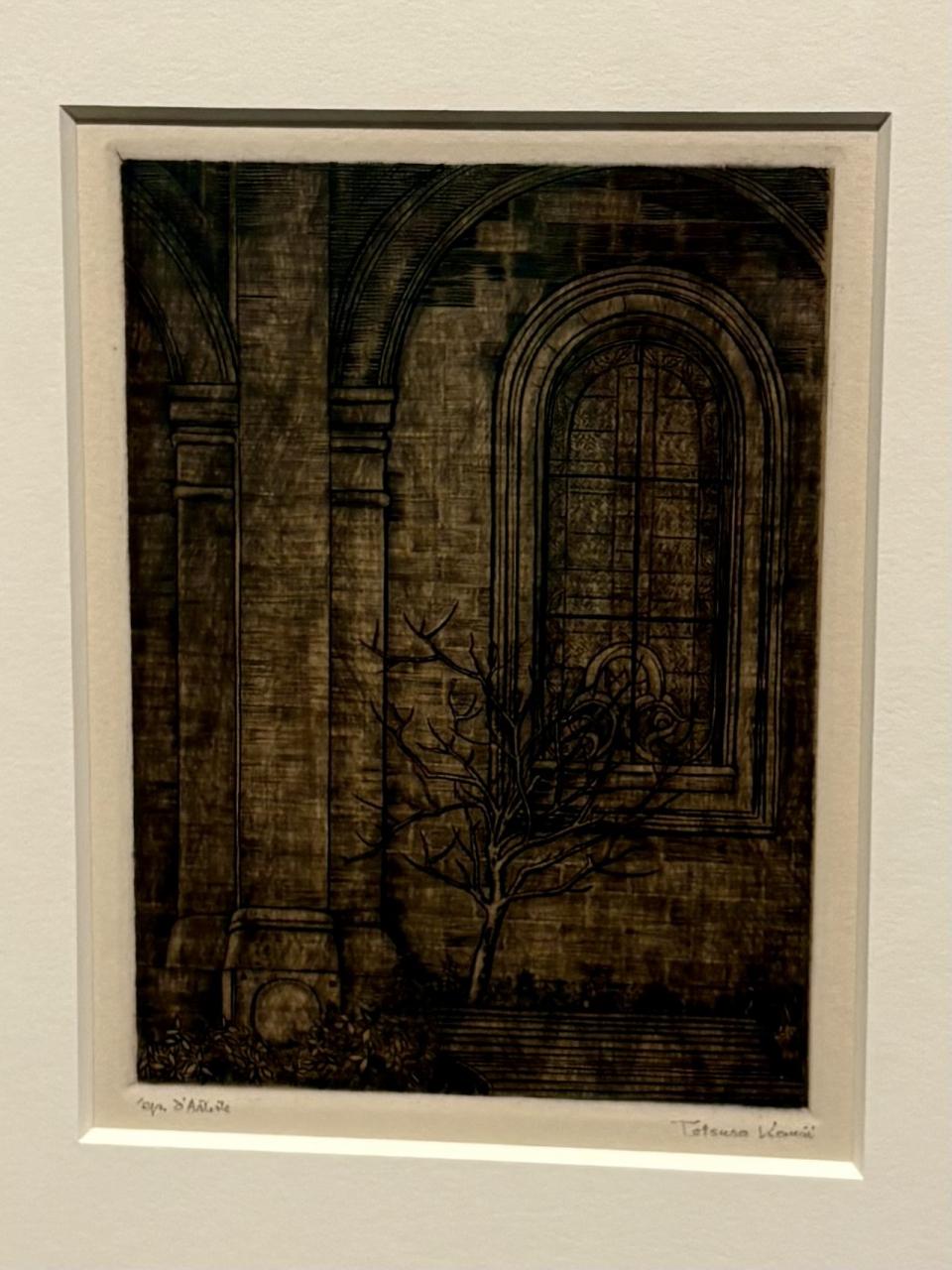
教会の横
Side of a Church
1955
銅版
昭和30年
engraving -
-
-
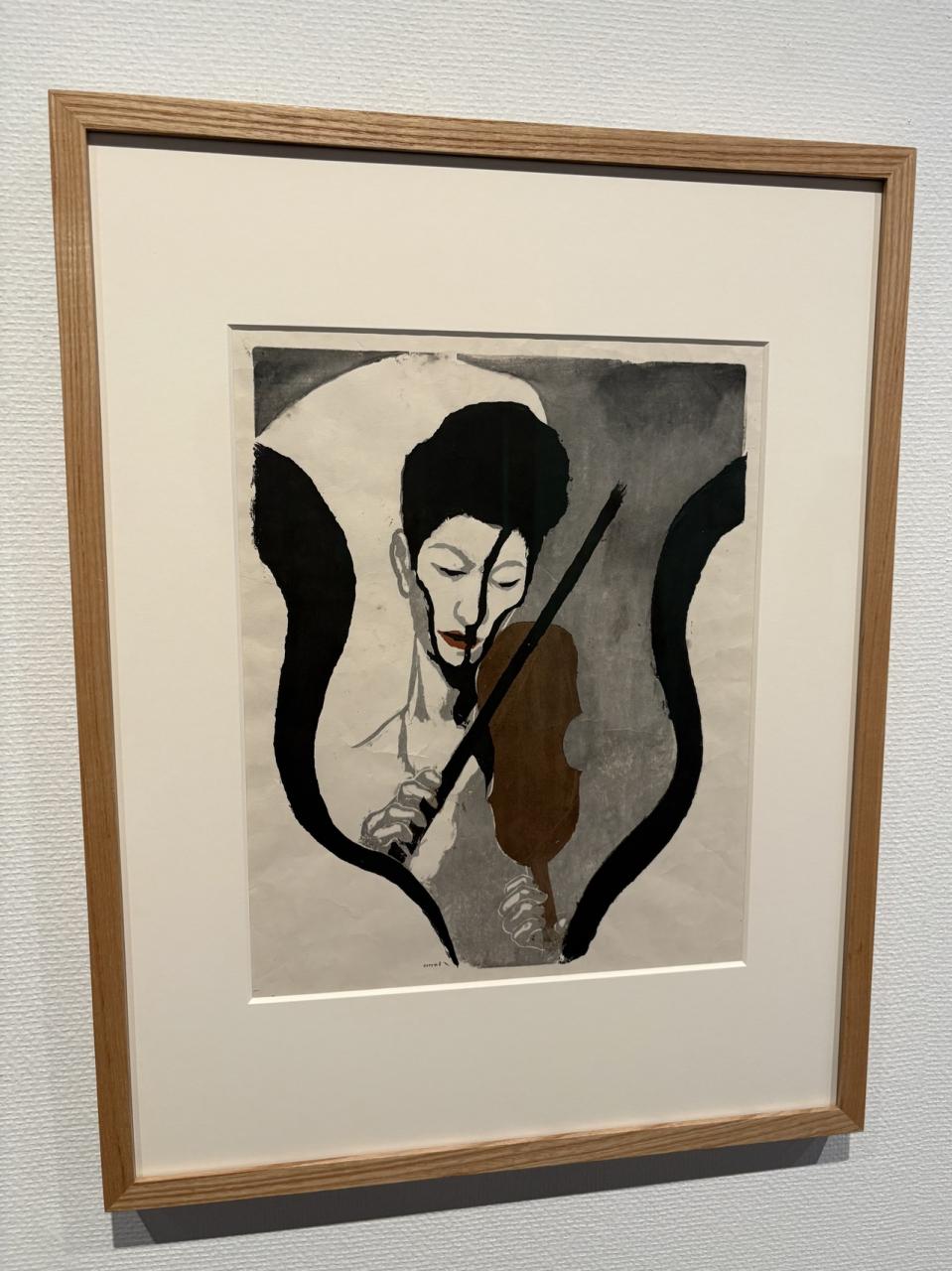
恩地孝四郎
ONCHI, Koshiro
1891-1955
あるヴァイオリニストの印象(諏訪根自子像)
Impression of a Violinist (Portrait of Suwa Nejiko)
1946 昭和21年
木版(多色) color woodcut
敗戦後、恩地は進駐軍関係者から作品を高く評価され、彼らと密接な交流を結びました。欧米で活躍した伝説的なヴァイオリニスト・諏訪根自子が進駐軍のコンサートで演奏する姿を見た恩地は、次のような言葉を残しています。「この肉体は戦乱の欧州を通ってきた。/そしていま祖国の、占領軍下のステージに立つ/ああ、骨身を削ってゆく弦と弦との擦音。/芸術は何と悲愴なものであるか」(「恩地孝四郎詩集」1977年)
After Japan's defeat in World War Il, Onchi formed close relationships with members of the occupying forces who highly valued his work.
Upon seeing the legendary violinist Suwa Nejiko, who had performed throughout Europe, play at a concert for the occupying forces, Onchi was inspired to write the following: "This body has traversed the war-torn lands of Europe / And now it stands on a stage in its occupied homeland / Ah, the friction of strings grating away flesh and bone / What pathos there is in art" (Collected Poems of Onchi Koshiro, 1977). -
-
恩地孝四郎
ONCHI, Koshiro
1891-1955
ポエム No.3:
の譜
Poem No.3: Song of Spring
1944 昭和19年
木版(多色)
color woodcut -
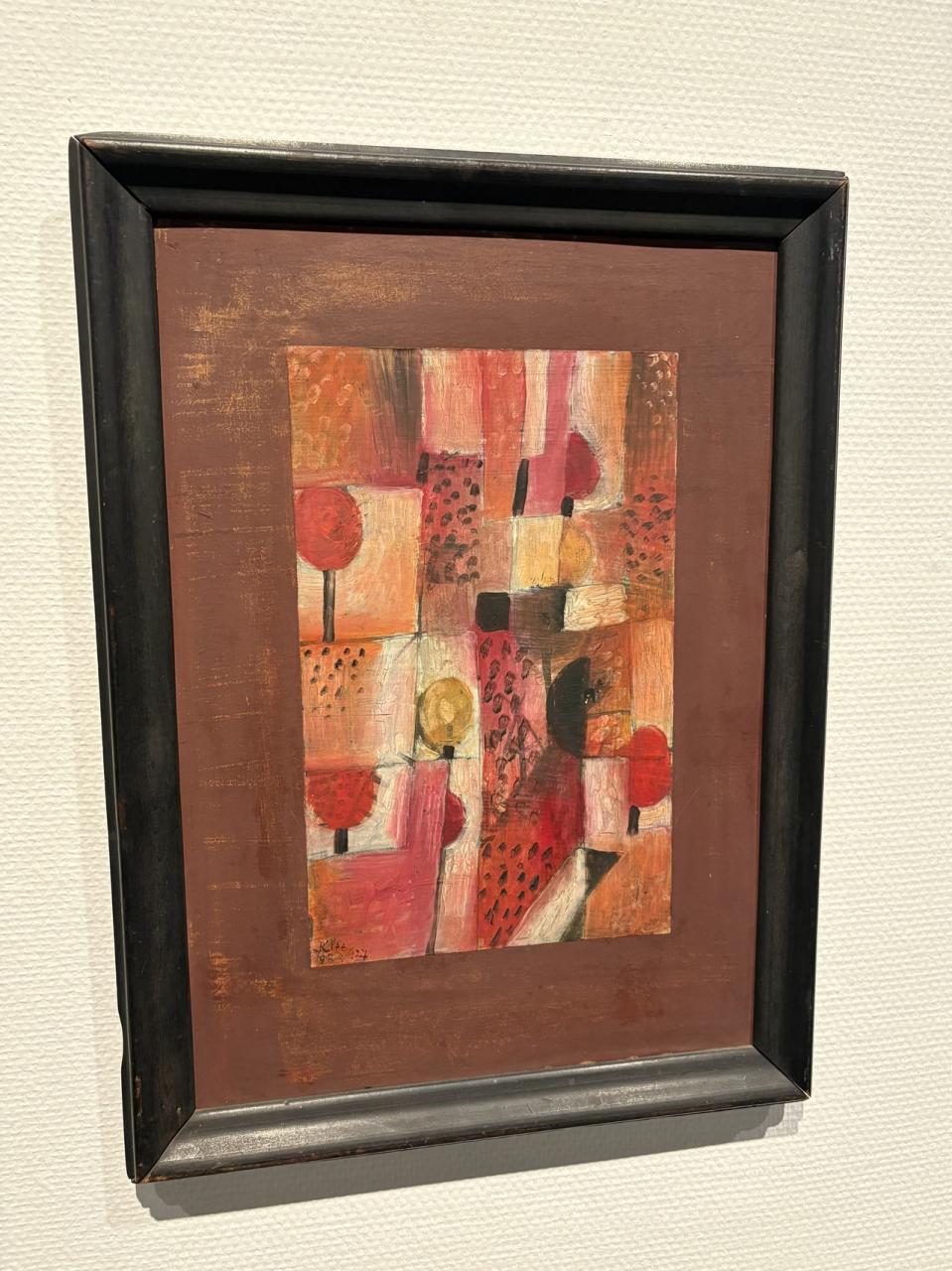
パウル・クレー
Paul Klee
1879-1940
小さな秋の風景
Small Autumn Landscape
1920 大正9年
油彩・紙(ボードに貼付)
oil on paper pasted on board
この作品が描かれた1920年は、大規模な個展を開催したり、ドイツの造形学校バウハウスの教師に招かれたり、クレーにとって重要な年でした。
画面をシステマティックに矩形で分割するというルールがまずあり、その短形の並びをわずかにずらす、矩形をさらに分割する、円や点、線でリズムをつけるというように、形や色による変化が加えられていきます。あらかじめ何を描くか決定するのでなく、幾何学的な形体を操作するなかから、有機的なイメージ(赤や黄に色づいた木々)が生まれ出てくる瞬間を捕まえる、そんなクレーの制作方法を良く見て取れます。
Klee produced this painting in 1920, an important year for the artist, as he held a large-scale solo exhibition and was invited to teach at the German art and design school the Bauhaus.
The work follows a basic rule of systematically dividing the picture plane into rectangles, with subsequent changes to shape and color such as slightly shifting the arrangement of the rectangles, subdividing them further, and generating rhythm with circles, dots, and lines. It appears that rather than deciding what to paint in advance, Klee employed a working method that captured the moment when an organic image (red and yellow trees) emerges through the manipulation of geometric shapes. -
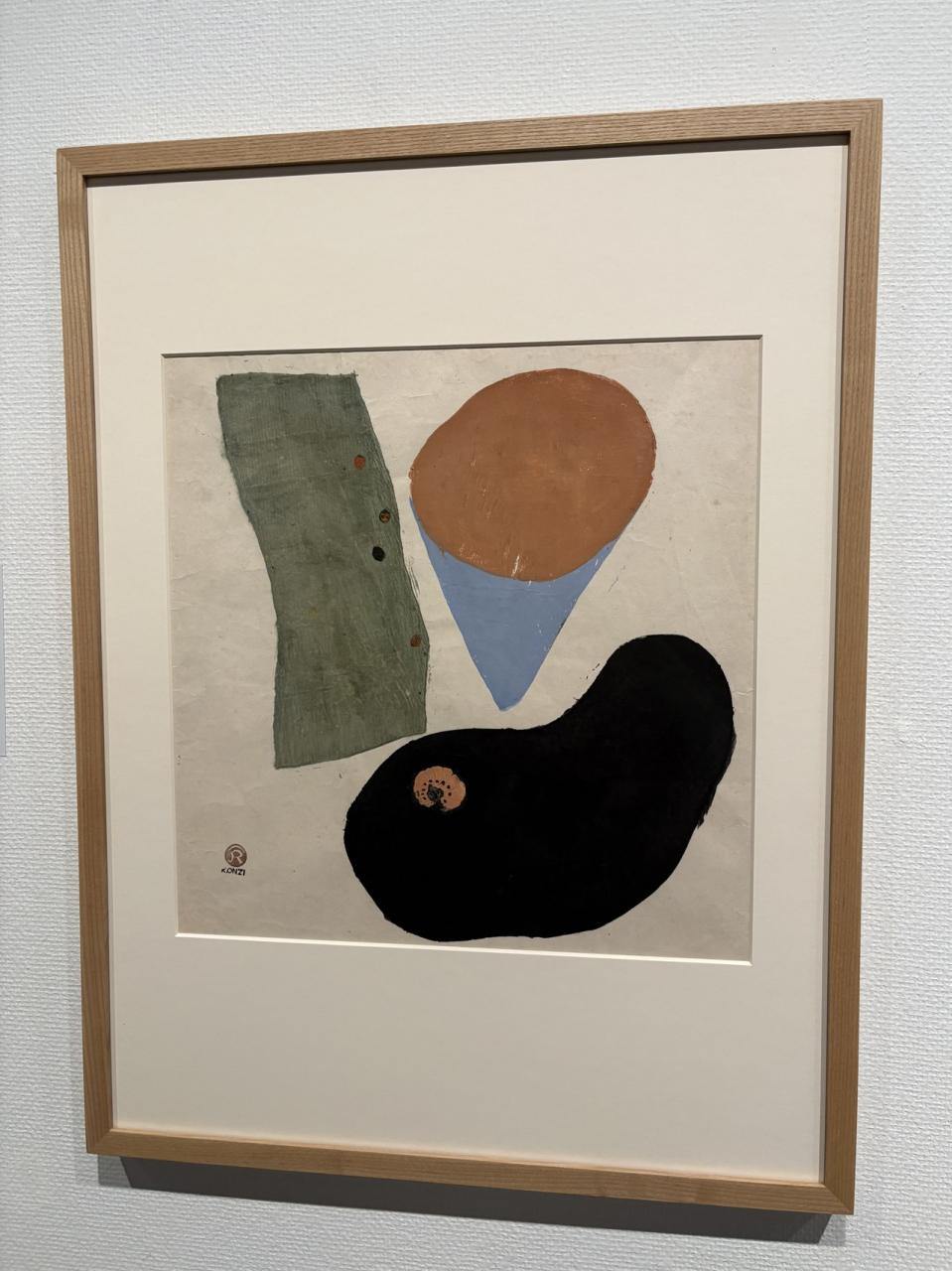
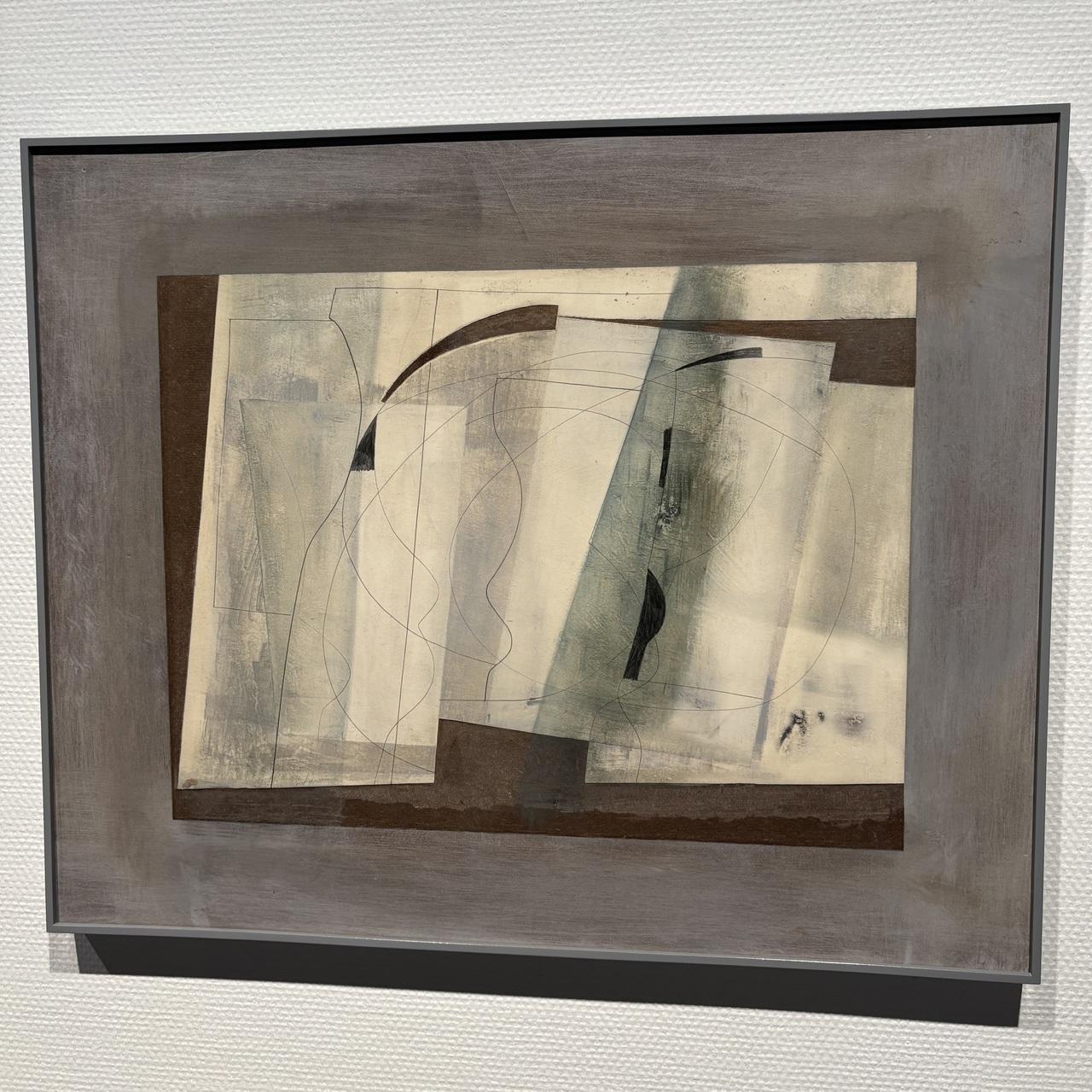
ベン・ニコルソン
Ben Nicholson
1894-1982
1965(静物一緑と茶)
1965 (Still Life-Green and Brown)
1965
昭和40年
油彩、鉛筆・紙、ハードボード
oil and pencil on paper and hardboard -
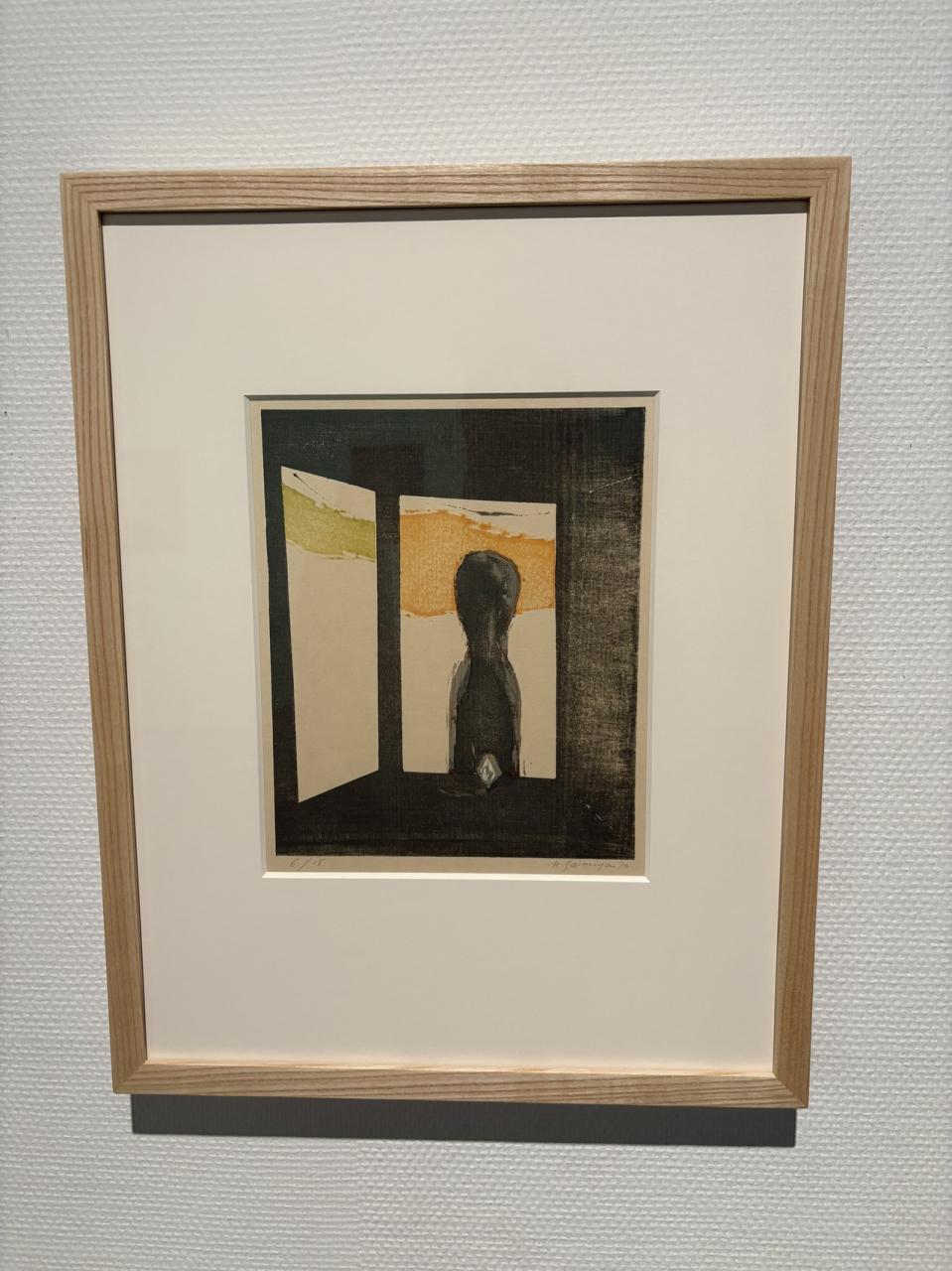
清宮質文
SEIMIYA, Naobumi
1917-1991
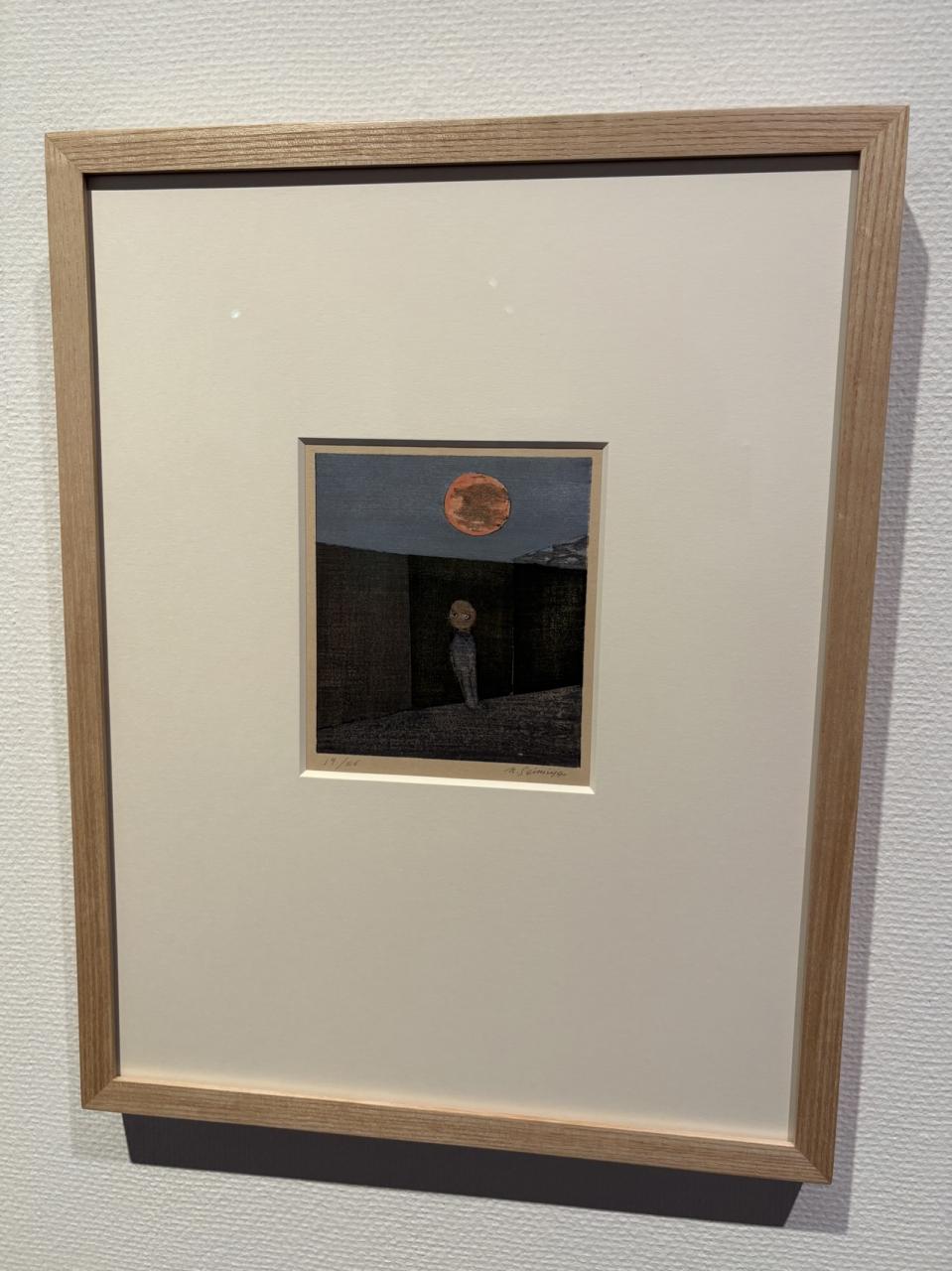
告別
Leave Taking
1974昭和49年
木版(多) color woodcut
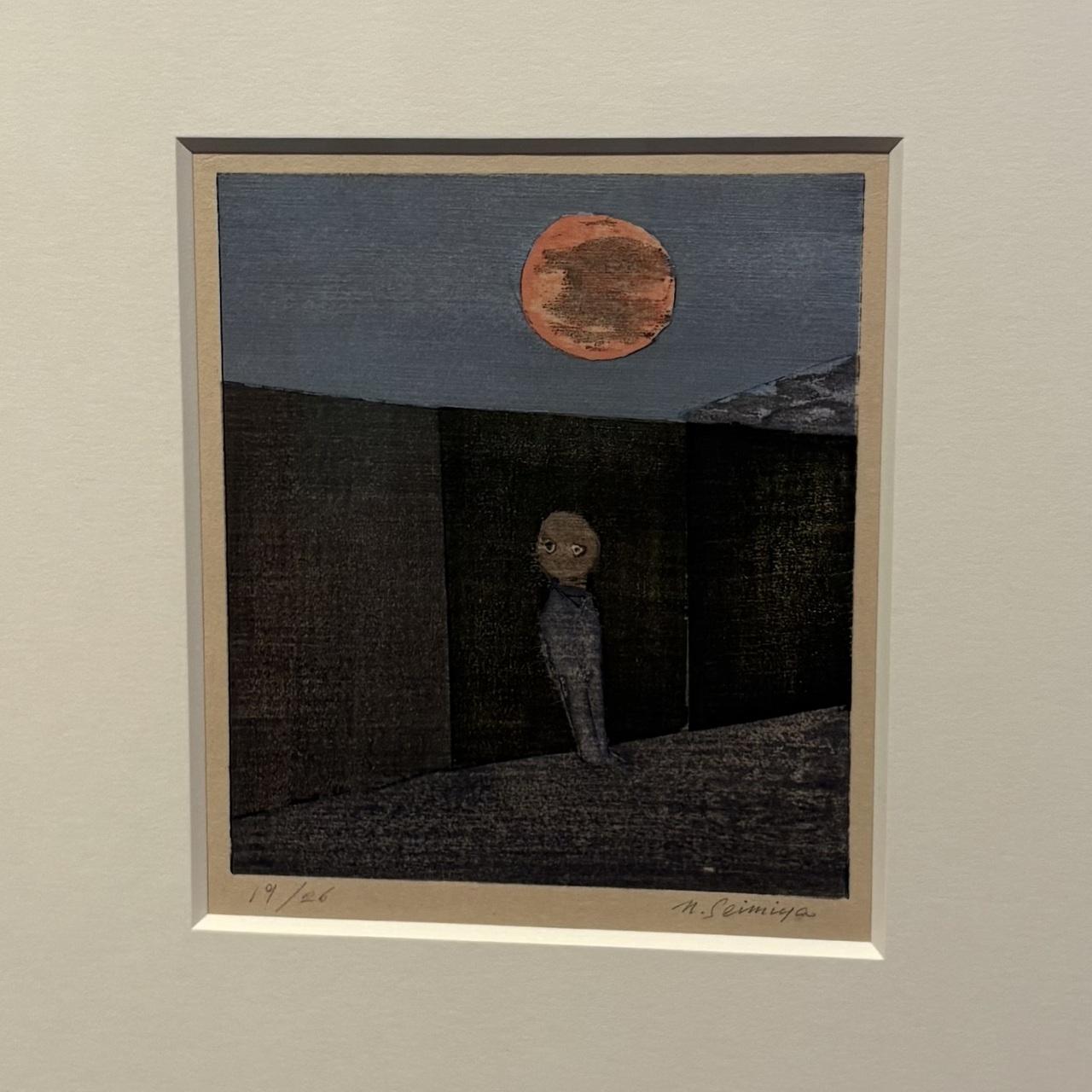
こちらを向いて佇む人物の前に、小さな青い炎が描かれています。室内は暗く、人物の表情を読みとることはできません。この作品が制作された1974年、清宮が長年親交を結んだ銅版画家・駒井哲郎に癌が見つかり、2年後に
56歳の若さで亡くなりました。清宮は「私の絵は悲しむ人々と共にある」という言葉を残し、1970年代中頃は「弔い」をテーマに作品を制作しました。
In front of a standing figure facing the viewer, a small blue flame burns. In the dark room, the person's expression cannot be seen. This work was produced in 1974, the same year Komai Tetsuro, a printmaker and long-time friend of Seimiya, was diagnosed with cancer. Komai died two years later at the age of 56. Seimiya once said, "My pictures are companions for those who grieve," and he produced several works with the theme of mourning in the mid-1970s. -
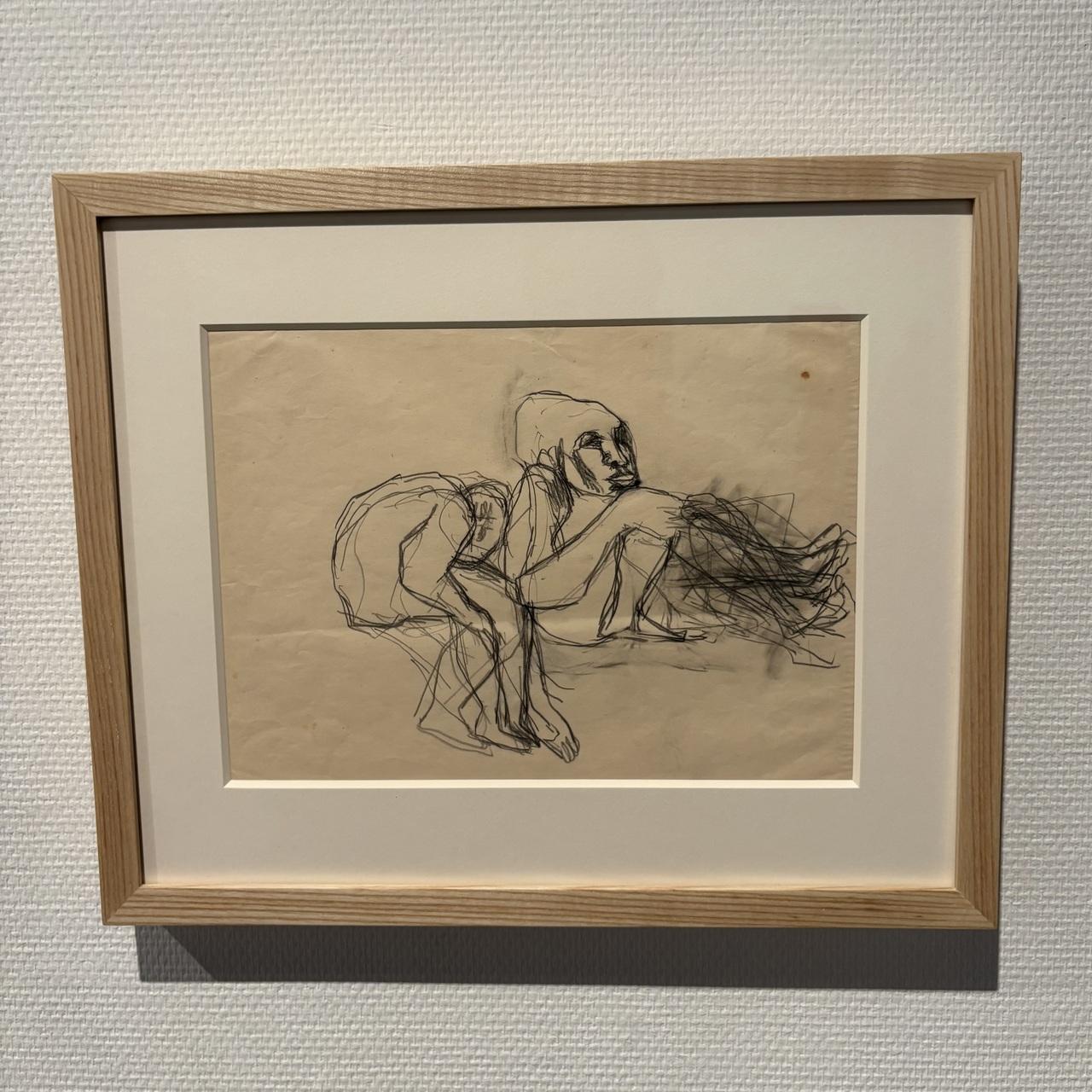
新収蔵作品
New Acquisition
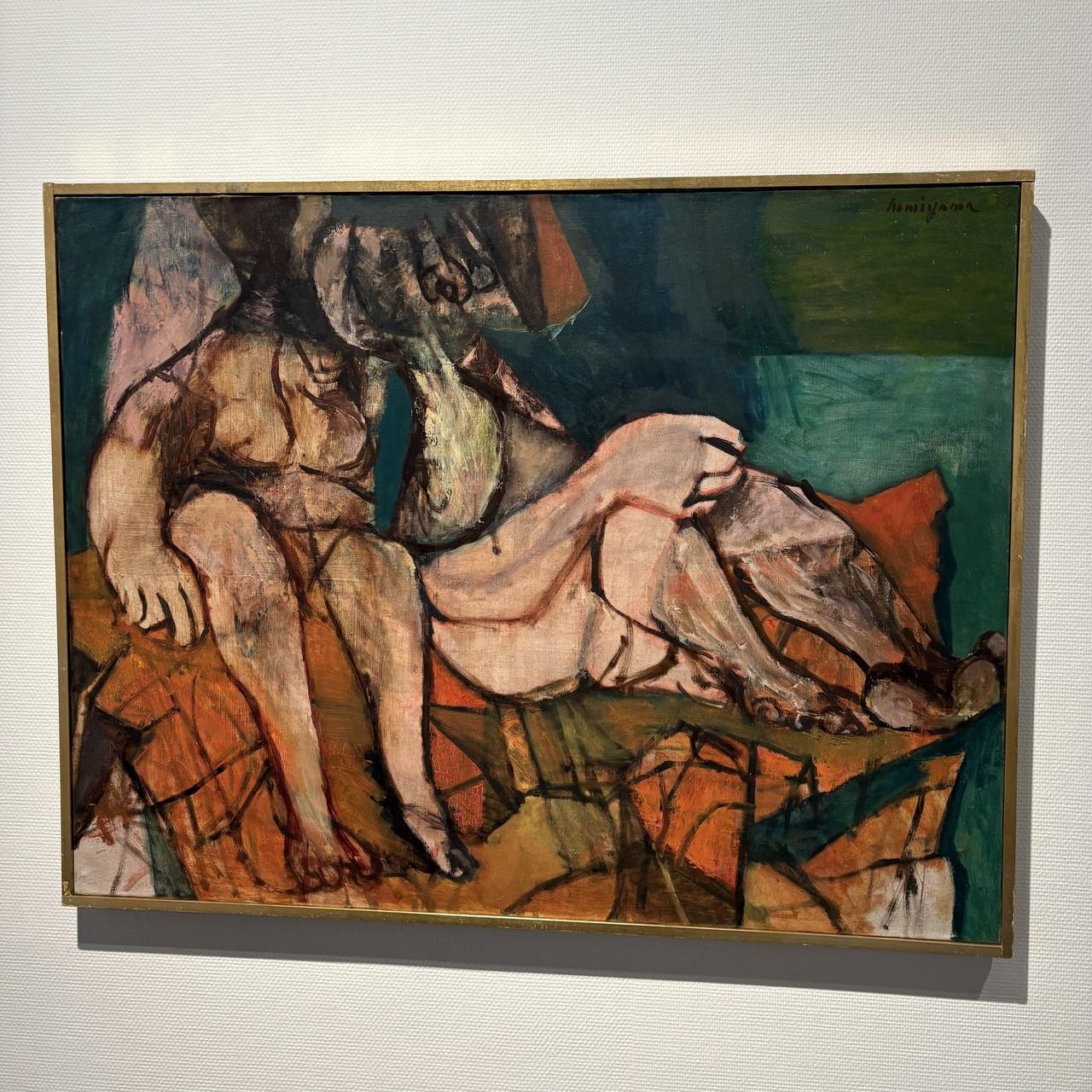
野見山暁治
NOMIYAMA, Gyoji
1920-2023
<岩上の人>のための習作
Study for Figures on a Rock
1958
昭和33年
鉛筆・紙 pencil on paper -
-
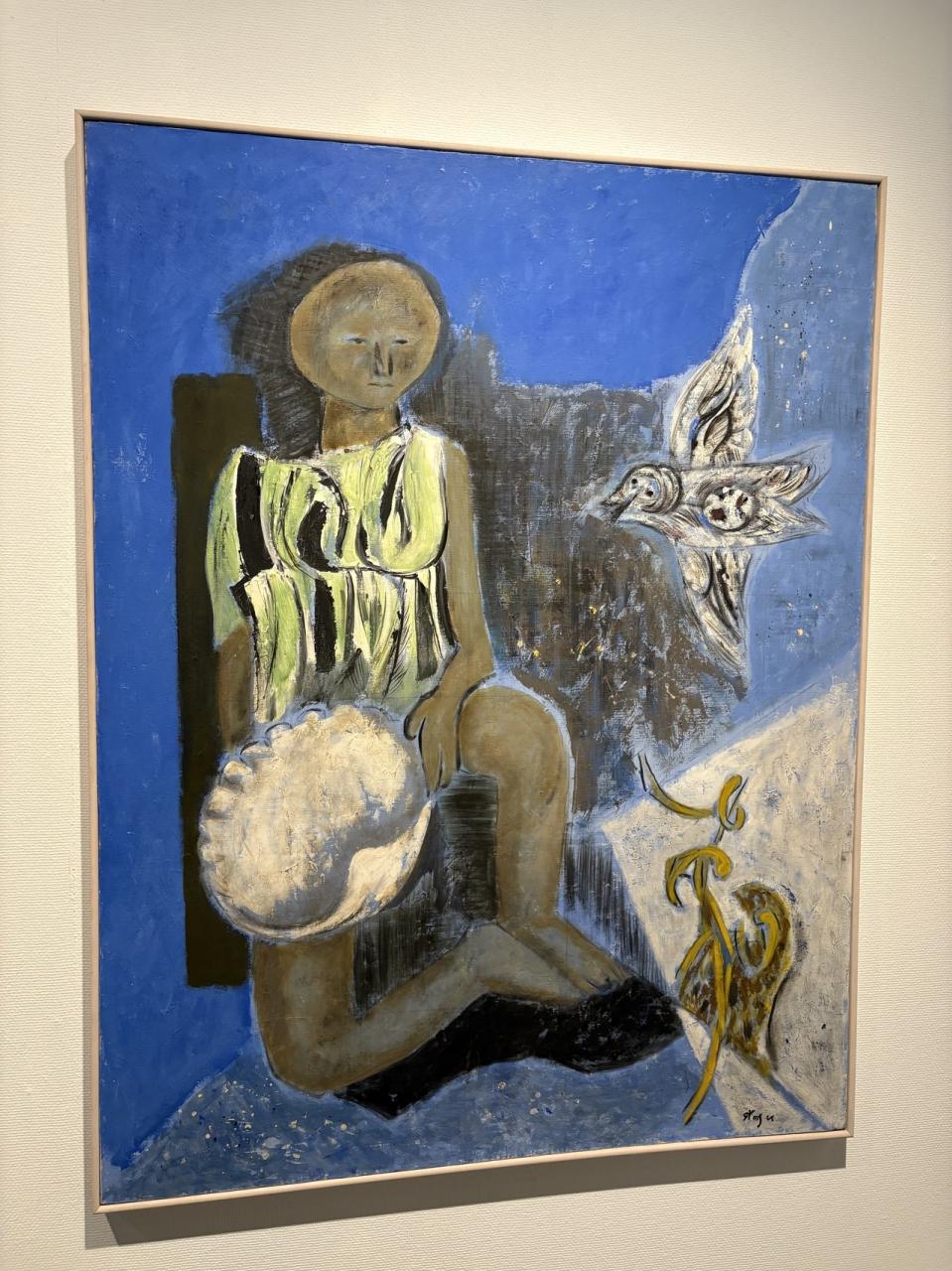
脇田和
WAKITA, Kazu
1908-2005
貝殻と鳥
Shell and Bird
1954
昭和29年
油彩・キャンバス oil on canvas
脇田和は日常にある身近な題材をモチーフにした絵画で知られています。この作品も一見すると、鳥や人間、植物を叙情的に描いた作品ですが、その一方で斜めに二分割された画面や、青、黒、白の色面からは、理知的な構成への関心を見ることができます。このように2つの異なる表現への興味を同居させているからでしょうか。脇田の作品は、しばしば「静と動」「情と智」といった対義的な言葉の組み合わせで説明されます。
Wakita Kazu is known for paintings depicting familiar subjects from everyday life. At first glance this work is a lyrical rendering of a bird, a human figure, and a plant, but on the other hand, the diagonally split composition and the planes of blue, black, and white show an intellectual concern with pictorial structure. It may be that this painting fuses two different modes of expression in a single image. Wakita's work is often described in terms of pairs of opposites, such as "static and dynamic" and "emotion and intellect." -
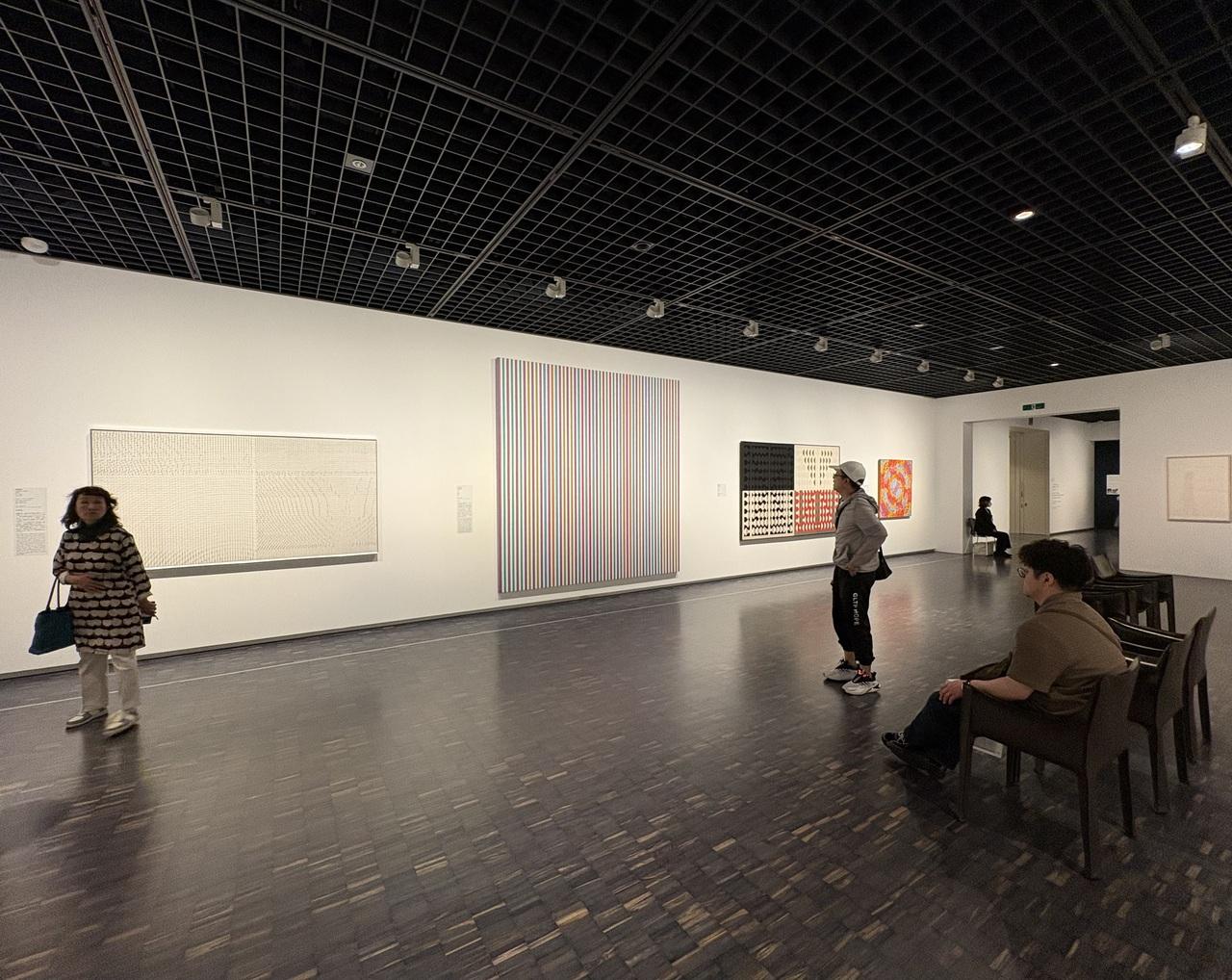
岡鹿之助
OKA, Shikanosuke
1898-1978
群落(A)
Town (A)
1962 昭和37年
油彩・キャンバス oil on canvas
1920年代から30年代にかけてパリで制作・発表を続けた岡は、1960(昭和35)年前後にもフランスに3年ほど住まいます。本作はこの滞在後に発表されたもので、市街地の一角を俯瞰で捉えています。煙突の垂直線、家々の水平線や斜線が秩序とリズムを作り出し、また柔らかな色彩は静謐な雰囲気を画面に与えています。
「私は形をつくりだすことに興味がある。それは色のマス(註:フランス語で「量塊」の意)によって形を定めてゆくやり方で始めるから、色が形に先行するともいえる。色面がひろがってゆくうちに、形が整い、一つのかたちからもう一つのかたちへと積み重ねて、空間の組み立てを構成する。」(岡鹿之助「ひたすら造形のことばで」「美術手帖」208号、1962年8月)
Oka, who worked and exhibited in Paris in the 1920s to the 1930s, returned to France to live for three years around 1960. This work, exhibited after that stay, presents a bird's-eye urban landscape. The verticals of the chimneys, the horizontals and diagonals of the houses create order and rhythm, and the gentle palette gives the painting a tranquil atmosphere.
"I am interested in making forms. This began from my decision to create forms from the mass of color, and indeed, it could be said that color precedes form. As a color plane spreads, the form is set, and from a single form it then becomes a layering of another form as the spatial framework is composed." (Oka Shikanosuke, "Hitasura zokei no kotoba de" [In earnestly figural words], Bijutsu Techo no. 208, August 1962.) -
("8.反復がもたらすもの" に続く・・・)
![岡鹿之助<br />OKA, Shikanosuke<br />1898-1978<br /><br />群落(A)<br />Town (A)<br />1962 昭和37年<br />油彩・キャンバス oil on canvas<br /><br />1920年代から30年代にかけてパリで制作・発表を続けた岡は、1960(昭和35)年前後にもフランスに3年ほど住まいます。本作はこの滞在後に発表されたもので、市街地の一角を俯瞰で捉えています。煙突の垂直線、家々の水平線や斜線が秩序とリズムを作り出し、また柔らかな色彩は静謐な雰囲気を画面に与えています。<br />「私は形をつくりだすことに興味がある。それは色のマス(註:フランス語で「量塊」の意)によって形を定めてゆくやり方で始めるから、色が形に先行するともいえる。色面がひろがってゆくうちに、形が整い、一つのかたちからもう一つのかたちへと積み重ねて、空間の組み立てを構成する。」(岡鹿之助「ひたすら造形のことばで」「美術手帖」208号、1962年8月)<br /><br />Oka, who worked and exhibited in Paris in the 1920s to the 1930s, returned to France to live for three years around 1960. This work, exhibited after that stay, presents a bird's-eye urban landscape. The verticals of the chimneys, the horizontals and diagonals of the houses create order and rhythm, and the gentle palette gives the painting a tranquil atmosphere.<br />"I am interested in making forms. This began from my decision to create forms from the mass of color, and indeed, it could be said that color precedes form. As a color plane spreads, the form is set, and from a single form it then becomes a layering of another form as the spatial framework is composed." (Oka Shikanosuke, "Hitasura zokei no kotoba de" [In earnestly figural words], Bijutsu Techo no. 208, August 1962.)](https://cdn.4travel.jp/img/tcs/t/pict/src/86/73/96/src_86739644.jpg?1751883819)


利用規約に違反している投稿は、報告する事ができます。
-
前の旅行記

MOMAT コレクション〔国立東京近代美術館 所蔵作品展〕(2025.2.11-6.15) 5.シュルレアリ...
2025/06/04~
神田・神保町
-
次の旅行記
![MOMAT コレクション〔国立東京近代美術館 所蔵作品展〕(25.2.11-6.15)8.反復がもたらすもの & 9.渡辺兼人[既視の街]](https://cdn.4travel.jp/img/thumbnails/imk/travelogue_album/11/98/67/650x_11986732.jpg?updated_at=1752831110)
MOMAT コレクション〔国立東京近代美術館 所蔵作品展〕(25.2.11-6.15)8.反復がもたらすもの...
2025/06/04~
神田・神保町
-

MOMAT コレクション〔国立東京近代美術館 所蔵作品展〕(2025.2.11-6.15)1.ハイライト "...
2025/06/04~
神田・神保町
-

MOMAT コレクション〔国立東京近代美術館 所蔵作品展〕(2025.2.11-6.15) 2.風景の発見。...
2025/06/04~
神田・神保町
-

MOMAT コレクション〔国立東京近代美術館 所蔵作品展〕(2025.2.11-6.15)3.抒情と頽廃。"...
2025/06/04~
神田・神保町
-

MOMAT コレクション〔国立東京近代美術館 所蔵作品展〕(2025.2.11-6.15) 4.モダニズムの...
2025/06/04~
神田・神保町
-

MOMAT コレクション〔国立東京近代美術館 所蔵作品展〕(2025.2.11-6.15) 5.シュルレアリ...
2025/06/04~
神田・神保町
-

MOMAT コレクション〔国立東京近代美術館 所蔵作品展〕(2025.2.11-6.15) 6.「相手」がい...
2025/06/04~
神田・神保町
-
![MOMAT コレクション〔国立東京近代美術館 所蔵作品展〕(25.2.11-6.15)8.反復がもたらすもの & 9.渡辺兼人[既視の街]](https://cdn.4travel.jp/img/thumbnails/imk/travelogue_album/11/98/67/240x180_11986732.jpg?updated_at=1752831110)
MOMAT コレクション〔国立東京近代美術館 所蔵作品展〕(25.2.11-6.15)8.反復がもたらすもの...
2025/06/04~
神田・神保町
-

MOMAT コレクション〔国立東京近代美術館 所蔵作品展〕(2025.2.11-6.15) 10.アルプのア...
2025/06/04~
神田・神保町
-

MOMAT コレクション〔国立東京近代美術館 所蔵作品展〕(2025.2.11-6.15) 11.(アン)バ...
2025/06/04~
神田・神保町
-

MOMAT コレクション〔国立東京近代美術館 所蔵作品展〕(2025.2.11-6.15) 12.美術家たち...
2025/06/04~
神田・神保町
旅行記グループをもっと見る
コメントを投稿する前に
十分に確認の上、ご投稿ください。 コメントの内容は攻撃的ではなく、相手の気持ちに寄り添ったものになっていますか?
サイト共通ガイドライン(利用上のお願い)報道機関・マスメディアの方へ 画像提供などに関するお問い合わせは、専用のお問い合わせフォームからお願いいたします。
この旅行で行ったスポット





フォートラベル公式LINE@
おすすめの旅行記や旬な旅行情報、お得なキャンペーン情報をお届けします!
QRコードが読み取れない場合はID「@4travel」で検索してください。
\その他の公式SNSはこちら/




旅行記グループ MOMAT コレクション〔国立東京近代美術館 所蔵作品展〕(2025.2.11-6.15)
0
36