


2026/02/09 - 2026/02/09
321位(同エリア4691件中)

旅熊 Kokazさん
- 旅熊 KokazさんTOP
- 旅行記1927冊
- クチコミ854件
- Q&A回答102件
- 1,708,168アクセス
- フォロワー752人
国立西洋美術館
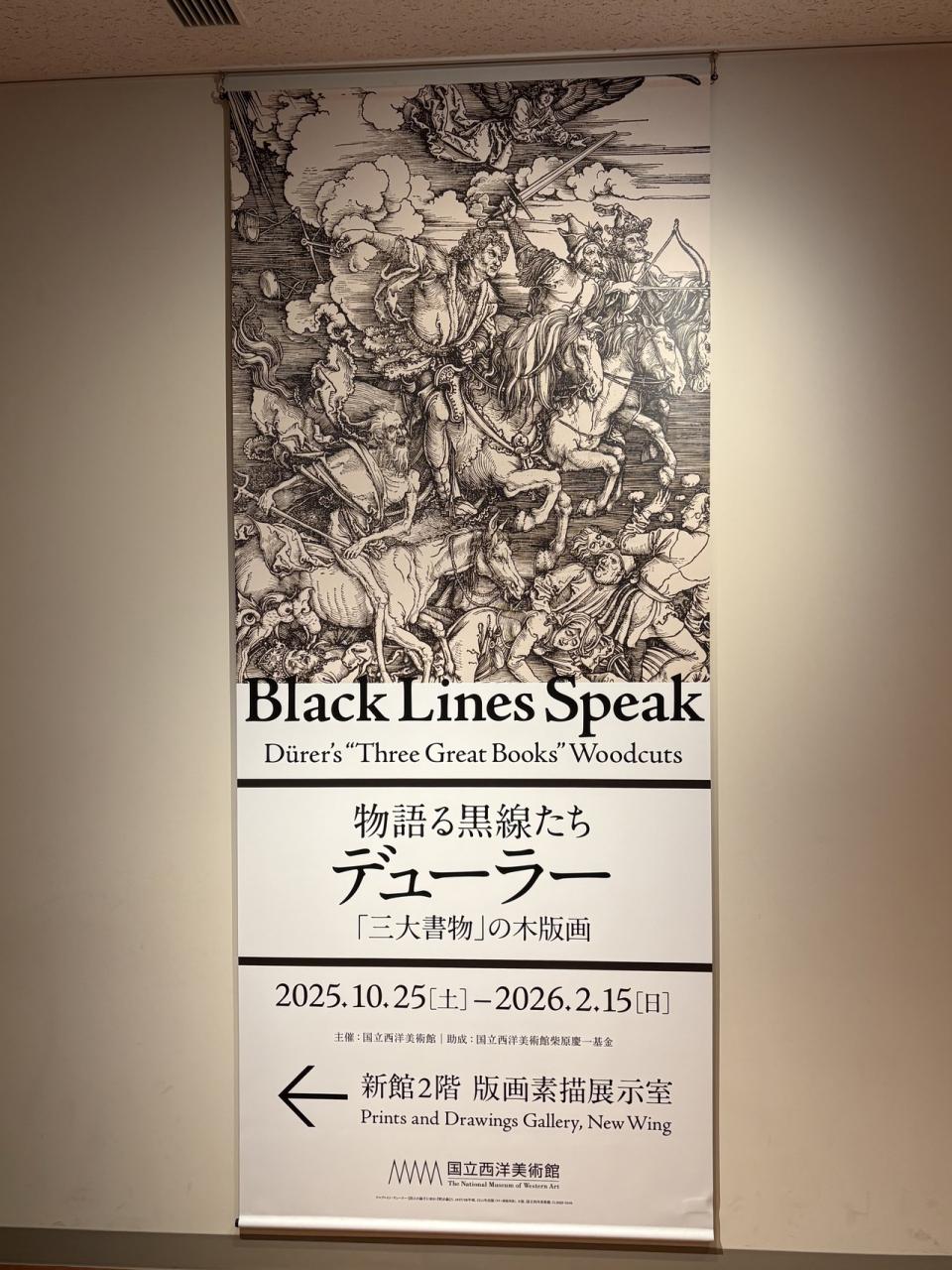
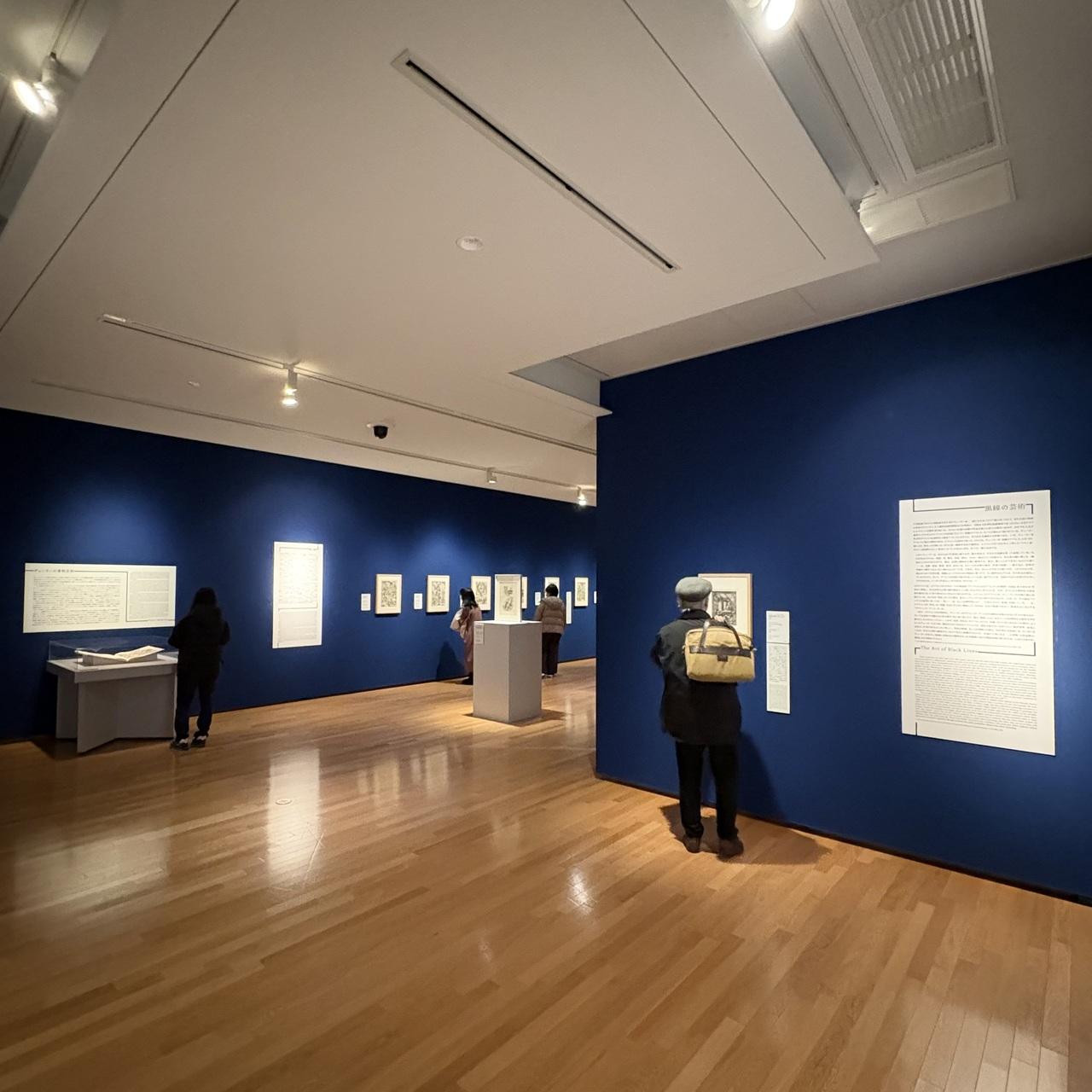
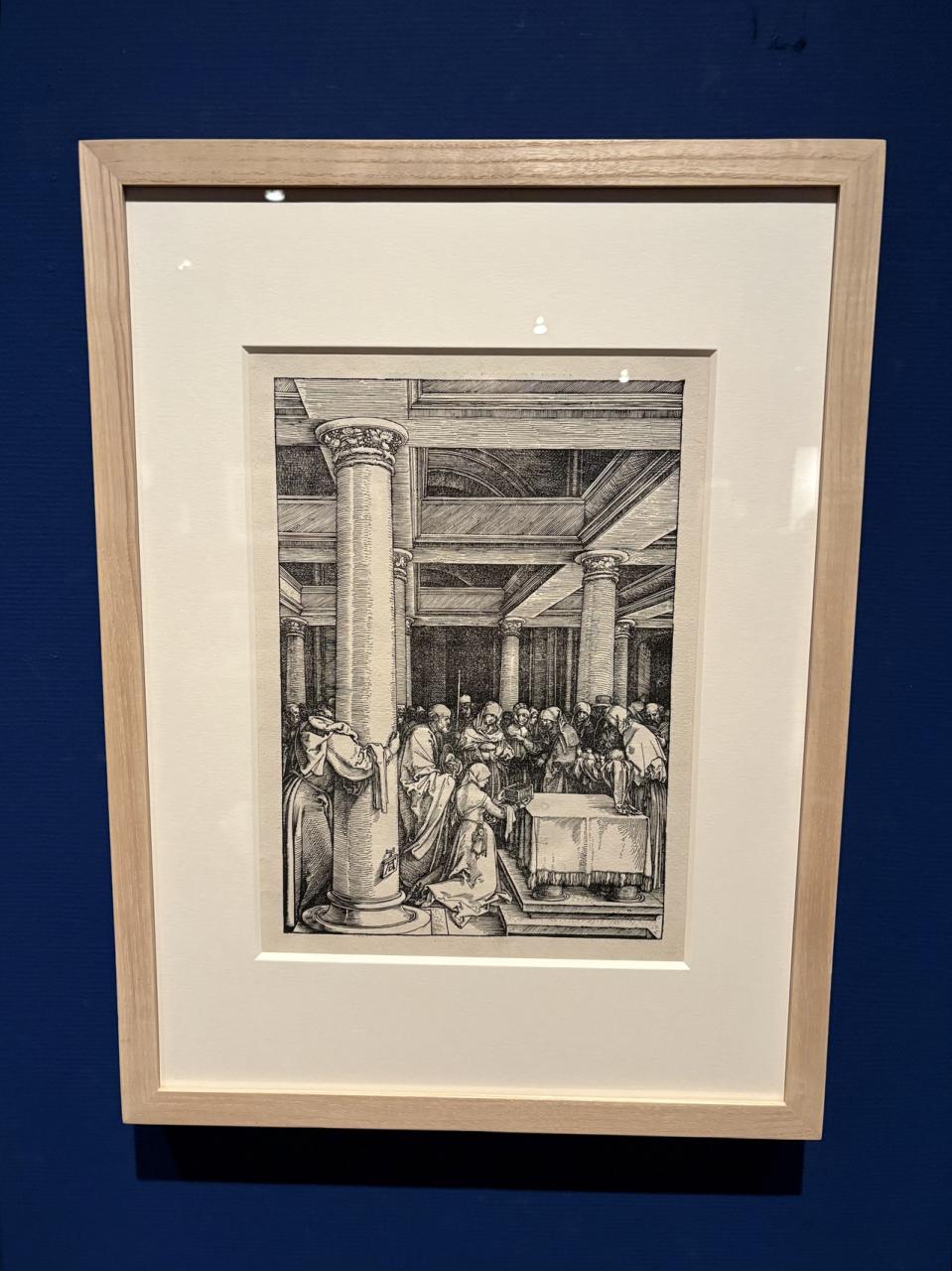
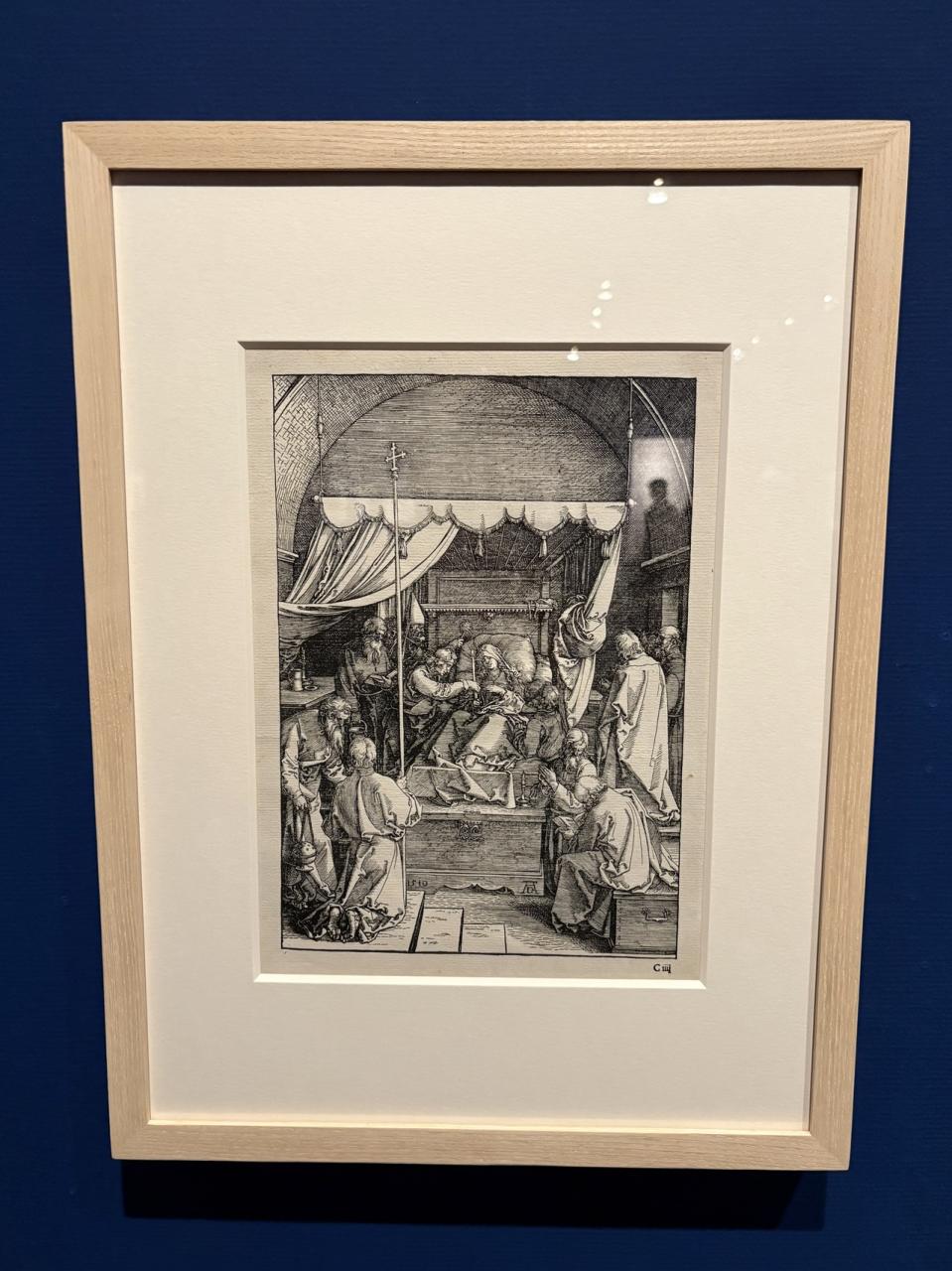
"オルセー美術館所蔵 印象派 室内をめぐる物語" の後の、小企画展 "物語る黒線たち デューラー 「三大書物」の木版画"
- 旅行の満足度
- 5.0
-

"オルセー美術館所蔵 印象派 室内をめぐる物語" の後の、小企画展
国立西洋美術館 美術館・博物館
-
-
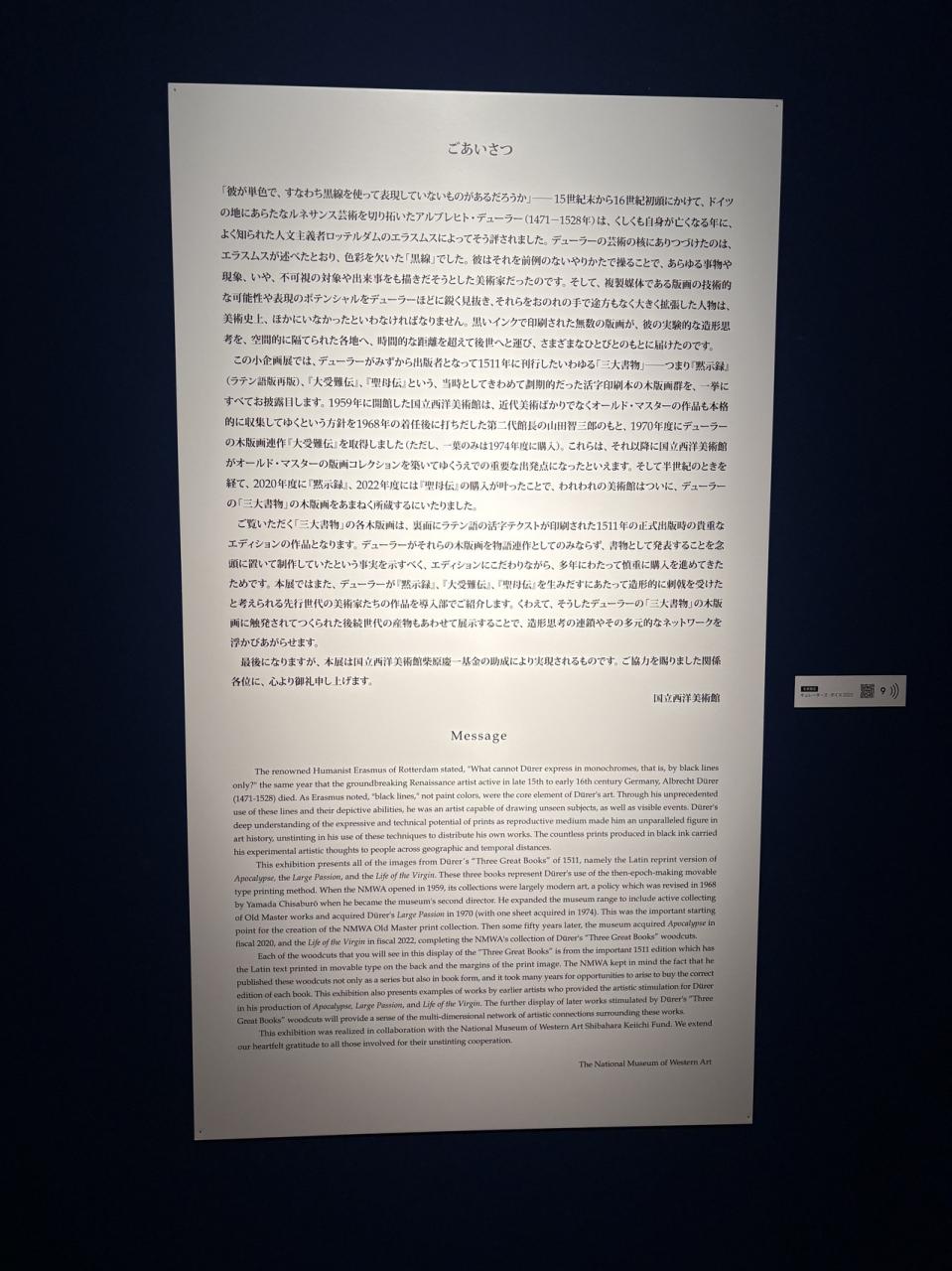
ごあいさつ
「彼が単色で、すなわち黒線を使って表現していないものがあるだろうか」――15世紀末から16世紀初頭にかけて、ドイツの地にあらたなルネサンス芸術を切り拓いたアルブレヒト・デューラー(1471-1528年)は、くしくも自身が亡くなる年に、よく知られた人文主義者ロッテルダムのエラスムスによってそう評されました。デューラーの芸術の核にありつづけたのは、エラスムスが述べたとおり、色彩を欠いた「黒線」でした。彼はそれを前例のないやりかたで操ることで、あらゆる事物や現象、いや、不可視の対象や出来事をも描きだそうとした美術家だったのです。そして、複製媒体である版画の技術的な可能性や表現のポテンシャルをデューラーほどに鋭く見抜き、それらをおのれの手で途方もなく大きく拡張した人物は、美術史上、ほかにいなかったといわなければなりません。黒いインクで印刷された無数の版画が、彼の実験的な造形思考を、空間的に隔てられた各地へ、時間的な距離を超えて後世へと運び、さまざまなひとびとのもとに届けたのです。
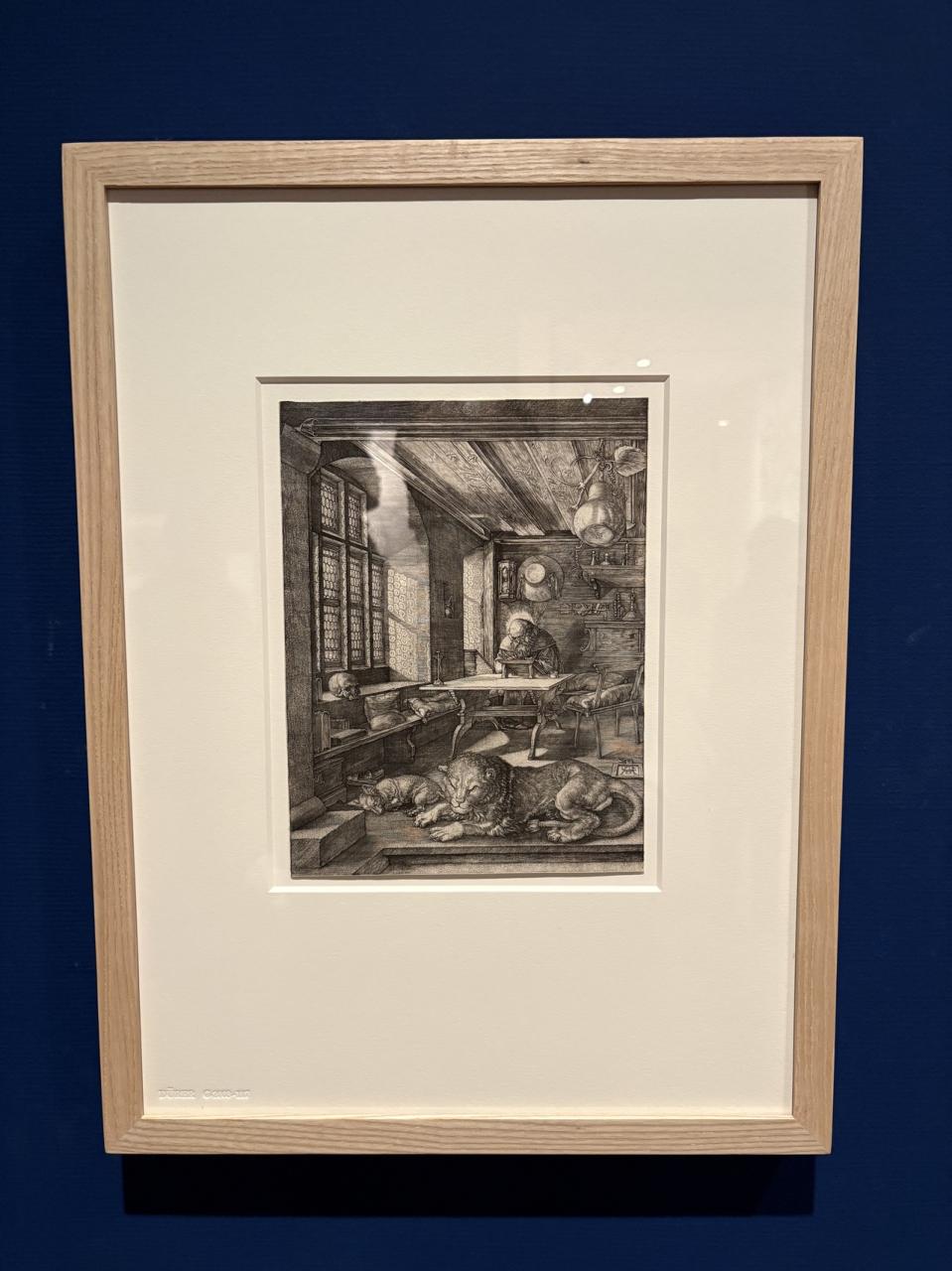
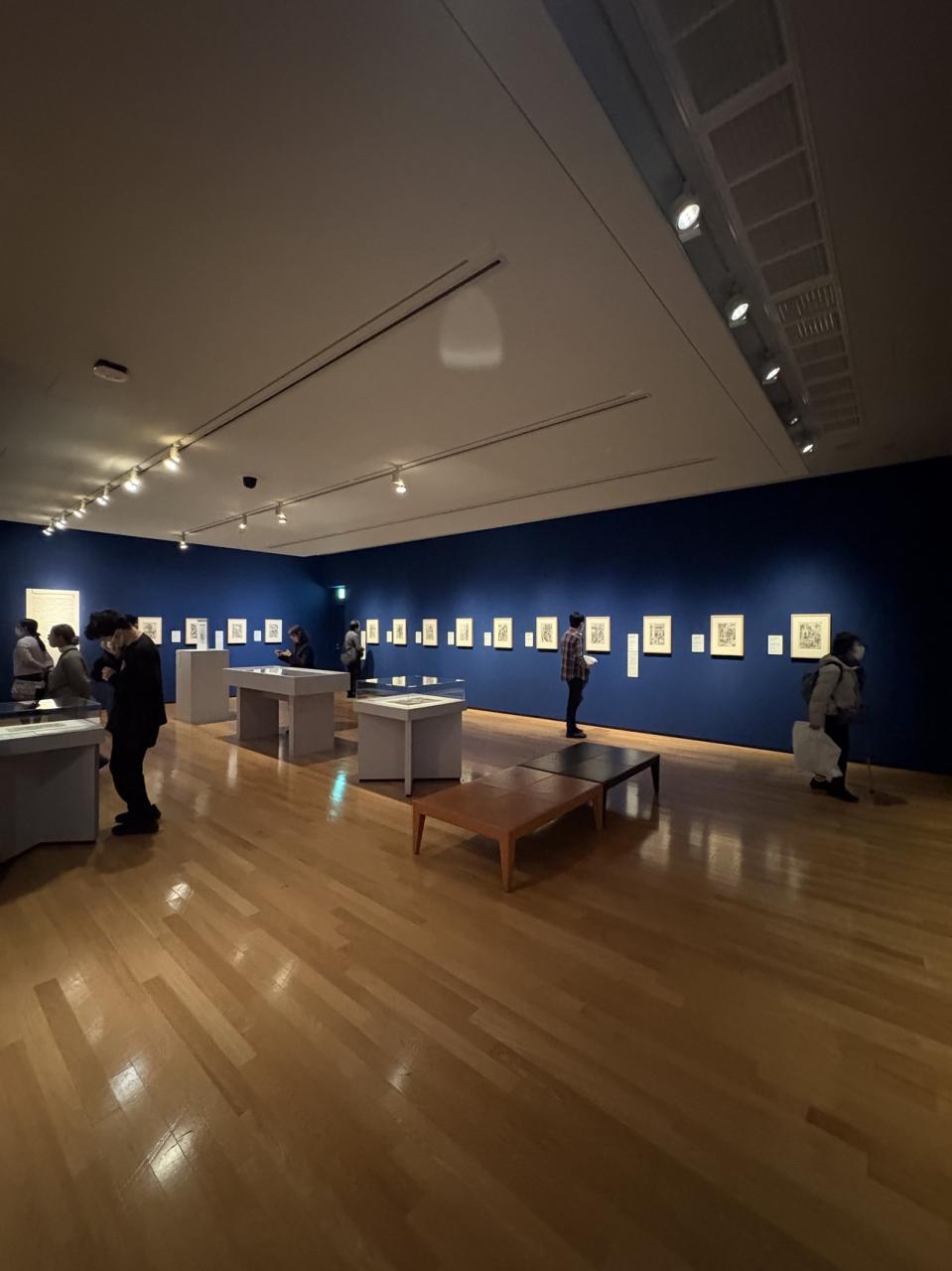
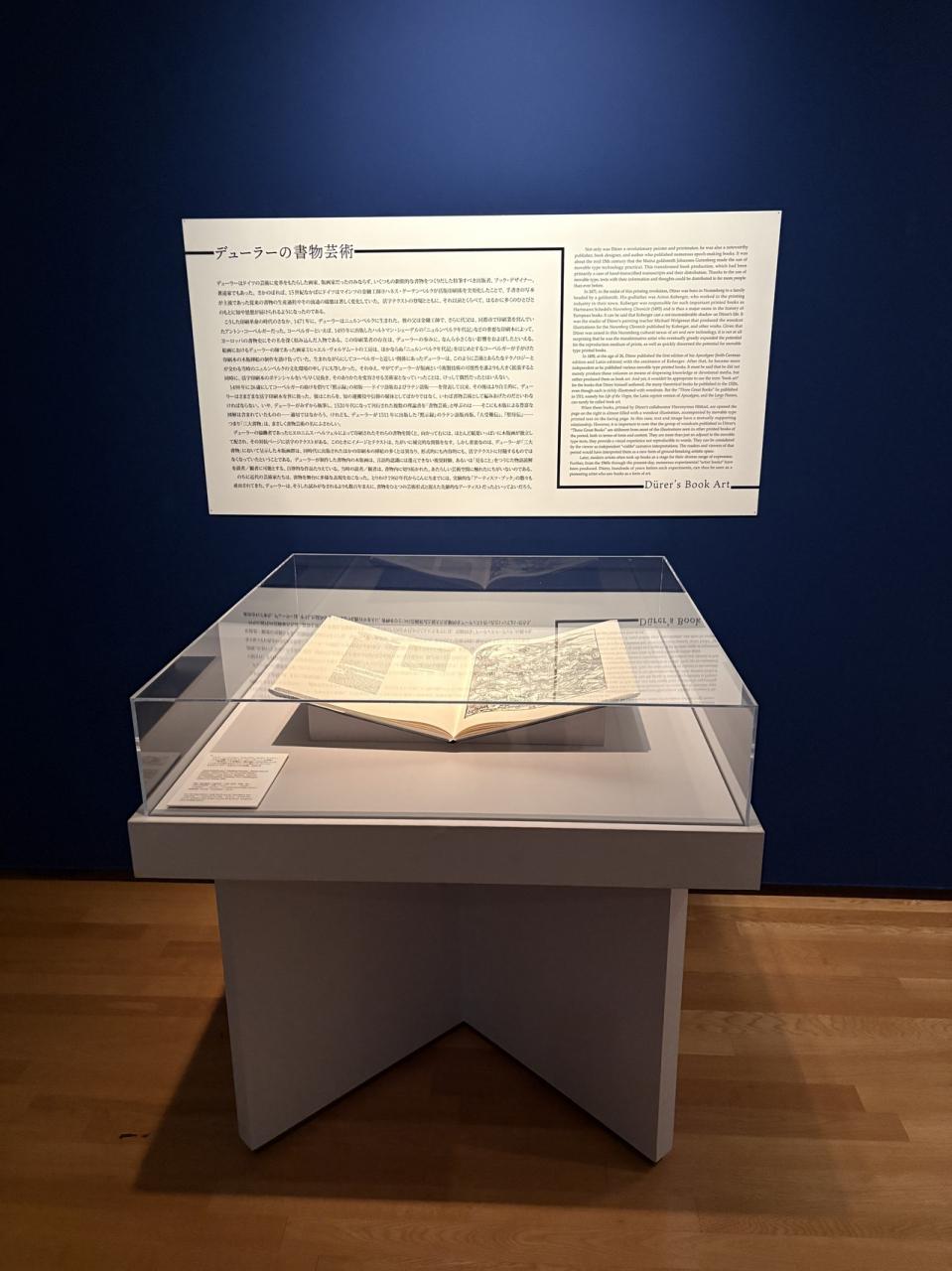
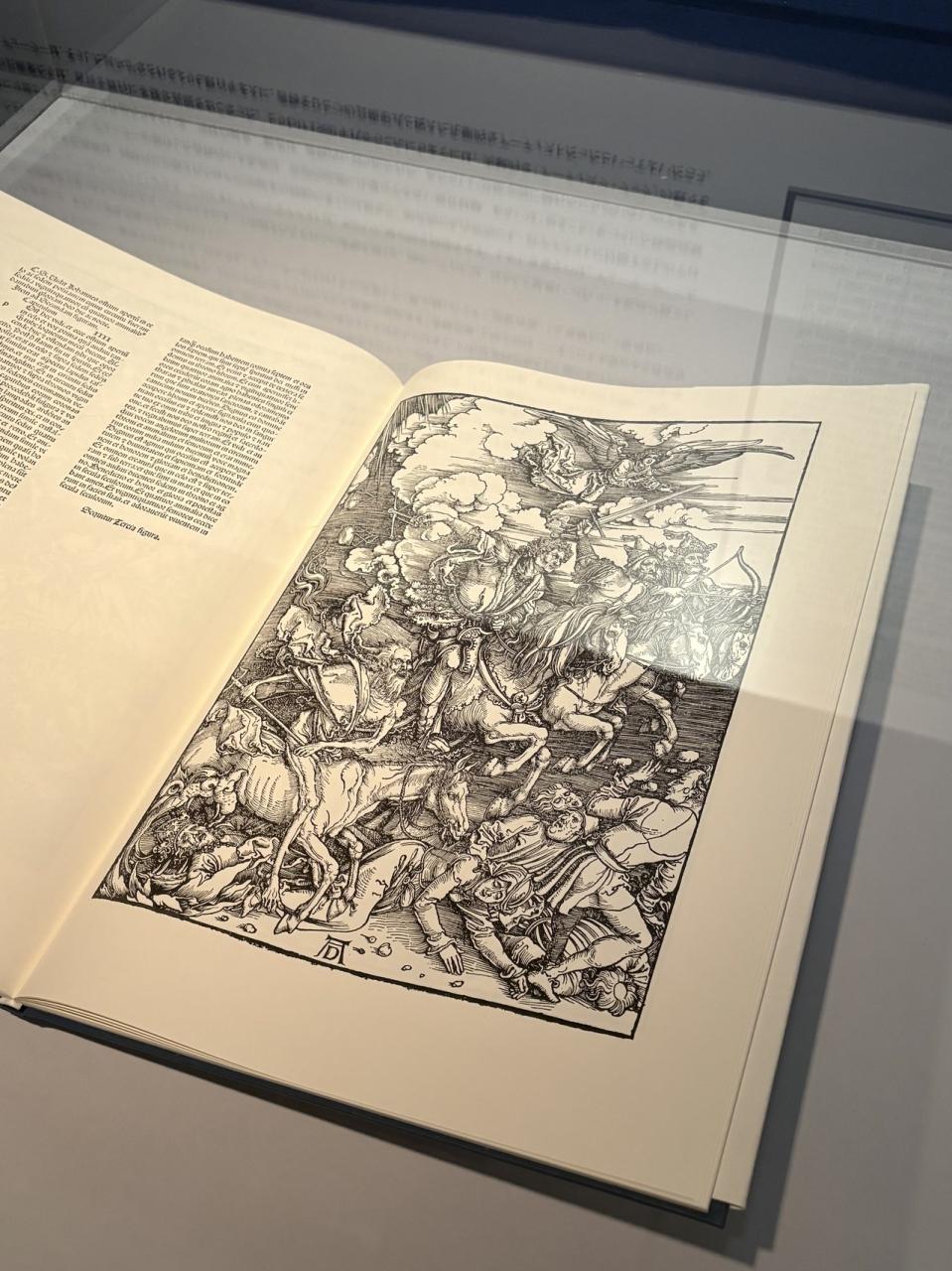
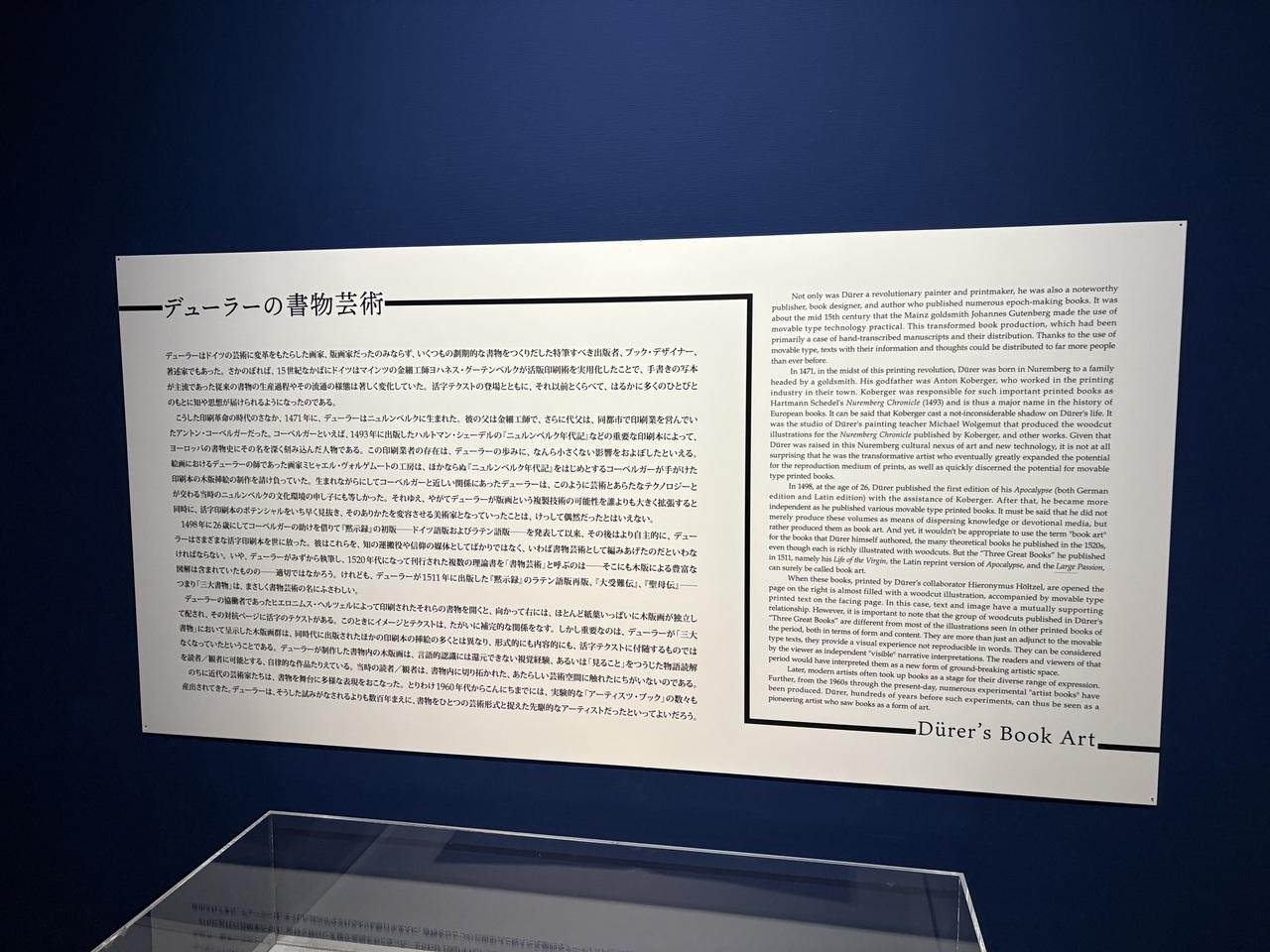
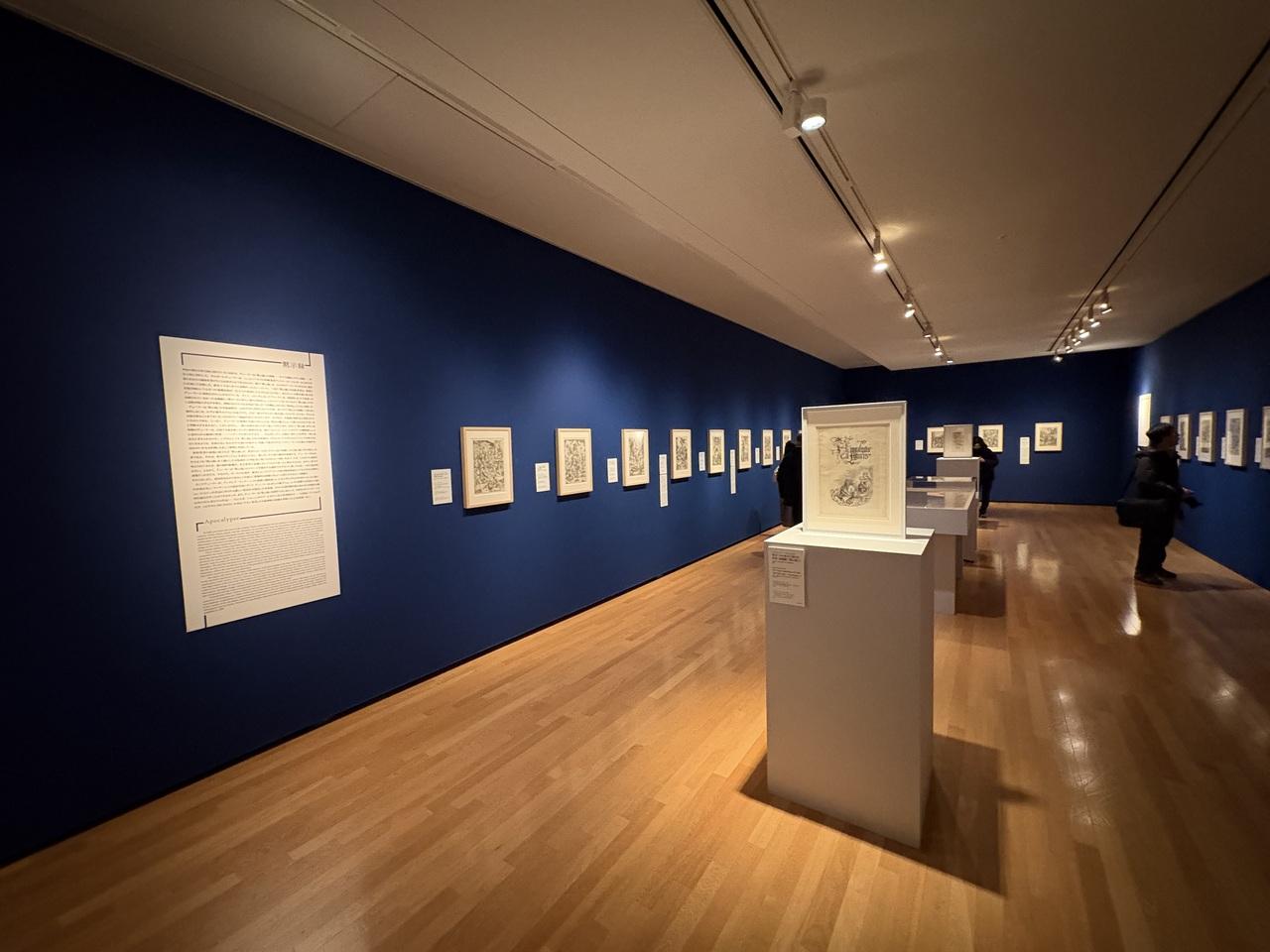
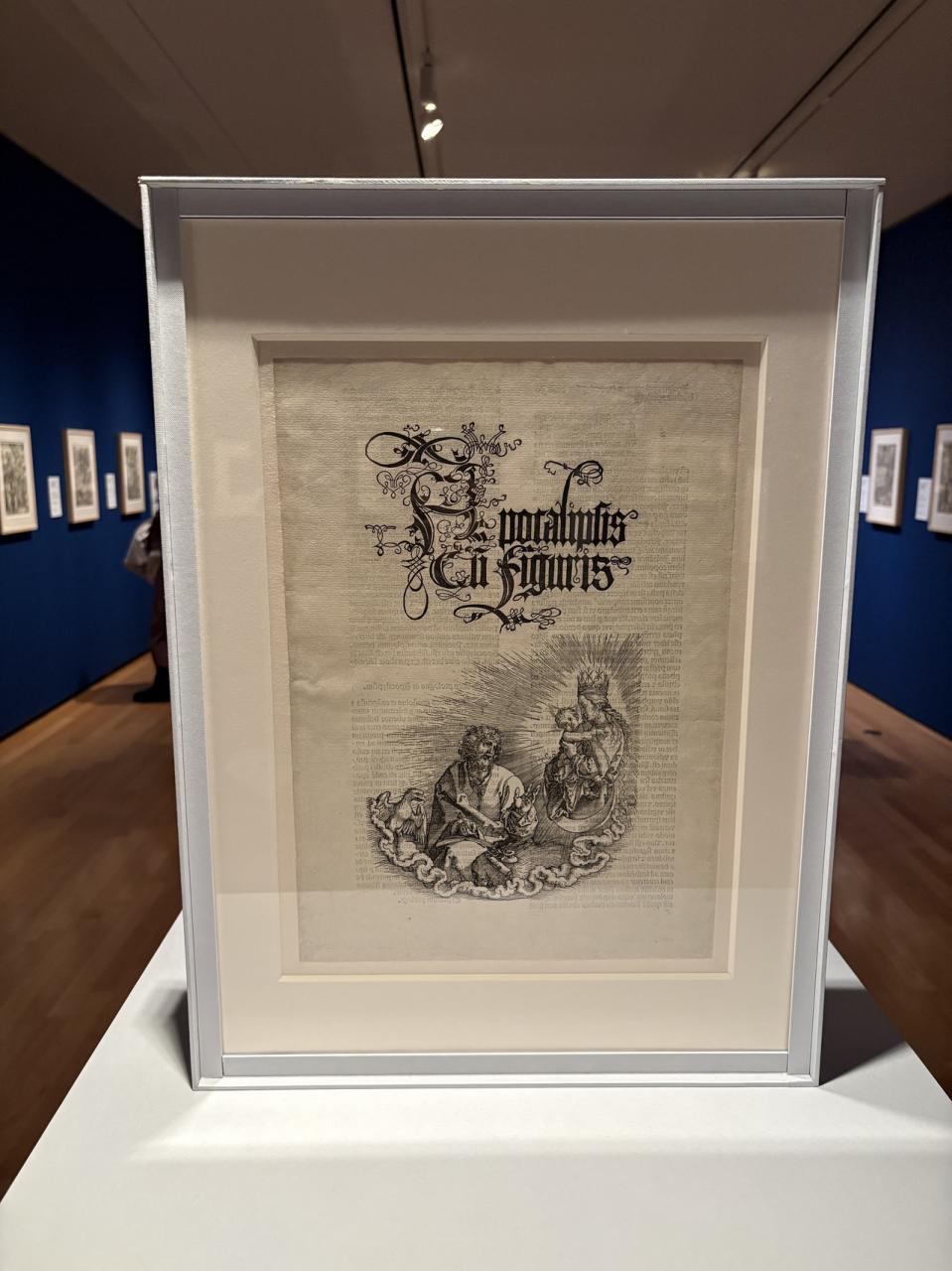
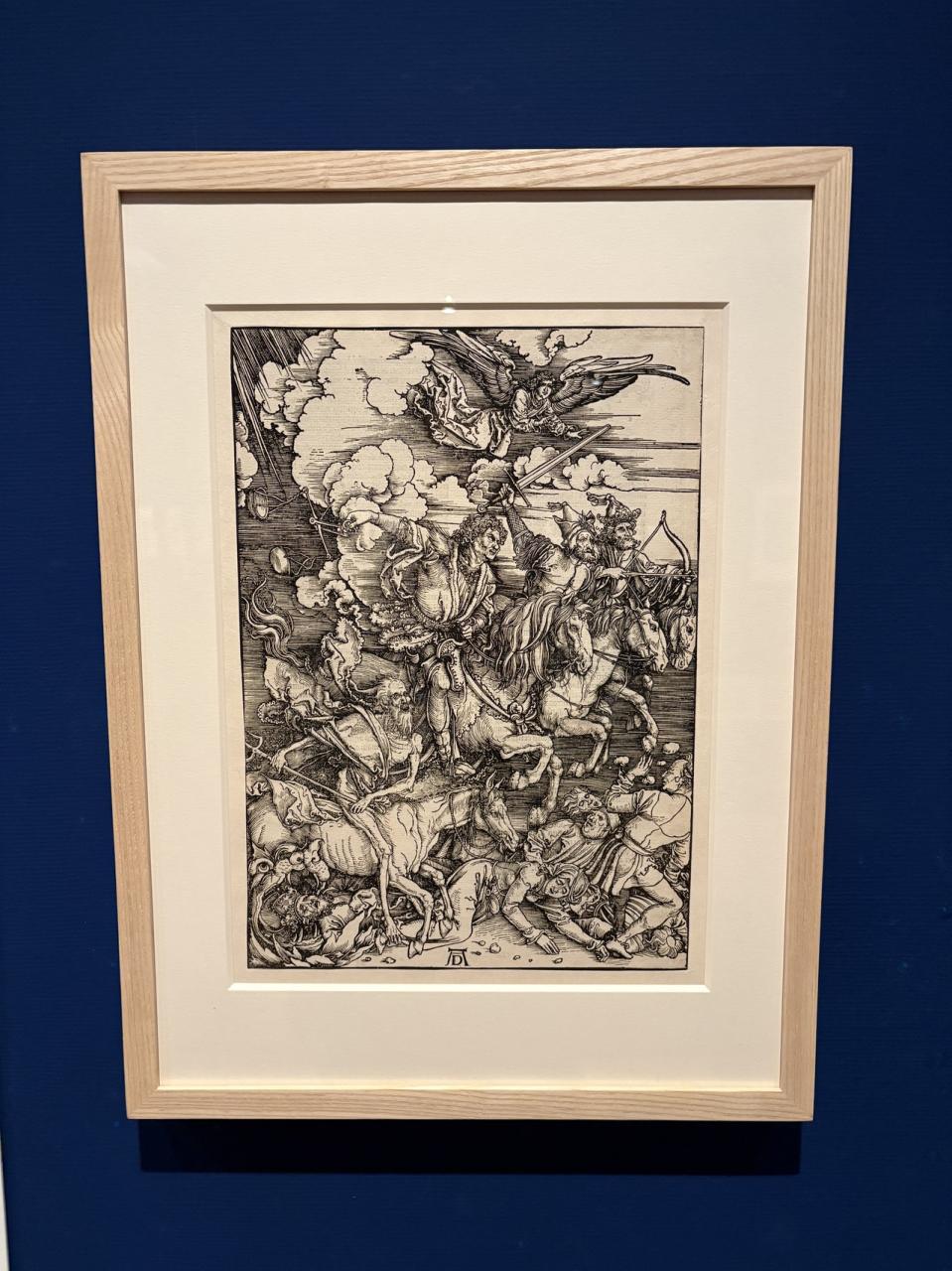
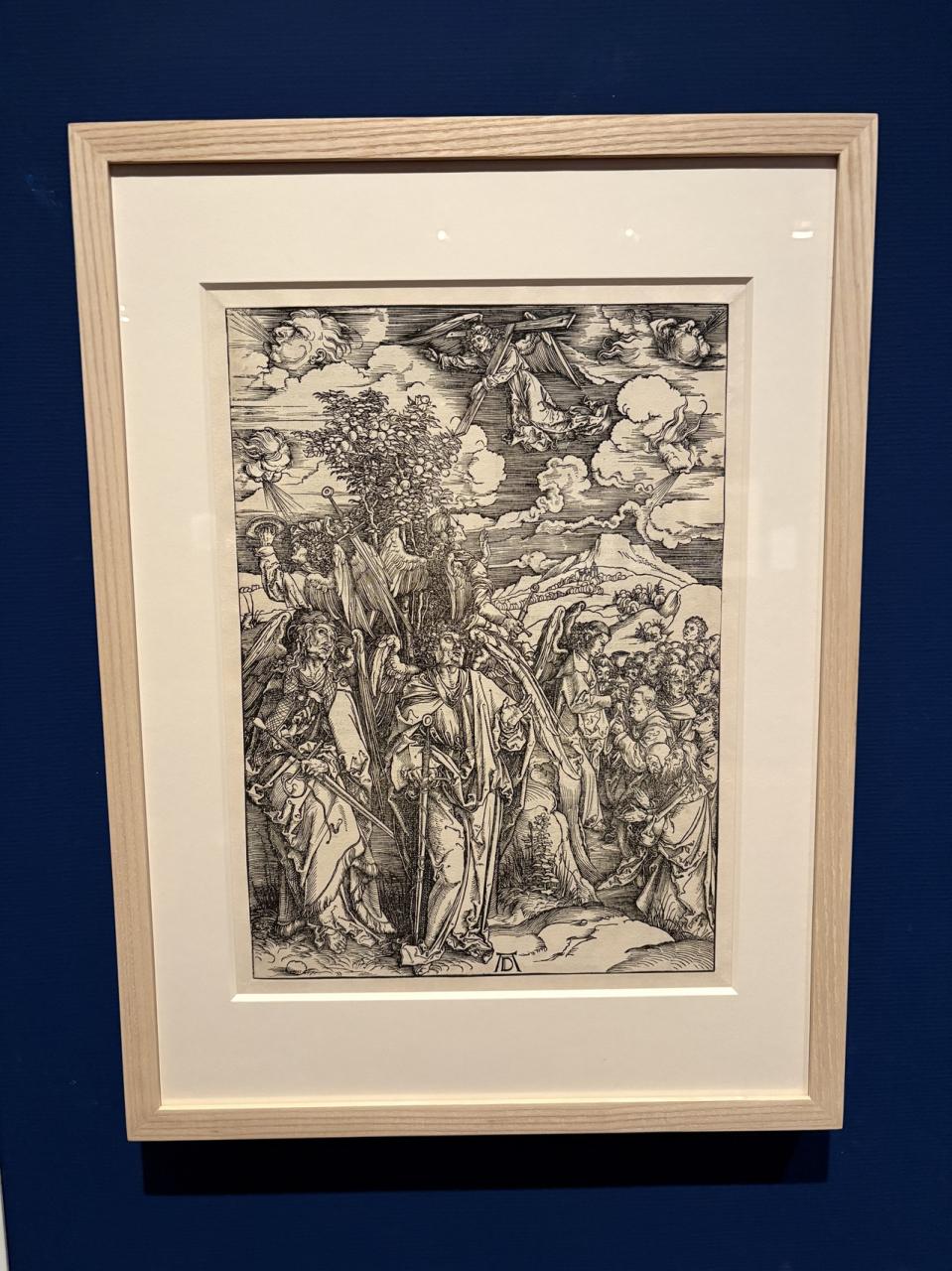
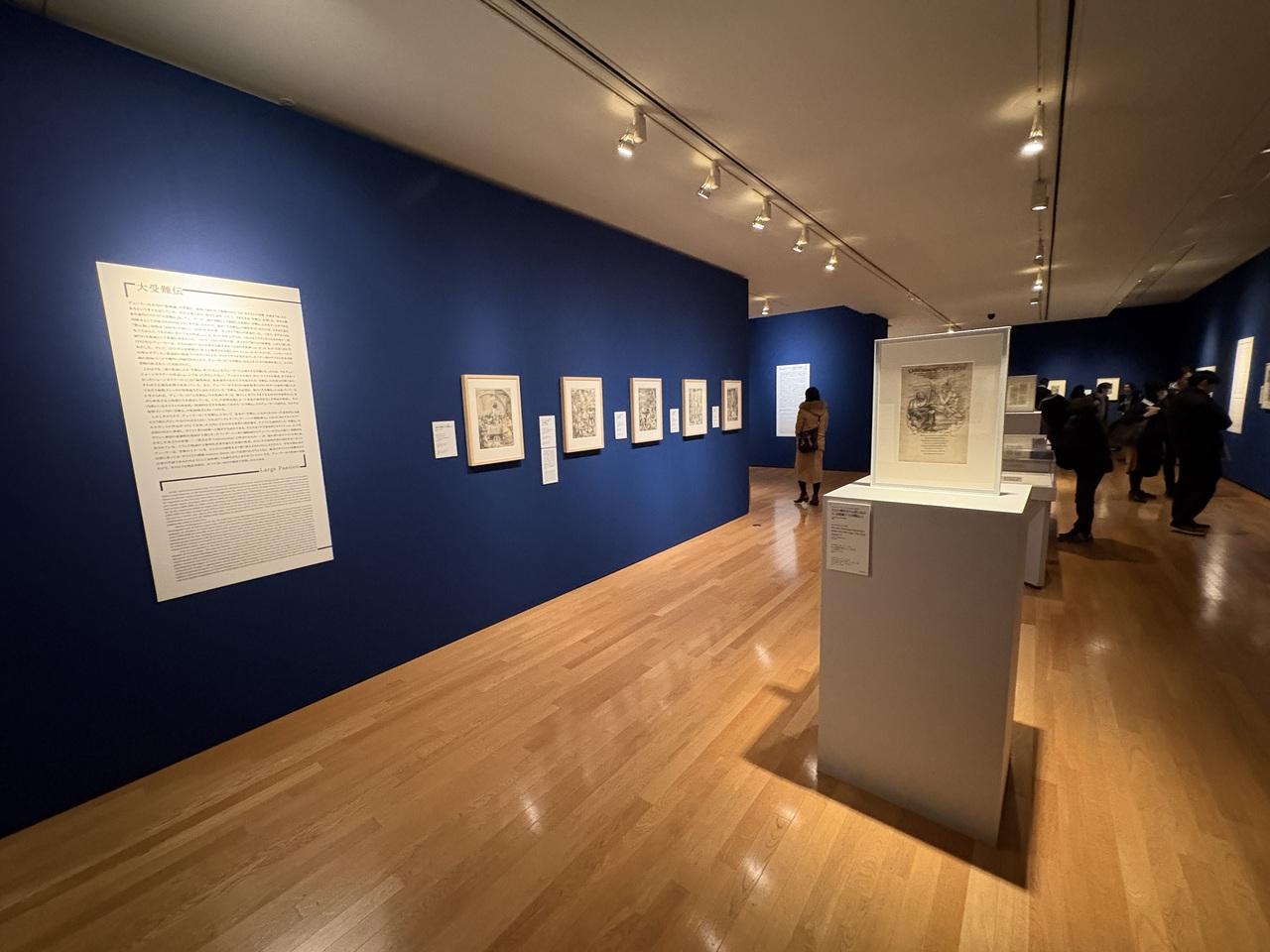
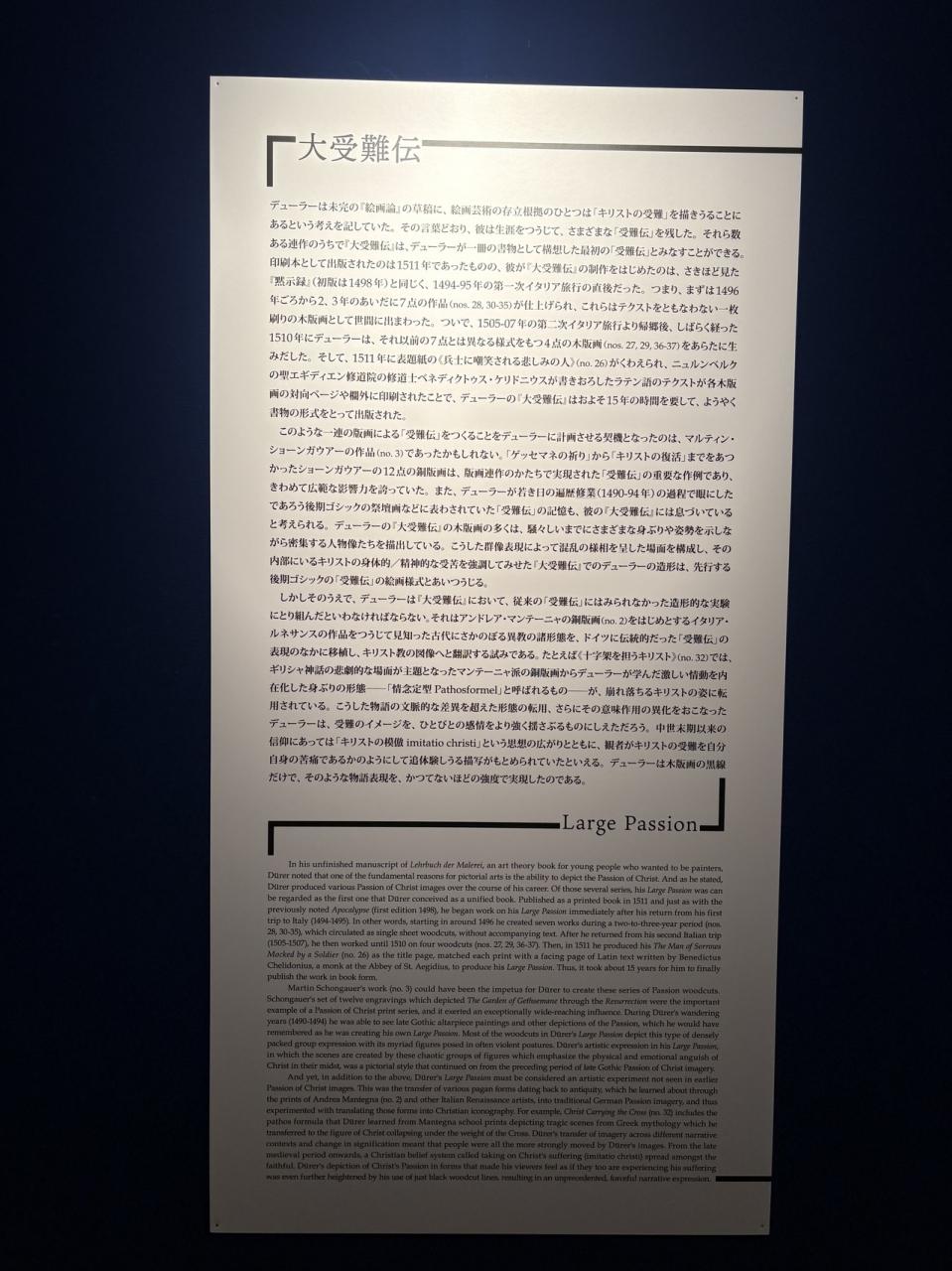
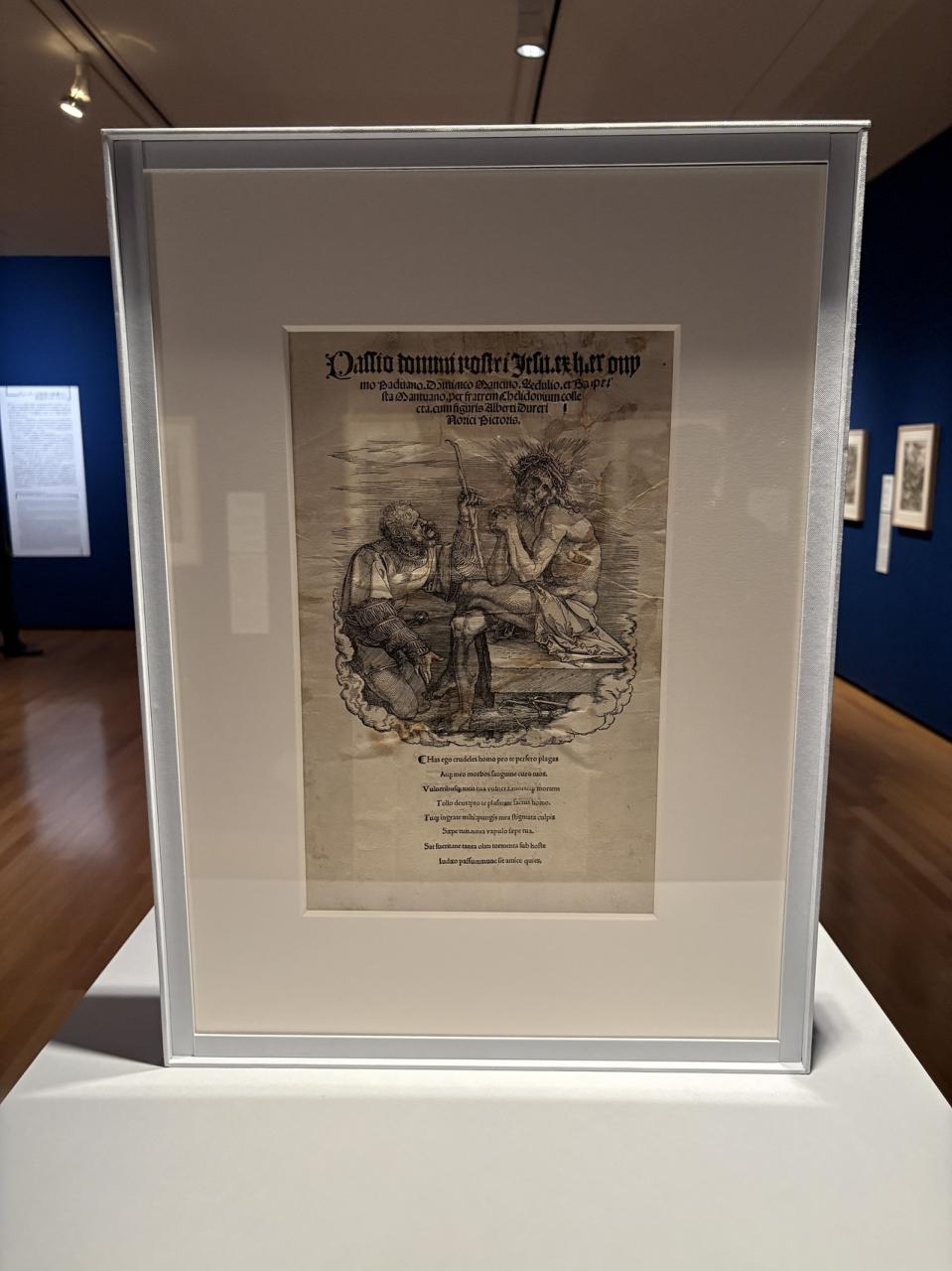
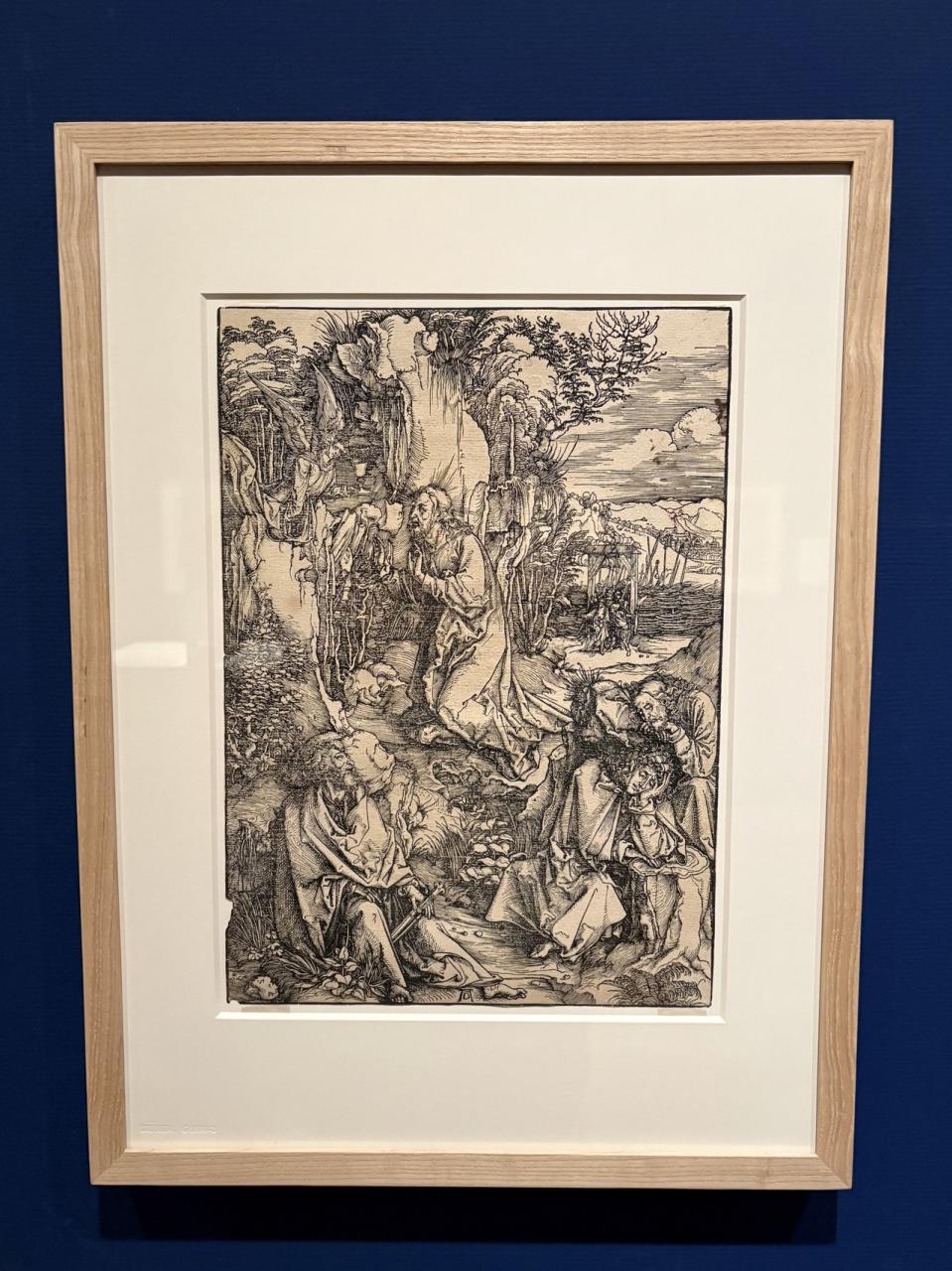
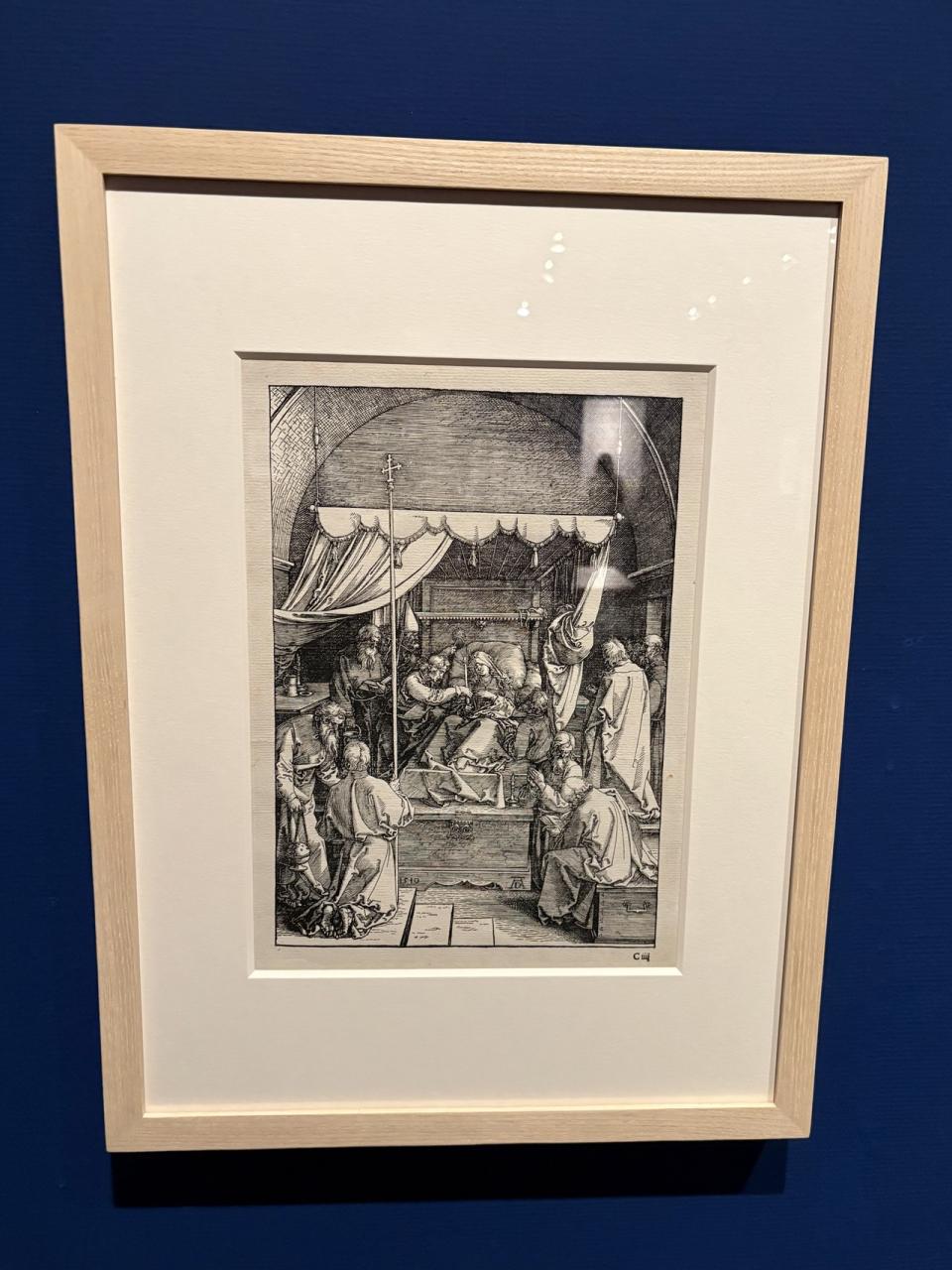
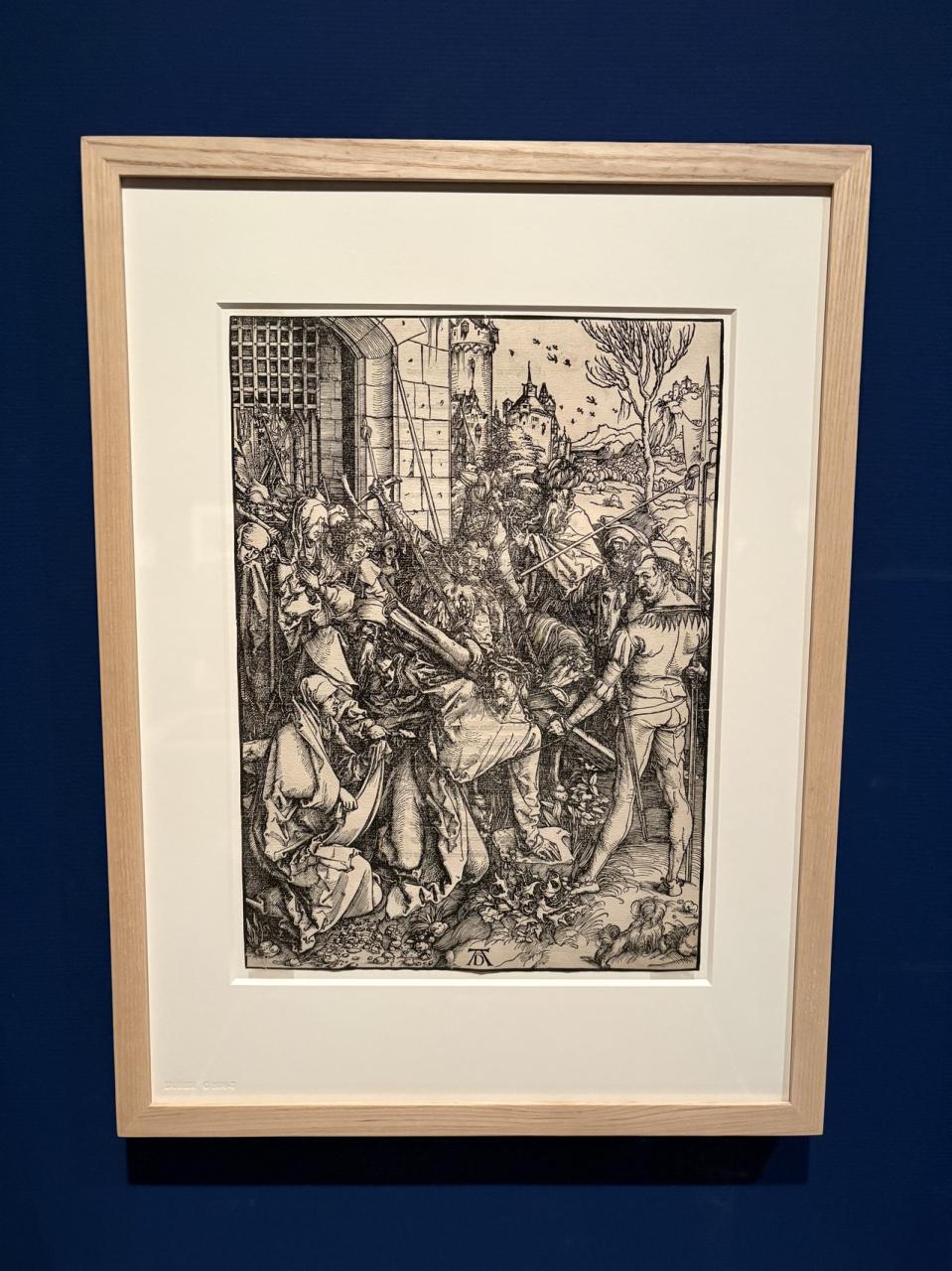
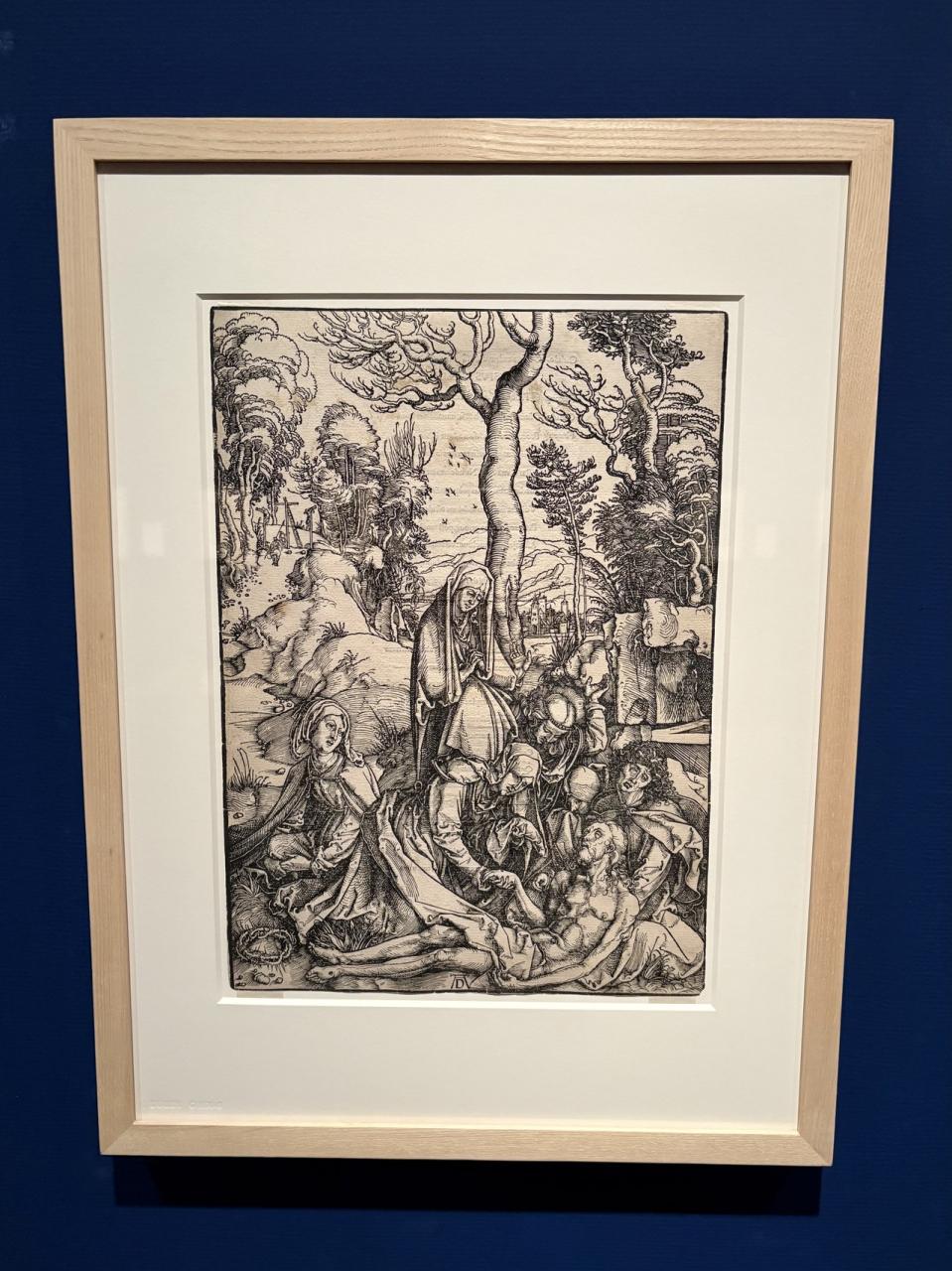
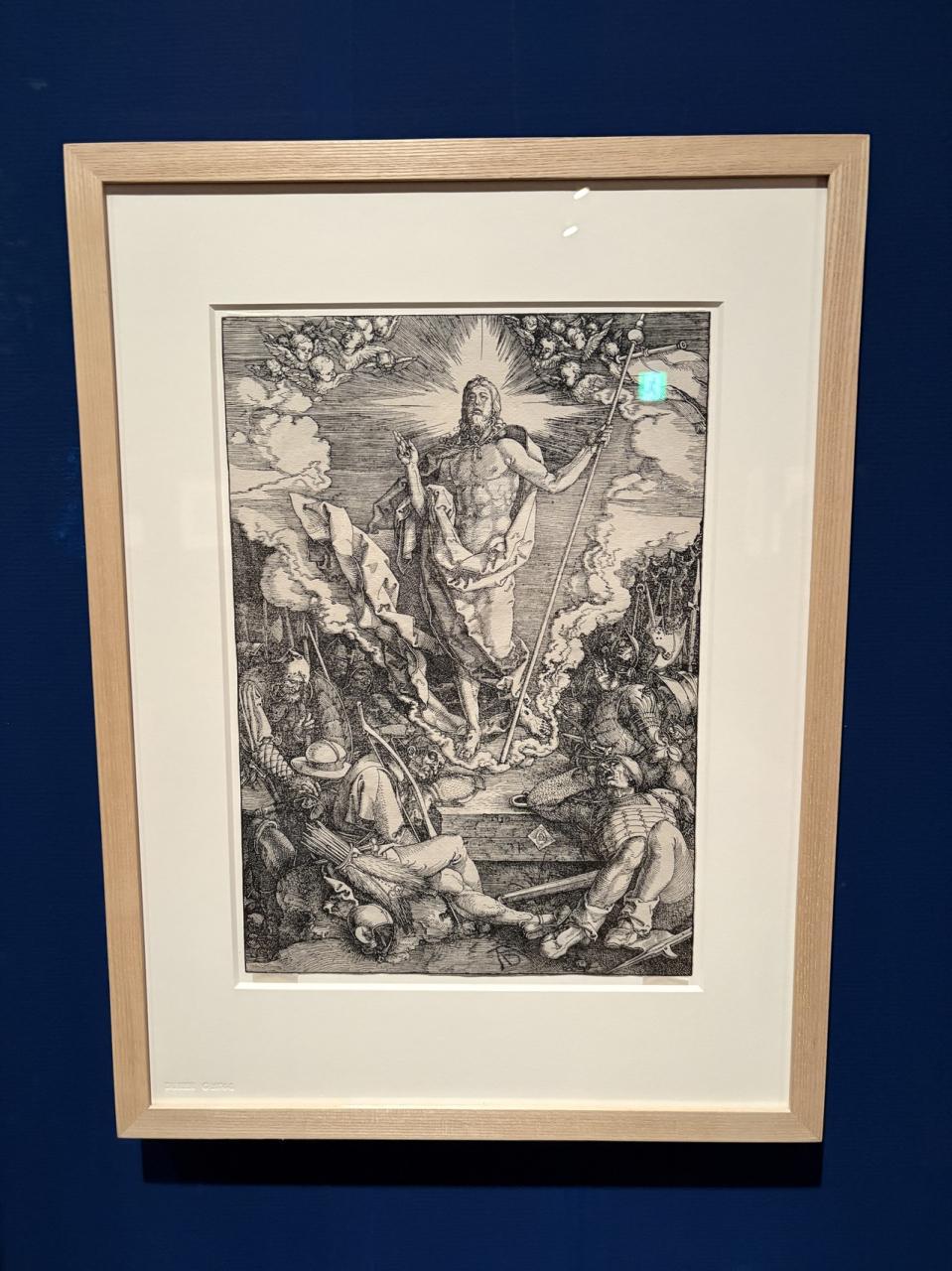
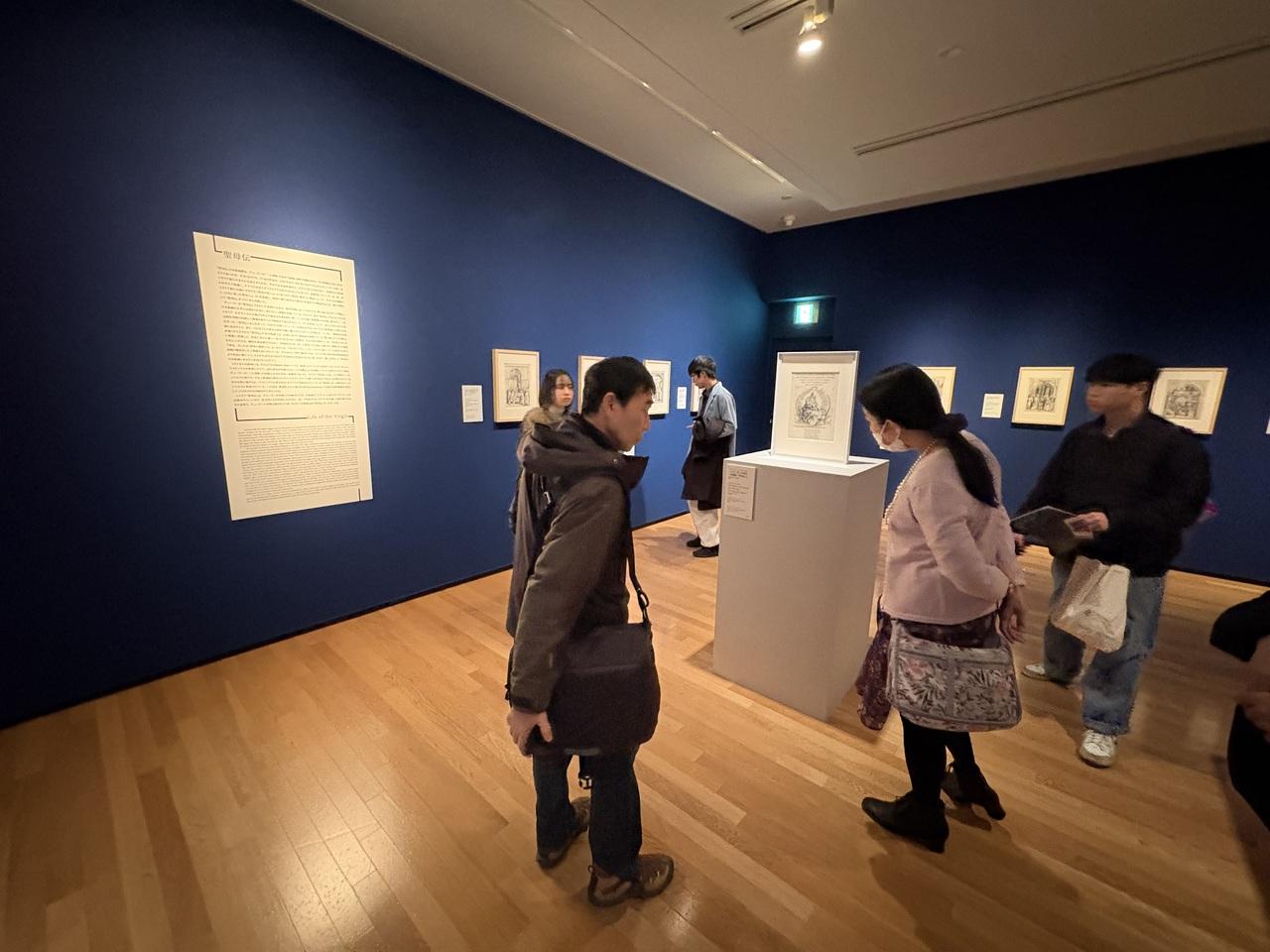
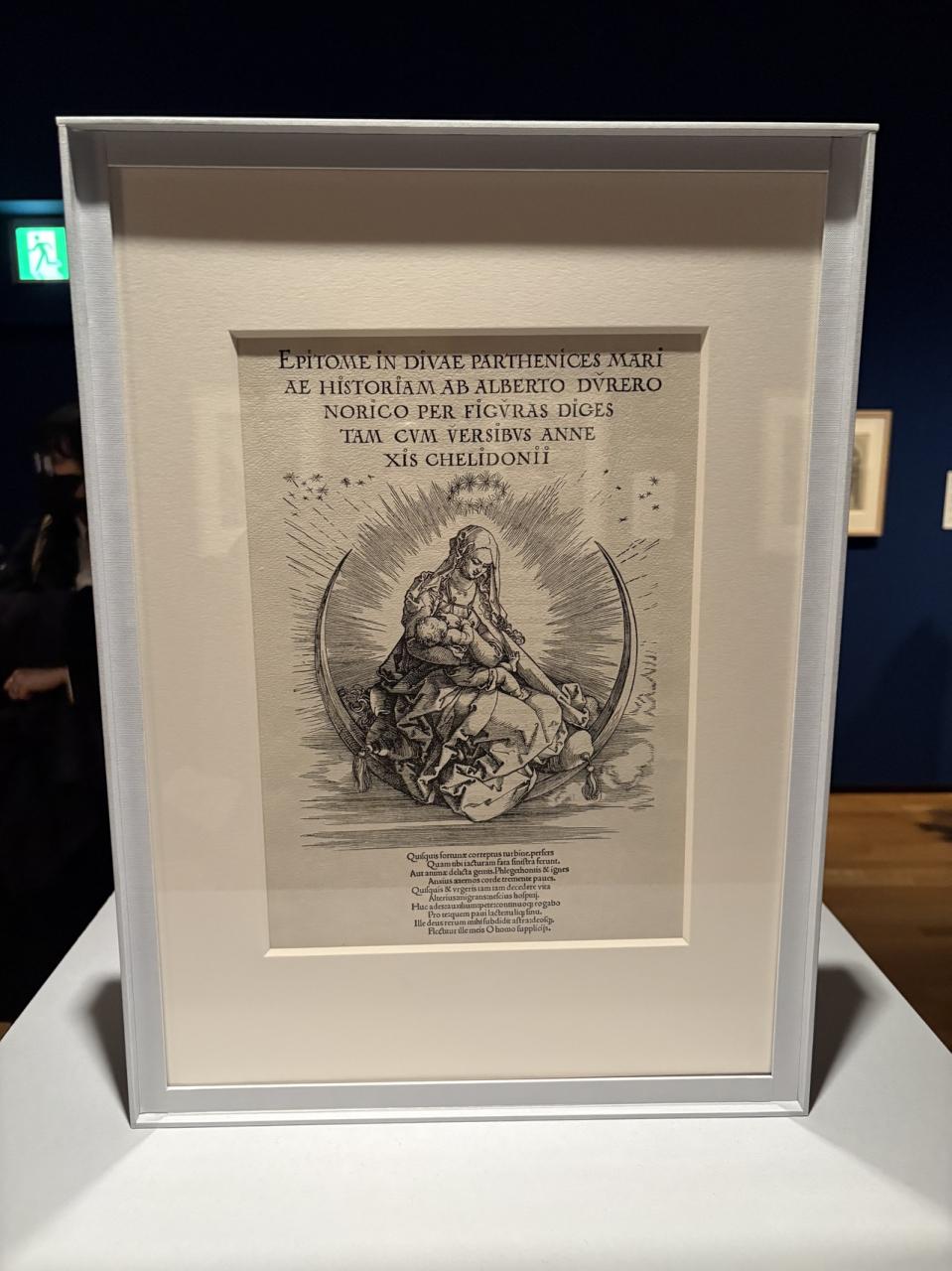
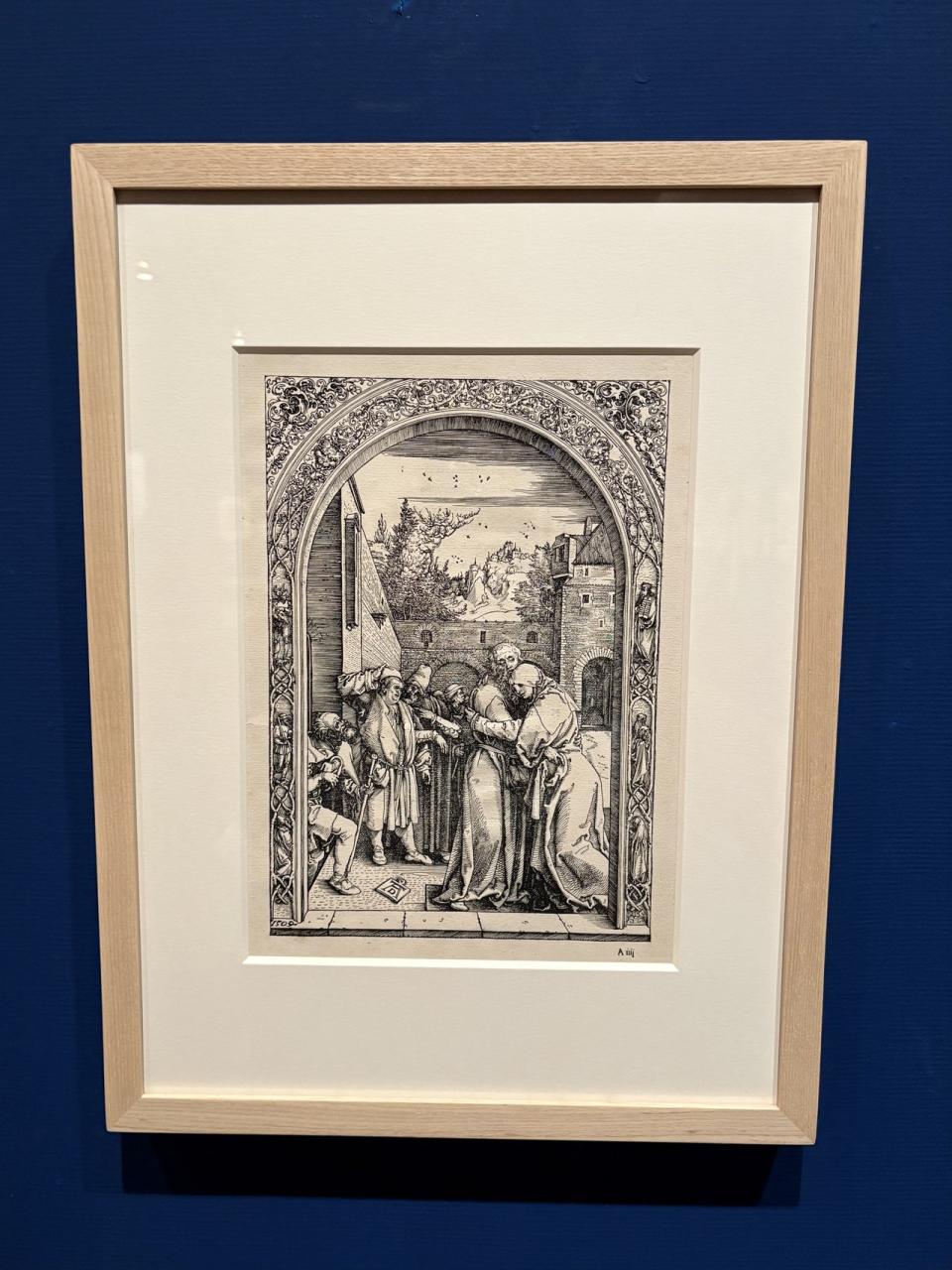
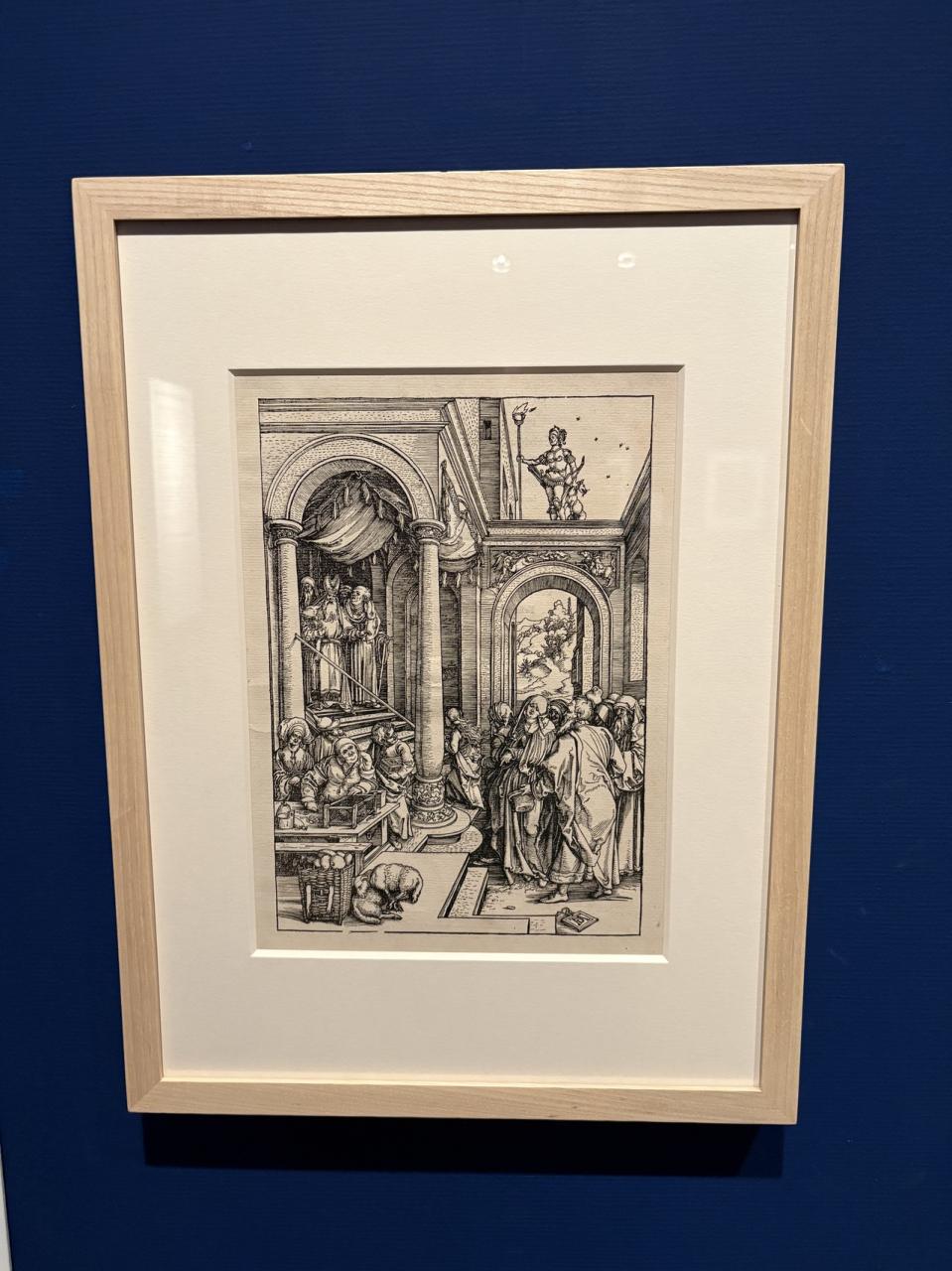
この小企画展では、デューラーがみずから出版者となって1511年に刊行したいわゆる「三大書物」――つまり『黙示録』(ラテン語版再版)、『大受難伝』、『聖母伝』という、当時としてきわめて劃期的だった活字印刷本の木版画群を、一挙にすべてお披露目します。1959年に開館した国立西洋美術館は、近代美術ばかりでなくオールド・マスターの作品も本格的に収集してゆくという方針を1968年の着任後に打ちだした第二代館長の山田智三郎のもと、1970年度にデューラーの木版画連作『大受難伝』を取得しました(ただし、一葉のみは1974年度に購入)。これらは、それ以降に国立西洋美術館がオールド・マスターの版画コレクションを築いてゆくうえでの重要な出発点になったといえます。そして半世紀のときを経て、2020年度に『黙示録』、2022年度には『聖母伝』の購入が叶ったことで、われわれの美術館はついに、デューラーの「三大書物」の木版画をあまねく所蔵するにいたりました。
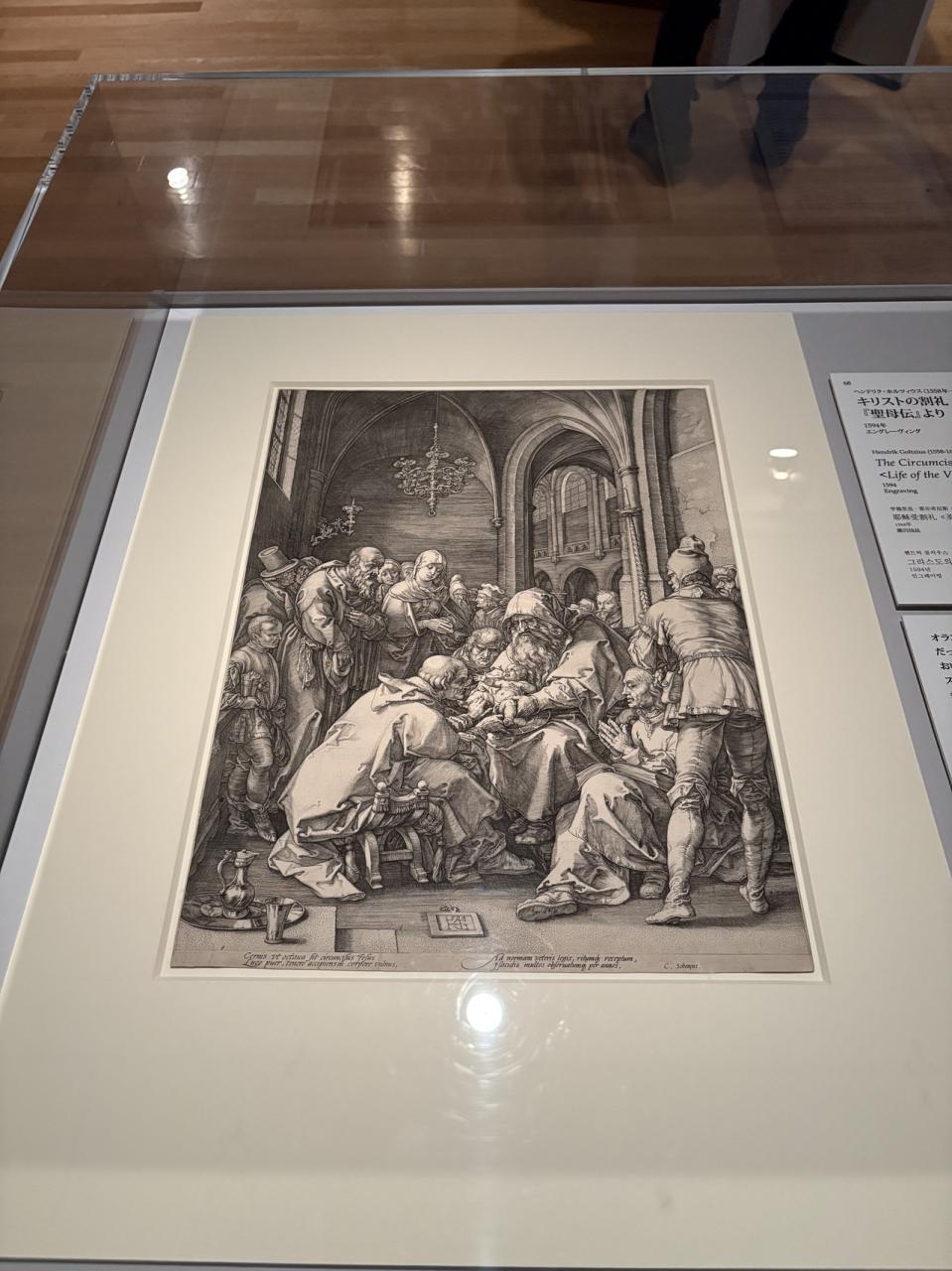
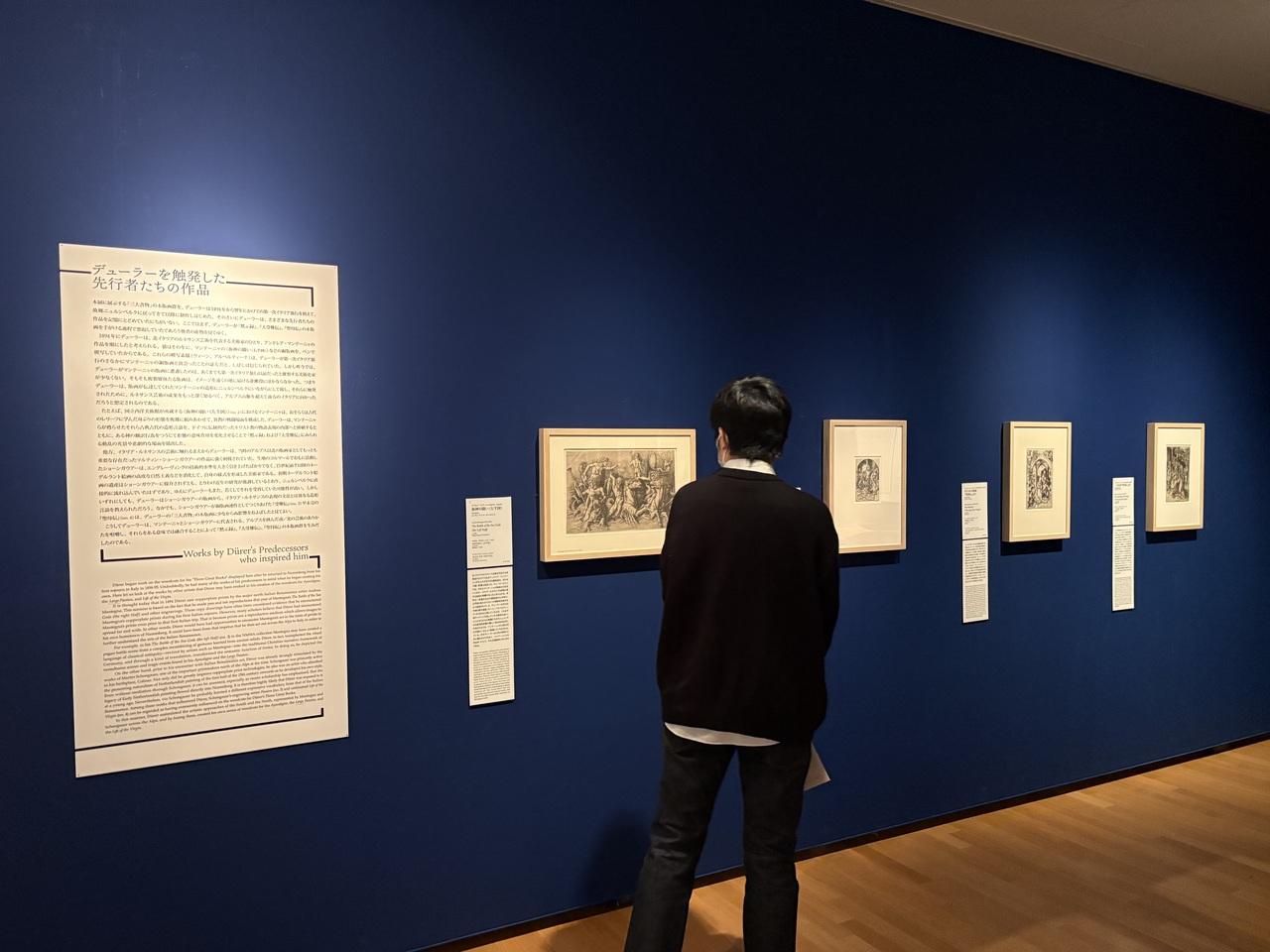
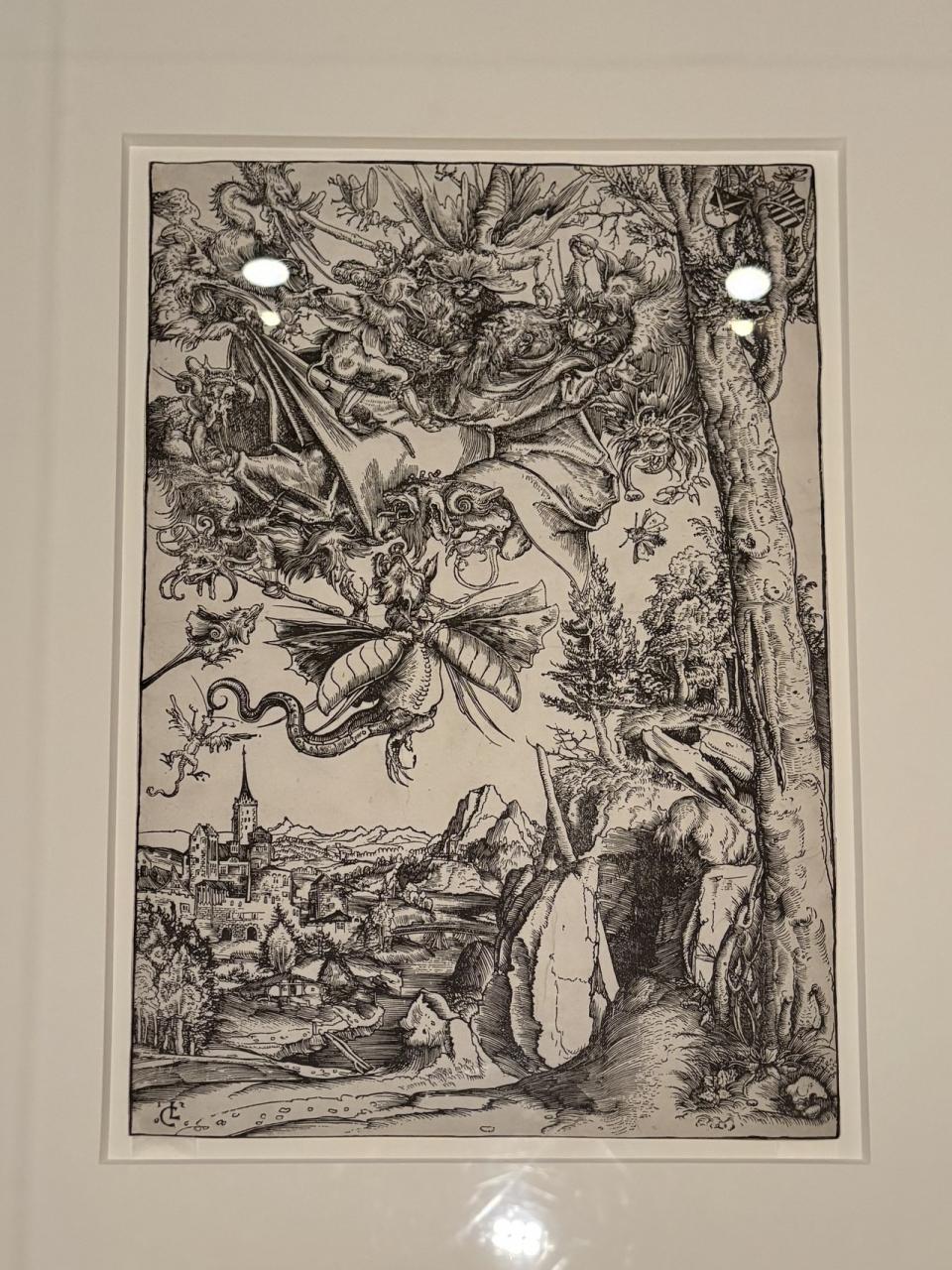
ご覧いただく「三大書物」の各木版画は、裏面や欄外にラテン語の活字テクストが印刷された1511年の正式出版時の貴重なエディションの作品となります。デューラーがそれらの木版画を物語連作としてのみならず、書物として発表することを念頭に置いて制作していたという事実を示すべく、エディションにこだわりながら、多年にわたって慎重に購入を進めてきたためです。本展ではまた、デューラーが『黙示録』、『大受難伝』、『聖母伝』を生みだすにあたって造形的に刺戟を受けたと考えられる先行世代の美術家たちの作品を導入部でご紹介します。くわえて、そうしたデューラーの「三大書物」の木版画に触発されてつくられた後続世代の産物もあわせて展示することで、造形思考の連鎖やその多元的なネットワークを浮かびあがらせます。
最後になりますが、本展は国立西洋美術館柴原一基金の助成により実現されるものです。ご協力を賜りました関係各位に、心より御礼申し上げます。
国立西洋美術館
Message
The renowned Humanist Erasmus of Rotterdam stated, "What cannot Dürer express in monochromes, that is, by black lines only?" the same year that the groundbreaking Renaissance artist active in late 15th to early 16th century Germany, Albrecht Dürer (1471-1528) died. As Erasmus noted, "black lines," not paint colors, were the core element of Dürer's art. Through his unprecedented use of these lines and their depictive abilities, he was an artist capable of drawing unseen subjects, as well as visible events. Dürer's deep understanding of the expressive and technical potential of prints as reproductive medium made him an unparalleled figure in art history, unstinting in his use of these techniques to distribute his own works. The countless prints produced in black ink carried his experimental artistic thoughts to people across geographic and temporal distances.
This exhibition presents all of the images from Dürer's "Three Great Books" of 1511, namely the Latin reprint version of Apocalypse, the Large Passion, and the Life of the Virgin. These three books represent Dürer's use of the then-epoch-making movable type printing method. When the NMWA opened in 1959, its collections were largely modern art, a policy which was revised in 1968 by Yamada Chisaburo when he became the museum's second director. He expanded the museum range to include active collecting of Old Master works and acquired Dürer's Large Passion in 1970 (with one sheet acquired in 1974). This was the important starting point for the creation of the NMWA Old Master print collection. Then some fifty years later, the museum acquired Apocalypse in fiscal 2020, and the Life of the Virgin in fiscal 2022, completing the NMWA's collection of Dürer's "Three Great Books" woodcuts.
Each of the woodcuts that you will see in this display of the "Three Great Books" is from the important 1511 edition which has the Latin text printed in movable type on the back and the margins of the print image. The NMWA kept in mind the fact that he published these woodcuts not only as a series but also in book form, and it took many years for opportunities to arise to buy the correct edition of each book. This exhibition also presents examples of works by earlier artists who provided the artistic stimulation for Dürer in his production of Apocalypse, Large Passion, and Life of the Virgin. The further display of later works stimulated by Dürer's "Three Great Books" woodcuts will provide a sense of the multi-dimensional network of artistic connections surrounding these works.
This exhibition was realized in collaboration with the National Museum of Western Art Shibahara Keiichi Fund. We extend our heartfelt gratitude to all those involved for their unstinting cooperation.
The National Museum of Western Art -
黒線の芸術
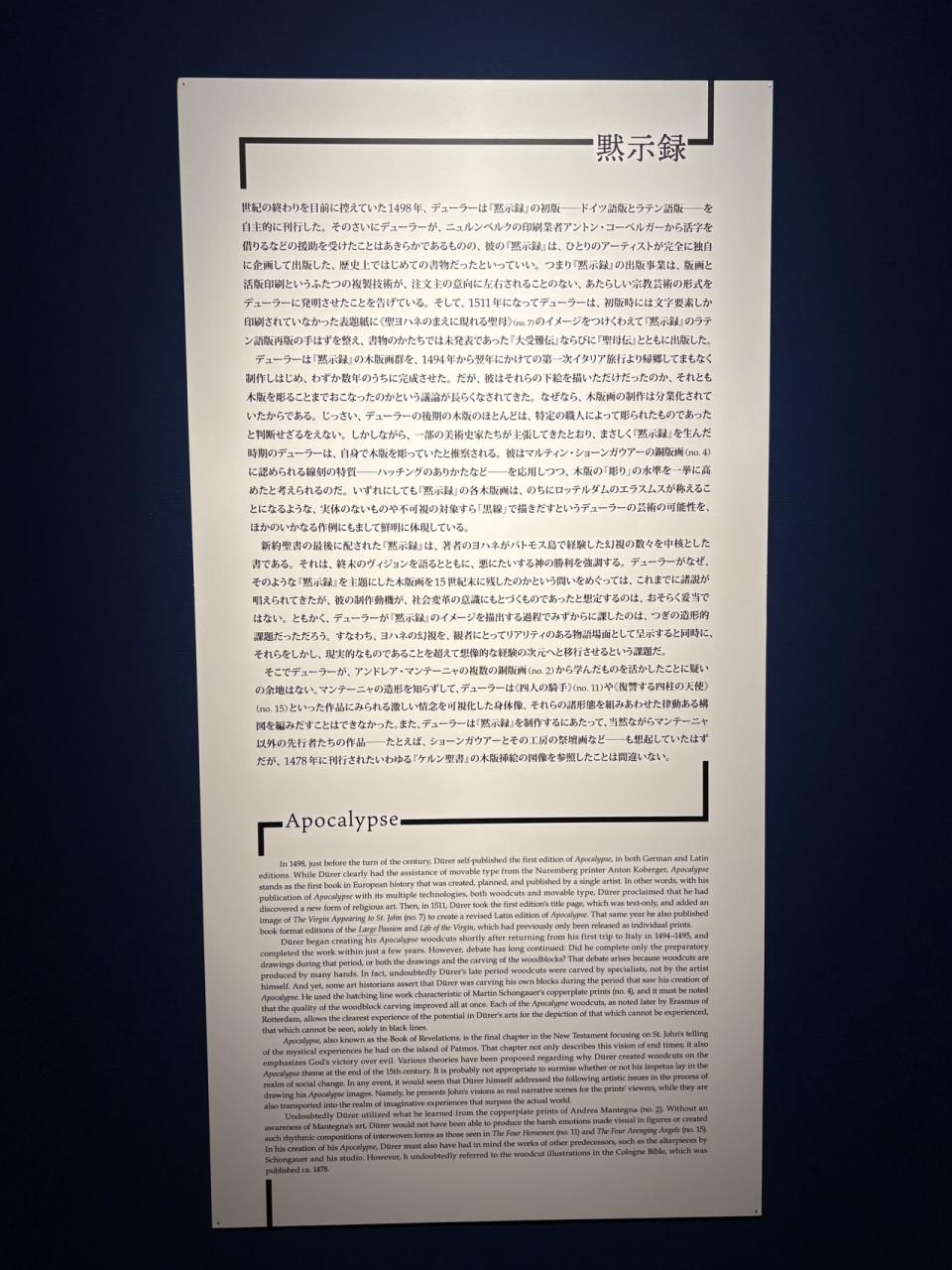
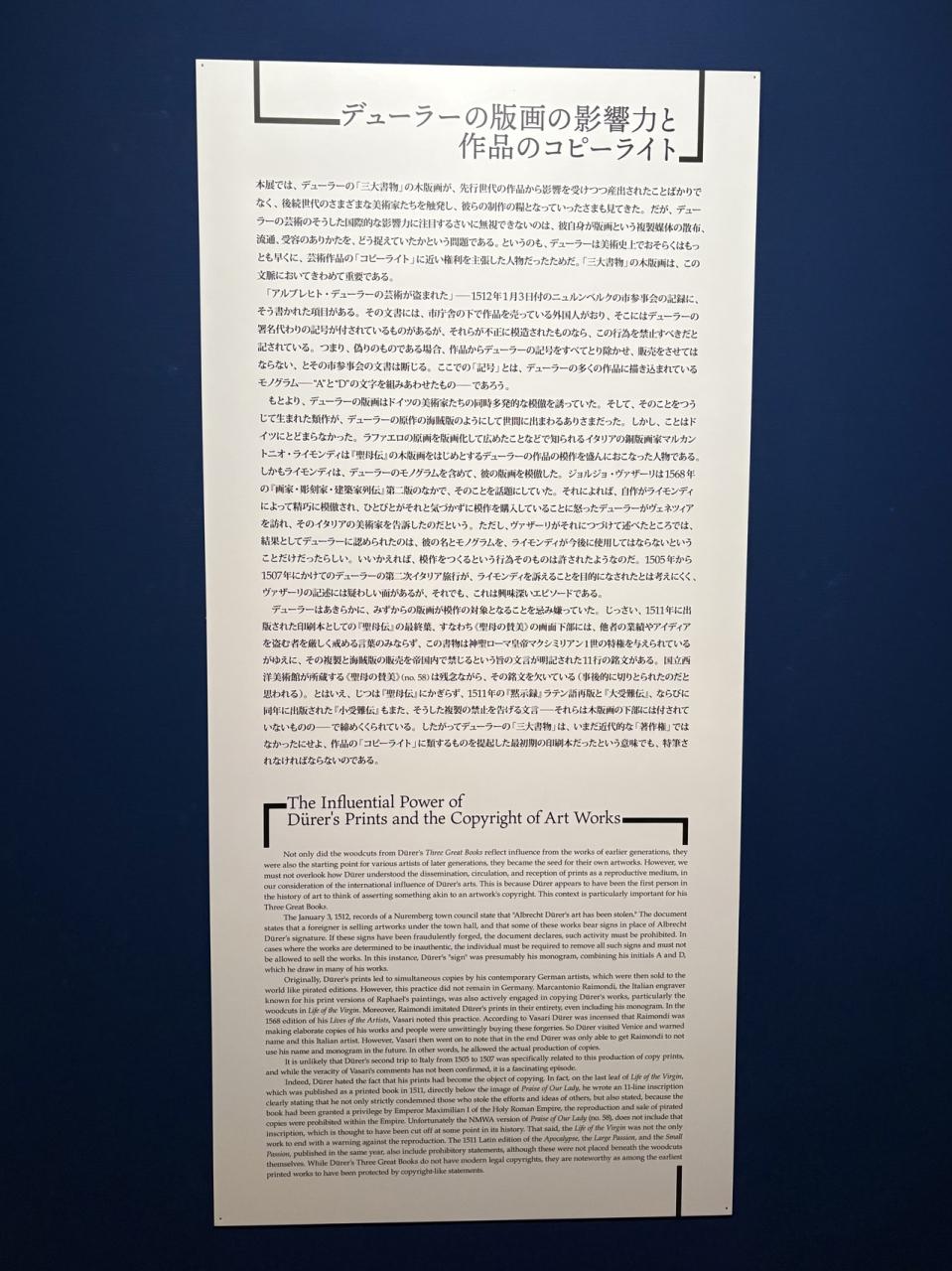
15世紀後半から16世紀前半を生きたデューラーは、二度にわたるイタリア旅行をつうじて、また自身の周囲に形成されていた人文主義的な知的環境などを背景に、当時は文化的な後進地域であったともいえるドイツにルネサンス芸術を切り拓いた。そのような彼の活動や作品を称えた評言は数多くあるが、なかでも人文主義者ロッテルダムのエラスムスの記述にもとづく「黒線のアペレス」という言葉はよく知られている。デューラーを古代ギリシャの伝説的な大画家アペレスになぞらえ、その存在を顕彰する呼称である。いや、デューラーをアペレスに喩える慣習自体は、エラスムス以前からあった。けれども、デューラーを「黒線のアペレス」と名づけ、彼による「単色」の芸術にはっきりと高い価値を見出す態度は、エラスムスが1528年に上梓した『ラテン語・ギリシャ部説教の正しい発音について」のなかにある、以下の一節に由来する。
しかしデューラーは、ほかの点でも称賛に値するが、彼が単色で、すなわち黒線を使って表現していないものがあるだろうか。陰影、光、輝き、突起、雀み。さらに、彼はひとつ対象から、見る者の眼に映じる一側面以上のものを引きだす。彼は、比例と調和を正確に観察する。彼は、描くことができないものさえ描く一火、光線、雷雨、幕電、雷光、あるいは、よくいわれる壁の染み、性格や情動→要するに、身体の外観から輝きでるような人間の心のすべてを、である。また、ほとんど声までも描くのだ。これらのものを、彼はきわめて見事な線、黒線によってわれわれの眼前に置くので、もし顔料を広げれば、その作品を損なってしまうだろう。そして、アペレスが色彩の助けがあってこそ成し遂げたことを、色彩のちからを借りずにやってのけるのは、いっそうすばらしいのではないだろうか。(*1)
このテクストは、エラスムスが古代ローマの著述家プリニウスによるアペレスへの賛群(「自然誌」第35巻96※)をおもに参照し、それ以外の古典文献も踏まえつつ書いたものだと考えられる。だが、そうした古典的な言語表現を後世になって寄せ集めたようなものでありながらも、エラスムスのテクストは、デューラーの芸術の核心を捉えていた。たとえば「単色」という言葉は、まさしくプリニウスから借りられたものだ。とはいえ、その語はプリニウスの原典にあっては「一色」一赤、もしくは例外的に白ーで表わされた「絵画」を指していた。一方、エラスムスが「単色」の「黒線」と記したときに想起していたのは、もはや絵画ではなく、版画をはじめとする「グラフィック・アート」だった。
つまり、エラスムスは実質的に、デューラーのグラフィック・アートは可視的な対象のみならず不可視なもの、ひいては表象不可能なものをも描きうると述べることで、彼の「版画」にはらまれていた原理的な可能性を浮き彫りにしたのだといってよい。しかも「色彩」をもちいたアペレスよりも「黒線」だけであらゆるものを描出しようとしたデューラーにより高い地位を与えてみせたエラスムスは、造形芸術をめぐるあたらしい批評基準、従来にはなかった美学を呈示したに等しい。単色の版画、もしくは黒線の芸術は、色彩豊かな絵画にまったく劣らないもの、それとは別の価値をもつものであると認識されたのだ。本展の主役となる「三大書物」の作品群は、デューラーがまさしく絵画とは異なる可能性をもった木版画における物語表現のありかたを、いかにさまざまに探究したかを明かすだろう。
(*1) 以下の論考内の美にもとつくもである。Brwin Panoisky, Erasmus and the Visua Art, in jourral oj te wwctburg and Couraud instttes, vol.32,1909,P.225
The Art of Black Lines
Dürer lived from the latter half of the 15th century and into the first half of the 16th century. He visited Italy twice and was surrounded by a Humanistic intellectual circle as he broke new ground, creating Renaissance arts in Germany, then a backwards region. These accomplishments and his works have been praised many times, with one phrase, he was the "Apelles of the black line" particularly well-known. It is an honorific title that likens Dürer to the legendary ancient Greek painter Apelles, thereby celebrating his greatness. To be sure, the practice of comparing Dürer to Apelles predates Erasmus. However, the specific characterization of Dürer as the "Apelles of the black line" and the clear appreciation of the value of his monochromatic art originate in Erasmus's Dialogue on the Correct Way of Pronouncing Latin and Greek 1528, as follows:
"Durer, however, though admirable also in other respects, what does he not express in monochromes (monochromata), that is, by black lines? Shade, light, radiance, projections (eminentias), depressions. Moreover, from one object [he derives] more than the one aspect which offers itself to the beholder's eye. He accurately observes proportions and harmonies (symmetrias et harmonias). He even depicts what cannot be depicted: fire; rays of light; thunderstorms; sheet lightning; thunderbolts; or even, as the phrase goes, the clouds upon a wall; characters and emotions - in fine, the whole mind of man as it shines forth from the appearance of the body, and almost the very voice. These things he places before our eyes by the most felicitous lines, black ones at that, in such a manner that, were you to spread on pigments, you would injure the work. And is it not more wonderful to accomplish without the blandishment of colours what Apelles accomplished only with their aid?" (*1)
This passage refers to the ancient Roman writer Pliny the Elder's praise of Apelles which appears in his Naturalis Historia (Natural History, book 35, p. 96). Erasmus further referred to other classical texts to produce his text. For example, the term "monochromata" was directly borrowed from Pliny the Elder. In Pliny's usage, this term referred to paintings executed in a single color, either red, or rarely white. Conversely, when Erasmus noted "nigrae lineae" he was not thinking of paintings, but rather clearly the graphic arts, prints. Erasmus notes that Dürer's graphic arts actually depict both the visible and the invisible, indeed, that which is unrepresentable, and thus his prints reveal all of the fundamental potential contained within them.
Further, it seems that Erasmus more highly valued and accorded a higher ranking to Dürer's works expressed solely in "black lines" than Apelles' "color." This set new critical standards for art, expressing an aesthetic that had never before existed. He acknowledged that black line arts are by no means inferior to richly colored paintings, but rather, they are an art form with different value. The works from the "Three Great Books" featured in this exhibition, will reveal how Dürer explored various approaches to narrative expression through woodcuts that offers possibilities distinct from those of painting.
(*1) Erwin Panofsky, Erasmus and the Visual Arts," in Journal of the Warburg and Courtauld Institutes, vol. 32, 1969, p. 225. -
-
-
-
-
-
-
-
-
-
-
-
-
-
-
-
-
-
-
-
-
-
-
-
-
-
-
-
-
-
-
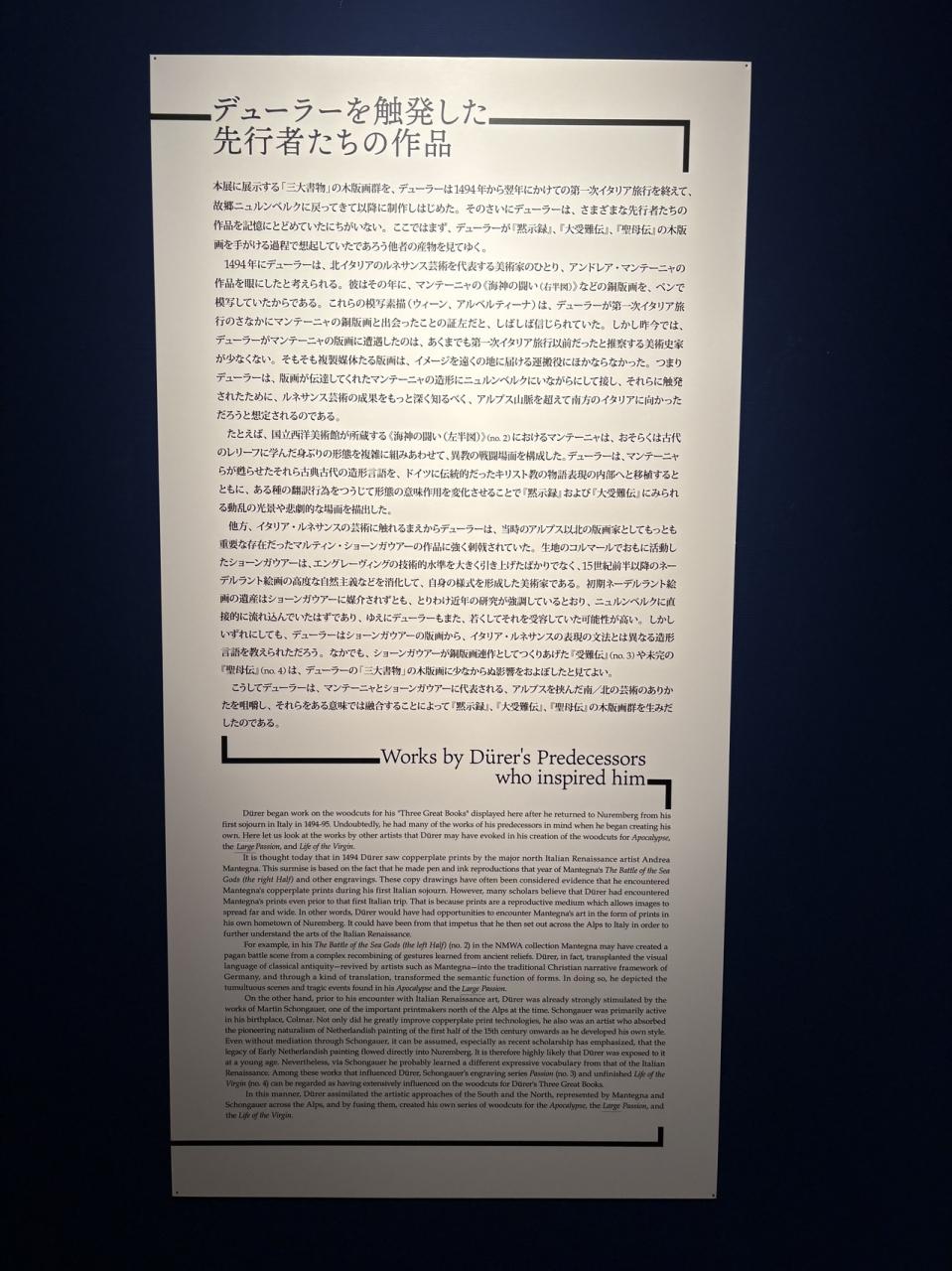
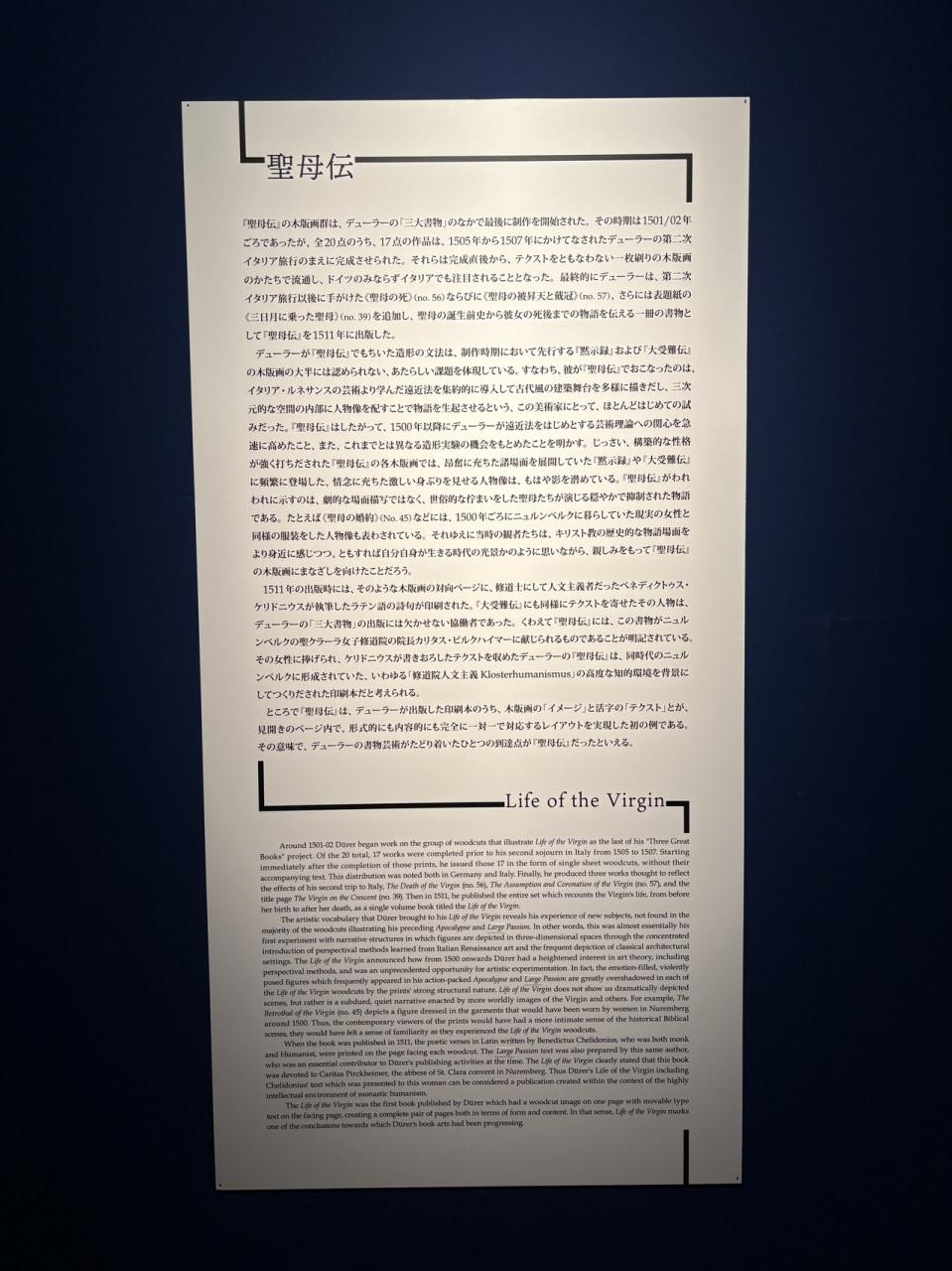
![黒線の芸術<br /><br />15世紀後半から16世紀前半を生きたデューラーは、二度にわたるイタリア旅行をつうじて、また自身の周囲に形成されていた人文主義的な知的環境などを背景に、当時は文化的な後進地域であったともいえるドイツにルネサンス芸術を切り拓いた。そのような彼の活動や作品を称えた評言は数多くあるが、なかでも人文主義者ロッテルダムのエラスムスの記述にもとづく「黒線のアペレス」という言葉はよく知られている。デューラーを古代ギリシャの伝説的な大画家アペレスになぞらえ、その存在を顕彰する呼称である。いや、デューラーをアペレスに喩える慣習自体は、エラスムス以前からあった。けれども、デューラーを「黒線のアペレス」と名づけ、彼による「単色」の芸術にはっきりと高い価値を見出す態度は、エラスムスが1528年に上梓した『ラテン語・ギリシャ部説教の正しい発音について」のなかにある、以下の一節に由来する。<br /><br />しかしデューラーは、ほかの点でも称賛に値するが、彼が単色で、すなわち黒線を使って表現していないものがあるだろうか。陰影、光、輝き、突起、雀み。さらに、彼はひとつ対象から、見る者の眼に映じる一側面以上のものを引きだす。彼は、比例と調和を正確に観察する。彼は、描くことができないものさえ描く一火、光線、雷雨、幕電、雷光、あるいは、よくいわれる壁の染み、性格や情動→要するに、身体の外観から輝きでるような人間の心のすべてを、である。また、ほとんど声までも描くのだ。これらのものを、彼はきわめて見事な線、黒線によってわれわれの眼前に置くので、もし顔料を広げれば、その作品を損なってしまうだろう。そして、アペレスが色彩の助けがあってこそ成し遂げたことを、色彩のちからを借りずにやってのけるのは、いっそうすばらしいのではないだろうか。(*1)<br /><br />このテクストは、エラスムスが古代ローマの著述家プリニウスによるアペレスへの賛群(「自然誌」第35巻96※)をおもに参照し、それ以外の古典文献も踏まえつつ書いたものだと考えられる。だが、そうした古典的な言語表現を後世になって寄せ集めたようなものでありながらも、エラスムスのテクストは、デューラーの芸術の核心を捉えていた。たとえば「単色」という言葉は、まさしくプリニウスから借りられたものだ。とはいえ、その語はプリニウスの原典にあっては「一色」一赤、もしくは例外的に白ーで表わされた「絵画」を指していた。一方、エラスムスが「単色」の「黒線」と記したときに想起していたのは、もはや絵画ではなく、版画をはじめとする「グラフィック・アート」だった。<br /><br />つまり、エラスムスは実質的に、デューラーのグラフィック・アートは可視的な対象のみならず不可視なもの、ひいては表象不可能なものをも描きうると述べることで、彼の「版画」にはらまれていた原理的な可能性を浮き彫りにしたのだといってよい。しかも「色彩」をもちいたアペレスよりも「黒線」だけであらゆるものを描出しようとしたデューラーにより高い地位を与えてみせたエラスムスは、造形芸術をめぐるあたらしい批評基準、従来にはなかった美学を呈示したに等しい。単色の版画、もしくは黒線の芸術は、色彩豊かな絵画にまったく劣らないもの、それとは別の価値をもつものであると認識されたのだ。本展の主役となる「三大書物」の作品群は、デューラーがまさしく絵画とは異なる可能性をもった木版画における物語表現のありかたを、いかにさまざまに探究したかを明かすだろう。<br /><br />(*1) 以下の論考内の美にもとつくもである。Brwin Panoisky, Erasmus and the Visua Art, in jourral oj te wwctburg and Couraud instttes, vol.32,1909,P.225<br /><br />The Art of Black Lines<br /><br />Dürer lived from the latter half of the 15th century and into the first half of the 16th century. He visited Italy twice and was surrounded by a Humanistic intellectual circle as he broke new ground, creating Renaissance arts in Germany, then a backwards region. These accomplishments and his works have been praised many times, with one phrase, he was the "Apelles of the black line" particularly well-known. It is an honorific title that likens Dürer to the legendary ancient Greek painter Apelles, thereby celebrating his greatness. To be sure, the practice of comparing Dürer to Apelles predates Erasmus. However, the specific characterization of Dürer as the "Apelles of the black line" and the clear appreciation of the value of his monochromatic art originate in Erasmus's Dialogue on the Correct Way of Pronouncing Latin and Greek 1528, as follows:<br /><br />"Durer, however, though admirable also in other respects, what does he not express in monochromes (monochromata), that is, by black lines? Shade, light, radiance, projections (eminentias), depressions. Moreover, from one object [he derives] more than the one aspect which offers itself to the beholder's eye. He accurately observes proportions and harmonies (symmetrias et harmonias). He even depicts what cannot be depicted: fire; rays of light; thunderstorms; sheet lightning; thunderbolts; or even, as the phrase goes, the clouds upon a wall; characters and emotions - in fine, the whole mind of man as it shines forth from the appearance of the body, and almost the very voice. These things he places before our eyes by the most felicitous lines, black ones at that, in such a manner that, were you to spread on pigments, you would injure the work. And is it not more wonderful to accomplish without the blandishment of colours what Apelles accomplished only with their aid?" (*1)<br /><br />This passage refers to the ancient Roman writer Pliny the Elder's praise of Apelles which appears in his Naturalis Historia (Natural History, book 35, p. 96). Erasmus further referred to other classical texts to produce his text. For example, the term "monochromata" was directly borrowed from Pliny the Elder. In Pliny's usage, this term referred to paintings executed in a single color, either red, or rarely white. Conversely, when Erasmus noted "nigrae lineae" he was not thinking of paintings, but rather clearly the graphic arts, prints. Erasmus notes that Dürer's graphic arts actually depict both the visible and the invisible, indeed, that which is unrepresentable, and thus his prints reveal all of the fundamental potential contained within them.<br /><br />Further, it seems that Erasmus more highly valued and accorded a higher ranking to Dürer's works expressed solely in "black lines" than Apelles' "color." This set new critical standards for art, expressing an aesthetic that had never before existed. He acknowledged that black line arts are by no means inferior to richly colored paintings, but rather, they are an art form with different value. The works from the "Three Great Books" featured in this exhibition, will reveal how Dürer explored various approaches to narrative expression through woodcuts that offers possibilities distinct from those of painting.<br /><br />(*1) Erwin Panofsky, Erasmus and the Visual Arts," in Journal of the Warburg and Courtauld Institutes, vol. 32, 1969, p. 225.](https://cdn.4travel.jp/img/tcs/t/pict/src/91/34/50/src_91345017.jpg?1786130035)


利用規約に違反している投稿は、報告する事ができます。
旅行記グループ
国内の美術館・博物館巡り その4
-
前の旅行記

2026.2.9 国立西洋美術館③ 常設展(その2)"ダフィット・テニールス(子)《聖アントニウスの誘惑》"
2026/02/09~
上野・御徒町
-
次の旅行記

2026.2.9 国立西洋美術館⑤/完 常設展(その3)"ヴィルヘルム・ハンマースホイ《ピアノを弾く妻イーダ...
2026/02/09~
上野・御徒町
-

2025.9.20~12.14 "モーリス・ユトリロ展@SOMPO美術館"。"風景画の中の人物の後ろ姿" が...
2025/12/11~
新宿
-

マチュピチュ展【その1】"フクロウの神" @ 森アーツセンターギャラリー(2025.11.22~2026.3...
2026/01/12~
六本木
-

マチュピチュ展【その2】"シャーマンの変容" @ 森アーツセンターギャラリー(2025.11.22~2026...
2026/01/12~
六本木
-

マチュピチュ展【その3】"アイ・アパエックの顔を表した埋葬用仮面" @ 森アーツセンターギャラリー(2025...
2026/01/12~
六本木
-

マチュピチュ展【その4】"トカゲのモザイクの耳飾り" @ 森アーツセンターギャラリー(2025.11.22~...
2026/01/12~
六本木
-

マチュピチュ展【その5】"神話の豊穣の場面が描かれた儀礼用の杯"@ 森アーツセンターギャラリー(2025.1...
2026/01/12~
六本木
-

マチュピチュ展【その6】"戦闘と捕虜の捕獲" @ 森アーツセンターギャラリー(2025.11.22~2026...
2026/01/12~
六本木
-

マチュピチュ展【その7】"チムー帝国の装身具一式" @ 森アーツセンターギャラリー(2025.11.22~2...
2026/01/12~
六本木
-

マチュピチュ展【その8】"神格化された祖先とネコ科動物をモチーフにした冠" @ 森アーツセンターギャラリー(...
2026/01/12~
六本木
-

マチュピチュ展【その9】"カエルがモチーフの首飾り"@ 森アーツセンターギャラリー(2025.11.22~2...
2026/01/12~
六本木
-

マチュピチュ展【その10/完】"インカのキープ"@ 森アーツセンターギャラリー(2025.11.22~3.1...
2026/01/12~
六本木
-

"塩谷亮 刻を描くリアリズム" (@佐藤美術館 2026.1.8 ~2.15) で、初めて "写実絵画" を...
2026/01/28~
信濃町・千駄ヶ谷
-

2026.2.9 国立西洋美術館① "オルセー美術館所蔵 印象派 室内をめぐる物語"。"エドガー・ドガ《家族...
2026/02/09~
上野・御徒町
-

2026.2.9 国立西洋美術館② 常設展(その1)"ラビニィア・フォンターナ 《アントニエッタ・ゴンザレス...
2026/02/09~
上野・御徒町
-

2026.2.9 国立西洋美術館③ 常設展(その2)"ダフィット・テニールス(子)《聖アントニウスの誘惑》"
2026/02/09~
上野・御徒町
-

2026.2.9 国立西洋美術館④ 小企画展 "Black Lines Speak 物語る黒線たち ~デュー...
2026/02/09~
上野・御徒町
-

2026.2.9 国立西洋美術館⑤/完 常設展(その3)"ヴィルヘルム・ハンマースホイ《ピアノを弾く妻イーダ...
2026/02/09~
上野・御徒町
-

"スウェーデン絵画展" の後、"藝大アートプラザ"・"上野動物園" へ。京都市動物園の長男ゴリラ "ゲンタロ...
2026/04/12~
上野・御徒町
-

お嬢と行く "スウェーデン絵画 北欧の光、日常のかがやき" 2026.1.27~4.12 @ 東京都美術館
2026/04/12~
上野・御徒町
-

2026年2月7日~5月24日 お嬢と行く "クロード・モネ ~風景への問いかけ" @アーティゾン美術館
2026/04/29~
丸の内・大手町・八重洲
-

"アンドリュー・ワイエス展" の後、"藝大アートプラザ" へ。"佐治真理子《佇む -玉しめ-》" が、いい感...
2026/05/16~
上野・御徒町
-

お嬢と行く"アンドリュー・ワイエス展 ~境界に立つとき、心が動き出す。~" 2026.4/28~7/5 @ ...
2026/05/16~
上野・御徒町
-

2026.7.12① 上野の森美術館 "大ゴッホ展"。撮影可能だったのは、"夜のカフェテラス" 1点のみ・・...
2026/07/12~
上野・御徒町
-

2026.7.12② "大ゴッホ展"の後、東京国立博物館 "アイルランド チェスター・ビューティ・コレクショ...
2026/07/12~
上野・御徒町
-

2026.7.12④ "大ゴッホ展" の後、SOMPO美術館 "山口華揚展"。《青柿》は、諏訪湖のほとり"北...
2026/07/12~
新宿
-

2026.7.12 ⑤・完 "大ゴッホ展" の後、"東京オペラシティ" でクラシック鑑賞 。恵比寿の "ル・...
2026/07/12~
東京
旅行記グループをもっと見る
コメントを投稿する前に
十分に確認の上、ご投稿ください。 コメントの内容は攻撃的ではなく、相手の気持ちに寄り添ったものになっていますか?
サイト共通ガイドライン(利用上のお願い)報道機関・マスメディアの方へ 画像提供などに関するお問い合わせは、専用のお問い合わせフォームからお願いいたします。
この旅行で行ったスポット





フォートラベル公式LINE@

おすすめの旅行記や旬な旅行情報、お得なキャンペーン情報をお届けします!
QRコードが読み取れない場合はID「@4travel」で検索してください。
\その他の公式SNSはこちら/








旅行記グループ 国内の美術館・博物館巡り その4
0
35