


2026/04/12 - 2026/04/12
218位(同エリア4691件中)

旅熊 Kokazさん
- 旅熊 KokazさんTOP
- 旅行記1927冊
- クチコミ854件
- Q&A回答102件
- 1,708,158アクセス
- フォロワー752人
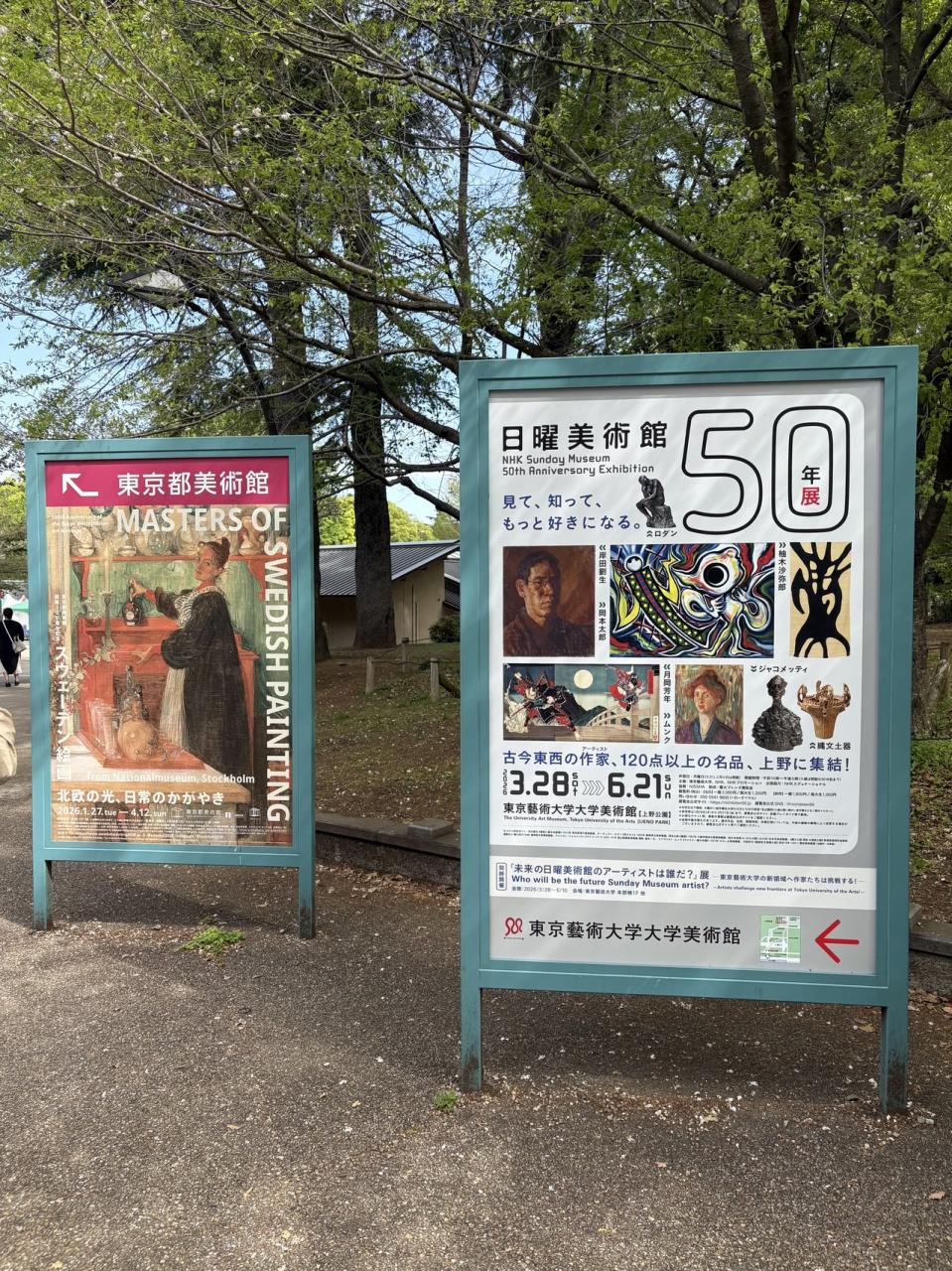
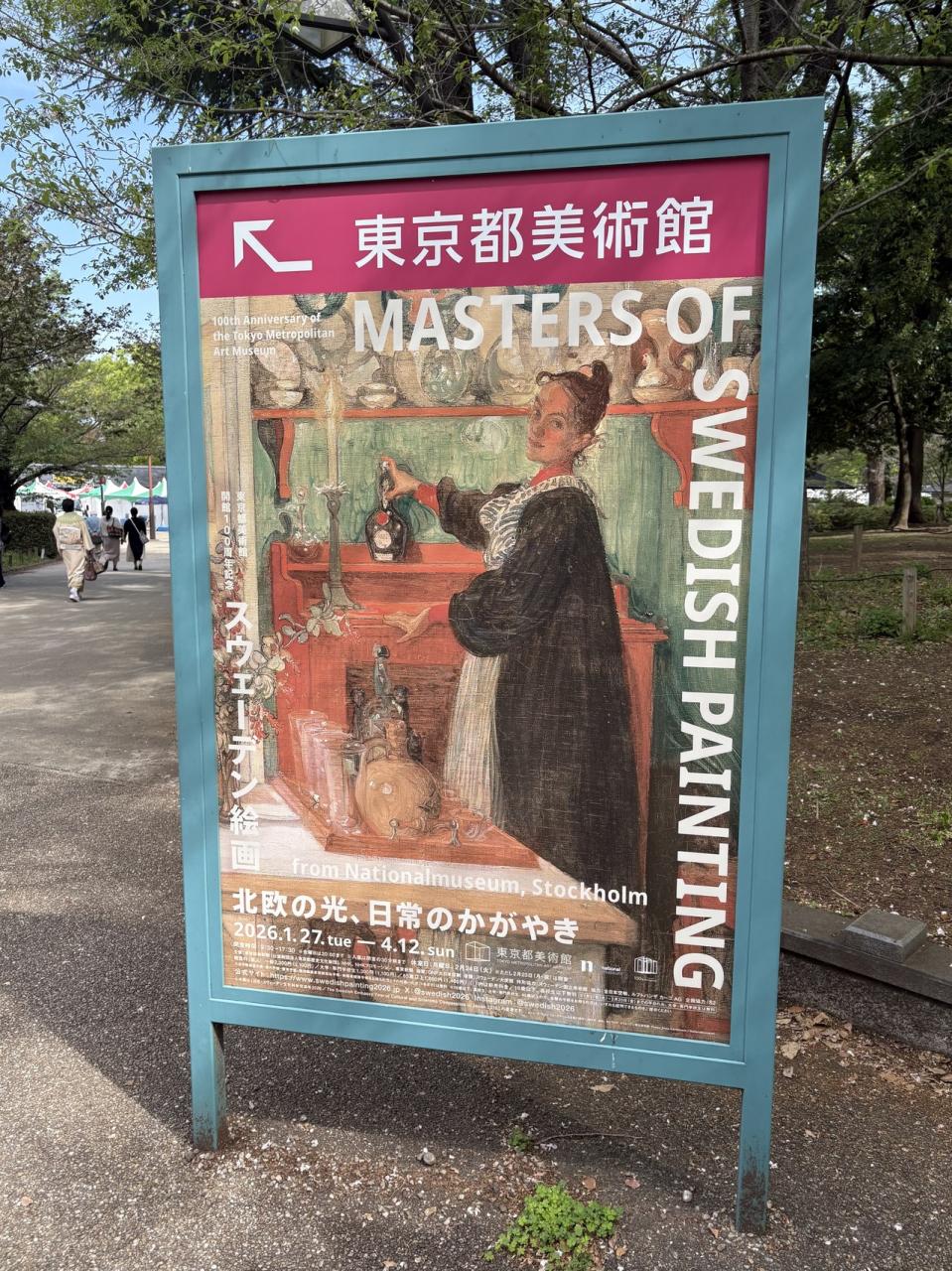
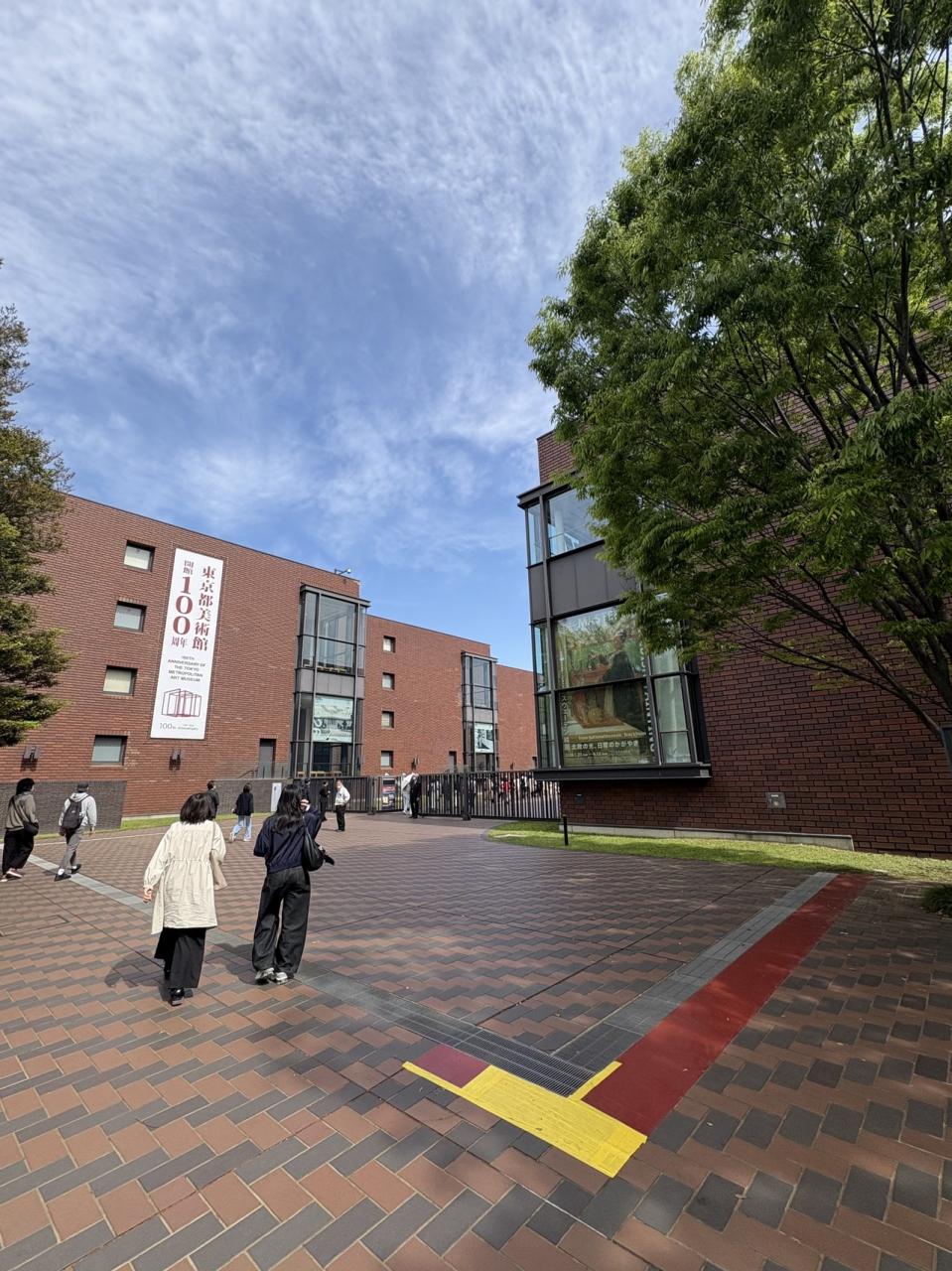
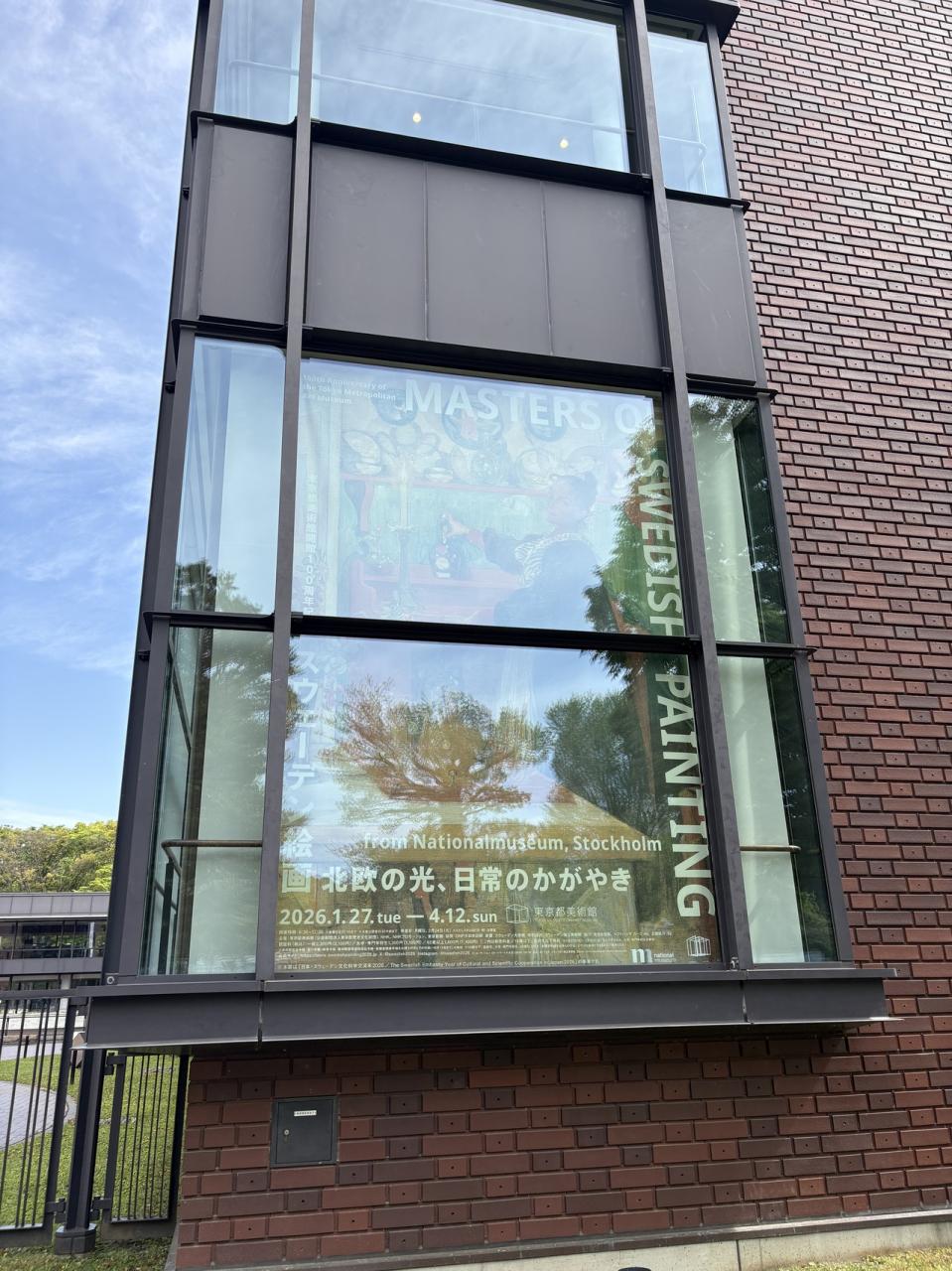
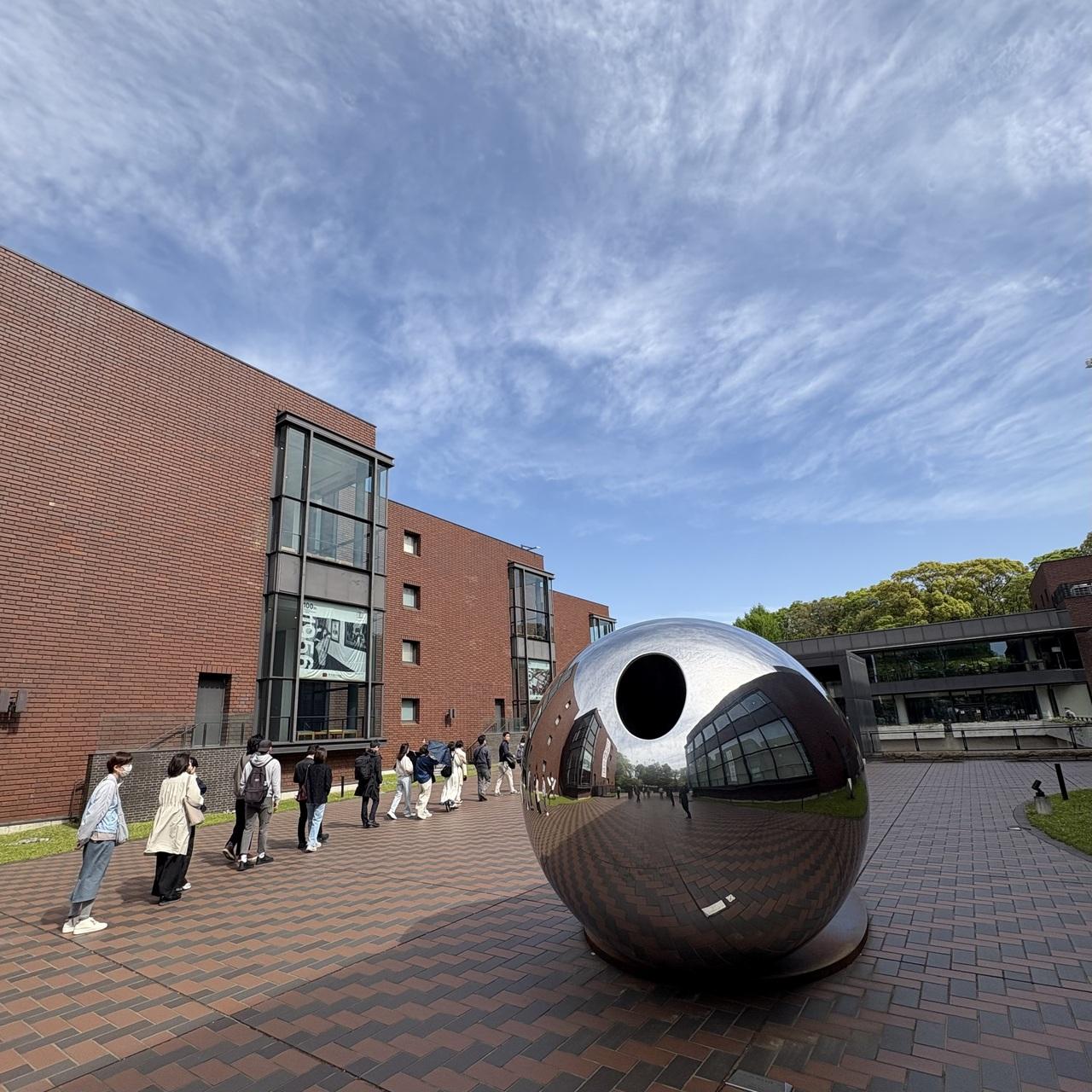
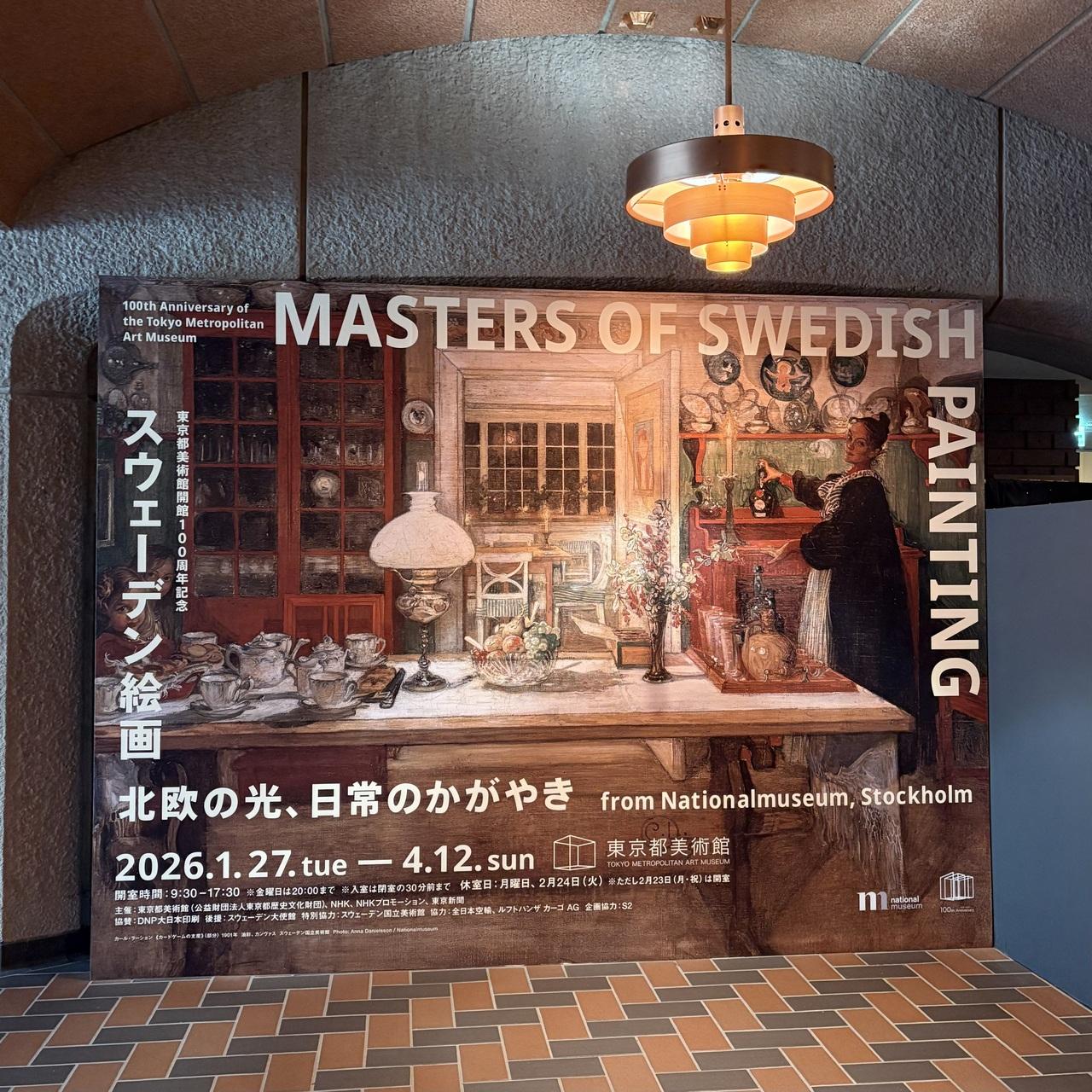
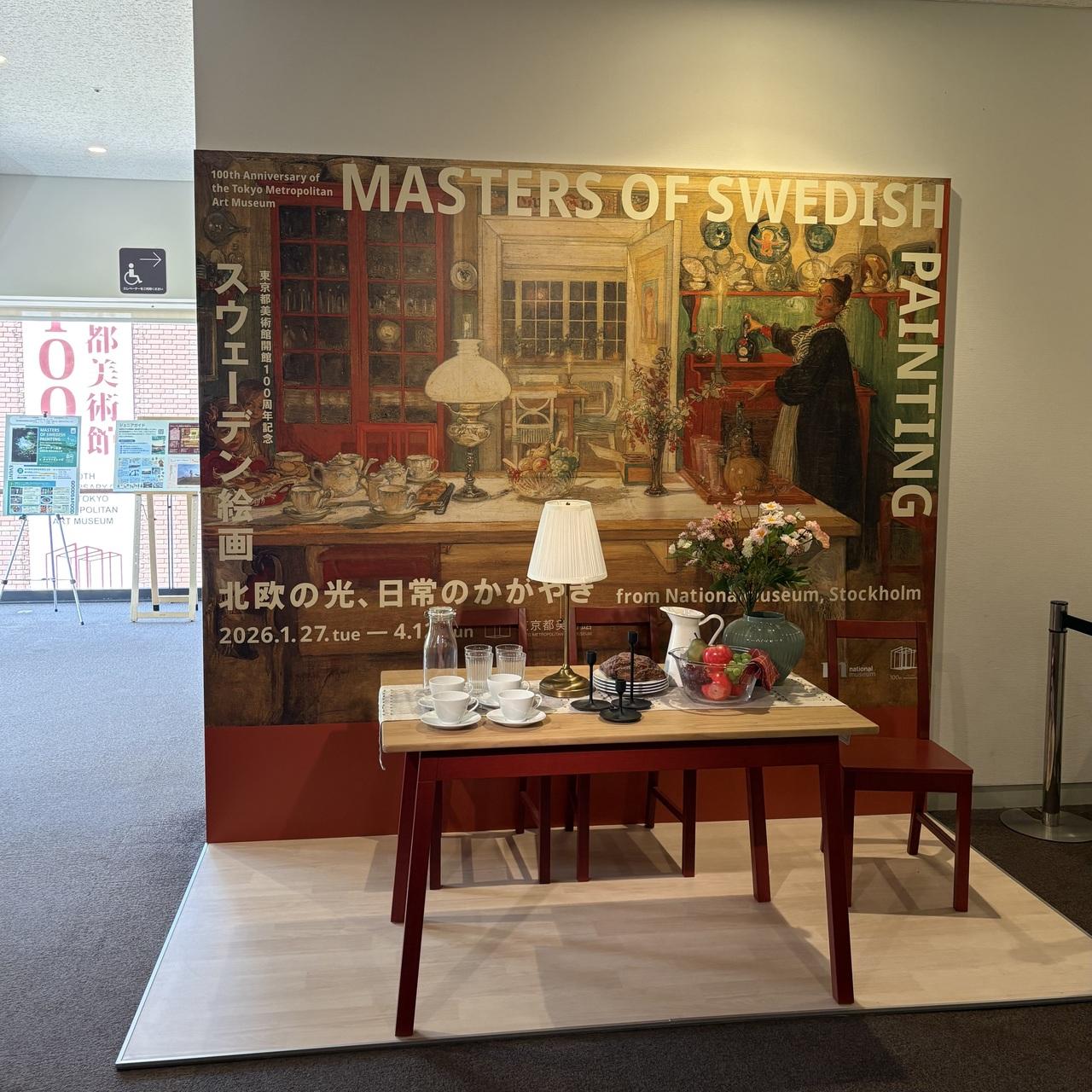
"スウェーデン絵画 北欧の光、日常のかがやき" 2026.1.27~4.12 @ 東京都美術館
- 旅行の満足度
- 5.0
-

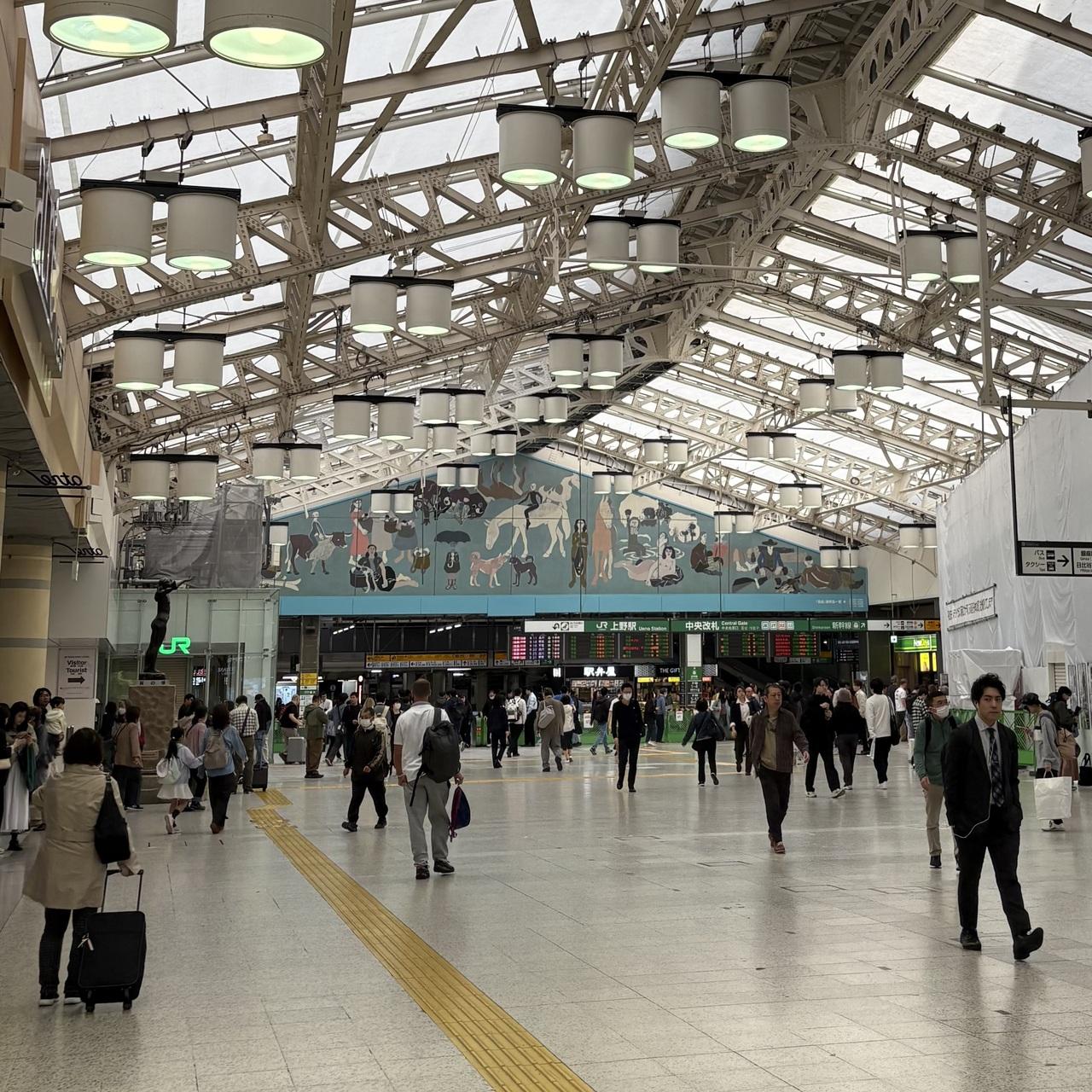
上野駅 駅
-
-
-
-
-
-
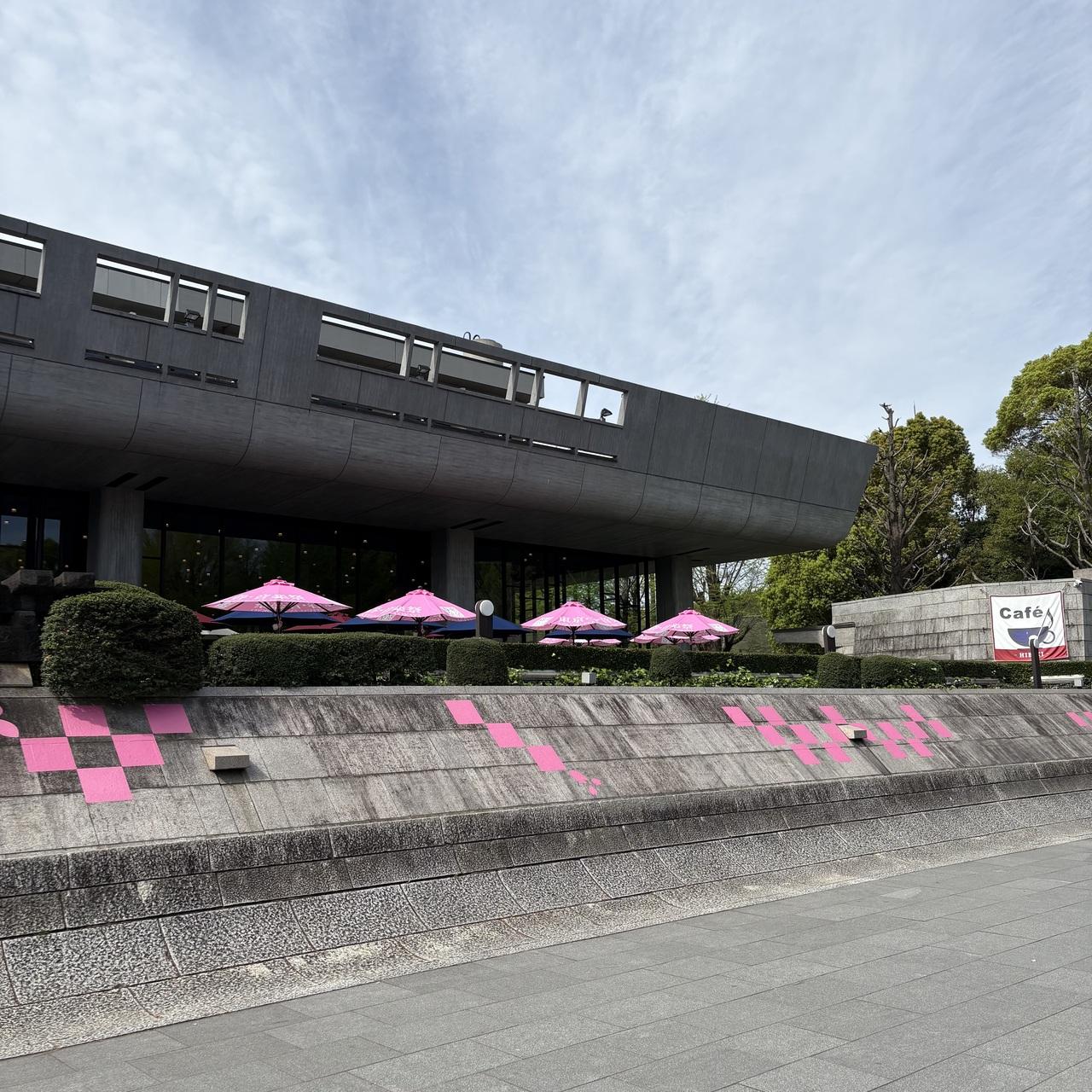
東京都美術館 美術館・博物館
-
-
-
-
-
-
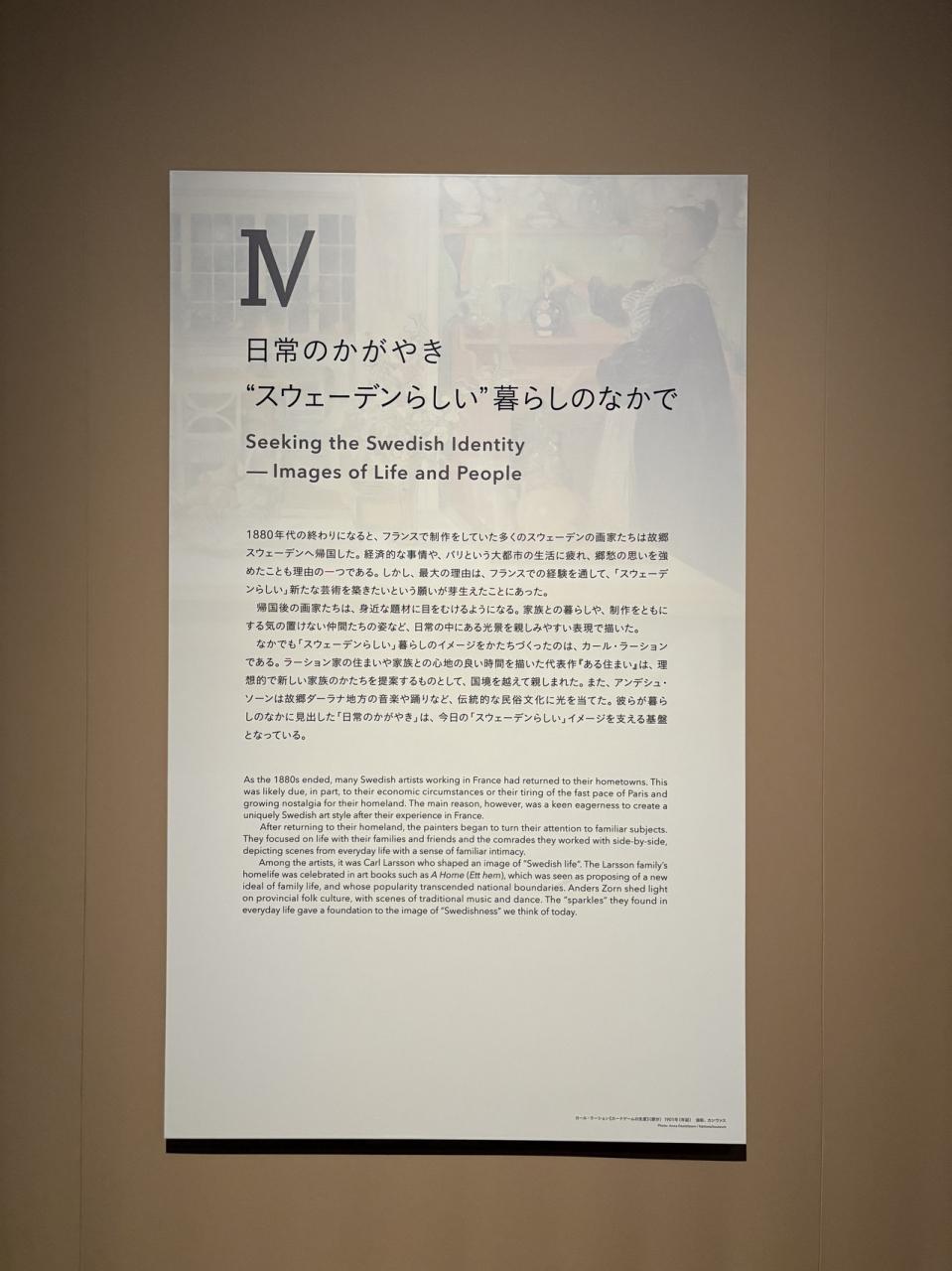
日常のかがやき
”スウェーデンらしい”暮らしのなかで
Seeking the Swedish Identity
-Images of Life and People
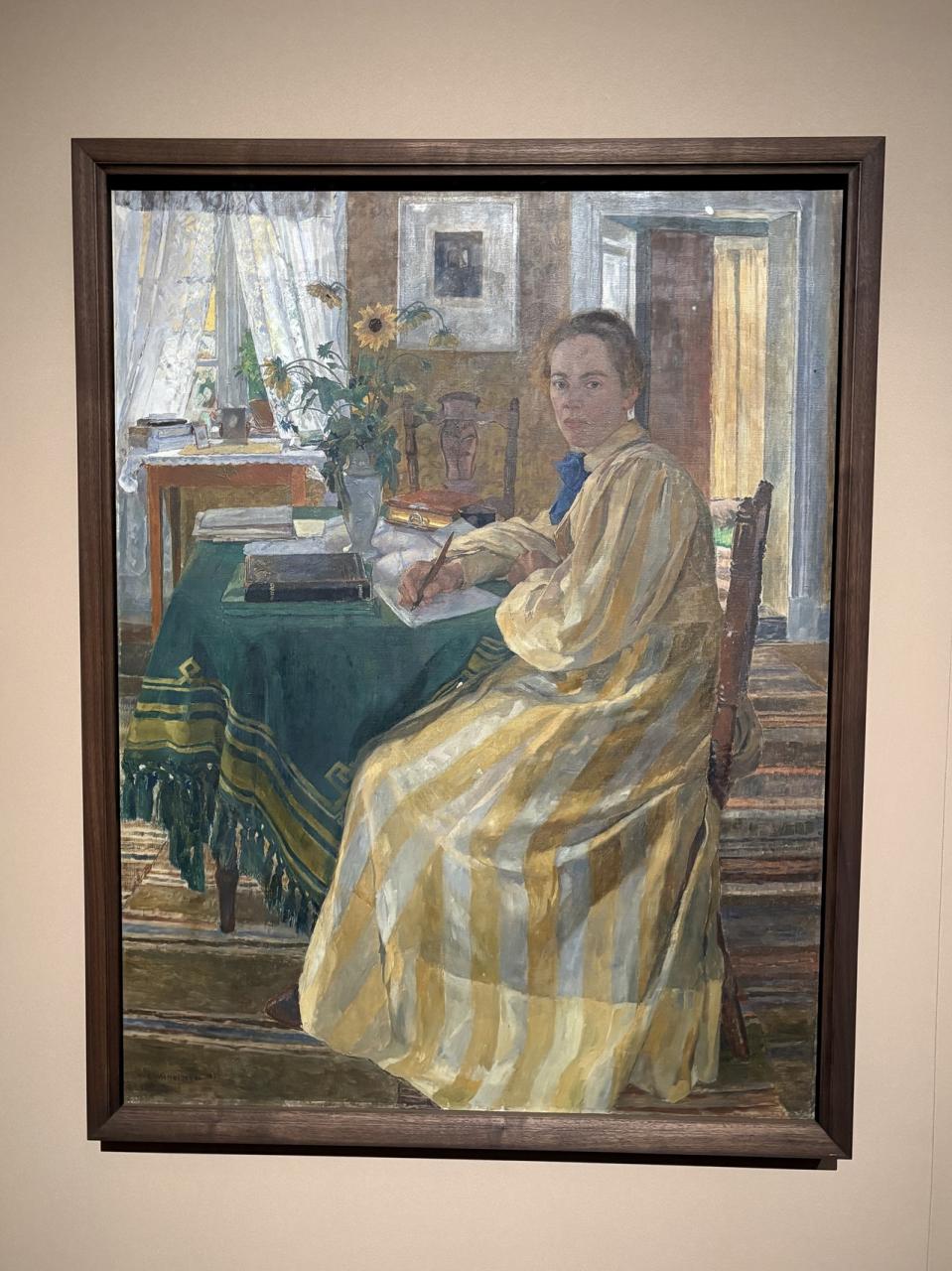
1880年代の終わりになると、フランスで制作をしていた多くのスウェーデンの画家たちは故郷スウェーデンへ帰国した。経済的な事情や、パリという大都市の生活に疲れ、郷愁の思いを強めたことも理由の一つである。しかし、最大の理由は、フランスでの経験を通して、「スウェーデンらしい」新たな芸術を築きたいという願いが芽生えたことにあった。
帰国後の画家たちは、身近な題材に目をむけるようになる。家族との暮らしや、制作をともにする気の置けない仲間たちの姿など、日常の中にある光景を親しみやすい表現で描いた。
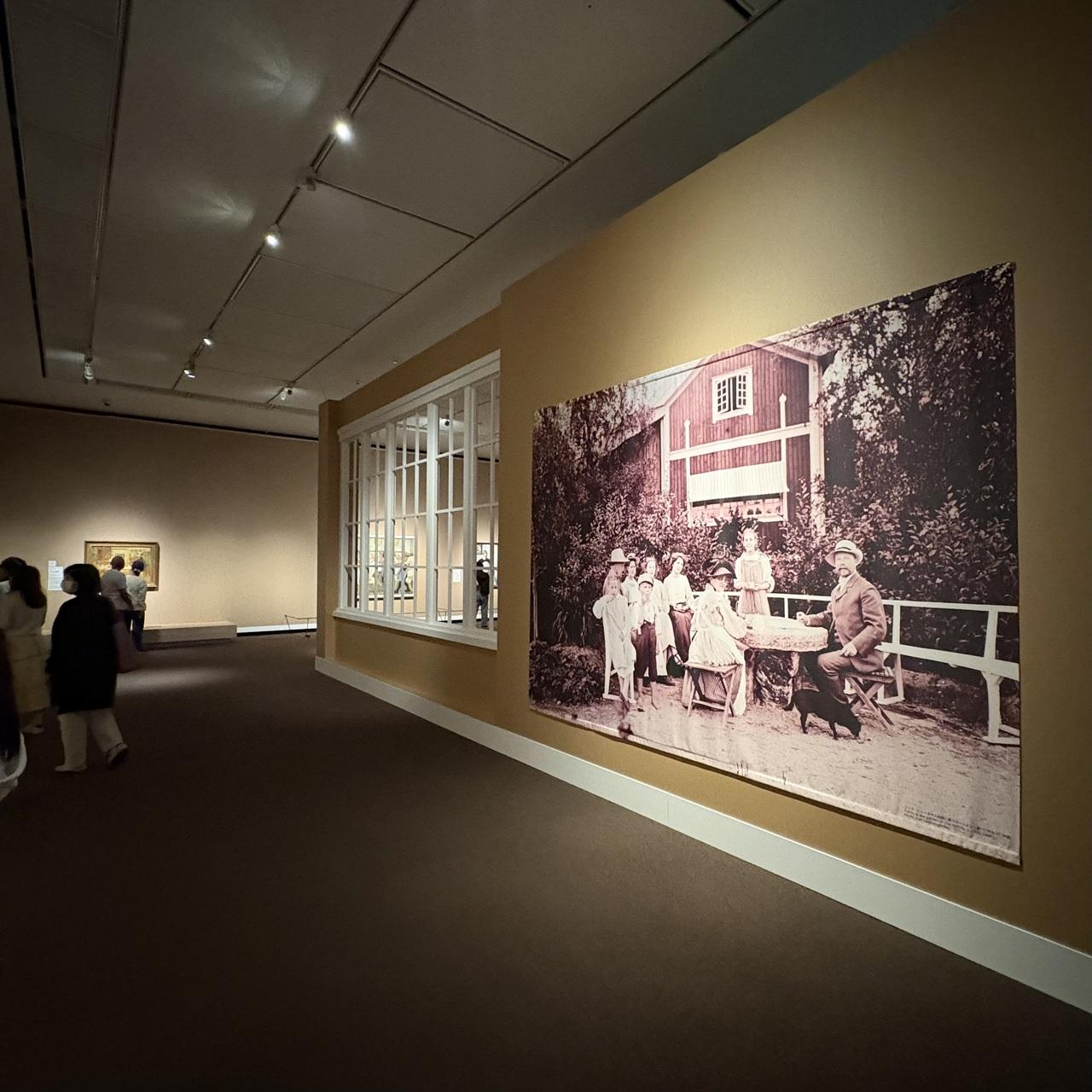
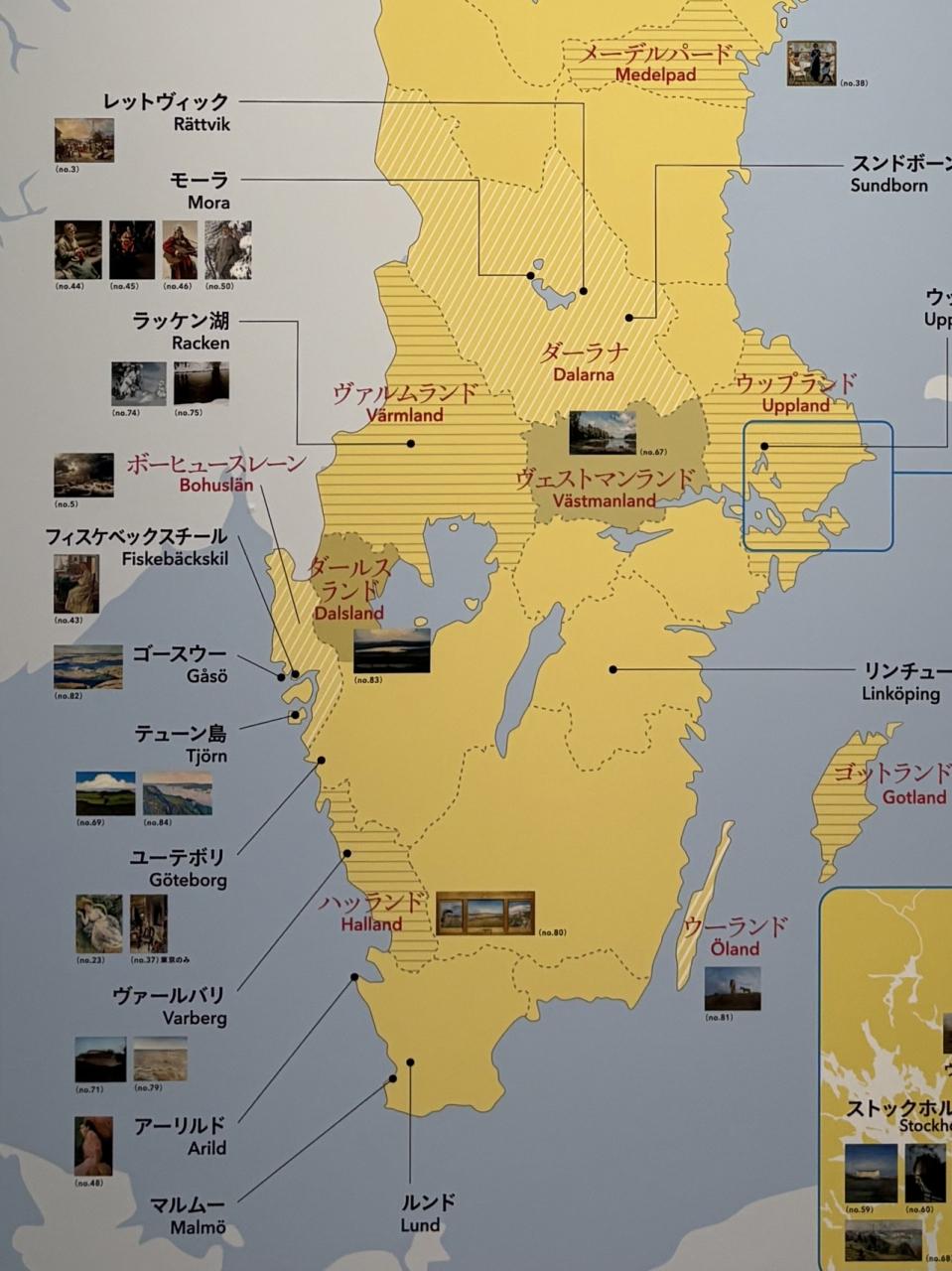
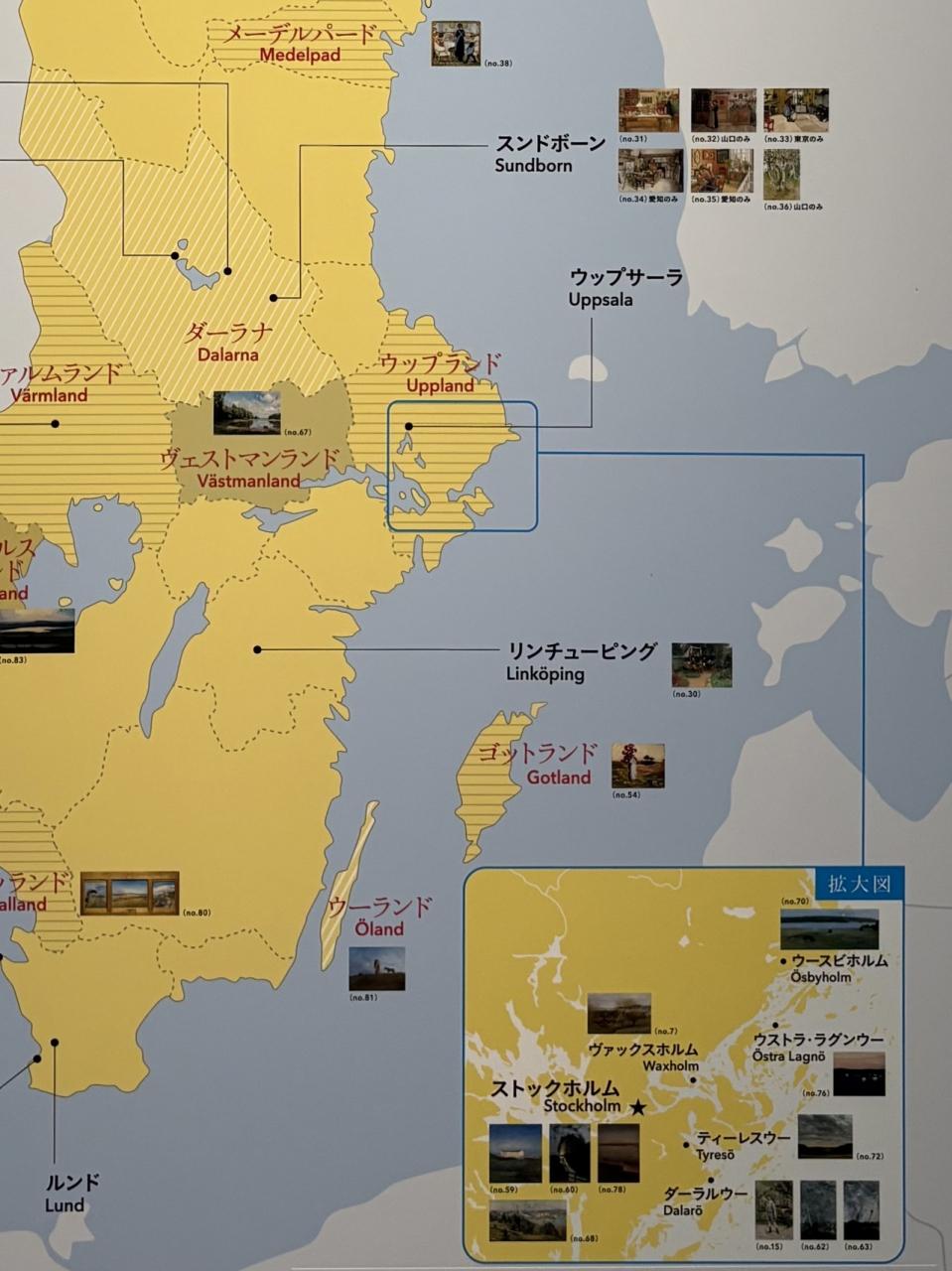
なかでも「スウェーデンらしい」暮らしのイメージをかたちづくったのは、カール・ラーションである。ラーション家の住まいや家族との心地の良い時間を描いた代表作『ある住まい」は、理想的で新しい家族のかたちを提案するものとして、国境を越えて親しまれた。また、アンデシュ・ソーンは故郷ダーラナ地方の音楽や踊りなど、伝統的な民俗文化に光を当てた。彼らが暮らしのなかに見出した「日常のかがやき」は、今日の「スウェーデンらしい」イメージを支える基となっている。
As the 1880s ended, many Swedish artists working in France had returned to their hometowns. This was likely due, in part, to their economic circumstances or their tiring of the fast pace of Paris and growing nostalgia for their homeland. The main reason, however, was a keen eagerness to create a uniquely Swedish art style after their experience in France.
After returning to their homeland, the painters began to turn their attention to familiar subjects. They focused on life with their families and friends and the comrades they worked with side-by-side, depicting scenes from everyday life with a sense of familiar intimacy.
Among the artists, it was Carl Larson who shaped an image of "Swedish life". The Larson family's homelife was celebrated in art books such as A Home (Ett hem), which was seen as proposing of a new ideal of family life, and whose popularity transcended national boundaries. Anders Zorn shed light on provincial folk culture, with scenes of traditional music and dance. The "sparkles" they found in everyday life gave a foundation to the image of "Swedishness" we think of today. -
-
-
-
-
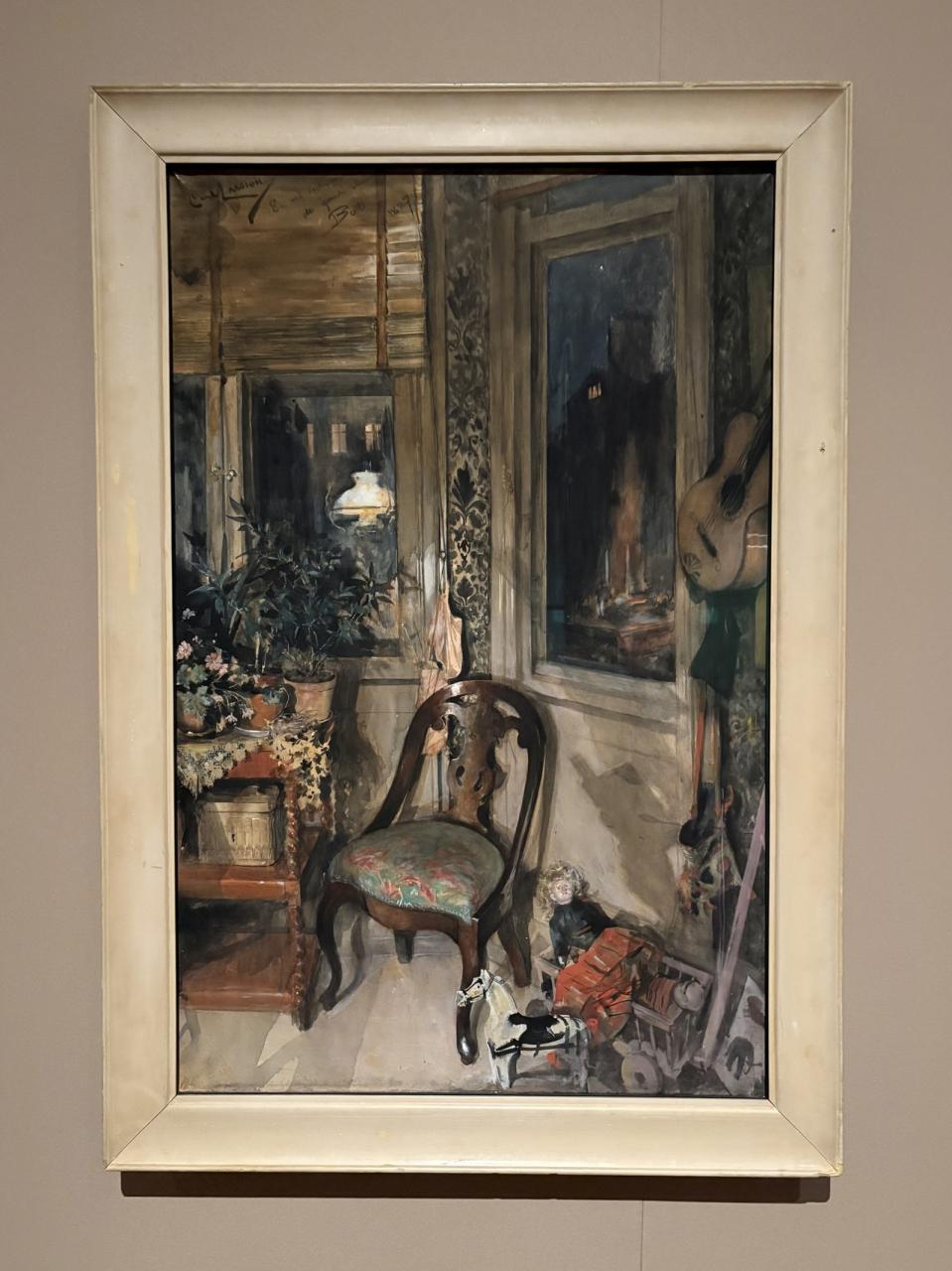
37
カール・ラーション
1853-1919
おもちゃのある部屋の隅
1887年(年記) 水彩、紙
Carl Larson (1853-1919)
Toys in the Corner
Signed 1887 Watercolour on paper
水彩画で名声を得たラーションは、スウェーデンへ帰国後、西部のユーテボリの美術学校で教員を務めた。床に置かれたおもちゃは、この年に生まれた長男ウルフか、3年前に生まれた長女スサンのものだろう。無造作に見えつつも手入れの行き届いた室内や、夜の窓に映る家庭の情景が、ラーション家に満ちる幸福感をいっそう際立たせている。
On winning fame with his watercolour paintings, Larsson returned to Sweden and took employment at Valand Art School in Gothenburg. The toys placed on the floor are perhaps those of his son Ulf, who was born in this year, or daughter Suzanne, born three years earlier. Even with the toys' cluttered appearance, the well-kept room and domestic scenes reflected in its windows vividly convey the happy mood filling the Larson home. -
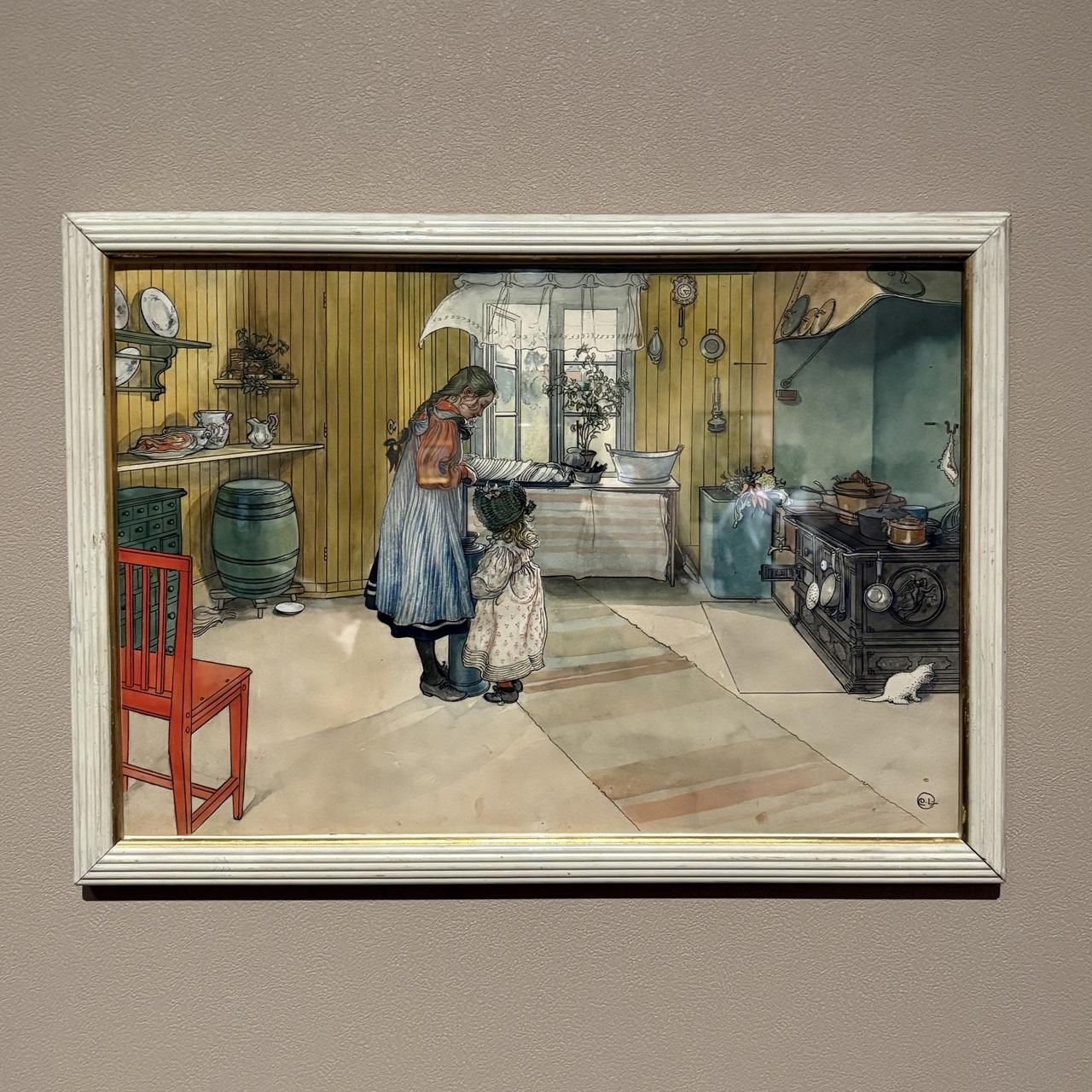
33
カール・ラーション
1853-1919
キッチン(「ある住まい」より)
1894-1899年 水彩、紙
Carl Larsson (1853-1919)
The Kitchen from "A Home"
1894-1899 Watercolour on paper -
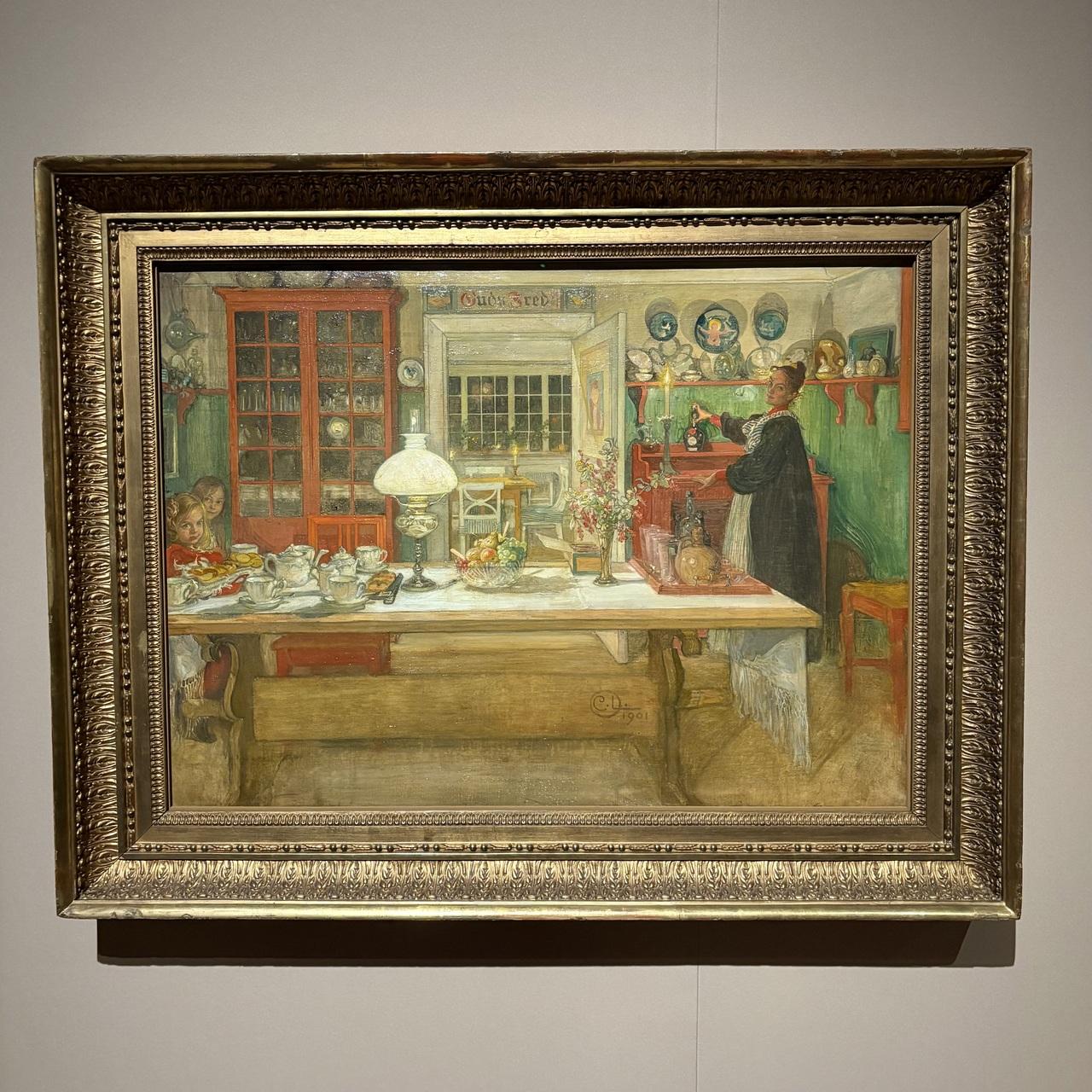
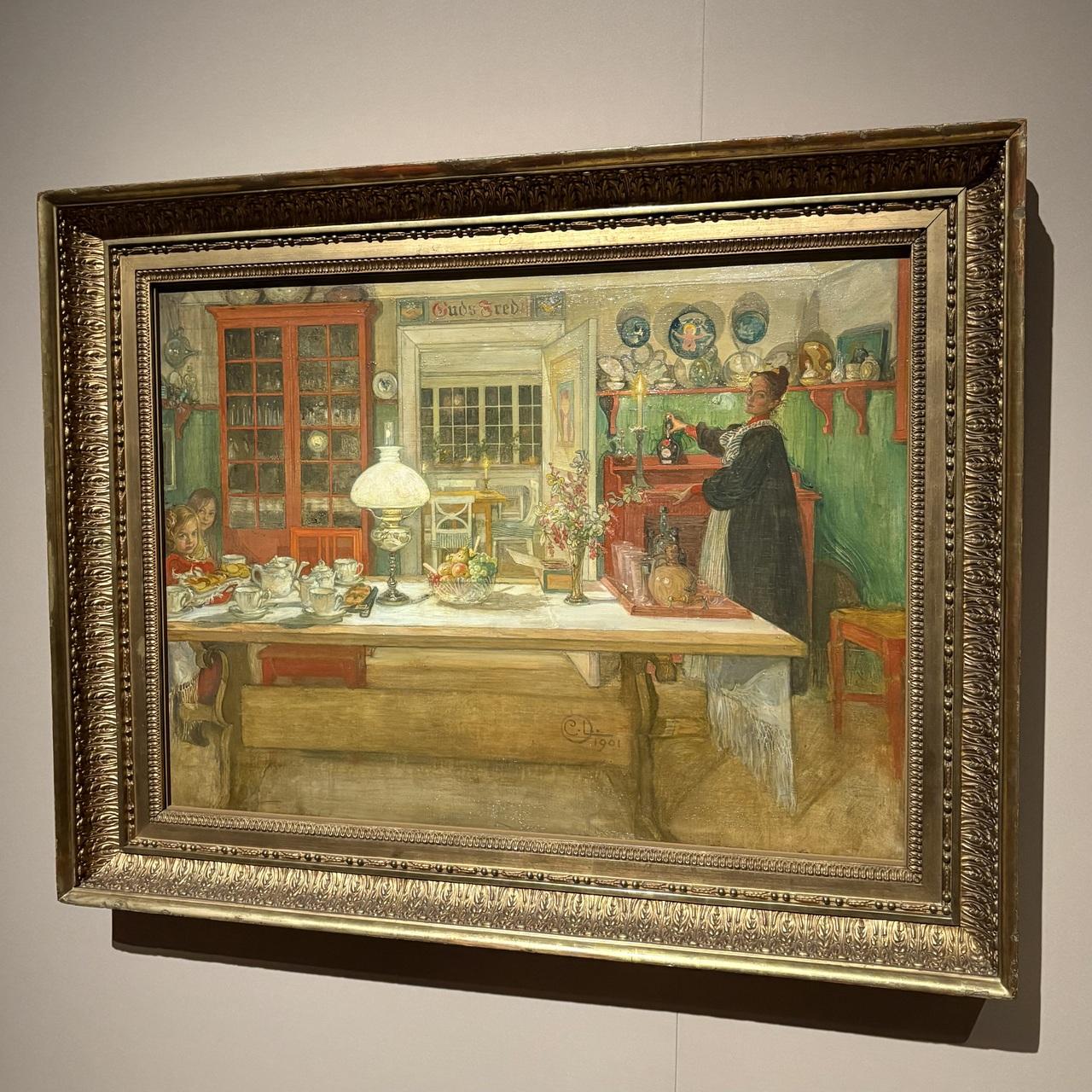
31
カール・ラーション
1853-1919
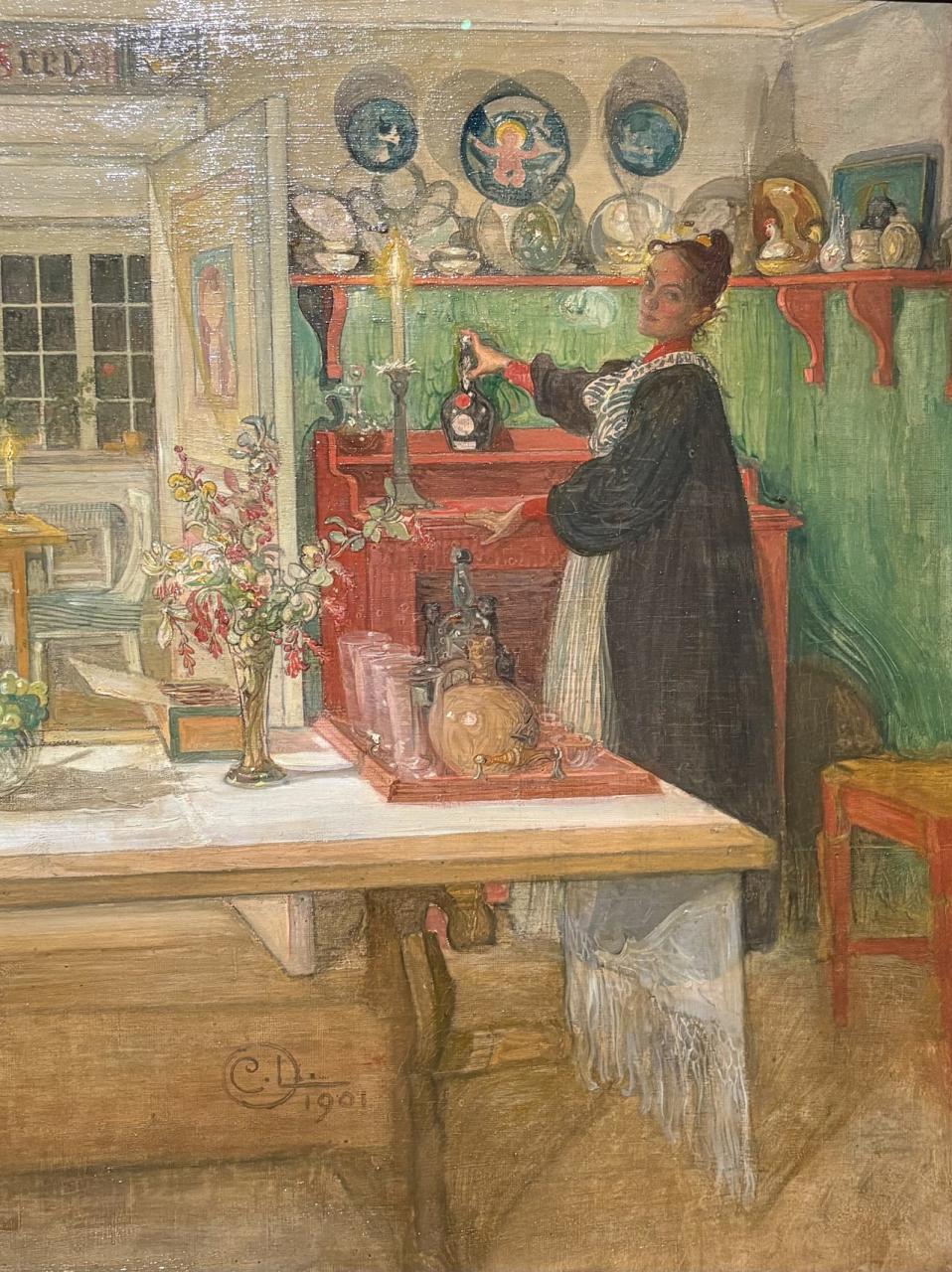
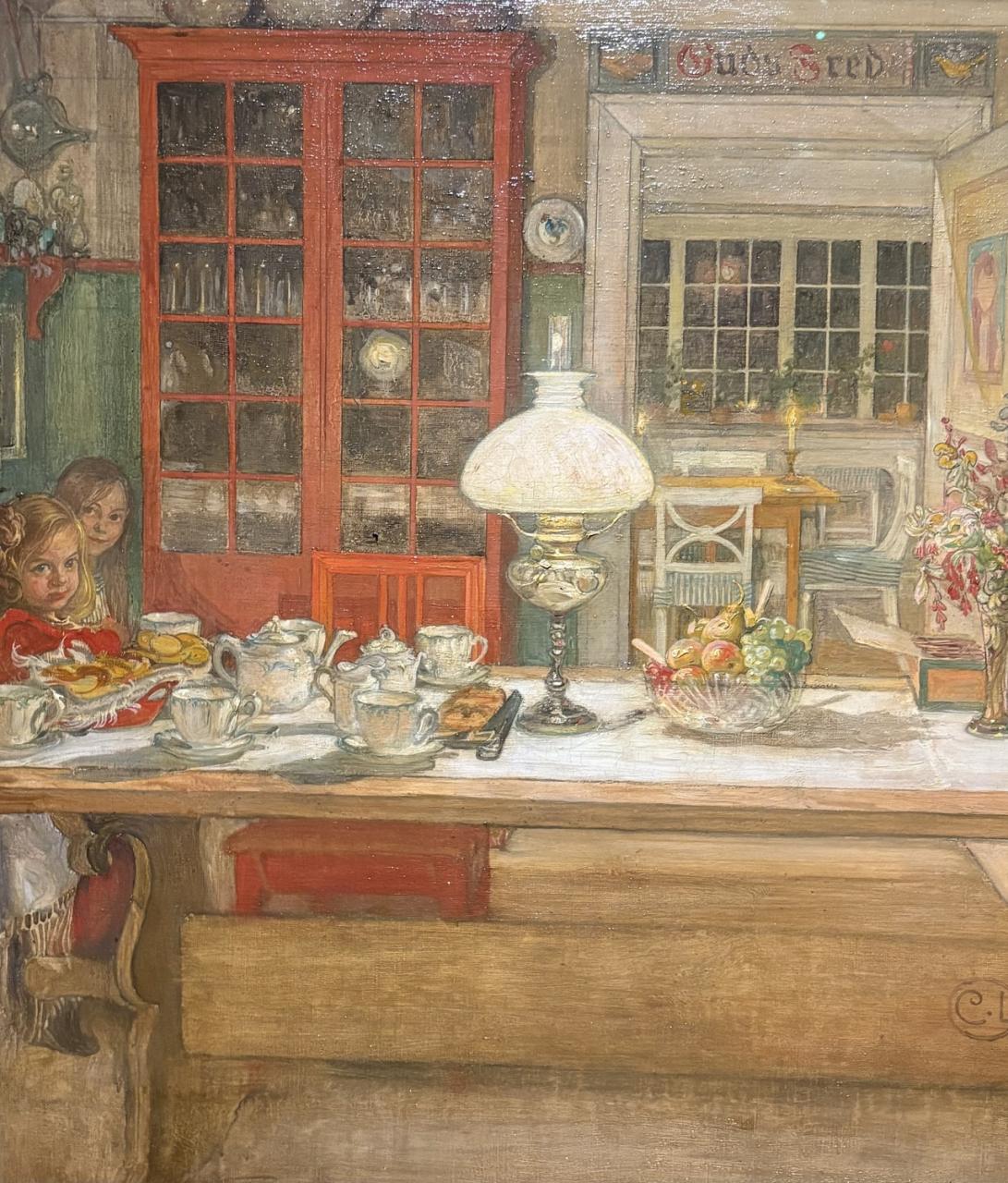
カードゲームの支度
1901年(年記)油彩、カンヴァス
Carl Larsson (1853-1919)
Getting Ready for a Game
Signed 1901 Oil on canvas
画集「ある住まい」を通じて、ラーションの住まいは「スウェーデンらしい暮らし」の象徴となった。カールは村の大人たちを招き、ヴィーラというカードゲームを楽しむつもりで、妻のカーリンと子どもたちが、お酒やお茶を準備している。暗<凍てつく冬の戸外とは対照的に、オイルランプとろうそくの灯りが、この家庭の温かく幸福な情景を優しく照らしている。
Larson's residence became viewed as a symbol of
"Swedishness" through the publication of his art book, A Home (Ett hem). Carl having invited adult village neighbors for a game of Vira, his wife Karin and their children are seen preparing tea and liquor for the visitors to enjoy. Light from an oil lamp and candles gently illuminates a warm and happy scene inside the house, sharply contrasting with the biting cold and darkness of winter outside. -
-
-
-
-
-
-
-
-
50
アンデシュ・ソーン
1860-1920
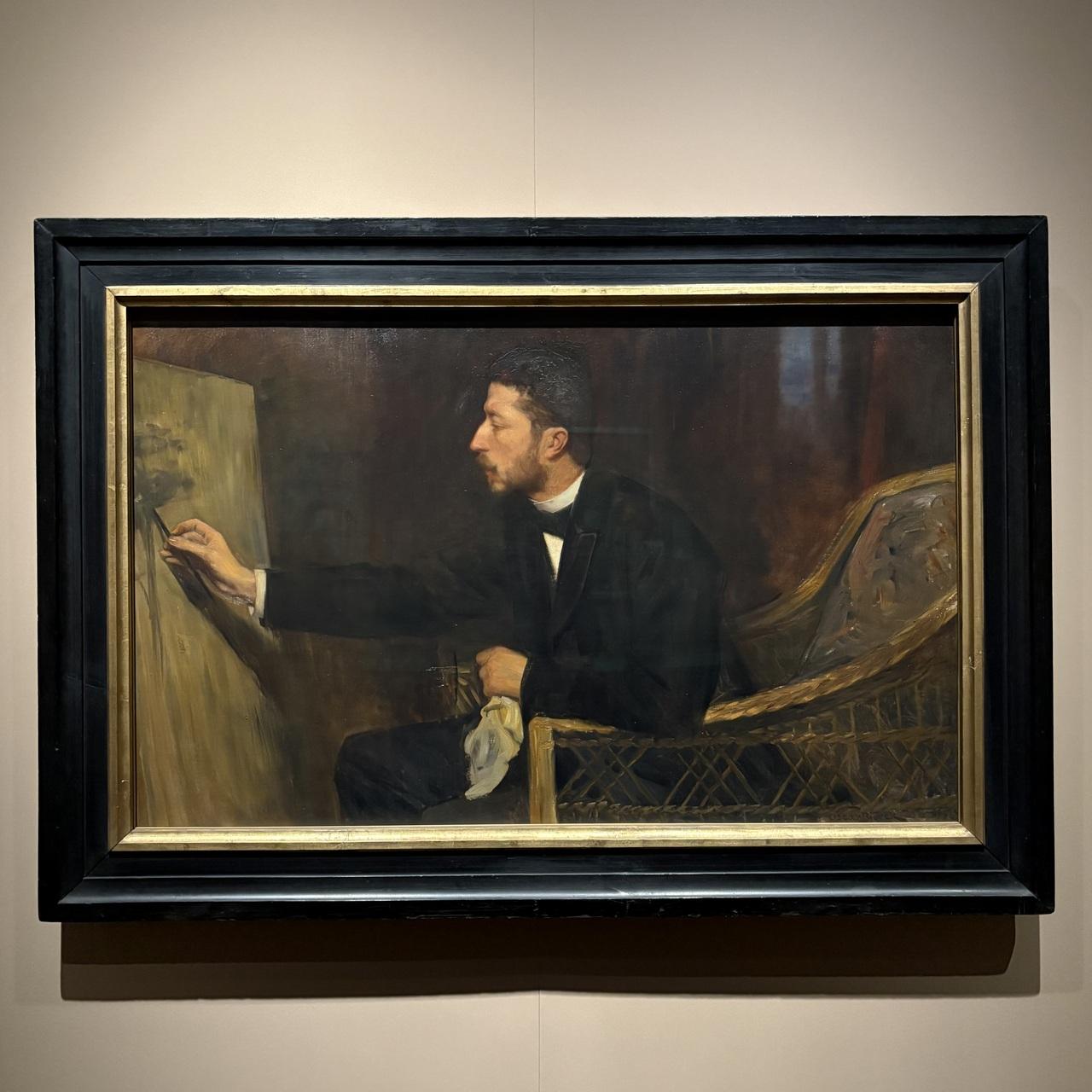
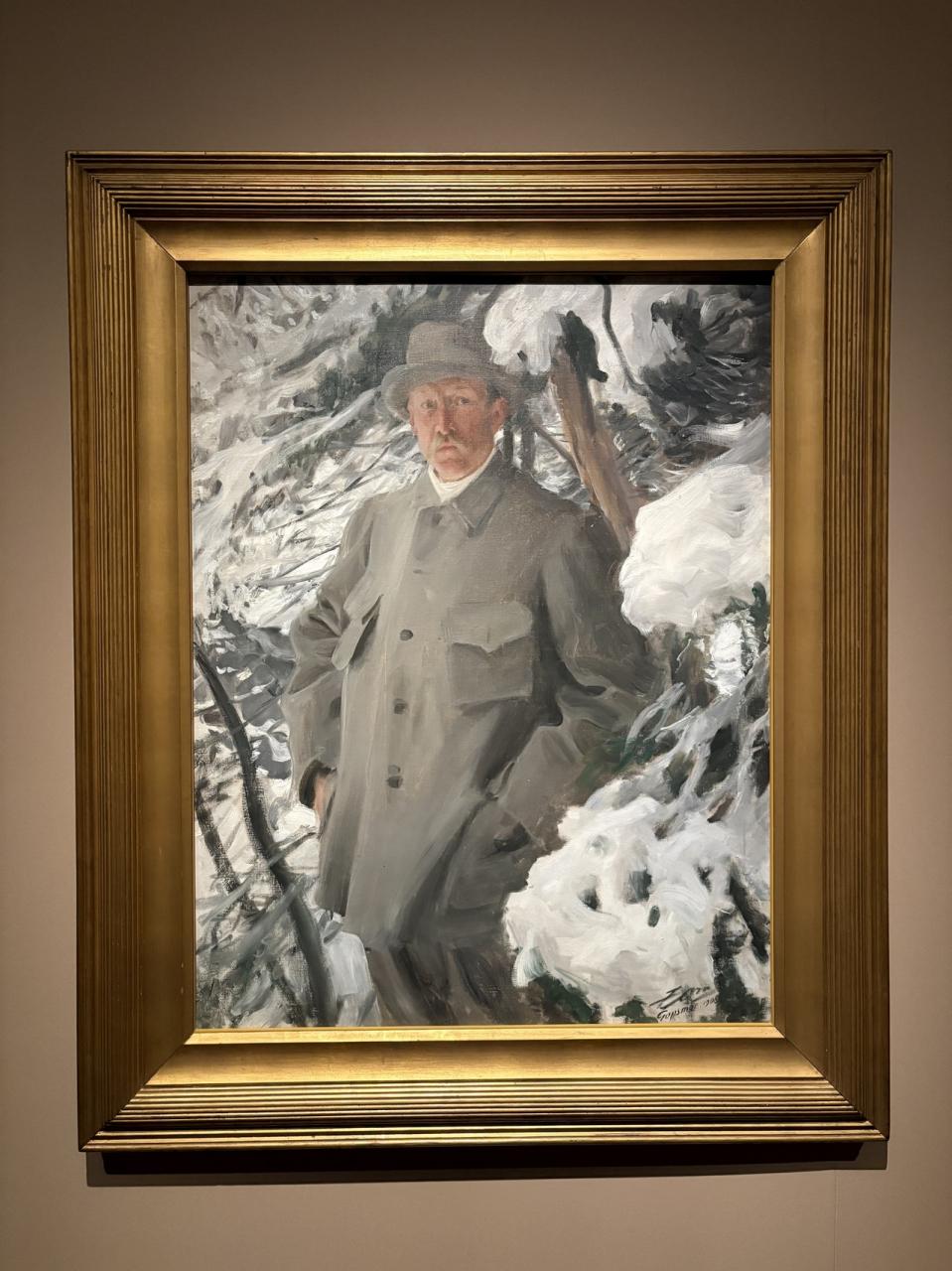
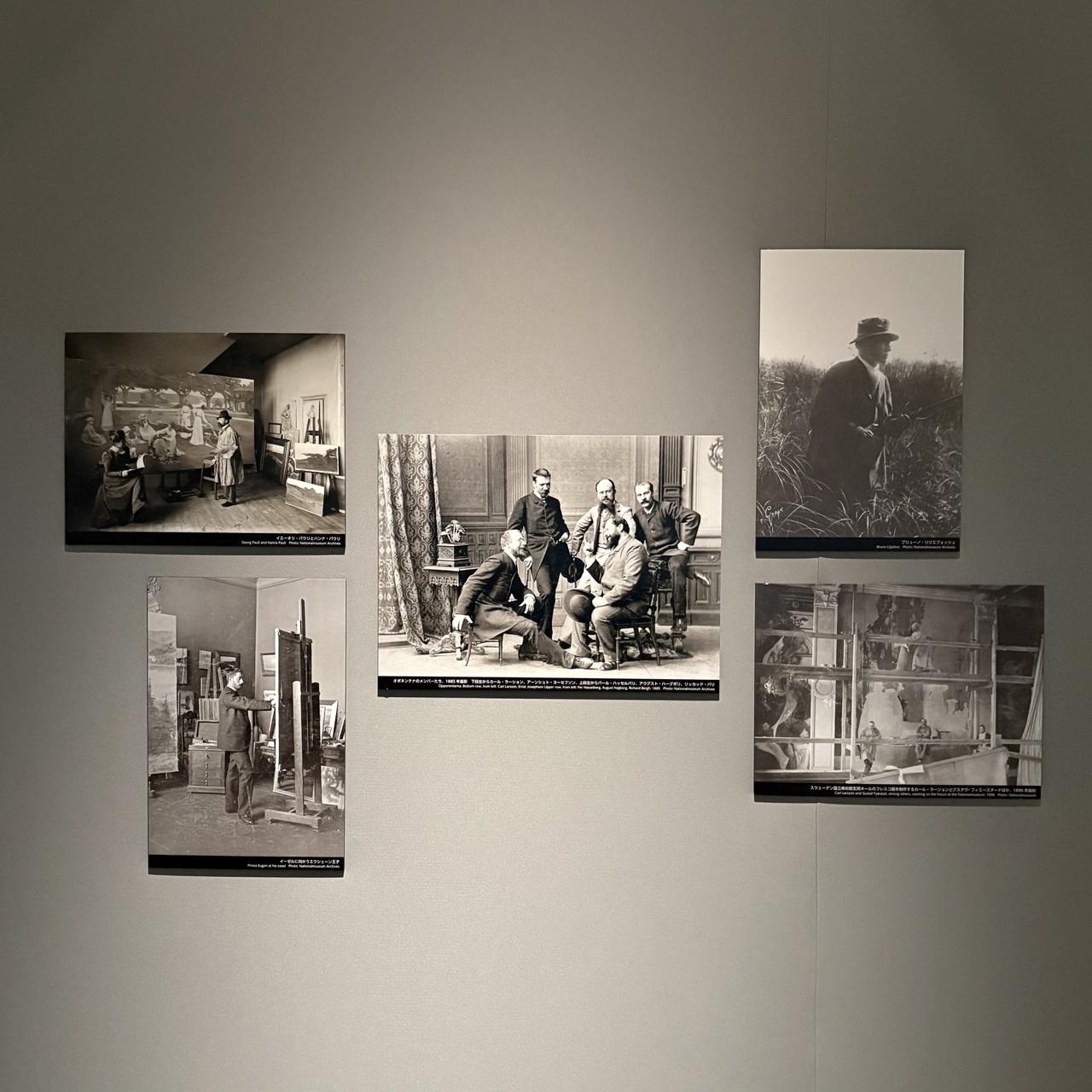
画家ブリューノ・リリエフォッシュ
1906年(年記)油彩、カンヴァス
Anders Zorn (1860-1920)
The Painter Bruno Liljefors
Signed 1906 Oil on canvas
ソーンは、スウェーデン中部に位置する故器モーラの山奥に小屋を購入し、画家仲間を招いた。暖房すらない冬の山小屋は友人たちには不評で、リリエフォッシュも滞在を早々に切り上げたという。雪の中にしては軽済な彼の姿から、本作は本人を前にして最後まで描かれたわけではなく、完成には写真が用いられたのかもしれない。
Zorn, a native resident of Mora in central Sweden, purchased a small cottage in the mountains and invited fellow paerters to visit. The cottage, lacking so much as a heater, was onpopular among his friends in winter months, and even Liljefors felt moved to cut his visit short, Judging from Lifefan appearsace lighty drewed despite the deep snow around him, Zore likely feished the painting from a photograph rather than keep fis friend posing until its completion -
45
アンデシュ・ソーン
1860-1920
音楽を奏でる家族
1905年(年記)油彩、カンヴァス
Anders Zorn (1860-1920)
A Musical Family
Signed 1905 Oil on canvas -
-
-
44
アンデシュ・ソーン
1860-1920
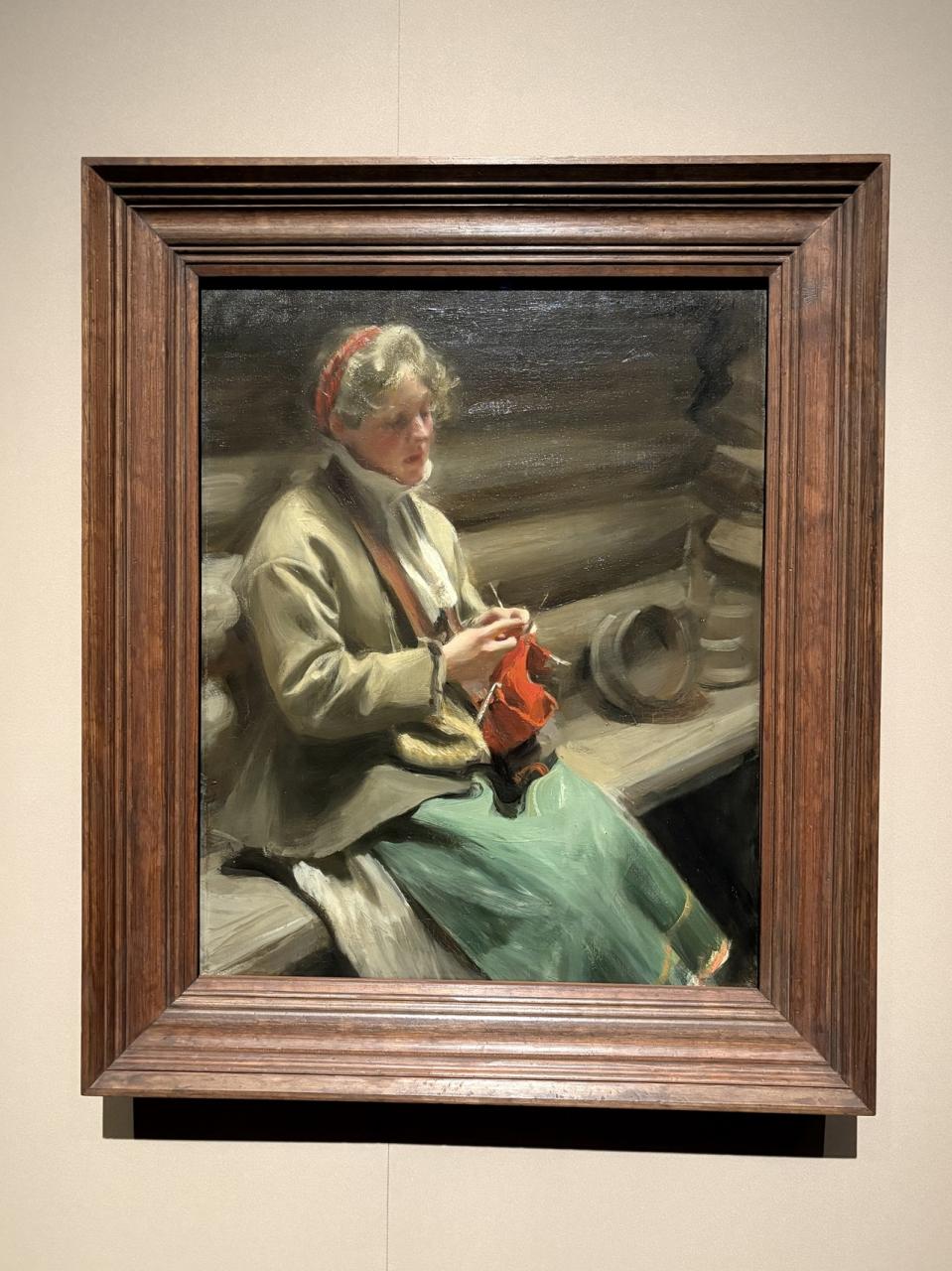
編物をするダーラナの少女コール=マルキット
1901年(年記)油彩、カンヴァス
Anders Zorn (1860-1920)
Dalecarlian Girl Knitting.
Kål-Margit
Signed 1901 Oil on canvas
ダーラナ地方は、スウェーデンの地方のなかでも特に歴史や伝統が息づく土地である。ソーンはダーラナの伝統文化や人々の暮らしに目を向けた。この地に暮らすコール=マルギットは、ソーンの作品にたびたび登場する。歌を口ずさみながら編み物をする彼女の姿を描いた本作は、今日までスウェーデンで最も愛される作品として親しまれている。
History and traditions live on with particular vibrancy in the Dalarna region of Sweden. Zorn turned his focus to Dalarna's traditional culture and its people's way of life.
Käl-Margit, a woman of this region, frequently appears in Zorn's works. This portrait of her knitting while singing
softly has enjoyed popularity as sweden's most loved painting to the present day. -
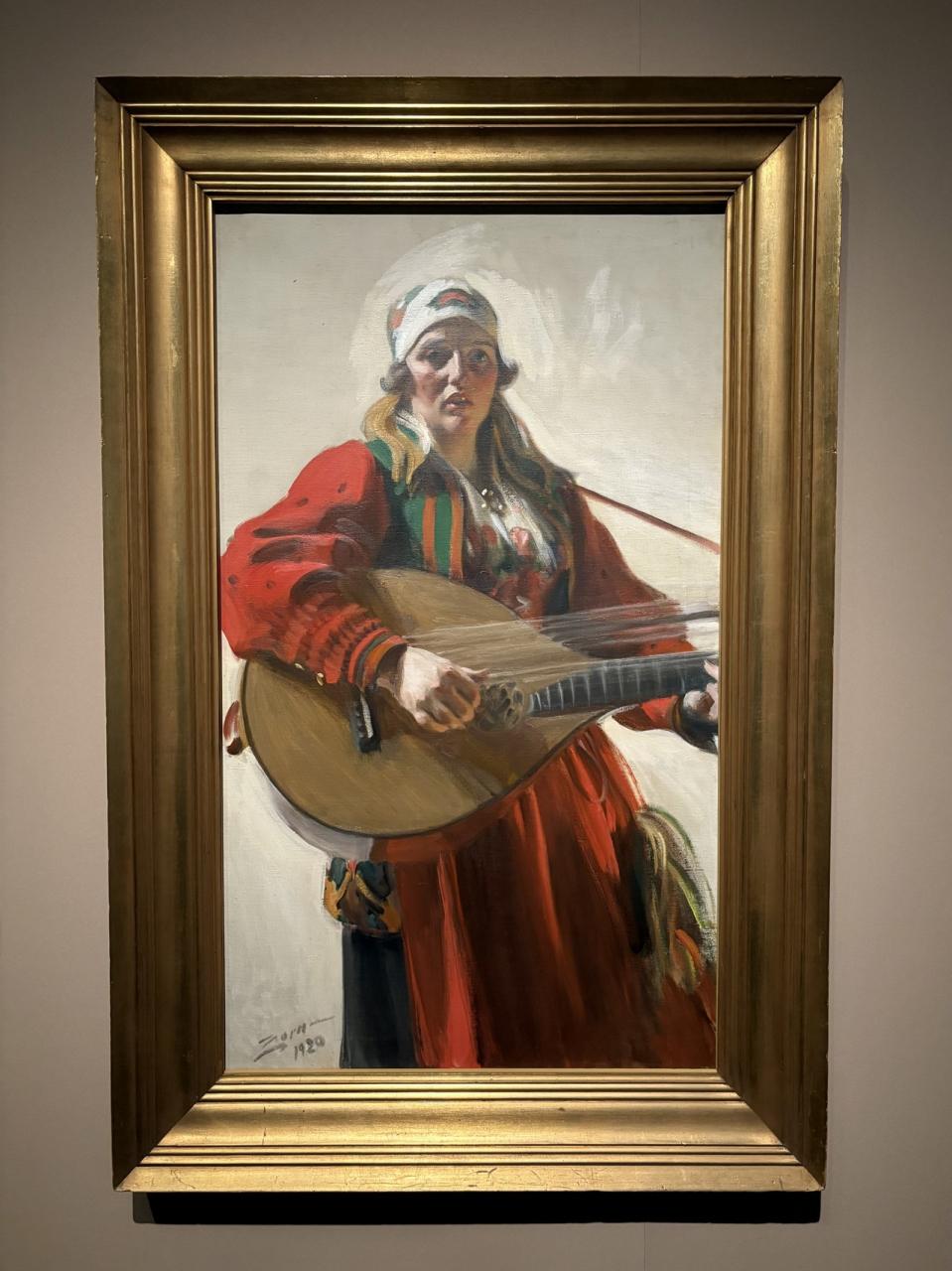
46
アンデシュ・ソーン
1860-1920
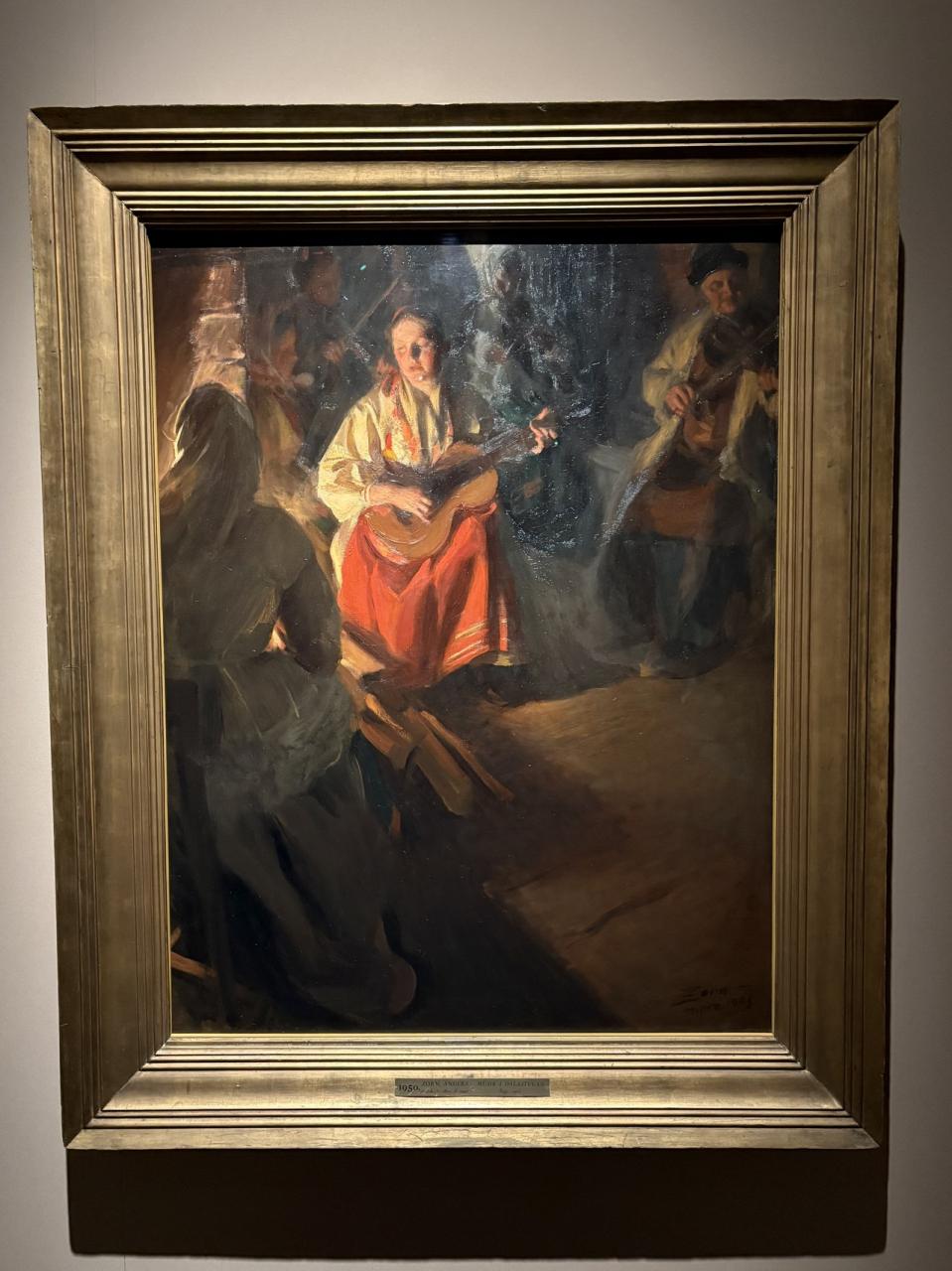
故郷の調べ
1920年(年記)油彩、カンヴァス
Anders Zorn (1860-1920)
Home Tunes
Signed 1920 Oil on canvas
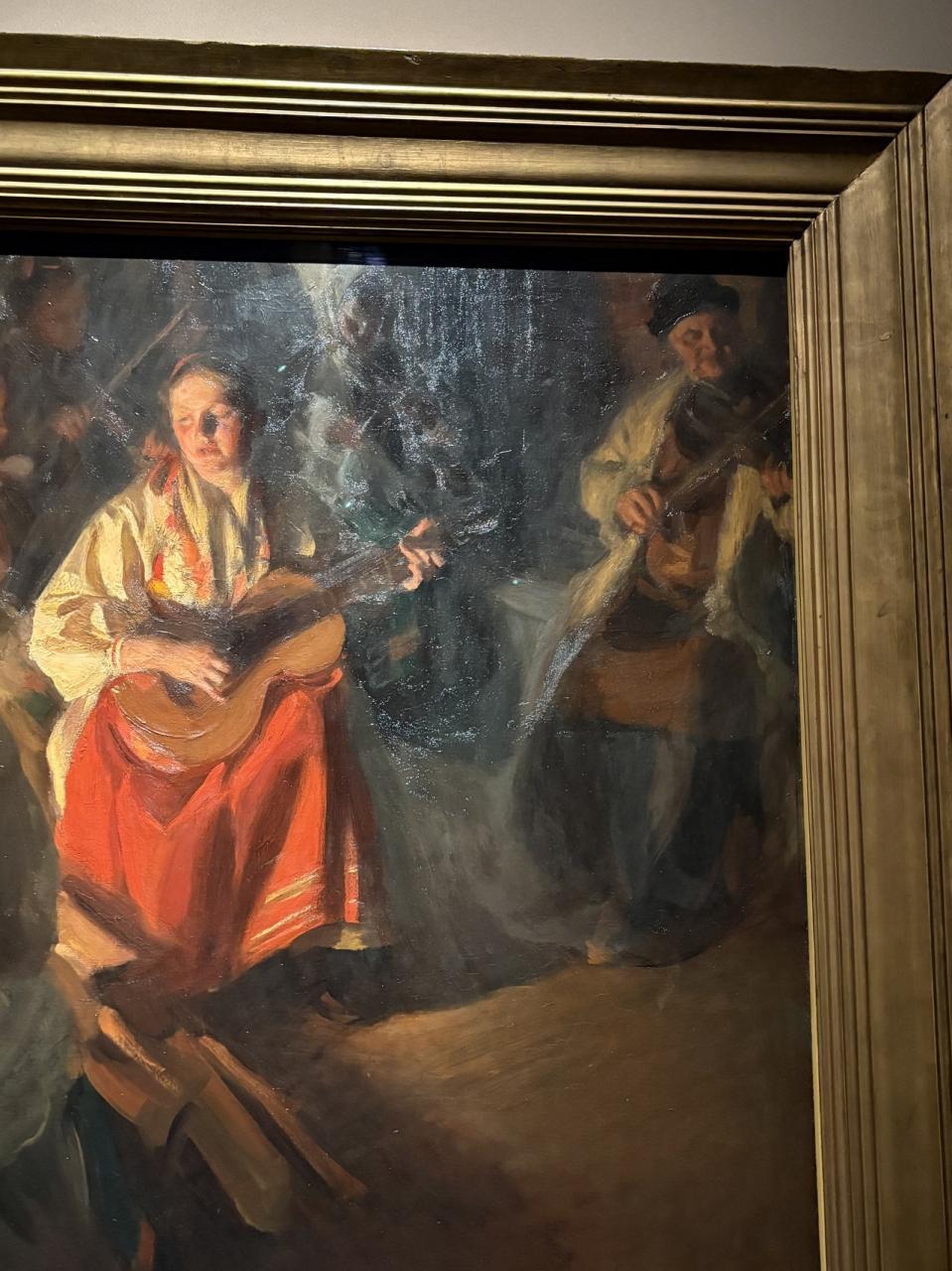
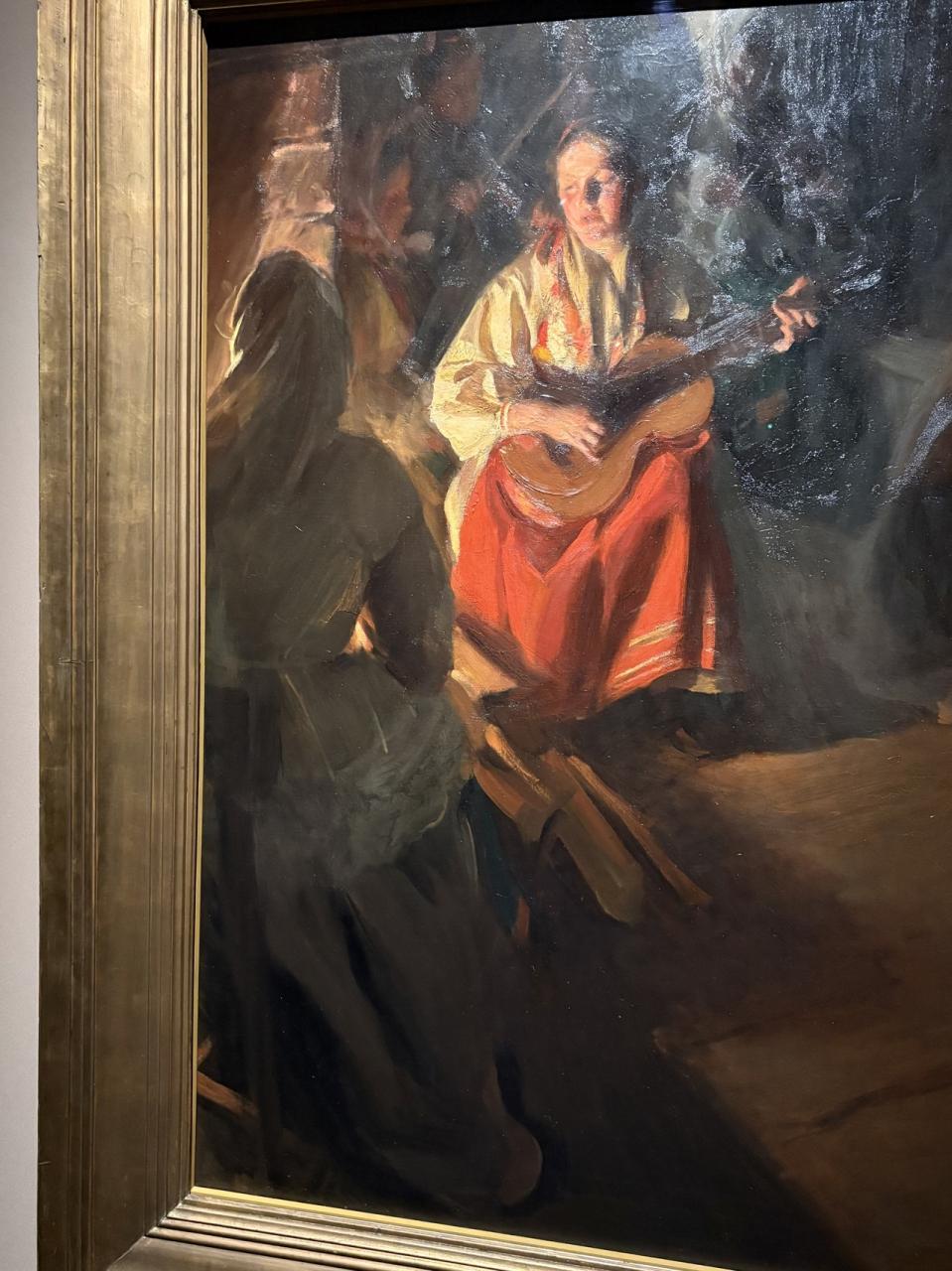
本作はソーンの最晩年に描かれた。ダーラナ地方の民族衣装をまとった女性が、リュートを手に、この地に伝わる音楽を奏でている。その気高く堂々とした姿は、近代化の影で失われつつある地方の伝統文化を永遠にとどめるようだ。大ぷりな筆致でありながら、描写に荒さが見られない点に、肖像画家ソーンの卓越した技術が表れている。
Zorn painted this work in his final years. A woman dressed in the ethnic clothing of Dalarna holds a lute. performing music handed down in the region. Her bearing is proud and dignified as if capturing for all eternity the traditional regional culture being lost in the shadow of modernization. While executed with bold strokes, the absence of roughness in the brushwork shows Zom's masterful technique. -
現実のかなたへ
見えない世界を描く
Exploring the Invisible World
フランスから帰国したスウェーデンの画家たちのなかには、目の前の事物を客観的に描写することよりも、感情や気分といった内面の世界を表現することに関心を寄せる者もいた。彼らは、現実のかなたにある人間の目に見えない心理や精神のありようを、絵画で探ろうとしたのである。
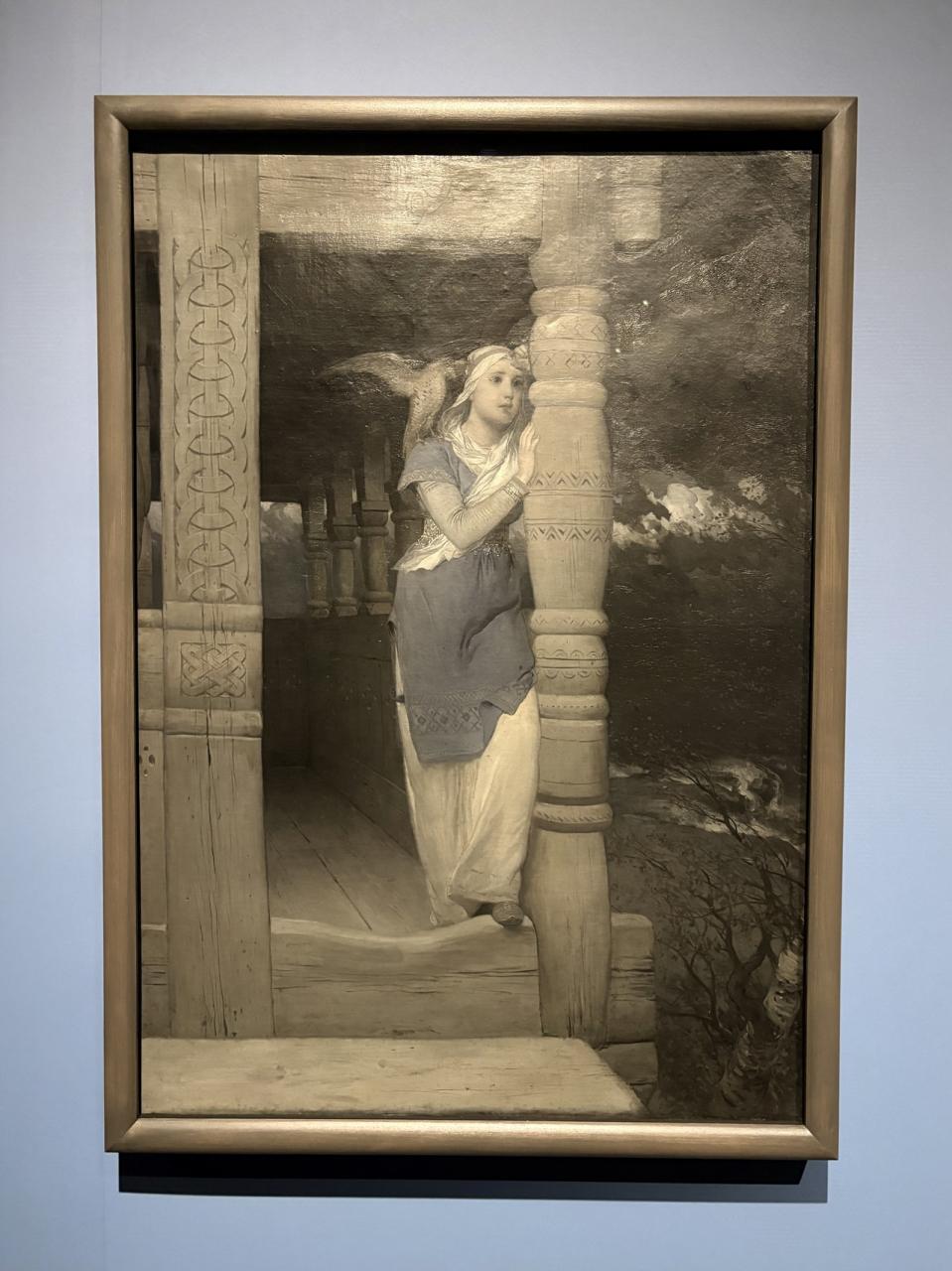
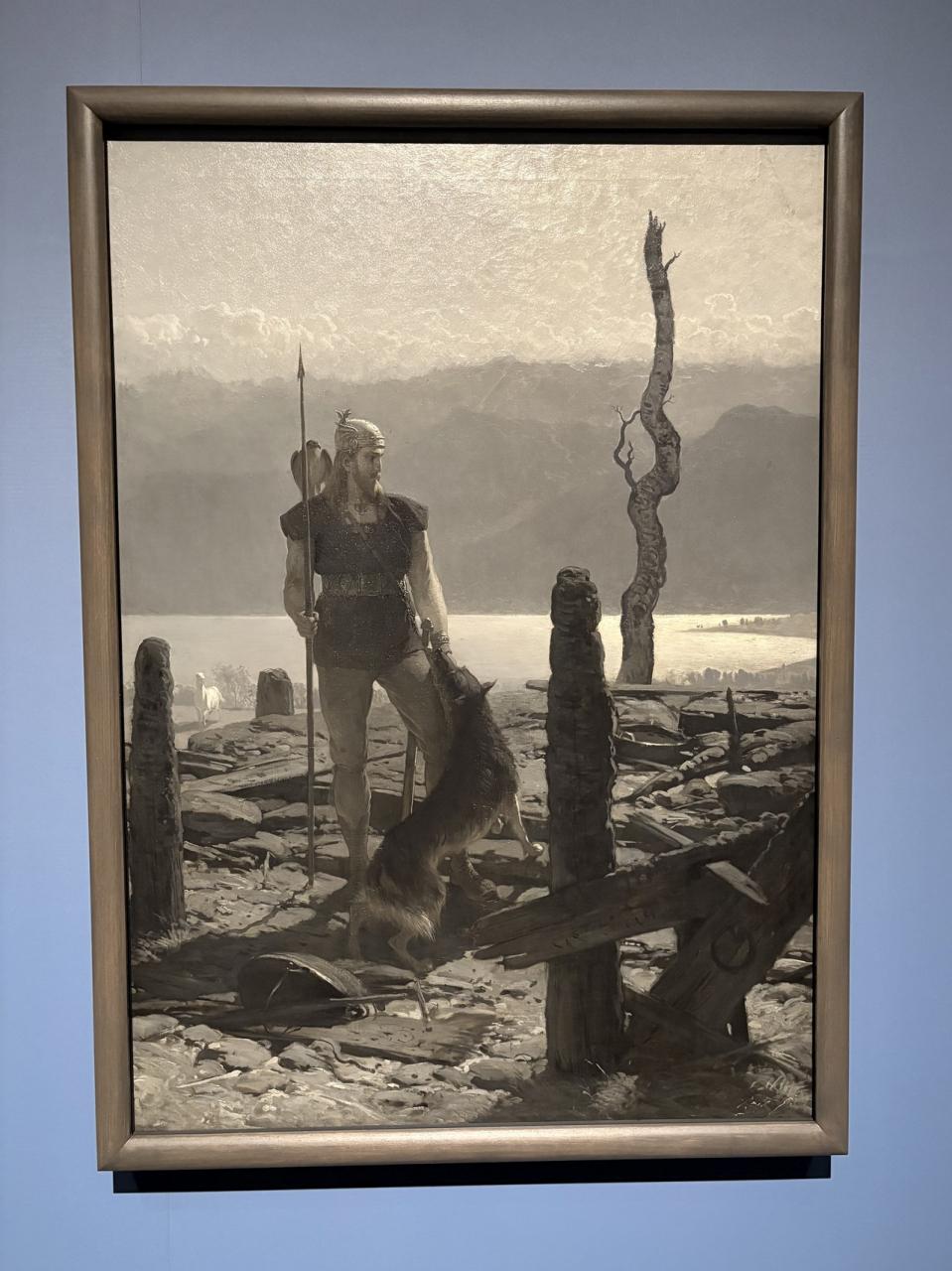
北欧の神話や民間伝承といった民族的な主題に対する関心の高まりは、ある種のナショナリズムと結びついている。『フリッティオフ物語』などの古代北欧の物語や、水の精ネッケン、トロルといった北欧の民間伝承や神話上の存在は、画家たちのスウェーデン人としての誇りと想像力をかき立て、その内なる世界を象徴する、神秘的なイメージを生み出す源泉となった。
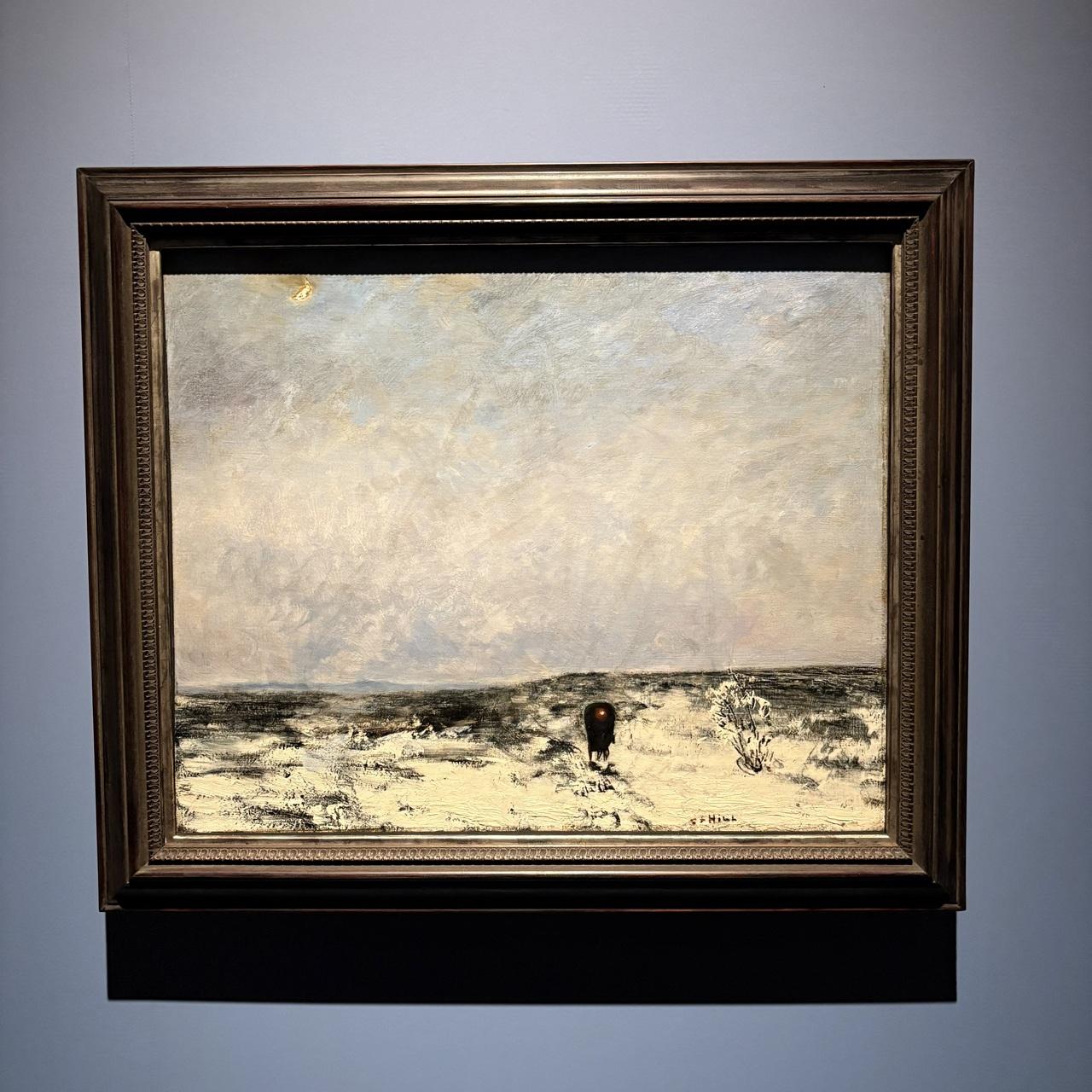
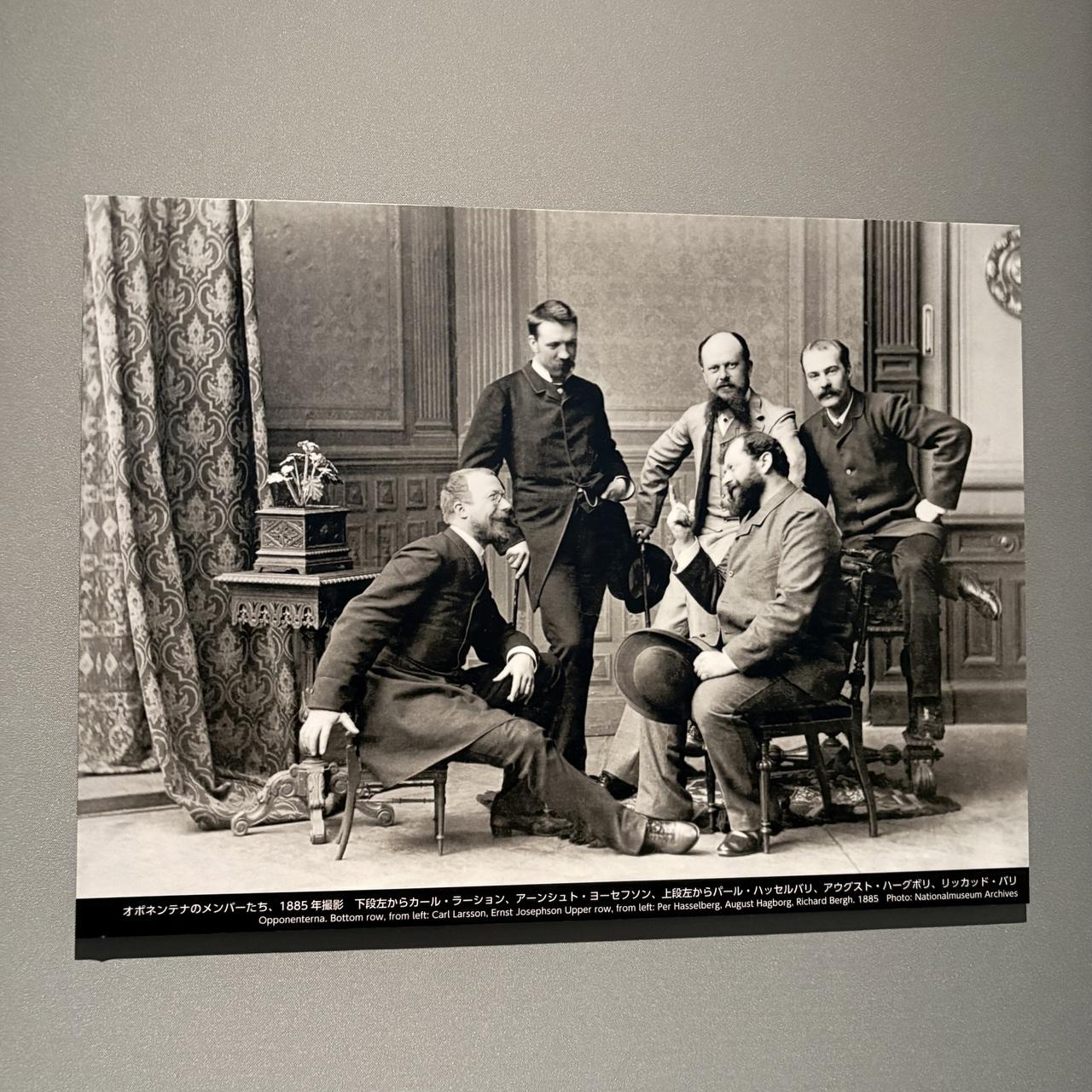
また、精神の不安定さと向き合い、その葛藤のなかで創作活動を行った画家たちもいた。カール=フレードリック・ヒルやアーンシュト・ヨーセフソンは、ともに精神のひずみや孤独を受け止める手段として絵を描き、幻想や幻覚を映し出すような作品を制作した。
こうした現実を越えた世界を描き出した芸術家のなかで、ひときわ特異な存在がアウグスト・ストリンドバリである。彼は自身の心境を強く反映しつつ、偶然に委ねながら即興的な技法で、観る者の心理に直接訴え掛けてくる独特のイメージを生み出した。
Some among the Swedish painters returning from France focused on expressing an inner world of moods and emotions rather than objectively depicting what appeared before them. They sought to explore, through painting, the invisible world of the human psyche and spirit beyond visible reality.
The visual expression of ethnic motifs from Nordic mythology and folklore was closely linked to a kind of nationalism. Ancient Norse legends such as Frithiof's Saga, along with figures from Nordic folklore and mythology - Näcken (the water sprite) and trolls - stirred the painters' pride as Swedes and fired their imaginations, becoming a source for mysterious images that symbolising their inner worlds.
Some painters, sensing the danger of mental collapse or else struggling with inner chaos, dared to express the instability of their emotional condition. Carl Fredrik Hill and Ernst Josephson both painted works evoking illusions and hallucinations as a means of pacifying their irrational thoughts and loneliness.
Among these artists who depicted a world beyond reality, the most idiosyncratic was August Strindberg. Employing a self-made method of painting spontaneously, leaving much to chance, he created images mirroring his own psychological stages that spoke directly to the viewer's psyche. -
-
-
-
-
-
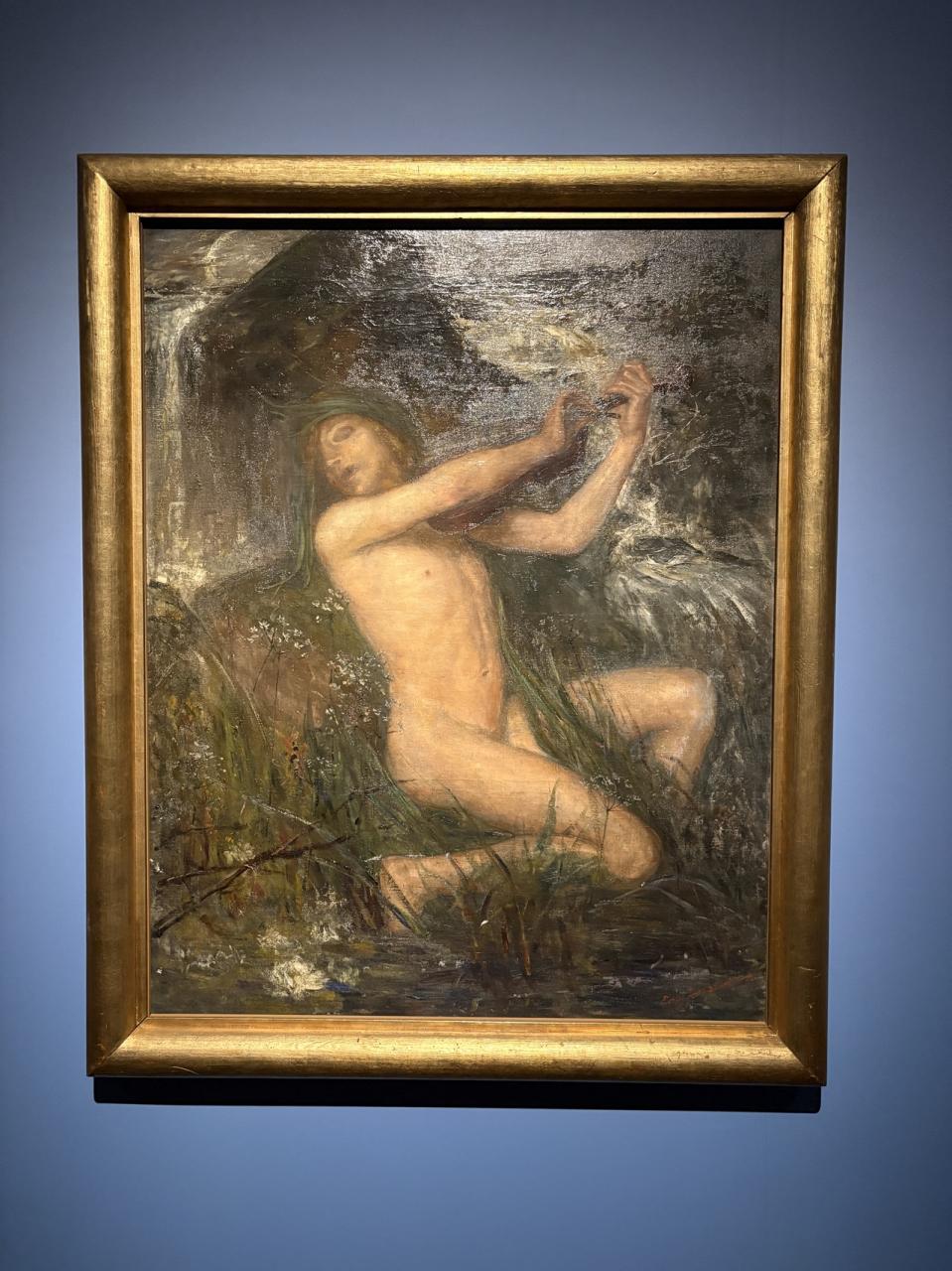
55
アーンシュト・ヨーセフソン
1851-1906
水の精(ネッケン)
1882年 油彩、カンヴァス
Ernst Josephson (1851-1906)
The Water Sprite
1882 Oil on canvas
ネッケンとは、北欧の民間伝承に登場する水の精。彼の奏でる弦楽器(フィドル)の音色は、聴<者を魅了し、水の中へ引きずり込むと信じられていた。ヨーセフソンは水の精の構想を長年あたためており、空想上の存在の水の精に、孤高の芸術家としての姿と、孤独や不安に苦しむ自らの姿を重ね合わせた。
The Näcken is a water sprite who appears in Nordic folklore. The music he plays on a fiddle was believed to charm people and lure them into the water. In his imaginary water sprite, a conception he fostered for many years, Josephson overlays his struggle with loneliness and anxiety on his own figure as a solitary artist. -
-
57
カール=フレードリック・ヒル
1849-1911
最後の人類
1877年以降
油彩、厚紙(メゾナイトに貼り付け)
Carl Fredrik Hill (1849-1911)
The Last Human Beings
After 1877 Oil on cardboard mounted on masonite
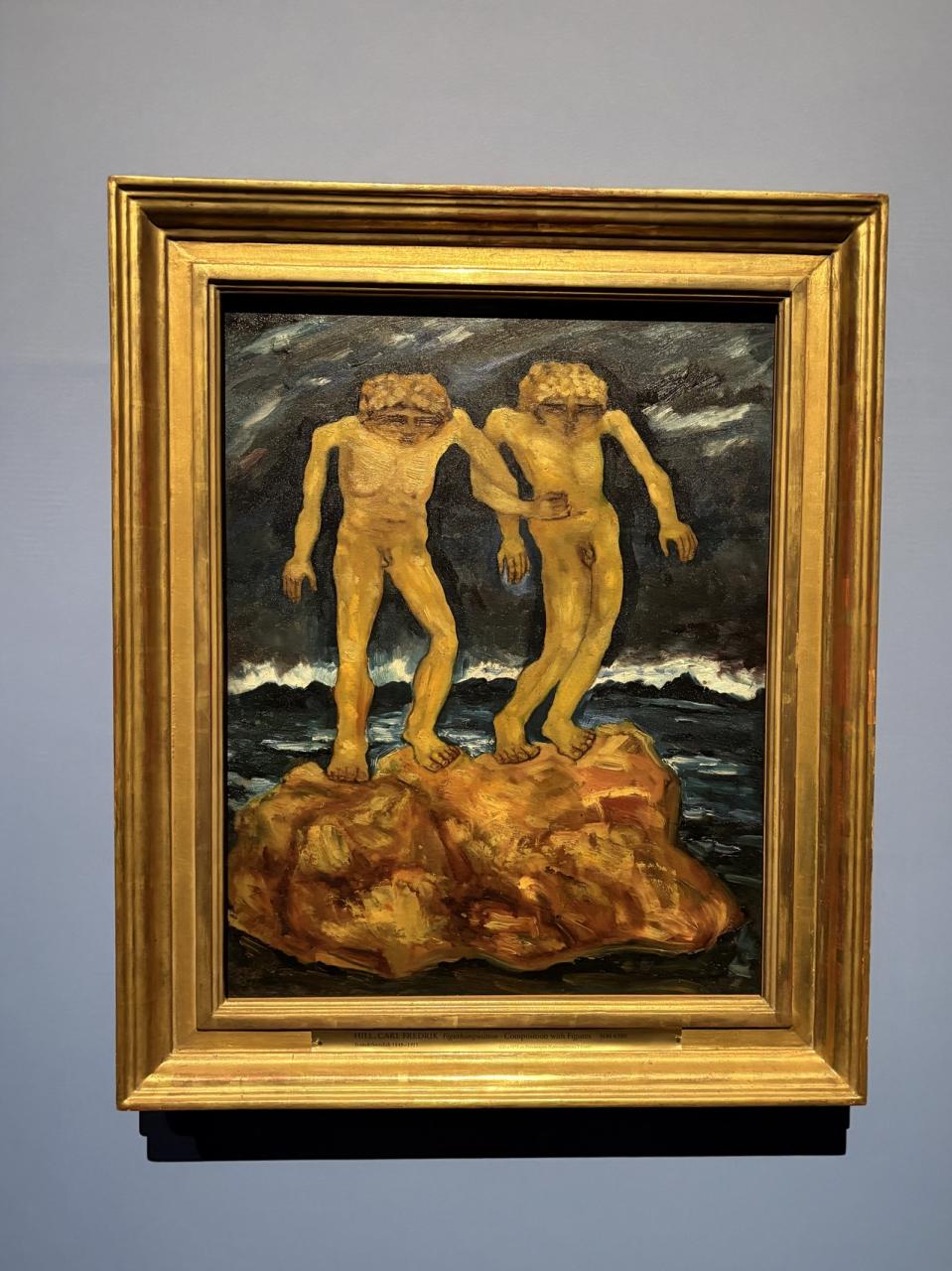
ヒルは1878年1月に精神の均衡を崩してしまう。1883年から亡くなるまでの約30年間をスウェーデン南部のルンドにある両親の家で療養し、何千枚ものドローイングを描いた。本作はおそらくその時期に描かれたもの。二人の男が混沌とした世界の中で、足の地面が侵食される様子を不安気に見下ろし、離れまいと腕を組んでいる。
In January 1878, Hill suffered a severe psychotic attack. Thereafter, for some 30 years from 1883 until his death, he took sanctuary in his parent's home in the southern Swedish city of Lund and created thousands of drawings.
This is likely a work of that period. In a world consumed by chaos, two men anxiously look down to see the ground eroding under their feet and cling to each other's -
58
アーンシュト・ヨーセフソン
1851-1906
恍惚とした人々
1888年以降 油彩、板
Ernst Josephson (1851-1906)
Ecstatic Heads
After 1888 Oil on panel
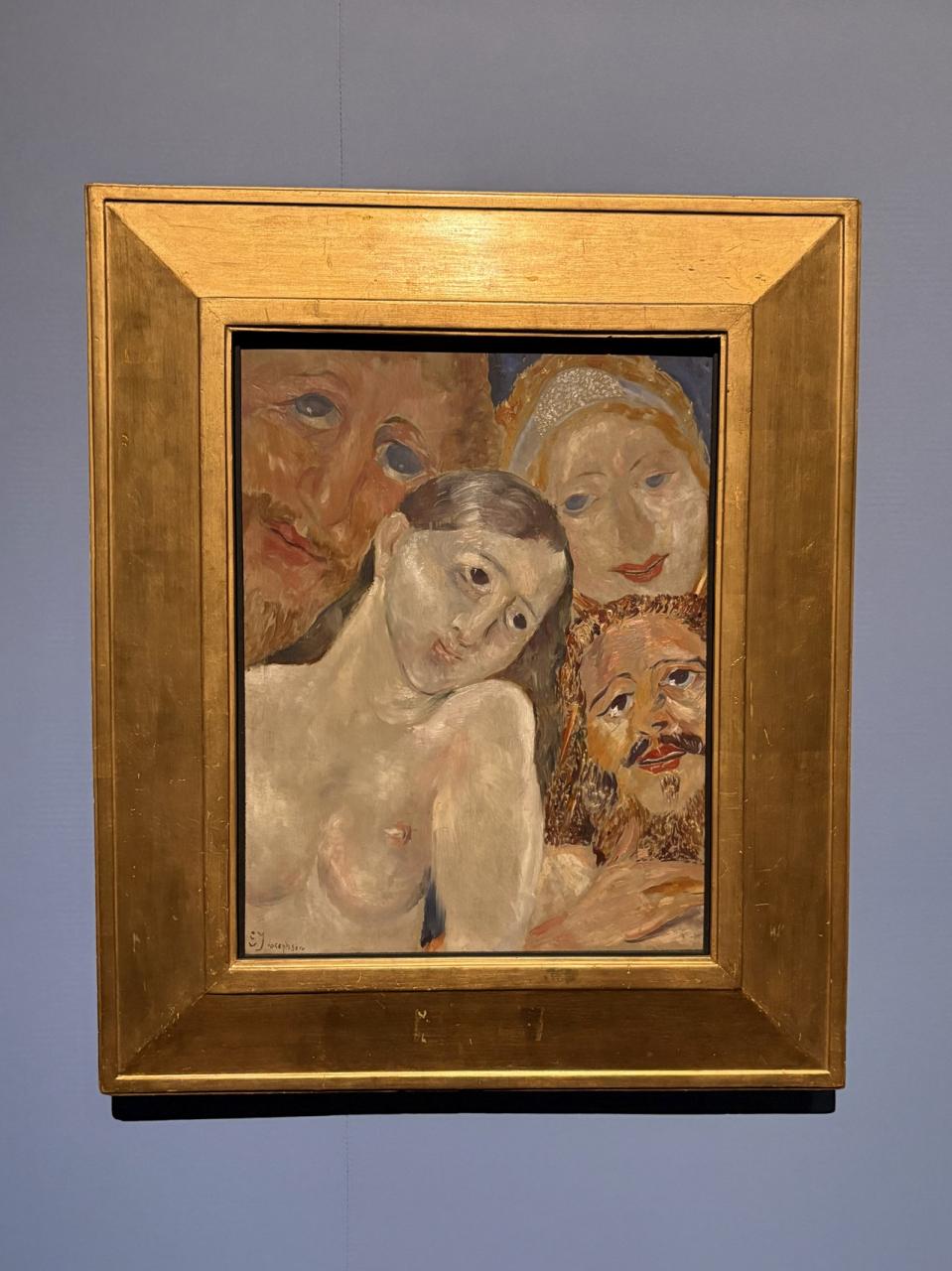
心身の疲労を蓄積させたヨーセフソンは、精神に変調をきたし、内面世界に閉じこもっていく。彼は医師の勧めで絵を続け、歴史や文学などに基づくドローイングを残した。画面いっぱいに描かれた4人の視線は、互いとも鑑賞者とも交わらず、恍惚とした表情で現実を越えた世界を見ているようだ。右下の人物はヨーセフソン自身ともいわれる。
Undergoing mental and physical fatigue, Josephson became mentally ill and retreated into an inner world. At a doctor's advice, he continued to paint and produced drawings based on history and literature. The four faces entirely filling this picture wear expressions of ecstasy, as if beholding a world transcending reality, and make no eye contact, neither with each other nor the viewer. The lower right face is said be that of Josephson himself. -
-
-
アウグスト・ストリンドバリ
1849-1912
August Strindberg (1849-1912)
63
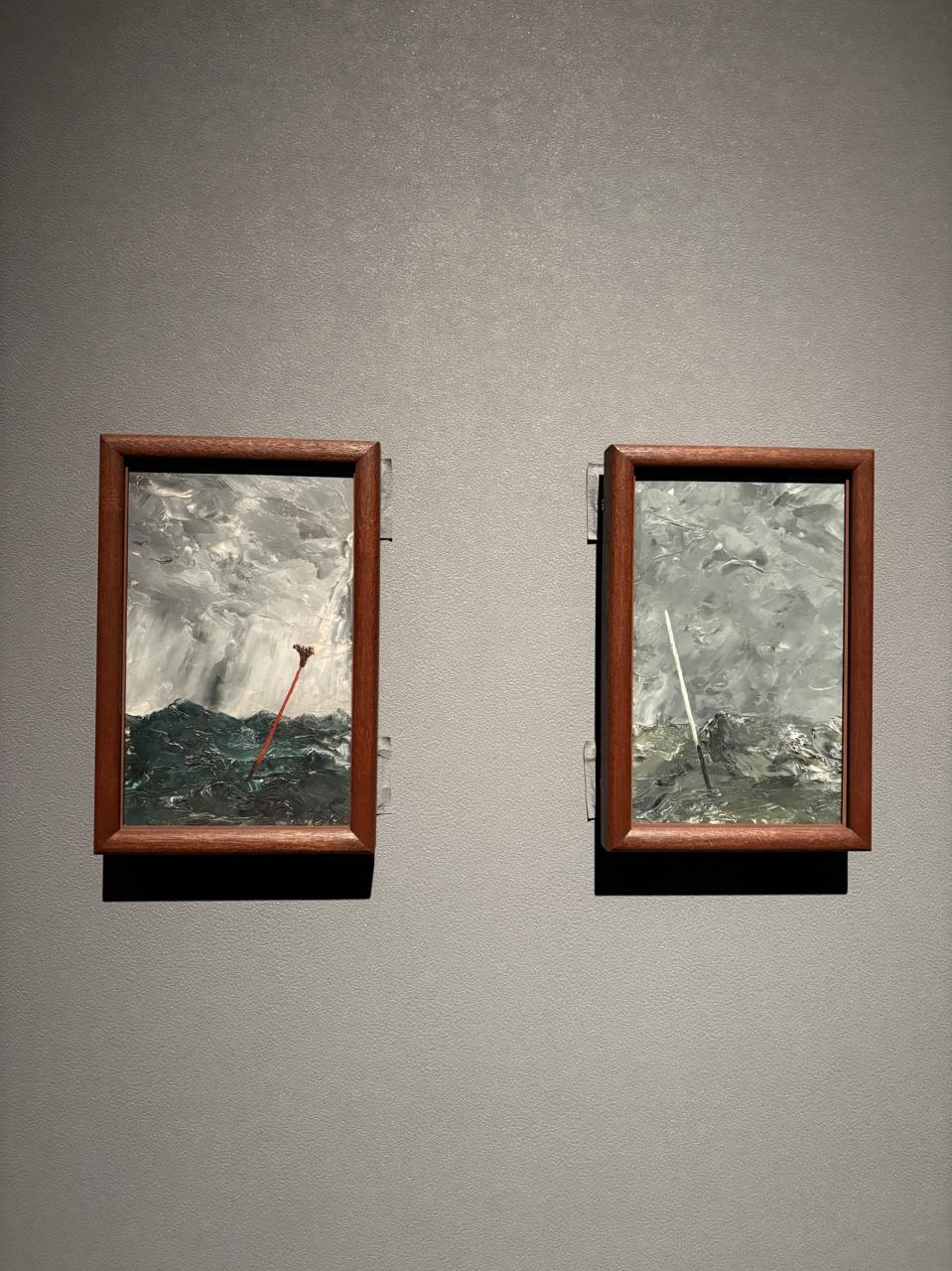
嵐の海、目印のないブイ
1892年 油彩、厚紙
Stormy Sea.
Buoy without Top Mark
1892 Oil on cardboard
62
嵐の海、ほうき状のブイ
1892年油彩、厚紙
Stormy Sea. Broom Buoy
1892 Oil on cardboard
ストリンドバリは、この年ストックホルム南東の港町ダーラルウーを訪れ、さまざまな海の姿を描いた。カンヴァスの全面が海と水平線と空で占められ、ミニマムな構図とペインティングナイフによる大胆な厚塗りが目を引く。海を題材とした彼の小説との関係も指摘されるが、彼の絵は必ずしも小説の一節を再現することを目指したものではなかった。
In this year, Strindberg visited the port city of Dalarö, southeast of Stockholm, and painted various seascapes. The entire canvas is occupied by sea, horizon, and sky. Our eye is caught by the minimalist composition and bold impasto strokes with a painting knife. A connection with his sea novels has been suggested, but Strindberg's paintings were not necessarily intended to reproduce passages from his writings. -
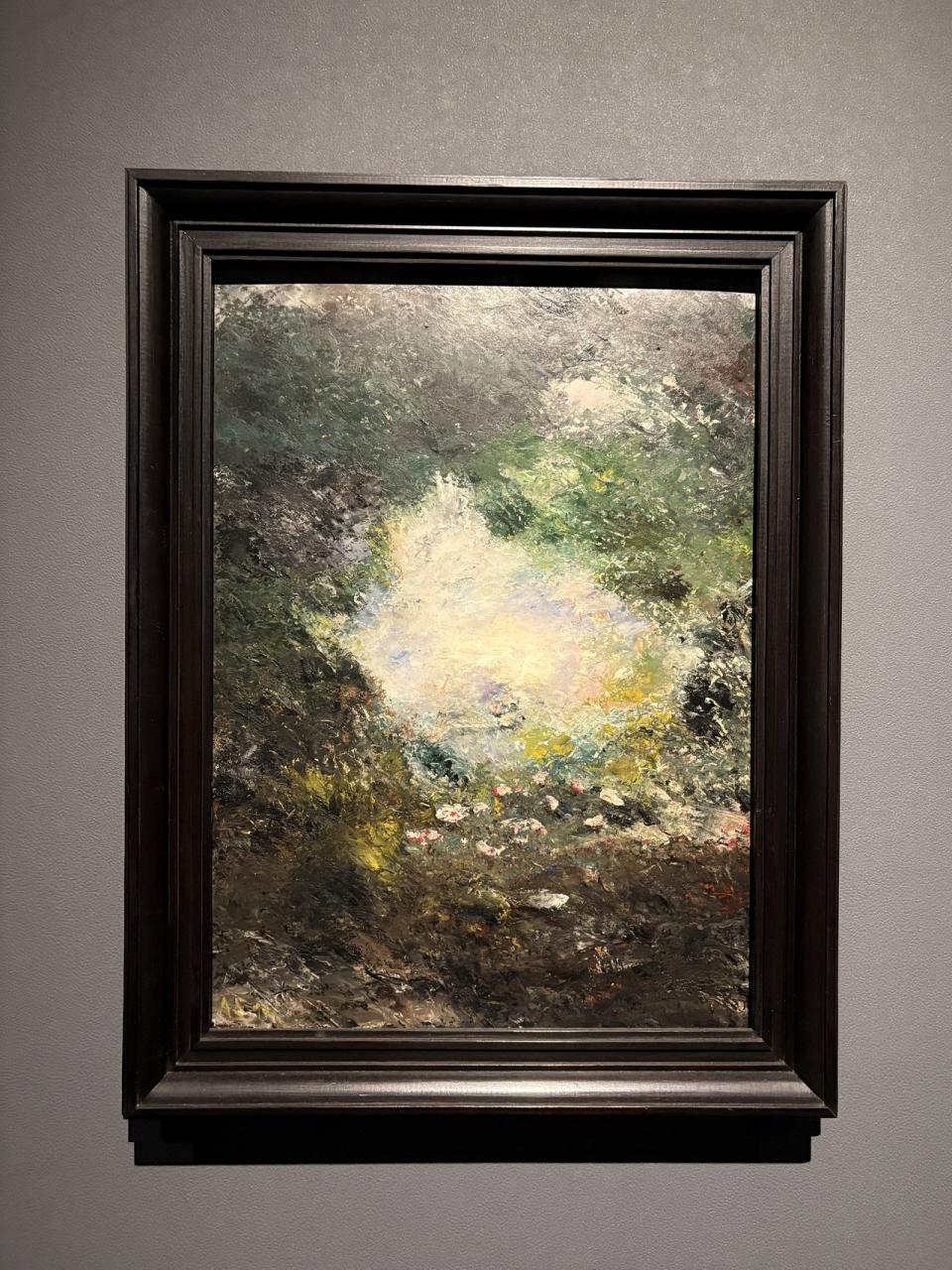
64
アウグスト・ストリンドバリ
1849-1912
ワンダーランド
1894年(年記)油彩、厚紙
August Strindberg (1849-1912)
Wonderland
Signed 1894 Oil on cardboard
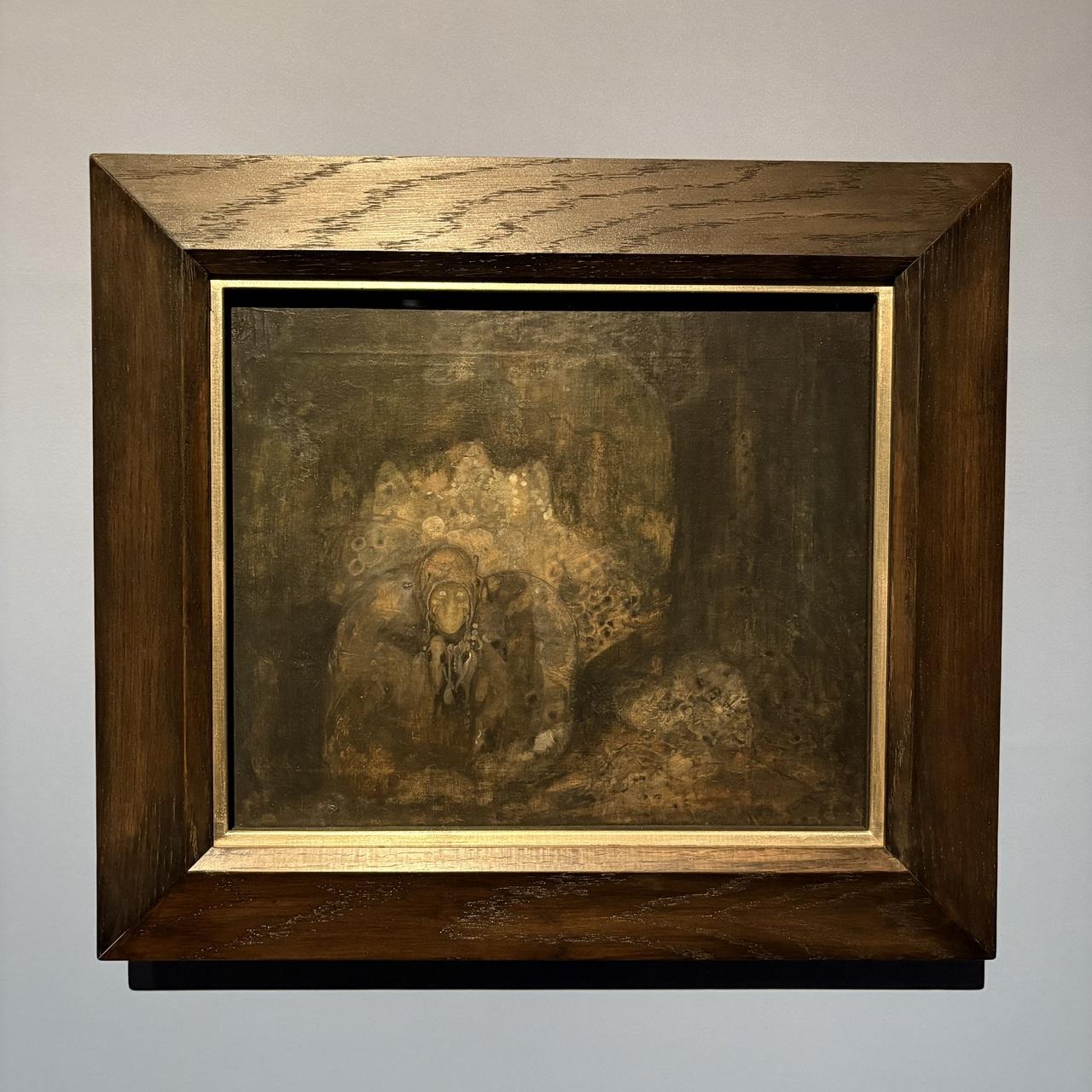
ストリンドバリは、19世紀北欧を代表する小説家、劇作家として知られ、極めて独創的な作品を生み出した。本作は当初「日没の海が見える森の中」を描こうとしたが、制作の過程で森は洞窟に、中央部分は彼方へと広がる光の空間へと変容したとされる。ペインティングナイフによる大胆な筆さばきや個然性にまかせた実験的な表現に、彼の絵画制作への関心がうかがえる。
Strindberg, known as an important 19th-century Swedish novelist and playwright, produced highly original paintings, unique for their time. This work he intended to be "a forest interior, from which you can see the sea at sunset." Yet, during production, the forest became a cave and the central area, a space of outwardly expanding light. Strindberg's fascination with painting is apparent in his bold, thickly applied strokes using a painting knife and his experimental expression, reliant on chance. -
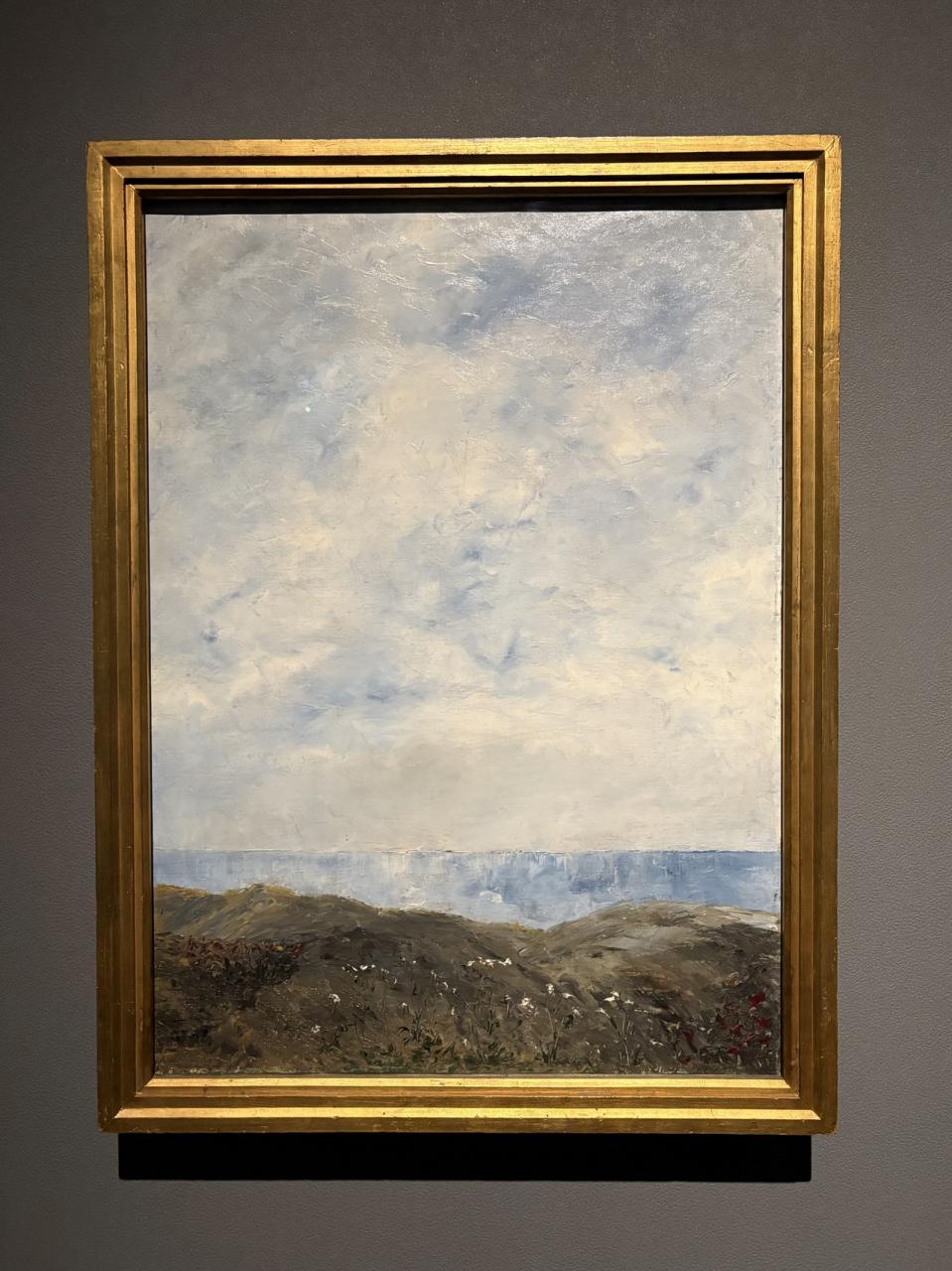
65
アウグスト・ストリンドバリ
1849-1912
海辺の風景
1903年(年記)油彩、カンヴァス
August Strindberg (1849-1912)
Coastal Landscape
Signed 1903 Oil on canvas -
66
カール・ラーション
1853-1919
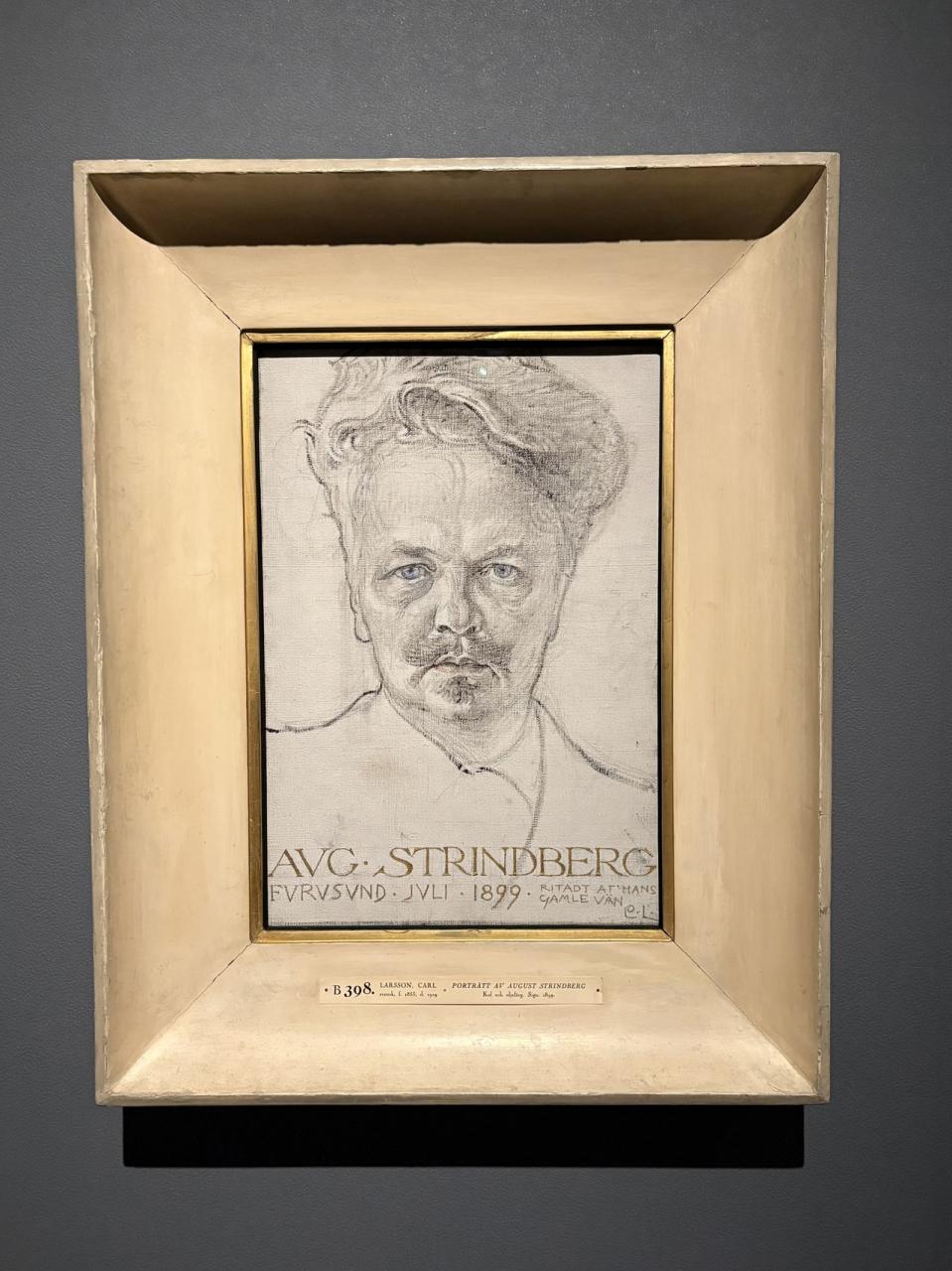
作家アウグスト・ストリンドバリ
1899年(年記)、木炭・油彩、カンヴァス
Carl Larson (1853-1919)
The Author August Strindberg
Signed 1899 Charcoal and oil on canvas -
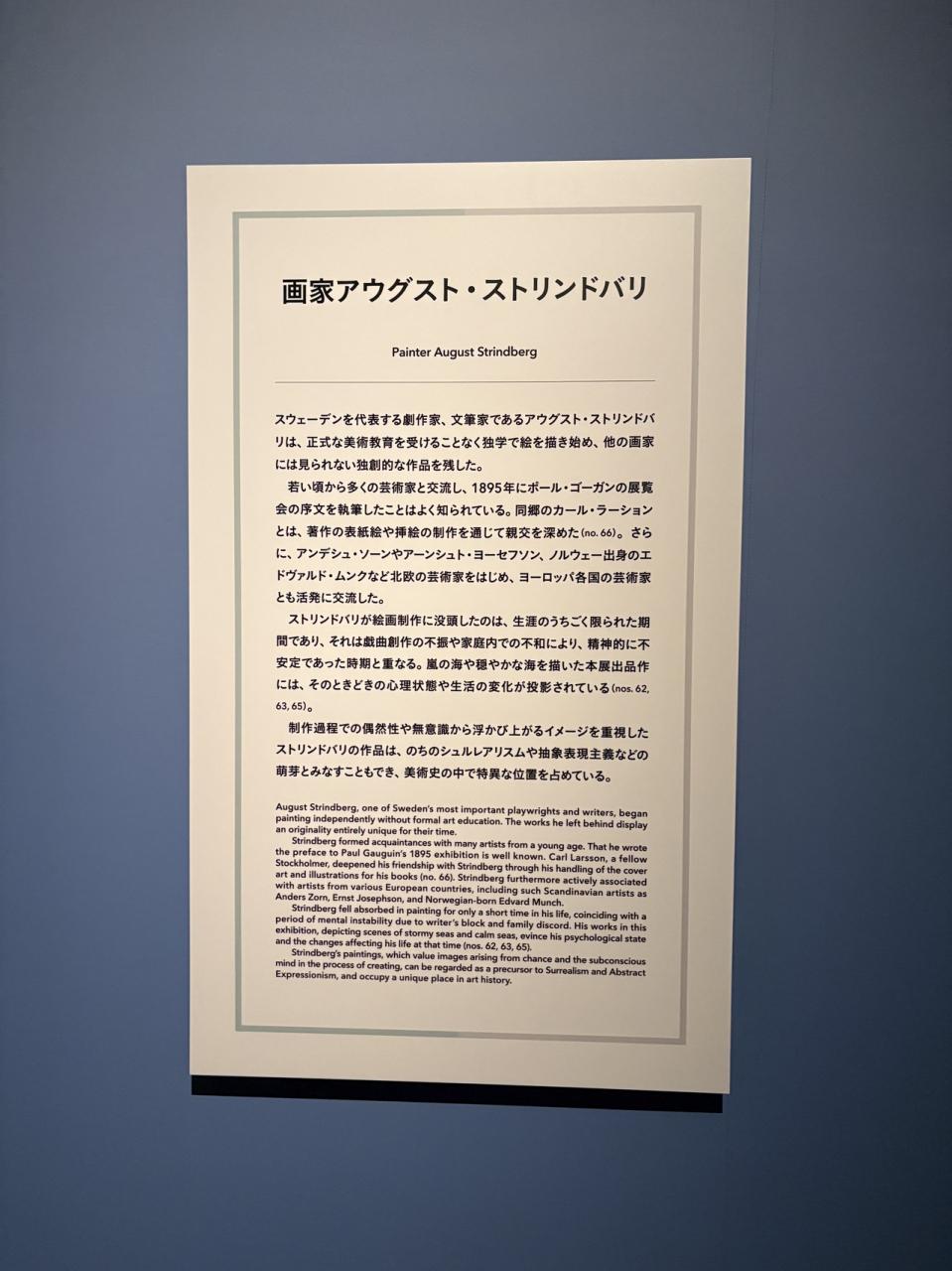
画家アウグスト・ストリンドバリ
Painter August Strindberg
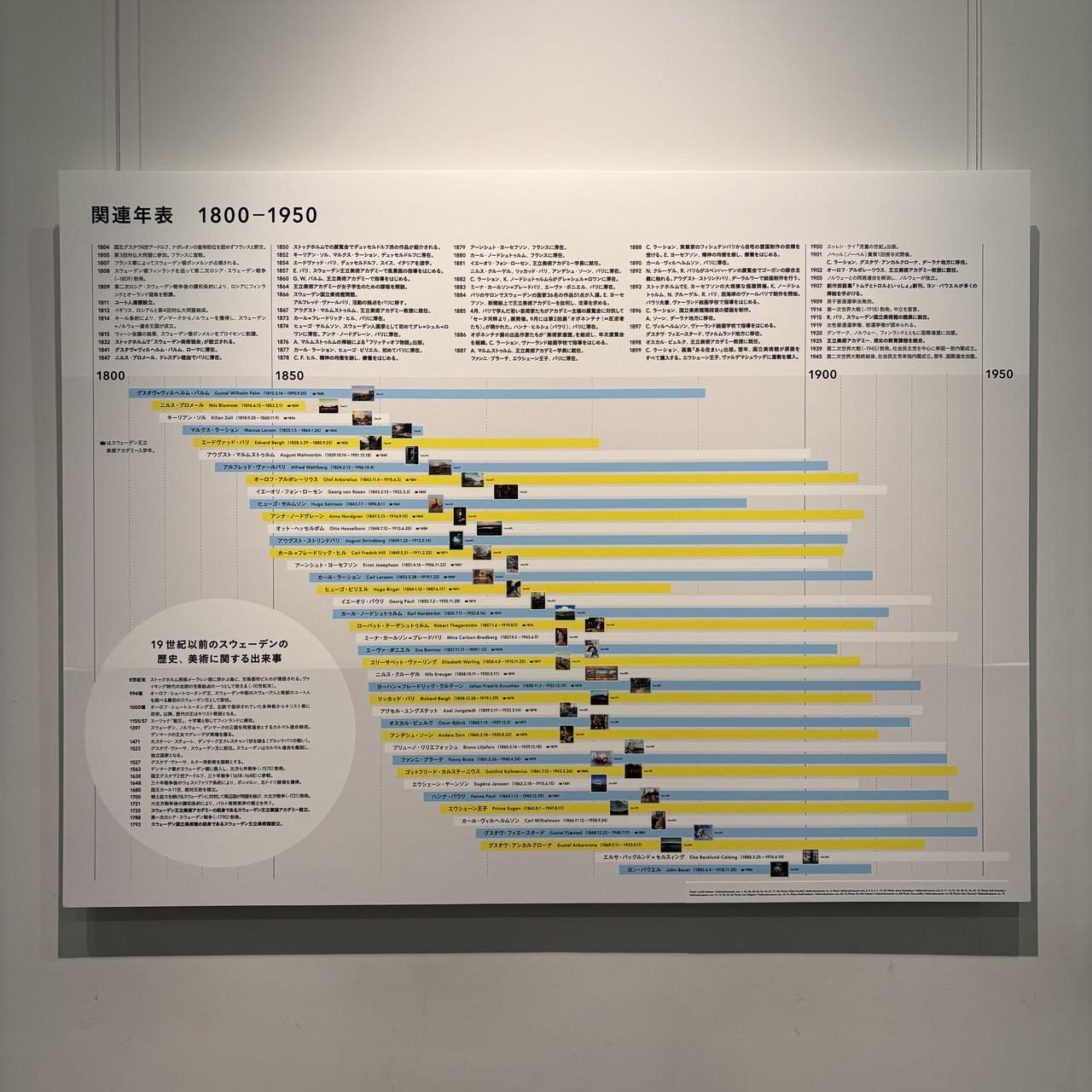
スウェーデンを代表する劇作家、文筆家であるアウグスト・ストリンドバリは、正式な美術教育を受けることなく独学で絵を描き始め、他の画家には見られない独創的な作品を残した。
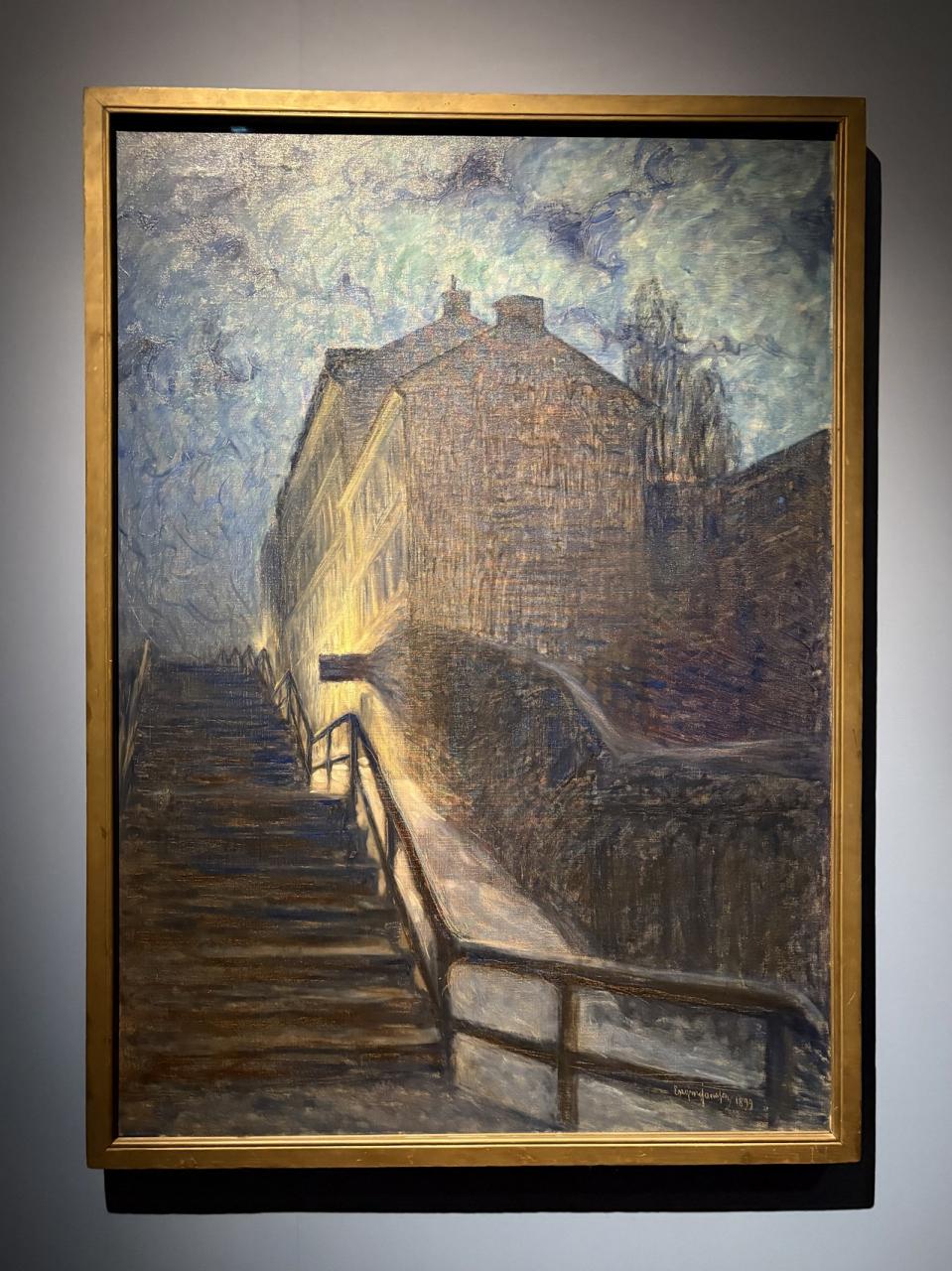
若い頃から多くの芸術家と交流し、1895年にポール・ゴーガンの展覧会の序文を執筆したことはよく知られている。同郷のカール・ラーションとは、著作の表紙絵や挿絵の制作を通じて親交を深めた(no.66)。さらに、アンデシュ・ソーンやアーンシュト・ヨーセフソン、ノルウェー出身のエドヴァルド・ムンクなど北欧の芸術家をはじめ、ヨーロッパ各国の芸術家とも活発に交流した。
ストリンドバリが絵画制作に没頭したのは、生涯のうちごく限られた期間であり、それは戯曲創作の不振や家庭内での不和により、精神的に不安定であった時期と重なる。嵐の海や穏やかな海を描いた本展出品作には、そのときどきの心理状態や生活の変化が投影されている(nos.62、63,65)。
制作過程での偶然性や無意識から浮かび上がるイメージを重視したストリンドバリの作品は、のちのシュルレアリスムや抽象表現主義などの萌芽とみなすこともでき、美術史の中で特異な位置を占めている。
August Strindberg, one of Sweden's most important playwrights and writers, began painting independently without formal art education. The works he left behind display an originality entirely unique for their time.
Strindberg formed acquaintances with many artists from a young age. That he wrote the preface to Paul Gauguin's 1895 exhibition is well known. Carl Larson, a fellow Stockholmer, deepened his friendship with Strindberg through his handling of the cover art and illustrations for his books (no. 66). Strindberg furthermore actively associated with artists from various European countries, including such Scandinavian artists as Anders Zorn, Ernst Josephson, and Norwegian-born Edvard Munch.
Strindberg fell absorbed in painting for only a short time in his life, coinciding with a period of mental instability due to writer's block and family discord. His works in this exhibition, depicting scenes of stormy seas and calm seas, evince his psychological state and the changes affecting his life at that time (nos. 62, 63, 65).
Strindberg's paintings, which value images arising from chance and the subconscious mind in the process of creating, can be regarded as a precursor to Surrealism and Abstract Expressionism, and occupy a unique place in art history. -
-
-
-
-
-
自然とともに
新たなスウェーデン絵画の創造
A New Concept of
Swedish Landscape Painting
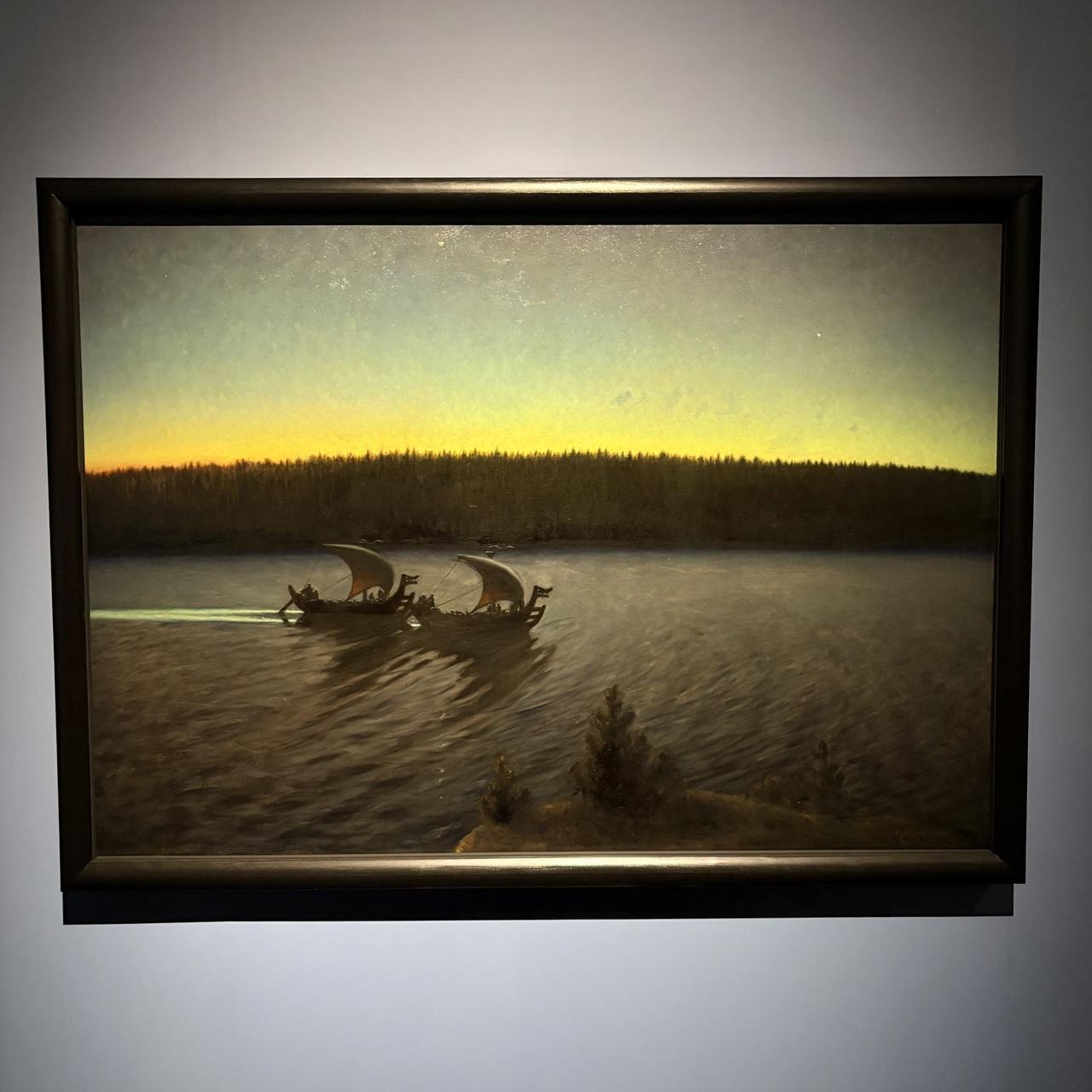
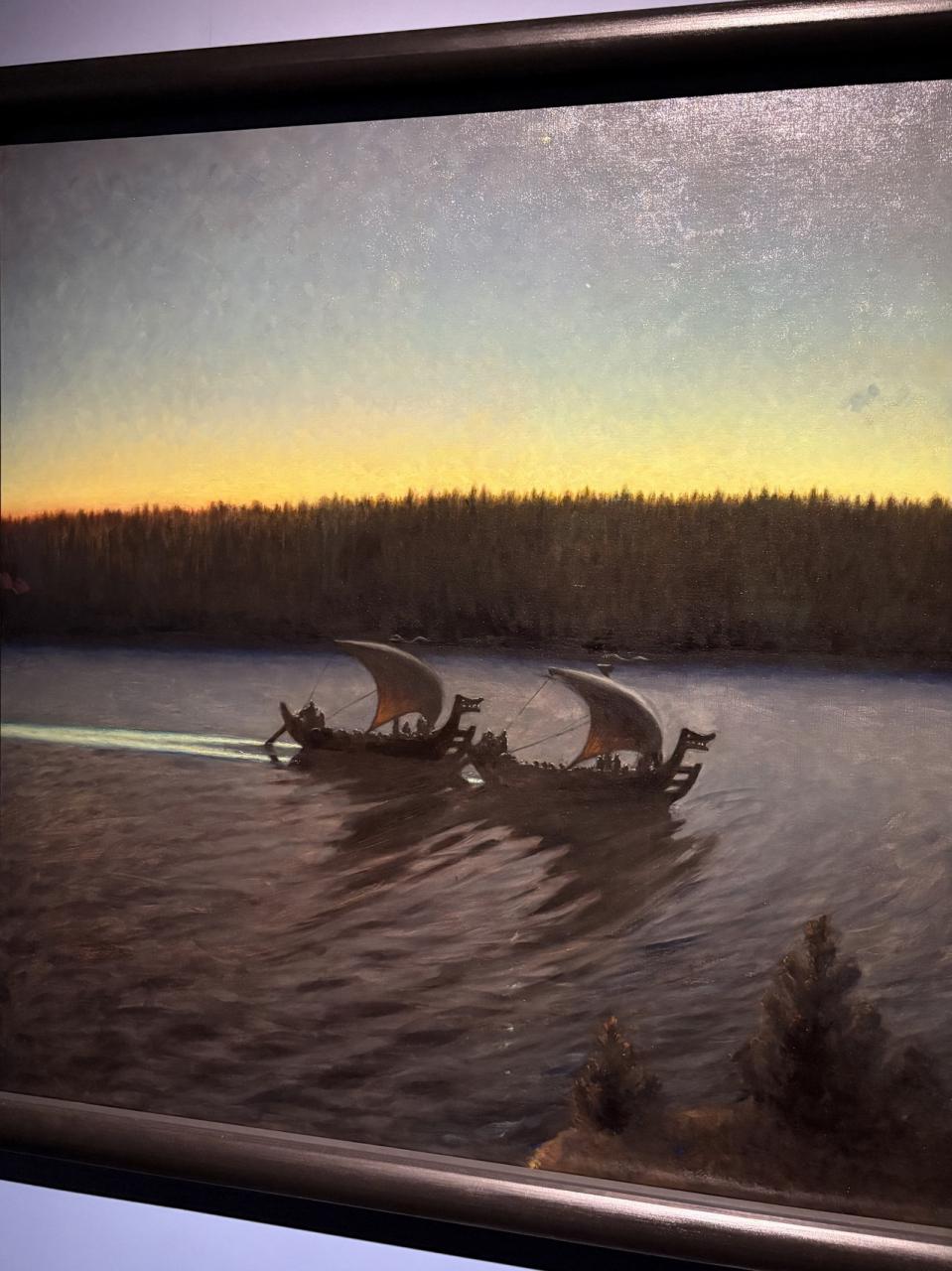
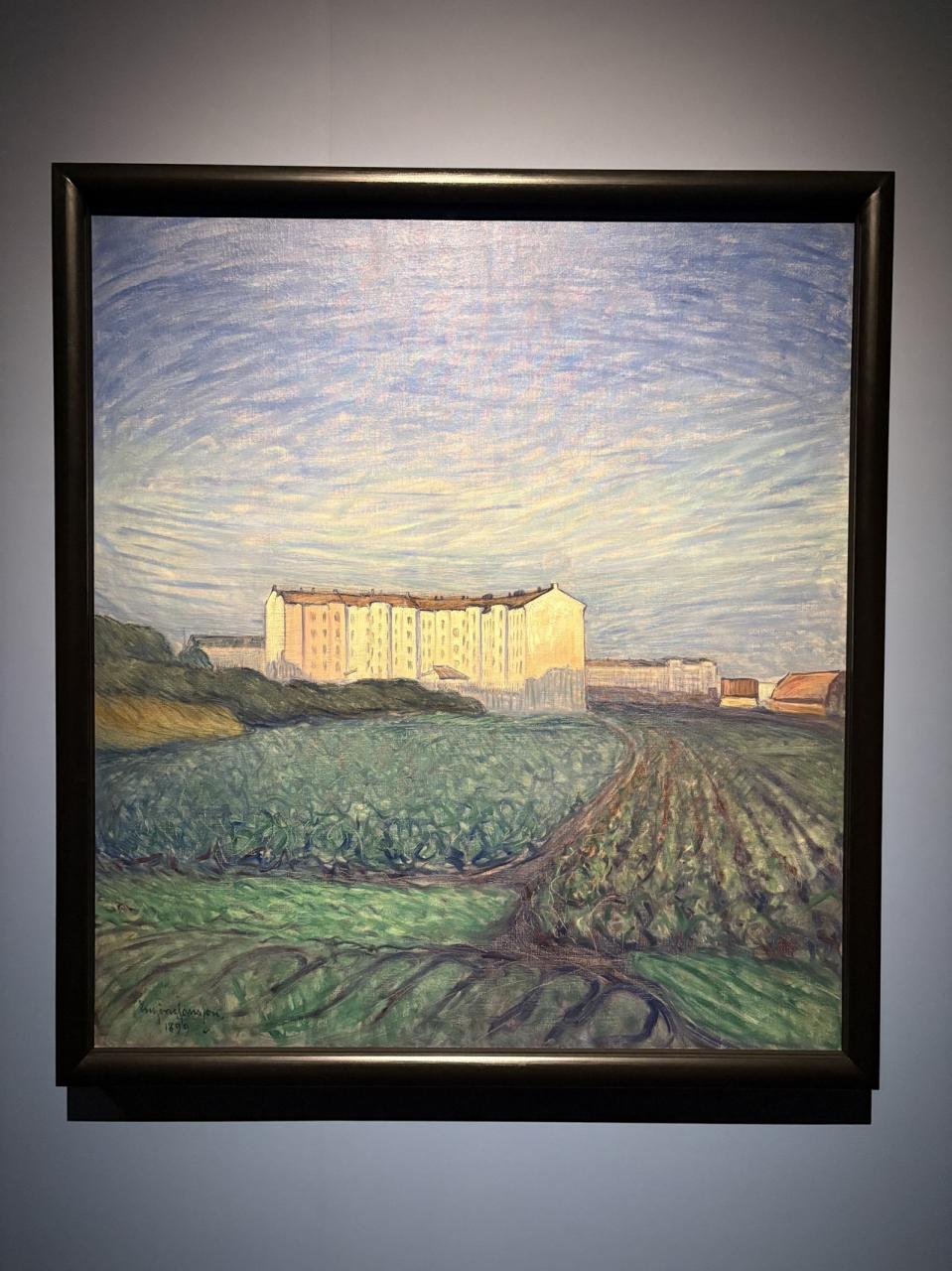
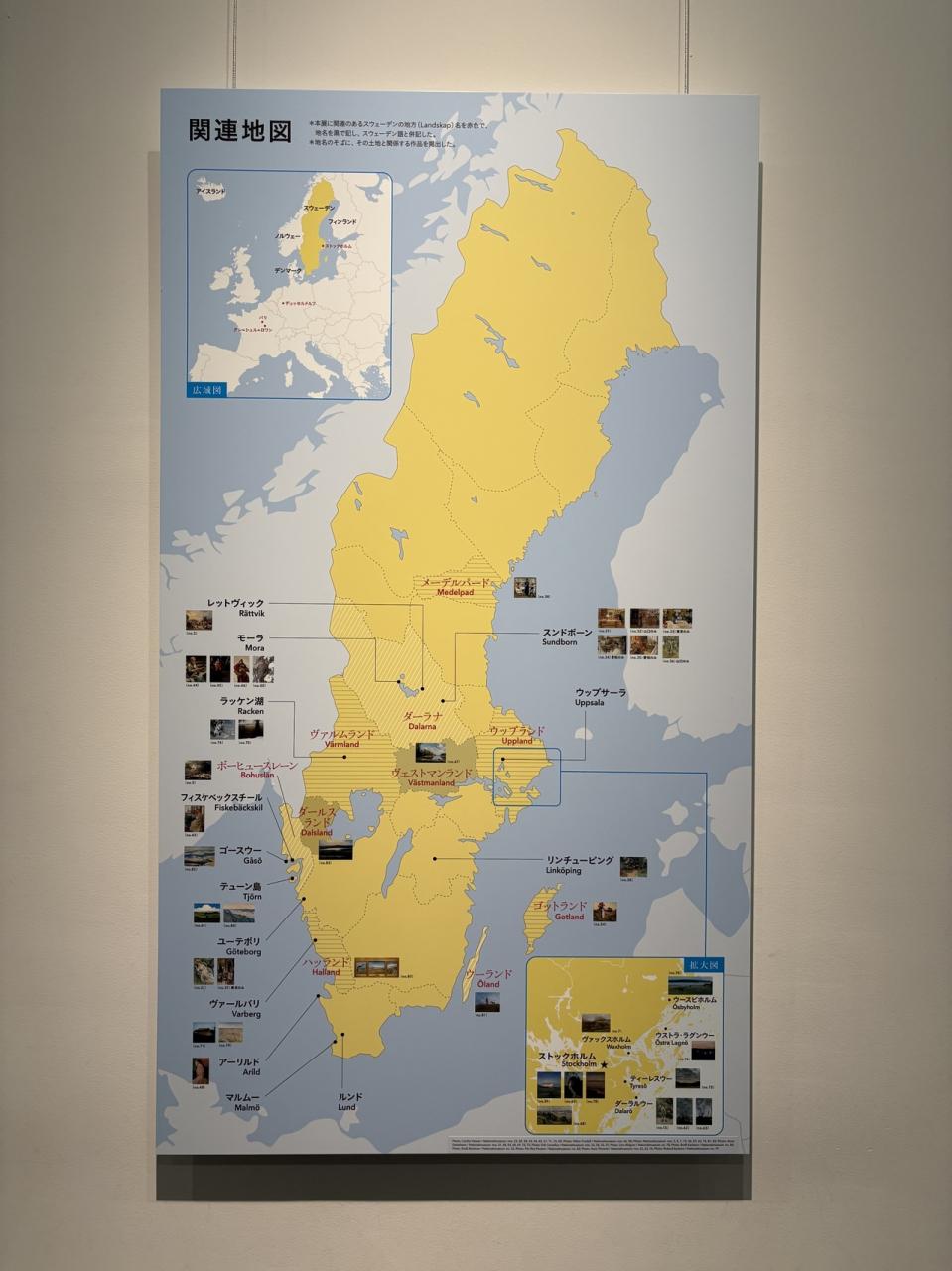
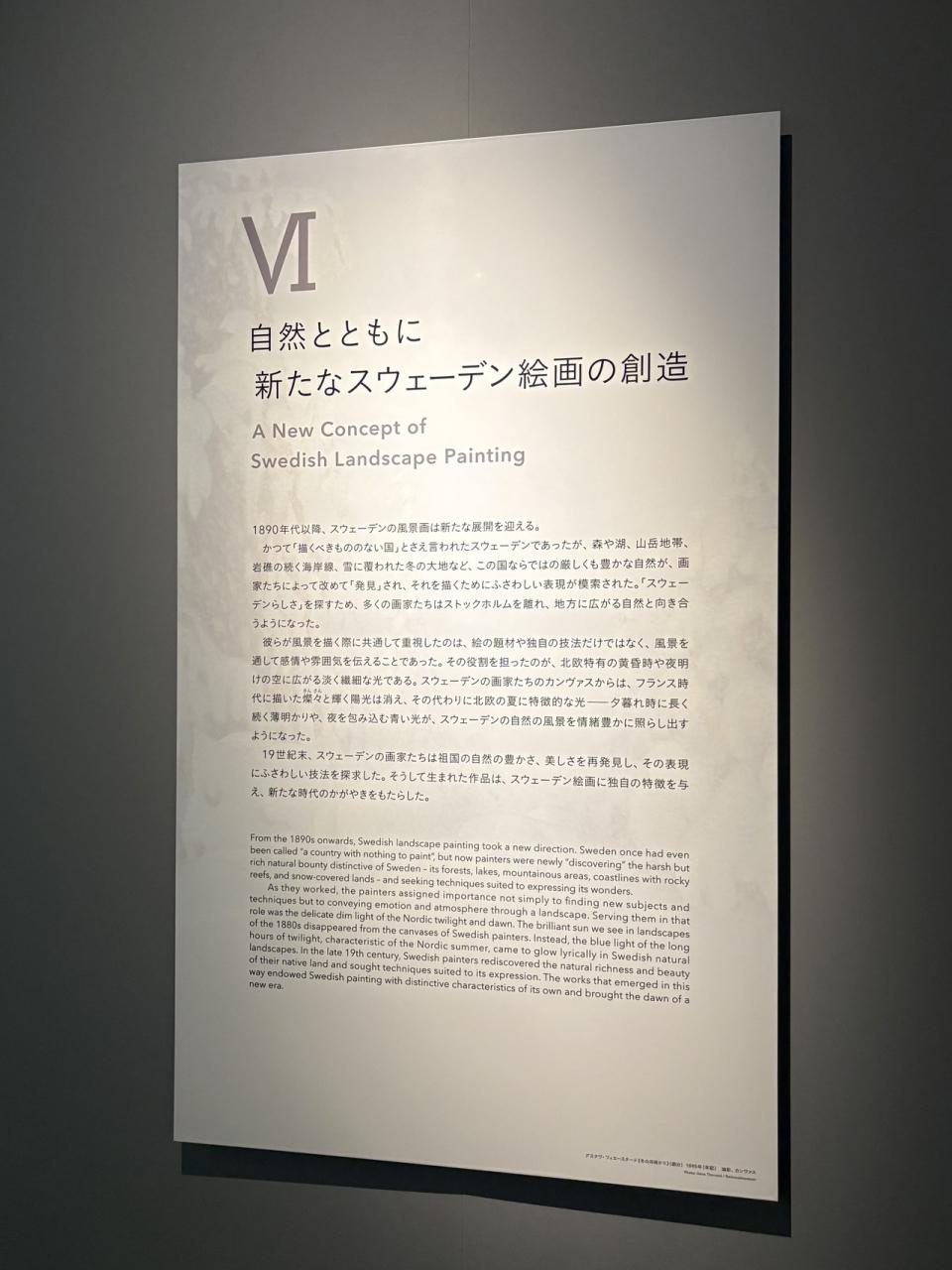
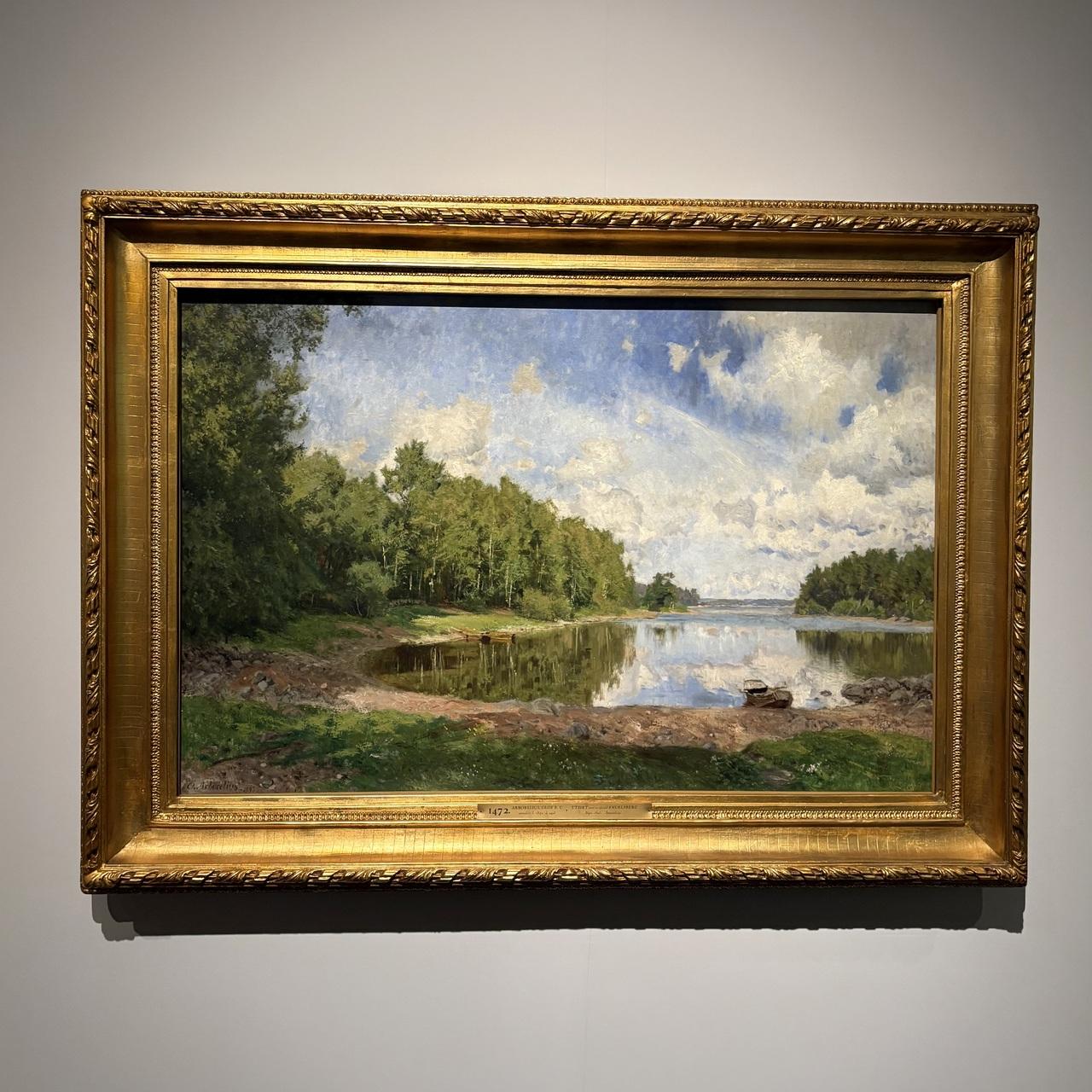
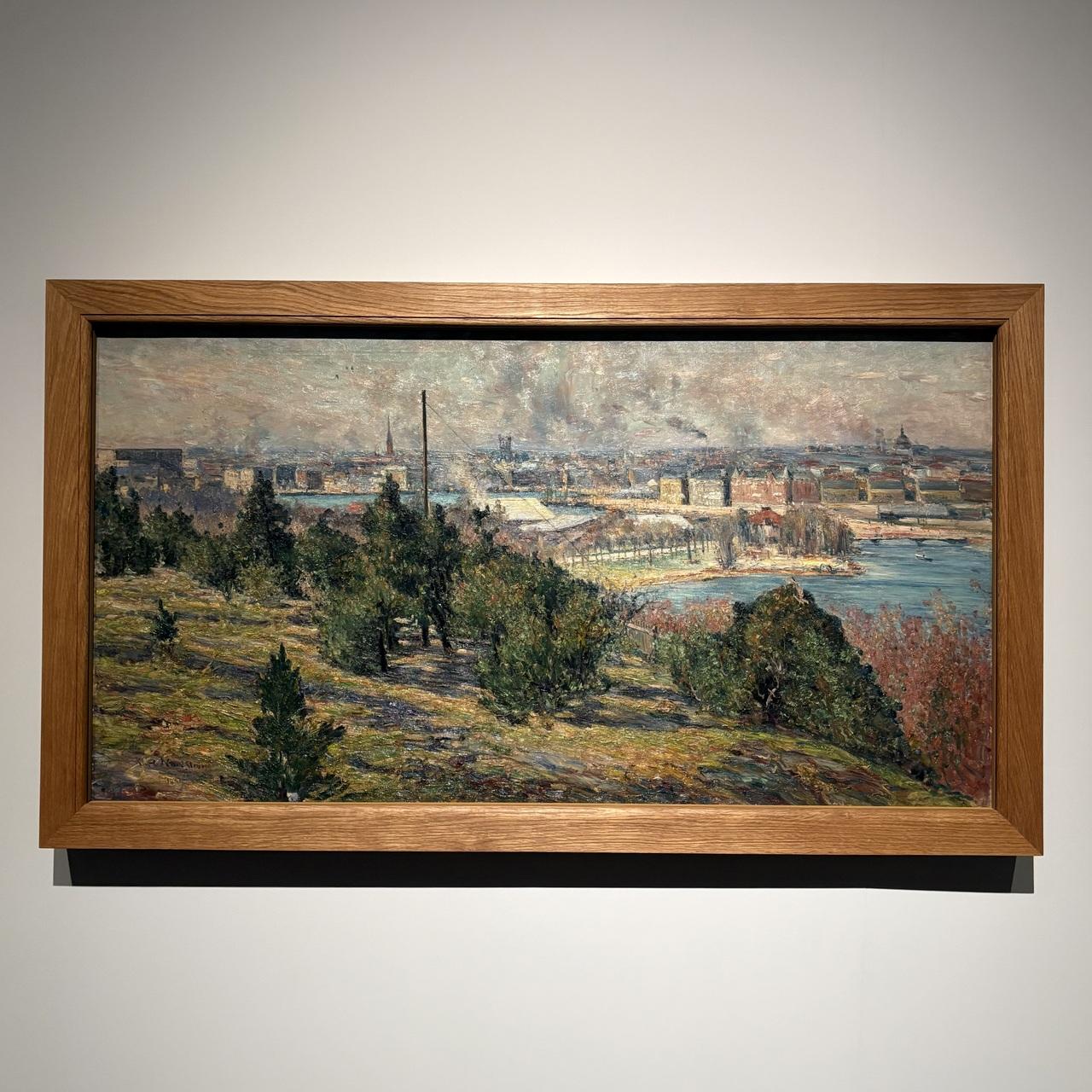
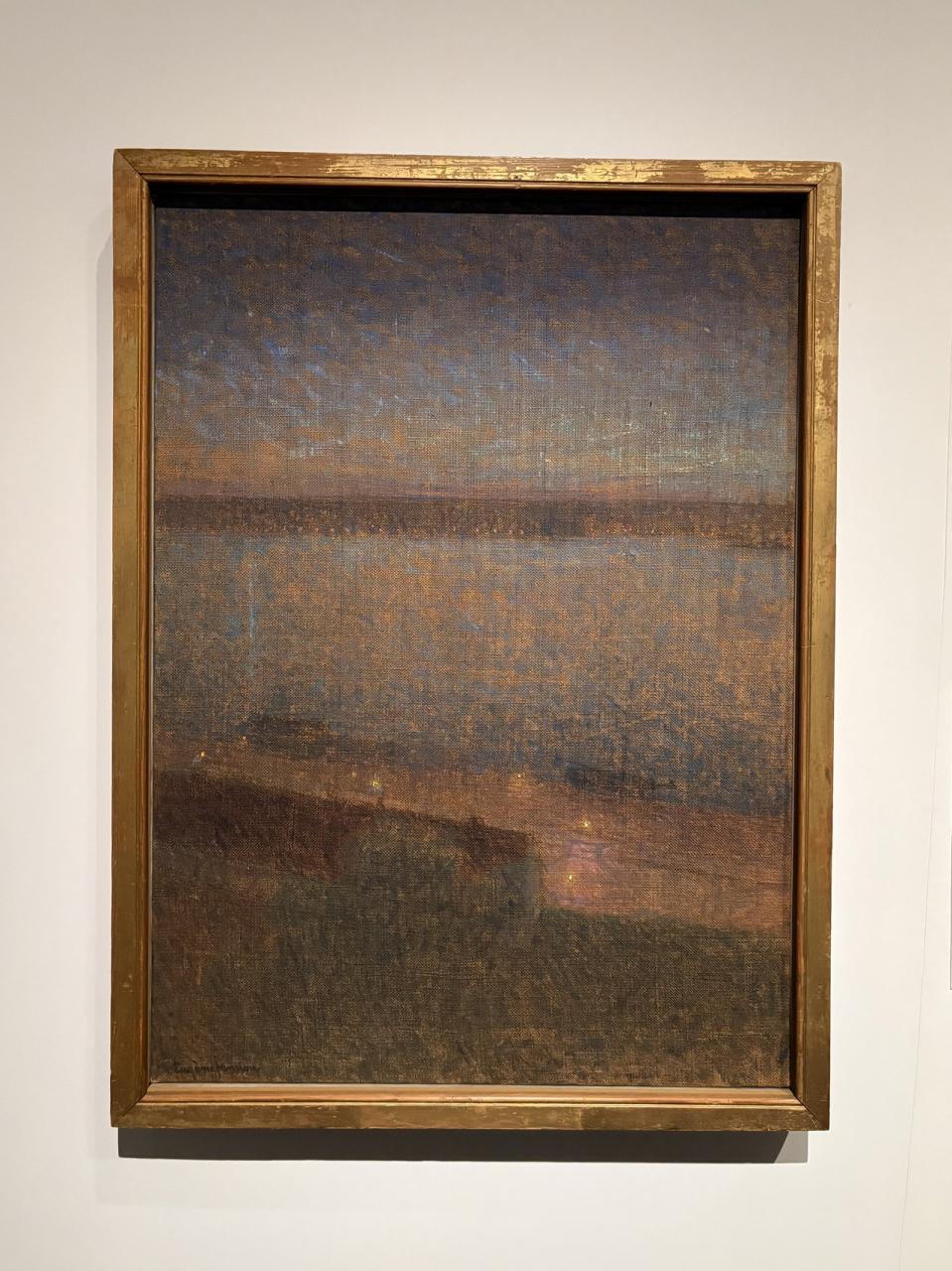
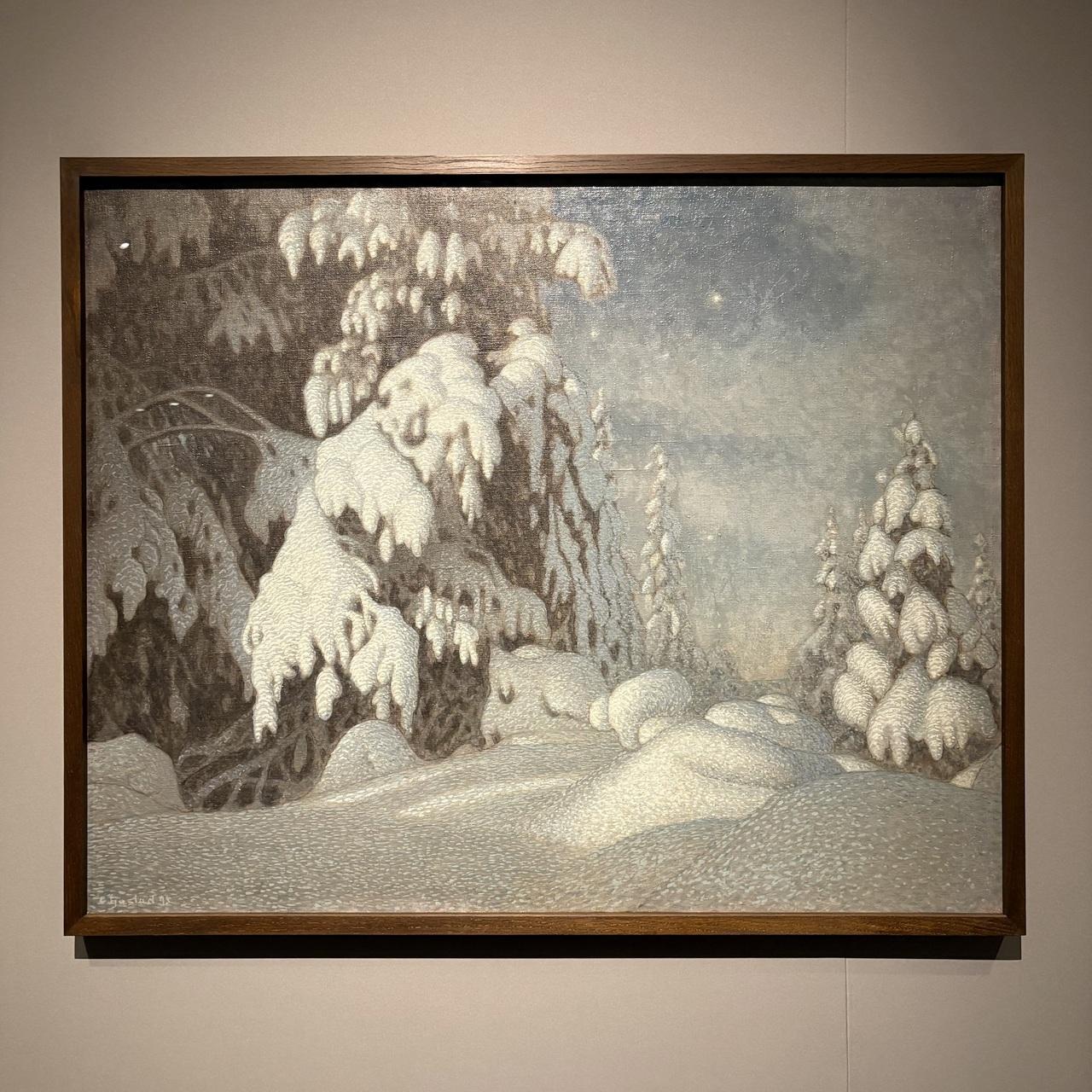
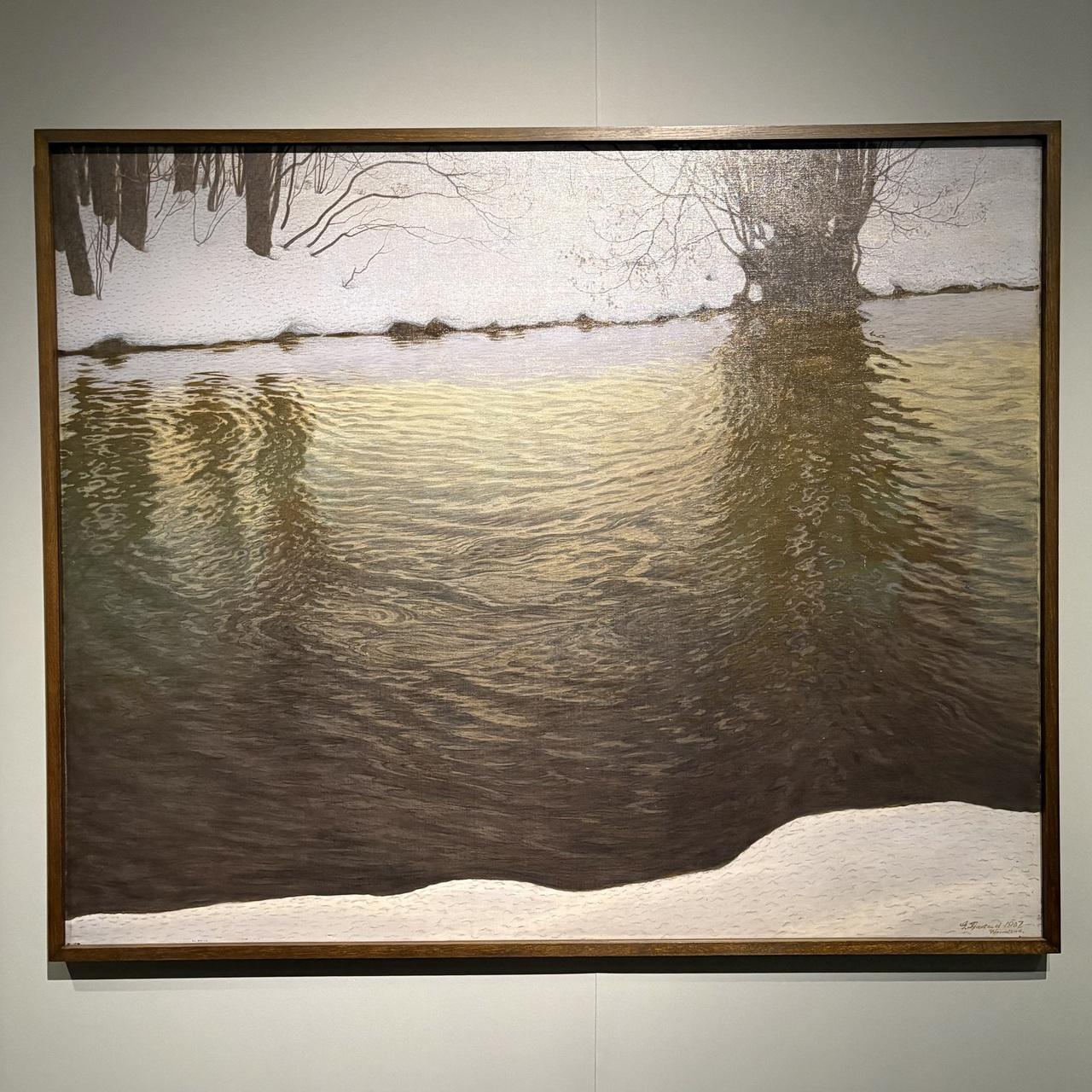
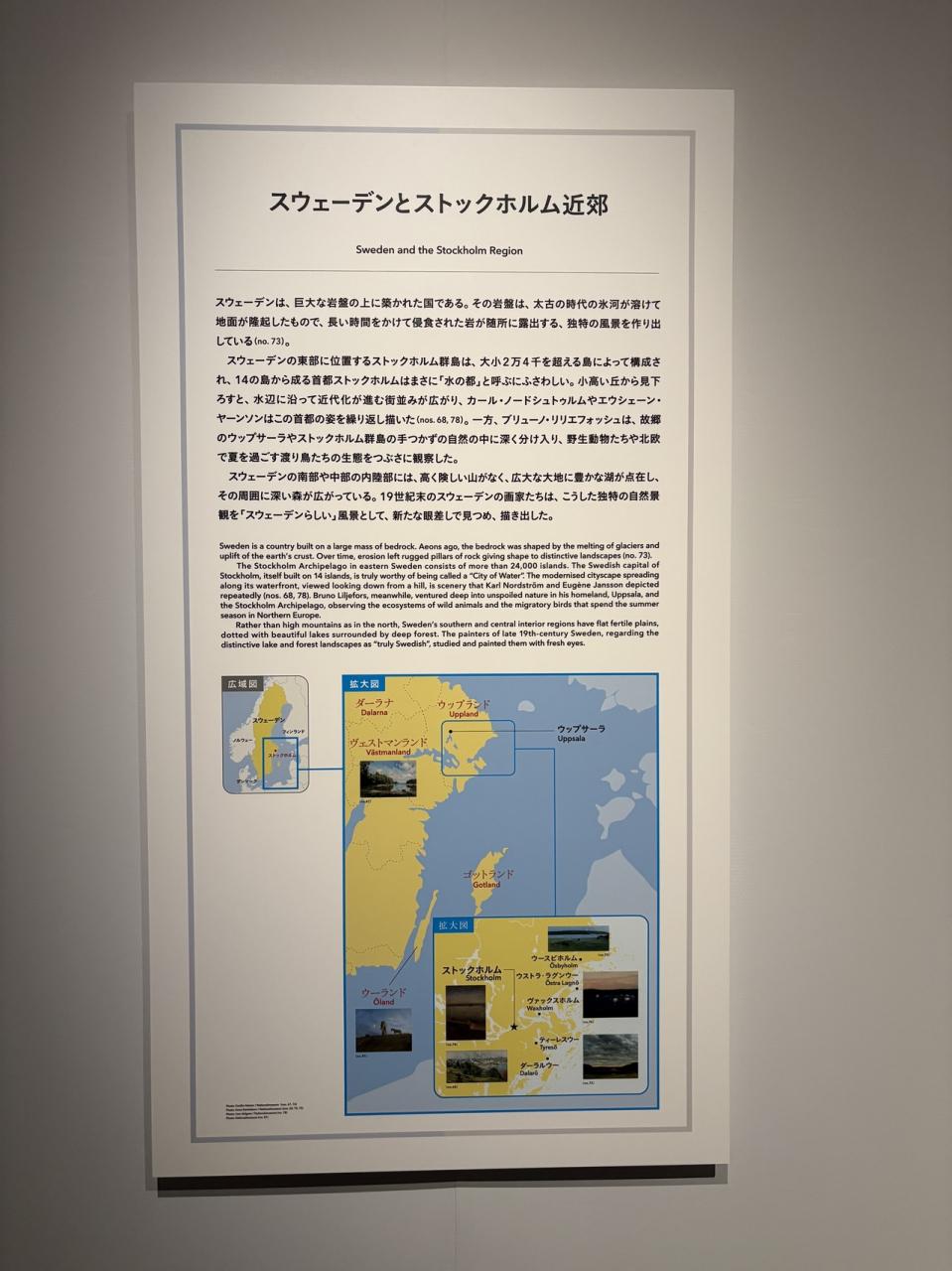
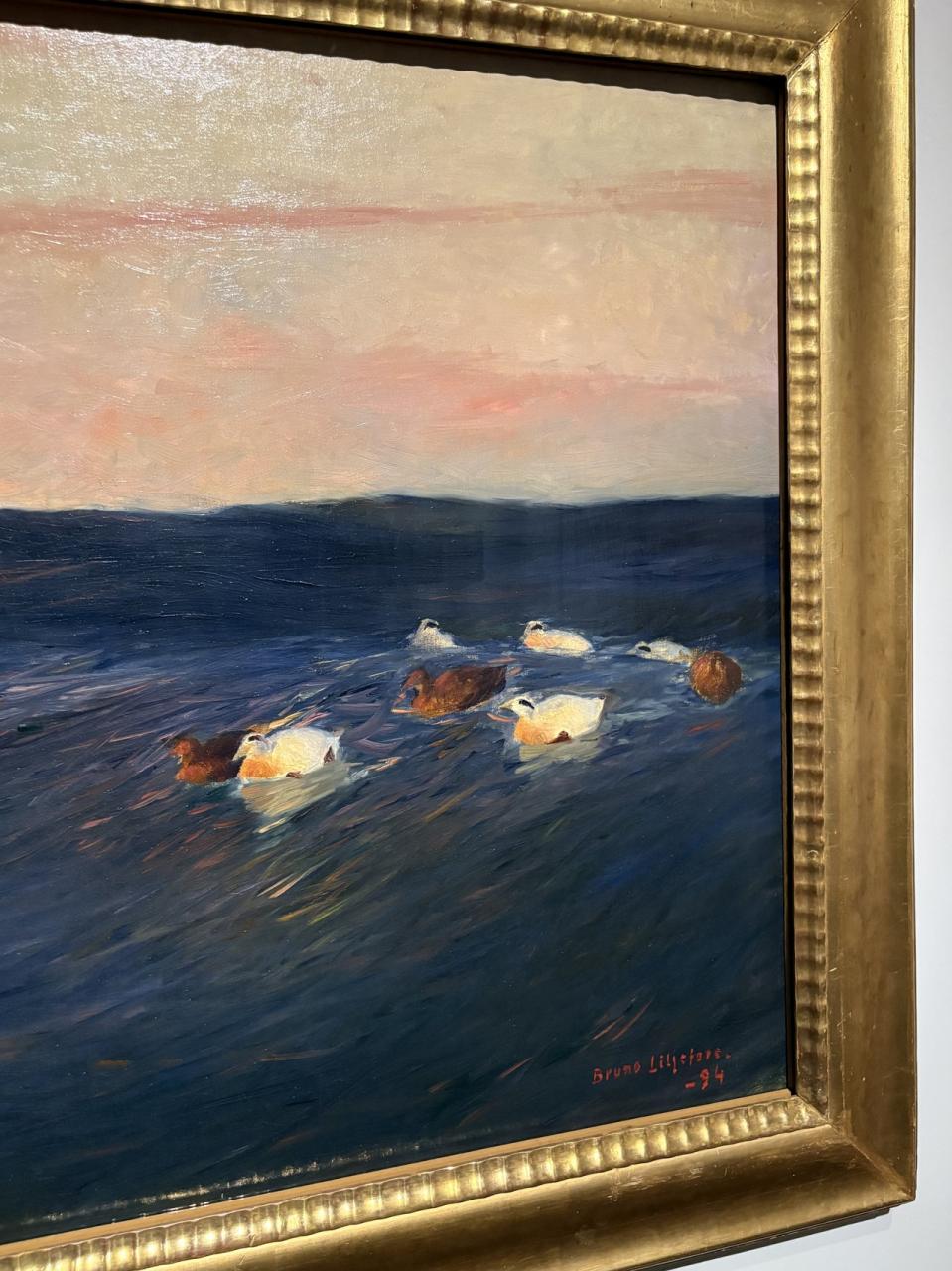
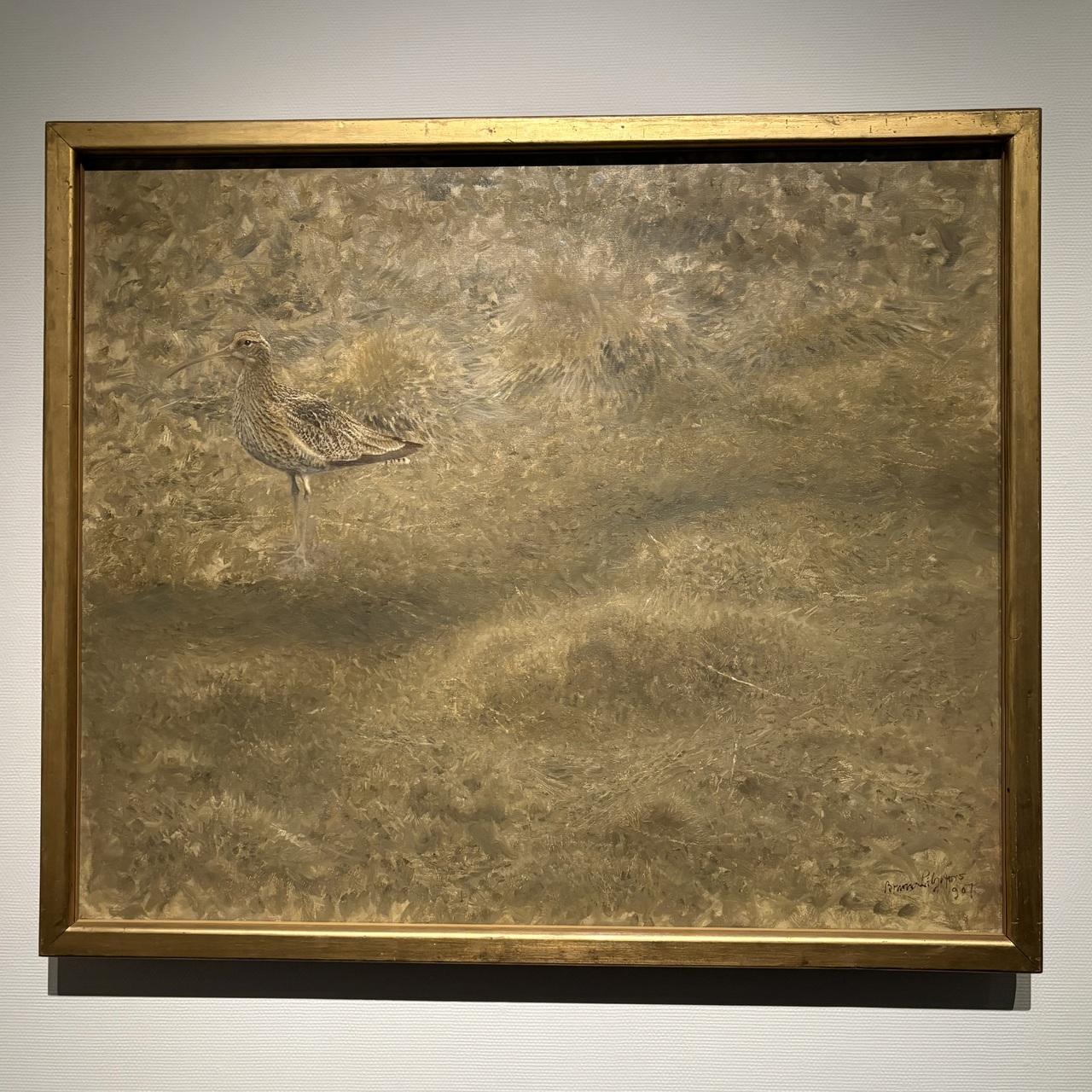
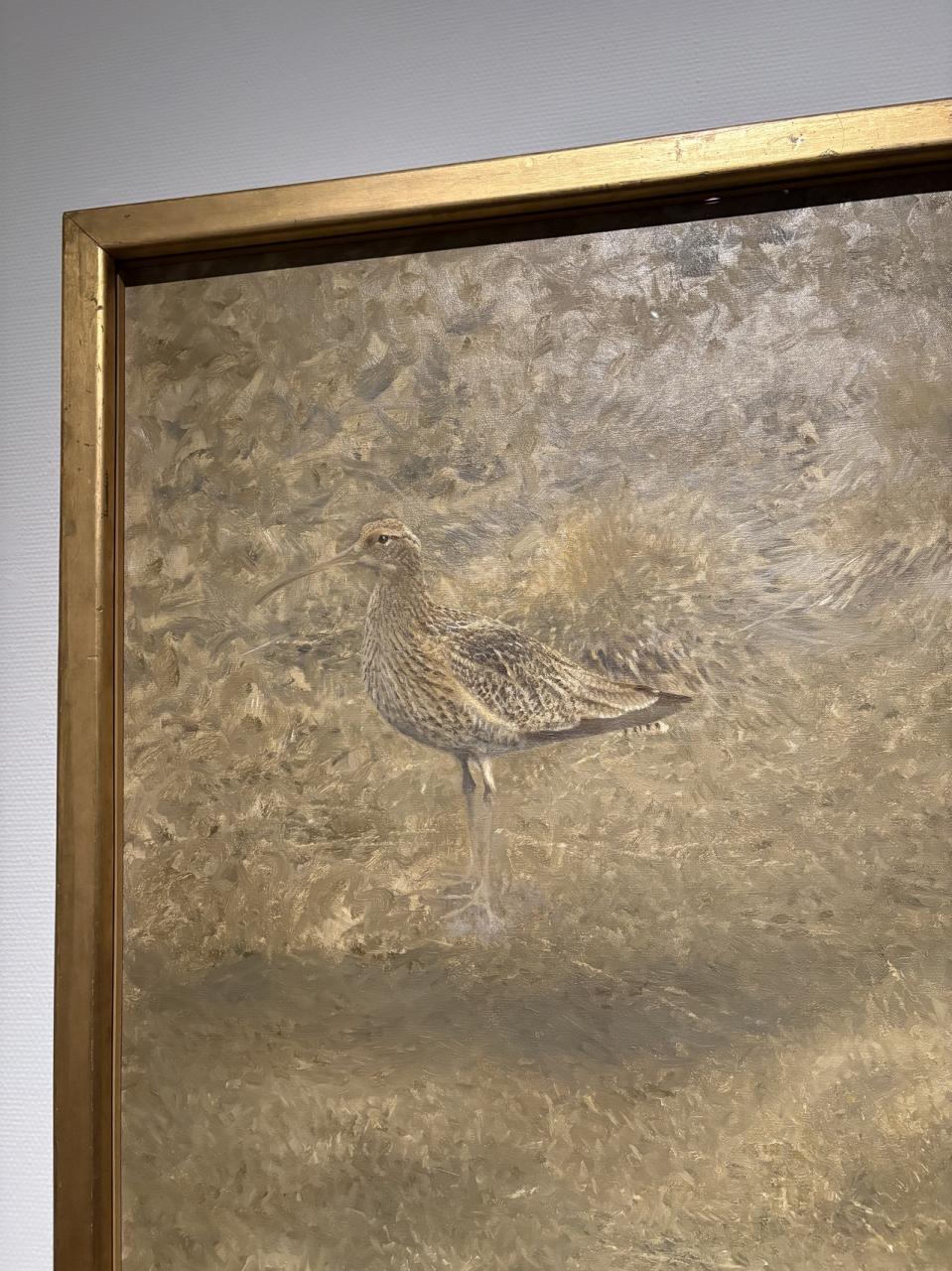
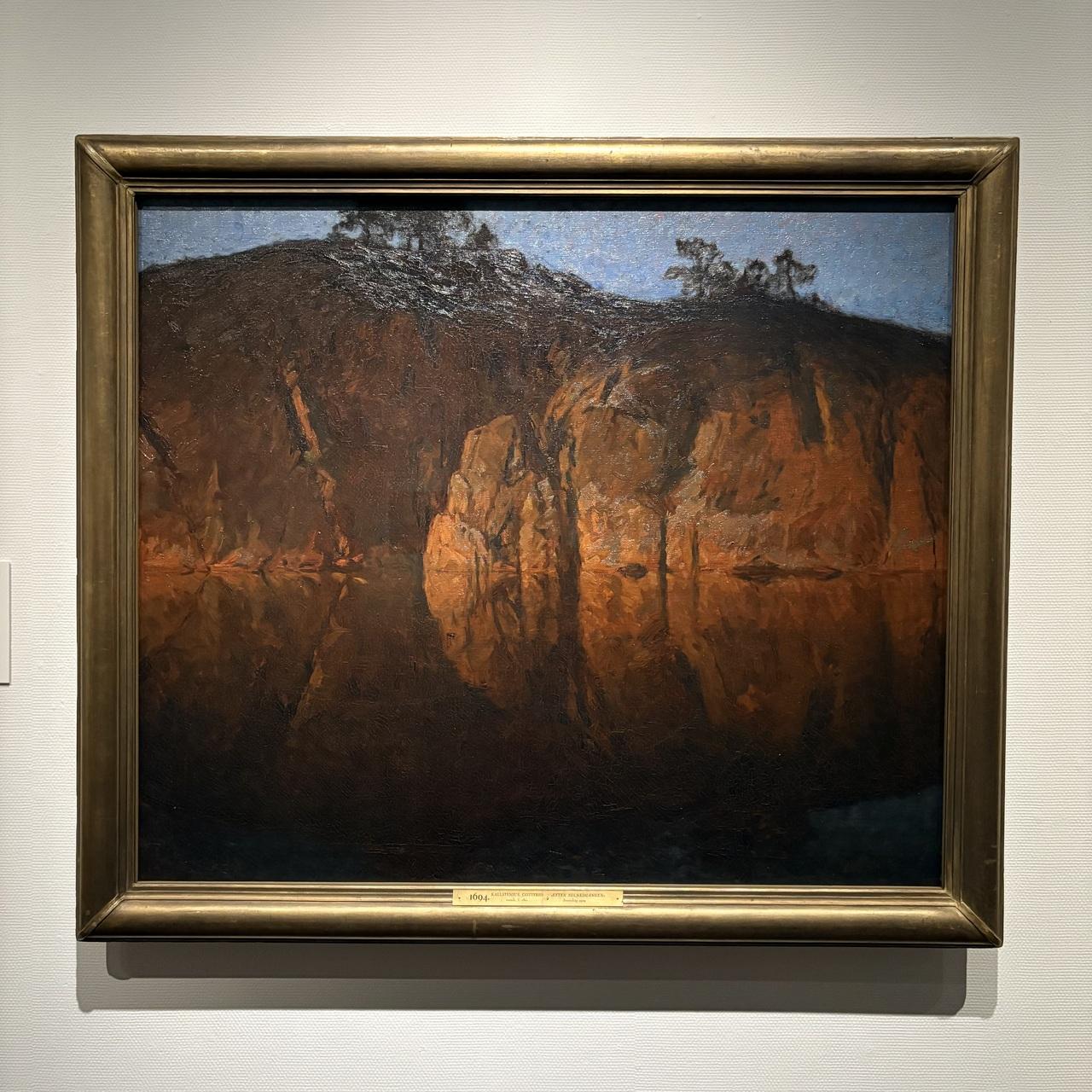
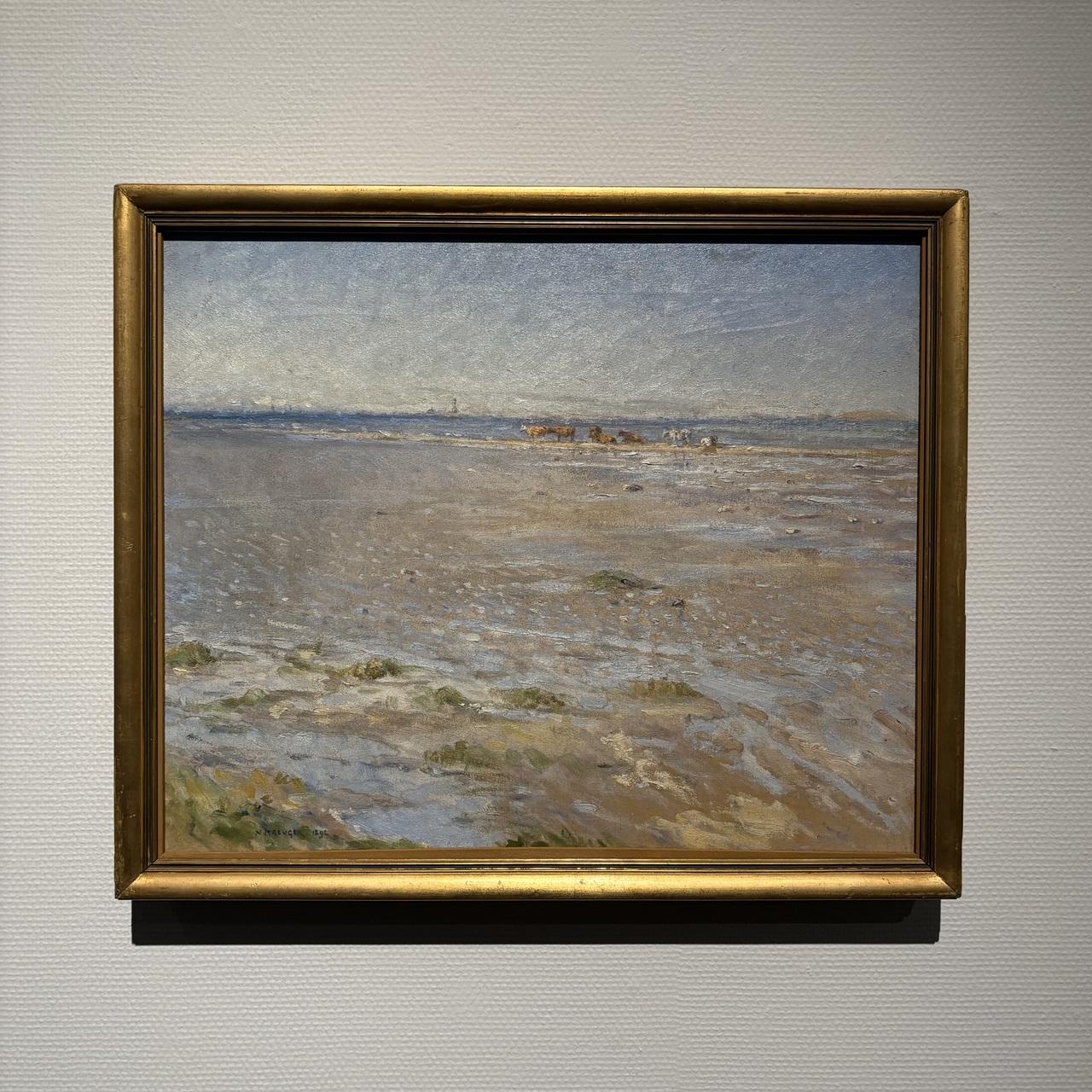
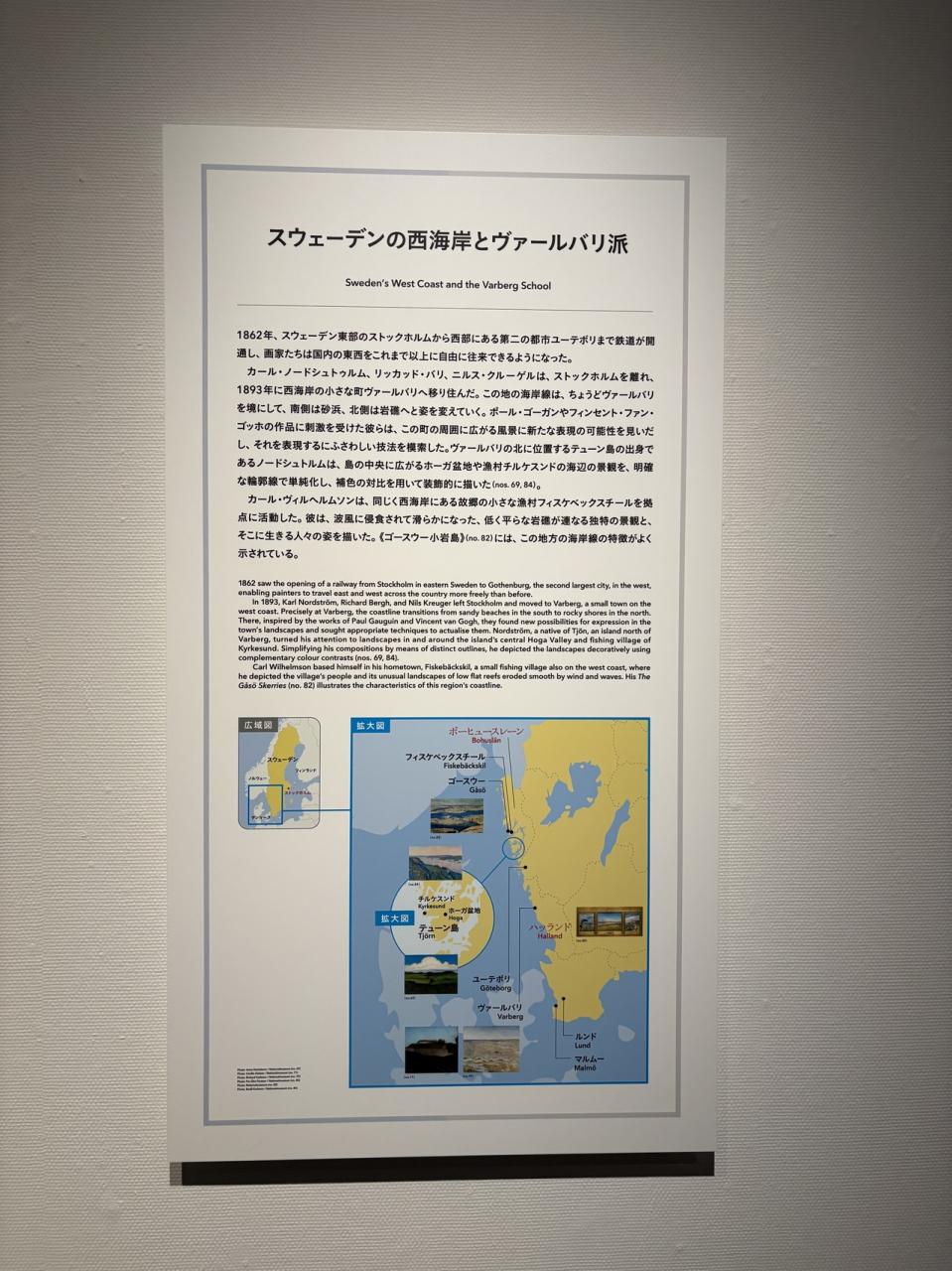
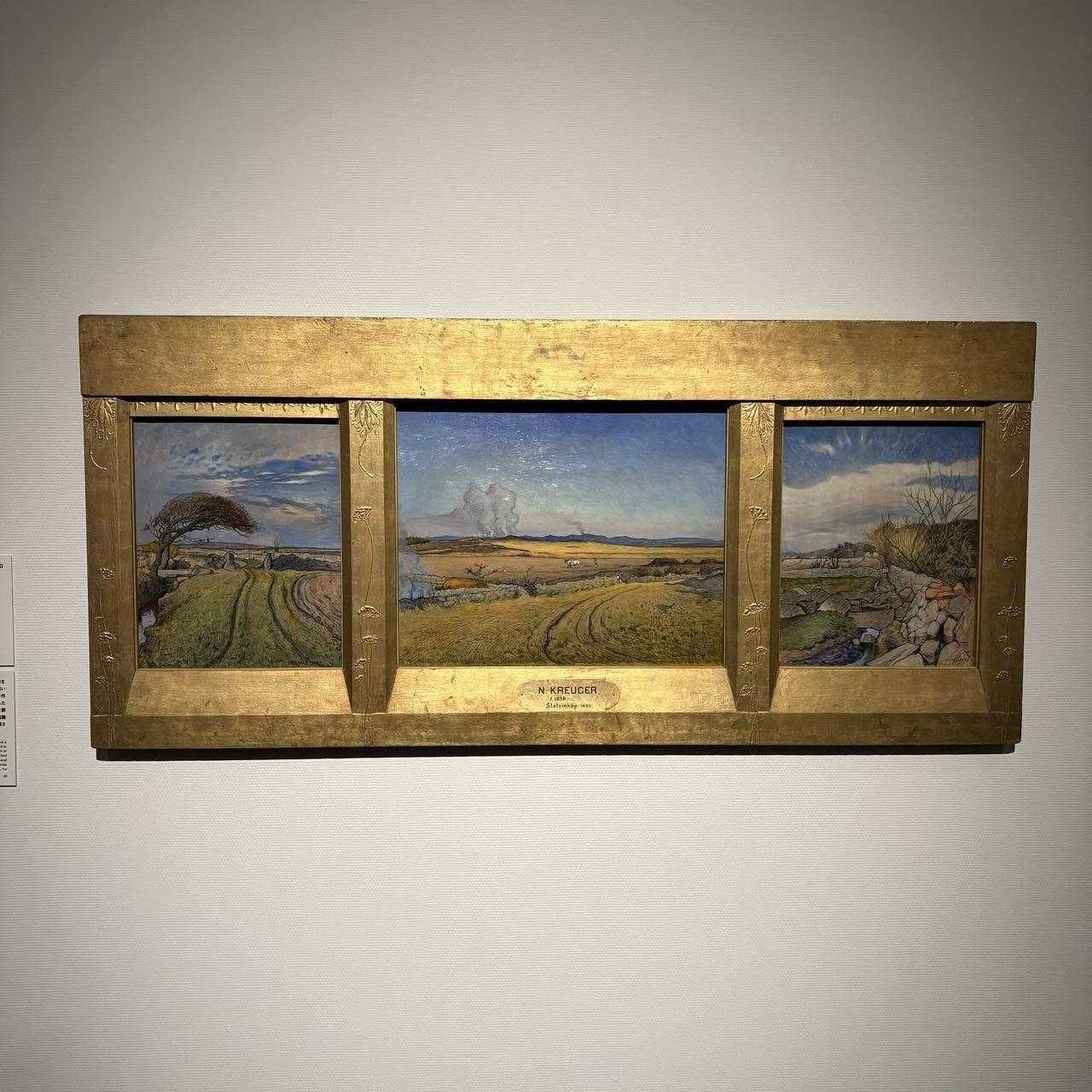
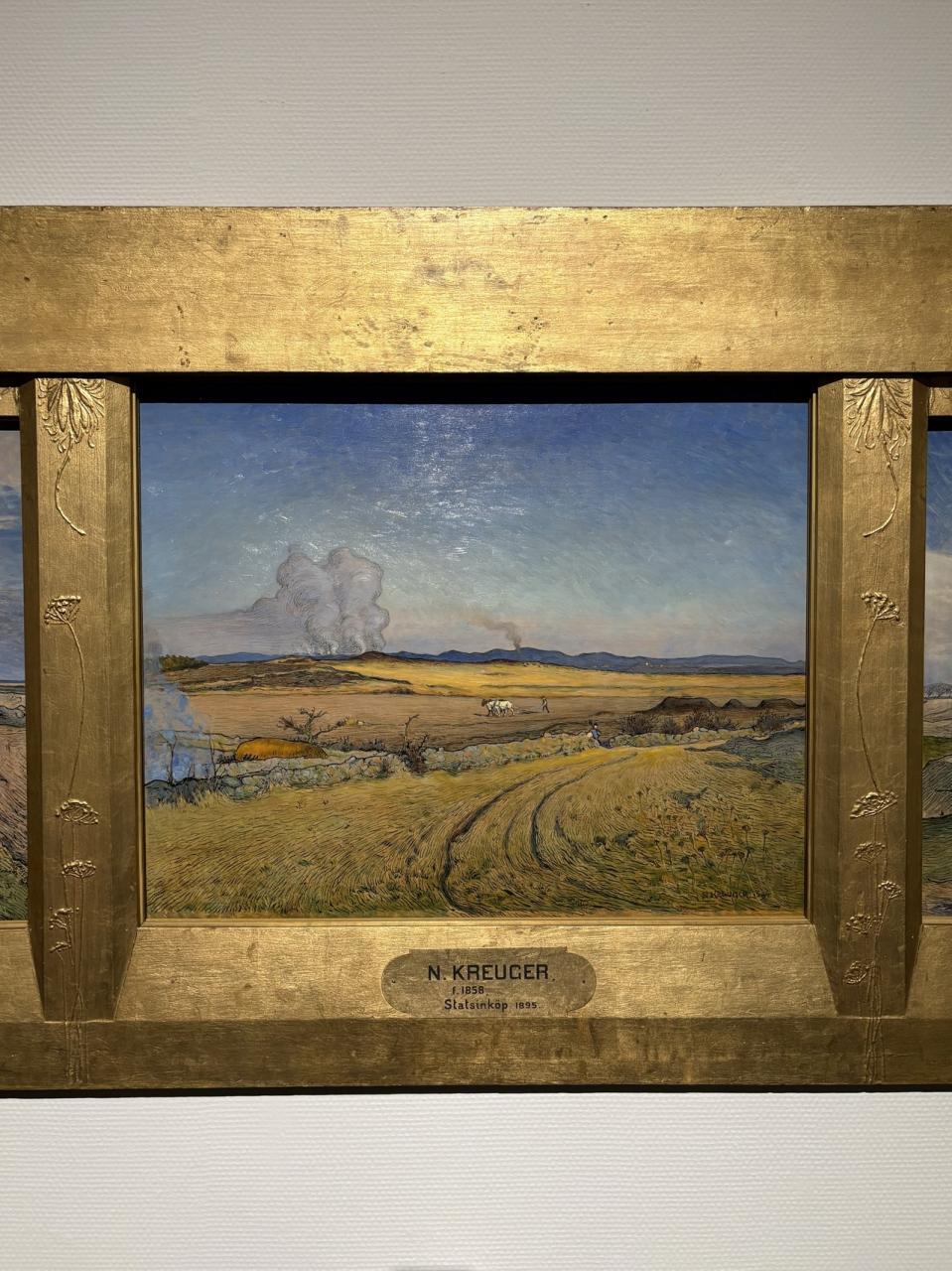
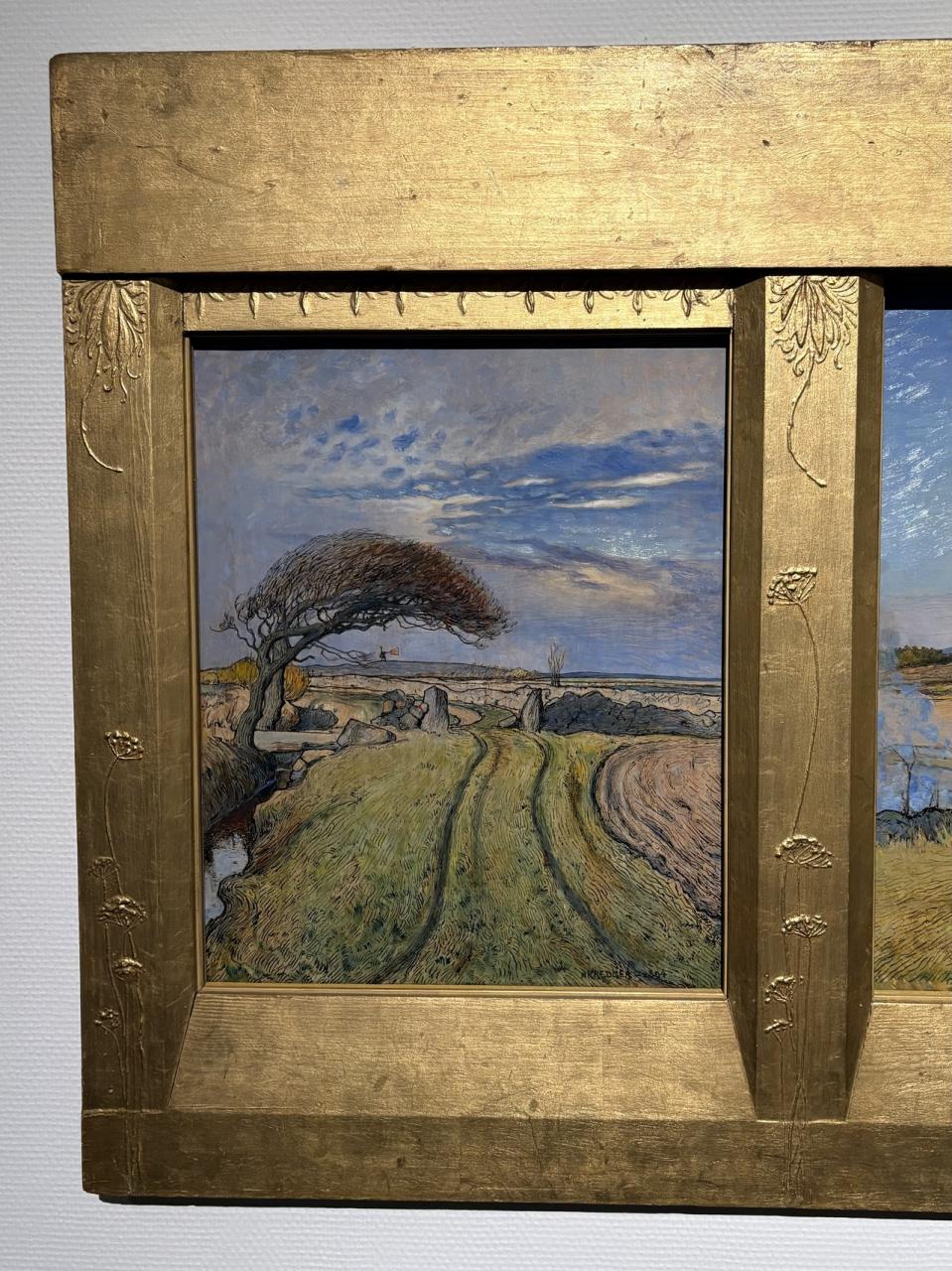
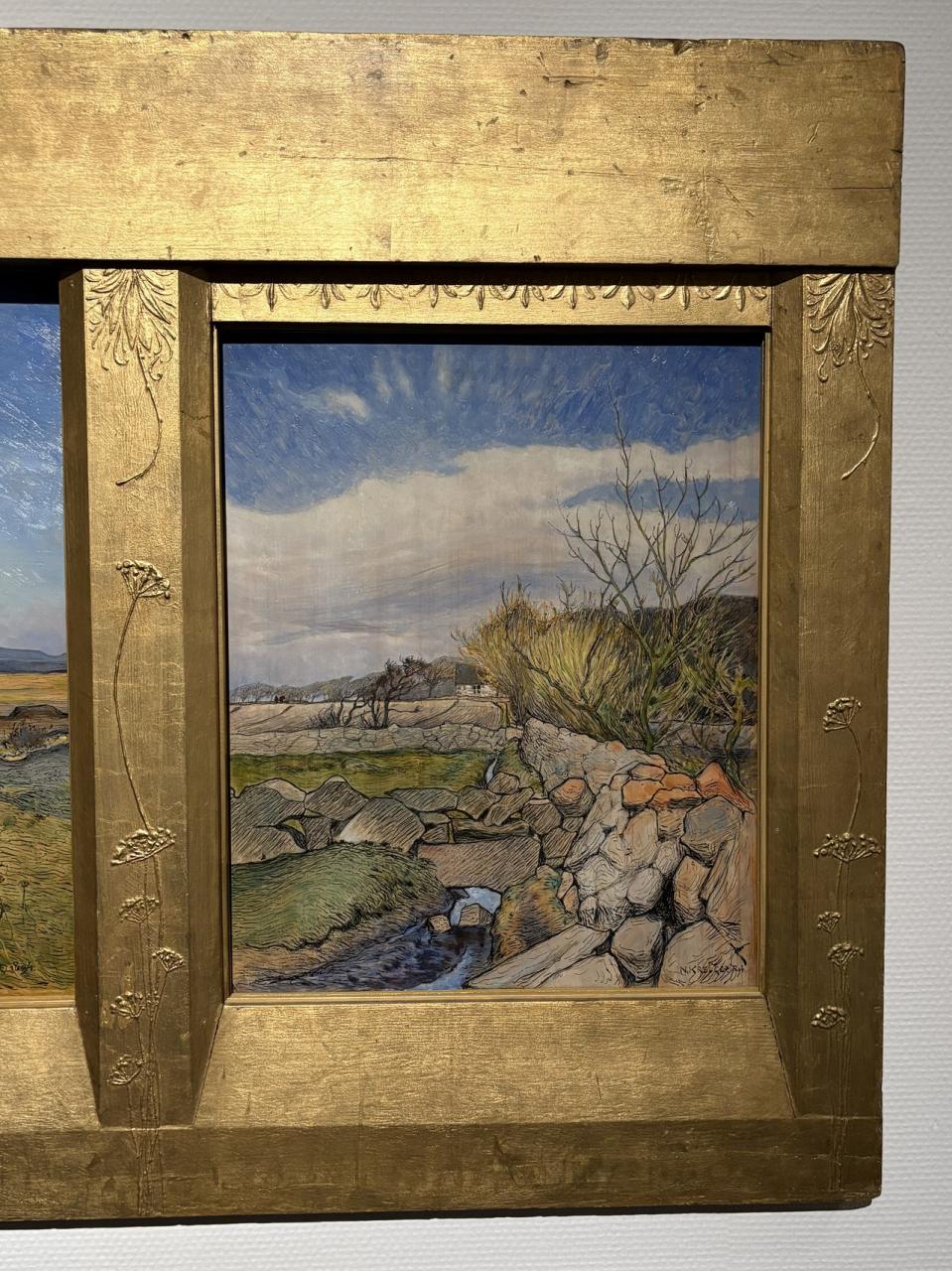
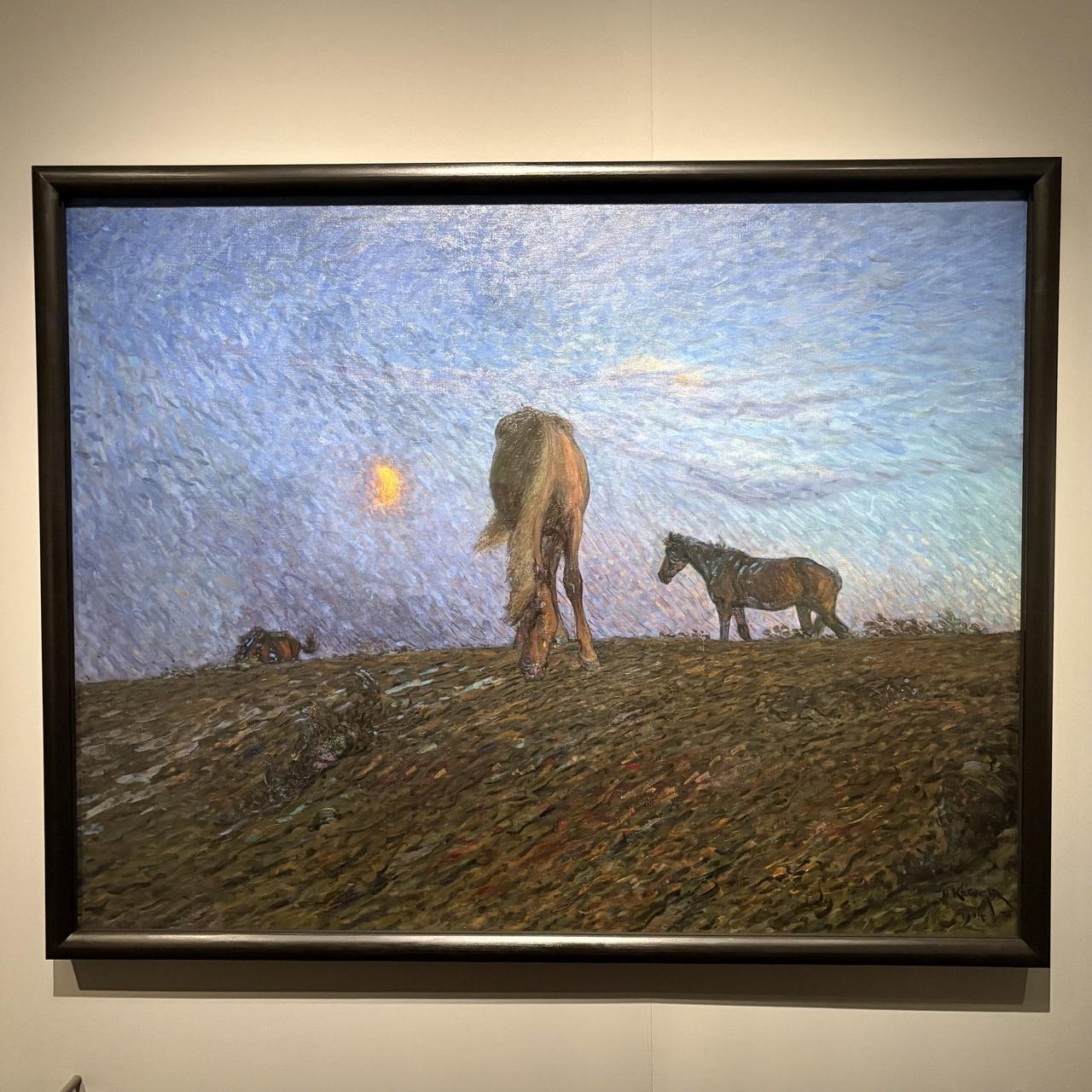
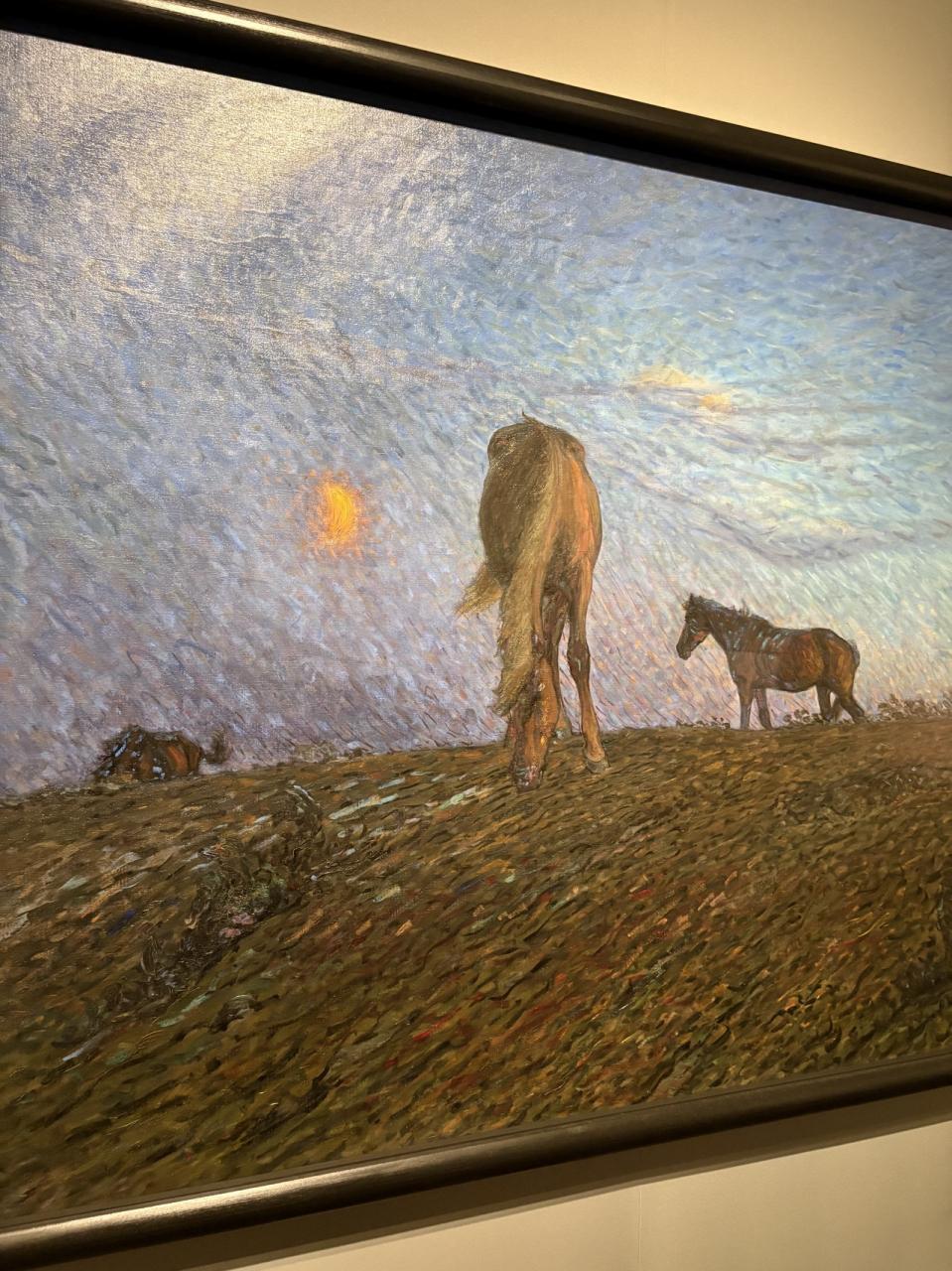
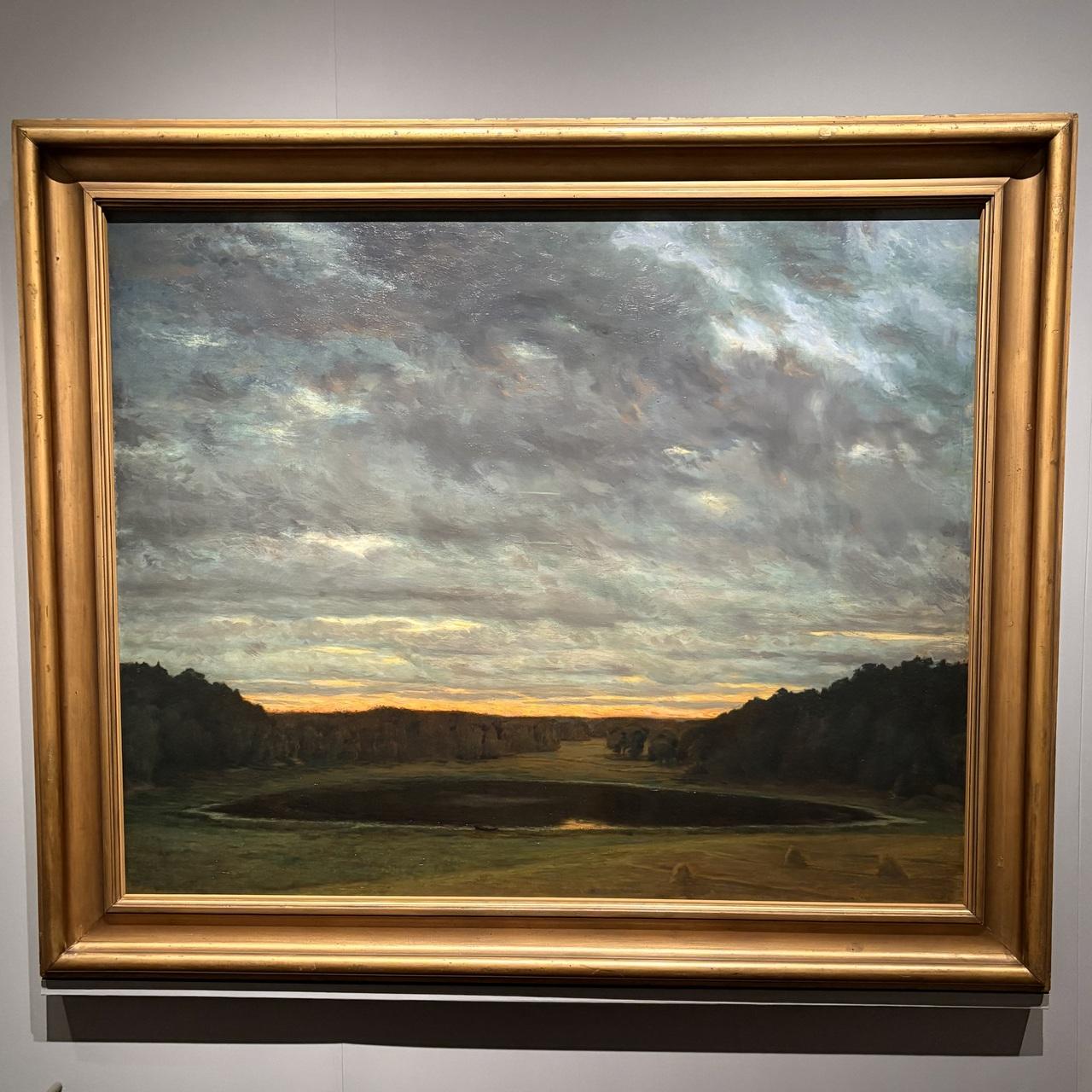
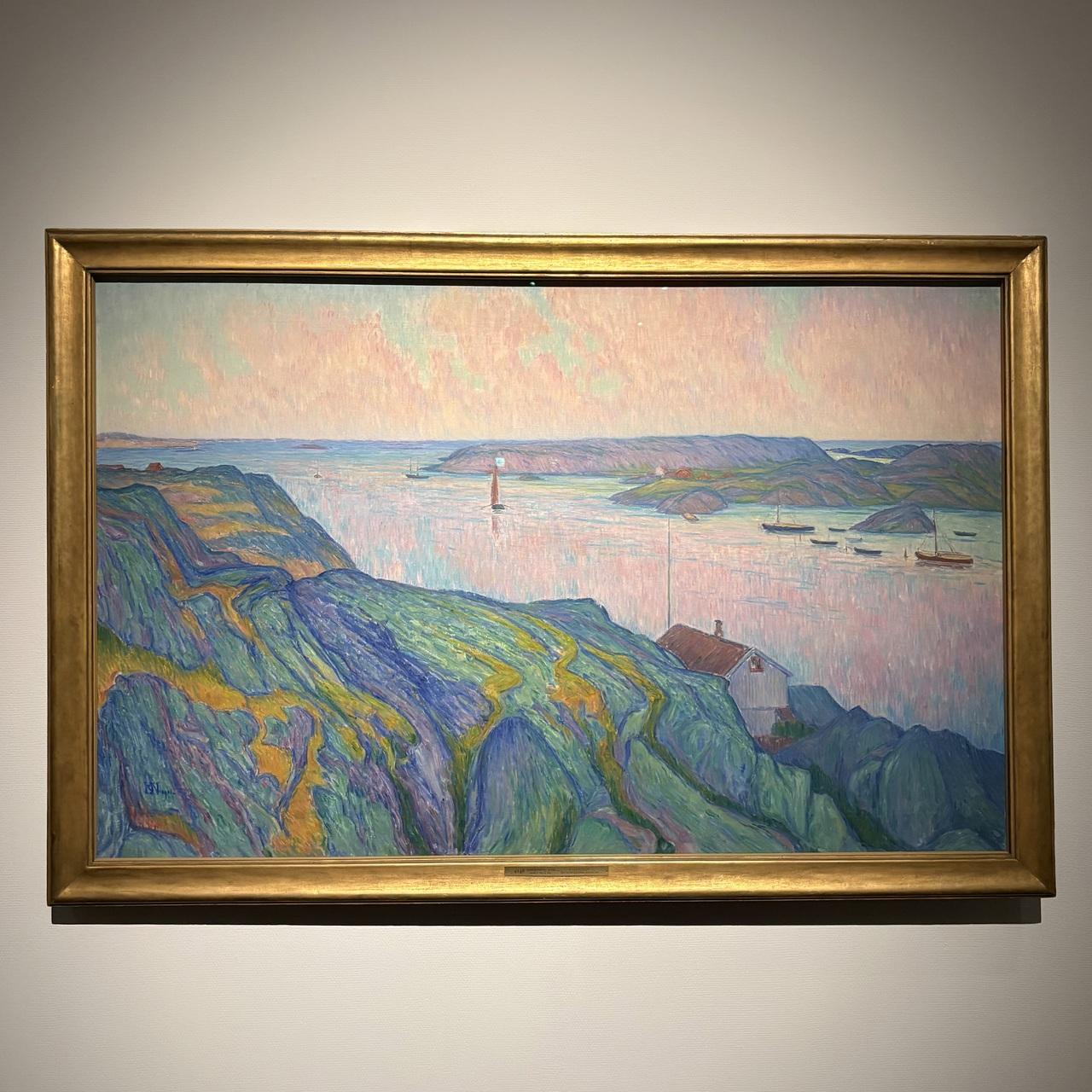
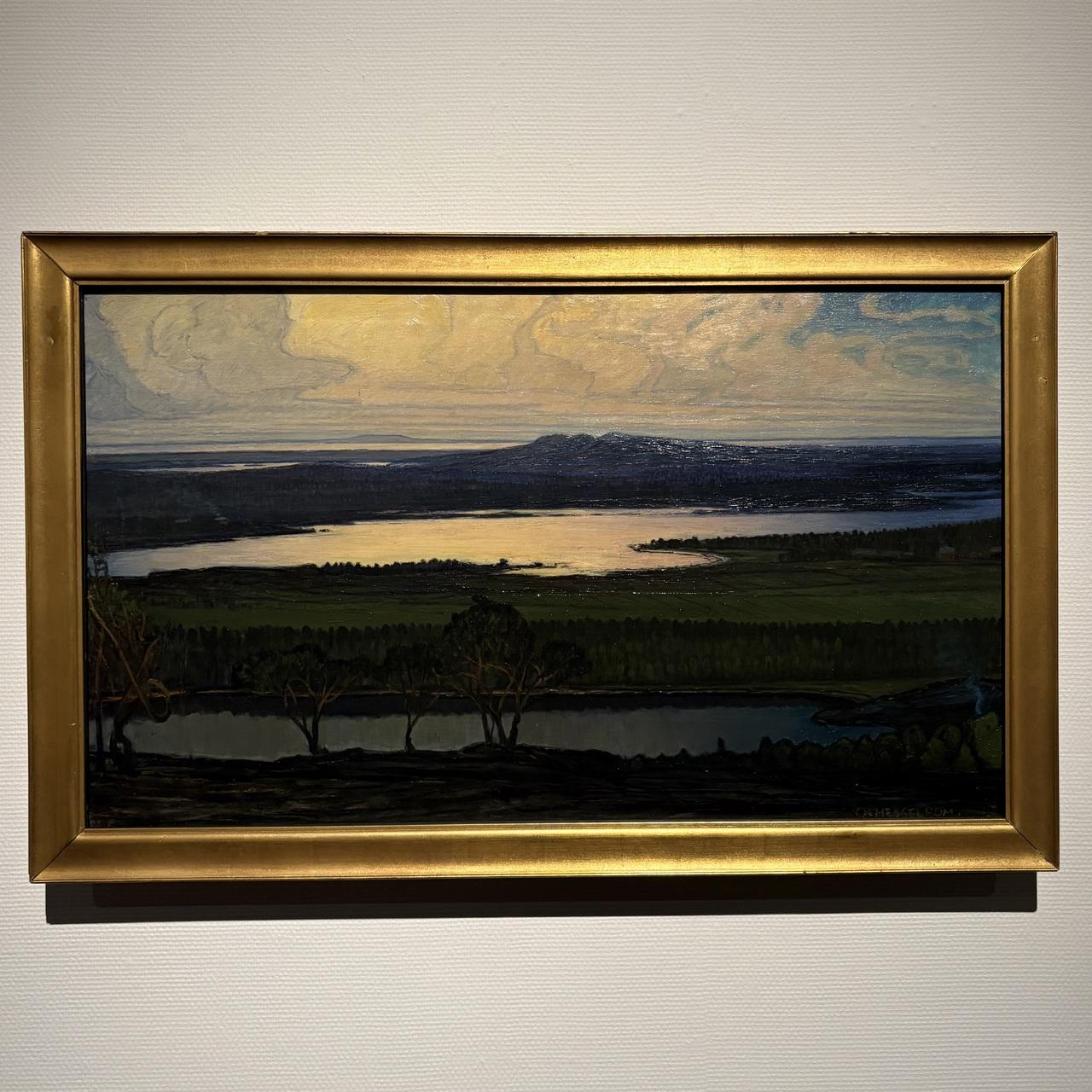
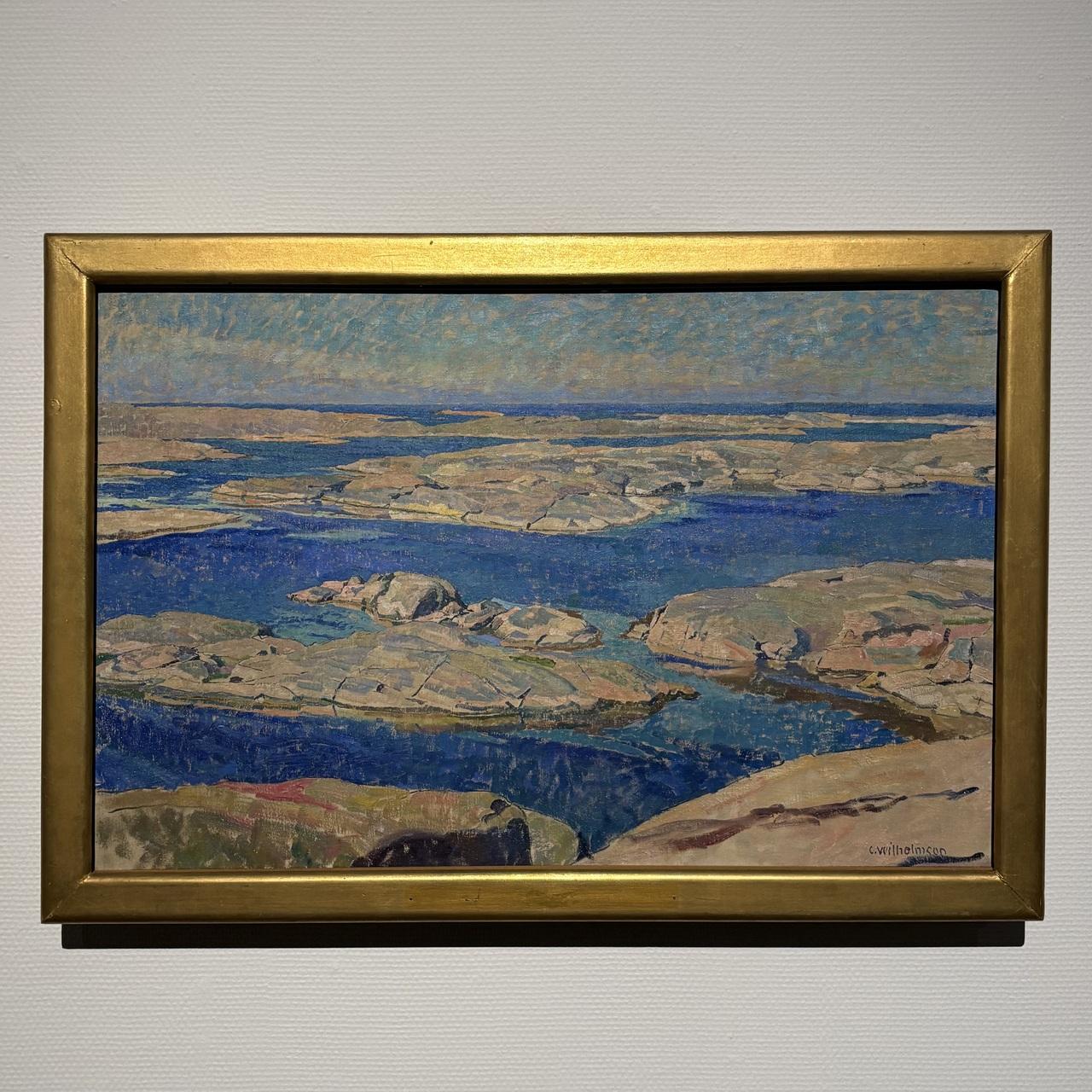
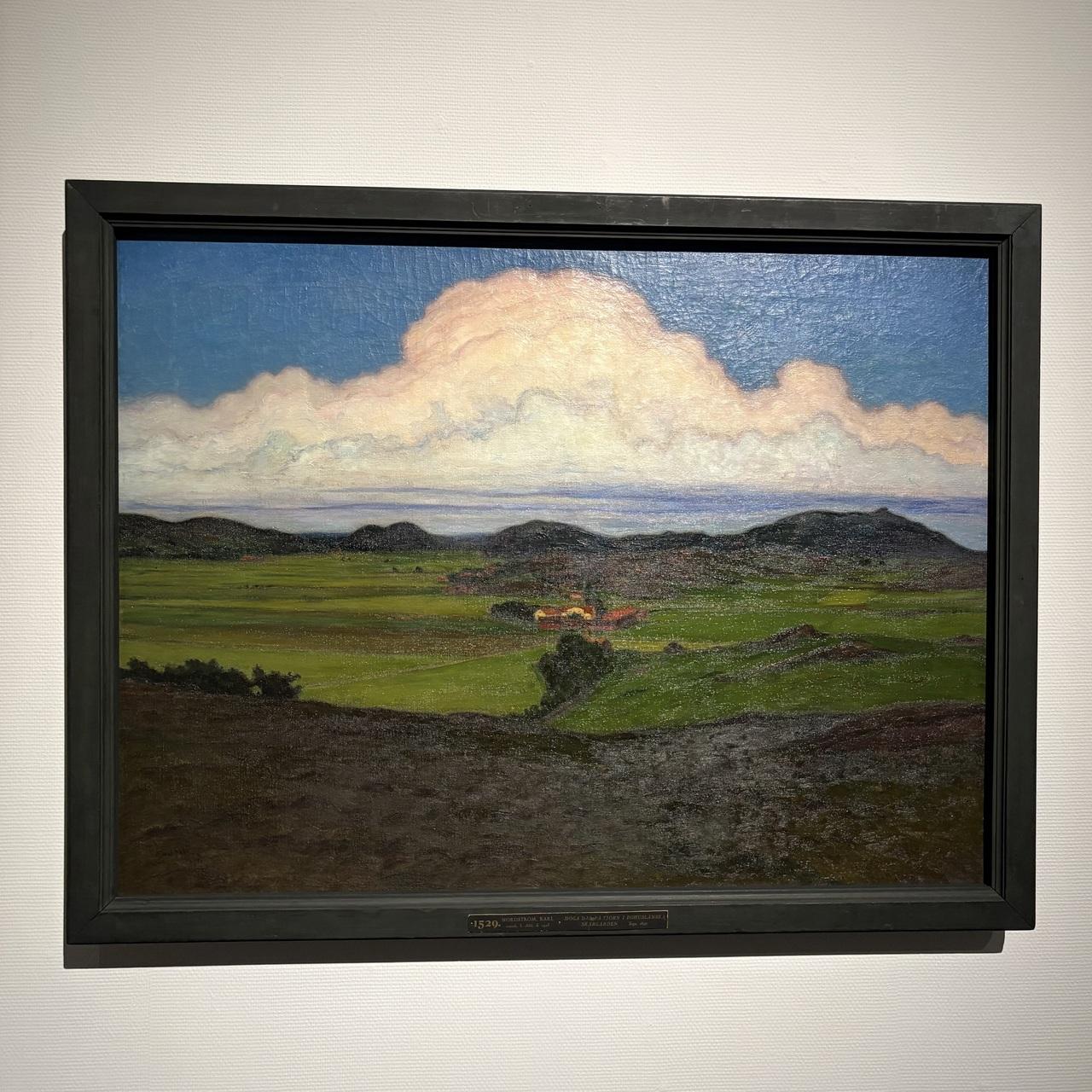
1890年代以降、スウェーデンの風景画は新たな展開を迎える。かつて「描くべきもののない国」とさえ言われたスウェーデンであったが、森や湖、山岳地帯、岩礁の続く海岸線、雪に覆われた冬の大地など、この国ならではの厳しくも豊かな自然が、画家たちによって改めて「発見」され、それを描くためにふさわしい表現が模索された。「スウェーデンらしさ」を探すため、多くの画家たちはストックホルムを離れ、地方に広がる自然と向き合うようになった。
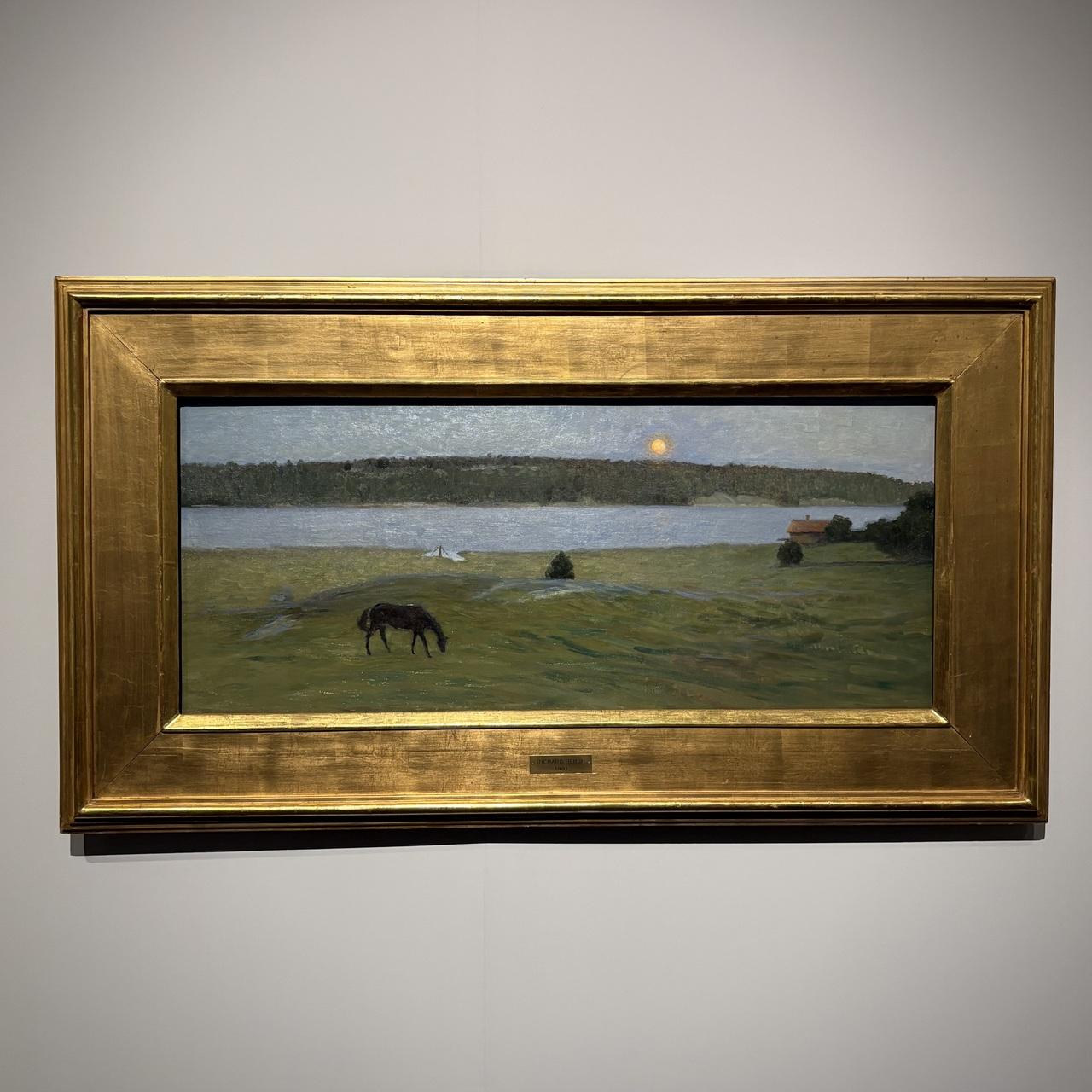
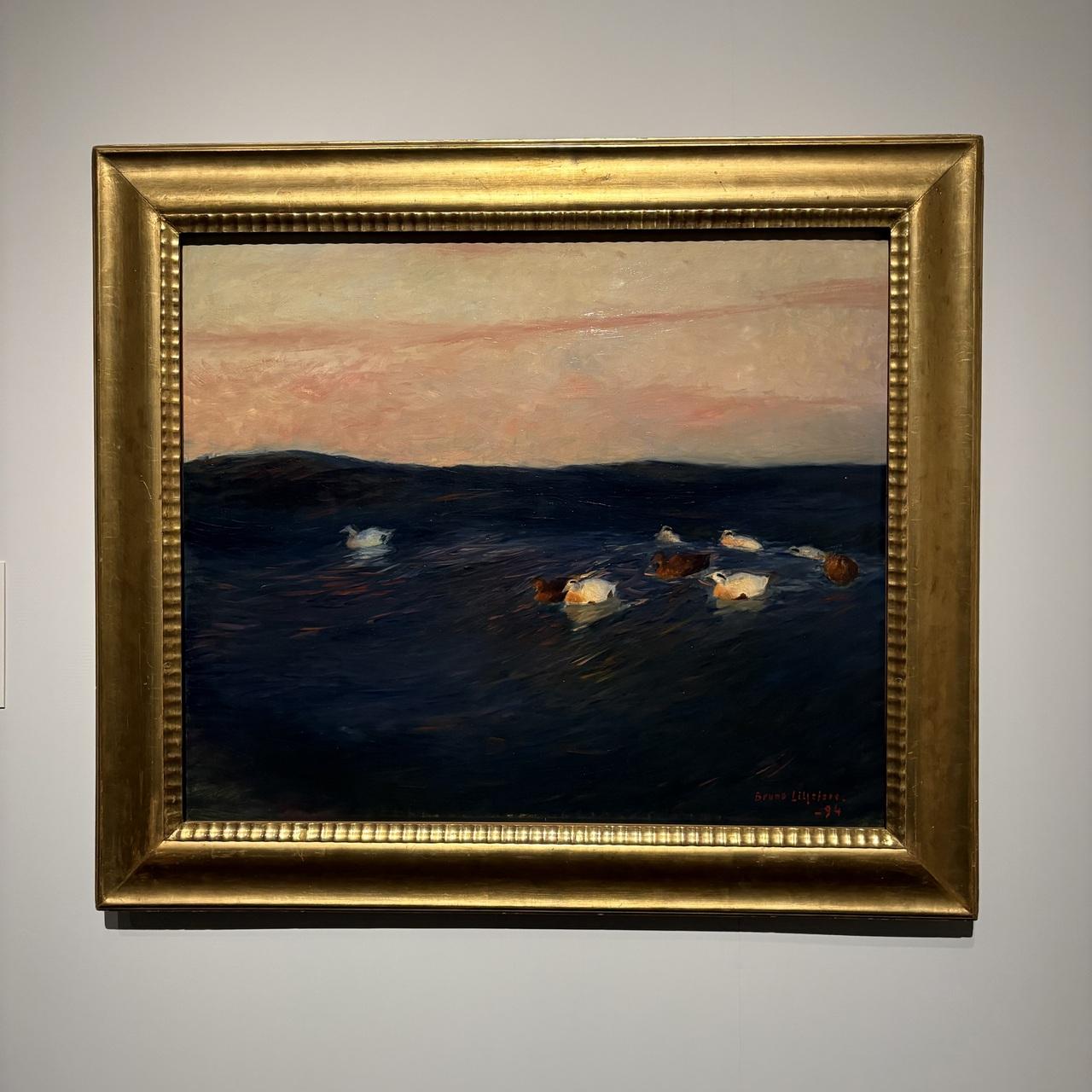
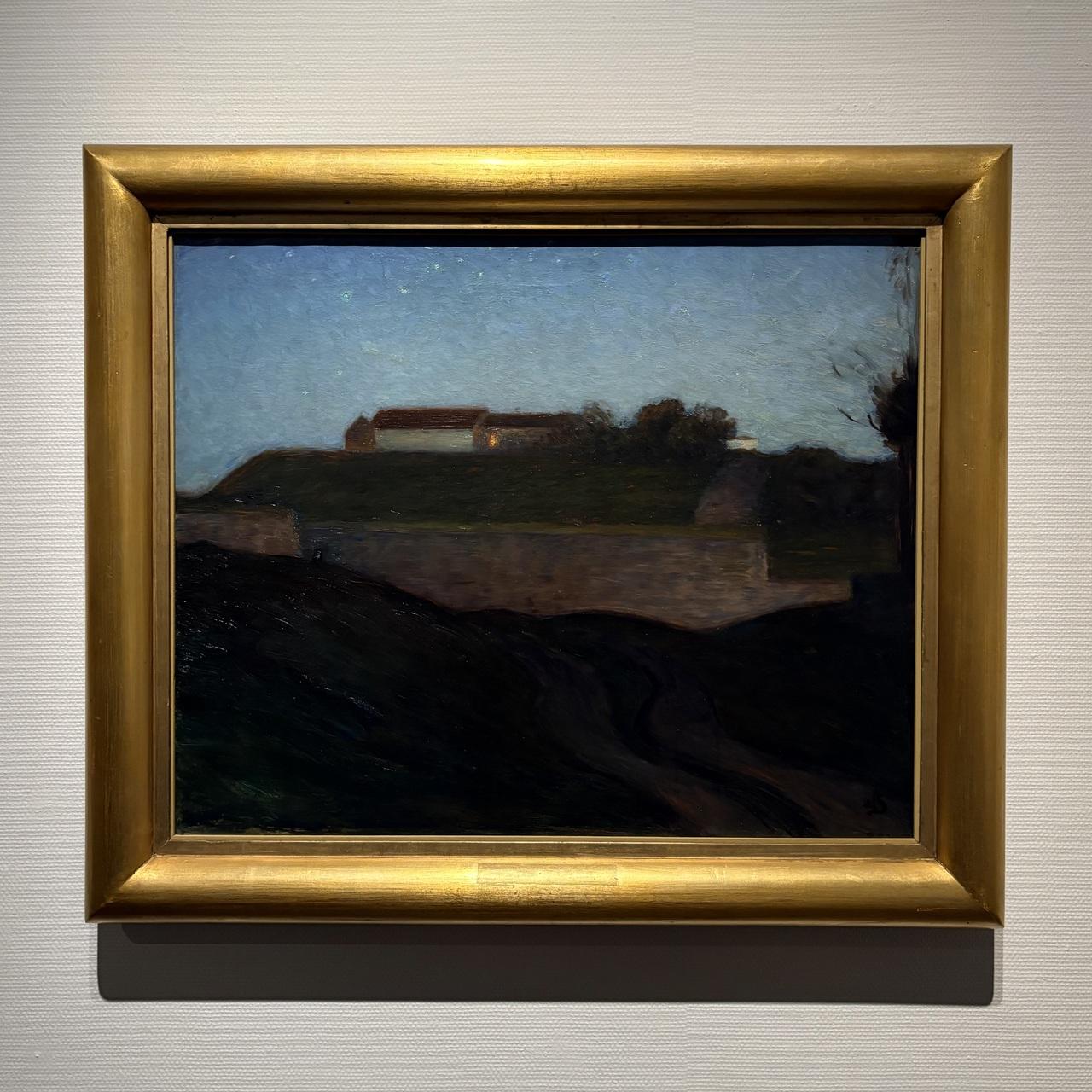
彼らが風景を描く際に共通して重視したのは、絵の題材や独自の技法だけではなく、風景を通して感情や雰囲気を伝えることであった。その役割を担ったのが、北欧特有の黄昏時や夜明けの空に広がる淡く繊細な光である。スウェーデンの画家たちのカンヴァスからは、フランス時代に描いた々と輝く陽光は消え、その代わりに北欧の夏に特徴的な光ータ暮れ時に長く続く薄明かりや、夜を包み込む青い光が、スウェーデンの自然の風景を情緒豊かに照らし出すようになった。
19世紀末、スウェーデンの画家たちは祖国の自然の豊かさ、美しさを再発見し、その表現にふさわしい技法を探求した。そうして生まれた作品は、スウェーデン絵画に独自の特徴を与え、新たな時代のかがやきをもたらした。
From the 1890s onwards, Swedish landscape painting took a new direction. Sweden once had even been called "a country with nothing to paint", but now painters were newly "discovering" the harsh but rich natural bounty distinctive of Sweden - its forests, lakes, mountainous areas, coastlines with rocky reefs, and snow-covered lands- and seeking techniques suited to expressing its wonders.
As they worked, the painters assigned importance not simply to finding new subjects and techniques but to conveying emotion and atmosphere through a landscape. Serving them in that role was the delicate dim light of the Nordic twilight and dawn. The brilliant sun we see in landscapes of the 1880s disappeared from the canvases of Swedish painters. Instead, the blue light of the long hours of twilight, characteristic of the Nordic summer, came to glow lyrically in Swedish natural landscapes.
In the late 19th century, Swedish painters rediscovered the natural richness and beauty of their native land and sought techniques suited to its expression. The works that emerged in this way endowed Swedish painting with distinctive characteristics of its own and brought the dawn of a new era. -
-
-
-
-
-
-
-
-
-
-
-
-
-
-
-
-
-
-
-
-
-
-
-
-
-
-
-
-
-
-
-
-
-
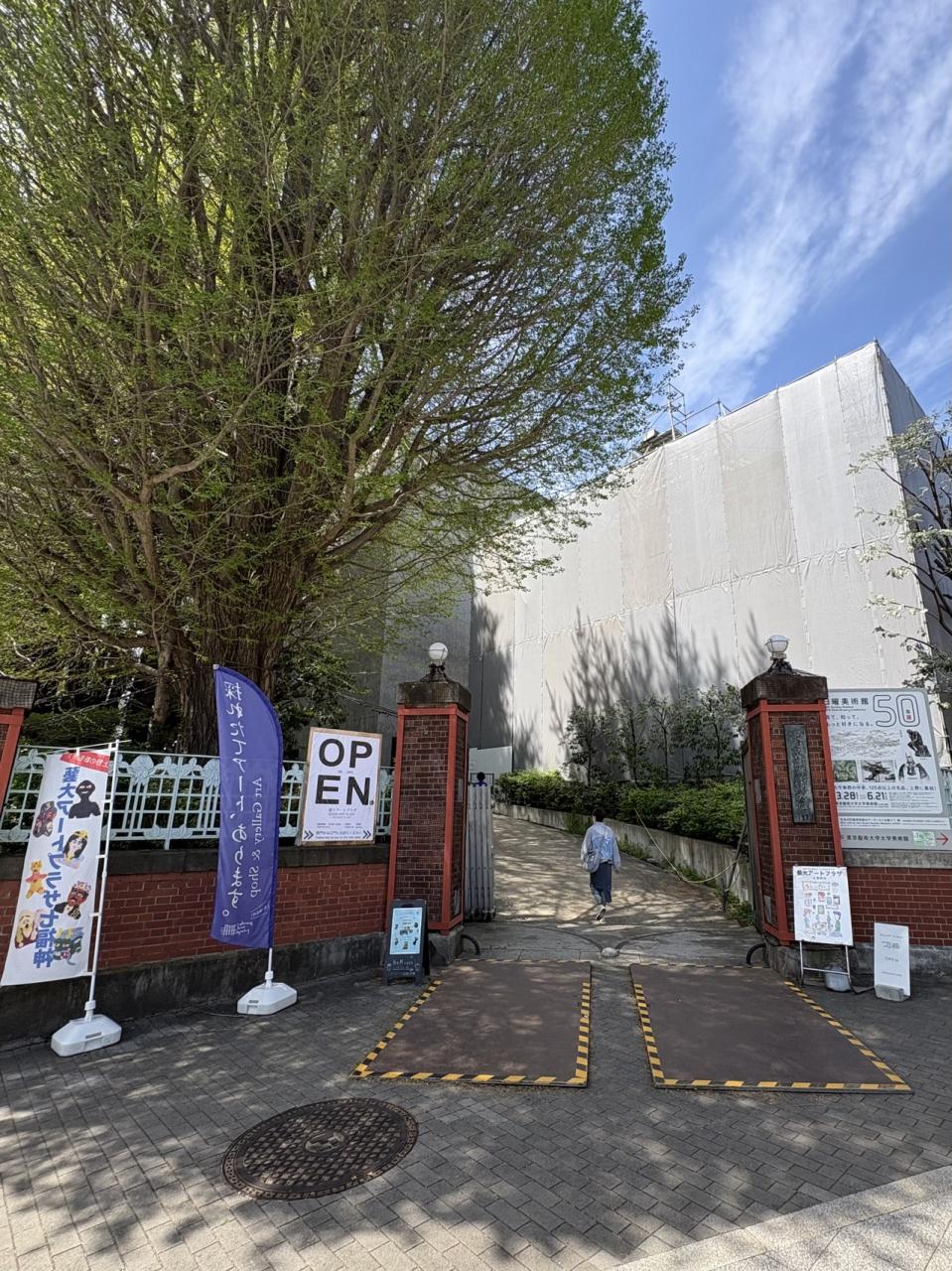
この後、"東京藝術大学" へ
東京芸術大学 名所・史跡



利用規約に違反している投稿は、報告する事ができます。
旅行記グループ
国内の美術館・博物館巡り その4
-
前の旅行記

"スウェーデン絵画展" の後、"藝大アートプラザ"・"上野動物園" へ。京都市動物園の長男ゴリラ "ゲンタロ...
2026/04/12~
上野・御徒町
-
次の旅行記

2026年2月7日~5月24日 お嬢と行く "クロード・モネ ~風景への問いかけ" @アーティゾン美術館
2026/04/29~
丸の内・大手町・八重洲
-

2025.9.20~12.14 "モーリス・ユトリロ展@SOMPO美術館"。"風景画の中の人物の後ろ姿" が...
2025/12/11~
新宿
-

マチュピチュ展【その1】"フクロウの神" @ 森アーツセンターギャラリー(2025.11.22~2026.3...
2026/01/12~
六本木
-

マチュピチュ展【その2】"シャーマンの変容" @ 森アーツセンターギャラリー(2025.11.22~2026...
2026/01/12~
六本木
-

マチュピチュ展【その3】"アイ・アパエックの顔を表した埋葬用仮面" @ 森アーツセンターギャラリー(2025...
2026/01/12~
六本木
-

マチュピチュ展【その4】"トカゲのモザイクの耳飾り" @ 森アーツセンターギャラリー(2025.11.22~...
2026/01/12~
六本木
-

マチュピチュ展【その5】"神話の豊穣の場面が描かれた儀礼用の杯"@ 森アーツセンターギャラリー(2025.1...
2026/01/12~
六本木
-

マチュピチュ展【その6】"戦闘と捕虜の捕獲" @ 森アーツセンターギャラリー(2025.11.22~2026...
2026/01/12~
六本木
-

マチュピチュ展【その7】"チムー帝国の装身具一式" @ 森アーツセンターギャラリー(2025.11.22~2...
2026/01/12~
六本木
-

マチュピチュ展【その8】"神格化された祖先とネコ科動物をモチーフにした冠" @ 森アーツセンターギャラリー(...
2026/01/12~
六本木
-

マチュピチュ展【その9】"カエルがモチーフの首飾り"@ 森アーツセンターギャラリー(2025.11.22~2...
2026/01/12~
六本木
-

マチュピチュ展【その10/完】"インカのキープ"@ 森アーツセンターギャラリー(2025.11.22~3.1...
2026/01/12~
六本木
-

"塩谷亮 刻を描くリアリズム" (@佐藤美術館 2026.1.8 ~2.15) で、初めて "写実絵画" を...
2026/01/28~
信濃町・千駄ヶ谷
-

2026.2.9 国立西洋美術館① "オルセー美術館所蔵 印象派 室内をめぐる物語"。"エドガー・ドガ《家族...
2026/02/09~
上野・御徒町
-

2026.2.9 国立西洋美術館② 常設展(その1)"ラビニィア・フォンターナ 《アントニエッタ・ゴンザレス...
2026/02/09~
上野・御徒町
-

2026.2.9 国立西洋美術館③ 常設展(その2)"ダフィット・テニールス(子)《聖アントニウスの誘惑》"
2026/02/09~
上野・御徒町
-

2026.2.9 国立西洋美術館④ 小企画展 "Black Lines Speak 物語る黒線たち ~デュー...
2026/02/09~
上野・御徒町
-

2026.2.9 国立西洋美術館⑤/完 常設展(その3)"ヴィルヘルム・ハンマースホイ《ピアノを弾く妻イーダ...
2026/02/09~
上野・御徒町
-

"スウェーデン絵画展" の後、"藝大アートプラザ"・"上野動物園" へ。京都市動物園の長男ゴリラ "ゲンタロ...
2026/04/12~
上野・御徒町
-

お嬢と行く "スウェーデン絵画 北欧の光、日常のかがやき" 2026.1.27~4.12 @ 東京都美術館
2026/04/12~
上野・御徒町
-

2026年2月7日~5月24日 お嬢と行く "クロード・モネ ~風景への問いかけ" @アーティゾン美術館
2026/04/29~
丸の内・大手町・八重洲
-

"アンドリュー・ワイエス展" の後、"藝大アートプラザ" へ。"佐治真理子《佇む -玉しめ-》" が、いい感...
2026/05/16~
上野・御徒町
-

お嬢と行く"アンドリュー・ワイエス展 ~境界に立つとき、心が動き出す。~" 2026.4/28~7/5 @ ...
2026/05/16~
上野・御徒町
-

2026.7.12① 上野の森美術館 "大ゴッホ展"。撮影可能だったのは、"夜のカフェテラス" 1点のみ・・...
2026/07/12~
上野・御徒町
-

2026.7.12② "大ゴッホ展"の後、東京国立博物館 "アイルランド チェスター・ビューティ・コレクショ...
2026/07/12~
上野・御徒町
-

2026.7.12④ "大ゴッホ展" の後、SOMPO美術館 "山口華揚展"。《青柿》は、諏訪湖のほとり"北...
2026/07/12~
新宿
-

2026.7.12 ⑤・完 "大ゴッホ展" の後、"東京オペラシティ" でクラシック鑑賞 。恵比寿の "ル・...
2026/07/12~
東京
旅行記グループをもっと見る
コメントを投稿する前に
十分に確認の上、ご投稿ください。 コメントの内容は攻撃的ではなく、相手の気持ちに寄り添ったものになっていますか?
サイト共通ガイドライン(利用上のお願い)報道機関・マスメディアの方へ 画像提供などに関するお問い合わせは、専用のお問い合わせフォームからお願いいたします。

上野・御徒町(東京) の旅行記






フォートラベル公式LINE@

おすすめの旅行記や旬な旅行情報、お得なキャンペーン情報をお届けします!
QRコードが読み取れない場合はID「@4travel」で検索してください。
\その他の公式SNSはこちら/






旅行記グループ 国内の美術館・博物館巡り その4
0
91