


2026/05/16 - 2026/05/16
230位(同エリア4691件中)

旅熊 Kokazさん
- 旅熊 KokazさんTOP
- 旅行記1927冊
- クチコミ854件
- Q&A回答102件
- 1,708,168アクセス
- フォロワー752人


この旅行記スケジュールを元に
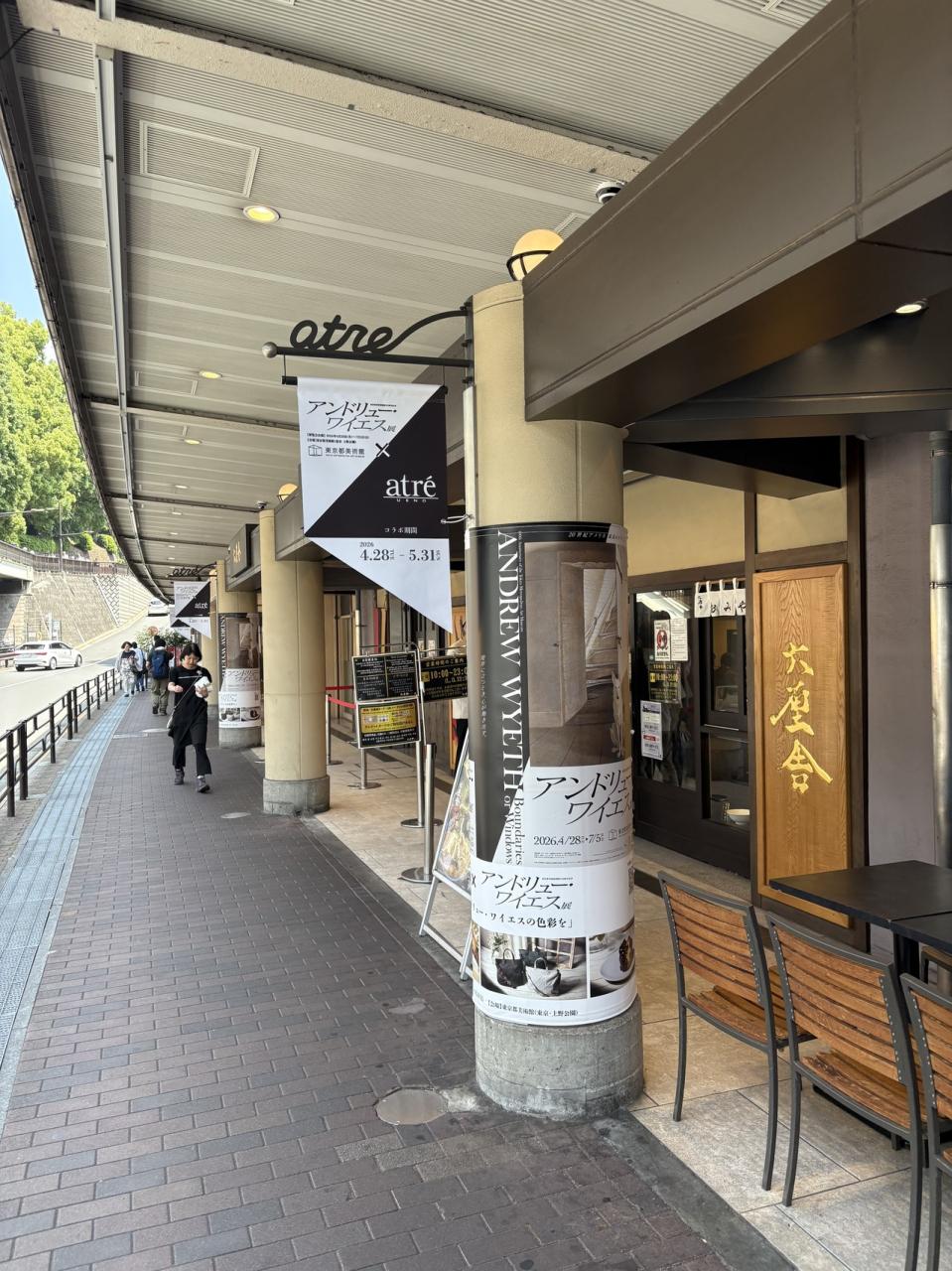
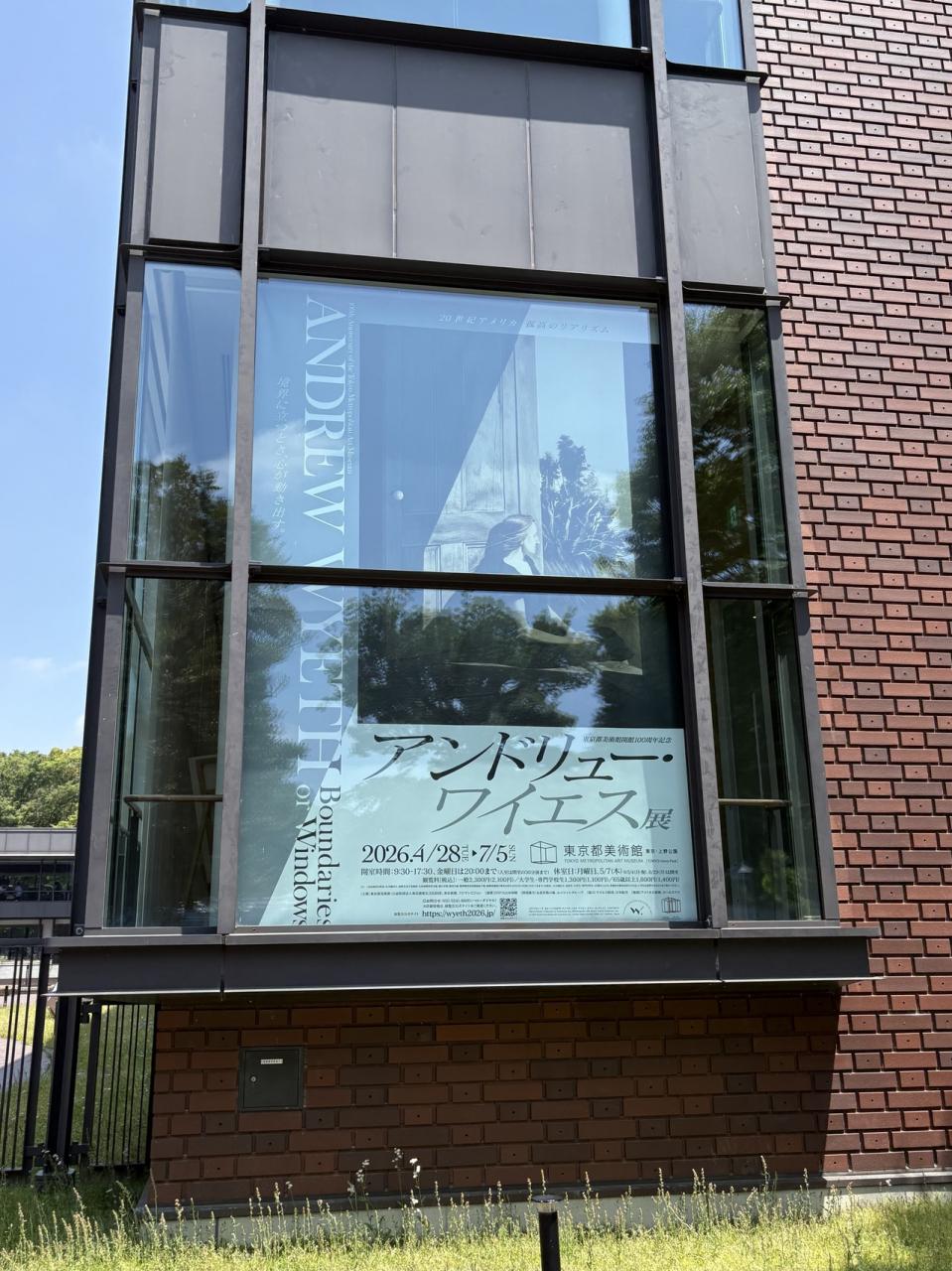
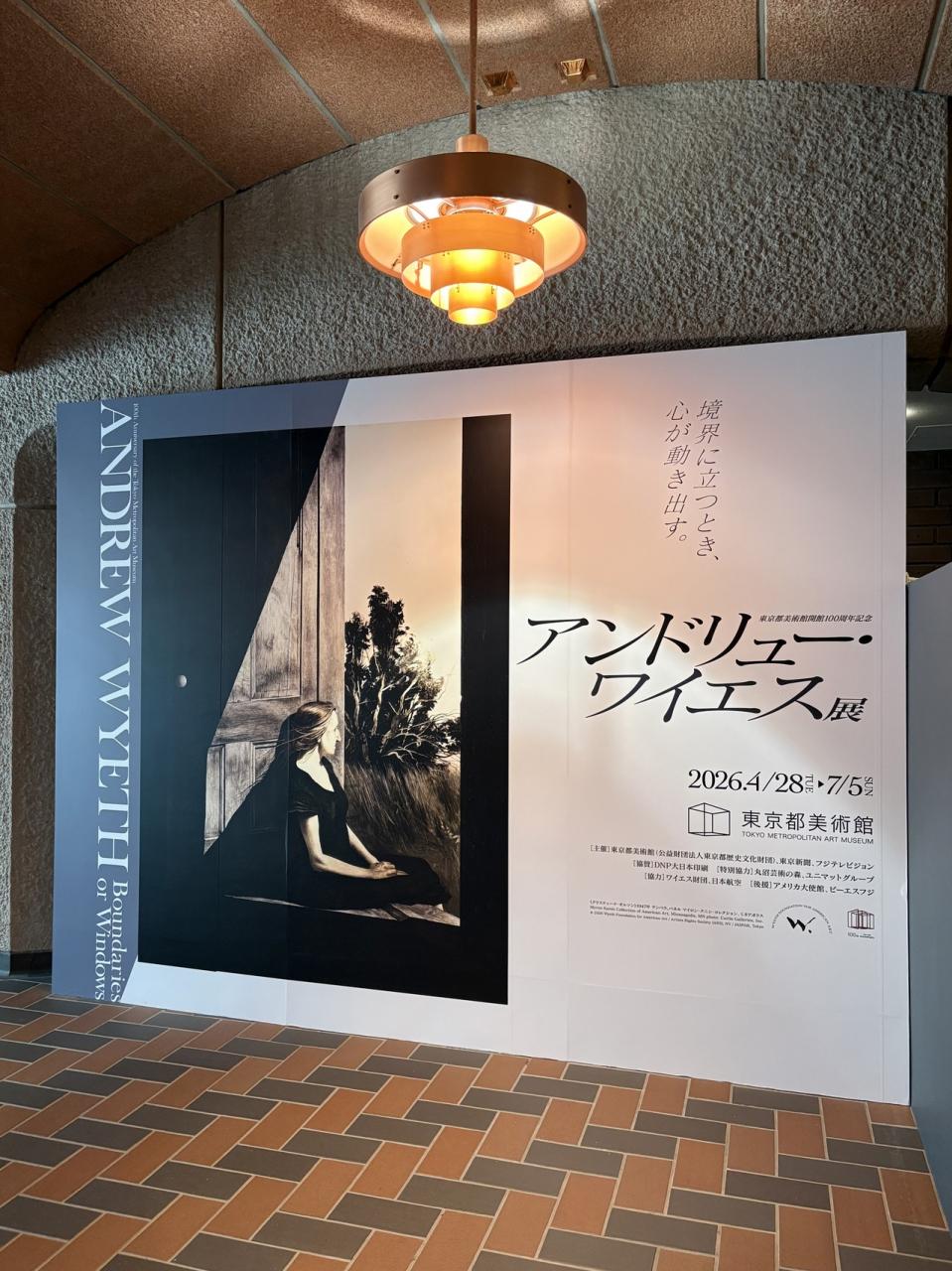
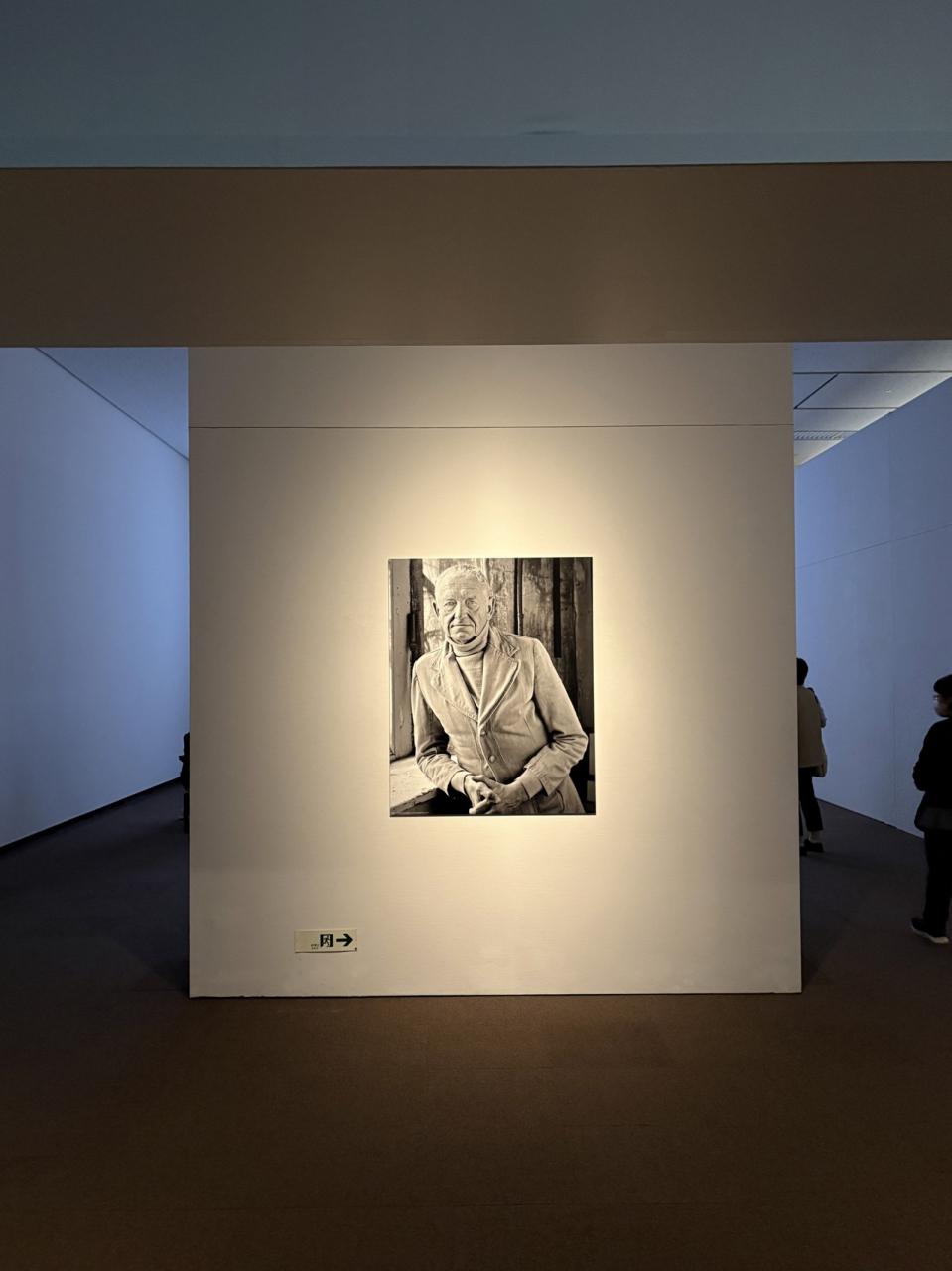
"アンドリュー・ワイエス展"
2026.4/28~7/5 @ 東京都美術館
https://wyeth2026.jp/
- 旅行の満足度
- 5.0
-

-
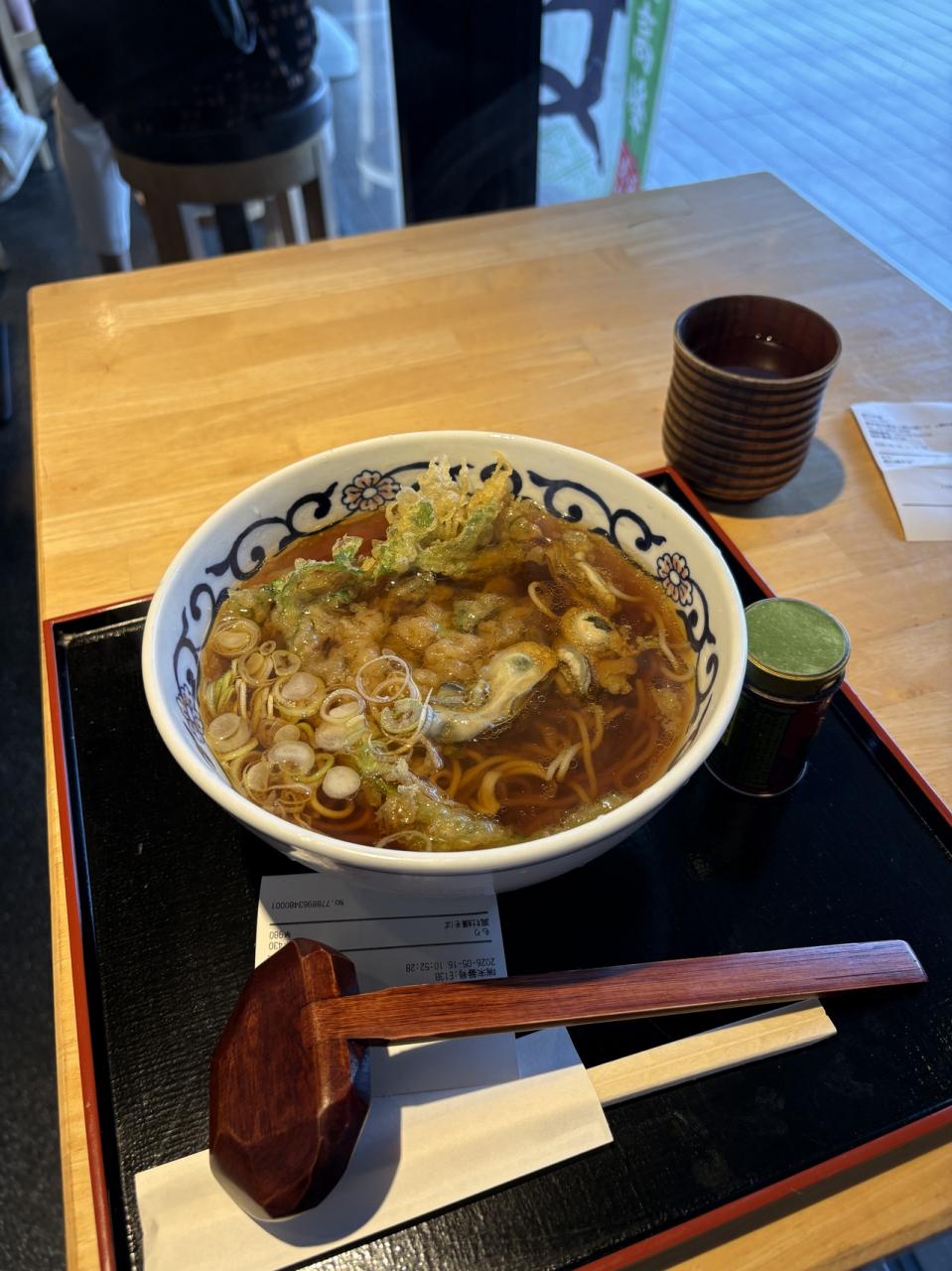
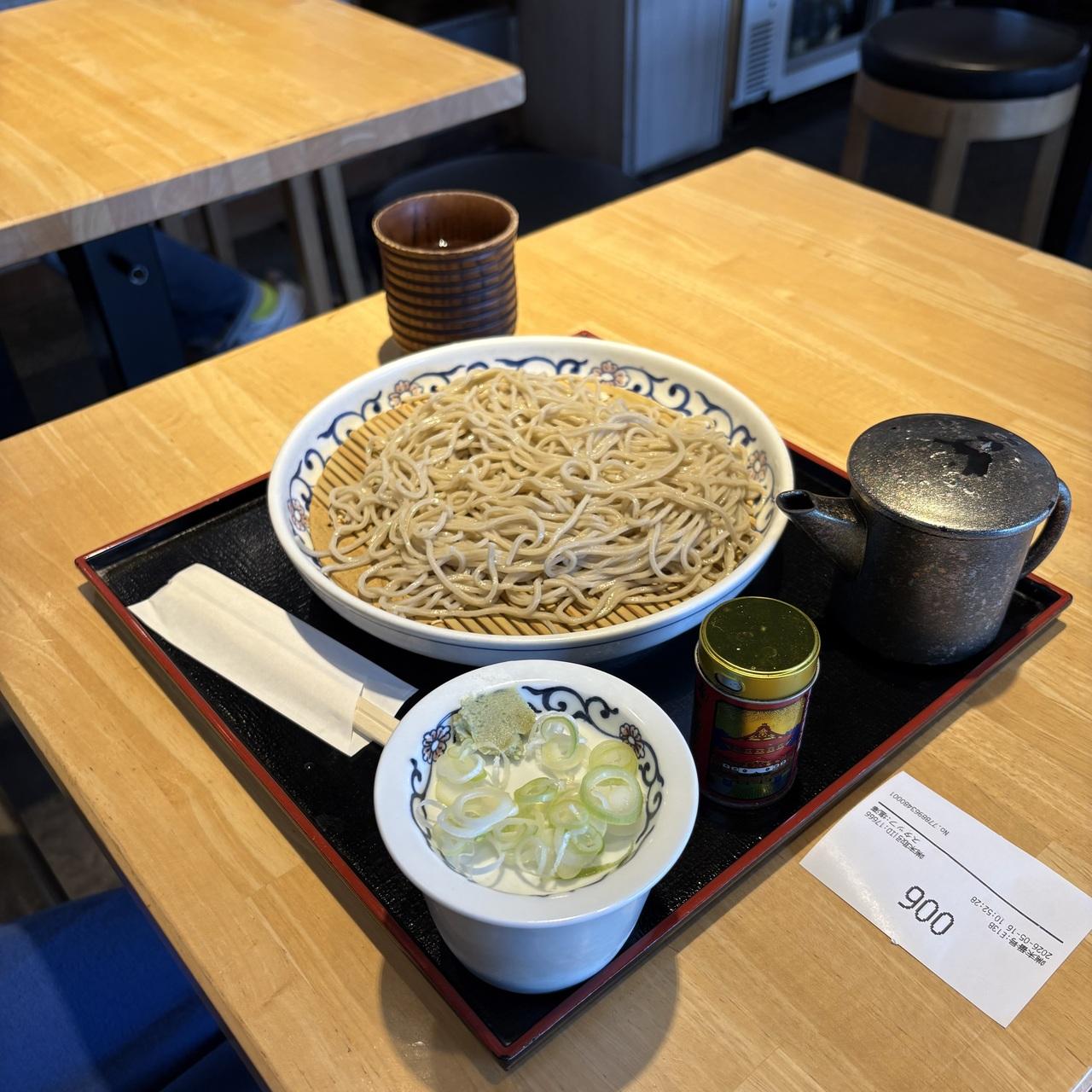
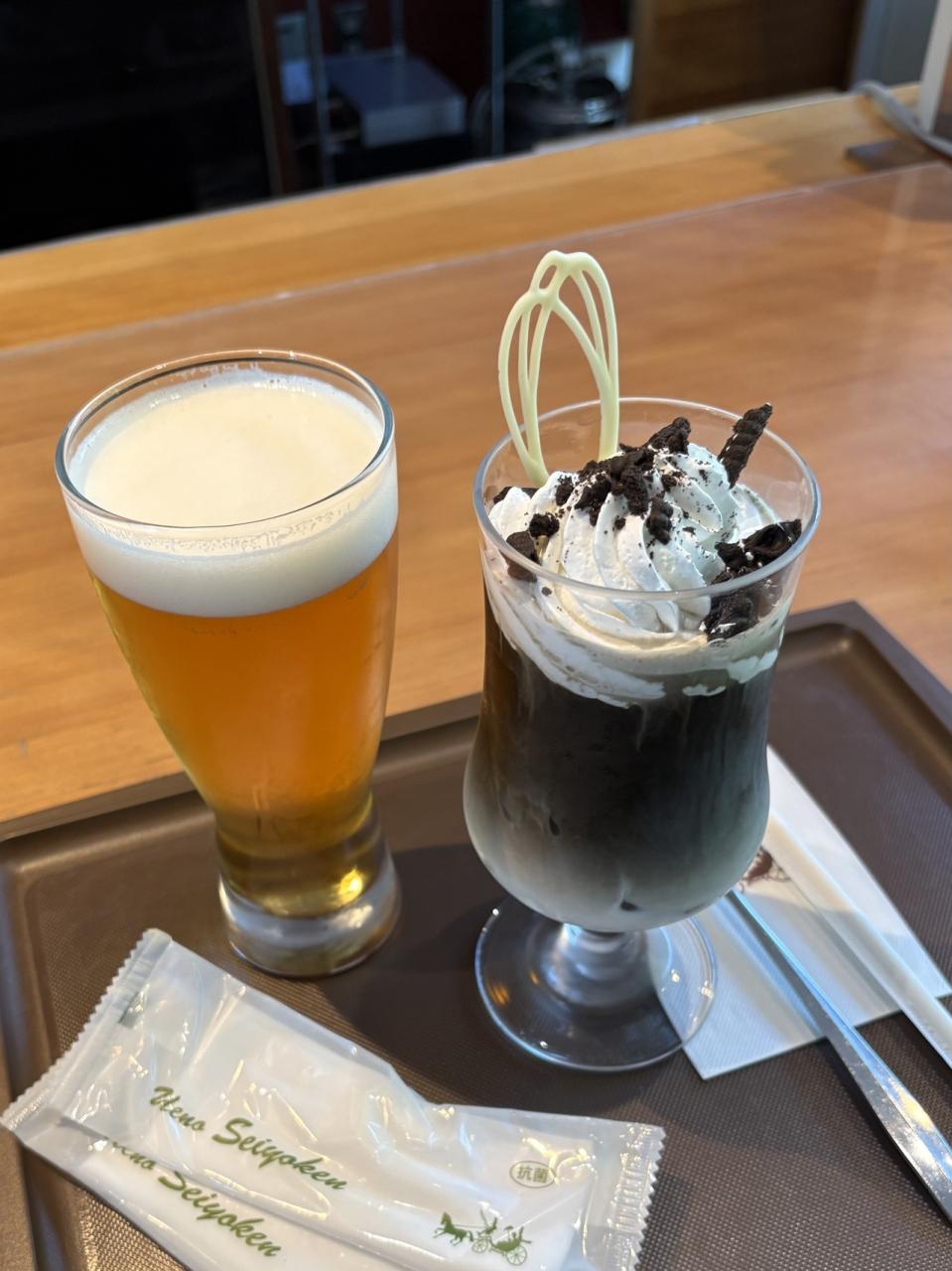
喜乃字屋 グルメ・レストラン
-
-
-
-
-
-
-
-
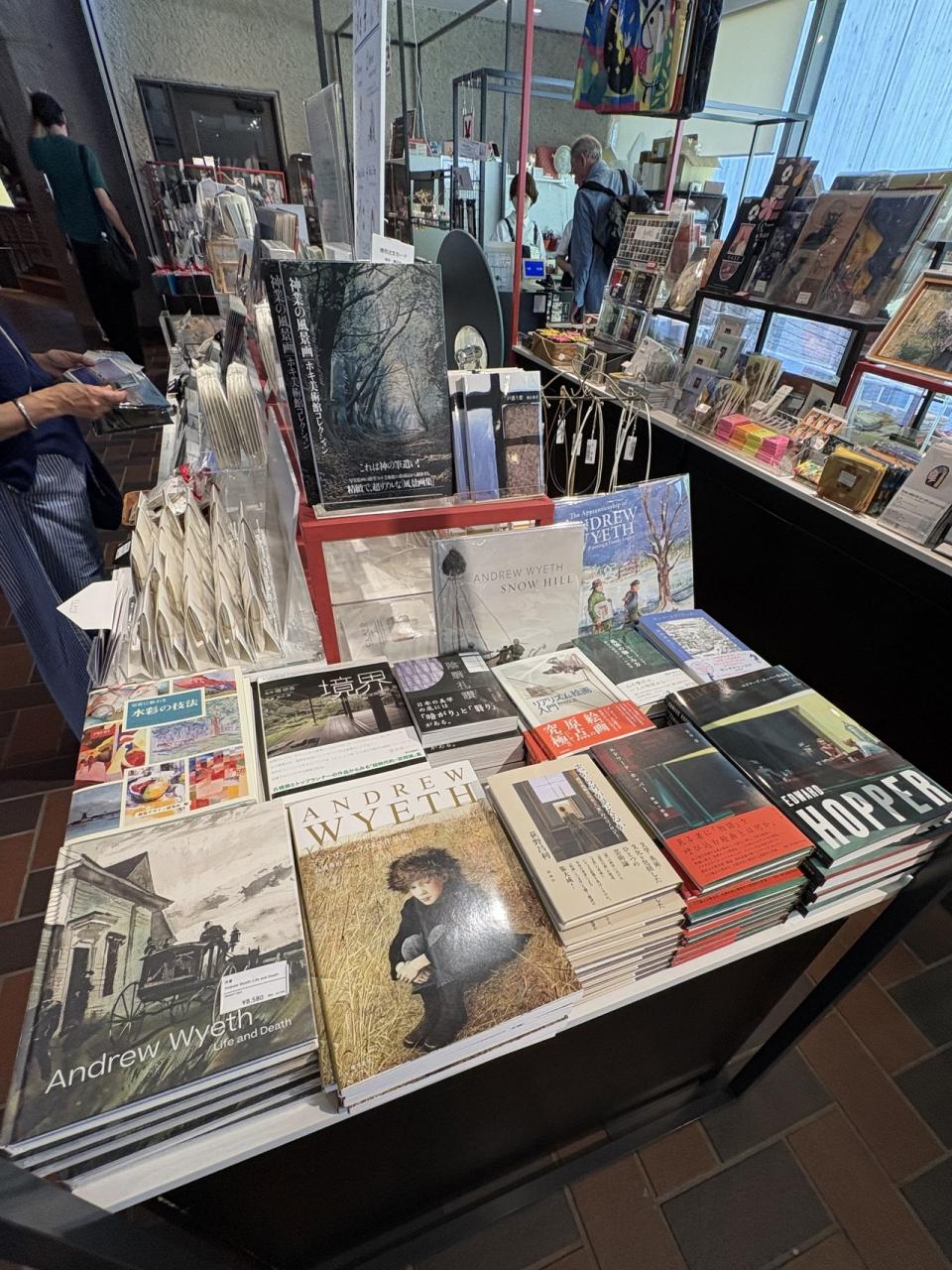
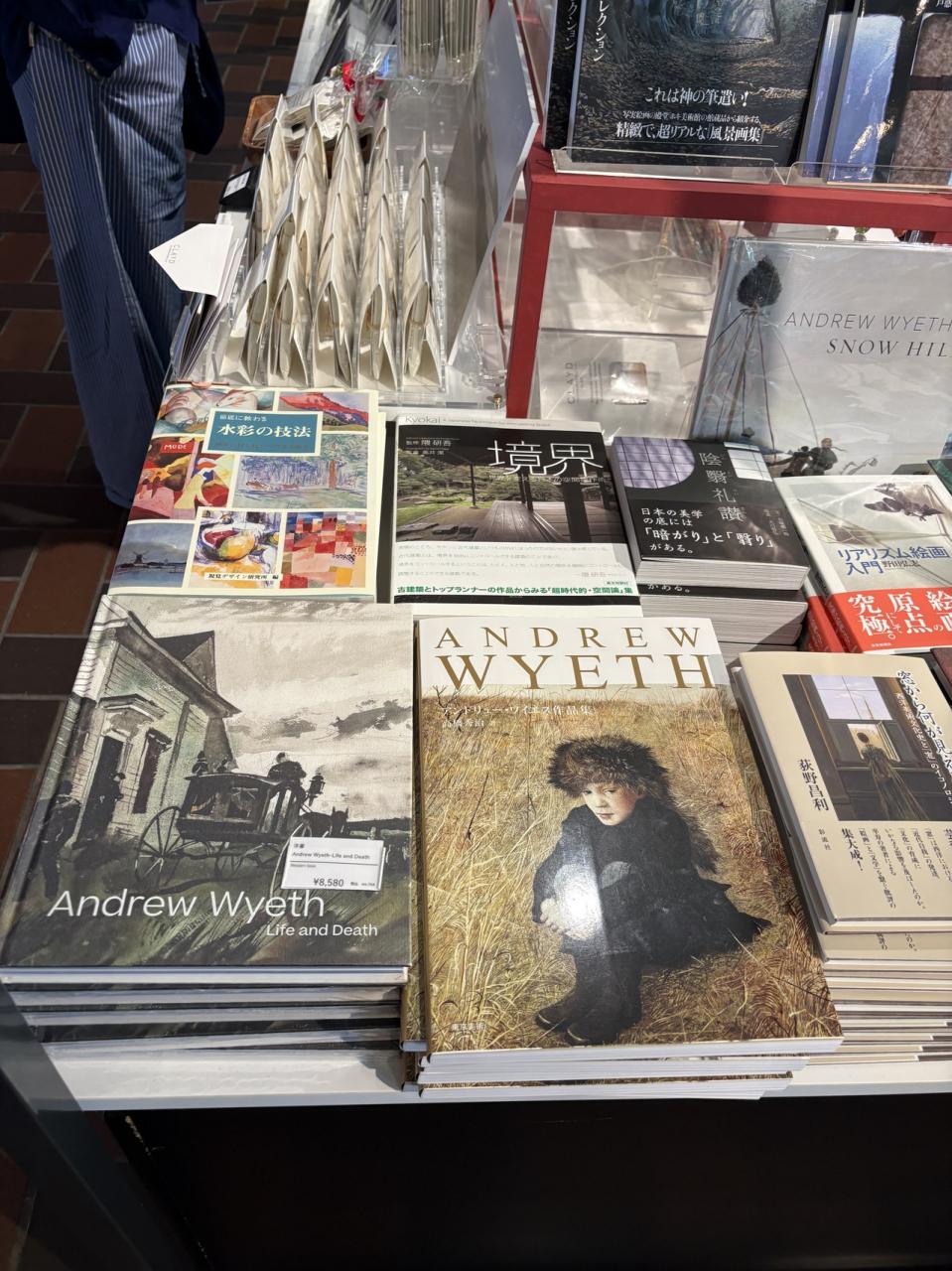
東京都美術館 美術館・博物館
-
-
-
-
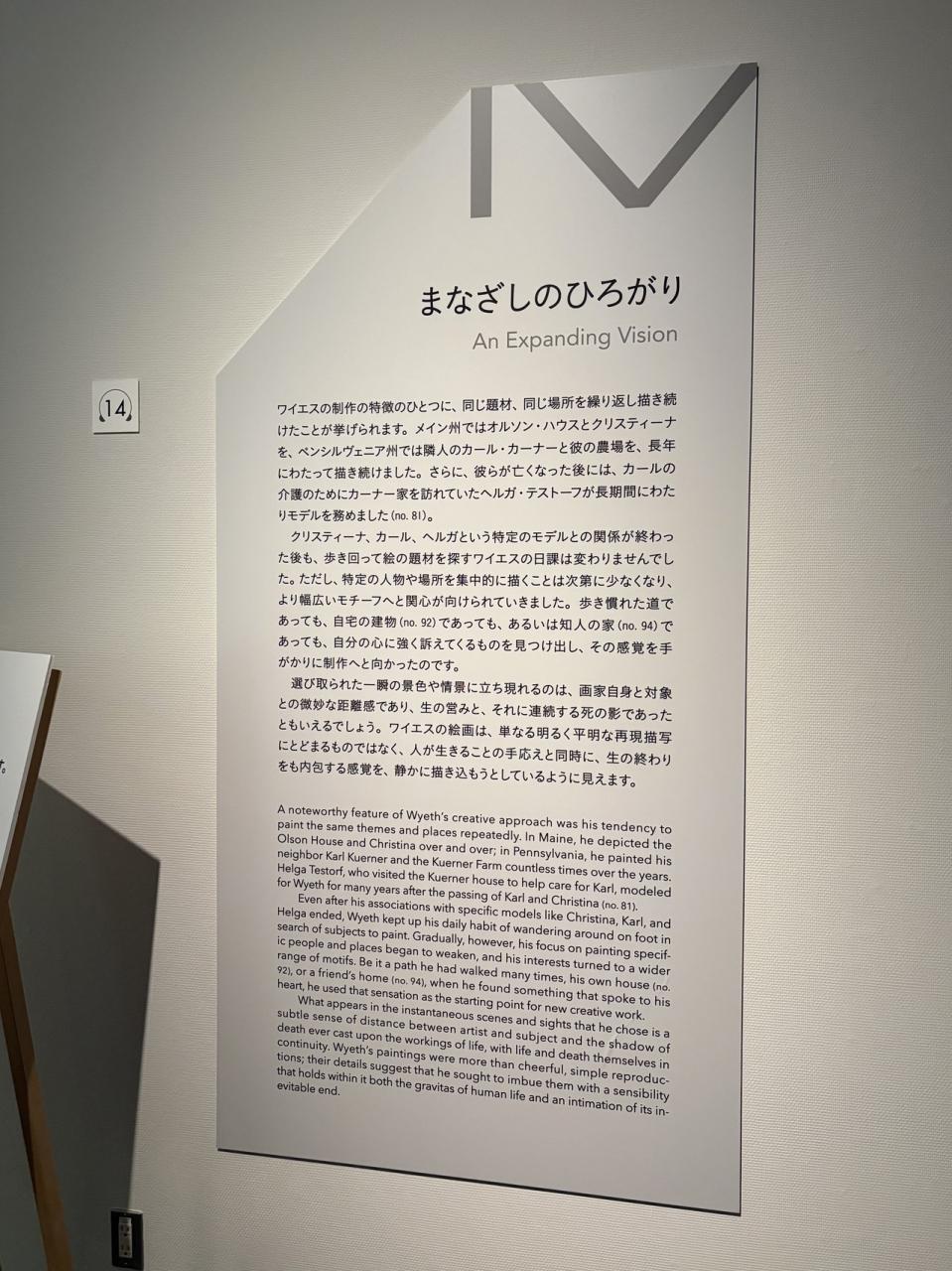
まなざしのひろがり
An Expanding Vision
ワイエスの制作の特徴のひとつに、同じ題材、同じ場所を繰り返し描き続けたことが挙げられます。メイン州ではオルソン・ハウスとクリスティーナを、ペンシルヴェニア州では隣人のカール・カーナーと彼の農場を、長年にわたって描き続けました。さらに、彼らが亡くなった後には、カールの介護のためにカーナー家を訪れていたヘルガ・テストーフが長期間にわたりモデルを務めました(no.81)。
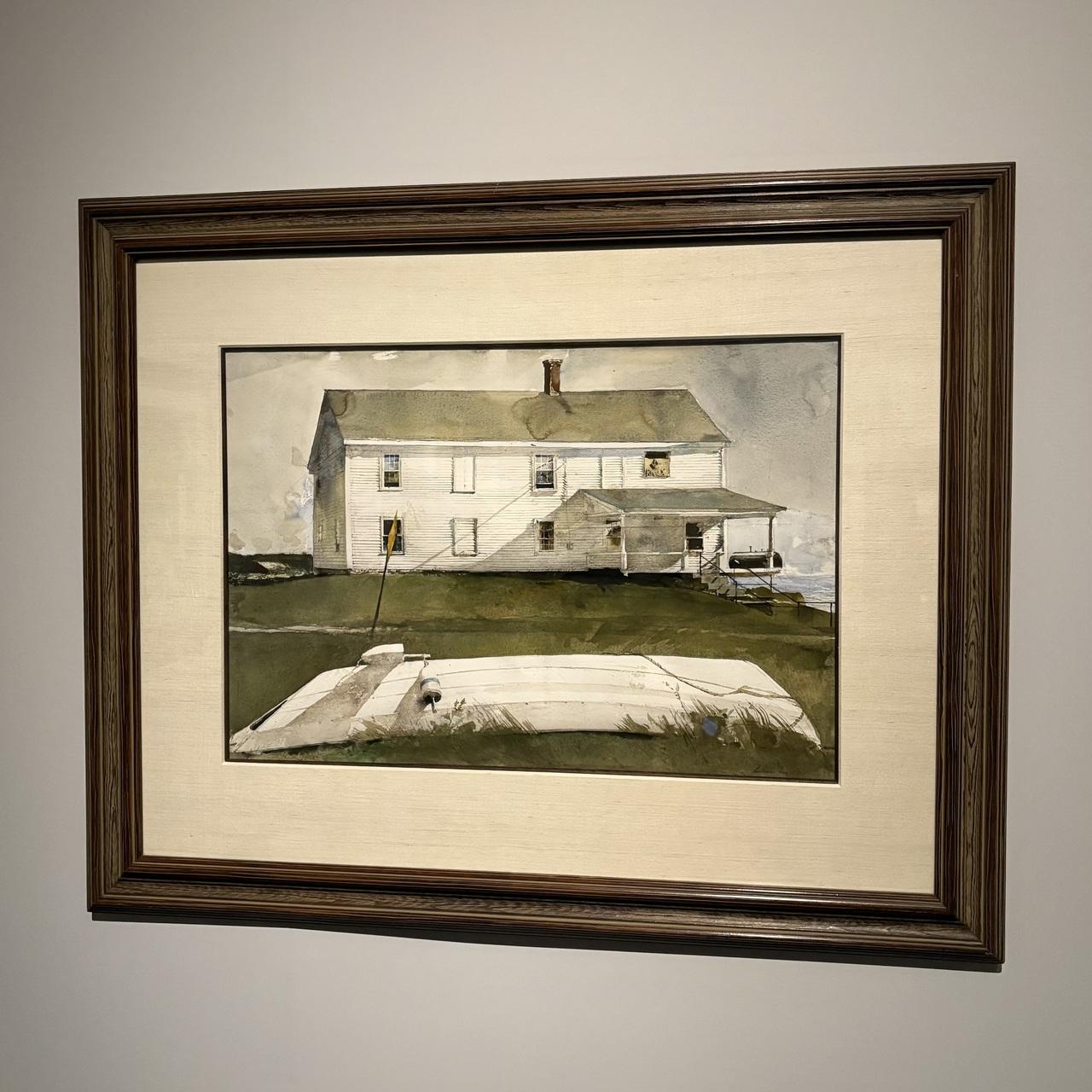
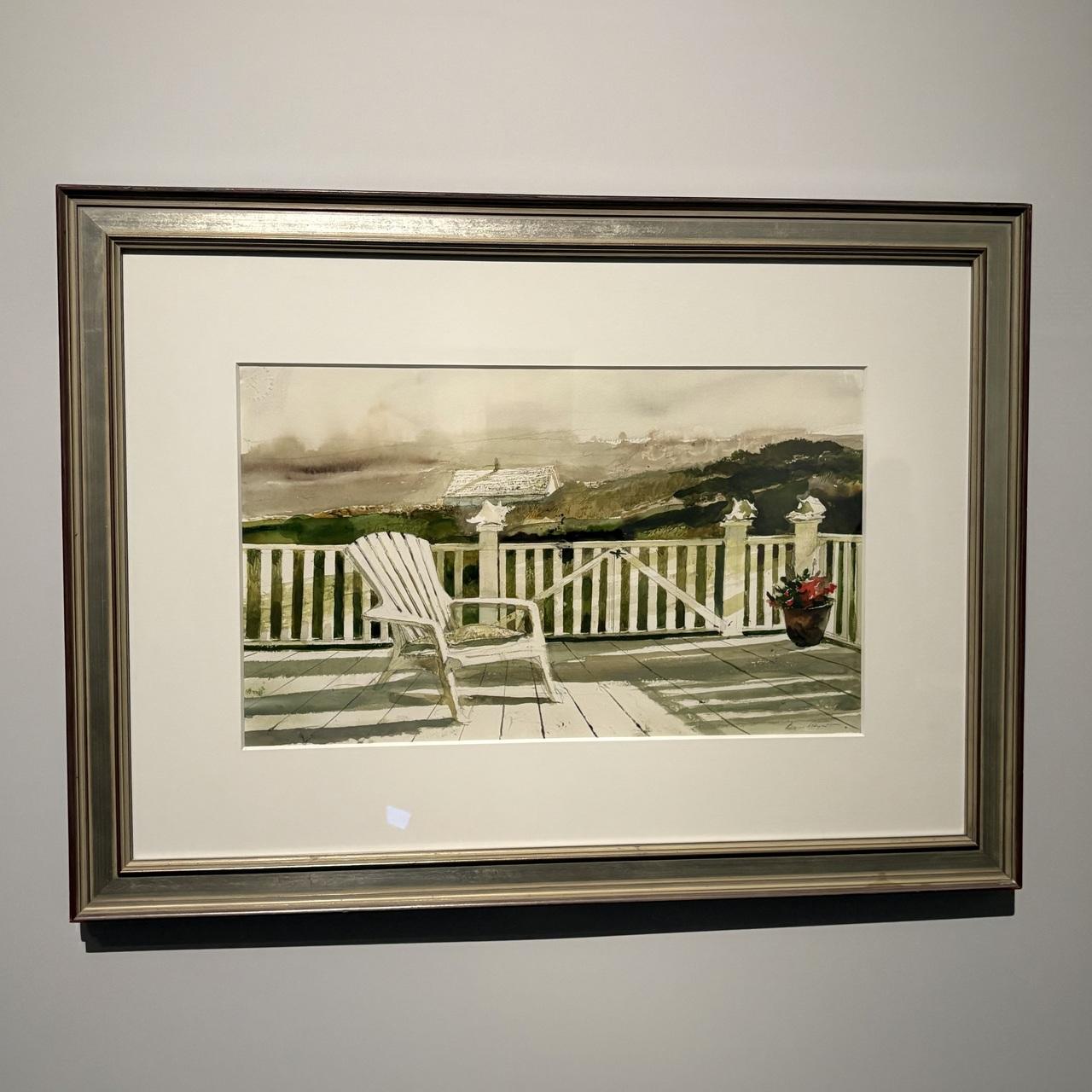
クリスティーナ、カール、ヘルガという特定のモデルとの関係が終わった後も、歩き回って絵の題材を探すワイエスの日課は変わりませんでした。ただし、特定の人物や場所を集中的に描くことは次第に少なくなり、より幅広いモチーフへと関心が向けられていきました。歩き慣れた道であっても、自宅の建物(no.92)であっても、あるいは知人の家(no.94)であっても、自分の心に強く訴えてくるものを見つけ出し、その感覚を手がかりに制作へと向かったのです。
選び取られた一瞬の景色や情景に立ち現れるのは、画家自身と対象との微妙な距離感であり、生の営みと、それに連続する死の影であったともいえるでしょう。ワイエスの絵画は、単なる明るく平明な再現描写にとどまるものではなく、人が生きることの手応えと同時に、生の終わりをも内包する感覚を、静かに描き込もうとしているように見えます。
A noteworthy feature of Wyeth's creative approach was his tendency to paint the same themes and places repeatedly. In Maine, he depicted the Olson House and Christina over and over; in Pennsylvania, he painted his neighbor Karl Kuerner and the Kuerner Farm countless times over the years. Helga Testorf, who visited the Kuerner house to help care for Karl, modeled for Wyeth for many years after the passing of Karl and Christina (no. 81).
Even after his associations with specific models like Christina, Karl, and Helga ended, Wyeth kept up his daily habit of wandering around on foot in search of subjects to paint. Gradually, however, his focus on painting specific people and places began to weaken, and his interests turned to a wider range of motifs. Be it a path he had walked many times, his own house (no. 92), or a friend's home (no. 94), when he found something that spoke to his heart, he used that sensation as the starting point for new creative work.
What appears in the instantaneous scenes and sights that he chose is a subtle sense of distance between artist and subject and the shadow of death ever cast upon the workings of life, with life and death themselves in continuity. Wyeth's paintings were more than cheerful, simple reproduc-tions; their details suggest that he sought to imbue them with a sensibility that holds within it both the gravitas of human life and an intimation of its ine -
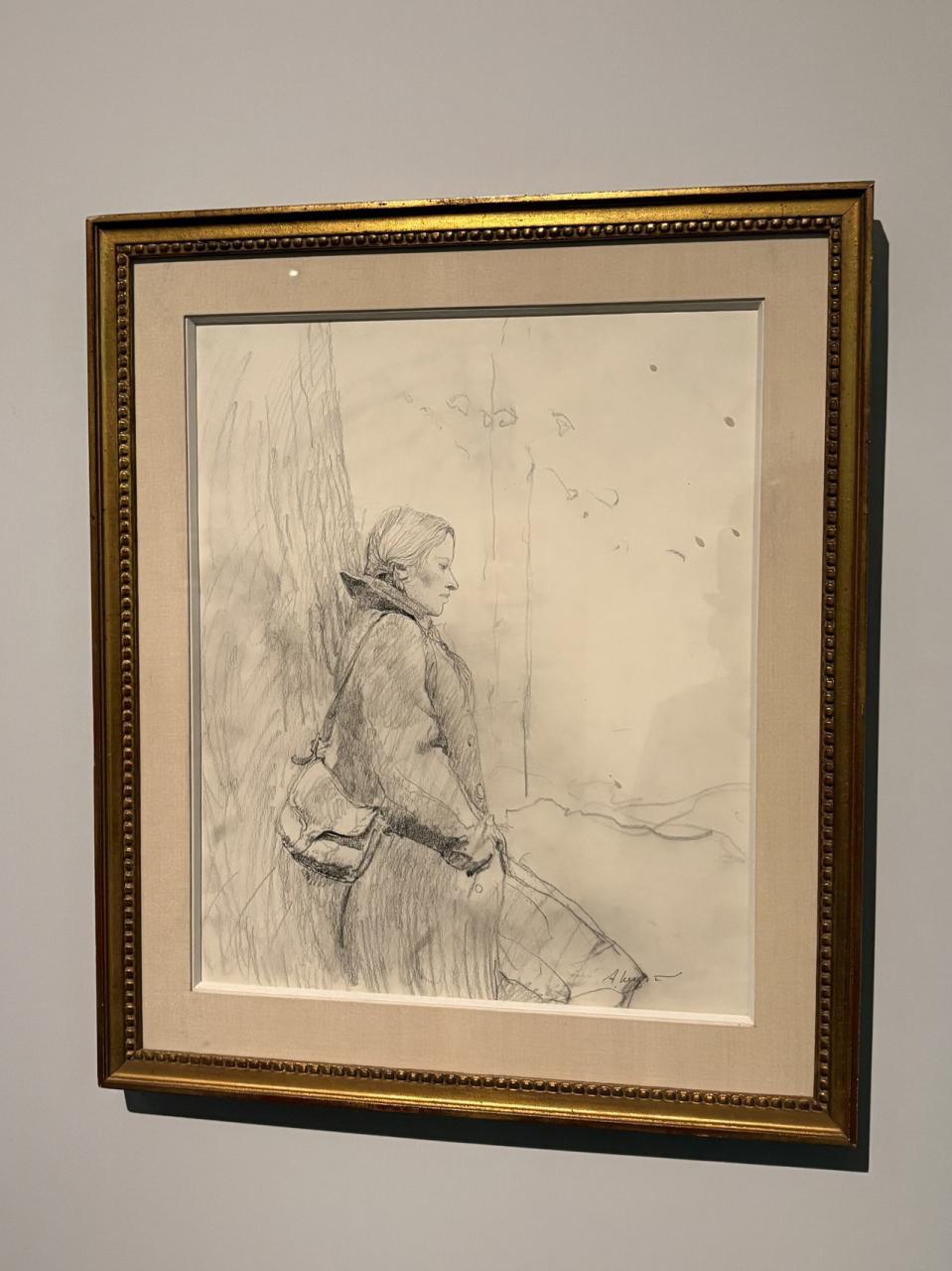
81
く隠れ場>習作
1985年鉛筆、紙
個人蔵
Study for Refuge
1985
Pencil on paper
Private collection
ワイエスは、病床にあった隣人のカール・カーナーのもとに看護に来ていたヘルガ・テストーフと知り合い、モデルとして描くようになりました。その作品群の存在は妻ベッツィにも秘され、1985年に<ヘルガ・シリーズ>として初めて公開されました。ヘルガはモデルをしなくなった後も助手としてワイエスを支え続けました。
The model for Refuge was Helga Testorf, whom Wyeth met when she came to nurse his neighbor Karl Kuerner during an illness. Wyeth ended up producing many works with Helga as model, but the existence of the "Helga Pictures," as they came to be known, was kept secret even from his wife Betsy until they were first made public in 1985. Helga continued to support Wyeth as an assistant even after she stopped modeling for him. -
-
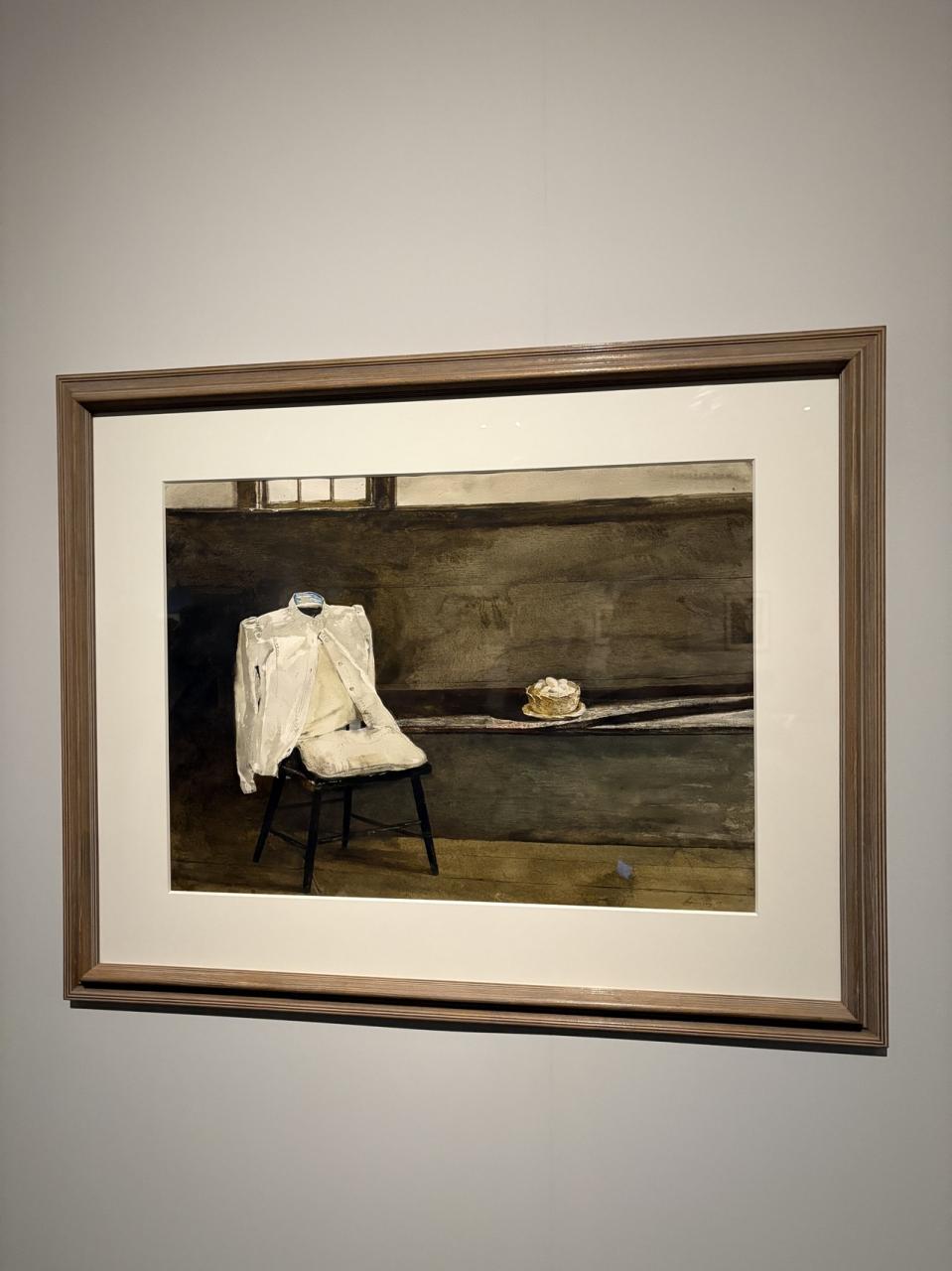
モデルの椅子
1982年
水彩、紙
ユニマットグループ
Model's Chair
1982
Watercolor on paper
Unimat Group
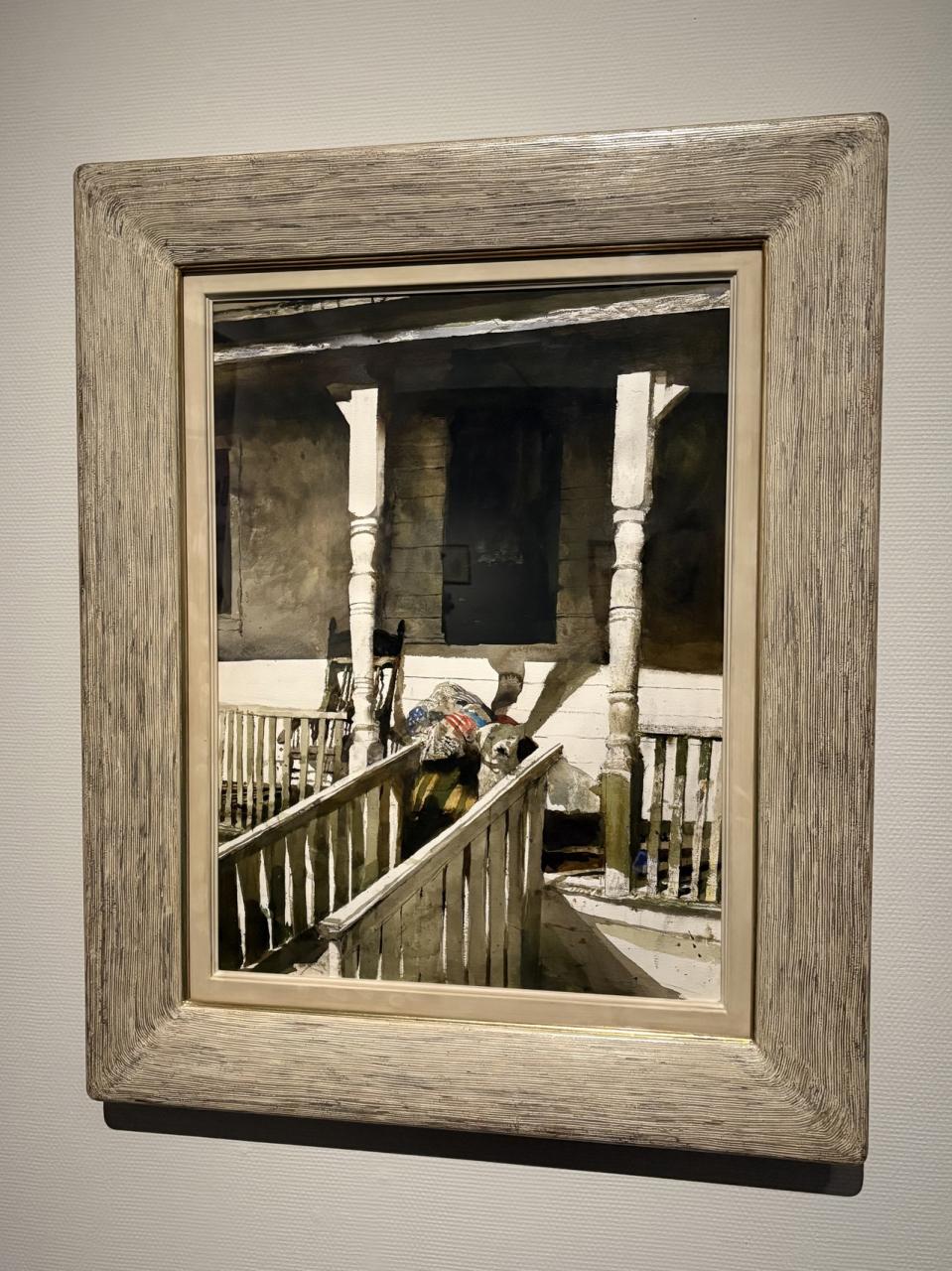
作品名にあるモデルとはアン・コールという女性で、何点かの水彩に描かれましたが、この作品では、彼女が休憩した椅子と服だけが描かれています。そのほうがアンという人物を表しているとワイエスが感じた結果、モデル不在の作品となりました。椅子の後ろの窓から差し込む光が服とその傍らの卵の白さを際立たせています。
The "model" of the title is a woman named Ann Call, who appears in several watercolors by Wyeth. This work, however, depicts only her clothing draped on a chair where she rested. For this work, Wyeth felt that omitting Ann herself from the image would better represent who she was as a person. The light from the window behind the chair highlights the whiteness of the clothing and the eggs beside it -
-
-
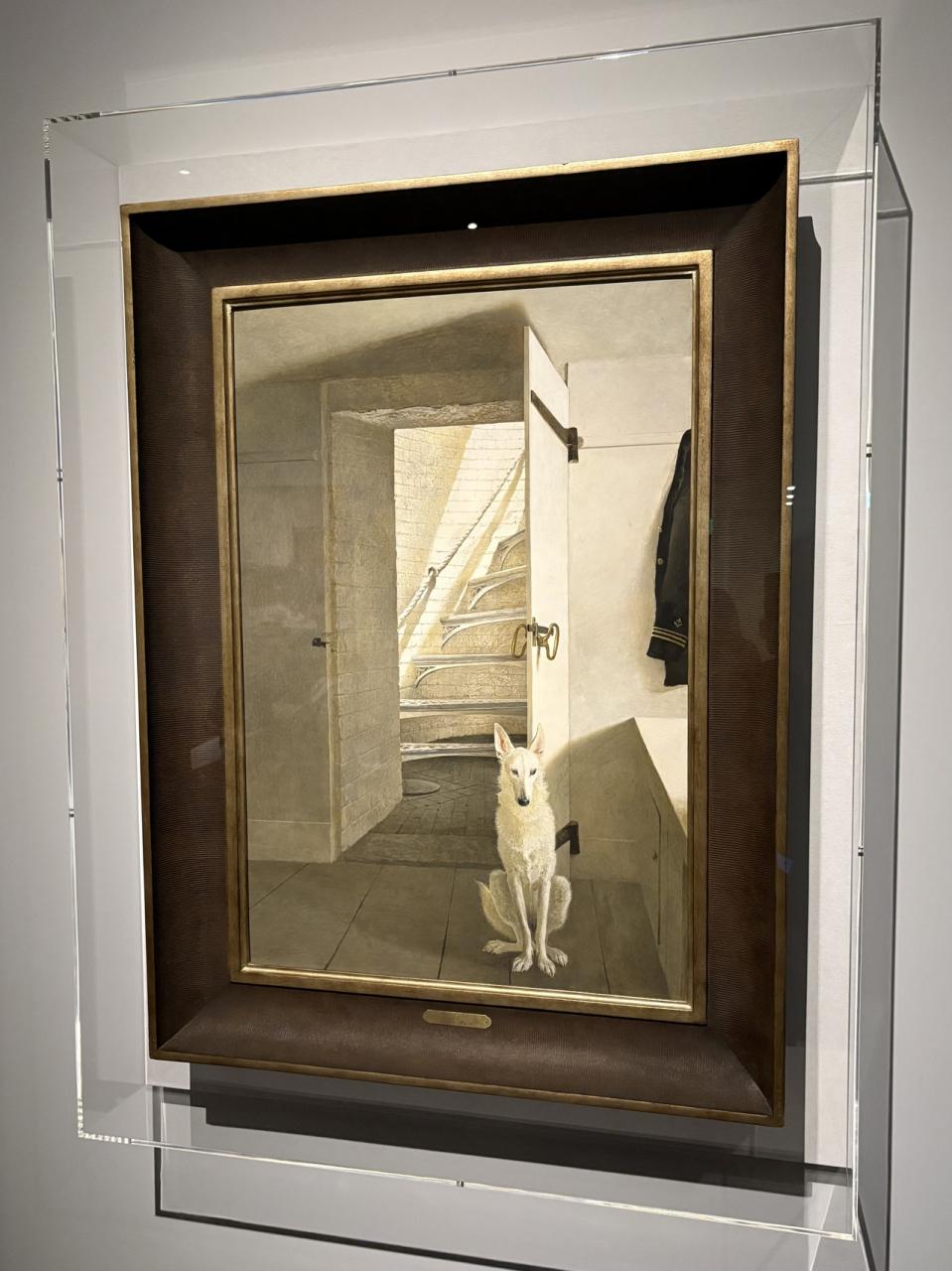
灯台
1983年
テンペラ、パネル
ユニマットグループ
Light Station
1983
Egg tempera on panel
Unimat Group
メイン州のサザン・アイランドというワイ
エスが所有していた小さな島にある灯台の内側です。ドアの手前にベッツィの愛犬ノームが行儀よく座り、その向こうには階段が見えています。階段の上から漏れている灯台の光は、航海を続ける船乗りたちにとってまさに命綱であり、入口に座る犬はそれを注意深く守っているようです。
The interior of a lighthouse on tiny Southern Island, Maine, which the Wyeths owned. Betsy's beloved dog Nome sits obediently before a door, through which we see a staircase leading up. The light from the lighthouse, spilling down from above, was a lifeline for sailors out at sea; stationed by the en-trance, Nome seems to be its watchful protector. -
-
-
-
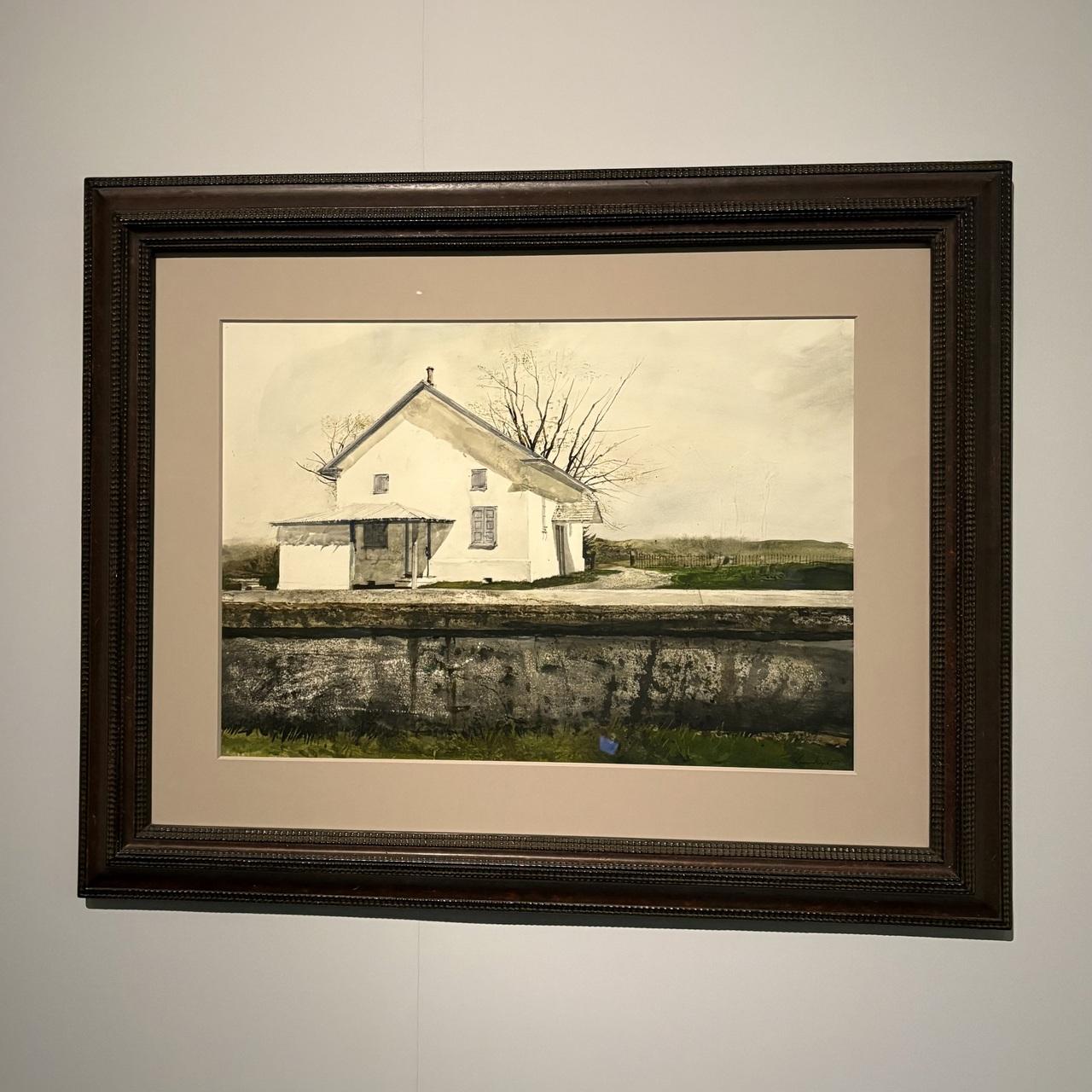
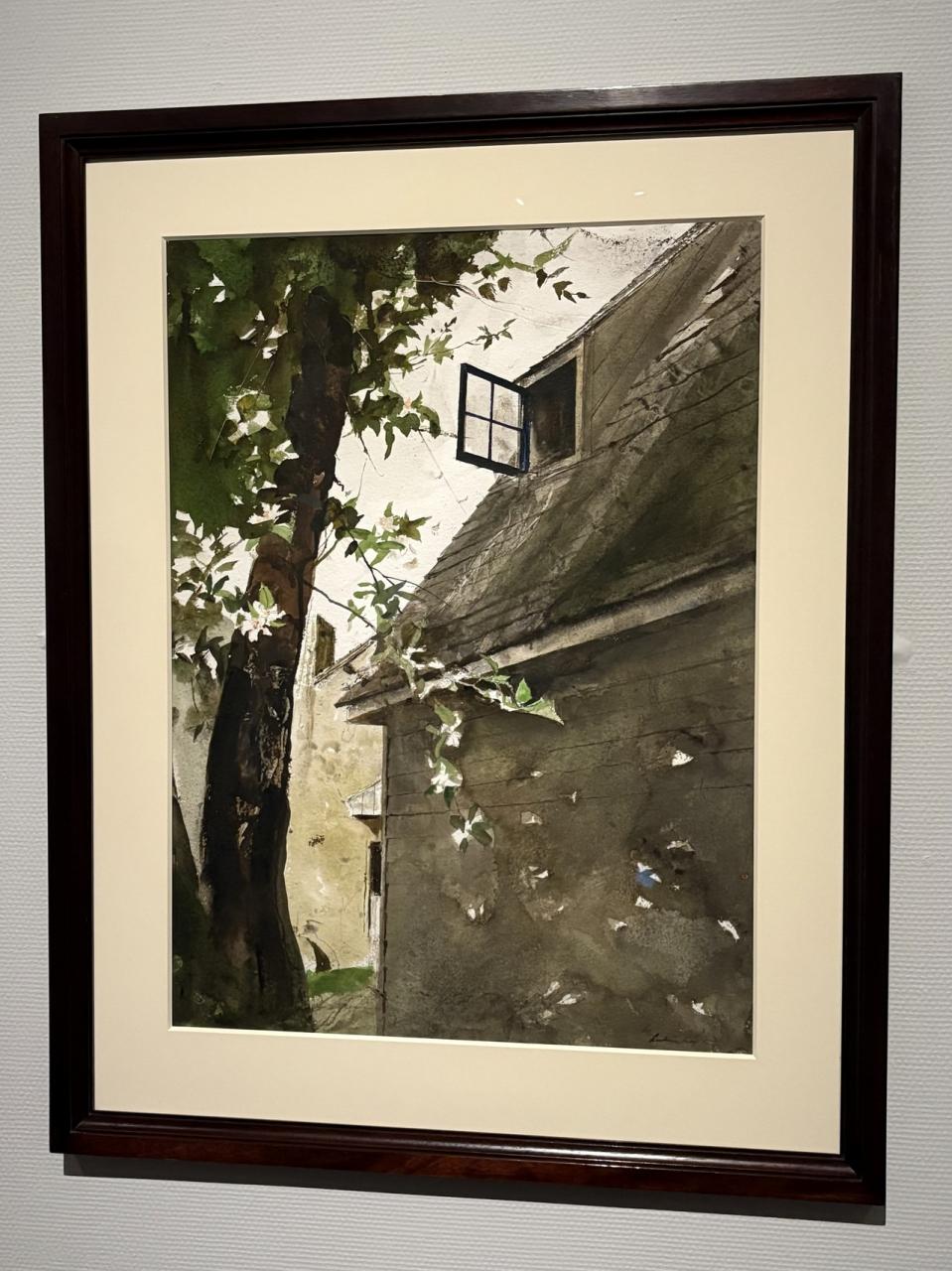
92
花びら
1991年
水彩、紙
ボストン美術館
Petals
1991
Watercolor on paper
Museum of Fine Arts, Boston, Bequest of Sandra Sheppard Rodgers
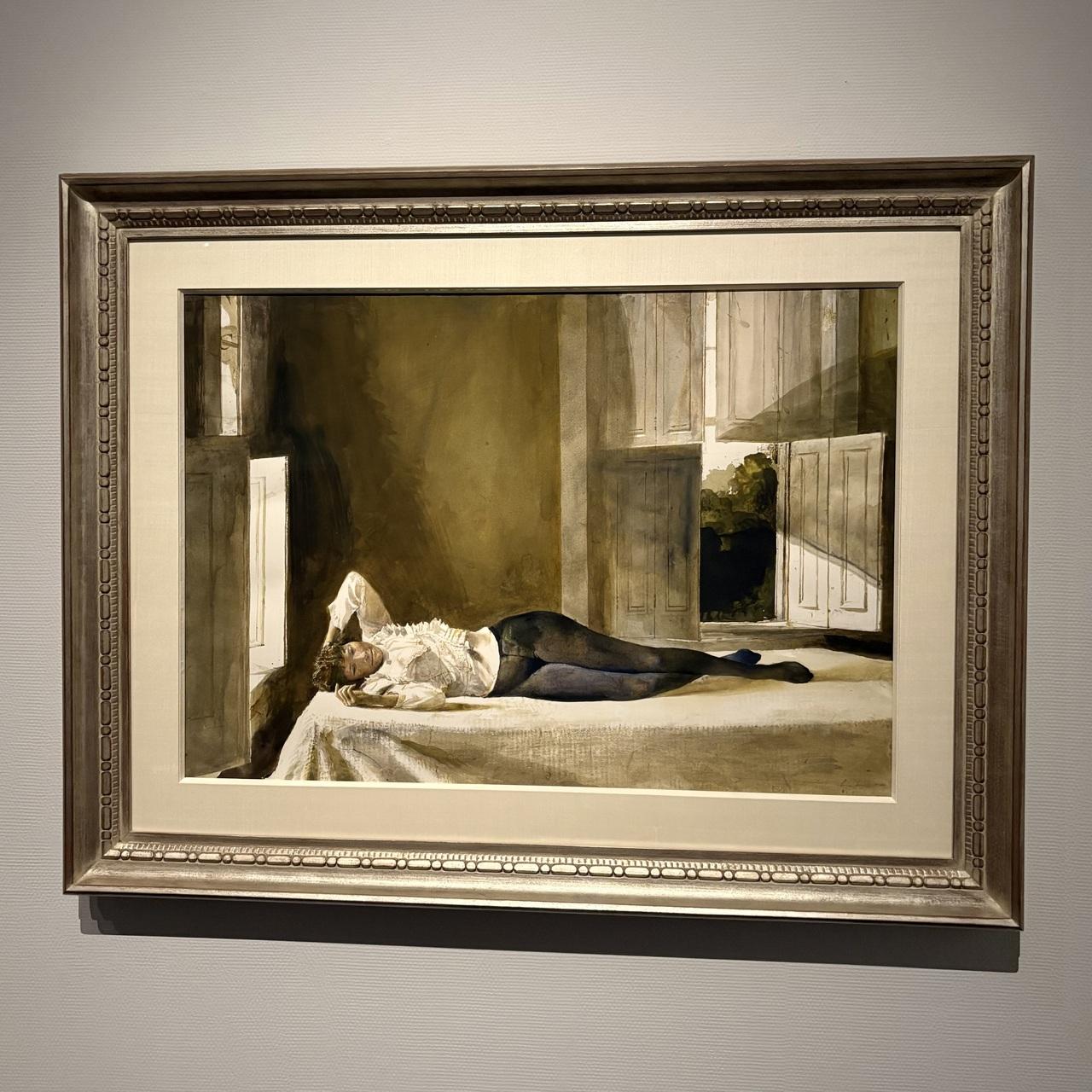
チャッズ・フォードにある自宅の母屋を描いています。画面のなかで目を引く開かれた窓は、夫妻の寝室の窓です。プライベートな空間ですが、窓が開かれることによって開放的な感覚が創り出されると同時に、花の香りのさわやかな空気が室内に入っていくさまを想像させます。この作品は夫妻と外界をつなぐ象徴ともいえるでしょう。
The main building at the Wyeths' home in Chadds Ford. The open window to which our eye is drawn was in fact the couple's bedroom window. A bedroom is a private space, but the open window not only creates a sense of openness and free-dom, it also invites the viewer to imagine the fragrance of the flowers and the fresh air entering the room. The work might be said to symbolize the connection between the Wyeths and the outside world. -
94
納屋の猫たち
1993年
水彩、紙
フィルブルック美術館、タルサ
Barn Cats
1993
Watercolor on paper
Philbrook Museum of Art, Tulsa, Oklahoma, Bequest of Marylouise Cowan
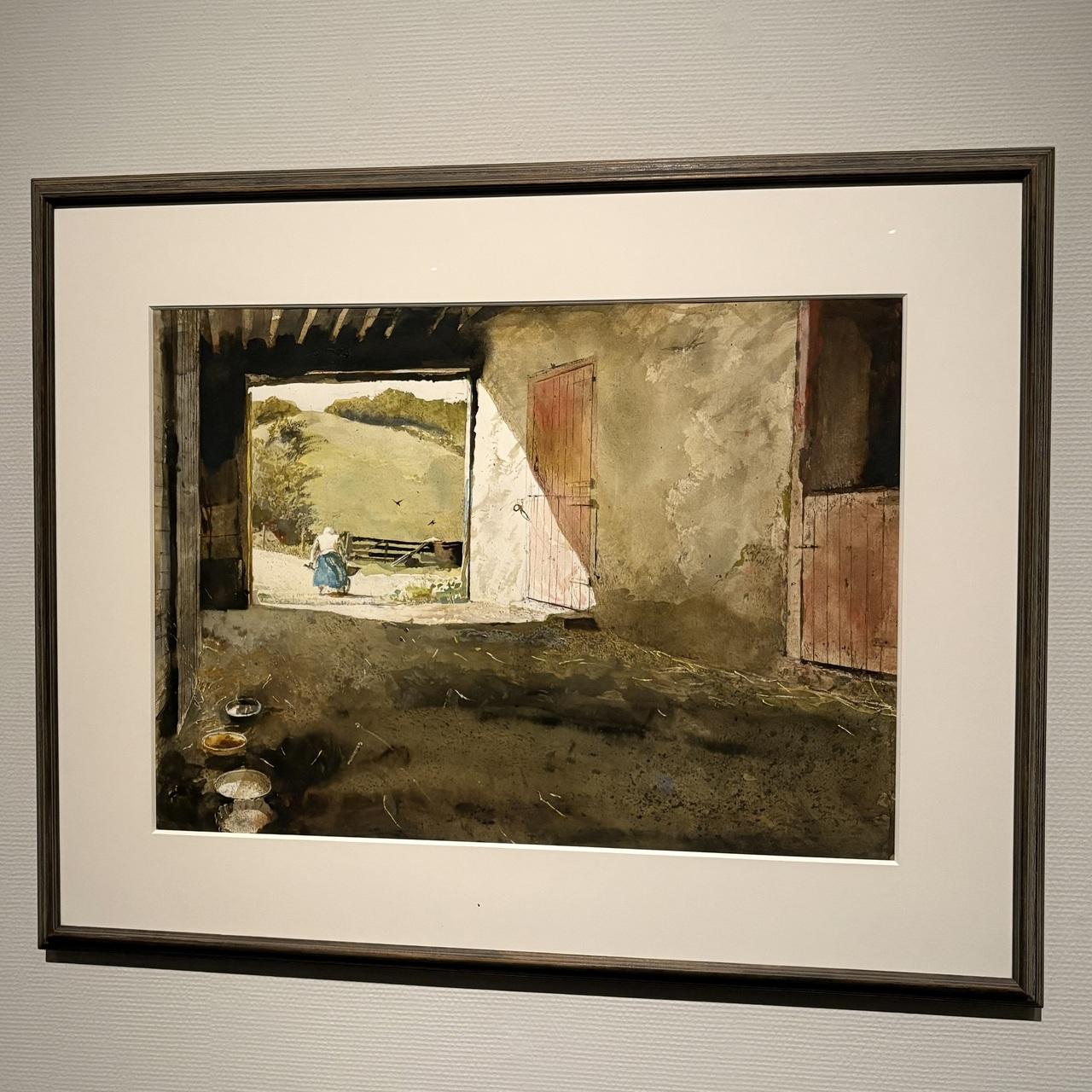
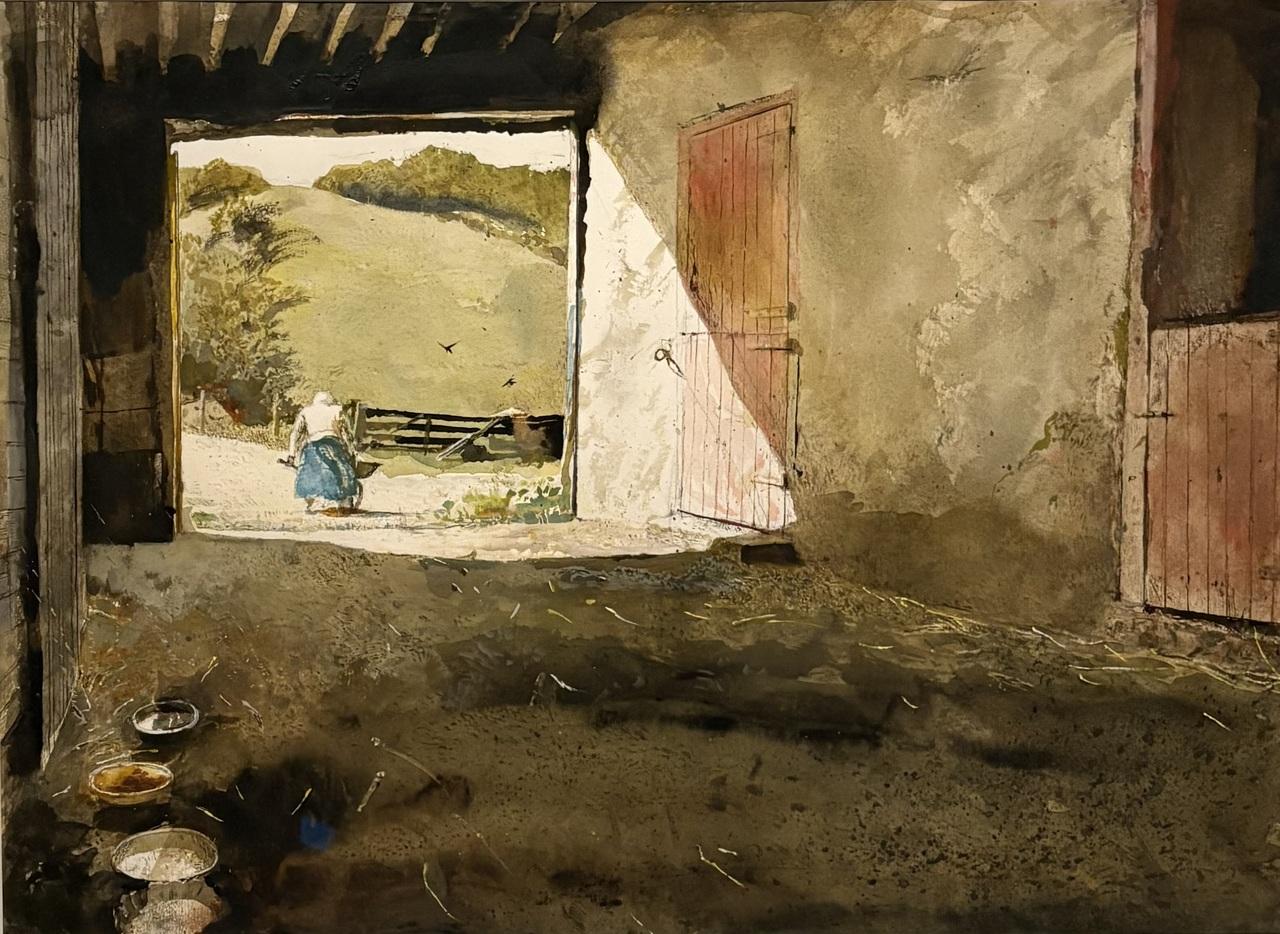
隣人であったカール・カーナーの家の納屋が描かれています。カールの妻アンナが荷車を押し、納屋から出ていく様子が奥の方に見えています。作品名にある猫たちは、例によって描かれておらず、餌の入れ物を描くことで表しています。その猫たちは納屋に出没するねずみたちを退治するために、家のなかではなく外で飼われていました。
This painting depicts the barn at neighbor Karl Kuerner's house, with Karl's wife Anna pushing a wheelbarrow out of the building in the middle distance. Here, too, Wyeth omits the eponymous cats, representing them by their food dishes instead. These cats were kept outdoors rather than inside the house in order to deal with the mice that appeared in the barn. -
-
-
-
-
-
境界あるいは窓
Boundaries or Windows
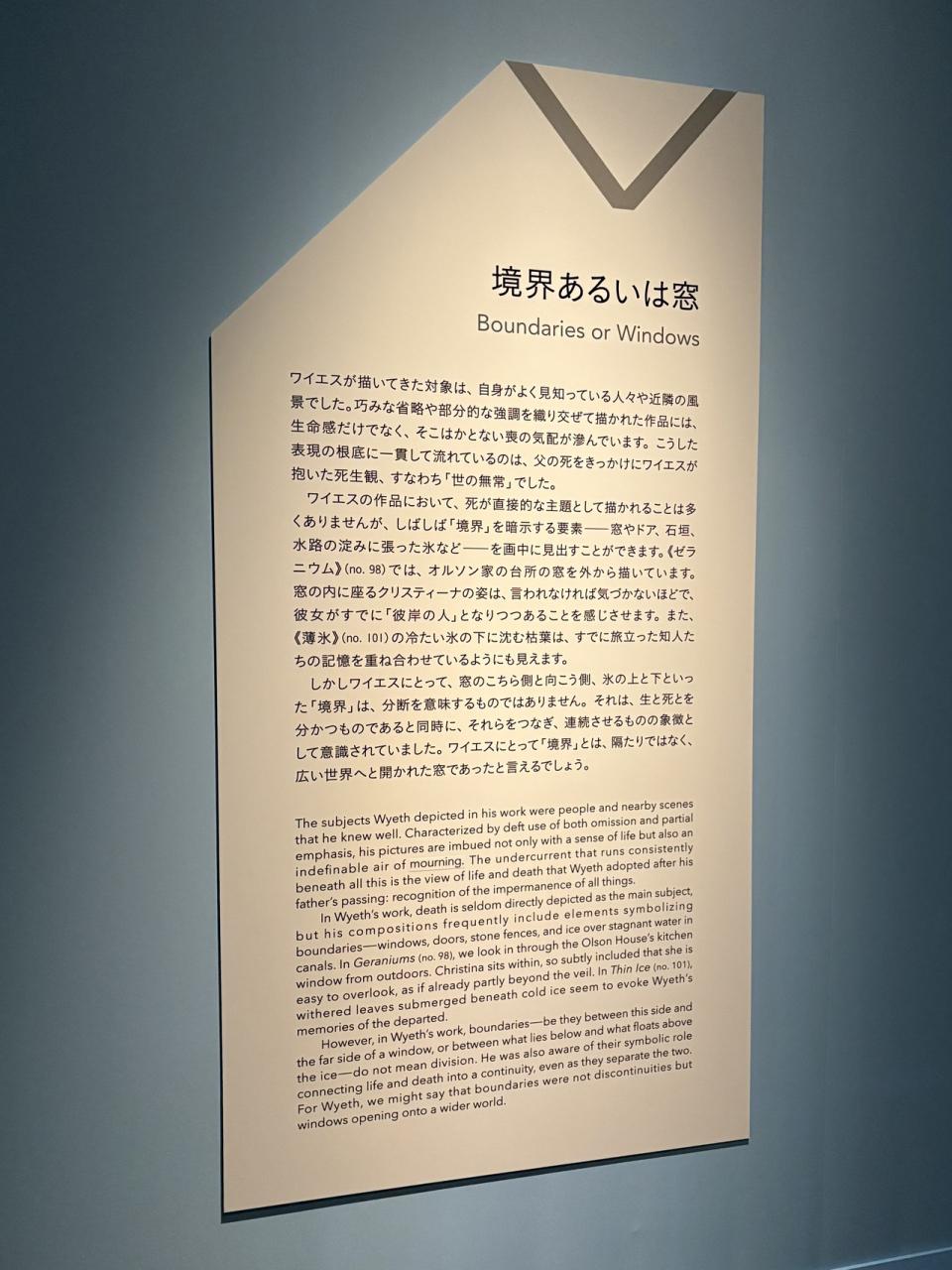
ワイエスが描いてきた対象は、自身がよく見知っている人々や近隣の風景でした。巧みな省略や部分的な強調を織り交ぜて描かれた作品には、生命感だけでなく、そこはかとない喪の気配が滲んでいます。こうした表現の根底に一貫して流れているのは、父の死をきっかけにワイエスが抱いた死生観、すなわち「世の無常」でした。
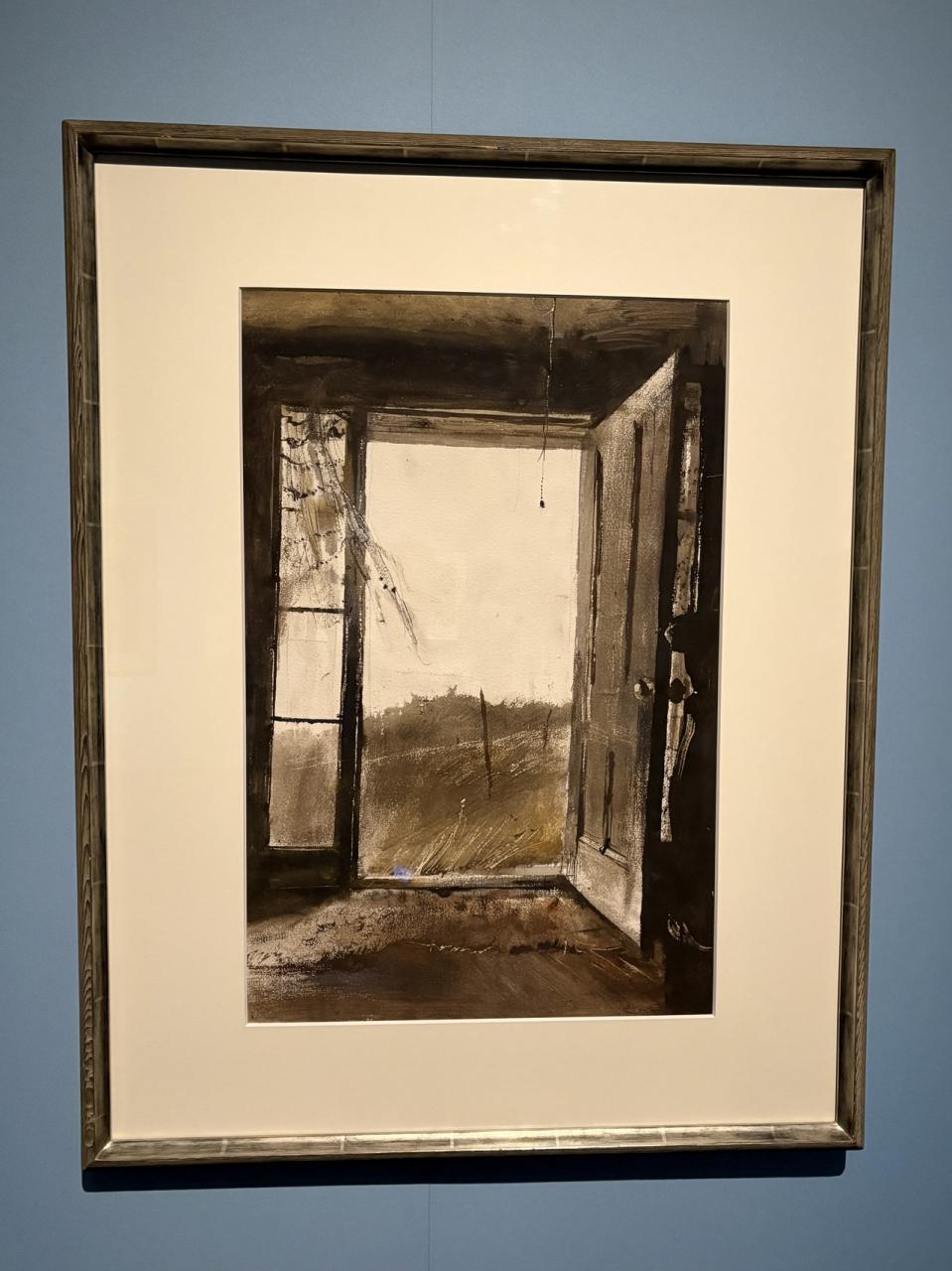
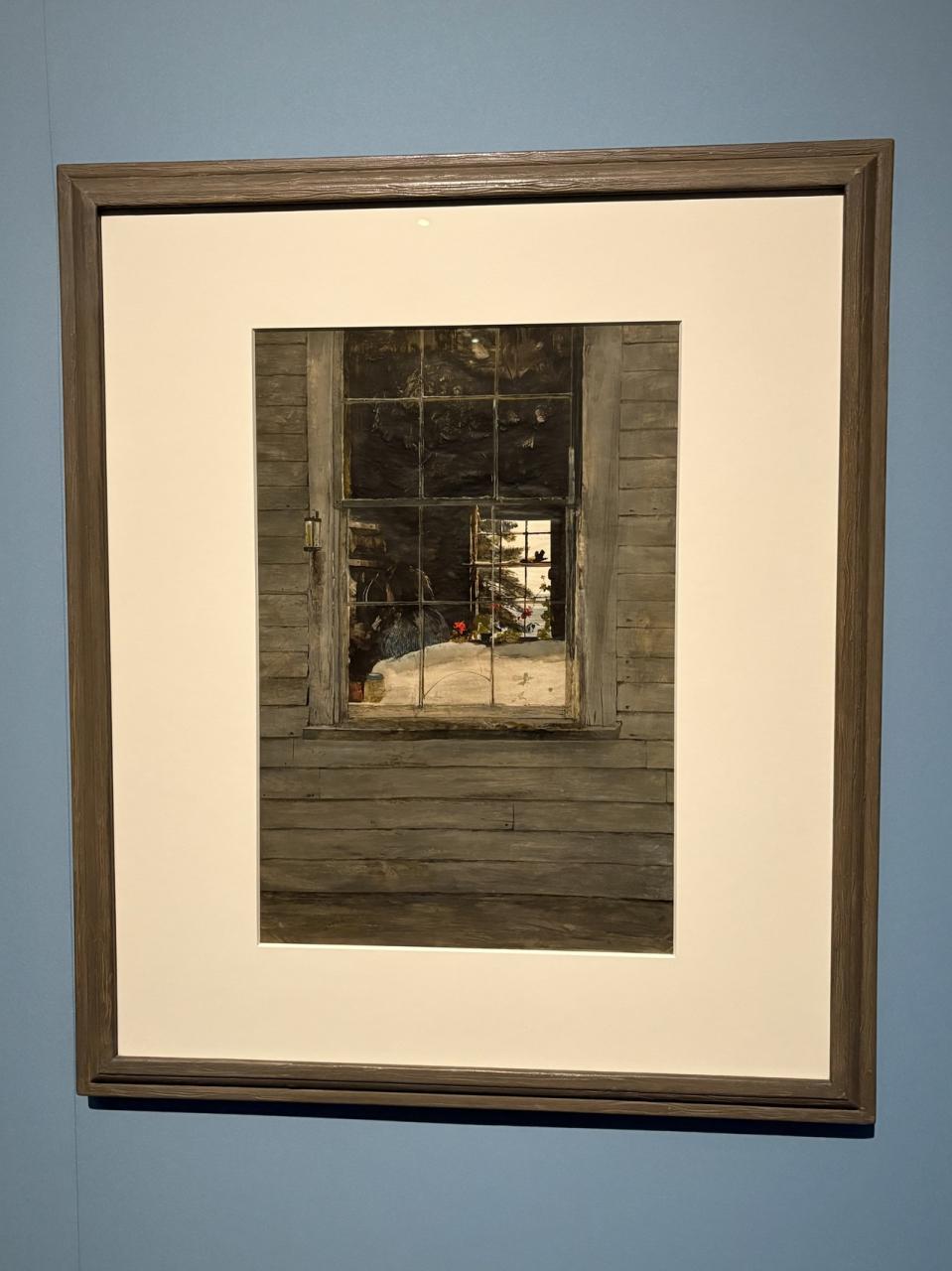
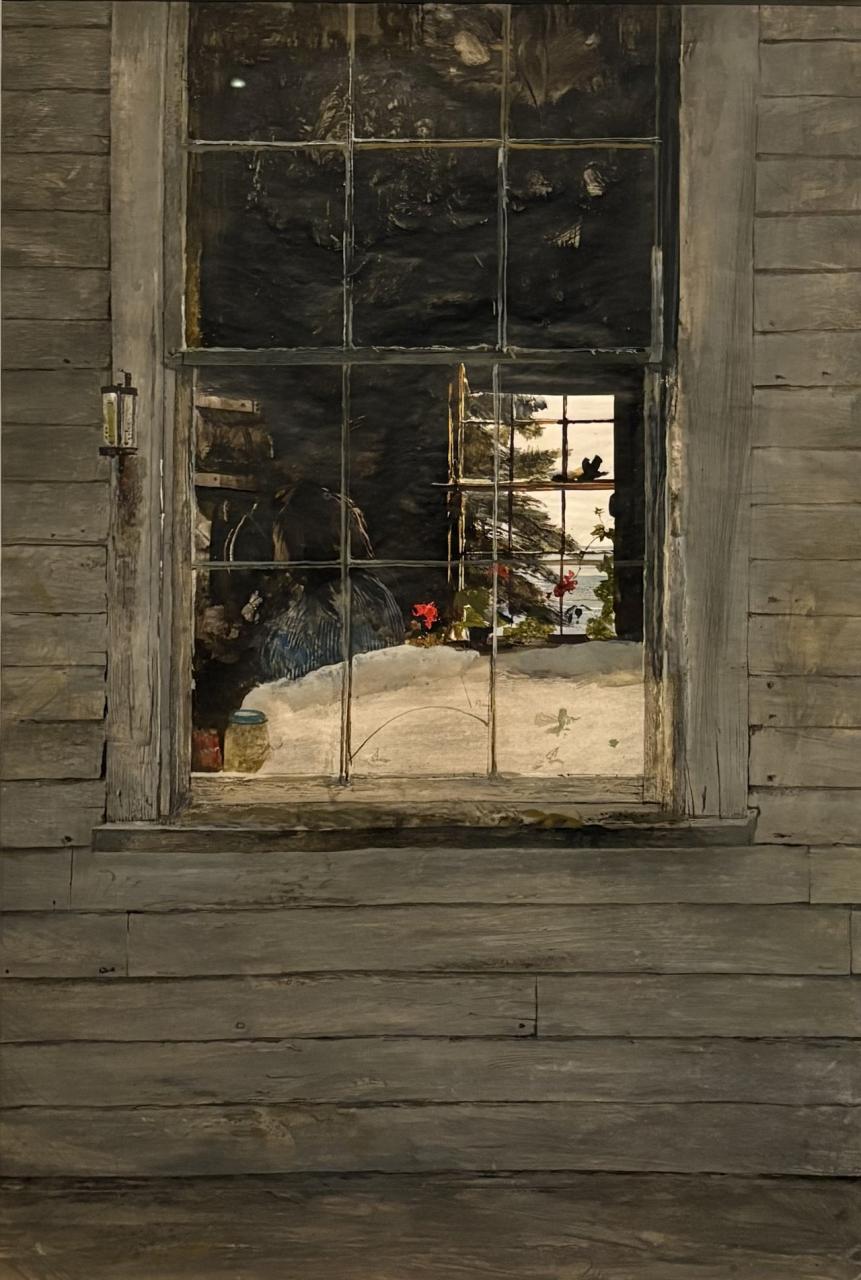
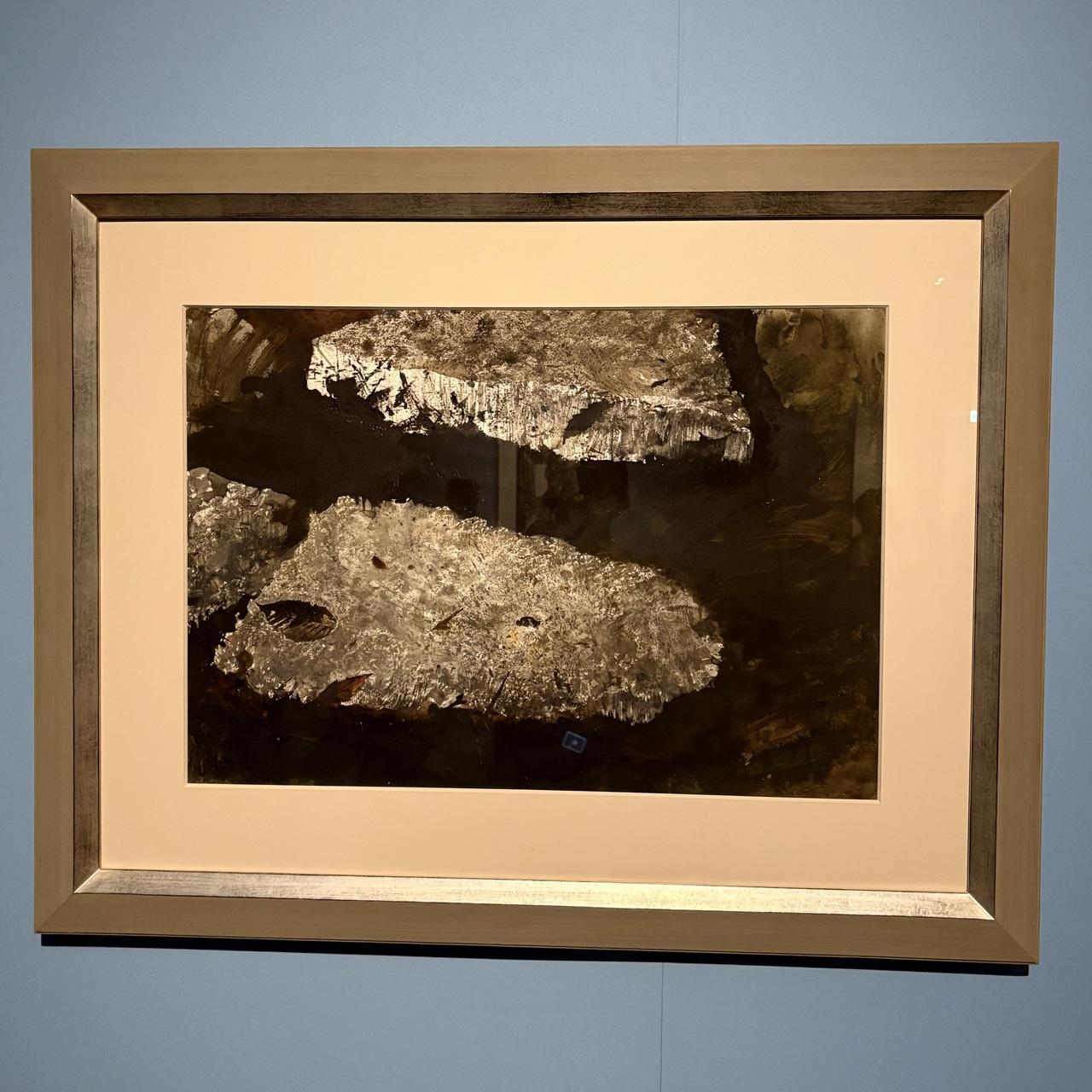
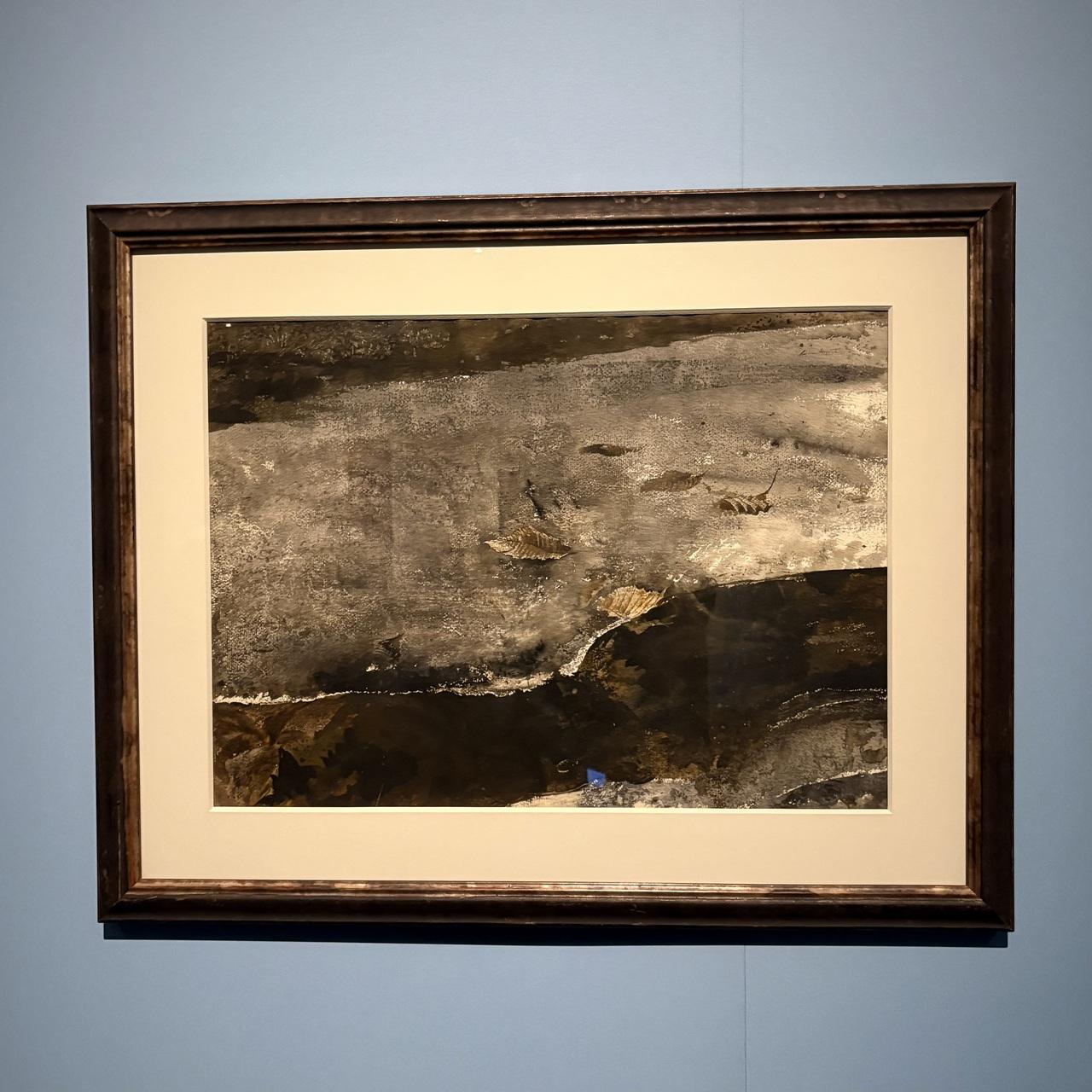
ワイエスの作品において、死が直接的な主題として描かれることは多くありませんが、しばしば「境界」を暗示する要素一窓やドア、石垣、水路の淀みに張った氷などーを画中に見出すことができます。<ゼラニウム>(no.98)では、オルソン家の台所の窓を外から描いています。
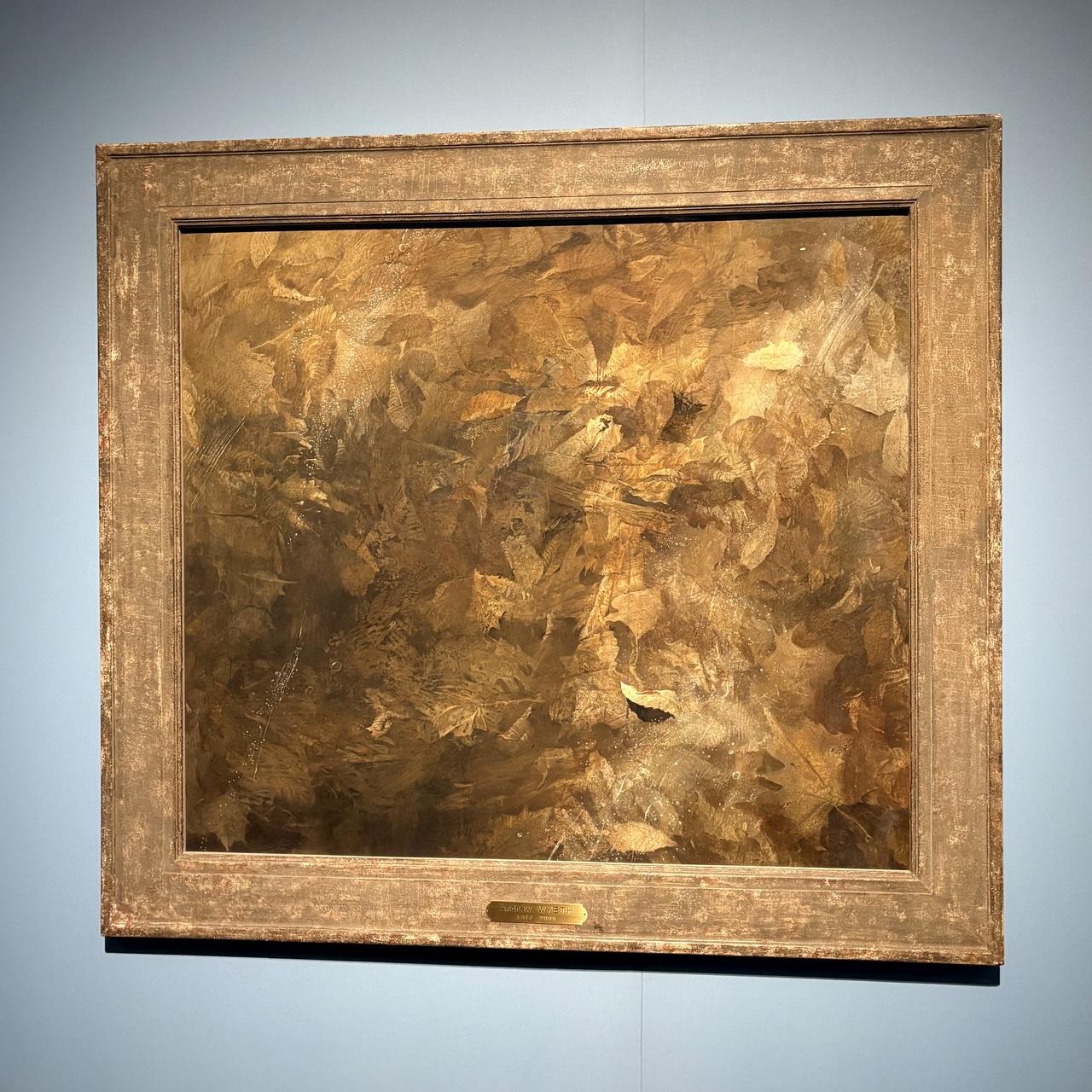
窓の内に座るクリスティーナの姿は、言われなければ気づかないほどで、彼女がすでに「彼岸の人」となりつつあることを感じさせます。また、<薄氷>(no.101)の冷たい氷の下に沈む枯葉は、すでに旅立った知人たちの記憶を重ね合わせているようにも見えます。
しかしワイエスにとって、窓のこちら側と向こう側、氷の上と下といった「境界」は、分断を意味するものではありません。それは、生と死とを分かつものであると同時に、それらをつなぎ、連続させるものの象徴として意識されていました。ワイエスにとって「境界」とは、隔たりではなく、広い世界へと開かれた窓であったと言えるでしょう。
The subjects Wyeth depicted in his work were people and nearby scenes that he knew well. Characterized by deft use of both omission and partial emphasis, his pictures are imbued not only with a sense of life but also an indefinable air of mourning. The undercurrent that runs consistently beneath all this is the view of life and death that Wyeth adopted after his father's passing: recognition of the impermanence of all things.
In Wyeth's work, death is seldom directly depicted as the main subject, but his compositions frequently include elements symbolizing boundaries-windows, doors, stone fences, and ice over stagnant water in canals. In Geraniums (no. 98), we look in through the Olson House's kitchen window from outdoors.
Christina sits within, so subtly included that she is easy to overlook, as if already partly beyond the veil. In Thin Ice (no. 101), withered leaves submerged beneath cold ice seem to evoke Wyeth's memories of the departed.
However, in Wyeth's work, boundaries-be they between this side and the far side of a window, or between what lies below and what floats above the ice—do not mean division. He was also aware of their symbolic role connecting life and death into a continuity, even as they separate the two. For Wyeth, we might say that boundaries were not discontinuities but windows opening onto a wider world. -
-
98
ゼラニウム
1960年
ドライブラッシュ・水彩、紙ファーンズワース美術館、ロックランド
Geraniums
1960
Drybrush and watercolor on paper
Farnsworth Art Museum, Rockland, Maine, Bequest of Betsy James Wyeth Trust, 2021.1.1
オルソン・ハウスの台所の窓を真正面から描いています。窓の内側にはクリスティーナと赤いゼラニウムが見えます。室内の奥に見える窓からは光が入り、クリスティーナの髪を照らしています。暗い室内と明るい外界とのつながりを感じさせることで、脚が不自由であった彼女のいる部屋が閉ざされた世界でないことを示しています。
In this work, we look through the Olson House kitchen window from directly in front of it. Christina and some red geraniums can be seen inside, and Christina's hair glows in the light from the window visible deeper into the room. By making the connection between dark interior and bright exterior tangible, Wyeth conveys to the viewer that although Christina did not have use of her legs, the room in which she sat was not a closed-off world. -
-
-
101
薄氷
1969年
テンペラ、パネル
株式会社三井住友銀行
Thin Ice
1969
Egg tempera on panel
Sumitomo Mitsui Banking Corporation
凍りついた水路を真上からの視点で描いています。氷という境界の下では、沈んだ枯れ葉が死の世界を表すかのようです。しかし、そこには水の流れを表す気泡も見られ、単純な死の世界ではないことが示されています。氷の上には枯葉が一枚顔を出し、生と死が単純に分けられるのではなく、連続していることを物語っているようです。
In this painting, we look down on the frozen canal from directly above. Withered leaves are submerged beneath the boundary of ice, as if representing the world of the dead. But bubbles are also visible, indicating that the water is flowing and that the world of the dead is not as simple as it seems. The lone leaf showing its face above the ice seems to suggest a continuity between life and death rather than a separation. -
-
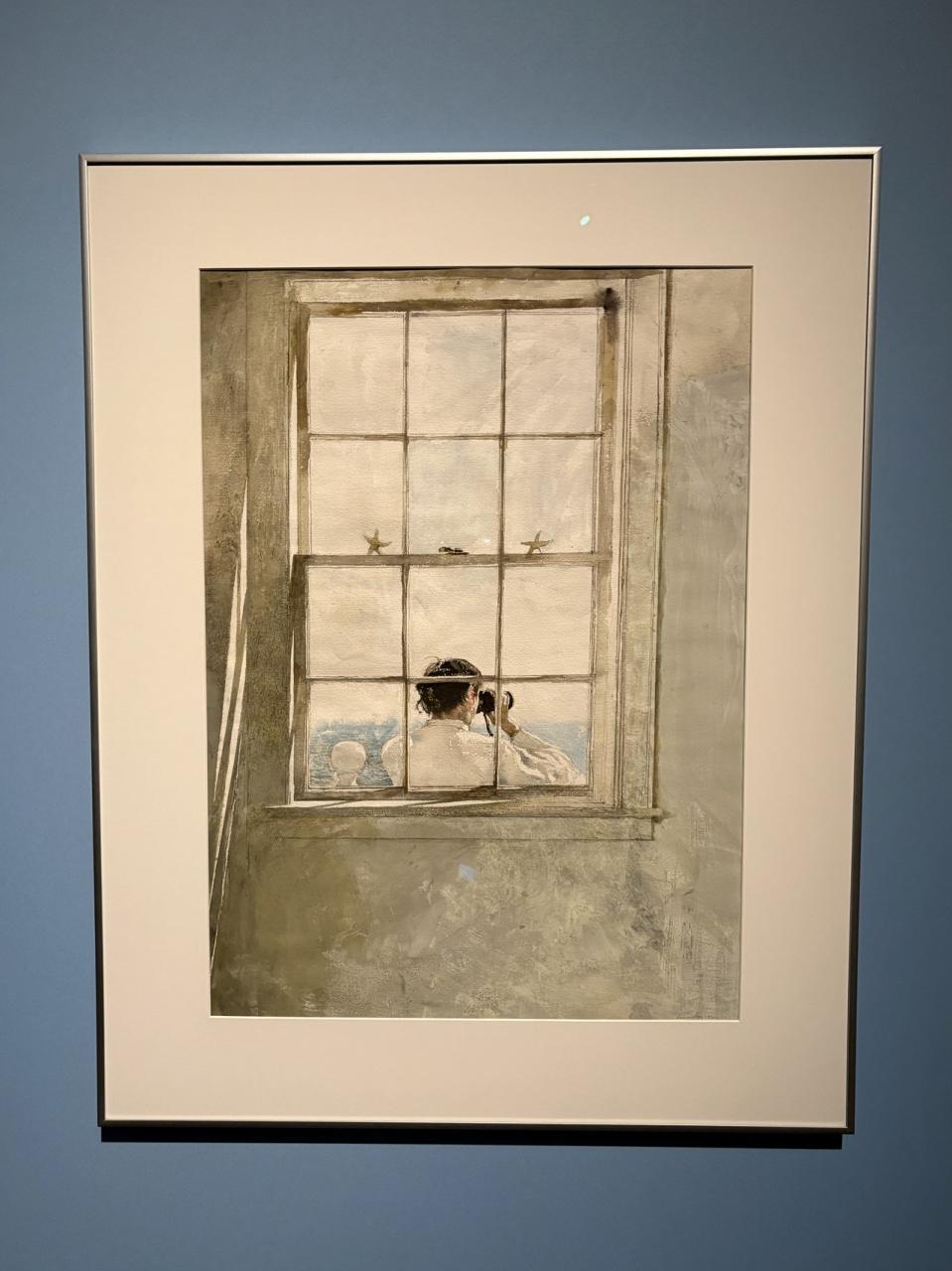
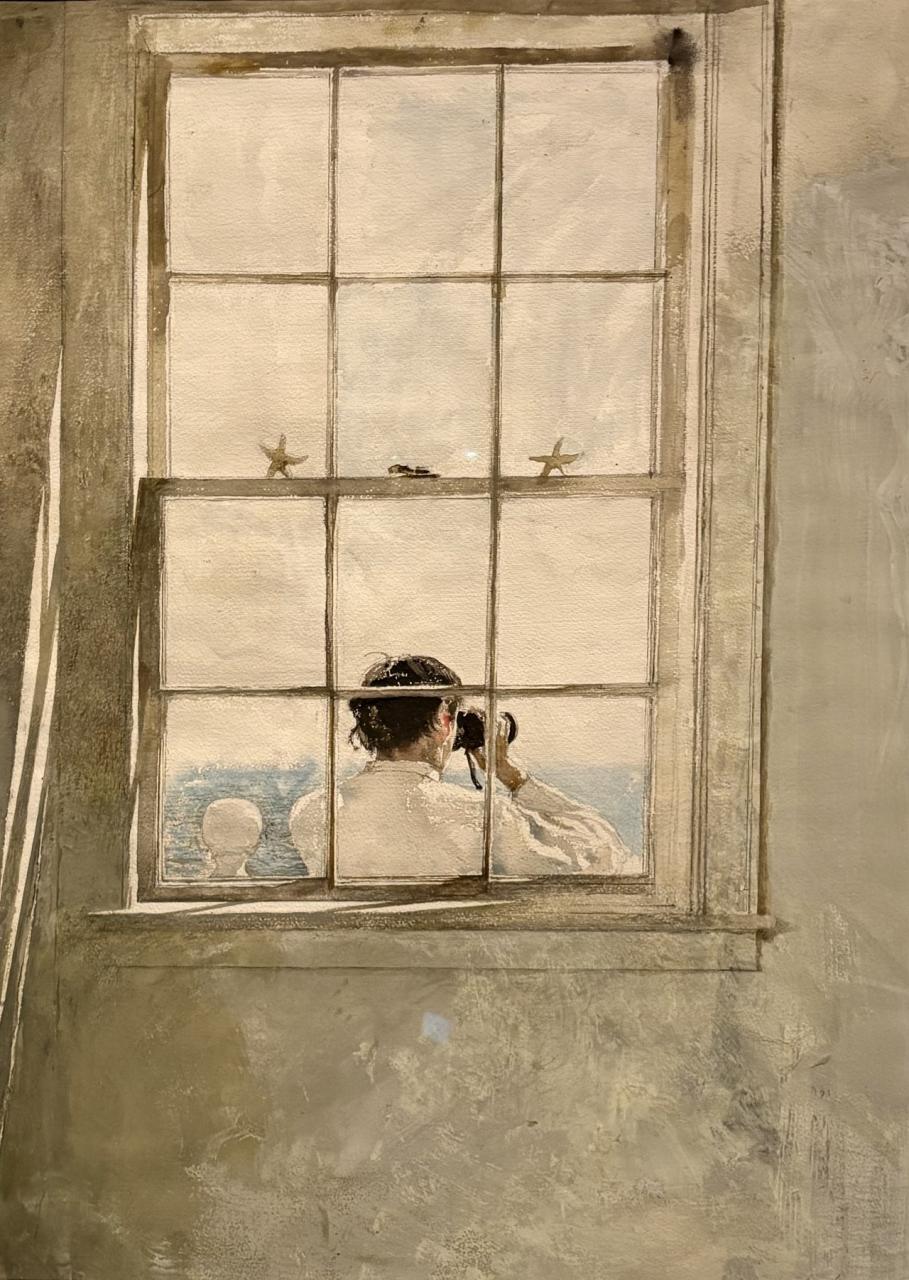
102
ヒトデ
1986年水彩、紙
フィルブルック美術館、タルサ
Star Fish
1986
Watercolor on paper
Philbrook Museum of Art, Tulsa, Oklahoma, Bequest of Marylouise Cowan
双眼鏡を覗く妻ベッツィの姿が乾燥した
ヒトデの飾られた窓越しに見え、その向こうには水平線が広がっています。双眼鏡の先に、彼女はいったい何を見ているのでしょうか。室内と屋外を隔てる窓という境界を越えて、部屋の中からベッツィのいる窓の向こう側へ、そして双眼鏡の先にある海へと、見る者の視線と意識を広げてくれる作品です。
Through a window decorated with dried starfish, we see Wyeth's wife Betsy peering through binoculars. Beyond her stretches the broad horizon. What exactly does Betsy see? Our awareness broadens with our perspective as we start inside the room, passing through the window—the boundary separating inside from outside-to the other side, where Betsy is, and then proceed on to the sea she appears to be observing through her binoculars. -
-
-
-
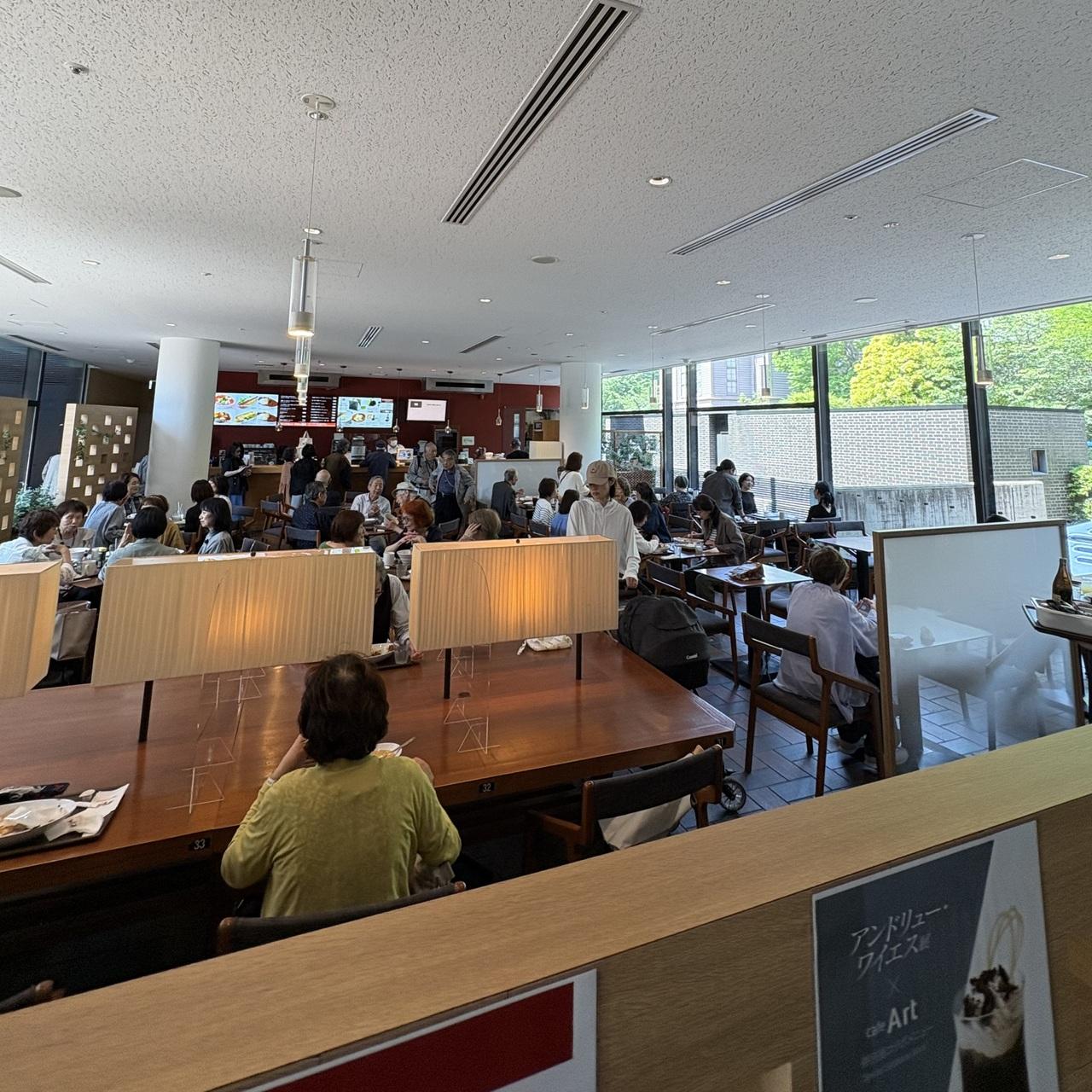
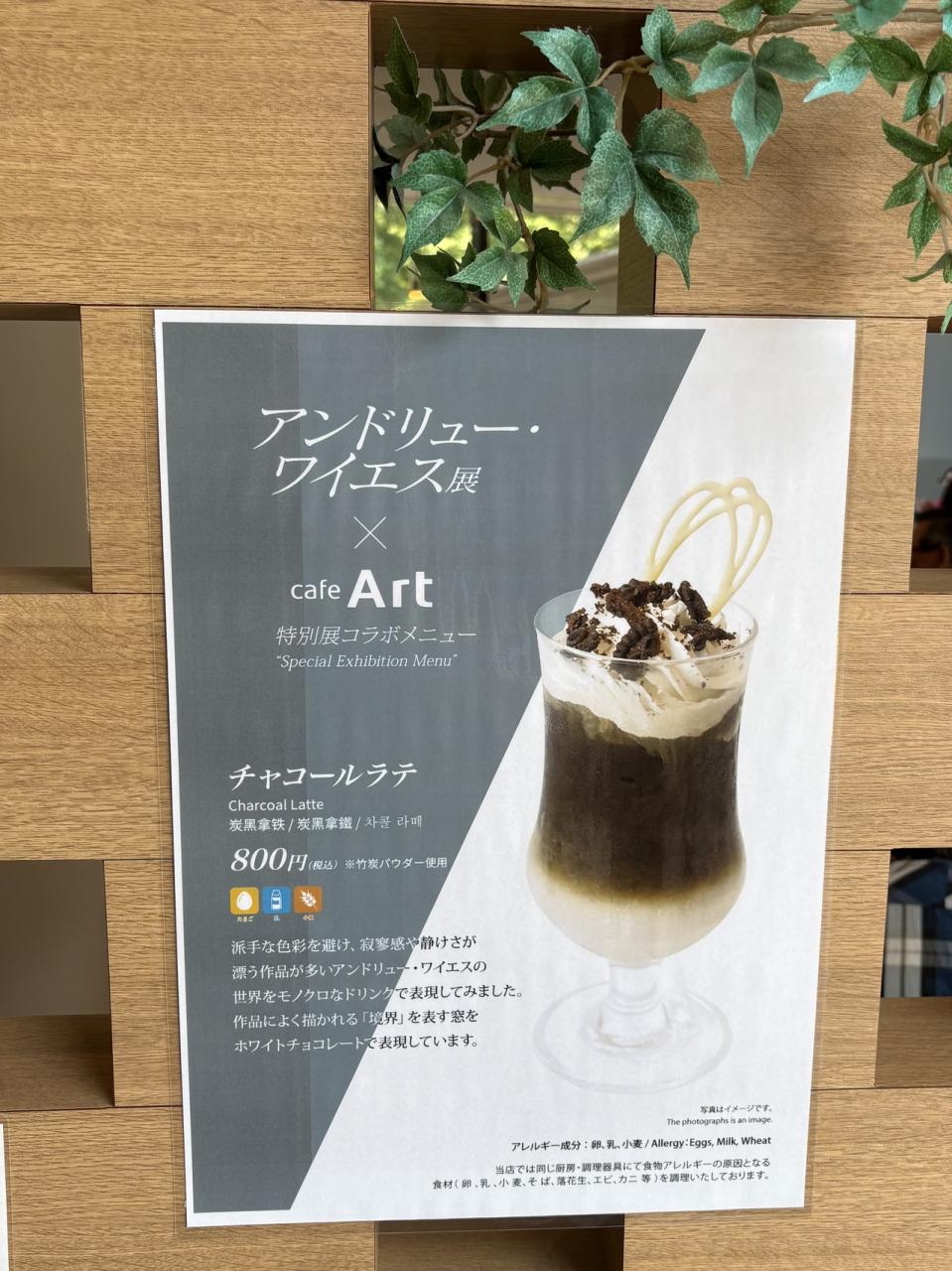
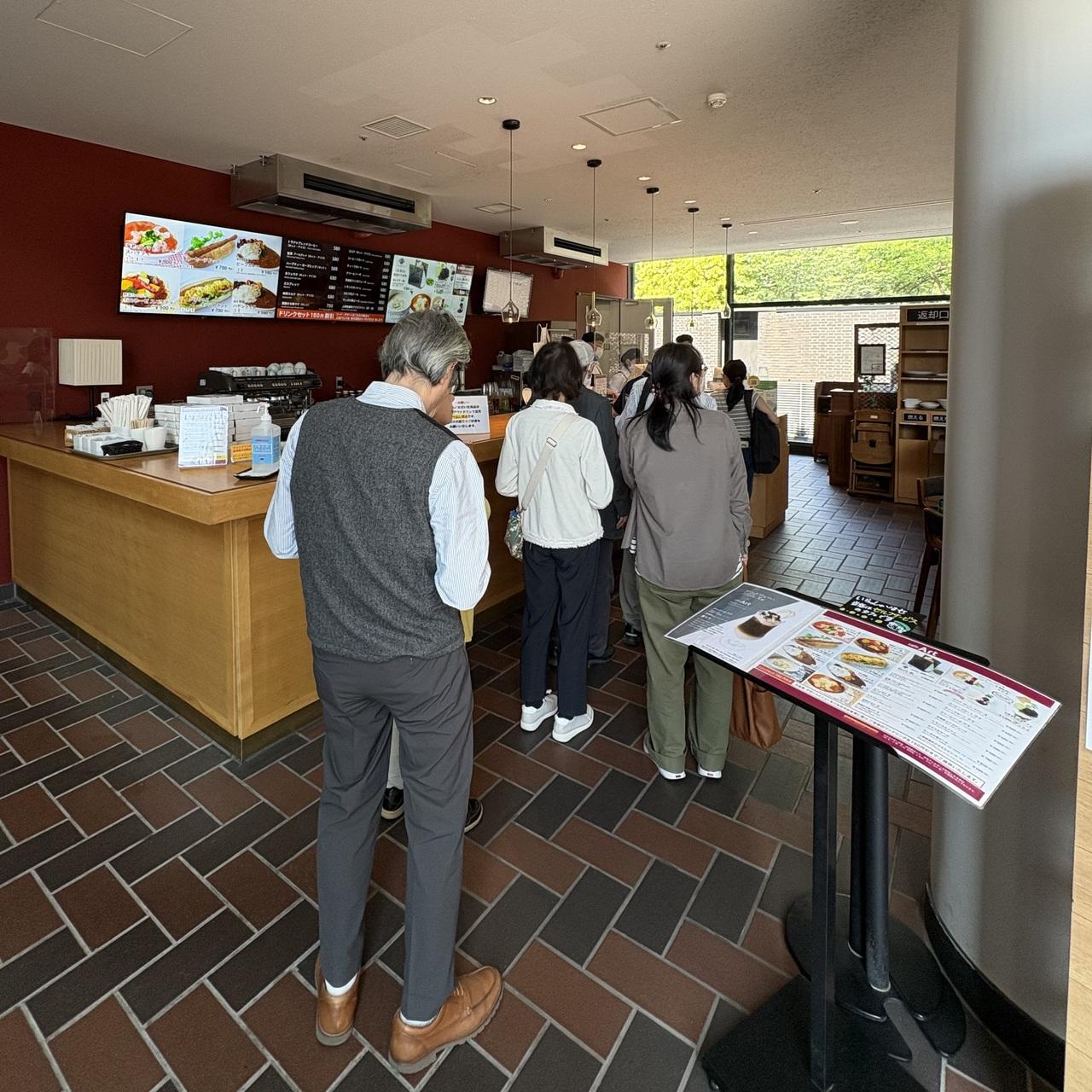
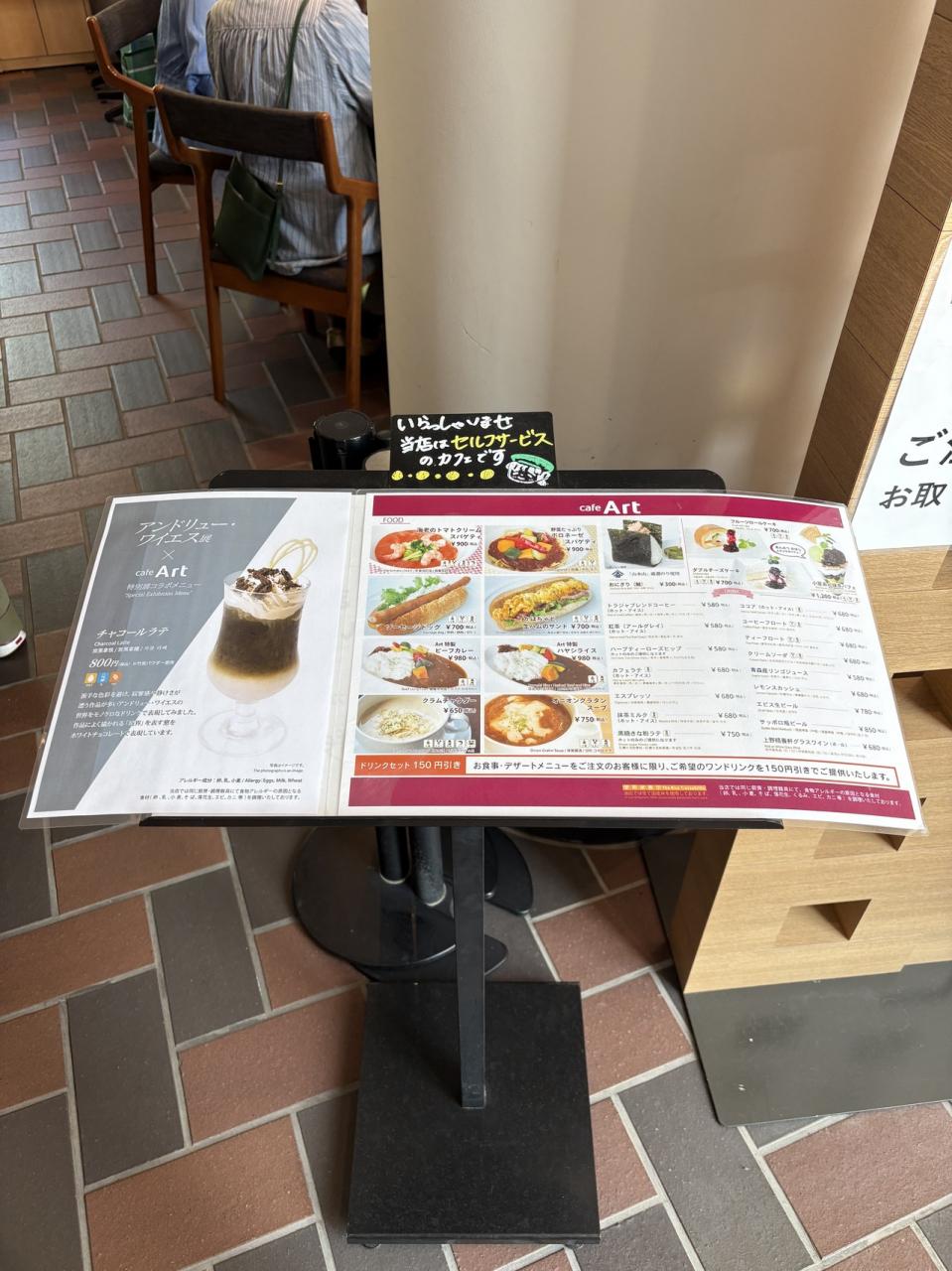
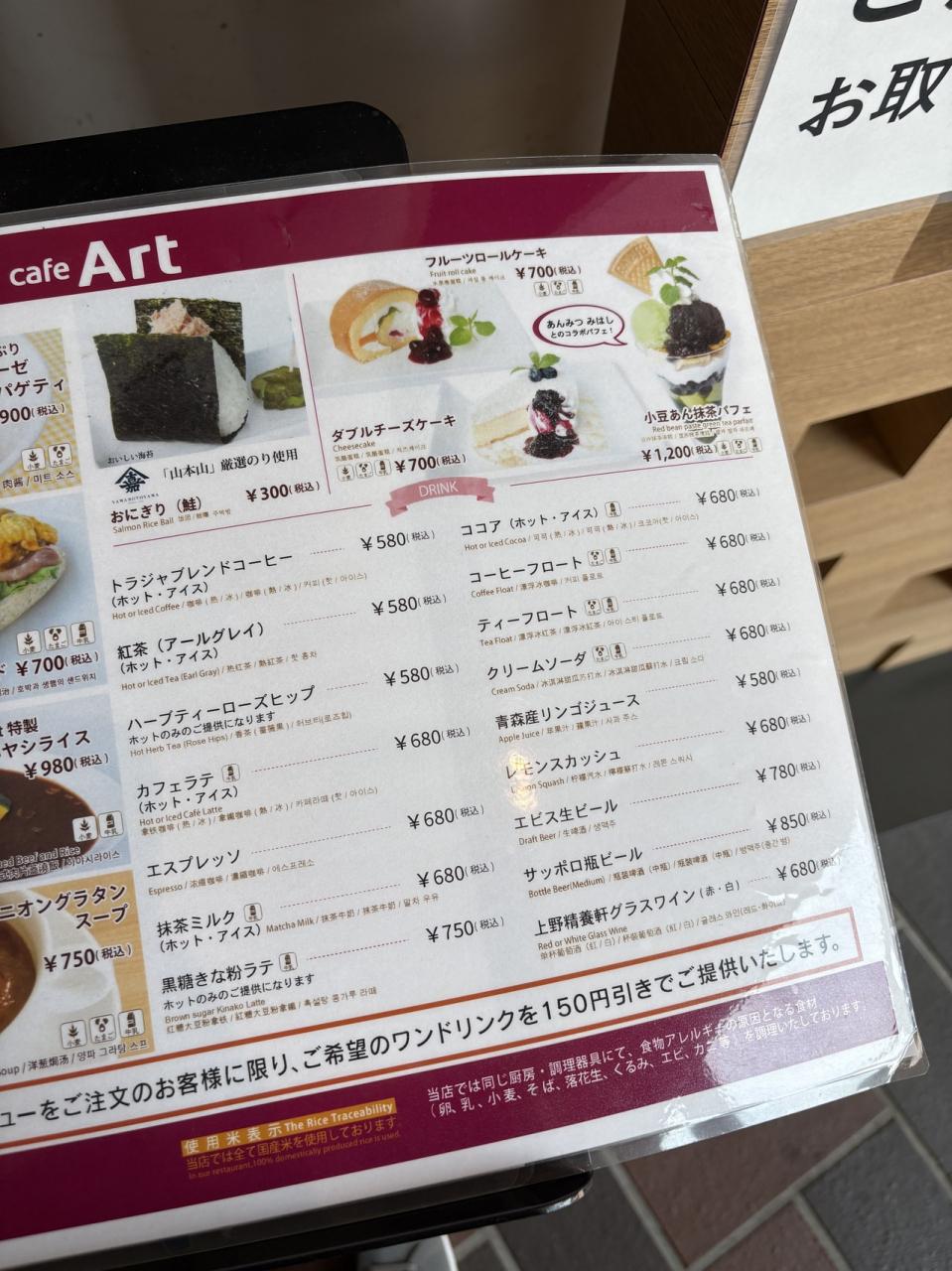
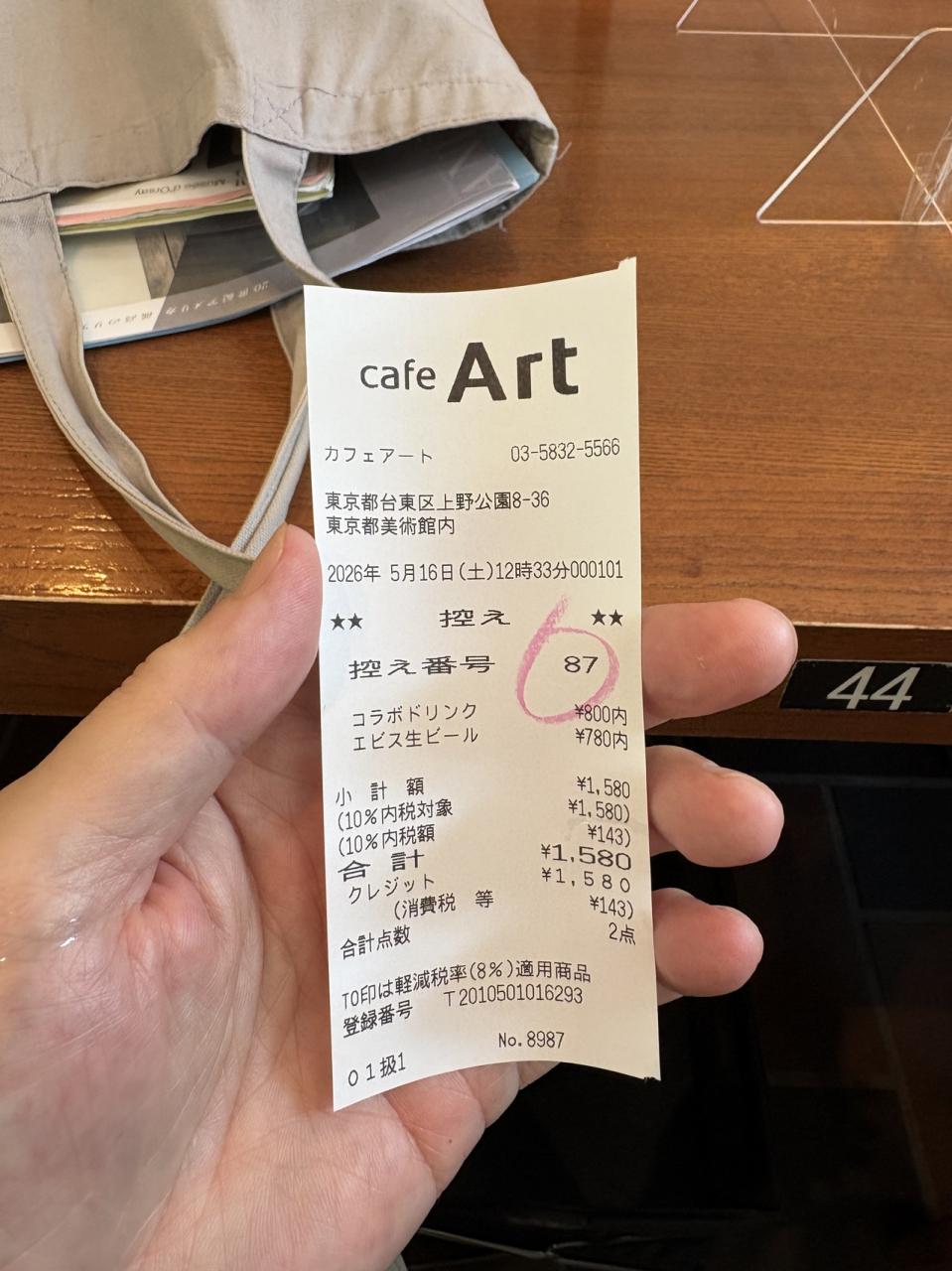
カフェ・アート グルメ・レストラン
-
-
-
-
-
-
-
-
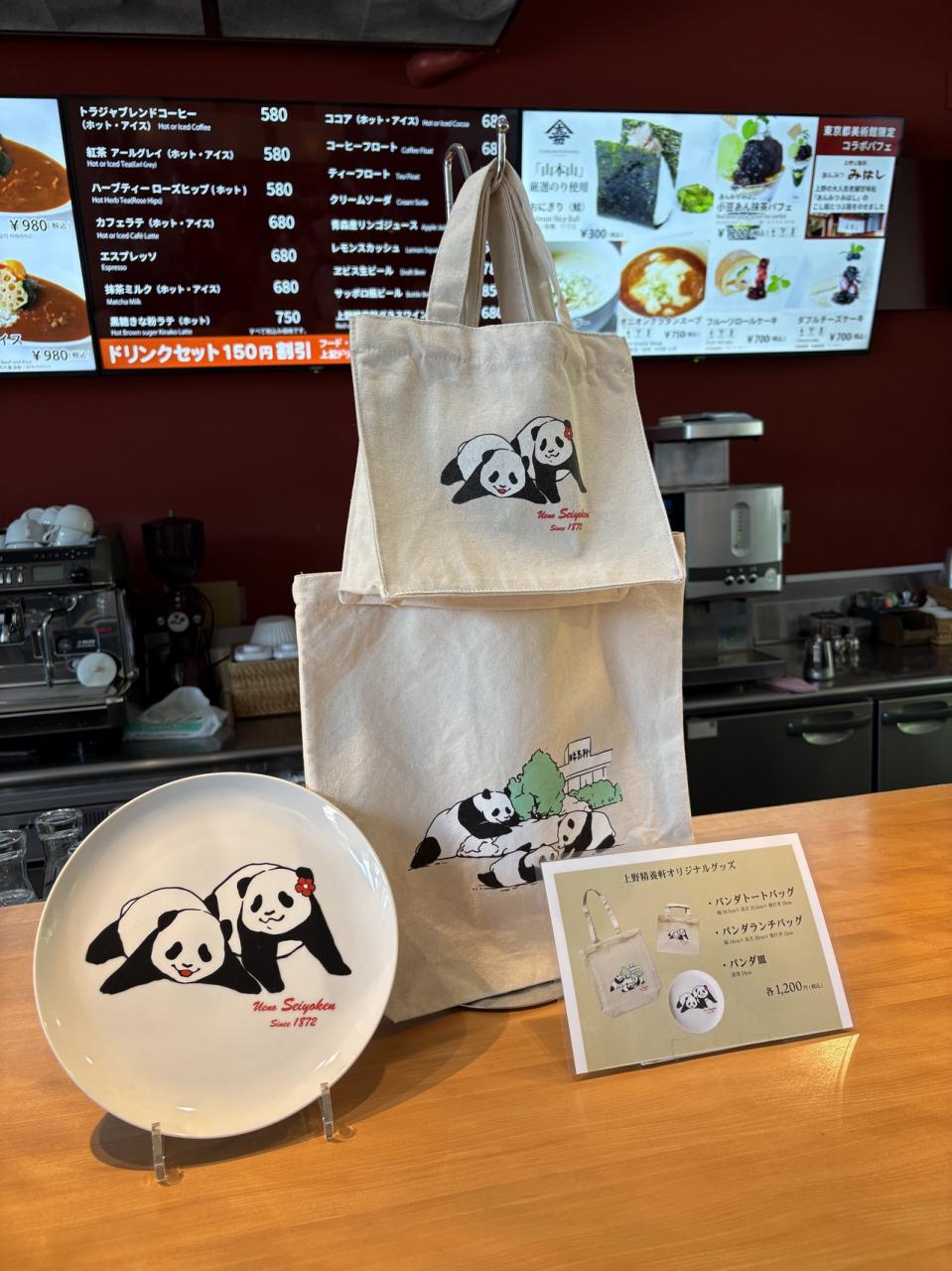
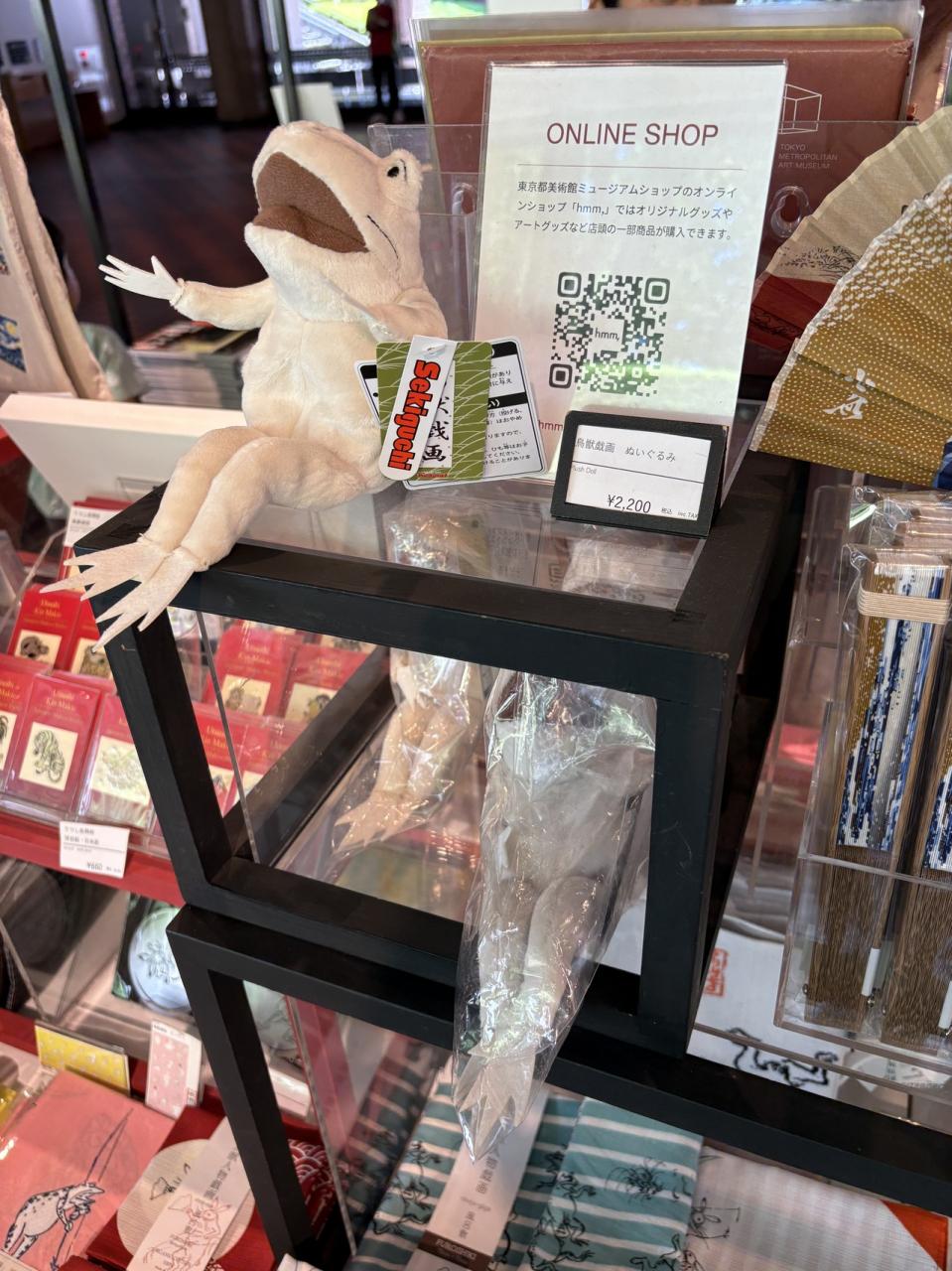
東京都美術館ミュージアムショップ お土産屋・直売所・特産品
-
-
-
-
-
-
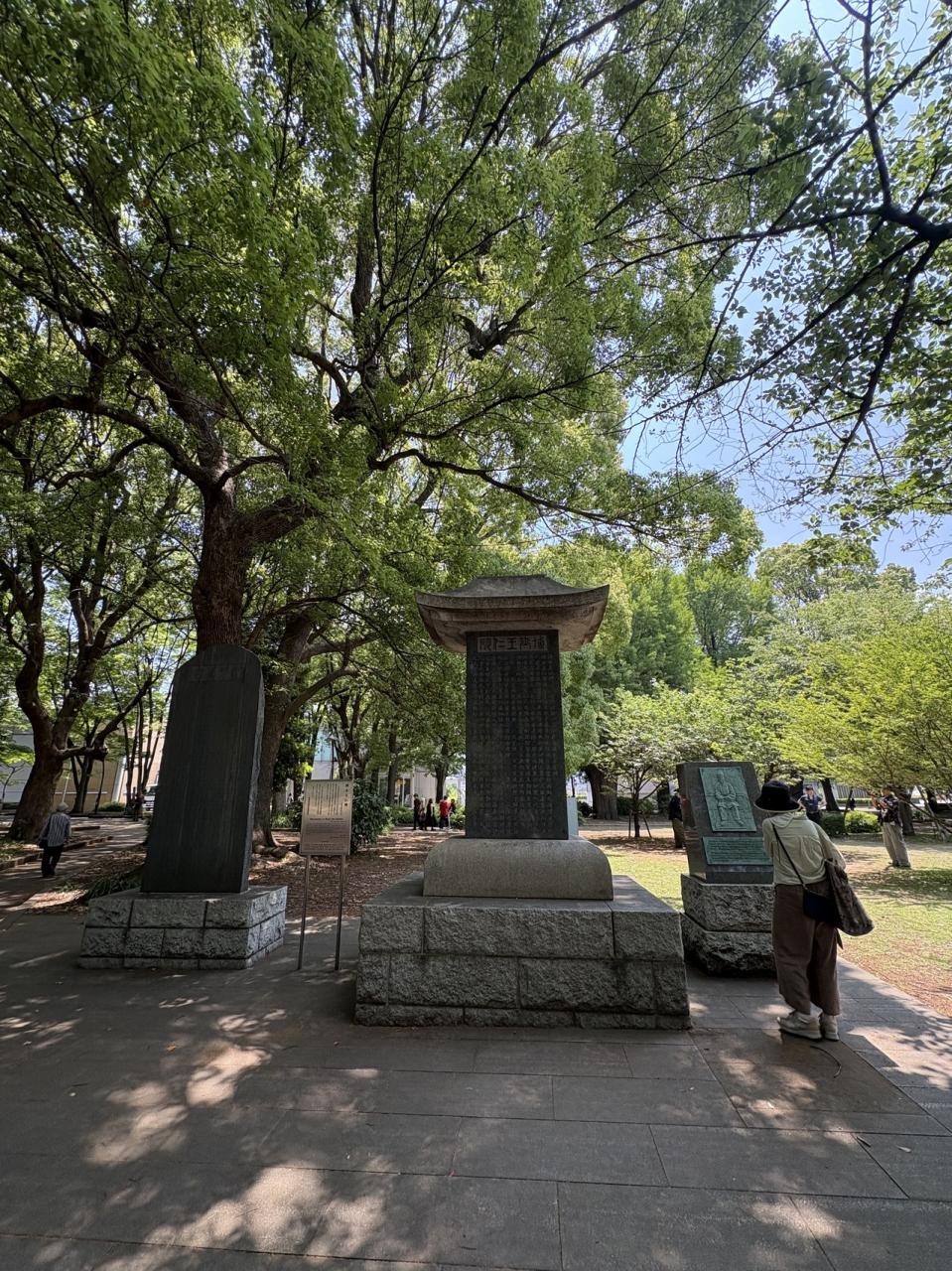
東京芸術大学 名所・史跡


利用規約に違反している投稿は、報告する事ができます。
旅行記グループ
国内の美術館・博物館巡り その4
-
前の旅行記

"アンドリュー・ワイエス展" の後、"藝大アートプラザ" へ。"佐治真理子《佇む -玉しめ-》" が、いい感...
2026/05/16~
上野・御徒町
-
次の旅行記

2026.7.12① 上野の森美術館 "大ゴッホ展"。撮影可能だったのは、"夜のカフェテラス" 1点のみ・・...
2026/07/12~
上野・御徒町
-

2025.9.20~12.14 "モーリス・ユトリロ展@SOMPO美術館"。"風景画の中の人物の後ろ姿" が...
2025/12/11~
新宿
-

マチュピチュ展【その1】"フクロウの神" @ 森アーツセンターギャラリー(2025.11.22~2026.3...
2026/01/12~
六本木
-

マチュピチュ展【その2】"シャーマンの変容" @ 森アーツセンターギャラリー(2025.11.22~2026...
2026/01/12~
六本木
-

マチュピチュ展【その3】"アイ・アパエックの顔を表した埋葬用仮面" @ 森アーツセンターギャラリー(2025...
2026/01/12~
六本木
-

マチュピチュ展【その4】"トカゲのモザイクの耳飾り" @ 森アーツセンターギャラリー(2025.11.22~...
2026/01/12~
六本木
-

マチュピチュ展【その5】"神話の豊穣の場面が描かれた儀礼用の杯"@ 森アーツセンターギャラリー(2025.1...
2026/01/12~
六本木
-

マチュピチュ展【その6】"戦闘と捕虜の捕獲" @ 森アーツセンターギャラリー(2025.11.22~2026...
2026/01/12~
六本木
-

マチュピチュ展【その7】"チムー帝国の装身具一式" @ 森アーツセンターギャラリー(2025.11.22~2...
2026/01/12~
六本木
-

マチュピチュ展【その8】"神格化された祖先とネコ科動物をモチーフにした冠" @ 森アーツセンターギャラリー(...
2026/01/12~
六本木
-

マチュピチュ展【その9】"カエルがモチーフの首飾り"@ 森アーツセンターギャラリー(2025.11.22~2...
2026/01/12~
六本木
-

マチュピチュ展【その10/完】"インカのキープ"@ 森アーツセンターギャラリー(2025.11.22~3.1...
2026/01/12~
六本木
-

"塩谷亮 刻を描くリアリズム" (@佐藤美術館 2026.1.8 ~2.15) で、初めて "写実絵画" を...
2026/01/28~
信濃町・千駄ヶ谷
-

2026.2.9 国立西洋美術館① "オルセー美術館所蔵 印象派 室内をめぐる物語"。"エドガー・ドガ《家族...
2026/02/09~
上野・御徒町
-

2026.2.9 国立西洋美術館② 常設展(その1)"ラビニィア・フォンターナ 《アントニエッタ・ゴンザレス...
2026/02/09~
上野・御徒町
-

2026.2.9 国立西洋美術館③ 常設展(その2)"ダフィット・テニールス(子)《聖アントニウスの誘惑》"
2026/02/09~
上野・御徒町
-

2026.2.9 国立西洋美術館④ 小企画展 "Black Lines Speak 物語る黒線たち ~デュー...
2026/02/09~
上野・御徒町
-

2026.2.9 国立西洋美術館⑤/完 常設展(その3)"ヴィルヘルム・ハンマースホイ《ピアノを弾く妻イーダ...
2026/02/09~
上野・御徒町
-

"スウェーデン絵画展" の後、"藝大アートプラザ"・"上野動物園" へ。京都市動物園の長男ゴリラ "ゲンタロ...
2026/04/12~
上野・御徒町
-

お嬢と行く "スウェーデン絵画 北欧の光、日常のかがやき" 2026.1.27~4.12 @ 東京都美術館
2026/04/12~
上野・御徒町
-

2026年2月7日~5月24日 お嬢と行く "クロード・モネ ~風景への問いかけ" @アーティゾン美術館
2026/04/29~
丸の内・大手町・八重洲
-

"アンドリュー・ワイエス展" の後、"藝大アートプラザ" へ。"佐治真理子《佇む -玉しめ-》" が、いい感...
2026/05/16~
上野・御徒町
-

お嬢と行く"アンドリュー・ワイエス展 ~境界に立つとき、心が動き出す。~" 2026.4/28~7/5 @ ...
2026/05/16~
上野・御徒町
-

2026.7.12① 上野の森美術館 "大ゴッホ展"。撮影可能だったのは、"夜のカフェテラス" 1点のみ・・...
2026/07/12~
上野・御徒町
-

2026.7.12② "大ゴッホ展"の後、東京国立博物館 "アイルランド チェスター・ビューティ・コレクショ...
2026/07/12~
上野・御徒町
-

2026.7.12④ "大ゴッホ展" の後、SOMPO美術館 "山口華揚展"。《青柿》は、諏訪湖のほとり"北...
2026/07/12~
新宿
-

2026.7.12 ⑤・完 "大ゴッホ展" の後、"東京オペラシティ" でクラシック鑑賞 。恵比寿の "ル・...
2026/07/12~
東京
旅行記グループをもっと見る
コメントを投稿する前に
十分に確認の上、ご投稿ください。 コメントの内容は攻撃的ではなく、相手の気持ちに寄り添ったものになっていますか?
サイト共通ガイドライン(利用上のお願い)報道機関・マスメディアの方へ 画像提供などに関するお問い合わせは、専用のお問い合わせフォームからお願いいたします。
この旅行で行ったスポット


上野・御徒町(東京) の旅行記






フォートラベル公式LINE@
おすすめの旅行記や旬な旅行情報、お得なキャンペーン情報をお届けします!
QRコードが読み取れない場合はID「@4travel」で検索してください。
\その他の公式SNSはこちら/




旅行記グループ 国内の美術館・博物館巡り その4
0
56