


2026/02/09 - 2026/02/09
307位(同エリア4691件中)

旅熊 Kokazさん
- 旅熊 KokazさんTOP
- 旅行記1927冊
- クチコミ854件
- Q&A回答102件
- 1,708,168アクセス
- フォロワー752人
国立西洋美術館 常設展③
- 旅行の満足度
- 5.0
-

オルセー美術館所蔵 印象派 室内をめぐる物語" の後の、常設展
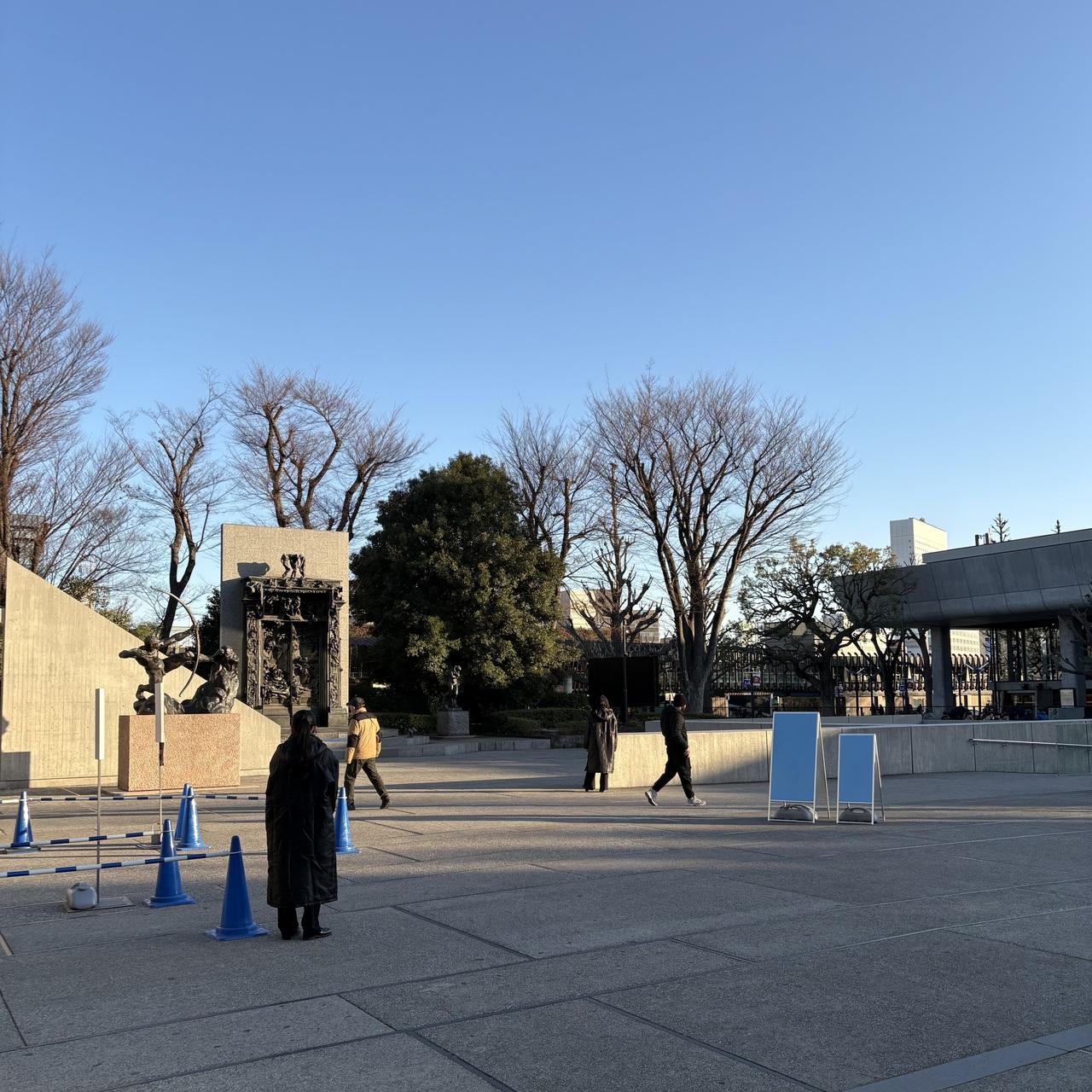
国立西洋美術館 美術館・博物館
-
-
-
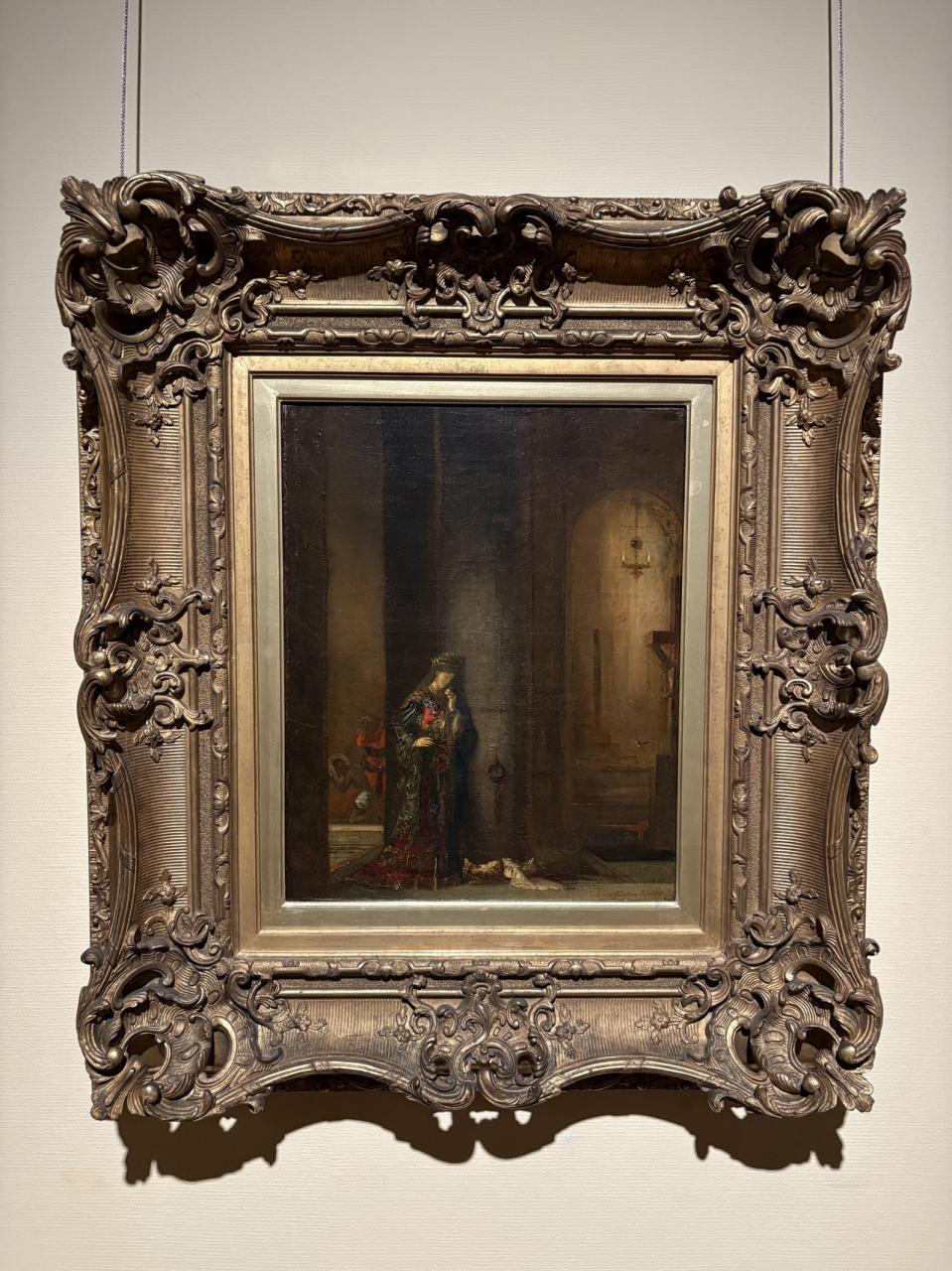
ギュスターヴ・モロー(1826年-1898年)
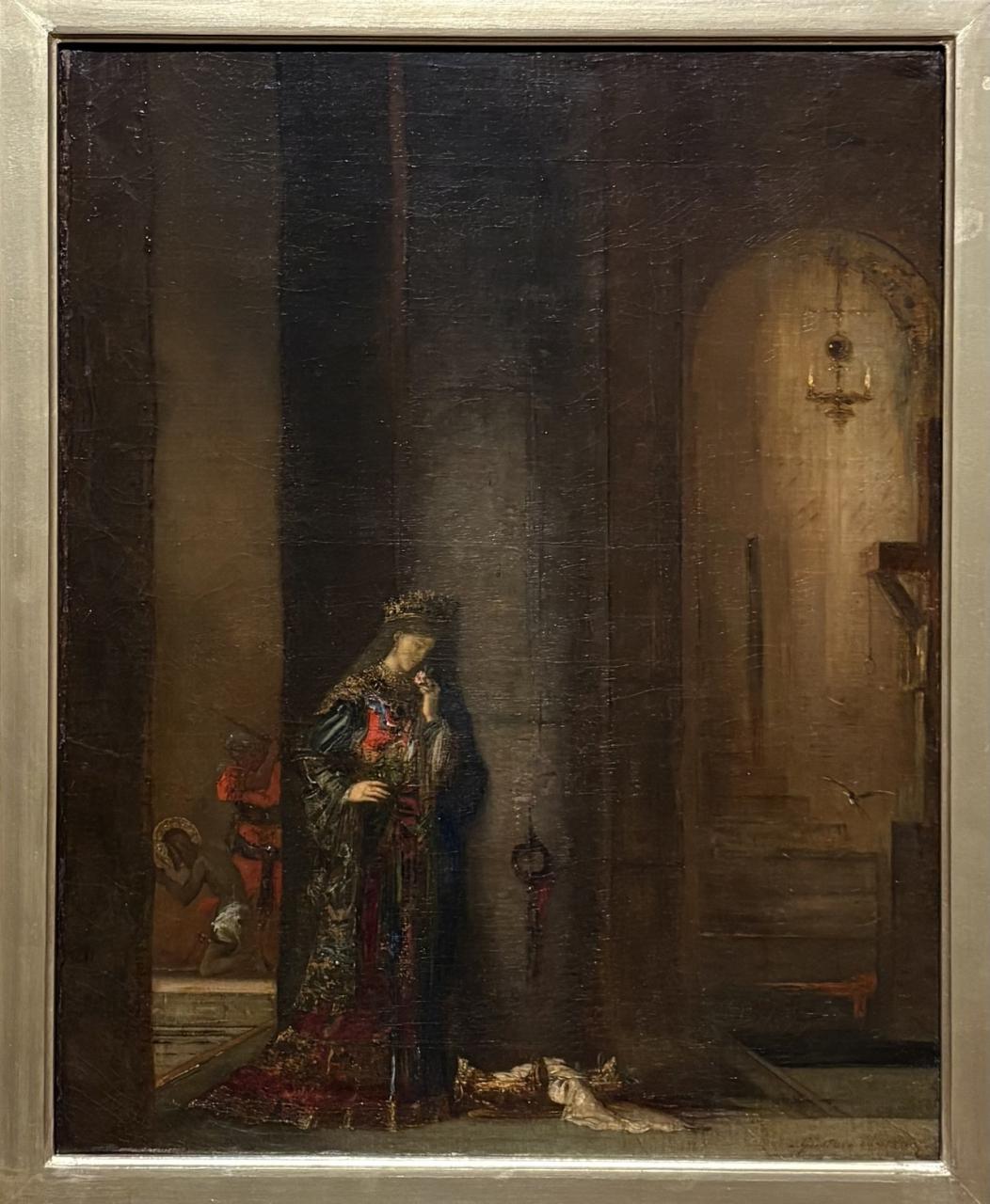
牢獄のサロメ
1873-76年頃
油彩/カンヴァス
弘方コレクション
Gustave Moreau (1826-1898)
Salome at the Prison c. 1873-76
Oil on canvas
Matsukata Collection
モローは、19世紀フランスの象徴主義の画家です。本作品の主題は「洗礼者聖ヨハネの斬首」です。ヨハネは、ユダヤの王ヘロデが兄弟の妻へロデアをったことを非難して捕えられます。さらにへロデアが連れ子サロメの舞の美に彼の首を所望したため、斬首されました。世紀末芸術では、サロメはしばしば男を滅ぼすファム・ファタルとして描かれますが、本作では、ヨハネに対するサロメの微妙な心理面がクローズアップされています。
Gustave Moreau was a nineteenth-century French Symbolist painter. The subject of the work is the beheading of St. John the Baptist. After being arrested for criticizing the marriage of King Herod of Judea to Herodias, the former wife of Herod's brother, the saint was killed to reward Herodias's daughter Salome for dancing before her stepfather. In fin-de-siecle art, Salome often represents the femme fatale who lures men to their doom. Here, however, Moreau focuses on the emotional undercurrents of her reaction to St. John's beheading. -
-
ギュスターヴ・モロー(1826年-1898年)
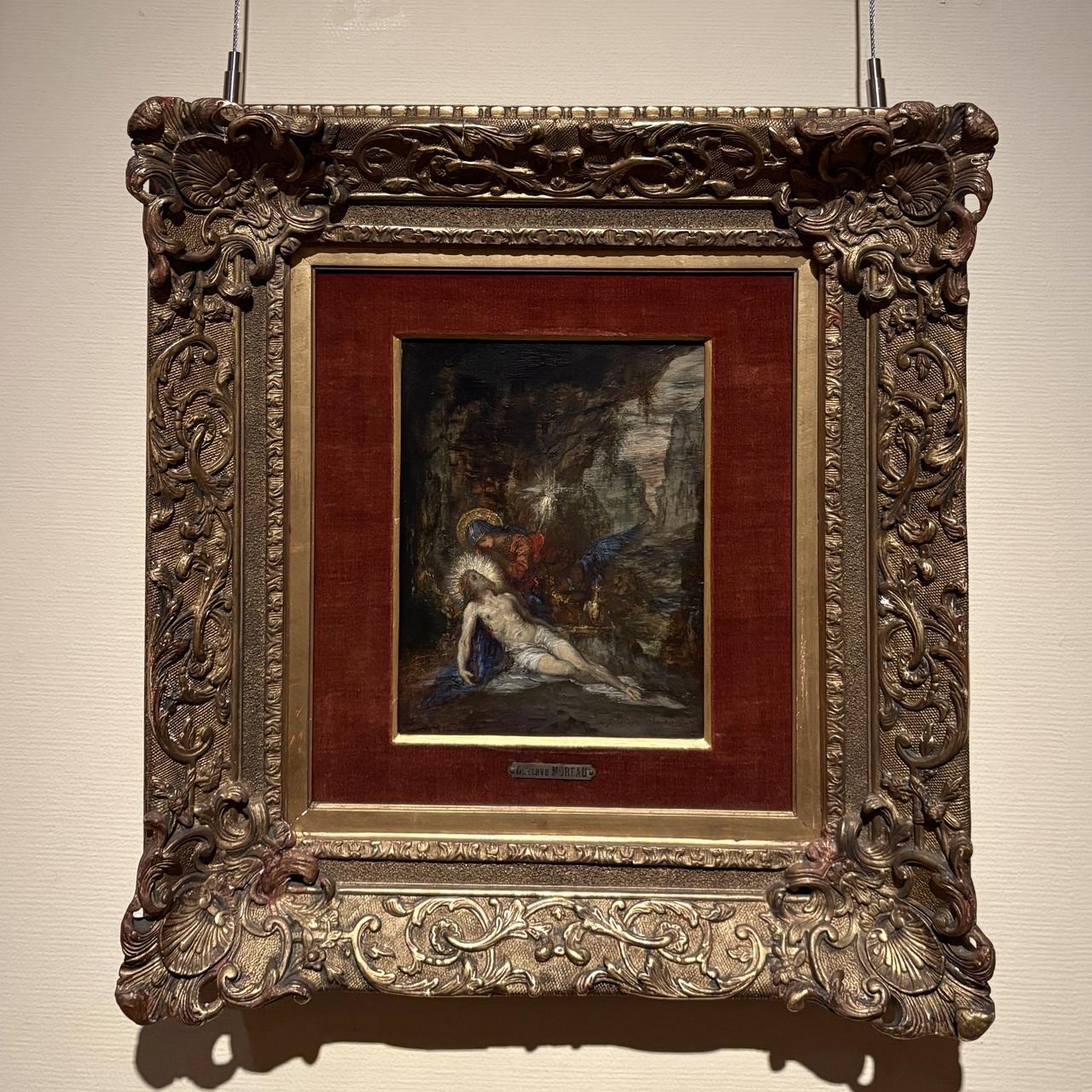
ピエタ
1876年頃
油彩/板
松方コレクション
Gustave Moreau (1826-1898)
Pietà
c. 1876
Oil on panel
Matsukata Collection
十字架より降ろされたキリストの亡骸を聖母マリアが抱えて嘆くという「ピエタ」の主題は、福音書には記されていないながら、子を失った母の悲しみという普遍的なメッセージを有すことから、中世末期以降常に高い人気を誇りました。モローは19世紀後半のフランスで、きらびやかかつ幻想的な独自の表現で神話や聖書の場面を描き出した画家です。マリアと死せるキリストとの頭上には、聖霊を象徴する鳩が製をひろげ、背後では二人の天使が顔を寄せ、キリストの勝利が暗示されています。
The term Pietà refers to the scene of the Virgin Mary mourning over the body of Jesus brought down from the cross. While this subject is not described in the Gospels, the universal message of a mother mourning her dead child made it extremely popular from the late Medieval period onwards. Moreau, a painter active in France in the latter half of the 19th century, was known for his uniquely glowing and magical depictions of mythological and Biblical scenes. Here a dove symbolizing the Holy Spirit is shown with wings spread over the heads of Mary and the dead Jesus, while two angels behind them look down, foretelling Christ's triumph. -
-
-
-
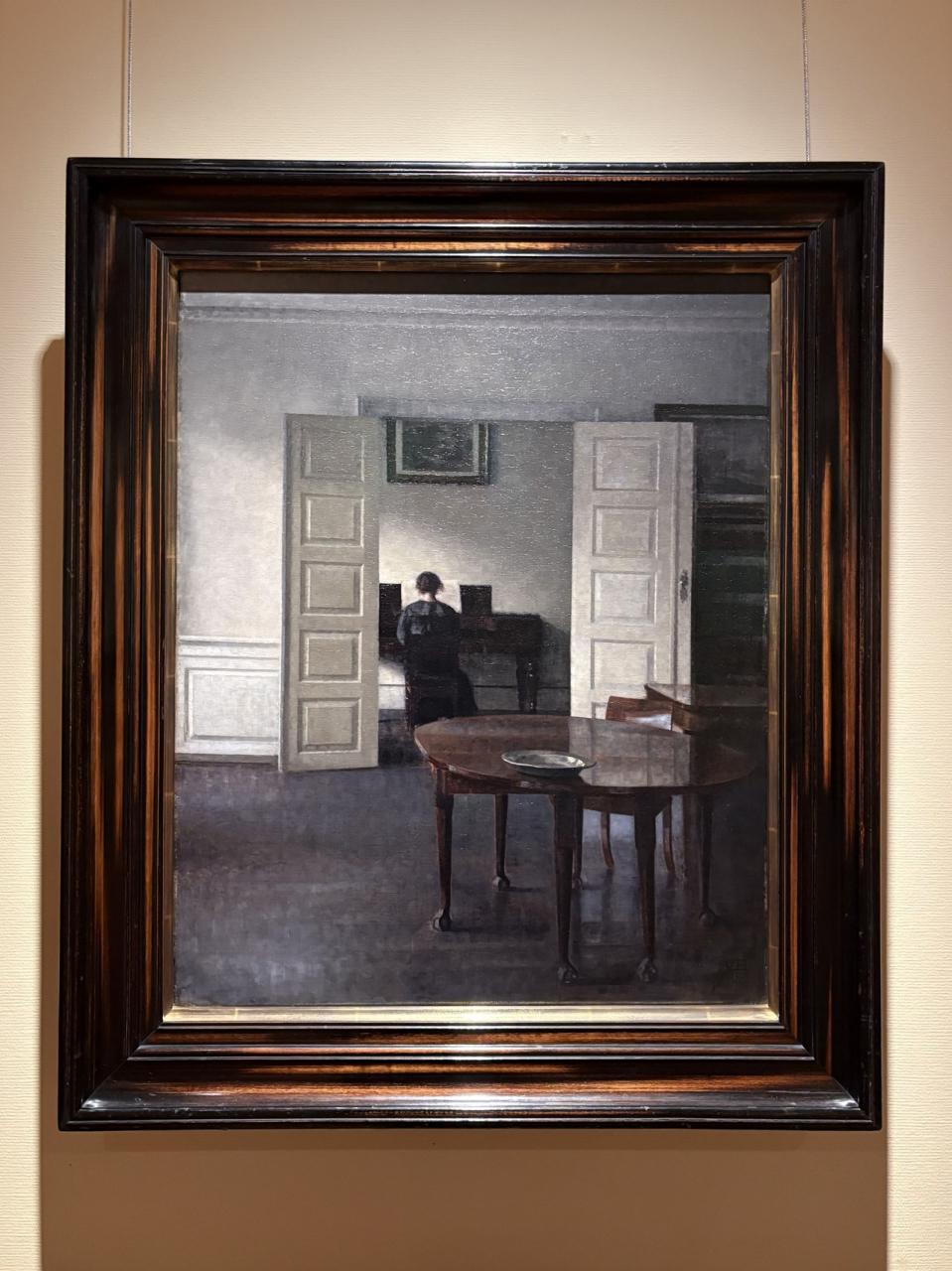
ヴィルヘルム・ハンマースホイ(1864年-1916年)
ピアノを弾く妻イーダのいる室内
1910年
油彩/カンヴァス
2008年度購入
Vilhelm Hammershøi (1864-1916)
Interior with Ida Playing the Piano
1910
Oil on canvas
Purchased in 2008
19世紀末デンマークを代表する画家ハンマースホイは、妻イーダの後ろ姿を繰り返し描きました。二つの部屋をつなぐ扉はこちらに向かって聞き、イーダが炎でるピアノの音が奥から流れてくるような効果を生んでいます。全体の構図はフェルメールらの影響を受けていますが、画面は生活感に乏しく、17世紀オランダの親密な風俗画とは趣が異なります。イーダの頭上にかけられた芸術作品は何を表わしているかはっきりせず、謎めいた雰囲気を高めています。
Vilhelm Hammershei, a leading late nineteenth-century Danish artist, often created works that depict his wife Ida seen from behind. The doors separating the rooms are swung open in our direction, inviting us to imagine the sound of Ida's piano emerging from the background. Although Vermeer's overall influence is unmistakable, the image's sense of unreality distinguishes it from the intimate genre painting of seventeenth-century Holland. The work of art seen above Ida's head withholds its subject matter, adding to the enigmatic quality of Hammersher's composition. -
-
-
-
-
-
-
-
-
-
-
-



利用規約に違反している投稿は、報告する事ができます。
旅行記グループ
国内の美術館・博物館巡り その4
-
前の旅行記

2026.2.9 国立西洋美術館④ 小企画展 "Black Lines Speak 物語る黒線たち ~デュー...
2026/02/09~
上野・御徒町
-
次の旅行記

"スウェーデン絵画展" の後、"藝大アートプラザ"・"上野動物園" へ。京都市動物園の長男ゴリラ "ゲンタロ...
2026/04/12~
上野・御徒町
-

2025.9.20~12.14 "モーリス・ユトリロ展@SOMPO美術館"。"風景画の中の人物の後ろ姿" が...
2025/12/11~
新宿
-

マチュピチュ展【その1】"フクロウの神" @ 森アーツセンターギャラリー(2025.11.22~2026.3...
2026/01/12~
六本木
-

マチュピチュ展【その2】"シャーマンの変容" @ 森アーツセンターギャラリー(2025.11.22~2026...
2026/01/12~
六本木
-

マチュピチュ展【その3】"アイ・アパエックの顔を表した埋葬用仮面" @ 森アーツセンターギャラリー(2025...
2026/01/12~
六本木
-

マチュピチュ展【その4】"トカゲのモザイクの耳飾り" @ 森アーツセンターギャラリー(2025.11.22~...
2026/01/12~
六本木
-

マチュピチュ展【その5】"神話の豊穣の場面が描かれた儀礼用の杯"@ 森アーツセンターギャラリー(2025.1...
2026/01/12~
六本木
-

マチュピチュ展【その6】"戦闘と捕虜の捕獲" @ 森アーツセンターギャラリー(2025.11.22~2026...
2026/01/12~
六本木
-

マチュピチュ展【その7】"チムー帝国の装身具一式" @ 森アーツセンターギャラリー(2025.11.22~2...
2026/01/12~
六本木
-

マチュピチュ展【その8】"神格化された祖先とネコ科動物をモチーフにした冠" @ 森アーツセンターギャラリー(...
2026/01/12~
六本木
-

マチュピチュ展【その9】"カエルがモチーフの首飾り"@ 森アーツセンターギャラリー(2025.11.22~2...
2026/01/12~
六本木
-

マチュピチュ展【その10/完】"インカのキープ"@ 森アーツセンターギャラリー(2025.11.22~3.1...
2026/01/12~
六本木
-

"塩谷亮 刻を描くリアリズム" (@佐藤美術館 2026.1.8 ~2.15) で、初めて "写実絵画" を...
2026/01/28~
信濃町・千駄ヶ谷
-

2026.2.9 国立西洋美術館① "オルセー美術館所蔵 印象派 室内をめぐる物語"。"エドガー・ドガ《家族...
2026/02/09~
上野・御徒町
-

2026.2.9 国立西洋美術館② 常設展(その1)"ラビニィア・フォンターナ 《アントニエッタ・ゴンザレス...
2026/02/09~
上野・御徒町
-

2026.2.9 国立西洋美術館③ 常設展(その2)"ダフィット・テニールス(子)《聖アントニウスの誘惑》"
2026/02/09~
上野・御徒町
-

2026.2.9 国立西洋美術館④ 小企画展 "Black Lines Speak 物語る黒線たち ~デュー...
2026/02/09~
上野・御徒町
-

2026.2.9 国立西洋美術館⑤/完 常設展(その3)"ヴィルヘルム・ハンマースホイ《ピアノを弾く妻イーダ...
2026/02/09~
上野・御徒町
-

"スウェーデン絵画展" の後、"藝大アートプラザ"・"上野動物園" へ。京都市動物園の長男ゴリラ "ゲンタロ...
2026/04/12~
上野・御徒町
-

お嬢と行く "スウェーデン絵画 北欧の光、日常のかがやき" 2026.1.27~4.12 @ 東京都美術館
2026/04/12~
上野・御徒町
-

2026年2月7日~5月24日 お嬢と行く "クロード・モネ ~風景への問いかけ" @アーティゾン美術館
2026/04/29~
丸の内・大手町・八重洲
-

"アンドリュー・ワイエス展" の後、"藝大アートプラザ" へ。"佐治真理子《佇む -玉しめ-》" が、いい感...
2026/05/16~
上野・御徒町
-

お嬢と行く"アンドリュー・ワイエス展 ~境界に立つとき、心が動き出す。~" 2026.4/28~7/5 @ ...
2026/05/16~
上野・御徒町
-

2026.7.12① 上野の森美術館 "大ゴッホ展"。撮影可能だったのは、"夜のカフェテラス" 1点のみ・・...
2026/07/12~
上野・御徒町
-

2026.7.12② "大ゴッホ展"の後、東京国立博物館 "アイルランド チェスター・ビューティ・コレクショ...
2026/07/12~
上野・御徒町
-

2026.7.12④ "大ゴッホ展" の後、SOMPO美術館 "山口華揚展"。《青柿》は、諏訪湖のほとり"北...
2026/07/12~
新宿
-

2026.7.12 ⑤・完 "大ゴッホ展" の後、"東京オペラシティ" でクラシック鑑賞 。恵比寿の "ル・...
2026/07/12~
東京
旅行記グループをもっと見る
コメントを投稿する前に
十分に確認の上、ご投稿ください。 コメントの内容は攻撃的ではなく、相手の気持ちに寄り添ったものになっていますか?
サイト共通ガイドライン(利用上のお願い)報道機関・マスメディアの方へ 画像提供などに関するお問い合わせは、専用のお問い合わせフォームからお願いいたします。
この旅行で行ったスポット
上野・御徒町(東京) の旅行記






フォートラベル公式LINE@

おすすめの旅行記や旬な旅行情報、お得なキャンペーン情報をお届けします!
QRコードが読み取れない場合はID「@4travel」で検索してください。
\その他の公式SNSはこちら/




旅行記グループ 国内の美術館・博物館巡り その4
0
22