


2026/02/09 - 2026/02/09
312位(同エリア4693件中)

旅熊 Kokazさん
- 旅熊 KokazさんTOP
- 旅行記1928冊
- クチコミ854件
- Q&A回答101件
- 1,711,339アクセス
- フォロワー752人
この旅行記のスケジュール
2026/02/09
-
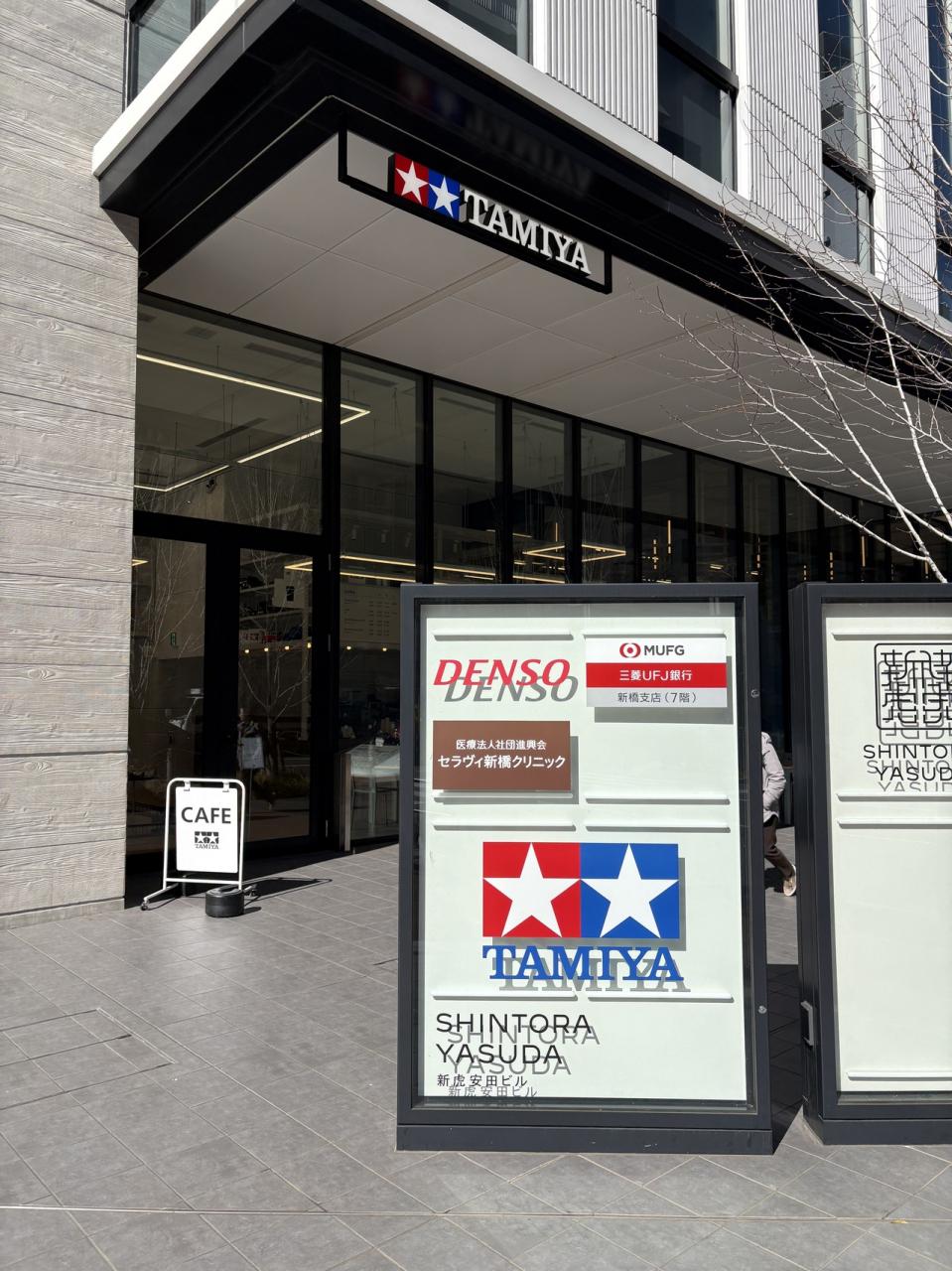
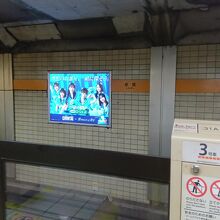
TAMIYA PLAMODEL FACTORY TOKYO

-

-

この旅行記スケジュールを元に
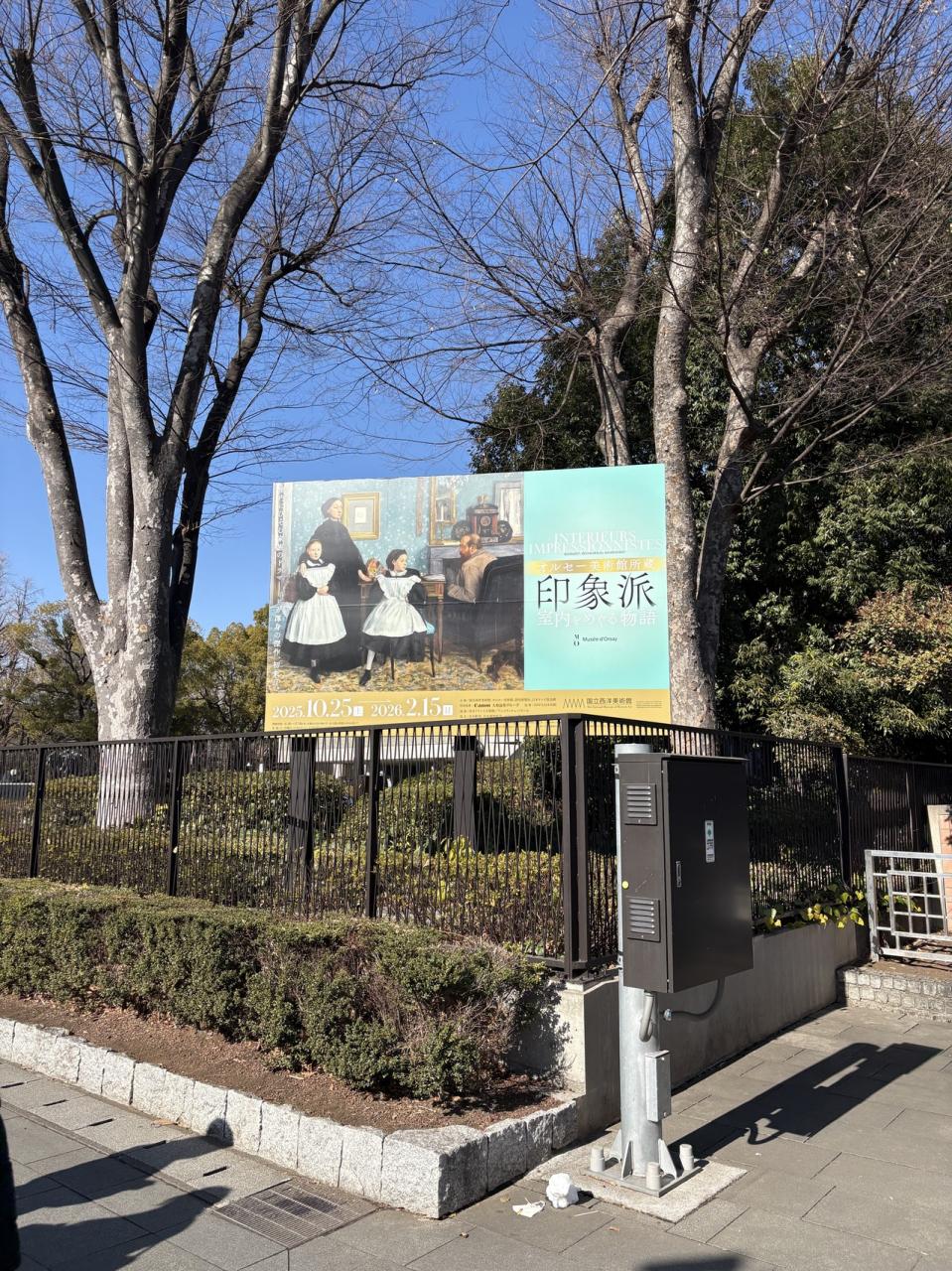
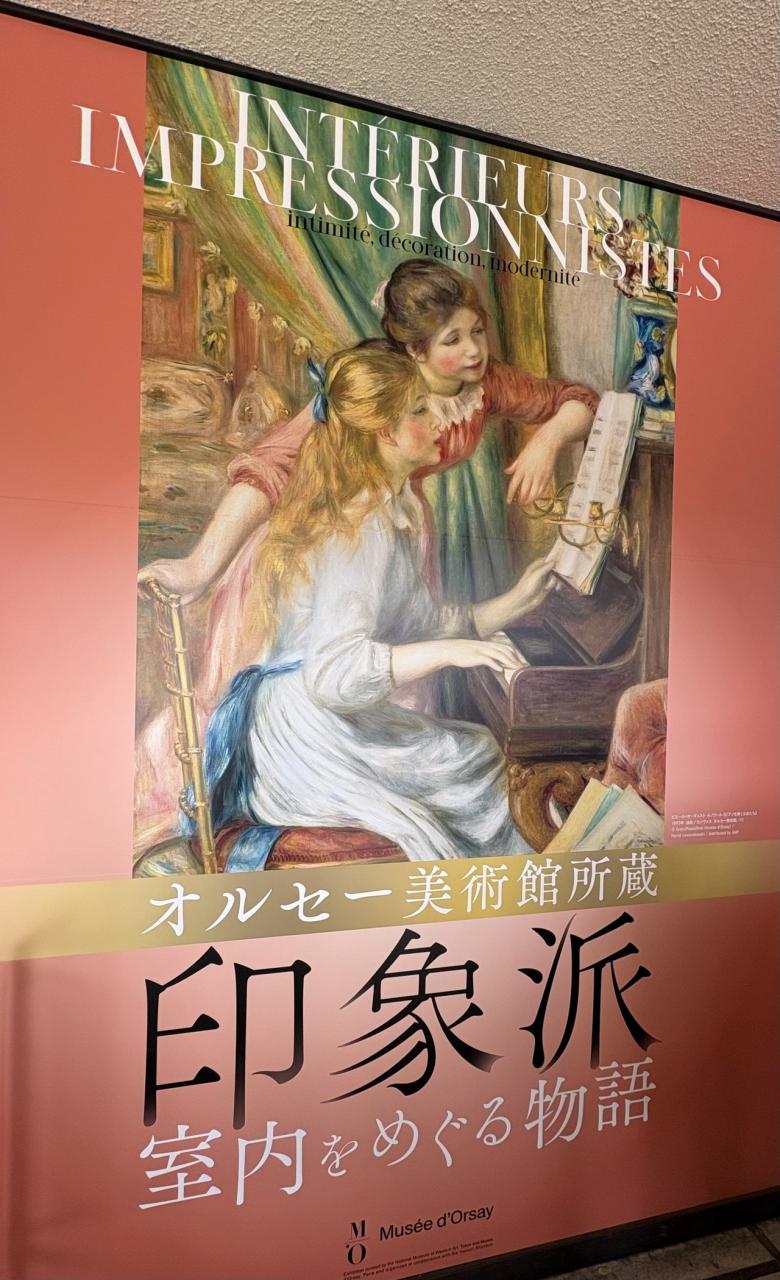
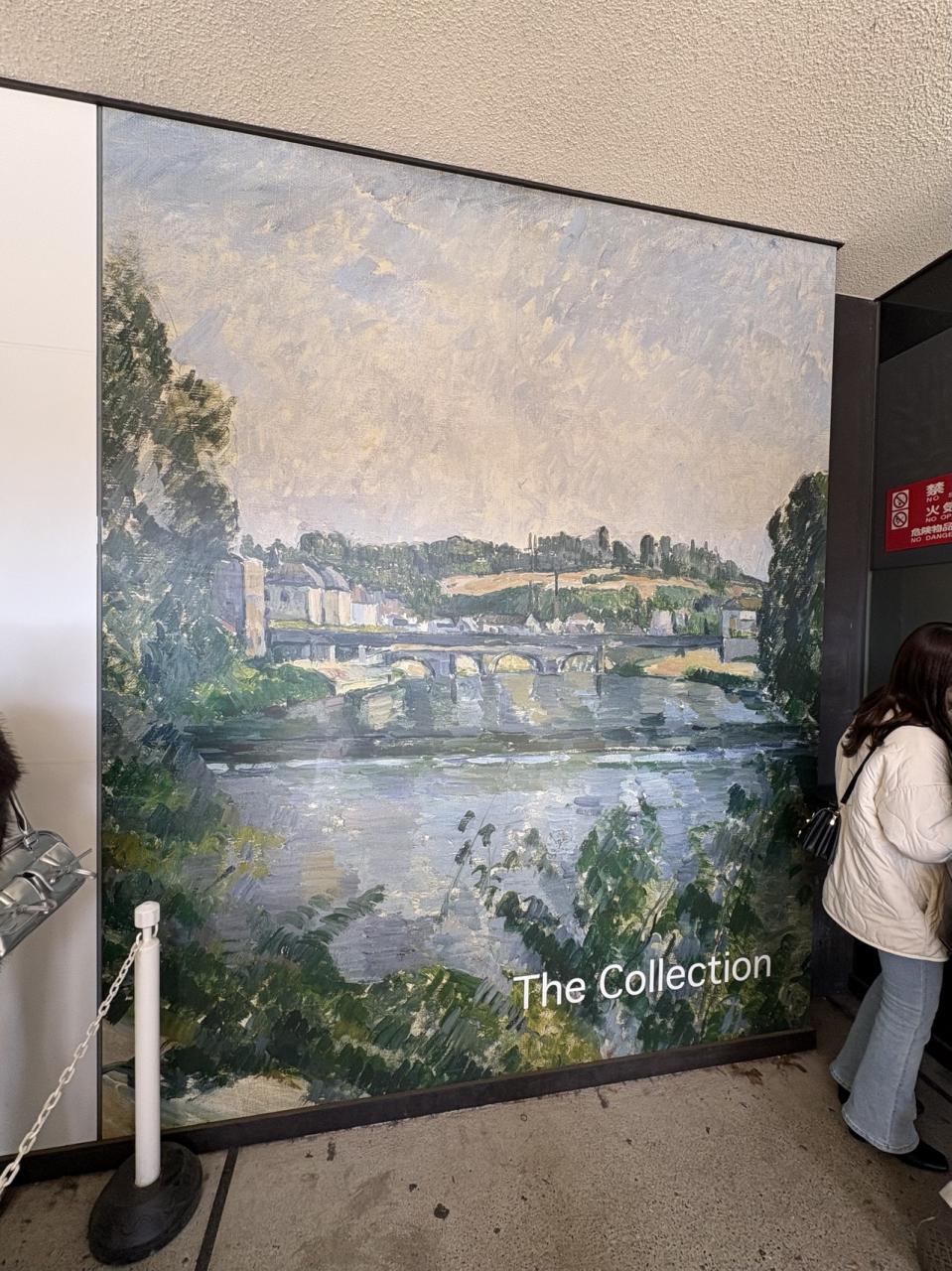
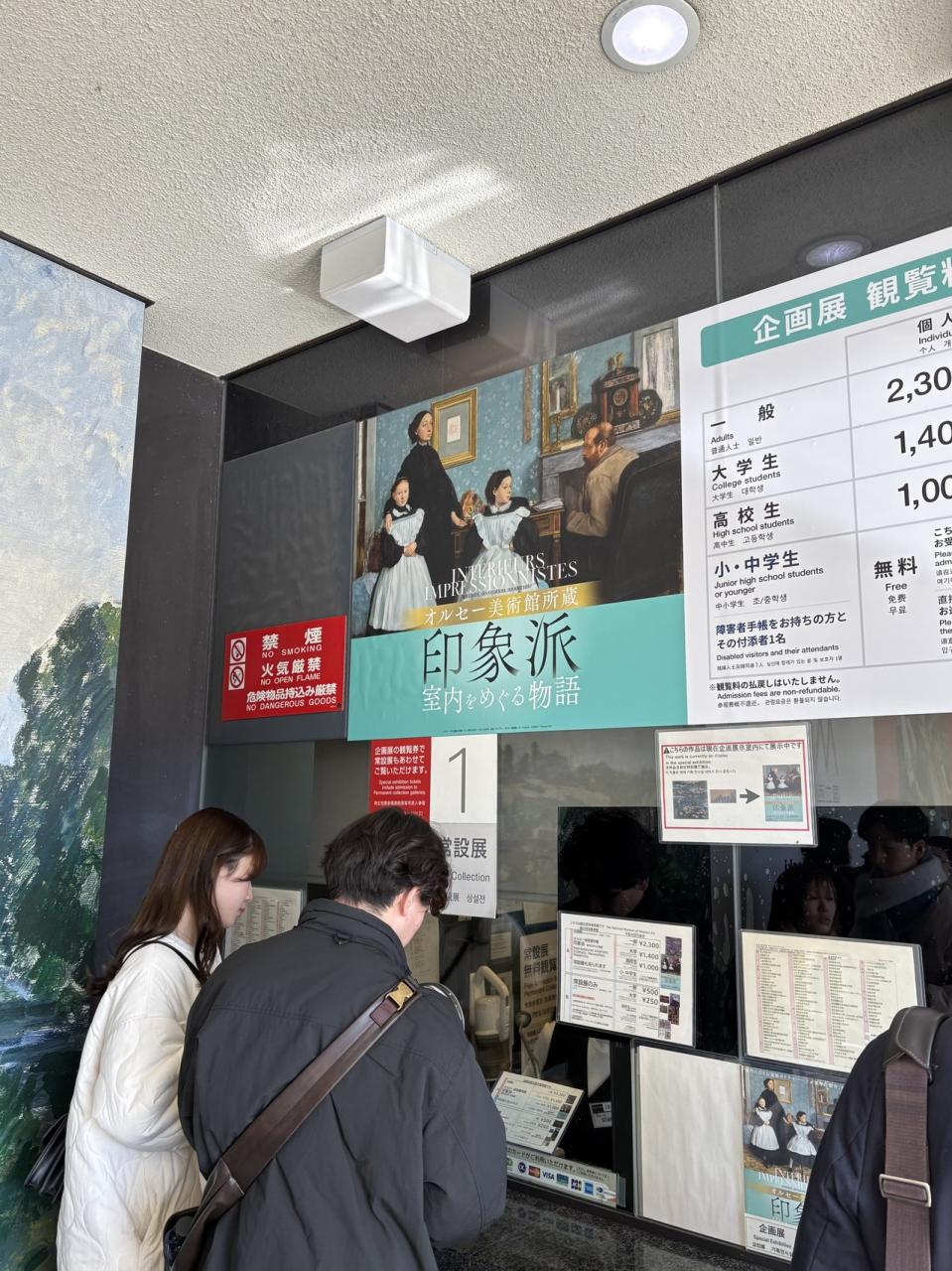
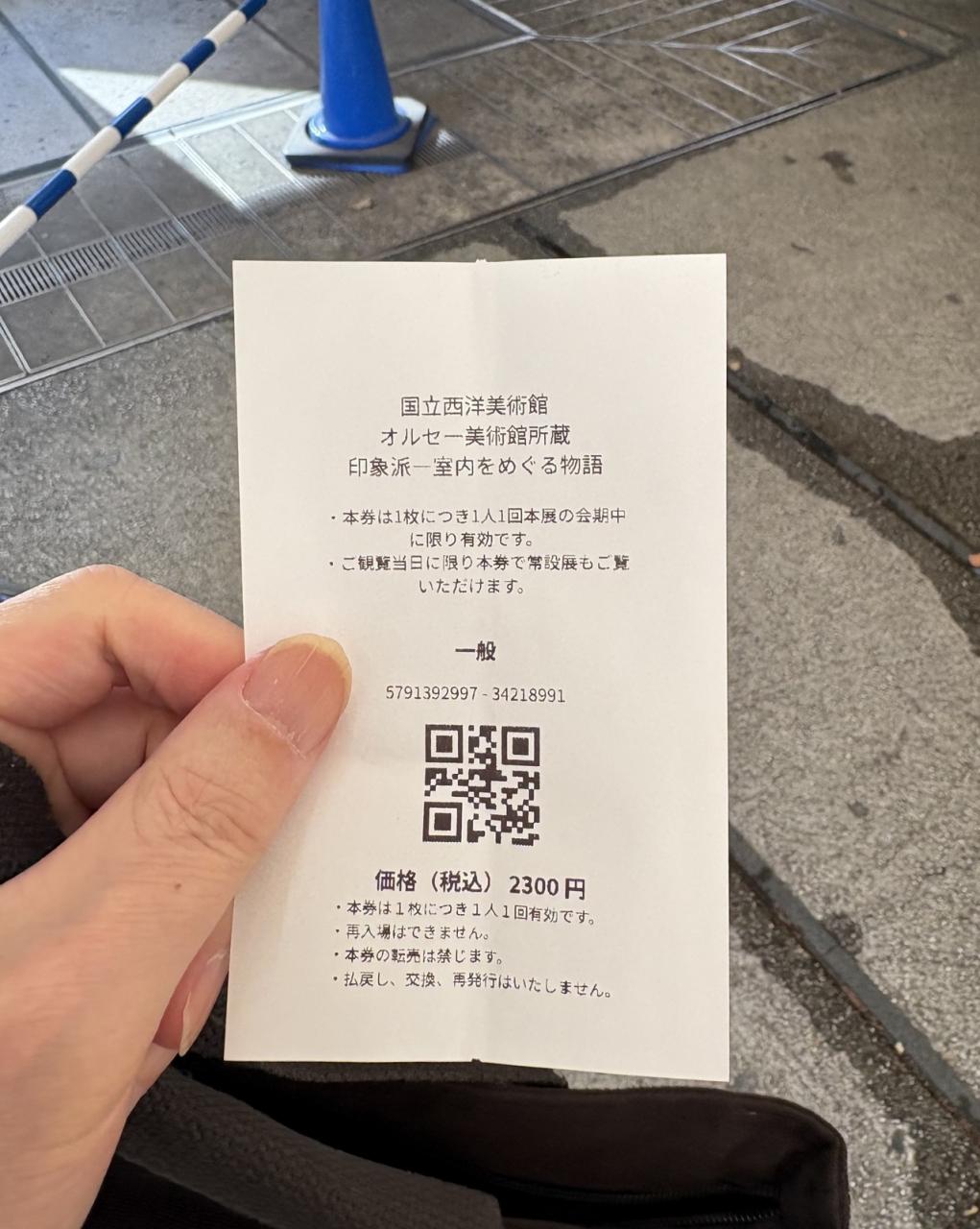
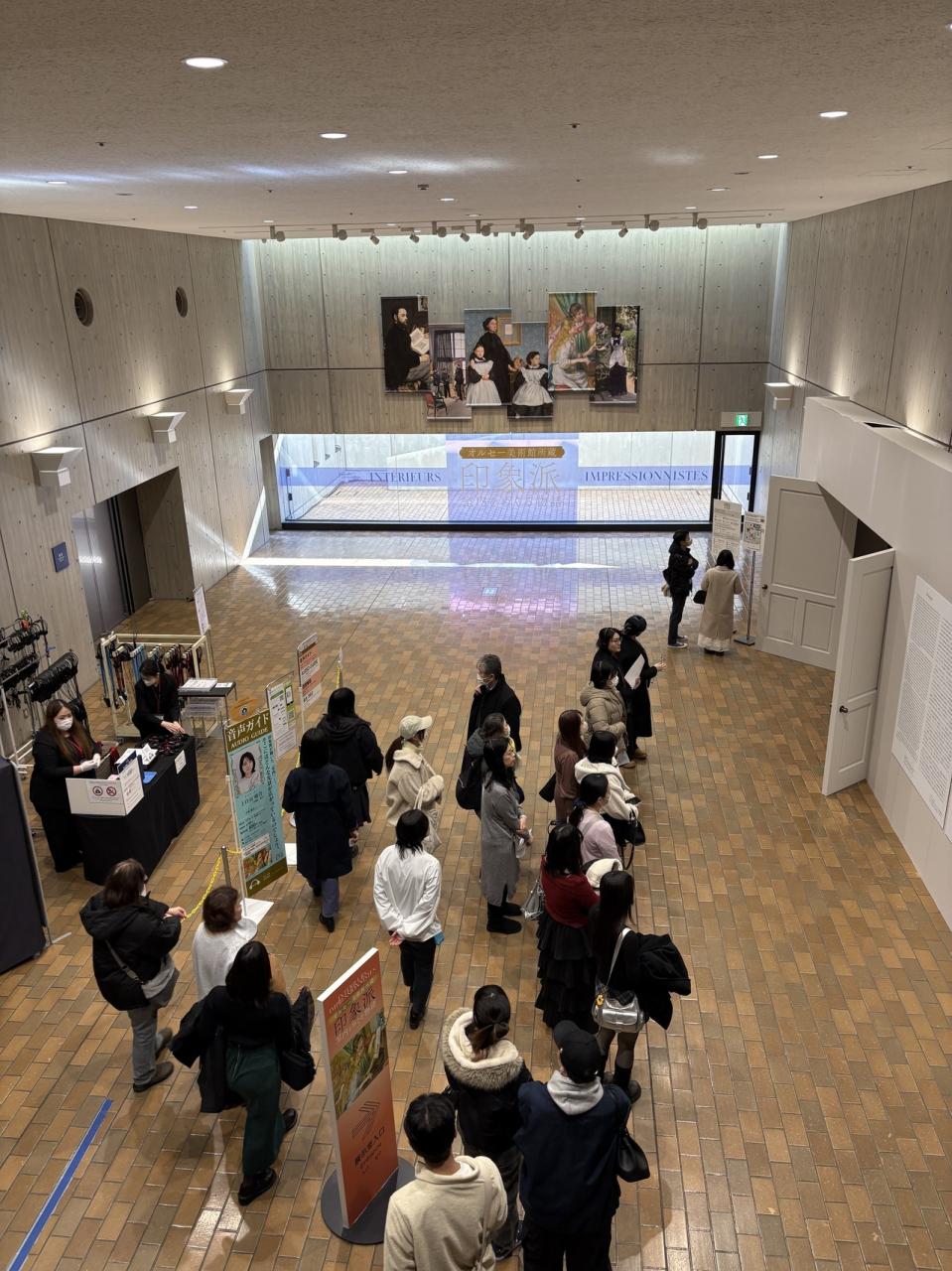
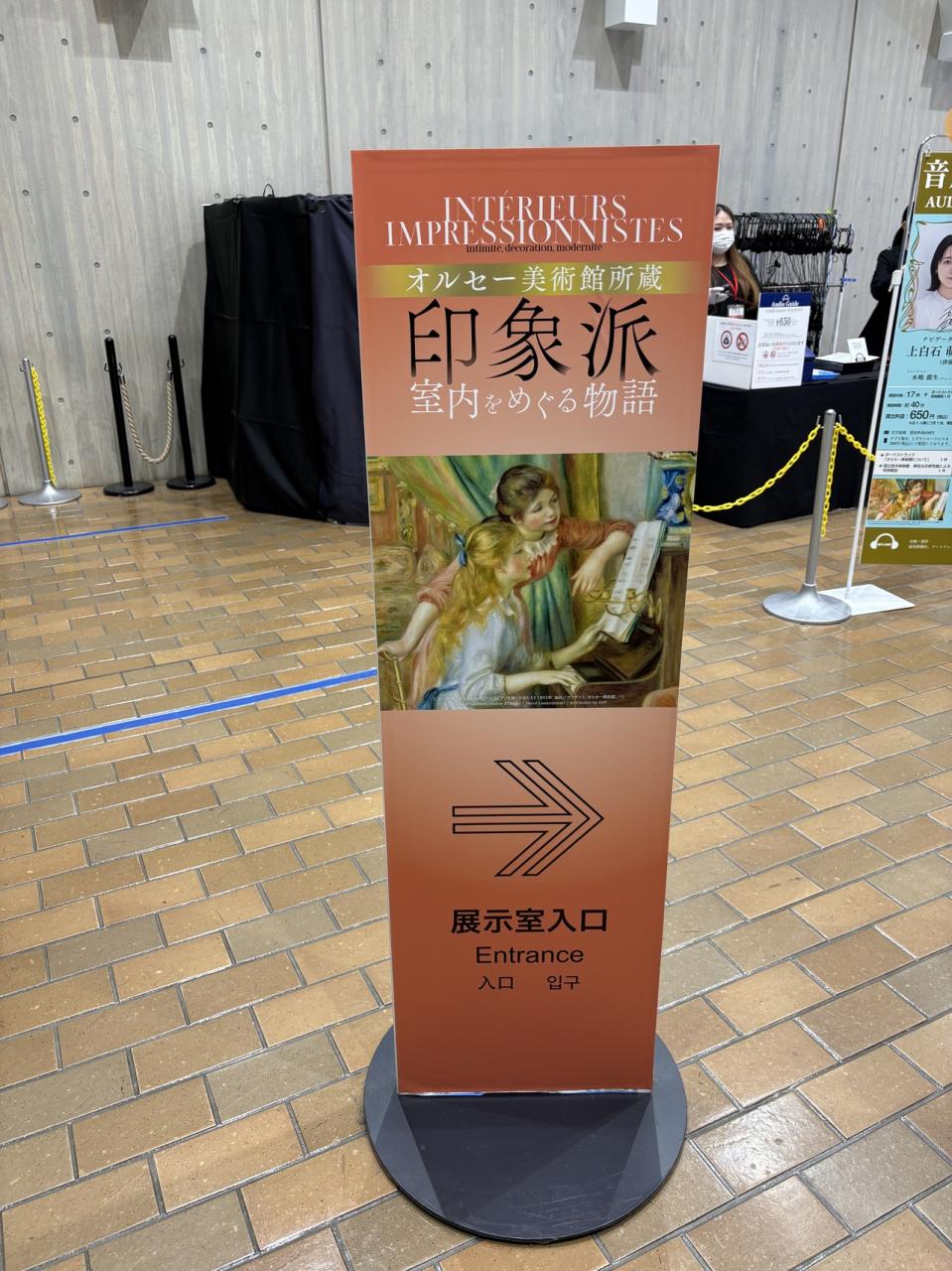
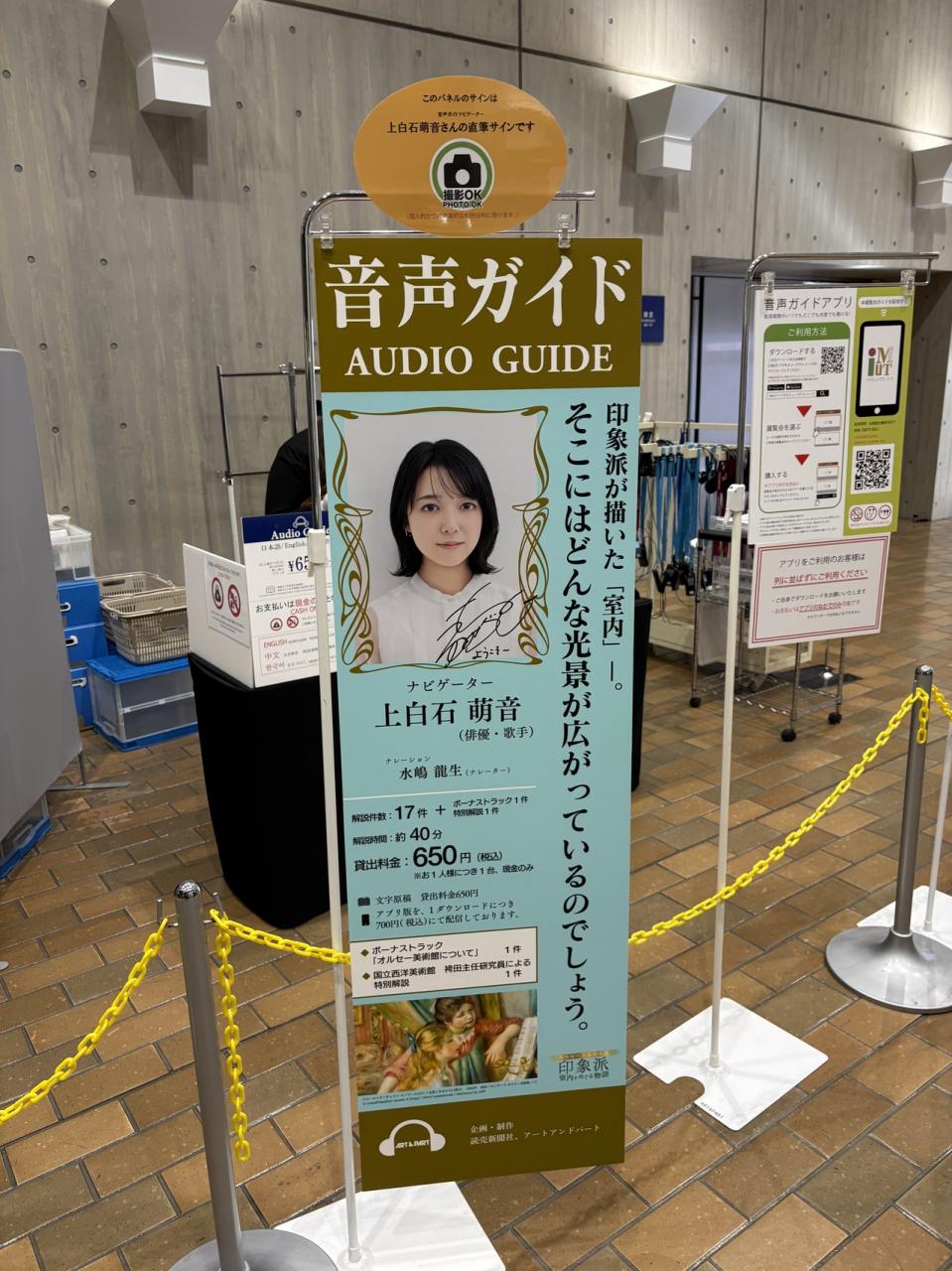
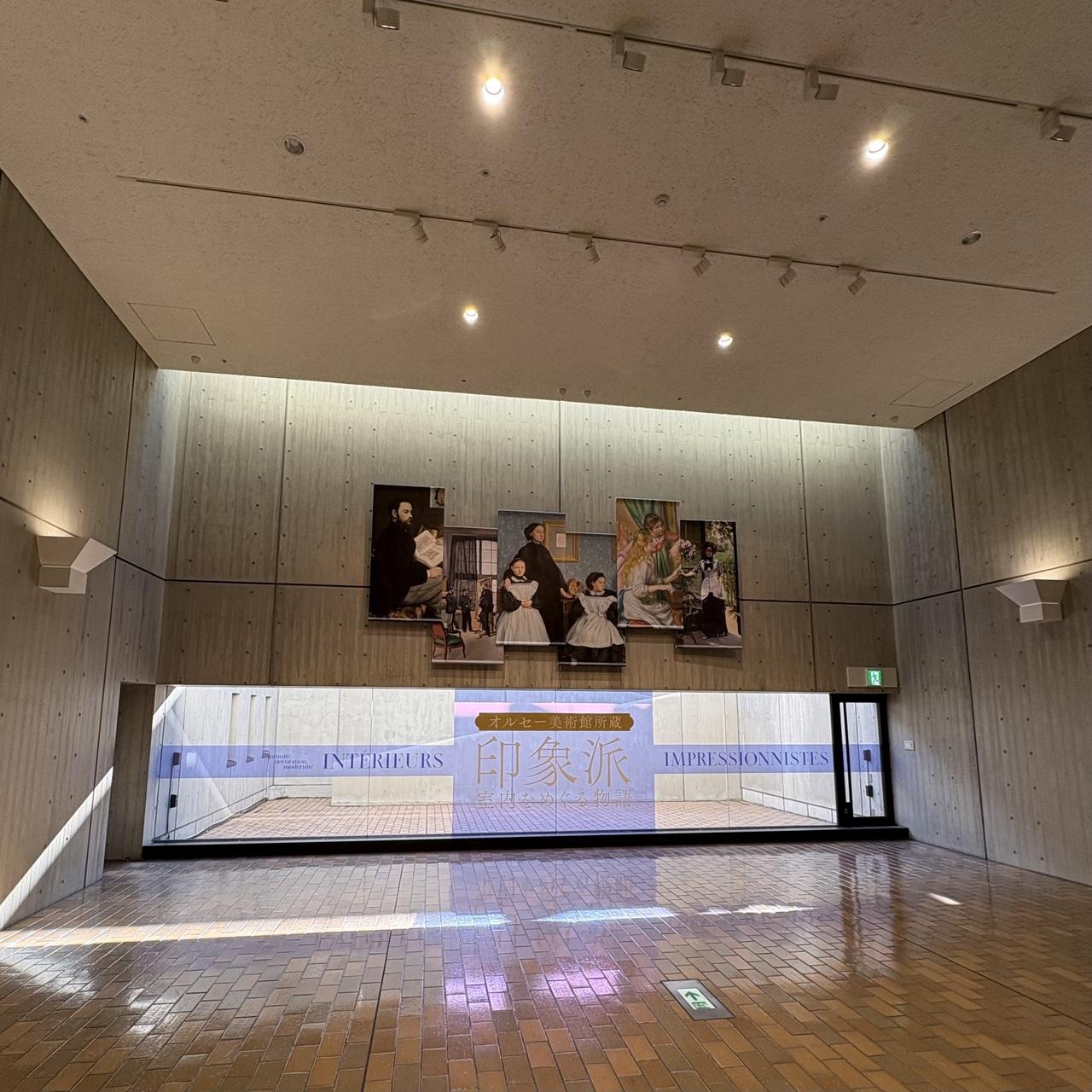
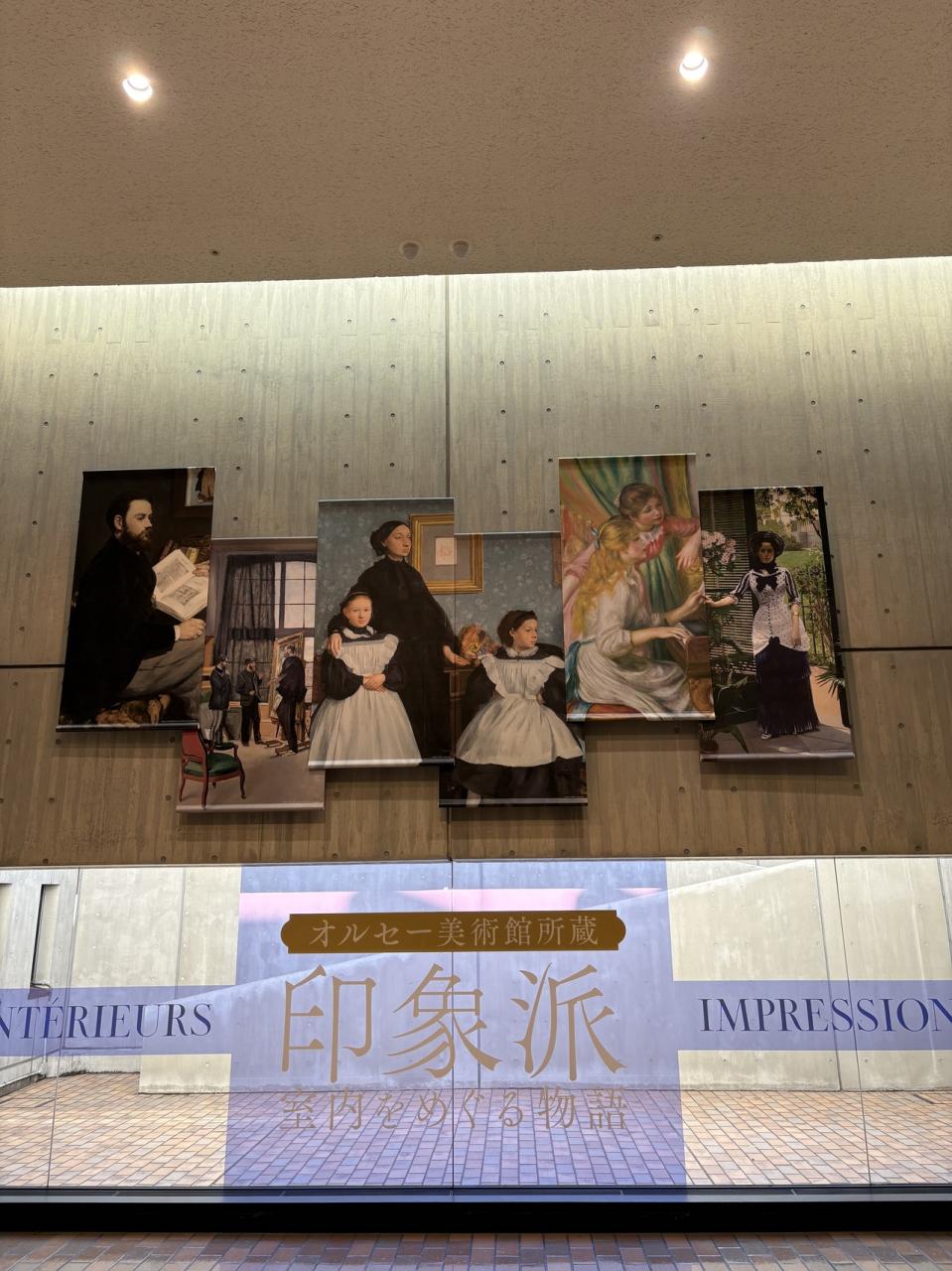
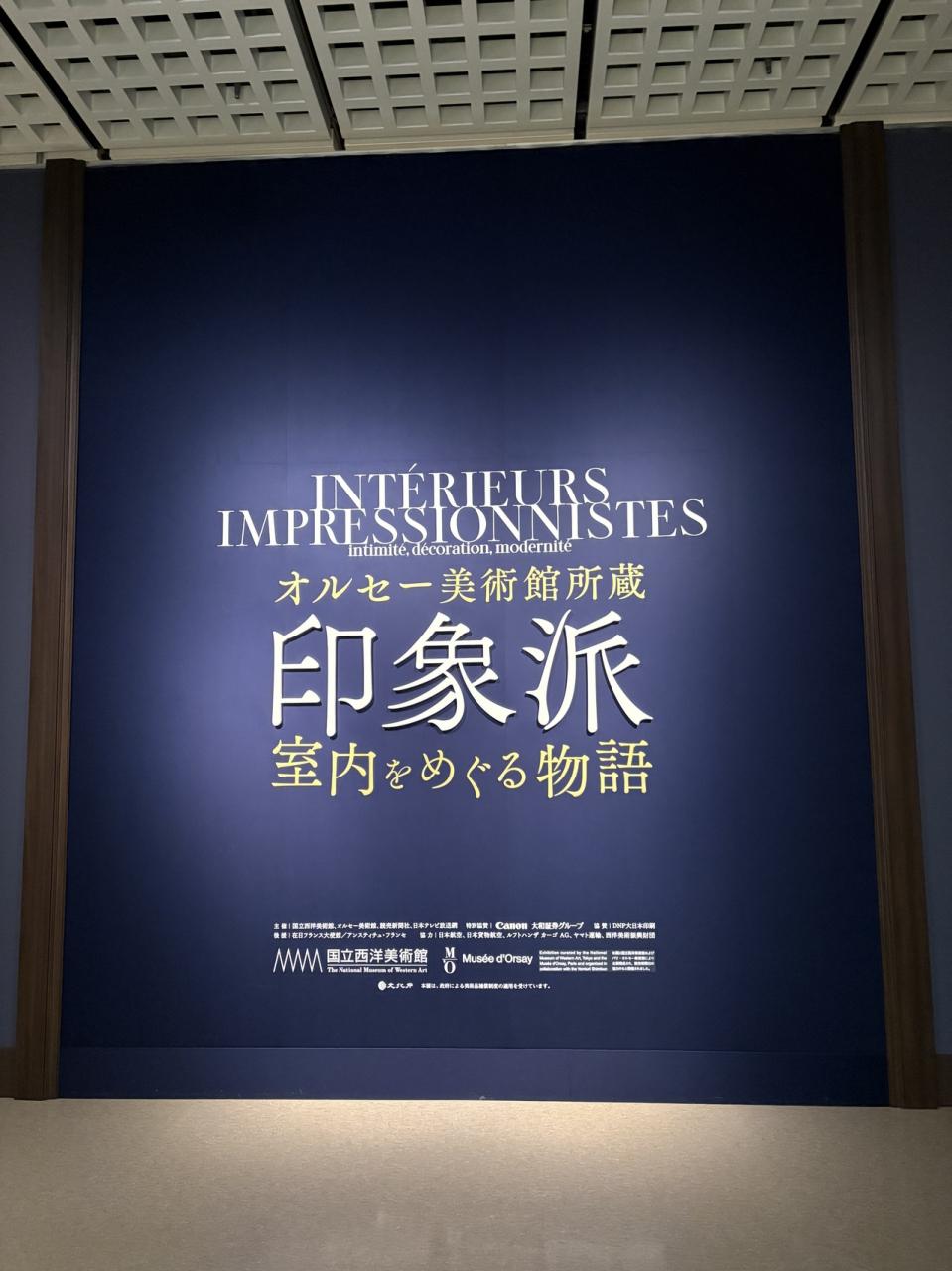
オルセー美術館所蔵 印象派 室内をめぐる物語
https://www.nmwa.go.jp/jp/exhibitions/2025orsay.html
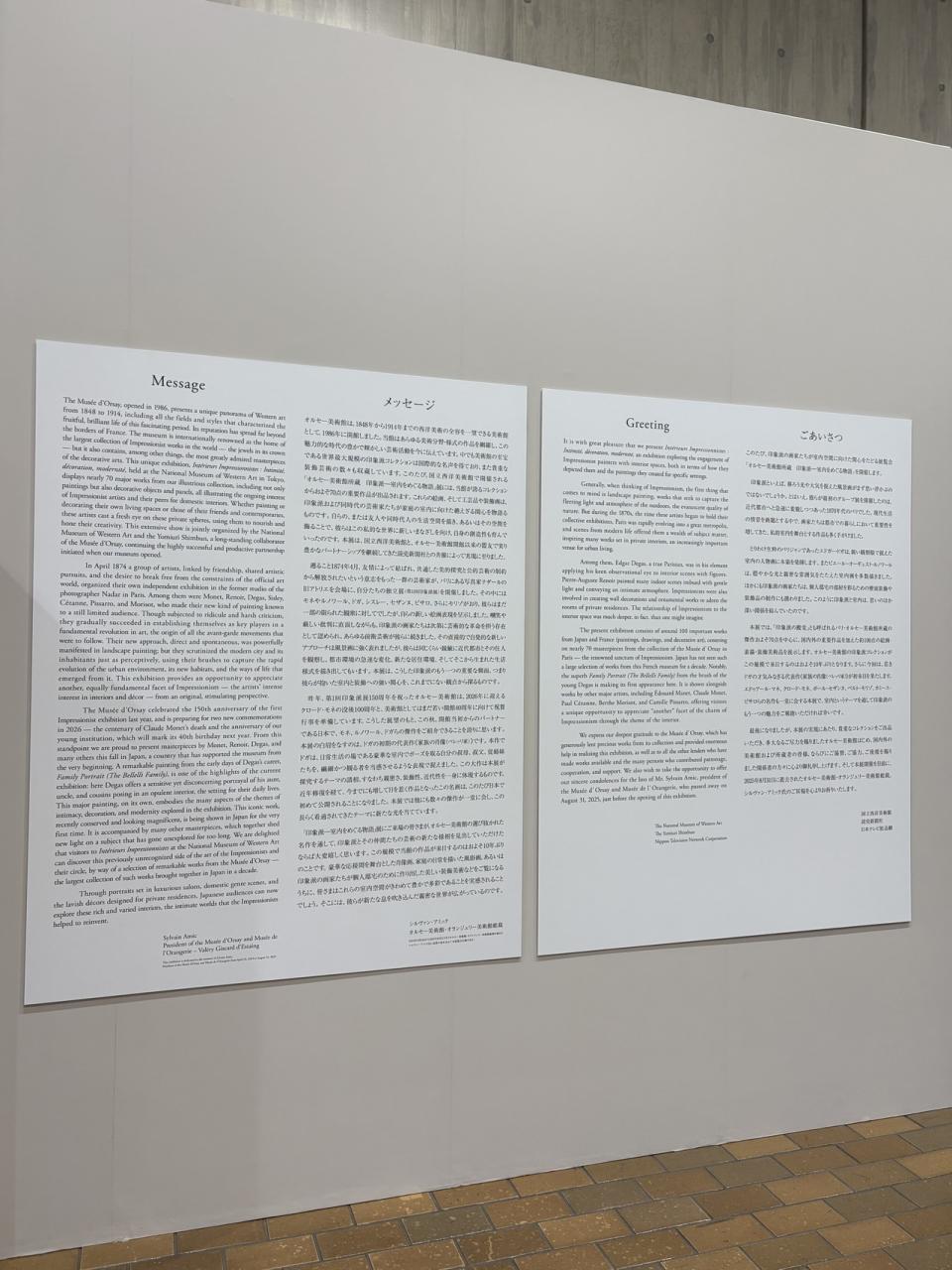
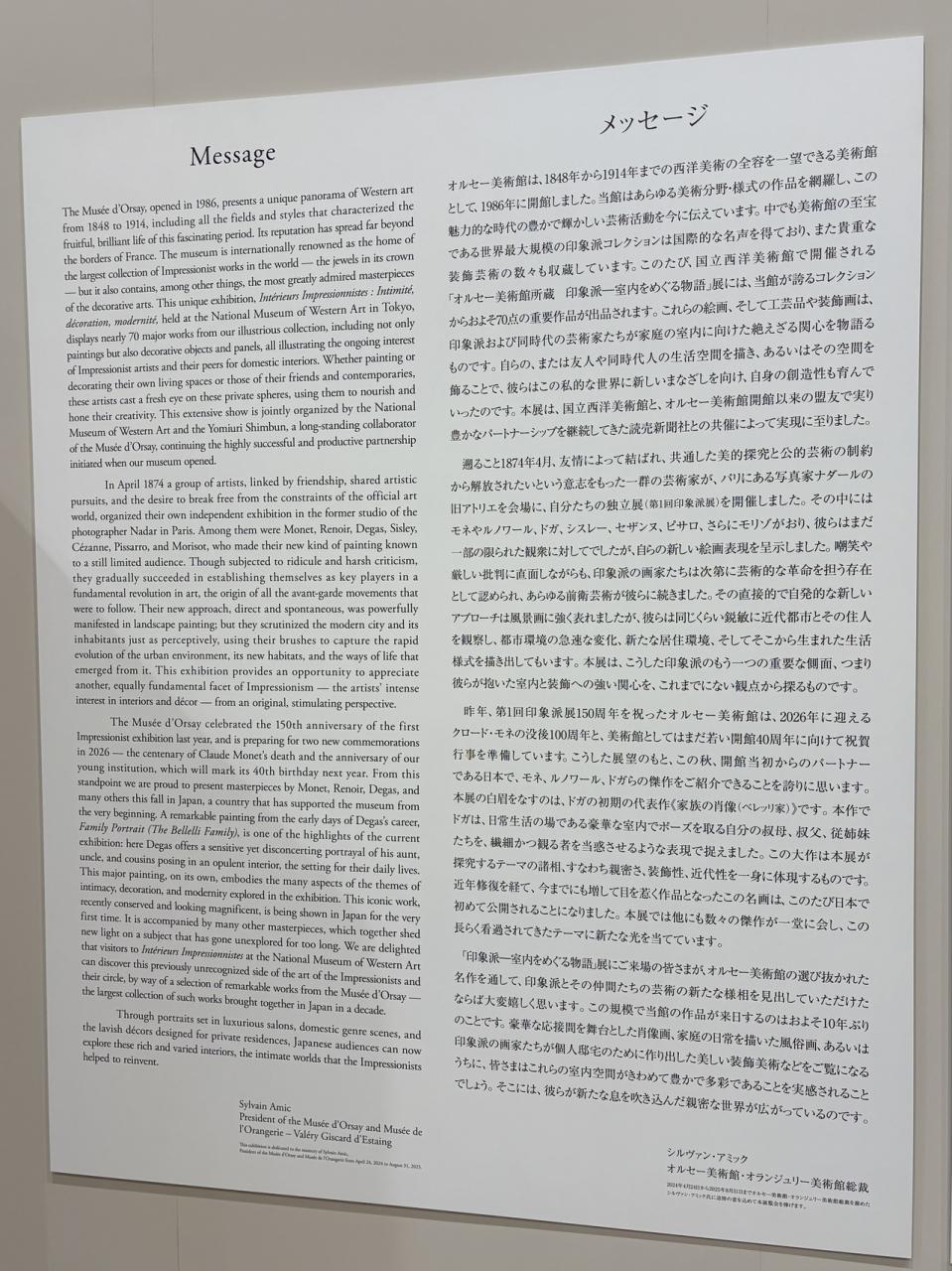
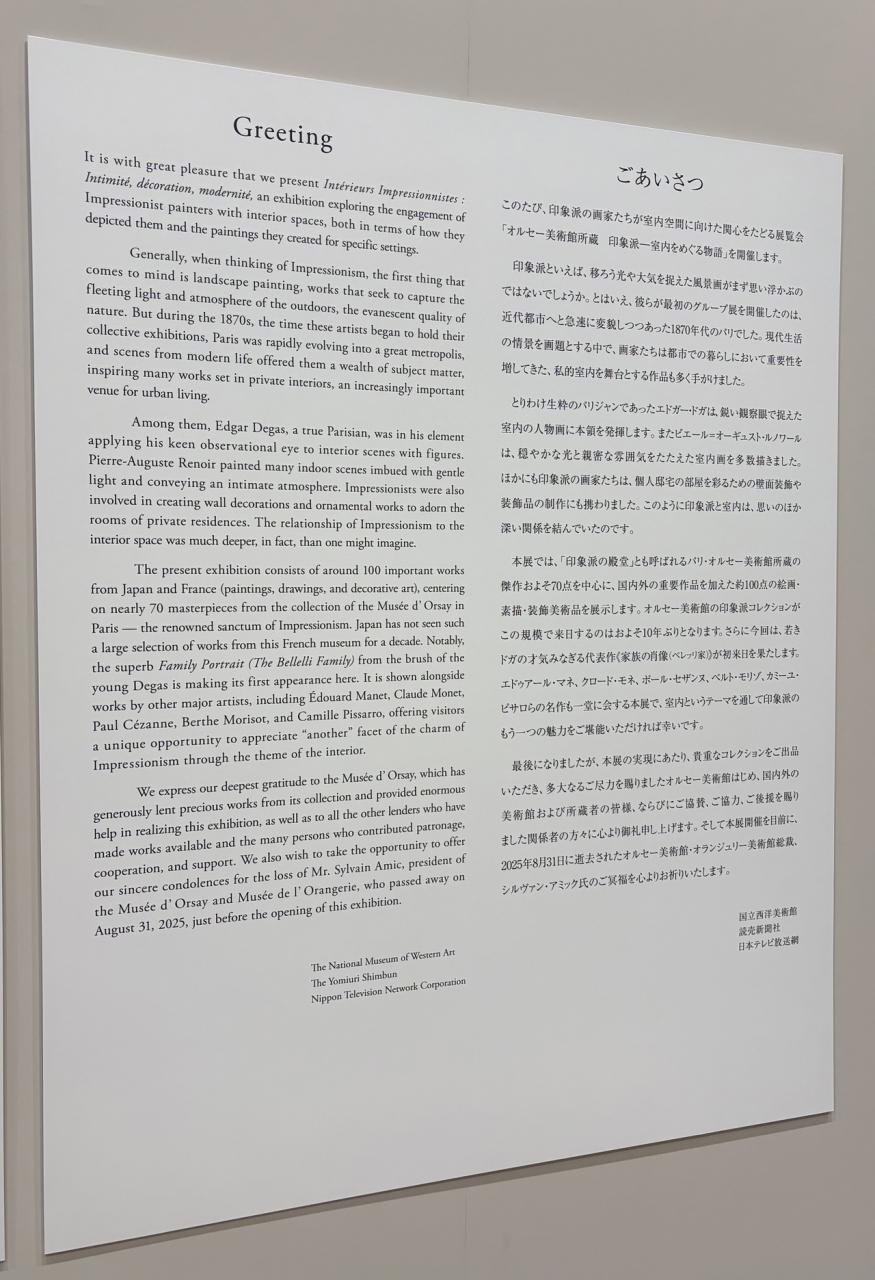
印象派といえば、移ろう光や大気をとらえた風景画がまず思い浮かぶのではないでしょうか。とはいえ、彼らが最初のグループ展を開催したのは、近代都市へと急速に変貌しつつあった1870年代のパリでした。現代生活の情景を画題とするなかで、画家たちは都市での暮らしにおいて重要性を増してきた、私的室内を舞台とする作品も多く手がけました。
とりわけ生粋のパリジャンであったエドガー・ドガは、鋭い観察眼でとらえた室内の人物画に本領を発揮します。またピエール=オーギュスト・ルノワールは、穏やかな光と親密な雰囲気をたたえた室内画を多数描きました。ほかにも印象派の画家たちは、個人邸宅の部屋を彩るための壁面装飾や装飾品の制作にも携わりました。このように印象派と室内は、思いのほか深い関係を結んでいたのです。
本展では、印象派の画家たちが室内空間に向けた関心をたどるべく、「印象派の殿堂」とも呼ばれるパリ・オルセー美術館所蔵の傑作およそ70点を中心に、国内外の重要作品を加えた約100点の絵画・素描・装飾美術品を展示します。オルセー美術館の印象派コレクションがこの規模で来日するのはおよそ10年ぶりとなります。さらに今回は、若きドガの才気みなぎる代表作《家族の肖像(ベレッリ家)》が初来日を果たします。エドゥアール・マネ、クロード・モネ、ポール・セザンヌ、カミーユ・ピサロ、ベルト・モリゾらの名作も一堂に会する本展で、室内というテーマを通して印象派のもうひとつの魅力をご堪能いただければ幸いです。
- 旅行の満足度
- 5.0
-

"TAMIYA PLAMODEL FACTORY TOKYO"
https://www.tamiya-plamodelfactory.co.jp/concept.html -
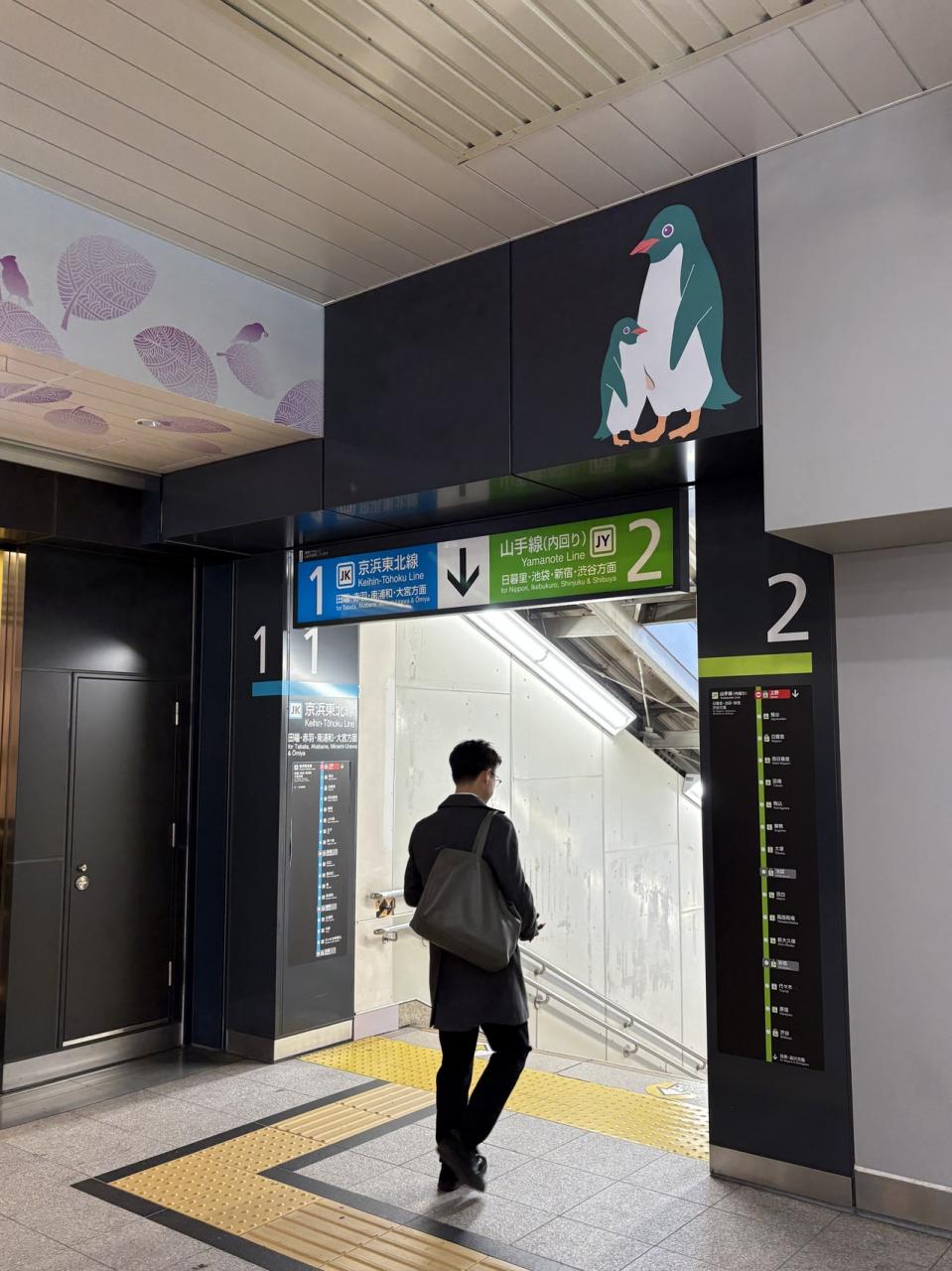
新橋駅 (JR・地下鉄) 駅
-
-
-
-
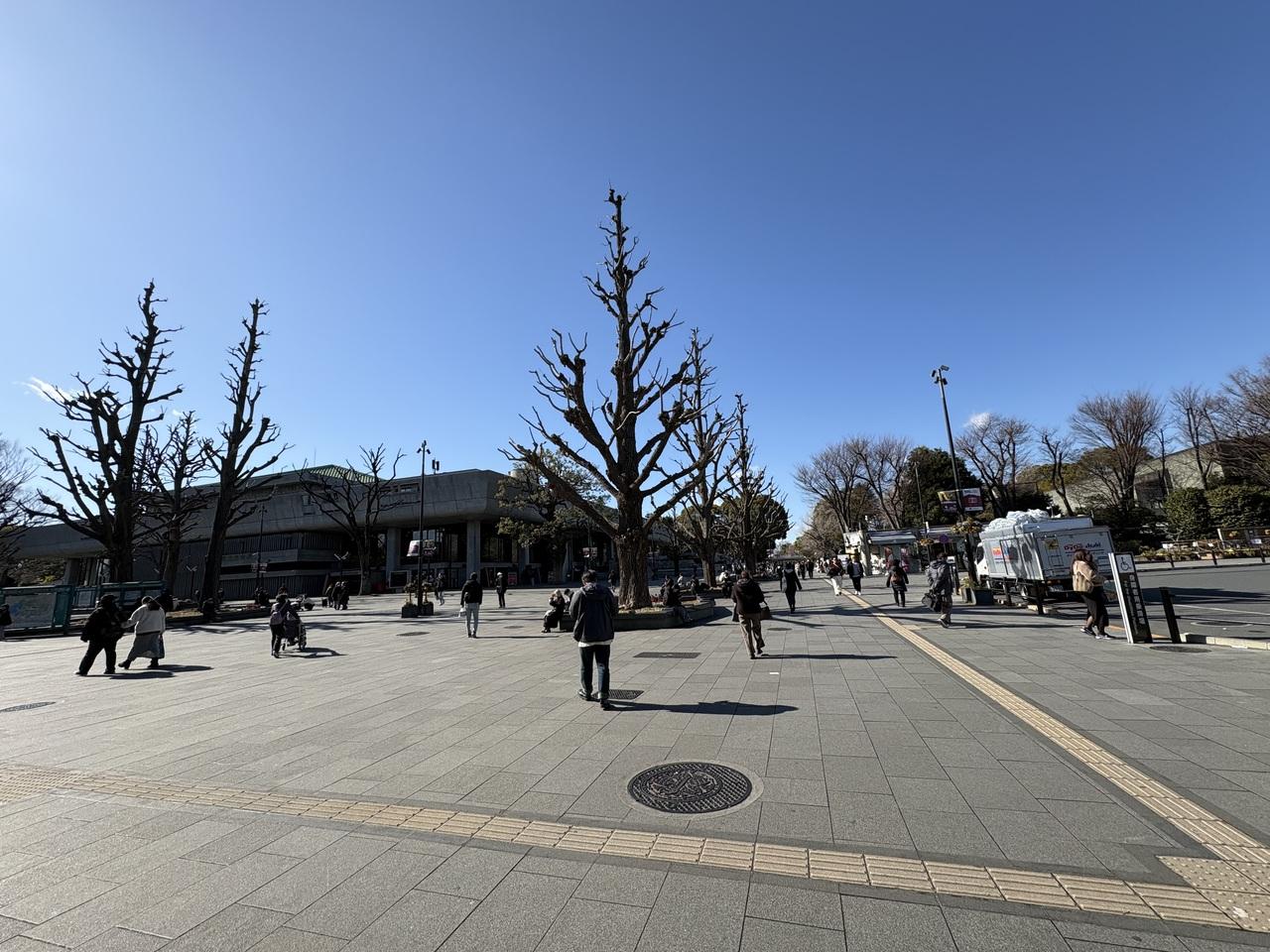
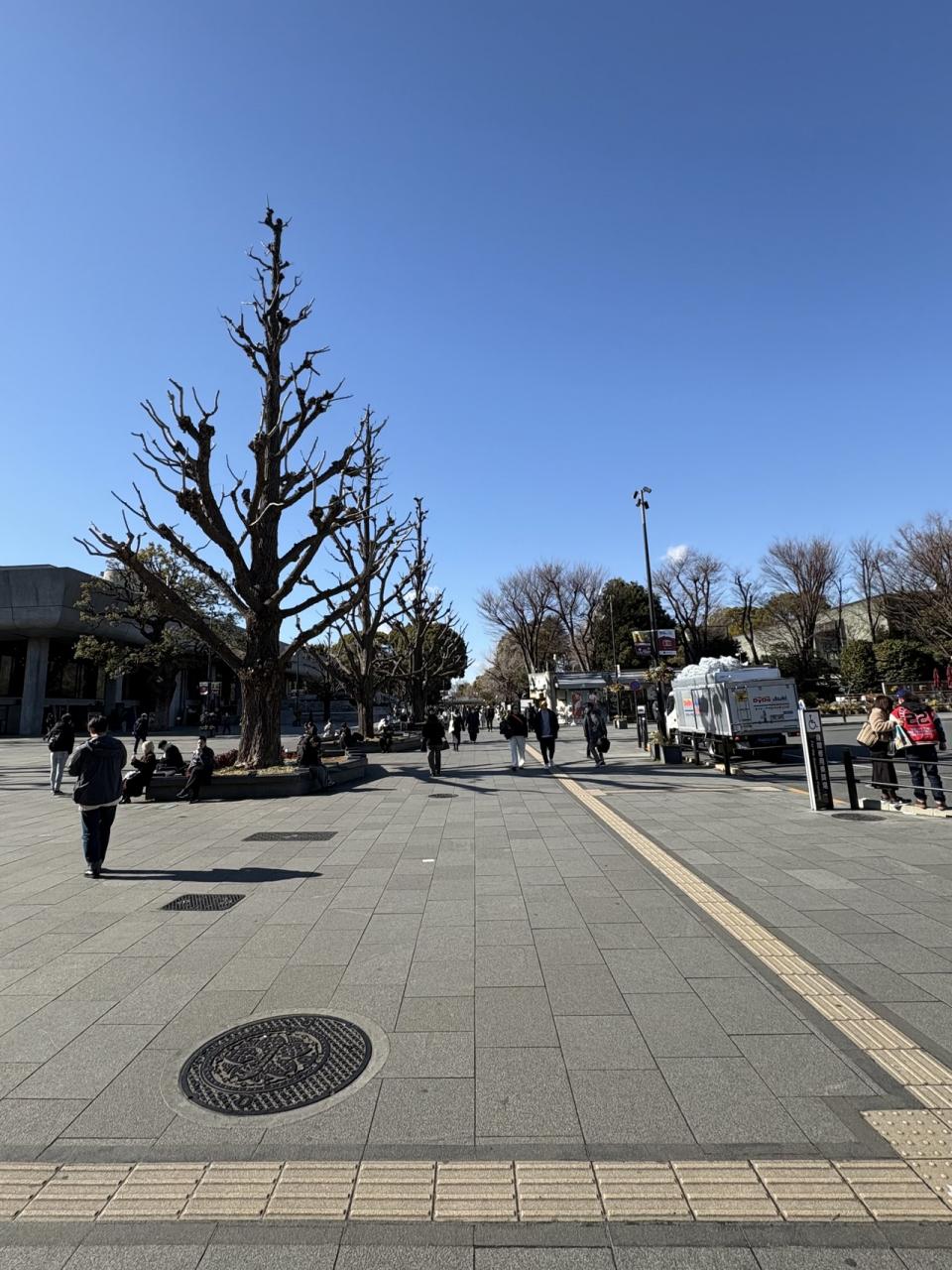
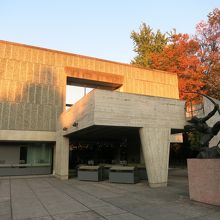
国立西洋美術館 美術館・博物館
-
-
-
-
-
-
-
-
-
-
-
-
-
-
-
-
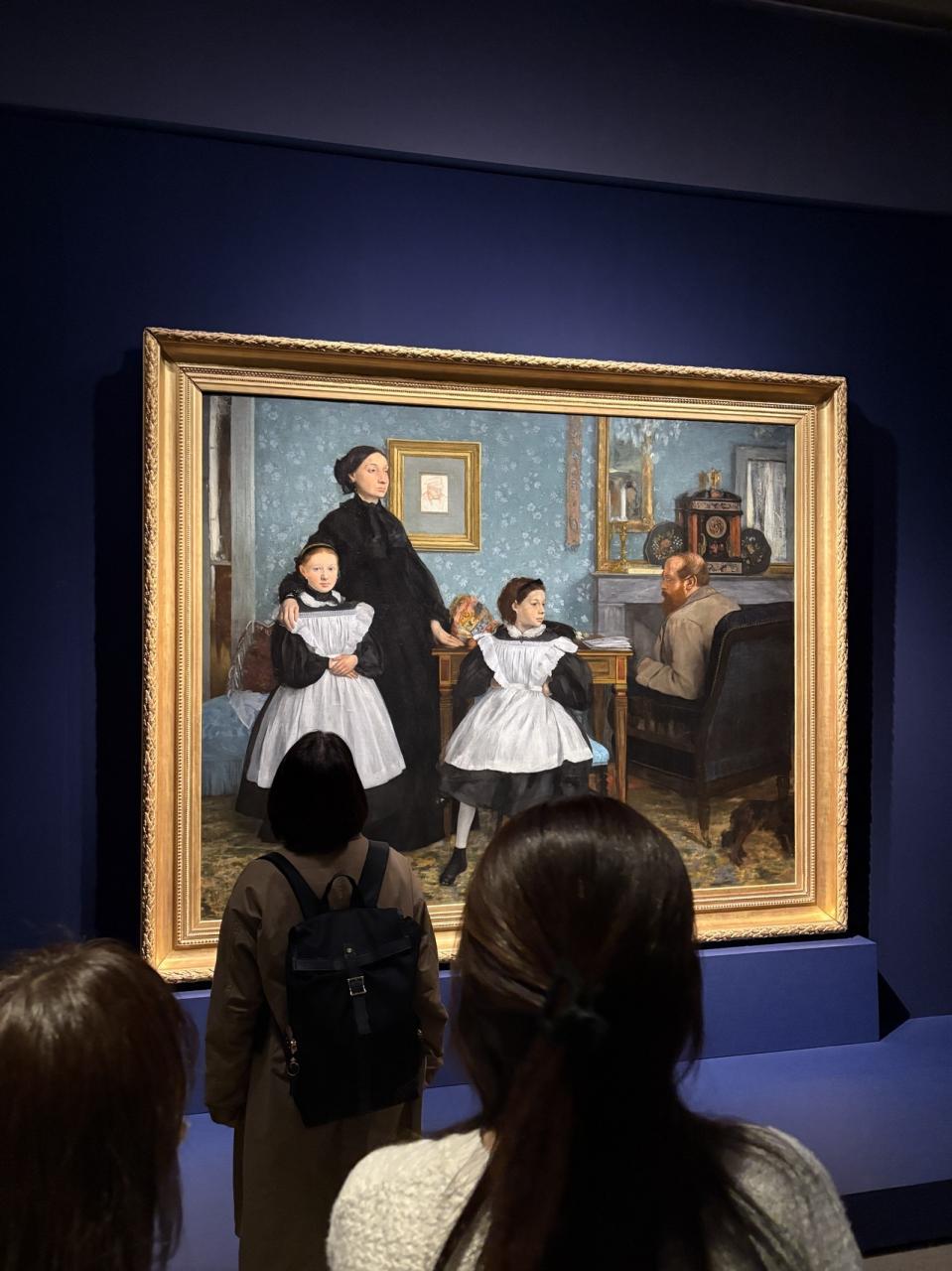
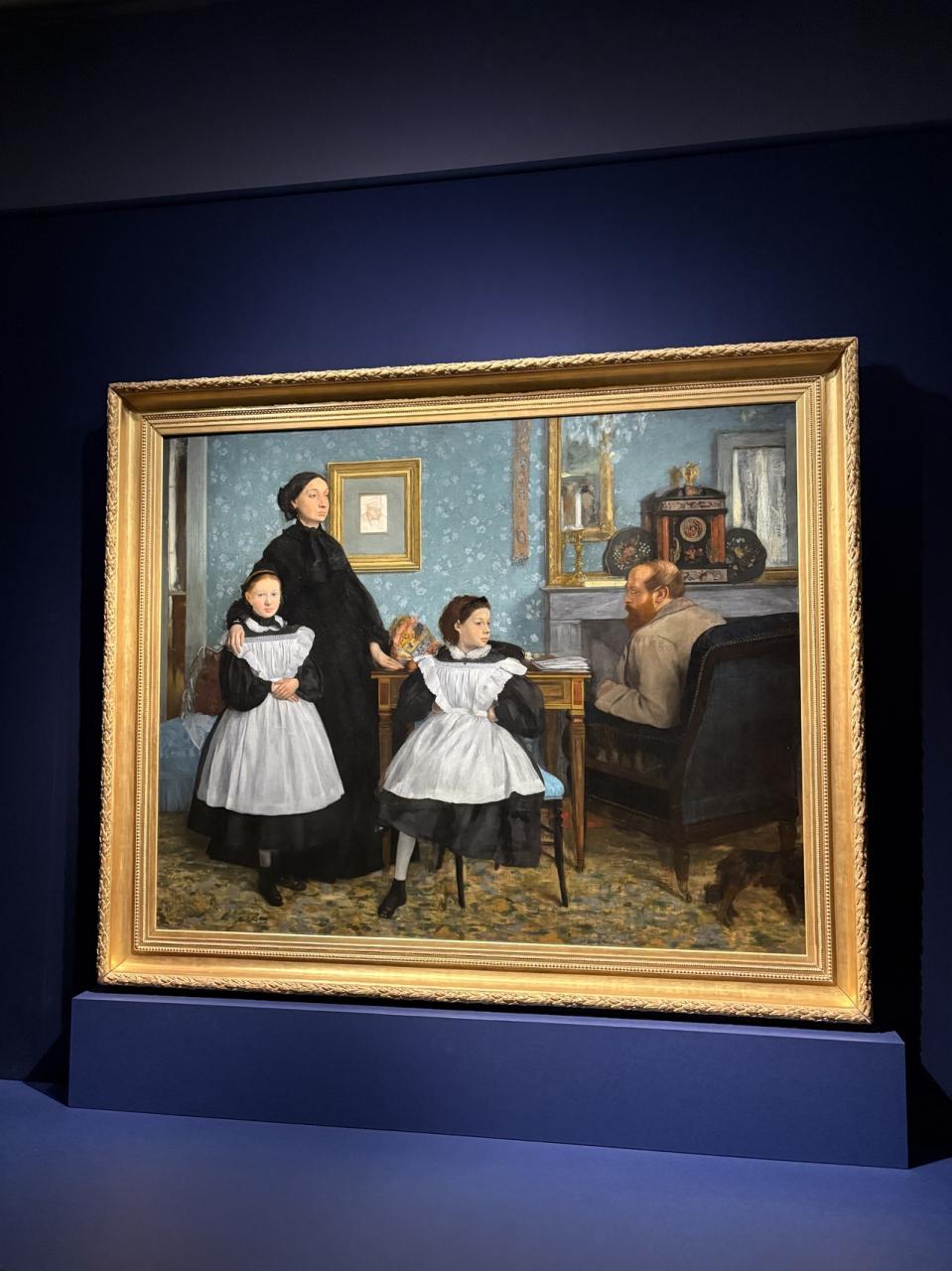
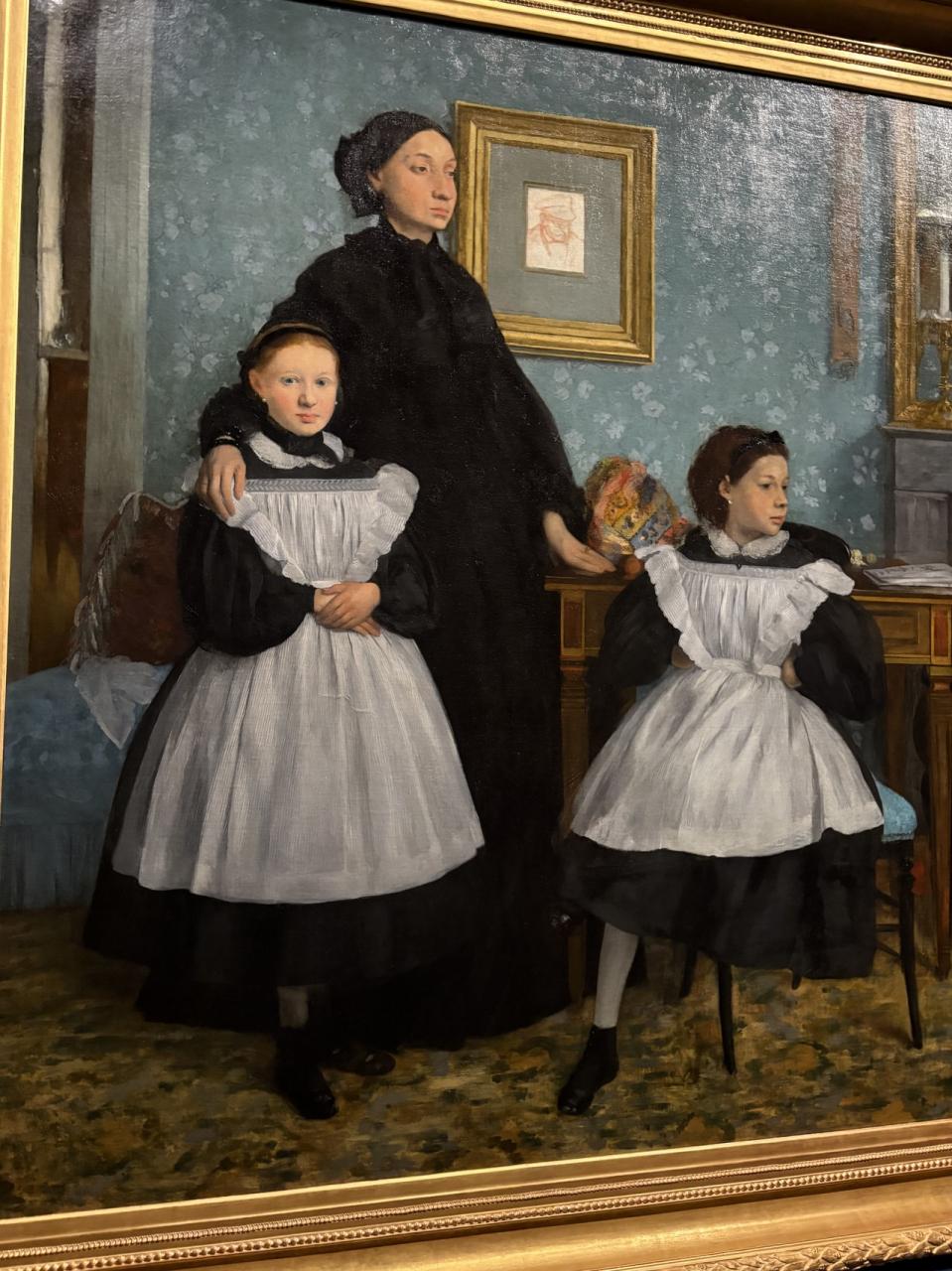
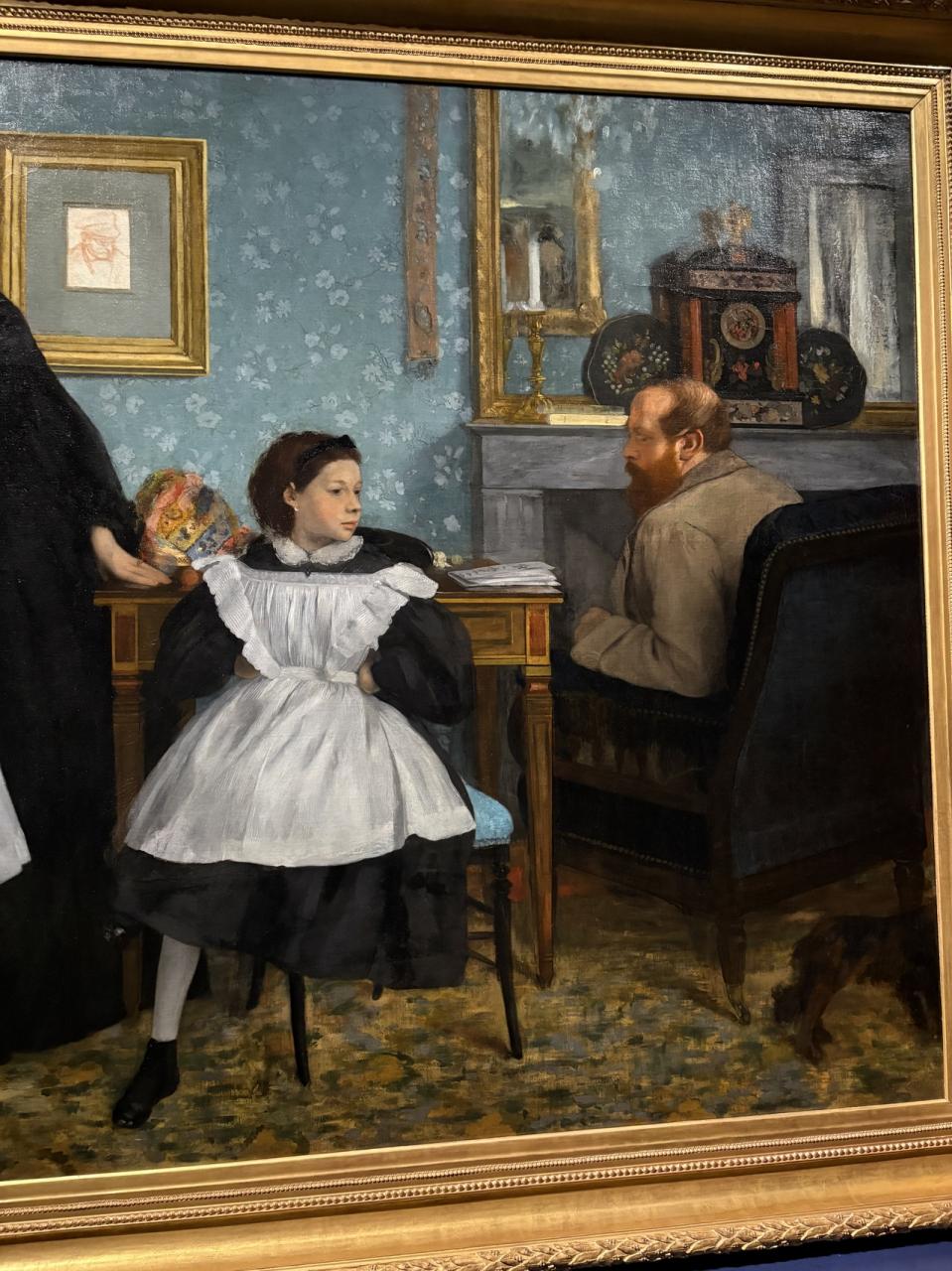
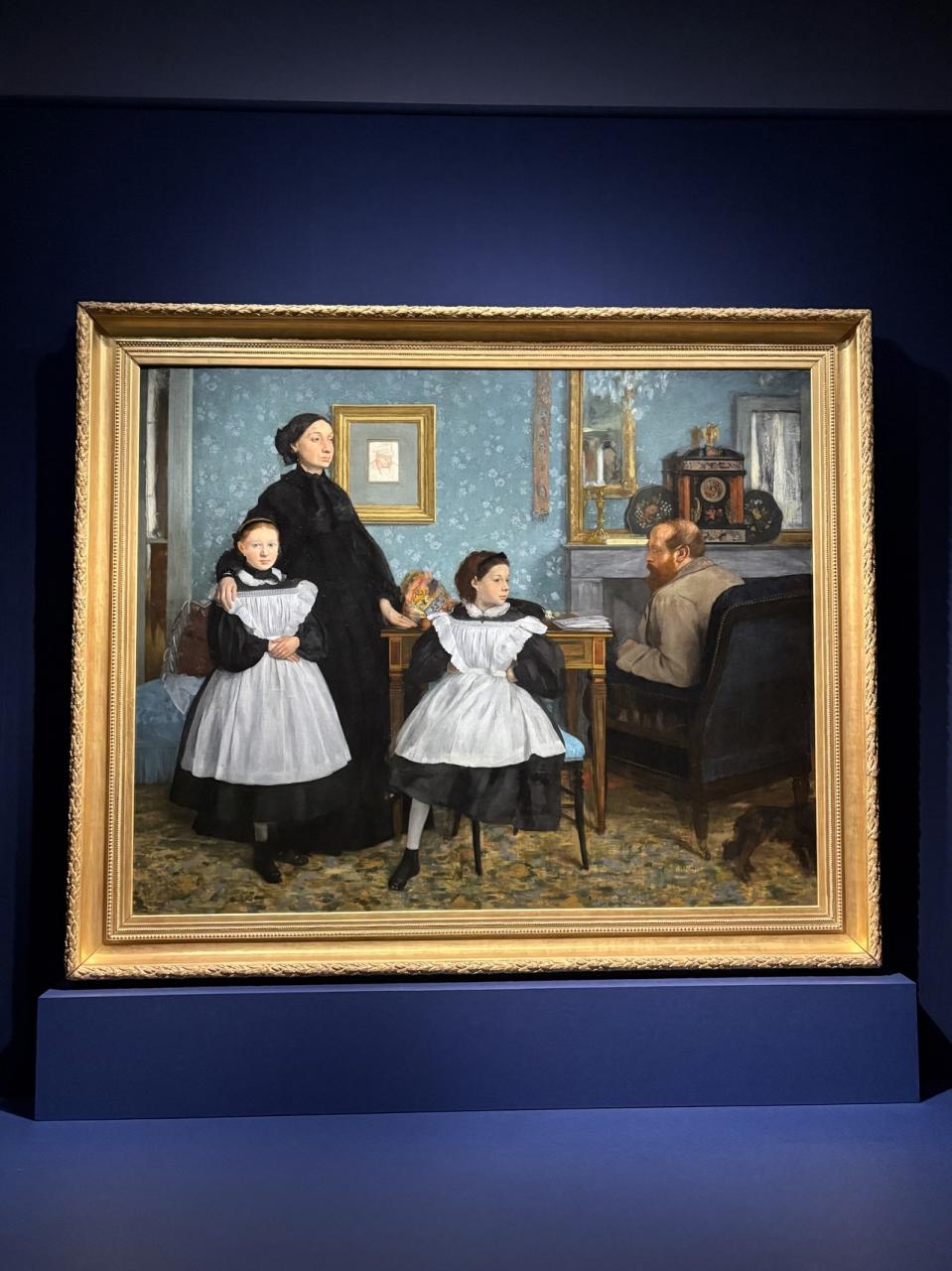
エドガー・ドガ
家族の肖像(ベレッリ家)
1858-1869年|油彩/カンヴァス
オルセー美術館
Edgar Degas
Family Portrait (The Bellelli Family)
1858-1869 | Oil on canvas
Musée d'Orsay, Paris
描かれているのはドガの叔母一家。叔父のベレッリ男爵の政治活動によってナポリを逃れ、フィレンツェで亡命生活を送っていました。黒い喪服をまとい、堂々と立つのが叔母。そばに掛かっているのは、亡くなったばかりの父親(ドガの祖父)の肖像画です。長女は行儀よくこちらを見つめ、片足を座面にあげて座る次女はお転婆そう。一方、叔父は部屋の片隅で椅子に身をうずめ、居心地が悪そうです。ドガは一つに結束した家族像を作り出すのではなく、一人ひとりの個性や心の機微を率直に捉えました。この一見フォーマルな肖像画には、常に幸福とは限らない家庭の実態が映り込んでいます。
The painting shows Degas's aunt and her family, who had fled Naples because of his uncle Baron Bellelli's political activities and were living in exile in Florence. The aunt stands with dignity in a black mourning dress, beside a portrait of her recently deceased father (Degas's grandfather). The elder daughter gazes out demurely, while the younger, seated with one foot on the charpars more tomboyish. The uncle, by contrast, slumps in a chair in the corner of the room, looking ill at case. Rather than presenting an image of a united family, Degas frankly captured each member's distinct character and inner state. Despite its formal appearance, the painting lays bare the reality of a family life that was not always joyous. -
-
-
-
-
-
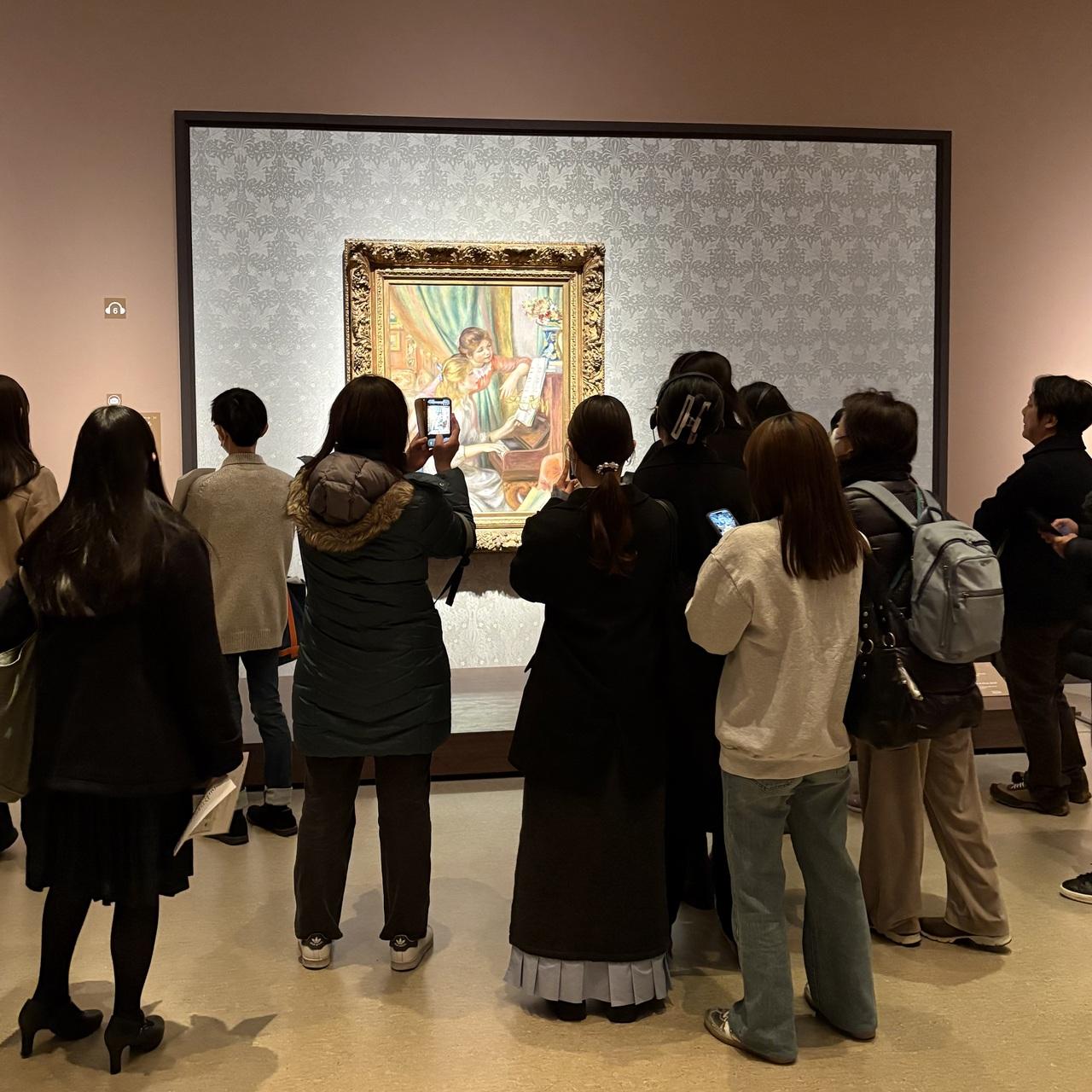
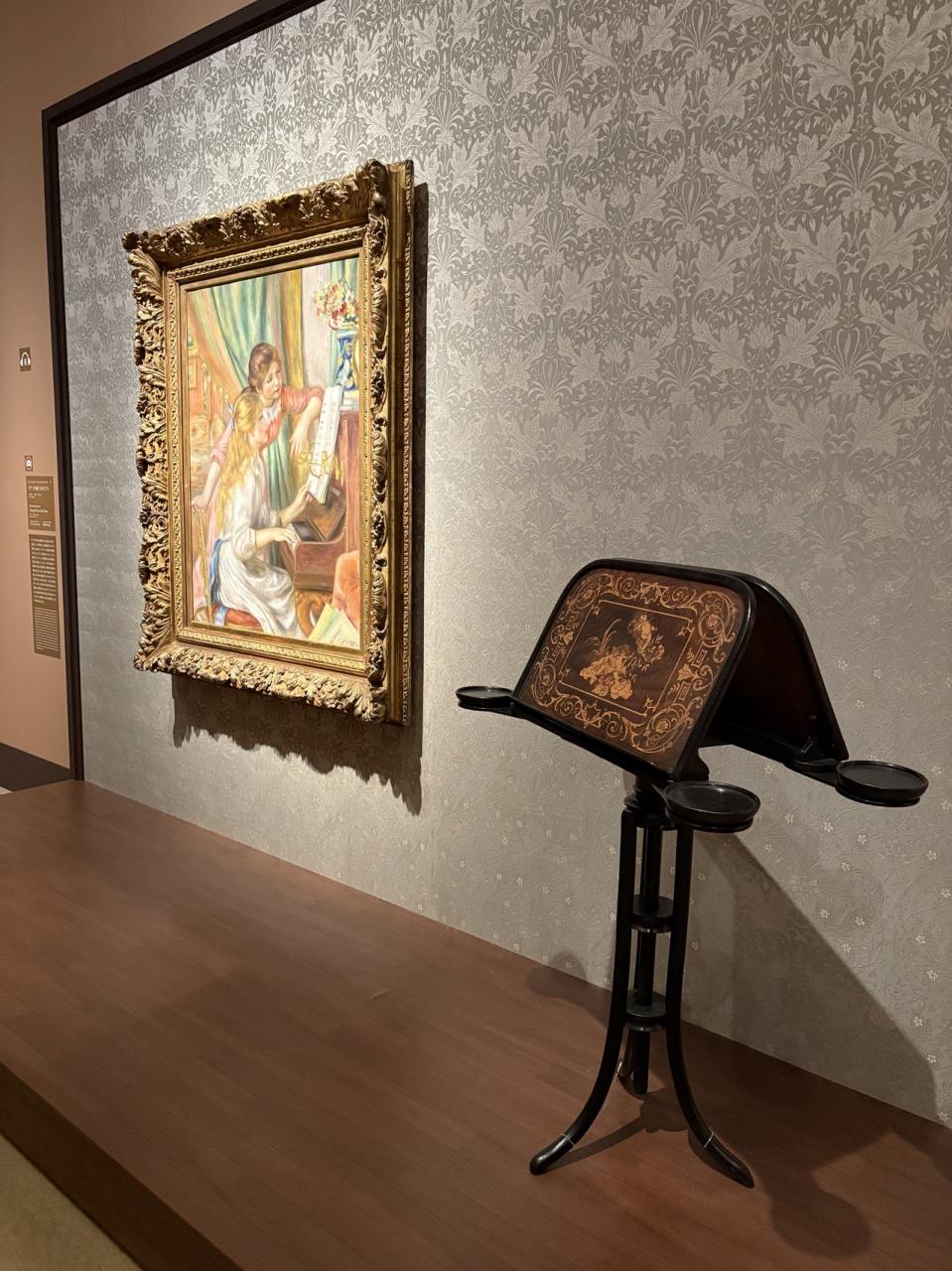
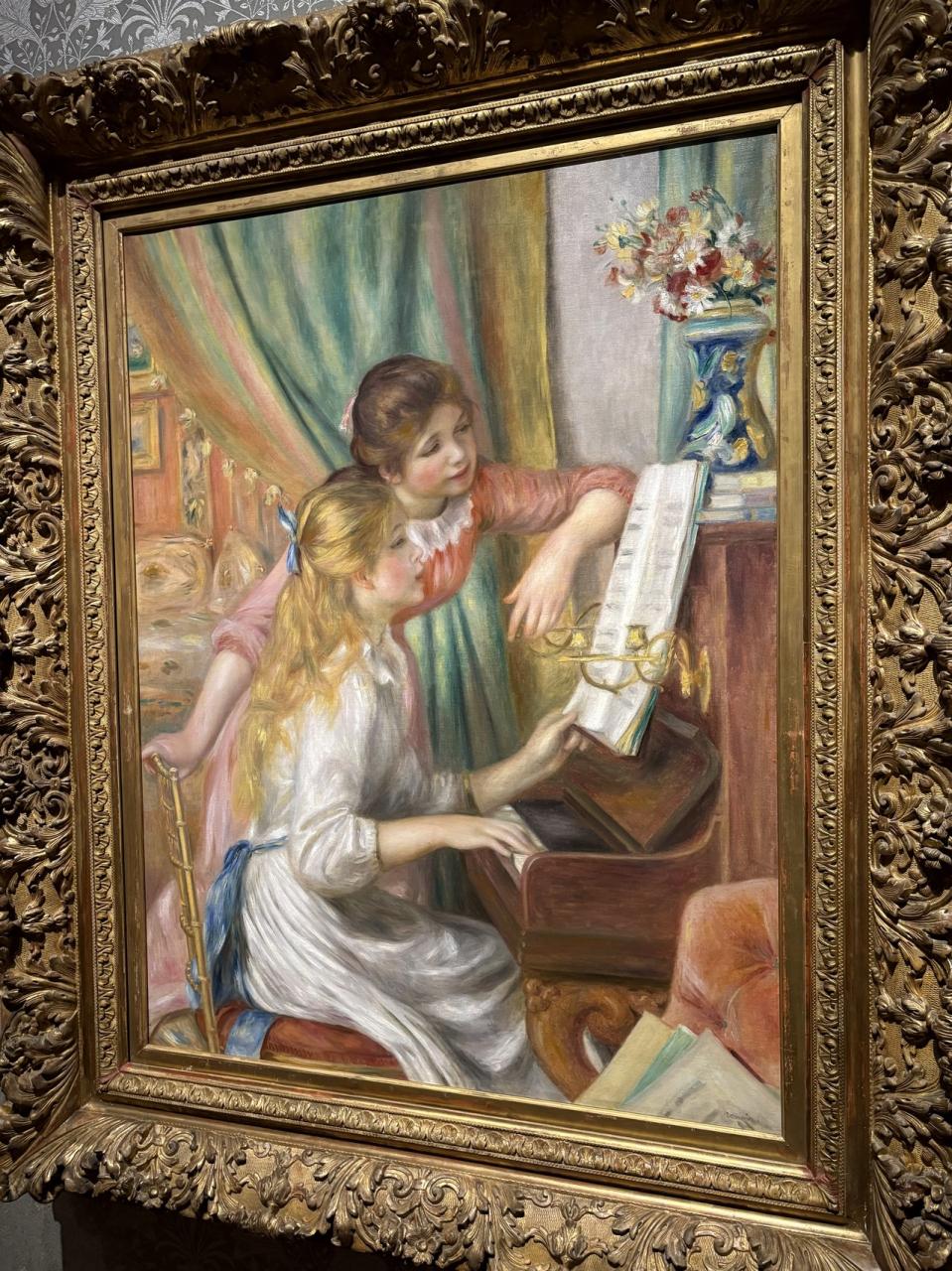
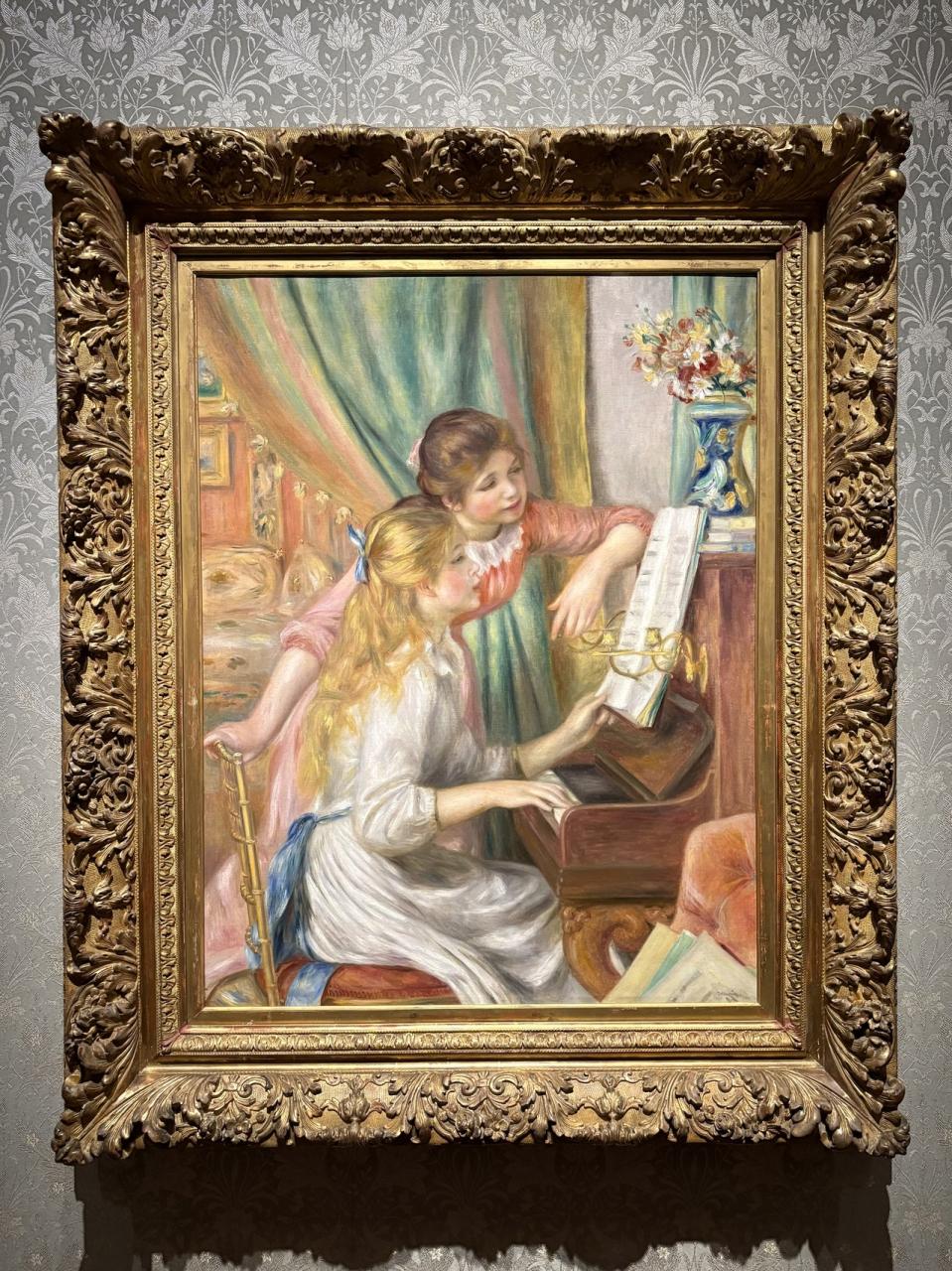
ピエール=オーギュスト・ルノワール
ピアノを弾く少女たち
1892年|油彩/カンヴァス
オルセー美術館
Pierre-Auguste Renoir
Young Girls at the Piano
1892 | Oil on canvas Musée d'Orsay, Paris
ピアノの所有は裕福さと文化的な生活を意味し、その演奏は上流階級の子女の暗みとされました。ルノワールは流行の画題でもあったピアノ演奏をモティーフに、優雅でくつろいだ理想的な家庭像を見事に表現しています。本作は暖かい色調や柔らかな筆致など画家の後期の作風をよく示し、ぱい彩の協演は室内に満ちる音楽を視覚化するかのようです。19世紀末には印象派も一定の評価を得つつあり、本作も時の美術局長からの要請により制作されたものです。ルノワールによる同様の構図の作品が6点知られていますが、最終的に本作が国家買い上げの栄誉に浴しました。
In nineteenth-century France, piano symbolized affluence and a refined lifestyle, and playing it was regarded as one of the accomplishments for the children of the upper classes.Here Renoir has masterfully crafted an idealized portrayal of domestic life, characterized by its elegance and tranquility, taking the piano performance, a popular subject at the time, as his motif. This work exemplifies the artist's later style, characterized by its warm tones and delicate brushwork.The vibrant interplay of colors scems to visualize the music permeating the room. By the late nineteenth century, Impressionism had garnered substantial public recognition, as evidenced by this work that was commissioned by the Director of Fine Arts at the time. Although Renoir is known to have produced six works with similar compositions, this particular painting ultimately secured the distinction of being acquired by the state. -
-
-
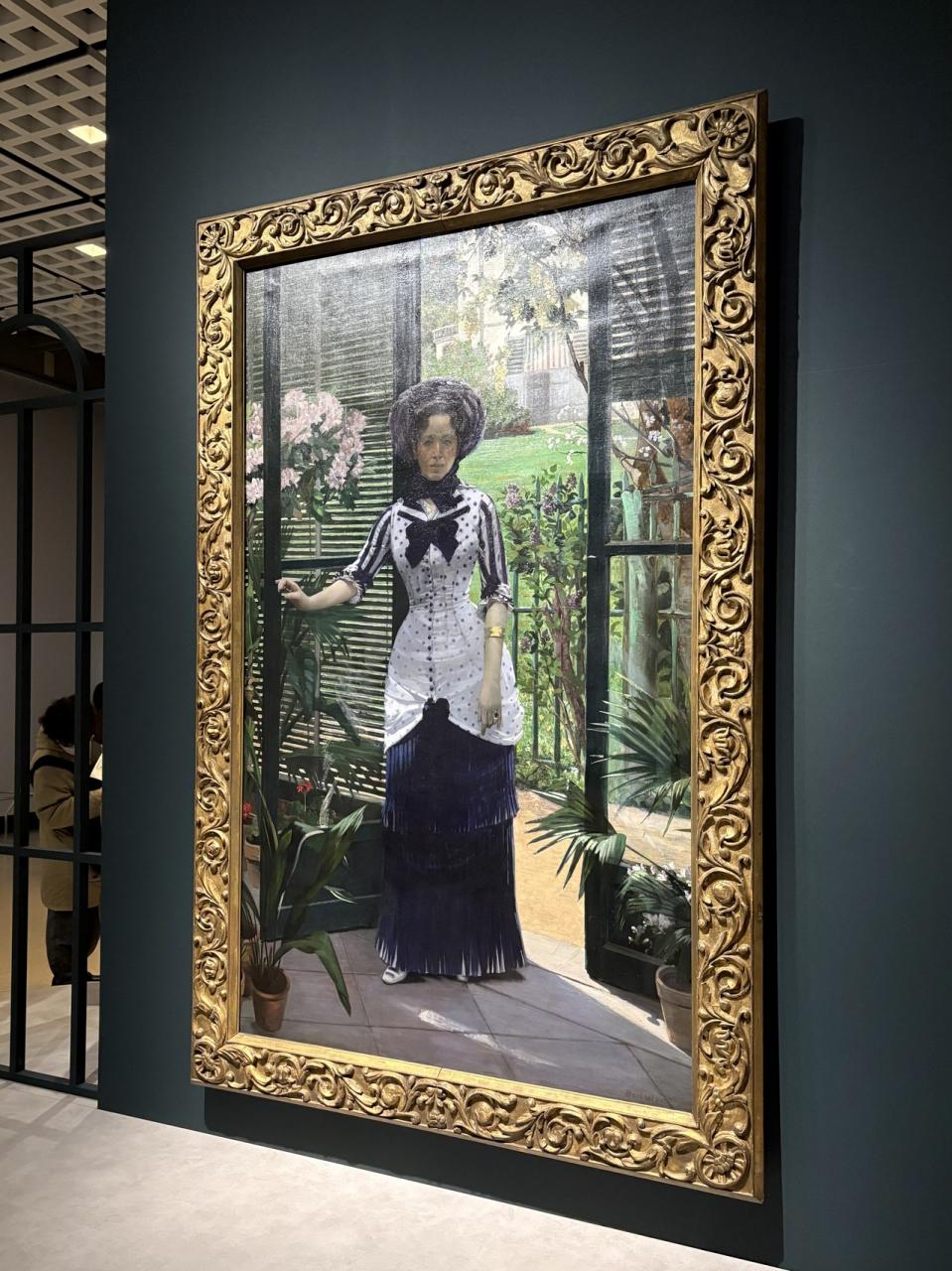
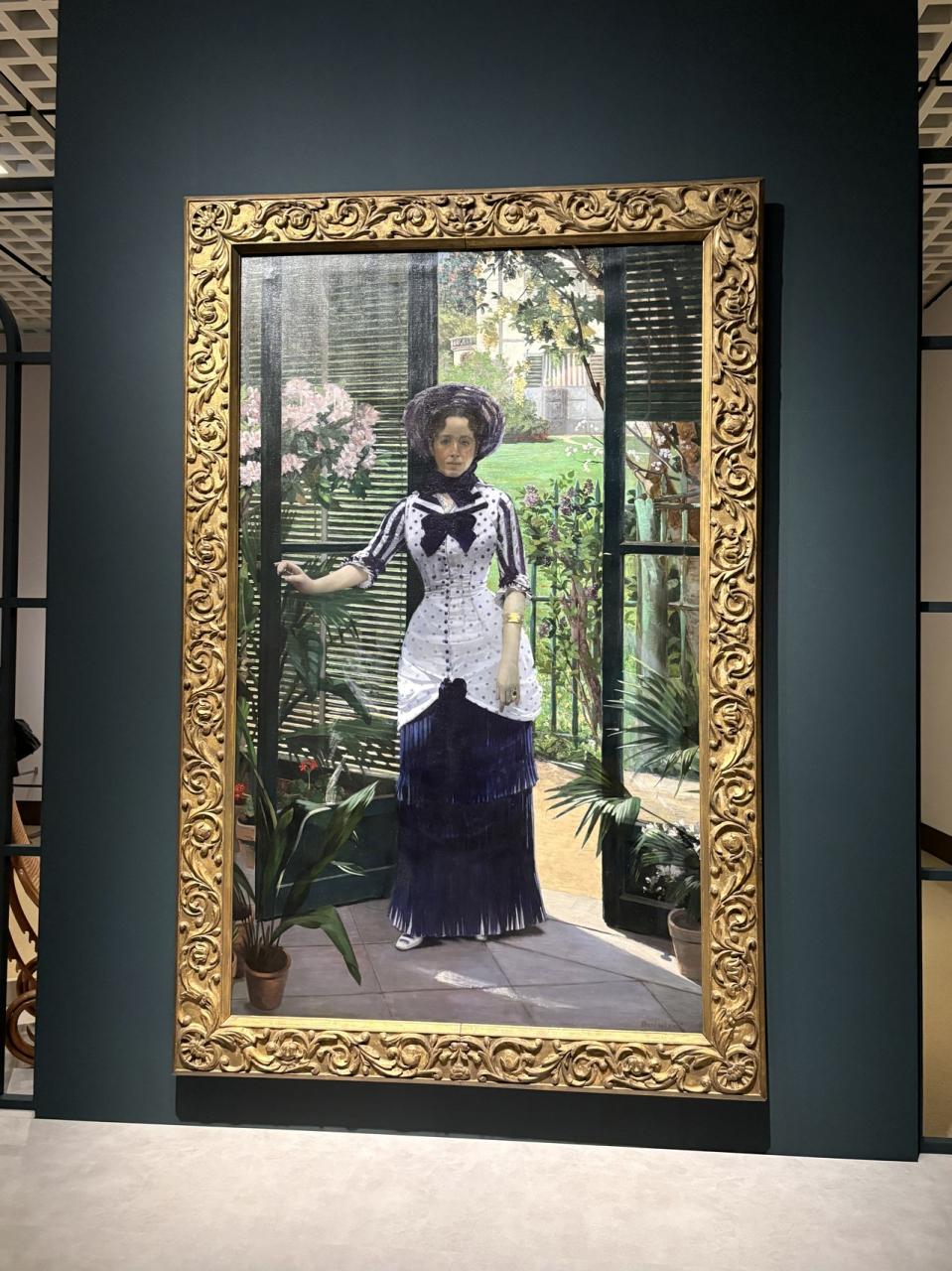
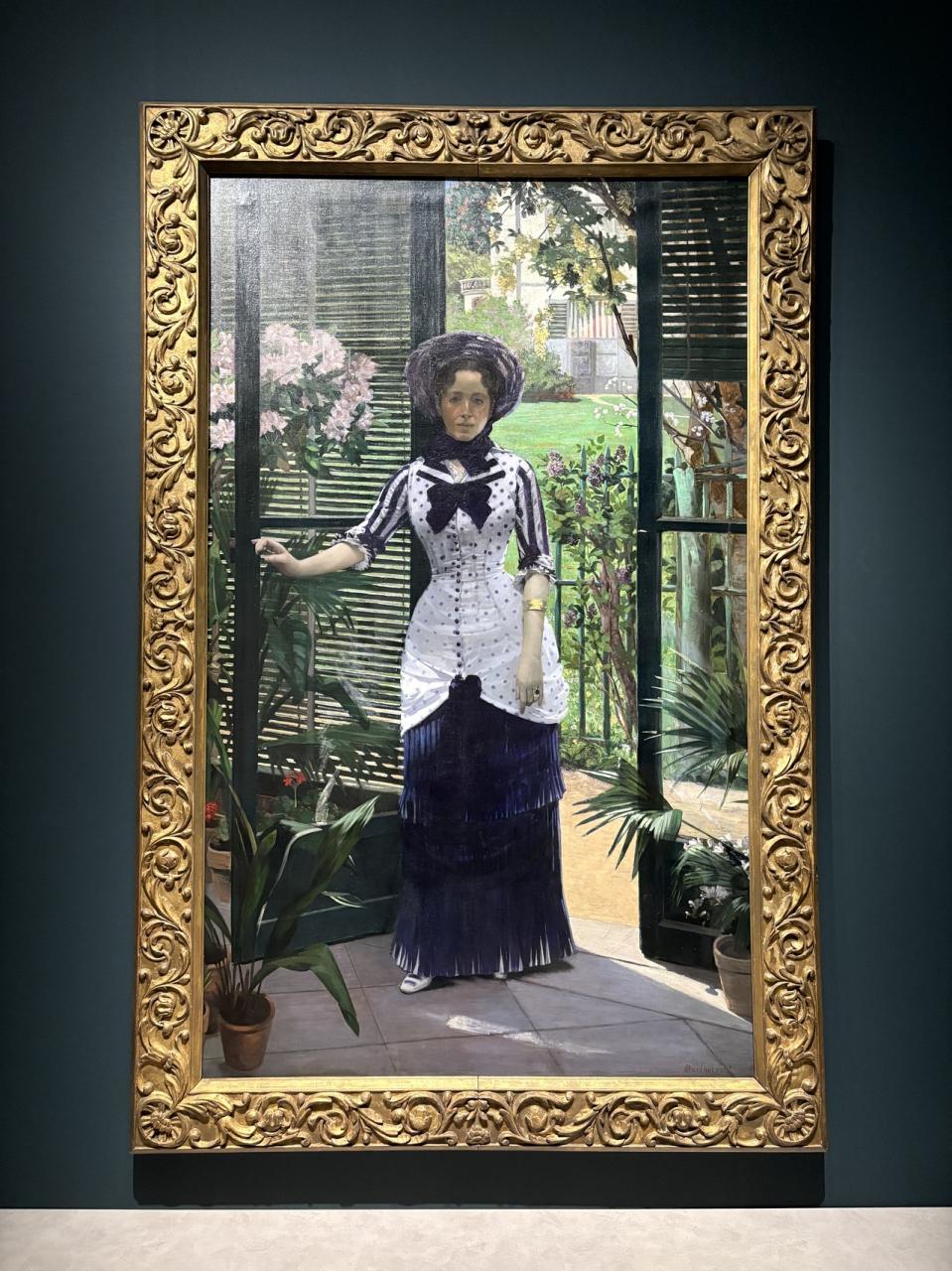
アルベール・バルトロメ
温室の中で
1881年頃|油彩/カンヴァス
オルセー美術館
Albert Bartholome
In the Conservatory
c. 1881 | Oil on canvas
Musée d'Orsay, Paris
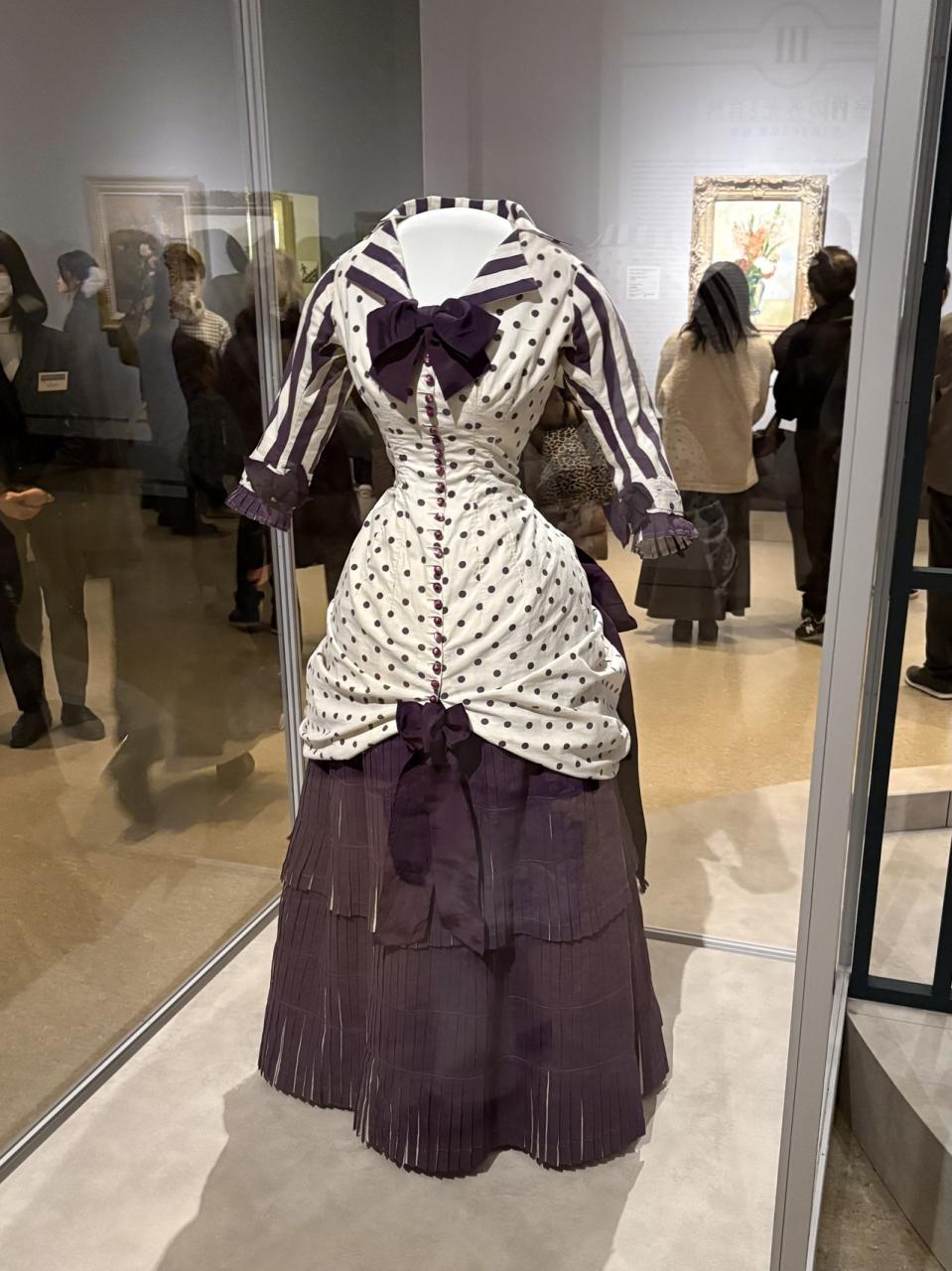
明るい戸外からほの暗い温室へと足を踏み入れるのは、画家の妻プロスペリーです。その落ち着いた風来は古典的な肖像画を思わせる一方、明暗の効果や力強い筆触は印象派のカイユボットの作品に通じます。その画風が示すかのように、バルトロメ邸には、流派を超えて数多くの芸術家や文筆家が訪れました。プロスペリーがまとう水玉と縞模様をあしらった細身のロングドレスは、1880年代初頭の夏の流行を映し出しています。まもなく彼女は病に倒れ、1887年に帰らぬ人となりました。悲しみに沈んだ画家は、絵画だけでなくこのドレス(no.47)も終生手放さずにいました。
Stepping from the bright ourdoors into the dim conservatory is Prospéric, the painter's wife. Her poised demeanor evokes classical portraiture, while the interplay of light and shadow, coupled with the vigorous brushstrokes, calls to mind the works of the Impressionist Caillebotte. Similar to the style of his paintings, Bartholomes home welcomed figures from many different literary and artistic circles. Prospérie's long. slim-fitting dress with polka dots and stripes reflects summer trends from the early 1880s. After the completion of the current painting, however, she fell ill and passed away in 1887. Stricken with grief, Bartholomé kept this painting and the dress (no. 47) with him for the rest of his life. -
-
-
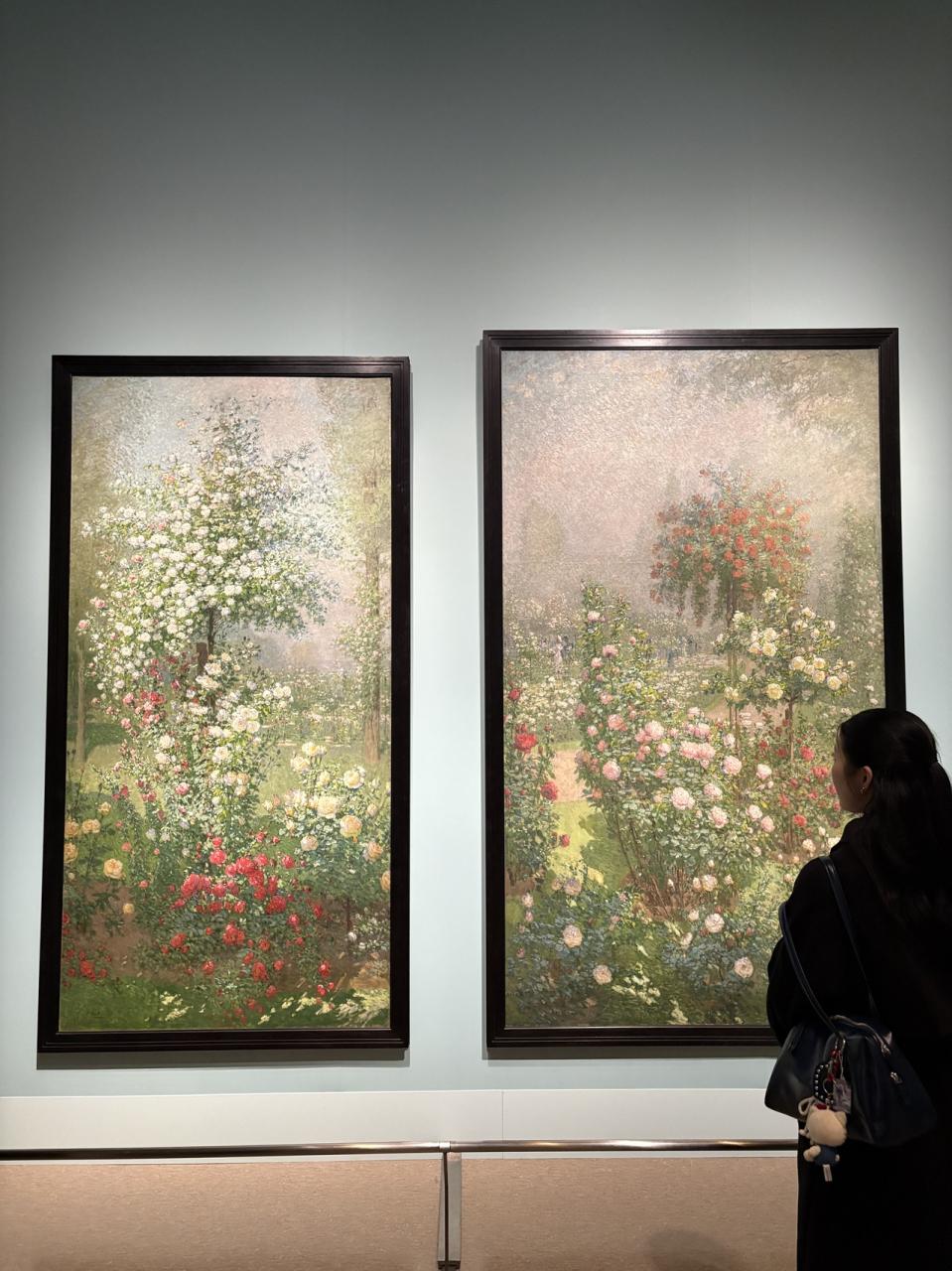
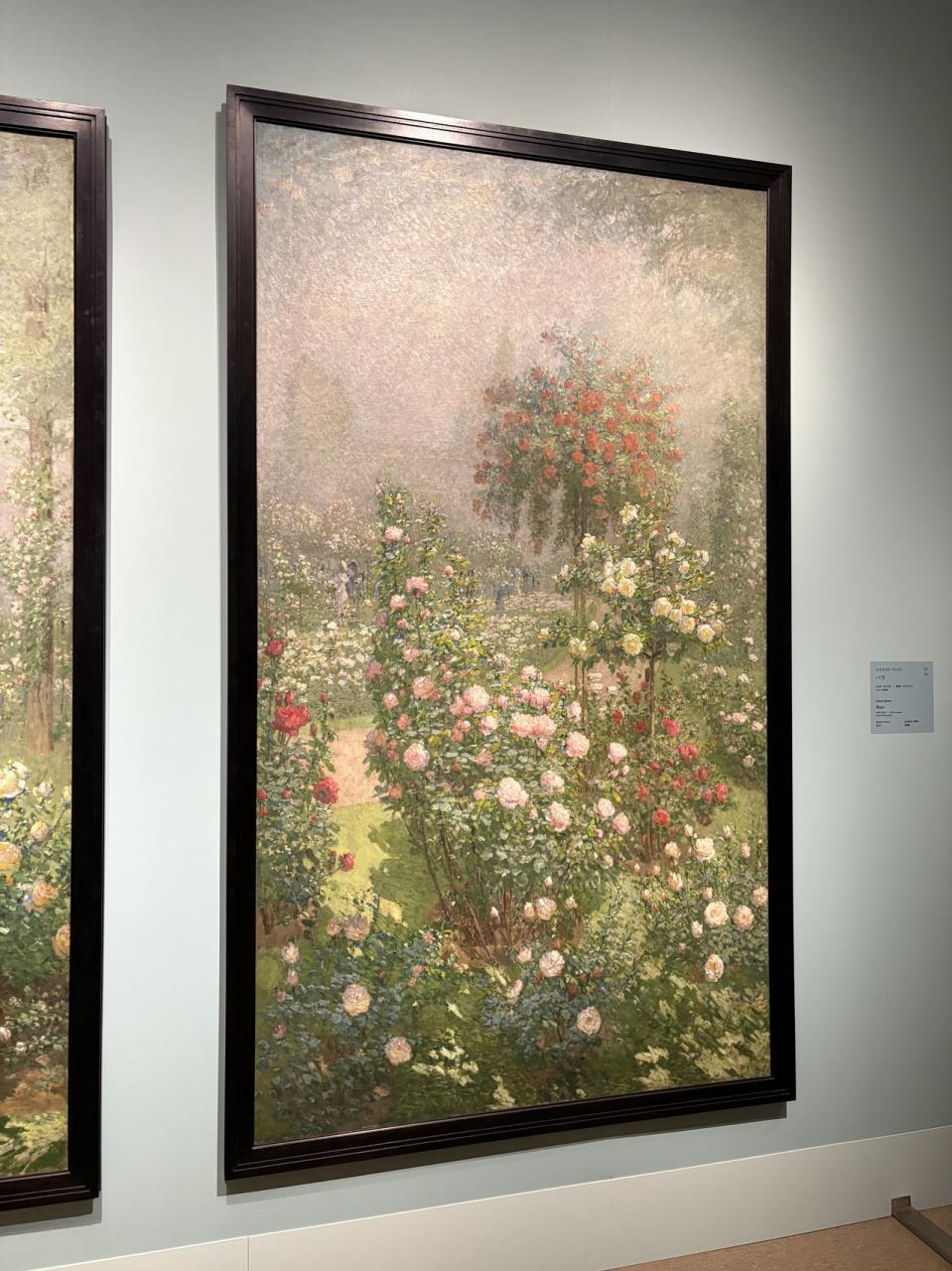
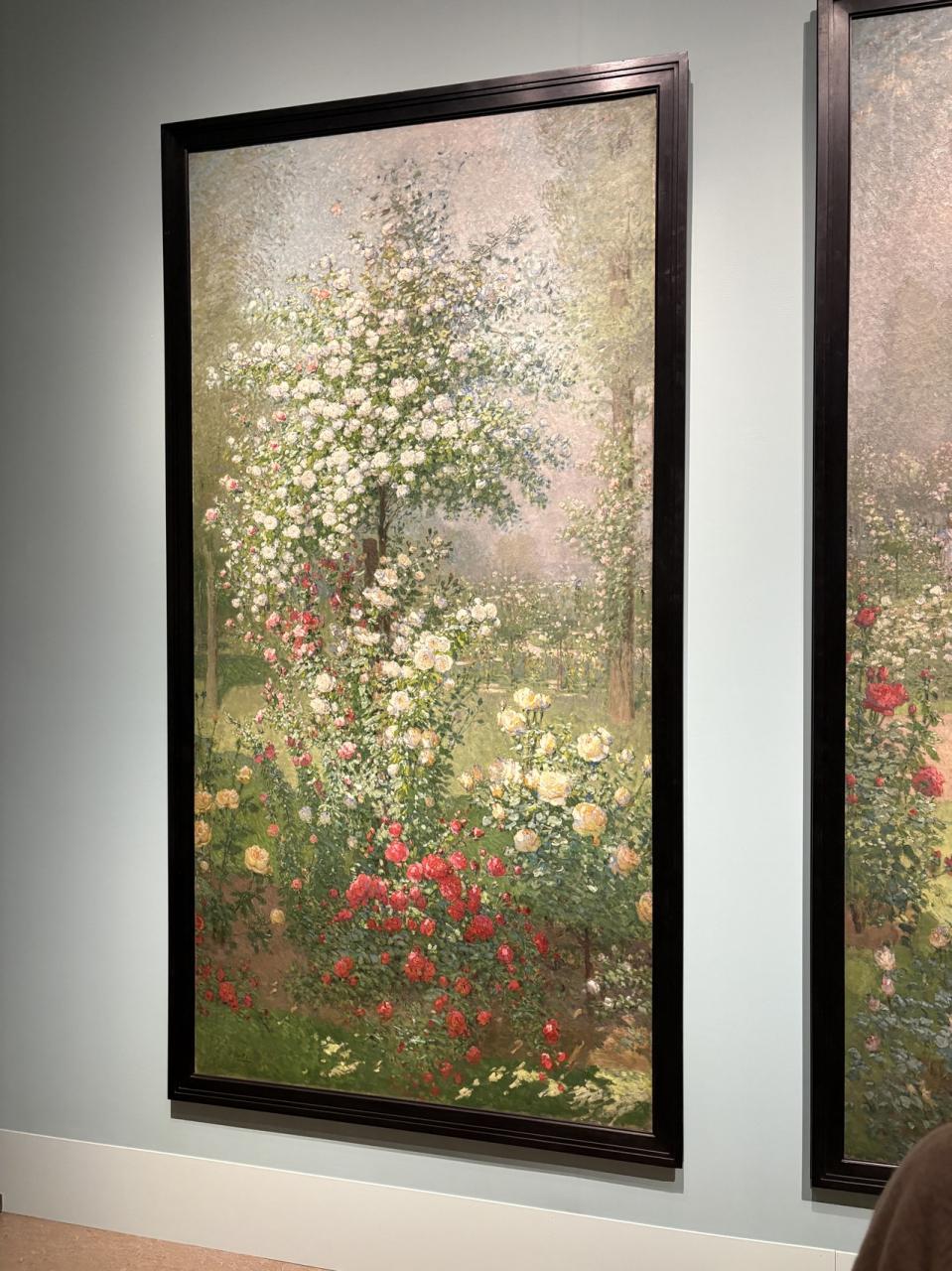
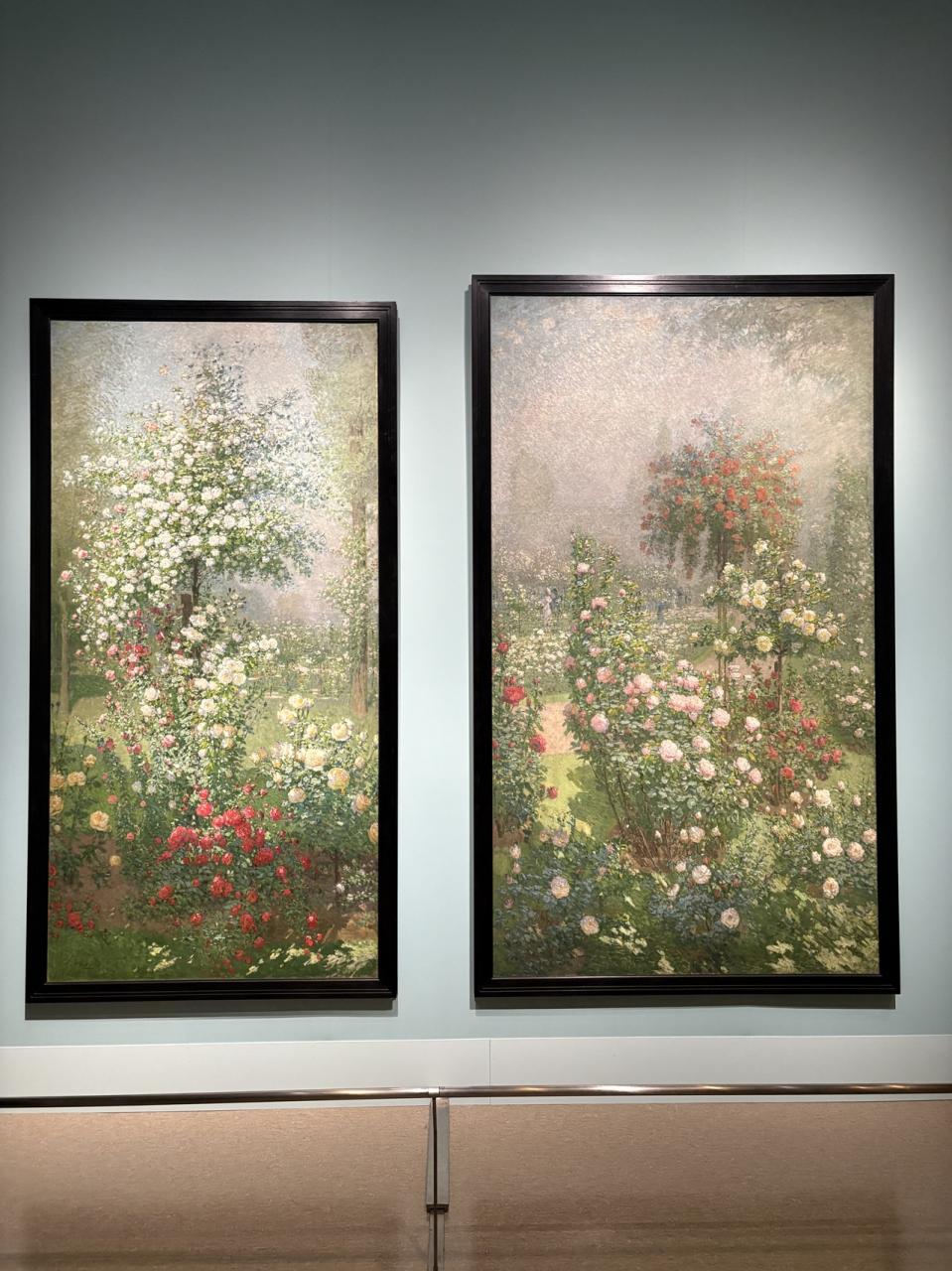
92
93
エルネスト・クォスト
バラ
1909-1916年|油彩/カンヴァス
オルセー美術館
Ernest Quost
Roses
1909-1916 | Oil on canvas
Musée d'Orsay, Paris -
-
-
-
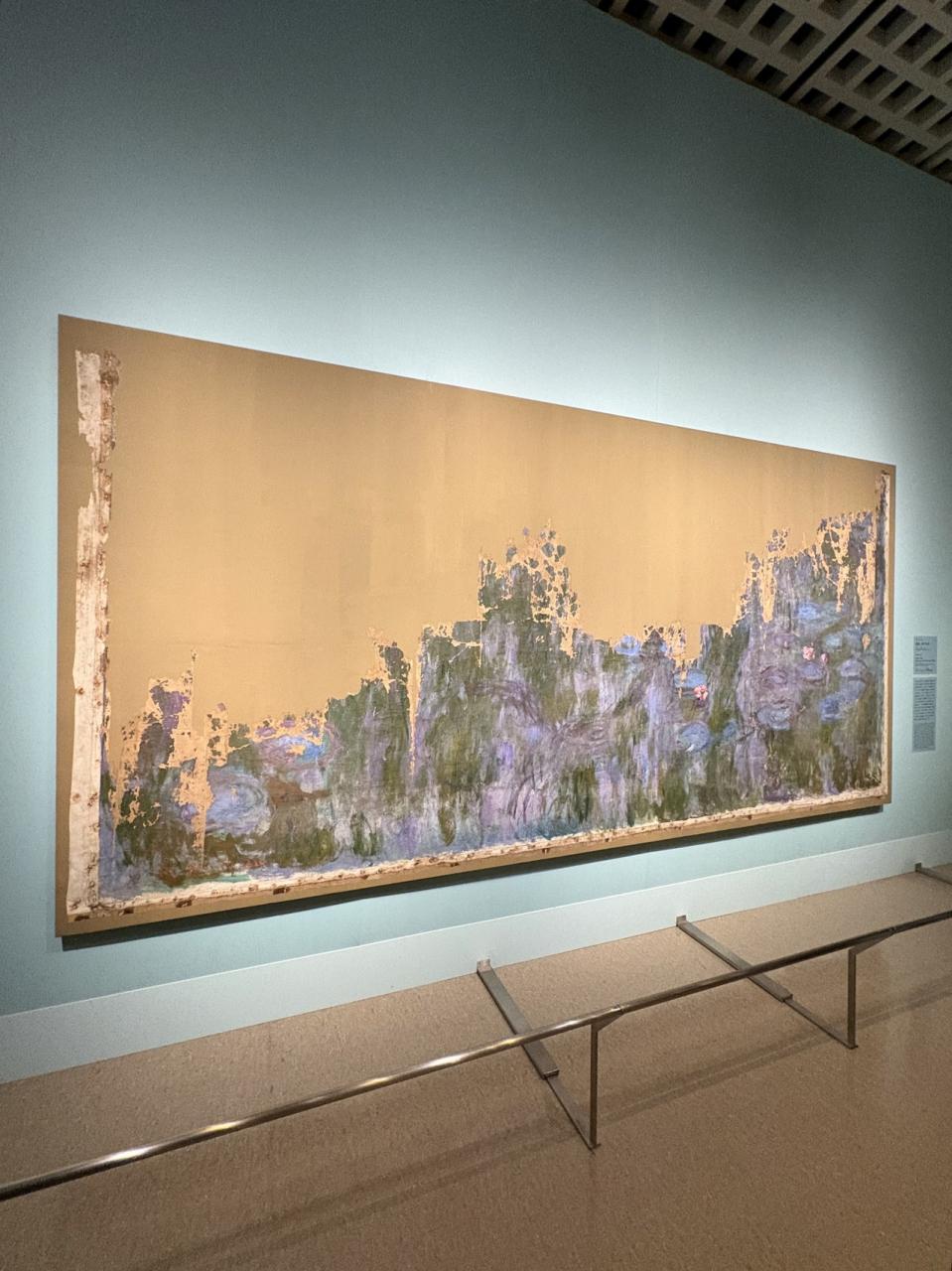
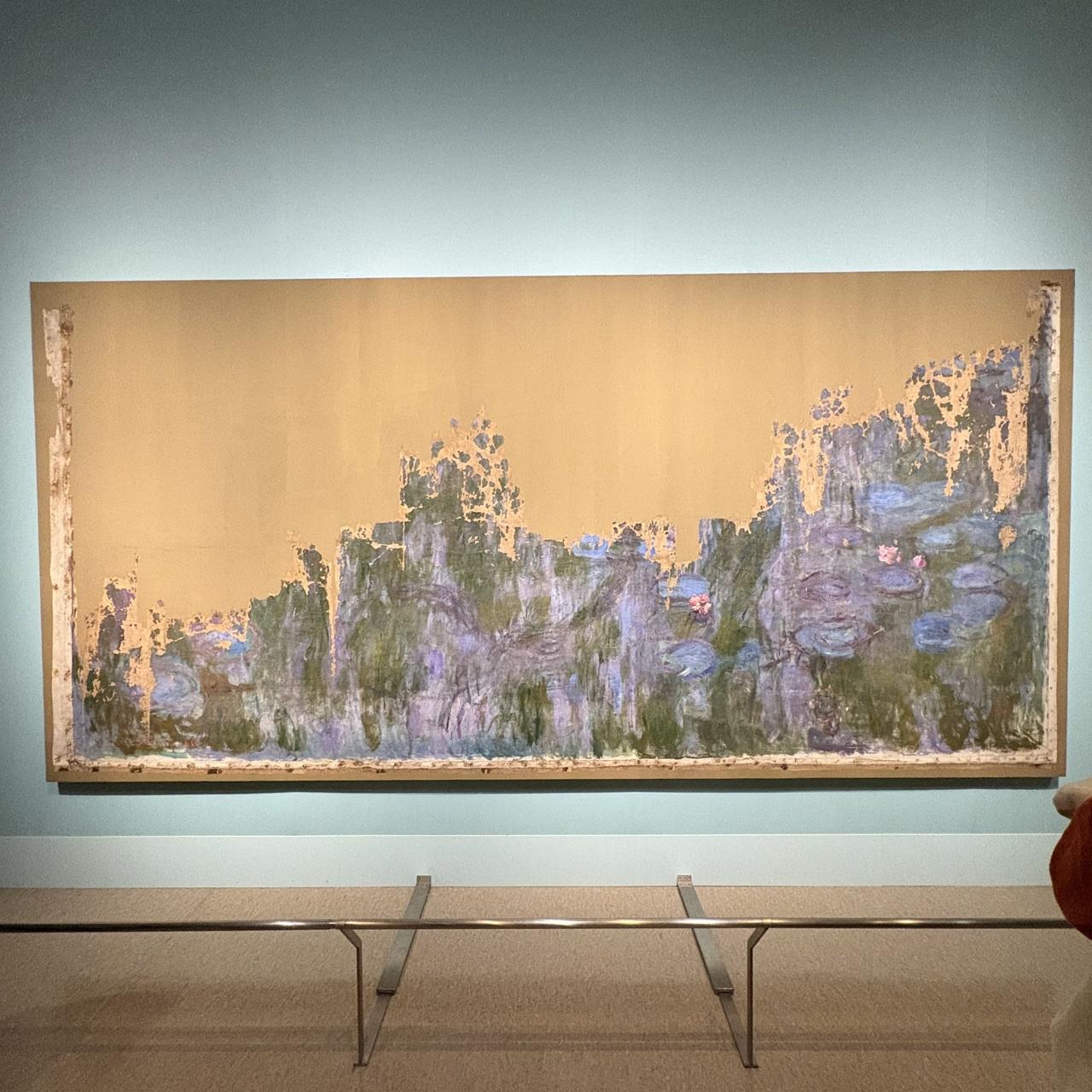
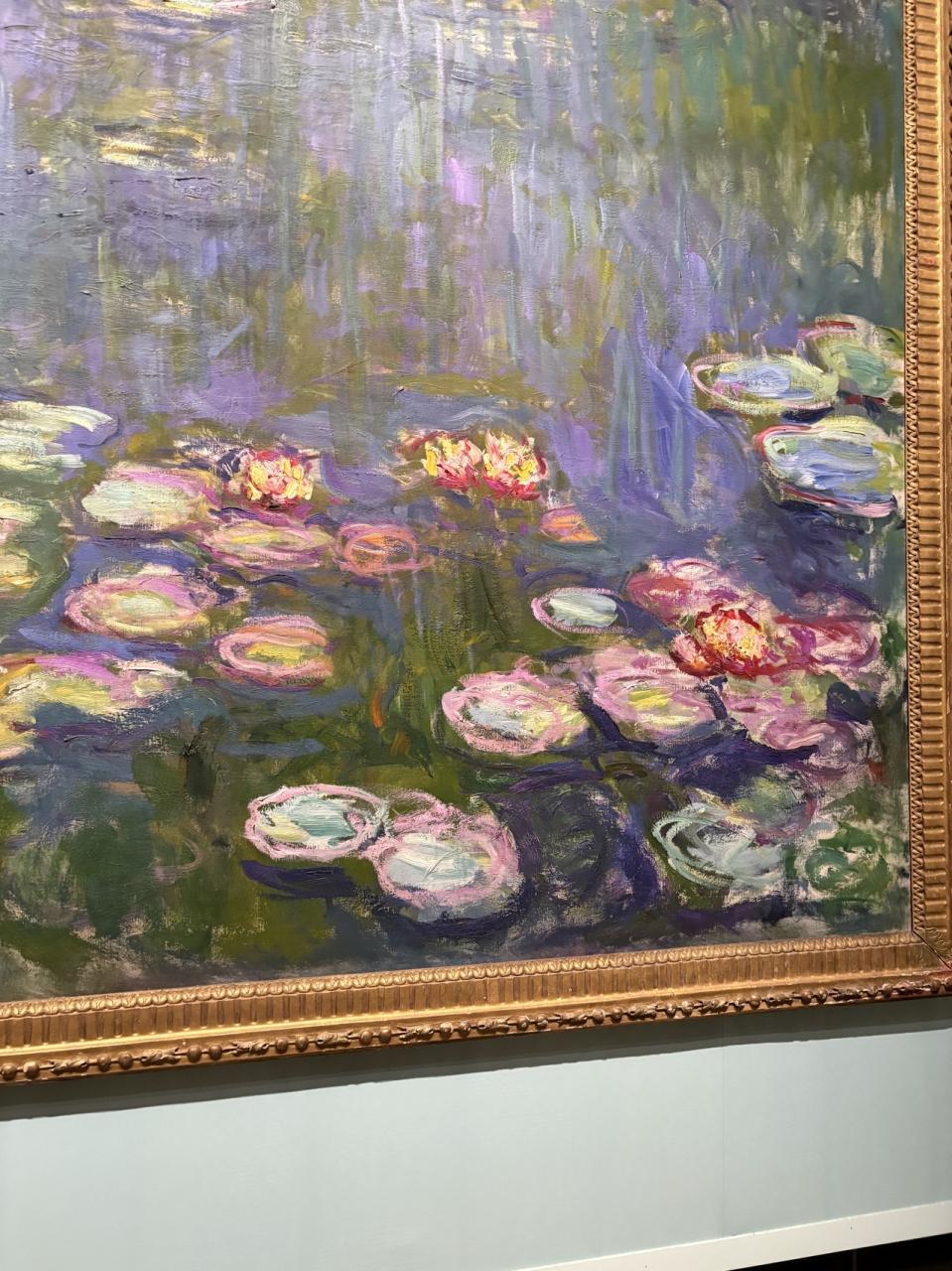
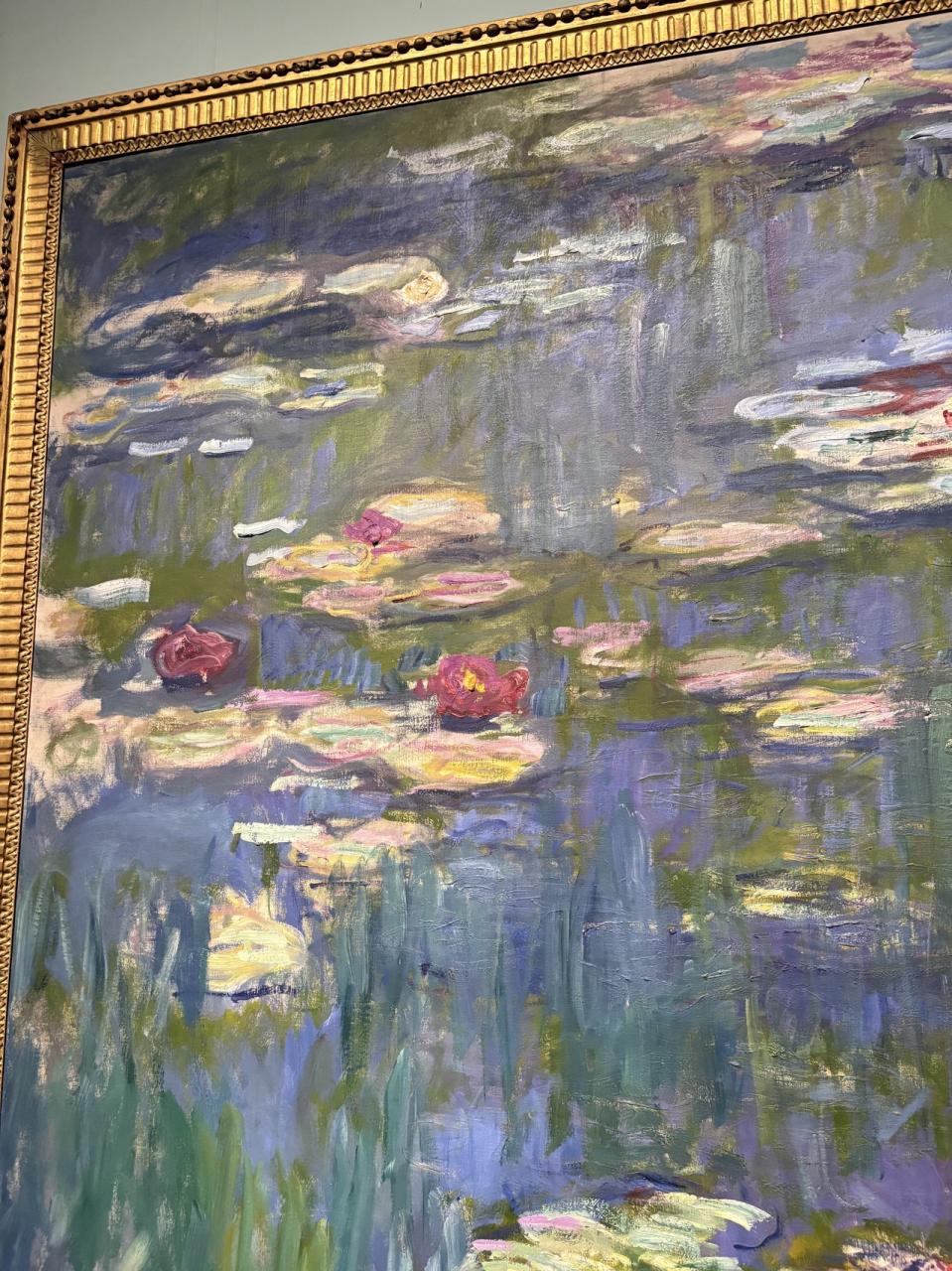
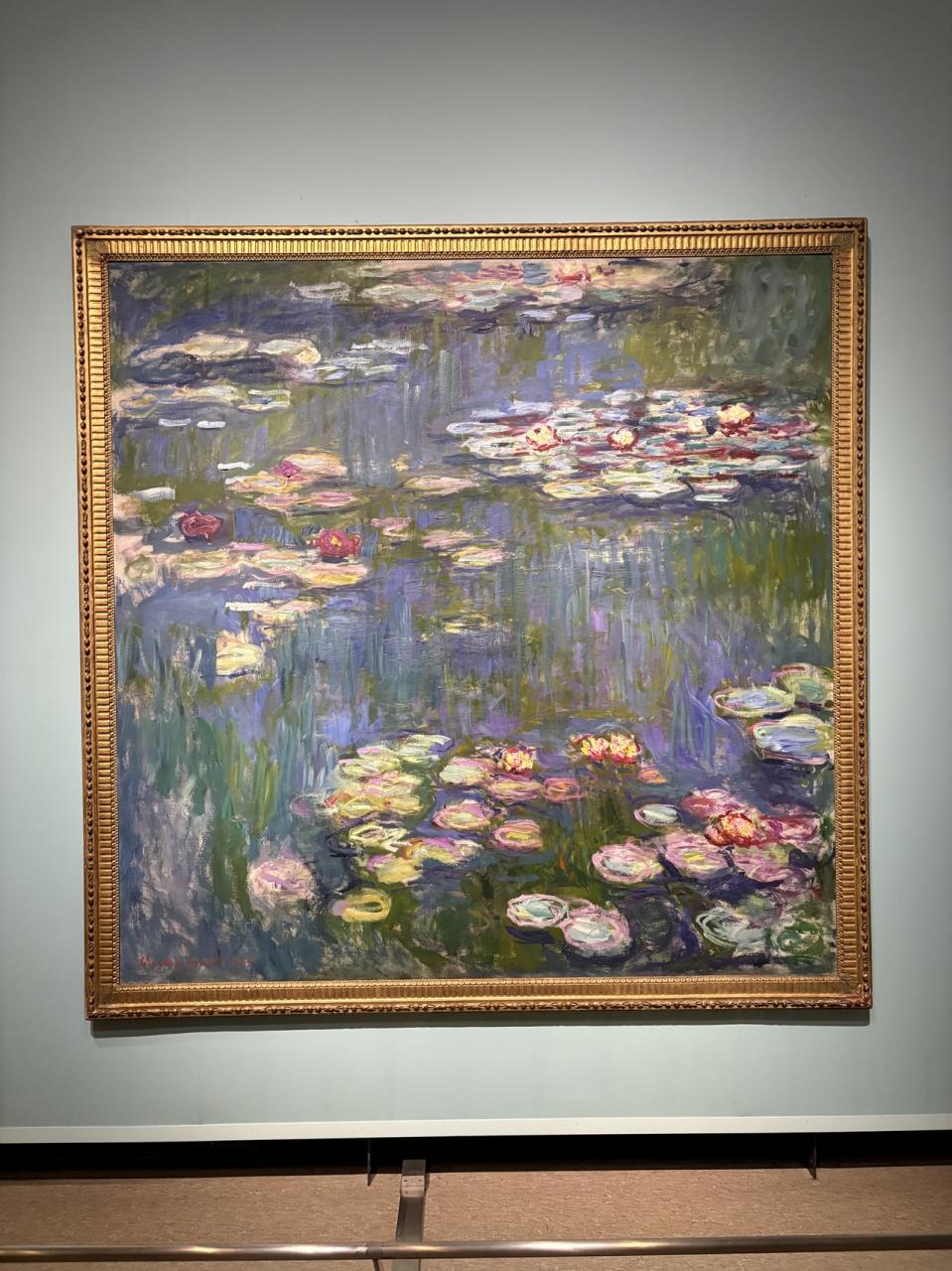
クロード・モネ
睡蓮、柳の反映
1916年|油彩/カンヴァス
国立西洋美術館(松方幸郎氏御遺族より寄贈、旧松方コレクション)
Claude Monet
Water Lilies,
Reflections of the Weeping Willow
1916 | Oil on canvas
The National Museum of Western Art, Tokyo, donated by the heirs of Mr. Kojiro Matsukata, ex-Matsukata Collection
本作もモネによる「大装飾画」の関連作の1点です。睡蓮の浮かぶ水面に、柳の木が逆さまに映り込んでいます。その構図から、オランジュリー美術館「睡蓮の間」の第2室に展示された、<木々の反映)(19141926年)の関連作とみなせます。本作も松方が1920年代に画家から直接購入したものです。
その後、戦中戦後の紆余曲折を経て、2016年にルーヴル美術館内で再発見され、翌年松方家より国立西洋美術館に寄贈されました。上部の欠損は、本作がまだフランスに留め置かれていた第二次世界大戦時、作品疎開中に受けた湿気等の被害によるものと考えられています。
This is also one of Monet's related work for his "grandes décorations." Weeping willows are reflected upside down on a water surface adorned with water lilies. Judging from its composition, it can be considered a related work for Tree Reflections (1914-1926), displayed in the second room of the "Water Lilies" at the Musée de l'Orangerie. This work was also purchased directly from the artist by Matsukata in the 1920s.
With various events having ensued during and after the war, the work was ultimately rediscovered within The Louvre in 2016 and donated to the National Museum of Western Art by the Matsukata family the following year. The damage to the upper section is believed to have been caused by moisture and other factors amid the evacuation of the work while it was still held in France during World WarⅡ. -
-
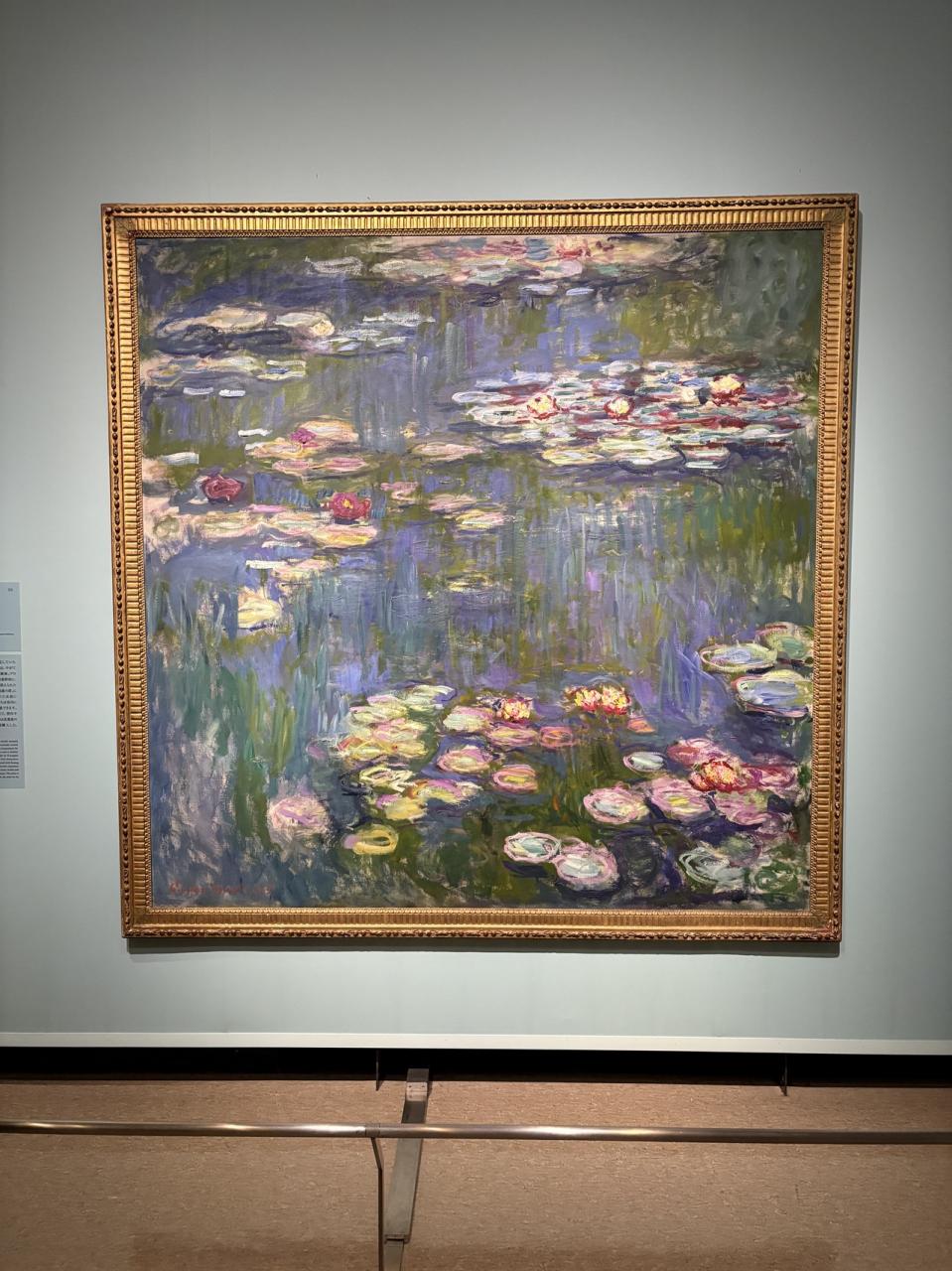
96
クロード・モネ
唾運
1916年|油彩/カンヴァス
国立西洋美術館(松方コレクション)
Claude Monet
Water Lilies
1916 | Oil on canvas
The National Museum of Western Art, Tokyo, Matsukata Collection
はじめ邸宅の室内装飾を想定していたモネの「睡蓮」連作のアイデアは、やがて公共建築を舞台とする「大装飾画」プロジェクトへと発展します。それらは最終的に、パリのオランジュリー美術館に設えられた
2つの楕円形展示室、通称「睡蓮の間」に結実しました。睡蓮を浮かべた水面に取り囲まれるその空間で、私たちは室内にいながら自然への没入を体感できます。
モネはこのプロジェクトの過程で、習作や関連作を多数描きました。本作は実業家の松方幸郎が画家から直接購入した、それらのうちの1点です。
Monet's idea for the "Water Lilies" series, initially intended as interior décor for a private residence, eventually evolved into "grandes décorations" —monumental compositions for public architecture. These efforts ultimately came to fruition in the form of two oval rooms at the Musée de l'Orangerie in Paris. Within these spaces, visitors find themselves encompassed by beautiful water surfaces dotted with floating water lilies, enabling them to have an immersive experience of nature while indoors. Monet produced many studies and related works during the course of this project. This piece is one of such works purchased directly from the artist by the businessman Matsukata Kojiro. -
-
-
-
94
95
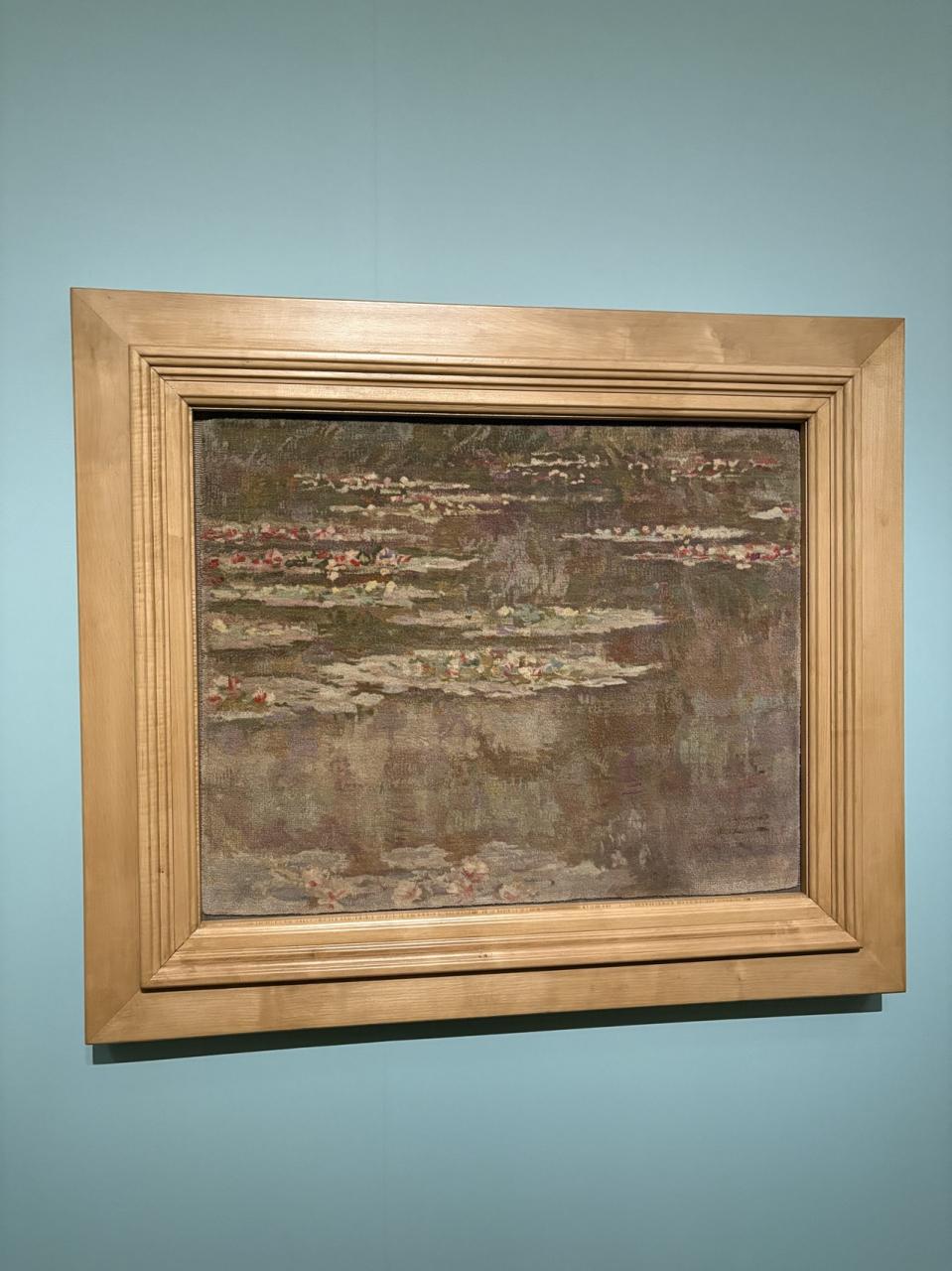
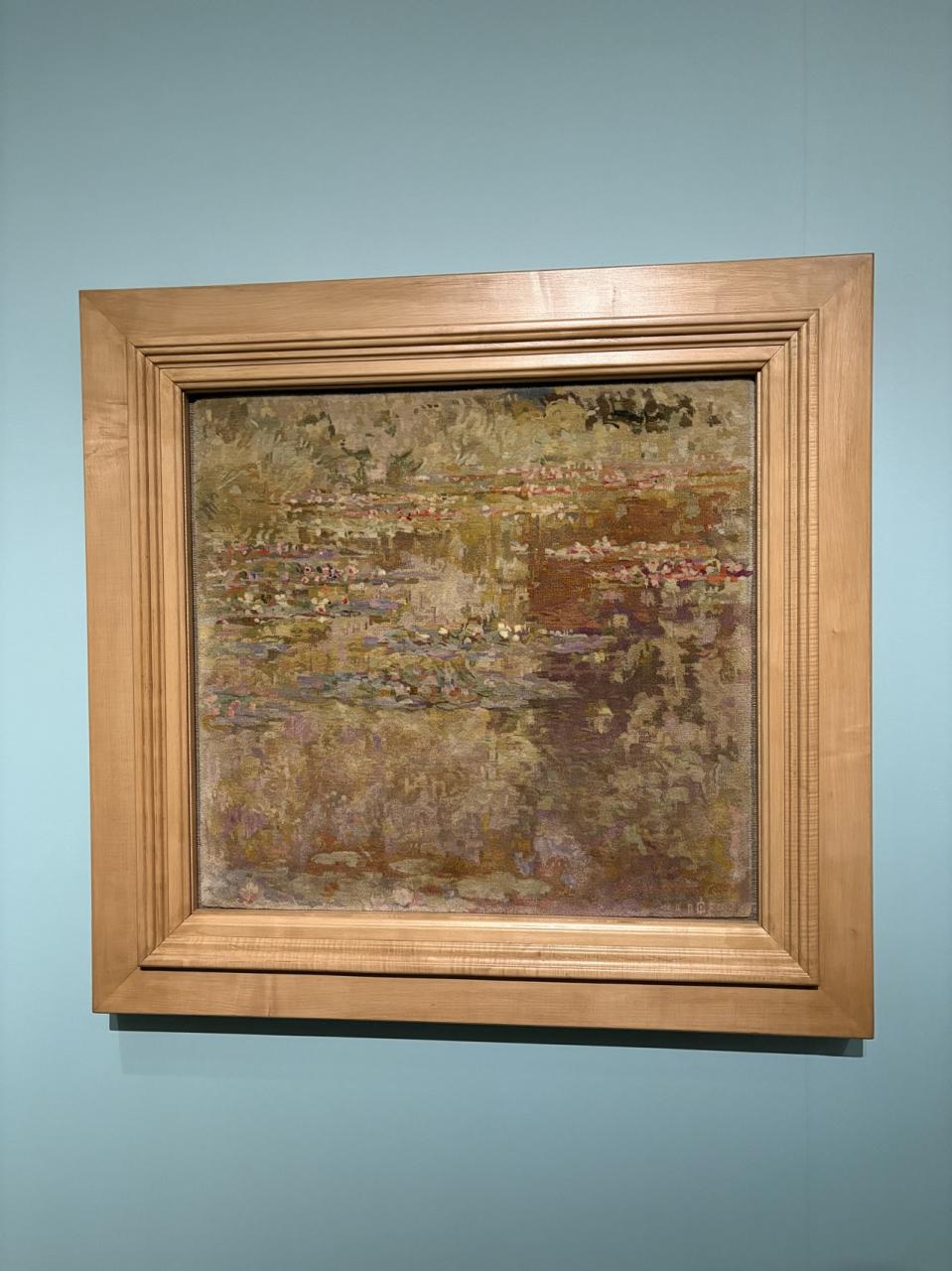
クロード・モネ
睡蓮
1913年|毛織物
モビリエ・ナショナル(フランス国有動産管理局)、パリ
Claude Monet
Water Lilies, Wall Panel
1913 | Wool
Mobilier national, Paris
モネの油彩画にもとづく毛織物です。早くから印象派を擁護した批評家ジェフロワは、のちに国営のタペストリー工房である国立ゴブラン製作所の所長に就任します。彼は「睡蓮」のタペストリー制作を発案、モネは近作を原画として使用することに同意しました。
この2点は同時期に製織され、1913年に織り上がります。1922年のゴブラン美術館開館の際には、円形の「睡蓮」作品にもとづくもう1点のタペストリーとともに、木製パネルに成め込まれて展示公開されました。「睡」に本来そなわる装飾性が、柔らかな羊毛の質感と調和しています。
These woolen textiles are based on original paintings by Claude Monet. Art critic Gustave Geffroy, who was an early advocator of Impressionism, later became director of the Manufacture des Gobelins, a tapestry factory owned and operated by the French state. Geffroy proposed creating tapestries of Monet's "Water Lilies," and the artist agreed to the use of his recent works to serve as their source imagery.
These two pieces were woven simultaneously and completed in 1913. When the Galerie des Gobelins opened in 1922, the pieces were exhibited mounted on a wooden panel alongside another tapestry based on Monet's circular "Water Lillies" work. The decorativeness inherent in the "Water Lilies" harmonizes with the soft texture of the wool. -
-
-
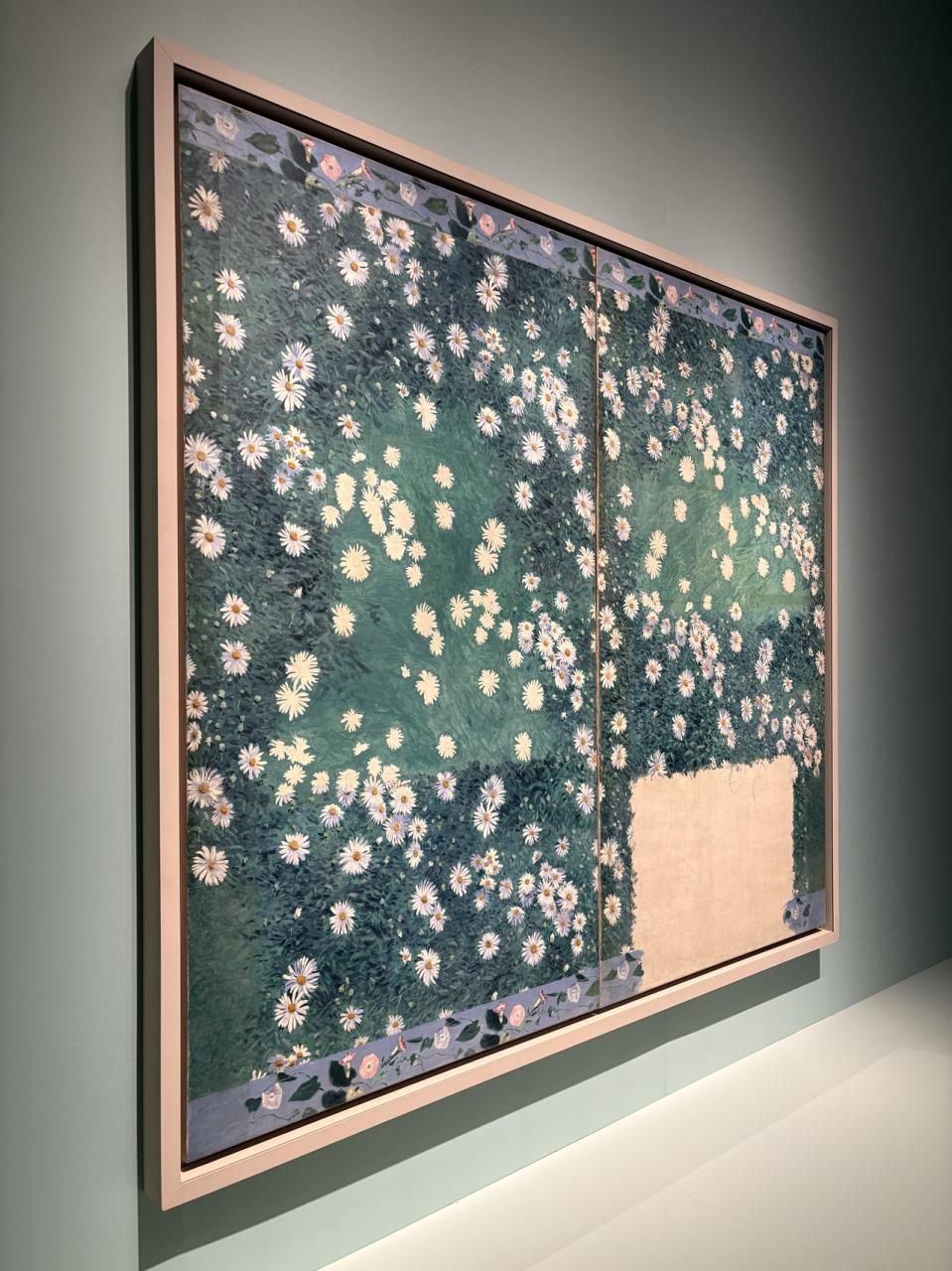
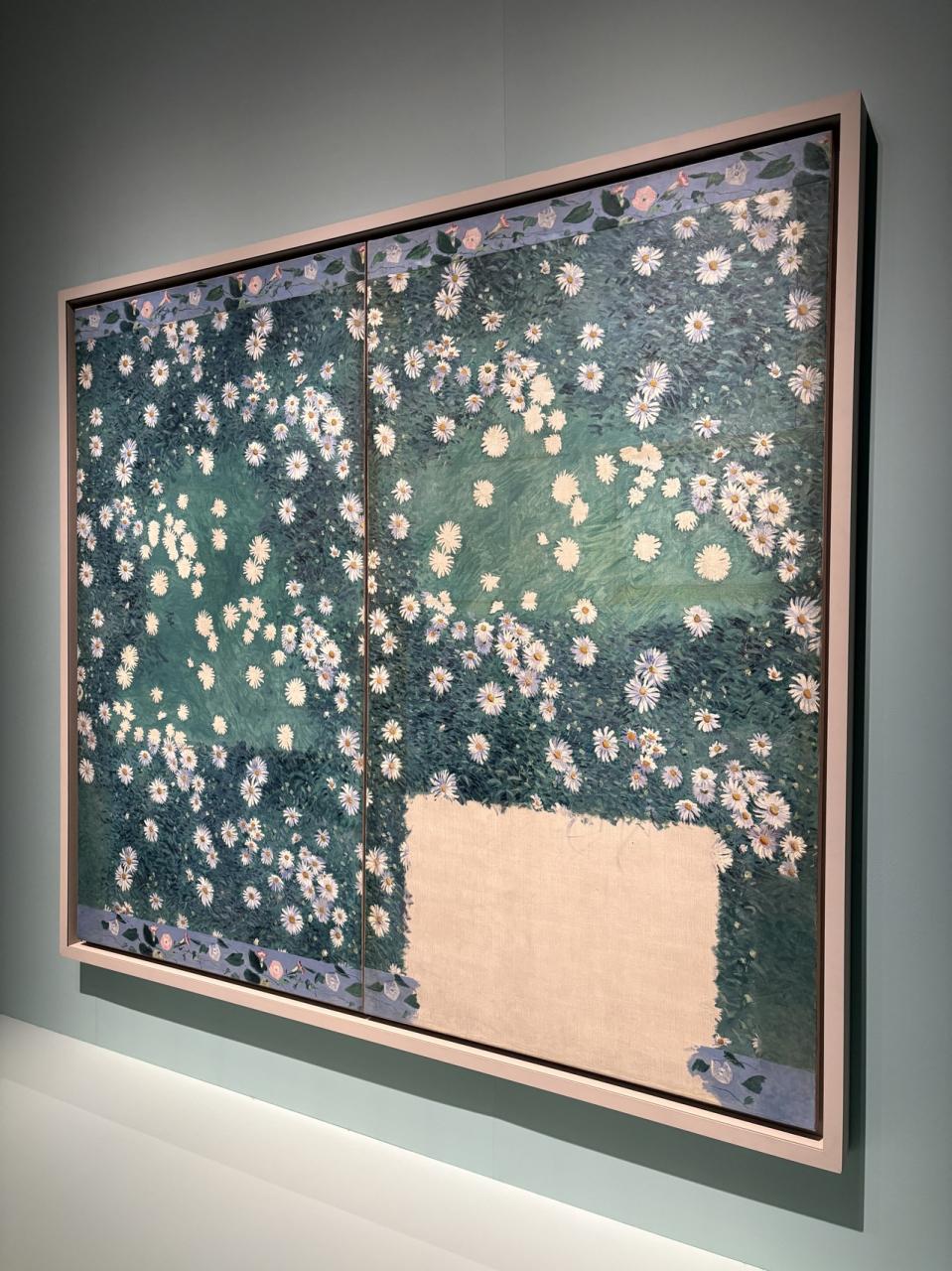
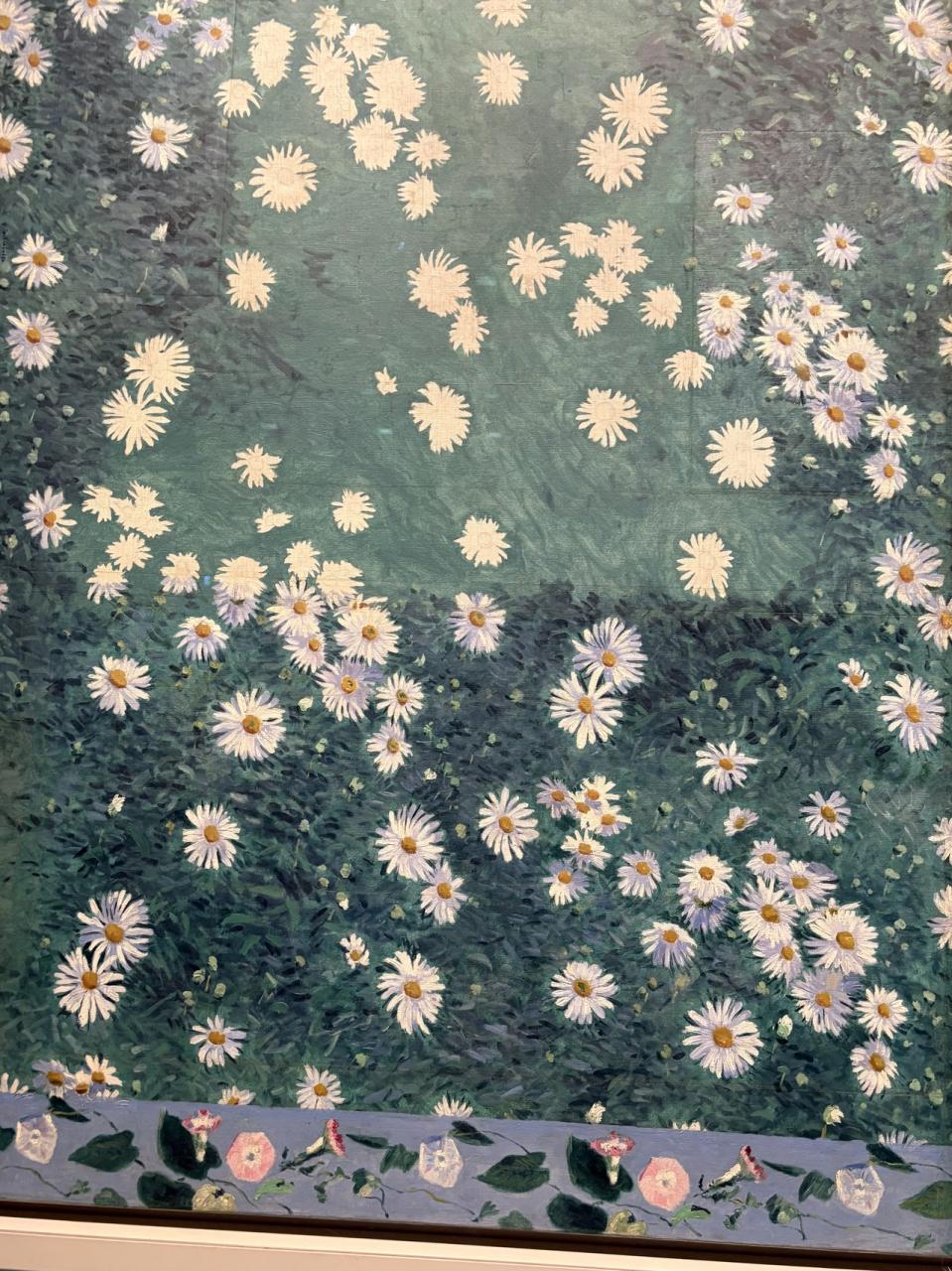
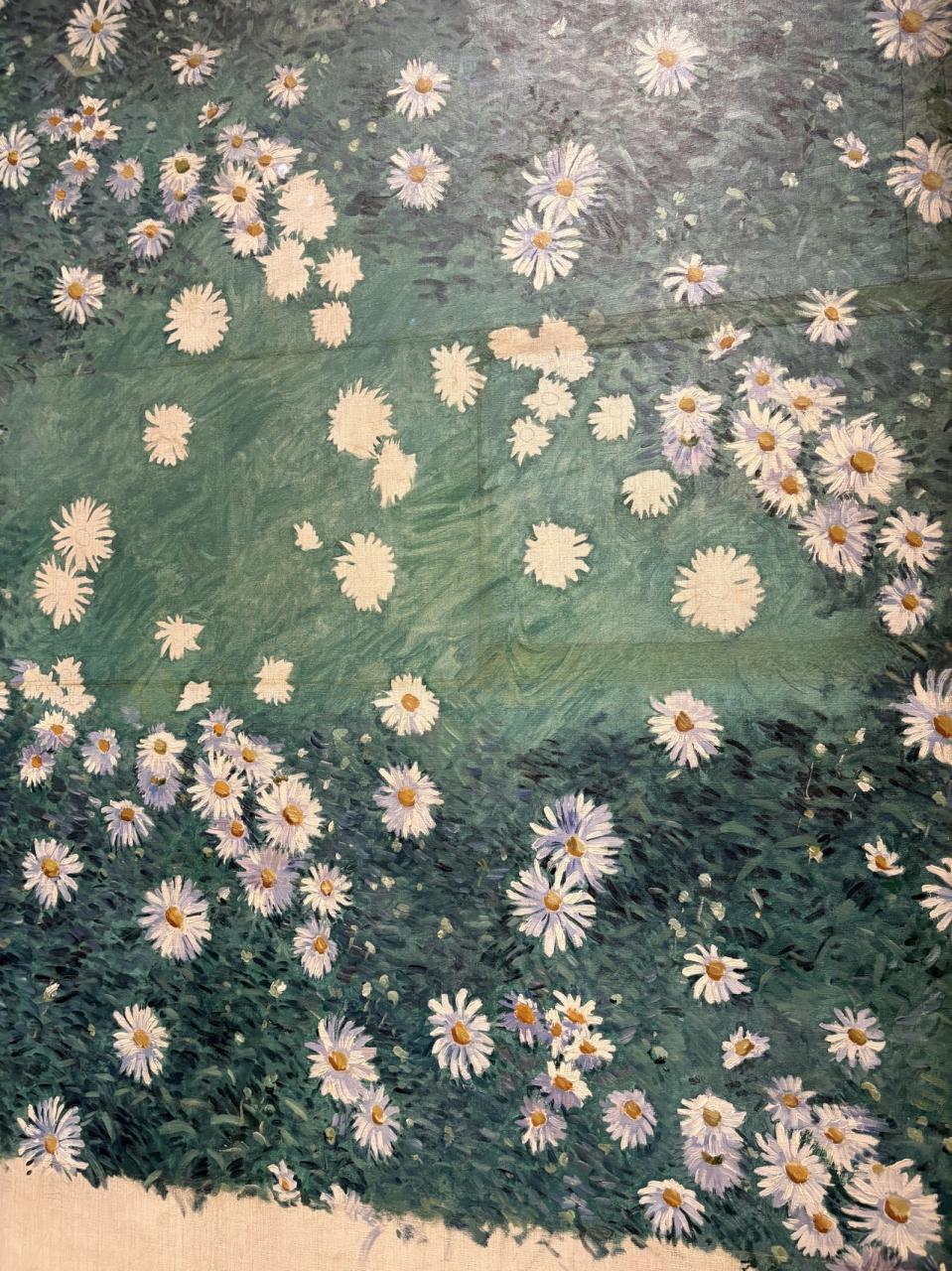
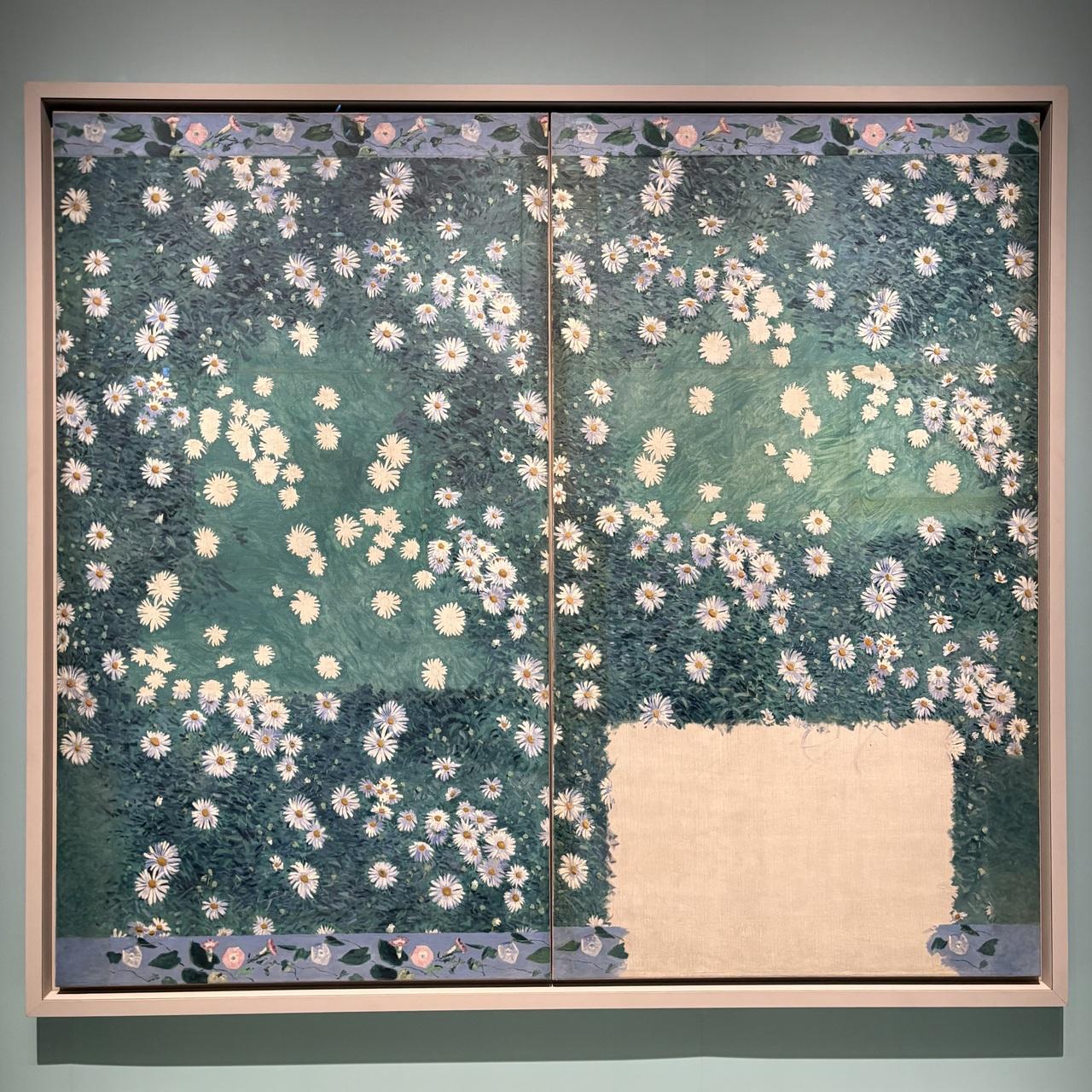
ギュスターヴ・カイユボット
ヒナギクの花壇
1892-1893年|油彩/カンヴァス
ジヴェルニー印象派美術館
Gustave Caillebotte
Bed of Daisies
1892-1893 | Oil on canvas
Musée des Impressionnismes Giverny
カイユボットは印象派展に出資し仲間の作品を購入するなど、彼らの活動を経済的にも支えました。1881年にはセーヌ河岸のプティニジェヌヴイリエに移り住み、邸宅の庭で様々な植物を育成してモネと園芸への情熱を共有します。また邸宅の食堂扉に温室で栽培していた蘭を描くなど、身近な植物による装飾画の制作にも関心を抱いていました。本作は画家の死により未完成のまま残されましたが、同邸宅の壁に設置される予定だったのでしょう。画面全体にヒナギクが散らされるさまは、のちにモネが水面で画面を覆うことになる「睡蓮」の大装飾画に通じるものがあります。
Caillebotte supported his fellow Impressionists by funding their exhibitions and purchasing artworks. In 1881, he relocated to Petit-Genevilliers on the banks of the Seine, where he shared his passion for gardening with Monet by cultivating various plants in the garden. He also developed an interest in decorative painting, incorporating plants from his immediate environment. One example is the orchids the artist grew in his greenhouse, which he painted on the door panels for the dining room of his house. Left unfinished at the artist's death, the present works were likely intended to be installed on the walls of the same residence. The even distribution of daisies across the canvases resonates with Monet's later, large and decorative "Water Lilies" paintings, in which the water surface occupies the entirety of the picture plane. -
-
-
-
-
この後、常設展へ
(続く・・・)


利用規約に違反している投稿は、報告する事ができます。
旅行記グループ
国内の美術館・博物館巡り その4
-
前の旅行記

"塩谷亮 刻を描くリアリズム" (@佐藤美術館 2026.1.8 ~2.15) で、初めて "写実絵画" を...
2026/01/28~
信濃町・千駄ヶ谷
-
次の旅行記

2026.2.9 国立西洋美術館② 常設展(その1)"ラビニィア・フォンターナ 《アントニエッタ・ゴンザレス...
2026/02/09~
上野・御徒町
-

2025.9.20~12.14 "モーリス・ユトリロ展@SOMPO美術館"。"風景画の中の人物の後ろ姿" が...
2025/12/11~
新宿
-

マチュピチュ展【その1】"フクロウの神" @ 森アーツセンターギャラリー(2025.11.22~2026.3...
2026/01/12~
六本木
-

マチュピチュ展【その2】"シャーマンの変容" @ 森アーツセンターギャラリー(2025.11.22~2026...
2026/01/12~
六本木
-

マチュピチュ展【その3】"アイ・アパエックの顔を表した埋葬用仮面" @ 森アーツセンターギャラリー(2025...
2026/01/12~
六本木
-

マチュピチュ展【その4】"トカゲのモザイクの耳飾り" @ 森アーツセンターギャラリー(2025.11.22~...
2026/01/12~
六本木
-

マチュピチュ展【その5】"神話の豊穣の場面が描かれた儀礼用の杯"@ 森アーツセンターギャラリー(2025.1...
2026/01/12~
六本木
-

マチュピチュ展【その6】"戦闘と捕虜の捕獲" @ 森アーツセンターギャラリー(2025.11.22~2026...
2026/01/12~
六本木
-

マチュピチュ展【その7】"チムー帝国の装身具一式" @ 森アーツセンターギャラリー(2025.11.22~2...
2026/01/12~
六本木
-

マチュピチュ展【その8】"神格化された祖先とネコ科動物をモチーフにした冠" @ 森アーツセンターギャラリー(...
2026/01/12~
六本木
-

マチュピチュ展【その9】"カエルがモチーフの首飾り"@ 森アーツセンターギャラリー(2025.11.22~2...
2026/01/12~
六本木
-

マチュピチュ展【その10/完】"インカのキープ"@ 森アーツセンターギャラリー(2025.11.22~3.1...
2026/01/12~
六本木
-

"塩谷亮 刻を描くリアリズム" (@佐藤美術館 2026.1.8 ~2.15) で、初めて "写実絵画" を...
2026/01/28~
信濃町・千駄ヶ谷
-

2026.2.9 国立西洋美術館① "オルセー美術館所蔵 印象派 室内をめぐる物語"。"エドガー・ドガ《家族...
2026/02/09~
上野・御徒町
-

2026.2.9 国立西洋美術館② 常設展(その1)"ラビニィア・フォンターナ 《アントニエッタ・ゴンザレス...
2026/02/09~
上野・御徒町
-

2026.2.9 国立西洋美術館③ 常設展(その2)"ダフィット・テニールス(子)《聖アントニウスの誘惑》"
2026/02/09~
上野・御徒町
-

2026.2.9 国立西洋美術館④ 小企画展 "Black Lines Speak 物語る黒線たち ~デュー...
2026/02/09~
上野・御徒町
-

2026.2.9 国立西洋美術館⑤/完 常設展(その3)"ヴィルヘルム・ハンマースホイ《ピアノを弾く妻イーダ...
2026/02/09~
上野・御徒町
-

"スウェーデン絵画展" の後、"藝大アートプラザ"・"上野動物園" へ。京都市動物園の長男ゴリラ "ゲンタロ...
2026/04/12~
上野・御徒町
-

お嬢と行く "スウェーデン絵画 北欧の光、日常のかがやき" 2026.1.27~4.12 @ 東京都美術館
2026/04/12~
上野・御徒町
-

2026年2月7日~5月24日 お嬢と行く "クロード・モネ ~風景への問いかけ" @アーティゾン美術館
2026/04/29~
丸の内・大手町・八重洲
-

"アンドリュー・ワイエス展" の後、"藝大アートプラザ" へ。"佐治真理子《佇む -玉しめ-》" が、いい感...
2026/05/16~
上野・御徒町
-

お嬢と行く"アンドリュー・ワイエス展 ~境界に立つとき、心が動き出す。~" 2026.4/28~7/5 @ ...
2026/05/16~
上野・御徒町
-

2026.7.12① 上野の森美術館 "大ゴッホ展"。撮影可能だったのは、"夜のカフェテラス" 1点のみ・・...
2026/07/12~
上野・御徒町
-

2026.7.12② "大ゴッホ展"の後、東京国立博物館 "アイルランド チェスター・ビューティ・コレクショ...
2026/07/12~
上野・御徒町
-

2026.7.12④ "大ゴッホ展" の後、SOMPO美術館 "山口華揚展"。《青柿》は、諏訪湖のほとり"北...
2026/07/12~
新宿
-

2026.7.12 ⑤・完 "大ゴッホ展" の後、"東京オペラシティ" でクラシック鑑賞 。恵比寿の "ル・...
2026/07/12~
東京
旅行記グループをもっと見る
コメントを投稿する前に
十分に確認の上、ご投稿ください。 コメントの内容は攻撃的ではなく、相手の気持ちに寄り添ったものになっていますか?
サイト共通ガイドライン(利用上のお願い)報道機関・マスメディアの方へ 画像提供などに関するお問い合わせは、専用のお問い合わせフォームからお願いいたします。
この旅行で行ったスポット





フォートラベル公式LINE@

おすすめの旅行記や旬な旅行情報、お得なキャンペーン情報をお届けします!
QRコードが読み取れない場合はID「@4travel」で検索してください。
\その他の公式SNSはこちら/





旅行記グループ 国内の美術館・博物館巡り その4
0
52