


2026/02/05 - 2026/02/05
87位(同エリア933件中)

旅熊 Kokazさん
- 旅熊 KokazさんTOP
- 旅行記1927冊
- クチコミ854件
- Q&A回答101件
- 1,710,838アクセス
- フォロワー752人
MOMAT コレクション〔国立東京近代美術館 所蔵作品展〕(2025.11.5-2026.2.8)
2025年11月5日-2026年2月8日の所蔵作品展のみどころ
当館コレクション展の特徴をご紹介します。まずはその規模。1952年の開館以来の活動を通じて収集してきたおよそ14,000点の所蔵作品から、会期ごとに約200点を展示する国内最大級のコレクション展です。そして、それぞれ小さなテーマが立てられた全12室のつながりによって、19世紀末から今日に至る日本の近現代美術の流れをたどることができる国内随一の展示です。
今期のみどころ紹介です。長らく国外への貸出が続いていた奈良美智《Harmless Kitty》(1994年)が、約2年ぶりにMOMATコレクションに帰ってきました。4階ハイライト・コーナーでご覧いただけます。3階9室では写真家の細江英公の初期代表作「薔薇刑」を展示します。2024年に逝去された細江の追悼と、被写体となった小説家三島由紀夫の生誕100年記念(2025年)を兼ねての紹介です。
今期も、新収蔵作品が多く展示されています(作品横に貼られた「新収蔵作品」マークが目印です)。長く館を代表してきた顔ぶれにフレッシュな新星と、盛りだくさんのMOMATコレクションをお楽しみください。
https://www.momat.go.jp/exhibitions/r7-2
- 旅行の満足度
- 5.0
-

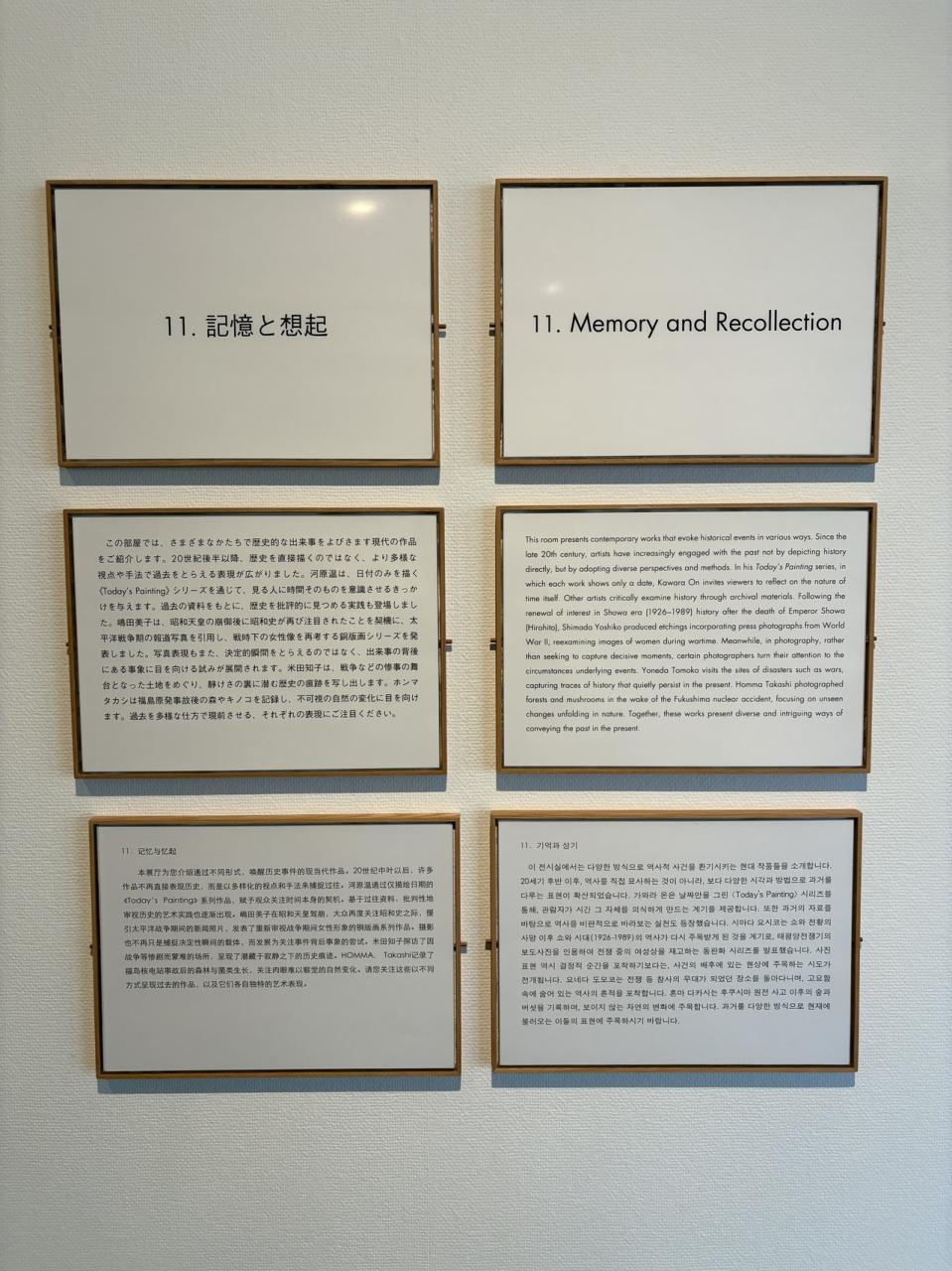
11. 記憶と想起
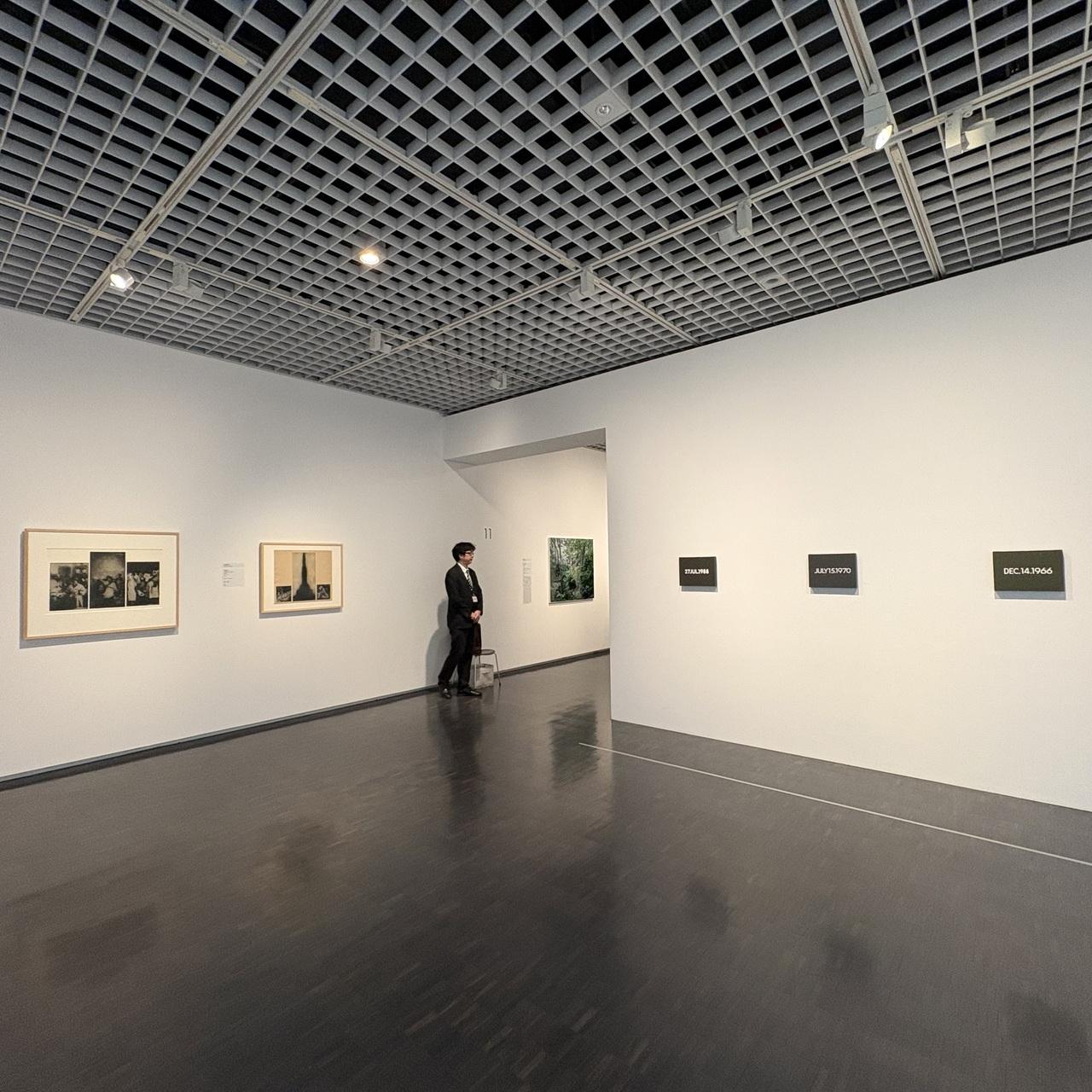
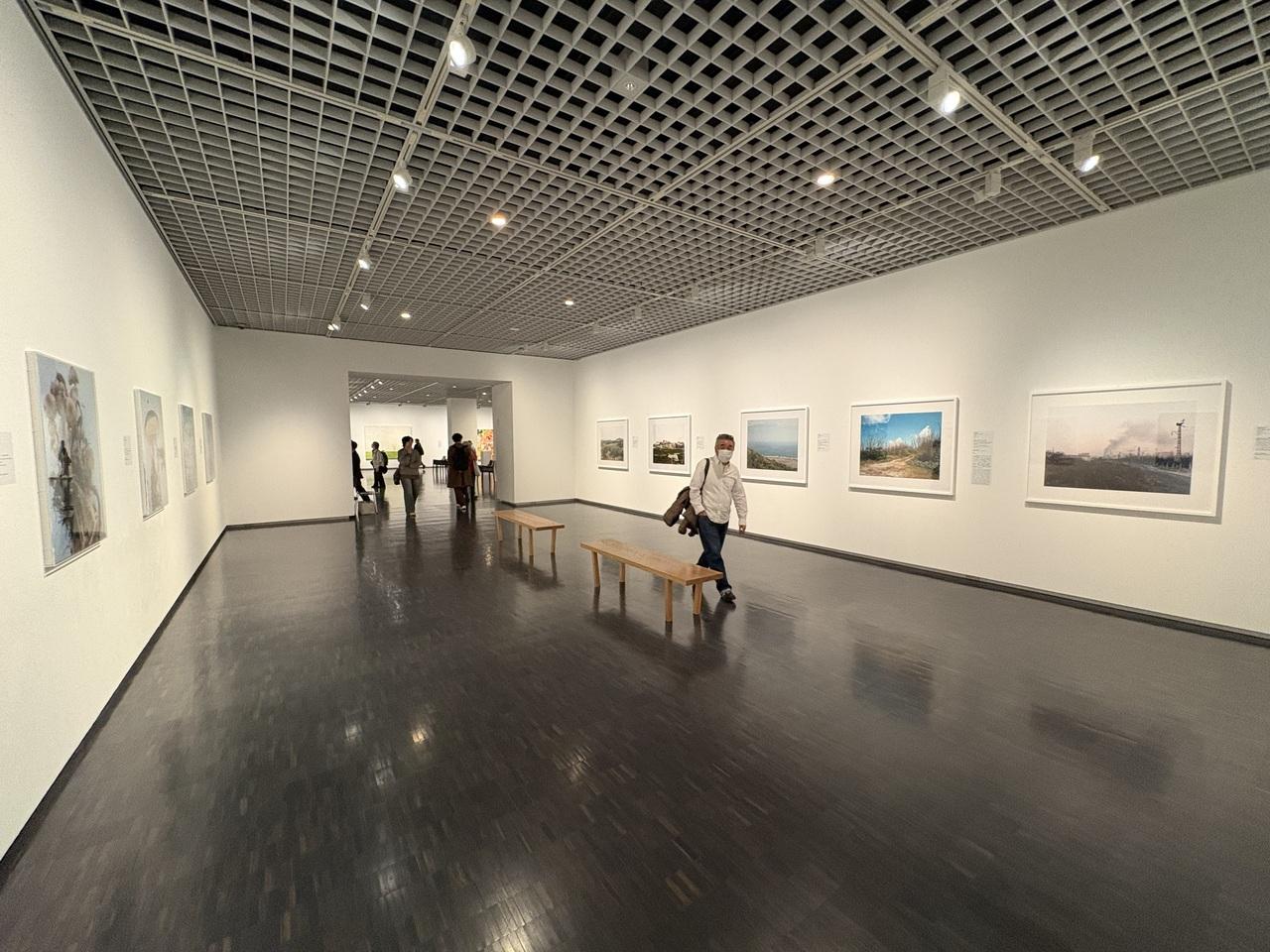
この部屋では、さまざまなかたちで歴史的な出来事をよびさます現代の作品をご紹介します。20世紀後半以降、歴史を直接描くのではなく、より多様な視点や手法で過去をとらえる表現が広がりました。
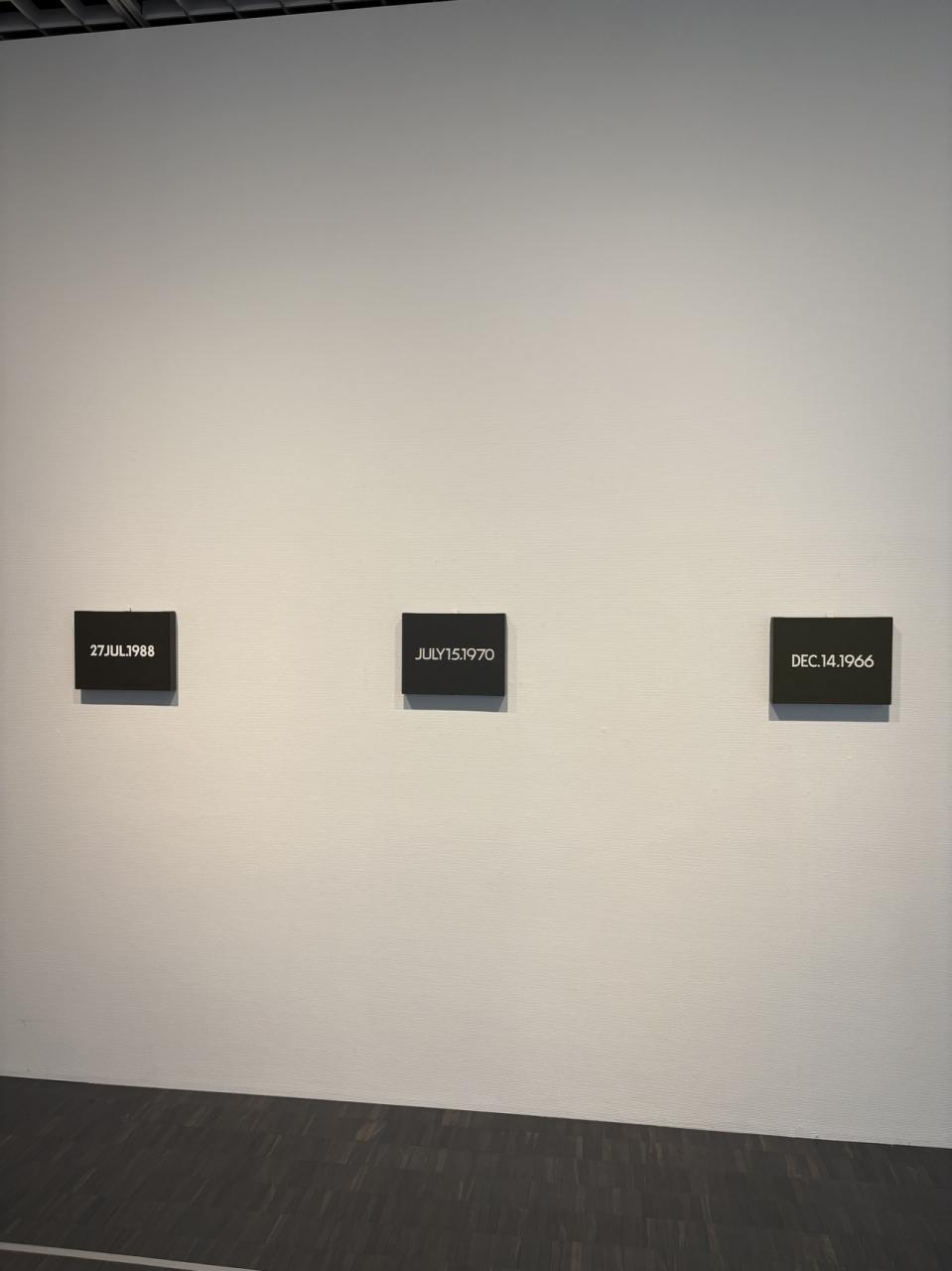
河原温は、日付のみを描くToday's Paintingシリーズを通じて、見る人に時間そのものを意識させるきっかけを与えます。過去の資料をもとに、歴史を批評的に見つめる実践も登場しました。
嶋田美子は、昭和天皇の崩後に昭和史が再び注目されたことを契機に、太平洋戦争期の報道写真を引用し、戦時下の女性像を再考する銅版画シリーズを発表しました。写真表現もまた、決定的間をとらえるのではなく、出来事の背後にある事象に目を向ける試みが展開されます。
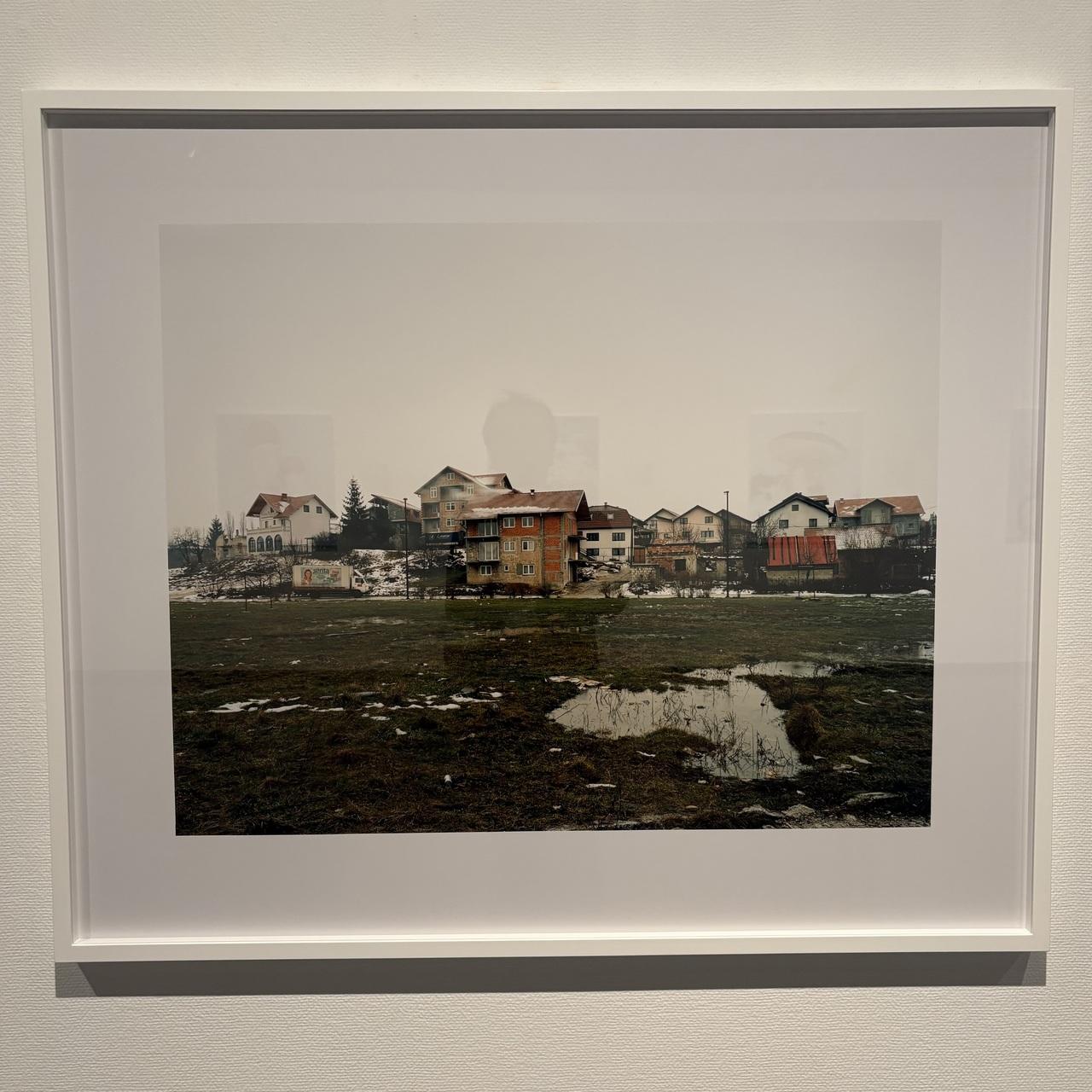
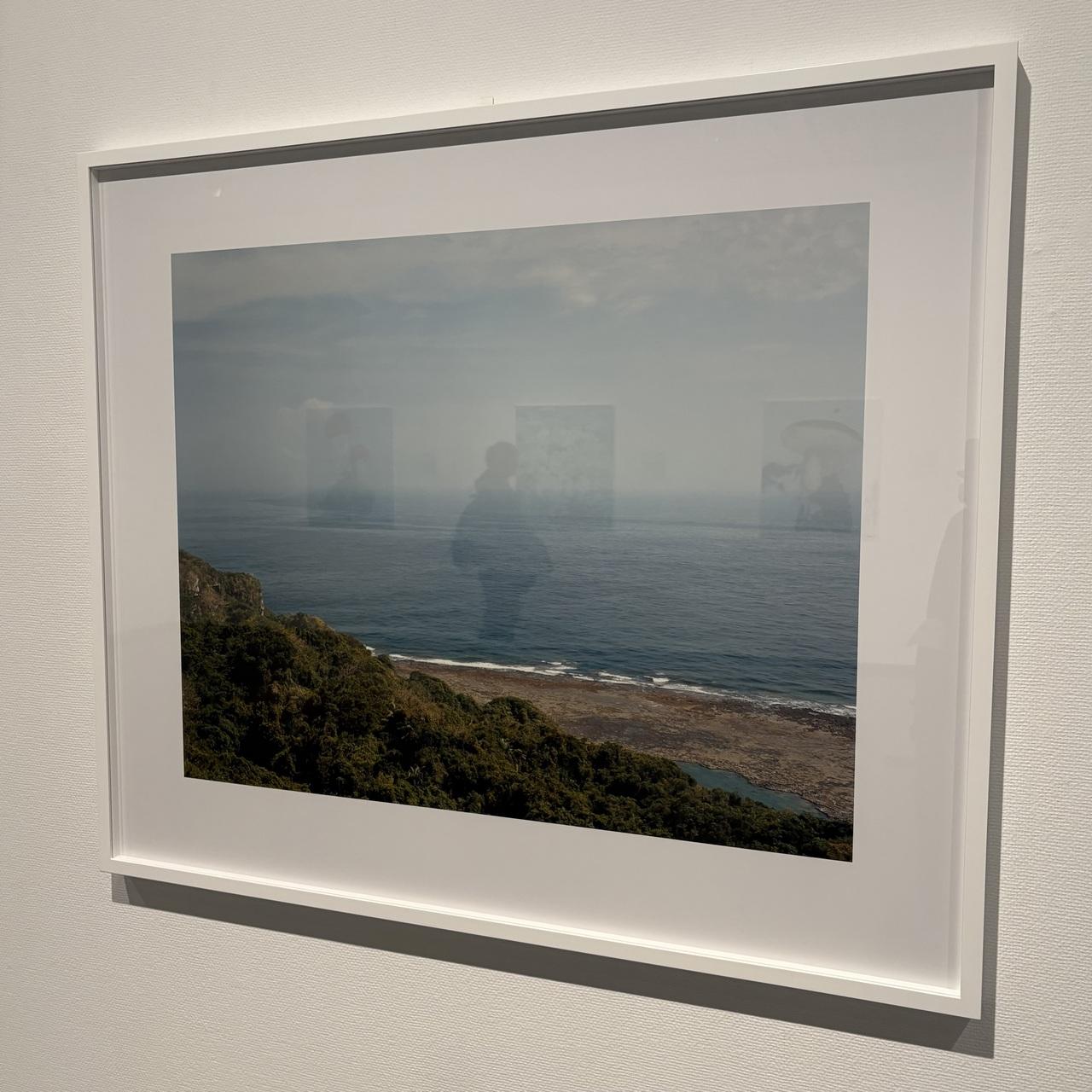
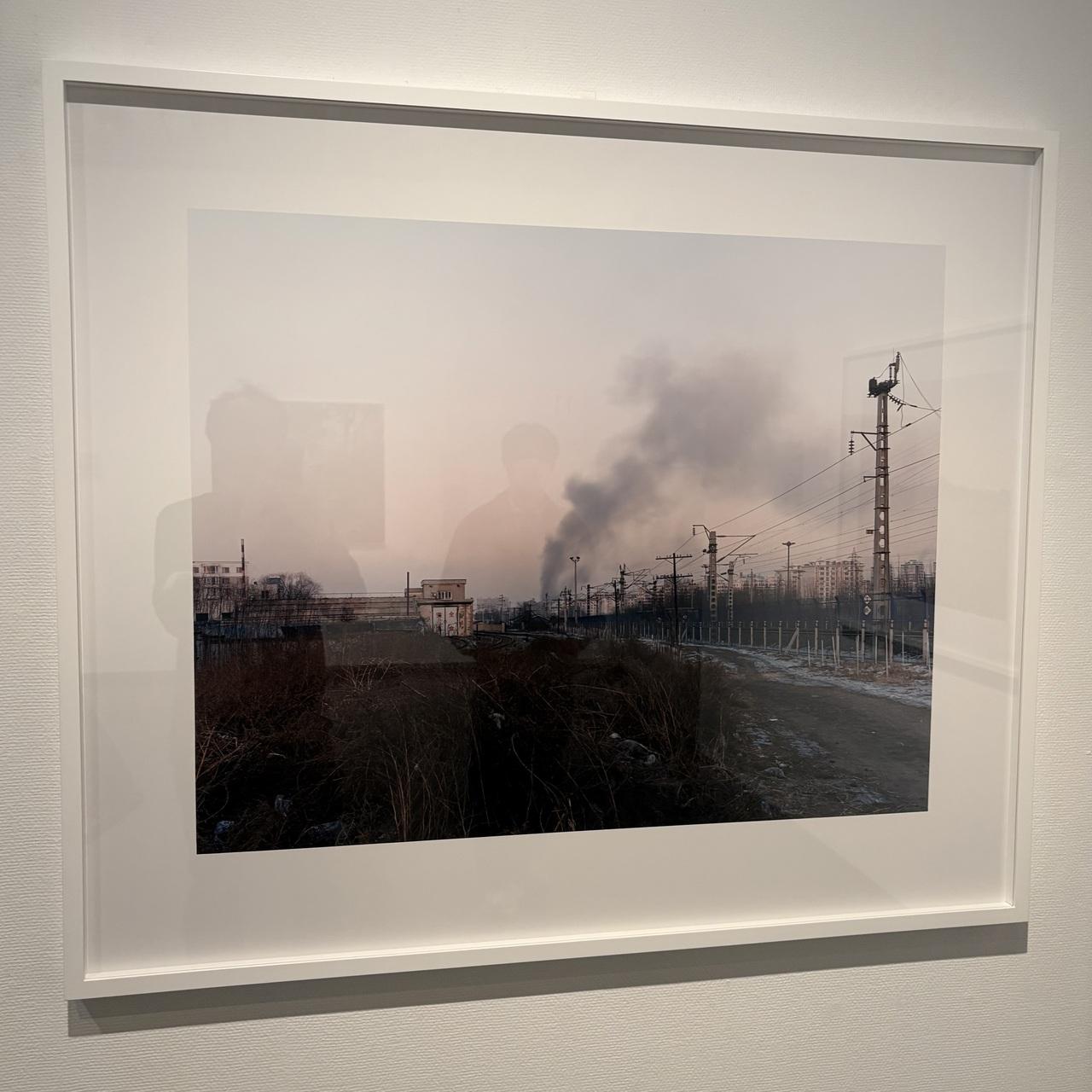
米田知子は、戦争などの惨事の舞台となった土地をめぐり、静けさの裏に潜む歴史の痕跡を写し出します。
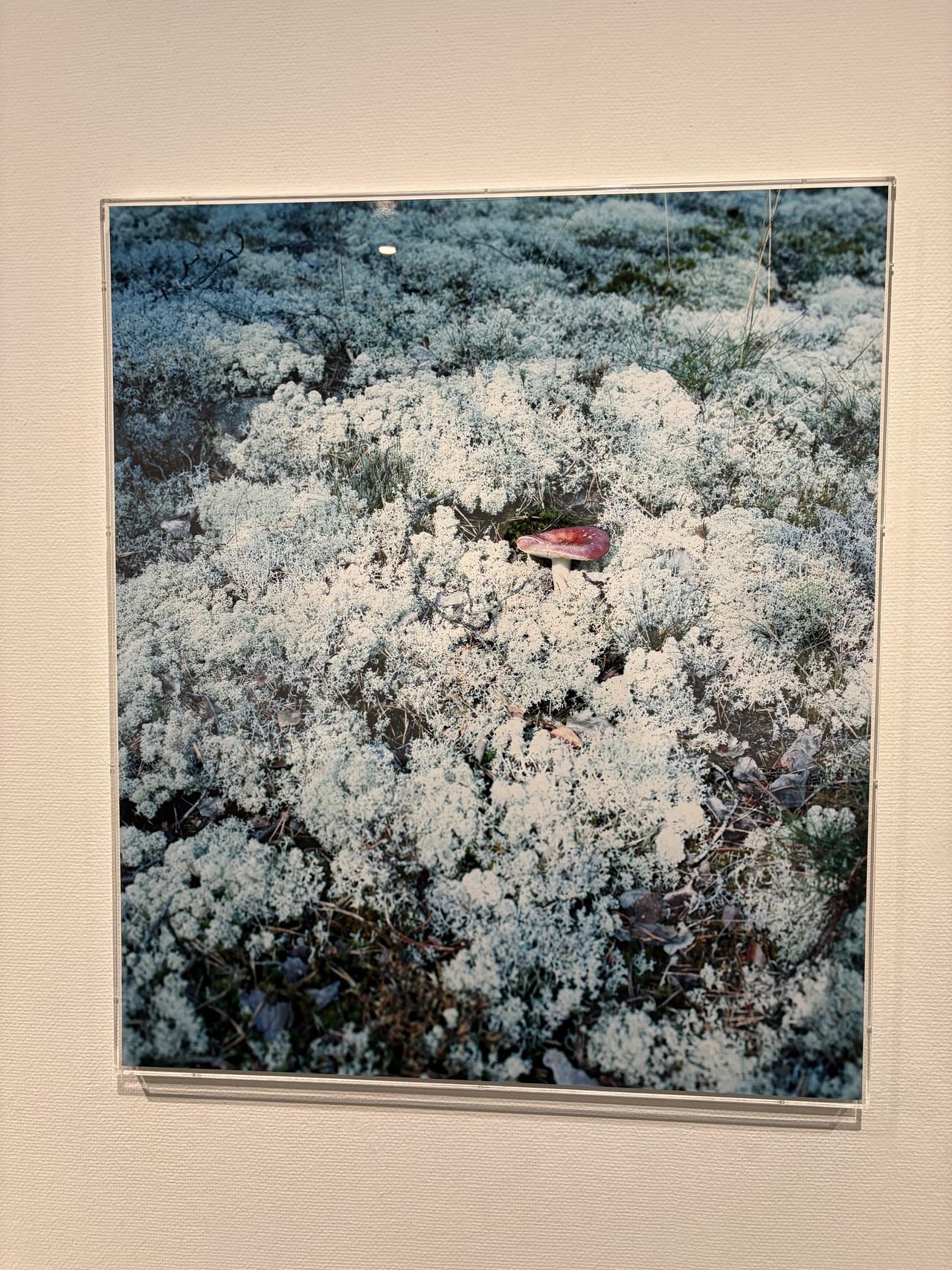
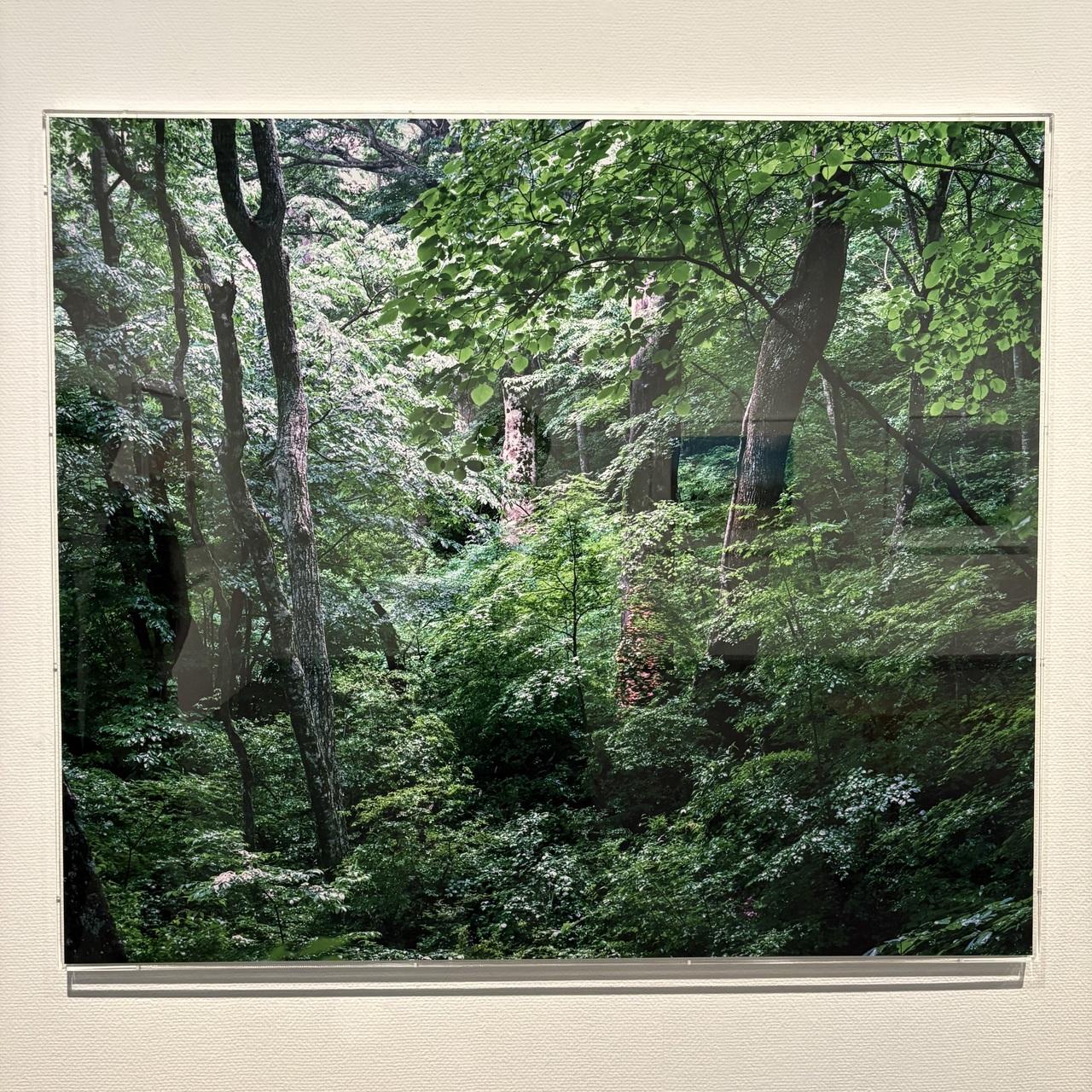
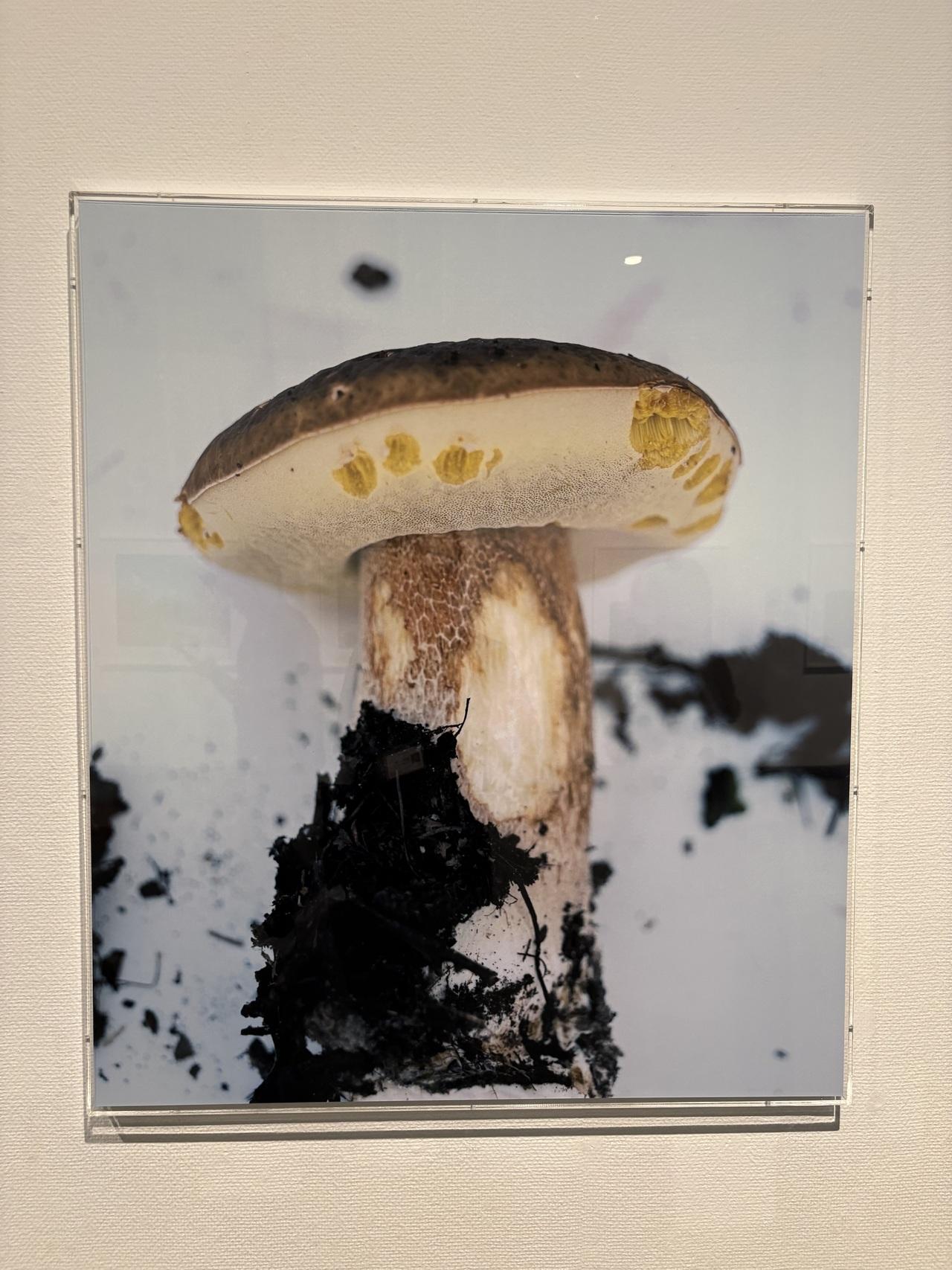
ホンマタカシは福島原発事故後の森やキノコを記録し、不可視の自然の変化に目を向けます。過去を多様な仕方で現前させる、それぞれの表現にご注目ください。
11. Memory and Recollection
This room presents contemporary works that evoke historical events in various ways. Since the late 20th century, artists have increasingly engaged with the past not by depicting history directly, but by adopting diverse perspectives and methods.
In his Today's Painting series, in which each work shows only a date, Kawara On invites viewers to reflect on the nature of time itself. Other artists critically examine history through archival materials.
Following the renewal of interest in Showa era (1926-1989) history after the death of Emperor Showa (Hirohito), Shimada Yoshiko produced etchings incorporating press photographs from World War Il, reexamining images of women during wartime. Meanwhile, in photography, rather than seeking to capture decisive moments, certain photographers turn their attention to the circumstances underlying events.
Yoneda Tomoko visits the sites of disasters such as wars, capturing traces of history that quietly persist in the present. Homma Takashi photographed forests and mushrooms in the wake of the Fukushima nuclear accident, focusing on unseen changes unfolding in nature. Together, these works present diverse and intriguing ways of conveying the past in the present. -
-
-
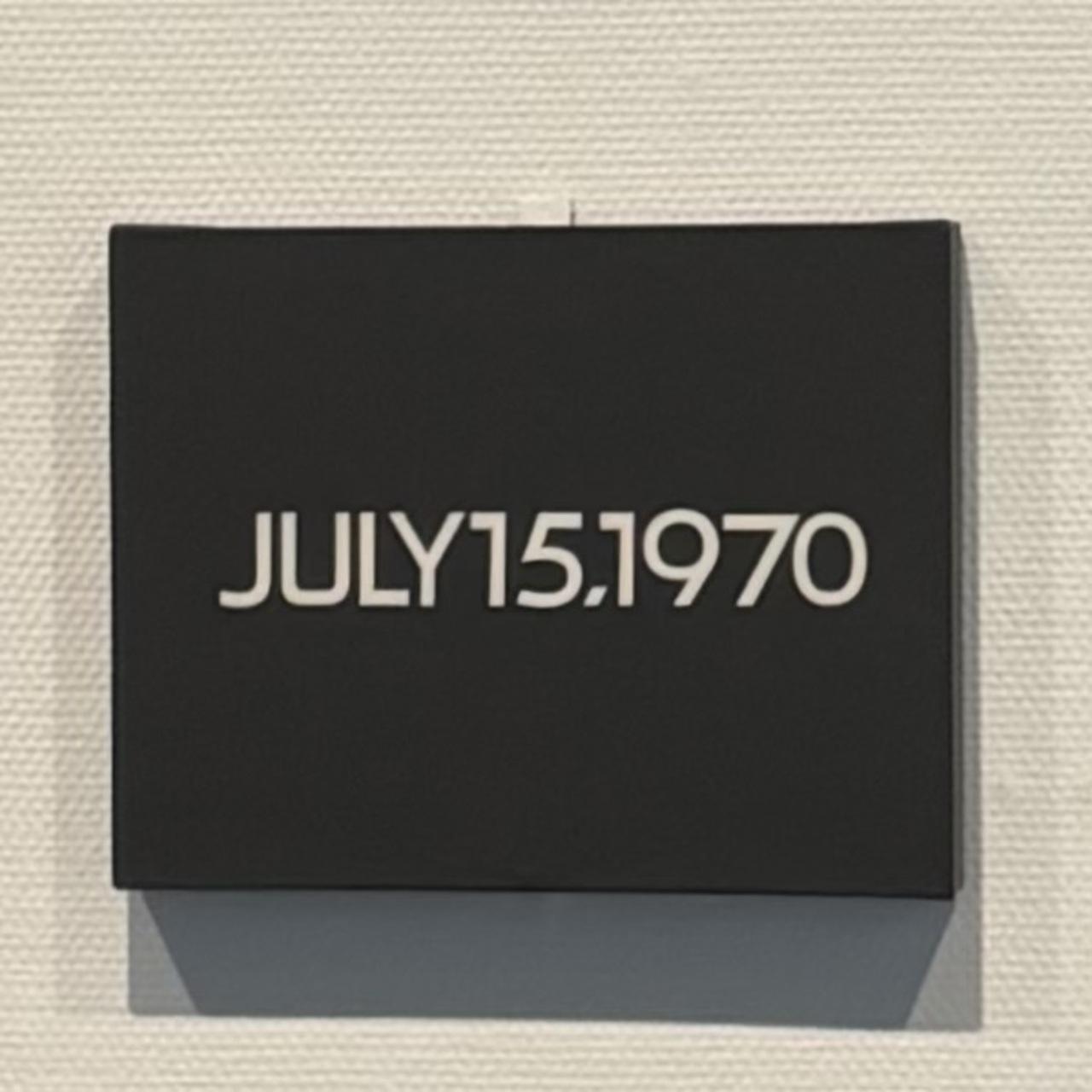
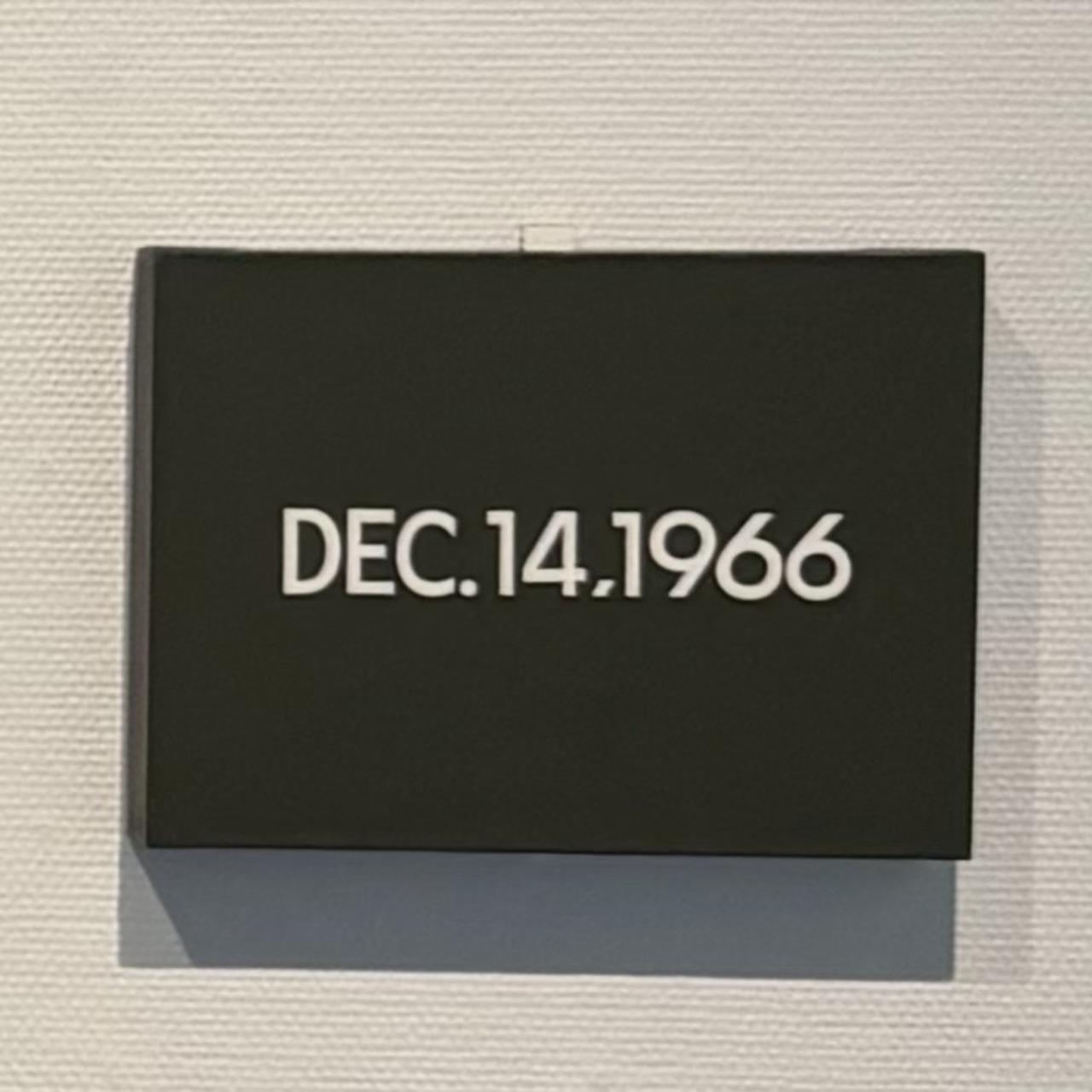
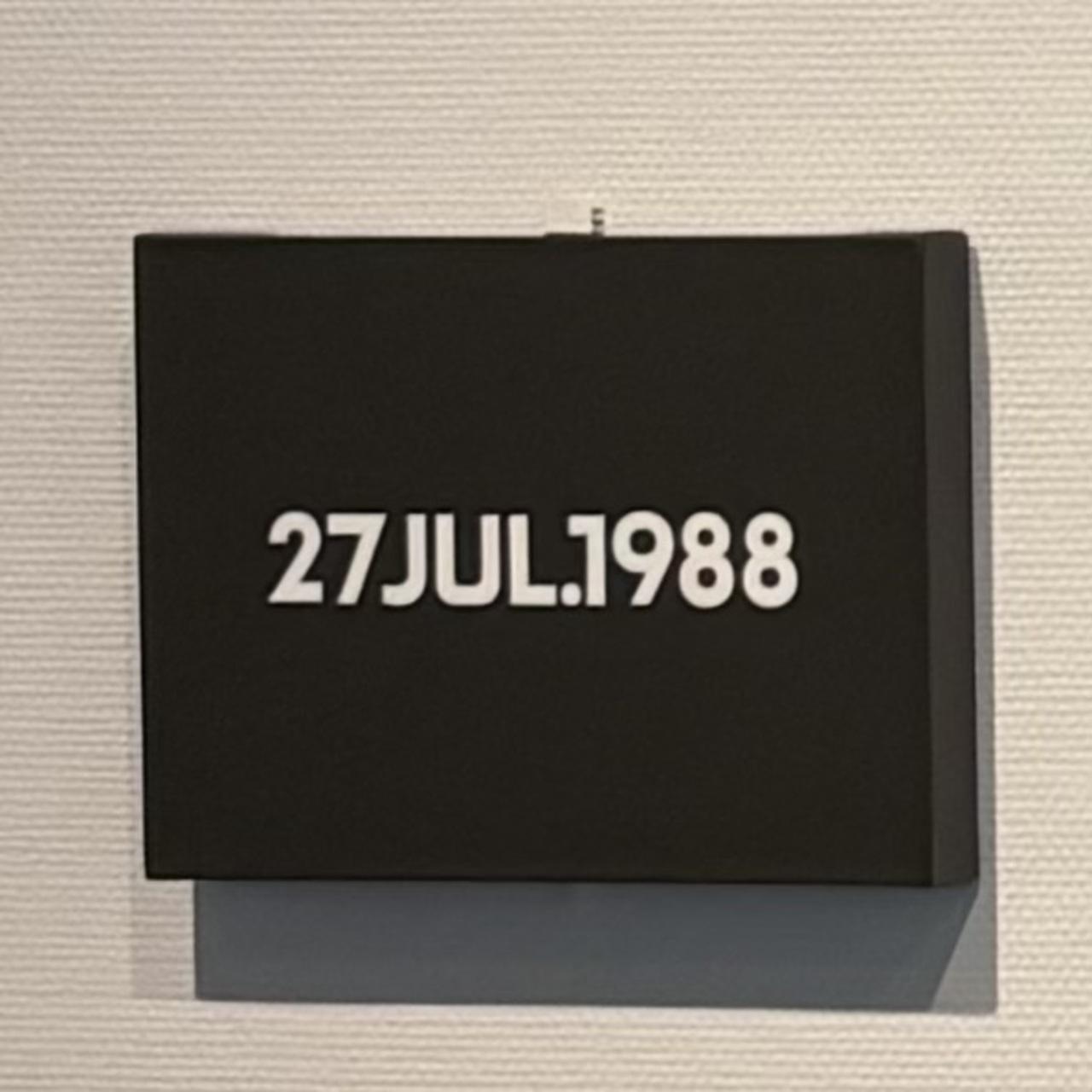
河原温
KAWARA, On
1933-2014
JULY 15, 1970, Todayシリーズ(1966-2013)より
JULY 15, 1970, from Today Series (1966-2013)
1970昭和45年
アクリリック・キャンバス acrylic on canvas
購入
Furchosed
<Date Painting (日付絵画)>は、1966年に制作が始まった、国際的に評価の高いシリーズです。
作品はその日の朝に描き始められ、夜12時までに終わらなければ破棄されます。それぞれが制作された場所と日付の新聞を貼り込んだ箱に納められています。一見取り付くしまもないクールさですが、あの日自分はどこにいて何をしていたのか、との問いを突き付けられた時、見る者の感情は思いがけず揺れ動きます。
Date Painting is an internationally renowned series that Kawara started in 1966.
He begins each work on the morning of the date depicted and destroys it if he hasn't completed the painting by midnight that night. Each work is packed in a box with a newspaper clipping from the place and date that the work was made attached inside it. At first glance, the works have a cool aspect that is difficult to come to terms with, but as we are faced with questions like,
"Where was I and what was I doing on that day?," our emotions are unexpectedly swayed. -
-
-
新収蔵作品
New Acquisition
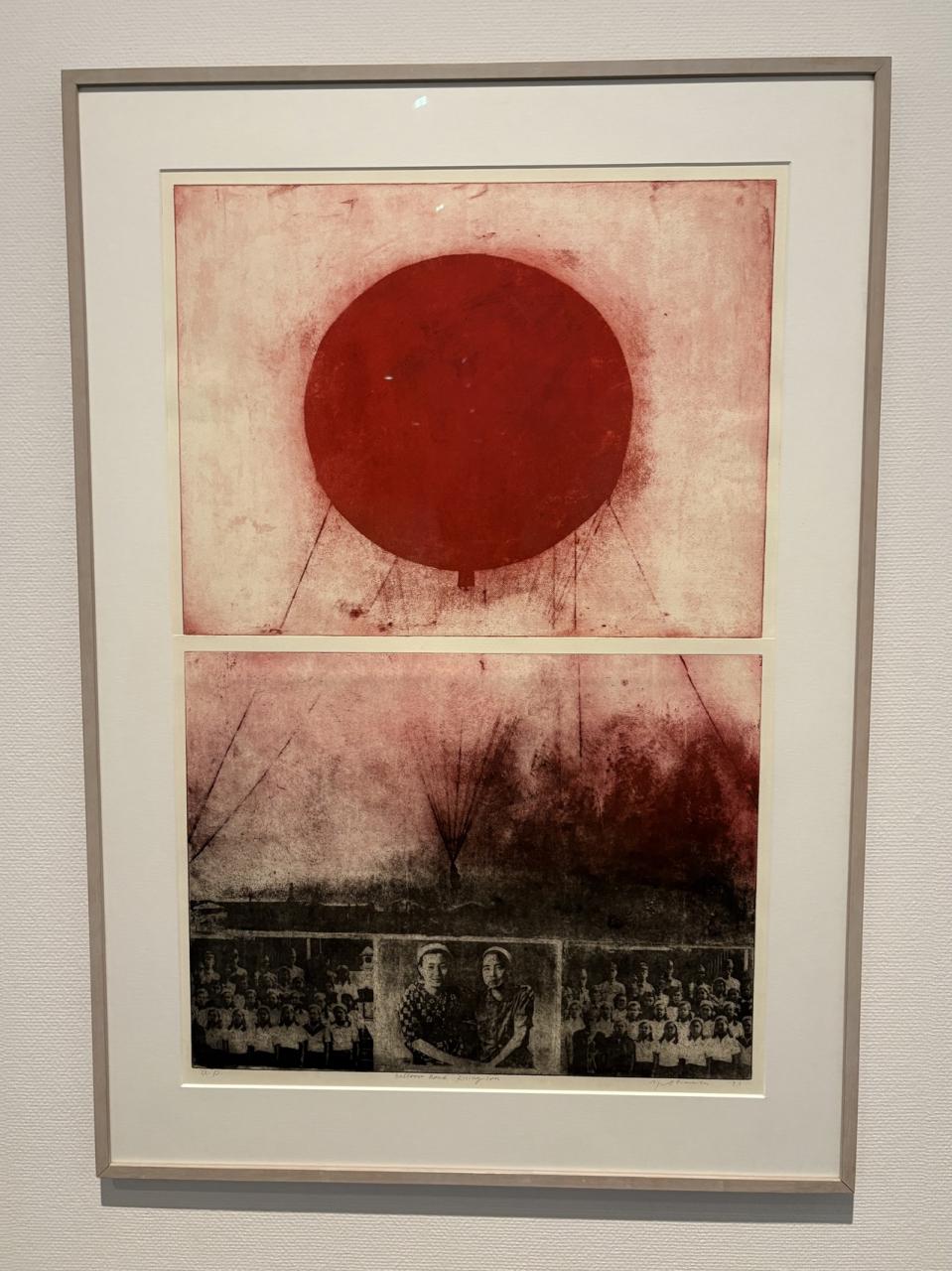
嶋田美子
SHIMADA, Yoshiko
1959-
風船爆弾・日の丸
A Balloon Bomb. Rising Sun
1993 平成5年
銅版 2点組 2 etchings
購入
Purchased -
新収蔵作品
New Acquisition
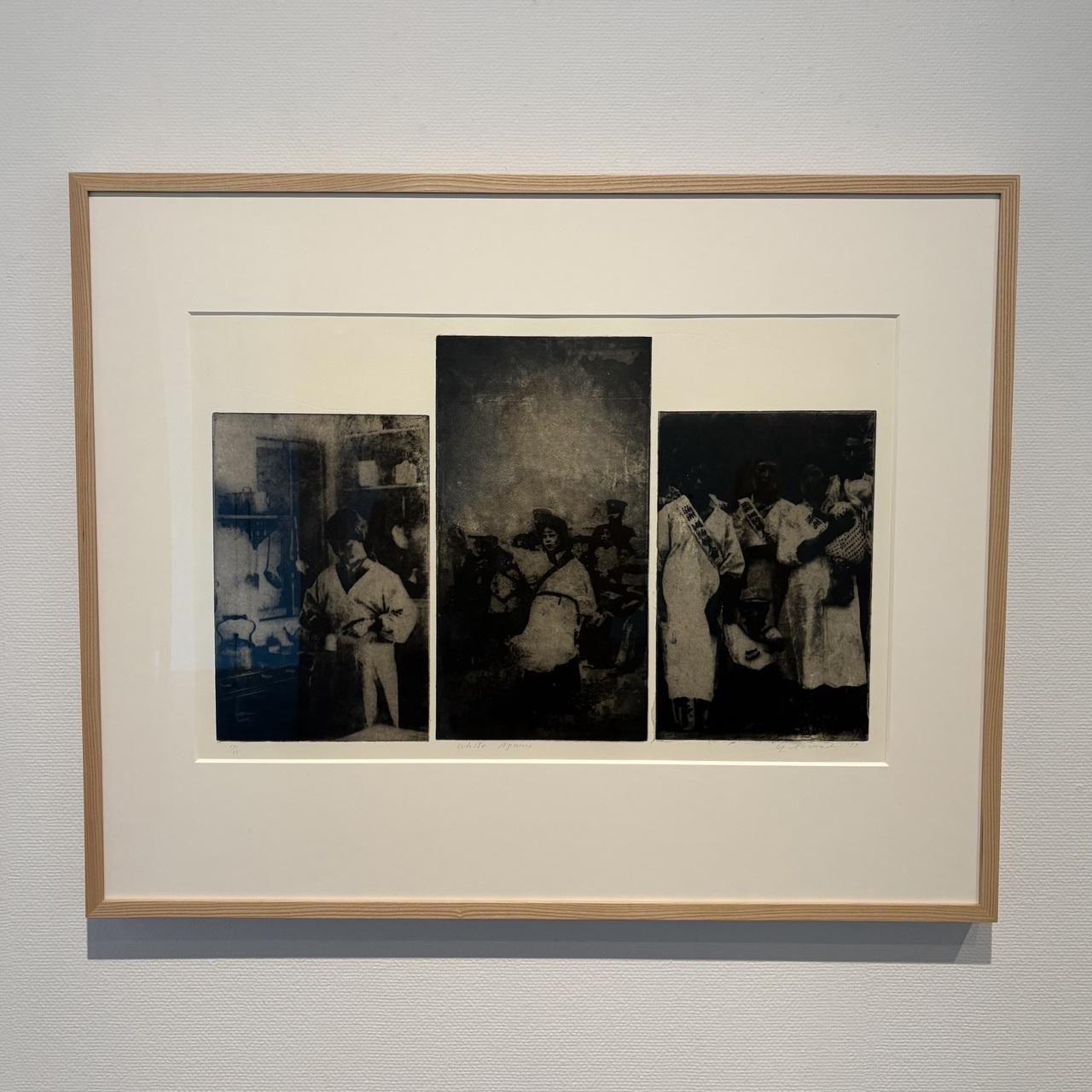
嶋田美子
SHIMADA, Yoshiko
1959-
白い割烹着
White Aprons
1993
平成5年
銅版 etching
購入
Purchased
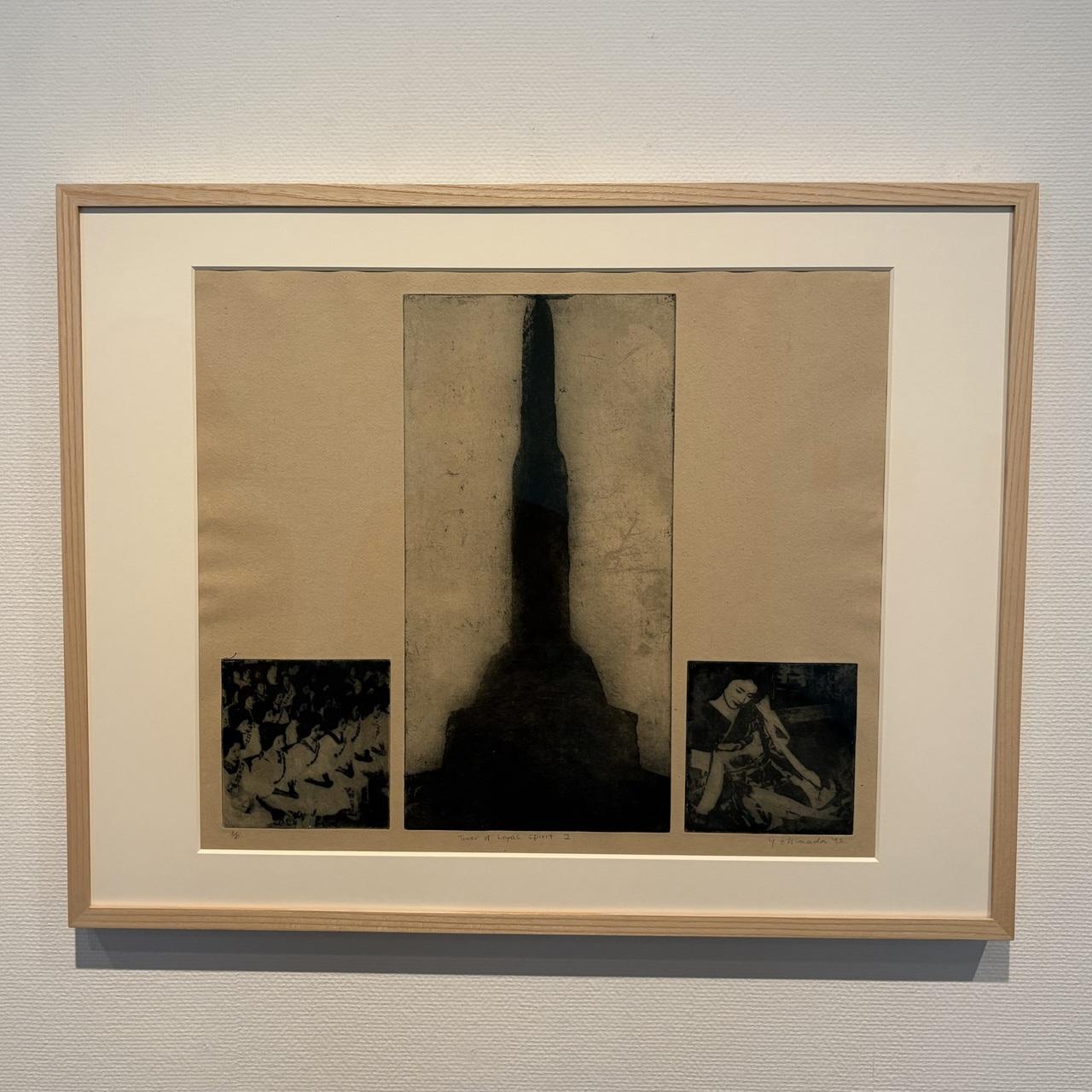
この銅版画は、1990年代に制作された「Past Imperfect (不完全な過去)」シリーズの一つで、戦時下の日本社会における女性像を問い直す作品です。太平洋戦争期、女性たちは「銃後の力」として家庭を守る役割を担いました。題名にもある割烹着は、良妻賢母を象徴する服装として重宝されました。鳴田は当時の報道写真を引用することで、女性たちが当時の社会的役割や価値観のなかで戦争に関与していた一面を浮かび上がらせます。
This etching is from Shimada Yoshiko's 1990s Past Imperfect series, a body of work that explores the portrayal of women in Japanese society during wartime. During World War II, women were seen as "the strength of the home front," taking on the role of protecting the household. The kappogi (traditional Japanese apron) referenced in the title was valued as a garment symbolizing the ideal of the good wife and wise mother. By incorporating press photographs from that period, Shimada reveals aspects of how women were led to participate in the war through the social roles and values of the time. -
新収蔵作品
New Acquisition
嶋田美子
SHIMADA, Yoshiko
1959-
Tower of Loyal Spirit I
1995 平成7年
銅版
etching
購入
Purchased -
-
米田知子
YONEDA, Tomoko
1965-
「Scene」より地雷原一地雷が埋められたサッカー場、サラエボ
Minefield - View of mined football pitch, Sarajevo from Scene
発色現像方式印画 chromogenic print
購入
Purchased -
米田知子
YONEDA, Tomoko
1965-
「Scene」より 丘一沖縄戦終焉の地、摩文仁、沖縄
Hill-Site of mass suicides by Japanese after the American invasion in WWII, Okinawa, Japan from Scene
2002 平成14年
発色現像方式印画
chromogenic print
購入
Purchased -
米田知子
YONEDA, Tomoko
1965-
「Scene」より
線路一満州事変勃発となる関東軍が爆破を仕掛けた線路を臨む、瀋陽
Railway Track-Overlooking the location of where the Japanese Army fabricated a bombing to create a reason to invade Manchuria, Shenyang, China from Scene
2007
平成19年
発色現像方式印画 chromogenic print
購入
Purchased -
ホンマタカシ
HOMMA, Takashi
1962-
「その森の子供」より Scandinavia #5
Scandinavia #5 from mushrooms from the forest
2012 平成24年
発色現像方式印画
chromogenic print
購入
Purchased -
-
-
(続く・・・)
この旅行記のタグ


利用規約に違反している投稿は、報告する事ができます。
-
前の旅行記

MOMAT ~2026.2.8:その10.1950~60年代:有機的な彫刻/川端龍子と青龍社。"ジェルメーヌ...
2026/02/05~
神田・神保町
-
次の旅行記

MOMAT コレクション展 ~2026.2.8:12.入れ替わる世界、ひらかれる感覚。"冨井大裕《board...
2026/02/05~
神田・神保町
-

"MOMAT〔国立東京近代美術館〕コレクション展 ~2026.2.8" その1.ハイライト。"奈良美智《Ha...
2026/02/05~
神田・神保町
-

"MOMAT〔国立東京近代美術館〕コレクション展 ~2026.2.8" その2.新か、旧か? "和田三造《南...
2026/02/05~
神田・神保町
-

"MOMAT〔国立東京近代美術館〕コレクション展~2026.2.8" その3.キュビスム再考 "ナターリア・...
2026/02/05~
神田・神保町
-

"MOMAT〔国立東京近代美術館〕コレクション展 ~2026.2.8" その4.『濹東綺譚』。"木村荘八 、...
2026/02/05~
神田・神保町
-

"MOMAT コレクション展 ~2026.2.8" その5.1930年代の絵画:現実の彼方へ、幻影の手前で。...
2026/02/05~
神田・神保町
-

MOMAT〔国立東京近代美術館〕コレクション展 ~2026.2.8: その6.戦時の女性たち。"『主婦之友』...
2026/02/05~
神田・神保町
-

MOMAT〔国立東京近代美術館〕コレクション展 ~2026.2.8: その7.アクション前夜。"朝倉摂 《黒...
2026/02/05~
神田・神保町
-

MOMAT コレクション展 ~2026.2.8:8.「・・・アクション!」&「・・・カット!」。"ルーチョ・...
2026/02/05~
神田・神保町
-

MOMAT〔国立東京近代美術館〕コレクション展 ~2026.2.8:その9."細江英公「薔薇刑」"
2026/02/05~
神田・神保町
-

MOMAT ~2026.2.8:その10.1950~60年代:有機的な彫刻/川端龍子と青龍社。"ジェルメーヌ...
2026/02/05~
神田・神保町
-

MOMAT〔国立東京近代美術館〕コレクション展 ~2026.2.8:その11.記憶と想起。"河原温《1966...
2026/02/05~
神田・神保町
-

MOMAT コレクション展 ~2026.2.8:12.入れ替わる世界、ひらかれる感覚。"冨井大裕《board...
2026/02/05~
神田・神保町
-

国立東京近代美術館 "コレクションによる小企画 没後30年 榎倉康二(~2026.2.8)"《 干渉(STO...
2026/02/05~
神田・神保町
旅行記グループをもっと見る
コメントを投稿する前に
十分に確認の上、ご投稿ください。 コメントの内容は攻撃的ではなく、相手の気持ちに寄り添ったものになっていますか?
サイト共通ガイドライン(利用上のお願い)報道機関・マスメディアの方へ 画像提供などに関するお問い合わせは、専用のお問い合わせフォームからお願いいたします。






フォートラベル公式LINE@

おすすめの旅行記や旬な旅行情報、お得なキャンペーン情報をお届けします!
QRコードが読み取れない場合はID「@4travel」で検索してください。
\その他の公式SNSはこちら/




旅行記グループ MOMAT コレクション〔国立東京近代美術館 所蔵作品展〕(2025.11.5-2026.2.8)
0
17