


2026/02/05 - 2026/02/05
35位(同エリア932件中)

旅熊 Kokazさん
- 旅熊 KokazさんTOP
- 旅行記1924冊
- クチコミ854件
- Q&A回答102件
- 1,705,763アクセス
- フォロワー752人
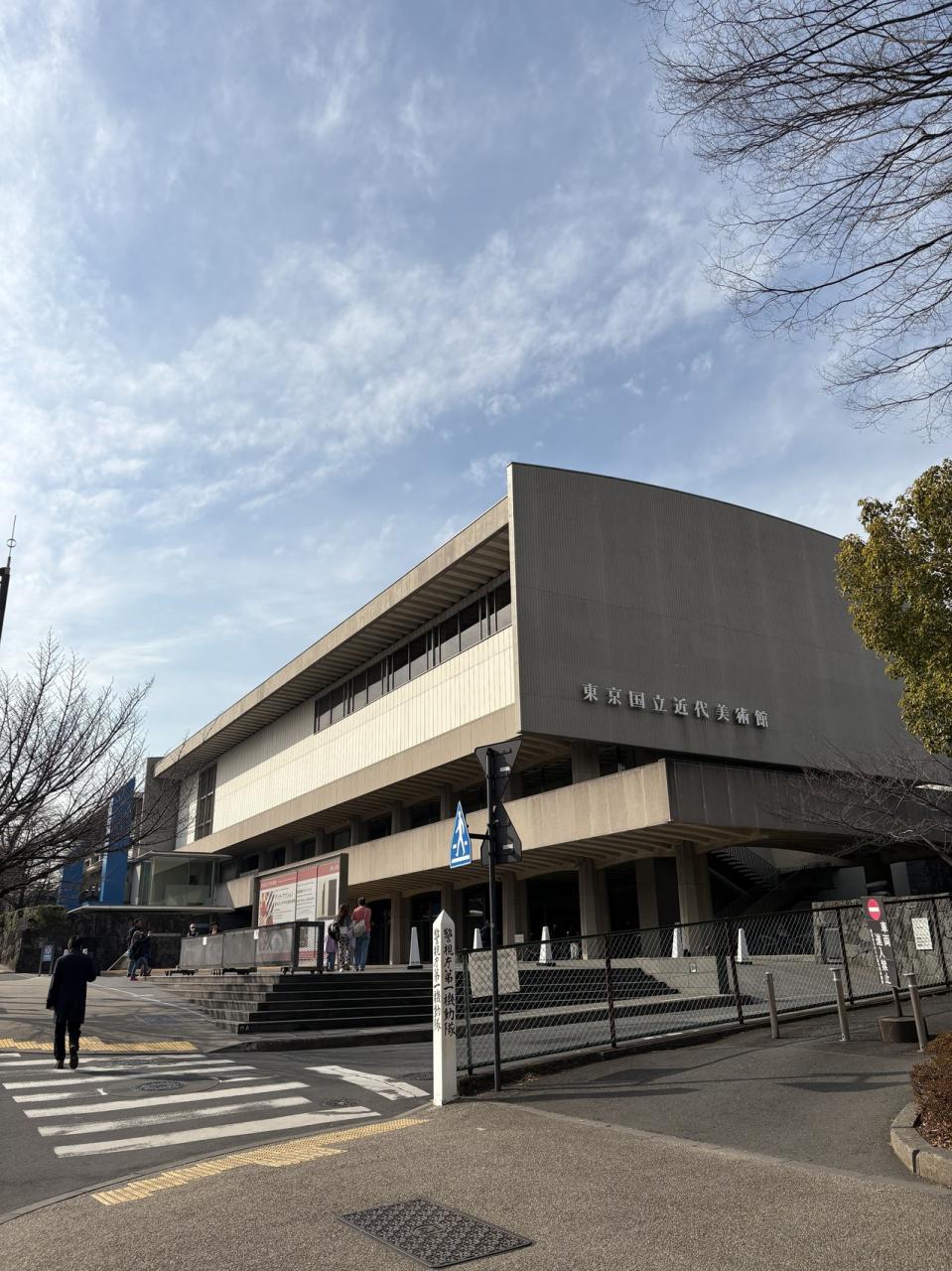
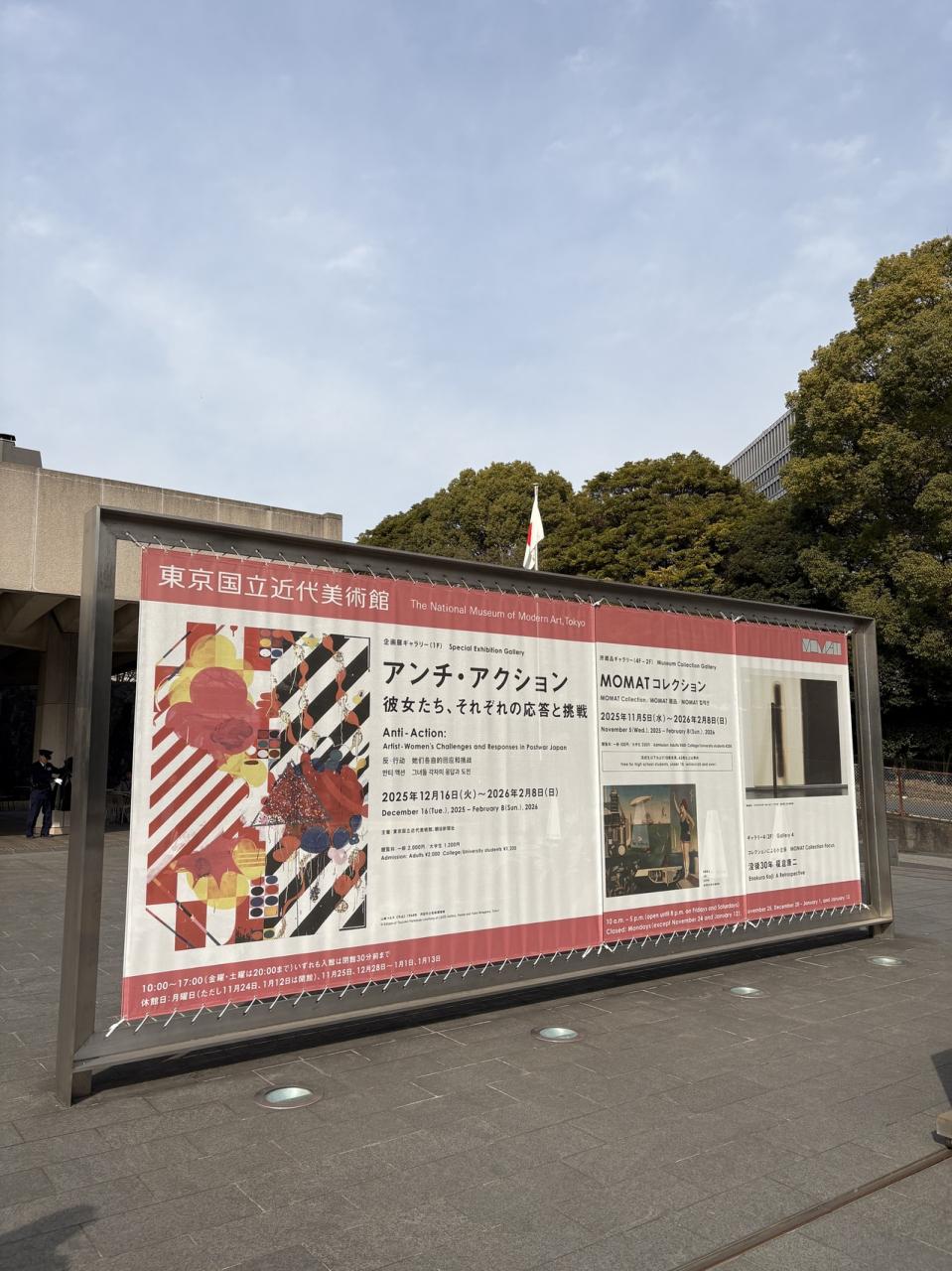
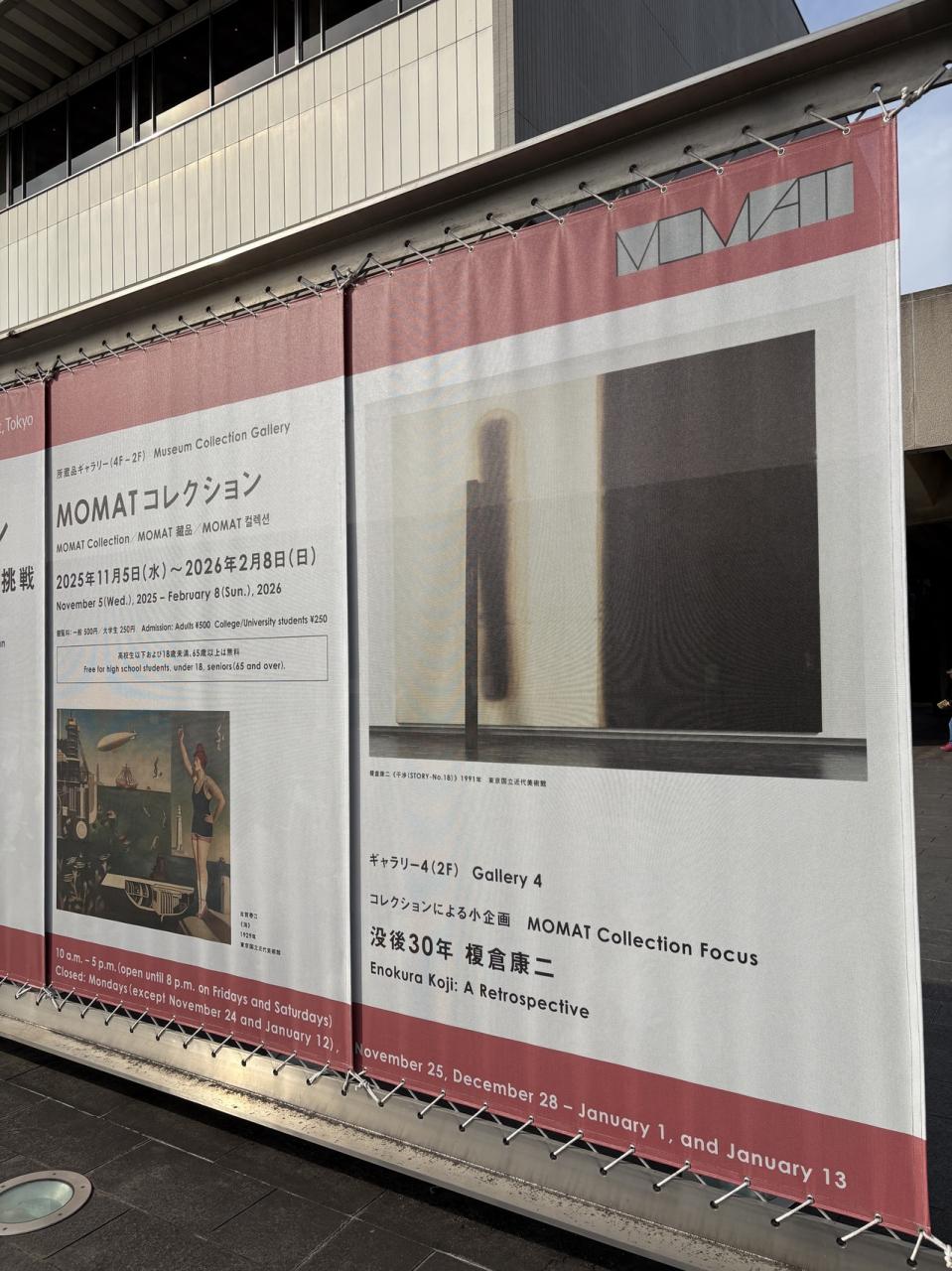
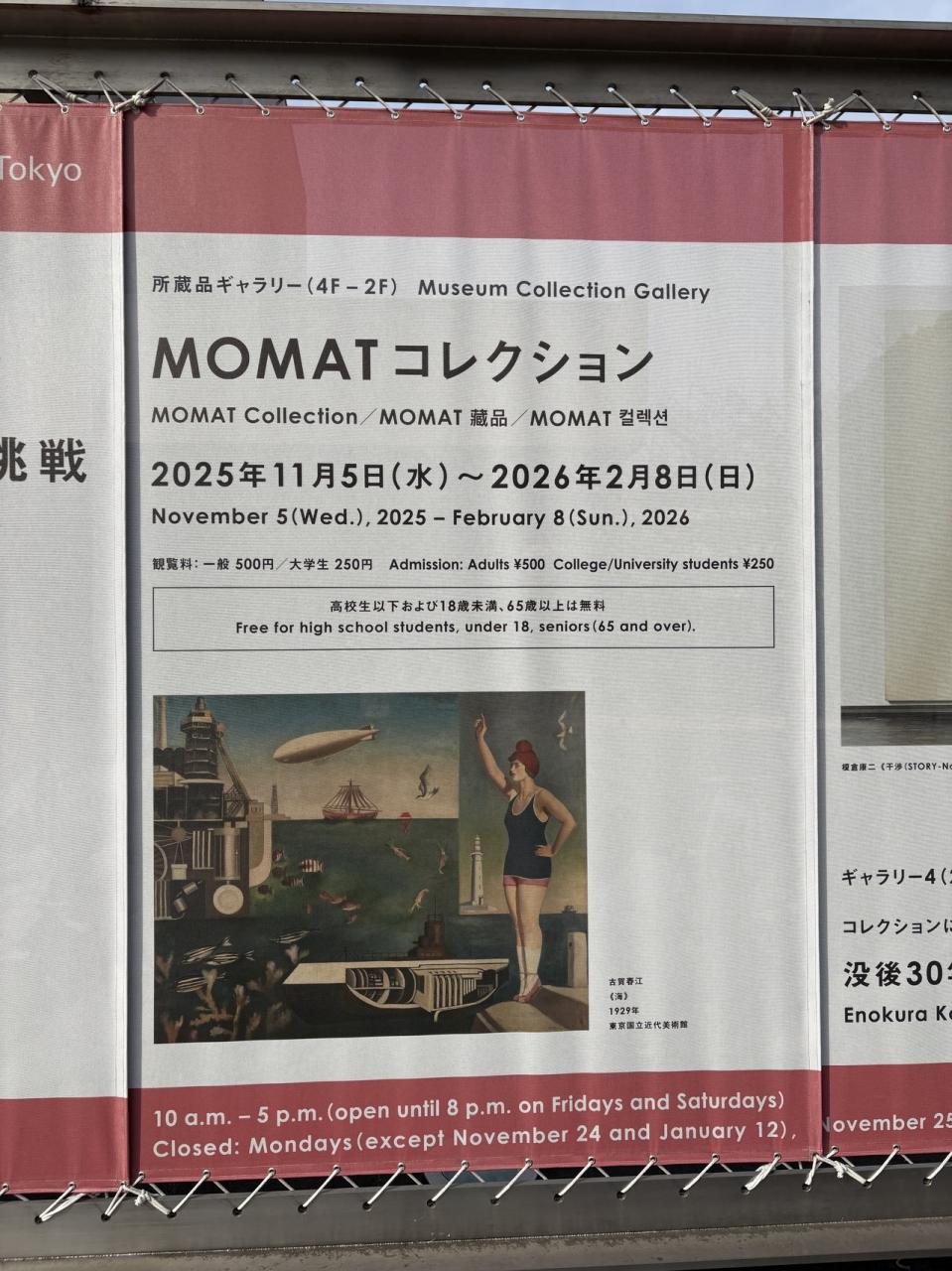
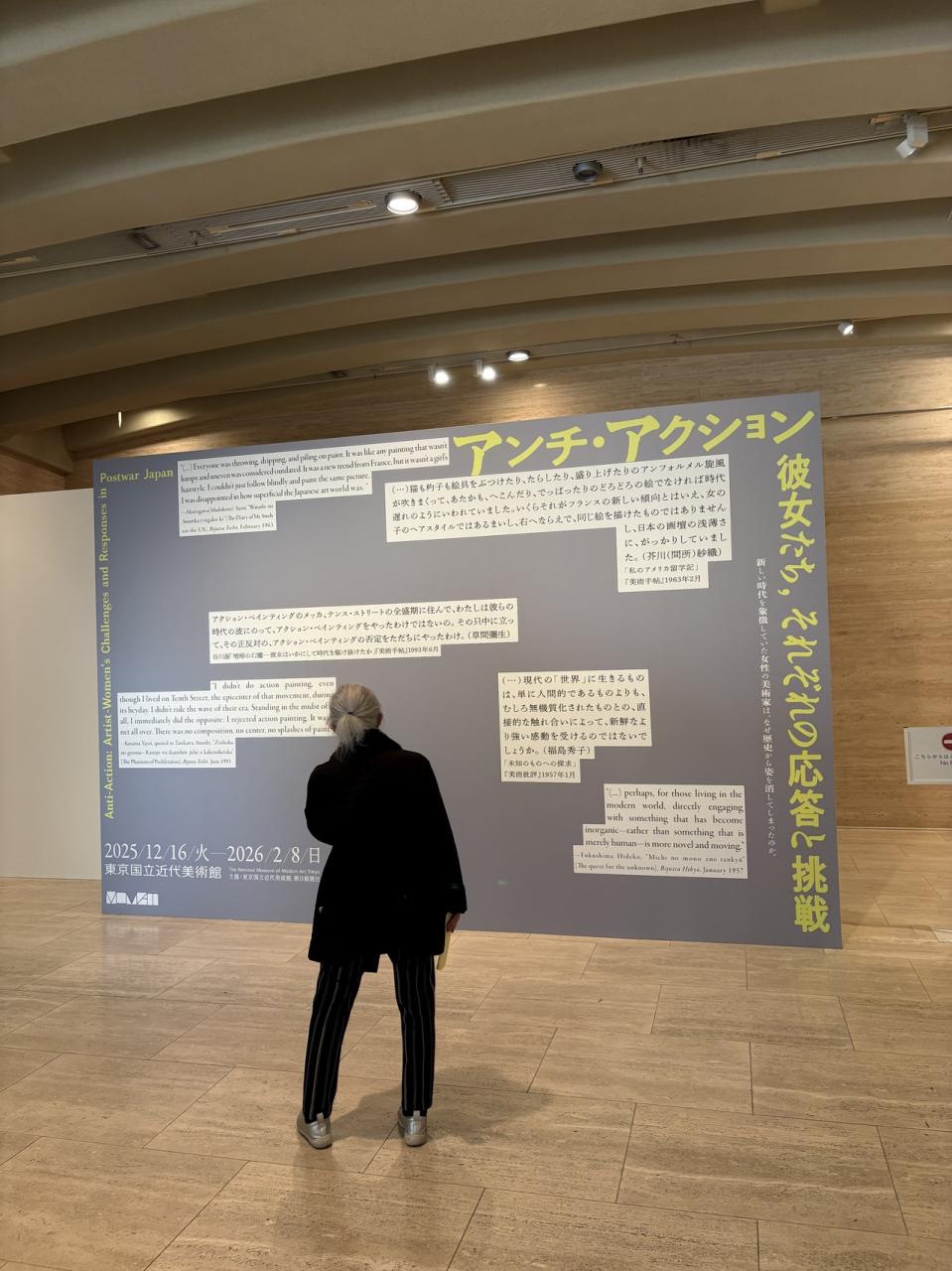
MOMAT コレクション〔国立東京近代美術館 所蔵作品展〕(2025.11.5-2026.2.8)
2025年11月5日-2026年2月8日の所蔵作品展のみどころ
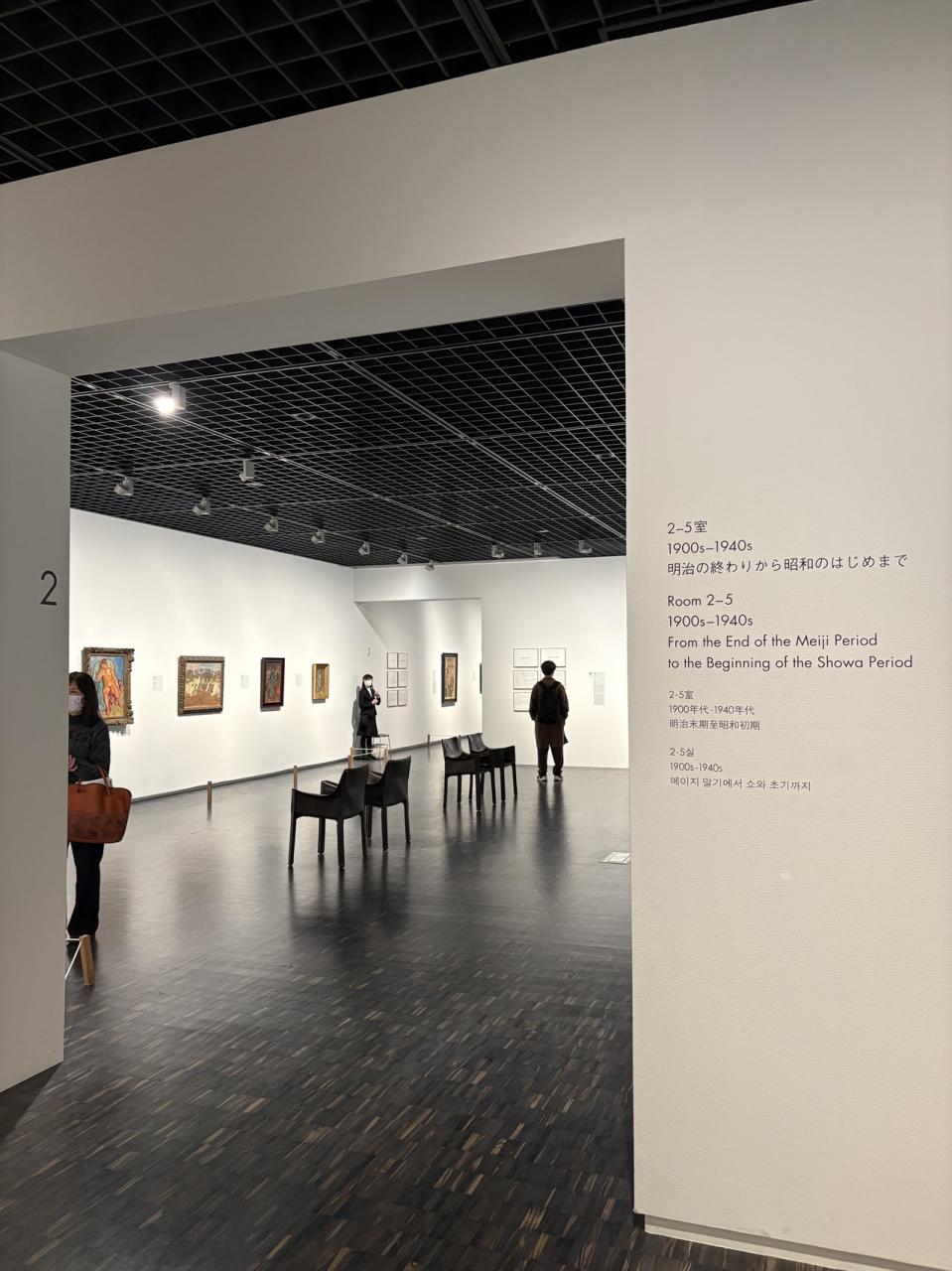
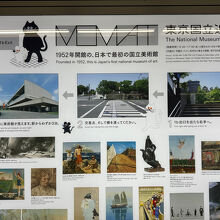
当館コレクション展の特徴をご紹介します。まずはその規模。1952年の開館以来の活動を通じて収集してきたおよそ14,000点の所蔵作品から、会期ごとに約200点を展示する国内最大級のコレクション展です。そして、それぞれ小さなテーマが立てられた全12室のつながりによって、19世紀末から今日に至る日本の近現代美術の流れをたどることができる国内随一の展示です。
今期のみどころ紹介です。長らく国外への貸出が続いていた奈良美智《Harmless Kitty》(1994年)が、約2年ぶりにMOMATコレクションに帰ってきました。4階ハイライト・コーナーでご覧いただけます。3階9室では写真家の細江英公の初期代表作「薔薇刑」を展示します。2024年に逝去された細江の追悼と、被写体となった小説家三島由紀夫の生誕100年記念(2025年)を兼ねての紹介です。
今期も、新収蔵作品が多く展示されています(作品横に貼られた「新収蔵作品」マークが目印です)。長く館を代表してきた顔ぶれにフレッシュな新星と、盛りだくさんのMOMATコレクションをお楽しみください。
https://www.momat.go.jp/exhibitions/r7-2
- 旅行の満足度
- 5.0
-

竹橋 名所・史跡
-
東京国立近代美術館 美術館・博物館
-
-
-
-
-
-
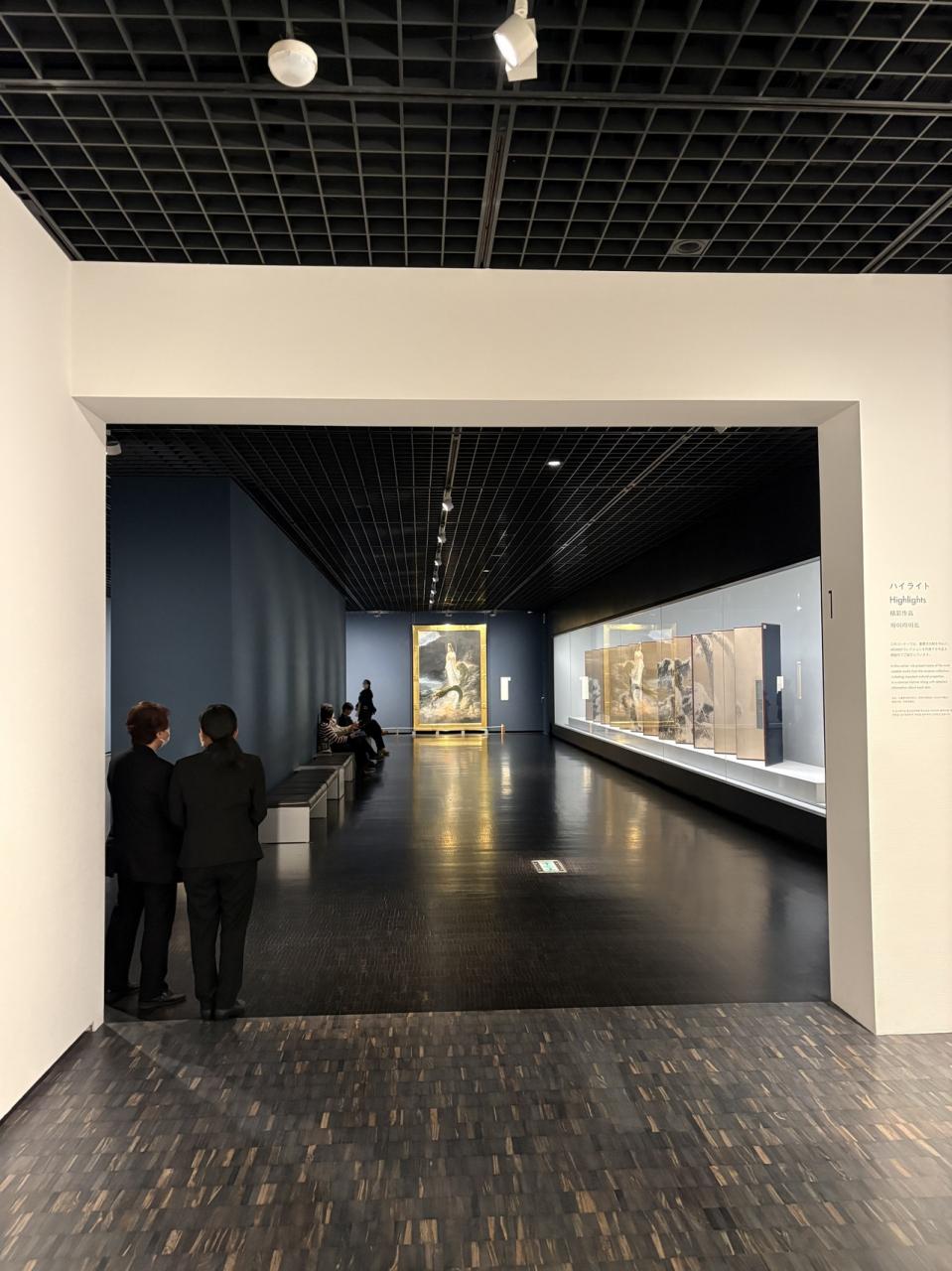
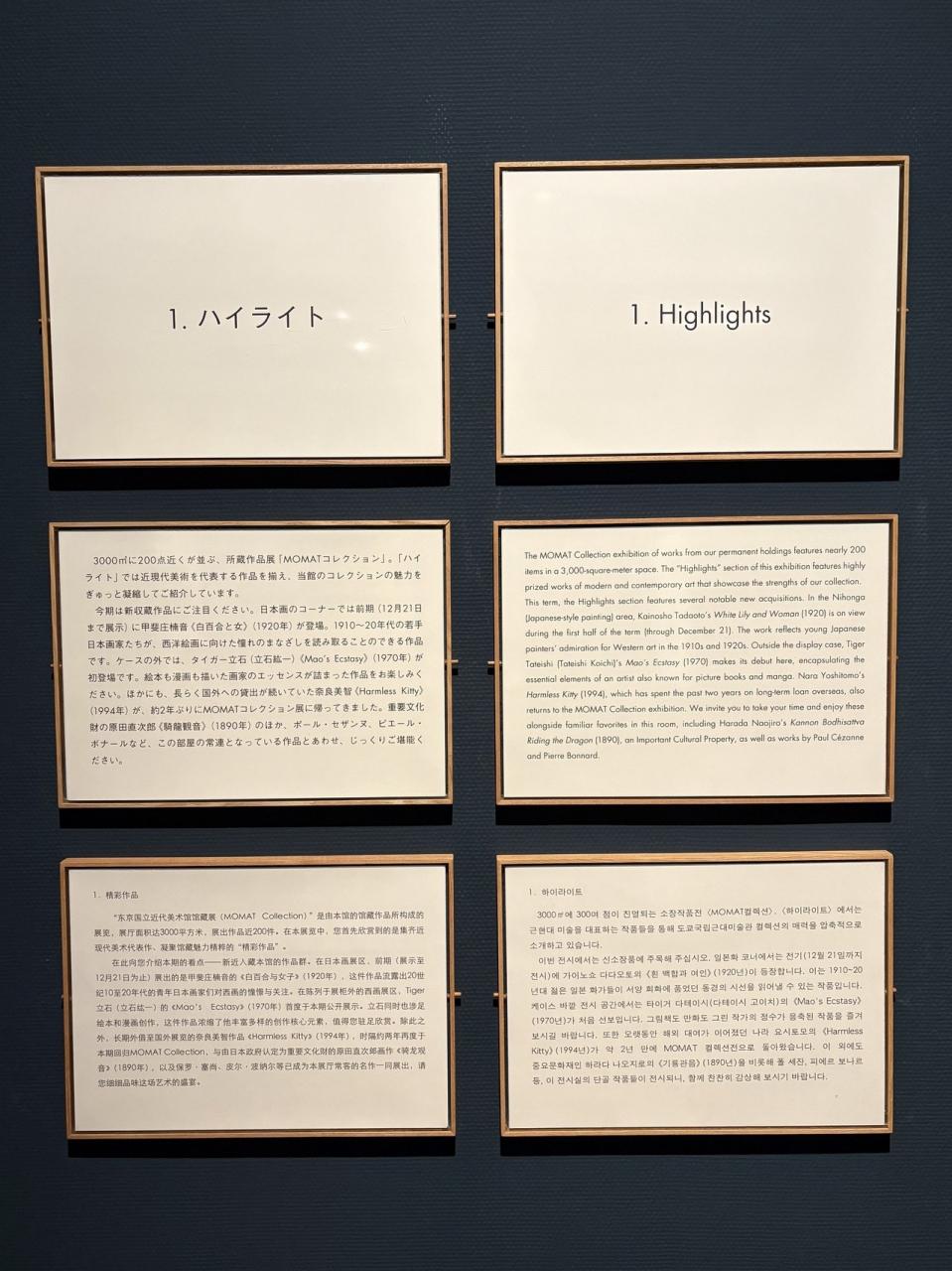
1. ハイライト
3000mに200点近くが並ぶ、所蔵作品展「MOMATコレクション」。「ハイライト」では近現代美術を代表する作品を揃え、当館のコレクションの魅力をぎゅっと凝縮してご紹介しています。
今期は新収蔵作品にご注目ください。日本画のコーナーでは前期(12月21日まで展示)に甲斐庄音<白百合と女>(1920年)が登場。1910~20年代の若手日本画家たちが、西洋絵画に向けた憧れのまなざしを読み取ることのできる作品です。
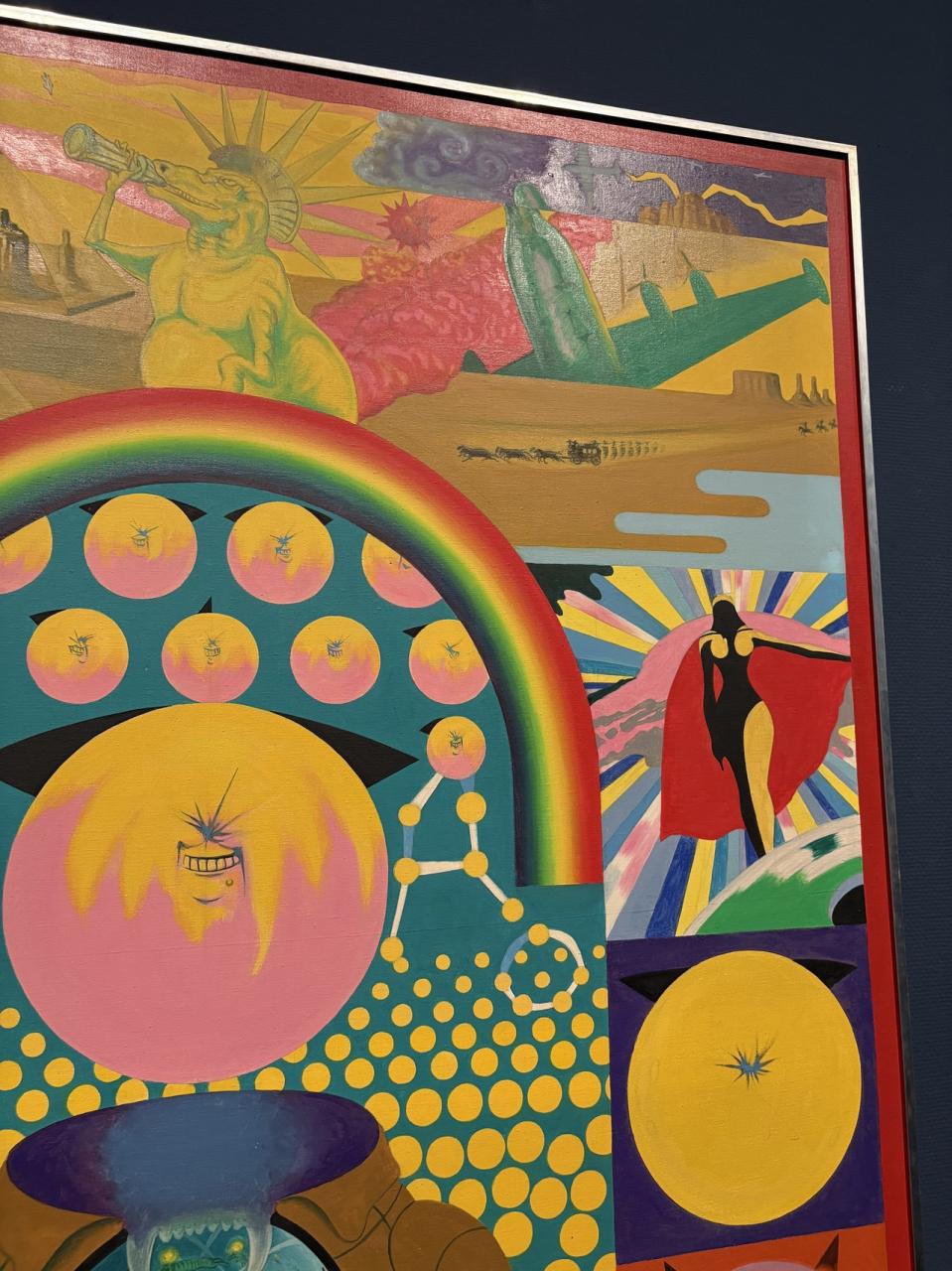
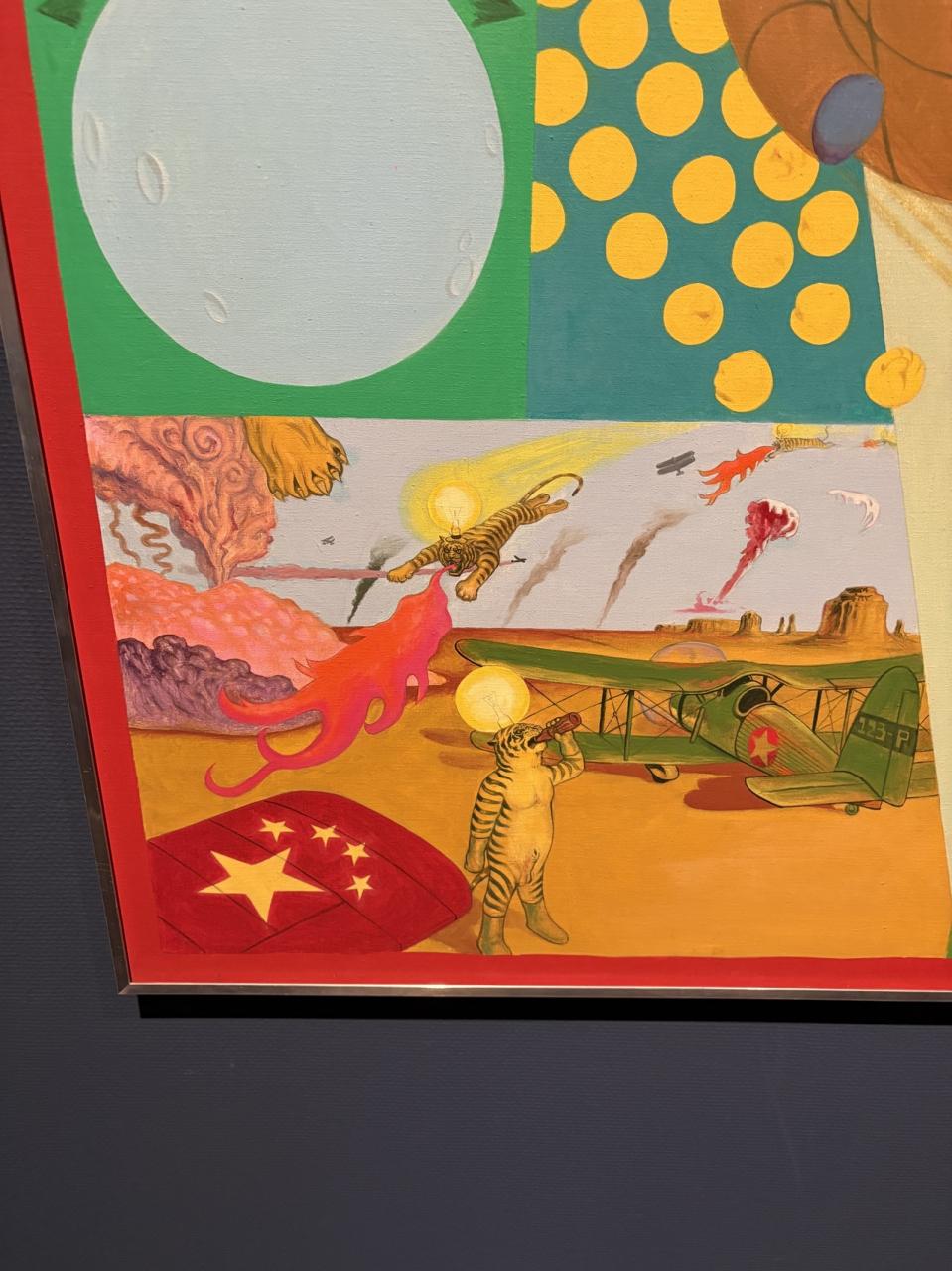
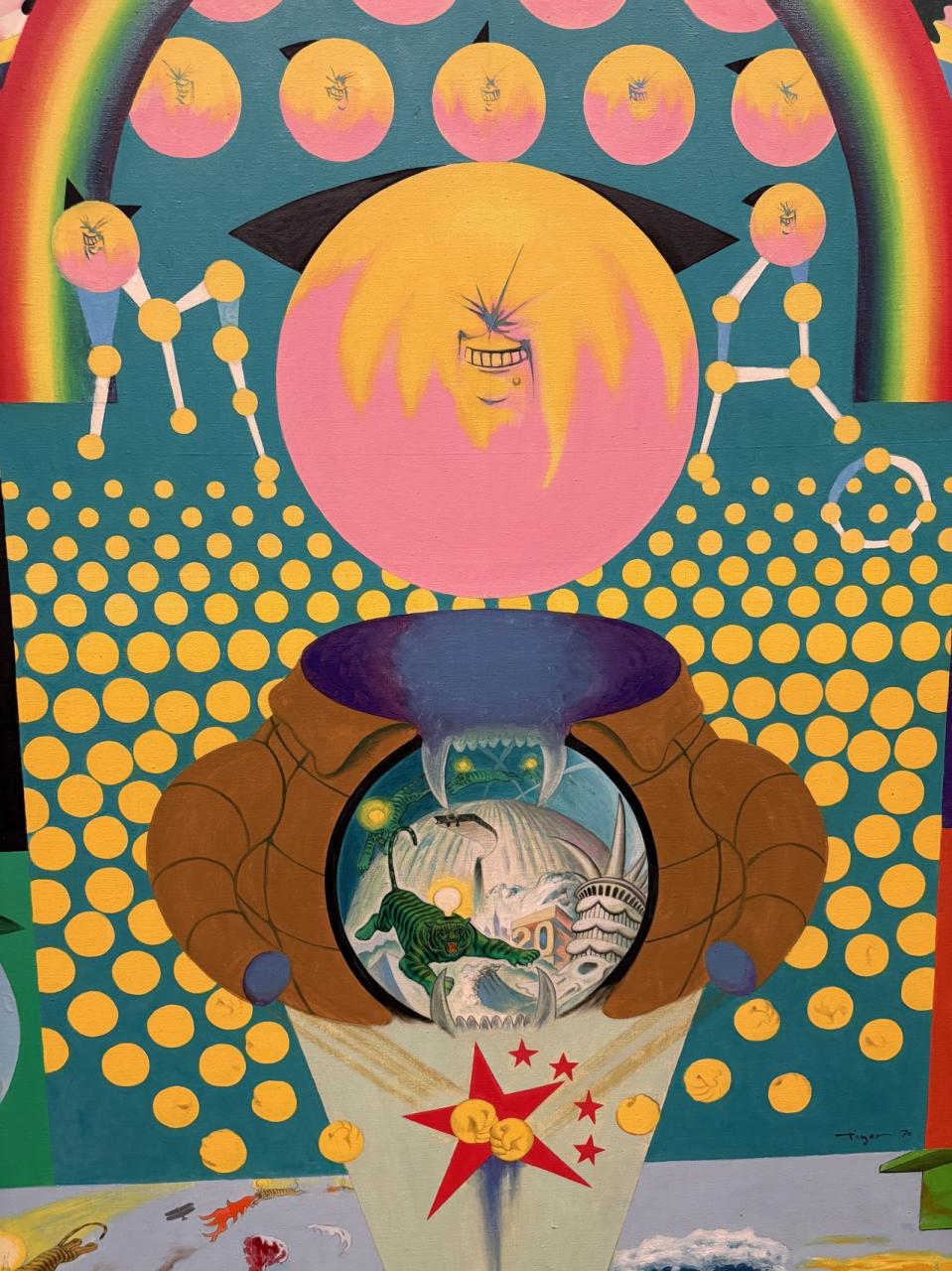
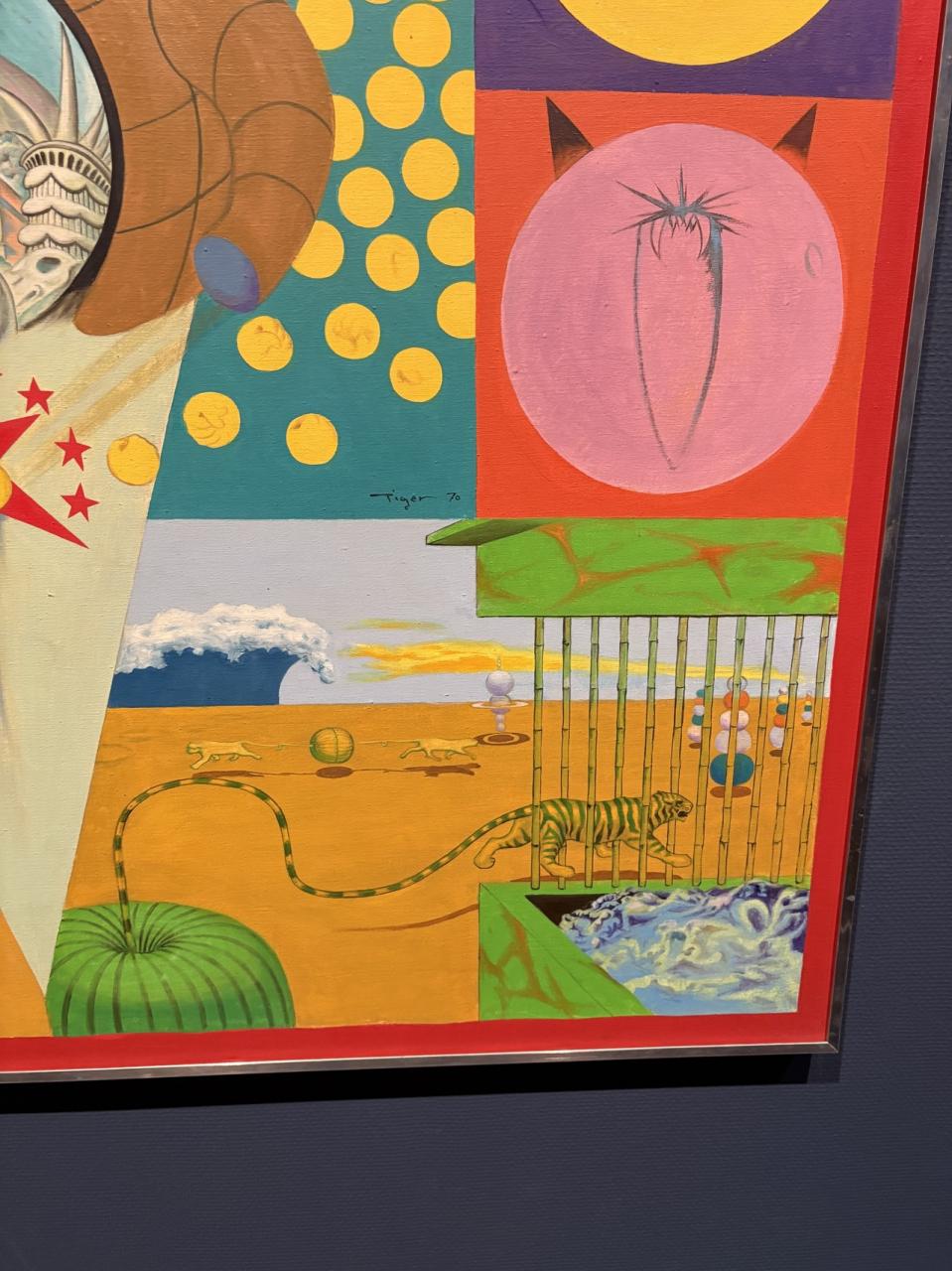
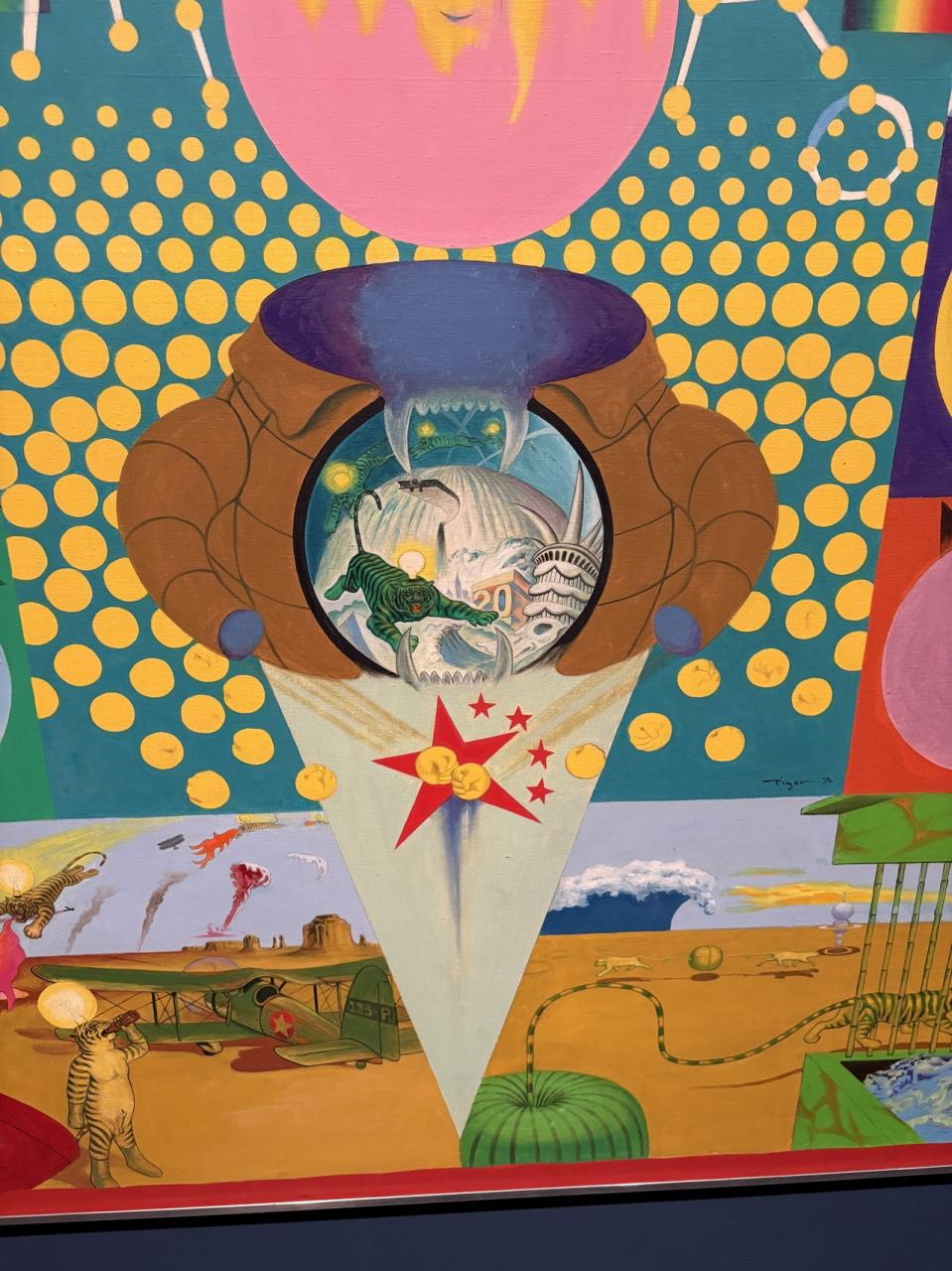
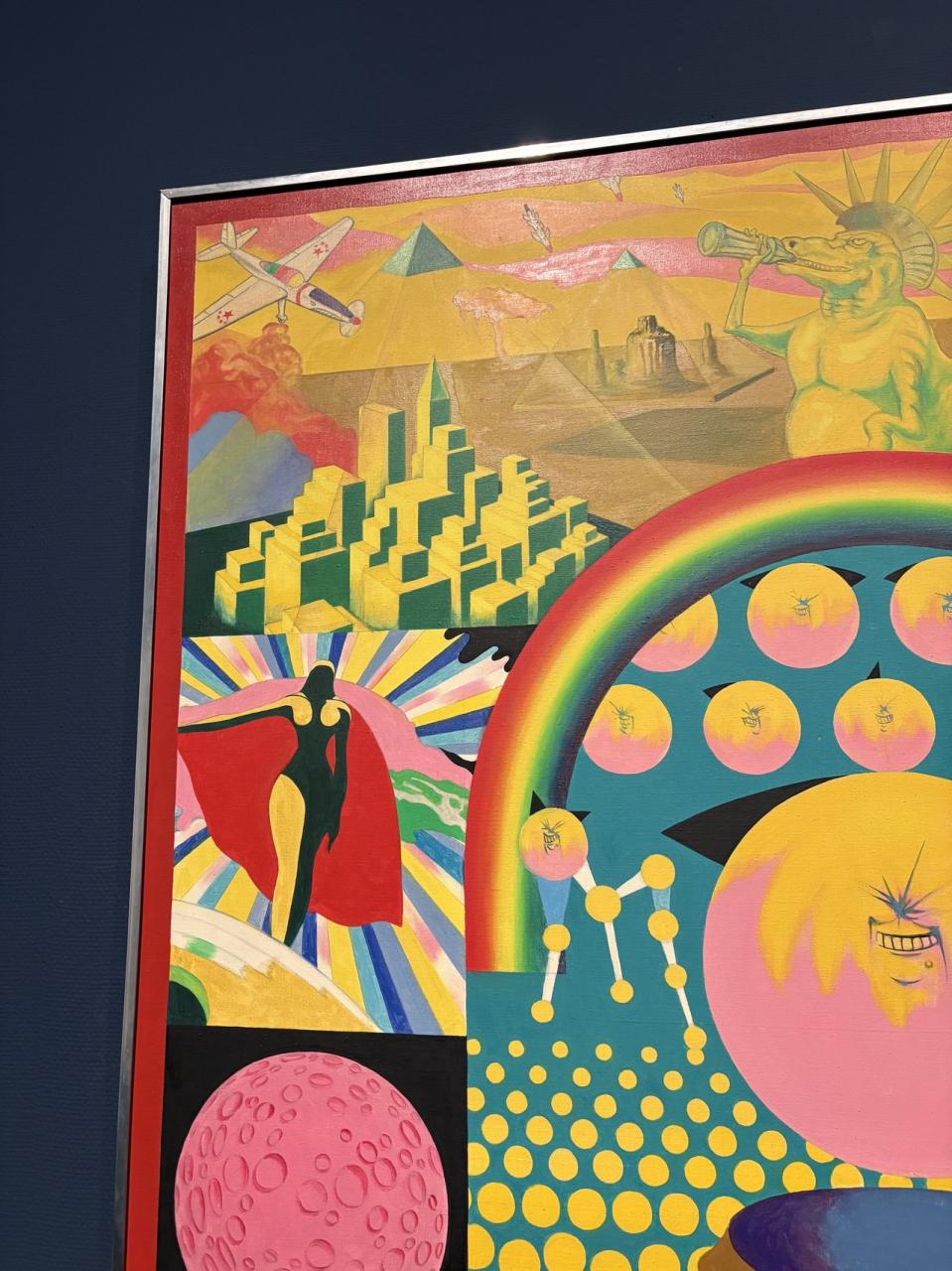
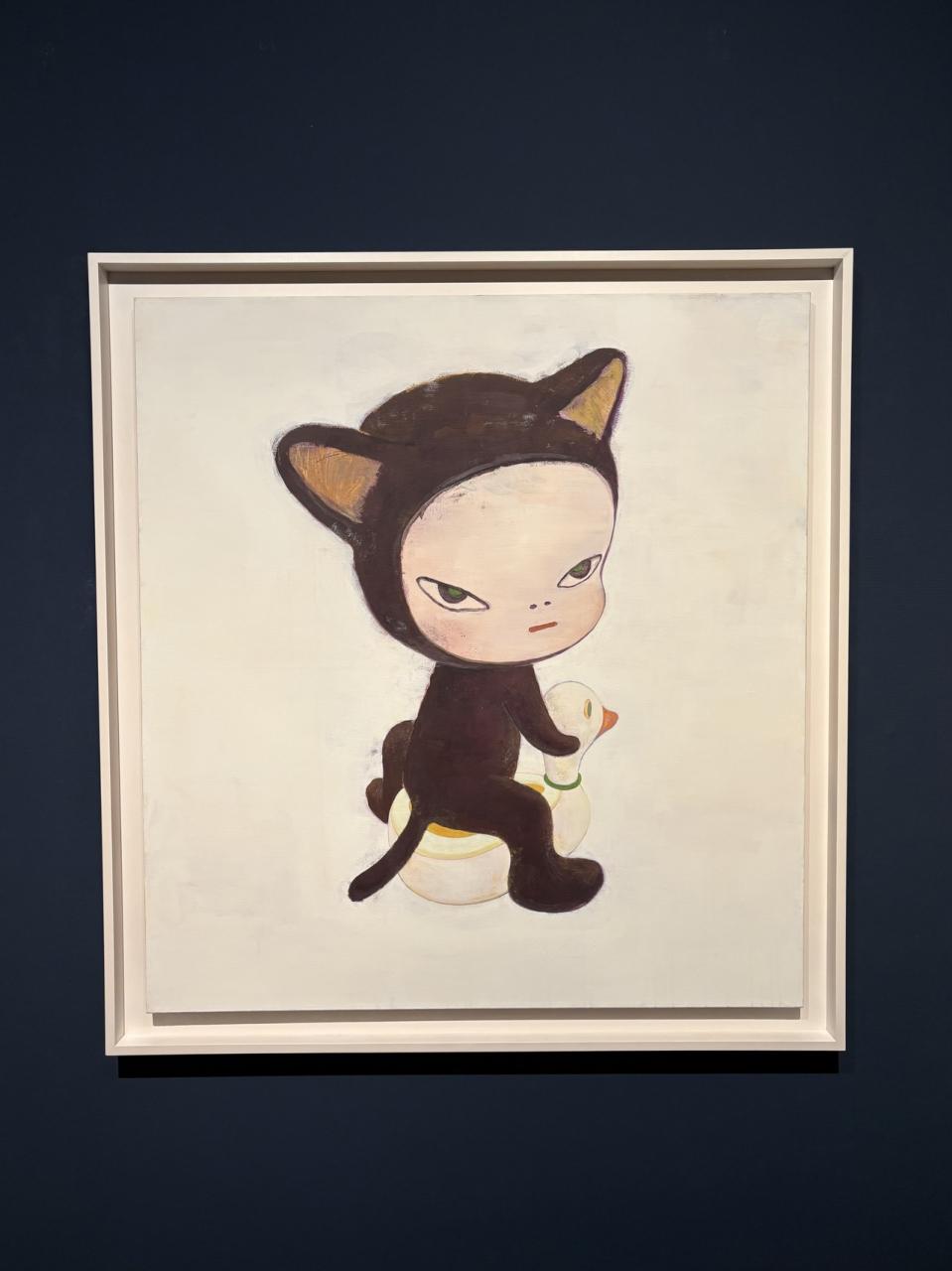
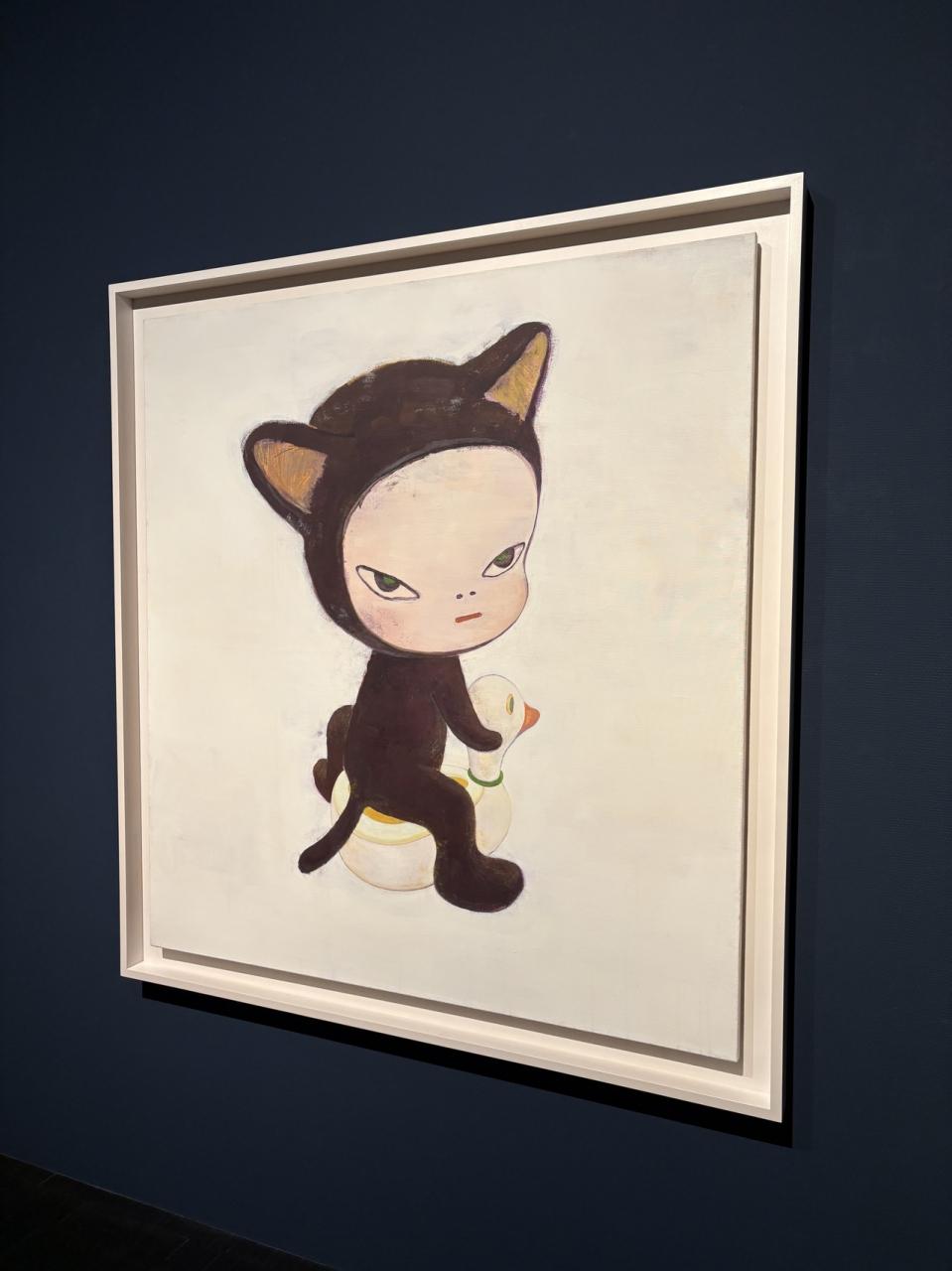
ケースの外では、タイガー立石(立石紘一)<Mao's Ecstasy>(1970年)が初登場です。絵本も漫画も描いた画家のエッセンスが詰まった作品をお楽しみください。ほかにも、長らく国外への貸出が続いていた奈良美智<Harmless Kitty>(1994年)が、約2年ぶりにMOMATコレクション展に帰ってきました。重要文化財の原田直次郎<騎龍観音>(1890年)のほか、ポール・セザンヌ、ピエール・ボナールなど、この部屋の常連となっている作品とあわせ、じっくりご堪能ください。
1. Highlights
The MOMAT Collection exhibition of works from our permanent holdings features nearly 200 items in a 3,000-square-meter space. The "Highlights" section of this exhibition features highly prized works of modern and contemporary art that showcase the strengths of our collection.
This term, the Highlights section features several notable new acquisitions. In the Nihonga (Japanese-style painting) area, Kainosho Tadaoto's White Lily and Woman (1920) is on view during the first half of the term (through December 21). The work reflects young Japanese painters' admiration for Western art in the 1910s and 1920s.
Outside the display case, Tiger Tateishi (Tateishi Koichil's Mao's Ecstasy 1970) makes its debut here, encapsulating the essential elements of an artist also known for picture books and manga. Nara Yoshitomo's Harmless Kitty 1994), which has spent the past two years on long-term loan overseas, also returns to the MOMAT Collection exhibition. We invite you to take your time and enjoy these alongside familiar favorites in this room, including Harada Naojiro's Kannon Bodhisattva Riding the Dragon (1890), an Important Cultural Property, as well as works by Paul Cézanne and Pierre Bonnard. -
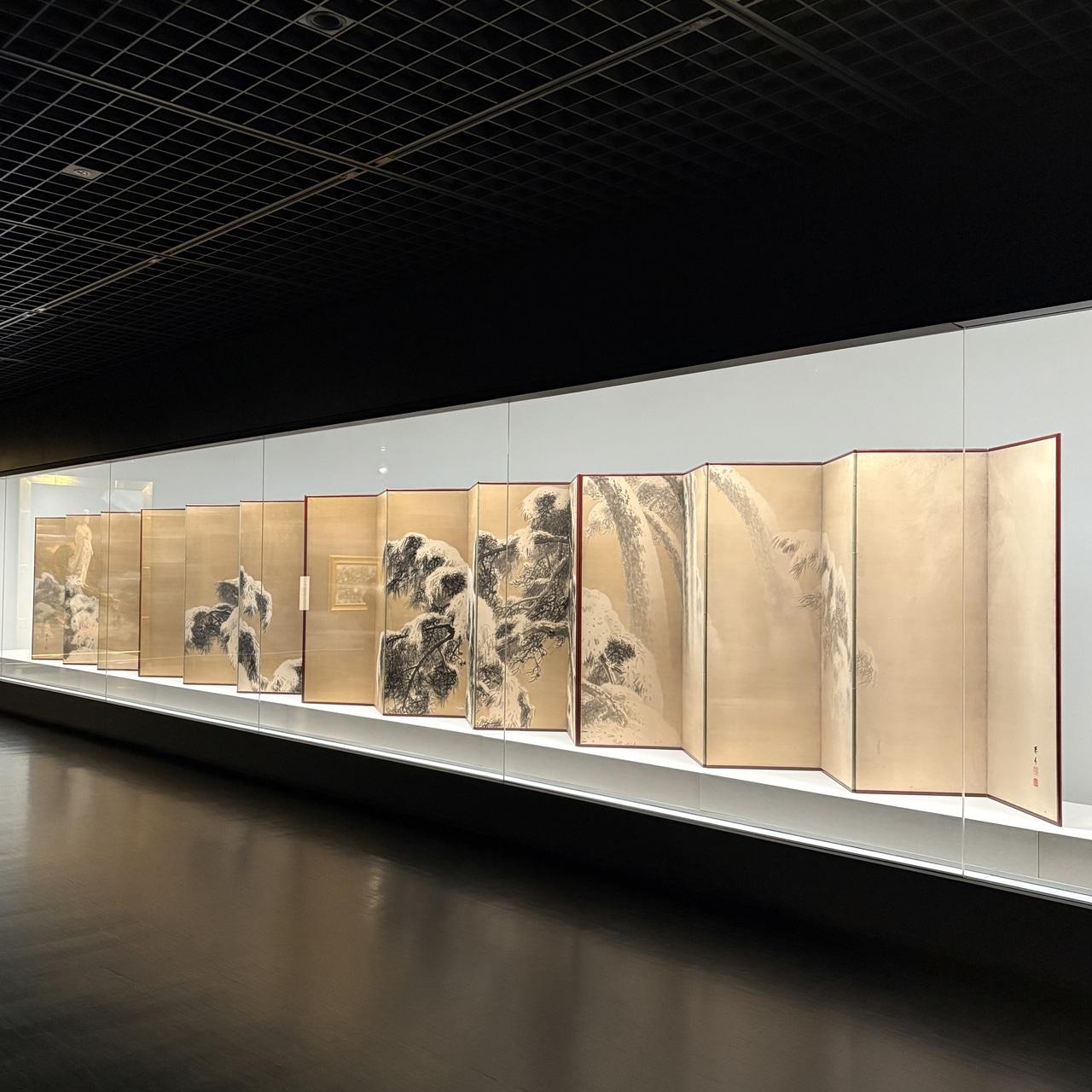
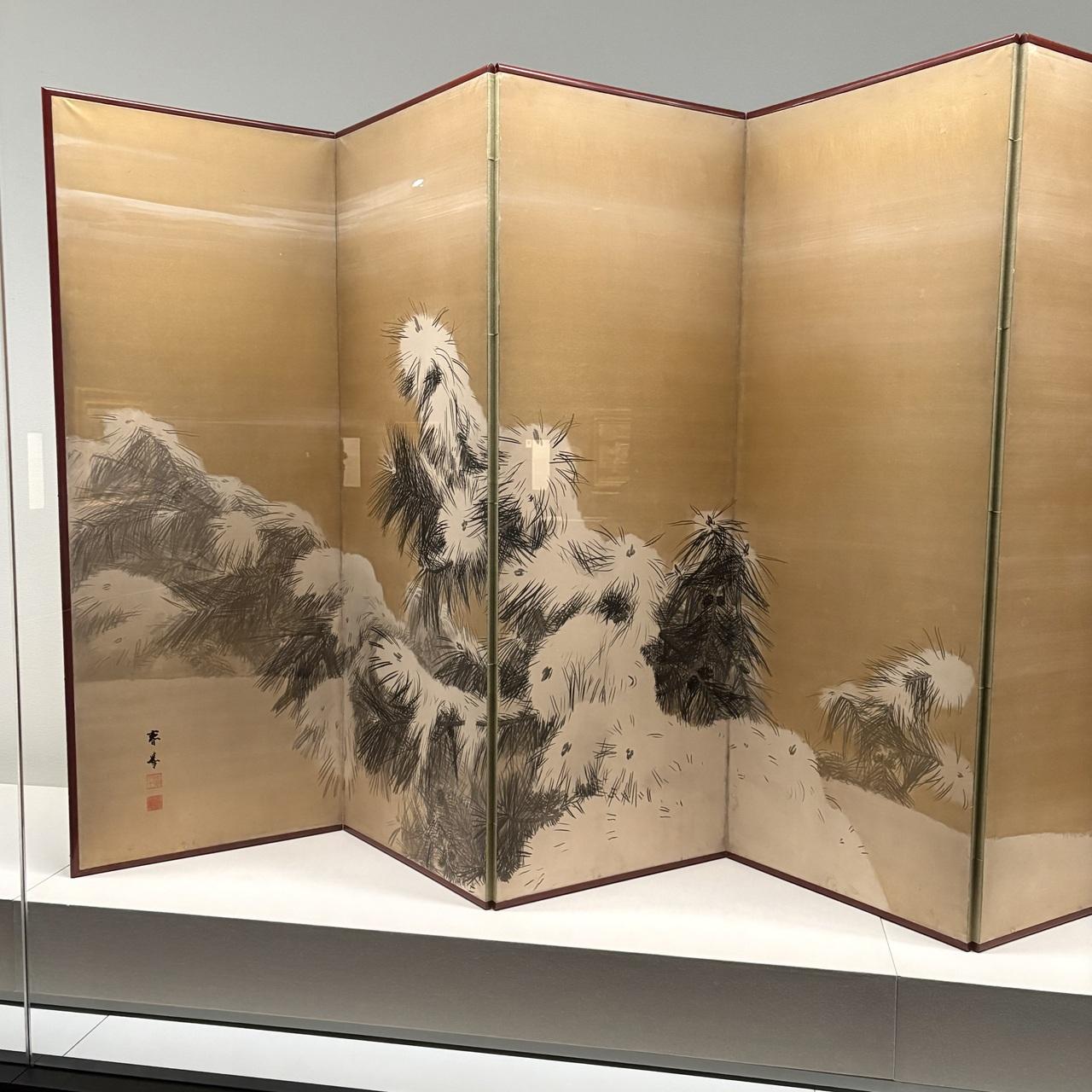
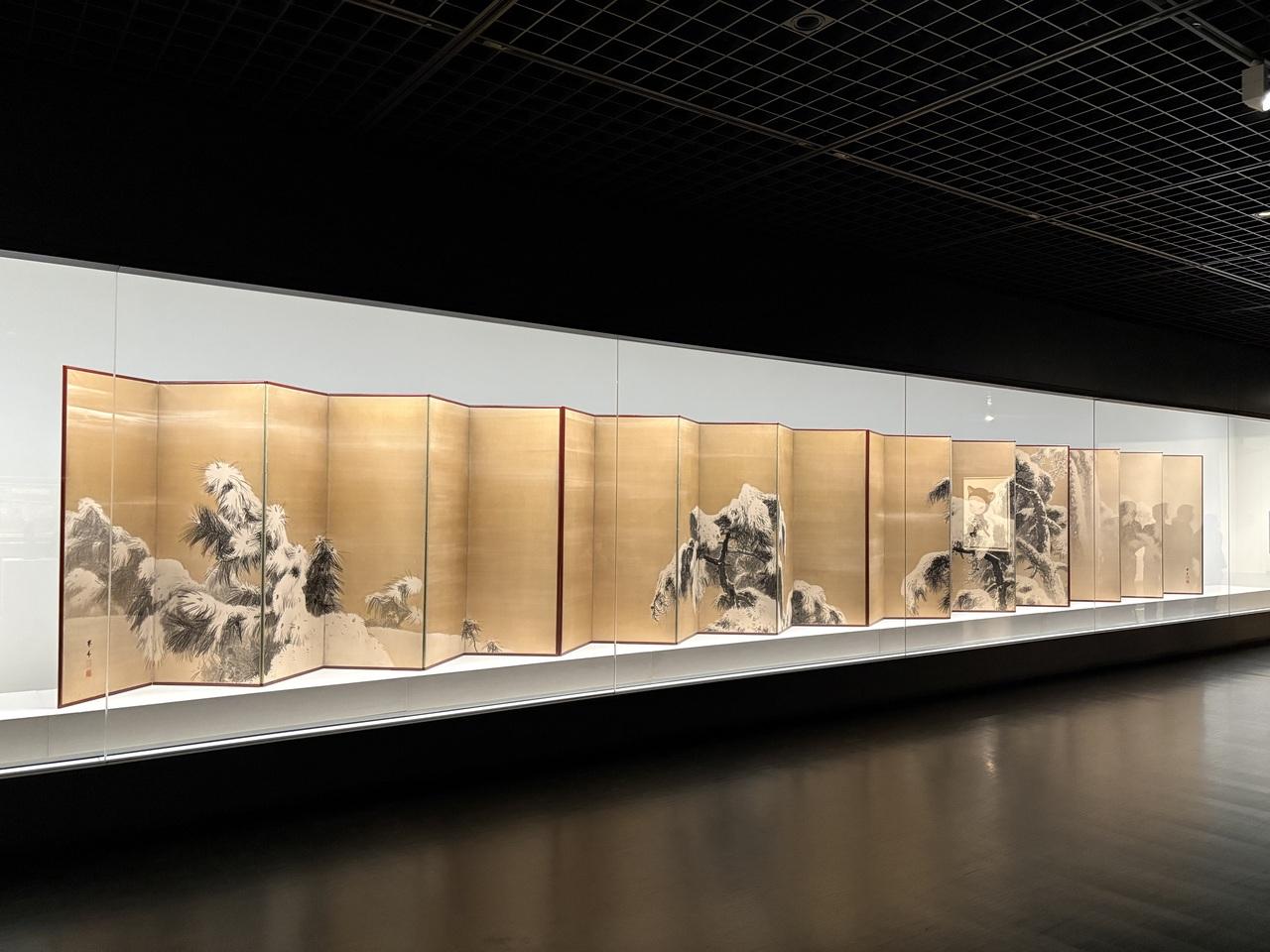
山元春举
YAMAMOTO, Shunkyo
1871-1933
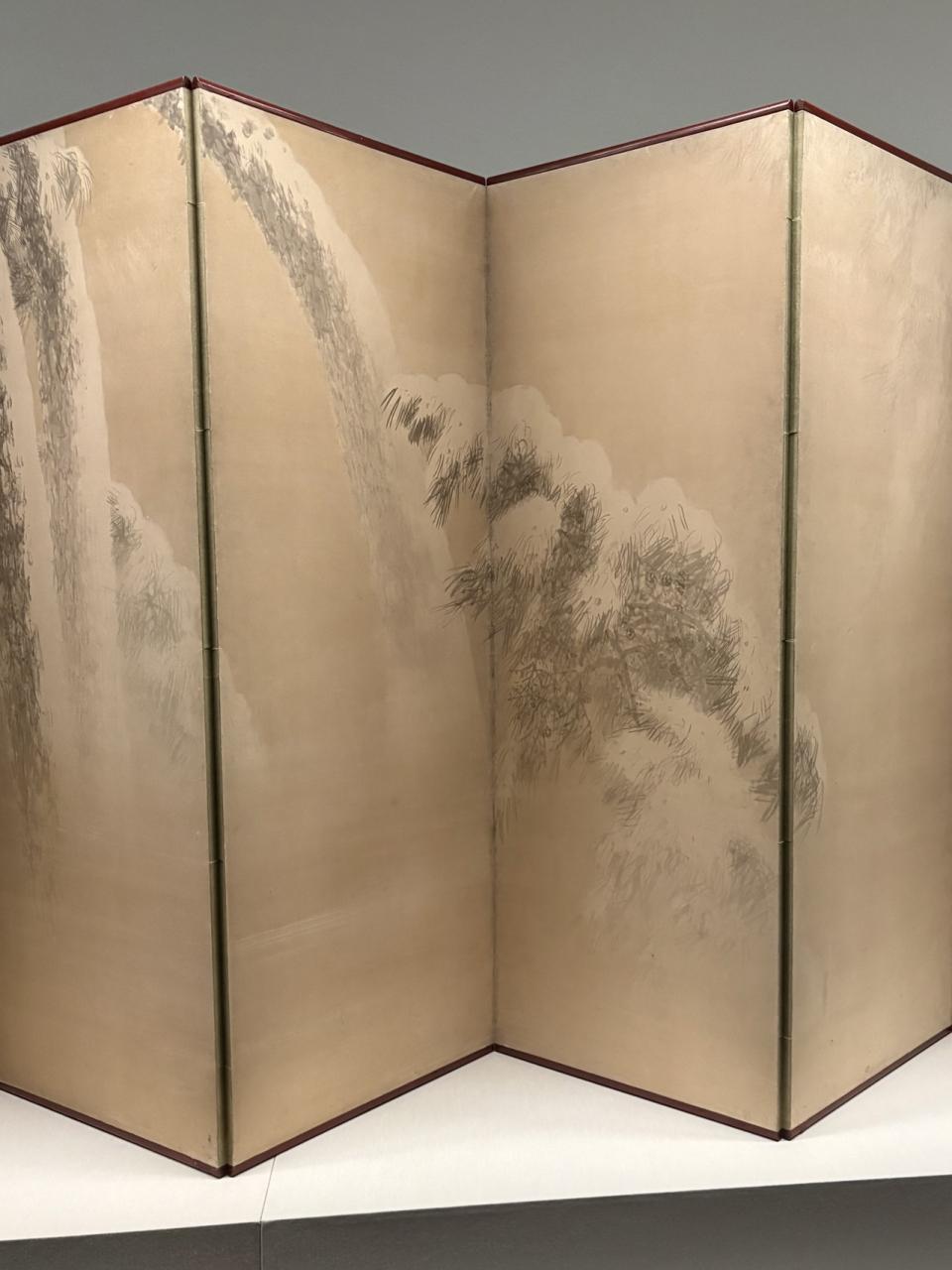
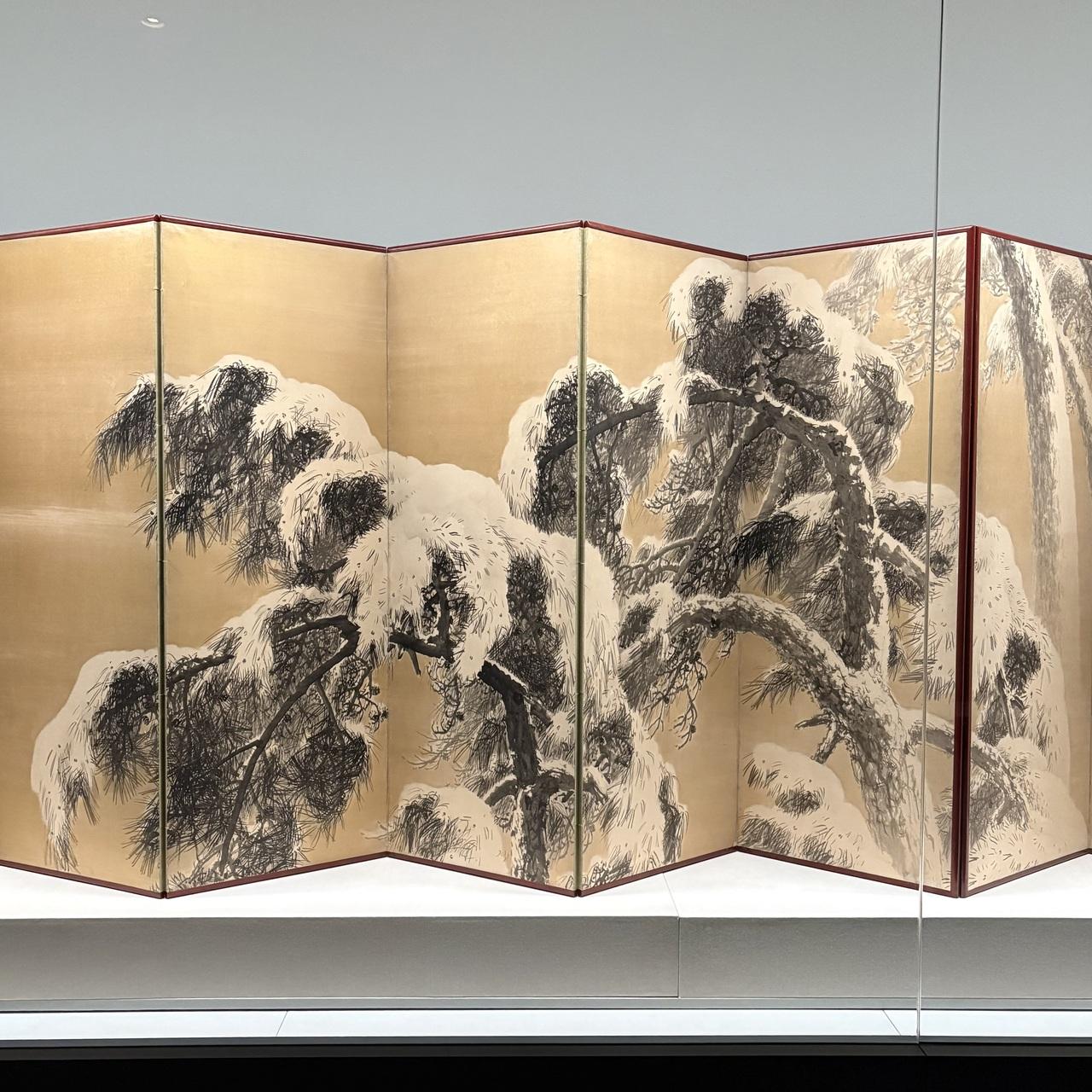
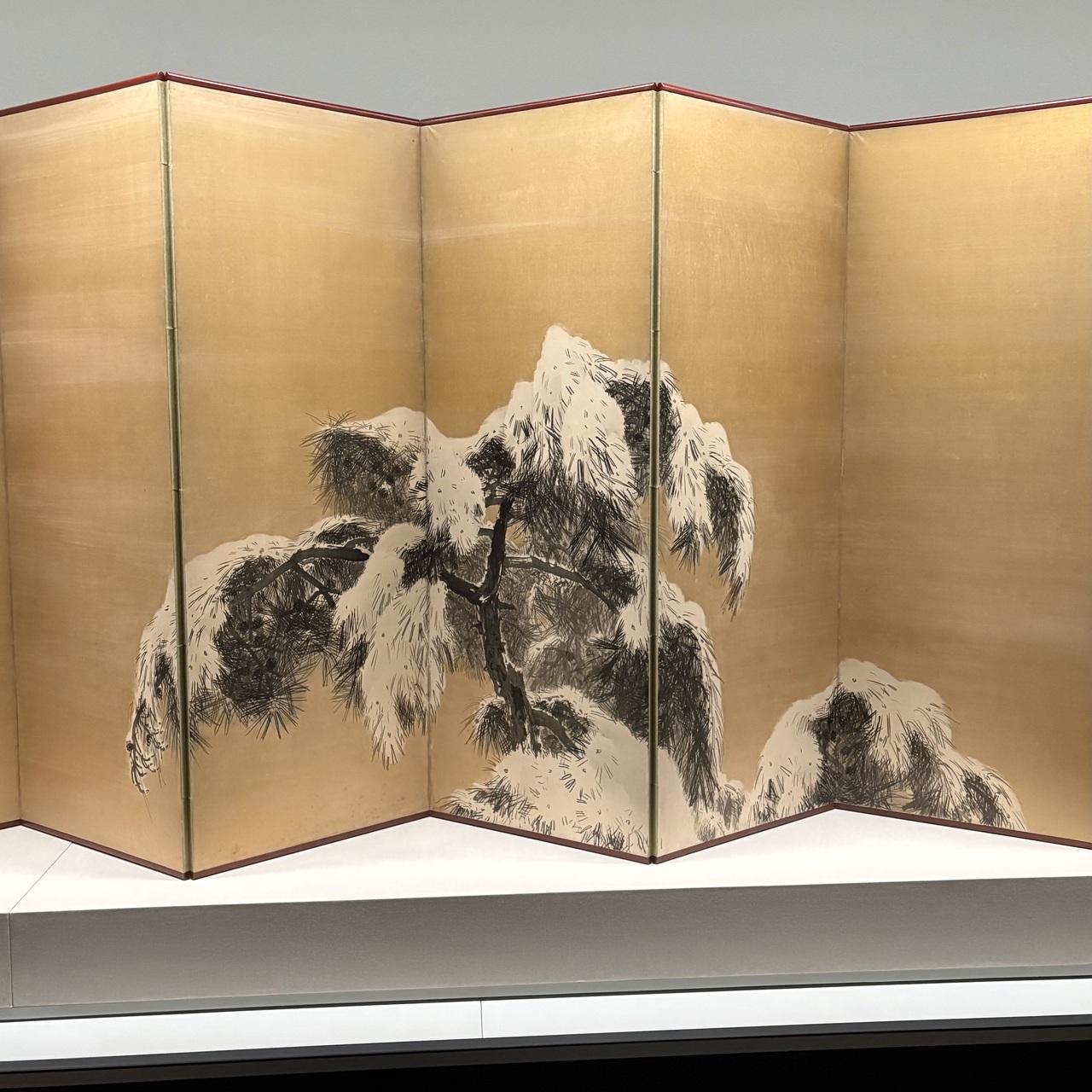
雪松図
Snow and Pine Trees
1908
明治41年
紙本彩色 color on paper
文部省管理換
Transferred from Ministry of Education
雪の積もった松という画題といえば、誰もが円山応挙の名作<雪松図屏風>(三井記念美術館蔵、18世、国宝)を思い浮かべるでしょう。
この絵の作者、山元春挙も応挙の流れをくむ画家です。然、応挙の名作を意識しながら描いたはず。けれどもただ伝統を踏襲しているわけではありません。西洋画の遠近法や陰影法も参考にしながら、より立体感のある表現がめざされています。とくに、松葉に積もった雪の重みのリアリティにご注目ください。
Snow-covered pines are likely to remind many people of Maruyama Okyo's Pine Trees in the Snow (18th century, Mitsui Memorial Museum, National Treasure).
Yamamoto Shunkyo was stylistically descended from the Maruyama school painters. And Yamamoto almost certainly referenced Okyo's masterpiece when he made this painting. But that is not to suggest that he was simply following tradition. While adopting Western painting techniques such as perspective and shading, Yamamoto set out to create a work with a heightened three dimensional quality. For example, please take note of the realistic weight of the snow covering the pine needles. -
-
-
-
-
-
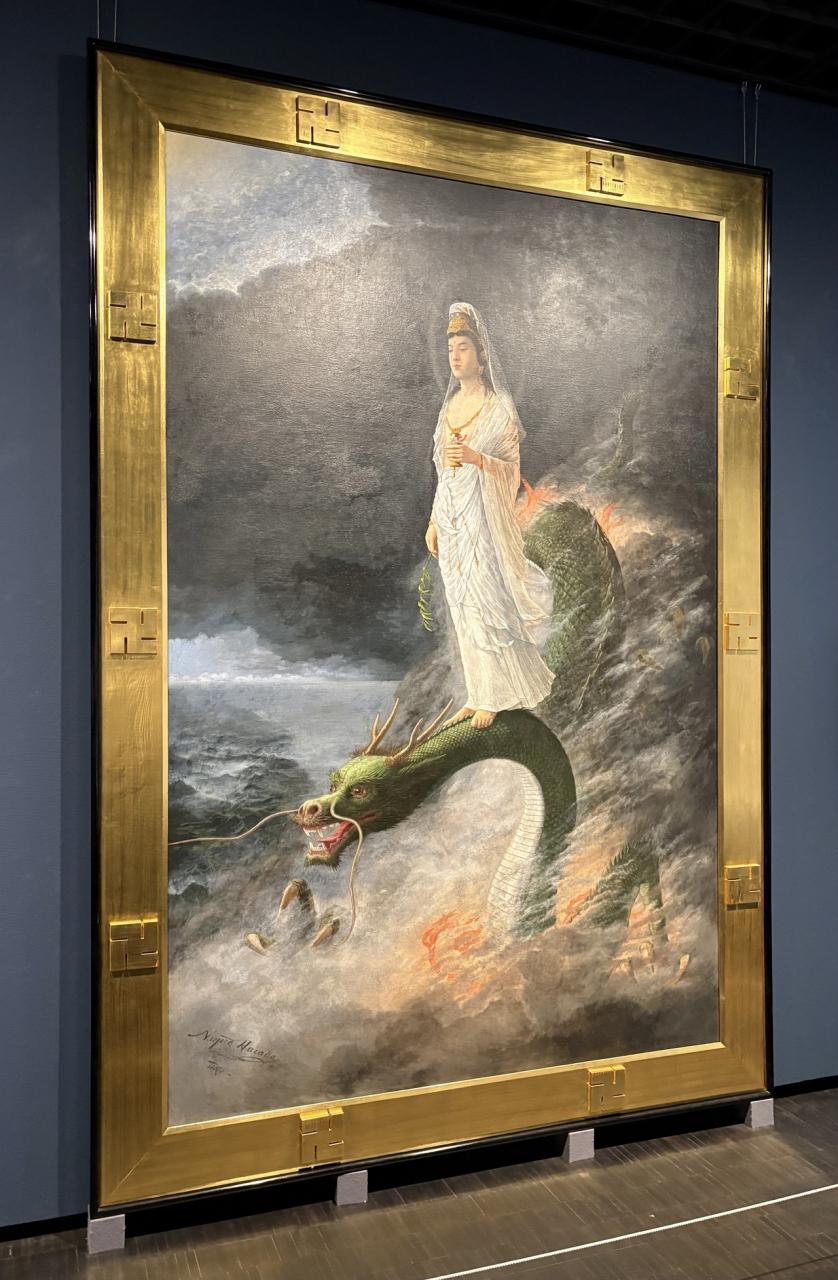
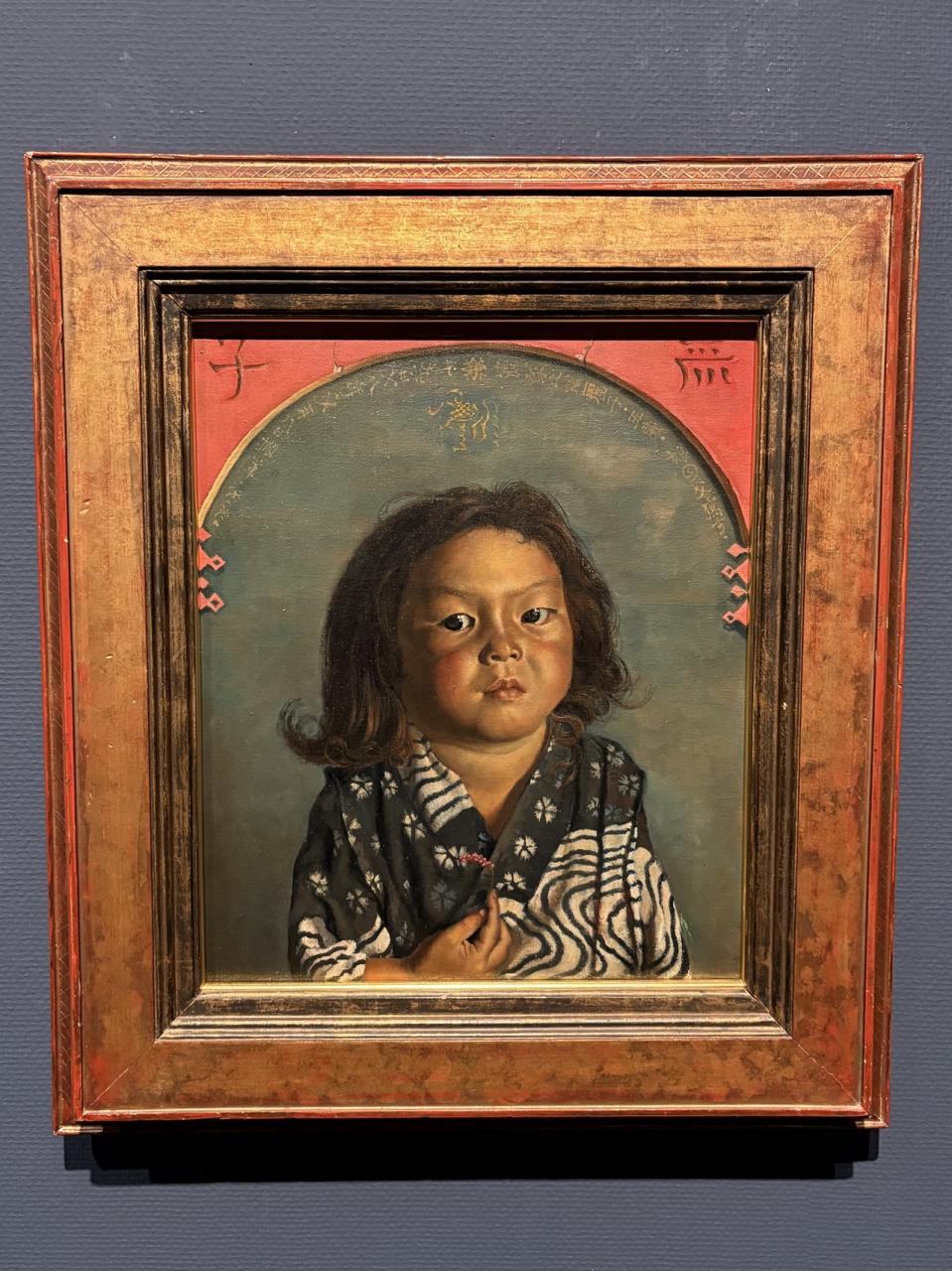
重要文化財
IMPORTANT CULTURAL PROPERTY
原田直次郎
HARADA, Naojiro
1863-1899
騎龍観音
Kannon Bodhisattva Riding the Dragon
1890
明治23年
油彩・キャンバス
oil on canvas -
-
-
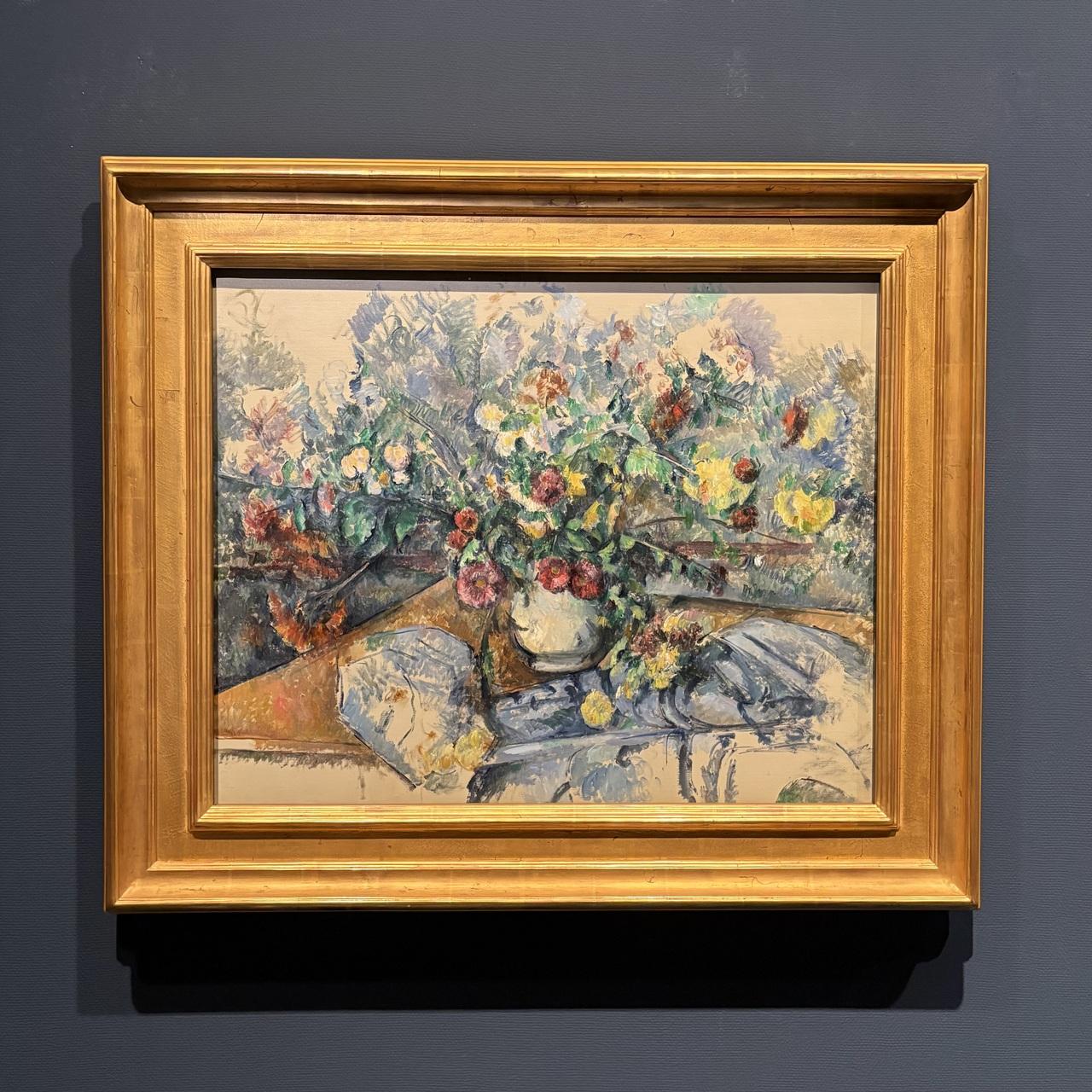
ポール・セザンヌ
Paul Cézanne
1839-1906
大きな花束
Grand Bouquet of Flowers
c.1892-95明治25-28年頃
油彩・キャンバス oillon canvas -
-
-
-
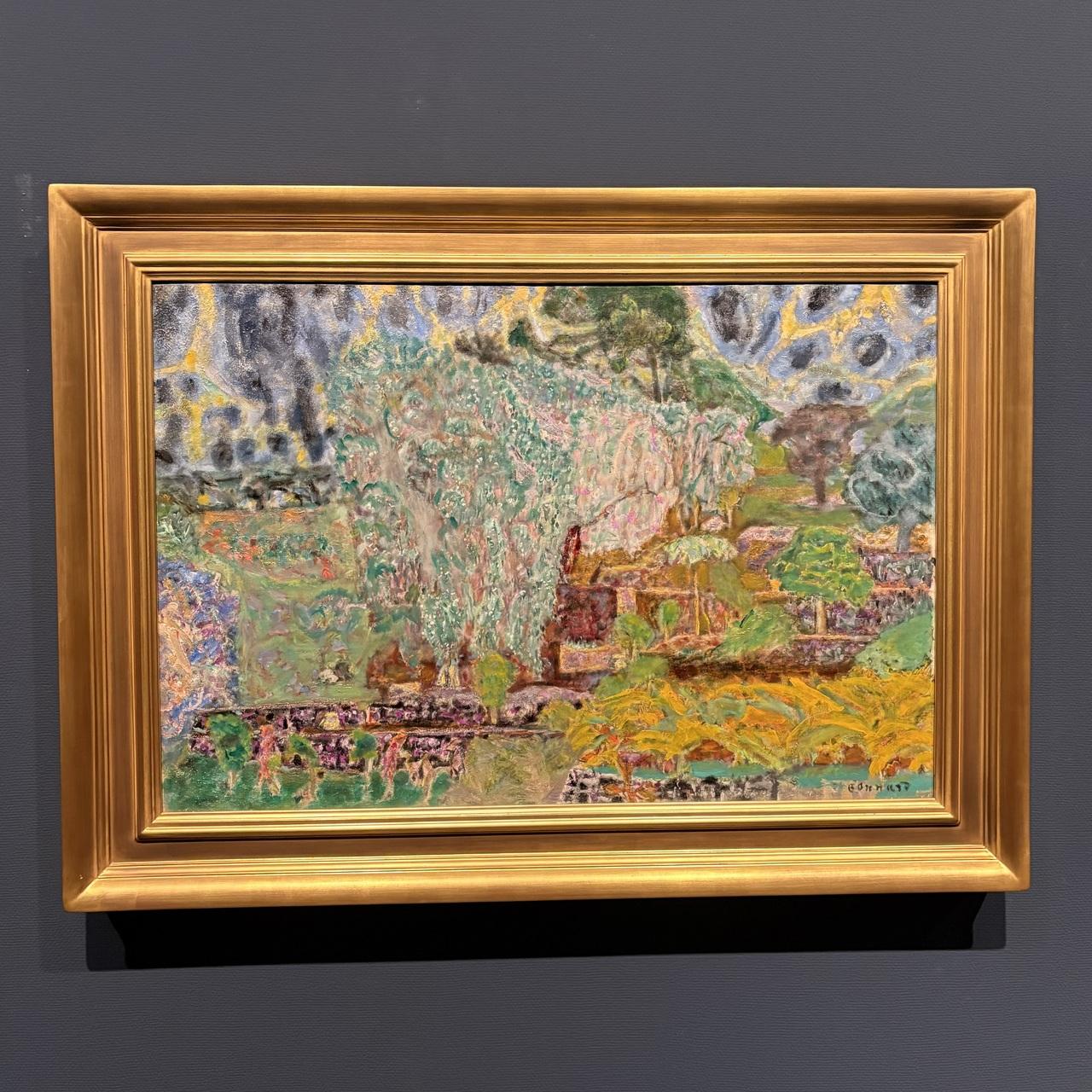
ピエール・ボナール
Pierre Bonnard
1867-1947
プロヴァンス風景
Landscape in Provence
1932 昭和7年
油彩・キャンバス
oil on canvas -
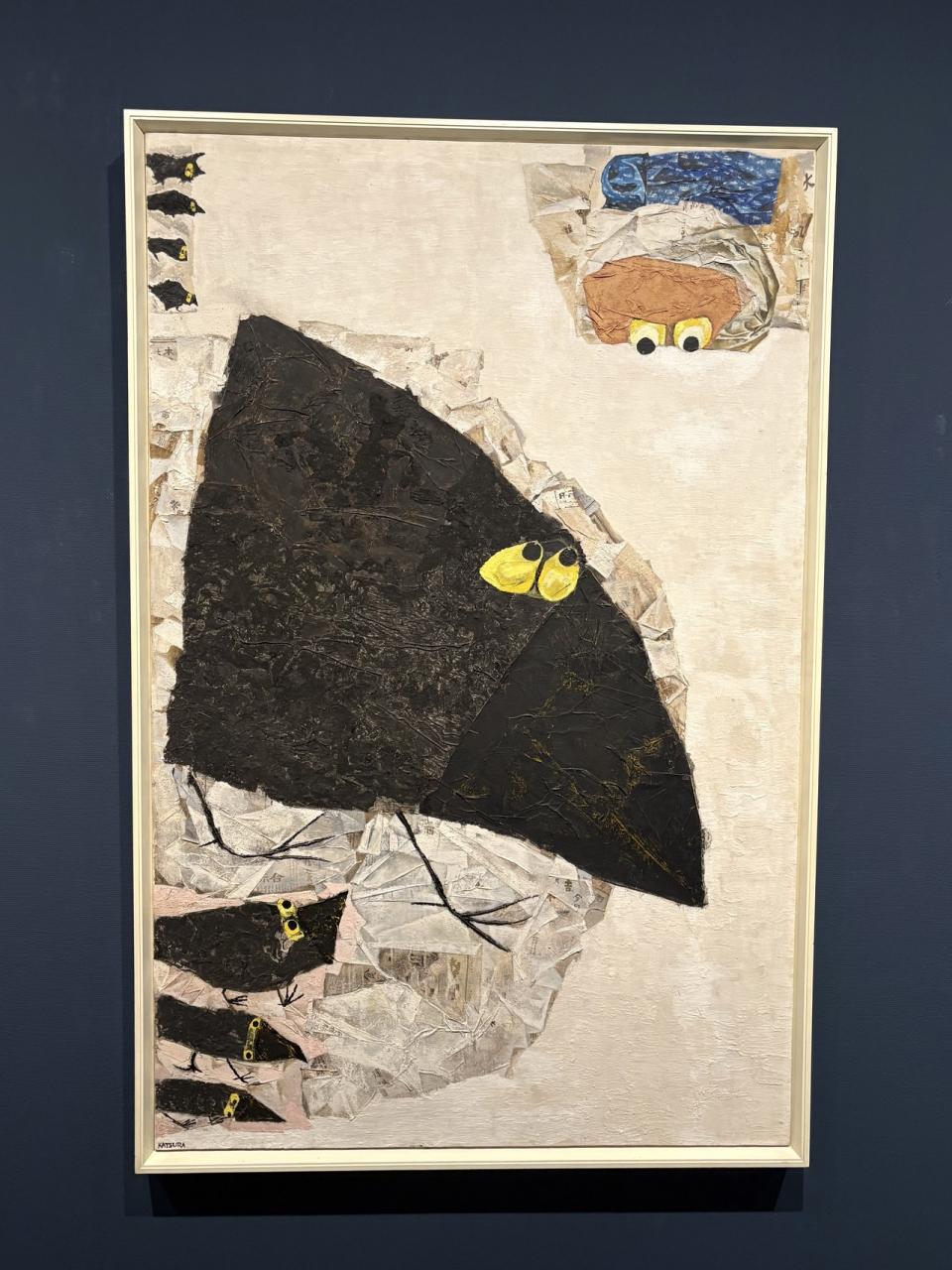
桂ゆき (ユキ子)
KATSURA, Yuki (Yukiko)
1913-1991
ゴンベとカラス
Gombe and Crows
1966 昭和41年
油彩、布、紙・キャンバス
oil, cloth and paper on canvas
タイトルは、民謡でも歌われた民話の「種まき権兵衛」に由来しますー武士の家に生れた権兵衛は、父を亡くした後、父の望みであった農家となるものの、掻いた種は播いたそばからカラスに食べられてしまう、というお話です。民話では、権兵衛はやがて村で一番の農家となりますが、民謡ではそういう「オチ」はなく、カラスに種を食べられてしまう権兵衛のことが「ズンベラヨー」の掛け声とともに歌われます。本作では、黒の大きな三角がカラスで、右上にいる小さなのが権兵衛でしょう。
The title is derived from "Gonbei the Seed Planter," a folk song and a folk tale. It relates the story of Gonbei, the son of a samurai, who after the death of his father obeys his wishes and becomes a farmer, only to have crows eat all the seeds he has planted. In the folk tale, Gonbei eventually becomes the top farmer in the village, but in the song there is no happy ending. He is simply addressed with the shout, (Slob!), for letting the birds eat his seeds. In this work, the large black triangle represents the crow and the small form in the upper right is Gonbei. -
新収蔵作品
New Acquisition
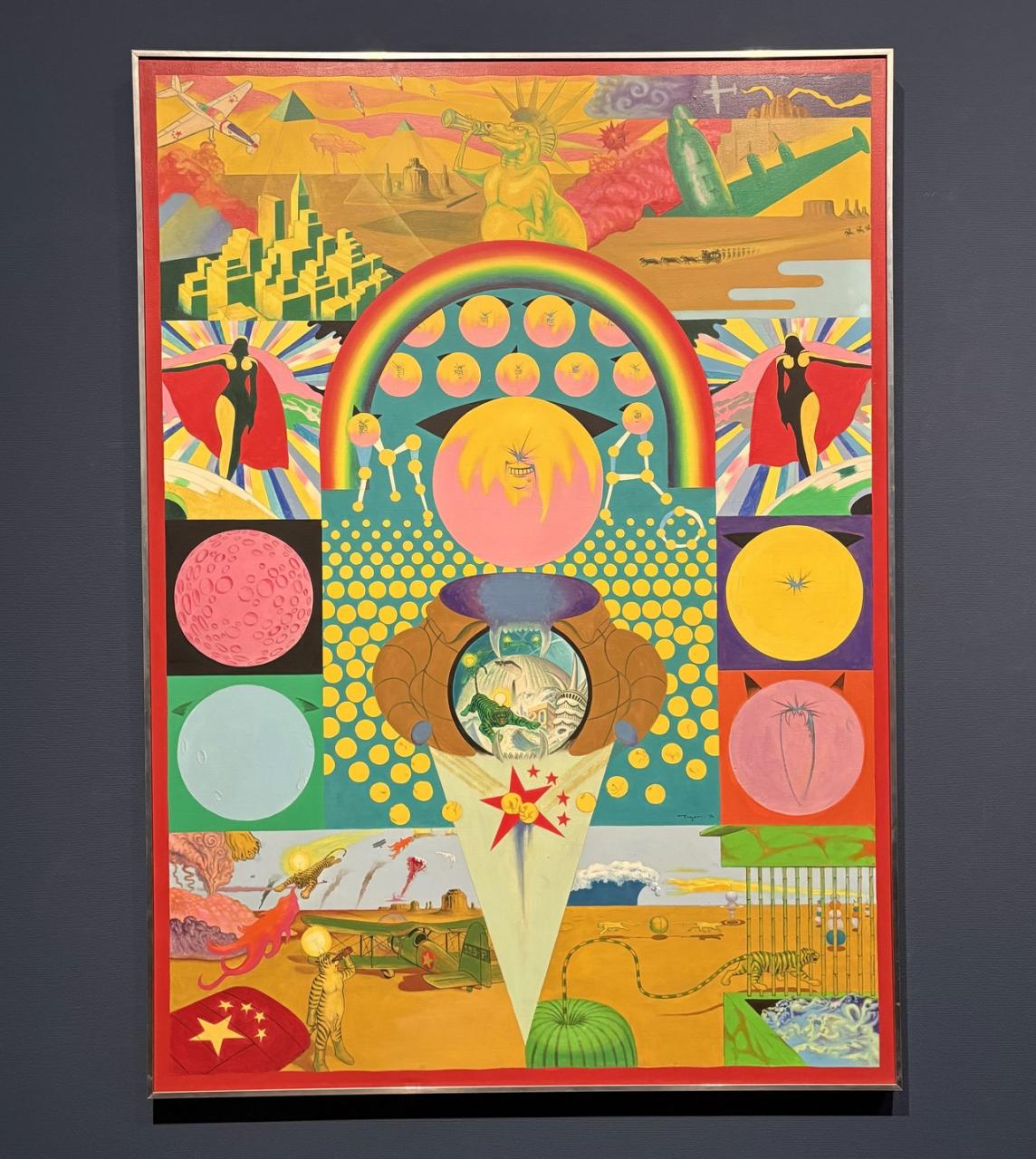
タイガー立石(立石紘一)
Tiger Tateishi (TATEISHI, Koichi)
1941-1998
Mao's Ecstasy
1970 昭和45年
油彩・キャンバス
oil on canvas
購入
Purchased
自由の女神像の冠をかぶった恐竜と、二本足ですっくと立った虎は、どちらも瓶のコーラを飲んで対になっています。恐竜のまわりには大型戦闘機や高層ビル群、西部劇、アメリカンコミック風ヒロインなど、アメリカを象徴するモチーフが並びます。一方、虎のまわりには、旧式のプロペラ飛行機と、虎のかたちをした謎の新兵器が並び、あちこちに中国国旗の五っの星が描かれます。
まんなかでニヤリとする大きな星は中国の最高指導者だった毛沢東(マオ)。皮肉いっぱいの漫画みたいな画面に、作者がこの先よく描くことになるモチーフが散りばめられています。
A dinosaur wearing the Statue of Liberty's crown and a tiger standing upright on two legs drink bottled Coca-Cola, paired like companions. Around the dinosaur are symbols of the United States such as large fighter jets, clusters of skyscrapers, western film imagery, and heroines out of American comics. Meanwhile, the tiger is encircled by old-fashioned propeller planes and mysterious new weapons in the shape of tigers, with the five stars of the Chinese flag appearing here and there.
At the center, the large grinning star represents China's supreme leader Mao Zedong. Many of the motifs the artist would return to in later works are woven into this cartoonish, irony-laden scene. -
-
-
-
-
-
-
奈良美智
NARA, Yoshitomo
1959-
Harmless Kitty
1994
平成6年
アクリリック・綿布 acrylic on cotton
購入
Purchased
奈良がドイツに住んでいた頃に描いたもので、タイトルは「悪意のない/罪のない子猫ちゃん」と訳すことができます。画面を見る限りでは性別は不明。猫の着ぐるみは、突飛に見えるかもしれませんが、それがあることにより、私たち、見る側のまなざしが、「Harmless Kitty」のまなざしとストレートに向き合うようになっているわけです。しっぽの部分に見られるように、描き直しが、視認できるように、つまり、半ば意図的に残されているのも、見逃せないポイントです。
The painting was made while Nara was living in Germany. As far as we can tell from the picture, this child is genderless. It might look like a weird cat costume, but this enables us to exchange straight glances with the "harmless kitty." And since we can visually ascertain that the tail has been retouched, we cannot rule out the idea that this was in part intentional. -
-
(続く…)
この旅行記のタグ


利用規約に違反している投稿は、報告する事ができます。
-

"MOMAT〔国立東京近代美術館〕コレクション展 ~2026.2.8" その1.ハイライト。"奈良美智《Ha...
2026/02/05~
神田・神保町
-

"MOMAT〔国立東京近代美術館〕コレクション展 ~2026.2.8" その2.新か、旧か? "和田三造《南...
2026/02/05~
神田・神保町
-

"MOMAT〔国立東京近代美術館〕コレクション展~2026.2.8" その3.キュビスム再考 "ナターリア・...
2026/02/05~
神田・神保町
-

"MOMAT〔国立東京近代美術館〕コレクション展 ~2026.2.8" その4.『濹東綺譚』。"木村荘八 、...
2026/02/05~
神田・神保町
-

"MOMAT コレクション展 ~2026.2.8" その5.1930年代の絵画:現実の彼方へ、幻影の手前で。...
2026/02/05~
神田・神保町
-

MOMAT〔国立東京近代美術館〕コレクション展 ~2026.2.8: その6.戦時の女性たち。"『主婦之友』...
2026/02/05~
神田・神保町
-

MOMAT〔国立東京近代美術館〕コレクション展 ~2026.2.8: その7.アクション前夜。"朝倉摂 《黒...
2026/02/05~
神田・神保町
-

MOMAT コレクション展 ~2026.2.8:8.「・・・アクション!」&「・・・カット!」。"ルーチョ・...
2026/02/05~
神田・神保町
-

MOMAT〔国立東京近代美術館〕コレクション展 ~2026.2.8:その9."細江英公「薔薇刑」"
2026/02/05~
神田・神保町
-

MOMAT ~2026.2.8:その10.1950~60年代:有機的な彫刻/川端龍子と青龍社。"ジェルメーヌ...
2026/02/05~
神田・神保町
-

MOMAT〔国立東京近代美術館〕コレクション展 ~2026.2.8:その11.記憶と想起。"河原温《1966...
2026/02/05~
神田・神保町
-

MOMAT コレクション展 ~2026.2.8:12.入れ替わる世界、ひらかれる感覚。"冨井大裕《board...
2026/02/05~
神田・神保町
-

国立東京近代美術館 "コレクションによる小企画 没後30年 榎倉康二(~2026.2.8)"《 干渉(STO...
2026/02/05~
神田・神保町
旅行記グループをもっと見る
コメントを投稿する前に
十分に確認の上、ご投稿ください。 コメントの内容は攻撃的ではなく、相手の気持ちに寄り添ったものになっていますか?
サイト共通ガイドライン(利用上のお願い)報道機関・マスメディアの方へ 画像提供などに関するお問い合わせは、専用のお問い合わせフォームからお願いいたします。






フォートラベル公式LINE@

おすすめの旅行記や旬な旅行情報、お得なキャンペーン情報をお届けします!
QRコードが読み取れない場合はID「@4travel」で検索してください。
\その他の公式SNSはこちら/






旅行記グループ MOMAT コレクション〔国立東京近代美術館 所蔵作品展〕(2025.11.5-2026.2.8)
0
33