


2026/02/05 - 2026/02/05
44位(同エリア933件中)

旅熊 Kokazさん
- 旅熊 KokazさんTOP
- 旅行記1928冊
- クチコミ854件
- Q&A回答101件
- 1,711,134アクセス
- フォロワー752人
MOMAT コレクション〔国立東京近代美術館 所蔵作品展〕(2025.11.5-2026.2.8)
2025年11月5日-2026年2月8日の所蔵作品展のみどころ
当館コレクション展の特徴をご紹介します。まずはその規模。1952年の開館以来の活動を通じて収集してきたおよそ14,000点の所蔵作品から、会期ごとに約200点を展示する国内最大級のコレクション展です。そして、それぞれ小さなテーマが立てられた全12室のつながりによって、19世紀末から今日に至る日本の近現代美術の流れをたどることができる国内随一の展示です。
今期のみどころ紹介です。長らく国外への貸出が続いていた奈良美智《Harmless Kitty》(1994年)が、約2年ぶりにMOMATコレクションに帰ってきました。4階ハイライト・コーナーでご覧いただけます。3階9室では写真家の細江英公の初期代表作「薔薇刑」を展示します。2024年に逝去された細江の追悼と、被写体となった小説家三島由紀夫の生誕100年記念(2025年)を兼ねての紹介です。
今期も、新収蔵作品が多く展示されています(作品横に貼られた「新収蔵作品」マークが目印です)。長く館を代表してきた顔ぶれにフレッシュな新星と、盛りだくさんのMOMATコレクションをお楽しみください。
https://www.momat.go.jp/exhibitions/r7-2
- 旅行の満足度
- 5.0
-

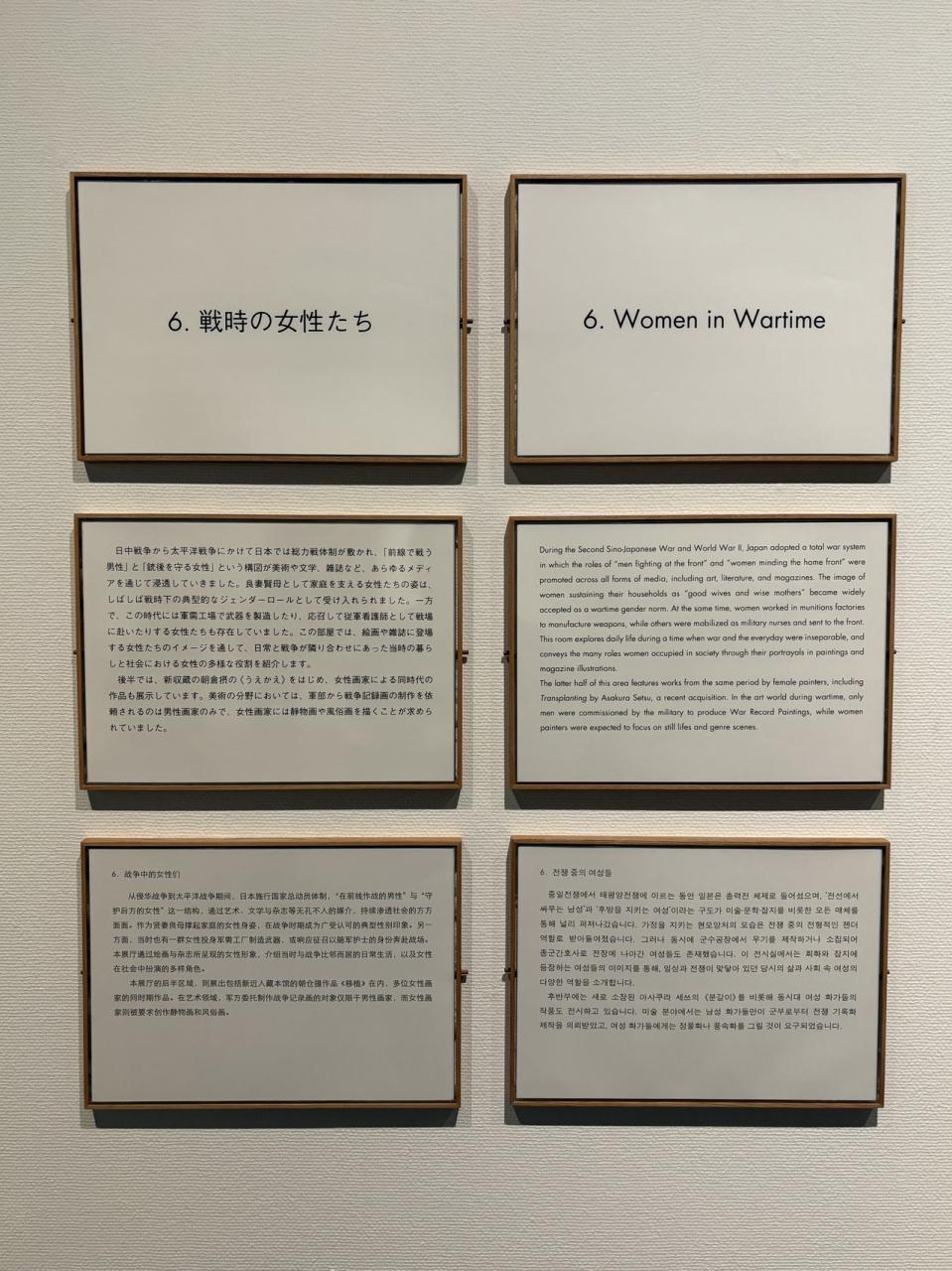
6. 戦時の女性たち
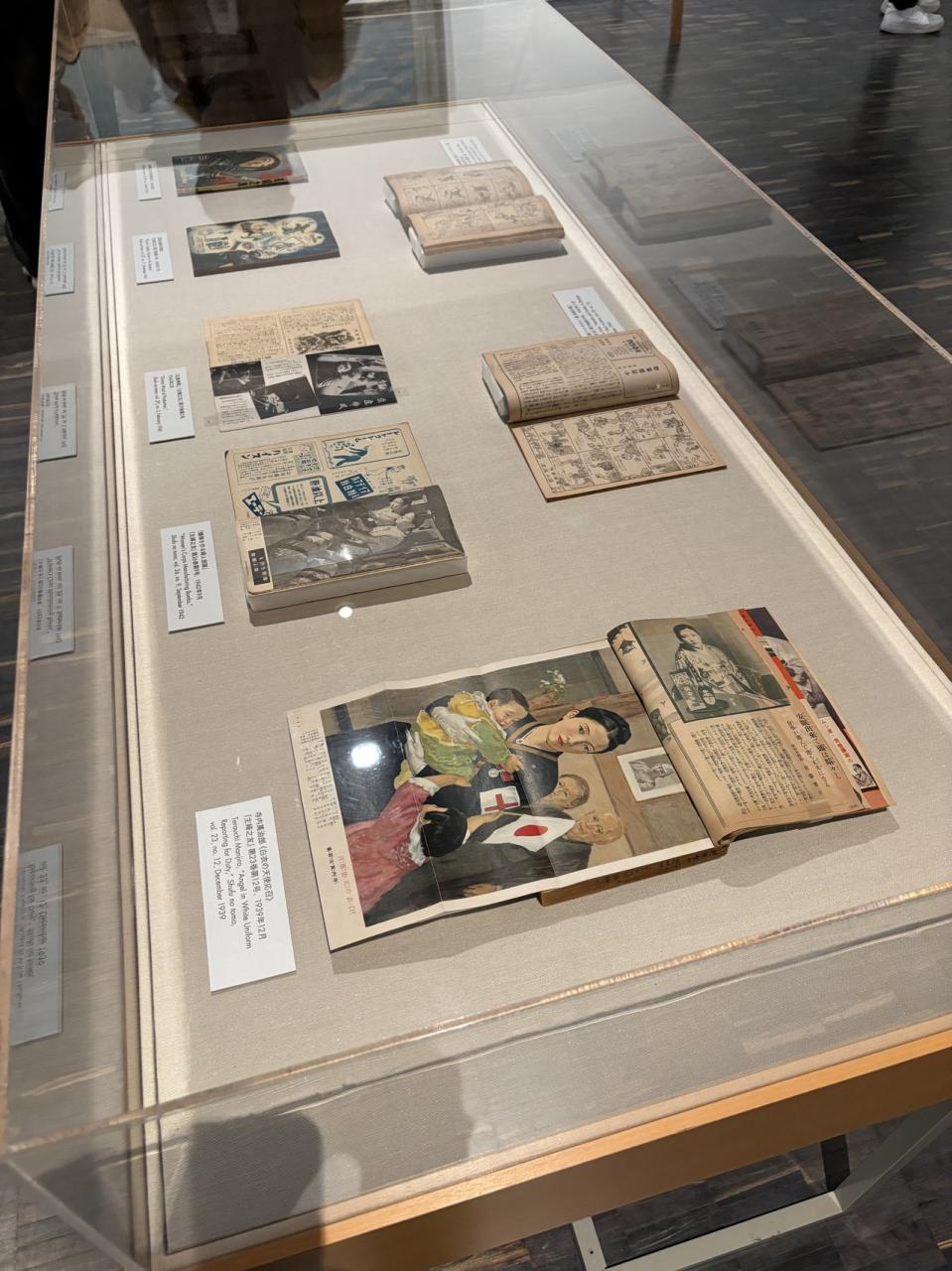
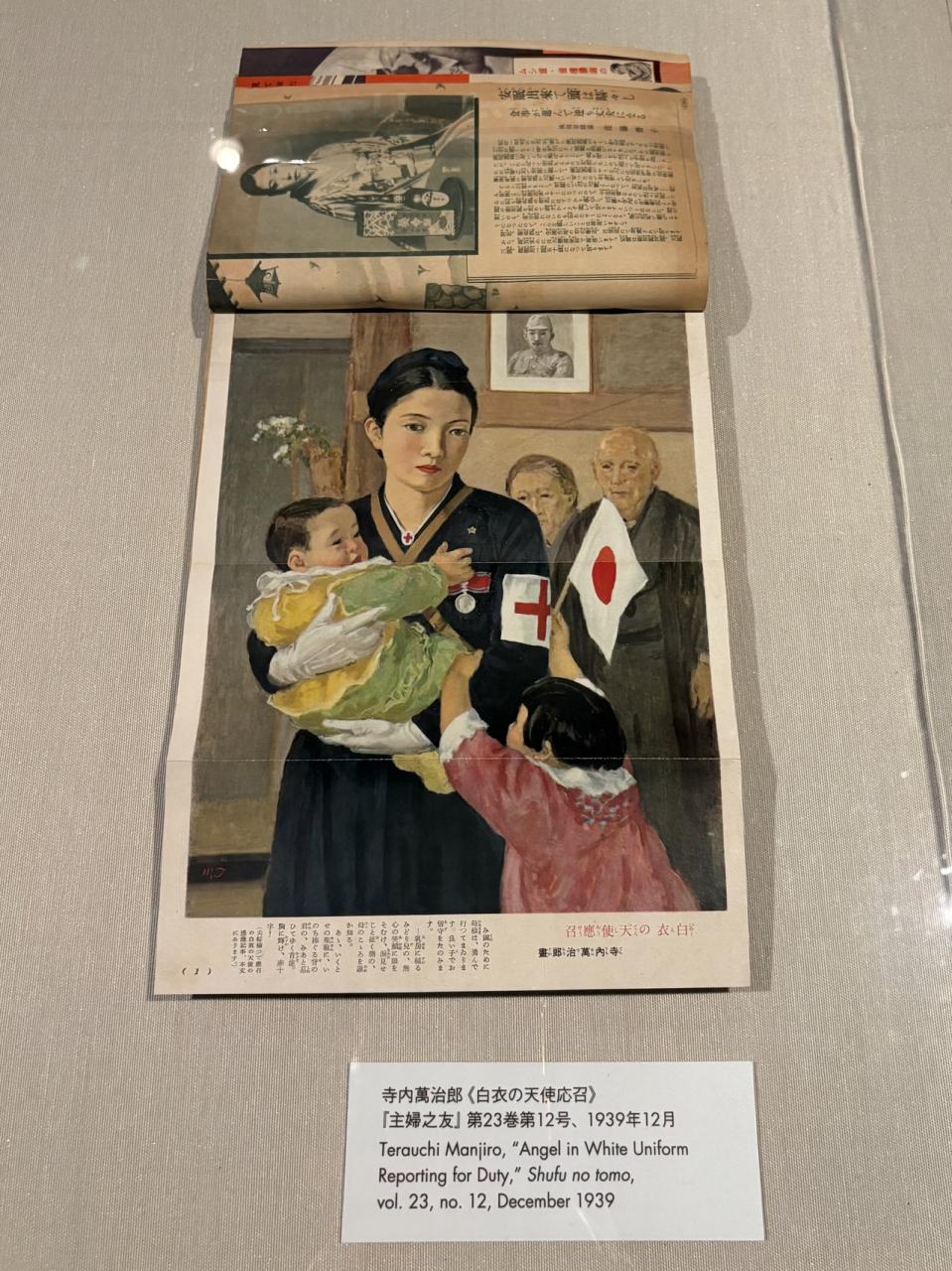
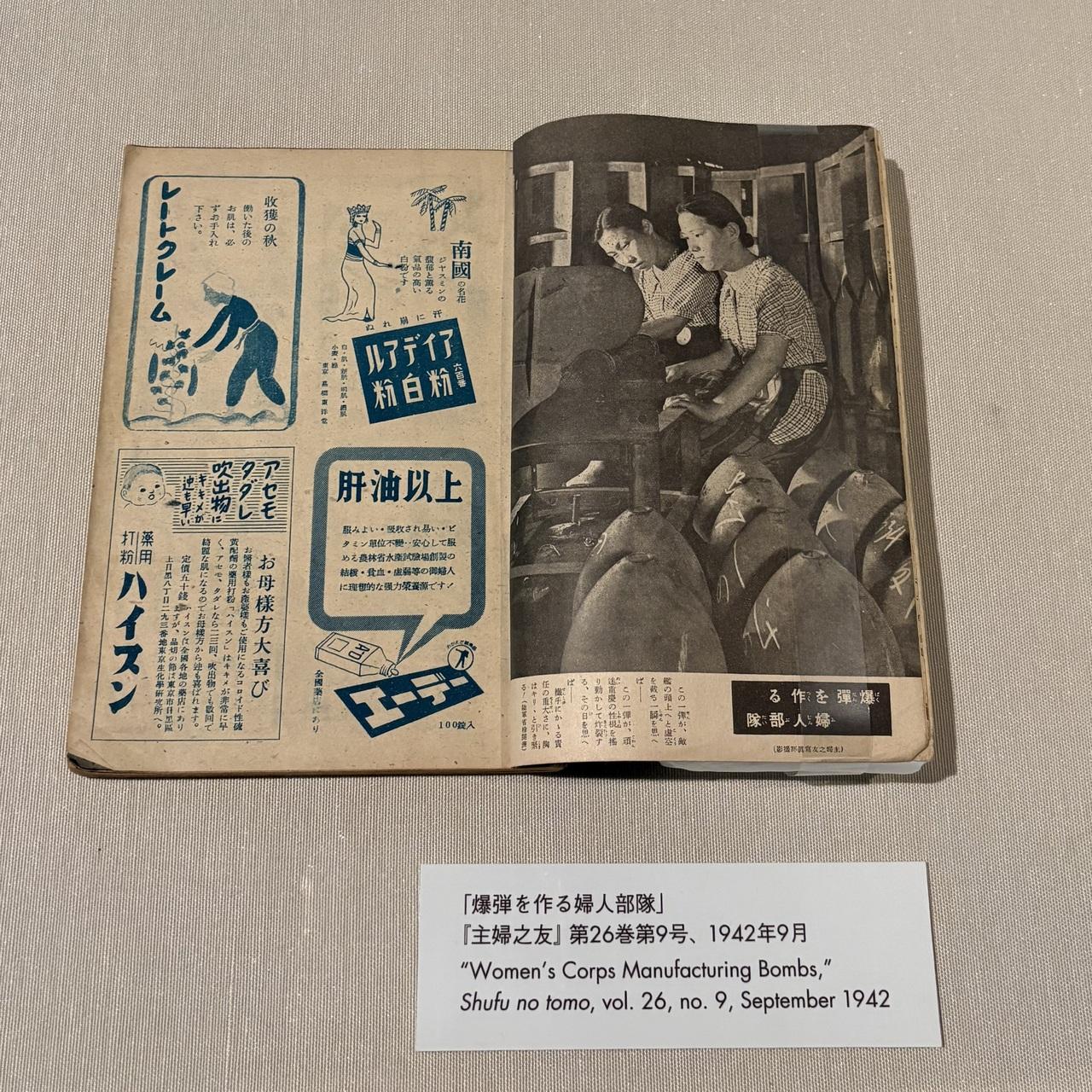
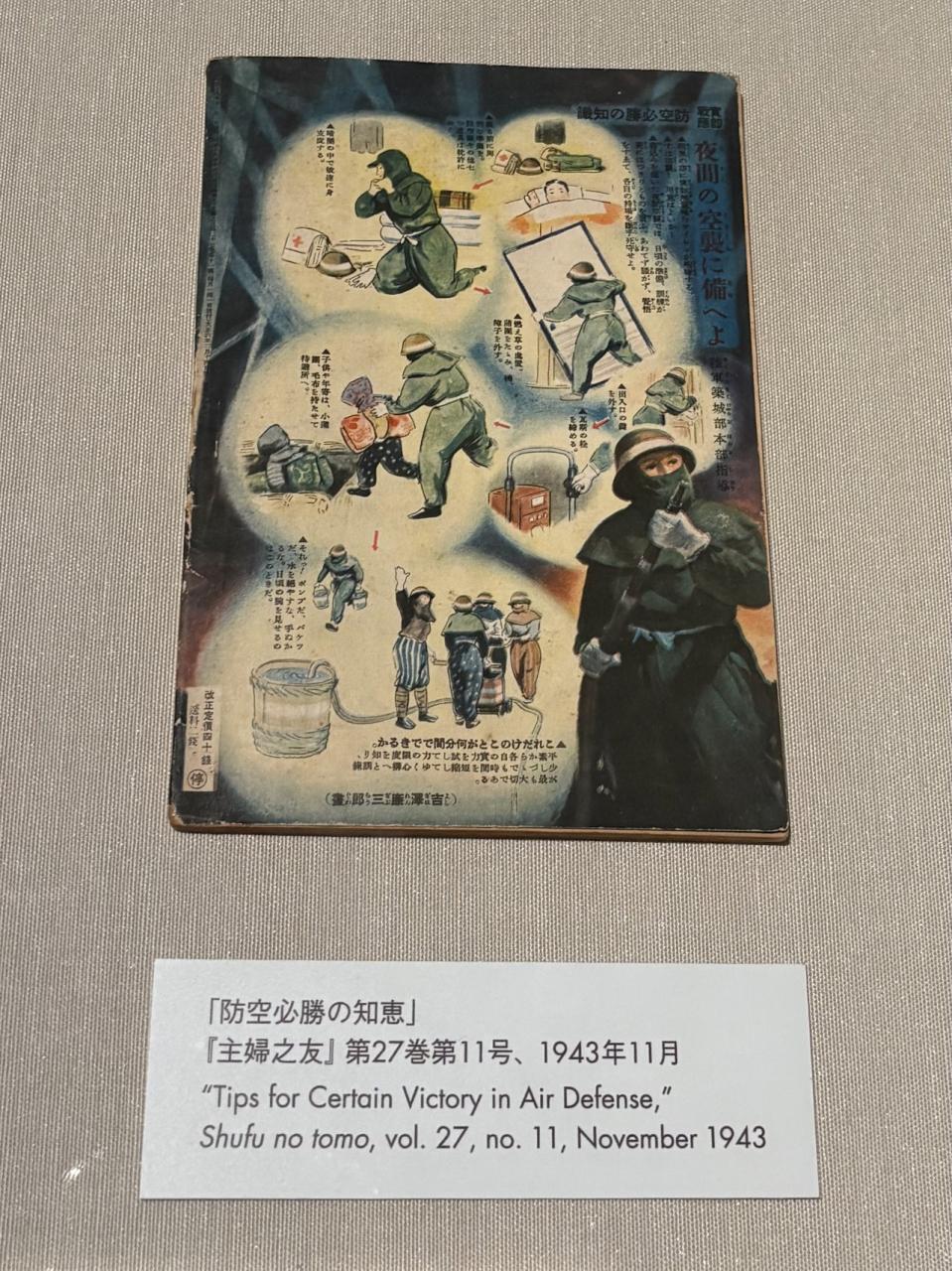
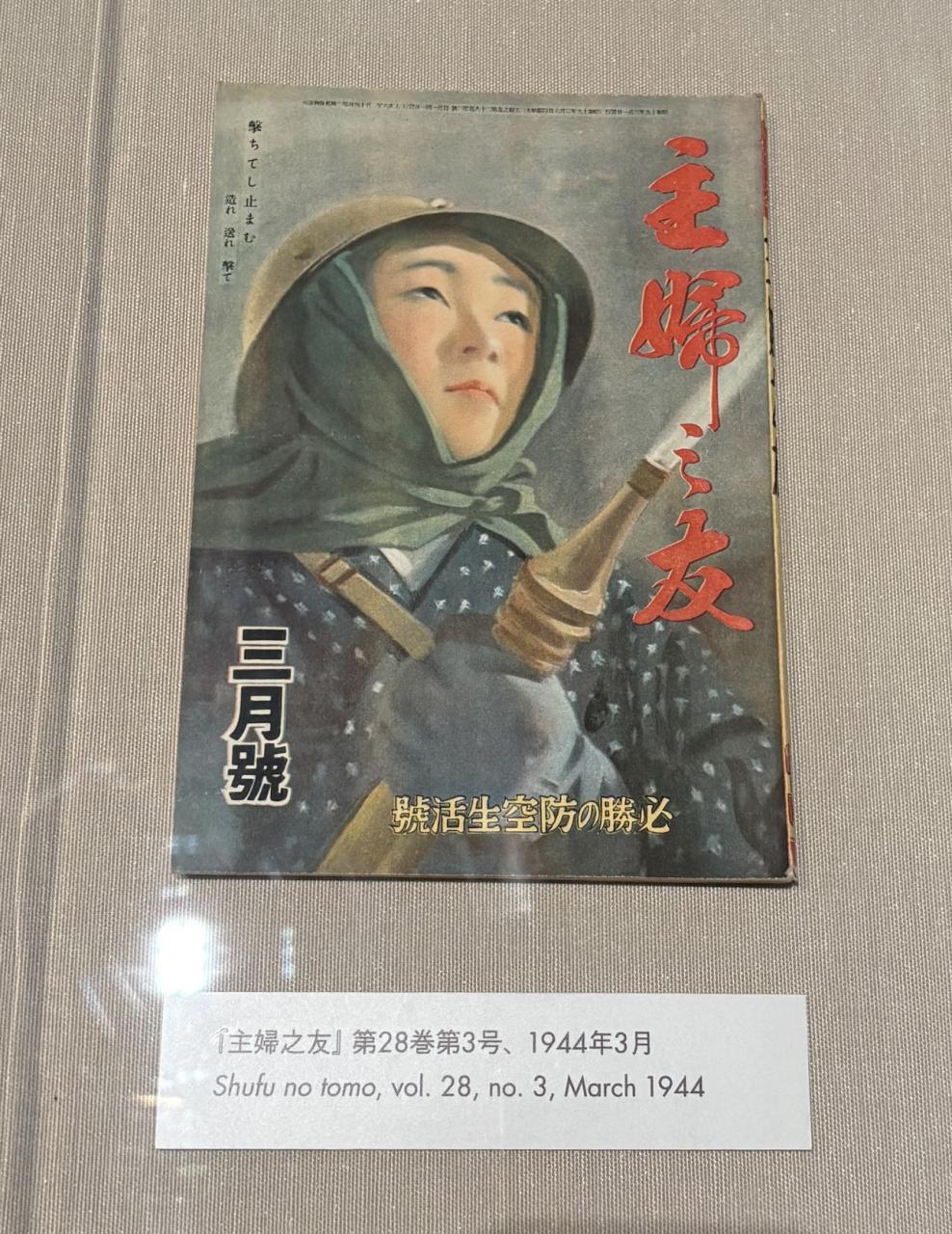
日中戦争から太平洋戦争にかけて日本では総力戦体制が敷かれ、「前線で戦う男性」と「銃後を守る女性」という構図が美術や文学、雑誌など、あらゆるメディアを通じて浸透していきました。良妻賢母として家庭を支える女性たちの姿は、しばしば戦時下の典型的なジェンダーロールとして受け入れられました。一方で、この時代には軍需工場で武器を製造したり、応召して従軍看護師として戦場に赴いたりする女性たちも存在していました。この部屋では、絵画や雑誌に登場する女性たちのイメージを通して、日常と戦争が隣り合わせにあった当時の暮らしと社会における女性の多様な役割を紹介します。
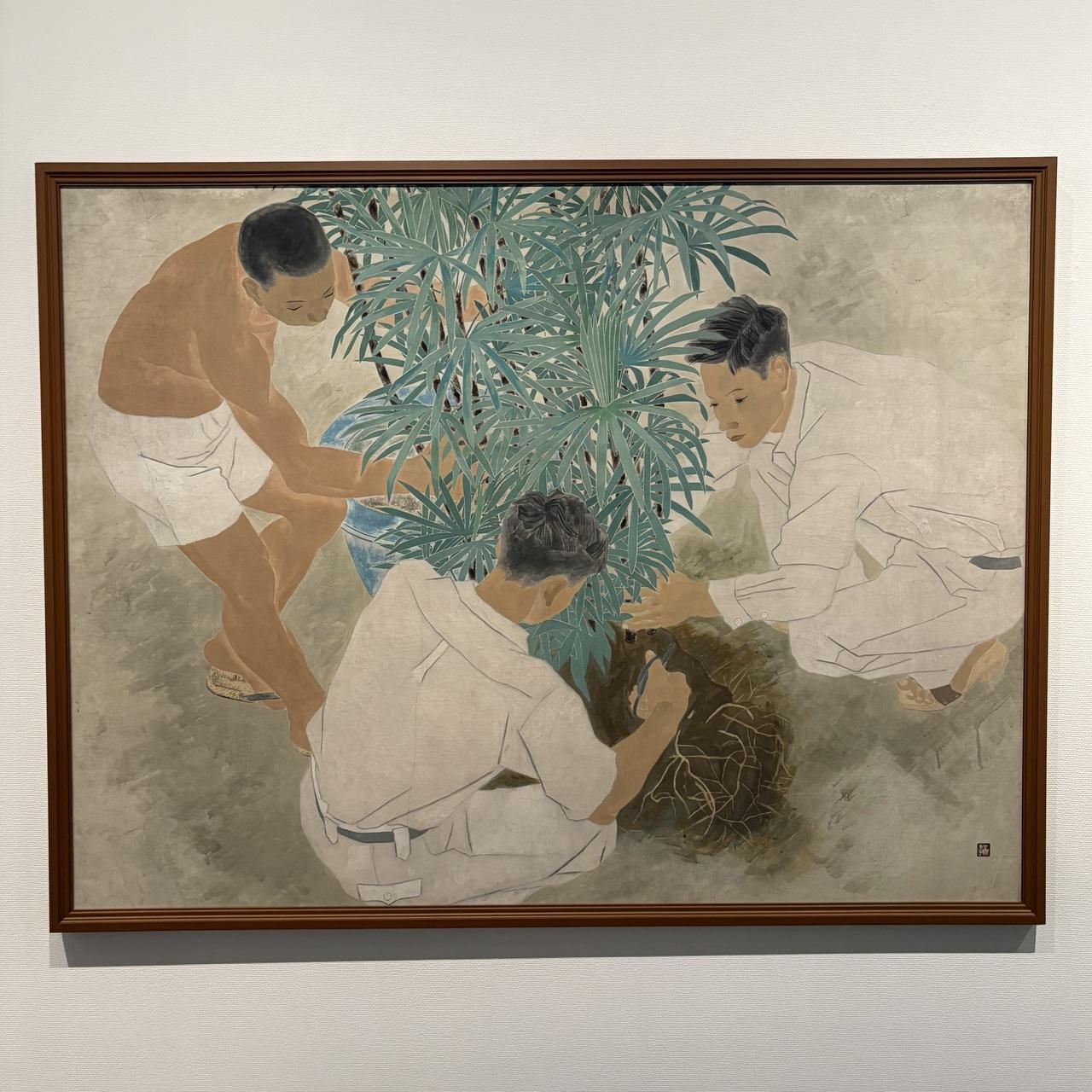
後半では、新収蔵の朝倉摂の《うえかえ》をはじめ、女性画家による同時代の作品も展示しています。美術の分野においては、軍部から戦争記録画の制作を依頼されるのは男性画家のみで、女性画家には静物画や風俗画を描くことが求められていました。
6. Women in Wartime
During the Second Sino-Japanese War and World War Il, Japan adopted a total war system in which the roles of "men fighting at the front" and "women minding the home front" were promoted across all forms of media, including art, literature, and magazines. The image of women sustaining their households as "good wives and wise mothers" became widely accepted as a wartime gender norm. At the same time, women worked in munitions factories to manufacture weapons, while others were mobilized as military nurses and sent to the front.
This room explores daily life during a time when war and the everyday were inseparable, and conveys the many roles women occupied in society through their portrayals in paintings and magazine illustrations.
The latter half of this area features works from the same period by female painters, including Transplanting by Asakura Setsu, a recent acquisition. In the art world during wartime, only men were commissioned by the military to produce War Record Paintings, while women painters were expected to focus on still lifes and genre scenes. -
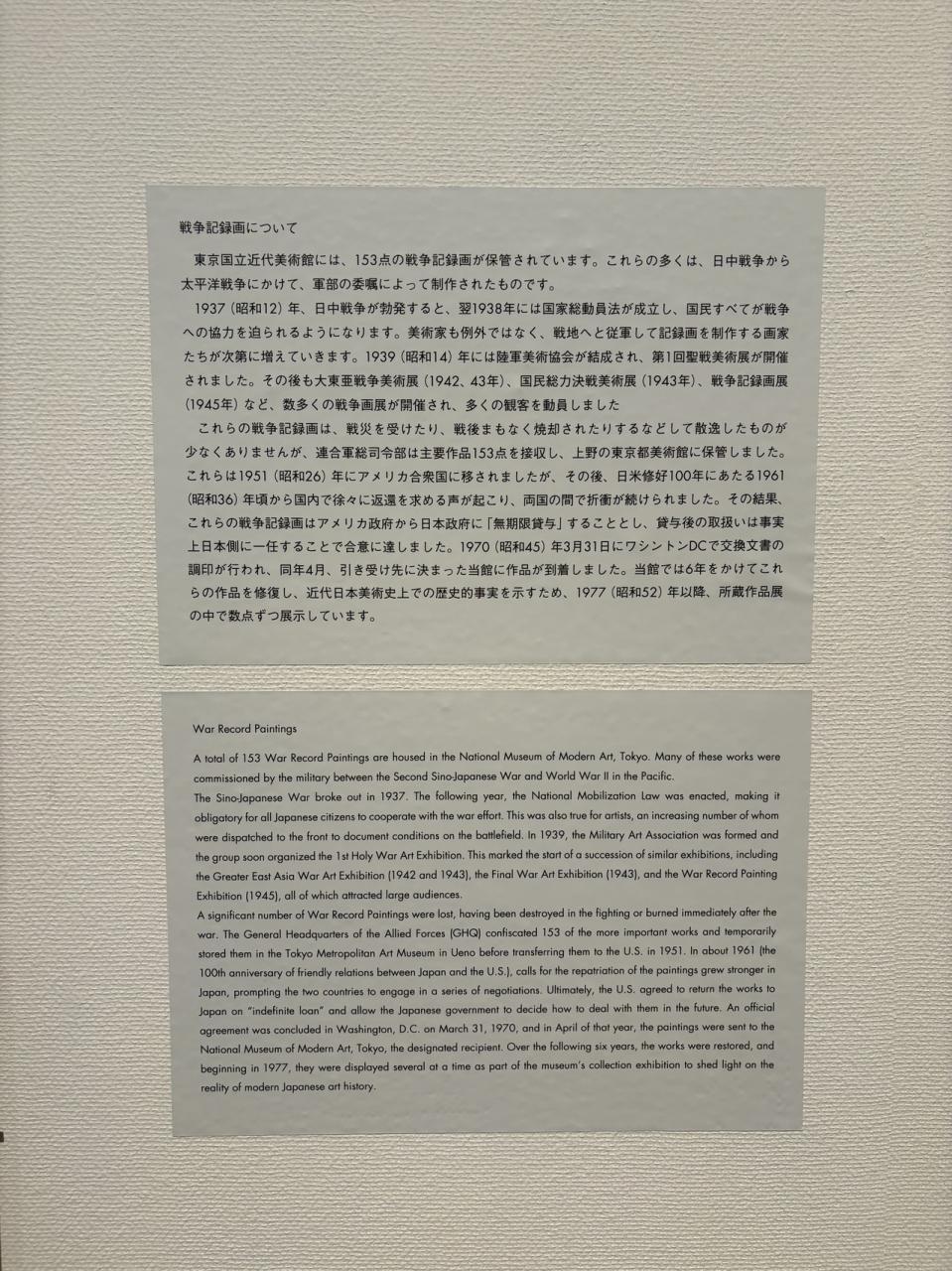
戦争記録画について
東京国立近代美術館には、153点の戦争記録画が保管されています。これらの多くは、日中戦争から太平洋戦争にかけて、軍部の委嘱によって制作されたものです。
1937(昭和12)年、日中戦争が勃発すると、翌1938年には国家総動員法が成立し、国民すべてが戦争への協力を迫られるようになります。美術家も例外ではなく、戦地へと従軍して記録画を制作する画家たちが次第に増えていきます。1939(昭和14)年には陸軍美術協会が結成され、第1回聖戦美術展が開催されました。その後も大東亜戦争美術展(1942、43年)、国民総力決戦美術展(1943年)、戦争記録画展(1945年)など、数多くの戦争画展が開催され、多くの観客を動員しましたこれらの戦争記録画は、戦災を受けたり、戦後まもなく焼却されたりするなどして散逸したものが少なくありませんが、連合軍総司令部は主要作品153点を接収し、上野の東京都美術館に保管しました。
これらは1951(昭和26)年にアメリカ合衆国に移されましたが、その後、日米修好100年にあたる1961(昭和36)年頃から国内で徐々に返還を求める声が起こり、両国の間で折衝が続けられました。その結果、これらの戦争記録画はアメリカ政府から日本政府に「無期限貸与」することとし、貸与後の取扱いは事実上日本側に一任することで合意に達しました。1970(昭和45)年3月31日にワシントンDCで交換文書の調印が行われ、同年4月、引き受け先に決まった当館に作品が到着しました。当館では6年をかけてこれらの作品を修復し、近代日本美術史上での歴史的事実を示すため、1977(昭和52)年以降、所蔵作品展の中で数点ずつ展示しています。
War Record Paintings
A total of 153 War Record Paintings are housed in the National Museum of Modern Art, Tokyo. Many of these works were commissioned by the military between the Second Sino-Japanese War and World War Il in the Pacific.
The Sino-Japanese War broke out in 1937. The following year, the National Mobilization Law was enacted, making it obligatory for all Japanese citizens to cooperate with the war effort. This was also true for artists, an increasing number of whom were dispatched to the front to document conditions on the battlefield. In 1939, the Military Art Association was formed and the group soon organized the 1st Holy War Art Exhibition. This marked the start of a succession of similar exhibitions, including the Greater East Asia War Art Exhibition (1942 and 1943), the Final War Art Exhibition 1943), and the War Record Painting Exhibition (1945), all of which attracted large audiences.
A significant number of War Record Paintings were lost, having been destroyed in the fighting or burned immediately after the war.
The General Headquarters of the Allied Forces (GHQ) confiscated 153 of the more important works and temporarily stored them in the Tokyo Metropolitan Art Museum in Ueno before transferring them to the U.S. in 1951. In about 1961 (the 100th anniversary of friendly relations between Japan and the U.S.), calls for the repatriation of the paintings grew stronger in Japan, prompting the two countries to engage in a series of negotiations. Ultimately, the U.S. agreed to return the works to Japan on "indefinite loan" and allow the Japanese government to decide how to deal with them in the future. An official agreement was concluded in Washington, D.C. on March 31, 1970, and in April of that year, the paintings were sent to the National Museum of Modern Art, Tokyo, the designated recipient. Over the following six years, the works were restored, and beginning in 1977, they were displayed several at a time as part of the museum's collection exhibition to shed light on the reality of modern Japanese art history. -
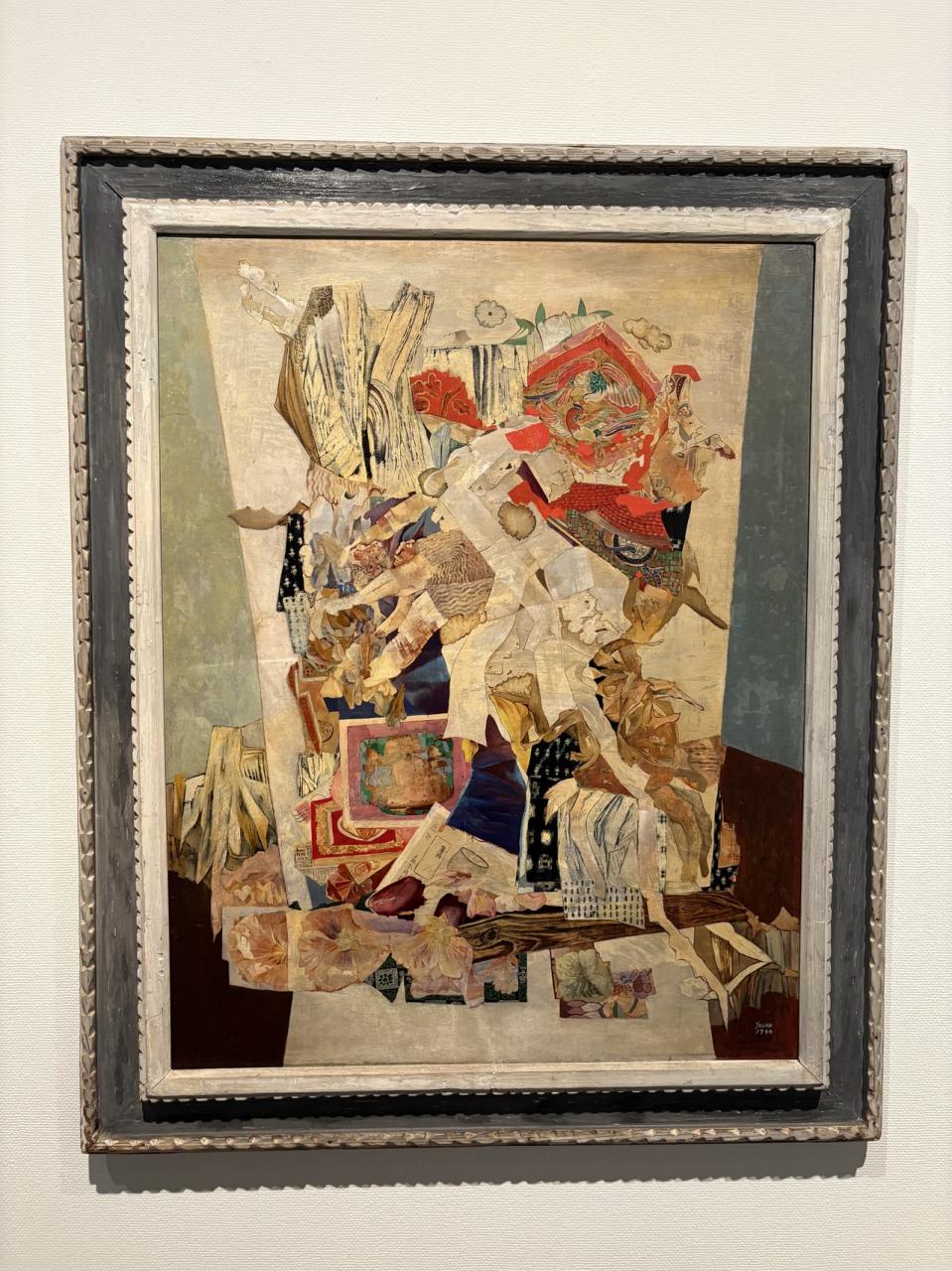
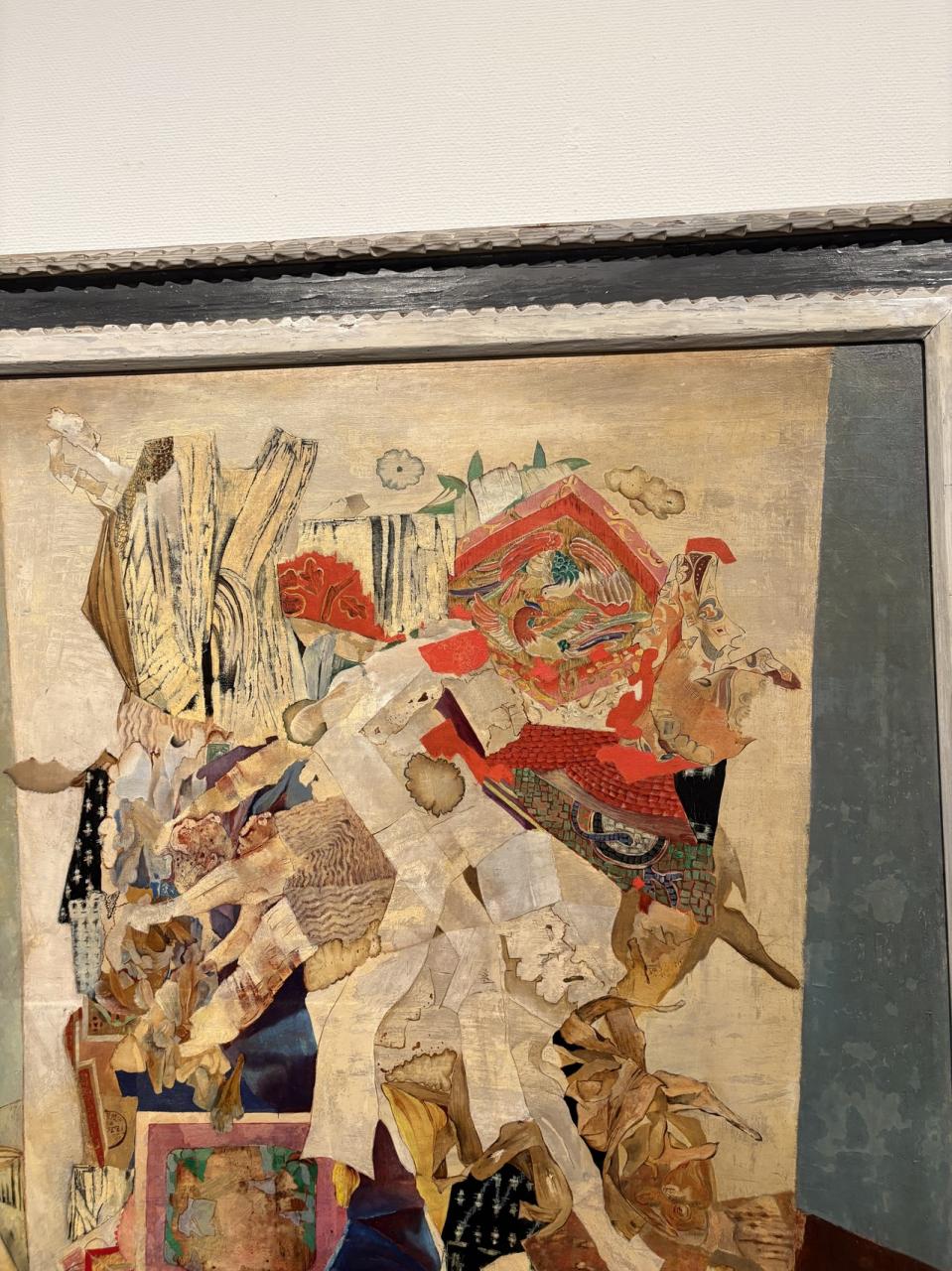
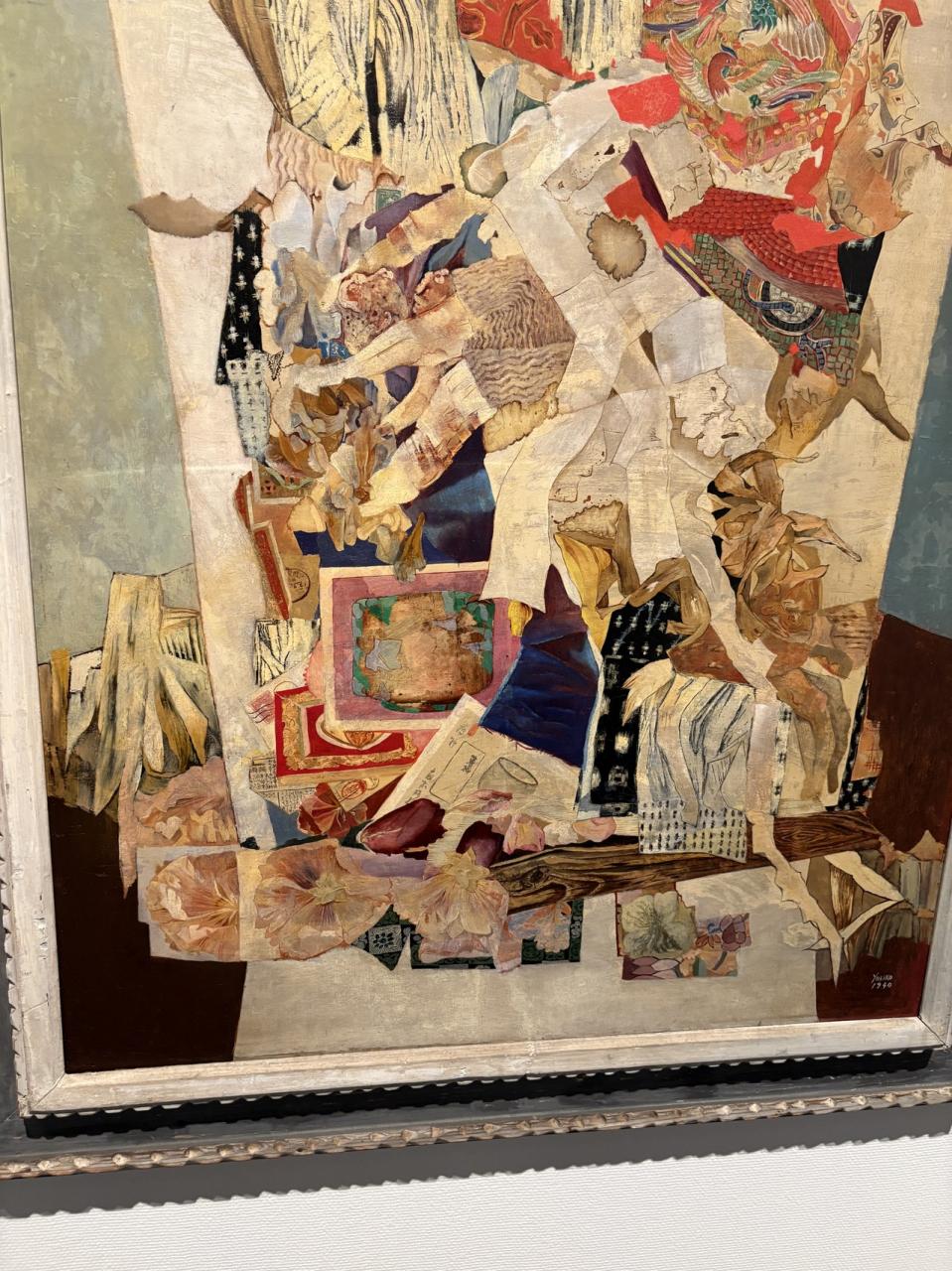
桂ゆき (ユキ子)
KATSURA, Yuki (Yukiko)
1913-1991
作品
Work
1940 昭和15年
油彩・キャンバス oil on canvas
購入
Purchased -
-
-
新収蔵作品
New Acquisition
朝倉摂
ASAKURA, Setsu
1922-2014
うえかえ
Transplanting
1941 昭和16年
紙本彩色 color on paper
購入
Purchased
棕櫚竹のような植物を鉢から地面に植えかえる男性たちが描かれています。植木を持ってしゃがむ男性は根を切って「根回し」の作業をしているのでしょうか。余計な根を切断することで、新しい根が生えやすくなるのです。
1939(昭和14)年から伊東深水に入門して日本画を学んだ朝倉は、畑仕事をする後の女性たちの姿を度々描きました。モダンな女性像を得意とした朝倉の画業においても、銃後の画題のモデルとして女性が選ばれがちであった時の美術界においても、本作は稀有な作例といえるでしょう。
Men are shown transplanting a plant, perhaps a slender lady palm, from a pot into the soil. The man crouching with pruning shears appears to be trimming the roots to encourage new growth.
Asakura, who began studying Nihon-ga (Japanese-style painting) under Ito Shinsui in 1939, often painted women engaged in agricultural labor on the home front. This painting is unusual both among Asakura's works, which typically depict modern women, and in the broader context of wartime art, where women were the preferred models for home-front scenes. -
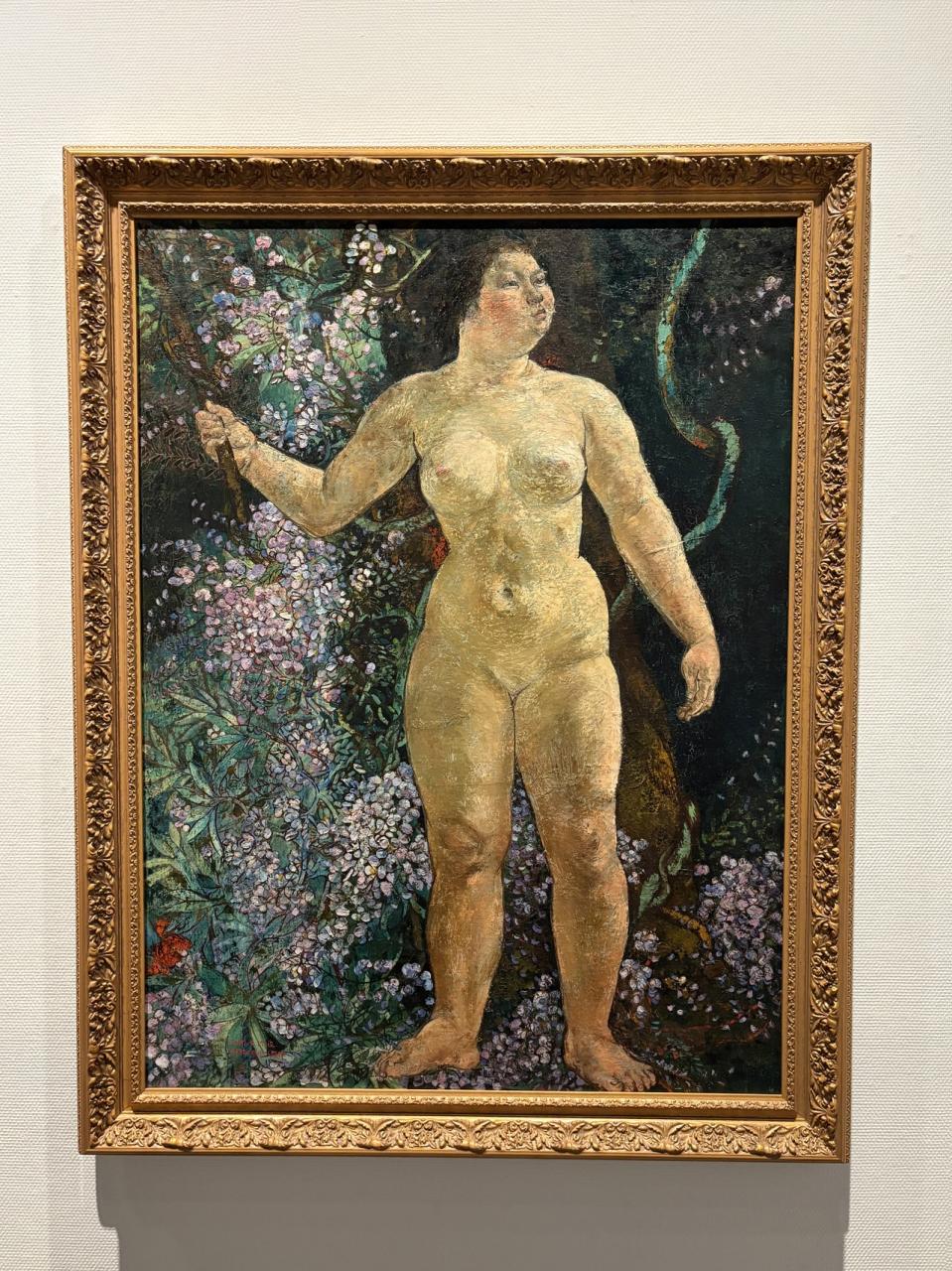
丸木俊(赤松俊子)
MARUKI, Toshi (AKAMATSU, Toshiko)
1912-2000
解放され行く人間性
Emancipation of Humanity
1947 昭和22年
油彩・キャンバス
oil on canvas
購入
Purchased
「解放され行く人間性」という言葉は、今日では少し観念的に思えるかもしれません。でもこの絵が発表された1947(昭和22)年当時は、切実な響きをもっていたことでしょう。たとえば敗戦後の1945年にGHQ(連合国軍最高司令官総司令部)が行った五大改革のひとつは、まさに女性の解放でしたから。
ただし丸木は、「女性」ではなくて「人間性」としています。描かれている女性の視線から推測すると、画家は未来におけるより大きな「解放」を見据えていたようにも思えます。
The phrase "emancipation of humanity" may today sound somewhat lofty and abstract, but in 1947 when this painting was first exhibited, it surely had a more urgent ring to it. For example, one of the five major reforms carried out under the auspices of the occupying Allied Powers in 1945 dealt with the emancipation of women.
However, Maruki's title speaks not of "women" but of "humanity." From the woman's gaze in this painting, we can sense that the artist had a greater, more universal future "emancipation" in mind. -
-
鈴木良三
SUZUKI, Ryozo
1898-1996
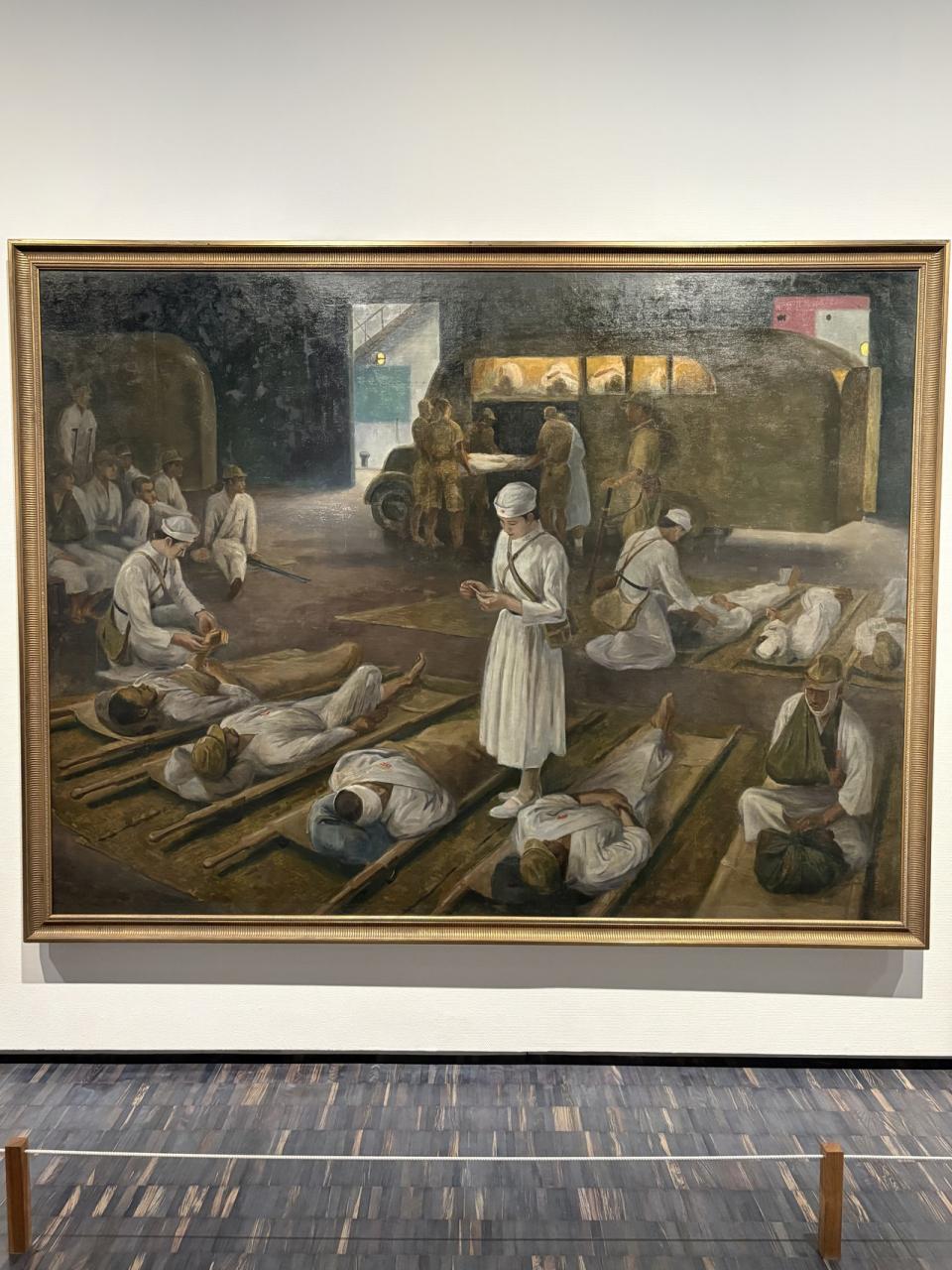
患者後送と救護班の苦心
Evacuation of the Wounded and the Hardworking Relief Unit
1943 昭和18年
油彩・キャンバス oil on canvas
無期限貸与
Indefinite loan
戦場に設けられた救護所で、従軍看護師が負傷兵の手当てをしています。戦時中、女性が徴兵されることはありませんでしたが、看護師の女性たちには召集状が届き、戦場や災害現場で救護活動に従事する義務がありました。医者でもあり、画家としても活躍した鈴木良三は、陸軍と日本赤十字社から作戦記録画の制作を依頼され、1943(昭和18)年に台湾やフィリピン、シンガポール、ビルマなどを取材します。本作のような医療現場を題材にした戦争画を複数描きました。
At a first aid station on the battlefield, military nurses attend to wounded soldiers. Although women were technically not subject to conscription during the war, nurses received draft notices and were obligated to carry out medical work in combat zones and other emergency sites. Suzuki Ryozo, both a practicing physician and a paint-er, was commissioned by the army and the Japanese Red Cross Society to produce Operation Record Paintings. In 1943, he traveled to Taiwan, the Philippines, Singapore, Burma, and other locations to gather material, producing several paintings of medical scenes like this one. -
鈴木誠
SUZUKI, Makoto
1897-1969
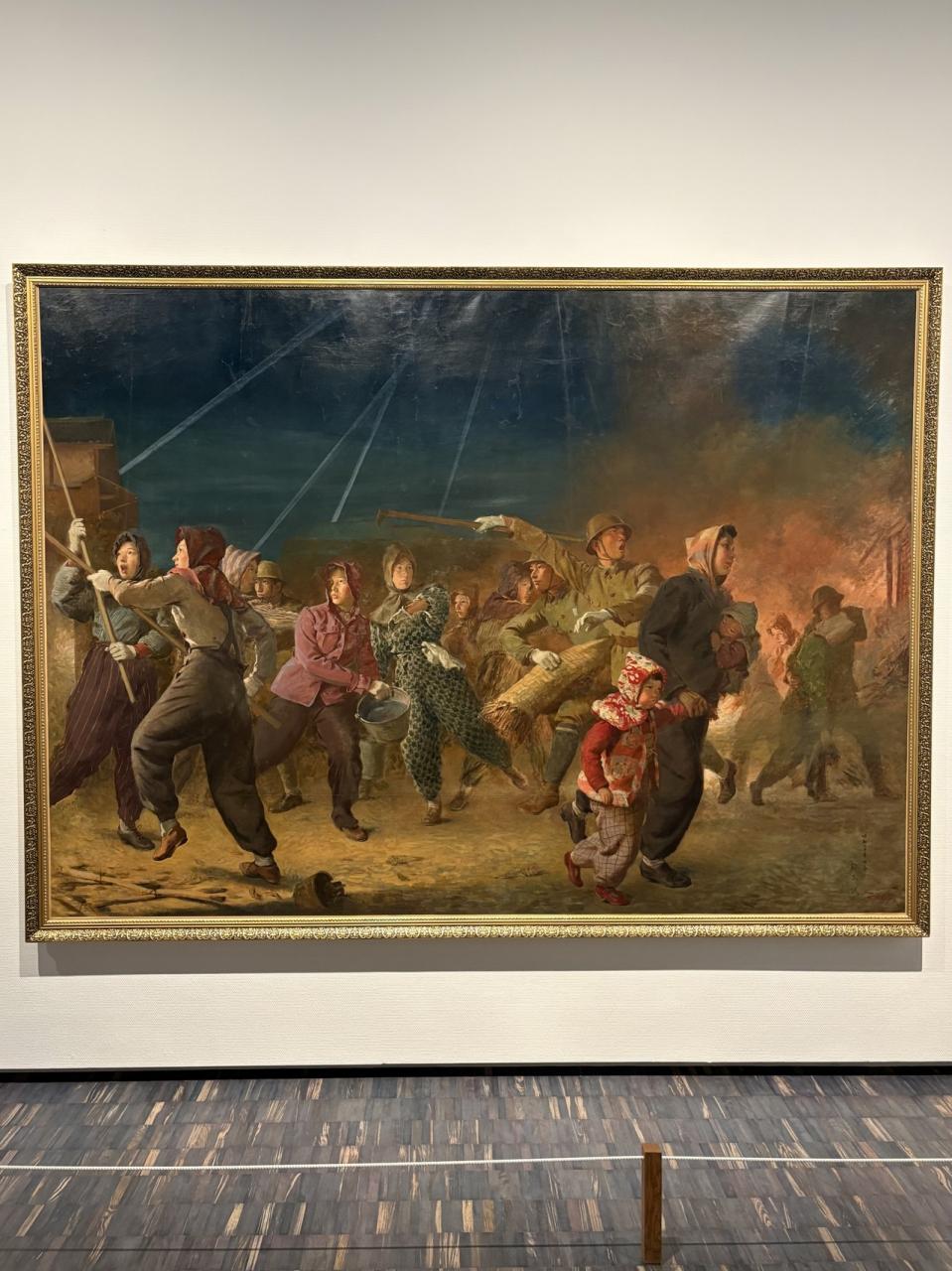
皇土防衛の軍民防空陣
The Military and the Civilians Work Together in Air-Raid Defense on the Homeland
1945
昭和20年
油彩・キャンバス oil on canvas
無期限貸与
Indefinite loan
画面左側には防火活動にあたる女性たち、右側には避難する人々の姿が描かれています。防災頭巾や女性が手にするバケツ、延焼を防ぐための窯といった道具は、物資が不足するなかで重要な防災用具とされていました。戦時下の国民は「隣組」単位でバケツリレーなどの防空演習に励みました。本作は、1945(昭和20)年3月10日の東京大空襲の様子を描いたもので、翌月に開催された陸軍美術展覧会に出品されました。多くの作戦記録画が前線を題材とする中、銃後の市民生活を描いた本作は、珍しい作品といえるでしょう。
On the left side of the painting are women engaged in firefighting, while on the right, people are seen evacuating. Fire hoods, buckets like those carried by the women, and pikes used to prevent the spread of flames were considered essential supplies for disaster
response amid wartime shortages. During the war, citizens participated in air raid drills such as bucket brigades organized by Tonarigumi (Neighborhood Association) units. This work depicts the Tokyo air raid of March 10, 1945, and was exhibited at the Army Art Exhibition held the following month. While most Operation Record Paintings focused on scenes from the battlefield, this is a rare depiction of the war affecting civilians on the home front. -
伊原宇三郎
IHARA, Usaburo
1894-1976
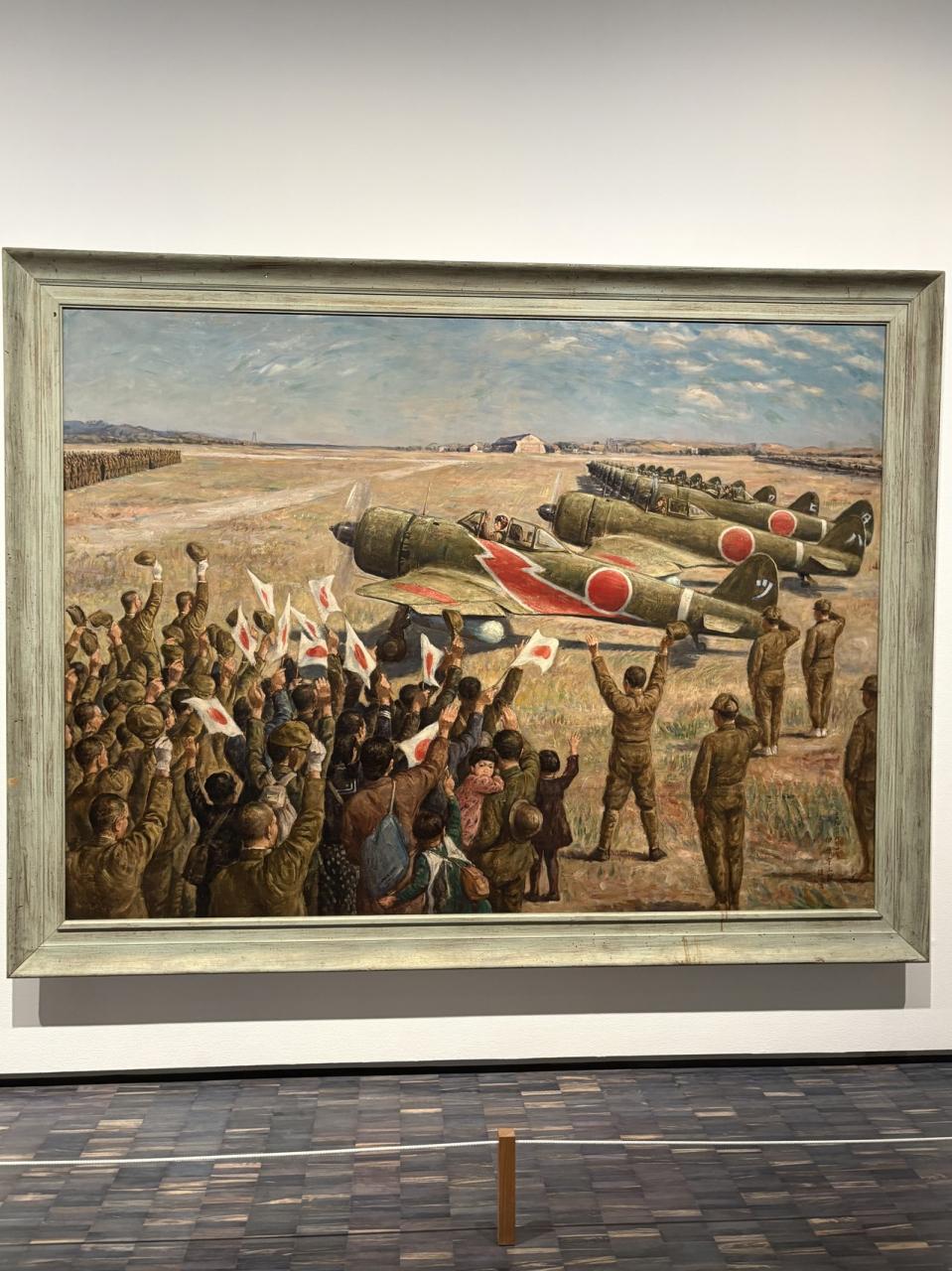
特攻隊内地基地を進発す(一)
Special Attack Corps Setting Out From a Homeland Base I
1944 昭和19年
油彩・キャンバス
oil on canvas
無期限貸与
Indefinite loan
1944(昭和19)年12月3日、茨城県水戸東飛行場から飛び立つ陸軍特別攻撃隊「殉義隊」と、それを見送る同僚や家族が描かれています。戦局が悪化すると、戦闘機や魚雷などに兵士を乗せたまま敵艦に突撃する特別攻撃隊が編成されました。機体の尾翼に記されたカタカナは、飛行士の頭文字で、「ツ」は隊長の敦賀真二の搭乗機であることを示しています。彼らはフィリピンに向かい、12月21日と22日にミンドロ島付近で特攻を行いました。高揚した群衆の中に一人だけ、こちらを見つめる少女が描かれています。
This painting shows the Army's Jungi-tai Special Attack Corps departing from Eastern Mito Airfield in Ibaraki Prefecture on December 3, 1944, as comrades and family members gather to see them off. As the war situation worsened, Special Attack Corps were formed, with soldiers ordered to remain aboard fighter planes or torpedoes while crashing them into enemy ships.
The katakana characters on the planes tails indicate the pilots' initials, with ""y" marking the plane of Commander Tsuruga Shinji. The unit proceeded to the Philippines and carried out kamikaze attacks near Mindoro on December 21 and 22. Amid the cheering crowd facing the planes, only one young girl turns to face the viewer directly. -
-
-
-
-
-
新収蔵作品
New Acquisition
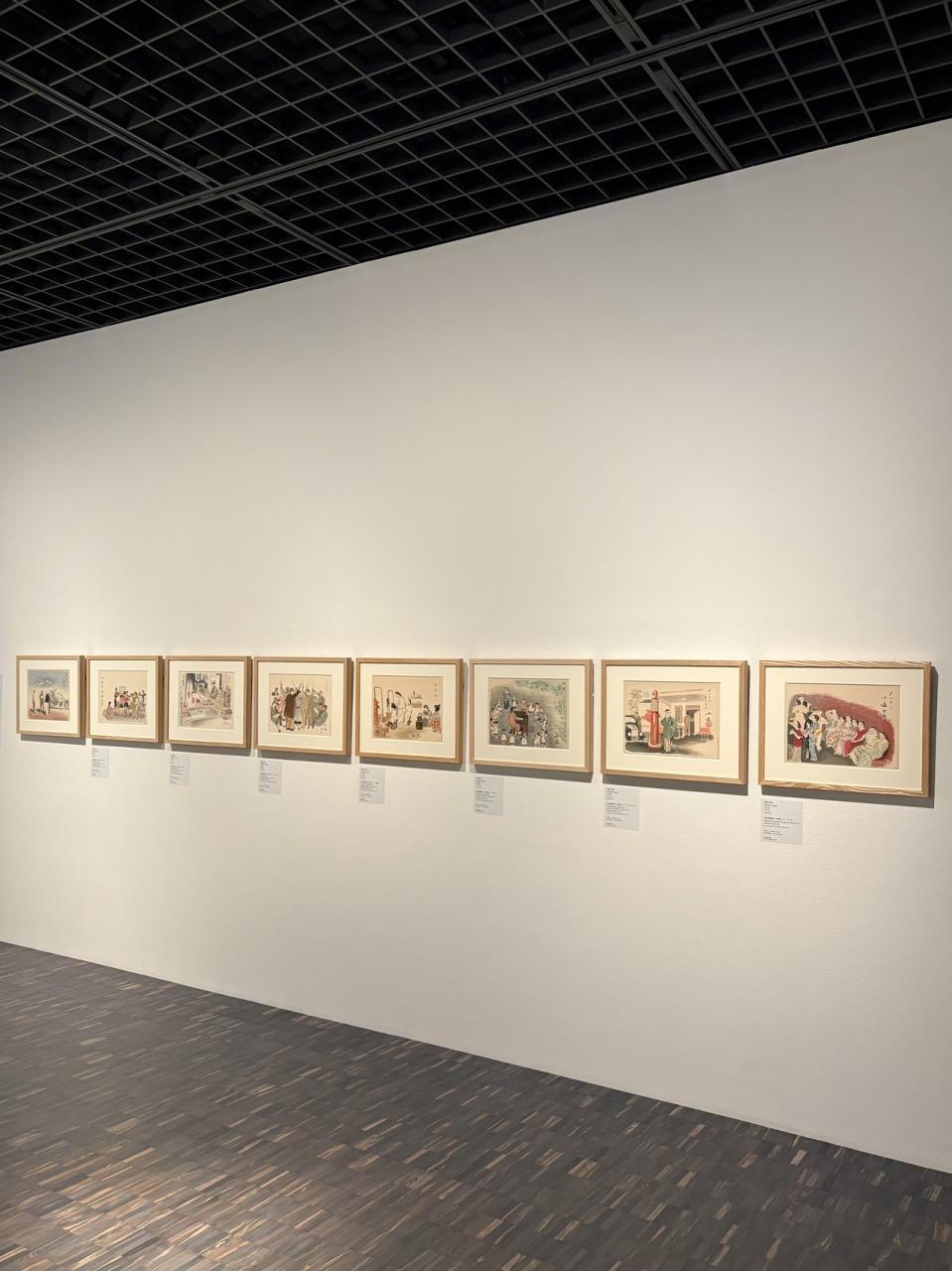
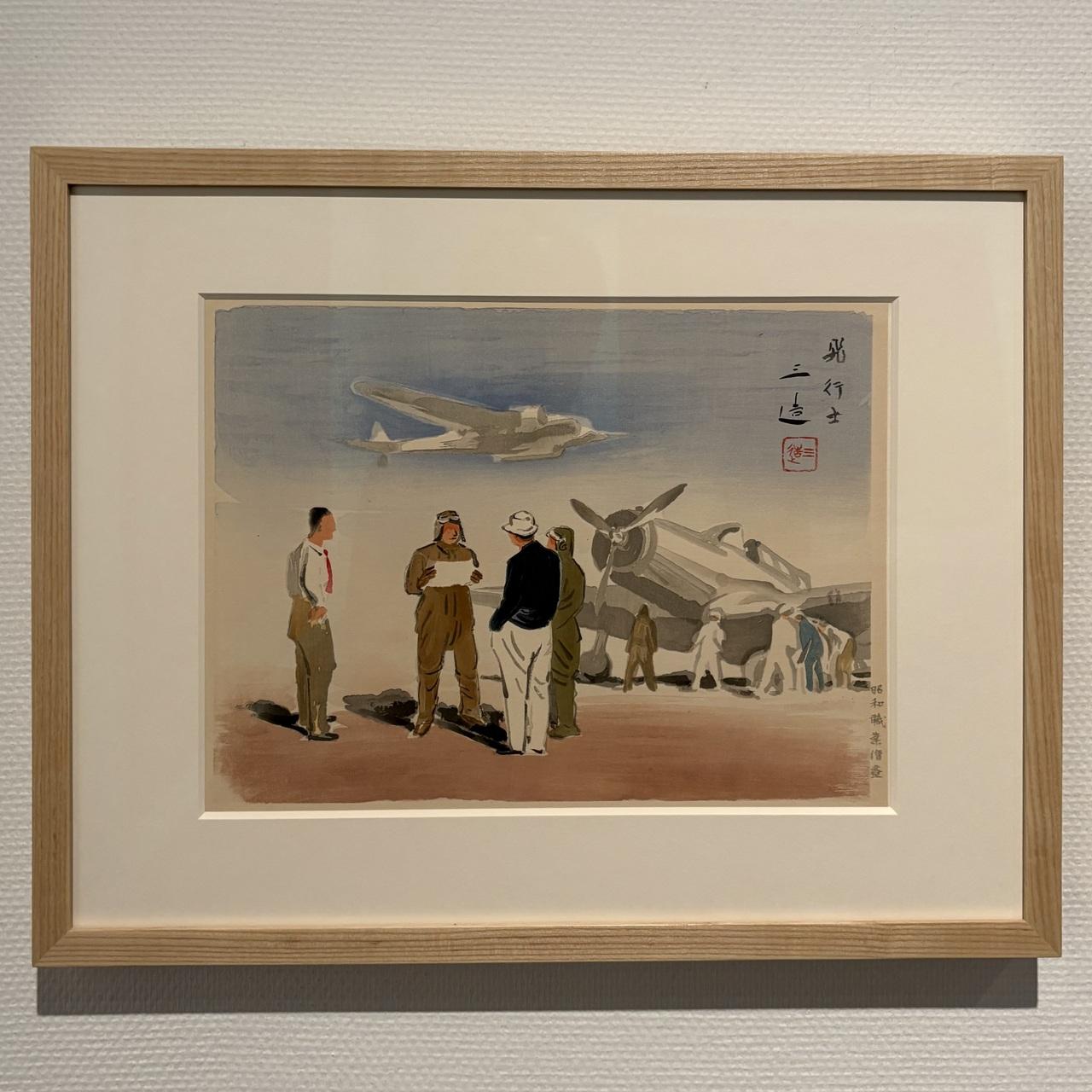
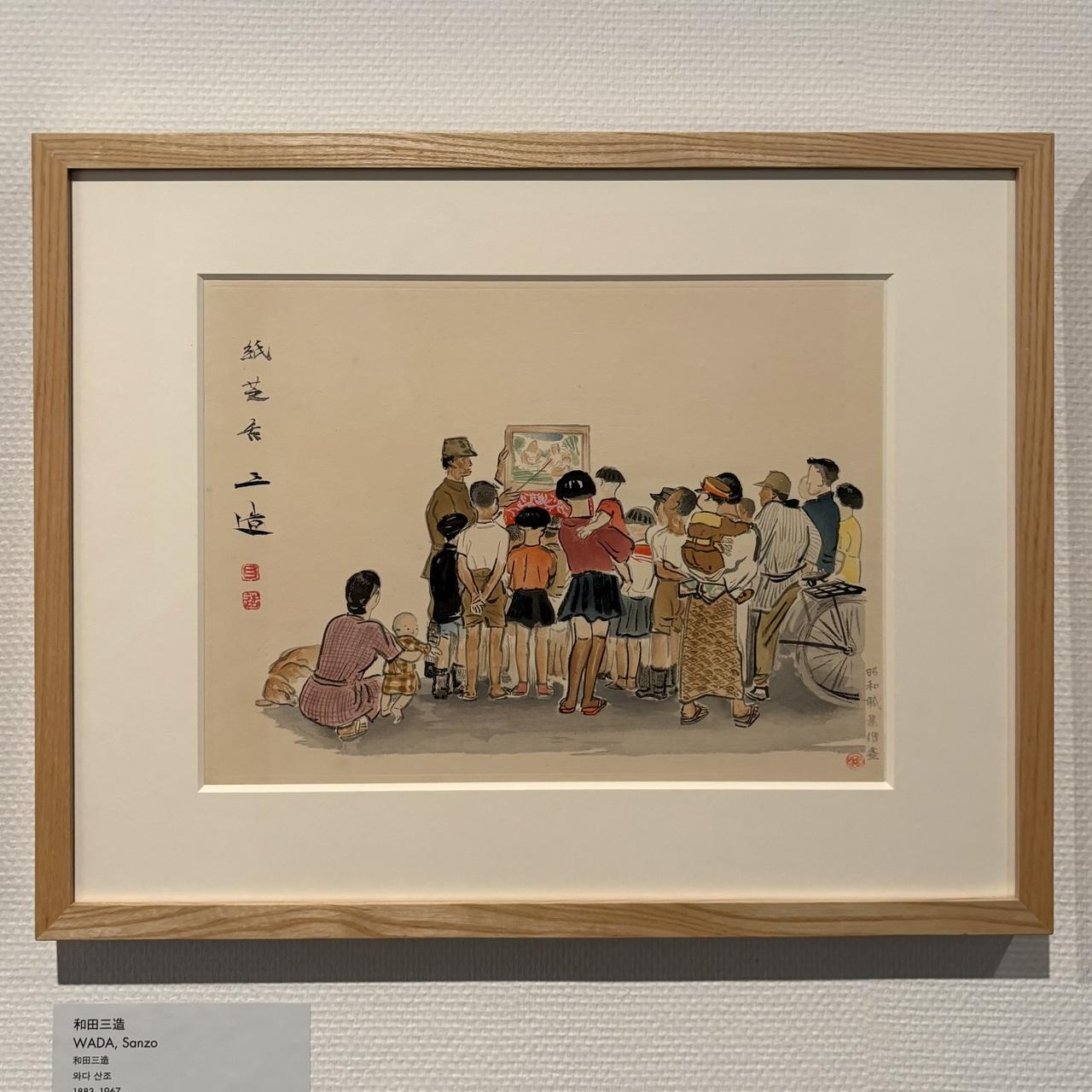
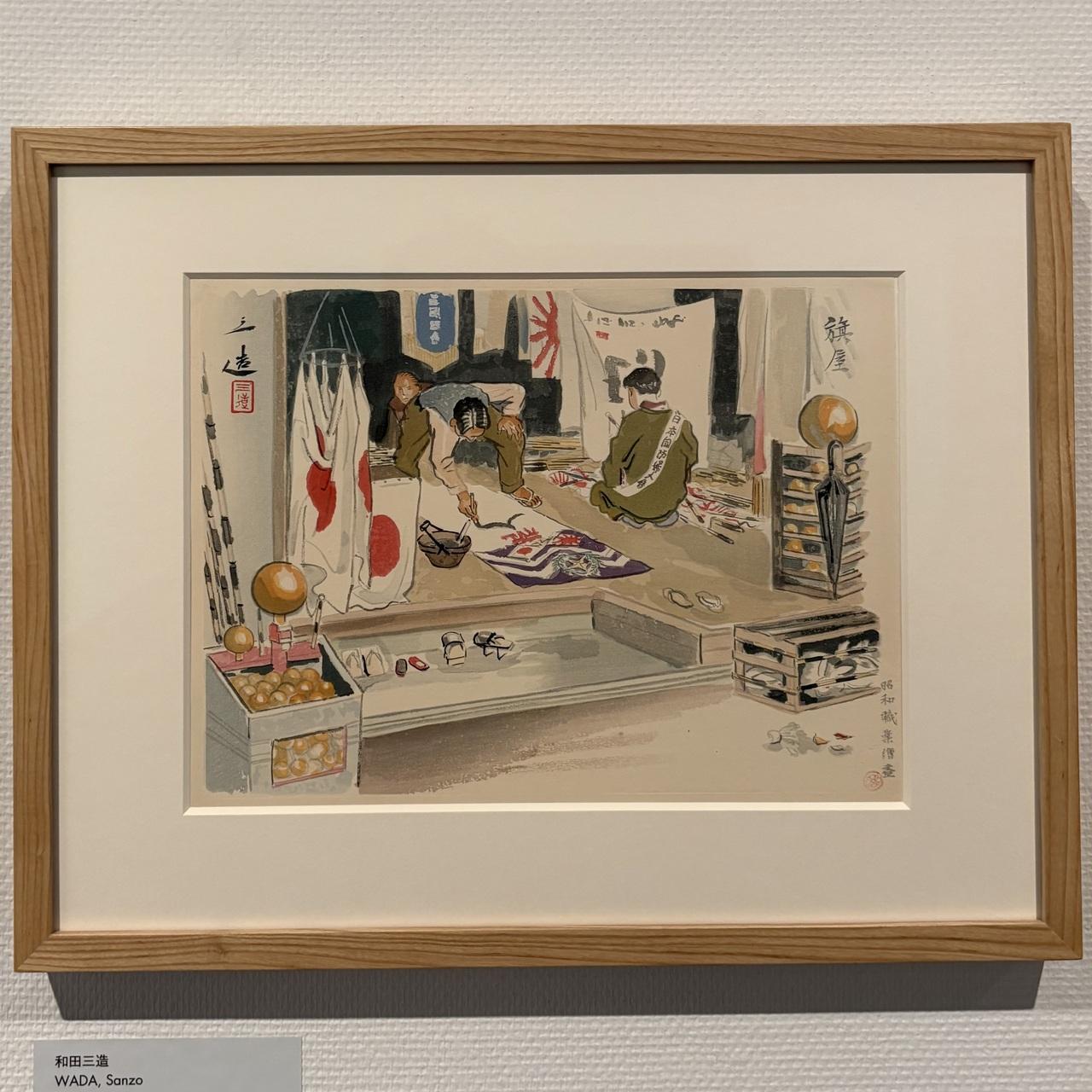
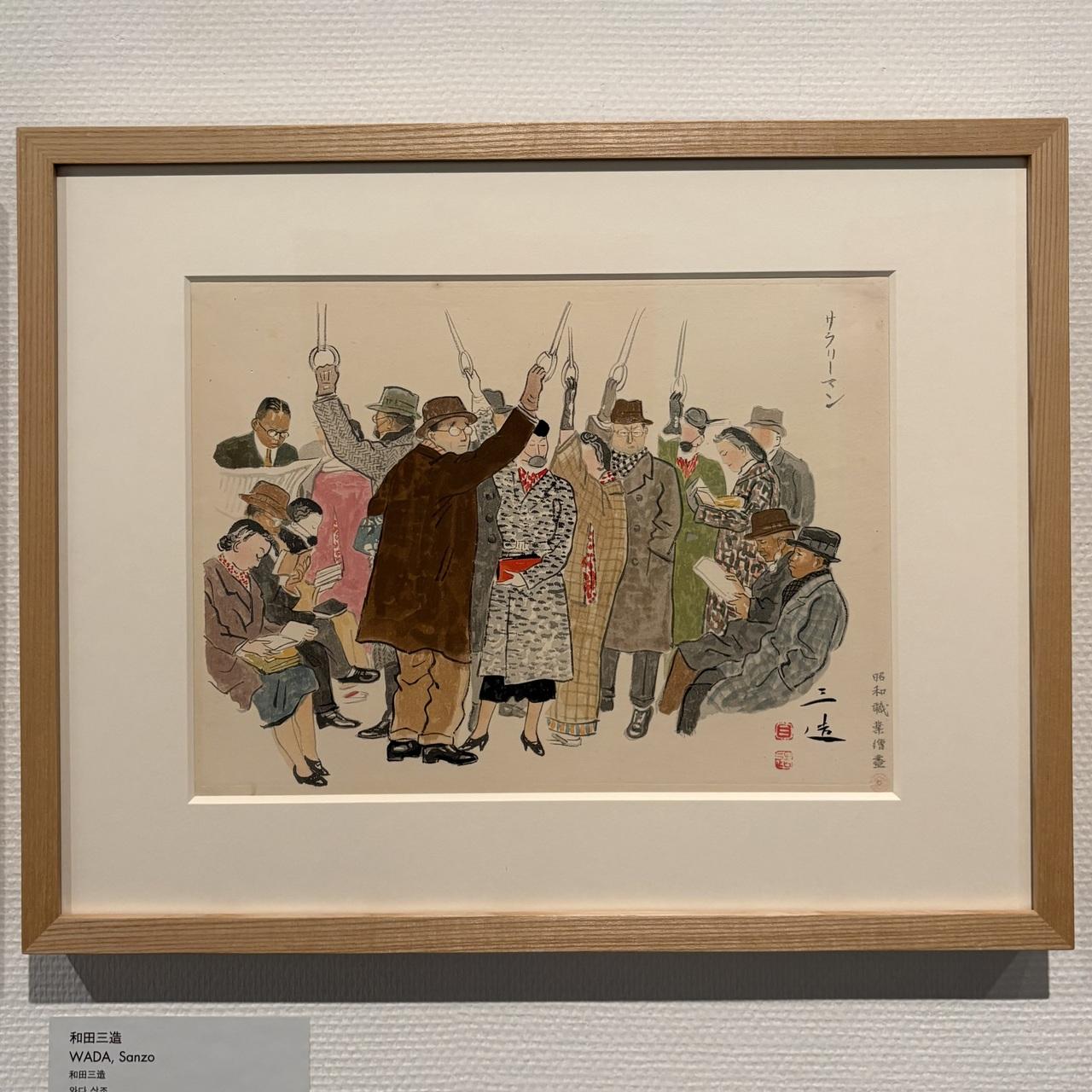
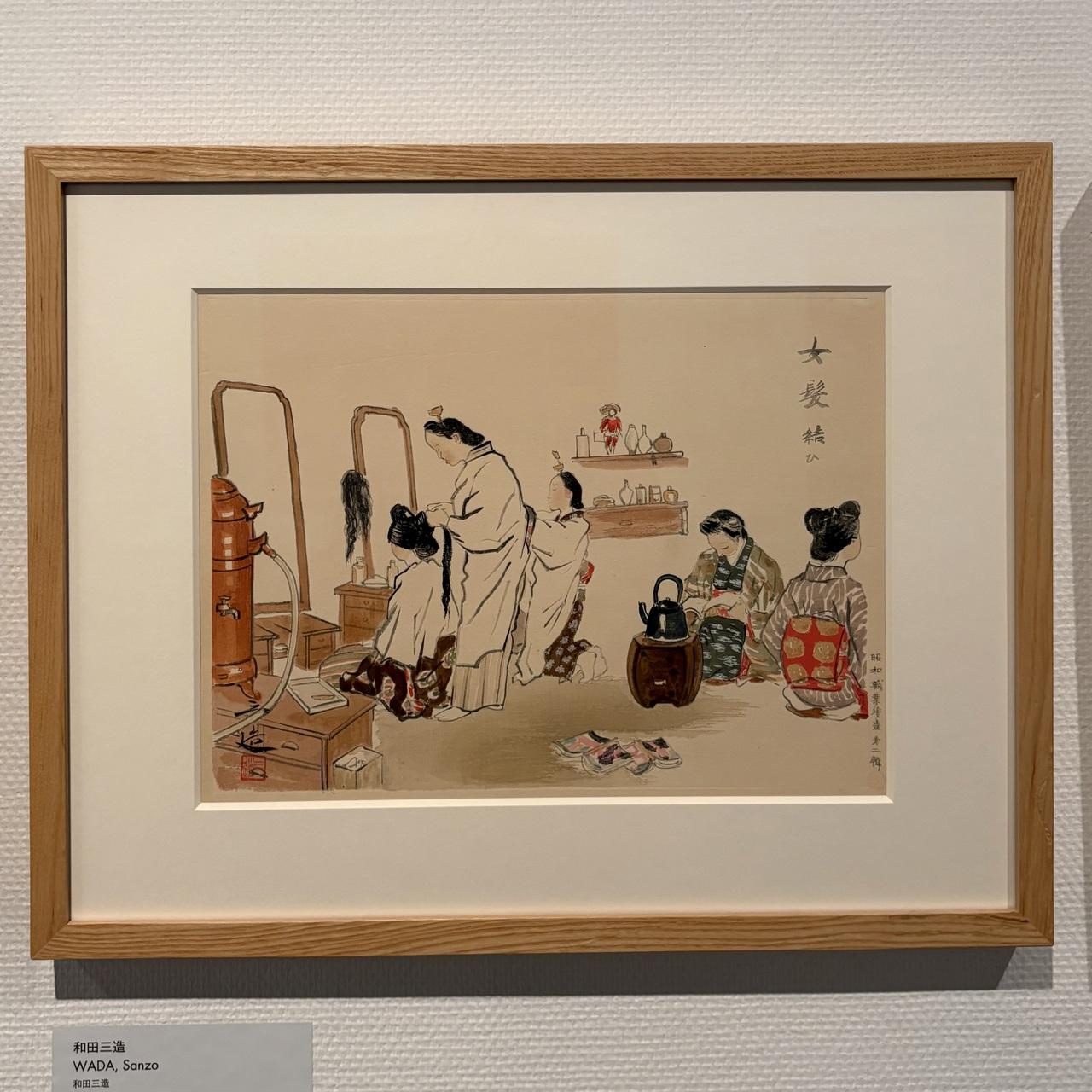
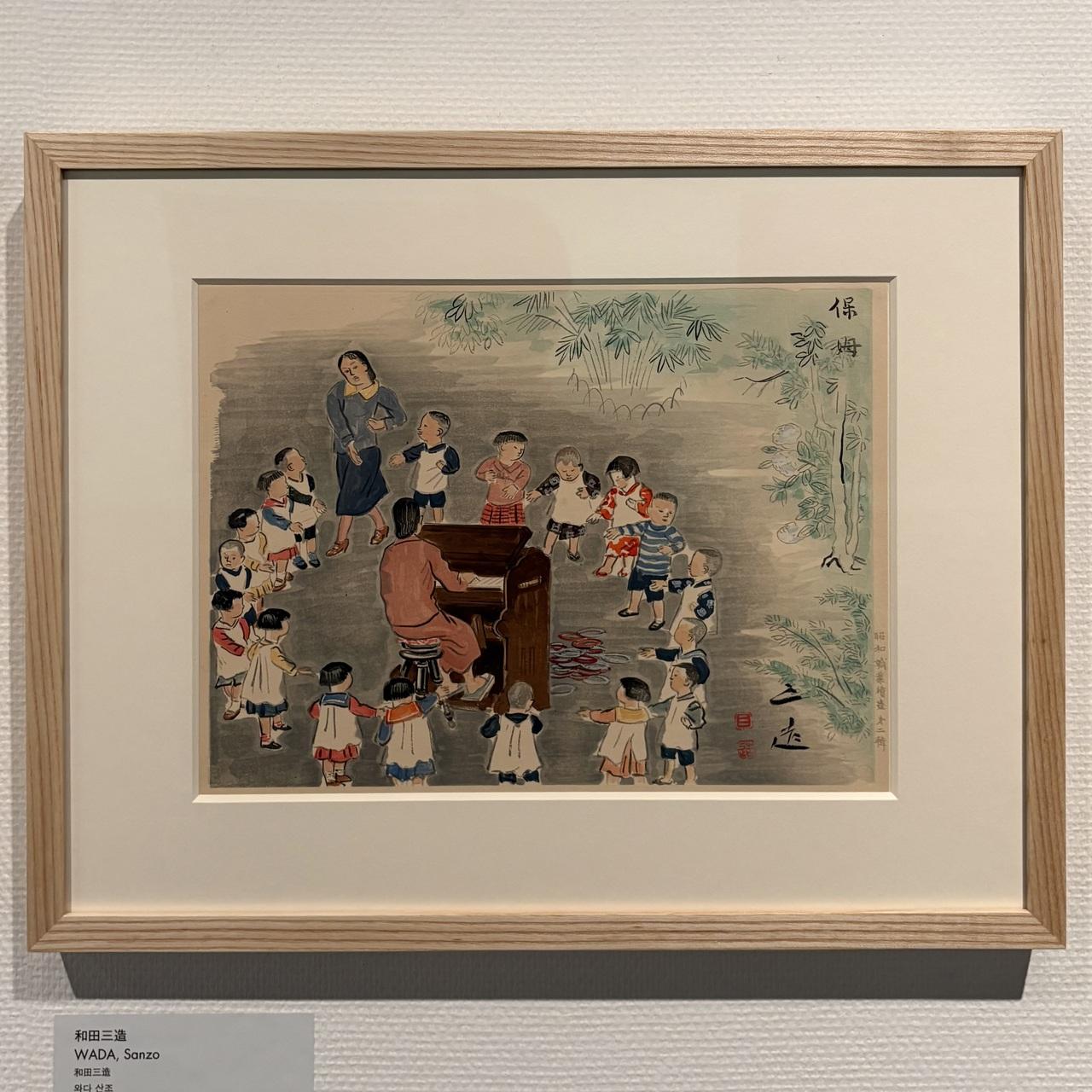
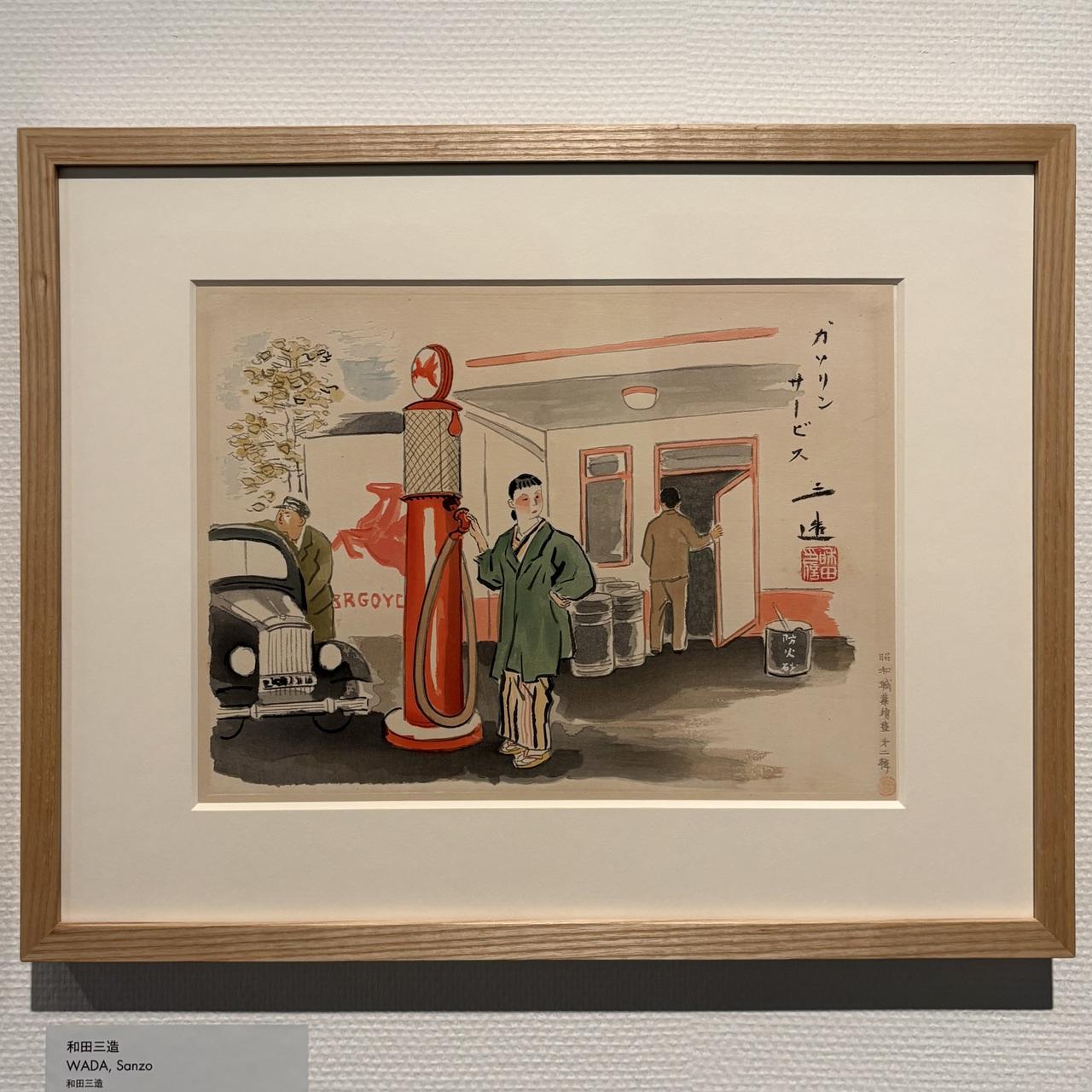
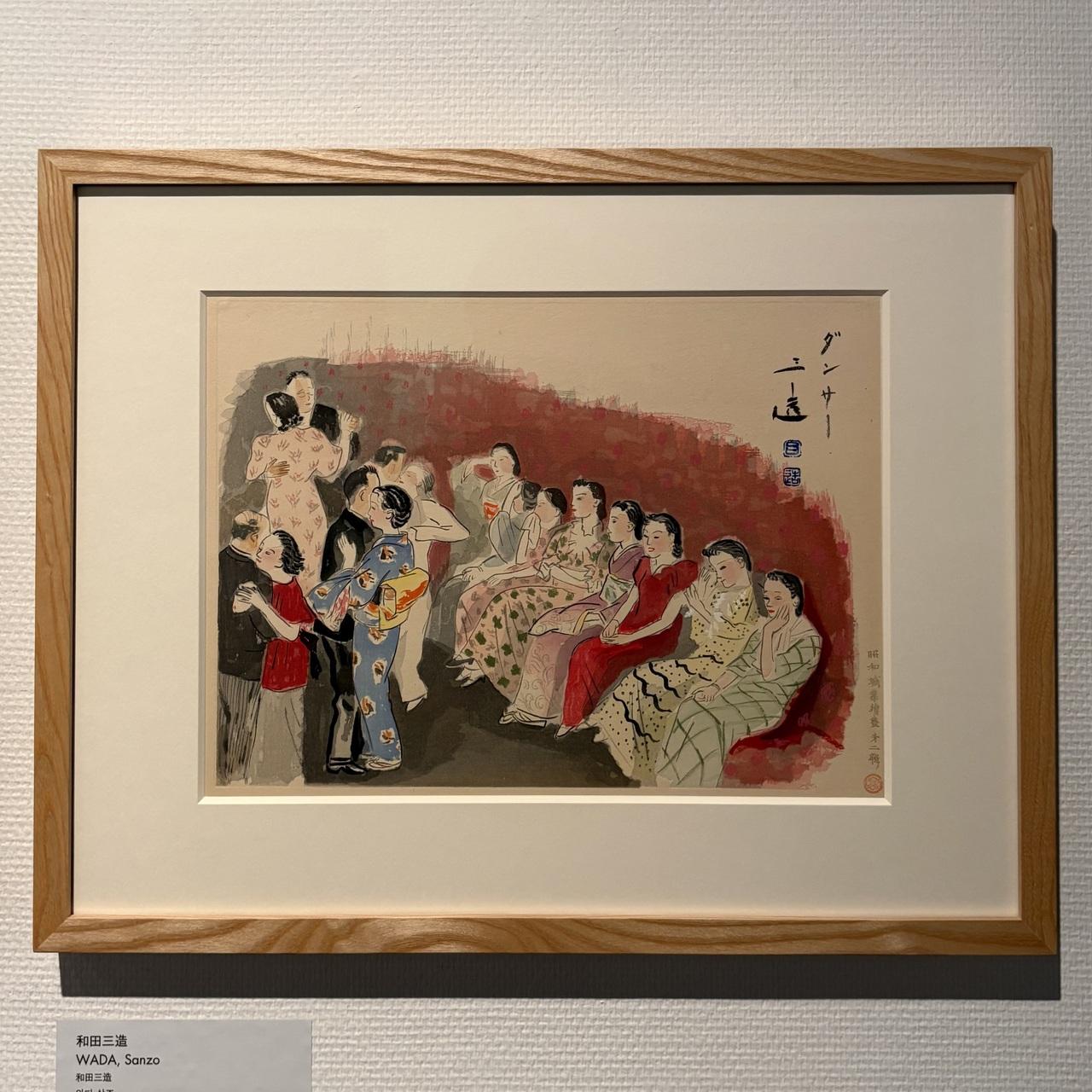
和田三造
WADA, Sanzo
1883-1967
昭和職業絵尽
1939-41 昭和14-16年
木版(多色)
color woodcut
松山國臣氏寄贈
Gift of Matsuyama Kuniomi
「昭和職業絵尽」は伝統的な職人から近代化によって生まれた新しい職業まで、昭和期の働く人々の諸相をとらえたシリーズです。和田の水彩画を原図とし、全国から集められた木版の職人たちが技術を駆使して版画を制作しました。
和田の優れた観察眼によって細部まで描きこまれたイメージは、当時の情景を生き生きと浮かび上がらせます。少しずつ消えゆくモダンな都市生活や市民の変わらぬ営み、そして戦争のために働く人々など、戦時下の日本社会の時勢が色濃く反映されています。
Japanese Vocations in Pictures is a series that captures the diverse world of work in the Showa era (1926-1989), from traditional artisans to new professions emerging from modernization.
Based on Wada's watercolor drawings, the prints were produced by woodcut printmakers from across Japan, who brought the images to life through their refined techniques. Through Wada's sharp eye for detail, each scene vividly evokes the atmosphere of the time. The series richly reflects wartime Japanese society, portraying the gradual disappearance of modern urban life, the enduring rhythms of daily routine, and the many forms of labor tied to the war effort. -
-
-
-
-
-
-
-
-
(続く・・・)
この旅行記のタグ


利用規約に違反している投稿は、報告する事ができます。
-
前の旅行記

"MOMAT コレクション展 ~2026.2.8" その5.1930年代の絵画:現実の彼方へ、幻影の手前で。...
2026/02/05~
神田・神保町
-
次の旅行記

MOMAT〔国立東京近代美術館〕コレクション展 ~2026.2.8: その7.アクション前夜。"朝倉摂 《黒...
2026/02/05~
神田・神保町
-

"MOMAT〔国立東京近代美術館〕コレクション展 ~2026.2.8" その1.ハイライト。"奈良美智《Ha...
2026/02/05~
神田・神保町
-

"MOMAT〔国立東京近代美術館〕コレクション展 ~2026.2.8" その2.新か、旧か? "和田三造《南...
2026/02/05~
神田・神保町
-

"MOMAT〔国立東京近代美術館〕コレクション展~2026.2.8" その3.キュビスム再考 "ナターリア・...
2026/02/05~
神田・神保町
-

"MOMAT〔国立東京近代美術館〕コレクション展 ~2026.2.8" その4.『濹東綺譚』。"木村荘八 、...
2026/02/05~
神田・神保町
-

"MOMAT コレクション展 ~2026.2.8" その5.1930年代の絵画:現実の彼方へ、幻影の手前で。...
2026/02/05~
神田・神保町
-

MOMAT〔国立東京近代美術館〕コレクション展 ~2026.2.8: その6.戦時の女性たち。"『主婦之友』...
2026/02/05~
神田・神保町
-

MOMAT〔国立東京近代美術館〕コレクション展 ~2026.2.8: その7.アクション前夜。"朝倉摂 《黒...
2026/02/05~
神田・神保町
-

MOMAT コレクション展 ~2026.2.8:8.「・・・アクション!」&「・・・カット!」。"ルーチョ・...
2026/02/05~
神田・神保町
-

MOMAT〔国立東京近代美術館〕コレクション展 ~2026.2.8:その9."細江英公「薔薇刑」"
2026/02/05~
神田・神保町
-

MOMAT ~2026.2.8:その10.1950~60年代:有機的な彫刻/川端龍子と青龍社。"ジェルメーヌ...
2026/02/05~
神田・神保町
-

MOMAT〔国立東京近代美術館〕コレクション展 ~2026.2.8:その11.記憶と想起。"河原温《1966...
2026/02/05~
神田・神保町
-

MOMAT コレクション展 ~2026.2.8:12.入れ替わる世界、ひらかれる感覚。"冨井大裕《board...
2026/02/05~
神田・神保町
-

国立東京近代美術館 "コレクションによる小企画 没後30年 榎倉康二(~2026.2.8)"《 干渉(STO...
2026/02/05~
神田・神保町
旅行記グループをもっと見る
コメントを投稿する前に
十分に確認の上、ご投稿ください。 コメントの内容は攻撃的ではなく、相手の気持ちに寄り添ったものになっていますか?
サイト共通ガイドライン(利用上のお願い)報道機関・マスメディアの方へ 画像提供などに関するお問い合わせは、専用のお問い合わせフォームからお願いいたします。






フォートラベル公式LINE@

おすすめの旅行記や旬な旅行情報、お得なキャンペーン情報をお届けします!
QRコードが読み取れない場合はID「@4travel」で検索してください。
\その他の公式SNSはこちら/




旅行記グループ MOMAT コレクション〔国立東京近代美術館 所蔵作品展〕(2025.11.5-2026.2.8)
0
26