


2026/02/05 - 2026/02/05
78位(同エリア932件中)

旅熊 Kokazさん
- 旅熊 KokazさんTOP
- 旅行記1909冊
- クチコミ854件
- Q&A回答102件
- 1,695,367アクセス
- フォロワー749人
MOMAT コレクション〔国立東京近代美術館 所蔵作品展〕(2025.11.5-2026.2.8)
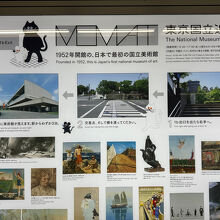
2025年11月5日-2026年2月8日の所蔵作品展のみどころ
当館コレクション展の特徴をご紹介します。まずはその規模。1952年の開館以来の活動を通じて収集してきたおよそ14,000点の所蔵作品から、会期ごとに約200点を展示する国内最大級のコレクション展です。そして、それぞれ小さなテーマが立てられた全12室のつながりによって、19世紀末から今日に至る日本の近現代美術の流れをたどることができる国内随一の展示です。
今期のみどころ紹介です。長らく国外への貸出が続いていた奈良美智《Harmless Kitty》(1994年)が、約2年ぶりにMOMATコレクションに帰ってきました。4階ハイライト・コーナーでご覧いただけます。3階9室では写真家の細江英公の初期代表作「薔薇刑」を展示します。2024年に逝去された細江の追悼と、被写体となった小説家三島由紀夫の生誕100年記念(2025年)を兼ねての紹介です。
今期も、新収蔵作品が多く展示されています(作品横に貼られた「新収蔵作品」マークが目印です)。長く館を代表してきた顔ぶれにフレッシュな新星と、盛りだくさんのMOMATコレクションをお楽しみください。
https://www.momat.go.jp/exhibitions/r7-2
-

東京国立近代美術館 美術館・博物館
-
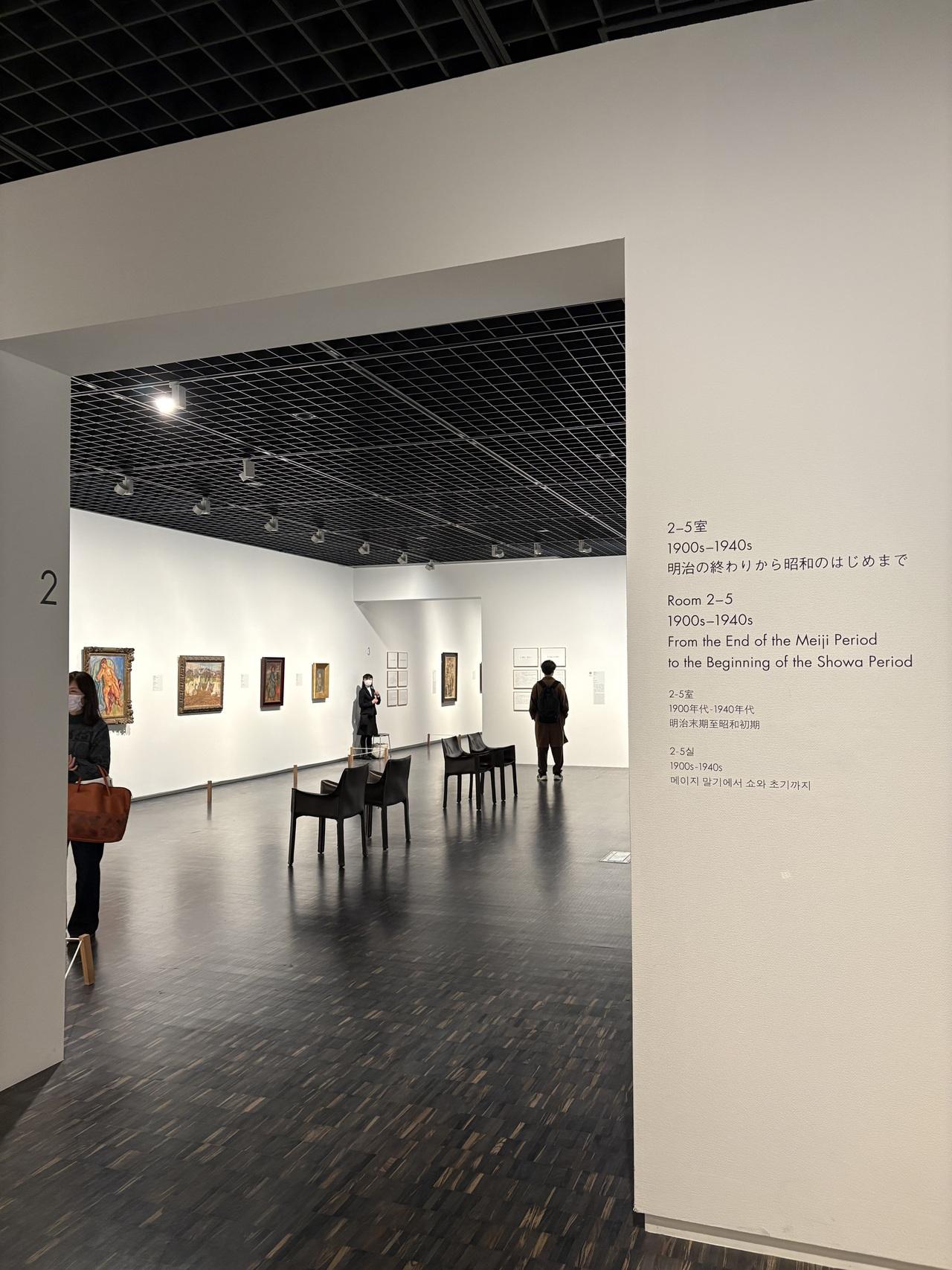
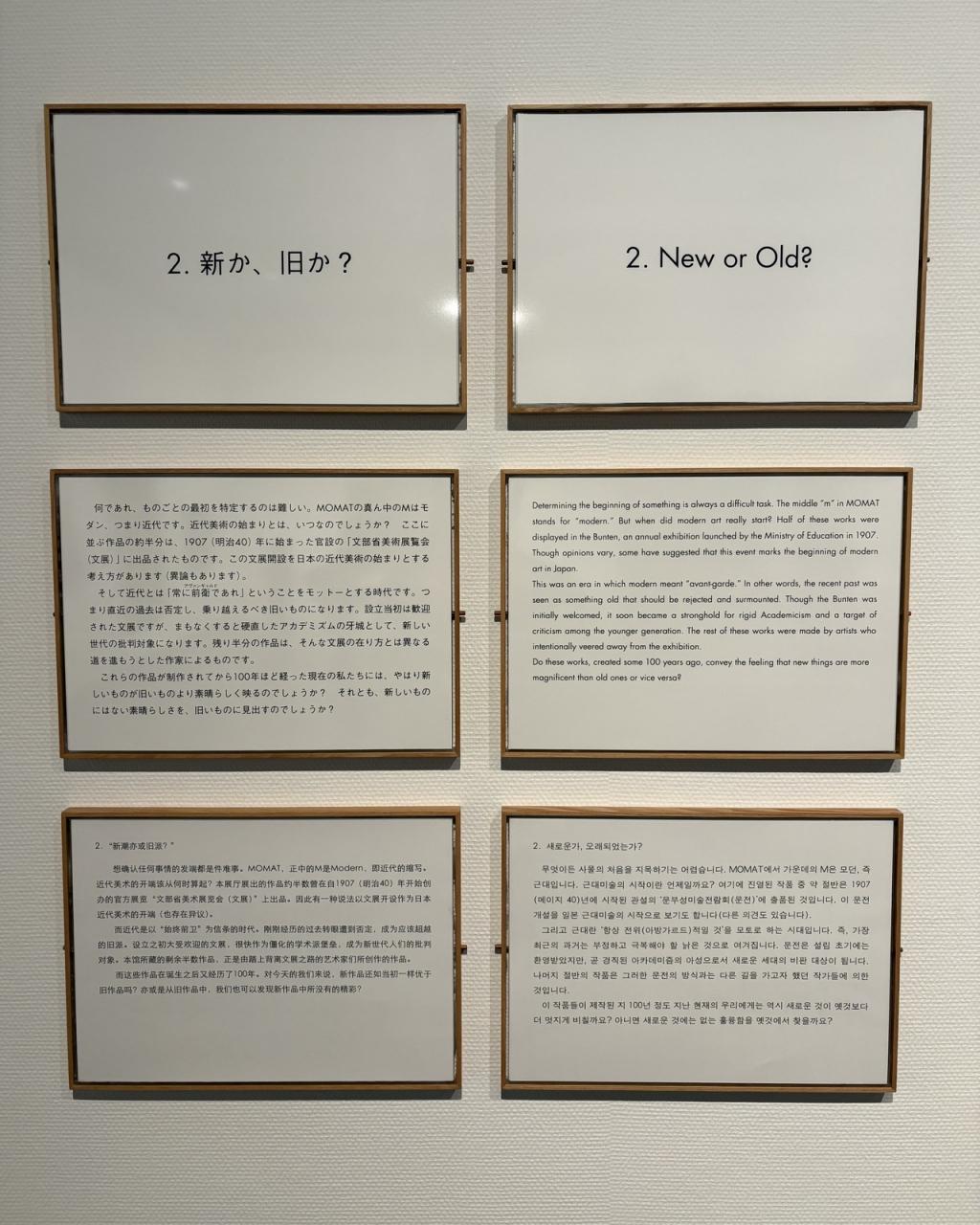
2.新か、旧か?
何であれ、ものごとの最初を特定するのは難しい。MOMATの真ん中のMはモダン、つまり近代です。近代美術の始まりとは、いつなのでしょうか? ここに並ぶ作品の約半分は、1907(明治40)年に始まった官設の「文部省美術展覧会(文展)」に出品されたものです。この文展開設を日本の近代美術の始まりとする考え方があります(異論もあります)。
そして近代とは「常に前衛であれ」ということをモットーとする時代です。つまり直近の過去は否定し、乗り越えるべき旧いものになります。設立当初は歓迎された文展ですが、まもなくすると硬直したアカデミズムの牙城として、新しい世代の批判対象になります。残り半分の作品は、そんな文展の在り方とは異なる道を進もうとした作家によるものです。
これらの作品が制作されてから100年ほど経った現在の私たちには、やはり新しいものが旧いものより素晴らしく映るのでしょうか? それとも、新しいものにはない素晴らしさを、旧いものに見出すのでしょうか?
2. New or Old?
Determining the beginning of something is always a difficult task. The middle "m" in MOMAT stands for "modern." But when did modern art really start? Half of these works were displayed in the Bunten, an annual exhibition launched by the Ministry of Education in 1907.
Though opinions vary, some have suggested that this event marks the beginning of modern art in Japan.
This was an era in which modern meant "avant-garde." In other words, the recent past was seen as something old that should be rejected and surmounted. Though the Bunten was initially welcomed, it soon became a stronghold for rigid Academicism and a target of criticism among the younger generation. The rest of these works were made by artists who intentionally veered away from the exhibition.
Do these works, created some 100 years ago, convey the feeling that new things are more magnificent than old ones or vice versa? -
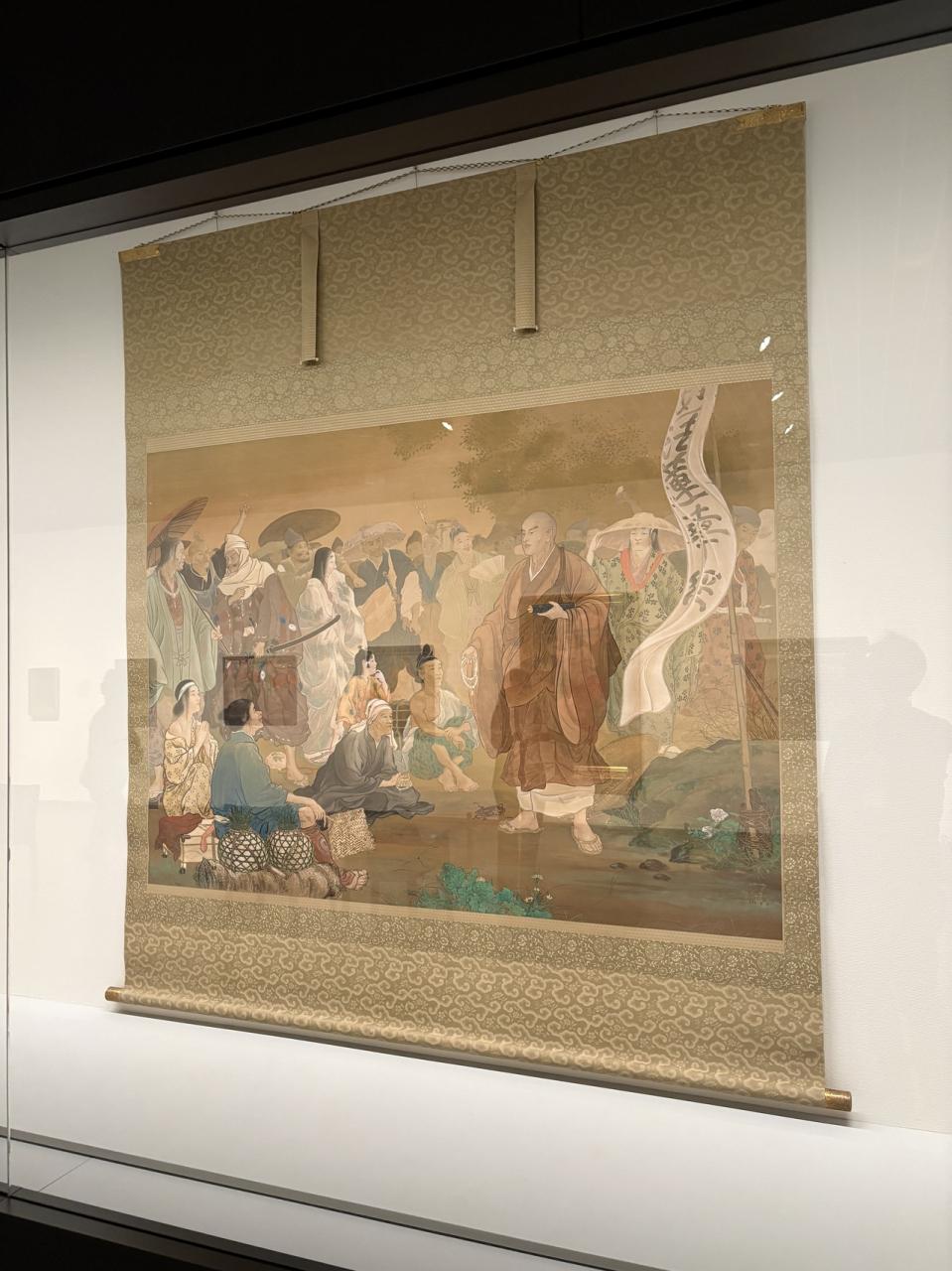
野田九浦
NODA, Kyuho
1879-1971
辻説法
Street Preaching
1907 明治40年
絹本彩色 color on silk
文部省管理換
Transferred from Ministry of Education
さまざまな困難に直面しながらも、堂々とした姿で布教をつづける日蓮を描いたものです。辻説法に立ち止まって耳を傾ける通行人のなかには、すでに帰依して合掌する女も見られます。
明治政府は仏教を排斥し神道に特権的な地位を与えましたが、国内でナショナリズムの風潮が強まった日露戦争の時期に、日蓮仏教の国教化を唱える動きがありました。ひょっとすると、雄々しい日蓮の姿に、国民と国家の統合のヴィジョンが託されていたのかもしれません。
This work depicts Nichiren, who despite facing a variety of hardships, continued to propagate his religious beliefs in a dignified manner. Among the passersby who have stopped to listen to his street preaching is a woman with her hands joined in prayer who is already a believer in Buddhism.
Though the Meiji government had rejected Buddhism and afforded Shinto a privileged position in the country, during the Russo-Japanese War nationalistic tendencies grew stronger and a movement to establish Nichiren Buddhism as the state religion emerged. The heroic form of Nichiren seems to represent a unified vision of the nation and its people. -
-
-
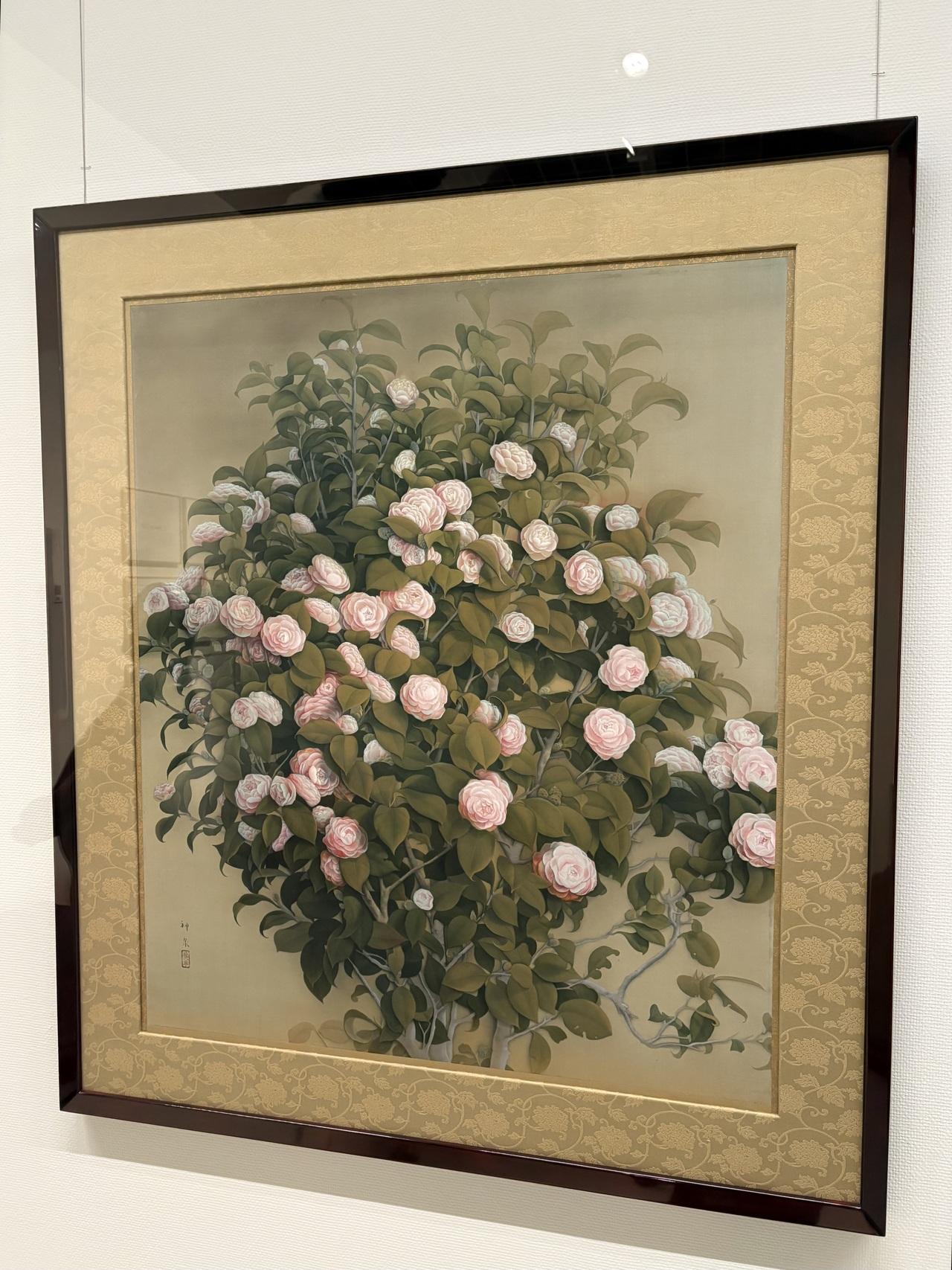
徳岡神泉
TOKUOKA, Shinsen
1896-1972
椿
Camellias
c.1922 大正11年頃
絹本彩 color on silk
徳岡政子氏寄贈
Gift of Tokuoka Masako
陰影をともなう写実的な描き方で、八重咲の椿を描いています。いくつかの花は外側が茶色に萎びていますが、これは西洋で伝統的なヴァニタス、つまり虚栄のはかなさを示す静物画からの影響をうかがわせます。一方、背景には何も描かれず、一面に金泥が塗られます。
細密描写の日本画でしばしば背景が省略されるのは、中国・宋時代の院体画とよばれる写実性の高いスタイルを参照したから。そうすることで、洋画とは違った装飾性や画品の高さ、あるいはどこか現実とは別の世界の雰囲気をまとわせようとしたのです。
With a realistic approach and the use of shading, this is a depiction of double-flowered camellias. Several of the flowers on the outside are brown and withered. This can be seen as the influence of the Western tradition of vanitas - still life painting that expresses the transient
nature of vanity. At the same time, the background is merely covered with a gilt layer and contains no depictions.
The frequent omission of details from the background in Nihon-ga (Japanese-style painting) is a reference to the highly-realistic intaiga style from China's Sung Dynasty. This imbues the work with a decorative quality and a pictorial standard that differs from Western-style painting, while also functioning to evoke the atmosphere of another world that is somehow distant from reality. -
-
重要文化財
IMPORTANT CULTURAL PROPERTY
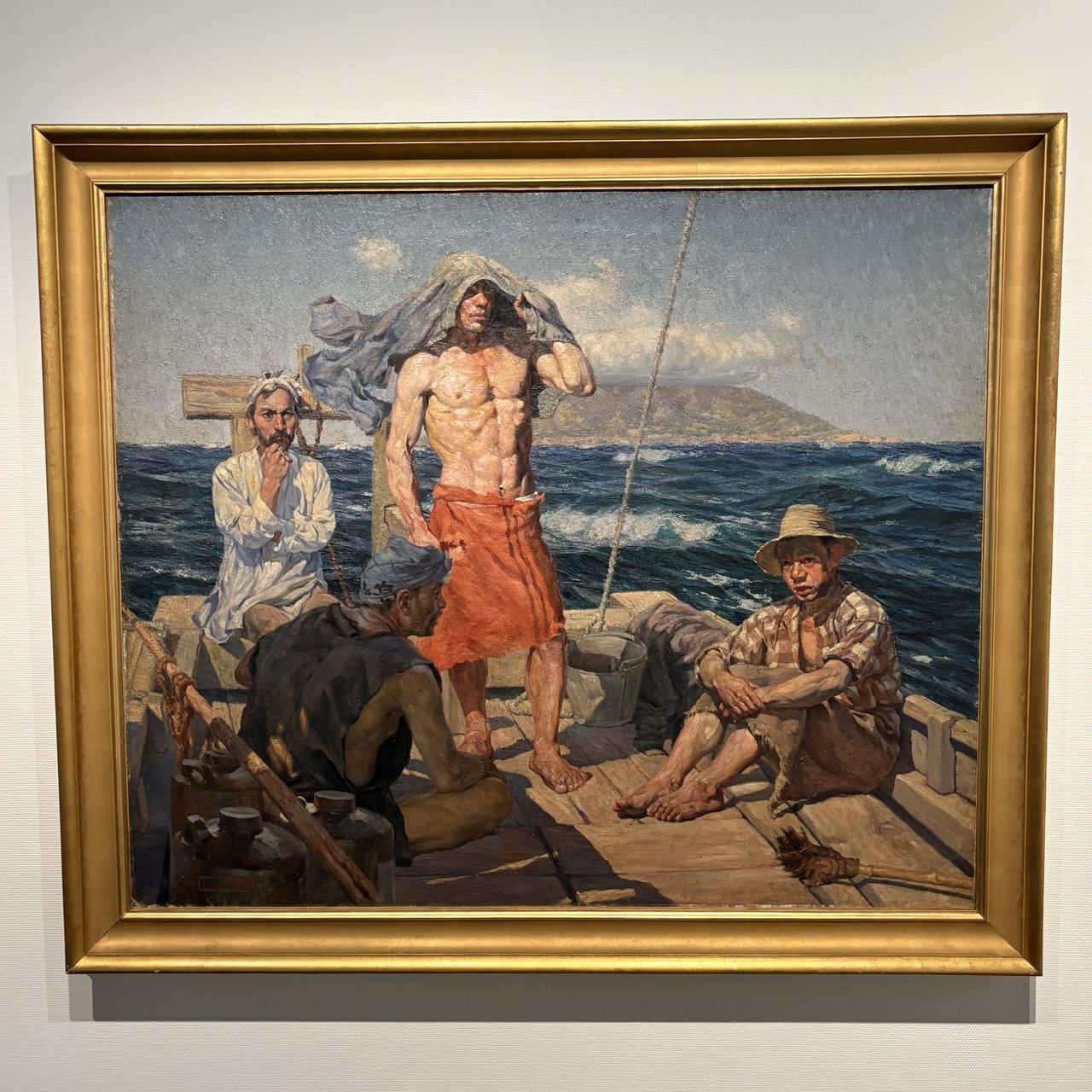
和田三造
WADA, Sanzo
1883-1967
南風
South Wind
1907 明治40年
油彩・キャンバス
oil on canvas
文部省管理換
Transferred from Ministry of Education
上着を頭に掛け遠くを見据える中央の男性は、日本人離れをした筋肉隆々の体つきです。理想的人体を描こうとする西洋絵画のアカデミズムの思想が、時24歳の青年であった和田三造にもしっかりと浸透していたことがわかります。描かれるのは遭難した船乗りたち。そんな事態に遭遇しながらも男壮な男たちの姿は、日露戦争後の高揚した気分に合い、観衆の評判を呼んだと伝えられます。ドラマチックな主題を強いコントラストで表現した作風は、従来のおだやかな外光表現を塗りかえるもので、以降の文部省美術展覧会の定番となりました。
Gazing off into the distance with his shirt over his head, the man in the center of this painting has a muscular physique that is markedly un-Japanese. It is clear that Wada Sanzo, who was a young man of only 24 at the time, was quite taken with the Western academic notion of depicting an idealized human form. The figures are sailors who have suffered an accident. Despite the situation, the form of the heroic men fits the exalted mood that followed the Russo-Japanese War, and the painting was apparently greeted with a positive response from contemporary viewers. Wada's style, which expresses the dramatic theme through strong contrasts,
replaced the gentle natural light expressions that had been common until that point, and the work became a staple of the Bunten exhibition(sponsored by the Ministry of Education). -
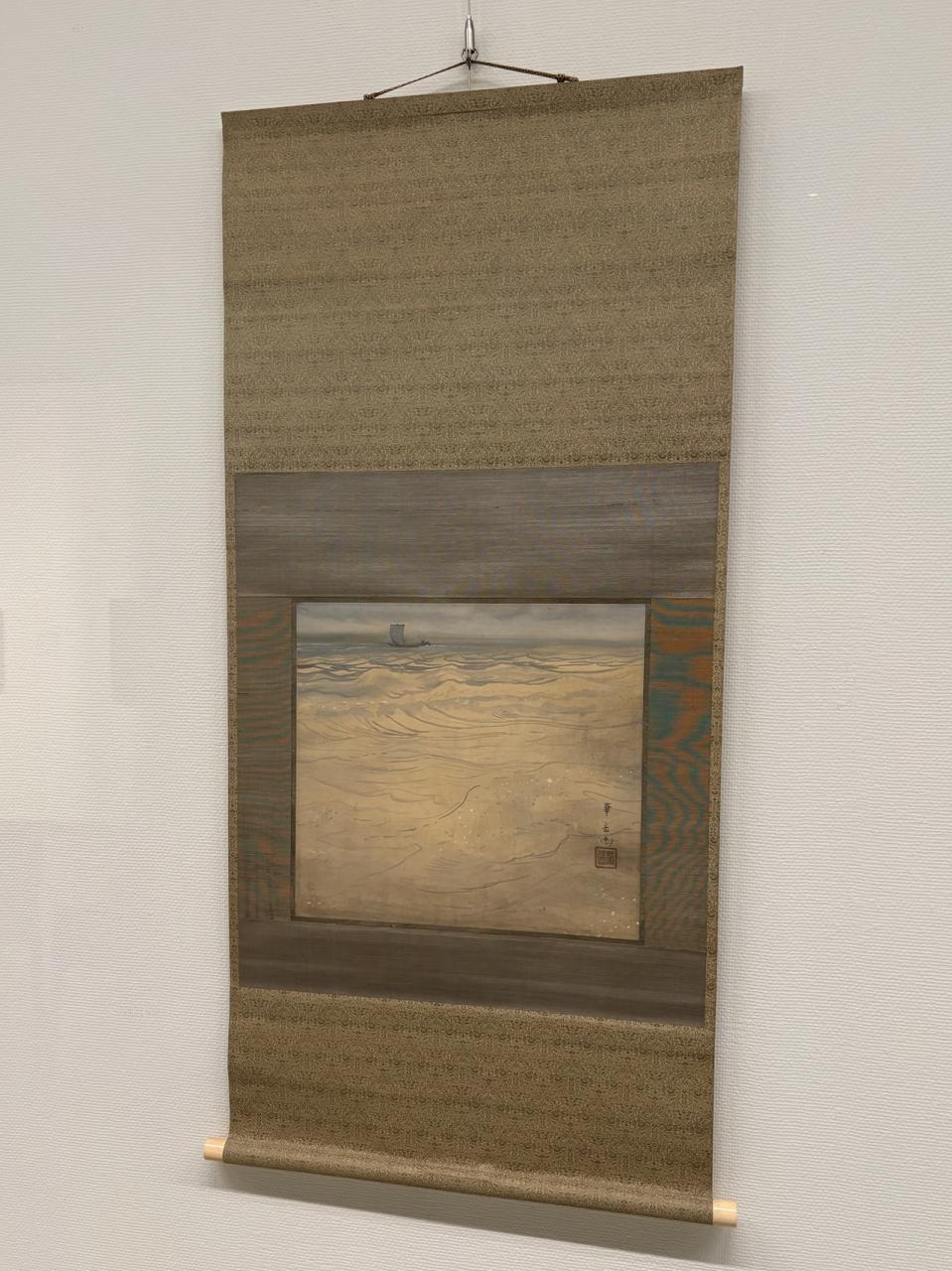
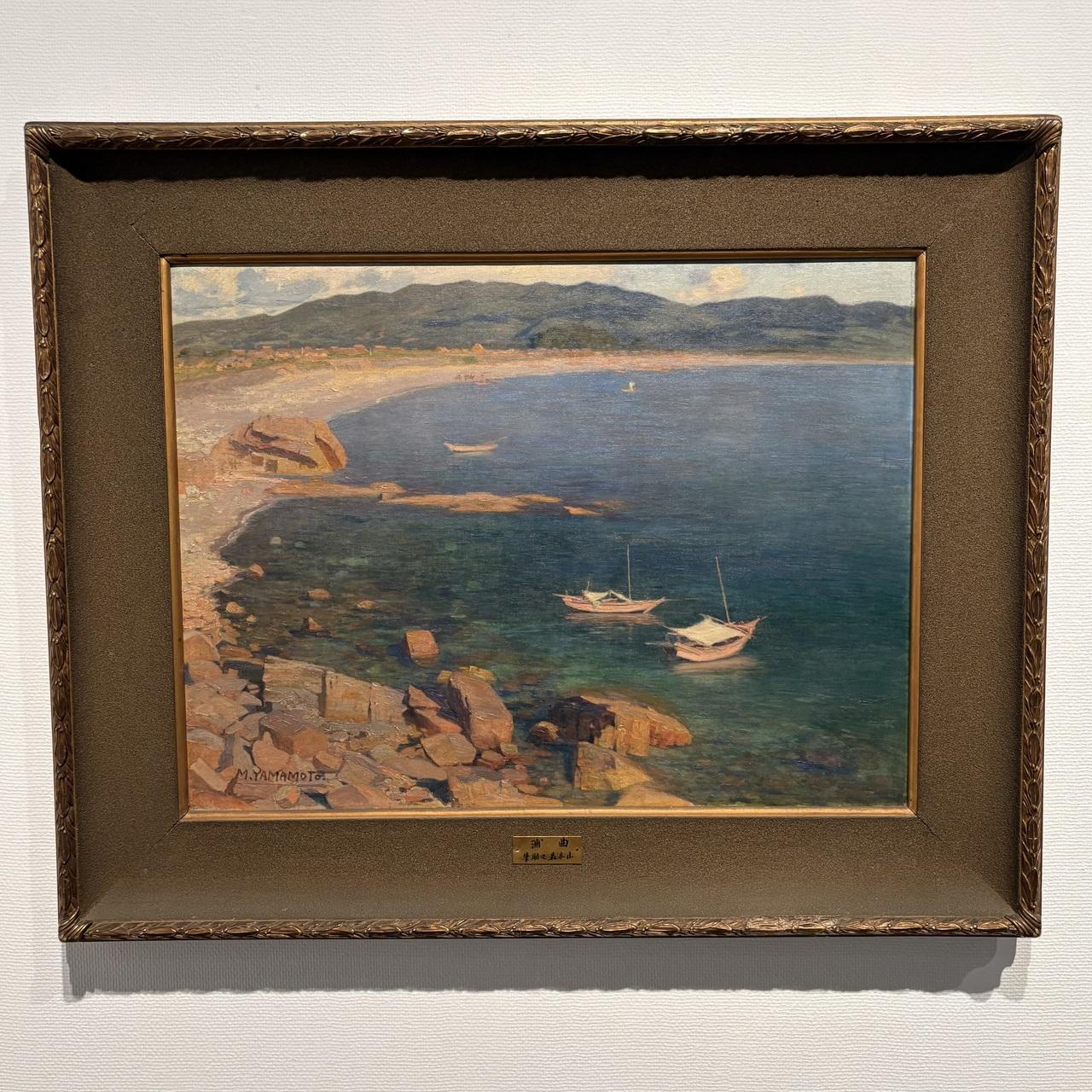
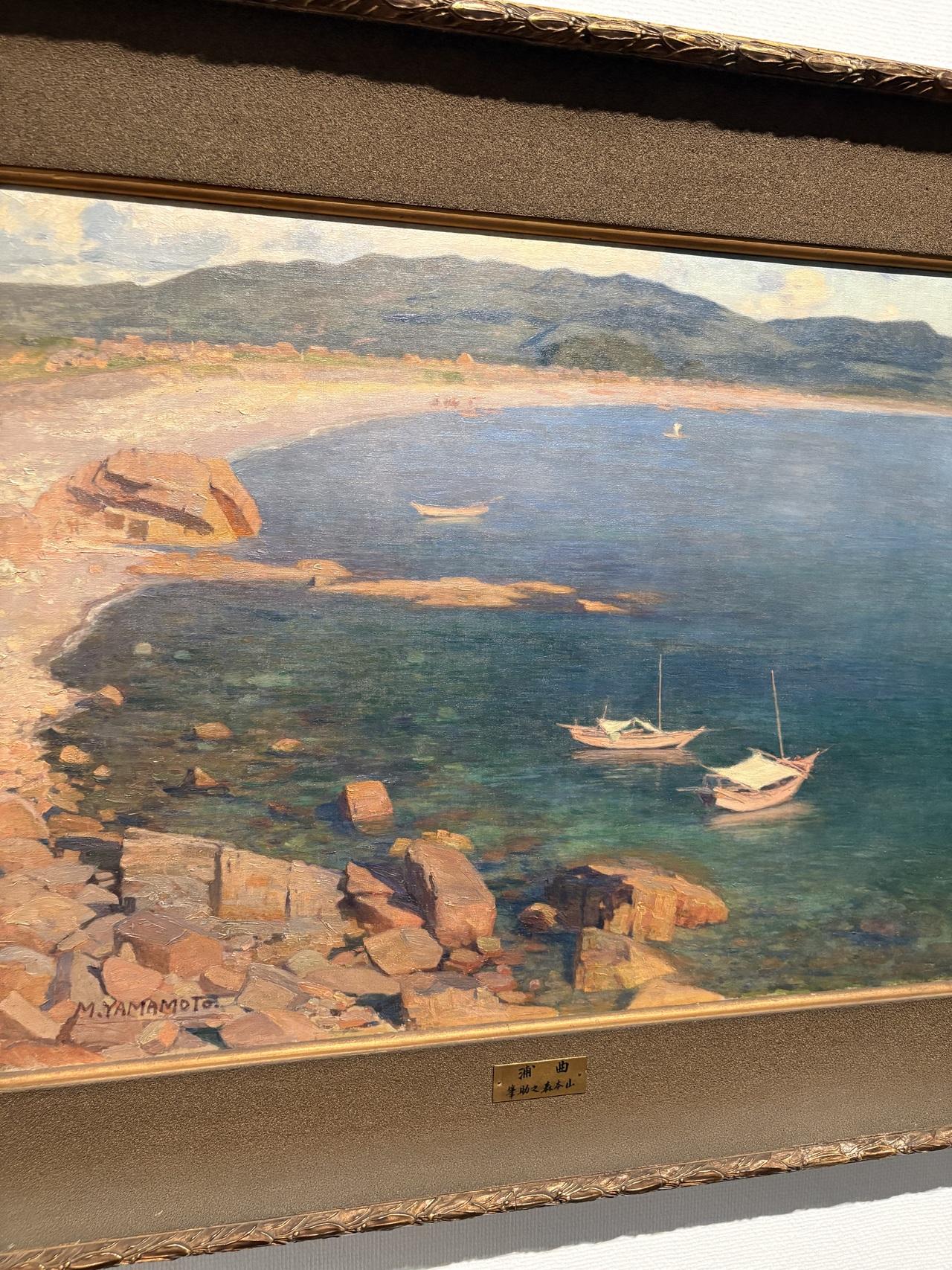
山本森之助
YAMAMOTO, Morinosuke
1877-1928
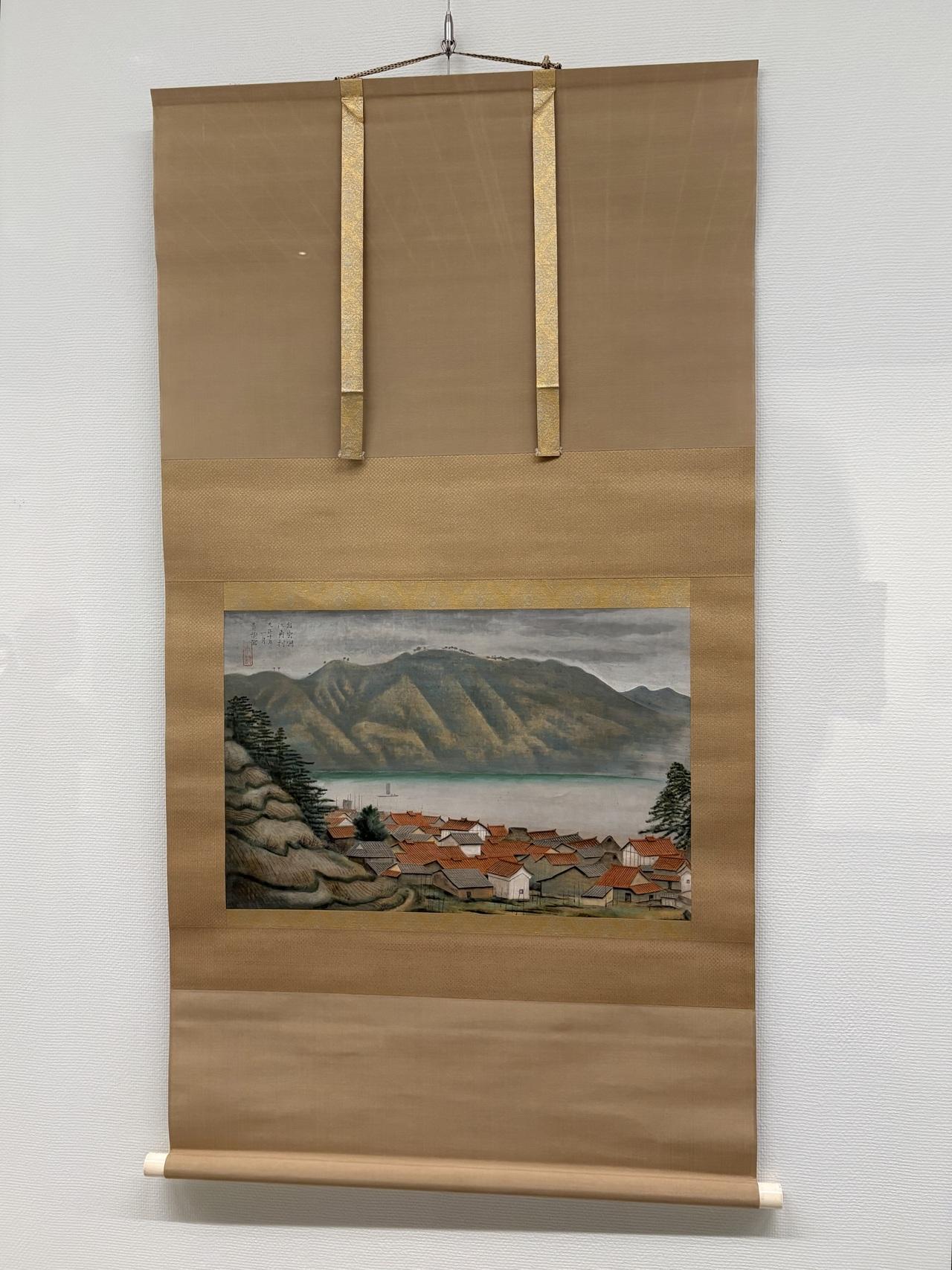
曲浦
Inlet
1908
明治41年
油彩・キャンバス
文部省管理換
Transferred from Ministry of Education
oil on canvas -
-
-
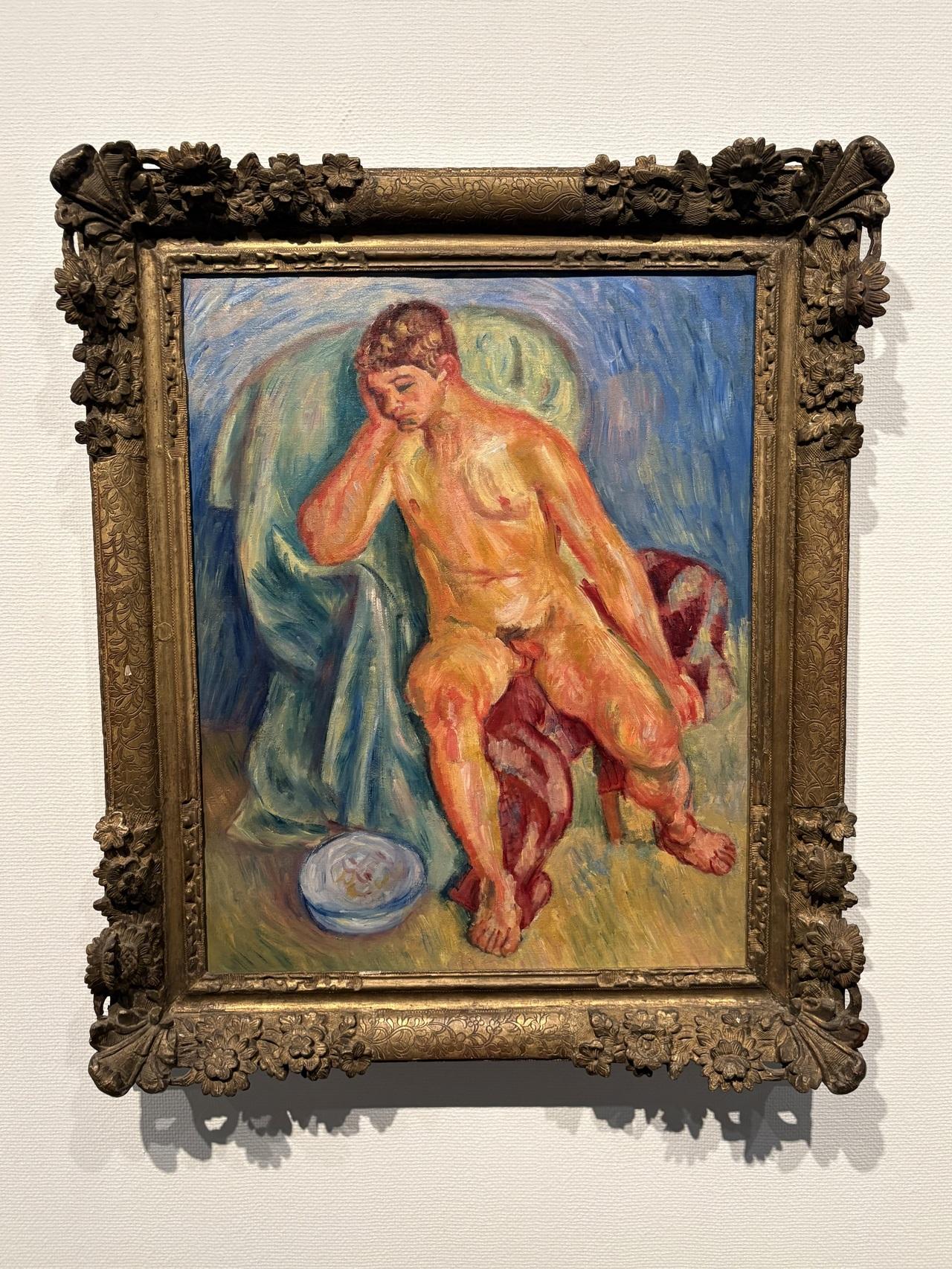
梅原龍三郎
UMEHARA, Ryuzaburo
1888-1986
ナルシス
Narcissus
1913
大正2年
油彩・キャンバス
oil on canvas
作者寄贈
Gif of the arist
「ナルシス」とは、水面に映る自分の姿に恋をしたギリシャ神話の美少年です。この頃、梅原はポンペイの壁画にあこがれており、湖や池ではなく足元の洗面器(?)をのぞき込むどこかユーモラスな設定は、これに倣うものです。
この主題はヨーロッパでは、実体のない画像に恋する者=画家の象徴として知られます。
ちなみに梅原は、後に長男を「成」と名付けたほど、この主題に思い入れがあったようです。これにナルシスの主題が画家の象徴だったことを考え合わせると、この作品は梅原の遠回しな自画像とも考えられそうです。
Narcissus was a handsome youth in Greek mythology who fell in love with his own reflection on the surface of a pool of water. At the time he made this work, Umehara was deeply taken with the murals of Pompeii, and this vaguely humorous scene, in which the figure is peering at a washbasin at his feet rather than a lake or pond, is modeled on those works.
In Europe, Narcissus was a popular subject in painting because he symbolized the artist, a person who loves intangible images.
It is also interesting to note that Umehara was so attached to this subject that he later named his first-born son Narushi. Considering that Narcissus was a painter's symbol, this work can be seen as a metaphorical self-portrait. -
-
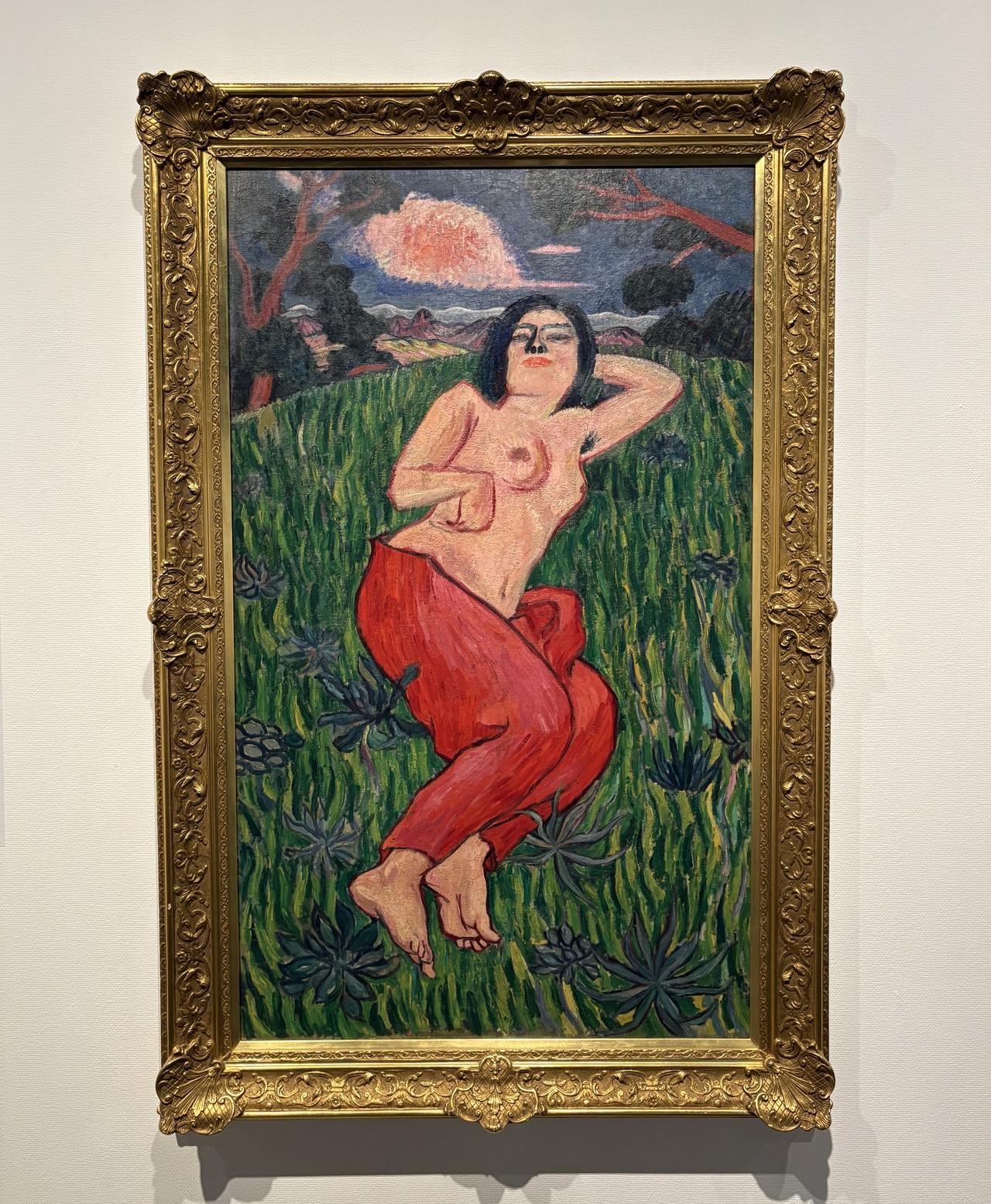
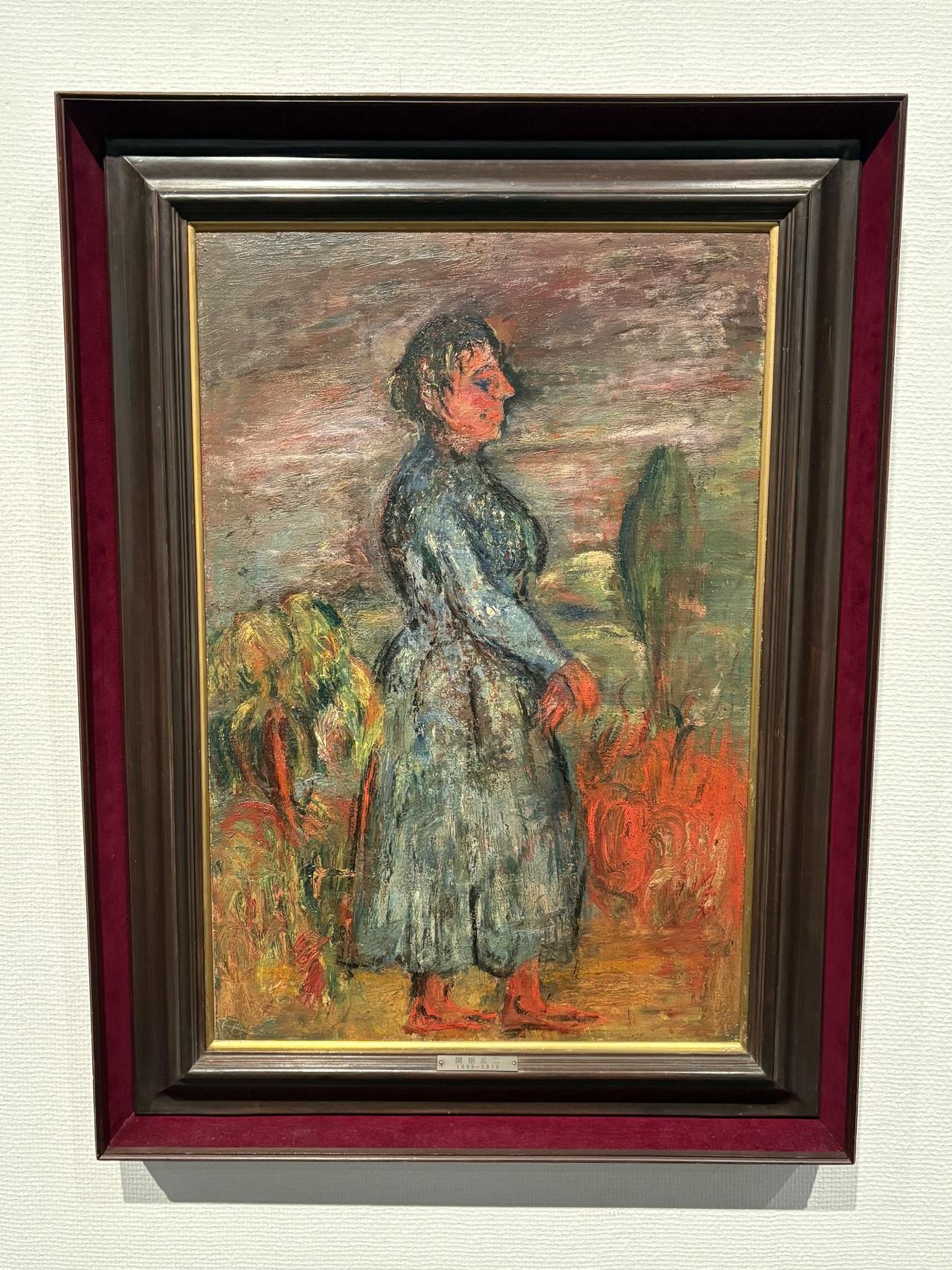
関根正二
SEKINE, Shoji
1899-1919
婦人像
Portrait of a Woman
c.1918 大正7年頃
油彩・キャンバス
贎入
Purchased
oil on canvas -
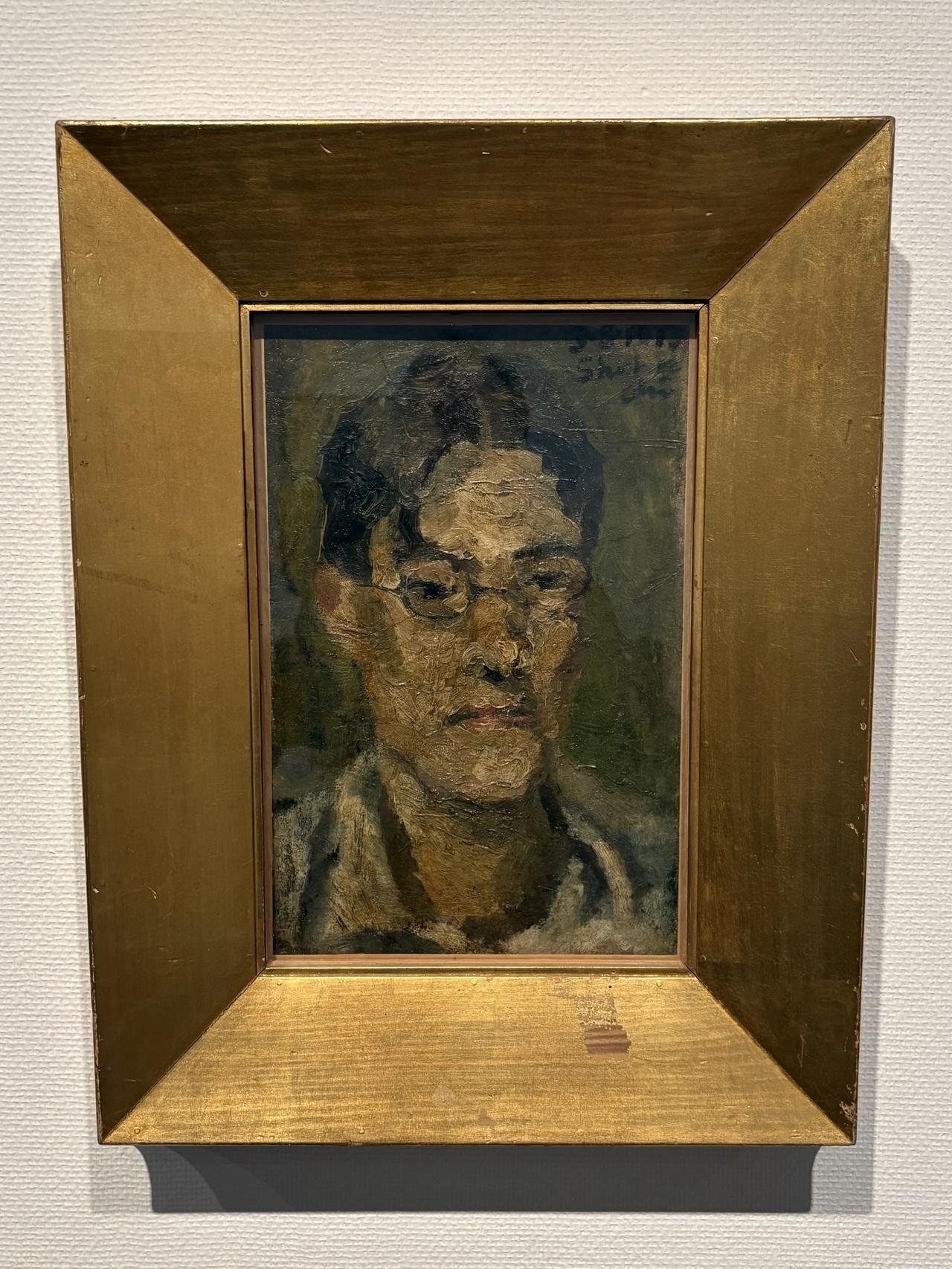
木村莊八
KIMURA, Shohachi
1893-1958
自画像
Self-Portrait
自画像
対合
1913
大正2年
油彩・キャンバス oil on canvas
購入
Purchased -
(続く・・・)
この旅行記のタグ


利用規約に違反している投稿は、報告する事ができます。
-
前の旅行記

"MOMAT〔国立東京近代美術館〕コレクション展 ~2026.2.8" その1.ハイライト。"奈良美智《Ha...
2026/02/05~
神田・神保町
-
次の旅行記

"MOMAT〔国立東京近代美術館〕コレクション展~2026.2.8" その3.キュビスム再考 "ナターリア・...
2026/02/05~
神田・神保町
-

"MOMAT〔国立東京近代美術館〕コレクション展 ~2026.2.8" その1.ハイライト。"奈良美智《Ha...
2026/02/05~
神田・神保町
-

"MOMAT〔国立東京近代美術館〕コレクション展 ~2026.2.8" その2.新か、旧か? "和田三造《南...
2026/02/05~
神田・神保町
-

"MOMAT〔国立東京近代美術館〕コレクション展~2026.2.8" その3.キュビスム再考 "ナターリア・...
2026/02/05~
神田・神保町
-

"MOMAT〔国立東京近代美術館〕コレクション展 ~2026.2.8" その4.『濹東綺譚』。"木村荘八 、...
2026/02/05~
神田・神保町
-

"MOMAT コレクション展 ~2026.2.8" その5.1930年代の絵画:現実の彼方へ、幻影の手前で。...
2026/02/05~
神田・神保町
-

MOMAT〔国立東京近代美術館〕コレクション展 ~2026.2.8: その6.戦時の女性たち。"『主婦之友』...
2026/02/05~
神田・神保町
-

MOMAT〔国立東京近代美術館〕コレクション展 ~2026.2.8: その7.アクション前夜。"朝倉摂 《黒...
2026/02/05~
神田・神保町
-

MOMAT コレクション展 ~2026.2.8:8.「・・・アクション!」&「・・・カット!」。"ルーチョ・...
2026/02/05~
神田・神保町
-

MOMAT〔国立東京近代美術館〕コレクション展 ~2026.2.8:その9."細江英公「薔薇刑」"
2026/02/05~
神田・神保町
-

MOMAT ~2026.2.8:その10.1950~60年代:有機的な彫刻/川端龍子と青龍社。"ジェルメーヌ...
2026/02/05~
神田・神保町
-

MOMAT〔国立東京近代美術館〕コレクション展 ~2026.2.8:その11.記憶と想起。"河原温《1966...
2026/02/05~
神田・神保町
-

MOMAT コレクション展 ~2026.2.8:12.入れ替わる世界、ひらかれる感覚。"冨井大裕《board...
2026/02/05~
神田・神保町
-

国立東京近代美術館 "コレクションによる小企画 没後30年 榎倉康二(~2026.2.8)"《 干渉(STO...
2026/02/05~
神田・神保町
旅行記グループをもっと見る
コメントを投稿する前に
十分に確認の上、ご投稿ください。 コメントの内容は攻撃的ではなく、相手の気持ちに寄り添ったものになっていますか?
サイト共通ガイドライン(利用上のお願い)報道機関・マスメディアの方へ 画像提供などに関するお問い合わせは、専用のお問い合わせフォームからお願いいたします。
この旅行で行ったスポット






フォートラベル公式LINE@

おすすめの旅行記や旬な旅行情報、お得なキャンペーン情報をお届けします!
QRコードが読み取れない場合はID「@4travel」で検索してください。
\その他の公式SNSはこちら/





旅行記グループ MOMAT コレクション〔国立東京近代美術館 所蔵作品展〕(2025.11.5-2026.2.8)
0
16