


2026/02/05 - 2026/02/05
38位(同エリア932件中)

旅熊 Kokazさん
- 旅熊 KokazさんTOP
- 旅行記1909冊
- クチコミ854件
- Q&A回答102件
- 1,695,382アクセス
- フォロワー749人
MOMAT コレクション〔国立東京近代美術館 所蔵作品展〕(2025.11.5-2026.2.8)
2025年11月5日-2026年2月8日の所蔵作品展のみどころ
当館コレクション展の特徴をご紹介します。まずはその規模。1952年の開館以来の活動を通じて収集してきたおよそ14,000点の所蔵作品から、会期ごとに約200点を展示する国内最大級のコレクション展です。そして、それぞれ小さなテーマが立てられた全12室のつながりによって、19世紀末から今日に至る日本の近現代美術の流れをたどることができる国内随一の展示です。
今期のみどころ紹介です。長らく国外への貸出が続いていた奈良美智《Harmless Kitty》(1994年)が、約2年ぶりにMOMATコレクションに帰ってきました。4階ハイライト・コーナーでご覧いただけます。3階9室では写真家の細江英公の初期代表作「薔薇刑」を展示します。2024年に逝去された細江の追悼と、被写体となった小説家三島由紀夫の生誕100年記念(2025年)を兼ねての紹介です。
今期も、新収蔵作品が多く展示されています(作品横に貼られた「新収蔵作品」マークが目印です)。長く館を代表してきた顔ぶれにフレッシュな新星と、盛りだくさんのMOMATコレクションをお楽しみください。
https://www.momat.go.jp/exhibitions/r7-2
- 旅行の満足度
- 5.0
-

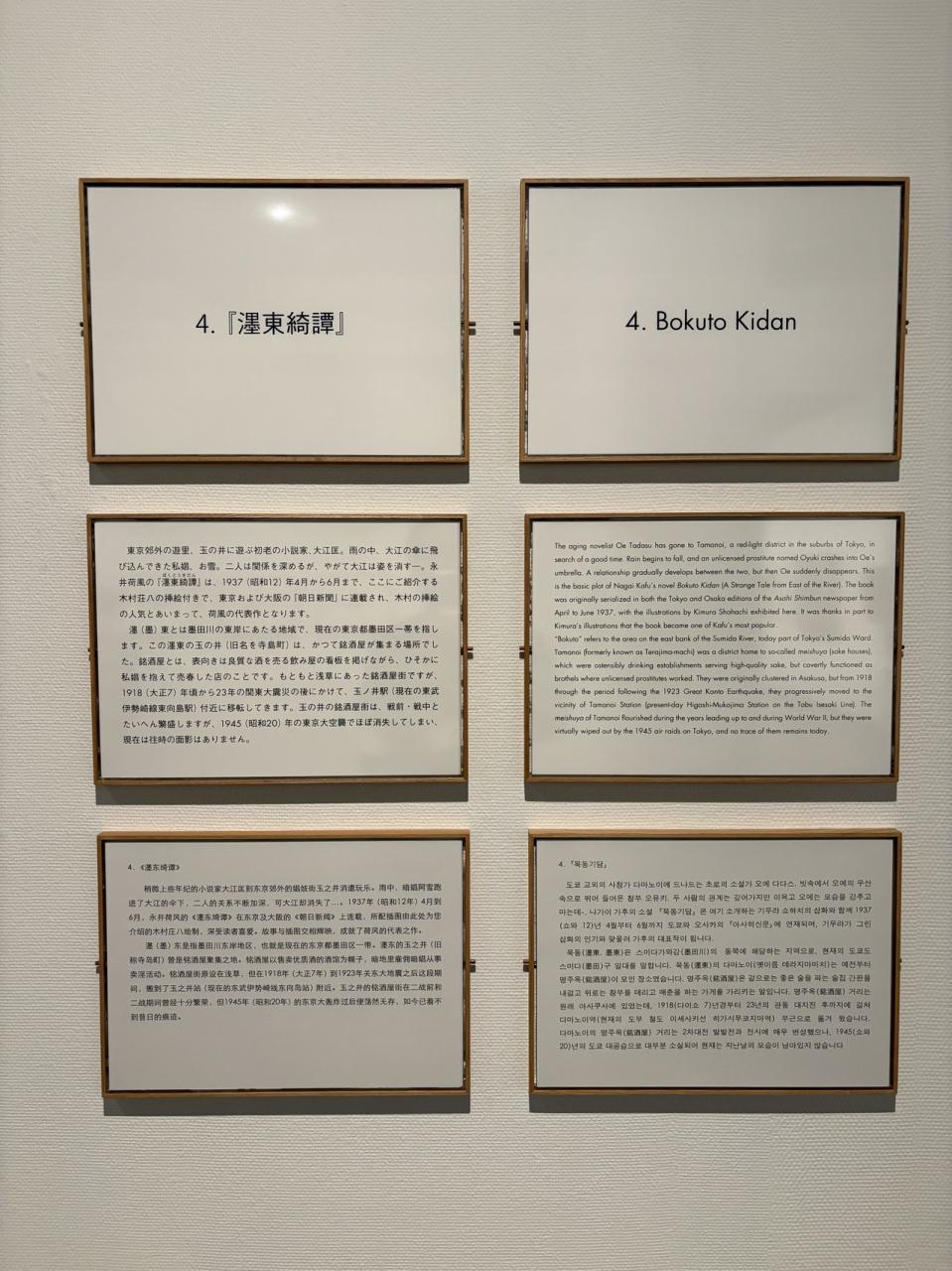
4.『濹東綺譚』
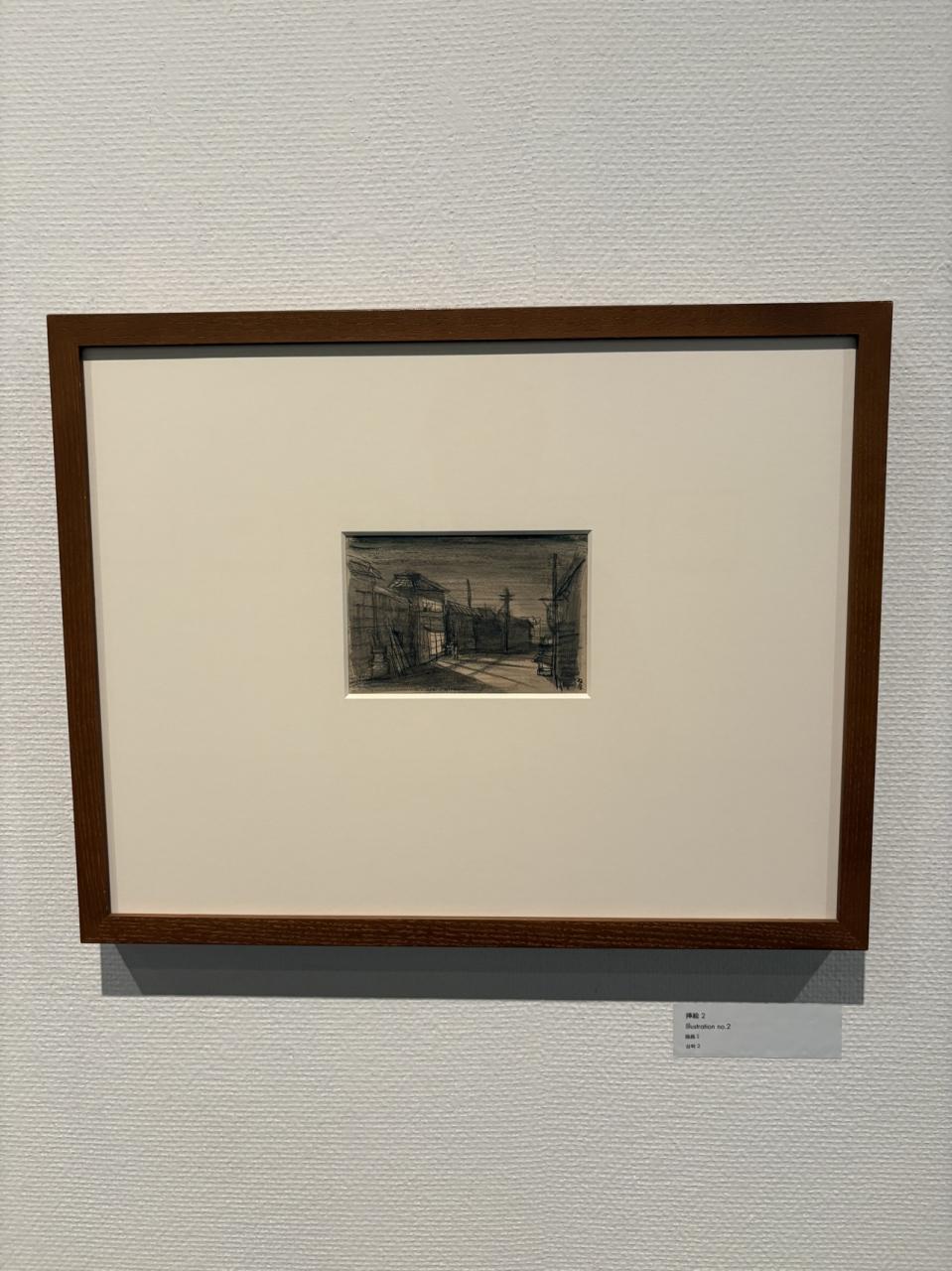
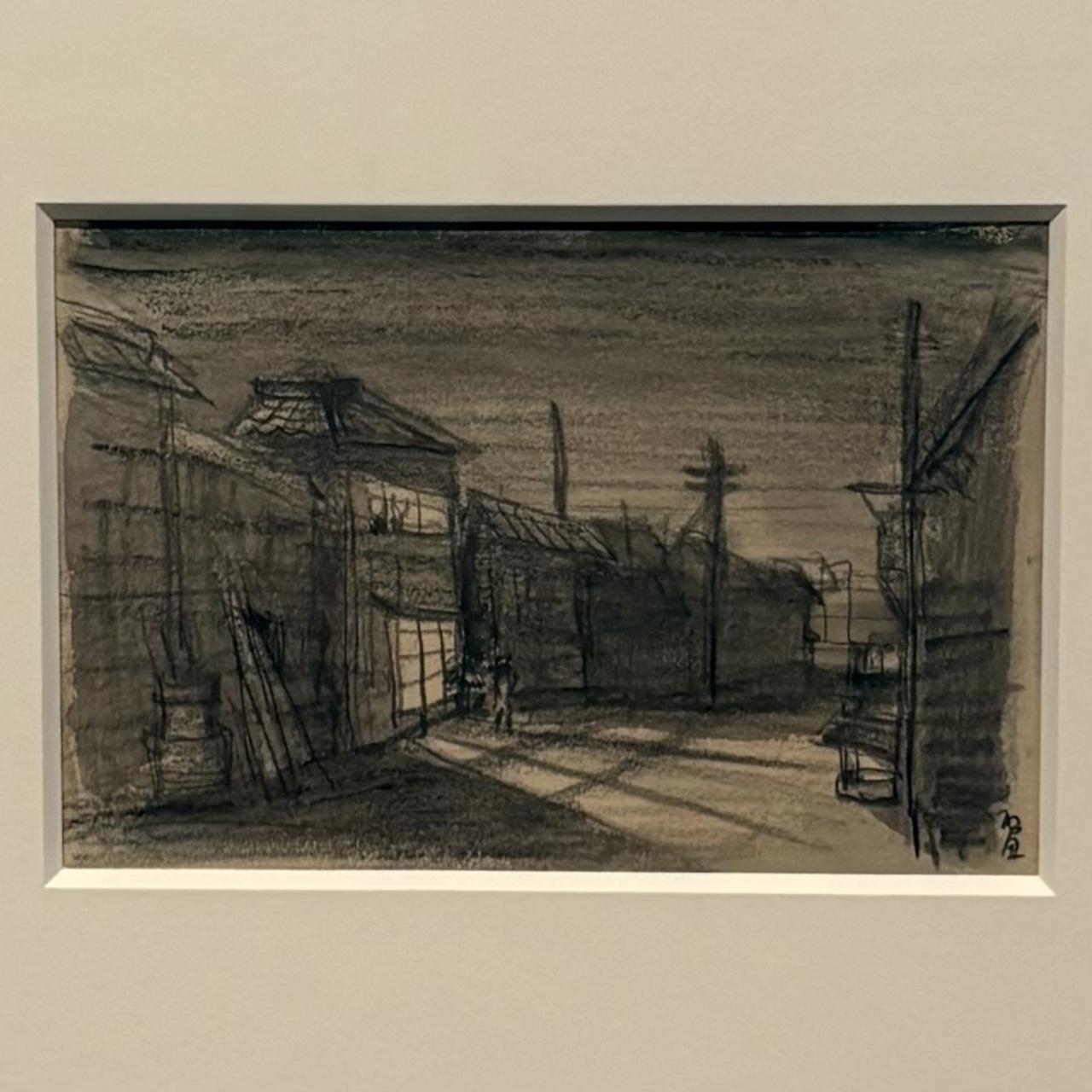
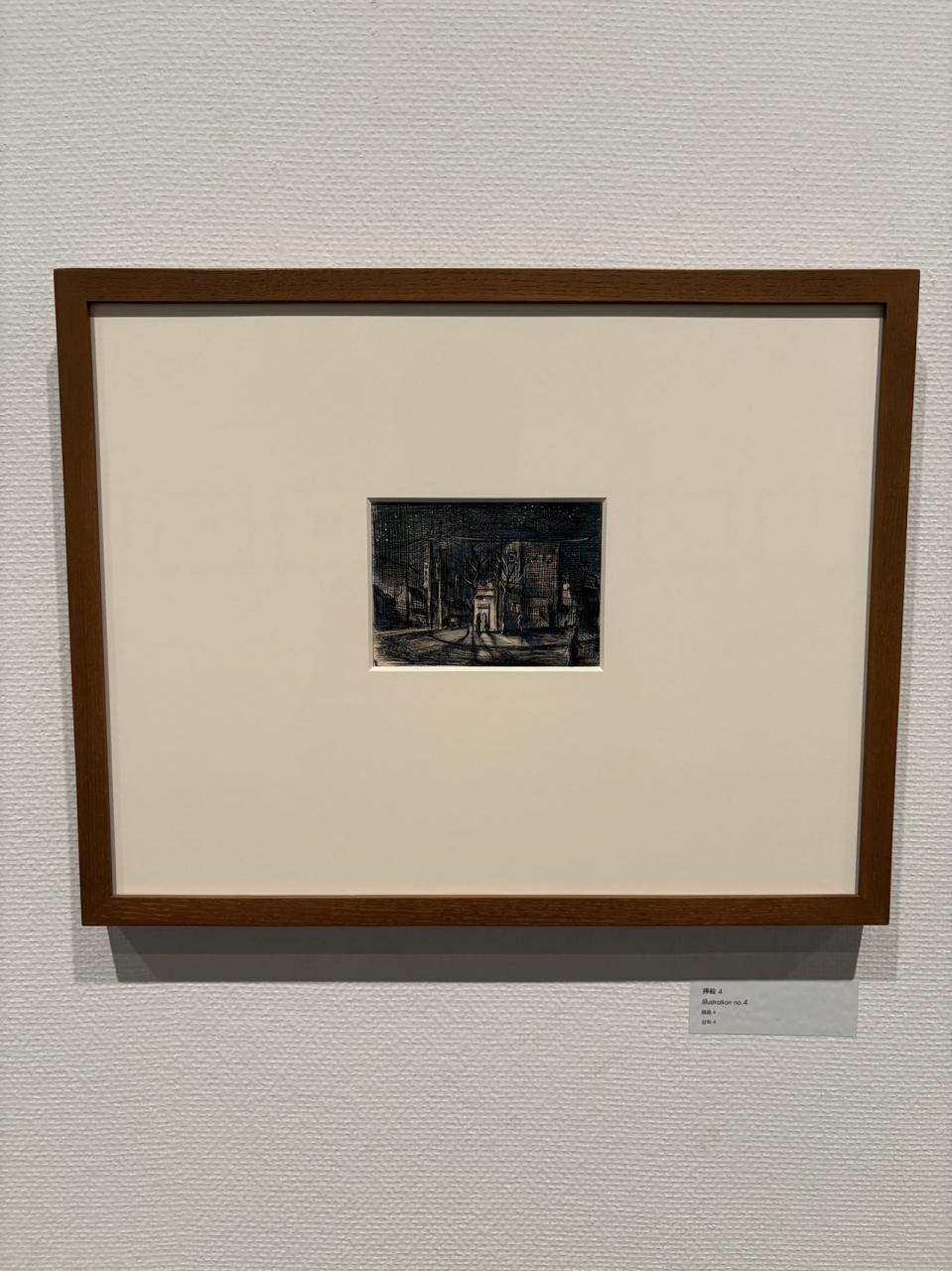
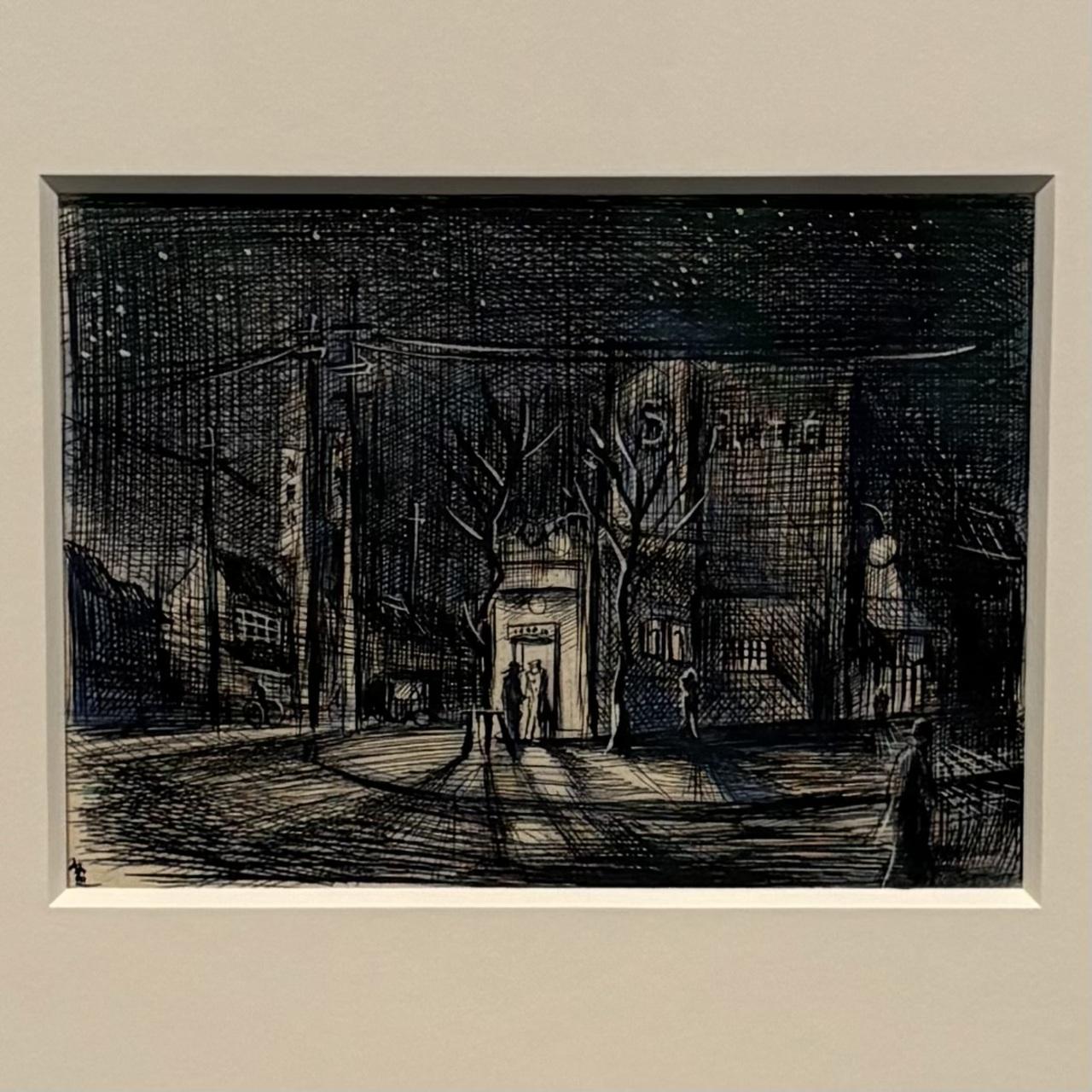
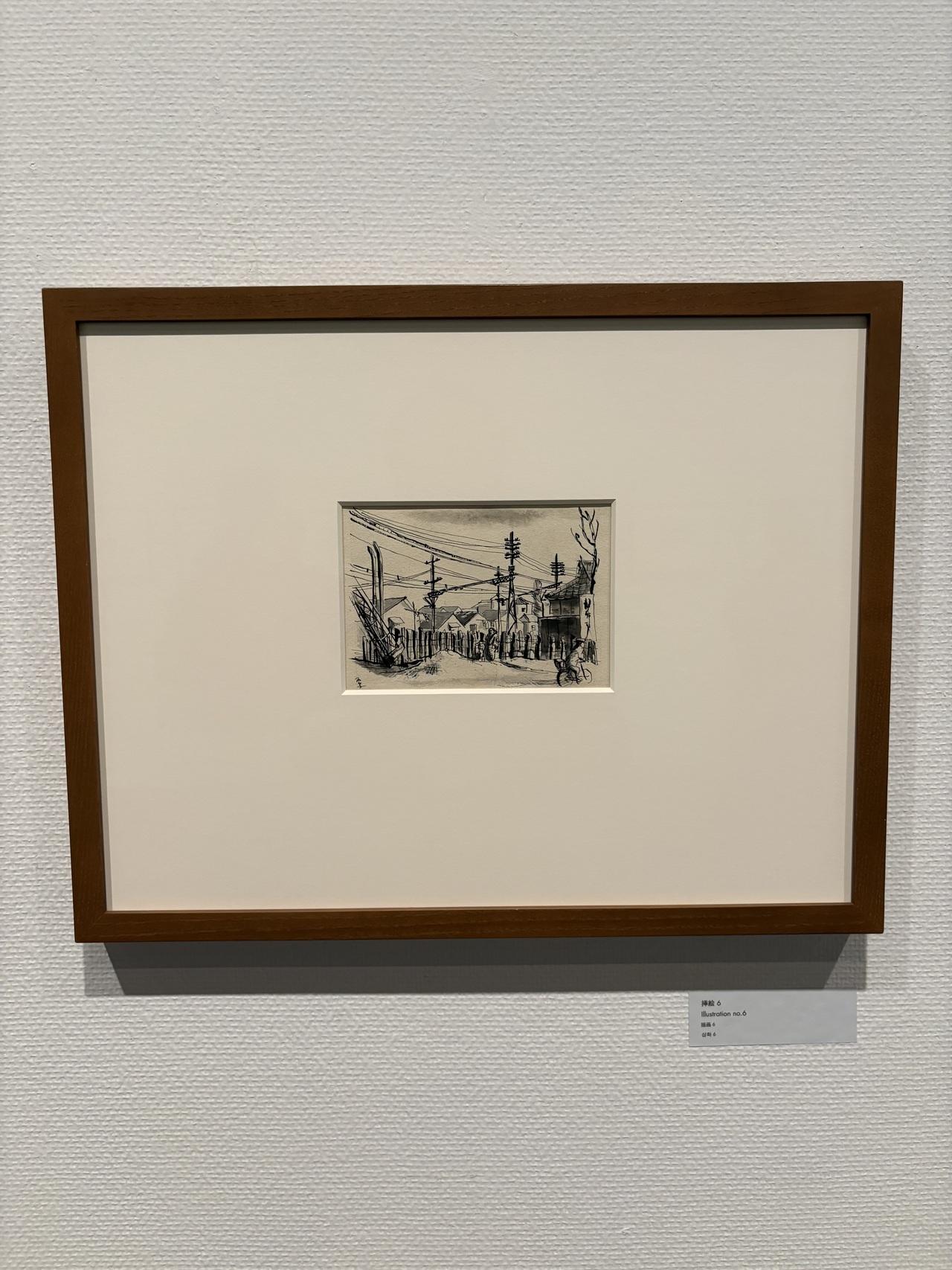
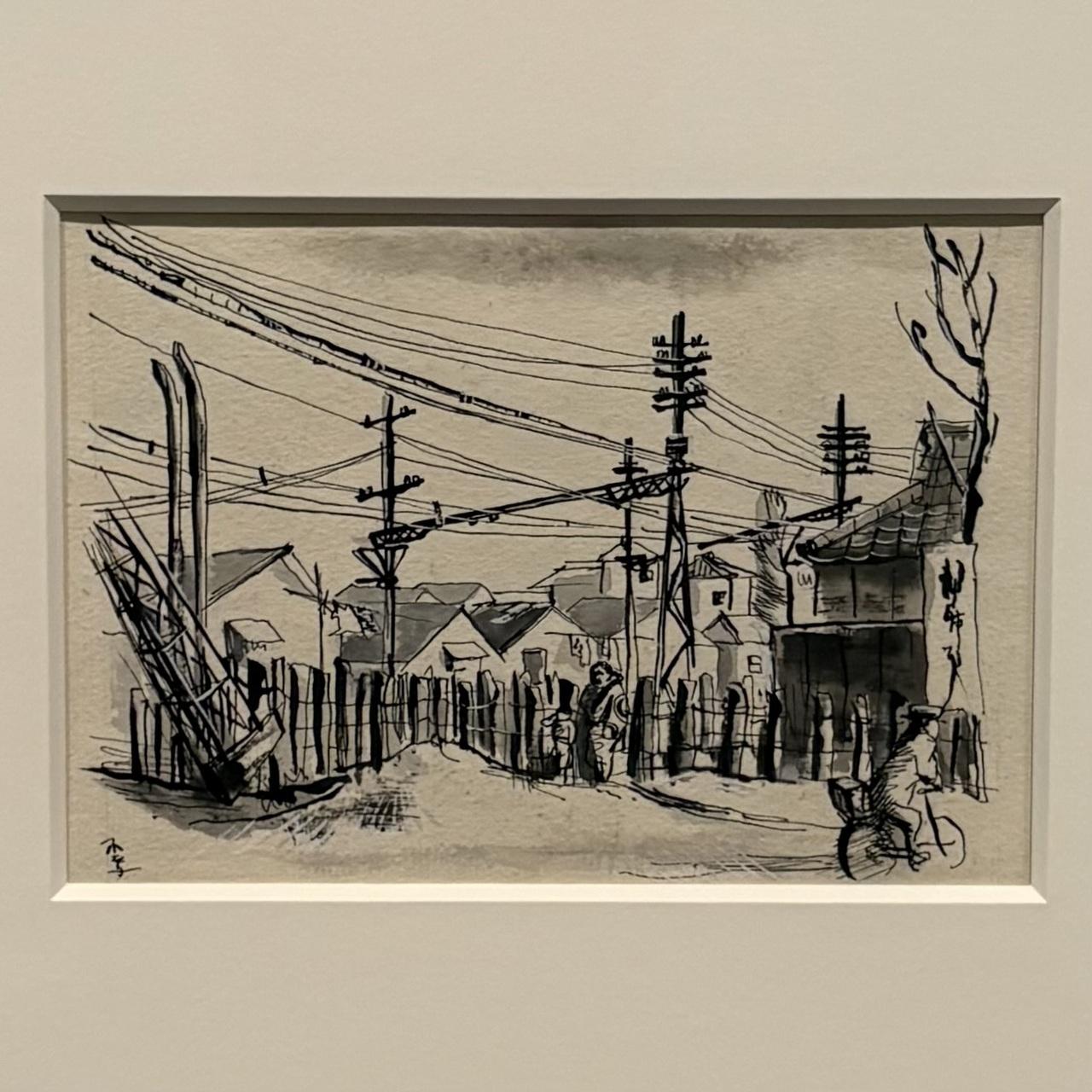
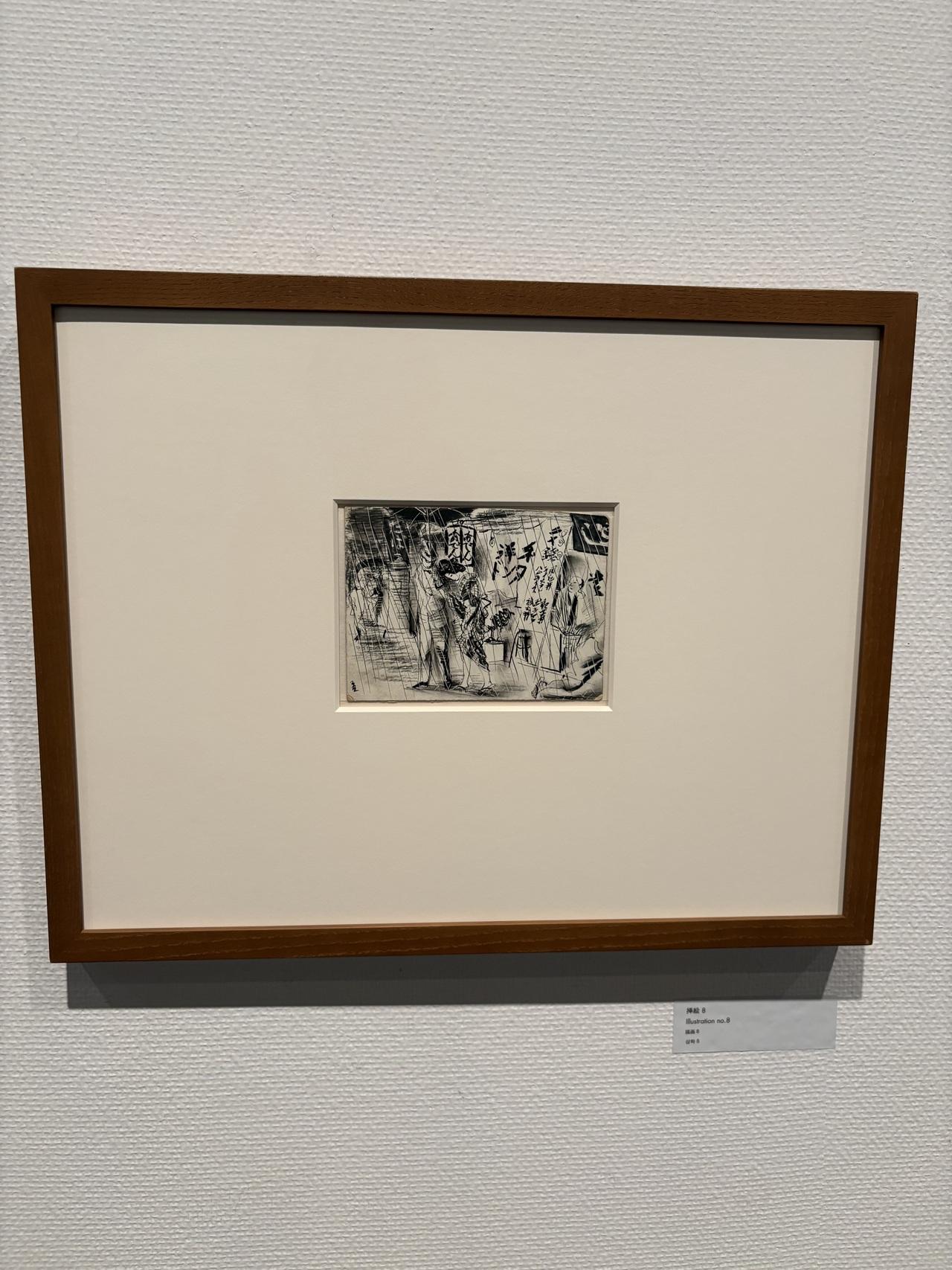
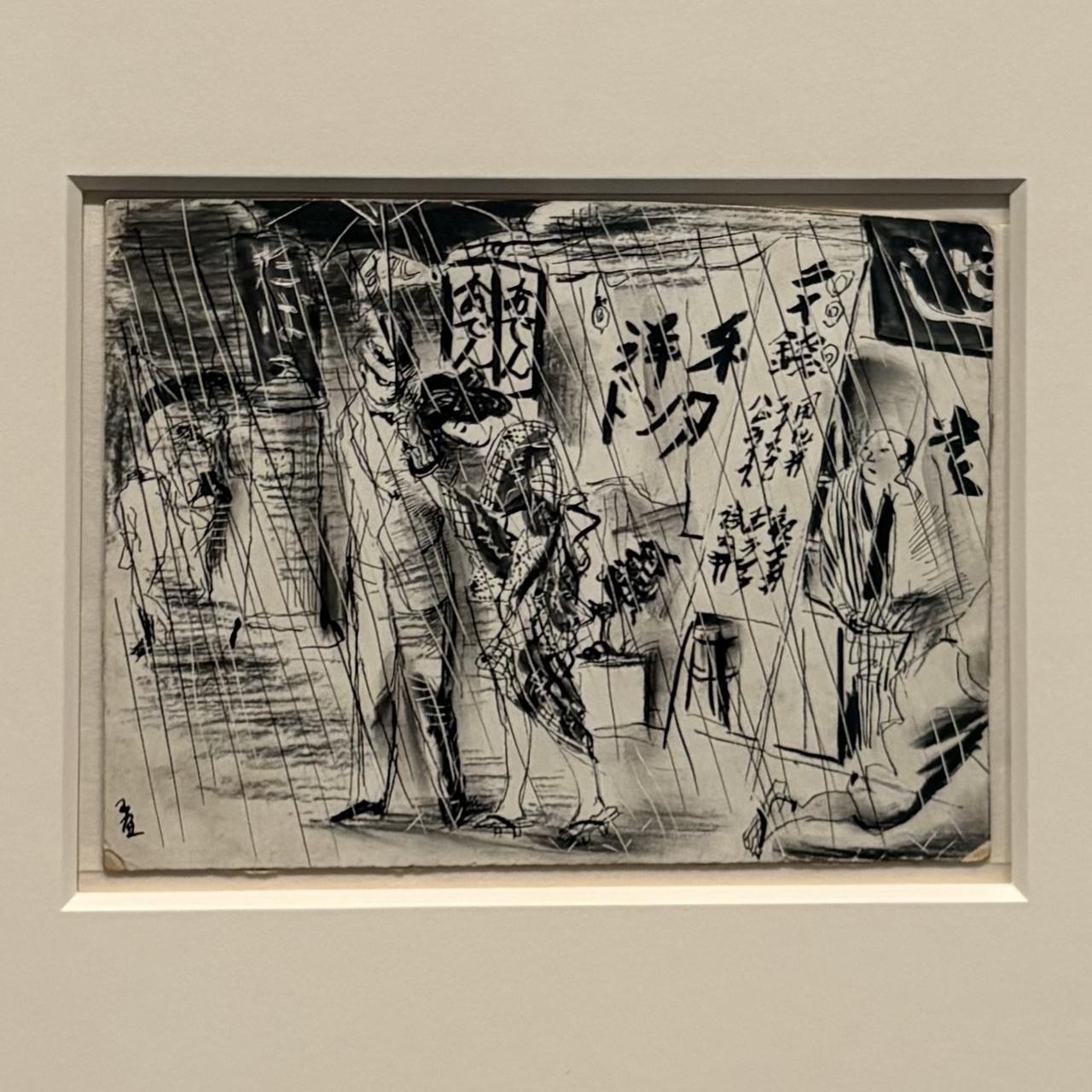
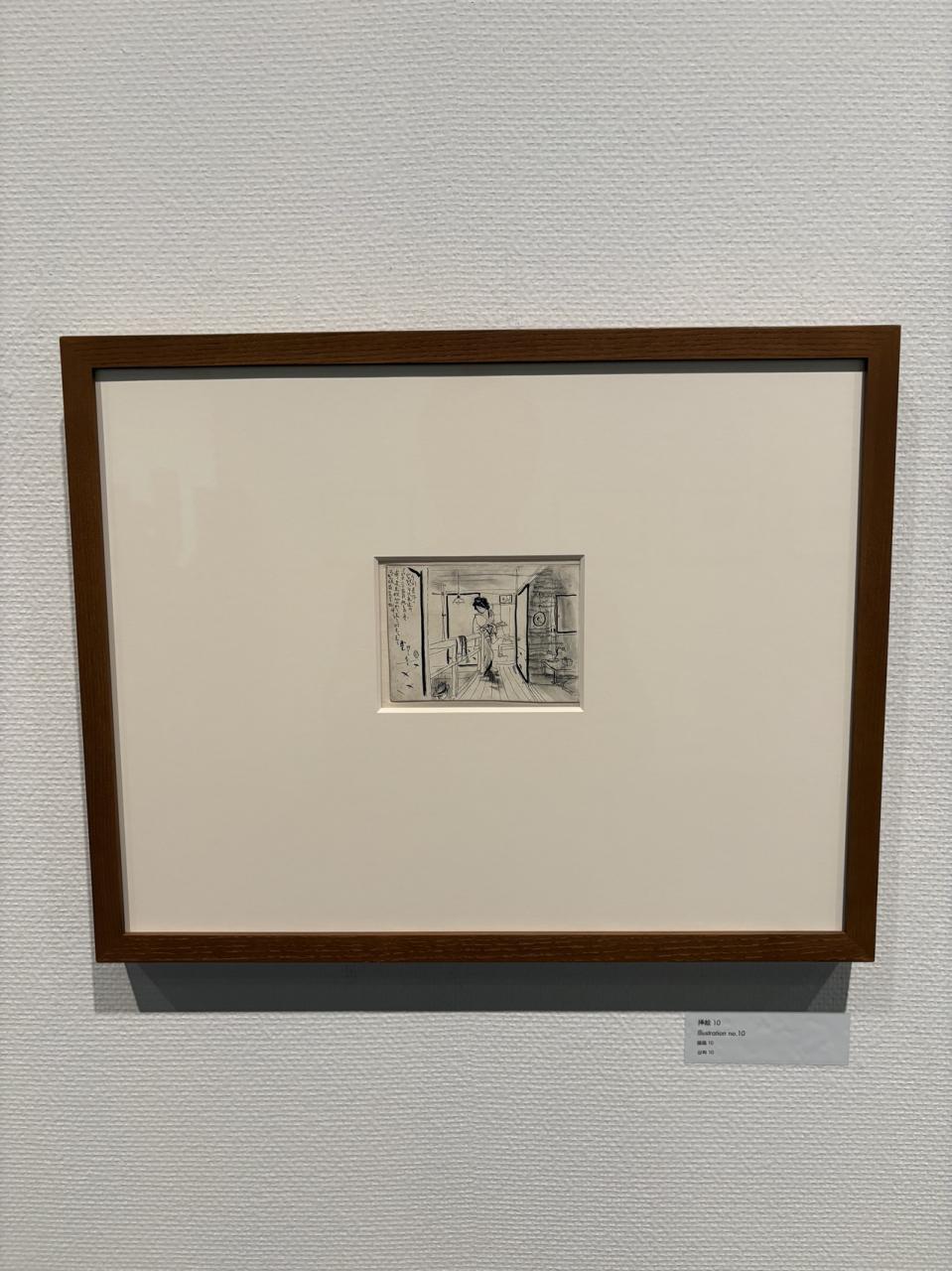
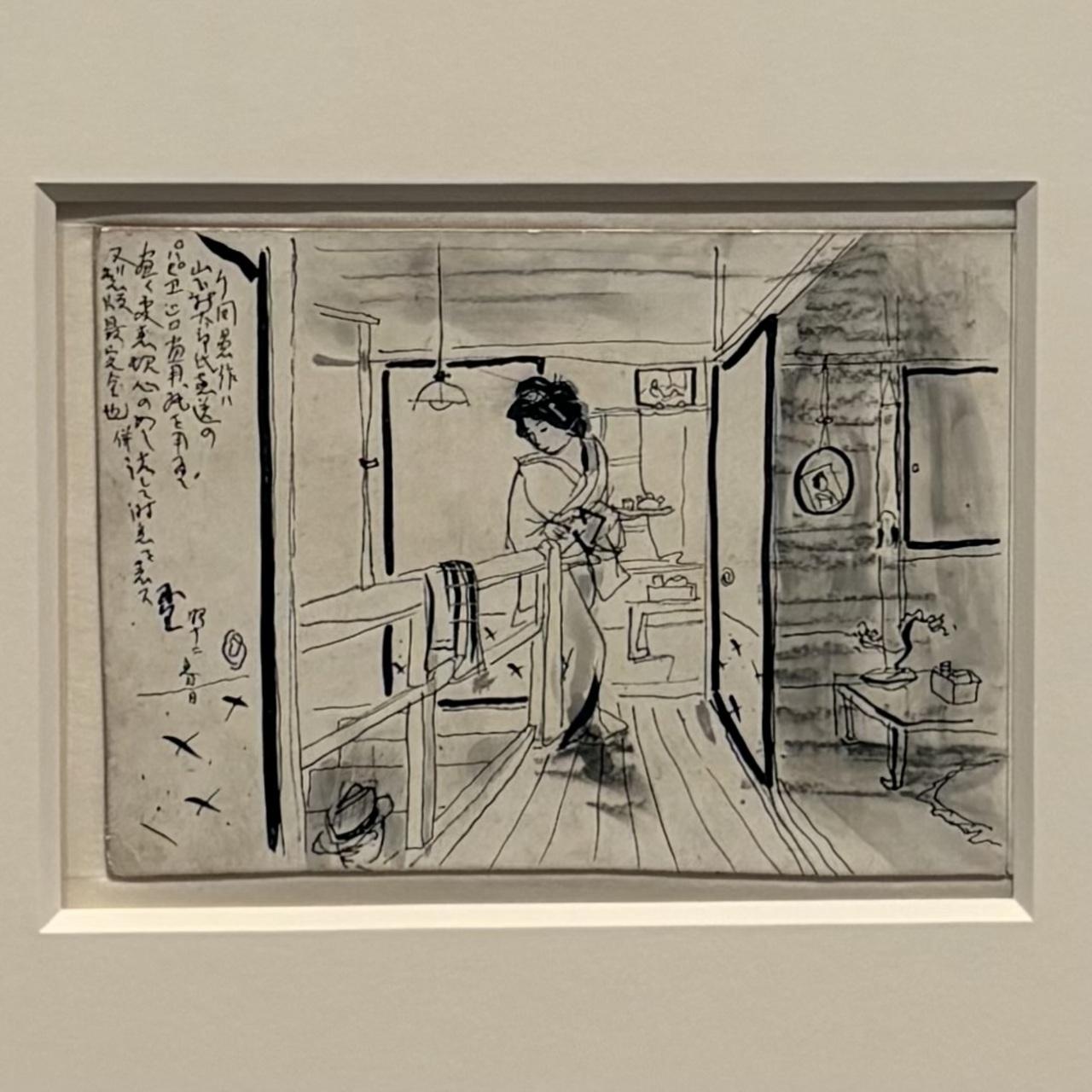
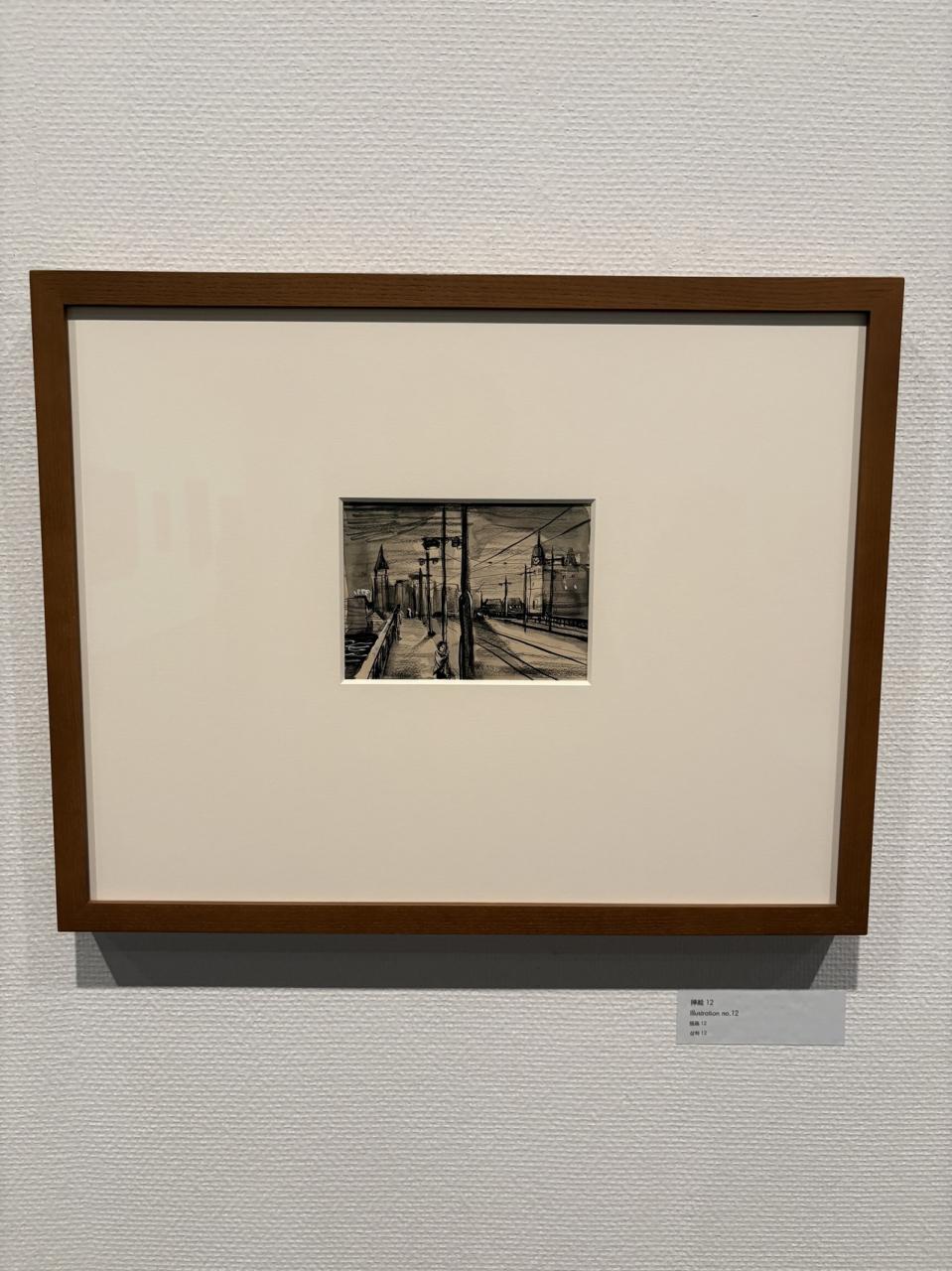
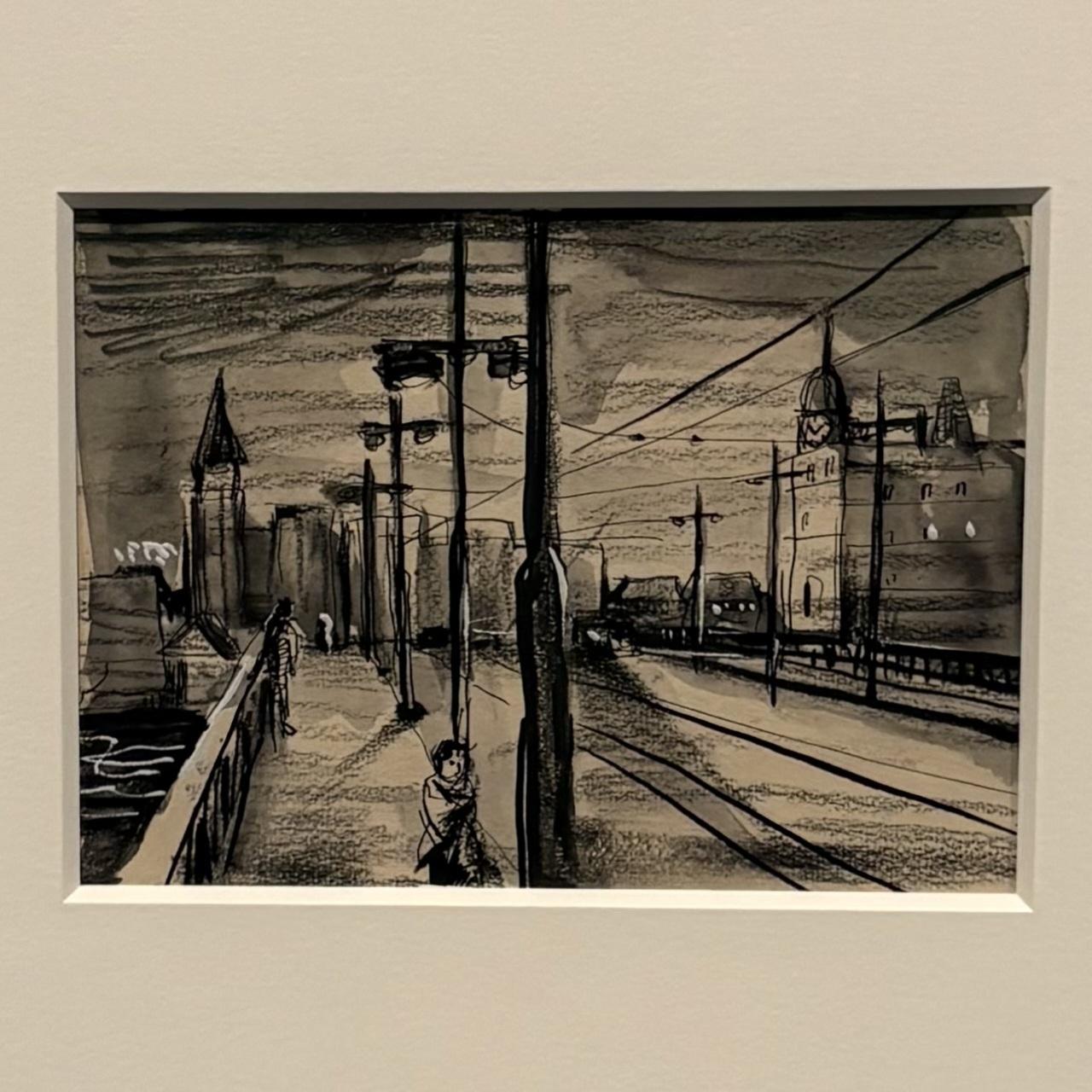
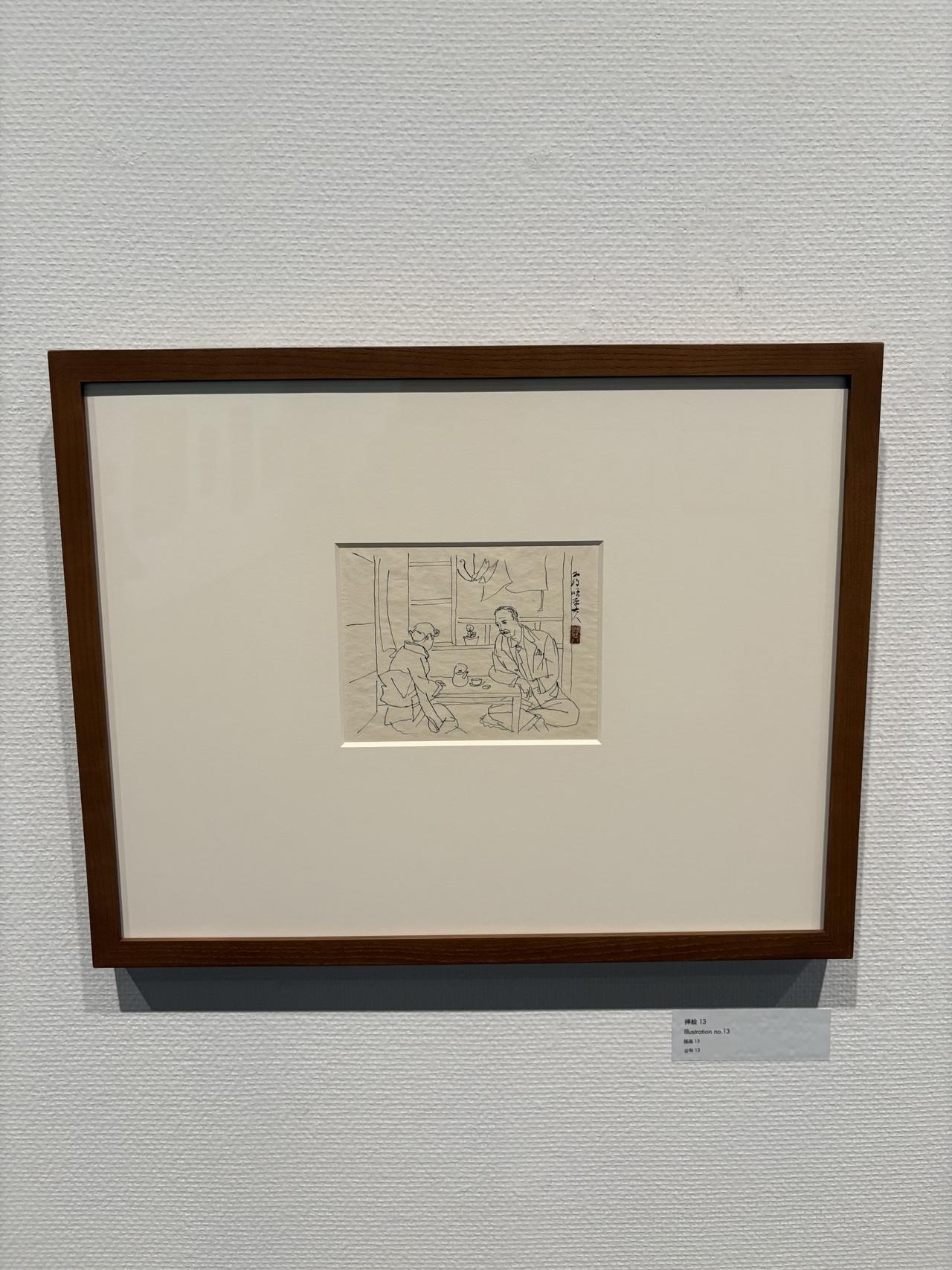
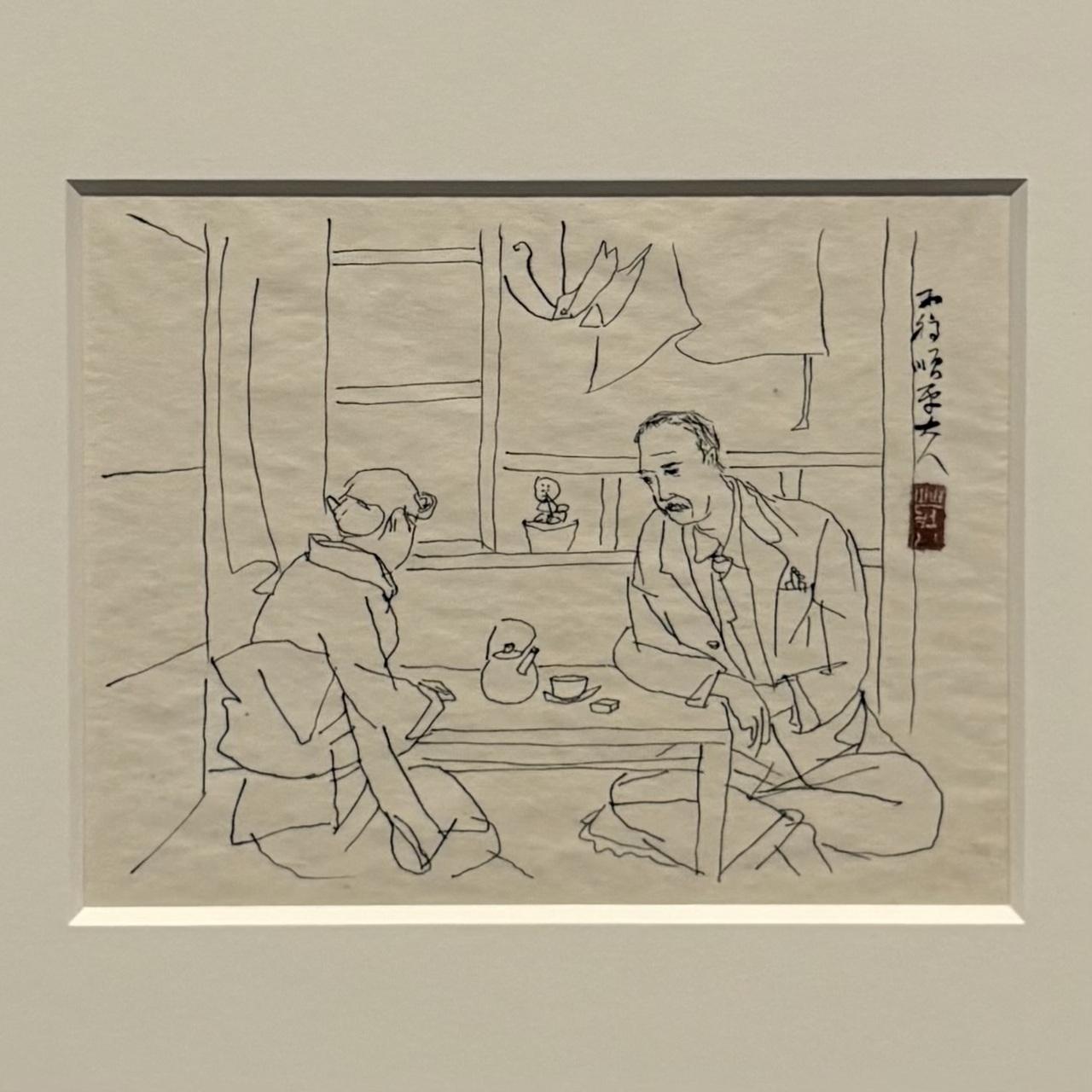
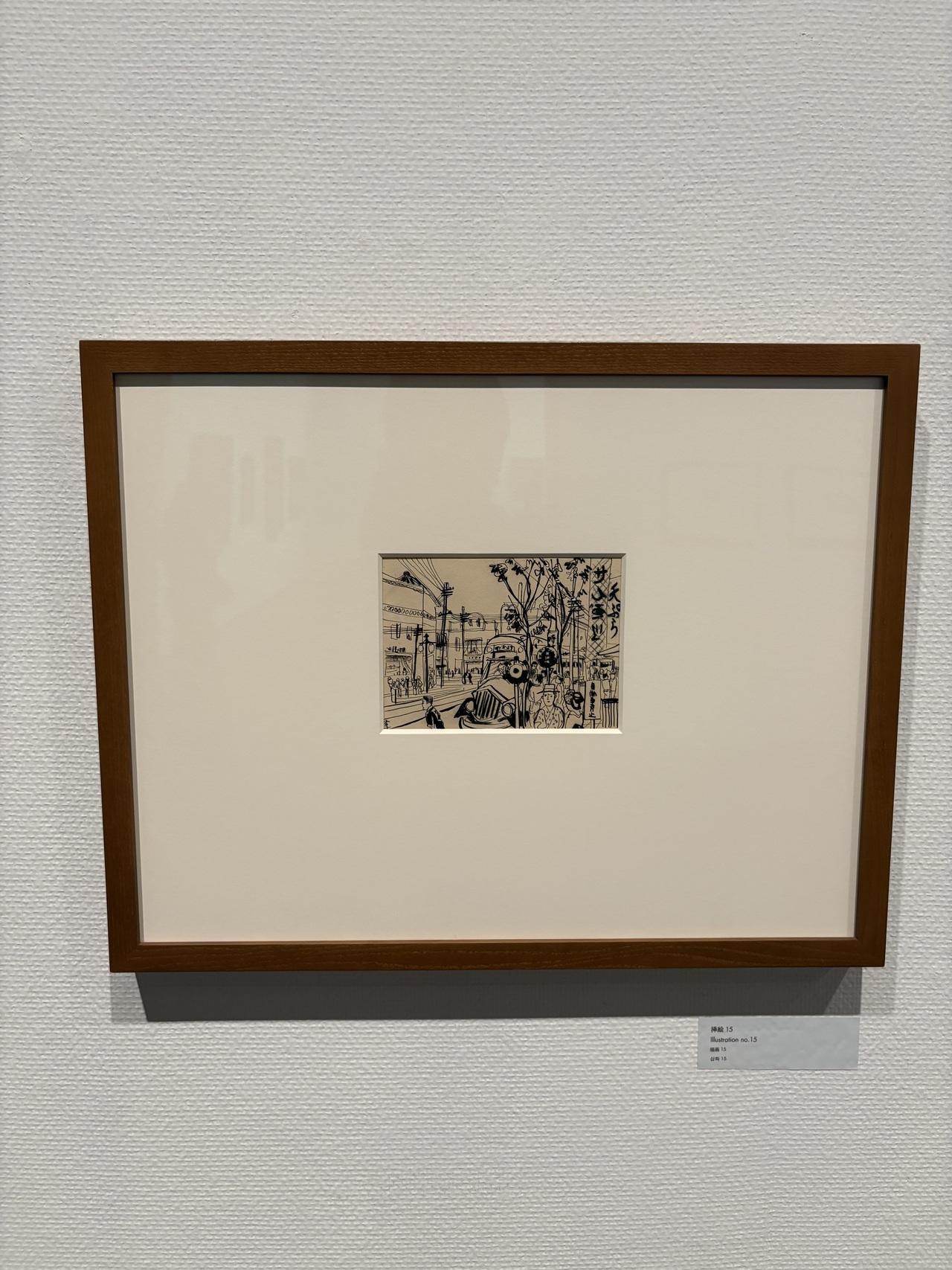
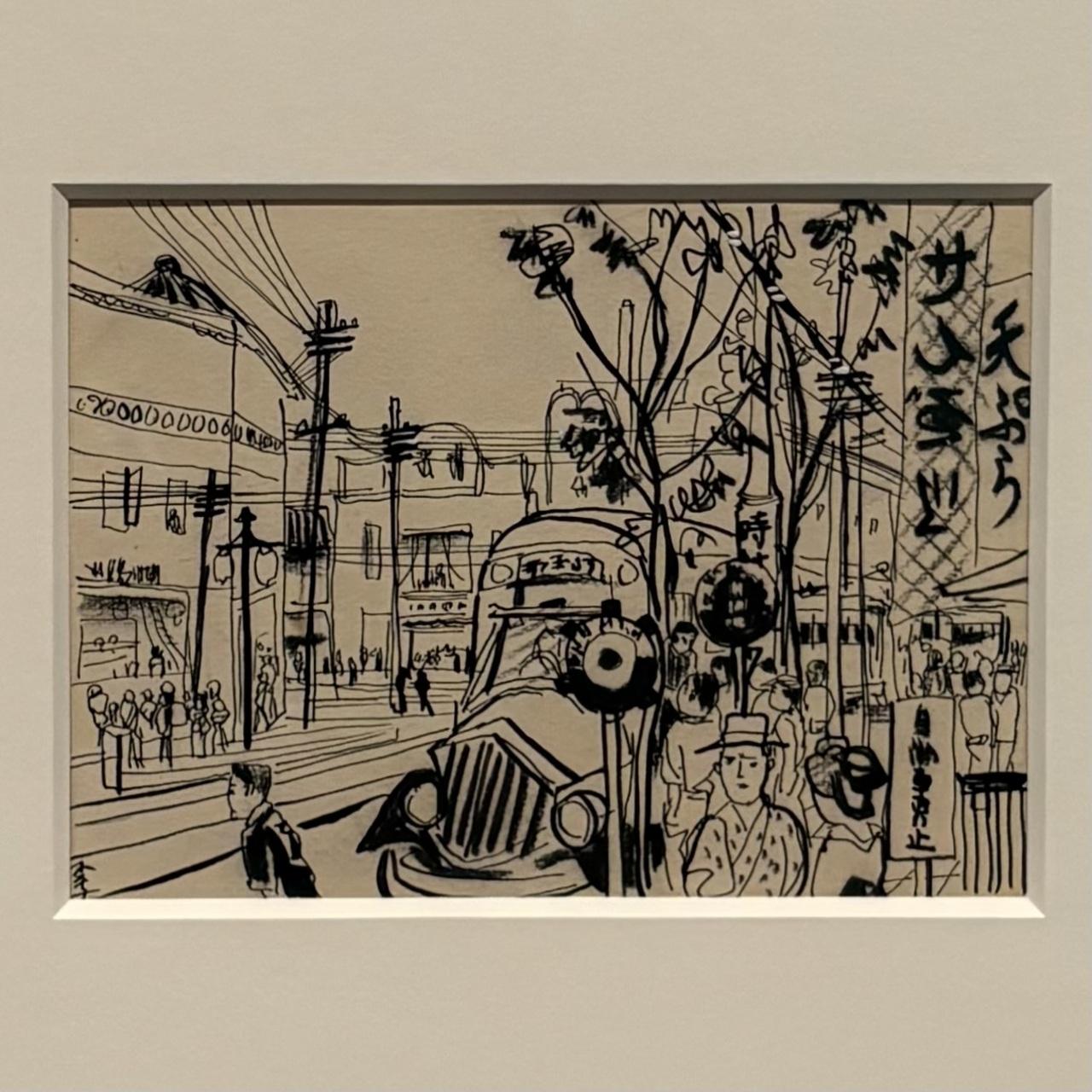
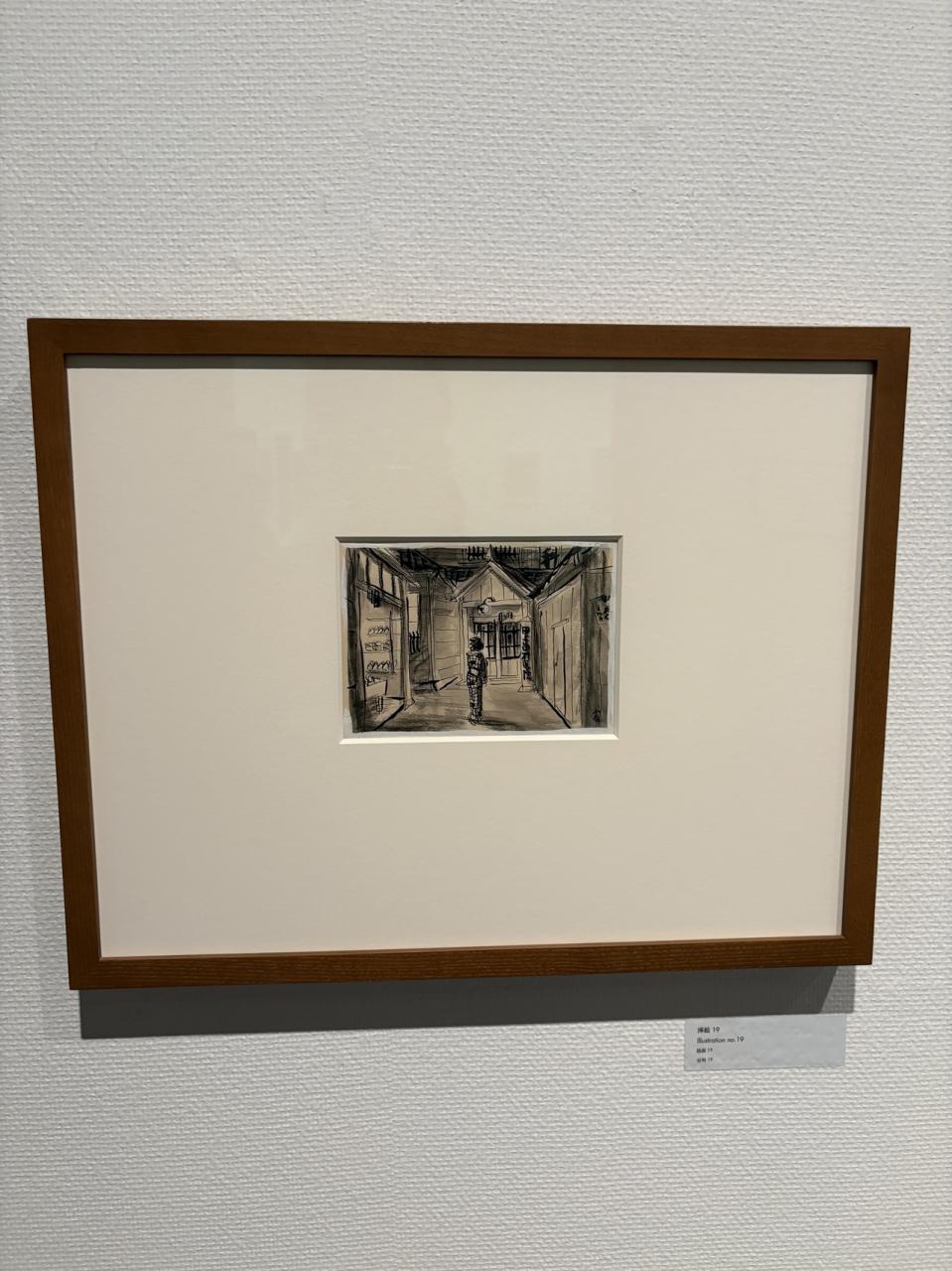
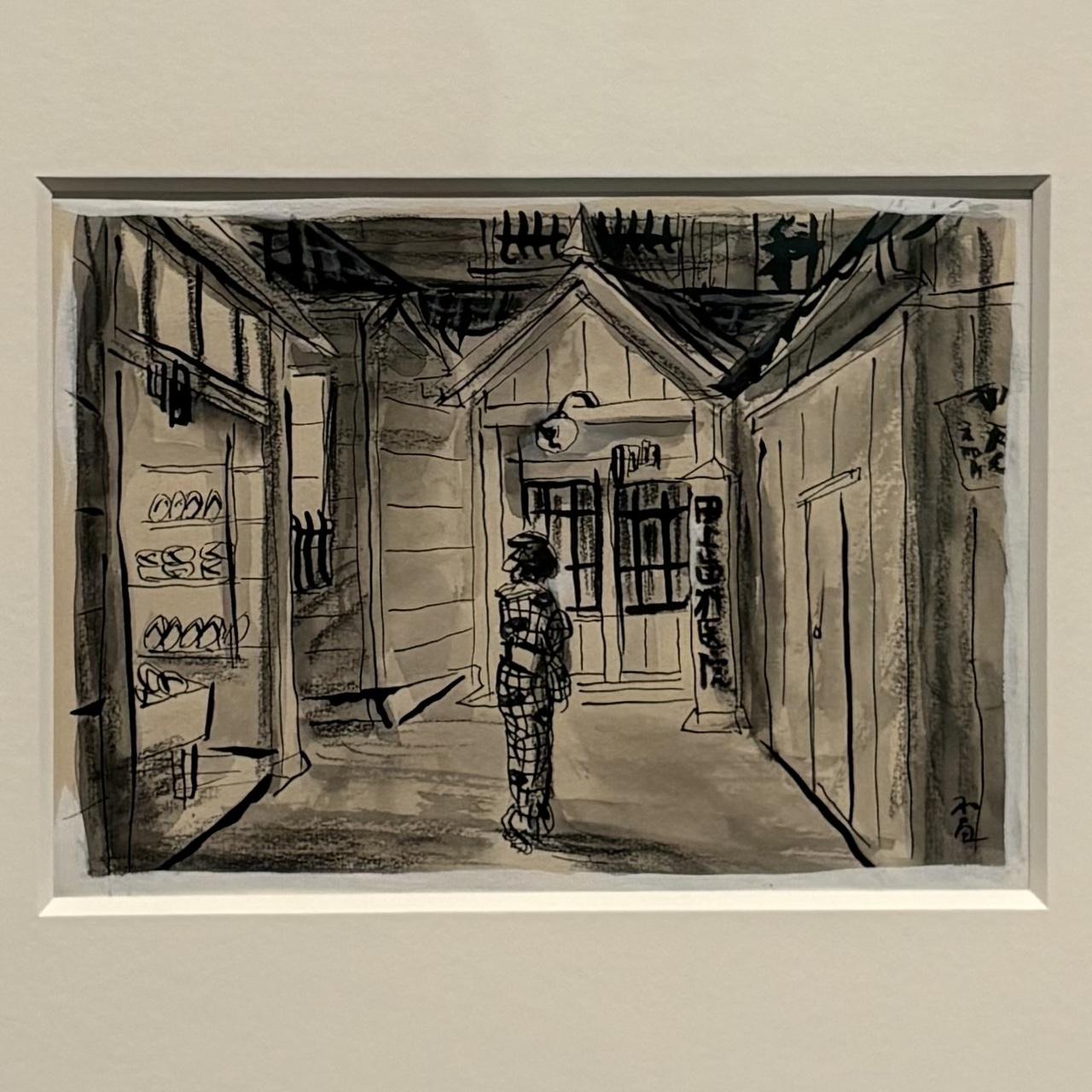
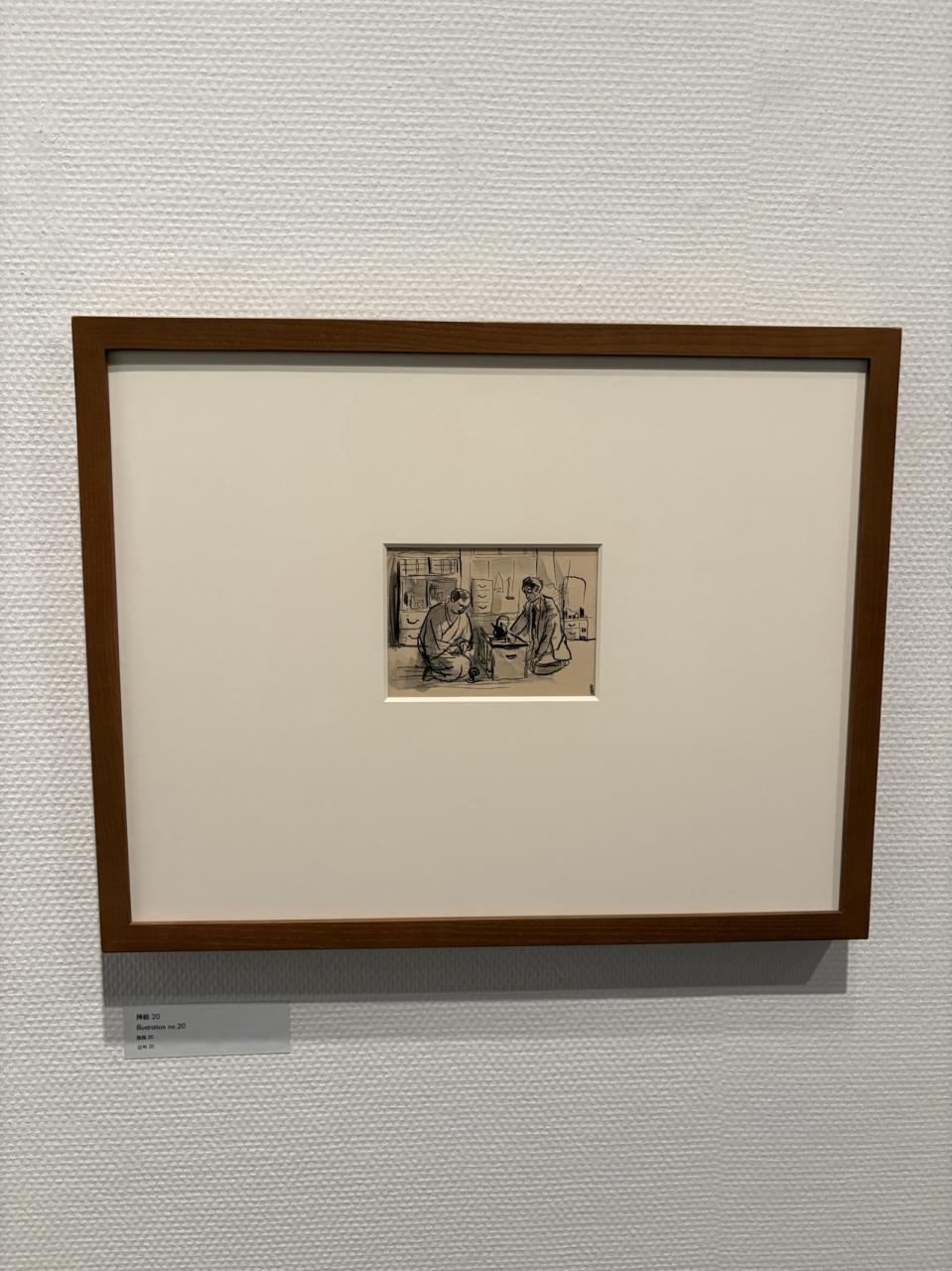
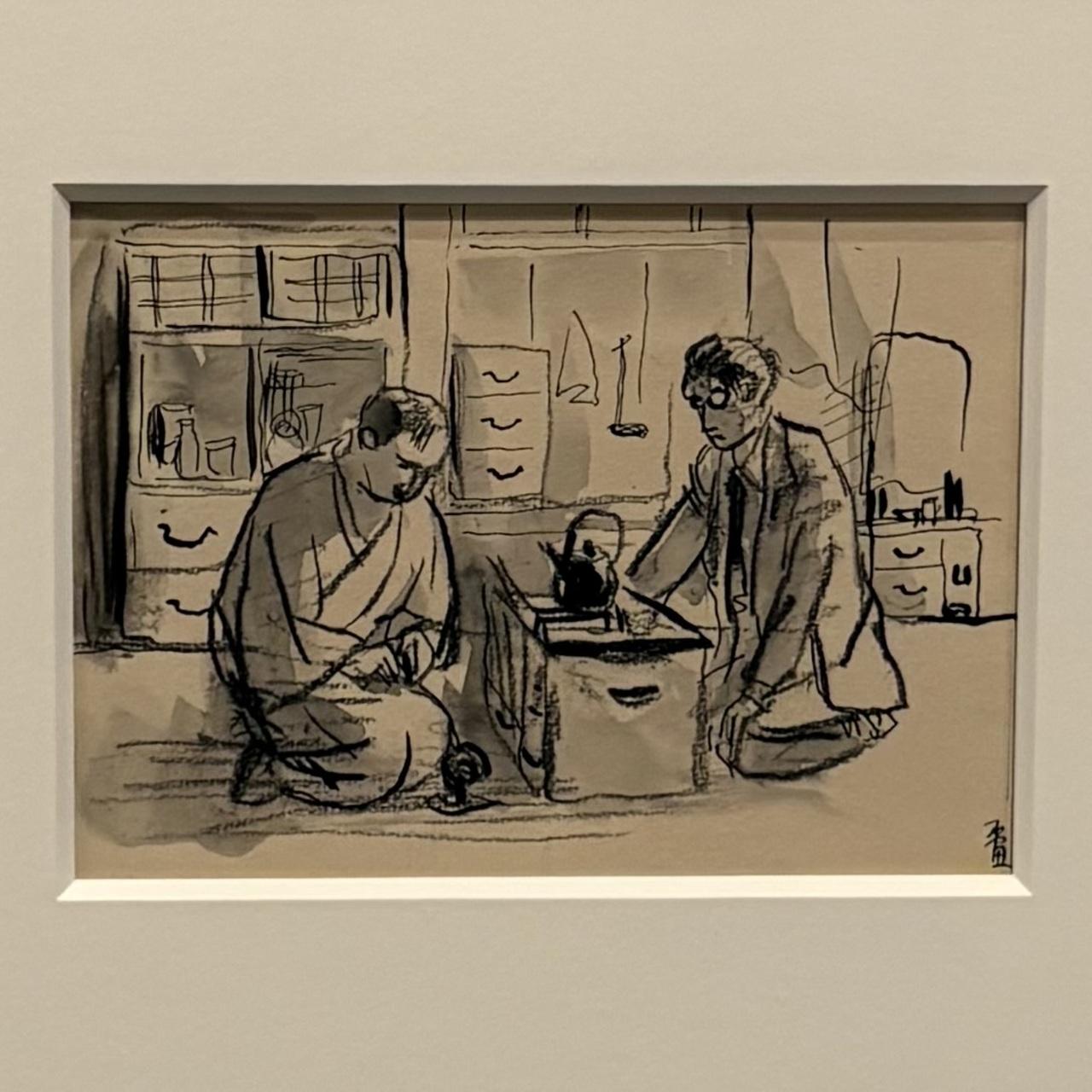
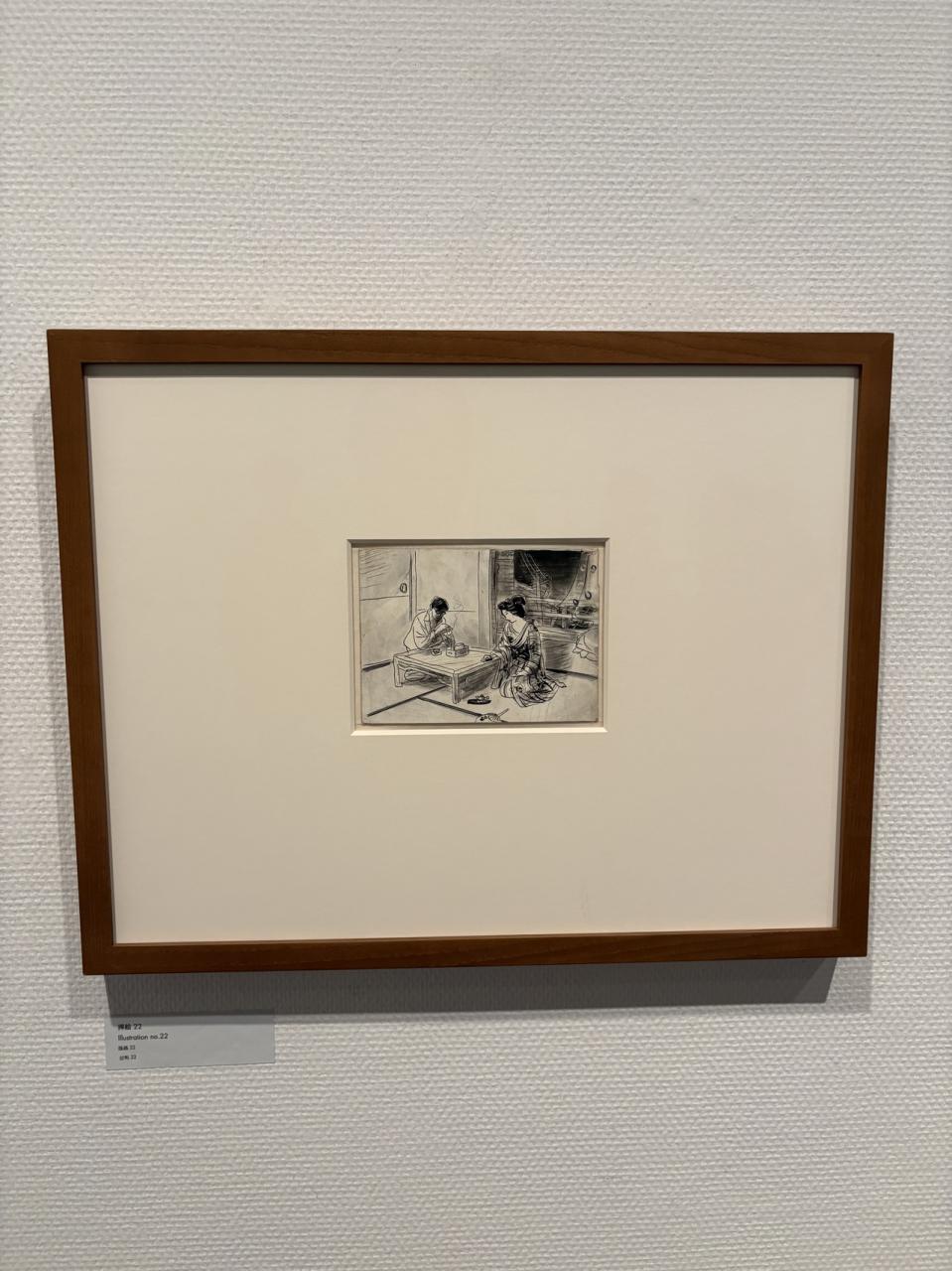
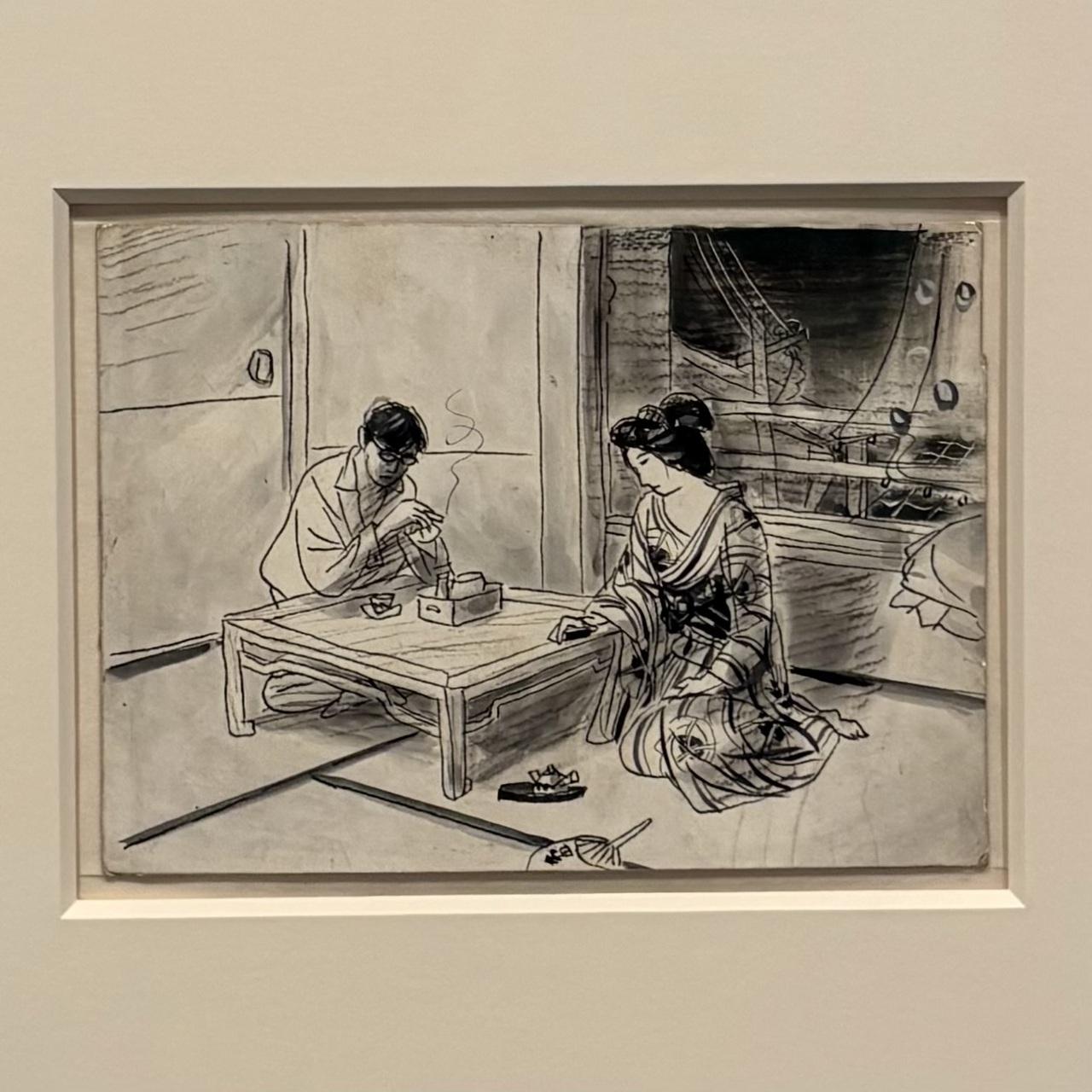
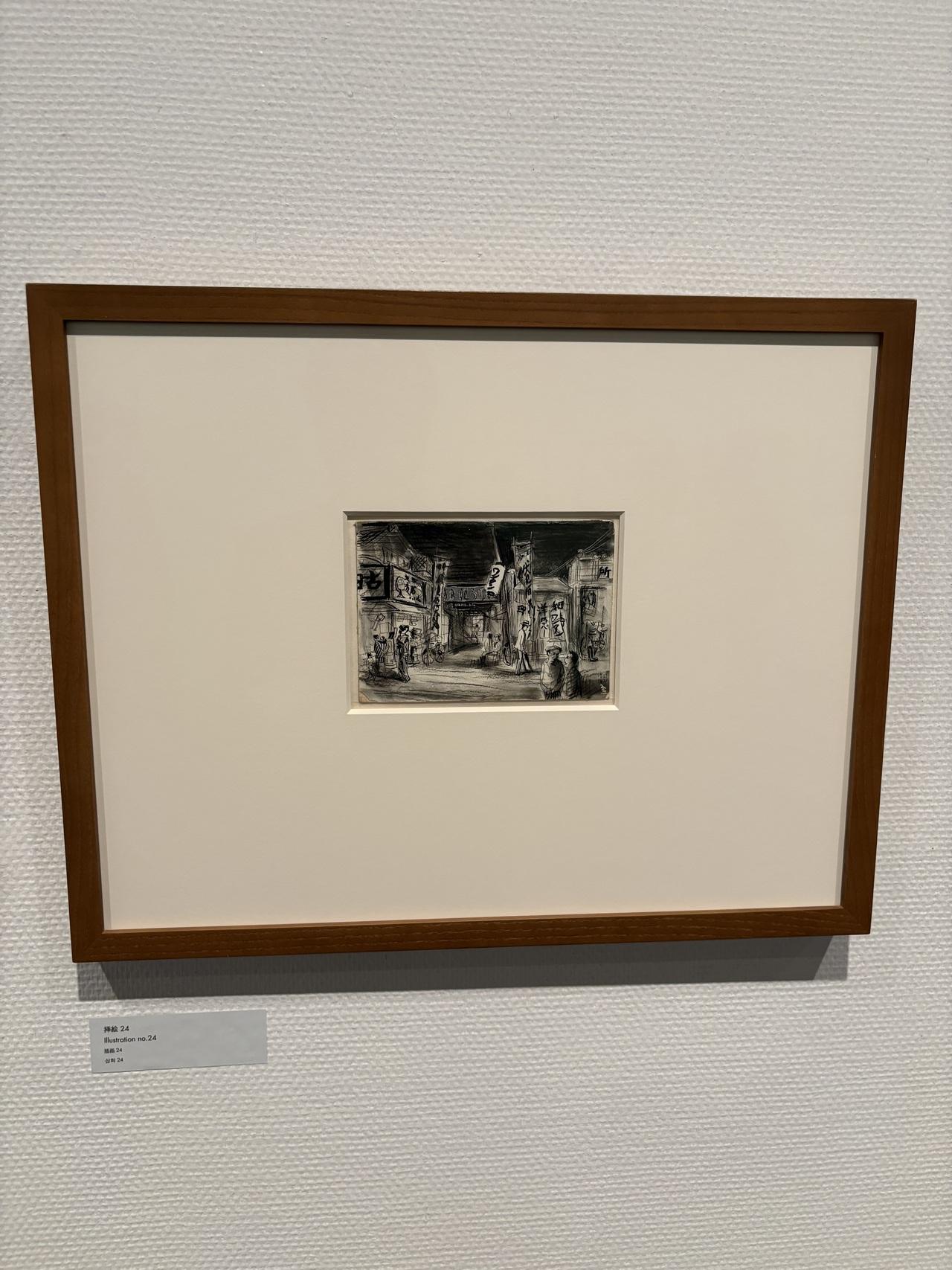
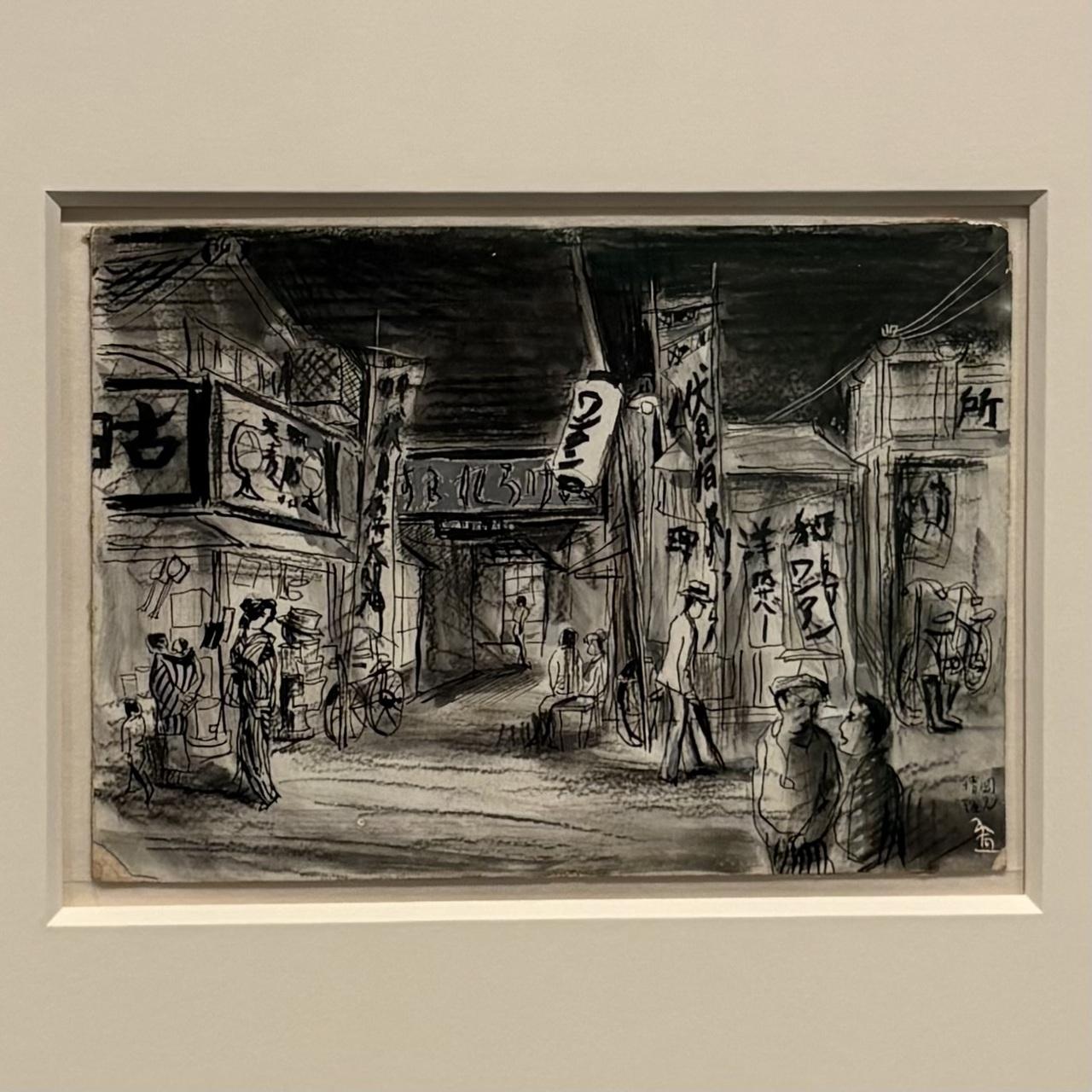
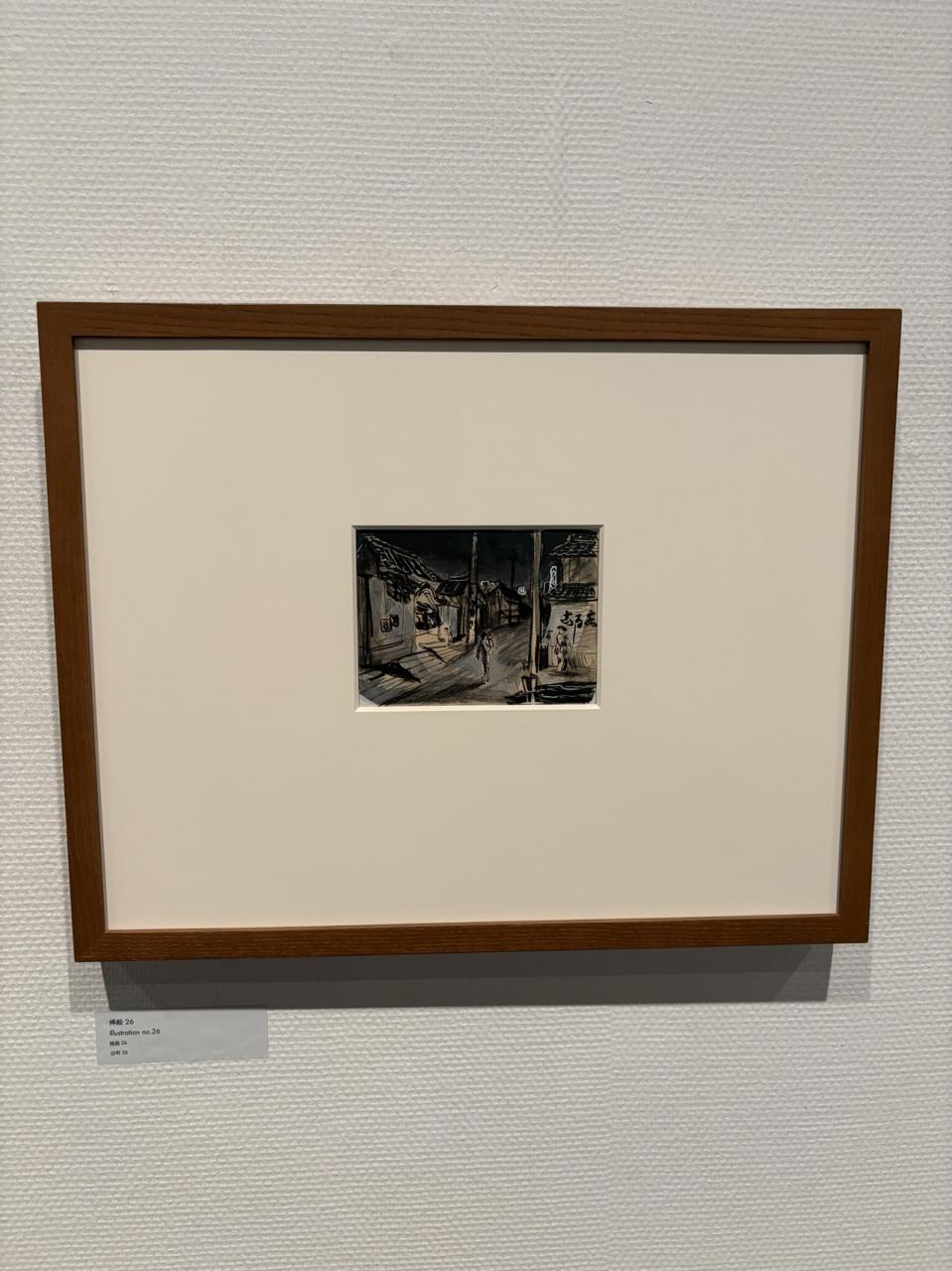
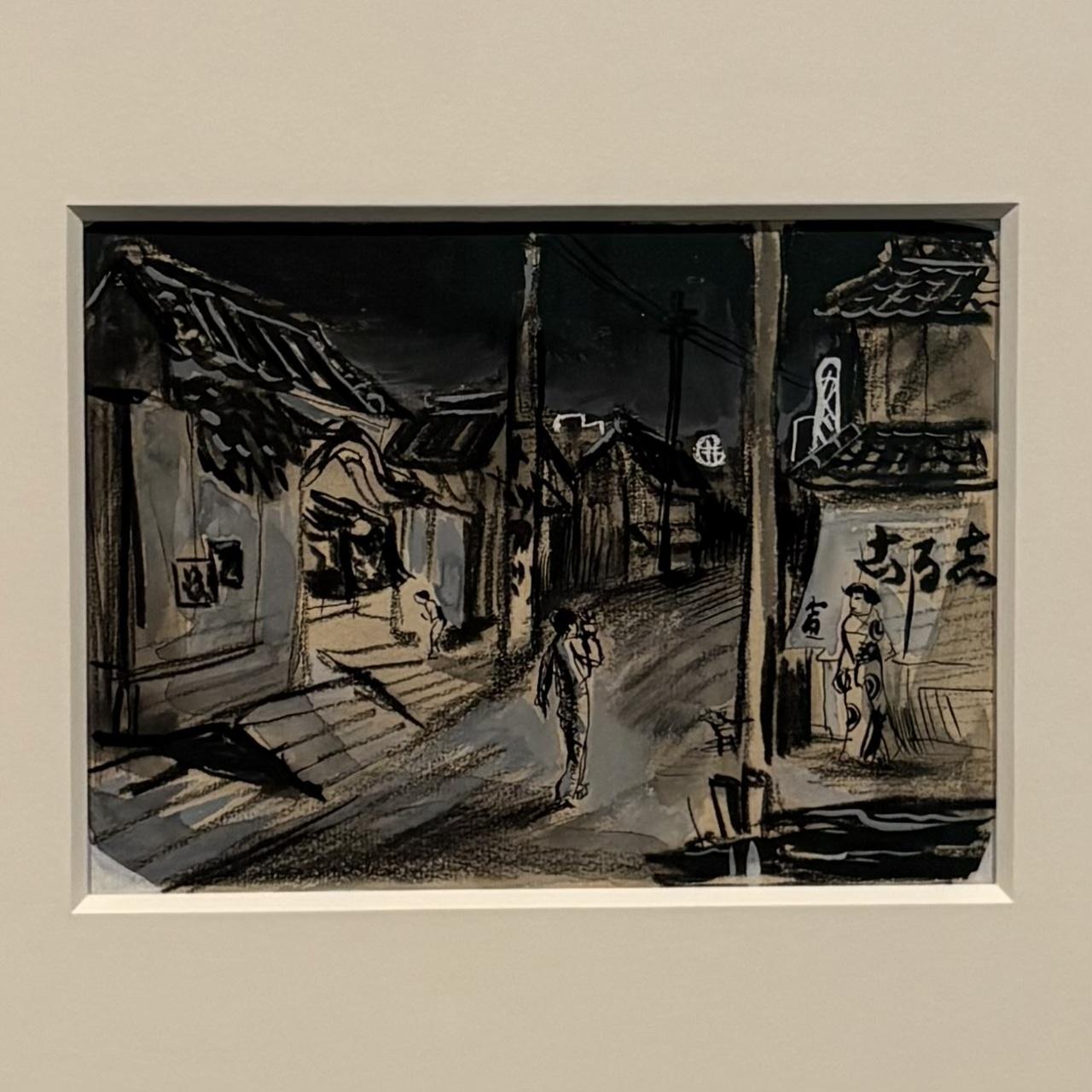
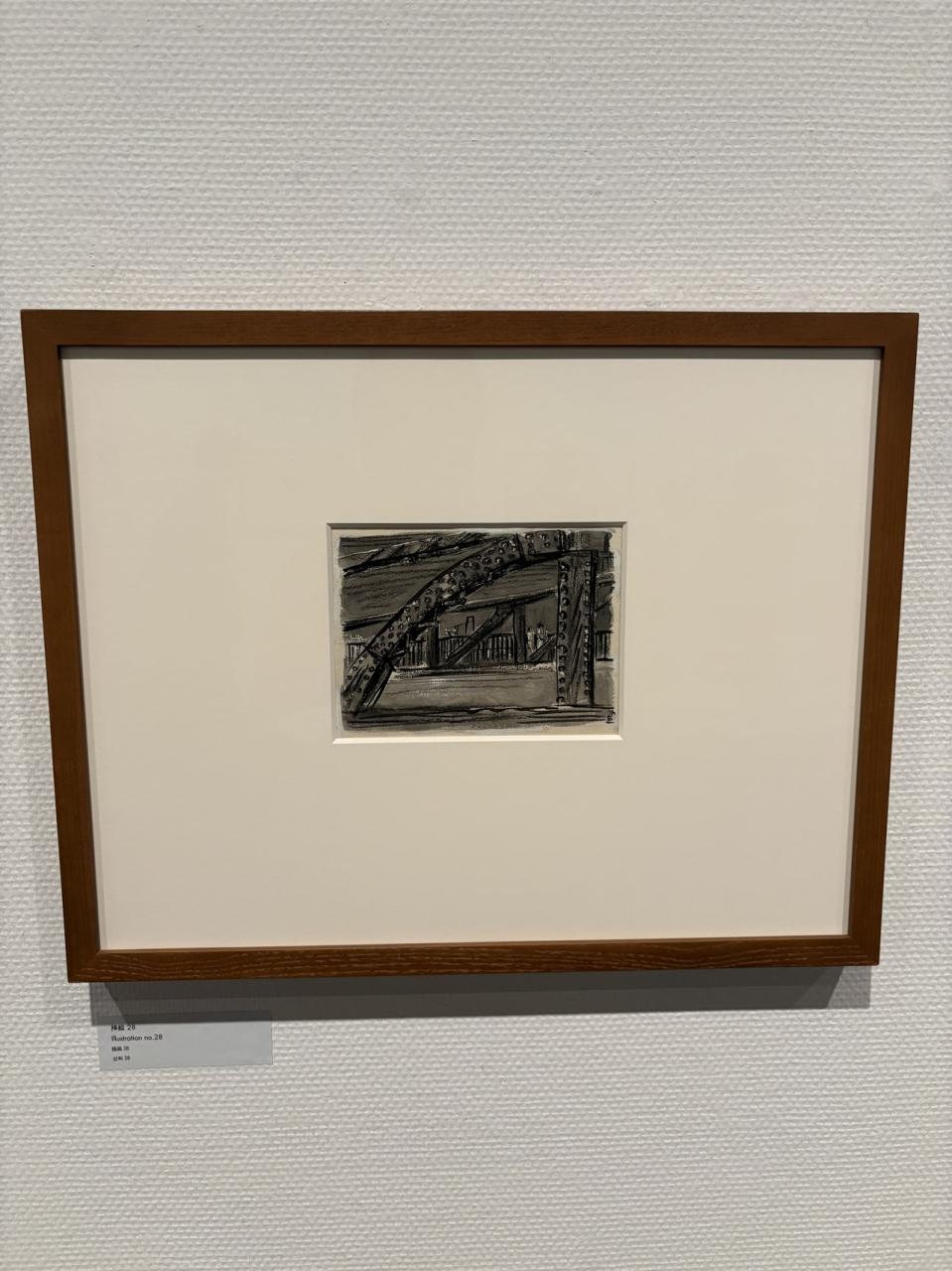
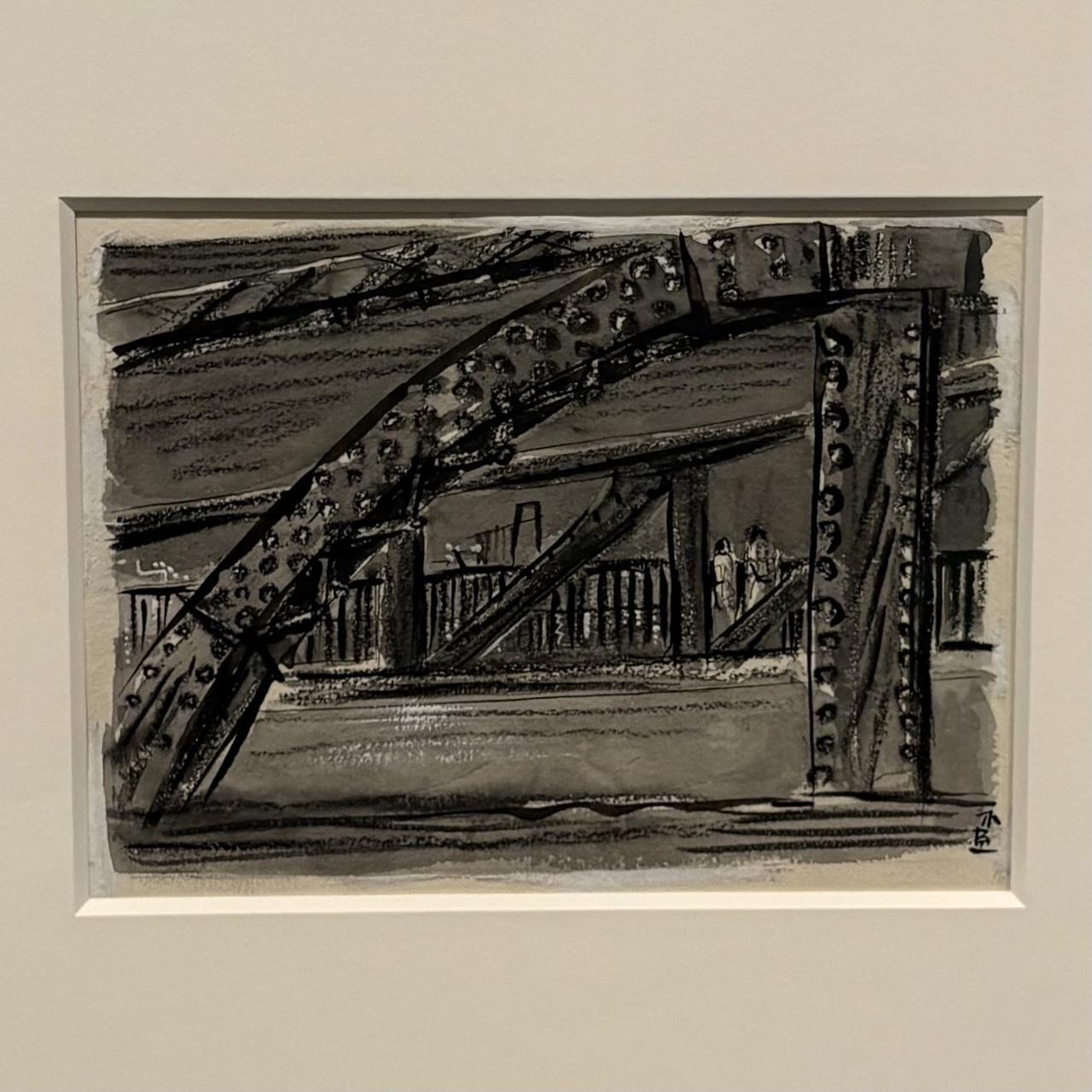
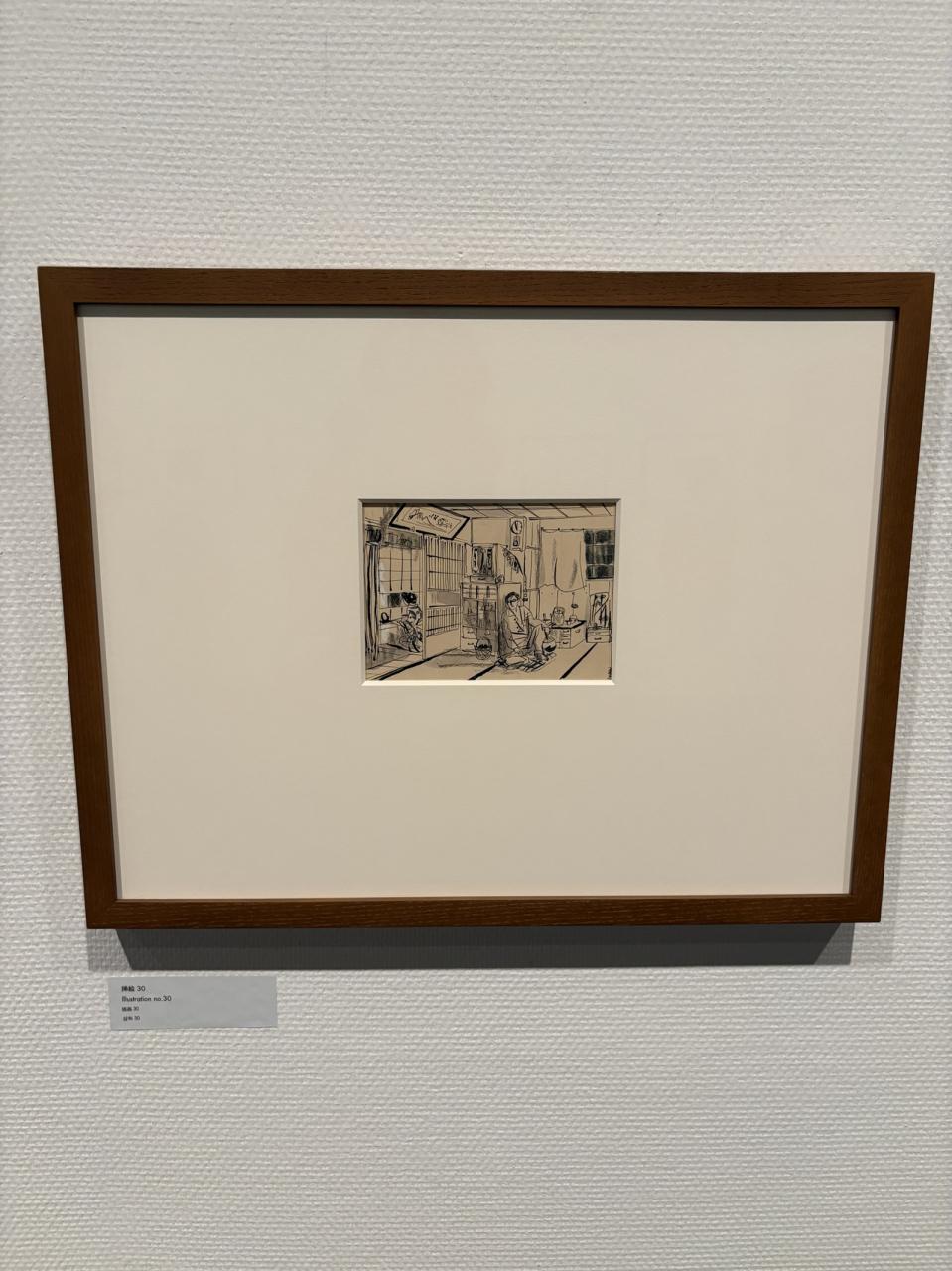
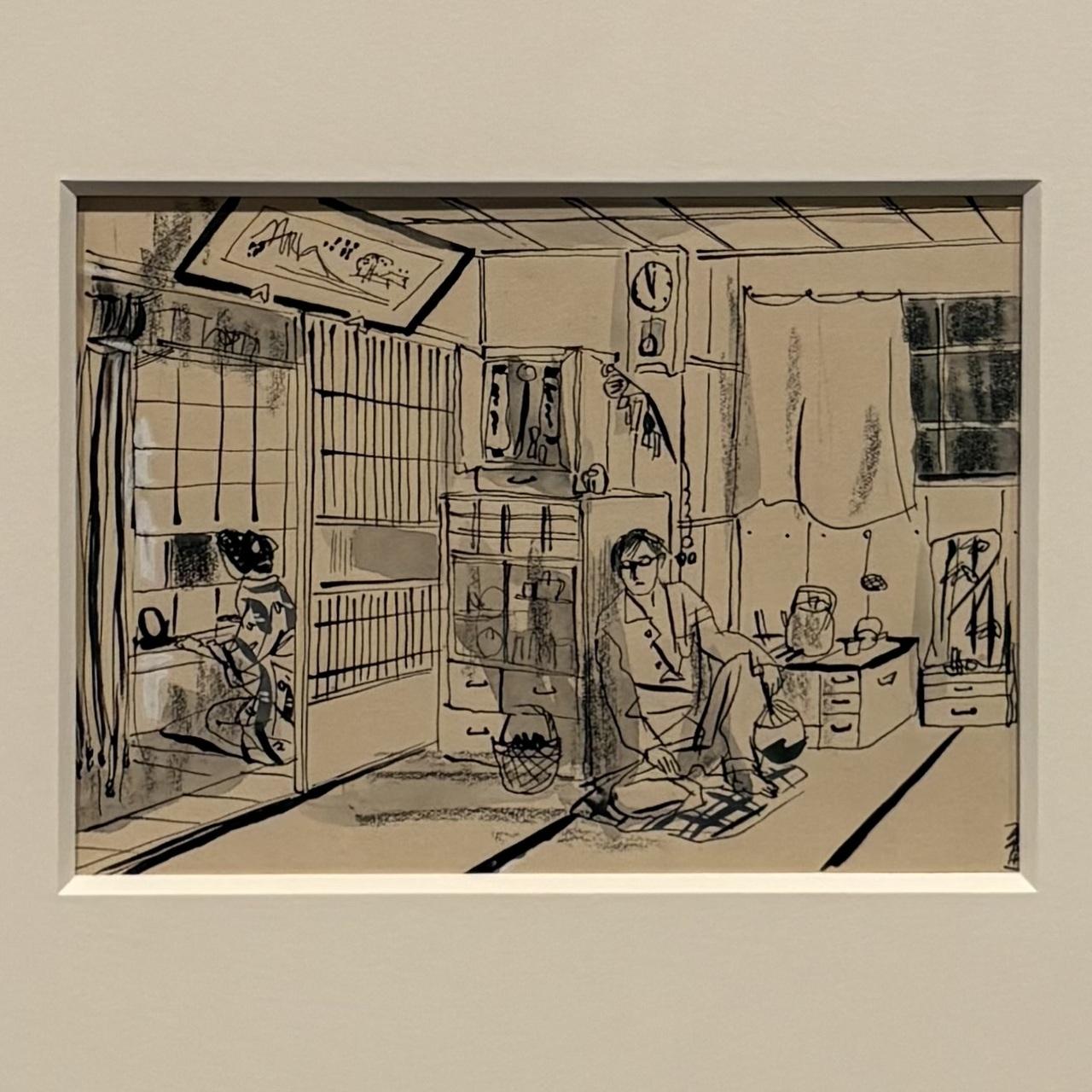
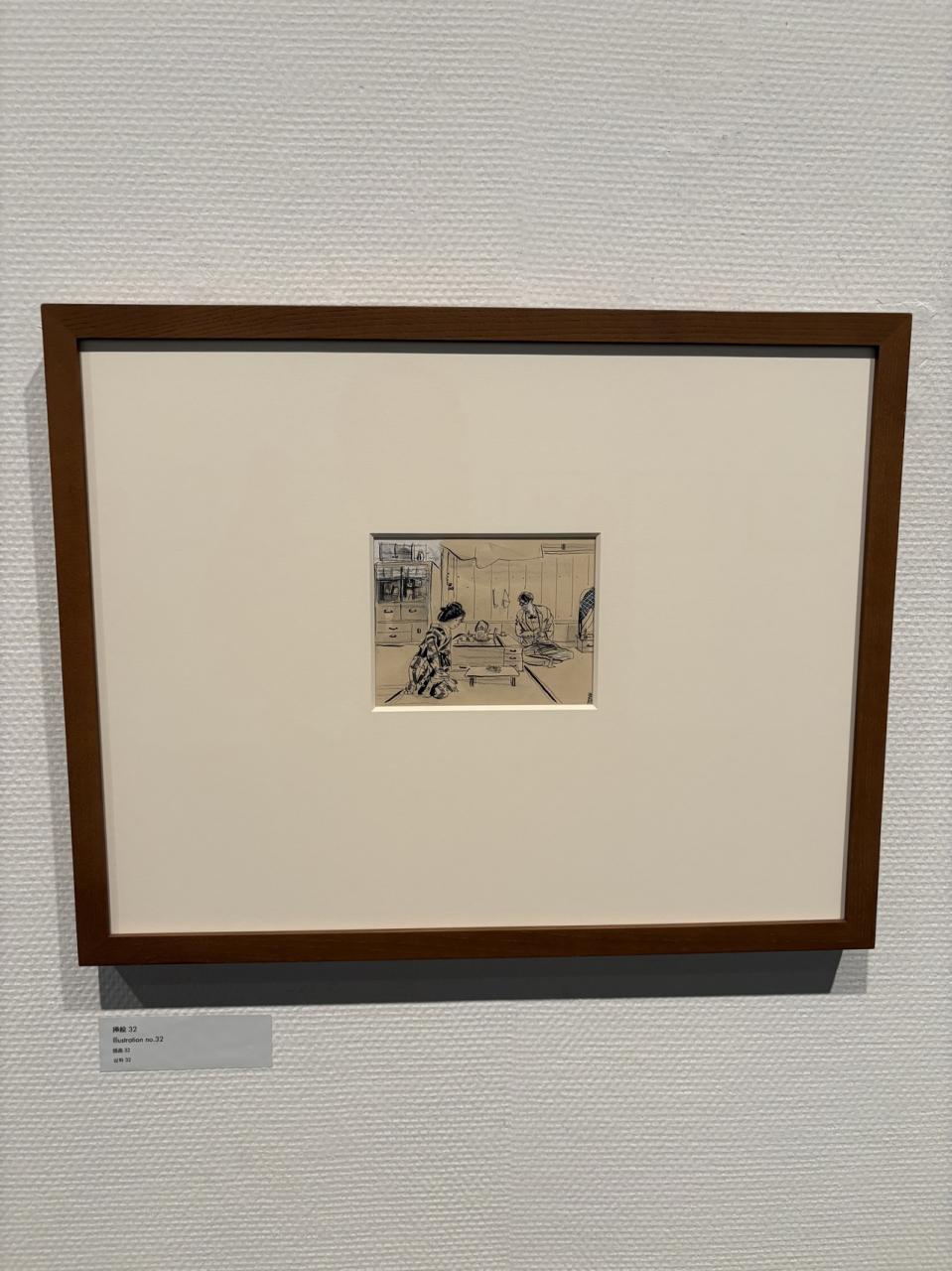
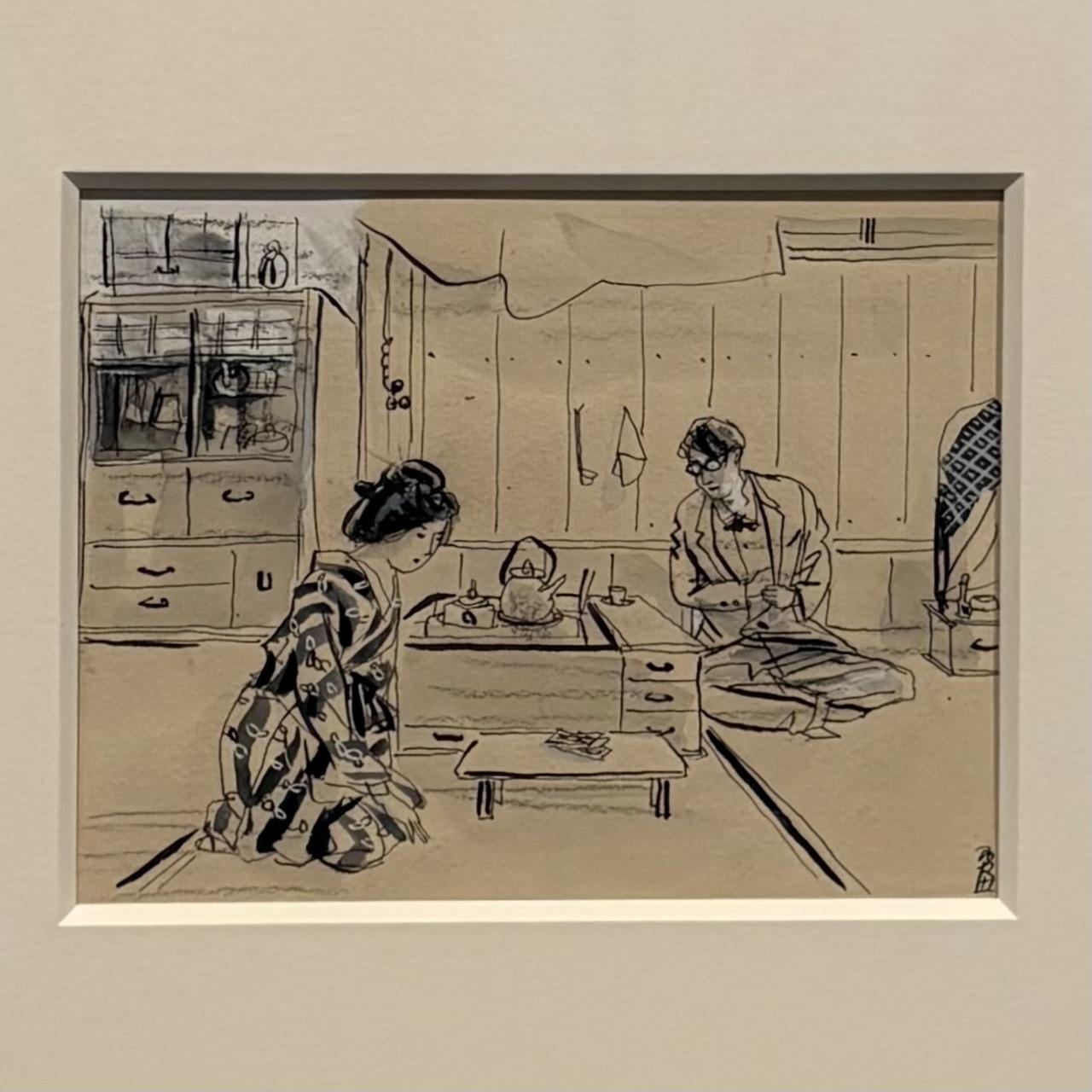
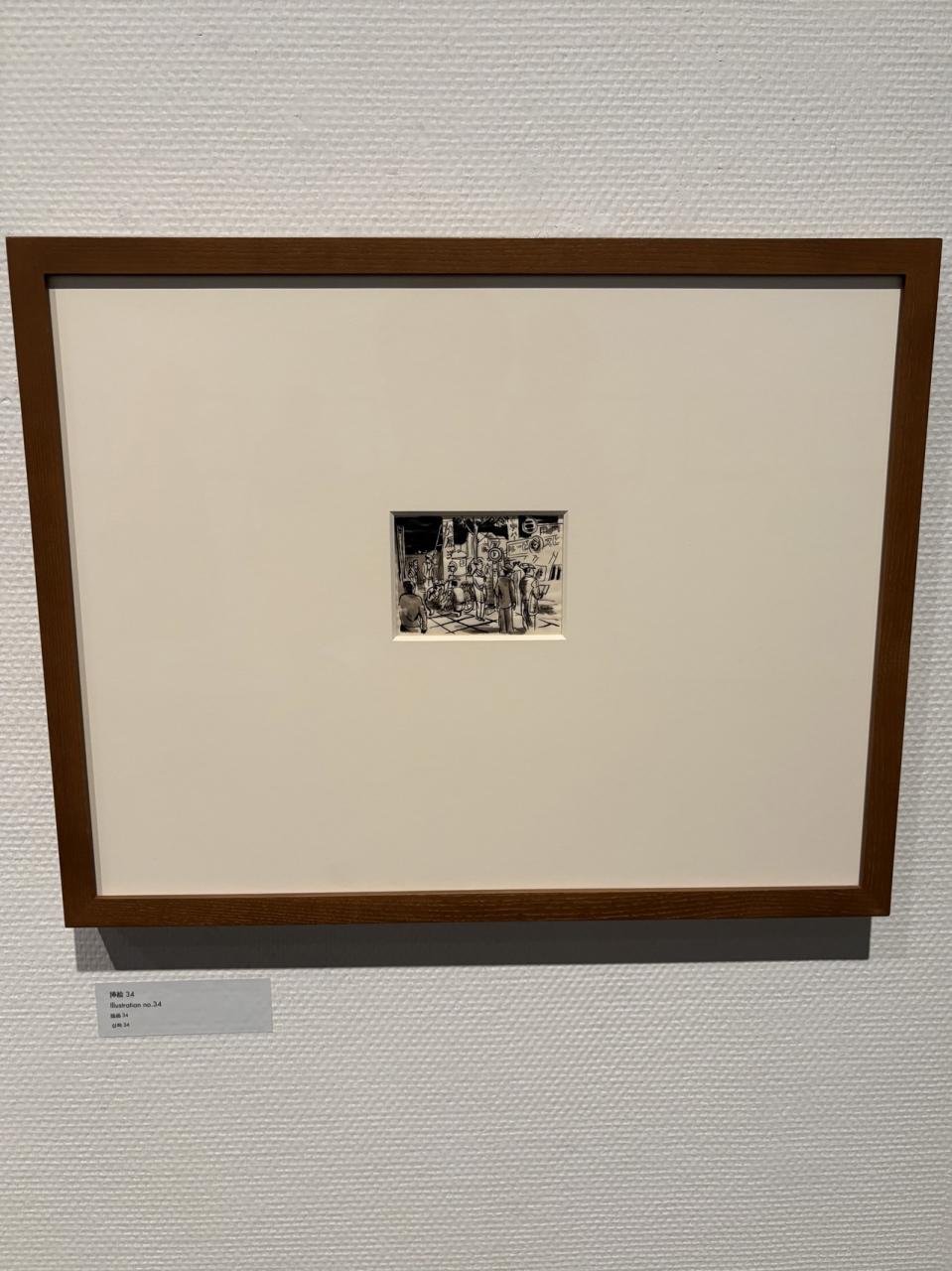
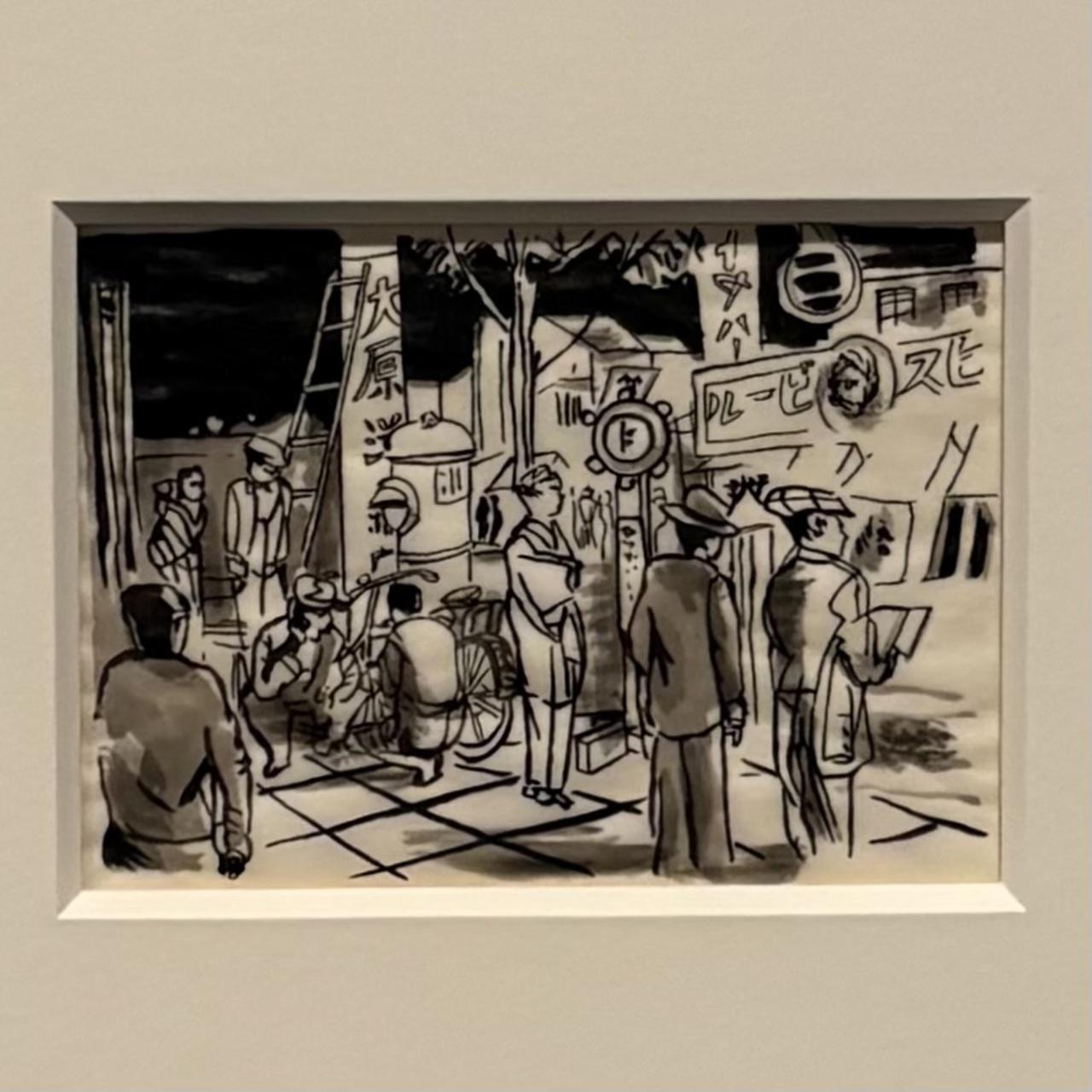
東京郊外の遊里、玉の井に遊ぶ初老の小説家、大江匠。雨の中、大江の傘に飛び込んできた私娼、お雪。二人は関係を深めるが、やがて大江は姿を消すー。永井荷風の「濹東綺譚」は、1937(昭和12)年4月から6月まで、ここにご紹介する木村荘八の挿絵付きで、東京および大阪の「朝日新聞」に連載され、木村の挿絵の人気とあいまって、荷風の代表作となります。
濹(墨)東とは墨田川の東岸にあたる地域で、現在の東京都墨田区一帯を指します。この東の玉の井(旧名を寺島町)は、かつて銘酒屋が集まる場所でした。銘酒屋とは、表向きは良質な酒を売る飲み屋の看板を掲げながら、ひそかに私娼を抱えて売春した店のことです。もともと浅草にあった銘酒屋街ですが、1918(大正7)年頃から23年の関東大震災の後にかけて、玉ノ井駅(現在の東武伊勢崎線東向島駅)付近に移転してきます。玉の井の銘酒屋街は、戦前・戦中とたいへん繁盛しますが、1945(昭和20)年の東京大空襲でほぼ消失してしまい、現在は往時の面影はありません。
4. Bokuto Kidan
The aging novelist Oe Tadasu has gone to Tamanoi, a redlight district in the suburbs of Tokyo, in search of a good time. Rain begins to fall, and an unlicensed prostitute named Oyuki crashes into Oe's umbrella. A relationship gradually develops between the two, but then Oe suddenly disappears. This is the basic plot of Nagai Kafu's novel Bokuto Kidan (A Strange Tale from East of the River). The book was originally serialized in both the Tokyo and Osaka editions of the Asahi Shimbun newspaper from April to June 1937, with the illustrations by Kimura Shohachi exhibited here. It was thanks in part to Kimura's illustrations that the book became one of Kafu's most popular.
"Bokuto" refers to the area on the east bank of the Sumida River, today part of Tokyo's Sumida Ward.
Tamanoi (formerly known as Terajima-machi) was a district home to so-called meishuya (sake houses), which were ostensibly drinking establishments serving high-quality sake, but covertly functioned as brothels where unlicensed prostitutes worked. They were originally clustered in Asakusa, but from 1918 through the period following the 1923 Great Kanto Earthquake, they progressively moved to the vicinity of Tamanoi Station (present-day Higashi-Mukojima Station on the Tobu Isesaki Line). The meishuya of Tamanoi flourished during the years leading up to and during World War Il, but they were virtually wiped out by the 1945 air raids on Tokyo, and no trace of them remains today. -
木村荘八
KIMURA, Shohachi
1893-1958
永井荷風著『濹東綺譚』挿絵
Illustrations to the Novel Bokuto Kidan by Nagai Kafu
1937 昭和12年
墨、インク、水彩、コンテ、その他・紙
sumi, ink, watercolor and conté, etc. on paper
木村初枝氏寄贈
Gift of Kimura Hatsue
木村荘八は『東綺譚』との出会いを以下のように回顧しています。
私は当時[昭和12年]この小説の挿絵を委嘱された時に、誇張した言葉で云えば、オノレのウンメイは、これで極まったと思いました。短い本文でしたから全編をのっけに渡されて(幸福なる哉、私が第一番目の読者)卒読し、忽ち、読みや、こんな名篇は明治以来の文学に「無い」と思いました。さればこの絵をかく己れの運命はノルカソルかこれで極まったと思ったわけです。
木村荘八「東新景」『オール読物』(1948年1月号)より
Kimura Shohachi recalled his first encounter with Bokuto Kidan as follows.
When I was commissioned to illustrate this novel [in 1937], I thought - to put it hyperbolically - that I had found the key to my destiny. It was a short novel, and / was given the whole manuscript at the start and felt very happy to be its first reader. After reading through it, I thought, there has been no short story to equal this since the Meiji Era [1868-1912]. Thus I felt my destiny depended on whether I could successfully illustrate it.
Kimura Shohachi, "Bokuto Shinkei," in The All Yomimono (January 1948) -
-
-
-
-
-
-
-
-
-
-
-
-
-
-
-
-
-
-
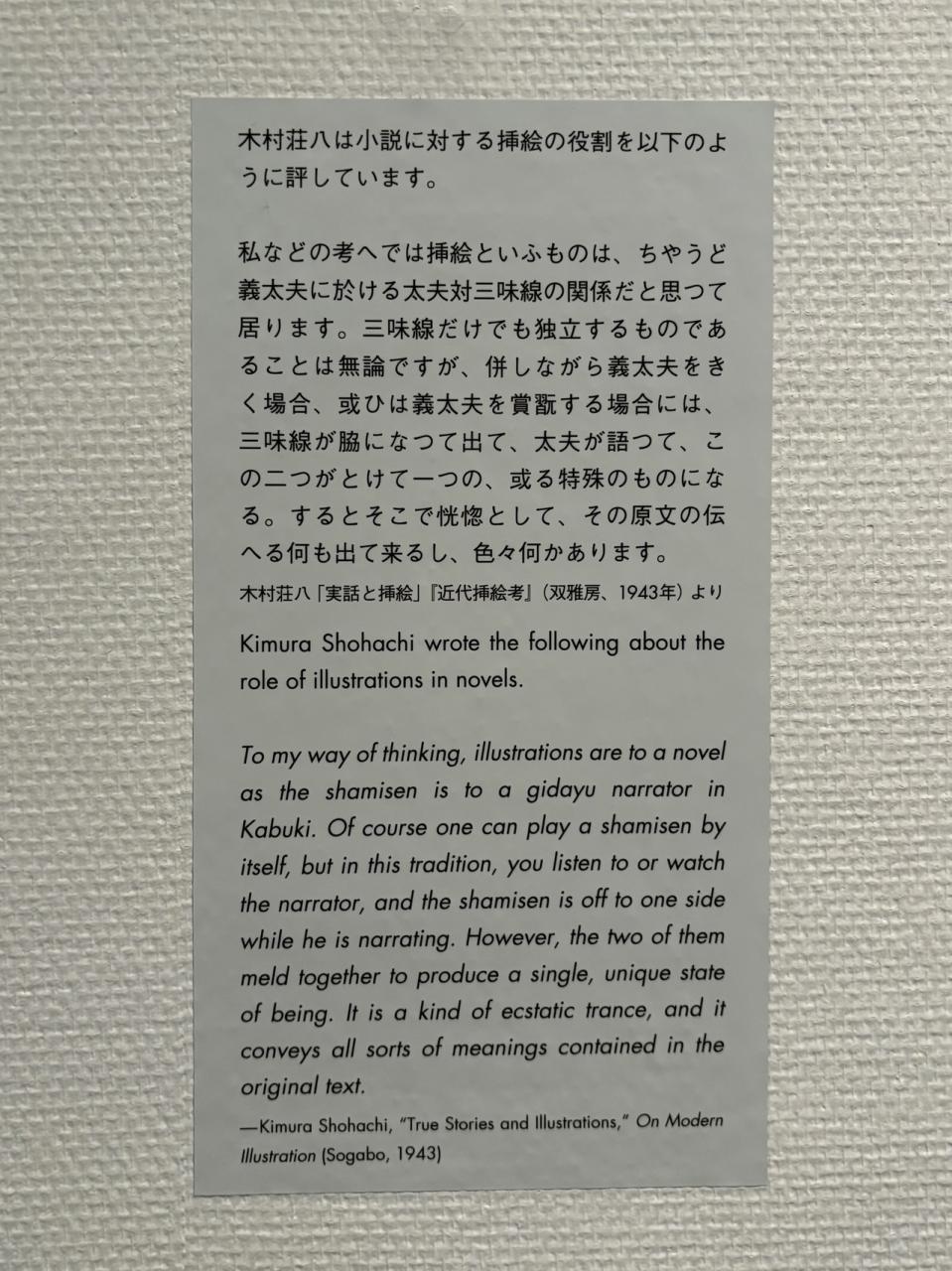
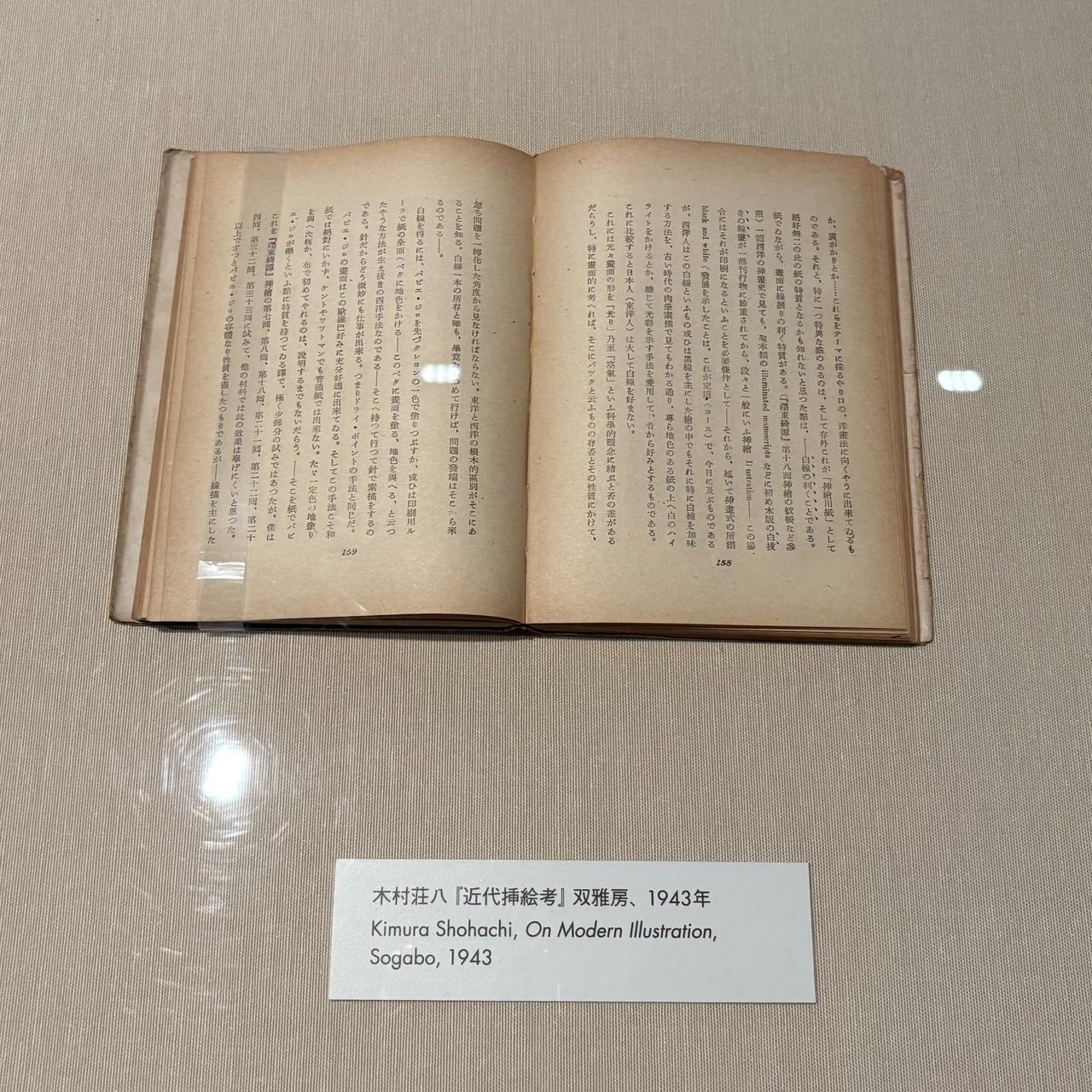
木村荘八は小説に対する挿絵の役割を以下のように評しています。
私などの考へでは挿絵といふものは、ちゃうど義太夫に於ける太夫対三味線の関係だと思って居ります。三味線だけでも独立するものであることは無論ですが、併しながら義太夫をきく場合、或ひは義太夫を賞する場合には、三味線が脇になって出て、太夫が語って、この二つがとけて一つの、或る特殊のものになる。するとそこで恍惚として、その原文の伝へる何も出て来るし、色々何かあります。
木村荘八「実話と挿絵」「近代挿絵考」(双雅房、1943年)より
Kimura Shohachi wrote the following about the role of illustrations in novels.
To my way of thinking, illustrations are to a novel as the shamisen is to a gidayu narrator in Kabuki. Of course one can play a shamisen by itself, but in this tradition, you listen to or watch the narrator, and the shamisen is off to one side while he is narrating. However, the two of them meld together to produce a single, unique state of being. It is a kind of ecstatic trance, and it conveys all sorts of meanings contained in the original text.
- Kimura Shohachi, "True Stories and Illustrations," On Modern Illustration (Sogabo, 1943) -
-
-
-
-
-
-
-
-
-
-
-
-
-
-
-
-
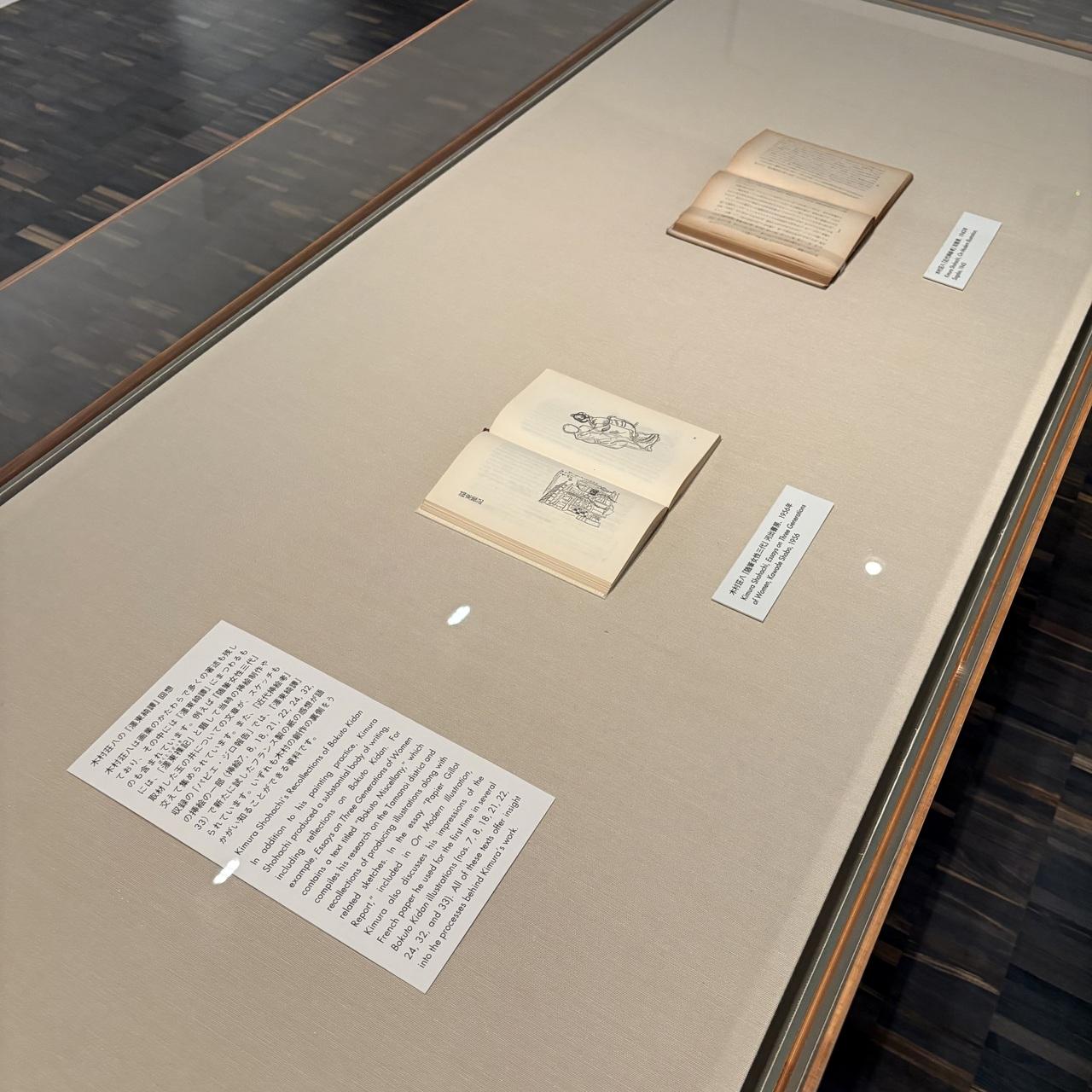
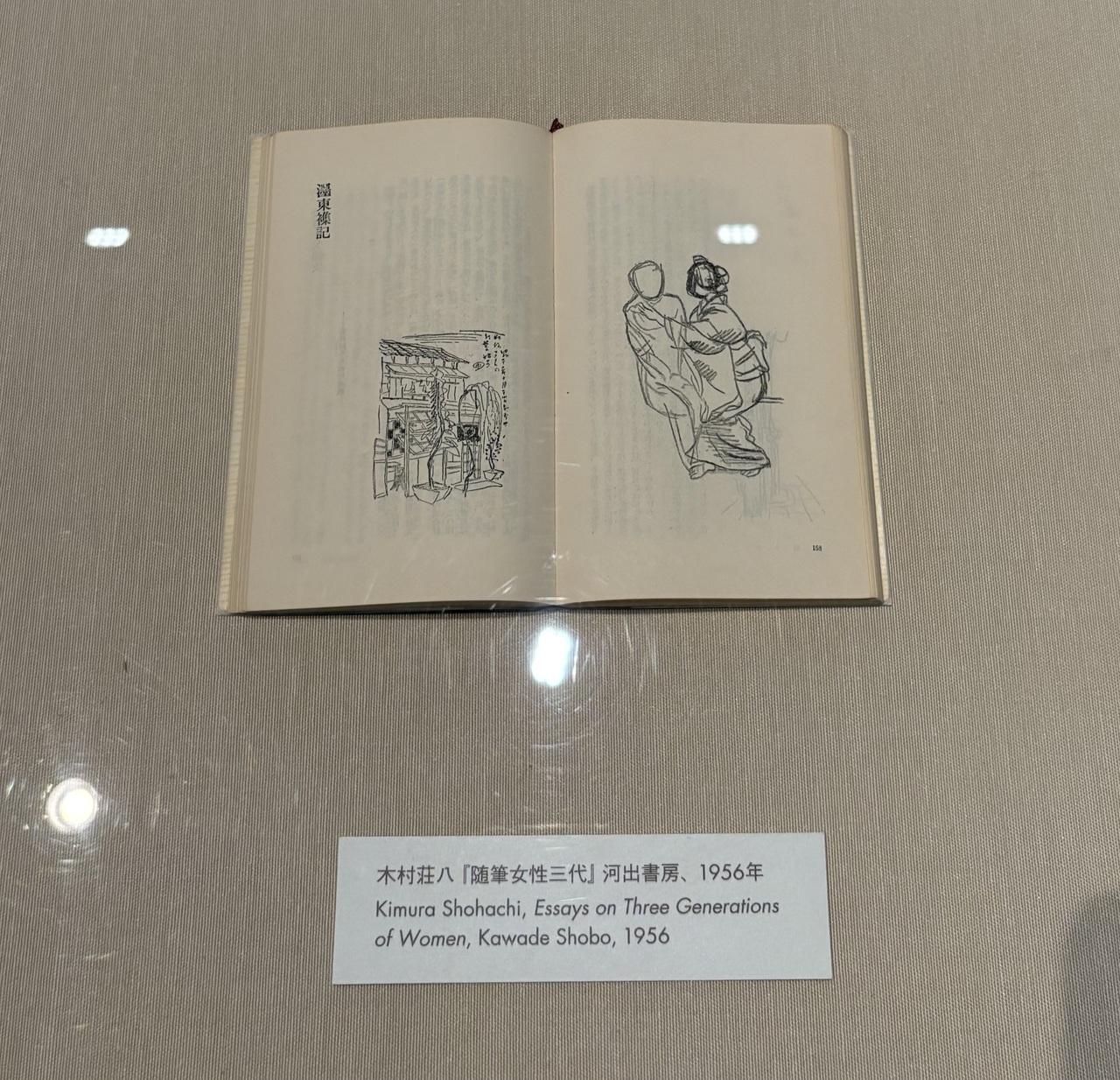
木村荘八の『濹東綺譚』回想
木村荘八は画業のかたわらで多くの著述も残しており、その中には『濹東綺譚」にまつわるものも含まれています。例えば『随筆女性三代』には「濹東(ばくとうざっき)」と題して当時の挿絵制作や取材した玉の井についての文章が、スケッチも交えて集められています。また、『近代挿絵考』収録の「パピエ・ジロ報告」では、『濹東綺譚』の挿絵の一部(挿絵7,8,18, 21,22,24, 32,33)で新たに試したフランス製の紙の感想が語られています。いずれも木村の創作の裏側をうかがい知ることができる資料です。
Kimura Shohachi's Recollections of Bokuto Kidan In addition to his painting practice, Kimura Shohachi produced a substantial body of writing, including reflections on Bokuto Kidan. For example, Essays on Three Generations of Women contains a text titled "Bokuto Miscellany," which compiles his research on the Tamanoi district and recollections of producing illustrations along with related sketches. In the essay "Papier Gillot Report," included in On Modern Illustration, Kimura also discusses his impression of the French paper he used for the first time in several Bokuto Kidan illustrations (nos. 7, 8, 18, 21, 22, 24, 32, and 33). All of these texts offer insight into the processes behind Kimura's work. -
-
-
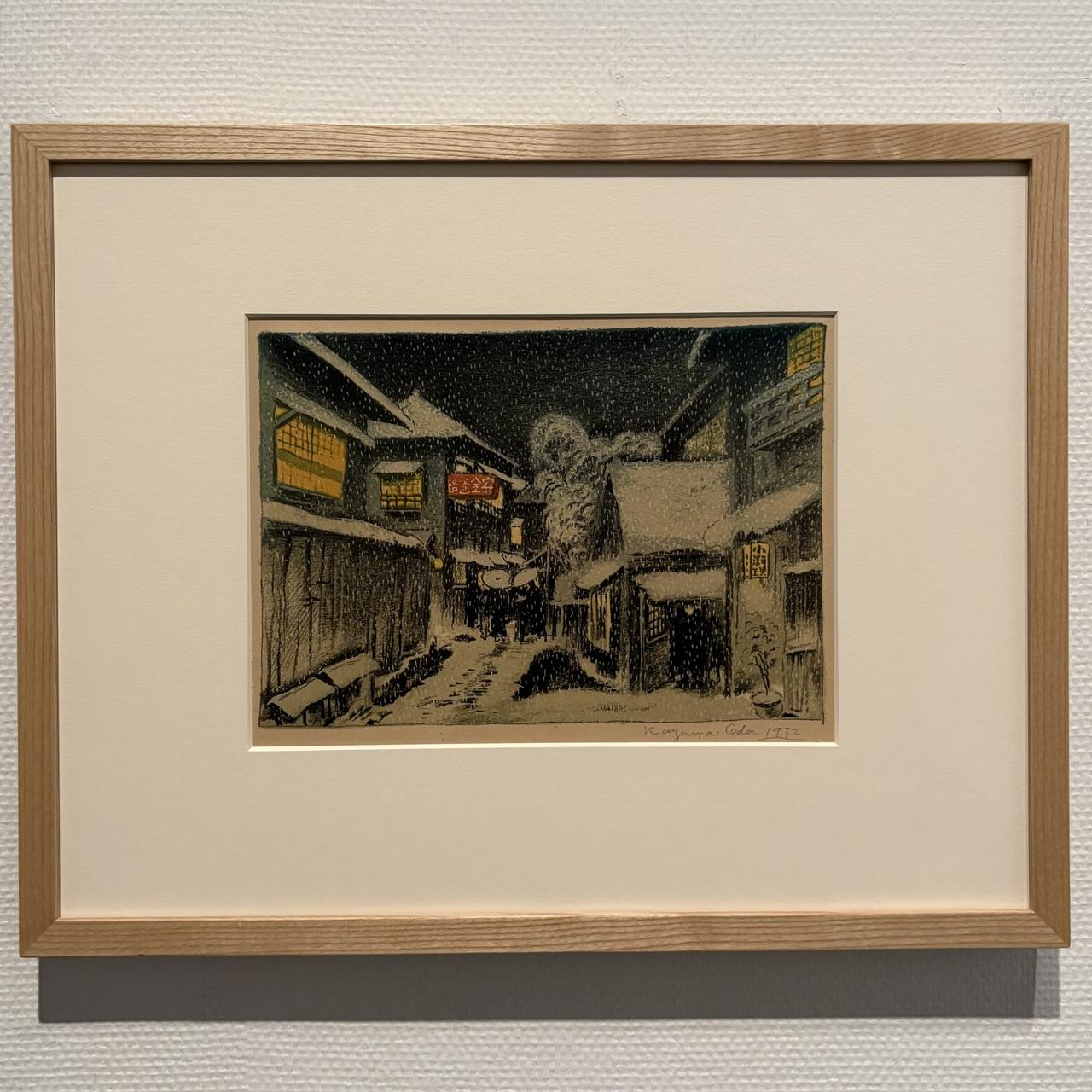
織田一磨
ODA, Kazuma
1882-1956
『画集東京近郊八景』より 玉の井雪景
Tamanoi in Snow from Eight Scene Around Tokyo
1932 昭和7年
リトグラフ lithograph
織田ユキエ氏寄贈
Gift of Oda Yukie -
(続く・・・)
![木村荘八<br />KIMURA, Shohachi<br />1893-1958<br /><br />永井荷風著『濹東綺譚』挿絵<br />Illustrations to the Novel Bokuto Kidan by Nagai Kafu<br />1937 昭和12年<br />墨、インク、水彩、コンテ、その他・紙<br />sumi, ink, watercolor and conté, etc. on paper<br /><br />木村初枝氏寄贈<br />Gift of Kimura Hatsue<br /><br /><br />木村荘八は『東綺譚』との出会いを以下のように回顧しています。<br /><br />私は当時[昭和12年]この小説の挿絵を委嘱された時に、誇張した言葉で云えば、オノレのウンメイは、これで極まったと思いました。短い本文でしたから全編をのっけに渡されて(幸福なる哉、私が第一番目の読者)卒読し、忽ち、読みや、こんな名篇は明治以来の文学に「無い」と思いました。さればこの絵をかく己れの運命はノルカソルかこれで極まったと思ったわけです。<br /><br />木村荘八「東新景」『オール読物』(1948年1月号)より<br /><br />Kimura Shohachi recalled his first encounter with Bokuto Kidan as follows.<br /><br />When I was commissioned to illustrate this novel [in 1937], I thought - to put it hyperbolically - that I had found the key to my destiny. It was a short novel, and / was given the whole manuscript at the start and felt very happy to be its first reader. After reading through it, I thought, there has been no short story to equal this since the Meiji Era [1868-1912]. Thus I felt my destiny depended on whether I could successfully illustrate it.<br /><br />Kimura Shohachi, "Bokuto Shinkei," in The All Yomimono (January 1948)](https://cdn.4travel.jp/img/tcs/t/pict/src/89/84/42/src_89844298.jpg?1774731801)
この旅行記のタグ


利用規約に違反している投稿は、報告する事ができます。
-
前の旅行記

"MOMAT〔国立東京近代美術館〕コレクション展~2026.2.8" その3.キュビスム再考 "ナターリア・...
2026/02/05~
神田・神保町
-
次の旅行記

"MOMAT コレクション展 ~2026.2.8" その5.1930年代の絵画:現実の彼方へ、幻影の手前で。...
2026/02/05~
神田・神保町
-

"MOMAT〔国立東京近代美術館〕コレクション展 ~2026.2.8" その1.ハイライト。"奈良美智《Ha...
2026/02/05~
神田・神保町
-

"MOMAT〔国立東京近代美術館〕コレクション展 ~2026.2.8" その2.新か、旧か? "和田三造《南...
2026/02/05~
神田・神保町
-

"MOMAT〔国立東京近代美術館〕コレクション展~2026.2.8" その3.キュビスム再考 "ナターリア・...
2026/02/05~
神田・神保町
-

"MOMAT〔国立東京近代美術館〕コレクション展 ~2026.2.8" その4.『濹東綺譚』。"木村荘八 、...
2026/02/05~
神田・神保町
-

"MOMAT コレクション展 ~2026.2.8" その5.1930年代の絵画:現実の彼方へ、幻影の手前で。...
2026/02/05~
神田・神保町
-

MOMAT〔国立東京近代美術館〕コレクション展 ~2026.2.8: その6.戦時の女性たち。"『主婦之友』...
2026/02/05~
神田・神保町
-

MOMAT〔国立東京近代美術館〕コレクション展 ~2026.2.8: その7.アクション前夜。"朝倉摂 《黒...
2026/02/05~
神田・神保町
-

MOMAT コレクション展 ~2026.2.8:8.「・・・アクション!」&「・・・カット!」。"ルーチョ・...
2026/02/05~
神田・神保町
-

MOMAT〔国立東京近代美術館〕コレクション展 ~2026.2.8:その9."細江英公「薔薇刑」"
2026/02/05~
神田・神保町
-

MOMAT ~2026.2.8:その10.1950~60年代:有機的な彫刻/川端龍子と青龍社。"ジェルメーヌ...
2026/02/05~
神田・神保町
-

MOMAT〔国立東京近代美術館〕コレクション展 ~2026.2.8:その11.記憶と想起。"河原温《1966...
2026/02/05~
神田・神保町
-

MOMAT コレクション展 ~2026.2.8:12.入れ替わる世界、ひらかれる感覚。"冨井大裕《board...
2026/02/05~
神田・神保町
-

国立東京近代美術館 "コレクションによる小企画 没後30年 榎倉康二(~2026.2.8)"《 干渉(STO...
2026/02/05~
神田・神保町
旅行記グループをもっと見る
この旅行記へのコメント (2)
-

- snowy;yukinoさん 2026/03/30 07:59:01
- モノクロのイラストが素敵ですね
- 墨東奇譚が傑作だと言う人がいて読もうかな、、と思ってはいるのですが
ふらんす物語、あめりか物語、、しか読んでない、、(でも墨東奇譚は性別が男子の人のほうに刺さる話ではないかな、、と思う、、小さな声でそう言うw)
パリへの憧憬は 今も変わってない、、でも パリ全体が北駅の周辺みたいに
なってるとも言いますよね、、このまま移民が増えて世紀末的な場所になってしまうのだろうか、、
向島あたりにも泊まって、、と考えるも 新しいタワーが出来たあたりだしイメージもだいぶくるってしまうかも、、明治は遠くなりにけり、、w 明治じゃないけどw
この前 竹橋に行った時 昔 一膳めしやをやっていたけど 今は洋食をしていると言う やたら歴史の長い洋食屋さんでご飯を食べたw 西暦1650年ぐらいからですって その時に もし時間があればMOMATに行きたかった、神保町のホテルを取って そこから歩けなくもない、、とか思う
次の旅行に組み入れたいw
どうもありがとう!
- 旅熊 Kokazさん からの返信 2026/04/03 03:58:39
- RE: モノクロのイラストが素敵ですね
- どういたしまして!
MOMATは、神保町からは楽勝の徒歩圏内かと思います。
コメントを投稿する前に
十分に確認の上、ご投稿ください。 コメントの内容は攻撃的ではなく、相手の気持ちに寄り添ったものになっていますか?
サイト共通ガイドライン(利用上のお願い)報道機関・マスメディアの方へ 画像提供などに関するお問い合わせは、専用のお問い合わせフォームからお願いいたします。






フォートラベル公式LINE@

おすすめの旅行記や旬な旅行情報、お得なキャンペーン情報をお届けします!
QRコードが読み取れない場合はID「@4travel」で検索してください。
\その他の公式SNSはこちら/



旅行記グループ MOMAT コレクション〔国立東京近代美術館 所蔵作品展〕(2025.11.5-2026.2.8)
2
42