


2025/06/27 - 2025/06/28
58位(同エリア1948件中)

旅熊 Kokazさん
- 旅熊 KokazさんTOP
- 旅行記1927冊
- クチコミ854件
- Q&A回答102件
- 1,708,279アクセス
- フォロワー752人
大阪市立東洋陶磁美術館
2025.4.19~11.24
特別展 "CELADON-東アジアの青磁のきらめき"
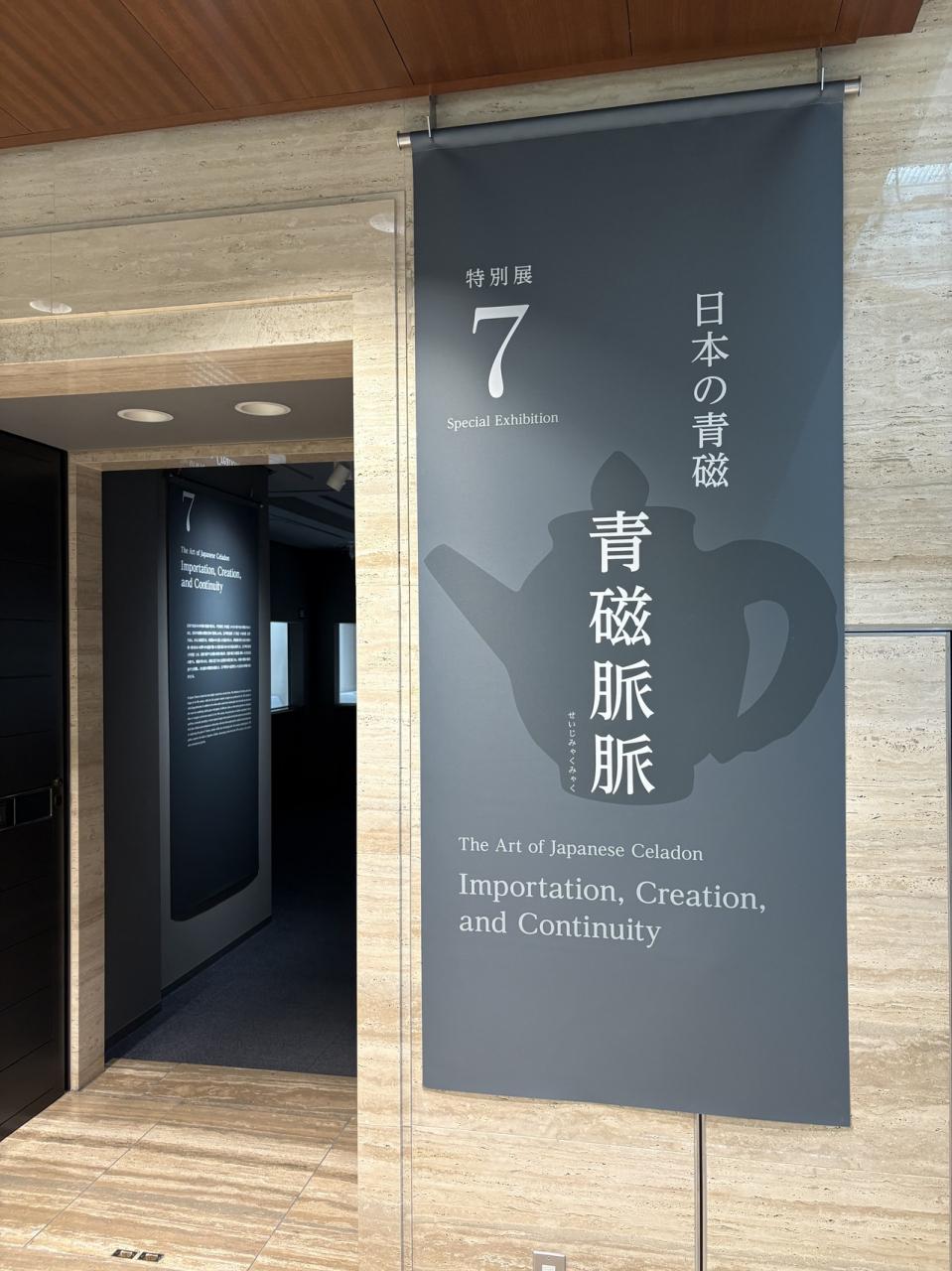
(展示7)特別展 "青磁脈脈 日本の青磁"
- 旅行の満足度
- 5.0
-

7
The Art of Japanese Celadon
Importation, Creation, and Continuity
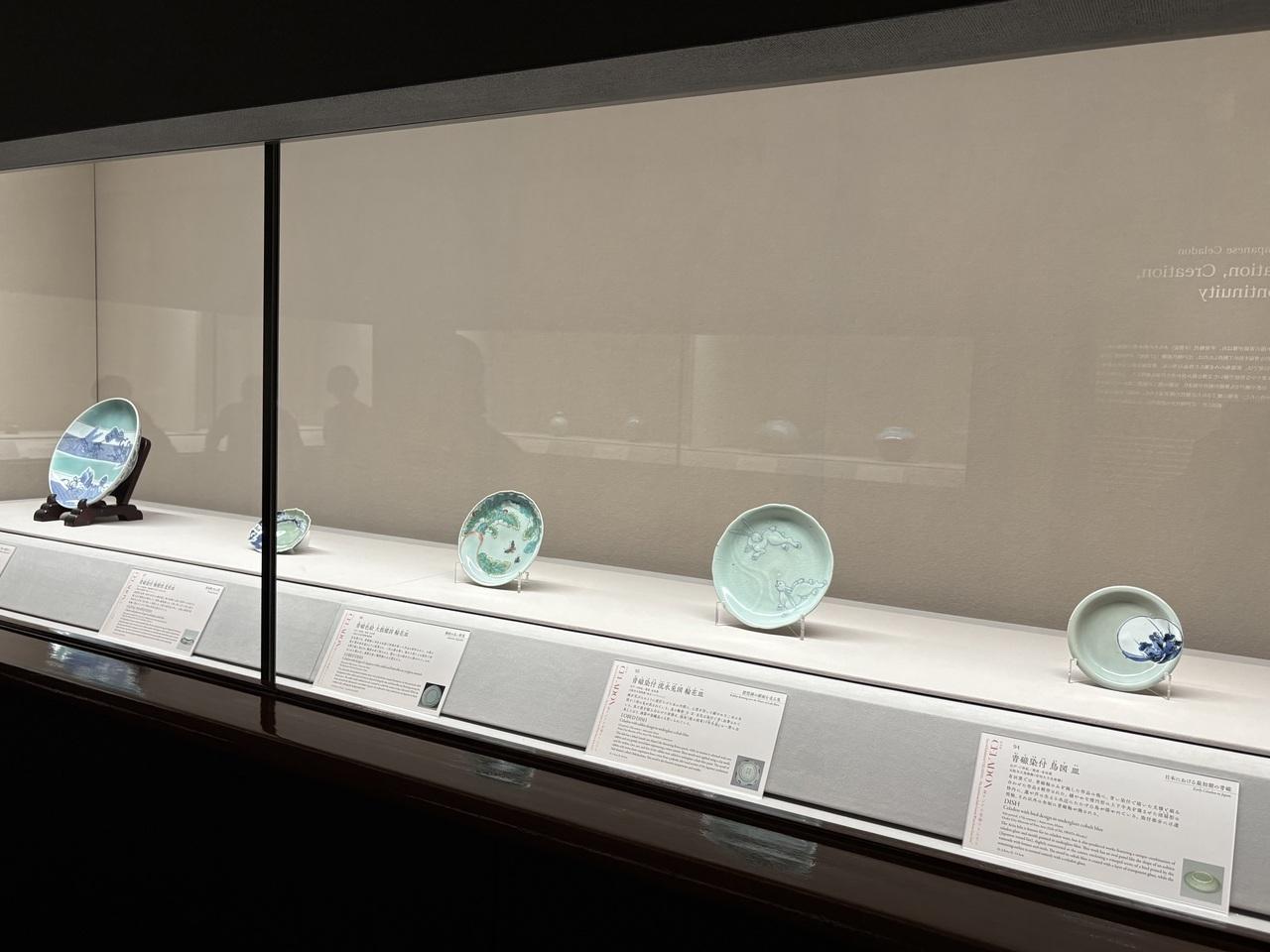
日本では古くから中国の青磁が尊ばれ、平安時代(9世紀)からその形や色の模倣が試みられた。
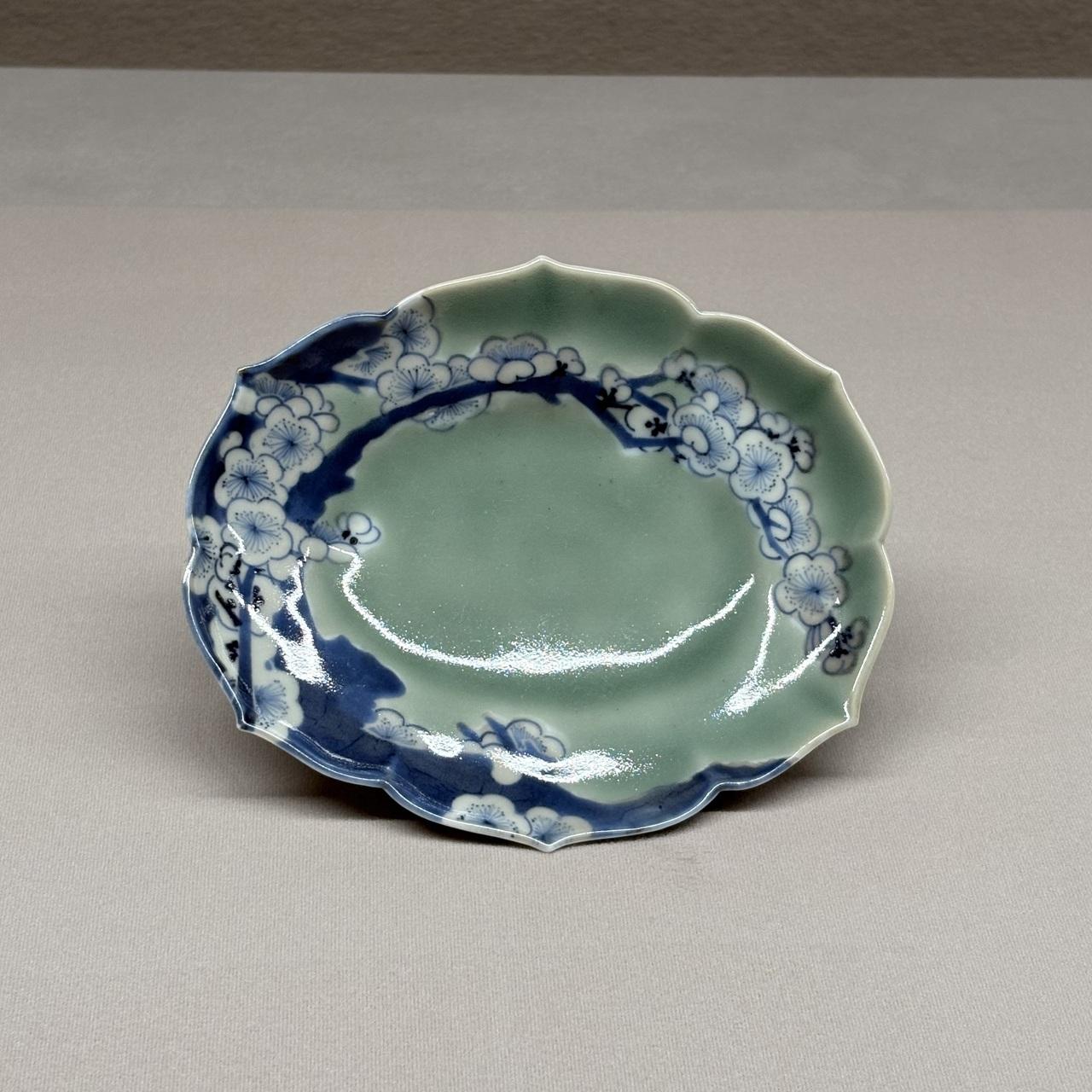
日本で本格的な青磁を初めて制作したのは、江戸時代前期(17世紀)の有田窯(佐賀)である。さらに有田では、青磁のみを施した作品以外にも、青磁釉を異なる色の釉薬や、青い染付あるいは華やかな色絵で描いた文様と組み合わせた作品も制作した。
江戸時代後期(19世紀)には、京都や瀬戸でも青磁の制作が始まり、京都の陶工が創業に関わった日本各地の窯でも、青磁が作られた。青磁に魅了された近現代の陶芸家たちも、中国の青磁の釉薬に迫ろうと研鑽し、また独自の青磁を創出した。江戸時代から近現代にいたる日本の青磁の流れをたどる。
In Japan, Chinese celadon has been highly valued since ancient times.
The imitation of its forms and colors began in the 9th century, while the first genuine celadon in Japan was produced in the 17th century in Arita (Saga prefecture). In addition to the works solely coated with celadon glaze, the Arita kiln also decorated the wares by combining celadon glaze with glazes of different colors or with motifs painted in underglaze blue or overglaze polychrome enamel.
In the 19th century, the production of celadon expanded to Kyoto and Seto, eventually spreading to various regions in Japan where potters from Kyoto moved in and established their kilns. Modern and contemporary artist potters who have been captivated by celadon devoted themselves to replicating the glaze of Chinese celadon while also developing their own unique celadon glazes. This gallery explores the allure of Japanese celadon, showcasing works from the 17th century to the modern and contemporary periods.大阪市立東洋陶磁美術館 美術館・博物館
-
-
縁起の良い野菜
Auspicious Vegetables
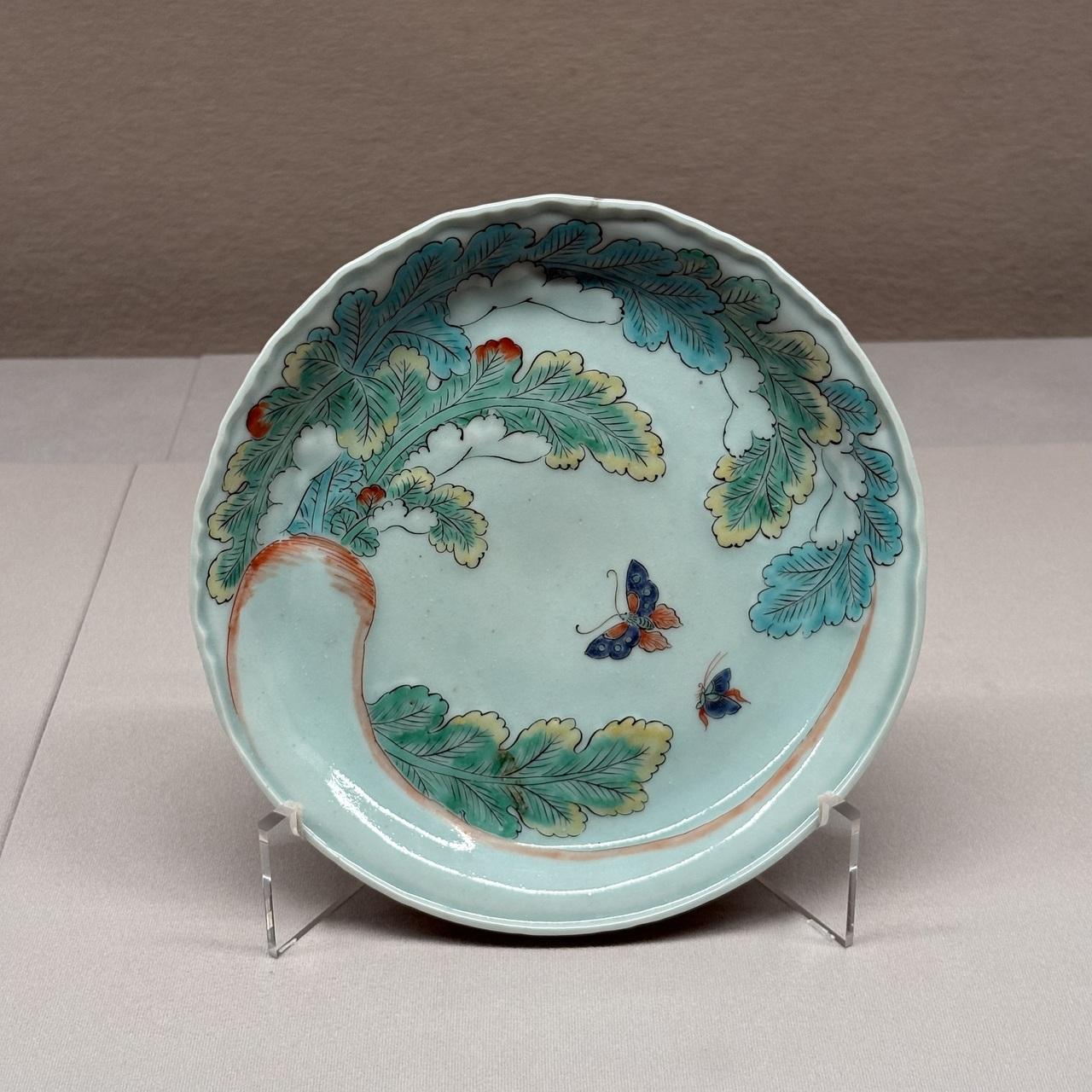
96
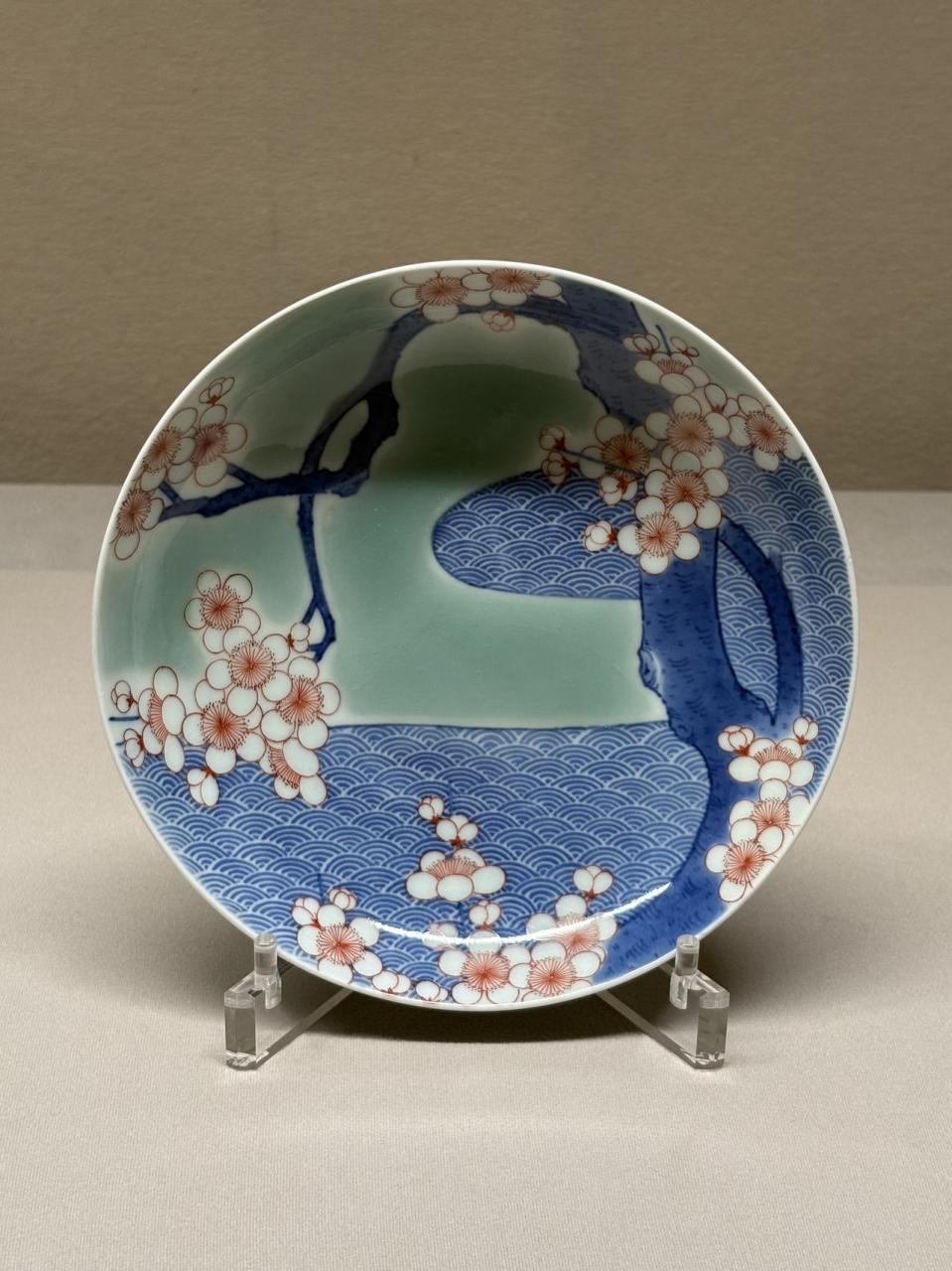
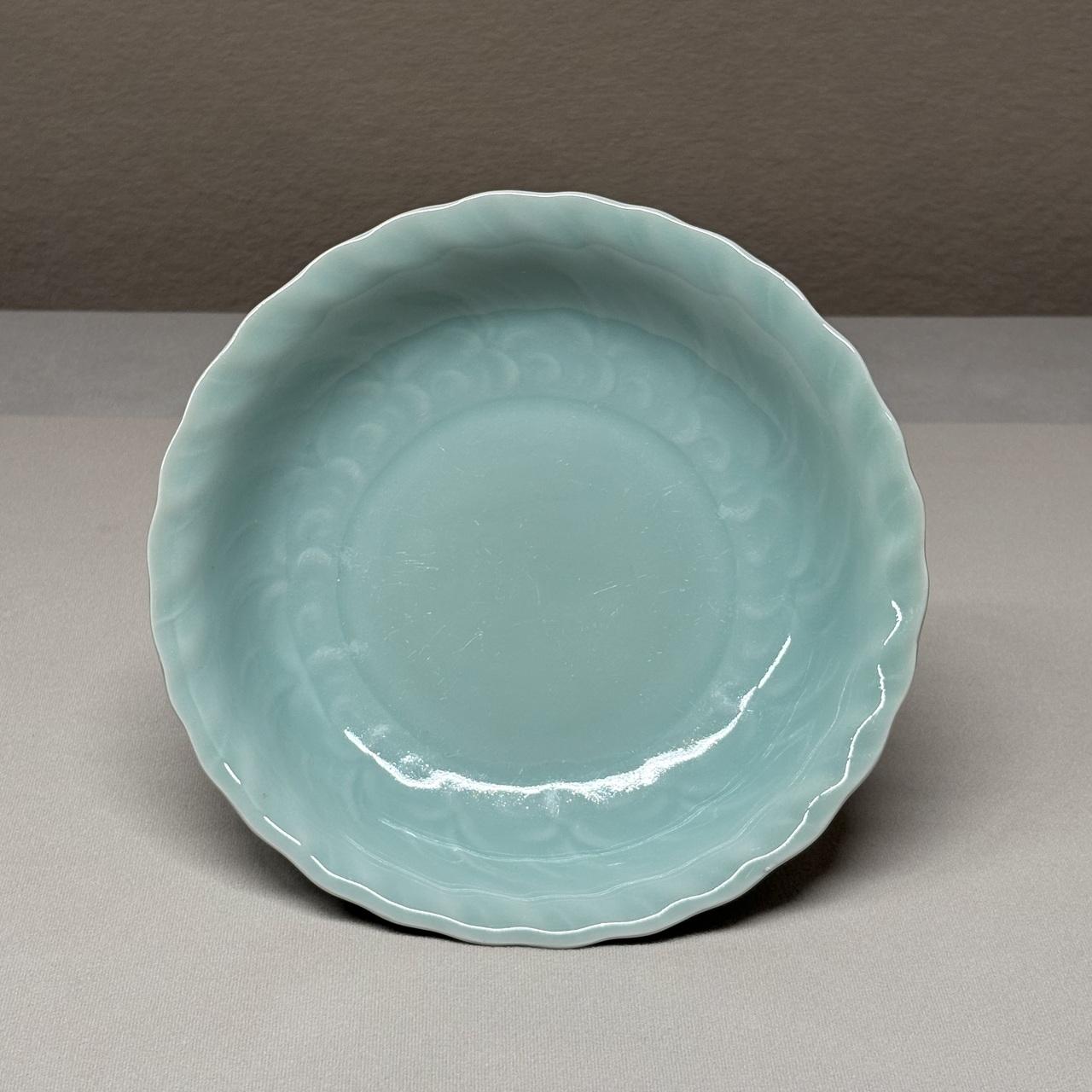
青磁色絵 大根蝶図 輪花皿
江戸・18世紀/肥前・有田窯
大阪市立東洋陶磁美術館
有田窯では、青磁釉に多色の包絵で図様を描いた作品も制作された。大根の根と葉が皿を巡るように配置され、二匹の蝶が舞う。根は土型による成形で浮き彫り風に表され、輪郭が赤で括られる。葉は二色の緑を主に描かれているが、めくれた葉の白い裏側は黒い輪郭線のみで表される。
LOBED DISH
Celadon with design of a Japanese white radish and butterflies in overglaze enamels Edo period, 18th century / Arita ware, Hizen The Museum of Oriental Ceramics, Osaka
The Arita kiln also produced celadon wares with polychrome enamel decoration. In this particular dish, the Japanese white radish and its leaves are depicted along the rim, and butterflies are fluttering among the blank space. The radish motif, outlined in red, is created in a relief-like manner using a clay mold. While the leaves are primarily illustrated in two shades of green, the undersides of the curled leaves are depicted in black outlines only, utilizing the background color:
H: 2.8cm, D: 20.5cm Accession No. 02199 -
-
-
-
102
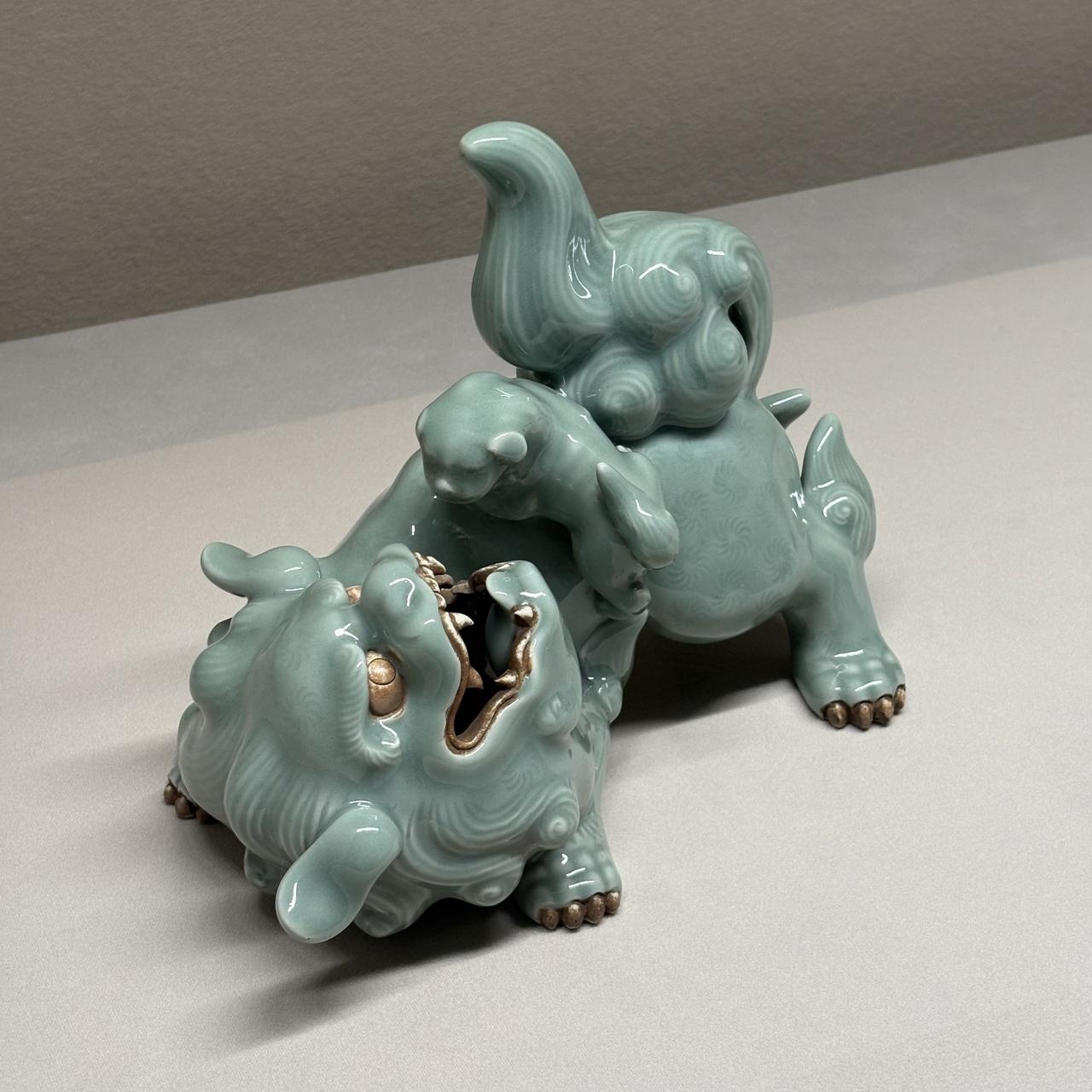
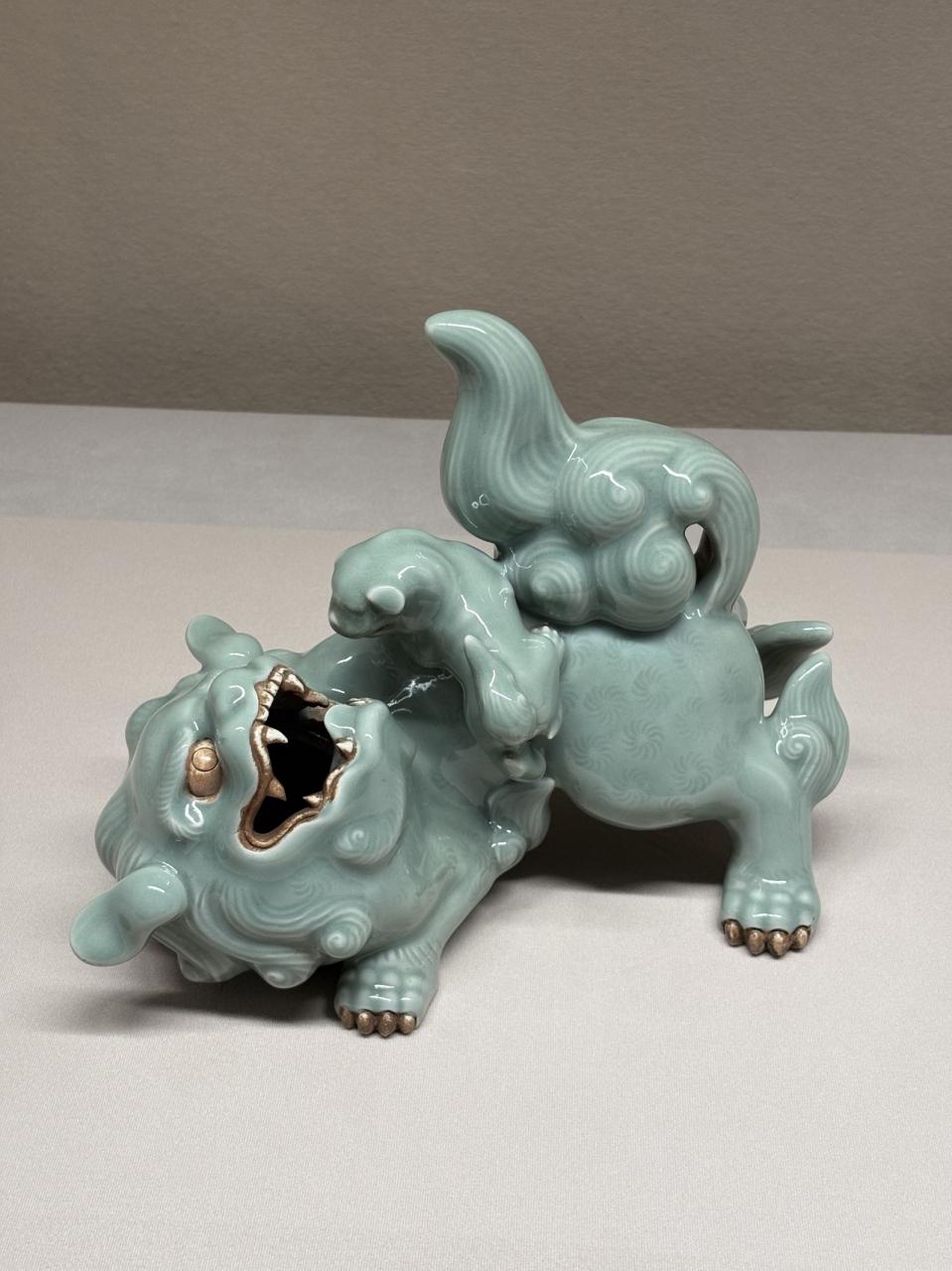
青磁獅子形置物
江戸・18世紀末-19世紀初/鍋島藩窯(伊万里・大川内山窯)
個人蔵
百獣の王とされる獅子を象った置物は、縁起の良い飾り物として作られたのだろう。獅子は子を深い谷に投げ落とし、登って来た強い子だけを育てるとされているお、背に乗る子を仰ぎ見る親子睦まい姿が表されている。
LION-SHAPED FIGURINE
Celadon
Edo period, late 18th-early 19th century / Nabeshima ware, Okawachiyama kiln, Imari Private collection
Lion-shaped sculptures were likely created as symbols of good fortune. There is a saying that the lion, known as the king of beasts, pushes its cubs off cliffs and raises only the strong ones that can climb back up the deep valley. Contrary to this harsh legend, this particular figure— a lion looking back at its cub trying to climb on its back—portrays a loving bond between parent and child.
H: 21.0cm, W: 29.0x16.5cm
王様も子供の前ではただの親
The King and His Cub—A Sweet Family Bond -
-
103
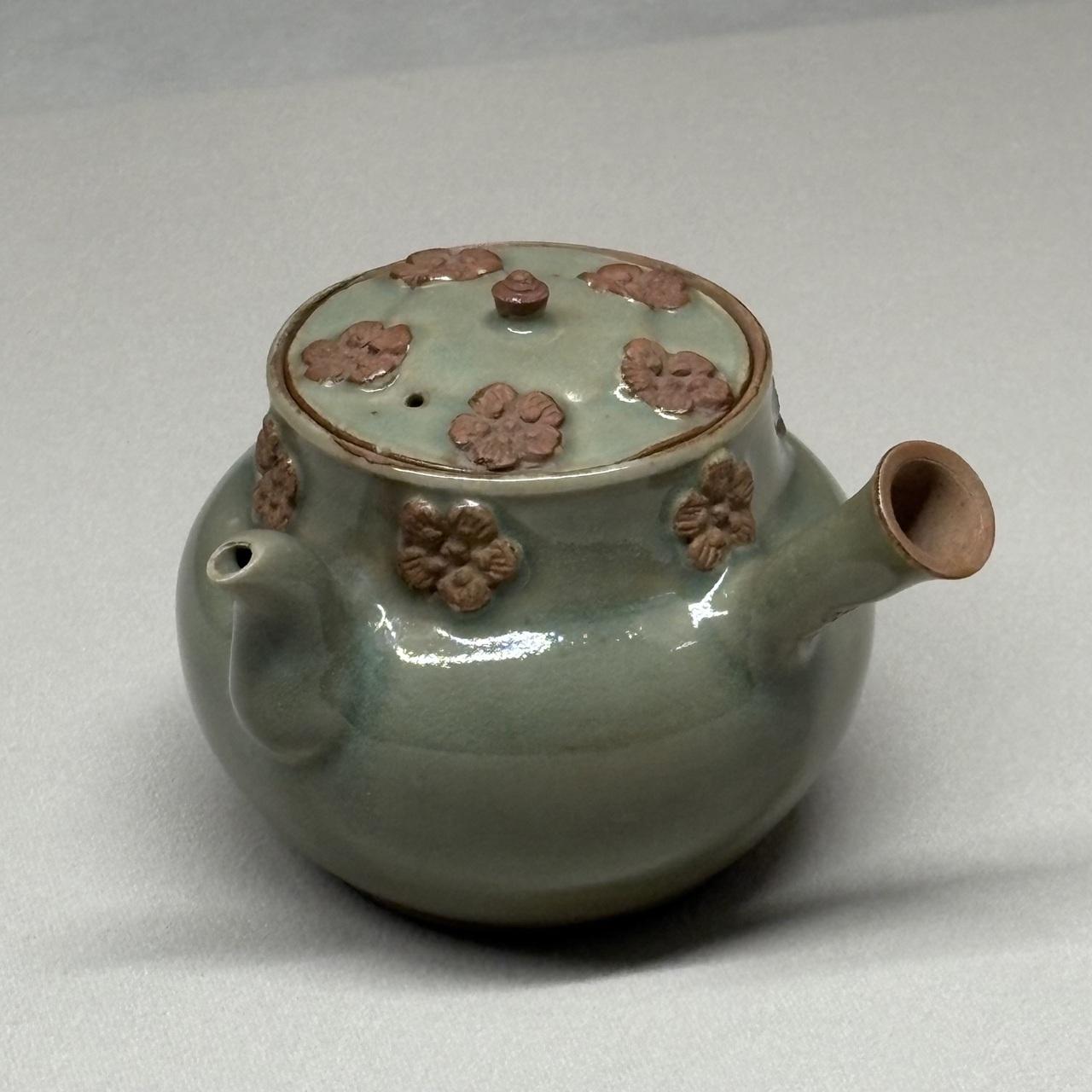
青磁 梅花交急須
江戸・19世紀/青木木米(1767-1833)
個人蔵
青本木米は京都祇園の茶屋(料亭)に生れたが、中国の陶磁専門者「陶説」を読破し、陶工の道へと歩を進めた。江戸時代後期(19世紀)に流行した煎茶用の道具を中心に制作した。時代(14世紀)の龍泉窯でつくられた青磁の装飾技法をまねて、梅花文に釉薬を施さず上が露わになっている。
TEAPOT
Celadon with plum blossom design
Edo period, 19th century / AOKI Mokubei (1767-1833)
Private collection
Aoki Mokubei, an artist potter from a family that ran a high-class restaurant in Gion, Kyoto, was inspired to become a ceramist after reading Tao Shuo, a treatise on Chinese ceramics. He primarily produced utensils for sencha (loose leaf green tea), which gained popularity in the 19th century. His work emulates the decorative technique of Longquan ware from Yuan China, leaving the plum blossom motifs unglazed to reveal the clay body.
H: 8.5cm, W: 11.7 cm -
-
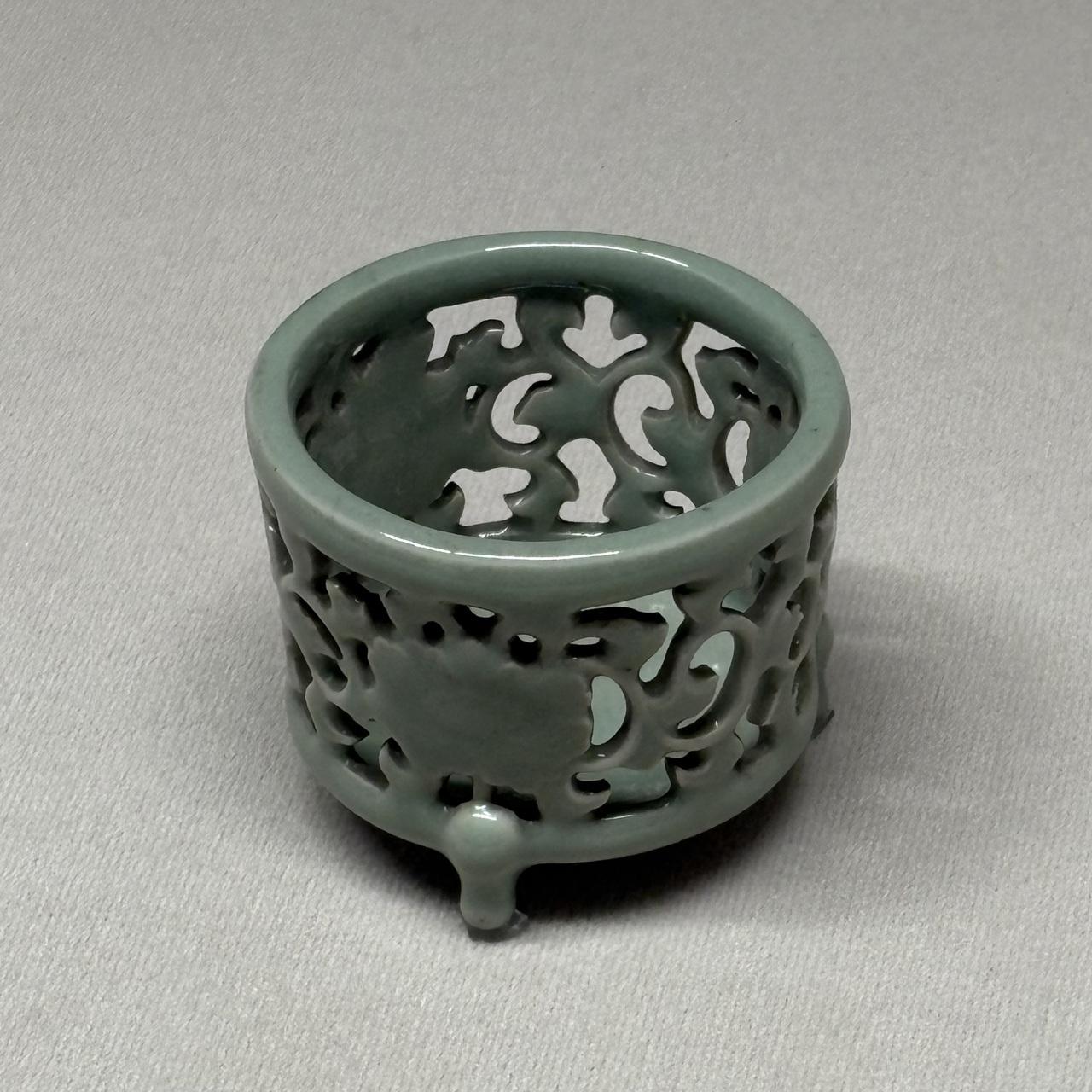
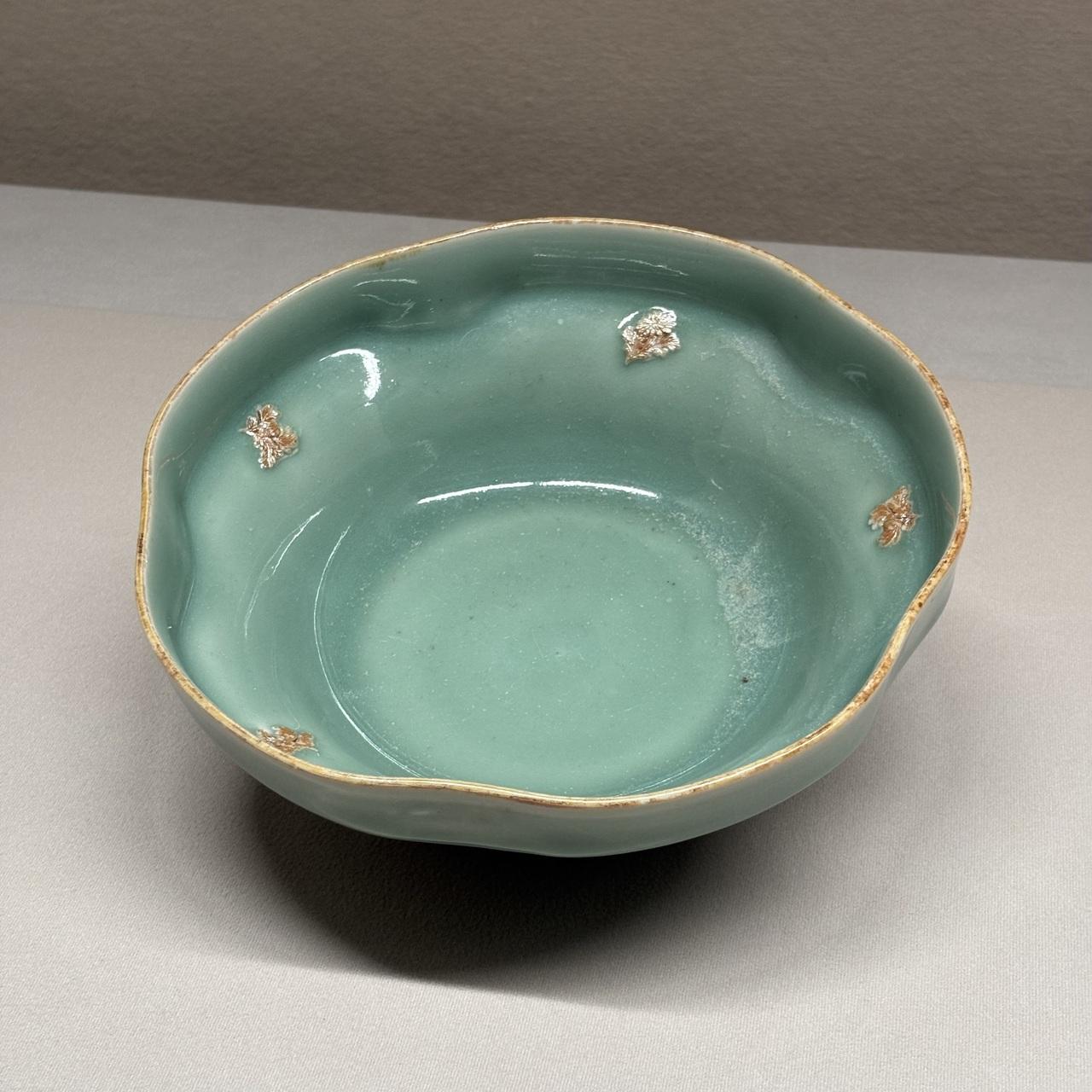
106
青磁 菊花文鉢
江戸・19世紀/三田窯
個人蔵
菊花文が表された土型を用いて成形と施文か行われている。元時代(14世紀)の龍泉窯青磁をまねて、文様部分の釉薬をぬぐって焼成することで、茶褐に発色させている。菊は不老不死を象徴することから、「百薬の長」とされた酒を飲んだ盃をすすぐ「蓋洗」として作られたものか。
BOWL
Celadon with chrysanthemum design
Edo period, 19th century / Sanda ware
Private collection
This bowl, shaped and decorated with chrysanthemum motifs using a clay mold, emulates Longquan celadon from the Yuan dynasty (14th century). Before firing, the glaze on the motifs was wiped off, resulting in a brown color. The chrysanthemum motifs symbolize immortality, indicating that this bowl was likely used as a basin for rinsing cups after drinking sake, which was believed to be "the best medicine."
H: 9.1cm, W: 22.4cm -
-
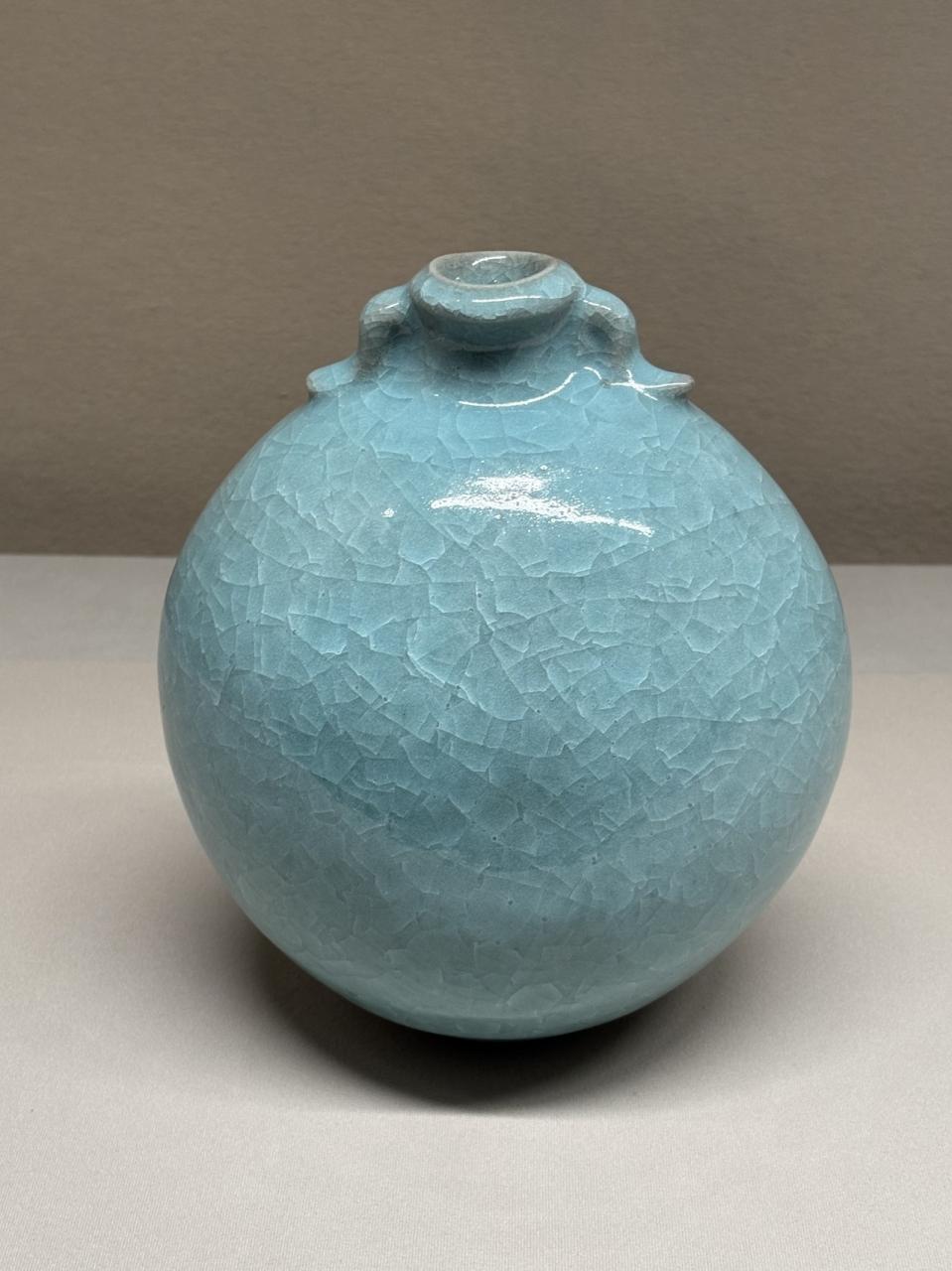
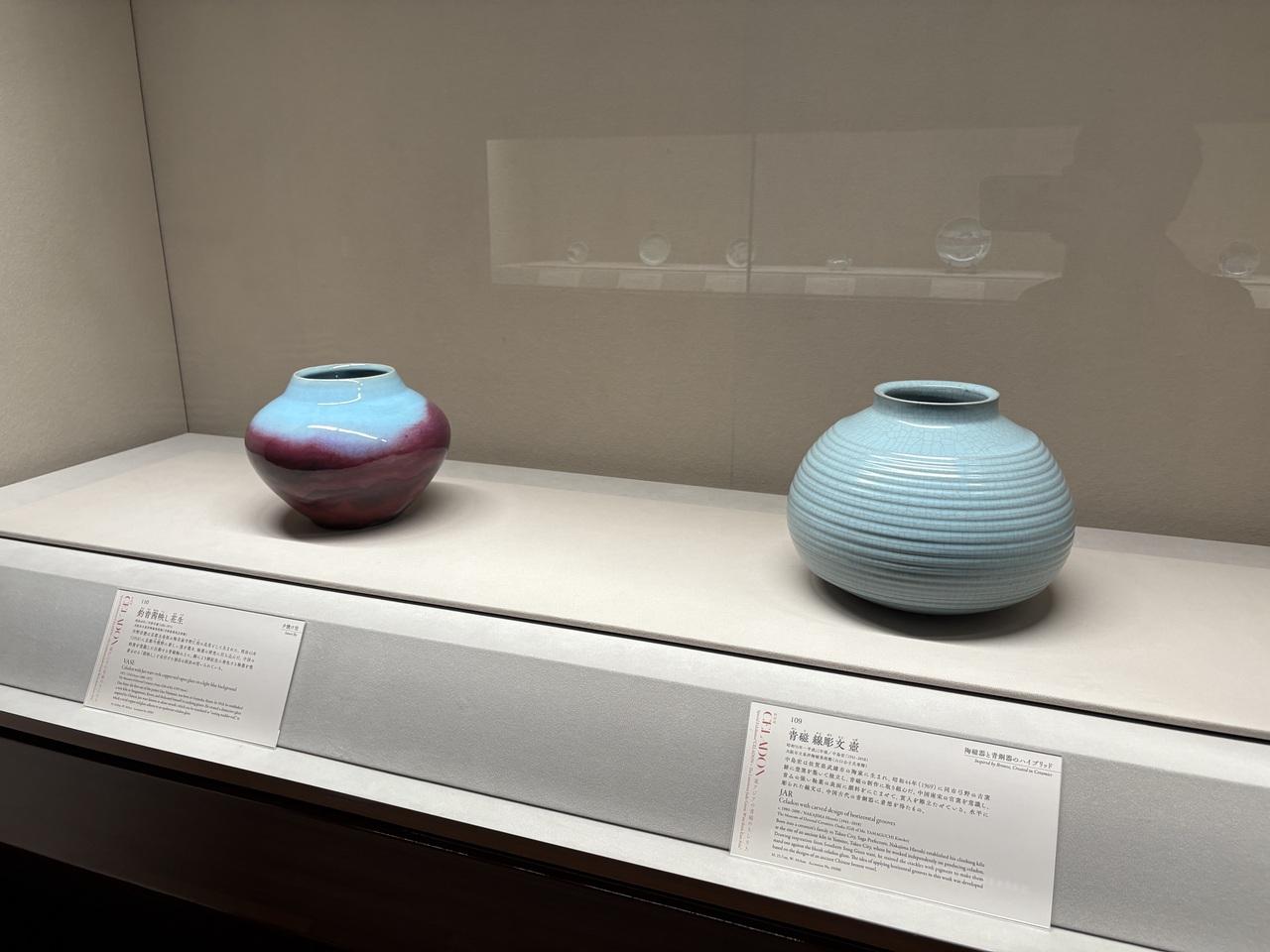
釉薬のヒビも見所
Crazing as an Attractive Feature
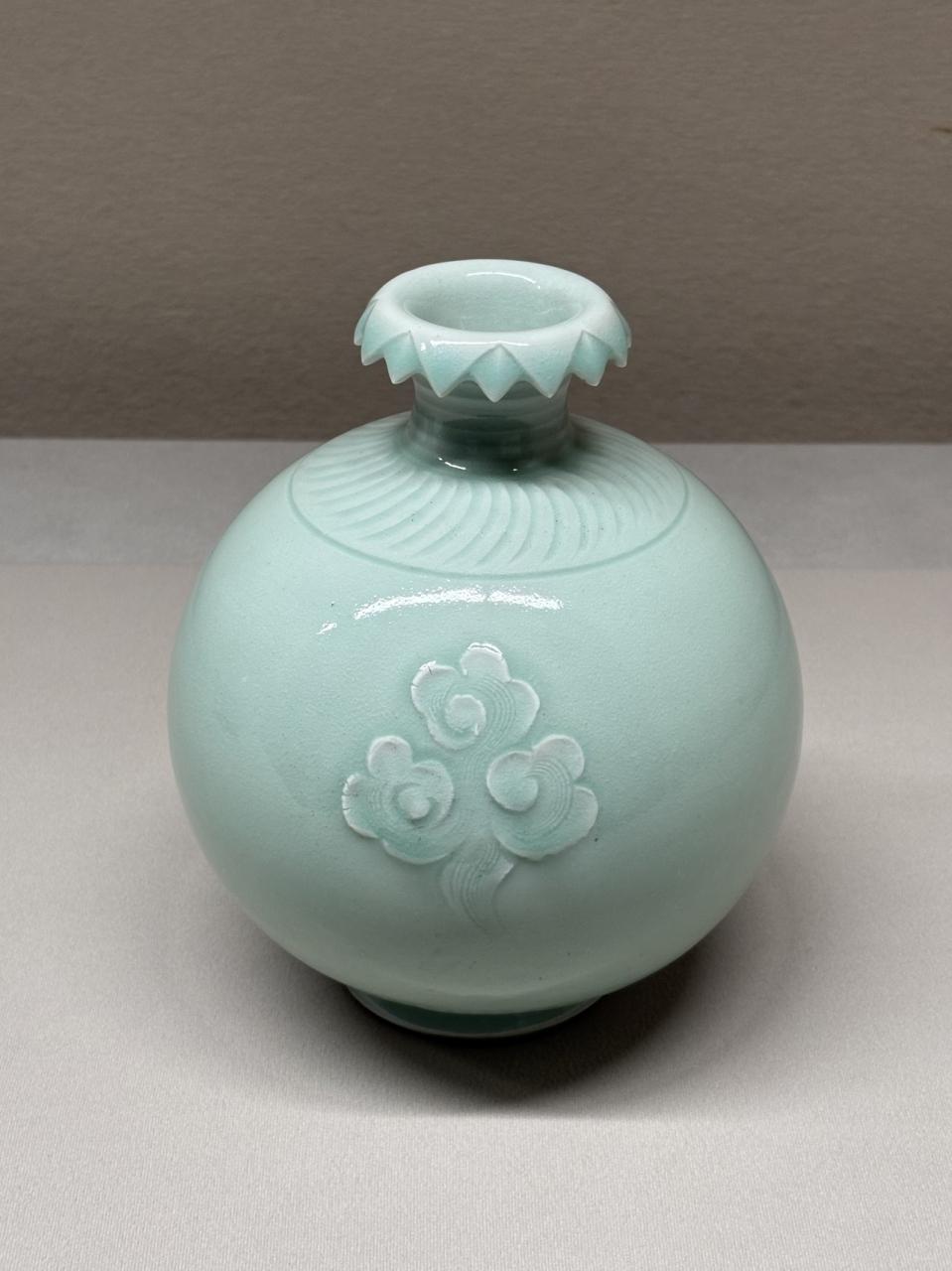
108
青瓷花瓶
昭和50年頃/清水卯一(1924-2004)
大阪市立東洋陶磁美術館(清水保孝氏寄贈)
清水卯ーは京都の陶磁器卸問屋に生まれ、若くして陶芸家を志し、昭和20年(1945)に京都五条坂に窯を築いた。同45年には琵琶湖西岸にある蓬莱山(遊賀県大津市)の麓に「蓬莱窯」を築き、山の土や石で試作を繰り返し、このような氷裂状のひびが生じる青磁釉を完成させた。
VASE
Celadon
c. 1975 / SHIMIZU Vichi (1924-2004)
The Museum of Oriental Ceramics, Osaka (Gift of Mr. SHIMIZU Yasutaka)
Shimizu Uichi, born in a ceramic wholesaler family, aspired to be a potter at a young age and established a kiln in 1945 in Gojozaka, Kyoto. In 1970, he opened the Horai kiln at the foot of Mount Horai in Otsu City, Shiga Prefecture, on the west coast of Lake Biwa. There, he conducted numerous experiments with clay and stones sourced from the mountain, ultimately achieving a distinctive cracked ice celadon glaze evident in this piece.
H: 22.6cm, W: 22.0cm Accession No. 05695 -
-
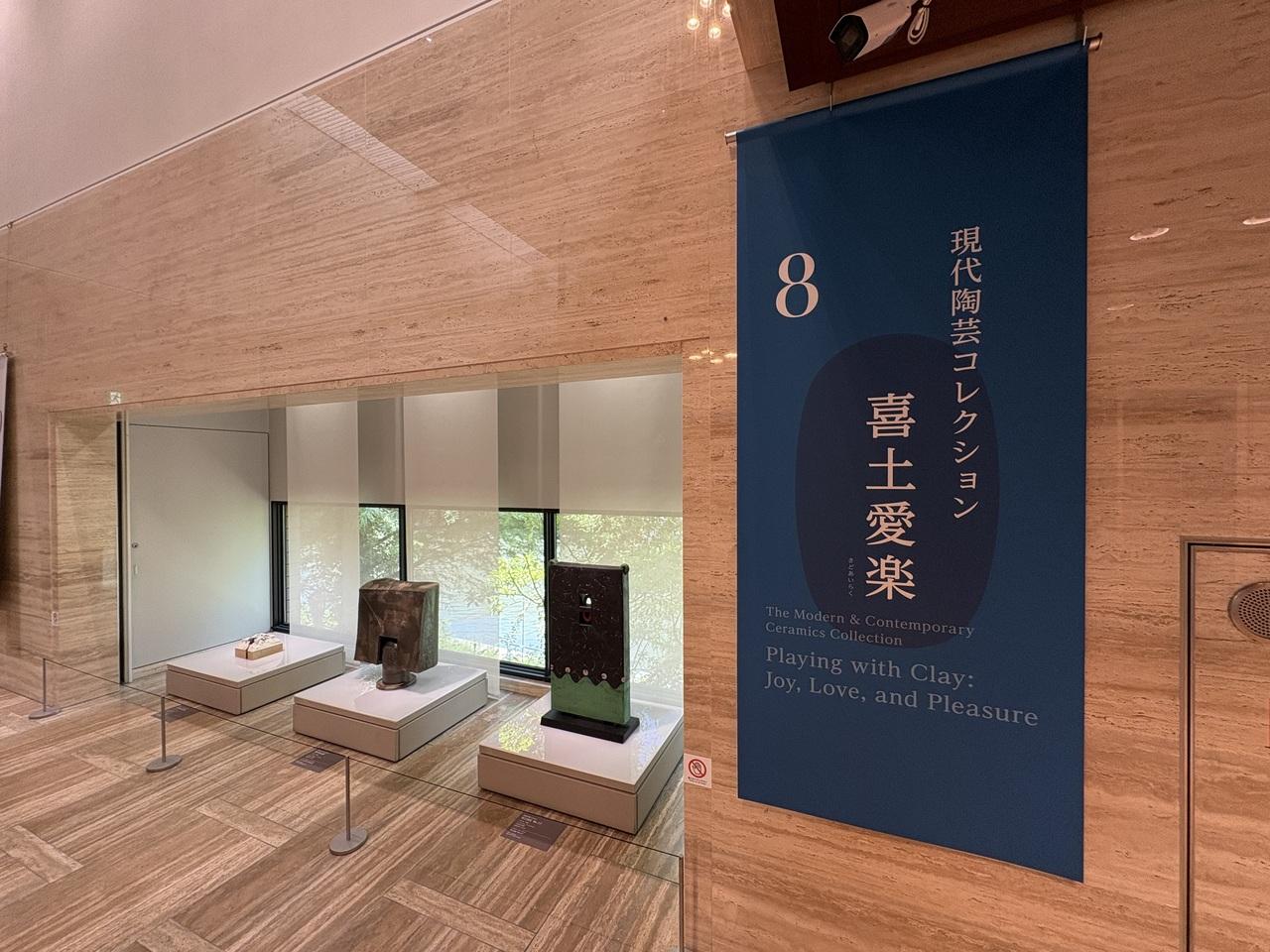
(展示8に続く…)


利用規約に違反している投稿は、報告する事ができます。
旅行記グループ
2025年6月 奥方と行くんだけど、ほぼ野放しの京都・大阪・奈良
-
前の旅行記

奥方と行ったけど、ほぼ野放しの京都・大阪・奈良【東洋陶磁美術館⑧】(展示6)コレクション展 "陶魂無比 日本...
2025/06/27~
心斎橋・淀屋橋
-
次の旅行記

奥方と行ったけど、ほぼ野放しの京都・大阪・奈良【東洋陶磁美術館⑩】(展示8)"現代陶芸コレクション" &(特...
2025/06/27~
心斎橋・淀屋橋
-

奥方と行くんだけど、ほぼ野放しの京都・大阪・奈良 〔現地速報①〕EXPO 2025 "万博会場に大曲の花火"...
2025/06/27~
大阪市
-

奥方と行ったけど、ほぼ野放しの京都・大阪・奈良【東洋陶磁美術館①】"妙に近代化した淀屋橋" から、"螺旋階段...
2025/06/27~
心斎橋・淀屋橋
-

奥方と行ったけど、ほぼ野放しの京都・大阪・奈良【東洋陶磁美術館②】(展示1) 特別展 "青磁至宝 中国・韓国...
2025/06/27~
心斎橋・淀屋橋
-

奥方と行ったけど、ほぼ野放しの京都・大阪・奈良【東洋陶磁美術館③】(特別展示1) "国宝 油滴天目茶碗"
2025/06/27~
心斎橋・淀屋橋
-

奥方と行ったけど、ほぼ野放しの京都・大阪・奈良【東洋陶磁美術館④】(展示2) 特別展 "翡色玲瓏 高麗青磁の...
2025/06/27~
心斎橋・淀屋橋
-

奥方と行ったけど、ほぼ野放しの京都・大阪・奈良【東洋陶磁美術館⑤】(展示3) 特別展 "翡色玲瓏 高麗青磁の...
2025/06/27~
心斎橋・淀屋橋
-

奥方と行ったけど、ほぼ野放しの京都・大阪・奈良【東洋陶磁美術館⑥】(展示4)コレクション展 "清廉尚白 安宅...
2025/06/27~
心斎橋・淀屋橋
-

奥方と行ったけど、ほぼ野放しの京都・大阪・奈良【東洋陶磁美術館⑦】(展示5)コレクション展 "純真之美 李秉...
2025/06/27~
心斎橋・淀屋橋
-

奥方と行ったけど、ほぼ野放しの京都・大阪・奈良【東洋陶磁美術館⑧】(展示6)コレクション展 "陶魂無比 日本...
2025/06/27~
心斎橋・淀屋橋
-

奥方と行ったけど、ほぼ野放しの京都・大阪・奈良【東洋陶磁美術館⑨】(展示7)特別展 "青磁脈脈 日本の青磁"
2025/06/27~
心斎橋・淀屋橋
-

奥方と行ったけど、ほぼ野放しの京都・大阪・奈良【東洋陶磁美術館⑩】(展示8)"現代陶芸コレクション" &(特...
2025/06/27~
心斎橋・淀屋橋
-

奥方と行ったけど、ほぼ野放しの京都・大阪・奈良【東洋陶磁美術館⑪】(展示9)コレクション展 "中華瑰宝 安宅...
2025/06/27~
心斎橋・淀屋橋
-

奥方と行ったけど、ほぼ野放しの京都・大阪・奈良【東洋陶磁美術館⑫】(展示10&11)特別展 "青翠如玉 中国...
2025/06/27~
心斎橋・淀屋橋
-

奥方と行ったけど、ほぼ野放しの京都・大阪・奈良【東洋陶磁美術館⑬完】(展示12)沖正一郎コレクション鼻煙壺&...
2025/06/27~
心斎橋・淀屋橋
-

奥方と行ったけど、ほぼ野放しの京都・大阪・奈良【万博①】大阪メトロで、"北浜" から "夢洲" へ。"ミャク...
2025/06/28~
大阪市
-

奥方と行ったけど、ほぼ野放しの京都・大阪・奈良【万博②】入場まで45分。"ミャクミャクのこれは、しっぽではな...
2025/06/28~
大阪ベイエリア
-

奥方と行ったけど、ほぼ野放しの京都・大阪・奈良【万博③】"これまで唯一の20万人超えの入場者" の間を、ハン...
2025/06/28~
大阪ベイエリア
-

奥方と行ったけど、ほぼ野放しの京都・大阪・奈良【万博④】コロナで行けずの "ハンガリー" にリベンジも、"豪...
2025/06/28~
ハンガリー
-

奥方と行ったけど、ほぼ野放しの京都・大阪・奈良【万博⑤】"大屋根リング"は、花火待ちで大混雑。"モナコ公国館...
2025/06/28~
大阪ベイエリア
-

奥方と行ったけど、ほぼ野放しの京都・大阪・奈良【万博⑥】"コモンズ-A館" で、"イエメンおじさんたちの商売...
2025/06/28~
大阪ベイエリア
-

奥方と行ったけど、ほぼ野放しの京都・大阪・奈良【万博⑦/完】"東ゲート" から退場。直後に打ち上がった "大...
2025/06/28~
大阪市
-

奥方と行ったけど、ほぼ野放しの京都・大阪・奈良【心斎橋を夜の街歩き①】"玉屋町筋" はグルメなお店多数、路上...
2025/06/28~
心斎橋・淀屋橋
-

奥方と行ったけど、ほぼ野放しの京都・大阪・奈良【心斎橋を夜の街歩き②】串かつ だるまの "二度づけ禁止おじさ...
2025/06/28~
心斎橋・淀屋橋
-

奥方と行ったけど、ほぼ野放しの京都・大阪・奈良【心斎橋を夜の街歩き③】ボート行き交う "道頓堀" は、バンコ...
2025/06/28~
心斎橋・淀屋橋
-

奥方と行くんだけど、ほぼ野放しの京都・大阪・奈良 〔現地速報②〕"奈良県立万葉文化館" で食べた "あら川の...
2025/06/29~
飛鳥
-

奥方と行ったけど、ほぼ野放しの京都・大阪・奈良【大阪ミナミ朝の街歩き①】"千日前商店街"で見かけたポスター。...
2025/06/29~
心斎橋・淀屋橋
-

奥方と行ったけど、ほぼ野放しの京都・大阪・奈良【大阪ミナミ朝の街歩き②】これぞ、お笑いの殿堂 "なんばグラン...
2025/06/29~
ミナミ(難波・天王寺)
-

奥方と行ったけど、ほぼ野放しの京都・大阪・奈良【大阪ミナミ朝の街歩き③】大阪 日本橋(にっぽんばし)、この界...
2025/06/29~
ミナミ(難波・天王寺)
-

奥方と行ったけど、ほぼ野放しの京都・大阪・奈良【大阪ミナミ朝の街歩き④】"通天閣を真下から見る" と、こんな...
2025/06/29~
ミナミ(難波・天王寺)
-

奥方と行ったけど、ほぼ野放しの京都・大阪・奈良【大阪ミナミ朝の街歩き⑤/完】"あべのハルカス19階" から、...
2025/06/29~
ミナミ(難波・天王寺)
旅行記グループをもっと見る
コメントを投稿する前に
十分に確認の上、ご投稿ください。 コメントの内容は攻撃的ではなく、相手の気持ちに寄り添ったものになっていますか?
サイト共通ガイドライン(利用上のお願い)報道機関・マスメディアの方へ 画像提供などに関するお問い合わせは、専用のお問い合わせフォームからお願いいたします。
この旅行で行ったスポット





フォートラベル公式LINE@

おすすめの旅行記や旬な旅行情報、お得なキャンペーン情報をお届けします!
QRコードが読み取れない場合はID「@4travel」で検索してください。
\その他の公式SNSはこちら/



旅行記グループ 2025年6月 奥方と行くんだけど、ほぼ野放しの京都・大阪・奈良
0
15