


2025/06/27 - 2025/06/28
57位(同エリア1948件中)

旅熊 Kokazさん
- 旅熊 KokazさんTOP
- 旅行記1927冊
- クチコミ854件
- Q&A回答102件
- 1,708,450アクセス
- フォロワー752人
大阪市立東洋陶磁美術館
2025.4.19~11.24
特別展 "CELADON-東アジアの青磁のきらめき"
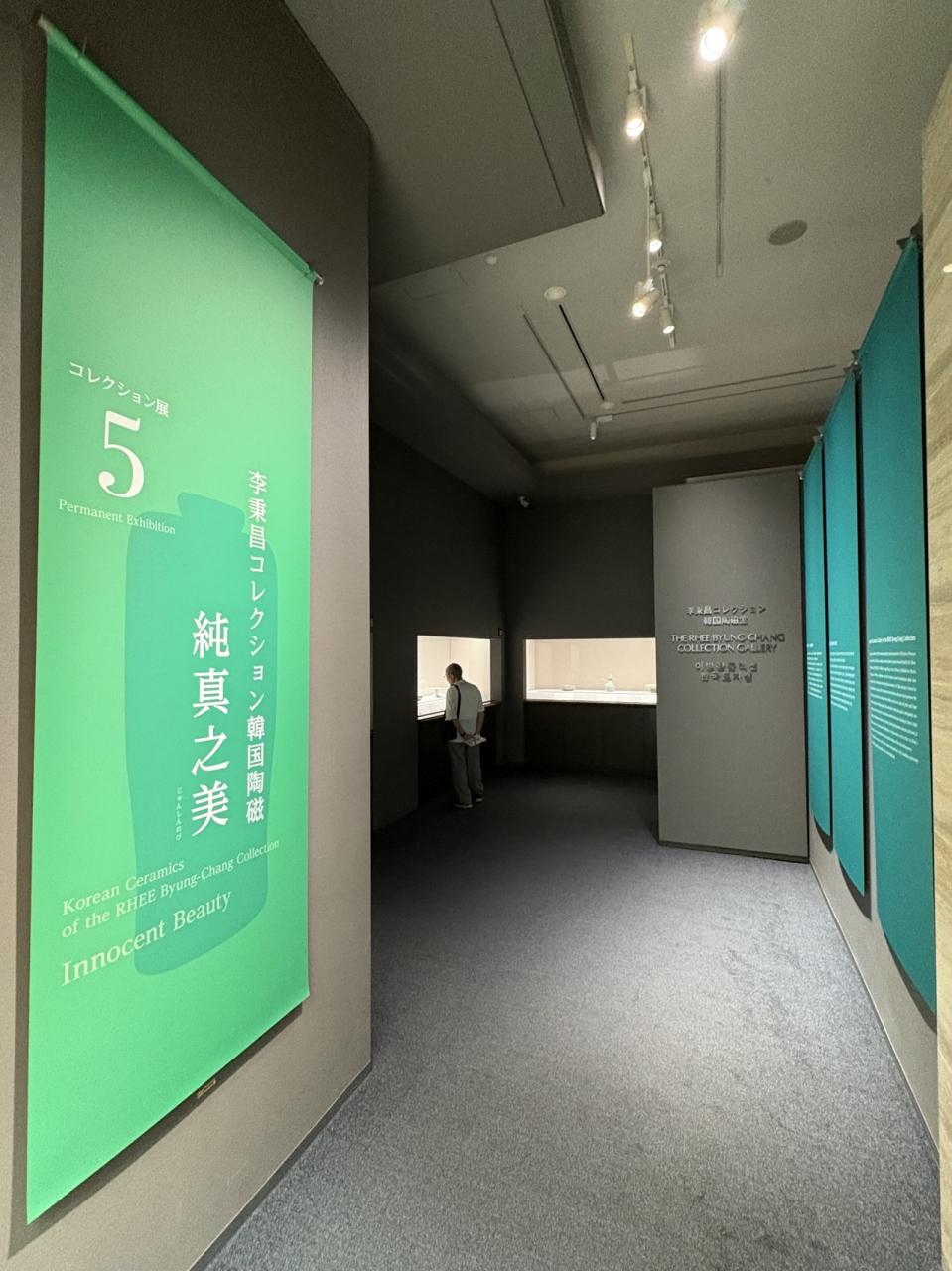
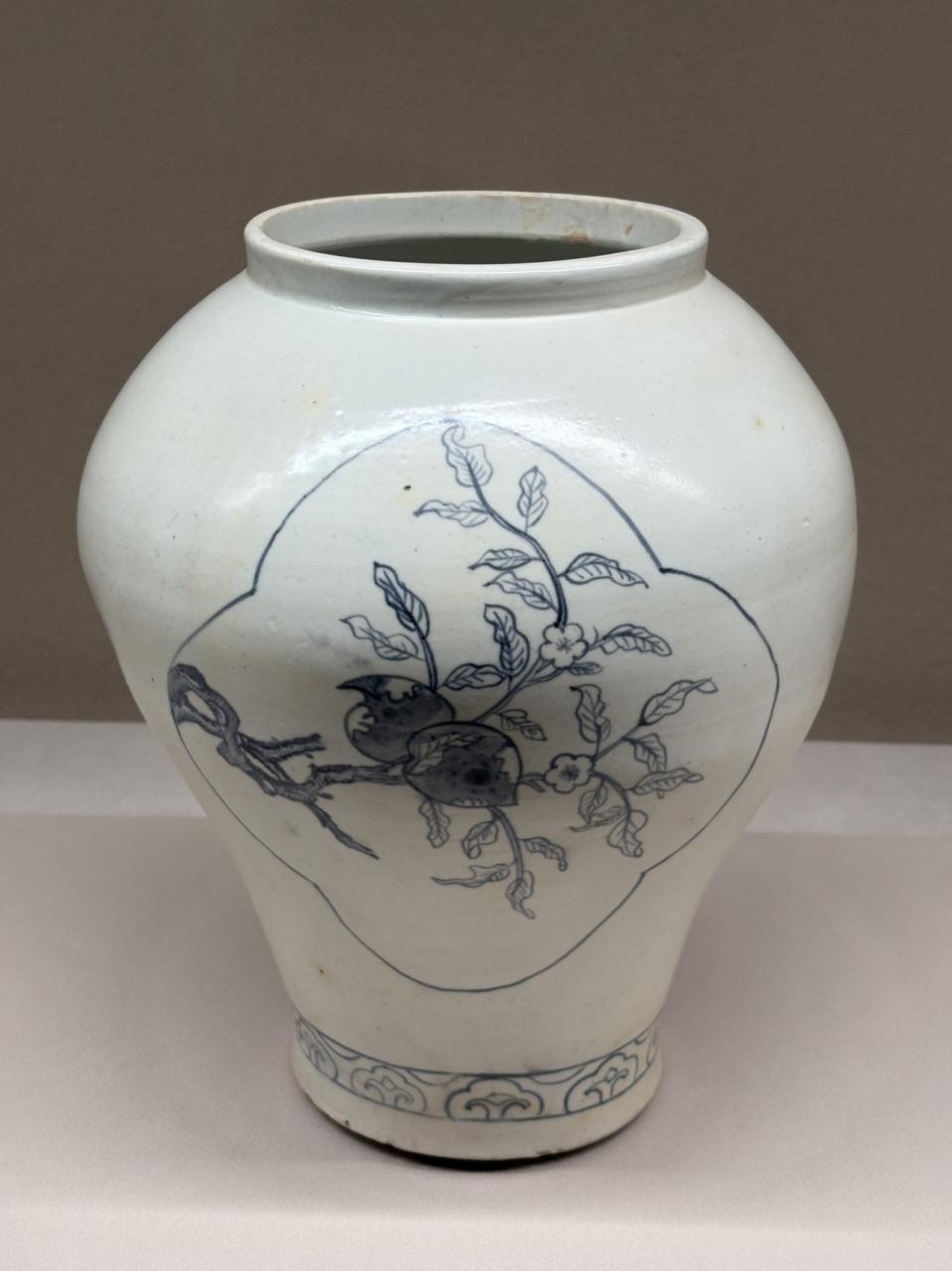
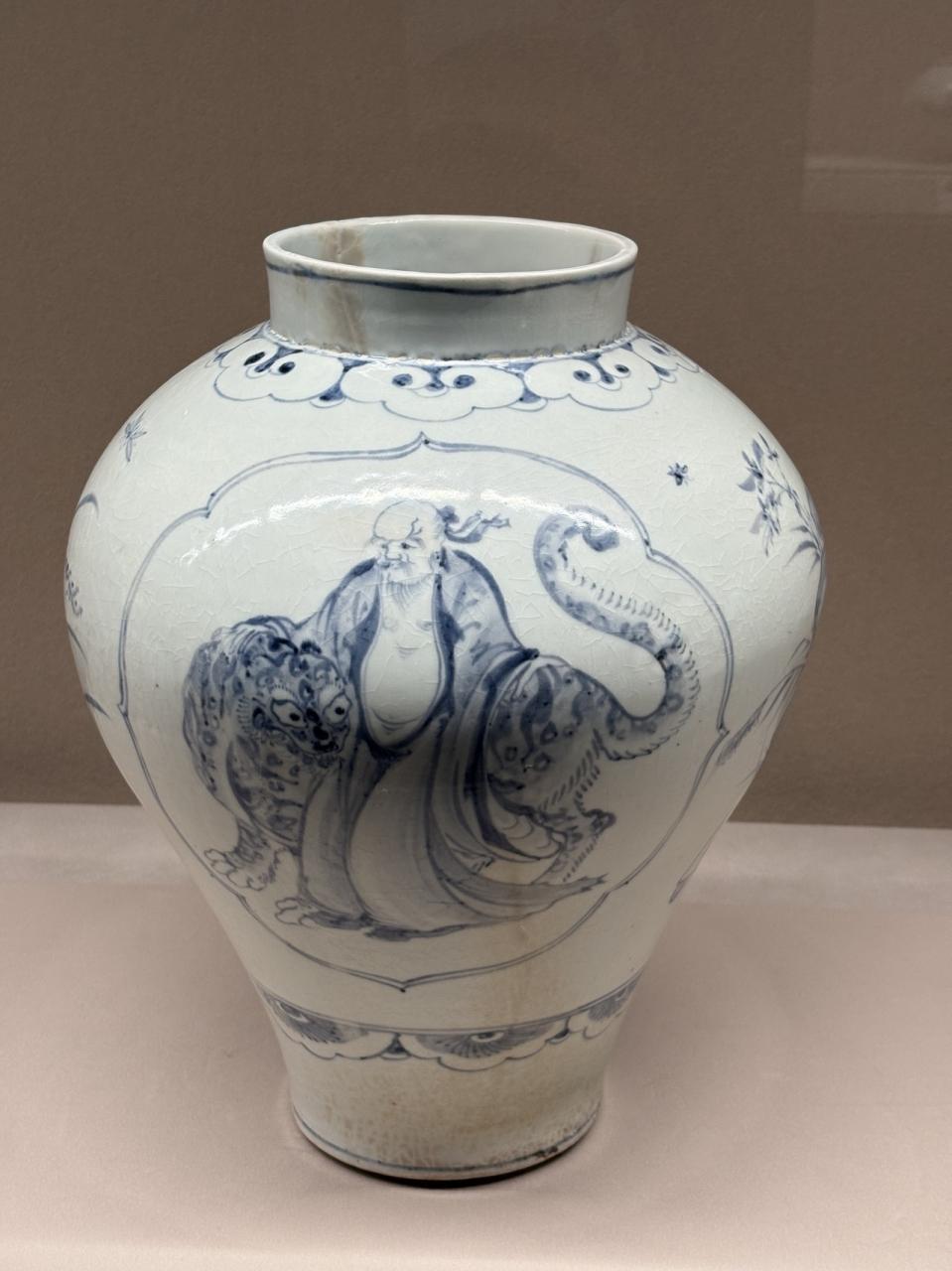
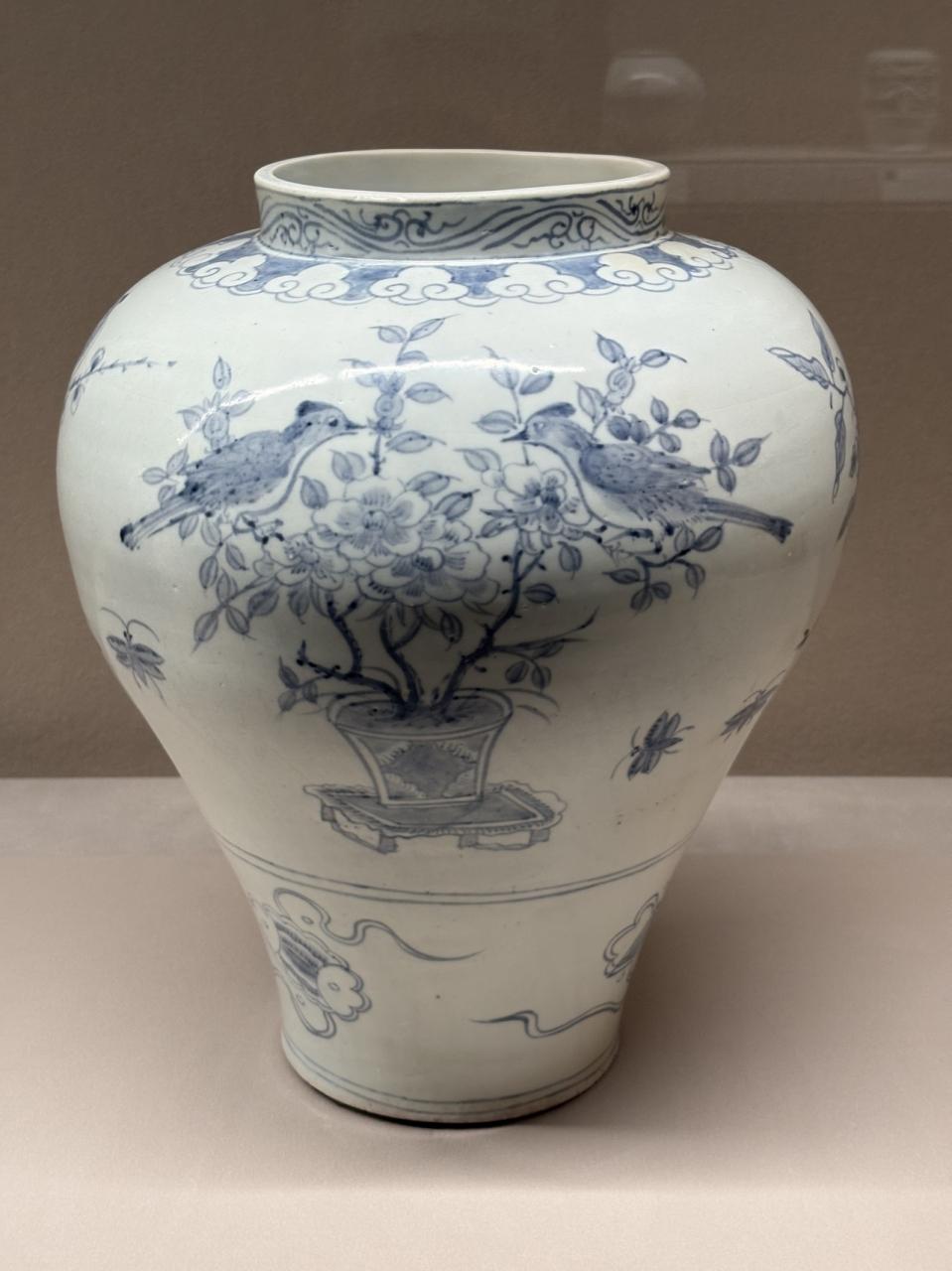
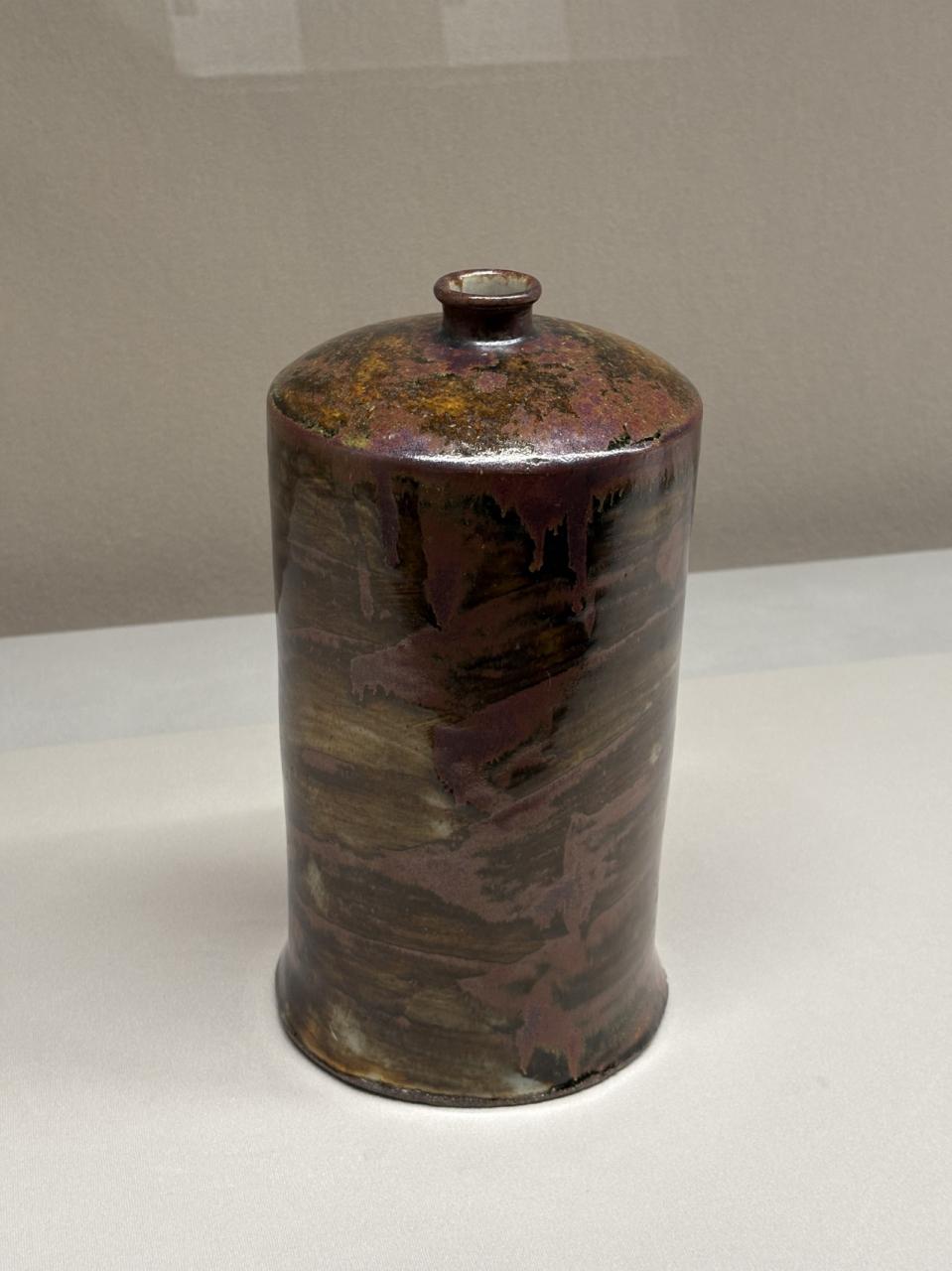
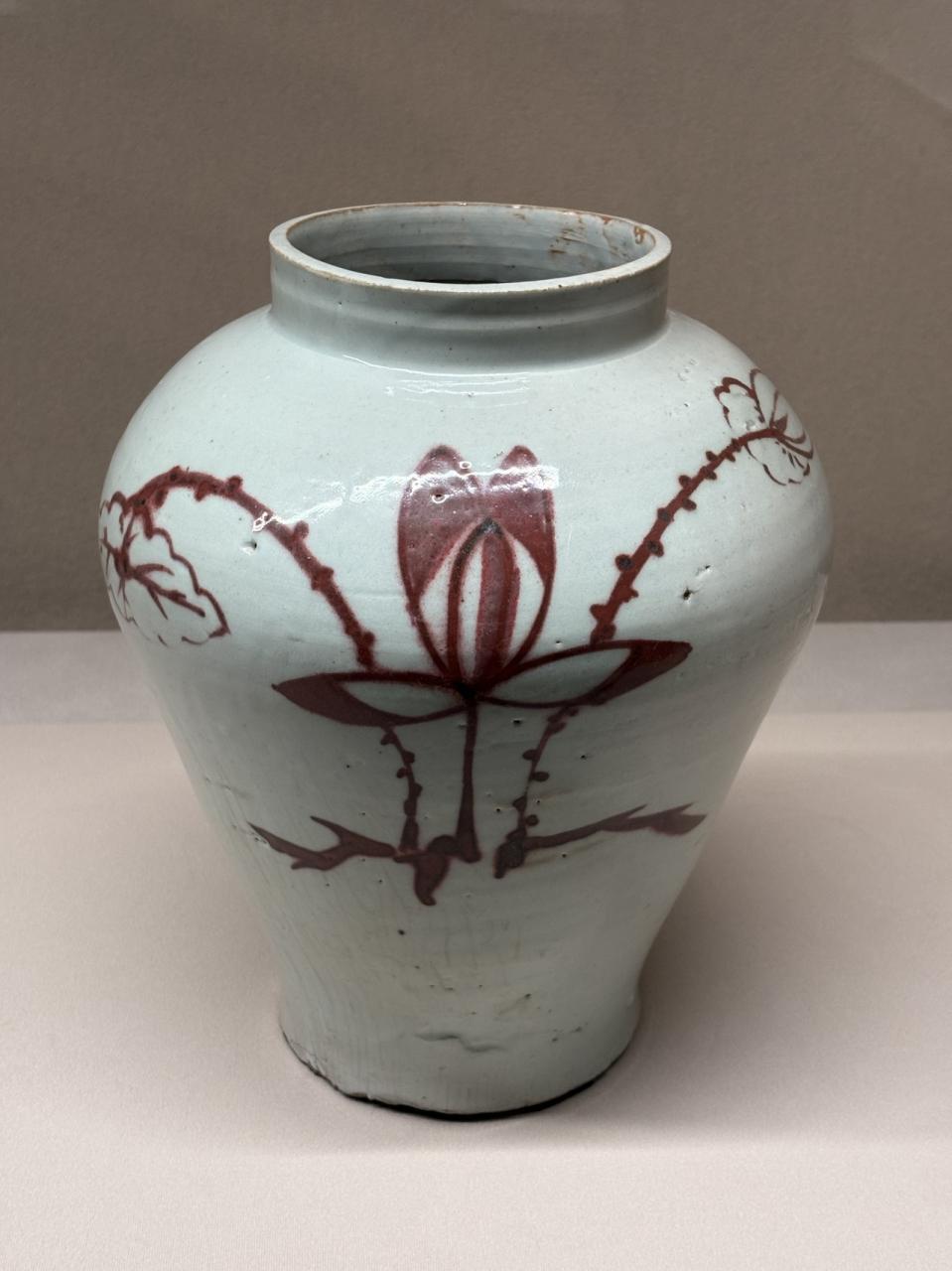
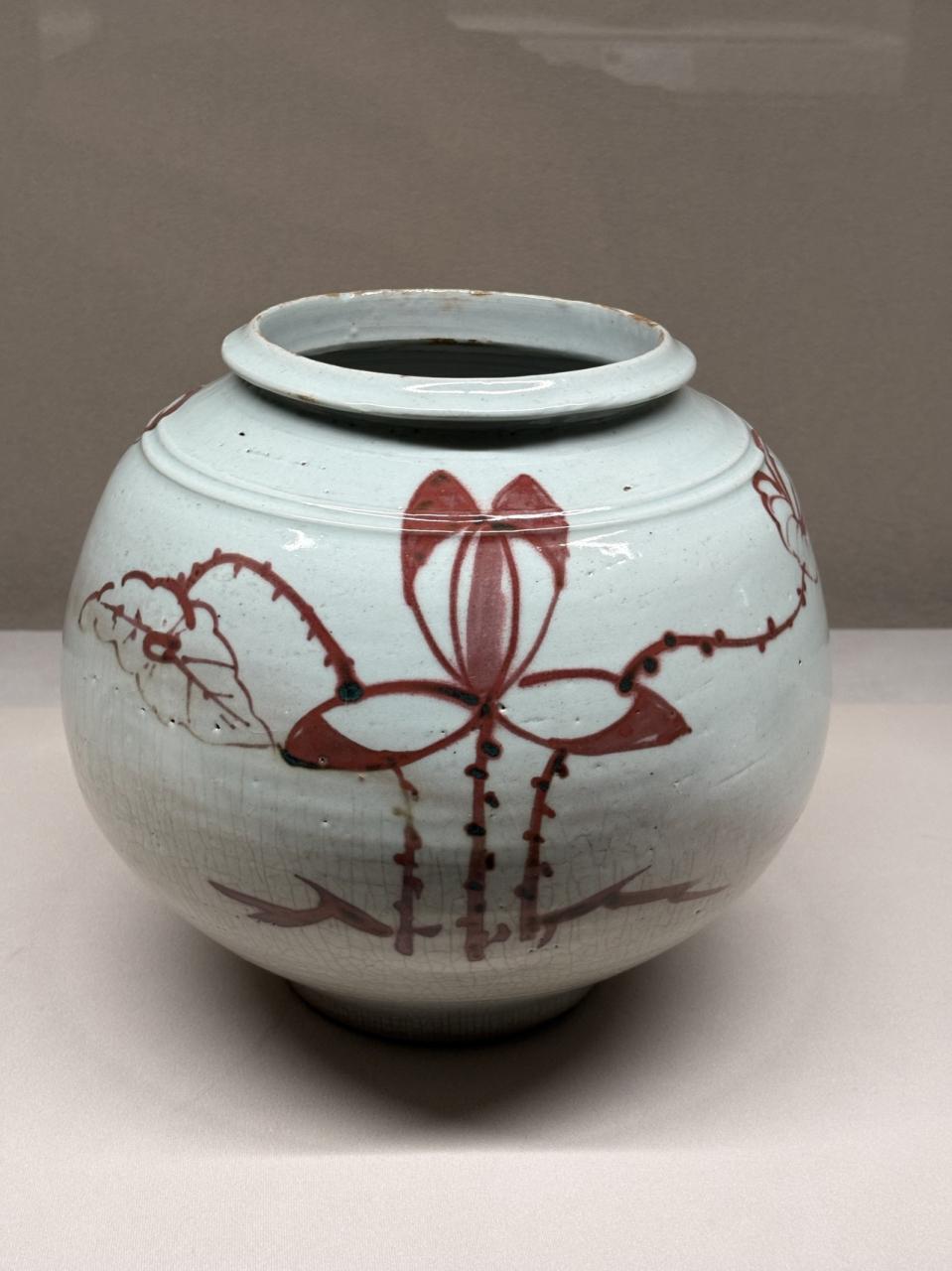
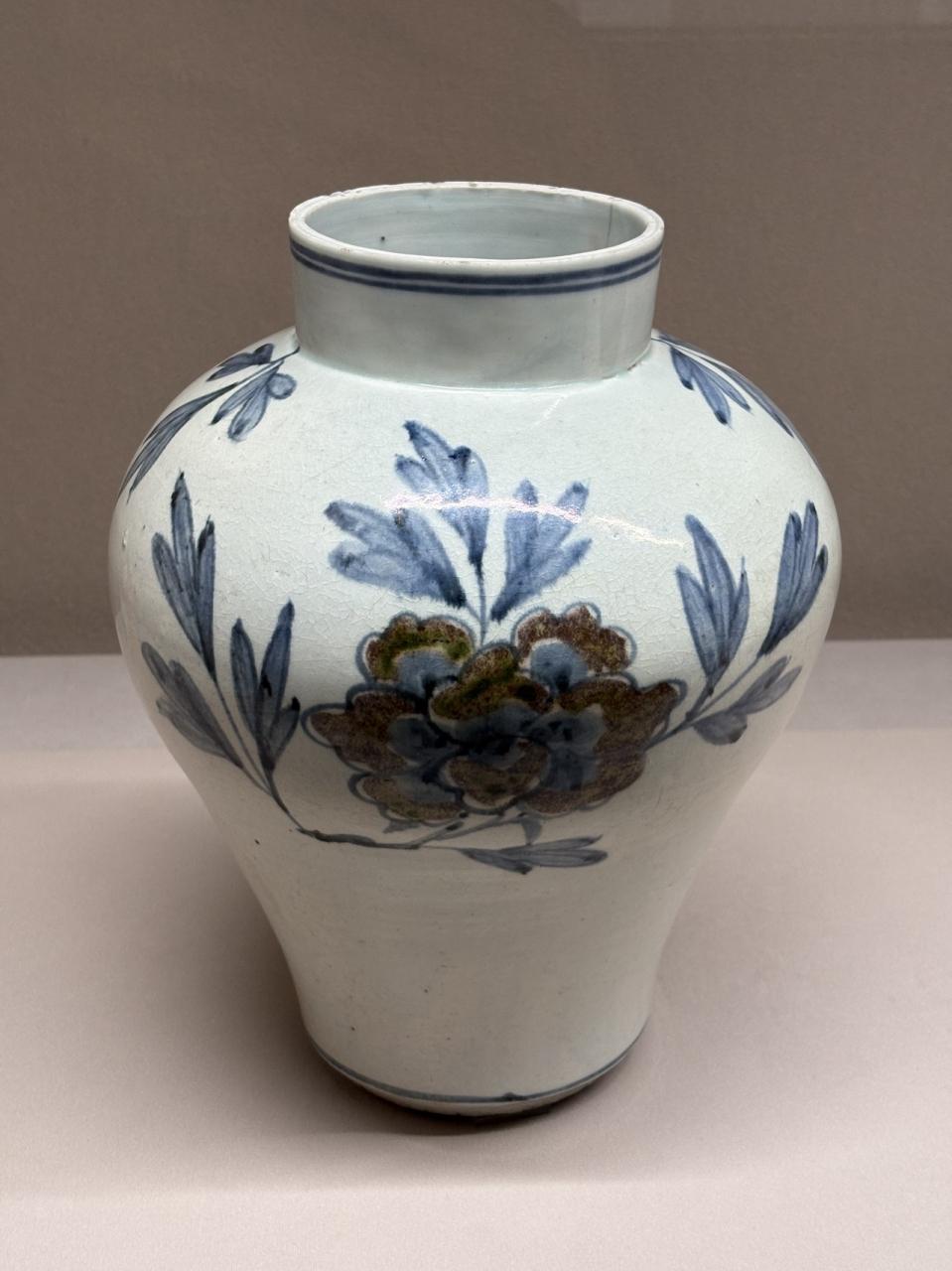
(展示5)コレクション展 "純真之美 李秉昌コレクション韓国陶磁"
- 旅行の満足度
- 5.0
-

大阪市立東洋陶磁美術館 美術館・博物館
-
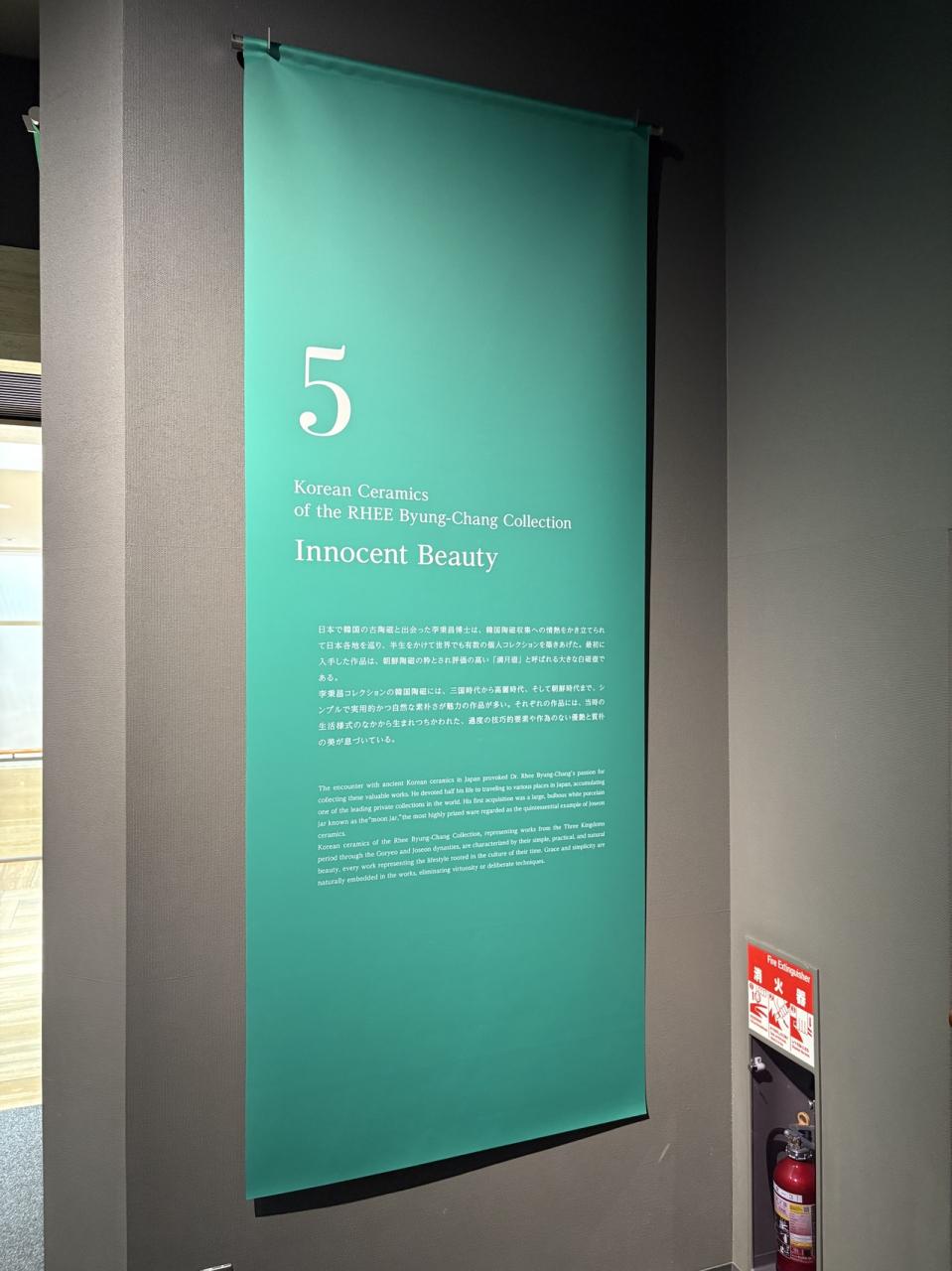
Korean Ceramics
of the RHEE Byung-Chang Collection
Innocent Beauty
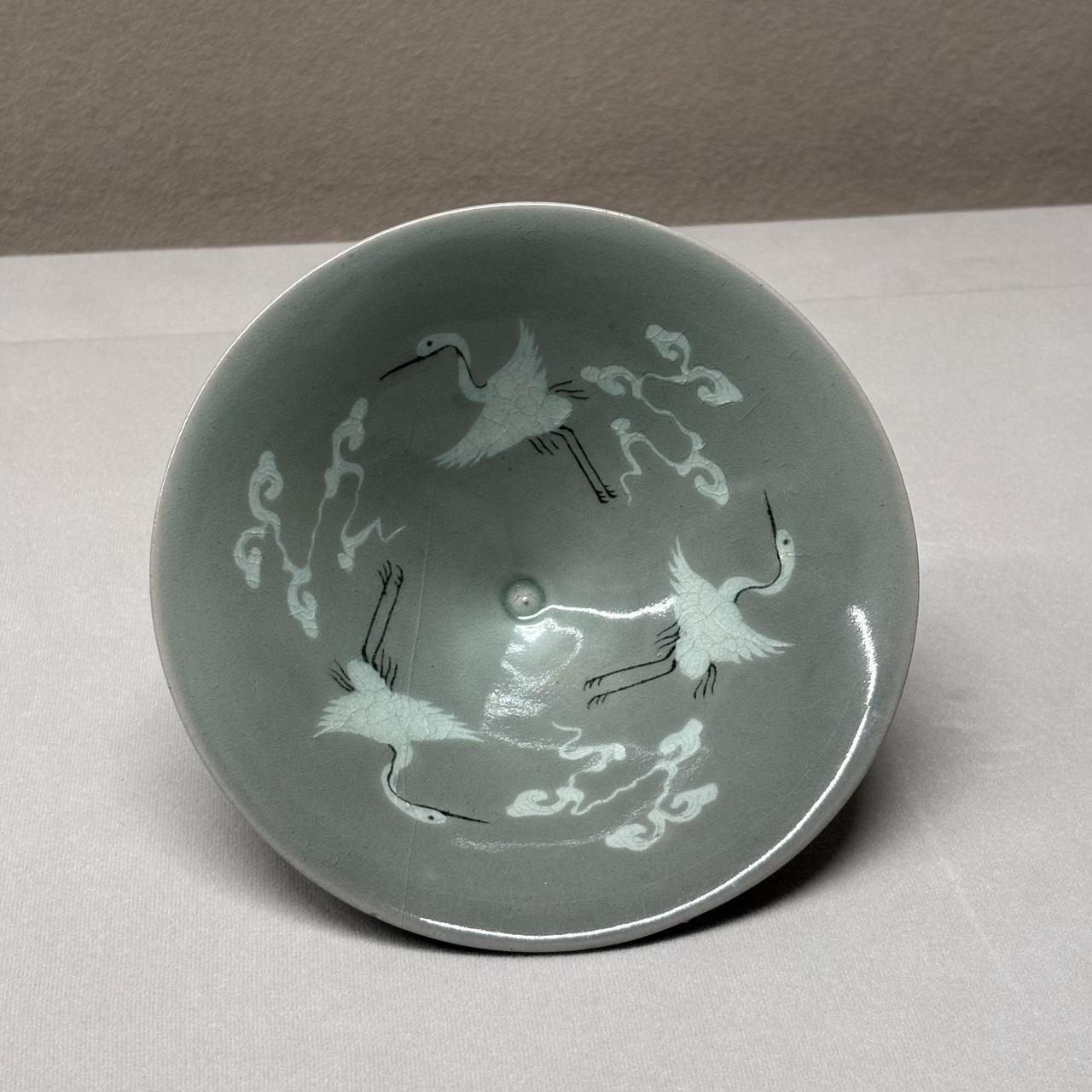
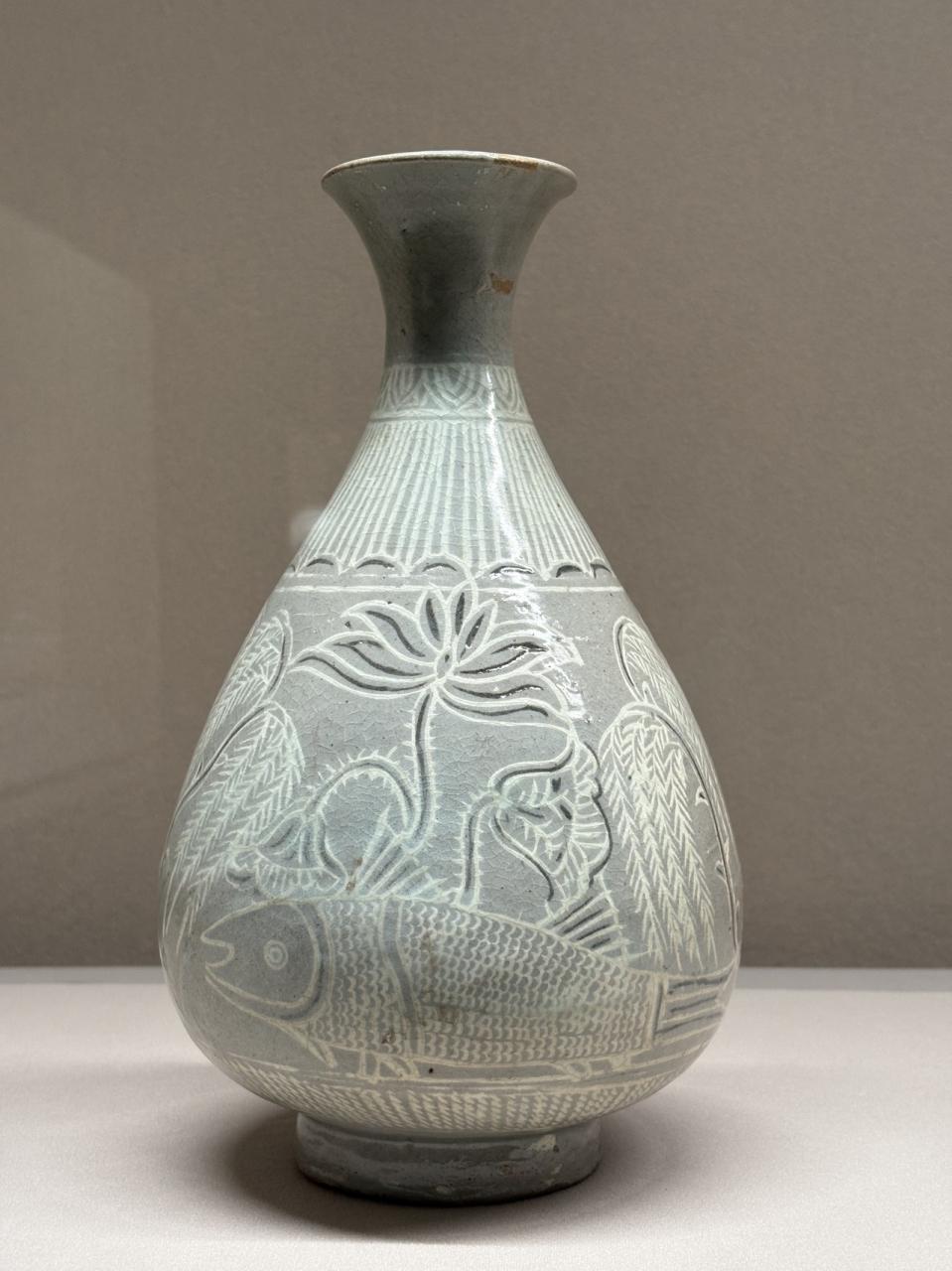
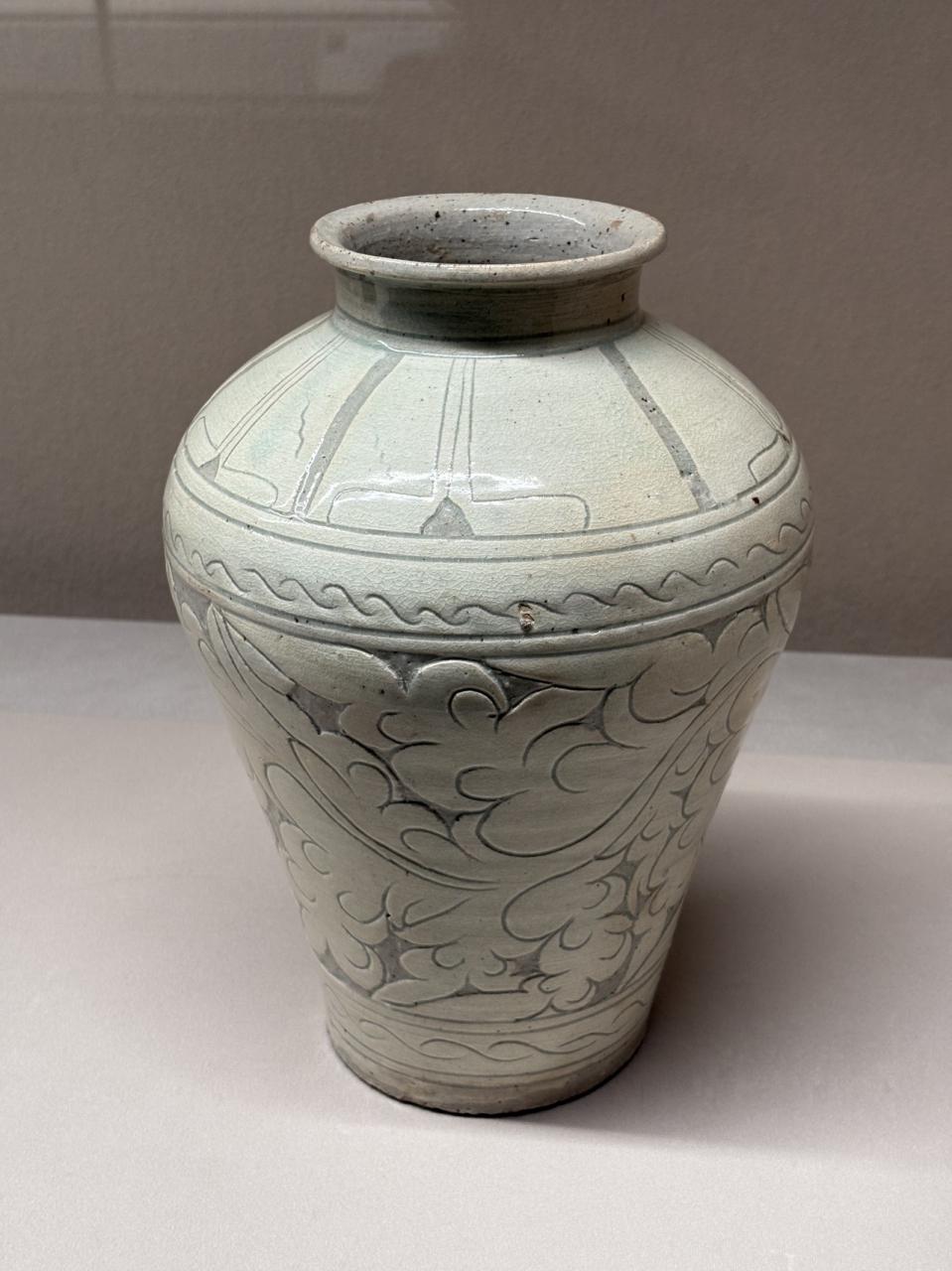
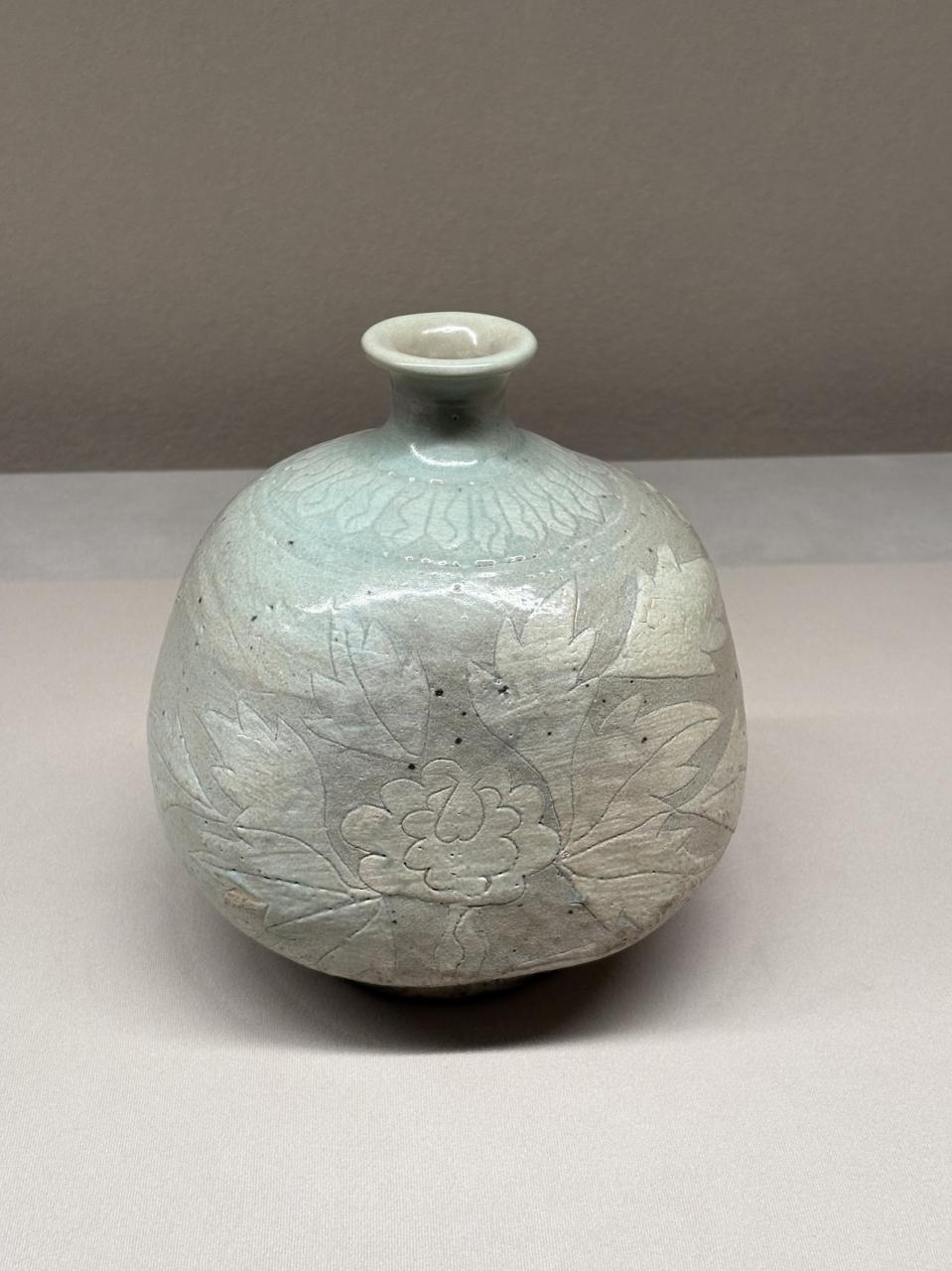
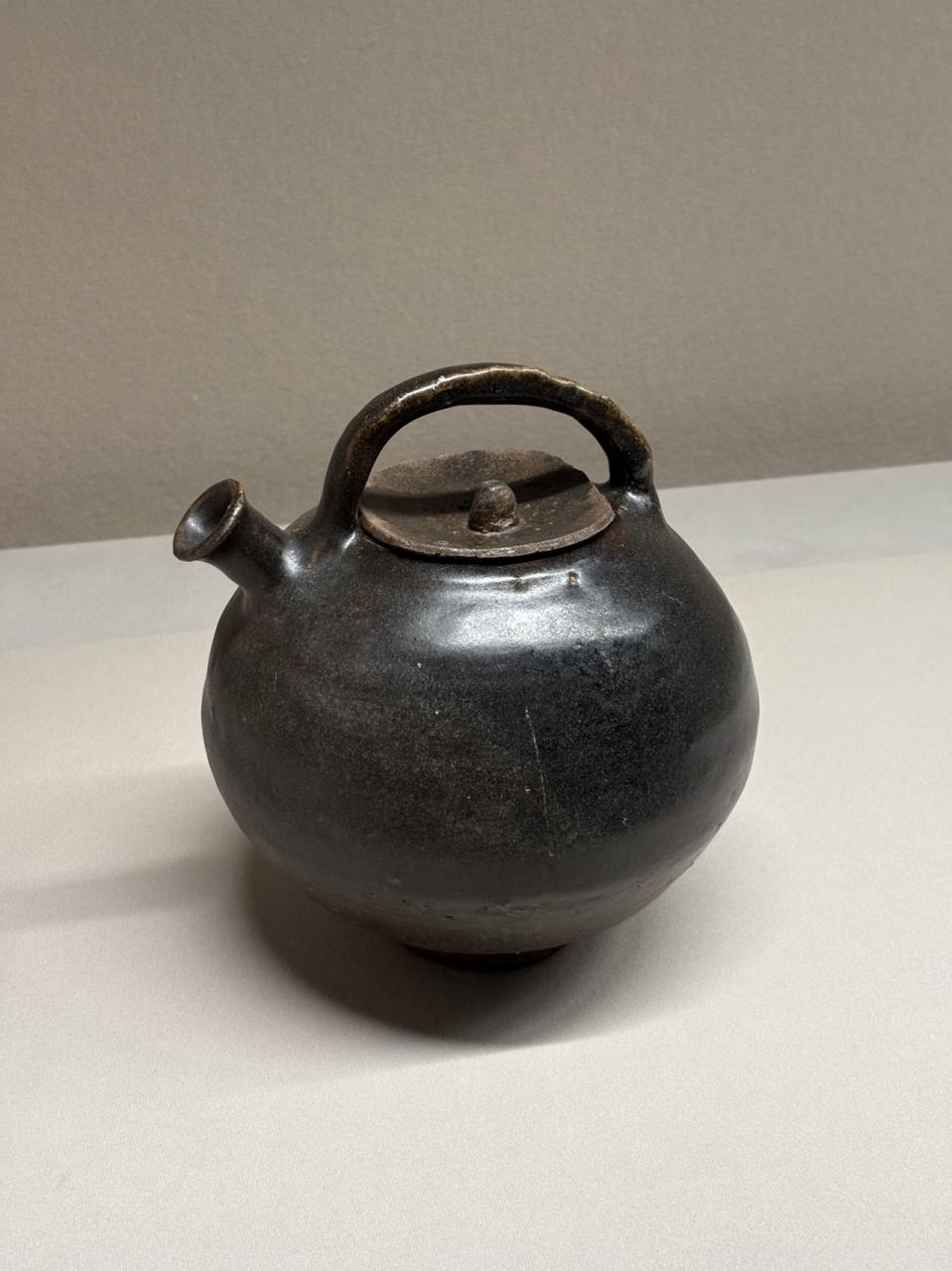
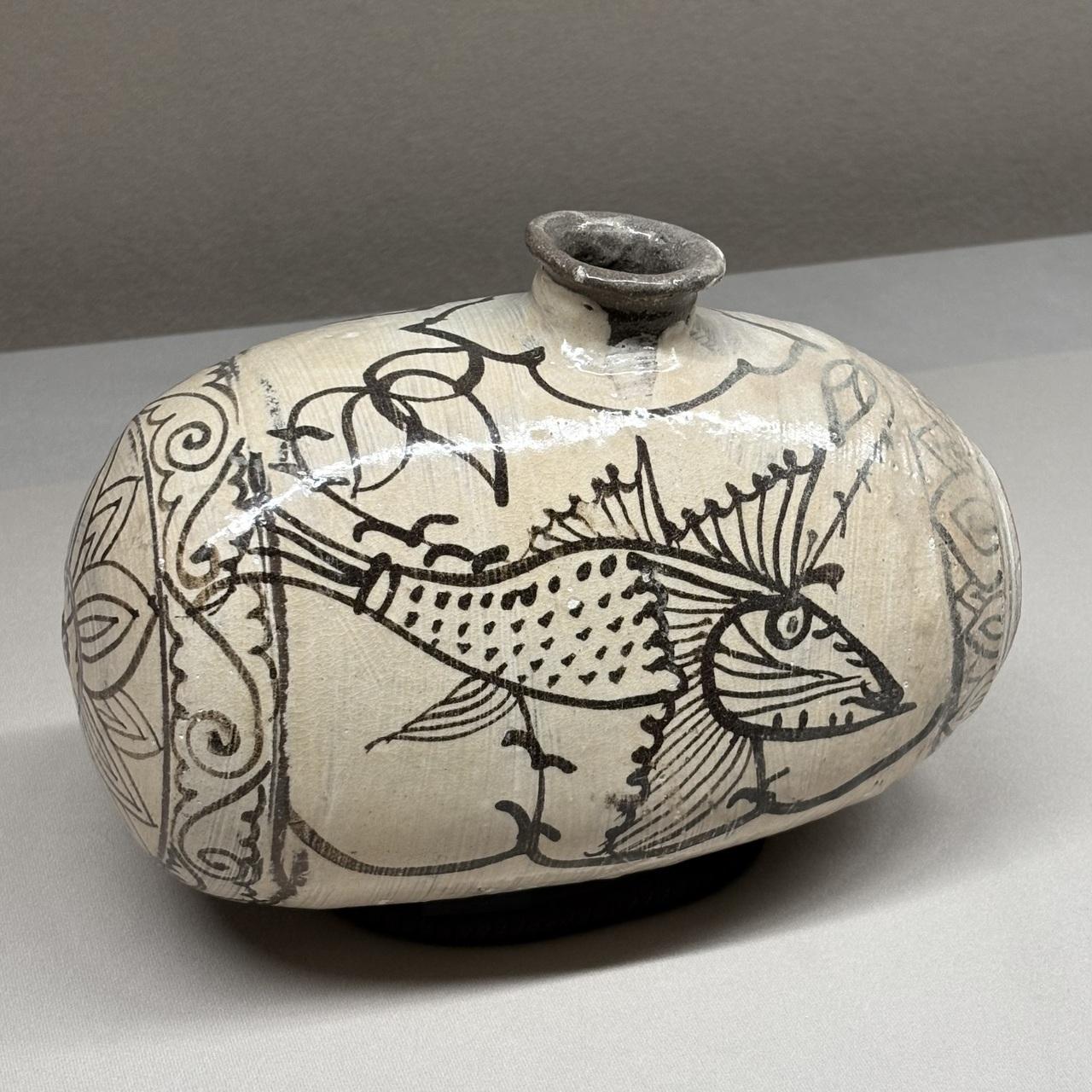
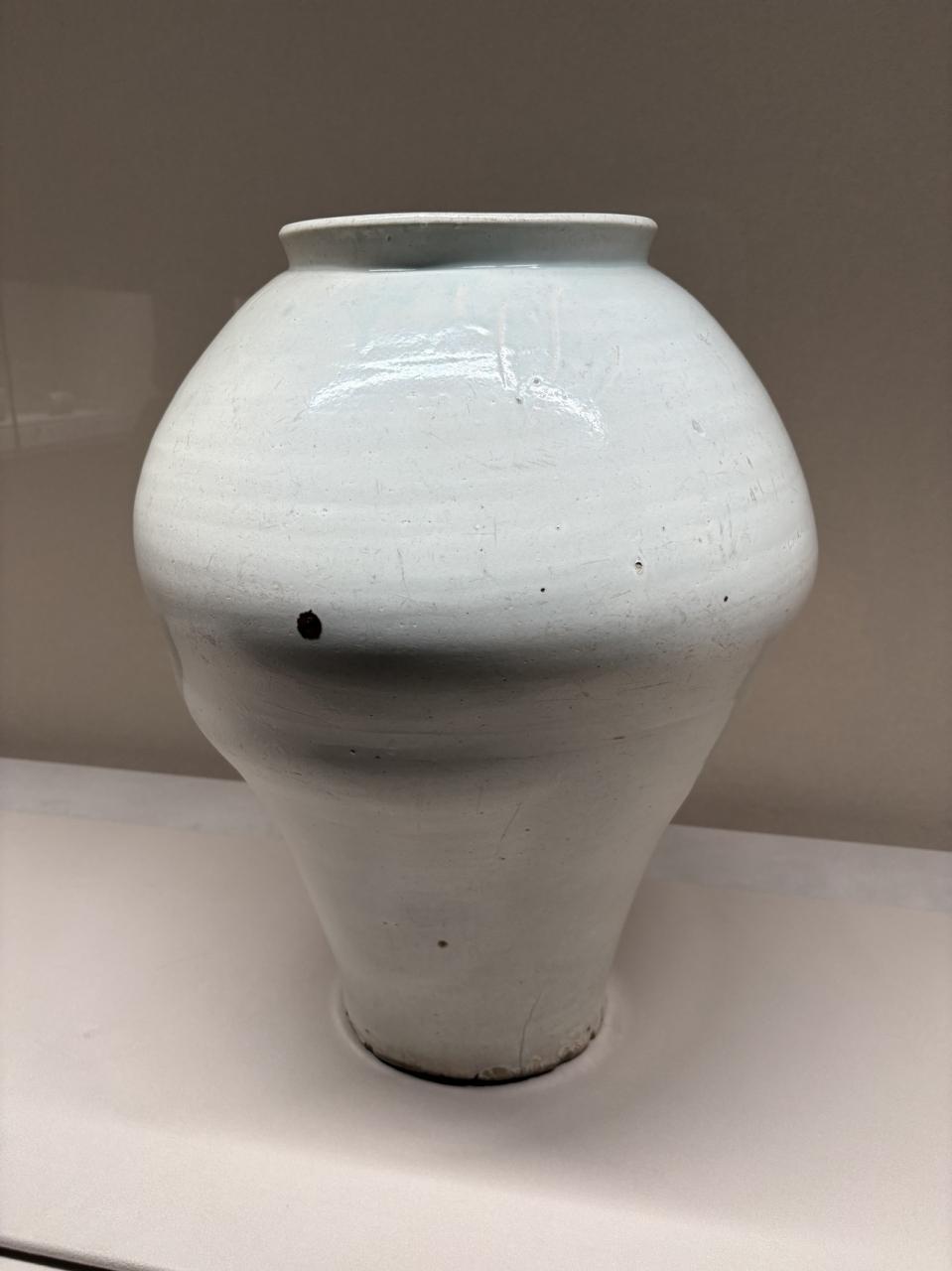
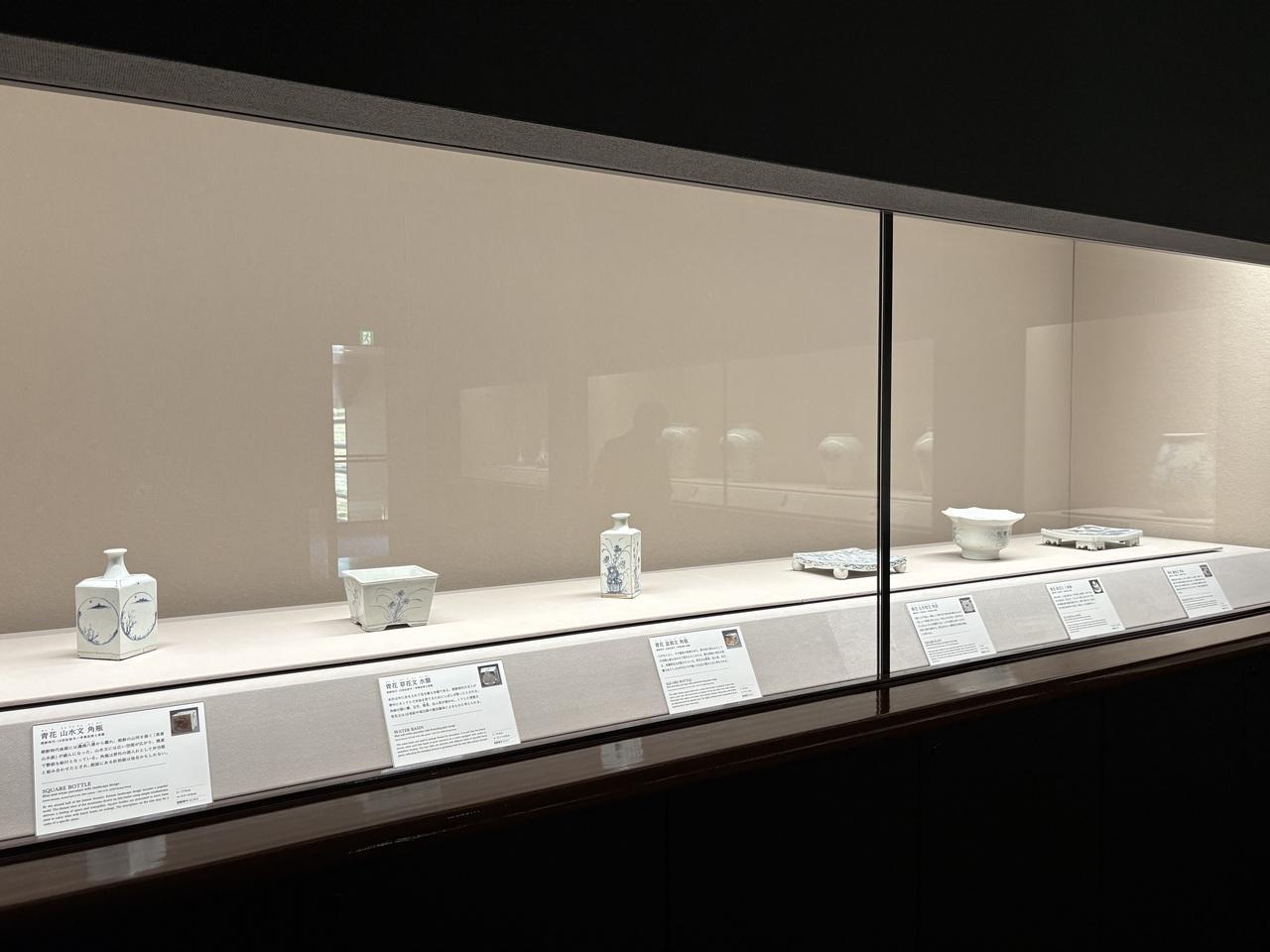
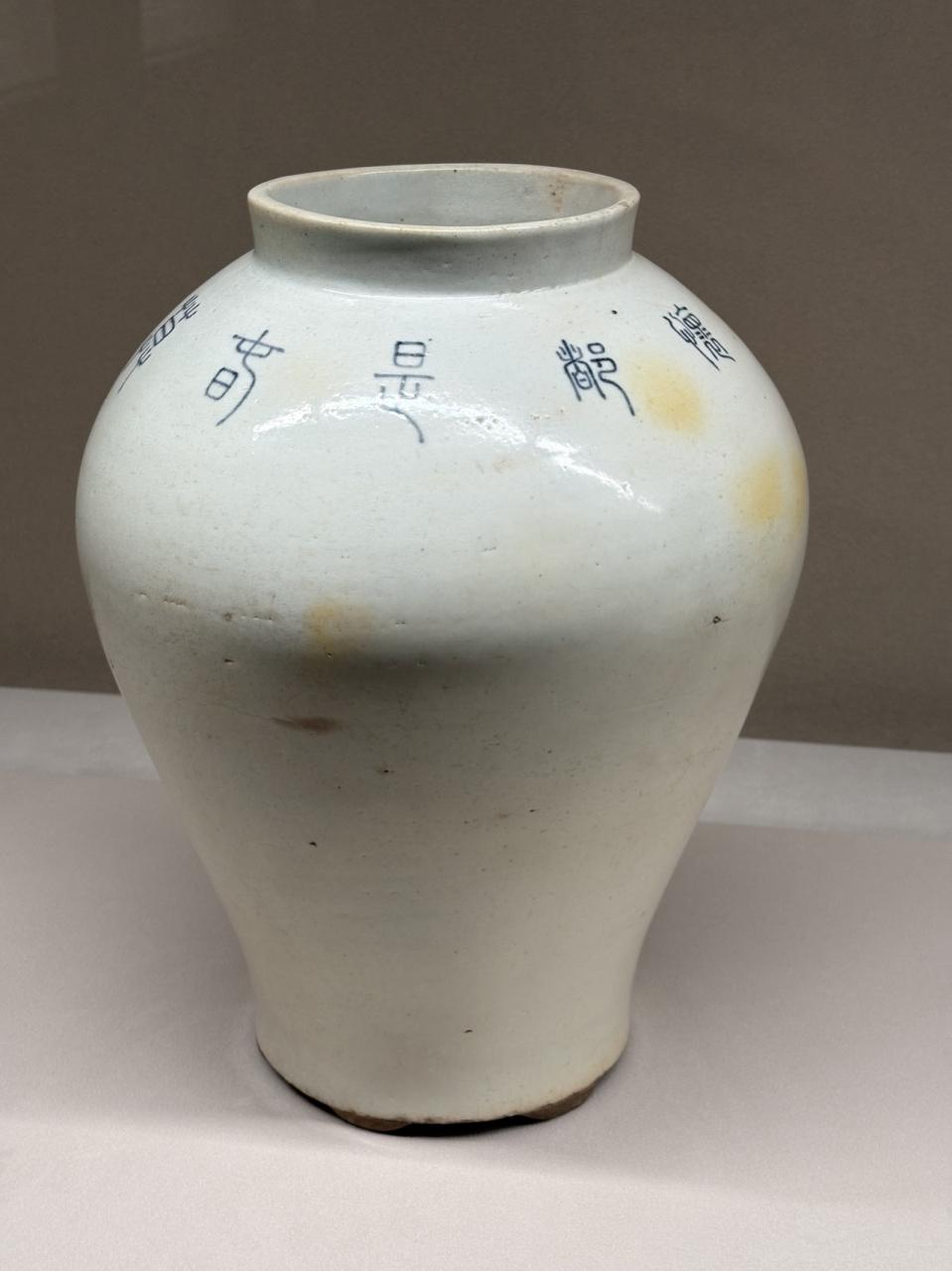
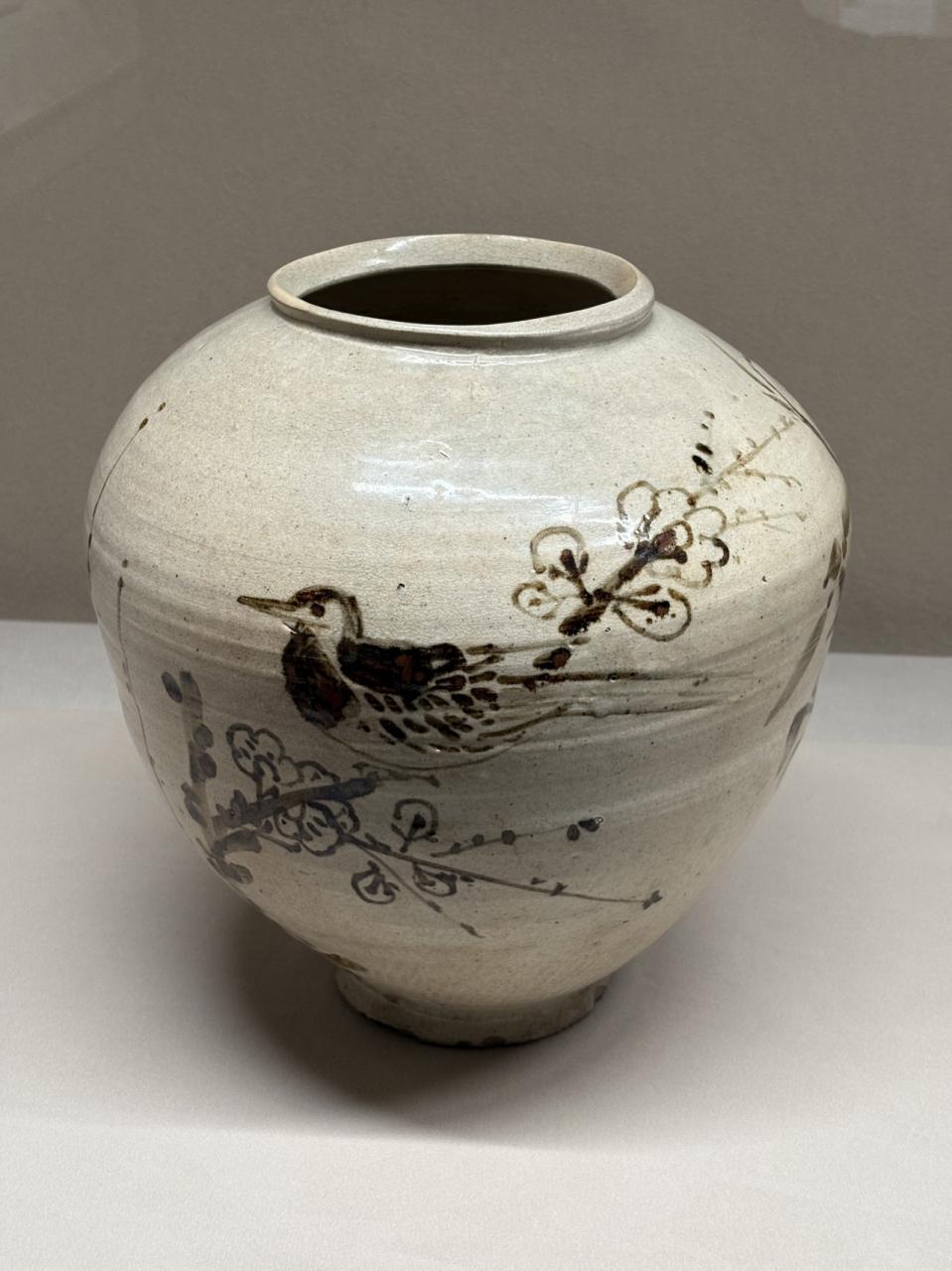
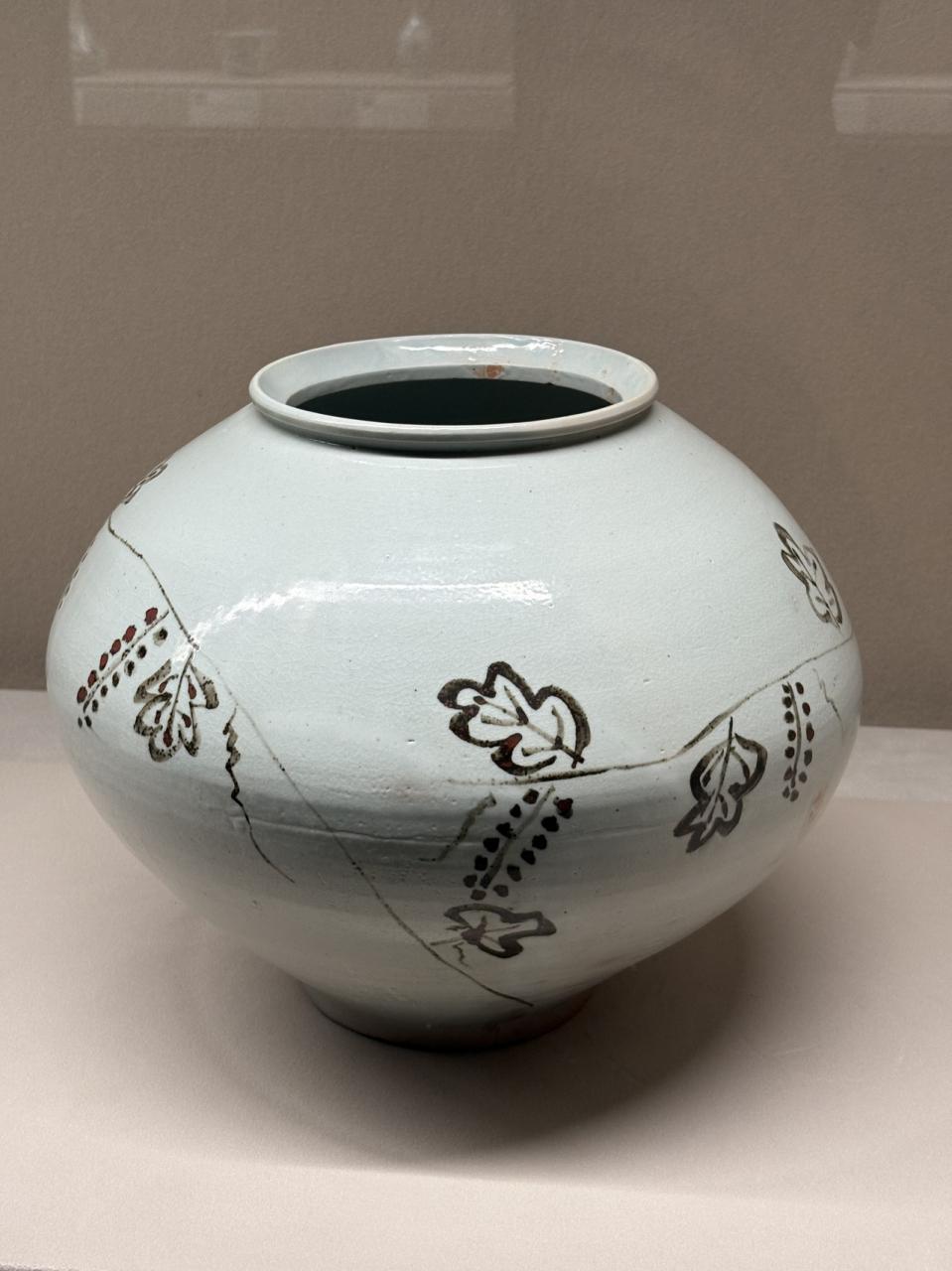
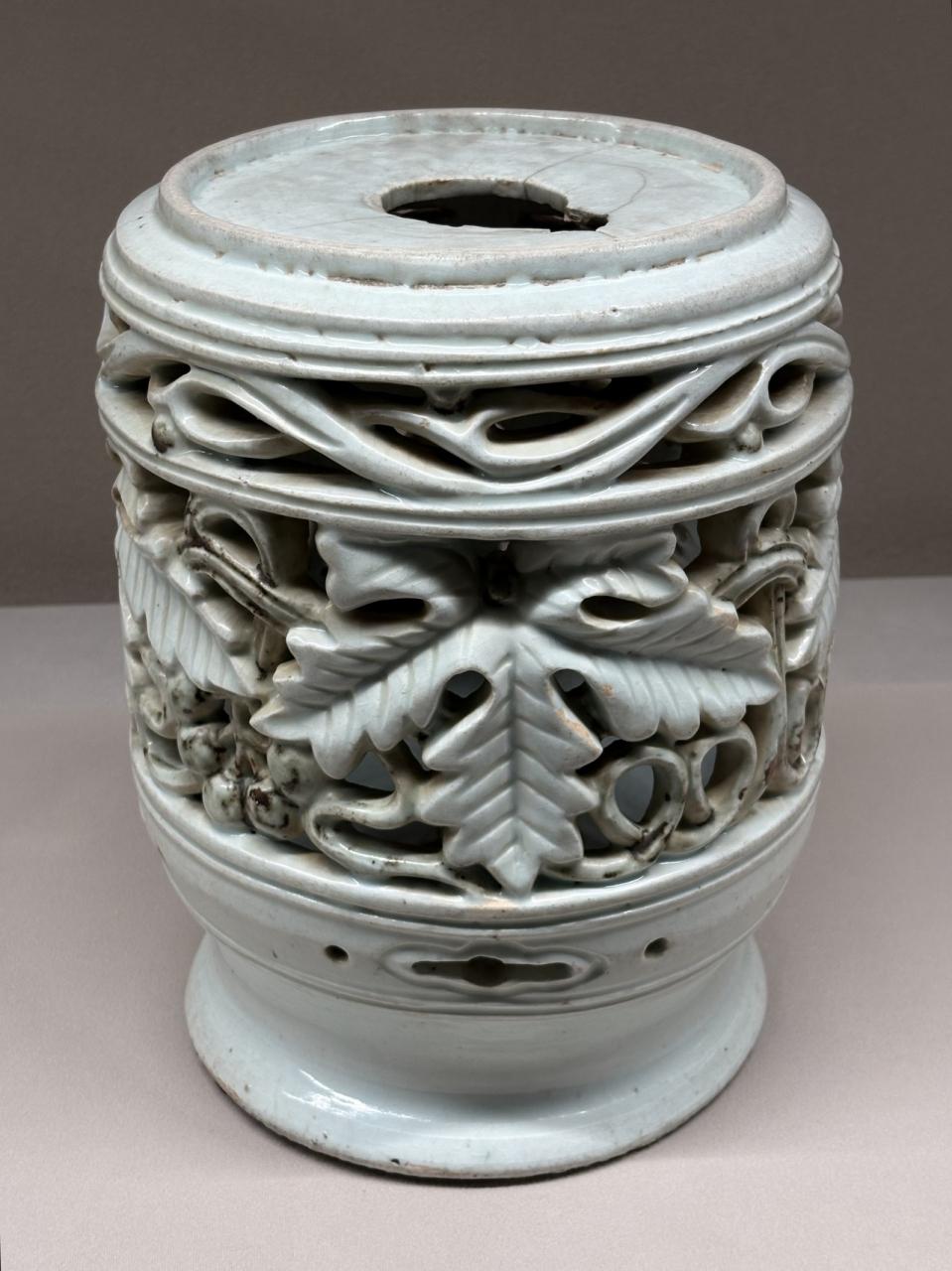
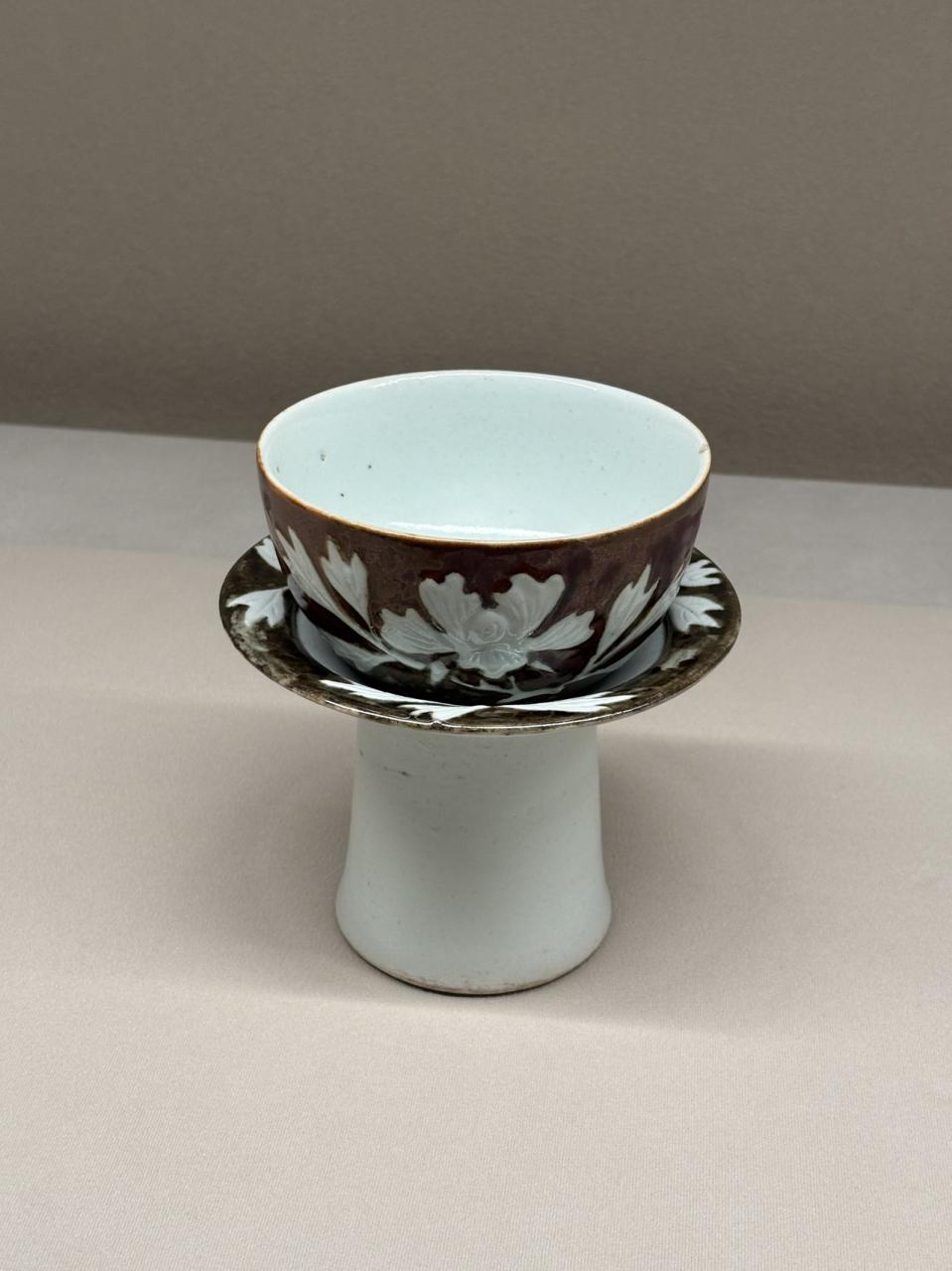
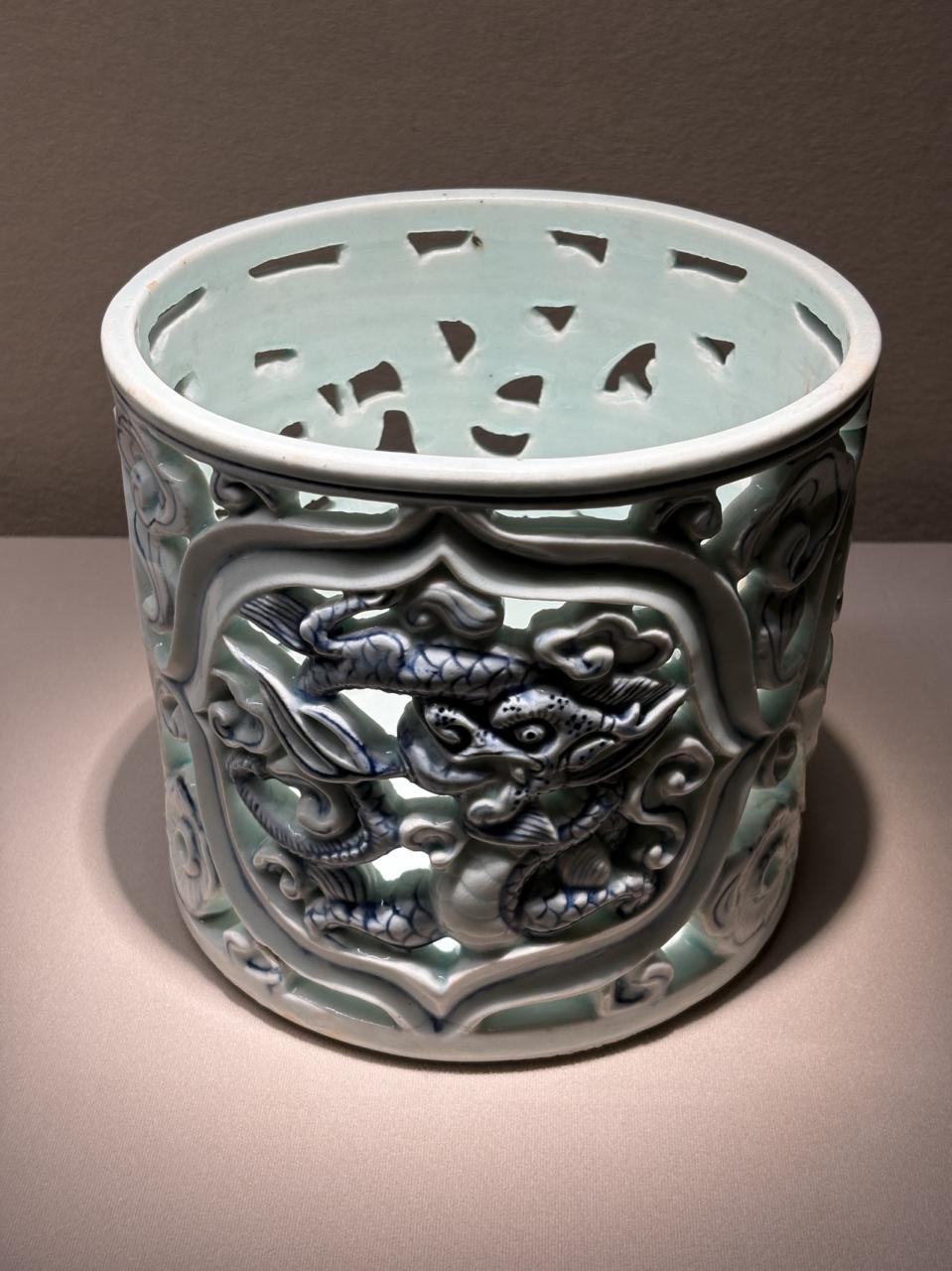
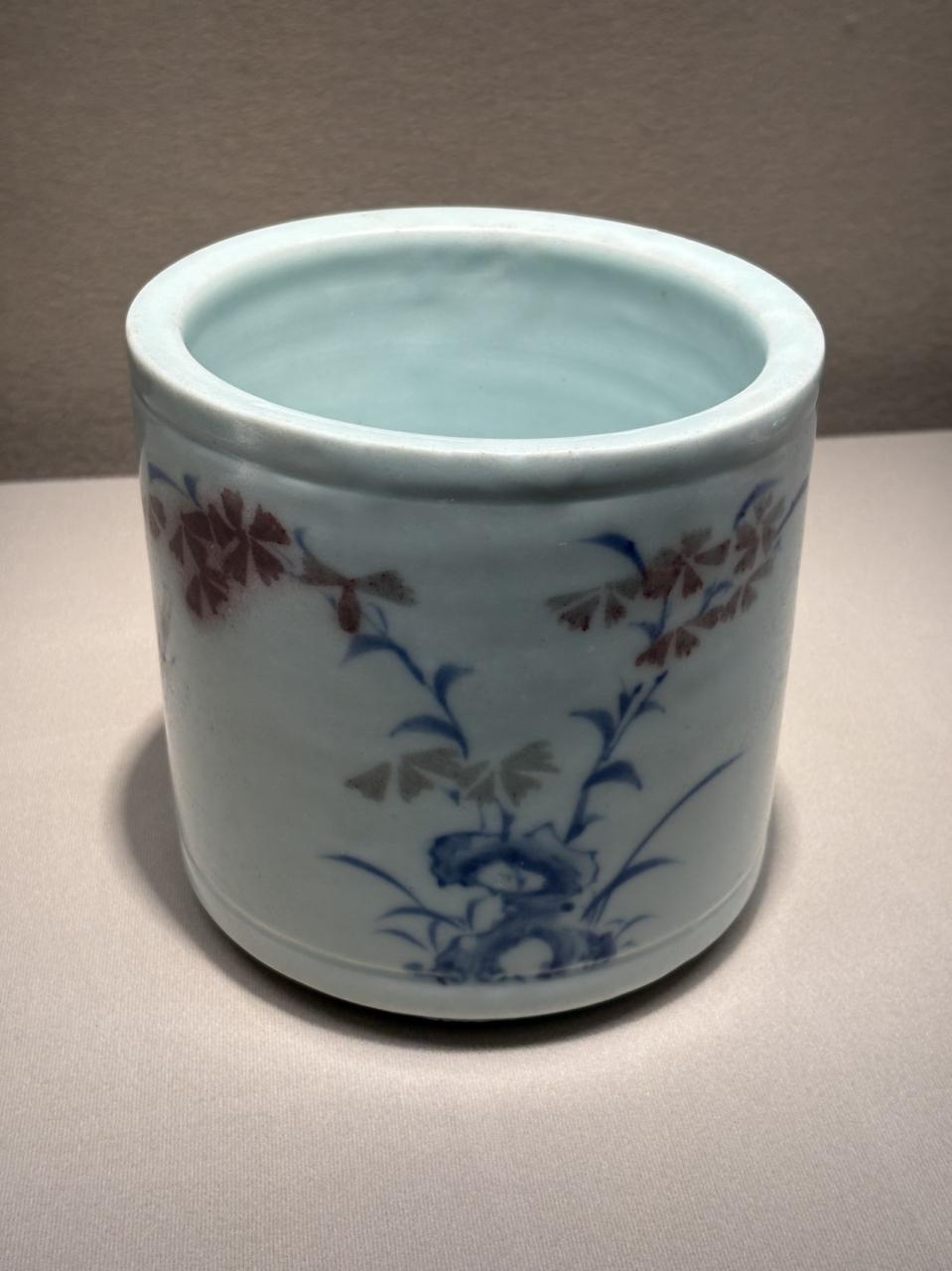
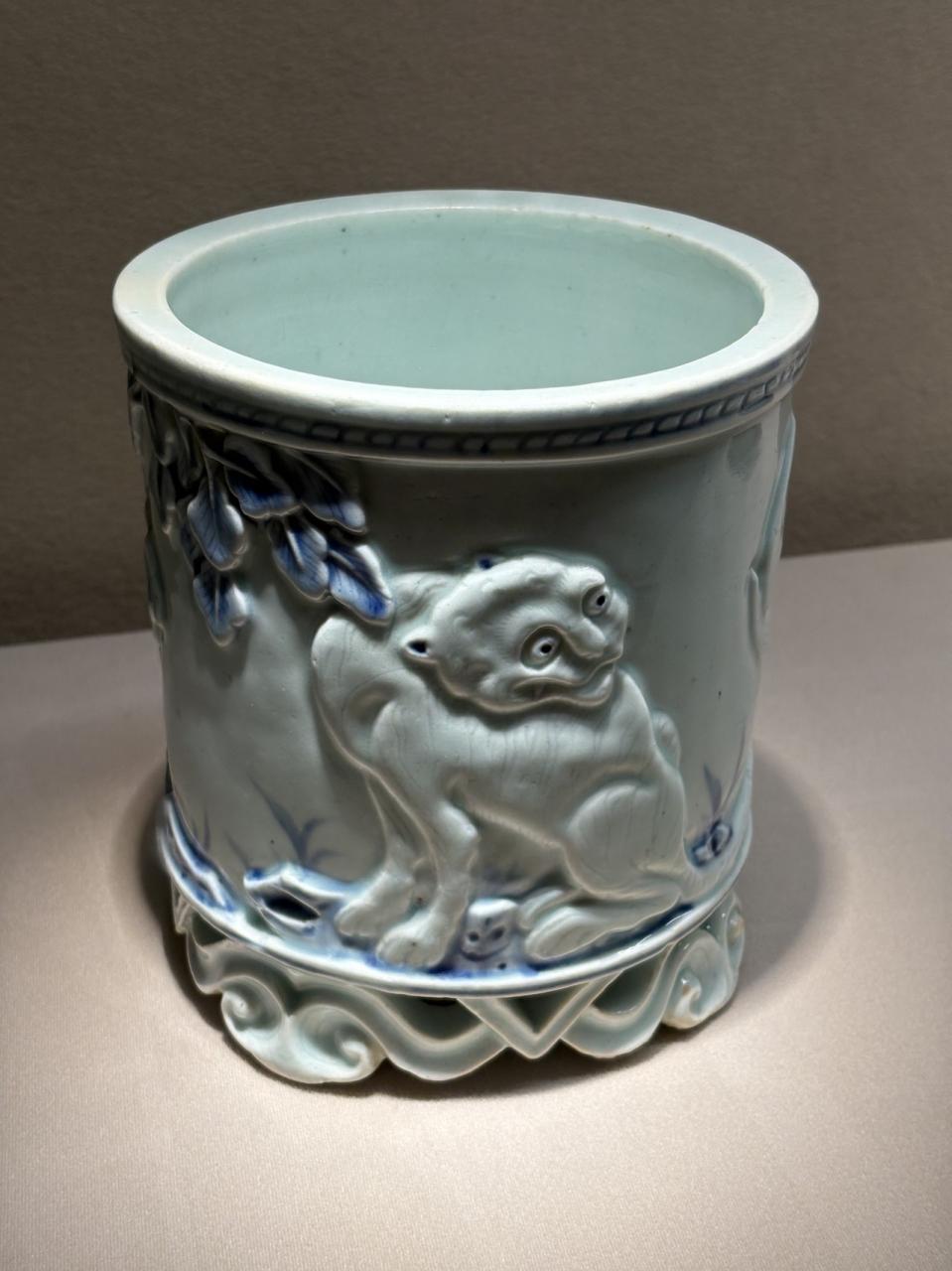
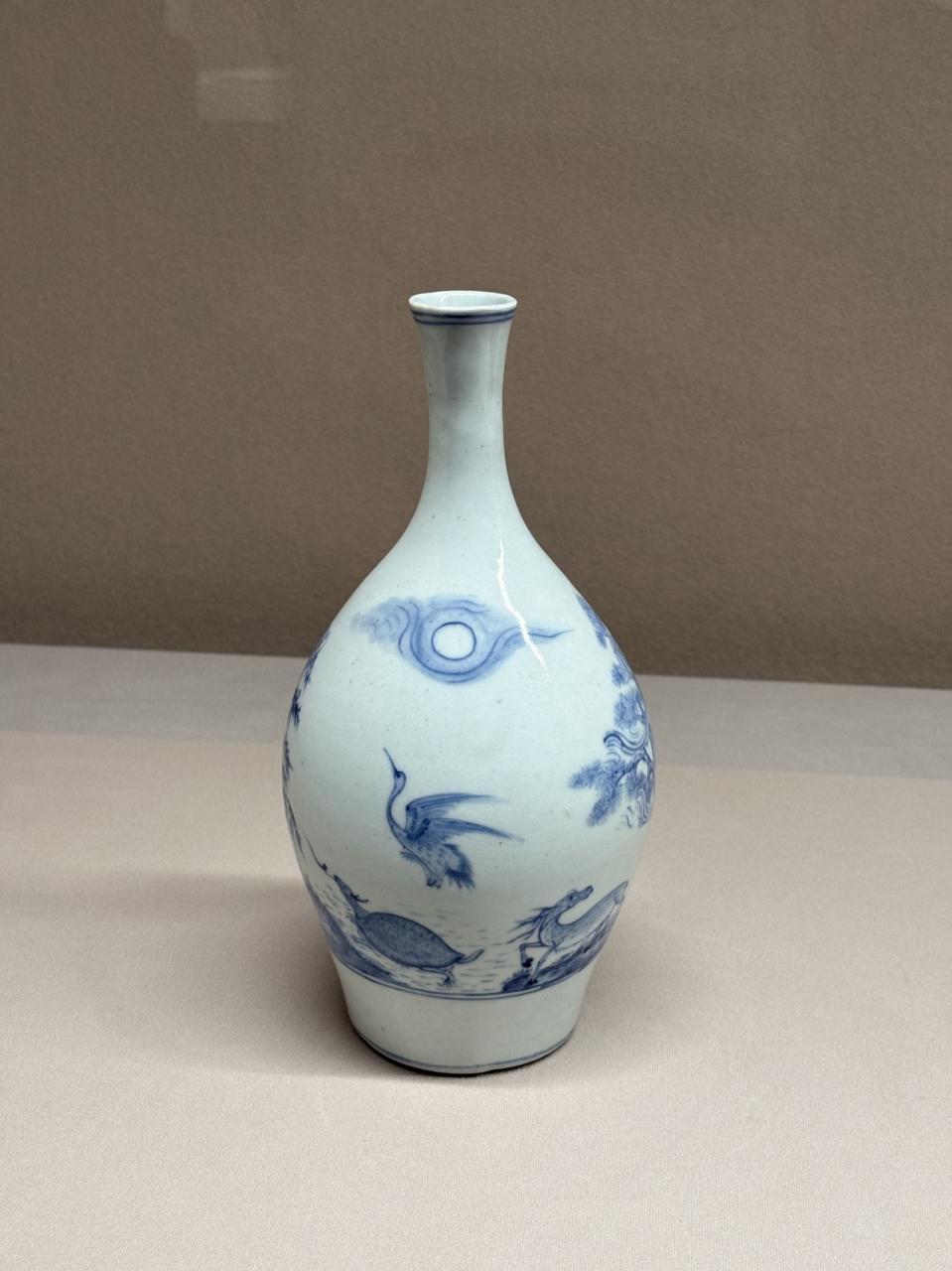
日本で韓国の古陶磁と出会った李秉昌博士は、韓国陶磁収集への情熱をかき立てられて日本各地を巡り、半生をかけて世界でも有数の個人コレクションを築きあげた。最初に入手した作品は、朝鮮陶磁の粋とされ評価の高い「満月壺」と呼ばれる大きな白磁壺である。
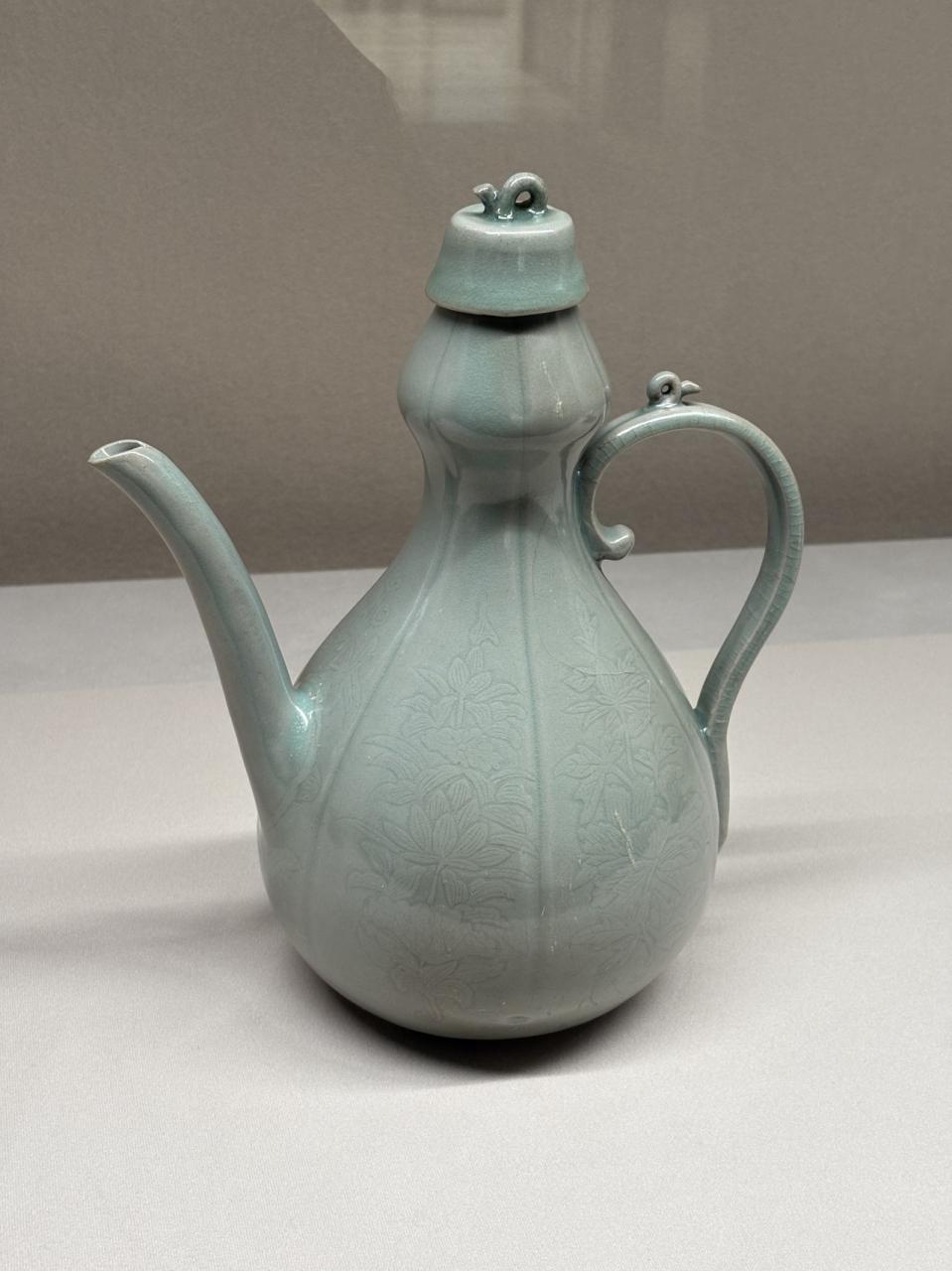
李秉昌コレクションの韓国陶磁には、三国時代から高麗時代、そして朝鮮時代まで、シンプルで実用的かつ自然な素朴さが魅力の作品が多い。それぞれの作品には、当時の生活様式のなかから生まれつちかわれた、過度の技巧的要素や作為のない優能と質朴の美が息づいている。
The encounter with ancient Korean ceramics in Japan provoked Dr. Rhee Byung-Chang's passion for collecting these valuable works. He devoted half his life to traveling to various places in Japan, accumulating one of the leading private collections in the world. His first acquisition was a large, bulbous white porcelain Jar known as the "moon jar, "the most highly prized ware regarded as the quintessential example of Joseon ceramics.
Korean ceramics of the Rhee Byung-Chang Collection, representing works from the Three Kingdoms period through the Goryeo and Joseon dynasties, are characterized by their simple, practical, and natural beauty, every work representing the lifestyle rooted in the culture of their time. Grace and simplicity are naturally embedded in the works, eliminating virtuosity or deliberate techniques. -
-
-
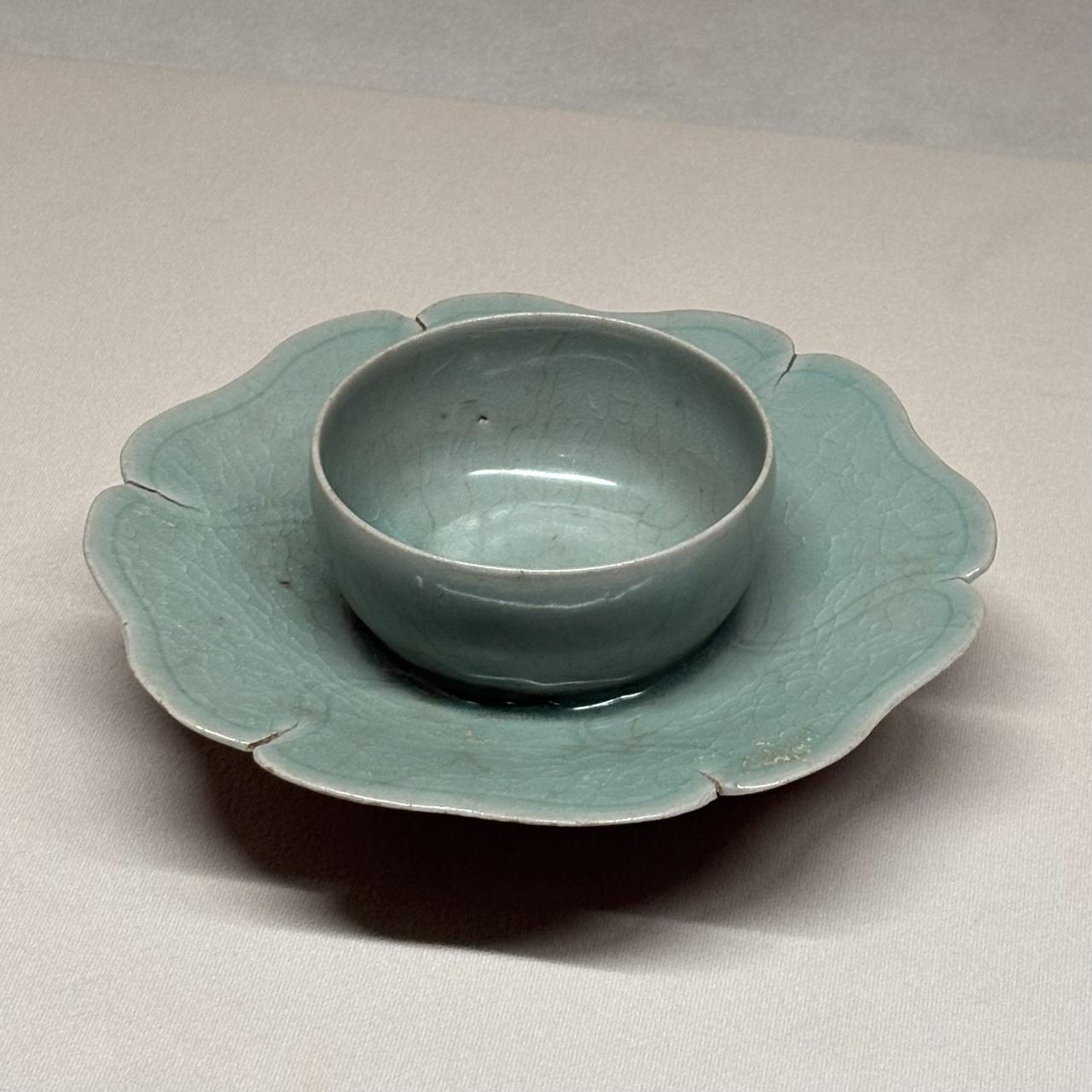
76
青磁 輪花托
高麗時代・12世紀前半
大阪市立東洋陶磁美術館(李秉昌博士寄贈)
盞(碗)を置くための器台。台座は捻花(ねじりばな)状の六弁の花びら形となる。北宋汝窯青磁がモデルと考えられ、翡色の輝きを放つ高麗青磁の托は、王室や貴族の喫茶の場を彩ったことだろう。
LOBED BOWL STAND
Celadon
Goryeo dynasty, first half of the 12th century
The Museum of Oriental Ceramics, Osaka (Gift of Dr. RHEE Byung-Chang)
This tea bowl stand, with a flange shaped like a twisted flower, is thought to be modeled after Northern Song Ru ware. Its sparkling jade green luster must have brightened the tea gatherings of kings and nobility.
H: 6.6cm, D: 10.1cm
Accession No. 01246 -
-
-
-
-
-
-
-
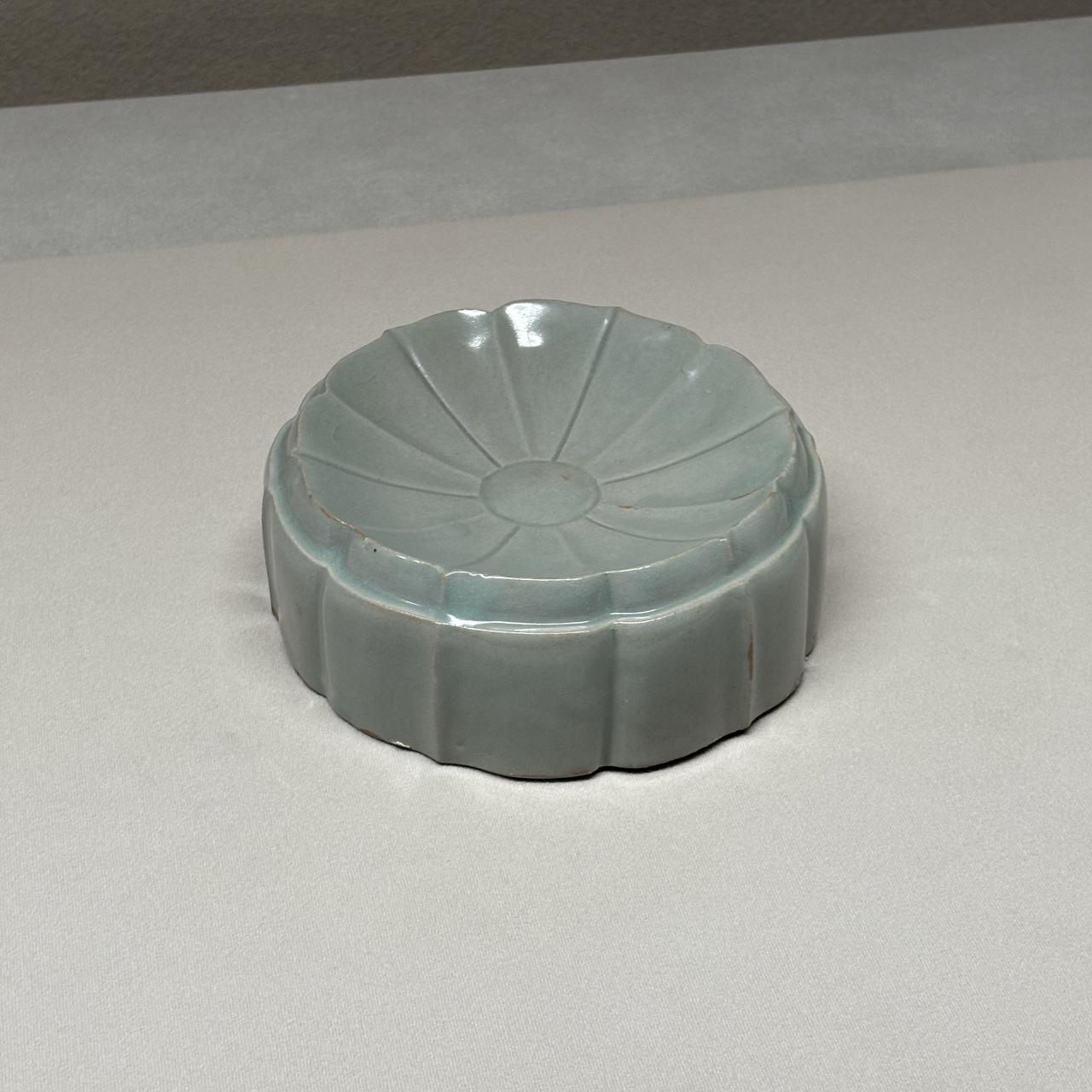
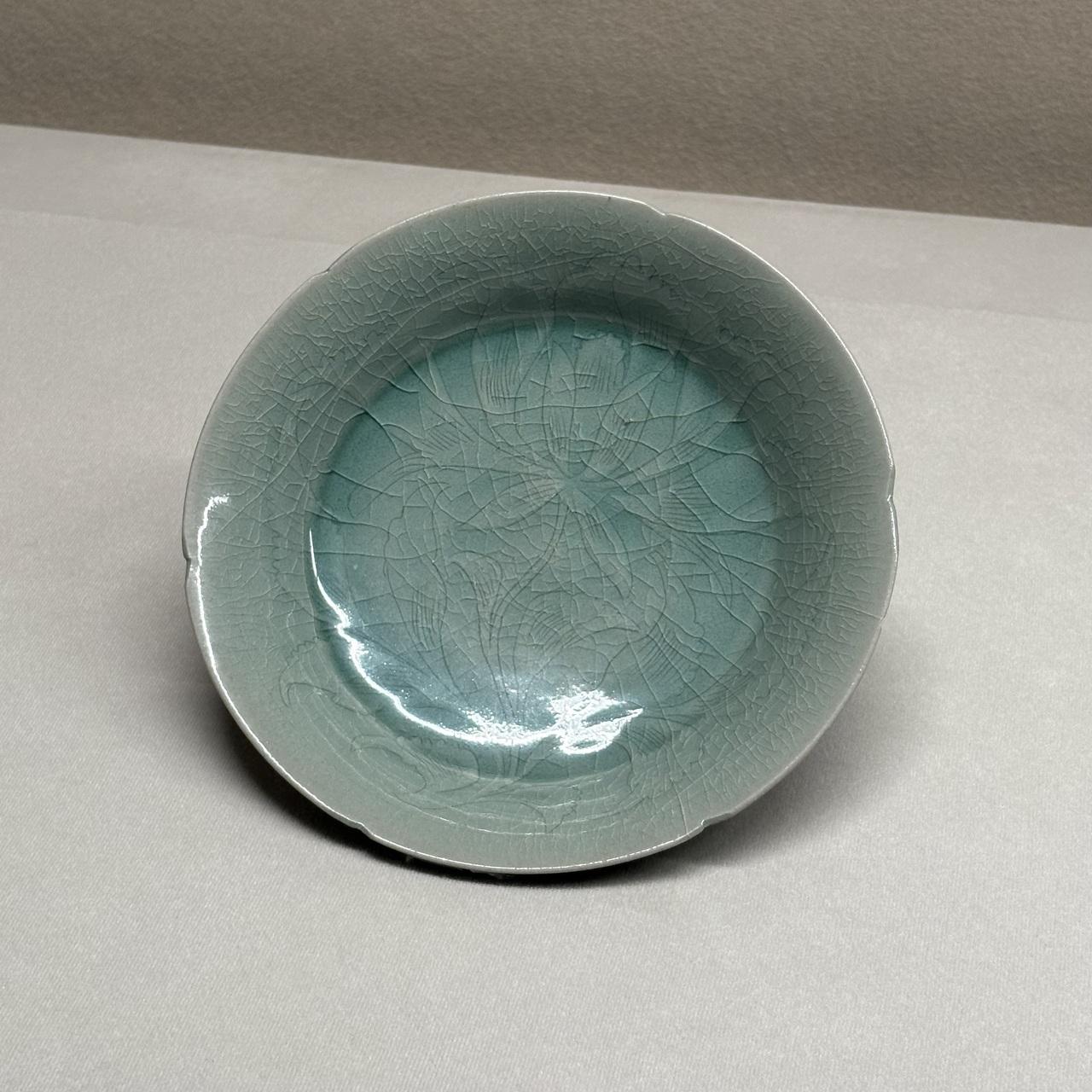
84
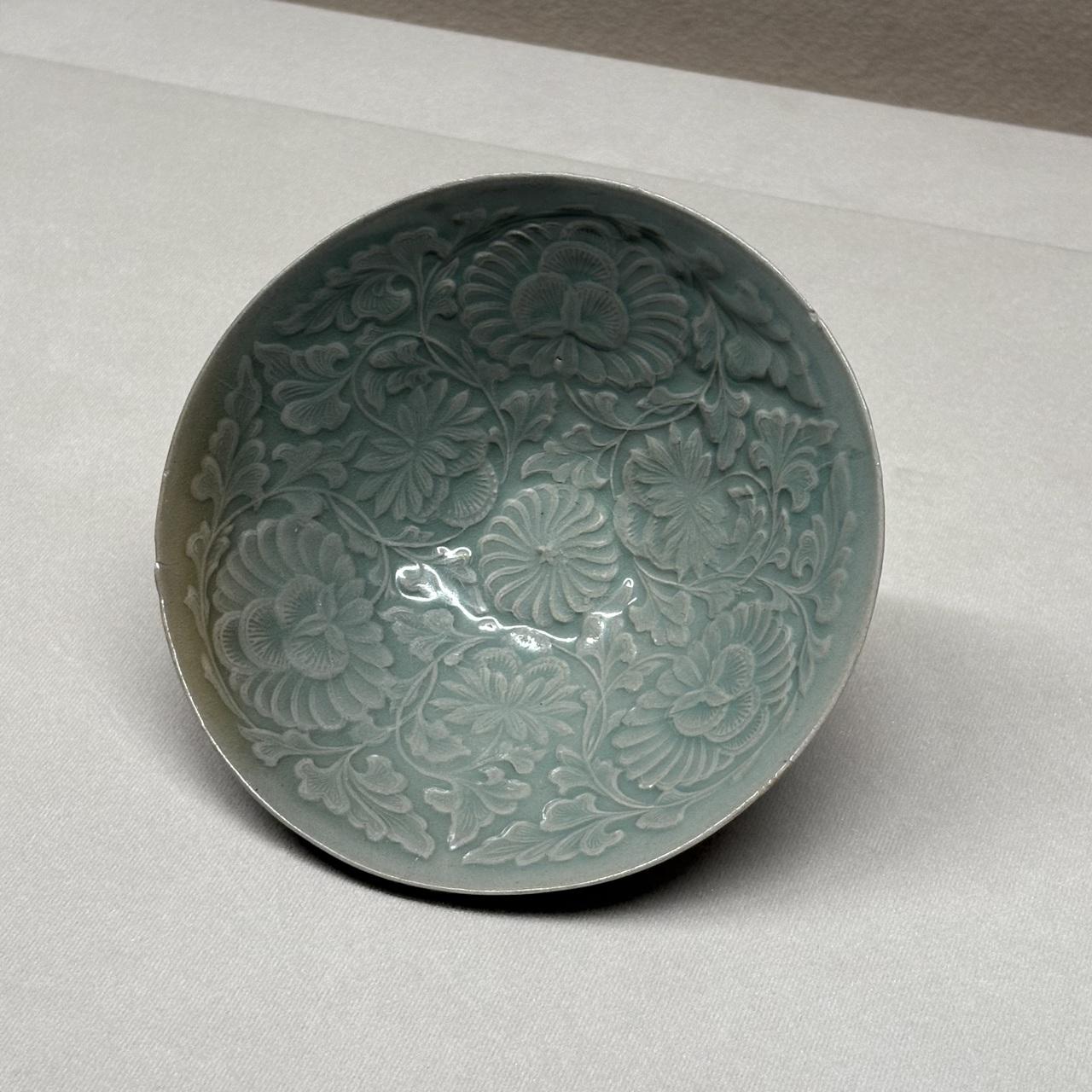
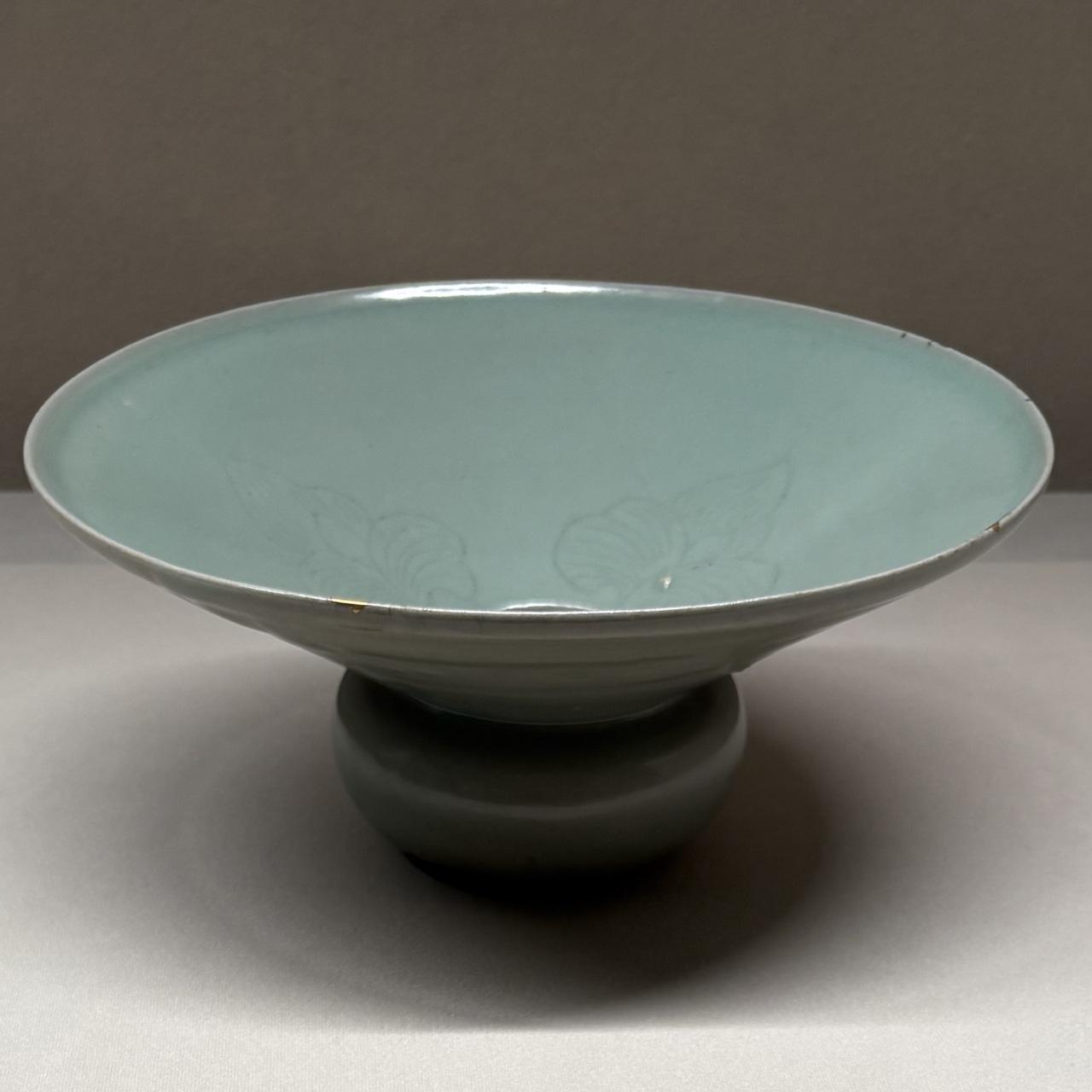
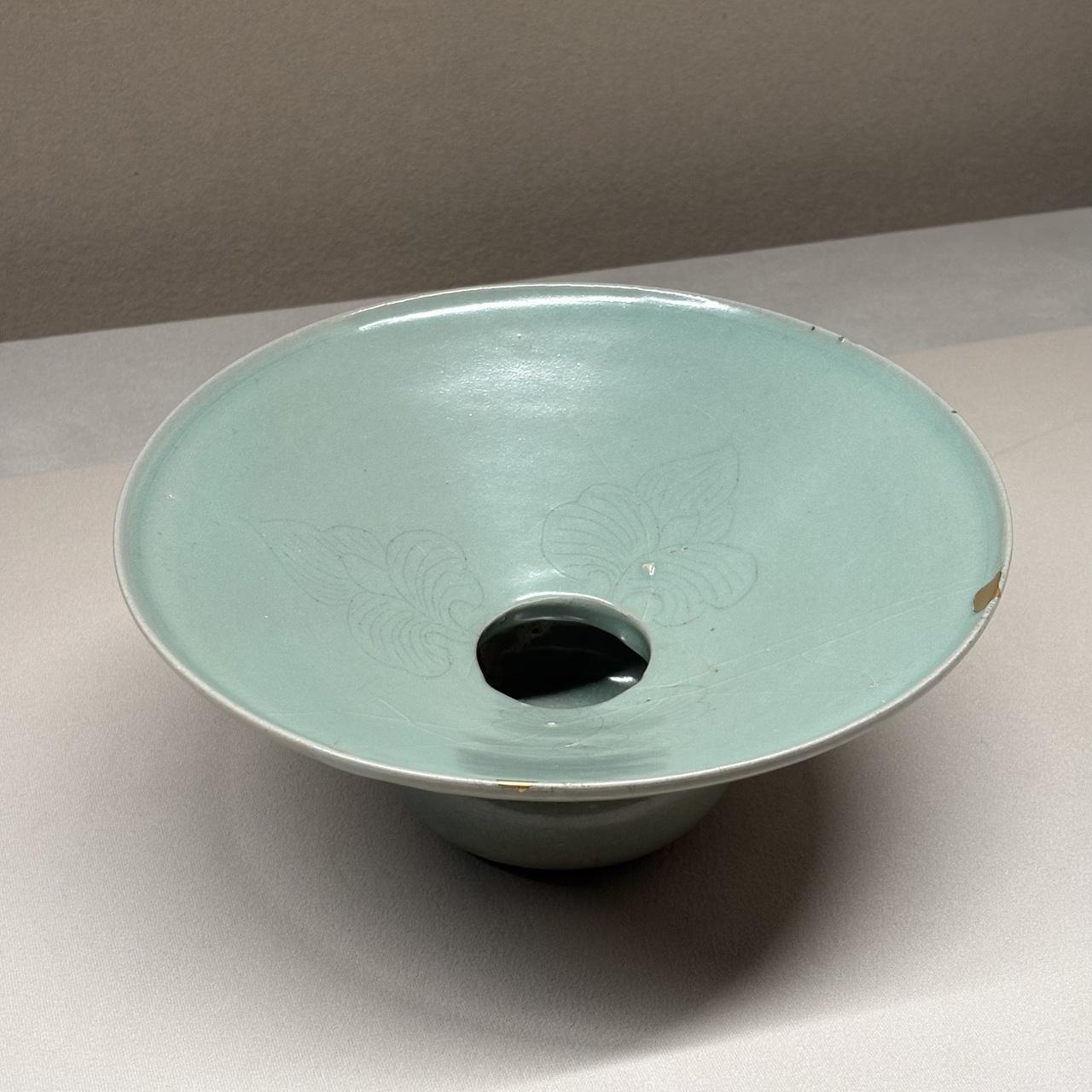
青磁陰刻 花文 渣斗(せいじいんこく はなもん さど)
高麗時代・12世紀
大阪市立東洋陶磁美術館(李秉昌博士寄贈)
大きな漏斗に小壺がついたような独特の形。渣斗は中国古代以来の一種の屑入れ。中国宋、金代の墓の壁画に描かれた喫茶や飲酒の場面にも見られ、茶薬や酒などを捨てる器と考えられる。
SPITTOON (ZHADOU)
Celadon with incised flower design
Goryeo dynasty, 12th century
The Museum of Oriental Ceramics, Osaka (Gift of Dr. RHEE Byung-Chang)
The zhadou is a unique type of waste receptacle from ancient China, shaped like a large conical bowl with a small jar attached at the bottom. Illustrations of the zhadou appear in wall paintings depicting tea and wine drinking scenes from tombs of the Song and Jin dynasties, suggesting it was used for disposing of tea leaves or leftover wine.
H: 11.9cm, D: 24.9cm Accession No. 01247 -
-
-
-
-
-
-
-
-
-
-
-
-
-
-
-
-
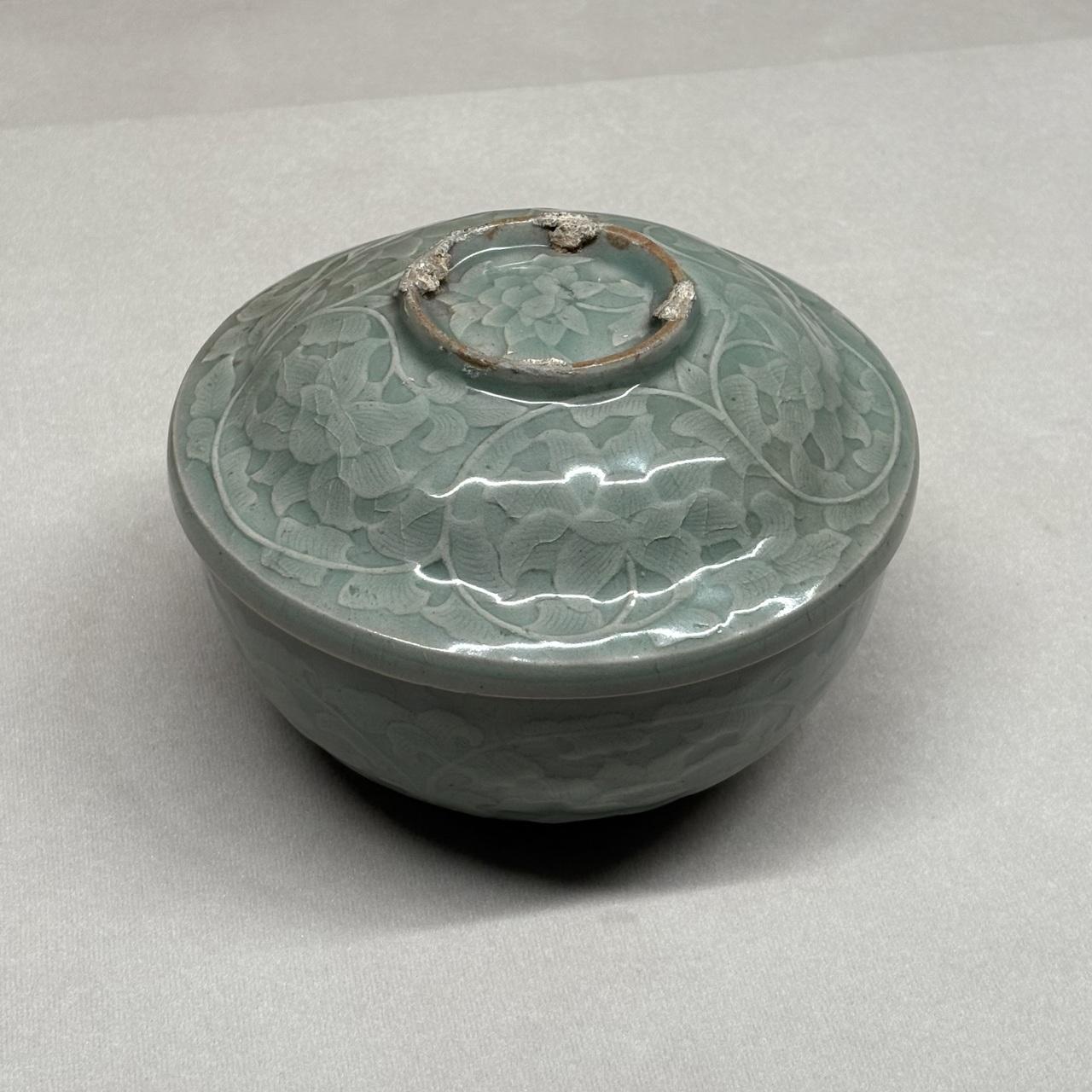
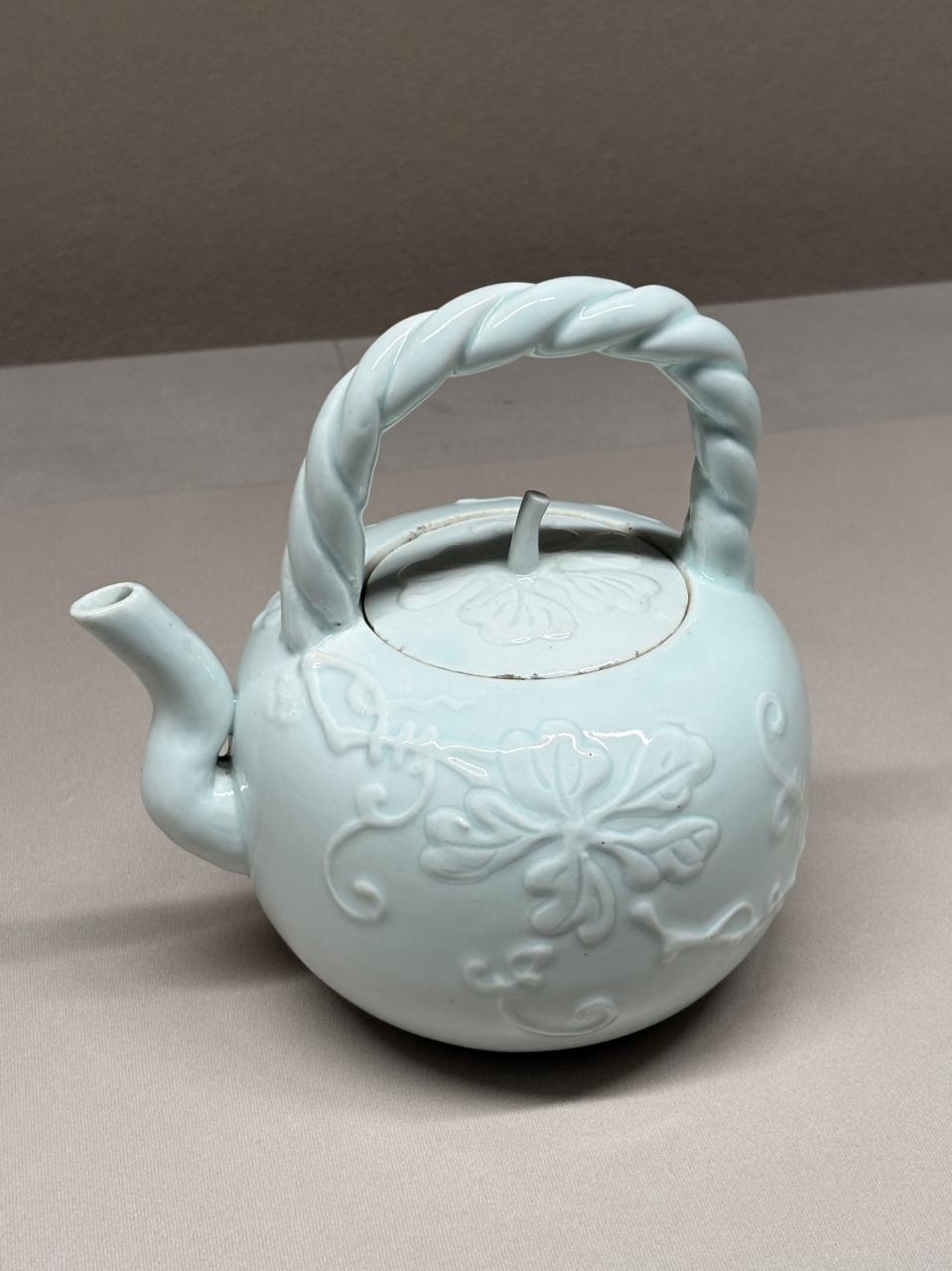
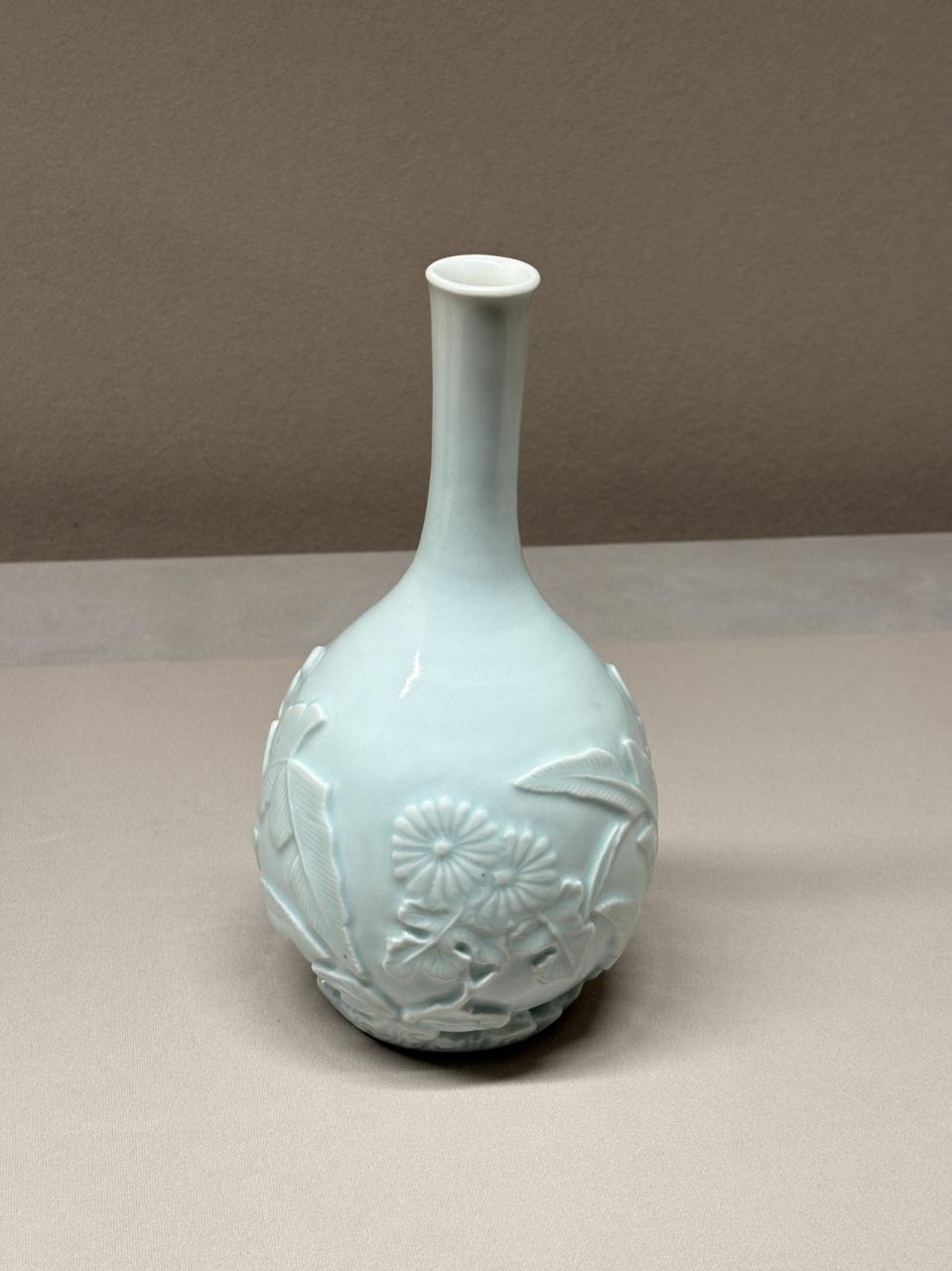
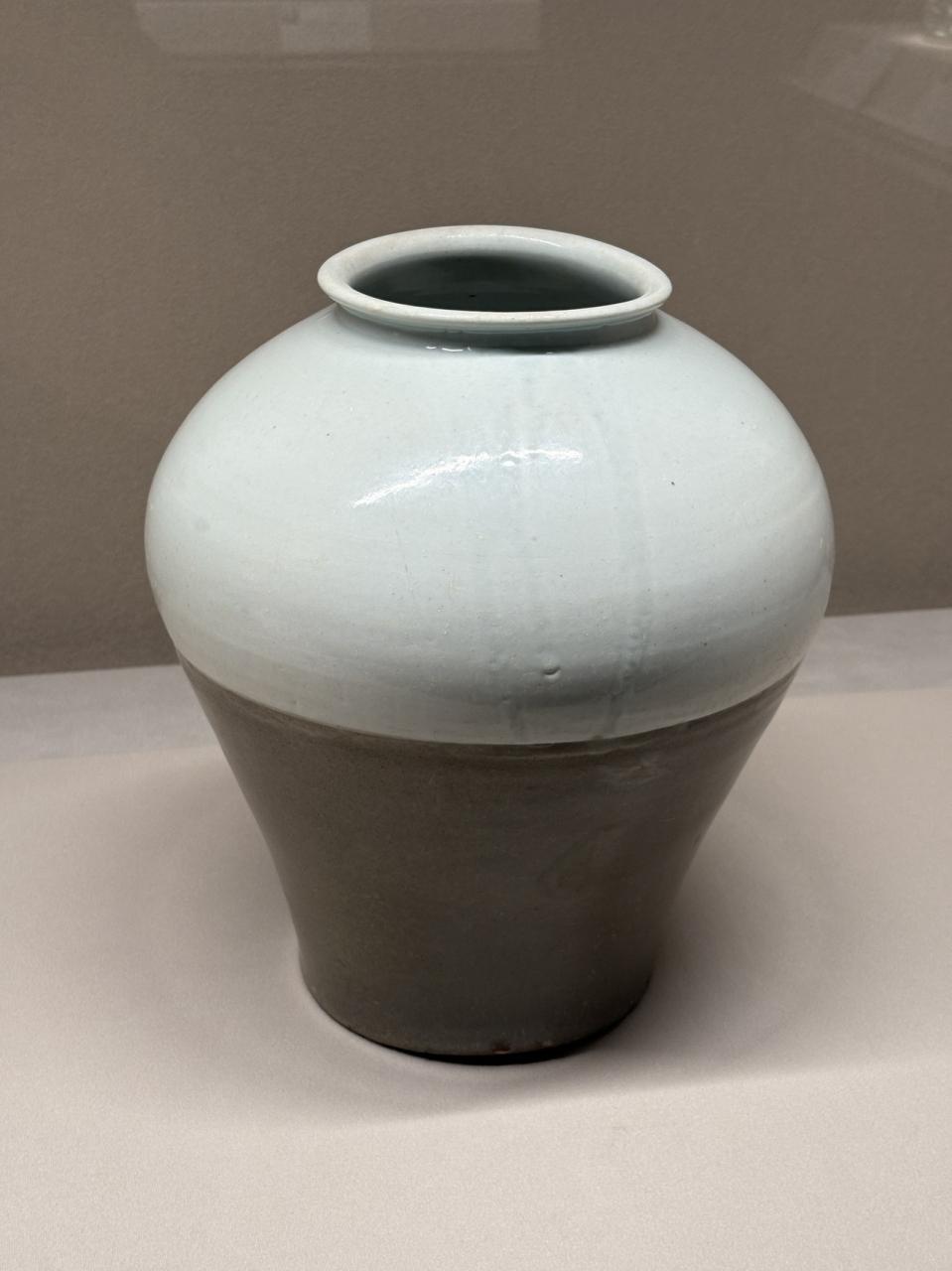
93
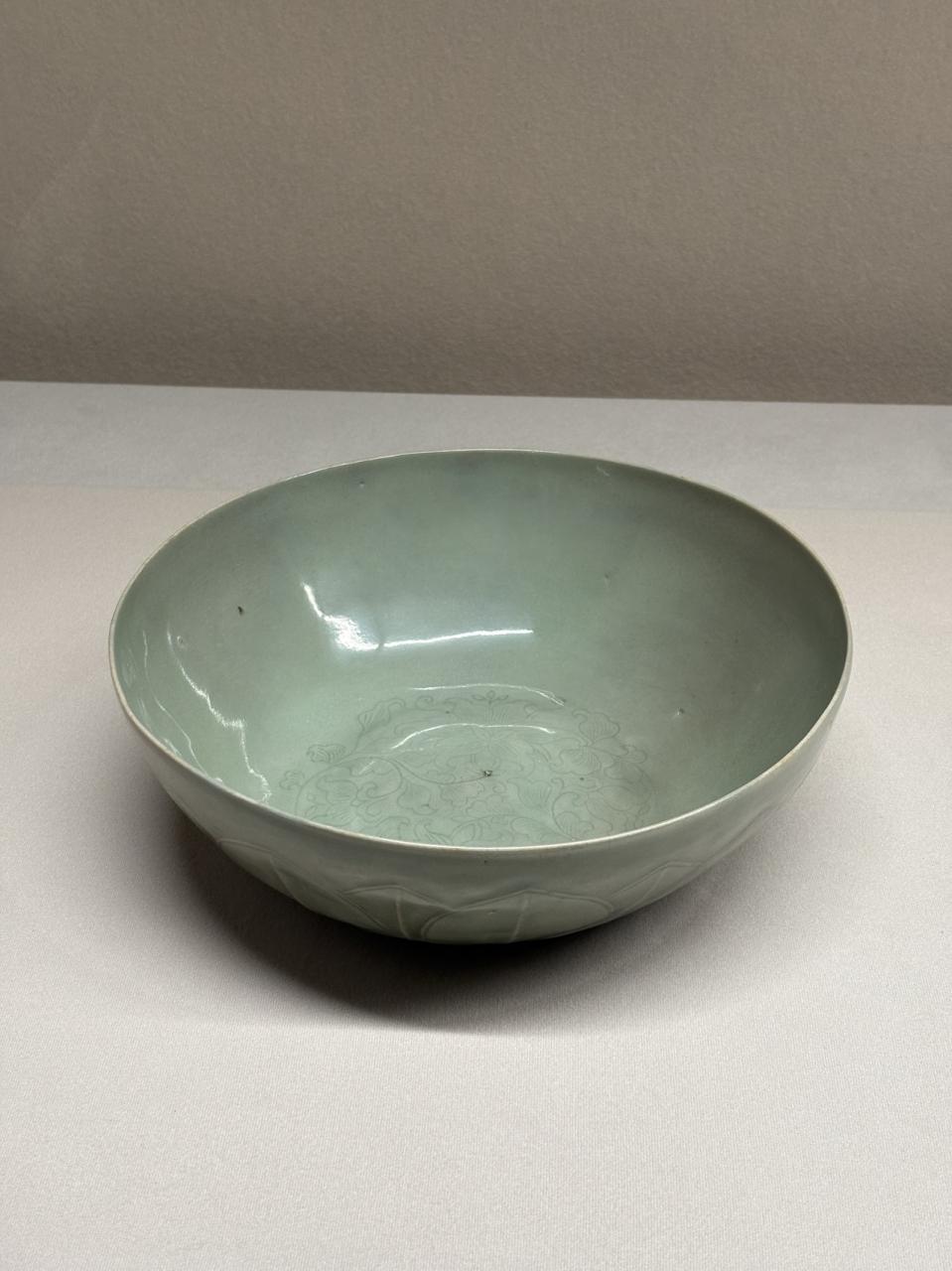
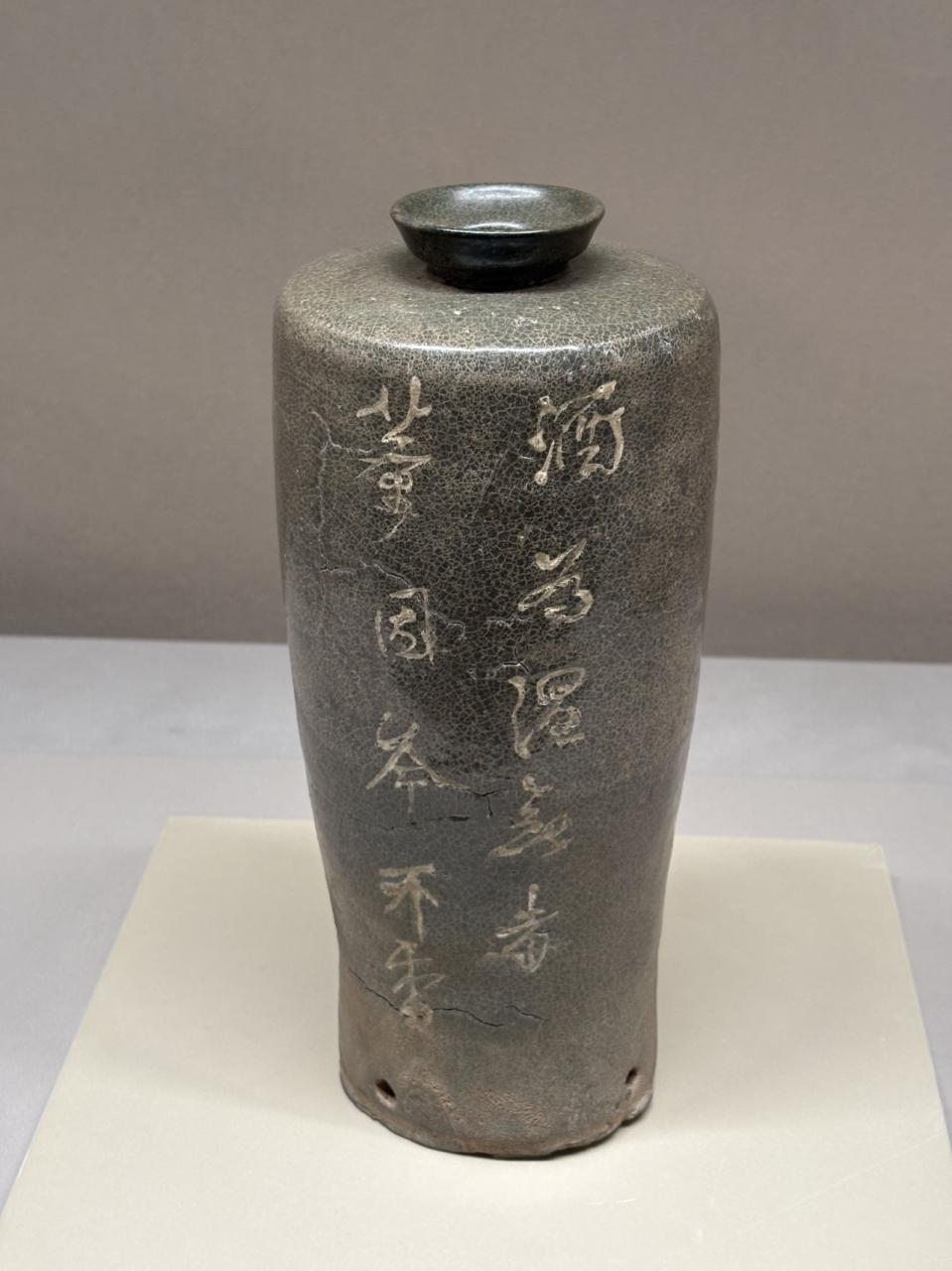
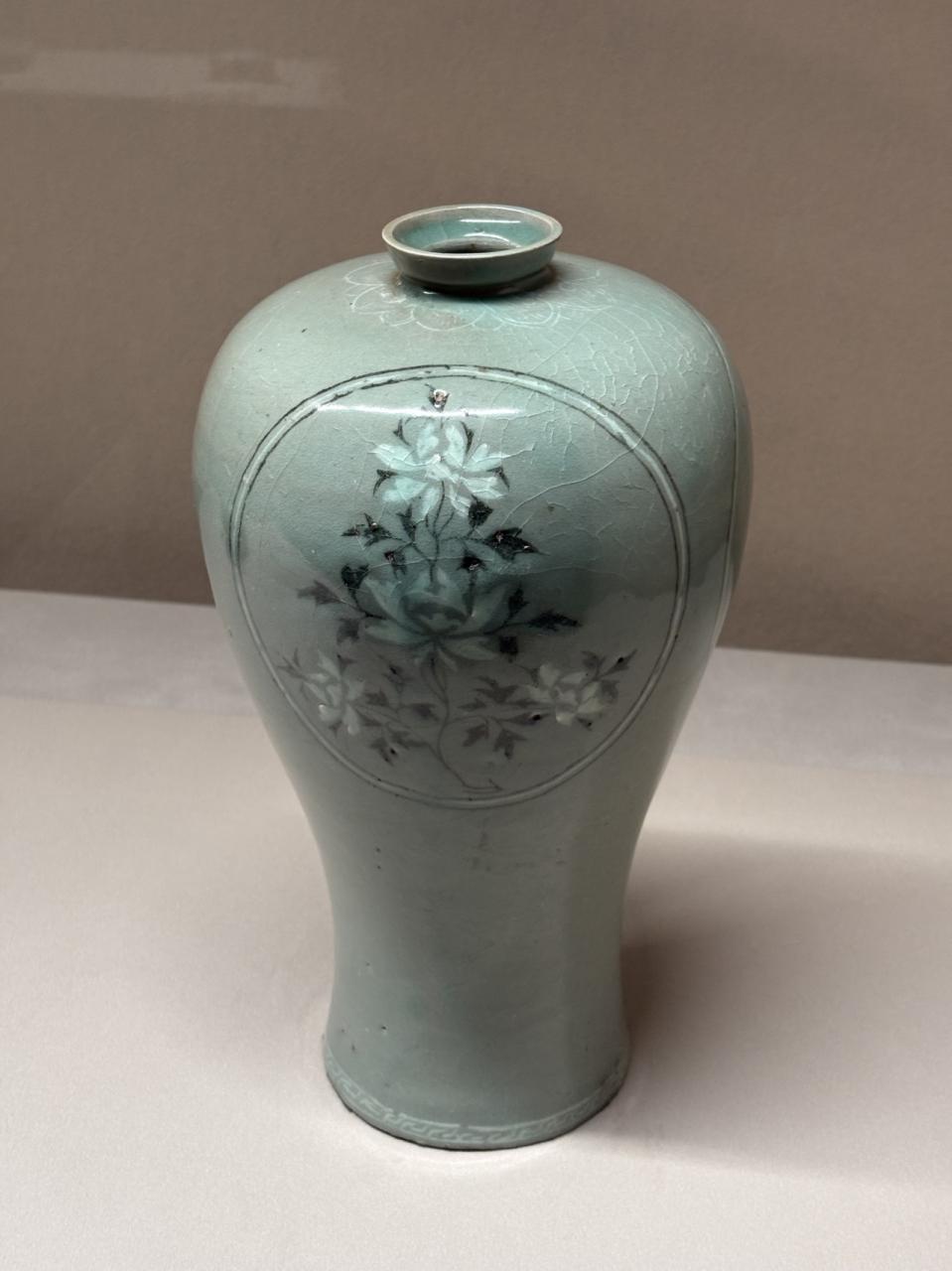
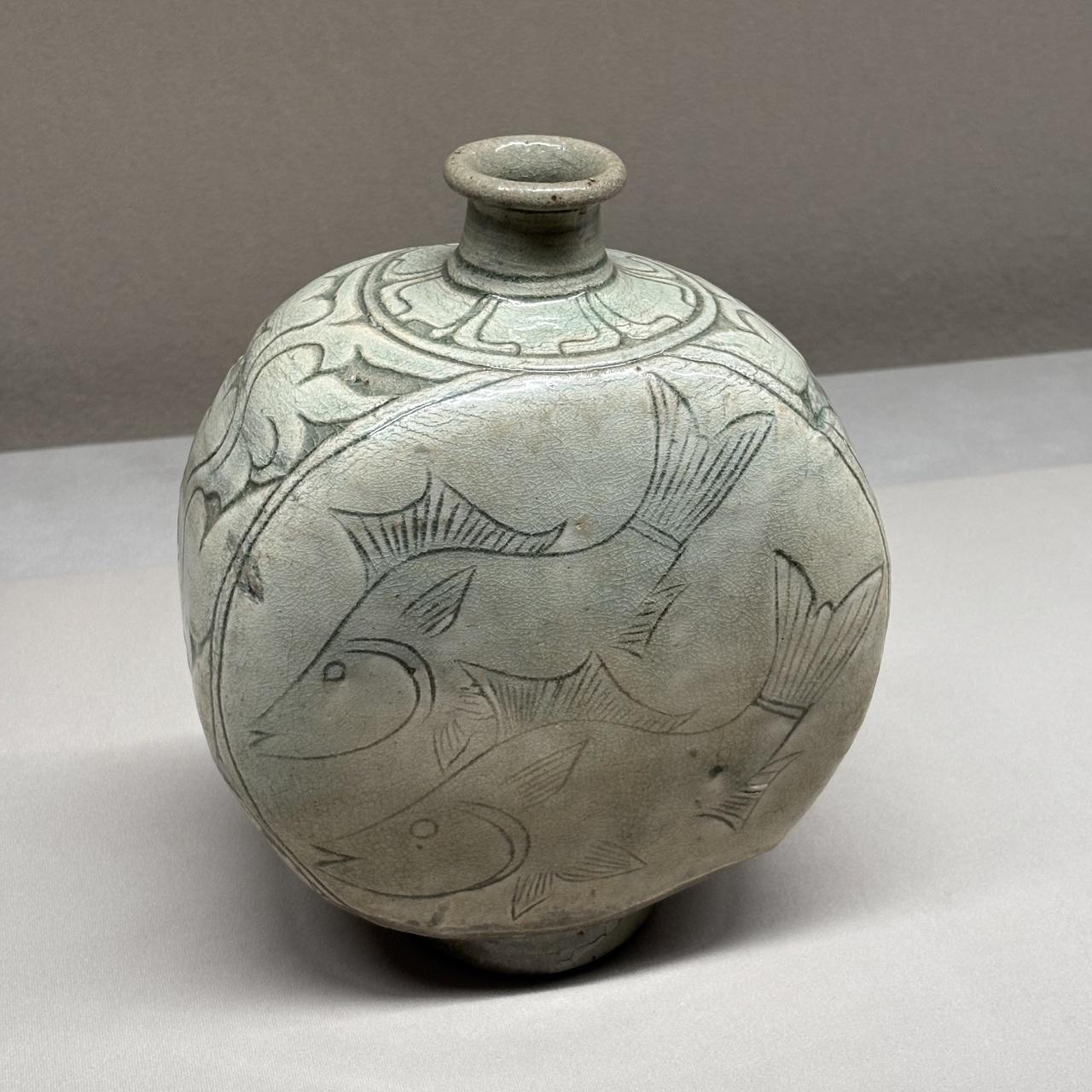
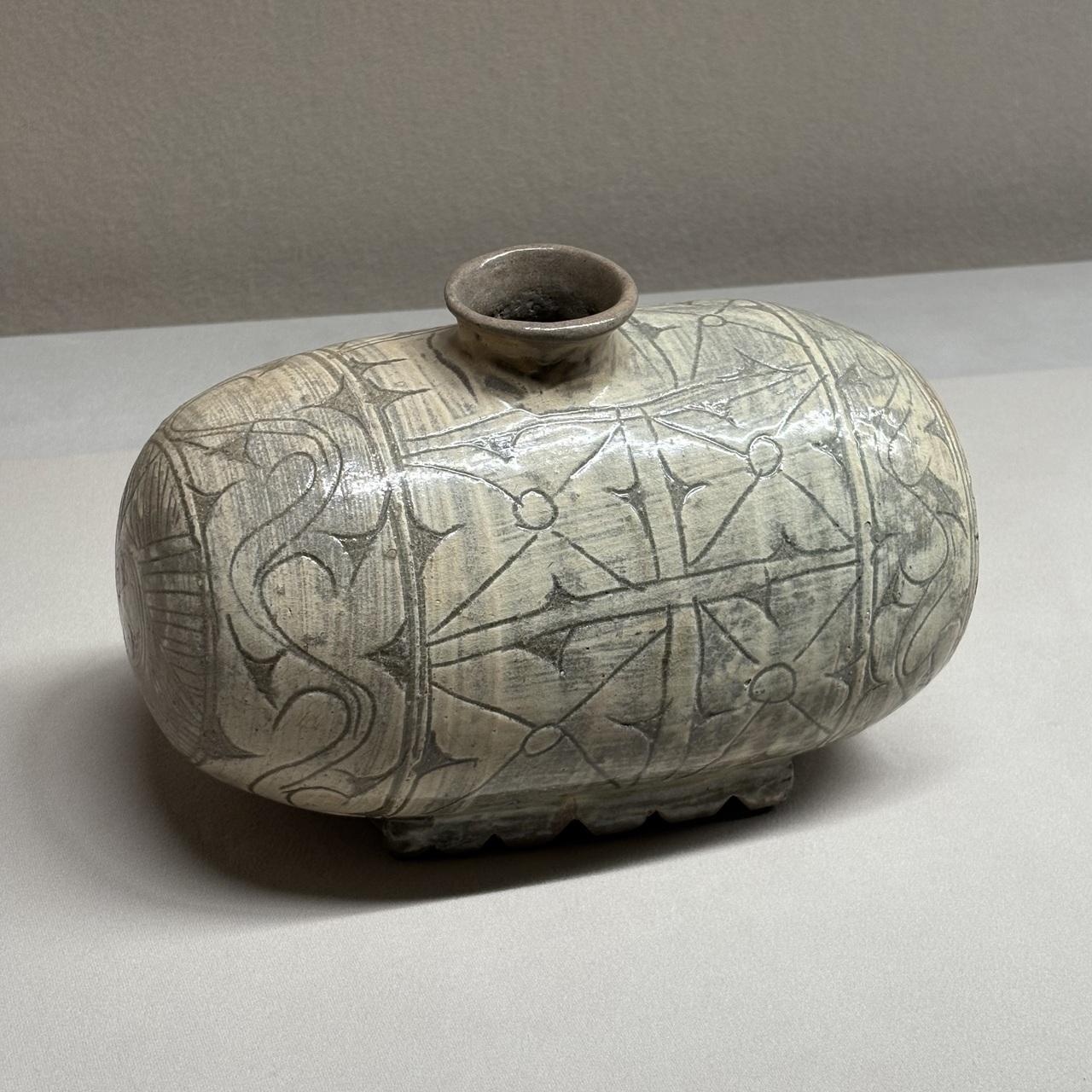
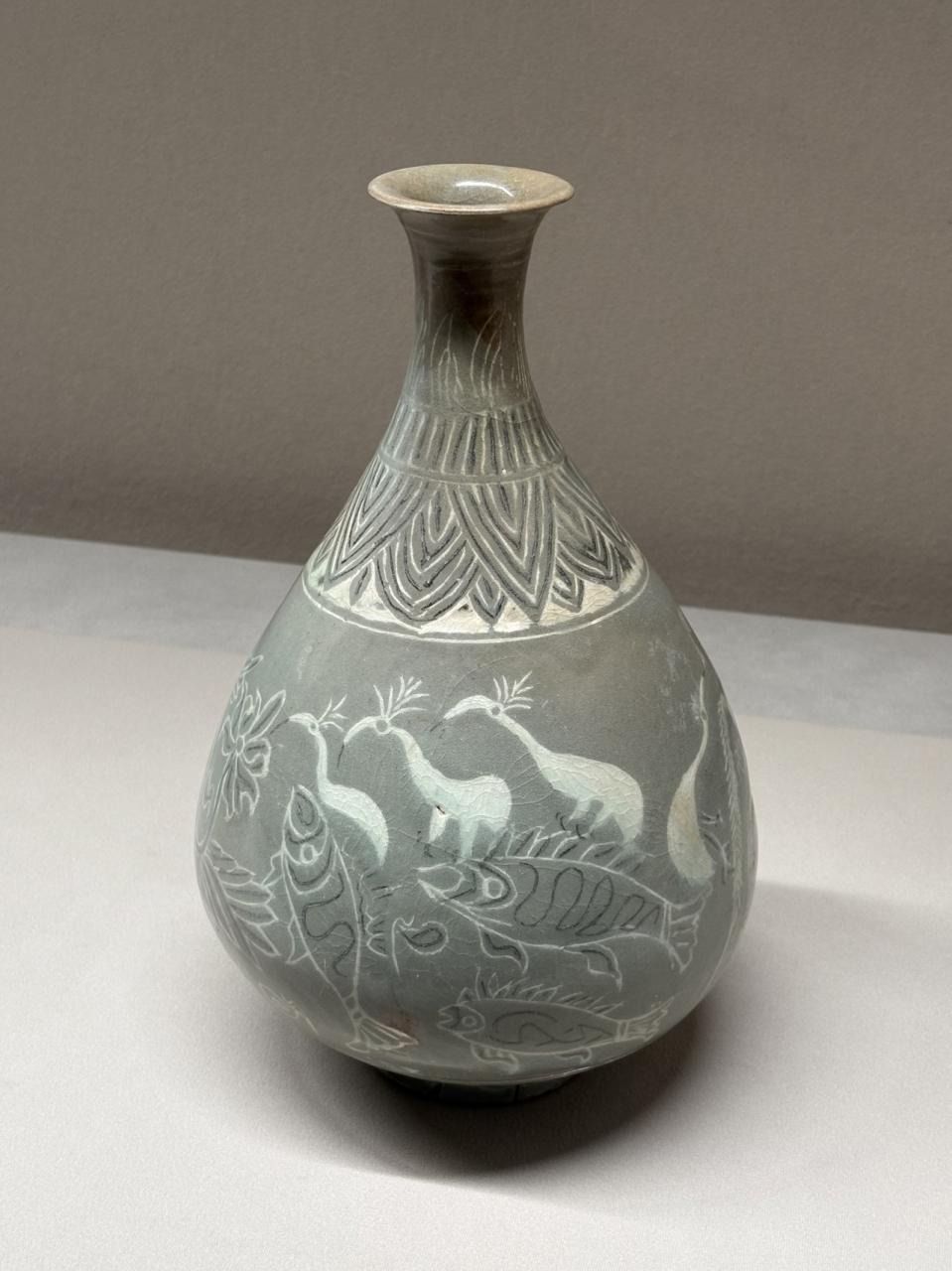
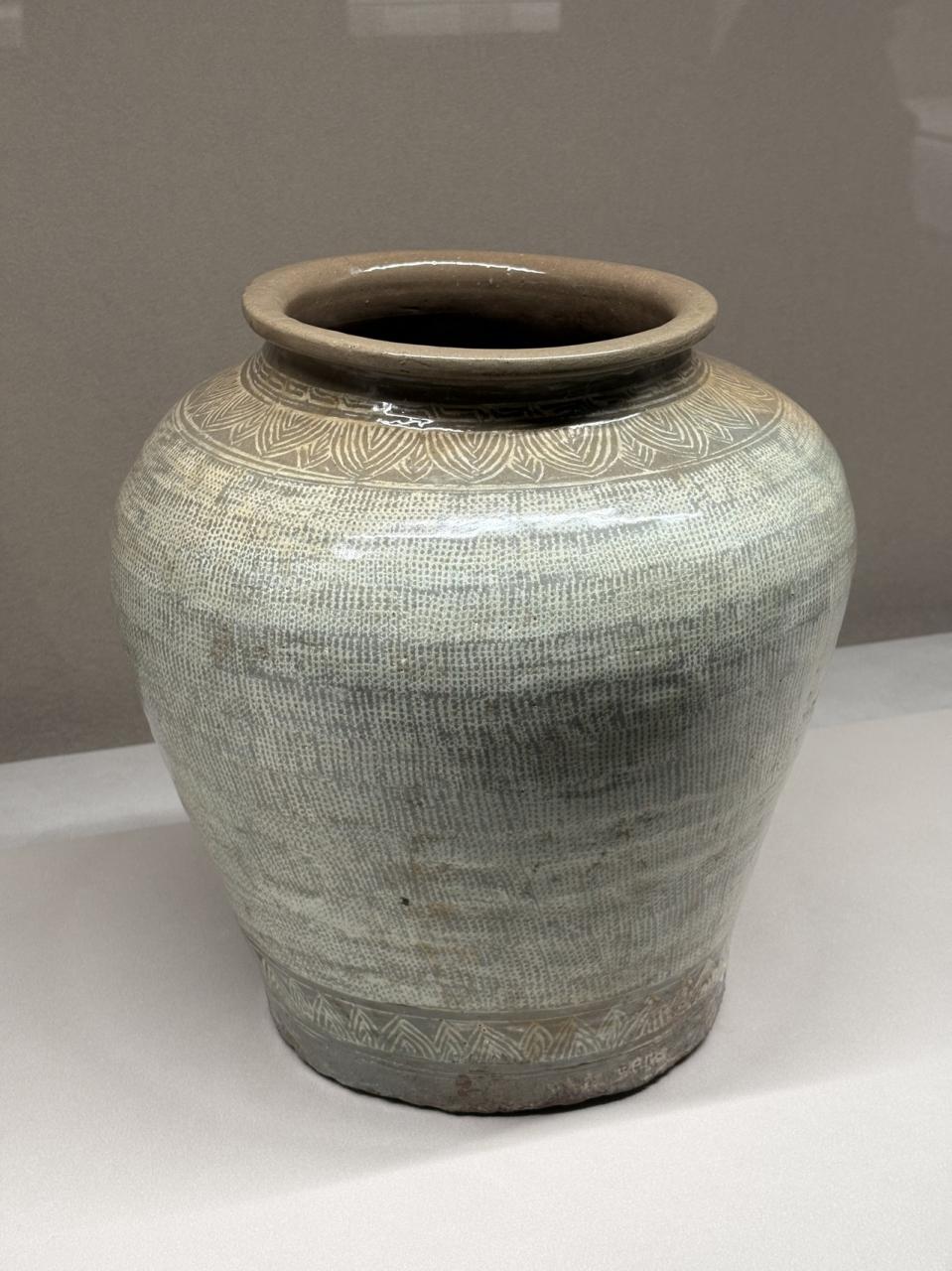
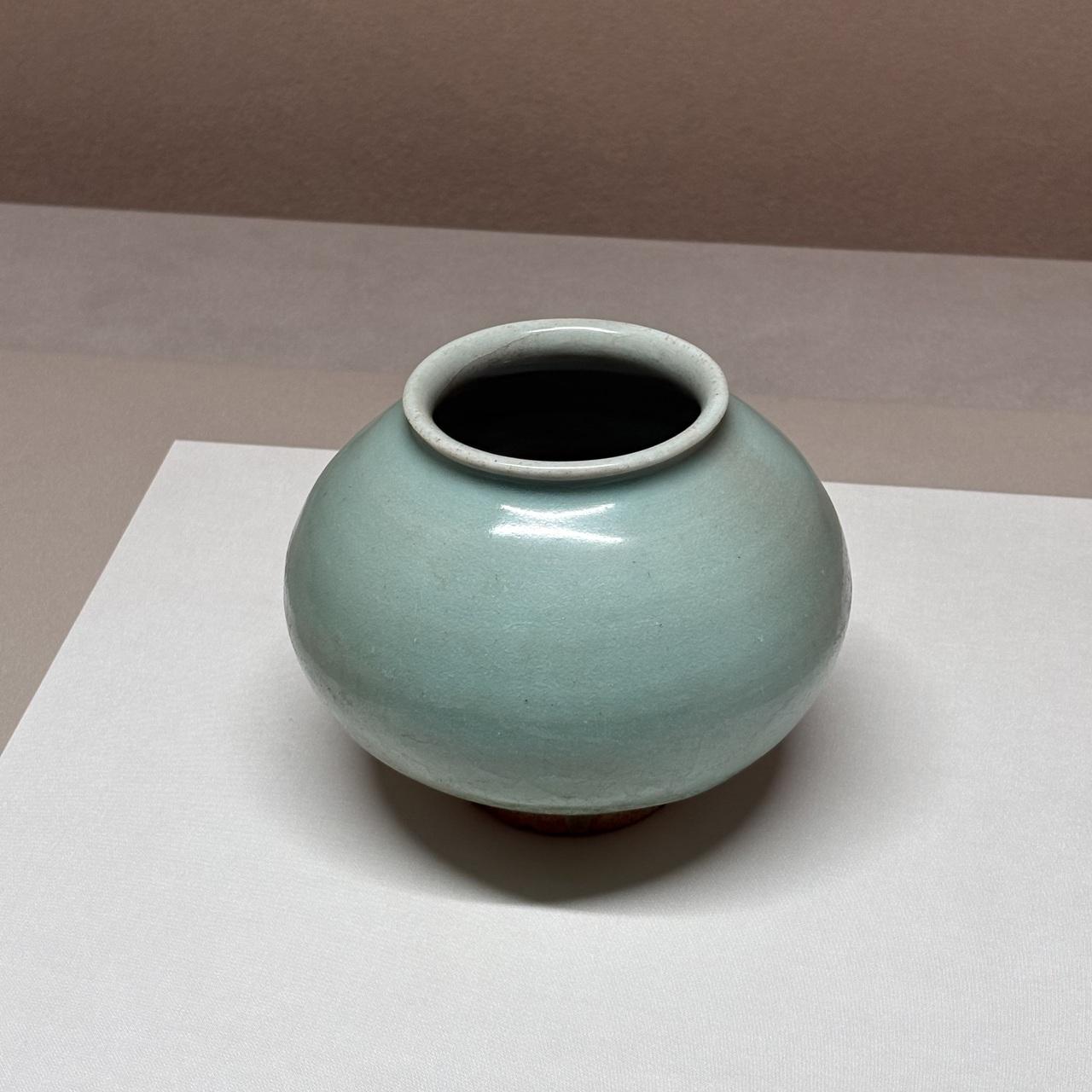
青磁 壺
朝鮮時代・15世紀後半
大阪市立東洋陶磁美術館(李秉昌博士寄贈)
朝鮮王室の器皿を生産した広州官窯では、白磁胎に青磁釉をかけた自胎青磁が作られた。光海君8年丙辰(1616年)の記録には、王は白磁、世子(王位継承者)は青磁を使ったとある。
JAR
Celadon
Joseon dynasty, second half of the 15th century
The Museum of Oriental Ceramics, Osaka (Gift of Dr. RHEE Byung-Chang)
Vessels made from white clay and covered with a celadon glaze were produced at the Gwangju official kiln, which manufactured wares exclusively for the Joseon royal family. According to a record written in 1616, kings used white porcelain, while seja (heir to the throne) used celadon ware.
H: 11.3cm, D: 14.4cm Accession No. 01691 -
-
-
-
-
-
-
-
-
-
-
-
-
-
-
-
-
-
-
-
-
-
-
-
-
-
-
-
-
(展示6に続く・・・)



利用規約に違反している投稿は、報告する事ができます。
旅行記グループ
2025年6月 奥方と行くんだけど、ほぼ野放しの京都・大阪・奈良
-
前の旅行記

奥方と行ったけど、ほぼ野放しの京都・大阪・奈良【東洋陶磁美術館⑥】(展示4)コレクション展 "清廉尚白 安宅...
2025/06/27~
心斎橋・淀屋橋
-
次の旅行記

奥方と行ったけど、ほぼ野放しの京都・大阪・奈良【東洋陶磁美術館⑧】(展示6)コレクション展 "陶魂無比 日本...
2025/06/27~
心斎橋・淀屋橋
-

奥方と行くんだけど、ほぼ野放しの京都・大阪・奈良 〔現地速報①〕EXPO 2025 "万博会場に大曲の花火"...
2025/06/27~
大阪市
-

奥方と行ったけど、ほぼ野放しの京都・大阪・奈良【東洋陶磁美術館①】"妙に近代化した淀屋橋" から、"螺旋階段...
2025/06/27~
心斎橋・淀屋橋
-

奥方と行ったけど、ほぼ野放しの京都・大阪・奈良【東洋陶磁美術館②】(展示1) 特別展 "青磁至宝 中国・韓国...
2025/06/27~
心斎橋・淀屋橋
-

奥方と行ったけど、ほぼ野放しの京都・大阪・奈良【東洋陶磁美術館③】(特別展示1) "国宝 油滴天目茶碗"
2025/06/27~
心斎橋・淀屋橋
-

奥方と行ったけど、ほぼ野放しの京都・大阪・奈良【東洋陶磁美術館④】(展示2) 特別展 "翡色玲瓏 高麗青磁の...
2025/06/27~
心斎橋・淀屋橋
-

奥方と行ったけど、ほぼ野放しの京都・大阪・奈良【東洋陶磁美術館⑤】(展示3) 特別展 "翡色玲瓏 高麗青磁の...
2025/06/27~
心斎橋・淀屋橋
-

奥方と行ったけど、ほぼ野放しの京都・大阪・奈良【東洋陶磁美術館⑥】(展示4)コレクション展 "清廉尚白 安宅...
2025/06/27~
心斎橋・淀屋橋
-

奥方と行ったけど、ほぼ野放しの京都・大阪・奈良【東洋陶磁美術館⑦】(展示5)コレクション展 "純真之美 李秉...
2025/06/27~
心斎橋・淀屋橋
-

奥方と行ったけど、ほぼ野放しの京都・大阪・奈良【東洋陶磁美術館⑧】(展示6)コレクション展 "陶魂無比 日本...
2025/06/27~
心斎橋・淀屋橋
-

奥方と行ったけど、ほぼ野放しの京都・大阪・奈良【東洋陶磁美術館⑨】(展示7)特別展 "青磁脈脈 日本の青磁"
2025/06/27~
心斎橋・淀屋橋
-

奥方と行ったけど、ほぼ野放しの京都・大阪・奈良【東洋陶磁美術館⑩】(展示8)"現代陶芸コレクション" &(特...
2025/06/27~
心斎橋・淀屋橋
-

奥方と行ったけど、ほぼ野放しの京都・大阪・奈良【東洋陶磁美術館⑪】(展示9)コレクション展 "中華瑰宝 安宅...
2025/06/27~
心斎橋・淀屋橋
-

奥方と行ったけど、ほぼ野放しの京都・大阪・奈良【東洋陶磁美術館⑫】(展示10&11)特別展 "青翠如玉 中国...
2025/06/27~
心斎橋・淀屋橋
-

奥方と行ったけど、ほぼ野放しの京都・大阪・奈良【東洋陶磁美術館⑬完】(展示12)沖正一郎コレクション鼻煙壺&...
2025/06/27~
心斎橋・淀屋橋
-

奥方と行ったけど、ほぼ野放しの京都・大阪・奈良【万博①】大阪メトロで、"北浜" から "夢洲" へ。"ミャク...
2025/06/28~
大阪市
-

奥方と行ったけど、ほぼ野放しの京都・大阪・奈良【万博②】入場まで45分。"ミャクミャクのこれは、しっぽではな...
2025/06/28~
大阪ベイエリア
-

奥方と行ったけど、ほぼ野放しの京都・大阪・奈良【万博③】"これまで唯一の20万人超えの入場者" の間を、ハン...
2025/06/28~
大阪ベイエリア
-

奥方と行ったけど、ほぼ野放しの京都・大阪・奈良【万博④】コロナで行けずの "ハンガリー" にリベンジも、"豪...
2025/06/28~
ハンガリー
-

奥方と行ったけど、ほぼ野放しの京都・大阪・奈良【万博⑤】"大屋根リング"は、花火待ちで大混雑。"モナコ公国館...
2025/06/28~
大阪ベイエリア
-

奥方と行ったけど、ほぼ野放しの京都・大阪・奈良【万博⑥】"コモンズ-A館" で、"イエメンおじさんたちの商売...
2025/06/28~
大阪ベイエリア
-

奥方と行ったけど、ほぼ野放しの京都・大阪・奈良【万博⑦/完】"東ゲート" から退場。直後に打ち上がった "大...
2025/06/28~
大阪市
-

奥方と行ったけど、ほぼ野放しの京都・大阪・奈良【心斎橋を夜の街歩き①】"玉屋町筋" はグルメなお店多数、路上...
2025/06/28~
心斎橋・淀屋橋
-

奥方と行ったけど、ほぼ野放しの京都・大阪・奈良【心斎橋を夜の街歩き②】串かつ だるまの "二度づけ禁止おじさ...
2025/06/28~
心斎橋・淀屋橋
-

奥方と行ったけど、ほぼ野放しの京都・大阪・奈良【心斎橋を夜の街歩き③】ボート行き交う "道頓堀" は、バンコ...
2025/06/28~
心斎橋・淀屋橋
-

奥方と行くんだけど、ほぼ野放しの京都・大阪・奈良 〔現地速報②〕"奈良県立万葉文化館" で食べた "あら川の...
2025/06/29~
飛鳥
-

奥方と行ったけど、ほぼ野放しの京都・大阪・奈良【大阪ミナミ朝の街歩き①】"千日前商店街"で見かけたポスター。...
2025/06/29~
心斎橋・淀屋橋
-

奥方と行ったけど、ほぼ野放しの京都・大阪・奈良【大阪ミナミ朝の街歩き②】これぞ、お笑いの殿堂 "なんばグラン...
2025/06/29~
ミナミ(難波・天王寺)
-

奥方と行ったけど、ほぼ野放しの京都・大阪・奈良【大阪ミナミ朝の街歩き③】大阪 日本橋(にっぽんばし)、この界...
2025/06/29~
ミナミ(難波・天王寺)
-

奥方と行ったけど、ほぼ野放しの京都・大阪・奈良【大阪ミナミ朝の街歩き④】"通天閣を真下から見る" と、こんな...
2025/06/29~
ミナミ(難波・天王寺)
-

奥方と行ったけど、ほぼ野放しの京都・大阪・奈良【大阪ミナミ朝の街歩き⑤/完】"あべのハルカス19階" から、...
2025/06/29~
ミナミ(難波・天王寺)
旅行記グループをもっと見る
コメントを投稿する前に
十分に確認の上、ご投稿ください。 コメントの内容は攻撃的ではなく、相手の気持ちに寄り添ったものになっていますか?
サイト共通ガイドライン(利用上のお願い)報道機関・マスメディアの方へ 画像提供などに関するお問い合わせは、専用のお問い合わせフォームからお願いいたします。
この旅行で行ったスポット





フォートラベル公式LINE@
おすすめの旅行記や旬な旅行情報、お得なキャンペーン情報をお届けします!
QRコードが読み取れない場合はID「@4travel」で検索してください。
\その他の公式SNSはこちら/



旅行記グループ 2025年6月 奥方と行くんだけど、ほぼ野放しの京都・大阪・奈良
0
59