


2025/06/27 - 2025/06/28
42位(同エリア1948件中)

旅熊 Kokazさん
- 旅熊 KokazさんTOP
- 旅行記1914冊
- クチコミ854件
- Q&A回答102件
- 1,697,863アクセス
- フォロワー753人
大阪市立東洋陶磁美術館
2025.4.19~11.24
特別展 "CELADON-東アジアの青磁のきらめき"
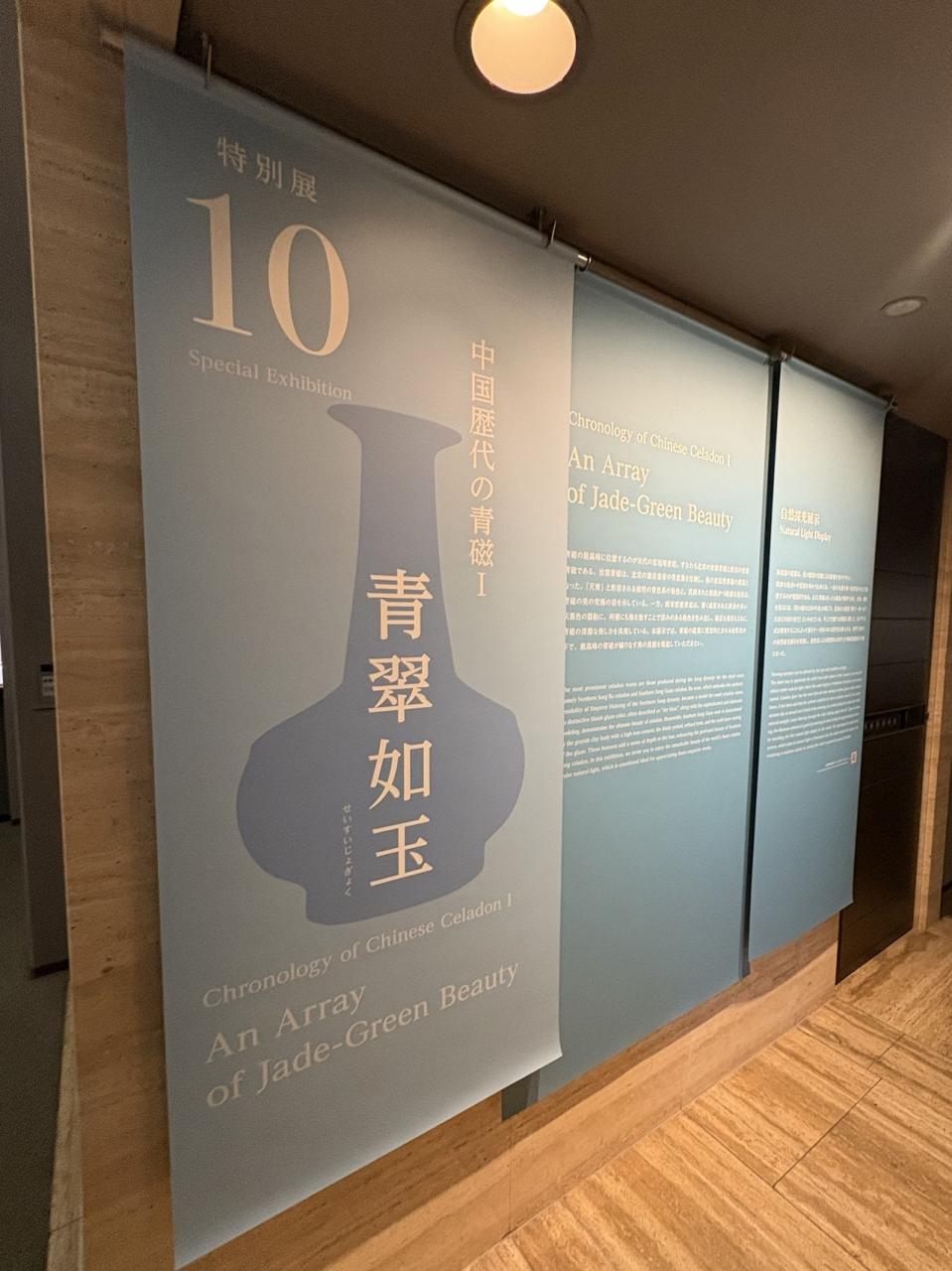
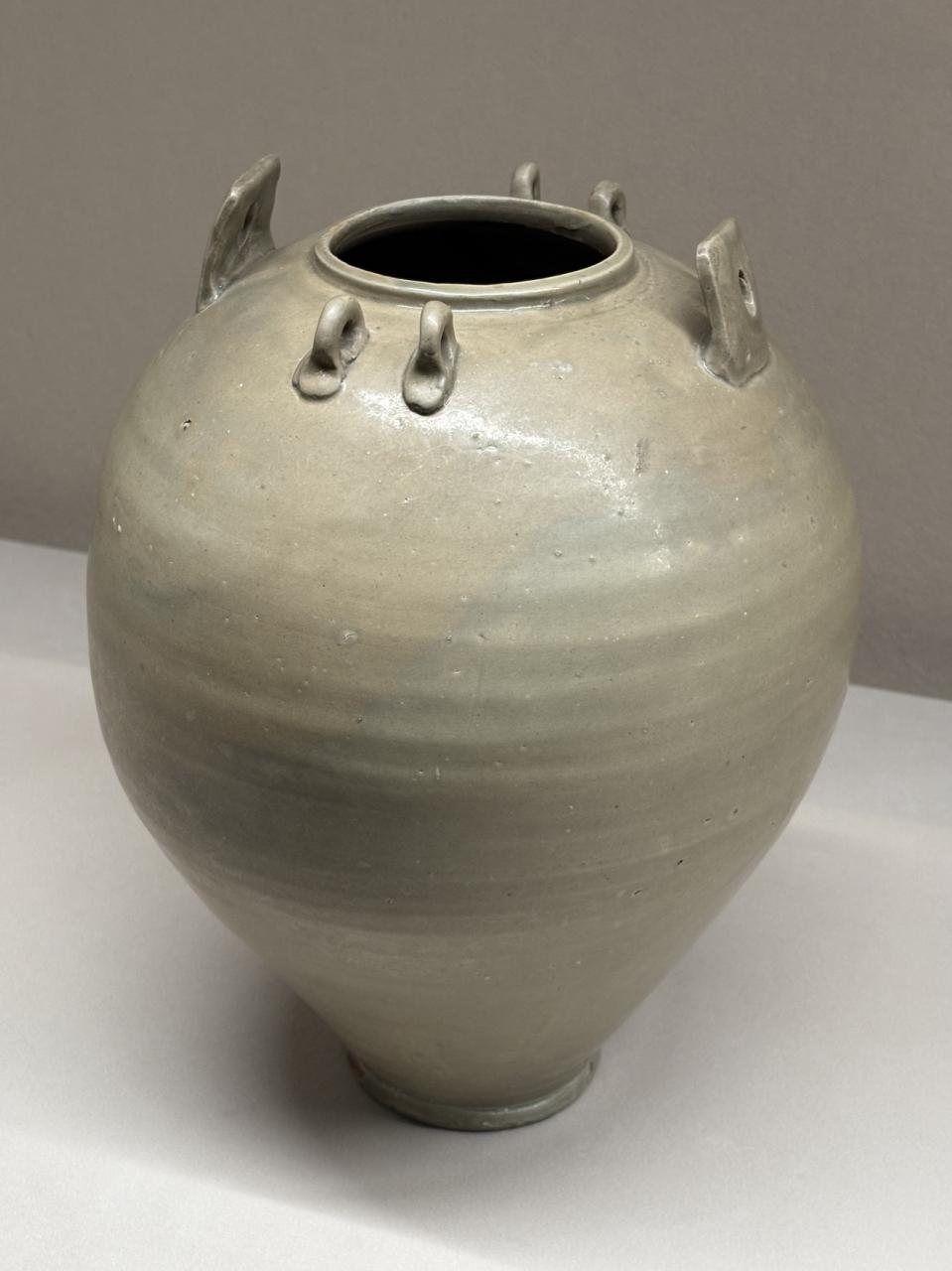
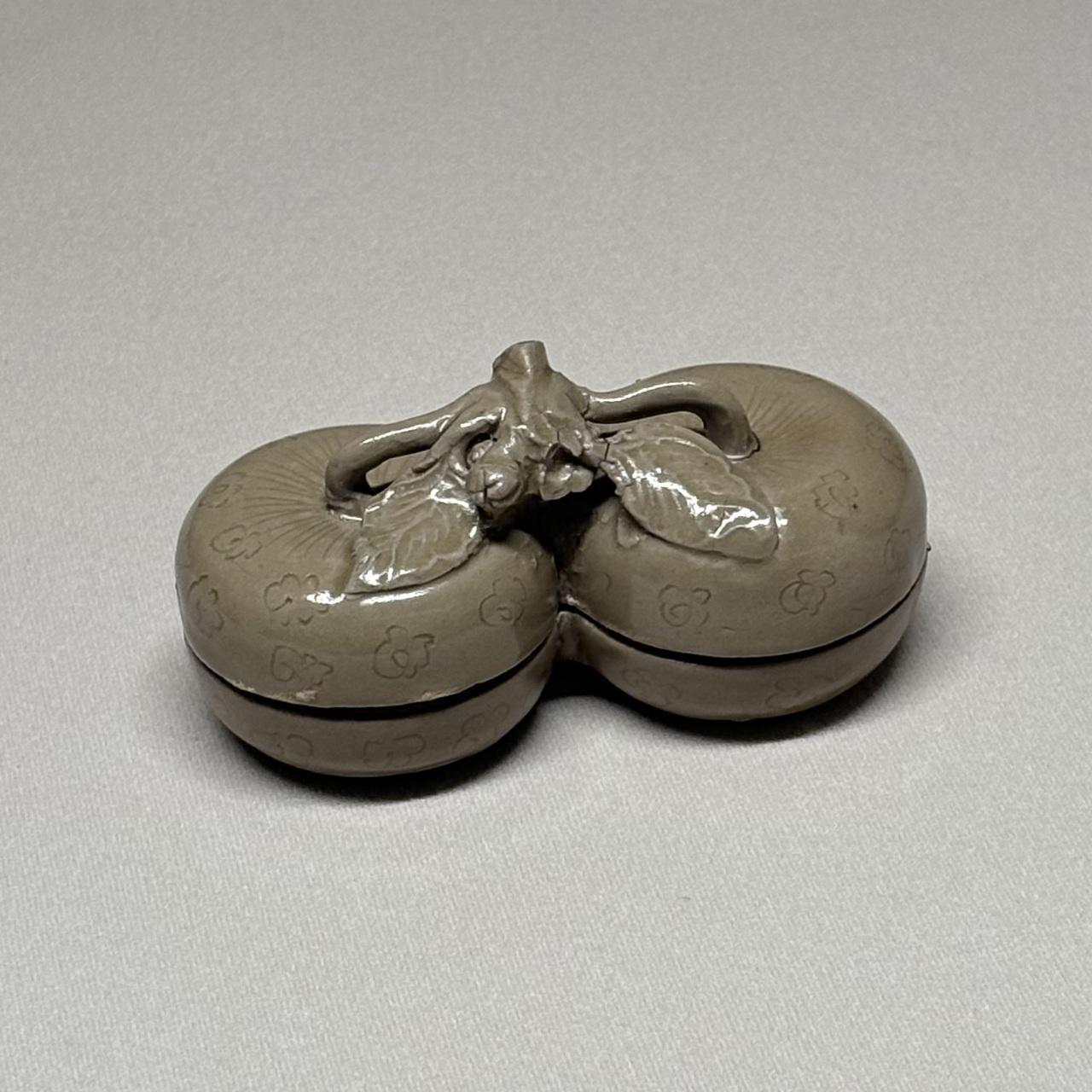
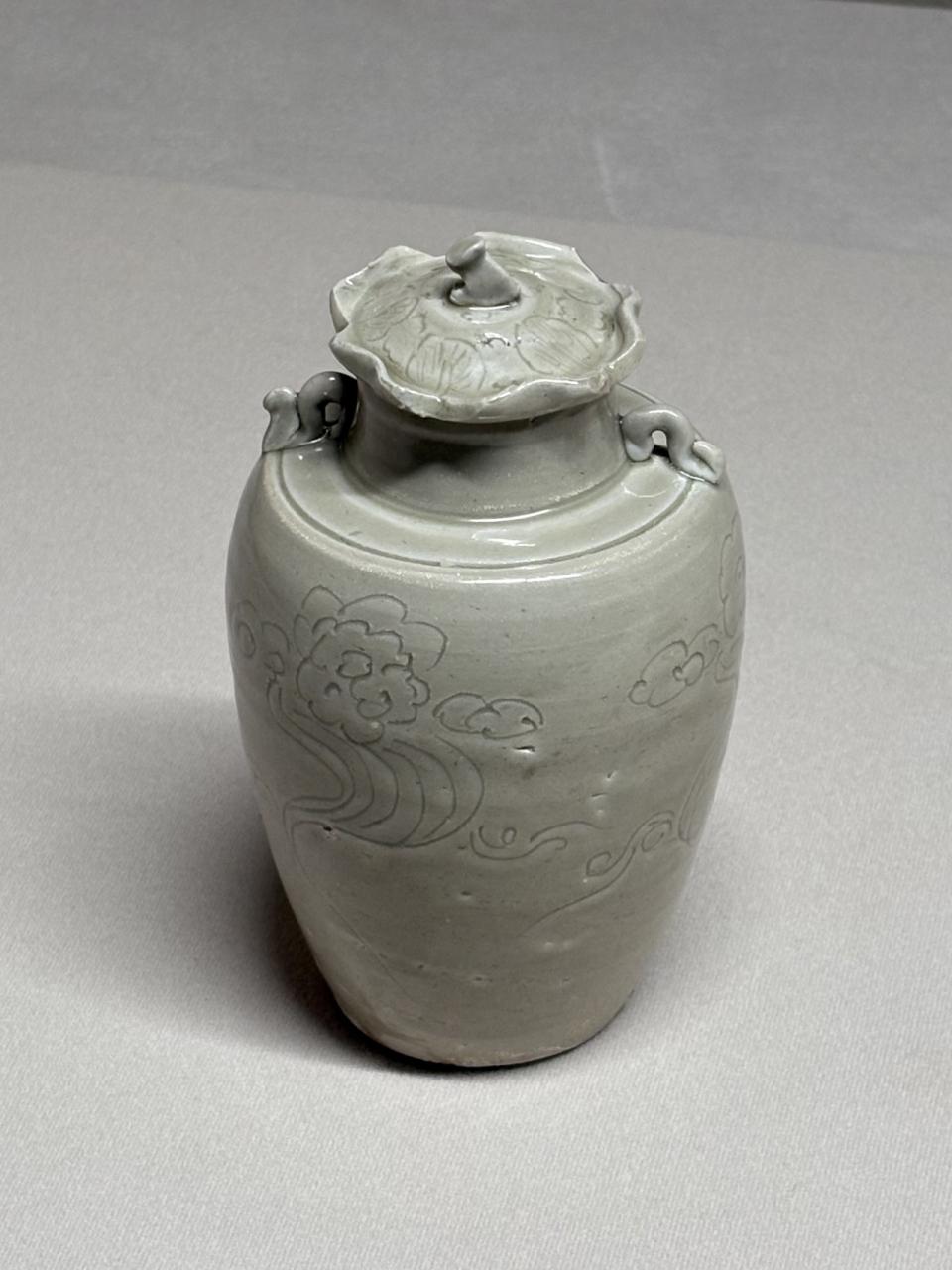
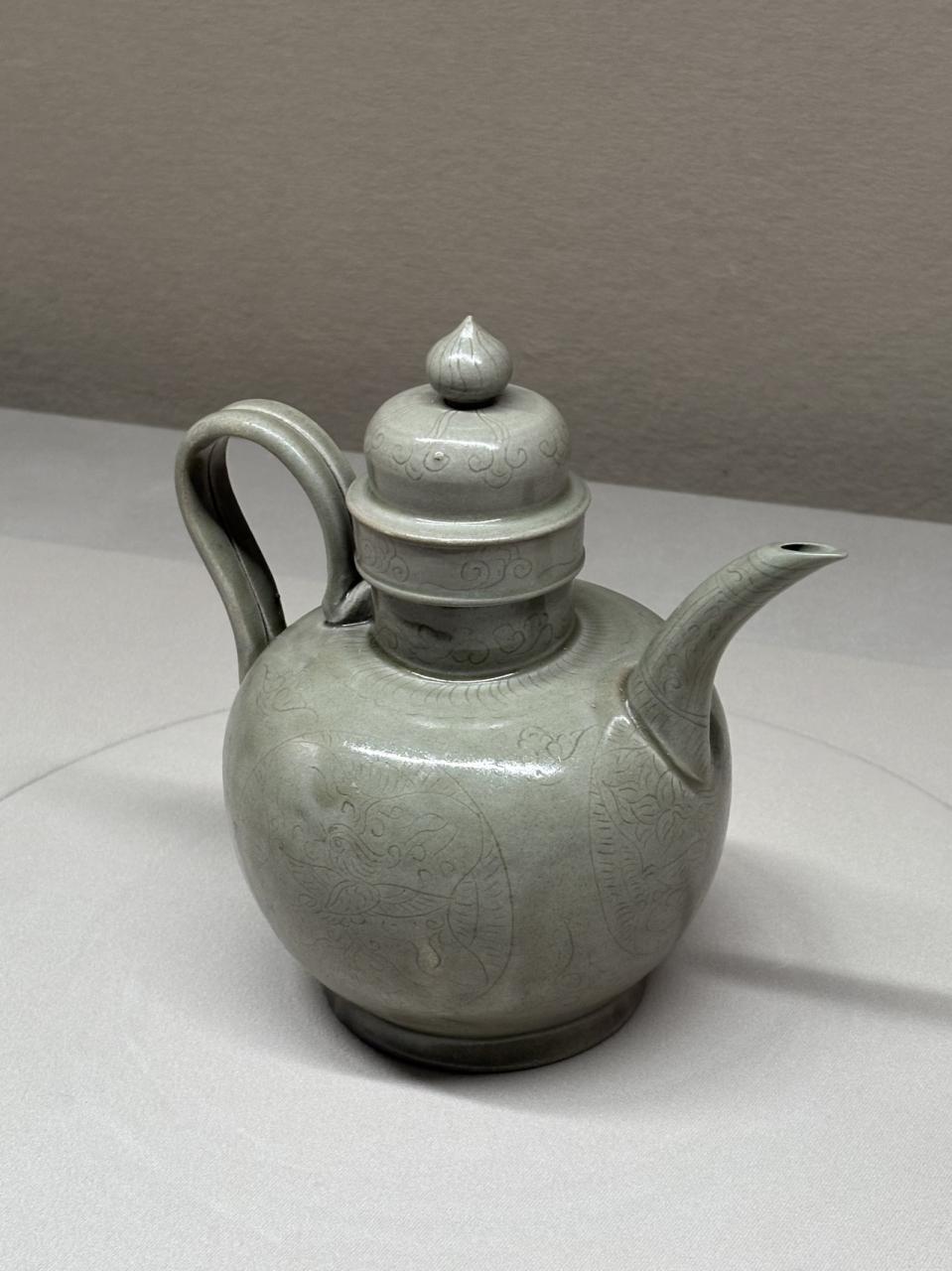
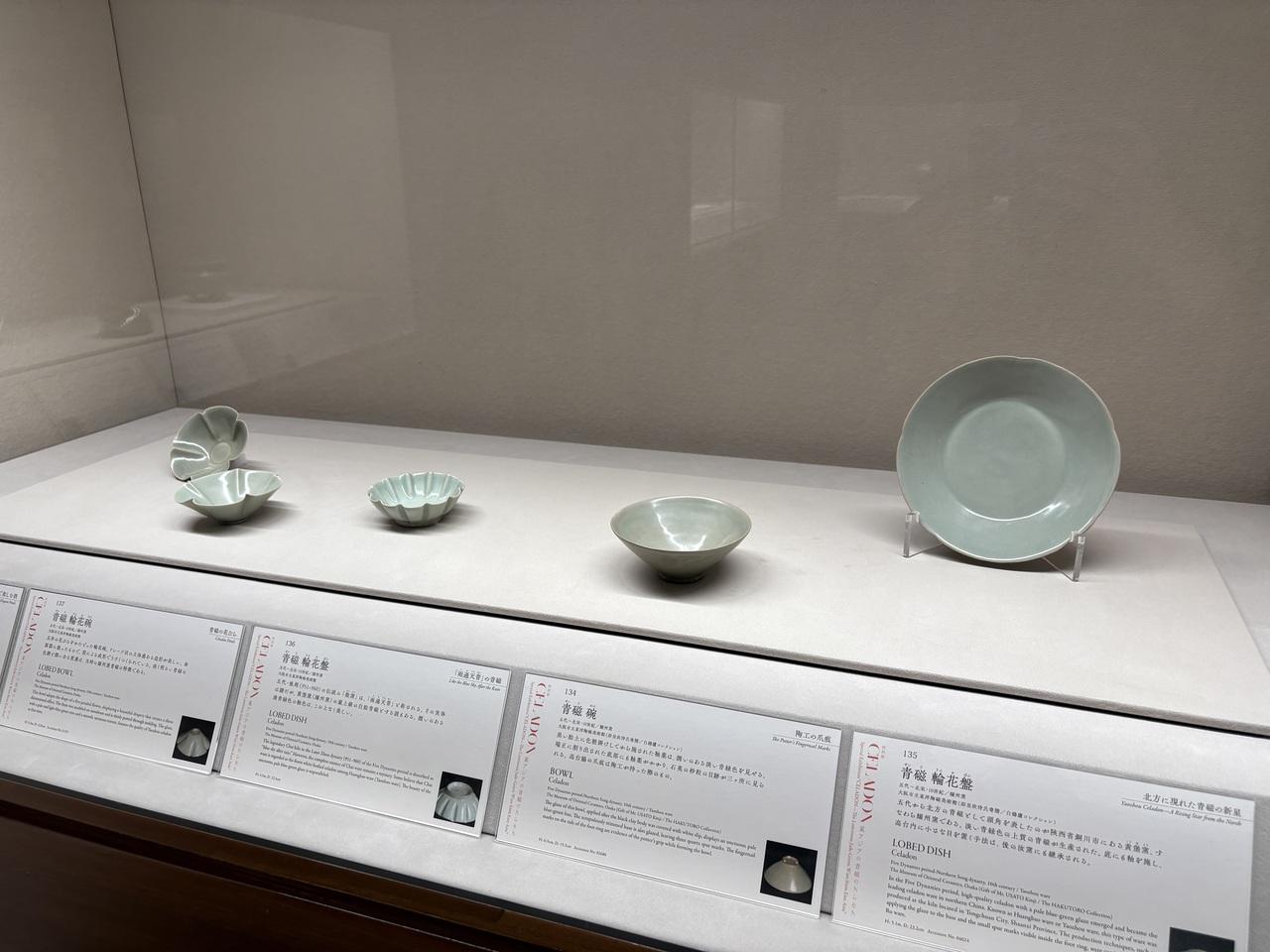
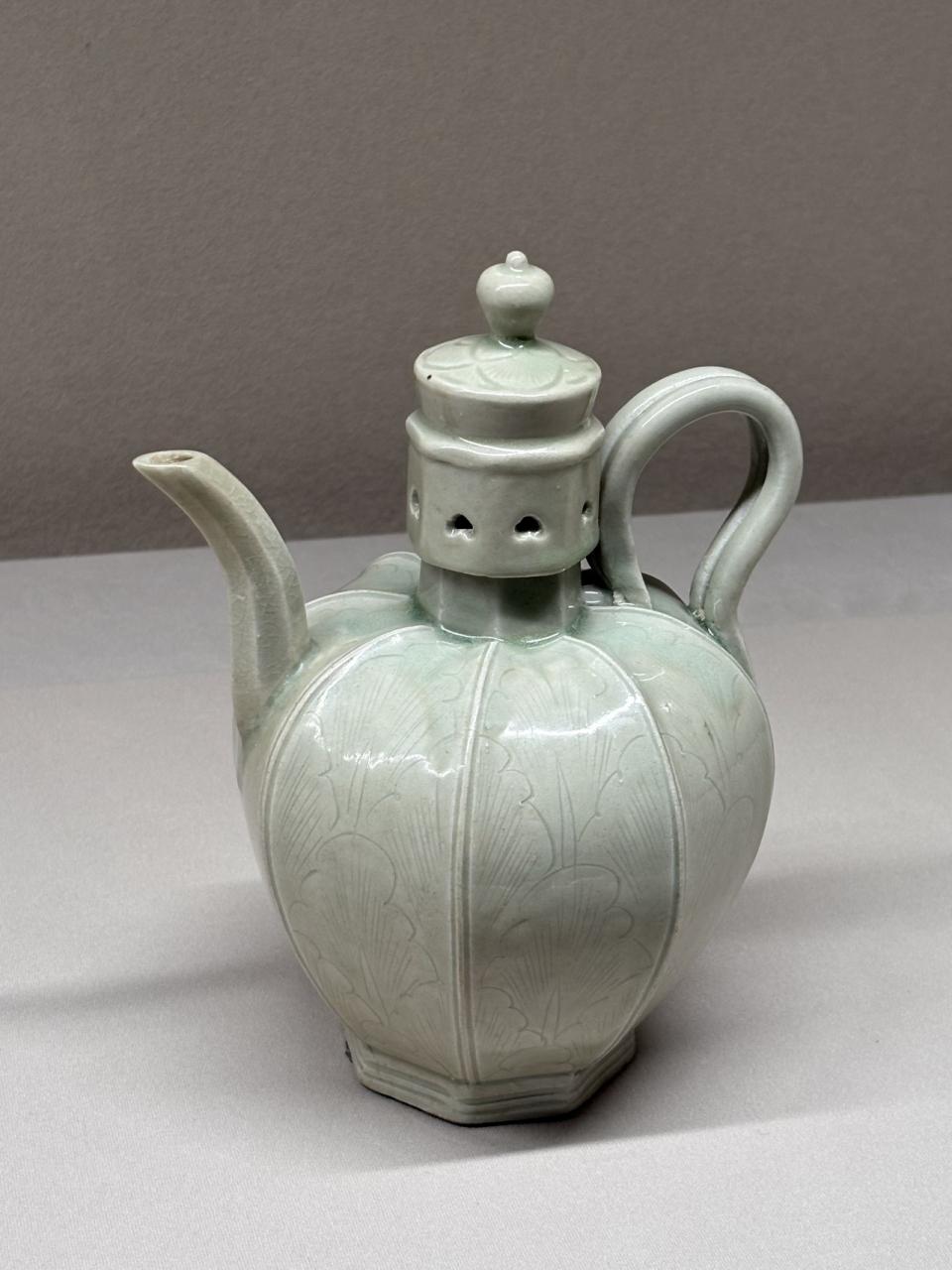
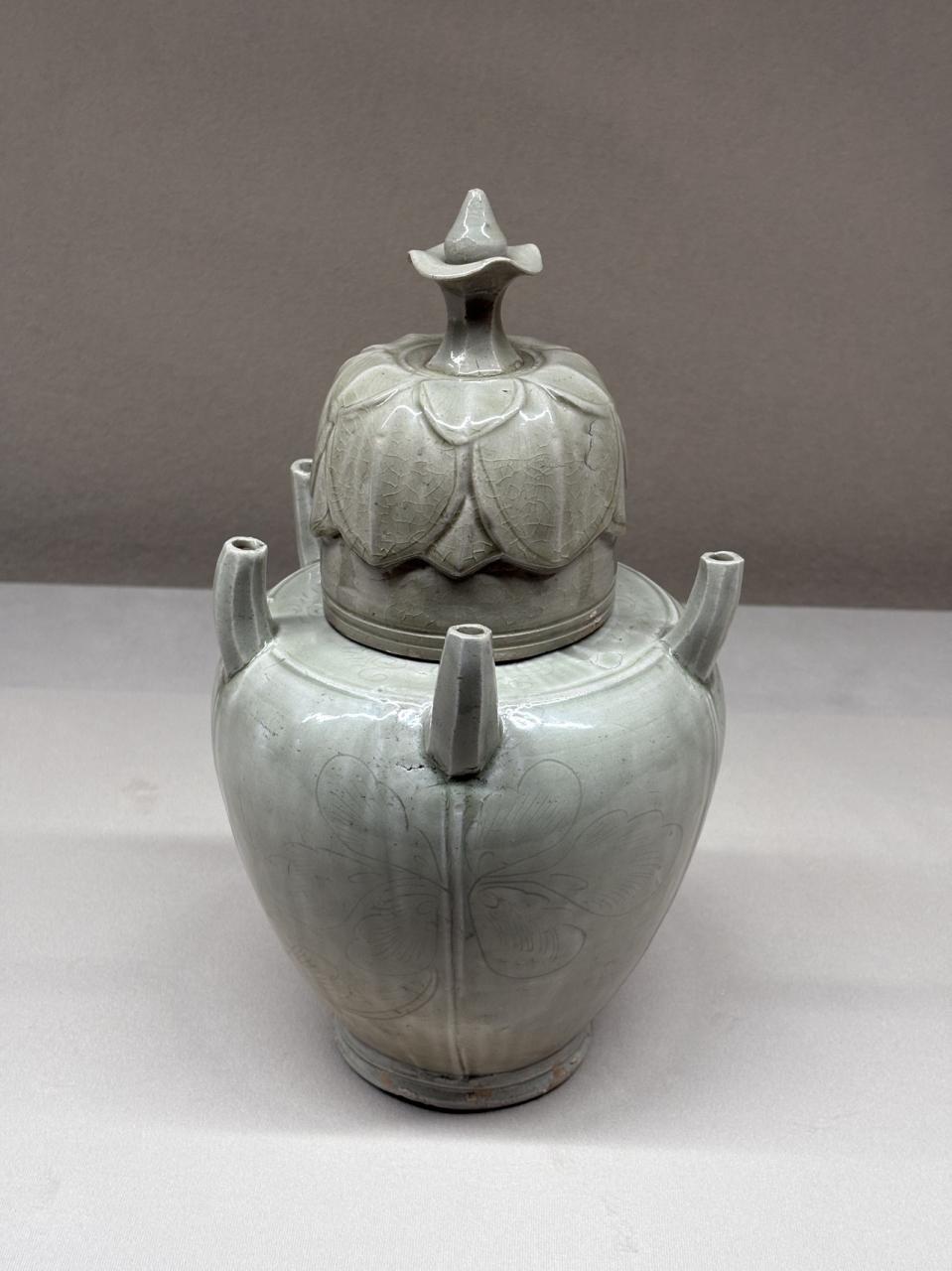
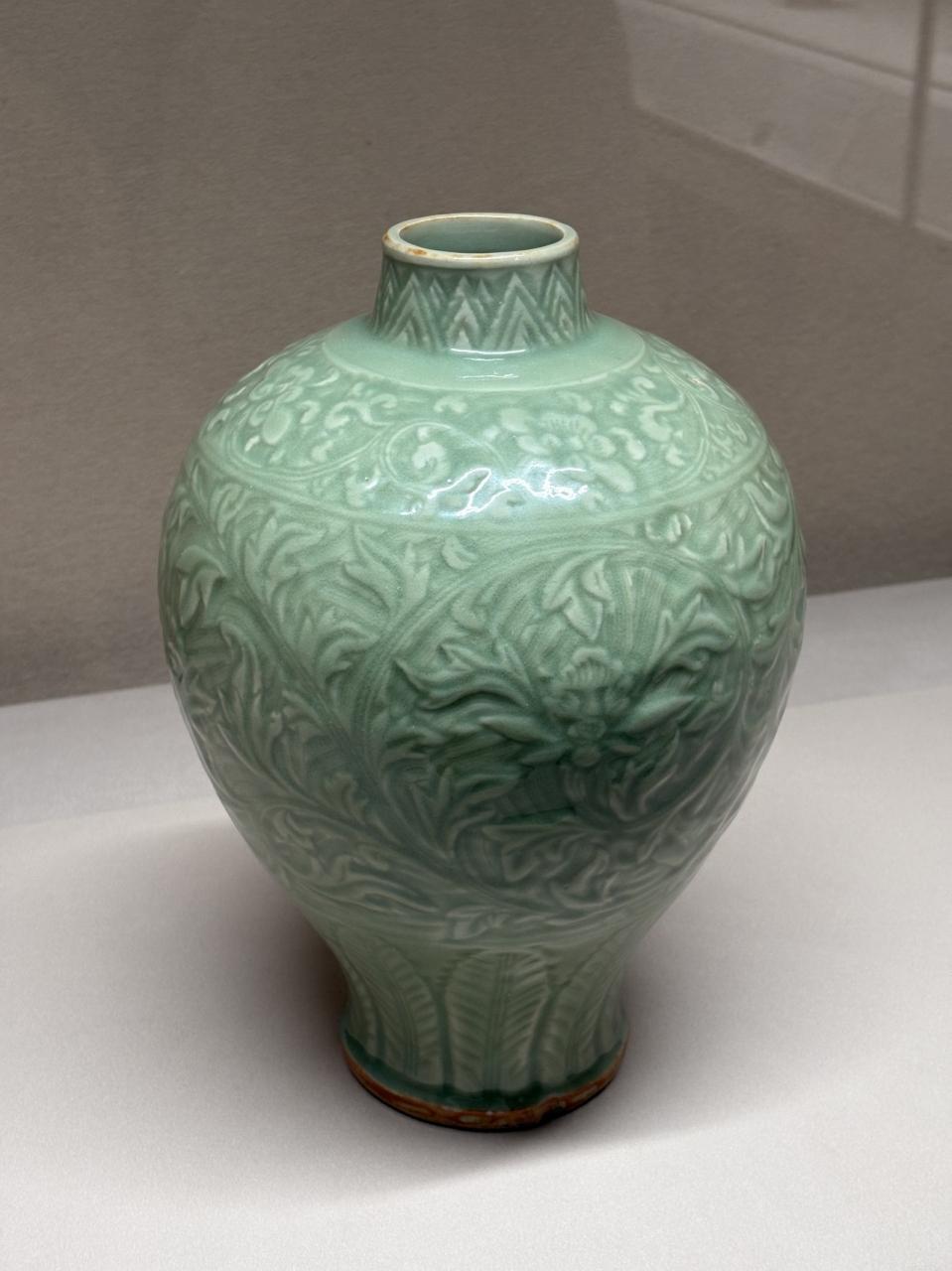
(展示10)特別展 "青翠如玉 中国歴代の青磁Ⅰ"
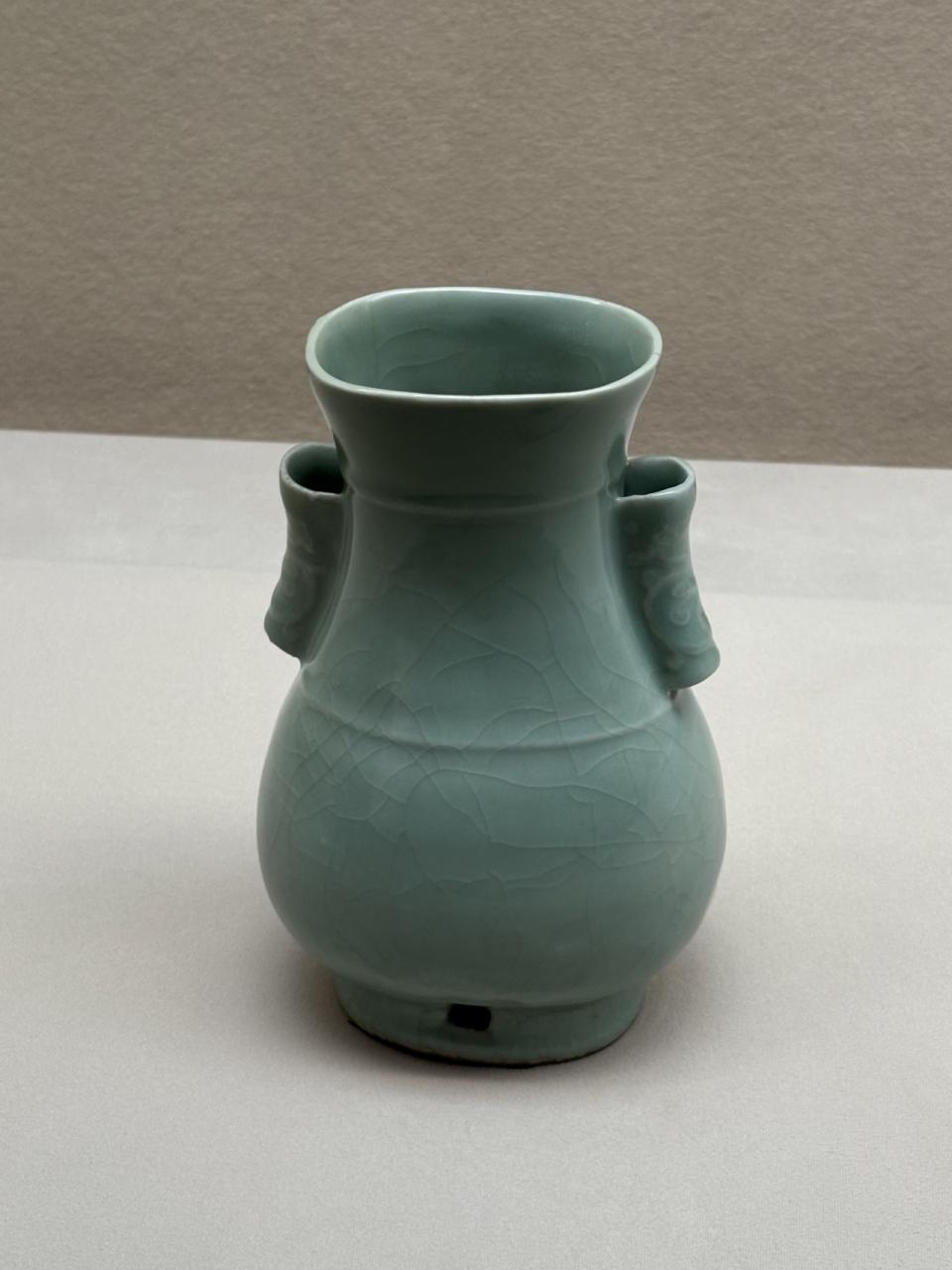
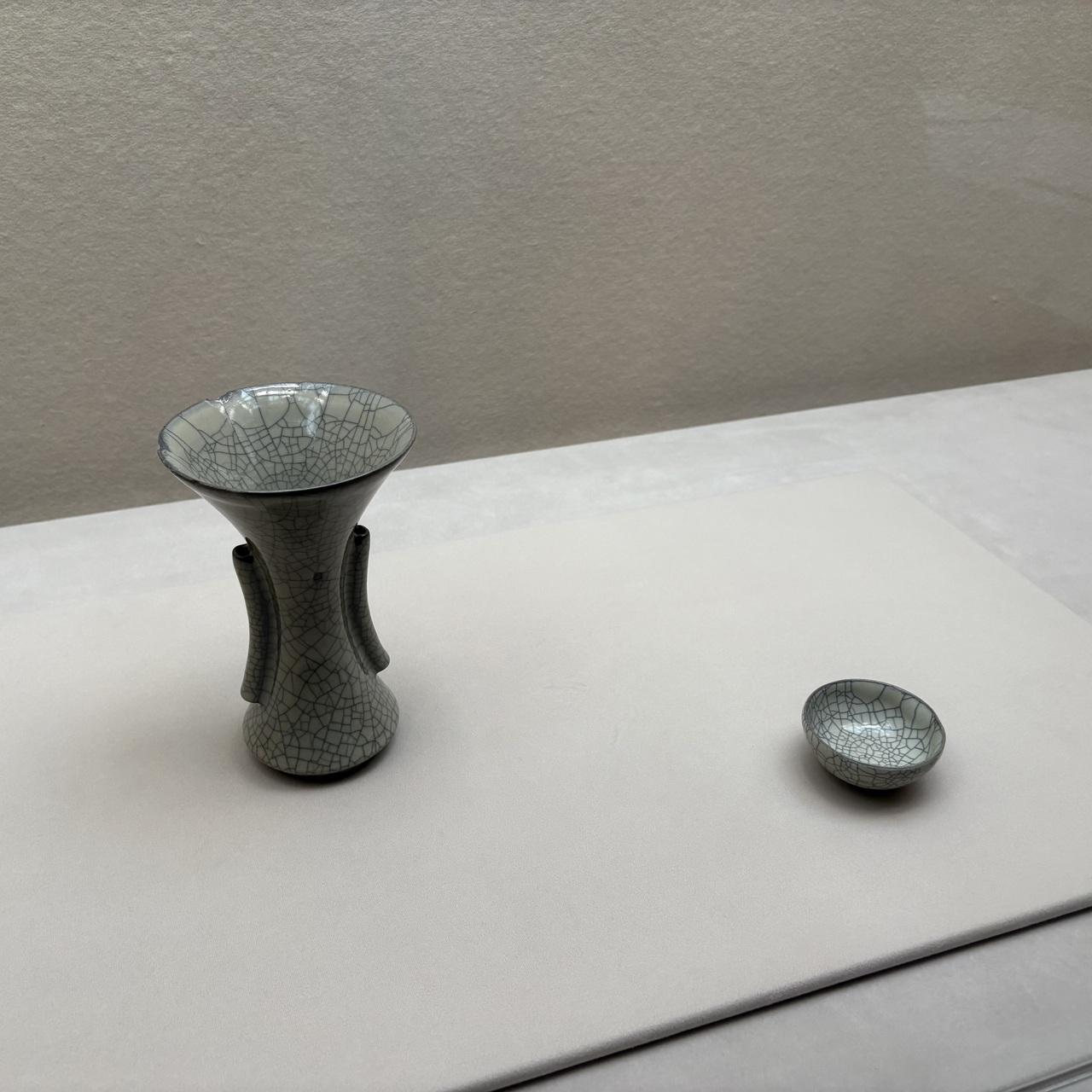
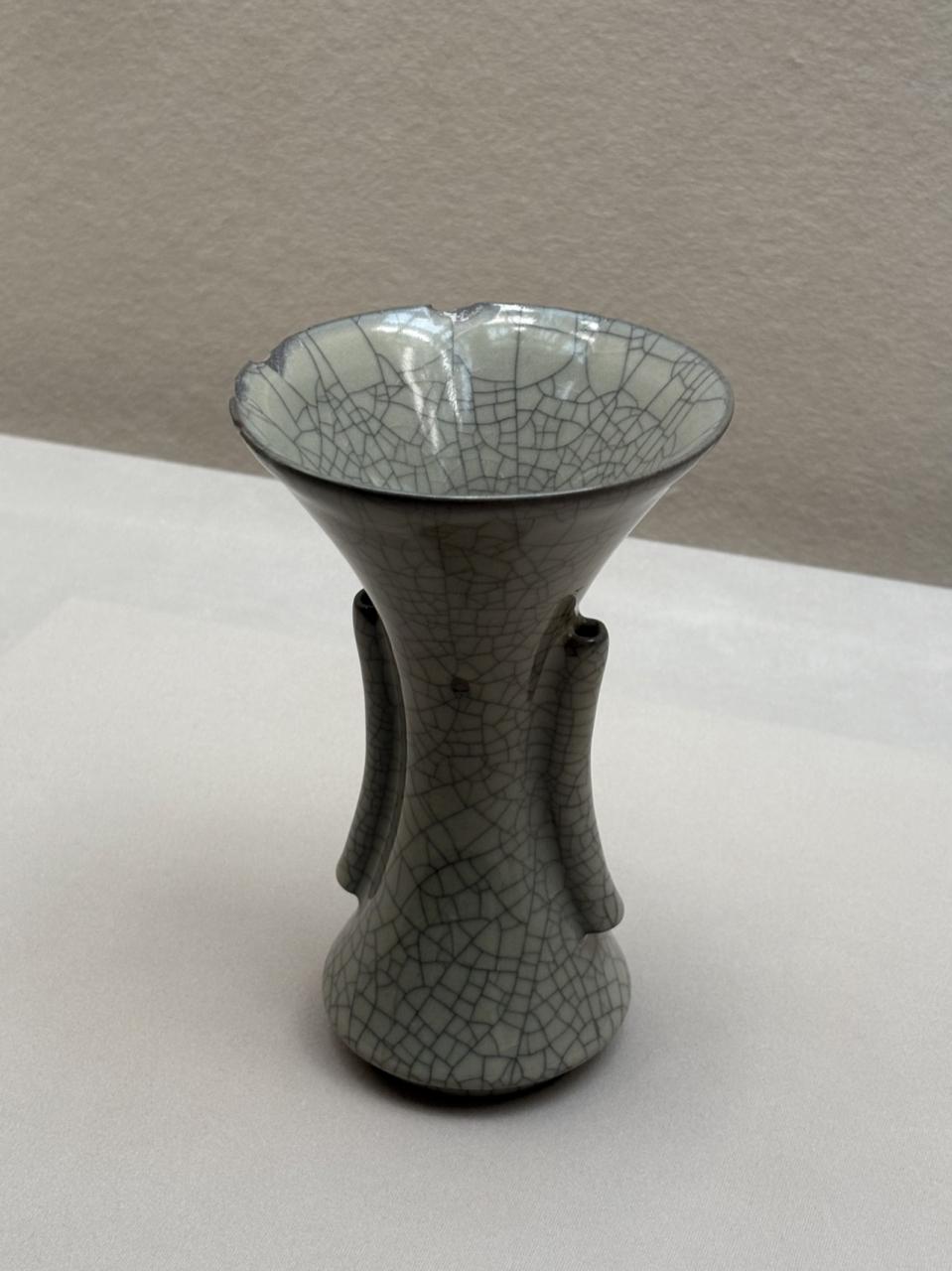
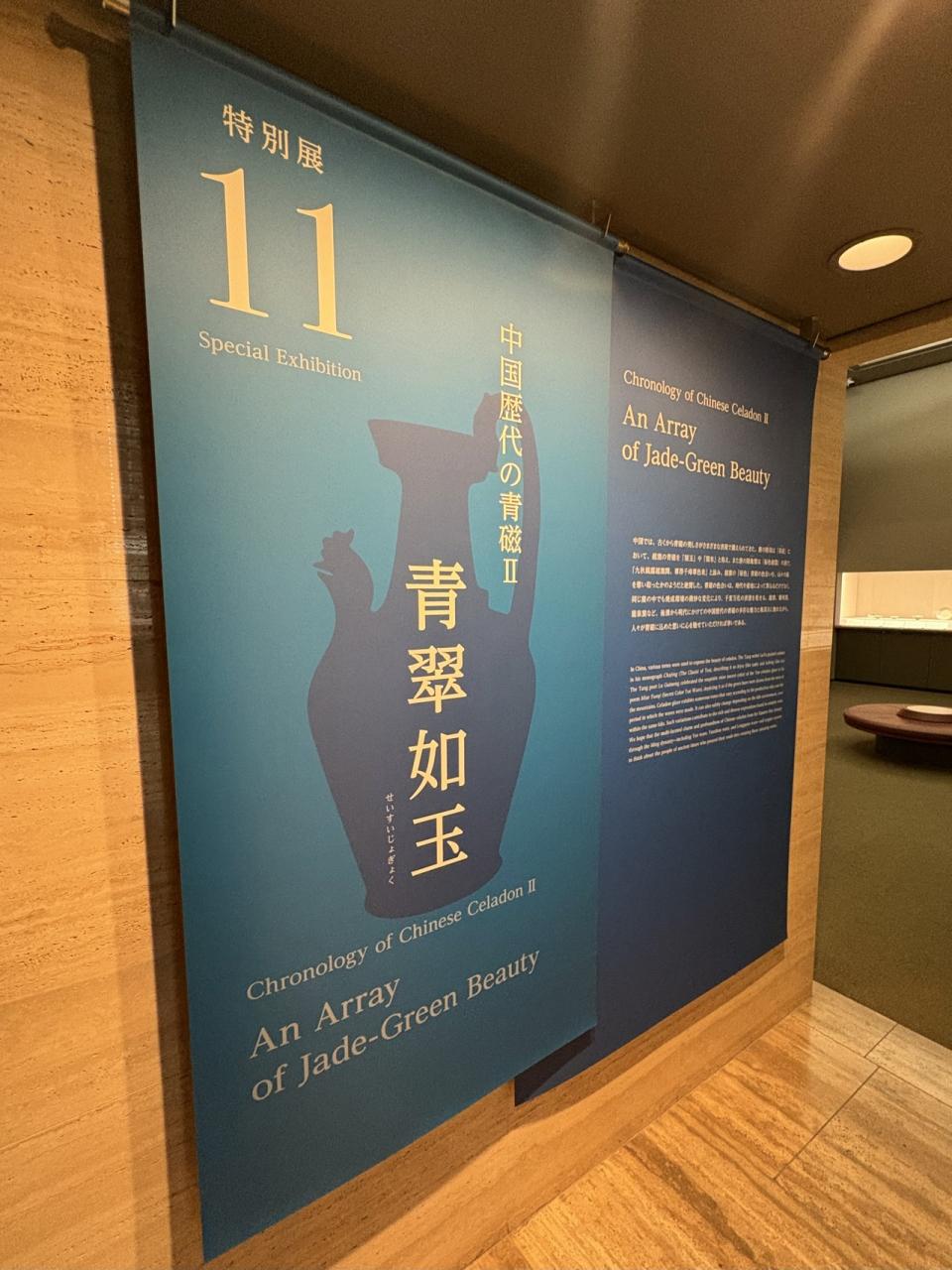
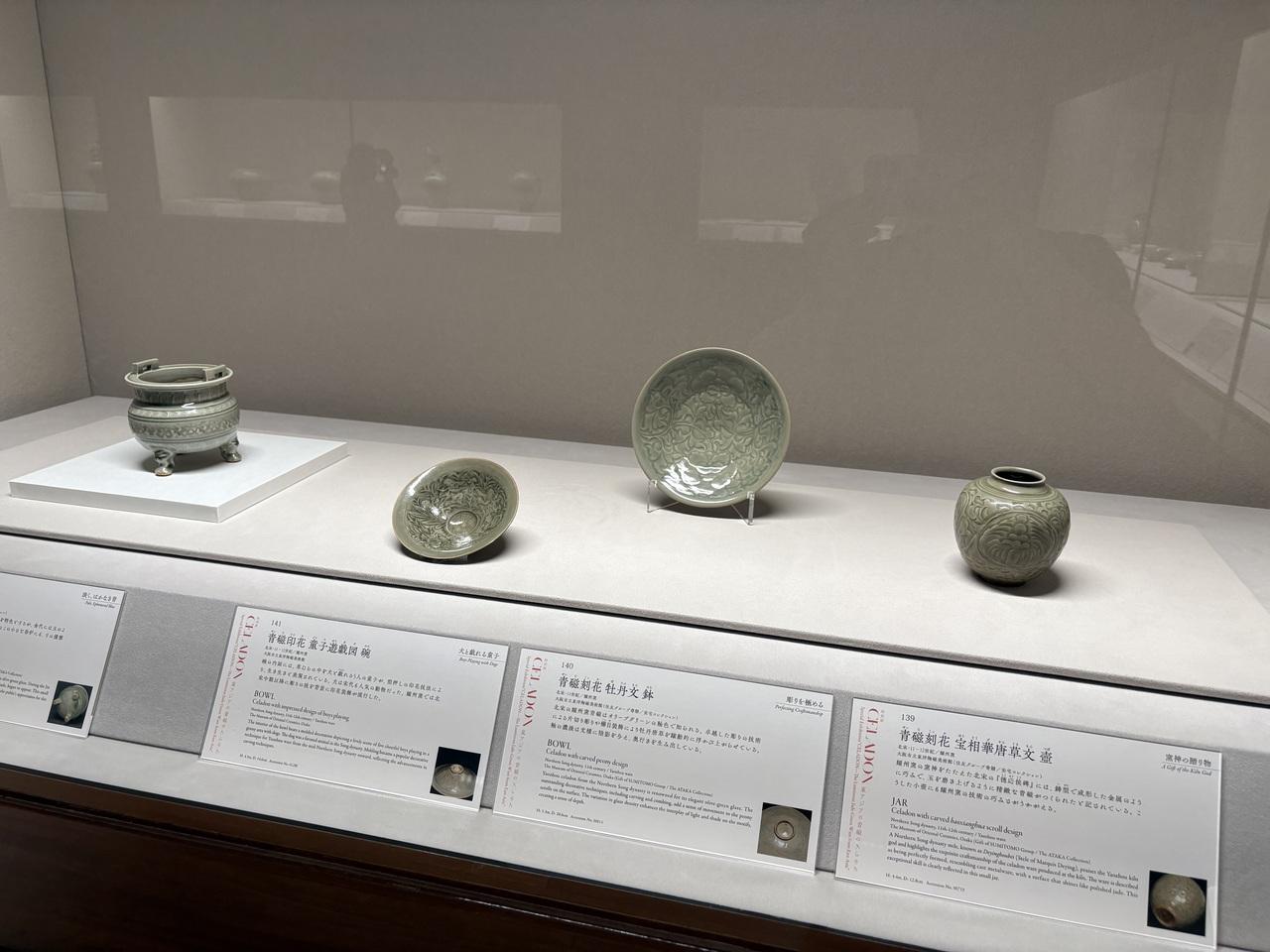
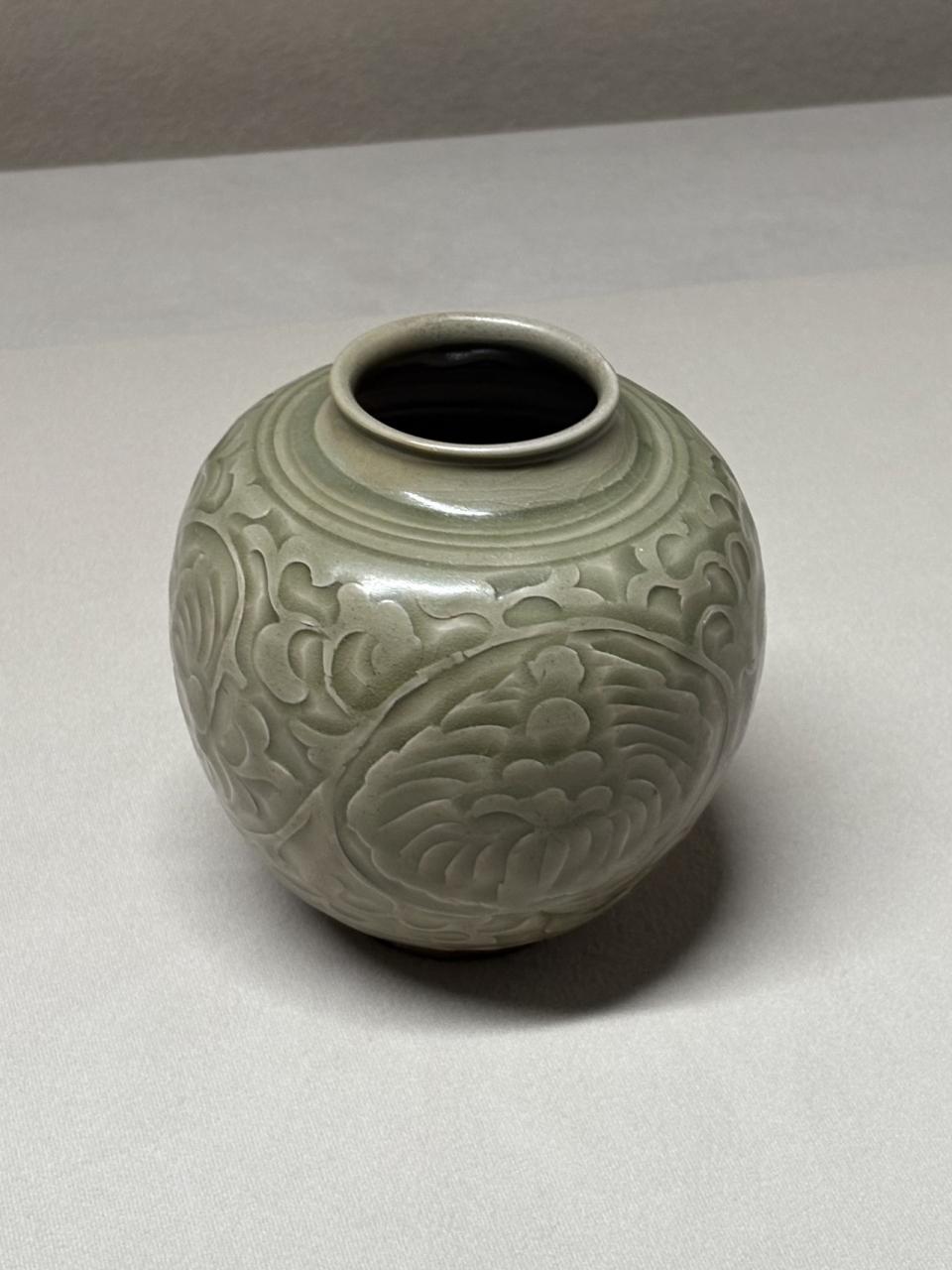
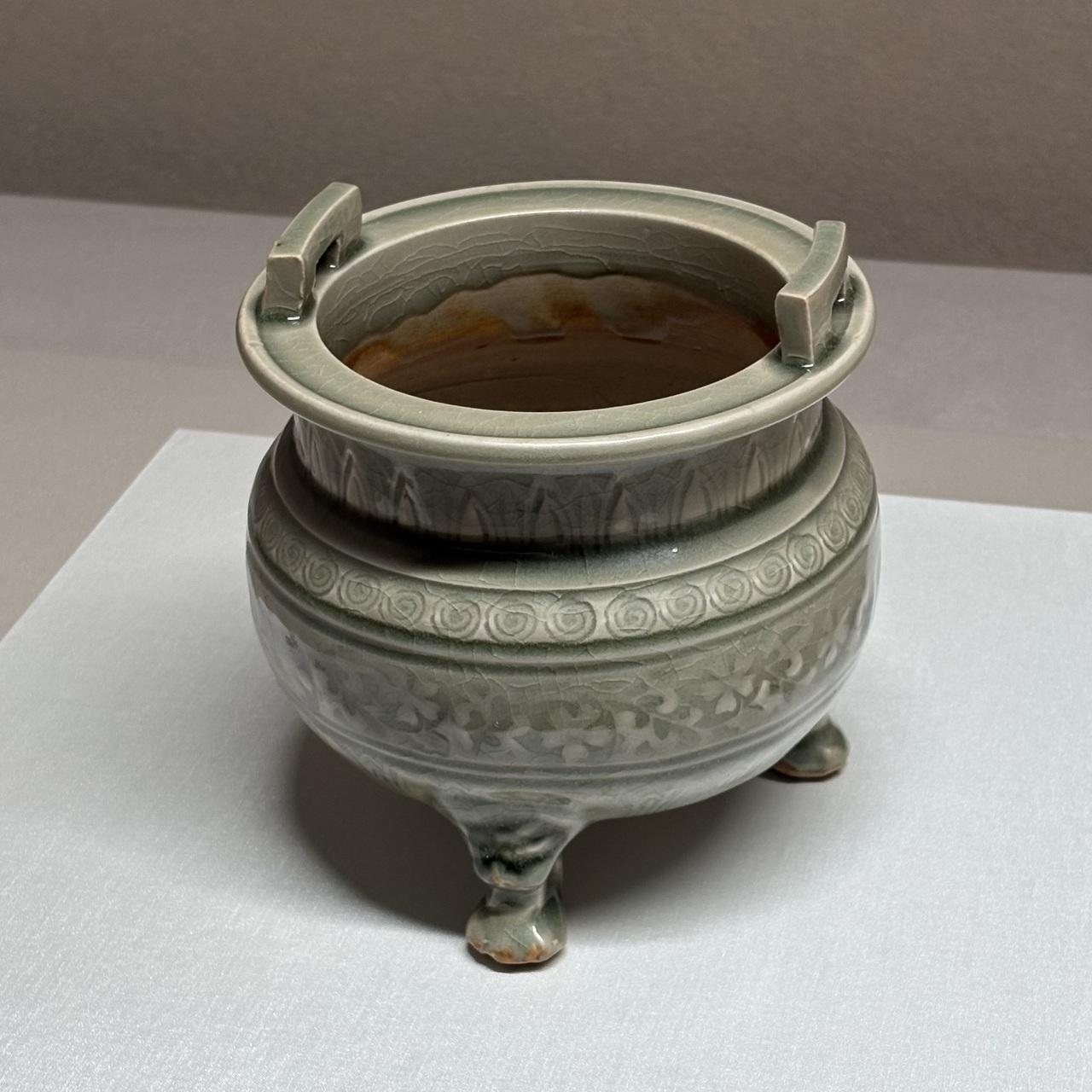
(展示11)特別展 "青翠如玉 中国歴代の青磁Ⅱ"
- 旅行の満足度
- 5.0
-

Chronology of Chinese Celadon I
An Array of Jade-Green Beauty
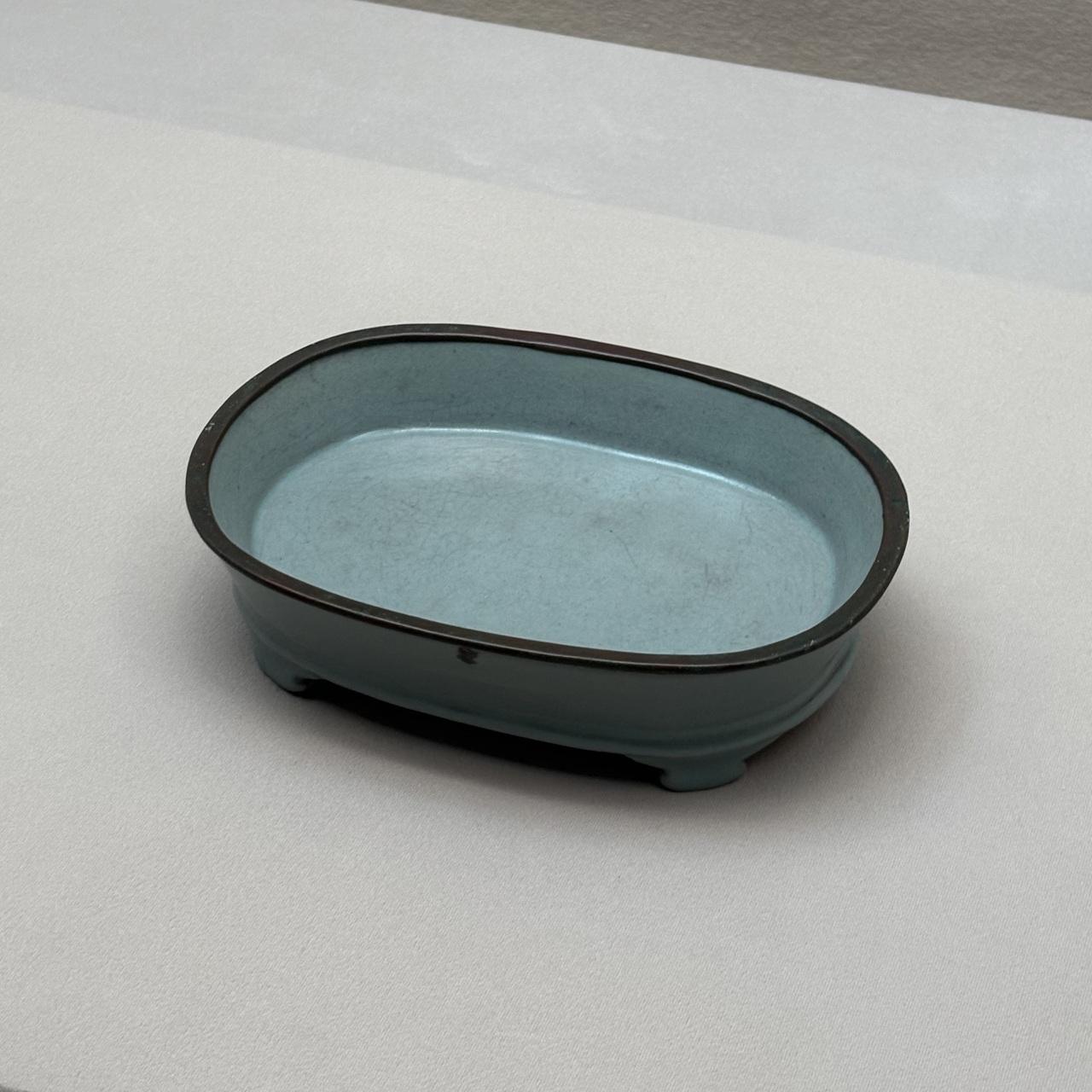
青磁の最高峰に位置するのが宋代の宮廷用青磁、すなわち北宋の汝窯青磁と南宋の宮窯青磁である。
汝窯青磁は、北宋の微宗皇帝の美意識を反映し、後の宮延用青磁の規範となった。「天青」と形容される独特の青色系の釉色と、洗練された精緻かつ繊細な造形は、青磁の美の究極の姿を示している。
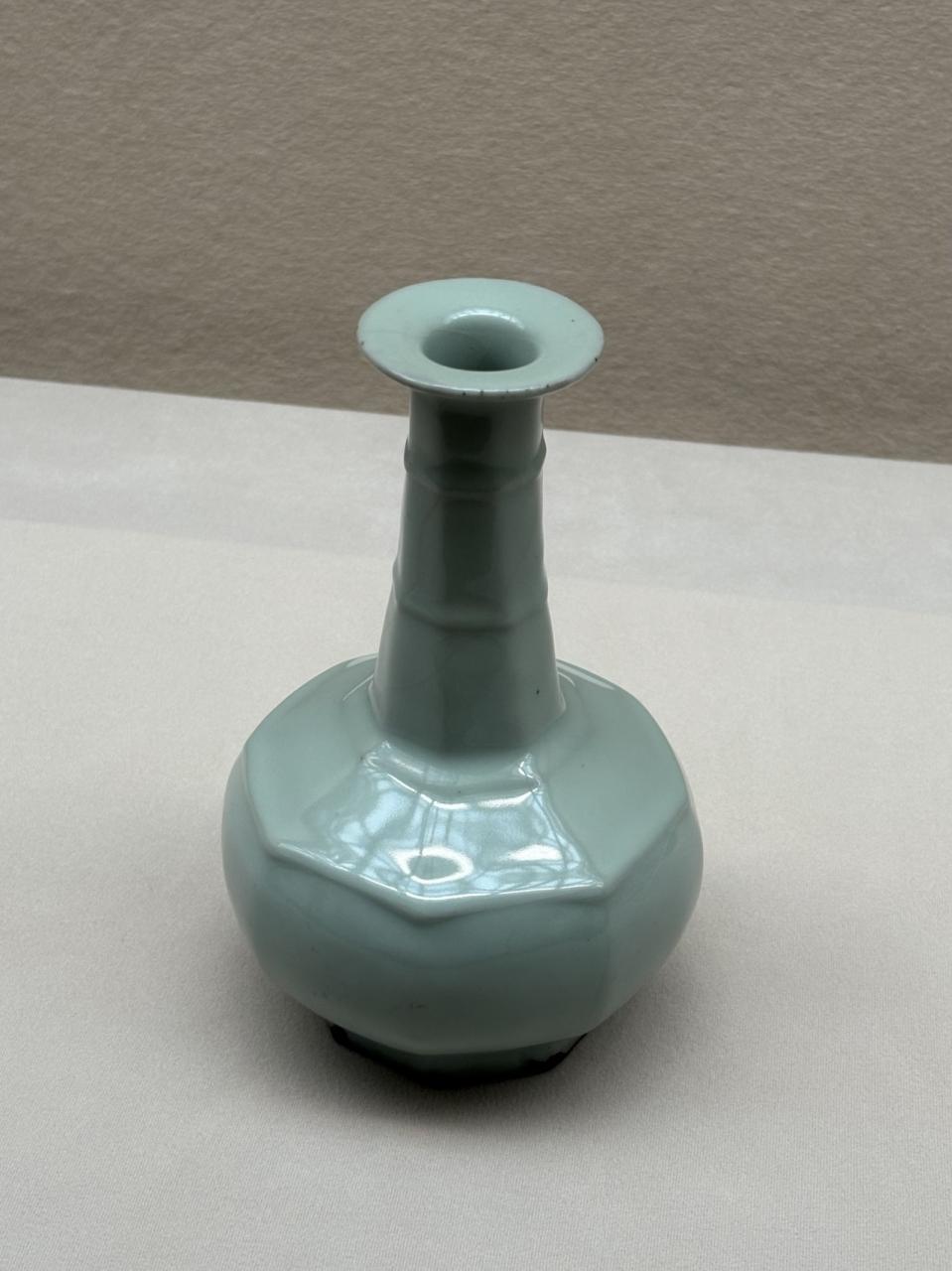
一方、南宋官窯青磁は、薄く成形された鉄分の多い灰黒色の器胎に、何層にも釉を施すことで深みのある釉色を生み出し、端正な造形とともに、青磁の深淵な美しさを具現している。
本展示では、青磁の鑑賞に理想的とされる自然光の下で、最高峰の青磁が織りなす美の真髄を堪能していただきたい。
The most prominent celadon wares are those produced during the Song dynasty for the royal court, namely Northern Song Ru celadon and Southern Song Guan celadon.
Ru ware, which embodies the aesthetic sensibility of Emperor Huizong of the Northern Song dynasty, became a model for court celadon wares. Its distinctive bluish glaze color, often described as "sky blue," along with the sophisticated and elaborate modeling, demonstrates the ultimate beauty of celadon.
Meanwhile, Southern Song Guan ware is characterized by the grayish clay body with a high iron content, the thinly potted, refined form, and the multi-layer coating of the glaze. These features add a sense of depth to the hue, enhancing the profound beauty of Southern Song celadon.
In this exhibition, we invite you to enjoy the remarkable beauty of the world's finest celadon under natural light, which is considered ideal for appreciating these exquisite works. -
-
-
-
-
-
-
Chronology of Chinese Celadon II
An Array of Jade-Green Beauty
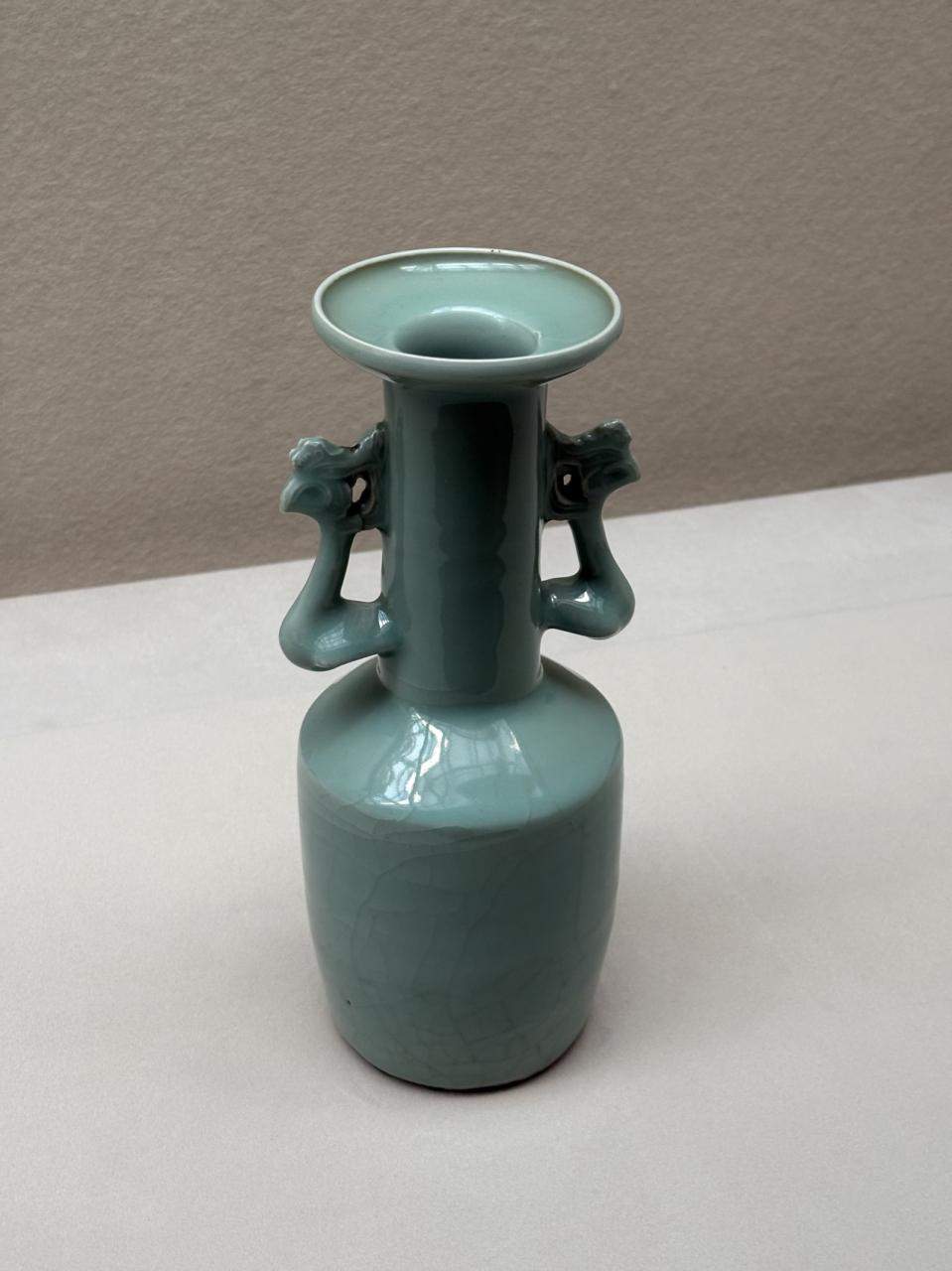
中国では、古くから青磁の美しさがさまざまな表現で讃えられてきた。唐の陸羽(りくう)は『茶経』において、越窯の青磁を「類玉」や「類氷」と称え、また唐の陸亀蒙(りくきもう)は「秘色越器」の詩で、「九秋風露越窯開、奪得千峰翠色来」と詠み、越窯の「秘色」青磁の色合いを、山々の緑を奪い取ったかのようだと絶賛した。
青磁の色合いは、時代や産地によって異なるだけでなく、同じ窯の中でも焼成環境の微妙な変化により、千変万化の表情を見せる。
越窯、州窯、龍泉など、後漢から明代にかけての中国歴代の青磁の多彩な魅力と奥深さに触れながら、人々が青磁に込めた思いに心を馳せていただければ幸いである。
In China, various terms were used to express the beauty of celadon. The Tang writer Lu Yu praised celadon in his monograph Chajing (The Classic of Tea), describing it as leiyu (like jade) and leibing (like ice). The Tang poet Lu Guimeng celebrated the exquisite mise (secret color) of the Yue celadon glaze in his poem Mise Yuegi (Secret Color Yue Ware), depicting it as if the green hues were drawn from the trees of the mountains.
Celadon glaze exhibits numerous tones that vary according to the production sites and the period in which the wares were made. It can also subtly change depending on the kiln environment, even within the same kiln. Such variations contribute to the rich and diverse expressions found in celadon ware.
We hope that the multi-faceted charm and profoundness of Chinese celadon from the Eastern Han dynasty through the Ming dynasty-including Yue ware, Yaozhou ware, and Longquan ware-will inspire viewers to think about the people of ancient times who poured their souls into creating these amazing works. -
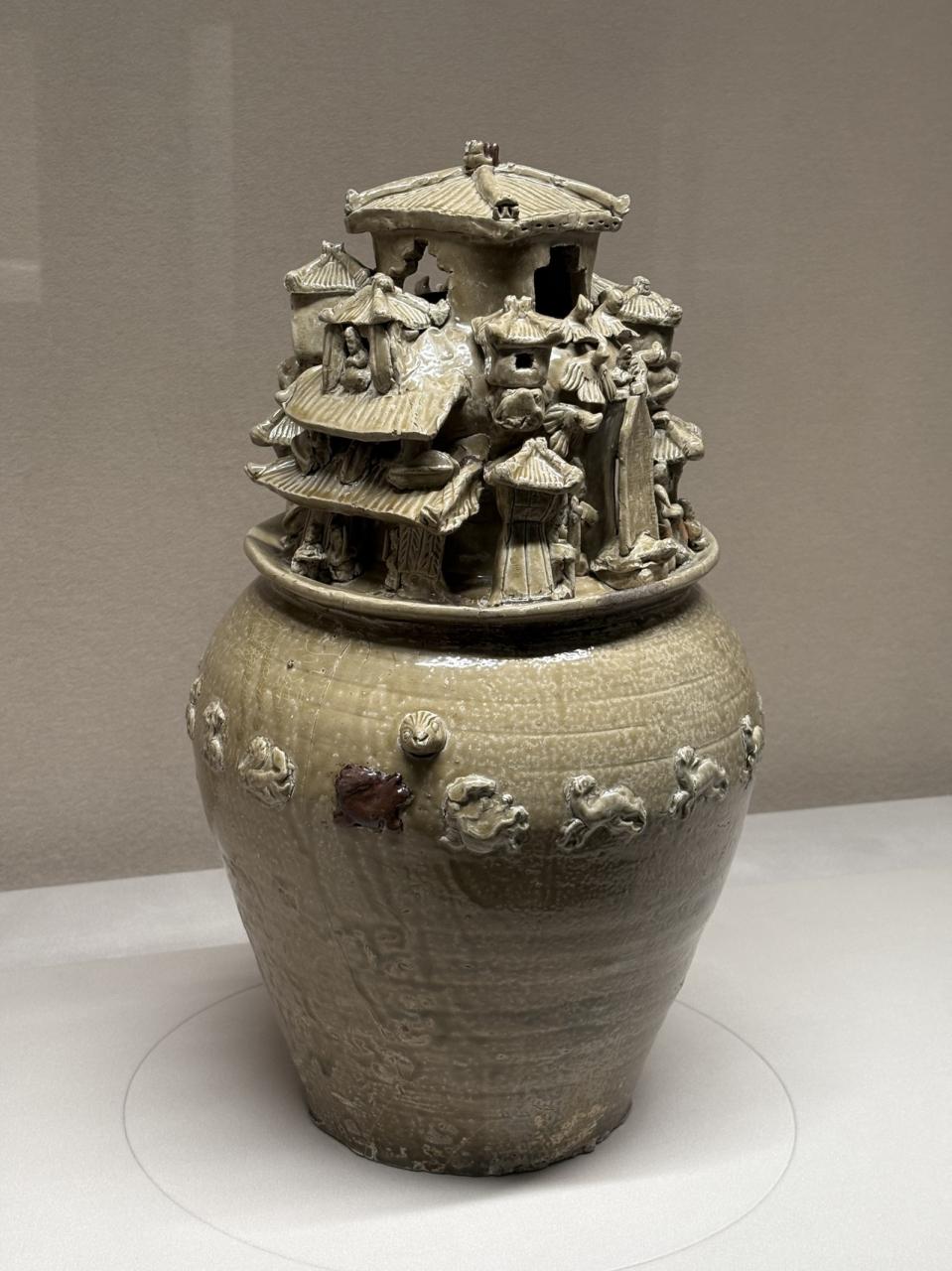
子孫繁栄を願う壺上の楼閣
A Wasth for the Praperity of Desendans
117
青磁 神亭壷
呉~西番・3世紀/越窯
大阪市立東洋陶磁美術無
神亭壺は墓の副葬用につくられた明器。壺の上部には楼閣や人物・動物などでにぎやかに飾られている。楼閣門闕(もんげつ)前の碑文から、子孫繁栄への願いかうもかえる。
FUNERARY JAR
Celadon with applied decoration Wu-Western Jin dynasty, 3rd century / Yue ware
The Museum of Oriental Ceramics, Osak:
This unique jar is known as shentinghu (jar of the god's pavilion), and was created to be buried in tombs.
The top section of the jar bears a pavilion along with various human and animal figures. The inscription in front of the two symmetrical watchtowers indicates that the jar was produced as a wish for the prosperity of descendants.
H: 48.5cm, D: 29.0cm Accession No. 01201 -
-
-
-
-
-
-
-
-
-
-
-
-
-
-
-
-
-
祭祀に必須の酒器
A Necessity for Rituals
147
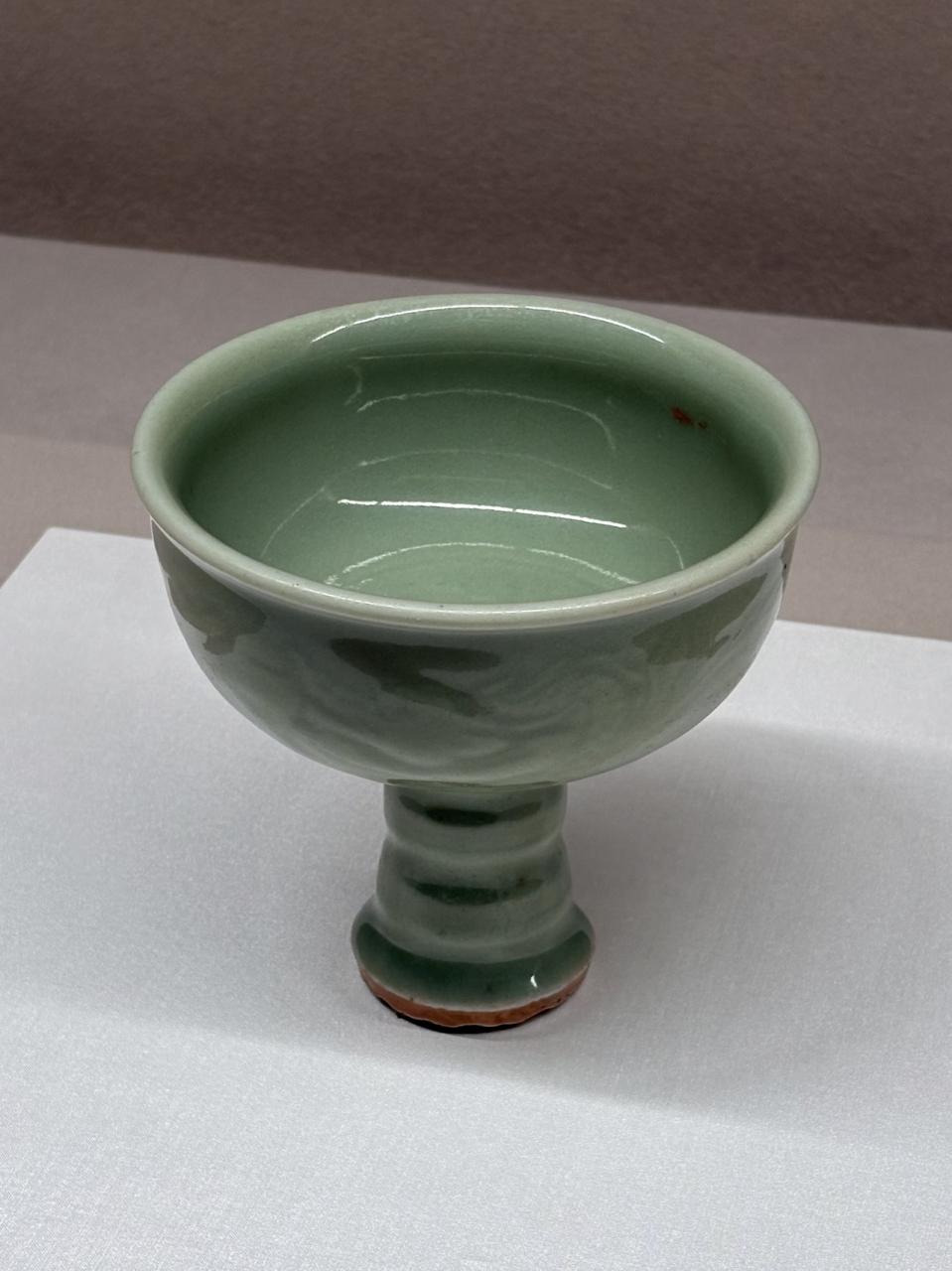
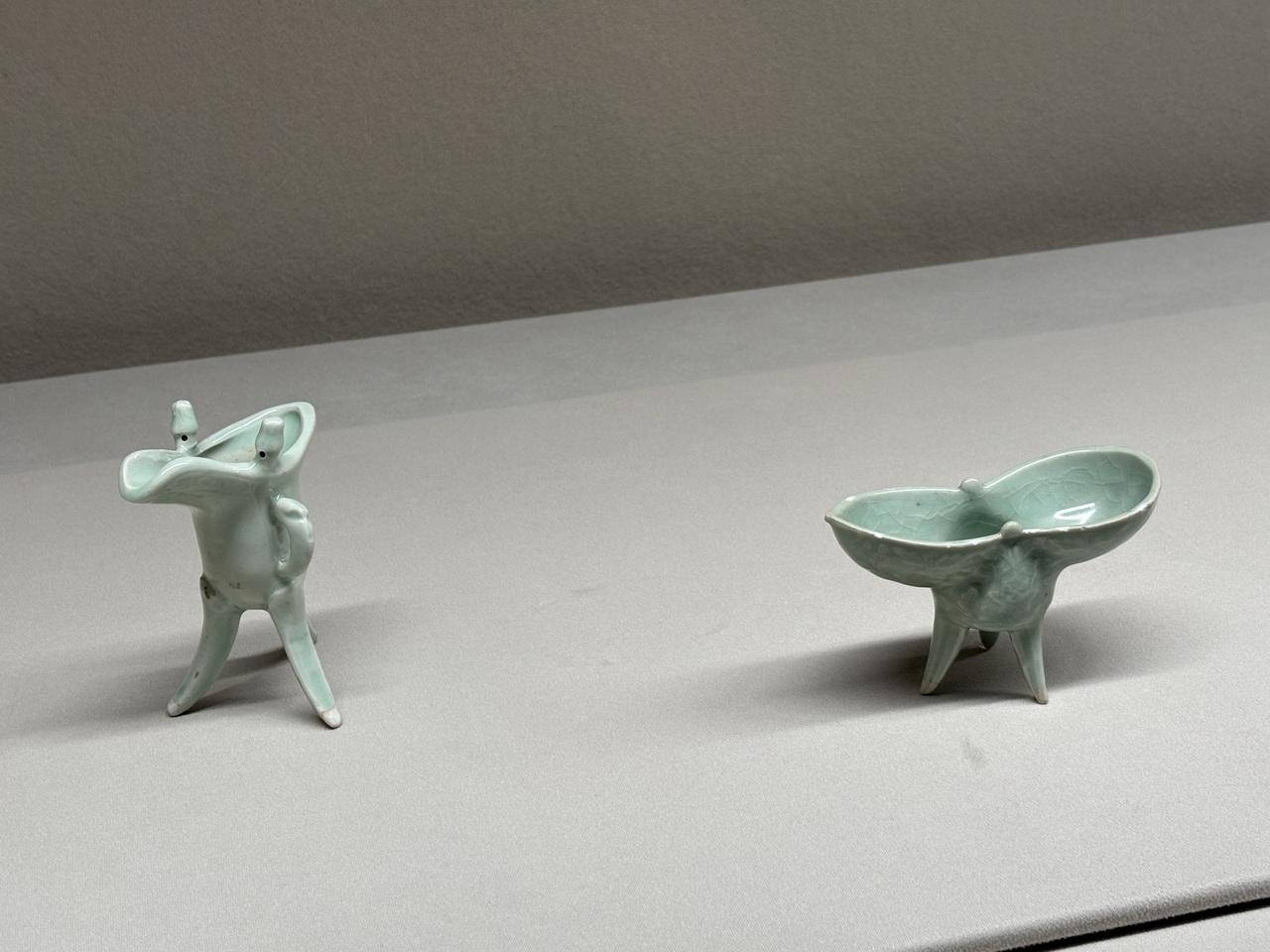
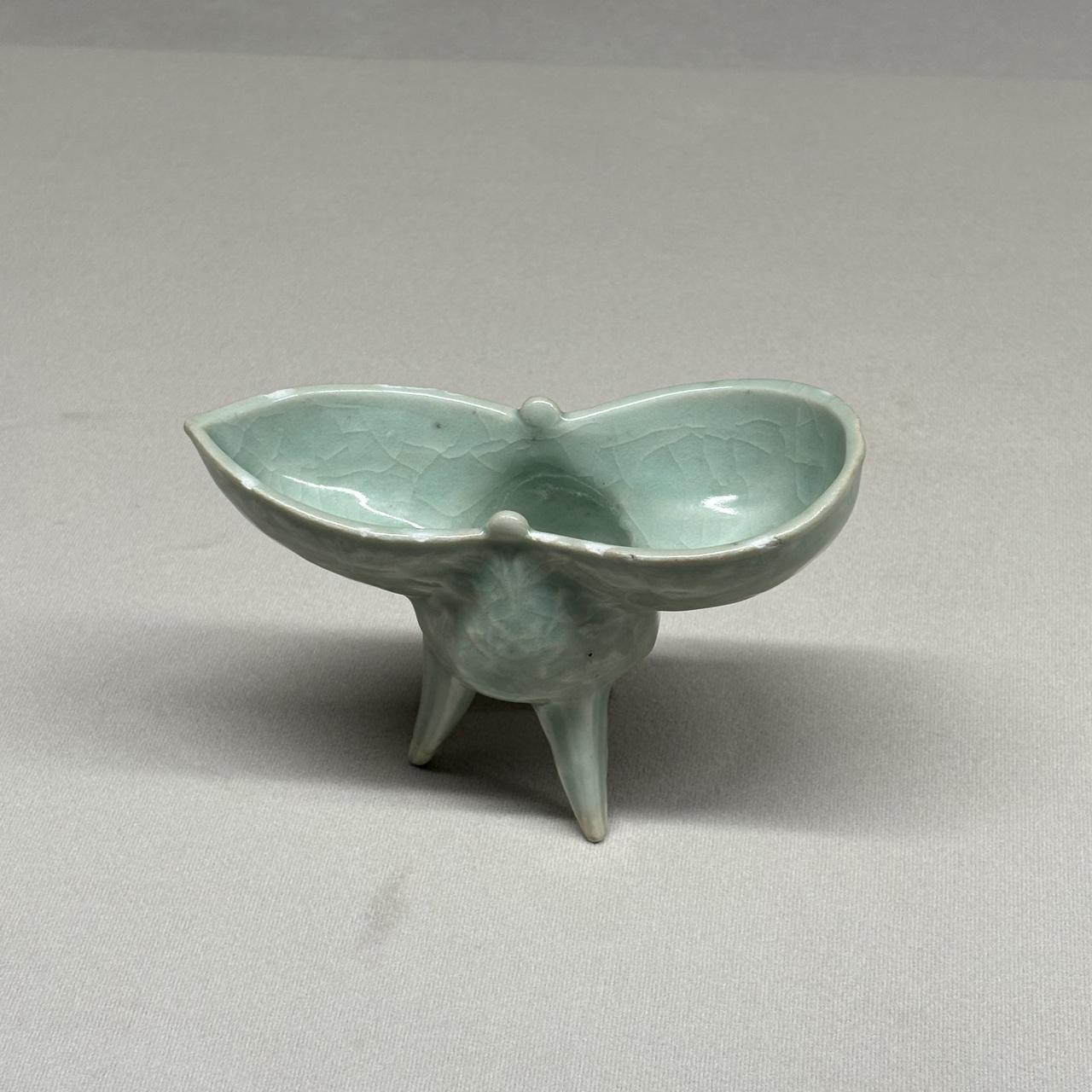
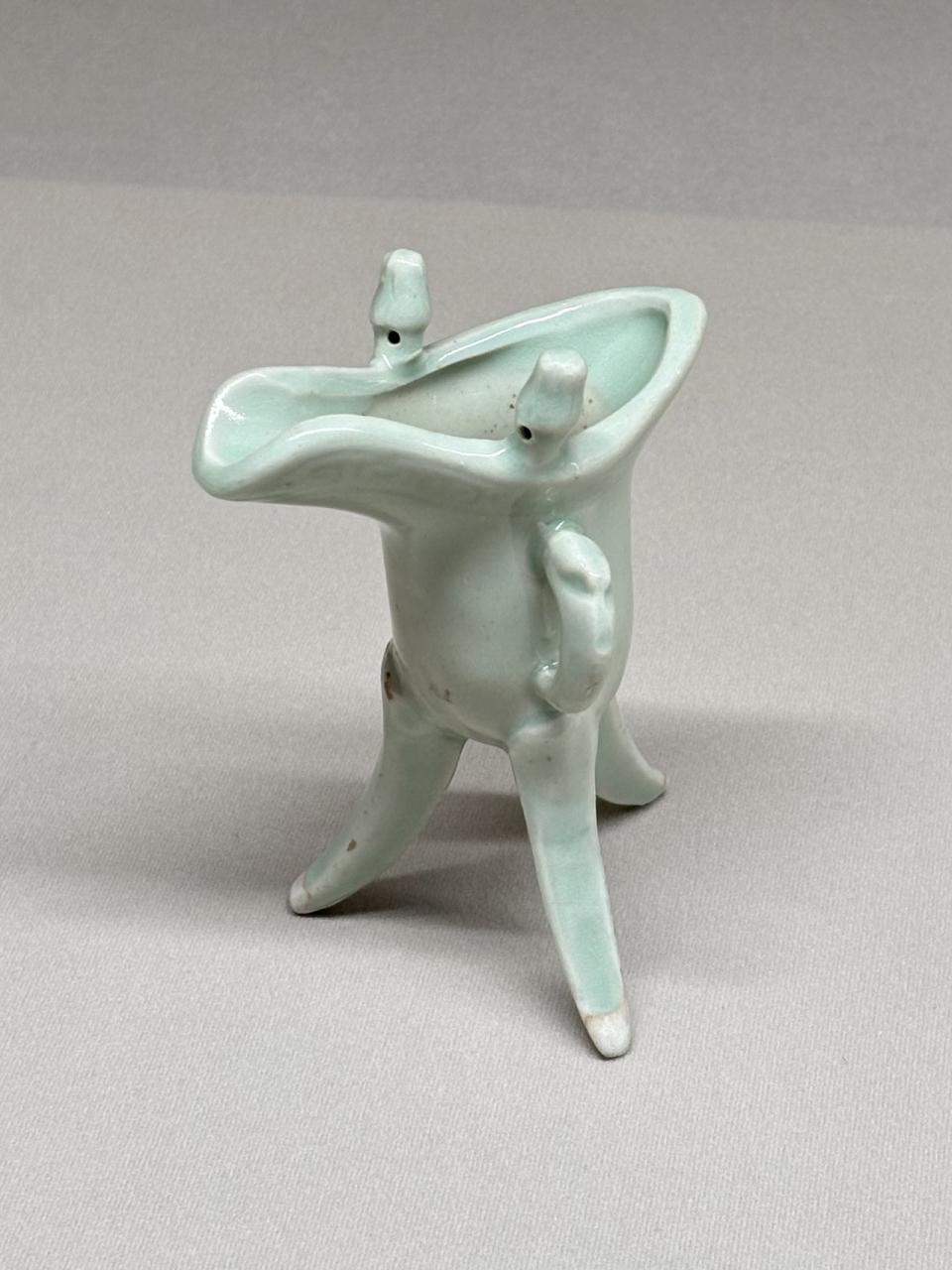
青磁刻花 花交 爵杯
明・15-16世紀/景徳鎖窯
大阪市立東洋陶磁美術館(入江正信氏寄贈)
爵杯は、明代の宮廷祭祀や朝廷の宴席などにおいて必需品。金銀製や玉製などに加え、龍泉窯や景徳鎮窯で磁器製の爵杯が多数つくられた。本作は景徳鎮窯でつくられた龍泉窯青磁写しと思われる。
JUE CUP
Celadon with carved flower design
Ming dynasty, 15th-16th century / Jingdezhen ware
The Museum of Oriental Ceramics, Osaka (Gift of Mr. IRIYE Masanobu)
During the Ming dynasty, the jue cup was essential for court rituals and banquets. In addition to gold, silver, and jade cups, a significant number of porcelain jue cups were produced at the Longquan and Jingdezhen kilns. This particular piece is believed to be a Jingdezhen product that imitates Longquan ware.
H: 12.5cm, W: 9.1 x5.9cm Accession No. 01570 -
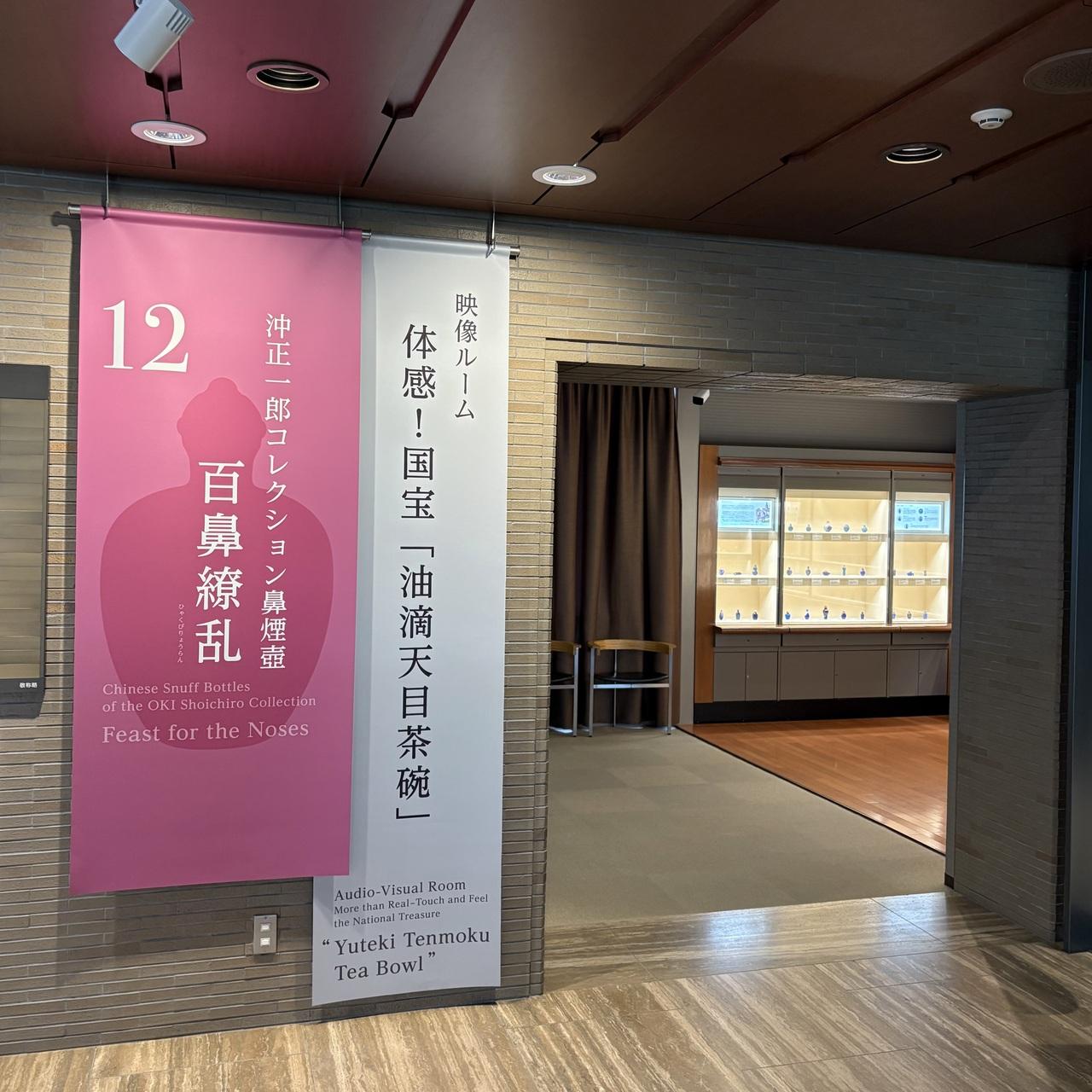
(展示12へ続く・・・)


利用規約に違反している投稿は、報告する事ができます。
旅行記グループ
2025年6月 奥方と行くんだけど、ほぼ野放しの京都・大阪・奈良
-
前の旅行記

奥方と行ったけど、ほぼ野放しの京都・大阪・奈良【東洋陶磁美術館⑪】(展示9)コレクション展 "中華瑰宝 安宅...
2025/06/27~
心斎橋・淀屋橋
-
次の旅行記

奥方と行ったけど、ほぼ野放しの京都・大阪・奈良【東洋陶磁美術館⑬完】(展示12)沖正一郎コレクション鼻煙壺&...
2025/06/27~
心斎橋・淀屋橋
-

奥方と行くんだけど、ほぼ野放しの京都・大阪・奈良 〔現地速報①〕EXPO 2025 "万博会場に大曲の花火"...
2025/06/27~
大阪市
-

奥方と行ったけど、ほぼ野放しの京都・大阪・奈良【東洋陶磁美術館①】"妙に近代化した淀屋橋" から、"螺旋階段...
2025/06/27~
心斎橋・淀屋橋
-

奥方と行ったけど、ほぼ野放しの京都・大阪・奈良【東洋陶磁美術館②】(展示1) 特別展 "青磁至宝 中国・韓国...
2025/06/27~
心斎橋・淀屋橋
-

奥方と行ったけど、ほぼ野放しの京都・大阪・奈良【東洋陶磁美術館③】(特別展示1) "国宝 油滴天目茶碗"
2025/06/27~
心斎橋・淀屋橋
-

奥方と行ったけど、ほぼ野放しの京都・大阪・奈良【東洋陶磁美術館④】(展示2) 特別展 "翡色玲瓏 高麗青磁の...
2025/06/27~
心斎橋・淀屋橋
-

奥方と行ったけど、ほぼ野放しの京都・大阪・奈良【東洋陶磁美術館⑤】(展示3) 特別展 "翡色玲瓏 高麗青磁の...
2025/06/27~
心斎橋・淀屋橋
-

奥方と行ったけど、ほぼ野放しの京都・大阪・奈良【東洋陶磁美術館⑥】(展示4)コレクション展 "清廉尚白 安宅...
2025/06/27~
心斎橋・淀屋橋
-

奥方と行ったけど、ほぼ野放しの京都・大阪・奈良【東洋陶磁美術館⑦】(展示5)コレクション展 "純真之美 李秉...
2025/06/27~
心斎橋・淀屋橋
-

奥方と行ったけど、ほぼ野放しの京都・大阪・奈良【東洋陶磁美術館⑧】(展示6)コレクション展 "陶魂無比 日本...
2025/06/27~
心斎橋・淀屋橋
-

奥方と行ったけど、ほぼ野放しの京都・大阪・奈良【東洋陶磁美術館⑨】(展示7)特別展 "青磁脈脈 日本の青磁"
2025/06/27~
心斎橋・淀屋橋
-

奥方と行ったけど、ほぼ野放しの京都・大阪・奈良【東洋陶磁美術館⑩】(展示8)"現代陶芸コレクション" &(特...
2025/06/27~
心斎橋・淀屋橋
-

奥方と行ったけど、ほぼ野放しの京都・大阪・奈良【東洋陶磁美術館⑪】(展示9)コレクション展 "中華瑰宝 安宅...
2025/06/27~
心斎橋・淀屋橋
-

奥方と行ったけど、ほぼ野放しの京都・大阪・奈良【東洋陶磁美術館⑫】(展示10&11)特別展 "青翠如玉 中国...
2025/06/27~
心斎橋・淀屋橋
-

奥方と行ったけど、ほぼ野放しの京都・大阪・奈良【東洋陶磁美術館⑬完】(展示12)沖正一郎コレクション鼻煙壺&...
2025/06/27~
心斎橋・淀屋橋
-

奥方と行ったけど、ほぼ野放しの京都・大阪・奈良【万博①】大阪メトロで、"北浜" から "夢洲" へ。"ミャク...
2025/06/28~
大阪市
-

奥方と行ったけど、ほぼ野放しの京都・大阪・奈良【万博②】入場まで45分。"ミャクミャクのこれは、しっぽではな...
2025/06/28~
大阪ベイエリア
-

奥方と行ったけど、ほぼ野放しの京都・大阪・奈良【万博③】"これまで唯一の20万人超えの入場者" の間を、ハン...
2025/06/28~
大阪ベイエリア
-

奥方と行ったけど、ほぼ野放しの京都・大阪・奈良【万博④】コロナで行けずの "ハンガリー" にリベンジも、"豪...
2025/06/28~
ハンガリー
-

奥方と行ったけど、ほぼ野放しの京都・大阪・奈良【万博⑤】"大屋根リング"は、花火待ちで大混雑。"モナコ公国館...
2025/06/28~
大阪ベイエリア
-

奥方と行ったけど、ほぼ野放しの京都・大阪・奈良【万博⑥】"コモンズ-A館" で、"イエメンおじさんたちの商売...
2025/06/28~
大阪ベイエリア
-

奥方と行ったけど、ほぼ野放しの京都・大阪・奈良【万博⑦/完】"東ゲート" から退場。直後に打ち上がった "大...
2025/06/28~
大阪市
-

奥方と行ったけど、ほぼ野放しの京都・大阪・奈良【心斎橋を夜の街歩き①】"玉屋町筋" はグルメなお店多数、路上...
2025/06/28~
心斎橋・淀屋橋
-

奥方と行ったけど、ほぼ野放しの京都・大阪・奈良【心斎橋を夜の街歩き②】串かつ だるまの "二度づけ禁止おじさ...
2025/06/28~
心斎橋・淀屋橋
-

奥方と行ったけど、ほぼ野放しの京都・大阪・奈良【心斎橋を夜の街歩き③】ボート行き交う "道頓堀" は、バンコ...
2025/06/28~
心斎橋・淀屋橋
-

奥方と行くんだけど、ほぼ野放しの京都・大阪・奈良 〔現地速報②〕"奈良県立万葉文化館" で食べた "あら川の...
2025/06/29~
飛鳥
-

奥方と行ったけど、ほぼ野放しの京都・大阪・奈良【大阪ミナミ朝の街歩き①】"千日前商店街"で見かけたポスター。...
2025/06/29~
心斎橋・淀屋橋
-

奥方と行ったけど、ほぼ野放しの京都・大阪・奈良【大阪ミナミ朝の街歩き②】これぞ、お笑いの殿堂 "なんばグラン...
2025/06/29~
ミナミ(難波・天王寺)
-

奥方と行ったけど、ほぼ野放しの京都・大阪・奈良【大阪ミナミ朝の街歩き③】大阪 日本橋(にっぽんばし)、この界...
2025/06/29~
ミナミ(難波・天王寺)
-

奥方と行ったけど、ほぼ野放しの京都・大阪・奈良【大阪ミナミ朝の街歩き④】"通天閣を真下から見る" と、こんな...
2025/06/29~
ミナミ(難波・天王寺)
-

奥方と行ったけど、ほぼ野放しの京都・大阪・奈良【大阪ミナミ朝の街歩き⑤/完】"あべのハルカス19階" から、...
2025/06/29~
ミナミ(難波・天王寺)
旅行記グループをもっと見る
コメントを投稿する前に
十分に確認の上、ご投稿ください。 コメントの内容は攻撃的ではなく、相手の気持ちに寄り添ったものになっていますか?
サイト共通ガイドライン(利用上のお願い)報道機関・マスメディアの方へ 画像提供などに関するお問い合わせは、専用のお問い合わせフォームからお願いいたします。
心斎橋・淀屋橋(大阪) の旅行記





フォートラベル公式LINE@
おすすめの旅行記や旬な旅行情報、お得なキャンペーン情報をお届けします!
QRコードが読み取れない場合はID「@4travel」で検索してください。
\その他の公式SNSはこちら/
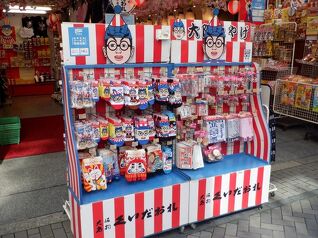
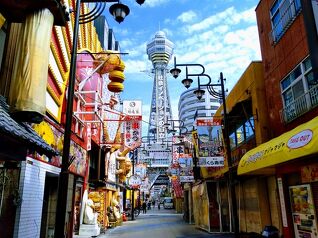


旅行記グループ 2025年6月 奥方と行くんだけど、ほぼ野放しの京都・大阪・奈良
0
28