


2025/06/27 - 2025/06/28
63位(同エリア1948件中)

旅熊 Kokazさん
- 旅熊 KokazさんTOP
- 旅行記1927冊
- クチコミ854件
- Q&A回答102件
- 1,708,210アクセス
- フォロワー752人
大阪市立東洋陶磁美術館
2025.4.19~11.24
特別展 "CELADON-東アジアの青磁のきらめき"
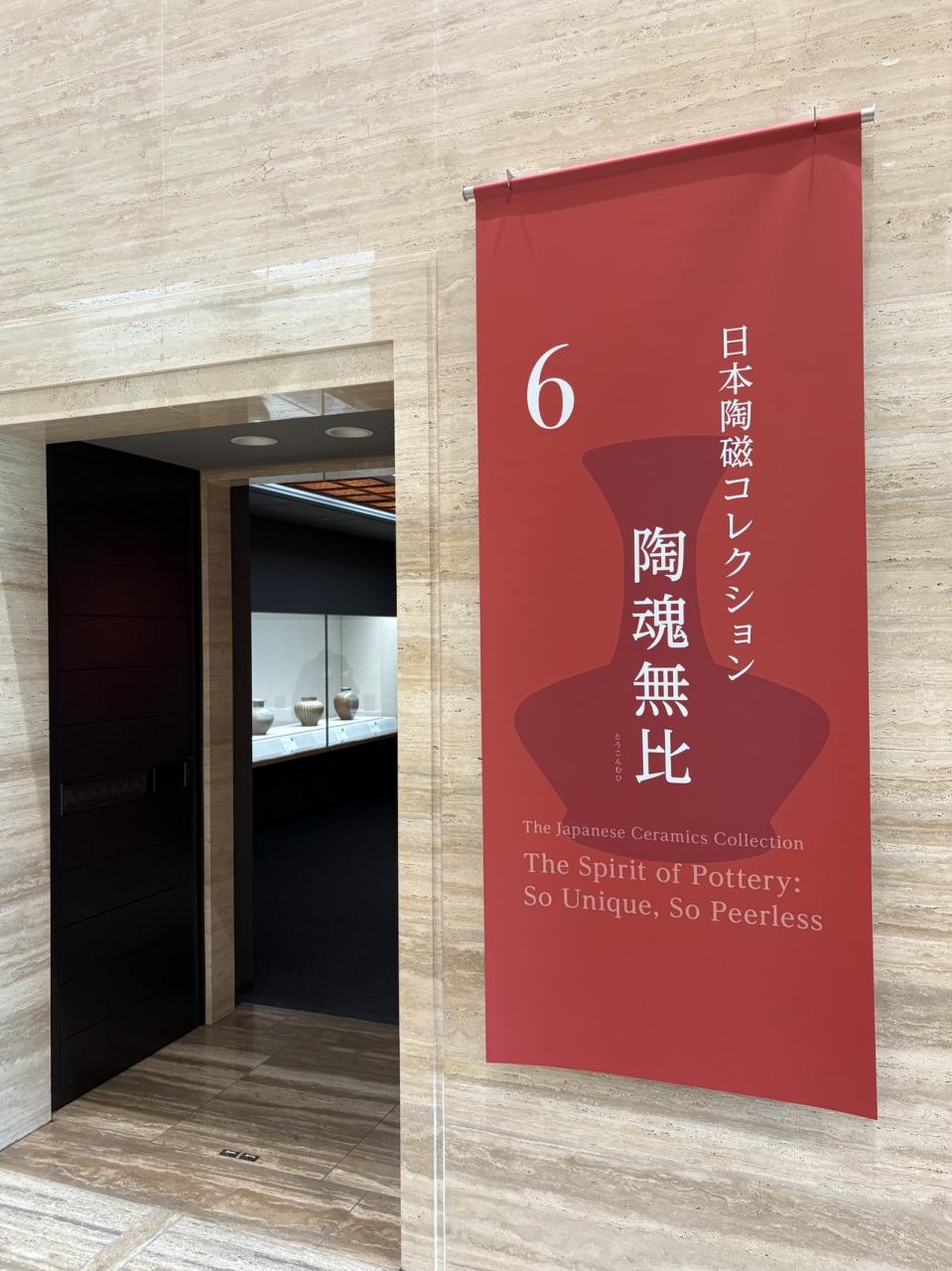
(展示6)コレクション展 "陶魂無比 日本陶磁コレクション"
- 旅行の満足度
- 5.0
-

大阪市立東洋陶磁美術館 美術館・博物館
-
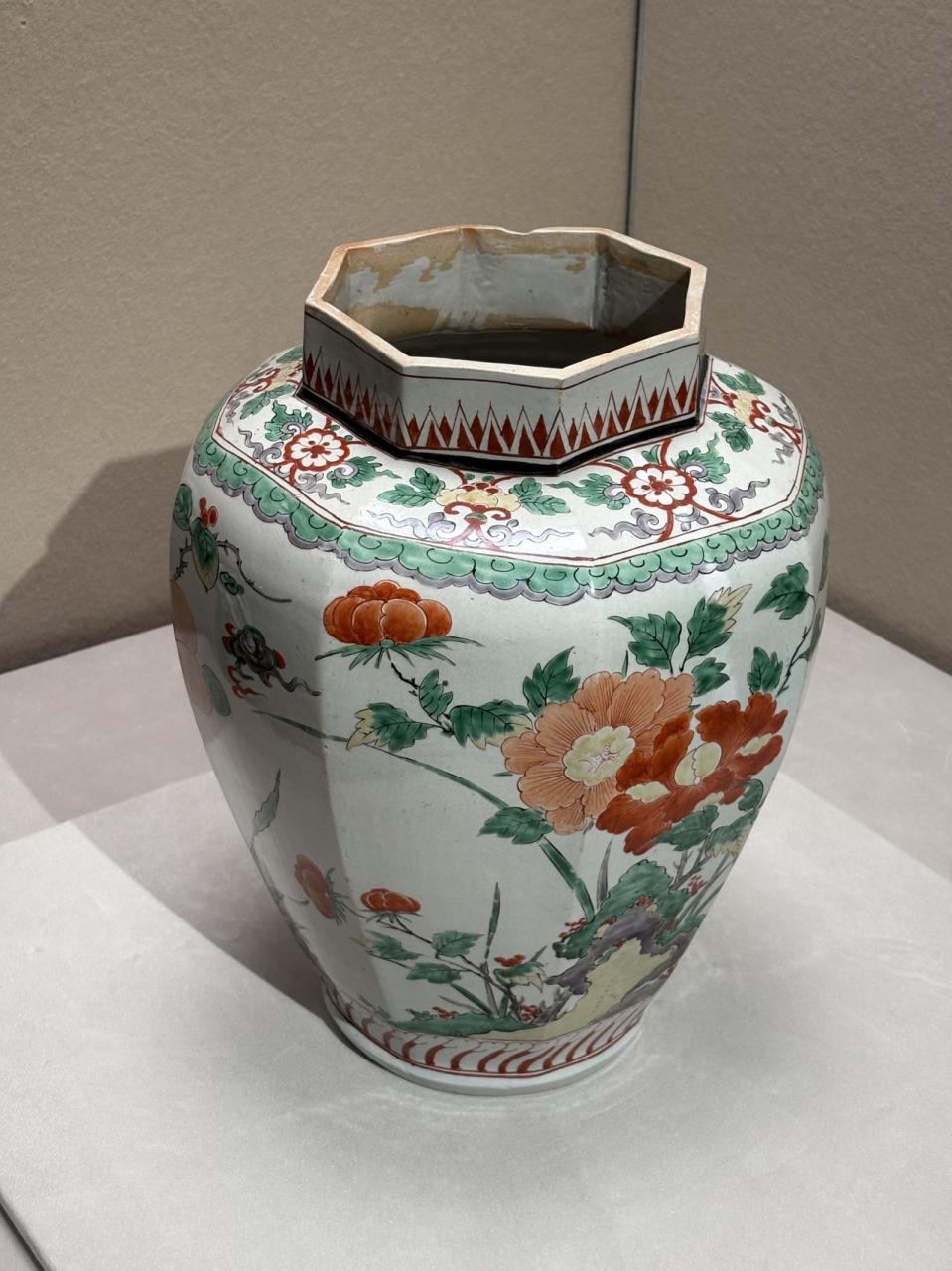
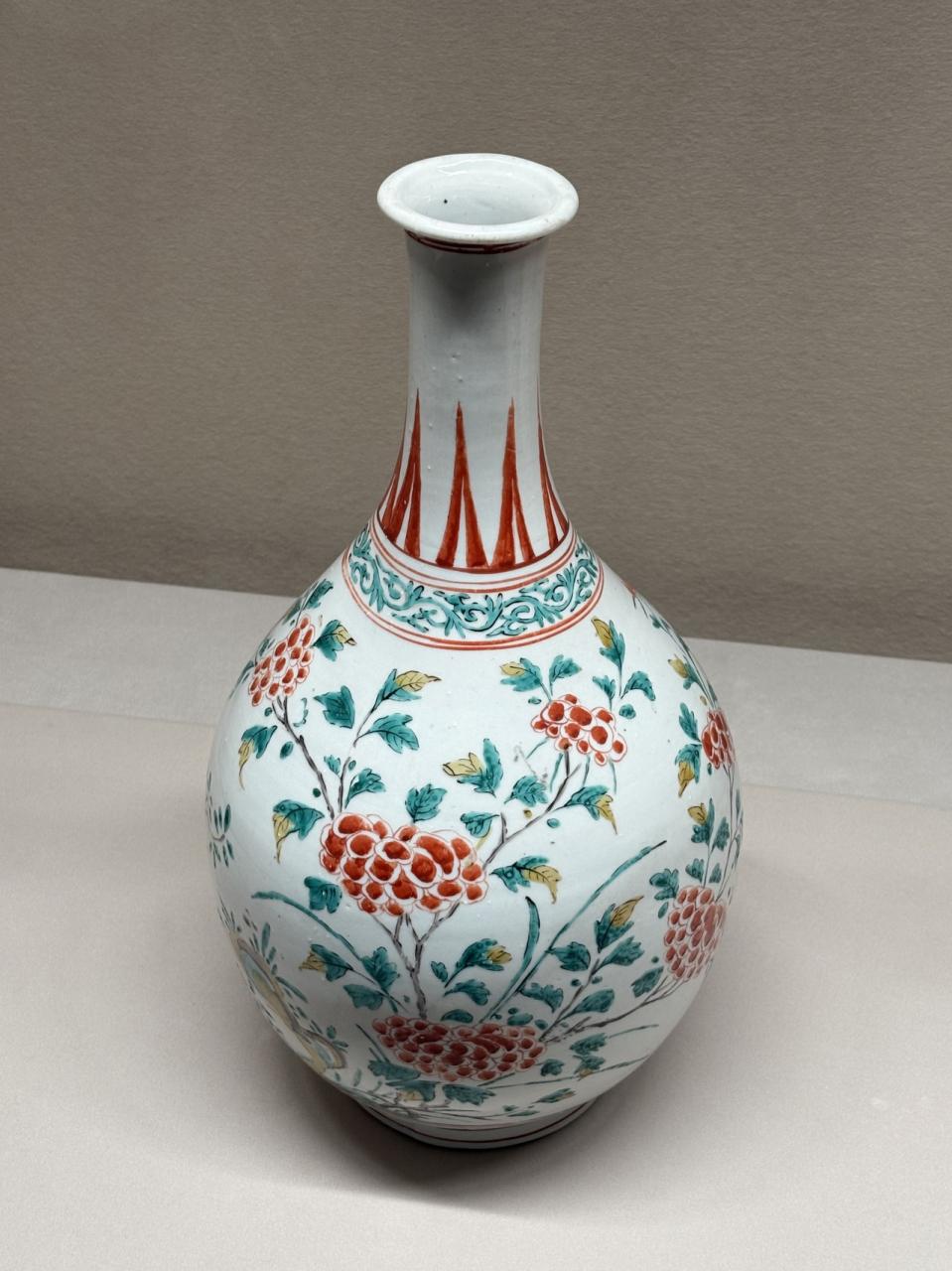
色絵牡丹椿文八角壺
江戸時代・1680-1710年代/肥前・有田窯
胴の両面には太湖石を配した牡丹と椿の図が、八角に面取された面を意識ず大らかに描かれている。文様や造形など延宝年間(1673-1681)の柿右衛門様式の製品にも通じる。輸出伊万里と呼ばれる海外向け輸出品で、長らくヨーロッパにあったと伝えられる。
OCTAGONAL JAR
Porcelain with design of peony and camellia in overglaze enamels
Edo period, 1680-1710s / Arita ware, Hizen
On both sides of the body, designs of large camellias and peonies accompanying a taihu stone extend their branches spontaneously without being affected by the beveled surface. The motif and modeling share common elements with the Kakiemon-style polychrome porcelain produced during the Enpo era (1673-1681). This work is one of the export mari wares and is said to have been housed in Europe for a long time.
58
h: 42.1cm d: 32.8cm
登録番号 01193 -
重要文化財
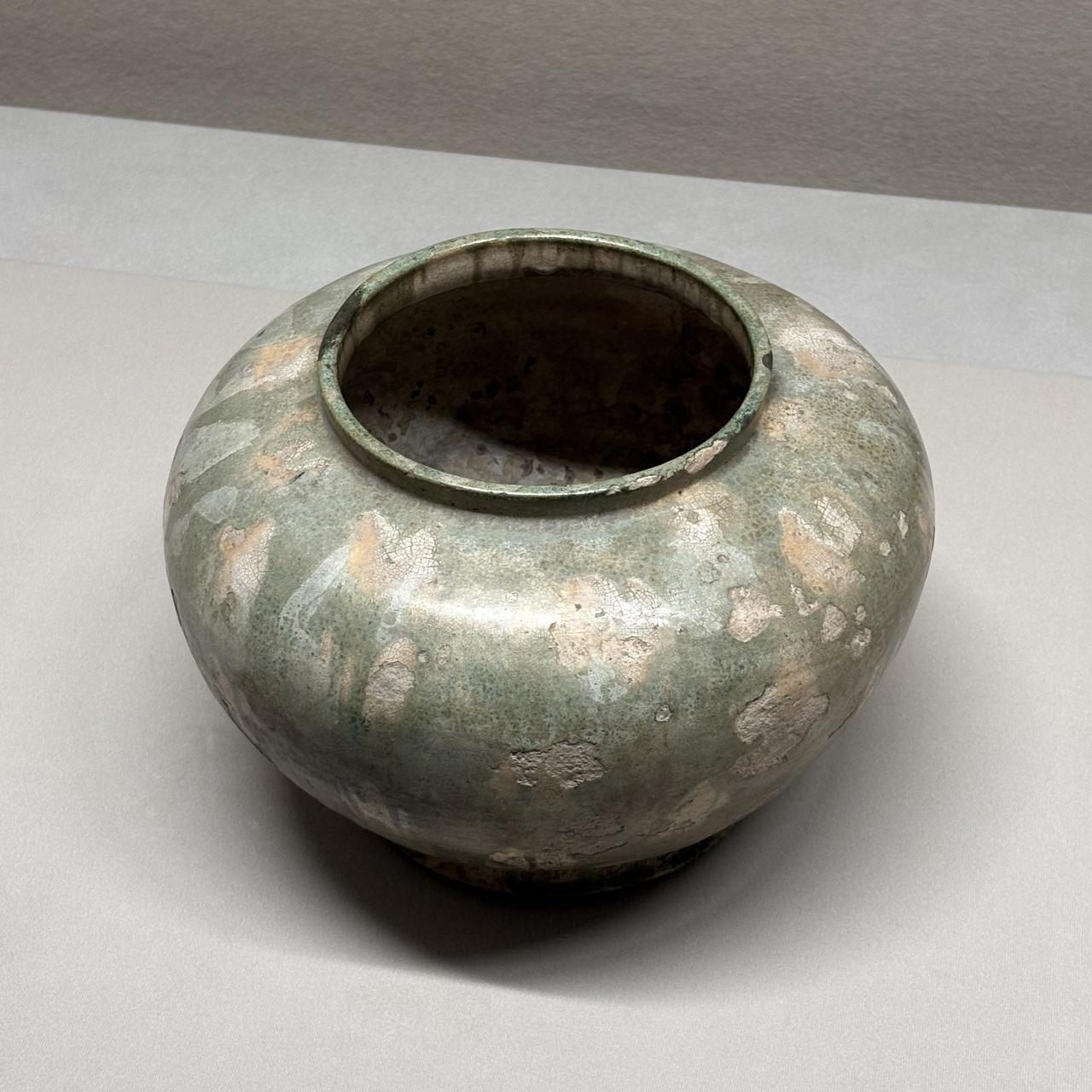
三彩 壺
奈良時代・8世紀/住友グループ寄贈(安宅コレクション)
本作は薬壷と呼ばれる形の「奈良三彩」で、蔵骨器として出土した類例も知られる。緑釉に白と黄釉(褐釉)が点じられ、随所に釉の剥落や銀化が見られる。江戸時代の安政年間(1854-60)に奈良県生駒郡で出土したと伝えられ、大阪・平瀬家伝来品である。
Important Cultural Property
JAR
Earthenware with three-color glaze
Nara period, 8th century / Gift of SUMITOMO Group (The ATAKA Collection)
This Nara sancai (three-color) ware is known in Japan as yakko or medicine jar. There are examples of yakko that were used as funerary urns. White and yellow (or brown) glazes are dotted onto the green-glazed background, although parts of the glazes reveal exfoliation and silvery iridescence. The jar is said to have been excavated in Ikoma County, Nara Prefecture, during the Ansei era (1854-1860) of the Edo period and was formerly in the possession of the Hirase family of Osaka.
54
h: 17.5cm
d: 25.1cm
登録番号 00167 -
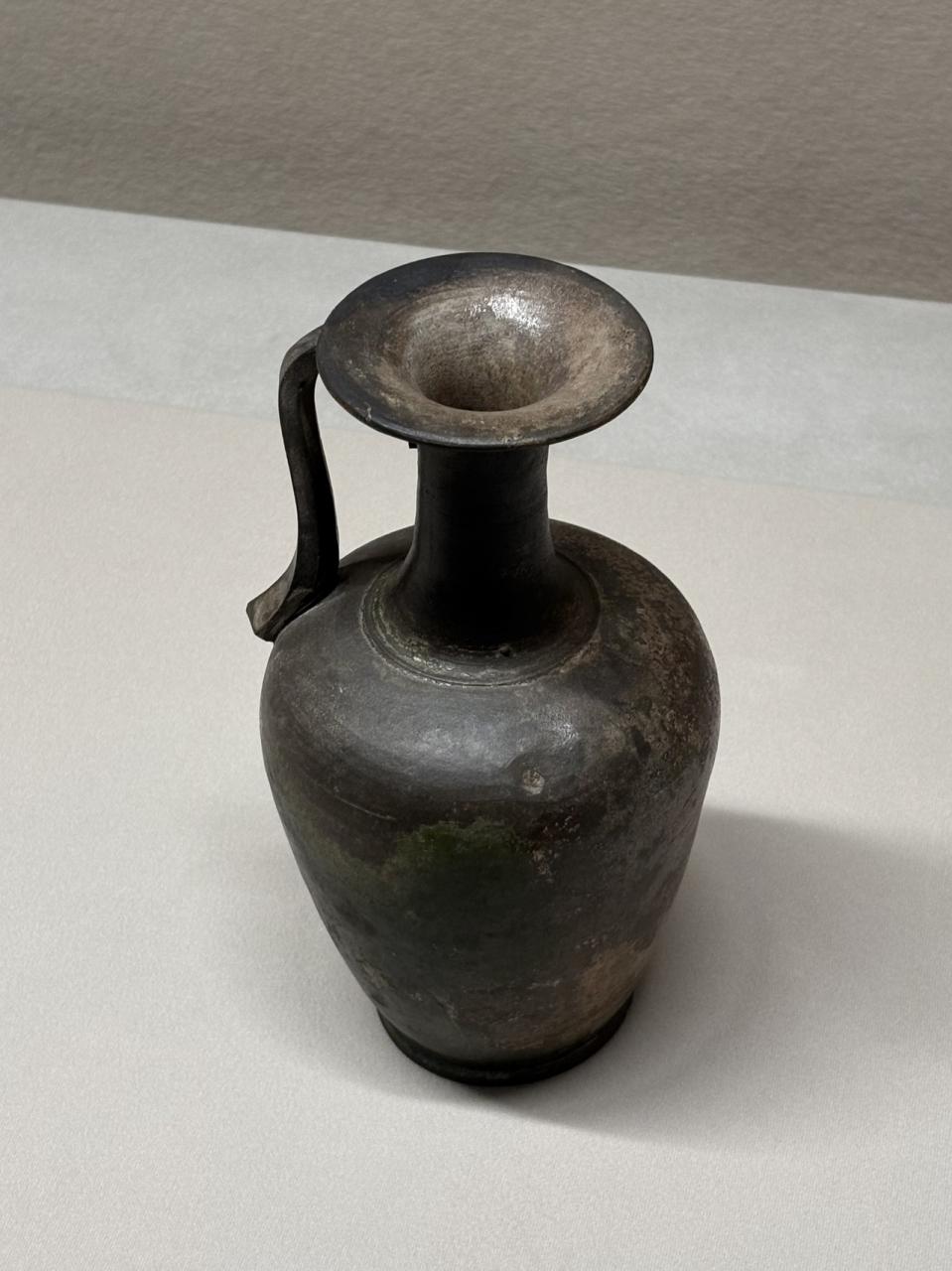
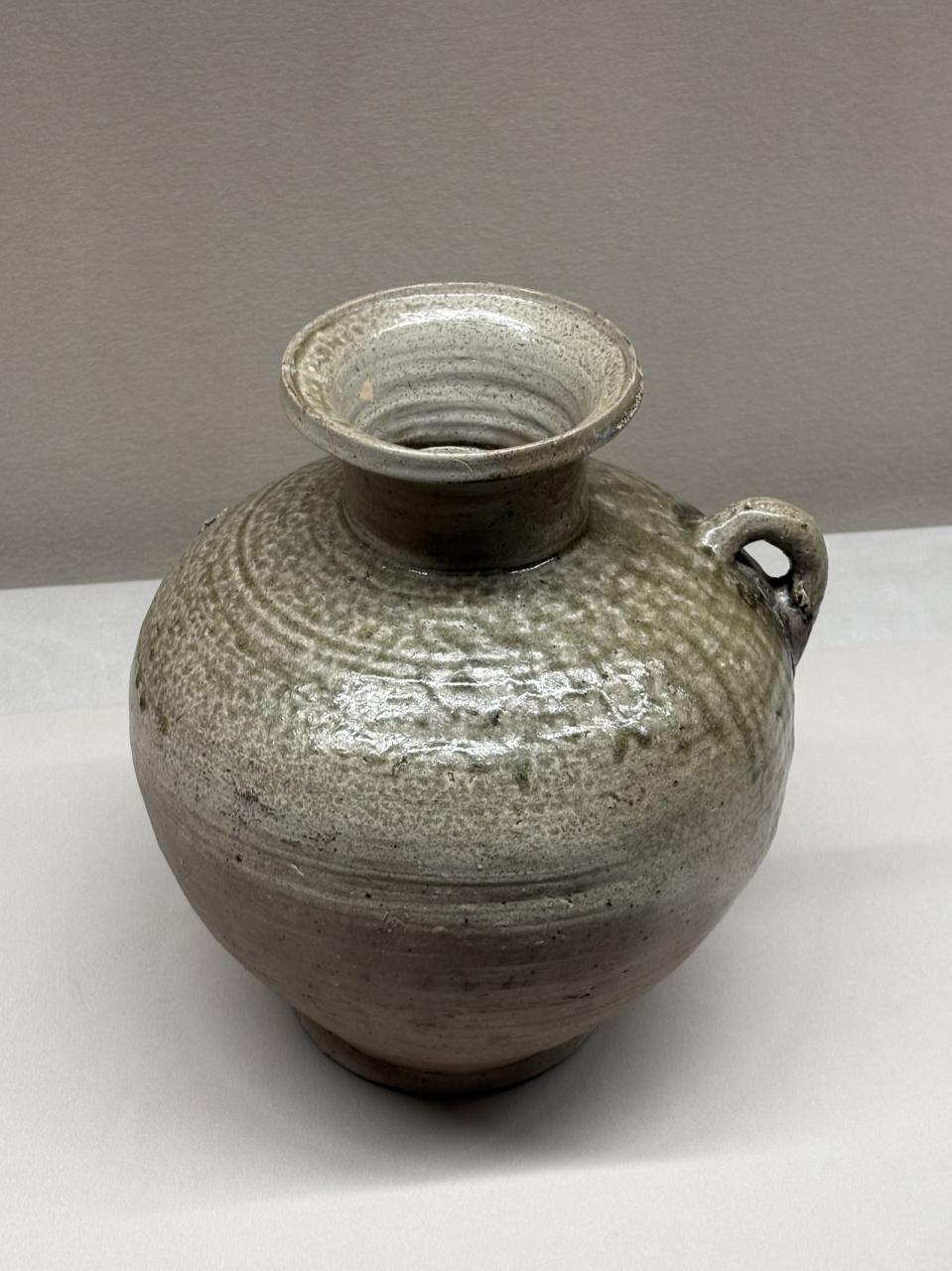
緑釉 手付瓶
平安時代・10世紀
平安時代、緑釉陶器は「青瓷(あおし)」とも呼ばれ、儀式用の調度品であった。金属器を思わせるシャープでうすづくりの造形は、卓越した轆轤技術による。胴下方にわずかに残存した緑釉から、往時の鮮やかな彩りを想像できる。大阪・平瀬家伝来品である。
BOTTLE WITH HANDLE Stoneware with green glaze
Heian period, 10th century
During the Heian period (794-1185), green-glazed wares known as aoshi (greenware) were used as ritual equipment. The refined, metal-like form was thinly potted, demonstrating the preeminent throwing technique. The slight trace of green glaze on the lower part of the body suggests its vividness at the time of production. It was formerly in the possession of the Hirase family of Osaka.
h: 22.5cm d: 12.3cm
登録番号 01403 -
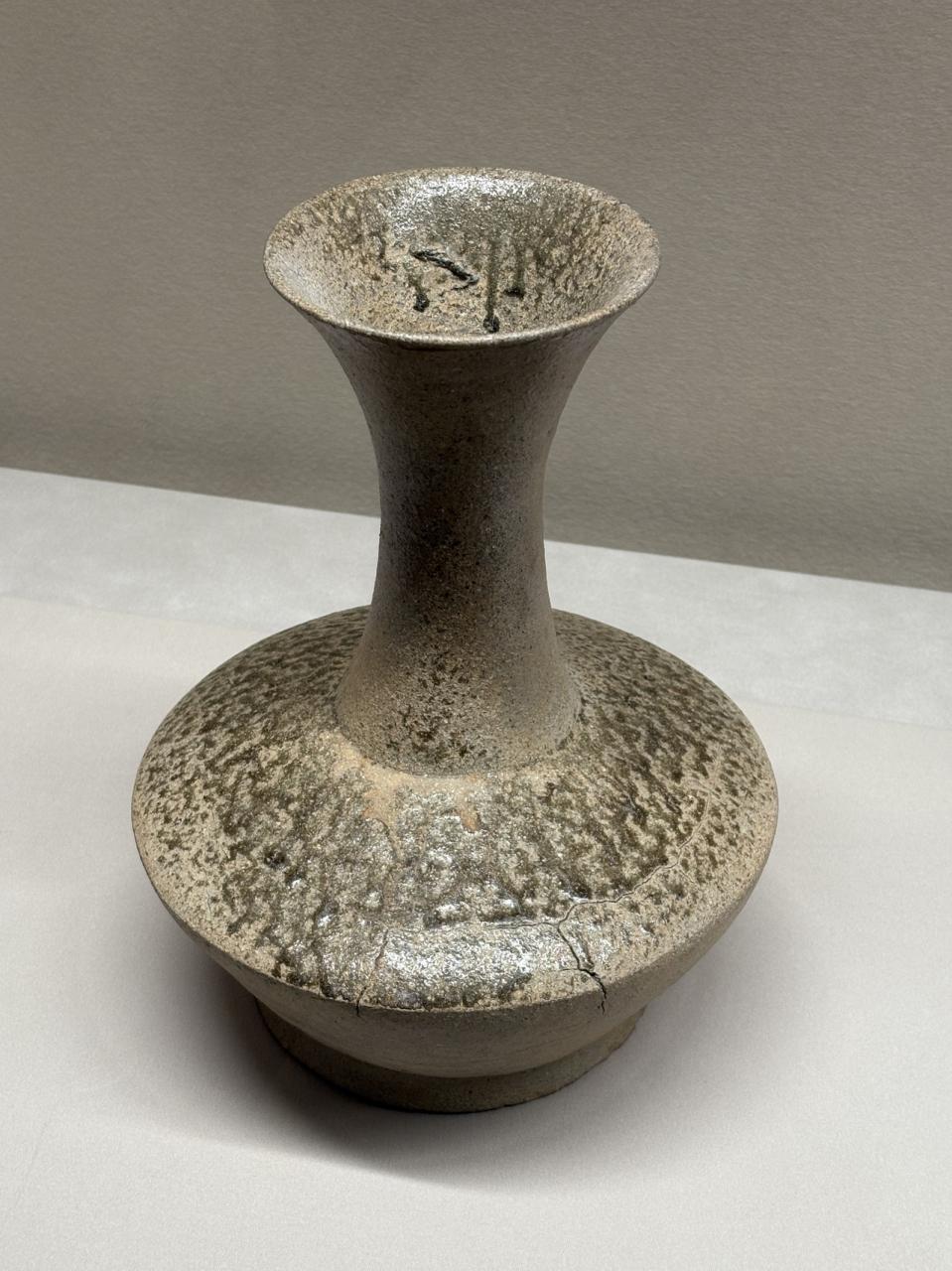
須恵器 長頸瓶
奈良時代・7世紀末
須恵器は5世紀に朝鮮半島から伝えられた新技術により誕生した硬質土器である。高火度焼成により肩などに降りかかった灰が自然釉となっている。奈良県天理市萱生(かよう)出土と伝えられ、奈良時代の須恵器長頸瓶を代表する優品である。
LONG-NECKED BOTTLE
Sue ware (stoneware) with natural ash glaze
Nara period, late 7th century
Sue ware is a hard-bodied pottery produced with a new technique introduced from the Korean Peninsula in the 5th century. Due to firing at a high temperature, the ashes that fell on the shoulder were melted to form a natural glaze. This excellent work, which is said to have been excavated in Kayo in Tenri City, Nara Prefecture, is one of the leading examples of Sue long-necked vases produced in the Nara period (710-794).
h: 35.4cm d: 27.4cm
登録番号 01213 -
-
-
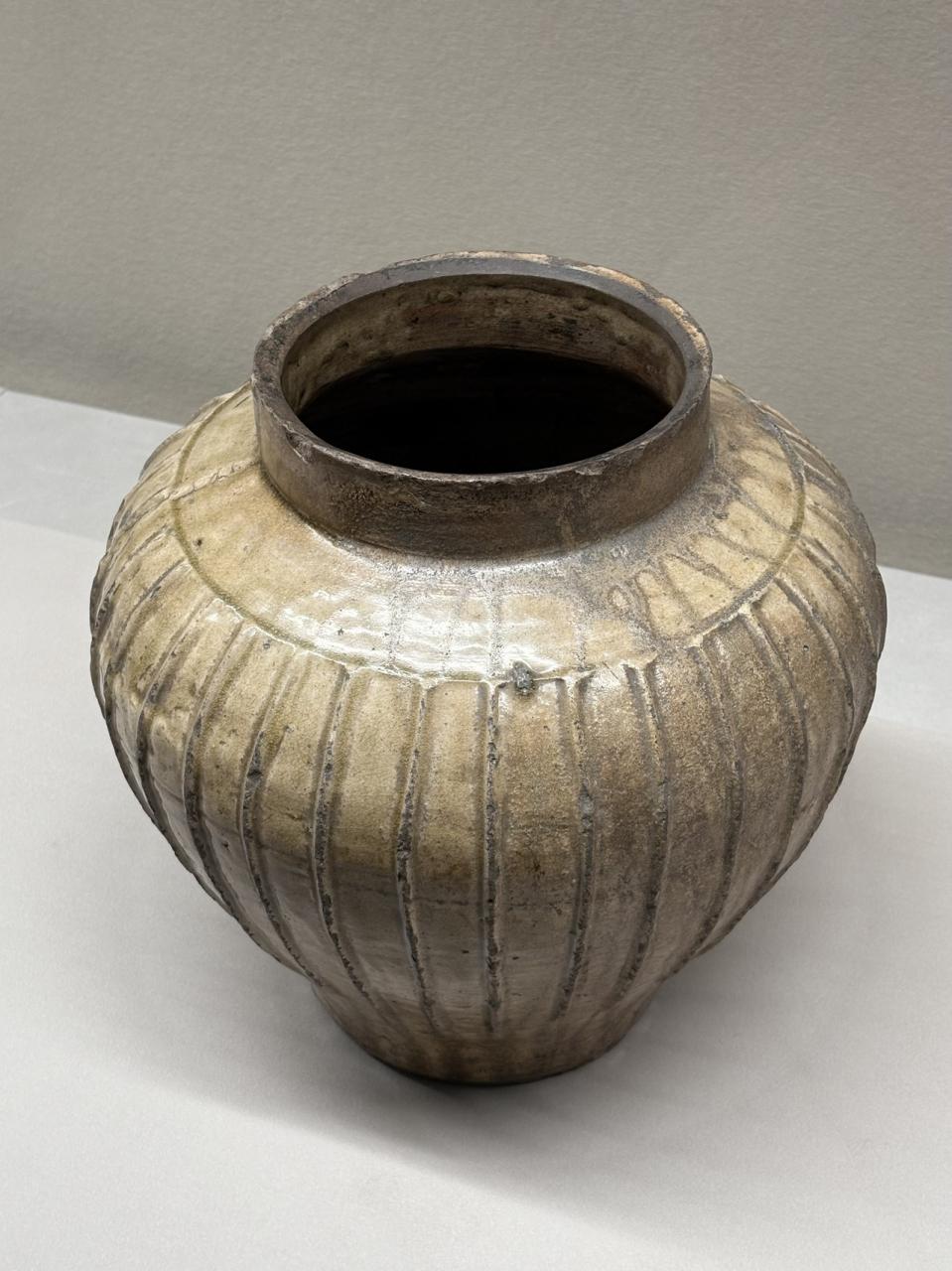
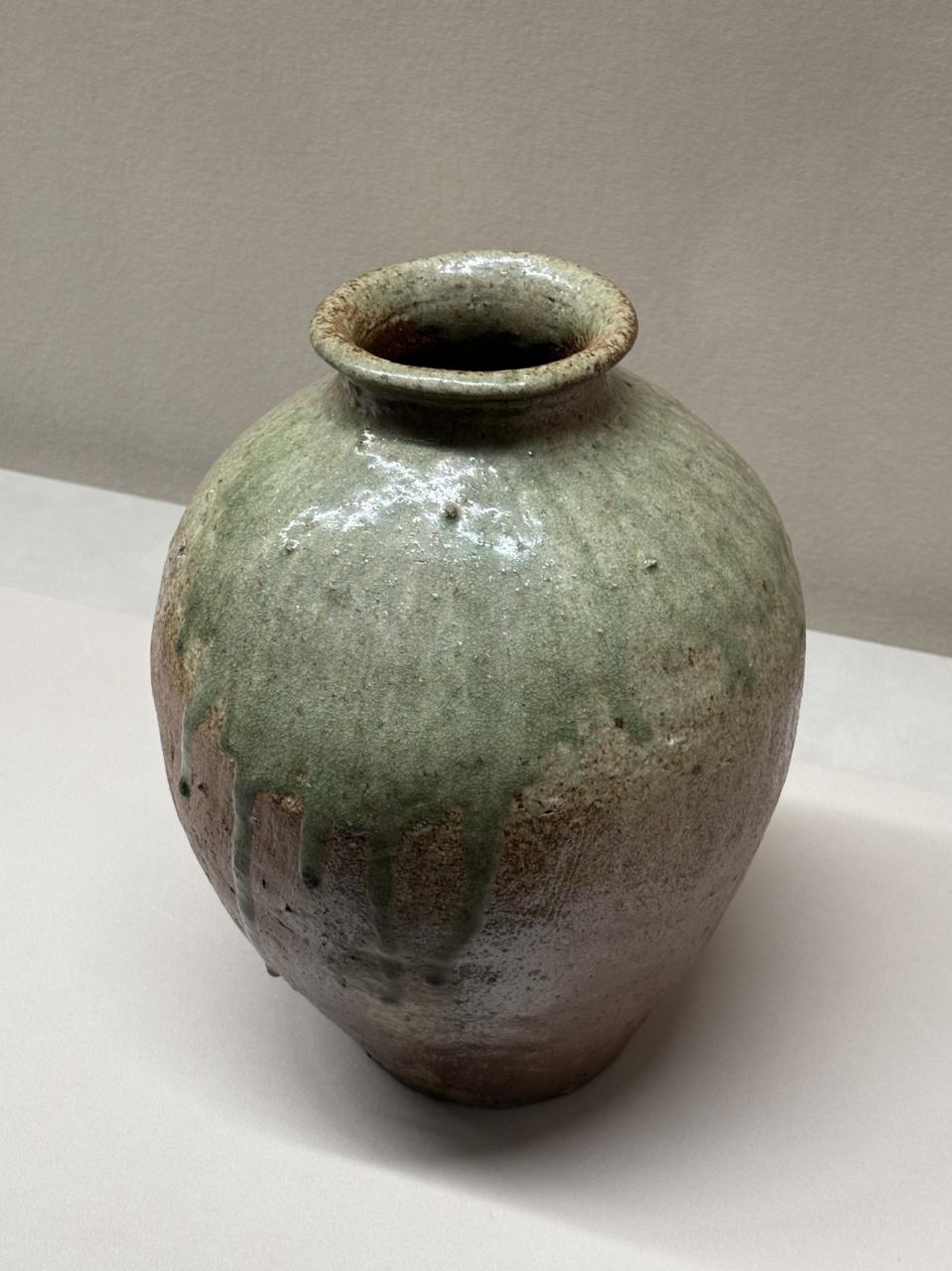
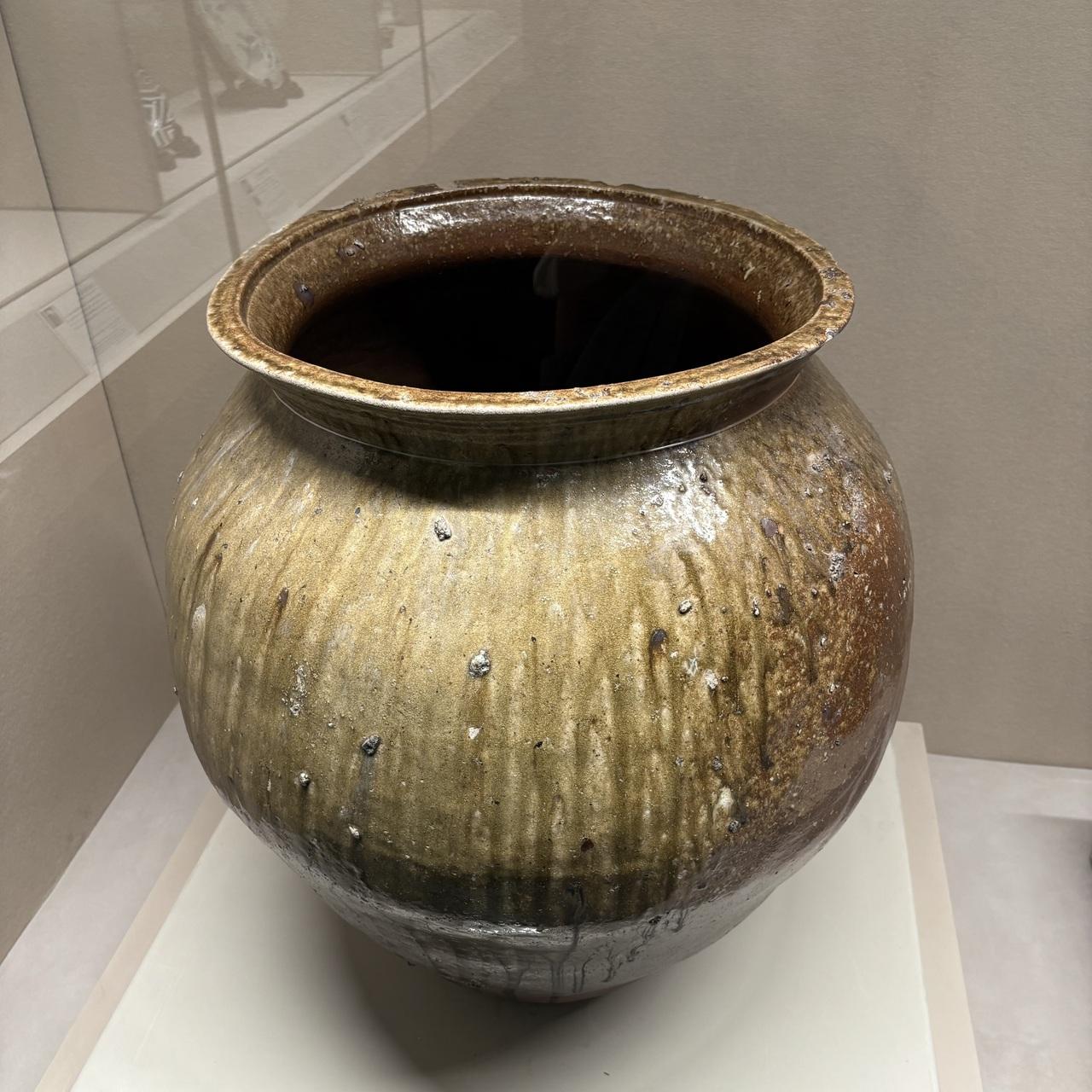
壺
室町時代・16世紀/丹波窯/篠田元子氏寄贈
丹波焼は、現在の兵庫県丹波篠山市立杭(たちくい)周辺で平安時代末期(12世紀)に始まった。以降室町時代までは、貯蔵具である壺・甕と調理具である擂鉢を主に生産した。薪が灰になって降りかかり溶けてガラス化した、萌黄色の自然釉が印象的である。
JAR Stoneware
Muromachi period, 16th century / Tanba ware / Gift of Ms. SHINODA Motoko
The Tanba kiln began its production at the end of the Heian period in the 12th century in present-day Tachikui, Tanba Sasayama City, Hyogo Prefecture. Until the Muromachi period (1336-1573), its main products were storage jars and mortars used for cooking.
This particular jar displays an impressive light green natural glaze, which developed as a result of the vitrification of the wood ash that fell and melted onto the surface of the jar.
h: 36.3cm d: 28.0cm
登録番号 04085 -
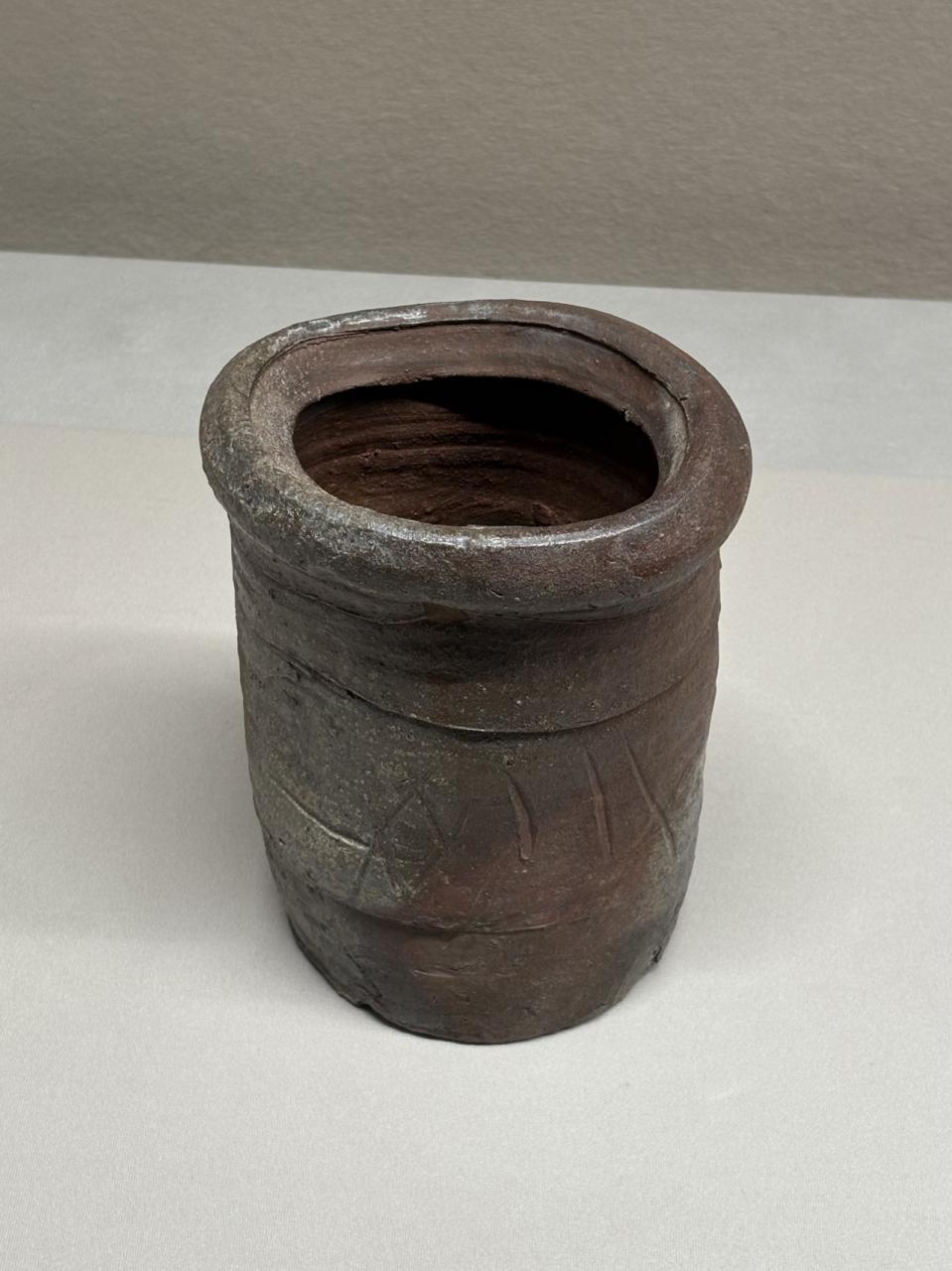
花生
桃山時代・17世紀前半/備前窯/松恵コレクション
備前焼は、現在の岡山県備前市伊部周辺で平安時代末期(12世紀)に始まった。桃山時代には、土肌そのままの素朴な表情が茶の湯の世界で好まれ、茶器や懐石具が制作された。籐や竹で編んだ籠をまねた花入であるため、笠で斜線を彫って籠の網目が表されている。
FLOWER VASE Stoneware
Momoyama period, first half of the 17th century / Bizen ware / The SHOKEI Collection
The production of Bizen ware began at the end of the Heian period in the 12th century in Inbe and its surrounding area in present-day Bizen City, Okayama Prefecture. In the Momoyama period (1573-1615), the unglazed, earth-like texture and rustic appearance of Bizen ware appealed to those involved in chanoyu, the Japanese tea ceremony. This led to the production of various tea vessels and kaiseki utensils used in chanoyu. This specific piece was designed to resemble a rattan or bamboo flower vase, with diagonal lines carved by a spatula to represent a basket weaving pattern.
h: 21.2cm d: 16.0cm
登録番号 05318 -
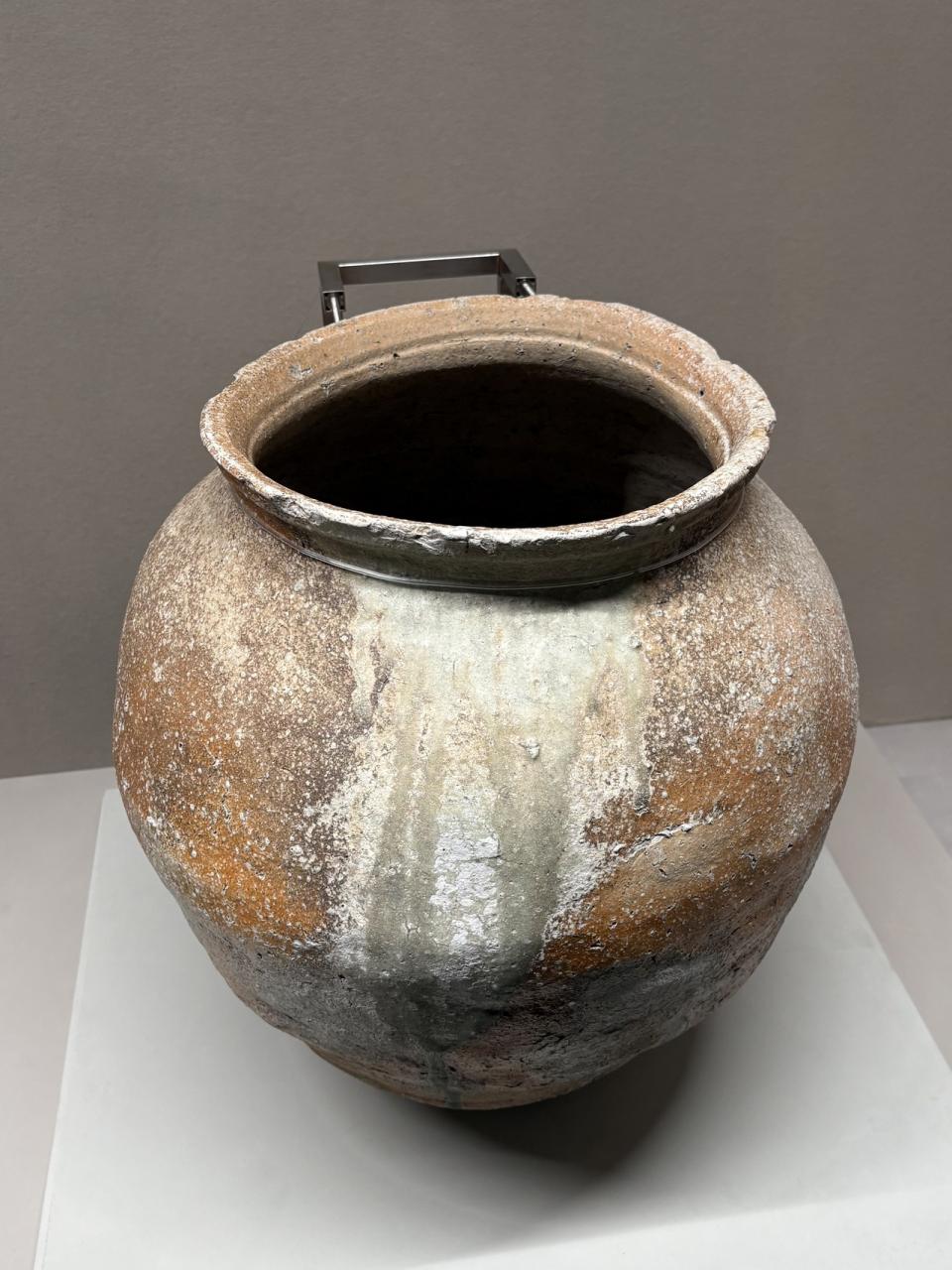
耳付 花生
桃山時代・17世紀前半/伊賀窯
伊賀焼は、現在の三重県伊賀市で桃山時代から江戸時代にかけて生産された。炎によって赤茶色を帯び、あるいは焦げて灰色になった土肌に、緑色の自然が掛かって豊かな表情を見せる。籠の花入を模倣しているため、子文を型押しして網目が表されている。
FLOWER VASE WITH EARS Stoneware
Momoyama period, first half of the 17th century / Iga ware
Iga ware was produced in present-day Iga City, Mie Prefecture, from the Momoyama period (1573-1615) through the Edo period (1603-1868). The expressive clay body of this vase turned reddish brown during firing, showing grayish scorch marks. A green natural ash glaze covers the body. This piece imitates a basket flower vase, with lattice pattern stamped on the body to represent the basket weaving pattern.
h: 27.4cm d: 17.5cm
登録番号 01636 -
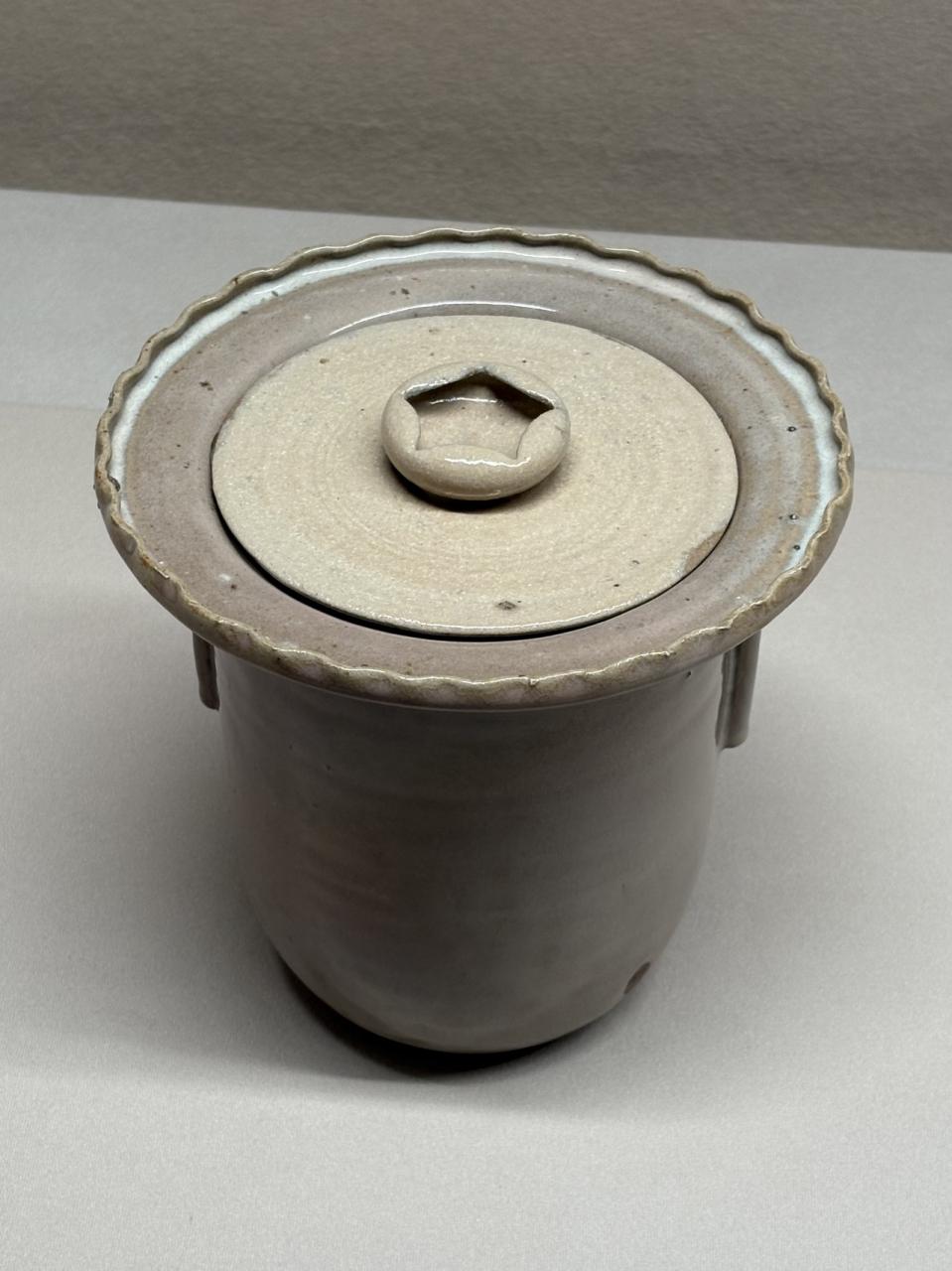
白釉鉄釉 菱形 水指
江戸時代・17世紀/高取窯/松恵コレクション
高取焼は、福岡藩主黒田長政(1568-1623)が文禄・慶長の役に際して連れ帰った陶工八山(高取八蔵)により始まった。薄づくりで均整の取れた形は、茶人として活躍した大名の小堀遠州(1579-1647)が好んだ造形性を反映している。
DIAMOND-SHAPED WATER JAR
Stoneware with white and iron glaze
Edo period, 17th century / Takatori ware / The SHOKEI Collection Takatori ware began when the lord of Fukuoka Domain, Kuroda Nagamasa (1568-
1623), brought the Korean potter Hachizan (Takatori Hachizo) to Japan from the Korean Peninsula after the invasions of Korea in the late 16th century. The thinly potted, handsome form of this water jar reflects the style favored by the feudal lord and renowned tea master Kobori Enshu (1579-1647).
h: 15.3
w: 14.8x18.2cm
登録番号 05230 -
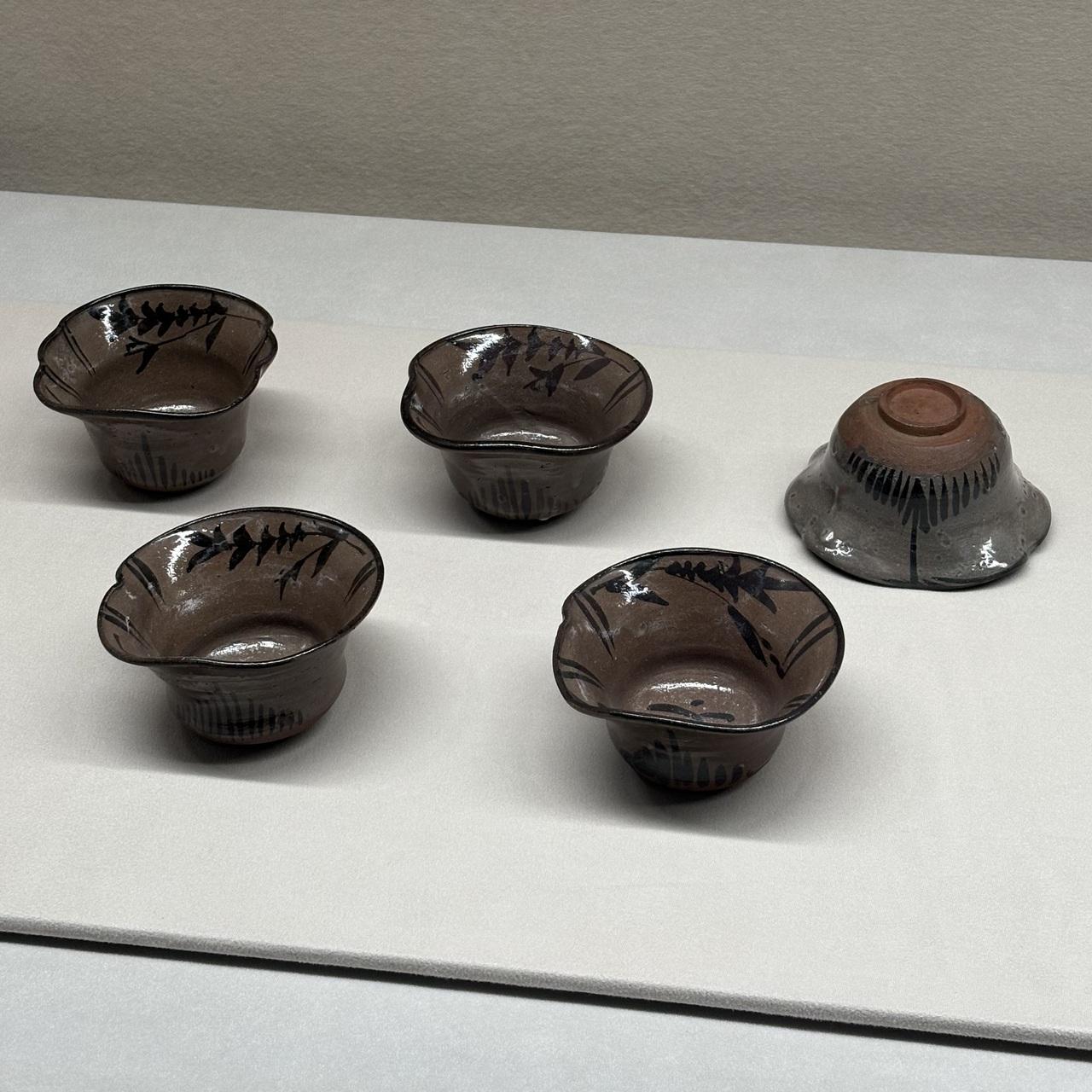
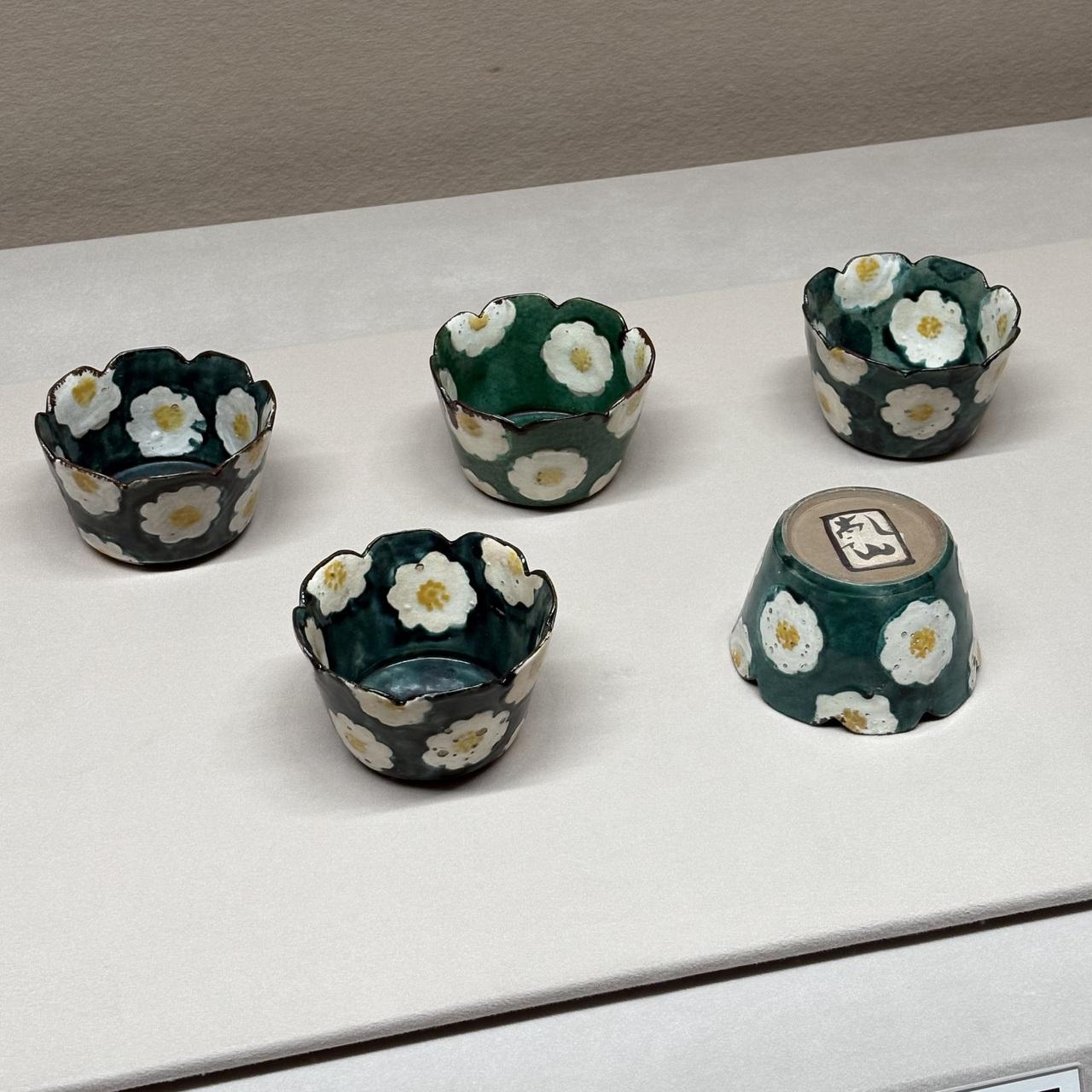
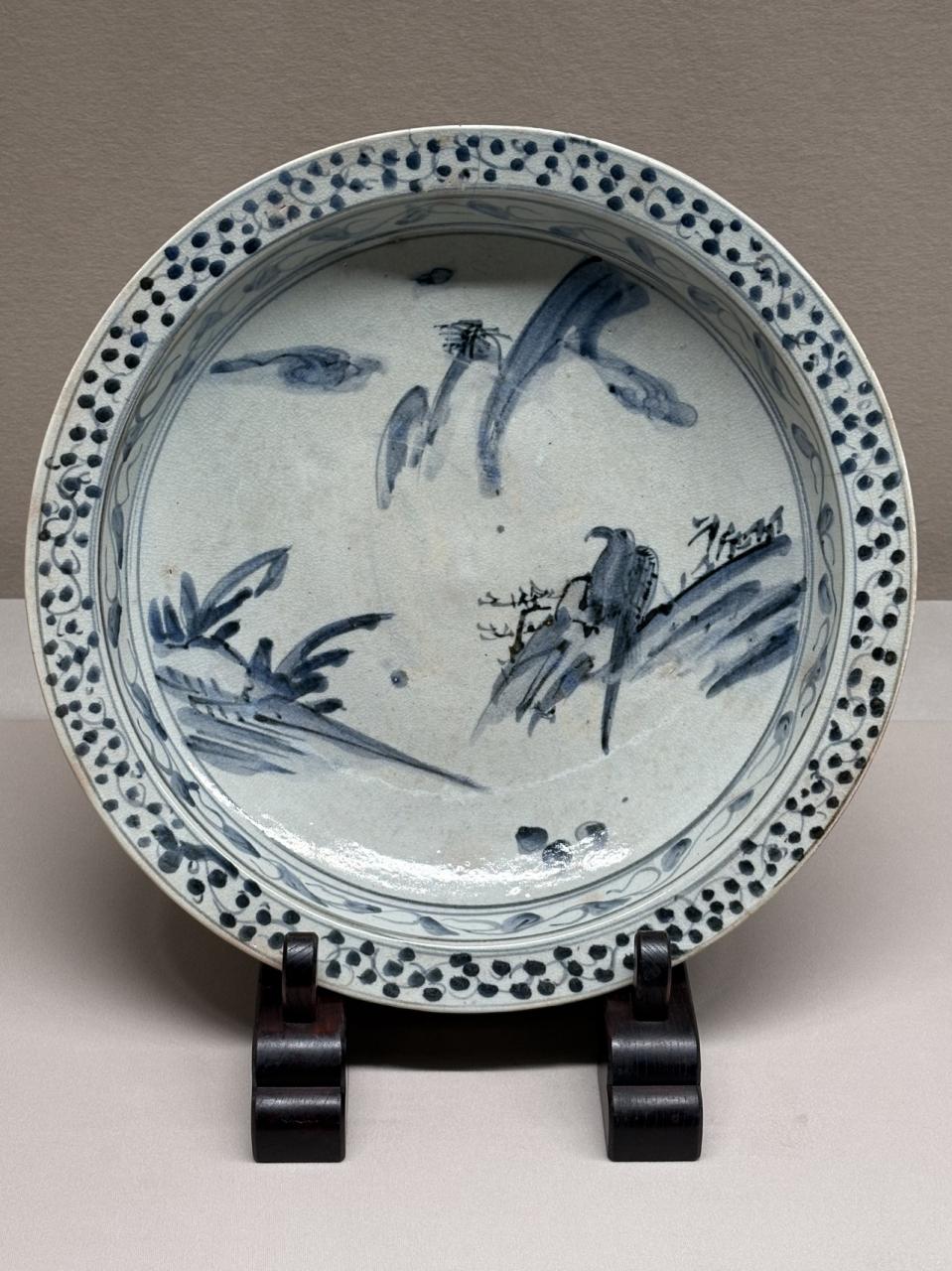
絵唐津 草鳥文向付(五客)
桃山時代~江戸時代・17世紀前半/唐津窯(絵唐津)
「絵唐津」とは鉄絵文様が施された唐津焼のことである。きめの細かい赤みを帯びた素地に、鉄絵具で草や鳥の文様が簡略に描かれ、長石がかけられている。轆轤でうすく成形され、口の形に変化をつけている。五客揃いの絵唐津向付の優品である。
A SET OF FIVE MUKOZUKE BOWLS
Stoneware with design of grass and bird in iron-brown paint
Momoyama-Edo period, first half of the 17th century / Egaratsu style, Karatsu ware
Egaratsu is a type of Karatsu ware with decoration in iron brown paint. These examples display simplified motifs of plants and birds depicted in iron paint on a fine red-tinged clay body before being covered with a feldspathic glaze. Part of the mouth was intentionally deformed after the body was thinly potted on the potter's wheel. They are excellent examples of a set of five Egaratsu mukozuke (a type of dish used for meals during tea gatherings) wares.
h: 7.4-8.2cm
d: 12.3-13.3cm
登録番号 02145 -
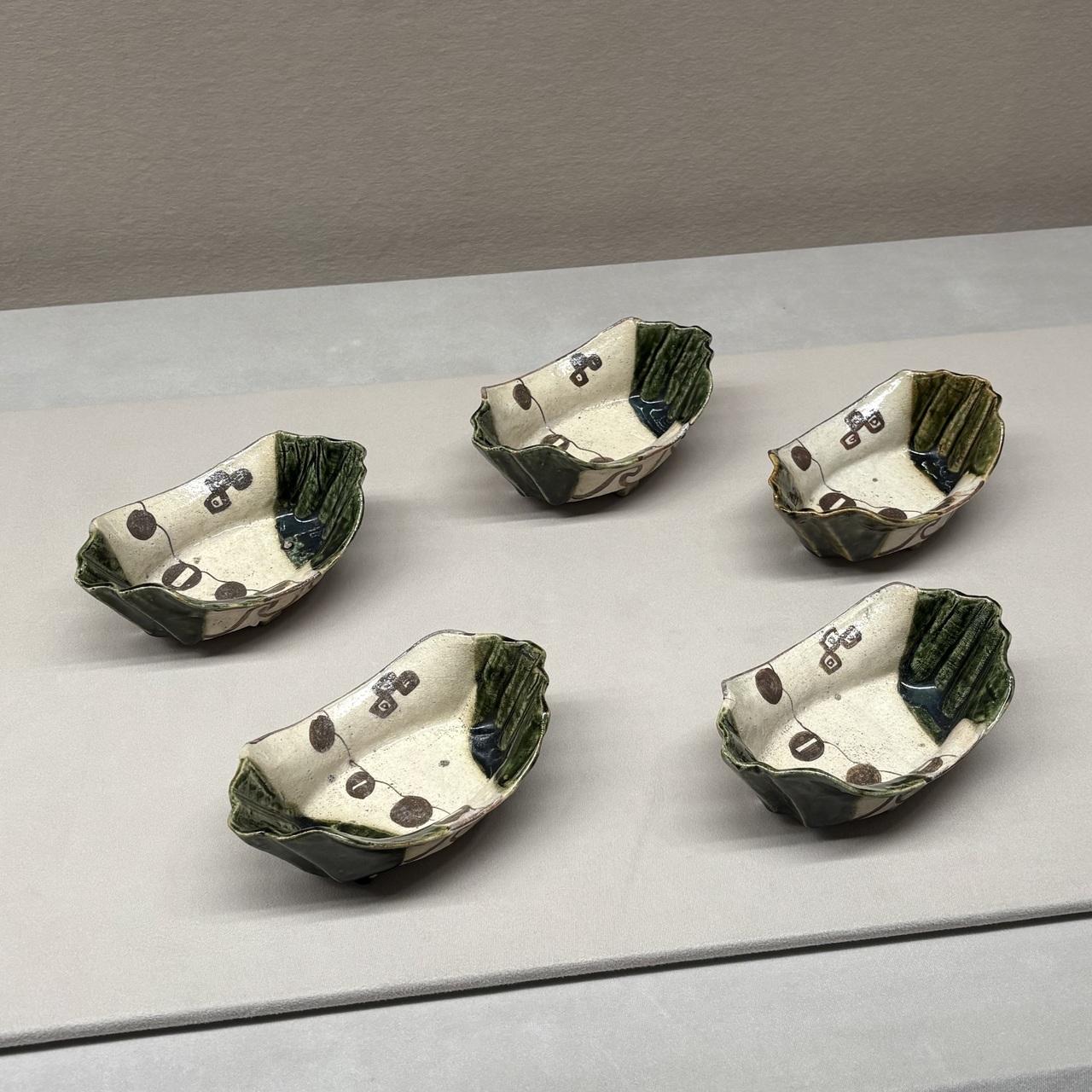
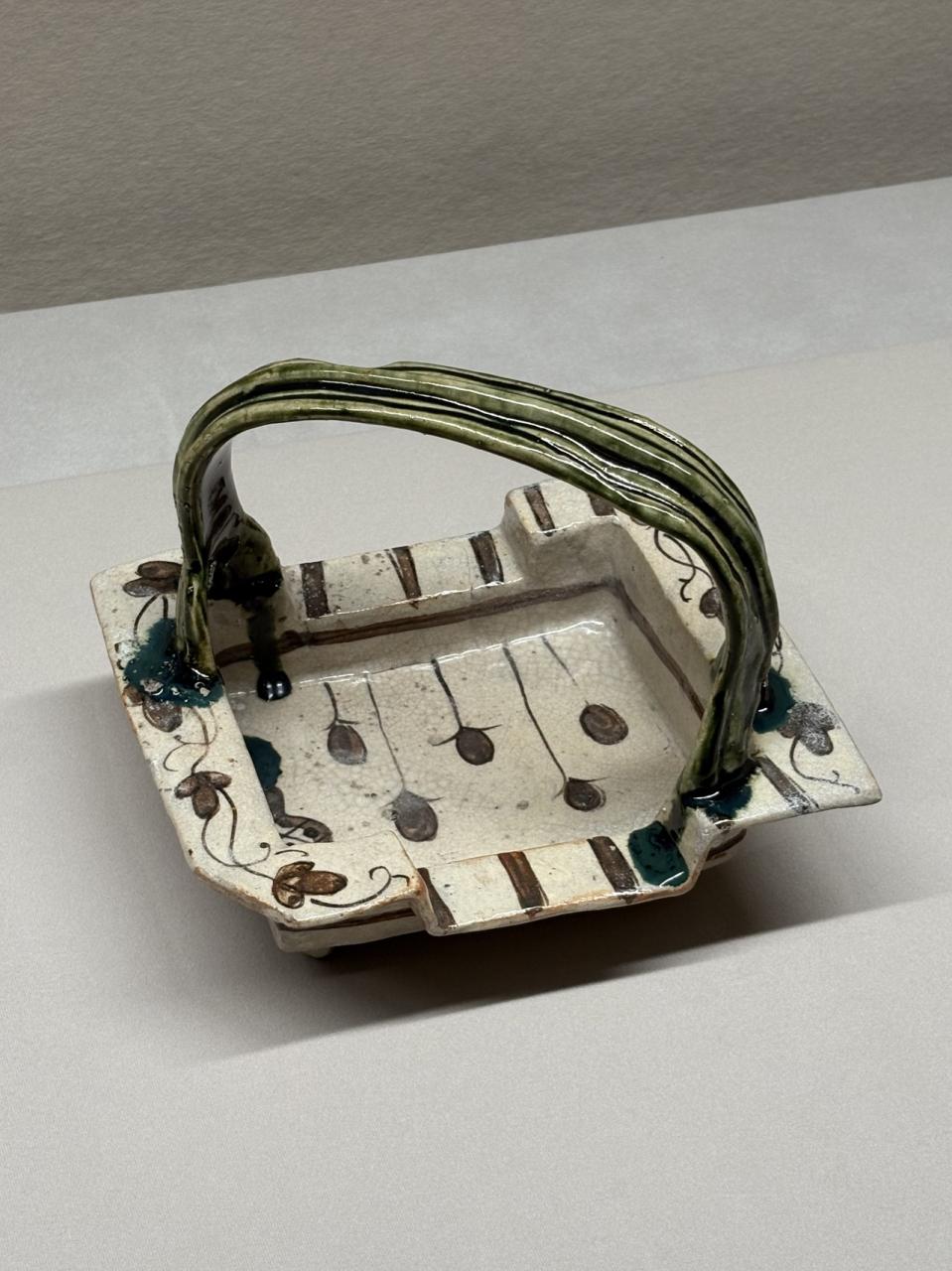
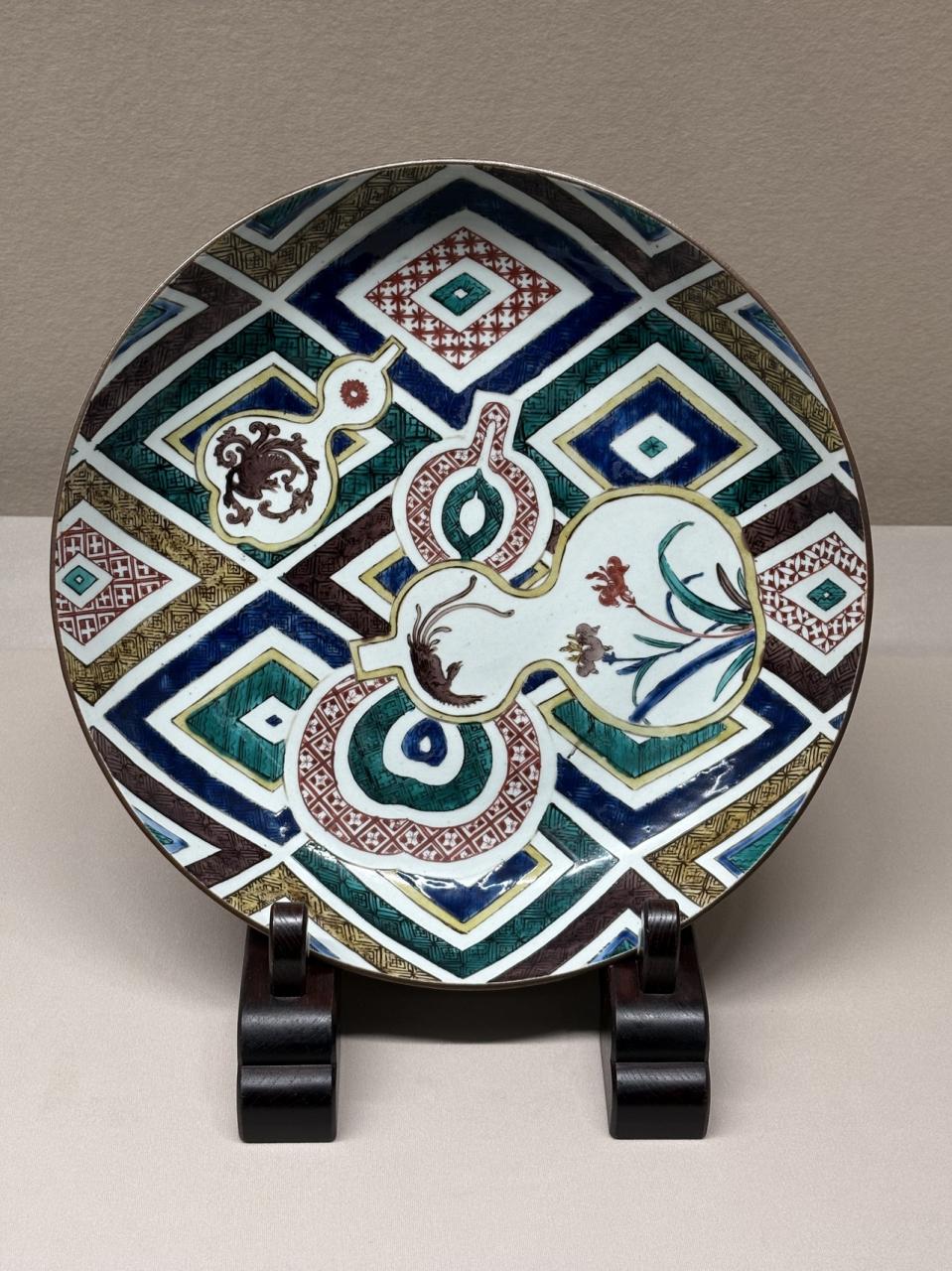
織部 舟形向付(五客)
桃山時代・17世紀初/美濃窯(織部)
舟形向付は織部独特の器形である。二方に緑釉をたっぷり掛け、見込みには鉄絵による吊柿文や幾何学文が施される。外側面には波構文が描かれ、船が波を立てて進む様子を表している。懐石道具としての織部の魅力を十分に示した作品である。
A SET OF FIVE BOAT-SHAPED MUKOZUKE BOWLS Stoneware with green glaze and iron-painted geometric design
Momoyama period, early 17th century / Oribe style, Mino ware
Boat-shaped mukozuke bowls are unique to Oribe ware. Both edges of each piece are thickly covered with green glaze, while the center is decorated with drawings of hanging persimmons and geometric designs in iron paint. Wave patterns are depicted on the outer walls, describing a scene of a boat cutting through the water. This charming set of dishes fully represents the allure of Oribe ware.
h: 6.4-6.7 cm
w: 17.8-18.1 x
10.5-11.1cm -
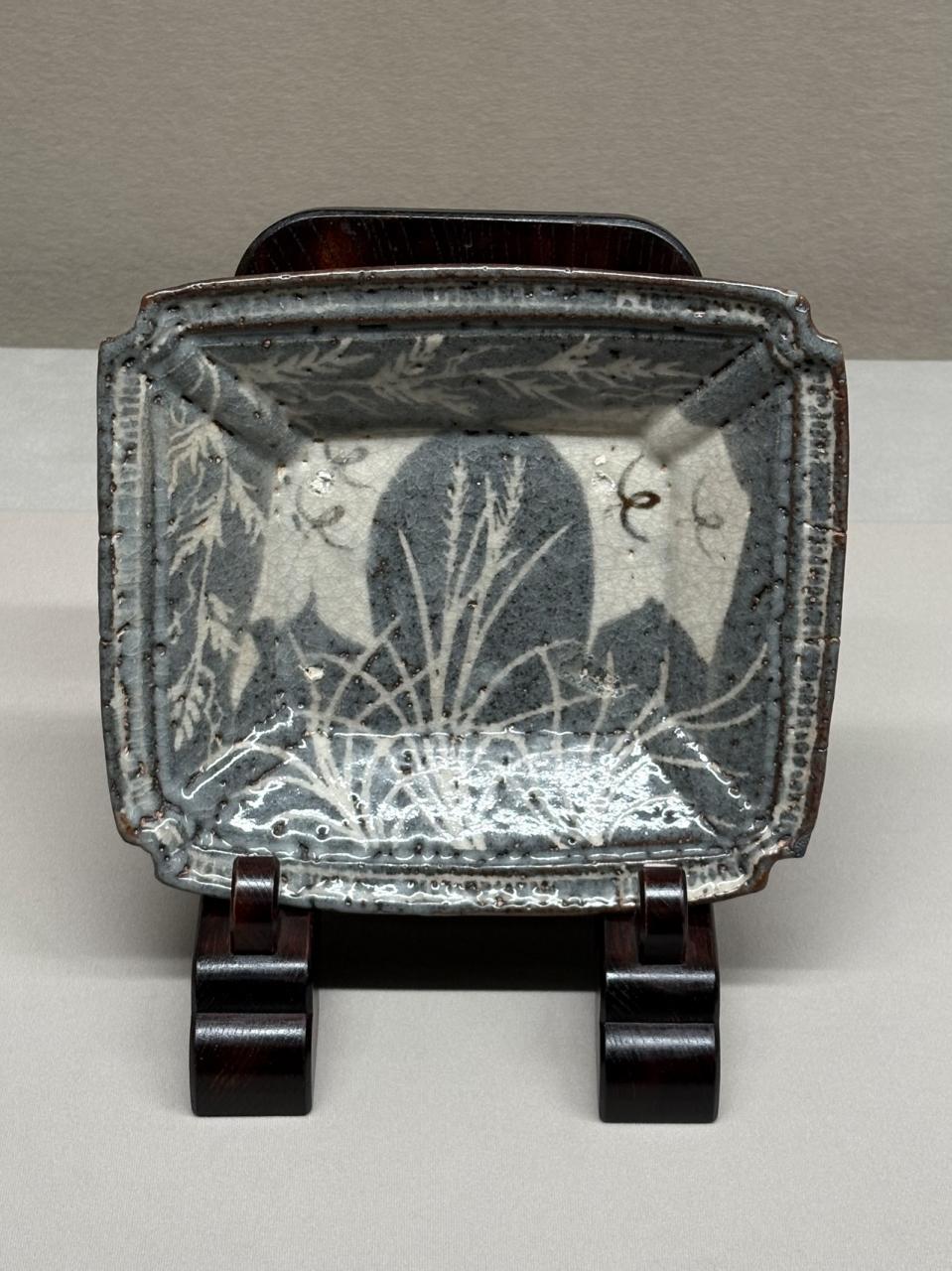
鼠志野草鳥文 額皿
桃山時代・16世紀末-17世紀初/美濃窯(志野)
「額皿」と呼ばれる志野焼の懐石道具の一つ。「鬼板」という酸化鉄の泥類を施した後、文様部分を掻き落とし、志野特有の白い長石釉を掛け焼成すると、鼠色の地に白抜き文様が浮かび上がる。生い茂ったすすきを近景とした巧みな構図には秋の風情が漂う。
SQUARE DISH Stoneware with design of grass and bird
Momoyama period, late 16th-early 17th century / Gray Shino style, Mino ware
This Shino dish, called gakuzara or "picture-frame dish," was used for kaiseki meals during tea gatherings. After the clay body was covered with an iron-oxide slip called oni-ita or demon slab in Japan, the motif was scratched through the slip to reveal the underlying clay. The whole body was then covered with a white feldspathic glaze typical of Shino before firing, making the white motif stand out against the gray background. The masterful composition of the motif, placing the Japanese pampas grass in the foreground, renders a rustic flavor of autumn.
h : 5.5cm
w: 23.6 x 21.0cm
登録番号 01220 -
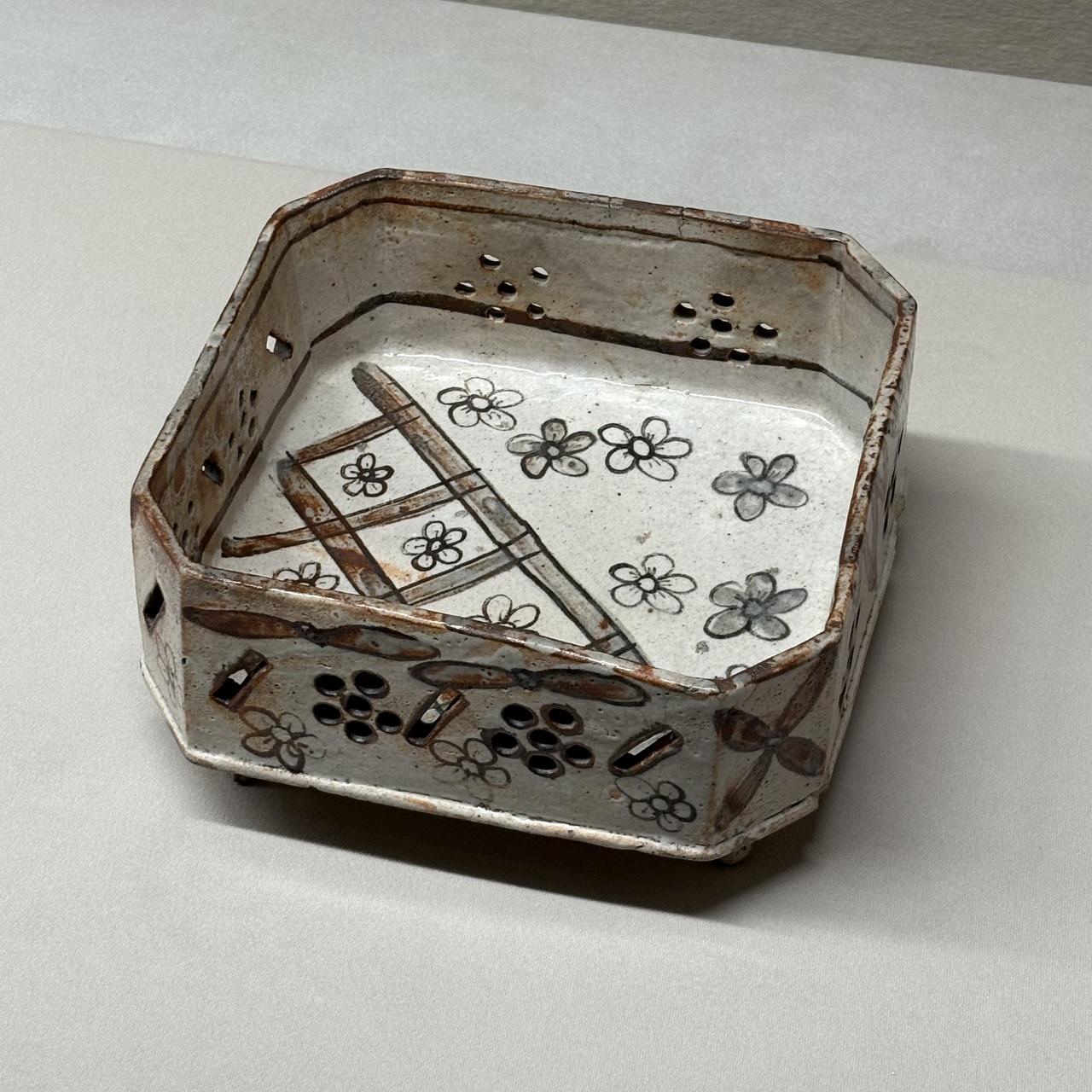
織部 透彫隅切 四方鉢
桃山時代・17世紀初/美濃窯(織部)
板状の粘土により成形し、四方の隅を切り落した鉢である。織部特有の鮮やかな緑釉は見られないが、梅花形の透彫と、鉄絵による梅花文や幾何学文などによる独自の装飾性が逆に際立っている。漆器などの鉢を祖型としたものだろう。
SQUARE BOWL
Stoneware with openwork and iron-painted flower design
Momoyama period, early 17th century / Oribe style, Mino ware
This deep bowl was made by luting clay slabs together and cutting off the four corners. Although the vivid green glaze typical of Oribe ware is not visible, the plum blossom openwork as well as the iron-brown painted decoration of plum blossoms and the geometric patterns demonstrate outstanding originality. It was probably modeled after lacquker bowls.
h : 11.1cm
w: 21.9 × 20.8cm
登録番号 01405 -
-
-
-
-
-
-
-
-
-
-
-
-
-
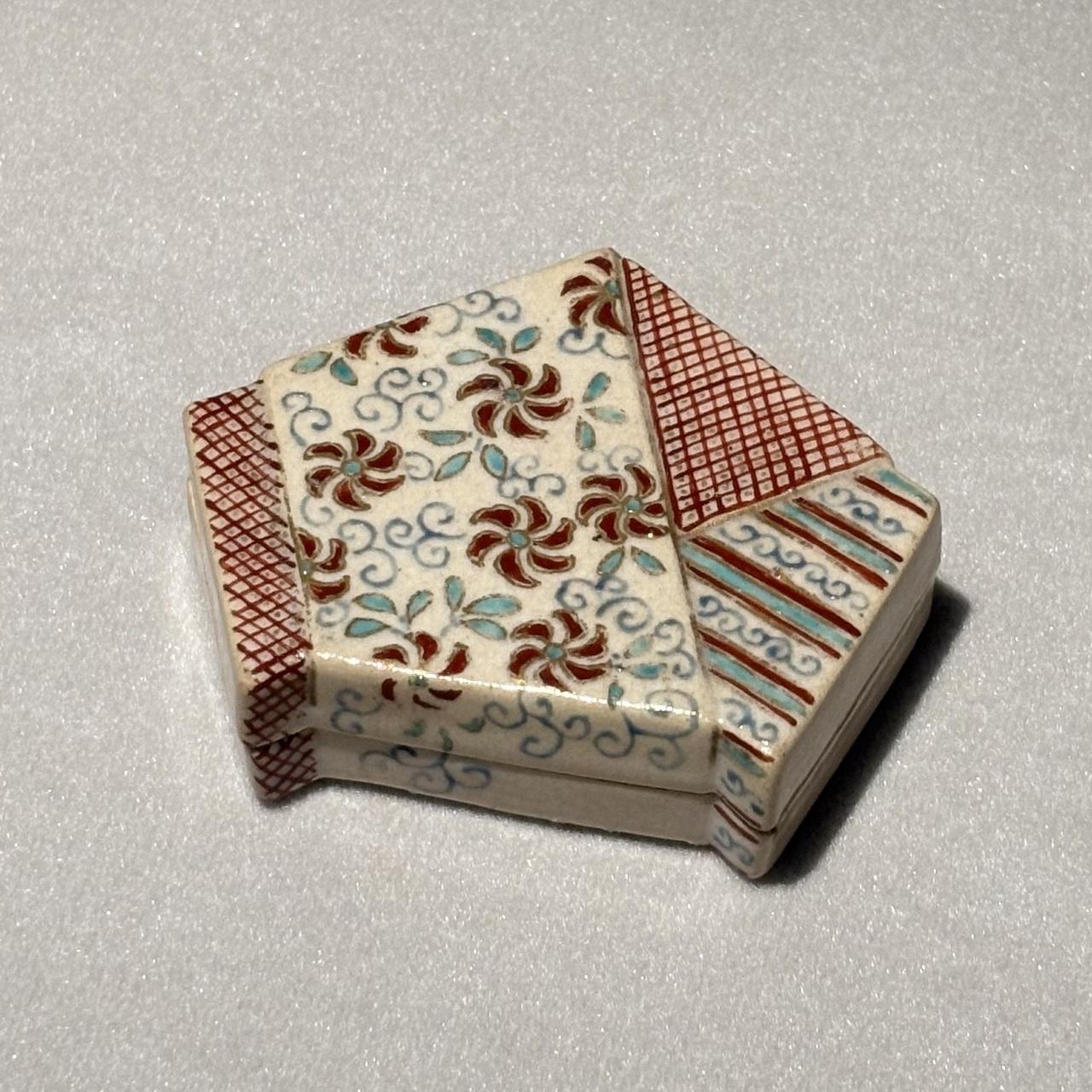
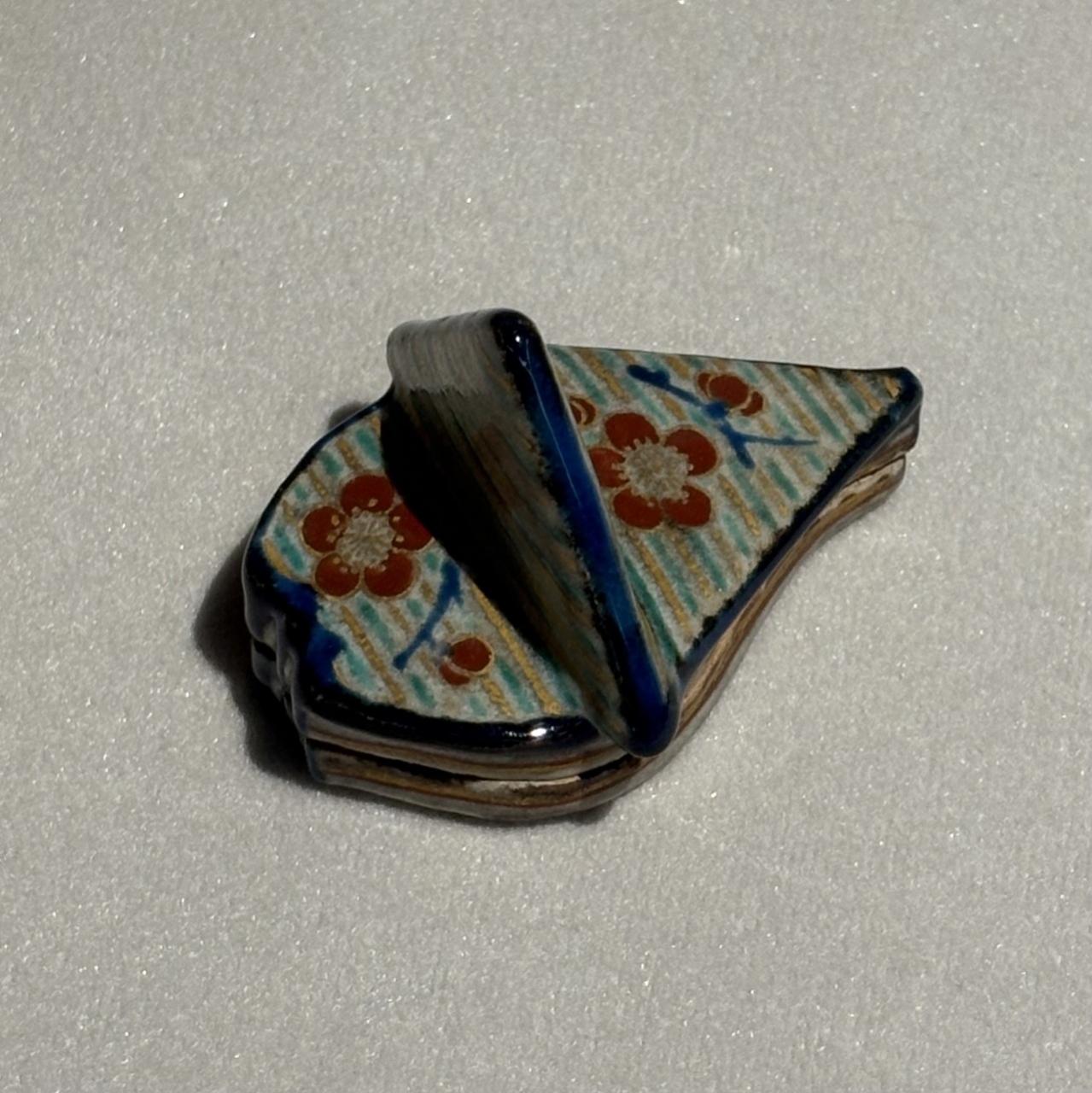
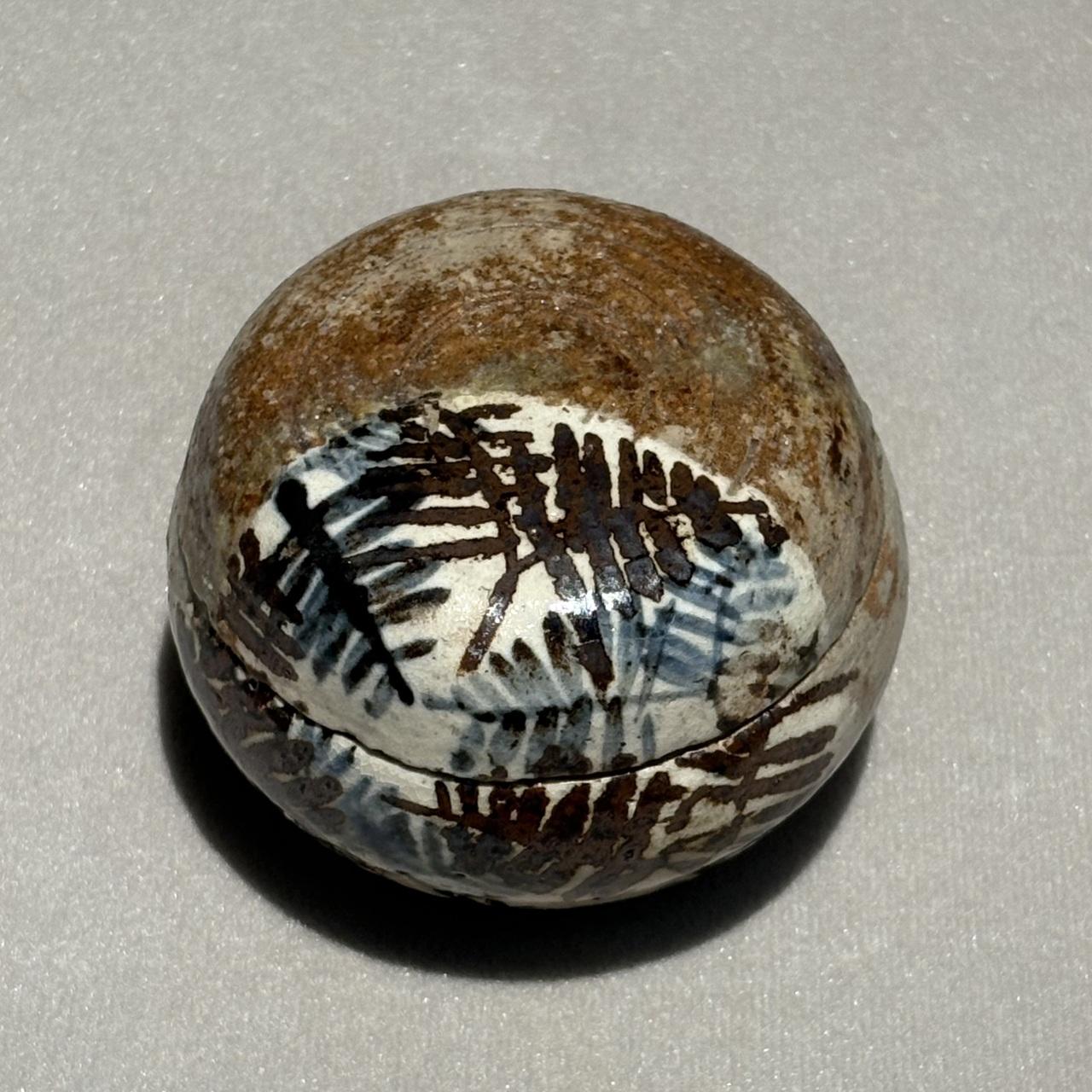
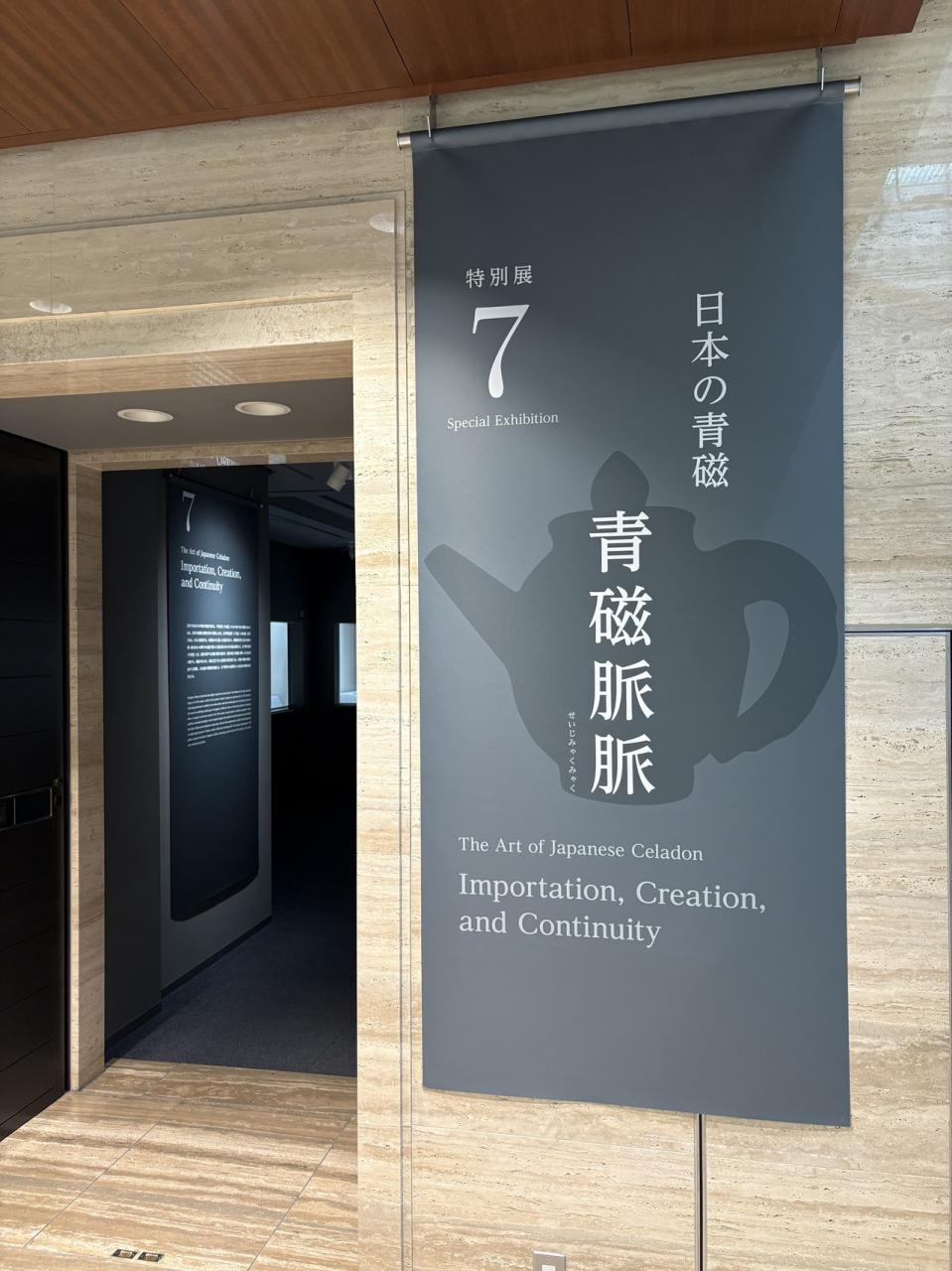
(展示7に続く・・・)



利用規約に違反している投稿は、報告する事ができます。
旅行記グループ
2025年6月 奥方と行くんだけど、ほぼ野放しの京都・大阪・奈良
-
前の旅行記

奥方と行ったけど、ほぼ野放しの京都・大阪・奈良【東洋陶磁美術館⑦】(展示5)コレクション展 "純真之美 李秉...
2025/06/27~
心斎橋・淀屋橋
-
次の旅行記

奥方と行ったけど、ほぼ野放しの京都・大阪・奈良【東洋陶磁美術館⑨】(展示7)特別展 "青磁脈脈 日本の青磁"
2025/06/27~
心斎橋・淀屋橋
-

奥方と行くんだけど、ほぼ野放しの京都・大阪・奈良 〔現地速報①〕EXPO 2025 "万博会場に大曲の花火"...
2025/06/27~
大阪市
-

奥方と行ったけど、ほぼ野放しの京都・大阪・奈良【東洋陶磁美術館①】"妙に近代化した淀屋橋" から、"螺旋階段...
2025/06/27~
心斎橋・淀屋橋
-

奥方と行ったけど、ほぼ野放しの京都・大阪・奈良【東洋陶磁美術館②】(展示1) 特別展 "青磁至宝 中国・韓国...
2025/06/27~
心斎橋・淀屋橋
-

奥方と行ったけど、ほぼ野放しの京都・大阪・奈良【東洋陶磁美術館③】(特別展示1) "国宝 油滴天目茶碗"
2025/06/27~
心斎橋・淀屋橋
-

奥方と行ったけど、ほぼ野放しの京都・大阪・奈良【東洋陶磁美術館④】(展示2) 特別展 "翡色玲瓏 高麗青磁の...
2025/06/27~
心斎橋・淀屋橋
-

奥方と行ったけど、ほぼ野放しの京都・大阪・奈良【東洋陶磁美術館⑤】(展示3) 特別展 "翡色玲瓏 高麗青磁の...
2025/06/27~
心斎橋・淀屋橋
-

奥方と行ったけど、ほぼ野放しの京都・大阪・奈良【東洋陶磁美術館⑥】(展示4)コレクション展 "清廉尚白 安宅...
2025/06/27~
心斎橋・淀屋橋
-

奥方と行ったけど、ほぼ野放しの京都・大阪・奈良【東洋陶磁美術館⑦】(展示5)コレクション展 "純真之美 李秉...
2025/06/27~
心斎橋・淀屋橋
-

奥方と行ったけど、ほぼ野放しの京都・大阪・奈良【東洋陶磁美術館⑧】(展示6)コレクション展 "陶魂無比 日本...
2025/06/27~
心斎橋・淀屋橋
-

奥方と行ったけど、ほぼ野放しの京都・大阪・奈良【東洋陶磁美術館⑨】(展示7)特別展 "青磁脈脈 日本の青磁"
2025/06/27~
心斎橋・淀屋橋
-

奥方と行ったけど、ほぼ野放しの京都・大阪・奈良【東洋陶磁美術館⑩】(展示8)"現代陶芸コレクション" &(特...
2025/06/27~
心斎橋・淀屋橋
-

奥方と行ったけど、ほぼ野放しの京都・大阪・奈良【東洋陶磁美術館⑪】(展示9)コレクション展 "中華瑰宝 安宅...
2025/06/27~
心斎橋・淀屋橋
-

奥方と行ったけど、ほぼ野放しの京都・大阪・奈良【東洋陶磁美術館⑫】(展示10&11)特別展 "青翠如玉 中国...
2025/06/27~
心斎橋・淀屋橋
-

奥方と行ったけど、ほぼ野放しの京都・大阪・奈良【東洋陶磁美術館⑬完】(展示12)沖正一郎コレクション鼻煙壺&...
2025/06/27~
心斎橋・淀屋橋
-

奥方と行ったけど、ほぼ野放しの京都・大阪・奈良【万博①】大阪メトロで、"北浜" から "夢洲" へ。"ミャク...
2025/06/28~
大阪市
-

奥方と行ったけど、ほぼ野放しの京都・大阪・奈良【万博②】入場まで45分。"ミャクミャクのこれは、しっぽではな...
2025/06/28~
大阪ベイエリア
-

奥方と行ったけど、ほぼ野放しの京都・大阪・奈良【万博③】"これまで唯一の20万人超えの入場者" の間を、ハン...
2025/06/28~
大阪ベイエリア
-

奥方と行ったけど、ほぼ野放しの京都・大阪・奈良【万博④】コロナで行けずの "ハンガリー" にリベンジも、"豪...
2025/06/28~
ハンガリー
-

奥方と行ったけど、ほぼ野放しの京都・大阪・奈良【万博⑤】"大屋根リング"は、花火待ちで大混雑。"モナコ公国館...
2025/06/28~
大阪ベイエリア
-

奥方と行ったけど、ほぼ野放しの京都・大阪・奈良【万博⑥】"コモンズ-A館" で、"イエメンおじさんたちの商売...
2025/06/28~
大阪ベイエリア
-

奥方と行ったけど、ほぼ野放しの京都・大阪・奈良【万博⑦/完】"東ゲート" から退場。直後に打ち上がった "大...
2025/06/28~
大阪市
-

奥方と行ったけど、ほぼ野放しの京都・大阪・奈良【心斎橋を夜の街歩き①】"玉屋町筋" はグルメなお店多数、路上...
2025/06/28~
心斎橋・淀屋橋
-

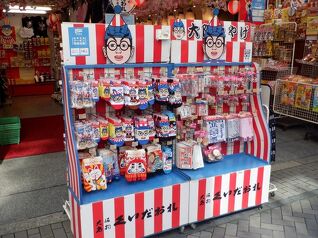
奥方と行ったけど、ほぼ野放しの京都・大阪・奈良【心斎橋を夜の街歩き②】串かつ だるまの "二度づけ禁止おじさ...
2025/06/28~
心斎橋・淀屋橋
-

奥方と行ったけど、ほぼ野放しの京都・大阪・奈良【心斎橋を夜の街歩き③】ボート行き交う "道頓堀" は、バンコ...
2025/06/28~
心斎橋・淀屋橋
-

奥方と行くんだけど、ほぼ野放しの京都・大阪・奈良 〔現地速報②〕"奈良県立万葉文化館" で食べた "あら川の...
2025/06/29~
飛鳥
-

奥方と行ったけど、ほぼ野放しの京都・大阪・奈良【大阪ミナミ朝の街歩き①】"千日前商店街"で見かけたポスター。...
2025/06/29~
心斎橋・淀屋橋
-

奥方と行ったけど、ほぼ野放しの京都・大阪・奈良【大阪ミナミ朝の街歩き②】これぞ、お笑いの殿堂 "なんばグラン...
2025/06/29~
ミナミ(難波・天王寺)
-

奥方と行ったけど、ほぼ野放しの京都・大阪・奈良【大阪ミナミ朝の街歩き③】大阪 日本橋(にっぽんばし)、この界...
2025/06/29~
ミナミ(難波・天王寺)
-

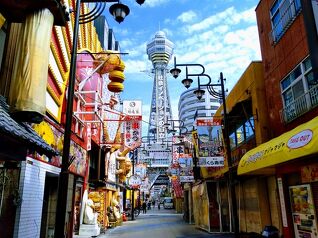
奥方と行ったけど、ほぼ野放しの京都・大阪・奈良【大阪ミナミ朝の街歩き④】"通天閣を真下から見る" と、こんな...
2025/06/29~
ミナミ(難波・天王寺)
-

奥方と行ったけど、ほぼ野放しの京都・大阪・奈良【大阪ミナミ朝の街歩き⑤/完】"あべのハルカス19階" から、...
2025/06/29~
ミナミ(難波・天王寺)
旅行記グループをもっと見る
この旅行記へのコメント (2)
-

- arfaさん 2025/12/14 15:29:41
- かつての安宅コレクション
- こんにちは
当代随一を誇ったコレクションが安宅産業を吸収合併した伊藤忠商事によりバラバラに売却されずに大阪市に寄贈されたことは本当に素晴らしいことです。
長く行ってませんがここのコレクションは素晴らしい、安宅さんが伊藤忠に会社を売る際にバラバラにしないことを条件にしたのかもしれませんね。
- 旅熊 Kokazさん からの返信 2025/12/19 03:46:36
- RE: かつての安宅コレクション
- おはようございます。
確かに立派なコレクションでした。
でも、これが経営破綻の原因の一つになったのでしょうか?
山種美術館も同様の経緯なんですかねぇ・・・
コメントを投稿する前に
十分に確認の上、ご投稿ください。 コメントの内容は攻撃的ではなく、相手の気持ちに寄り添ったものになっていますか?
サイト共通ガイドライン(利用上のお願い)報道機関・マスメディアの方へ 画像提供などに関するお問い合わせは、専用のお問い合わせフォームからお願いいたします。
この旅行で行ったスポット





フォートラベル公式LINE@
おすすめの旅行記や旬な旅行情報、お得なキャンペーン情報をお届けします!
QRコードが読み取れない場合はID「@4travel」で検索してください。
\その他の公式SNSはこちら/



旅行記グループ 2025年6月 奥方と行くんだけど、ほぼ野放しの京都・大阪・奈良
2
29