


2026/05/03 - 2026/05/09
109位(同エリア933件中)

旅熊 Kokazさん
- 旅熊 KokazさんTOP
- 旅行記1926冊
- クチコミ854件
- Q&A回答102件
- 1,709,234アクセス
- フォロワー752人
MOMAT コレクション展 ~2026.5.10
③花ひらく大正
日付はダミーで、5月9日(土)訪問
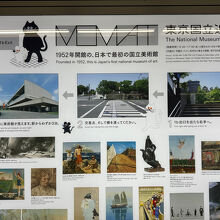
MOMAT〔国立東京近代美術館〕コレクション展 ~2026.5.10
MOMATコレクションにようこそ!
当館コレクション展の特徴をご紹介します。まずはその規模。1952年の開館以来の活動を通じて収集してきたおよそ14,000点の所蔵作品から、会期ごとに約200点を展示する国内最大級のコレクション展です。そして、それぞれ小さなテーマが立てられた全12室のつながりによって、19世紀末から今日に至る日本の近現代美術の流れをたどることができる国内随一の展示です。
今期の見所紹介です。4階2室は、当館と金沢の国立工芸館とのコラボレーション企画。鈴木長吉《十二の鷹》(重要文化財)や、新収蔵の金森宗七《花鳥文様象耳付大花瓶》など名品が目白押しです。
また毎年恒例の「美術館の春まつり」にちなみ、川合玉堂《行く春》、跡見玉枝《桜花図巻》など人気作品を惜しげもなくお見せします(3月3日―4月12日)。「春まつり」後(4月14日―5月10日)も豪華です。1階で開催の「下村観山展」(3月17日から)にちなみ、横山大観、菱田春草など観山をとりまく芸術家による素晴らしい作品群を集めました。
今期も盛りだくさんのMOMATコレクション、どうぞお楽しみください。
https://www.momat.go.jp/exhibitions/r7-3
- 旅行の満足度
- 5.0
-

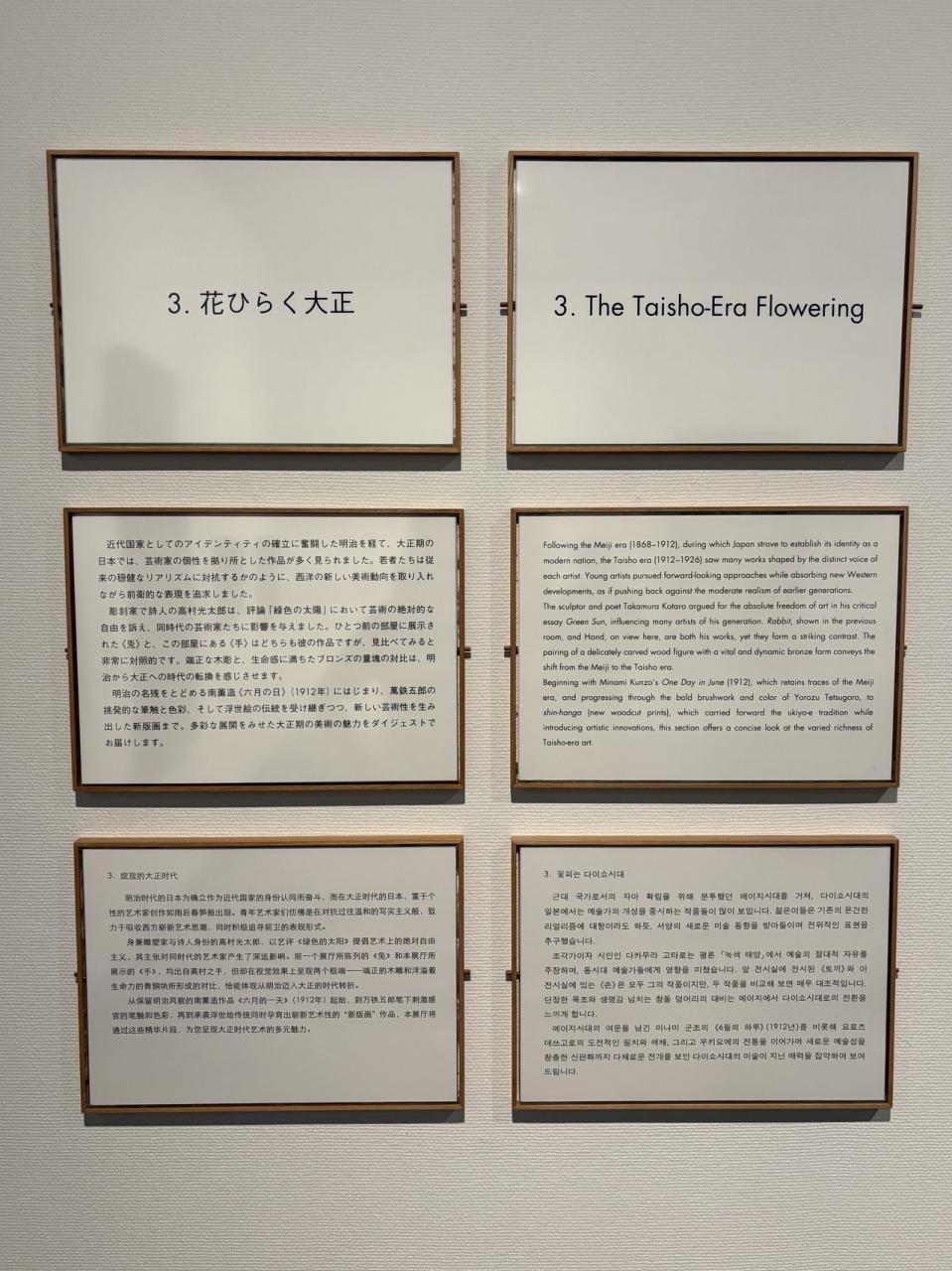
3. 花ひらく大正
近代国家としてのアイデンティティの確立に奮闘した明治を経て、大正期の日本では、芸術家の個性を拠り所とした作品が多く見られました。若者たちは従来の穏健なリアリズムに対抗するかのように、西洋の新しい美術動向を取り入れながら前衛的な表現を追求しました。
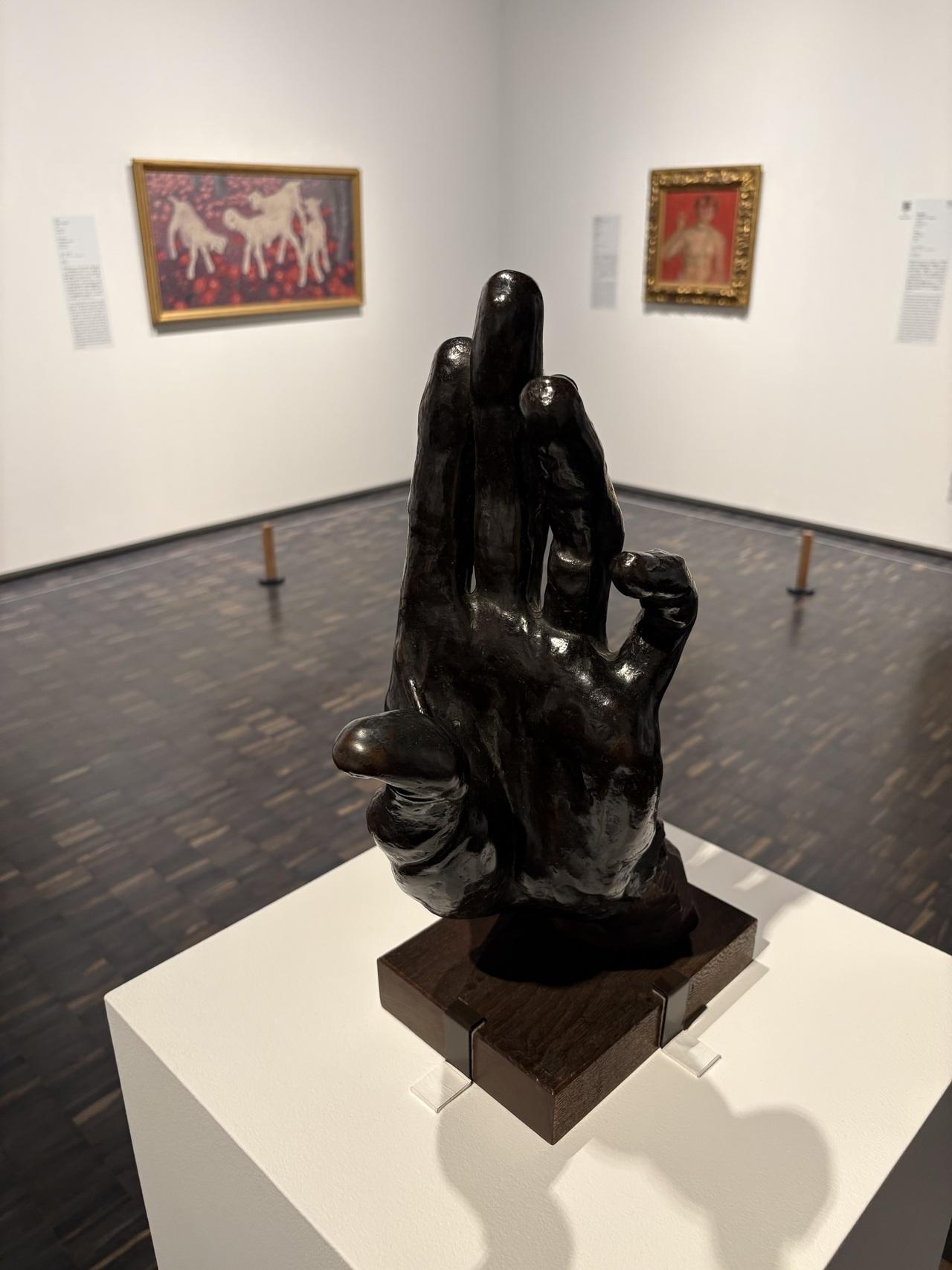
彫刻家で詩人の高村光太郎は、評論「緑色の太陽」において芸術の絶対的な自由を訴え、同時代の芸術家たちに影響を与えました。ひとつ前の部屋に展示された<兎>と、この部屋にある<手>はどちらも彼の作品ですが、見比べてみると非常に対照的です。端正な木彫と、生命感に満ちたブロンズの量塊の対比は、明治から大正への時代の転換を感じさせます。
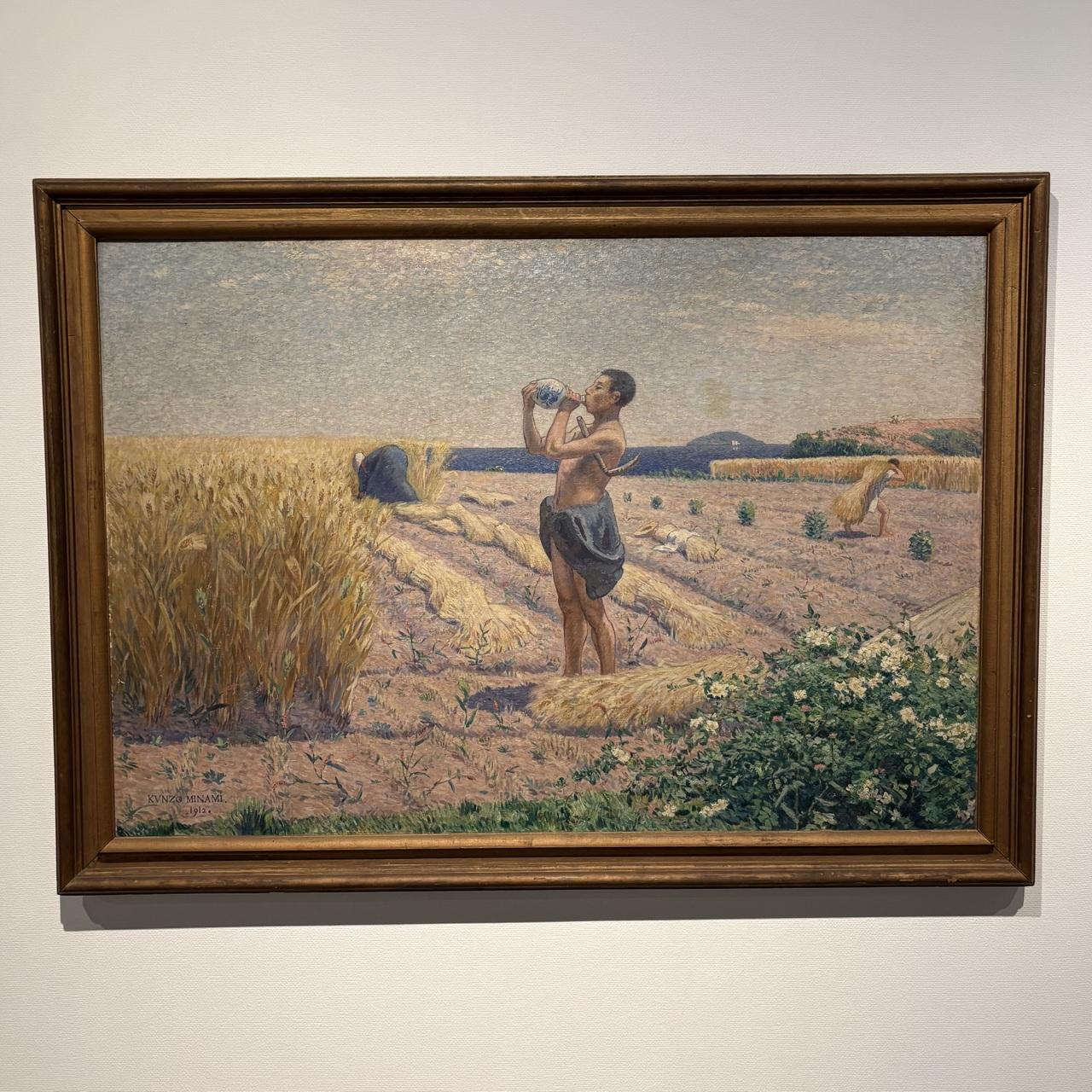
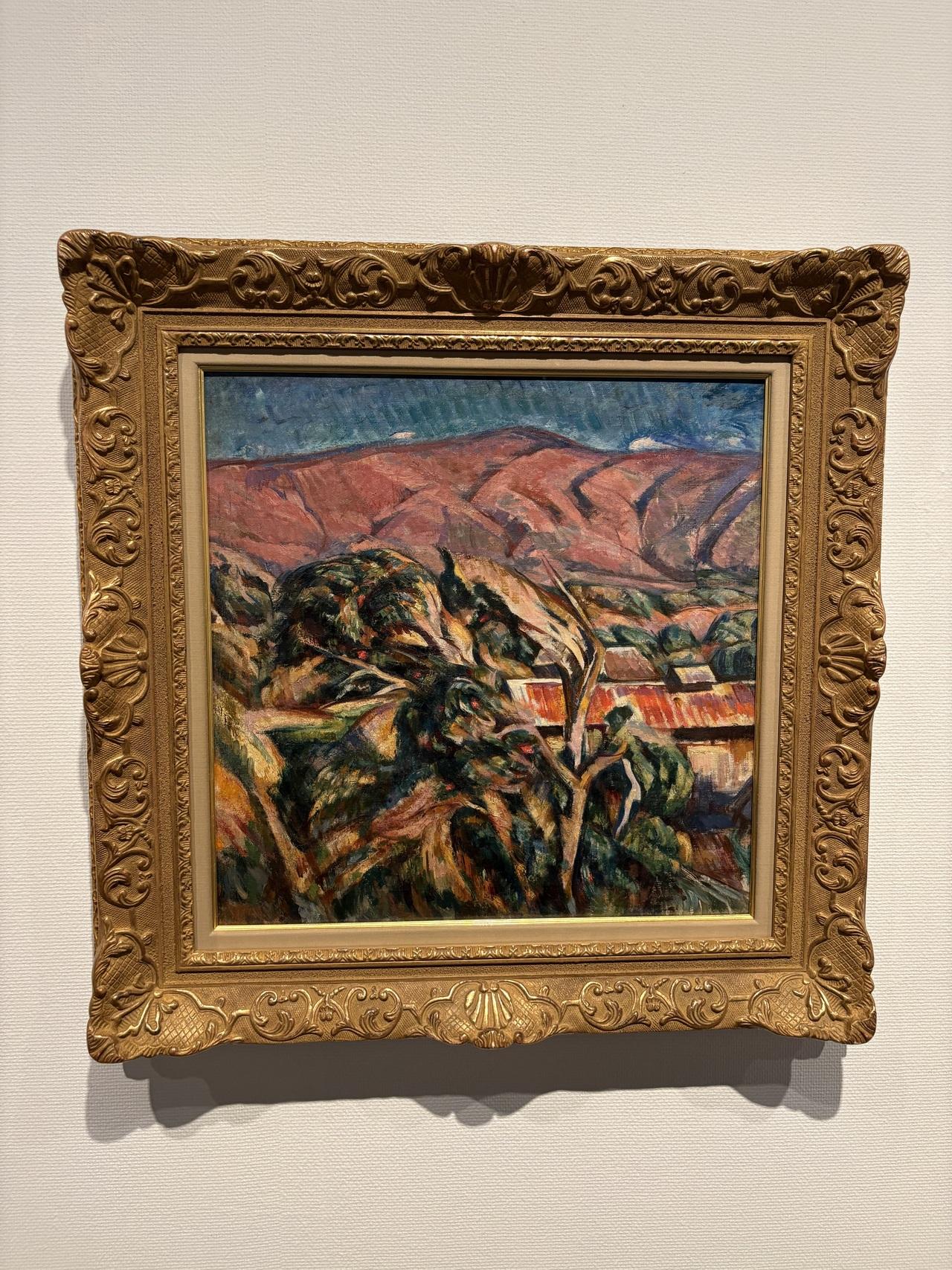
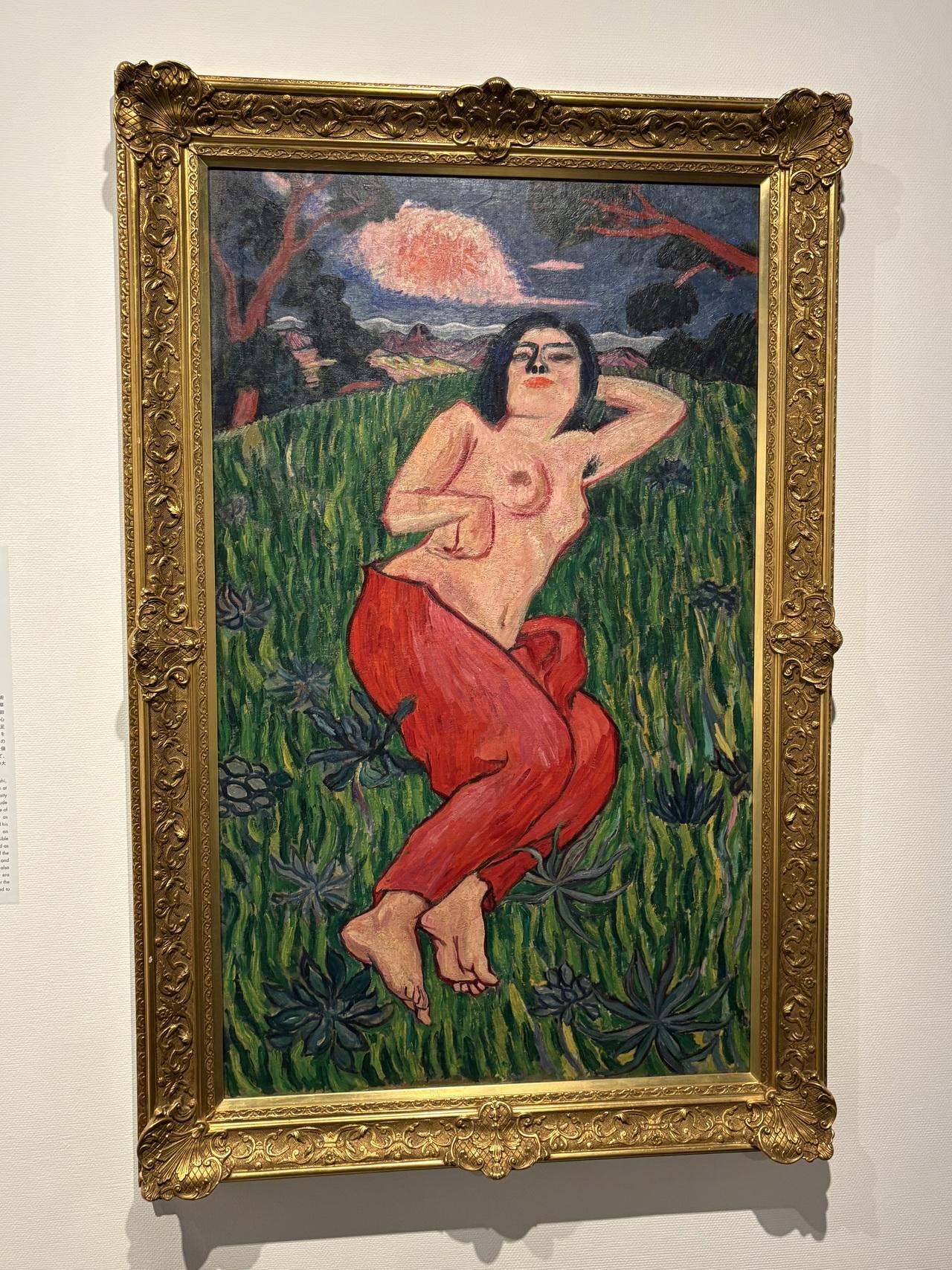
明治の名残をとどめる南薫造<六月の日>(1912年)にはじまり、萬鉄五郎の挑発的な筆触と色彩、そして浮世絵の伝統を受け継ぎつつ、新しい芸術性を生み出した新版画まで。多彩な展開をみせた大正期の美術の魅力をダイジェストでお届けします。
3. The Taisho-Era Flowering
Following the Meiji era (1868-1912), during which Japan strove to establish its identity as a modern nation, the Taisho era (1912-1926) saw many works shaped by the distinct voice of each artist. Young artists pursued forward-looking approaches while absorbing new Western developments, as if pushing back against the moderate realism of earlier generations.
The sculptor and poet Takamura Kotaro argued for the absolute freedom of art in his critical essay Green Sun, influencing many artists of his generation. Rabbit, shown in the previous room, and Hand, on view here, are both his works, yet they form a striking contrast. The pairing of a delicately carved wood figure with a vital and dynamic bronze form conveys the shift from the Meiji to the Taisho era.
Beginning with Minami Kunzo's One Day in June (1912), which retains traces of the Meiji era, and progressing through the bold brushwork and color of Yorozu Tetsugoro, to shin-hanga (new woodcut prints), which carried forward the ukiyoe tradition while introducing artistic innovations, this section offers a concise look at the varied richness of Taisho-era art.東京国立近代美術館 美術館・博物館
-
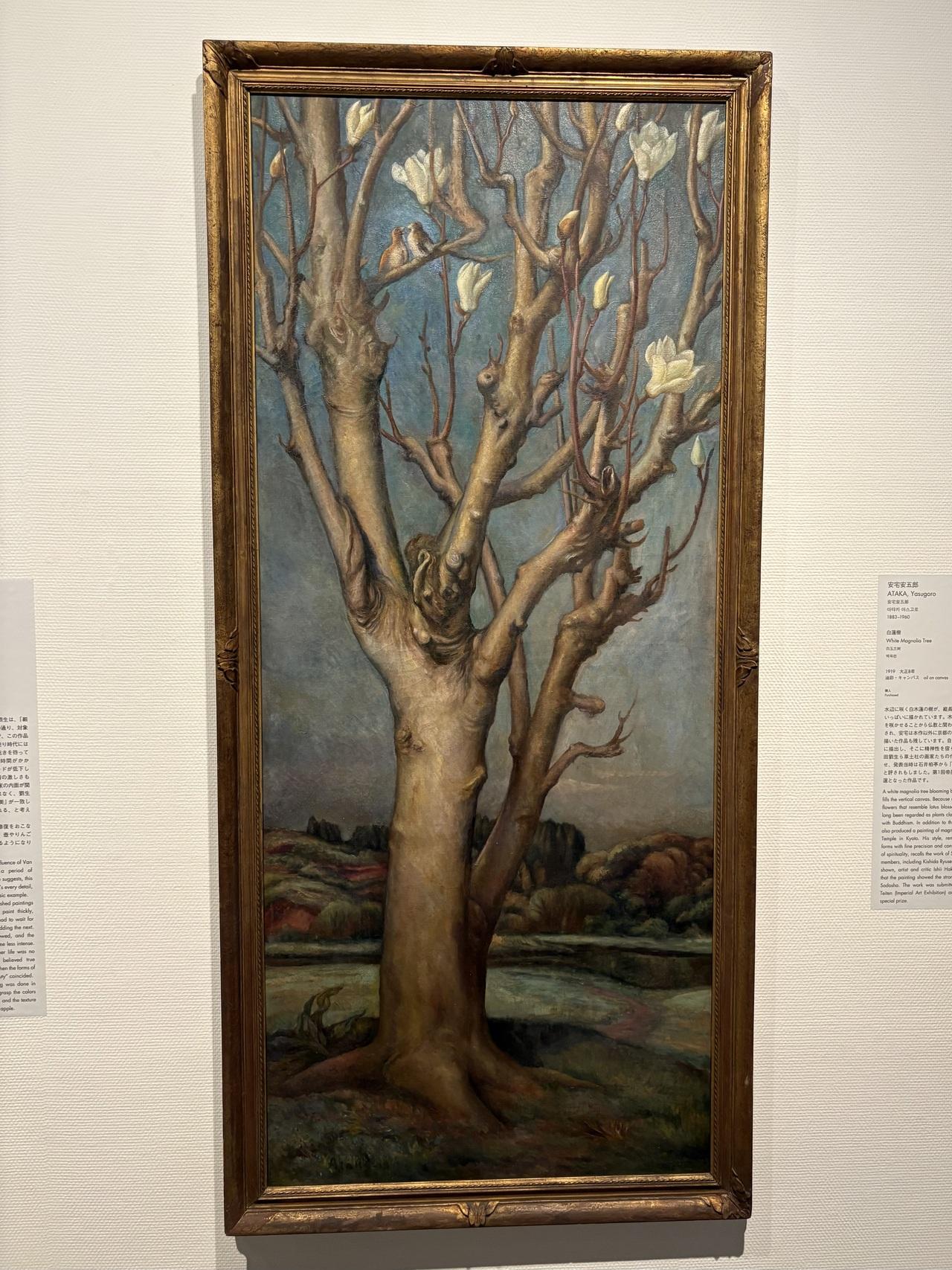
安宅安五郎
ATAKA, Yasugoro
1883-1960
白蓮樹
White Magnolia Tree
1919 大正8年
油彩・キャンバス oil on canvas
購入
Purchased
水辺に咲く白木蓮の樹が、縦長のキャンバスにいっぱいに描かれています。木蓮は蓮に似た花を咲かせることから仏教と関わりの深い植物とされ、安宅は本作以外に京都の西芳寺の木蓮を描いた作品も残しています。自然の事物を細密に描出し、そこに精神性を宿らせた作風は岸田劉生ら草土社の画家たちの作品を彷彿とさせ、発表時は石井柏亭から「草土社かぶれ」と評されもしました。第1回帝展に出品し、特選となった作品です。
A white magnolia tree blooming beside the water fills the vertical canvas. Because magnolias bear flowers that resemble lotus blossoms, they have long been regarded as plants closely associated with Buddhism. In addition to this work, Ataka also produced a painting of magnolias at Saihoji Temple in Kyoto. His style, rendering natural forms with fine precision and conveying a sense of spirituality, recalls the work of Sodosha group members, including Kishida Ryusei. When it was shown, artist and critic Ishii Hakutei remarked that the painting showed the strong influence of Sodosha. The work was submitted to the first Teiten (Imperial Art Exhibition) and received a special prize. -
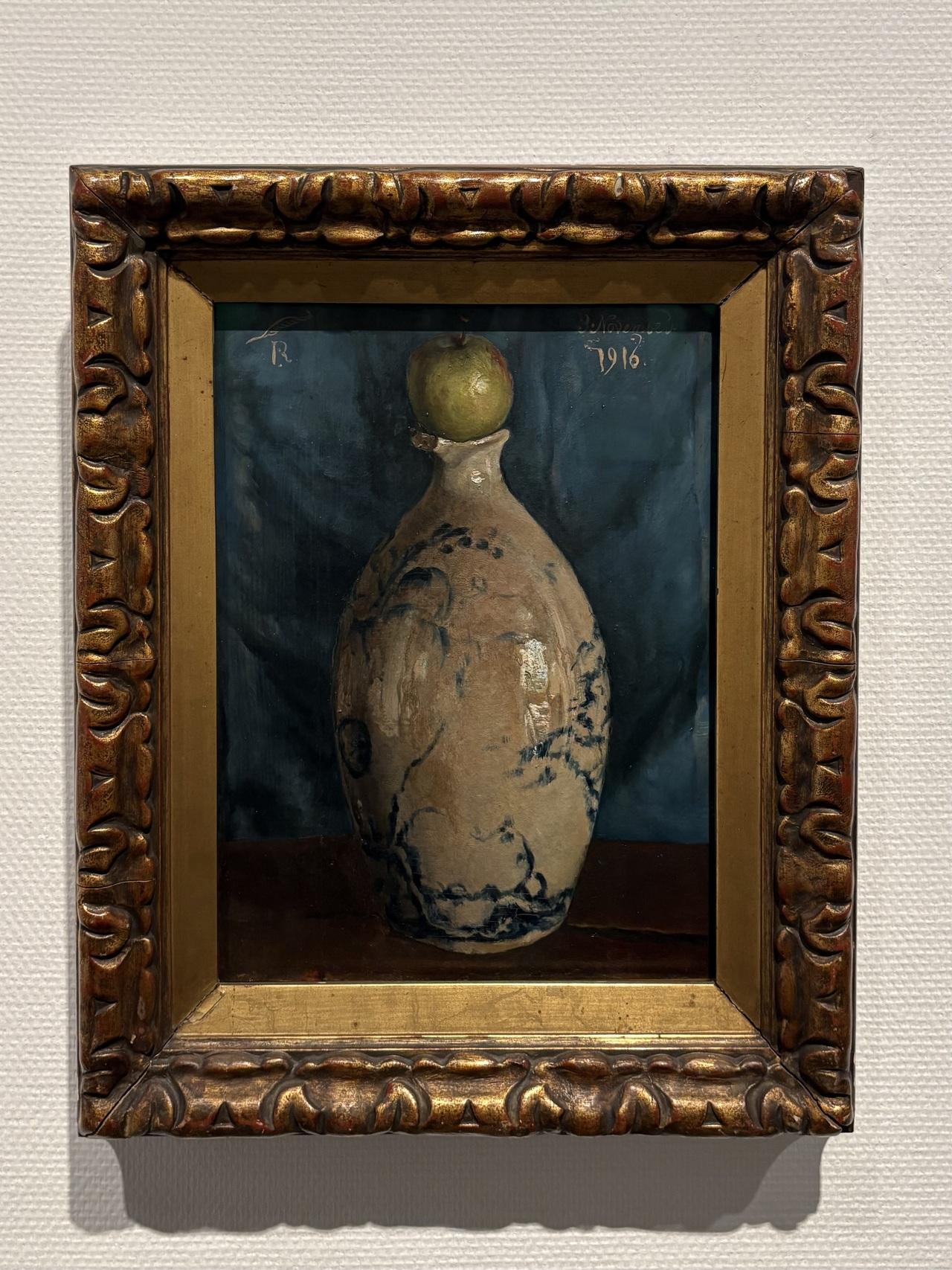
岸田劉生
KISHIDA, Ryusei
1891-1929
壺の上に林檎が載って在る
An Apple Exists on Top of a Pot
1916 大正5年
油彩・板 oil on board
文化庁管理換
Transferred from Agency for Cultural Affairs
ファン・ゴッホの影響から脱した劉生は、「細密描写」期に移行します。その名の通り、対象の隅々まで細かに描く画風のことで、この作品も代表的な一枚です。劉生は、厚塗り時代にはすぐ仕上がったのに、下の絵具の乾きを待って次を描く「細密描写」だと制作に時間がかかる、と述べています。描画スピードが低下したことで、そこに表わされる感情の激しさも沈静化したようです。ただし、画家の内面が関与していないかというとそうではなく、劉生は自然のかたちと画家の「内なる美」が一致したときにはじめて写実の美は表れる、と考えていました。
この作品は2018(平成30)年に修復をおこない、画家が描いた当初の色彩や、壺やりんごの質感と立体感がいっそうわかるようになりました。
Having moved beyond the early influence of Van Gogh, Kishida Ryusei entered a period of
"precise rendering." As the phrase suggests, this style involved depicting the subject's every detail, and the work shown here is a classic example. Ryusei noted that while he had finished paintings quickly when he was applying paint thickly, precise realism took time as he had to wait for one layer of paint to dry before adding the next.
Evidently his painting speed slowed, and the emotions expressed therein became less intense. However, it was not that his inner life was no longer involved, rather Ryusei believed true beauty would only be achieved when the forms of nature and the artist's "inner beauty" coincided.
Restoration work on this painting was done in 2018, and we can now better grasp the colors originally applied by the painter, and the texture and modeling of the pot and the apple. -
-
藤島武二
FUJISHIMA, Takeji
1867-1943
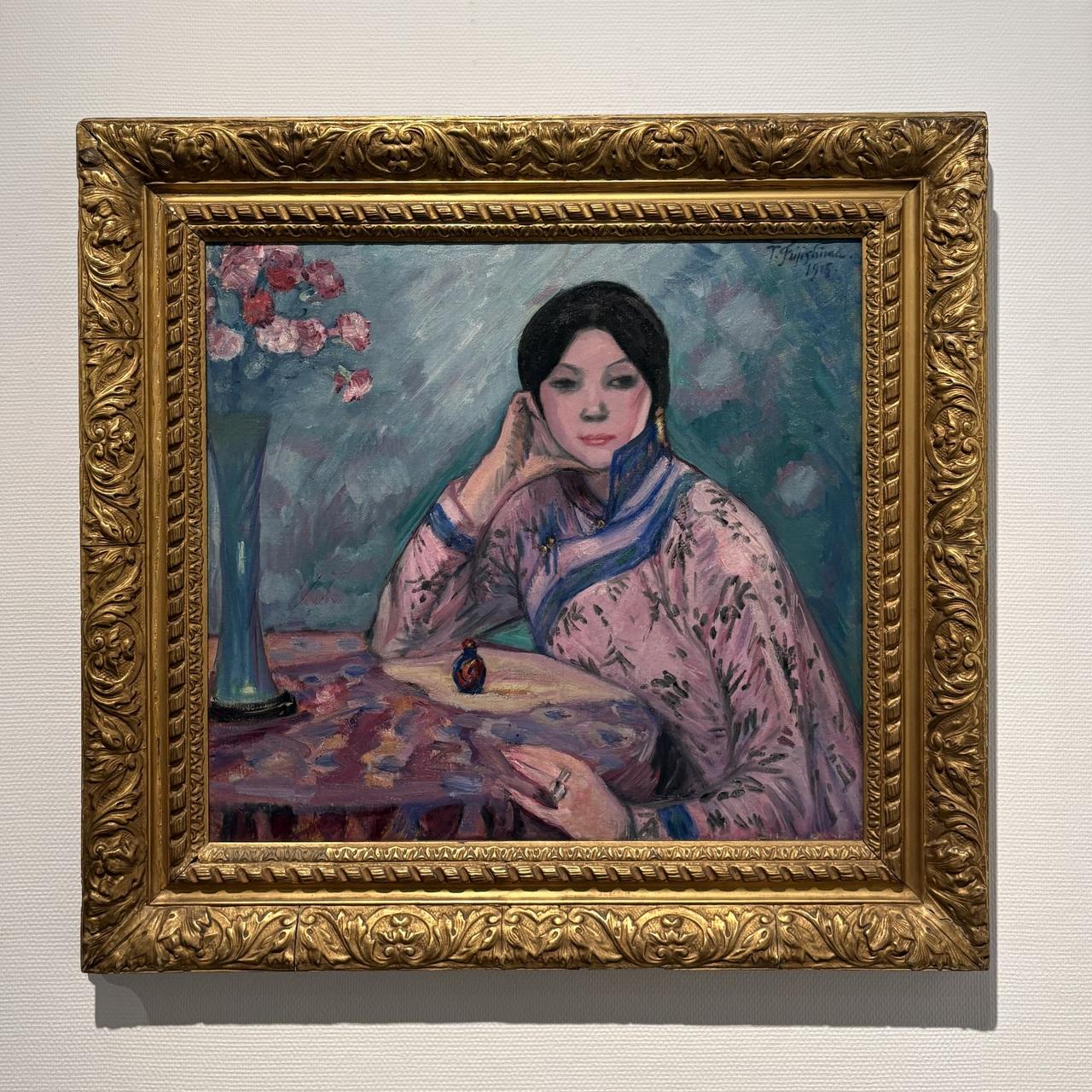
匂い
Perfume
1915 大正4年
油彩・キャンバス
oil on canvas
文部省管理換
Transferred from Ministry of Education
絵画は見るもの、つまり視覚に関わるものです。しかしヨーロッパには古くから、音楽(聴覚)、匂い(嗅覚)など視覚以外の感覚を絵画に描き表す試みがありました。藤島のこの作品も、匂いという目に見えないものをテーマにしています。テーブルの上の小さな瓶は、中国の宮廷でたしなまれた嗅ぎ煙草の容器「鼻煙壺」でしょう。画面左手には花が活けられています。つまりこの場面には、花と嗅ぎ煙草の香りが漂っているのです。匂い、花、そして人の若さや美しさ、すべてはかなく消え去るものを取り合わせています。また、細長い花瓶のかたちとバランスを取るように、女性の左腕が長く引き伸ばされていることも見逃せません。嗅覚をテーマとしつつ、当然ながら視覚的効果にも十分な注意が払われているのです。
Paintings are things to look at - in other words, they are visual. But since ancient times in Europe, painters have also tried to depict other senses, such as hearing (music) and smell (fragrance), in their work. This painting by Fujishima Takeji deals with the invisible sense of smell. The small bottle on the table seems to be a "snuff bottle," a container for pulverized tobacco inhaled through the nose that was a popular item in the Chinese court. On the left side of the picture is an arrangement of flowers. This suggests that the smell of the flowers and tobacco is wafting through the room. Smells, flowers, youth, and beauty are all things that vanish in thin air. We also should note that the woman's left arm is outstretched in order to create a balance with the tall, narrow shape of the vase. Though concerned with smell, the visual effects of the painting also require our close attention. -
広島晃甫(新太郎)
HIROSHIMA, Koho (Shintaro)
1889-1951
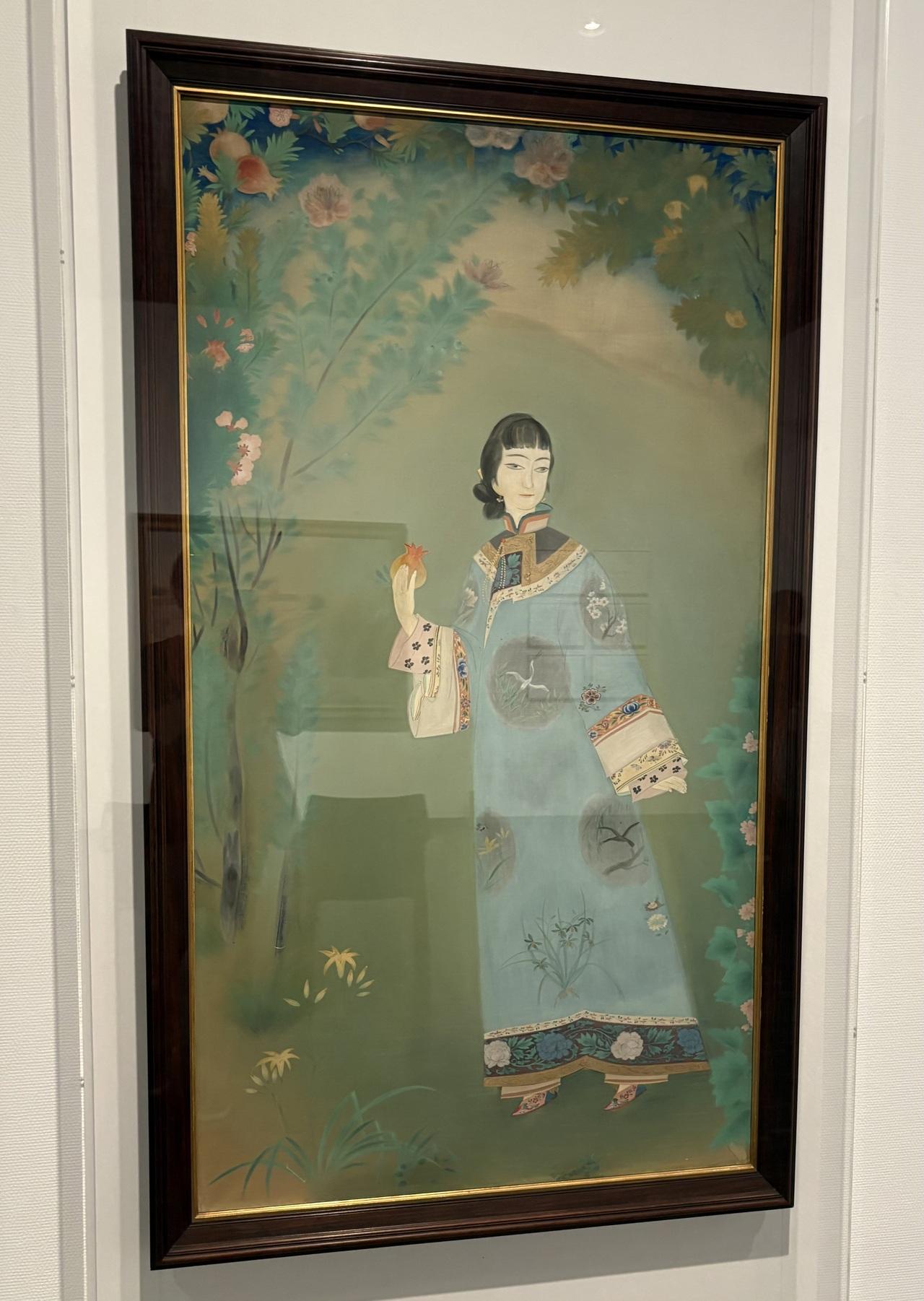
青衣の女
Woman in Blue
1921 大正10年
絹本彩色 color on silk
購入
Purchased
1919(大正8)年、10回以上の開催を重ねた文展の情弊や作風の固定化を打破すべく、体制を一新して帝展(帝国美術展覧会)が始まります。広島晃南は第1回の帝展に同題の作品を出品、特選に選ばれました。不運にも会期中に墨を塗られるという事件に遭ったため、改めて描きなおし2年後に完成したのがこの作品。中央の女性が身に着ける中国服と、楕円を描くように配される草木の色彩が画面に柔らかな調和を生んでいます。どこかミステリアスな女性のほほえみも魅力のひとつです。
In 1919, the Teiten (Imperial Art Exhibition) was established with a fully restructured system intended to break decisively with the favoritism and stylistic rigidity that marred the Bunten (Ministry of Education Art Exhibition), which had been held more than 10 times. Hiroshima Koho submitted a work titled Woman in Blue to the first Teiten and won a special prize. During the exhibition, however, the painting was vandalized with sumi ink, and he produced a new version, completed two years later. The colors of the Chinese clothing worn by the central figure and the plants introduce a gentle harmony to the composition. The woman's slightly enigmatic smile is among the painting's charms. -
伊東深水
ITO, Shinsui
1898-1972
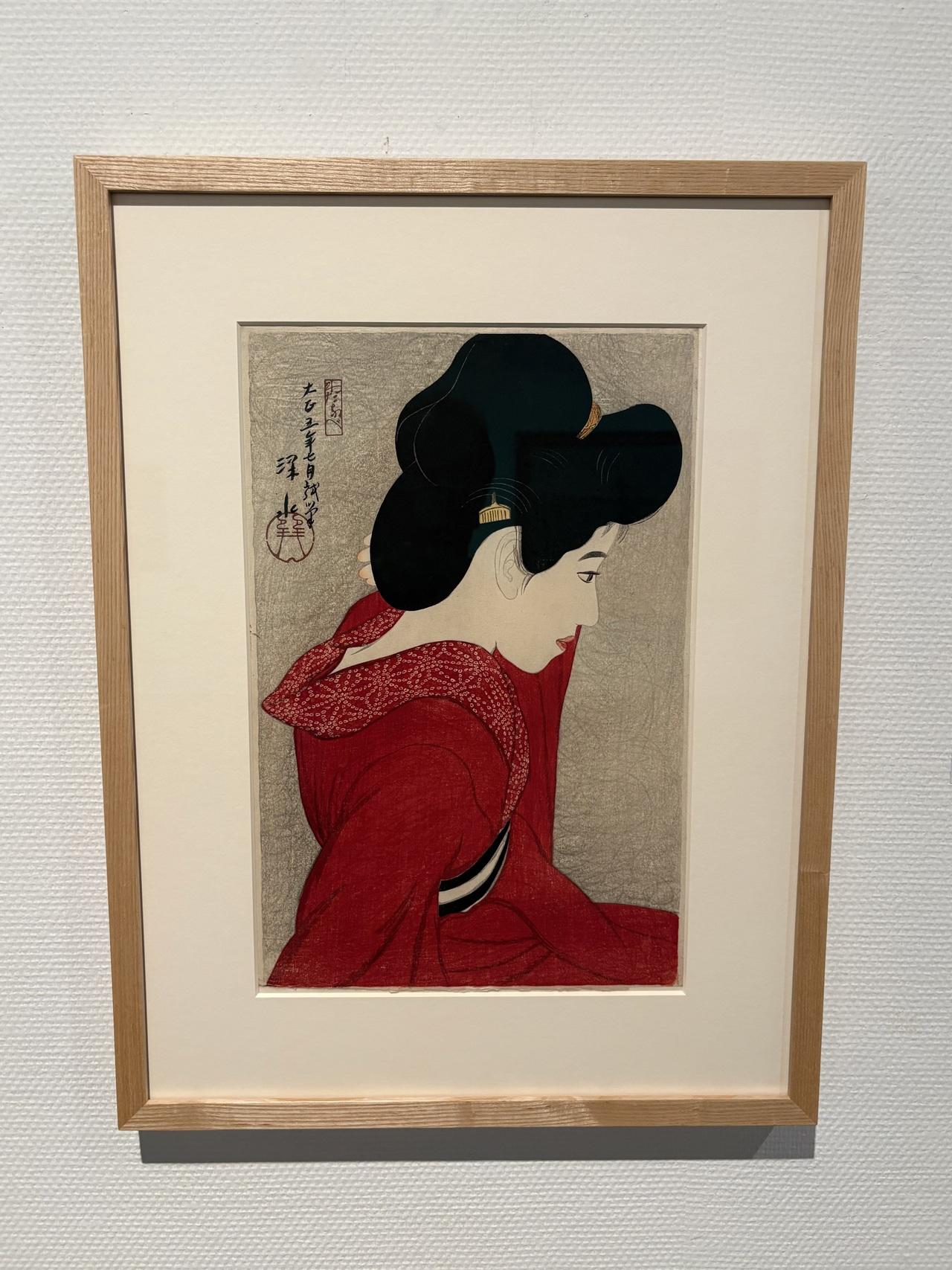
対鏡
Looking in the Glass
1916 大正5年
木版(多色)
color woodcut
購入
Purchased -
川瀬巴水
KAWASE, Hasui
1883-1957
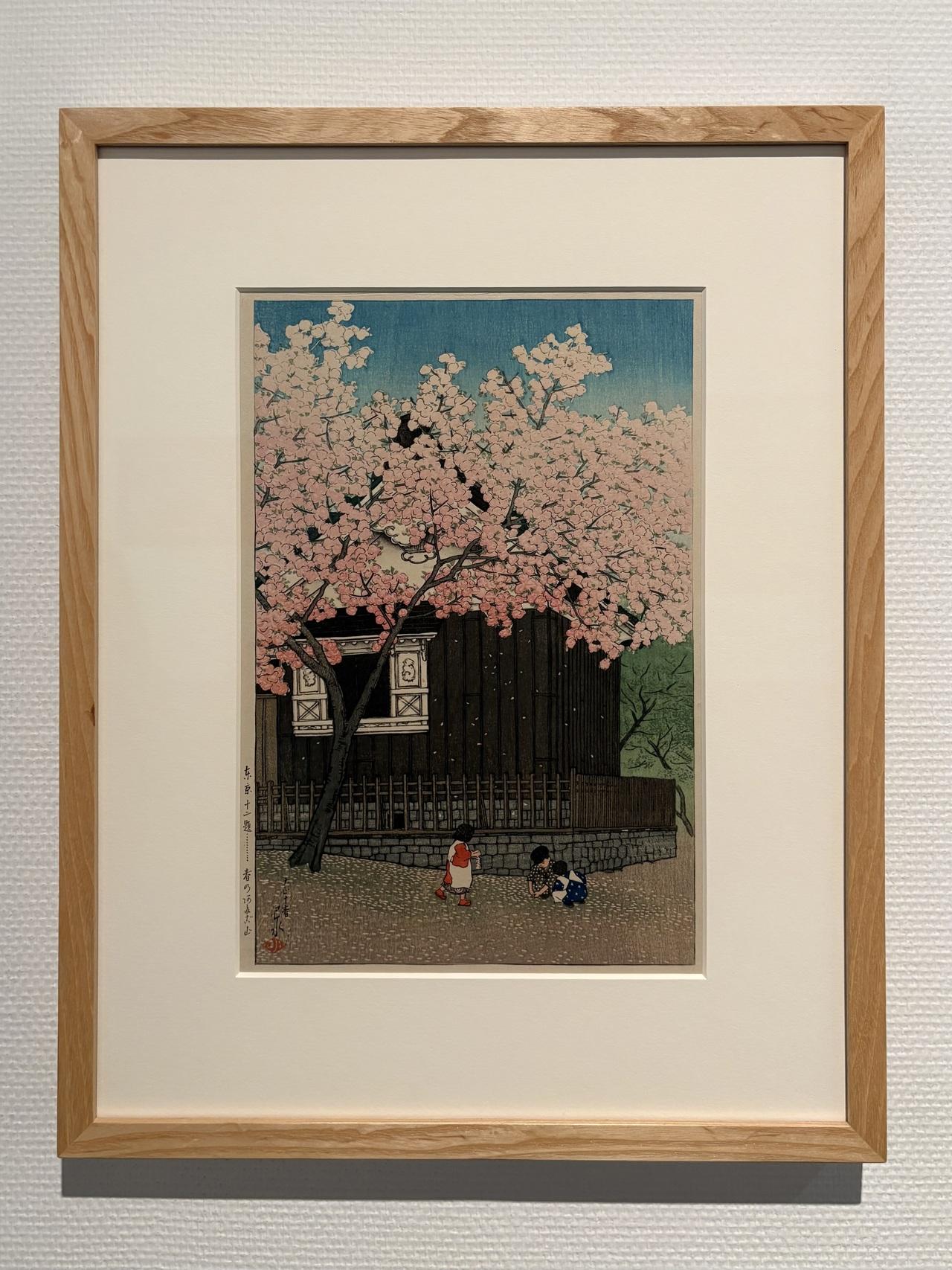
「東京十二題」より 春のあたご山
Atagoyama Hill in Spring from Twelve Tokyo Scenes
1921 大正10年
木版(多色)
color woodcut
購入
Purchased -
南薫造
MINAMI, Kunzo
1883-1950
六月の日
One Day in June
1912
明治45年
油彩・キャンバス
oil on canvas
文部省管理換
Transferred from Ministry of Education
故郷の瀬戸内海沿岸地域に取材した、初夏の麦の刈入れ時の光景。画家自身は、照りつける日差しのもと、水で喉をうるおす農民の姿を通して、「一種の疲れたびを出そうとした」と述べています。しかし点描派風の細かいタッチ、簡略化された構図、人物や徳利の輪郭線などには、平明で装飾的な画面構成への志向がうかがわれます。南が自然とそこに生活する人の自然主義的な描写を超えて、写実と装飾性の融合を目指していたのがわかります。
This scene shows a wheat harvest in early summer, which Minami saw in his hometown in a coastal area near the Seto Inland Sea. The artist stated that in his depiction of a farmer drinking water under the dazzling sun, he wanted to portray "some kind of sense of exhaustion." However, the fine pointillist brushstrokes, simplified composition, and contour lines around people, water jugs and so forth show a tendency toward planar, decorative composition. It is evident that apart from Minami's naturalistic depiction of the landscape and the people inhabiting it, he sought to fuse the realistic and the decorative in this work. -
-
-
-
-
-
-
高村光太郎
TAKAMURA, Kotaro
1883-1956
手
Hand
c.1918 大正7年頃
ブロンズ bronze
購入
Purchased
一見複雑そうなこの作品のポーズを真似るコツをお教えしましょう。まず左手の5本の指を揃え、中指と人差し指を垂直に立てます。続いて親指をできるだけ前に出し。反対に薬指と小指は後ろに引きます。指が攣りそうですが、これで完成です。つまり、まっすぐな中指と人差し指を軸にして、左右の指を前と後にひねるのです。高村光太郎は<女>の作者、荻原守衛とともに、ロダンの影響を日本に広めた彫刻家です。従ってく手の見どころも、守衛のく女>同様、螺旋形の力強いひねりと言えます。
To start with, here's the secret to imitating the initially difficult-seeming hand pose depicted in this work. First, line up all five fingers on your left hand and keep your index and middle finger absolutely straight. Then, try to extend your thumb as far forward as possible while simultaneously drawing your ring finger and pinkie back. It might feel as if you have a cramp in hand, but now you're finished. In other words, with your index and middle finger as the central axis, you twist the fingers on either side of it toward the front and back, respectively. Along with Ogiwara Morie, who made Woman, Takamura Kotaro is known as a sculptor who helped popularize Rodin's approach in Japan. Thus, like Woman, one of the highlights of this work is the powerful twists in the spiral shape.


利用規約に違反している投稿は、報告する事ができます。
-

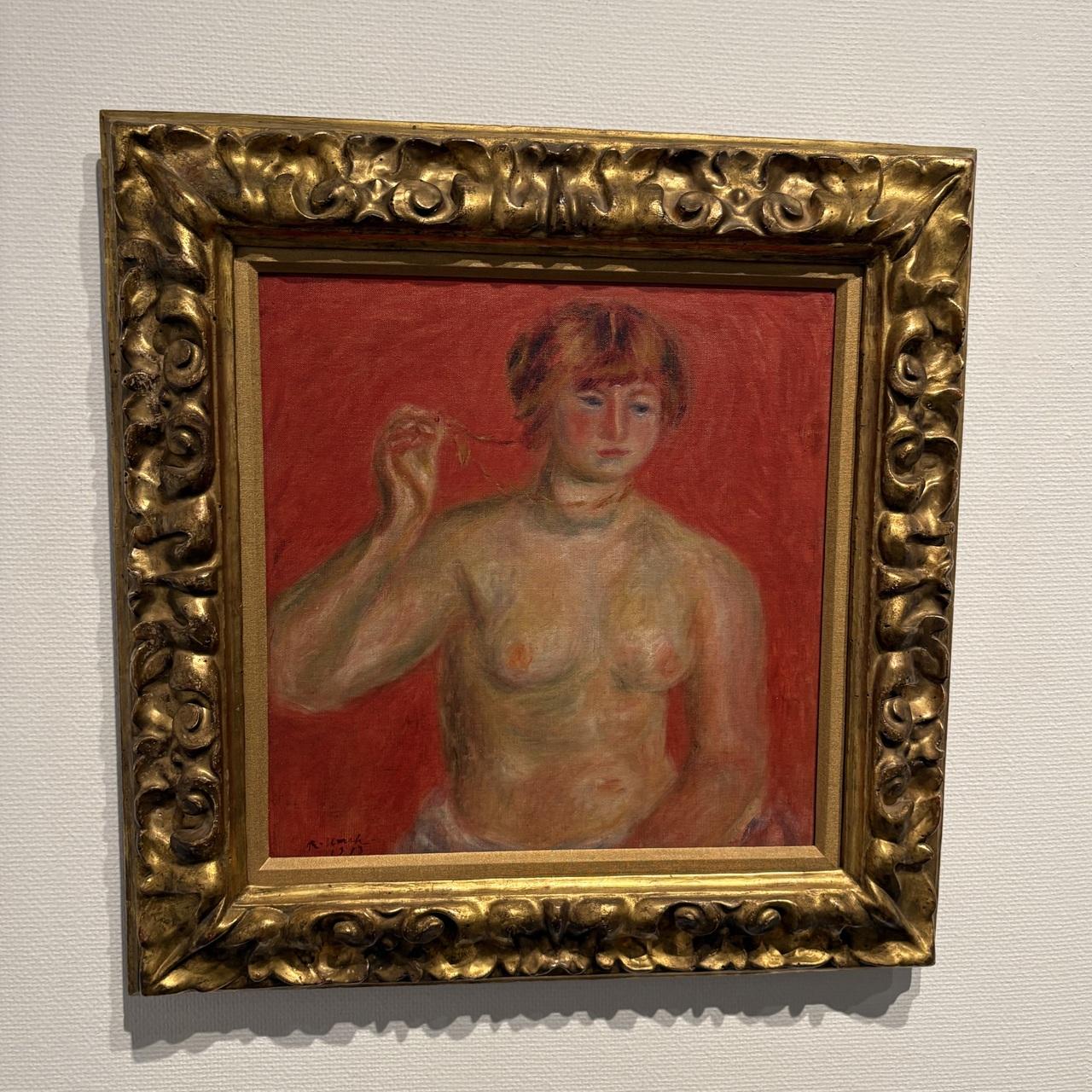
MOMAT コレクション展 ~2026.5.10 ③花ひらく大正。"藤島武二《匂い》"
2026/05/03~
神田・神保町
-

MOMAT コレクション展 ~2026.5.10 ④能楽と歌舞伎。"鳥居忠雅《「隅取十八番より」赤塗筋隈 ...
2026/05/04~
神田・神保町
-

MOMAT コレクション展 ~2026.5.10 ⑤戦間期のコントルポアン。"浅原清隆 《多感な地上》"
2026/05/05~
神田・神保町
-

MOMAT コレクション展 ~2026.5.10 ⑤~⑥ ソル・ルウィット| ウォール・ドローイング#769...
2026/05/05~
神田・神保町
-

MOMAT コレクション展 ~2026.5.10 ⑥1941-1945|戦争/美術。"国吉康雄 《誰かが私の...
2026/05/06~
神田・神保町
-
![MOMAT コレクション展 ~2026.5.10 ⑦今井壽恵と岡上淑子。"今井壽惠 《「オフェリアその後」より[1]》"](https://cdn.4travel.jp/img/thumbnails/imk/travelogue_album/12/06/97/240x180_12069709.jpg?updated_at=1788062966)
MOMAT コレクション展 ~2026.5.10 ⑦今井壽恵と岡上淑子。"今井壽惠 《「オフェリアその後」よ...
2026/05/07~
神田・神保町
-

MOMAT コレクション展 ~2026.5.10 ⑧ツヤツヤピカピカ。"上田薫 《スプーンに水あめ》"
2026/05/08~
神田・神保町
-

MOMAT コレクション展 ~2026.5.10 ⑨ "植田正治 砂丘劇場 《パパとママと子供たち》"
2026/05/09~
神田・神保町
-

MOMAT コレクション展 ~2026.5.10 ⑪描くことと見えるものの間一1990年代以降の絵画表現 "...
2026/05/11~
神田・神保町
旅行記グループをもっと見る
コメントを投稿する前に
十分に確認の上、ご投稿ください。 コメントの内容は攻撃的ではなく、相手の気持ちに寄り添ったものになっていますか?
サイト共通ガイドライン(利用上のお願い)報道機関・マスメディアの方へ 画像提供などに関するお問い合わせは、専用のお問い合わせフォームからお願いいたします。
この旅行で行ったスポット





フォートラベル公式LINE@

おすすめの旅行記や旬な旅行情報、お得なキャンペーン情報をお届けします!
QRコードが読み取れない場合はID「@4travel」で検索してください。
\その他の公式SNSはこちら/




旅行記グループ MOMAT コレクション〔国立東京近代美術館 所蔵作品展〕(2026.3.3-5.10)
0
16