


2026/05/07 - 2026/05/09
102位(同エリア932件中)

旅熊 Kokazさん
- 旅熊 KokazさんTOP
- 旅行記1912冊
- クチコミ854件
- Q&A回答102件
- 1,696,318アクセス
- フォロワー751人
MOMAT〔国立東京近代美術館〕コレクション展 ~2026.5.10
⑦今井壽恵と岡上淑子
日付はダミーで、5月9日(土)訪問
MOMATコレクションにようこそ!
当館コレクション展の特徴をご紹介します。まずはその規模。1952年の開館以来の活動を通じて収集してきたおよそ14,000点の所蔵作品から、会期ごとに約200点を展示する国内最大級のコレクション展です。そして、それぞれ小さなテーマが立てられた全12室のつながりによって、19世紀末から今日に至る日本の近現代美術の流れをたどることができる国内随一の展示です。
今期の見所紹介です。4階2室は、当館と金沢の国立工芸館とのコラボレーション企画。鈴木長吉《十二の鷹》(重要文化財)や、新収蔵の金森宗七《花鳥文様象耳付大花瓶》など名品が目白押しです。
また毎年恒例の「美術館の春まつり」にちなみ、川合玉堂《行く春》、跡見玉枝《桜花図巻》など人気作品を惜しげもなくお見せします(3月3日―4月12日)。「春まつり」後(4月14日―5月10日)も豪華です。1階で開催の「下村観山展」(3月17日から)にちなみ、横山大観、菱田春草など観山をとりまく芸術家による素晴らしい作品群を集めました。
今期も盛りだくさんのMOMATコレクション、どうぞお楽しみください。
https://www.momat.go.jp/exhibitions/r7-3
- 旅行の満足度
- 5.0
-

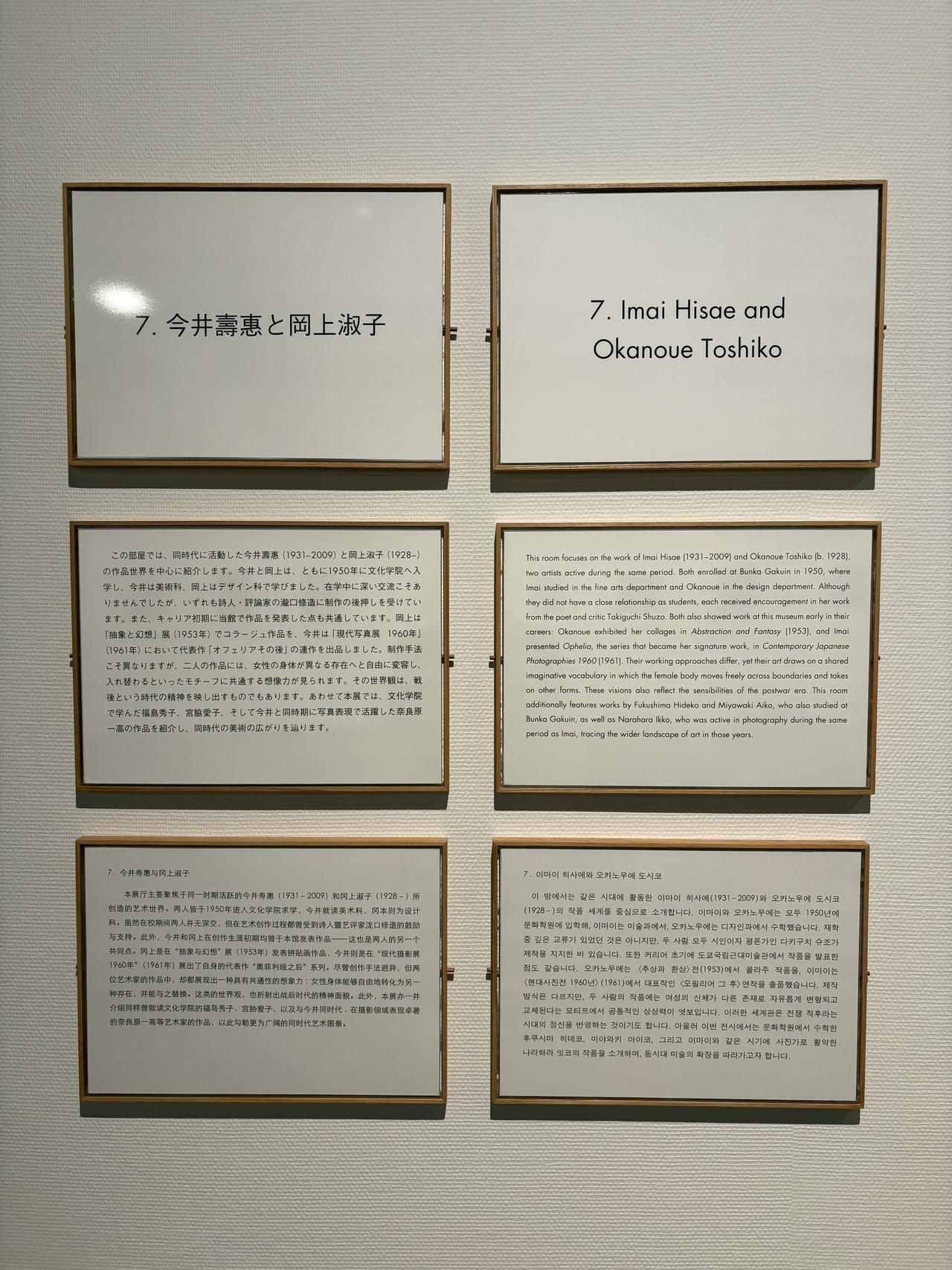
7.今井壽恵と岡上淑子
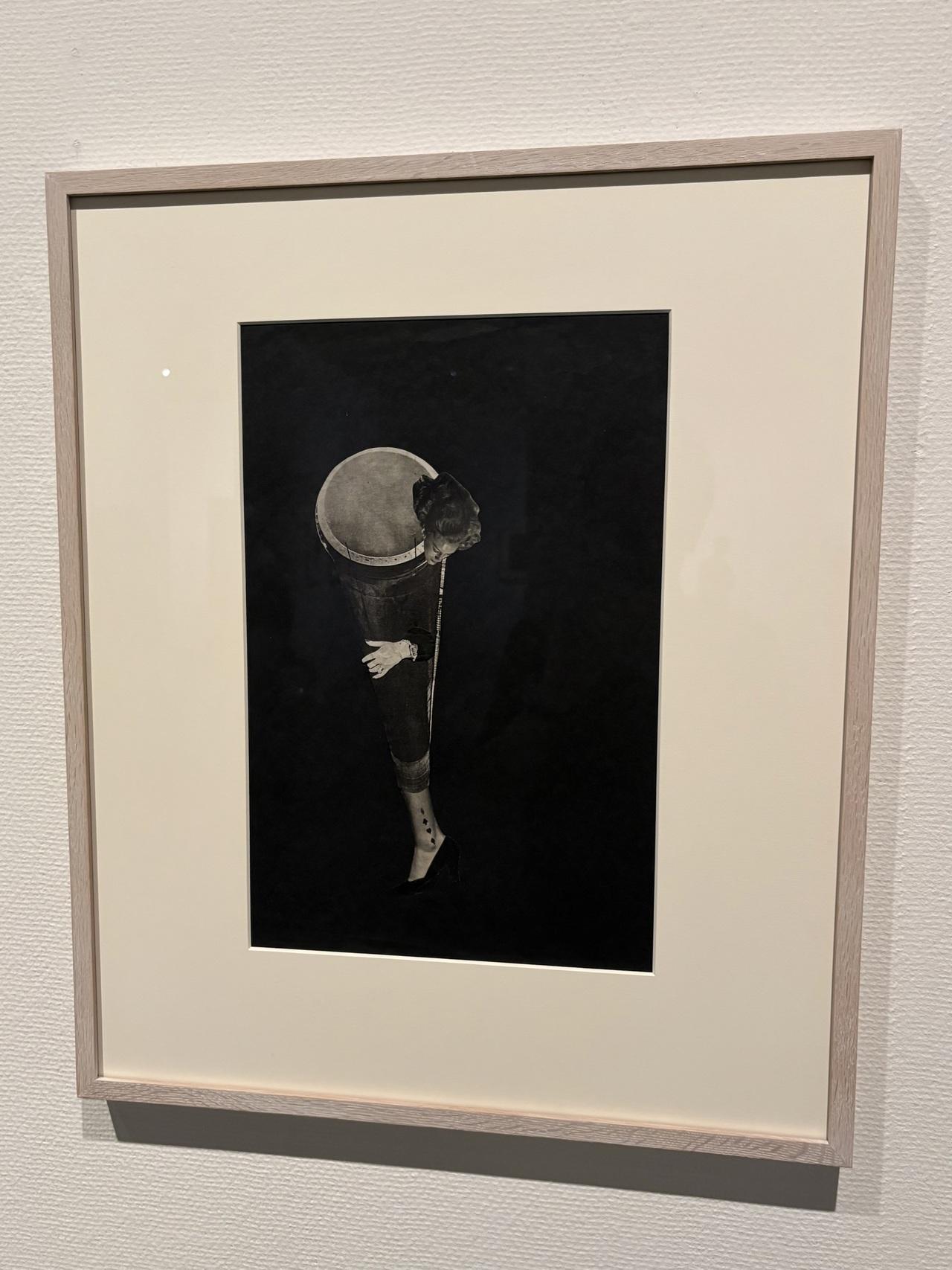
この部屋では、同時代に活動した今井壽惠(1931~2009)と岡上淑子(1928~)の作品世界を中心に紹介します。今井と岡上は、ともに1950年に文化学院へ入学し、今井は美術科、岡上はデザイン科で学びました。在学中に深い交流こそありませんでしたが、いずれも詩人・評論家の瀧口修造に制作の後押しを受けています。
また、キャリア初期に当館で作品を発表した点も共通しています。岡上は「抽象と幻想」展(1953年)でコラージュ作品を、今井は「現代写真展 1960年」(1961年)において代表作「オフェリアその後」の連作を出品しました。制作手法こそ異なりますが、二人の作品には、女性の身体が異なる存在へと自由に変容し、入れ替わるといったモチーフに共通する想像力が見られます。その世界観は、戦後という時代の精神を映し出すものでもあります。
あわせて本展では、文化学院で学んだ福島秀子、宮脇愛子、そして今井と同時期に写真表現で活躍した奈良原一高の作品を紹介し、同時代の美術の広がりを辿ります。
7. Imai Hisae and Okanoue Toshiko
This room focuses on the work of Imai Hisae (1931-2009) and Okanoue Toshiko (b. 1928), two artists active during the same period. Both enrolled at Bunka Gakuin in 1950, where Imai studied in the fine arts department and Okanoue in the design department. Although they did not have a close relationship as students, each received encouragement in her work from the poet and critic Takiguchi Shuzo.
Both also showed work at this museum early in their careers: Okanoe exhibited her collages in Abstraction and Fantasy (1953), and Imai presented Ophelia, the series that became her signature work, in Contemporary Japanese Photographies 1960(1961). Their working approaches differ, yet their art draws on a shared imaginative vocabulary in which the female body moves freely across boundaries and takes on other forms. These visions also reflect the sensibilities of the postwar era.
This room additionally features works by Fukushima Hideko and Miyawaki Aiko, who also studied at Bunka Gakuin, as well as Narahara Ikko, who was active in photography during the same period as Imai, tracing the wider landscape of art in those years.東京国立近代美術館 美術館・博物館
-
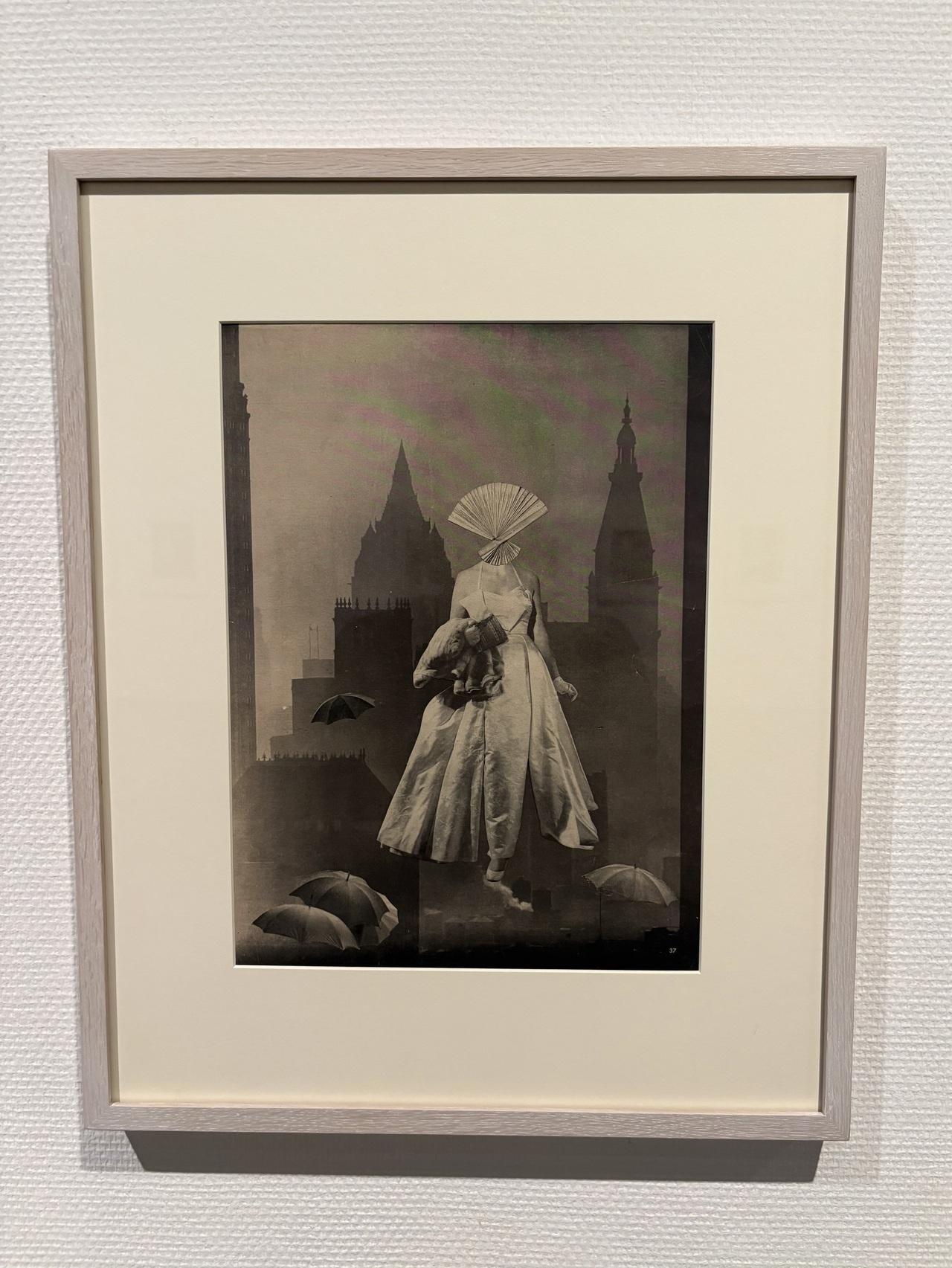
岡上淑子
OKANOUE, Toshiko
1928-
夜間訪問
A Night Visit
c.1952
昭和27年頃
コラージュ・紙 collage on paper
購入
Purchased
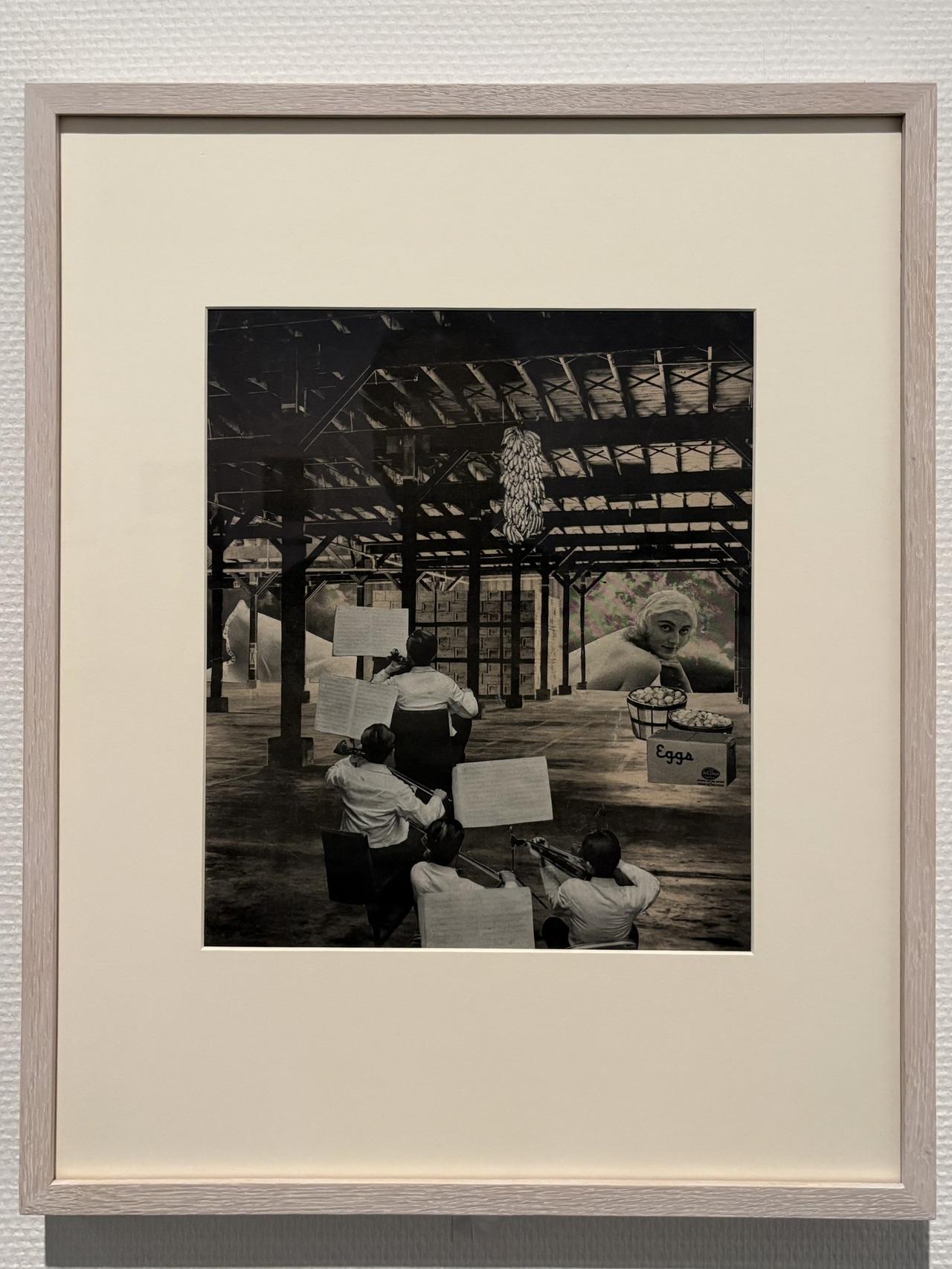
「抽象と幻想」展での発表時、美術批評家の植村鷹千代は、「ライフその他外国の出版物にある写真を切り抜いて貼り合せたもので、手法としては難しいものではない」としつつも、「問題はイメージそのものにあって、それがどう展開するかにあるのです。そういうイメージのある人でないと駄目なわけですが、この人はなかなかい>ものを持っていますね。発想が個性的な所に面白さがあります」(「美術手帖』78号、1954年2月)と評しました。
When these works were shown in the Abstraction and Fantasy exhibition, the art critic Uemura Takachiyo wrote in a review that "in technical terms, cutting and pasting photographs from Life and other foreign publications is not difficult," but also that "the issue lies in the images themselves and how they are deployed. Of course it is necessary for the artist to have imagination, and this artist possesses it to a remarkable degree. The uniqueness of her ideas is fascinating." (Bijutsu techo, no. 78, February 1954). -
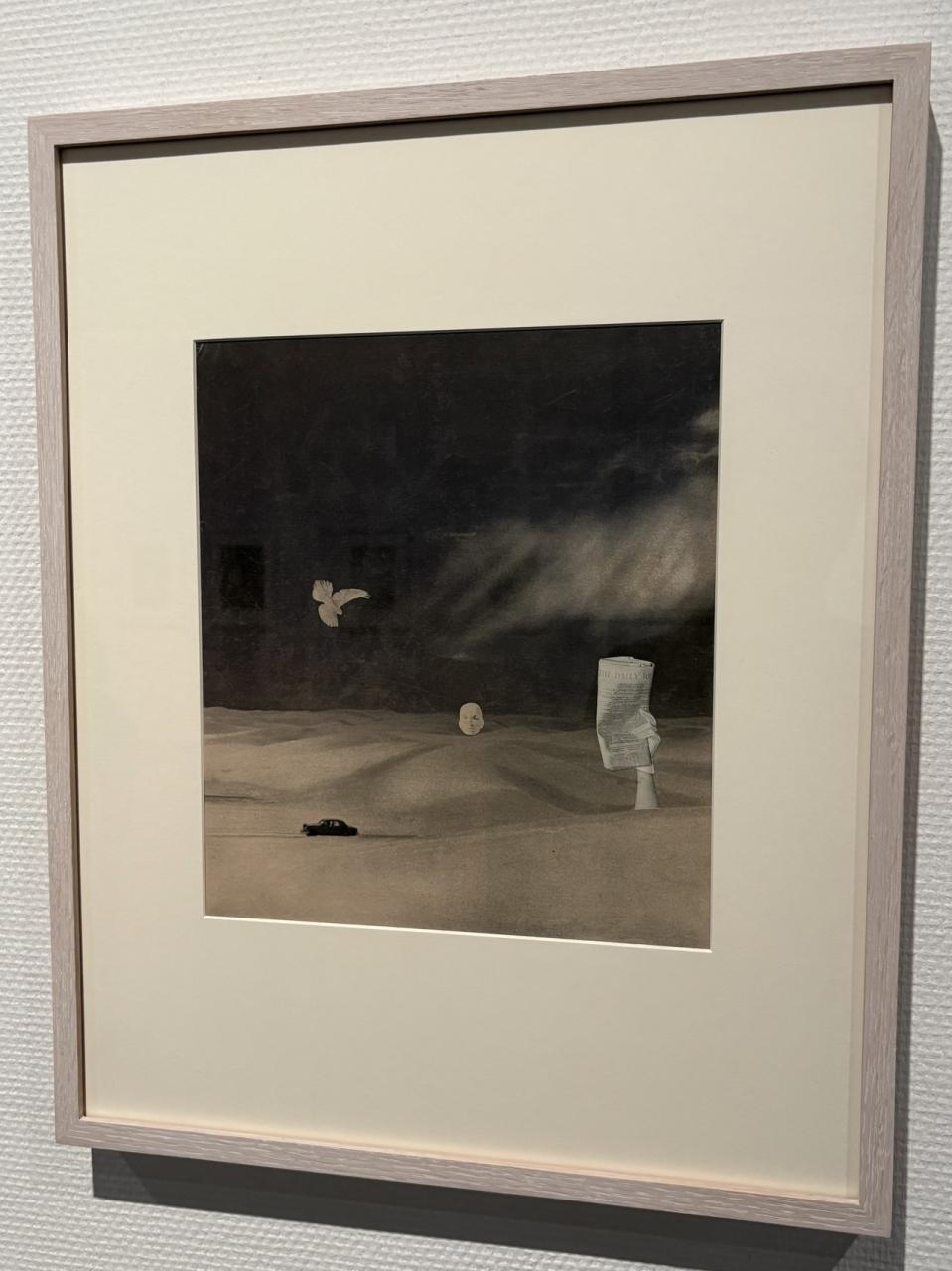
岡上淑子
OKANOUE, Toshiko
1928-
無情な光景
A Scene without Feeling
c. 1952
昭和27年頃
コラージュ collage on paper
購入
Purchased -
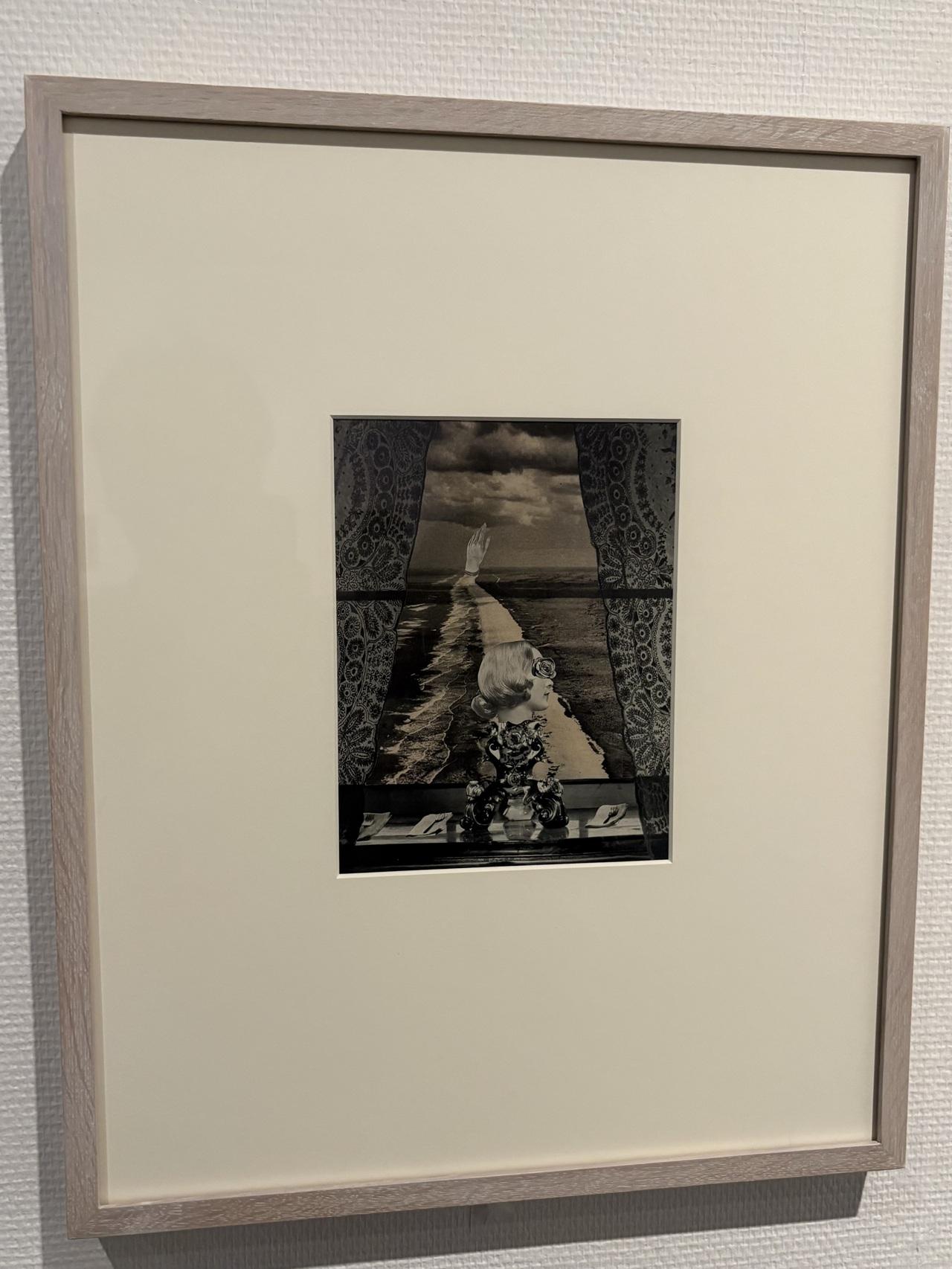
岡上淑子
OKANOUE, Toshiko
1928-
窓辺
By the Window
c. 1953
昭和28年頃
コラージュ・紙 collage on paper
作者寄贈
Gift of the artist -
岡上淑子
OKANOUE, Toshiko
1928-
怠惰な恋人
A Lazy Sweetheart
1952
昭和27年
コラージュ・紙
collage on paper
購入
Purchased -
岡上淑子
OKANOUE, Toshiko
1928-
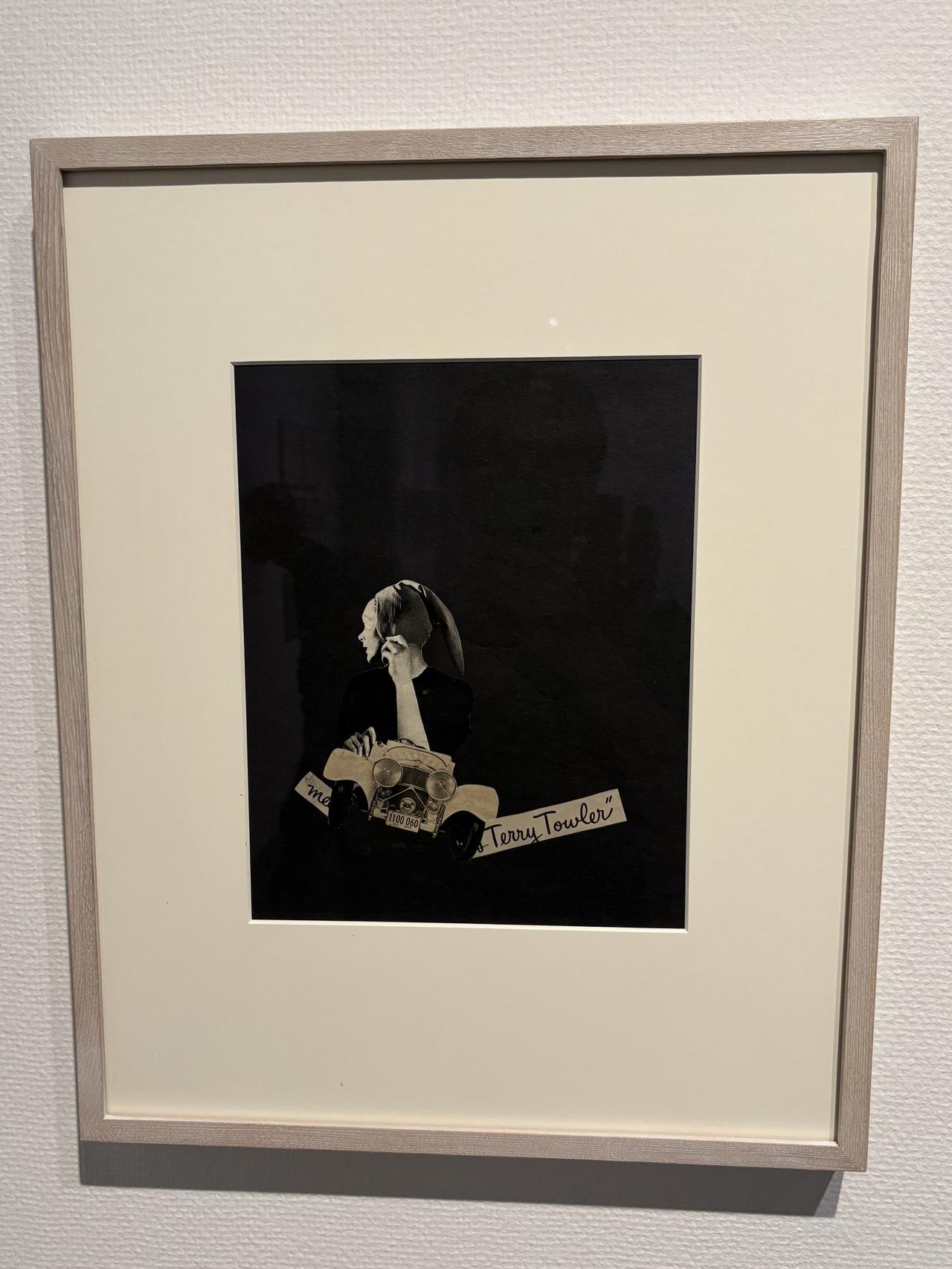
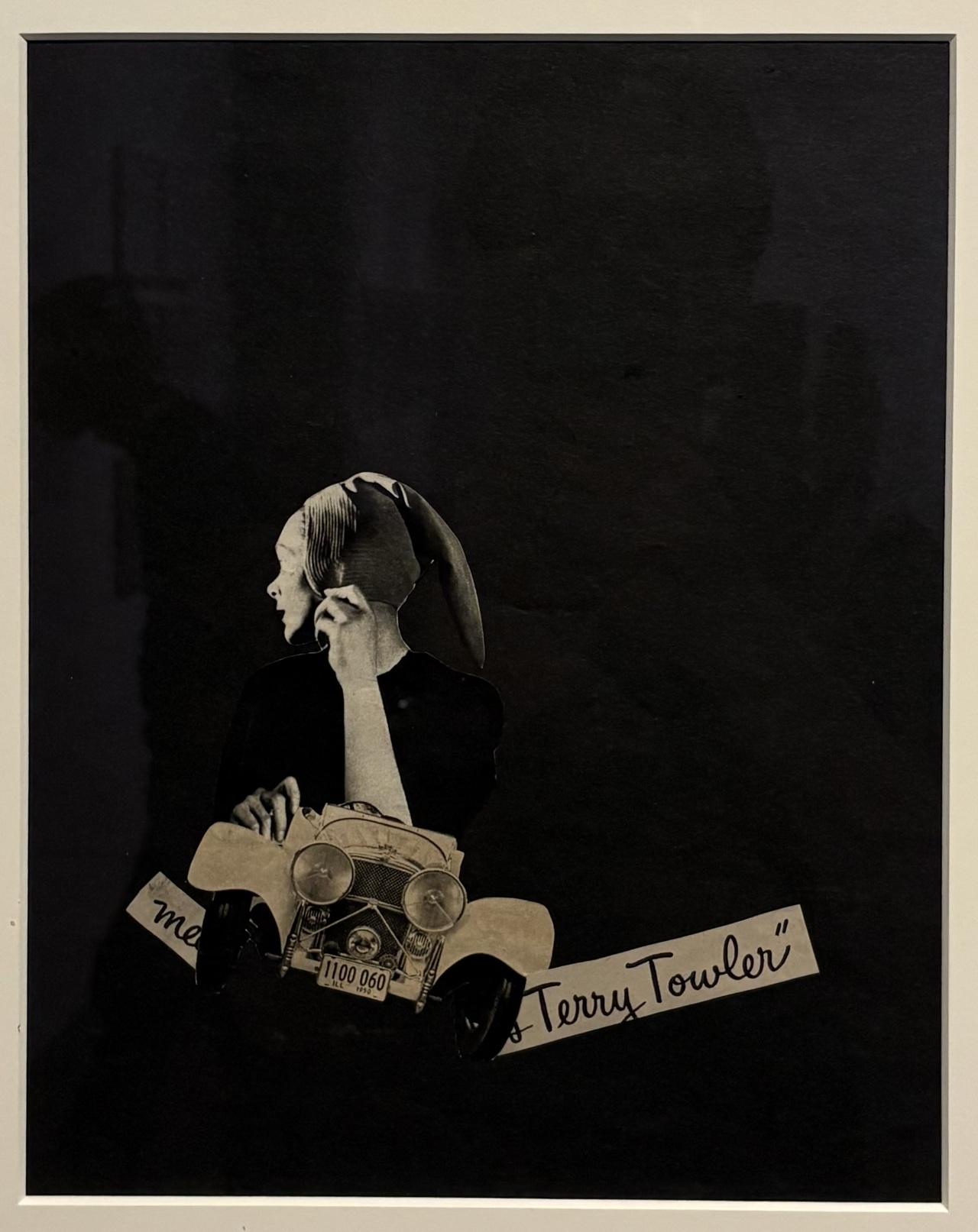
ドライブ
Drive
1951 昭和26年
コラージュ・紙
E collage on paper
作者寄贈
Gift of the artist -
-
岡上淑子
OKANOUE, Toshiko
1928-
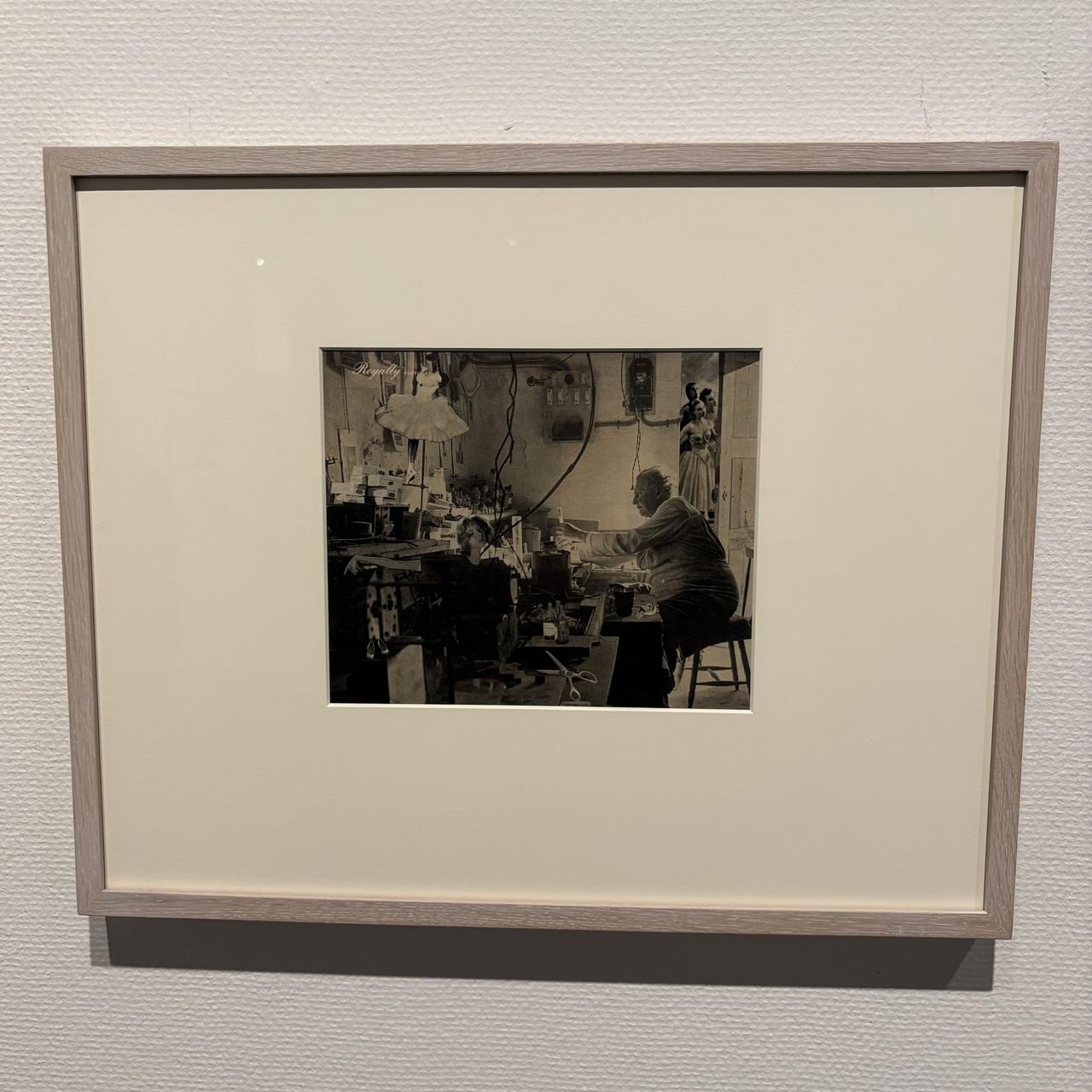
人形師
Puppeteer
1951昭和26年
コラージュ・紙
collage on paper
作者寄贈
Gift of the artist -
岡上淑子
OKANOUE, Toshiko
1928-
脚
A Leg
1952 昭和27年
コラージュ・紙 collage on paper
作者寄贈
Gift of the artist -
新収蔵作品
New Acquisition
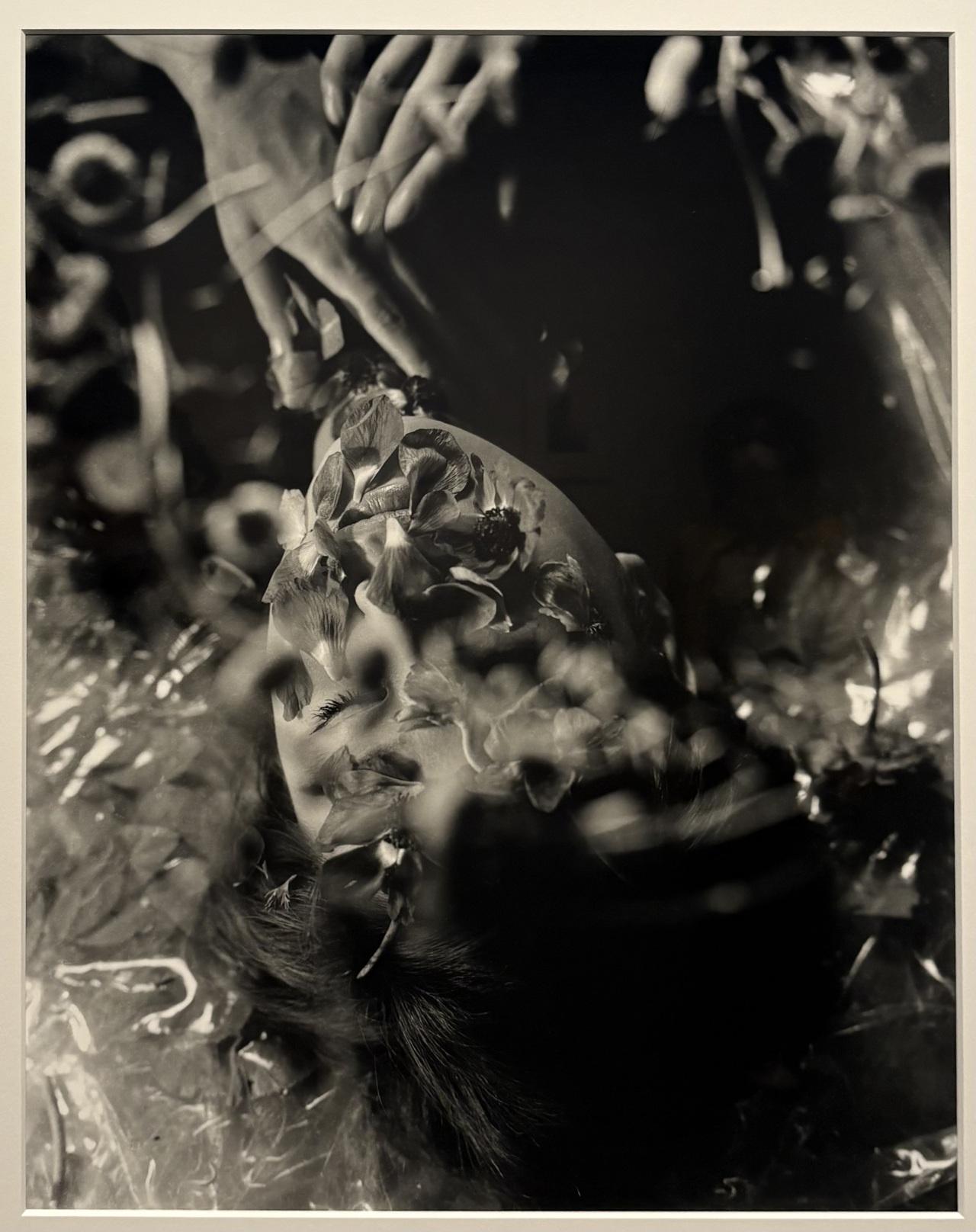
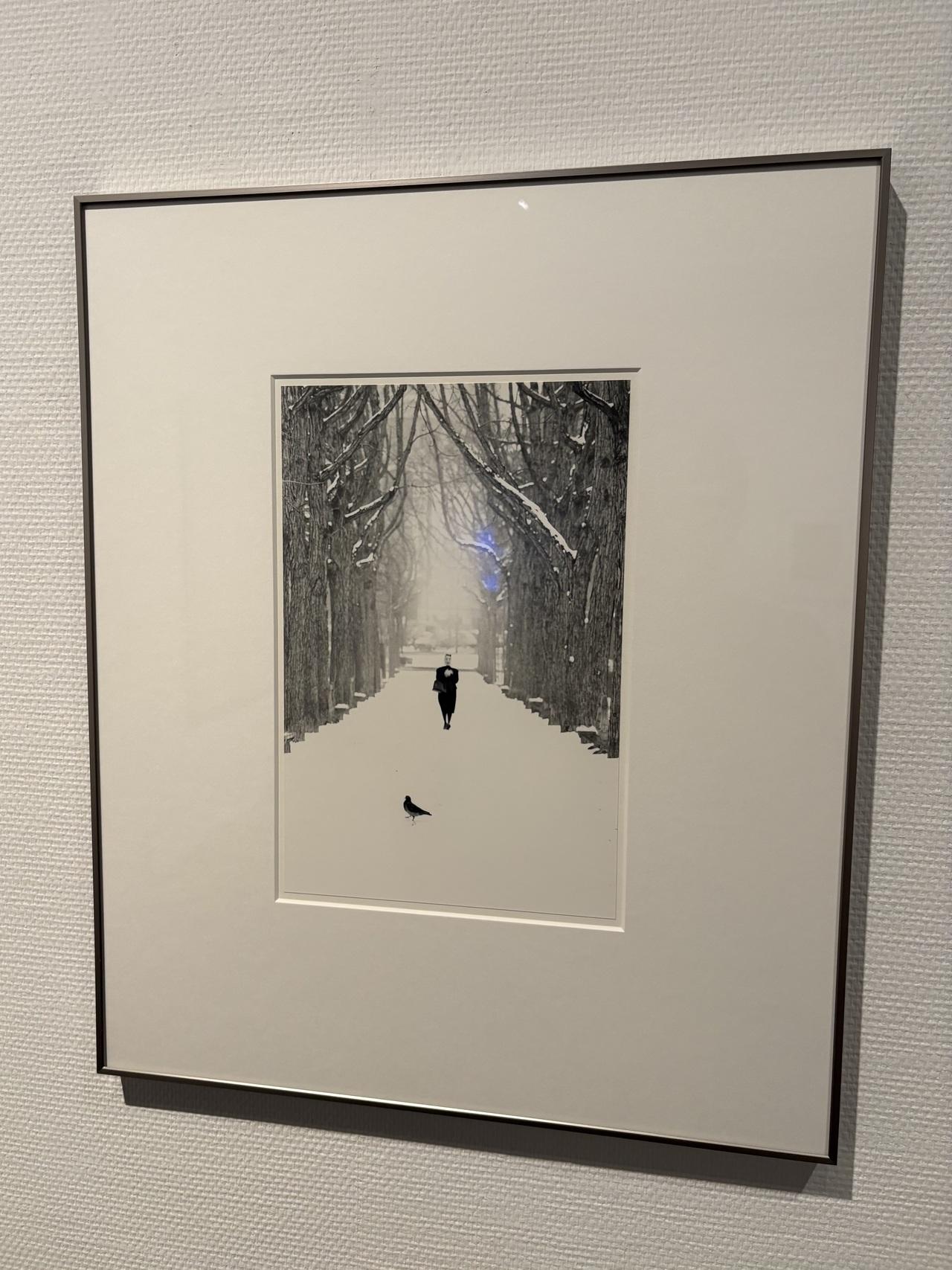
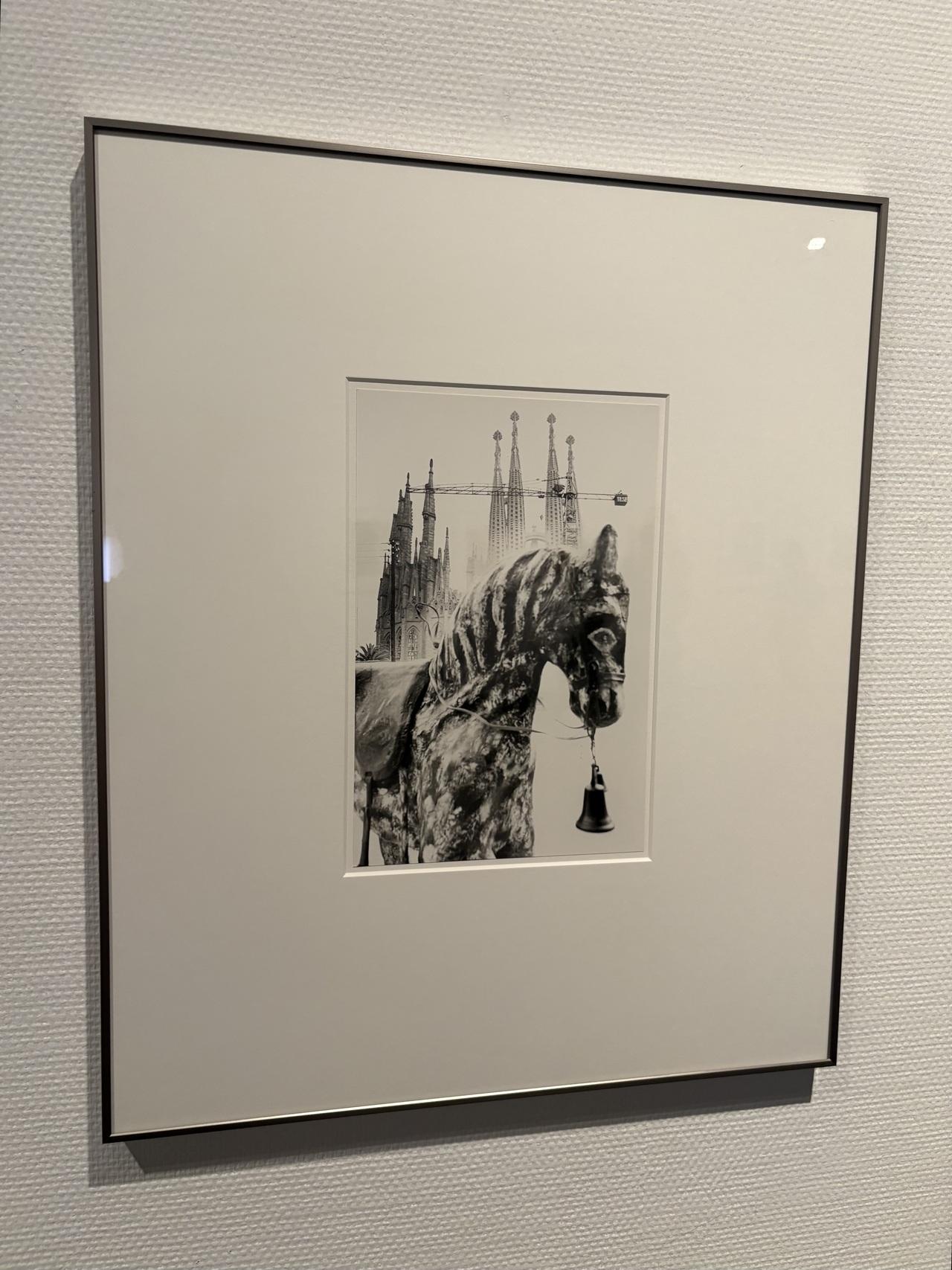
今井壽惠
IMAI, Hisae
1931-2009
「オフェリアその後」より[1]
From Ophelia [1]
1960 (printed 2024)
昭和35年
ゼラチン・シルバー・プリント
gelatin silver print
購入
Purchased
シェイクスピアの[ハムレット」に登場する悲劇のヒロイン、オフェリア。川に流されて命を落とす場面は長らく多くの芸術家を魅了してきましたが、今井はその最期にもうひとつの物語を想像しました。死んだと思われたオフェリアが、実はある老いた女性と入れ替わり、再生を遂げるという設定です。カラーとモノクロが交錯する幻想的なこの連作は、オフェリアという古典的主題に新たな生命を吹き込み、今井の文学的な写真世界を象徴する作品となっています。
Artists have long been inspired by Ophelia, the tragic heroine of Shakespeare's Hamlet, and particularly the scene in which she floats off on the river to her death. Imai imagined another possibility for that moment, in which Ophelia, believed to be dead, trades places with an elderly woman and comes back to life. In this dreamlike series, which combines color and black-and-white photographs, the classical figure of Ophelia is given new life, and the work embodies the literary sensibility at the core of Imai's photography. -
今井壽惠
「オフェリアその後」より[2] -
今井壽惠
「オフェリアその後」より[3] -
今井壽惠
「オフェリアその後」より[4] -
今井壽惠
「オフェリアその後」より[5] -
今井壽惠
「オフェリアその後」より[6] -
今井壽惠
「オフェリアその後」より[7] -
今井壽惠
「オフェリアその後」より[8] -
今井壽惠
「オフェリアその後」より[9] -
-
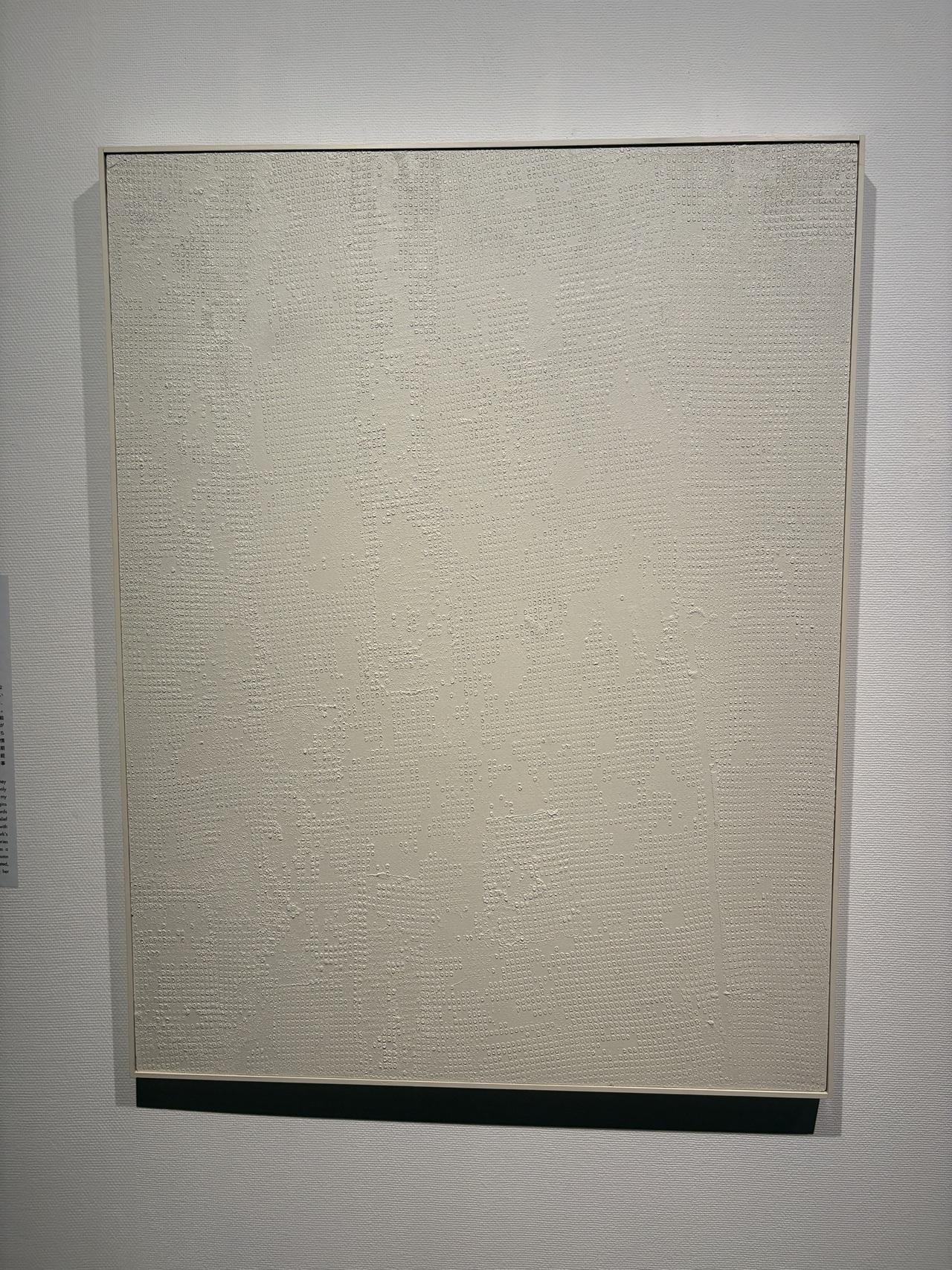
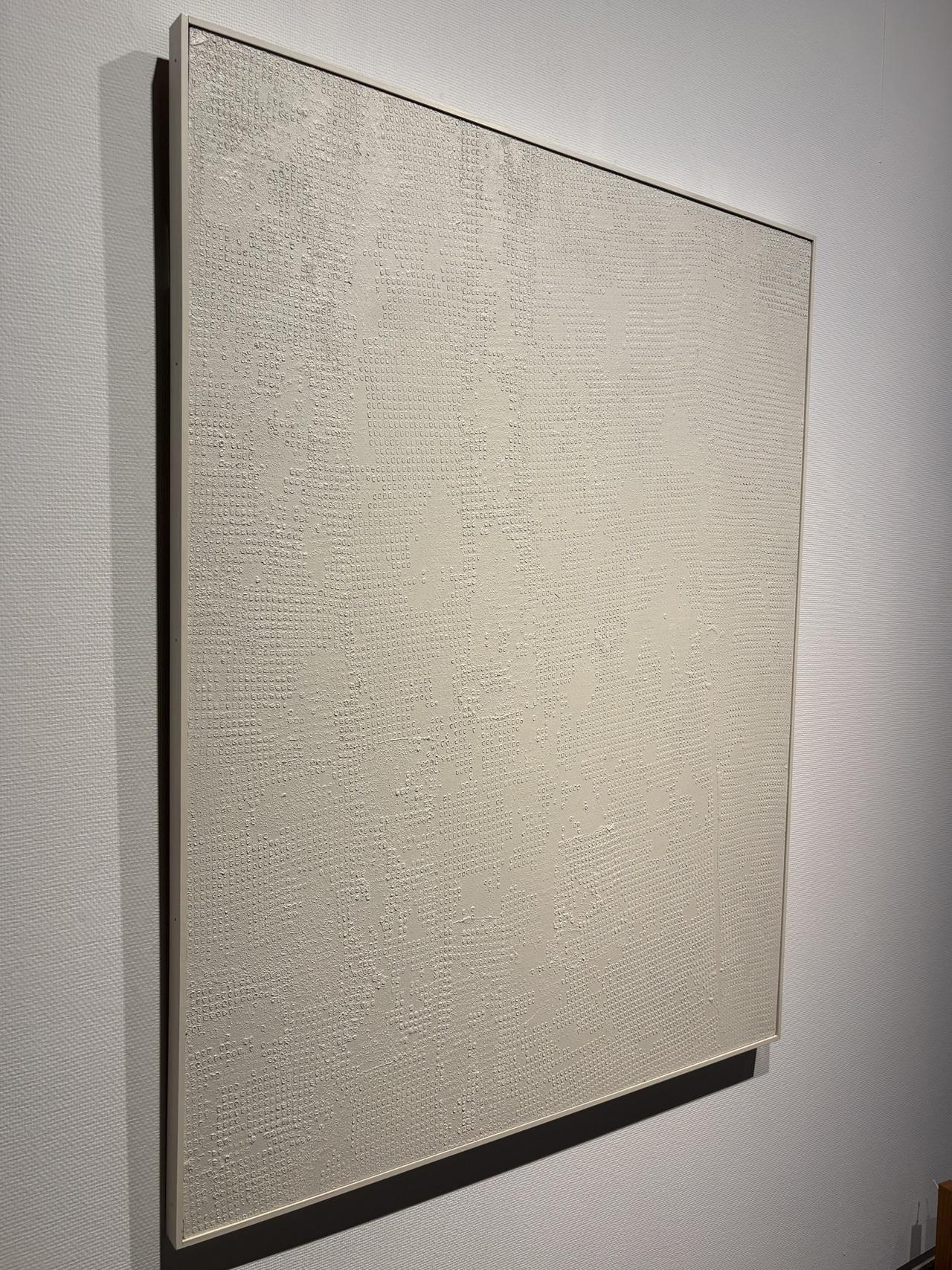
宮脇愛子
MIYAWAKI, Aiko
1929-2014
Work
1960-61 昭和35-36年
油彩、大理石粉・合板
oil and powdered marble on plywood
購入
Purchased
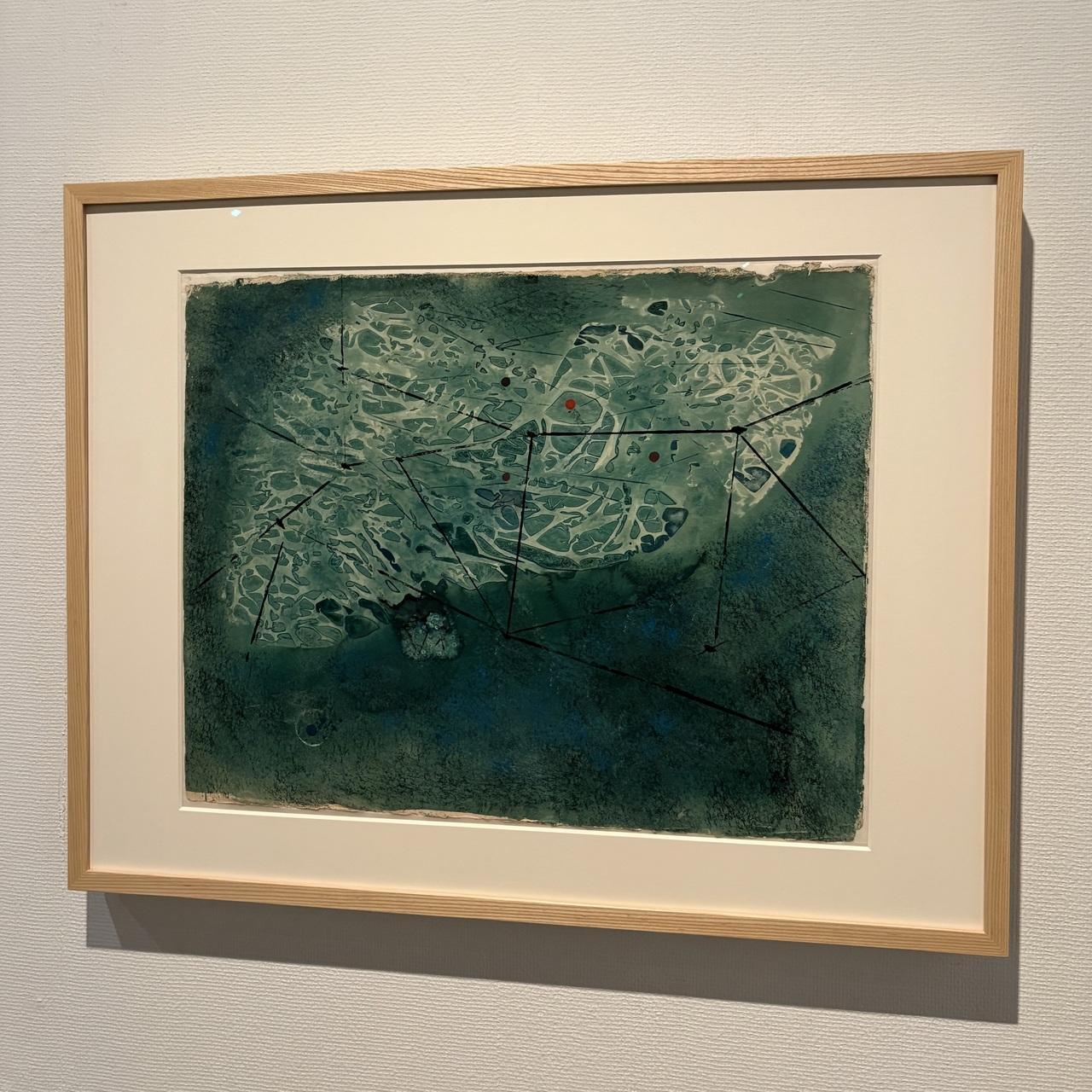
「いつからはじまって、いつ終るのか、わからない。/わずかにもとの形をとどめるにすぎないこの溶けかかったものたち。かれらの行列は、いつのまにか、少しずつ動きはじめる•••••・」。作家の言葉が示す通り、大理石の粉を混ぜた絵具によって、繊細なレリーフ状のパターンが画面に反復されています。作品を見る私たちの視点が動くことで、その表面は異なる表情を見せます。彫刻家として知られる宮脇が初期に手がけた一連の絵画は、制作から35年を経た1996年の秋に偶然発見され、その後の仕事を予見する作品として高く評価されました。
"I do not know when they began or when they will end. / These half-melted things that only barely retain their former shapes. Without my being aware of it, their procession begins moving, little by little..." As the artist's words suggest, the work is composed of delicate relief patterns created with marble dust mixed with paint. As the viewer's perspective shifts, the work's surface takes on a different appearance. A series of paintings by Miyawaki, better known as a sculptor, was discovered by chance in autumn 1996, thirty-five years after they were created, and were highly lauded as foreshadowing her later work. -
-
福島秀子
FUKUSHIMA, Hideko
1927-1997
無題
Untitled
1955
昭和30年
水彩・紙
watercolor on paper
購入
Purchased
福島は文化学院卒業後の1948年、北代省三、山口勝弘らとともに前衛美術グループ「七耀会」を結成しました。1951年には「実験工房」に参加し、舞台美術等の分野横断的な芸術表現に取り組みます。1950年代半ばから後半にかけて、福島は絵筆で描くことにとどまらず、絵の具を付けた素材を押し当てるスタンプ的な表現など、さまざまな技法を組み合わせながら抽象的な画面を構成しました。本作には、フロッタージュを思わせる表現もうかがえます。
After graduating from Bunka Gakuin in 1948, Fukushima established the avant-garde art group Shichiyokai with Kitadai Shozo, Yamaguchi Katsuhiro, and others. In 1951, she joined Jikken Kobo (Experimental Workshop), and carried out interdisciplinary projects that included stage design. From the mid-to the late 1950s, she went beyond painting solely with a brush and combined a range of techniques, such as using objects to "stamp" onto the canvas, to construct abstract compositions. In this work, expressions reminiscent of frottage can also be seen. -
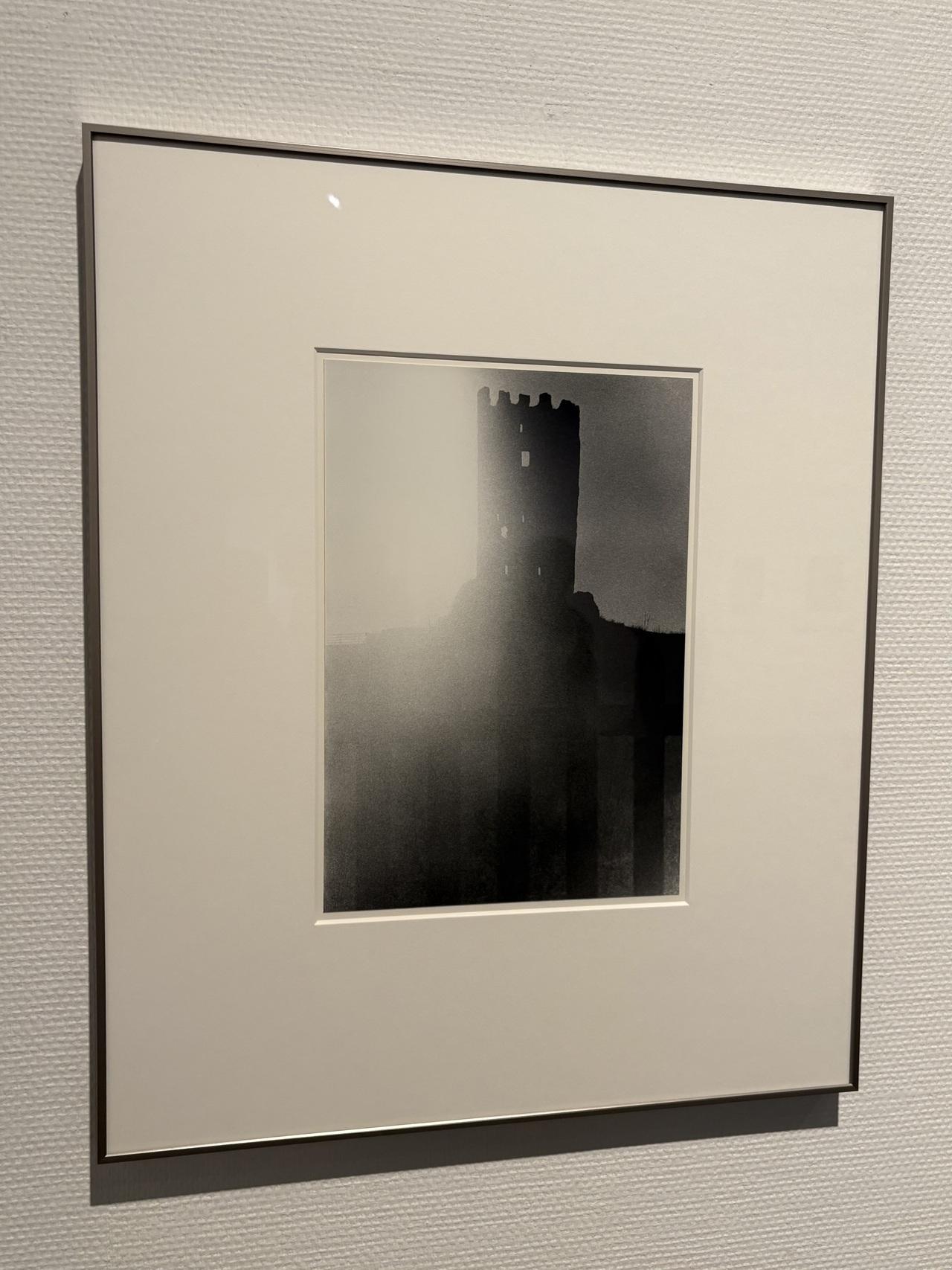
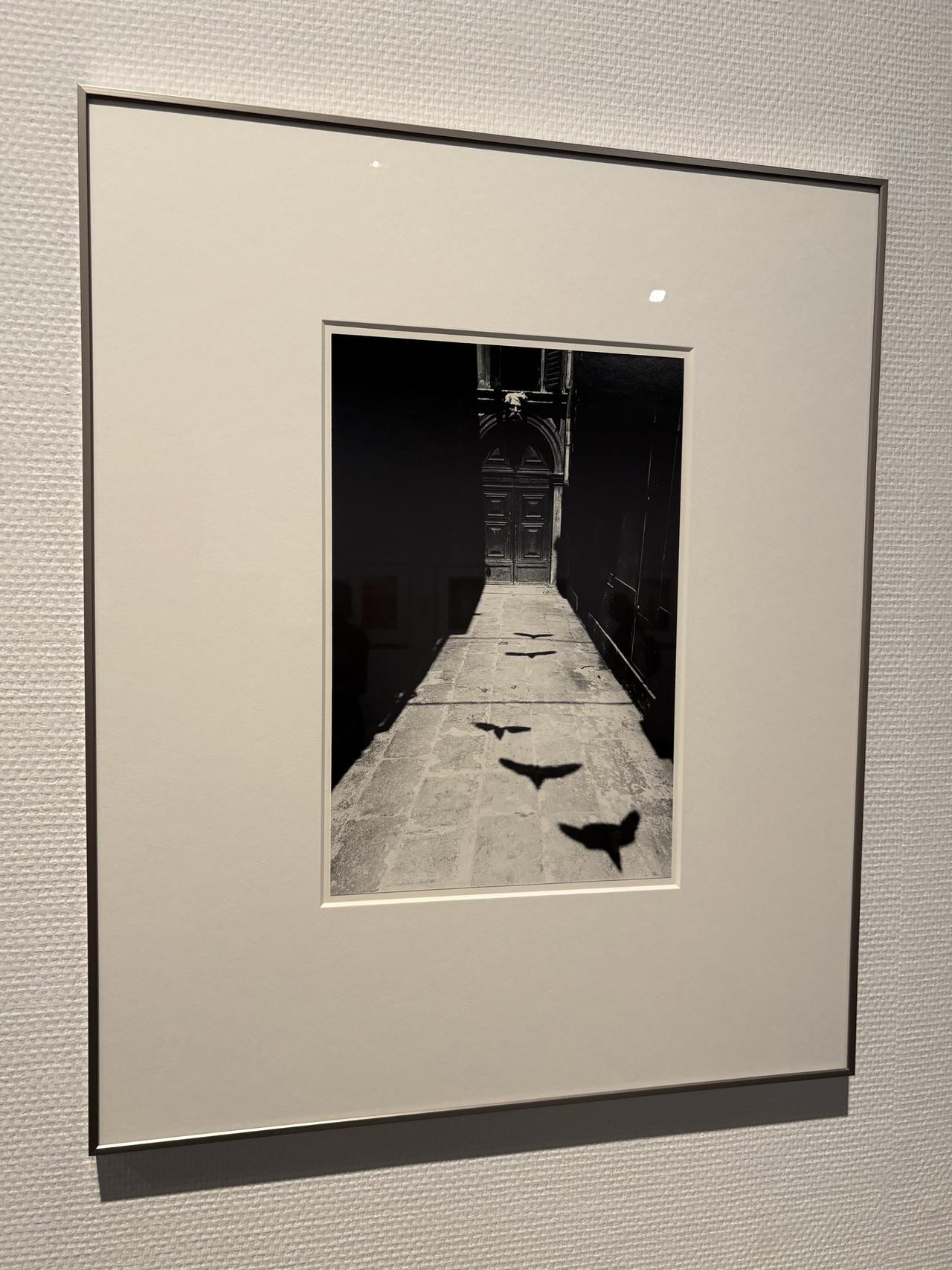
奈良原一高
NARAHARA, Ikko
1931-2020
「ヨーロッパ・静止した時間」より
塔ローマ、イタリア
Towers, Rome, Italy from Where Time Has Stopped
1963 (printed c.1973-75)
昭和38年
ゼラチン・シルバー・プリント gelatin silver print
奈良原恵子氏寄贈
Git of Narahara Keiko
ヨーロッパの風景を特徴づけるさまさまな塔の存在に、奈良原は渡欧して早い時期に注目しました。古代ローマの石造りの塔が、今も街の一角にたしかな存在感を示している。そうした光景に、奈良原は、蓄積されたヨーロッパの歴史の厚みを感じ取ります。垂直に立つ塔は、自然に抗して営々と構築されてきた人為の象徴であり、また流れ去ることなくその場にとどまり堆積する時間の象徴としてとらえられているのでしょう。
Early in his stay in Europe, Narahara's attention was drawn to the many and varied towers that characterize the European landscape. In some parts of Rome, ancient Roman stone towers still exert a powerful presence. Narahara perceived the accumulated weight of European history in sights such as this. Rising perpendicular from the earth, these towers are symbols of humankind's persistent endeavors to build upward in spite of the forces of nature, and of history that endures in one place, piling up like sediment, rather than being washed away by the passing years. -
-
-
-
-
-
-
![新収蔵作品<br />New Acquisition<br /><br />今井壽惠<br />IMAI, Hisae<br />1931-2009<br /><br />「オフェリアその後」より[1]<br />From Ophelia [1]<br />1960 (printed 2024)<br />昭和35年<br />ゼラチン・シルバー・プリント<br />gelatin silver print<br /><br />購入<br />Purchased<br /><br />シェイクスピアの[ハムレット」に登場する悲劇のヒロイン、オフェリア。川に流されて命を落とす場面は長らく多くの芸術家を魅了してきましたが、今井はその最期にもうひとつの物語を想像しました。死んだと思われたオフェリアが、実はある老いた女性と入れ替わり、再生を遂げるという設定です。カラーとモノクロが交錯する幻想的なこの連作は、オフェリアという古典的主題に新たな生命を吹き込み、今井の文学的な写真世界を象徴する作品となっています。<br /><br />Artists have long been inspired by Ophelia, the tragic heroine of Shakespeare's Hamlet, and particularly the scene in which she floats off on the river to her death. Imai imagined another possibility for that moment, in which Ophelia, believed to be dead, trades places with an elderly woman and comes back to life. In this dreamlike series, which combines color and black-and-white photographs, the classical figure of Ophelia is given new life, and the work embodies the literary sensibility at the core of Imai's photography.](https://cdn.4travel.jp/img/tcs/t/pict/src/91/58/13/src_91581306.jpg?1788053459)
![今井壽惠<br />「オフェリアその後」より[2]](https://cdn.4travel.jp/img/tcs/t/pict/src/91/58/13/src_91581307.jpg?1788053459)
![今井壽惠<br />「オフェリアその後」より[3]](https://cdn.4travel.jp/img/tcs/t/pict/src/91/58/13/src_91581308.jpg?1788053459)
![今井壽惠<br />「オフェリアその後」より[4]](https://cdn.4travel.jp/img/tcs/t/pict/src/91/58/13/src_91581309.jpg?1788053459)
![今井壽惠<br />「オフェリアその後」より[5]](https://cdn.4travel.jp/img/tcs/t/pict/src/91/58/13/src_91581310.jpg?1788053459)
![今井壽惠<br />「オフェリアその後」より[6]](https://cdn.4travel.jp/img/tcs/t/pict/src/91/58/13/src_91581311.jpg?1788053459)
![今井壽惠<br />「オフェリアその後」より[7]](https://cdn.4travel.jp/img/tcs/t/pict/src/91/58/13/src_91581312.jpg?1788053459)
![今井壽惠<br />「オフェリアその後」より[8]](https://cdn.4travel.jp/img/tcs/t/pict/src/91/58/13/src_91581313.jpg?1788053459)
![今井壽惠<br />「オフェリアその後」より[9]<br />](https://cdn.4travel.jp/img/tcs/t/pict/src/91/58/13/src_91581314.jpg?1788053459)


利用規約に違反している投稿は、報告する事ができます。
-
前の旅行記

MOMAT コレクション展 ~2026.5.10 ⑤戦間期のコントルポアン。"浅原清隆 《多感な地上》"
2026/05/05~
神田・神保町
-
次の旅行記

MOMAT コレクション展 ~2026.5.10 ⑨ "植田正治 砂丘劇場 《パパとママと子供たち》"
2026/05/09~
神田・神保町
-

MOMAT コレクション展 ~2026.5.10 ③花ひらく大正。"藤島武二《匂い》"
2026/05/03~
神田・神保町
-

MOMAT コレクション展 ~2026.5.10 ④能楽と歌舞伎。"鳥居忠雅《「隅取十八番より」赤塗筋隈 ...
2026/05/04~
神田・神保町
-

MOMAT コレクション展 ~2026.5.10 ⑤戦間期のコントルポアン。"浅原清隆 《多感な地上》"
2026/05/05~
神田・神保町
-
![MOMAT コレクション展 ~2026.5.10 ⑦今井壽恵と岡上淑子。"今井壽惠 《「オフェリアその後」より[1]》"](https://cdn.4travel.jp/img/thumbnails/imk/travelogue_album/12/06/97/240x180_12069709.jpg?updated_at=1788062966)
MOMAT コレクション展 ~2026.5.10 ⑦今井壽恵と岡上淑子。"今井壽惠 《「オフェリアその後」よ...
2026/05/07~
神田・神保町
-

MOMAT コレクション展 ~2026.5.10 ⑨ "植田正治 砂丘劇場 《パパとママと子供たち》"
2026/05/09~
神田・神保町
-

MOMAT コレクション展 ~2026.5.10 ⑪描くことと見えるものの間一1990年代以降の絵画表現 "...
2026/05/11~
神田・神保町
旅行記グループをもっと見る
コメントを投稿する前に
十分に確認の上、ご投稿ください。 コメントの内容は攻撃的ではなく、相手の気持ちに寄り添ったものになっていますか?
サイト共通ガイドライン(利用上のお願い)報道機関・マスメディアの方へ 画像提供などに関するお問い合わせは、専用のお問い合わせフォームからお願いいたします。
この旅行で行ったスポット






フォートラベル公式LINE@

おすすめの旅行記や旬な旅行情報、お得なキャンペーン情報をお届けします!
QRコードが読み取れない場合はID「@4travel」で検索してください。
\その他の公式SNSはこちら/



旅行記グループ MOMAT コレクション〔国立東京近代美術館 所蔵作品展〕(2026.3.3-5.10)
0
30