


2023/12/18 - 2023/12/18
43位(同エリア147件中)
髭のび太さん
旅行記「アレキサンダー大王の所縁の地テッサロニキからギリシャの観光を始めた」https://4travel.jp/travelogue/11891720
の翌日に訪れた「デルフィー」にあるアポロン神殿は,強力な御神託を得られる場所であったことから,古代ギリシャ世界では最も重要な聖地とされ、当時の世界の中心となっていた様だ。
デルフィー考古学博物館の展示品の記述は、 https://delphi.culture.gr/museum/selected-exhibits/ から引用し、google翻訳を利用した。
旅程は、宿泊したホテルで朝食を済ませた後、ツアー専用車バスで、約4時間/約210㎞ 掛けてデルフィーの街に入り、レストランで昼食を摂った。
食後、博物館を観賞し、遺跡を見学した
フリーズやメトープの彫刻を見る度に説明を受けても、ギリシャ神話を知らないので理解は難しかった。
やはり、事前に勉強した方がいい様だ。
https://delphi.culture.gr/digital-tour/3d-halls/ の3D HALL を見て復讐したが、事前に見て、自分の観たいものを見て来た方が良いです。
今回 現地ガイドは、HALL 4 The sacred Deposit with the Gold and Ivory Objects を見ていません。調べていないと自由時間があっても気付かず見落としてしまいました。
旅行記「パリオリンピックの聖火が採火されるヘラ神殿では、衣装がカラフルになると言う噂を耳にした」 https://4travel.jp/travelogue/11894421 に続く
- 旅行の満足度
- 4.0
- 観光
- 4.0
- 同行者
- カップル・夫婦(シニア)
- 一人あたり費用
- 50万円 - 100万円
- 交通手段
- 観光バス 徒歩
- 航空会社
- ターキッシュ エアラインズ
- 旅行の手配内容
- ツアー(添乗員同行あり)
- 利用旅行会社
- クラブツーリズム
-

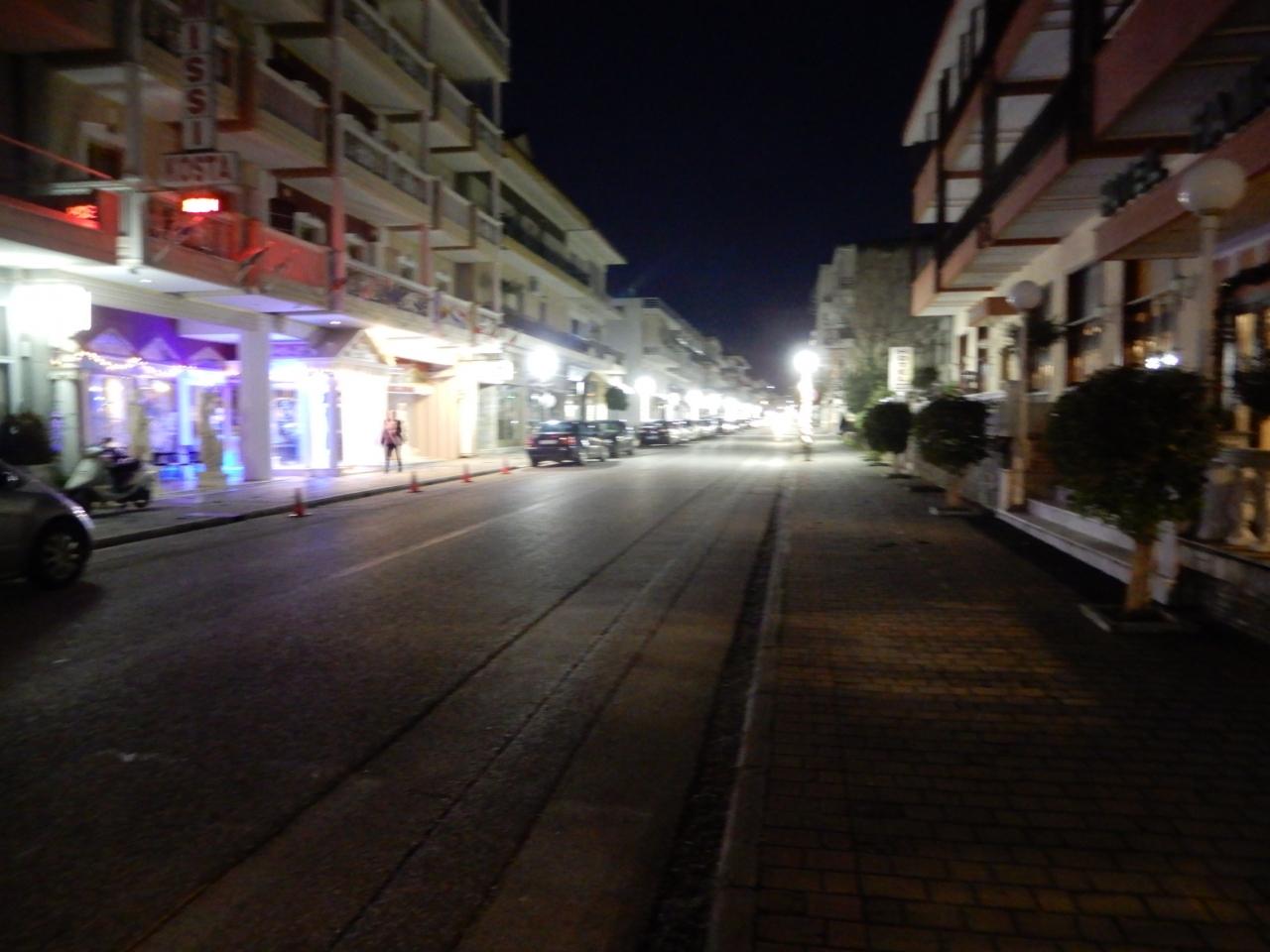
06:54 朝食前に外に出て見ると、まだ、真っ暗だった Hotel Famissi 前の道路
Famissi Hotel ホテル
-
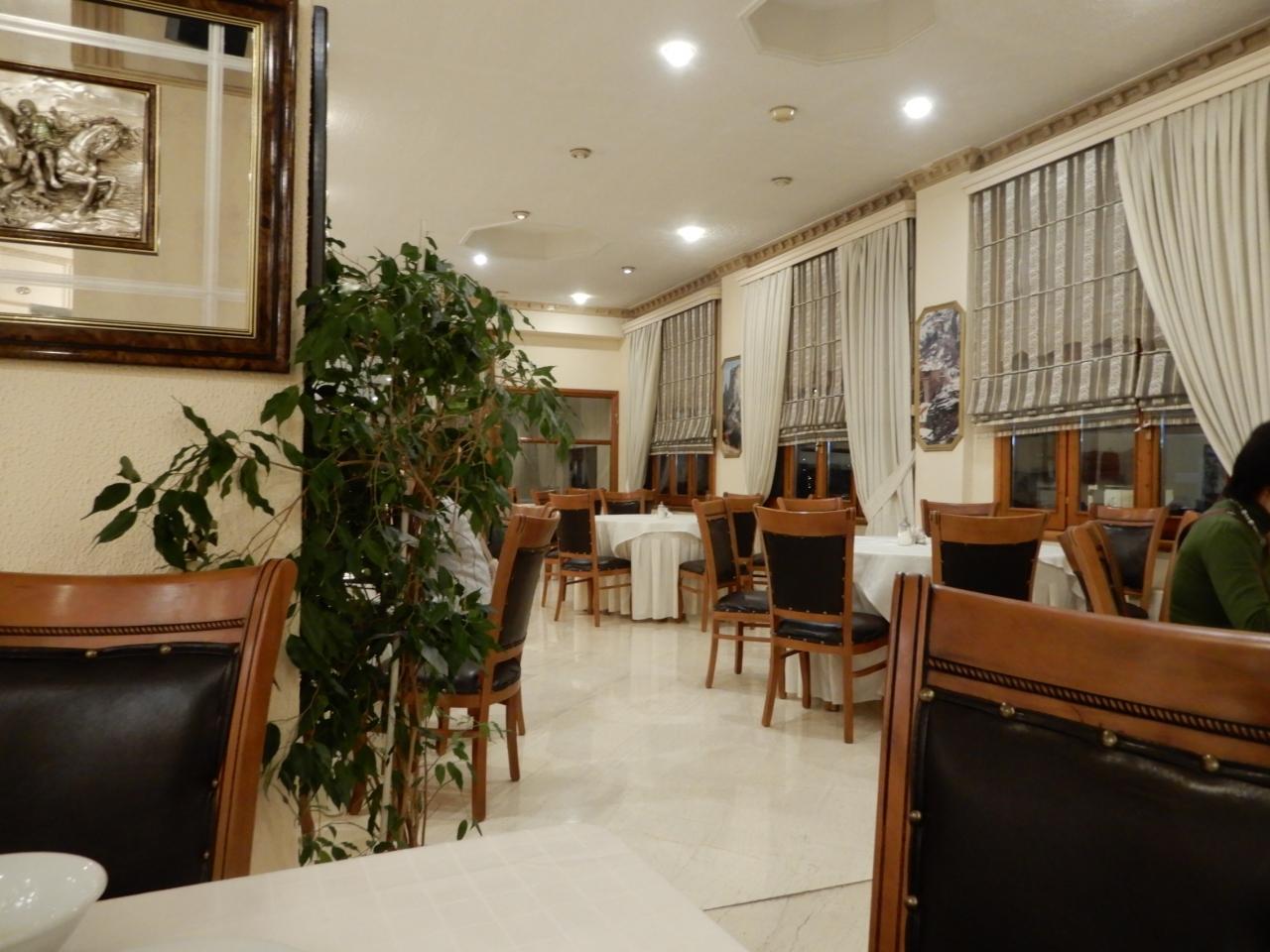
07:00 Hotel Famissi restaurant に入って朝食を摂った
-
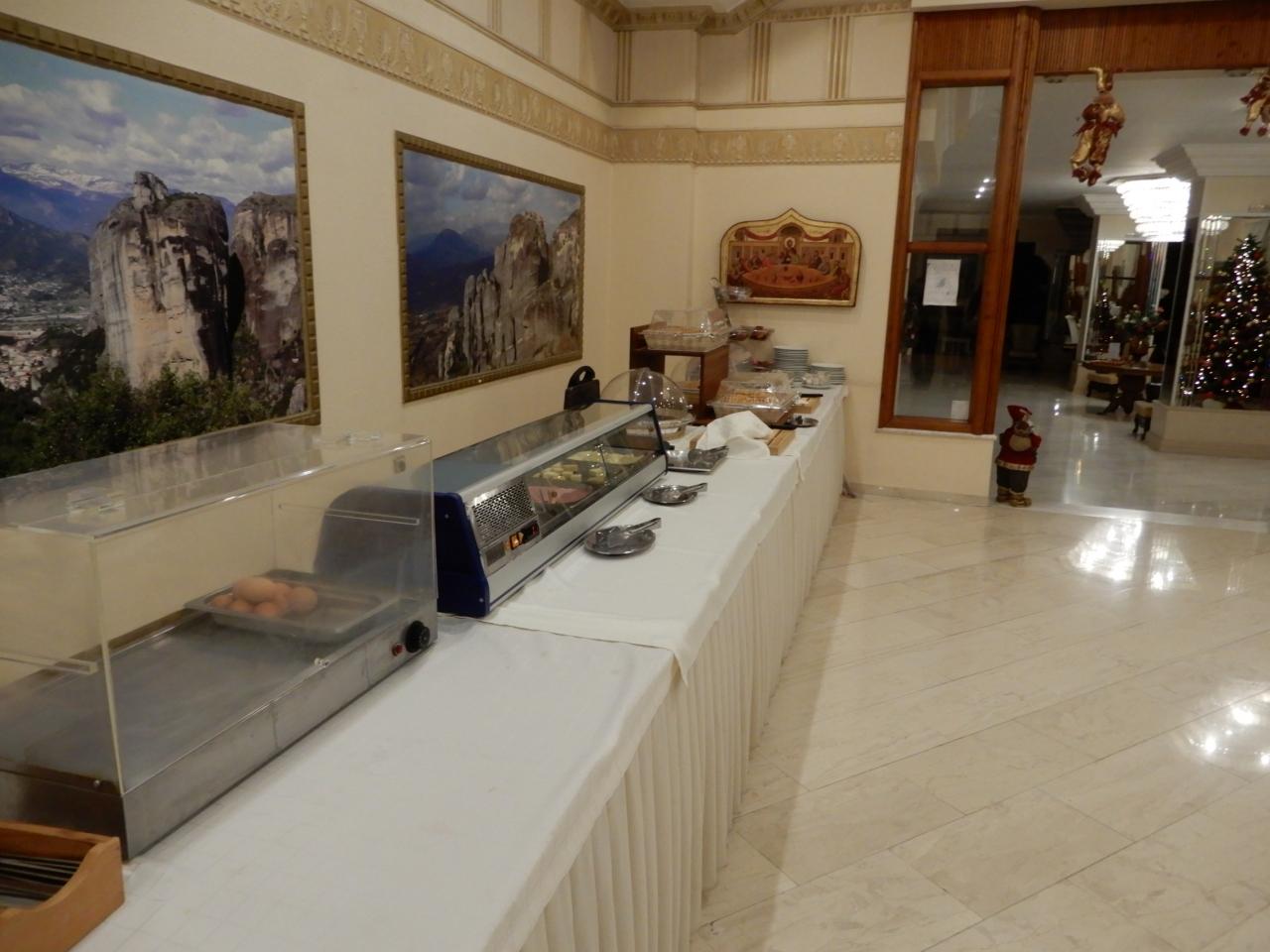
Hotel Famissi のレストランのテーブルに置かれていた Buffet
-
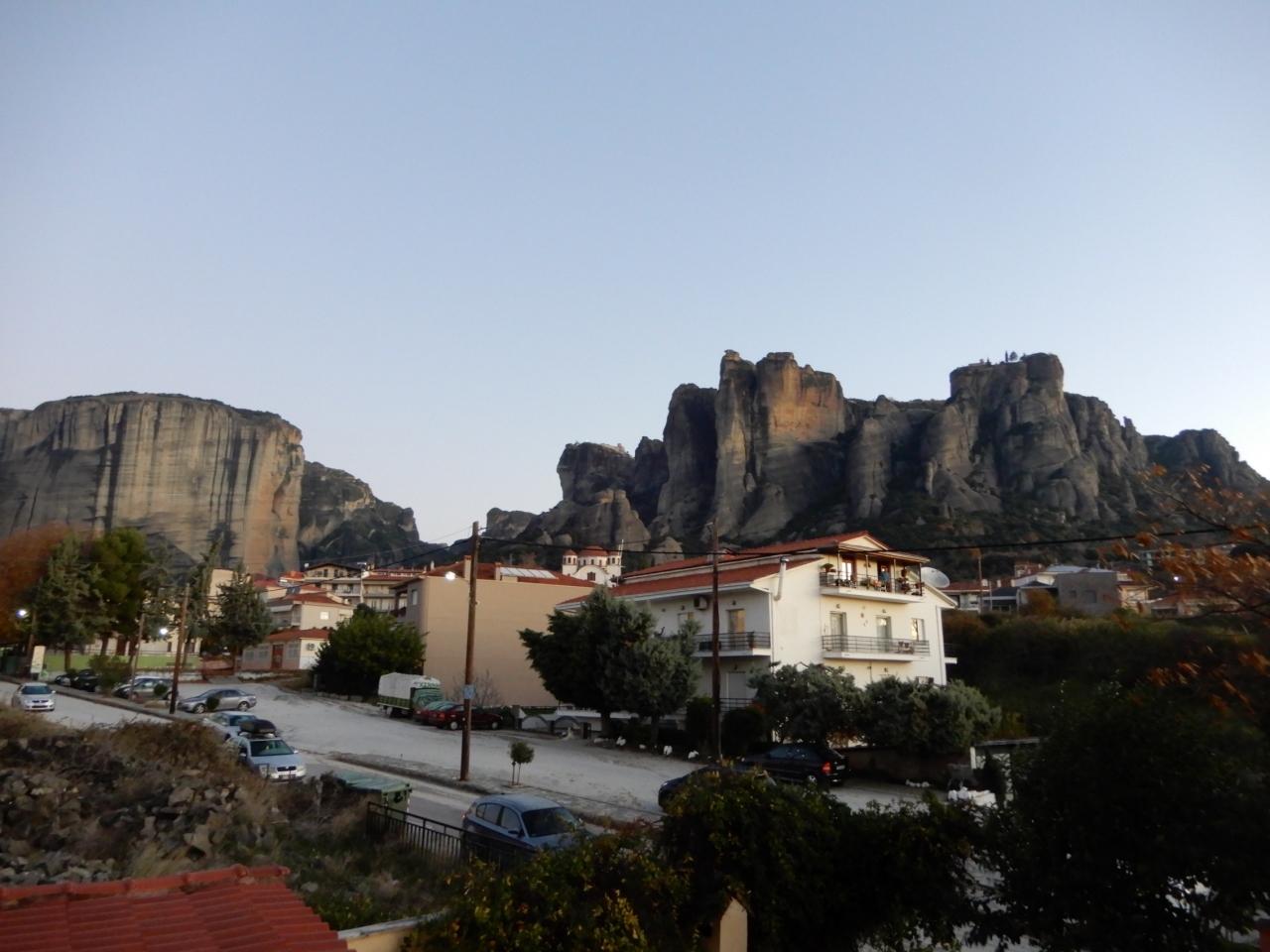
朝食を終え、部屋のベランダから見えた Meteora Rock View
メテオラ 史跡・遺跡
-
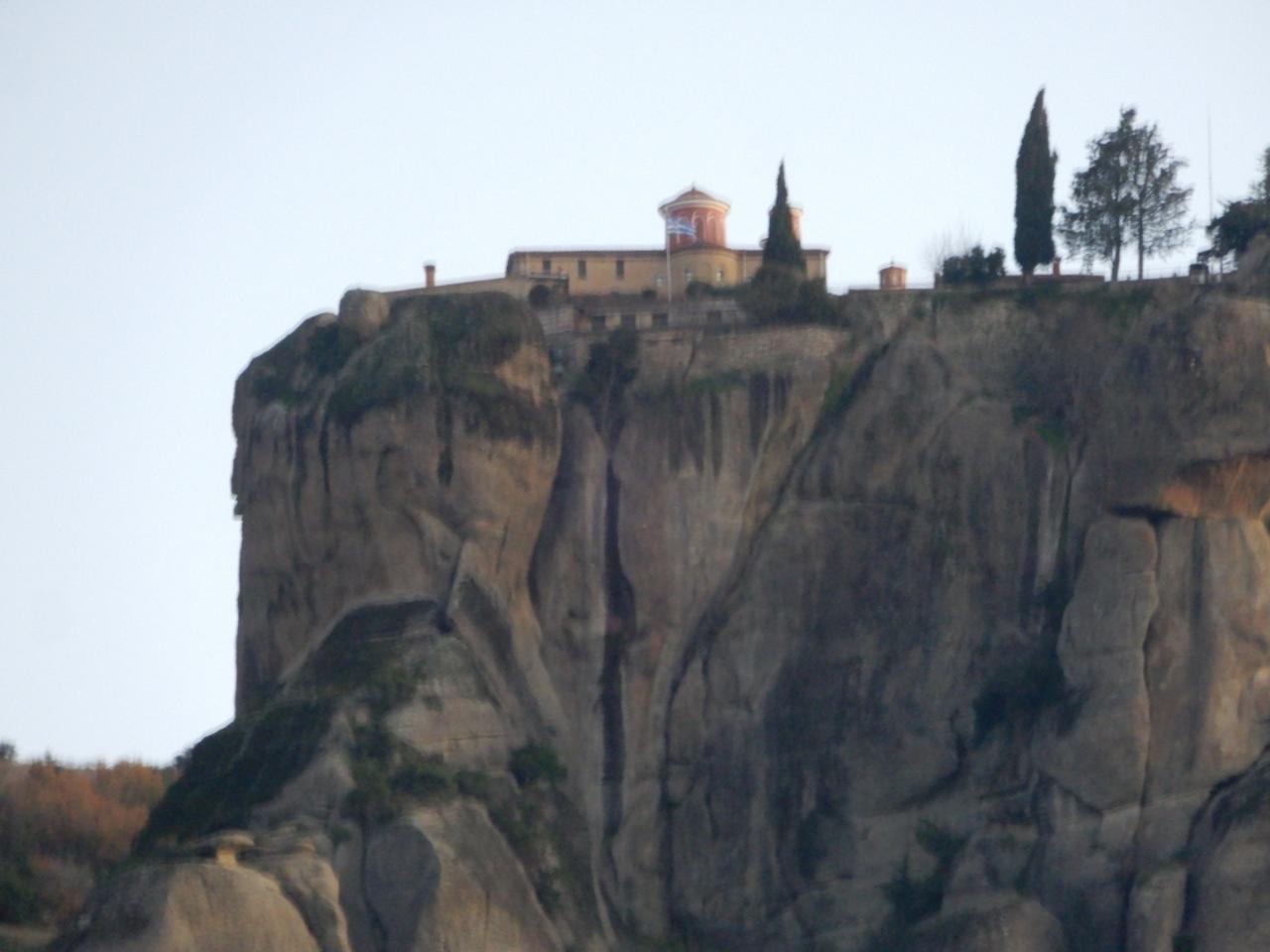
昨日観光したアギオス・ステファノス修道院をズームアップした
アギオス ステファノス修道院 寺院・教会
-
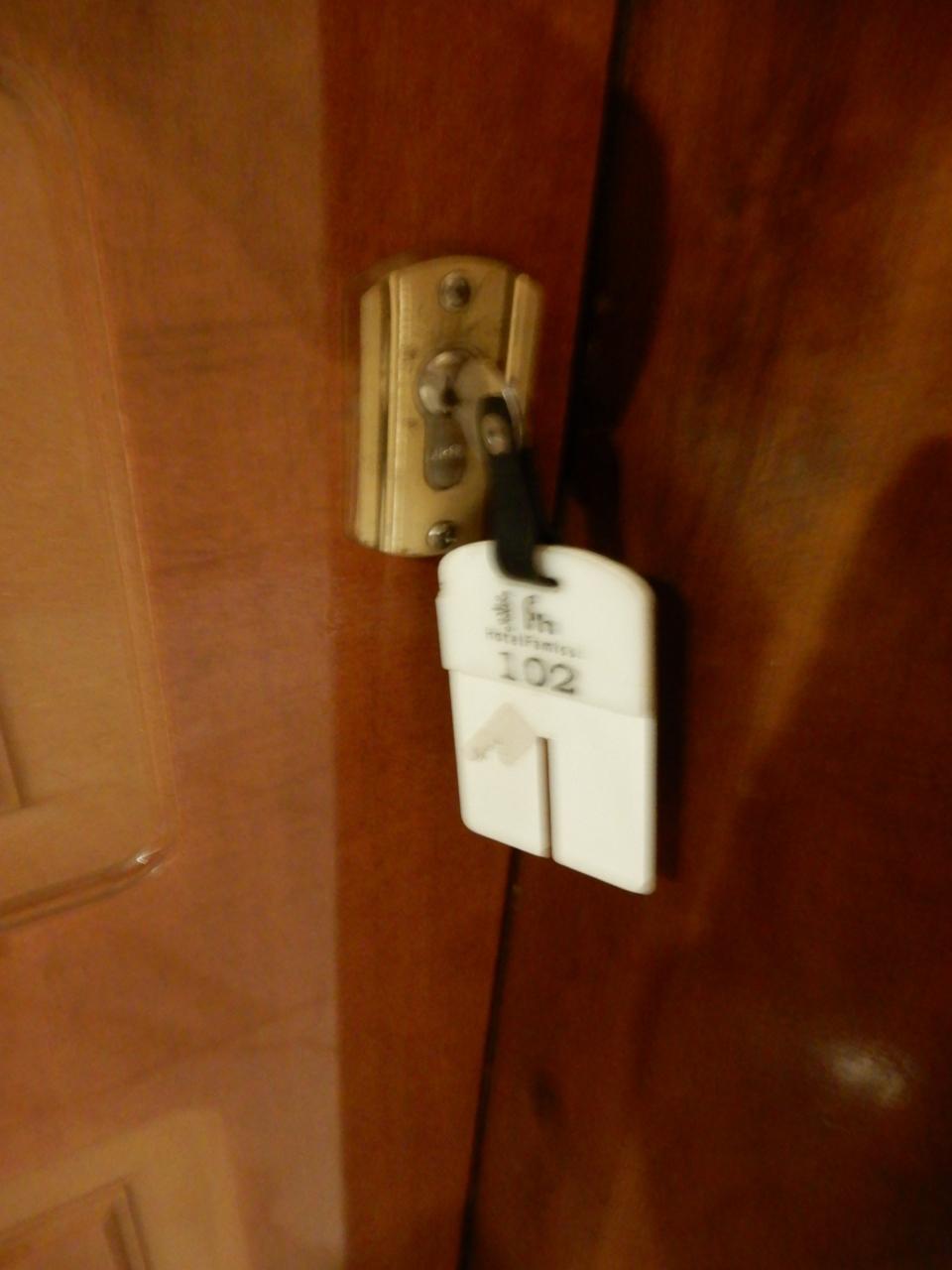
開けづらかった部屋の鍵 Hotel Famissi
-
予定は08:00 ロビー集合だったが、早めに手荷物をバスに載せて
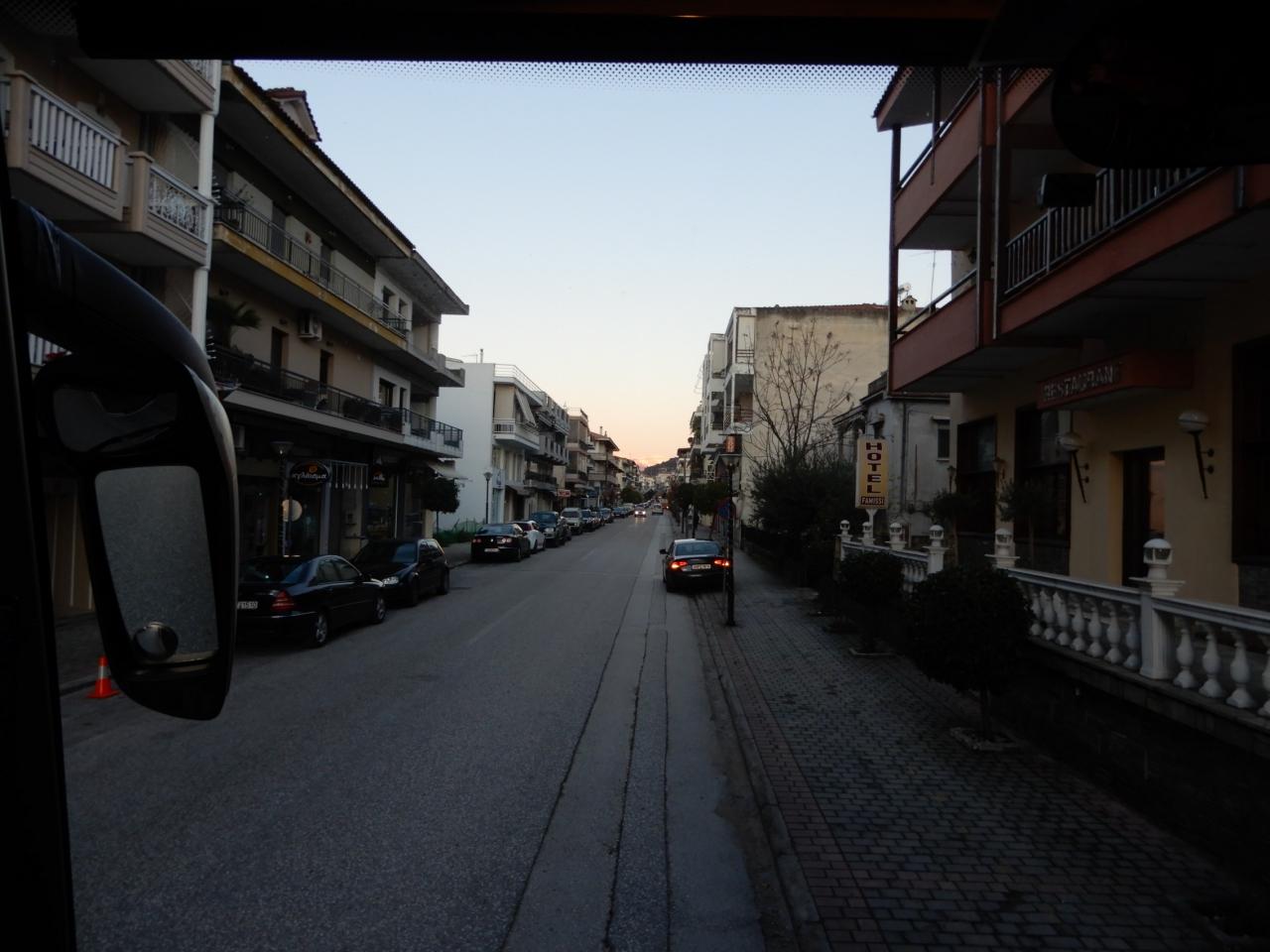
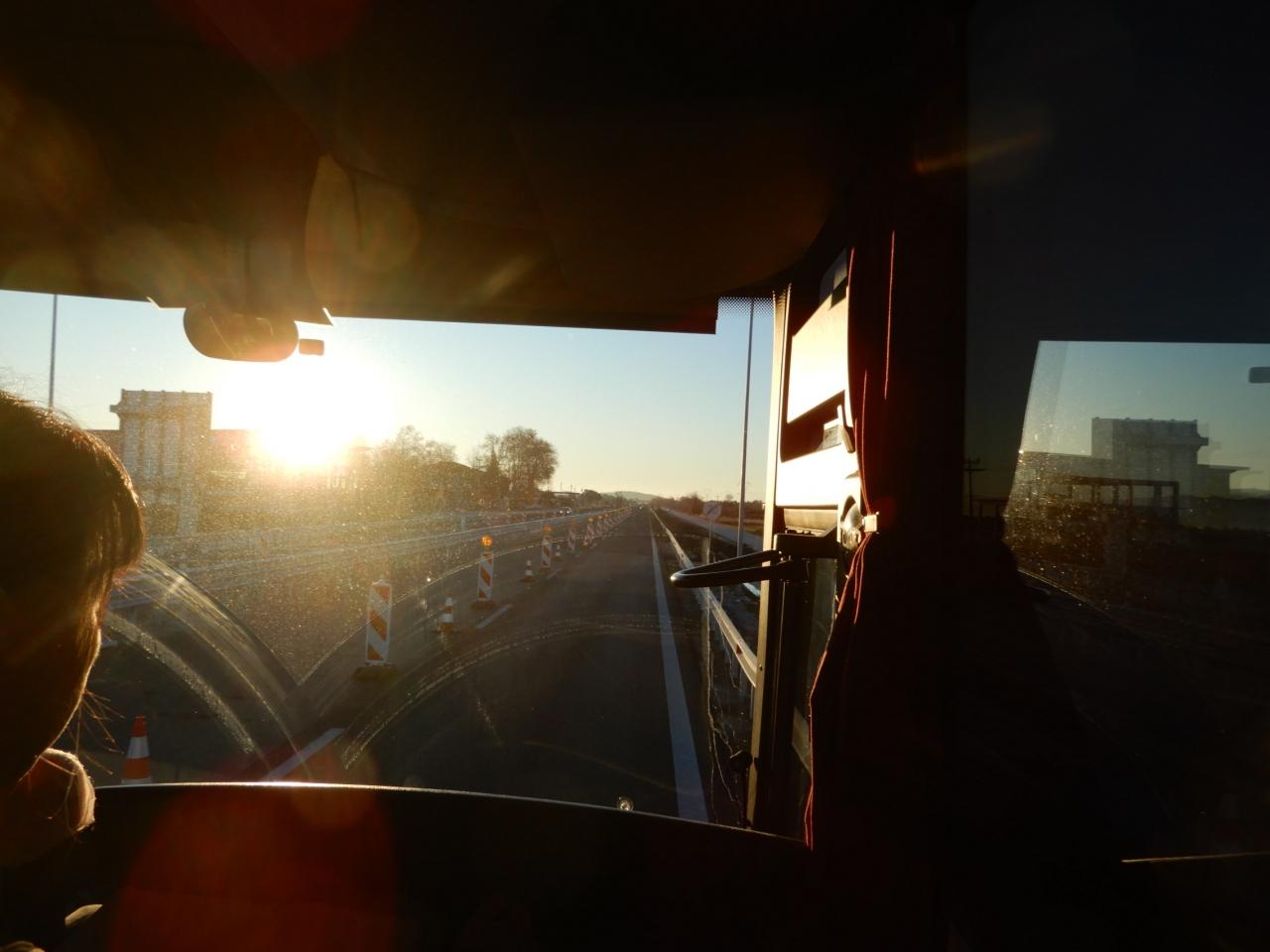
07:54 ツアーバスの運転席からの前方の眺めをカメラに収めた
Hotel Famissi 前を出発した -
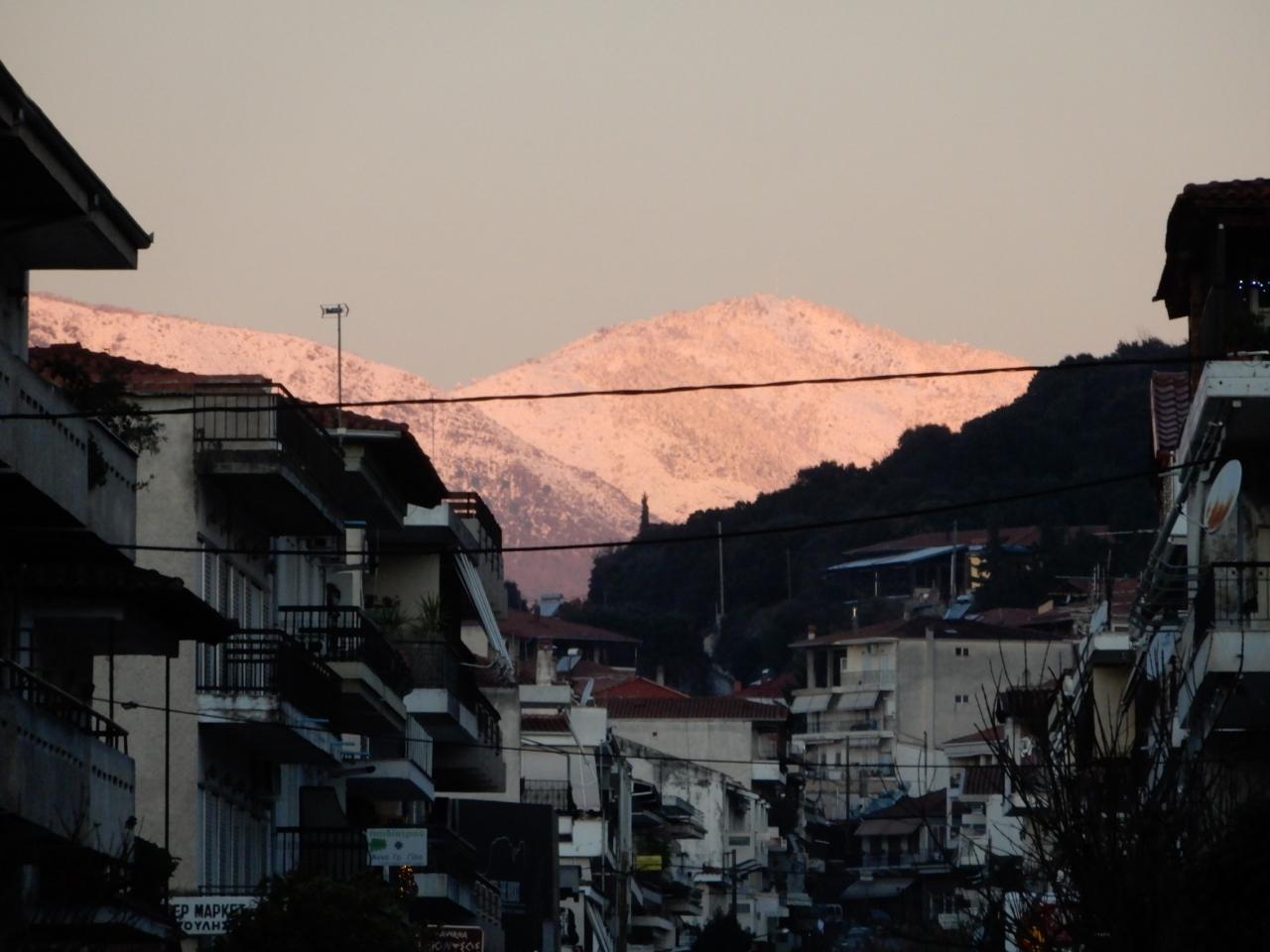
前方の山を拡大すると朝陽に映えた画像になった
-
08:14 漸く遅い朝日が昇って来た
-
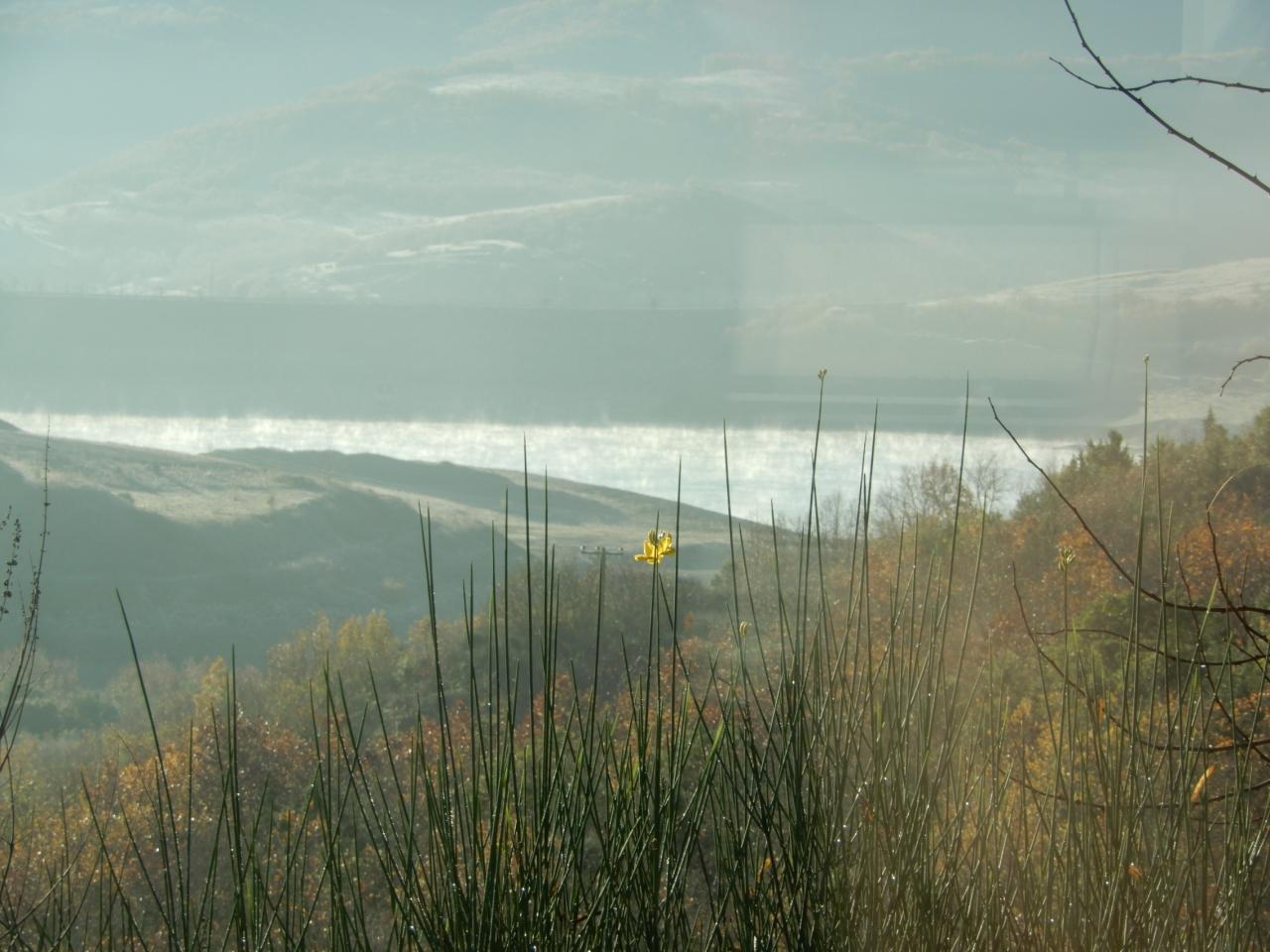
09:11 雲海の様に霧が出ていた Lake Smokovo
-
09:46 添乗員には見えない筈だと無視されたが、多聞「オリンポス山」が見えた
-
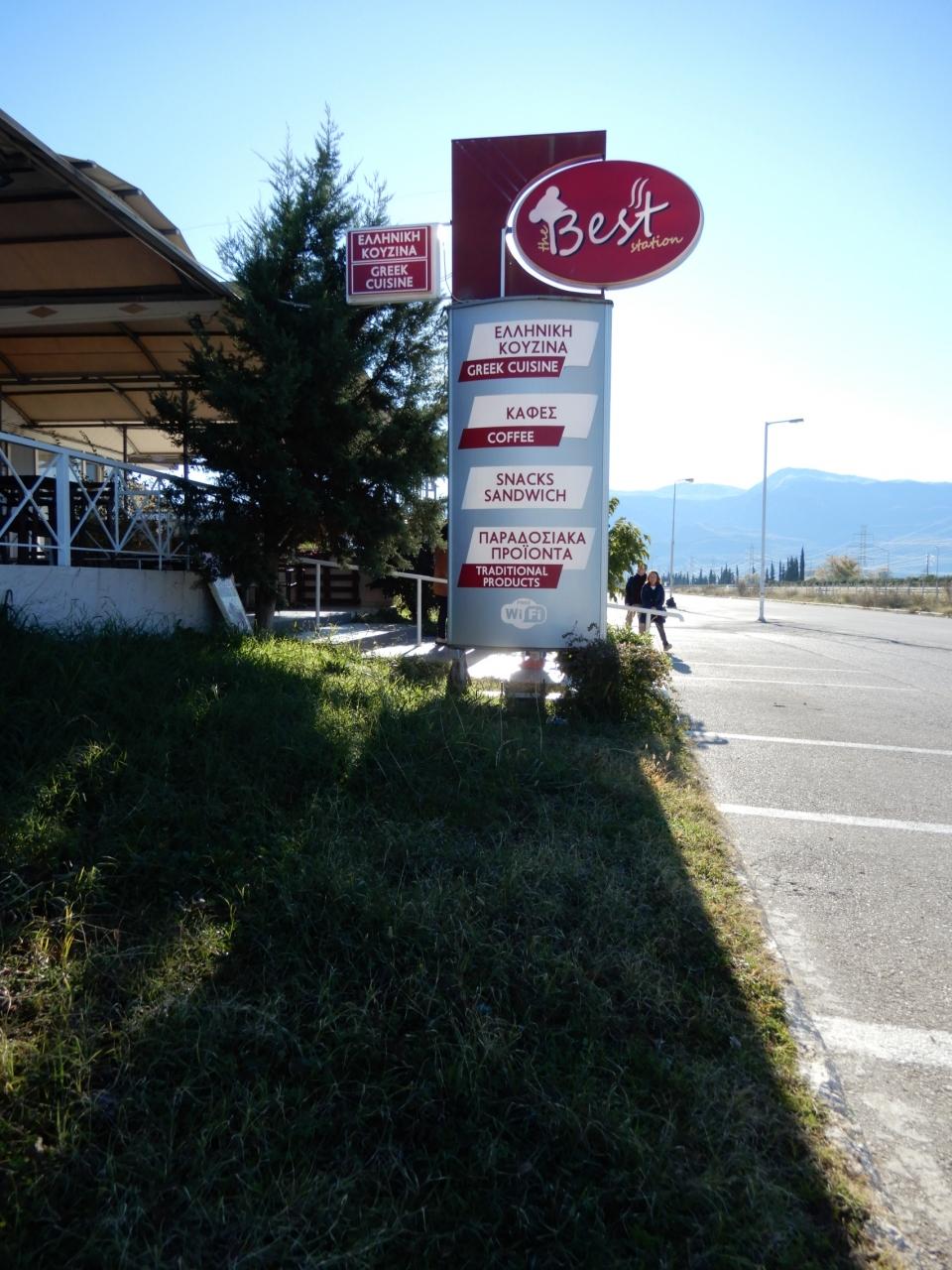
10:05 Best station 24 Oreshi でトイレ休憩
-
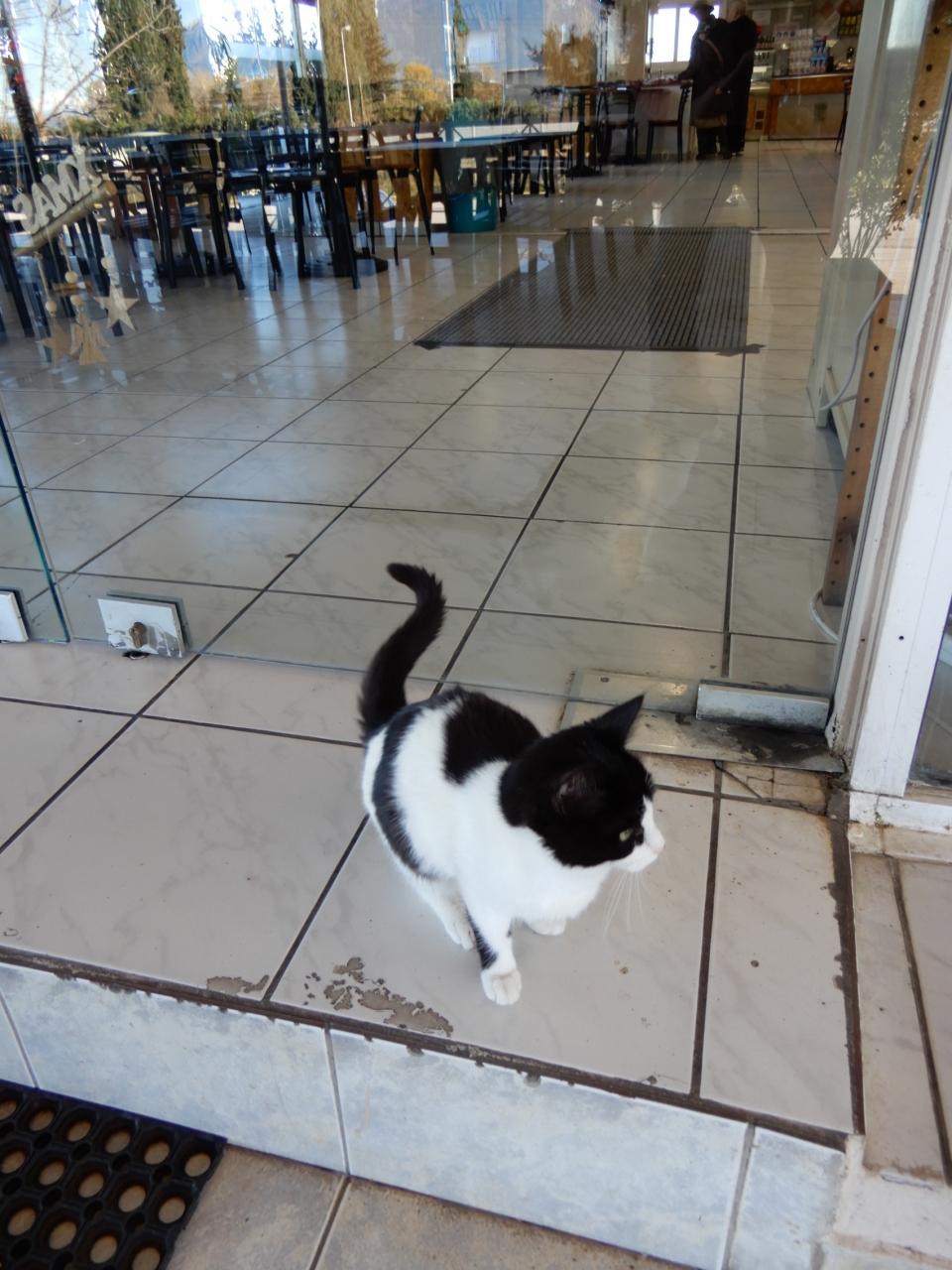
Best station 24 Oreshi の玄関にいた猫
-
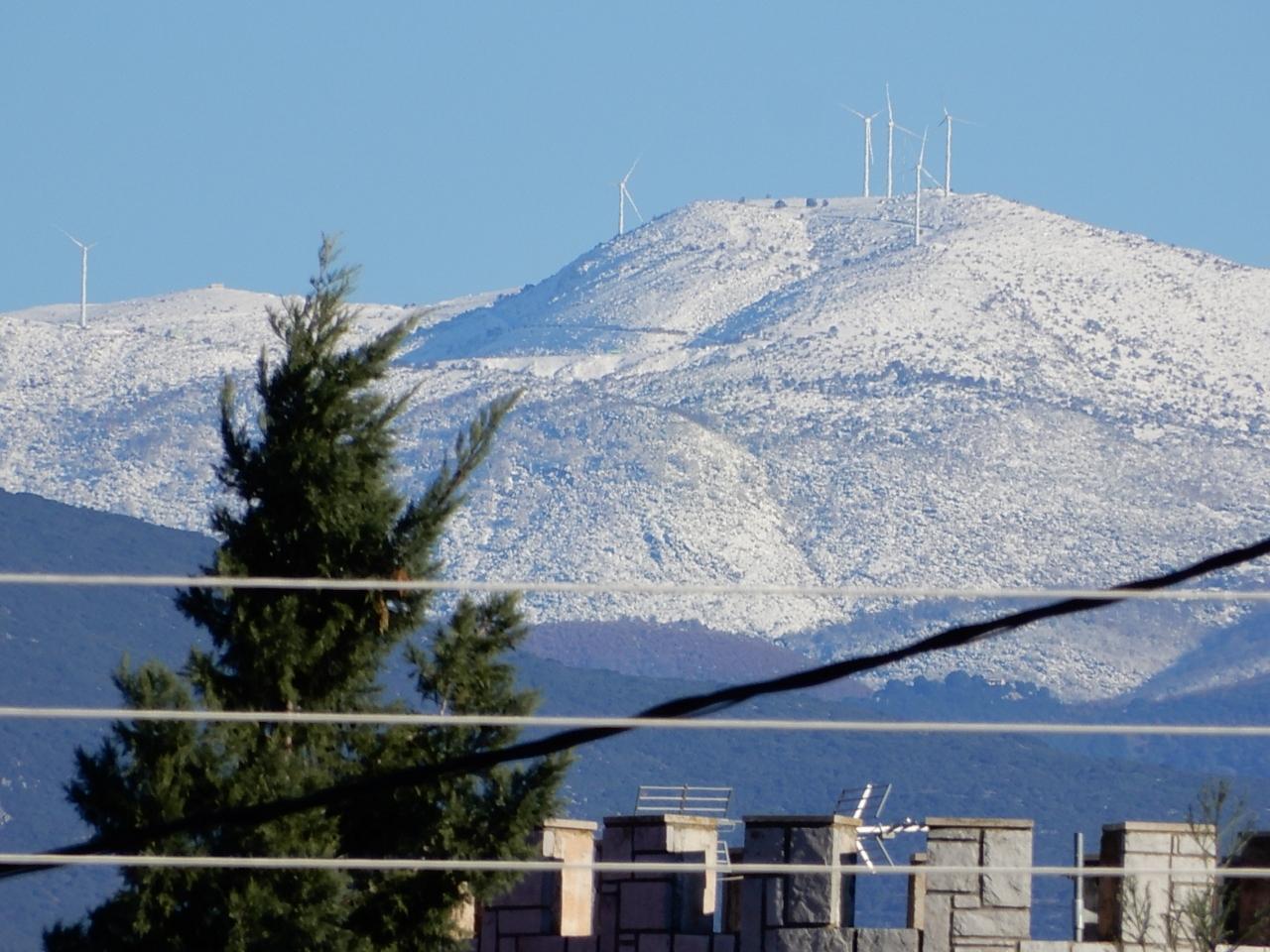
冠雪した Mount Othrys の天辺には風力発電の施設が見えた
-
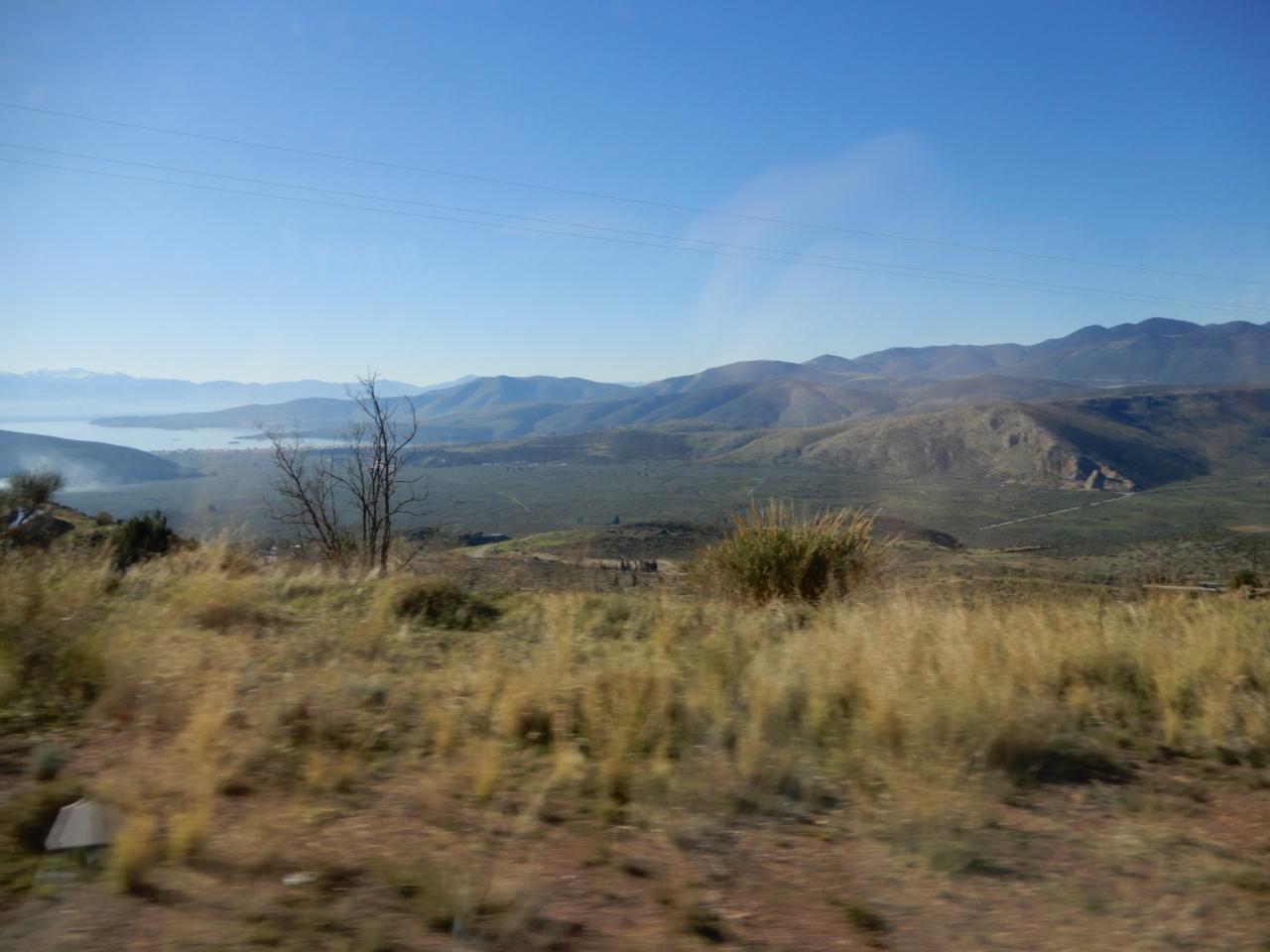
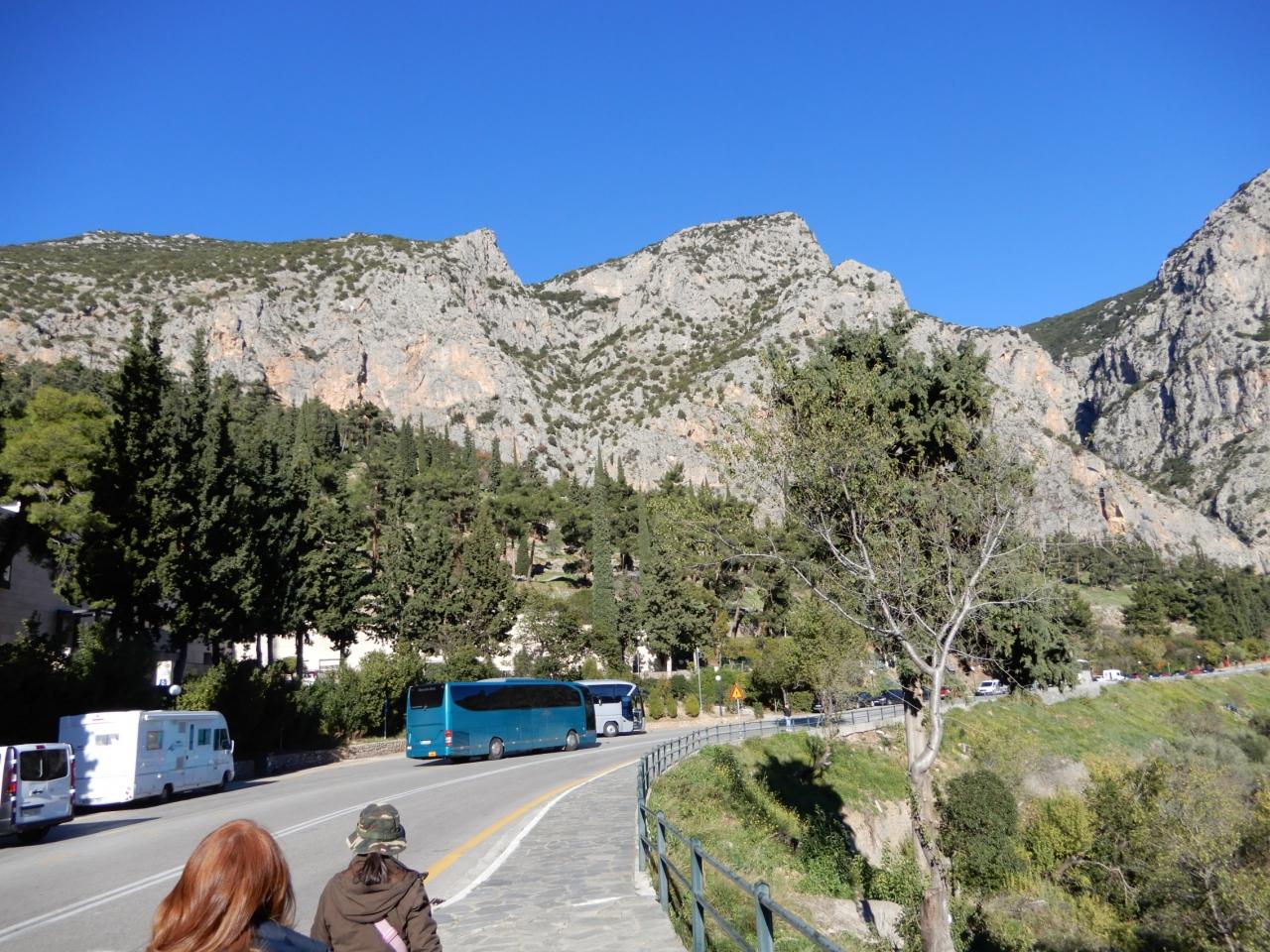
11:46 Tourist Bus Parking 付近からの眺め
-
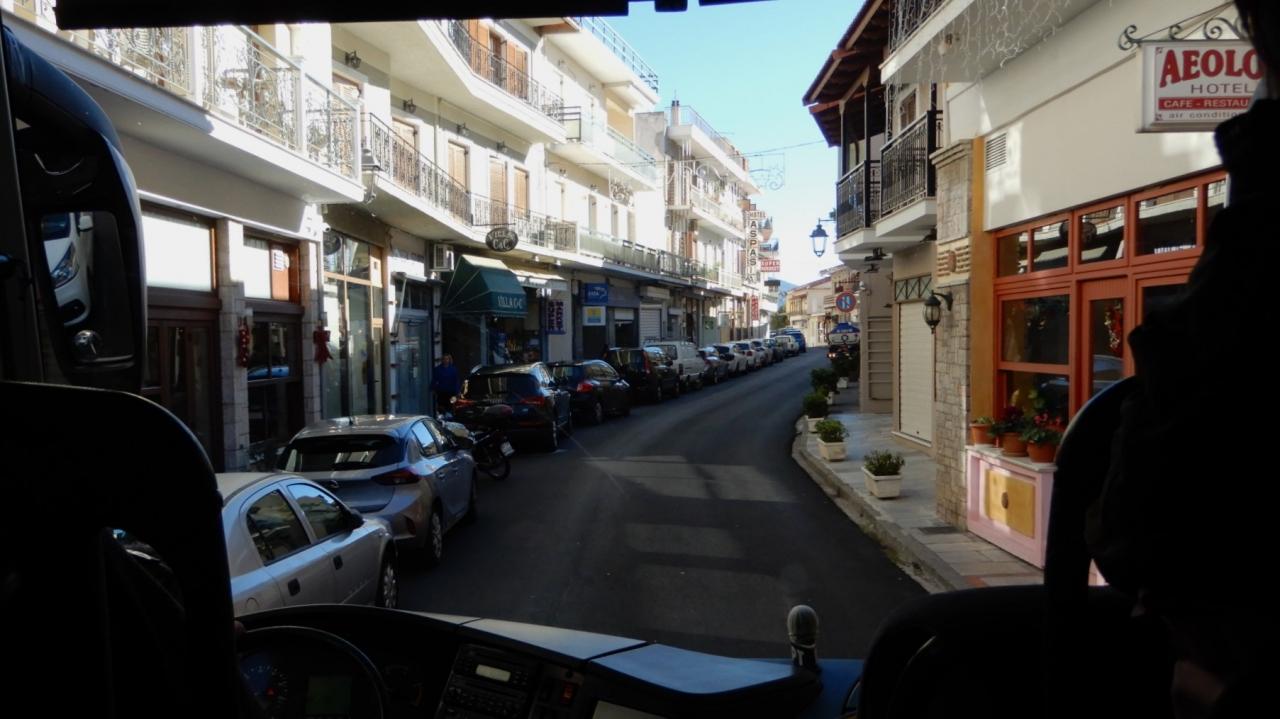
11:53 デルフィーの街のメインストーリート Friderikis street で下車
-
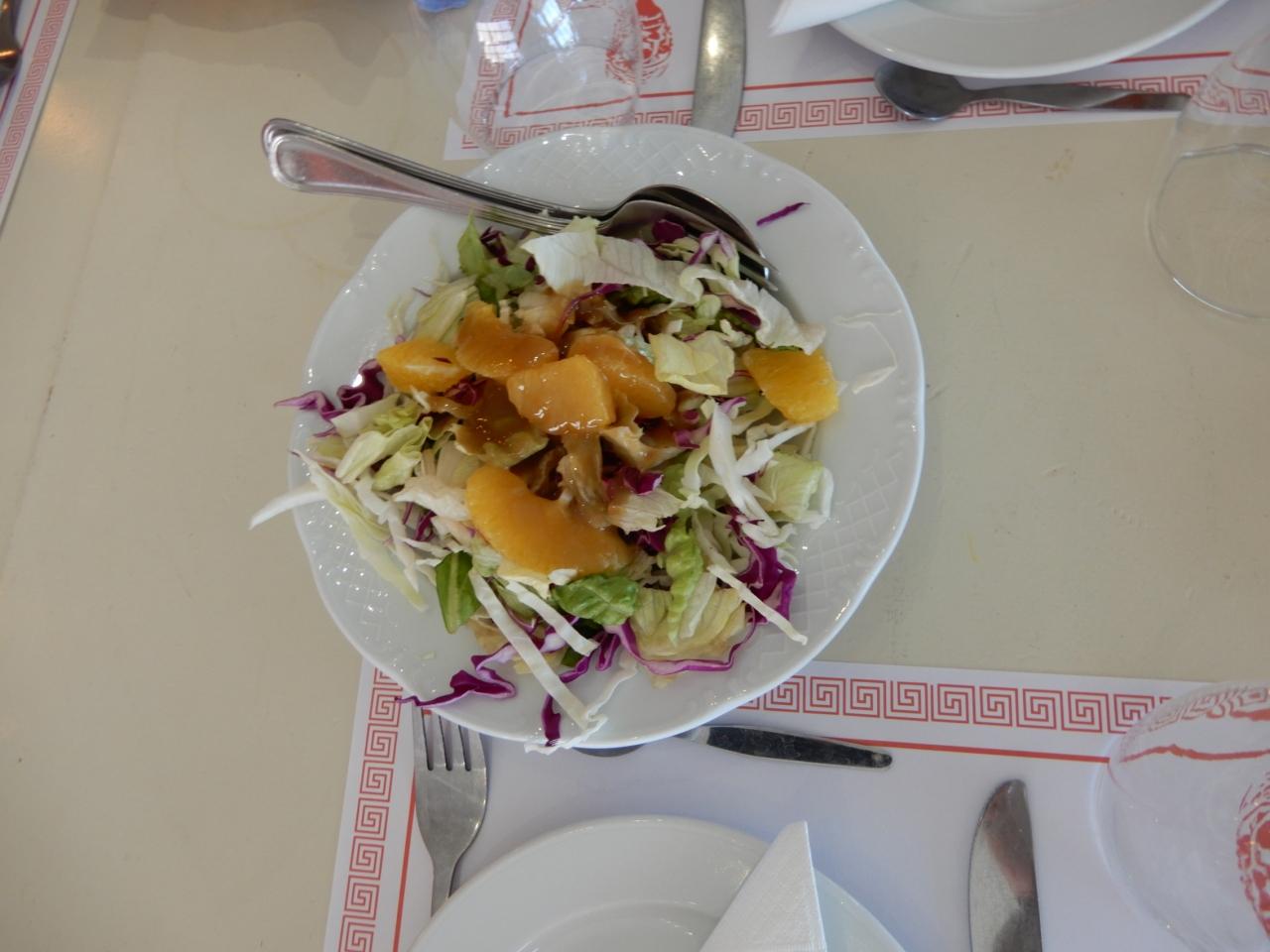
L'Aurige Restaurant 店内に入り、昼食
先ずは、前菜のサラダ -
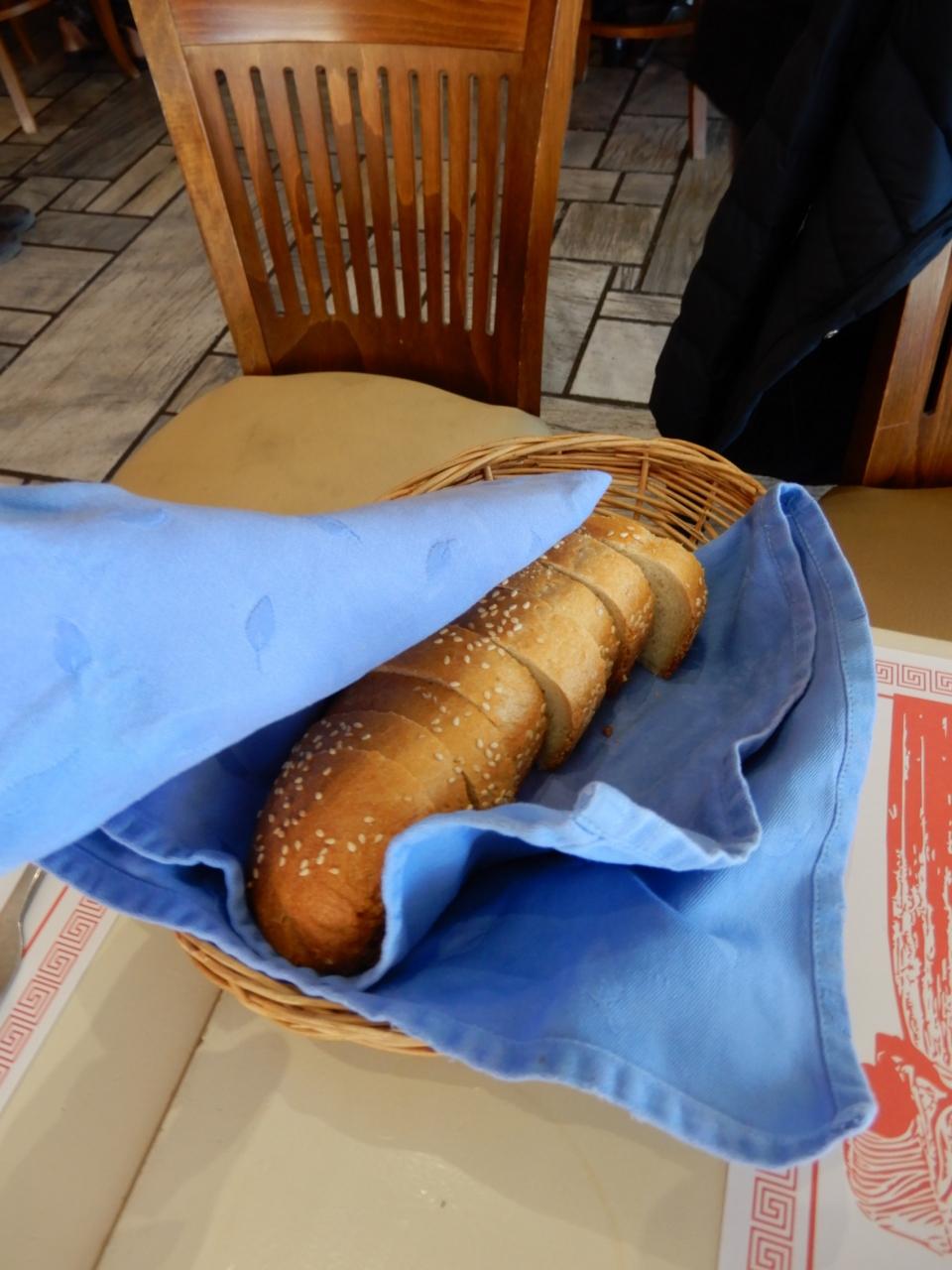
ブレッド
-
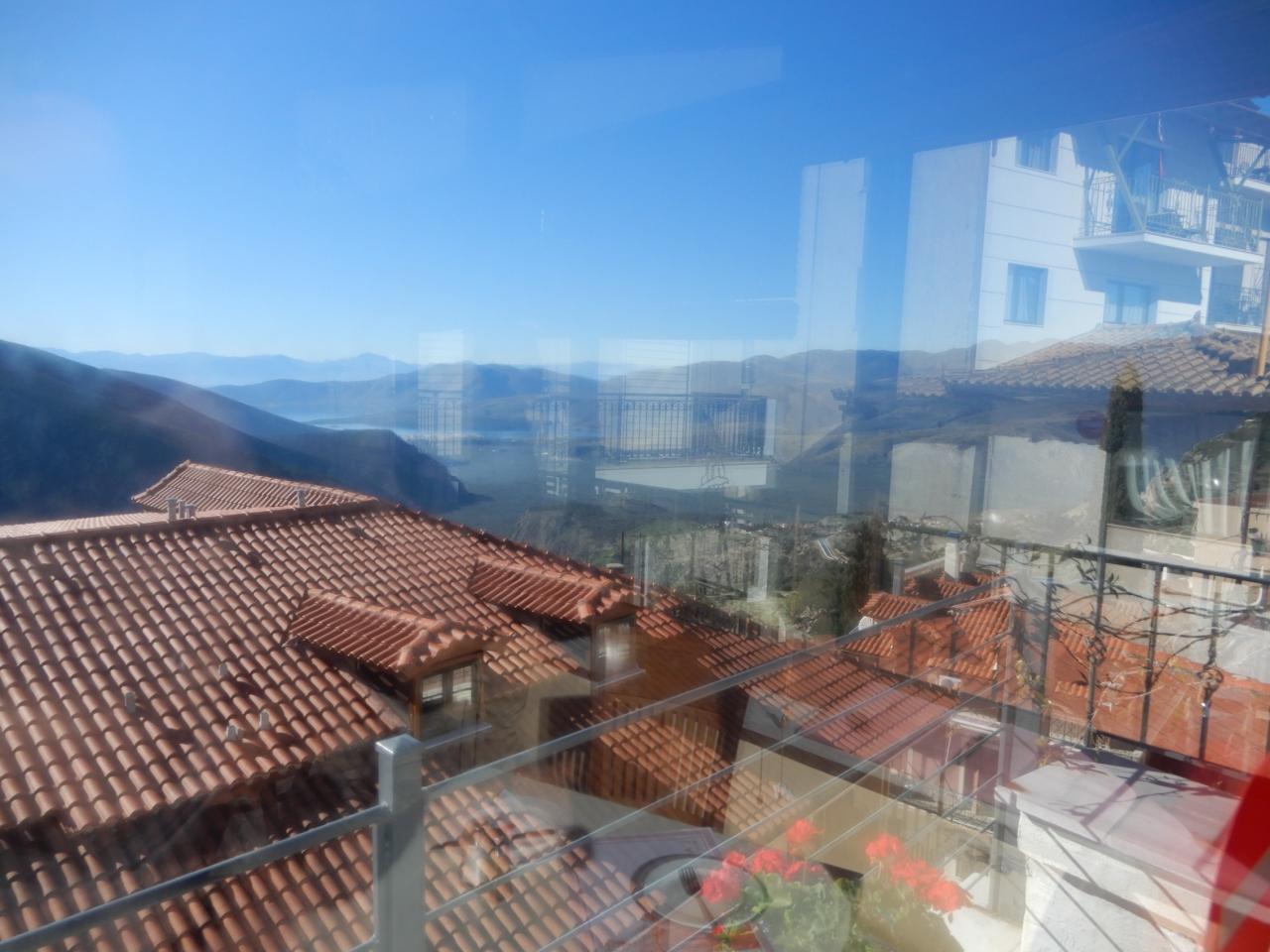
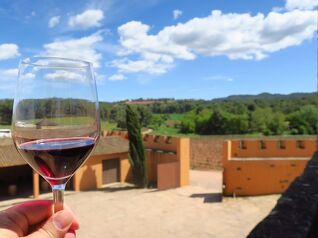
イニオホス ホテル レストラン からの眺め
Iniohos Hotel ホテル
-
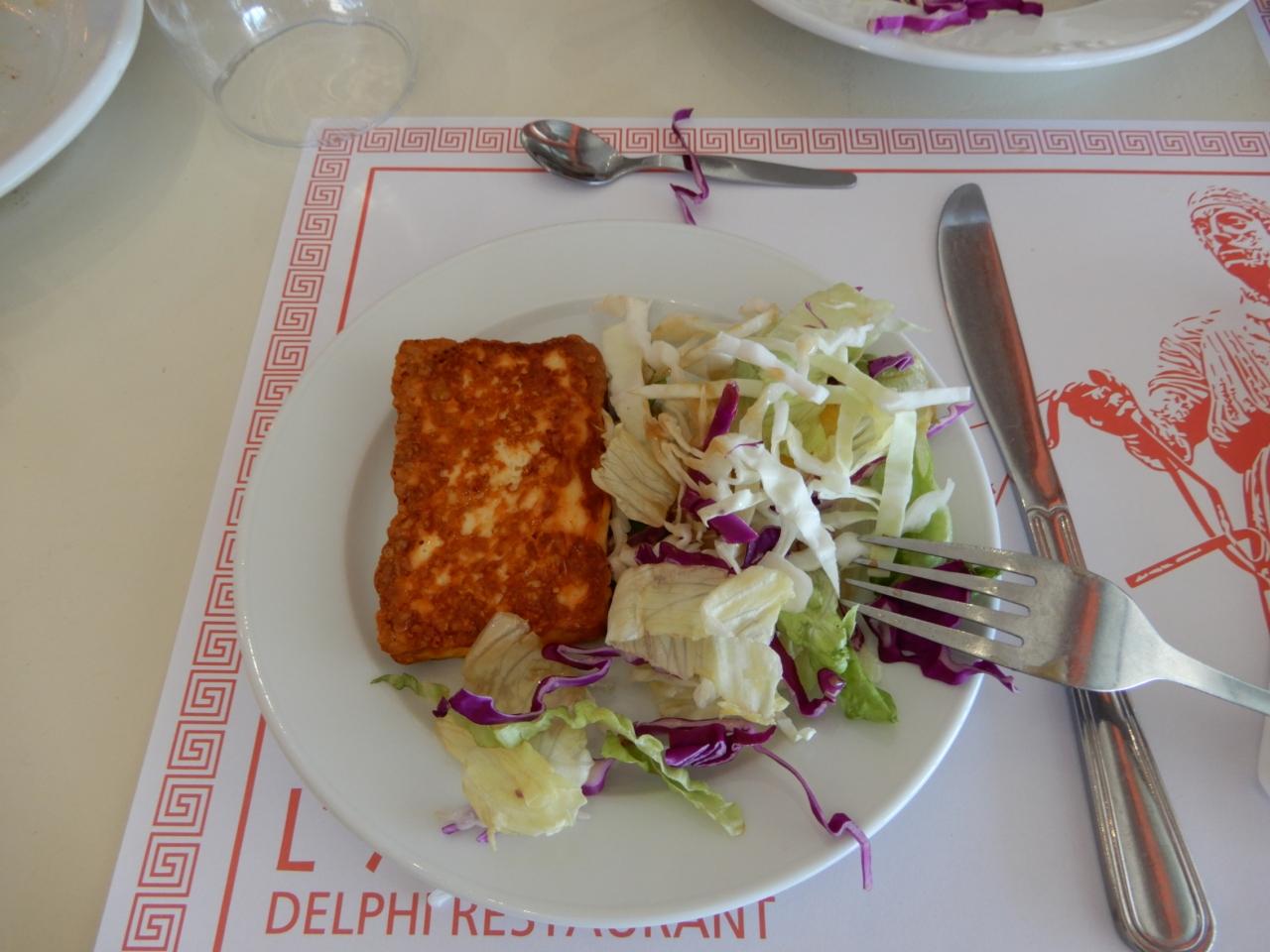
アラホバチーズ
saganaki チーズを油で焼いたギリシャのアペタイザー -
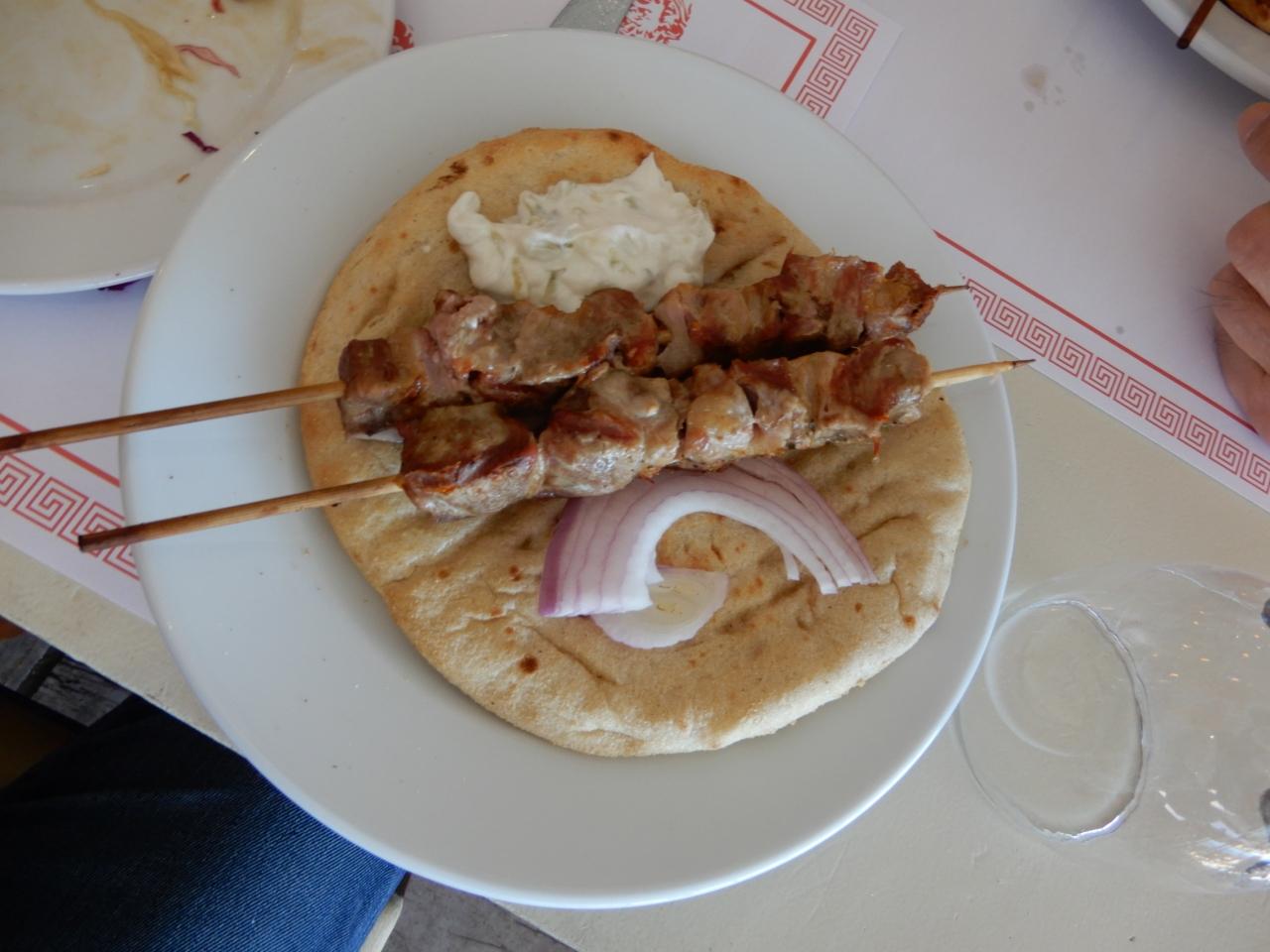
ポークスブラキ
souvlaki σουβλάκι 小さく切った肉を串焼きにした、代表的なギリシア料理。 -
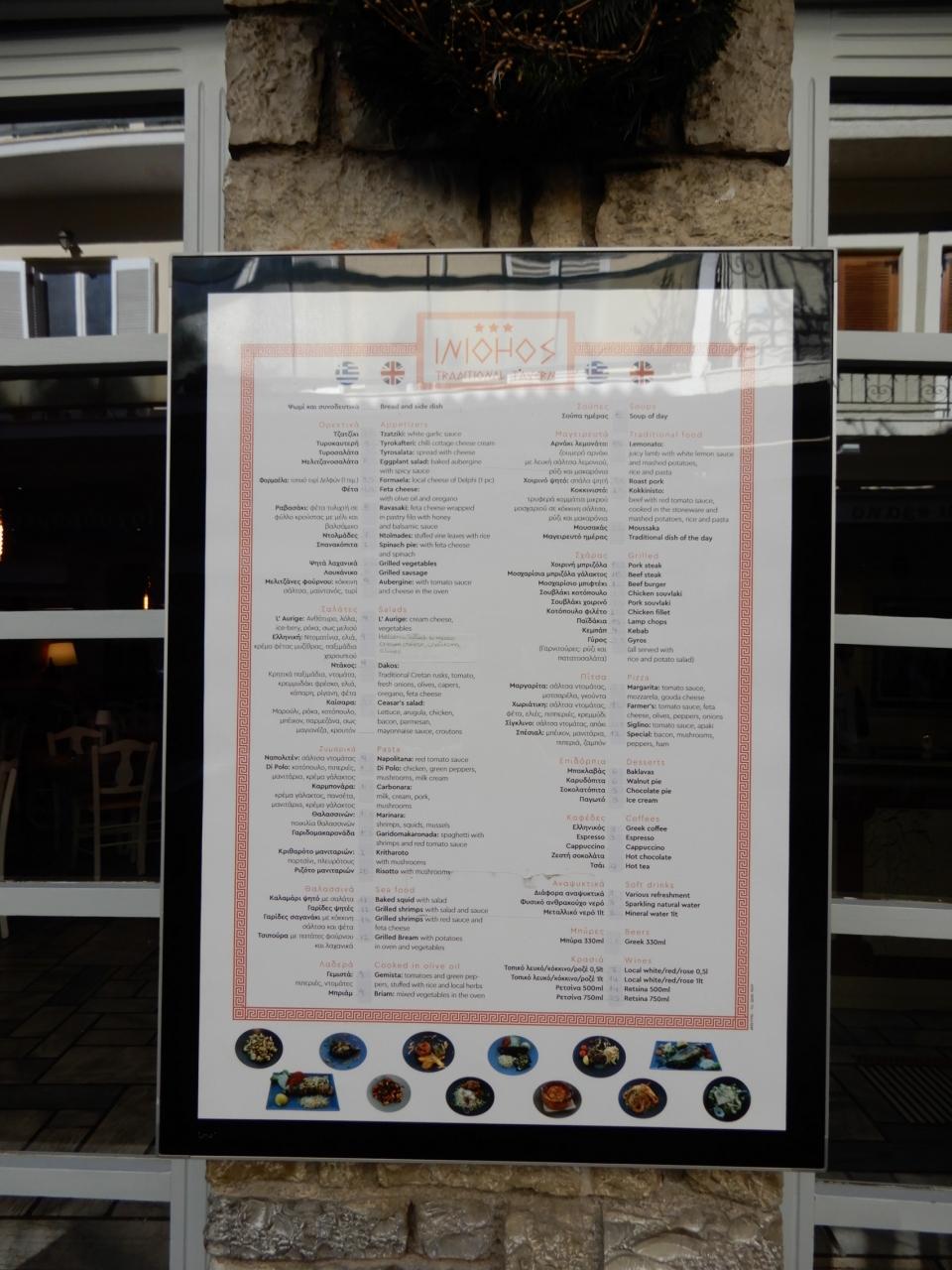
イニオホス ホテル レストランのメニューボード
-
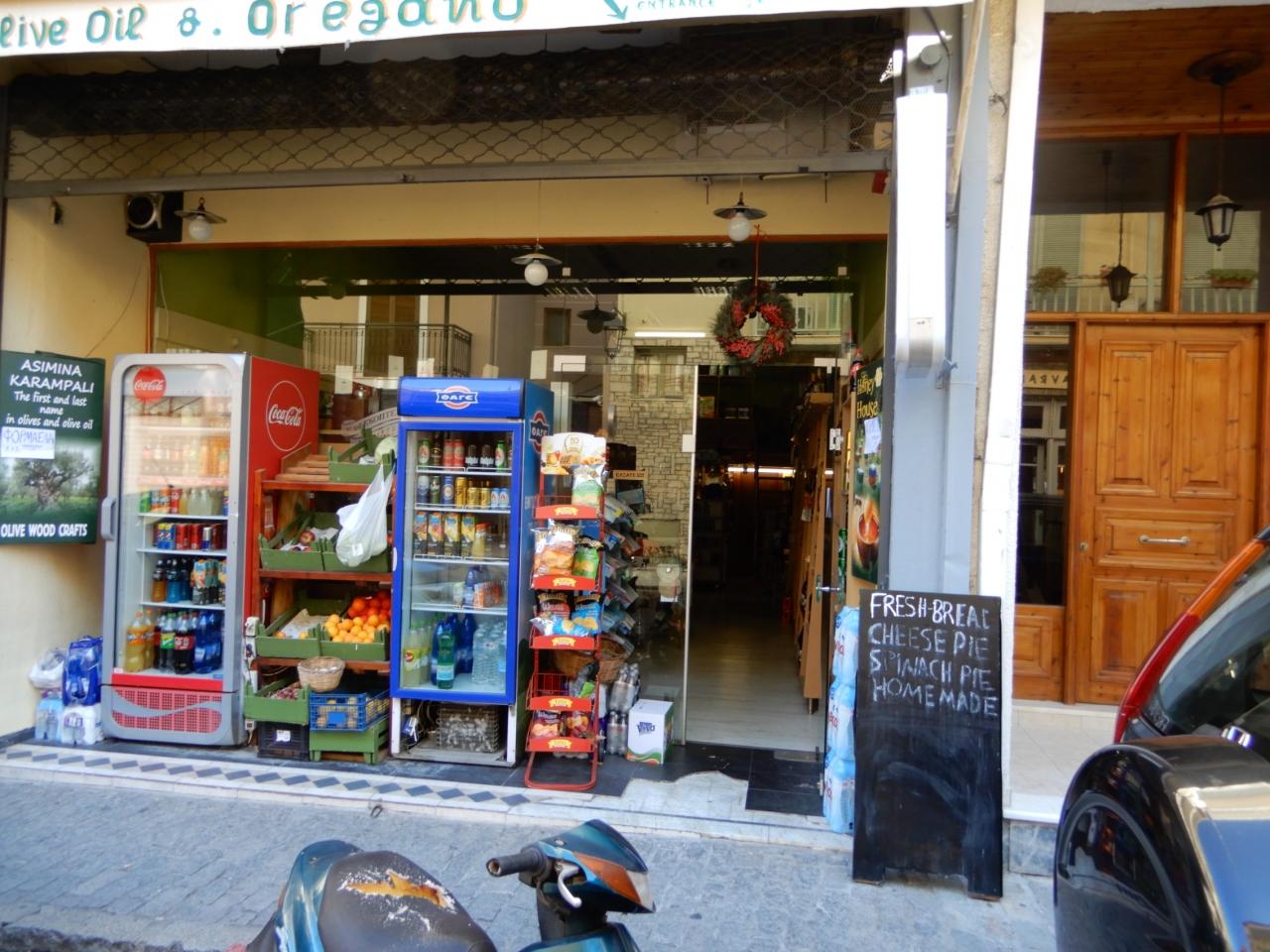
Olives and oregano
小さな食料品店がホテルの前にあった -
昼食を終えて、街中を歩き、街の端からバスで博物館前までバスで移動した
Delphi Archaeological Museum 前の駐車場 -
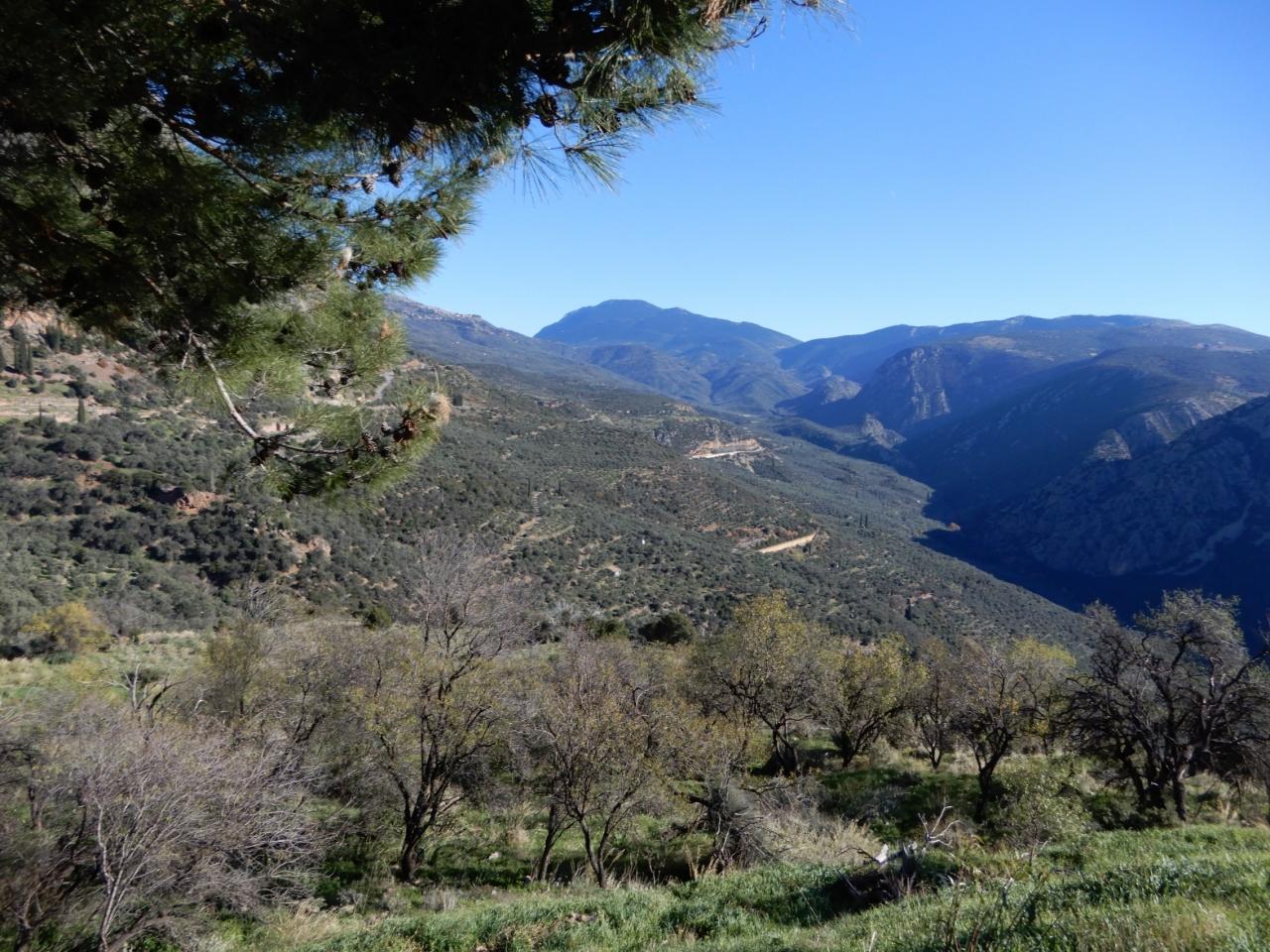
Parking of Delphi Archaeological Museum からの眺め
-
Ancient Gymnasium of Delphi
スポーツ競技会の火付け役として使われたアドック・トゥのアポロニア・エポは、印象的なギムナジウム・イシプティドスと運動選手、神聖な噴水カスタリアと聖域の形をしています。 -
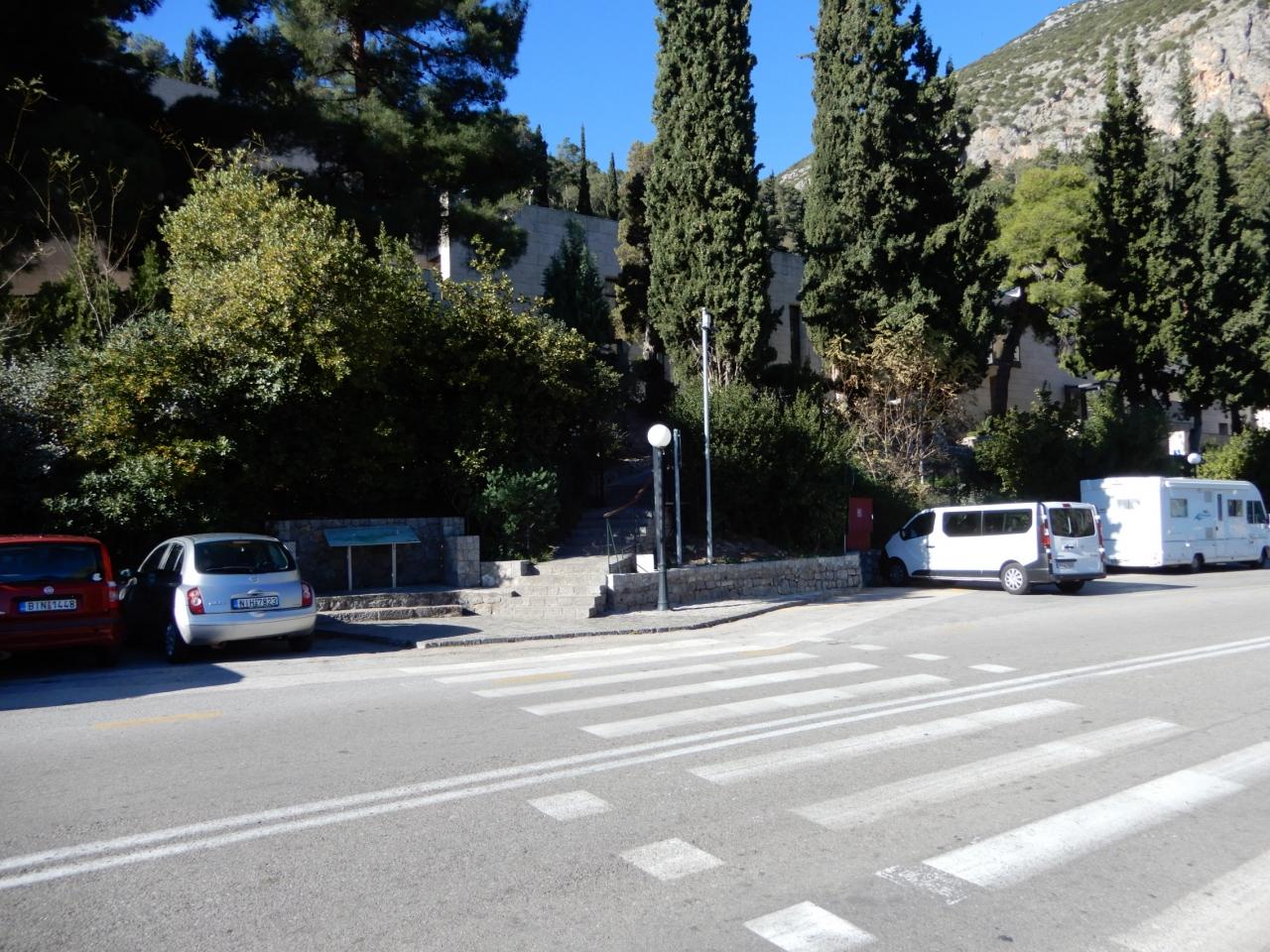
Delphi Archaeological Museum 前の横断歩道
デルフィ考古学博物館では、デルフィの聖域の歴史を、その創設から後期古代の衰退までの宗教的、政治的、芸術的活動を反映した、聖域に寄贈されたユニークな建築彫刻、彫像、小さな奉納物を通して紹介している。 -
横断歩道を渡って歩いて辿り着いた博物館前の場所
現地ガイドとの待ち合わせ場所なのだそうだが、まだ来ていなかったデルフィ博物館 博物館・美術館・ギャラリー
-
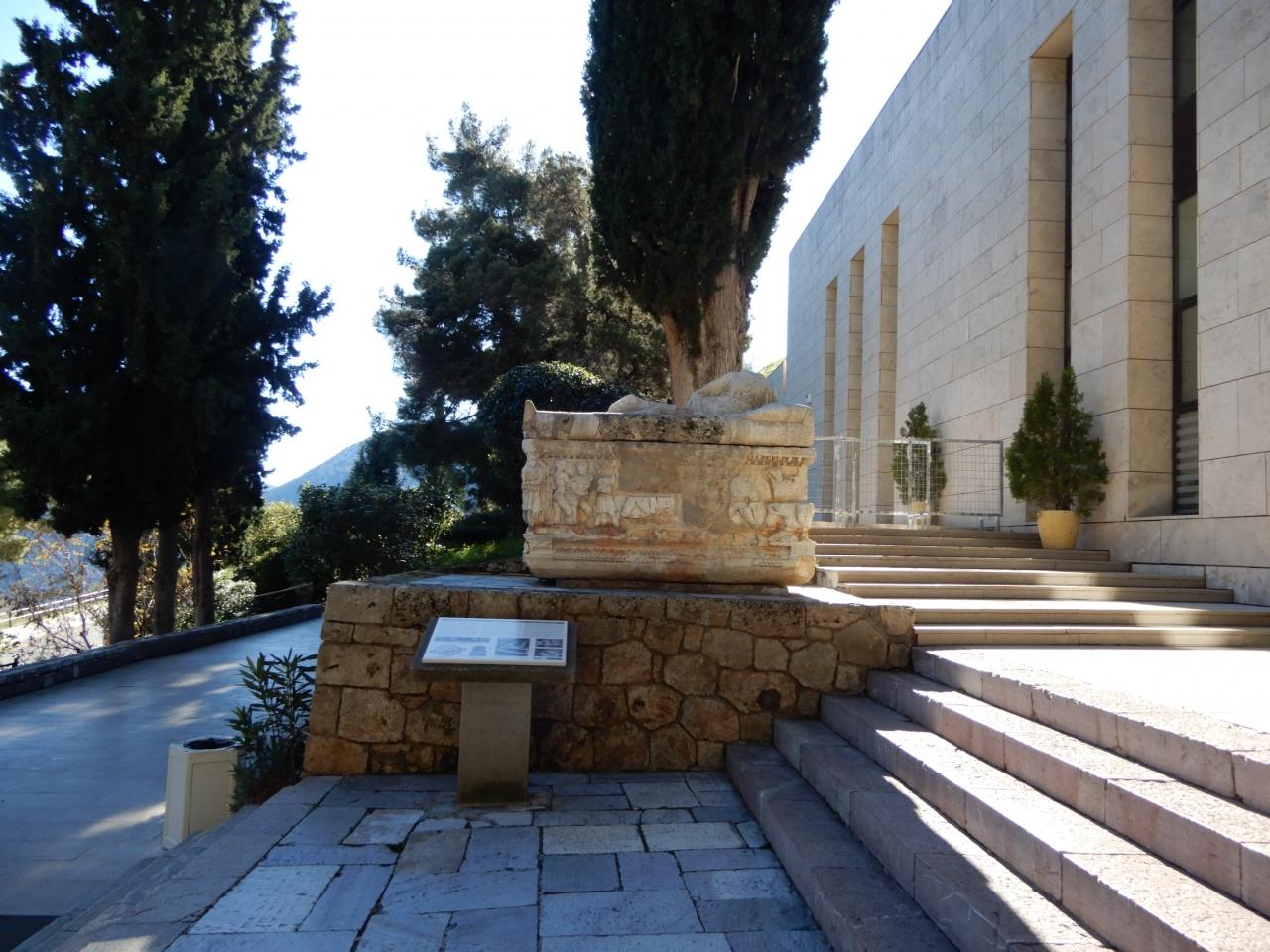
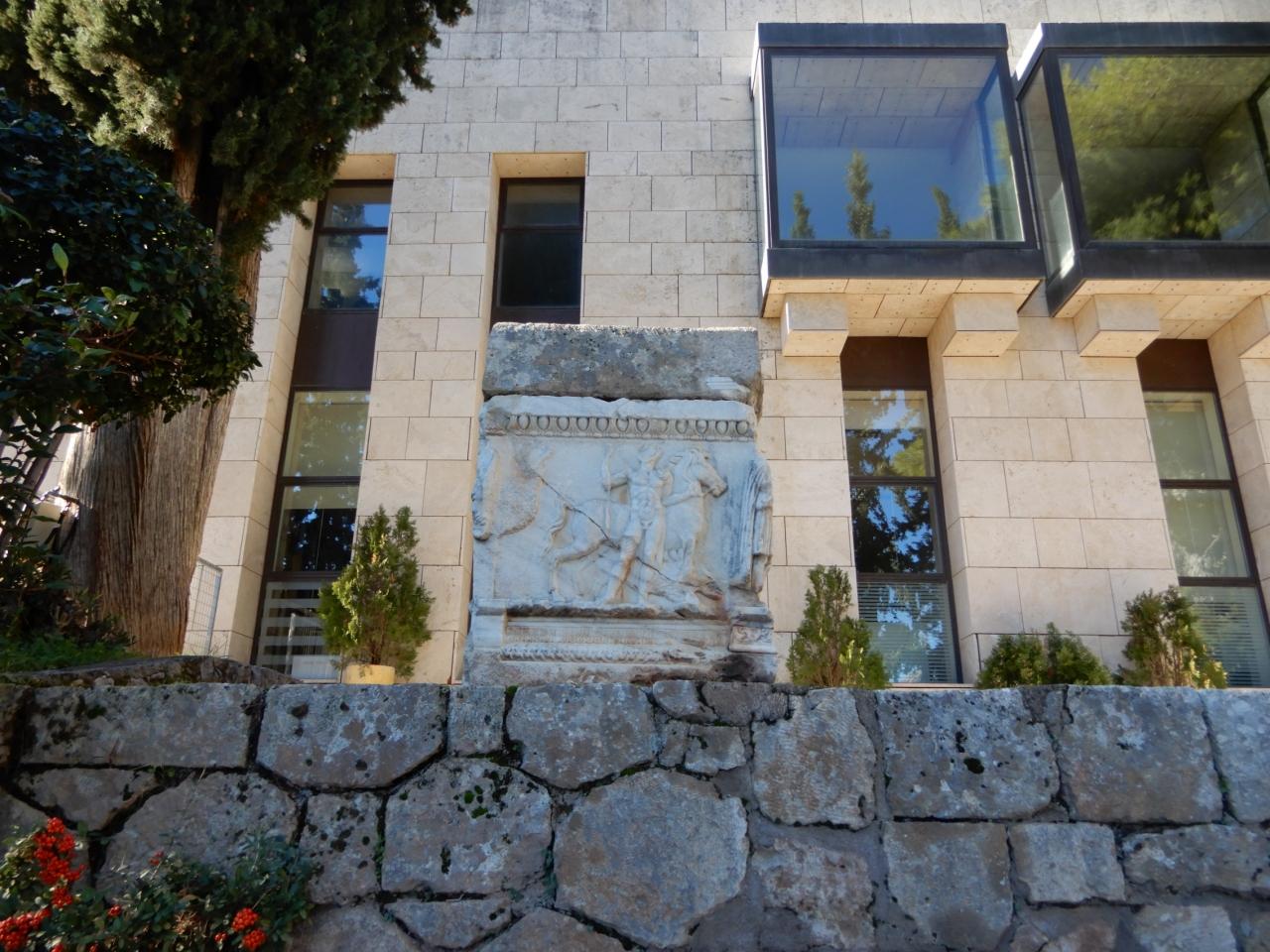
The sarcophagus of Meleagroy メレアグロイの石棺
デルフィ最古の遺物の一つで、博物館に最初に展示されたものらしい。
東の墓地の記念碑的な墓地から出土したものだそうだ。 -
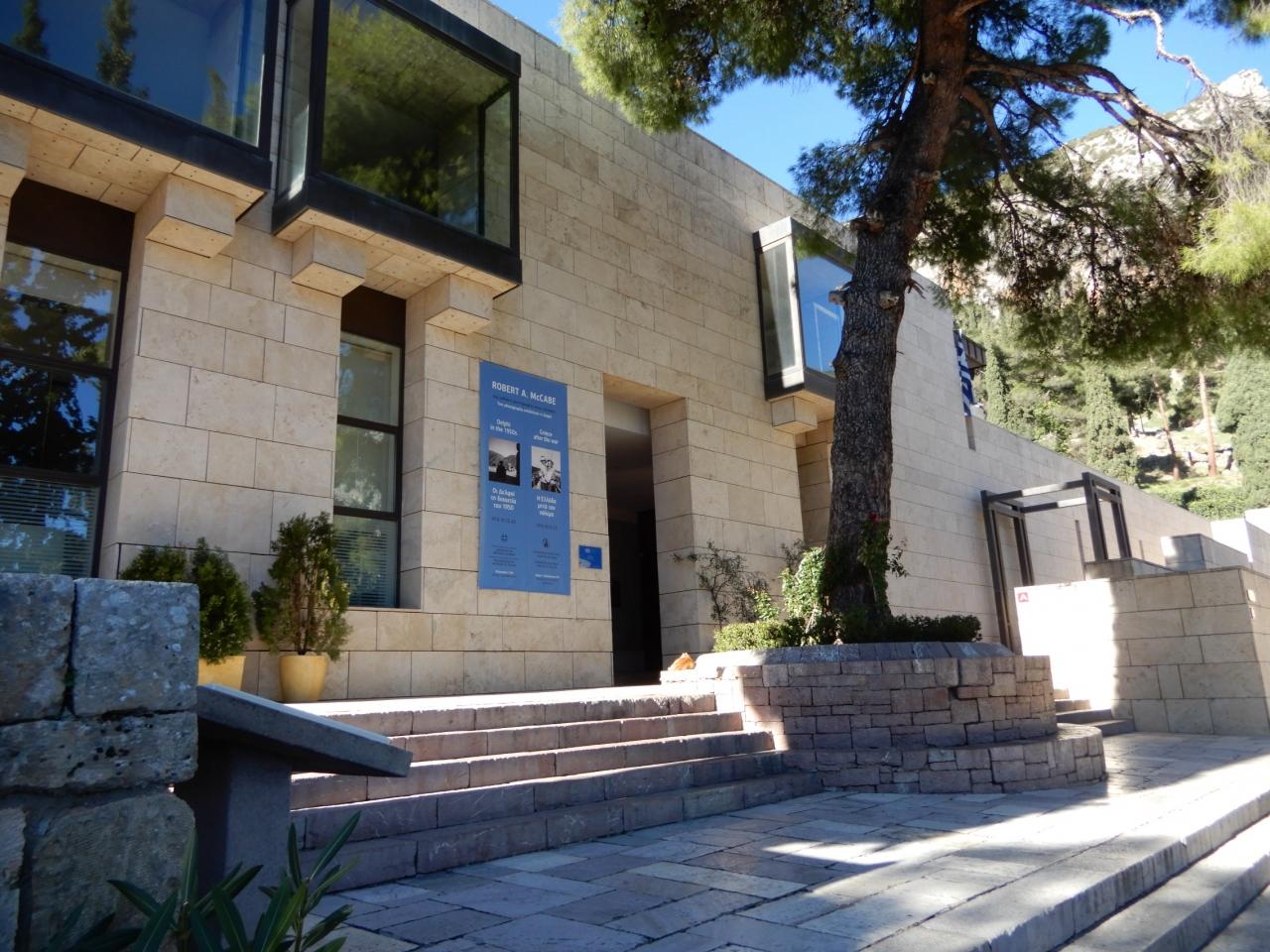
デルファイ考古学博物館でのイベントの案内らしい
「ロバート・マッケイブのレンズを通して見た1950年代のデルファイ」展 Delphi of the 1950s through the lens of Robert McCabe
「ロバート・A・マッケイブの戦後ギリシャ」The postwar Greece of Robert A. McCabe -
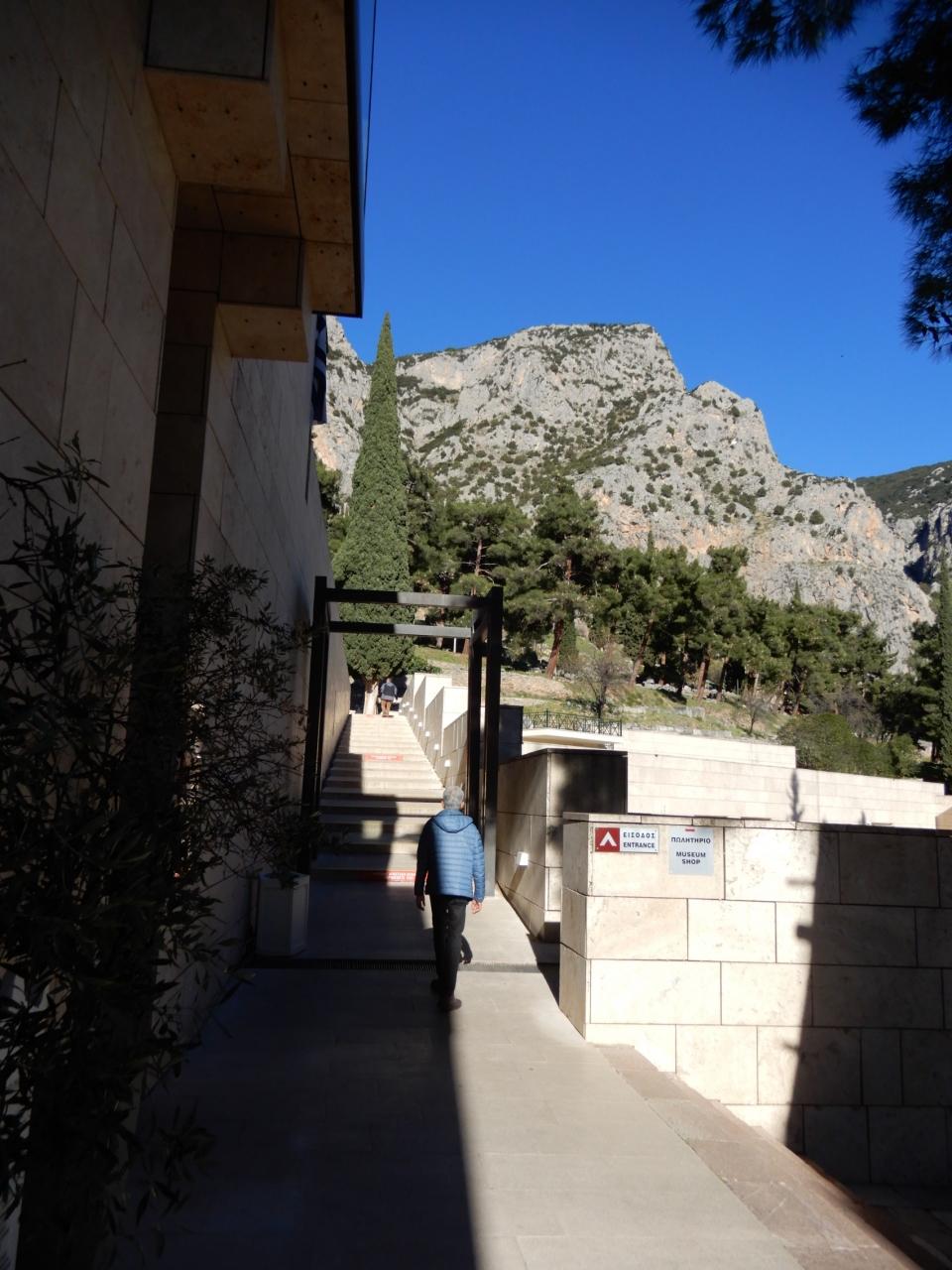
現地ガイドと合流し,Delphi Archaeological Museum への階段を上った
-
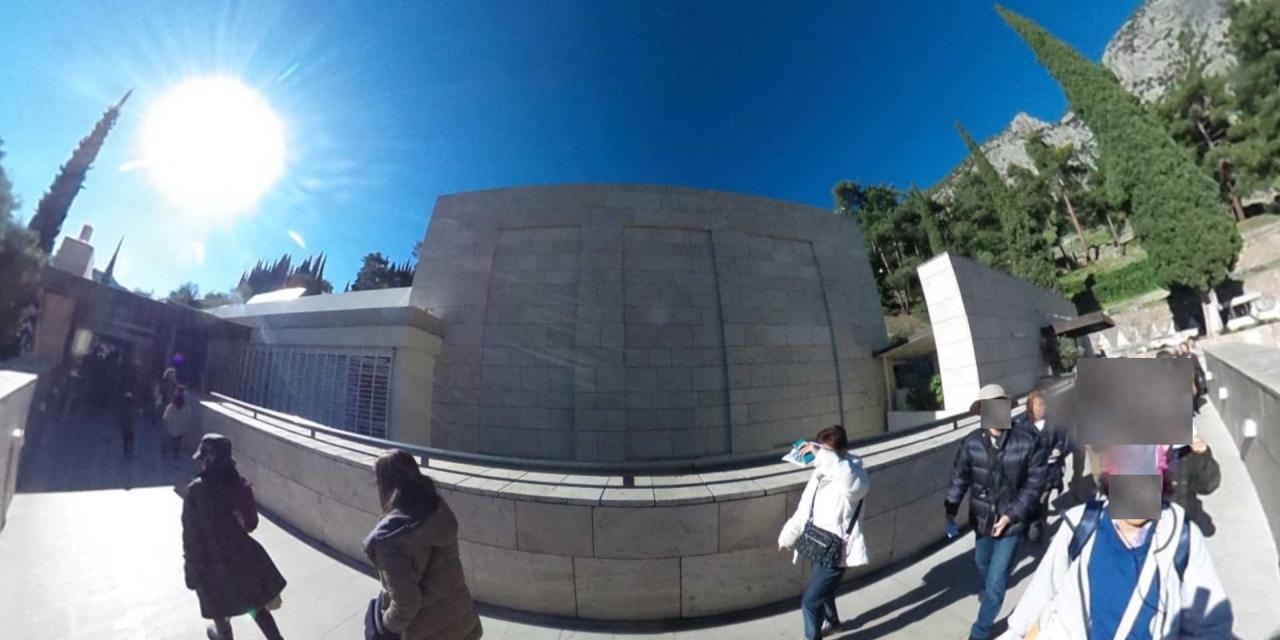
更にスロープを通って、博物館入口へ
-
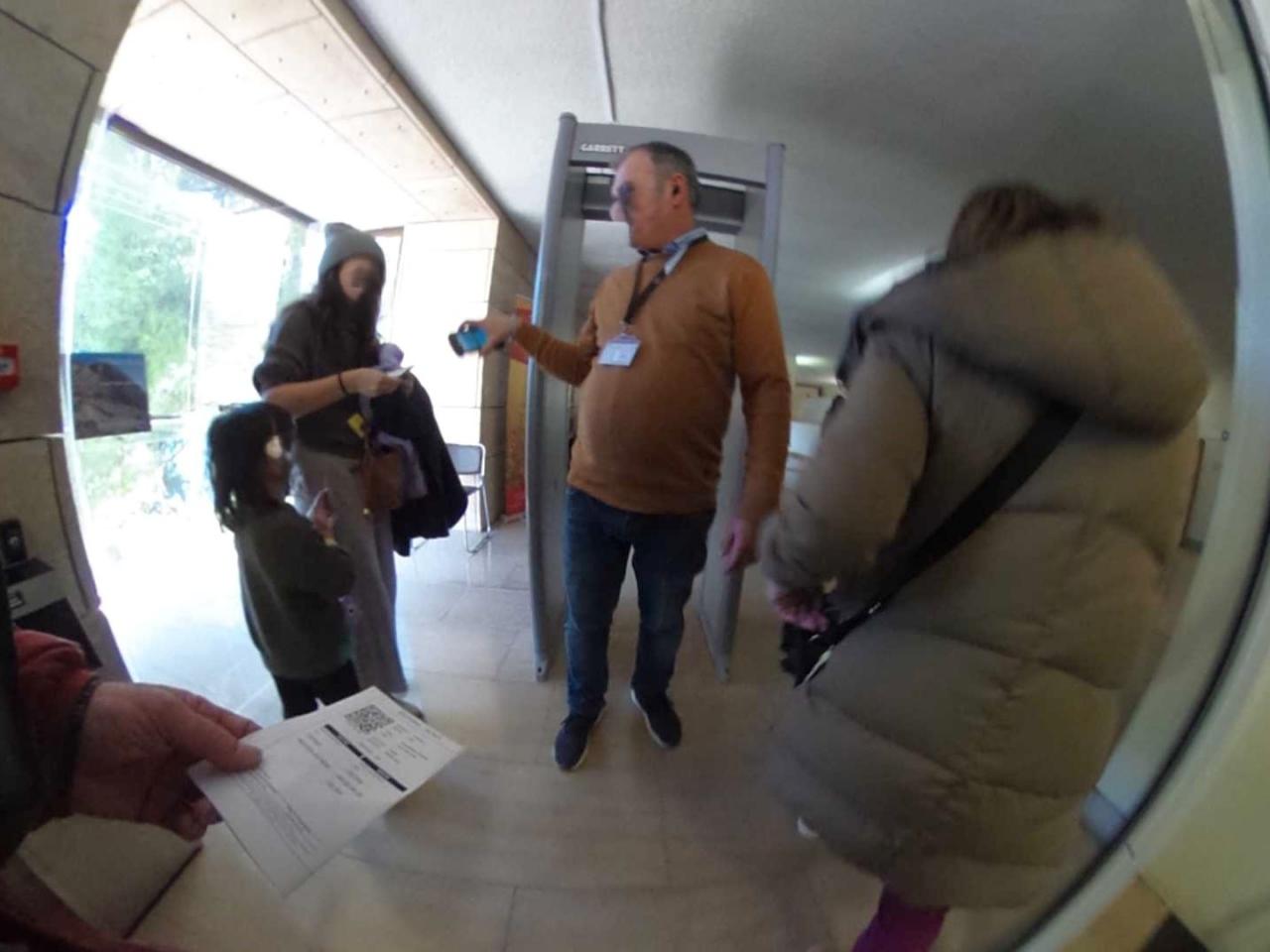
13:20 Archaeological Museum of Delphi でチケットのチェックを受けて入館した
-
E-Ticket Delphi
google翻訳で一部抜粋した
ルルアンの古代遺跡には、アポロン神に捧げられた汎ギリシャのデルフィの神殿と、ギリシャ世界のアーカイブの重要なモンタージュが展示されています。この地域の最も重要な記念碑はアポロン神殿ですが、ピュティアたちがギリシャ都市の豪華な宝物と古代の奉納神殿の破壊に興奮して私たちに喜びを与えてくれました。また、ピティア人の演劇や音楽のコンテストが行なわれた古代の場所も捉えて
チケット
季節 冬期間
タイプ 個人[チーム] グループシングルユース
カテゴリ
価格 6,00
有効期限: 2024/03/31
デルフィ
デルフィ博物館
以下は、英文のコピー
The famous Kallis Fountain liss at an aqusi citarca The inodern vilags of Daphis located at a distance or meters while the town of Anfisa and the town oftes let a len datance
The archeological site of Delphi presents the pan-Halenic Delphic minuar dadicated to god Apolic, and finous onicle of the ancient Gred work. The most mportant ποnumant is the temple of Apoib, whara Pythia gave its σηείας αuntunted by Luxurious Tissues of Gred citiar and a variety ofachlactualvothenianum ante. The creato hodes the ane thaster when the donatic and musical γνς Ρythia took place and inther noth the stadium ωιές μαστού sthletic contests Alpeant to the Apoitrian snctuary is the impresse Grasum, aducational and athletic contar the sared fountain of Castals and the Sanctuary of Atans Ronan anh kanislamatic Troos The complex is inckided in UNESCO's World Herkare Lit
For mobilty impaired pasora, a spacial vasicia avalle to vat the Archsantsgical Sta of Delphi up to the Tamole of Apsila on condition that the Ephorate of Anticutias of Phocie is notitio at bast 7 days in advance (tal-2022650172212, amait effecuture
Car Parts Fartung spaciar for Paopla with Debaltice ars avallabis at the Archasingeal Site and the Flussun of Delphi along the National Highway, betivaar Aruchevs and Delphi
Dephile bouted in the heart of cantal Grecs at the fest of Mount Pirmaeros on anatow thelwespahpathe my ancient pasiga incing from Aitics and Boots to That's and Wastam Graece The arthaackyical ate is compand of sko Sanctuaries, the Sanctuary of Apollo and the Sanctuary of Αthene Punais whith le on oath ride of the moden mad of Delphi
h the Archawological Site of Delphipanele ara retallad alpons of interact providing infomation writen in ralla getan, hizmativa material pariphats) writtan in fraile is siso available at the Archaackogical Ploceir -
Hall 1 The Beginnings of the Sanctuary から見学を始めた
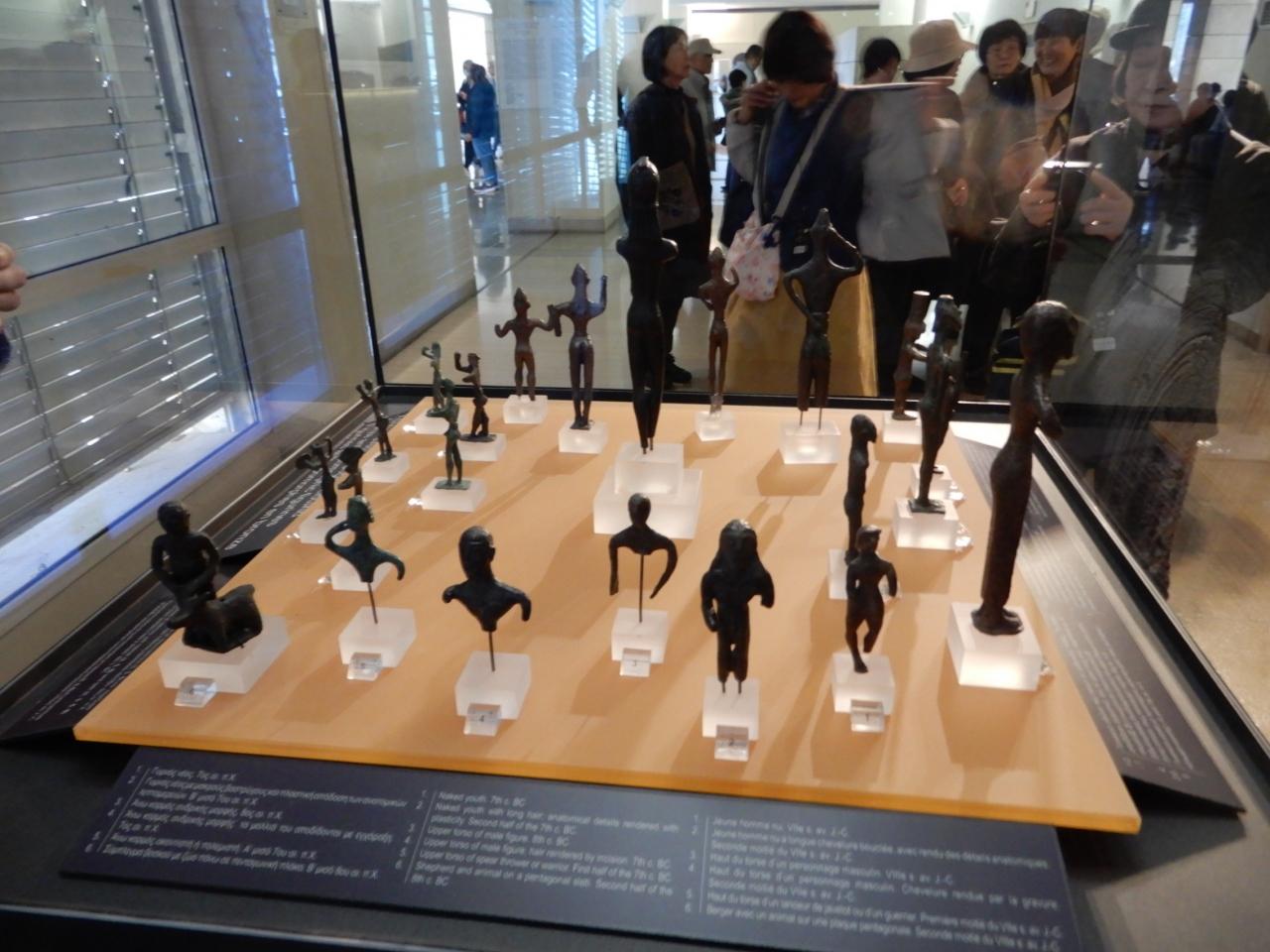
青銅製のフィギュアが陳列ケースに沢山展示されていた
Bronze anthropomorphic figurines
Most of them are male (and actually warriors), while others depict woman.
8th-7th c. BC. -
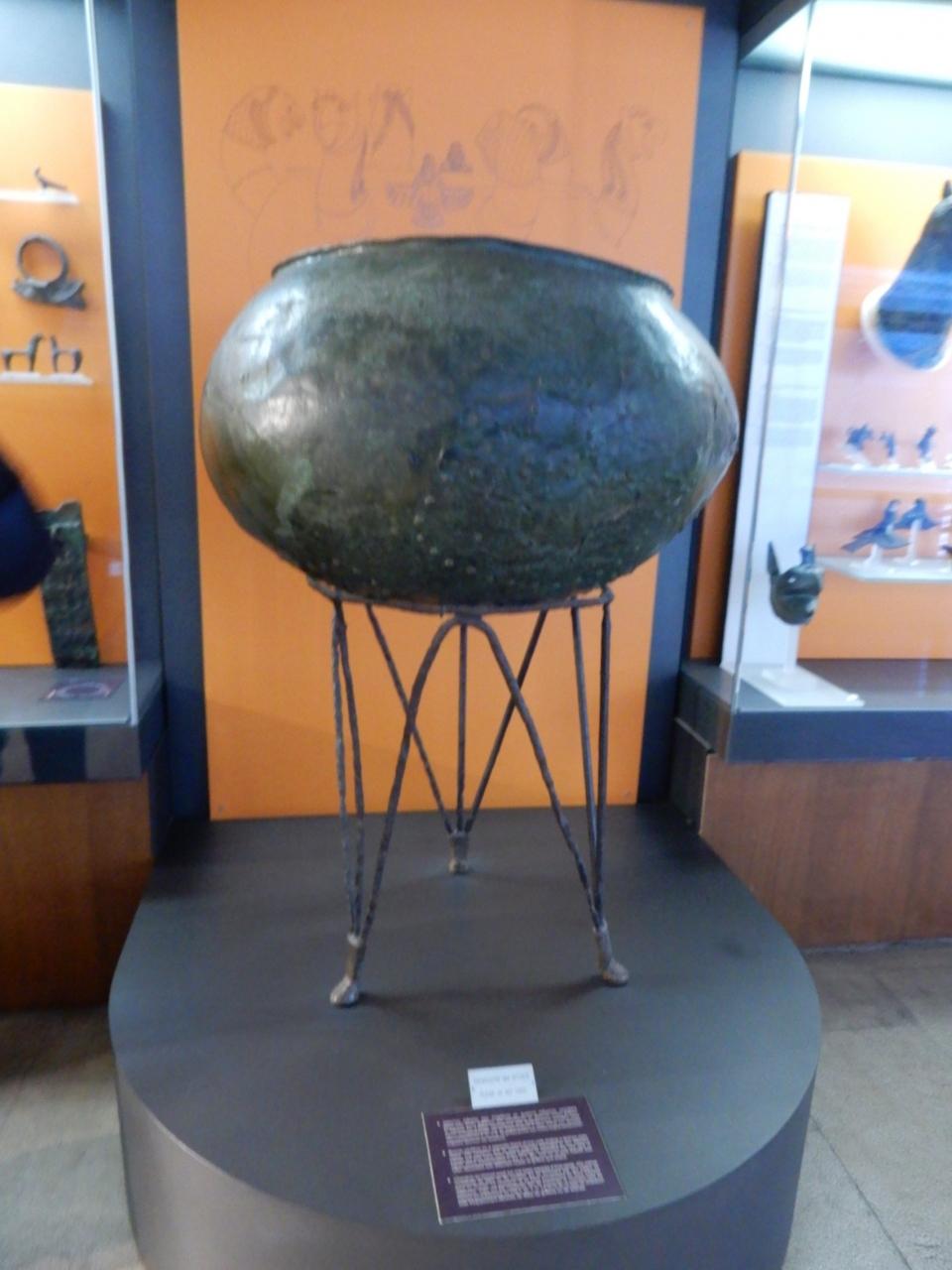
青銅製の三脚と大釜
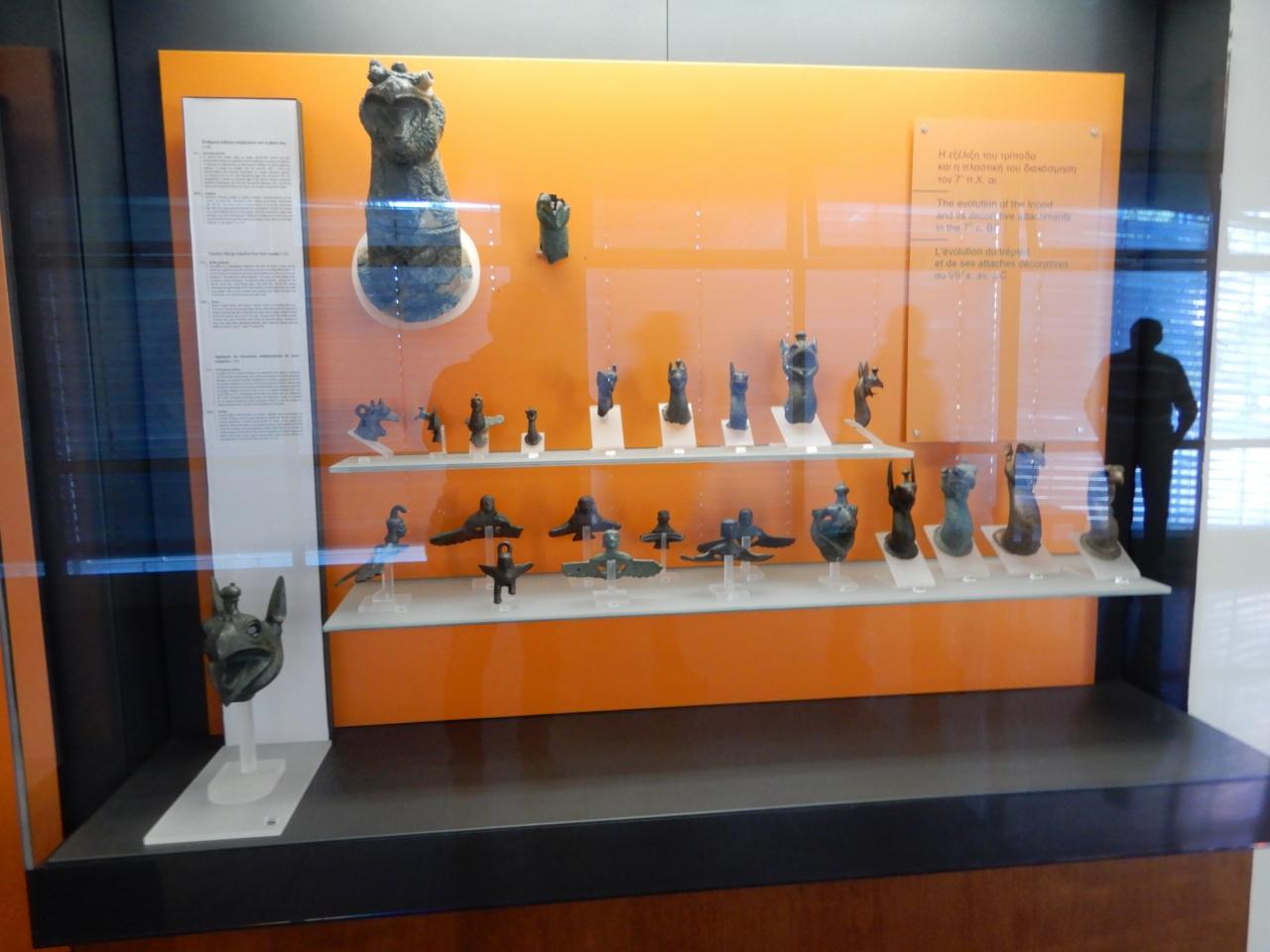
縁には、グリフィンとライオンの頭と、おそらくセイレーンと思われる翼のある女性の像があります。これらの生き物は中東に由来し、鋳造の後にハンマーで叩く技法も東洋の工房を暗示しています。 -
Bronze cauldrons and cauldron fittengs, 7th c. BC.
in this type, cauldron stands on a separate tripod of iron rods ending in bronze oxen clawz.
The rim of such tripods was often decorateed with attached heads of griffins and sirens, inspired by eastern phototypes.
google翻訳
青銅製の大釜と大釜の付属品、紀元前7世紀。
このタイプの大釜は、青銅製の牛の爪が付いた鉄の棒でできた別の三脚の上に立っています。 -
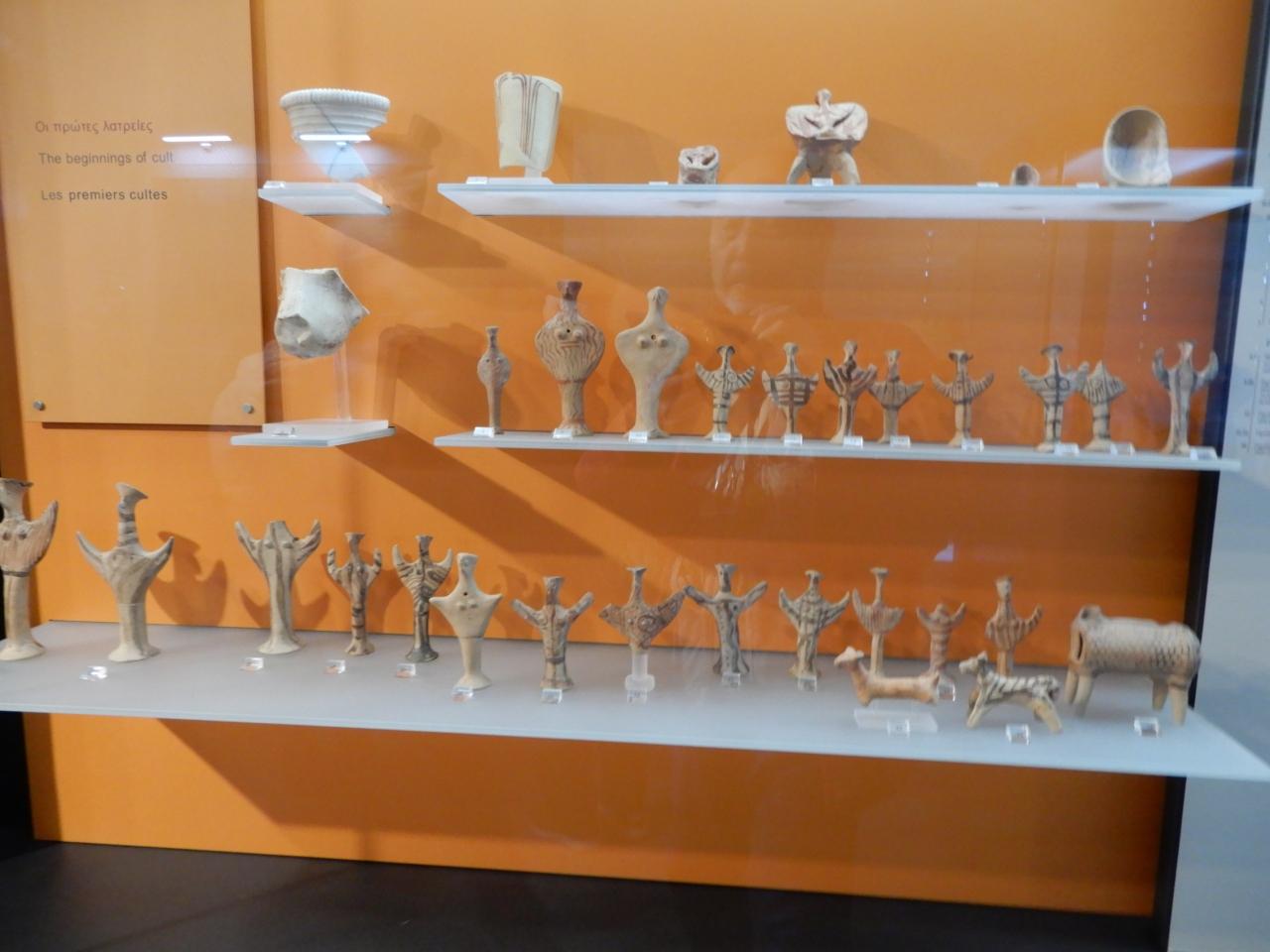
土偶のようなものもあった
Finding dated in the prehistoric era
Clay female figurines(of Phi and Psi types);
clay figurines on tripod seats, possibly effigies of thrones:
clay rhyton (ritual vessels).
1500-1050 BC.
google翻訳
先史時代のものとされる発見物
粘土製の女性像(ファイとプサイのタイプ)
三脚座の上の粘土製の像、おそらく王座の彫像:
粘土製のリュトン(儀式用の容器)。
紀元前1500~1050年。 -
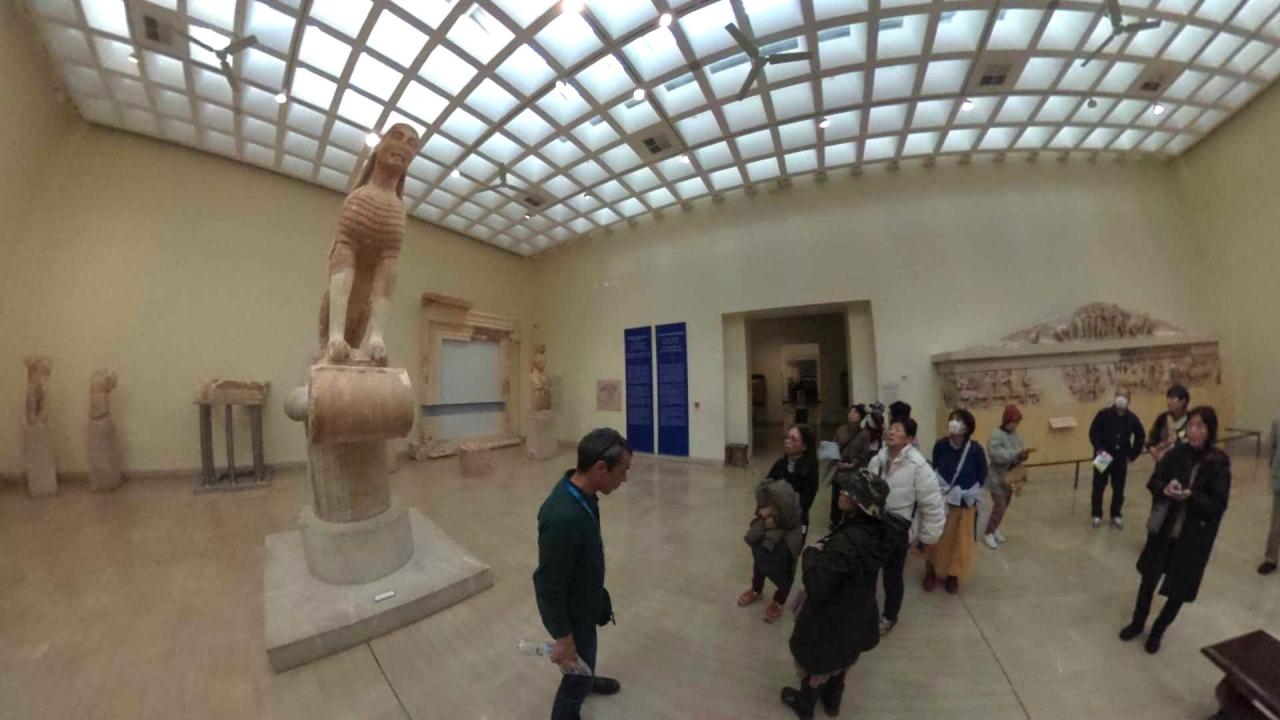
Hall 2 The early Archaic Period を通り、Hall 5 The Treassury of the siphnians で スフィンクスの説明を受けた
-
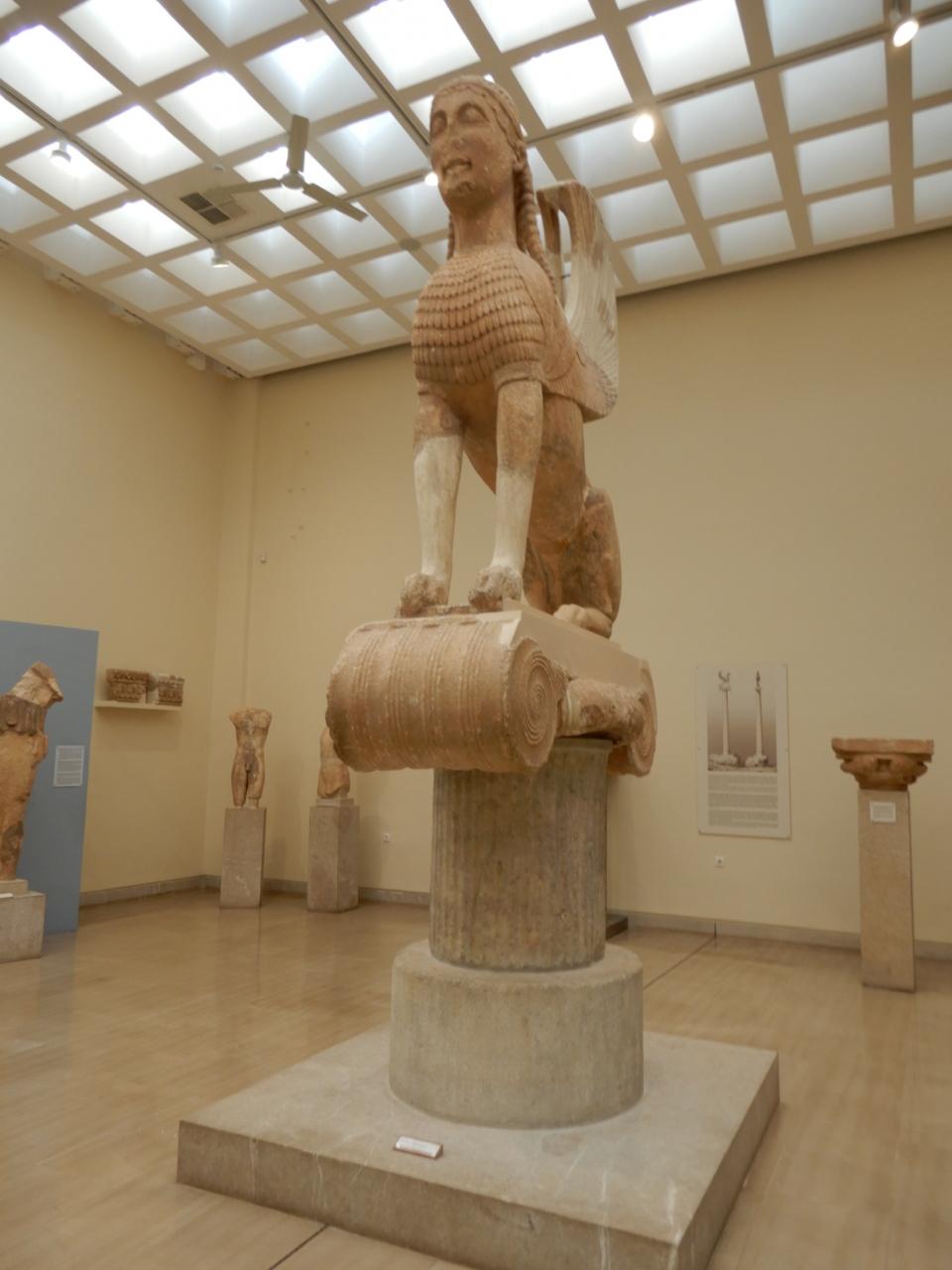
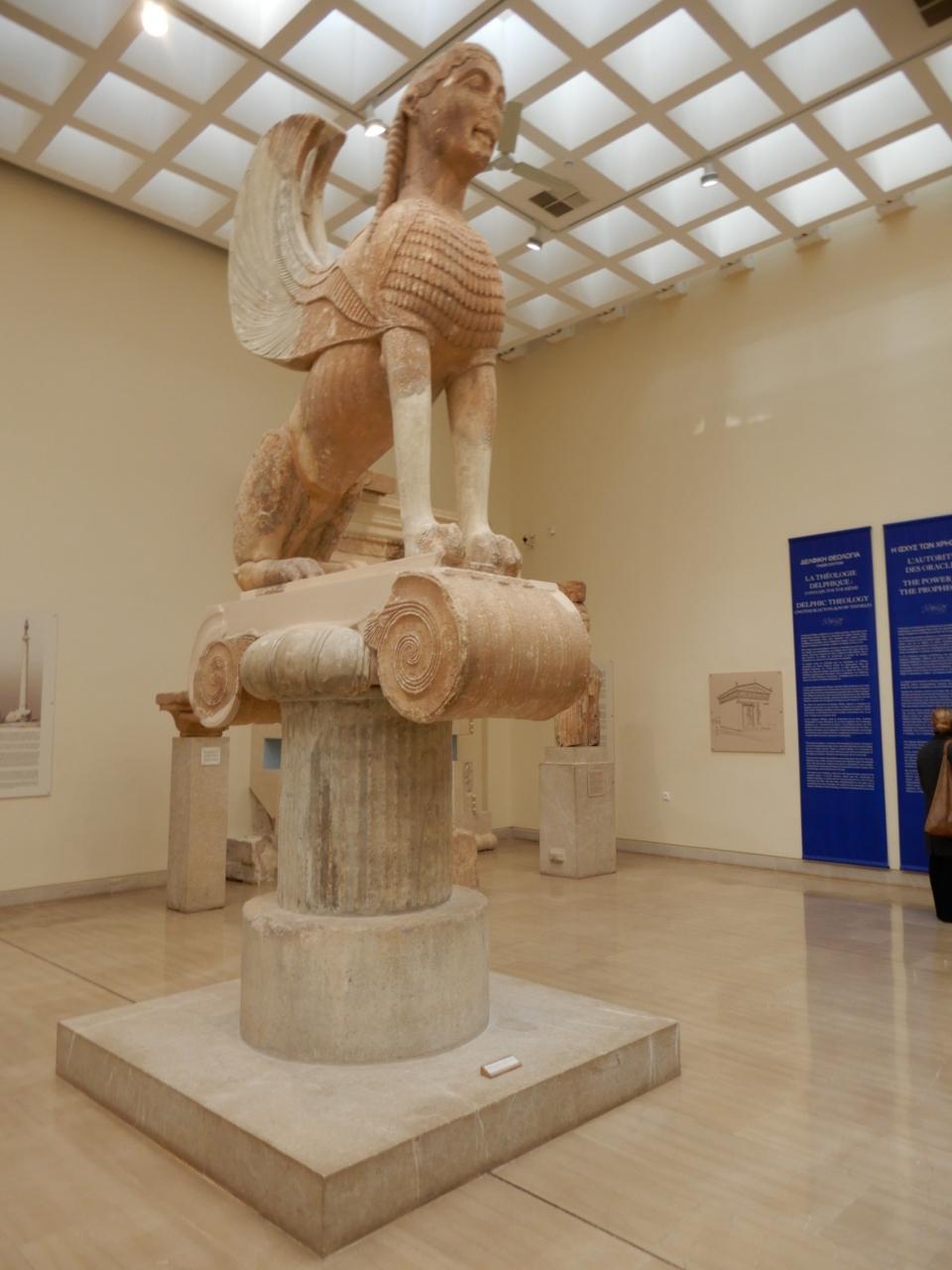
ホールの目玉は、The sphinx of the Naxians
Around 560 BC the inhabitants of the island of Naxos dedicated to Apollo the statue of the mythical sphinx. The daemonic creature with the female face and enigmatic smile, the body of a lion and the wings of a bird, was supposed to be warding off the evil. It was seated on the capital of a very tall Ionic column. In total, the Naxian dedication reached 12,50m in height. Its colossal size, imposing outlook and location in the sanctuary (in the foreground of the polygonal retaining wall of the temple) commemorates the political and artistic supremacy of Naxos in the Archaic era. -
google翻訳
紀元前560年頃、ナクソス島の住民は、神話のスフィンクス像をアポロに捧げました。女性の顔と謎めいた笑み、ライオンの体と鳥の翼を持つ悪魔のような生き物は、悪魔を追い払うと考えられていました。非常に高いイオニア式の柱頭に座っていました。ナクソスの奉納像は、合計で高さ 12.50mに達しました。その巨大なサイズ、堂々とした外観、聖域 (神殿の多角形の擁壁の前景) 内の位置は、アルカイック時代のナクソスの政治的および芸術的優位性を記念しています。 -
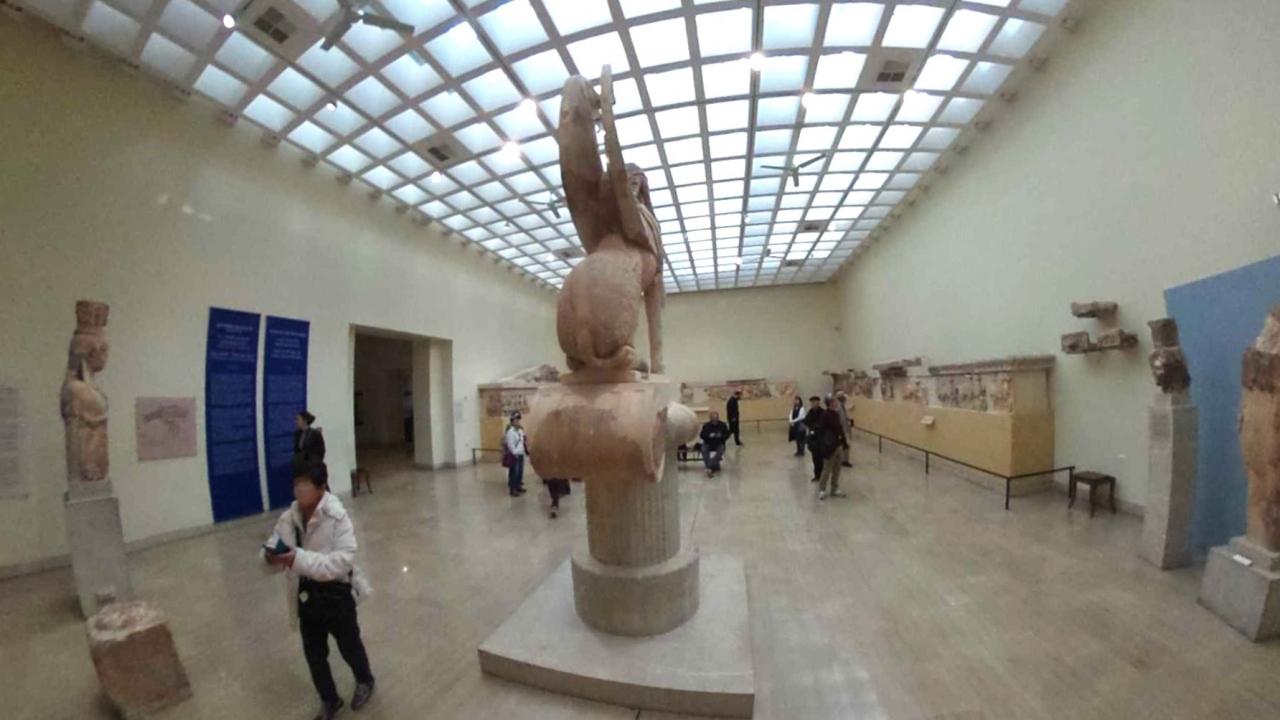
後ろ姿も撮影して見た
13:30 Back View of the sphinx of the Naxians -
The sphinx of the Naxians を観賞する観光客
-
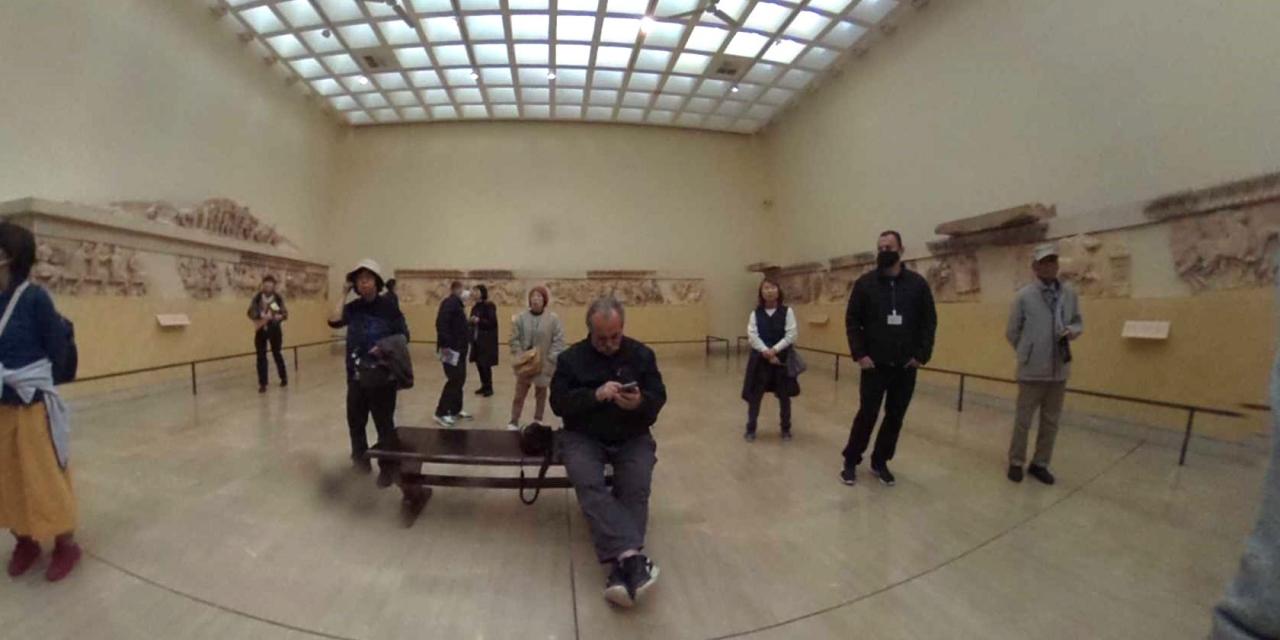
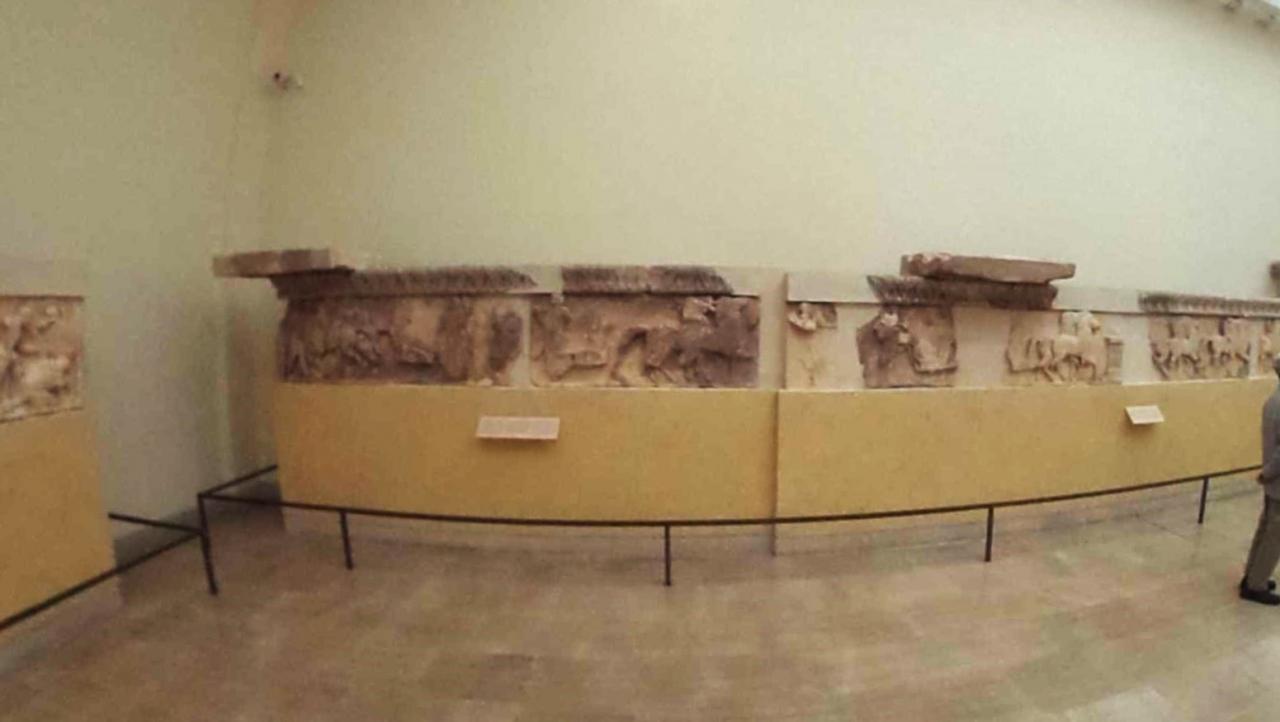
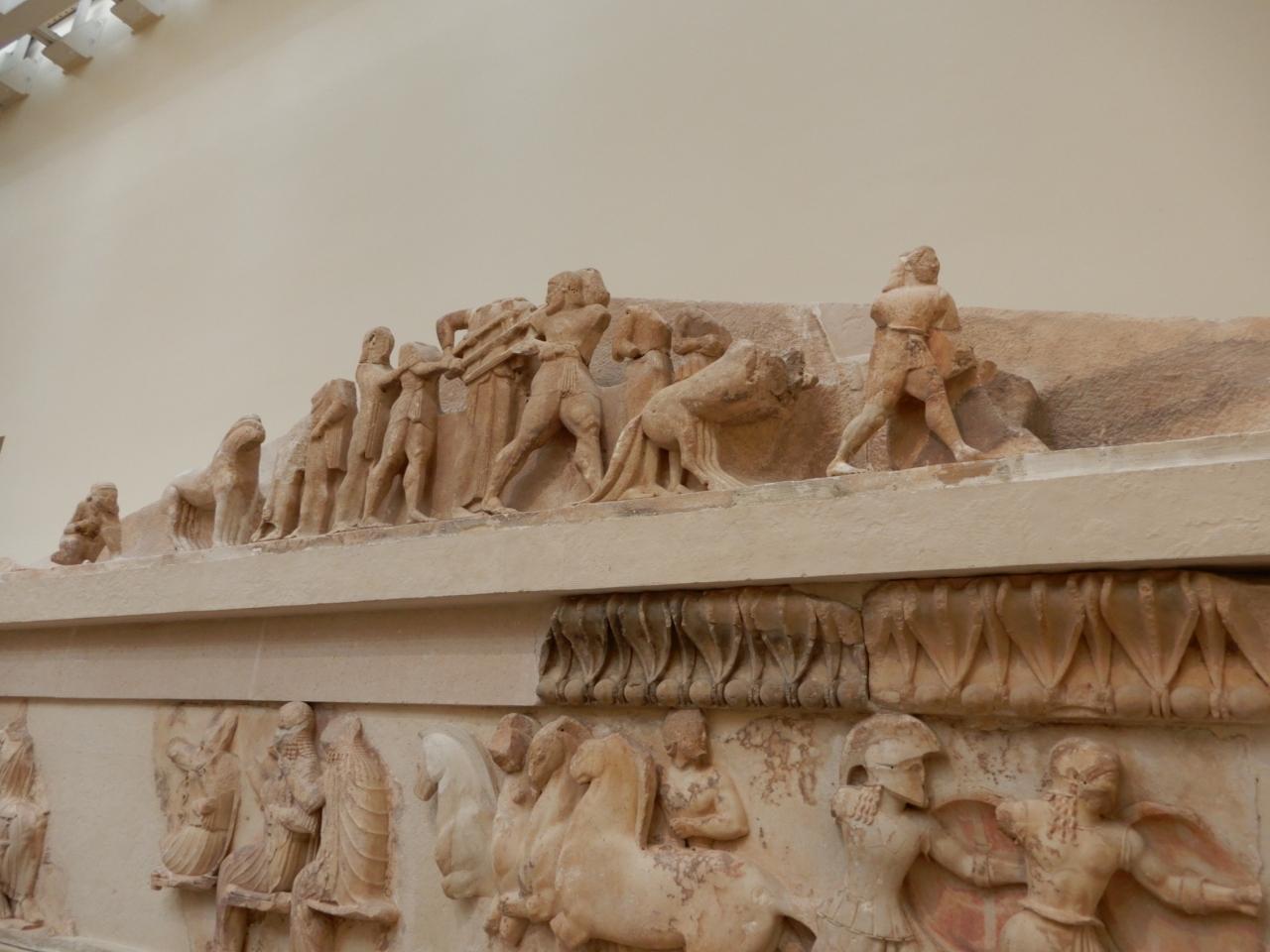
The west frieze of the Siphnian Treasury
フリーズとは、建築用語で、エンタブラチュアの中央の、幅広い部分を指すそうです。
エンタブラチュアとは、柱頭の上部へ水平に構築される部分のこと。柱の上に載る水平材。
破風の下の円柱と、円柱や各柱、壁との間に渡された装飾が施された壁のことらしい。
西側にはパリスの審判 -
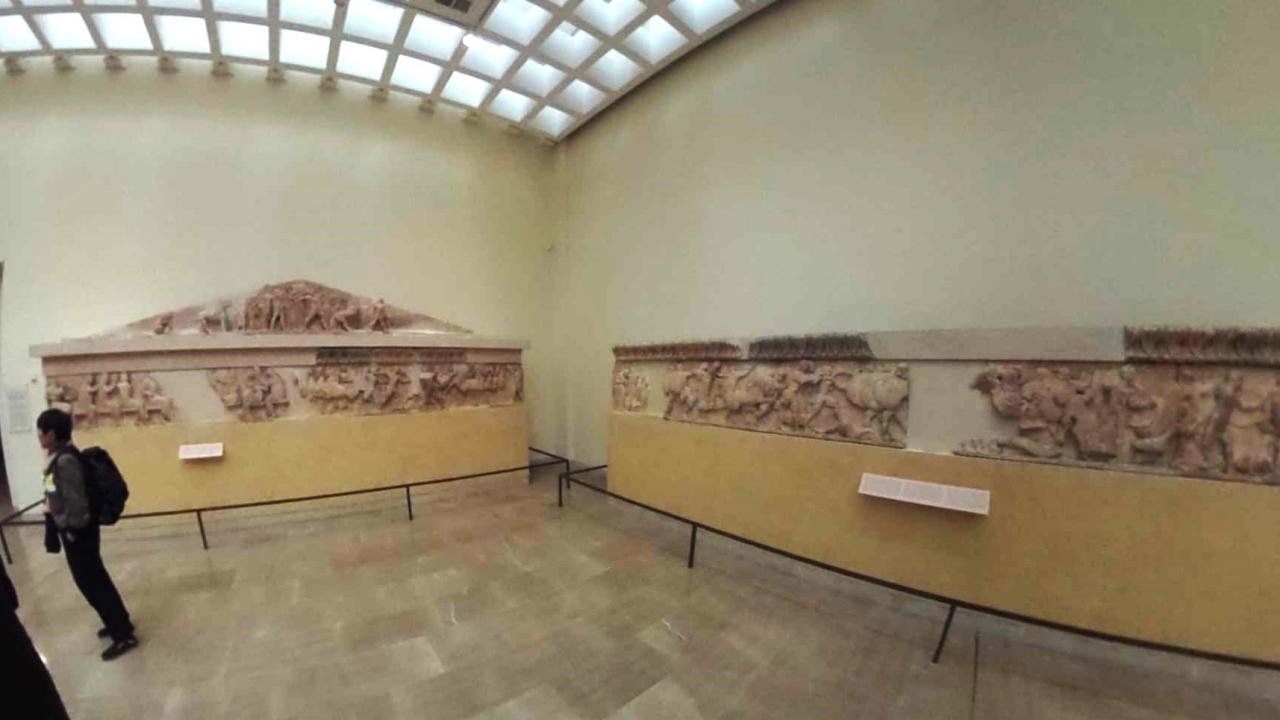
The east frieze of the Siphnian Treasury
シフニウスの宝物庫 https://delphi.culture.gr/the-treasure-of-the-sifnians/ から引用
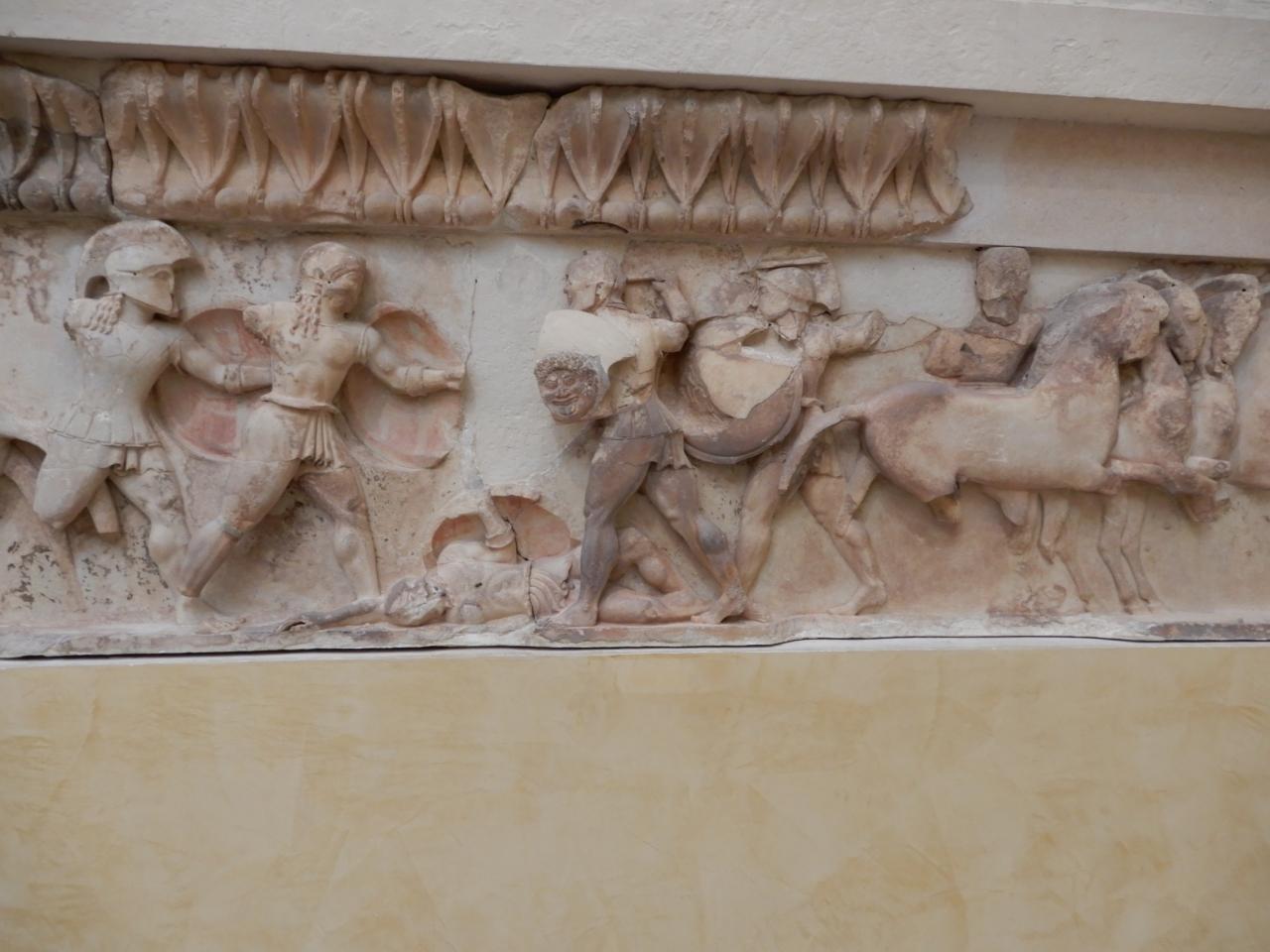
The treasury of the Siphnians is a magnificent example of the Ionic order. It is distyle in antis, with caryatids instead of columns on the vestibule. The building is richly decorated with painted sculptures in relief, particularly on the frieze which depicts scenes inspired by the Trojan War.
翻訳
シフニウスの宝物庫はイオニア式の見事な例です。ディスタイル イン アンティスで、玄関ホールには柱の代わりに女柱が置かれています。建物は、トロイ戦争に触発された場面を描いたフリーズを中心に、浮き彫りの彩色彫刻で豪華に装飾されています。 -
The east frieze of the Siphnian Treasury
東側にギリシャ人とトロイア人の戦い -
The east pediment of the Siphnian Treasury
https://delphi.culture.gr/the-treasure-of-the-sifnians/ から引用
The treasury of the Siphnians is the first building constructed entirely out of marble on mainland Greece. It was built in ca. 530-525 B.C. using three different kinds of marble: Siphnian for the walls, Naxian for the entablature and the mutules, and Parian for the architrave and the sculpted decoration. According to Herodotus and Pausanias, the Siphnians had acquired great wealth thanks to their mines, and decided to offer to Apollo the tithe of their profits by building this lavish treasury.
翻訳
シフニア人の宝物庫は、ギリシャ本土で初めて完全に大理石で建てられた建物です。紀元前530年から525年頃に、壁にはシフニア大理石、エンタブラチュアとムトゥレにはナクソス大理石、アーキトレーブと彫刻装飾にはパリアン大理石の3種類の大理石を使用して建てられました。ヘロドトスとパウサニアスによると、シフニア人は鉱山で莫大な富を築き、この豪華な宝物庫を建てることで利益の十分の一をアポロに捧げることに決めました。 -
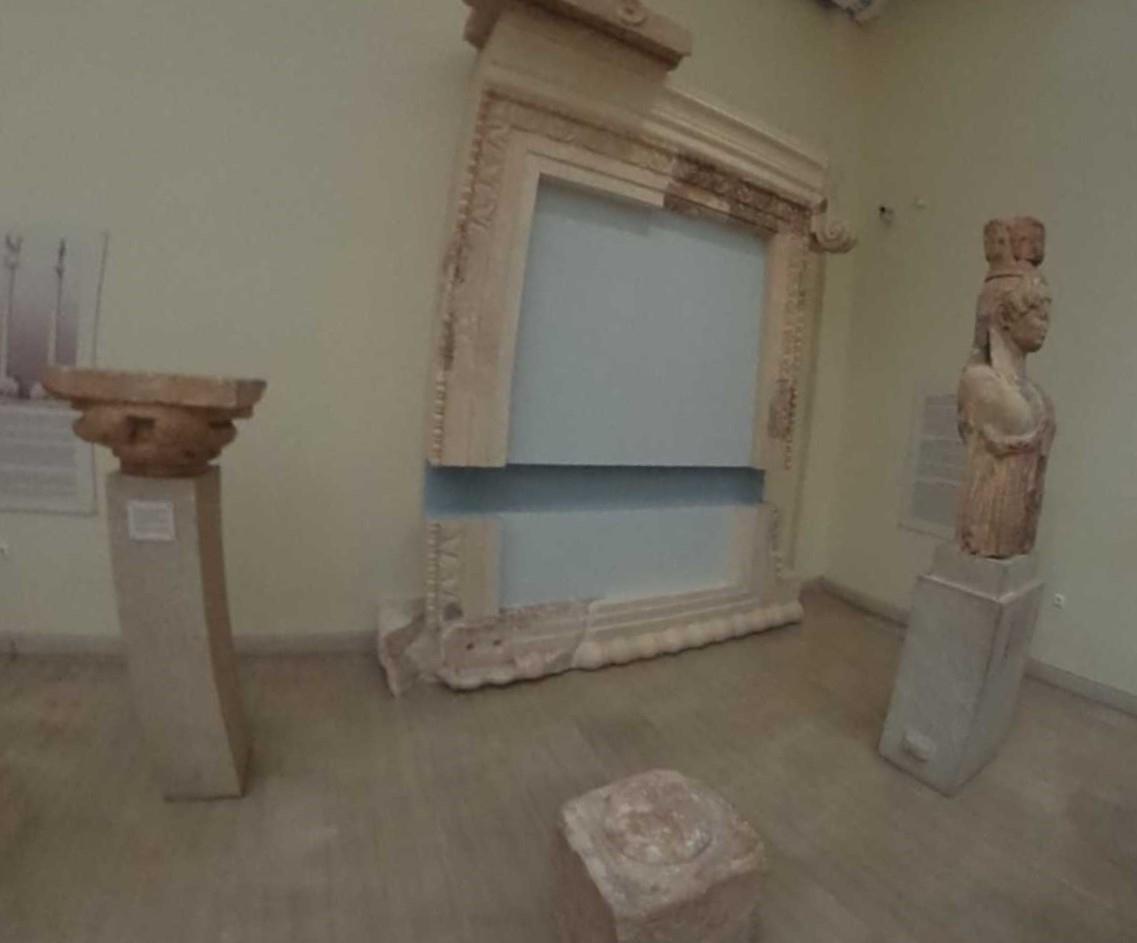
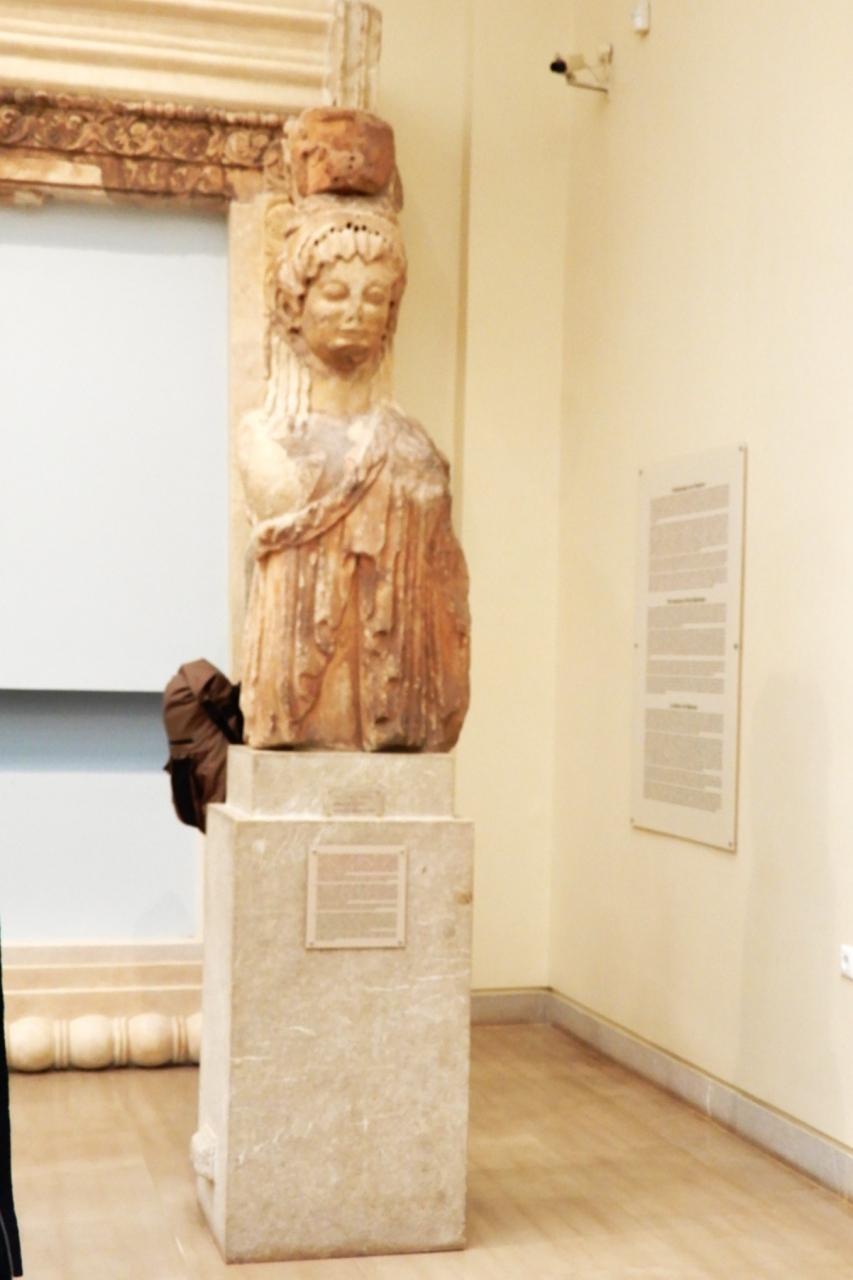
Caryatid (female figure used instead of column) from the S
-
Caryatid (female figure used instead of column) from the S
宝物庫の玄関を支える優雅な乙女像の柱頭
She is wearing an oblique himation over a chiton with thin wavy pleats.
On top her head a kalathos is carved in relief with a Dionysian subject - matter showing Silens and Maenads, Around her are exhibited architectual members of the same building with an excessively sculpted decoration, a manifestation of luxury on behalf of the dedicators.
彼女は、細い波状のプリーツの付いたキトンの上に斜めのヒマティオンを着ています。
頭の上には、ディオニュソス的な主題でシレンとメナドを描いたカラトスが浮き彫りにされています。彼女の周りには、同じ建物の建築部材が展示されていますが、過度に彫刻された装飾が施されており、奉納者による贅沢さの表れです。 -
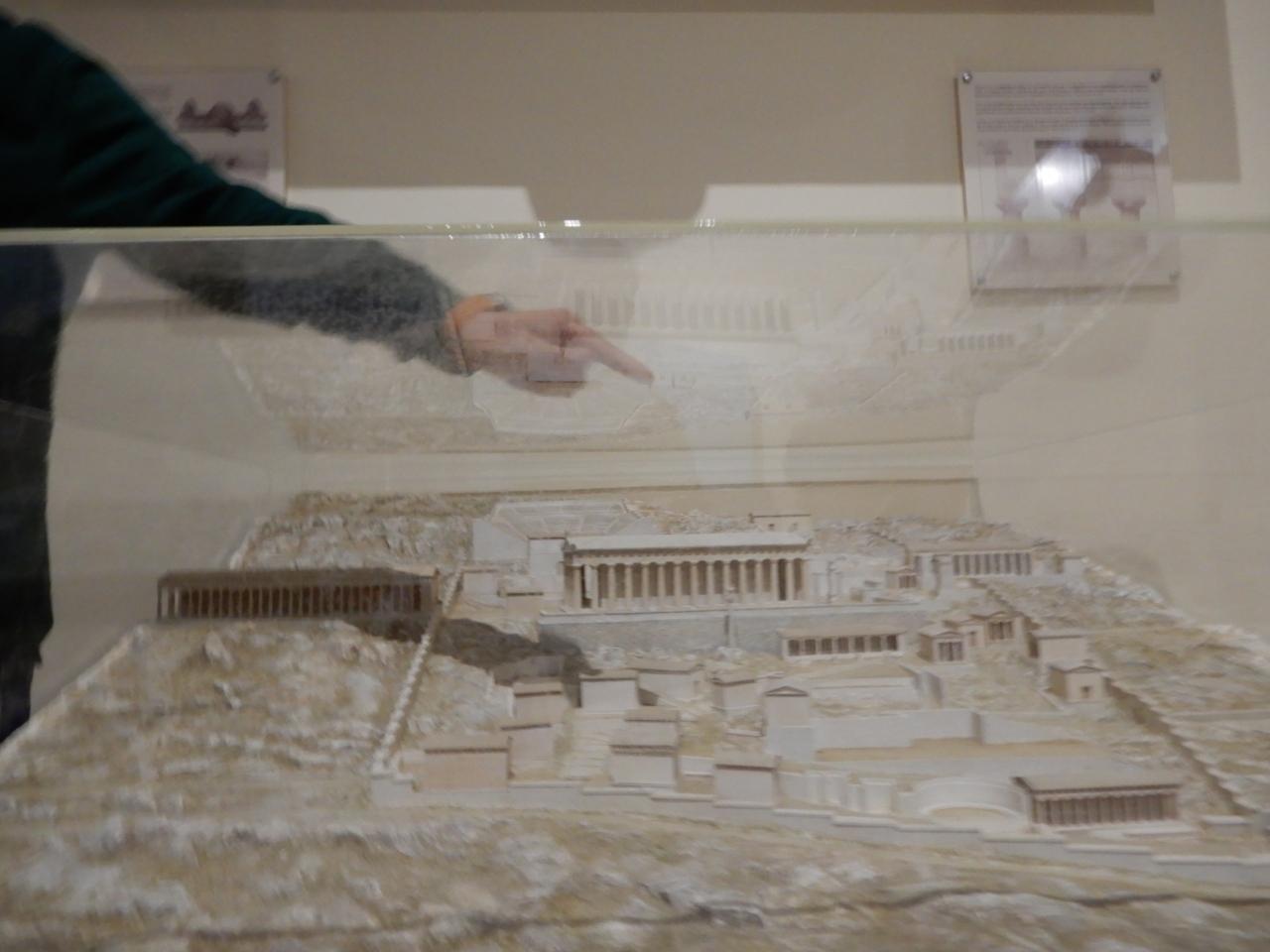
Georama of the Sanctuary of Apollo, Delphi を指差して現地ガイドが説明した
-
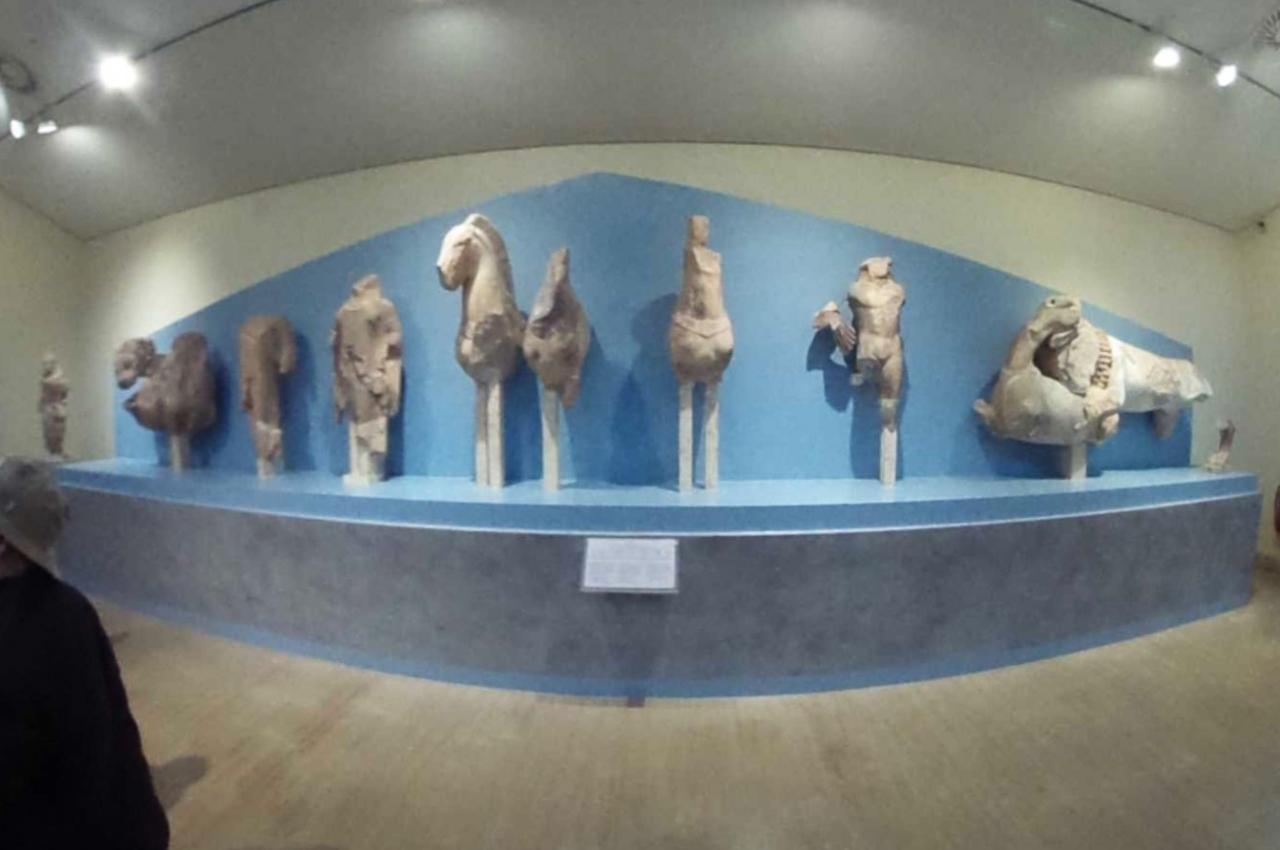
Hall 6 の The Temple of Apollo
A work of Parian marble. The centre of the pediment was occupied by Apollo's four ? horse chariot framed by kouroi (young men) and korai (young women). In both corners are animal groups depicting a lion mauling a gentle beast. The interpretation of the subject is based on verses from Aeschylus Eumerides, in which the Pythia stands before the temple of Apollo and narrates the god's arrival at Delphi from Athens. Apollo is seen off by the Athenians and greeted with great honours by the people of Delphi and their king, Delphos (510 - 500 BC).
翻訳
パロス大理石の作品。ペディメントの中央には、クーロイ (若者) とコライ (若い女性) に囲まれたアポロンの四頭立て戦車が置かれています。両隅には、おとなしい獣を襲うライオンを描いた動物の群れがあります。主題の解釈はアイスキュロスのエウメリデスの詩に基づいており、ピュティアがアポロンの神殿の前に立ち、アテネからデルフォイへの神の到着を物語っています。アポロンはアテネ人に見送られ、デルフォイの人々と彼らの王デルフォス (紀元前510-500年) から大いなる敬意をもって迎えられます。 -
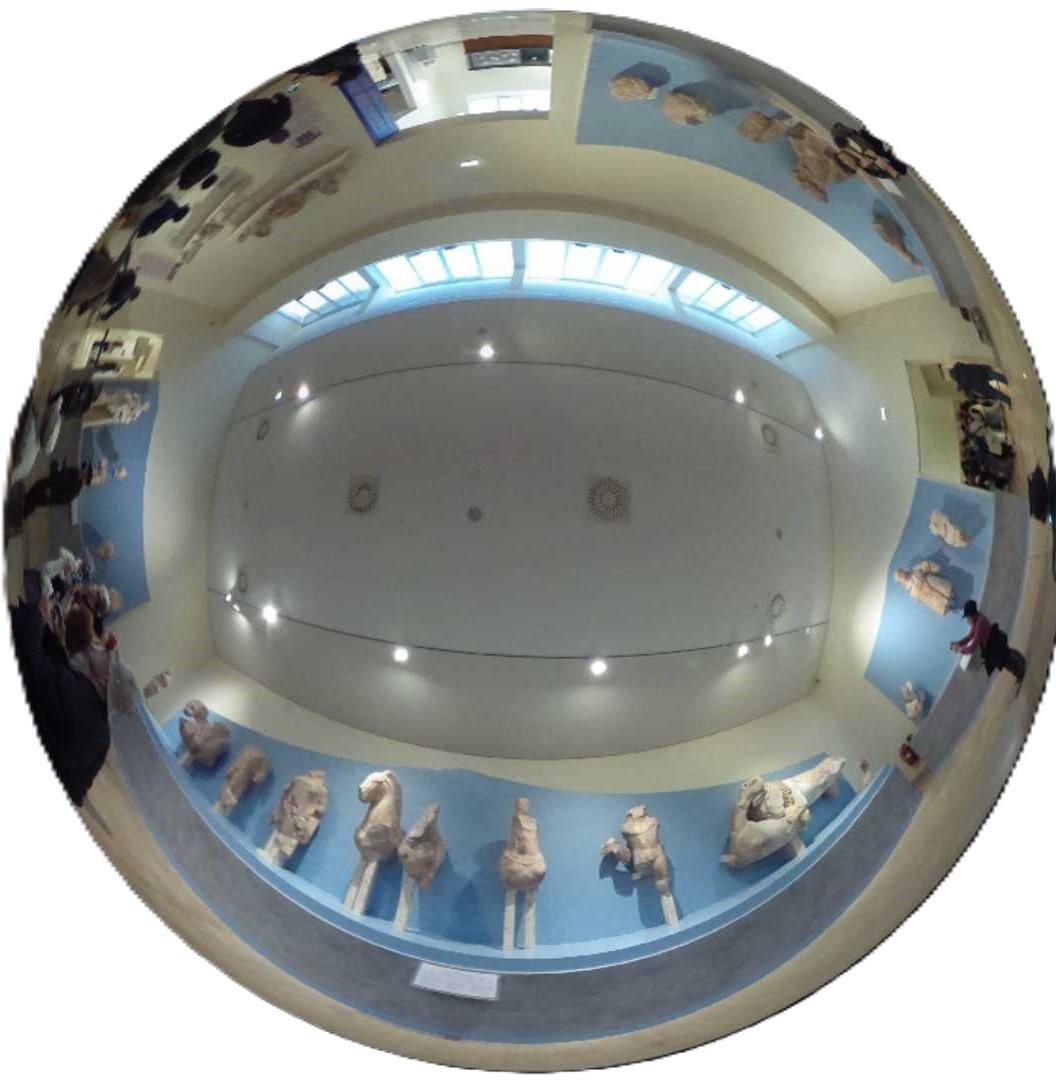
The pediment of the archaic Temple of Apollo 360° View
-
Hall 3 の The early Archaic Period へ移動
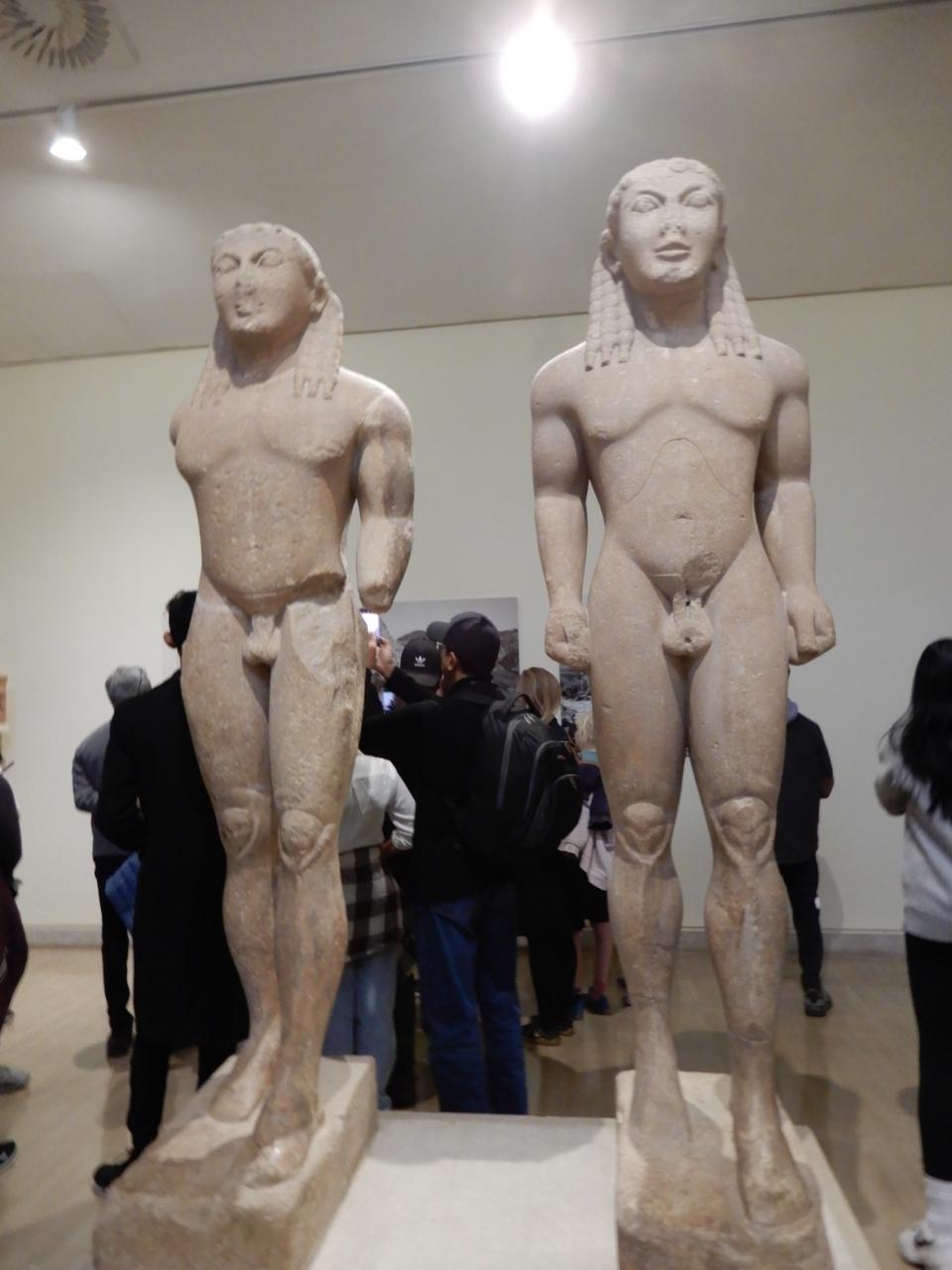
The “twine” of Argos クレオビスとビトンの像
The two identical, over life - size statues, are the oldest monumental votive offering at Delphi and one of the earliest examples of large - scale archaic sculpture.
They can probably be identified with two mighty and pious brothers from Argos, Cleobis and Biton, whom the Argives honoured by making and dedicatingstatues of them at Delphi.
It is the work of an archaic workshop of Argos. Circa 580 BC.
Kleovis and Viton or the Dioscuoi
翻訳
1893年から1894年にかけてアテネ人の宝物庫の近くで行われた考古学的発掘調査で発見された。2体の若者は、おそらく元々は隣同士で立っていたが、裸で、クーロス像のような姿で、非常によく似ている。左足を前に踏み出しているが、両手は肘を曲げて太ももに触れ、しっかりと握りしめている。体と解剖学的な詳細は、ダイナミックなスタイルで表現されている。髪の毛は前頭部で螺旋状にカールし、肩と背中で波打つ房になっている。大きなアーモンド形の目には高い眉毛が飾られ、顔には古代の笑みが浮かんでいる。2体はサンダルを履いており、その靴底の高さが確認できる。2体はそれぞれ別の飛び石に乗っているが、同じ台座の上に立っている。彫像の1つの踏み石に部分的に残っている碑文によると、これらはアルゴスの彫刻家ポリメデスによって作られ、アルゴス人がアポロに奉納したものであった。推定年代は紀元前580年頃で、ペロポネソス半島の古代彫刻の典型的な例であると考えられている。
出展 https://delphi.culture.gr/museum/selected-exhibits/ よりgoogle翻訳利用 -
Hall 8 The Hymns to Apollo and the White Kylix へ移動
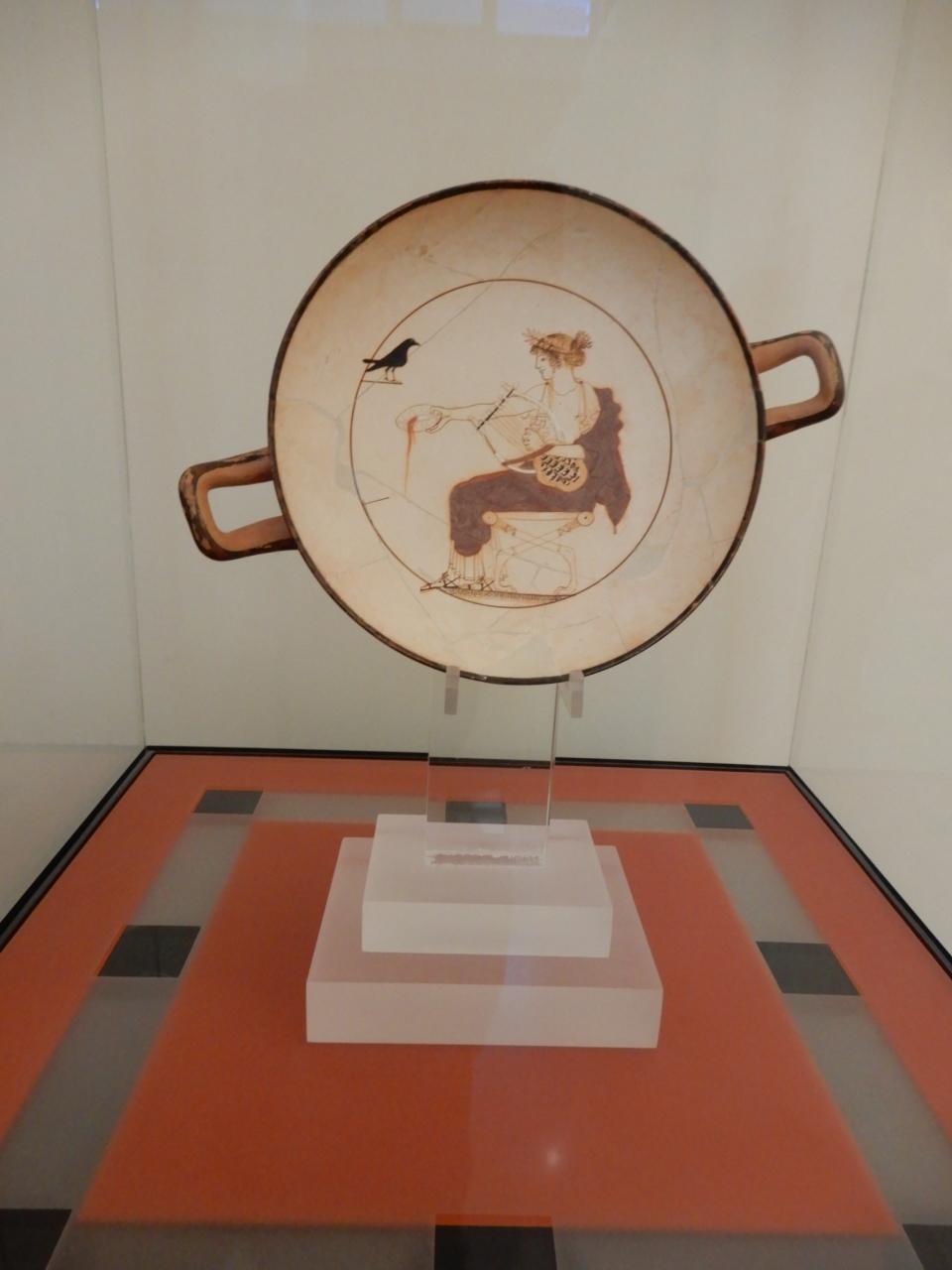
The cylix of Apollo 把手の付いたアポロンの絵皿 陶器
Among the relatively few pottery exhibits in the Museum of Delphi counts a cylix with a white background and a depiction of Apollo; it was found in a dump where votive offerings from graves had been deposed, when the latter had been cleansed. It is a magnificent work of an attic workshop. Inside the cylix is depicted Apollo with an elaborate hairdo and a laurel wreath on his head, sitting on a camchair, the legs of which end up in lion’s paws. The god wears a white chiton, a red himation (cloak) and sandals. A seven-stringed lyre is attached to his left hand with a red stripe, whereas with his right hand he pours a libation out of a shallow bowl decorated with patterns in relief. Opposite the god is rendered a black bird, for which several explanations have been offered: it is identified either as plain oracular bird or as a crow which brought to Apollo the message that his beloved Koronis, daughter of king Phlegyas, was getting married. This exquisite work dates to the decade 480-470 B.C. The depicted scene evokes in a wonderful artistic manner the verse from the second hymn to Apollo found inscribed on the southern wall of the Treasury of the Athenians: “Sing for the gold-haired Pythios who aims far with his bow and arrow and plays nicely the lyre”.
google翻訳
デルフィ博物館の比較的少ない陶器展示品の中に、白い背景にアポロンの姿が描かれた絵皿があります。これは、墓を浄化した際に奉納物が捨てられていたゴミ捨て場で発見されました。屋根裏の工房で作られた素晴らしい作品です。絵皿の中には、凝った髪型で月桂冠を頭にかぶったアポロンが、脚がライオンの足になっているカムチェアに座っています。この神は白いキトン、赤いヒマティオン(外套)、サンダルを身に付けています。赤い縞模様の7弦の竪琴を左手に持ち、右手には浮き彫りの模様で飾られた浅いボウルから献酒を注いでいます。神の反対側には黒い鳥が描かれているが、これにはいくつかの説明が提示されている。それは単なる神託の鳥、あるいはアポロンの愛するフレギュアス王の娘コロニスが結婚するという知らせをアポロンにもたらしたカラスであるとされている。この精巧な作品は紀元前480年から470年にかけて作られた。描かれた場面は、アテネ人の宝物庫の南壁に刻まれているアポロンの第二の賛歌の詩を、素晴らしい芸術的手法で呼び起こしている。「弓矢で遠くを狙い、竪琴を上手に弾く金色の髪のピュティオスのために歌おう」。
On white ground Apollo is depicted crowned with a wreath of myrtle ? leaves, seated on a stool (with legs in the form of lion ? paws) and dressed in white peplos and red himation draped over his left shoulder. His left ? hand fingers touch the chords of his lyre, while with his right hand he offers libation, pouring wine from a navel ? phiale. The black bird accompanying Apollo is probably a crow. The kylix has been found in a grave in Delphi. 480 - 470 BC.
白い地に、ミルトスの葉で作った冠をかぶったアポロが、椅子(ライオンの足の形をした脚)に座り、白いペプロスを着て、左肩に赤いヒマティオンを掛けている姿で描かれています。左手の指は竪琴の弦に触れ、右手では臍の緒(フィアレ)からワインを注ぎ、献酒を捧げています。アポロに付き添う黒い鳥は、おそらくカラスです。キュリクスはデルフォイの墓で発見されました。紀元前480年~470年。 -
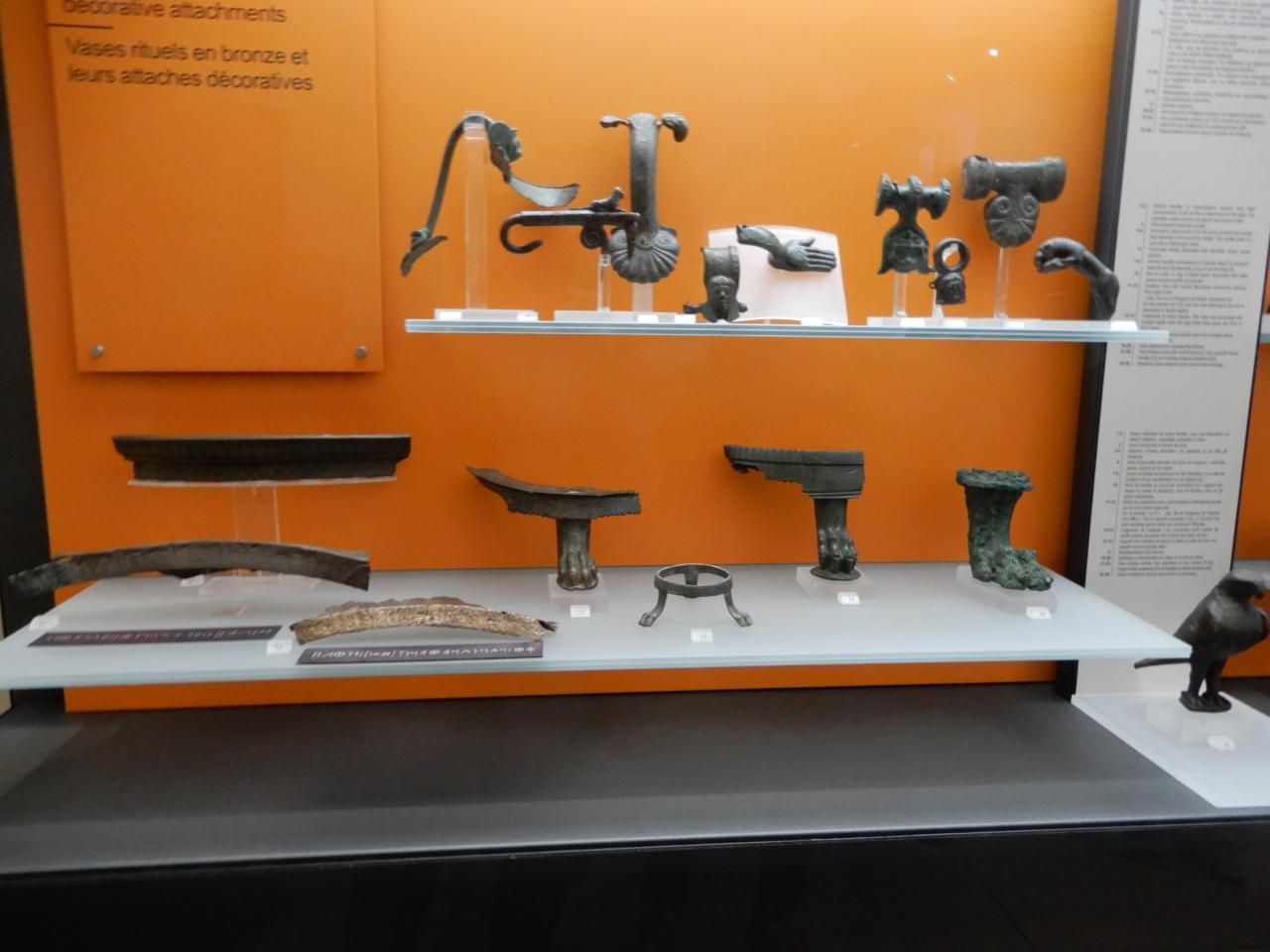
Bronze ritual vessels and their decorative attachments
青銅製の祭器とその装飾品 -
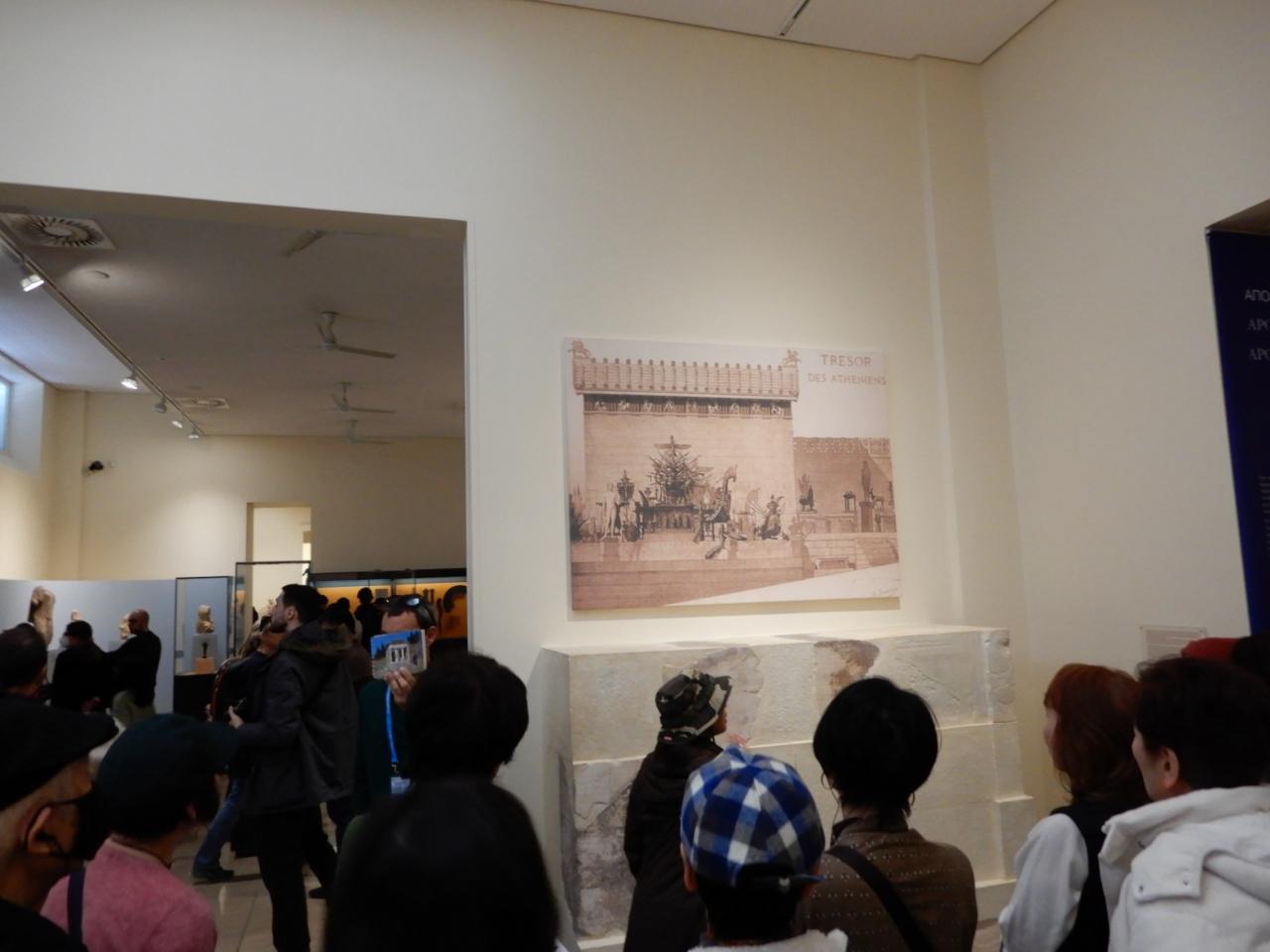
TRESOR DES ATHENIENS
-
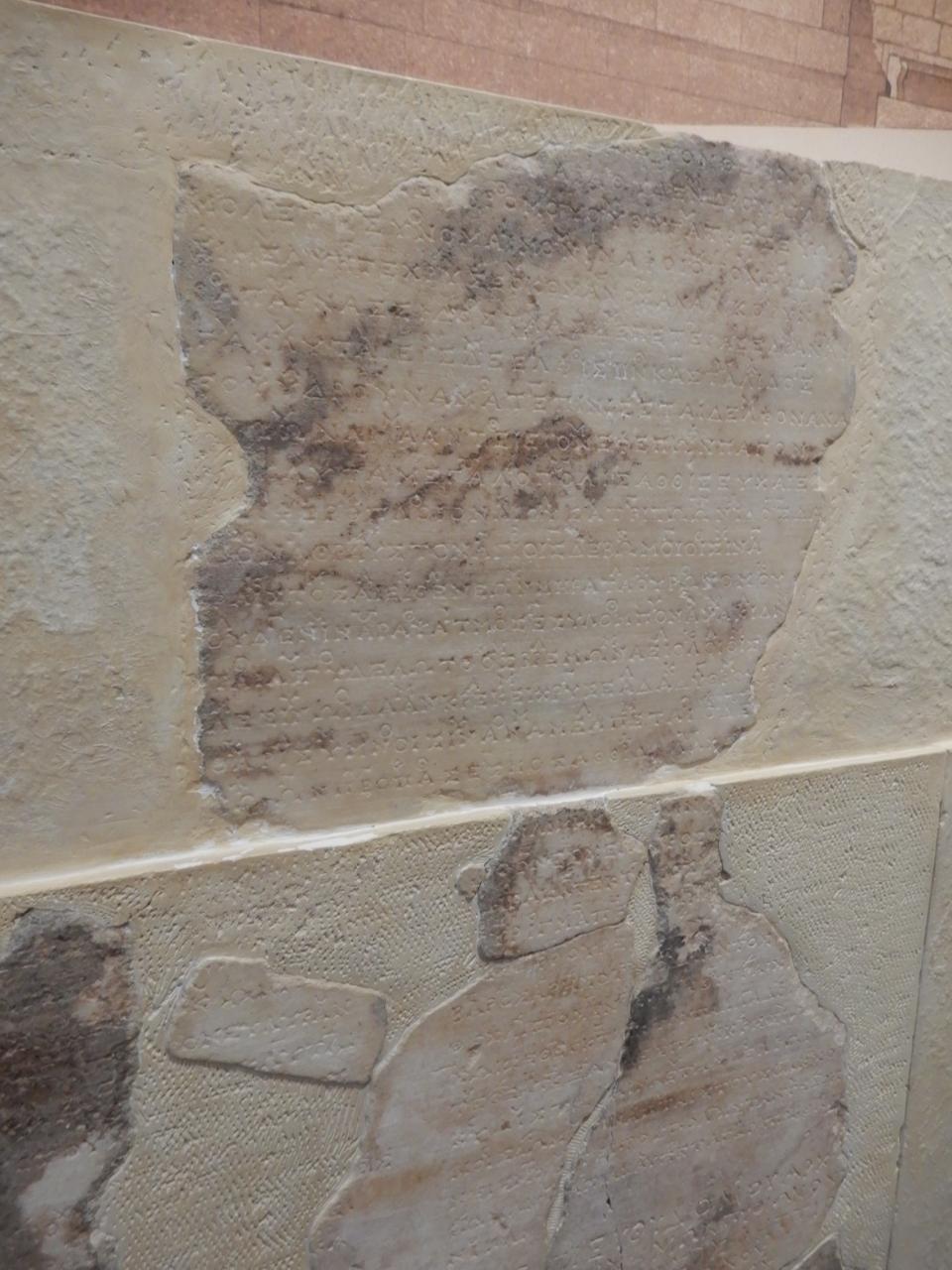
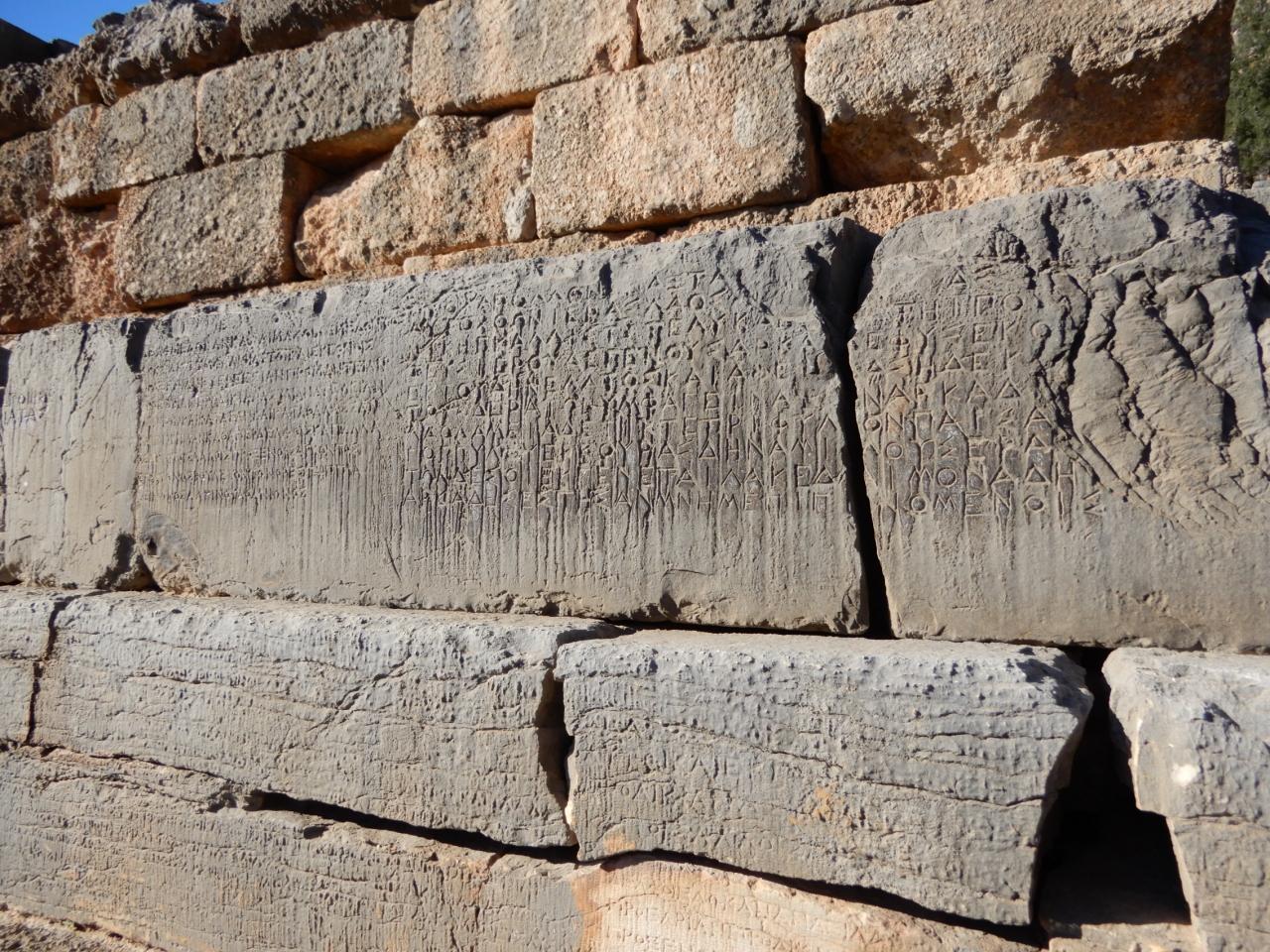
The hymns to Apollo (Block incised with musical inscriptions)
Among the inscriptions covering the southern wall of the Treasury of the Athenians, which preserve mostly honorary decrees for citizens of Athens, stand out two inscriptions which attracted the attention of the epigraphists, since it was evident that they recorded poetic verse. A more careful examination proved that they were two ancient hymns to Apollo, out of a total of about fifty known similar hymns from Ancient Greece. The examination of these hymns in relation to other inscriptions from the archaeological site of Delphi proved that the paeans were composed by the singer Athenaeus, son of Athenaeus, and the musician Limenius, son of Thoinos. The hymns were composed on the occasion of the Pythais of 128 B.C., the ritual procession of the Athenians towards Delphi. We know that the performance of one of the two hymns was awarded a prize.
Between the lines of the verses are discerned musical symbols, which have been interpreted by the experts thanks to a treatise by Alypius, a musicographer of Late Antiquity (3rd century A.D.). The first paean consisted of four stances, of which three are extant. The second paean was much larger: it had nine stances and ended with a “prosodion”, i.e. a jubilant finale.
The subject of the paeans is naturally related to various events from the life of the god, such as his birth, his coming to Delphi etc. The god’s contribution to the fight against the Galatians is also hailed.
These hymns were thoroughly examined by musicologists and there have been many efforts to perform them with replicas of ancient musical instruments. The first time that they were performed was in 1894, one year only after their discovery, during the international athletic convention for the establishment of the Olympic Games.
アポロへの賛歌
アテネ市民の名誉法令が主に保管されているアテネ人の宝物庫の南壁を覆う碑文の中には、詩的な韻文が記録されていることが明らかだったため、碑文学者の注目を集めた2つの碑文が際立っていました。さらに注意深く調査したところ、それらは古代ギリシャで知られている合計約50の同様の賛美歌のうちの2つの古代アポロ賛美歌であることが判明しました。デルフイの考古学的遺跡から発見された他の碑文と関連させてこれらの賛美歌を調査したところ、賛美歌は歌手のアテナイオス (アテナイオスの息子) と音楽家のリメニオス (トイノスの息子) によって作曲されたことが判明しました。賛美歌は、アテネ人がデルフイに向かう儀式的な行列である紀元前128年のピュタイスの際に作曲されました。2つの賛美歌の内の1つを演奏すると賞が授与された事が分かっています。
詩の行間には音楽記号が読み取れますが、これは後期古代(紀元3世紀)の音楽学者アリピオスの論文のおかげで専門家によって解釈されました。最初の賛歌は4つのスタンスで構成され、そのうち3つが現存しています。2番目の賛歌ははるかに大きく、9つのスタンスがあり、「プロソディオン」、つまり歓喜のフィナーレで終わります。
賛歌の主題は、当然のことながら、神の誕生、デルフィへの来訪など、神の生涯に置ける様々な出来事に関連しています。ガラテヤ人との戦いに於ける神の貢献も称賛されています。
これらの賛美歌は音楽学者によって徹底的に研究され、古代の楽器のレプリカで演奏する試みが何度も行われました。これらの賛美歌が初めて演奏されたのは、発見されてから僅か1年後の1894年、オリンピック大会の設立を目的とした国際競技大会の時でした。 -
Hall 9 Votive Offerings of the 5th c. BC へ移動
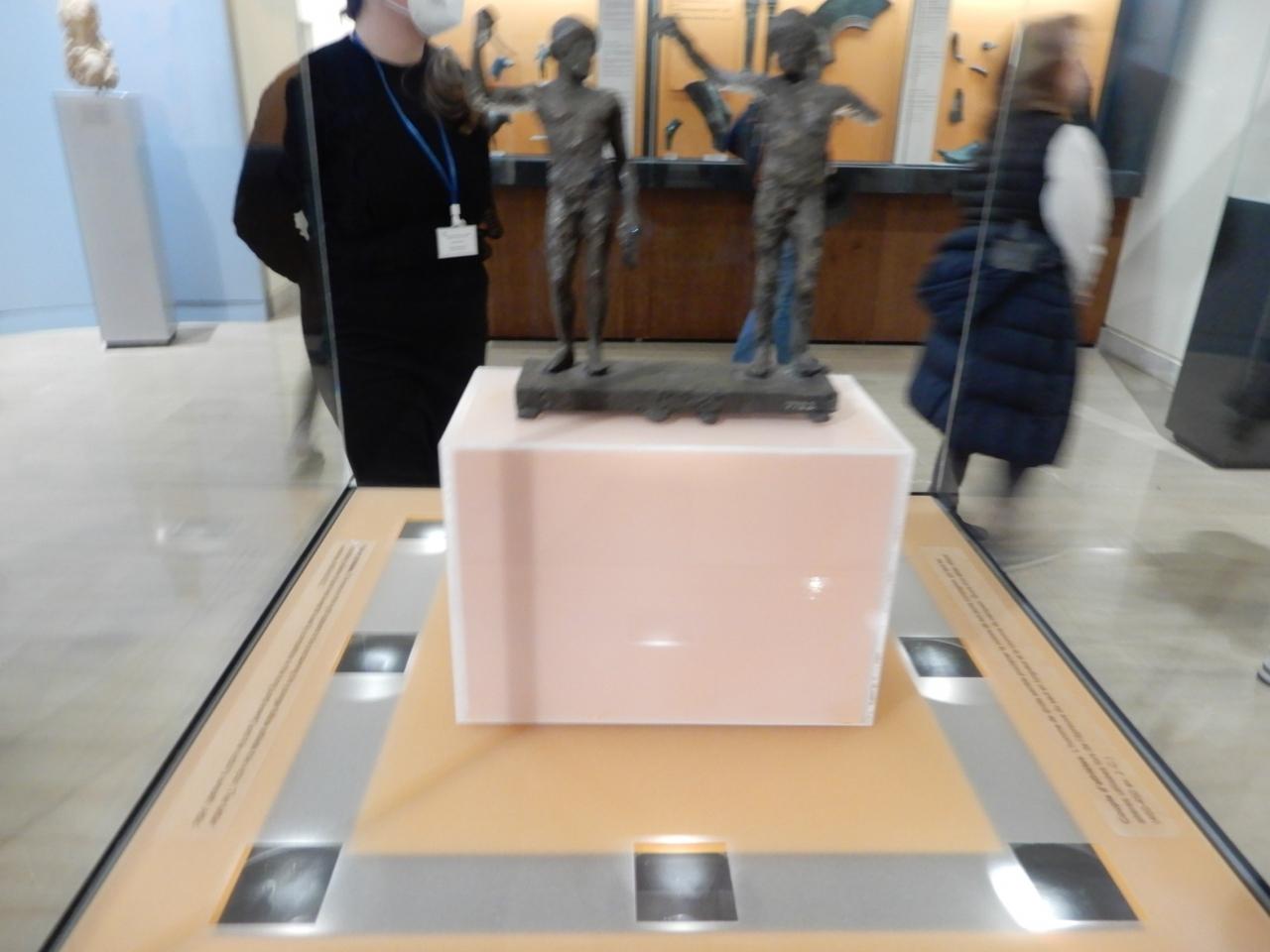
Pair of athletes
The man on the right appears to be proclaiming his younger fellow athlete the victor, The latter is holding halteres (hand held weights used by competitors in the long jump event) and the victor's wreath. Attic workshop (460 - 450 BC).
右側の男性は、若い仲間の選手が勝者だと宣言しているように見えます。若い選手は、ハルテール(走り幅跳び競技の競技者が手に持つ重り)と優勝者の冠を持っています。アッティカの工房(紀元前460年-450年)。
勝利の花輪を手に持つ2人の裸の選手、ピュティアに参加した若者の誓い (紀元前5世紀) -
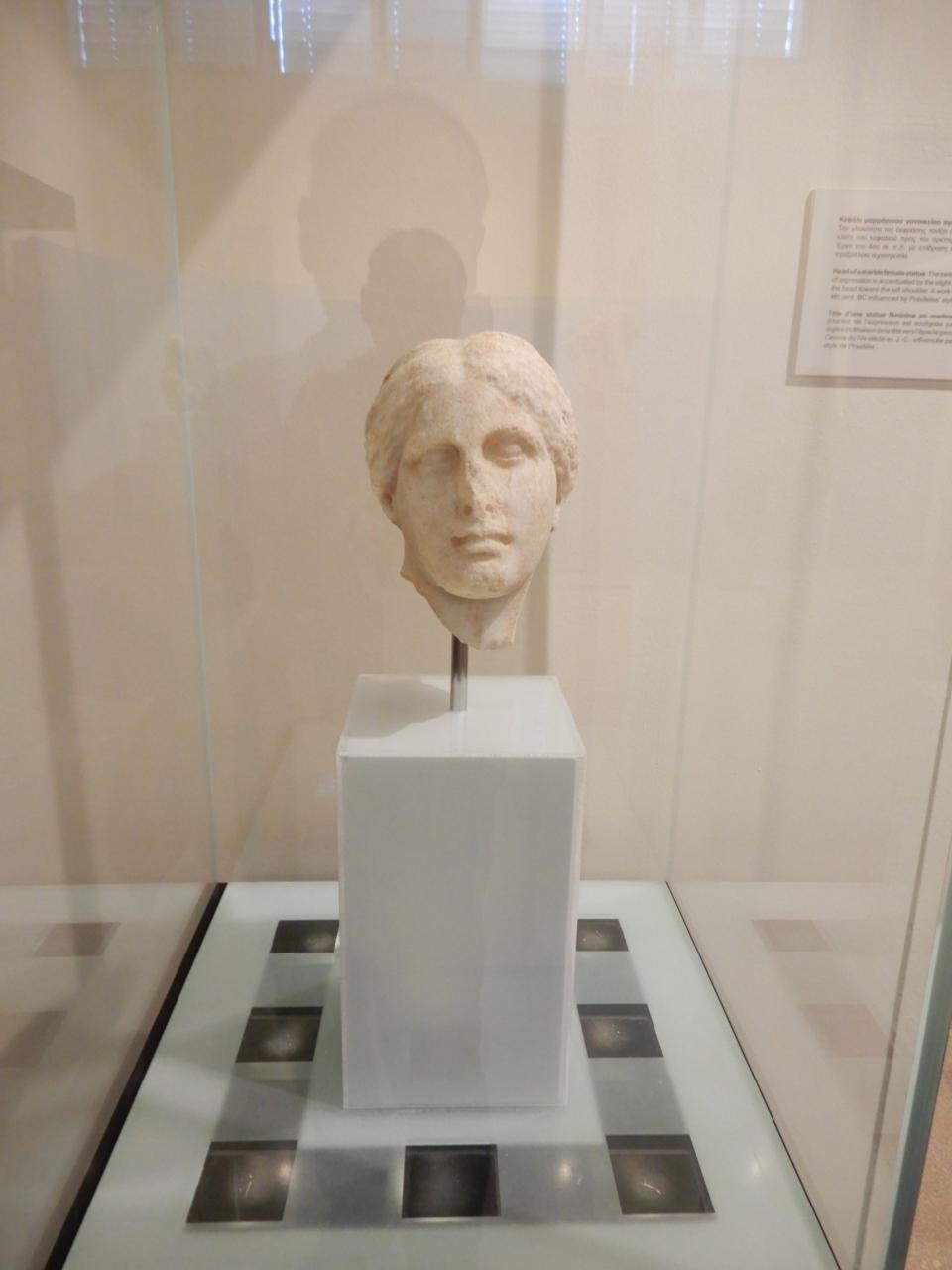
Head of a marble female statue
The sweetness of expression is accentuated by the slight turn of the head toward the left shoulder. A work of the 4rth cent. BC influenced by Praxiteles' style.
頭をわずかに左肩に向けることで、表情の優しさが強調されています。紀元前4世紀の作品で、プラクシテレスのスタイルの影響を受けています。 -
Hall 10 The Tholos へ移動
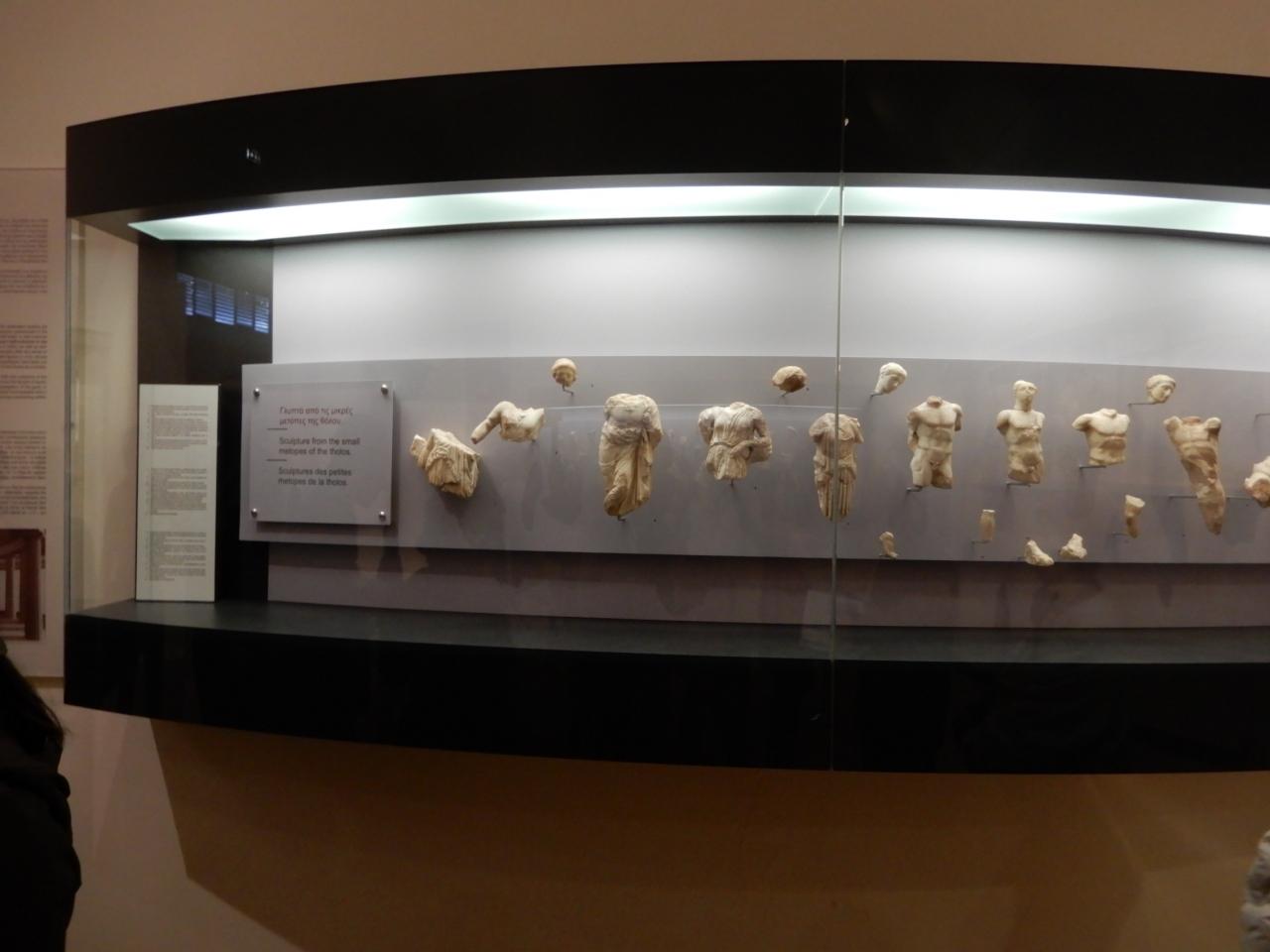
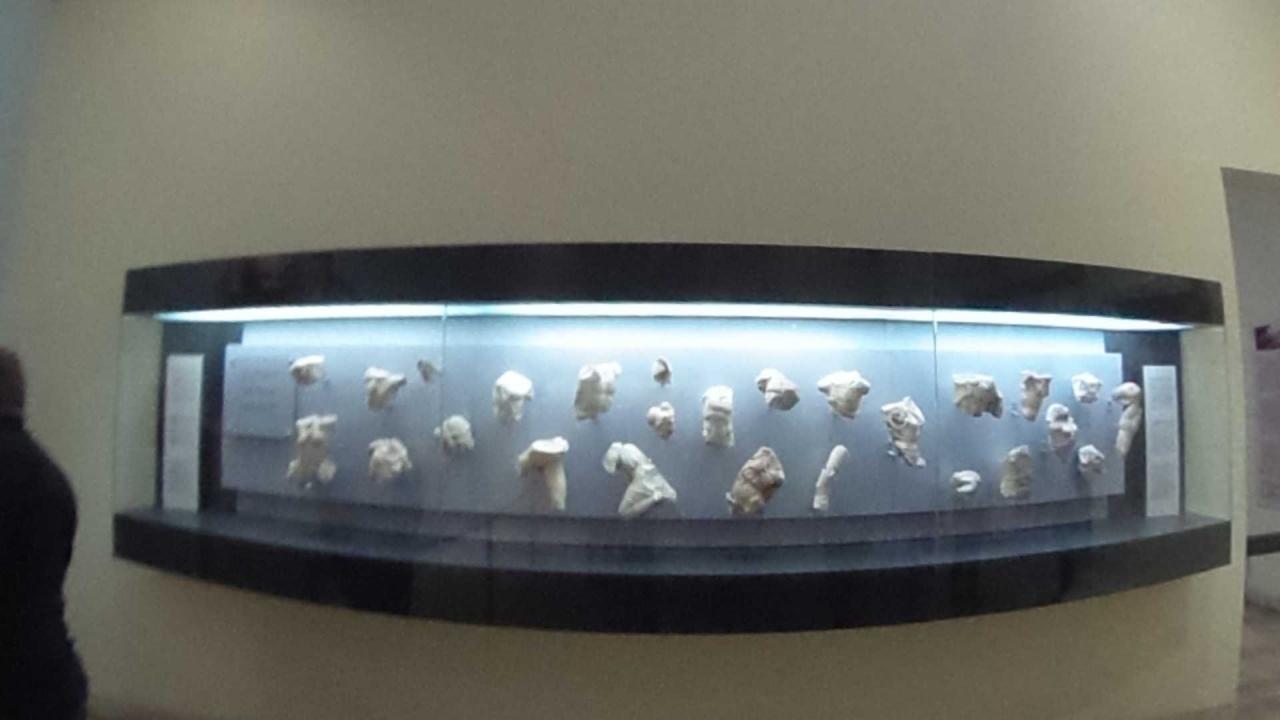
Sculpture from the small metopes of the tholos
トロスの小さなメトープの彫刻
The smaller interior metopes of the tholos possibly depicted a congregation of the gods, to which the static or motionless figures have been attributed, and a battle scene, to which the more active figures belong.
トロスの小さな内部メトープには、静止した人物は神々の集会を、より活発な人物は戦闘シーンを描いていた可能性がある。 -
The metopes of the Tholos
Sculpture from the exterior (large) metopes of the Tholos of Delphi, depicting scenes from the Amazonomachy and Centauromachy.
デルフィのトロスの外部(大型)メトープの彫刻。アマゾノマキアとケンタウロマキアの場面を描いています。 -
Hall 11 The Late Classical-Hellenistic Piriod
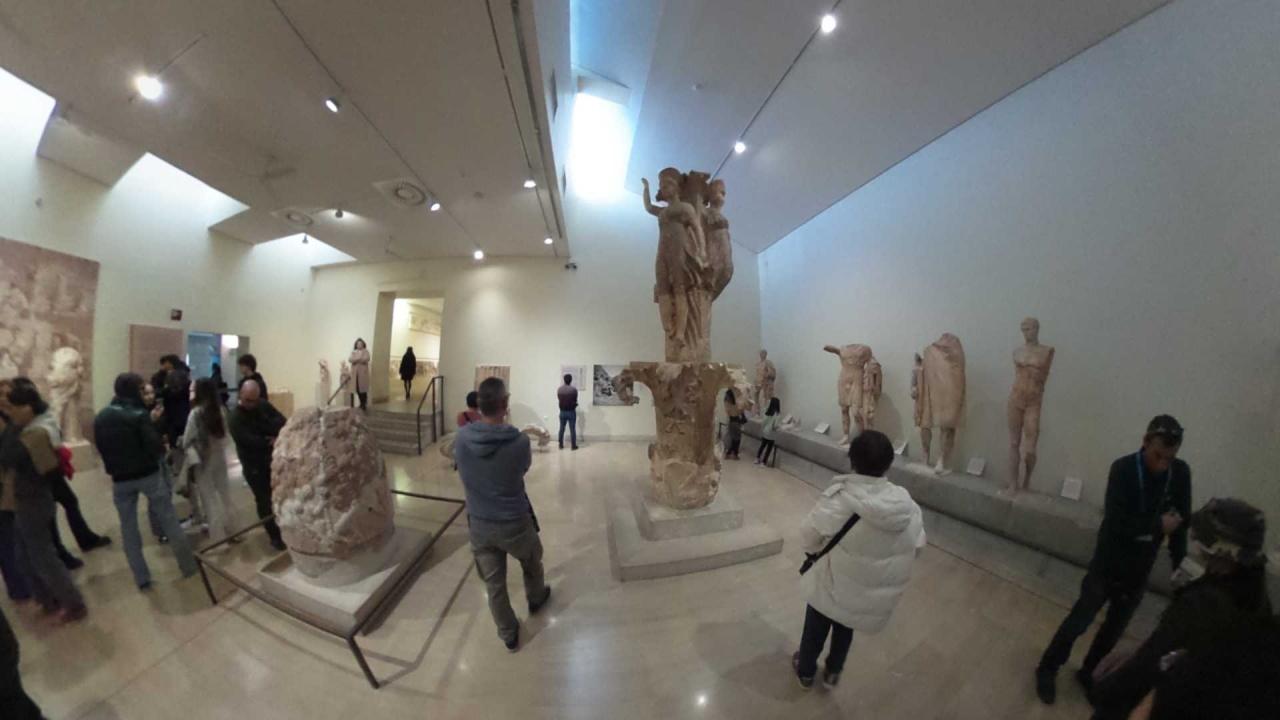
The column of the 'dancers' を観賞する観光客 -
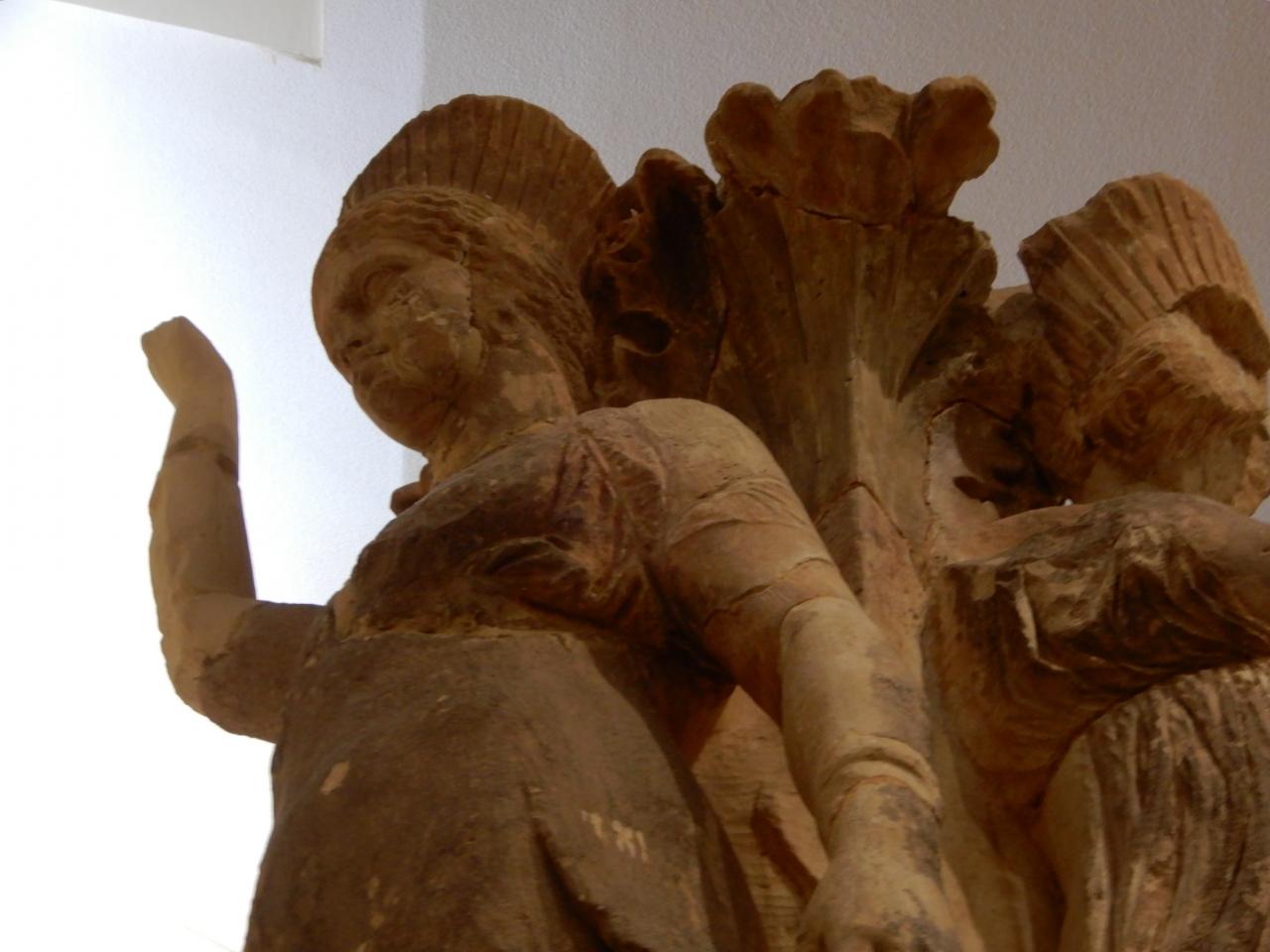
The column of the dancers
In front of the temple of Apollo stood this spectacular multi figure monument, whose height was 13m. and it was dedicated by the Athenians around 330 BC. It consists of a column made of drums, with acanthus leaves. On top of the column, the statues of three young women have been carved around a plant ? based stem and give the appearance of being suspended high in the air. Their upraised right hands originally supported the enormous cauldron of a bronze tripod. The girls have been called "dancers", because of the dancing impression created by their stance. They have been interpreted as Thyiads (Maenads), it is now believed, however, that the figures represent the three daughters of Cecrops, a legendary king of Athens. The latest theoretical restoration of the monument places at its top the omphalos (displayed nearby) as a covering for the sacred tripod.
踊り子の柱
アポロ神殿の前には、高さ13mのこの壮観な多面的な記念碑が立っていました。これは紀元前330年頃にアテネ人によって奉納されたものです。この記念碑は、アカンサスの葉をつけた太鼓でできた柱で構成されています。柱の上には、植物の茎の周りに3人の若い女性の像が彫られており、空中に高く吊り下げられているように見えます。彼女たちの右手は、もともと青銅の三脚の巨大な大釜を支えていました。少女たちは、その姿勢が踊っている印象を与えるため、「踊り子」と呼ばれてきました。彼女たちはテュイアデス (メナデス) と解釈されてきましたが、現在では、この像は伝説のアテネ王ケクロプスの3人の娘を表していると考えられています。記念碑の最新の理論的修復では、聖なる三脚を覆うために、その頂上にオンパロス (近くに展示) が置かれています。 -
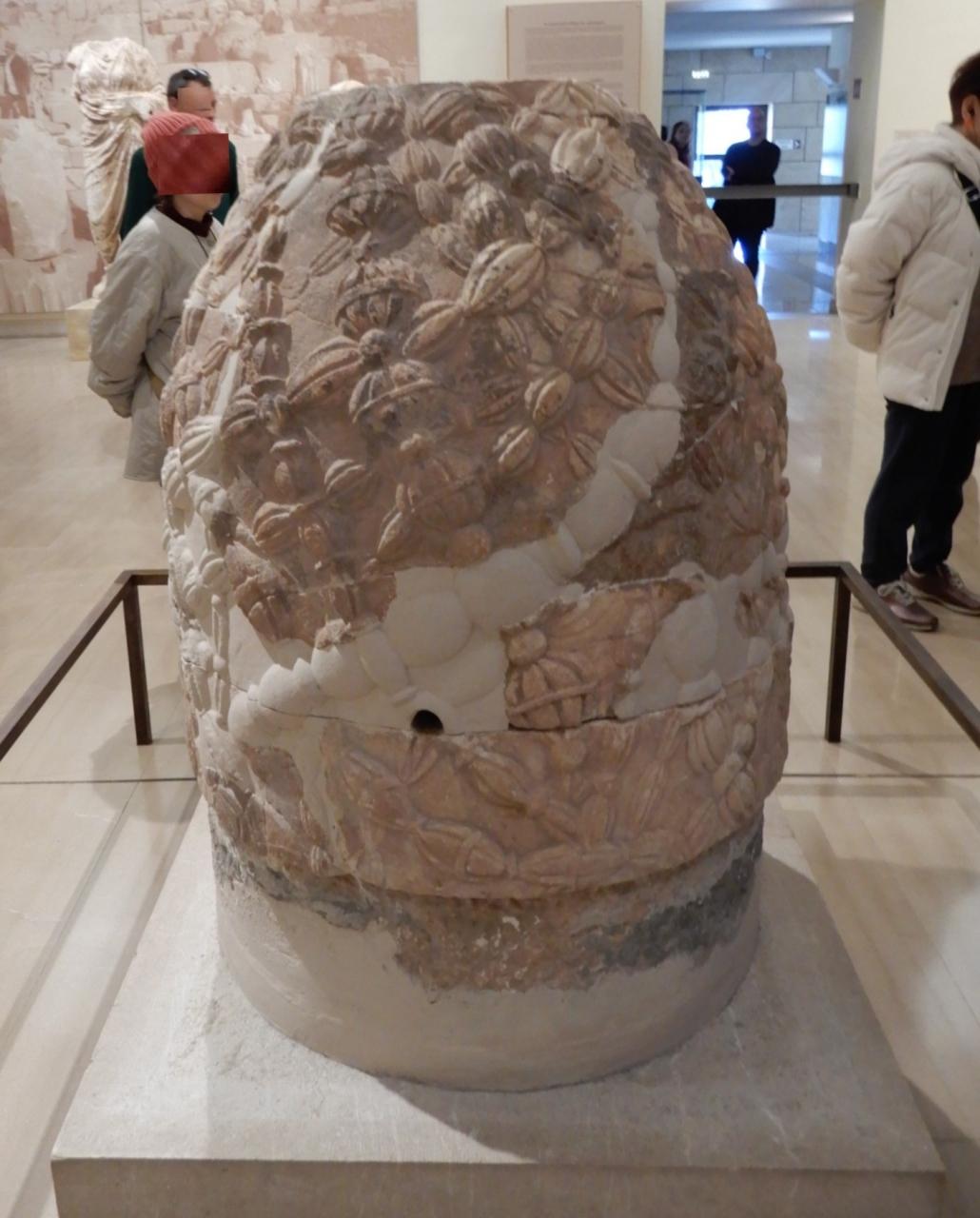
Marble omphalos これが「世界のへそ」のレプリカ?
A copy of the original that used to stand in the adyton, where the prophetic responses were being given via the Pythia. According to mythology, the omphalos marked the centre of the earth, the point where the two eagles released by Zeus from two opposite ends of the world eventually met. This marble omphalos probably crowned the top of the column of the "dancers".
google翻訳
大理石のオンパロス
アディトンにかつて置かれていたオリジナルの複製。ピュティアを通して予言の応答が与えられていた場所。神話によると、オンパロスは地球の中心、つまり世界の反対側の端からゼウスが放った2羽の鷲が最終的に出会う地点を示すもの。この大理石のオンパロスはおそらく「踊り子」の柱の頂上にあったものと思われる。 -
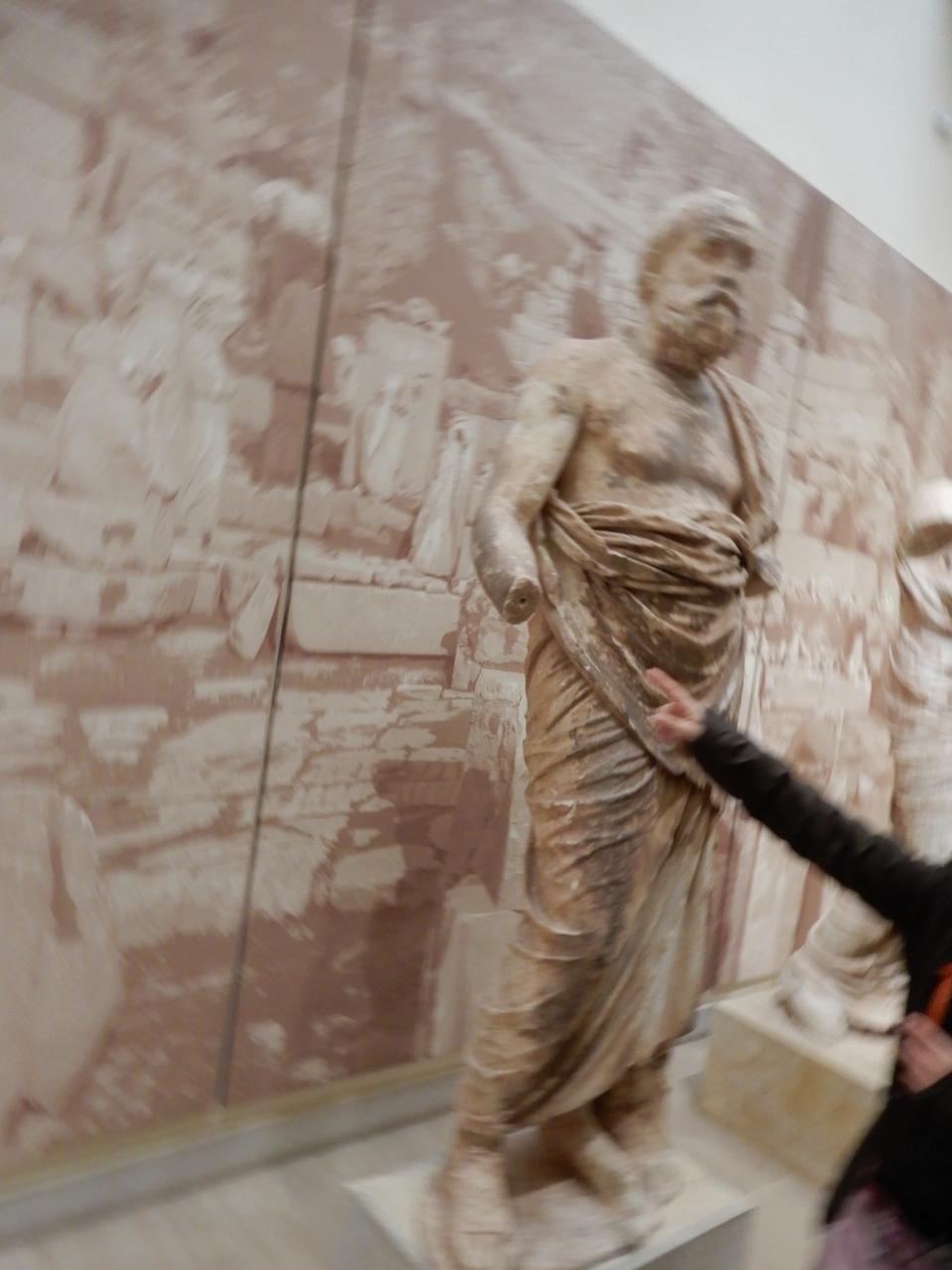
The statue of an aged man, known as the philosopher (or maybe priest) of Delphi.
デルフォイの哲学者(あるいは司祭)として知られる老人の像
Μulti - figure group, belonging to the type of family dedications, which, instead of glorifying a city-state, manifested the outstanding rank (if not the presumption) of individual dedicators
Among them. His features are not idealised, instead, they compose an individual physiognomy, a portrait. Early Hellenistic period.
多面体グループ、家族奉納のタイプに属し、都市国家を称えるのではなく、個々の奉納者の卓越した地位(あるいは尊厳)を表明した。
初期ヘレニズム時代。 -
The votive offering of Aemilius Paulus アエミリウス・パウルスの奉納物
紀元前 168 年にピュドナで起きたローマ人とマケドニア人の衝突により、ギリシャの土地に対するローマの主権が強化されました。戦いの後、勝利したローマの将軍は、デルフィのアポロ神殿の前に高い柱 (約 10 メートル) を奉納しました。その頂上には、将軍自身の騎馬像が置かれ、フリーズには戦いの場面が描かれています。 -
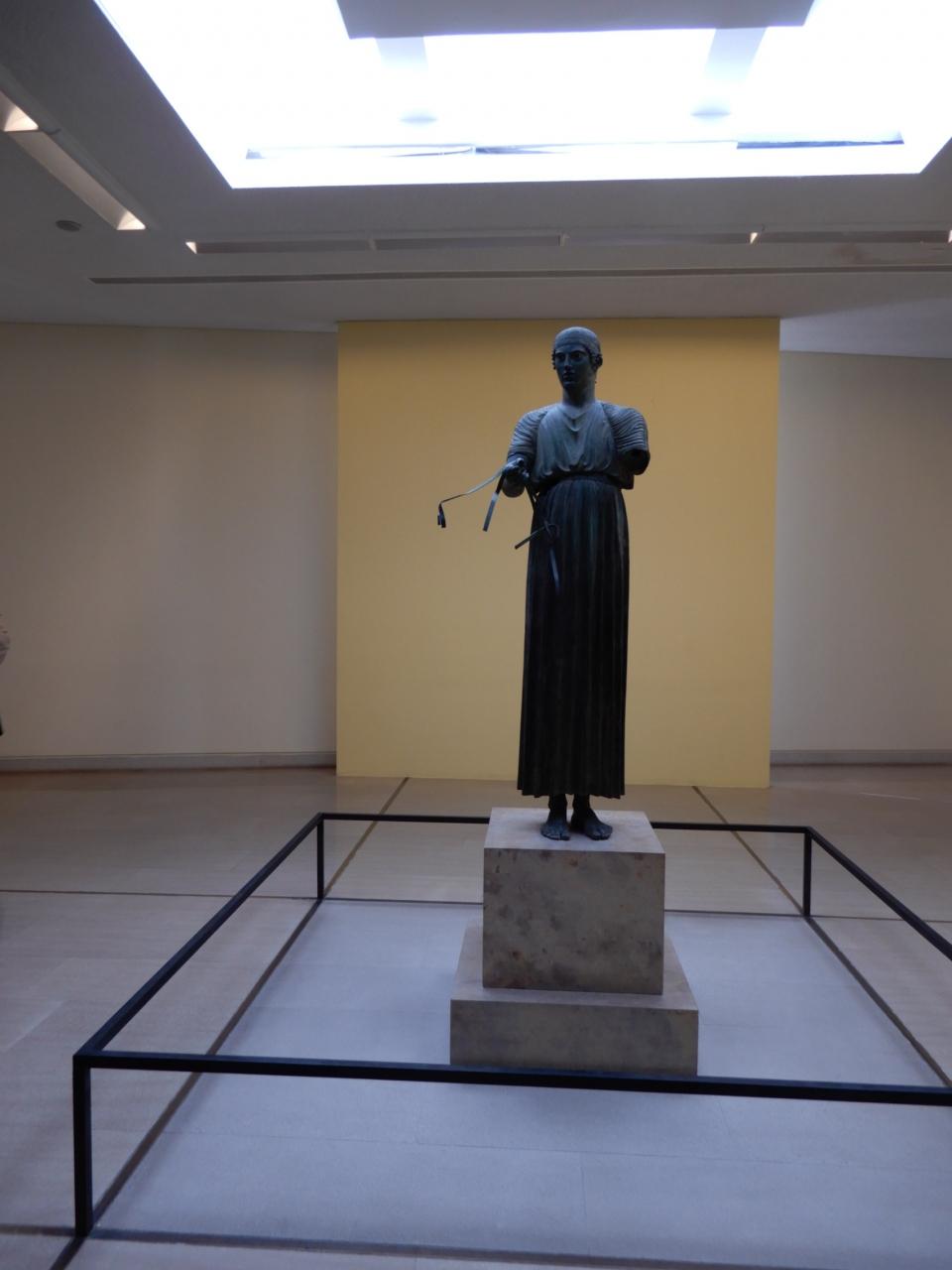
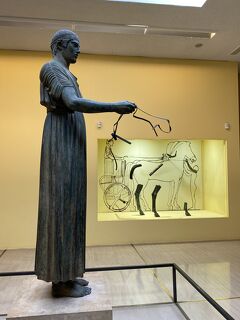
Hall 13 The Charioteer 特別室になっていた
Statue of the Charioteer of face 聖堂の御者の像
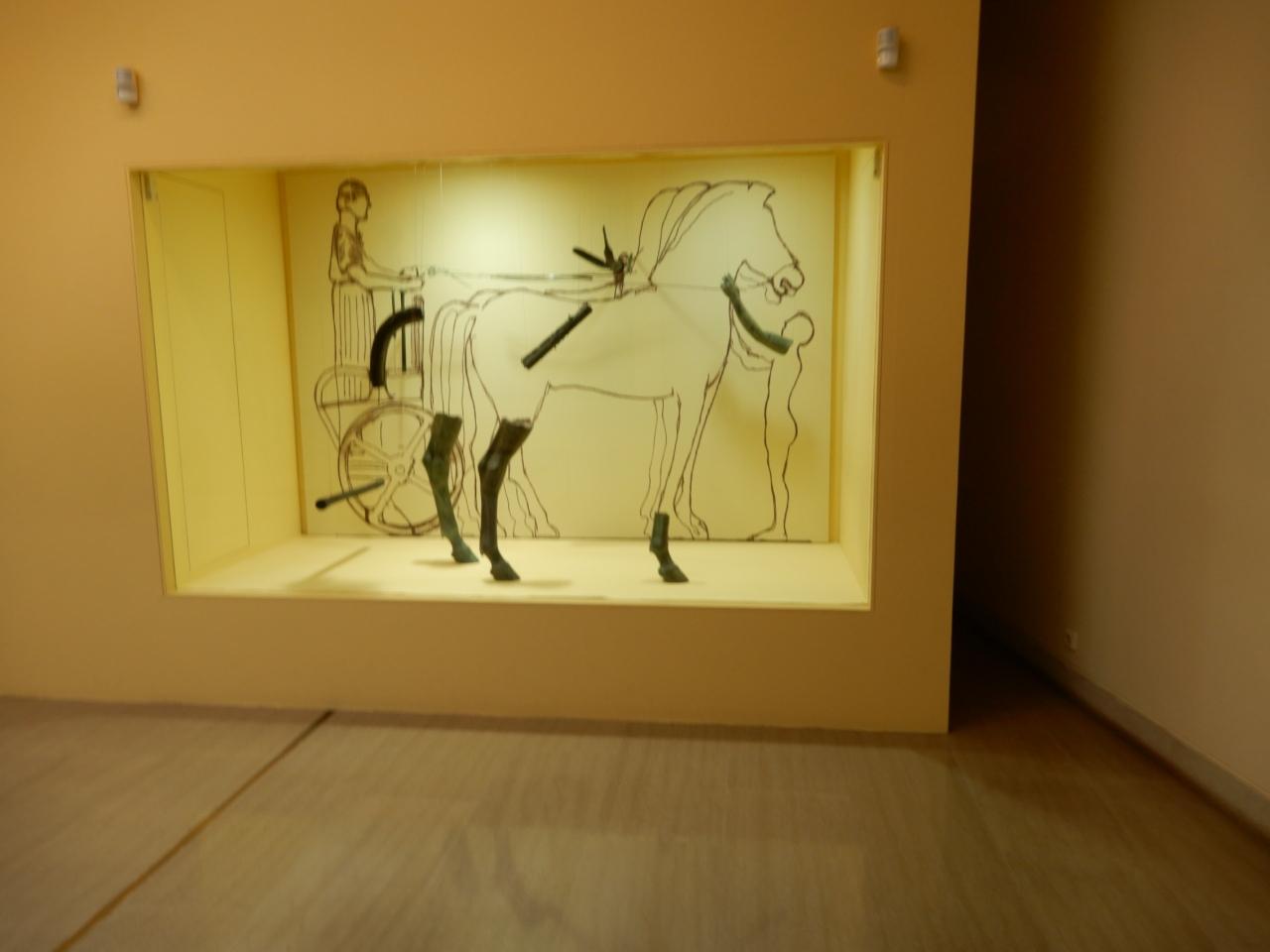
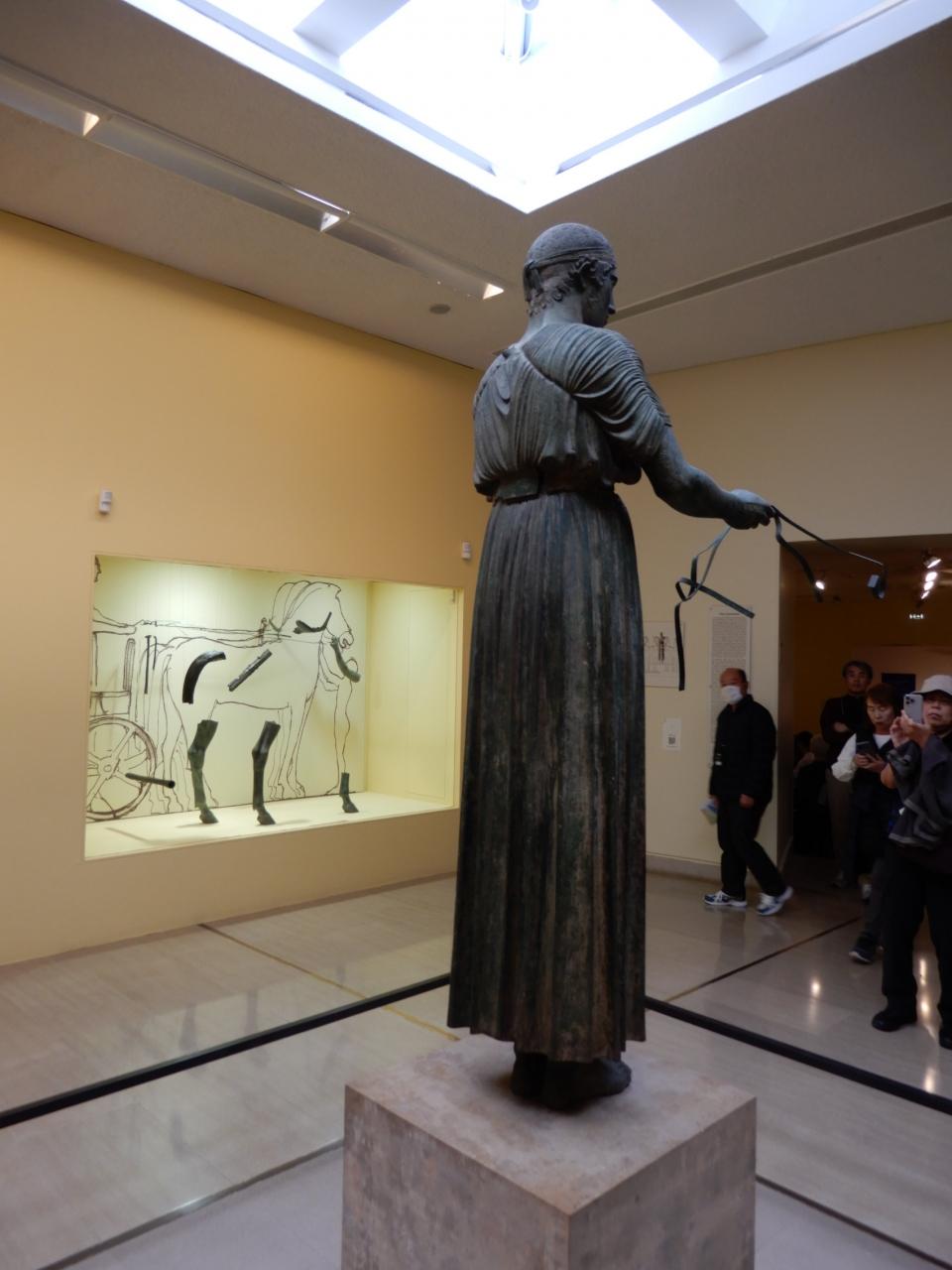
The Charioteer of Delphi is one of the most emblematic art works of ancient classical art. The bronze statue of the so-called "Severe Style" (480-460 BC) depicts a charioteer, youth of noble origin, winner of a horse race in the panhellenic Pythian Games. The young man wears the typical sleeved tunic, long down to his thin ankles. A broad belt tightens the tunic above waist, and two crossing straps at the back prevent the garment from billowing while the vehicle is speeding. His long fingers are wrapped around the reins and probably the goad. The Charioteer formed part of a larger bronze composition, representing a quadriga and one or two more figures. It was a votive offering of Polyzalos, son of the tyrant of Syracuse Deinomenis.
デルフォイの戦車兵は、古代古典芸術の最も象徴的な作品の1つです。いわゆる「厳格様式」 (紀元前480-460年) のブロンズ像は、ピューティア競技会の競馬で優勝した高貴な出自の若者の戦車兵を描いています。若者は、細い足首まで届く典型的な袖付きチュニックを着ています。幅広のベルトがチュニックを腰より上で締め、背中の2本の交差するストラップが、車がスピードを出している間に衣服が波打つことを防ぎます。彼の長い指は、手綱とおそらく突き棒に巻き付けられています。戦車兵は、四輪馬車と1人または2人の人物を描いた、より大きなブロンズ像の一部です。これは、シラクサの僭主デイノメニスの息子、ポリザロスの奉納物でした。 -
the Charioteer イメージ図
-
Charioteer holding the reins
-
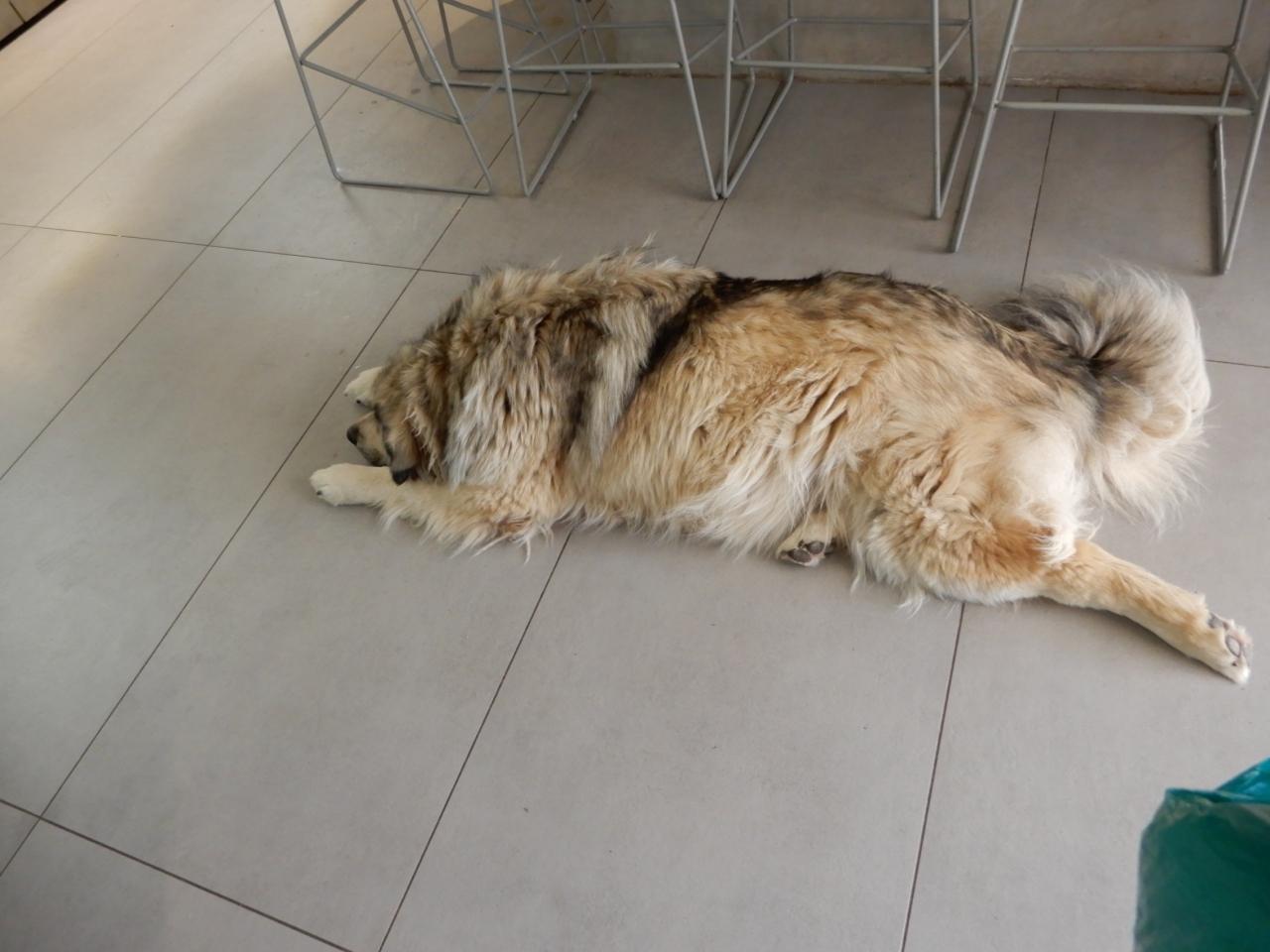
14:03 40分程博物館を観賞した後、トイレ休憩の時間にDelphi Museum Shop付近で犬が横たわって寛いでいるのを見付けた
-
ミュージアムショップから5分程歩いて、古代遺跡のチケットゲート入口から入場し、少し上がって来ると、
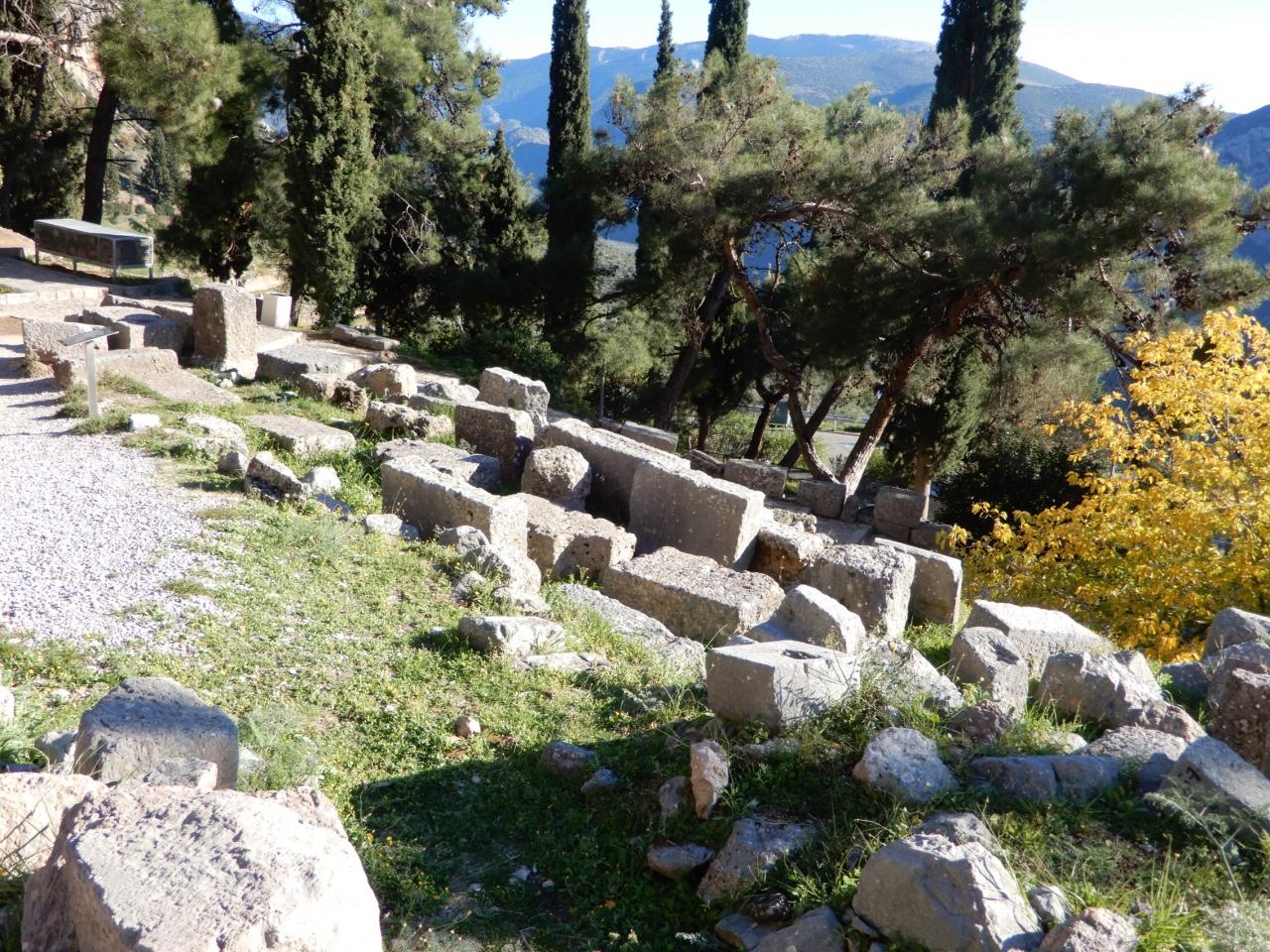
14:08 広場があって、周りには石が転がっていた -
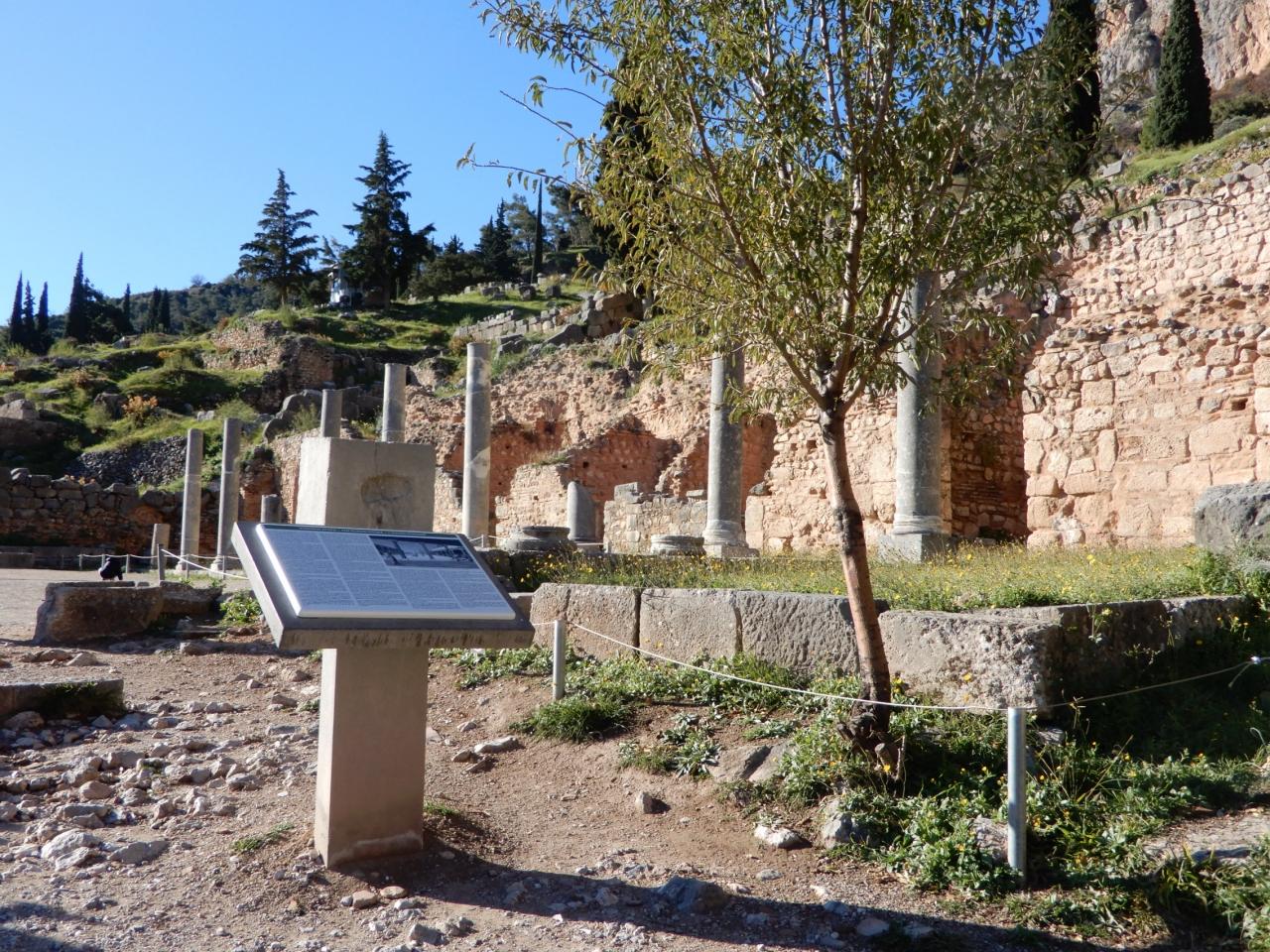
その少し先に Roman Agora of Delphi があった
-
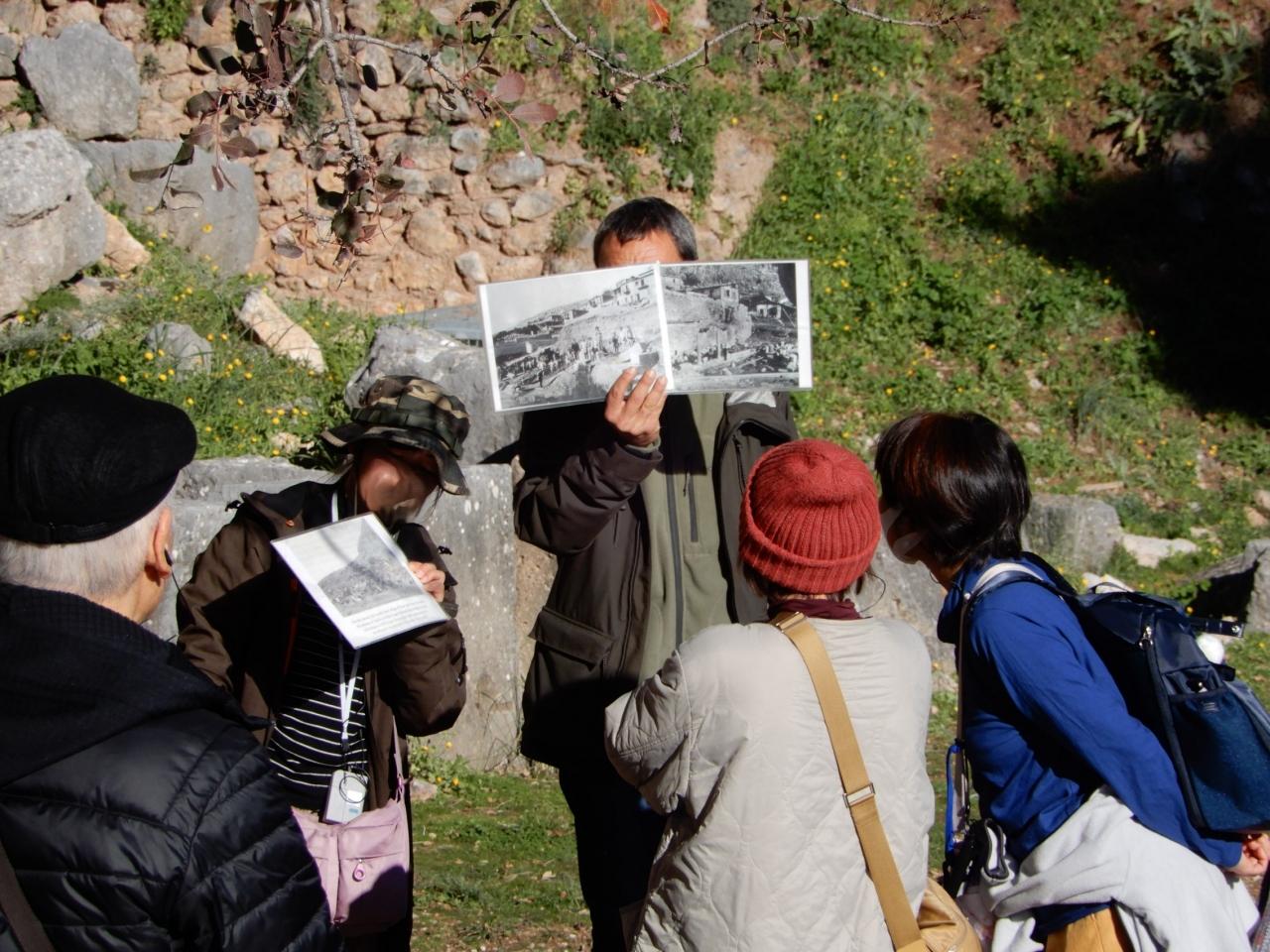
Roman Agora of Delphi でアポロン神殿について説明する現地ガイドと翻訳する添乗員
-
説明している傍には、穴が開いている遺跡の一部もあった
-
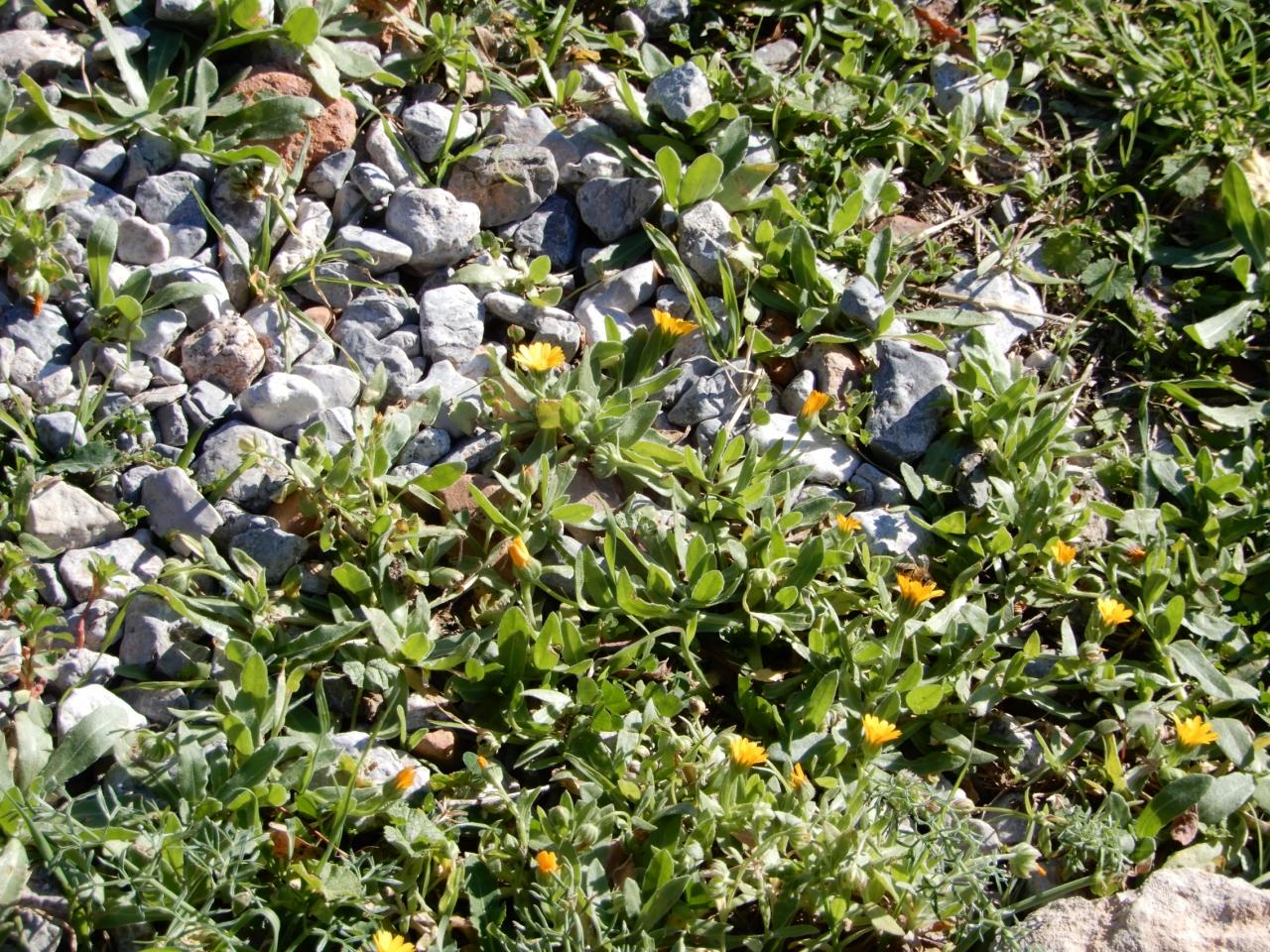
カレンデュラ (冬知らず)に似た花が咲いていた
-
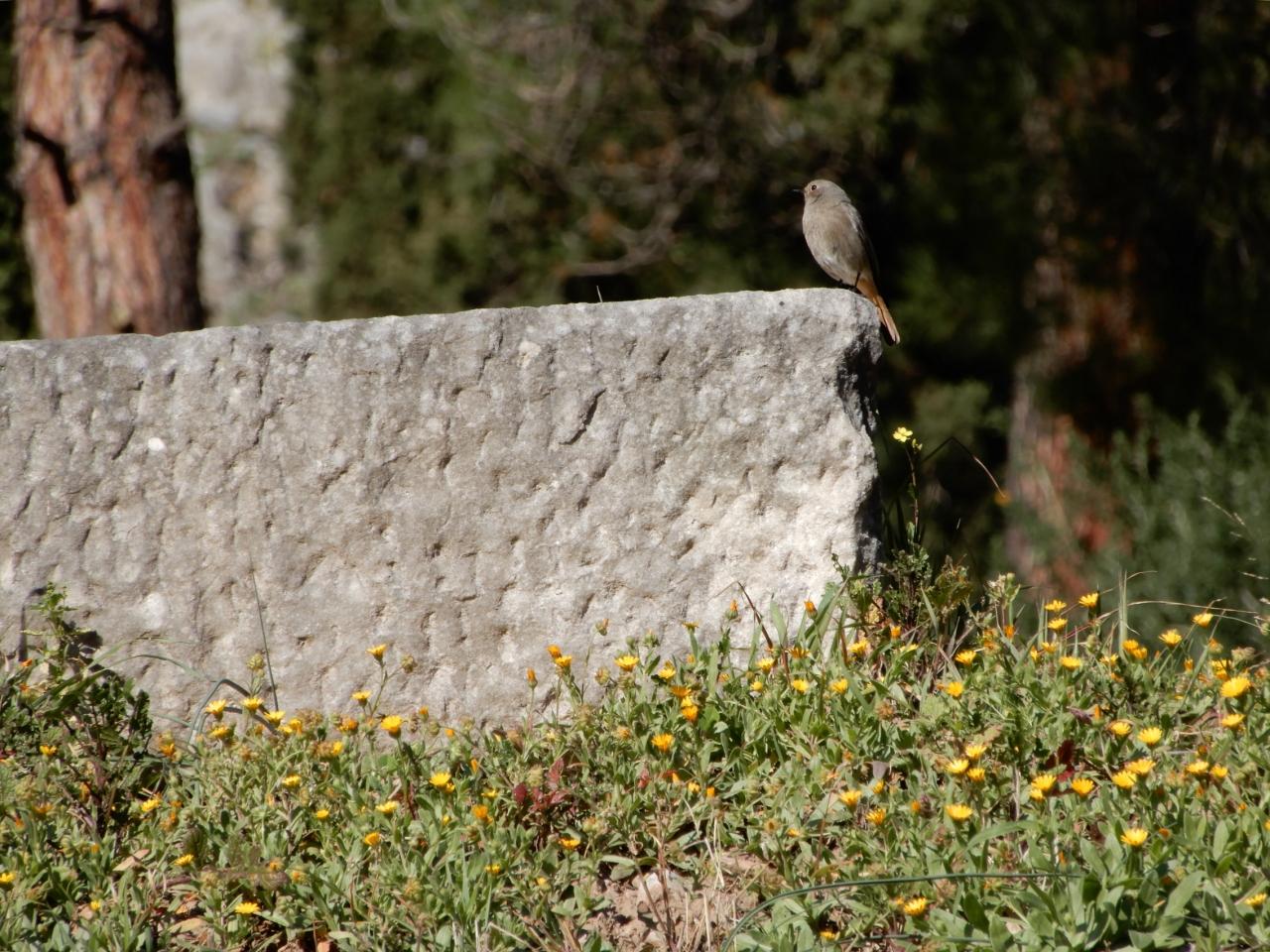
ジョウビタキかな?
-
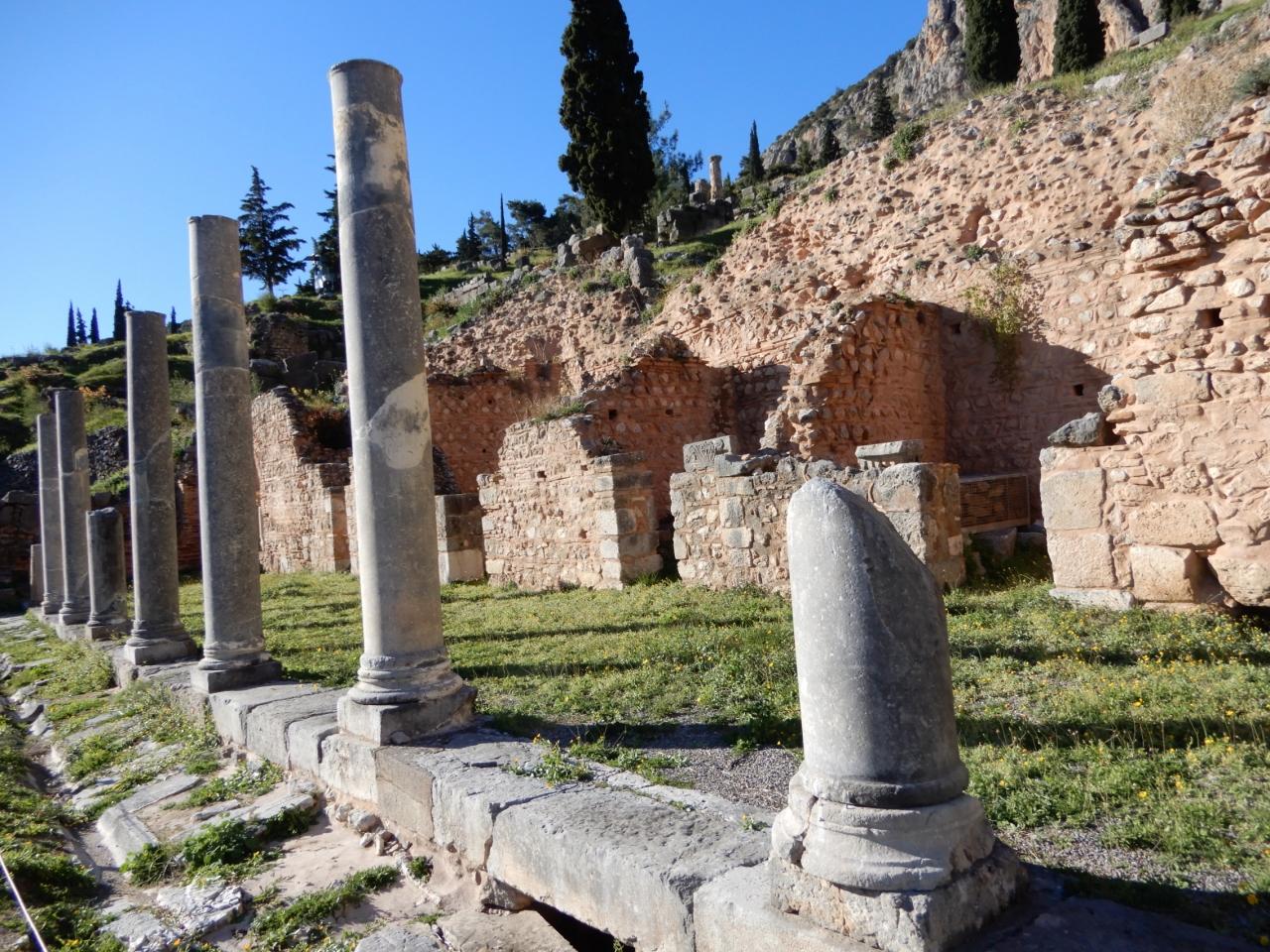
Roman Agora of Delphi の柱列が並んでいた
-
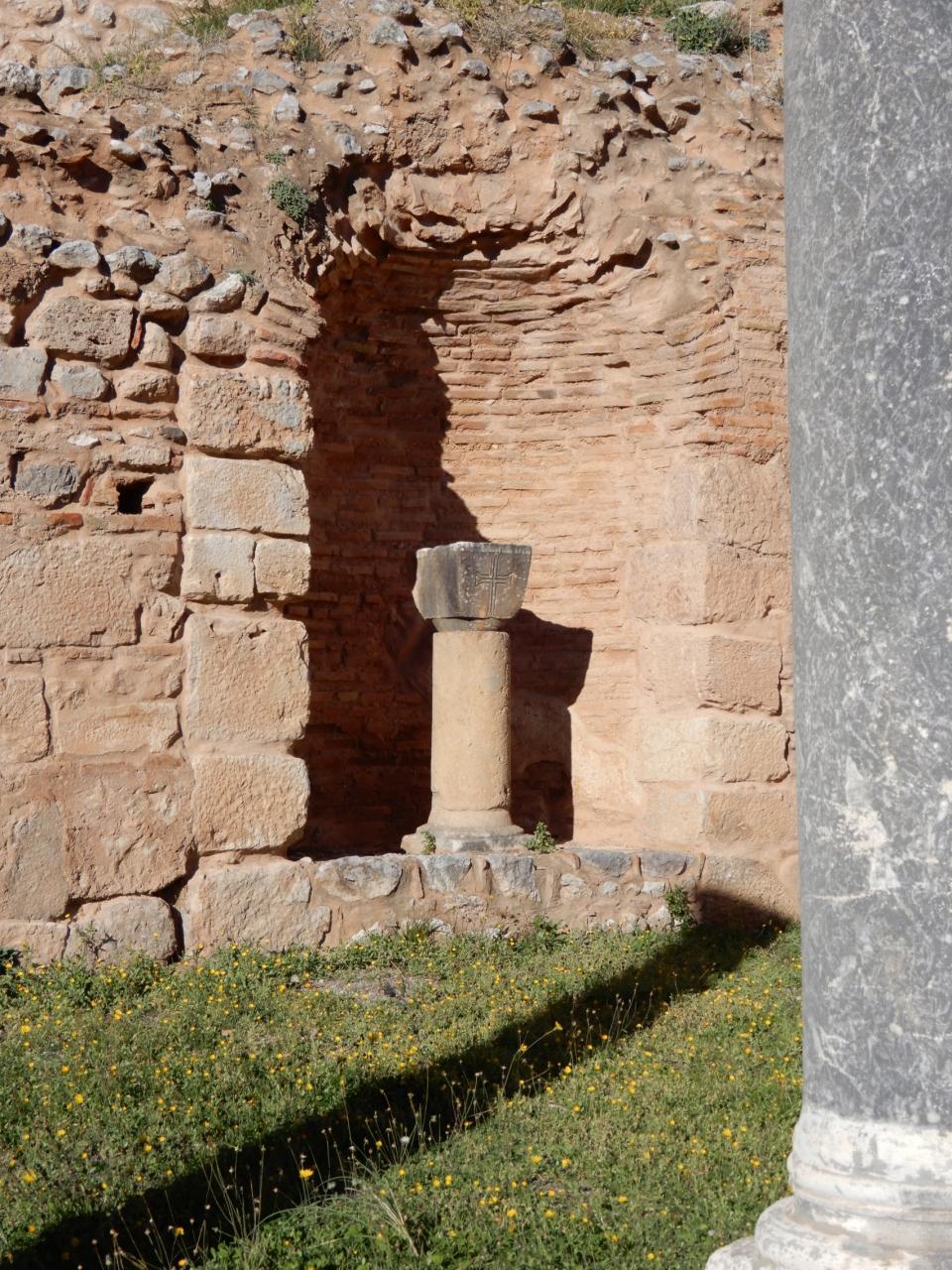
Roman Agora の一部
-
碑文は全く読めません
-
The Sikyonian Treasury 付近の遺跡物
-
14:26 The Sikyonian Treasury 付近の様子
-
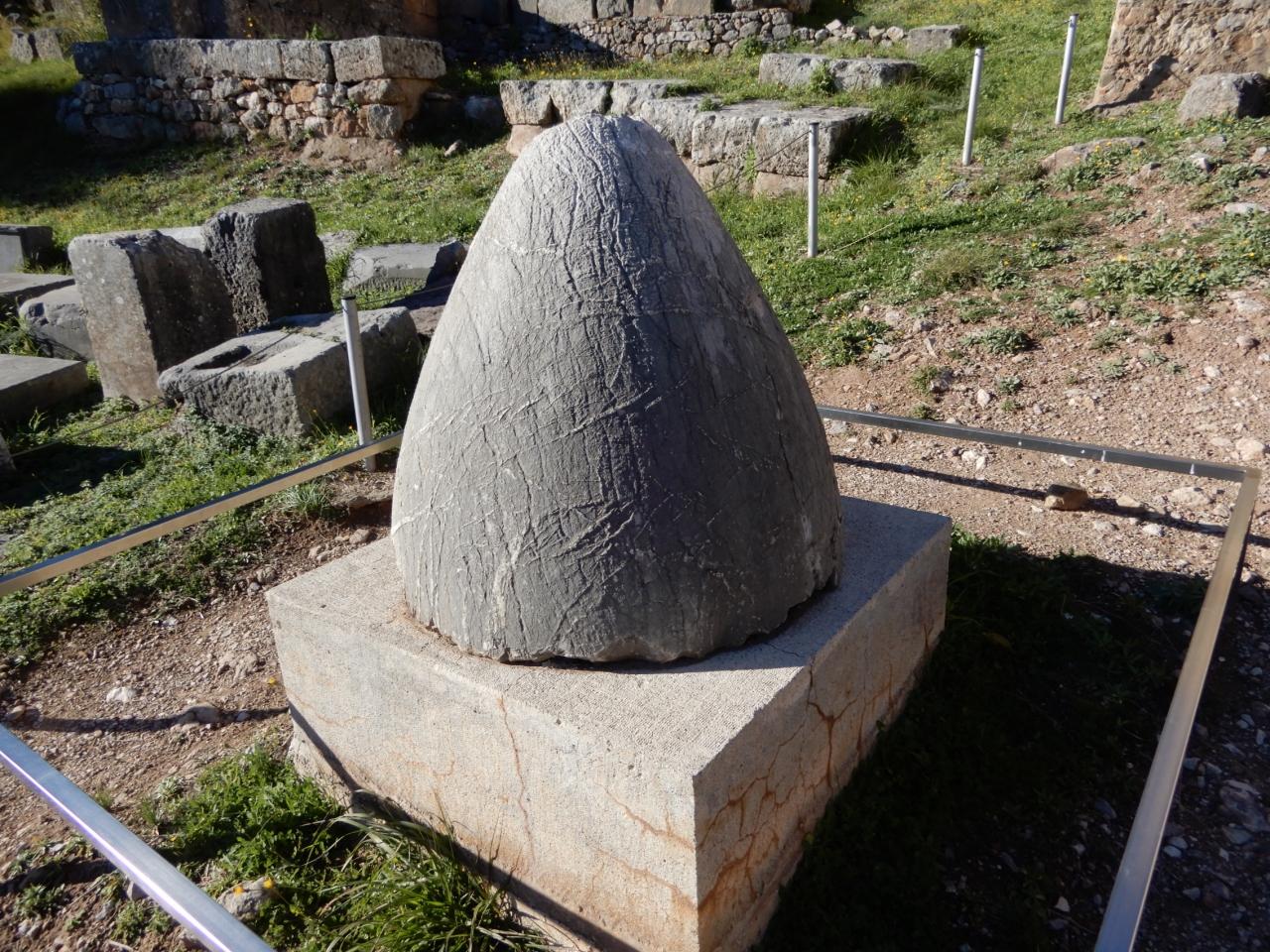
Treasury of Athenian & The Omphalos
このコーナーを良く見ると、何と「世界のへそ」があるではないですか -
the omphalos (navel) that signified the center of the earth 世界の中心と考えられていた「へその石」(レプリカ)
The column of the dancers もここにあったのだろうか? -
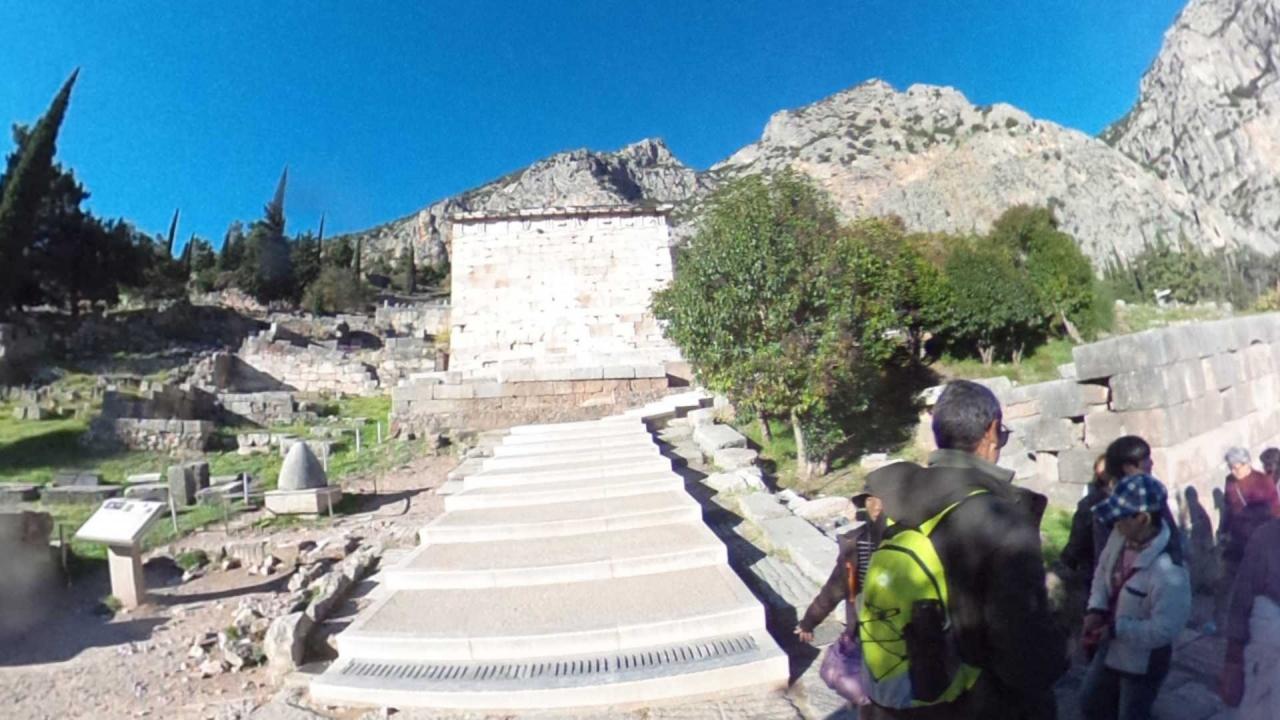
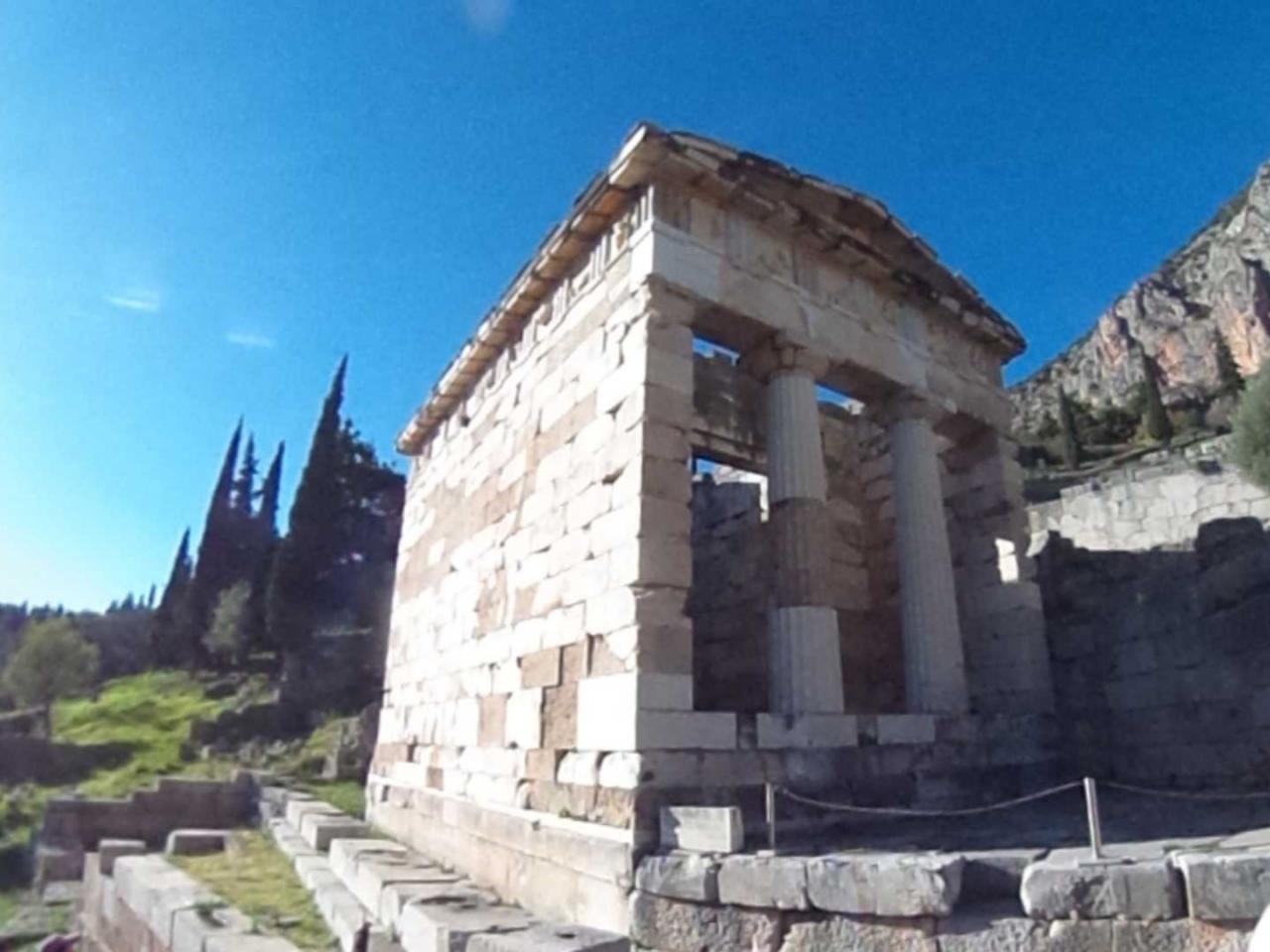
その「世界のへそ」後方に、Treasury of Athenian が復元されていた
アテネ人の宝庫 建造物
-
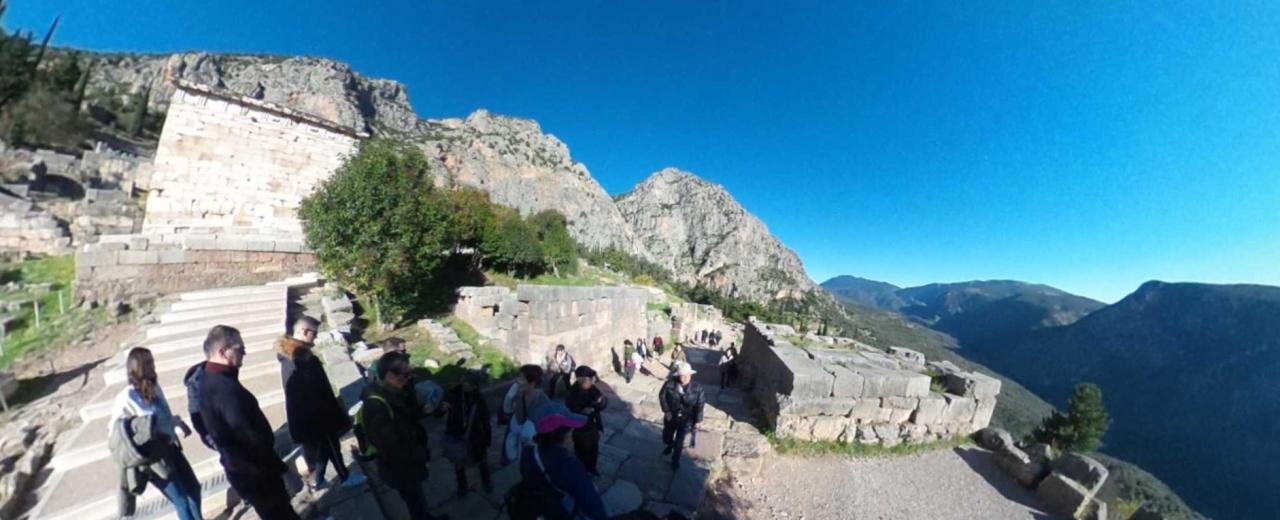
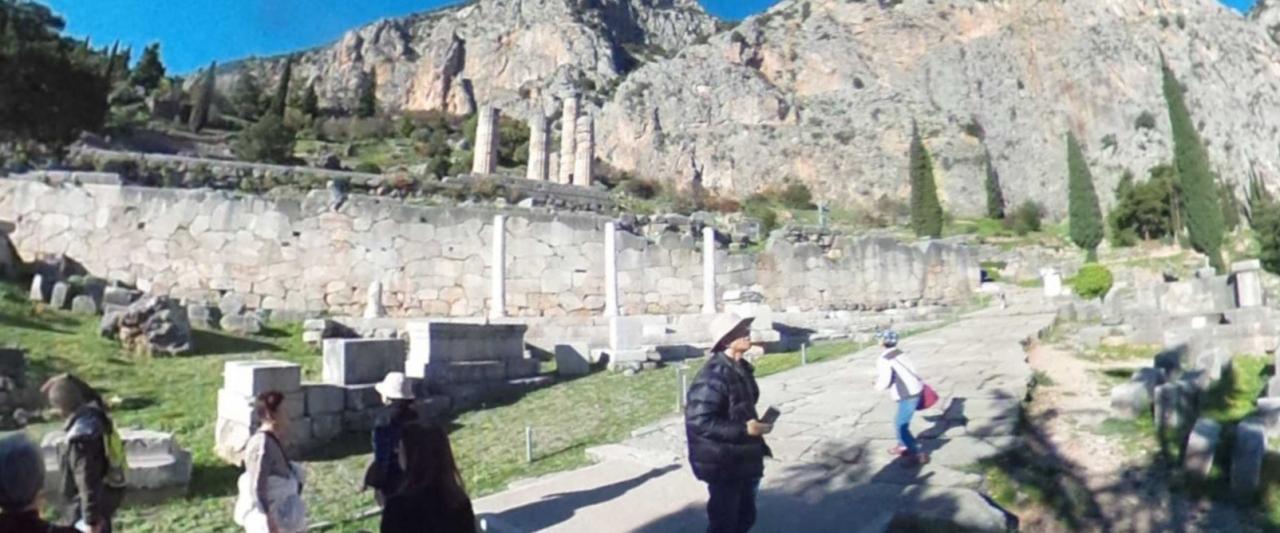
The Sacred Way 聖なる道と 背景の多角形の壁
-
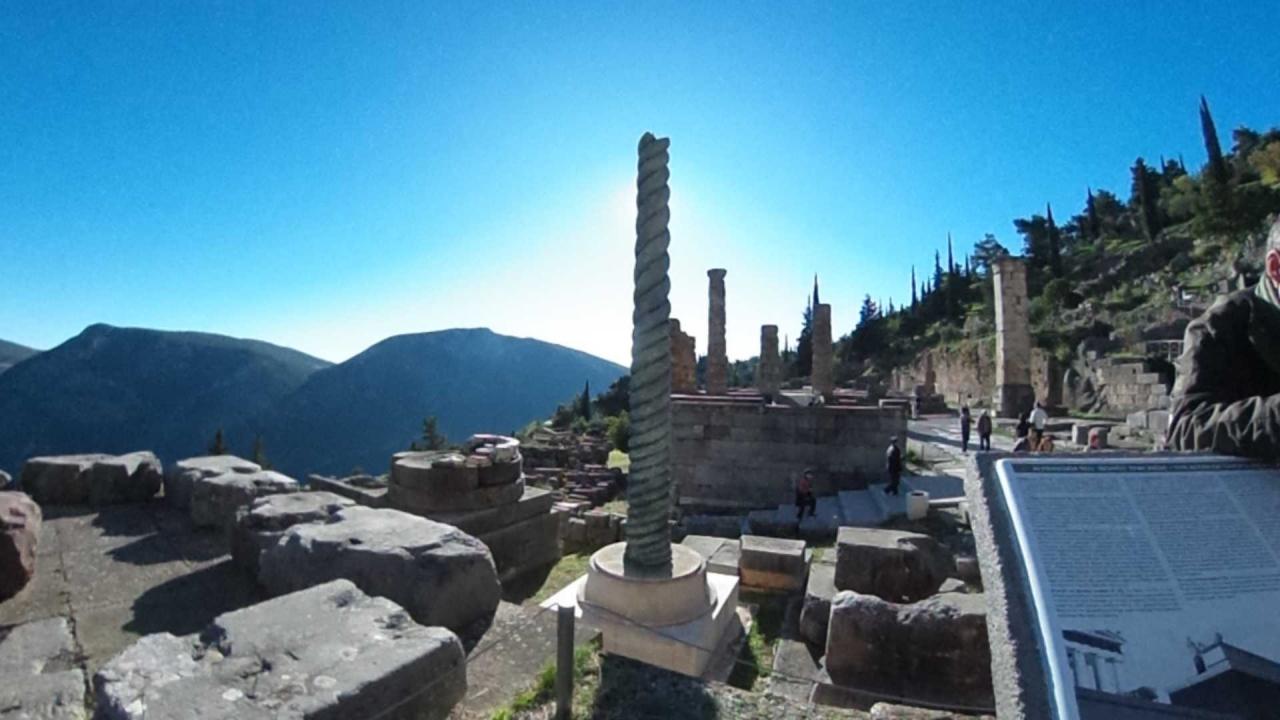
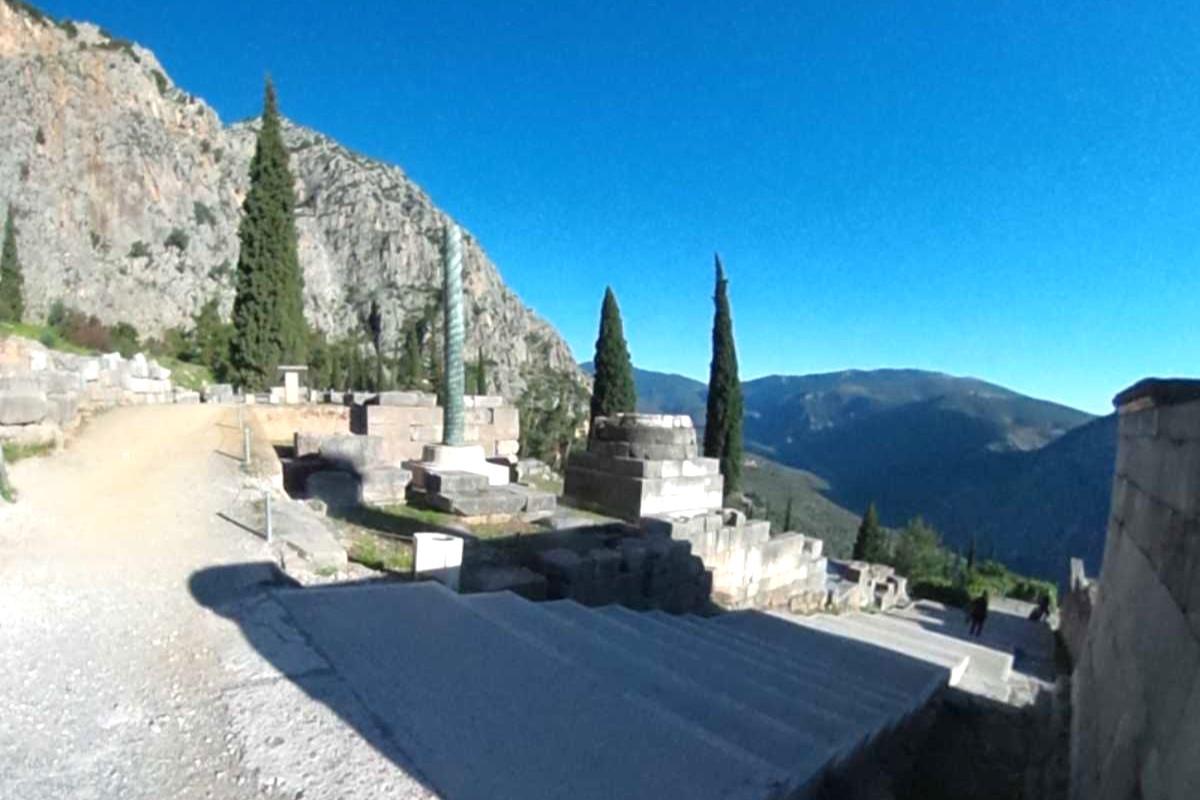
1435 The Tripod of Plataea (the Serpent Column) プラタイアの三脚座 蛇の柱 & The entrance (east side) of the temple
-
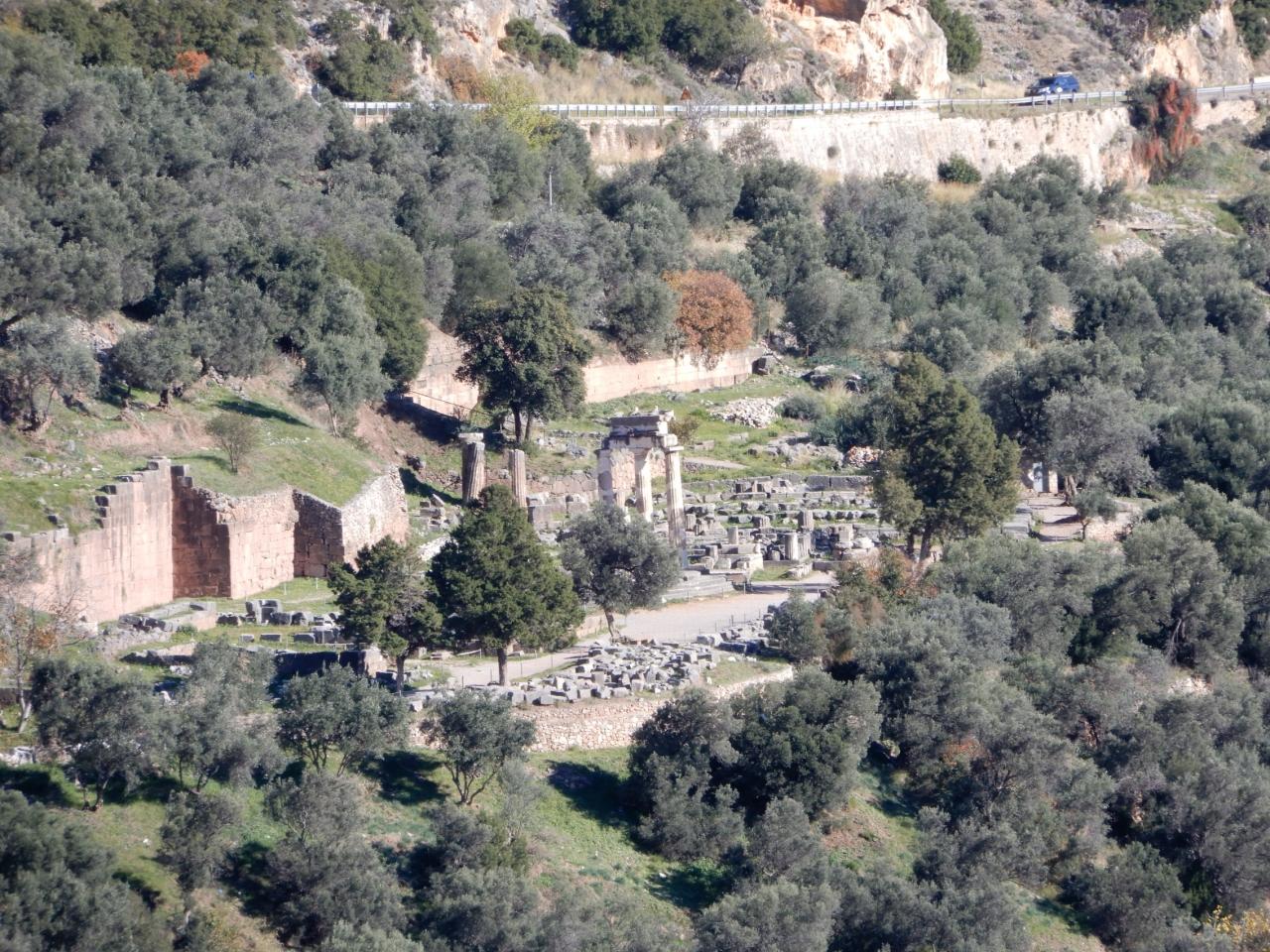
アポロン神殿 the Apollo temple には向かわず、坂を上って
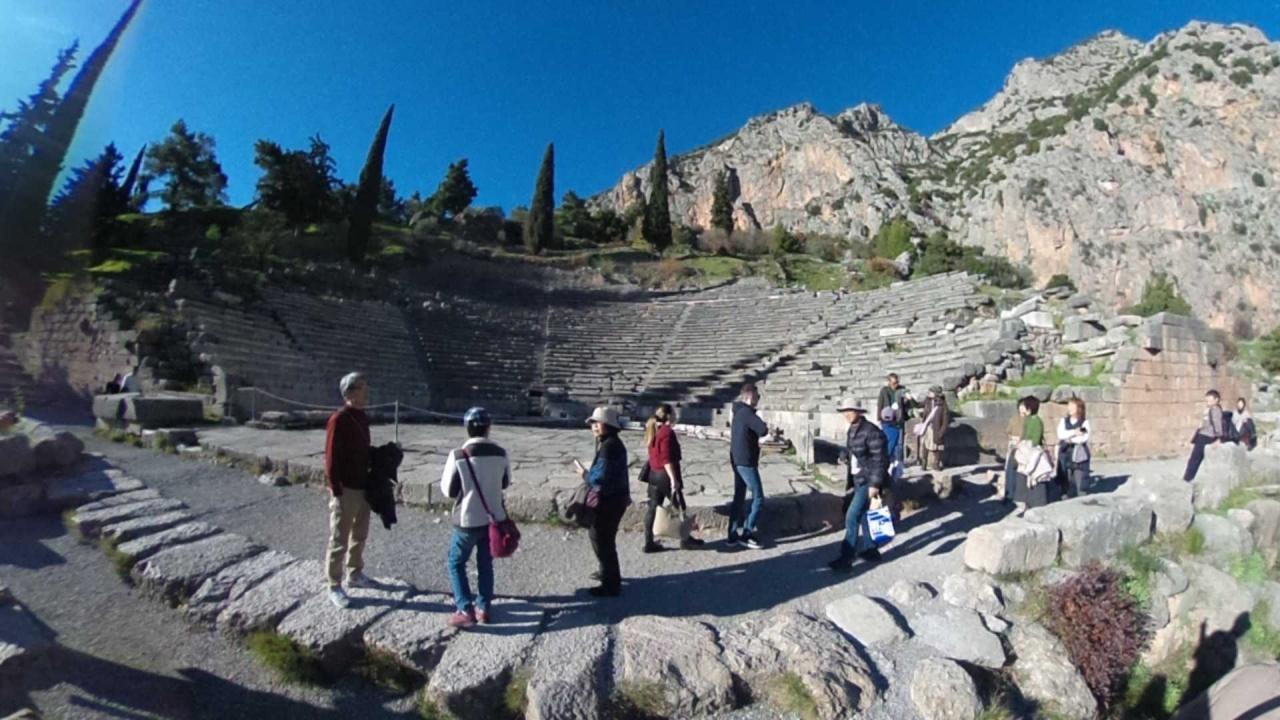
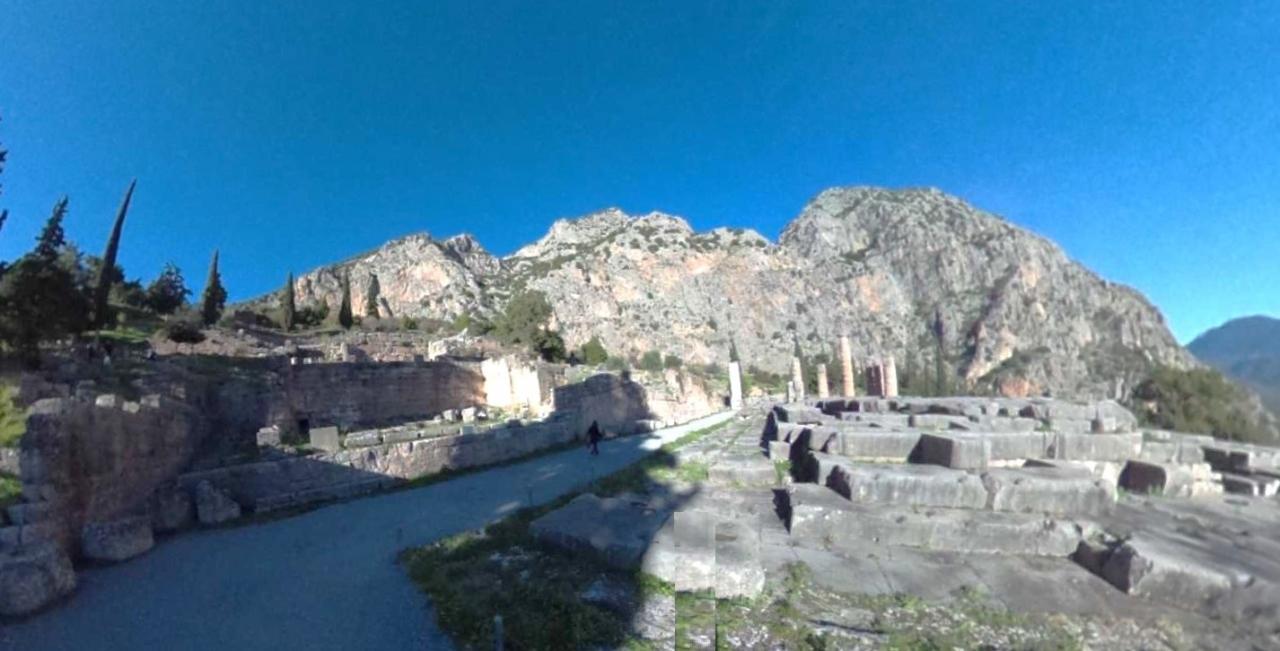
14:42 The theatre of Delphi デルフィの劇場へ出た
多聞、一方通行なのかな? -
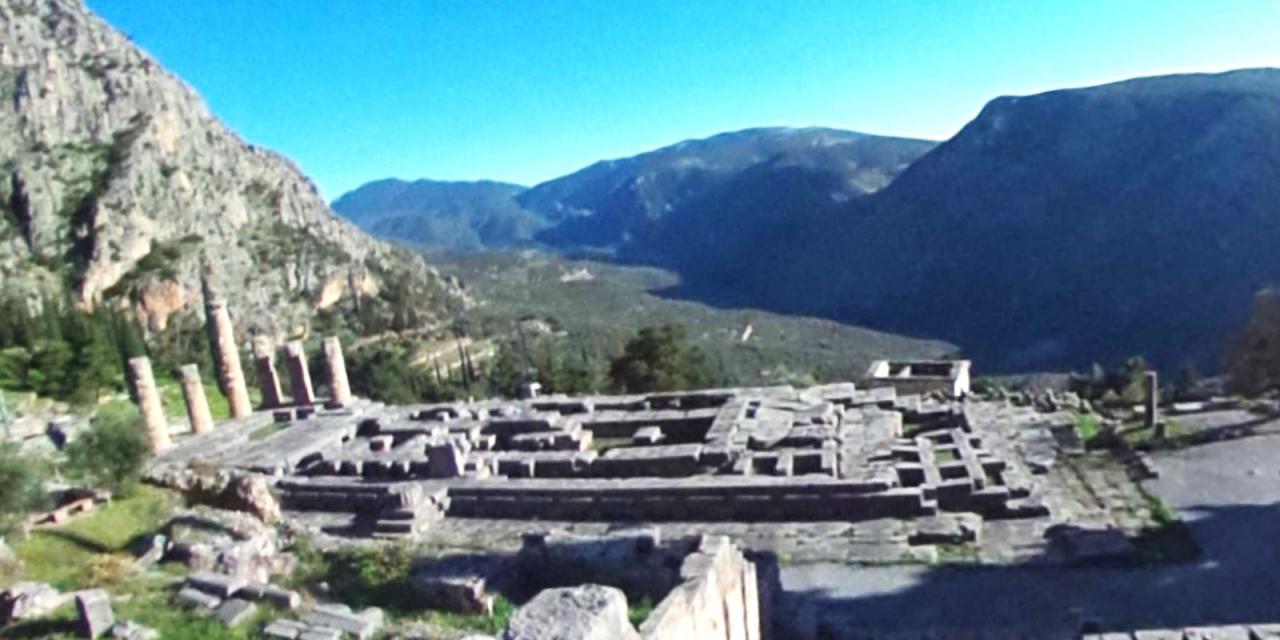
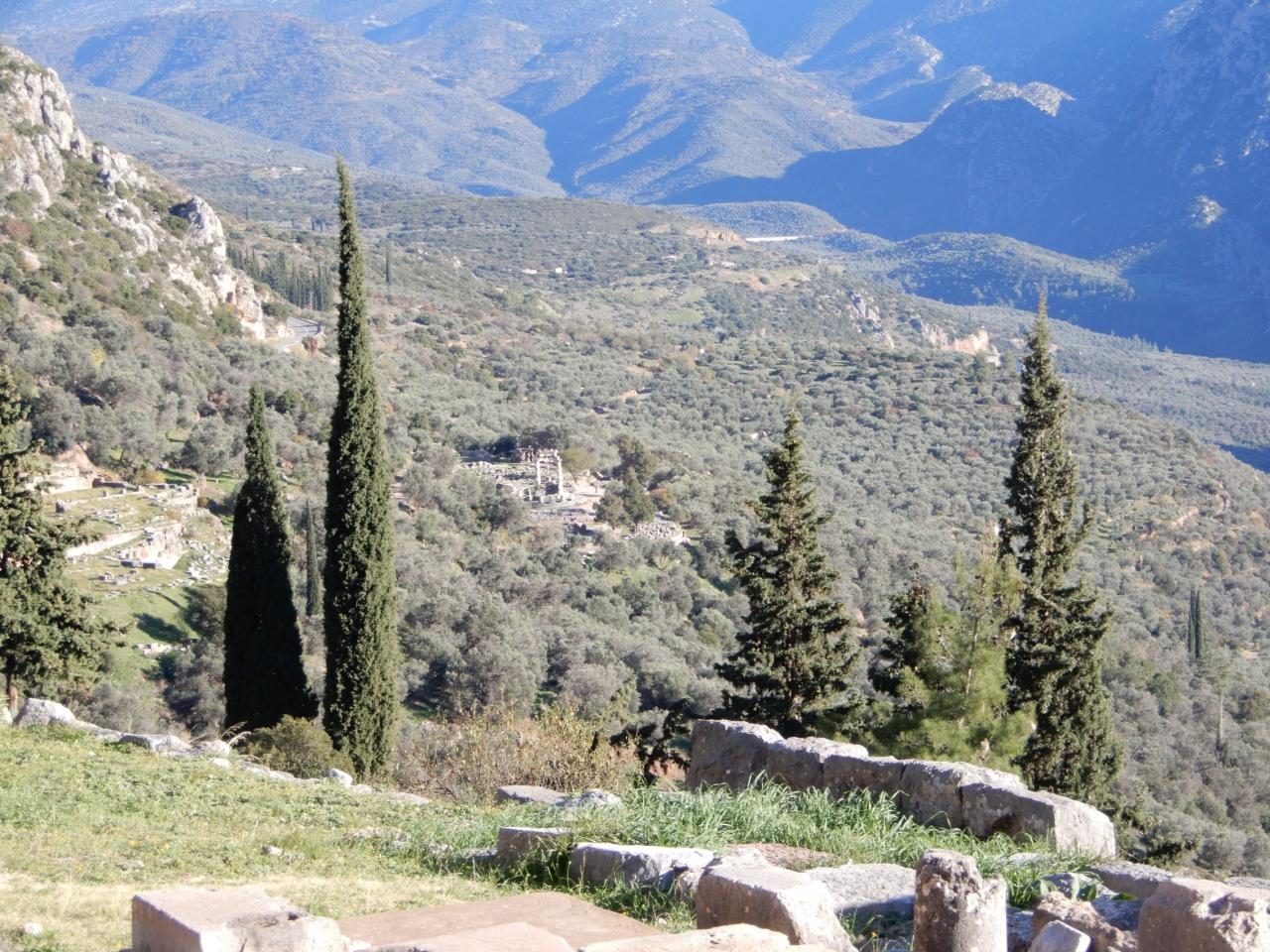
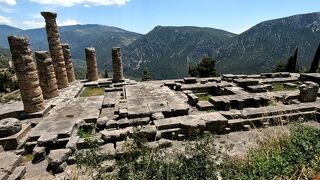
デルフィの劇場からの眺め アポロン神殿
アポロン神殿 史跡・遺跡
-
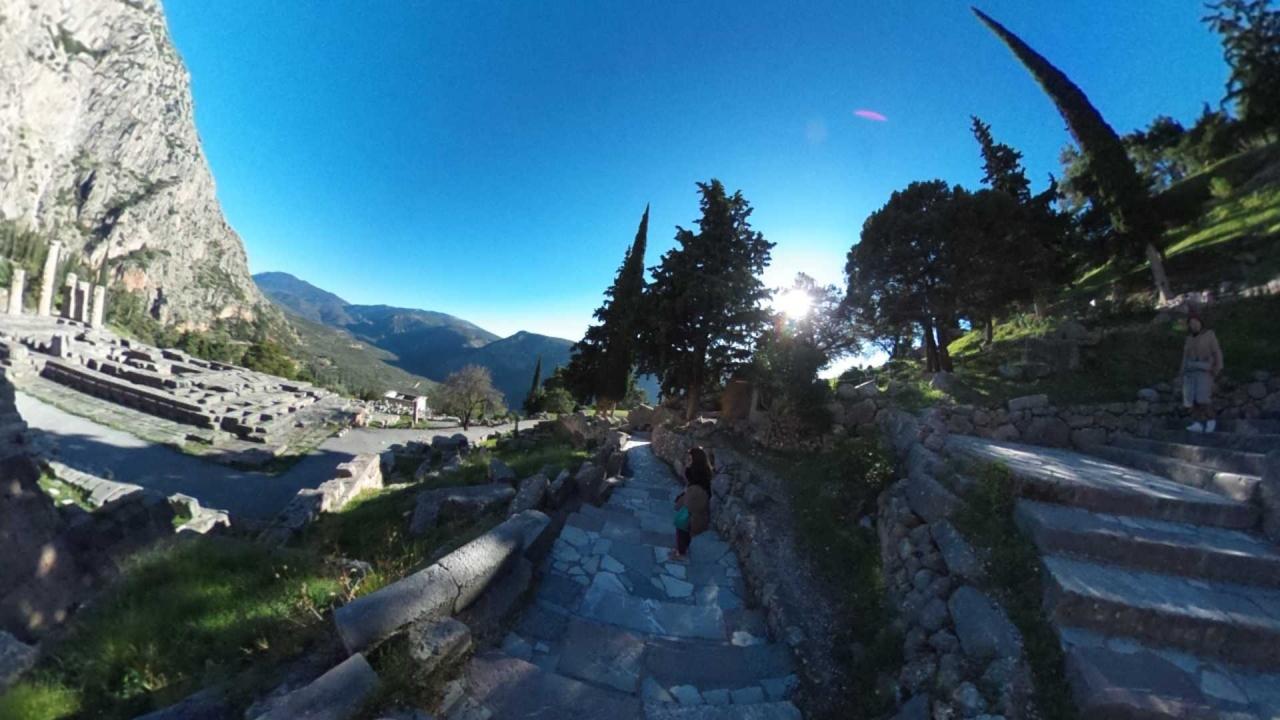
デルフィの劇場からアポロン神殿へ下りる階段
-
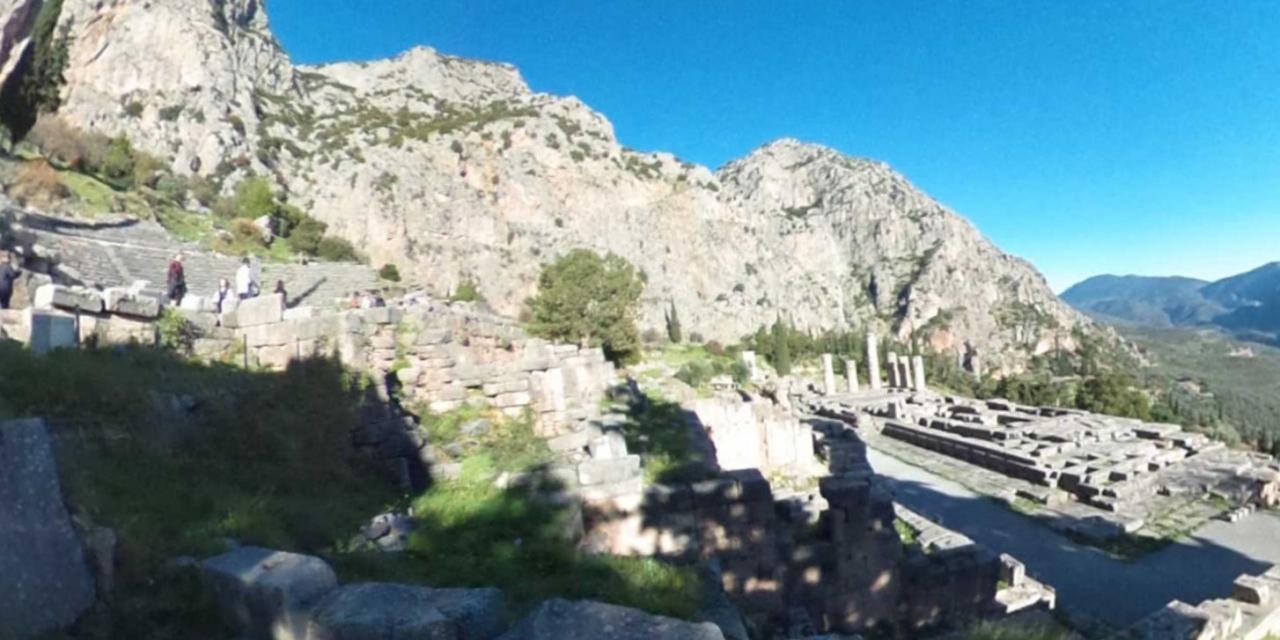
アポロン神殿へ下りる階段の途中で撮影した
Ancient the theatre & the Apollo temple -
The Sacred Way & Apollo temple
-
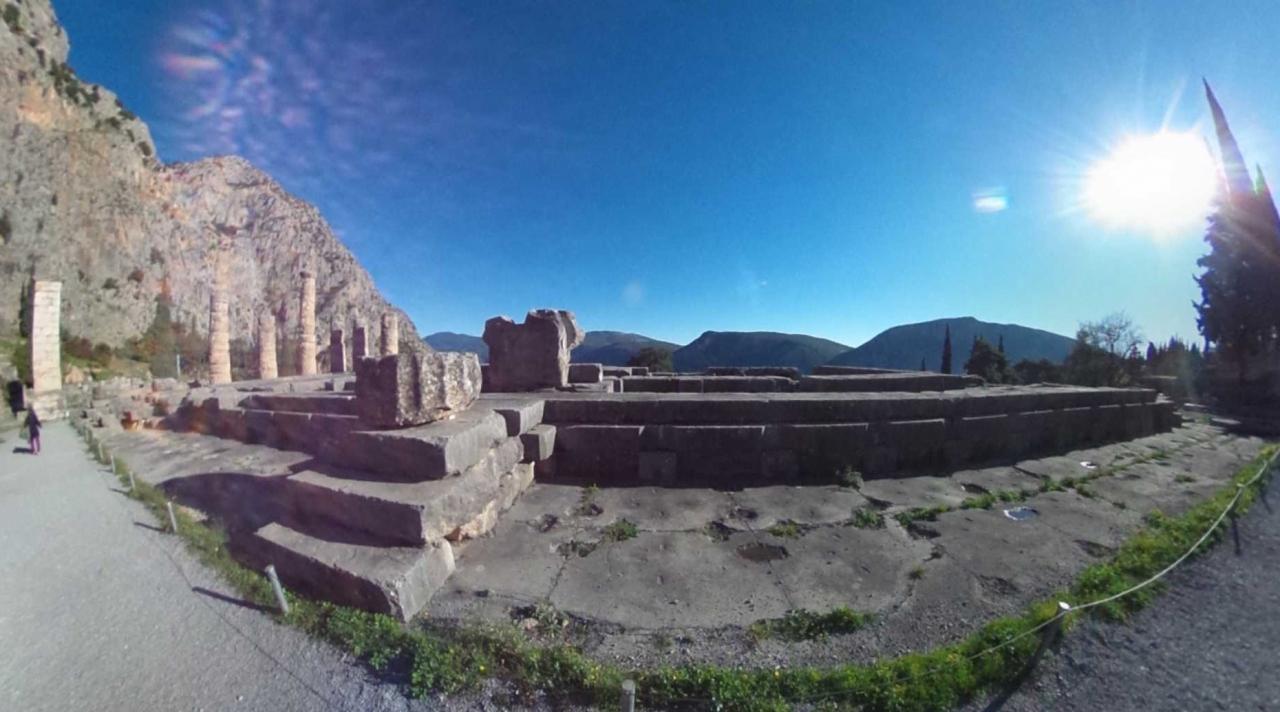
アポロン神殿の脇を観賞しながら歩いた
-
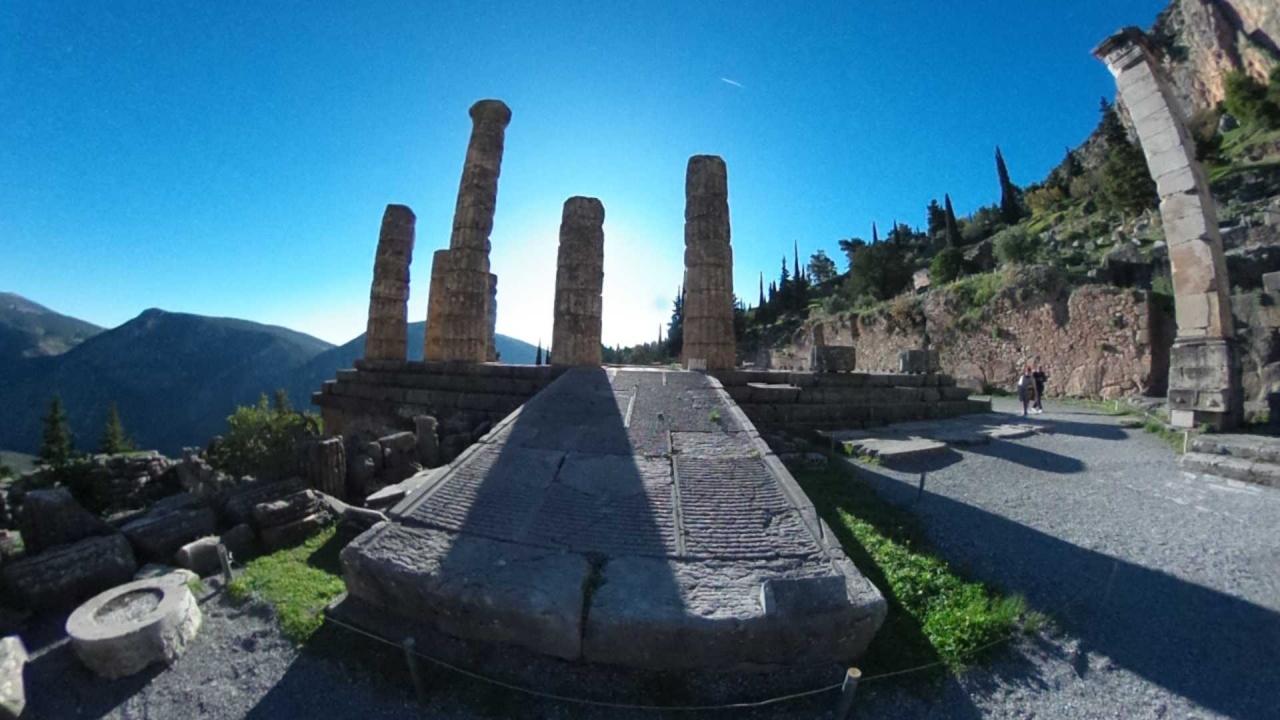
The temple entrance アポロン神殿の正面玄関かな
-
プラタイアの三脚座 蛇の柱をカメラに収めアポロン神殿の観光を終えた。
-
14:53 Ancient Gymnasium of Delphi 見納めにバスで今日の宿泊先オリンピアへ向かった。約4時間30分/約230㎞
-
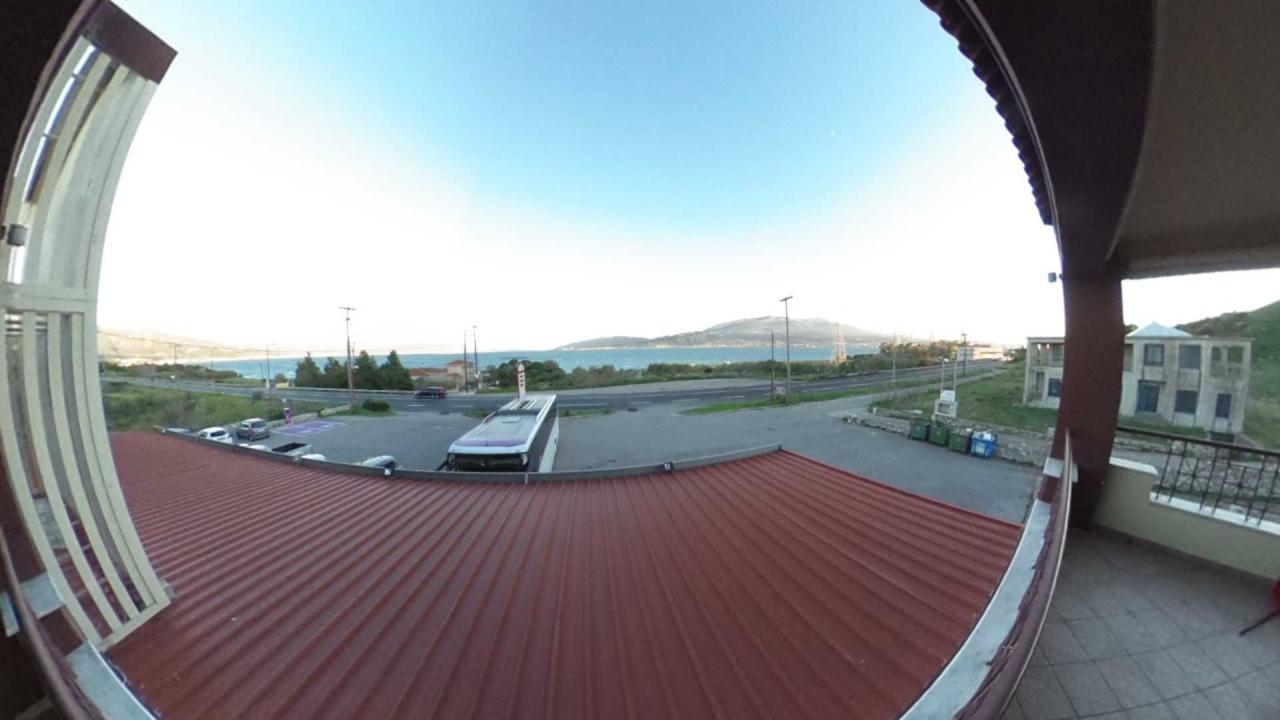
16:50 途中トイレ休憩した KONDYLIS BAKERY CONFECTIONERY 2階からの眺め
右側にリオン・アンティリオン橋が見えている -
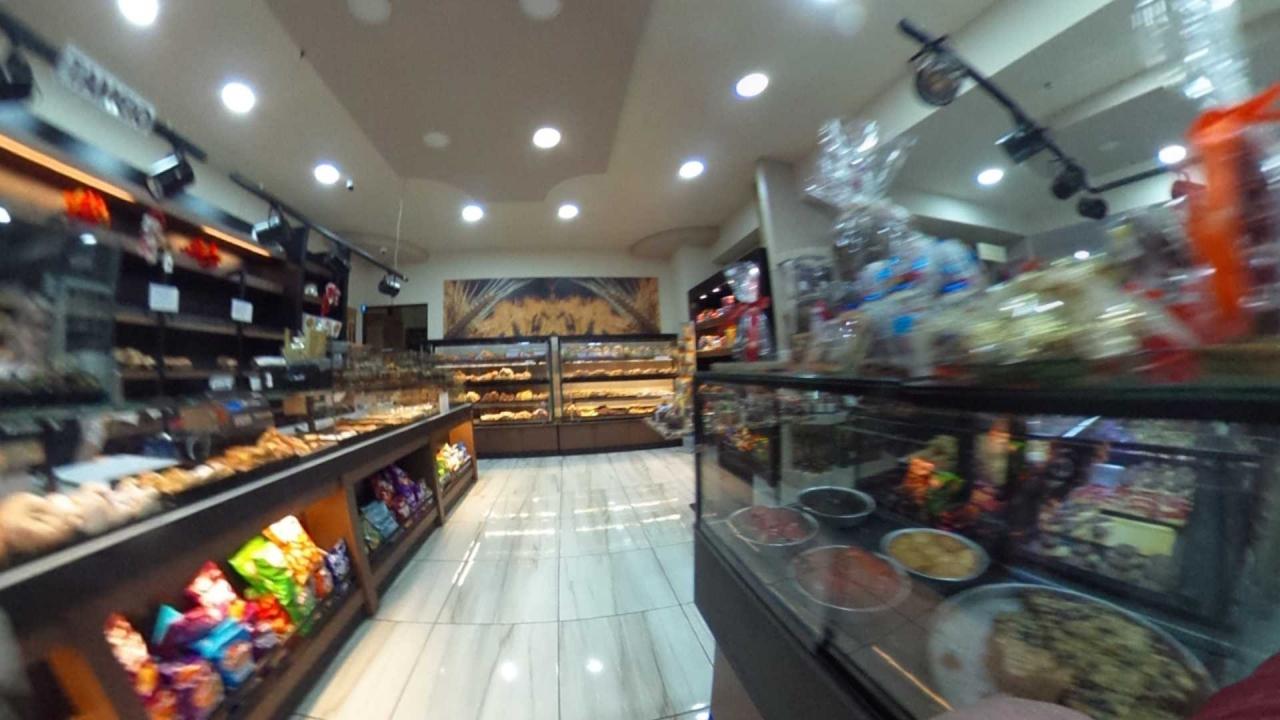
KONDYLIS BAKERY CONFECTIONERY 店内
-
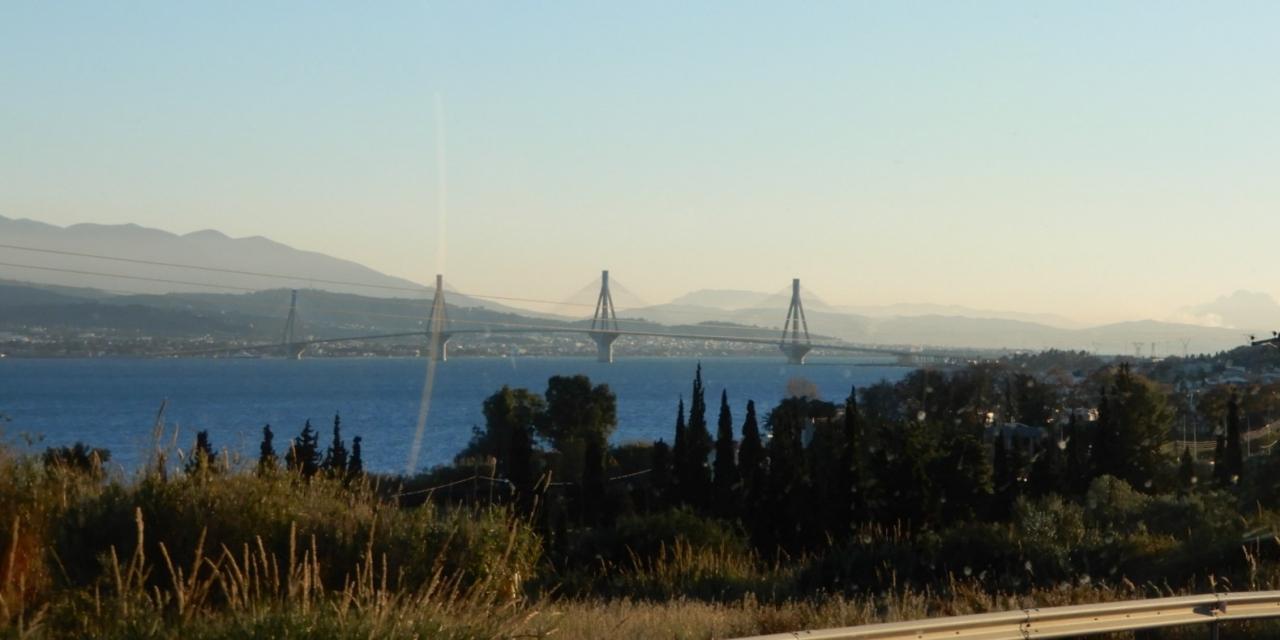
リオン・アンティリオン橋はコリントス湾沿いに進んでいる途中KONDYLIS BAKERY CONFECTIONERY入店前から見えていた大きな橋だった
-
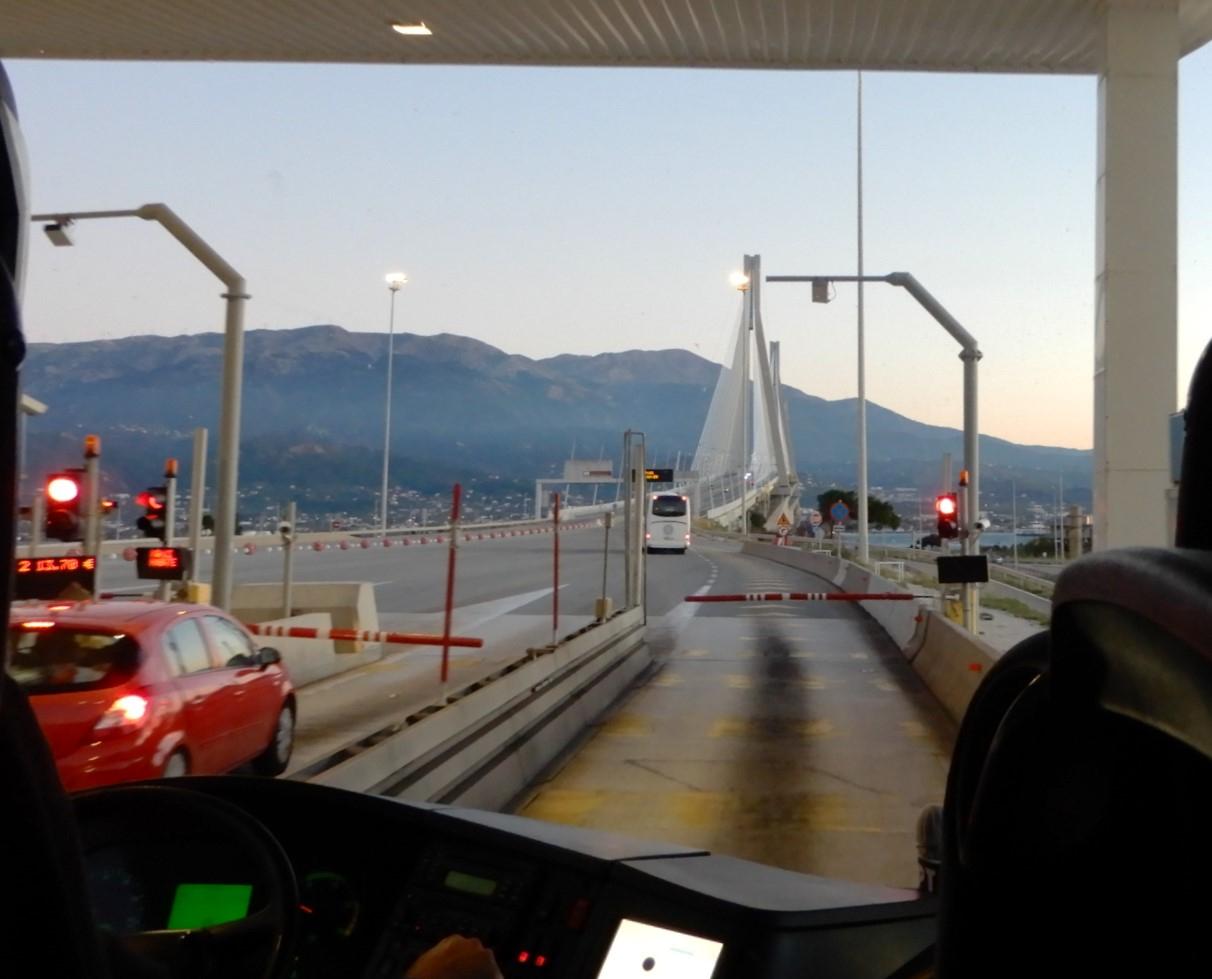
17:23 リオン・アンティリオン橋 料金所ゲートを通り
-
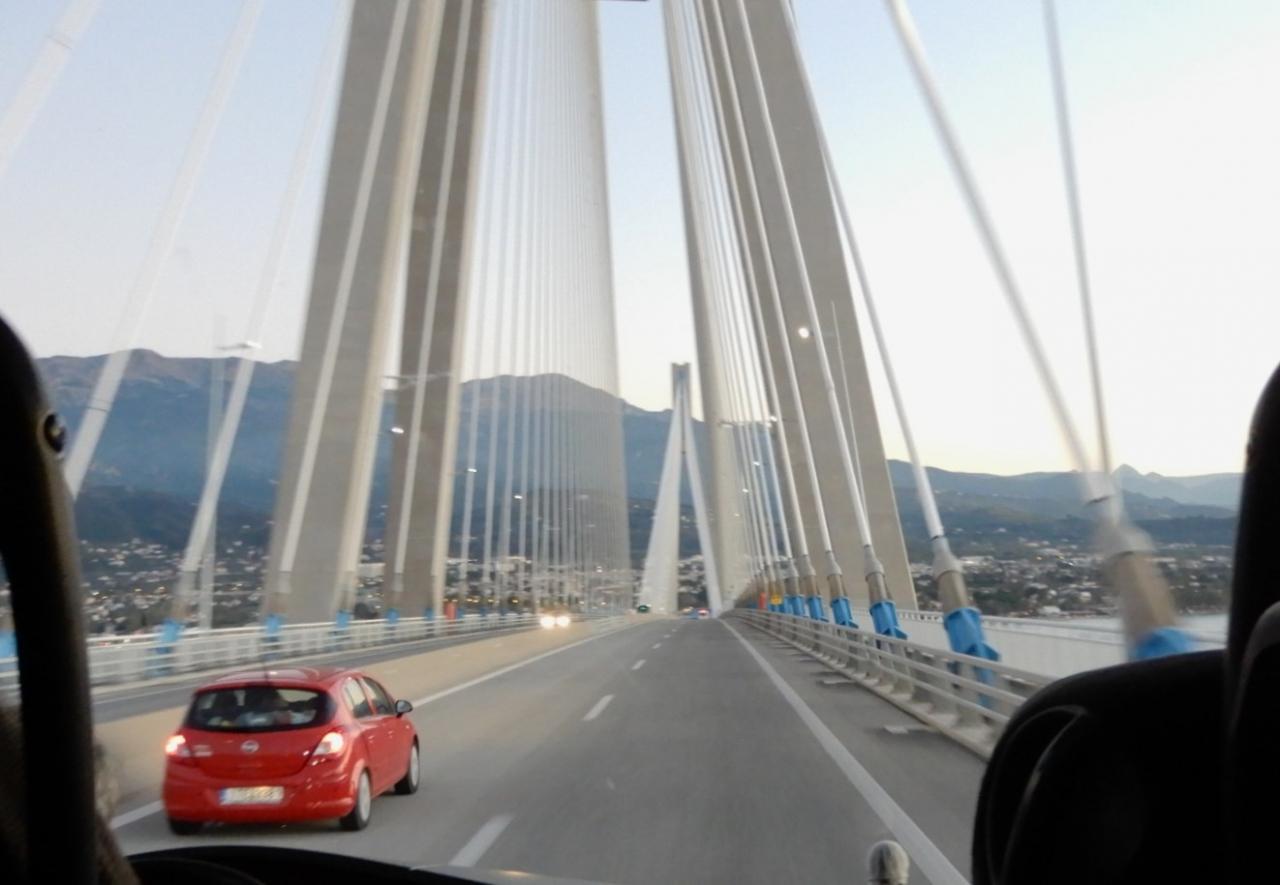
橋を渡った
-
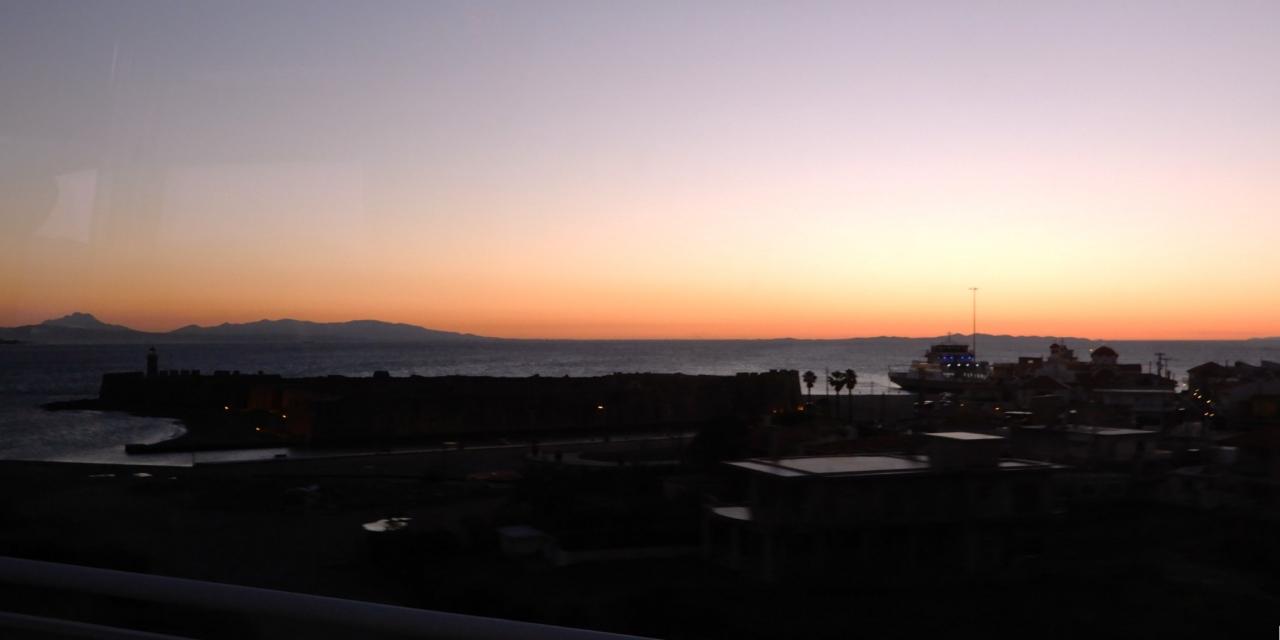
パトラ湾の夕景色
-
イオニア海に続く黄昏を見ながら、明日のオリンピア観光が楽しみです

![E-Ticket Delphi<br />google翻訳で一部抜粋した<br />ルルアンの古代遺跡には、アポロン神に捧げられた汎ギリシャのデルフィの神殿と、ギリシャ世界のアーカイブの重要なモンタージュが展示されています。この地域の最も重要な記念碑はアポロン神殿ですが、ピュティアたちがギリシャ都市の豪華な宝物と古代の奉納神殿の破壊に興奮して私たちに喜びを与えてくれました。また、ピティア人の演劇や音楽のコンテストが行なわれた古代の場所も捉えて<br /><br />チケット<br />季節 冬期間<br />タイプ 個人[チーム] グループシングルユース<br />カテゴリ<br />価格 6,00<br />有効期限: 2024/03/31<br />デルフィ<br />デルフィ博物館<br /><br />以下は、英文のコピー<br />The famous Kallis Fountain liss at an aqusi citarca The inodern vilags of Daphis located at a distance or meters while the town of Anfisa and the town oftes let a len datance<br />The archeological site of Delphi presents the pan-Halenic Delphic minuar dadicated to god Apolic, and finous onicle of the ancient Gred work. The most mportant ποnumant is the temple of Apoib, whara Pythia gave its σηείας αuntunted by Luxurious Tissues of Gred citiar and a variety ofachlactualvothenianum ante. The creato hodes the ane thaster when the donatic and musical γνς Ρythia took place and inther noth the stadium ωιές μαστού sthletic contests Alpeant to the Apoitrian snctuary is the impresse Grasum, aducational and athletic contar the sared fountain of Castals and the Sanctuary of Atans Ronan anh kanislamatic Troos The complex is inckided in UNESCO's World Herkare Lit<br />For mobilty impaired pasora, a spacial vasicia avalle to vat the Archsantsgical Sta of Delphi up to the Tamole of Apsila on condition that the Ephorate of Anticutias of Phocie is notitio at bast 7 days in advance (tal-2022650172212, amait effecuture<br />Car Parts Fartung spaciar for Paopla with Debaltice ars avallabis at the Archasingeal Site and the Flussun of Delphi along the National Highway, betivaar Aruchevs and Delphi<br />Dephile bouted in the heart of cantal Grecs at the fest of Mount Pirmaeros on anatow thelwespahpathe my ancient pasiga incing from Aitics and Boots to That's and Wastam Graece The arthaackyical ate is compand of sko Sanctuaries, the Sanctuary of Apollo and the Sanctuary of Αthene Punais whith le on oath ride of the moden mad of Delphi<br />h the Archawological Site of Delphipanele ara retallad alpons of interact providing infomation writen in ralla getan, hizmativa material pariphats) writtan in fraile is siso available at the Archaackogical Ploceir](https://cdn.4travel.jp/img/tcs/t/pict/src/83/86/75/src_83867569.jpg?1734584396)



利用規約に違反している投稿は、報告する事ができます。
旅行記グループ
ギリシャ縦断
-
前の旅行記

メテオラ アギオス・ステファノス修道院の観光時間 昼休みはクローズです
2023/12/17~
カランバカ
-
次の旅行記

パリオリンピックの聖火が採火されるヘラ神殿では、衣装がカラフルになると言う噂を耳にした
2023/12/19~
オリンピア
-

1時間程のフライトなのに機内食サービスがあるので慌しい イスタンブールとギリシャを結ぶトルコ航空
2023/12/16~
テッサロニキ
-

久し振りのフライトで、上空から雪一面に覆われた中国を眺められてラッキーだった
2023/12/16~
天津
-
アレキサンダー大王の所縁の地テッサロニキからギリシャの観光を始めた
2023/12/17~
テッサロニキ
-
メテオラ アギオス・ステファノス修道院の観光時間 昼休みはクローズです
2023/12/17~
カランバカ
-

かつて、世界の中心と言われていたデルフィーを訪れた
2023/12/18~
デルフィ
-
パリオリンピックの聖火が採火されるヘラ神殿では、衣装がカラフルになると言う噂を耳にした
2023/12/19~
オリンピア
-

【世界遺産】エピダウルス遺跡はヒポクラテスの誓いの証人アスクレピオスが医療行為を行っていた場所だった
2023/12/19~
エピダヴロス
-
コロナ禍解禁で、止まっていた歯車を動き出す様に定番観光でパルテノン神殿を訪れた
2023/12/20~
アテネ
旅行記グループをもっと見る
コメントを投稿する前に
十分に確認の上、ご投稿ください。 コメントの内容は攻撃的ではなく、相手の気持ちに寄り添ったものになっていますか?
サイト共通ガイドライン(利用上のお願い)報道機関・マスメディアの方へ 画像提供などに関するお問い合わせは、専用のお問い合わせフォームからお願いいたします。
この旅行で行ったホテル
-

Famissi Hotel
3.41 -

Iniohos Hotel
3.39
この旅行で行ったスポット


もっと見る
デルフィ(ギリシャ) の旅行記


デルフィ(ギリシャ) の人気ホテル


フォートラベル公式LINE@

おすすめの旅行記や旬な旅行情報、お得なキャンペーン情報をお届けします!
QRコードが読み取れない場合はID「@4travel」で検索してください。
\その他の公式SNSはこちら/

旅行記グループ ギリシャ縦断
0
102