


2019/10/30 - 2019/10/30
777位(同エリア860件中)

nomonomoさん
- nomonomoさんTOP
- 旅行記5550冊
- クチコミ9247件
- Q&A回答332件
- 6,908,529アクセス
- フォロワー103人
この旅行記のスケジュール
2019/10/30

この旅行記スケジュールを元に
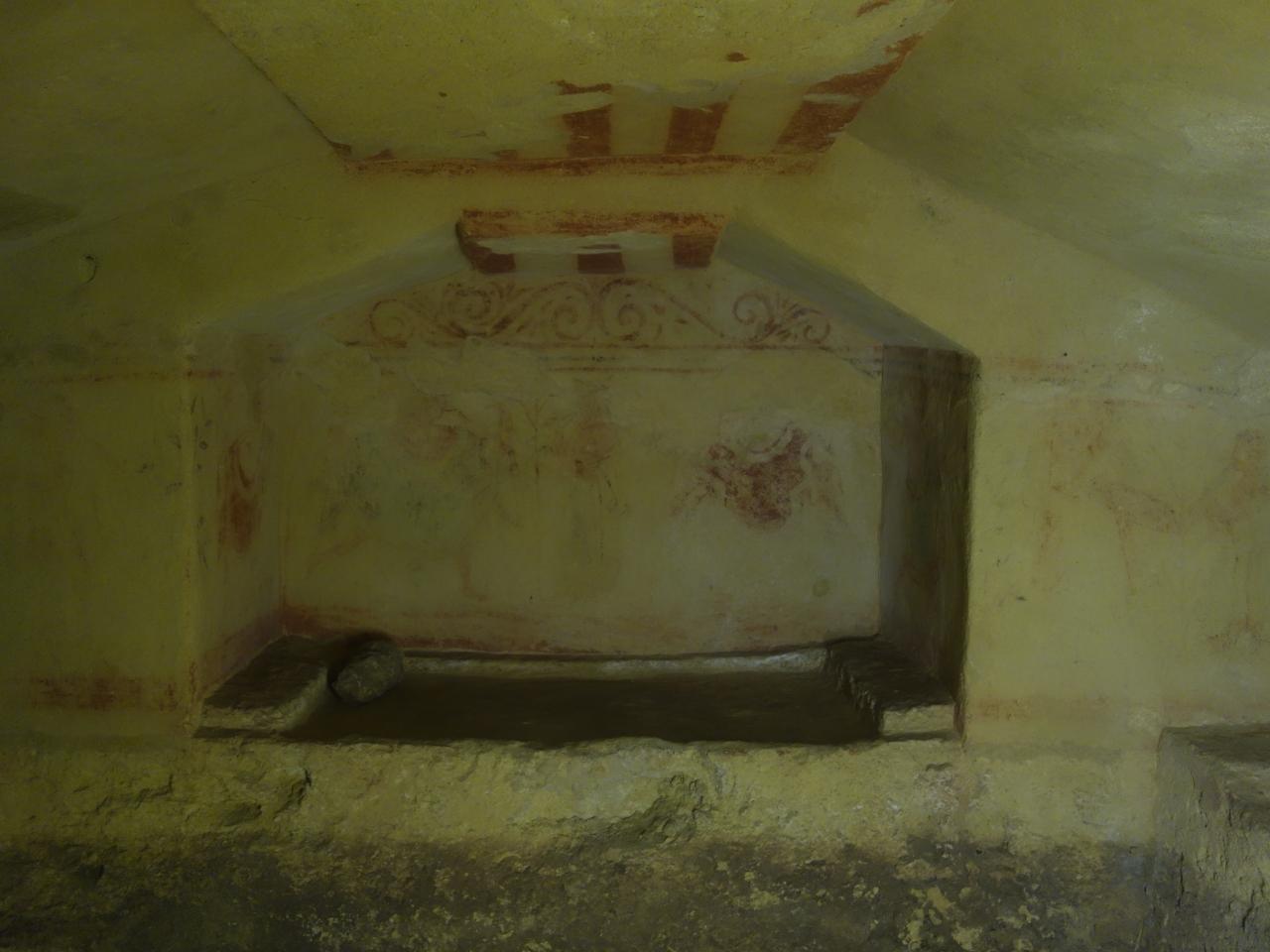
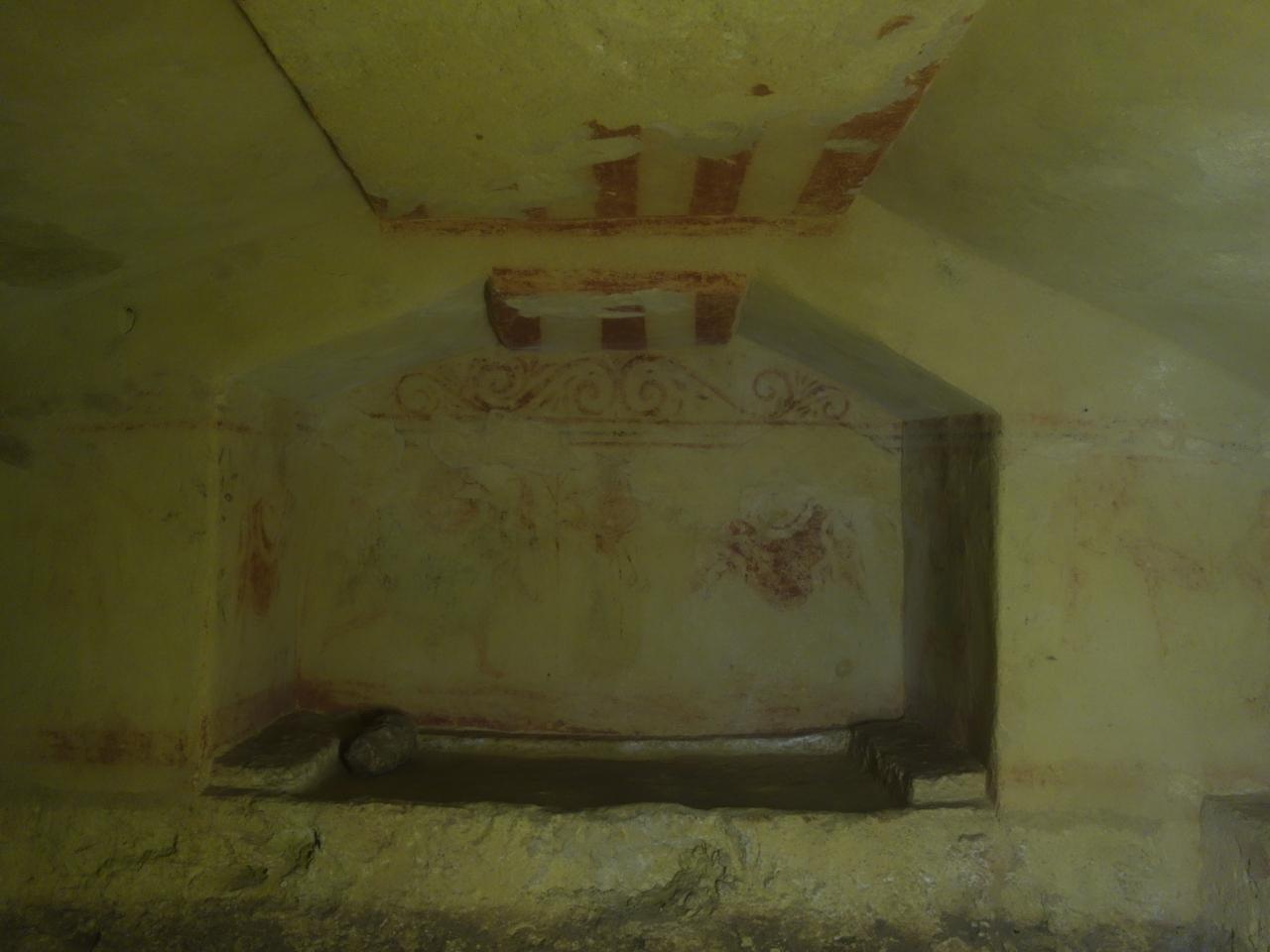
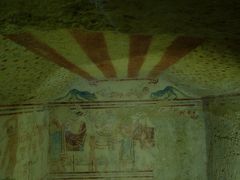
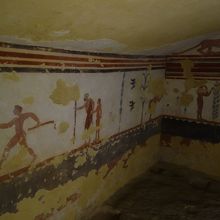
高松塚を思い出す墳墓内の壁画。
- 旅行の満足度
- 4.5
- 観光
- 4.5
- 交通手段
- 高速・路線バス 徒歩
- 旅行の手配内容
- 個別手配
-

タルクィニア 散歩・街歩き
-
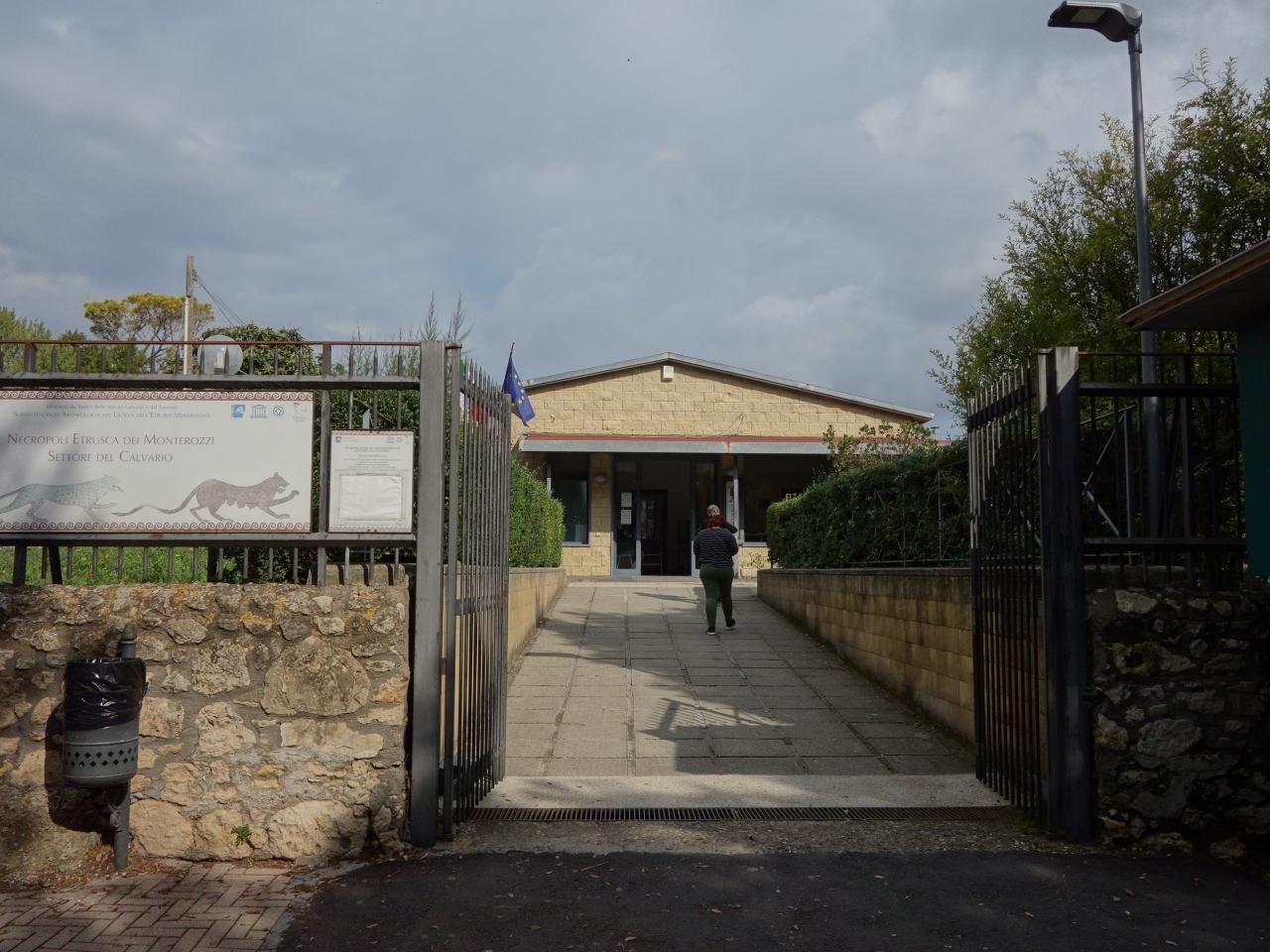
La Necropoli dei Monterozzi: Le Tombe del Calvario
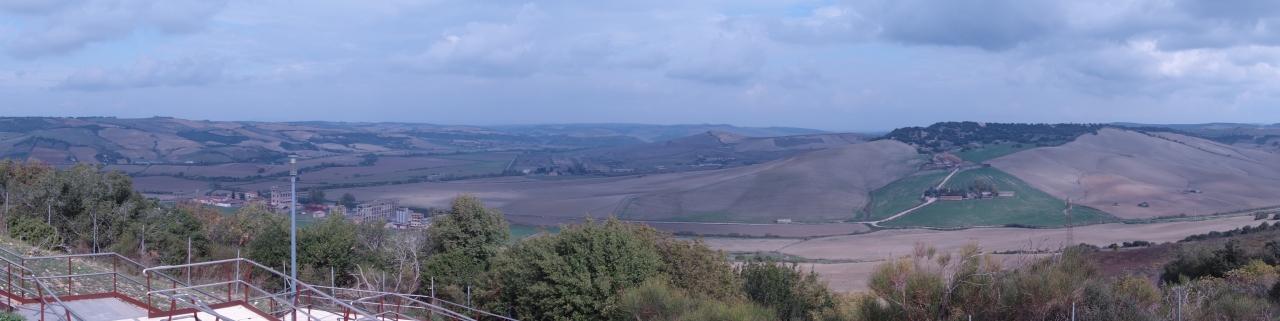
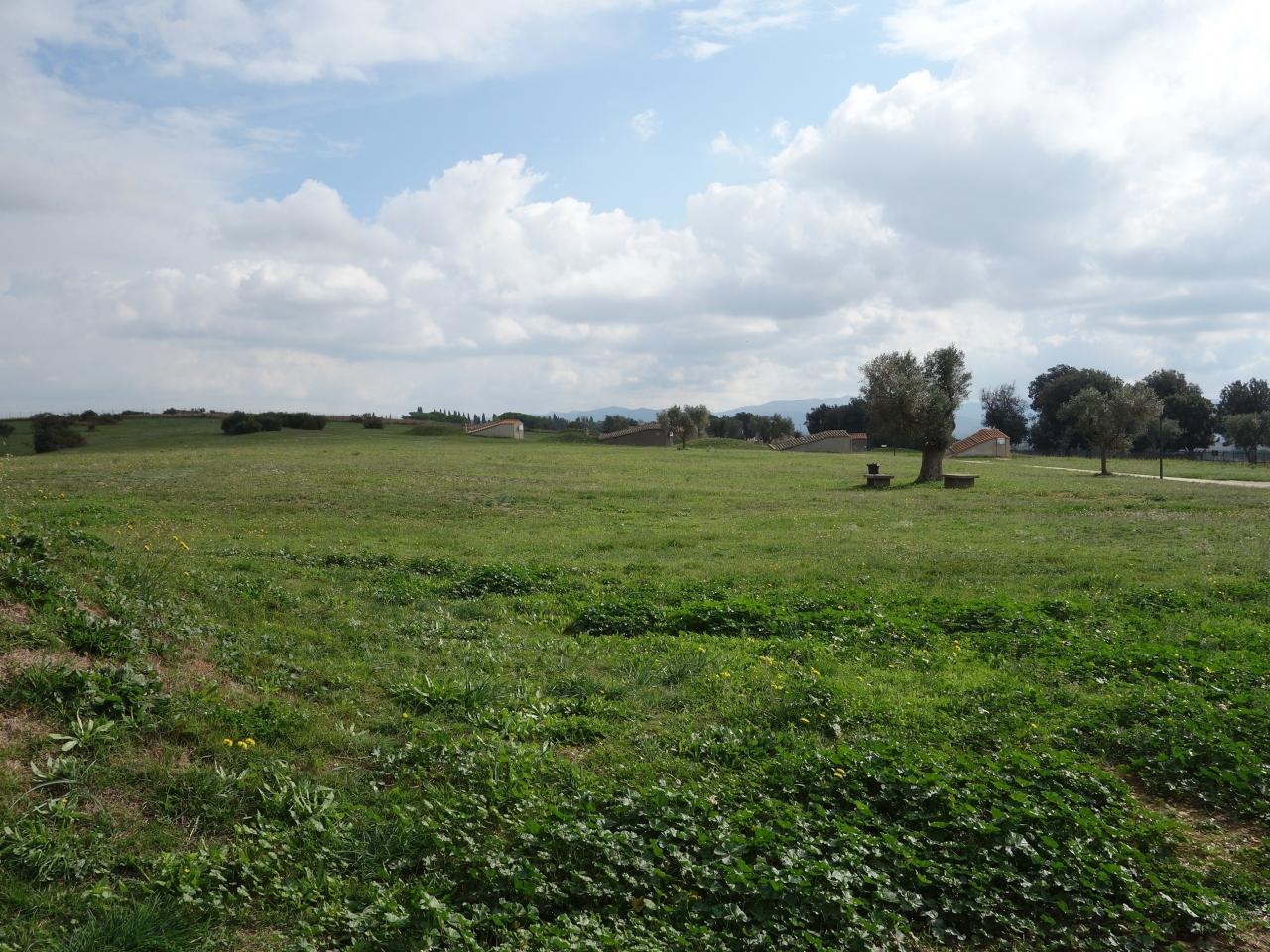
The long Monterozzi hill, the site of the principal Tarquinian necropolis, stretches parallel to the coast, between the shore and the Civita hill where the ancient Etruscan city once was situated. The extreme western end of the hill is today occupied by the middle age settlement (Corneto) and modern town.
The extraordinary series of painted tombs represents the most prestigious nucleus of the necropolis, that because of this peculiarity is the most important of the Mediterranean area. For this reason Unesco in 2004 declared the necropolis to be "World Heritage".
Today over 6000 tombs have been found there, for the most part rooms dug into stone and surmounted by tumulus: these letter by now at times hardly visible on the ground level, which have given the hill its popularly colourful name, Monterozzi, meaning hillocks or humps.
The sector open to the public at Calvario, or Calvary, far from the modern town and placed near the northern slope of the hill facing Civita hill, had been known since 19th century for the presence of an important group of painted tombs. From 1959 to 1970 the Lerici Foundation of the Milan Polytechnic carried out a series of geophysical explorations that discovered ever a thousand chamber tombs buried underground about fifty of which had traces of painted decorations.
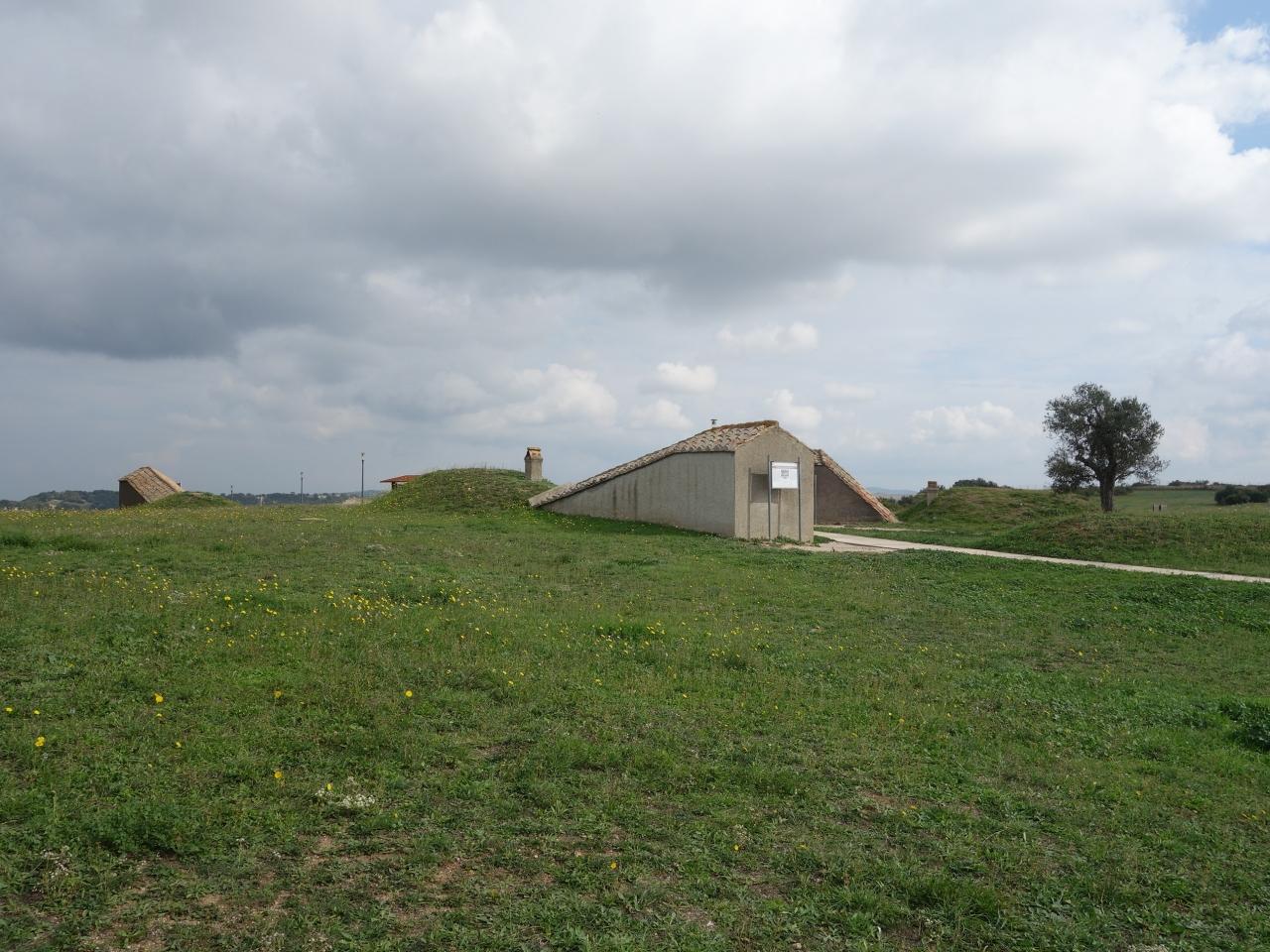
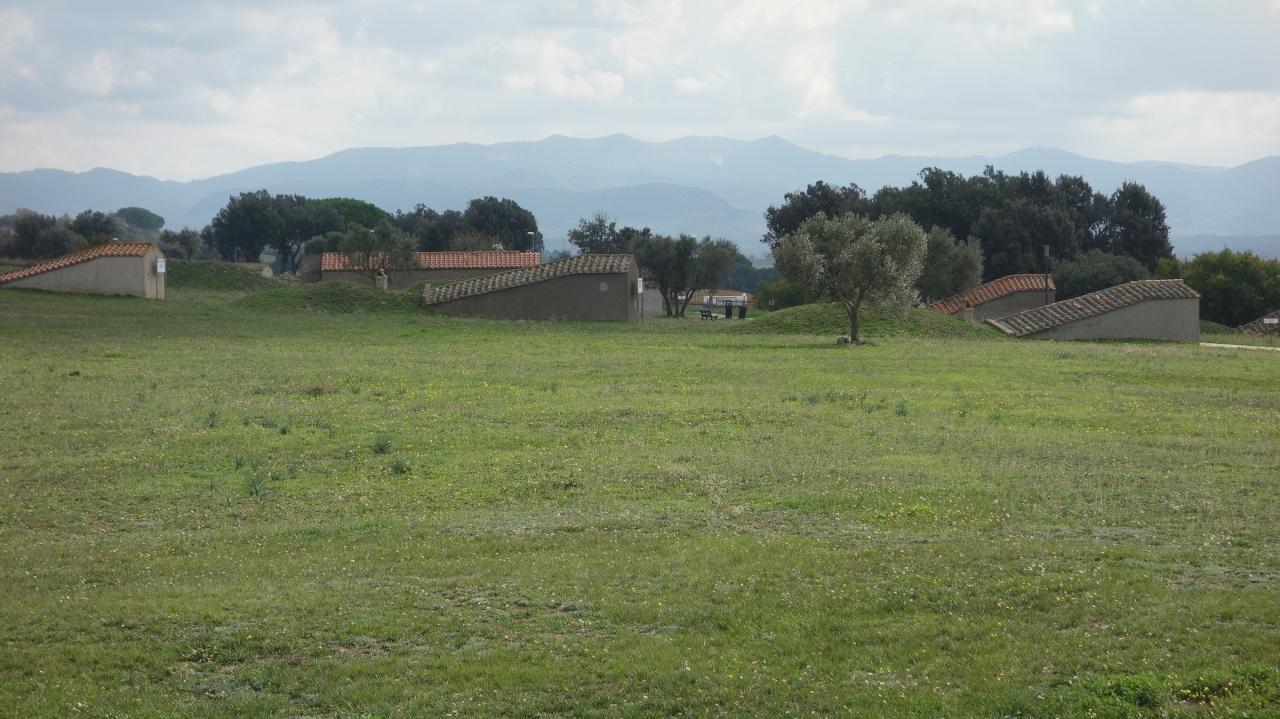
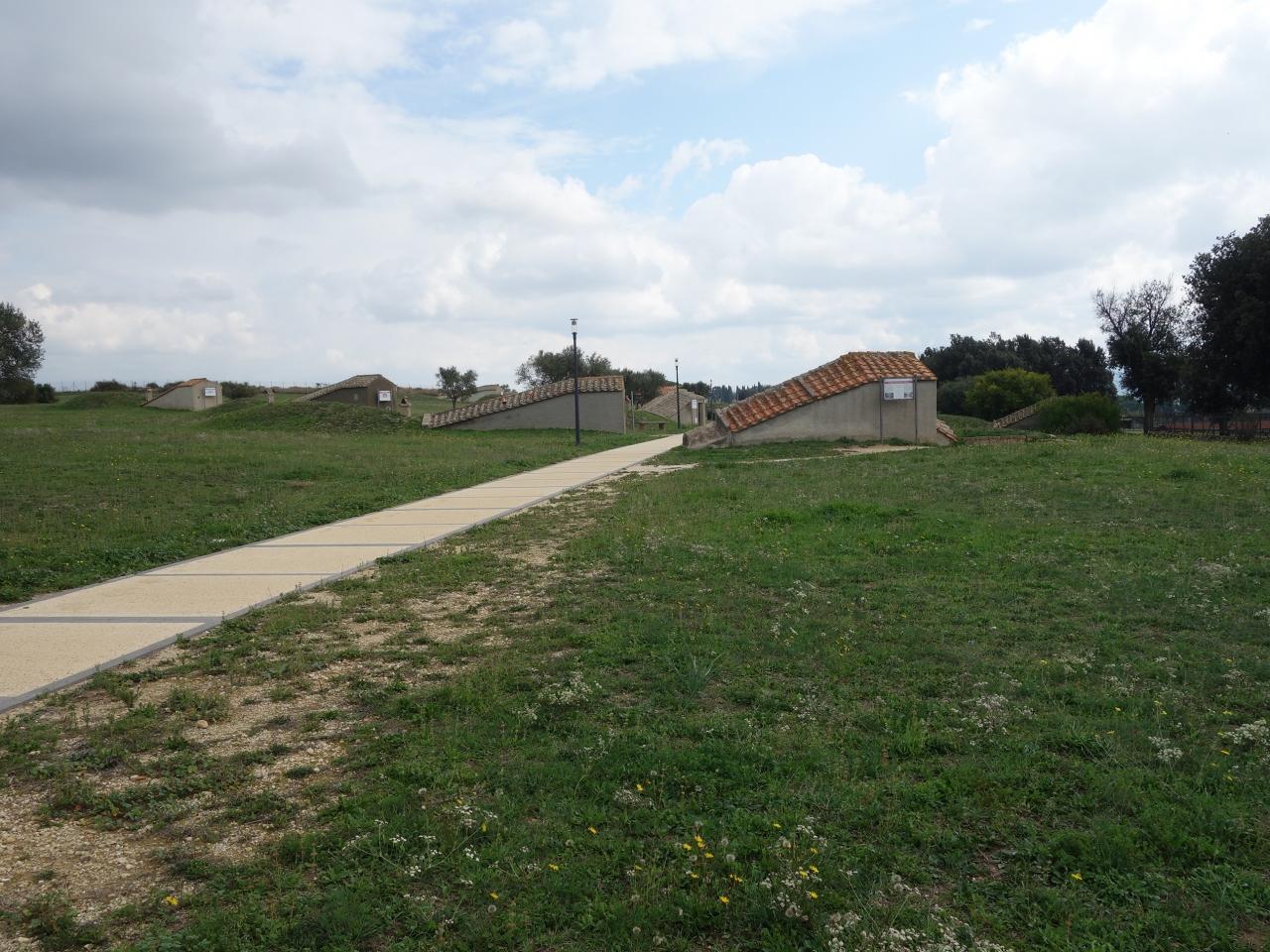
At present at Calvario about twenty tombs are accessible to the public. They are sheltered by little modern buildings, called "casette", necessary to prevent the rain from getting into the painted burial chambers. It is Soprintendenza's duty both to preserve them for the posterity and to allow visitors to see them. It has been demonstrated that the temperature and humidity increase that the human visitors create produces the rapid decay of the tomb paintings. At the present modern and sophisticated restoration and preservation techniques make it possible to maintain, inside the tombs, the long-stable climate that has preserved their paintings till today. To get this result it's necessary to isolate the burial chamber by a transparent screen. The good result achieved let us hope it'll be possible, in the future. to open to the public an ever increasing number of painted tombs. -
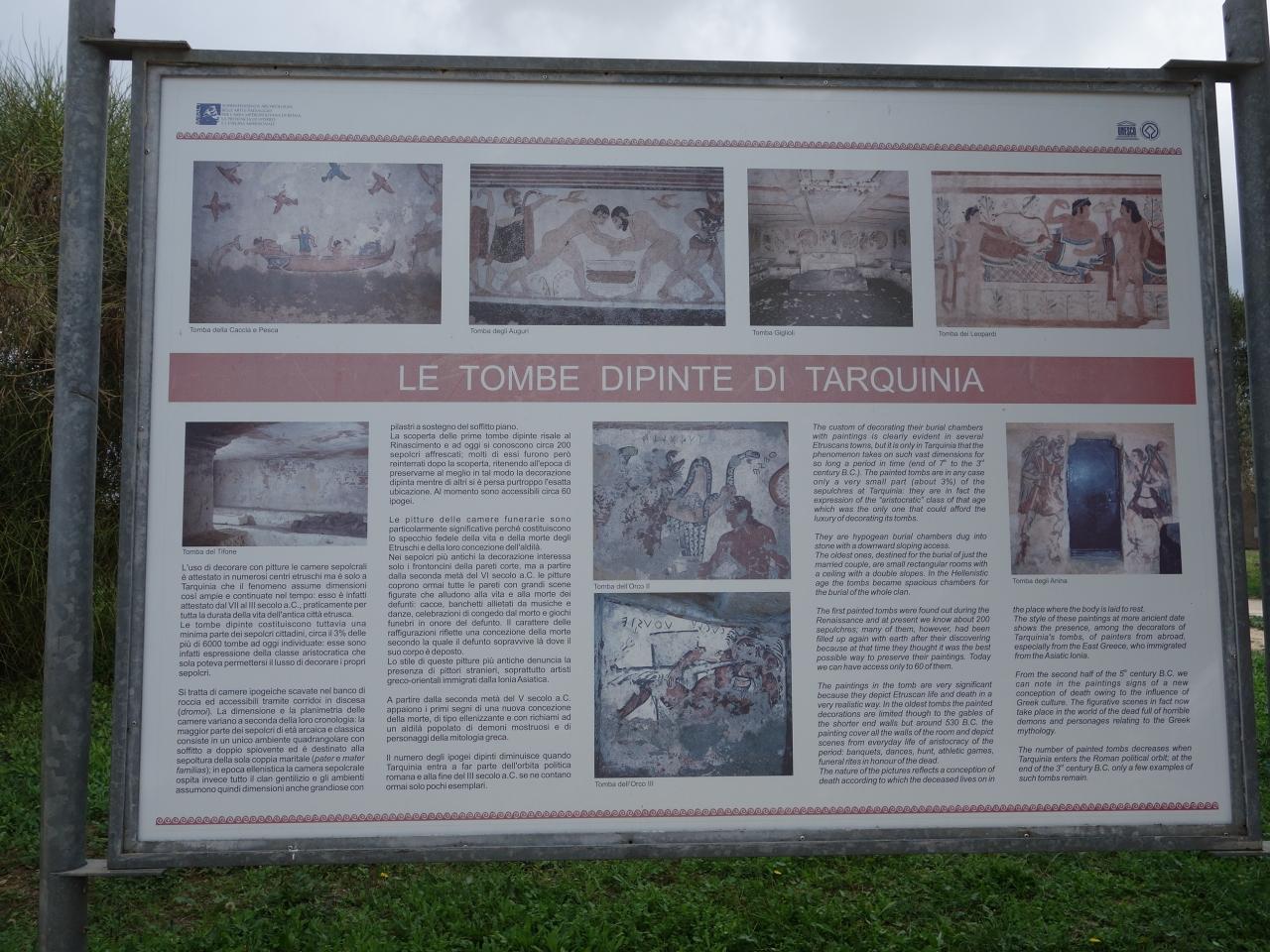
Le Tombe Dipinte di Tarquinia
The custom of decorating their burial chambers
with paintings is clearly evident in several
Etruscans towns, but it is only in Tarquinia that the
phenomenon takes on such vast dimensions for
as long a period in time (end of 7th to the 3rd
century B.C.). The painted tombs are in any case
only a very small part (about 3%) of the
sepulchres at Tarquinia: they are in fact the
expression of the "aristocratic" class of that age
which was the only one that could afford the
luxury of decorating its tombs.
They are hypogean burial chambers dug into
stone with a downward sloping access.
The oldest ones, destined for the burial of just the
married couple, are small rectangular rooms with
a ceiling with a double slopes. In the Hellenistic
age the tombs became spacious chambers for
the burial of the whole clan.
The first painted tombs were found out during the
Renaissance and at present we know about 200
sepulchres; many of them, however, had been
filled up again with earth after their discovering
because at that time they thought it was the best
possible way to preserve their paintings. Today
we can have access only to 60 of them.
The paintings in the tomb are very significant
because they depict Etruscan life and death in a
very realistic way. In the oldest tombs the painted
decorations are limited though to the gables of
the shorter end walls but around 530 B.C. the
painting cover all the walls of the room and depict
scenes from everyday life of aristocracy of the
period: banquets, dances, hunt, athletic games,
funeral rites in honour of the dead.
The nature of the pictures reflects a conception of
death according to which the deceased lives on in
the place where the body is laid to rest.
The style of these paintings at more ancient date
shows the presence, among the decorators of
Tarquinia's tombs, of painters from abroad,
especially from the East Greece, who immigrated
from the Asiatic Ionia.
From the second half of the 5th century B.C. we
can note in the paintings signs of a new
conception of death owing to the influence of
Greek culture. The figurative scenes in fact now
take place in the world of the dead full of horrible
demons and personages relating to the Greek
mythology.
The number of painted tombs decreases when
Tarquinia enters the Roman political orbit; at the
end of the 3rd century B.C. only a few examples of
such tombs remain. -
Le custodie della nacropoli villanoviana di Villa Bruschi Falgari
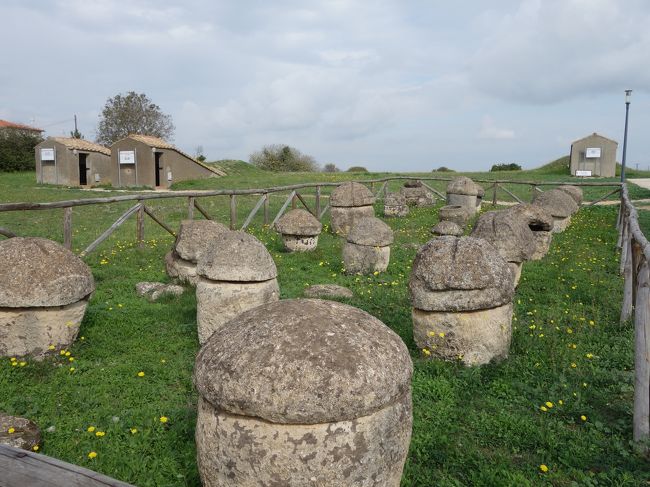
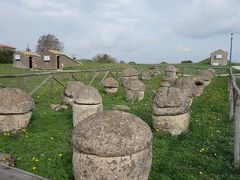
The stone containers on display behind the wooden fence come from the cemetery of an Early Iron Age community that lived on the outskirts of Tarquinia. The burial site lies not far from here within the grounds of Villa Brusch Falgari close to the via Aurelia.
The cemetery was used for a few generations between 1020 and 750 BC. The settlement lay on the slopes of a nearby hill in a part of the modern Tarquinia now known as Infernaccio. From here the inhabitants could command the coastal plain and access routes to the sea. This small proto-urban settlement lay on the outskirts of what was to blossom into the large Etruscan town of Tarquinia.
The graves are either arranged in vaguely orderly lines or clustered together in groups. The disposition of some graves seems to indicate a desire to immortalise the relationship that had existed between certain members of the community during their lifetimes.
(to be continued) -
The upper part of the grave was a large circular pit cut into the pumice subsoil. A smaller cylindrical shaft was then cut into the floor of the pit to accommodate the funerary urn.
It was customary to burn the deceased on a funeral pyre. The cremated bone was collected and sometimes washed before being broken up to make it fit into a one handled urn. The latter was a copiously decorated black coarse ware vessel. A bowl was used as a lid for the urn. Occasionally, in male graves of certain families, an imitation pottery helmet was used instead of a bowl.
The urn came to symbolically represent the deceased and was frequently decorated with a necklace of bronze hoops. It was sometimes wrapped in a shroud adorned with small bone and bronze objects.
A precise and complex ritual accompanied the burial of the dead. This could vary as to the age and sex of the deceased, or in relation to their social standing. -
-
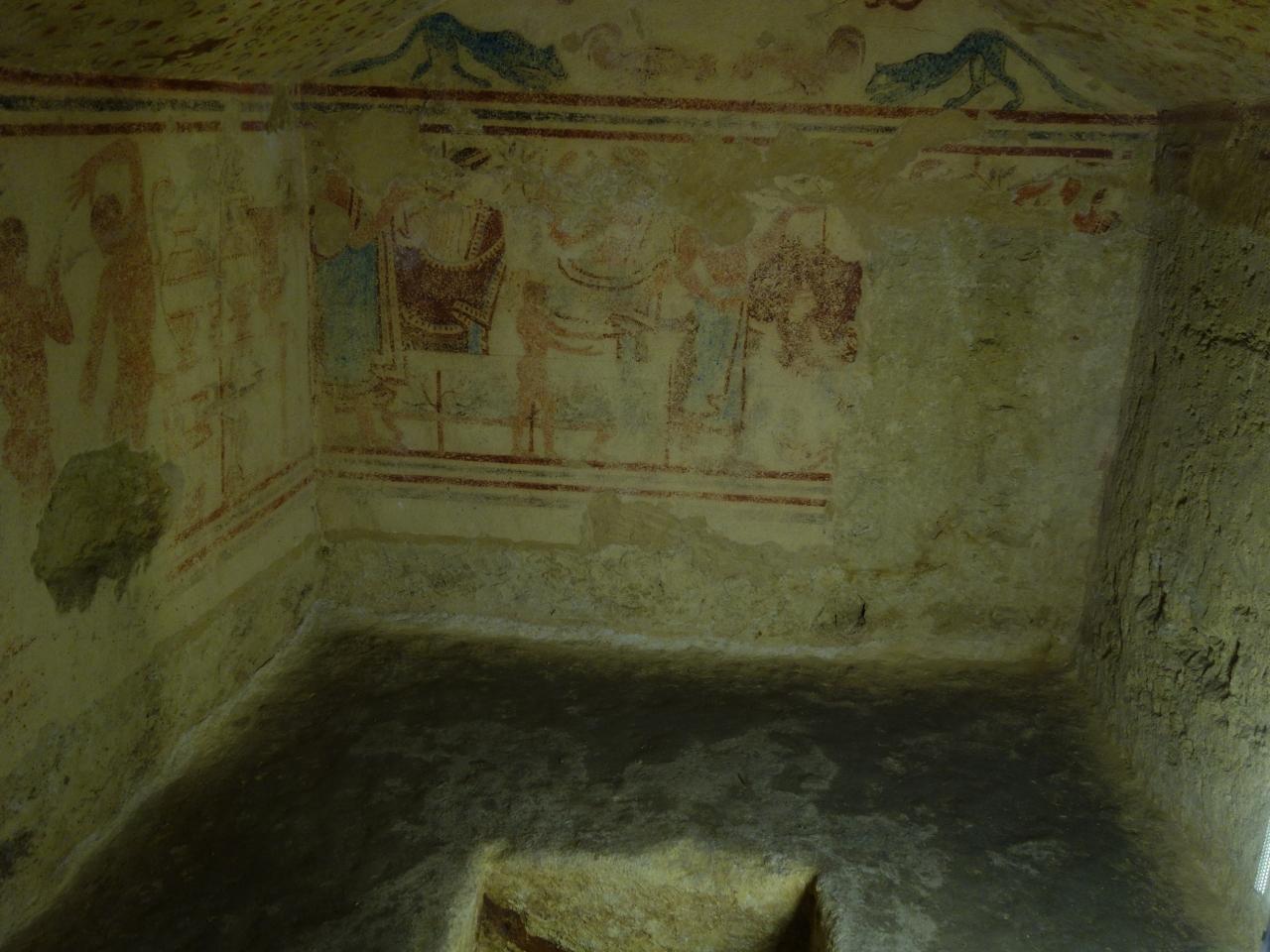
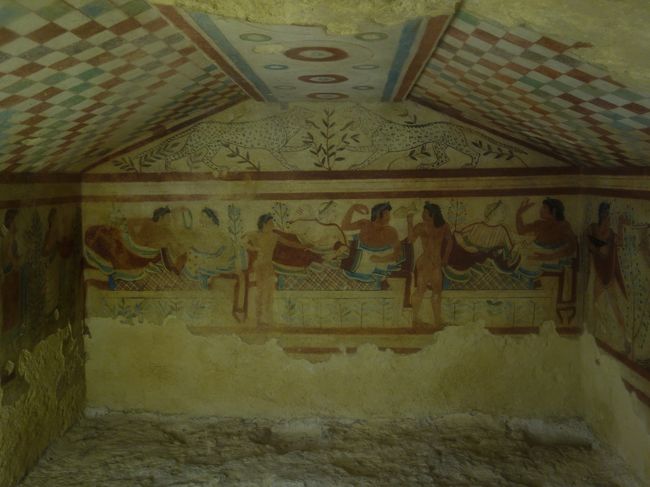
Tomba dei Giocolieri
Year of discovery: 1961
Dated: around 510 B.C.
It is made up of a single chamber with a dromos with
steps and ceiling with double slope.
Decoration: the gable of the end wall depict, at the side
of the support for the central beam, a panther painted
in blue, and a lion in red. In the centre of the wall is the
representation of the funerary games in honor of the
deceased, who is depicted on the right sitting on a
stool and acting as spectator and judje observing a
young acrobat, someone doing a balancing act with a
candlestick placed on his head, and a musician
playing a double flute. On the wall to the right is another
musician with two pairs of female dancers.
On the wall to the left are: a naked young man, a
running man, an old bearded man with a stick held up
by a young lad, two fowl and a defecating man, behind
which is the inscription aranth heracanasa, which has
been variously interpreted.
The theme of the game of acrobats and jugglers may
have influenced the painter of the Tomb of the Monkey
at Chiusi. some decades more recent than this one. -
-
-
(continued from five sled before)
At the end of the ceremony some of the ash from the funeral pyre was tipped over the urn and a selection of small pots, some of which would have been used during the ceremony, were arranged around the deceased. The lower shaft was sealed with a stone slab. These can vary in shape and size. Some are on display behind the fence. The upper pit was backfilled with soil and rocks. A stone or some other marker would have indicated the presence of the grave for several years to come. -
The urn and associated grave goods were sometimes placed inside a stone container for protection. These are on display here. These important members of the community were principally adult males, less frequently females and very rarely youths.
The containers vary in shape and size. The material used was the easily worked local nenfro volcanic rock. The body of the container is either cylindrical or egg shaped and has a hemispherical lid. Greater care went into the fabrication of the interior, and frequently the bottom of the inner barrel was hollowed out to accommodate the circular base of the urn. The cross-shaped notches on both the top and bottom of the containers were to aid in their transport to and eventual collocation in the grave.
One of the lids, now on display in the Museo Nazionale in Palazzo Vitelleschi, has been sculpted into the shape of the roof of a house.
For three graves a square or rectangular stone chest was carved from the nenfro. All three are male graves. These are distinctive for certain particularities in the burial ritual. Symbolic and ceremonial items have been placed in two of the chests. These include small plates on a tripod, "candelabra" and a miniaturist horse and cart. Of particular interest the human bone in the larger chest has been mixed with the cremated remains of a pig. One of the smaller chests was set aside for a dual burial of two adult males of differing ages. Both of these urns were closed with a pottery helmet. -
-
-
-
-
-
-
-
-
-
-
-
-
-
-
-
-
-
-
-
-
-
-
-








この旅行記のタグ


利用規約に違反している投稿は、報告する事ができます。
旅行記グループ
ノルウェージャン・エピック西地中海クルーズ
-
前の旅行記
Tarquinia。エトルリア文明の遺跡を求めて。
2019/10/30~
ラツィオ州
-
次の旅行記
Tarquinia のエトルリア文明の遺跡。(2) 壁画がすばらしい。紀元前にこの文明。
2019/10/30~
ラツィオ州
-

Norwegian Epic で地中海クルーズ。(総集編)
2019/10/27~
バルセロナ
-
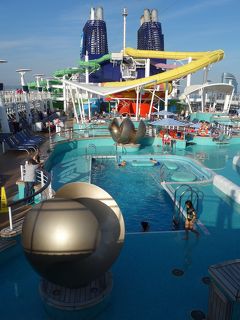
Norwegian Epic の船内探検(1)。カジュアル船です。アメリカ文化そのものです。
2019/10/28~
カプリ島
-

Norwegian Epic の船内探検(2)。食事は良かったり、イマイチだったり。
2019/10/28~
ポンペイ
-
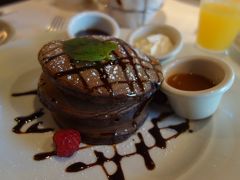
Norwegian Epic の船内探検(3)。カフェテリアは中国語が飛び交っていた。
2019/10/28~
フィレンツェ
-
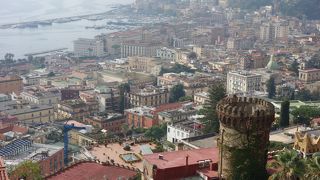
ナポリにきたら高いところに上りましょう。フニクラでヴォメロの丘へ。
2019/10/29~
ナポリ
-
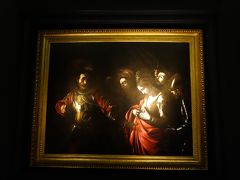
カラヴァッジョ最後期の作品を見る。魂の深さに感動する。
2019/10/29~
ナポリ
-

サンタ・キアーラ教会の回廊・庭園を見る。陶板タイルの装飾がうつくしい。
2019/10/29~
ナポリ
-
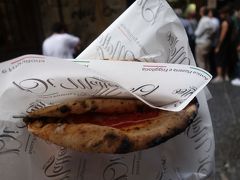
ナポリのランチは,もちろん,ナポリ・ピザ。ダ・ミケーレまで歩いていったのですが。。。。
2019/10/29~
ナポリ
-
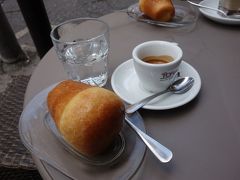
ナポリにきたら,ババをいただきましょう。ババ抜き,ではナポリに来たことになりません。
2019/10/29~
ナポリ
-

トレド通りを歩く。ナポリの王道です。
2019/10/29~
ナポリ
-
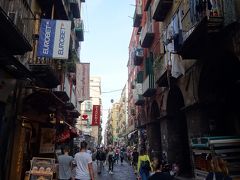
スパッカ・ナポリを歩く。ナポリの下町です。
2019/10/29~
ナポリ
-
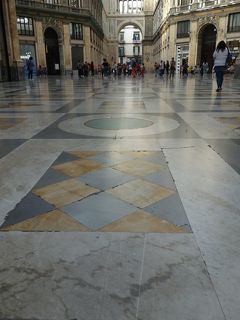
ウンベルト1世のギャッレリア,プレビシート広場とヌオーヴォ城を見て,我が家(船)に帰る。
2019/10/29~
ナポリ
-
Civitavecchia から Tarquinia まで路線バスを乗り継いで。初めての土地で。。。
2019/10/30~
チビタベッキア
-
Tarquinia。エトルリア文明の遺跡を求めて。
2019/10/30~
ラツィオ州
-
Tarquinia のエトルリア文明の遺跡。高松塚を思い出す墳墓内の壁画。
2019/10/30~
ラツィオ州
-

Tarquinia のエトルリア文明の遺跡。(2) 壁画がすばらしい。紀元前にこの文明。
2019/10/30~
ラツィオ州
-

Tarquinia は城壁に囲まれた丘の上の都市。塔もおおい。
2019/10/30~
ローマ
-
Tarquinia の国立博物館をみる。そして,ジェラートで一服。いい街です。
2019/10/30~
ローマ
-

Tarquinia から Civitavecchia までバスで帰る。帰りは直通です。船の近くで下りました。
2019/10/30~
その他の観光地
-
Norwegian Epic の船内探検(4)。フレンチ・レストラン Le Bistro はおいしかった。
2019/10/31~
シチリア島
-
Livorno からLucca まで鉄道の旅。Pisa で乗り換えです。
2019/10/31~
リボルノ
-

Lucca では,まず,ドゥオーモを目指す。
2019/10/31~
ルッカ
-

Luccaでピサ・ルッカ様式の教会を見る。
2019/10/31~
ルッカ
-
Lucca では、塔に登りたかったのですが、あいにくの雨で、割愛。
2019/10/31~
ルッカ
-
ローマの競技場跡。Piazza Anfiteatro. 広場を取り巻く建物群がおもしろい。
2019/10/31~
ルッカ
-
ルッカ。今日はハロウィーン。コスプレの人で、街はあふれかえっていました。
2019/10/31~
ルッカ
-

Lucca から Pisa まで鉄道のたび。こわい検札のおじさんが回ってきました。
2019/10/31~
トスカーナ州
-
Pisa の街歩きは Corso Italia から始まります。そう,イタリアの中心なのです。
2019/10/31~
ピサ
-
Pisaで途中下車。目的は,もちろん,世界一のジェラートを食べるためです。
2019/10/31~
ピサ
-

Norwegian Epic の船内探検(5)。船内盛り上がりはイマイチ。別れが悲しくなかった。
2019/11/01~
メッシーナ
旅行記グループをもっと見る
コメントを投稿する前に
十分に確認の上、ご投稿ください。 コメントの内容は攻撃的ではなく、相手の気持ちに寄り添ったものになっていますか?
サイト共通ガイドライン(利用上のお願い)報道機関・マスメディアの方へ 画像提供などに関するお問い合わせは、専用のお問い合わせフォームからお願いいたします。
この旅行で行ったスポット
イタリア の旅行記




フォートラベル公式LINE@

おすすめの旅行記や旬な旅行情報、お得なキャンペーン情報をお届けします!
QRコードが読み取れない場合はID「@4travel」で検索してください。
\その他の公式SNSはこちら/


旅行記グループ ノルウェージャン・エピック西地中海クルーズ
0
35