


2026/04/19 - 2026/04/19
124位(同エリア6147件中)

旅熊 Kokazさん
- 旅熊 KokazさんTOP
- 旅行記1927冊
- クチコミ854件
- Q&A回答102件
- 1,708,528アクセス
- フォロワー752人
大阪出張のついでに、お嬢と京都・奈良【39】
奈良22
- 旅行の満足度
- 5.0
-

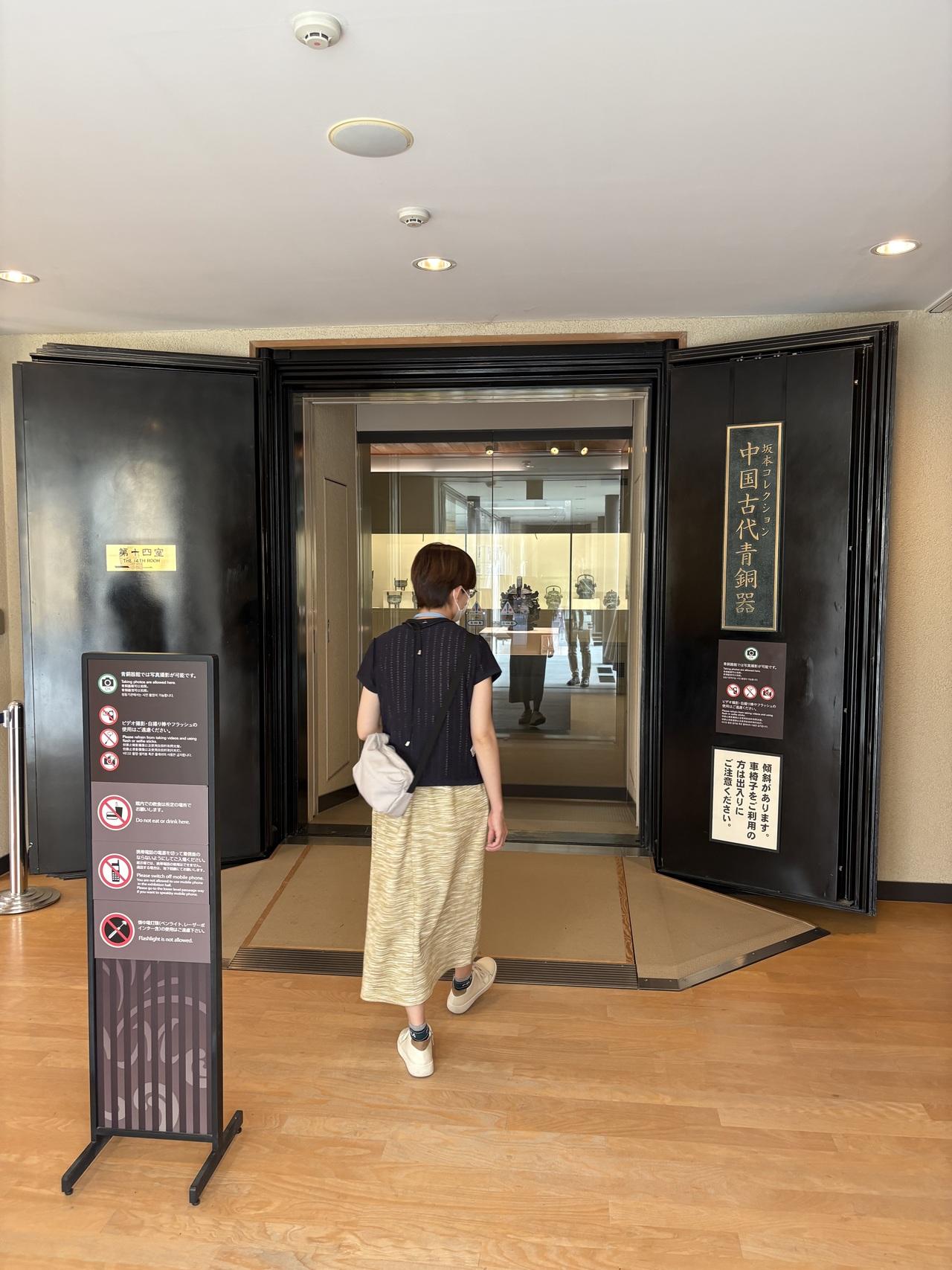
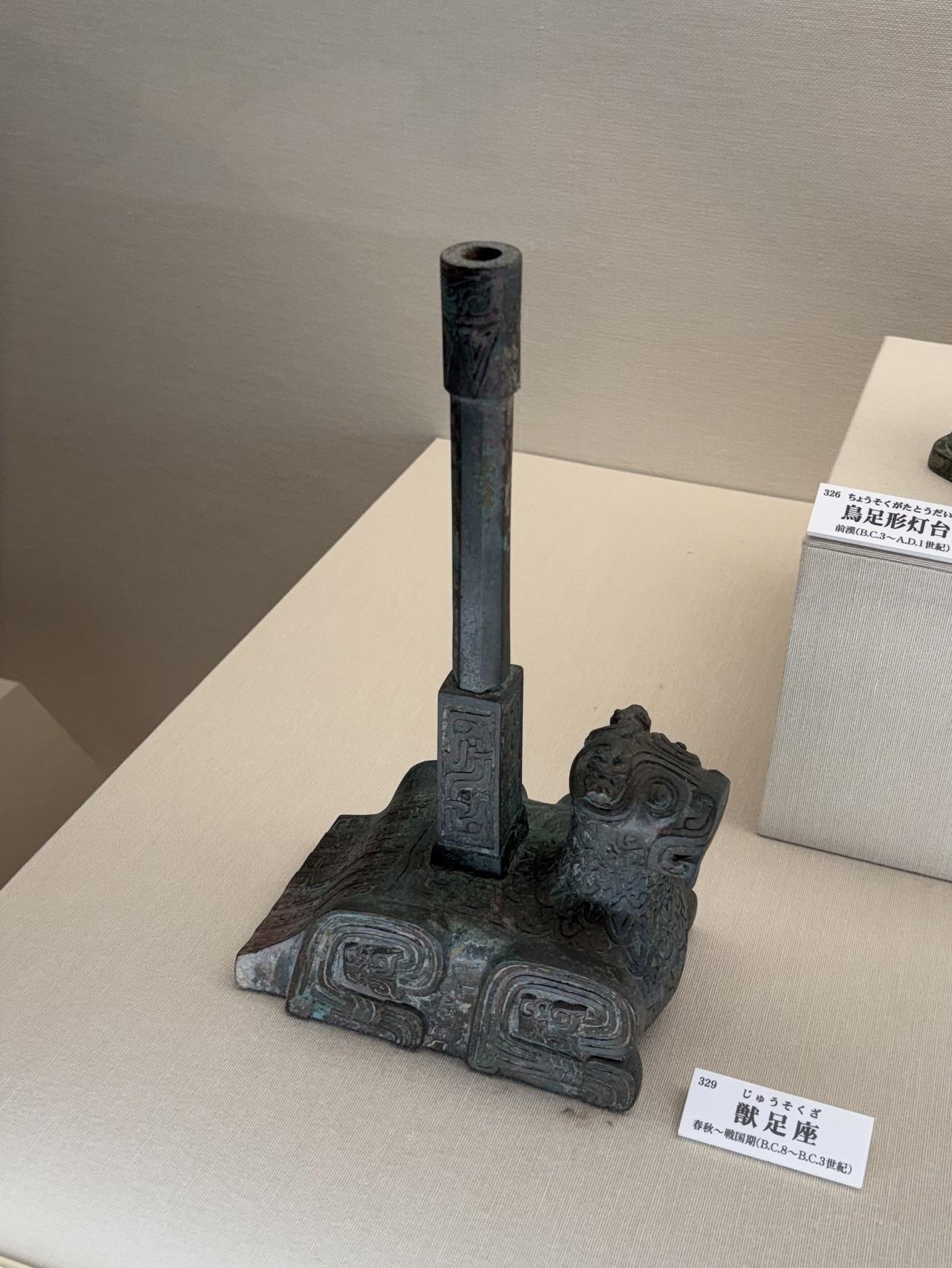
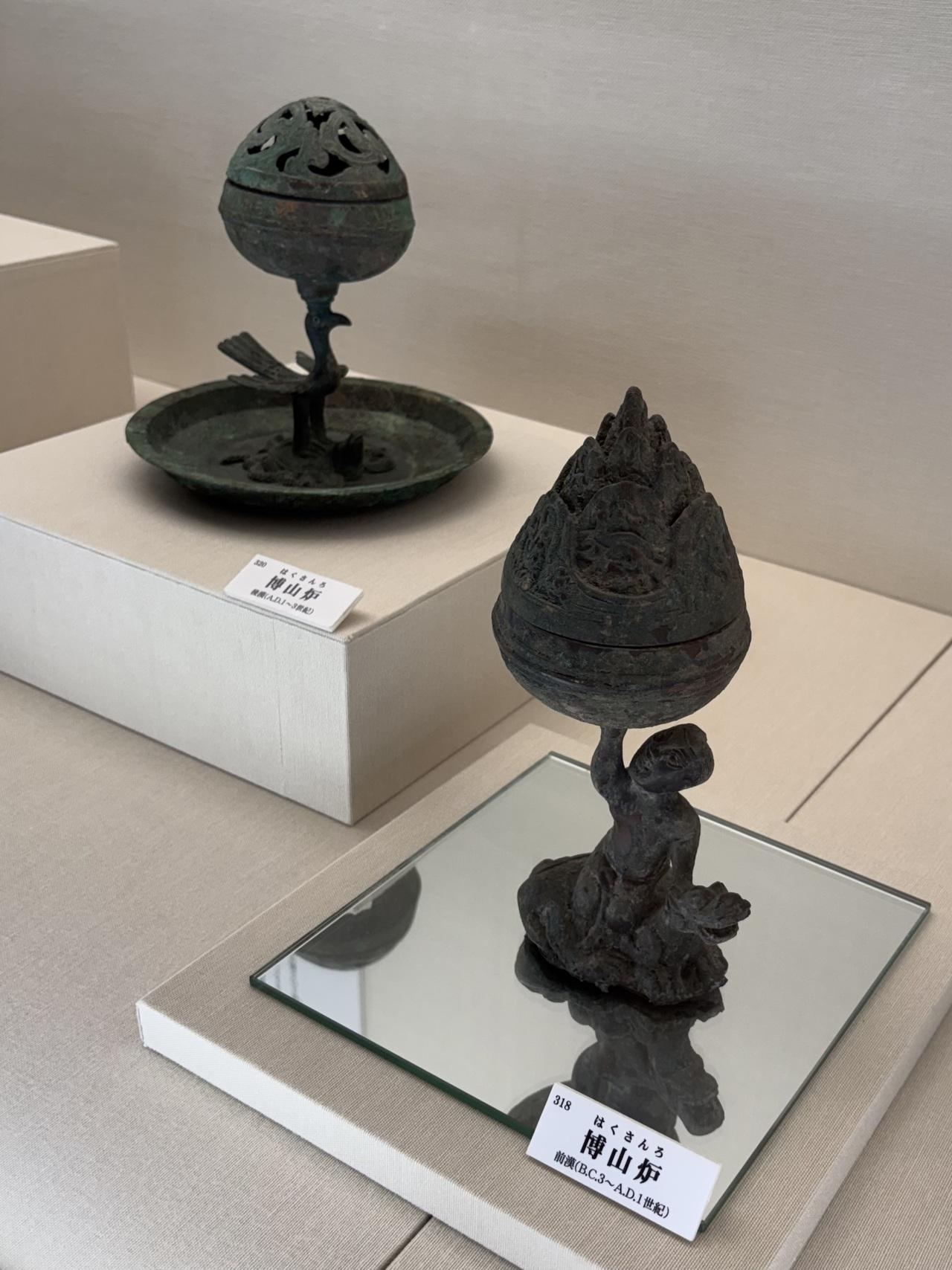
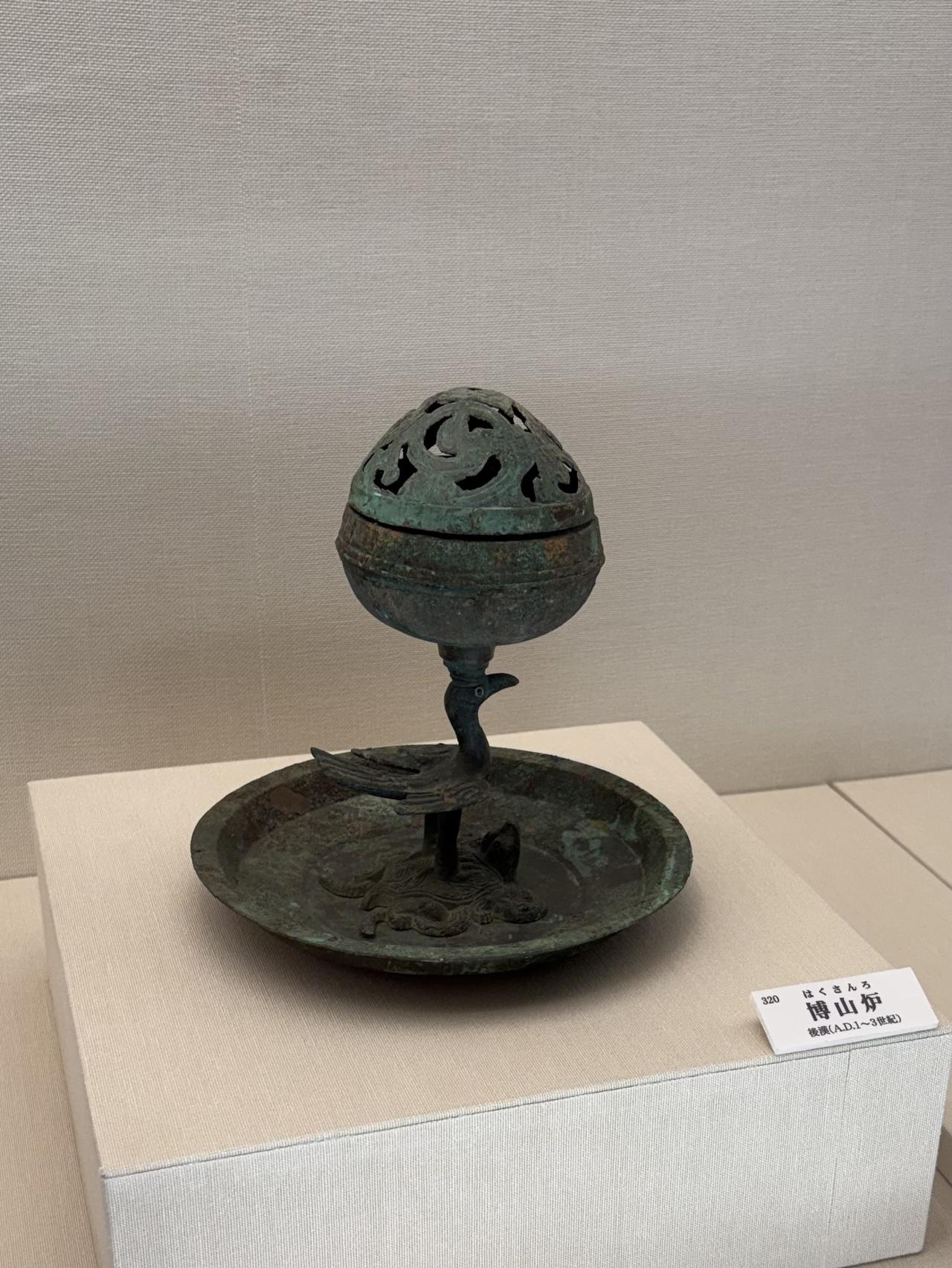
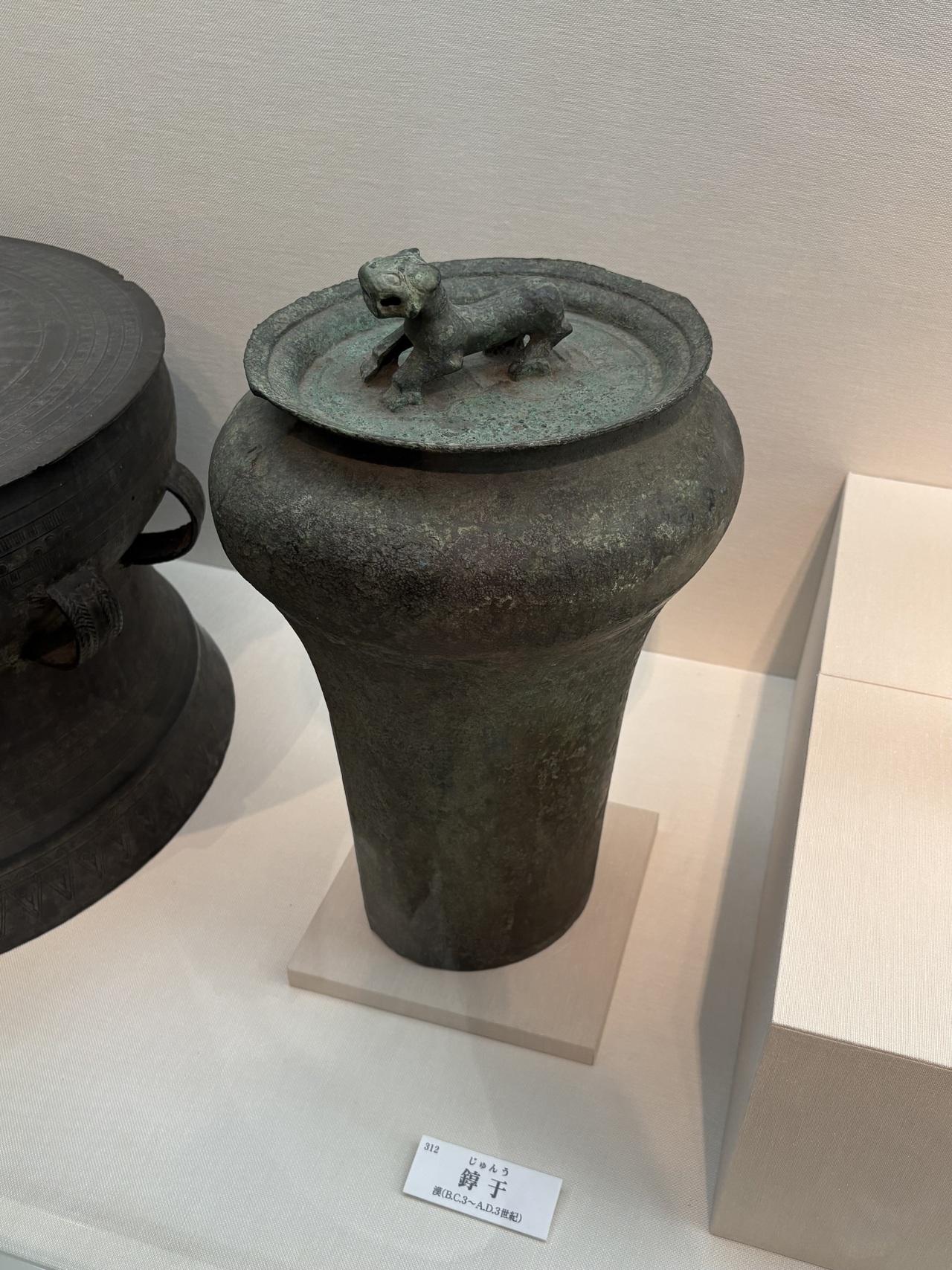
仏像ワールドの後の、"中国古代青銅器" 鑑賞
泉屋博古館東京での青銅器鑑賞以来3年ぶり
↓ ↓ ↓
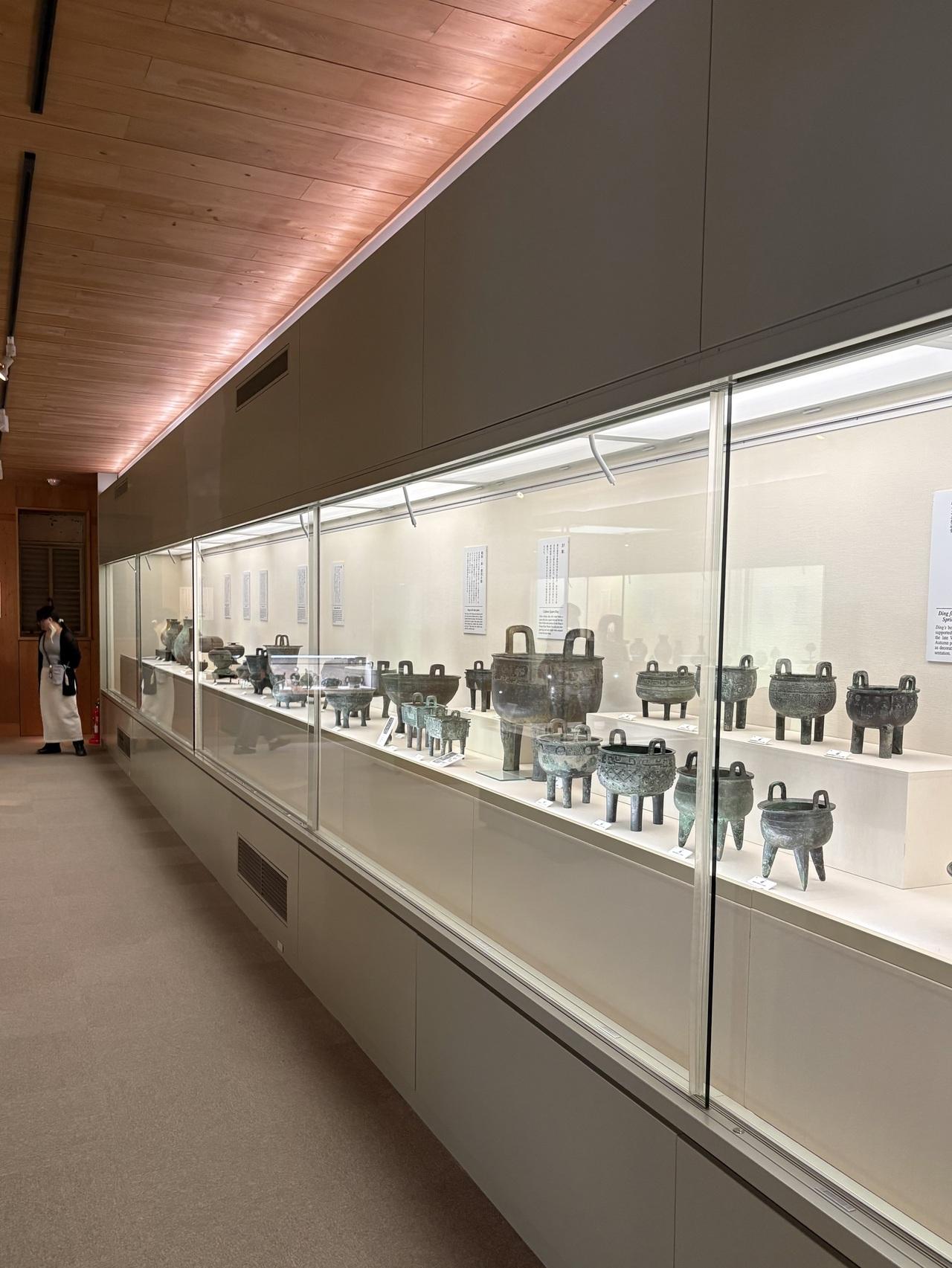
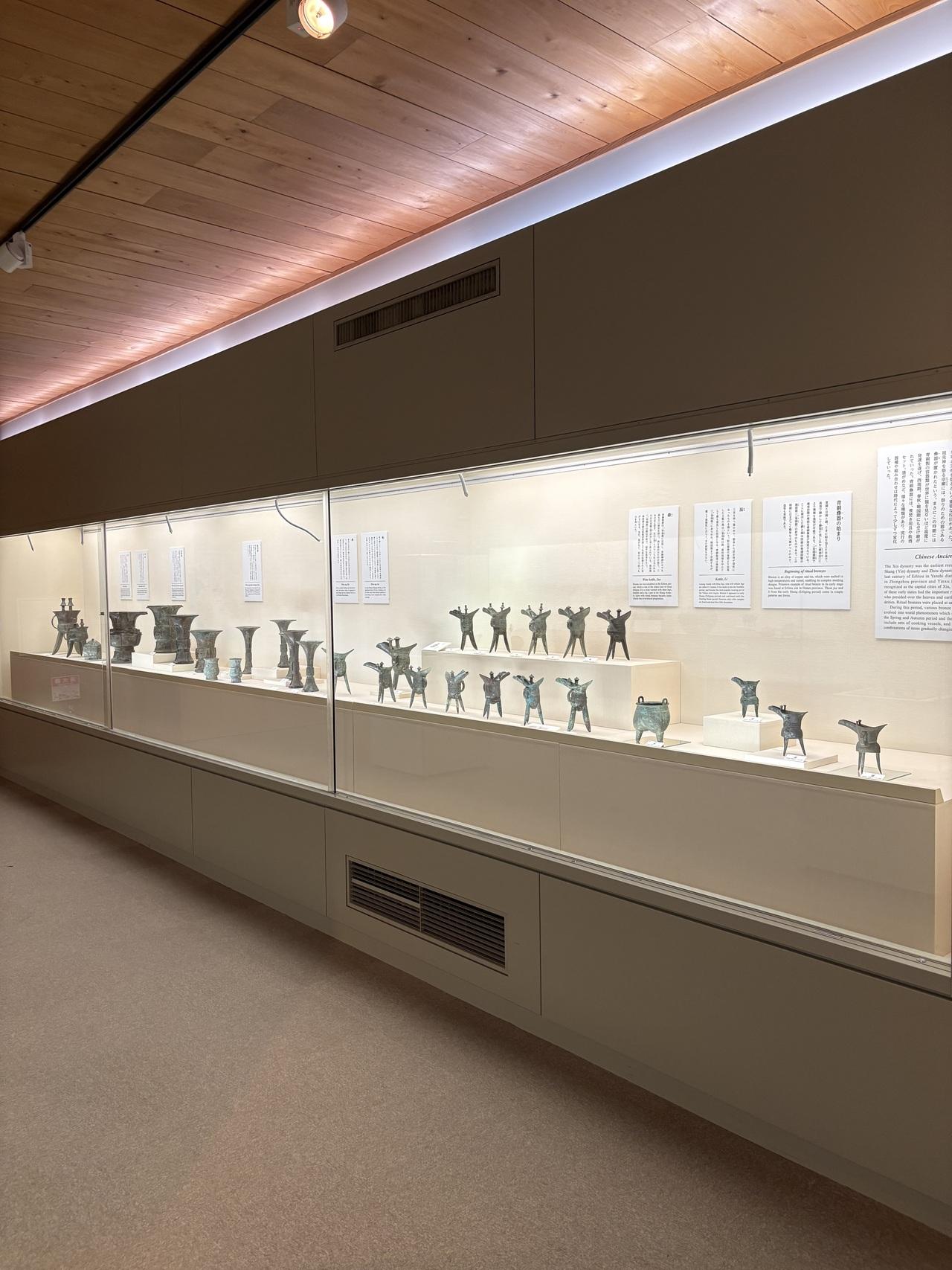
"泉屋博古館東京 住友コレクション 中国青銅器名品選" へ。「鼎(てい)」とか「卣(ゆう)」とか難読漢字にも遭遇、中国の青銅器はおもしろい!
https://4travel.jp/travelogue/11810144奈良国立博物館 美術館・博物館
-
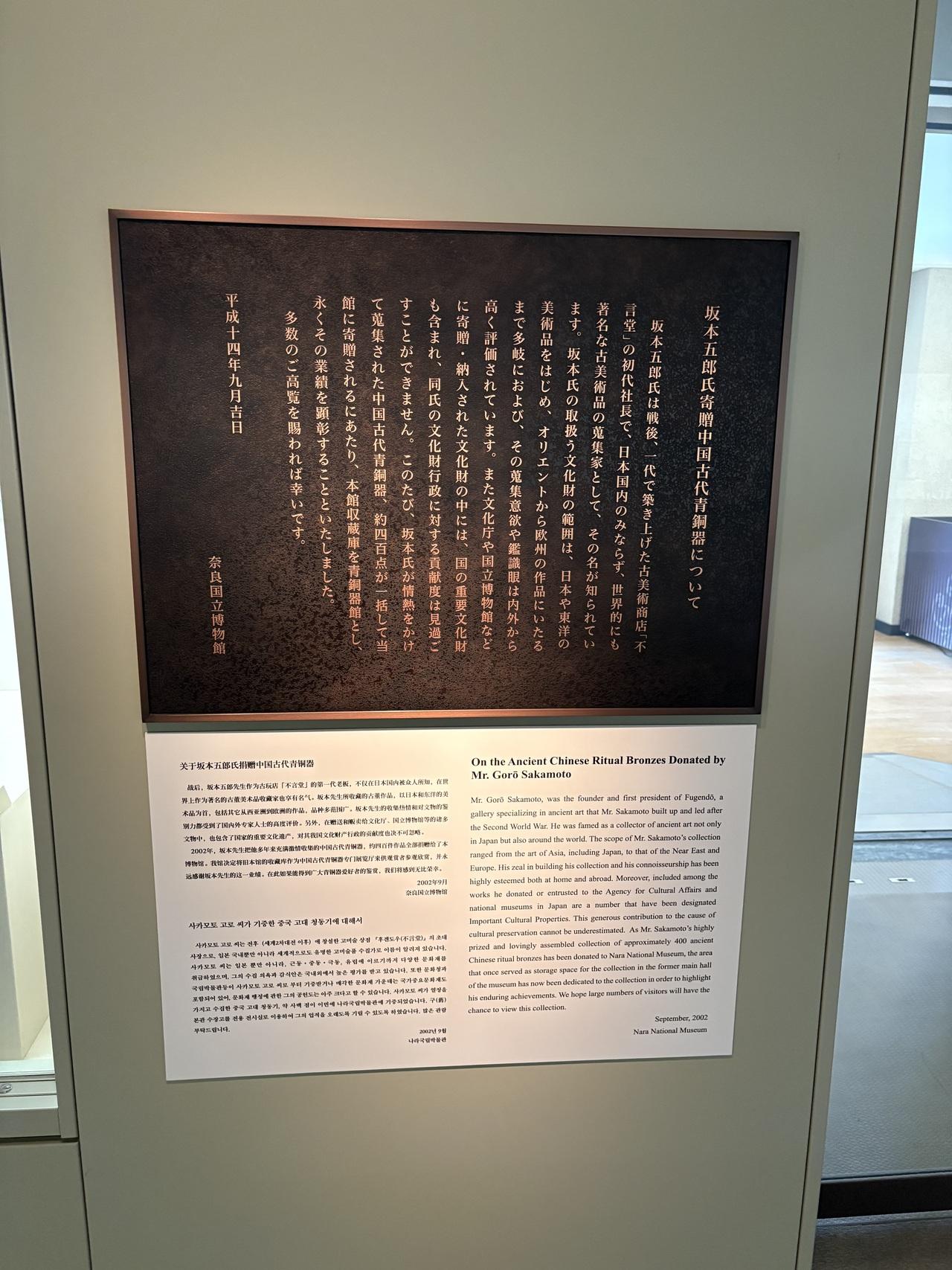
坂本五郎氏寄贈中国古代青銅器について
坂本五郎氏は戦後、一代で築き上げた古美術商店「不言堂」の初代社長で、日本国内のみならず、世界的にも著名な古美術品の蒐集家として、その名が知られています。坂本氏の取扱う文化財の範囲は、日本や東洋の美術品をはじめ、オリエントから欧州の作品にいたるまで多岐におよび、その蒐集意欲や鑑識眼は内外から高く評価されています。また文化庁や国立博物館などに寄贈・納入された文化財の中には、国の重要文化財も含まれ、同氏の文化財行政に対する貢献度は見過ごすことができません。このたび、坂本氏が情熱をかけて蒐集された中国古代青銅器、約四百点が一括して当館に寄贈されるにあたり、本館収蔵庫を青銅器館とし、永くその業績を顕彰することといたしました。
多数のご高覧を賜われば幸いです。
平成十四年九月吉日
奈良国立博物館
On the Ancient Chinese Ritual Bronzes Donated by Mr. Gorõ Sakamoto
Mr. Goro Sakamoto, was the founder and first president of Fugendo, a gallery specializing in ancient art that Mr. Sakamoto built up and led after the Second World War. He was famed as a collector of ancient art not only in Japan but also around the world. The scope of Mr. Sakamoto's collection ranged from the art of Asia, including Japan, to that of the Near East and Europe. His zeal in building his collection and his connoisseurship has been highly esteemed both at home and abroad. Moreover, included among the works he donated or entrusted to the Agency for Cultural Affairs and national museums in Japan are a number that have been designated Important Cultural Properties. This generous contribution to the cause of cultural preservation cannot be underestimated. As Mr. Sakamoto's highly prized and lovingly assembled collection of approximately 400 ancient Chinese ritual bronzes has been donated to Nara National Museum, the area that once served as storage space for the collection in the former main hall of the museum has now been dedicated to the collection in order to highlight his enduring achievements. We hope large numbers of visitors will have the chance to view this collection.
September, 2002
Nara National Museum -
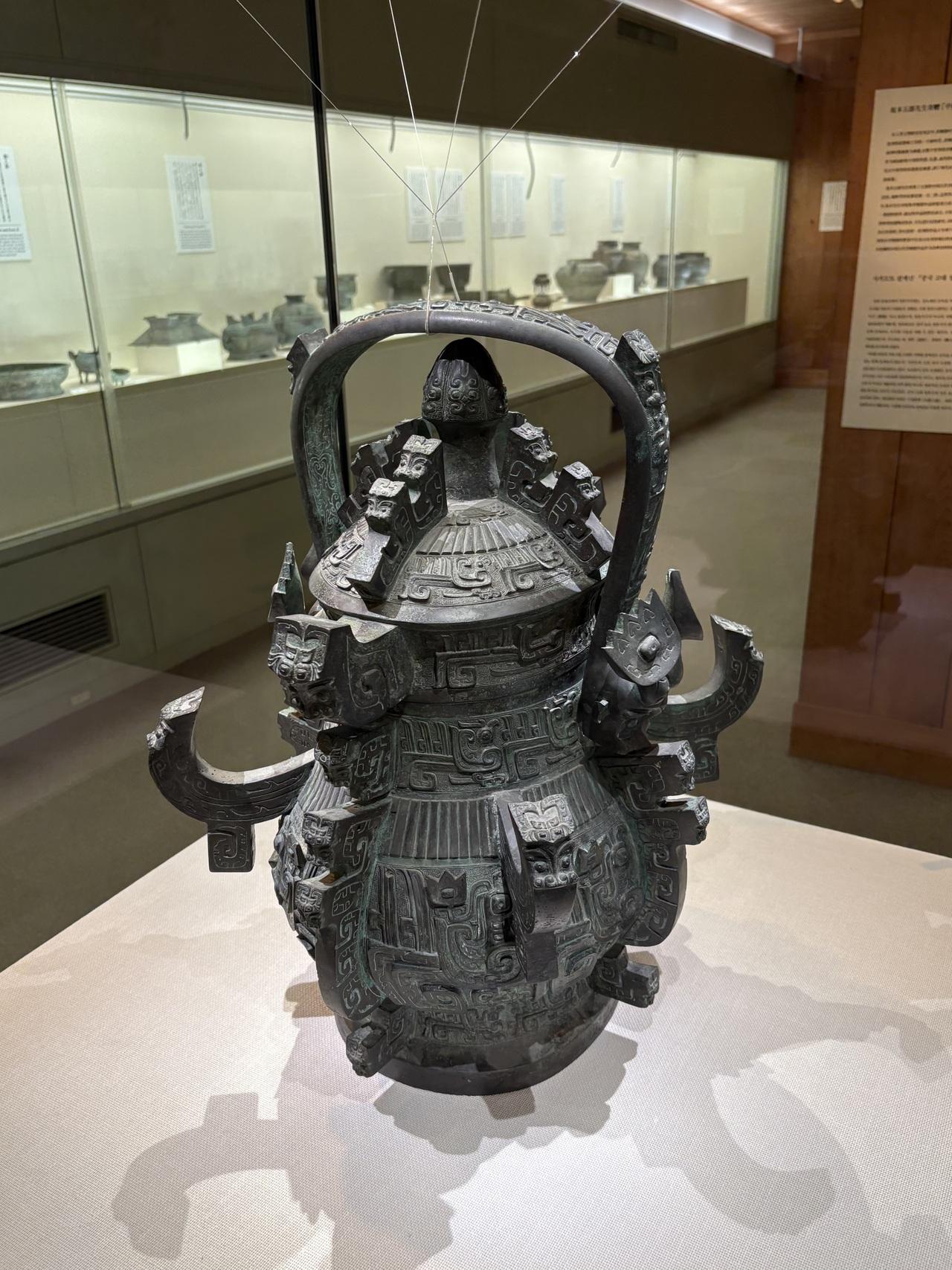
ほうおうもんゆう
鳳凰文卣
商末周初期(紀元前十一~紀元前十世紀)
器身に大きく直条文(縦縞の文様)と浮き彫りの鳳凰文を飾るとともに、豪華な機(鰭飾り)や枝のような突起を飾り、全体を立体装飾で隙間なく埋め尽くしている。器底と蓋の裏に「婦問作文日発尊>析子孫」(婦問が文日発に宝の>器を作ってあげたの意)という銘文がある。商末周初期の重要な器として作られた優品である。
No.69
Wine vase,
You, with phoenix design
B.C.11~B.C.10C.
The body is decorated with broad bands and a phoenix relief together with fins and branch-like ornaments. The long inscriptions on its bottom and under the lid states its ownership. Dated from the late Shang to early Zhou dynasty. -
-
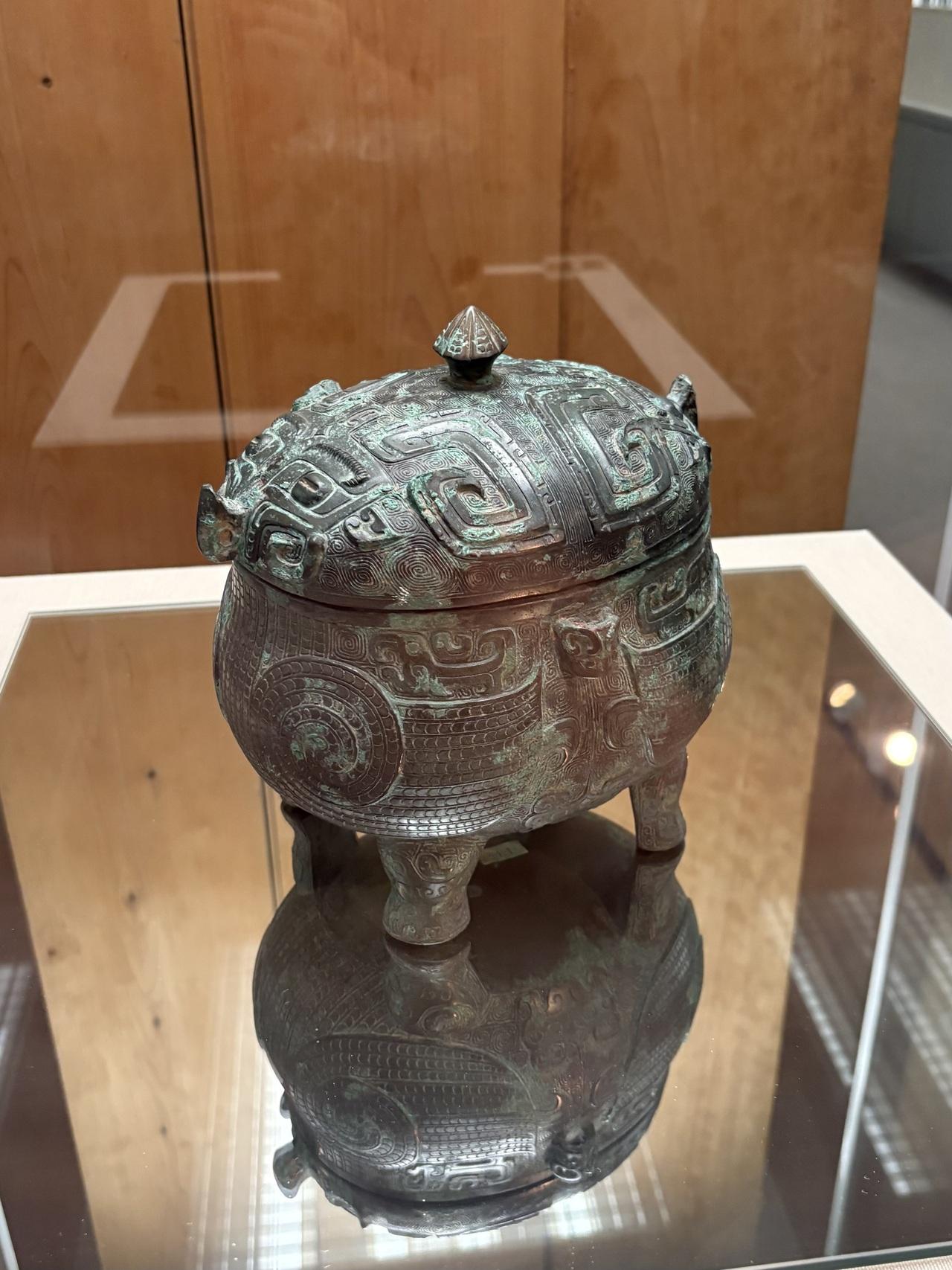
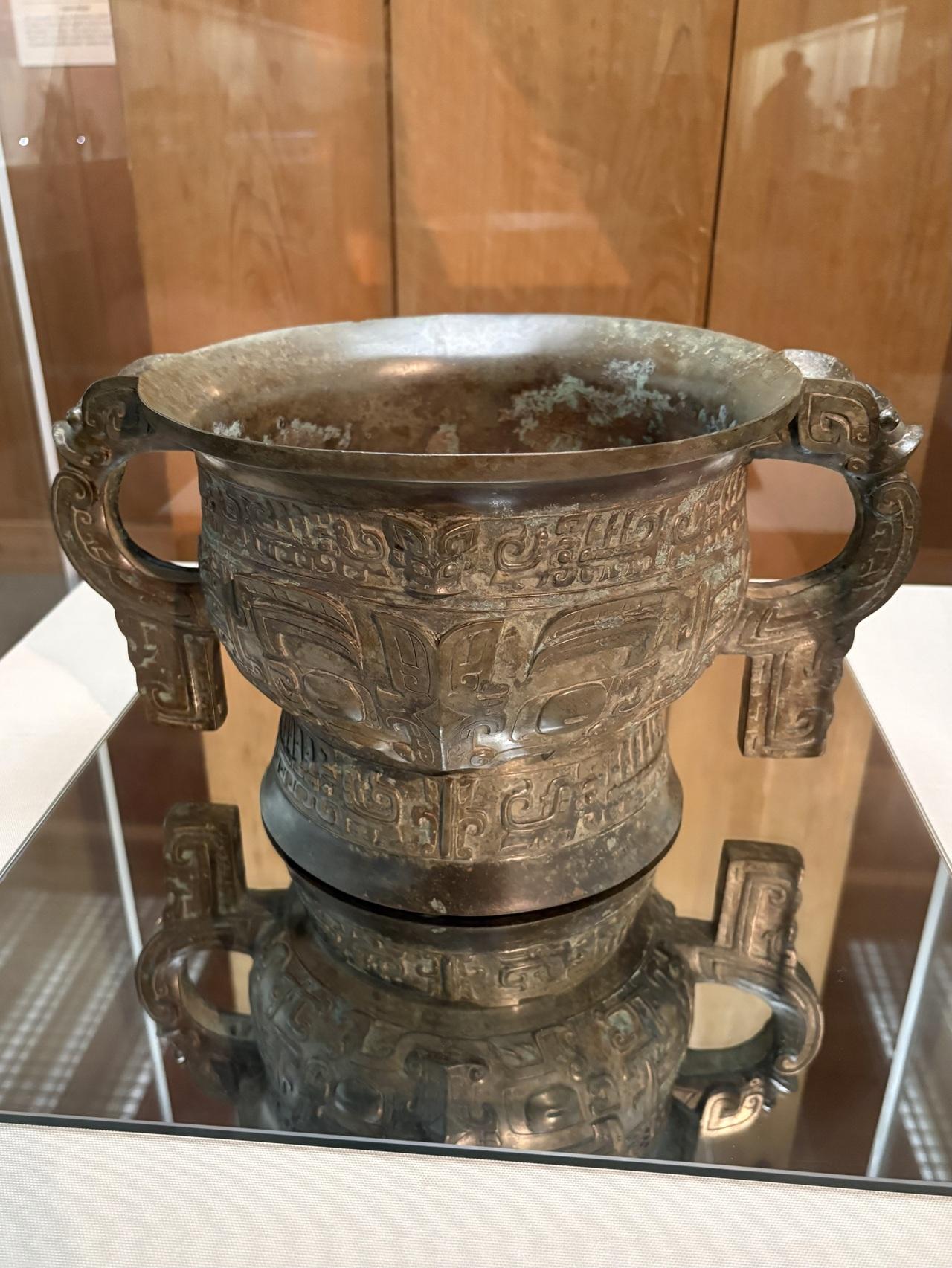
おおまゆとうてつもんき
大眉餮文簋
No.161
西周前期(紀元前十一~紀元前十世紀)
通常は角が表わされる位置に大きな眉毛のようなものを飾る大眉餮文は、商末周初
期に流行した文様である。焦は商末周初期より急速に例数が増える器で、互いによく似た幾種類かの両耳を持ち、同じ模型を再利用して大量生産したのではないかと推測できる。中でもこの鑑はやや大型で精巧に作られている。
Food vessel, Gui, with Tao-tie design
B.C.II~B.C.1OC.
Tao-tie has eyebrow like patterns probably representing horns of a mythical creature, which became poplar in the late Shang to carly Zhou dynasty, An increasing number of unearthed gui from this era indicates mass production by the same mold. -
-
-
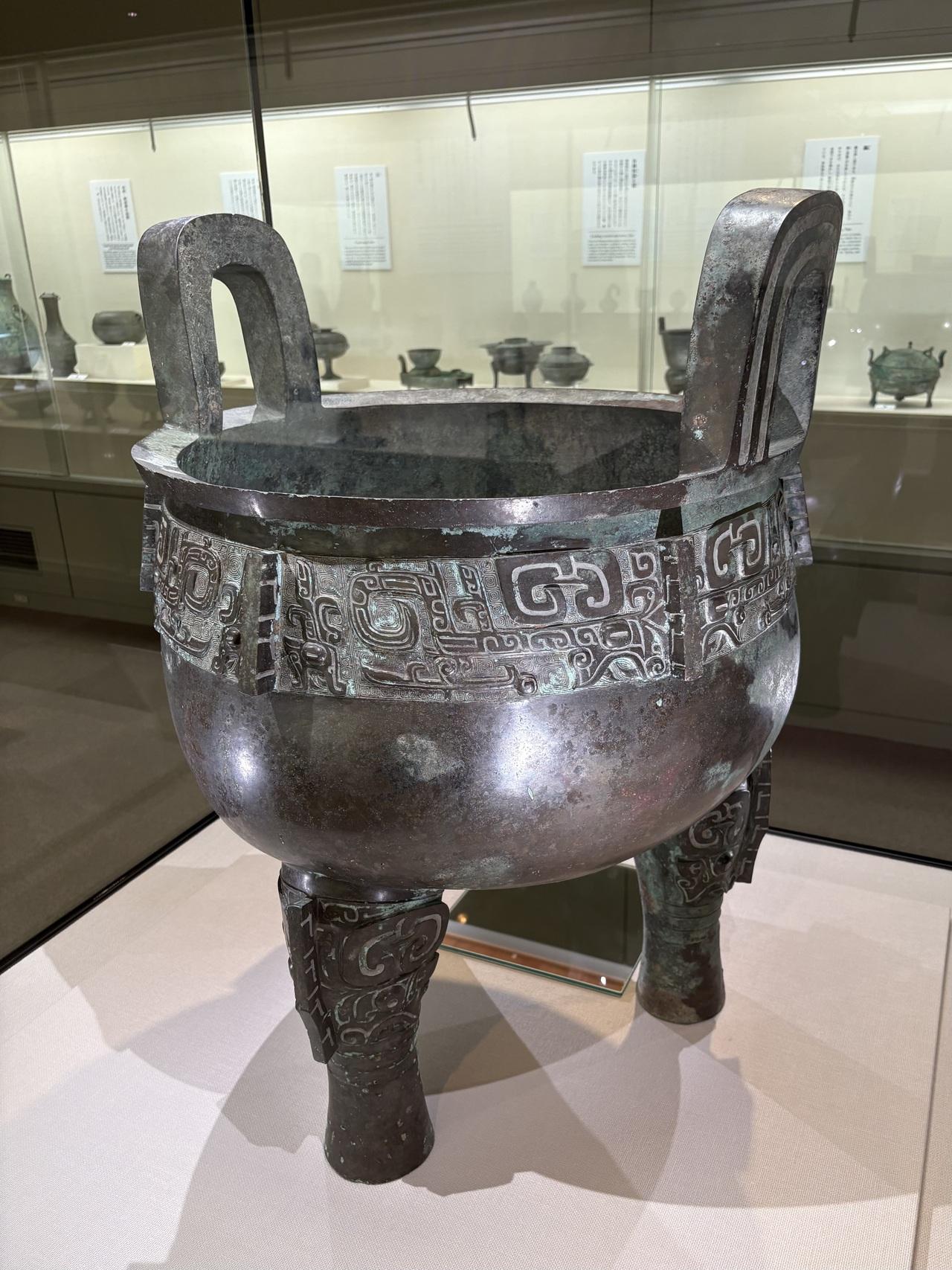
とうてつもんだいてい
饕餮文大鼎
商末周初期(紀元前十一~紀元前十世紀)
商末周初期に製作されたと考えられる大形の県で、重さ六ニ・五キログラムをはかる。大きく張った腹部の上方にC字形の耳をもつ饕整文帯を飾っている。これほど大型の県は例数が少ないものの、商末周初期の例が比較的多いため、この時期に威信駅として多数製作されたと考えられる。
No.100
Large Caldron, Ding, with Tao-tie design
B.C.11~B.C.10C.
This ding weights 62.5kg. Such large dings are rare, but most are concentrated from the late Shang to early Zhou dynasty. Archeologists suggest that they were created to attain social prestige. -
-
-
-
-
-
-
-
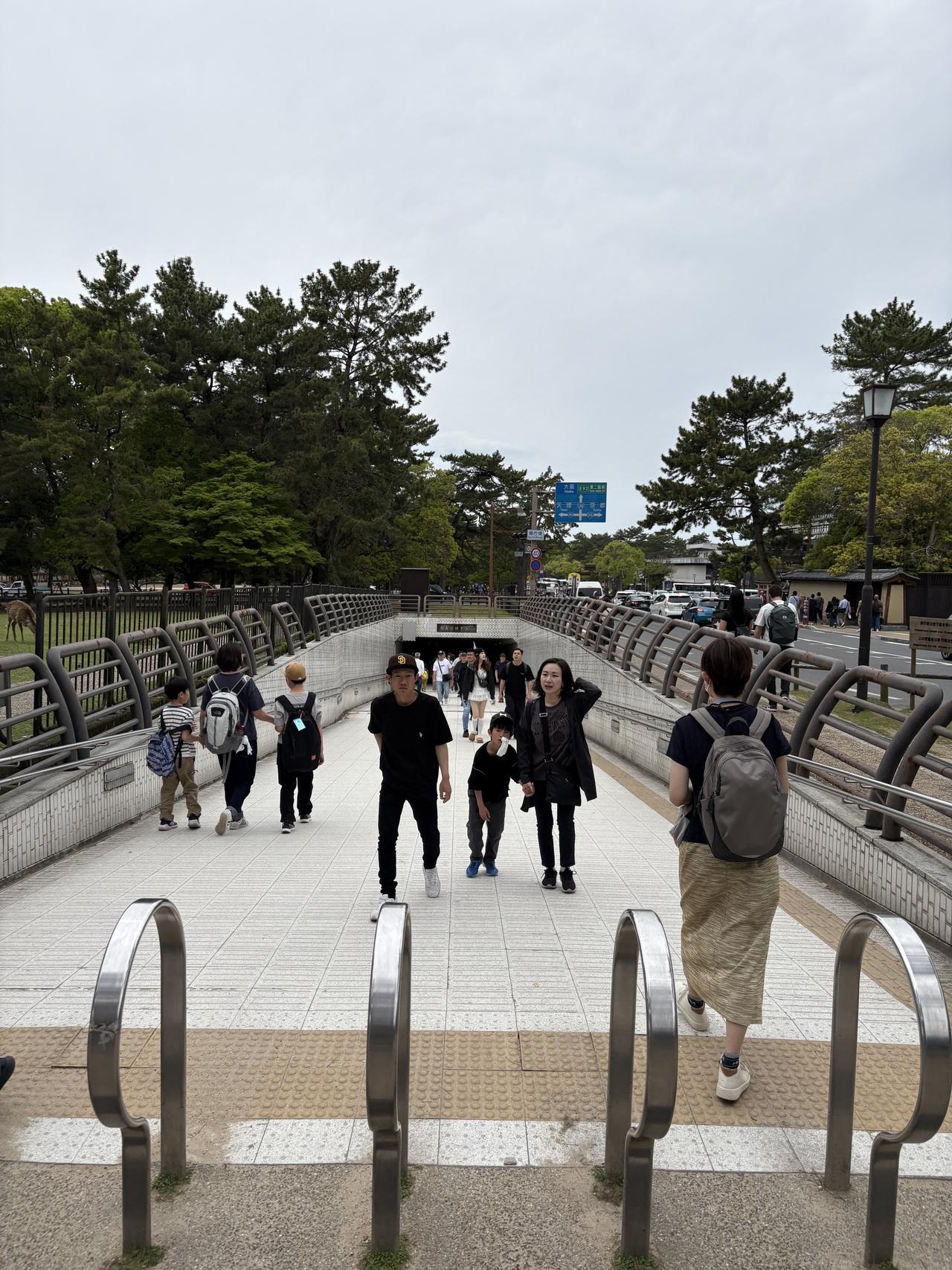
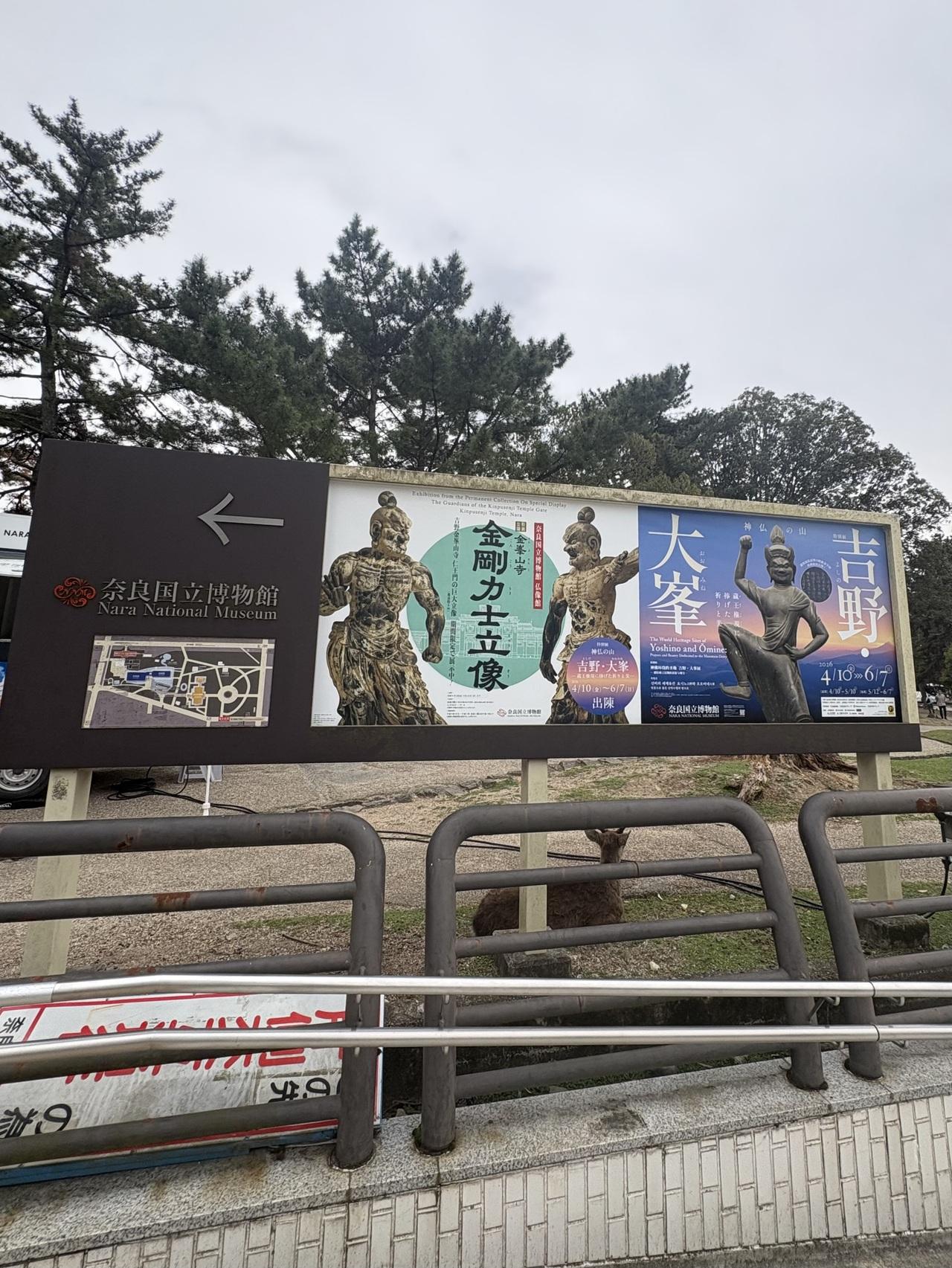
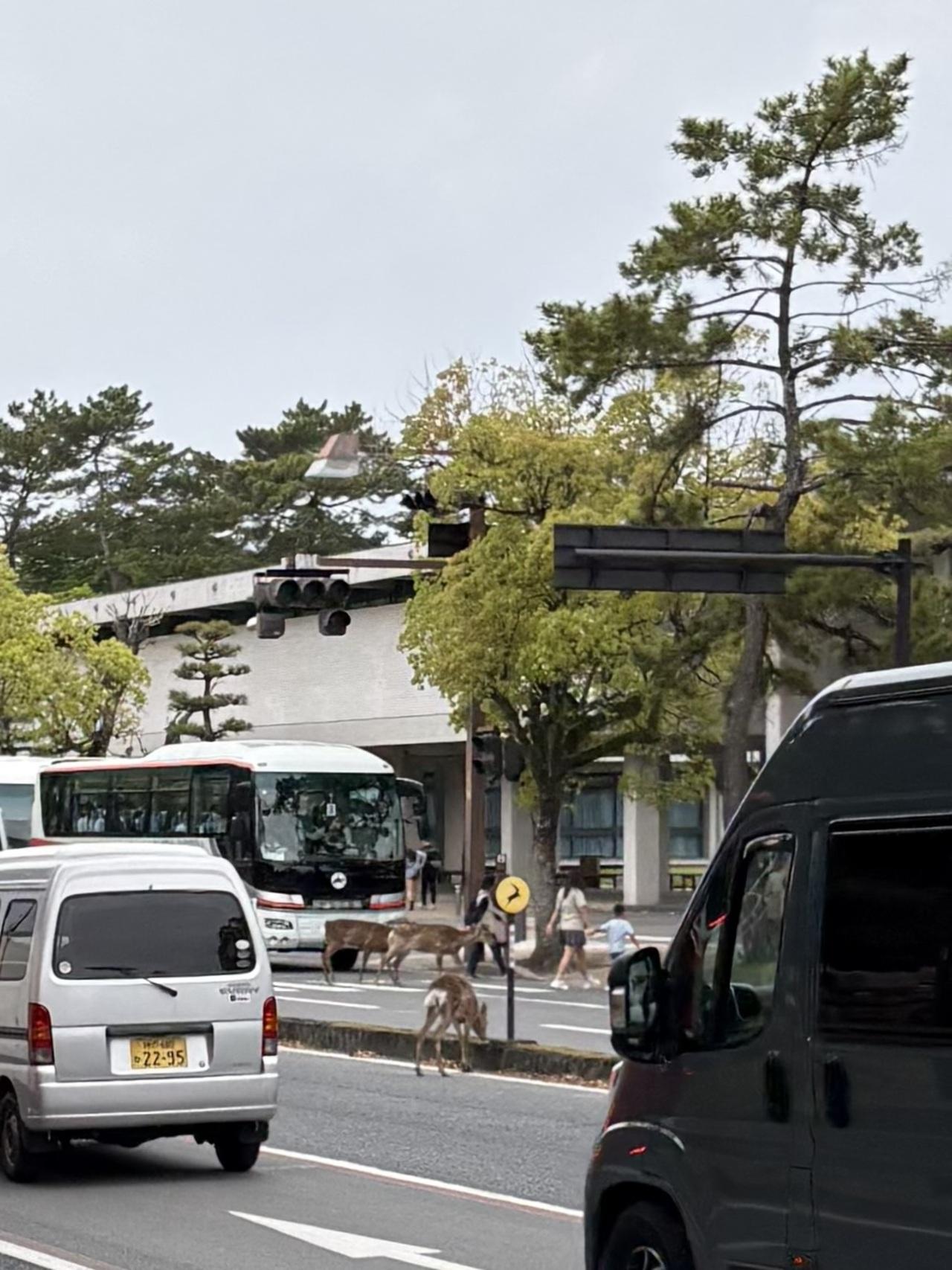
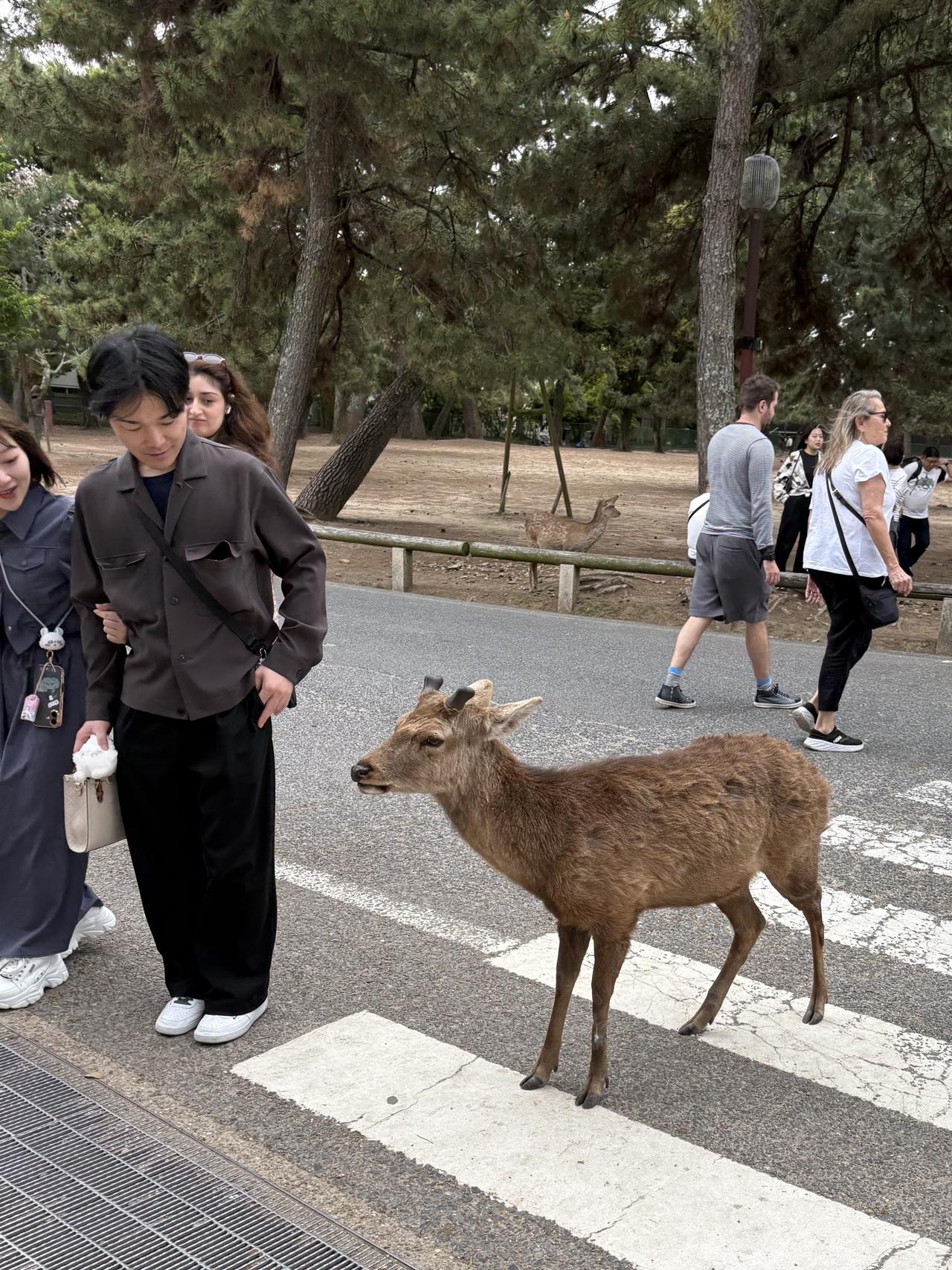
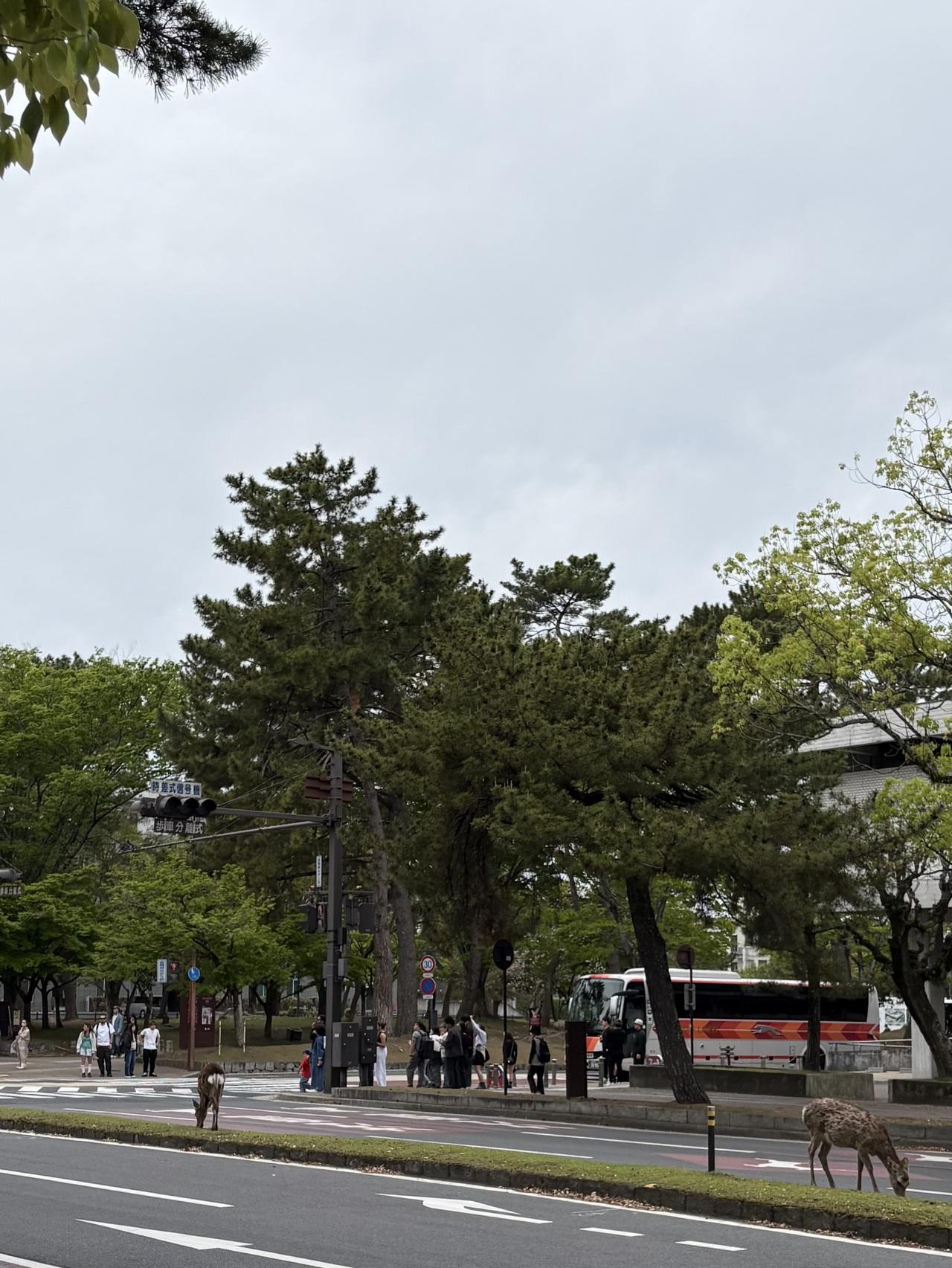
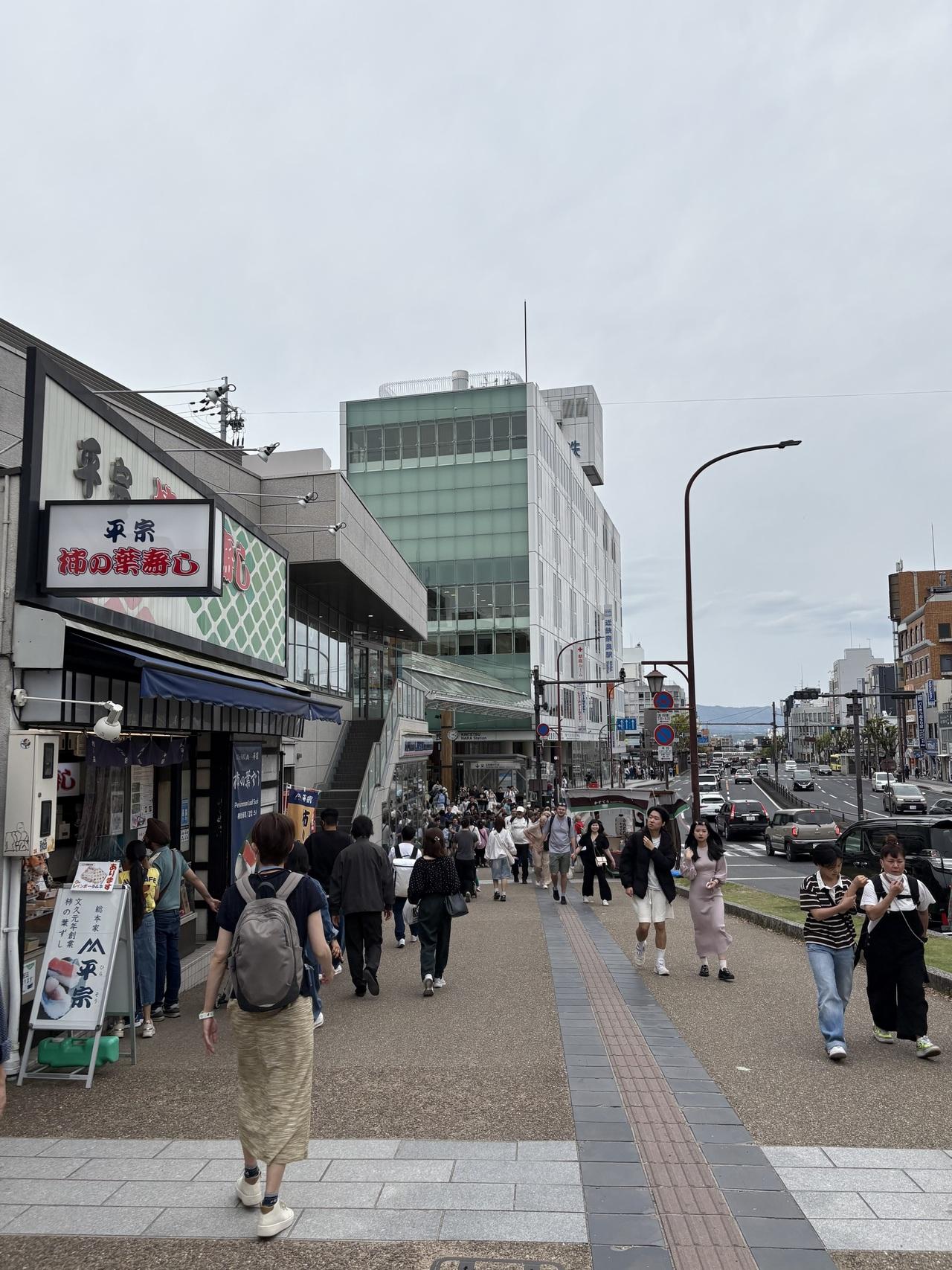
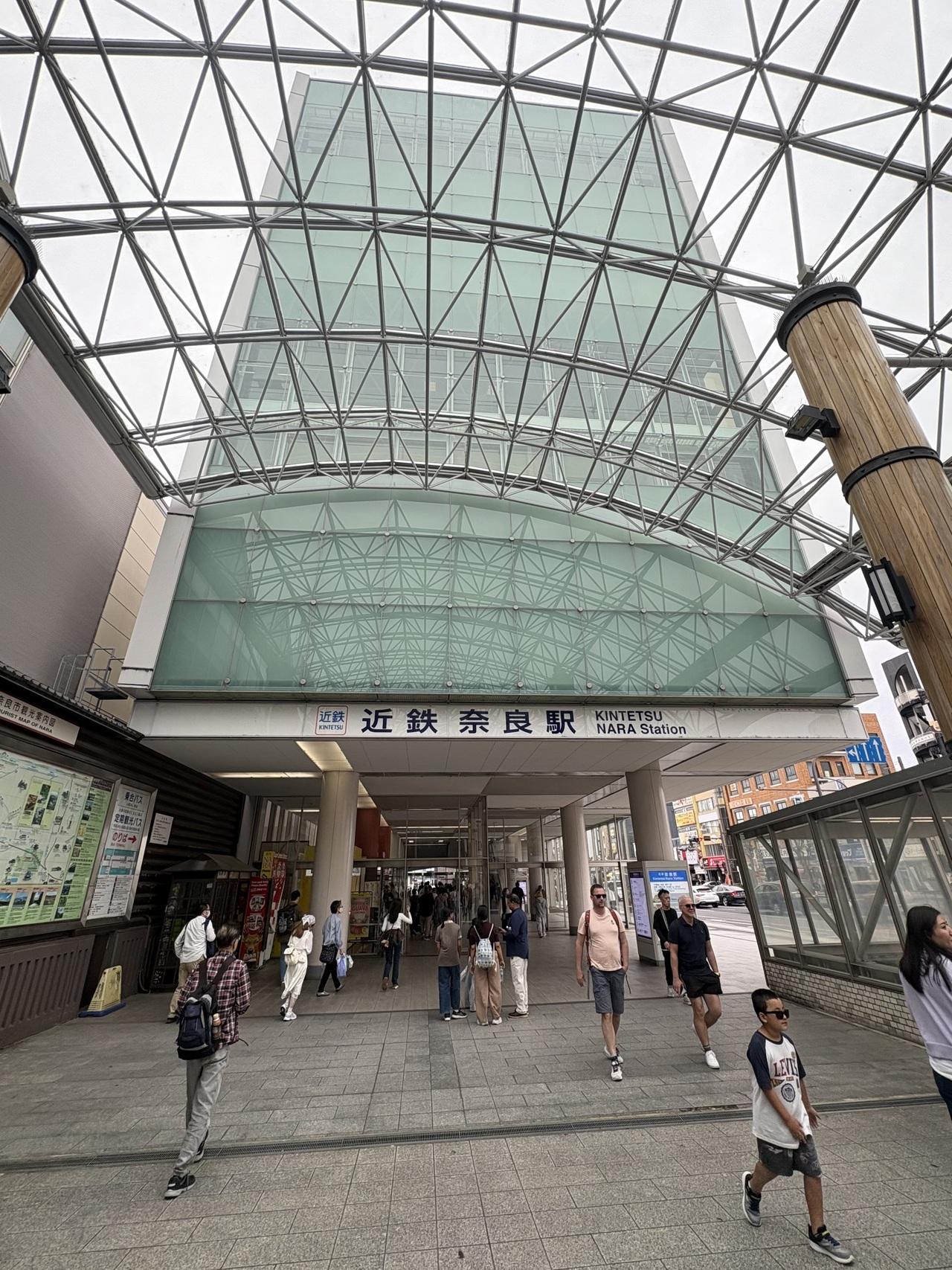
"国立奈良博物館" から、"近鉄奈良駅" へ移動開始!
-
-
-
-
-
-
"近鉄奈良駅"
近鉄奈良駅 駅


利用規約に違反している投稿は、報告する事ができます。
-
前の旅行記

大阪出張のついでに、お嬢と京都・奈良【38】奈良(21) "仏像ワールド" は奥が深い② @奈良国立博物館。...
2026/04/19~
奈良市
-
次の旅行記

大阪出張のついでに、お嬢と京都・奈良【40】奈良(23) 京都に移動。"近鉄奈良線は、平城京跡を横切って走る...
2026/04/19~
奈良市
-

大阪出張のついでに、お嬢と京都・奈良【18】奈良① 観光特急 "あをによし" で、"奈良" へ!乗車時間33...
2026/04/18~
奈良市
-

大阪出張のついでに、お嬢と京都・奈良【19】奈良② 鹿モチーフの雑貨屋さん "je êt nous" に行っ...
2026/04/18~
奈良市
-

大阪出張のついでに、お嬢と京都・奈良【20】奈良③ "柿の葉すし本舗 たなか なら本店"。特製木箱入り60個...
2026/04/18~
奈良市
-

大阪出張のついでに、お嬢と京都・奈良【21】奈良④ 名もない路地を街歩き。奈良だけど、ここだけ欧米か!
2026/04/18~
奈良市
-

大阪出張のついでに、お嬢と京都・奈良【22】奈良⑤ "ならまち" を街歩き!
2026/04/18~
奈良市
-

大阪出張のついでに、お嬢と京都・奈良【23】奈良⑥ "奈良料理 mikado"。奈良から始まる、自由で新しい...
2026/04/18~
奈良市
-

大阪出張のついでに、お嬢と京都・奈良【24】奈良⑦ 朝の出勤か?日の出直後、"鹿の集団" が興福寺から猿沢池...
2026/04/18~
奈良市
-

大阪出張のついでに、お嬢と京都・奈良【25】奈良⑧ "一の鳥居前" から、"春日大社" 本殿へ。これが、"飛...
2026/04/18~
奈良市
-

大阪出張のついでに、お嬢と京都・奈良【26】奈良⑨ "春日大社" で、"鹿モチーフの絵馬" に驚いた!
2026/04/18~
奈良市
-

大阪出張のついでに、お嬢と京都・奈良【27】奈良⑩ "奈良公園"。"鹿が芝を食むブチブチ音" は、海亀が岩か...
2026/04/19~
奈良市
-

大阪出張のついでに、お嬢と京都・奈良【28】奈良⑪ "東大寺大仏殿"。お嬢、この日1人目の "穴くぐり" チ...
2026/04/19~
奈良市
-

大阪出張のついでに、お嬢と京都・奈良【29】奈良⑫ "東大寺大仏殿"。172cm・68㎏の親父はこれが限界、...
2026/04/19~
奈良市
-

大阪出張のついでに、お嬢と京都・奈良【30】奈良⑬ "東大寺大仏殿"。自宅で留守番の奥方・還暦犬の分も含め、...
2026/04/19~
奈良市
-

大阪出張のついでに、お嬢と京都・奈良【31】奈良⑭ "バスターミナル屋上庭園" は思いのほかの絶景。修復後の...
2026/04/19~
奈良市
-

大阪出張のついでに、お嬢と京都・奈良【32】奈良⑮ "奈良国立博物館 特別展 神仏の山 吉野・大峰"。この ...
2026/04/19~
奈良市
-

大阪出張のついでに、お嬢と京都・奈良【33】奈良⑯ お嬢、東大寺大仏殿バス亭で "鹿に狙われ、『鹿せんべい』...
2026/04/19~
奈良市
-

大阪出張のついでに、お嬢と京都・奈良【34】奈良⑰ "鹿の舟 竈" は、立派な竈(かまど)のあるレストラン。...
2026/04/19~
奈良市
-

大阪出張のついでに、お嬢と京都・奈良【35】奈良⑱ "ならまち" を街歩き。"奈良元興寺郵便局" には、そこ...
2026/04/19~
奈良市
-

大阪出張のついでに、お嬢と京都・奈良【36】奈良⑲ 再び、"奈良国立博物館" へ。特別展 "神仏の山 吉野・...
2026/04/19~
奈良市
-

大阪出張のついでに、お嬢と京都・奈良【37】奈良(20) "仏像ワールド" は奥が深い① @奈良国立博物館。...
2026/04/19~
奈良市
-

大阪出張のついでに、お嬢と京都・奈良【38】奈良(21) "仏像ワールド" は奥が深い② @奈良国立博物館。...
2026/04/19~
奈良市
-

大阪出張のついでに、お嬢と京都・奈良【39】奈良(22) "奈良国立博物館" では、"青銅器" も鑑賞できる...
2026/04/19~
奈良市
-

大阪出張のついでに、お嬢と京都・奈良【40】奈良(23) 京都に移動。"近鉄奈良線は、平城京跡を横切って走る...
2026/04/19~
奈良市
-

大阪出張のついでに、お嬢と京都・奈良【41/完】新幹線で帰還。"JR伊勢丹京都" で買った、"近江 団十郎名...
2026/04/19~
京都駅周辺
旅行記グループをもっと見る
コメントを投稿する前に
十分に確認の上、ご投稿ください。 コメントの内容は攻撃的ではなく、相手の気持ちに寄り添ったものになっていますか?
サイト共通ガイドライン(利用上のお願い)報道機関・マスメディアの方へ 画像提供などに関するお問い合わせは、専用のお問い合わせフォームからお願いいたします。

奈良市(奈良) の旅行記




フォートラベル公式LINE@
おすすめの旅行記や旬な旅行情報、お得なキャンペーン情報をお届けします!
QRコードが読み取れない場合はID「@4travel」で検索してください。
\その他の公式SNSはこちら/


旅行記グループ 2026年4月 大阪出張のついでに、お嬢と京都・奈良(その2)奈良編
0
22