


2020/01/31 - 2020/01/31
6045位(同エリア10483件中)

nomonomoさん
- nomonomoさんTOP
- 旅行記5550冊
- クチコミ9247件
- Q&A回答332件
- 6,907,839アクセス
- フォロワー103人
この旅行記のスケジュール
2020/01/31
この旅行記スケジュールを元に
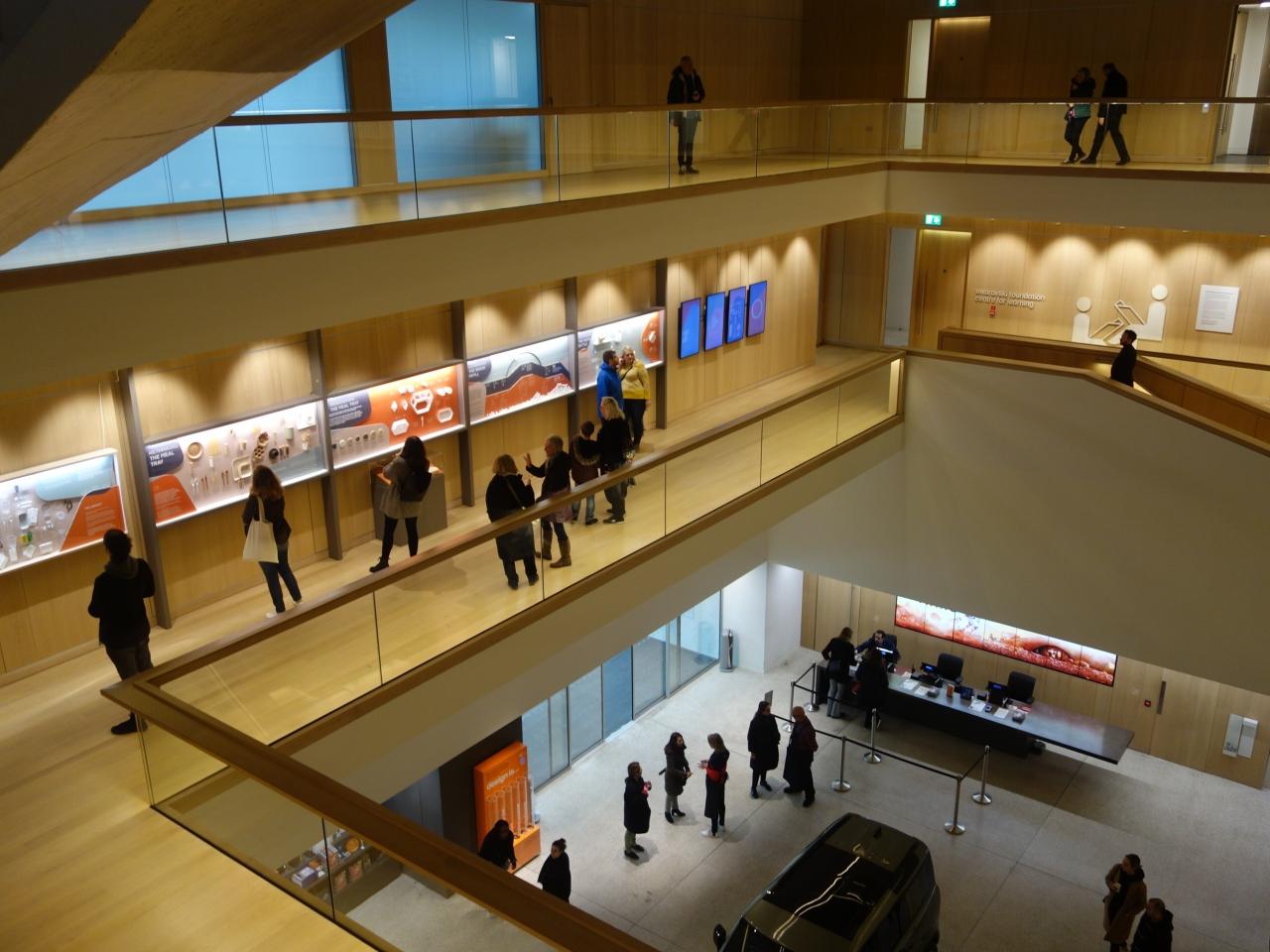
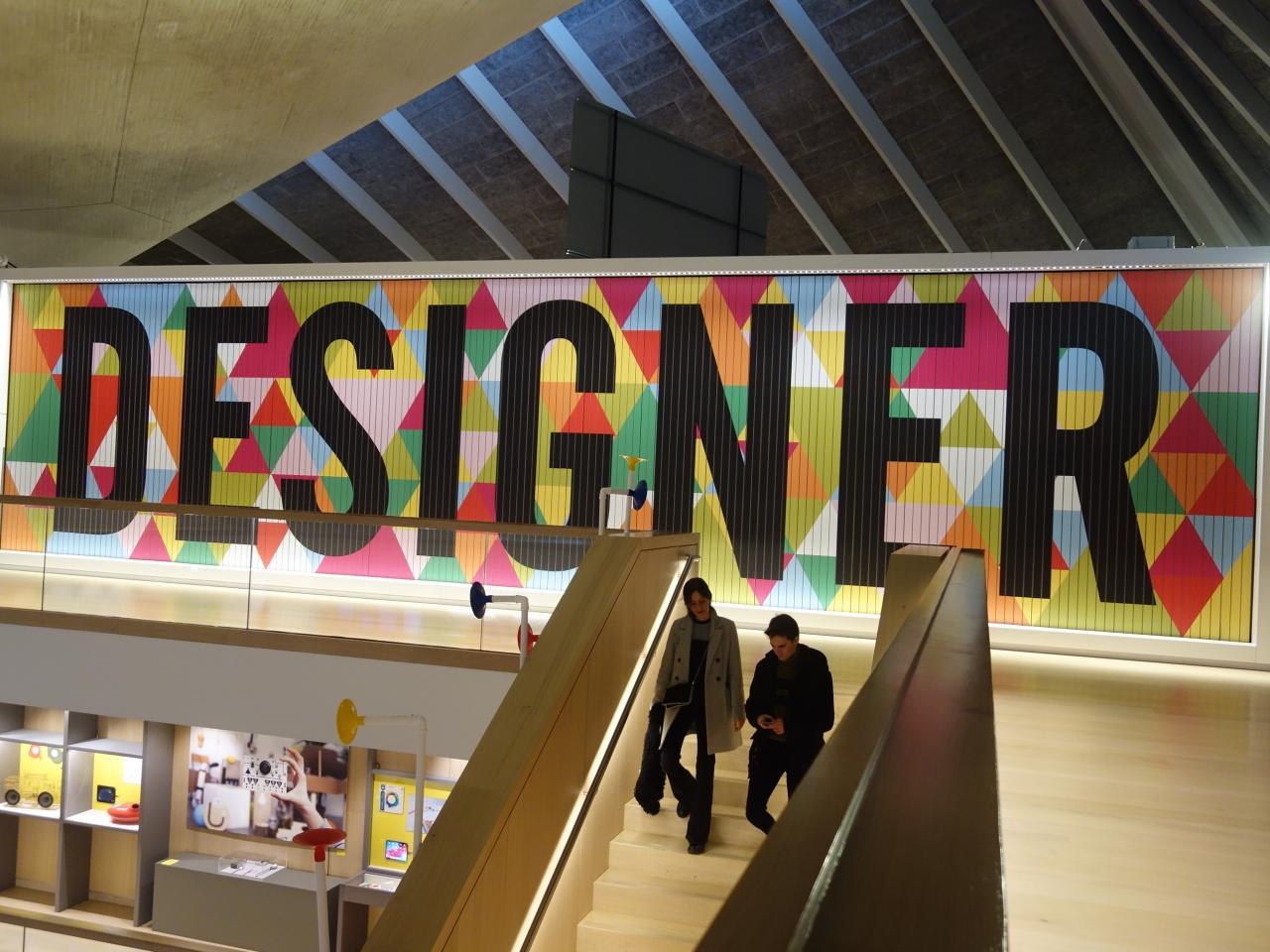
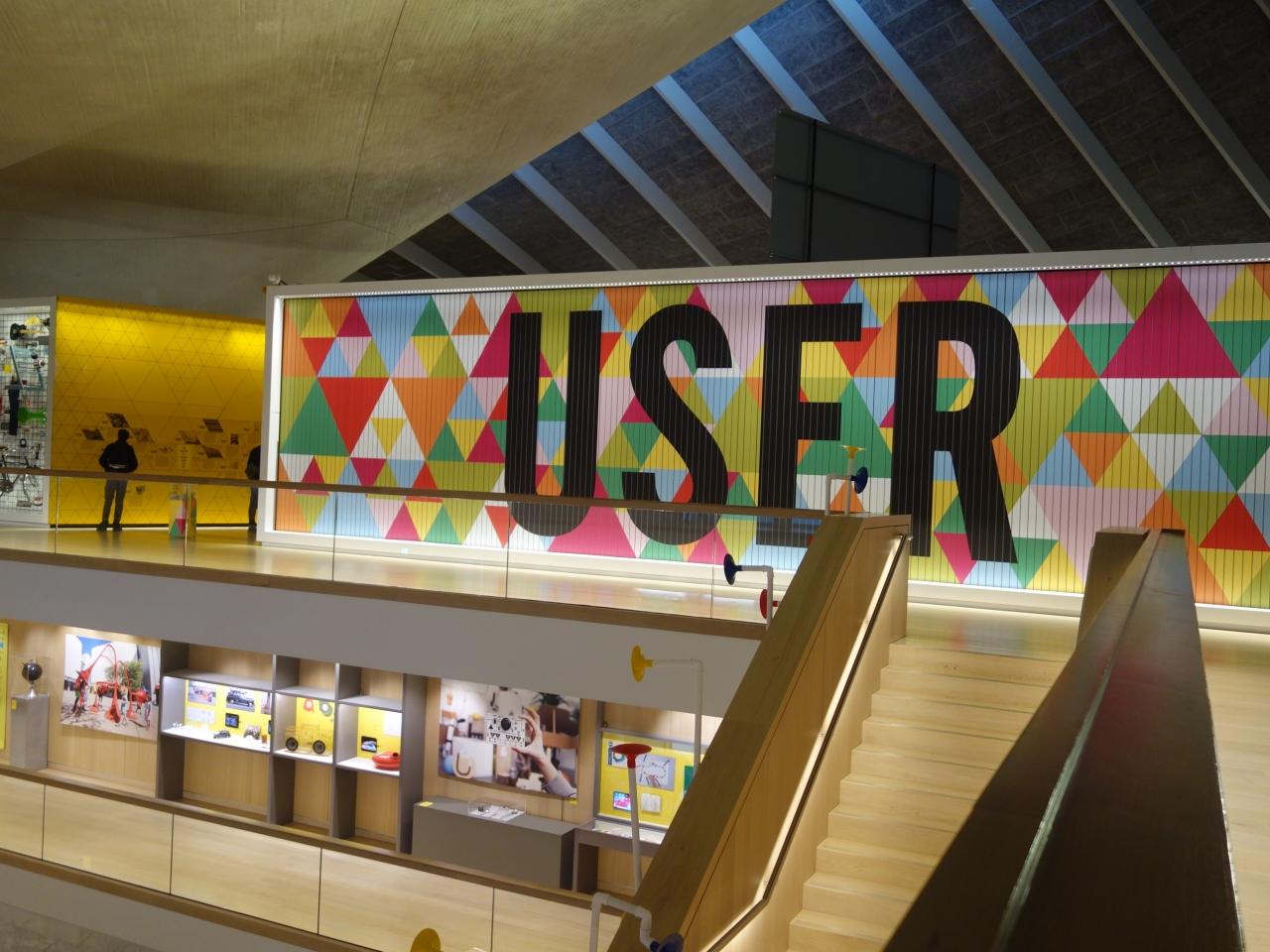
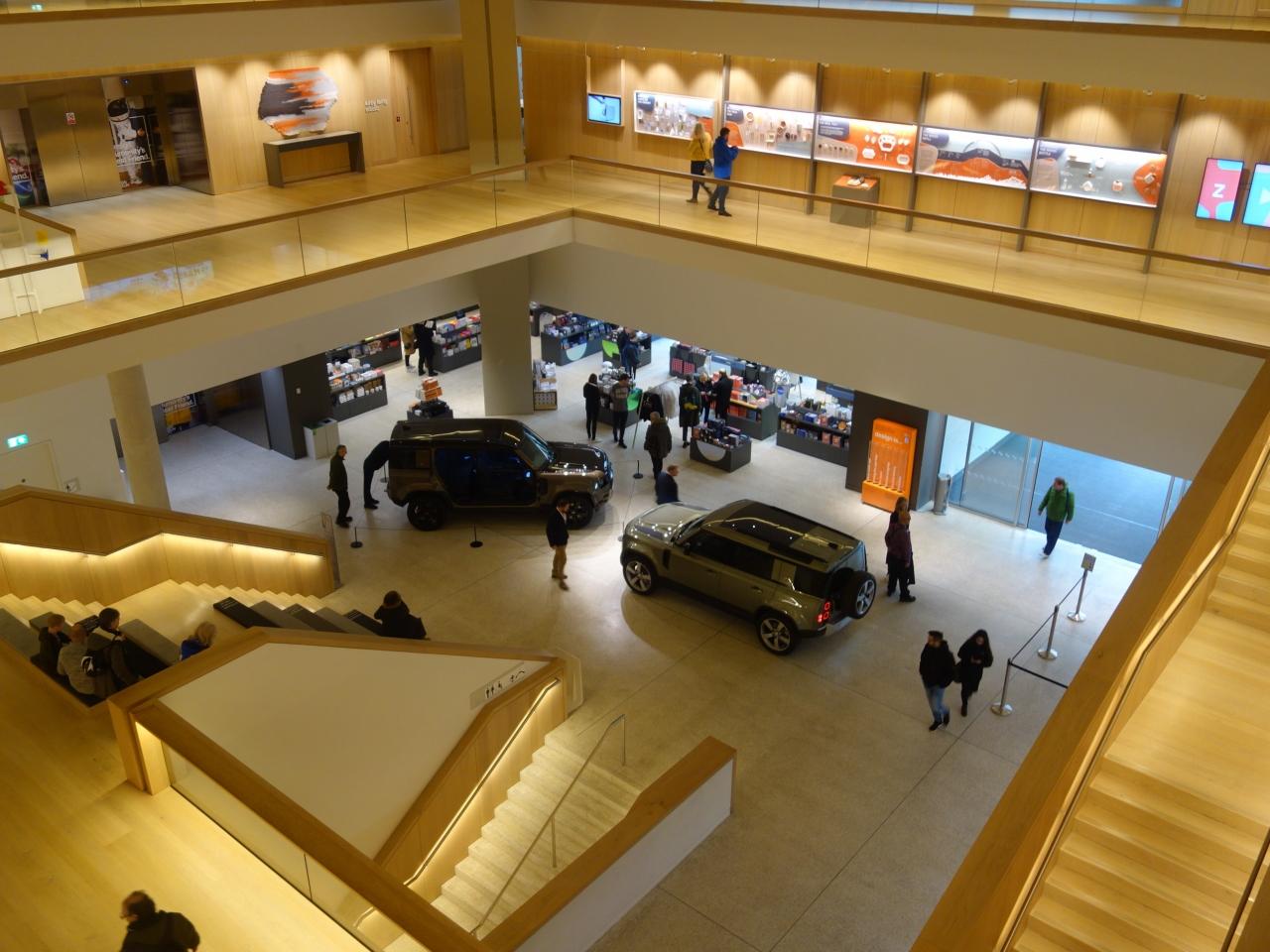
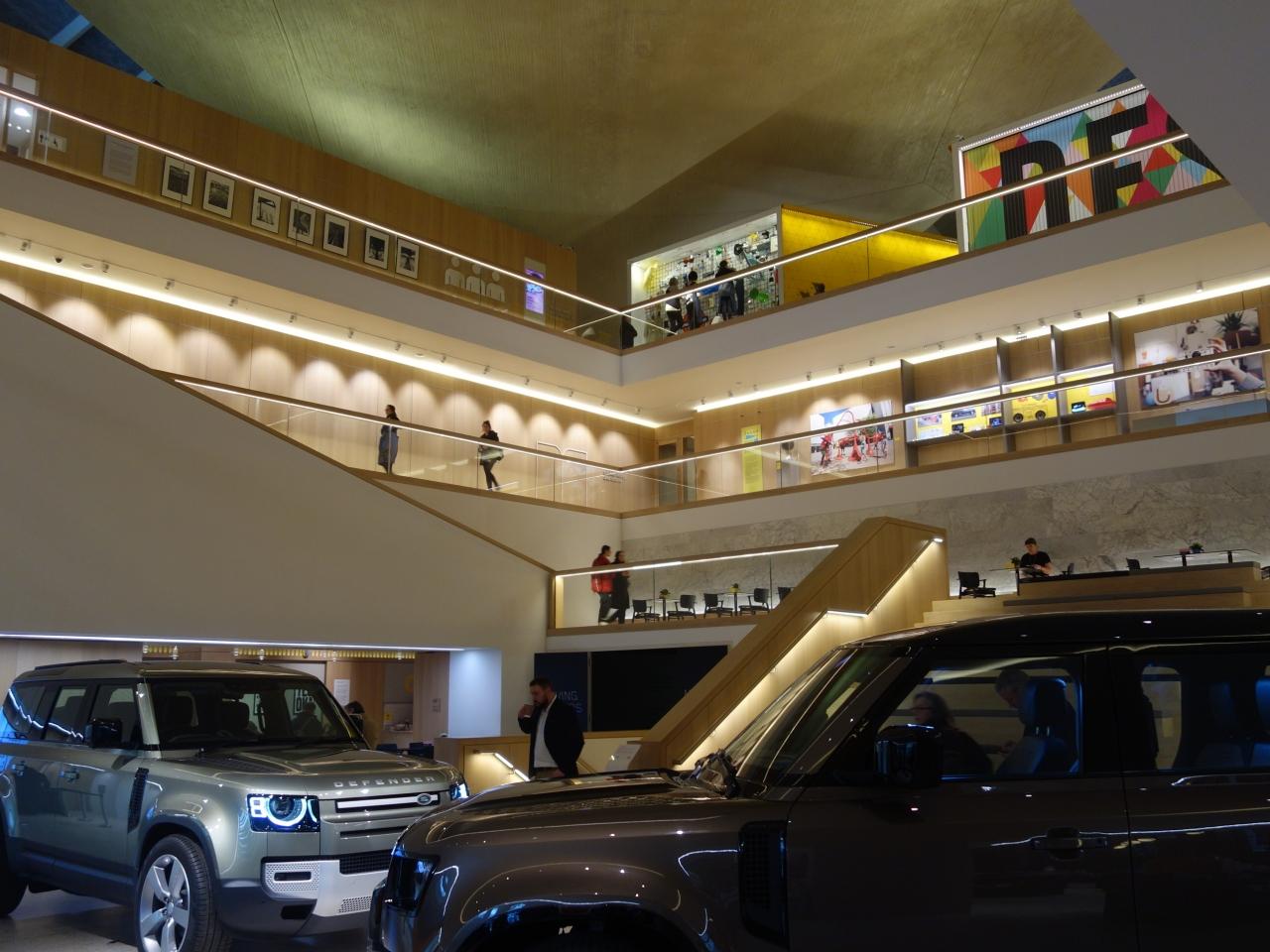
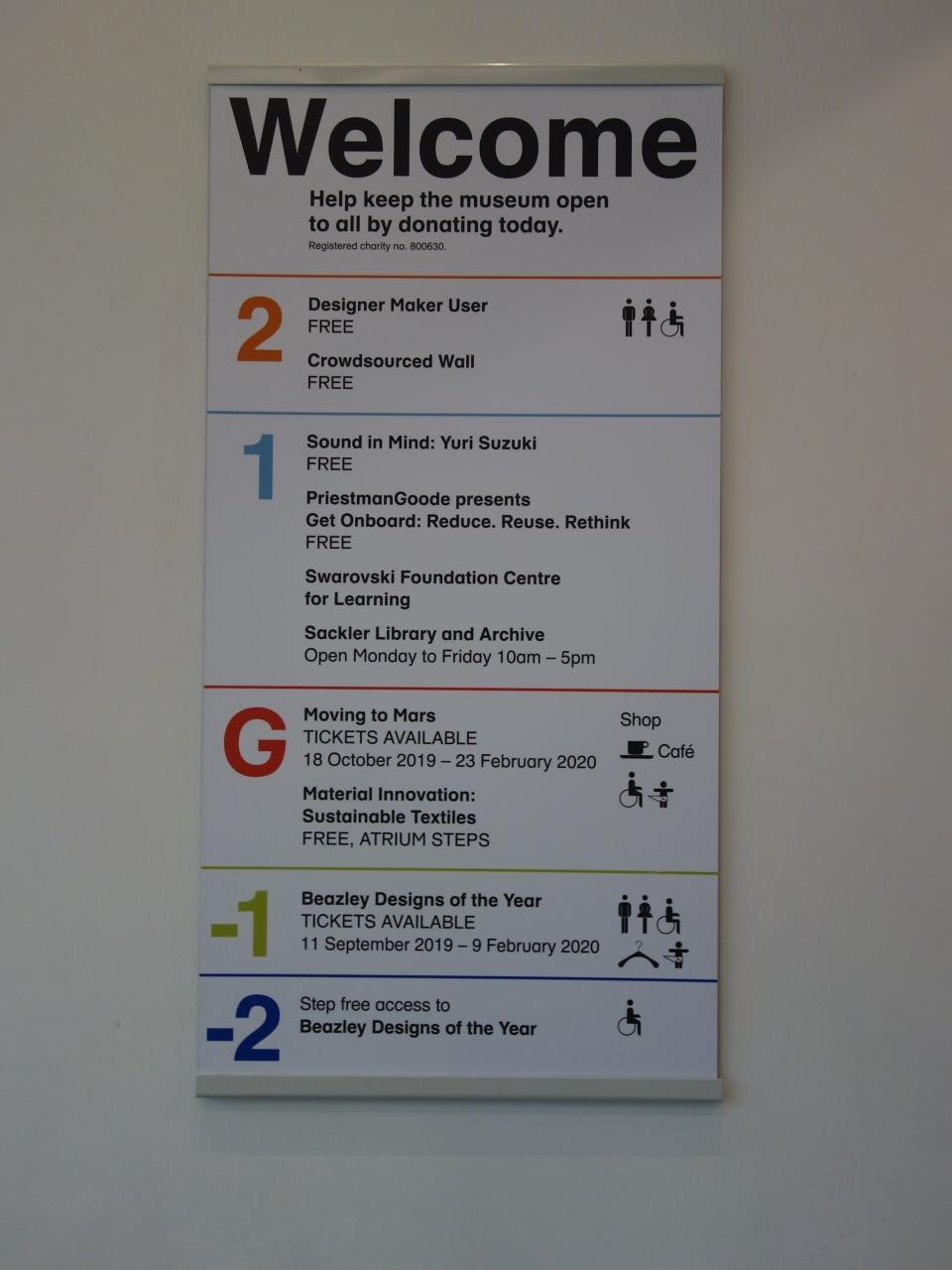
Design Museum に行きました。Design と技術史の区別のつかない人がやっています。ひどいものです。現代工業製品が陳列されているだけで,設計技術の本質とは関係ないことばかり記述されています。がっかりです。
- 旅行の満足度
- 2.0
- 観光
- 1.0
- 交通手段
- 鉄道 徒歩
- 旅行の手配内容
- 個別手配
-

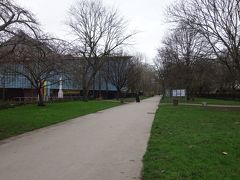
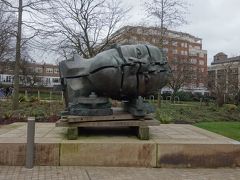
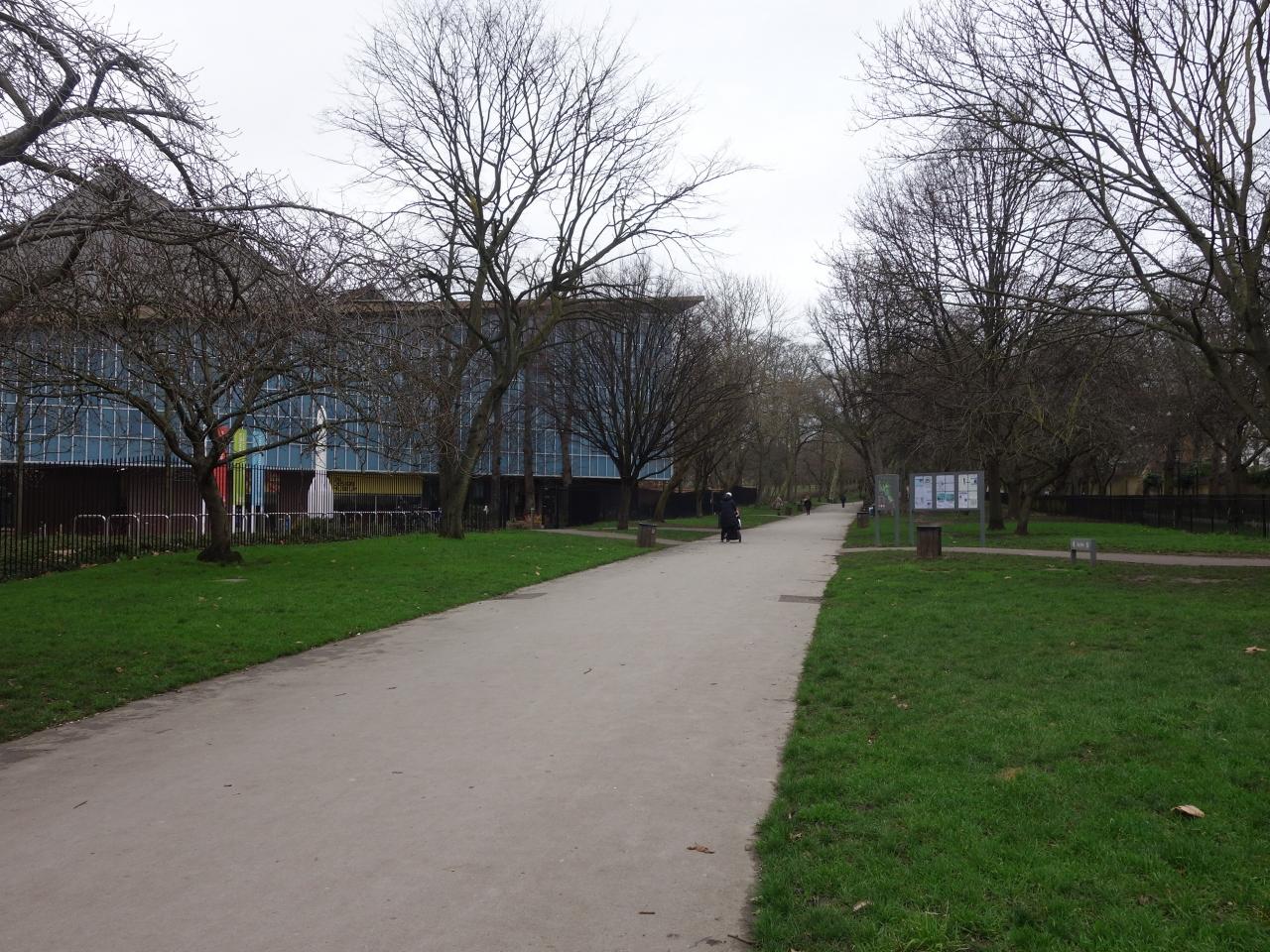
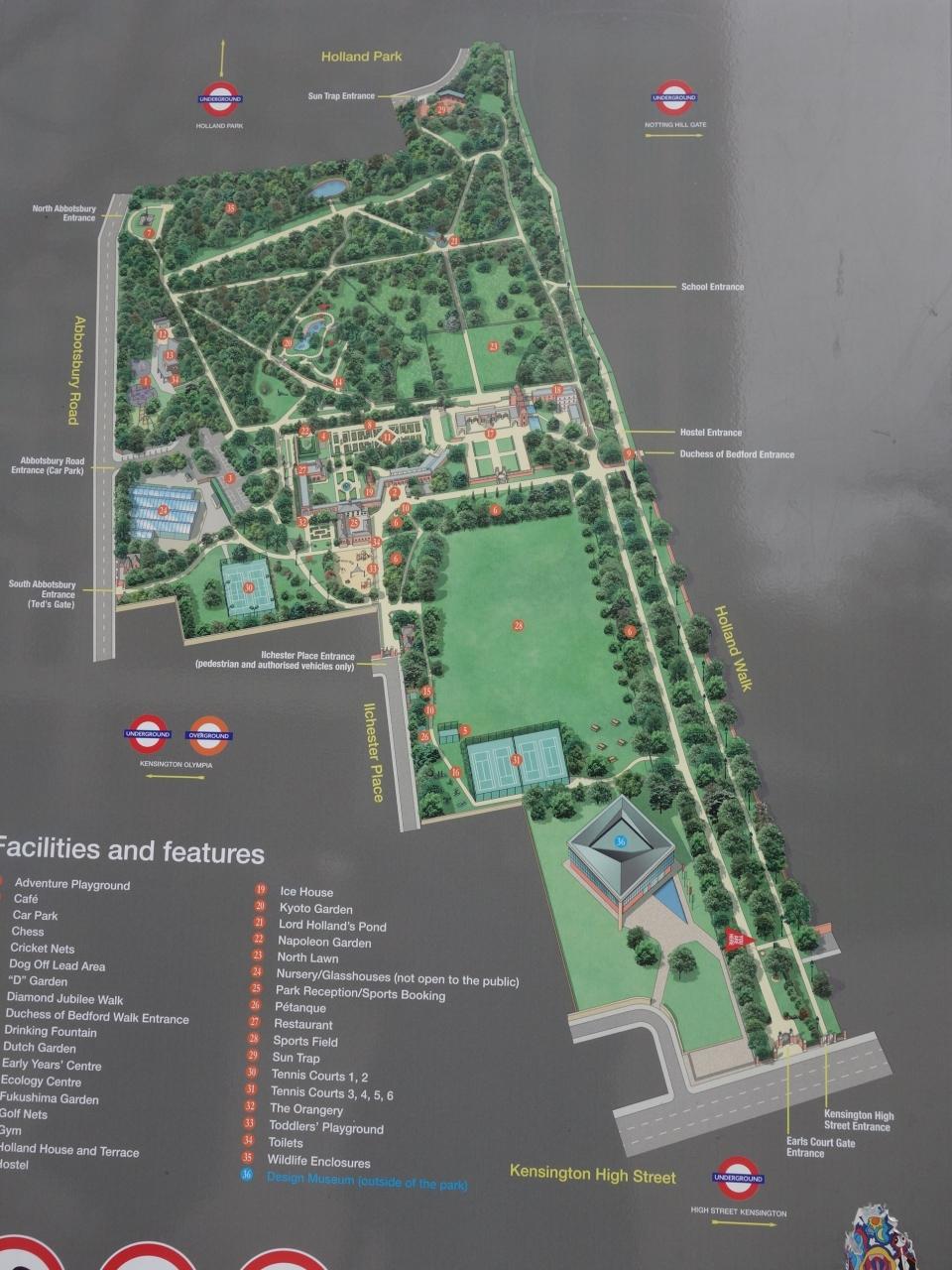
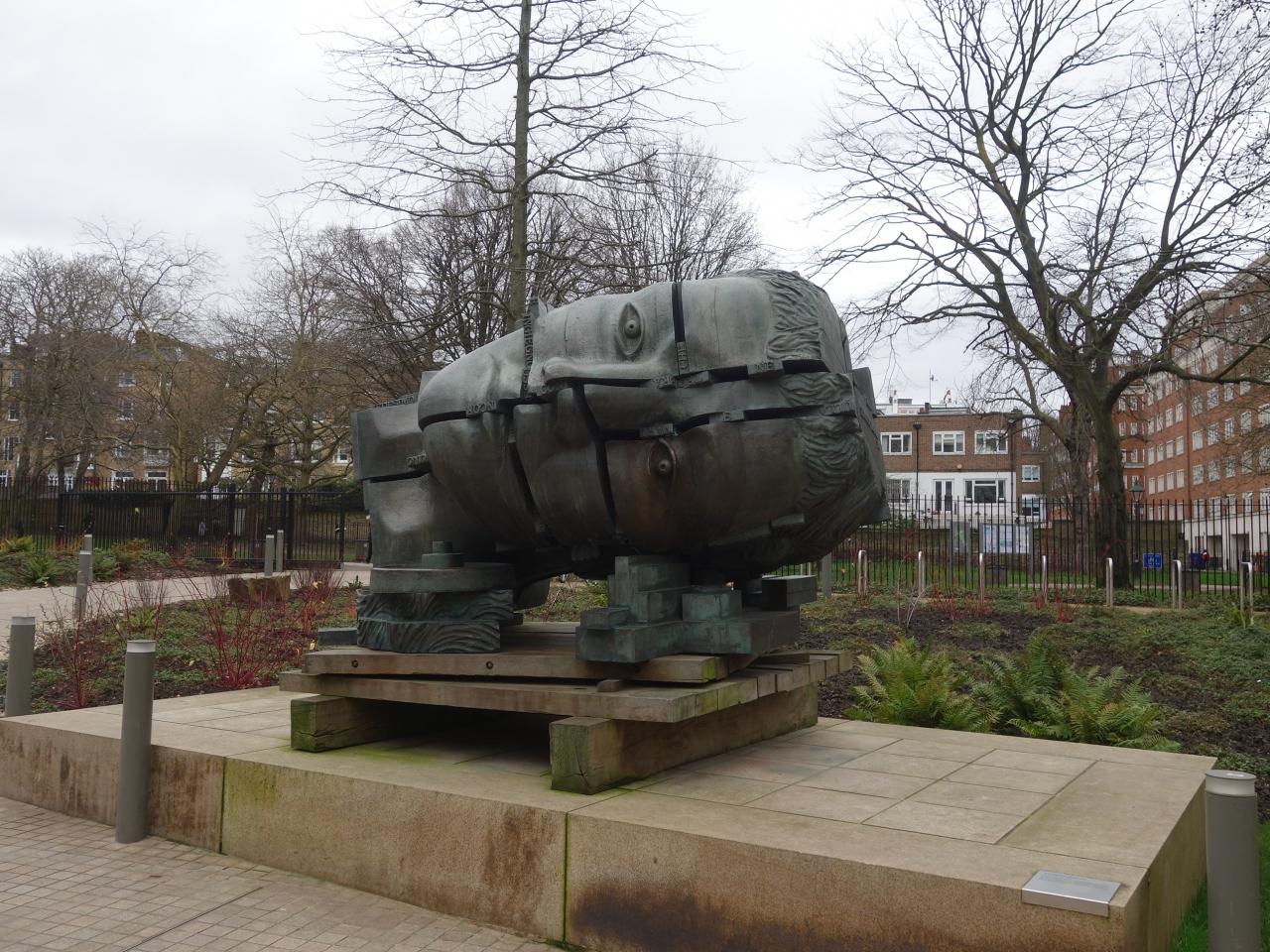
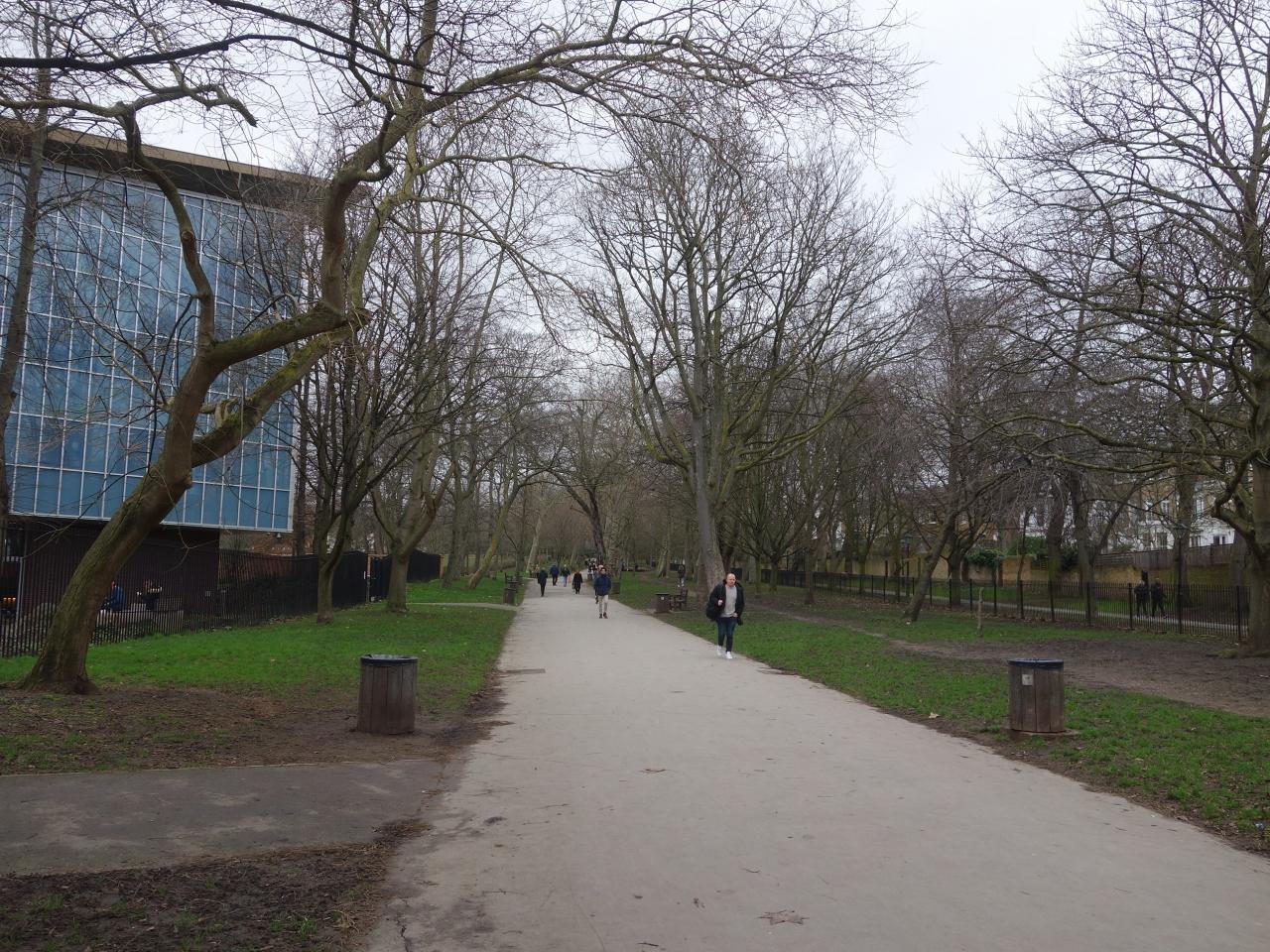
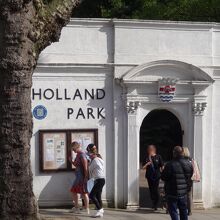
Holland Park に来ました。
ホランド パーク 広場・公園
-
Park の地図。
-
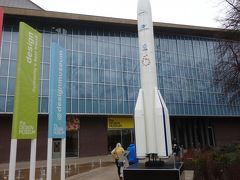
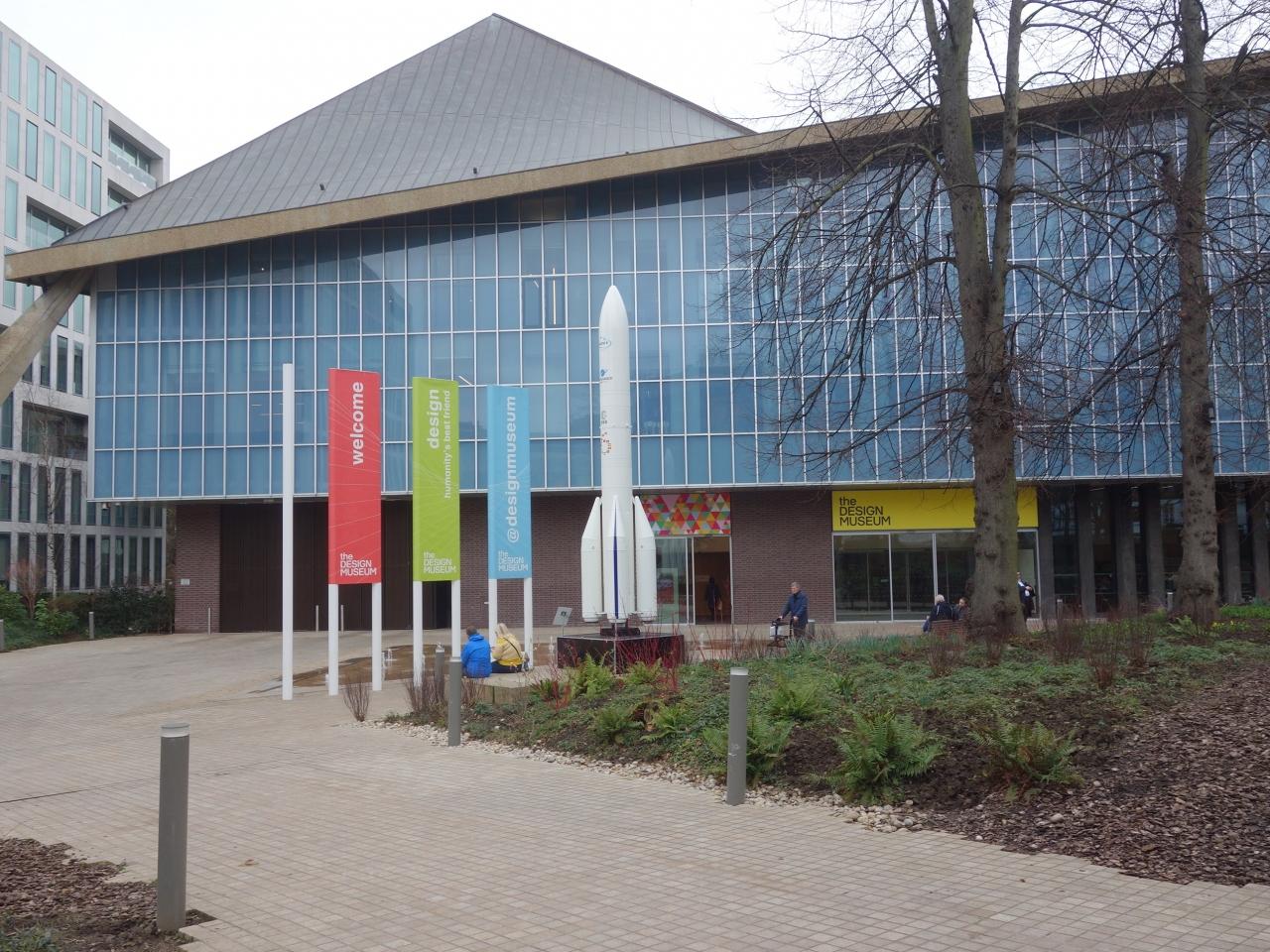
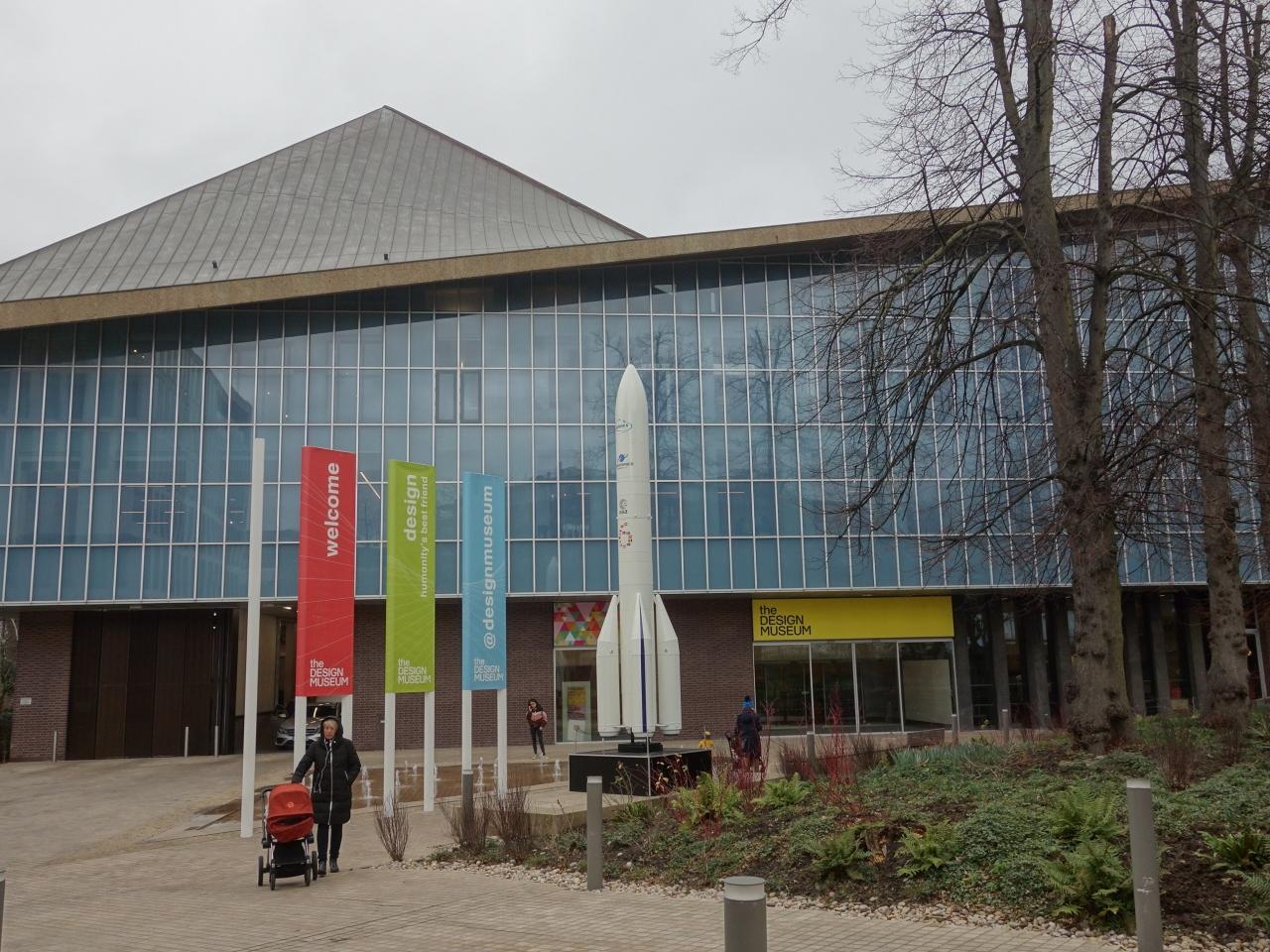
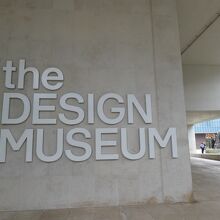
ここがDesign Museum.
-
入りましょう。
デザインのことがまったく分かっていない。ひどいミュージアム。 by nomonomoさんデザイン ミュージアム 博物館・美術館・ギャラリー
-
もちろん,入場無料です。
-
-
-
-
-
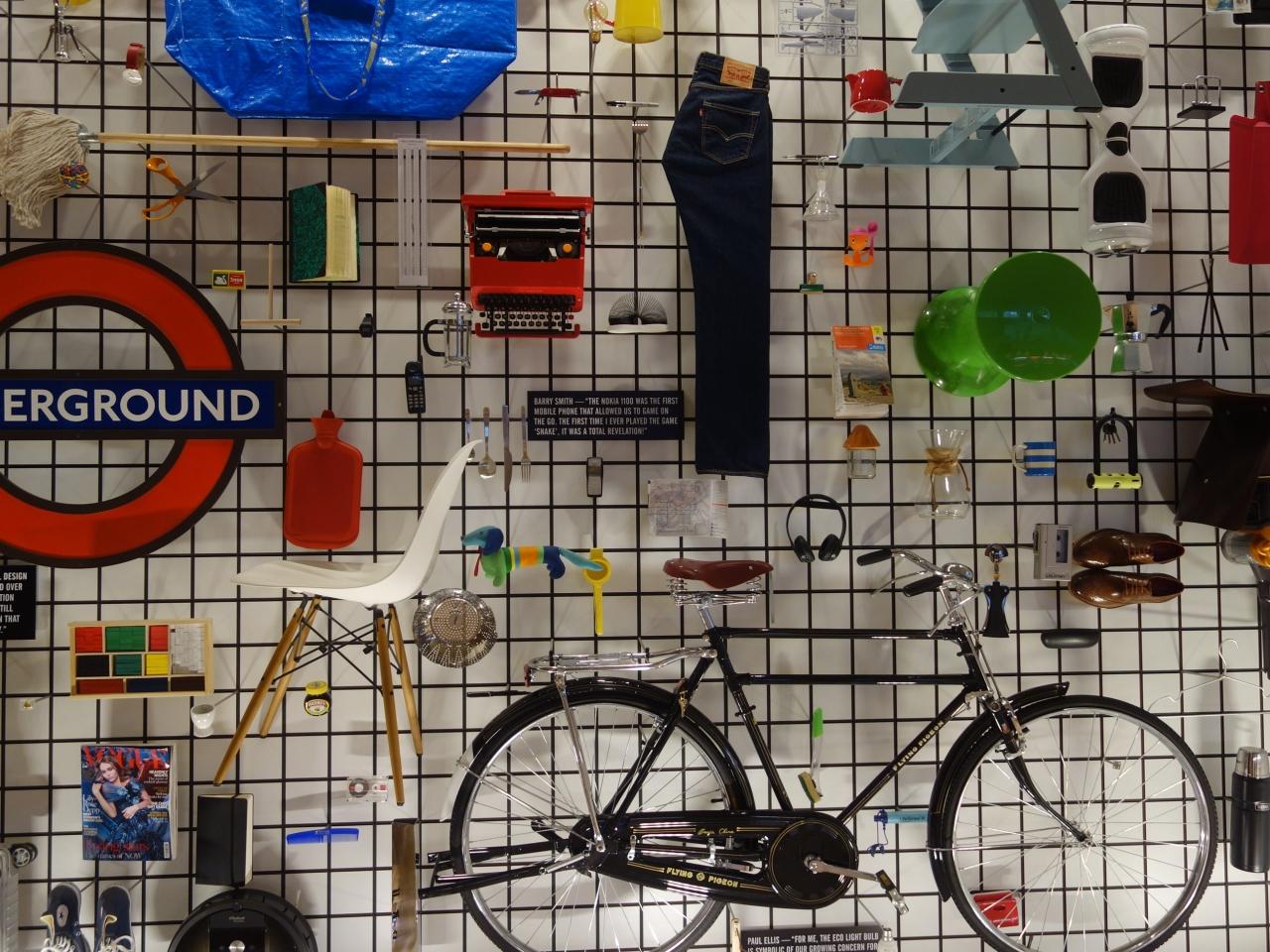
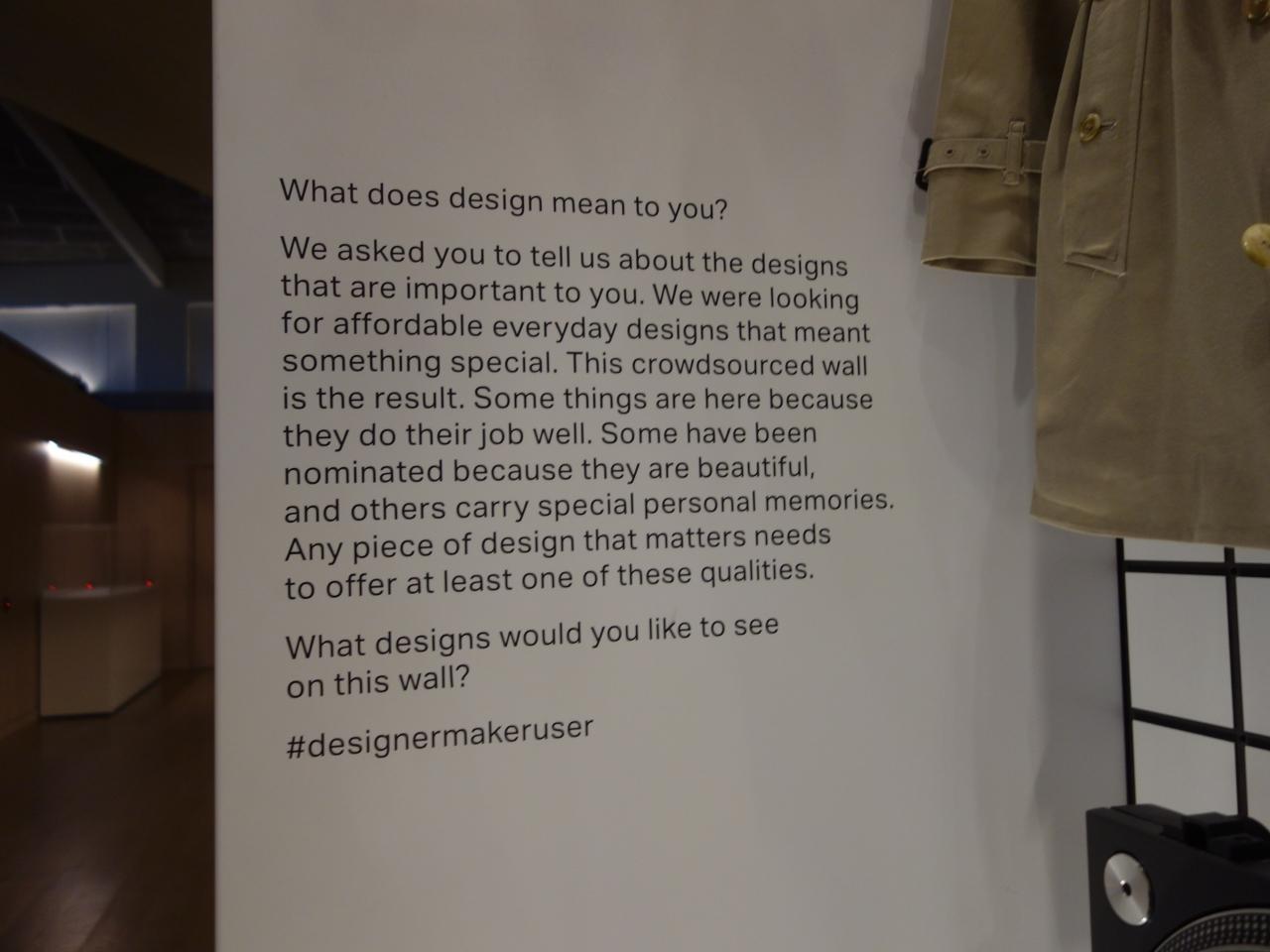
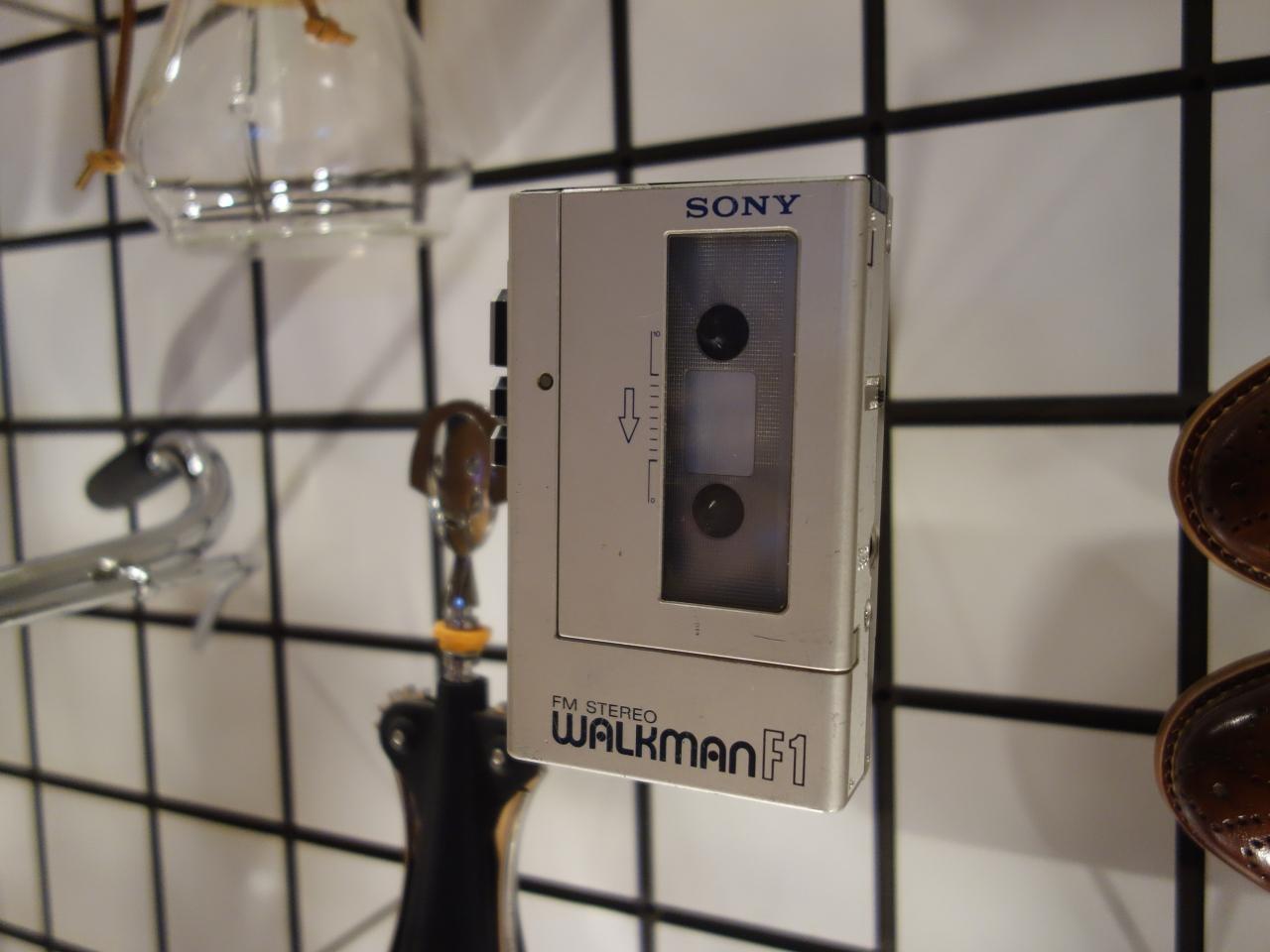
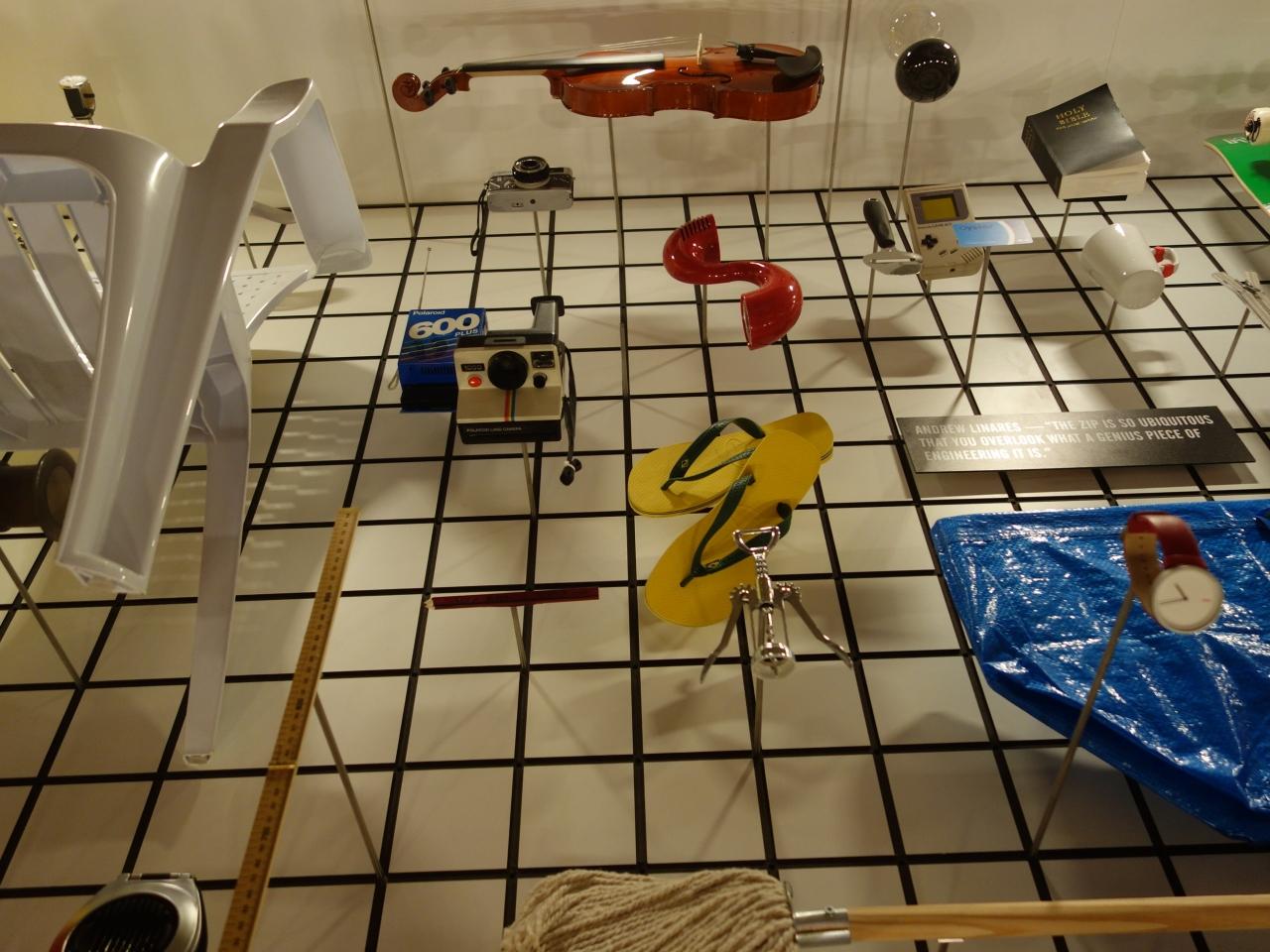
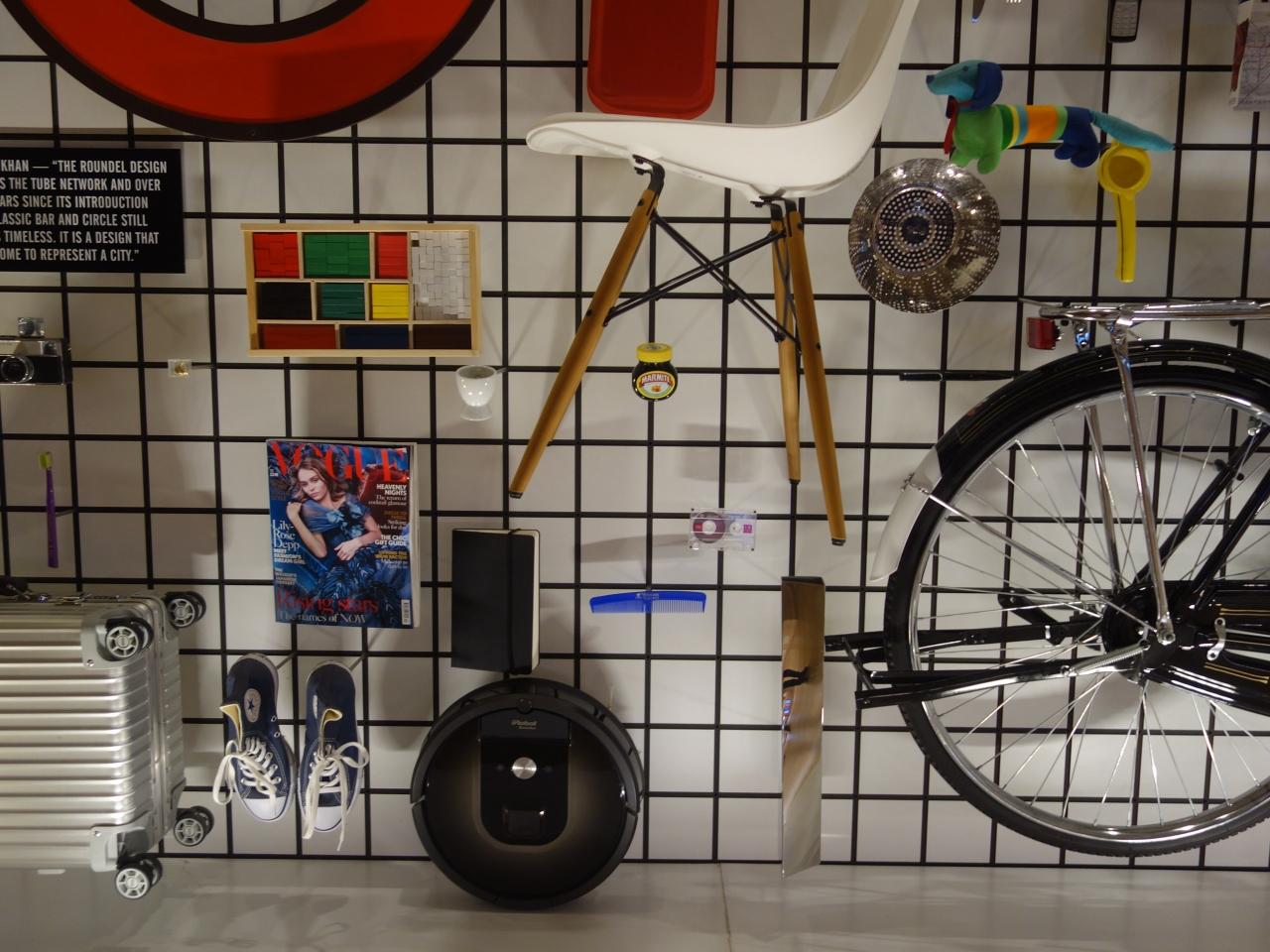
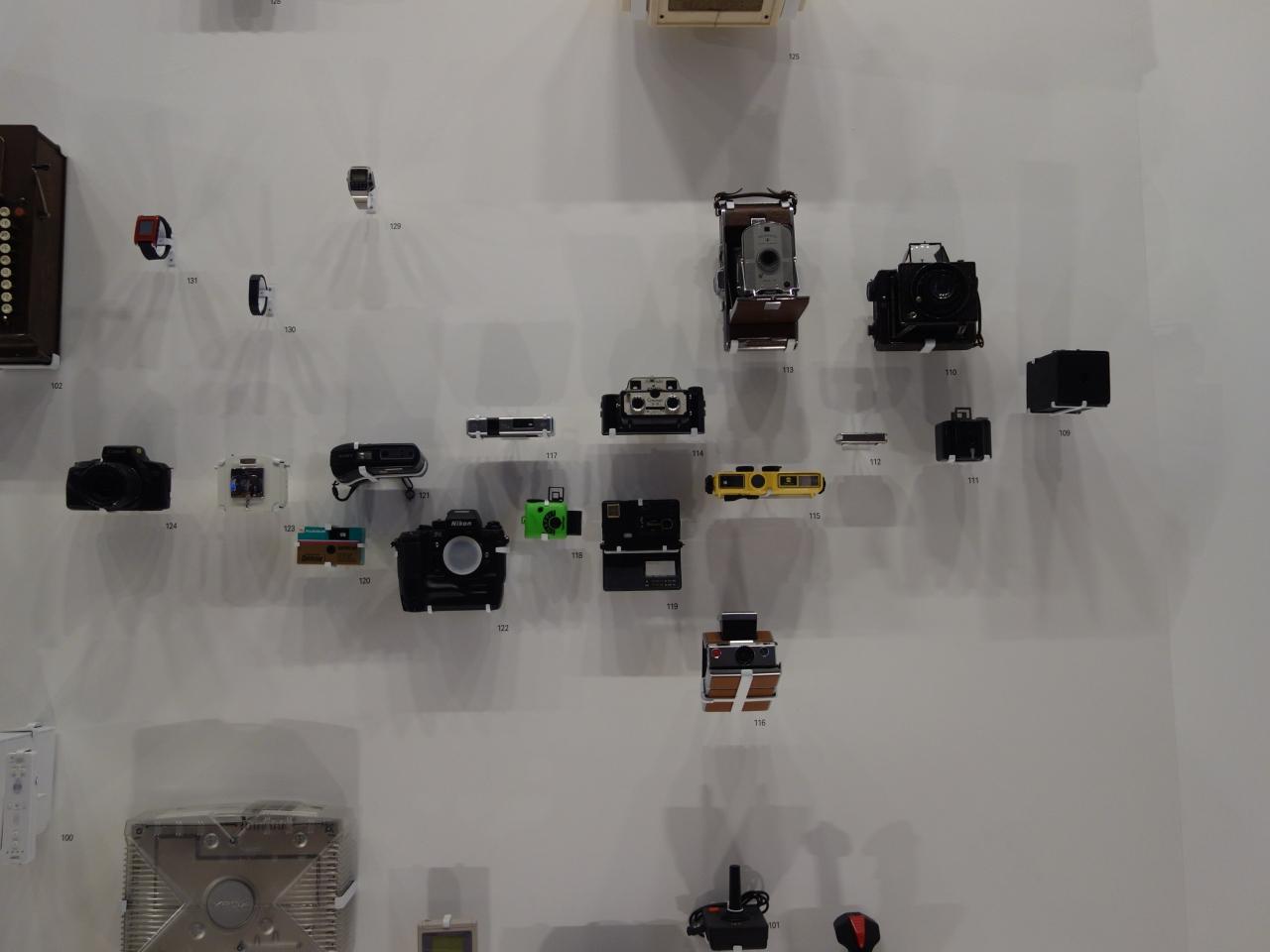
What does design mean to you?
We asked you to tell us about the designs
that are important to you. We were looking
for affordable everyday designs that meant
something special. This crowdsourced wall
is the result. Some things are here because
they do their job well. Some have been
nominated because they are beautiful,
and others carry special personal memories.
Any piece of design that matters needs
to offer at least one of these qualities.
What designs would you like to see
on this wall?
#designermakeruser -
-
-
-
-
-
-
-
-
-
-
-
-
-
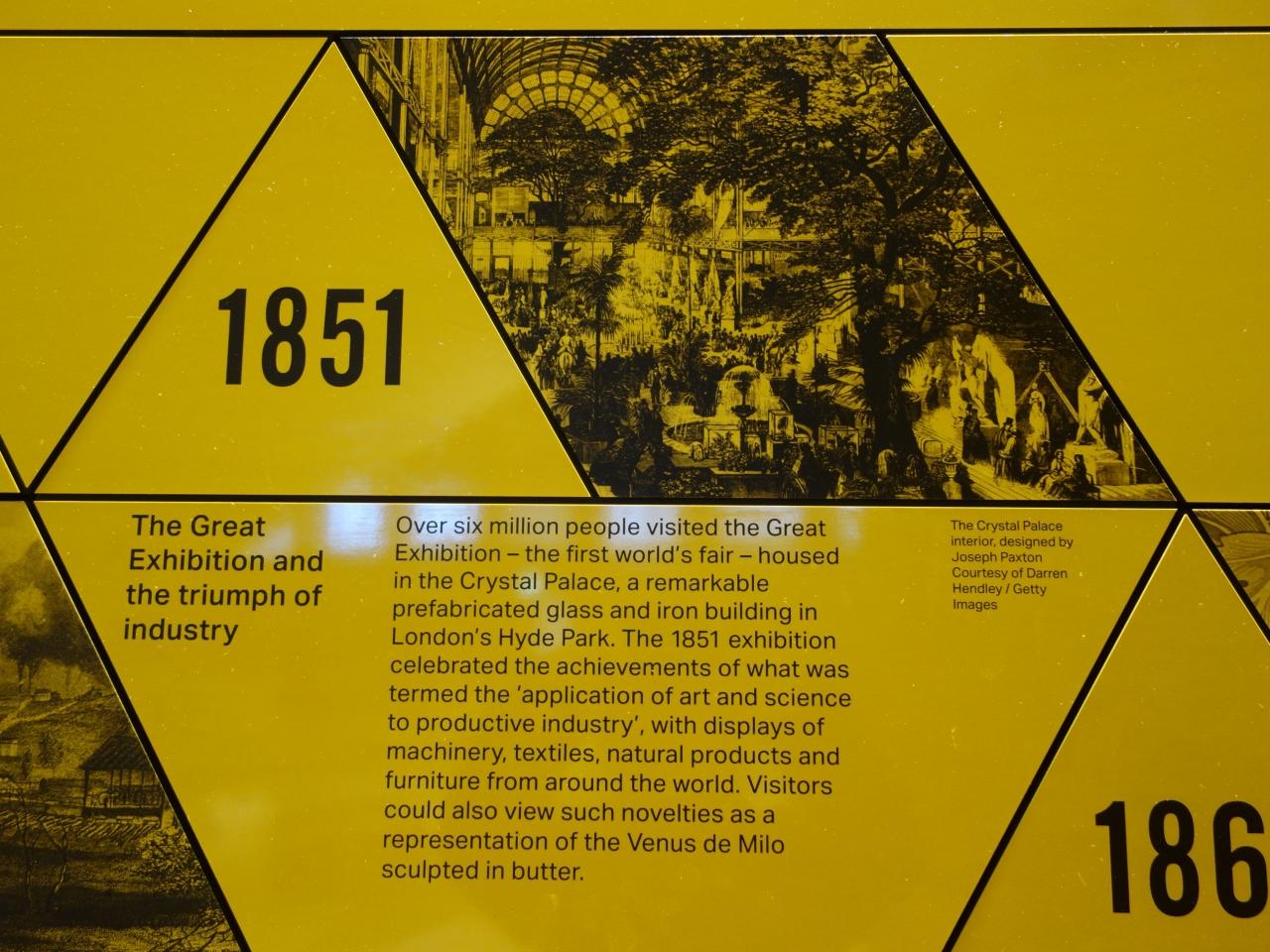
1851
The Great Exhibition and the triumph of industry
Over six million people visited the Great
Exhibition - the first world's fair - housed
in the Crystal Palace, a remarkable
prefabricated glass and iron building in
London's Hyde Park. The 1851 exhibition
celebrated the achievements of what was
termed the 'application of art and science
to productive industry', with displays of
machinery, textiles, natural products and
furniture from around the world. Visitors
could also view such novelties as a
representation of the Venus de Milo
sculpted in butter. -
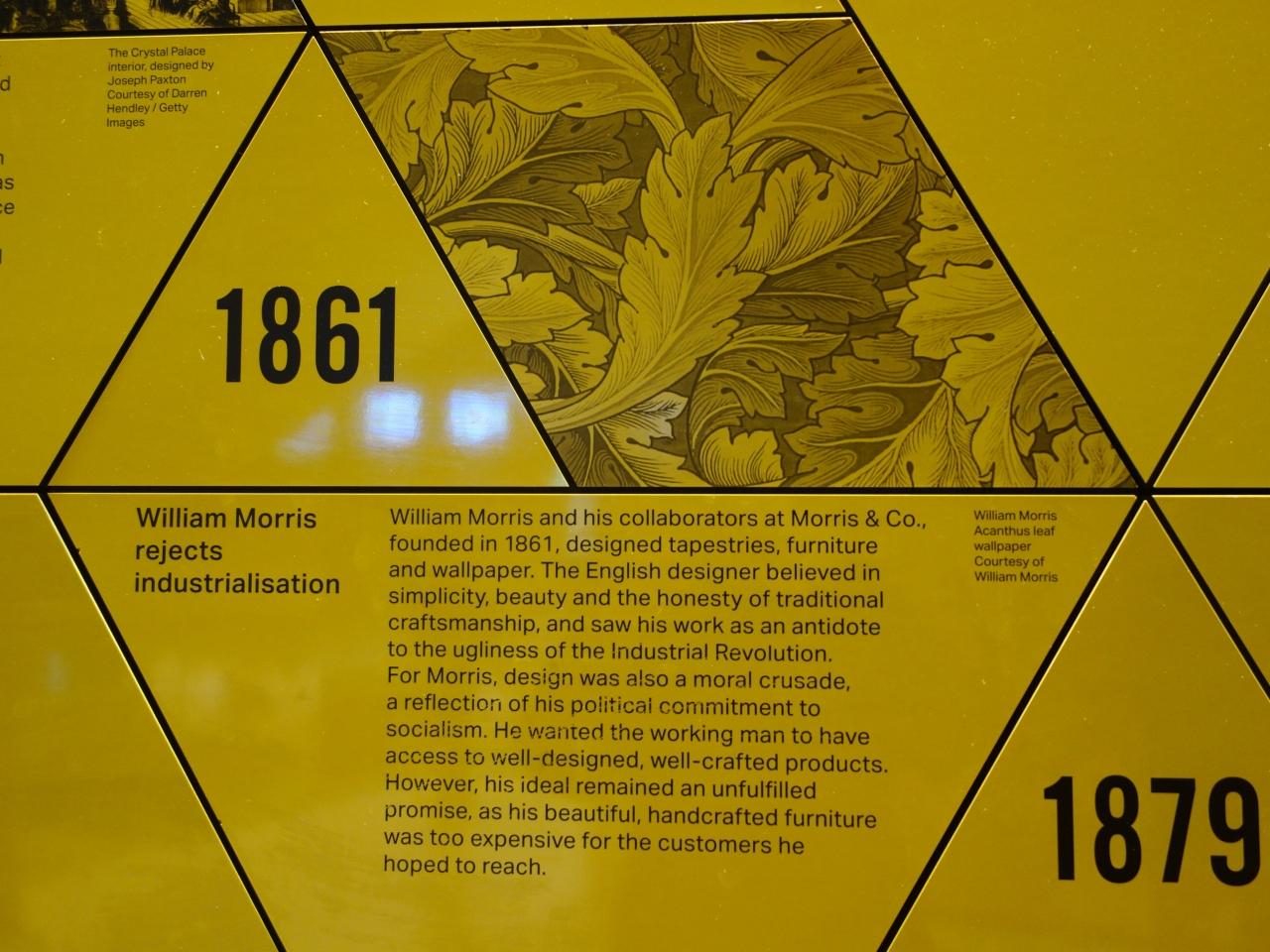
1861
William Morris rejects industrialisation
William Morris and his collaborators at Morris & Co.,
founded in 1861, designed tapestries, furniture
and wallpaper. The English designer believed in
simplicity, beauty and the honesty of traditional
craftsmanship, and saw his work as an antidote
to the ugliness of the Industrial Revolution.
For Morris, design was also a moral crusade,
a reflection of his political commitment to
socialism. He wabted the working man to have
access to well-designed, well-crafted products.
However, his ideal remained an unfulfilled
promise, as his beautiful, handcrafted furniture
was too expensive for the customers he
hoped to reach. -
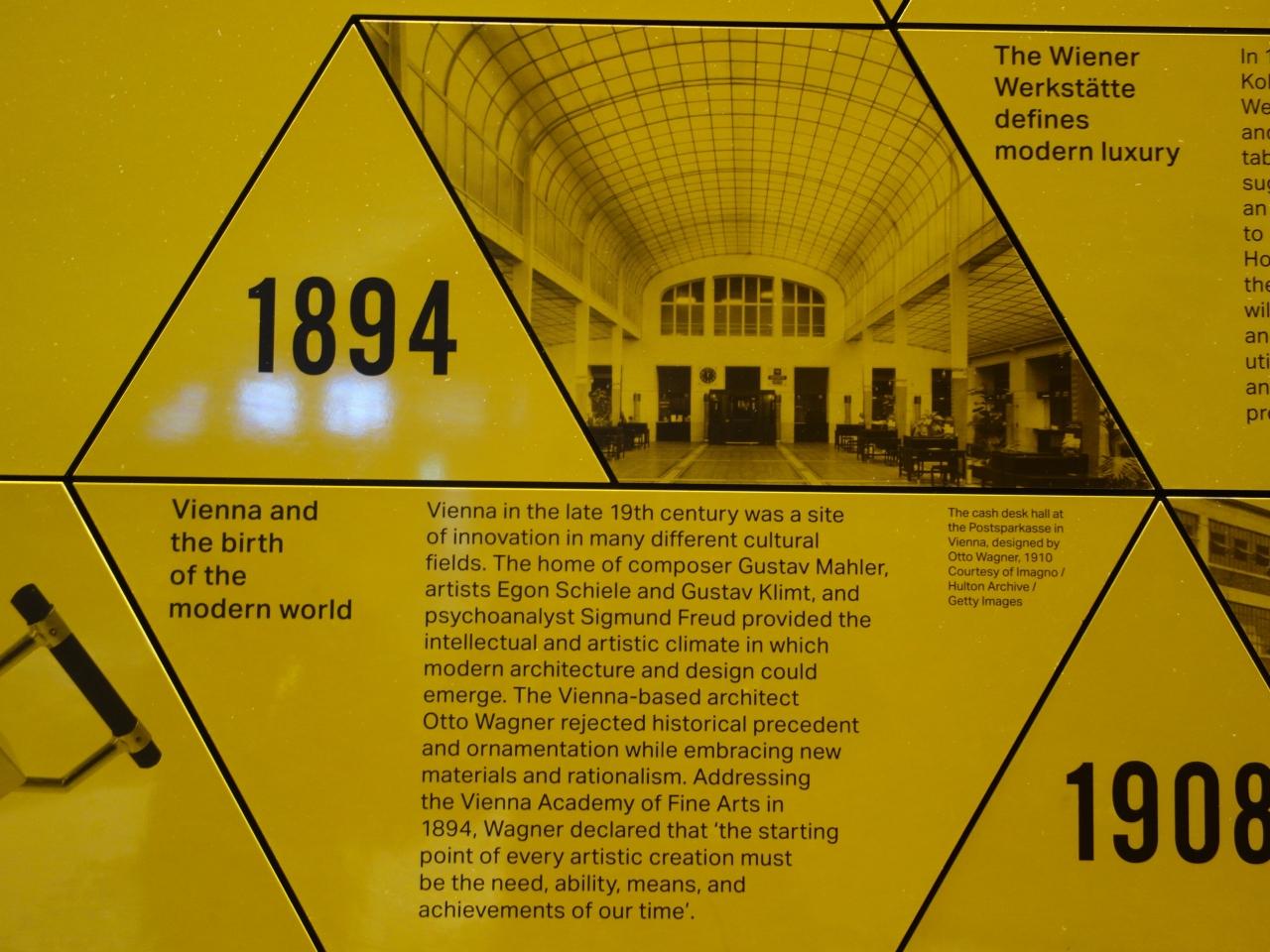
1894
Vienna and the birth of the modern world
Vienna in the late 19th century was a site
of innovation in many different cultural
fields. The home of composer Gustav Mahler,
artists Egon Schiele and Gustav Klimt, and
psychoanalyst Sigmund Freud provided the
intellectual and artistic climate in which
modern architecture and design could
emerge. The Vienna-based architect
Otto Wagner rejected historical precedent
and ornamentation while embracing new
materials and rationalism. Addressing
the Vienna Academy of Fine Arts in
1894, Wagner declared that 'the starting
point of every artistic creation must
be the need, ability, means, and
achievements of our time'. -
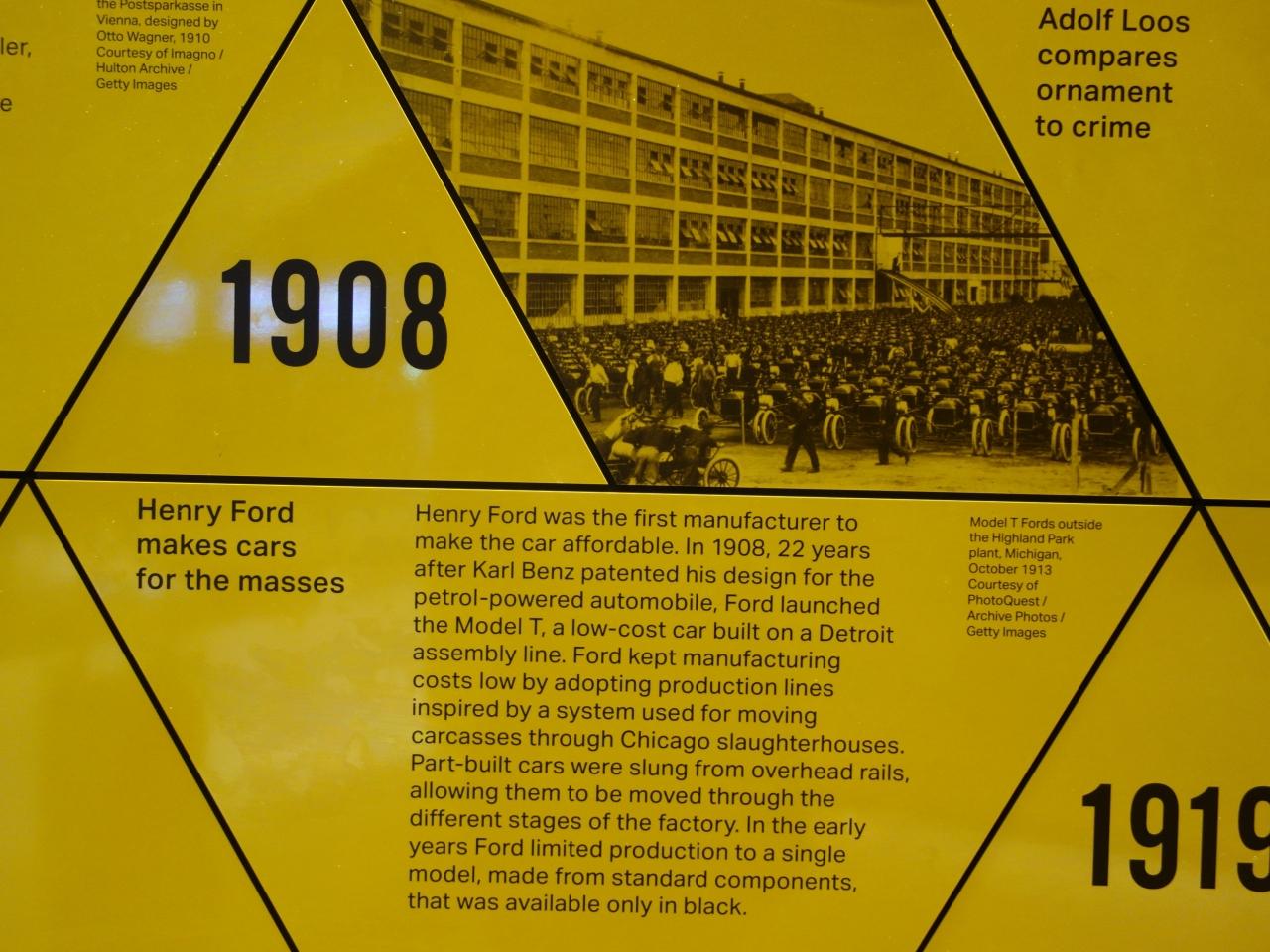
1908
Henry Ford makes cars for the masses
Henry Ford was the first manufacturer to
make the car affordable. In 1908, 22 years
after Karl Benz patented his design for the
petrol-powered automobile, Ford launched
the Model T, a low-cost car built on a Detroit
assembly line. Ford kept manufacturing
costs low by adopting production lines
inspired by a system used for moving
carcasses through Chicago slaughterhouses.
Part-built cars were slung from overhead rails,
allowing them to be moved through the
different stages of the factory. In the early
years Ford limited production to a single
model, made from standard components,
that was available only in black. -
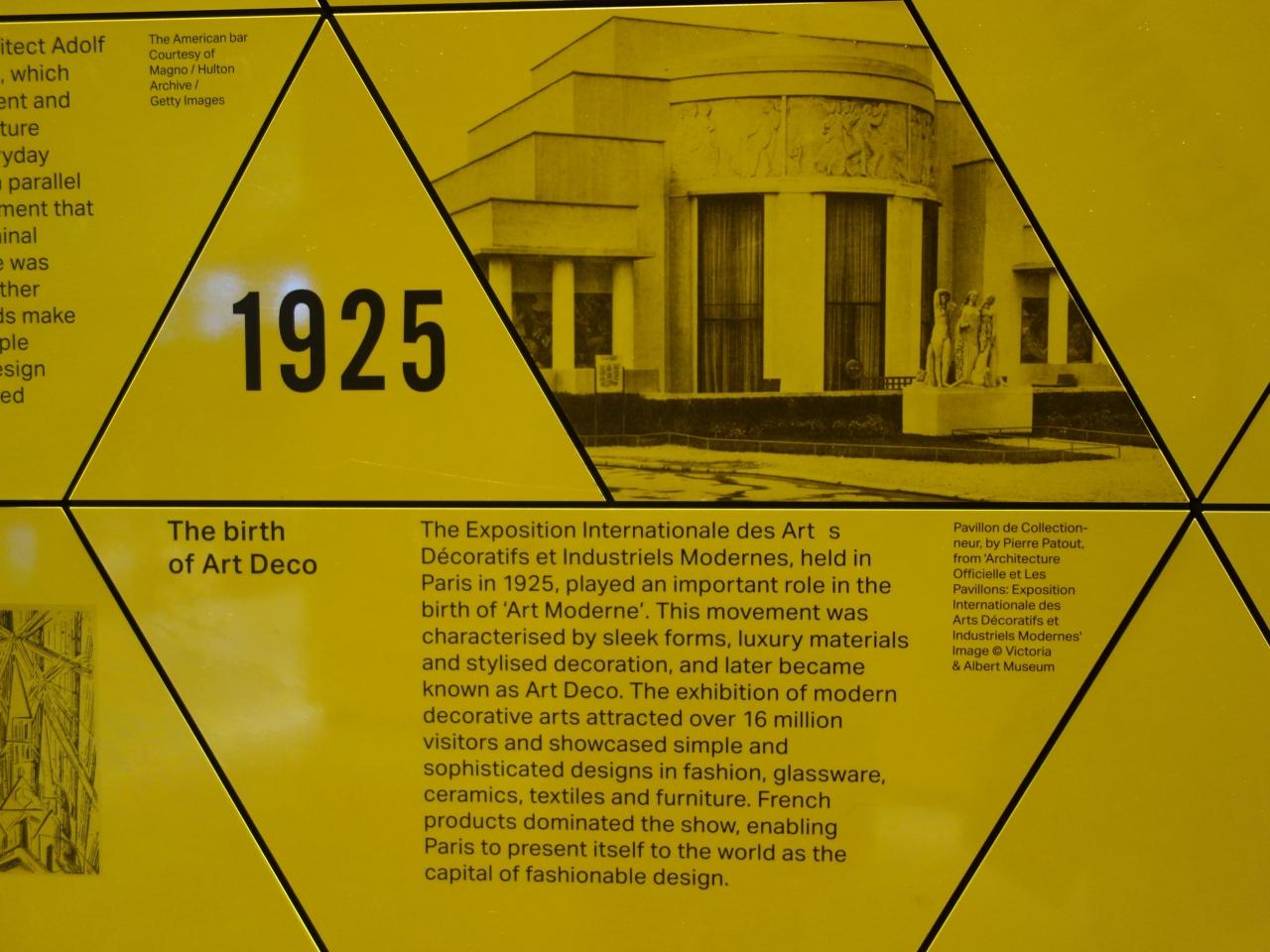
1925
The birth of Art Deco
The Exposition Internationale des Art and
Decoratifs et lndustriels Modernes, held in
Paris in 1925, played an important role in the
birth of 'Art Moderne'. This movement was
characterised by sleek forms, luxury materials
and stylised decoration, and later became
known as Art Deco. The exhibition of modern
decorative arts attracted over 16 million
visitors and showcased simple and
sophisticated designs in fashion, glassware,
ceramics, textiles and furniture. French
products dominated the show, enabling
Paris to present itself to the world as the
capital of fashionable design. -
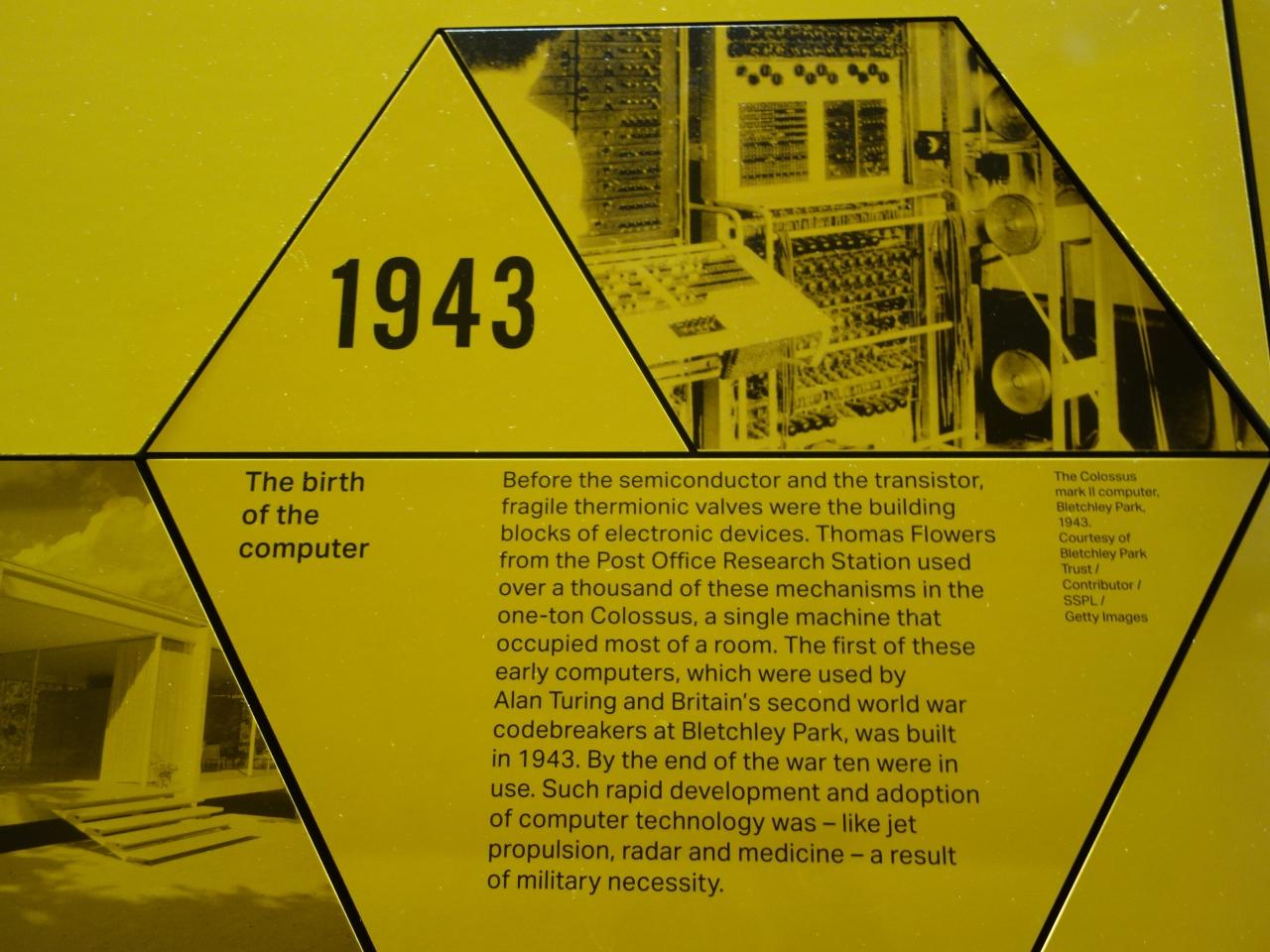
1943
The birth of the computer
Before the semiconductor and the transistor,
fragile thermionic valves were the building
blocks of electronic devices. Thomas Flowers
from the Post Office Research Station used
over a thousand of these mechanisms in the
one-ton Colossus, a single machine that
occupied most of a room. The first of these
early computers, which were used by
Alan Turing and Britain's second world war
codebreakers at Bletchley Park, was built
in 1943. By the end of the war ten were in
use. Such rapid development and adoption
of computer technology was ? like jet
propulsion, radar and medicine ? a result
of military necessity. -
1946
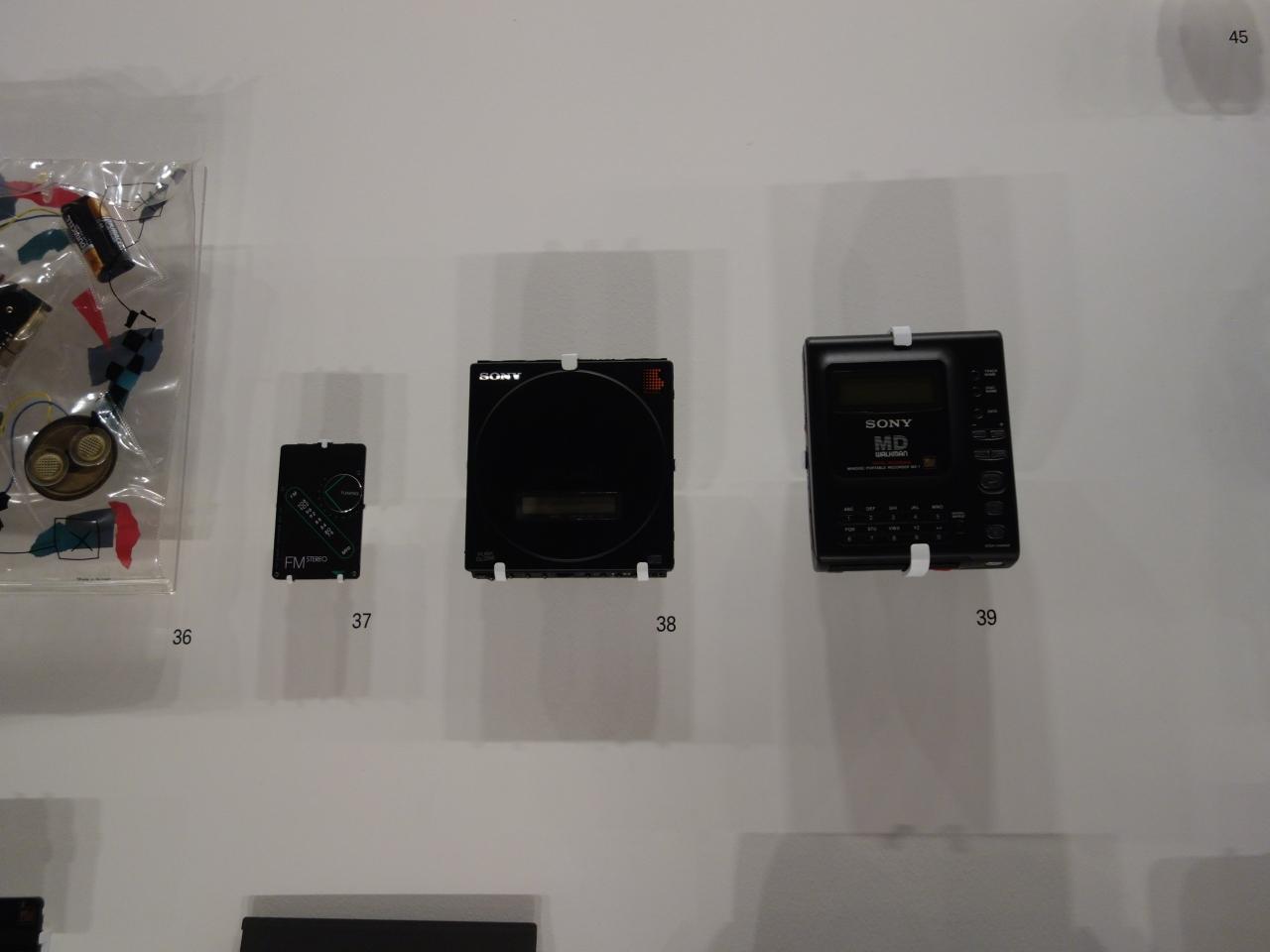
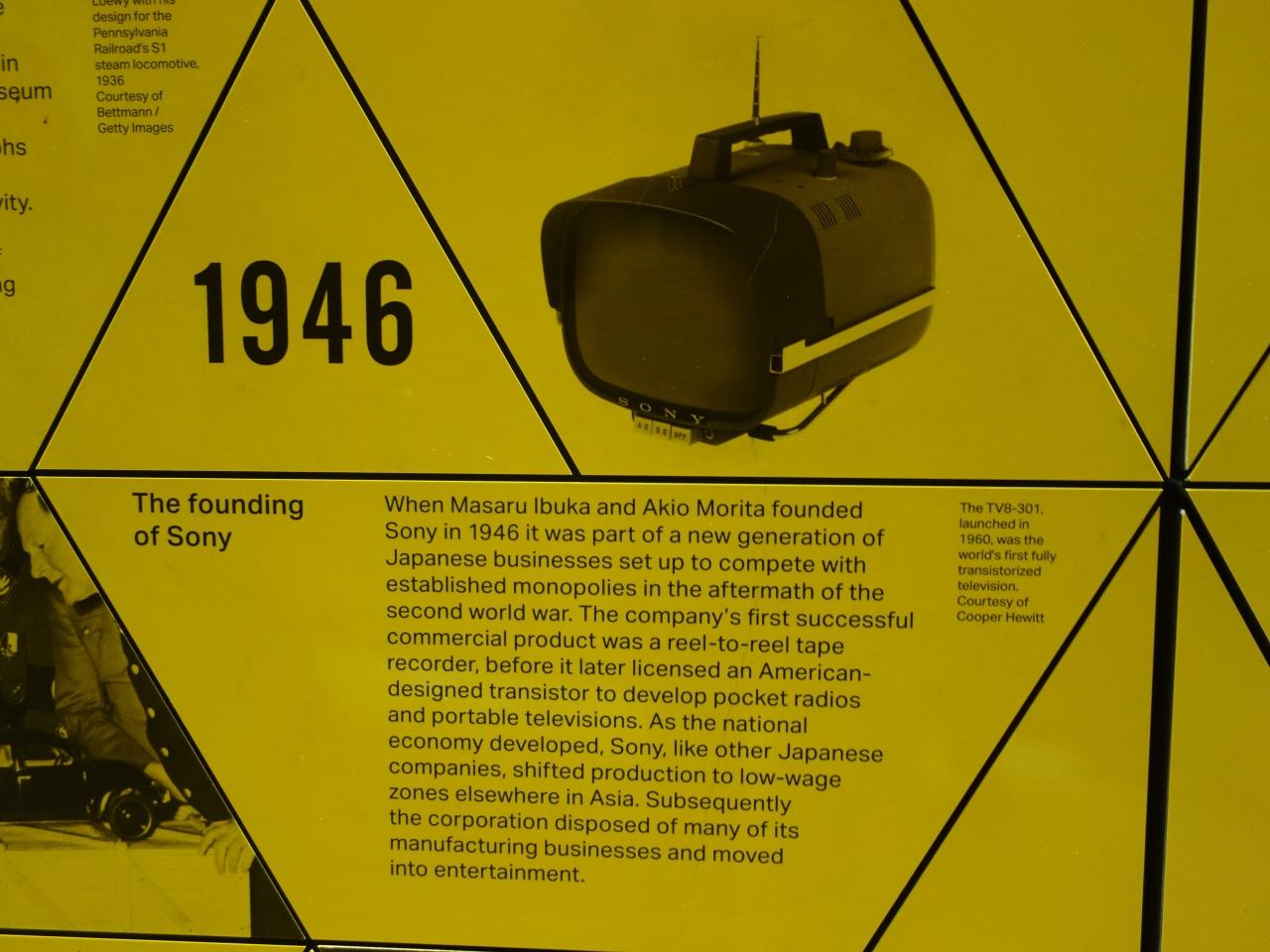
The founding of Sony
When Masaru Ibuka and Akio Morita founded
Sony in 1946 it was part of a new generation of
Japanese businesses set up to compete with
established monopolies in the aftermath of the
second world war. The company's first successful
commercial product was a reel-to-reel tape
recorder, before it later licensed an American-
designed transistor to develop pocket radios
and portable televisions. As the national
economy developed, Sony, like other Japanese
companies, shifted production to low-wage
zones elsewhere in Asia. Subsequently
the corporation disposed of many of its
manufacturing businesses and moved
into entertainment. -
1961
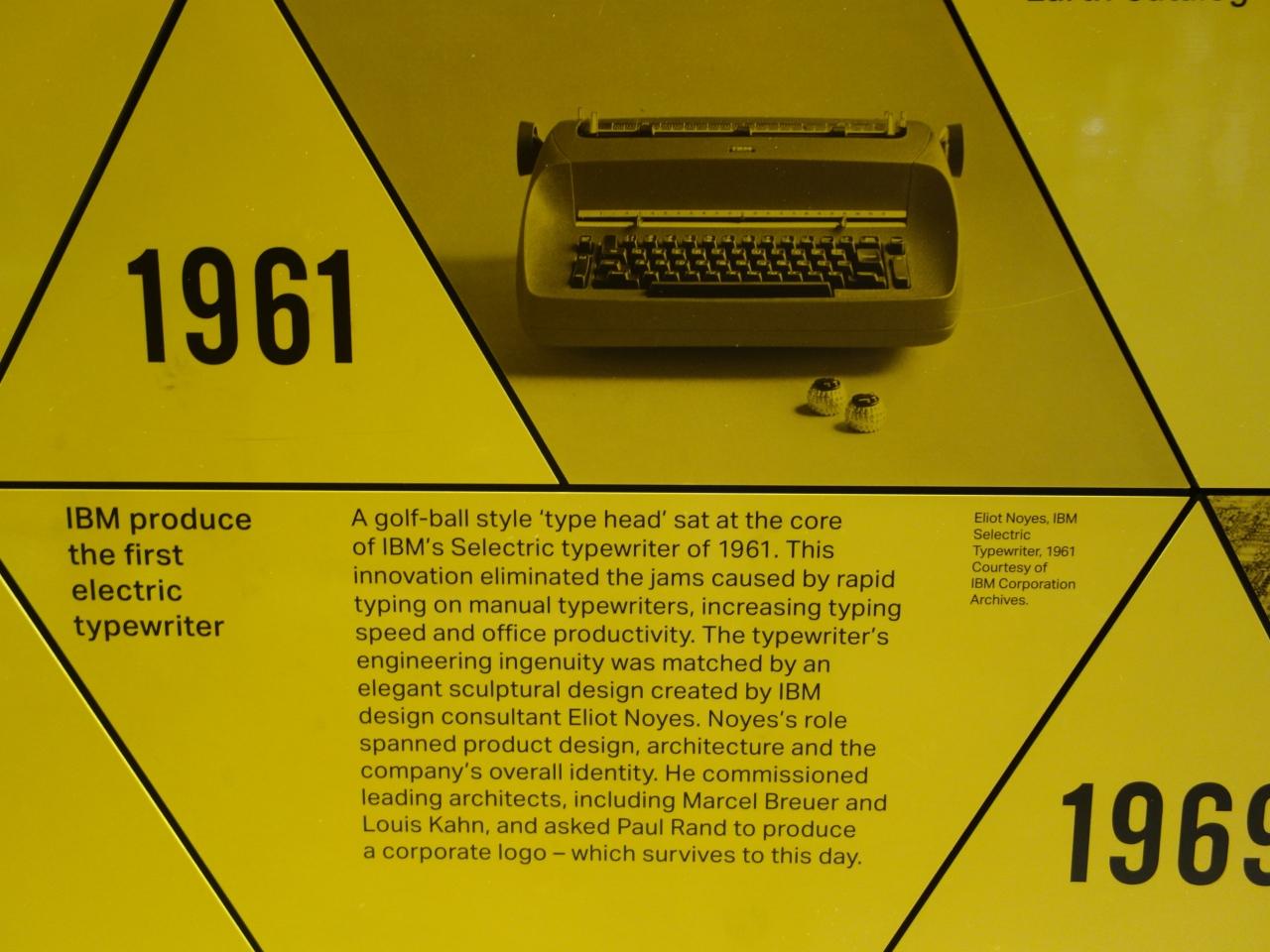
IBM produce the first electric typewriter
A golf-ball style 'type head' sat at the core
of IBM's Selectric typewriter of 1961. This
innovation eliminated the jams caused by rapid
typing on manual typewriters, increasing typing
speed and office productivity. The typewriter's
engineering ingenuity was matched by an
elegant sculptural design created by IBM
design consultant Eliot Noyes. Noyes's role
spanned product design, architecture and the
company's overall identity. He commissioned
leading architects, including Marcel Breuer and
Louis Kahn, and asked Paul Rand to produce
a corporate logo - which survives to this day. -
1966
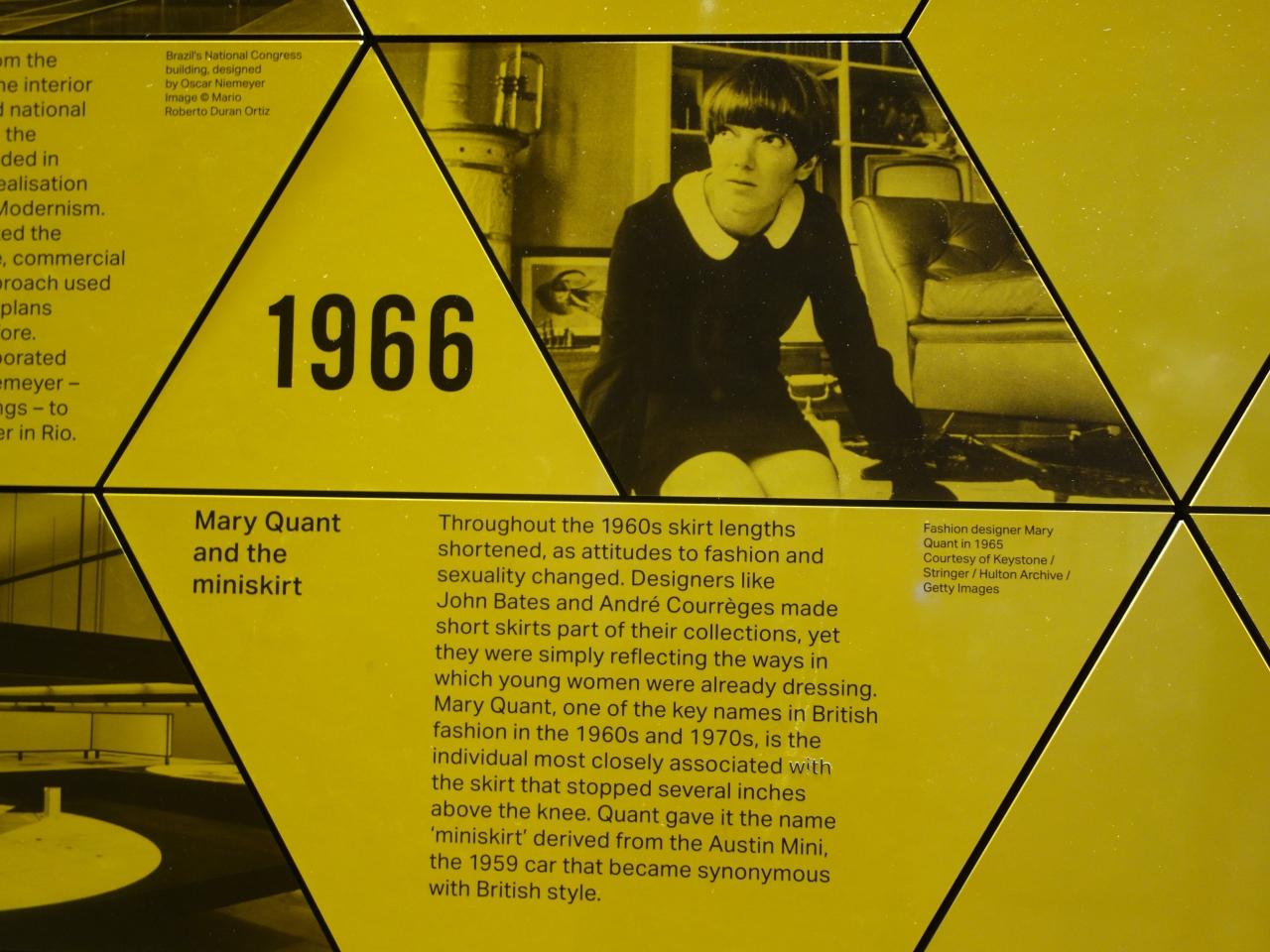
Mary Quant and the miniskirt
Throughout the 1960s skirt lengths
shortened, as attitudes to fashion and
sexuality changed. Designers like
John Bates and Andre Courreges made
short skirts part of their collections, yet
they were simply reflecting the ways in
which young women were already dressing.
Mary Quant, one of the key names in British
fashion in the 1960s and 1970s, is the
individual most closely associated with
the skirt that stopped several inches
above the knee. Quant gave it the name
'miniskirt' derived from the Austin Mini,
the 1959 car that became synonymous
with British style. -
1981
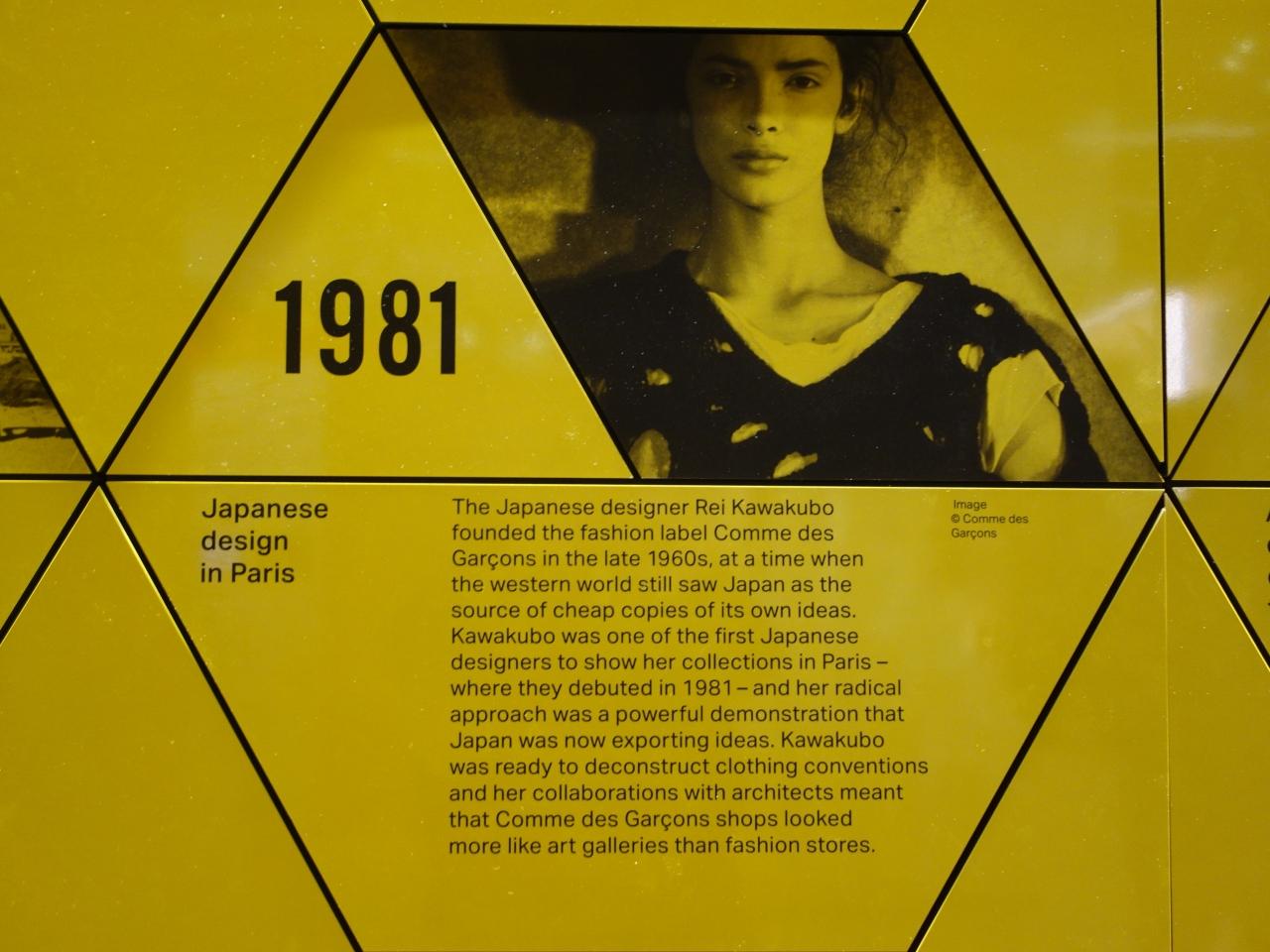
Japanese design in Paris
The Japanese designer Rei Kawakubo ImageComme des
founded the fashion label Comme des Garcons
Garcons in the late 1960s, at a time when
the western world still saw Japan as the
source of cheap copies of its own ideas.
Kawakubo was one of the first Japanese
designers to show her collections in Paris -
where they debuted in 1981- and her radical
approach was a powerful demonstration that
Japan was now exporting ideas. Kawakubo
was ready to deconstruct clothing conventions
and her collaborations with architects meant
that Comme des Garcons shops looked
more like art galleries than fashion stores. -
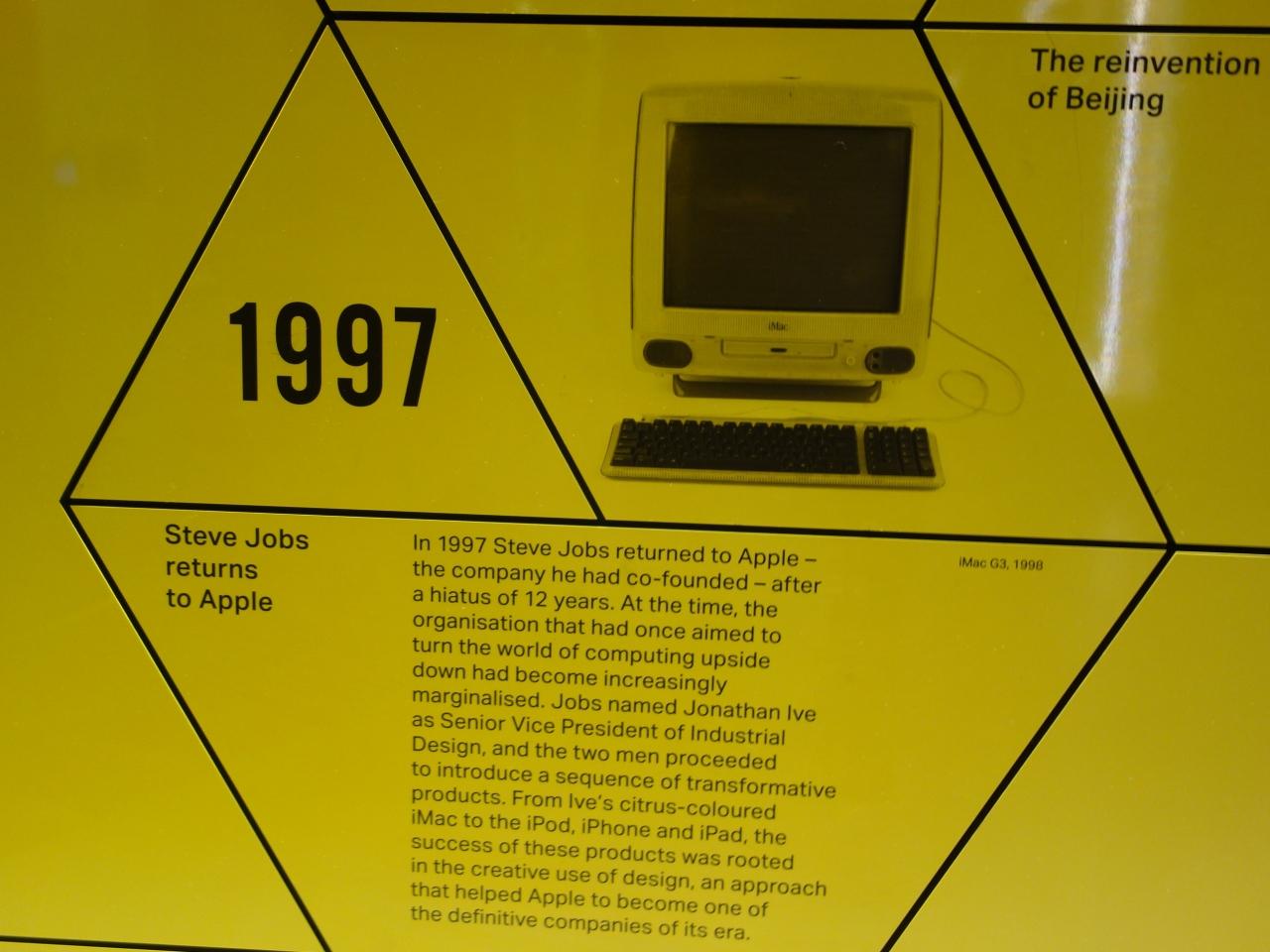
1997
Steve Jobs returns to Apple
In 1997 Steve Jobs returned to Apple ?
the company he had co-founded ? after
a hiatus of 12 years. At the time, the
organisation that had once aimed to
turn the world of computing upside
down had become increasingly
marginalised. Jobs named Jonathan lye
as Senior Vice President of Industrial
Design, and the two men proceeded
to introduce a sequence of transformative
products. From lye's citrus-coloured
iMac to the iPod, iPhone and iPad, the
success of these products was rooted
in the creative use of design, an approach
that helped Apple to become one of
the definitive companies of it era. -
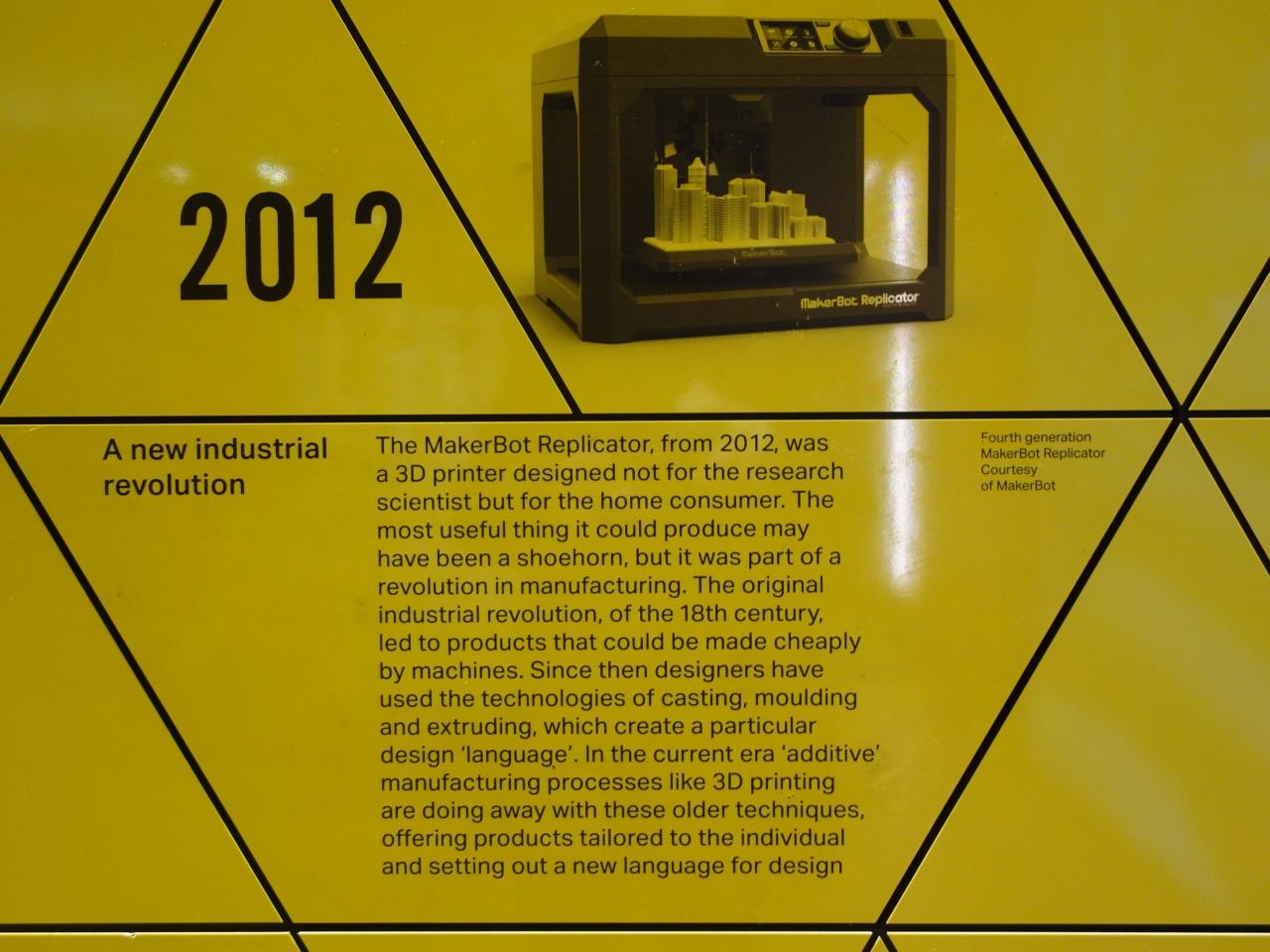
2012
A new industrial revolution
The MakerBot Replicator, from 2012, was
a 3D printer designed not for the research
scientist but for the home consumer. The
most useful thing it could produce may
have been a shoehorn, but it was part of a
revolution in manufacturing. The original
industrial revolution, of the 18th century,
led to products that could be made cheaply
by machines. Since then designers have
used the technologies of casting, moulding
and extruding, which create a particular
design 'language'. In the current era 'additive'
manufacturing processes like 3D printing
are doing away with these older techniques,
offering products tailored to the individual
and setting out a new language for design. -
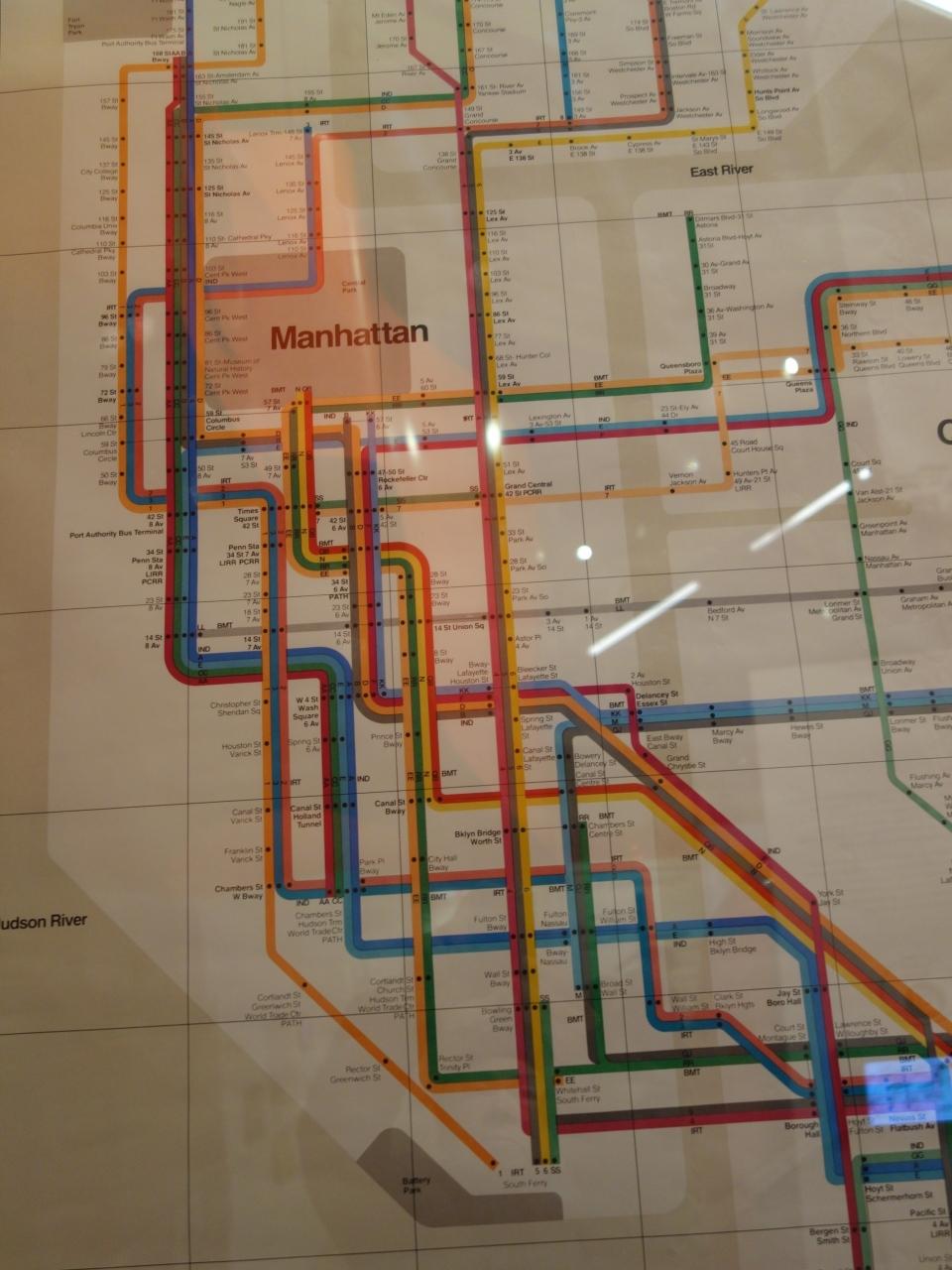
ニューヨークの地下鉄の路線図。このふるいの,もっています。4トラにのせましたよね。
-
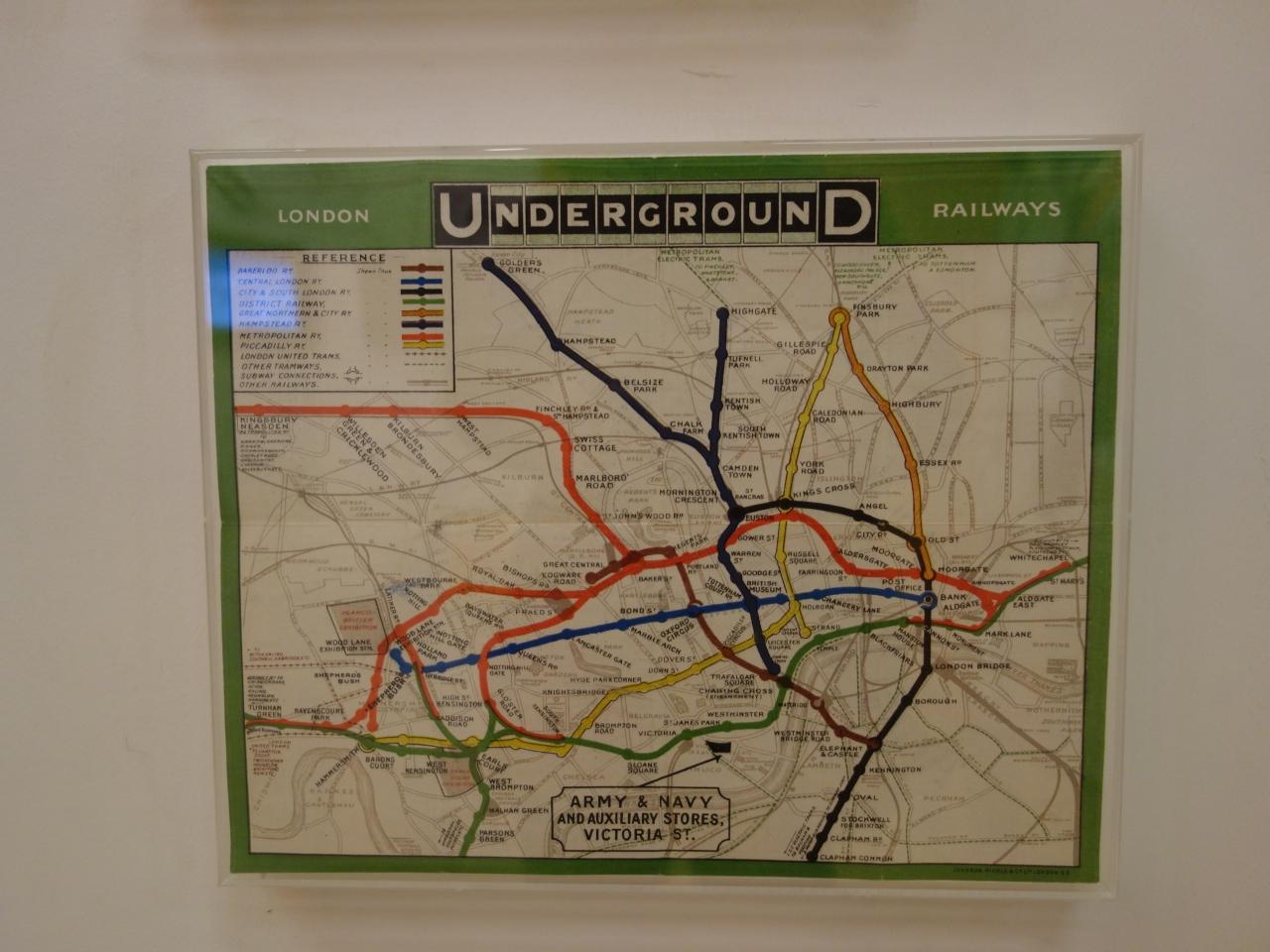
London の underground の路線図の古いの。
-
-
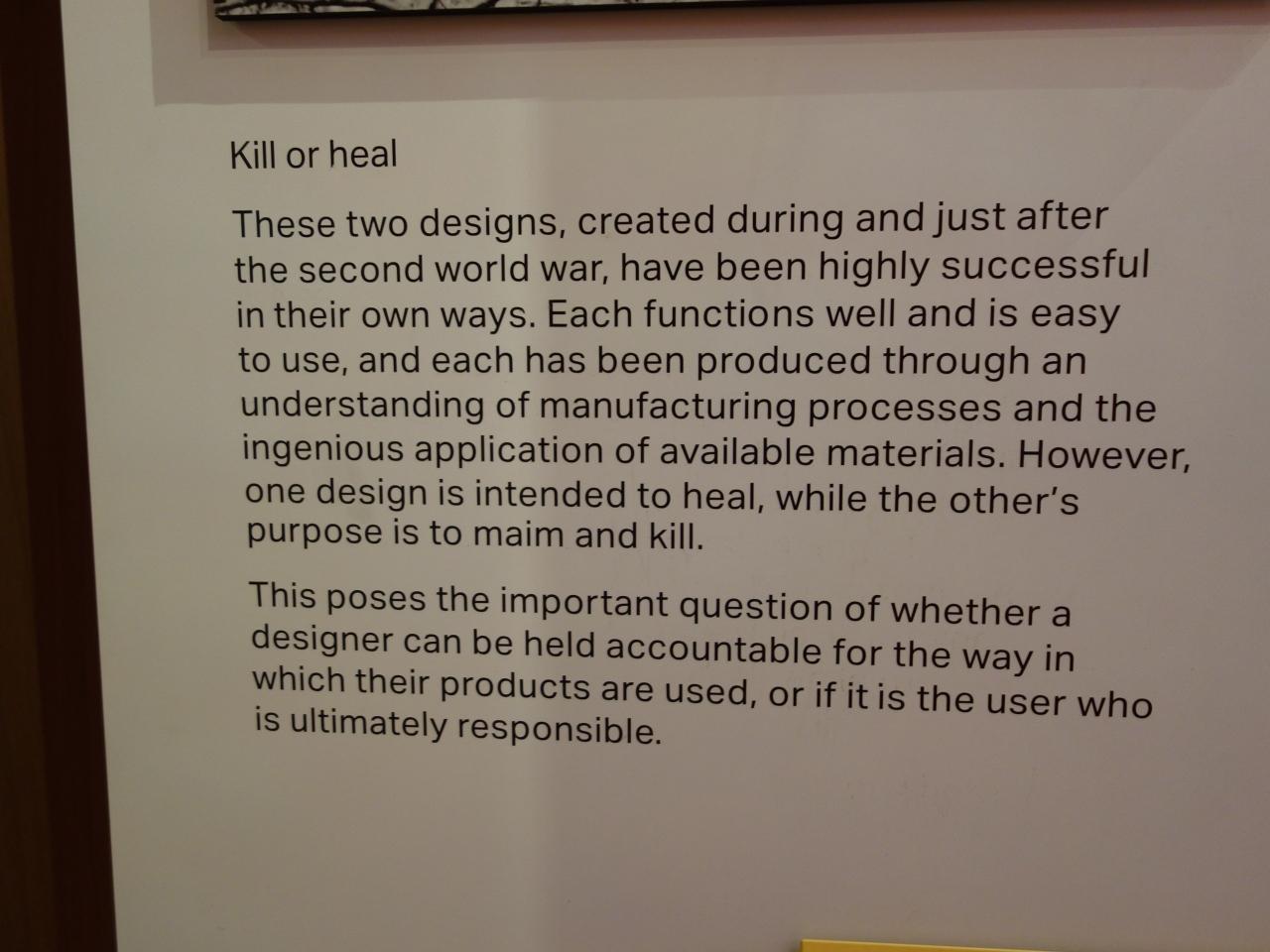
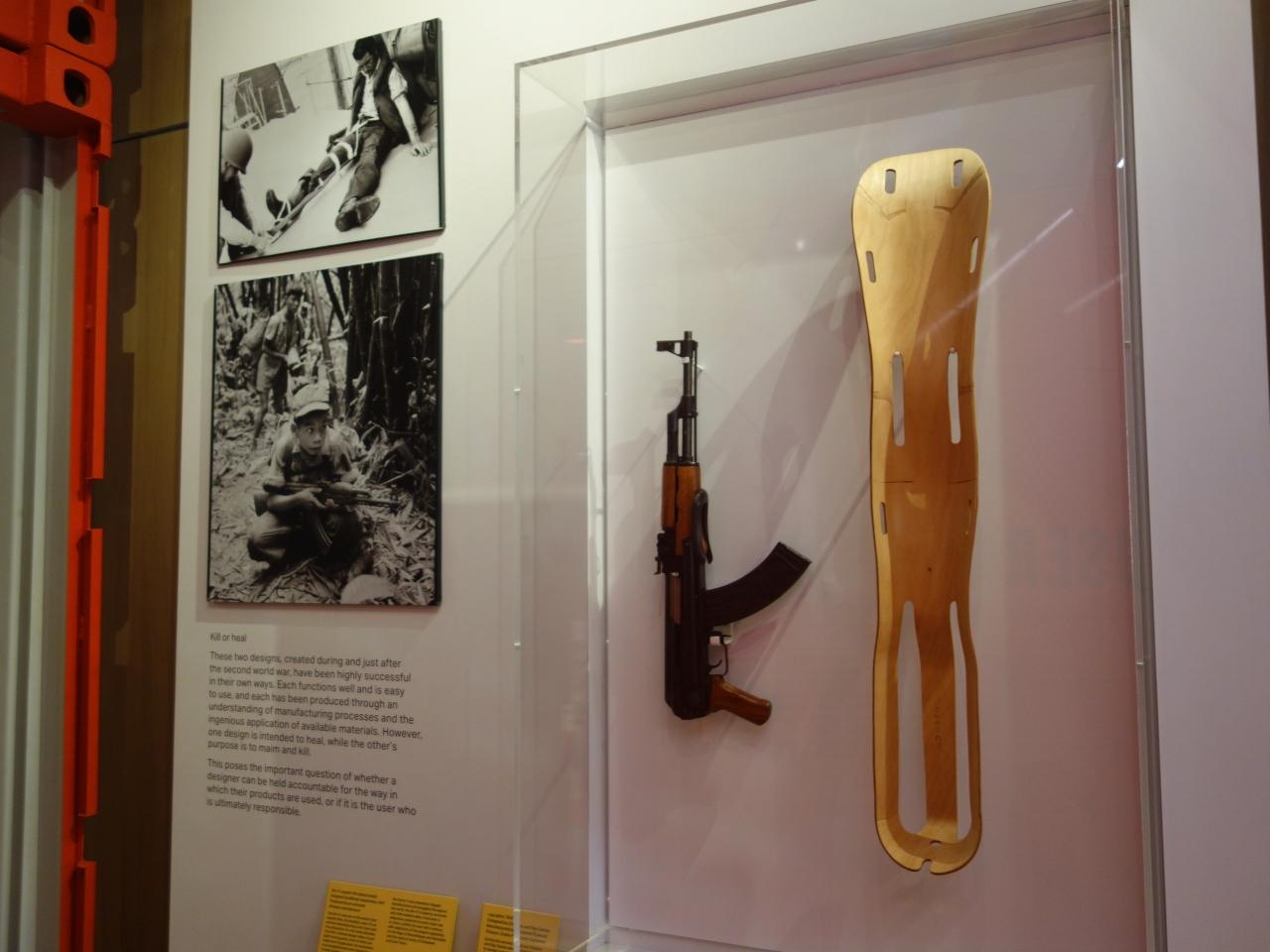
Kill or heal
These two designs, created during and just after
the second world war, have been highly successful
in their own ways. Each functions well and is easy
to use, and each has been produced through an
understanding of manufacturing processes and the
ingenious application of available materials. However,
one design is intended to heal, while the other's
purpose is to maim and kill.
This poses the important question of whether a
designer can be held accountable for the way in
which their products are used, or if it is the user who
is ultimately responsible. -
-
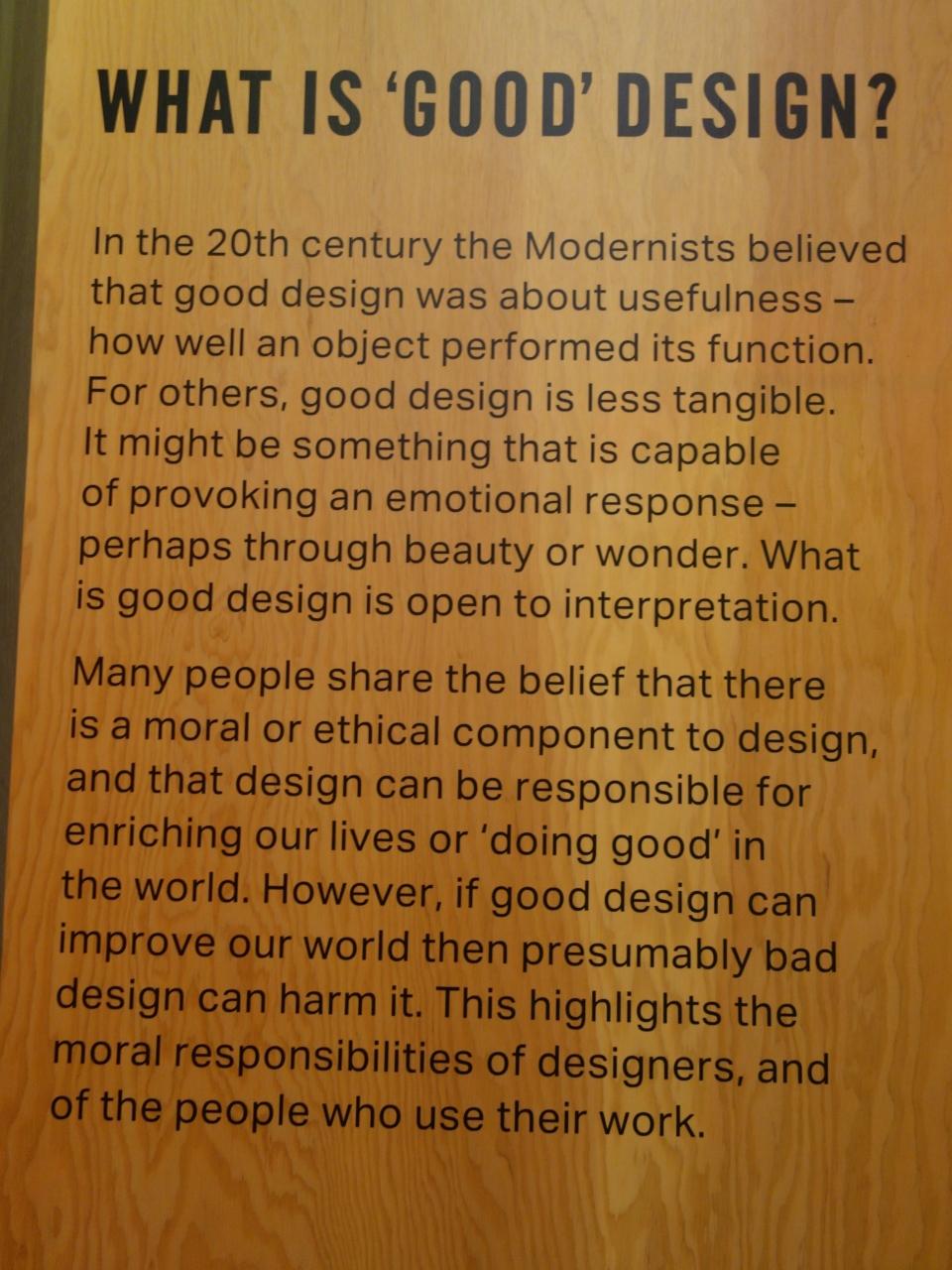
WHAT IS 'GOOD' DESIGN?
In the 20th century the Modernists believed
that good design was about usefulness -
how well an object performed its function.
For others, good design is less tangible.
It might be something that is capable
of provoking an emotional response -
perhaps through beauty or wonder. What
is good design is open to interpretation.
Many people share the belief that there
is a moral or ethical component to design,
and that design can be responsible for
enriching our lives or 'doing good' in
the world. However, if good design can
improve our world then presumably bad
design can harm it. This highlights the
moral responsibilities of designers, and
of the people who use their work. -
-
-
-
-
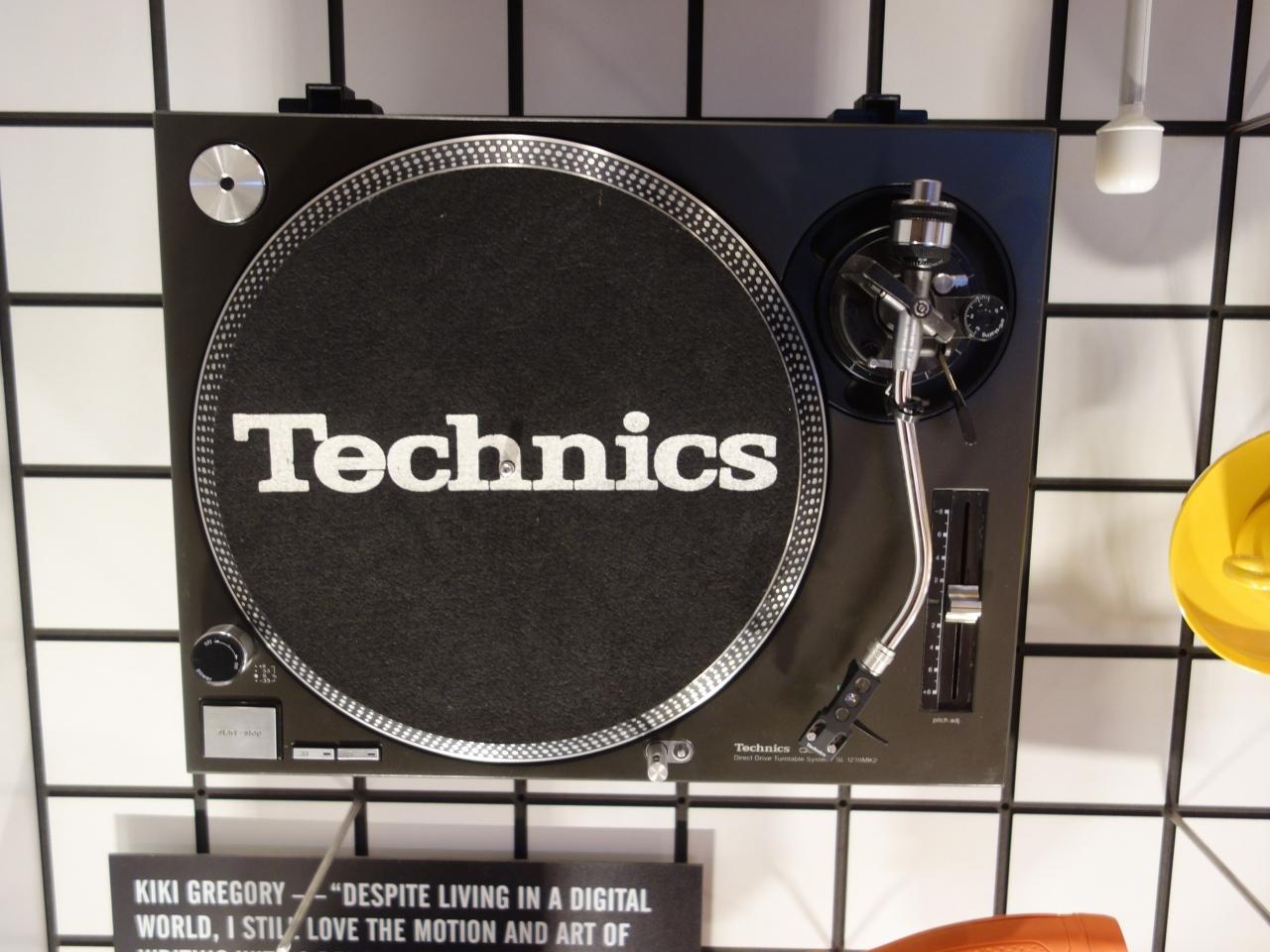
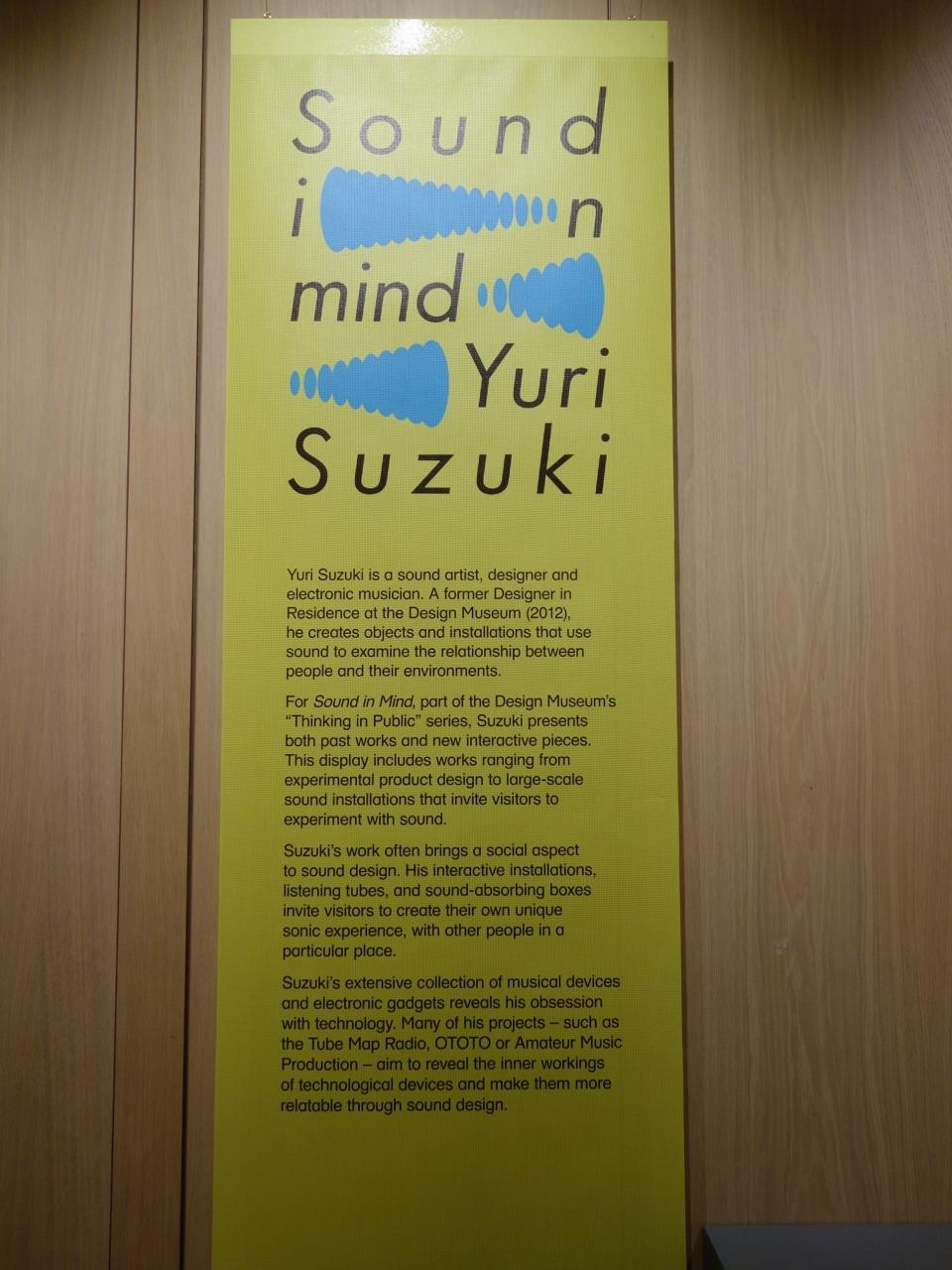
Sound in mind
Yuri Suzuki
Yuri Suzuki is a sound artist, designer and
electronic musician. A former Designer in
Residence at the Design Museum (2012),
he creates objects and installations that use
sound to examine the relationship between
people and their environments.
For Sound in Mind, part of the Design Museum's
"Thinking in Public" series, Suzuki presents
both past works and new interactive pieces.
This display includes works ranging from
experimental product design to large-scale
sound installations that invite visitors to
experiment with sound.
Suzuki's work often brings a social aspect
to sound design. His interactive installations,
listening tubes, and sound-absorbing boxes
invite visitors to create their own unique
sonic experience, with other people in a
particular place.
Suzuki's extensive collection of musical devices
and electronic gadgets reveals his obsession
with technology. Many of his projects ? such as
the Tube Map Radio, OTOTO or Amateur Music
Production ? aim to reveal the inner workings
of technological devices and make them more
relatable through sound design. -
-
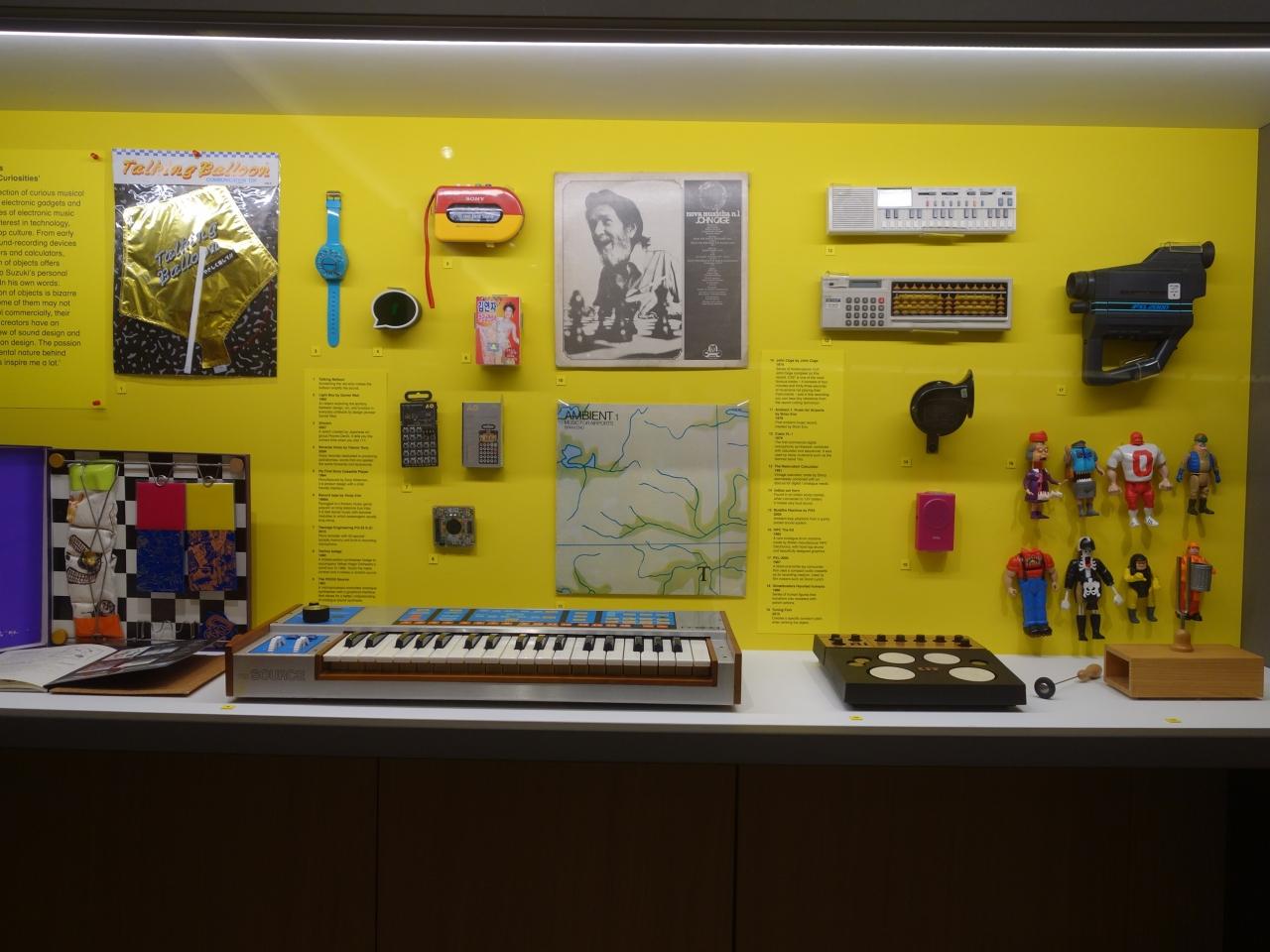
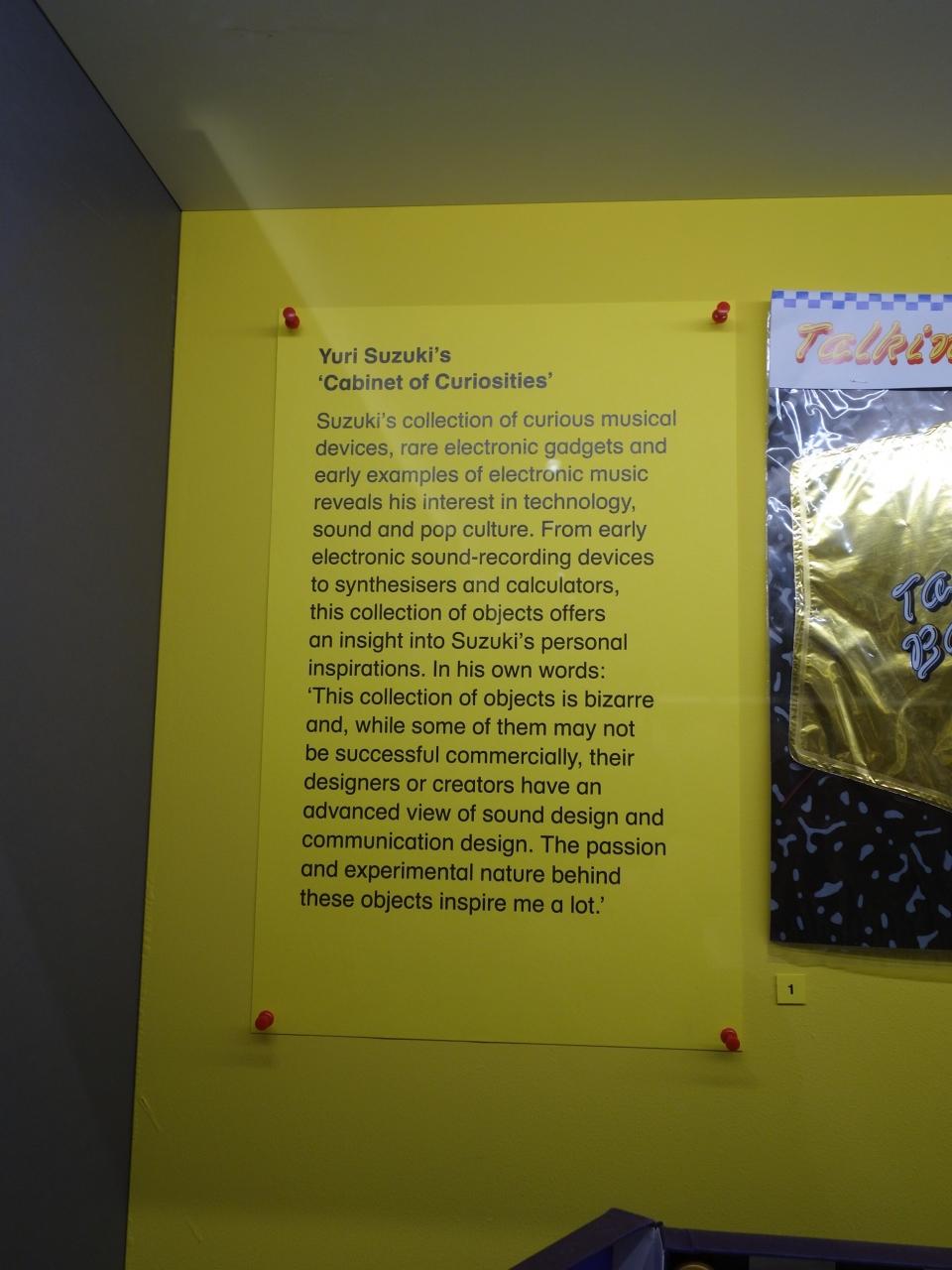
Yuri Suzuki's
`Cabinet of Curiosities'
Suzuki's collection of curious musical
devices, rare electronic gadgets and
early examples of electronic music
reveals his interest in technology,
sound and pop culture. From early
electronic sound-recording devices
to synthesisers and calculators,
this collection of objects offers
an insight into Suzuki's personal
inspirations. In his own words:
`This collection of objects is bizarre
and, while some of them may not
be successful commercially, their
designers or creators have an
advanced view of sound design and
communication design. The passion
and experimental nature behind
these objects inspire me a lot.' -
-
-
-
-
-
-
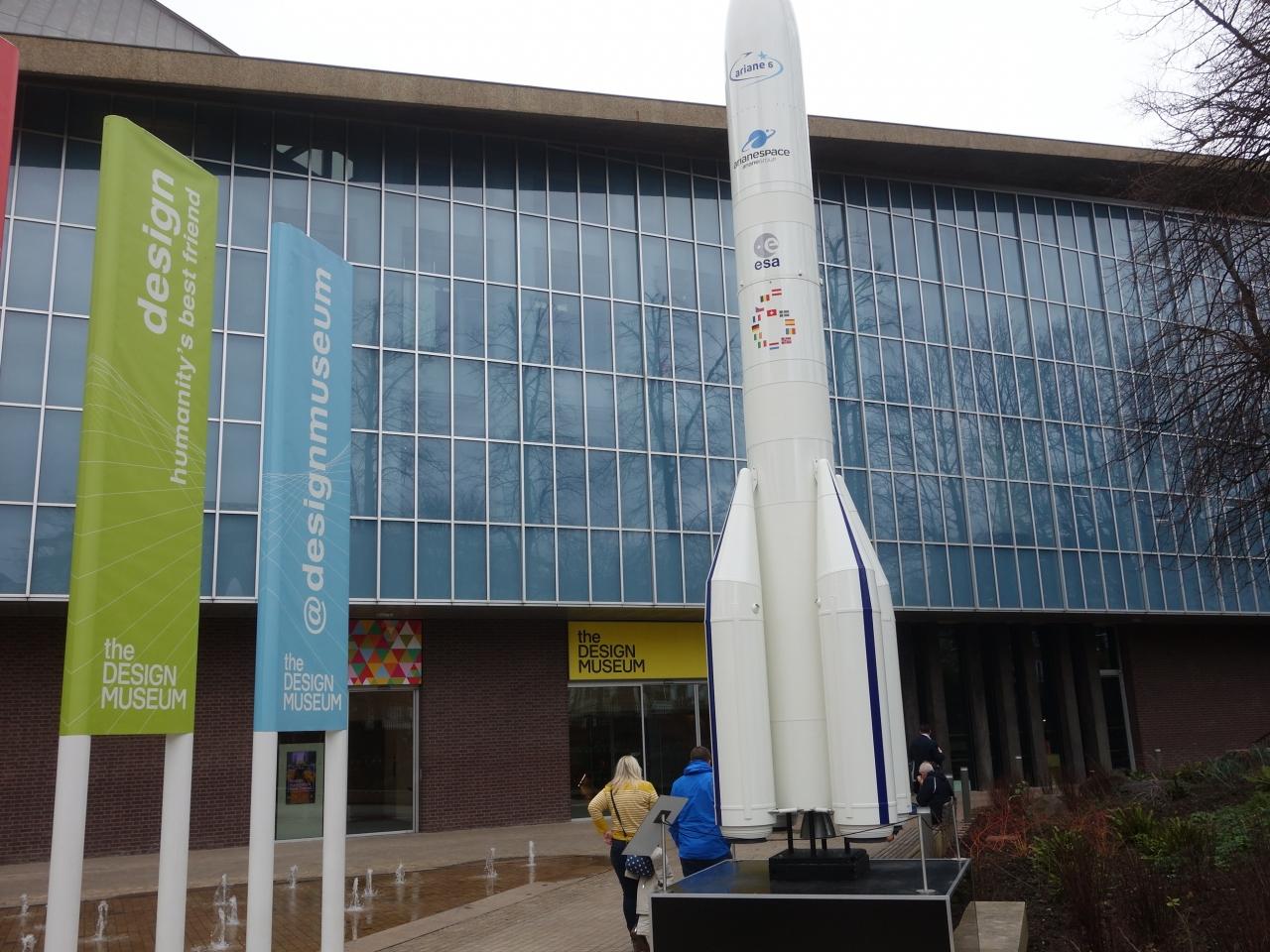
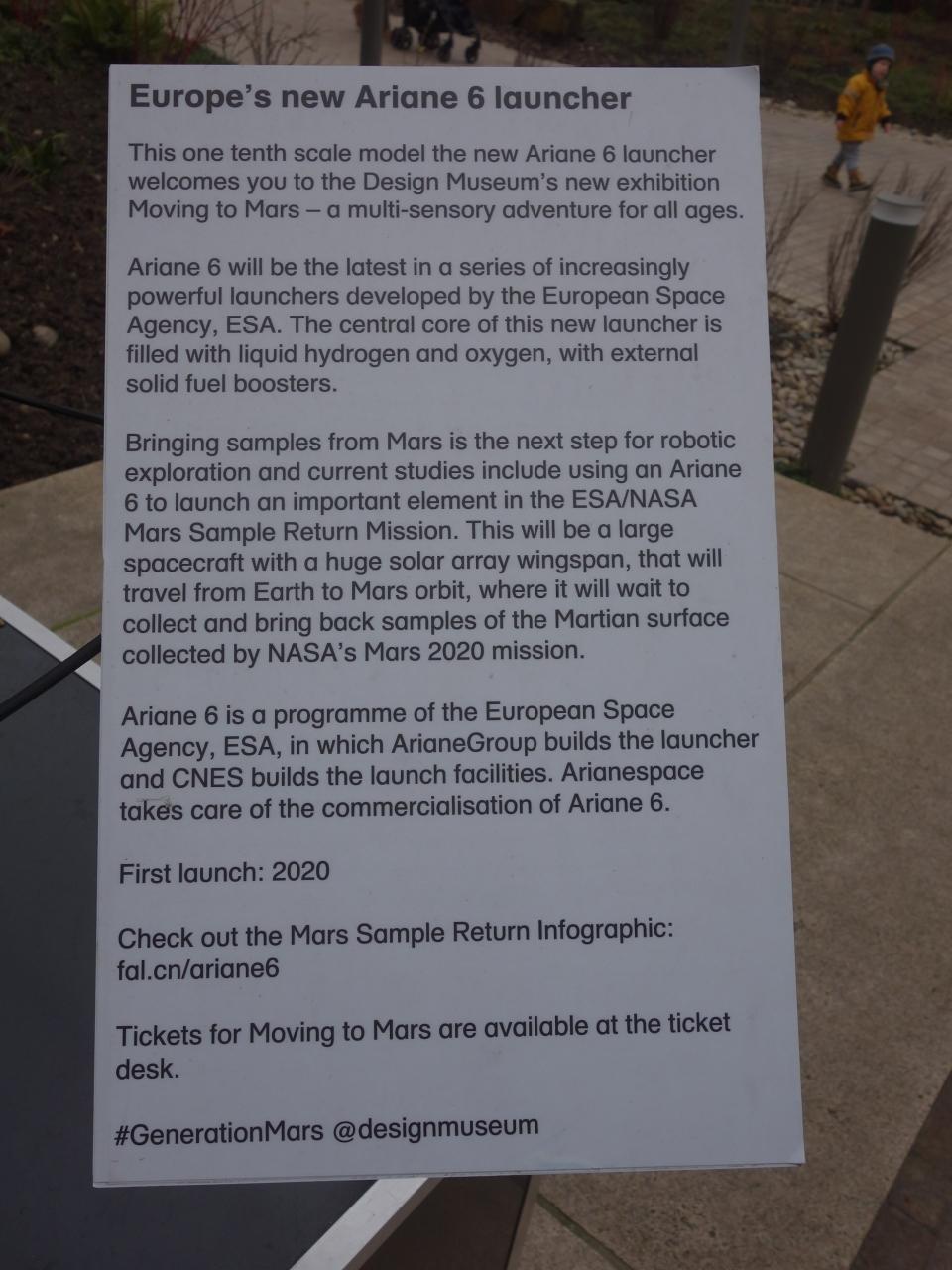
Europe's new Ariane 6 launcher
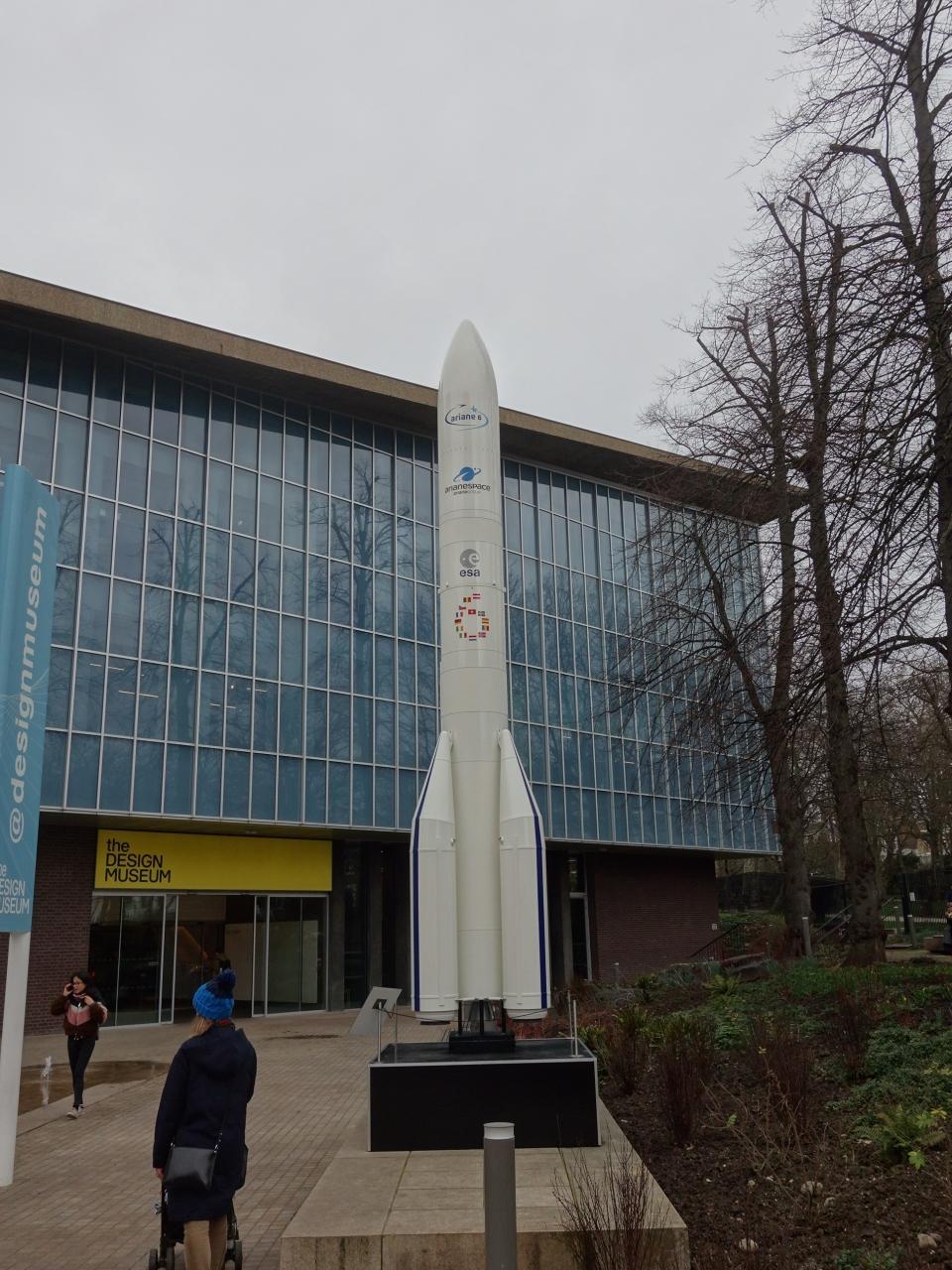
This one tenth scale model the new Ariane 6 launcher
welcomes you to the Design Museum's new exhibition
Moving to Mars ? a multi-sensory adventure for all ages.
Ariane 6 will be the latest in a series of increasingly
powerful launchers developed by the European Space
Agency, ESA. The central core of this new launcher is
filled with liquid hydrogen and oxygen, with external
solid fuel boosters.
Bringing samples from Mars is the next step for robotic
exploration and current studies include using an Ariane
6 to launch an important element in the ESA/NASA
Mars Sample Return Mission. This will be a large
spacecraft with a huge solar array wingspan, that will
travel from Earth to Mars orbit, where it will wait to
collect and bring back samples of the Martian surface
collected by NASA's Mars 2020 mission.
Ariane 6 is a programme of the European Space
Agency, ESA, in which ArianeGroup builds the launcher
and CNES builds the launch facilities. Arianespace
takes care of the commercialisation of Ariane 6.
First launch: 2020
Check out the Mars Sample Return Infographic:
fal.cn/ariane6
Tickets for Moving to Mars are available at the ticket
desk.
#GenerationMars@designmuseum -
デザインのことがまったく分かっていない。ひどいミュージアム。 by nomonomoさん
デザイン ミュージアム 博物館・美術館・ギャラリー
-
ホランド パーク 広場・公園
-
-
-
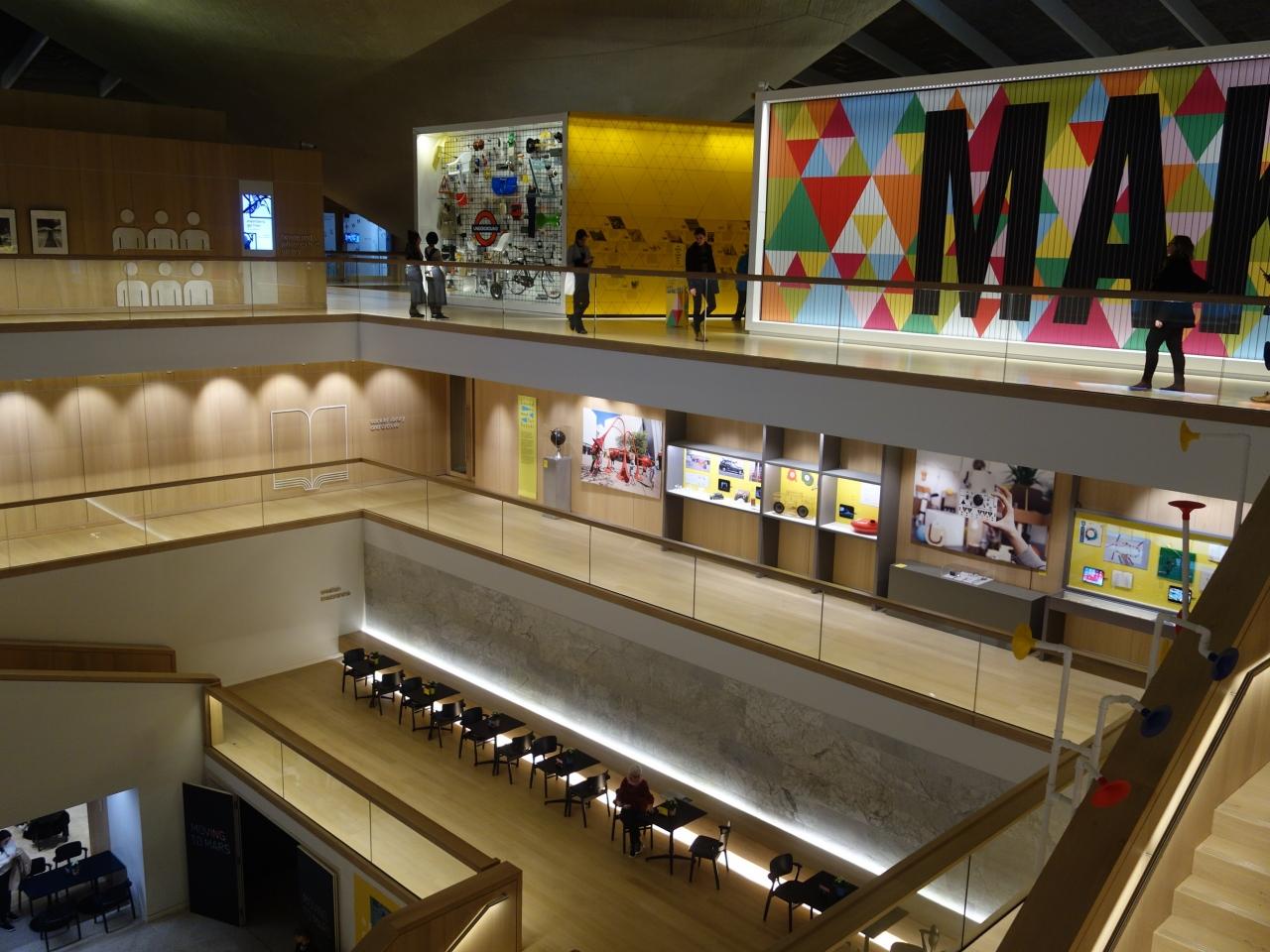
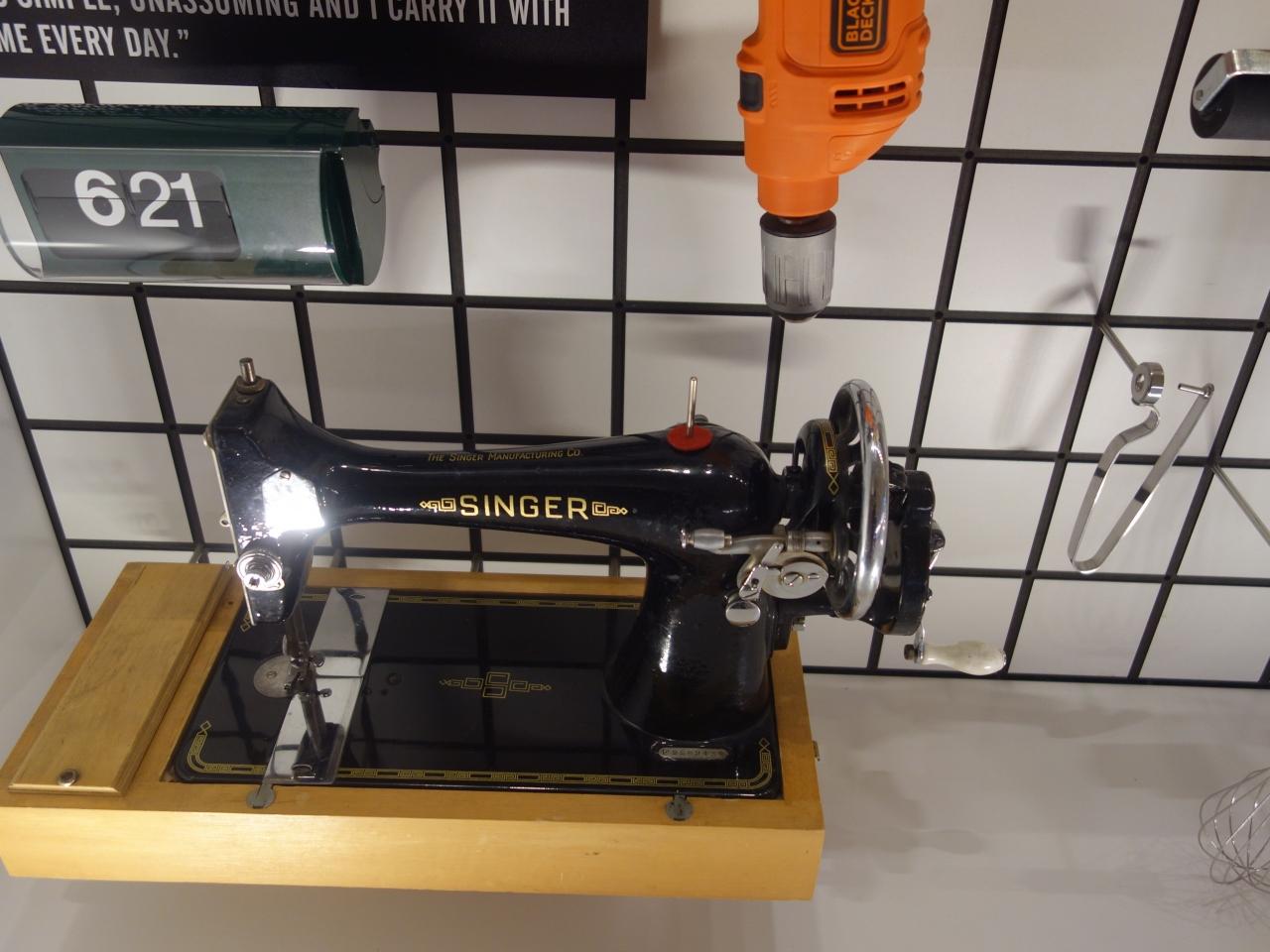
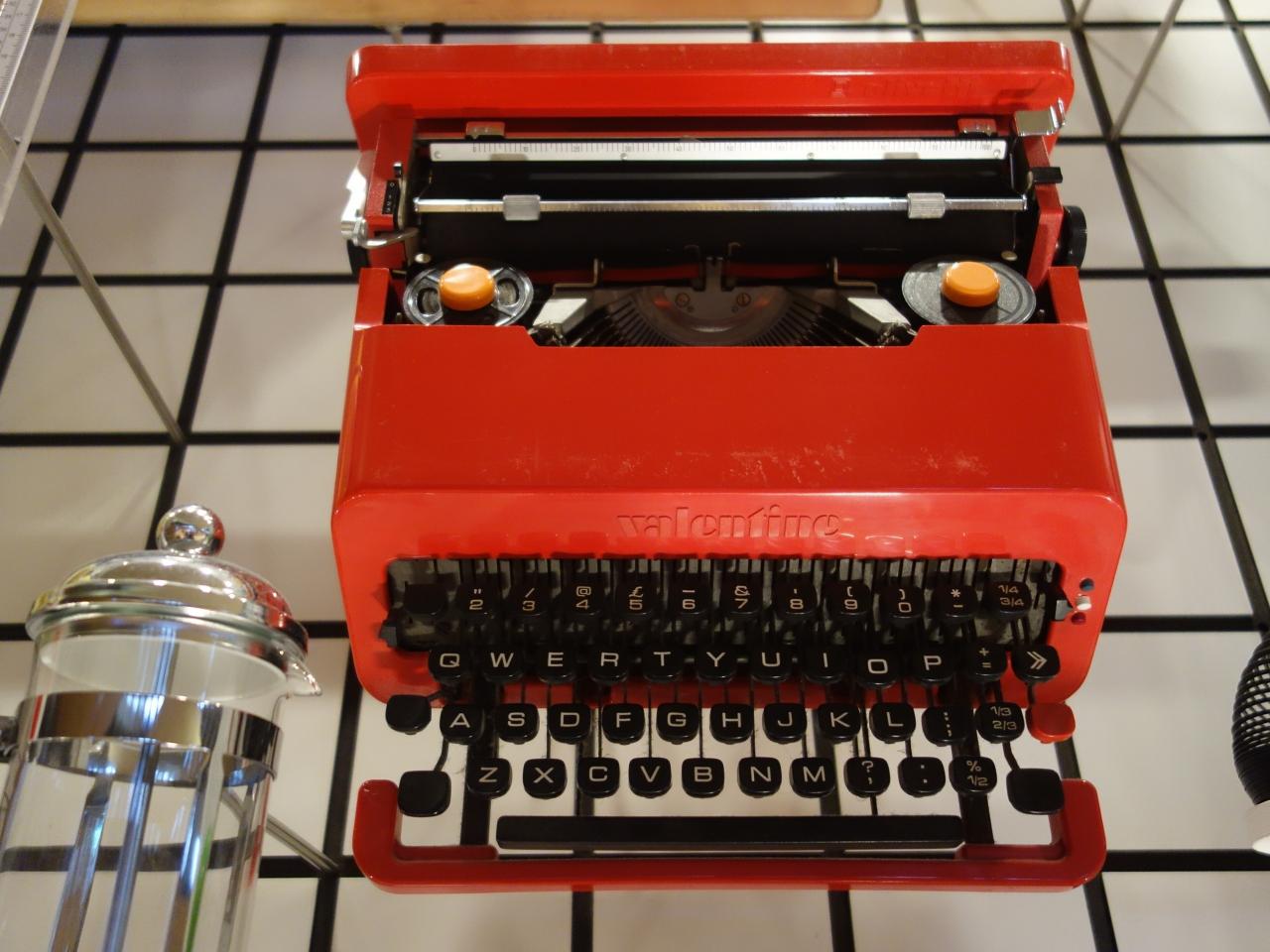
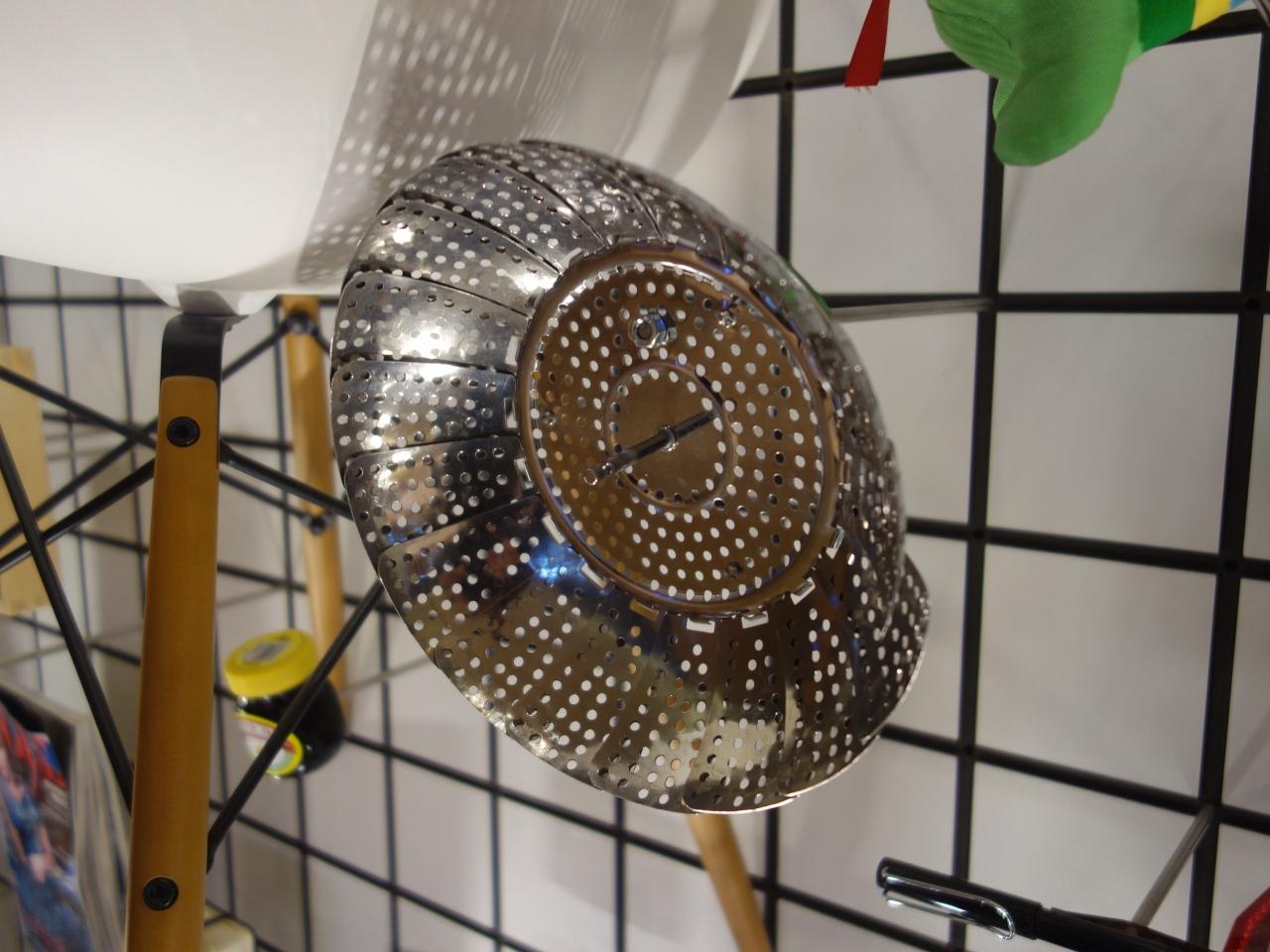
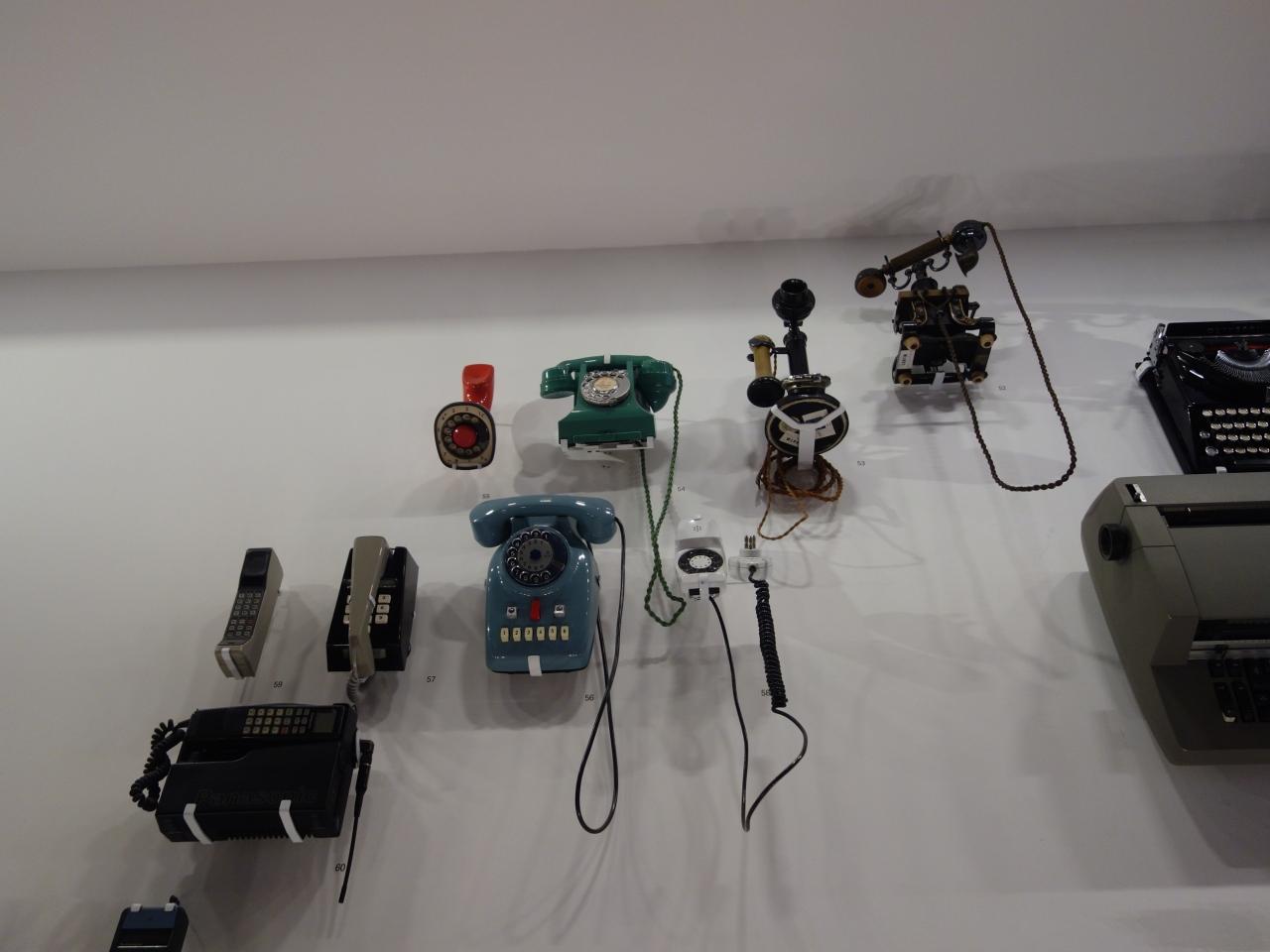
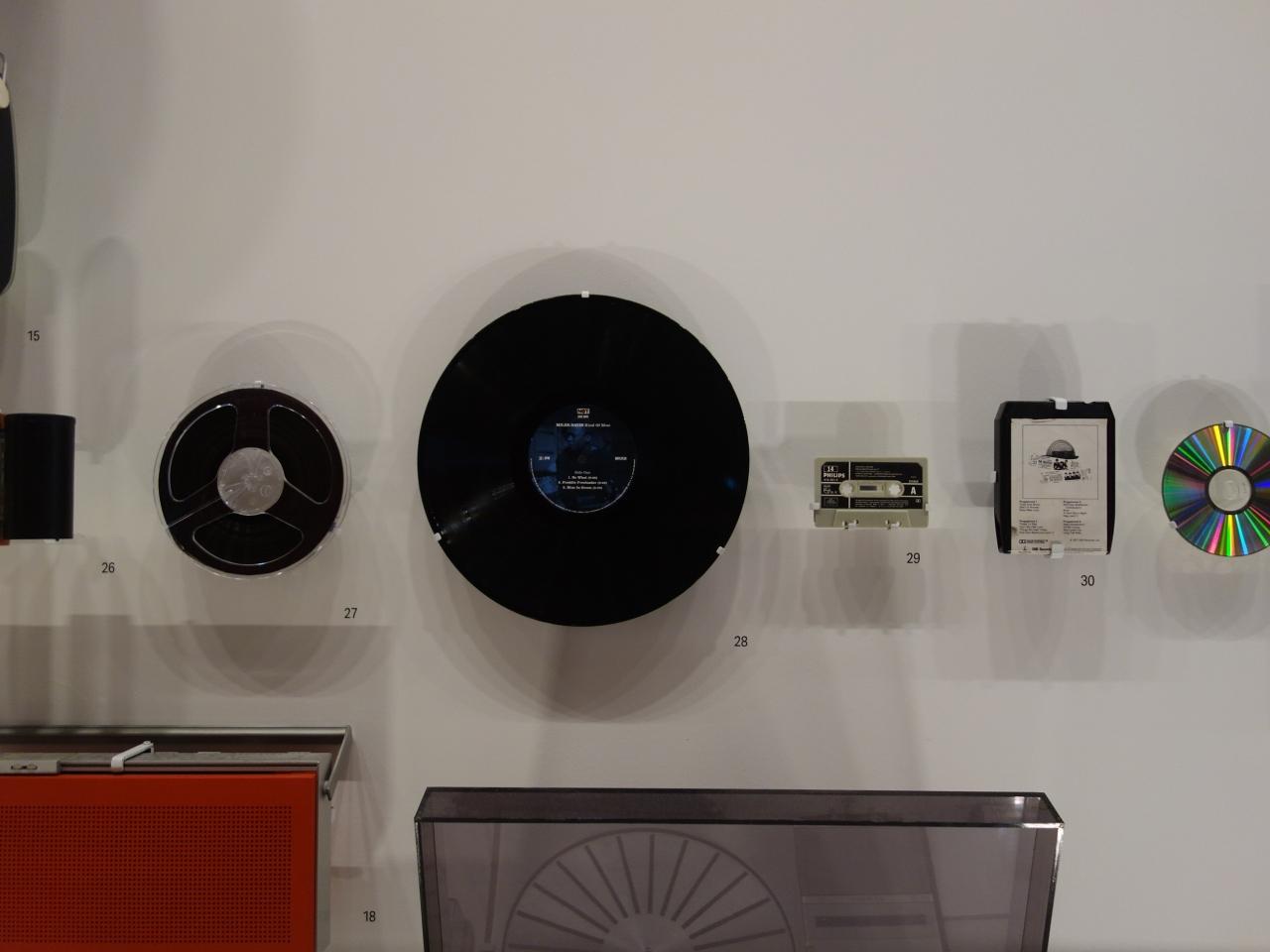
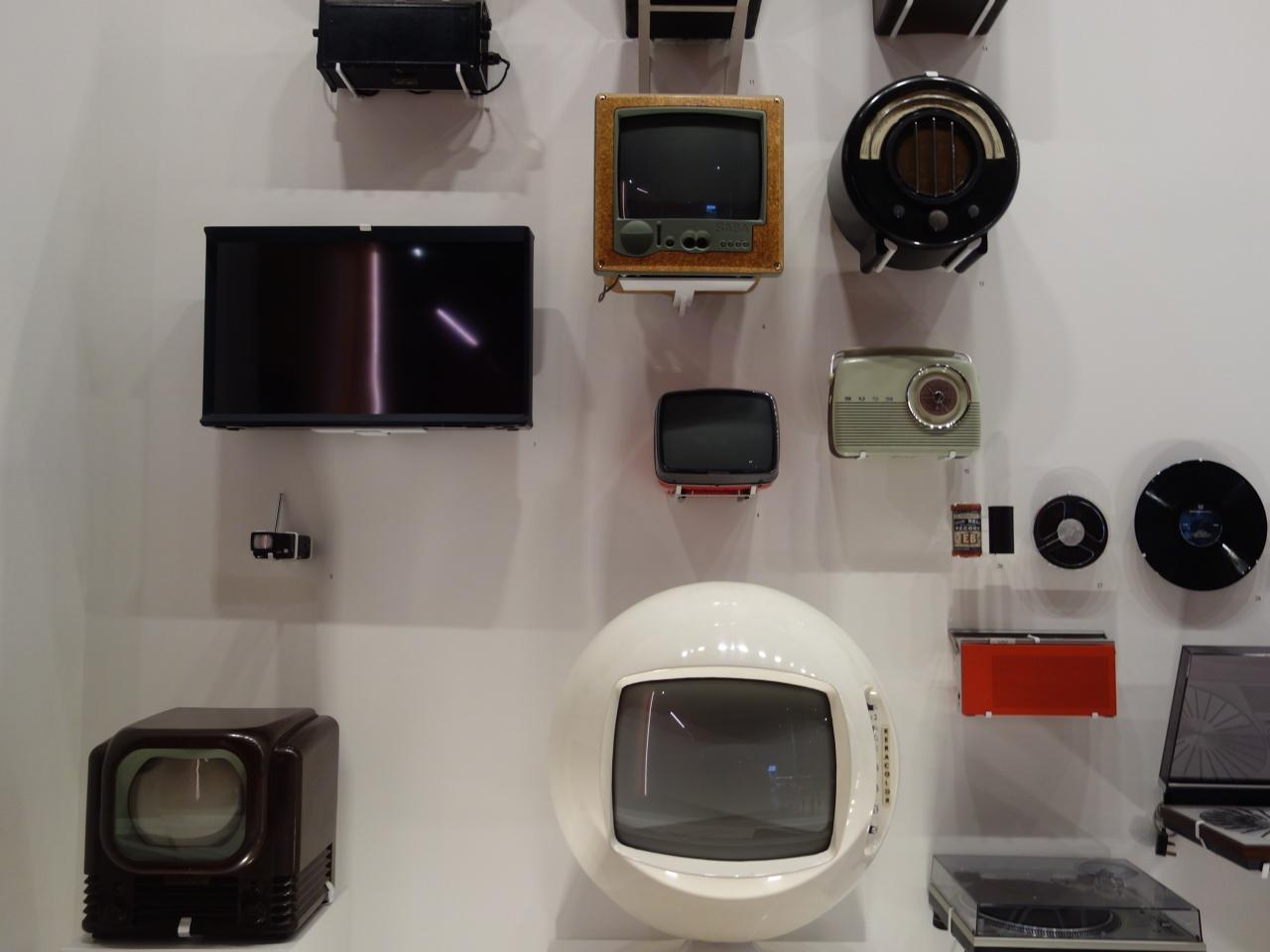
展示の写真を示しました。
design museum になっていないことがお分かりでしょうか。
世界中にいる設計者が怒ります。
ひどいものです。 -
設計とは何か,にぜんぜん答えていません。
設計と技術史の区別もわからない人がやっているのです。
翌日行ったConran Shop のほうがよっぽど面白かった。ホランド パーク 広場・公園


利用規約に違反している投稿は、報告する事ができます。
旅行記グループ
London, winter 2020 (1)
-
前の旅行記
London(3.3) Kensington High Street も面白いところ。活気がある。Japan...
2020/01/31~
ロンドン
-
次の旅行記
London(3.5) Aston Martin のとまる高級住宅街を歩く。T.S. Eliot も住んでい...
2020/01/31~
ロンドン
-
中部空港で前泊です。イオンモール常滑で時間をつぶしました。
2020/01/27~
常滑・セントレア(中部国際空港)
-

Boeing 787-8 に乗りました。NGO-NRT JL3082 8:20発。あっという間に成田に着きま...
2020/01/28~
常滑・セントレア(中部国際空港)
-
成田空港内のお店をぐるっと回る。時間つぶしです。
2020/01/28~
成田
-
Boeing 787-9 に乗りました。NRT-LHR BA6/JL7081 12:35発。British ...
2020/01/28~
成田
-
London(1.1) 最初はPiccadilly Circus の Eros にご挨拶。半年ぶりの再会です...
2020/01/29~
ロンドン
-
London(1.3) Covent Garden は変化がはげしい。最新のお店がいっぱい。
2020/01/29~
ロンドン
-
London(1.4) Neal's Yard は隠れ家的存在。こじんまりしていて落ち着くところ。
2020/01/29~
ロンドン
-
London(1.5) Seven Dials Market も現代的で開放感のあるところ。ブルックリンを思...
2020/01/29~
ロンドン
-
London(1.6) 今日のランチは Borough Market の street food。3種類も食...
2020/01/29~
ロンドン
-

London(1.7) London Bridge を渡る。テロリストにも遭わず、橋も落ちていなくて、よかっ...
2020/01/29~
ロンドン
-
London(1.10) Partridges でお買物。この高級スーパーは前回逃したので,来たかったところ...
2020/01/29~
ロンドン
-
London(2.1) Knightsbridge から V&A Museum まで Brompton Ro...
2020/01/30~
ロンドン
-
London(2.2) Imperial College London のキャンパスを一回り。市中の大学です...
2020/01/30~
ロンドン
-

London(2.3) Victoria & Albert Museum を訪ねる。目的はもちろんティー・ル...
2020/01/30~
ロンドン
-

London(2.4) 自然史博物館。恐竜の展示がおざなりでがっかりだった。
2020/01/30~
ロンドン
-

London(2.5) 今日のランチは Fortnum & Mason で fish & chips をいた...
2020/01/30~
ロンドン
-
London(2.6) ロンドンに来たからには,雨傘を買いましょう。
2020/01/30~
ロンドン
-

London(2.7) Oxfors Street をぶらぶら。銀ブラみたいなものです。
2020/01/30~
ロンドン
-
London(2.8) St. Christopher's Place はステキな小路。考えた街づくりをする...
2020/01/30~
ロンドン
-

London(2.9) Marylebone High Street を歩く。いまロンドンで一番人気のある通...
2020/01/30~
ロンドン
-
London(3.1) Portobello Market に行きましょう。市場好きには欠かせない路上マーケ...
2020/01/31~
ロンドン
-
London(3.2) '202' で午前の休憩。ステキなカフェ・レストランです。
2020/01/31~
ロンドン
-
London(3.3) Kensington High Street も面白いところ。活気がある。Japan...
2020/01/31~
ロンドン
-

London(3.4) Design Museum はひどい博物館。デザインをまったく知らない人がやっている...
2020/01/31~
ロンドン
-

London(3.5) Aston Martin のとまる高級住宅街を歩く。T.S. Eliot も住んでい...
2020/01/31~
ロンドン
-
London(3.6) Neal's Yard と Seven Dials Market にまた来ました。い...
2020/01/31~
ロンドン
-
London(3.7) Covent Garden で Venchi のジェラートをなめる。ローカリティがな...
2020/01/31~
ロンドン
旅行記グループをもっと見る
コメントを投稿する前に
十分に確認の上、ご投稿ください。 コメントの内容は攻撃的ではなく、相手の気持ちに寄り添ったものになっていますか?
サイト共通ガイドライン(利用上のお願い)報道機関・マスメディアの方へ 画像提供などに関するお問い合わせは、専用のお問い合わせフォームからお願いいたします。
この旅行で行ったスポット
ロンドン(イギリス) の旅行記



ロンドン(イギリス) の人気ホテル
フォートラベル公式LINE@
おすすめの旅行記や旬な旅行情報、お得なキャンペーン情報をお届けします!
QRコードが読み取れない場合はID「@4travel」で検索してください。
\その他の公式SNSはこちら/
旅行記グループ London, winter 2020 (1)
0
61