


2023/06/14 - 2023/06/14
250位(同エリア297件中)

nomonomoさん
- nomonomoさんTOP
- 旅行記5533冊
- クチコミ9233件
- Q&A回答332件
- 6,887,568アクセス
- フォロワー104人

この旅行記スケジュールを元に
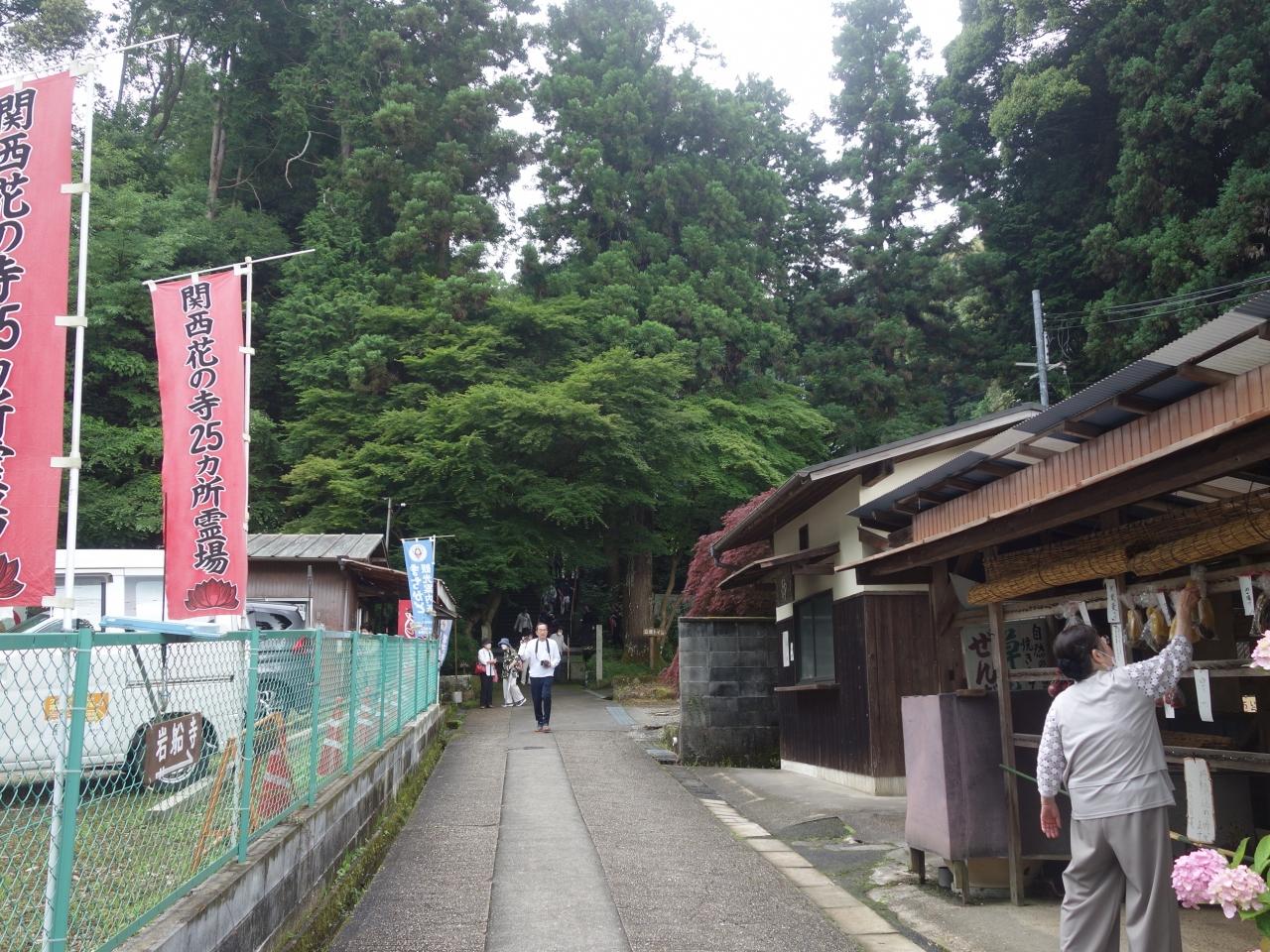
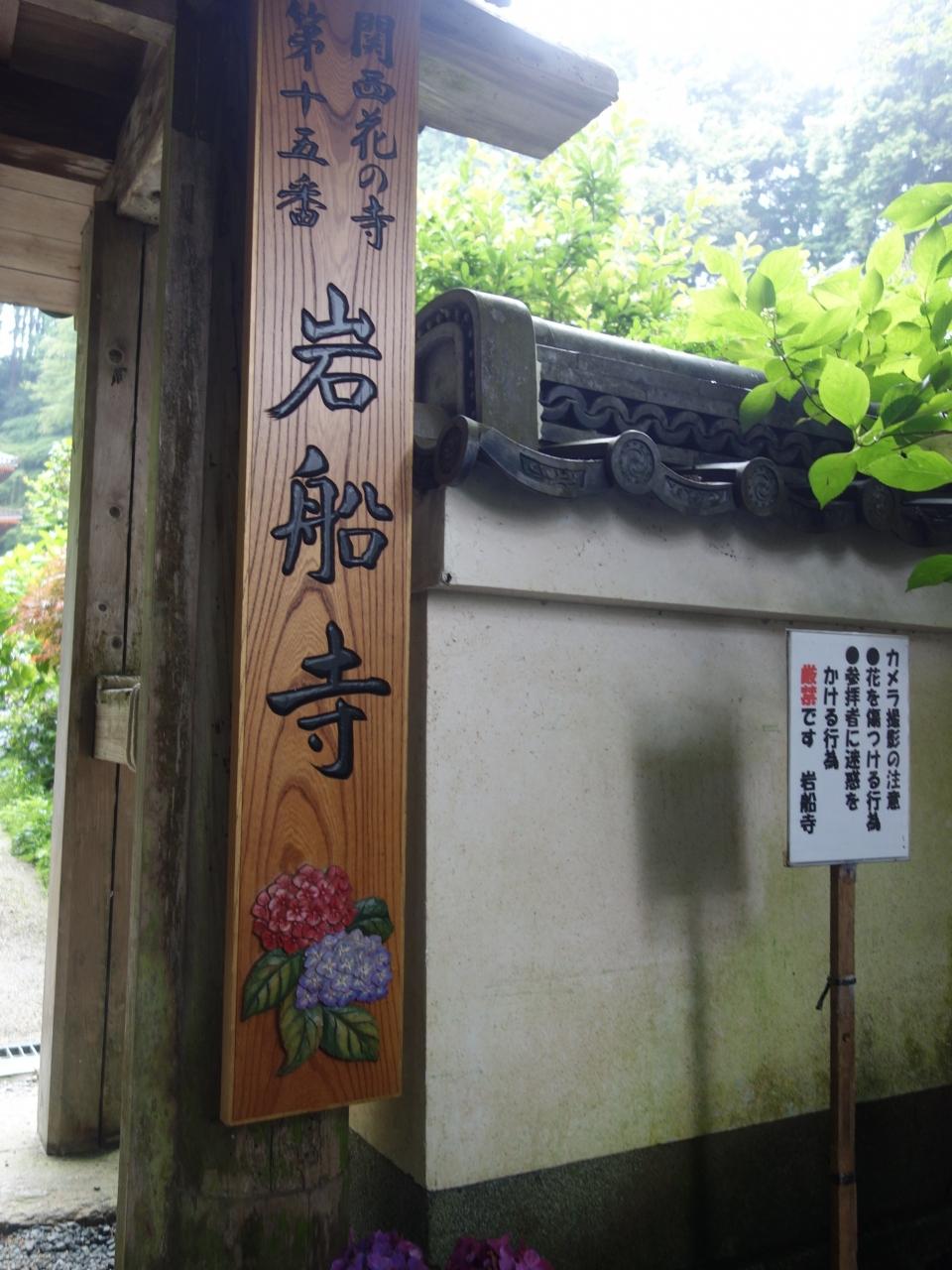
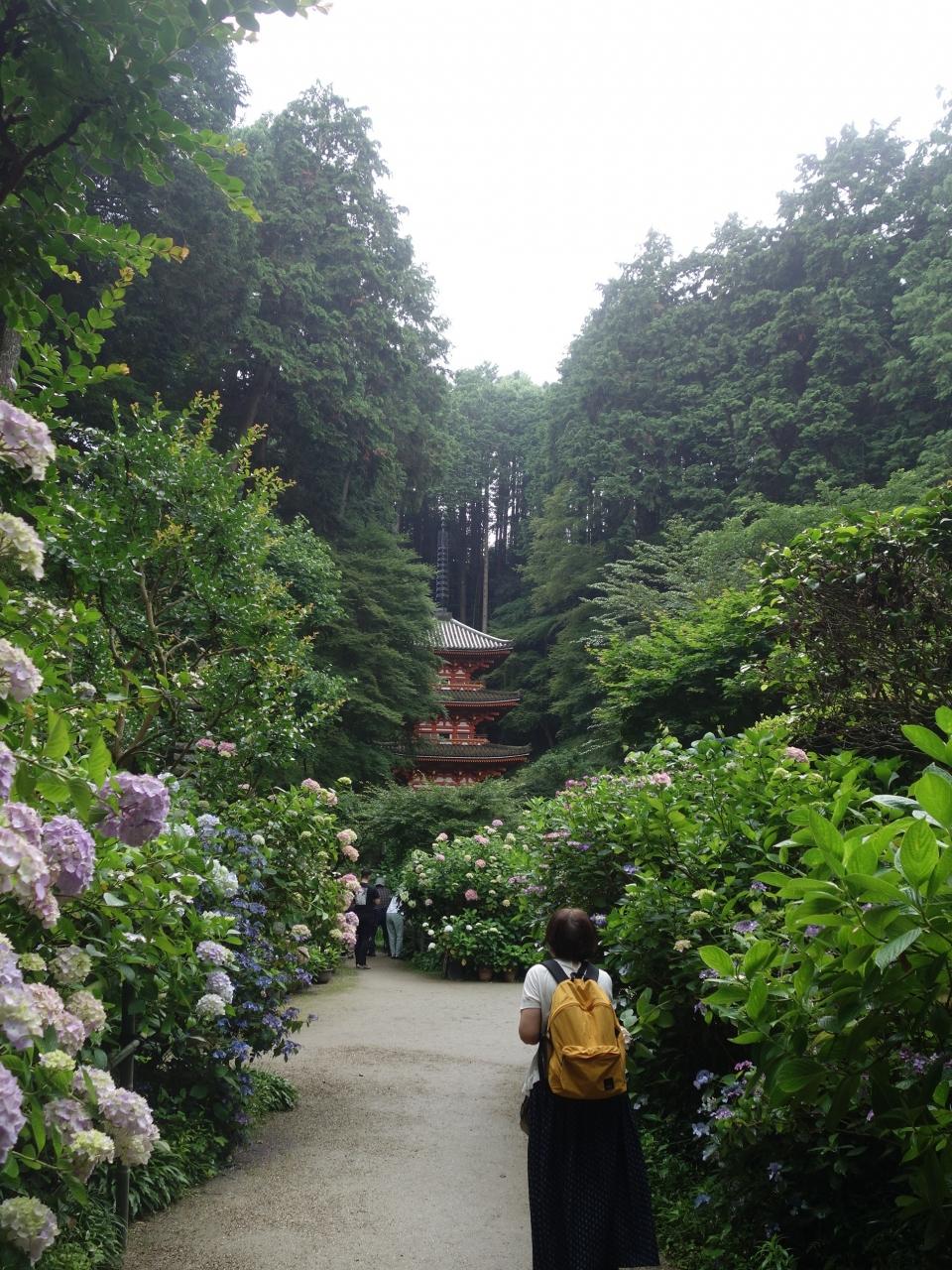
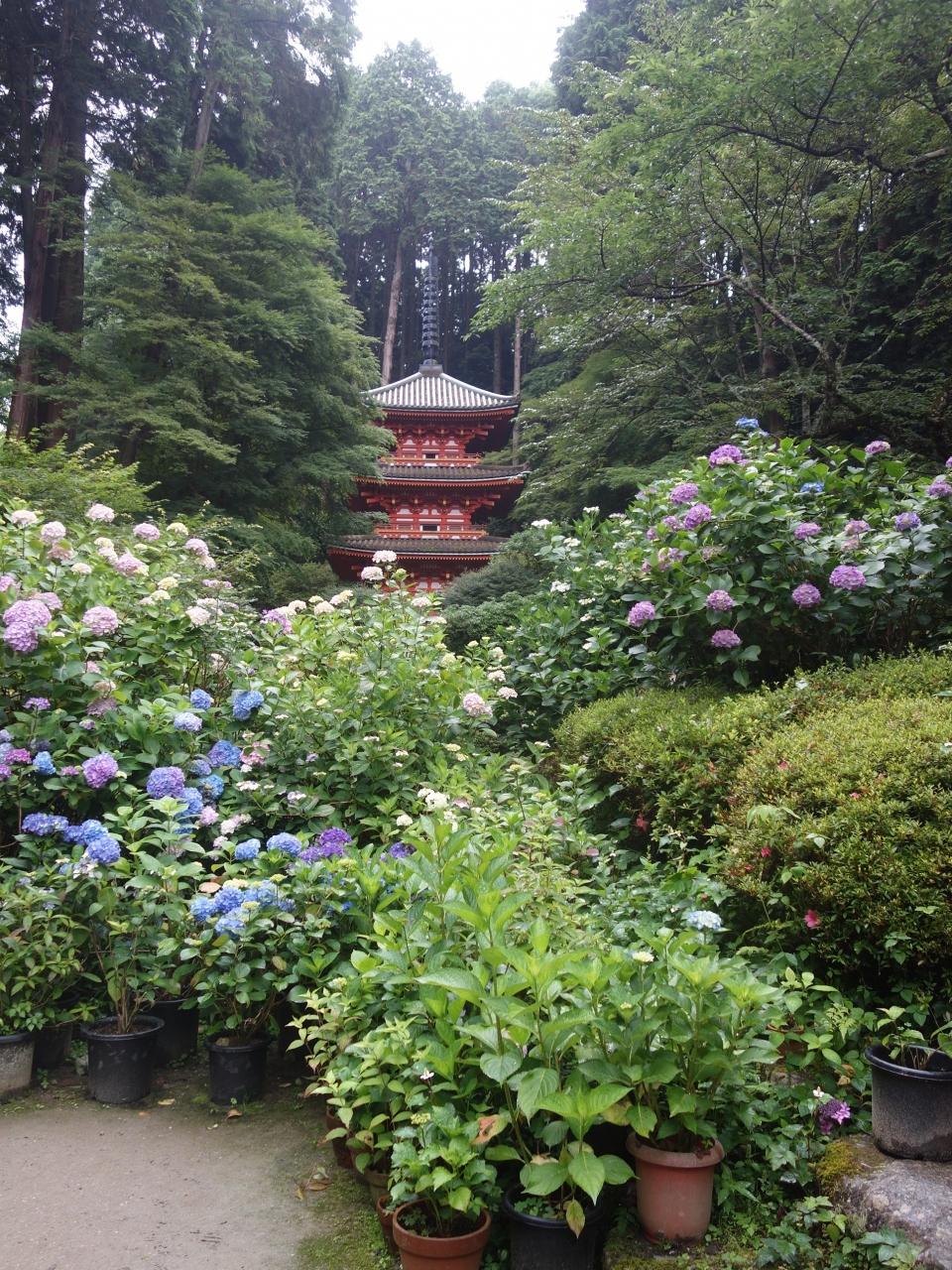
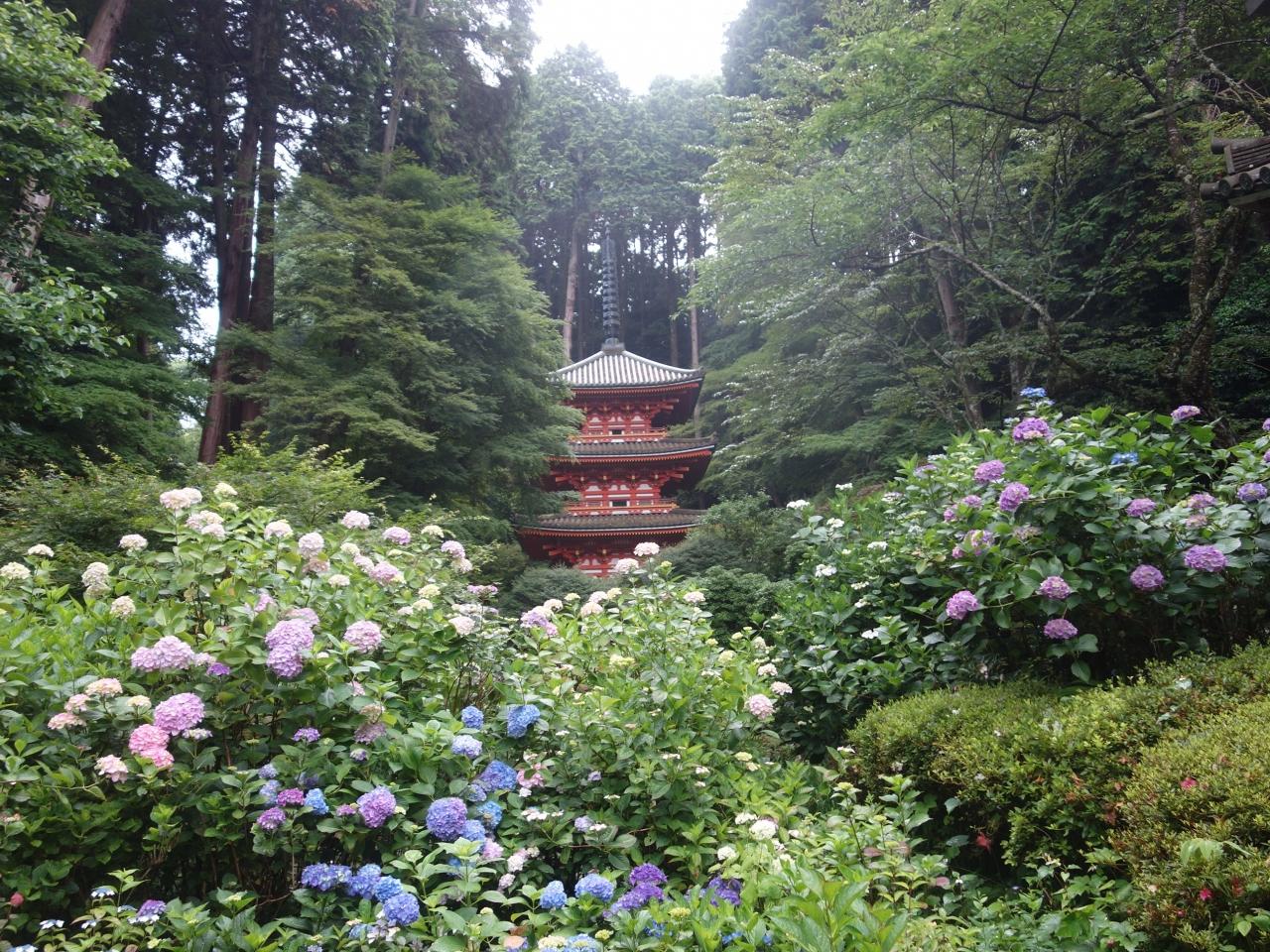
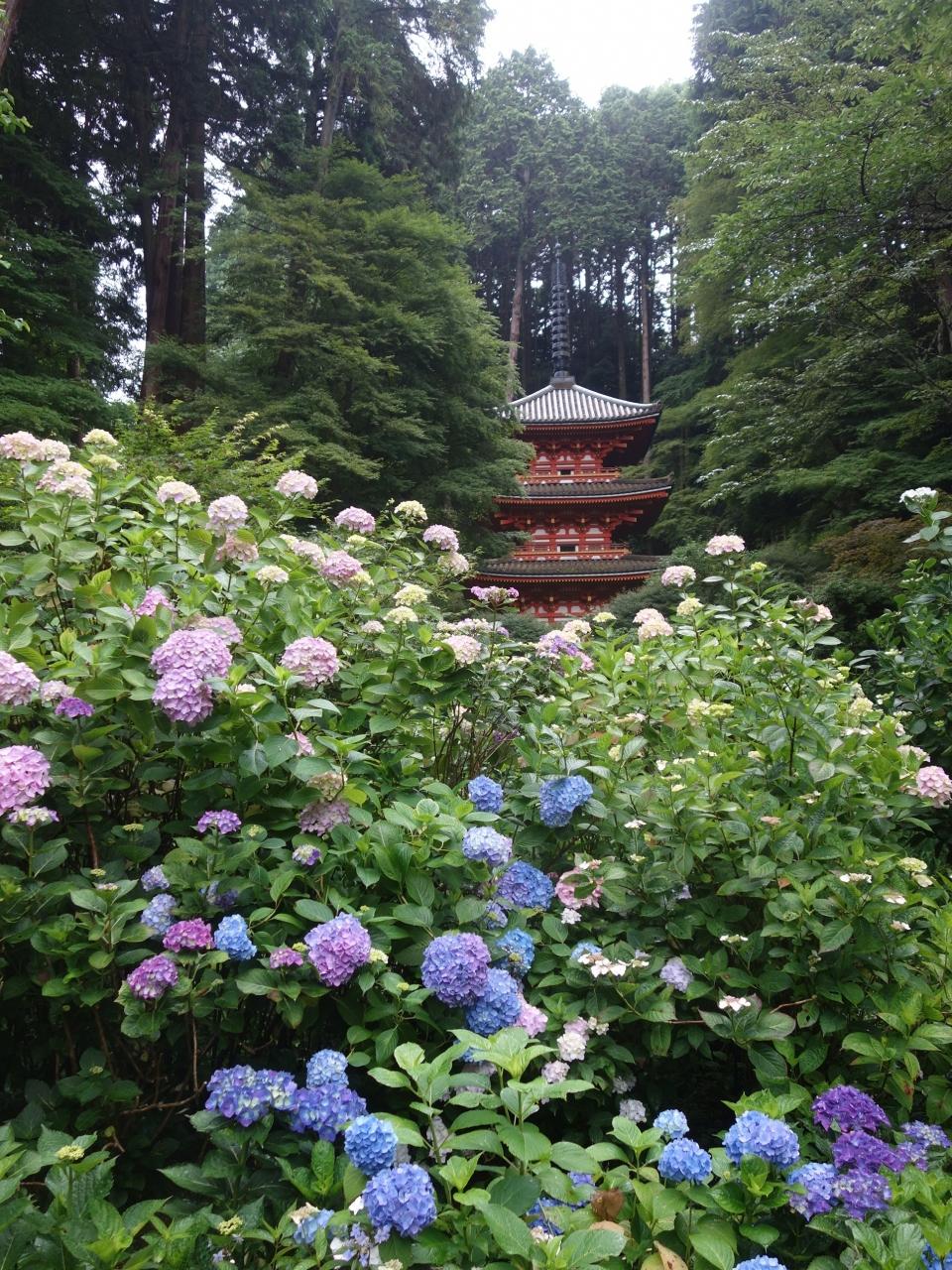
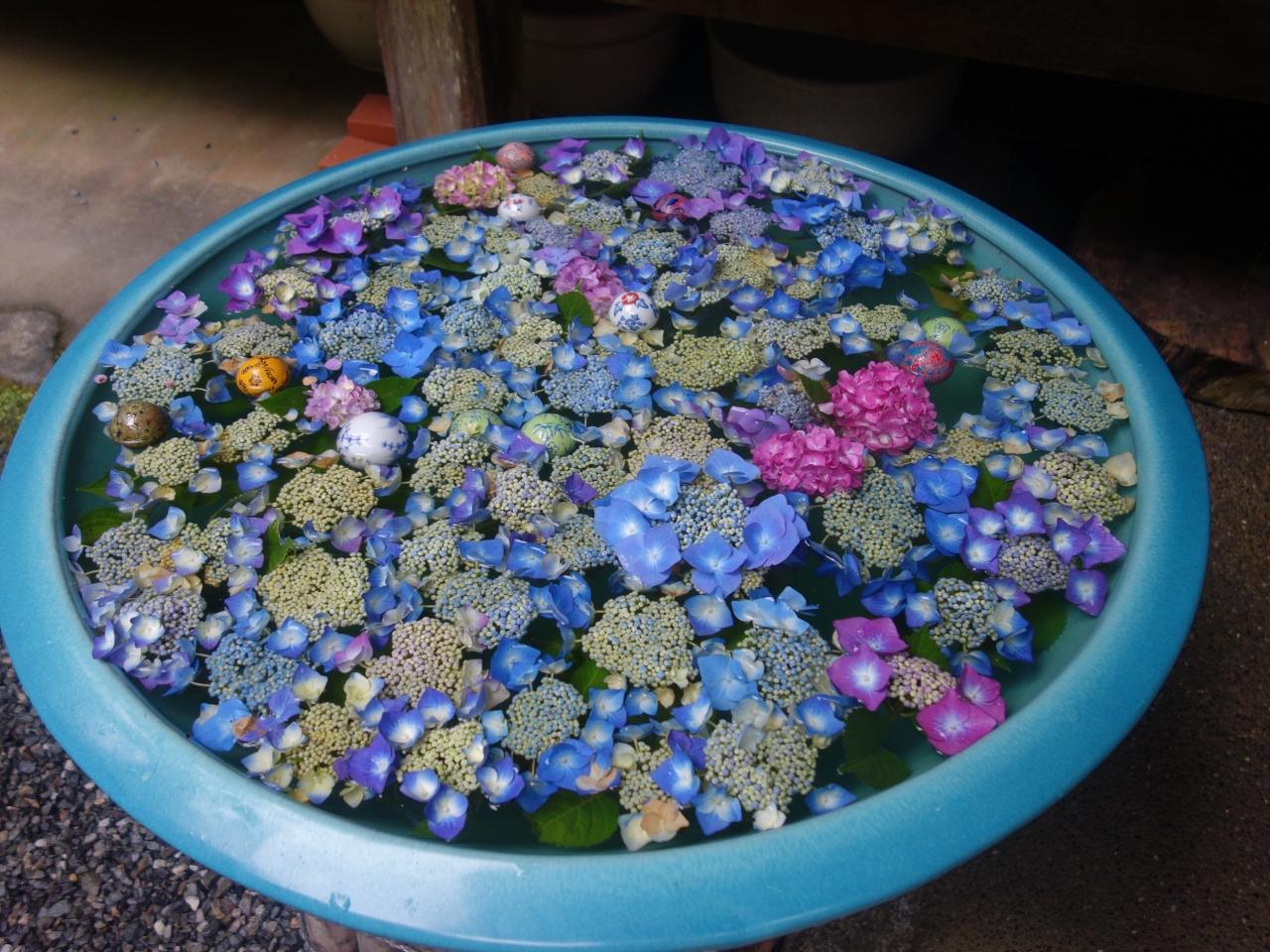
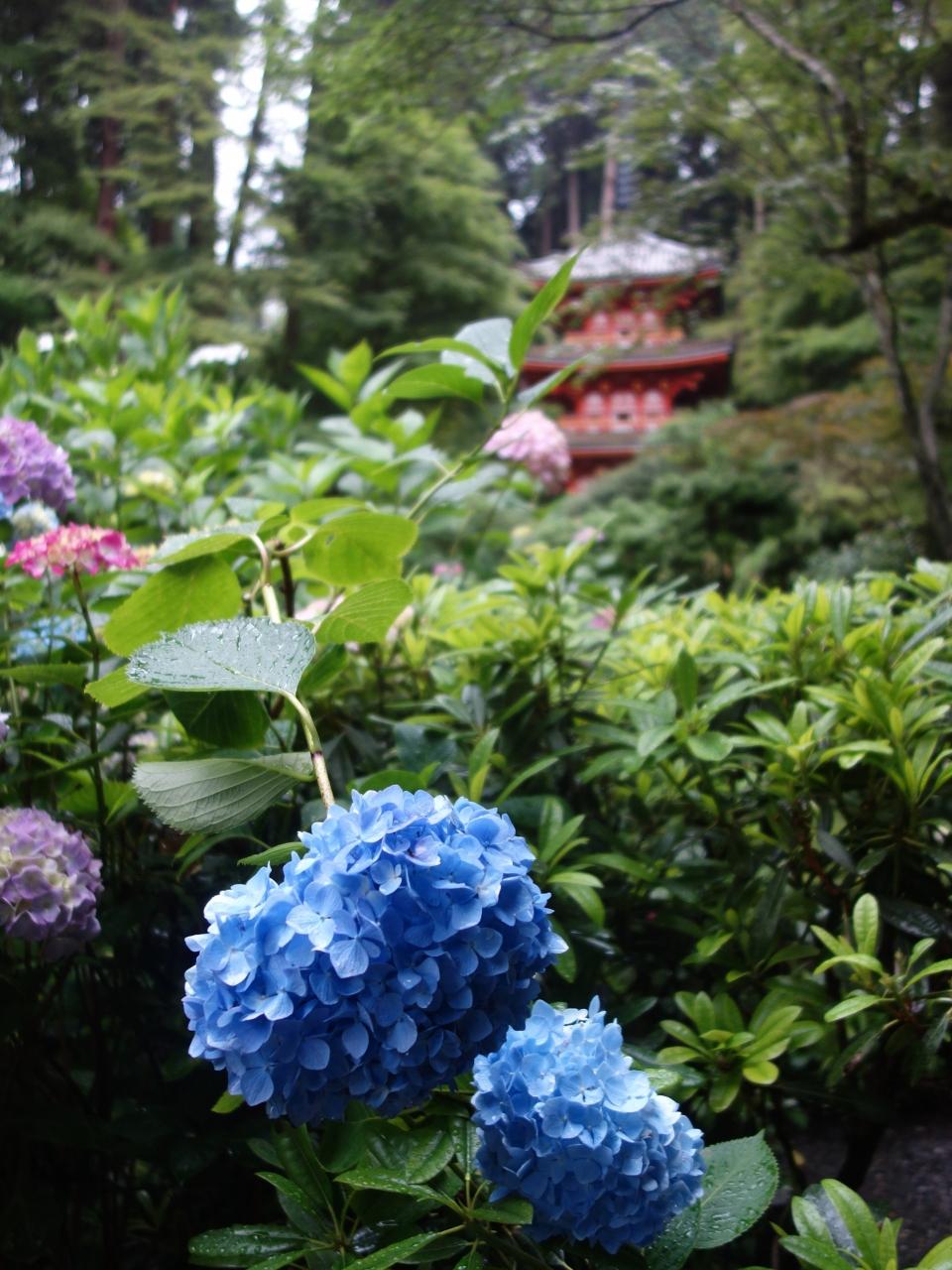
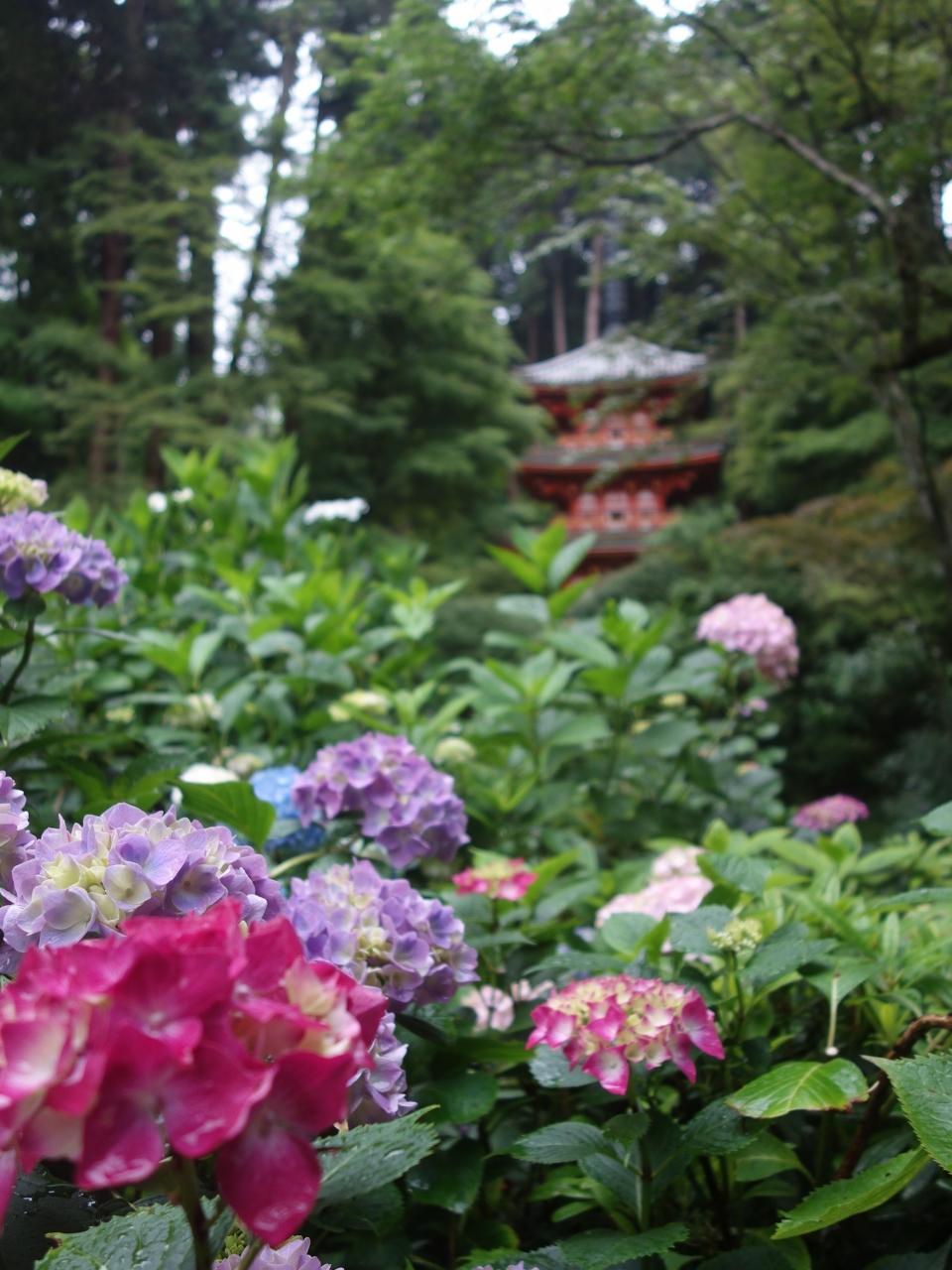
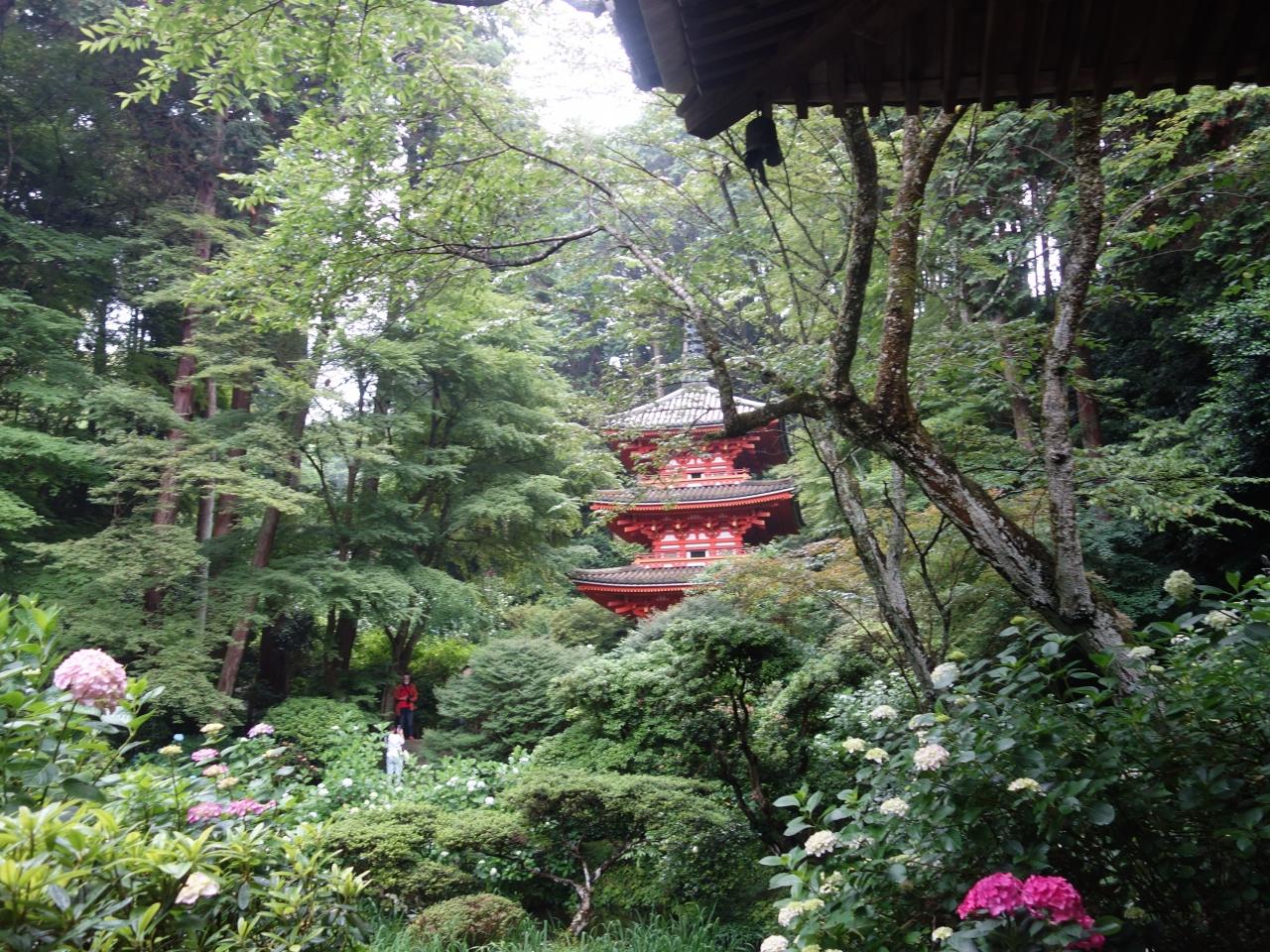
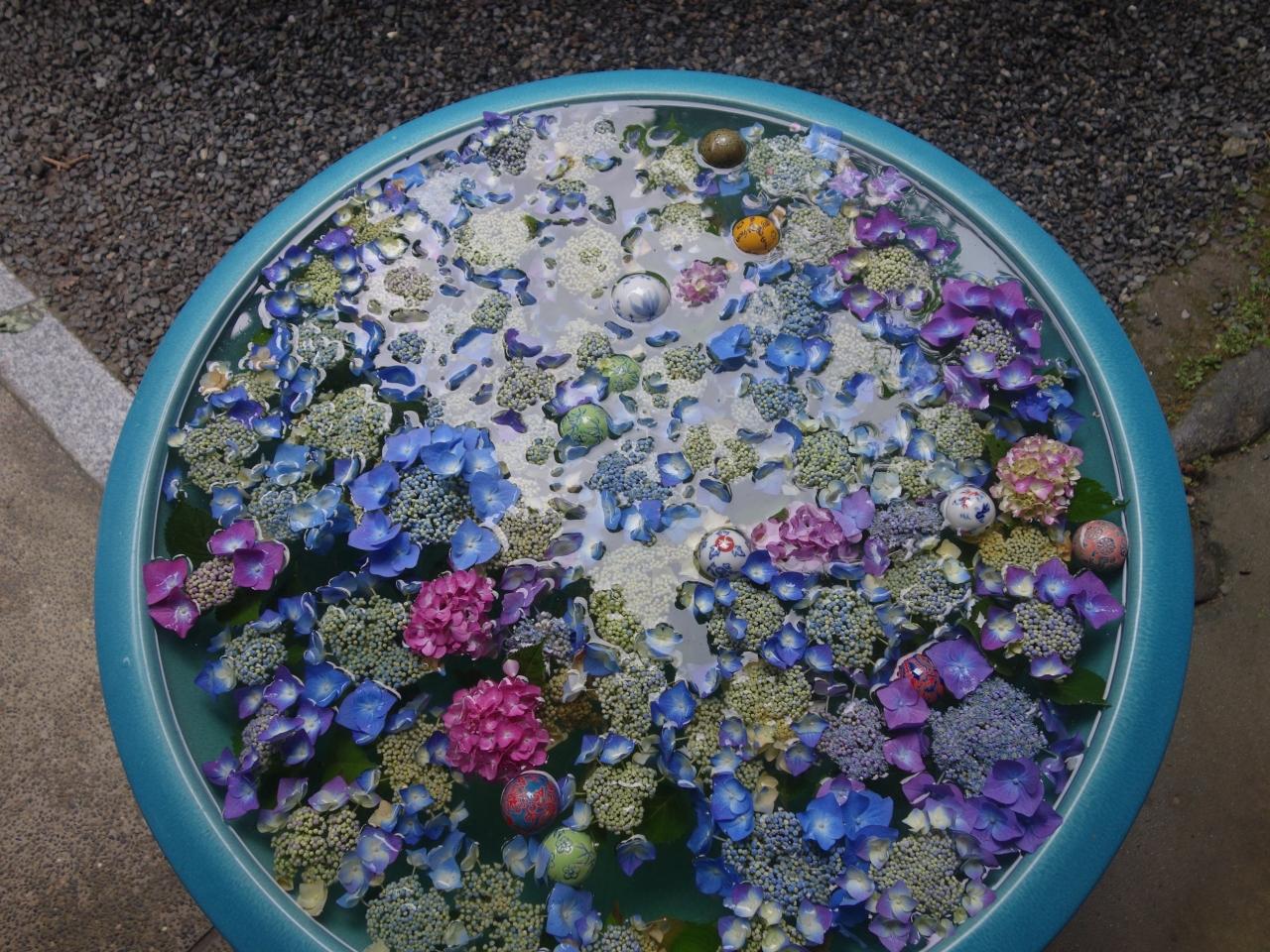
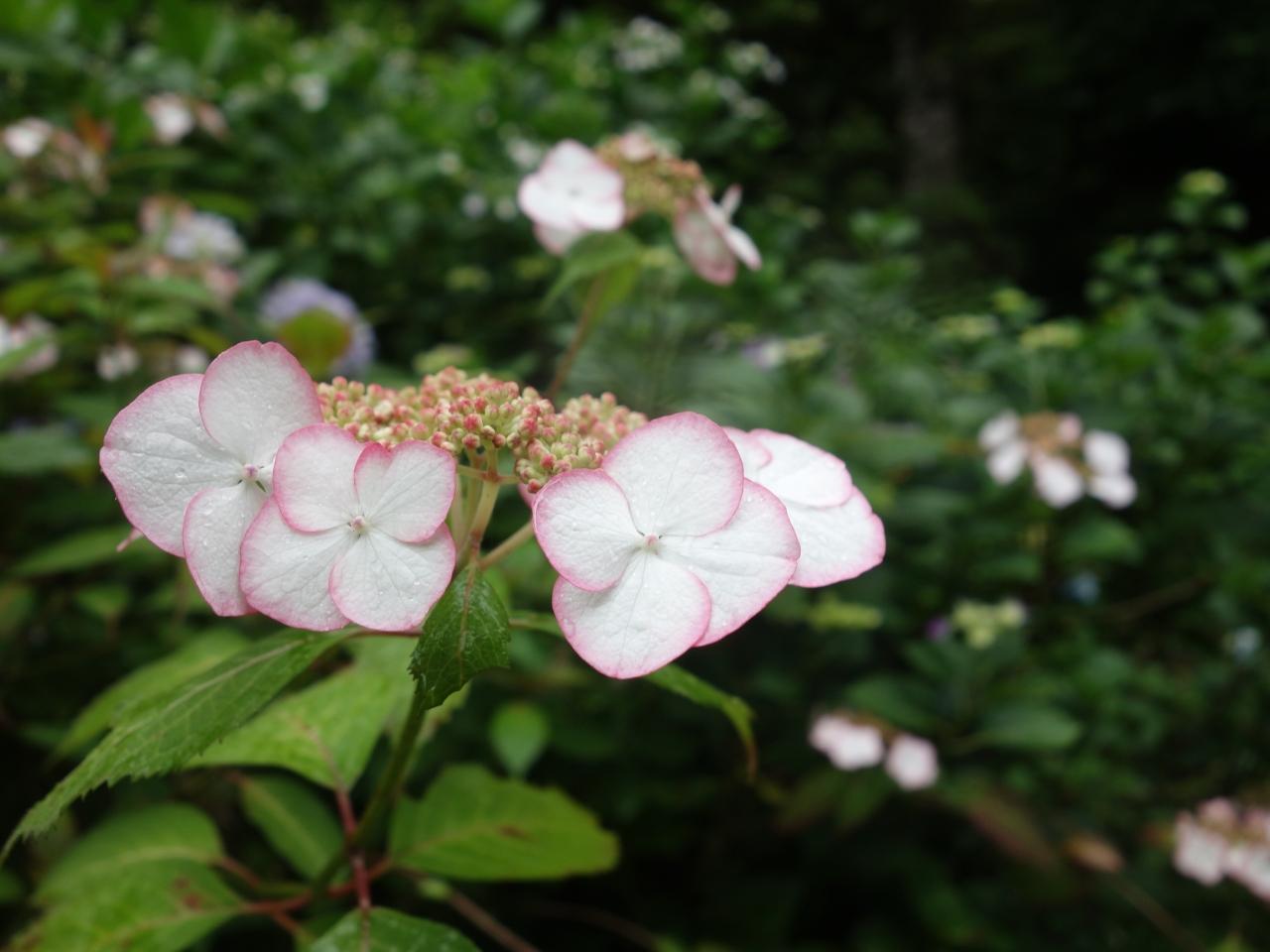
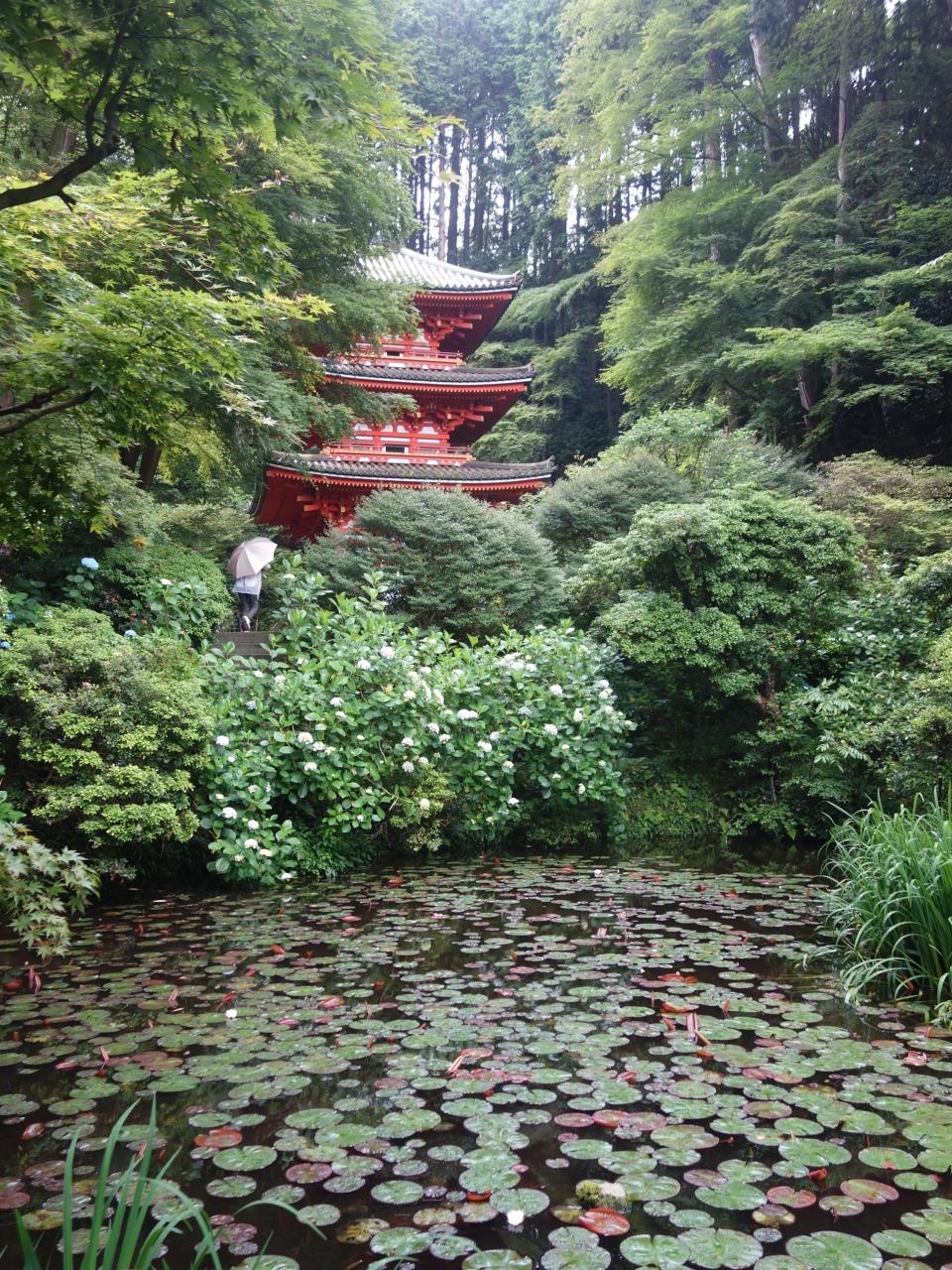
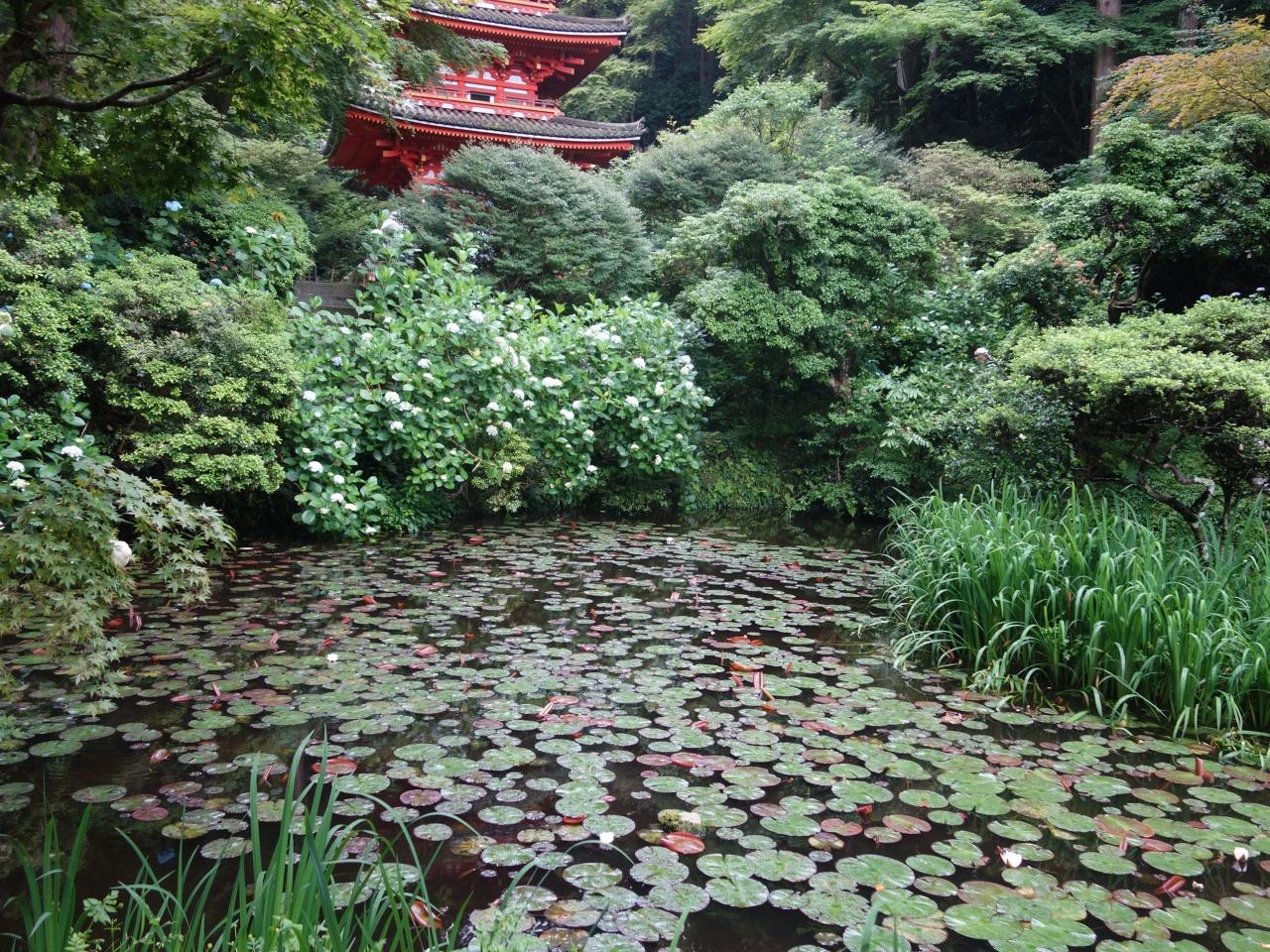
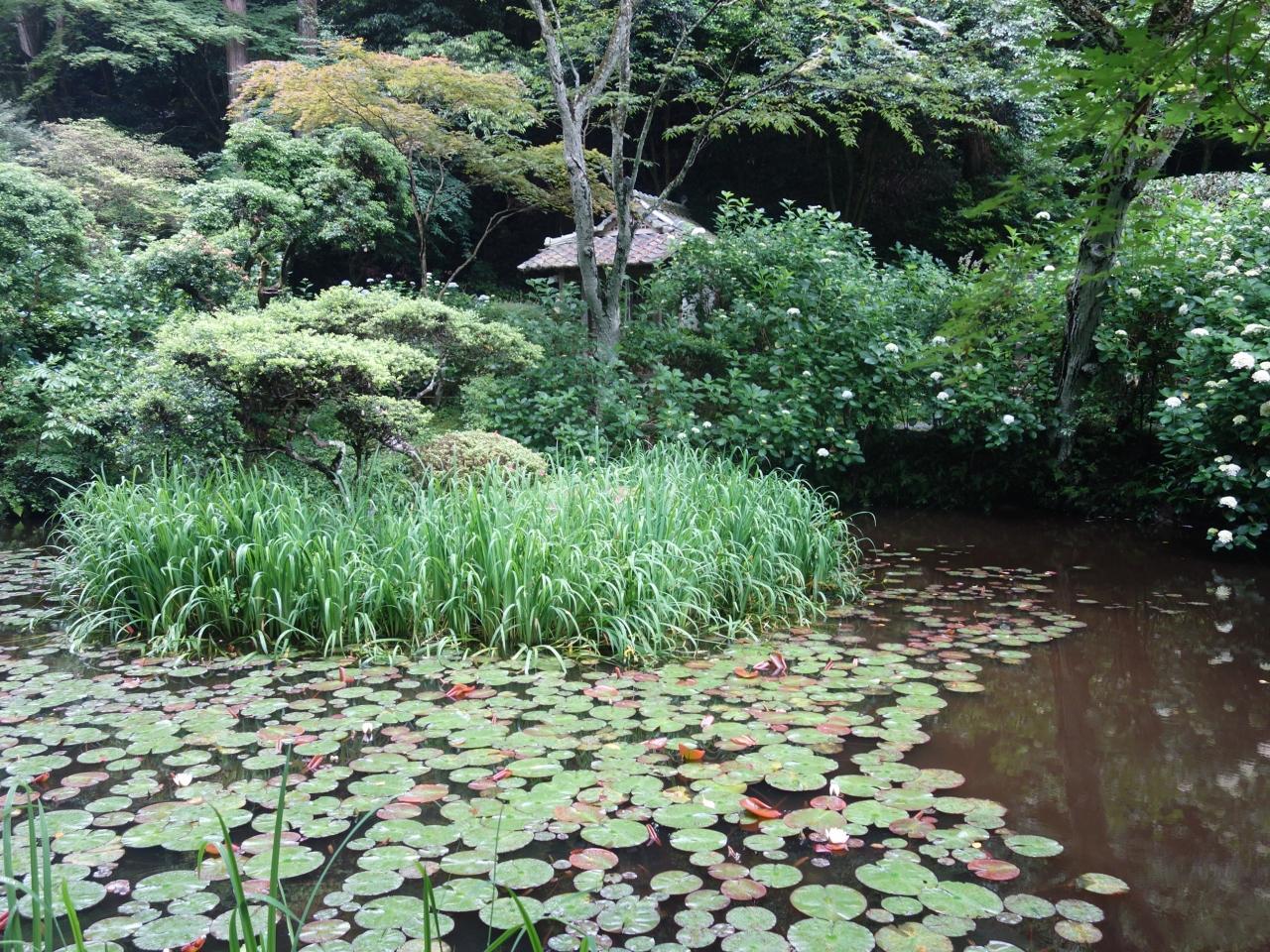
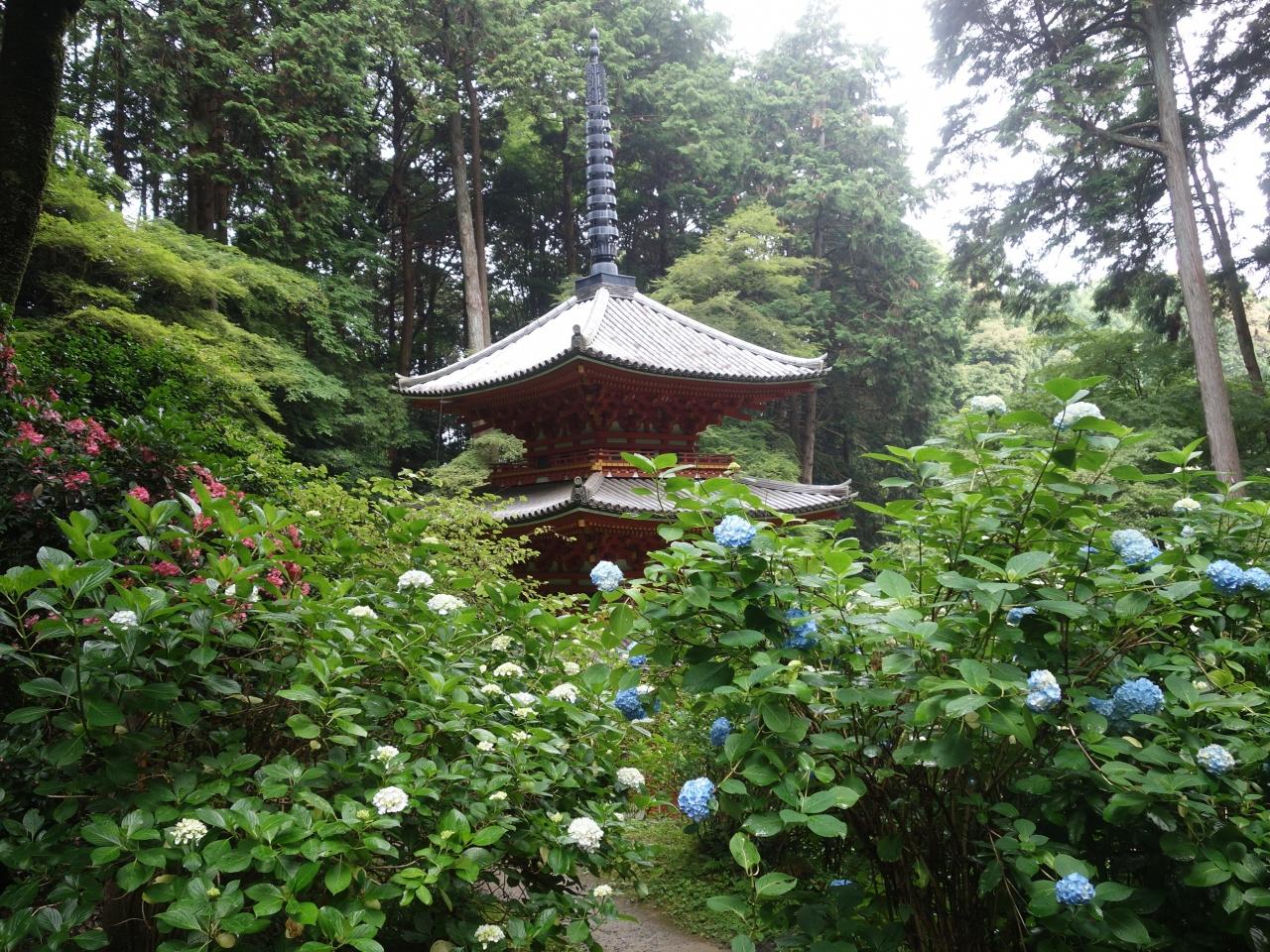
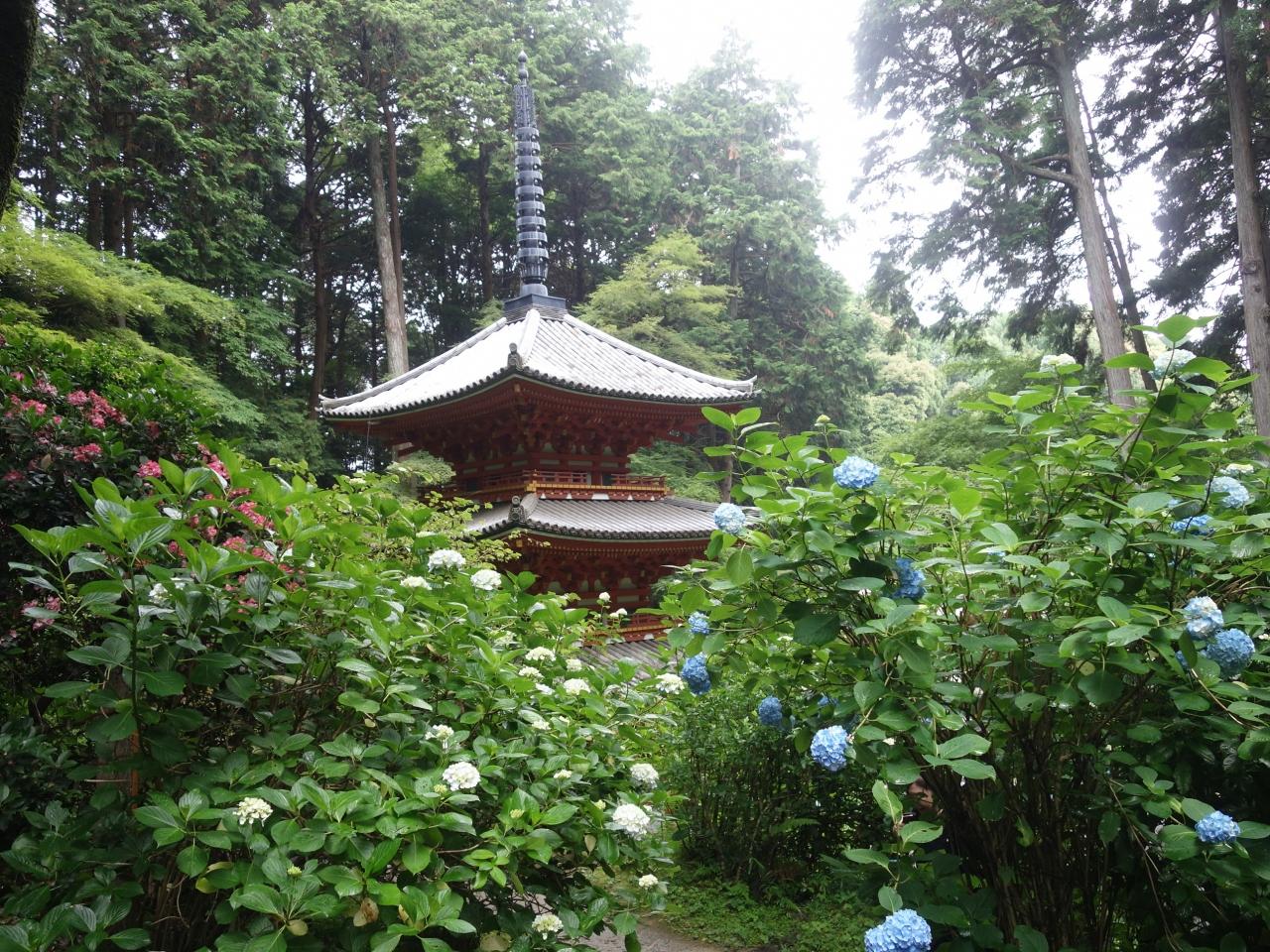
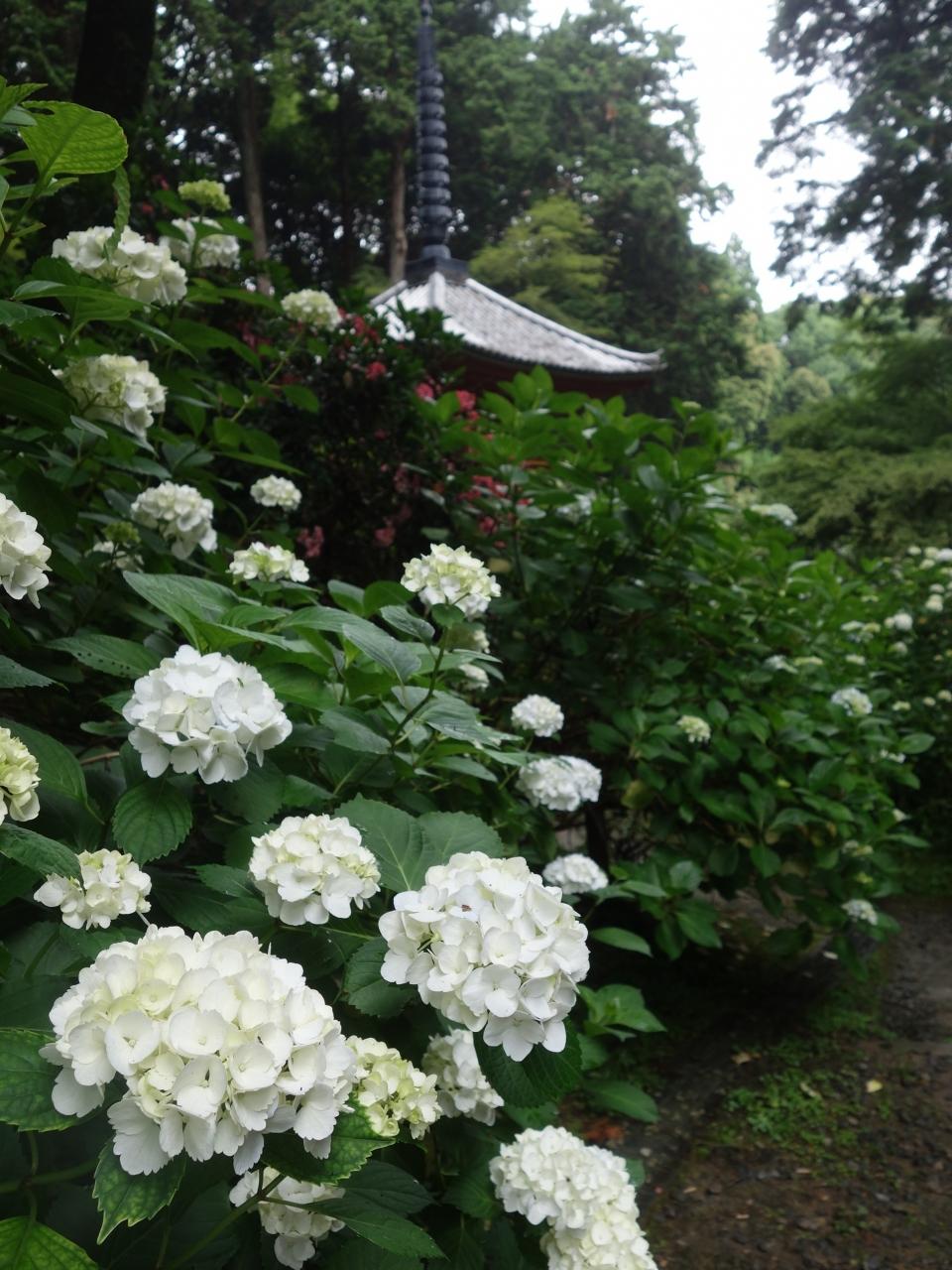
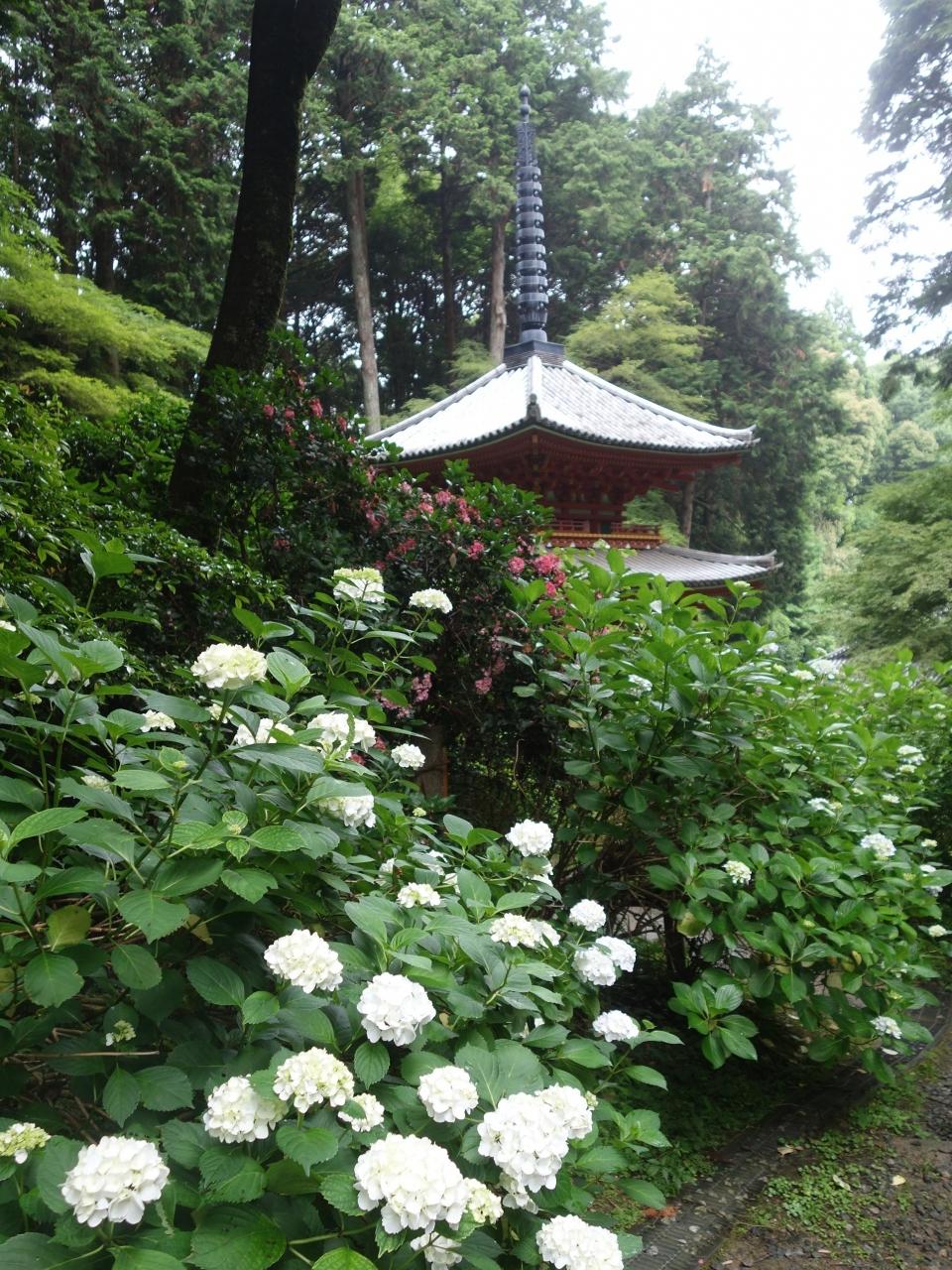
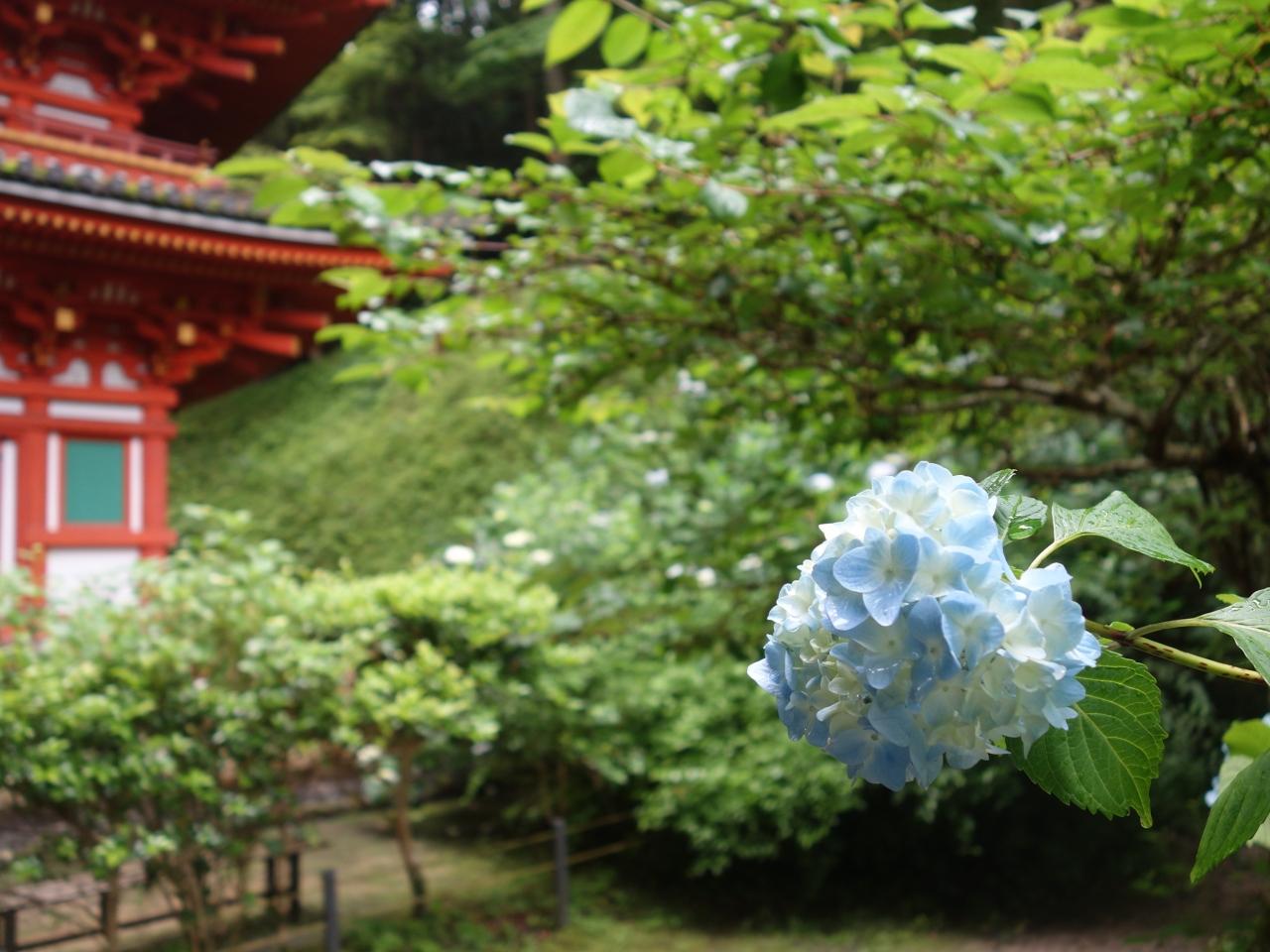
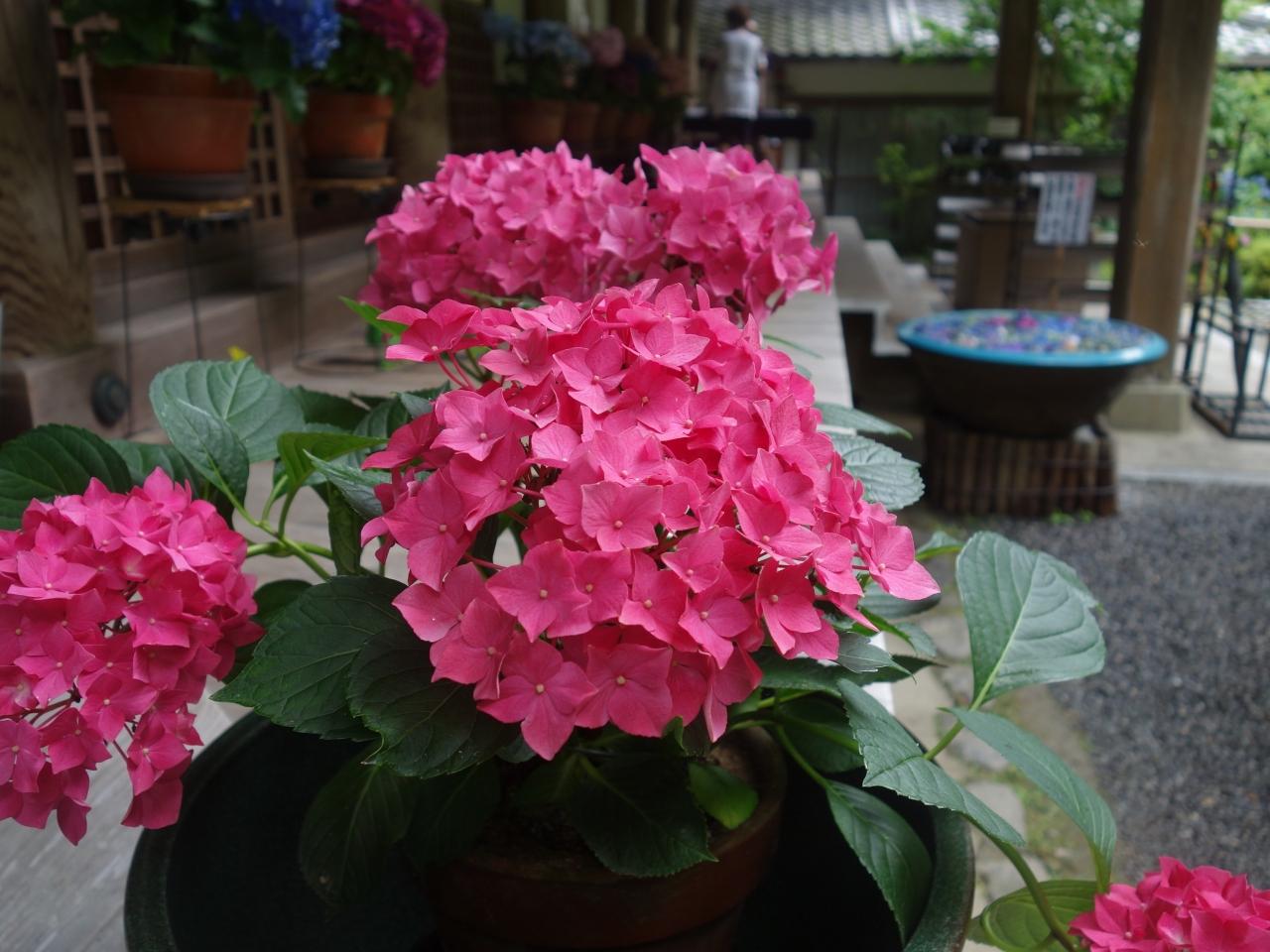
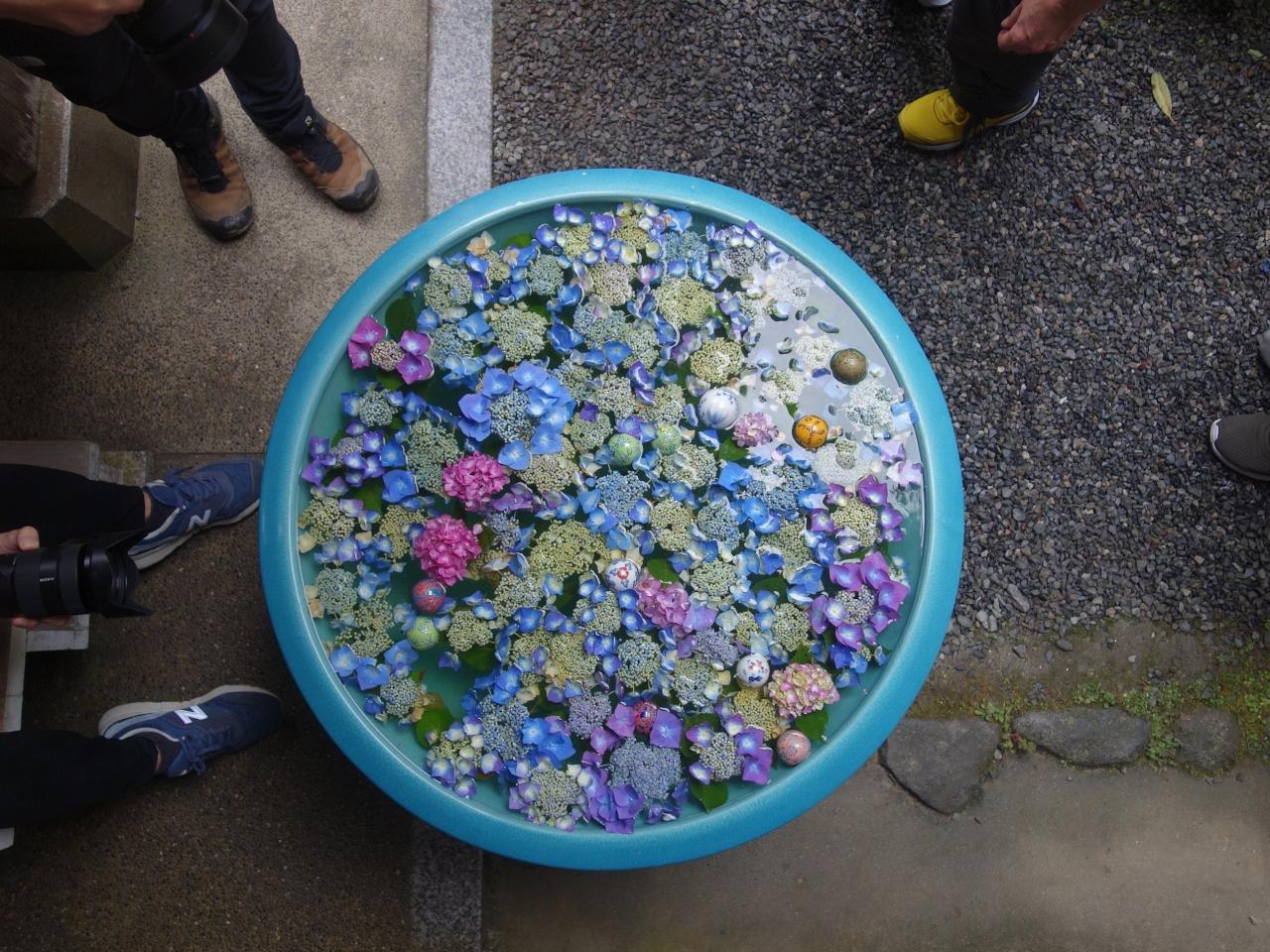
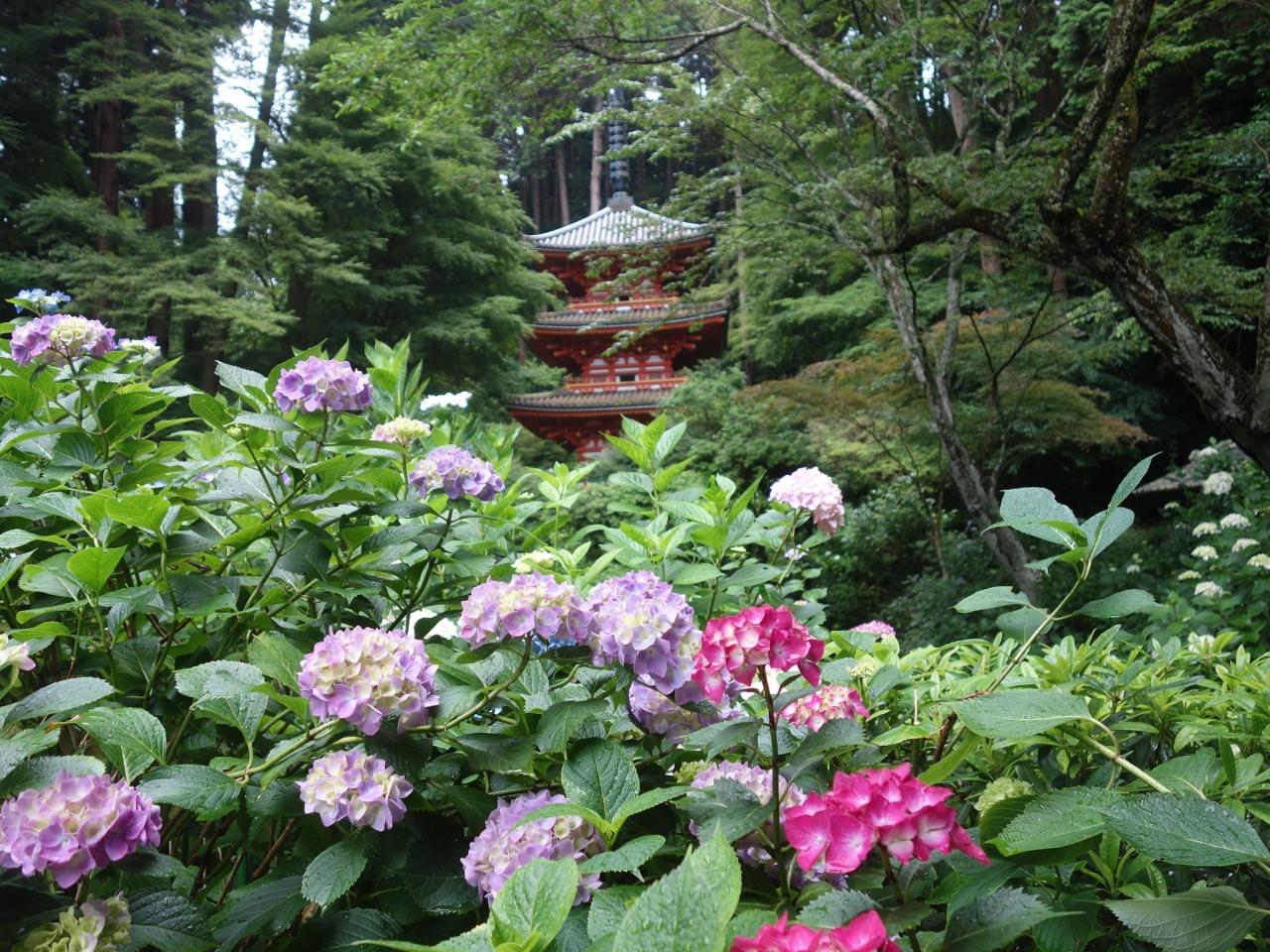
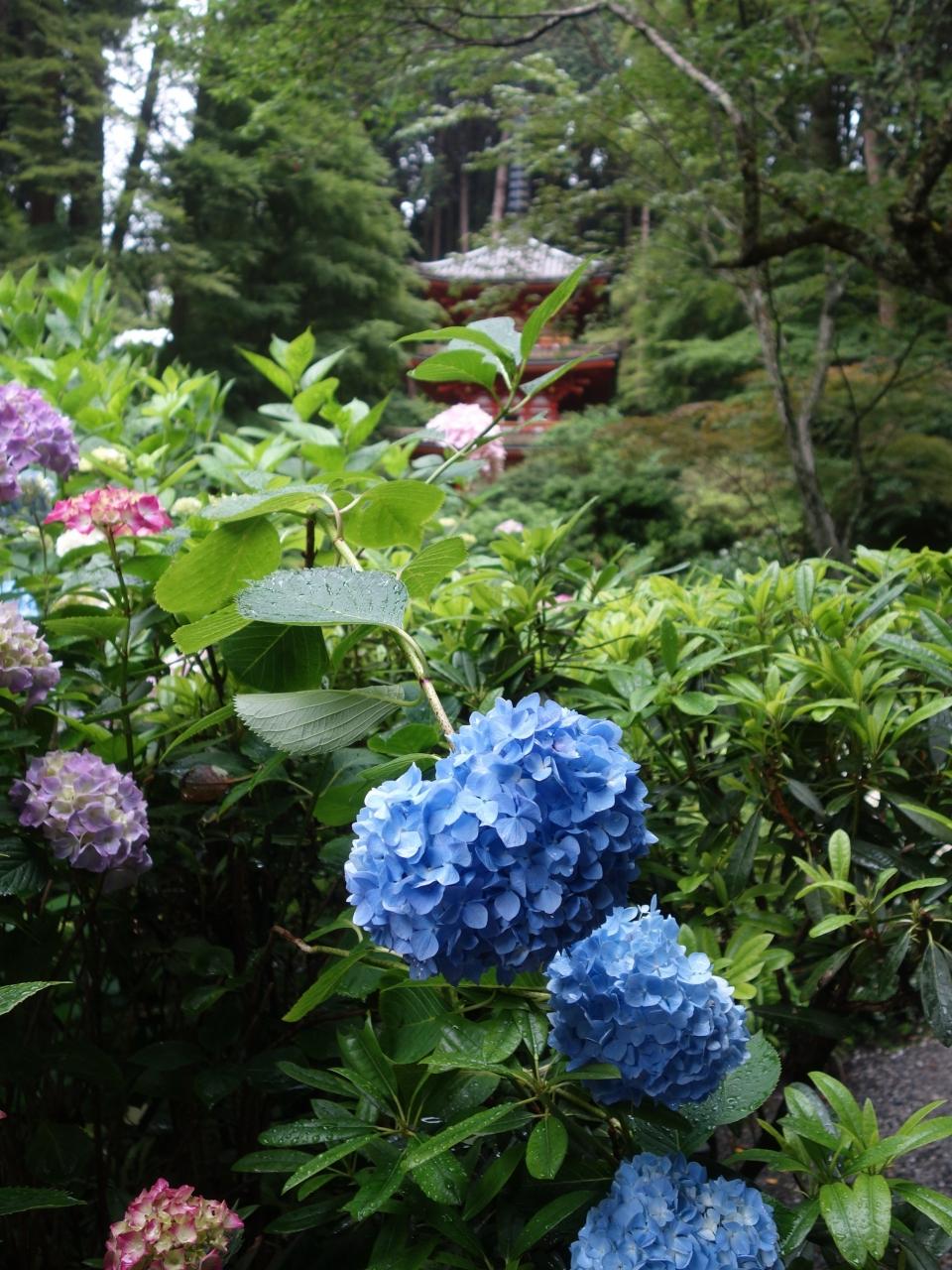
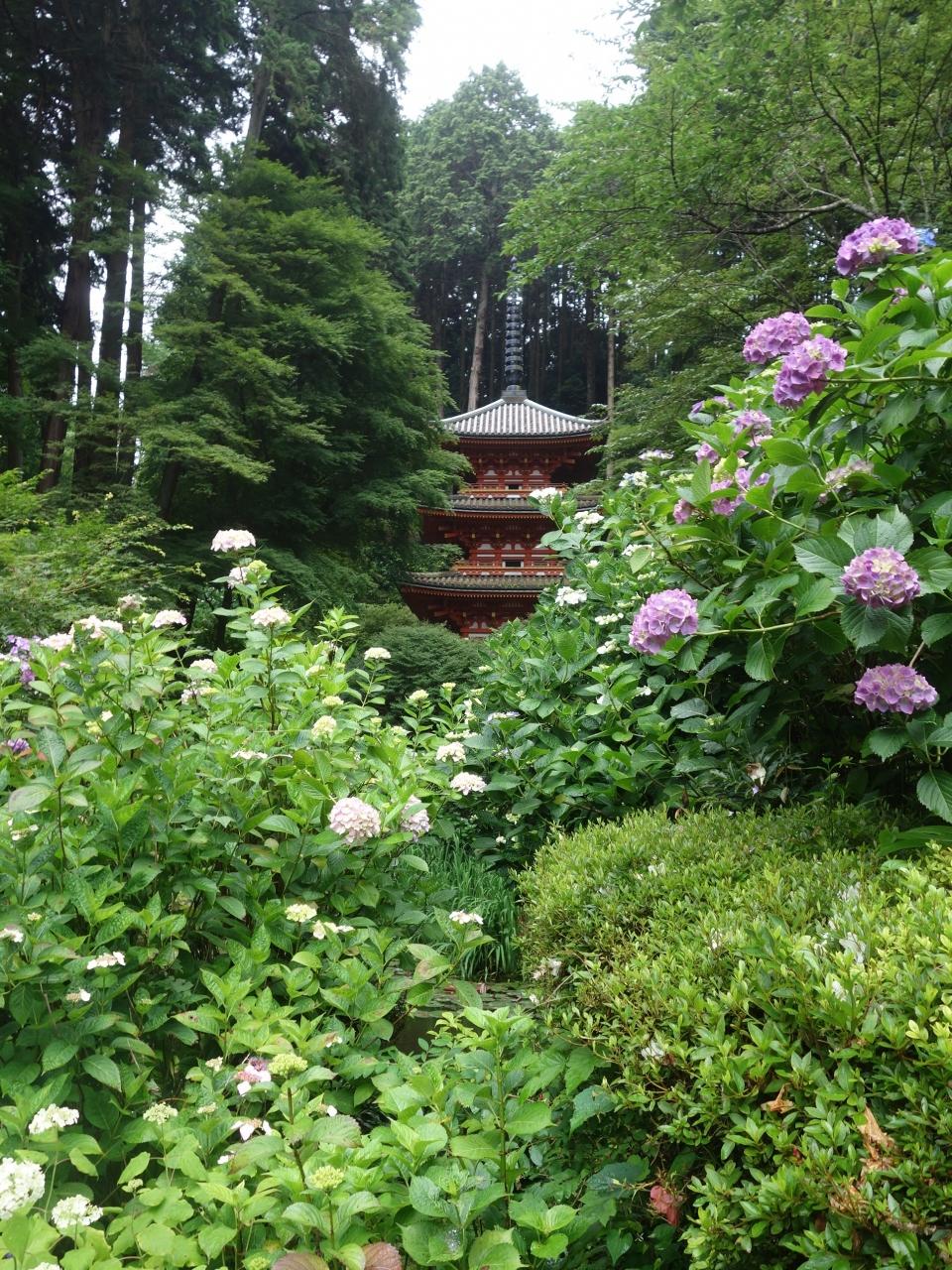
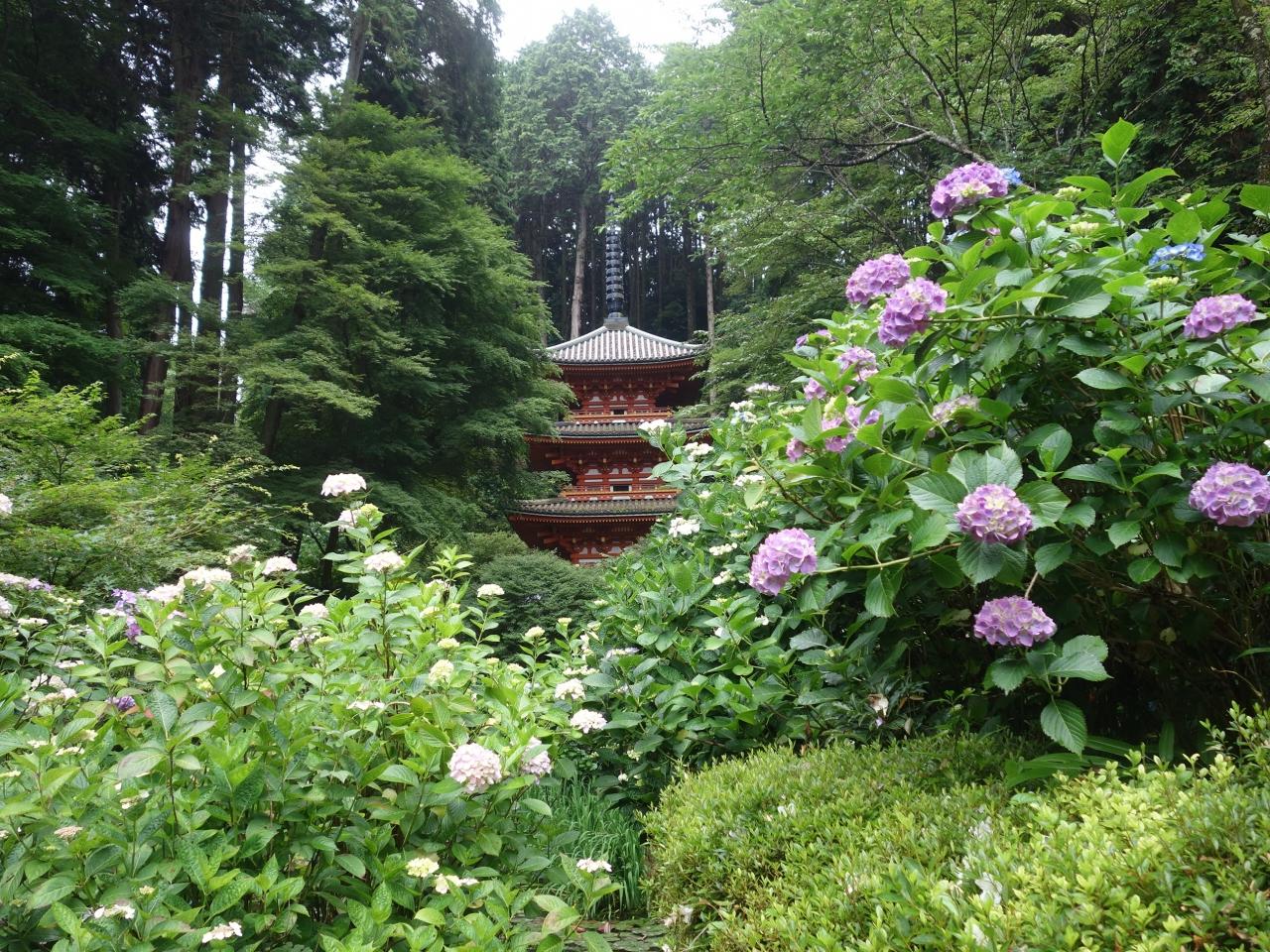
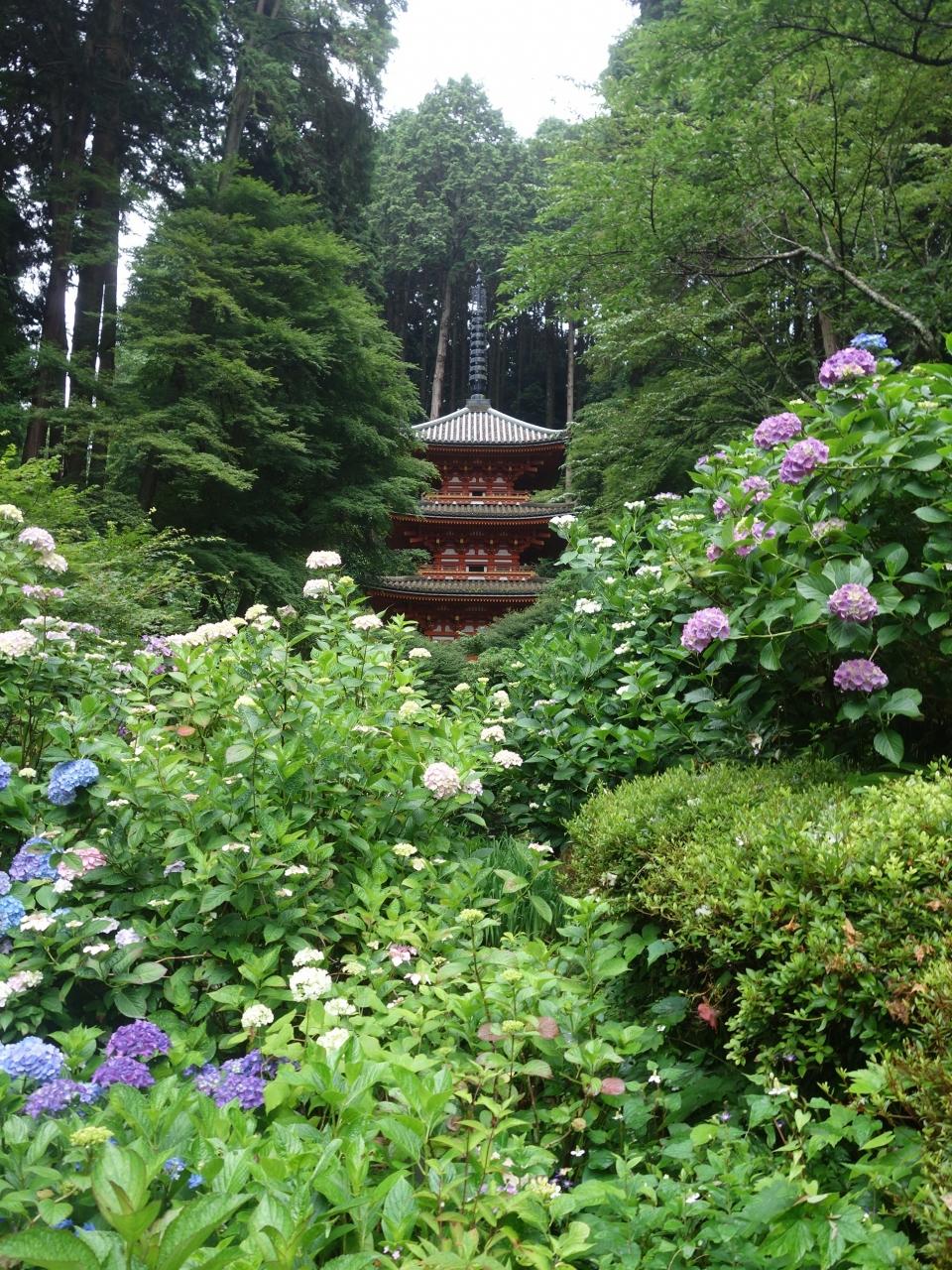
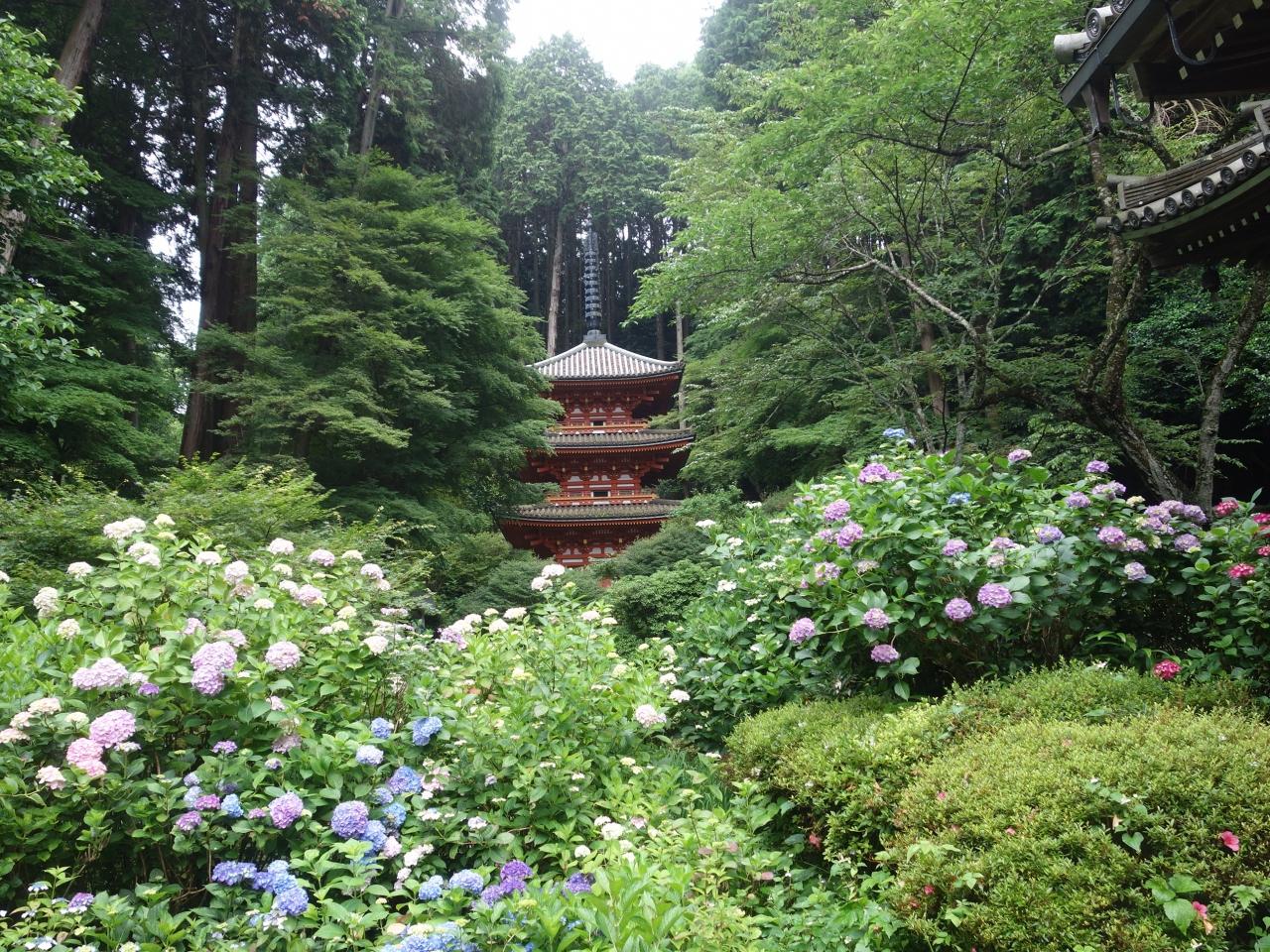
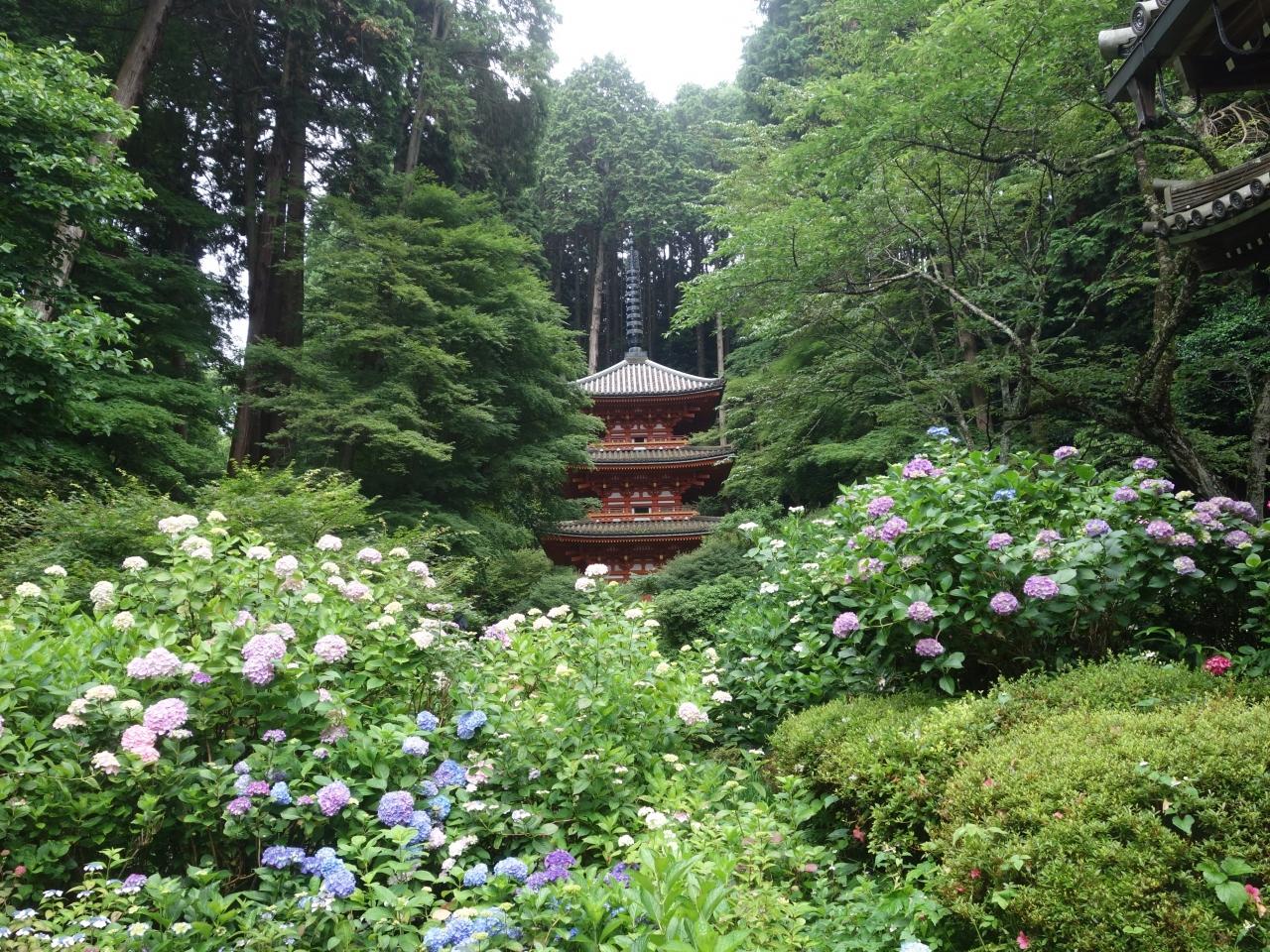
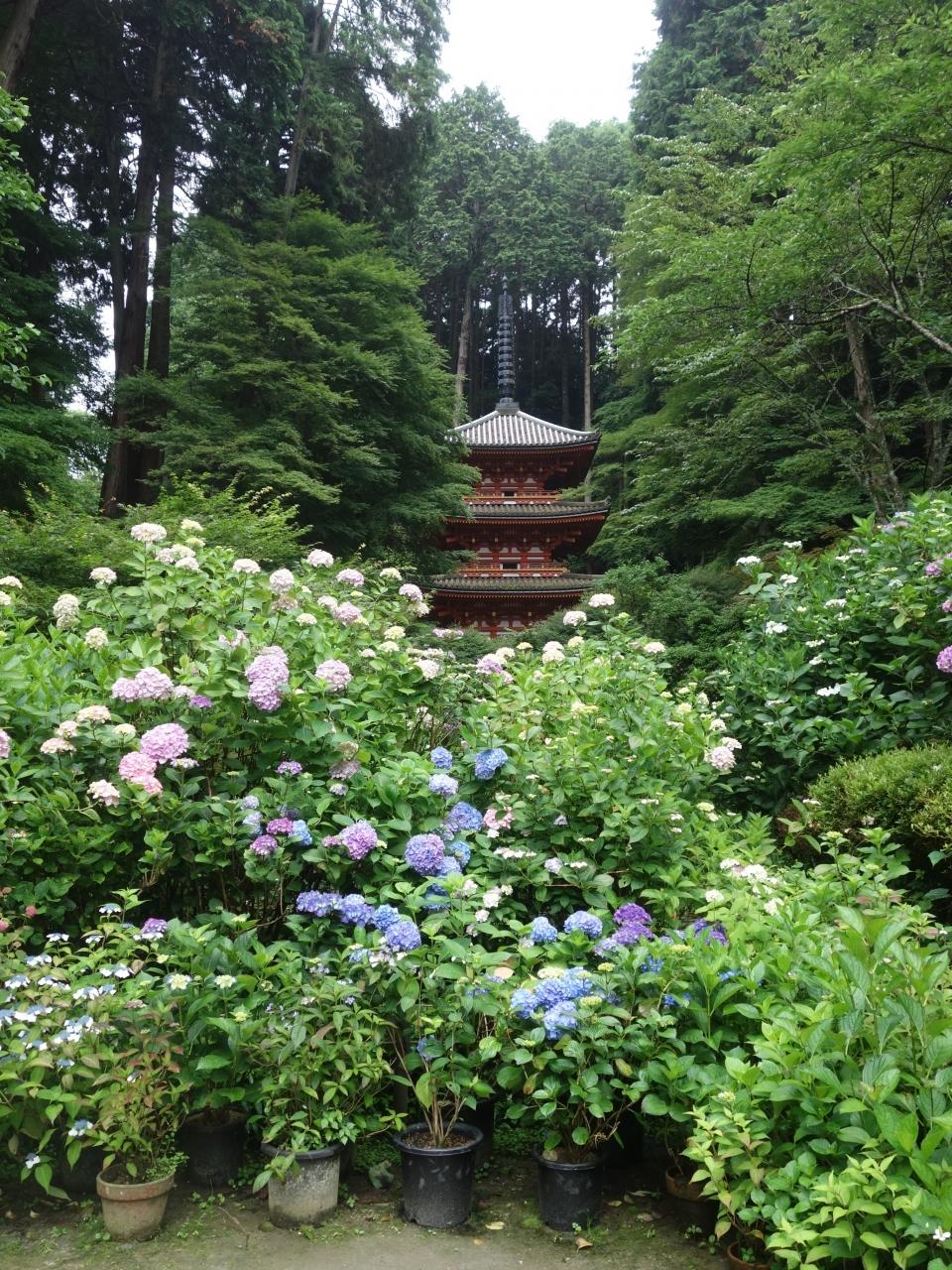
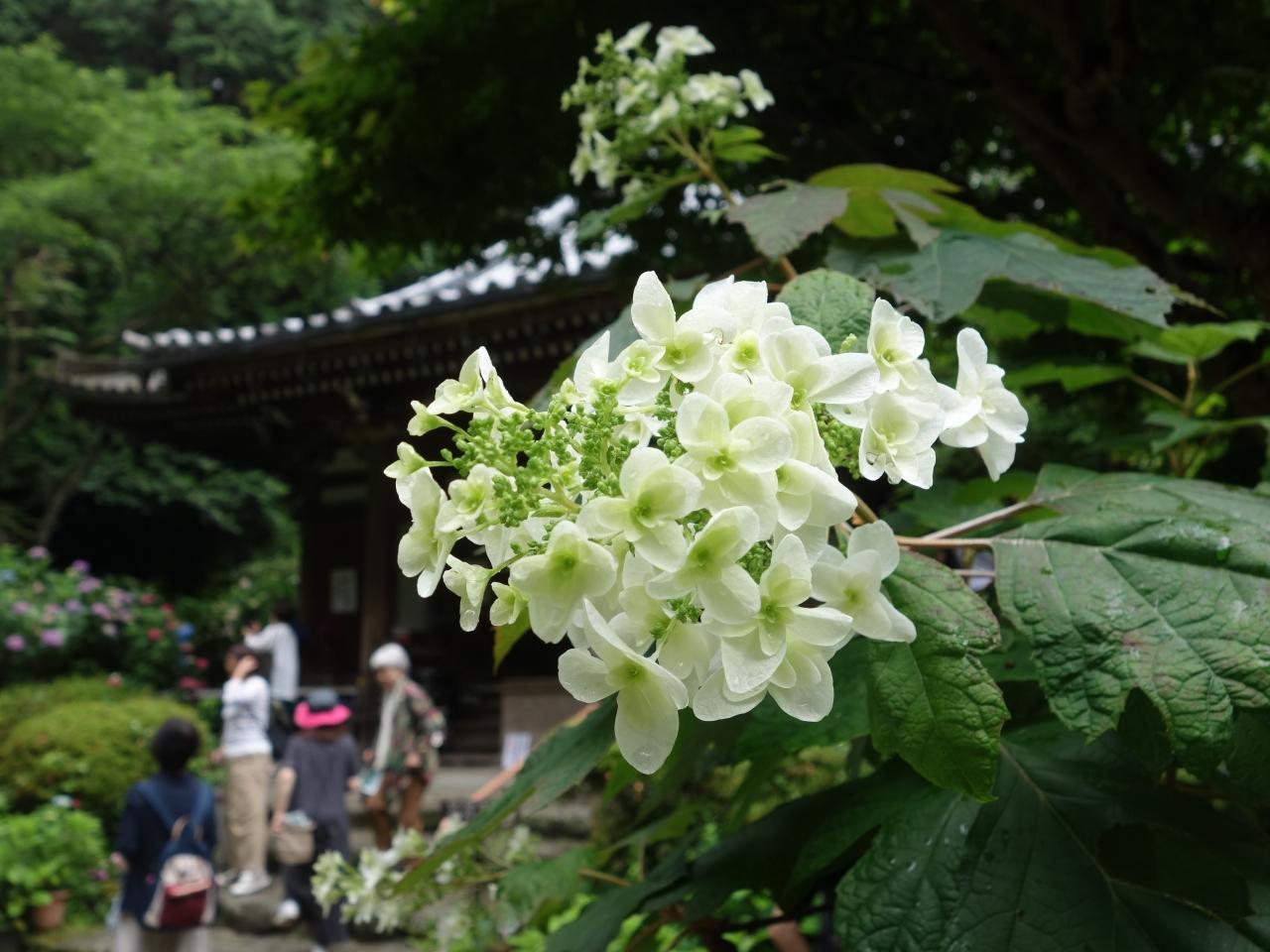
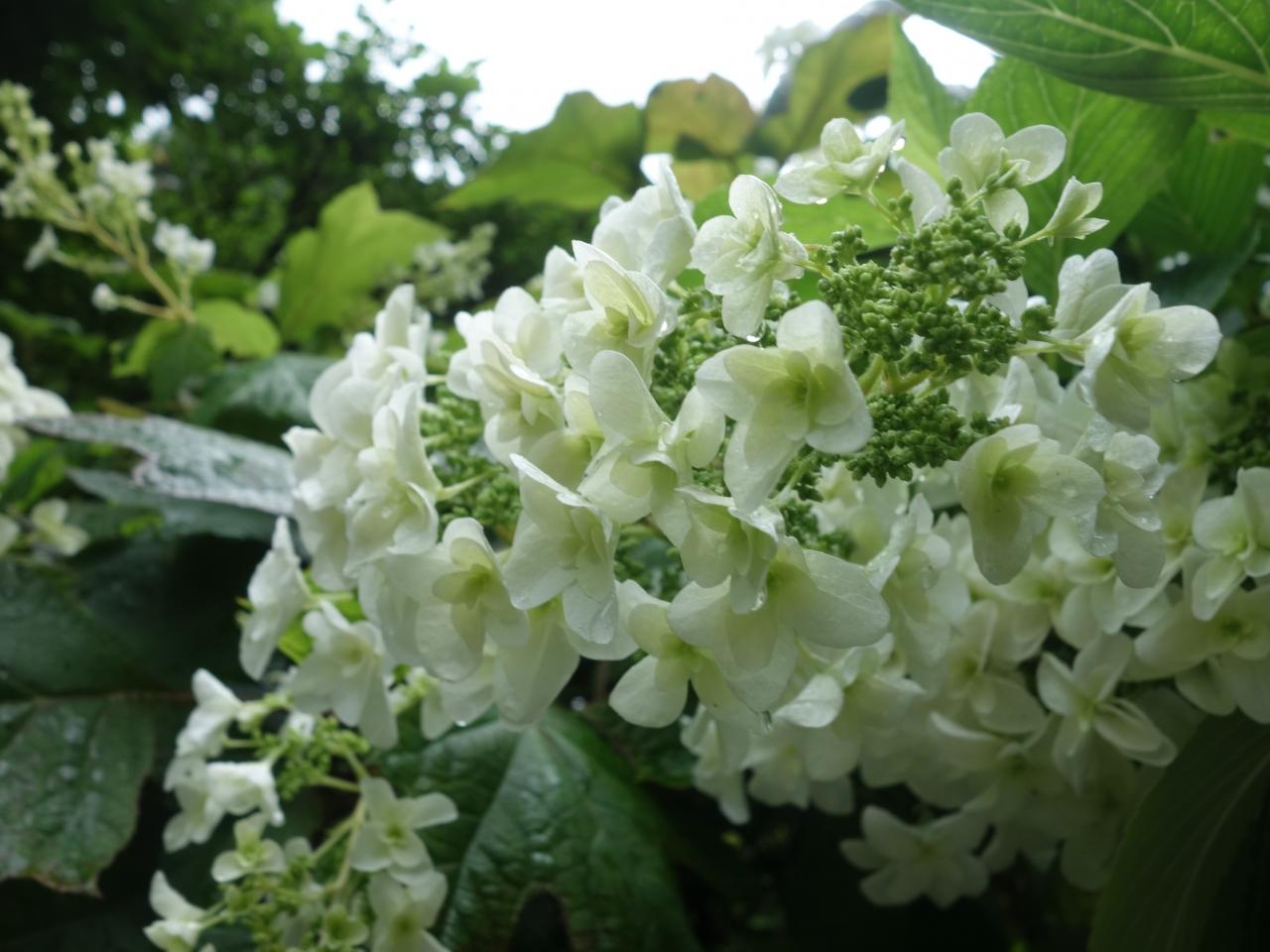
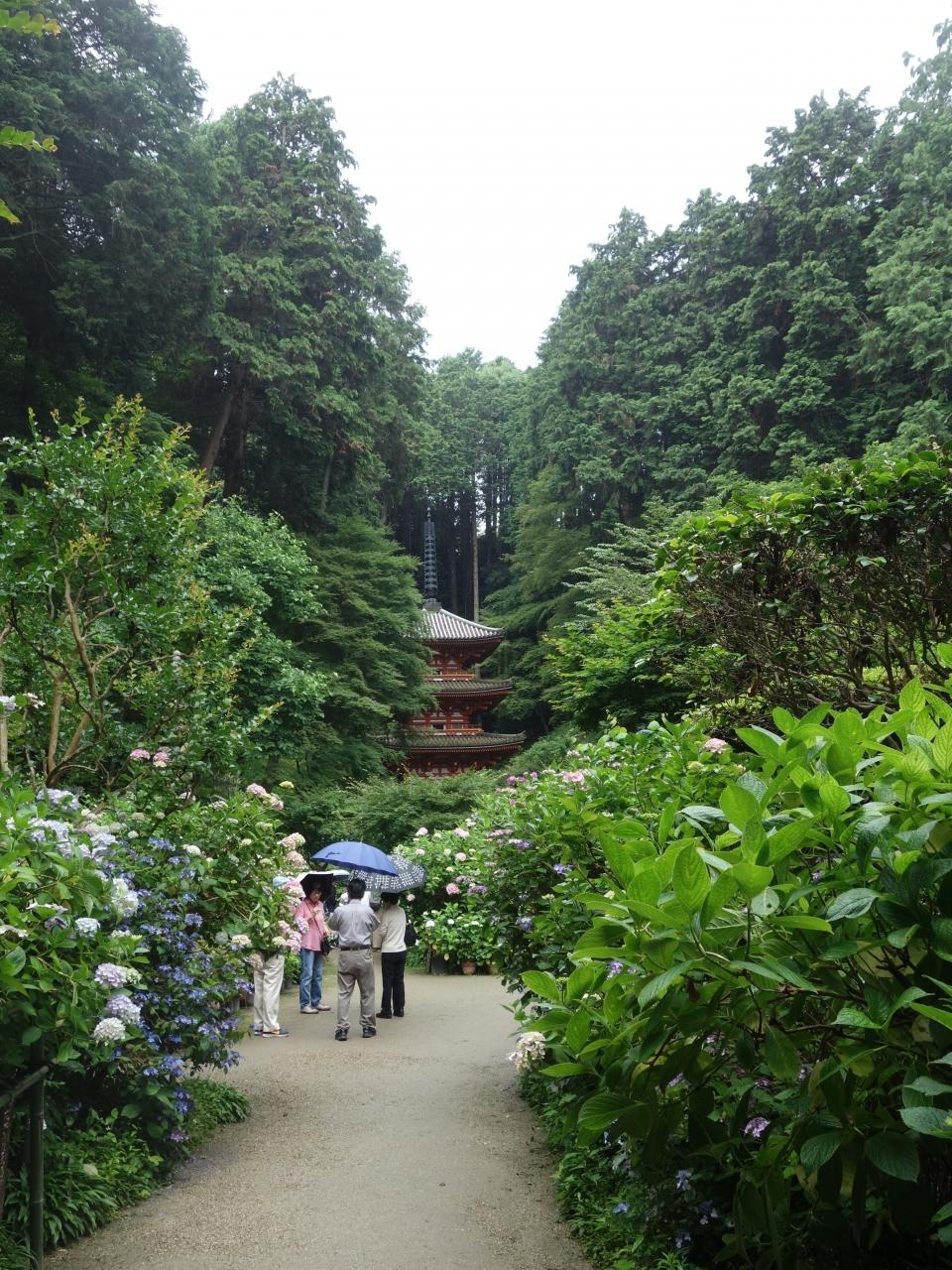
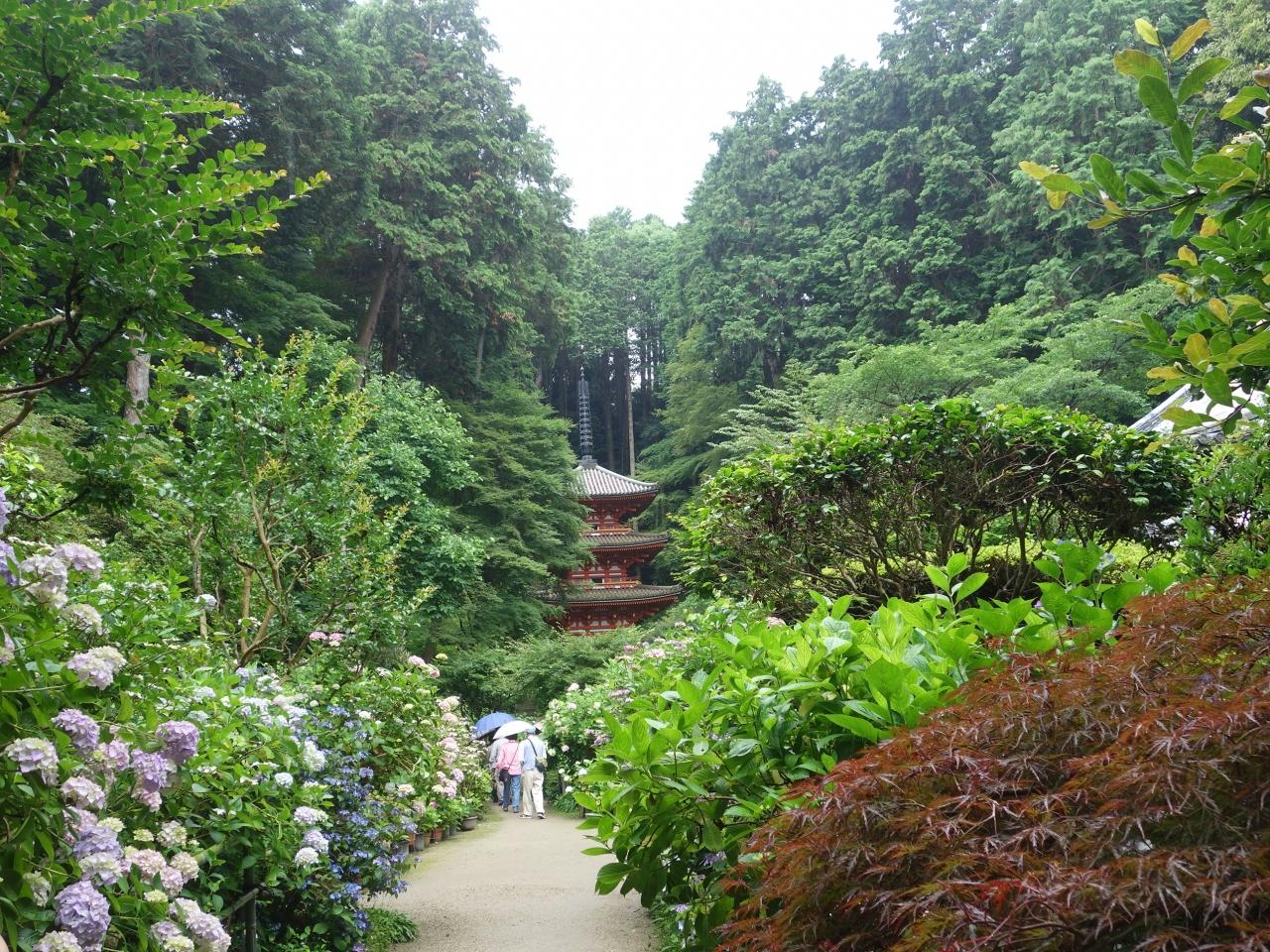
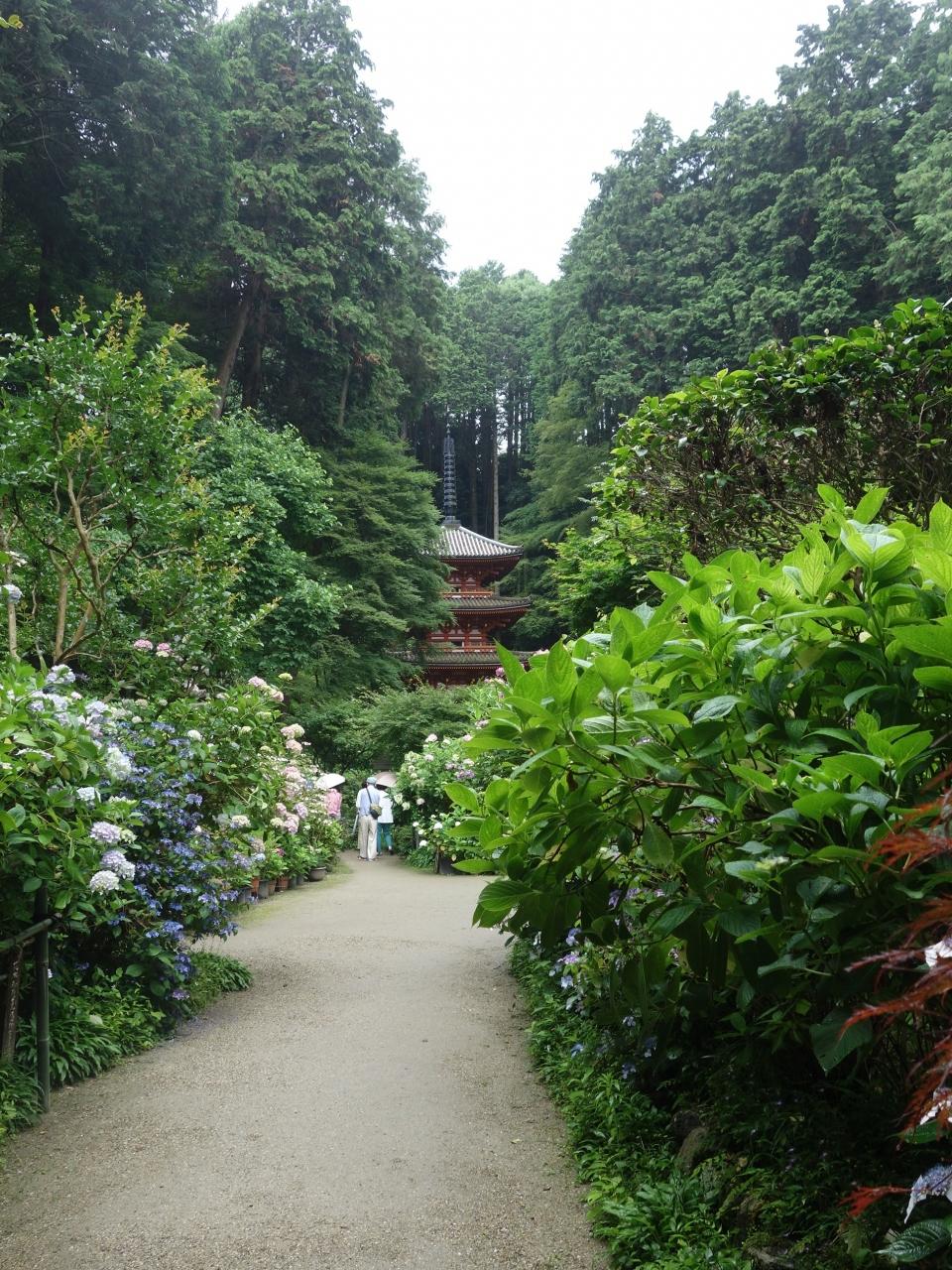
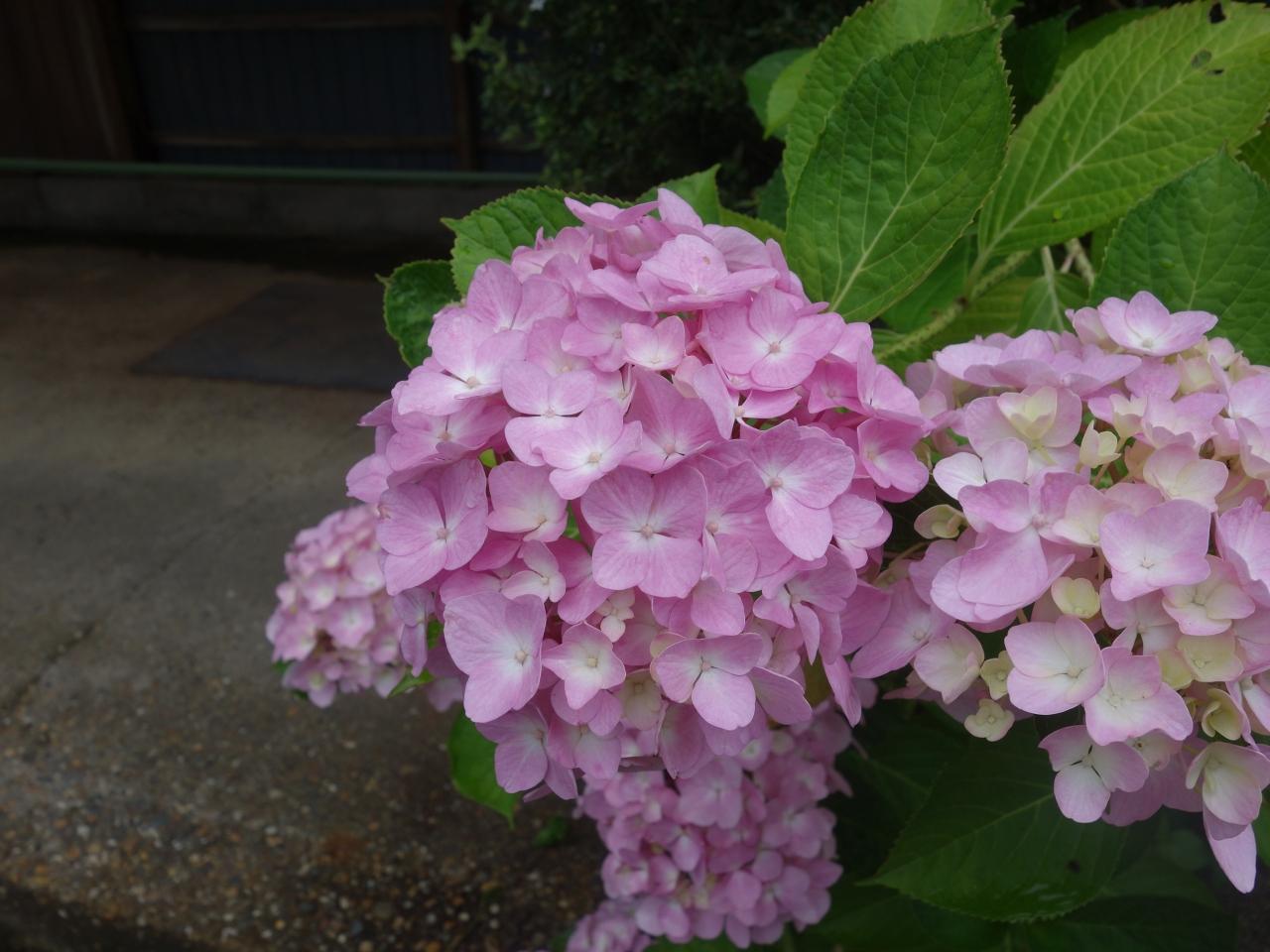
岩船寺までアジサイを見にいってきました。雨がちの日で,花も気分もしっとりとしていました。
- 旅行の満足度
- 4.0
- 観光
- 4.0
- 交通手段
- 自家用車
- 旅行の手配内容
- 個別手配
-

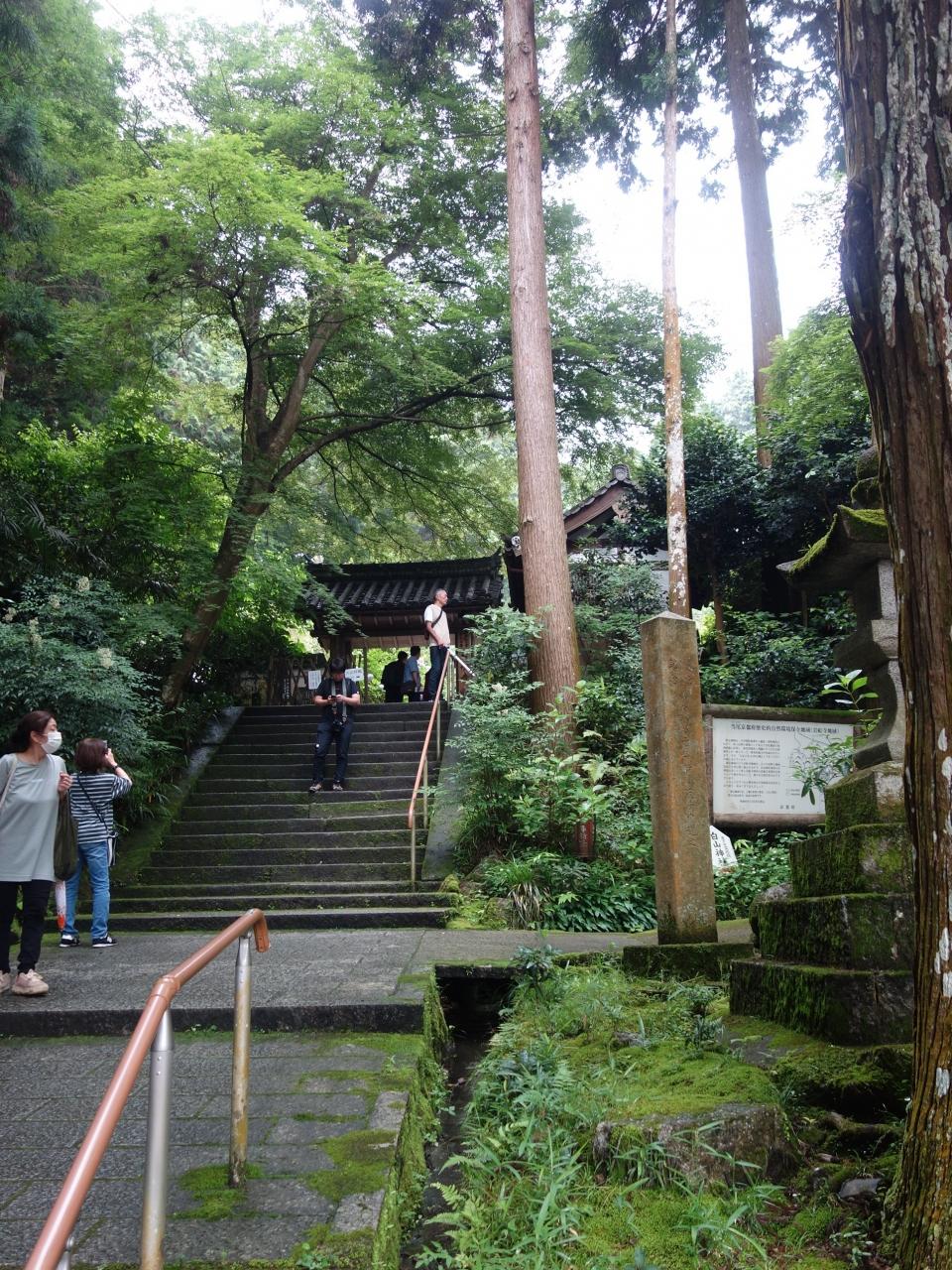
奈良へ行く途中,岩船寺によりました。紫陽花をみるためです。
-
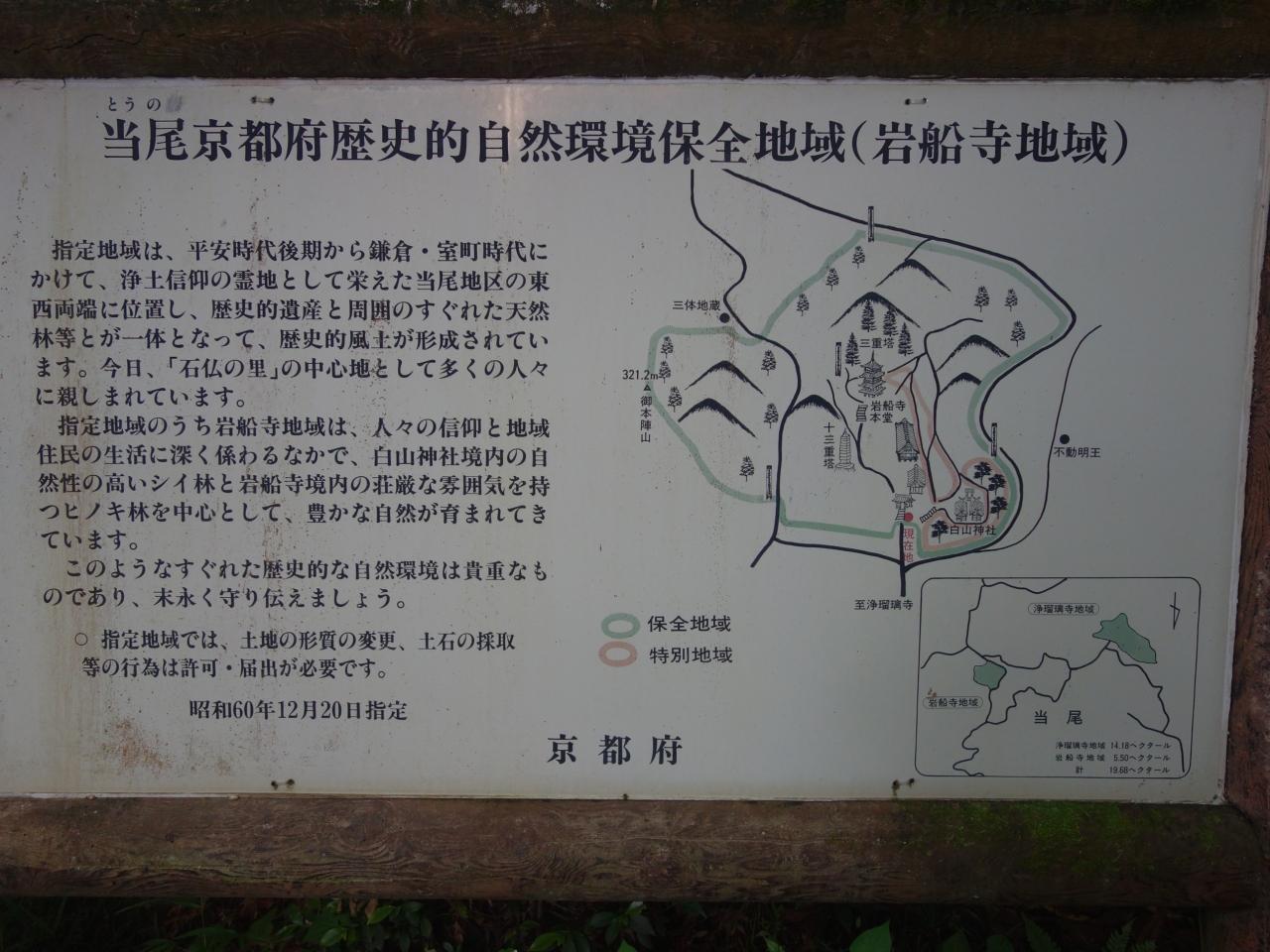
当尾京都府歴史的自然環境保全地域(岩船寺地域)
指定地域は、平安時代後期から鎌倉・室町時代に
かけて、浄土信仰の霊地として栄えた当尾地区の東
西両端に位置し、歴史的遺産と周囲のすぐれた天然
林等とが一体となって、歴史的風土が形成されてい
ます。今日、「石仏の里」の中心地として多くの人々
に親しまれています。
指定地域のうち岩船寺地域は、二大々の信仰と地域
住民の生活に深く係わるなかで、白山神社境内の自
然性の高いシイ林と岩船寺境内の荘厳な雰囲気を持
つヒノキ林を中心として、豊かな自然が育まれてき
ています。
このようなすぐれた歴史的な自然環境は貴重なも
のであり、末永く守り伝えましょう。
指定地域では、土地の形質の変更、土石の採取
等の行為ば許可・届出が必要です。
昭和60年12月20日指定
京都府 -
-
-
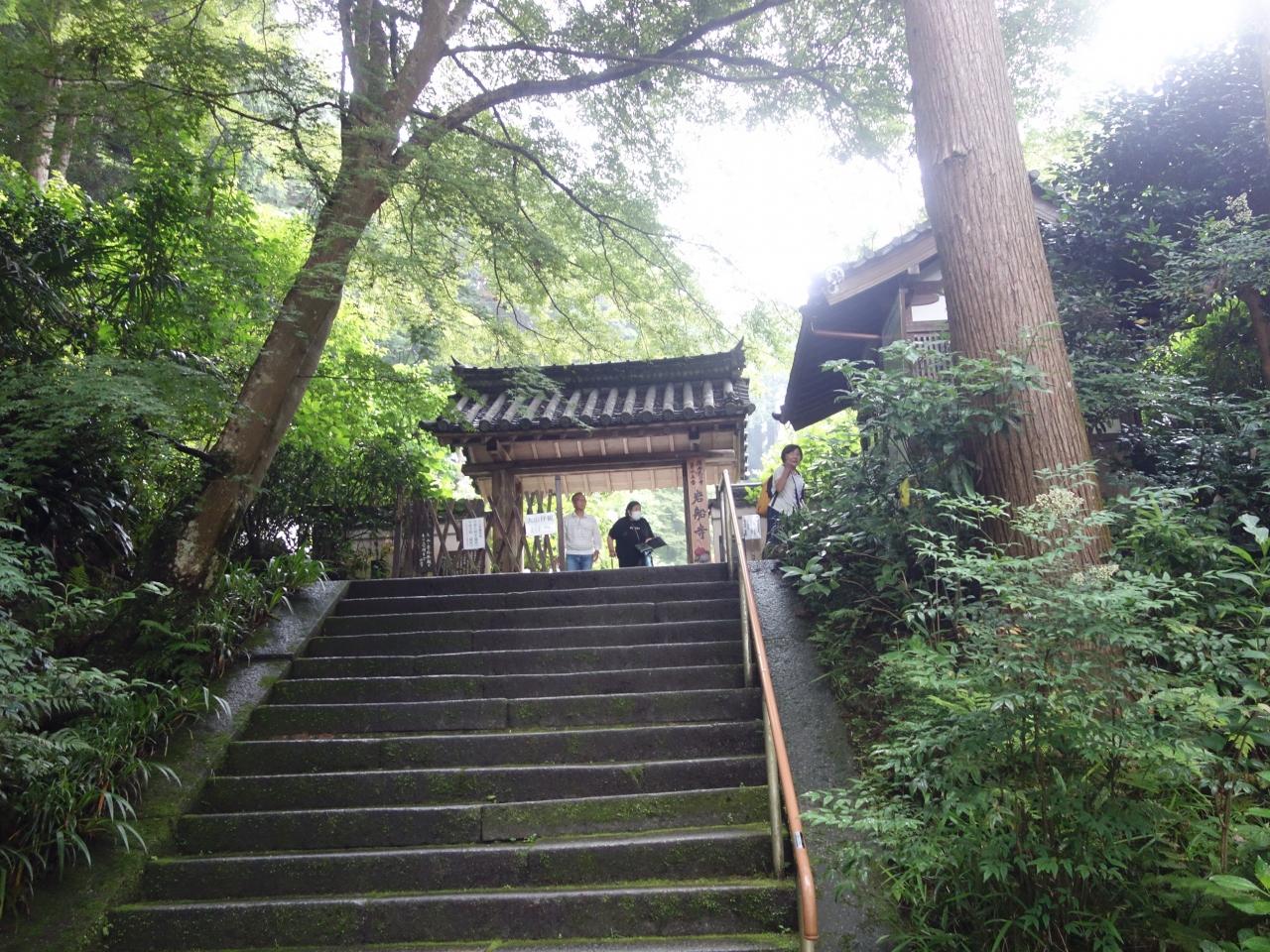
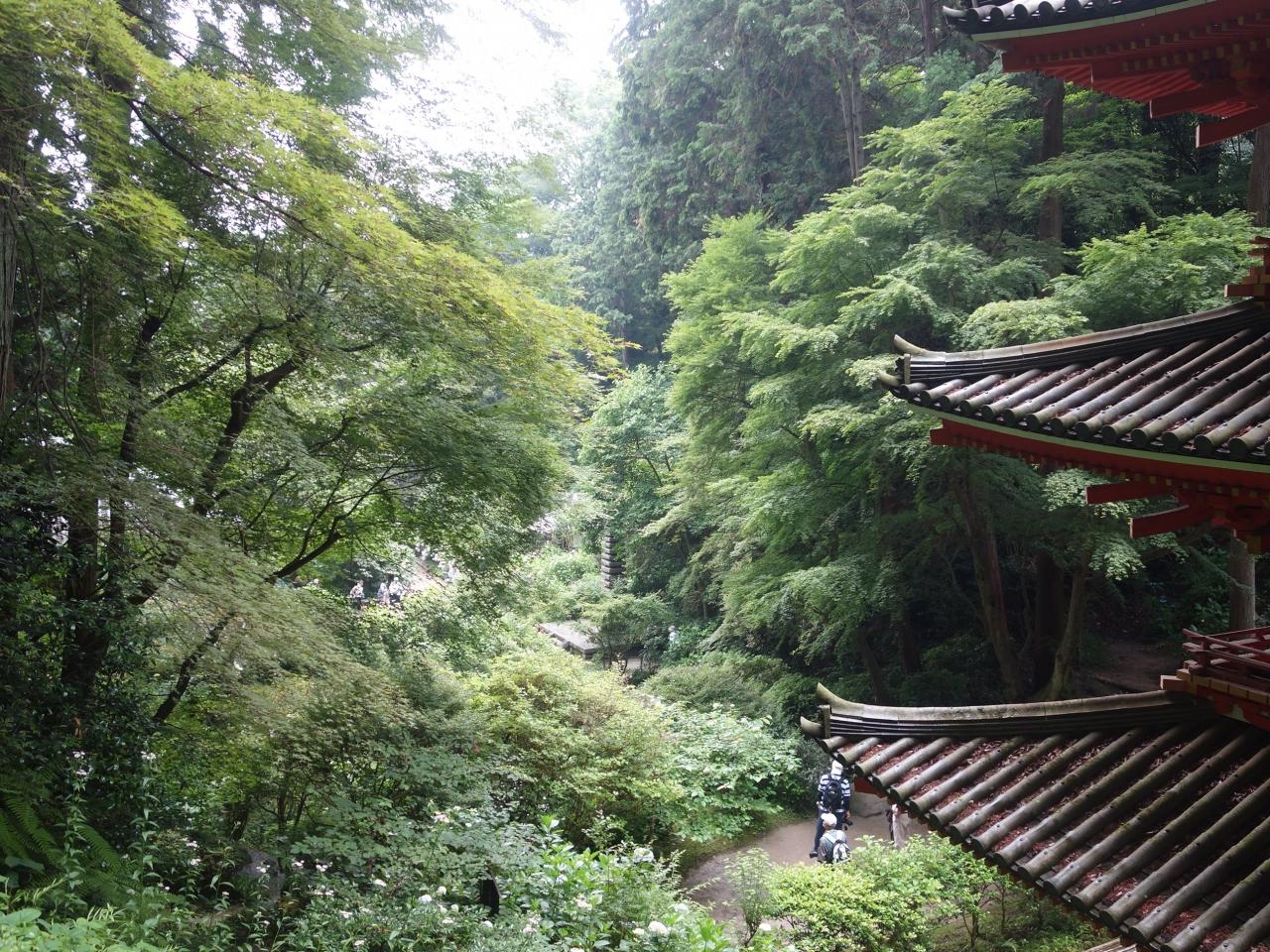
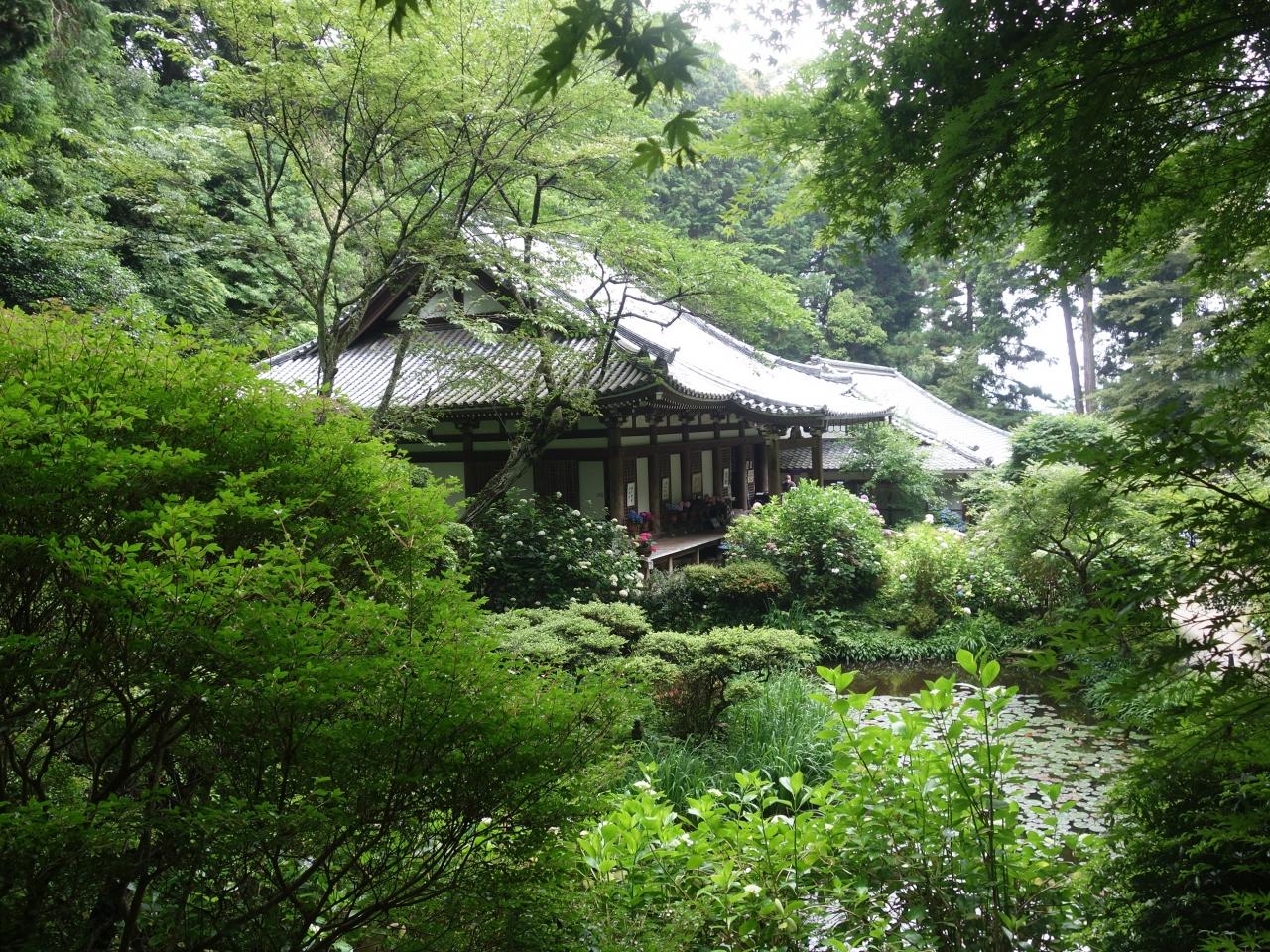
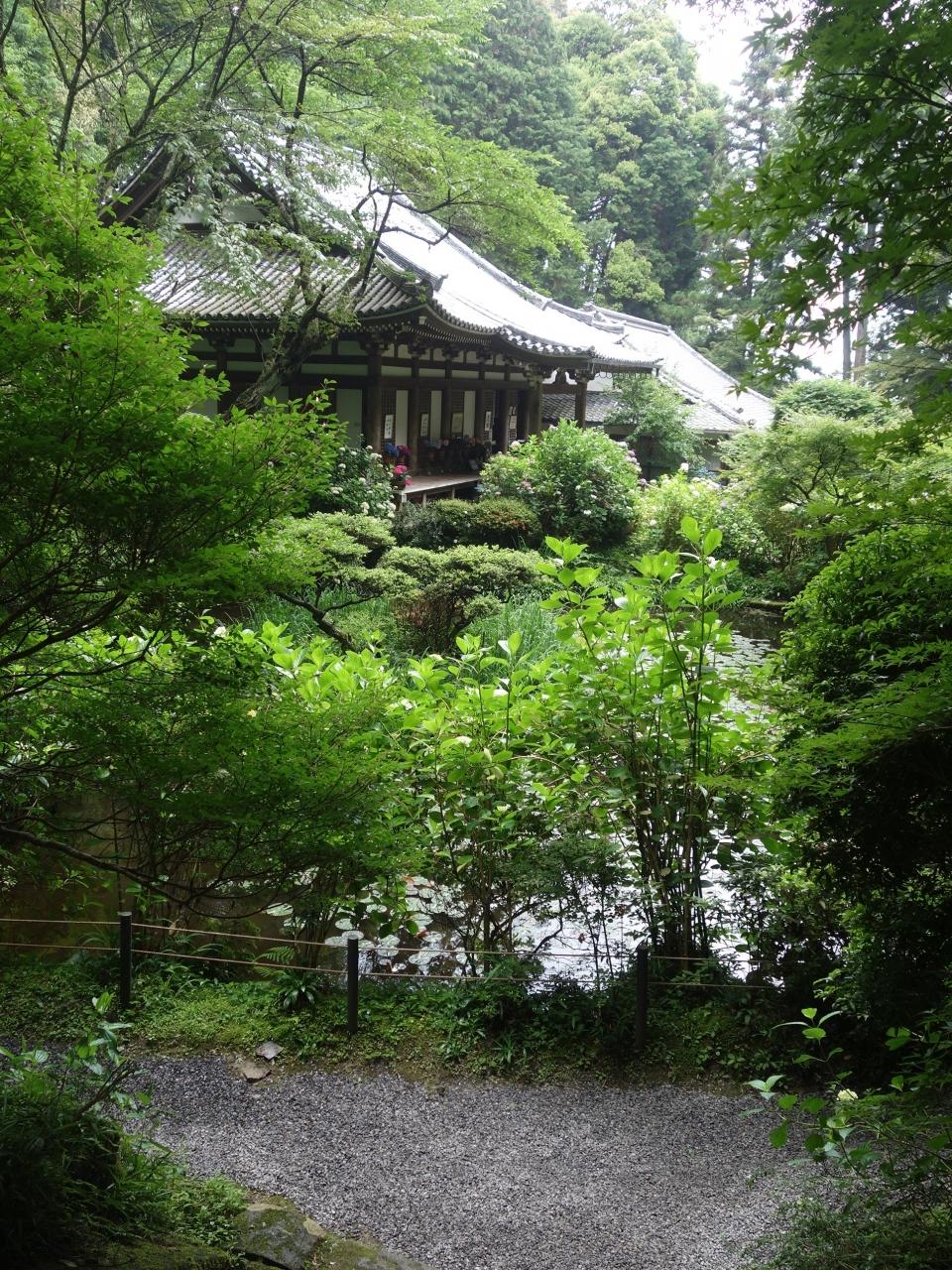
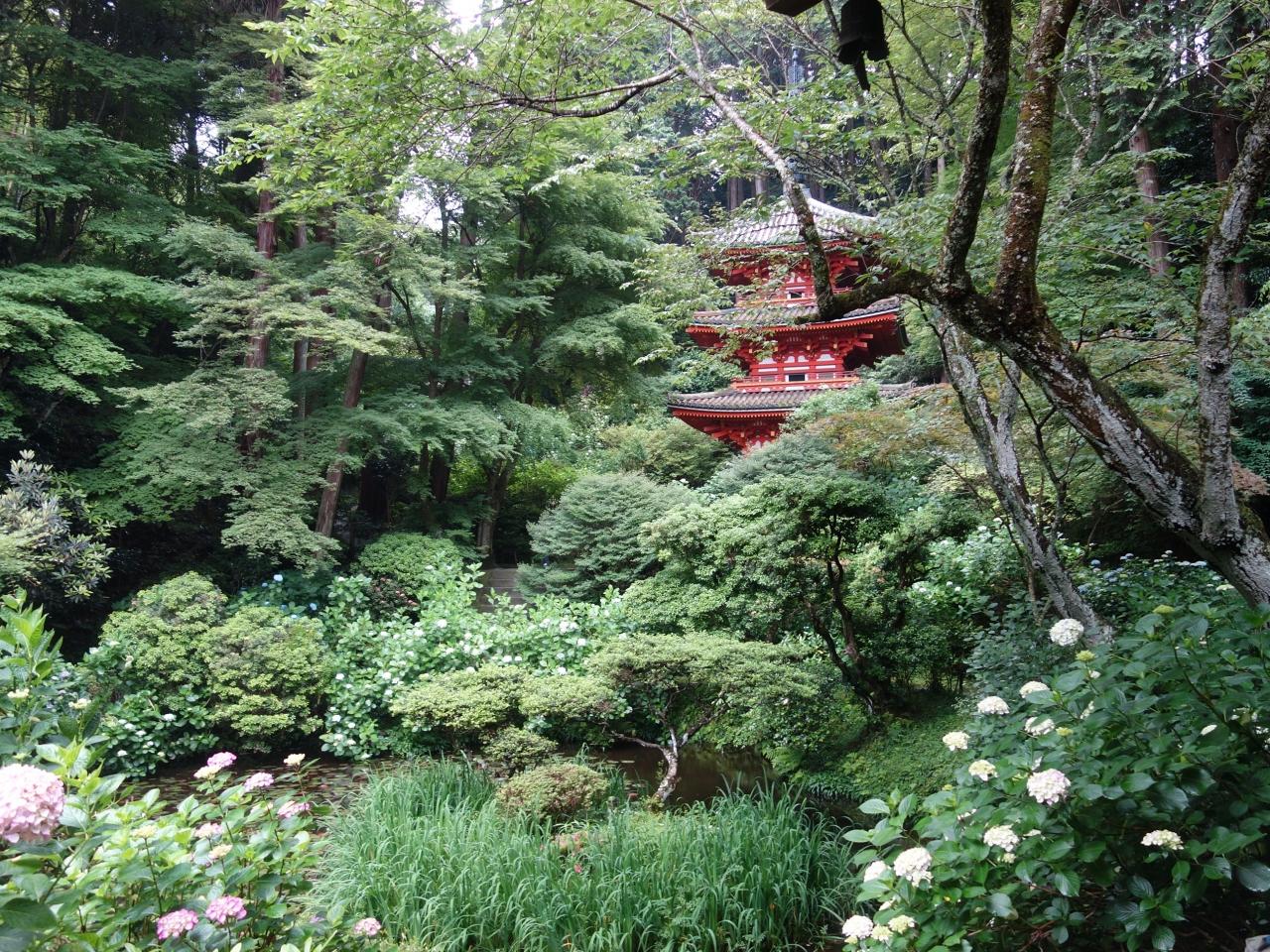
緑の深い山寺です。静かでおちつきます。 by nomonomoさん
岩船寺 寺・神社・教会
-
-
-
-
-
-
-
-
-
-
-
-
-
-
-
-
-
-
-
-
-
-
-
-
-
-
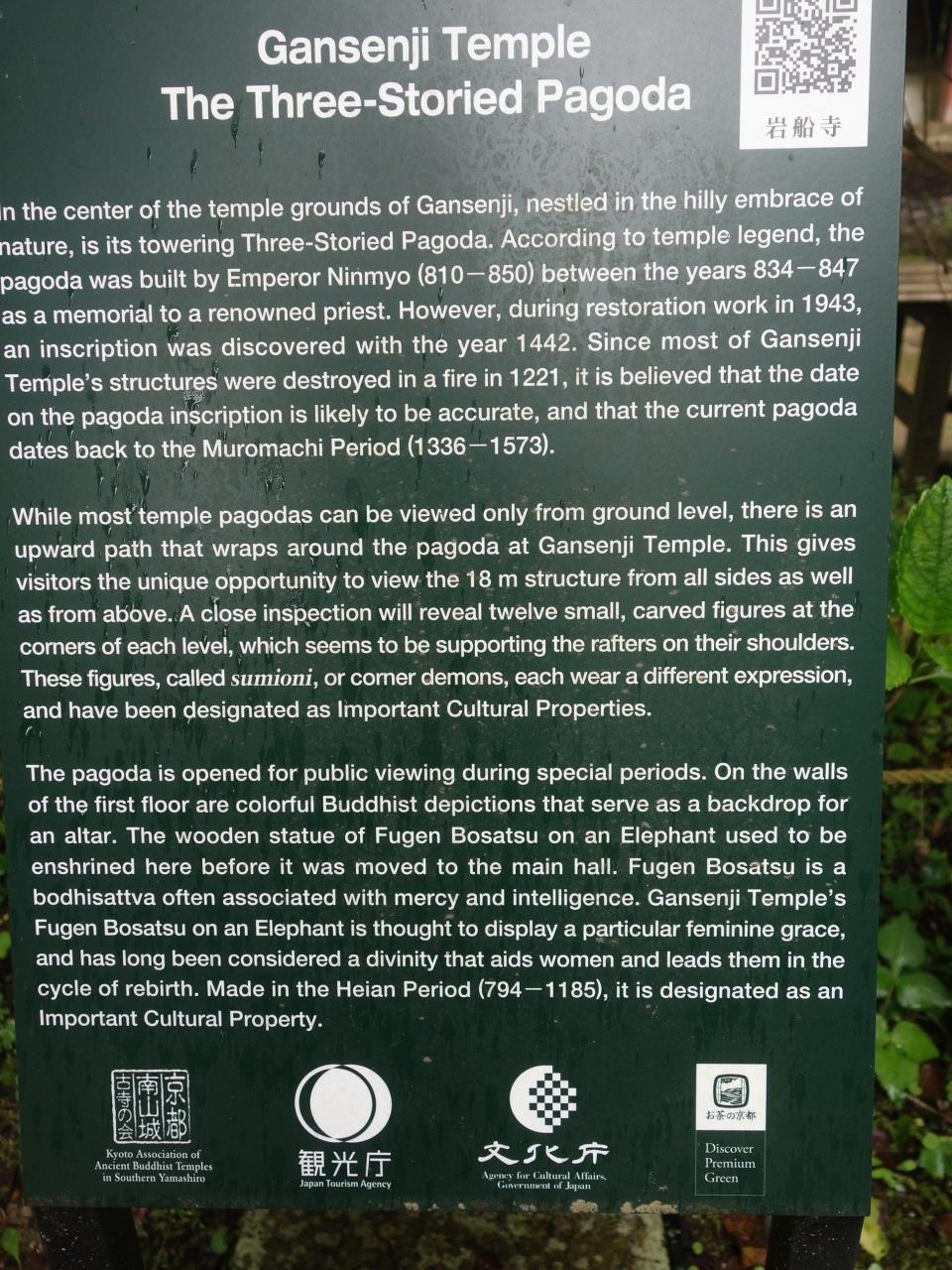
Gansenji Temple
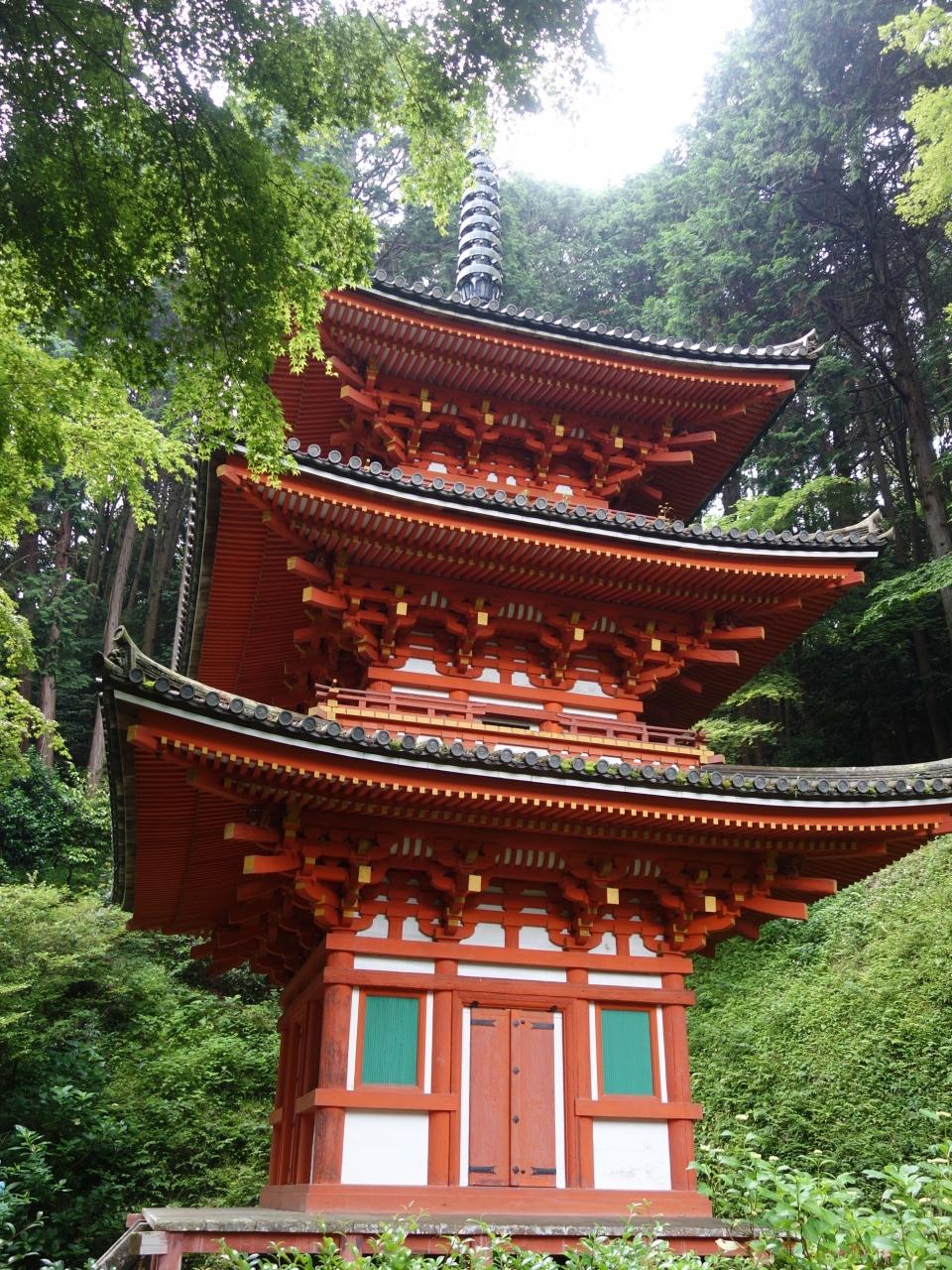
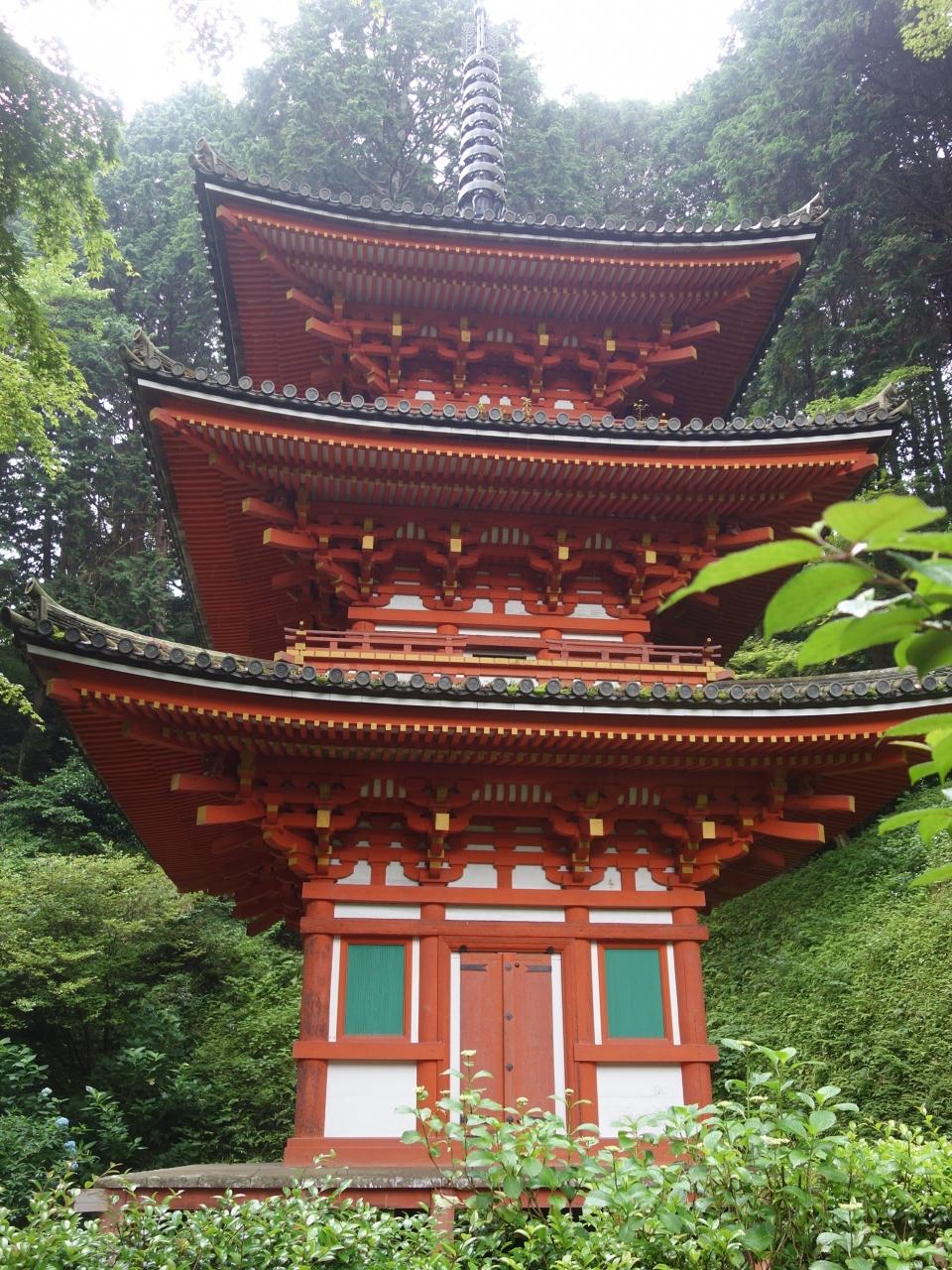
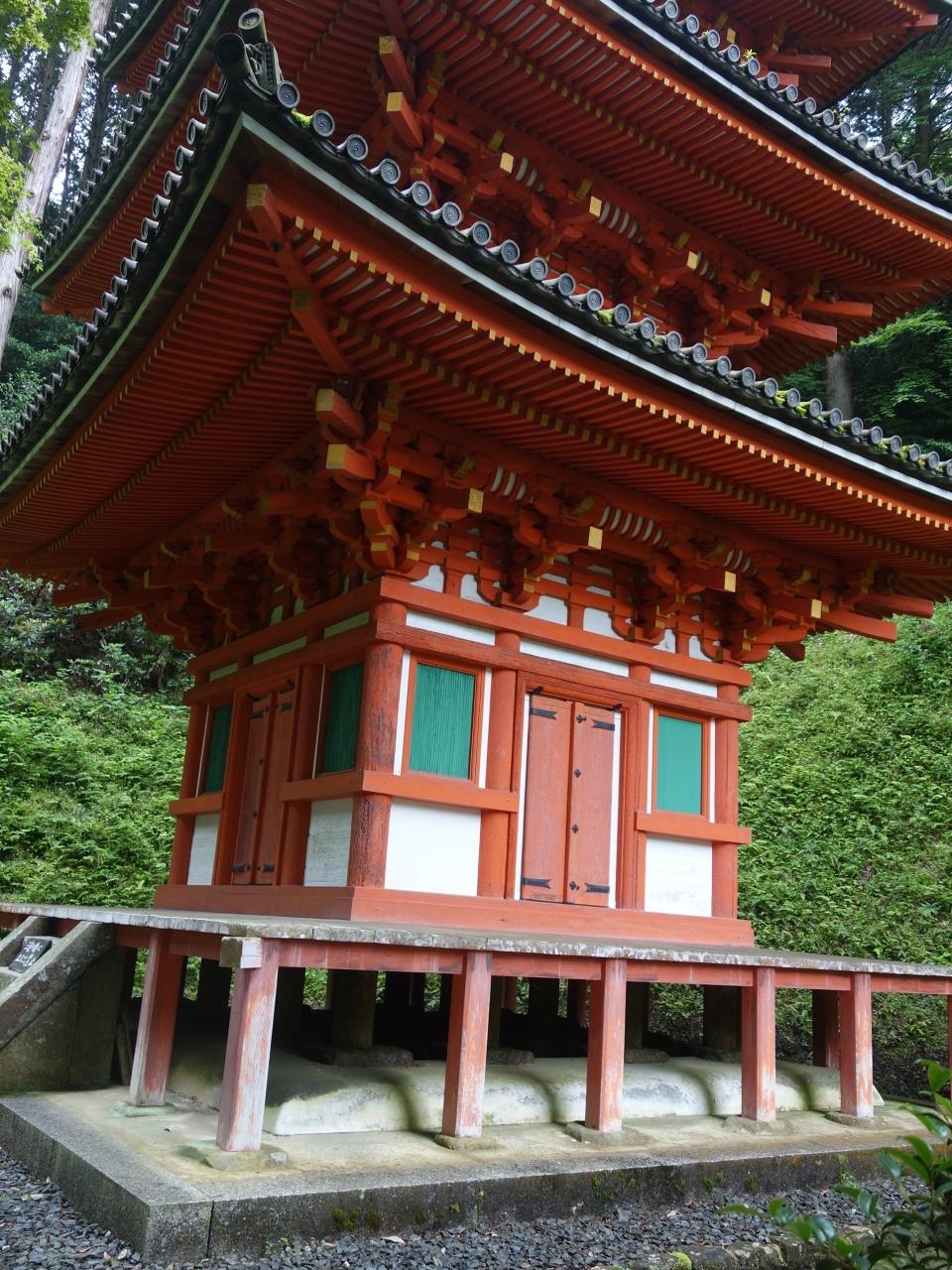
The Three-Storied Pagoda
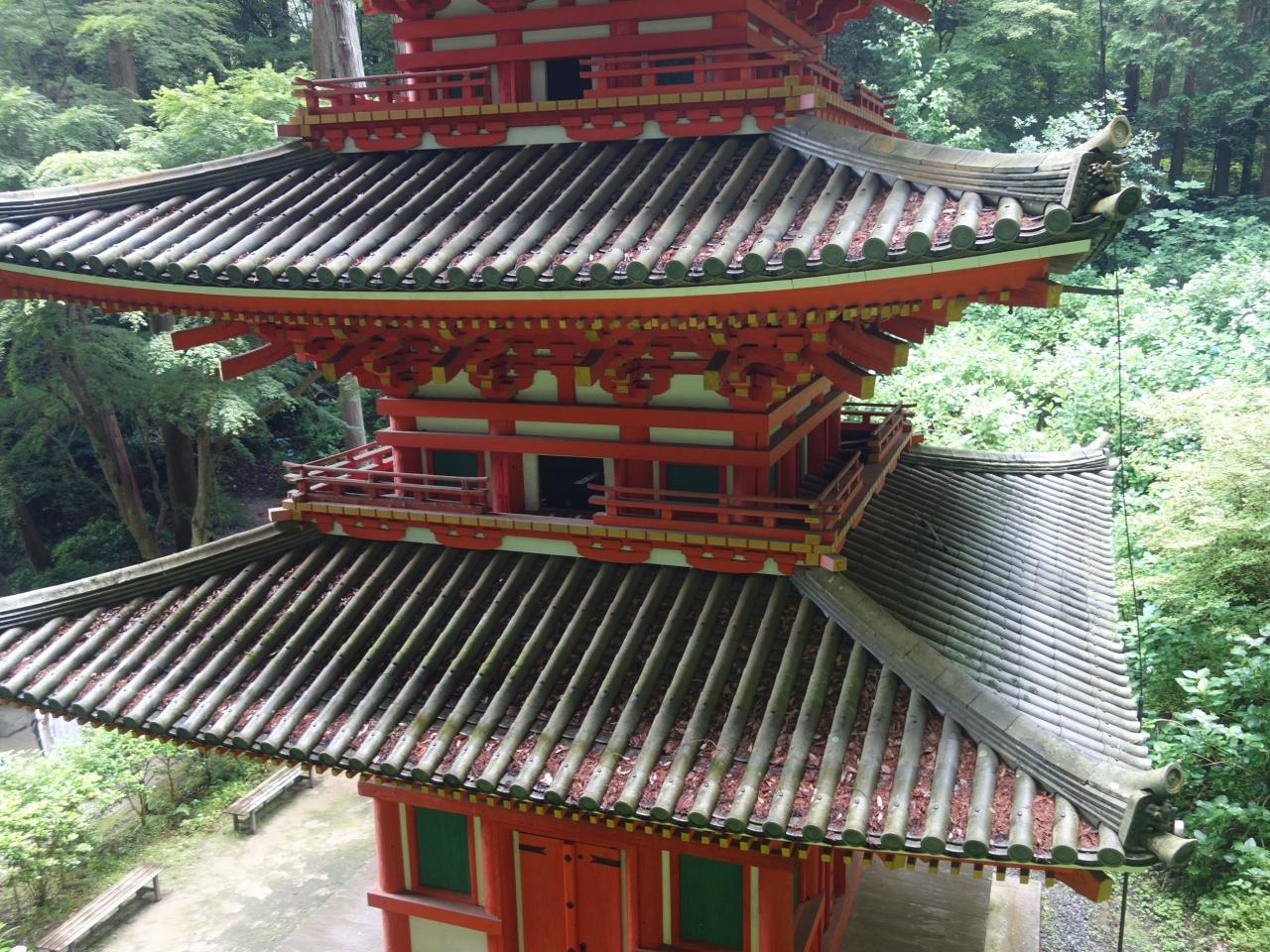
In the center of the temple grounds of Gansenji, nestled in the hilly embrace of
nature, is its towering Three-Storied Pagoda. According to temple legend, the
pagoda was built by Emperor Ninmyo (810-850) between the years 834-847
as a memorial to a renowned priest. However, during restoration work in 1943,
an inscription was discovered with the year 1442. Since most of Gansenji
Temple's structures were destroyed in a fire in 1221, it is believed that the date
on the pagoda inscription is likely to be accurate, and that the current pagoda
dates back to the Muromachi Period (1336-1573).
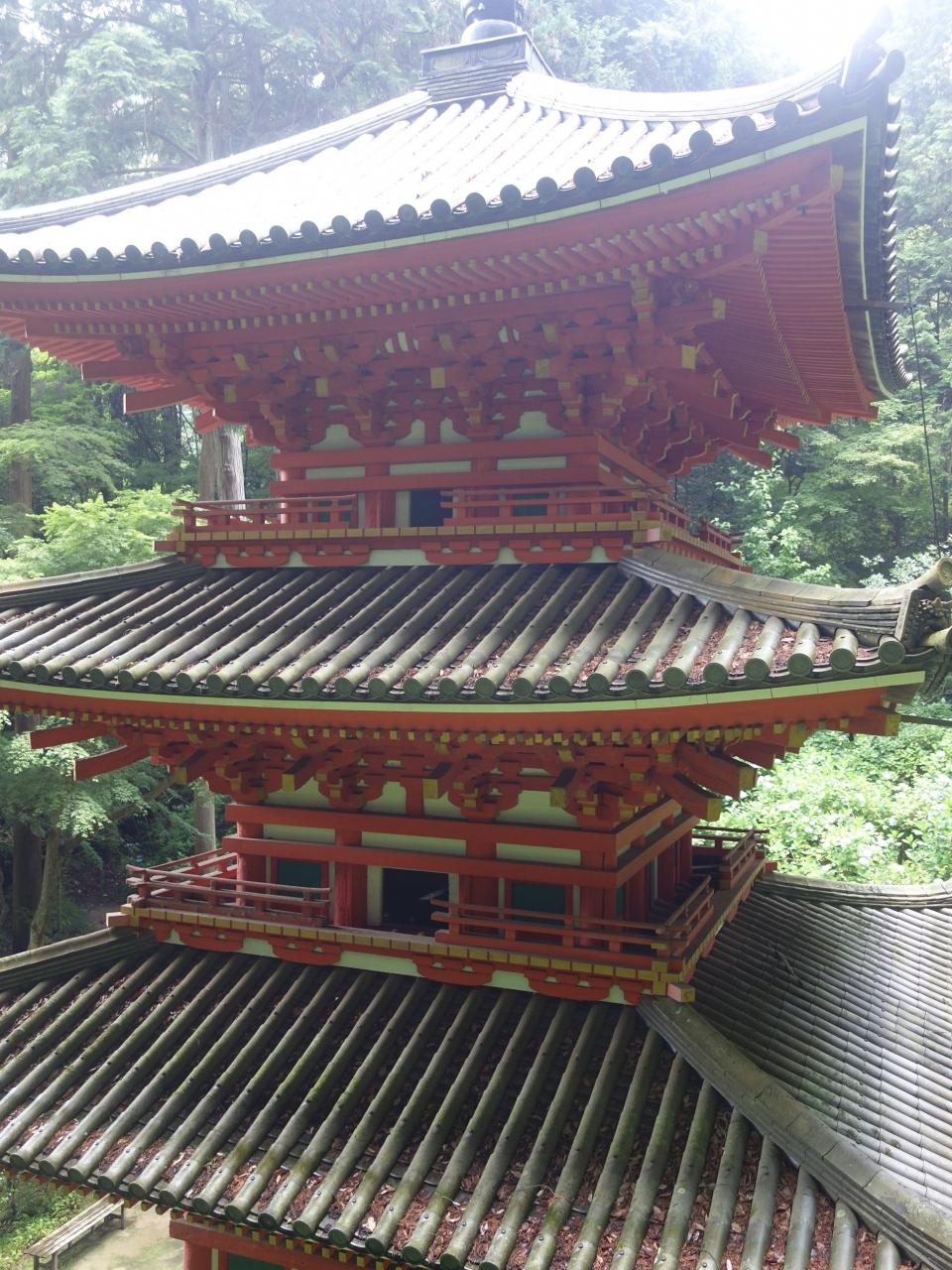
While most temple pagodas can be viewed only from ground level, there is an
upward path that wraps around the pagoda at Gansenji Temple. This gives
visitors the unique opportunity to view the 18 m structure from all sides as well
as from above. A close inspection will reveal twelve small, carved figures at the
corners of each level, which seems to be supporting the rafters on their shoulders.
These figures, called sumioni, or corner demons, each wear a different expression,
and have been designated as Important Cultural Properties.
The pagoda is opened for public viewing during special periods. On the walls
of the first floor are colorful Buddhist depictions that serve as a backdrop for
an altar. The wooden statue of Fugen Bosatsu on an Elephant used to be
enshrined here before it was moved to the main hall. Fugen Bosatsu is a
bodhisattva often associated with mercy and intelligence. Gansenji Temple's
Fugen Bosatsu on an Elephant is thought to display a particular feminine grace,
and has long been considered a divinity that aids women and leads them in the
cycle of rebirth. Made in the Heian Period (794-1185), it is designated as an
Important Cultural Property.
Kyoto Association of Ancient Buddhist Temples in Southern Yamashiro
Japan Tourism Agency -
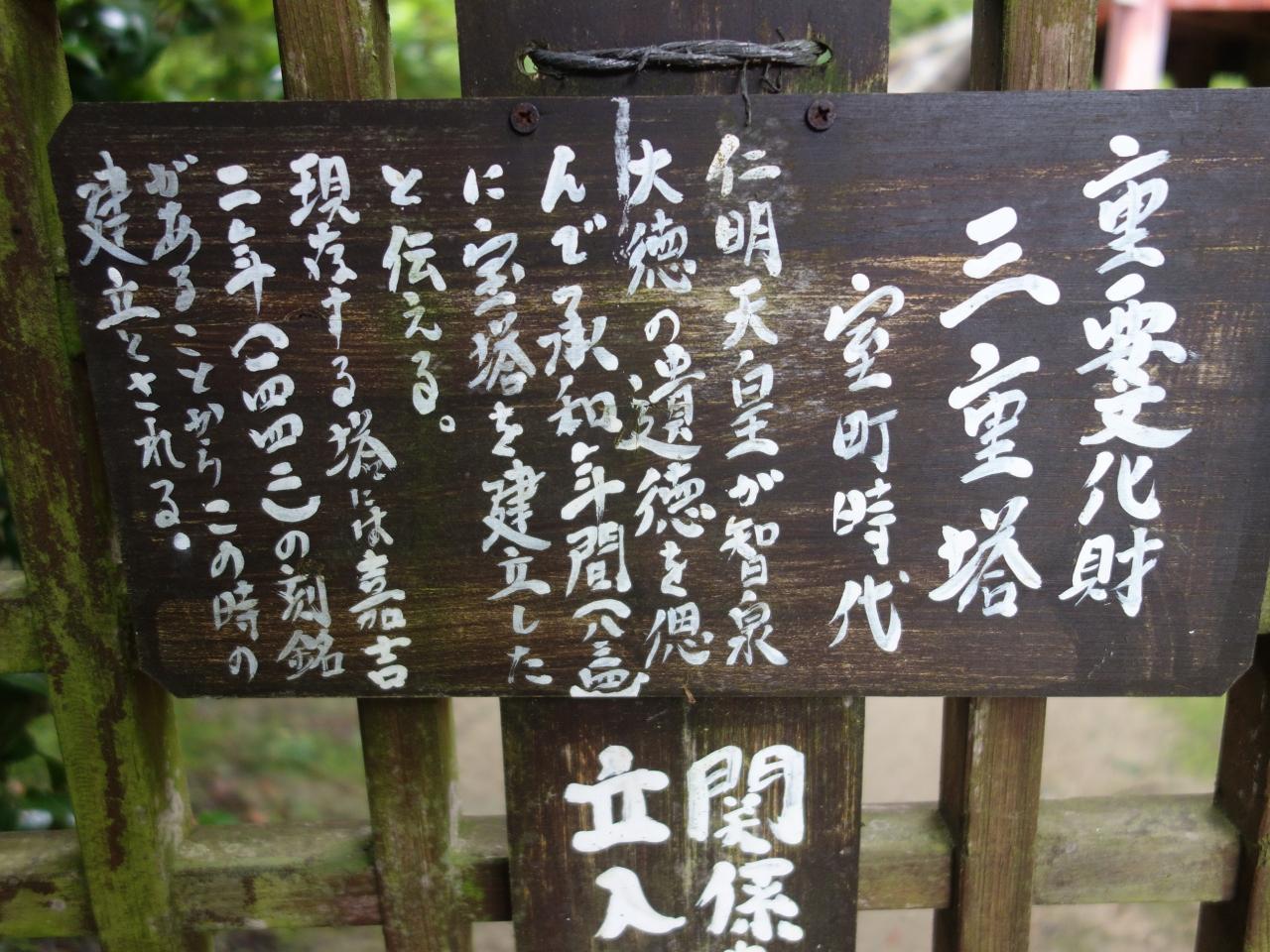
重要文化財
三重塔
室町時代
仁明天皇が智泉
大徳の遺徳を偲
んで承和年間(八三四)
に宝塔を建立した
と伝える。
現存する塔には嘉吉
二年(一四四二)の刻銘
があることから,この時の
建立とされる。 -
-
-
-
-
-
-
-
-
-
-
-
-
-
-
-
-
-
-
-
-
-
-
-


利用規約に違反している投稿は、報告する事ができます。
コメントを投稿する前に
十分に確認の上、ご投稿ください。 コメントの内容は攻撃的ではなく、相手の気持ちに寄り添ったものになっていますか?
サイト共通ガイドライン(利用上のお願い)報道機関・マスメディアの方へ 画像提供などに関するお問い合わせは、専用のお問い合わせフォームからお願いいたします。
nomonomoさんの関連旅行記



この旅行で行ったスポット

木津・加茂(京都) の旅行記



フォートラベル公式LINE@

おすすめの旅行記や旬な旅行情報、お得なキャンペーン情報をお届けします!
QRコードが読み取れない場合はID「@4travel」で検索してください。
\その他の公式SNSはこちら/





0
56