ロンドン旅行記(ブログ) 一覧に戻る
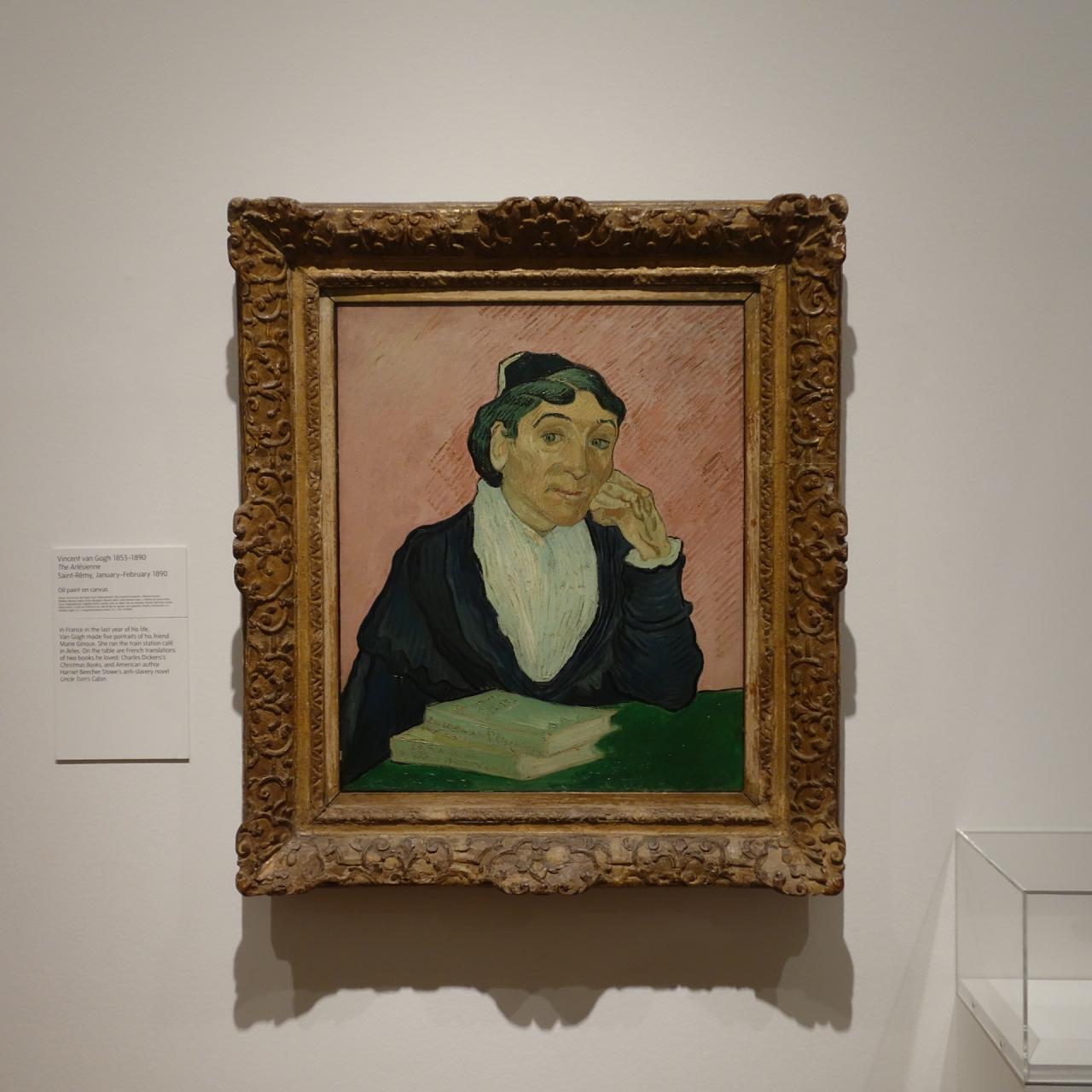
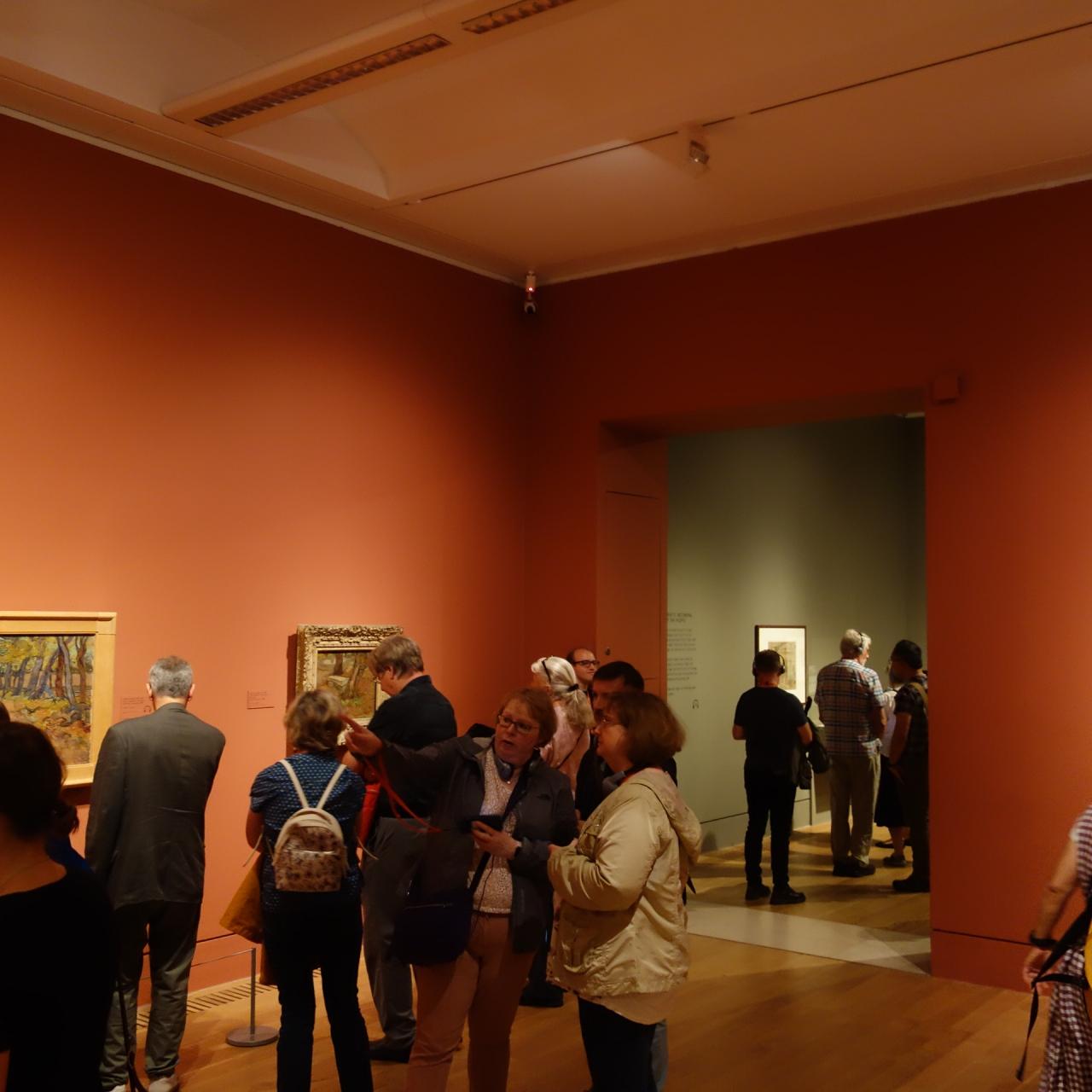
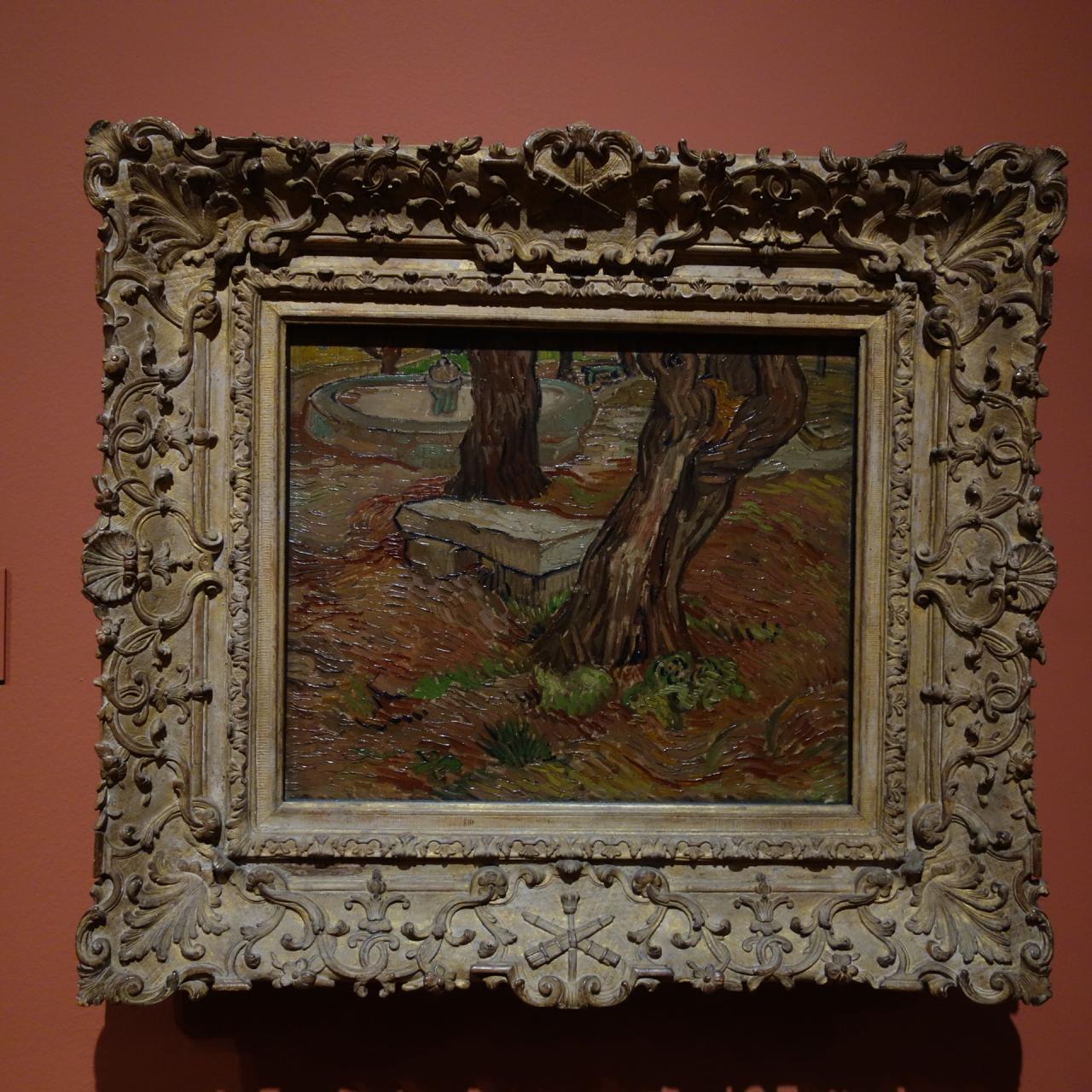
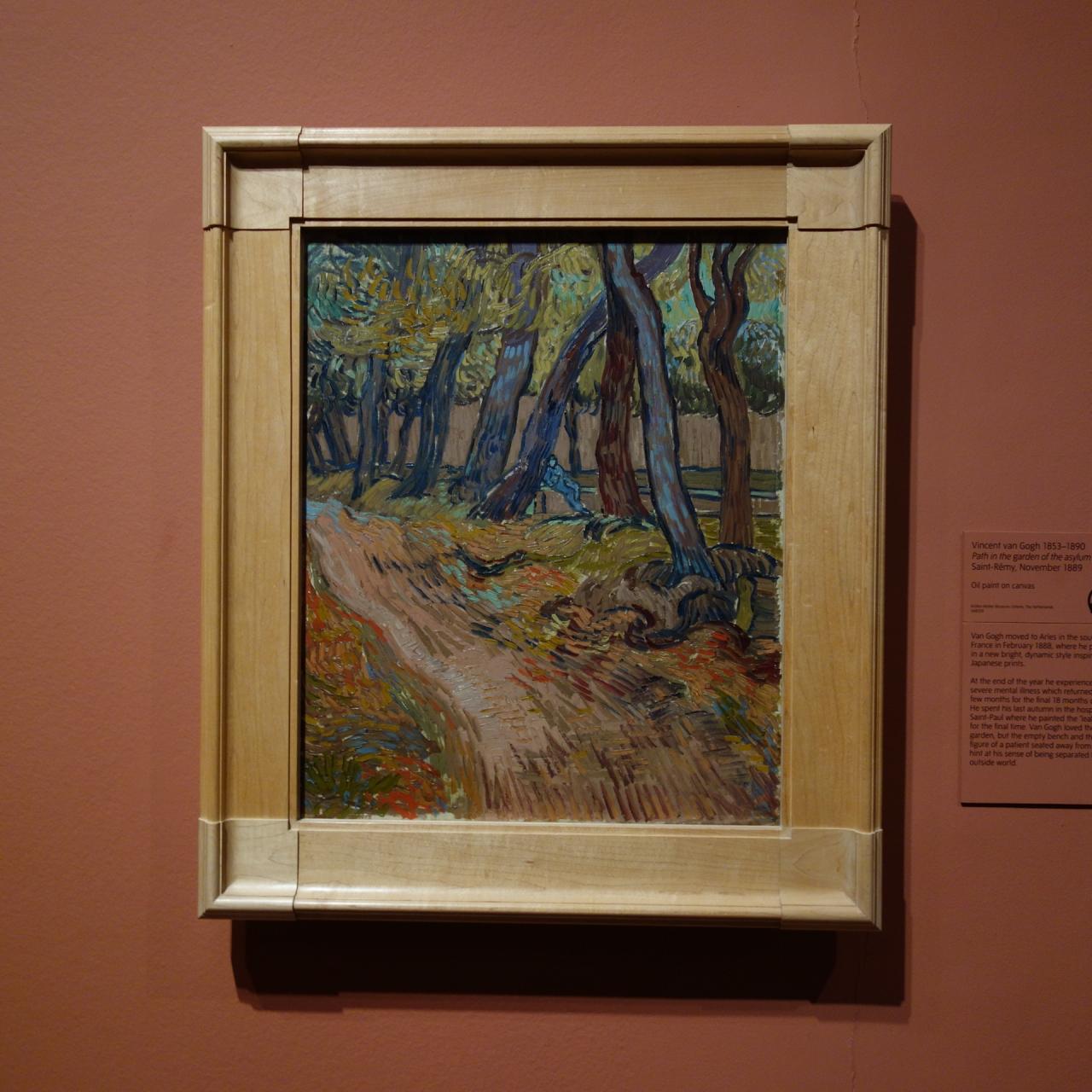
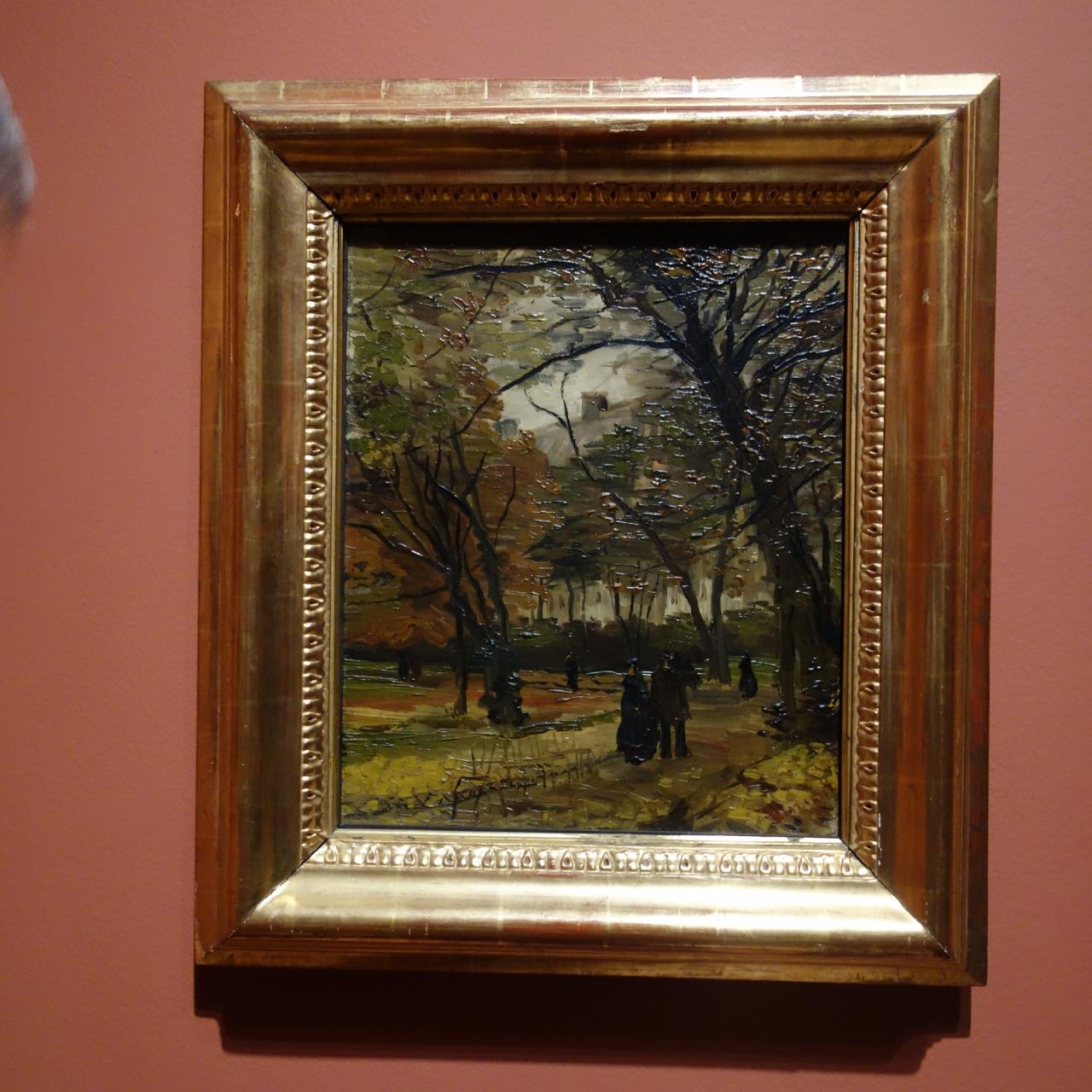
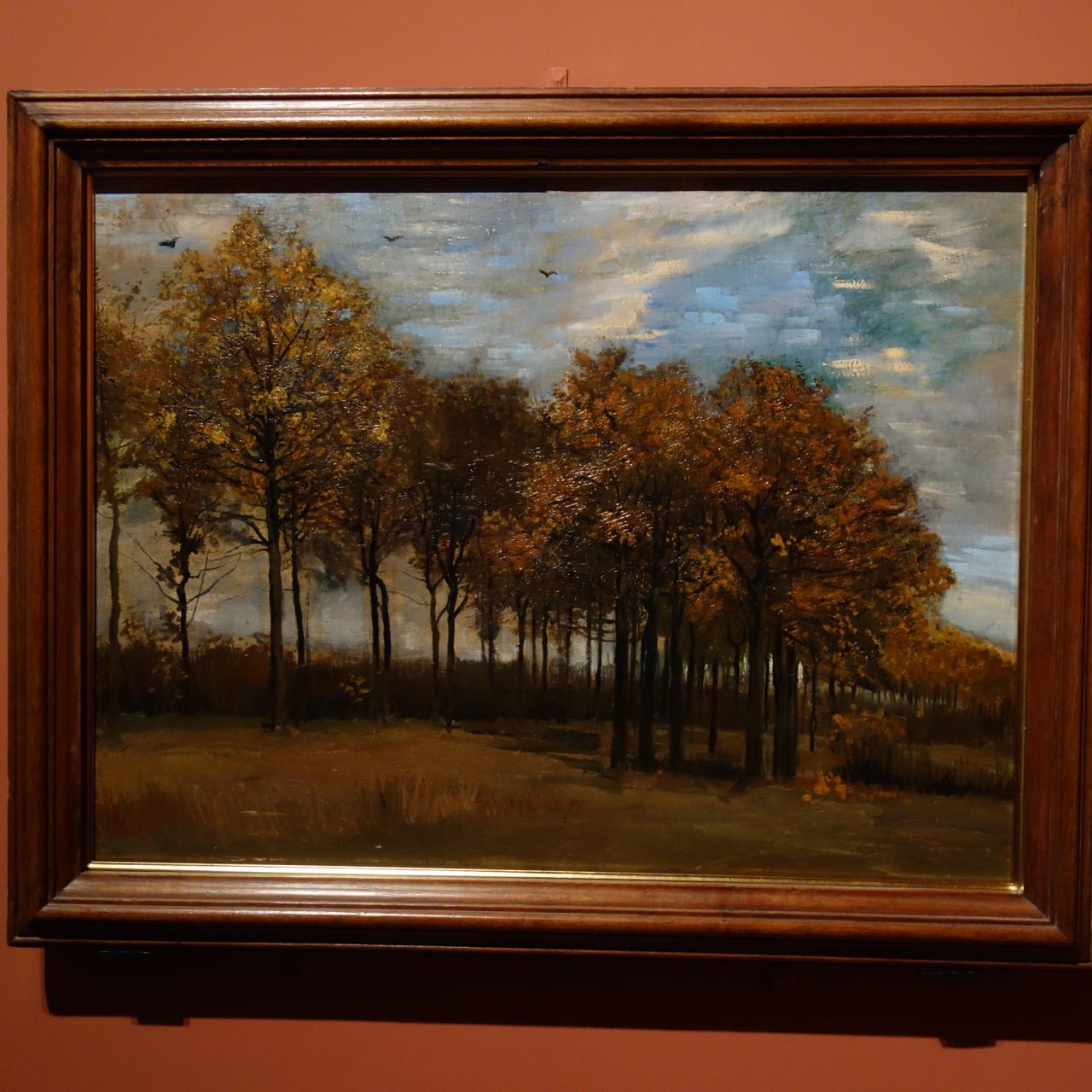
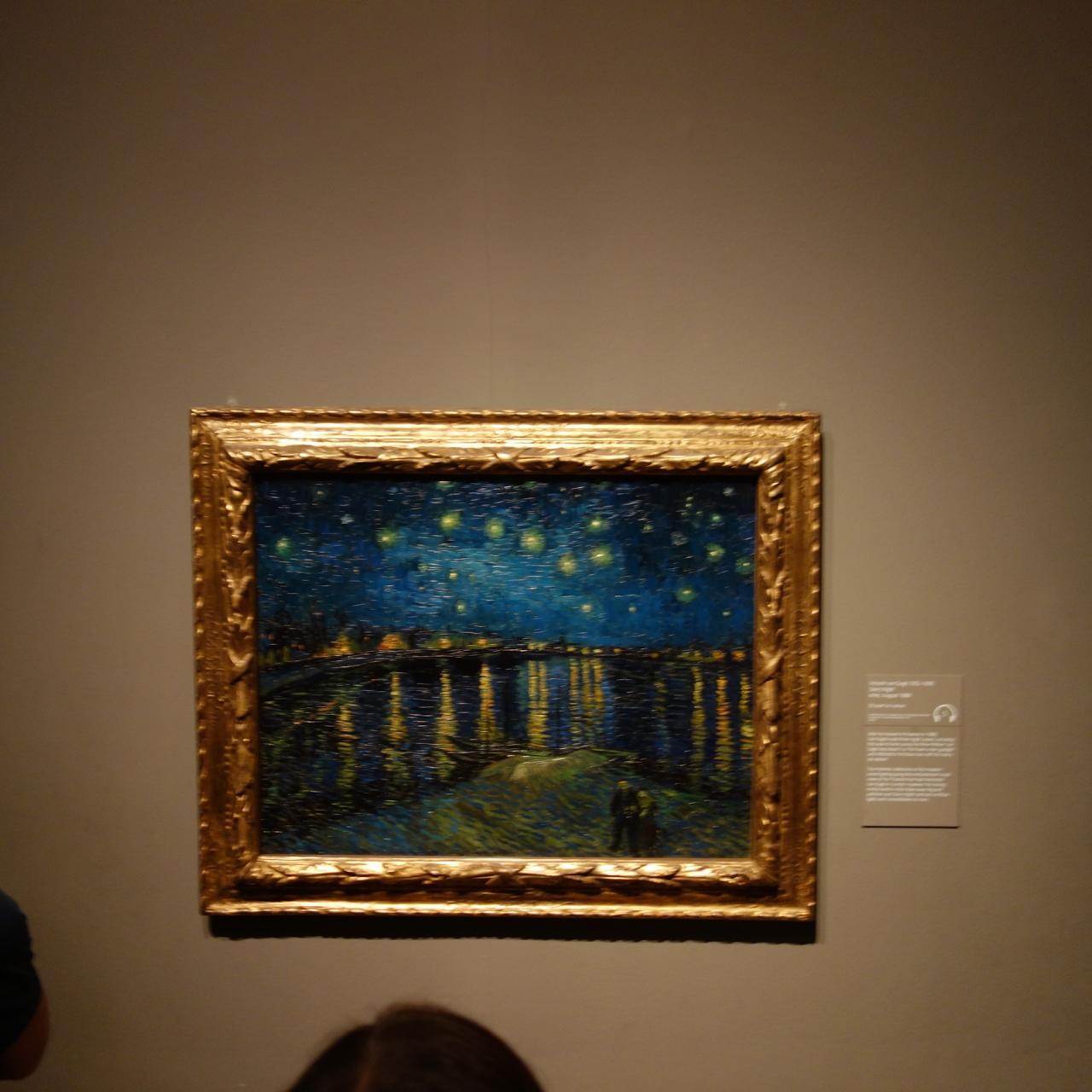
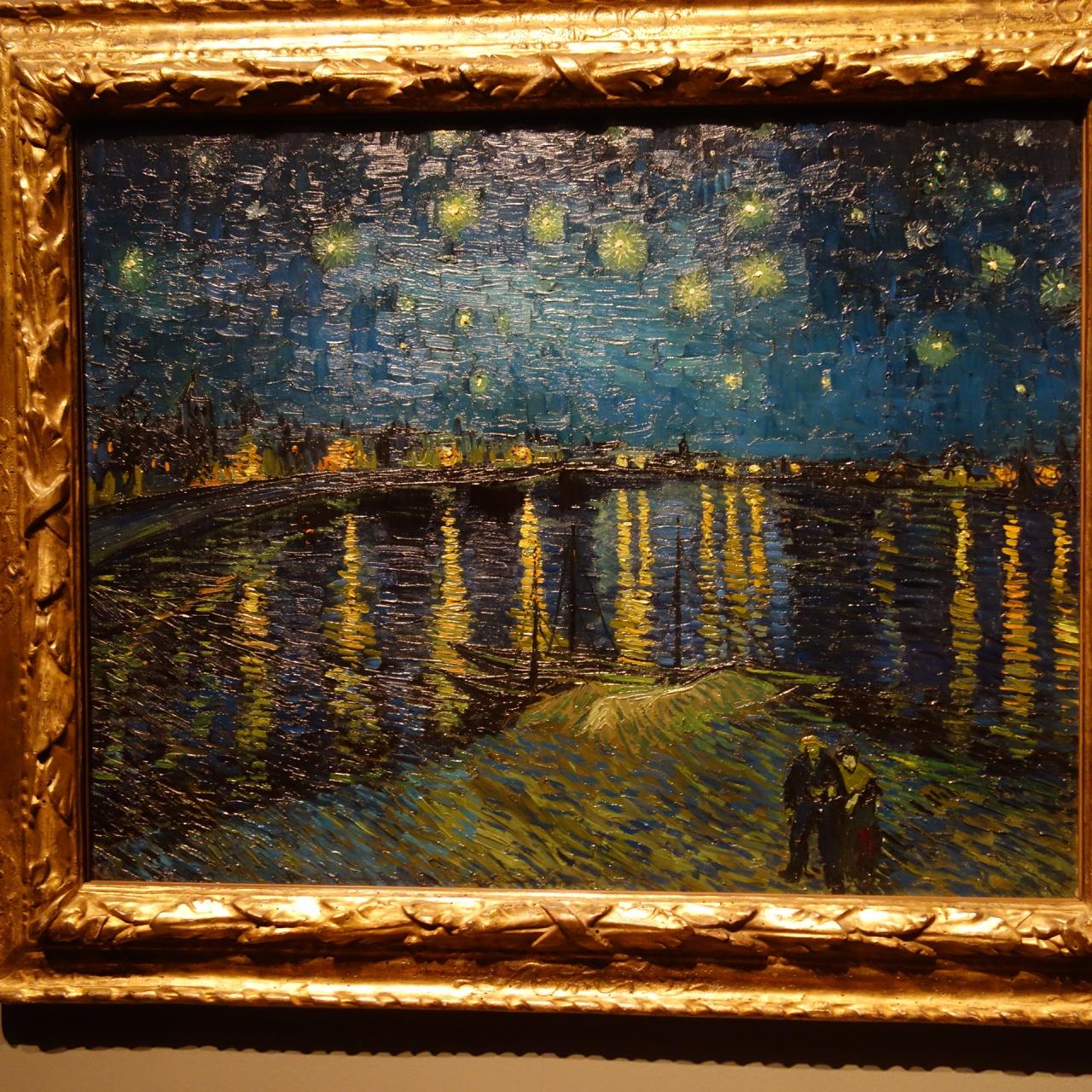
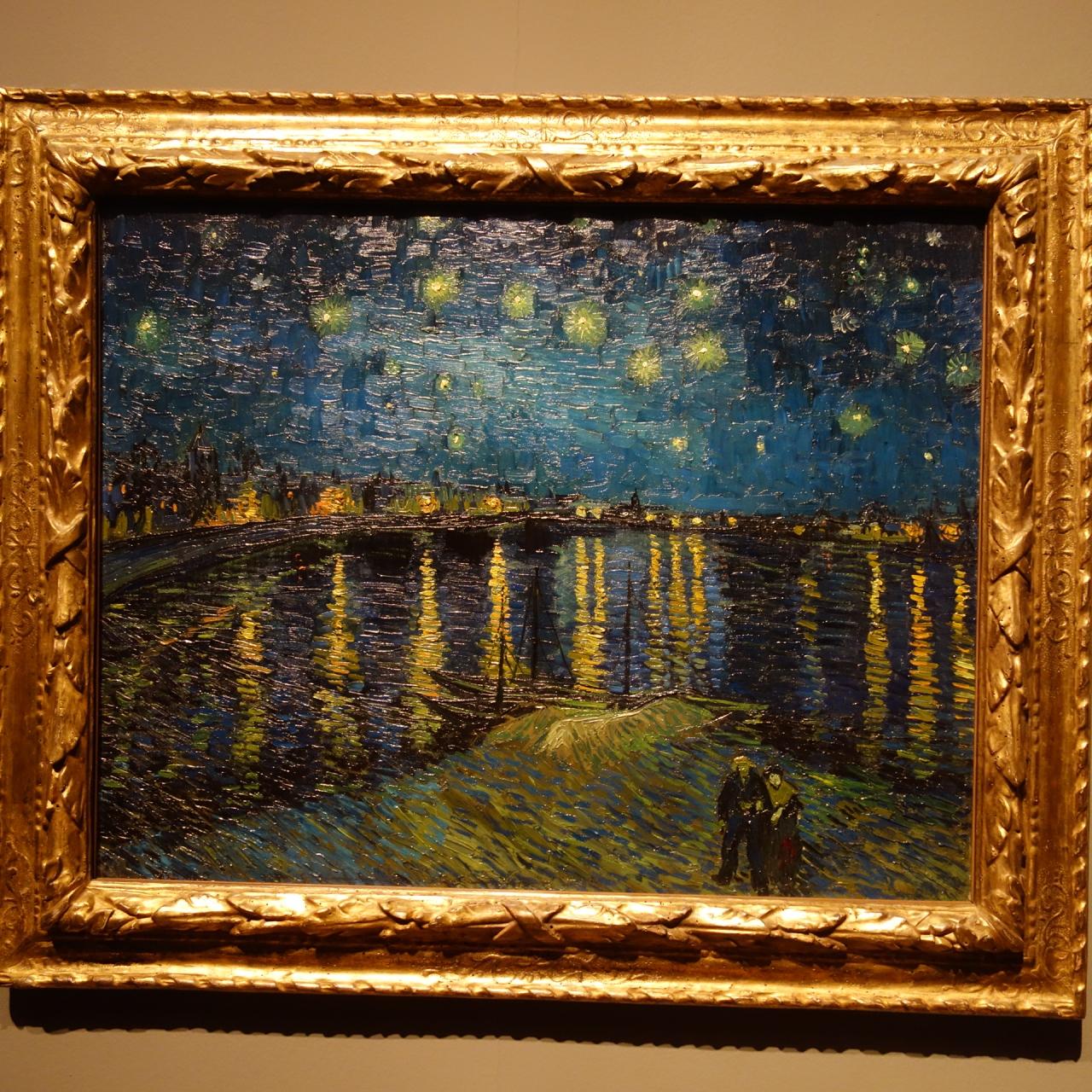
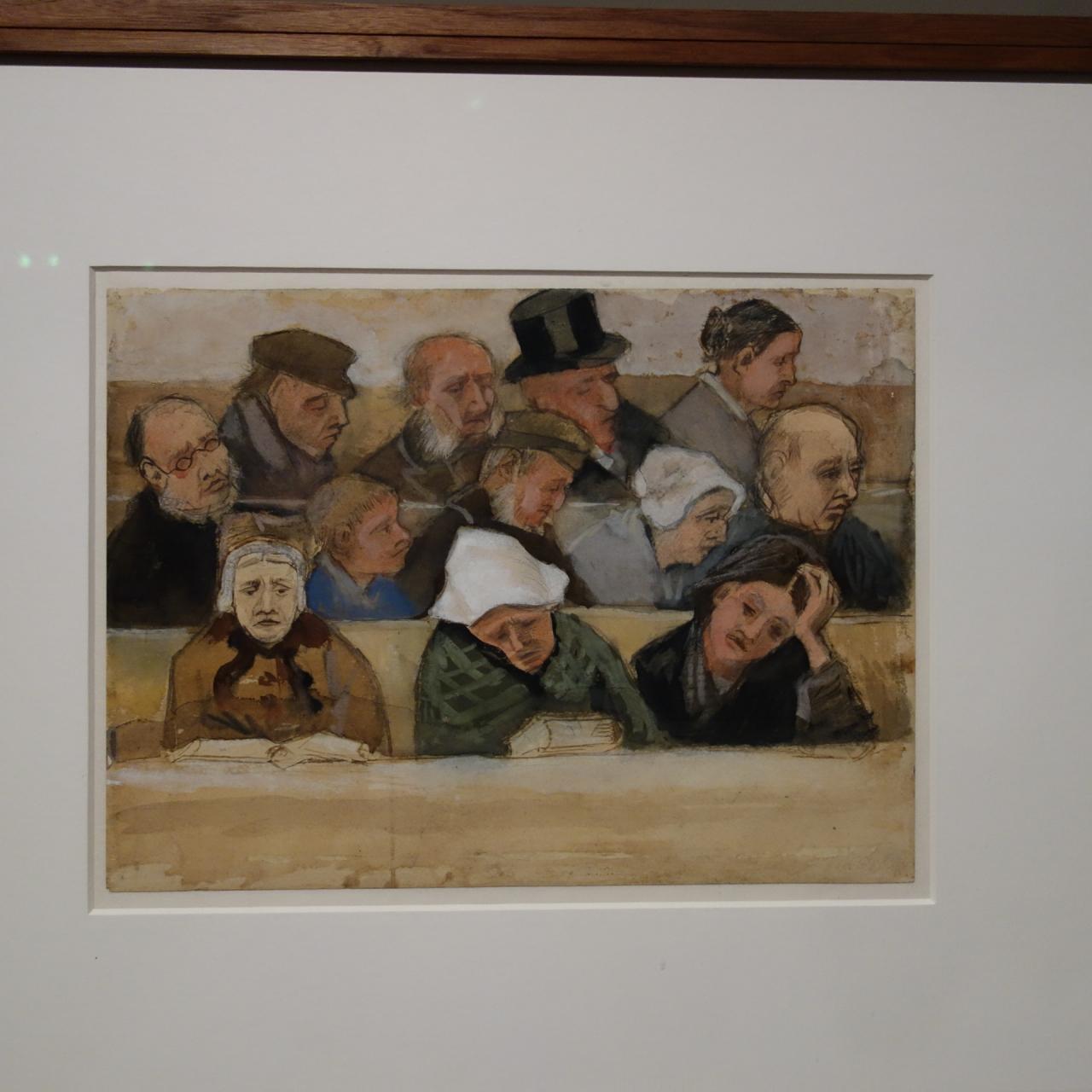
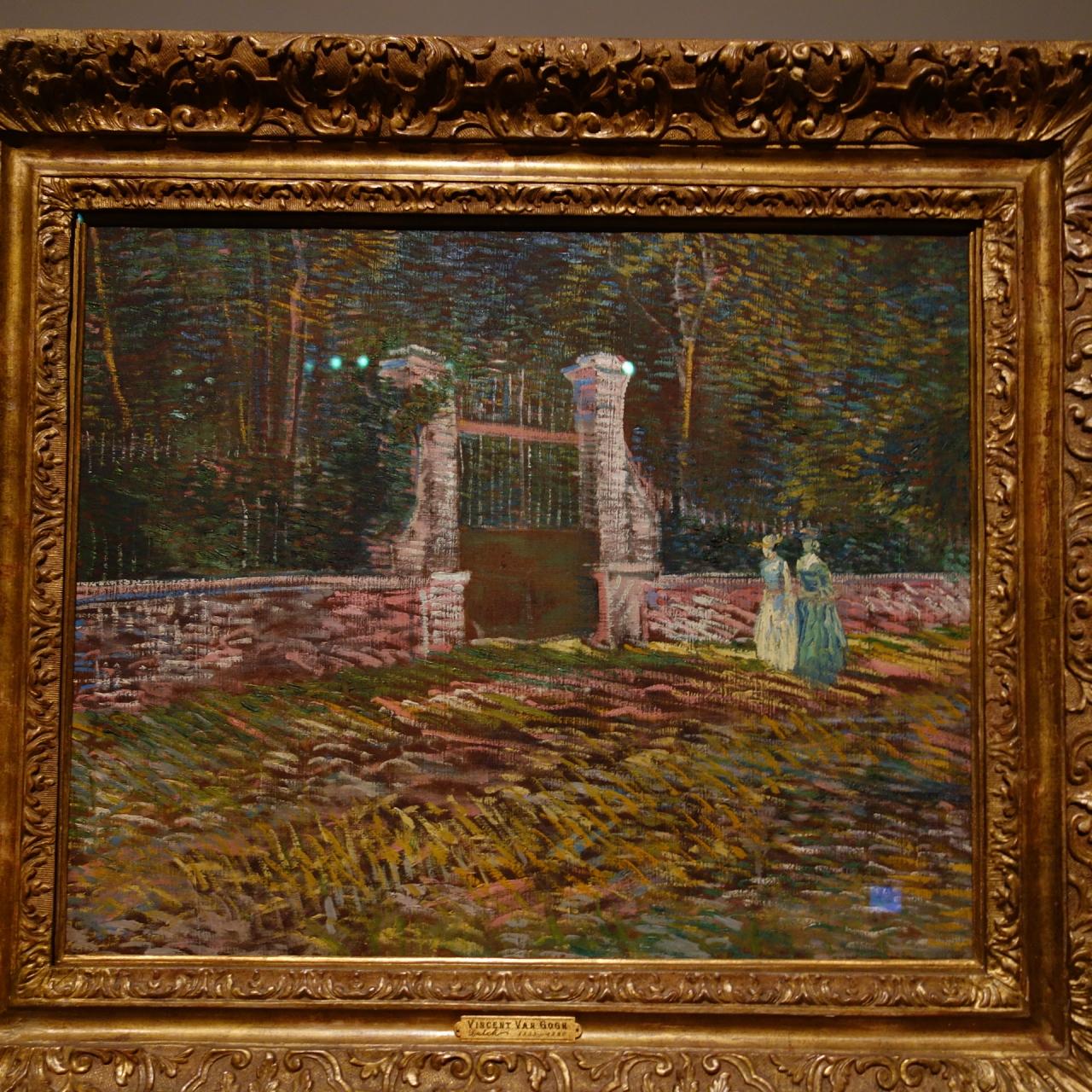
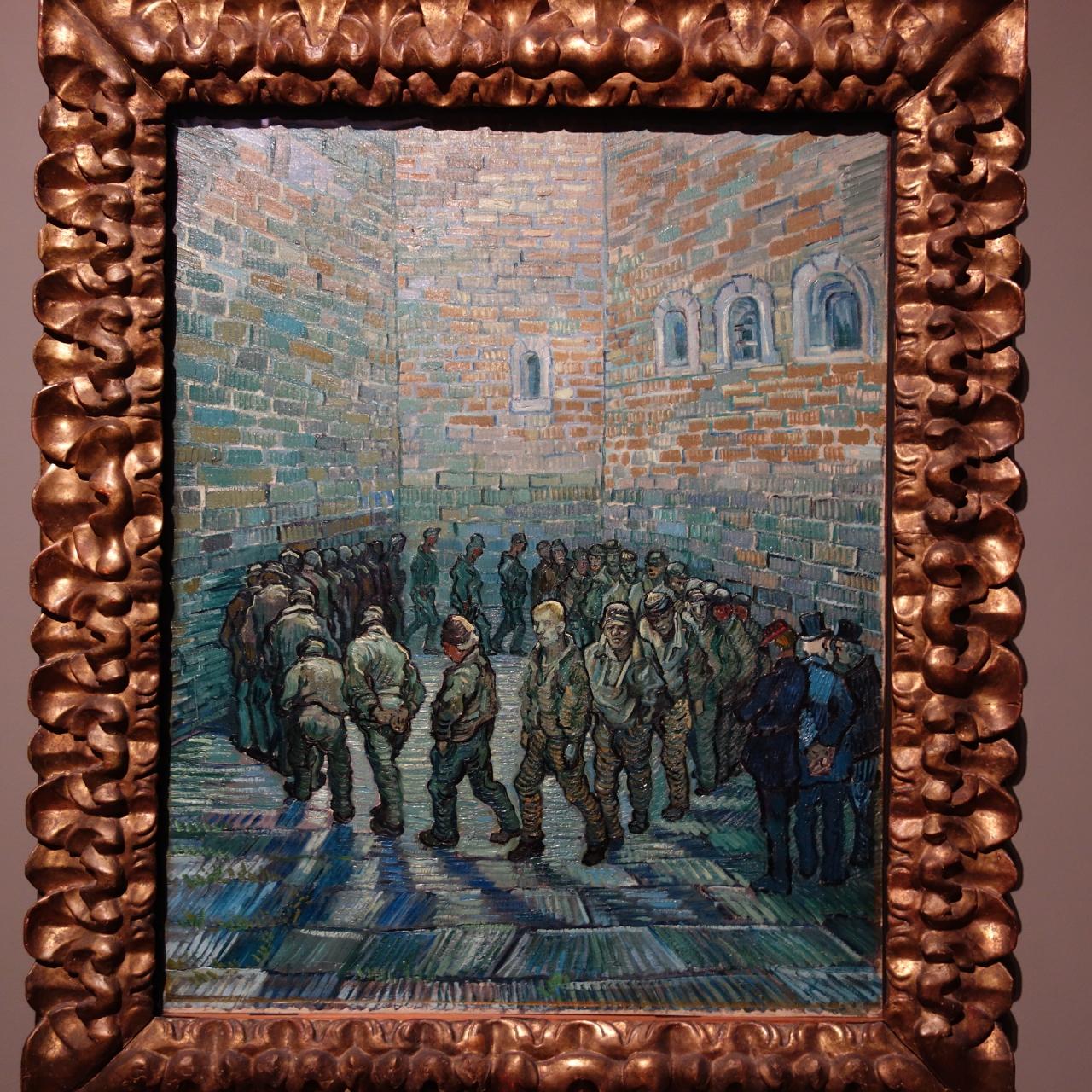
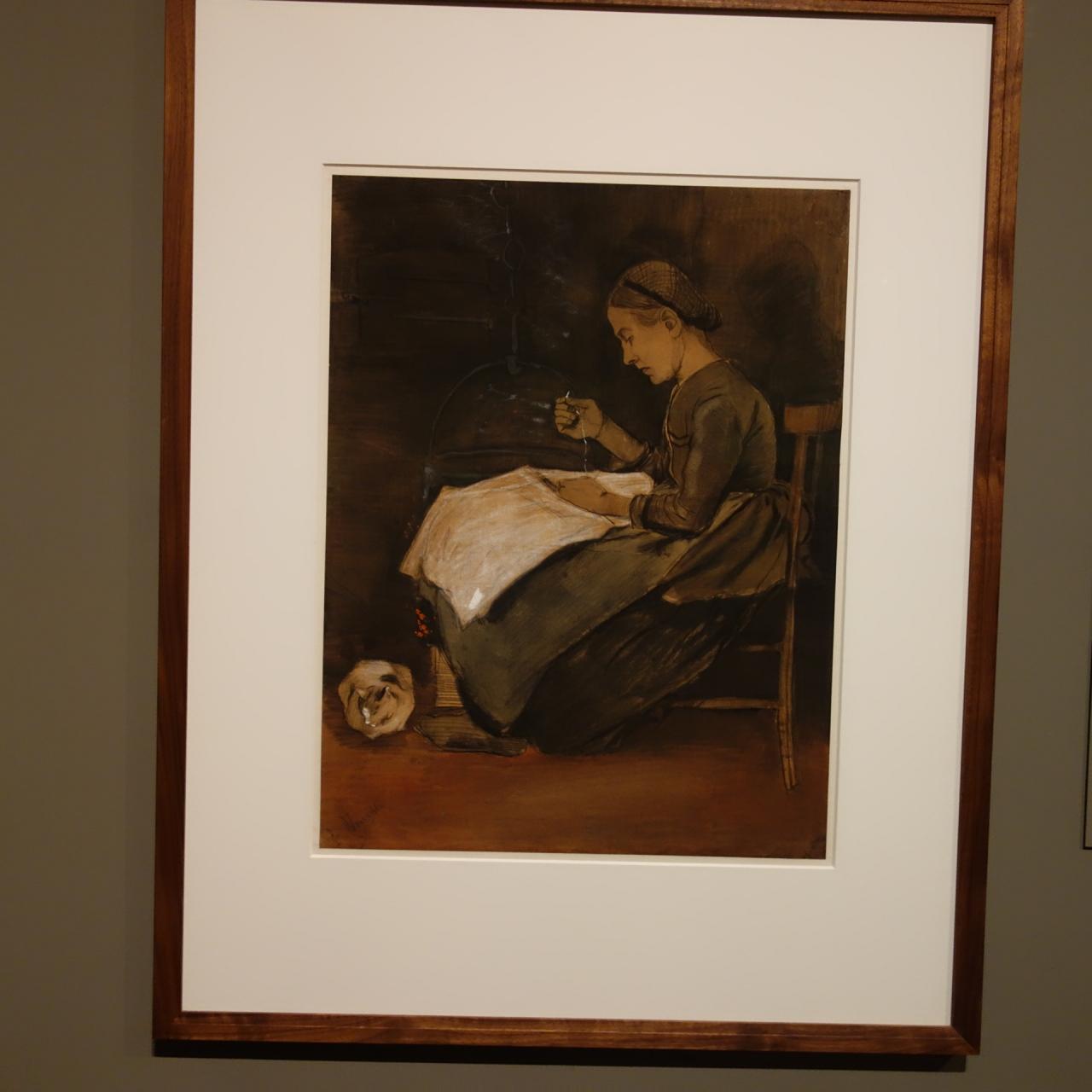
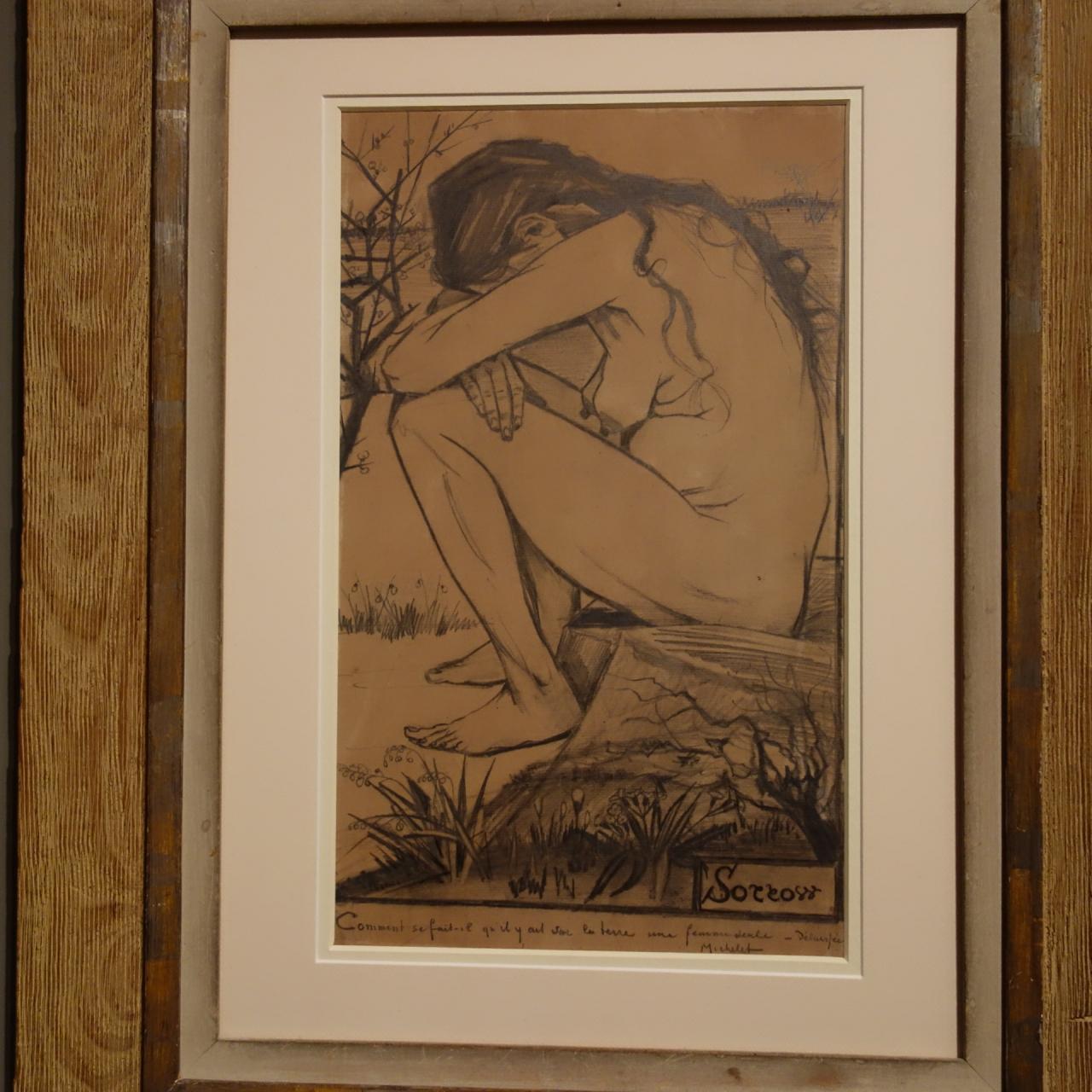
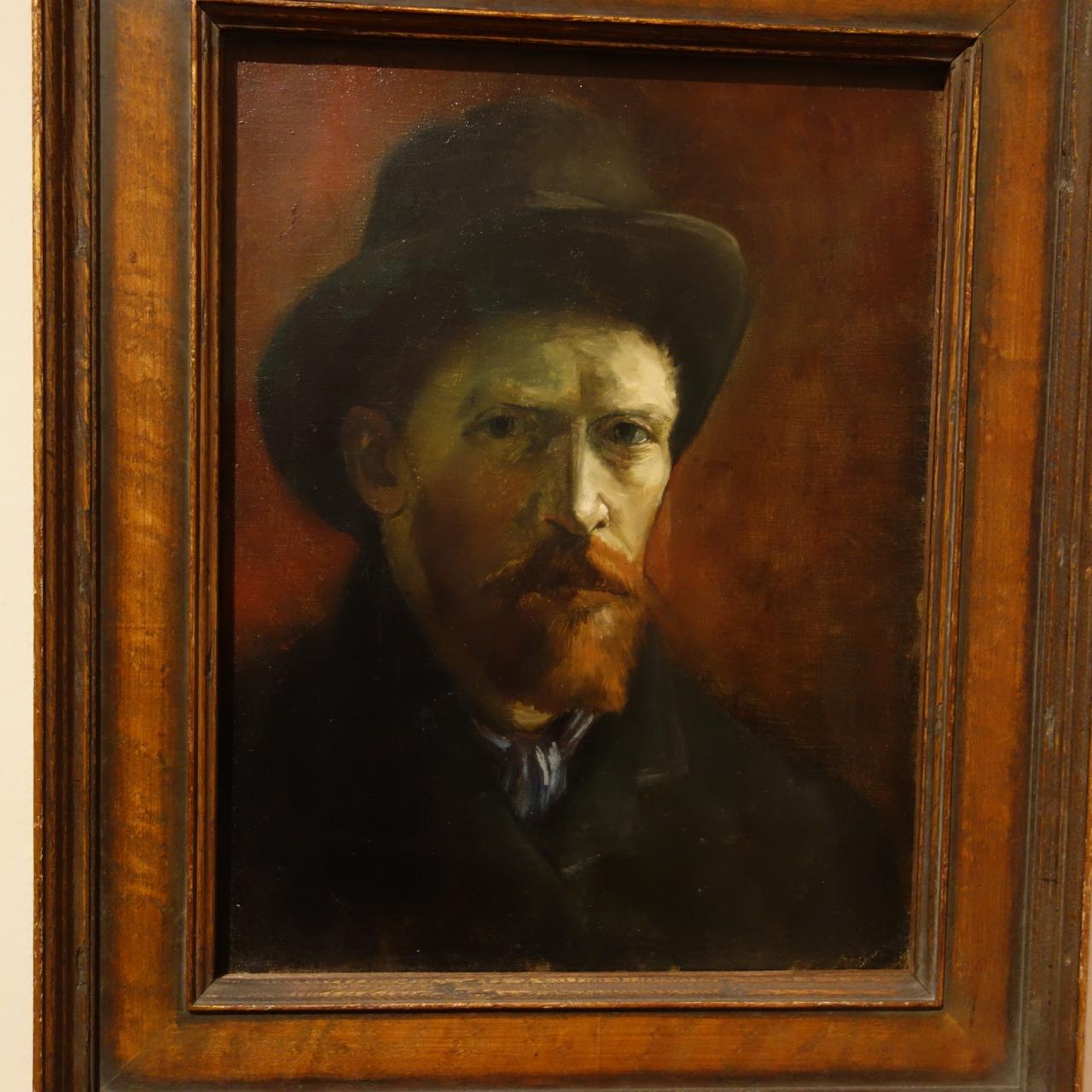
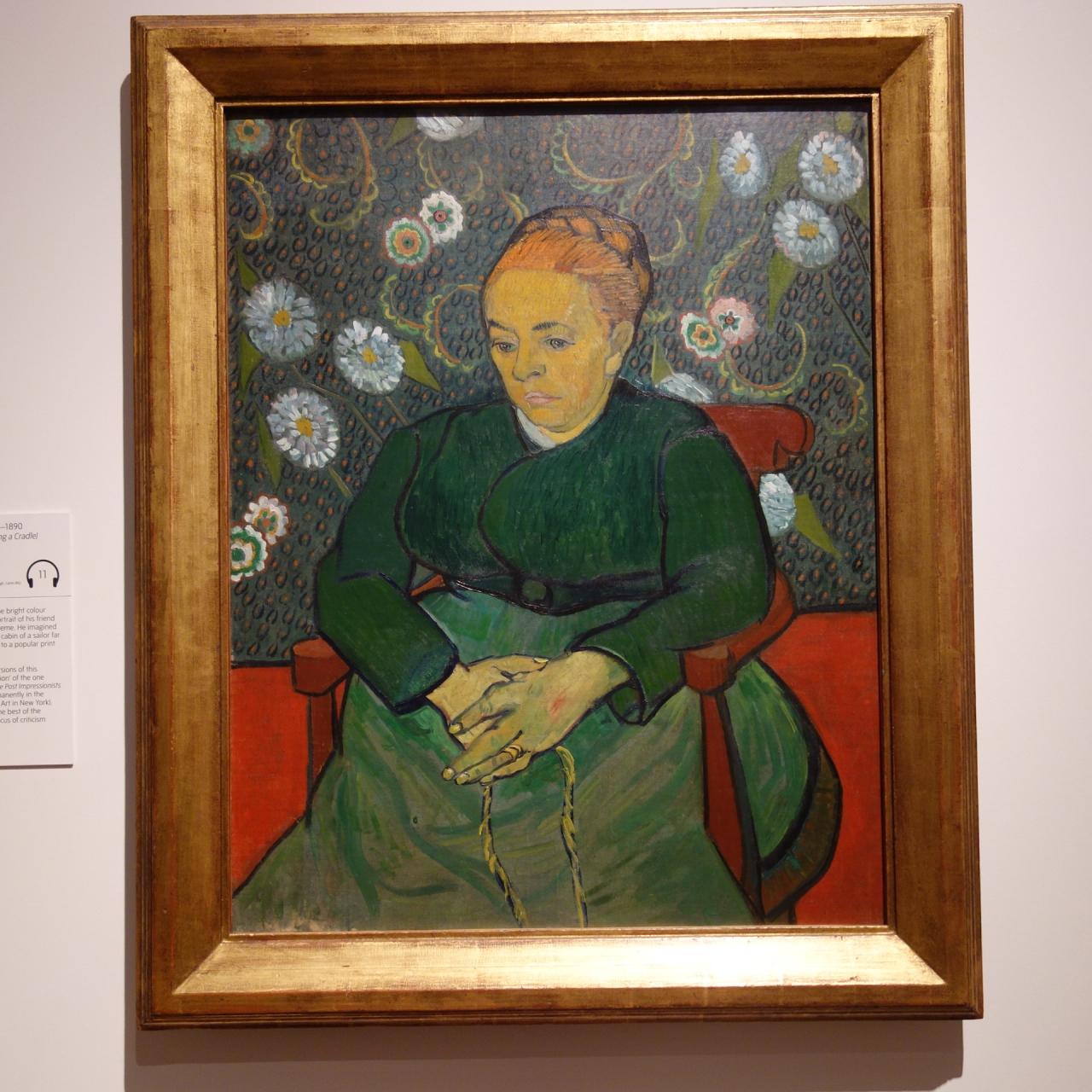
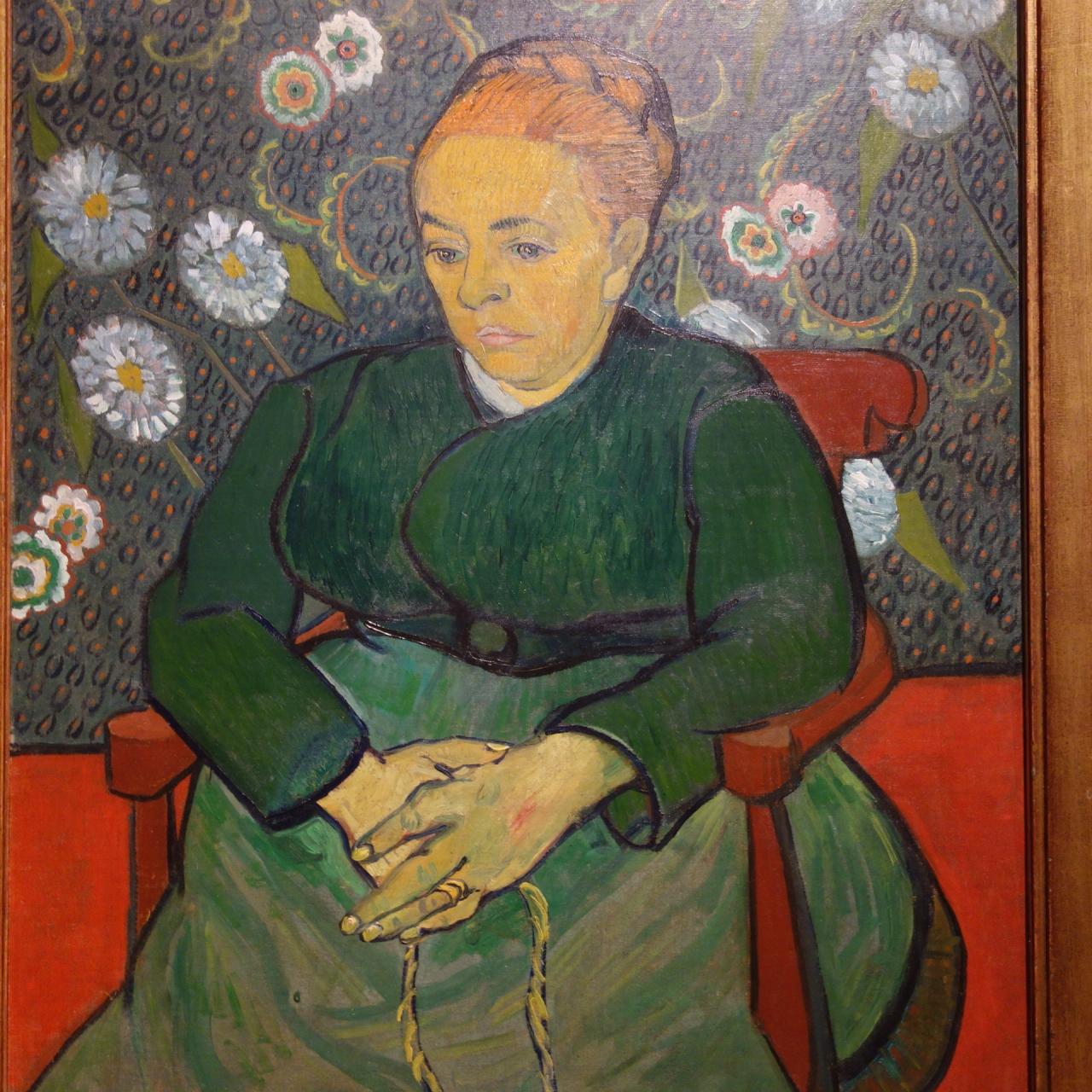
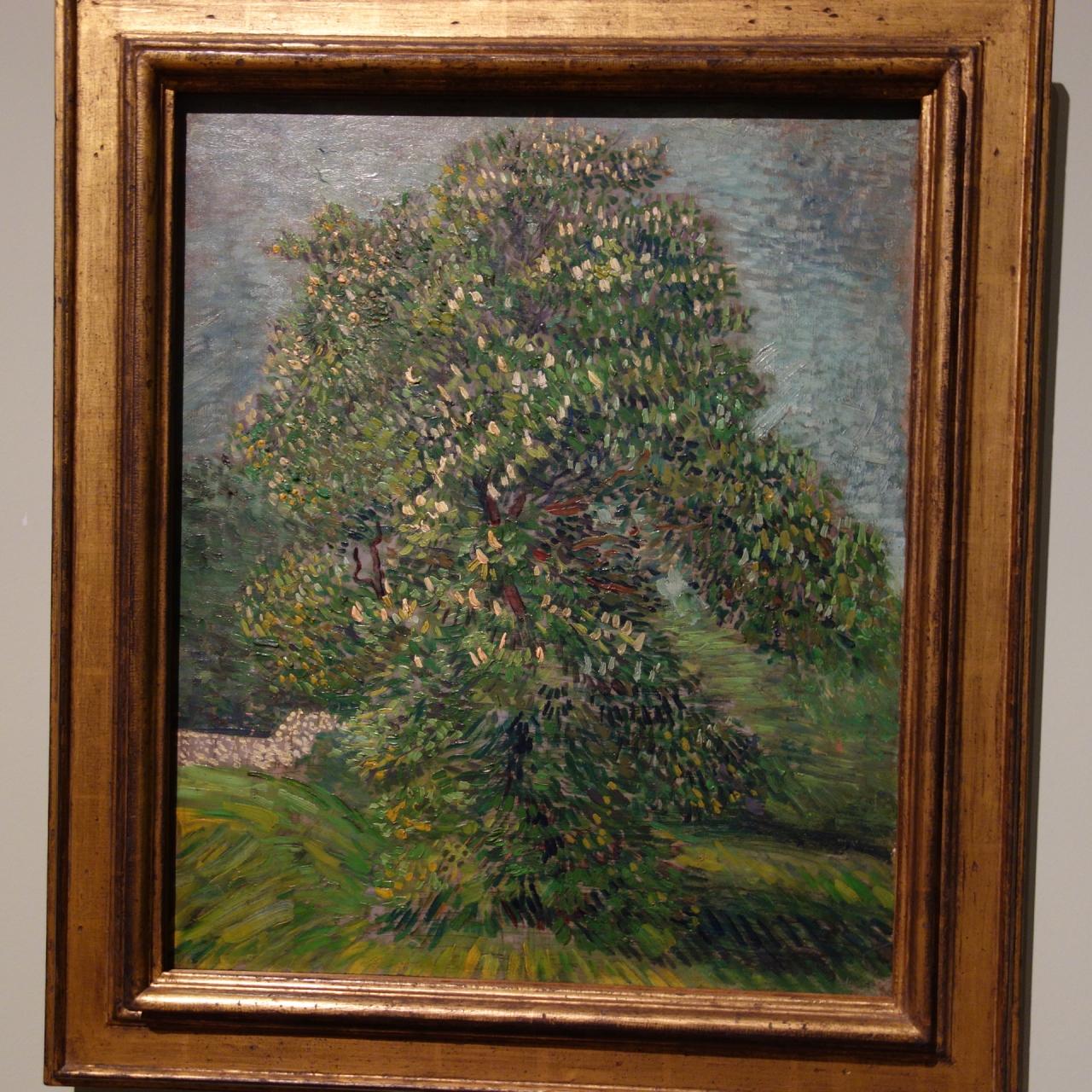
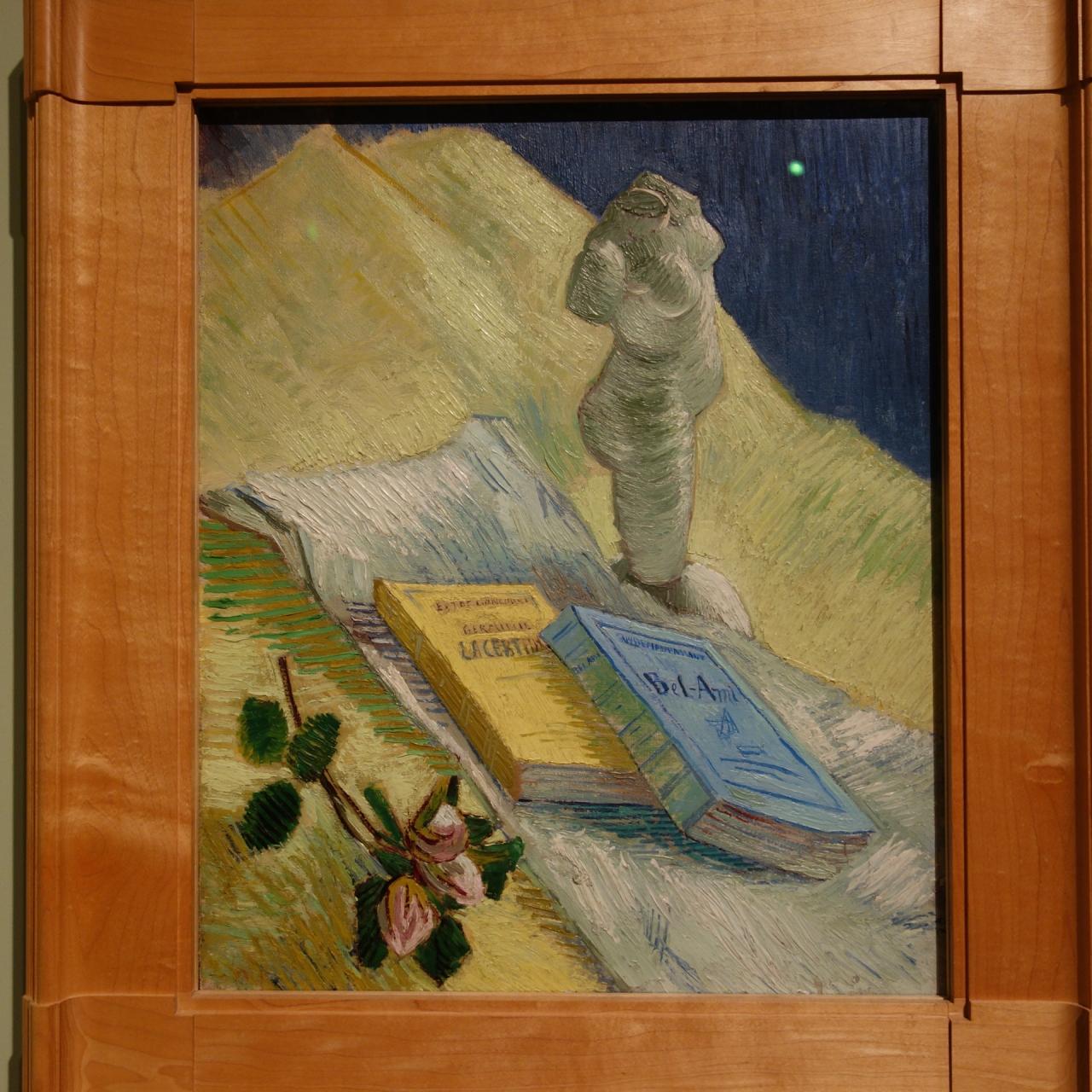
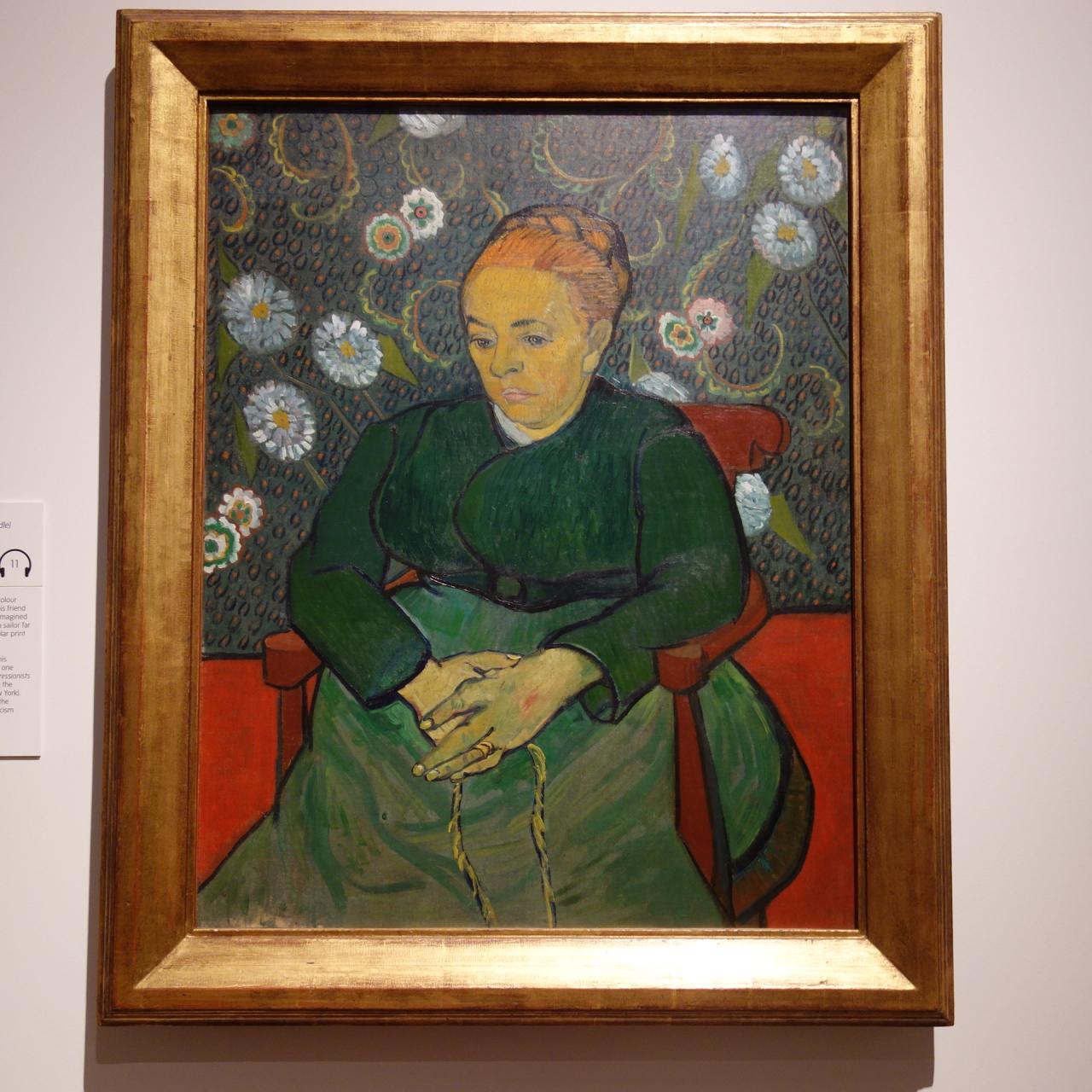
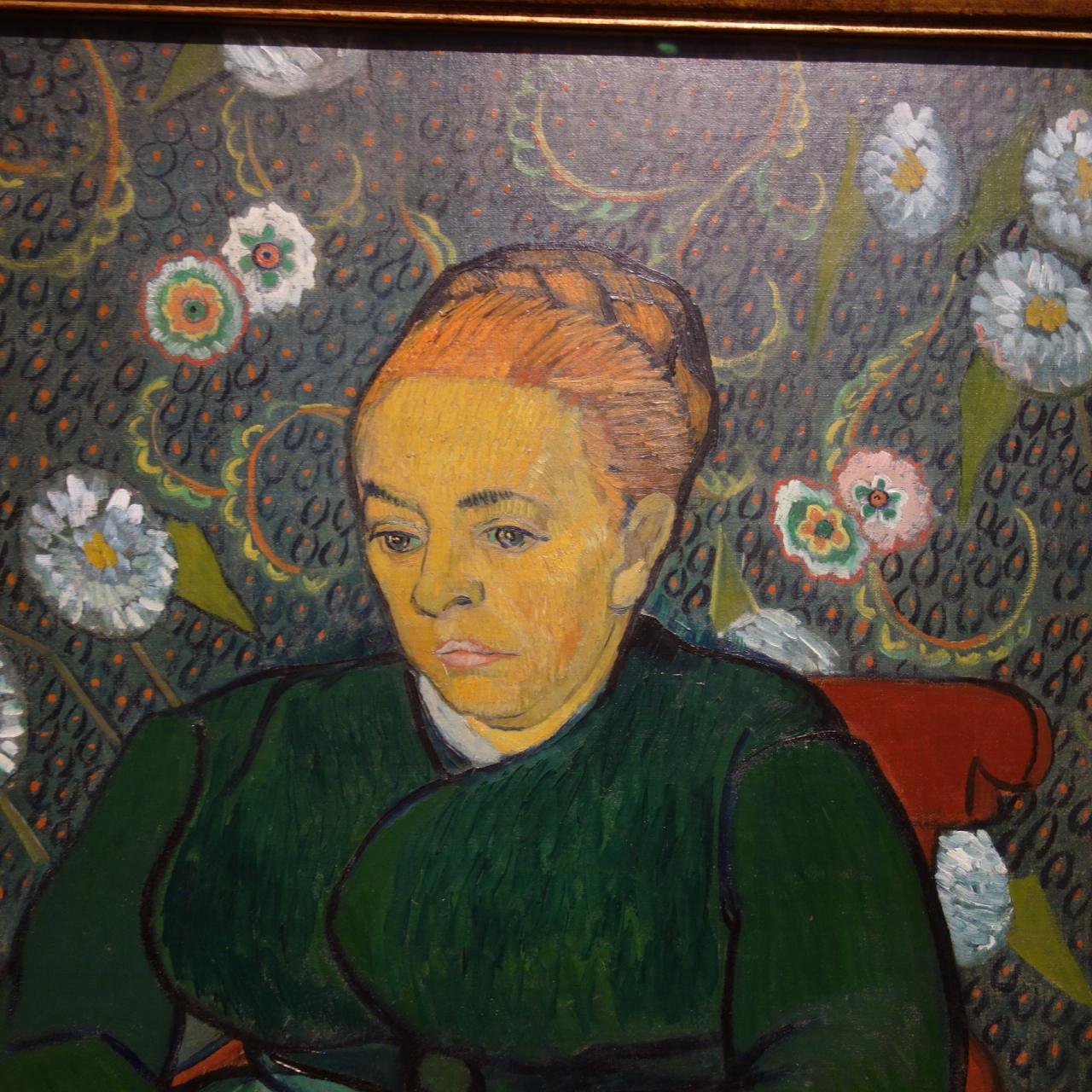
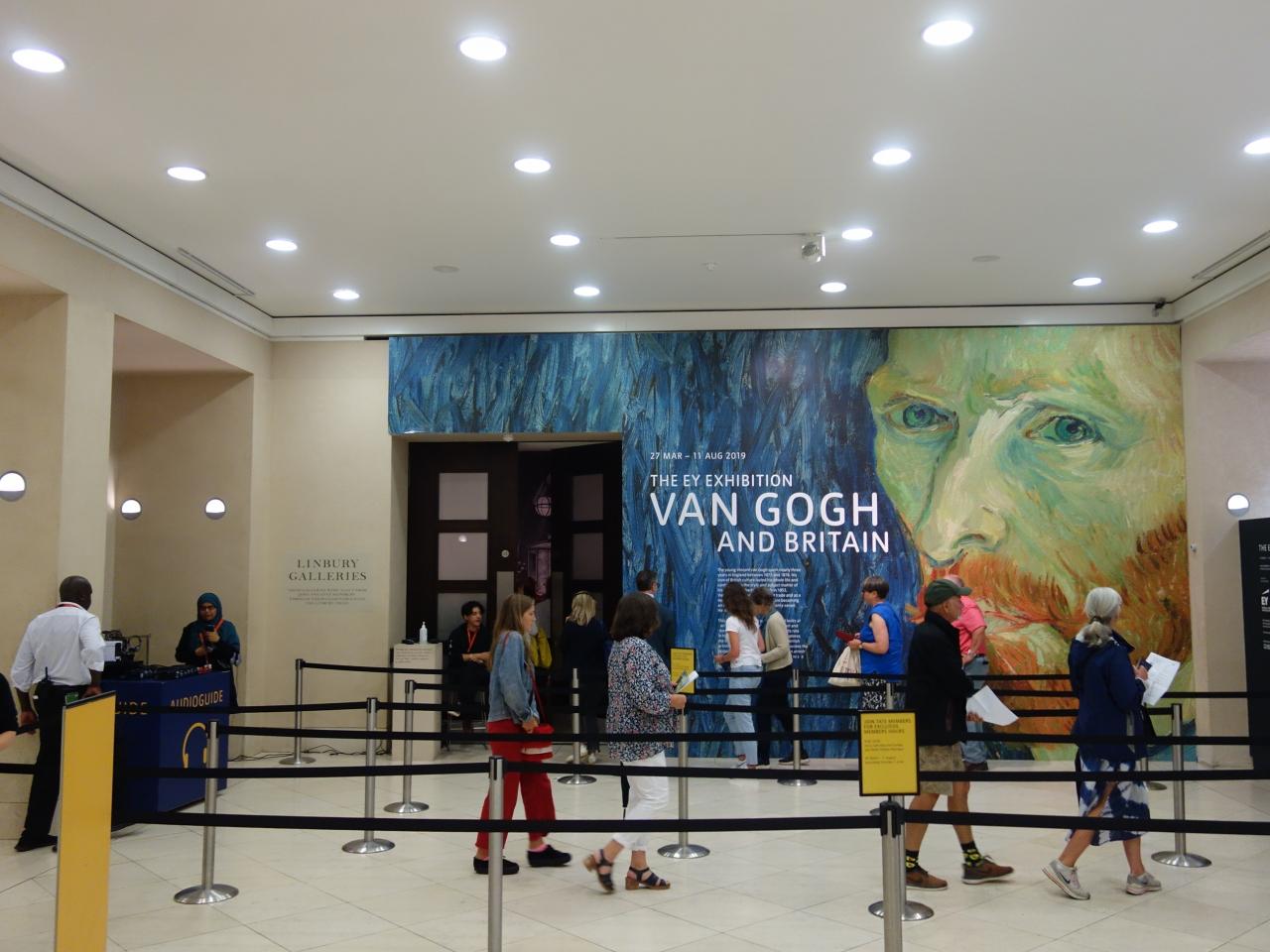
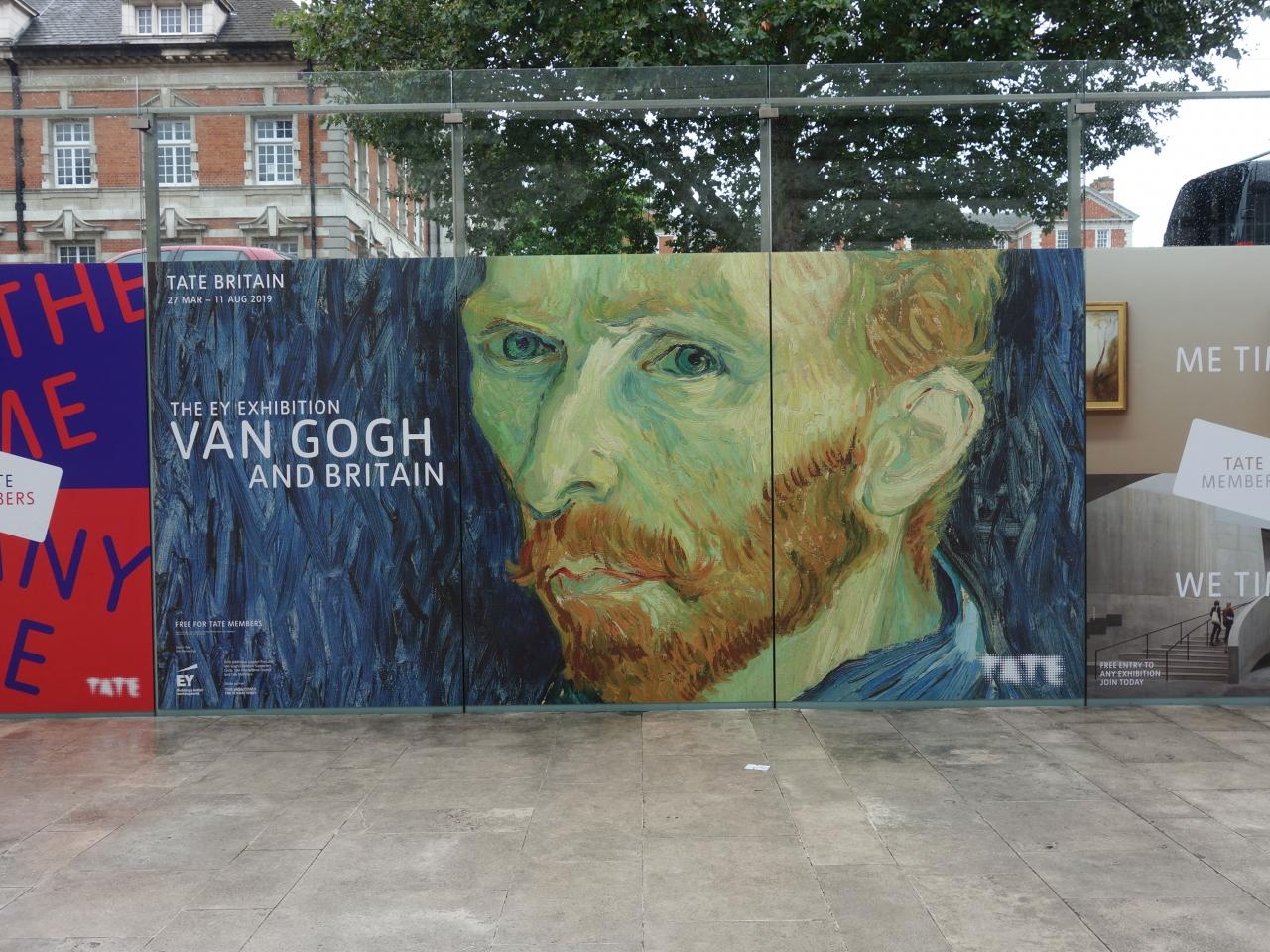
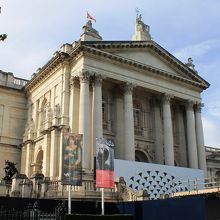
前もっては知らなかったのですが,テート・ブリテンでゴッホの特別展をやっていました。圧巻でした。歴史に残る展覧会です。

ロンドンを歩く。(4.2) テート・ブリテンのゴッホ特別展EY Exhibitionは圧巻でした。歴史に残る展覧会です。

9いいね!

2019/07/27 - 2019/07/27

5113位(同エリア10328件中)

0

85

nomonomo

nomonomoさん

前もっては知らなかったのですが,テート・ブリテンでゴッホの特別展をやっていました。圧巻でした。歴史に残る展覧会です。

旅行の満足度
5.0
観光
5.0
交通
4.0
交通手段
鉄道
旅行の手配内容
個別手配
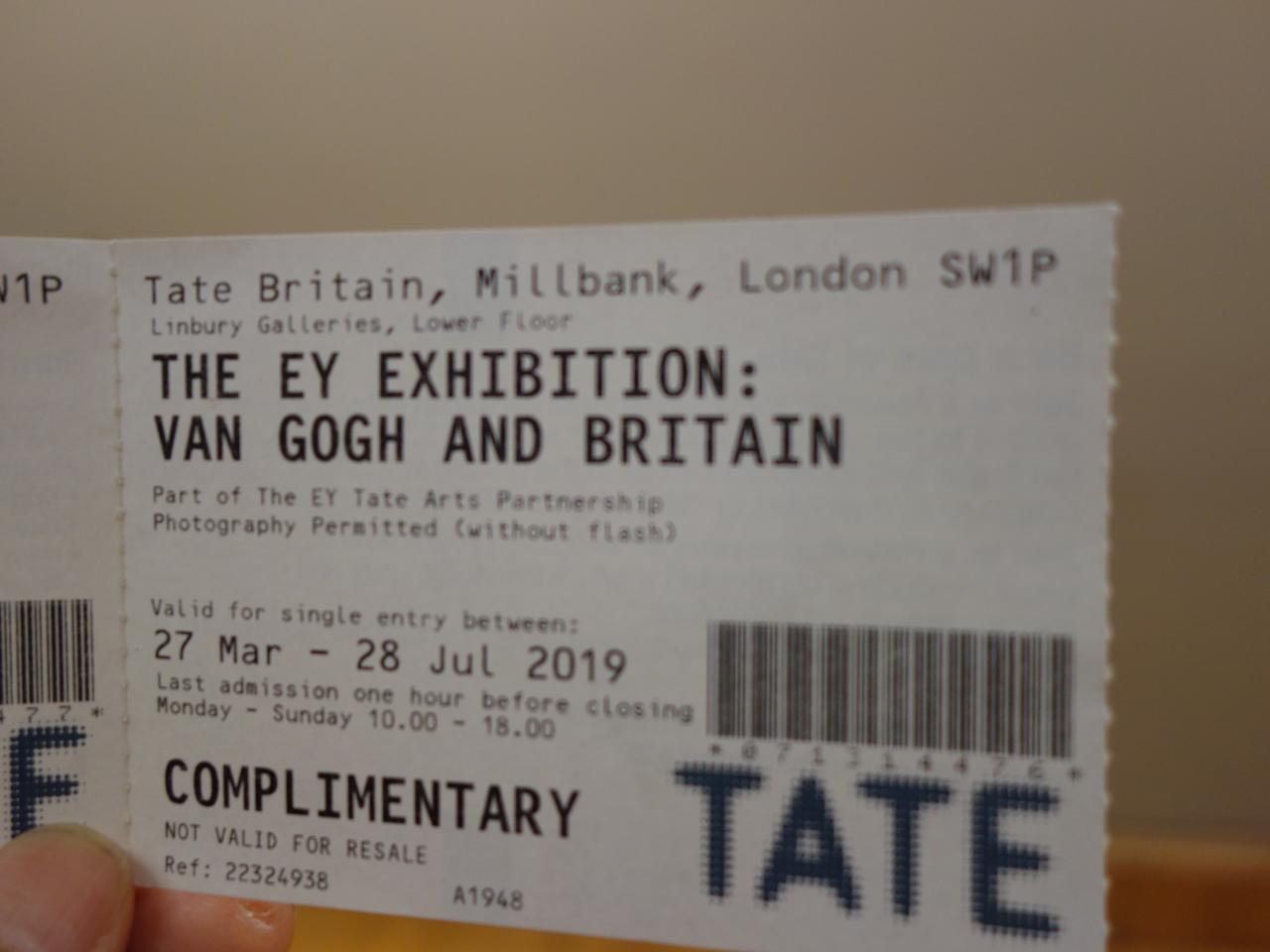
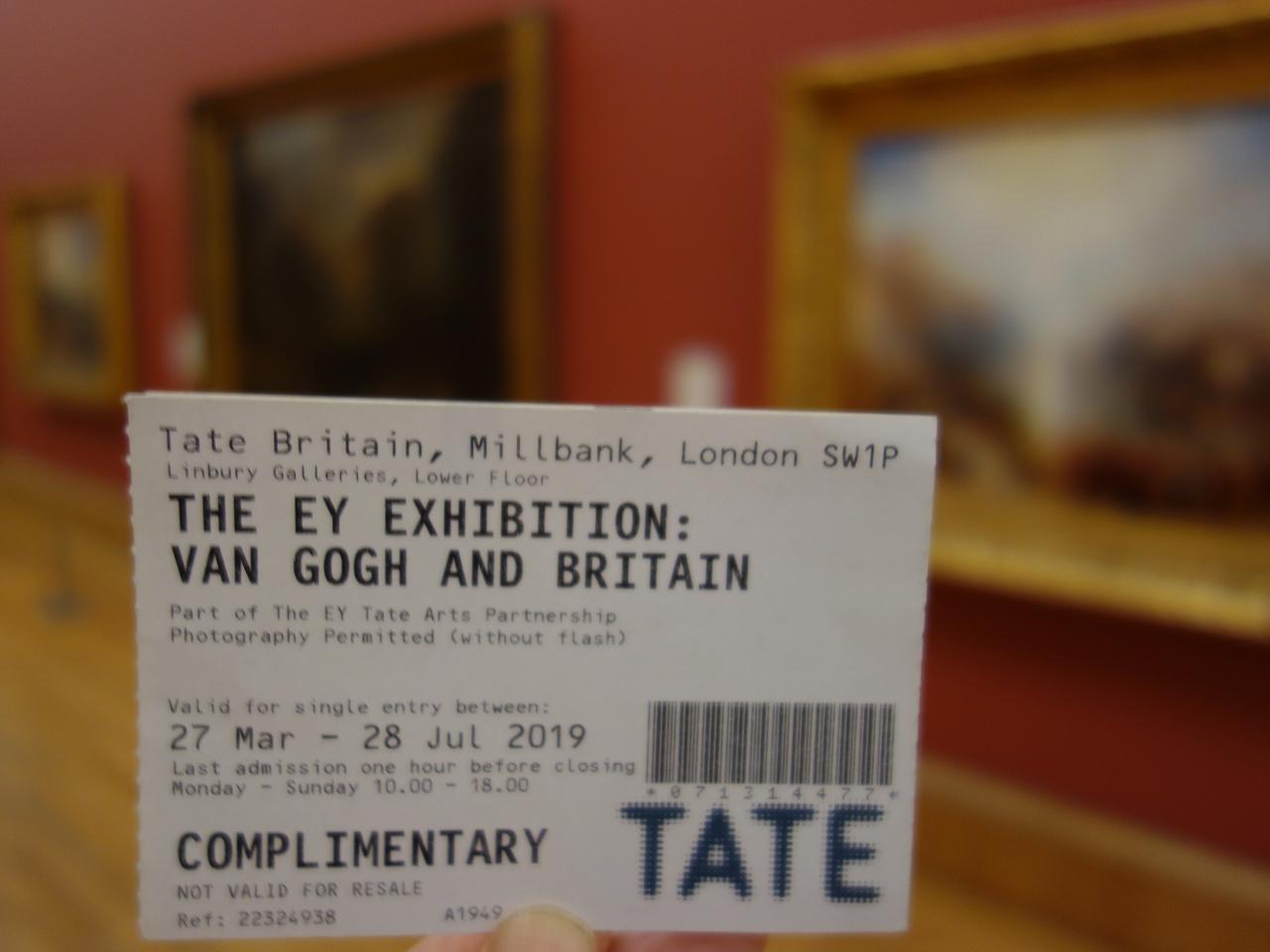
  • さきほど,館員からもらった切符。

    さきほど,館員からもらった切符。

    テート ブリテン 博物館・美術館・ギャラリー
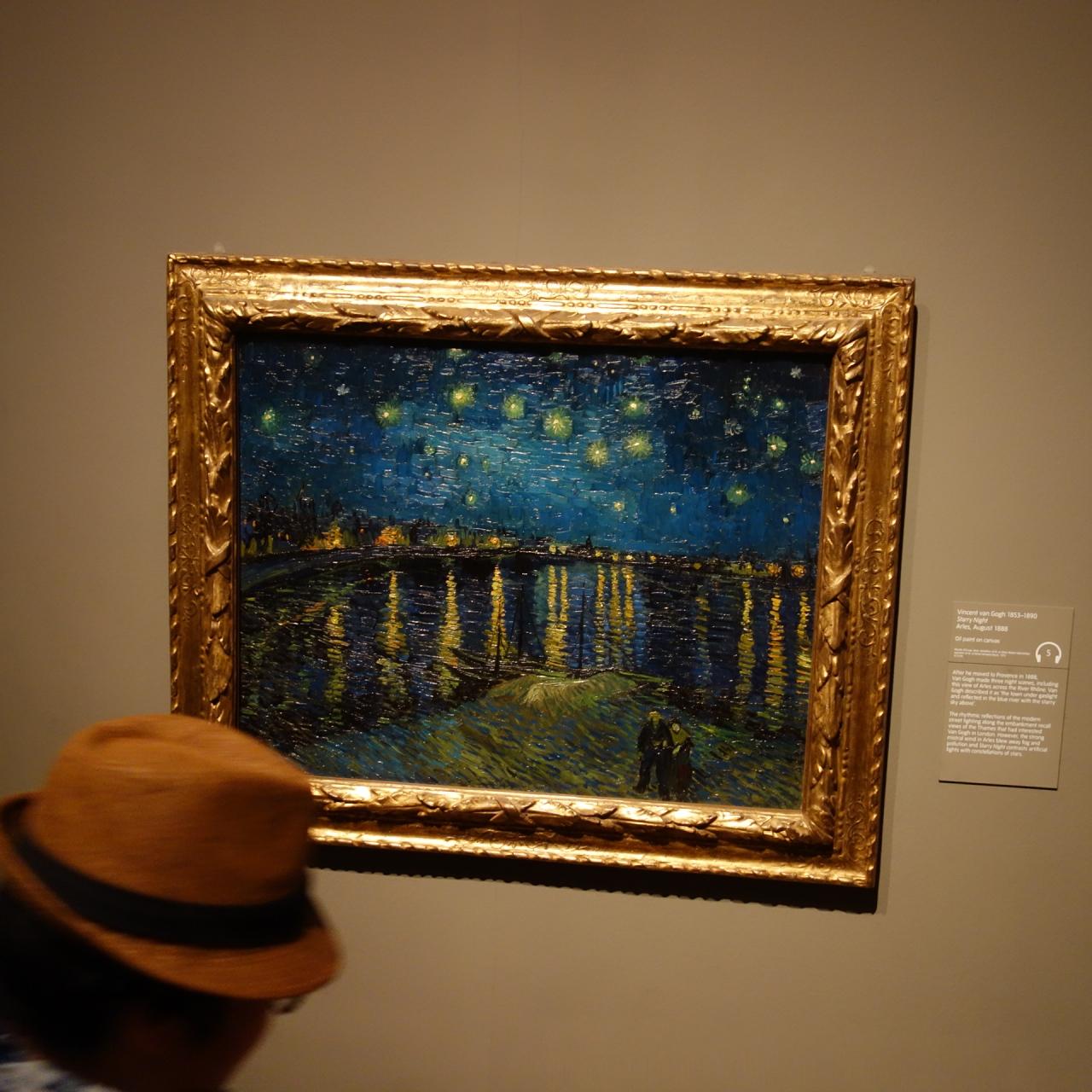
    現在,ゴッホ展をやっています。飛行機代を払って見に行く価値のある歴史的特別展です。 by nomonomoさん
  • Complimentary。館員の家族用かな。ともあれ,ありがとうございました。

    Complimentary。館員の家族用かな。ともあれ,ありがとうございました。

  • もらった小冊子に書いてあったことをうつします。<br /><br />THE EY EXHIBITION<br />VAN GOGH<br />and BRITAIN<br /><br />Always continue walking a lot and loving nature, for that&#39;s the real way to learn to understand art better and better. Painters understand nature and love it, and teach us to see.<br />? Vincent van Gogh to Theo van Gogh<br />  London, 1874  <br />

    もらった小冊子に書いてあったことをうつします。

    THE EY EXHIBITION
    VAN GOGH
    and BRITAIN

    Always continue walking a lot and loving nature, for that's the real way to learn to understand art better and better. Painters understand nature and love it, and teach us to see.
    ? Vincent van Gogh to Theo van Gogh
    London, 1874

  • VAN GOGH AND BRITAIN<br />The young Vincent van Gogh spent nearly three years in England between 1873 and 1876. His love of British culture lasted his whole life and contributed to the style and subject matter of his art. Born in the Netherlands in 1853, Van Gogh tried careers in the art trade and as a teacher and then a preacher before becoming an artist in 1880, at the age of twenty-seven. He died ten years later.<br /><br />This exhibition is in two parts. The first looks at Van Gogh&#39;s experience in London, the art and literature that caught his attention and its role in his journey as an artist. The second explores the impact of Van Gogh&#39;s art and life on British artists up to the 1950s. The exhibition provides the opportunity to view artworks by Van Gogh afresh, to see British culture through his eyes and to see him through the eyes of the British artists he inspired.<br /><br /><br />Vincent van Gogh Shoes 1886<br />Van Gogh Museum, Amsterdam<br />(Vincent van Gogh Foundation)<br />

    VAN GOGH AND BRITAIN
    The young Vincent van Gogh spent nearly three years in England between 1873 and 1876. His love of British culture lasted his whole life and contributed to the style and subject matter of his art. Born in the Netherlands in 1853, Van Gogh tried careers in the art trade and as a teacher and then a preacher before becoming an artist in 1880, at the age of twenty-seven. He died ten years later.

    This exhibition is in two parts. The first looks at Van Gogh's experience in London, the art and literature that caught his attention and its role in his journey as an artist. The second explores the impact of Van Gogh's art and life on British artists up to the 1950s. The exhibition provides the opportunity to view artworks by Van Gogh afresh, to see British culture through his eyes and to see him through the eyes of the British artists he inspired.


    Vincent van Gogh Shoes 1886
    Van Gogh Museum, Amsterdam
    (Vincent van Gogh Foundation)

  • 1 FOREWORD<br /><br />Vincent van Gogh knew four languages, including English, which he spoke and read well. English books were an inspiration and pleasure to him all his life. <br /><br />Van Gogh admired Victorian novels for their &#39;reality more real than reality&#39;. He was devoted to Charles Dickens, and wrote, &#39;My whole life is aimed at making the things from everyday life that Dickens describes.&#39;<br /><br />Van Gogh&#39;s letters to his friends and family mentioned many books. These included over a hundred written in English. He wrote to his brother Theo, &#39;reading books is like looking at paintings ... one must find beautiful that which is beautiful.&#39;  <br />

    1 FOREWORD

    Vincent van Gogh knew four languages, including English, which he spoke and read well. English books were an inspiration and pleasure to him all his life.

    Van Gogh admired Victorian novels for their 'reality more real than reality'. He was devoted to Charles Dickens, and wrote, 'My whole life is aimed at making the things from everyday life that Dickens describes.'

    Van Gogh's letters to his friends and family mentioned many books. These included over a hundred written in English. He wrote to his brother Theo, 'reading books is like looking at paintings ... one must find beautiful that which is beautiful.'

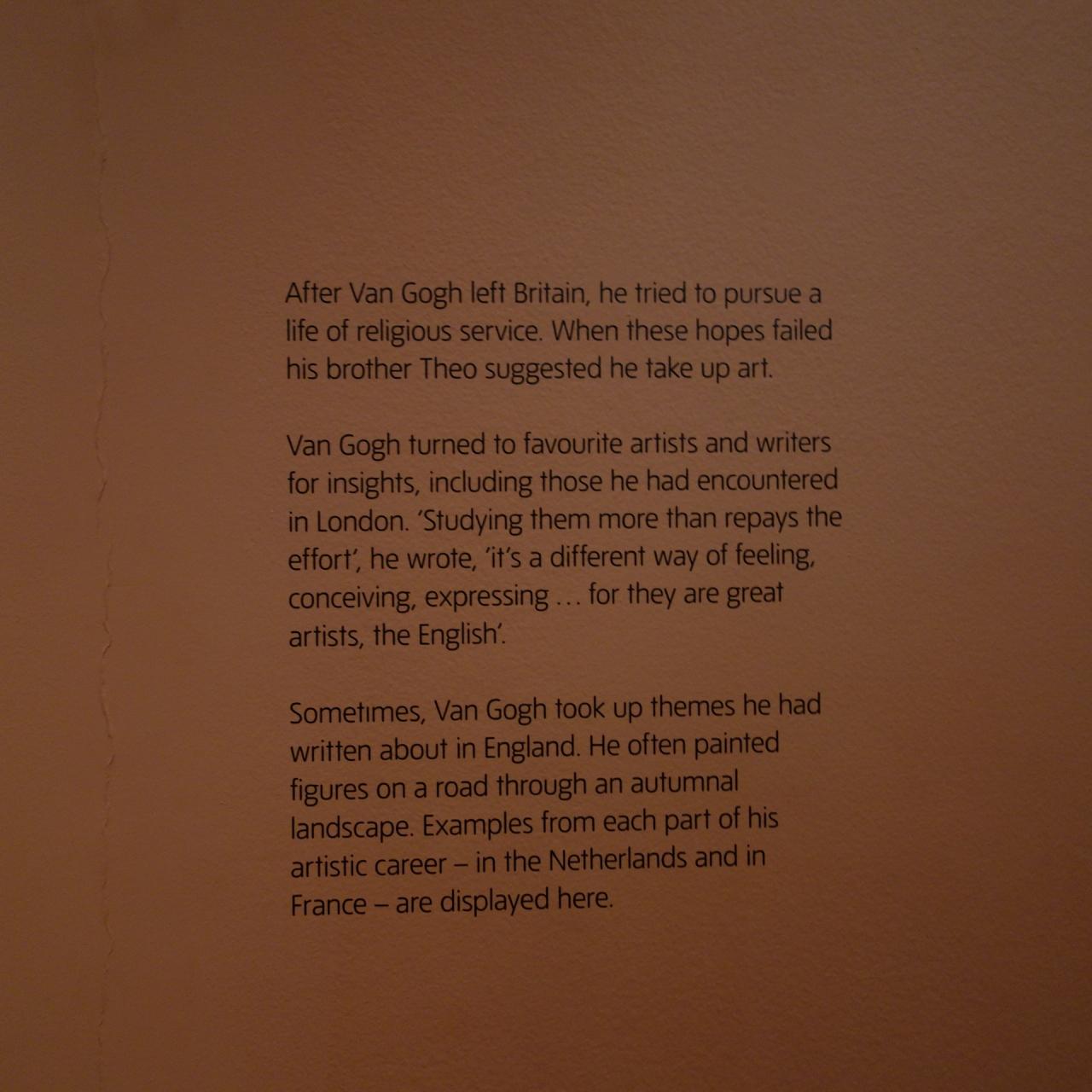
  • 2 FIGURE ON THE ROAD: VAN GOGH IN ENGLAND<br /><br />How I love London.<br /> ? Vincent van Gogh, 1875<br /><br />Van Gogh arrived in London in May 1873 at the age of twenty. He worked for two years at the Covent Garden offices of art dealers Goupil and lived in lodgings in Stockwell and Oval in south London. Van Gogh travelled along the river by boat and on the underground railway and he loved to walk through the city.<br /><br />In London, Van Gogh immersed himself in culture. He saw paintings in museums, galleries and art dealer&#39;s rooms that he would remember all his life.<br /><br />Radical ideas thrived in Britain and encouraged Van Gogh&#39;s interest in popular religion and concern for the hardship of working people. When he was dismissed from his job, he tried teaching and preaching as careers, in Ramsgate, Kent and Isleworth, west London. In December 1876 he left Britain for good.<br />

    2 FIGURE ON THE ROAD: VAN GOGH IN ENGLAND

    How I love London.
    ? Vincent van Gogh, 1875

    Van Gogh arrived in London in May 1873 at the age of twenty. He worked for two years at the Covent Garden offices of art dealers Goupil and lived in lodgings in Stockwell and Oval in south London. Van Gogh travelled along the river by boat and on the underground railway and he loved to walk through the city.

    In London, Van Gogh immersed himself in culture. He saw paintings in museums, galleries and art dealer's rooms that he would remember all his life.

    Radical ideas thrived in Britain and encouraged Van Gogh's interest in popular religion and concern for the hardship of working people. When he was dismissed from his job, he tried teaching and preaching as careers, in Ramsgate, Kent and Isleworth, west London. In December 1876 he left Britain for good.

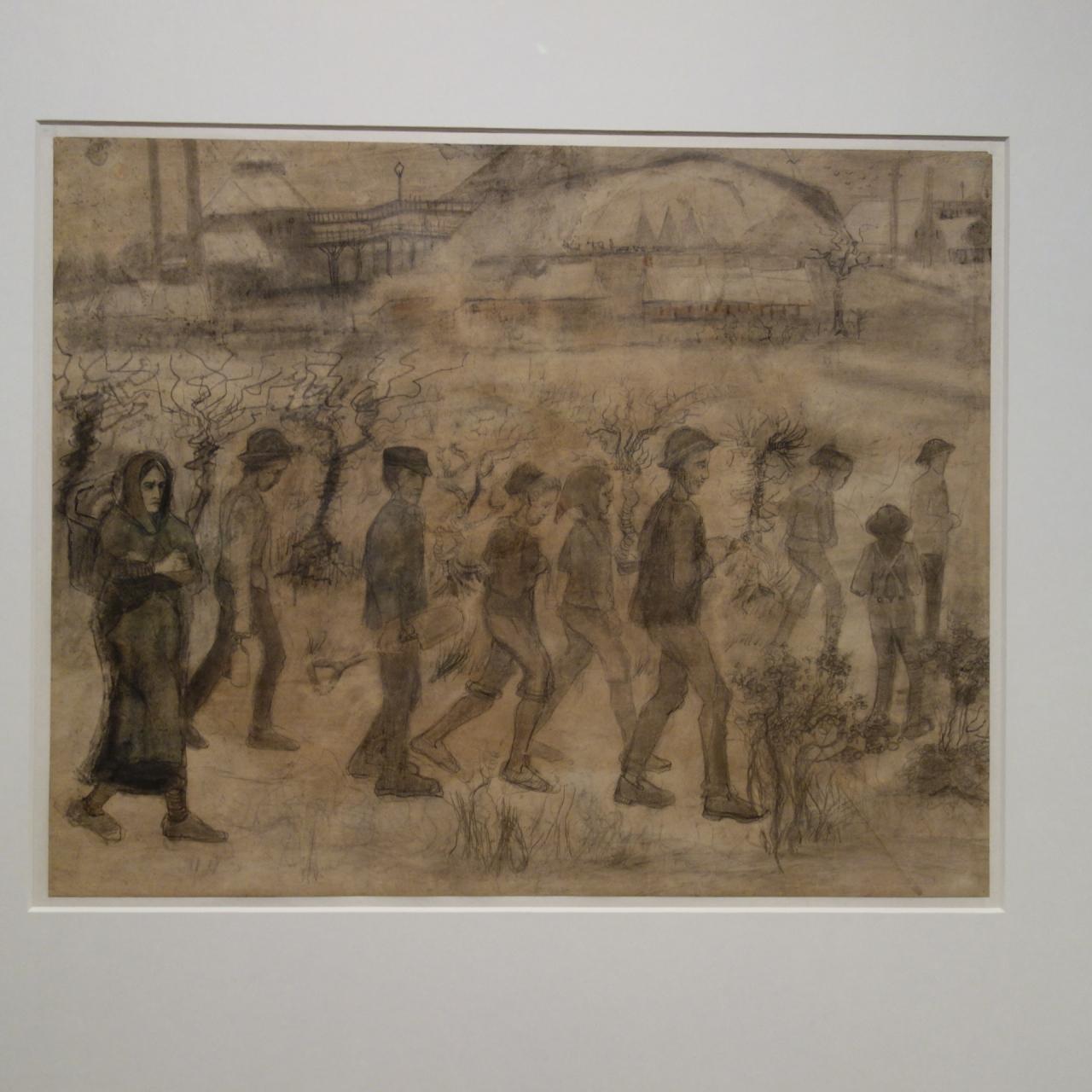
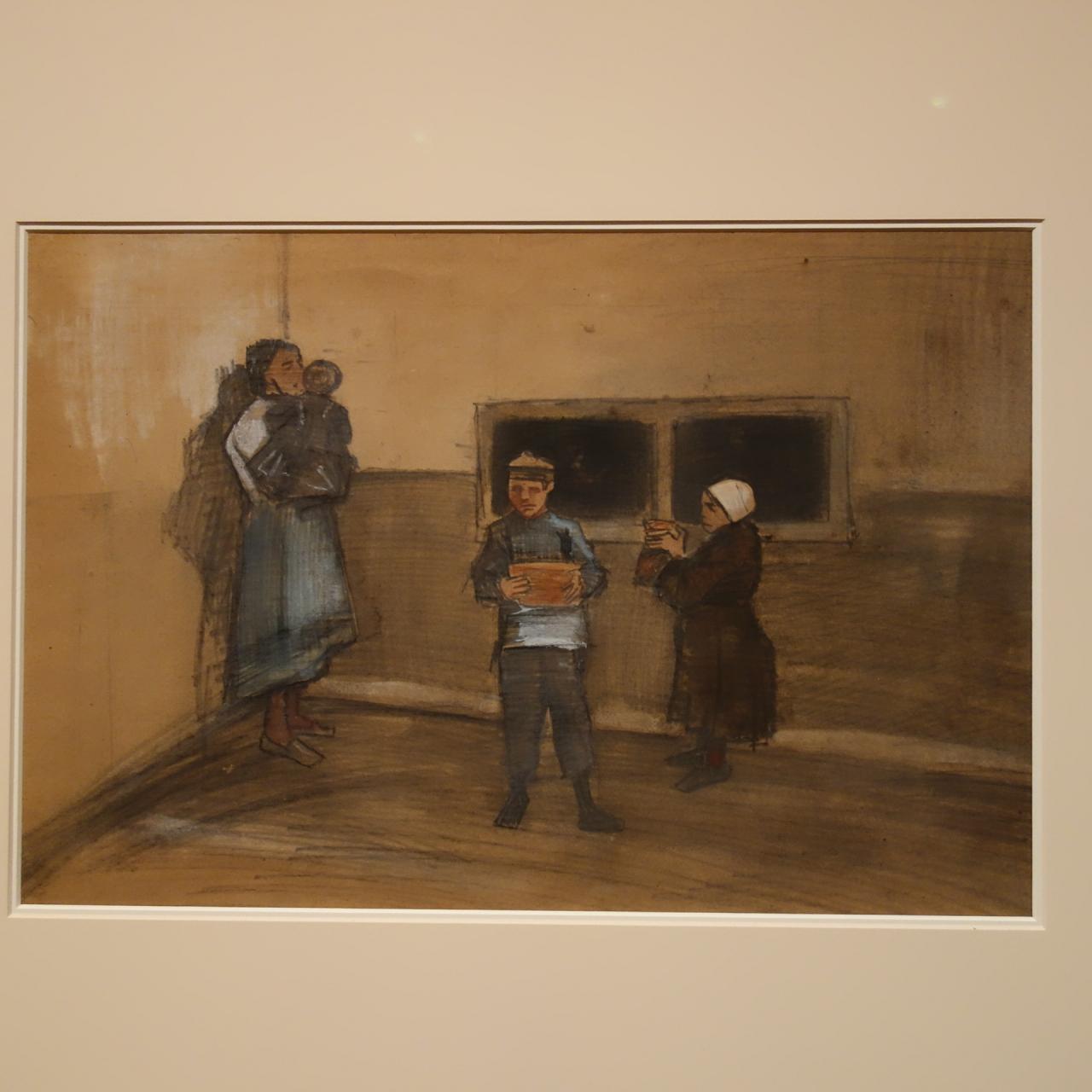
  • 3 BLACK AND WHITE: BECOMING A PAINTER OF THE PEOPLE<br /><br />I often felt low in England ...but the Black and White and Dickens, are things that make up for it all.<br />? Vincent van Gogh, 1883<br /><br />Working in London at art dealer Goupil, Van Gogh was part of the expanding trade in prints and art reproductions and he learned about British &#39;black and whites&#39;, as they were called. When Van Gogh became an artist four years later, he collected over 2,000 prints.<br /><br />British illustrators and print-makers were skilled at portraying modern subjects as dramas of light and shade. Although Van Gogh had little formal art training, studying prints helped him find novel compositions and develop his original drawing and painting style.<br /><br />In this room we see how Van Gogh was thinking about prints throughout his career.<br />

    3 BLACK AND WHITE: BECOMING A PAINTER OF THE PEOPLE

    I often felt low in England ...but the Black and White and Dickens, are things that make up for it all.
    ? Vincent van Gogh, 1883

    Working in London at art dealer Goupil, Van Gogh was part of the expanding trade in prints and art reproductions and he learned about British 'black and whites', as they were called. When Van Gogh became an artist four years later, he collected over 2,000 prints.

    British illustrators and print-makers were skilled at portraying modern subjects as dramas of light and shade. Although Van Gogh had little formal art training, studying prints helped him find novel compositions and develop his original drawing and painting style.

    In this room we see how Van Gogh was thinking about prints throughout his career.

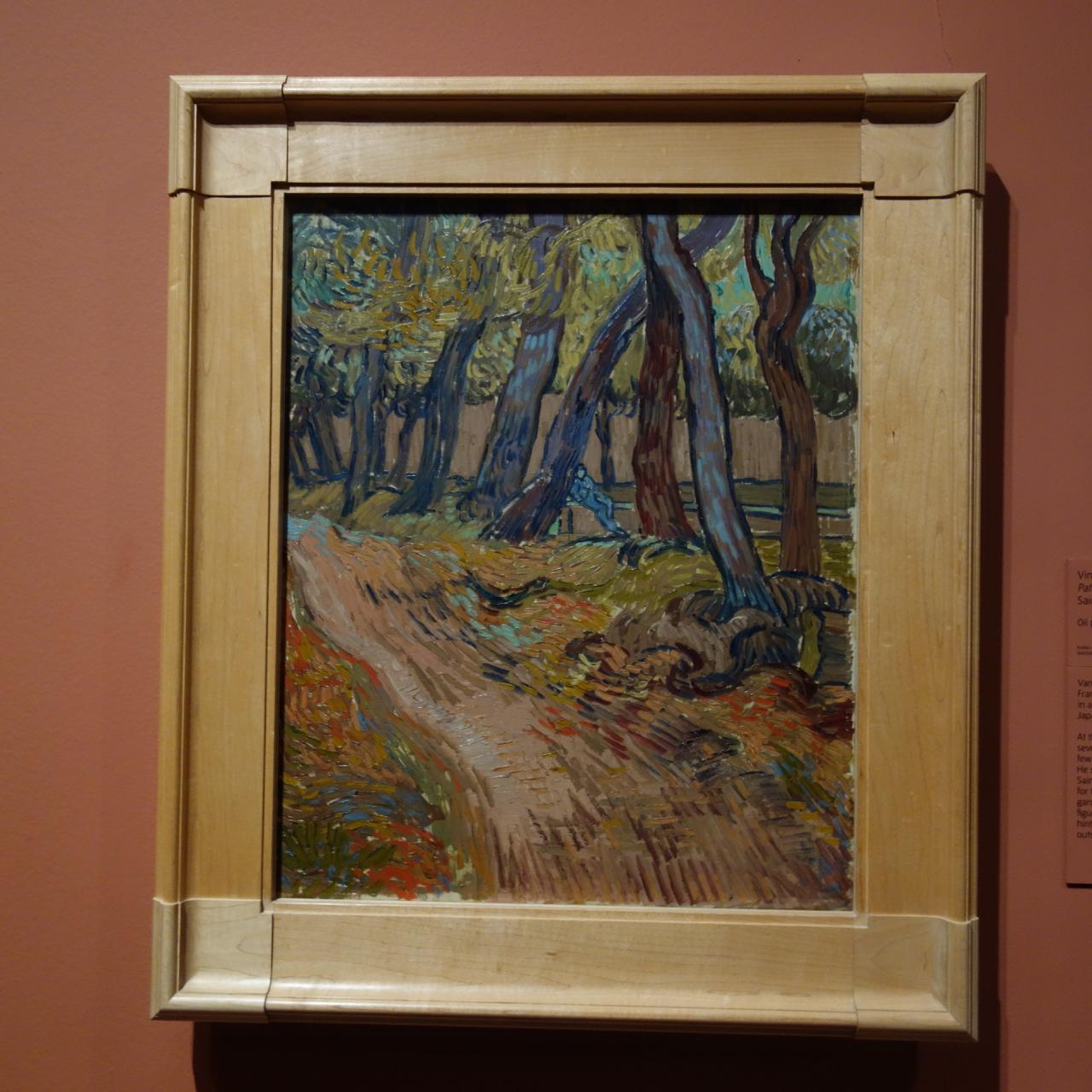
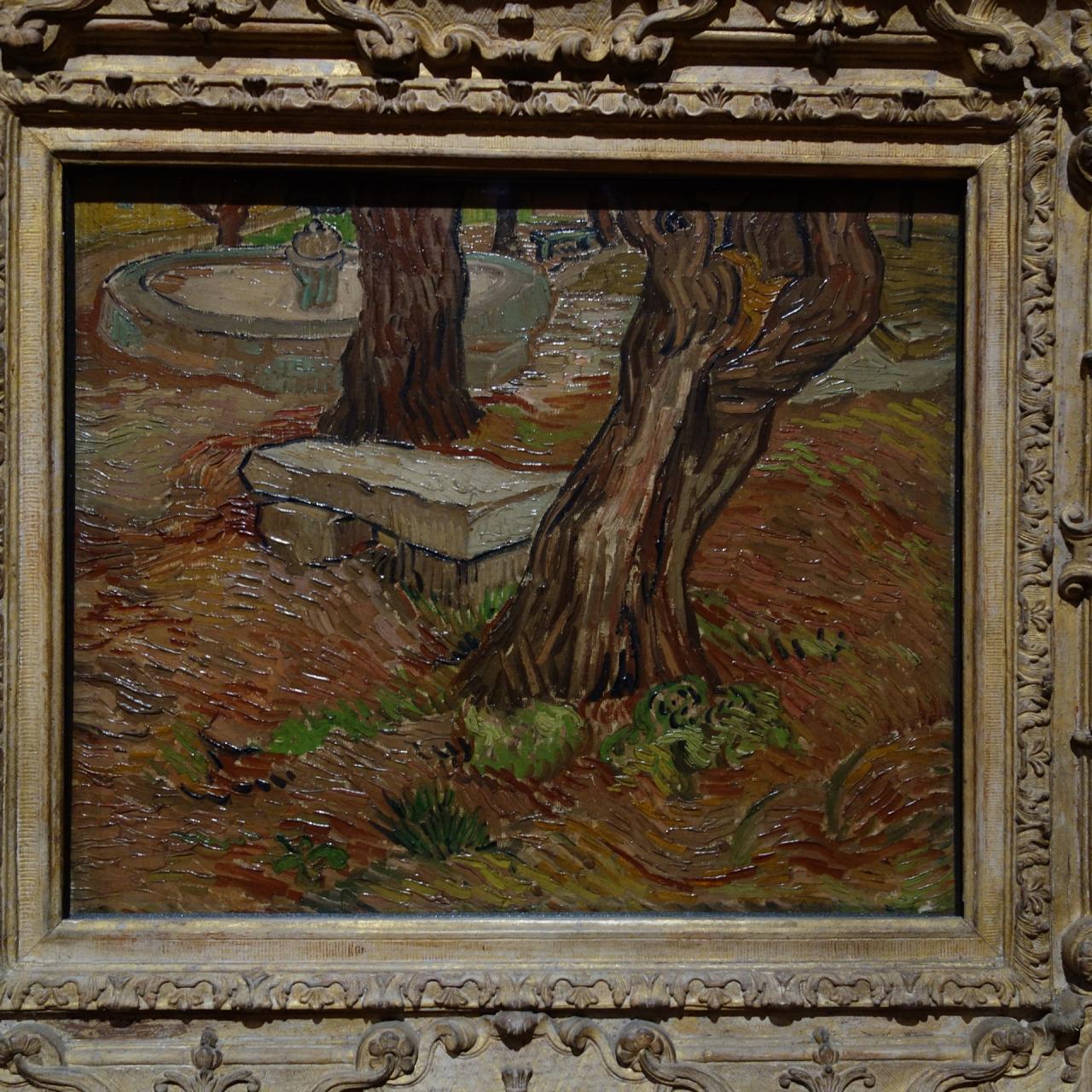
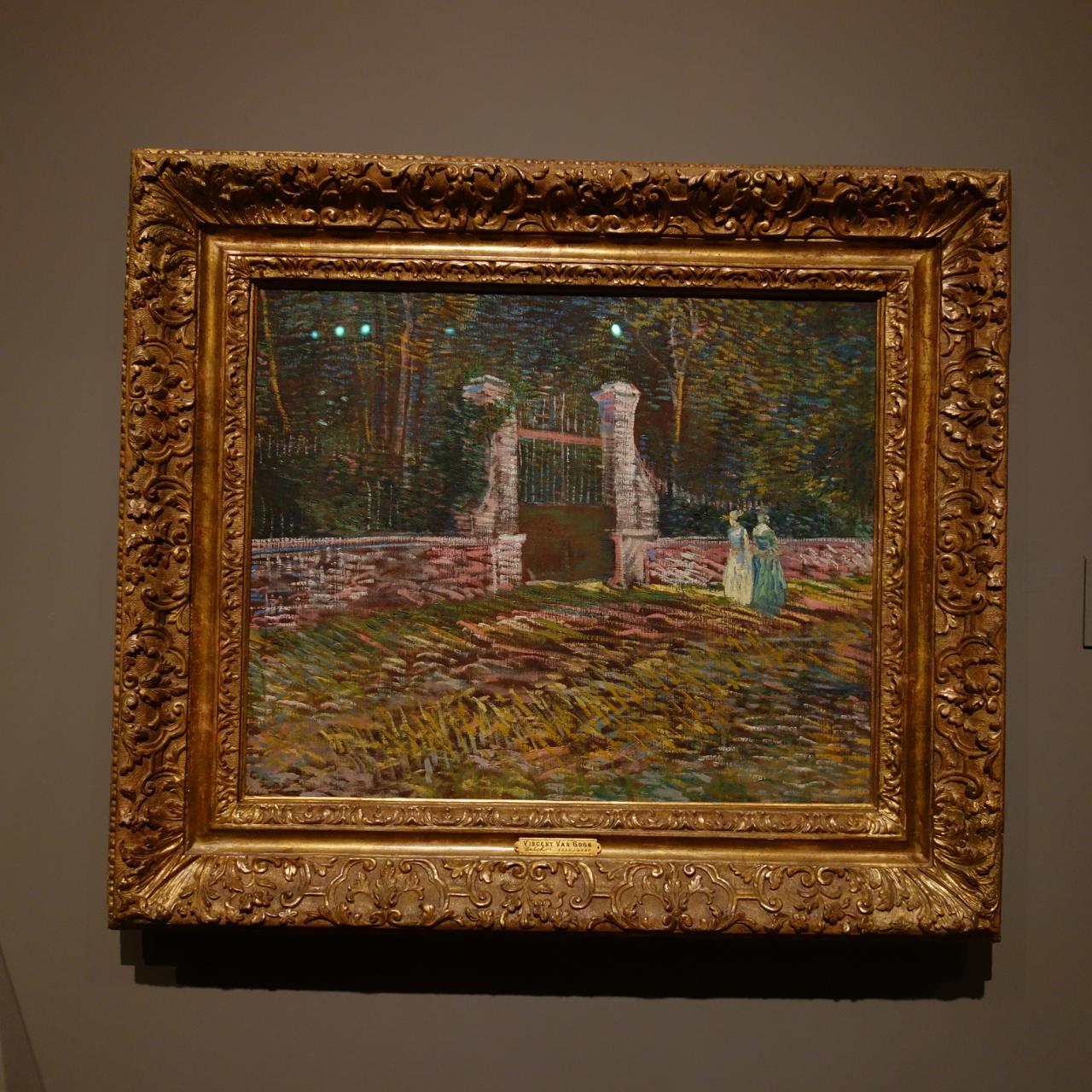
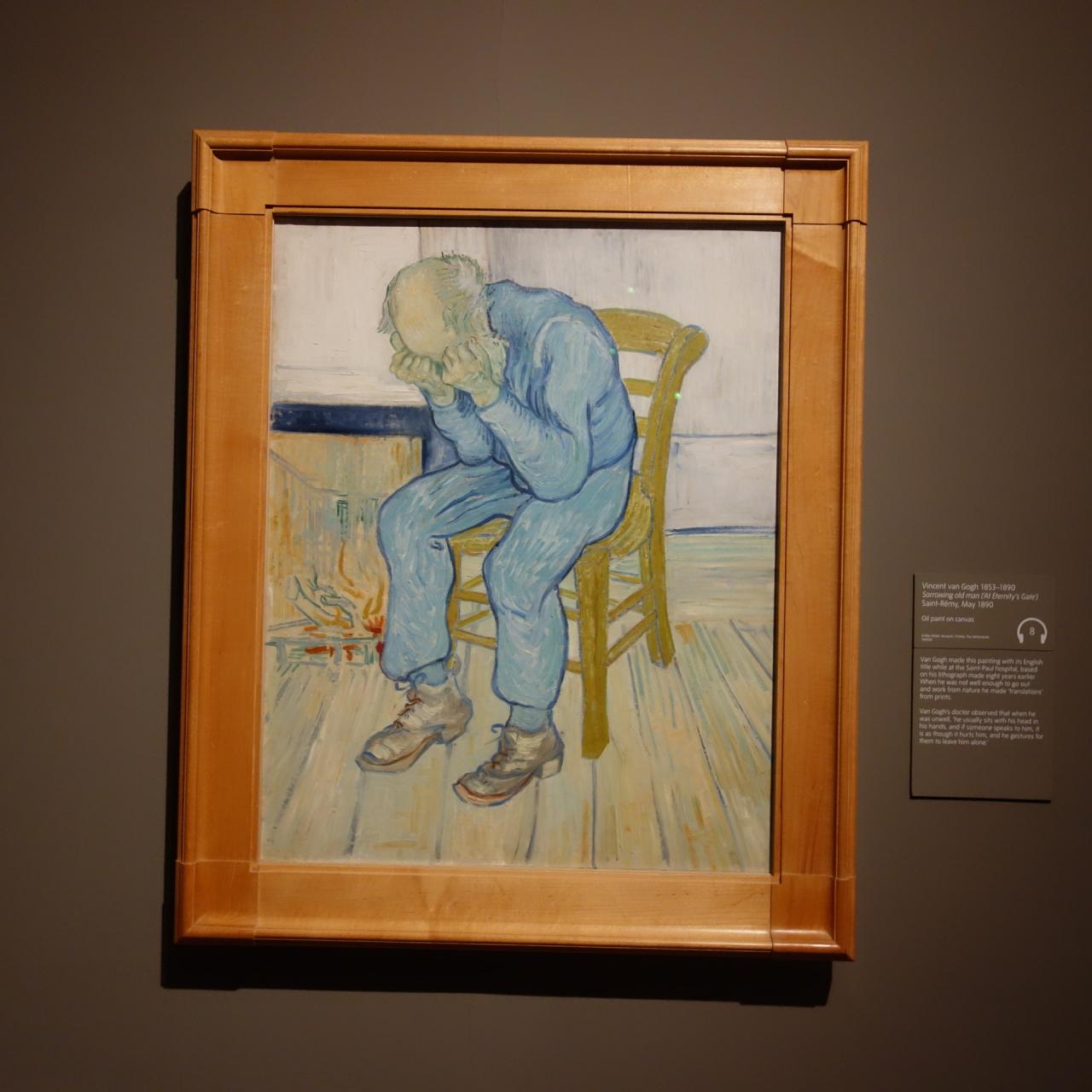
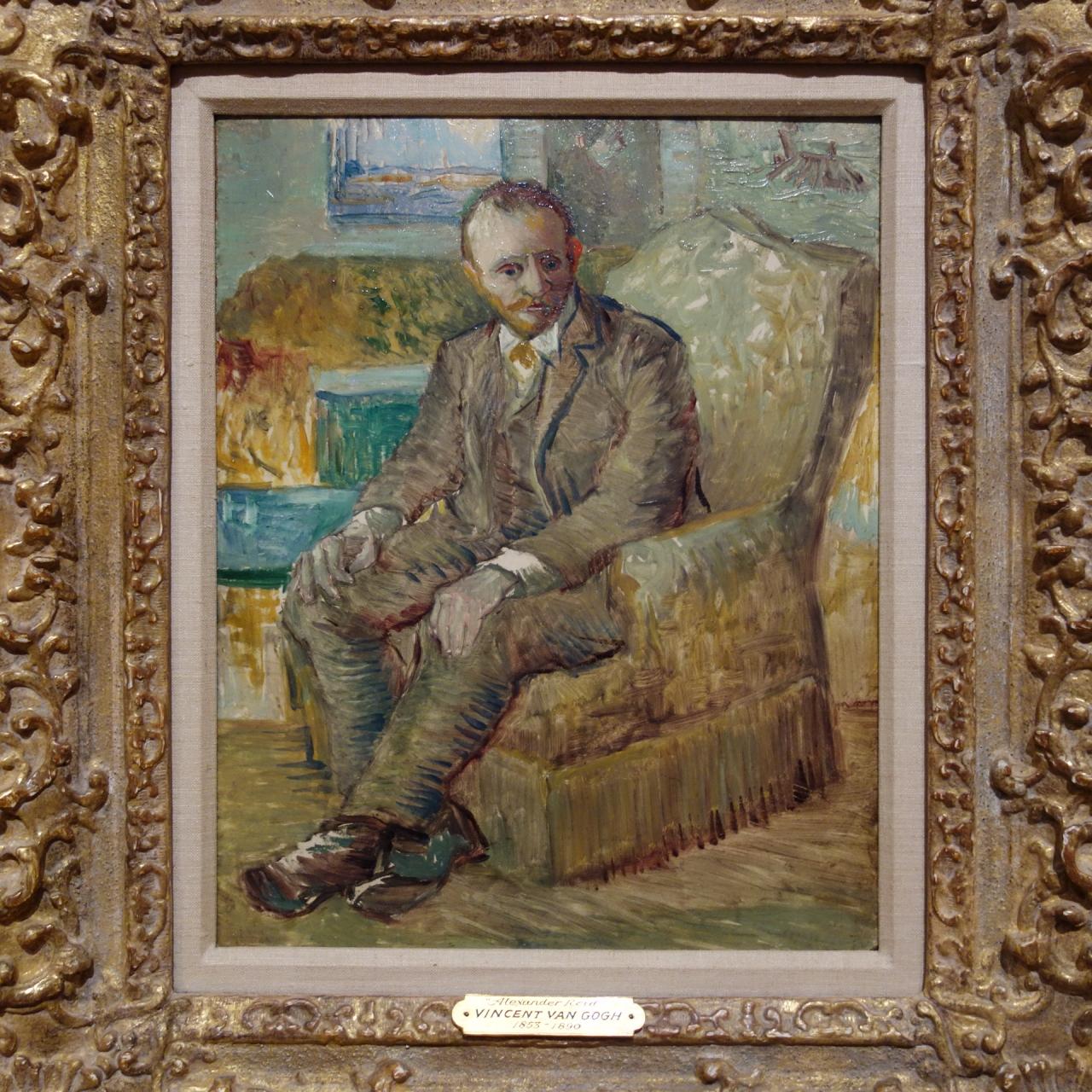
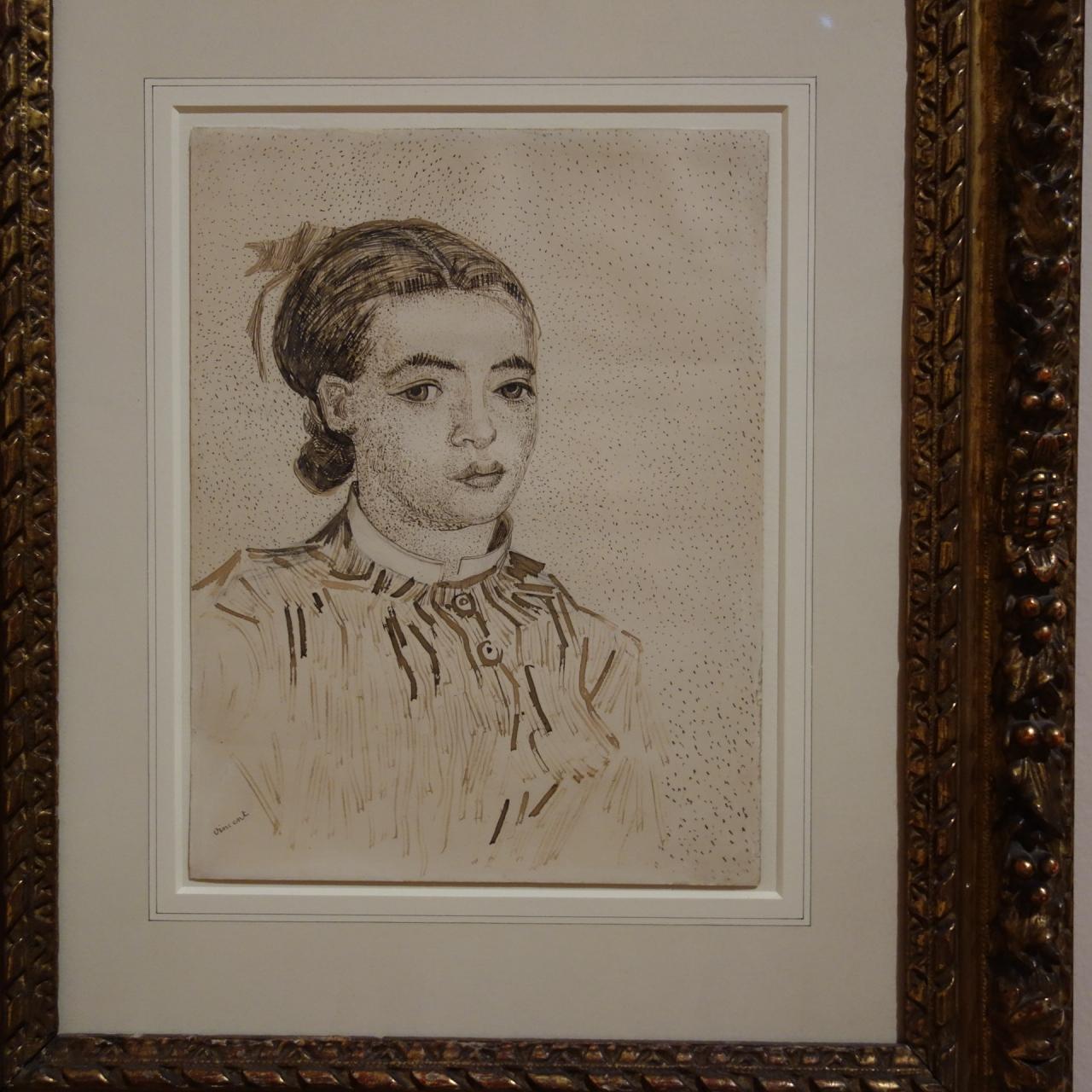
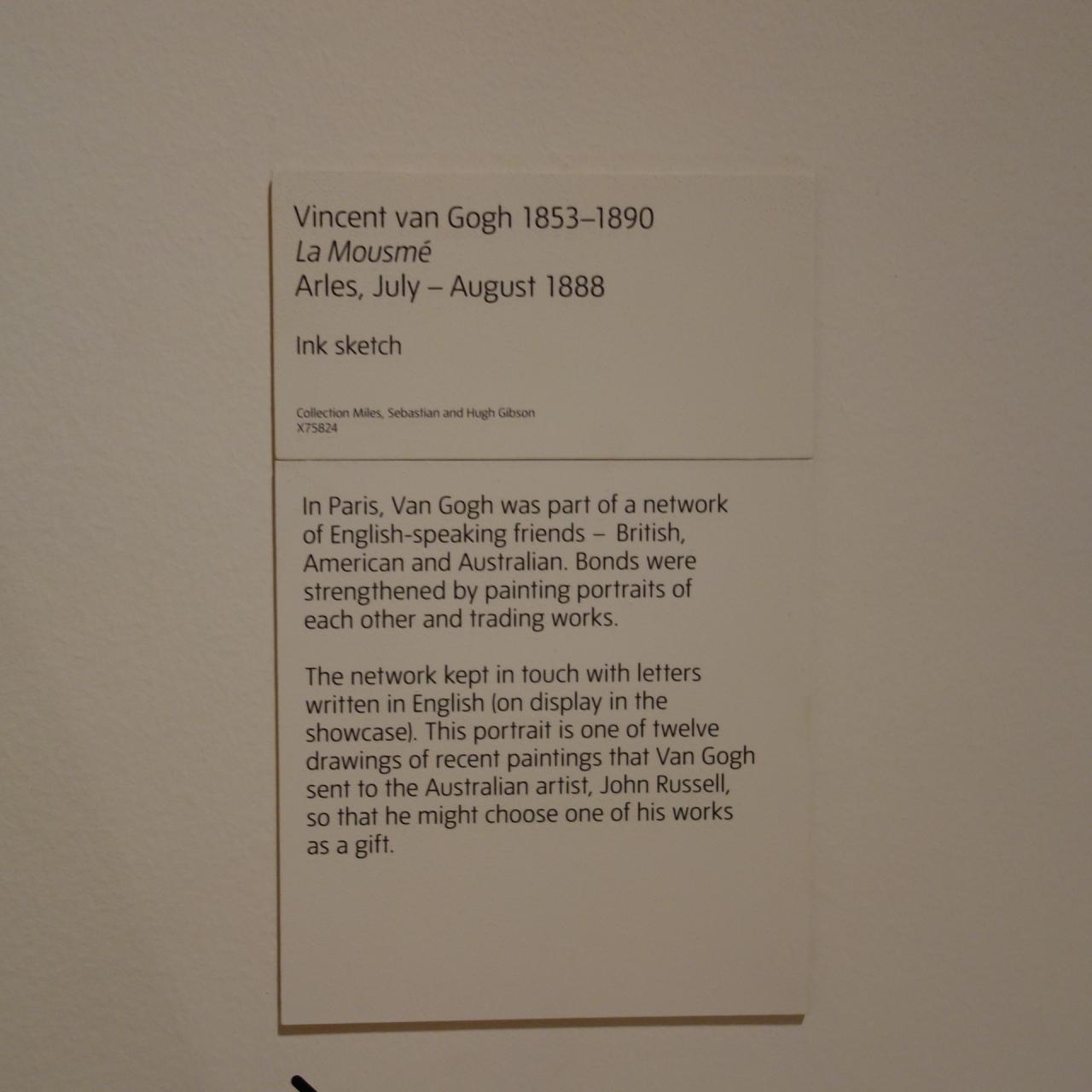
  • 4 COSMOPOLITANS: VAN GOGH AND BRITISH FRIENDS IN FRANCE<br /><br />At the age of thirty-two Van Gogh left the Netherlands and joined his brother Theo in Paris. Theo was an art dealer, and Van Gogh met a network of artists, which included English-speaking friends represented in this room.<br /><br />In France, Van Gogh developed his distinct mature style. He spent two years in Paris before moving to Arles in the south to set up an artists&#39; community. After only ten months, these plans were ended by serious mental illness which began to come back every few months, Van Gogh admitted himself to the Saint-Paul de Mausole hospital in Saint-Remy, where he continued to paint.<br /><br />In spring 1890 Van Gogh moved to the village of Auvers-sur-Oise, near Paris and closer to Theo, where he created a picture nearly every day. On 27 July of that year he shot himself in the chest and died of his wounds two days later.<br />

    4 COSMOPOLITANS: VAN GOGH AND BRITISH FRIENDS IN FRANCE

    At the age of thirty-two Van Gogh left the Netherlands and joined his brother Theo in Paris. Theo was an art dealer, and Van Gogh met a network of artists, which included English-speaking friends represented in this room.

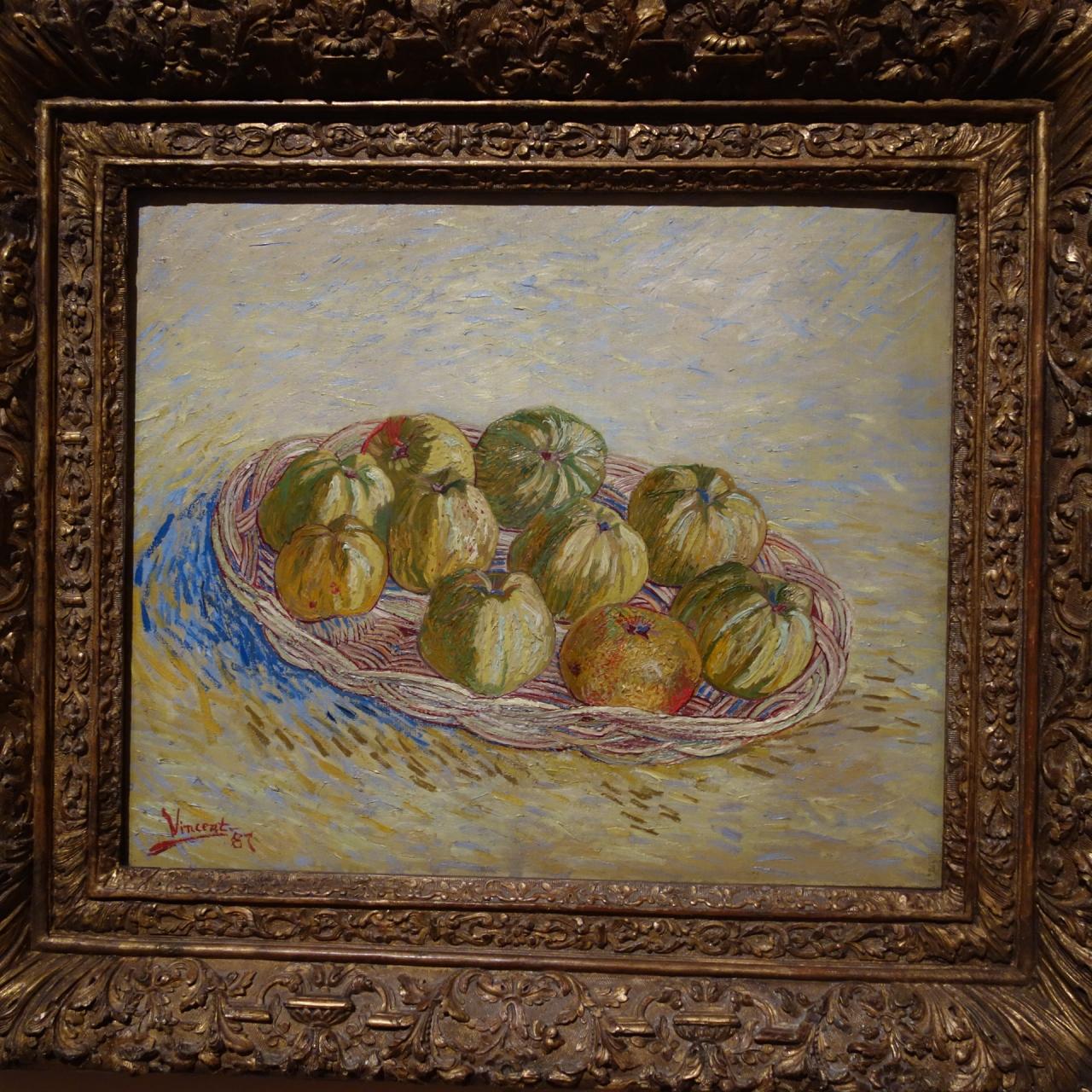
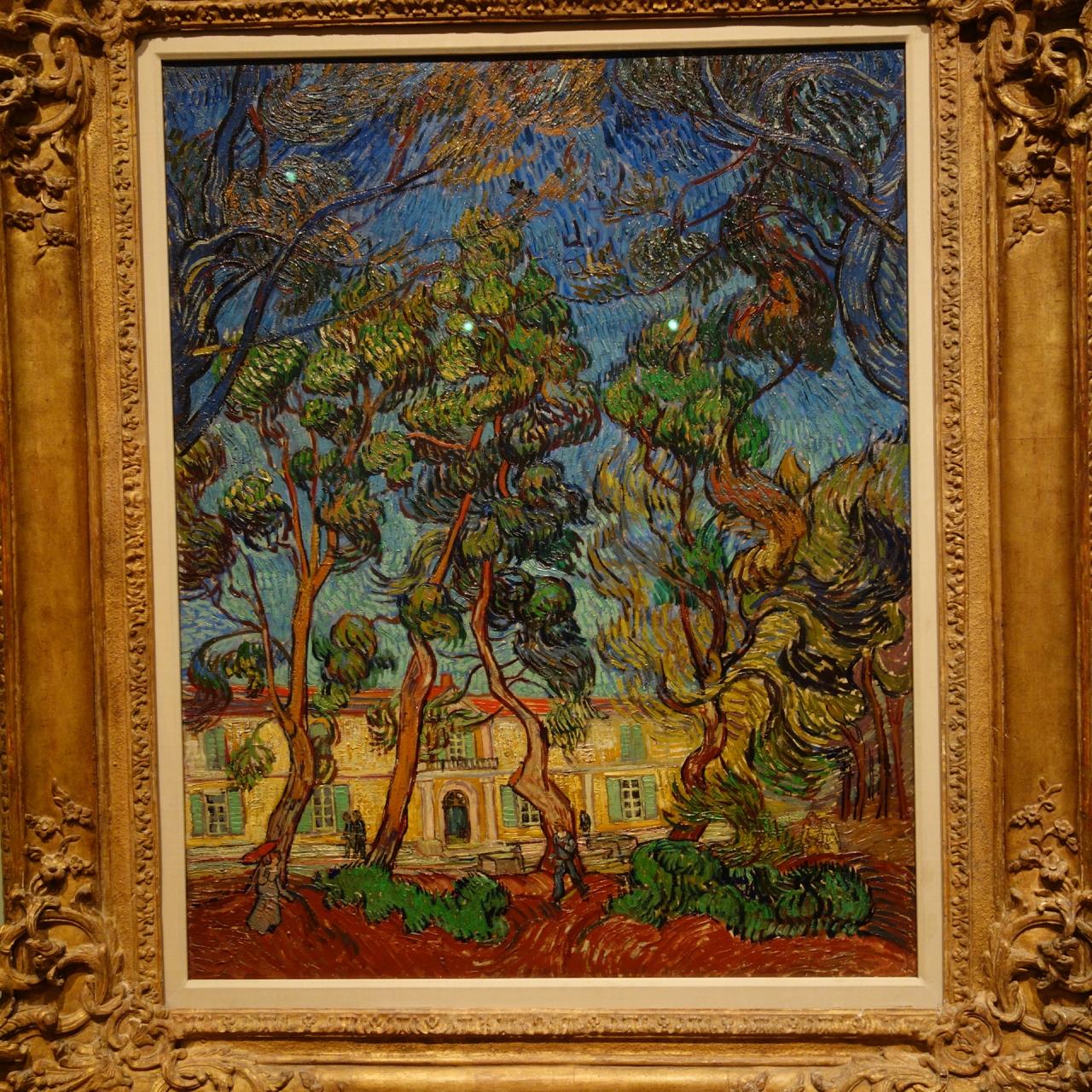
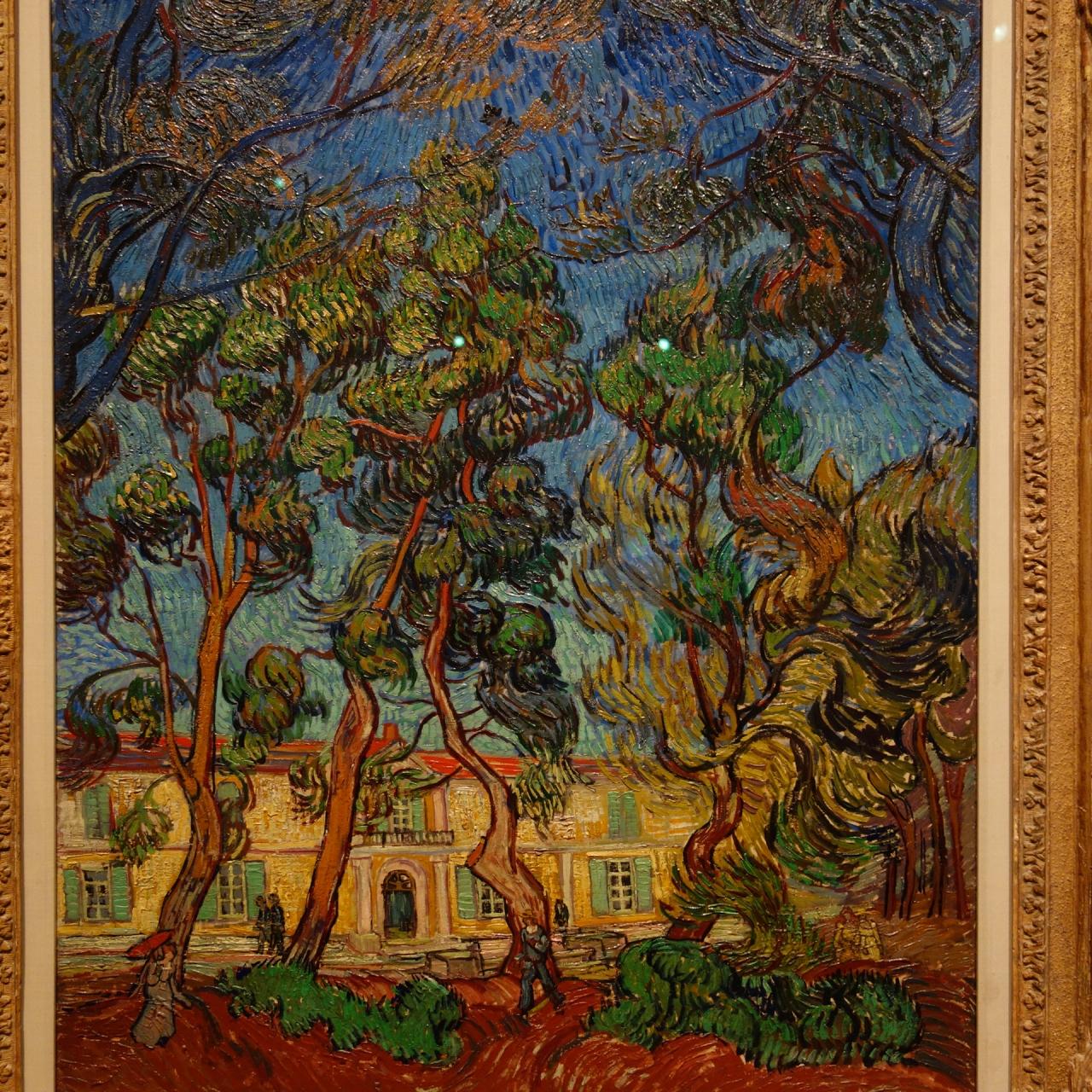
    In France, Van Gogh developed his distinct mature style. He spent two years in Paris before moving to Arles in the south to set up an artists' community. After only ten months, these plans were ended by serious mental illness which began to come back every few months, Van Gogh admitted himself to the Saint-Paul de Mausole hospital in Saint-Remy, where he continued to paint.

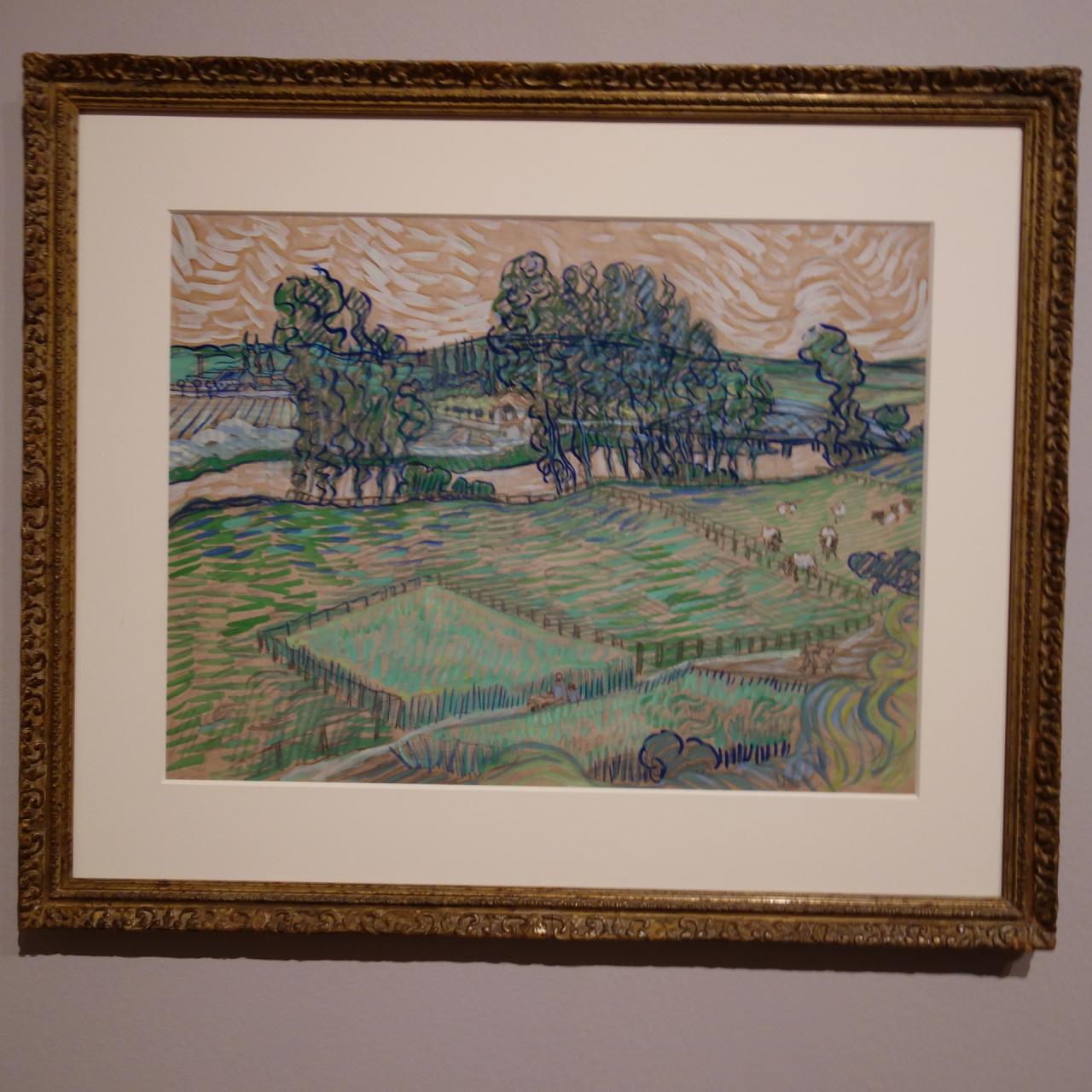
    In spring 1890 Van Gogh moved to the village of Auvers-sur-Oise, near Paris and closer to Theo, where he created a picture nearly every day. On 27 July of that year he shot himself in the chest and died of his wounds two days later.

  • 5 VAN GOGH, POST-IMPRESSIONIST<br /><br />This room looks at the exhibition Manet and the Post-Impressionists, which introduced British audiences to Van Gogh&#39;s art, twenty years after he died. The title created the term &#39;post-impressionist&#39; to describe the artists in the exhibition.<br /><br />The paintings shocked people unfamiliar with modern styles, but the exhibition attracted over 25,000 visitors and was a turning point in British culture. Author Virginia Woolf wrote, &#39;on or about December 1910, human character changed&#39;.<br /><br />Criticism of Van Gogh&#39;s paintings focused on his personal history and reflected prejudice and misunderstandings around mental health at the time. Those who praised his work also connected his artistic talent to his illness. A typical comment, by the writer C. Lewis Hind described him as &#39;a madman and genius&#39;. These responses have affected how the art of Van Gogh is seen, even today.<br />

    5 VAN GOGH, POST-IMPRESSIONIST

    This room looks at the exhibition Manet and the Post-Impressionists, which introduced British audiences to Van Gogh's art, twenty years after he died. The title created the term 'post-impressionist' to describe the artists in the exhibition.

    The paintings shocked people unfamiliar with modern styles, but the exhibition attracted over 25,000 visitors and was a turning point in British culture. Author Virginia Woolf wrote, 'on or about December 1910, human character changed'.

    Criticism of Van Gogh's paintings focused on his personal history and reflected prejudice and misunderstandings around mental health at the time. Those who praised his work also connected his artistic talent to his illness. A typical comment, by the writer C. Lewis Hind described him as 'a madman and genius'. These responses have affected how the art of Van Gogh is seen, even today.

  • 6 &#39;A TOI, VAN GOGH!&#39; VAN GOGH AND BRITISH ARTISTS<br /><br />In the early years of the twentieth century Van Gogh&#39;s work was viewed most thoughtfully through the eyes of artists. Some British painters embraced the decorative power of post-impressionism. Many were familiar with Van Gogh&#39;s work from exhibitions in Paris, and reproductions in books and prints were becoming available.<br /><br />Artists such as Harold Gilman, Spencer Gore and Matthew Smith, led by Walter Sickert, were part of new exhibiting societies, including the Camden Town Group. They adapted Van Gogh&#39;s brilliant colours, distinct brush strokes and angled compositions to create British versions of his subjects. Gilman kept a print of a Van Gogh&#39;s self-portrait on the wall of his studio. Before he began to paint, he would wave his brush towards the picture, declaring, &#39;A toi, Van Gogh!&quot; (&#39;Cheers, Van Gogh&quot;).<br />

    6 'A TOI, VAN GOGH!' VAN GOGH AND BRITISH ARTISTS

    In the early years of the twentieth century Van Gogh's work was viewed most thoughtfully through the eyes of artists. Some British painters embraced the decorative power of post-impressionism. Many were familiar with Van Gogh's work from exhibitions in Paris, and reproductions in books and prints were becoming available.

    Artists such as Harold Gilman, Spencer Gore and Matthew Smith, led by Walter Sickert, were part of new exhibiting societies, including the Camden Town Group. They adapted Van Gogh's brilliant colours, distinct brush strokes and angled compositions to create British versions of his subjects. Gilman kept a print of a Van Gogh's self-portrait on the wall of his studio. Before he began to paint, he would wave his brush towards the picture, declaring, 'A toi, Van Gogh!" ('Cheers, Van Gogh").

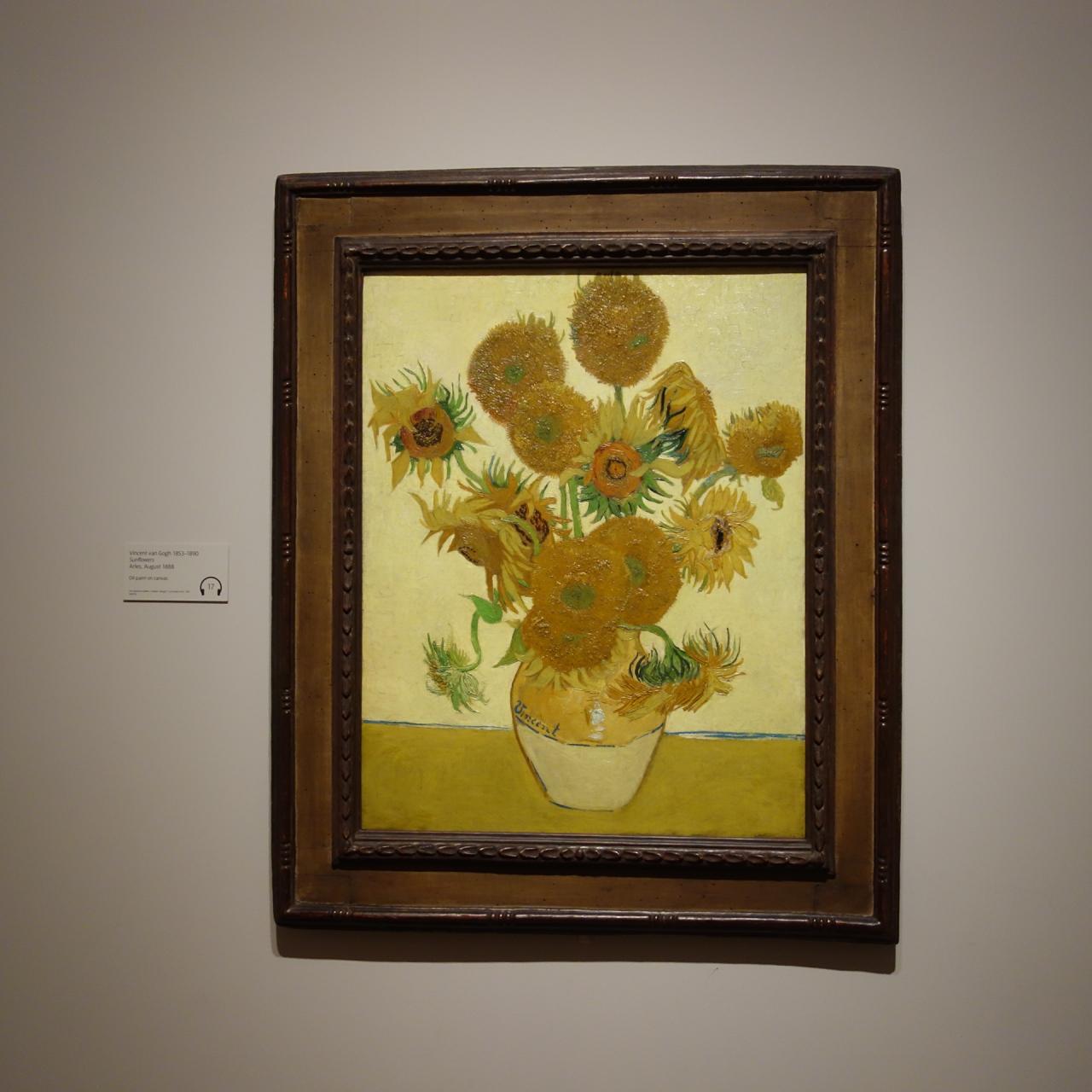
  • ひまわりに飛びます。

    ひまわりに飛びます。

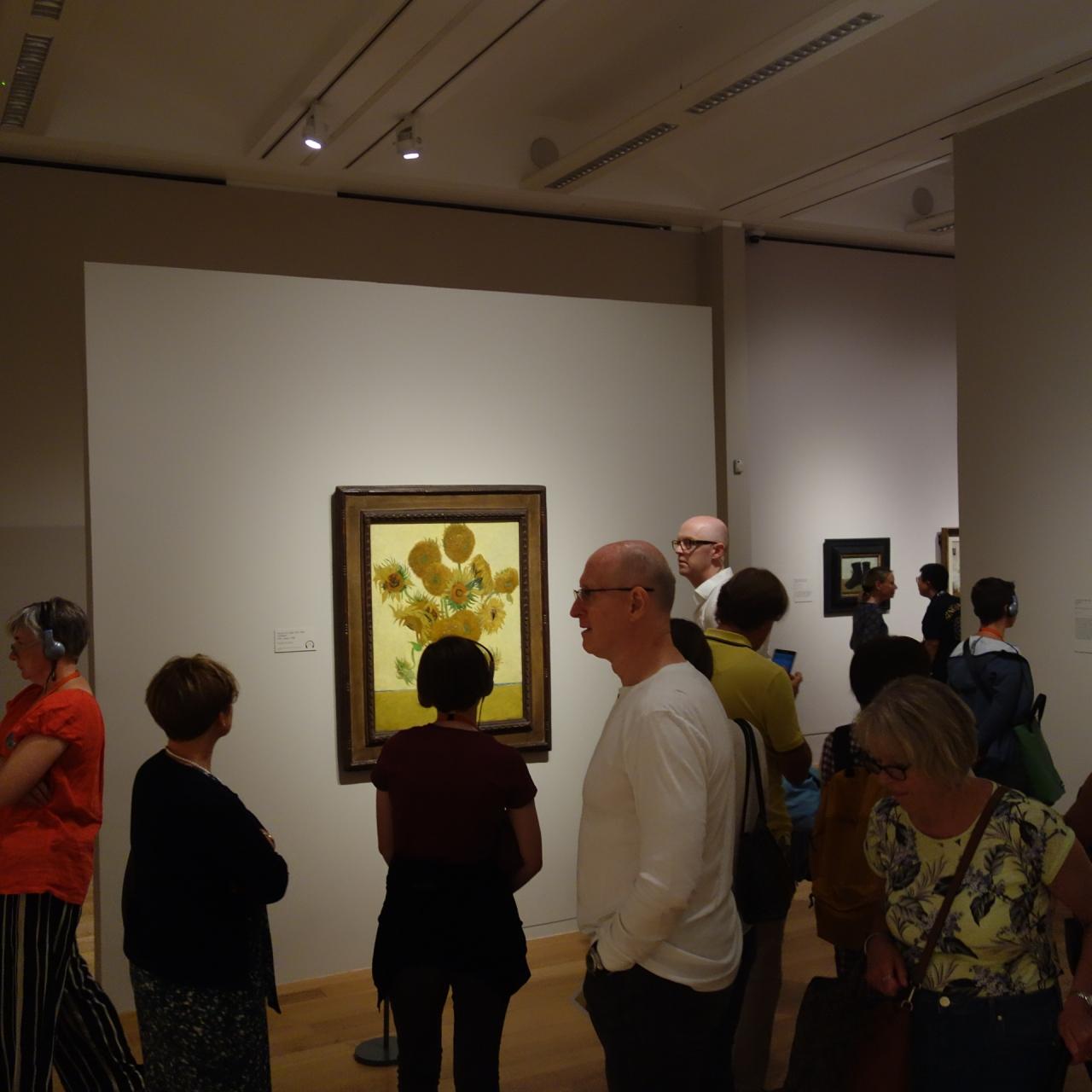
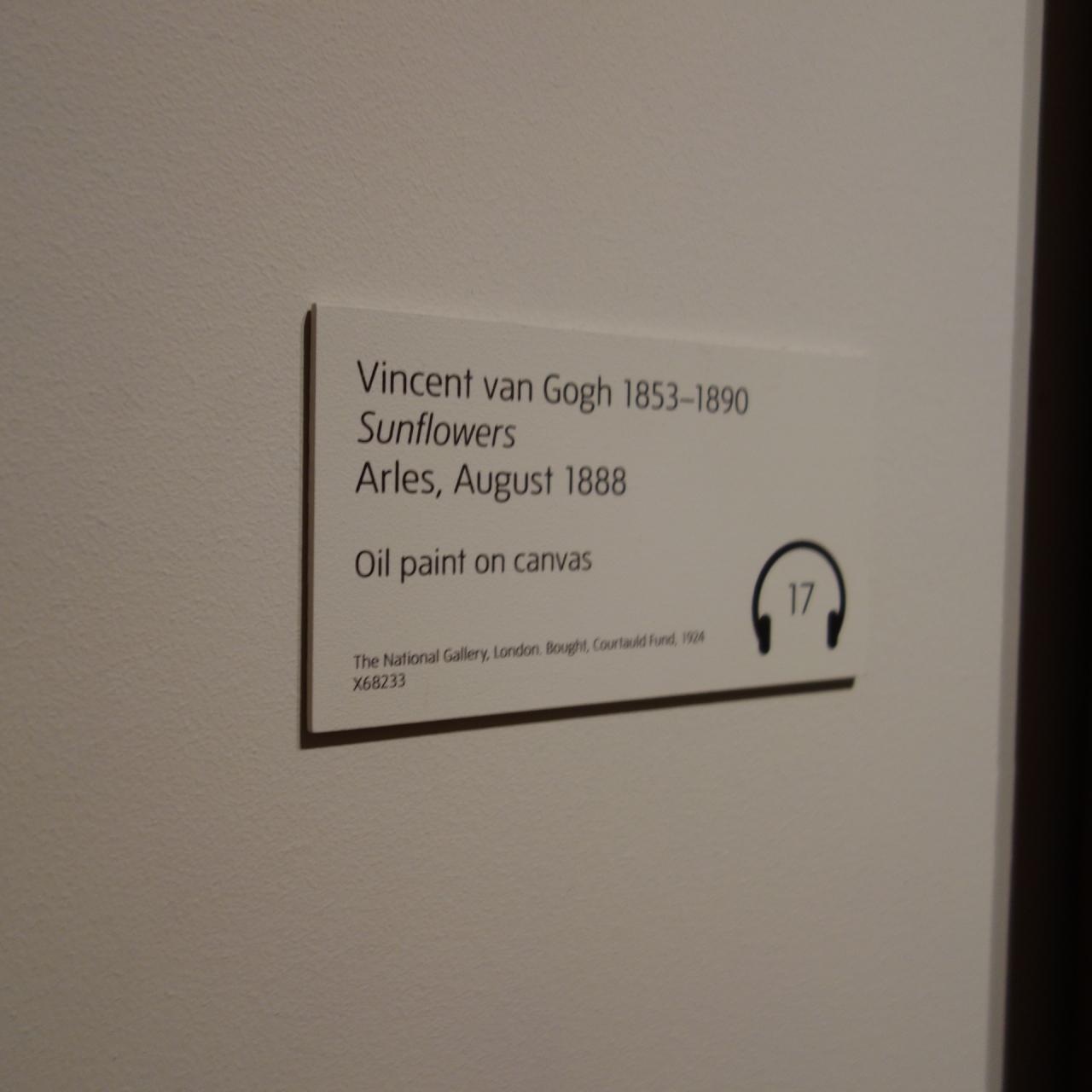
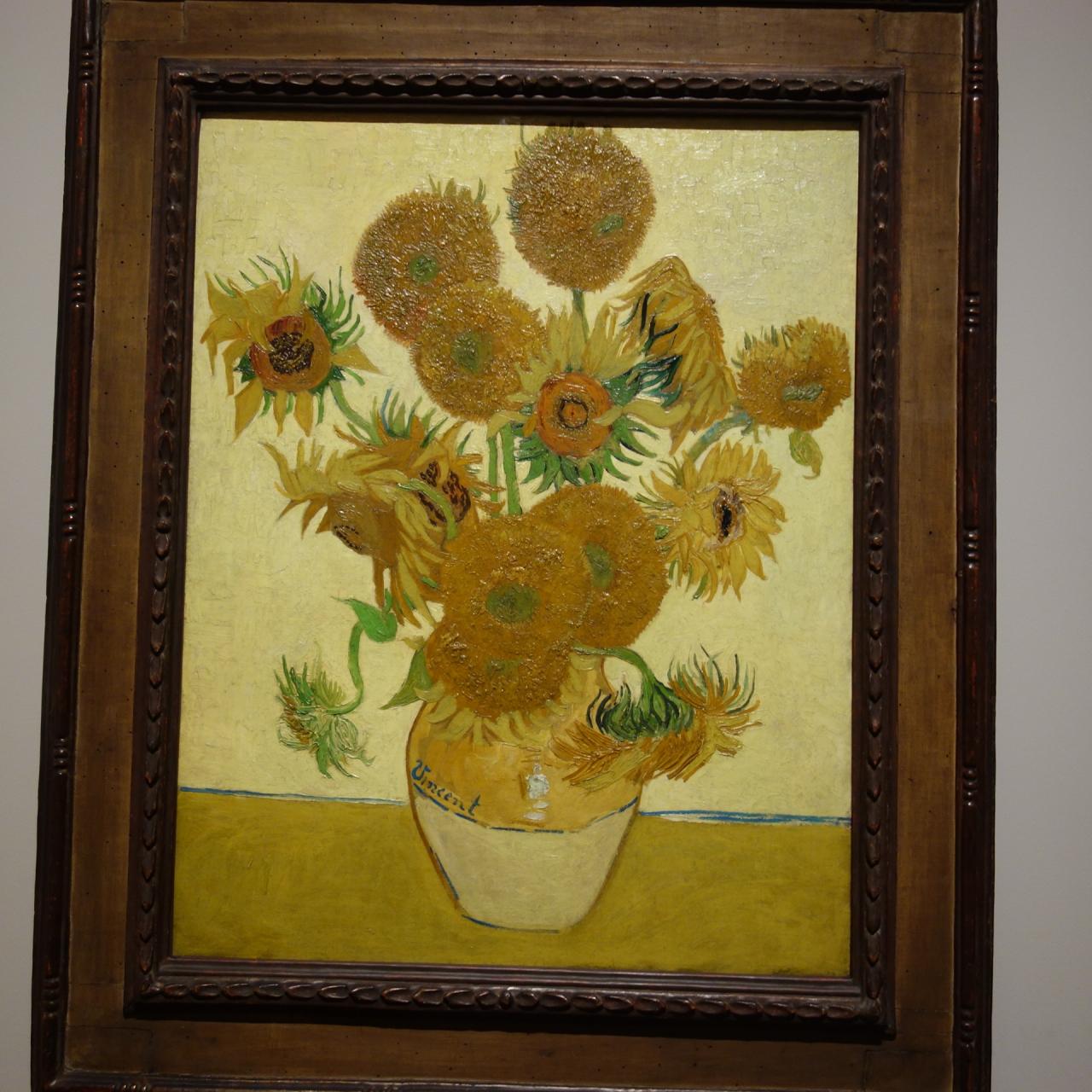
  • この「ひまわり」は,いつもはナショナル・ギャラリーに置いてあります。今回のゴッホの特別展のために,テート・ブリテンに来ているのです。

    この「ひまわり」は,いつもはナショナル・ギャラリーに置いてあります。今回のゴッホの特別展のために,テート・ブリテンに来ているのです。

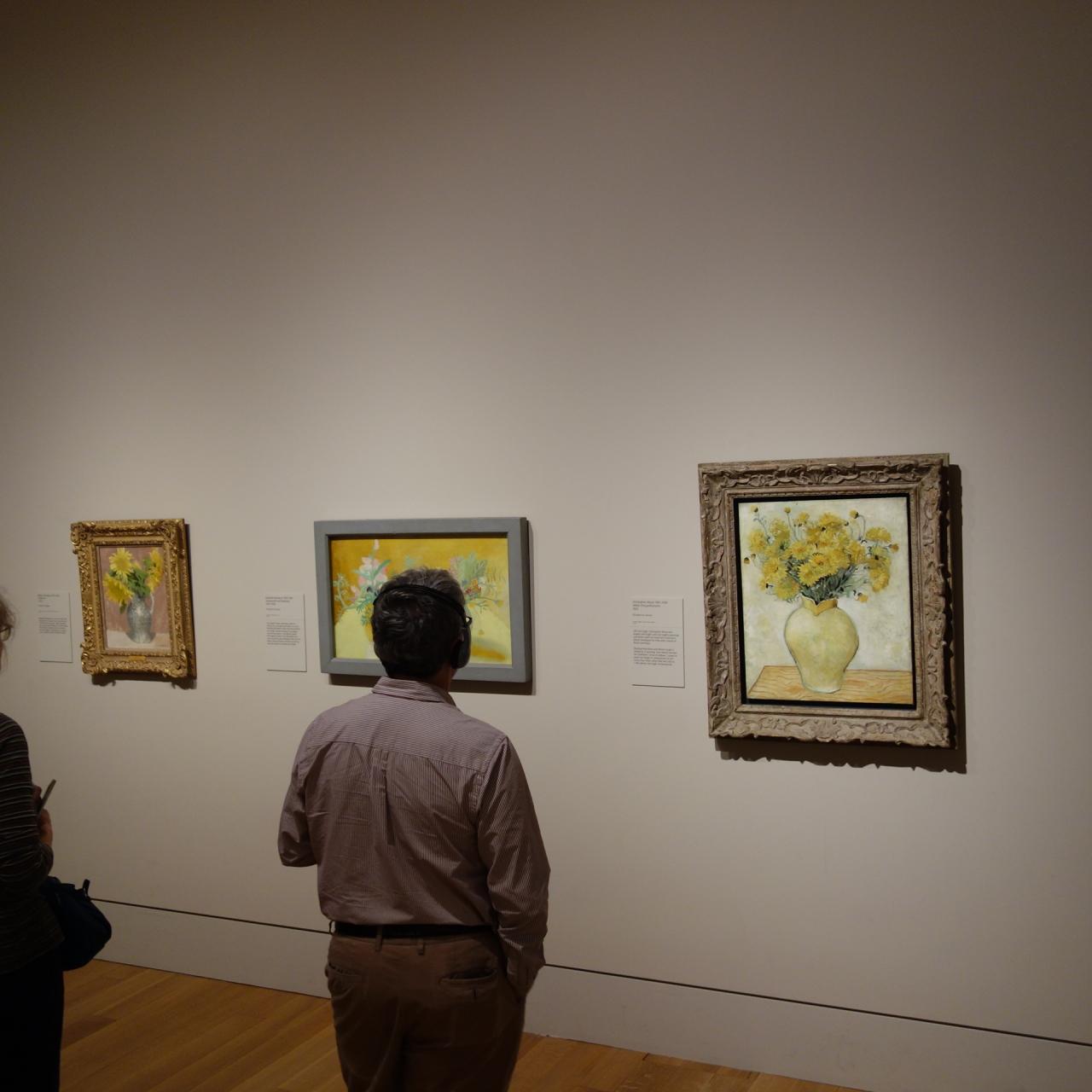
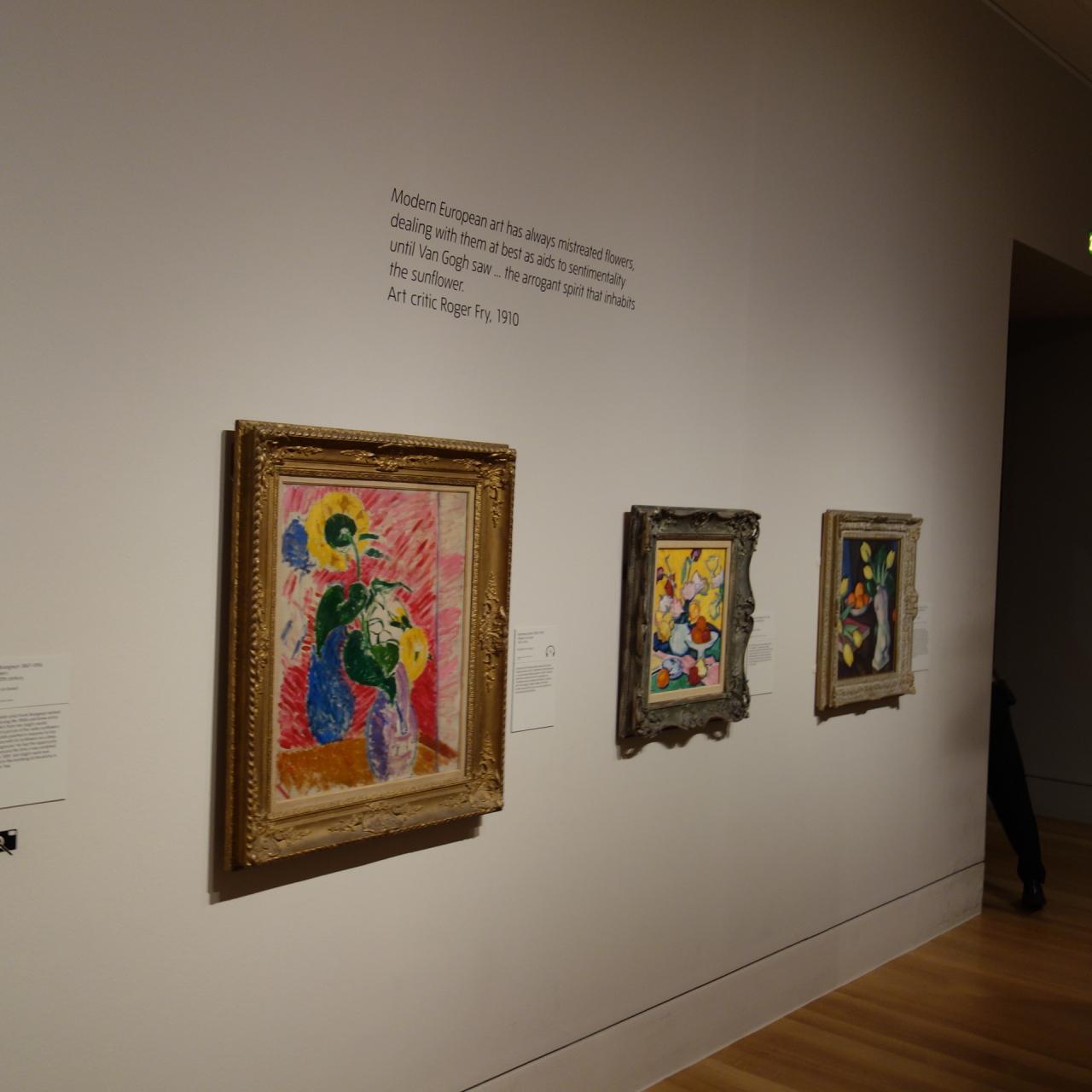
  • 7 SUNFLOWERS: VAN GOGH AND BRITISH FLOWER PAINTING<br /><br />Van Gogh painted pictures of sunflowers in 1888 to decorate his house in Arles in the south of France. They were exhibited in major exhibitions in London in 1910 and 1923 and Sunflowers was acquired for the nation by the National Gallery, Millbank (now Tate) in 1924. The painting was transferred to the National Gallery in Trafalgar Square in 1961. It returns to Tate Britain for the first time since then.<br /><br />Van Gogh&#39;s flower still lifes contributed to a revival of flower painting among modern artists in Britain. Still lifes painted in conversation with Van Gogh&#39;s Sunflowers are on display in this room.<br />

    7 SUNFLOWERS: VAN GOGH AND BRITISH FLOWER PAINTING

    Van Gogh painted pictures of sunflowers in 1888 to decorate his house in Arles in the south of France. They were exhibited in major exhibitions in London in 1910 and 1923 and Sunflowers was acquired for the nation by the National Gallery, Millbank (now Tate) in 1924. The painting was transferred to the National Gallery in Trafalgar Square in 1961. It returns to Tate Britain for the first time since then.

    Van Gogh's flower still lifes contributed to a revival of flower painting among modern artists in Britain. Still lifes painted in conversation with Van Gogh's Sunflowers are on display in this room.

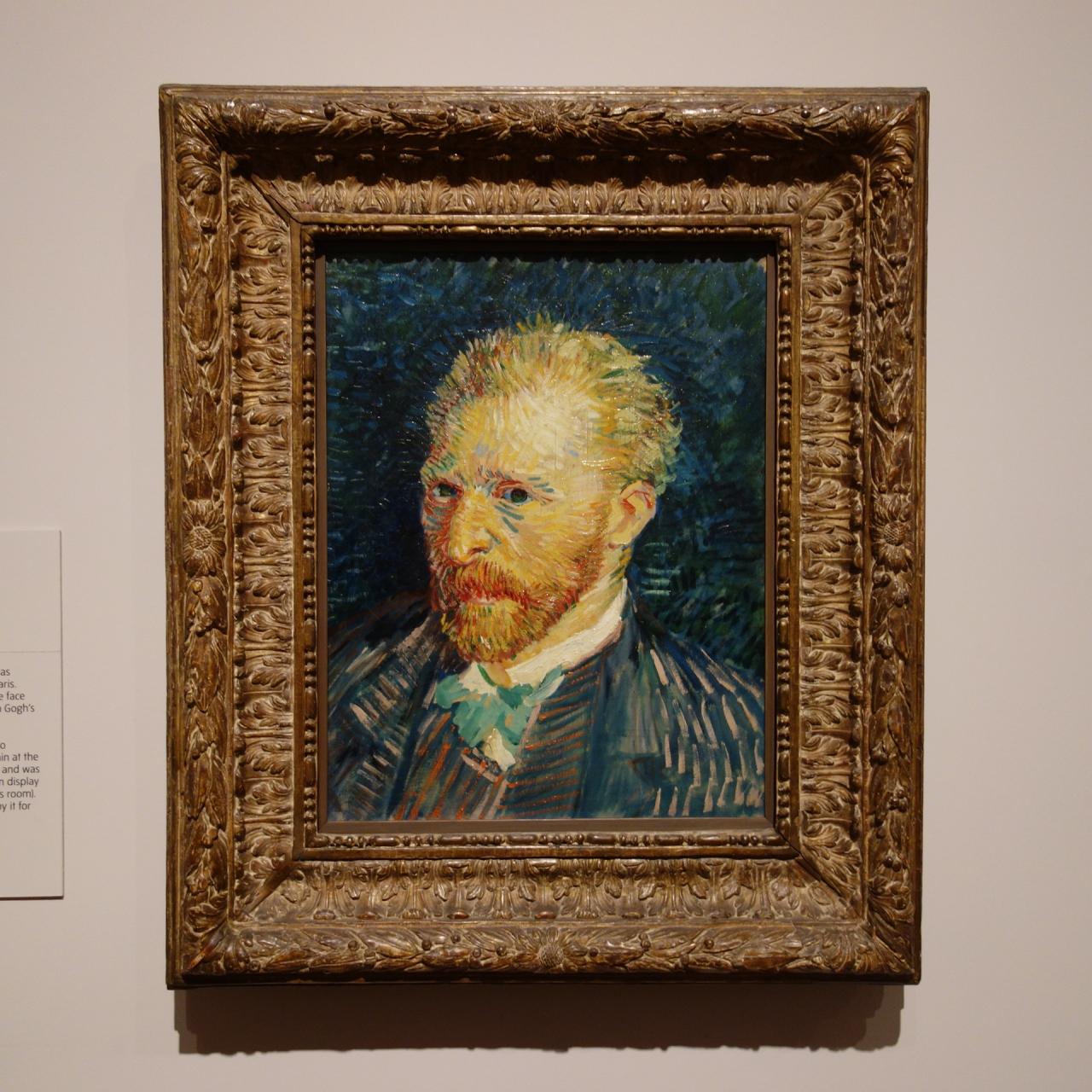
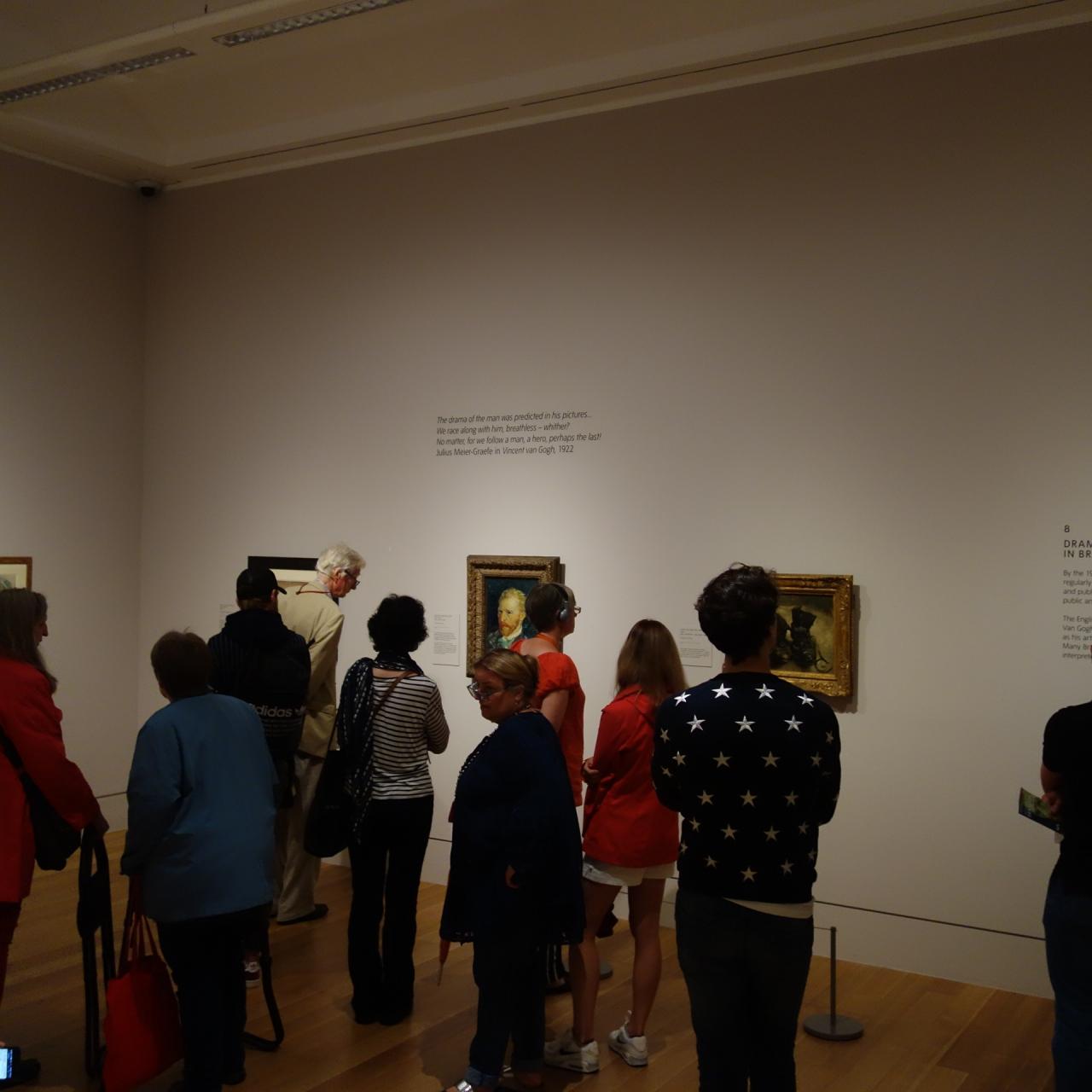
  • 8 DRAMA OF A MAN: VAN GOGH IN BRITAIN BETWEEN THE WARS<br /><br />By the 1920s Van Gogh&#39;s pictures were exhibited regularly in Britain and collected by British individuals and public galleries. He became known to the wider public and established as a modern master.<br /><br />The English publication of two biographies and Van Gogh&#39;s letters led to his life becoming as famous as his art, and the two became strongly connected. Many British artists walked in his footsteps and interpreted their lives and surroundings in similar ways.<br /><br />In 1929, eighteen of Van Gogh&#39;s artworks filled the final room of a large survey of Dutch art at the Royal Academy in London. Paintings in the exhibition included Self-Portrait and Farms near Auvers, both on display in this room.<br /><br />The catalogue summed up Van Gogh as &#39;the brilliant and unhappy genius&#39;. Stories about Van Gogh&#39;s mental illness and death became integral to the interest in his art. The later self-portraits and his last paintings took on extra significance.<br />

    8 DRAMA OF A MAN: VAN GOGH IN BRITAIN BETWEEN THE WARS

    By the 1920s Van Gogh's pictures were exhibited regularly in Britain and collected by British individuals and public galleries. He became known to the wider public and established as a modern master.

    The English publication of two biographies and Van Gogh's letters led to his life becoming as famous as his art, and the two became strongly connected. Many British artists walked in his footsteps and interpreted their lives and surroundings in similar ways.

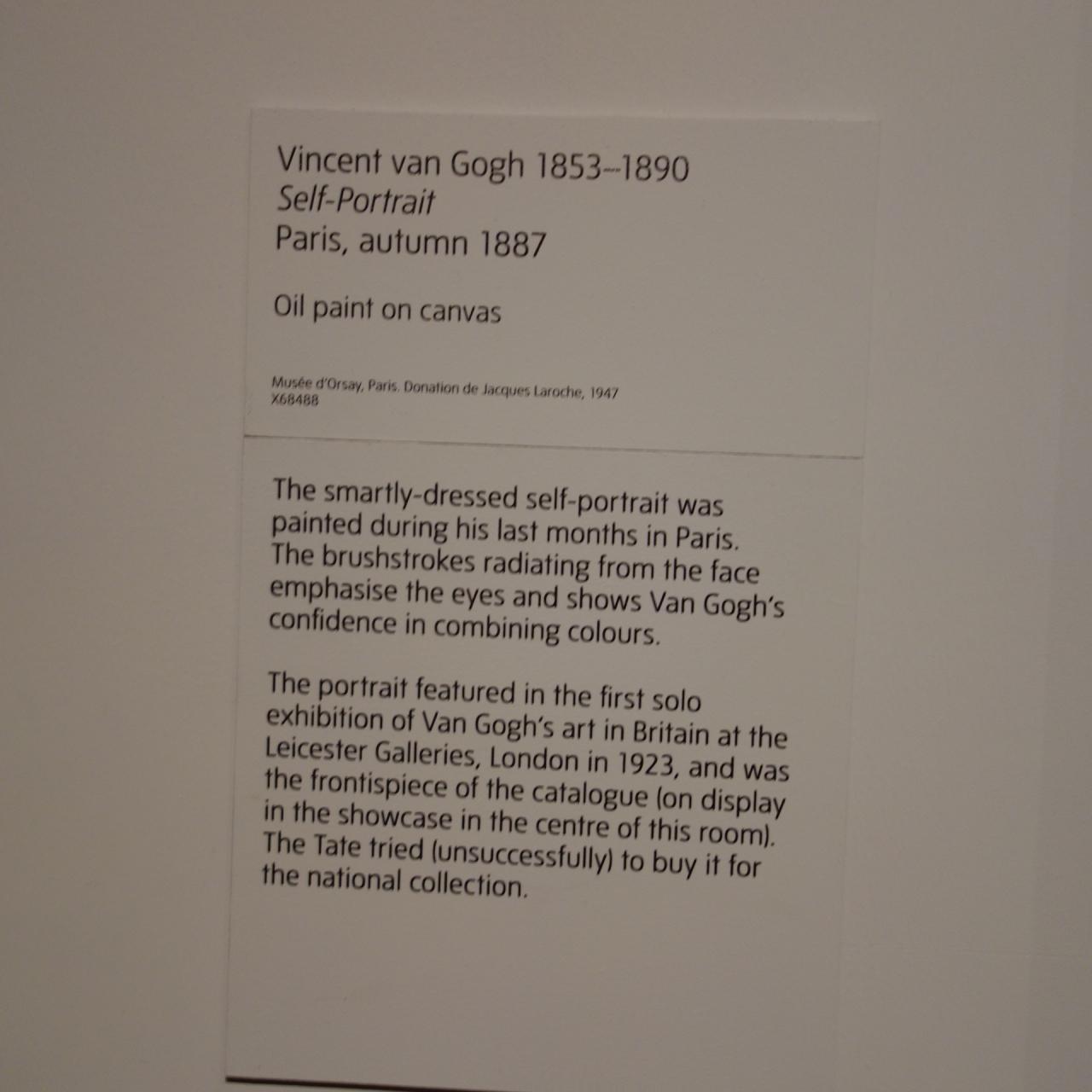
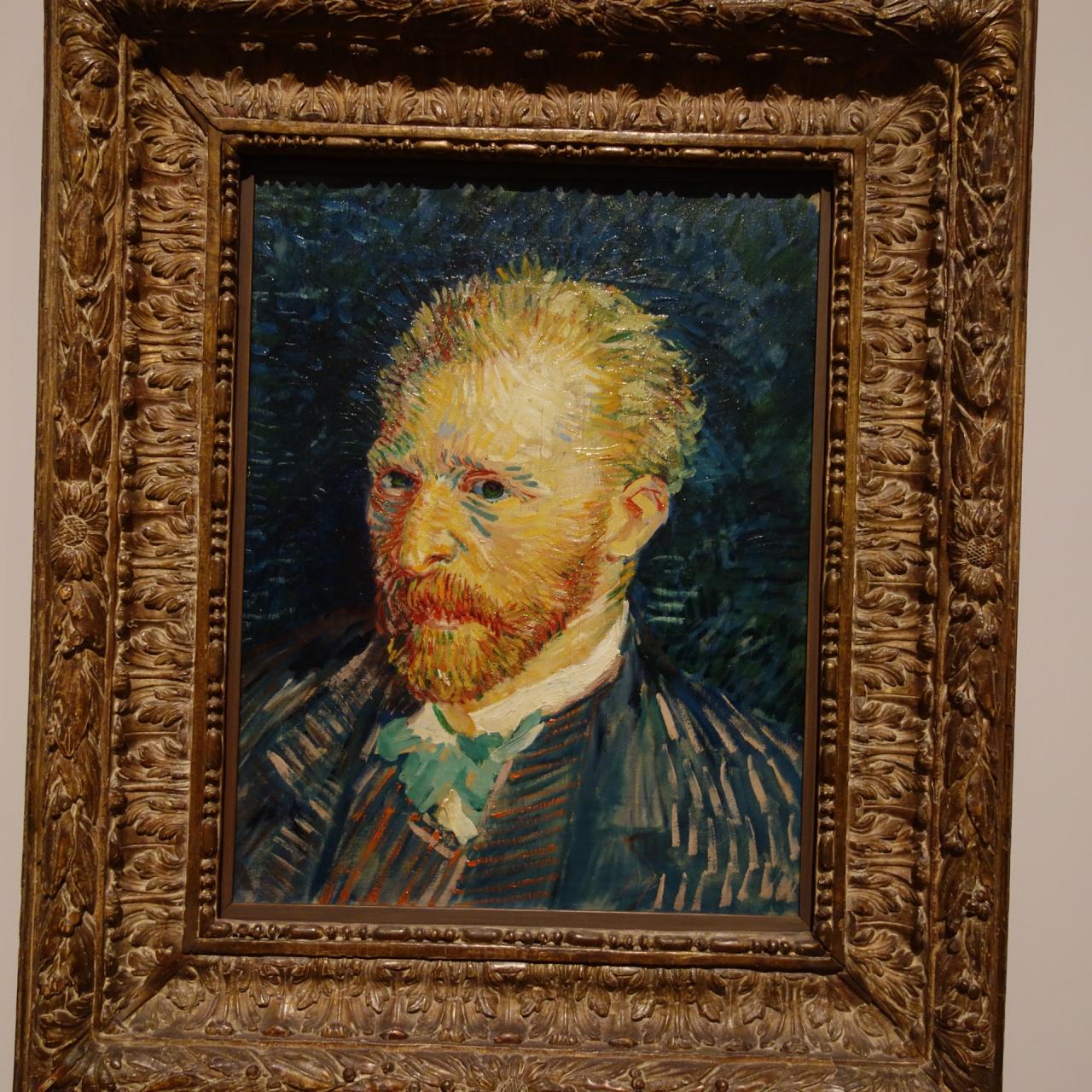
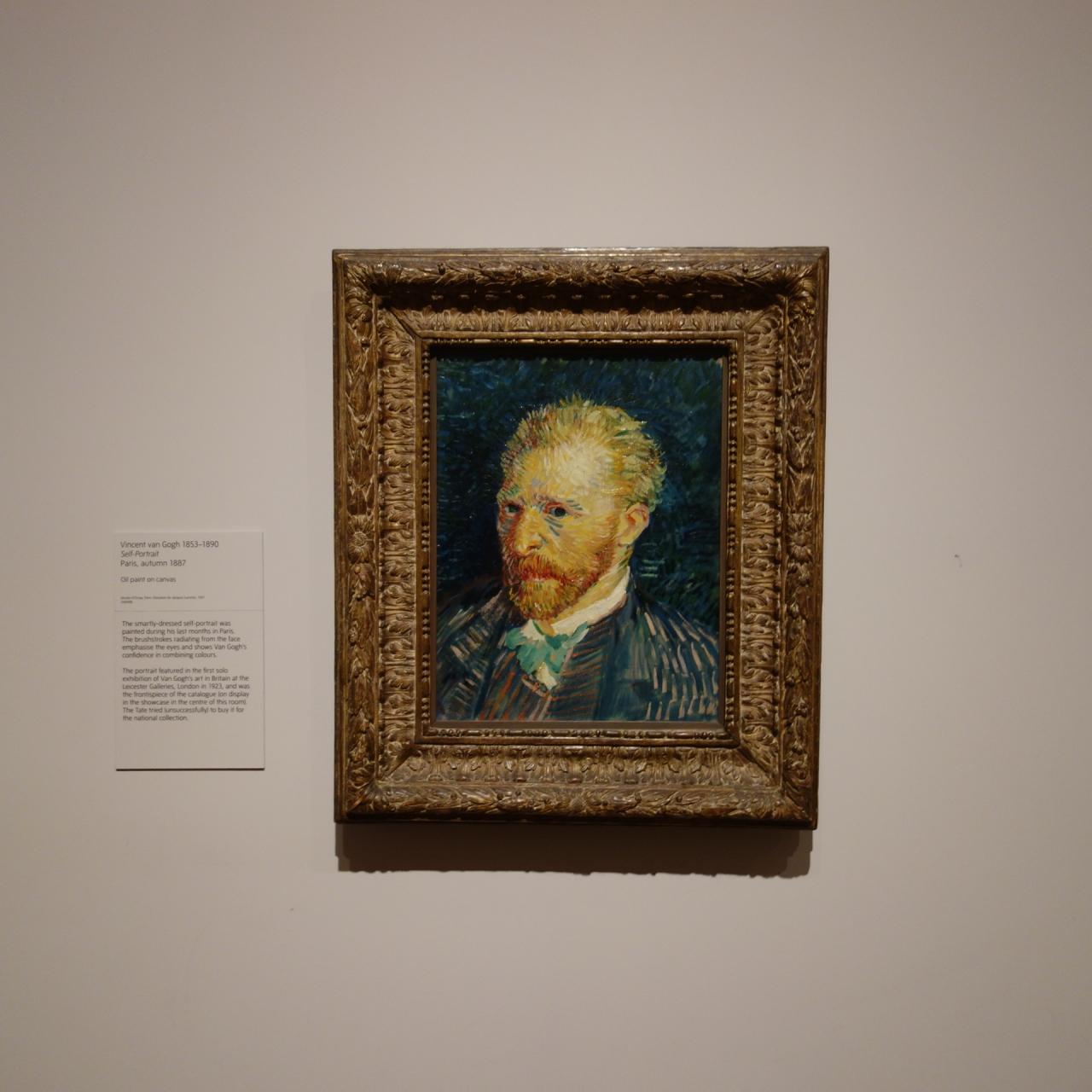
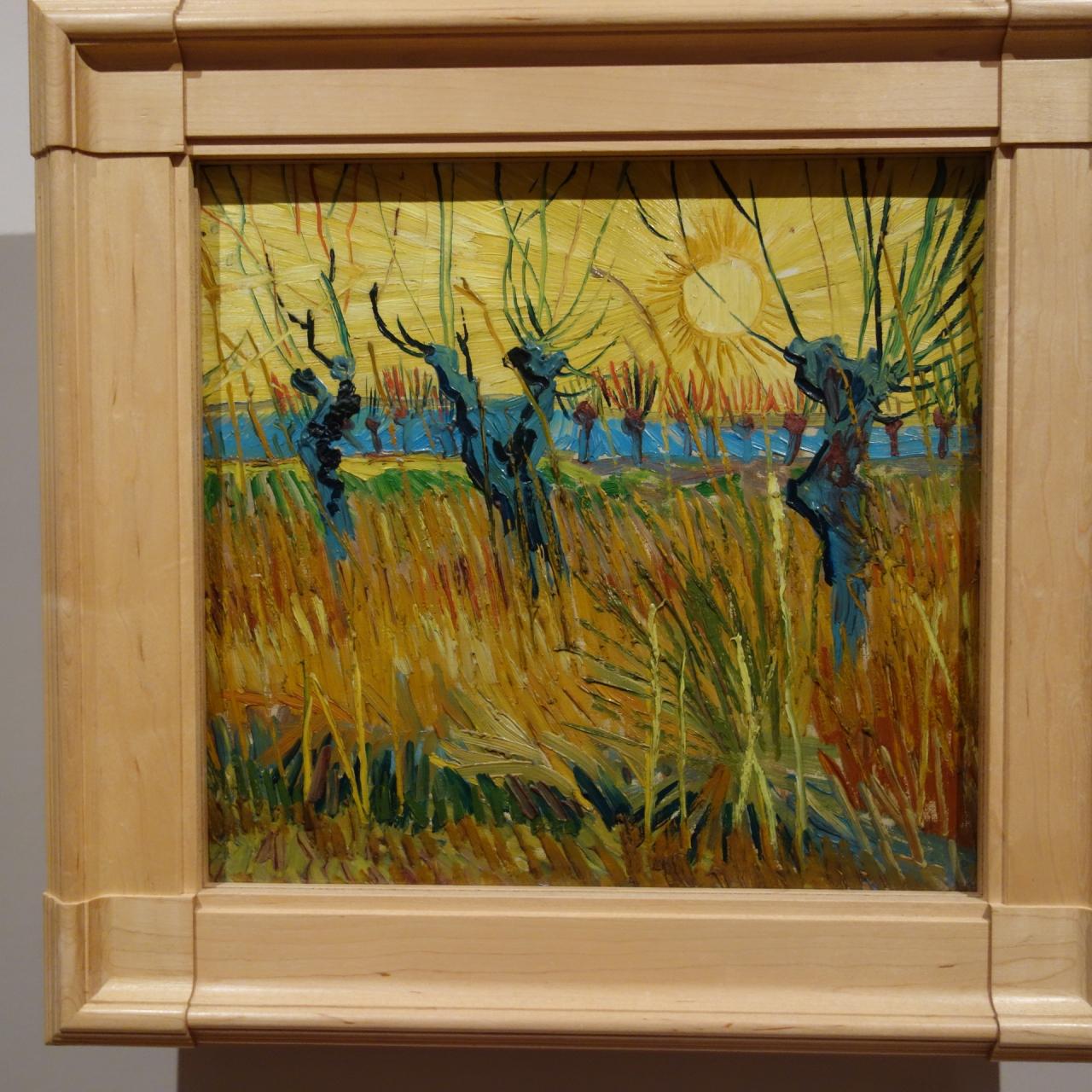
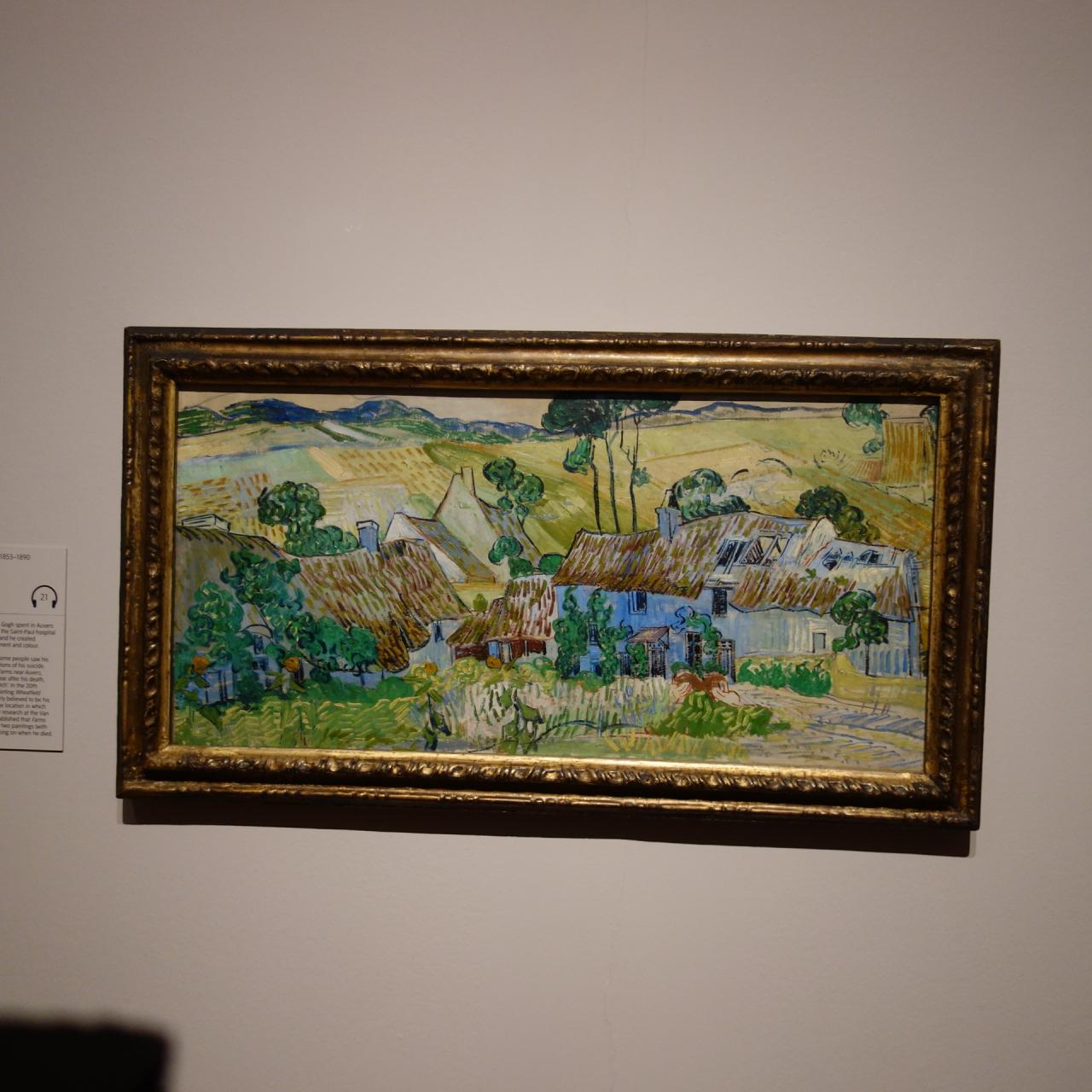
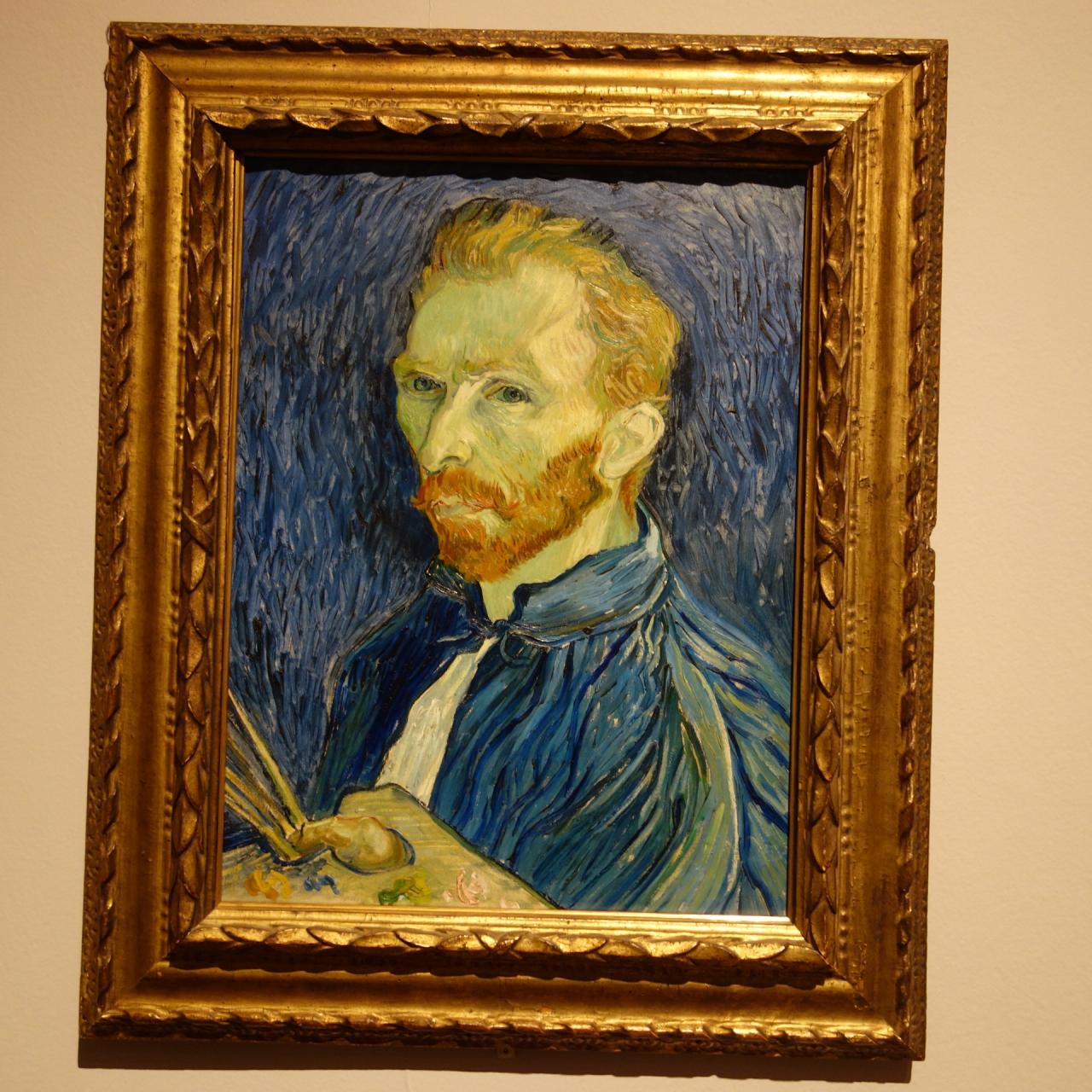
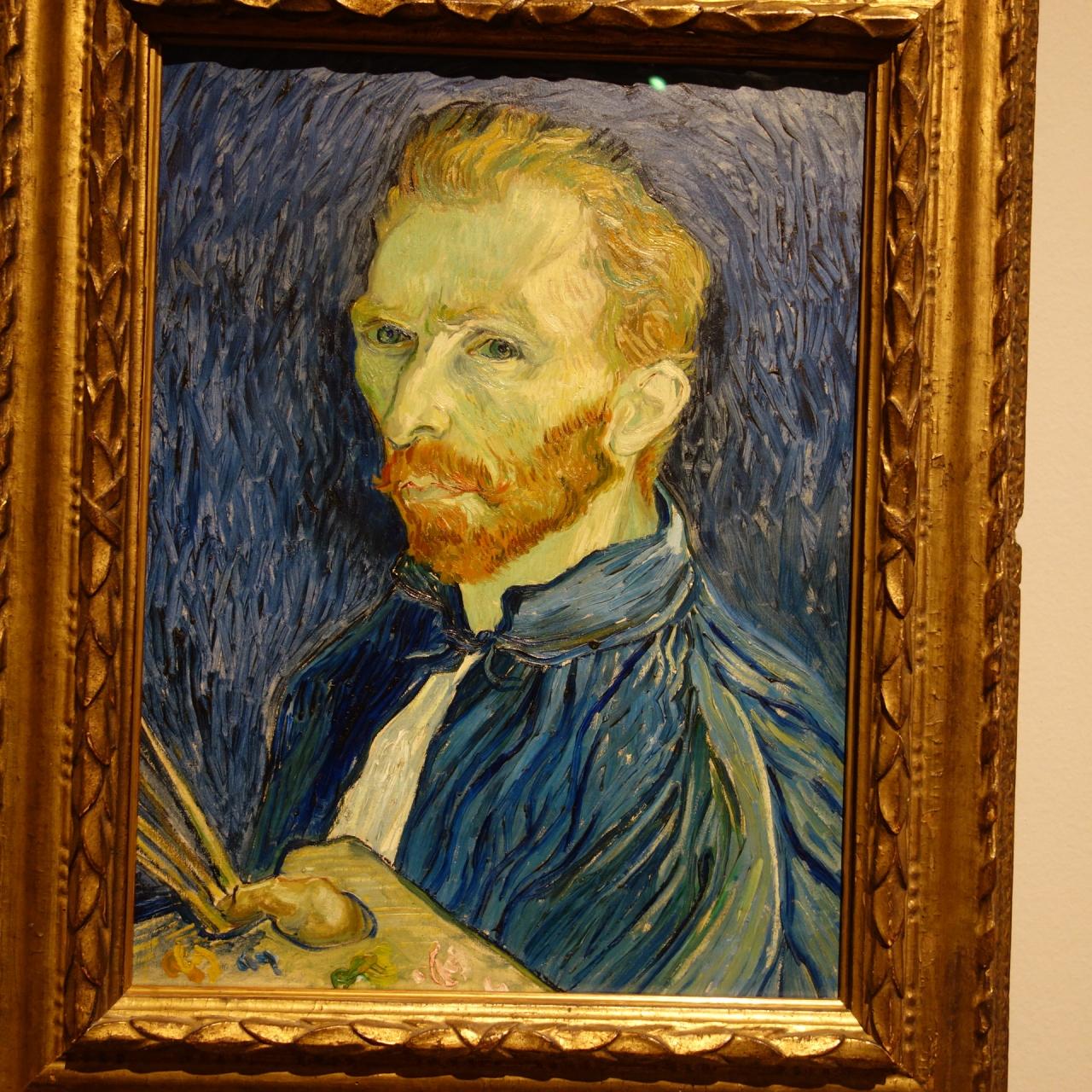
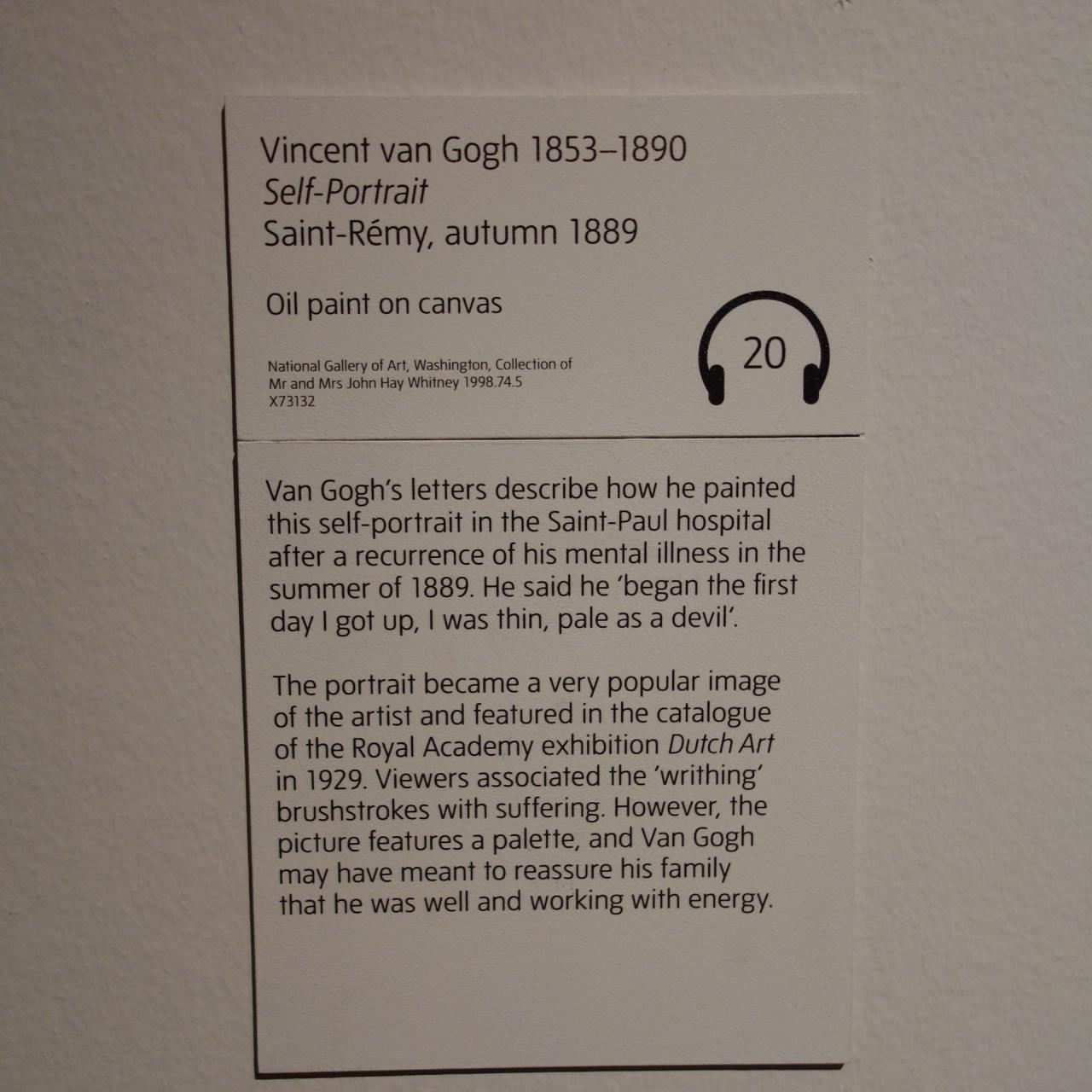
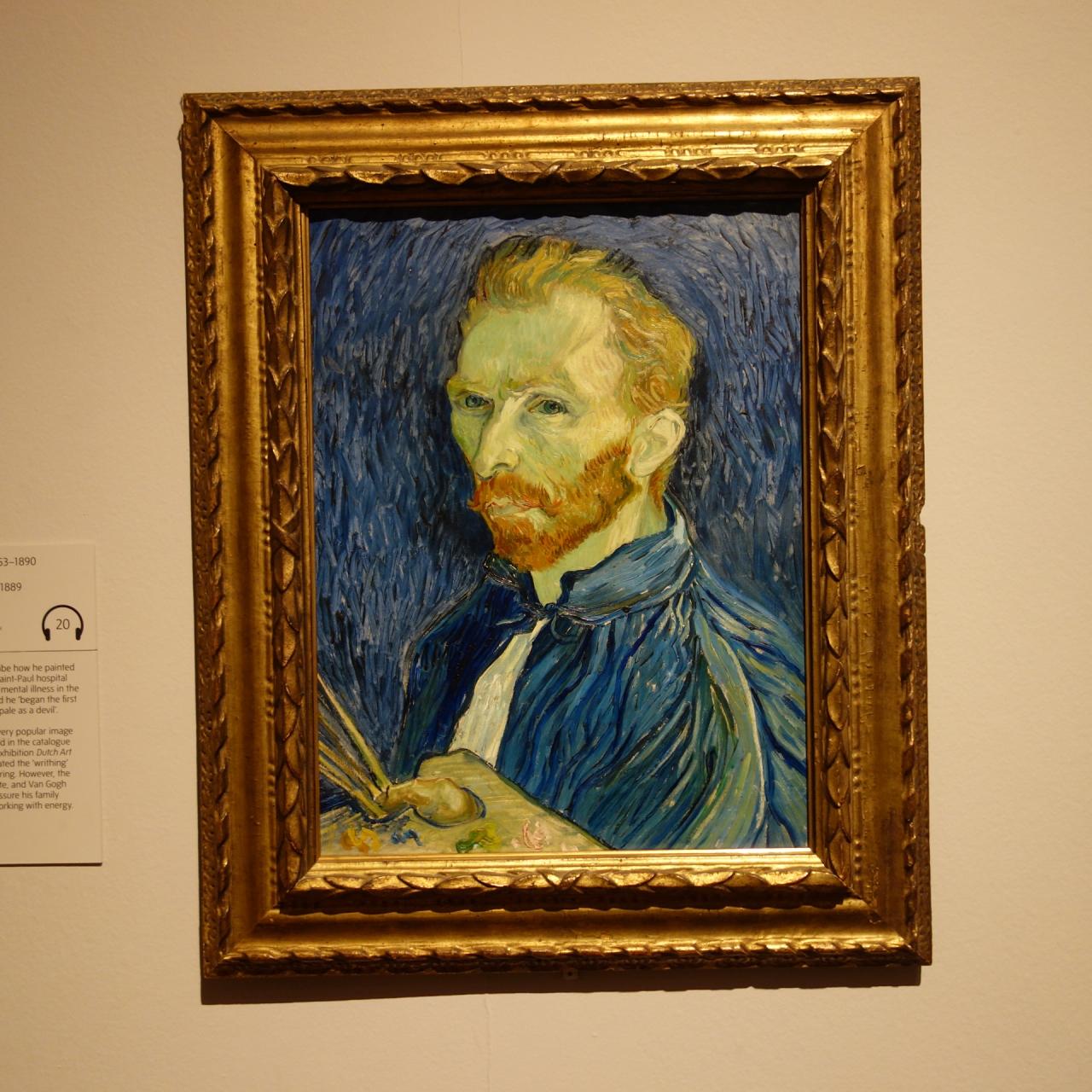
    In 1929, eighteen of Van Gogh's artworks filled the final room of a large survey of Dutch art at the Royal Academy in London. Paintings in the exhibition included Self-Portrait and Farms near Auvers, both on display in this room.

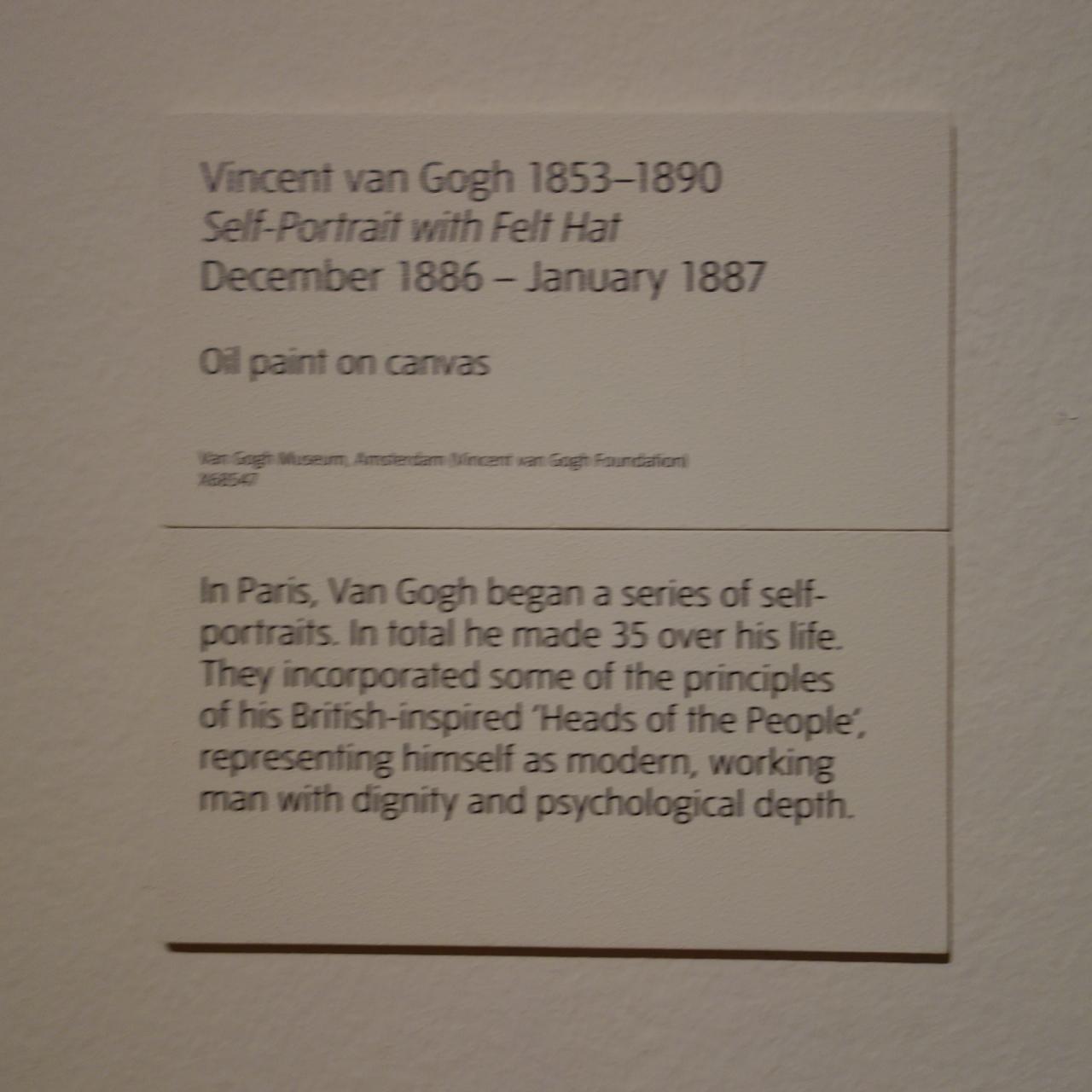
    The catalogue summed up Van Gogh as 'the brilliant and unhappy genius'. Stories about Van Gogh's mental illness and death became integral to the interest in his art. The later self-portraits and his last paintings took on extra significance.

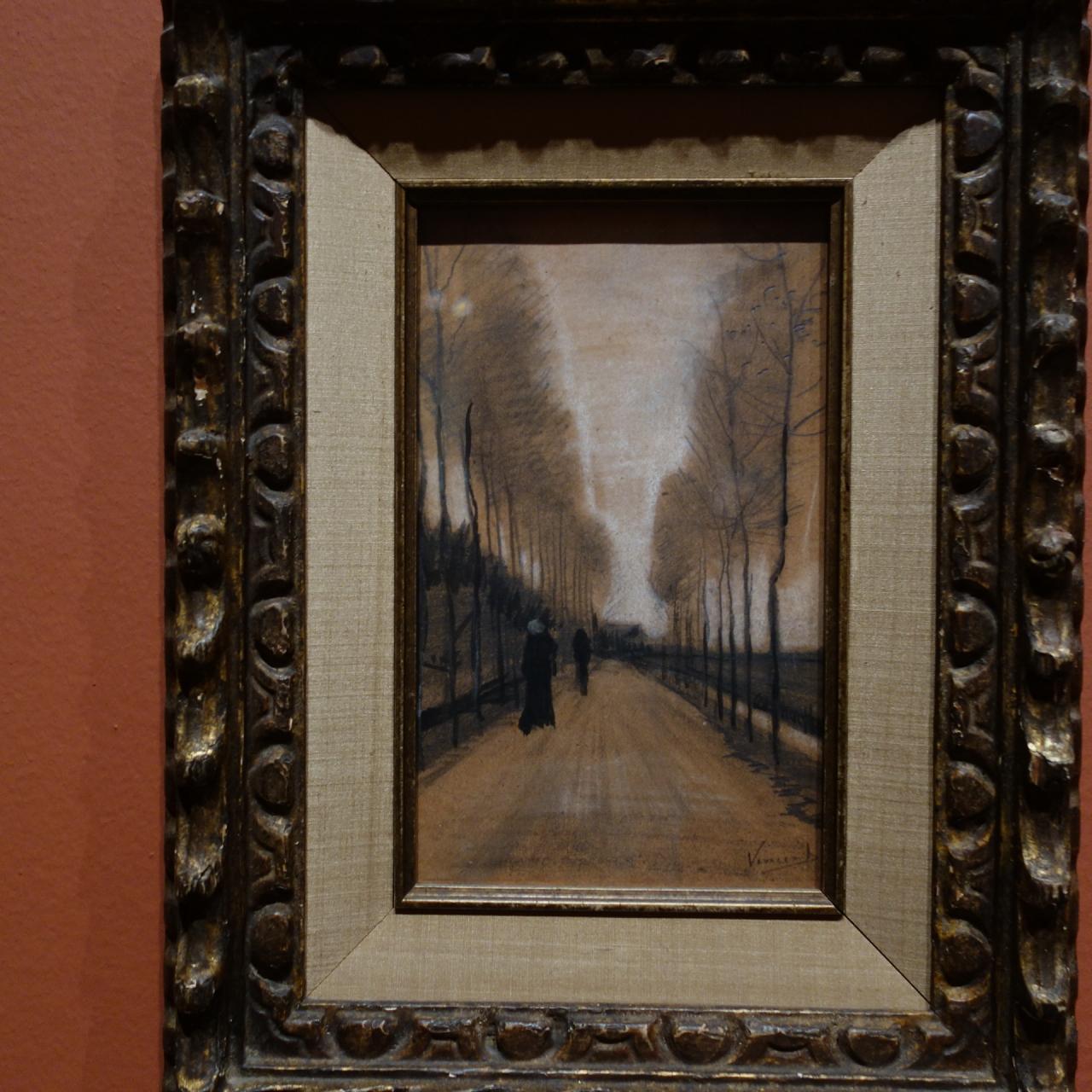
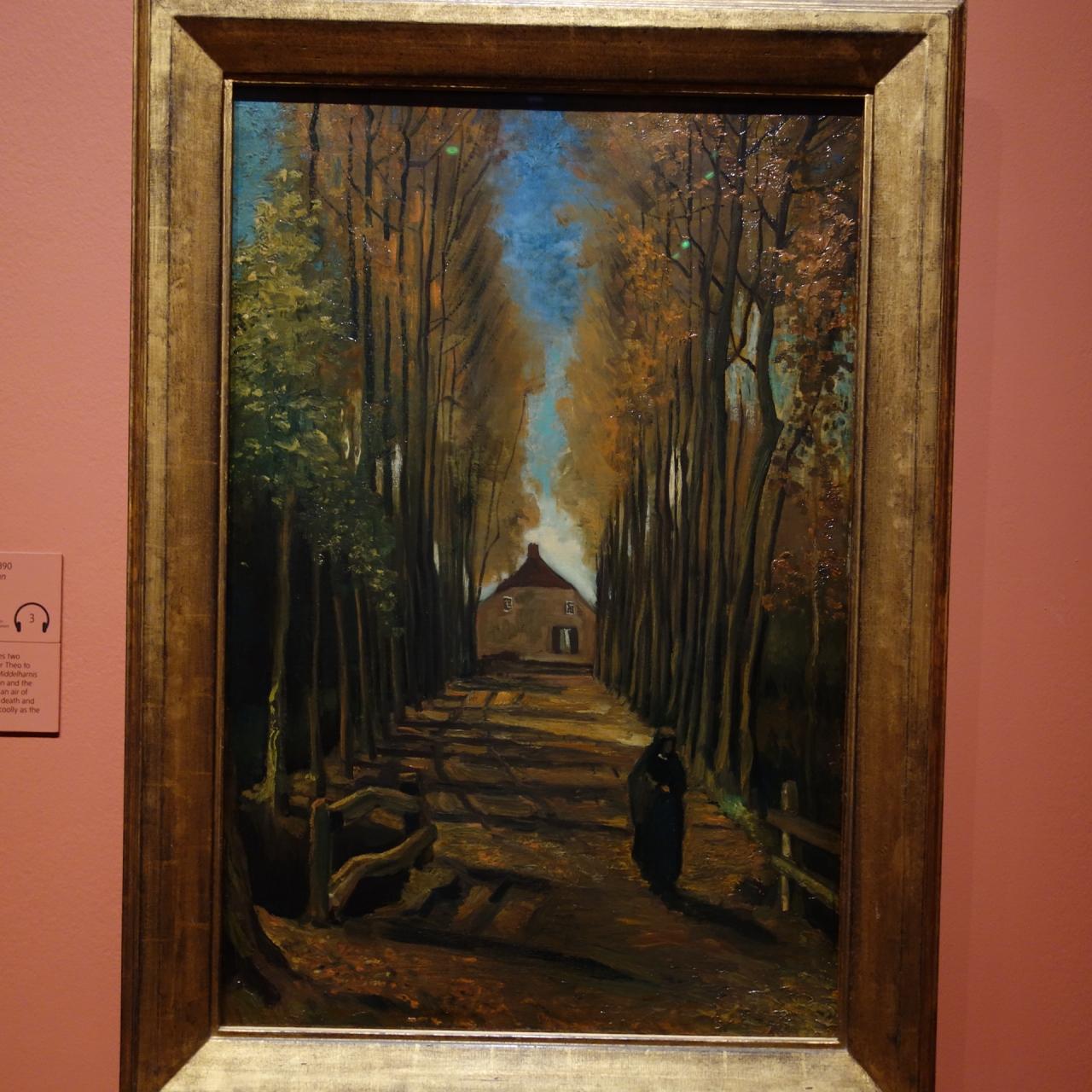
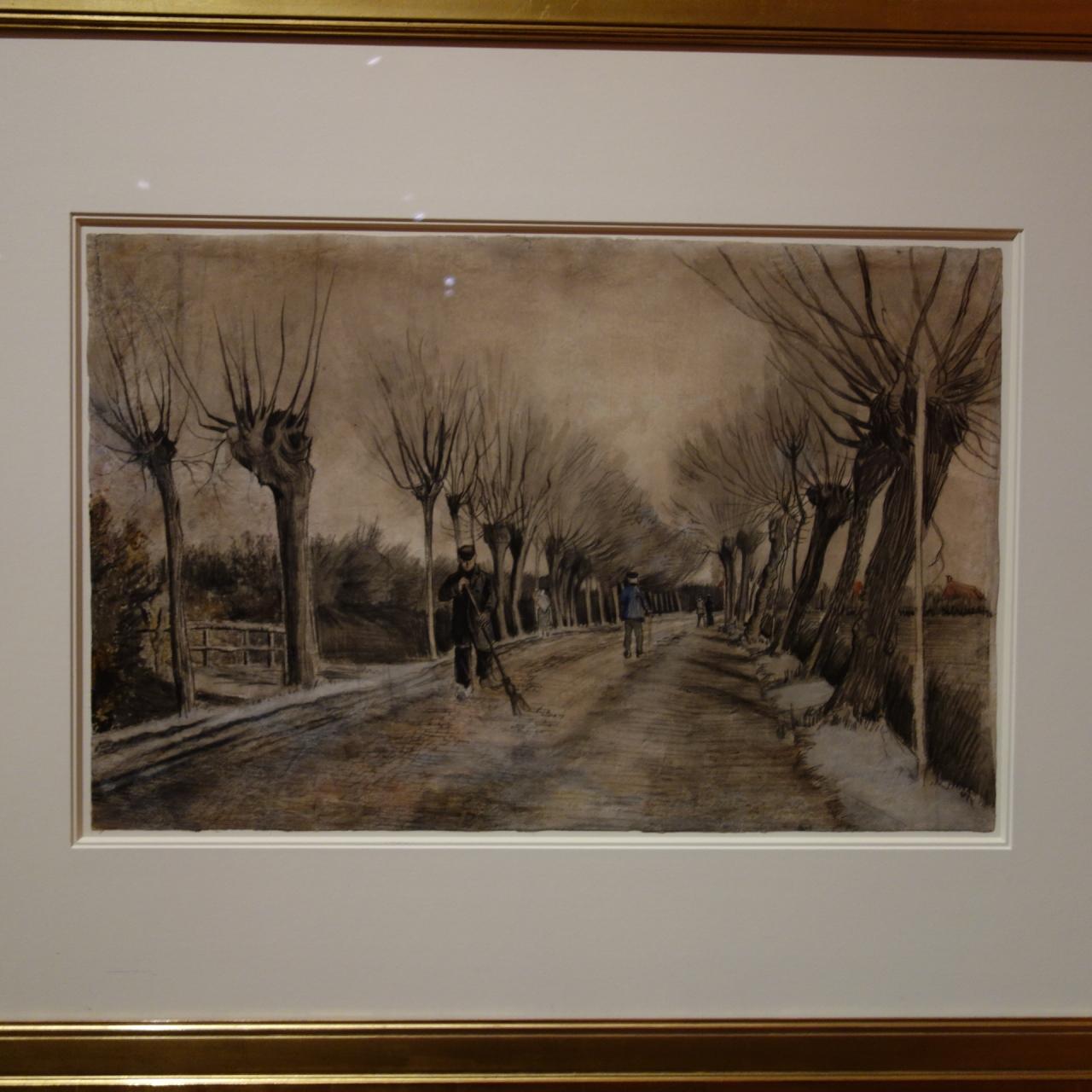
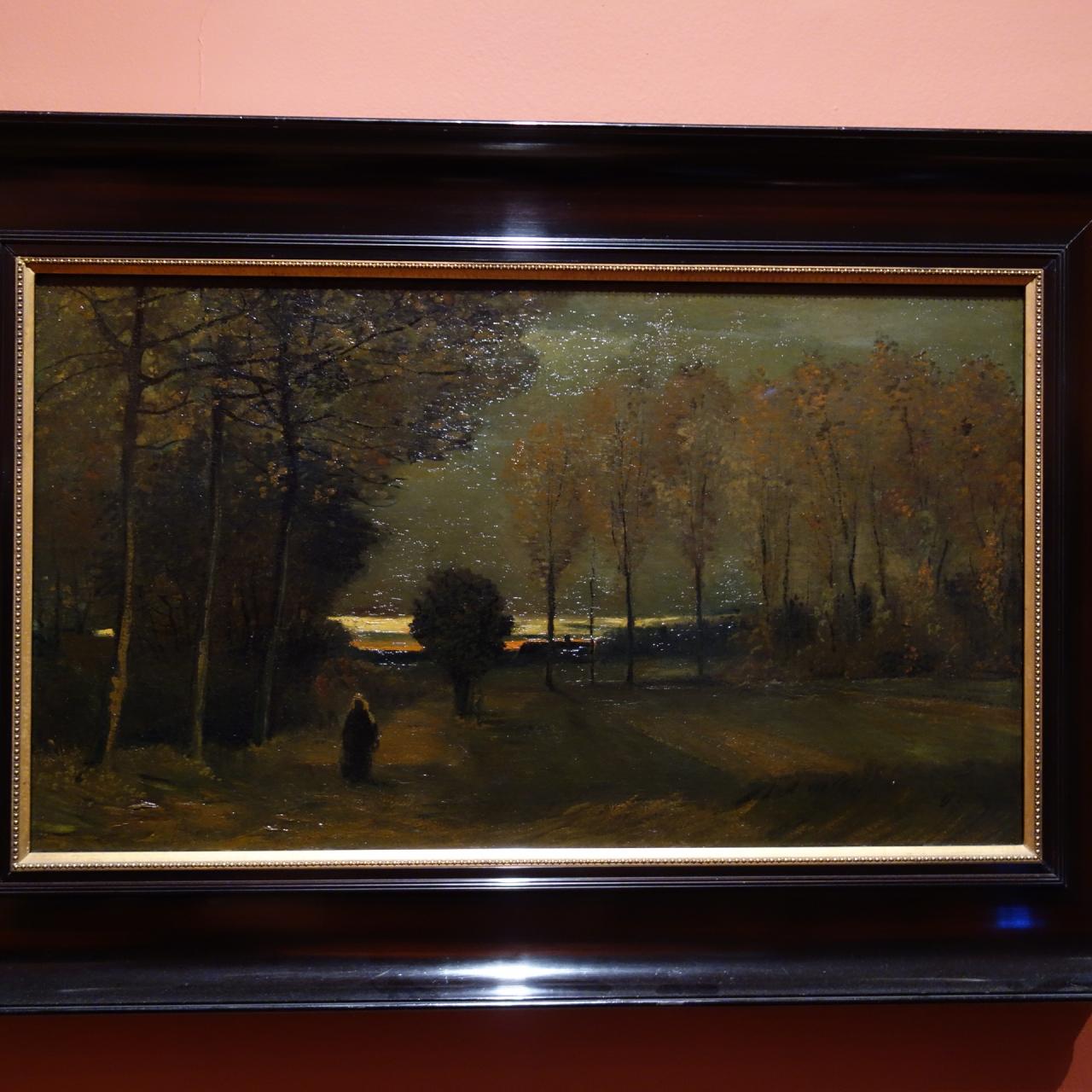
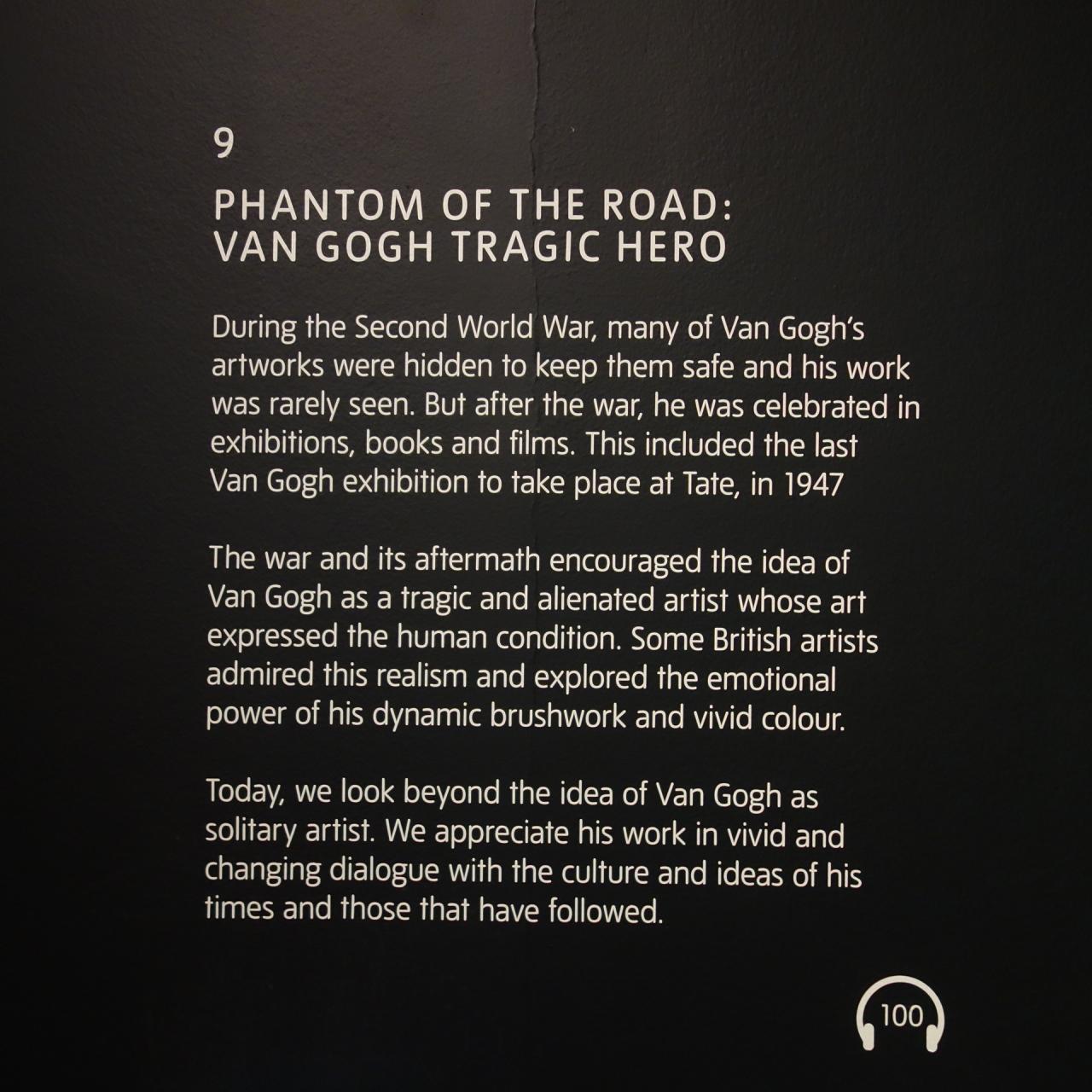
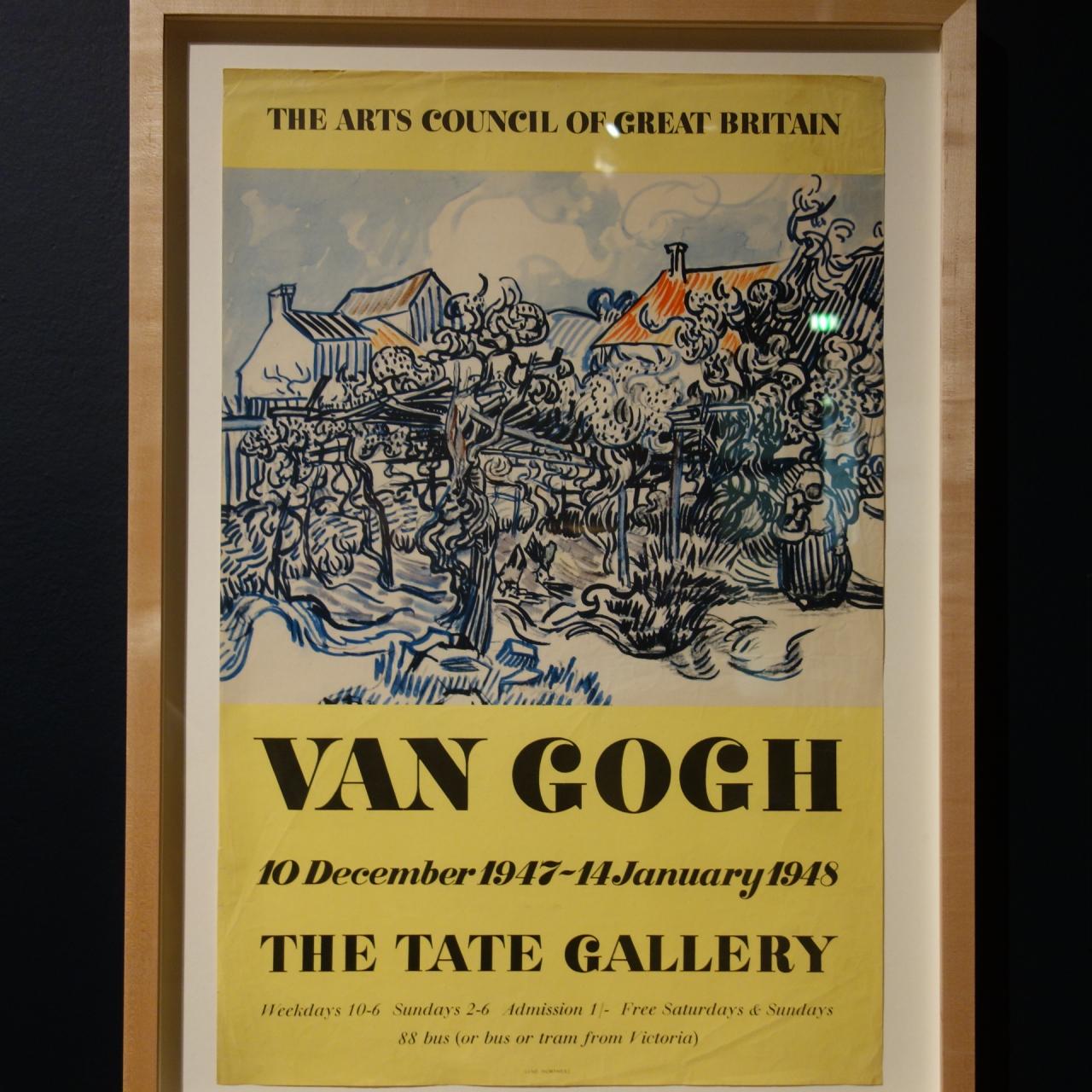
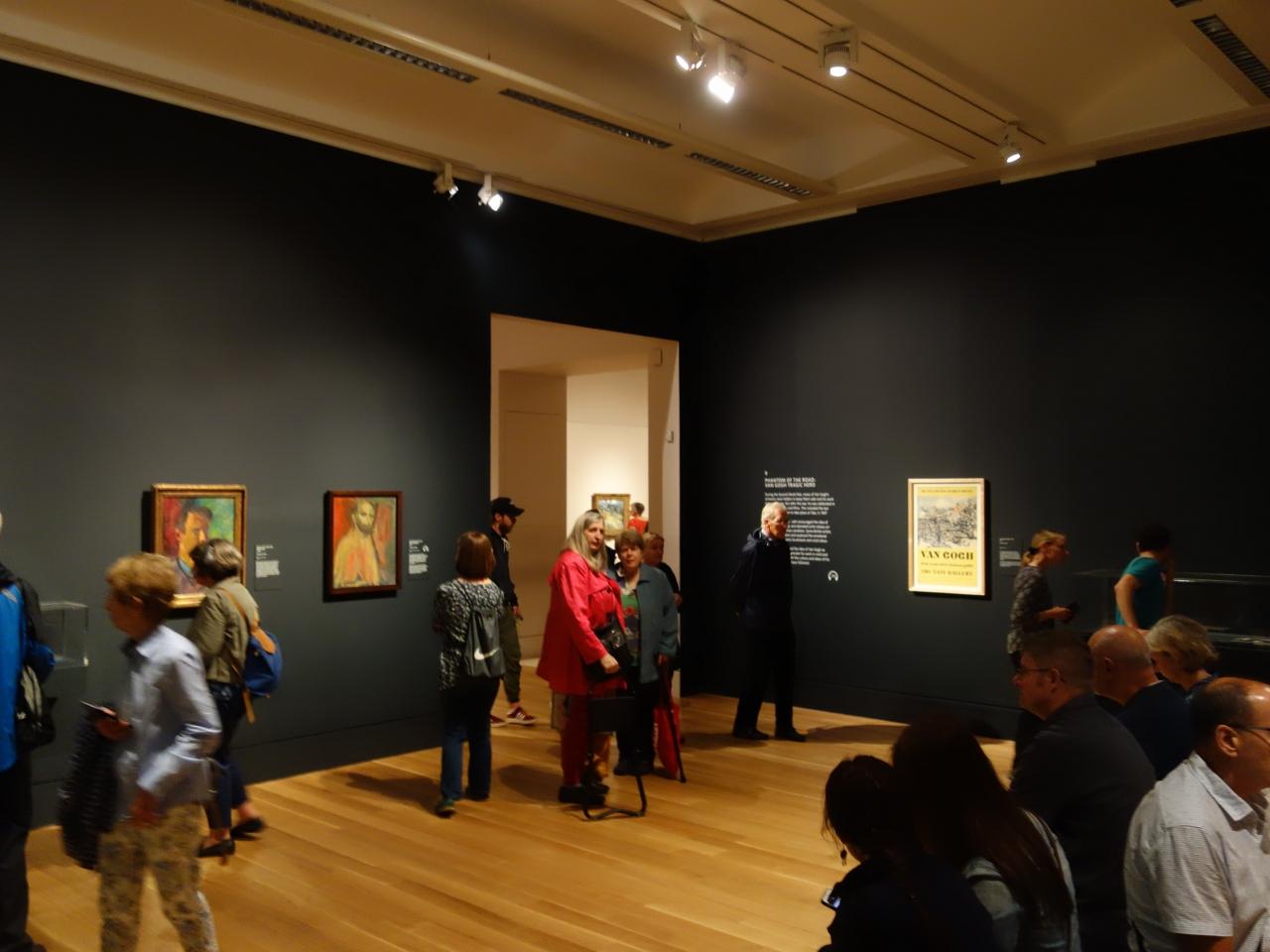
  • 9 PHANTOM OF THE ROAD: VAN GOGH TRAGIC HERO<br /><br />During the Second World War, many of Van Gogh&#39;s artworks were hidden to keep them safe and his work was rarely seen. But after the war, he was celebrated in exhibitions, books and films. This included the last Van Gogh exhibition to take place at Tate, in 1947.<br /><br />The war and its aftermath encouraged the idea of Van Gogh as a tragic and alienated artist whose art expressed the human condition. Some British artists admired this realism and explored the emotional power of his dynamic brushwork and vivid colour.<br />

    9 PHANTOM OF THE ROAD: VAN GOGH TRAGIC HERO

    During the Second World War, many of Van Gogh's artworks were hidden to keep them safe and his work was rarely seen. But after the war, he was celebrated in exhibitions, books and films. This included the last Van Gogh exhibition to take place at Tate, in 1947.

    The war and its aftermath encouraged the idea of Van Gogh as a tragic and alienated artist whose art expressed the human condition. Some British artists admired this realism and explored the emotional power of his dynamic brushwork and vivid colour.

  • THE EY EXHIBITION:<br />VAN GOGH AND BRITAIN<br />27 March-11 August 2019<br /><br />Lead Curator: Carol Jacobi, Curator of British Art 1850-1915; Assistant Curator: Hattie Spires, Assistant Curator Modern and Contemporary British Art; in consultation with Van Gogh scholar Martin Bailey and Chris Stephens, Director of Holburne Museum, Bath and supported by James Finch, Assistant Curator 19th-century British Art.<br /><br />The EY Exhibition: Van Gogh and Britain is part of The EY Tate Arts Partnership<br /><br />EY<br />Building a better working world<br /><br />With additional support from the Van Gogh Exhibition             <br />Supporters Circle: Huo Family Foundation (UK) Limited<br /><br />Tate International Council and Tate Members<br /><br />Media Partner<br />THE TIMES<br />THE SUNDAY TIMES<br /><br />This exhibition has been made possible by the provision of insurance through the Government Indemnity Scheme. <br />Tate would like to thank HM Government for providing Government Indemnity and the Department of Digital, Culture, Media and Sport and Arts Council England for arranging the indemnity.<br /><br />Installation: Tate Art Handling<br />Graphic design: Soraya Chumroo<br />Interpretation: Kirsteen McSwein and Sam McGuire<br /><br />To find out more about our exhibition events and to book visit tate.org.uk or call 020 7887 8888.<br /><br />Is there a link between Van Gogh&#39;s mental health and his creativity? Listen to our podcast at tate.org.uk/art-of-creativity<br /><br />Large print texts are available in the exhibition and at tate.org.uk

    THE EY EXHIBITION:
    VAN GOGH AND BRITAIN
    27 March-11 August 2019

    Lead Curator: Carol Jacobi, Curator of British Art 1850-1915; Assistant Curator: Hattie Spires, Assistant Curator Modern and Contemporary British Art; in consultation with Van Gogh scholar Martin Bailey and Chris Stephens, Director of Holburne Museum, Bath and supported by James Finch, Assistant Curator 19th-century British Art.

    The EY Exhibition: Van Gogh and Britain is part of The EY Tate Arts Partnership

    EY
    Building a better working world

    With additional support from the Van Gogh Exhibition
    Supporters Circle: Huo Family Foundation (UK) Limited

    Tate International Council and Tate Members

    Media Partner
    THE TIMES
    THE SUNDAY TIMES

    This exhibition has been made possible by the provision of insurance through the Government Indemnity Scheme.
    Tate would like to thank HM Government for providing Government Indemnity and the Department of Digital, Culture, Media and Sport and Arts Council England for arranging the indemnity.

    Installation: Tate Art Handling
    Graphic design: Soraya Chumroo
    Interpretation: Kirsteen McSwein and Sam McGuire

    To find out more about our exhibition events and to book visit tate.org.uk or call 020 7887 8888.

    Is there a link between Van Gogh's mental health and his creativity? Listen to our podcast at tate.org.uk/art-of-creativity

    Large print texts are available in the exhibition and at tate.org.uk

  • いやぁー,すごいゴッホ展でした。満腹しました。たぶん,歴史に残る最高レベルのゴッホ展になっていたと思います。この展覧会だけを見るために,日本から飛行機代をはらっても惜しくはないと思います。

    いやぁー,すごいゴッホ展でした。満腹しました。たぶん,歴史に残る最高レベルのゴッホ展になっていたと思います。この展覧会だけを見るために,日本から飛行機代をはらっても惜しくはないと思います。

  • ありがとうございました。

    ありがとうございました。

  • イギリスはいい国です。

    イギリスはいい国です。

    テート ブリテン 博物館・美術館・ギャラリー
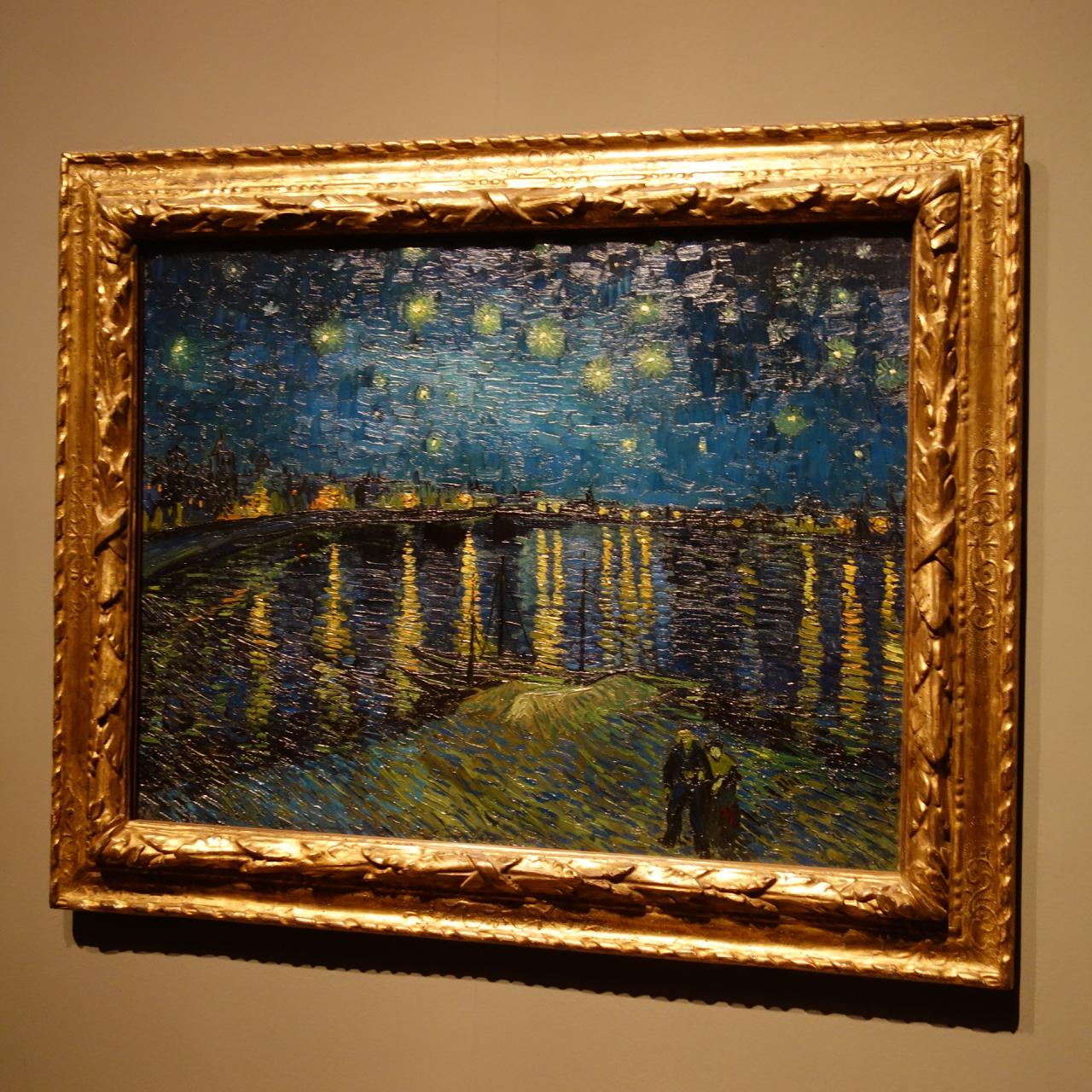
    現在,ゴッホ展をやっています。飛行機代を払って見に行く価値のある歴史的特別展です。 by nomonomoさん
9いいね!

利用規約に違反している投稿は、報告する事ができます。 問題のある投稿を連絡する

コメントを投稿する前に

十分に確認の上、ご投稿ください。 コメントの内容は攻撃的ではなく、相手の気持ちに寄り添ったものになっていますか?

サイト共通ガイドライン(利用上のお願い)

報道機関・マスメディアの方へ 画像提供などに関するお問い合わせは、専用のお問い合わせフォームからお願いいたします。

nomonomoさんの関連旅行記
nomonomoさんの旅行記一覧

この旅行で行ったスポット

旅の計画・記録

マイルに交換できるフォートラベルポイントが貯まる
フォートラベルポイントって?

イギリスで使うWi-Fiはレンタルしましたか?

フォートラベル GLOBAL WiFiなら
イギリス最安 382円/日~

  • 空港で受取・返却可能
  • お得なポイントがたまる

イギリスの料金プランを見る

フォートラベル公式LINE@

おすすめの旅行記や旬な旅行情報、お得なキャンペーン情報をお届けします!
QRコードが読み取れない場合はID「@4travel」で検索してください。

\その他の公式SNSはこちら/
この旅行記の地図

拡大する

PAGE TOP