


2012/04/20 - 2012/05/11
974位(同エリア1231件中)

Miamiさん
- MiamiさんTOP
- 旅行記67冊
- クチコミ28件
- Q&A回答2件
- 170,530アクセス
- フォロワー15人
この旅行記のスケジュール
2012/04/20
-
4/20-4/21 リマ
2012/04/22
-
4/22 ピスコ
2012/04/23
-
4/23-4/24 ナスカ
2012/04/25
-
4/25 アレキパ
2012/04/26
-
4/26-4/27 チバイ/コルカキャニオン
2012/04/28
-
4/28-4/30 プーノ/チチカカ湖
2012/05/01
-
5/1-5/2 クスコ
2012/05/03
-
5/3-5/6 インカトレイル/マチュピチュ
2012/05/07
-
5/7 クスコ
2012/05/08
-
5/8-5/9 アマゾンジャングル
2012/05/10
-
5/10-5/11 リマ
もっと見る
閉じる
この旅行記スケジュールを元に
トロントのワーホリ時代、北米にいるうちに南米も行っておきたいと足を伸ばしてペルーに行ってきました。Intrepid Travelを利用して、ペルーを3週間ほど周遊。英語ガイド付き。リマでツアーの集合解散があり、私が参加したツアーは合計10名くらいいたような。参加国もバラバラで、アメリカ、イギリス、オーストラリア、カナダだった。年配の方が多くて、若くて30代後半(?)、だいたいが50-60代くらいで、「第2の人生楽しんでます!」という感じのゆとりがありそうな人たちだった。
この旅行記はタイトルにあるように~記憶を巡って書き起こし~ているので、写真とコメントがずれている可能性があります。11年も経ってから書いているので写真見ても建物の名前などが全然思い出せない。うろ覚えで、これ以上忘れないために書いているので、間違ってても軽く流しながら読んでください。。
旅行に行くときにもらったTrip Notesをコピペしながら利用しているので、一部英語です。
-

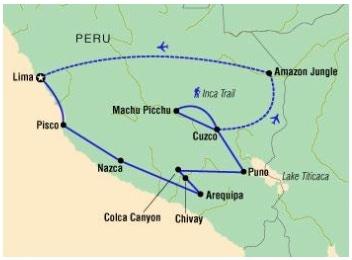
ツアーで巡った場所のマップ。バス、電車、飛行機、色々使って移動。リマまでは自分たちで手配。トロントからマイアミ経由でリマまで飛んだ。
4/20
10:10 トロント発 (American Airlines 2239)
13:25 マイアミ着 乗換
16:30 マイアミ発 (LAN Airlines 6704)
21:10 リマ着
トロントからマイアミまで12hrで、マイアミからリマまでが3hr5minだった。トロントからマイアミって意外と遠かったんだな。航空券は往復でCAD887.34。
ツアーに合流する前の空いた時間に、リマの地理感もなく写真撮りながら歩いていたら、おばさんが「ここは治安が悪いから、向こう側に戻ったほうがいいわよ。あちらから行きなさい」と声をかけてきた。来た方ではなく、反対方向を指差す。言われた通りに歩いていると、どんどん人気がなくなり、気づいたら後ろから中学生くらいの少年3人がつけてくる。カメラのストラップをすごい勢いで3人から引っ張られ、なんと一眼レフ盗られました。。刺されたりしなかっただけいいのか。。
旅行のために買った一眼を盗られ、コンデジのみに。被害届を出そうと警察を探すも、英語が全然通じない!そうとう苦労して警察に着いたら、そこは英語が通じた。被害届を出し、後日保険でお金は戻ってきました。トロントからの移動などで撮影したデータ返してくれー。。
Day 1
If you arrive early, we recommend you take a walk around Miraflores. Go from Central Park (Parque Kennedy) to LarcoMar via Larco Avenue. Alternatively go to Parque del Amor (Love's Park) for a nice view of Lima's beaches. Other things to see and do include a tour to Pachacamac (approx 30 km from downtown Lima), the Museo de la Nacion and the Gold Museum. Limenos (Lima's residents) are friendly and there are plenty of great restaurants and cafes to sample ceviche, a local seafood speciality.
Explore the 16th-century monastery of San Francisco which boasts a fresco of the Last Supper that has a distinctly Peruvian flavour: the disciples pictured dine on guinea pig and drink from gold Inca cups. The monastery's catacombs are the real drawcard - they've been Lima's underground cemetery for hundreds of years.
There are many fine museums in and around the city including the Museo del Tribunal de la Santa Inquisicion, which gives a fascinating insight into the Spanish Inquisition.
Visit the Archaeological Museum, which offers a look at Peru's succession of ancient cultures. -
Day 2 Pisco
Your leader will take you on a walking tour of downtown Lima, including the city's historical centre - so there's no need for you to visit the downtown area prior to the trip. Flanked by streets of ornate colonial mansions, palaces and churches, Plaza Mayor is the best place to start any exploration of Lima. Take a walk through the old streets to get a feel for colonial life. On one side of the plaza is the Cathedral, which houses the remains of Lima's founder, Francisco Pizarro.
Travel by taxi or minivan to Lima's bus station and take a local bus to Pisco (approx 4 hrs). The bus will stop three or four times before reaching our destination.
This small fishing town is the gateway to the Ballestas Islands and the Paracas National Reserve but it's most famous as the birthplace of Peru's national drink, the pisco sour, made from a local brandy of the same name. For some local food specialities, head to the Plaza de Armas where the locals hang out and munch on tejas, small sweets made from nuts and dried fruits.
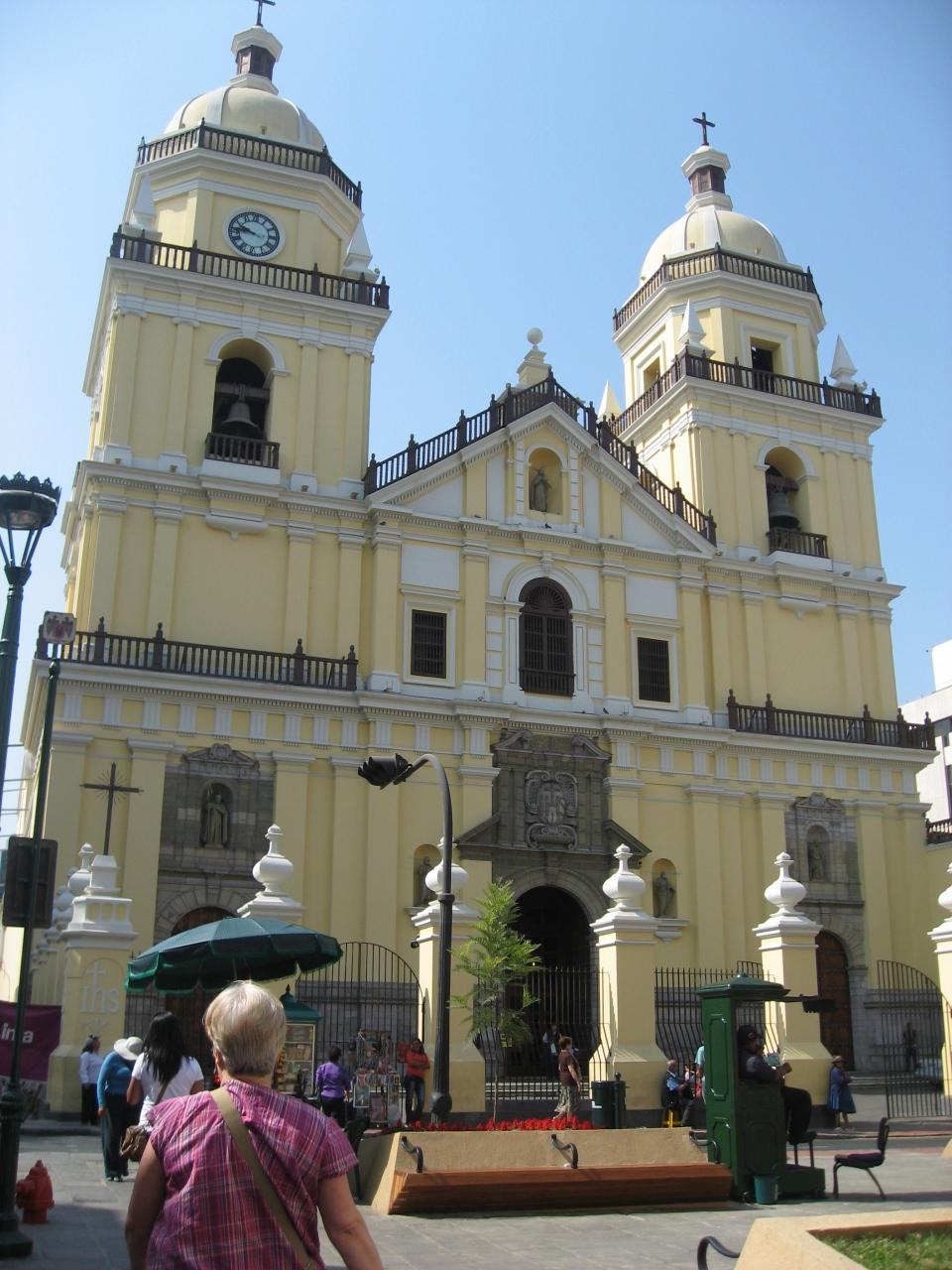
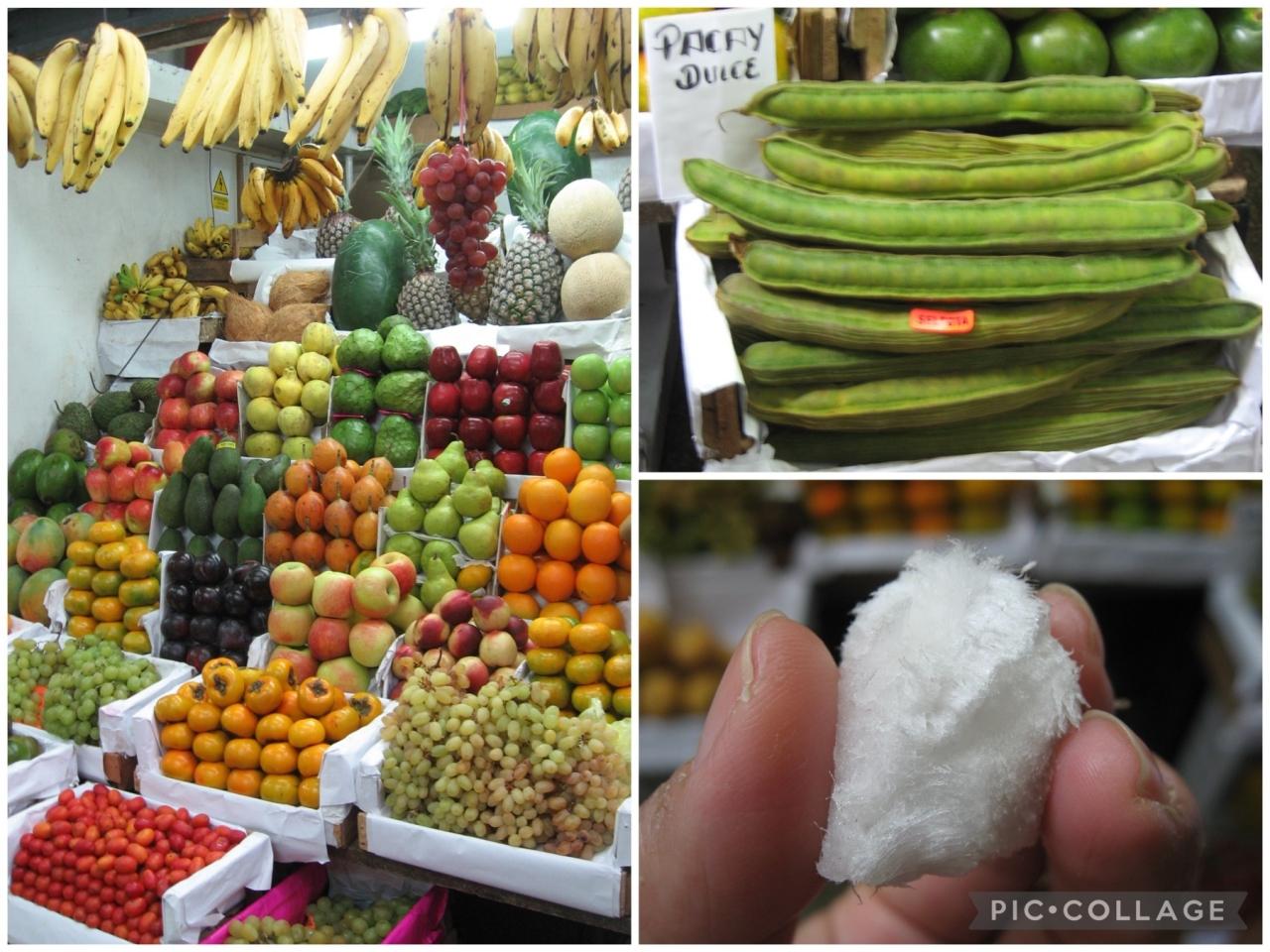
記憶が全然定かでは無いが、これは写真の日付によると旅行2日目。Trip NotesによるとLimaを散策した。覚えているのは、観光地・市場巡りをしたこと。 -
市場には日本では見ないようなフルーツも色々あった。
-
Days 3-4 Nazca
Sometimes called the 'Galapagos of Peru', the Ballestas Islands are a haven for wildlife including hundreds of pelicans, red-footed boobies, flamingos, sea lions and even penguins. Get up close to this amazing wildlife with a boat tour of the islands (approx 1.5-2 hrs).
Between June and September the port might be closed by the Peruvian Navy due to weather conditions. Should this occur an alternative option of a land tour to the Paracas National Reserve will be offered.
Travel on to Nazca (approx 3 hrs), stopping en route at the oasis of Huacachina.
The town of Huacachina is built around a small natural lake surrounded by dramatic sand dunes, which offer endless photography and sandboarding opportunities.
The entire desert in the Nazca area was once home to the ancient Nazca and Paracas cultures which preceded the Incas by over 500 years. Remains of their cultures are still visible - Nazca is home to the famous and enigmatic Nazca lines, enormous designs inscribed in the desert on the arid high plateau.
The enormous lines have been etched into the ground by scraping away the dark rocks to reveal paler ones underneath. Animals, insects and birds are depicted, and some of the simpler line formations are up to 10 km (32 miles) in length. Who drew them, how and why, can only be guessed at, but theories range from alien invaders to complex Nazca calendars.
Flight over the Nazca lines - as at November 2010 some countries' travel advisories advise against this optional activity due to concerns around proper aircraft safety and maintenance standards not being reliably adhered to. For more information please refer to your country's travel advice website. Please note that due to Intrepid's internal safety policy our leaders are specifically prohibited from recommending or assisting with booking this activity.
Visit the desert cemetery of Chauchilla. The Nazca people were buried with colourful textiles and ceramics deep in the desert where the dry, arid climate has naturally mummified the bodies for over 1,500 years.
Take an overnight bus to Arequipa (approx 9-10 hrs). A simple snack is provided the following morning.
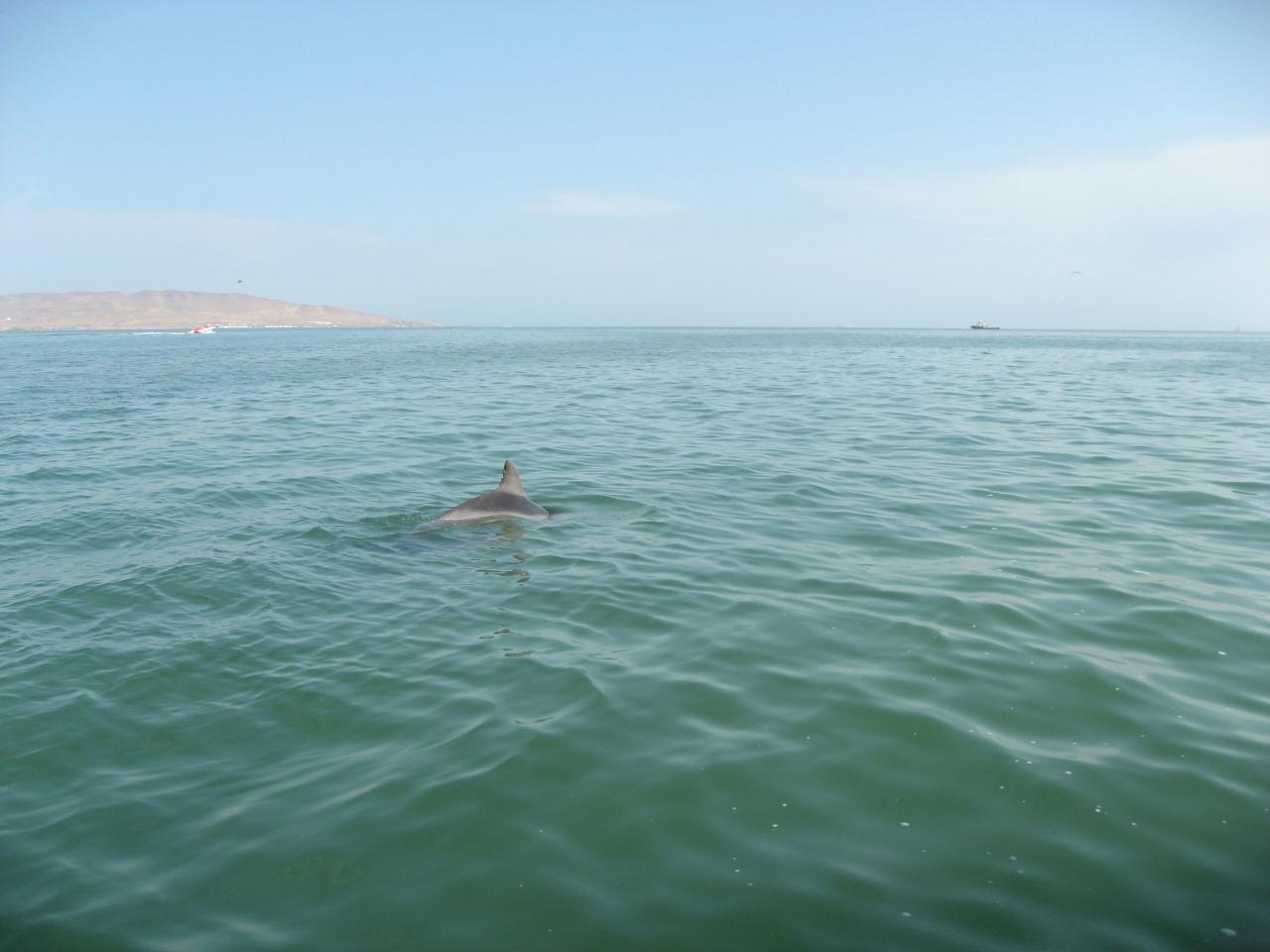
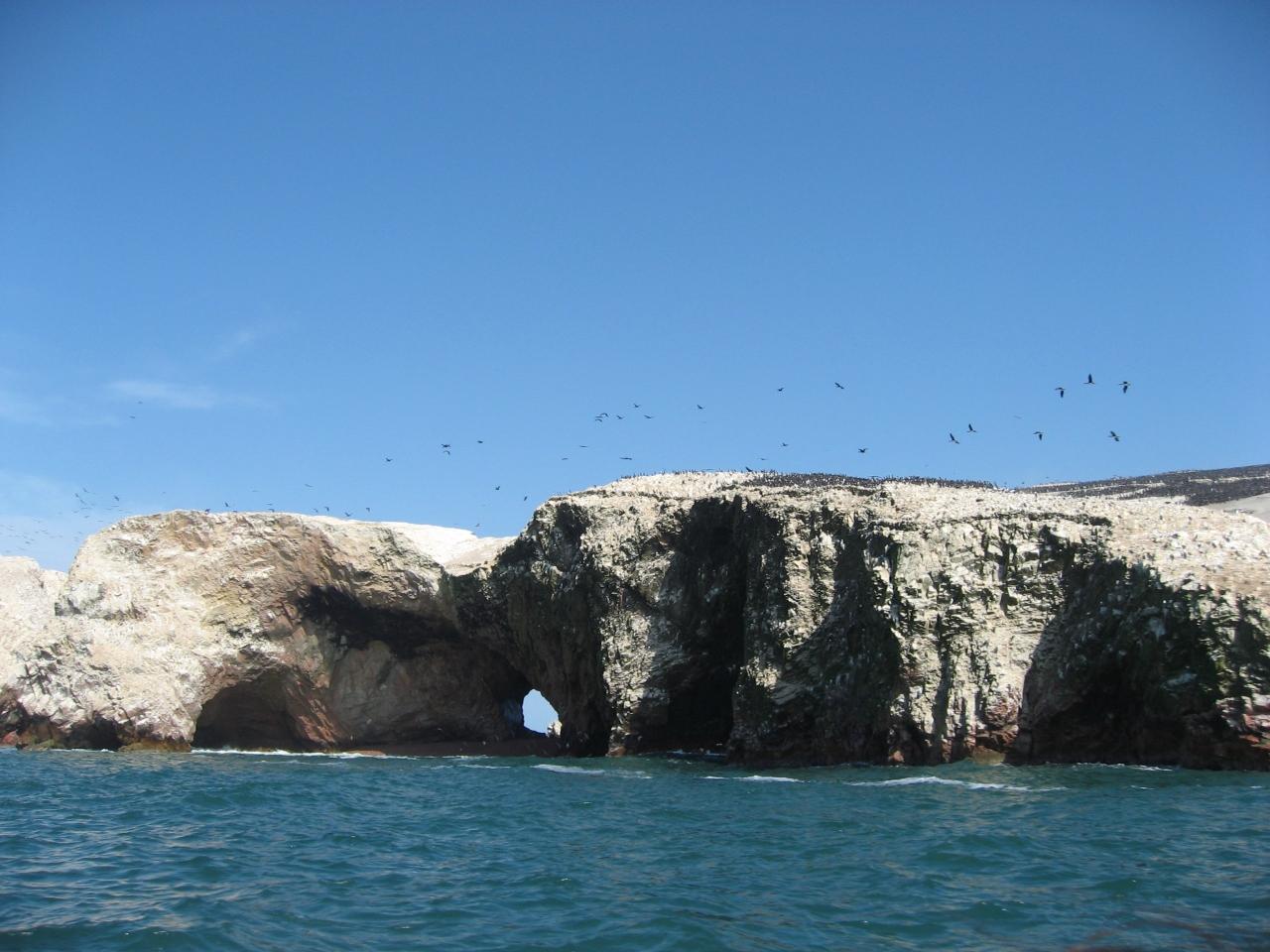
ボートに乗って観光。鳥やイルカなど色々見た。 -
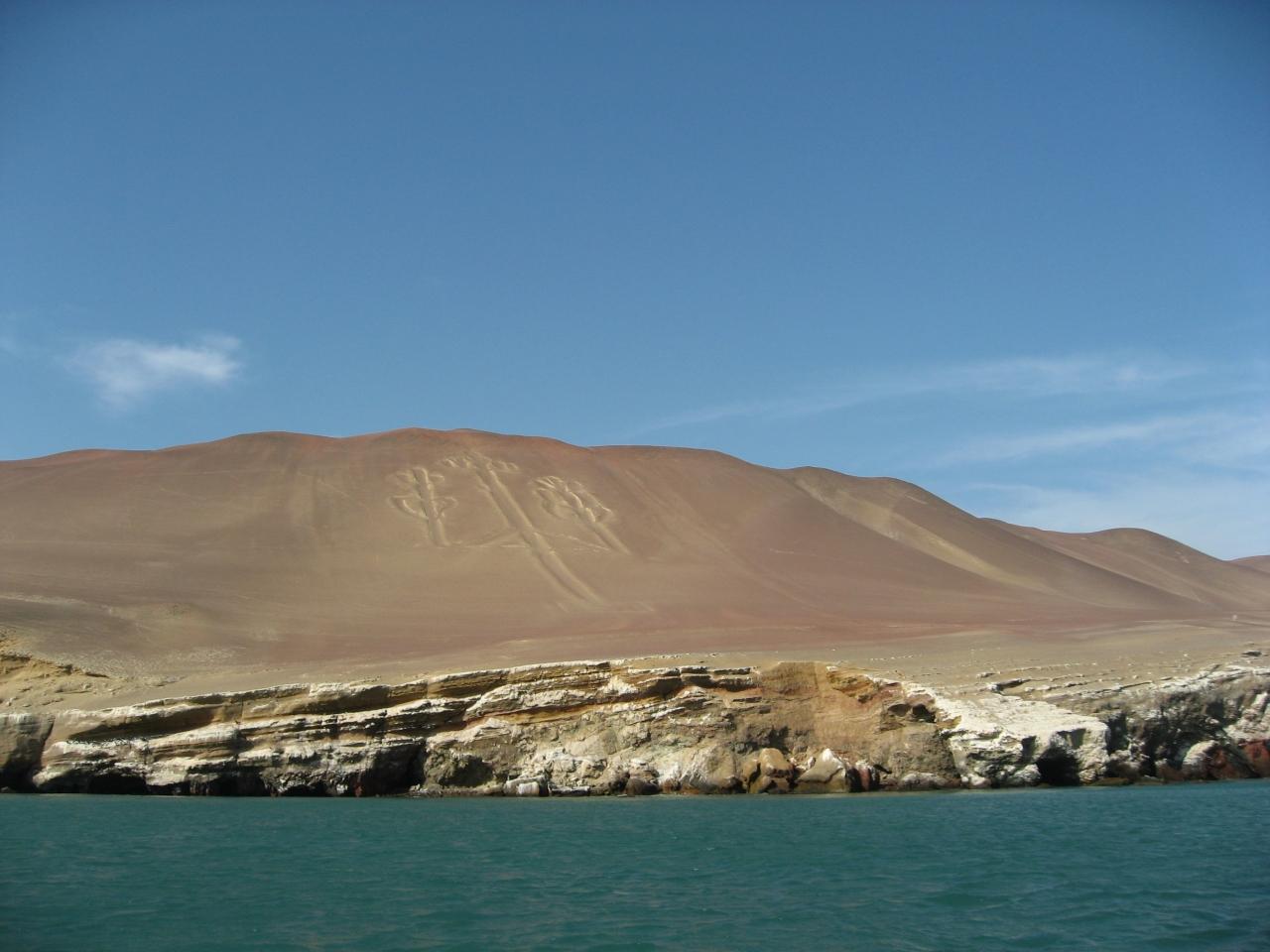
ボートからこんなものも見えた。ナスカの地上絵風。
-
ボートからの景色。
-
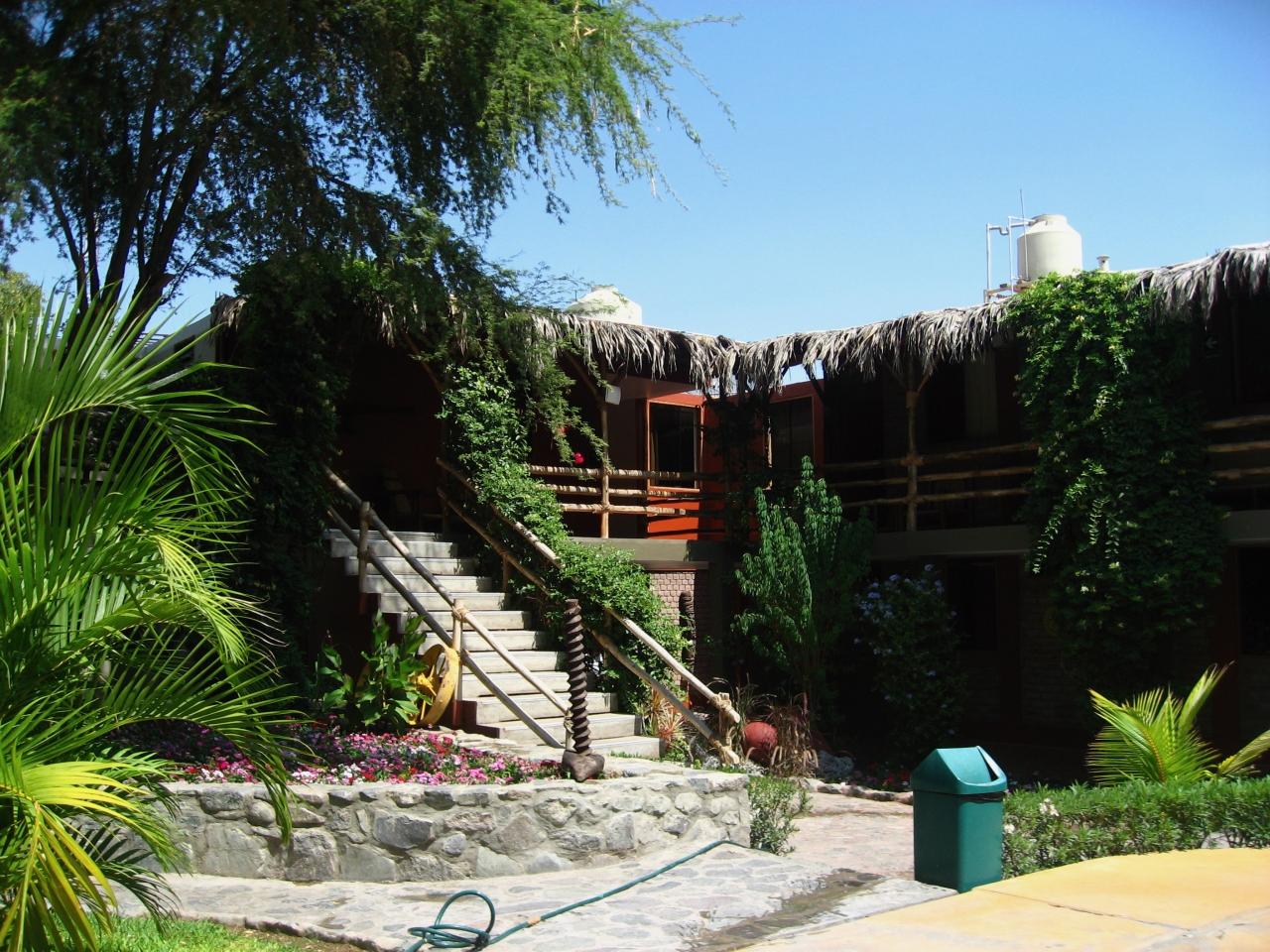
昼食の会場。
-
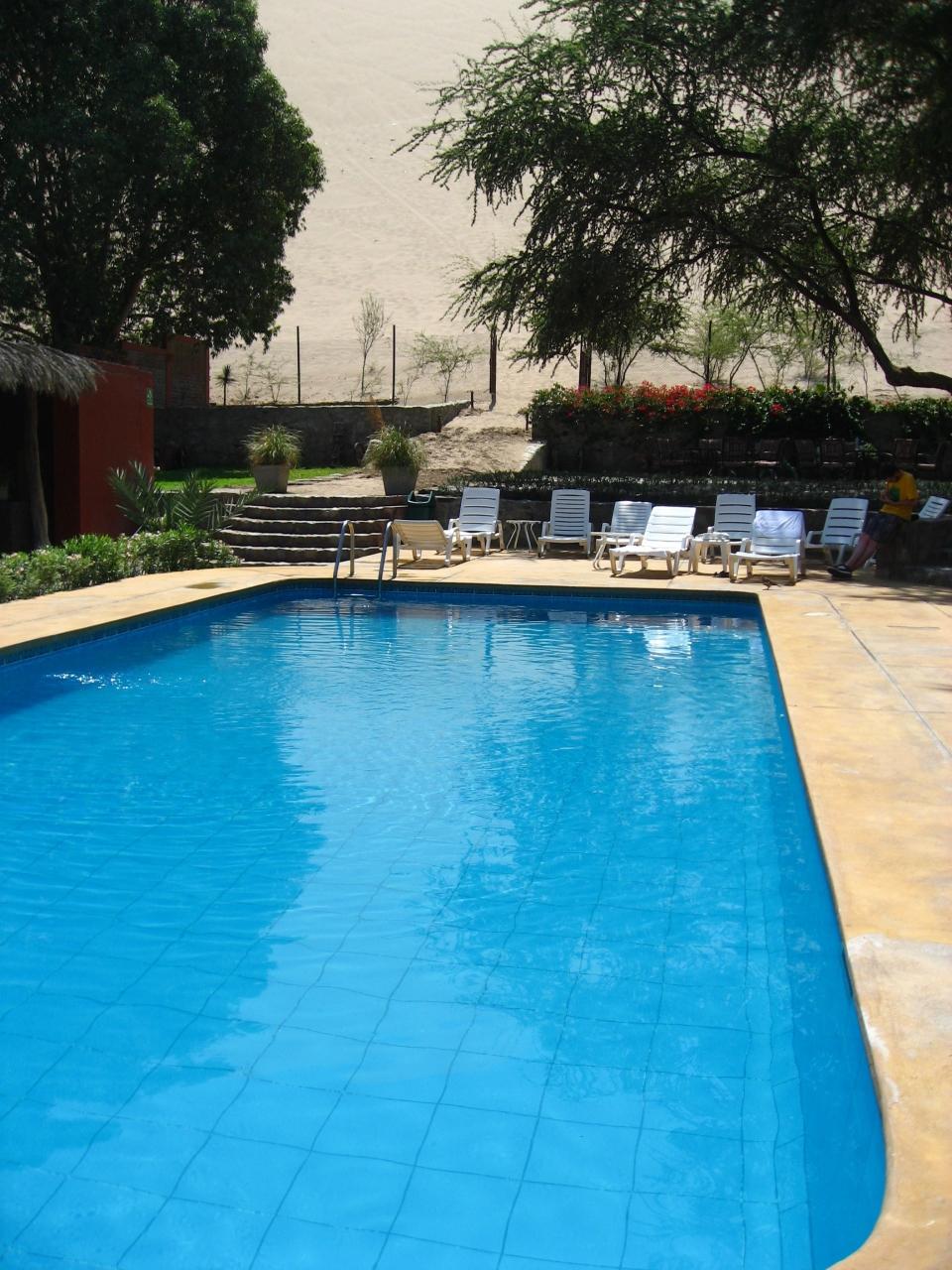
昼食の会場にプールもあった。
-
食前酒として提供されたピスコサワー。
-
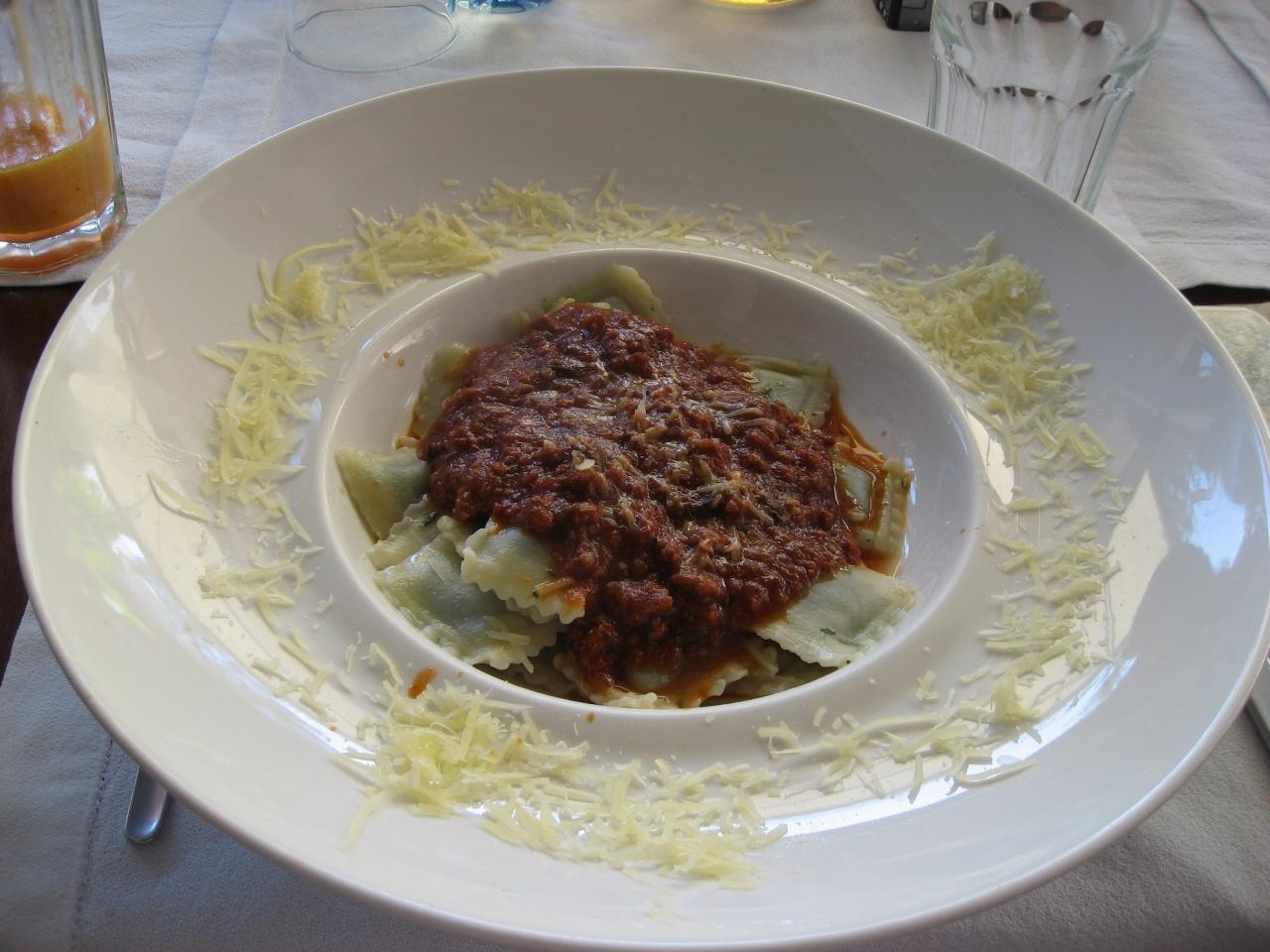
昼食。美味しかったかどうかは忘れてしまった。。
-
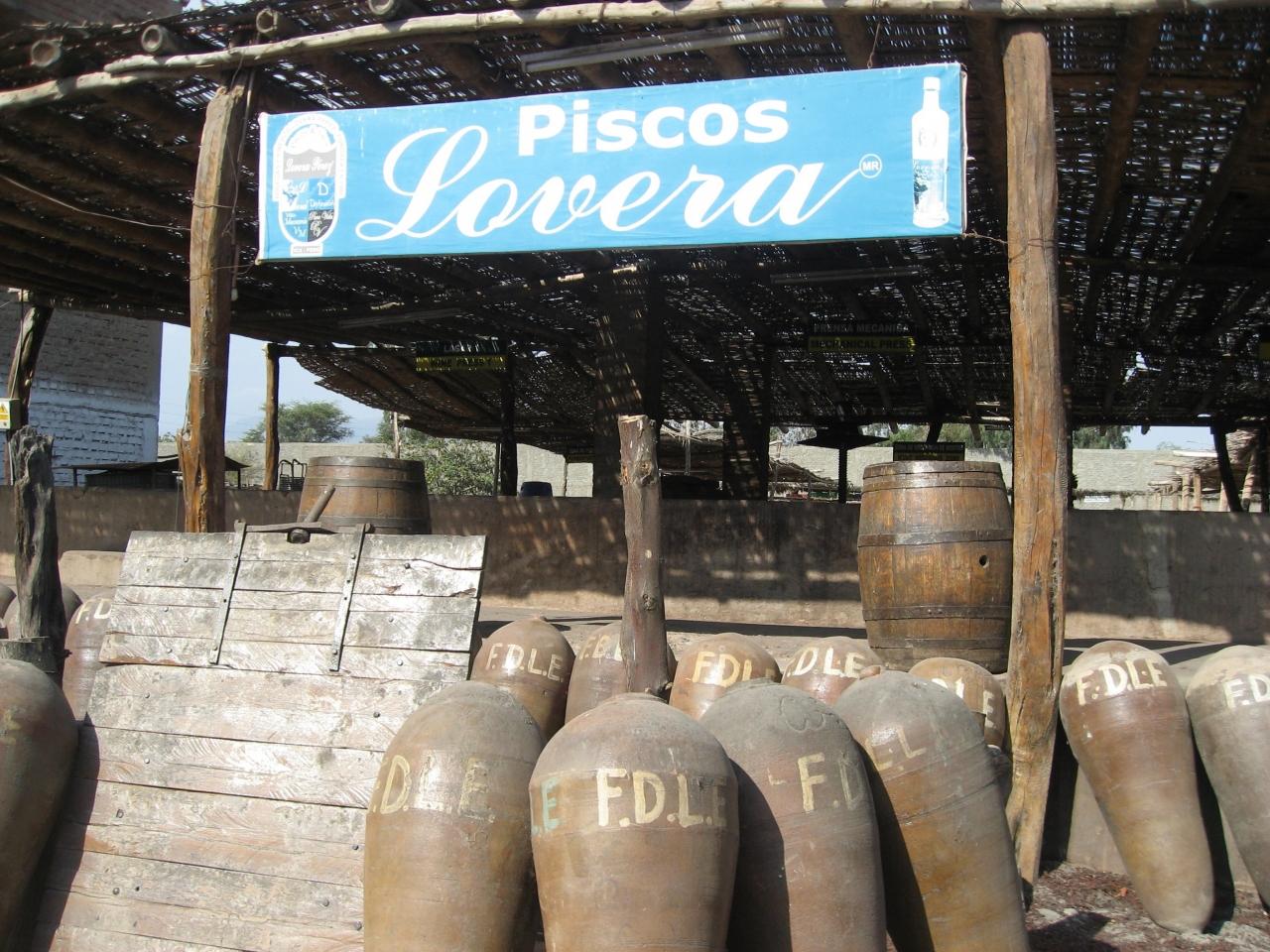
ピスコの工場見学
-
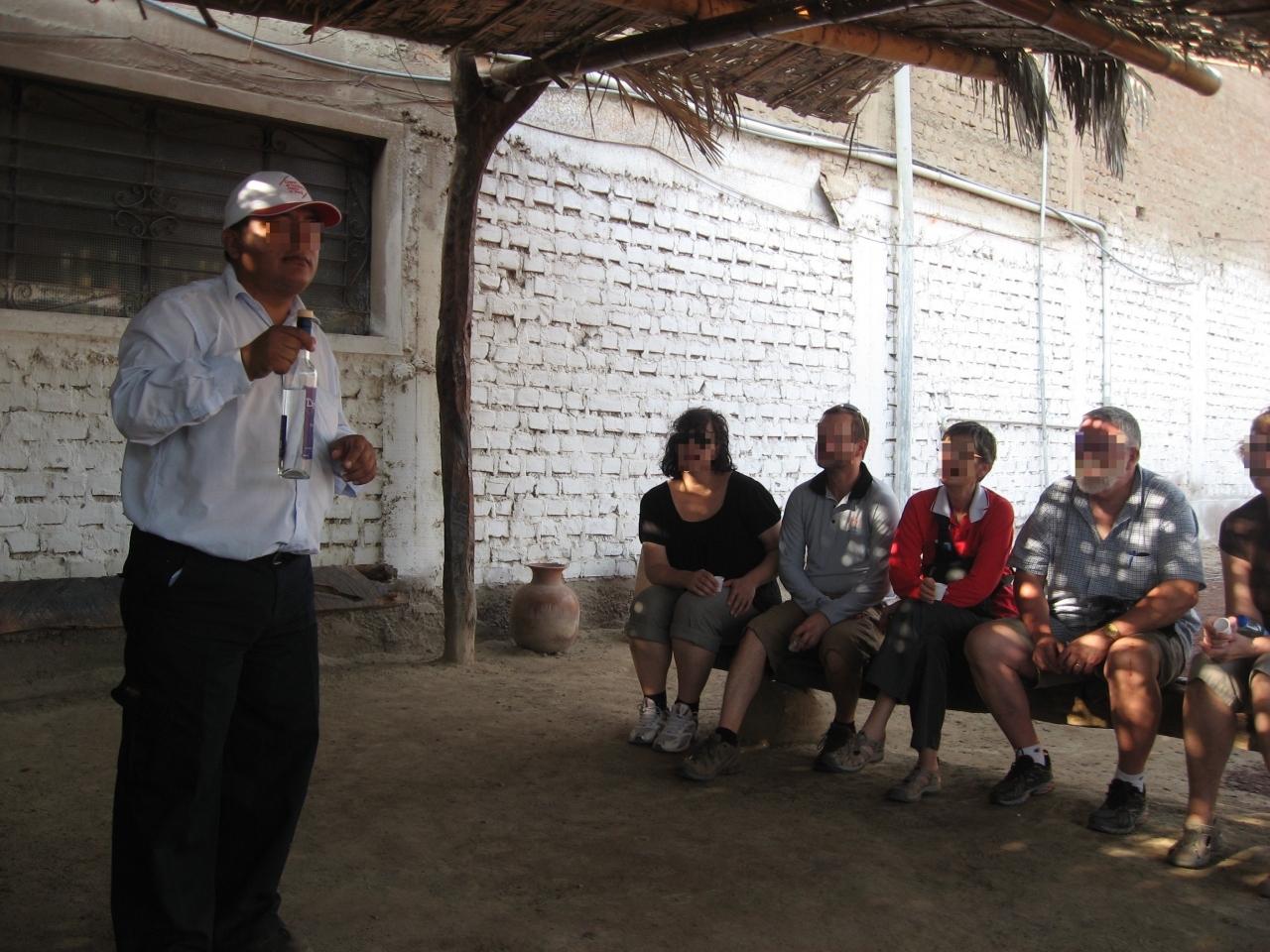
屋外でピスコの説明があった。
-
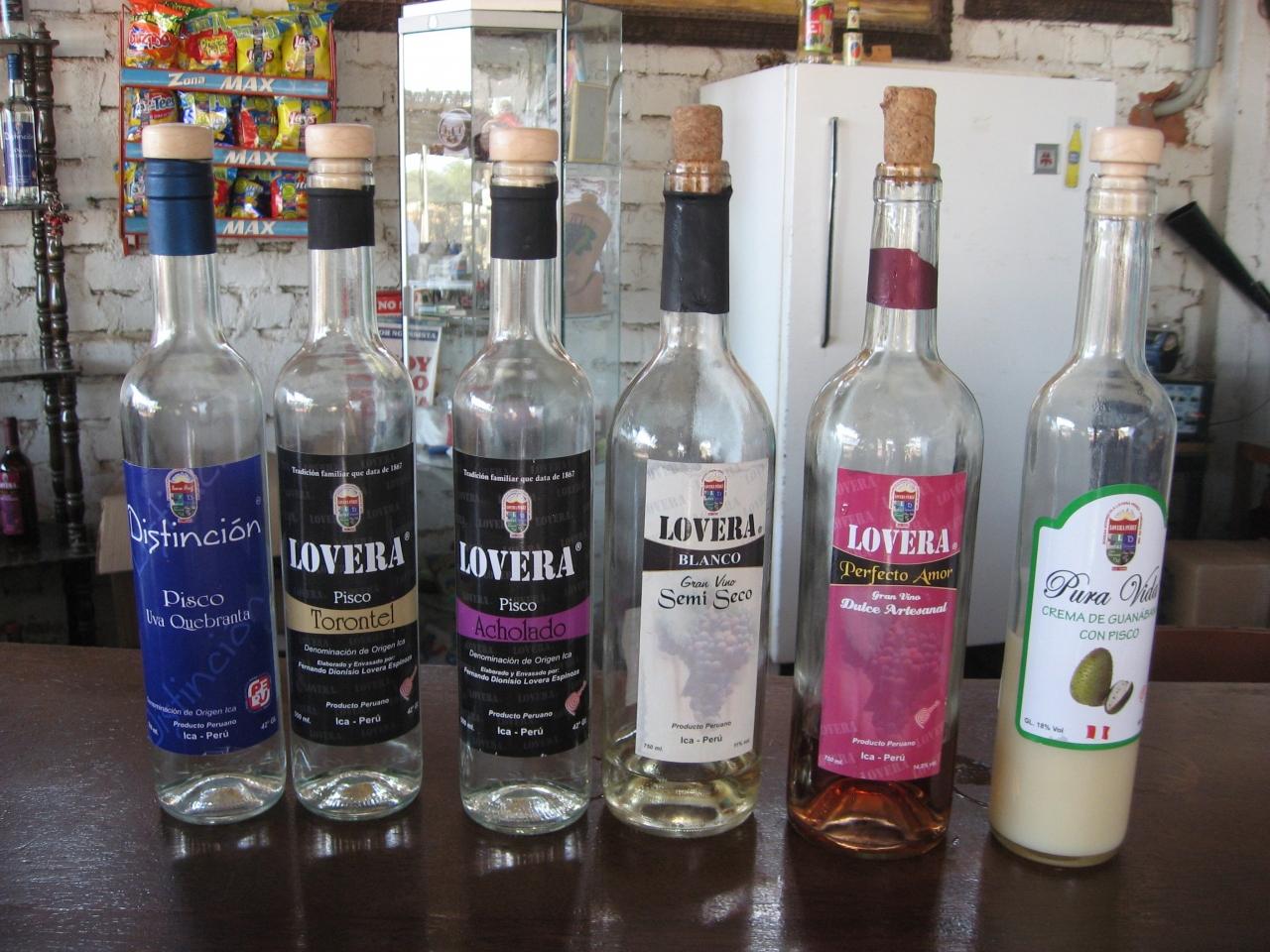
アルコール度数が違う何種類かのピスコ。
-
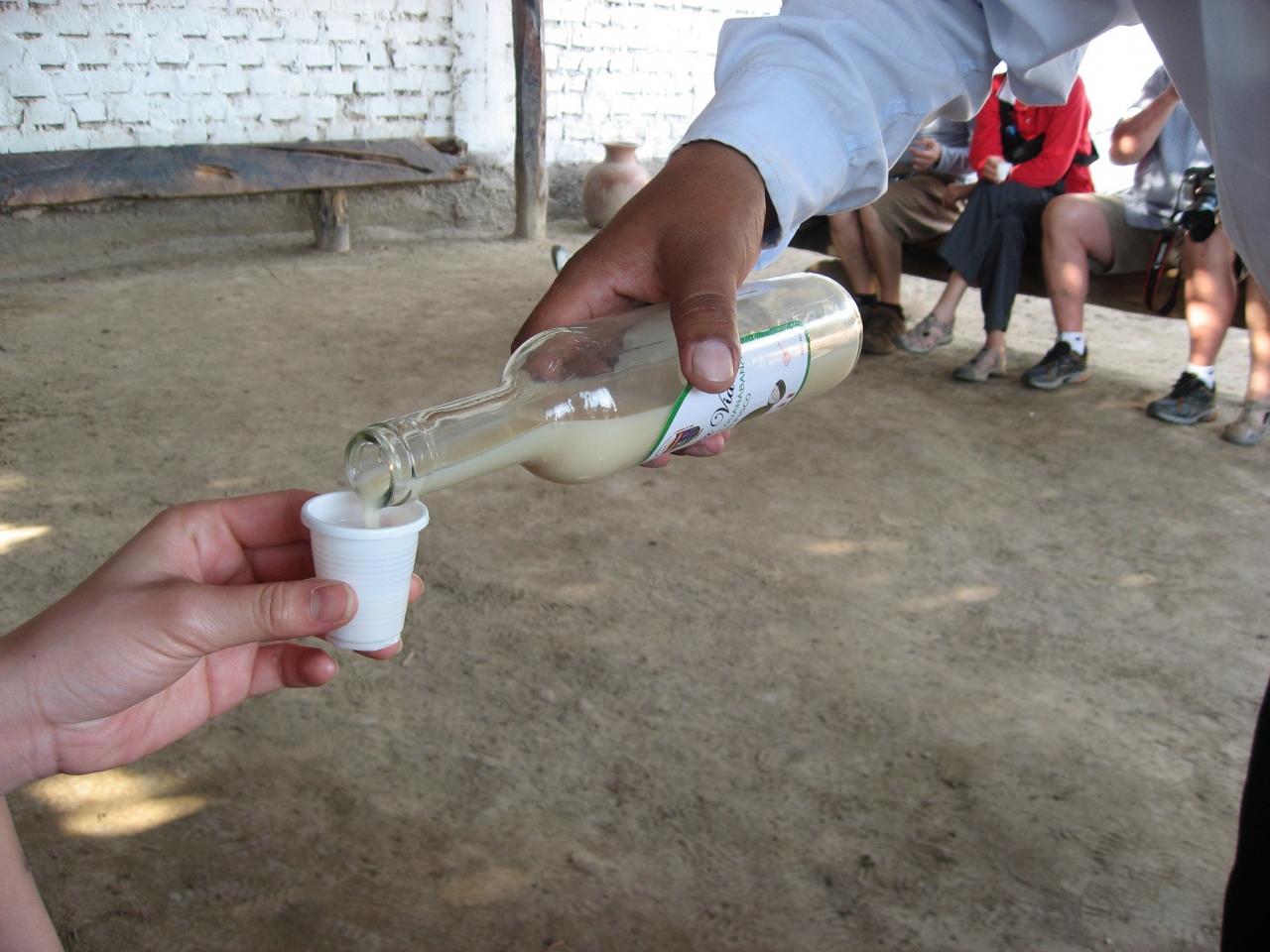
試飲。確か1本買ったけど、アルコール度数が高すぎて、そんなに飲めずに終わった記憶。
-
Days 3-4 Nazca
Sometimes called the 'Galapagos of Peru', the Ballestas Islands are a haven for wildlife including hundreds of pelicans, red-footed boobies, flamingos, sea lions and even penguins. Get up close to this amazing wildlife with a boat tour of the islands (approx 1.5-2 hrs).
Between June and September the port might be closed by the Peruvian Navy due to weather conditions. Should this occur an alternative option of a land tour to the Paracas National Reserve will be offered.
Travel on to Nazca (approx 3 hrs), stopping en route at the oasis of Huacachina.
The town of Huacachina is built around a small natural lake surrounded by dramatic sand dunes, which offer endless photography and sandboarding opportunities.
The entire desert in the Nazca area was once home to the ancient Nazca and Paracas cultures which preceded the Incas by over 500 years. Remains of their cultures are still visible - Nazca is home to the famous and enigmatic Nazca lines, enormous designs inscribed in the desert on the arid high plateau.
The enormous lines have been etched into the ground by scraping away the dark rocks to reveal paler ones underneath. Animals, insects and birds are depicted, and some of the simpler line formations are up to 10 km (32 miles) in length. Who drew them, how and why, can only be guessed at, but theories range from alien invaders to complex Nazca calendars.
Flight over the Nazca lines - as at November 2010 some countries' travel advisories advise against this optional activity due to concerns around proper aircraft safety and maintenance standards not being reliably adhered to. For more information please refer to your country's travel advice website. Please note that due to Intrepid's internal safety policy our leaders are specifically prohibited from recommending or assisting with booking this activity.
Visit the desert cemetery of Chauchilla. The Nazca people were buried with colourful textiles and ceramics deep in the desert where the dry, arid climate has naturally mummified the bodies for over 1,500 years.
Take an overnight bus to Arequipa (approx 9-10 hrs). A simple snack is provided the following morning. -
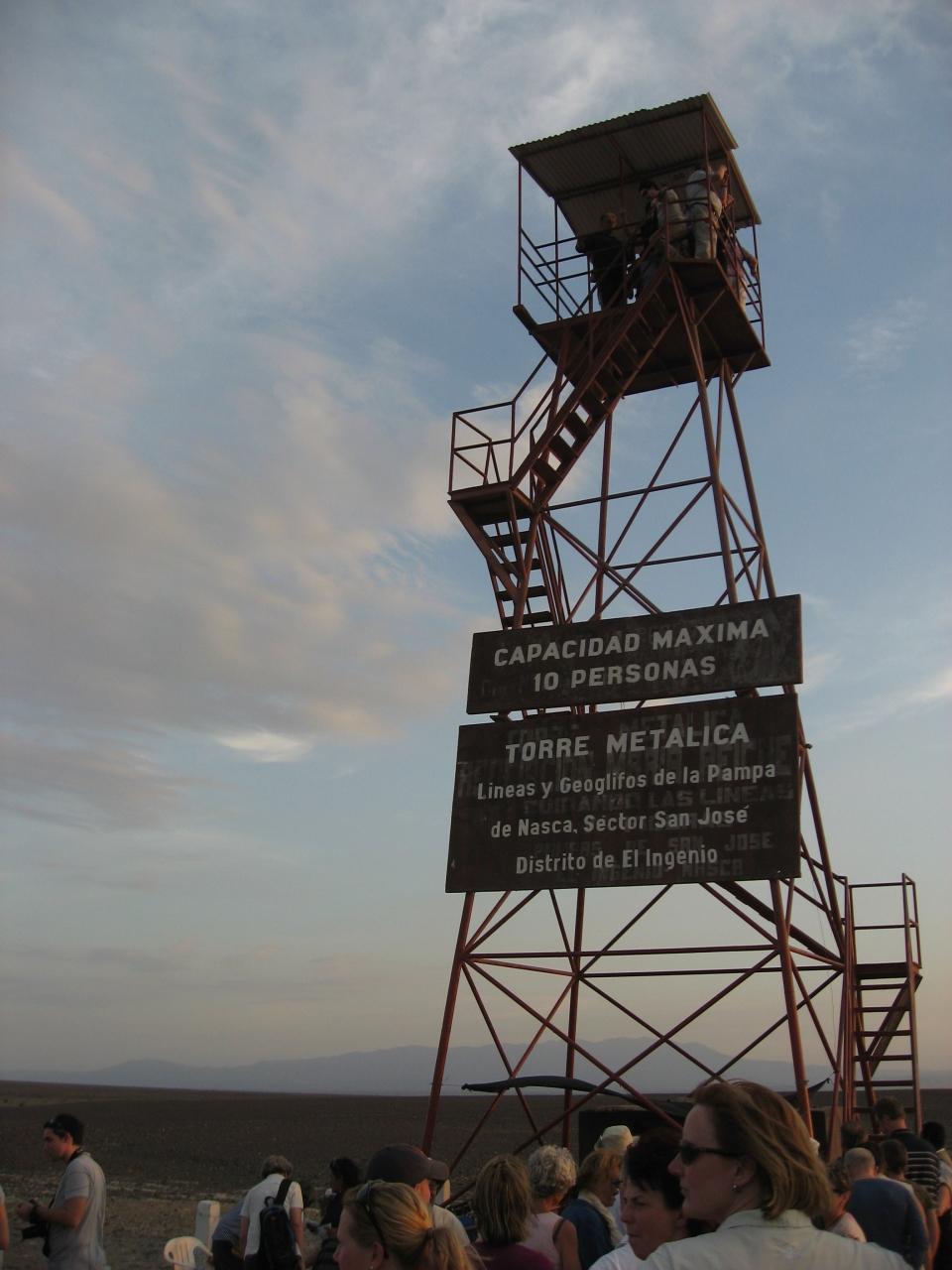
展望台があり、登って夕焼けと永遠に広がる大地と一緒に写真を撮った。
-
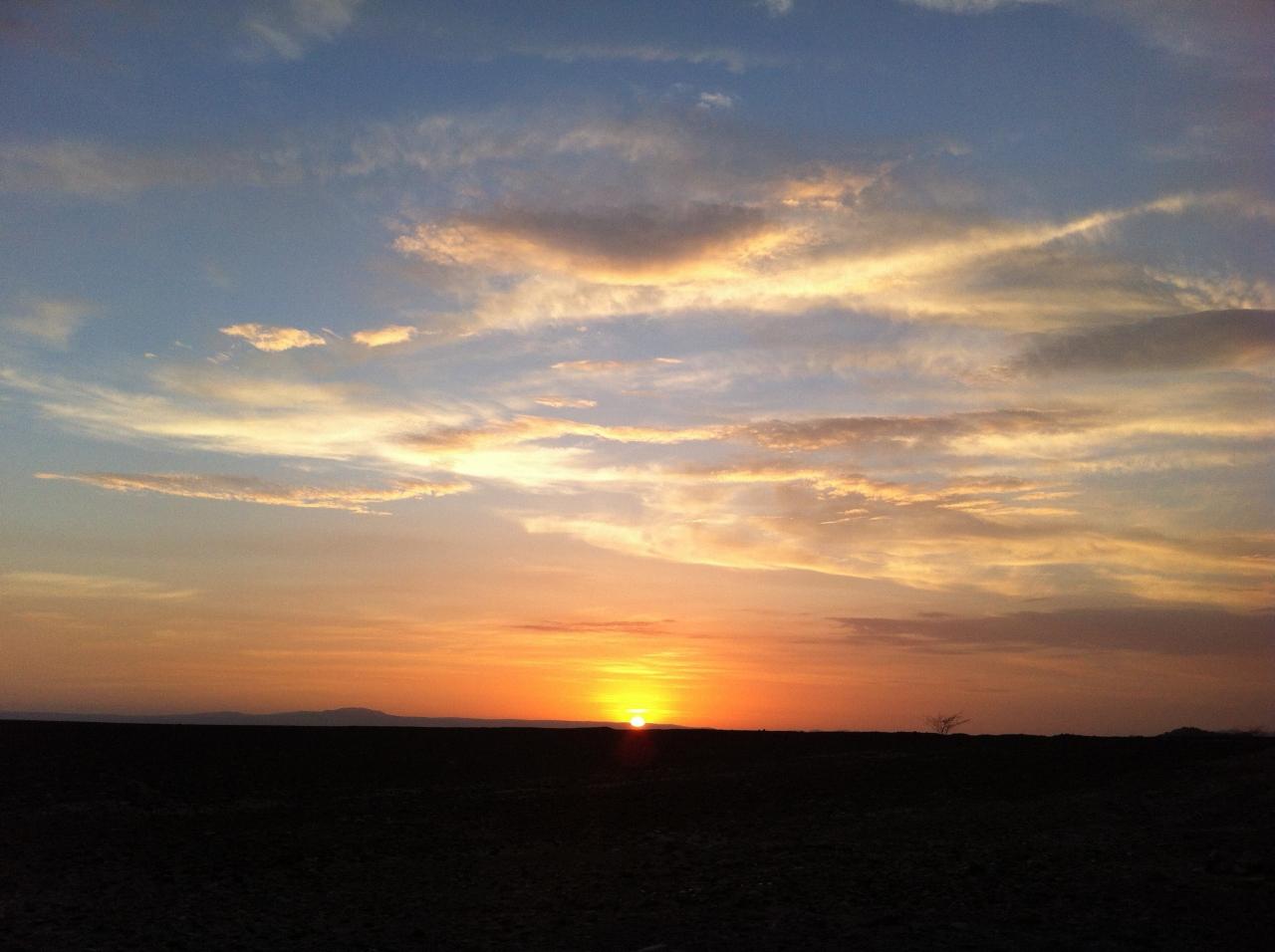
綺麗だった夕日。
-
展望台から見た地上絵。
-
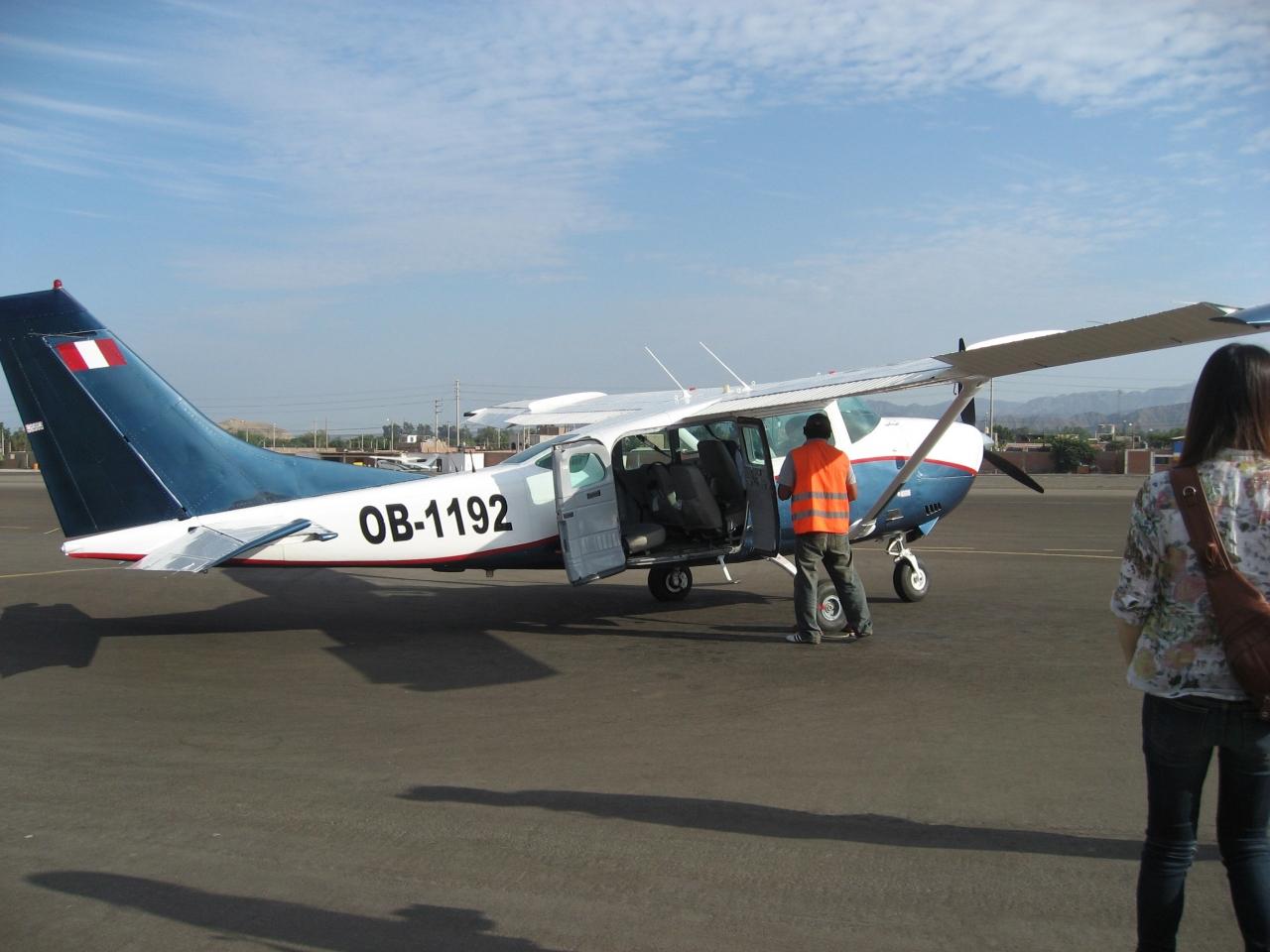
ナスカの地上絵を飛行機から見学。こちらはオプショナルツアーだった気がする。
-
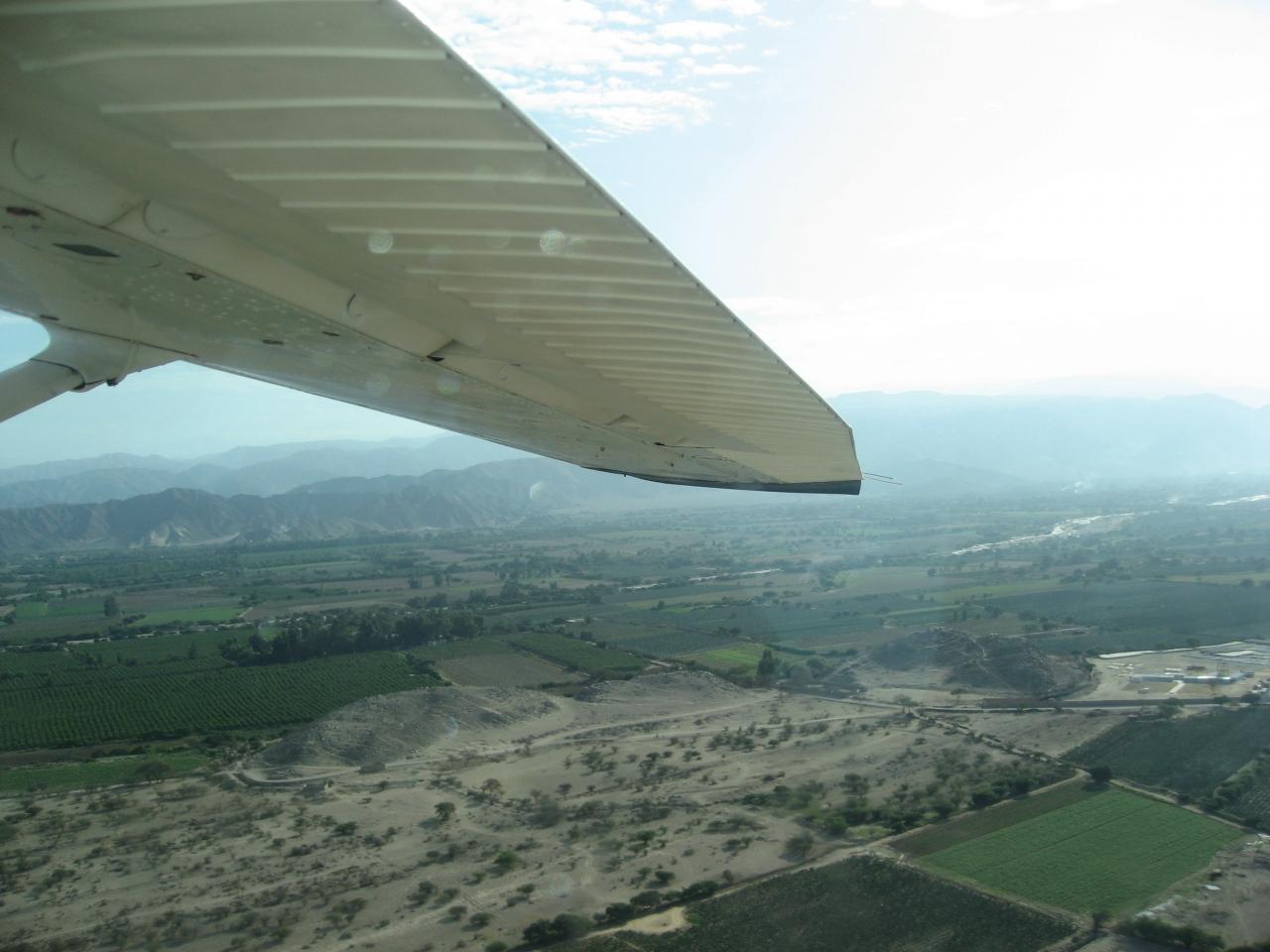
一気にぐんと上まで上がっていきます。
-
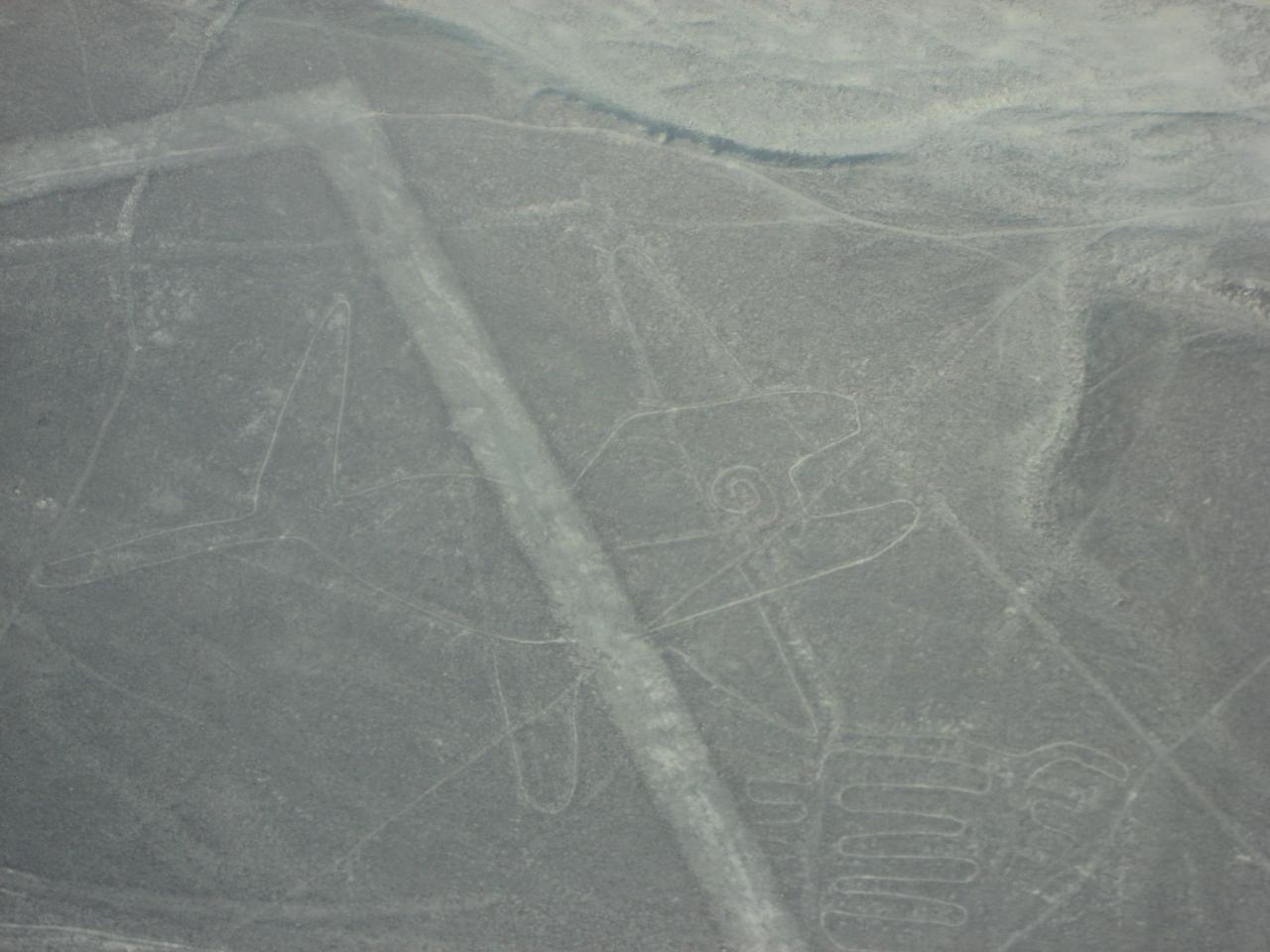
くじらの地上絵。記憶では、ガラスが邪魔で写真撮影がしづらかった。
-
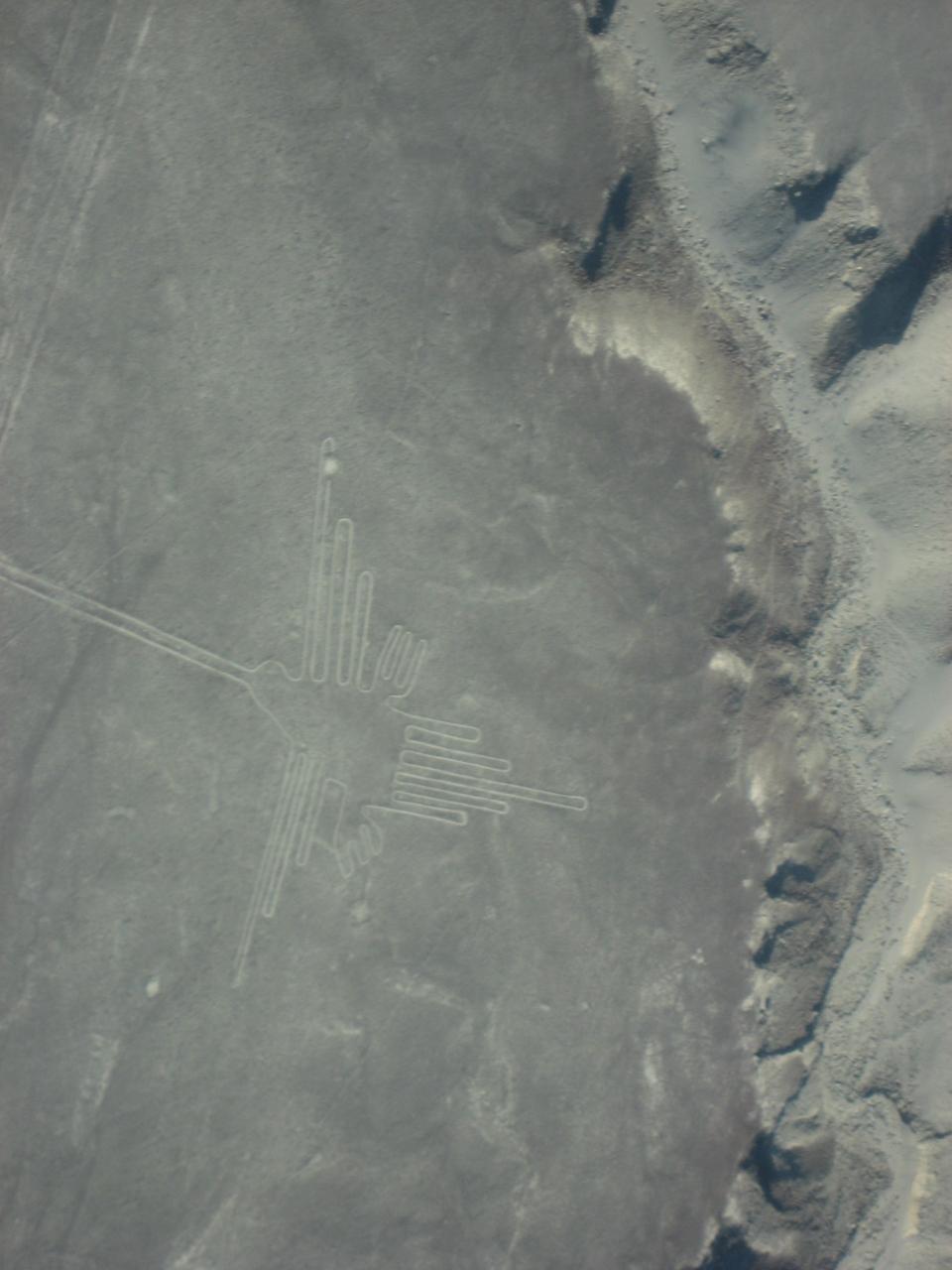
地上絵。飛行機がすぐ動いてしまうので、フレーム内に地上絵を収めるのが難しい。どこか切れちゃう。
-
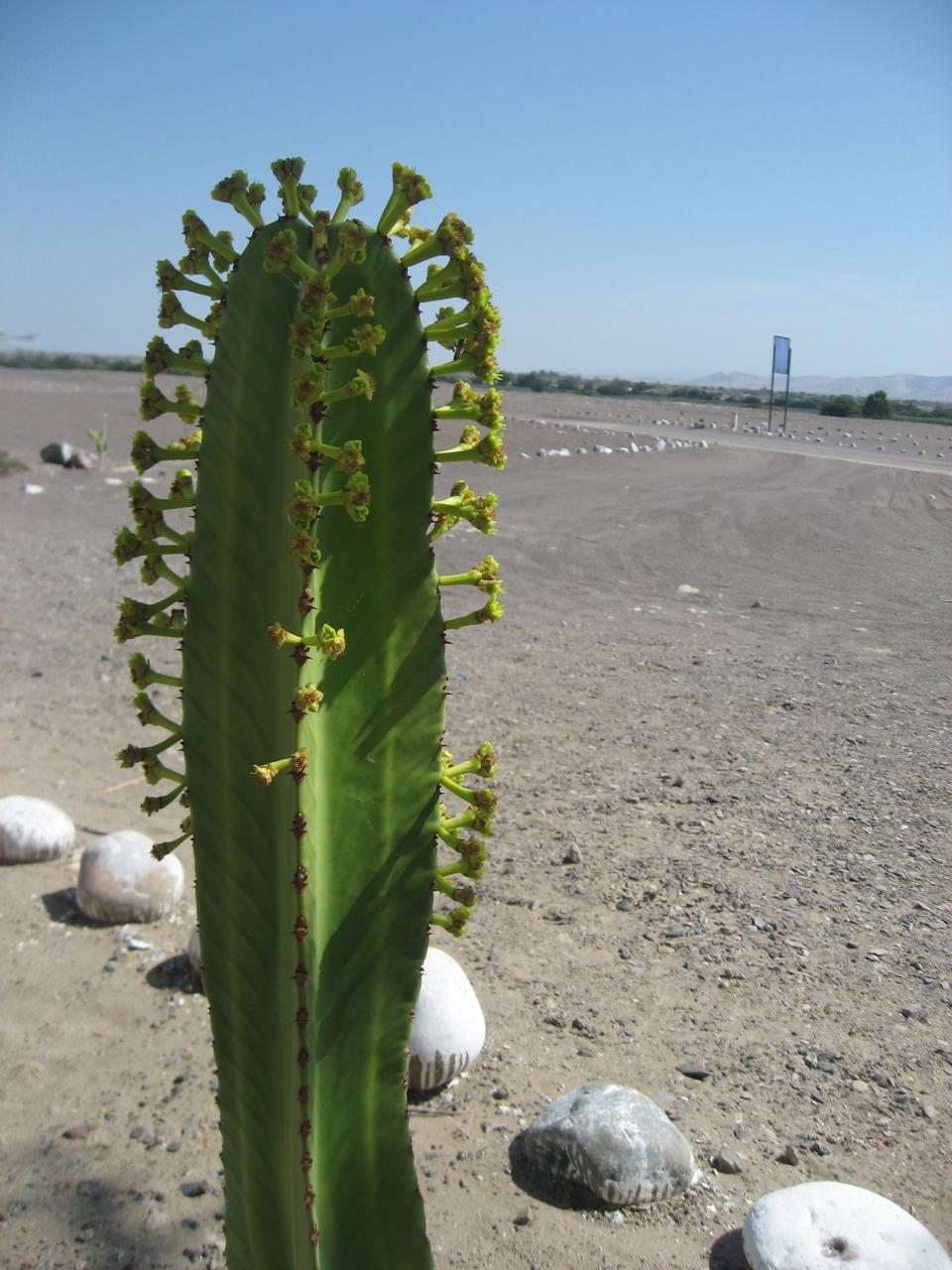
砂漠にあるサボテン。ここではミイラを色々見た。写真の掲載は見送り。
-
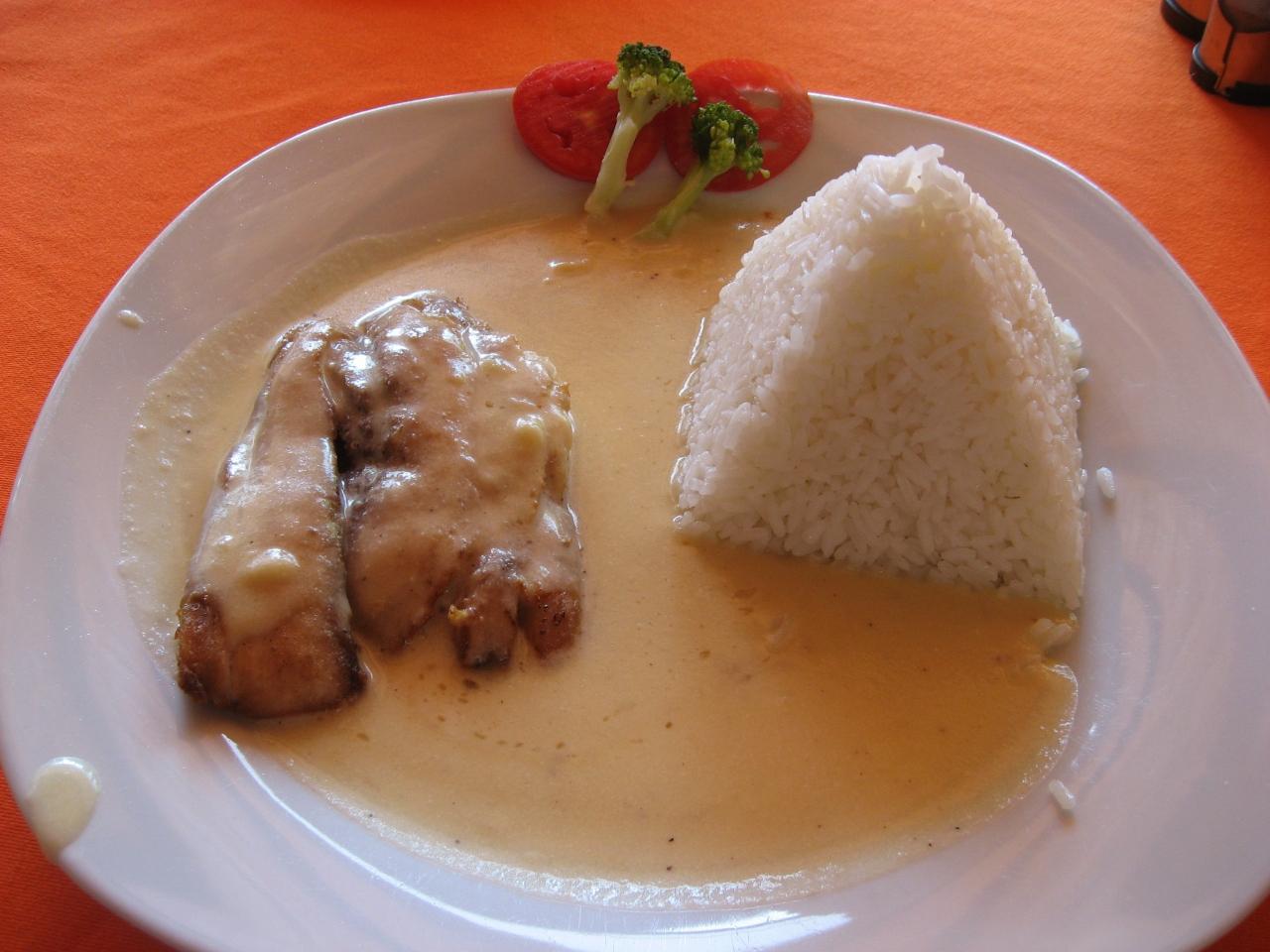
お昼ご飯。このお肉なんだったんだろう?アルパカか?
-
Day 5 Arequipa
Transfer to our hotel in Arequipa. It will probably be too early to check-in on arrival but we can ask to keep our luggage in the storage room.
Standing at the foot of El Misti Volcano and oozing the best of Spanish colonial charm, Arequipa vies with Cuzco for the title of Peru's most attractive city. Built out of a pale volcanic rock called sillar, the old buildings dazzle in the sun, giving the city its nickname - the 'White City'. The main plaza, with its cafes and nearby cathedral, is a lovely place to while away the day.
For a glimpse into a bygone way of life, visit the Monasterio de Santa Catalina. When the convent was built in the 16th century it was traditional for the second son or daughter of a family to enter the religious service. The Santa Catalina accepted only women from high-class Spanish families, with each family paying a hefty dowry for her acceptance. But life inside the convent was far from modest - each nun had between one and four servants, many brought rugs, fine china and silk curtains, and they often held parties.
アレキパ到着。 -
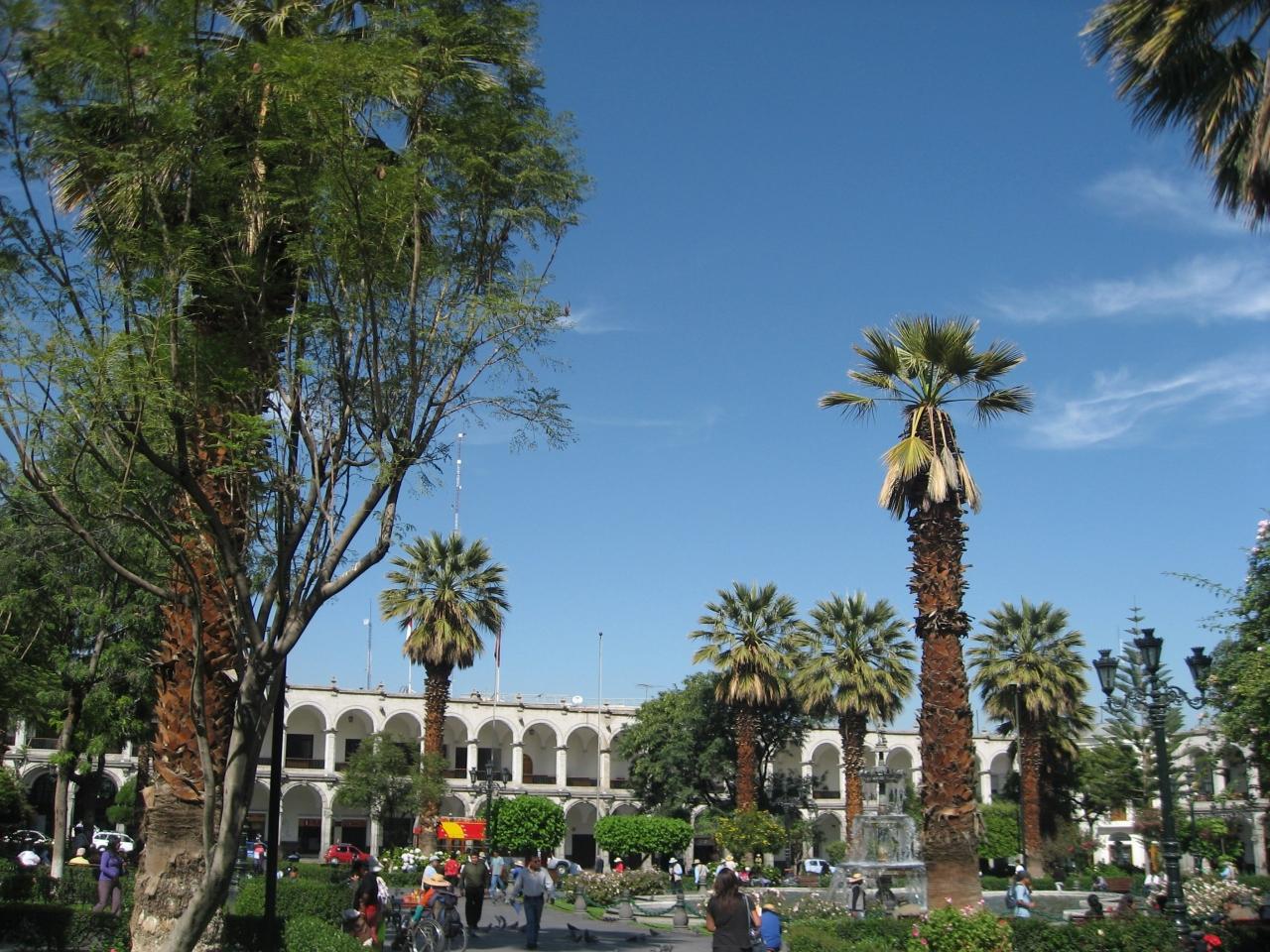
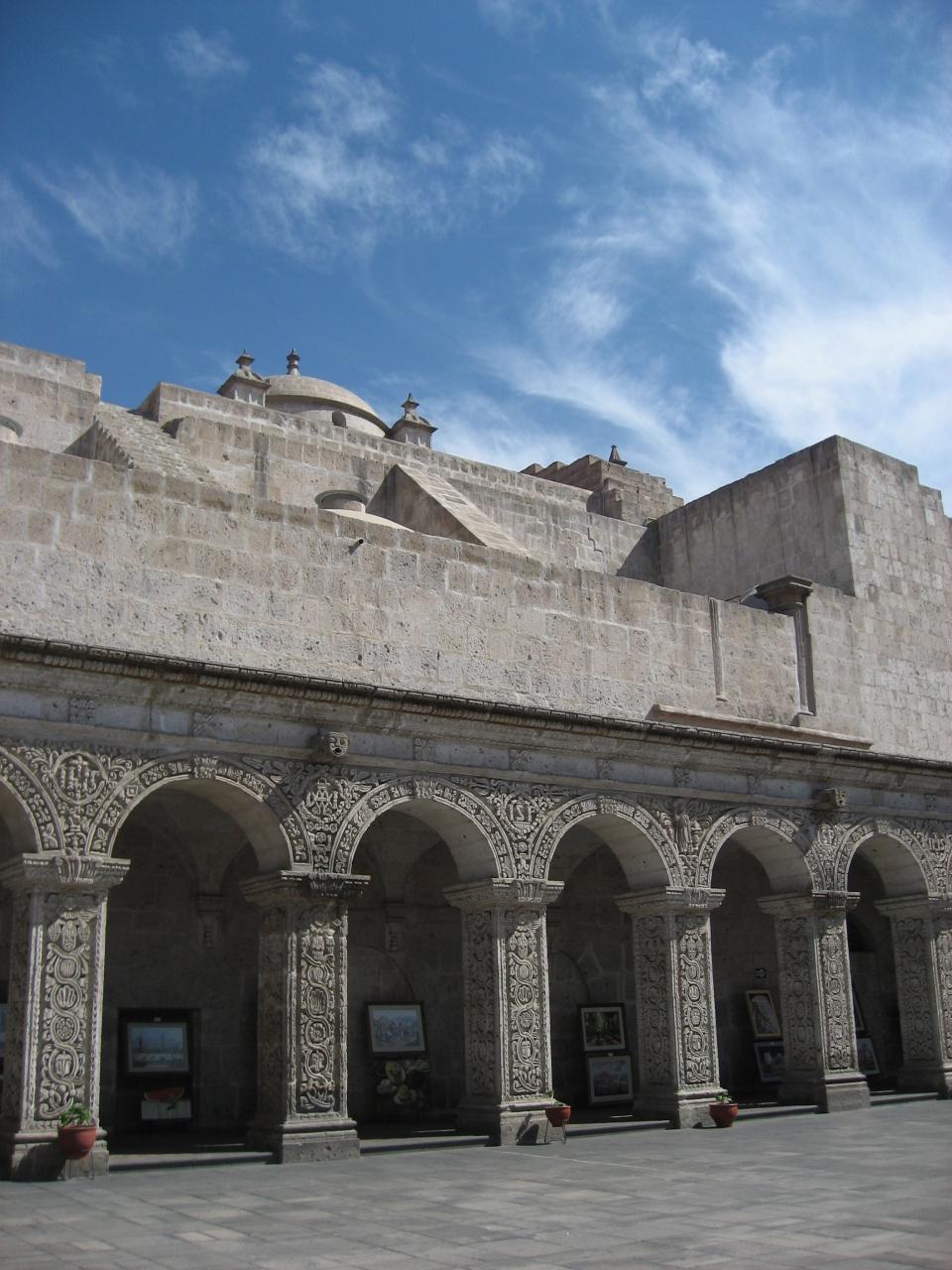
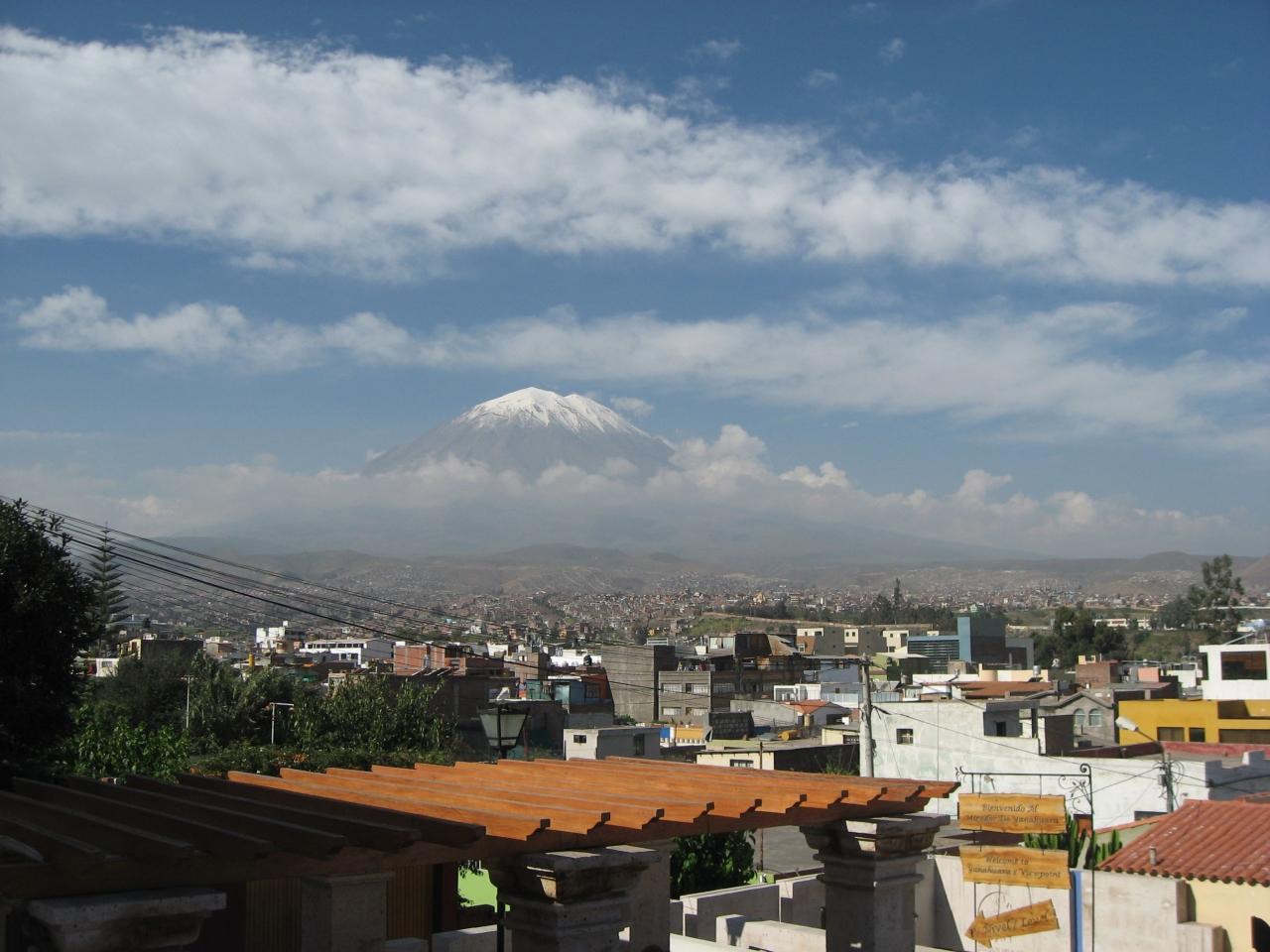
アレキパ。火山の町。建物は周辺の山からの白い火山岩でできているため、白く美しい町並みになっている。アルマス広場をぶらりと歩き、荘厳な建物のアレキパ大聖堂を観光。
-
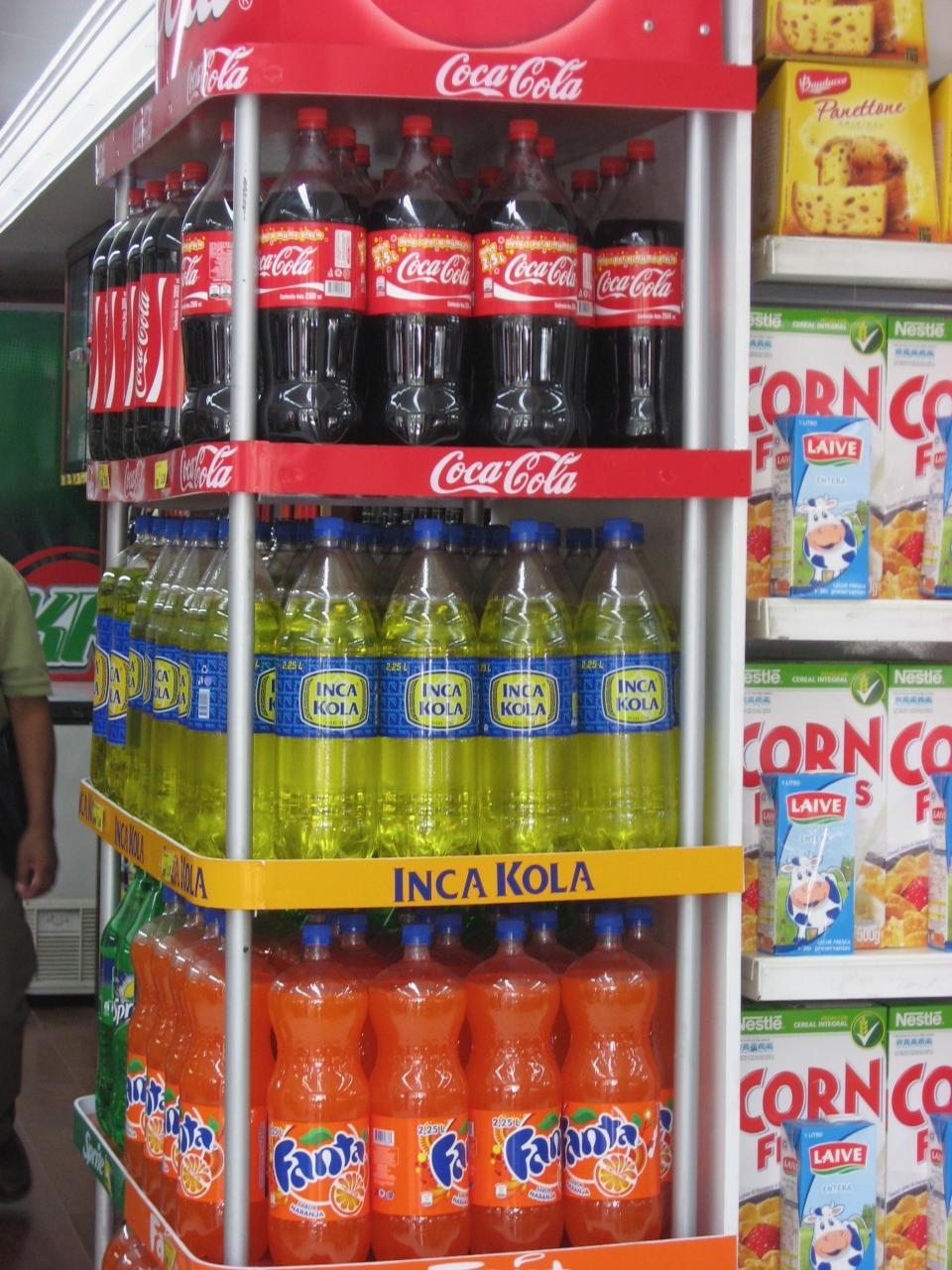
色々なスーパーで山積みになった黄色のインカコーラが売られていた。
-
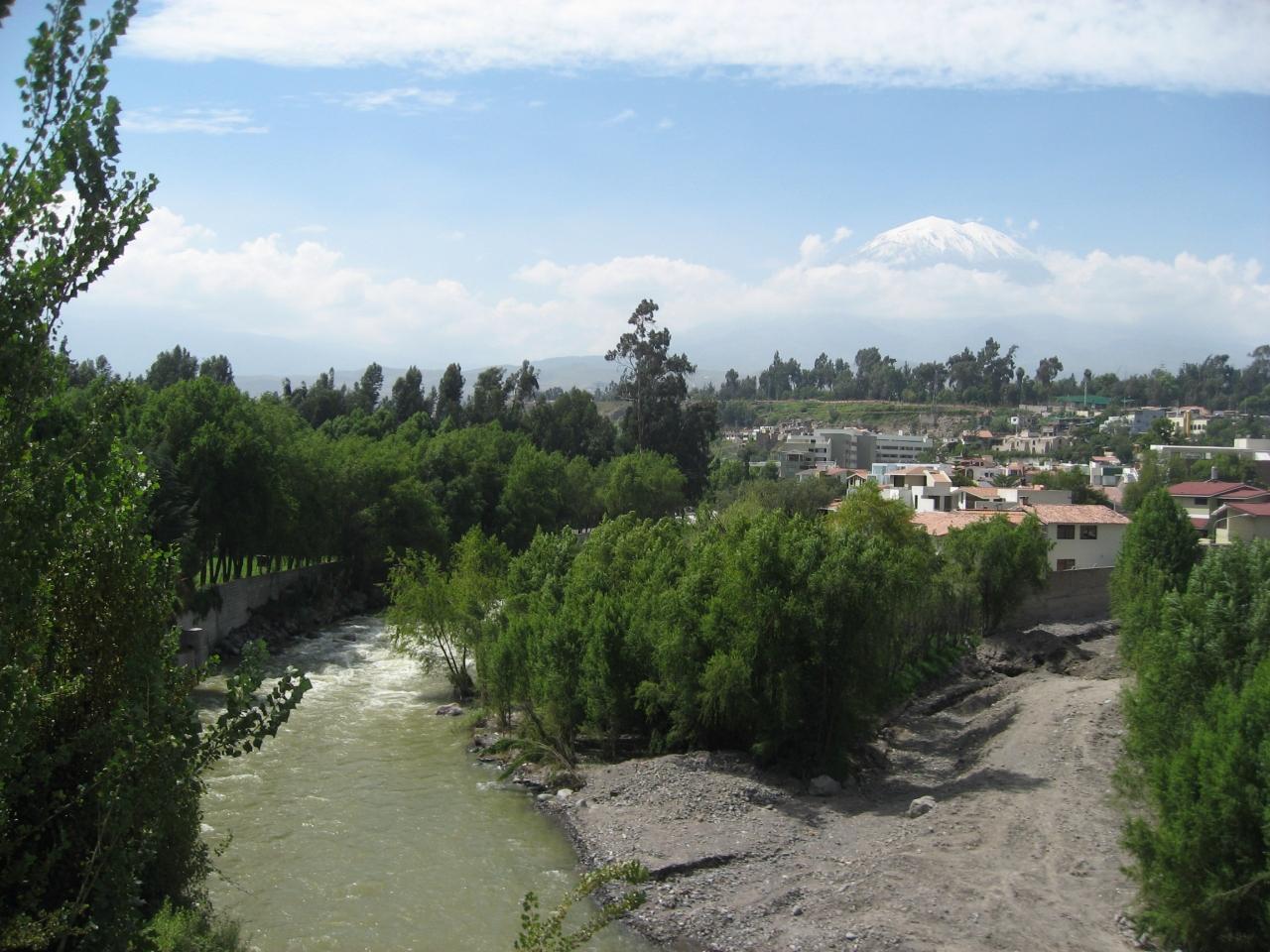
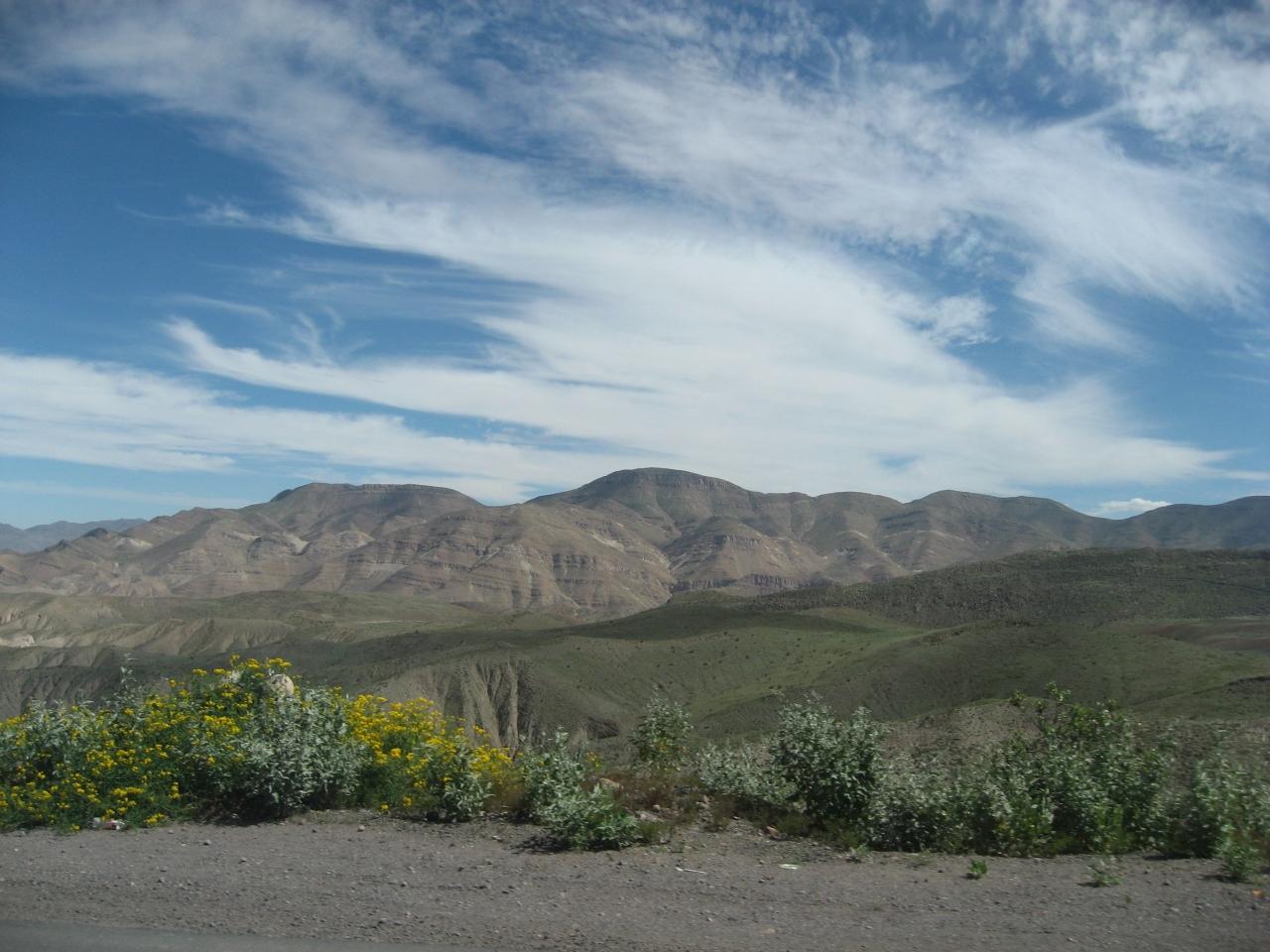
ランチへ行く途中の景色。
-
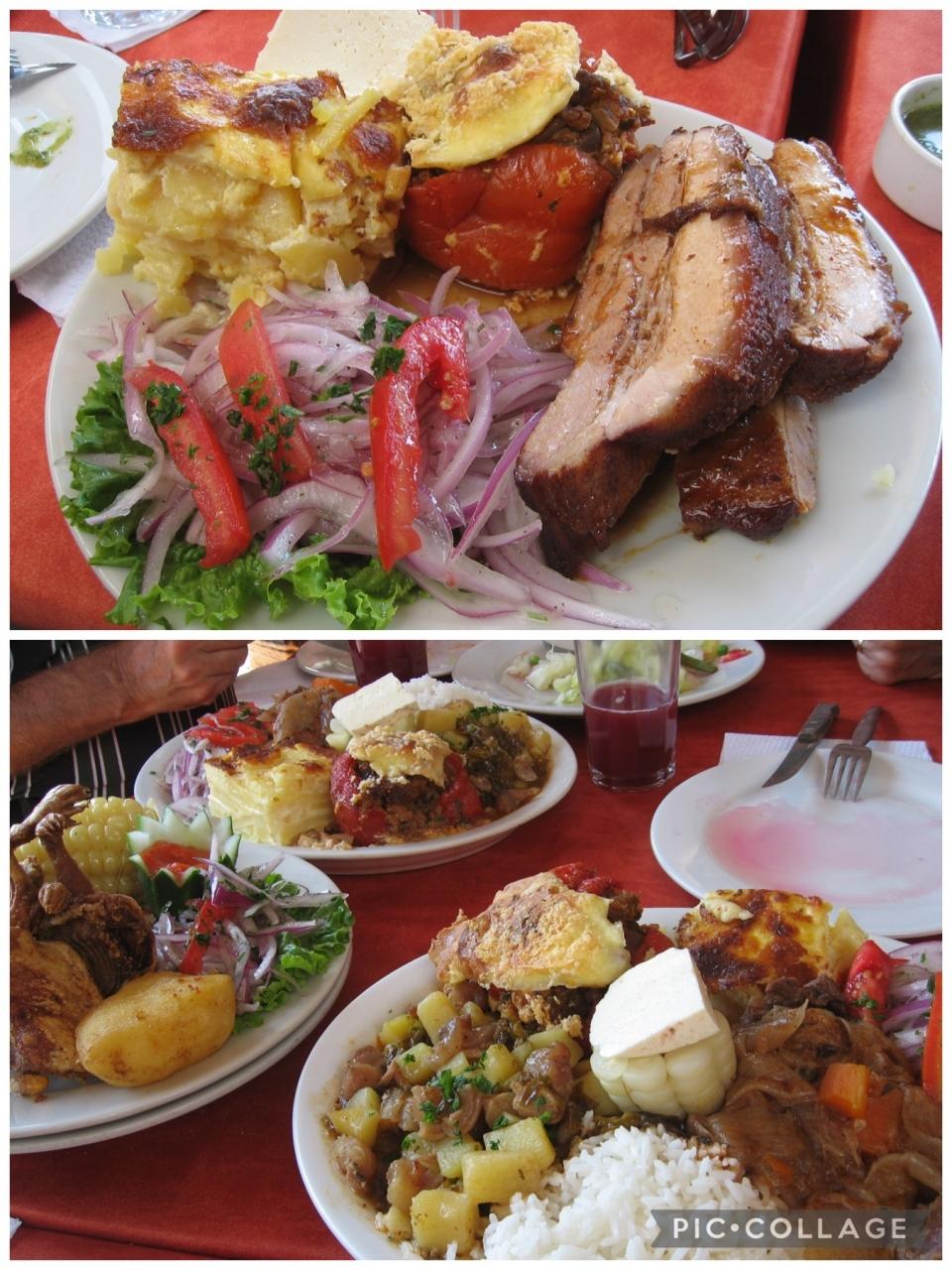
カラフルで合成なランチだった。
-
ミスティ山なのか、チャチャニ山なのか。バス移動の際にくっきり見えた。
-
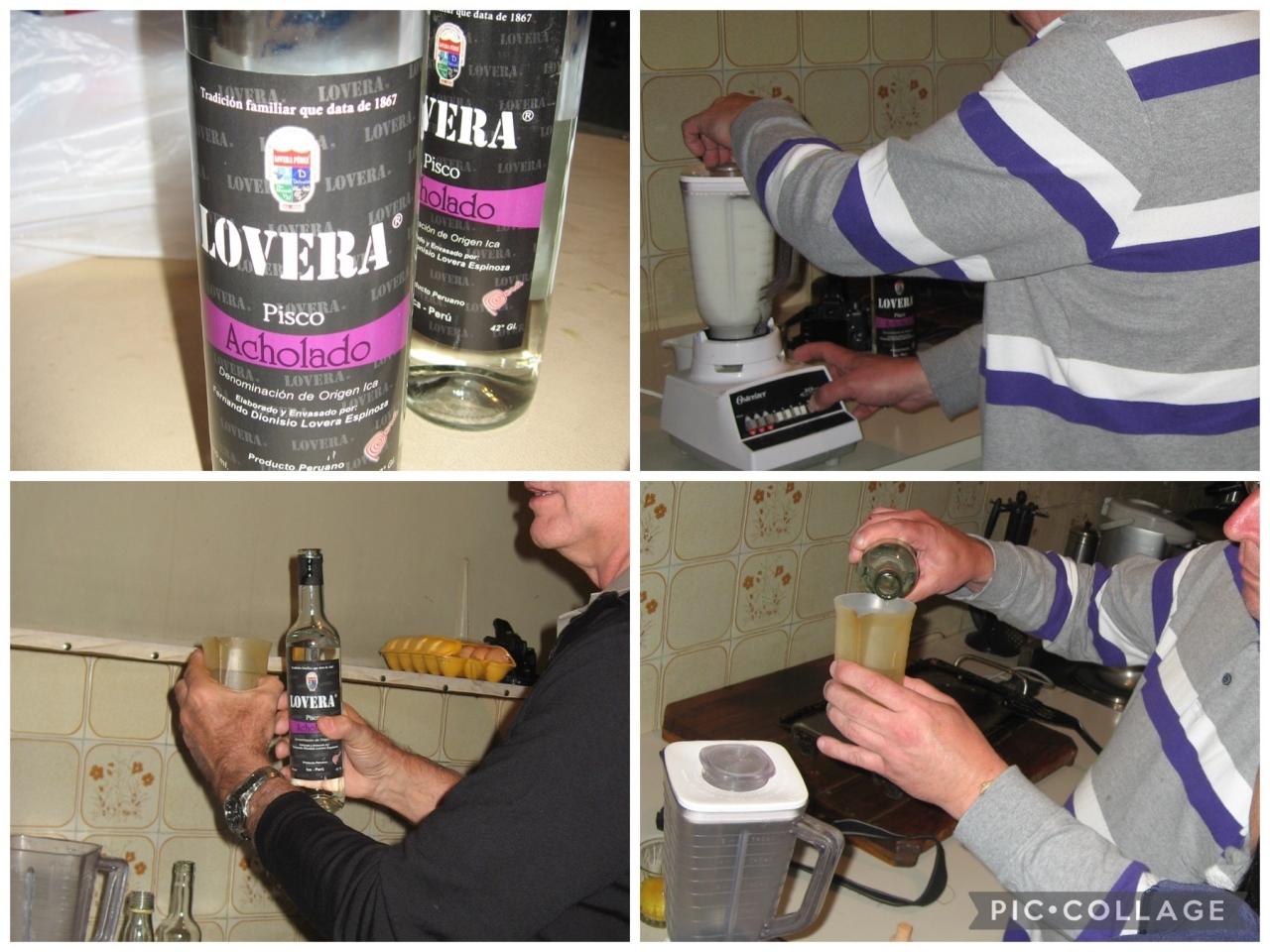
この日の夜は、自分達でピスコサワーを作ろう!的なアクティビティがホテルであり、ツアー参加者が集まり、思い思いの配分でピスコサワーを作り、みんなで飲んだ。アルコール度数が高いからちょっとだけでも軽く酔っ払った記憶。
-
Days 6-7 Chivay/Colca Canyon
Travel by minivan to Chivay (approx 5 hrs). Along the way you'll see llamas, alpacas and vicunas and discover the differences between these similar creatures. There will also be the opportunity to stop for pictures. At our second stop (after approx 2 hrs), you'll have the chance to try some coca tea. After a third stop at Patapampa (4800 m above sea level and the highest point on our tour), we descend to Chivay - our base for exploring Colca Canyon.
More than twice as deep as the Grand Canyon, Colca Canyon provides some breathtaking views. The Incan and pre-Incan terraces that are carved into the walls are still cultivated and traditional Indian villages are dotted throughout the canyon.
After lunch at Chivay, your local guide will organise a short trek, finishing at the local hot thermal baths. You may choose to spend your evening soaking in the baths, dining on llama steak or listening to live Andean music at a pena. Our accommodation in Chivay is in a very basic hostel. There are en suite toilets, however there is no heating (you can request extra blankets) and some rooms can be noisy.
The main star of the canyon is not the amazing scenery but the magnificent Andean condor, the world's largest flying bird. Wake up very early to go to the viewpoint where you can admire the condors, followed by an opportunity to explore the incredible canyon.
In the afternoon, we'll meet our host families for a one night homestay. You might like to offer to help your host family with their daily activities such as planting, collecting water, peeling potatoes or preparing the family meal. The Colca community homestay is also very basic with shared family toilets and no showers. There is however a proper bed with extra blankets and a basic local breakfast. -
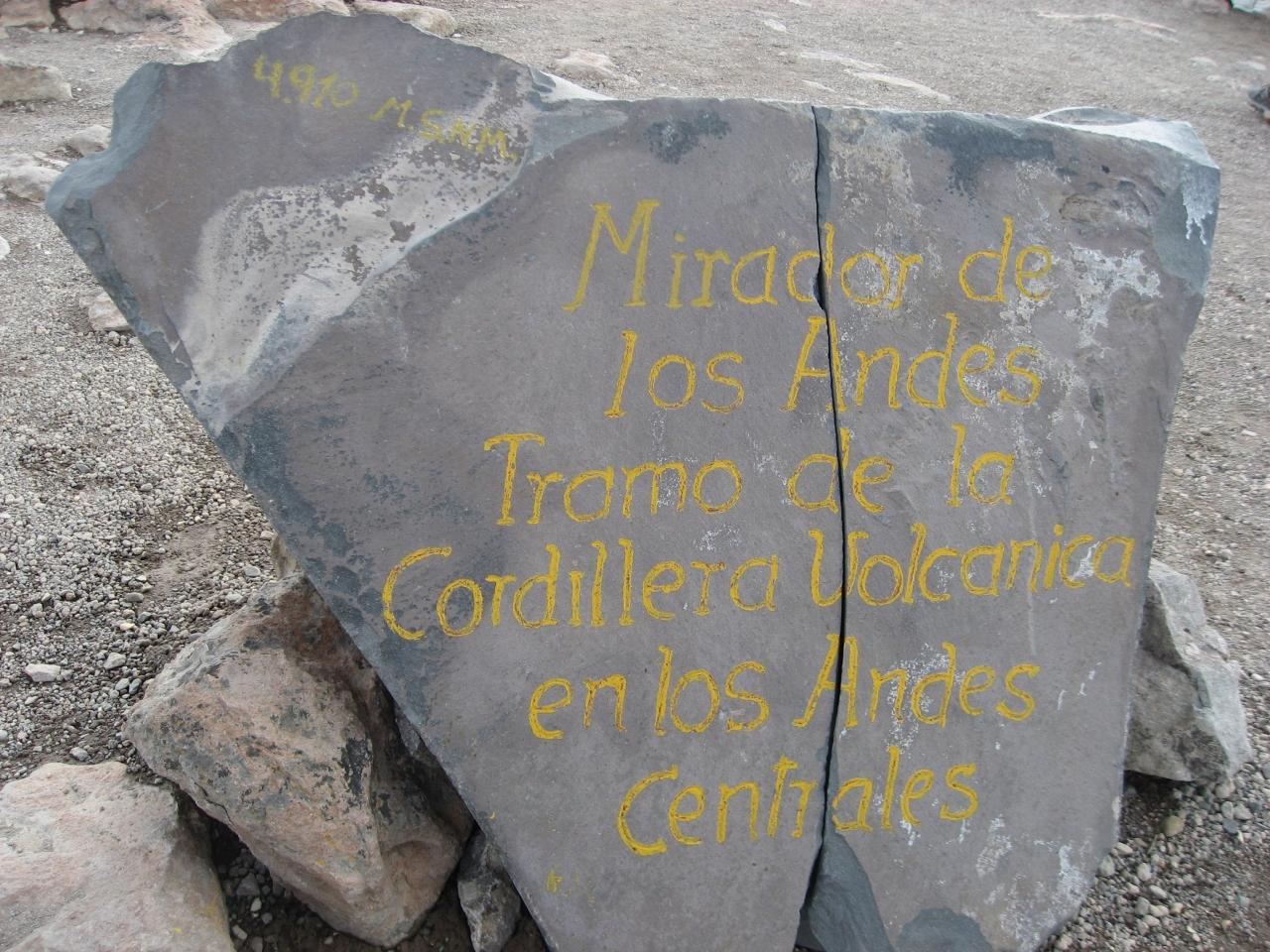
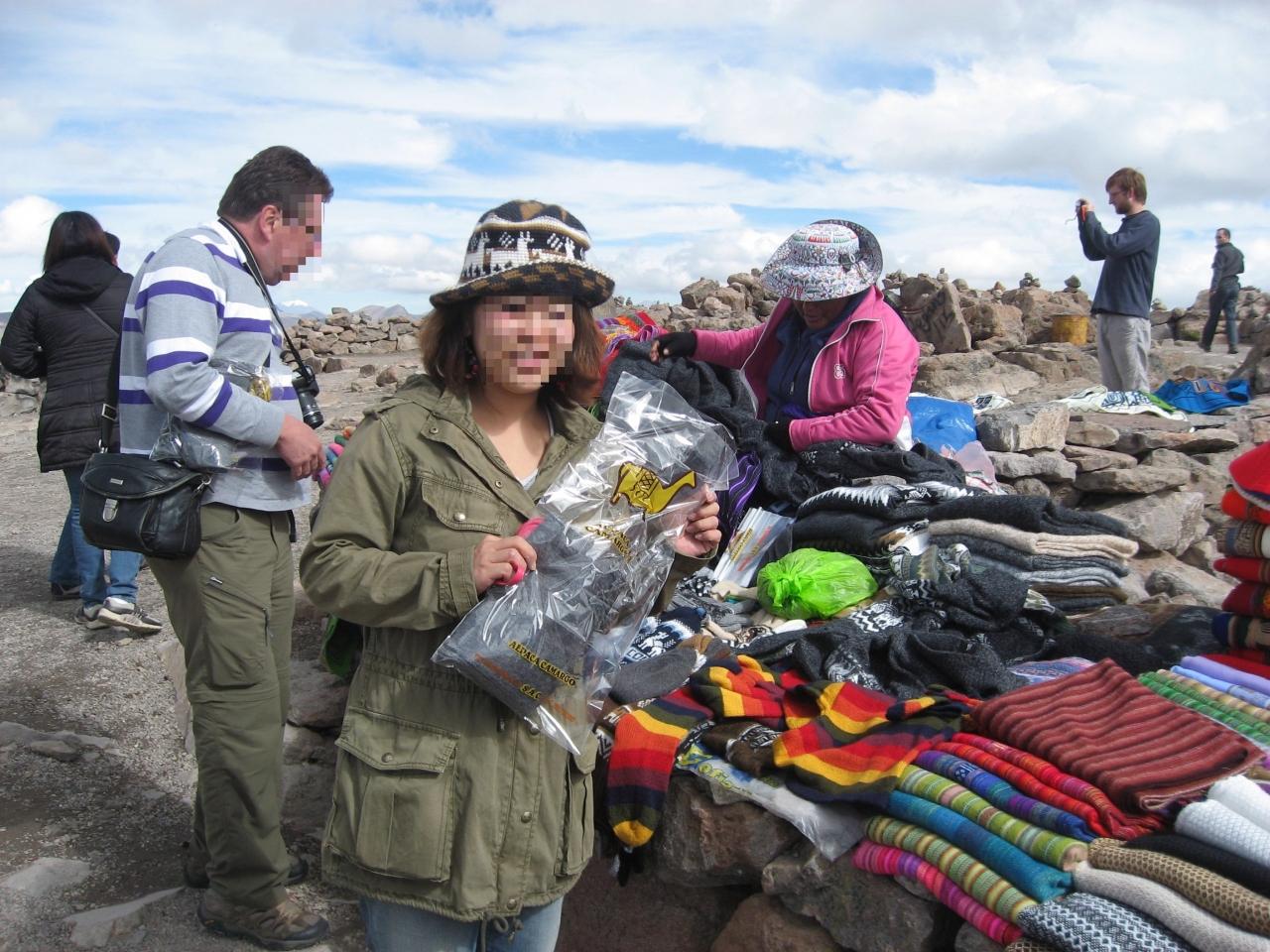
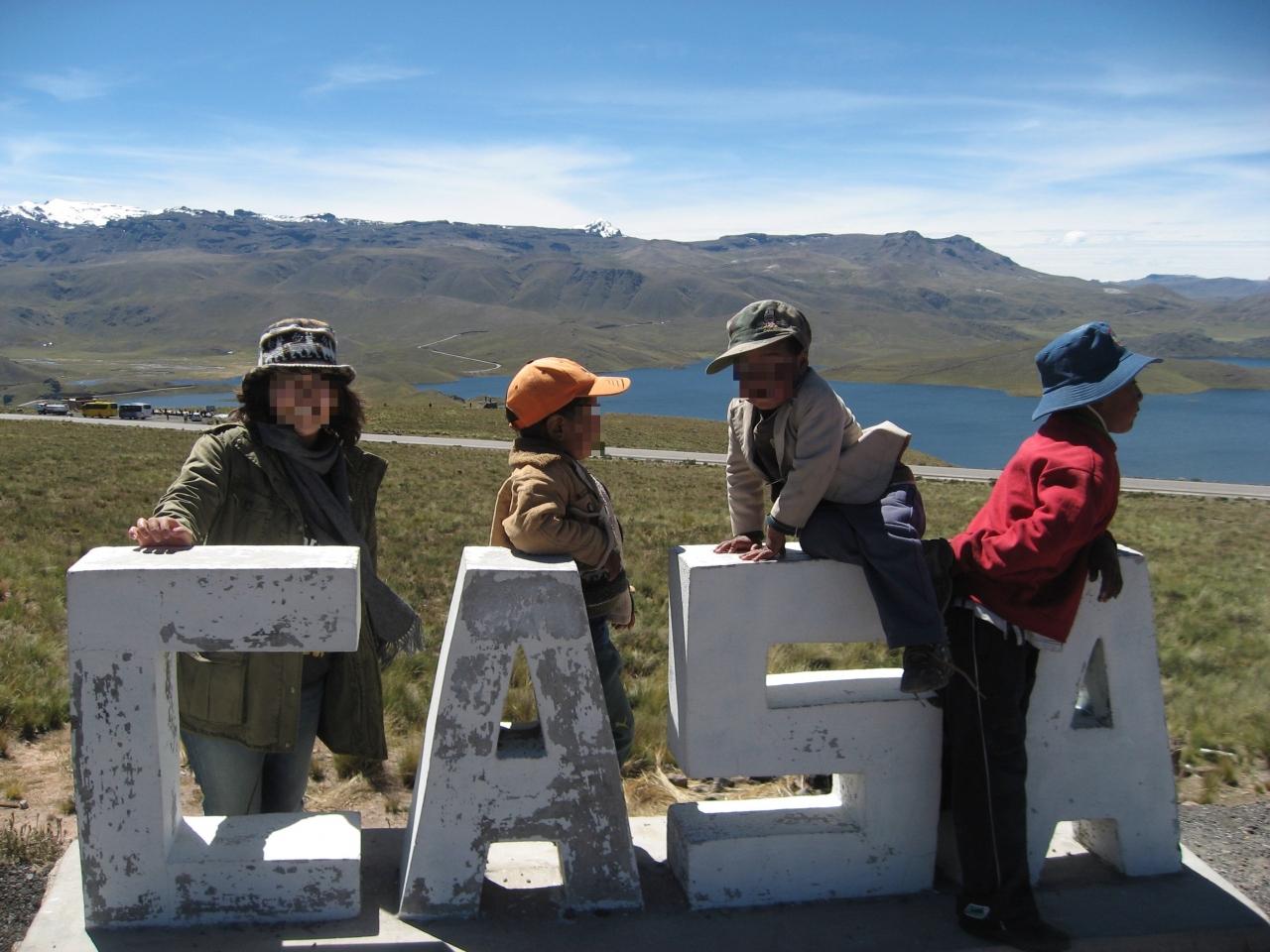
バスで標高4910mまで登る。峠越えだった記憶。確かこの旅1回目の高山病になった気がする。高山病にはコカ茶がいいよって言われた記憶。
-
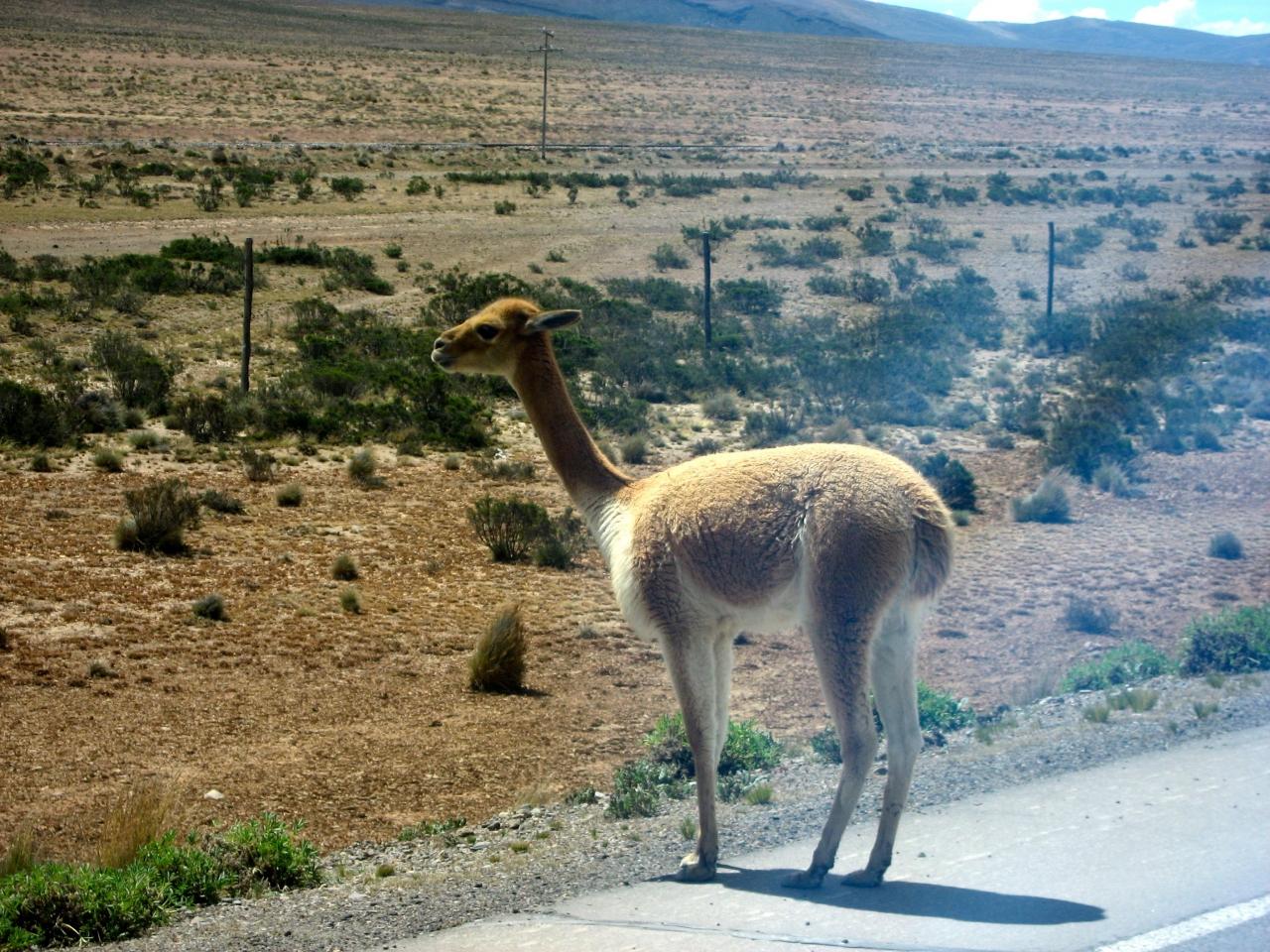
道にアルパカ?がたくさんいた。
-
標高が高かろうがお土産売りはどこにでもある。
-
Days 8-10 Puno/Lake Titicaca
Say goodbye to your host family and take an easy trek back to Chivay along an old Inca trail (approx 2 hrs). From there, take a bus to Patahuasi (approx 4 hrs).
Travel by bus through the dramatic scenery of the high Altiplano to Puno (approx 5 hrs).
Located on the shores of Lake Titicaca, Puno is a melting pot of Aymara and Quechuan Indian culture and traditional Andean customs are still strongly represented here. The town is known as the folklore capital of Peru and is famous for its traditional dances. Many festivals are celebrated here, so if you're lucky your visit might coincide with one of the colourful evening parades, when the streets fill with costumed dancers and musicians.
Lake Titicaca is the highest navigable lake in the world, sitting at 3,820 m above sea level. From the shoreline, the water stretches out almost as far as the eye can see, its expanses just waiting to be explored.
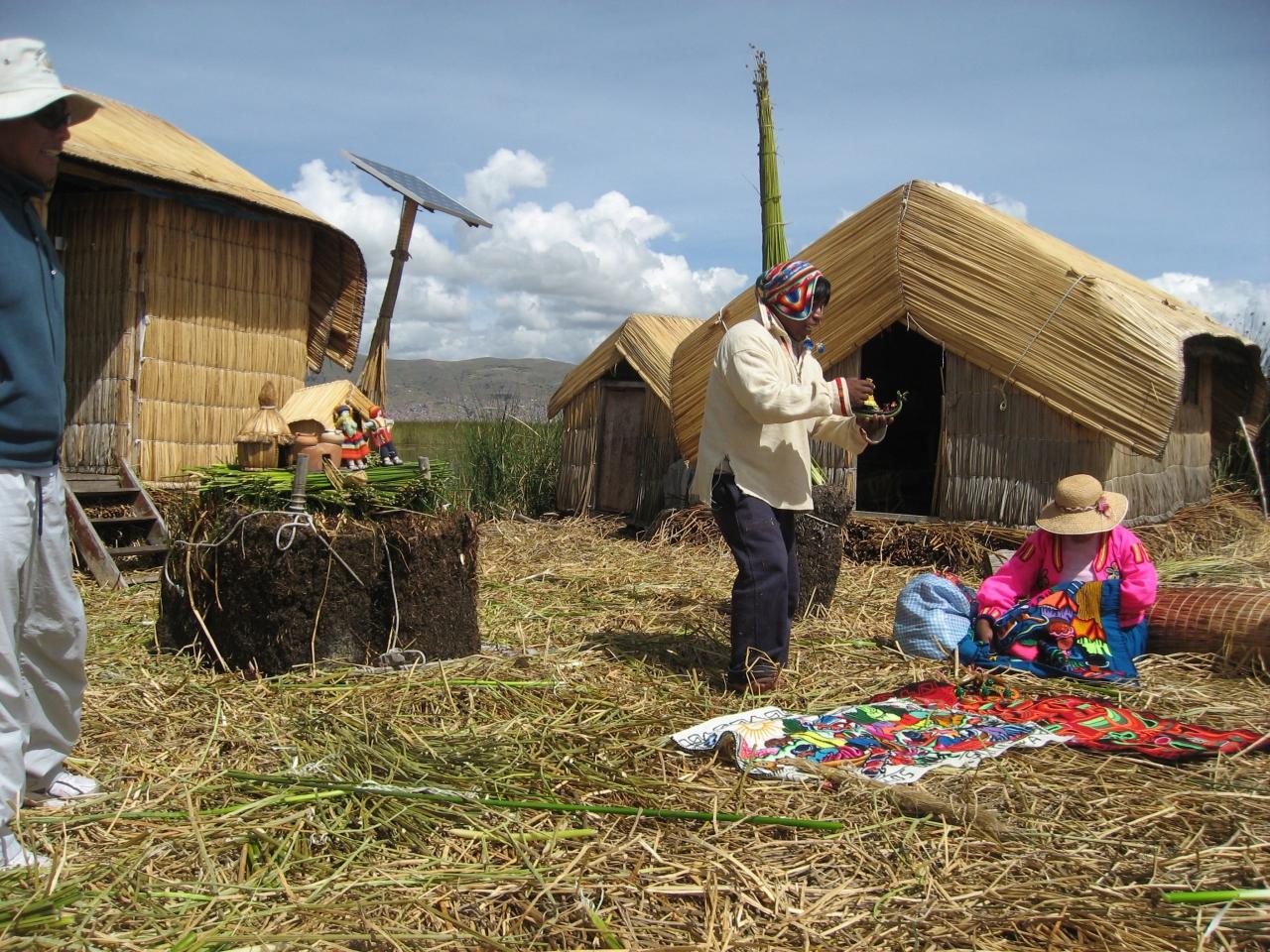
Take a tour of the lake by slow motor boat, stopping off to visit the Uros floating islands. The Uros originally built their islands to isolate themselves from rival tribes. The islands are built from many layers of totora reeds that grow in the shallows of the lake. As the reeds closest to the water begin to rot, more layers are added on top. These reeds are used for making everything on the islands, including the boats which can last up to 12 months.
To get a closer look at daily life on the islands, we'll be welcomed into local homes for an overnight stay on a community island. Make the most of your visit by helping your host family with their daily activities or trying to chat in the local language, Quechua. A game of soccer is also a great way to make local friends.
Our homestay is a mudbrick house. Rooms have beds and many blankets, there are shared drop toilets but no showers.
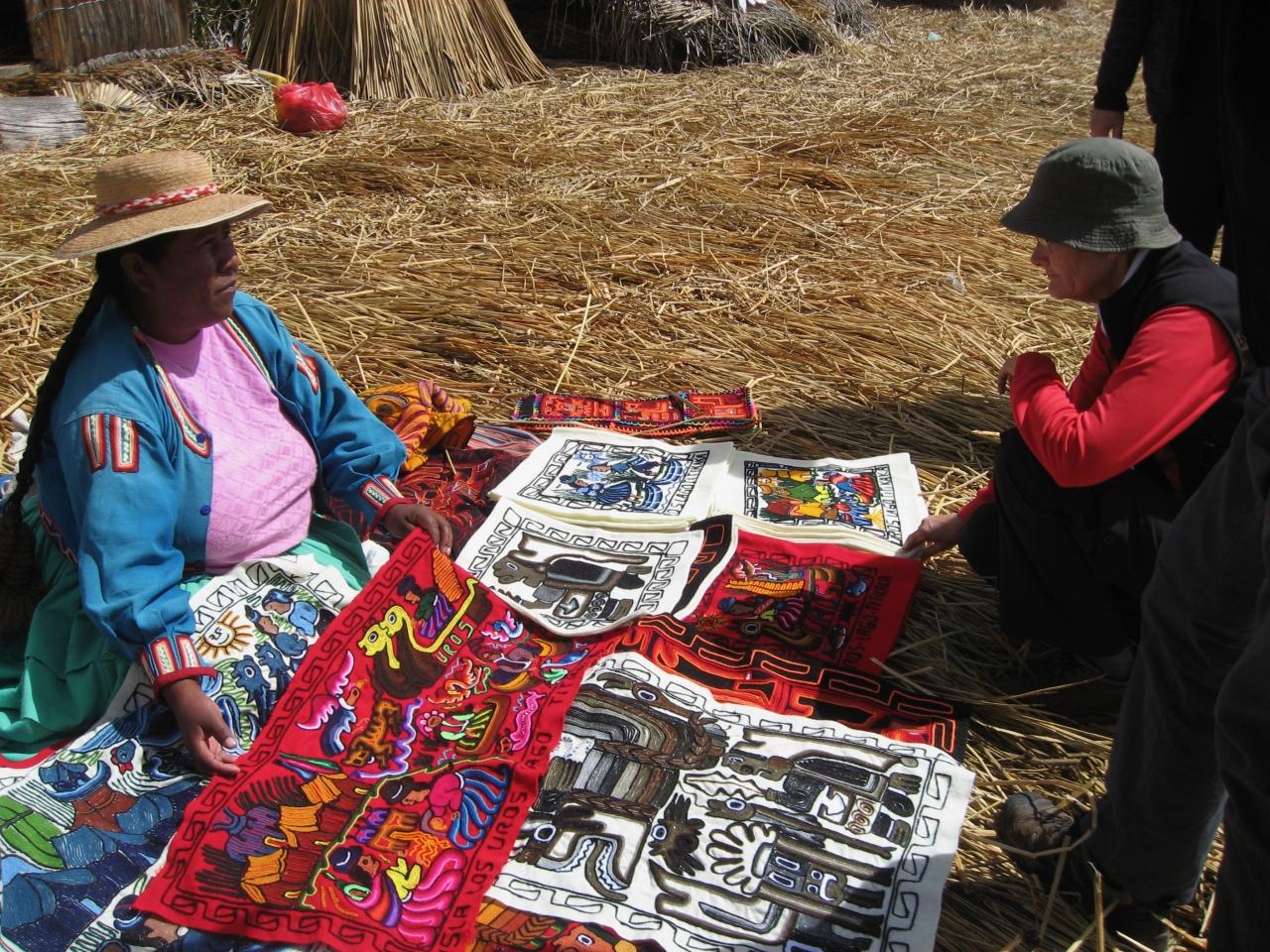
After breakfast the next day, board the boat again for a visit to Taquile Island (approx 1 hour), where knitting is strictly a male domain and women do the spinning. This is a great place to pick up some high quality, locally knitted goods. An uphill trek of about an hour brings us to the main area of the island and after the visit we descend about 500 steps back to our boat.
Transfer back to Puno by boat (approx 3 hrs). -
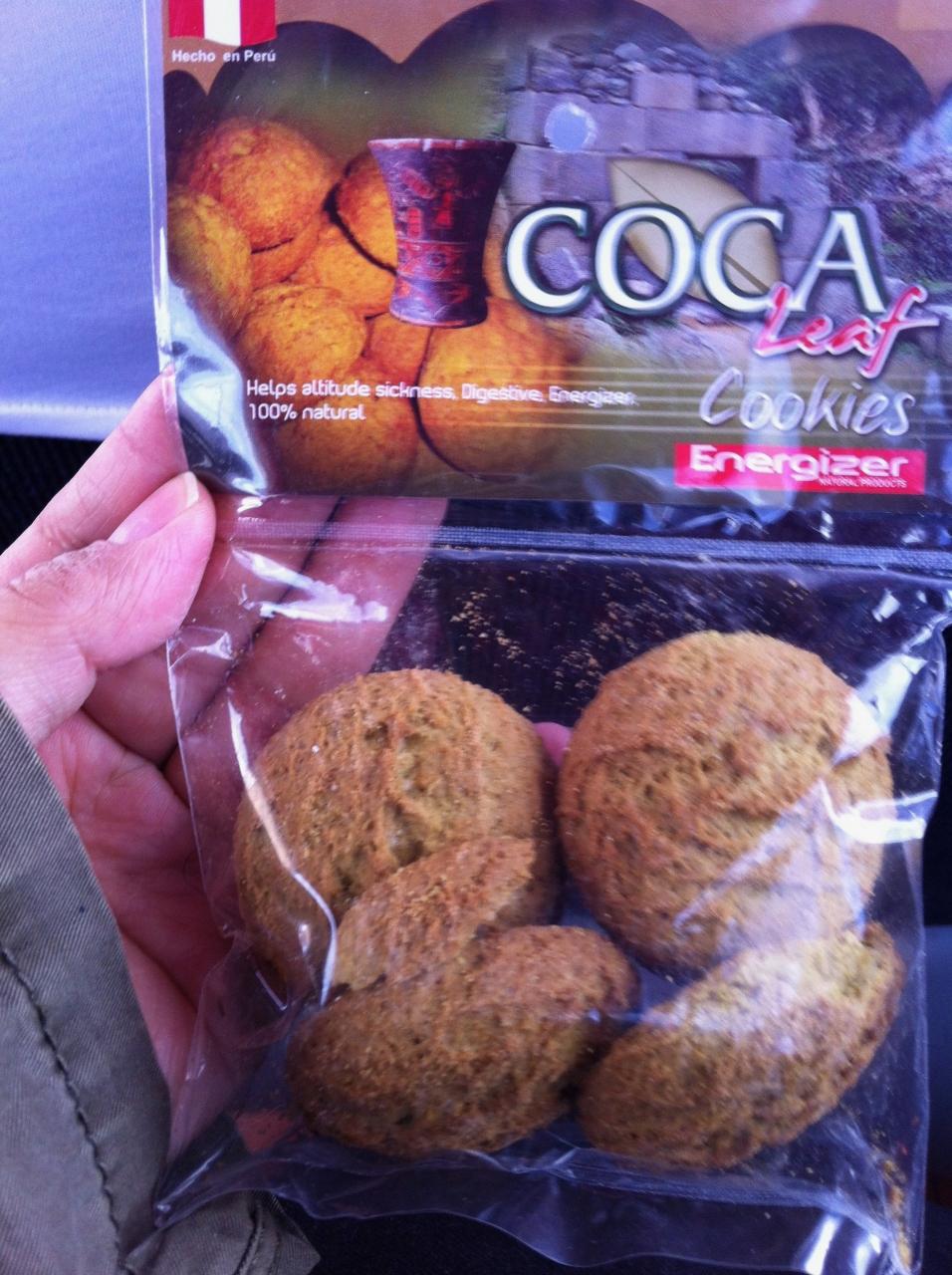
コカクッキー発見。
-
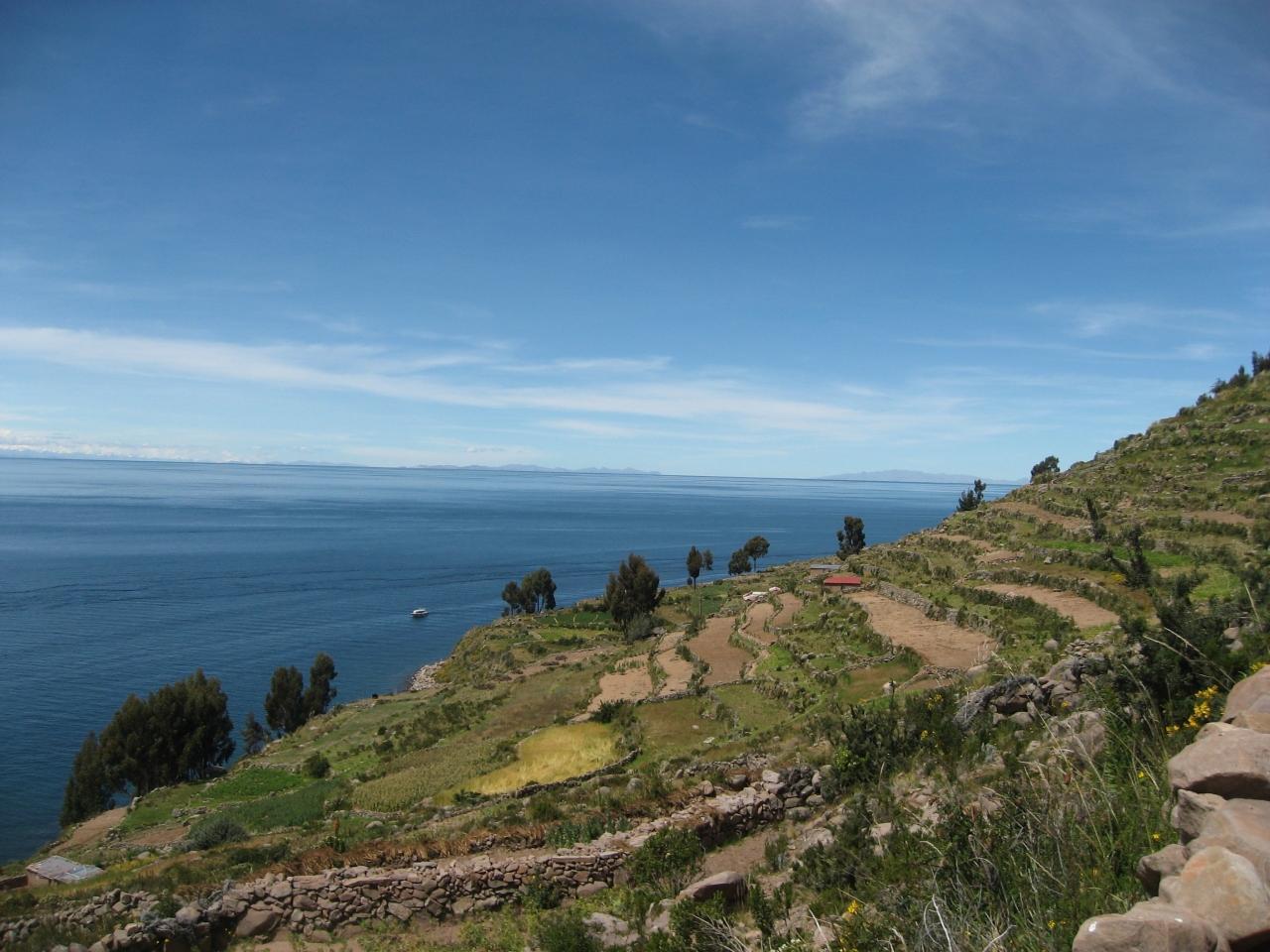
この山を歩いた。
-
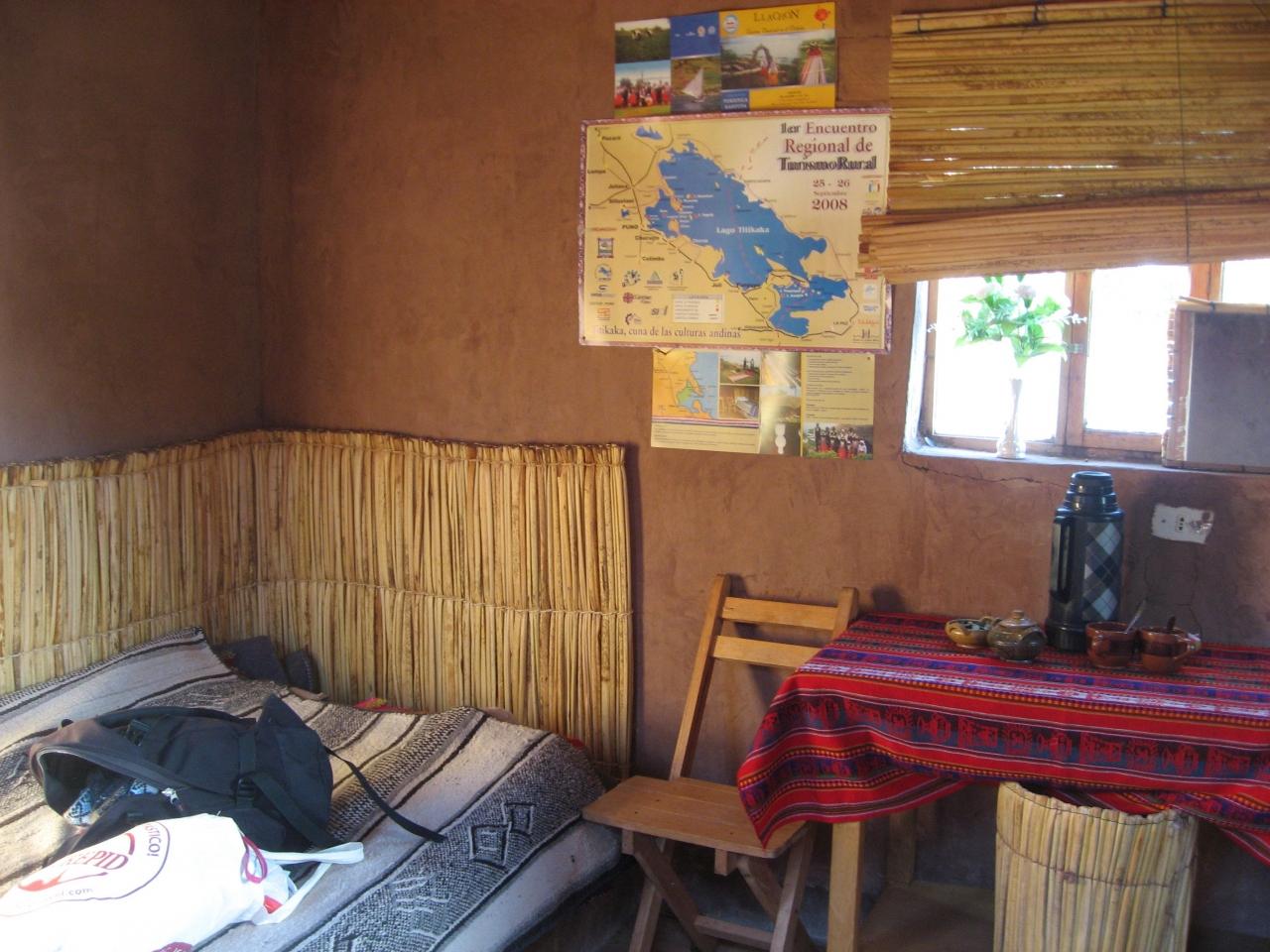
チチカカ湖の島でホームステイ。電気も水道もない島。お世話になったおばあちゃんの家のゲストルーム。
-
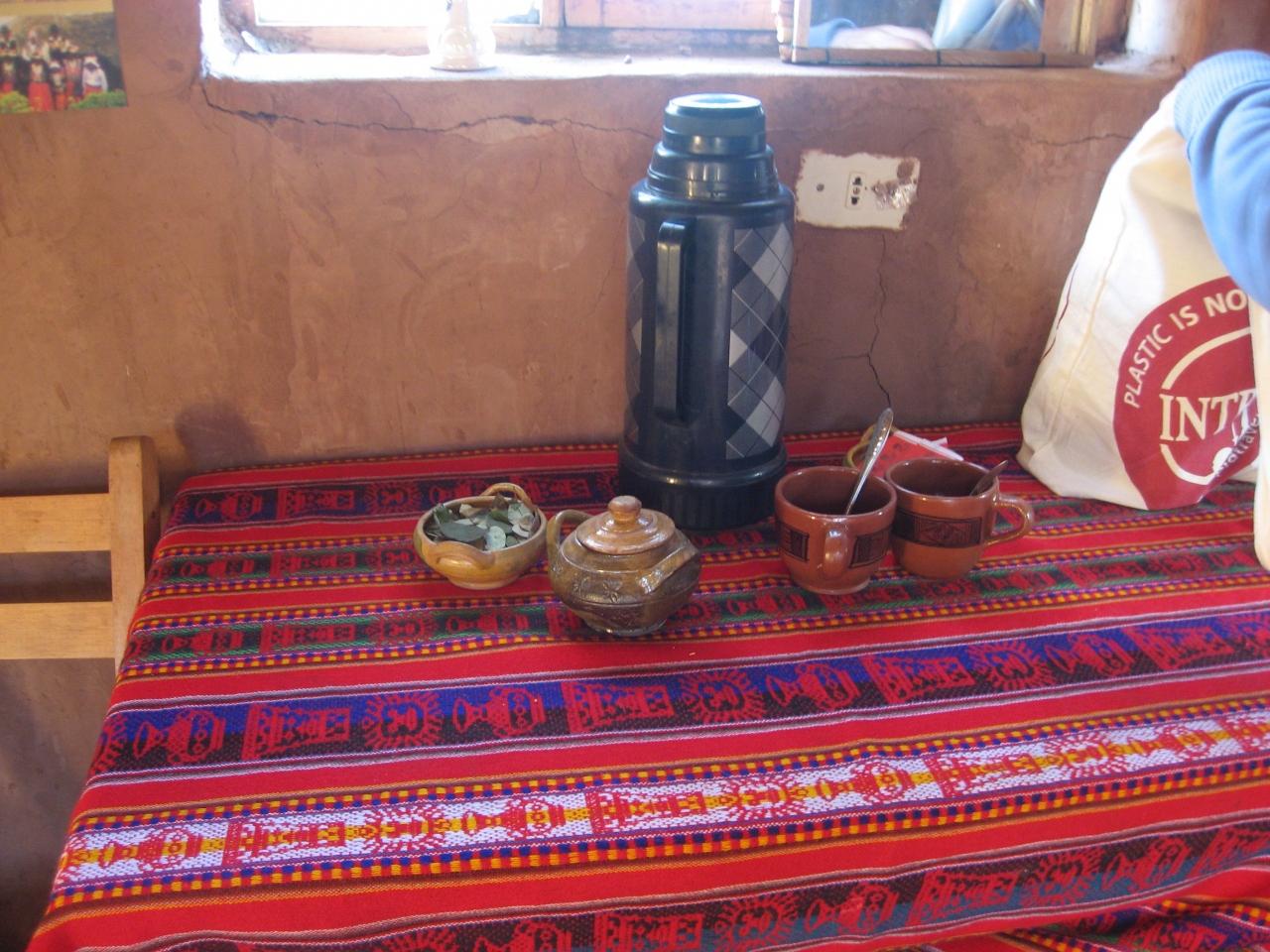
お部屋にコカ茶を用意してくれてた。質素だけど、快適だった。
-
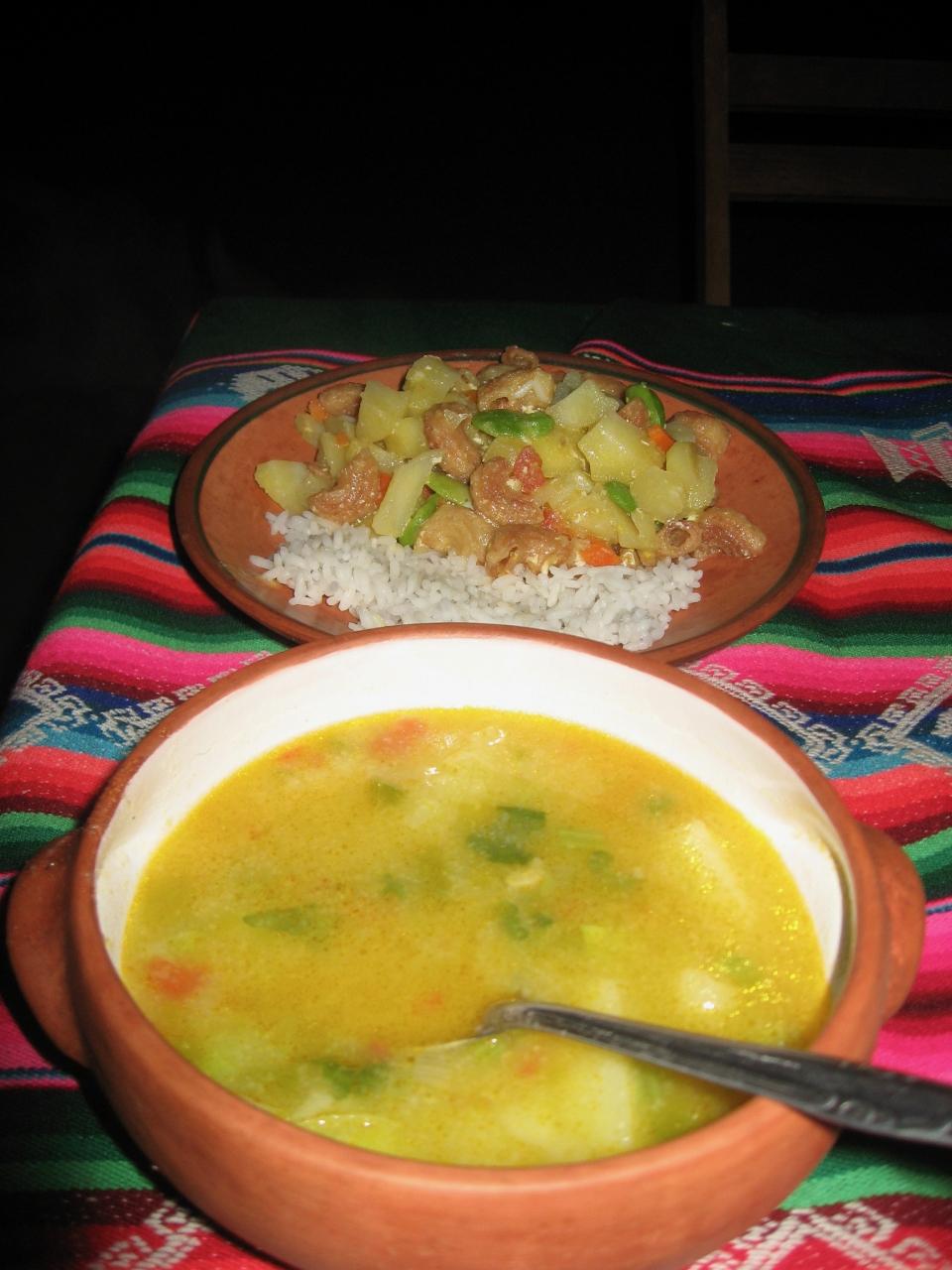
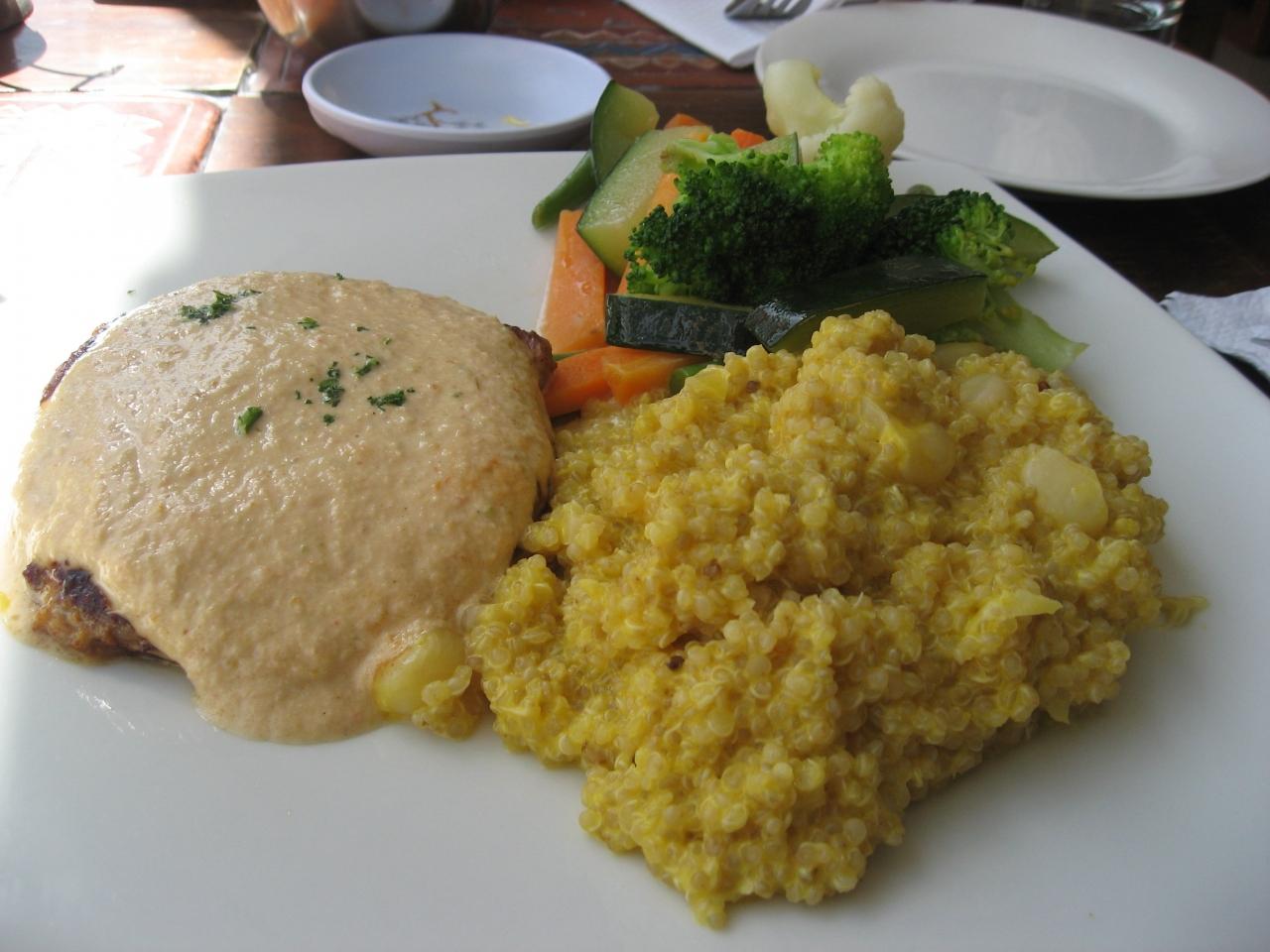
夜ご飯。釜戸で料理してくれてた記憶。この日の夜、トイレに行きたくなり、電気がないので、携帯のあかりを頼りに外に出たら(トイレは外の別棟にあった)、なんだか眩しい。空を見上げると無数の星がギラギラ輝いていて、息を飲むほどだった。一緒に旅行してた友人も思わず起こし、2人でしばし星空を鑑賞。今までも色々な星が有名な場所に行ったけれど、あんなにたくさんの星が見えたことは一度もない。レベルが全然違った。またあの星空を見たいなぁ。
-
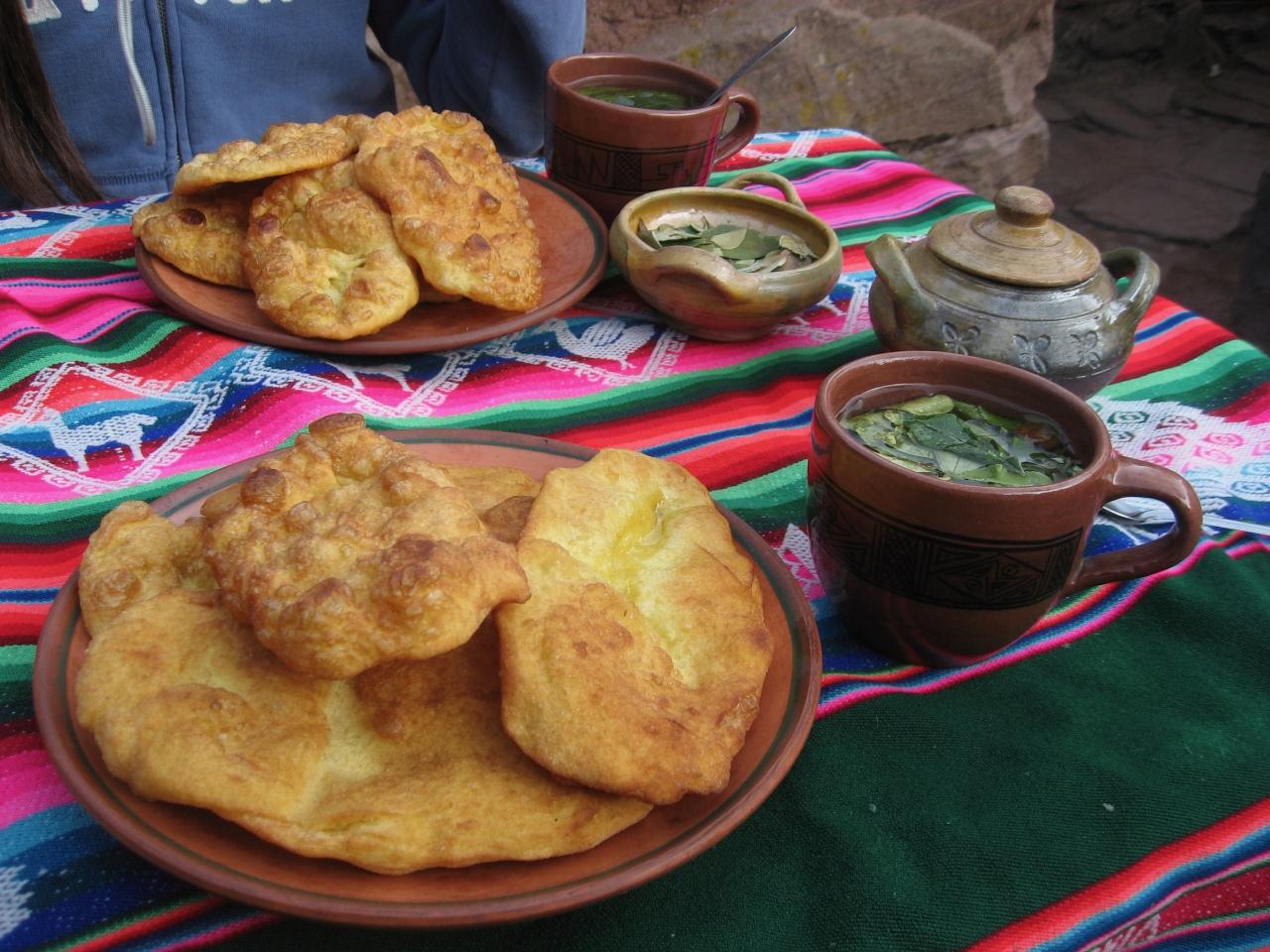
朝ごはん。
-
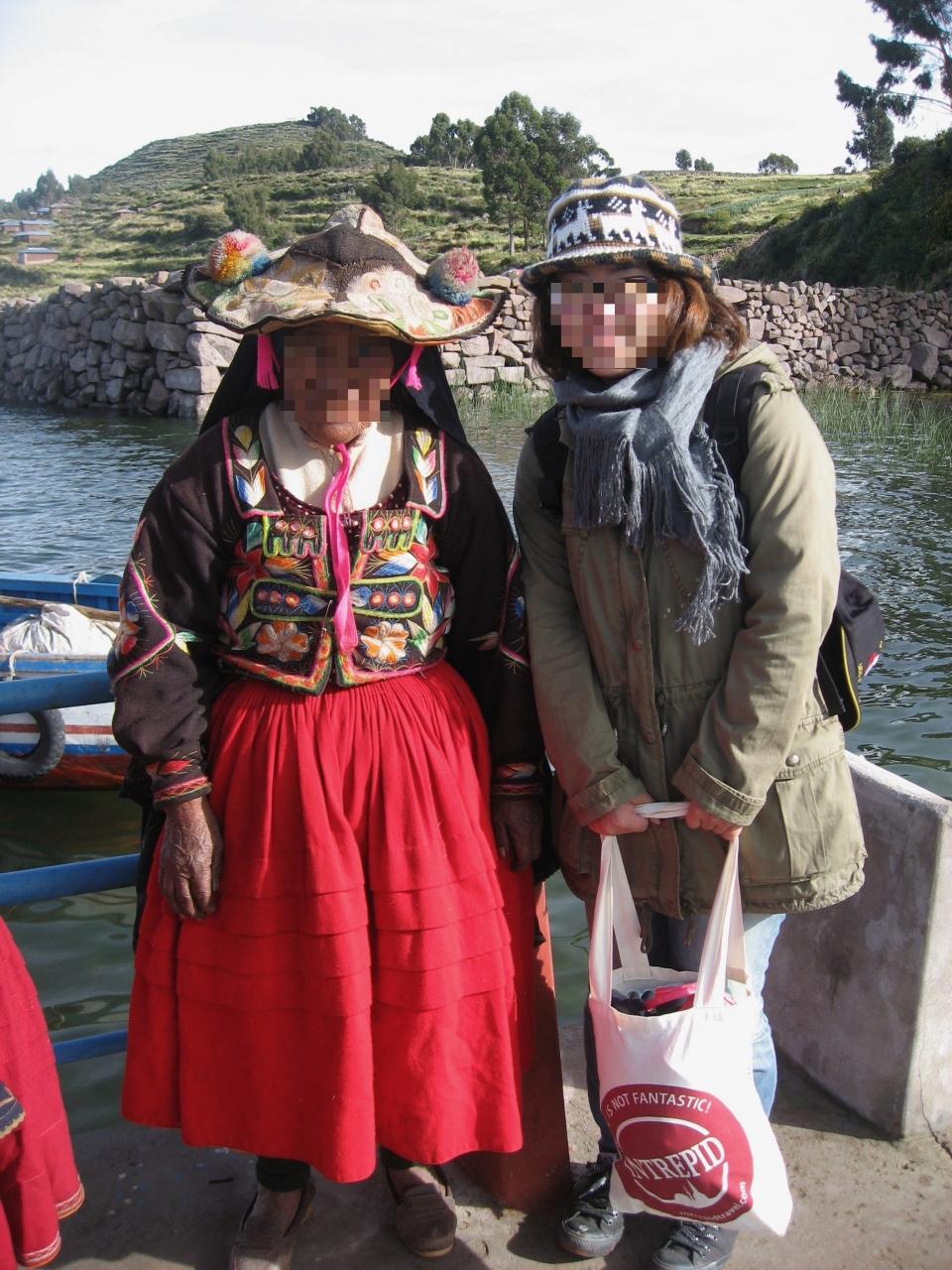
お世話になったホストおばあちゃん。素敵な民族衣装を着ていた。前日に私たちも似たような衣装を着させてもらって、記念写真を撮っている。
-
湖に浮かぶ島によった。
-
どこでもお店はある。
-
どこぞやで食べた昼ごはん。
ある日の夕食で、ツアーでぞろぞろお店に入ったときにアメリカ人のおじちゃんが「今日は何か軽いものが食べたいなぁ」と言っていて、サラダでも食べるのかな?と思ったら、ピザをオーダーしていて、驚いたことを今でも思い出す。ピザって軽いんだ!オイリーで重いじゃんって。 -
Days 11-12 Cuzco
Travel by local bus across the spectacular Altiplano to Cuzco (approx 6 hrs).
The Cuzco region truly is the heart and soul of Peru. The city itself is the continent's oldest continuously inhabited city and was the home of the Incas for two centuries before the Spanish built their first capital here. Today Cuzco is a fascinating combination of both cultures. Inca-built walls line the central streets and many of the elegant colonial buildings are built on or around Inca foundations. This is a city steeped in history, tradition and legend and is a perfect base for explorations into the Inca world or to enjoy a range of outdoor activities.
Take the time to acclimatise to the city's 3,400 m (11,150 ft) altitude and explore the many Baroque churches and ancient temples that dot the city.
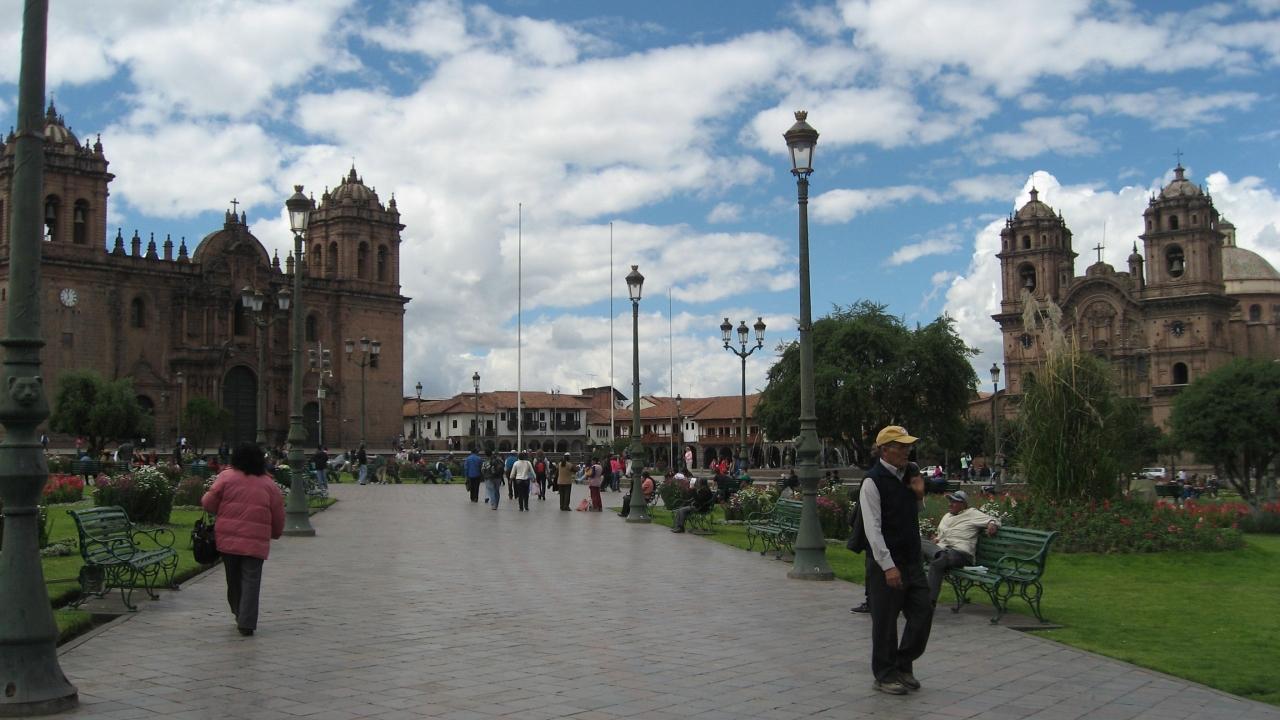
Your leader will take you on a walking tour including a visit to the Coca Musuem - where you can learn more about this infamous plant which has been an essential part of life in the Andes for centuries - and the local San Pedro market.
You have a free day to discover some of Cuzco's highlights.
The Boleto Turistico (Tourism Ticket) is a good option if you to visit the many musems available in Cuzco as well as the archaeological sites of Saqsaywaman, Q'enqo, Pica Pakara, Pisac and Ollantaytambo. Some museums in town, such as Contemporary Art Meseum, Regional History Museum and Qosqo Native Art Museum can only be accessed by purchasing the Boleto Turistico.
There are several impressive Inca ruins within the city. The most easily accessible is Coricancha, which was the Inca empire's richest temple. Once plated in thick gold, the Spanish built a Dominican church atop its sturdy walls.
Take a bus to the Sacred Valley where you can visit a local community and learn about Andean lifestyle and daily activities. -
Days 13-16 Inca Trail/Machu Picchu
Depending on your pre-arranged travel arrangements, during the next four days you may: hike the Classic Inca Trail, hike the Inca Quarry Trail, or stay in Cuzco for another two days before heading by train to Aguas Calientes.
While you are away from Cuzco the bulk of your luggage will be stored at your hotel in Cuzco.
If you are hiking the Inca Trail or the Inca Quarry Trail, the evening before you leave Cuzco, you'll receive a small duffle bag to pack clothes for the next four days (6 kg maximum). Your team of porters will carry these bags for you, together with the food and equipment for the trail. Please note that you won't have access to these items until the end of each day, as the porters will always be ahead of the group.
If you are travelling to Aguas Calientes by train, you'll have the option to leave most of your luggage at your hotel storage room and only travel with the necessary items for the next few days.
INCA TRAIL: The trail is within the abilities of most reasonably fit people, but do come prepared: the trail is 45 km (28 miles) long and often steep. Generally each day's journey consists of 7 hours walking on average (both uphill and downhill), plus stops for snacks and lunch. Normally trekking starts at 7am (except for the fourth morning) and you reach the campsite around 4-5pm.
Accommodation on the trek is camping (3 nights). Double tents (twin-share) and foam camping mats will be provided. Tents are set up by the porters. Meals are prepared by the trek cook.
Day 1: Catch a bus (approx 1.5 hours) to the 82 km marker and join our crew of local porters, cook and guide. The starting point of the trek is located at 2,850m. Our first day includes some uphill trekking to the campsite - at over 3,000 m above sea level. Today you will see the ruins of Llactapata, burnt to the ground by the last Inca emperor to discourage Spanish pursuit down the trail.
Day 2: This is the most challenging day of the trek as we ascend a long steep path (approx 4 hours) to reach the highest point of our trek, Warmiwanusca ('Dead Woman's Pass'), at a height of 4,200 m (13,779 ft), before descending to the Pacaymayo Valley at 3650 m. Next is a climb up to the second pass known as Runkuracay at 3,980 m - approximately 90 minutes uphill from the Pacaymayo Valley. From here we can enjoy views of the snow-capped Cordillera Vilcabamba before descending to the ruins of Sayacmarca (2-3 hours). From here it's only a short walk to the Chaquicocha campsite at 3,620 m.
Day 3: Continue over the third pass and soon reach the beautiful ruins of Phuyupatamarca, the 'Town above the Clouds', at 3,850 m (approx 90 mins walk). From here we start our descent along Inca steps (2 hours) to reach our final night's camp by the Winay Wayna ('Forever Young') archaeological site at 2,750 m. Grab a drink and enjoy the panoramic views of the valley below.
Day 4: Take a short final hike (approx 2 hrs) to the Sun Gate where we can watch the ruins of Machu Picchu emerge from the mist below. The feeling you get as you see the ruins for the first time is indescribable.
INCA QUARRY TRAIL: The Inca Quarry Trail is within the abilities of most reasonably fit people. It's 23 km long in total. The trail's highest pass is at almost 4,500 m above sea level which is higher than the Classic Inca Trail's highest pass.
Throughout the trek your gear (and camping gear) will be carried by horses (as opposed to porter).
The first two nights of the trek are spent camping and the third one at a simple hotel. Double tents (twin-share) and foam camping mats will be provided. Tents are set up by the porters. Meals are prepared by the trek cook.
Day 1 - We leave Ollantaytambo early in the morning and drive approximately 30 min. to Choquequilla, a small ceremonial place were Incas used to venerate the moon. A further 30 min. drive takes us to the community of Socma, the starting point of our trek and where we meet the horsemen that will join us during the hike.
After approximately one hour hike we reach the Perolniyoc cascade lookout. This is a perfect photo stop and a great excuse to stop and grab a snack. From here we continue walking to our campsite, located at 3700 metres, where we arrive right in time for lunch. After lunch we set off to explore the Q'orimarca archaeological site, which used to serve as a check point during the times of the Incas.
Day 2 - This is the most challenging but most rewarding day of the hike. A 4 hour hike takes us to the top of the first pass known as Chancachuco (4400 metres). After a well deserved rest we descend about 100 metres for a light lunch. After lunch we continue walking up hill to Kuychiccasa, at 4500 metres, the second and last mountain pass of this trek.
From this point we walk mostly downhill to the small archaeological site of Inti Punku or Sun Gate. This site offers spectacular view of the Sacred Valley and Ollantaytambo underneath and the always imposing "Veronica" mountain in the background. We finally reach our campsite, near the Inca quarry of Kachiqta, at 3750 metres.
Day 3 - After breakfast we visit the quarry, its tombs, storage rooms and the locally called 'tired rocks' which are rocks the Incas didn't finish carving and transporting due to the Spanish conquest.
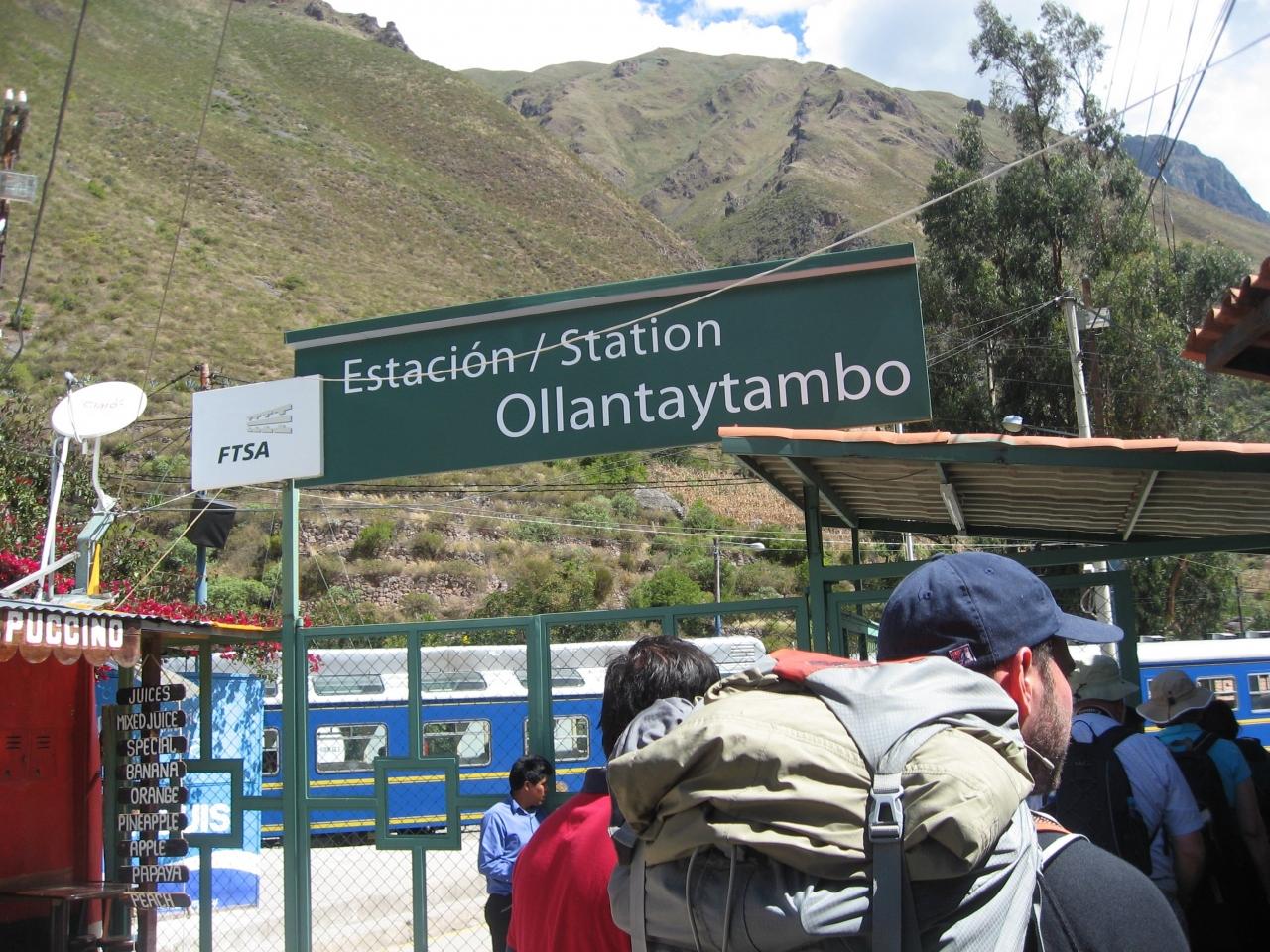
Day three is all downhill hiking. The first stop is at the Kachiqata quarry, where we witness the work the Incas could not complete due to the Spanish conquest. From here we walk to Ollantaytambo train station where the expedition's cook will provide box lunches for our train journey to Aguas Calientes.
Once in Aguas Calientes we meet our fellow travellers who opted to take the "Train Option" of this trip. The natural hot springs in town are an unbeatable way to spend a late afternoon/early evening. Tonight we overnight at a simple but comfortable hotel.
Day 4 - Today we take a very early bus (5:30am depending on weather conditions) along the winding road to Machu Picchu (approx. 30 minutes). In Machu Picchu we join the travellers who opted to hike the Classic Inca Trail option of this trip before taking on a guided walk of Machu Picchu.
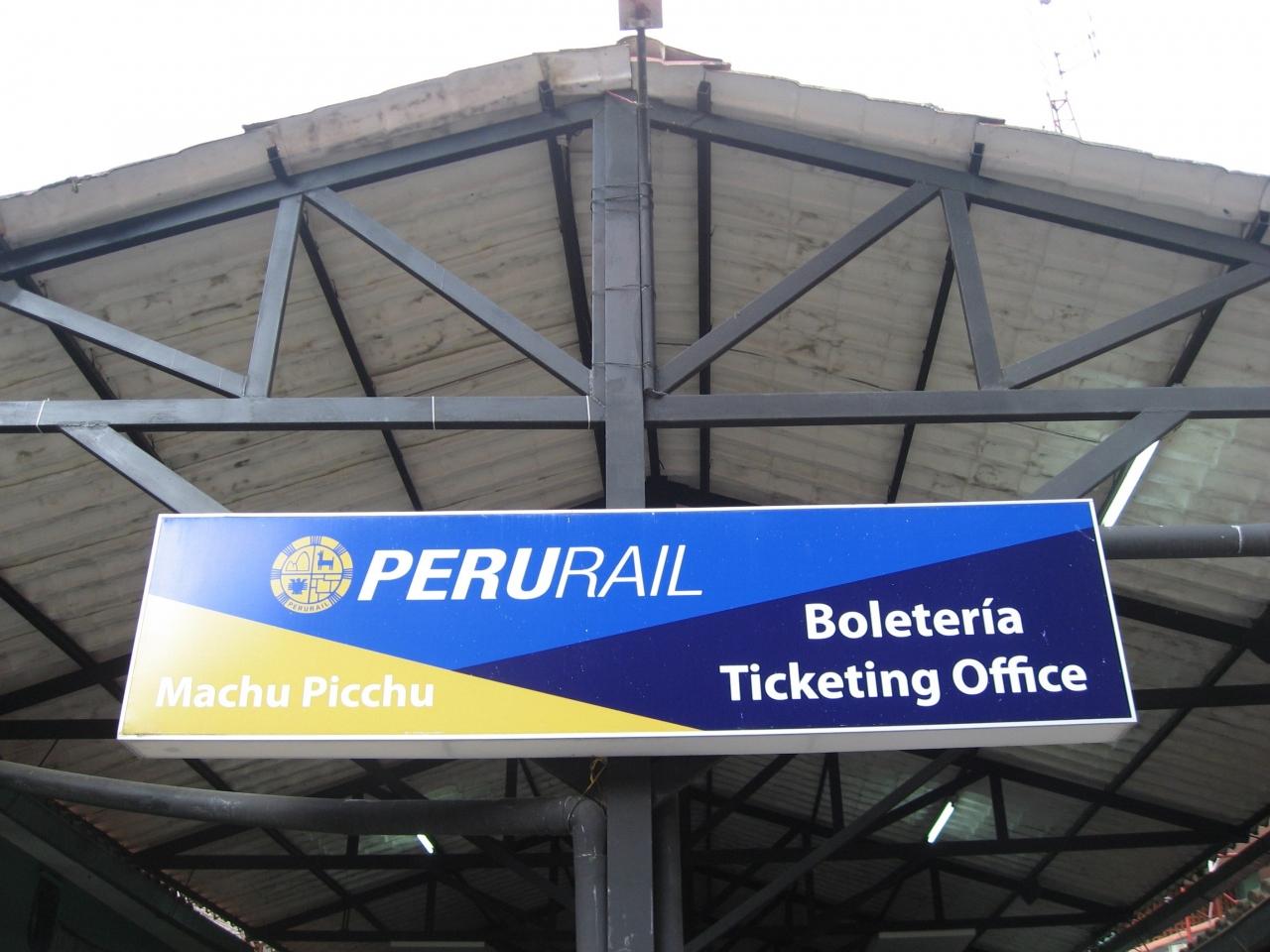
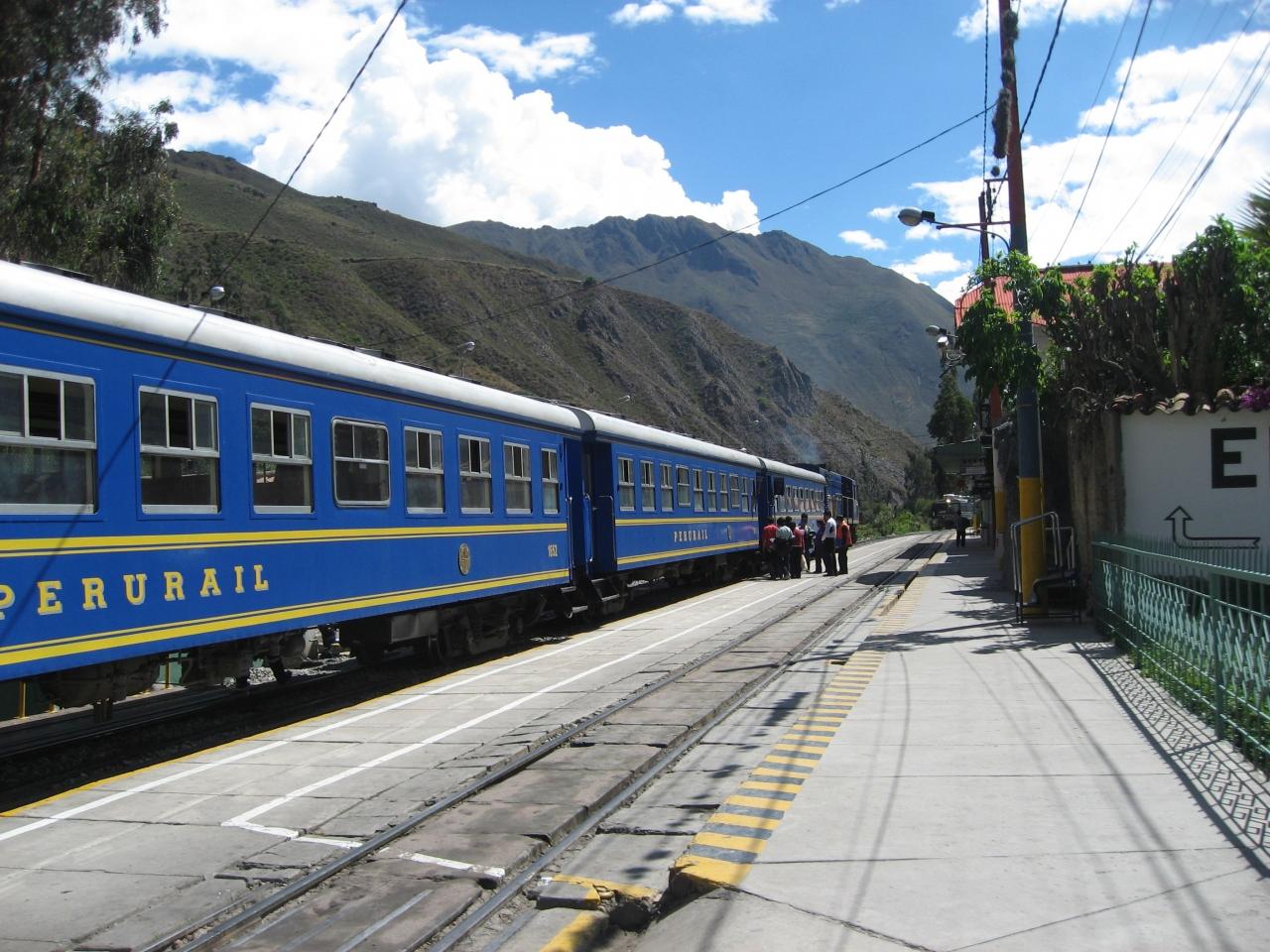
TRAIN OPTION: For those travellers not interested or unable to hike the trail it's possible to spend two extra two days in Cuzco then travel by train to Aguas Calientes. The following morning there will be a bus to Ollantaytambo (approx. 90 minutes), from here we catch a train through the winding Urubamba Valley to Aguas Calientes (1.5 hrs approx.) where we will spend the night.
Aguas Calientes is nestled in the cloud forest in the hills at the foot of Machu Picchu. For those who want a sneak peak, there is time to visit Machu Picchu independently before a guided tour the following day. Otherwise, you can while away the afternoon in the natural hot springs that give the town its name.
This option must be arranged at the time of booking or local fees will apply. Although you won't be accompanied by a leader, Intrepid has an office in Cuzco, so if you need any help please feel free to drop in and ask for assistance. Should you require emergency assistance on these days please refer to the 'Emergency Contact' section of these Trip Notes.
MACHU PICCHU: While it's thought Machu Picchu was built around 1440 as a country retreat for Incan nobility, there is evidence this had been a sacred Incan site for much longer. Another school of thought is that this was an astronomical observatory. There's plenty of time for you to decide for yourself as you wander around the many temples, palaces and living quarters. You will have a guided visit (approx 1.5-2 hrs) with plenty of free time afterwards. After taking advantage of the seemingly endless photo opportunities, it's time to return to Cuzco for a well deserved shower and a pisco sour.
WAYNA PICCHU: Due to Intrepid's internal safety policy our leaders are specifically prohibited from recommending or assisting with booking this activity. -
インカトレイルに参加するはずだったけれど、わりと重い高山病にかかりクスコにステイすることに。ヨレヨレすぎて、ツアーガイドに病院に行ったほうが良いと言われ、連れて行ってもらったら、1泊入院することに。旅行保険があるからか、外人だからか、一番高層の部屋に入院させられた。検査をするときに車椅子で下の階に連れて行かれた、人が狭い場所にたくさんいてカオスだった。ここでも医師以外には英語が通じず、部屋に来るナースが何かをスペイン語で言って注射とか点滴されて、心細い思いをした・・。
インカトレイル組は鉄道は使わず、徒歩でマチュピチュへ。友達は予定通りインカトレイルへ。 -
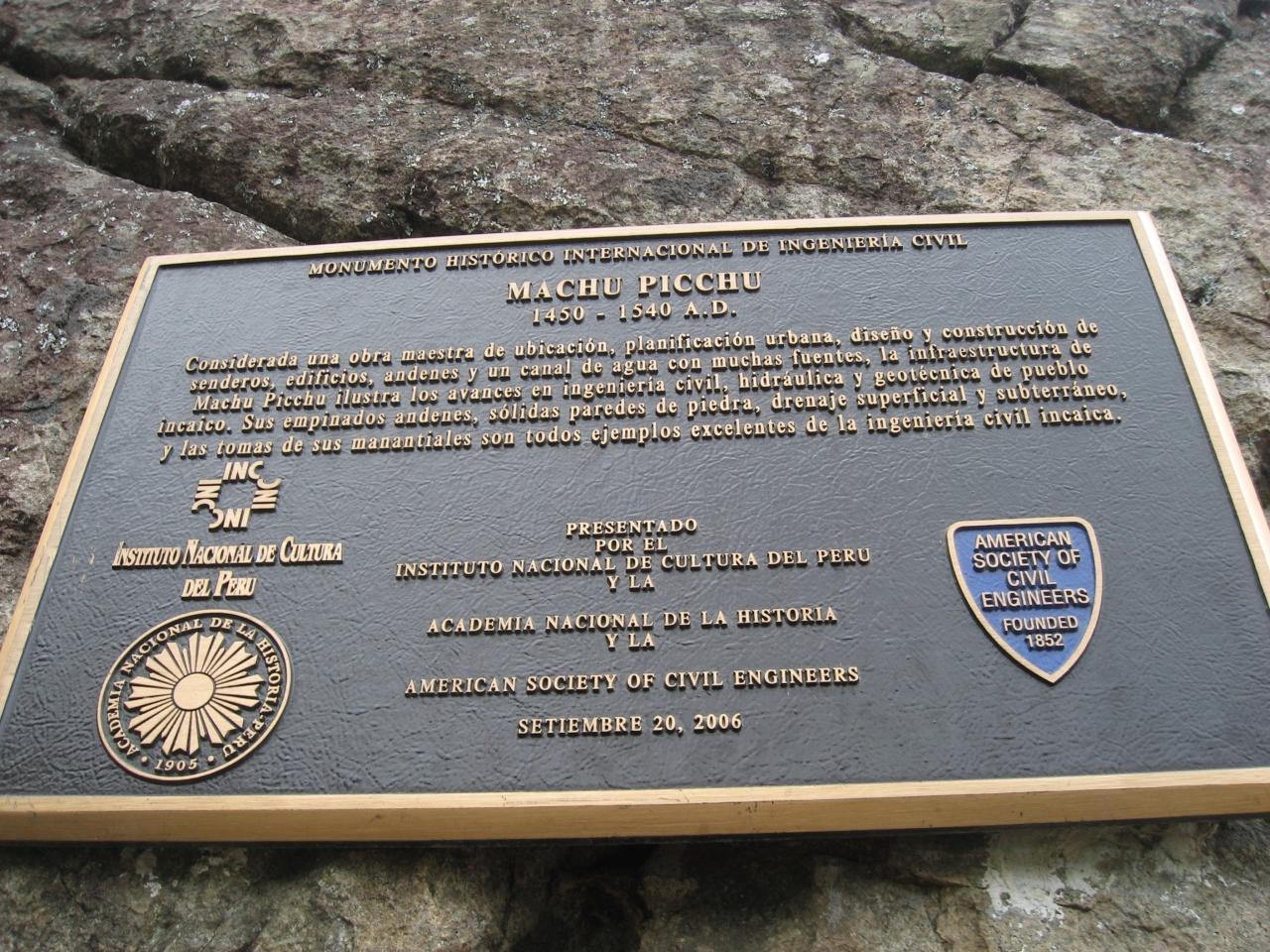
マチュピチュにあった看板。
-
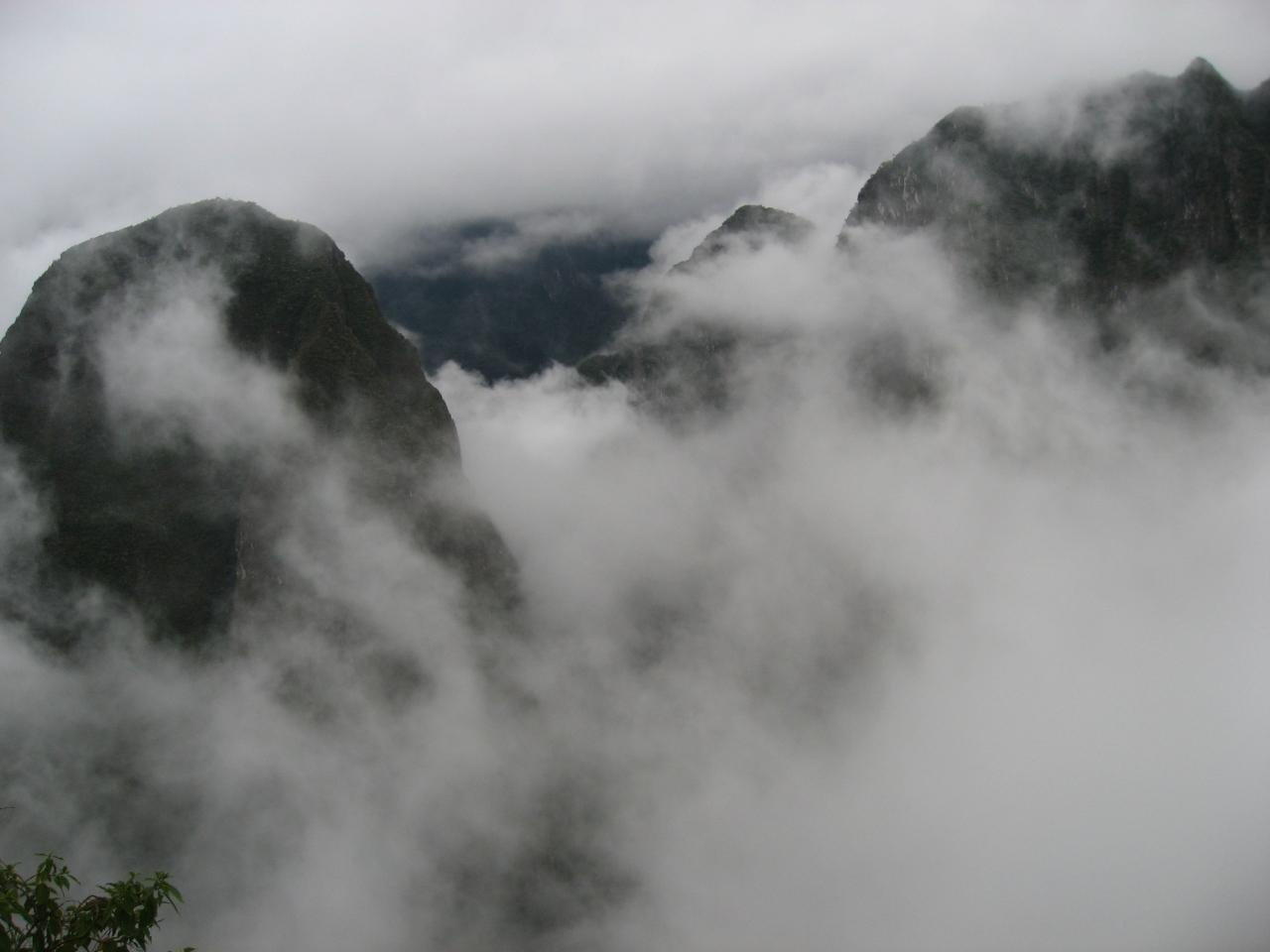
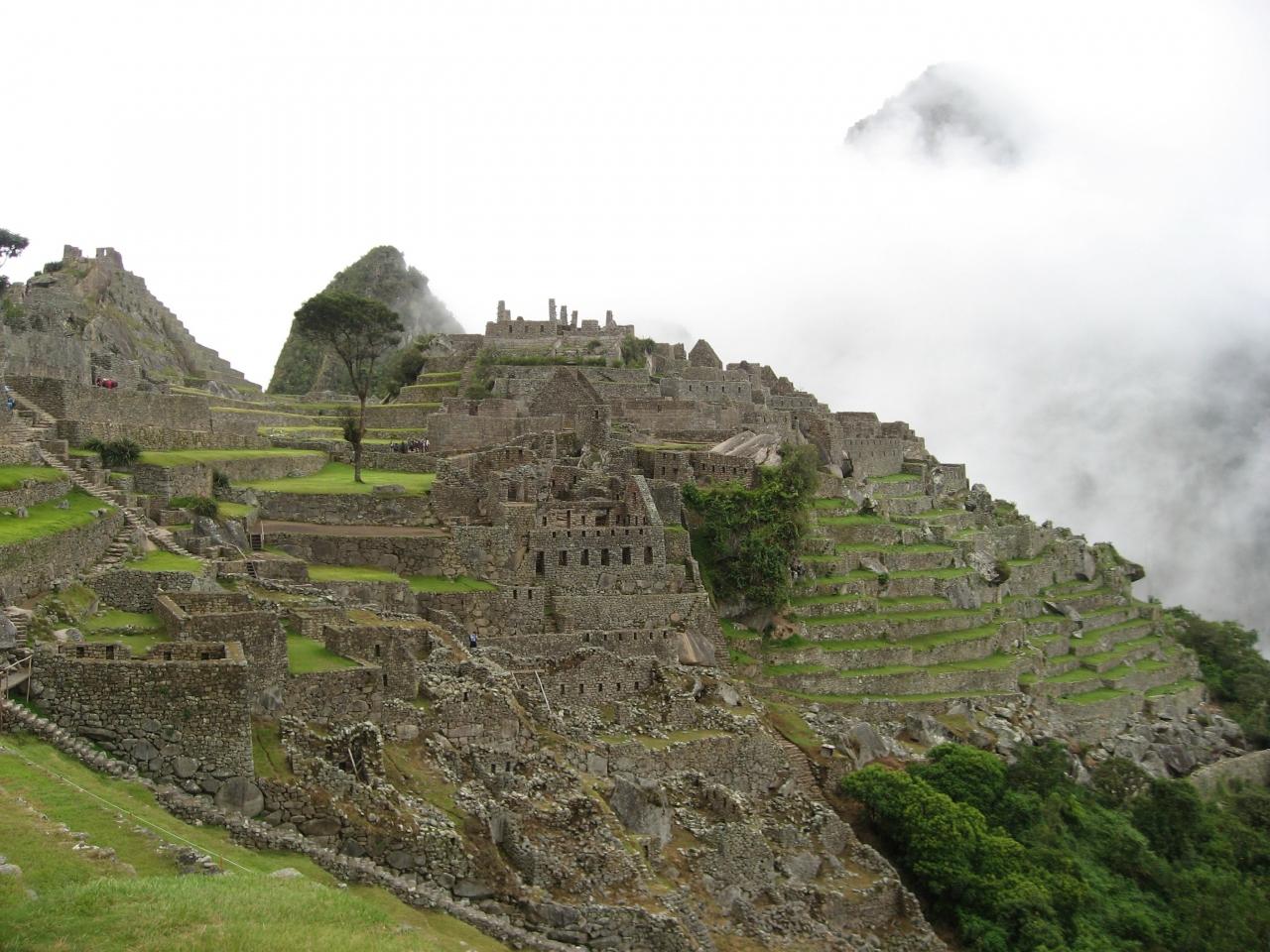
マチュピチュに着いたら、キリがすごかった。何も見えないじゃん・・と思っていたけれど、1時間もしないうちに晴れて、最高の天気になった。
-
徐々にキリが晴れてきているところ。
-
マチュピチュのガイドがついていて、色々見所を教えてくれる。英語ガイドだった。
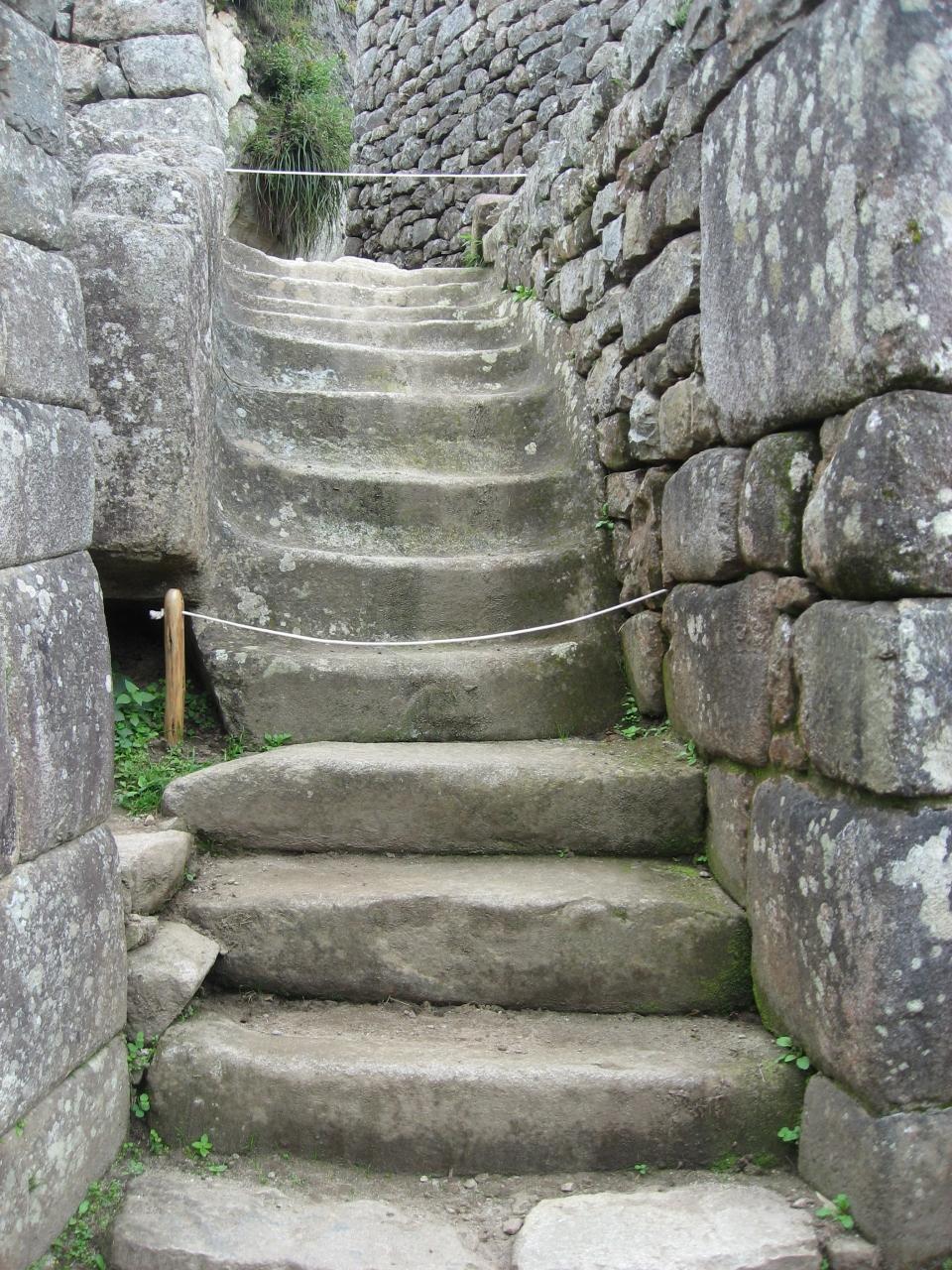
一枚の石で作られた、階段のようなものがある。 -
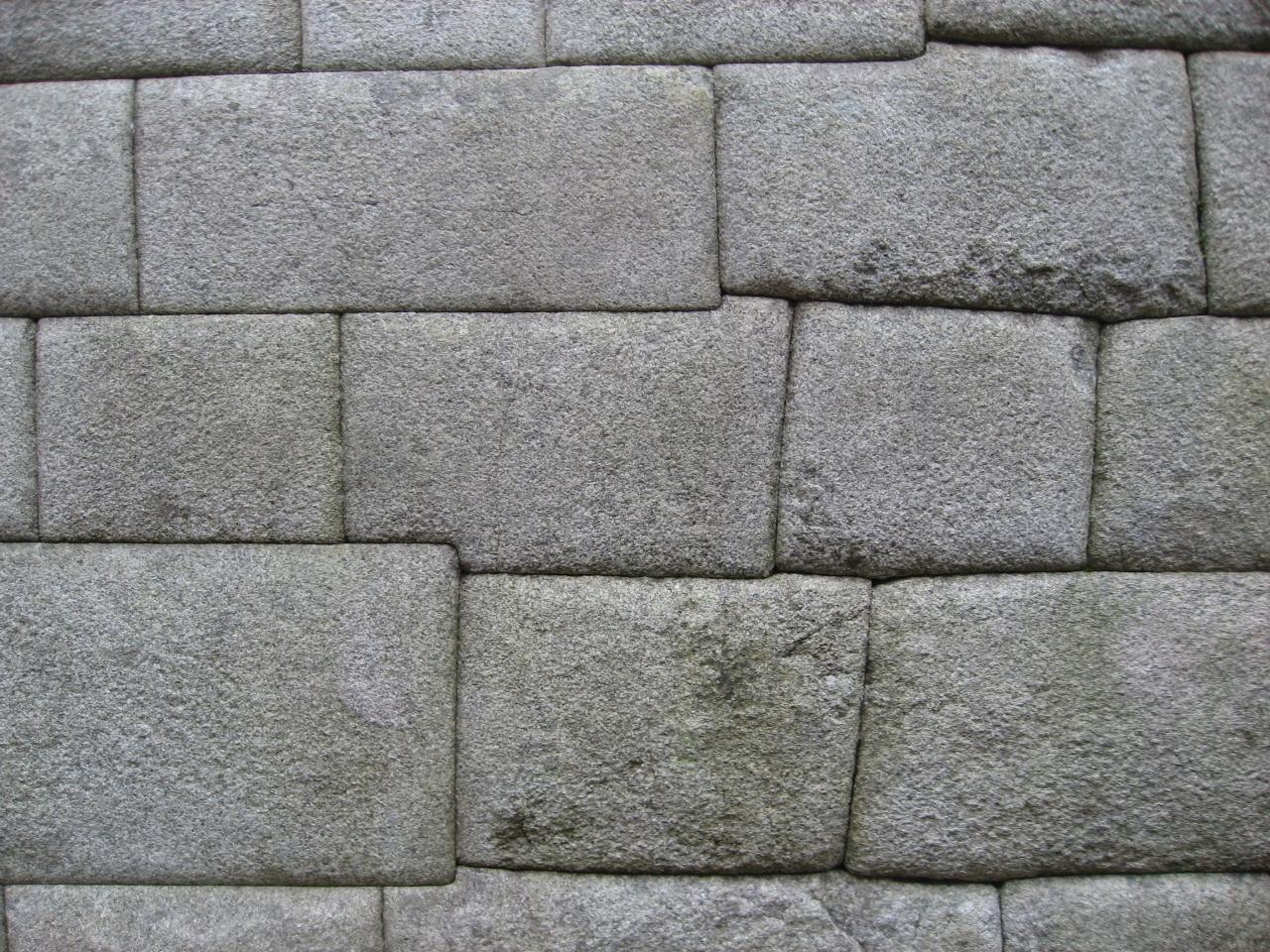
この精巧な石の組み合わせ、すごいな。
-
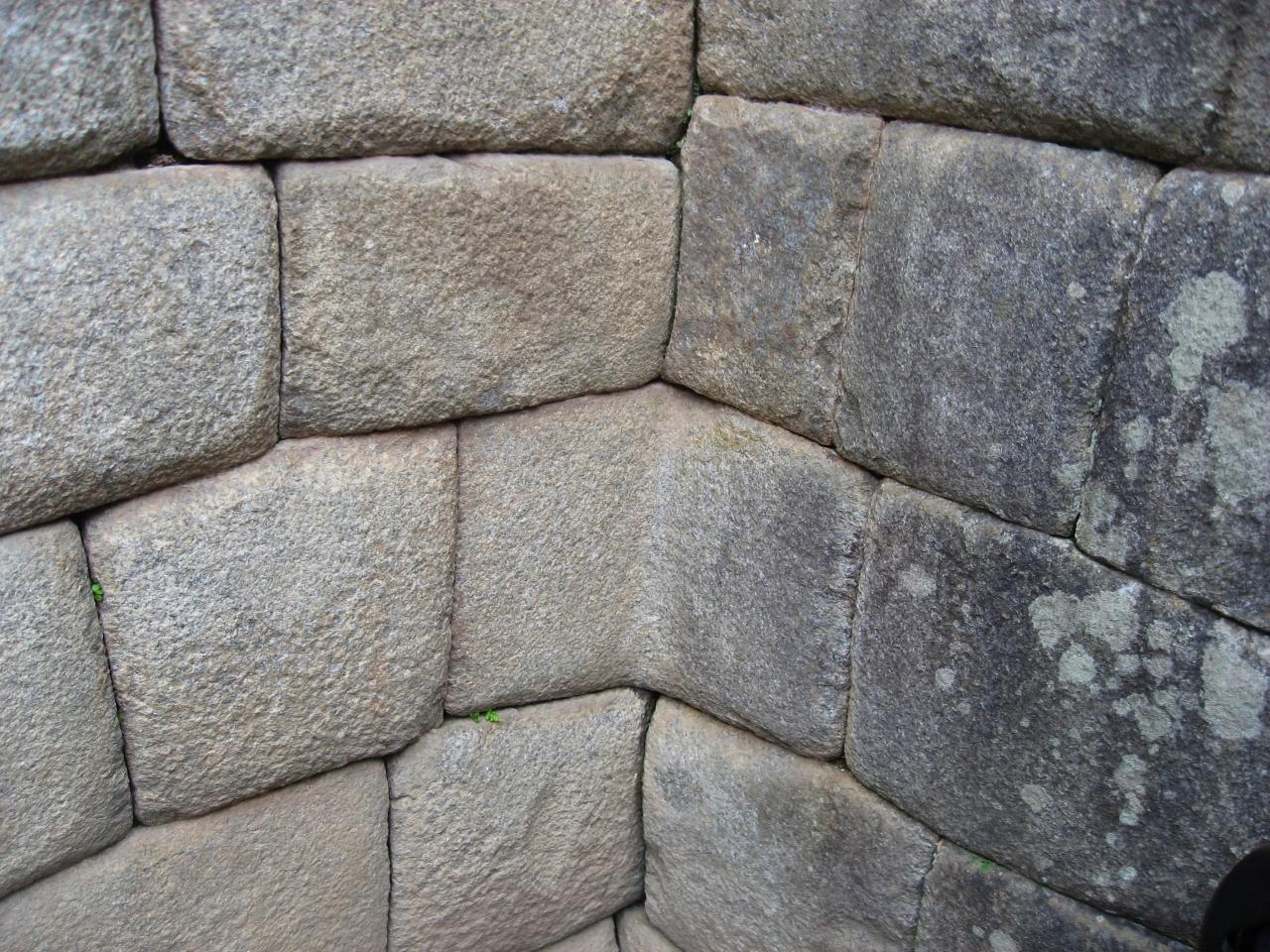
角にぴったりの石。すごすぎる。
-
石の階段。
-
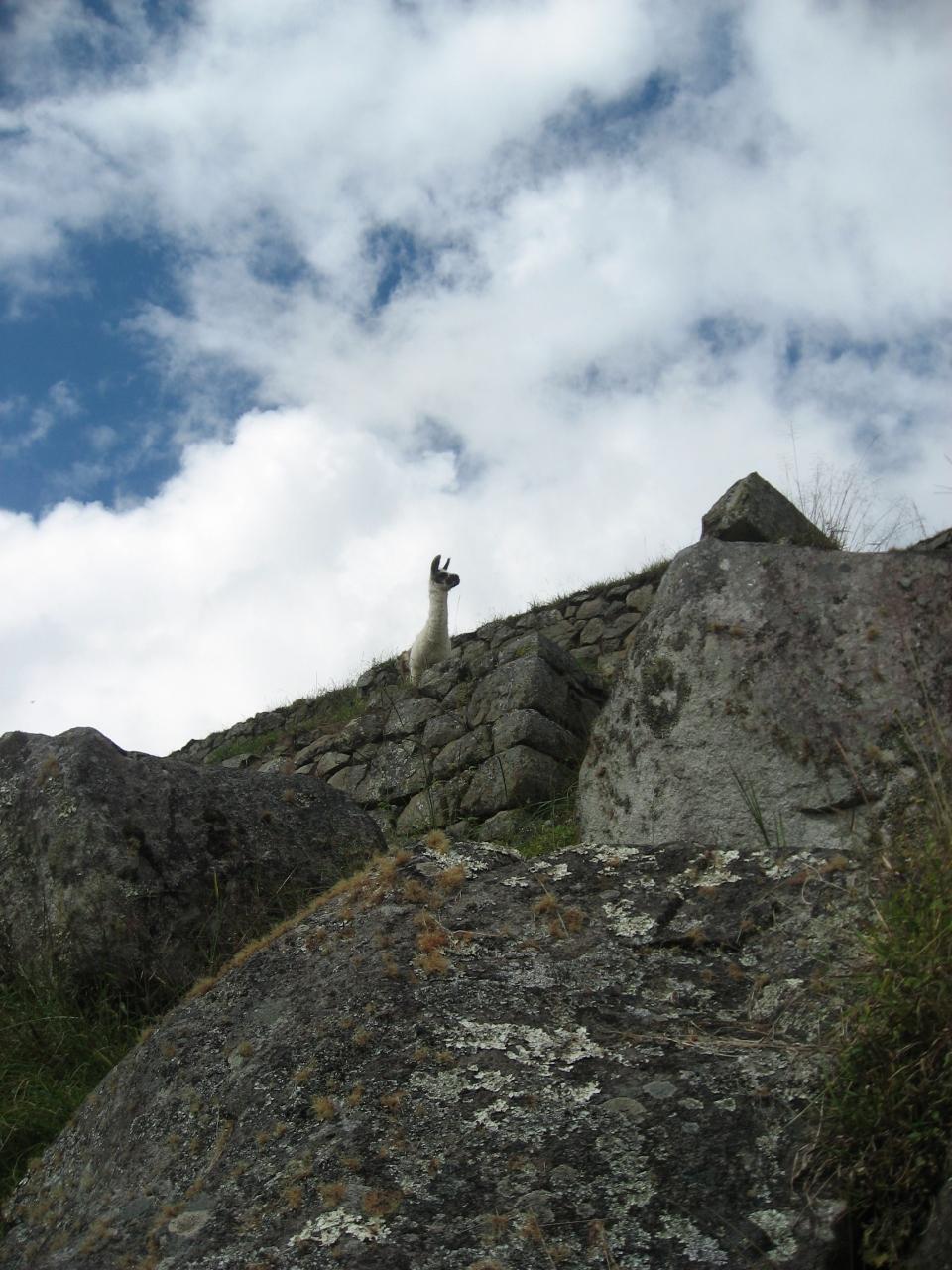
アルパカ?リマ?がいた。
-
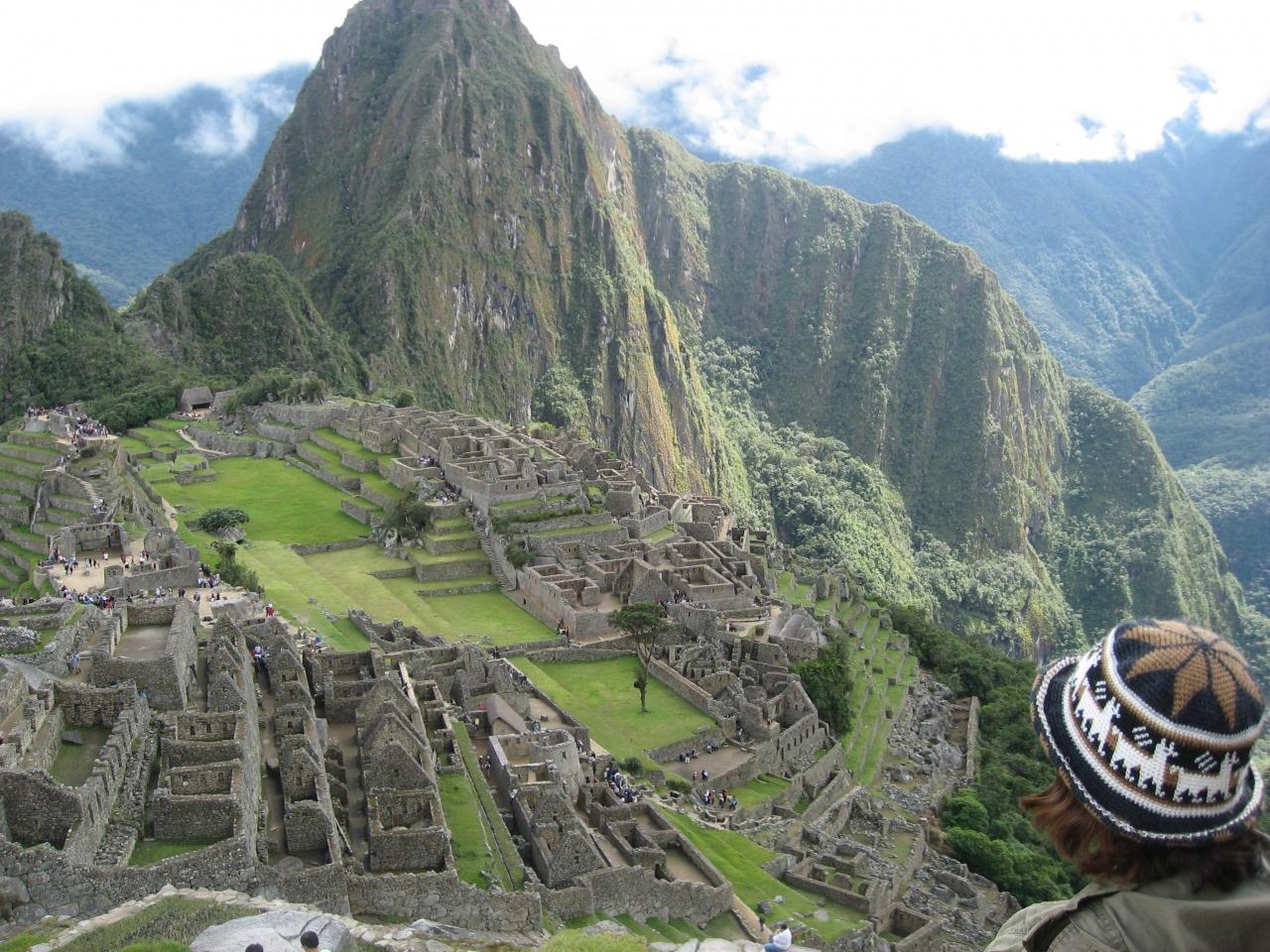
低めの山に登って記念撮影。
-
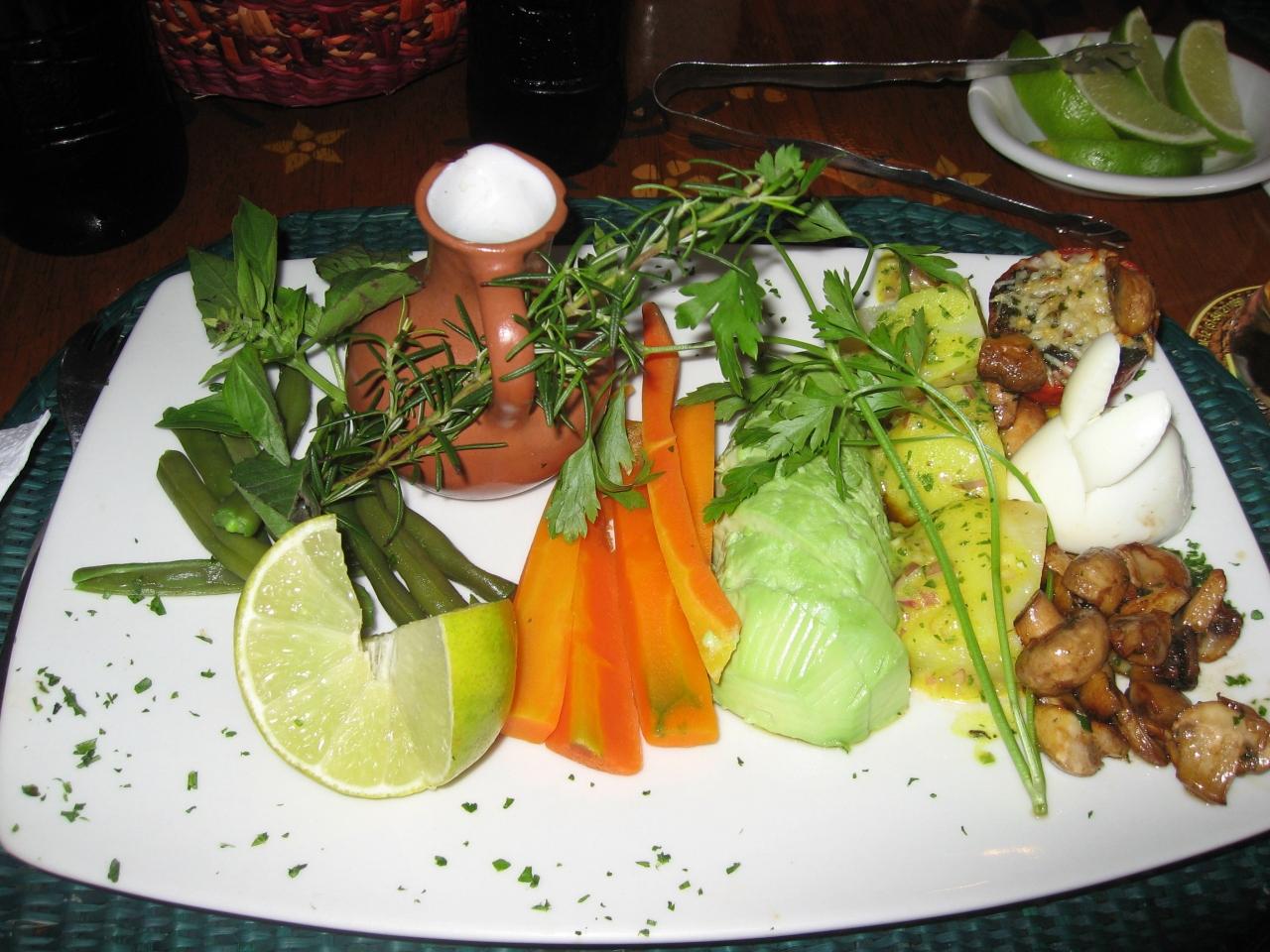
どこかで食べた昼食。
-
Day 17 Cuzco
Enjoy free time to relax, shop and explore more of Cuzco's sights. Rest weary legs at a cafe on Plaza de Armas. For those who can't get enough active adventure, there are plenty of opportunities to go mountain biking, horse riding or whitewater rafting on the Urubamba River. -
Days 18-19 Amazon Jungle
Take a 30 minute flight to Puerto Maldonado.
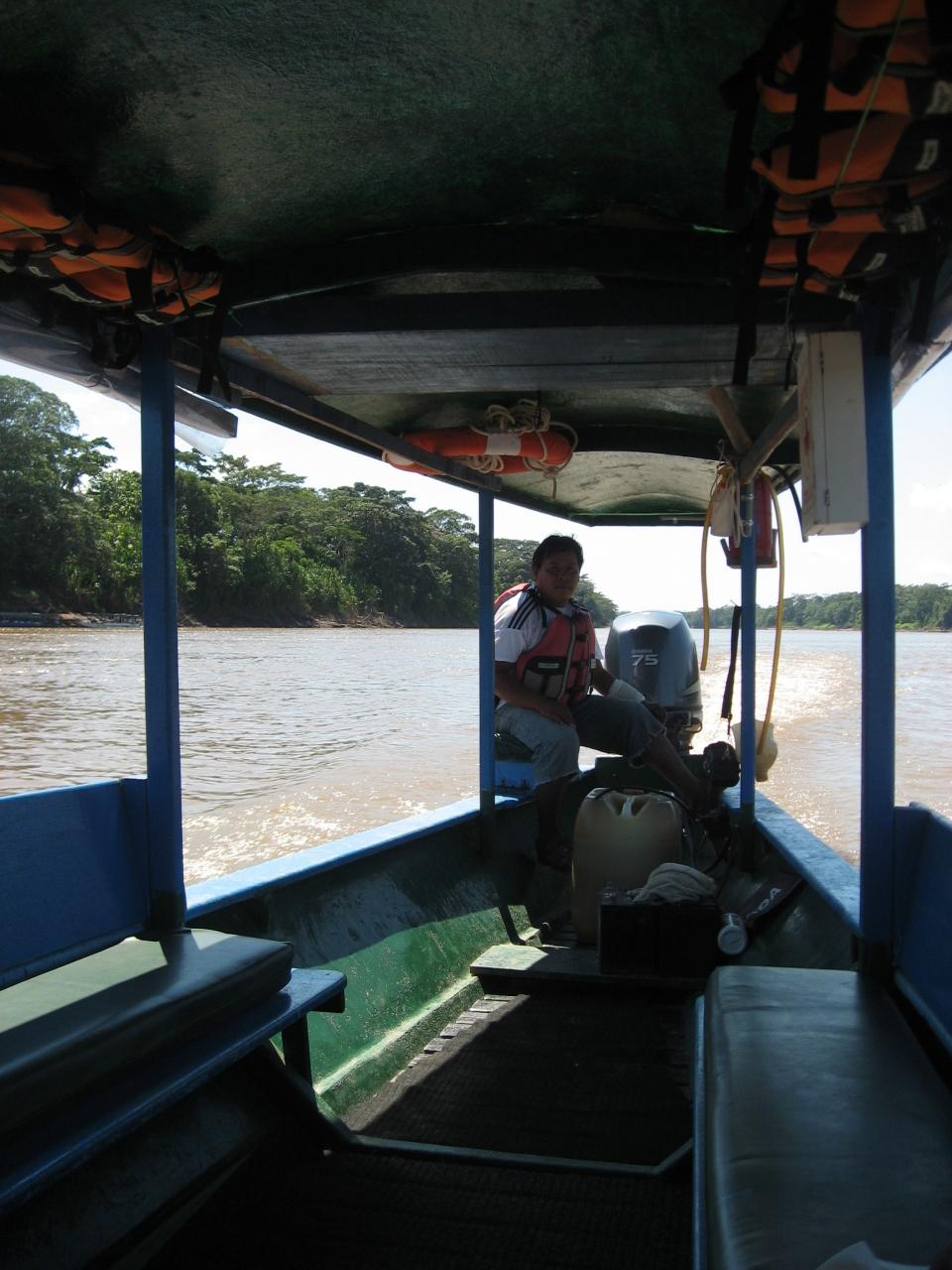
Upon arrival, the lodge staff will take us to their office in town where you will leave most of your luggage in a safe storage and continue travelling with a small pack with just the necessary items for our next two nights in the jungle. Then take a motorized canoe up river to our jungle lodge in the Madre de Dios Area.
Head into the jungle with our local, multilingual guides and encounter magnificent fauna and flora in their natural habitat. The guides can also teach us about the medicinal properties and practical uses of the plants.
After exploring the wilds, it's time to jump back in the canoe and return to civilisation.
The lodge is eco-friendly and combines low-impact architecture with traditional native style. Rooms are simple, but comfortable with flush toilets (en suite), showers (cold water only), mosquito nets and kerosene lamps for light.
アマゾンジャングルへはボートで移動。 -
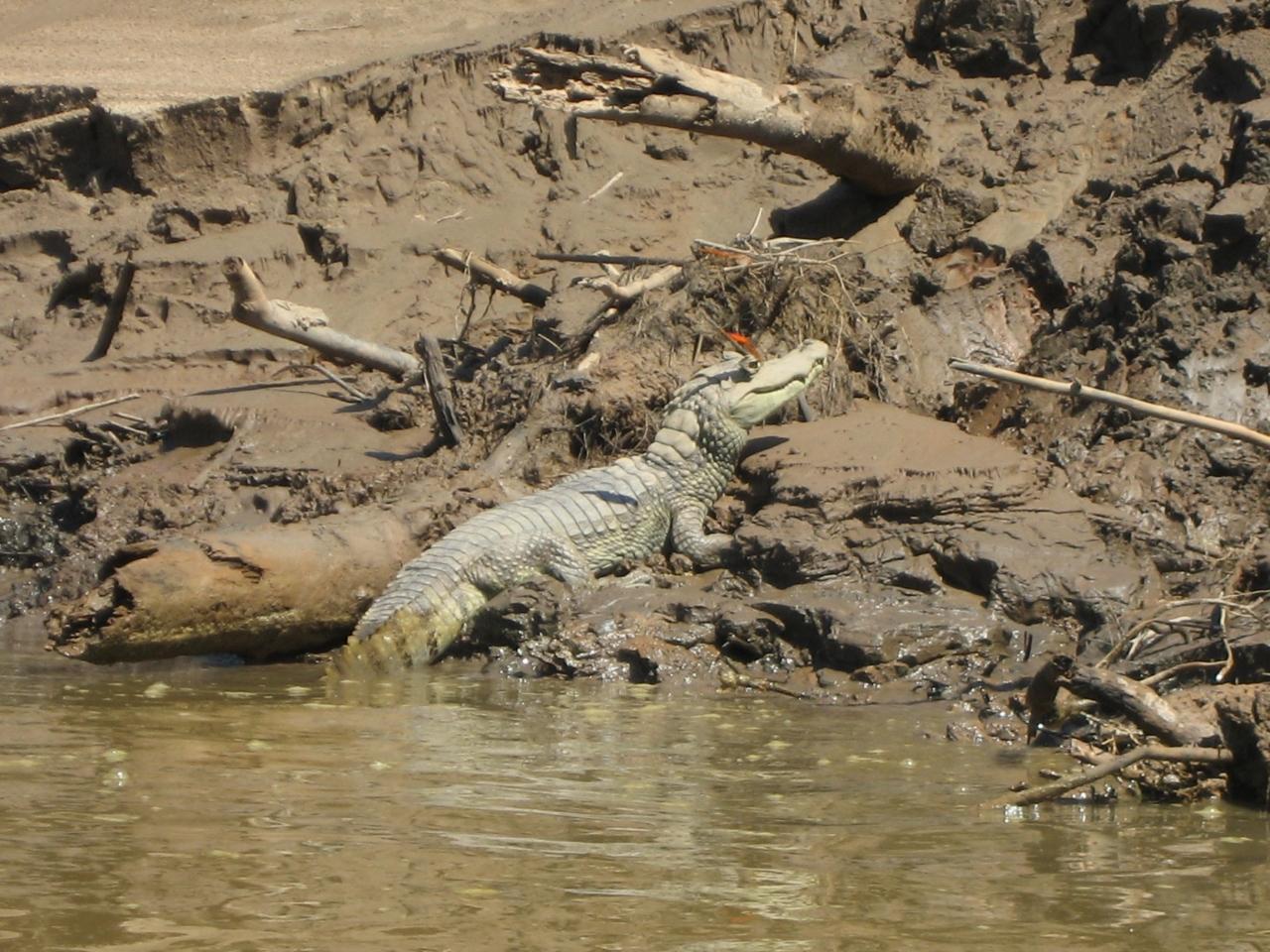
ボートからワニも見えた。川に落ちたらワニに喰われてしまう。恐ろしい。。
-
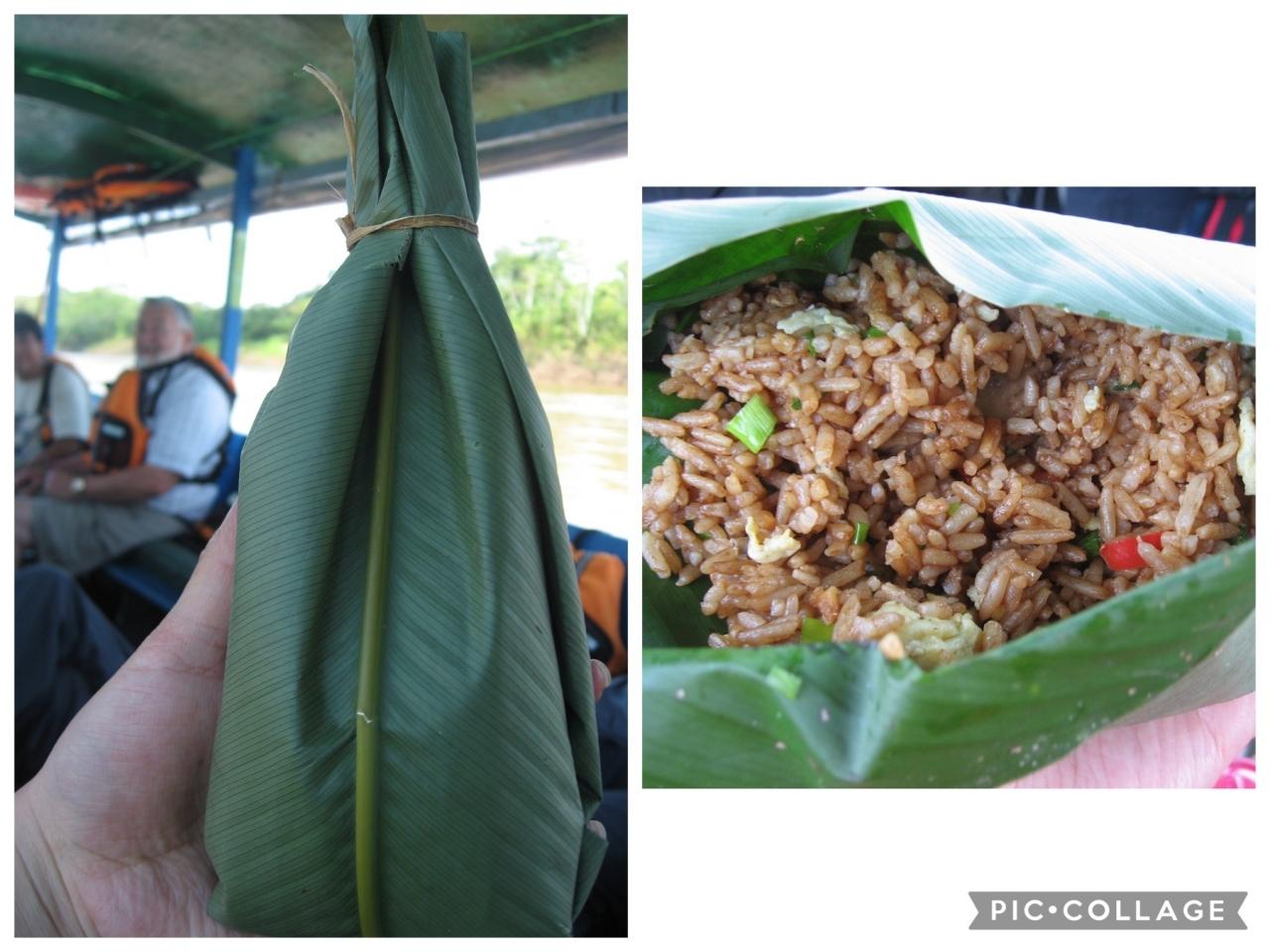
ボートで提供された食事。
-
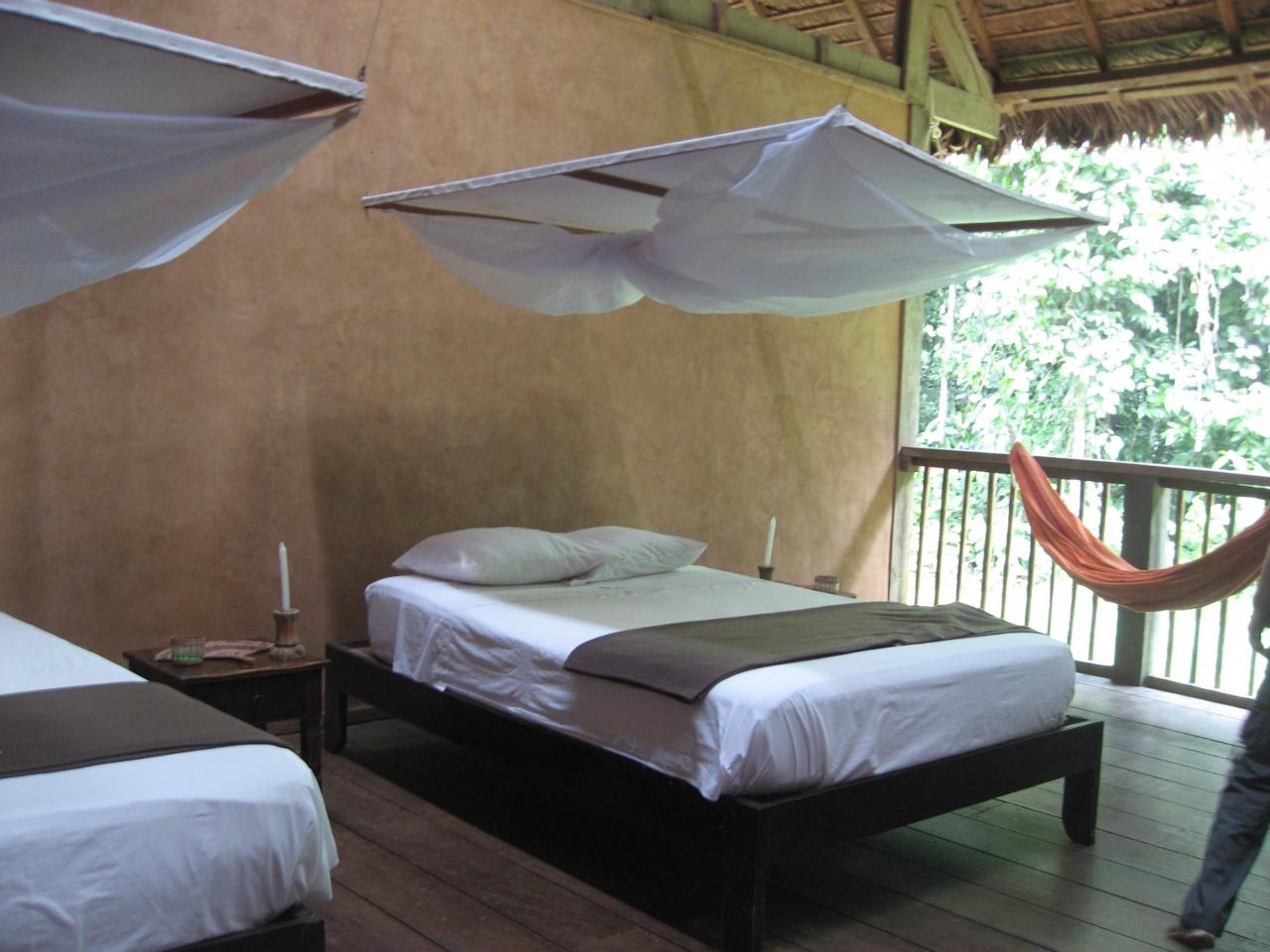
ジャングルの中のホテル。窓がなくて、大自然とともに眠る。食べ物は外に置きっぱなしじゃだめよーって言われたけど、多分フルーツかなんかを置いておいたら、食い散らされてたか、消えてたハズ。猿が部屋に侵入してた。。
-
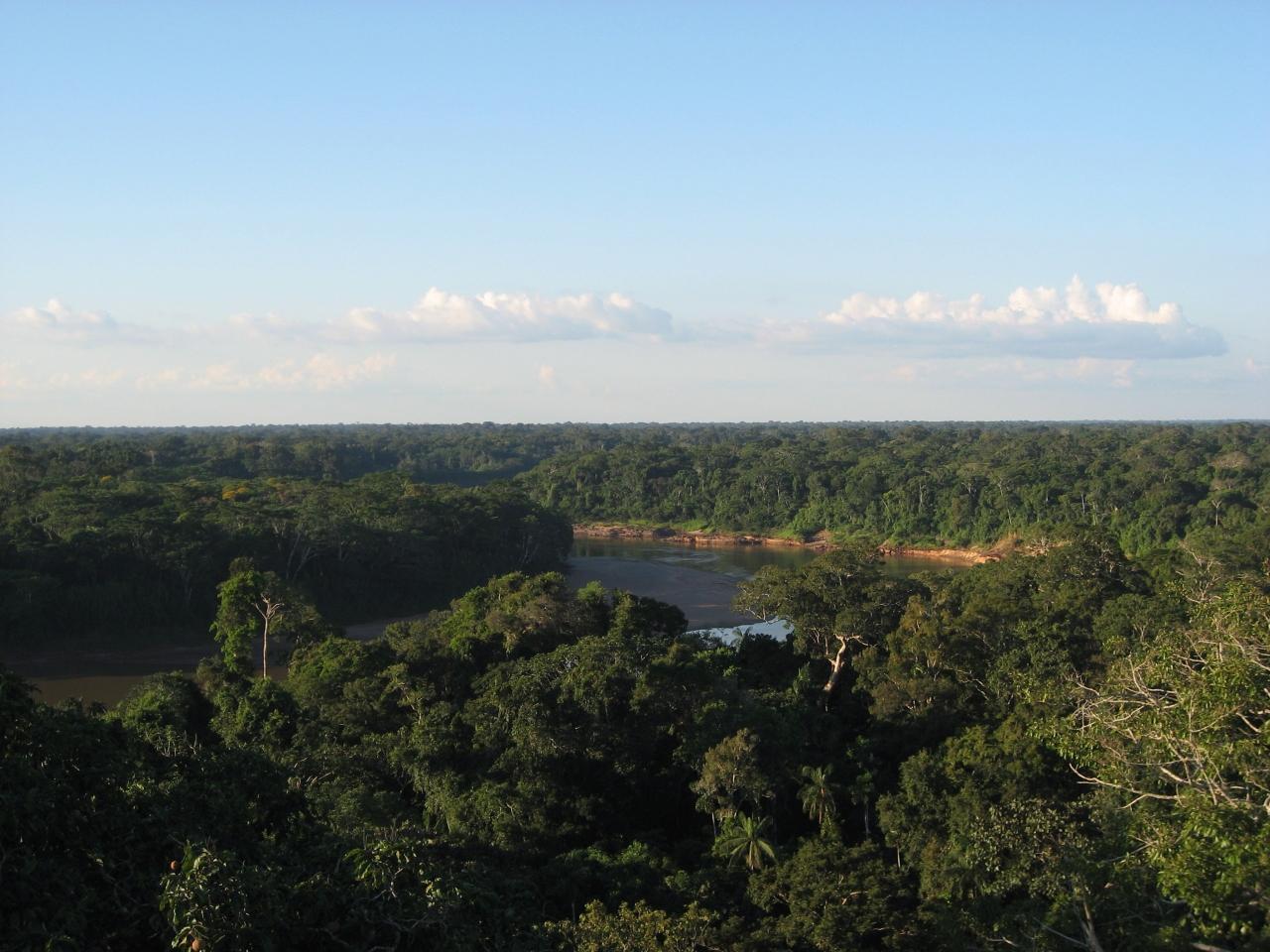
ジャングルの眺め。
-
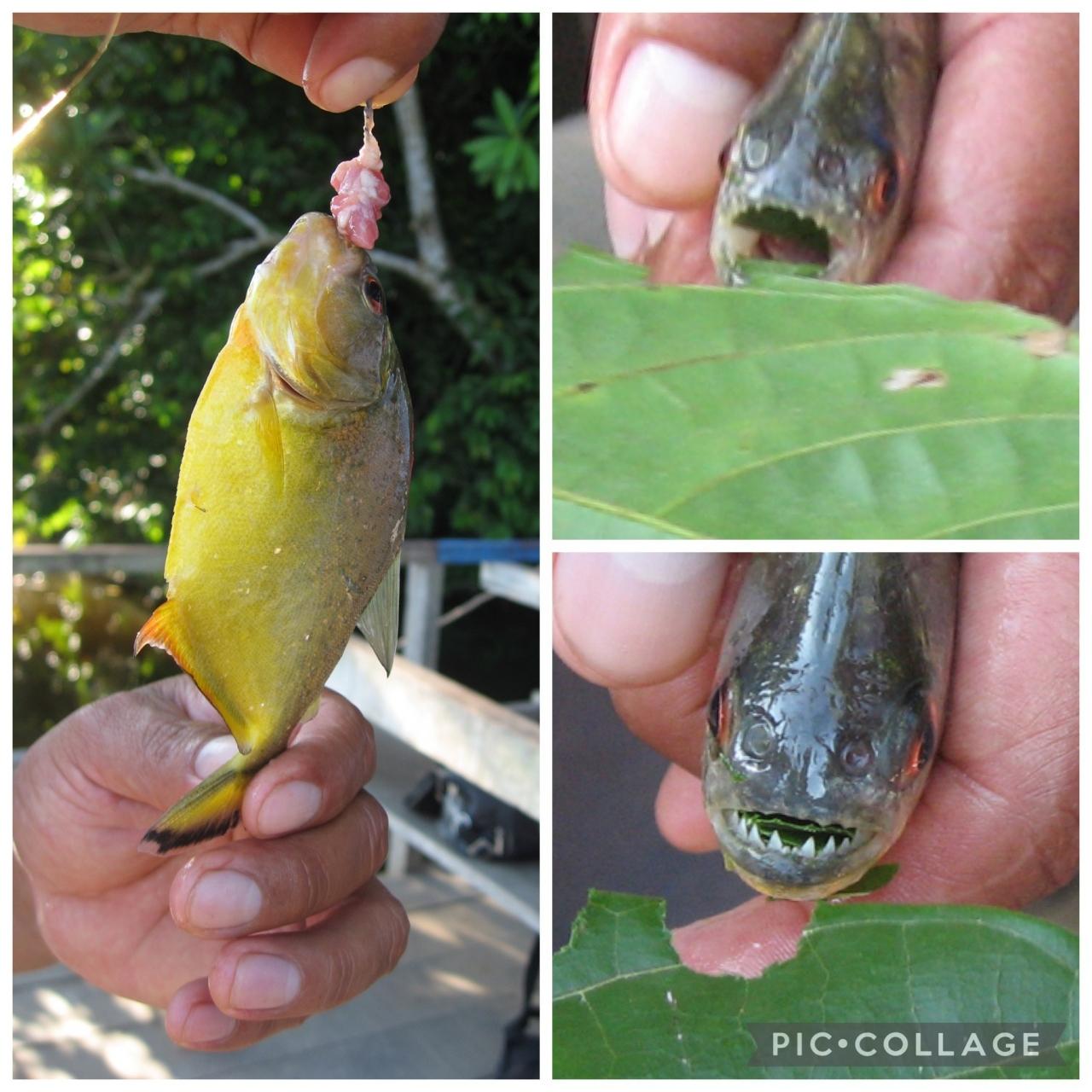
朝のアクティビティで魚釣りがあり、オーストラリア人のグループメンバーが釣り上げてた。この魚確か肉食で、肉が餌で、歯が鋭くて、葉っぱをガブっと切り裂いていた。恐ろしや。。
-
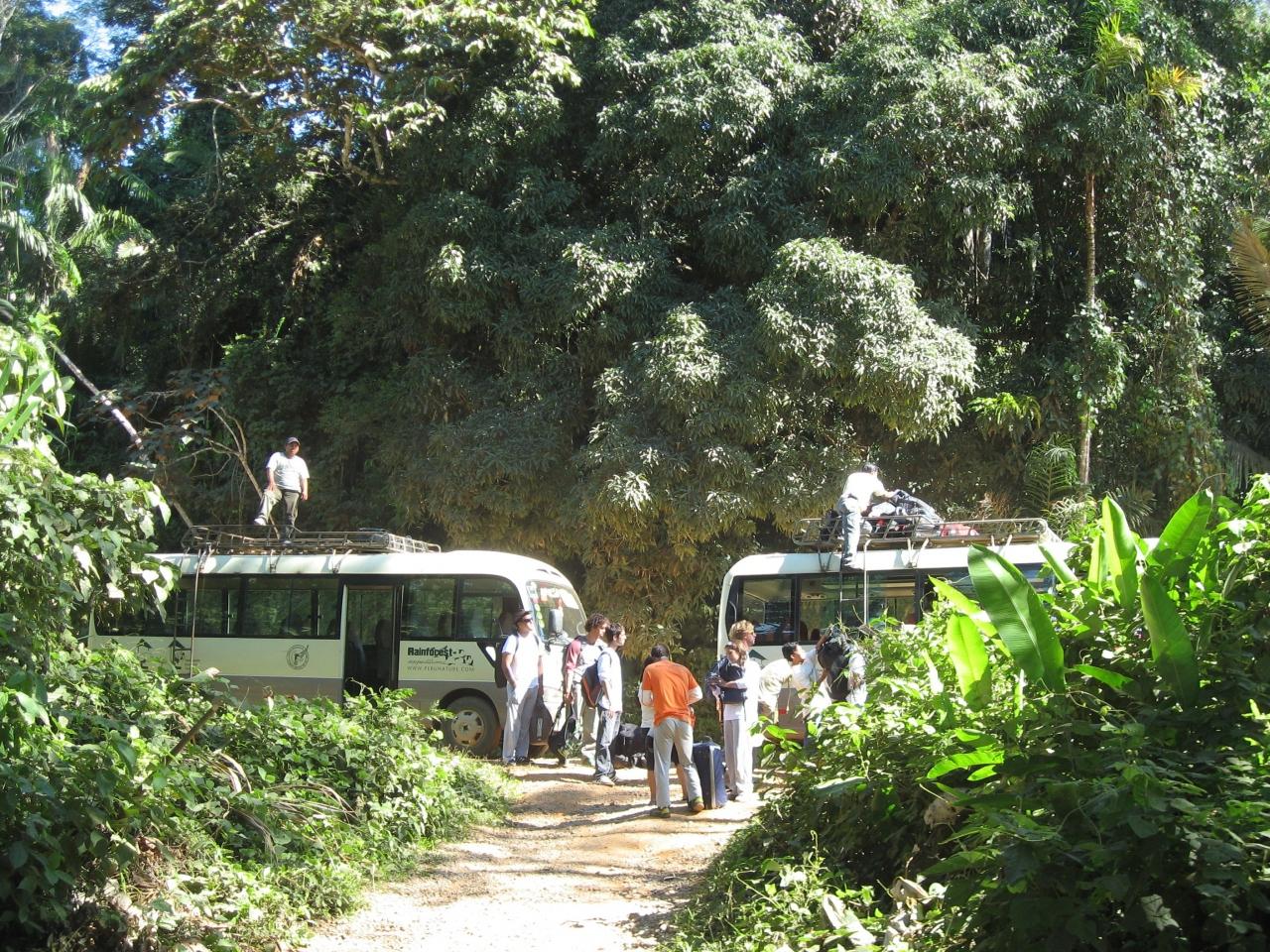
ジャングルからはこのバスで移動。
-
Days 20-21 Lima
Travel back to Puerto Maldonado before taking a short flight to Lima (approx 2 hrs).
There are no activities planned for the final day and you are able to depart our accommodation at any time. Please check the 'Finishing Point Hotel' section for checkout times and luggage storage possibilities.
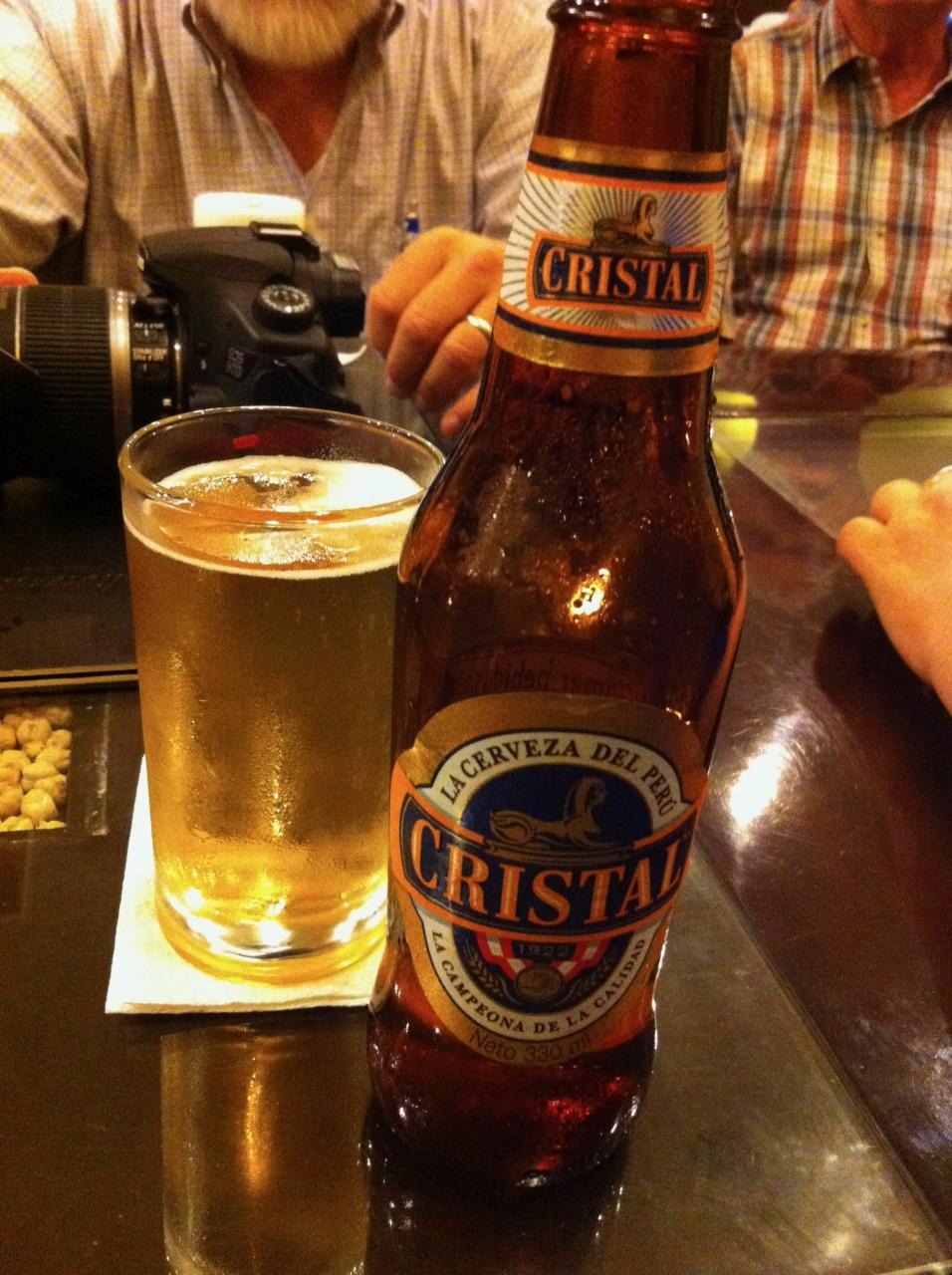
最後の夜は、同じツアーだった人とお疲れ会をした記憶。私もビール飲んでたみたい。いろんな国の人と出会えて楽しかったな。ツアーガイドや出会ったグループの一部のメンバーとはフェイスブックで今も繋がってる。やっぱりみんなすごくたくさん旅をしている。(うらやましー)
5/11
7:30 リマ発 (LAN Airlines 6714)
14:20 マイアミ着 乗換
20:35 マイアミ発 (American Airlines 646)
23:50 トロント着
リマからマイアミまで15hr20minで、マイアミからトロントまでが6hr15min。時間のかかる空の旅だったな。マイアミ空港の乗換の出国?入国?審査が長蛇の列ですごく時間がかかったことだけ覚えてる。乗換の時間がわりとあるように見えるけど、街には出ていない。





利用規約に違反している投稿は、報告する事ができます。
コメントを投稿する前に
十分に確認の上、ご投稿ください。 コメントの内容は攻撃的ではなく、相手の気持ちに寄り添ったものになっていますか?
サイト共通ガイドライン(利用上のお願い)報道機関・マスメディアの方へ 画像提供などに関するお問い合わせは、専用のお問い合わせフォームからお願いいたします。
マチュピチュ周辺(ペルー) の旅行記



マチュピチュ周辺(ペルー) の人気ホテル
フォートラベル公式LINE@

おすすめの旅行記や旬な旅行情報、お得なキャンペーン情報をお届けします!
QRコードが読み取れない場合はID「@4travel」で検索してください。
\その他の公式SNSはこちら/

0
68